




1年生のエンジニアリングデザイン最終発表

こんにちは。白山麓高専事務室の間加田 侑里です。2026年1月30日(金)に行われたエンジニアリングデザインIB(1年生)の最終発表について紹介します。
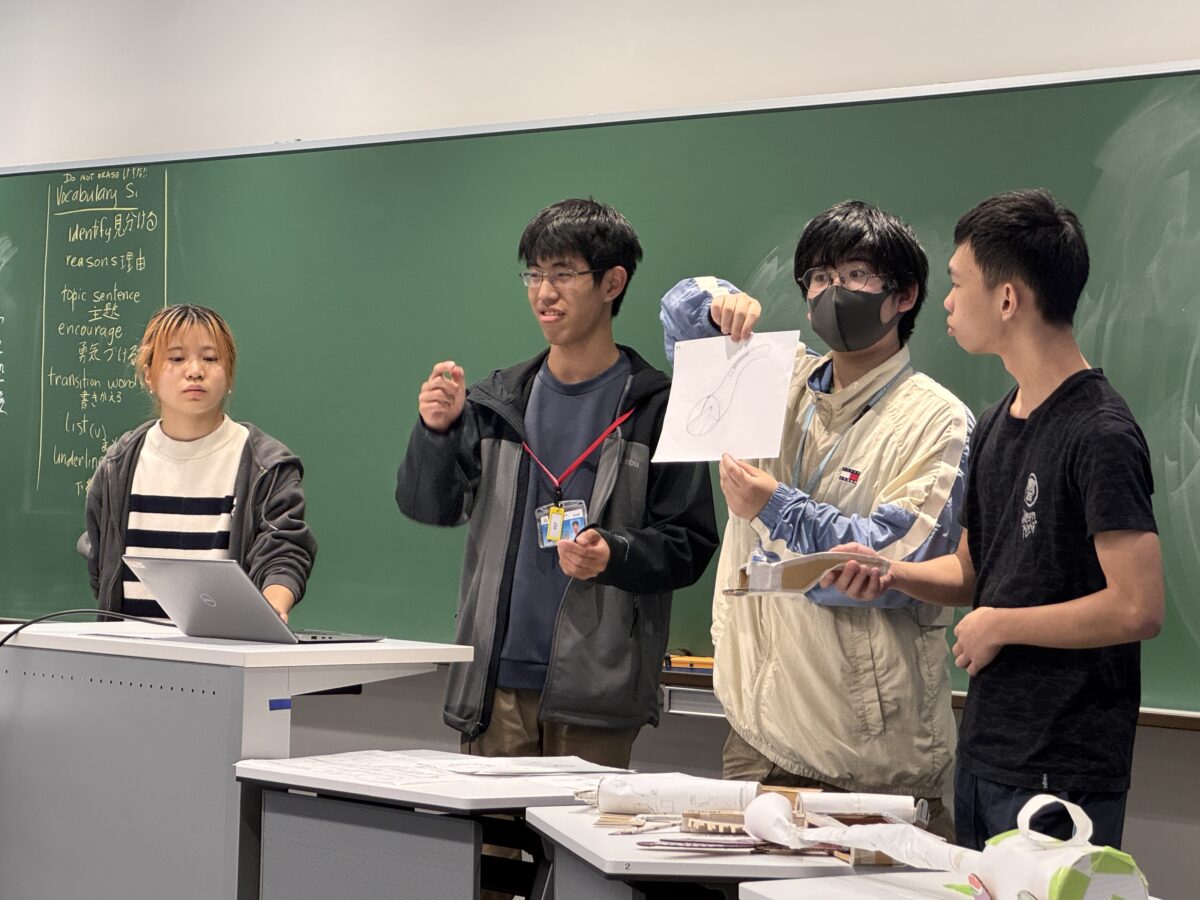
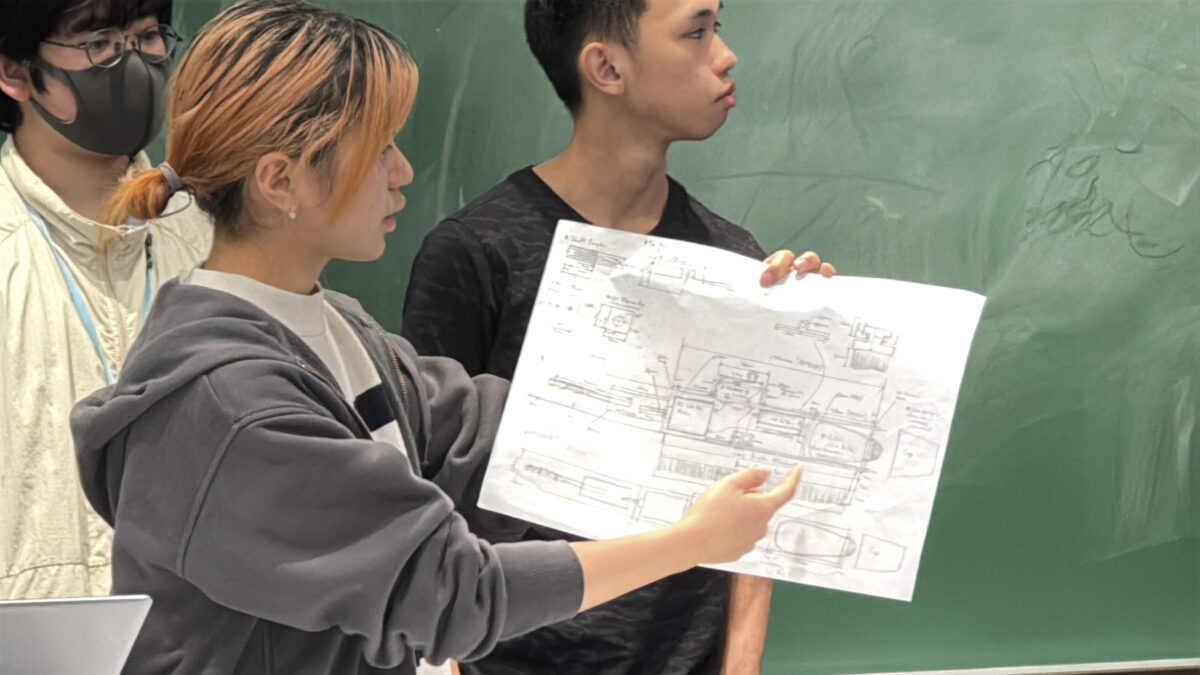
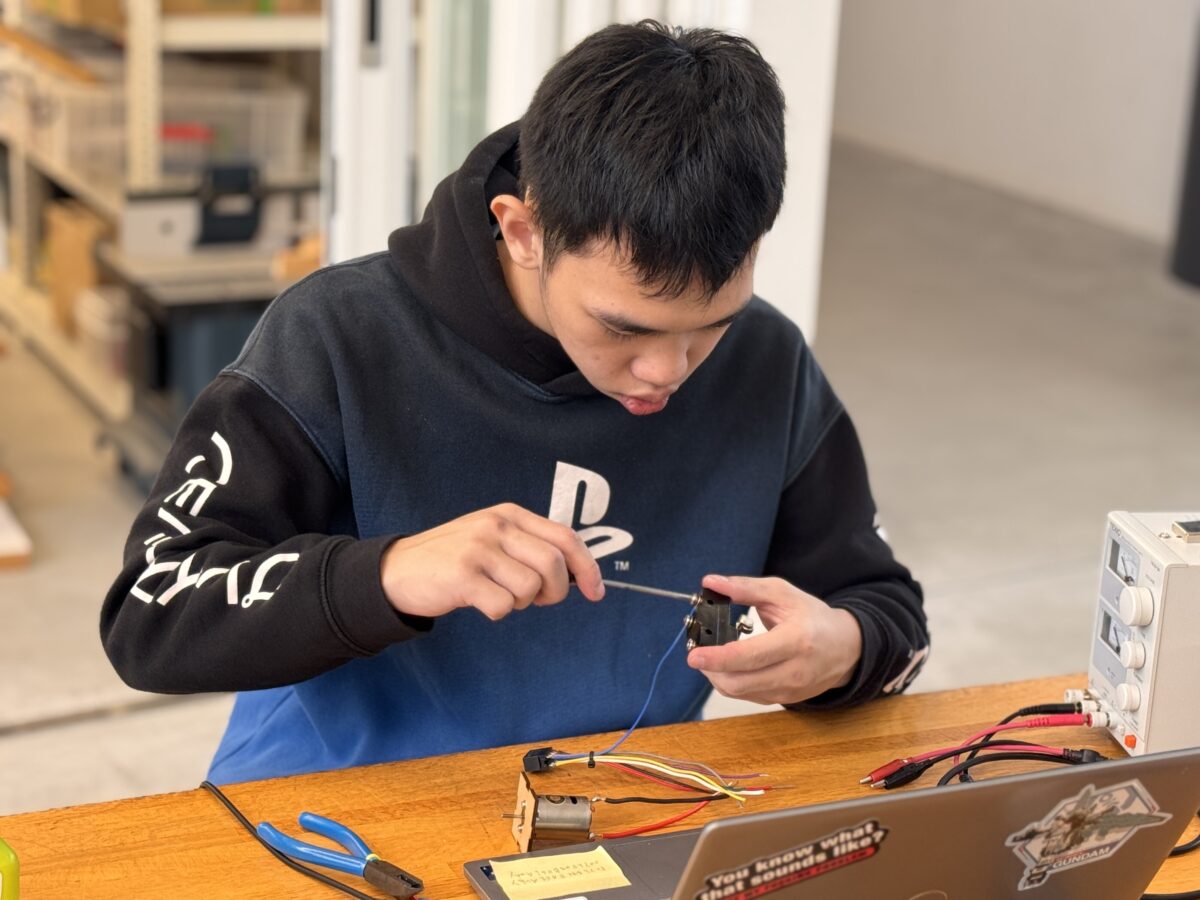
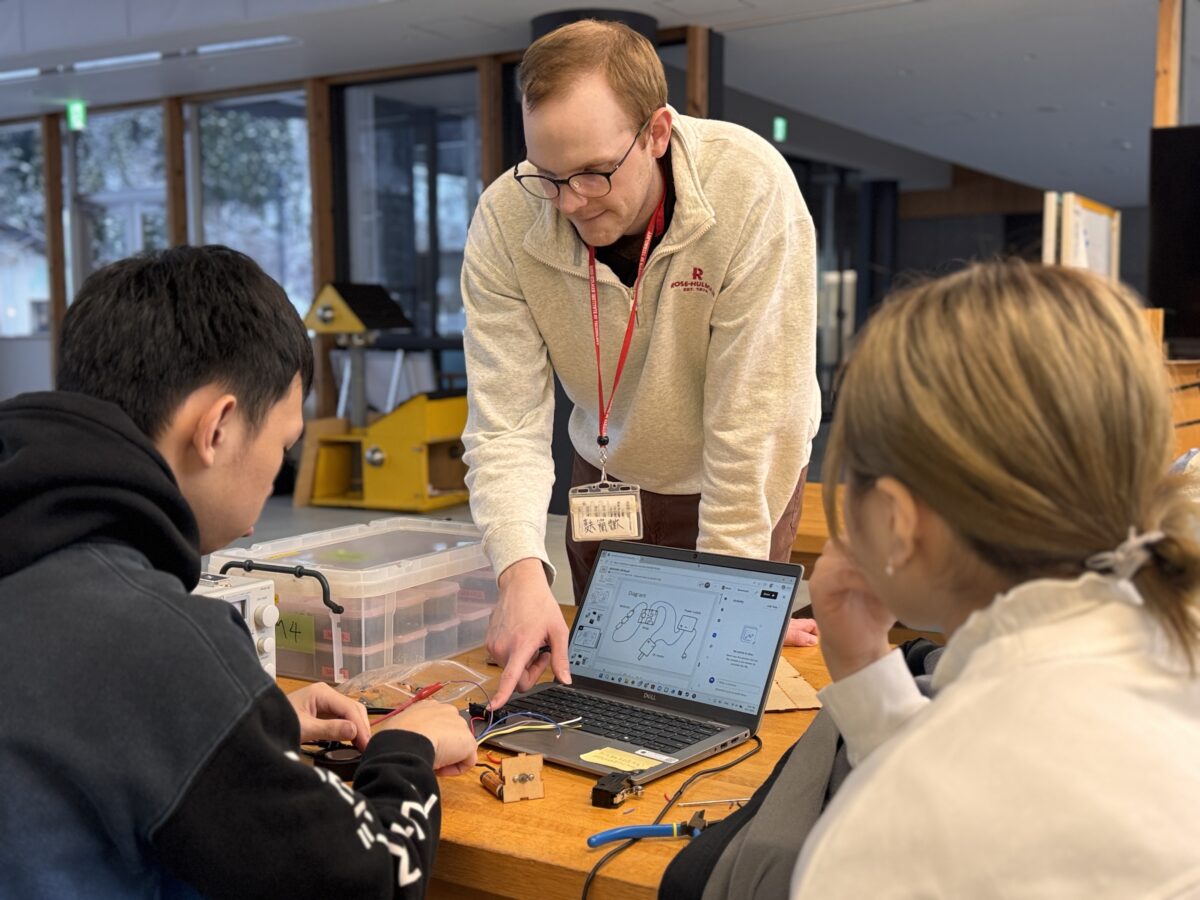
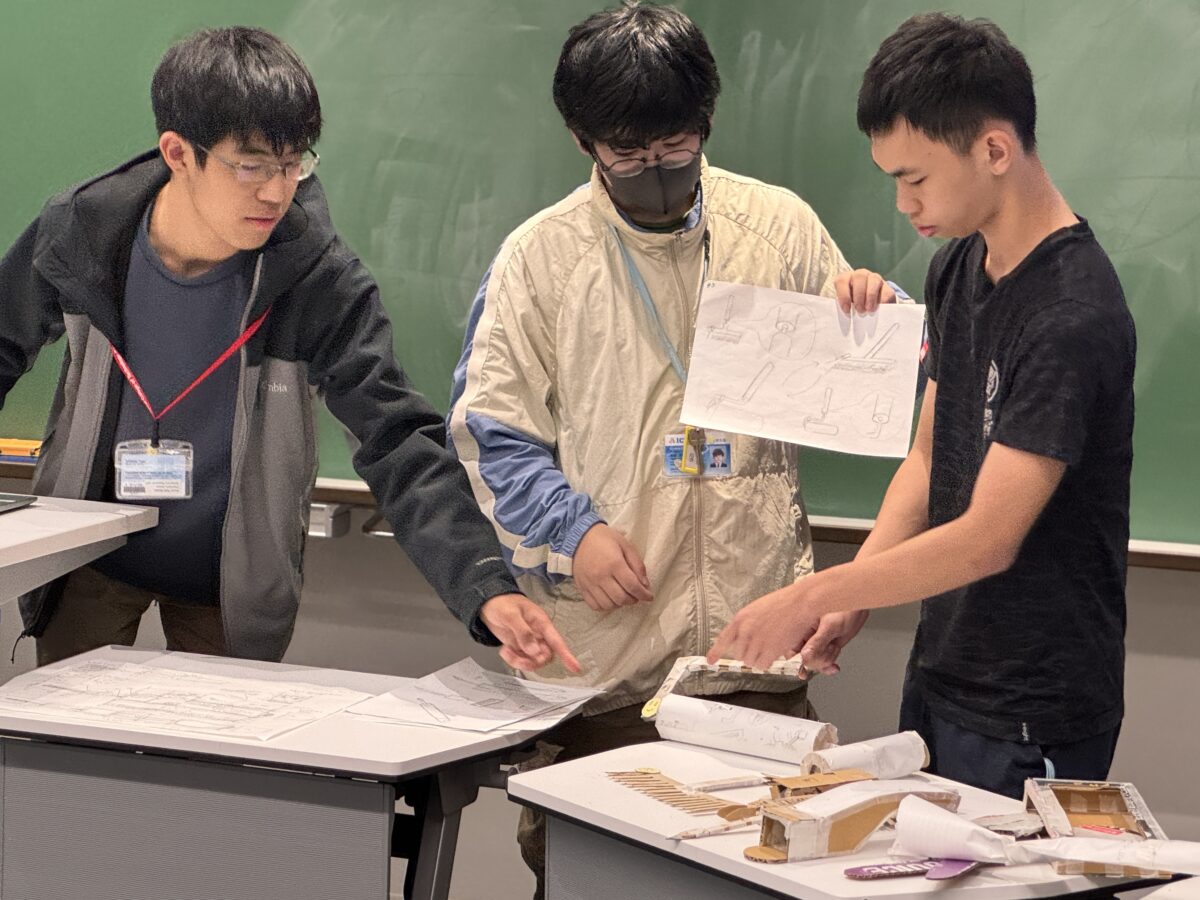
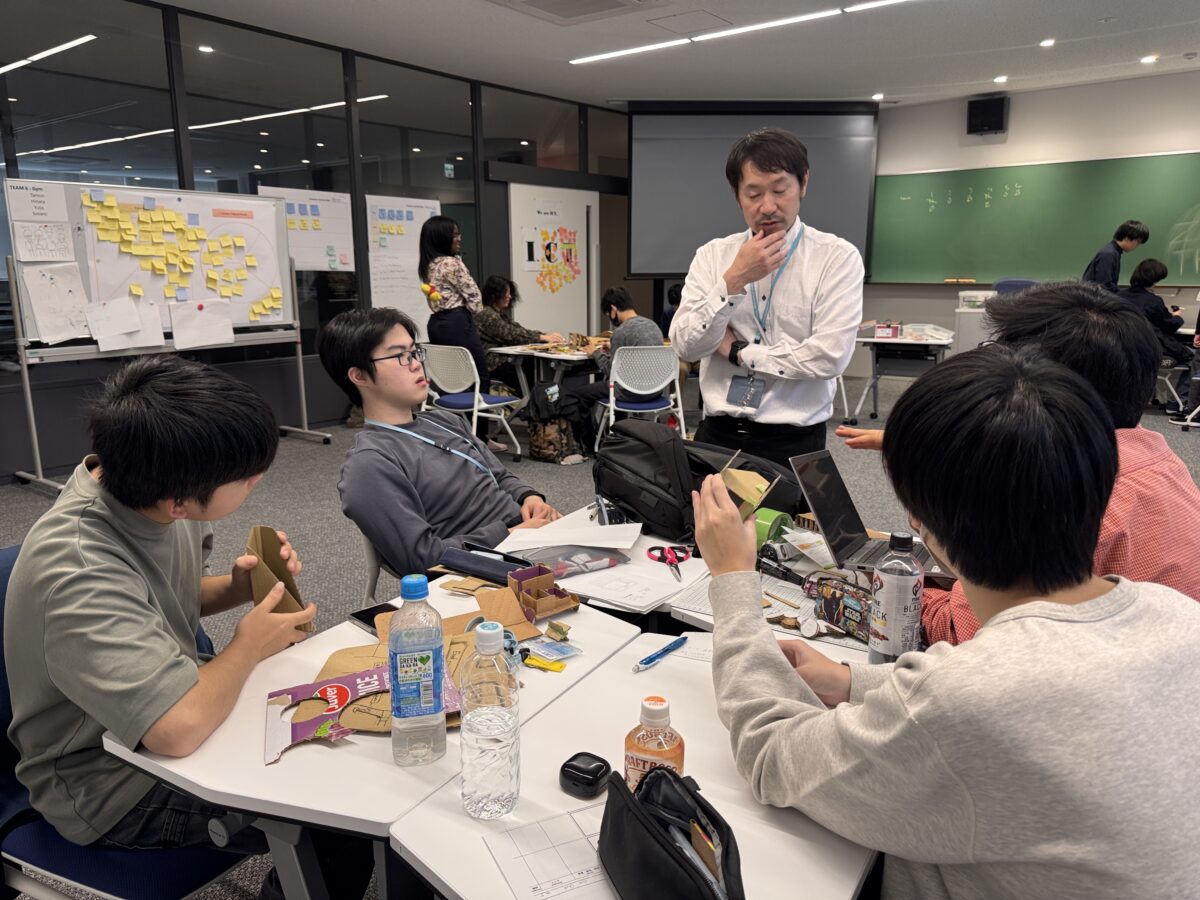
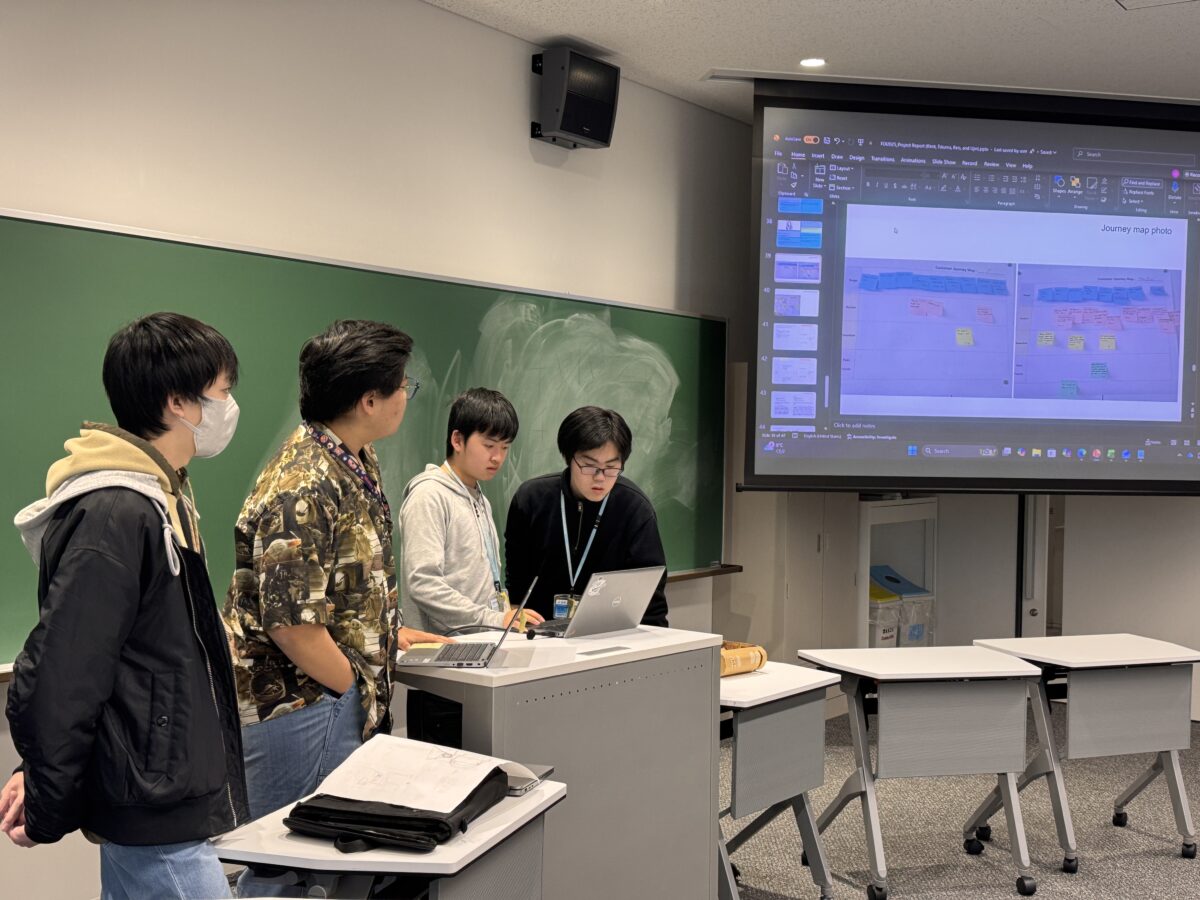
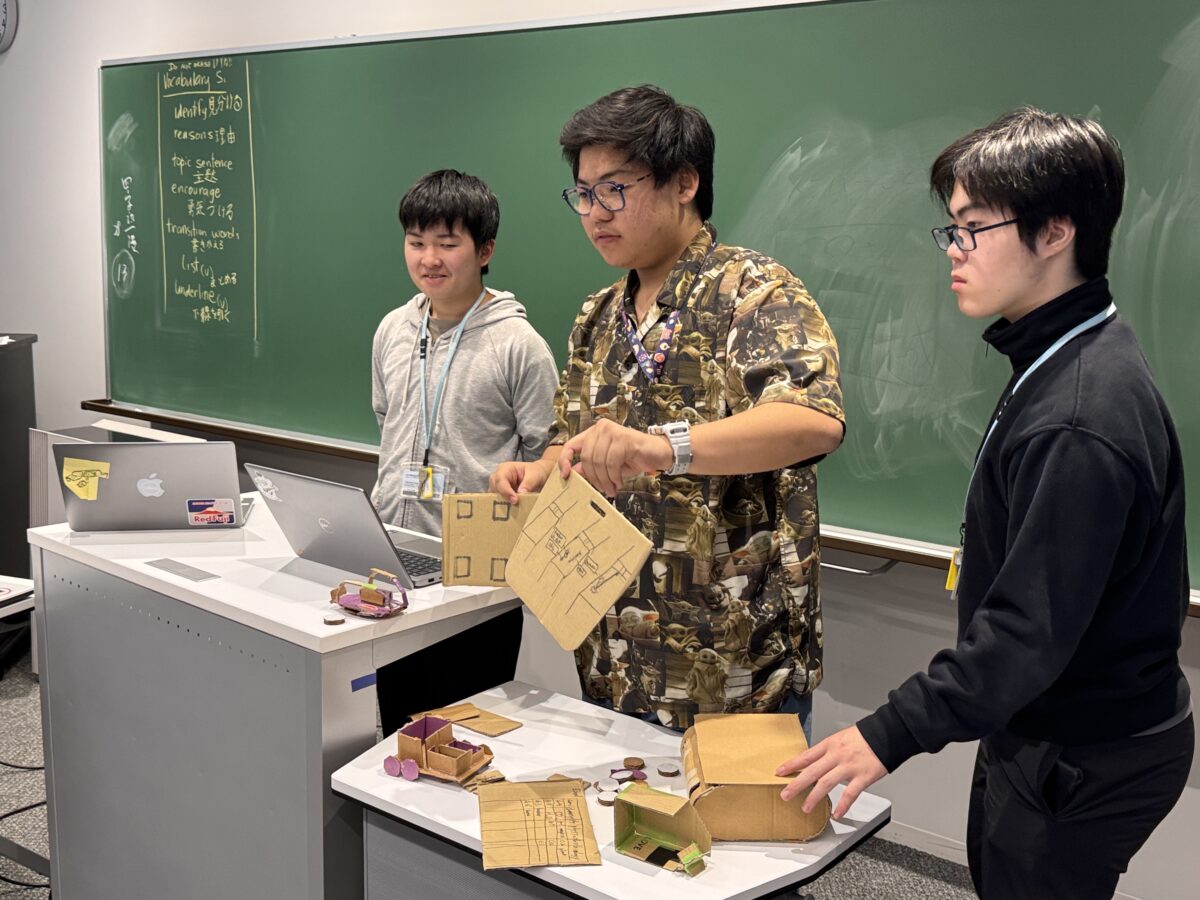
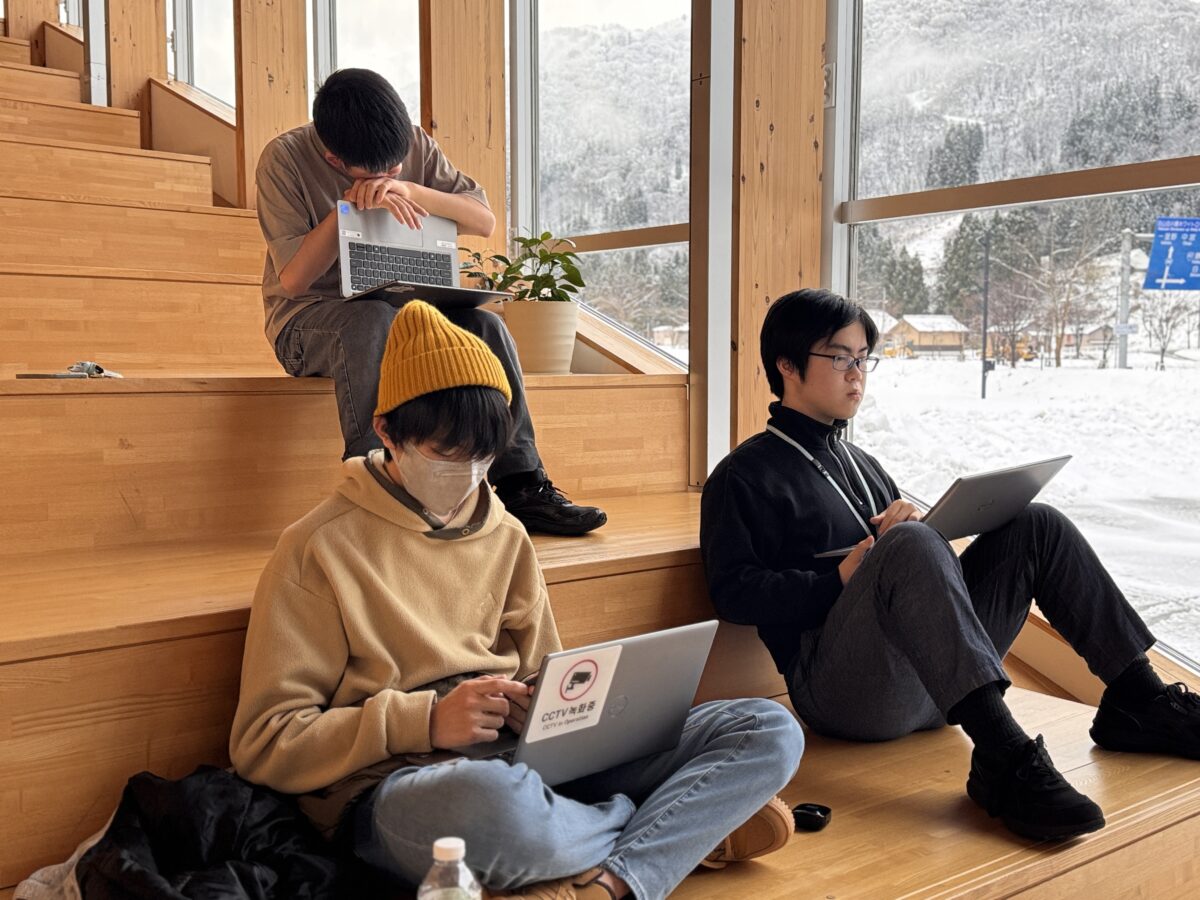
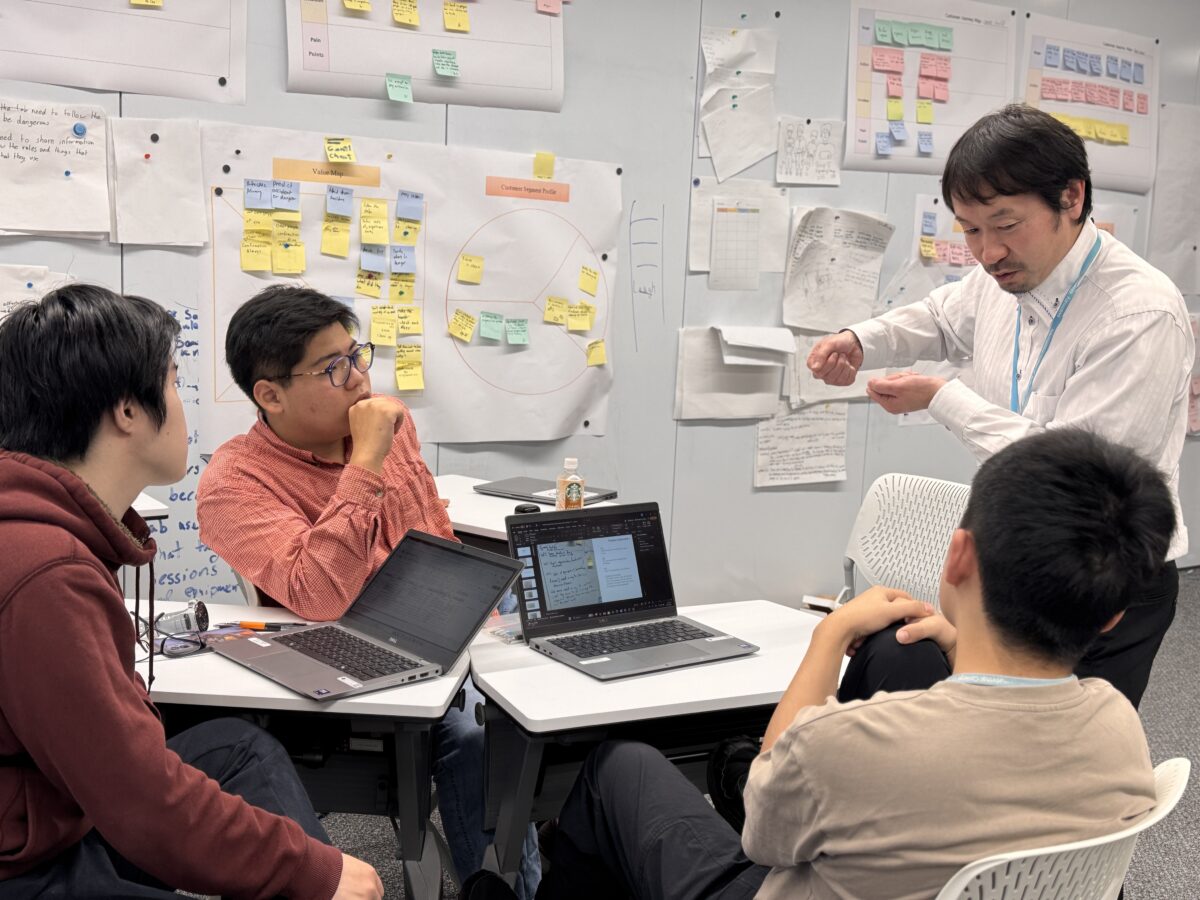
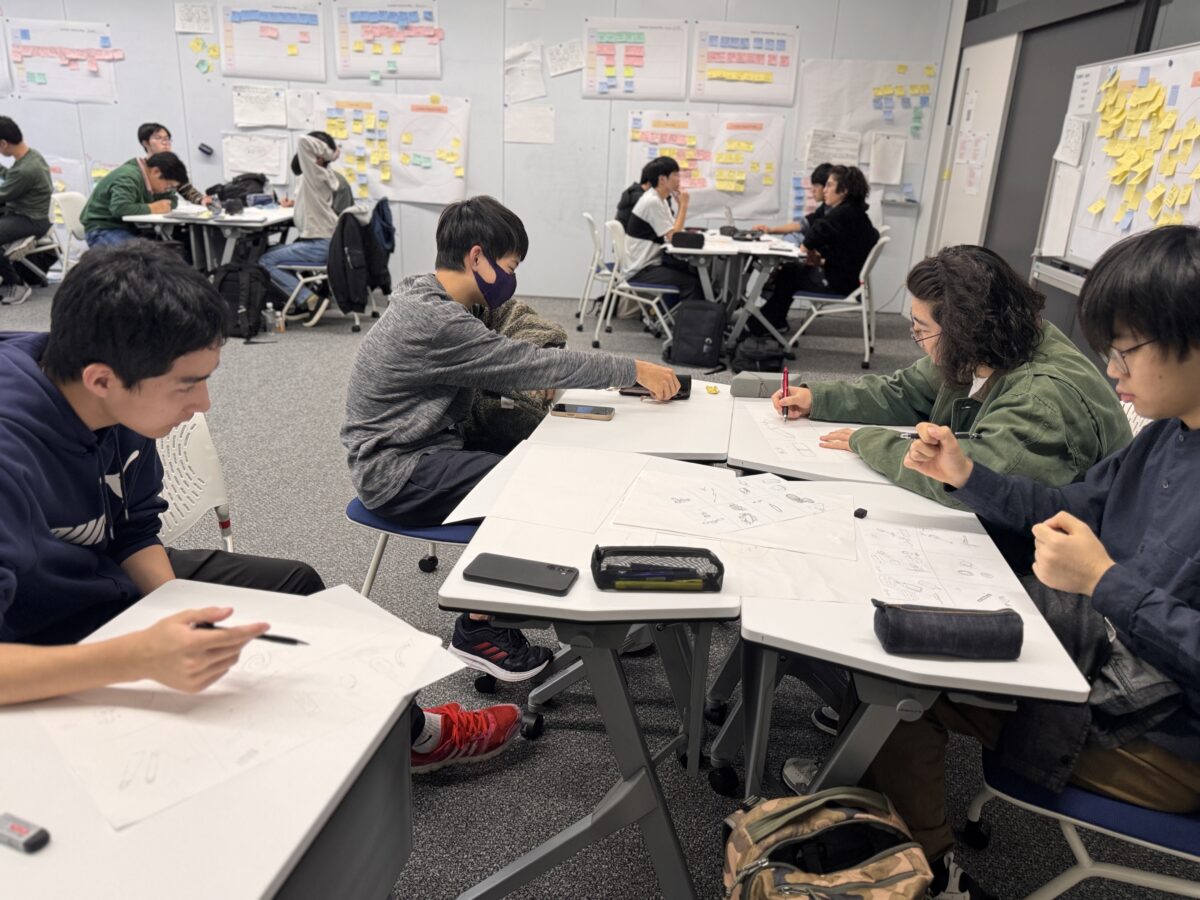
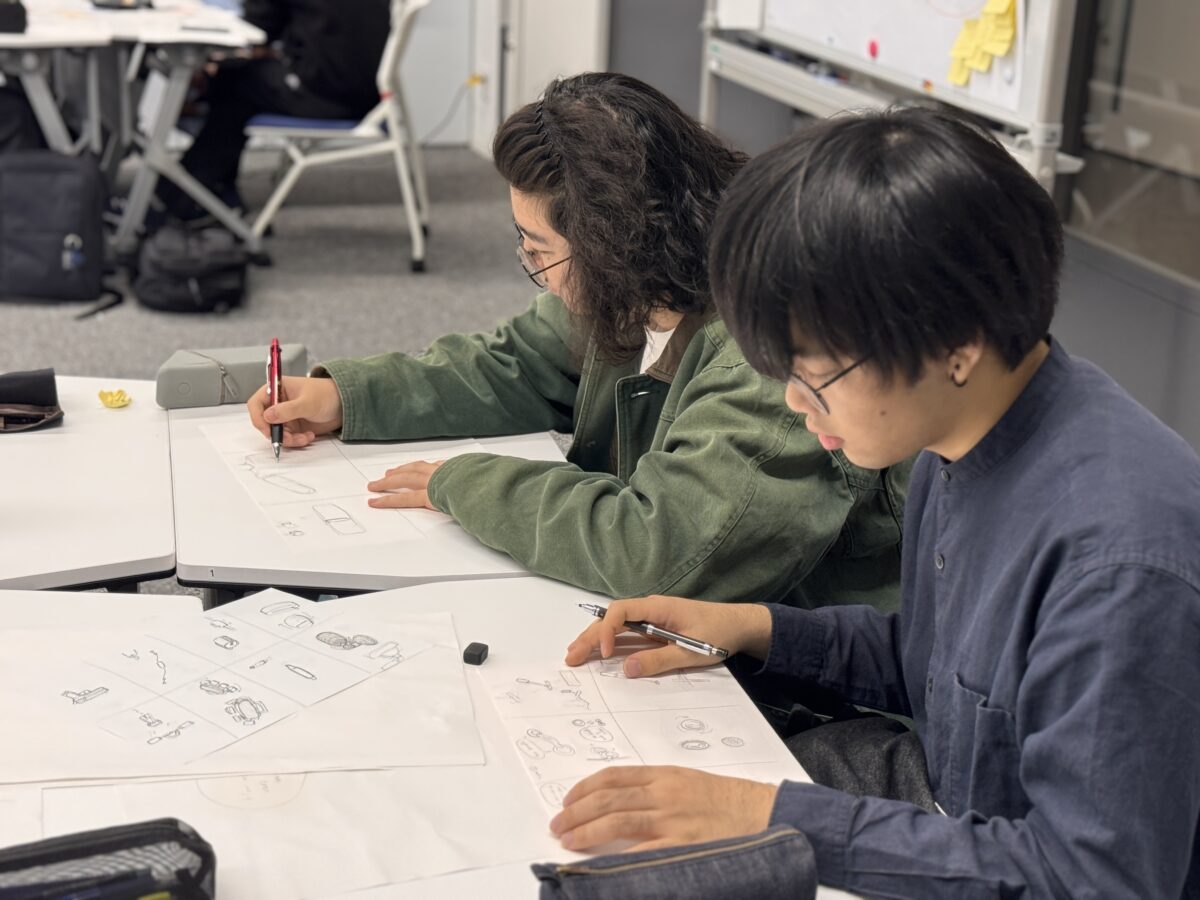
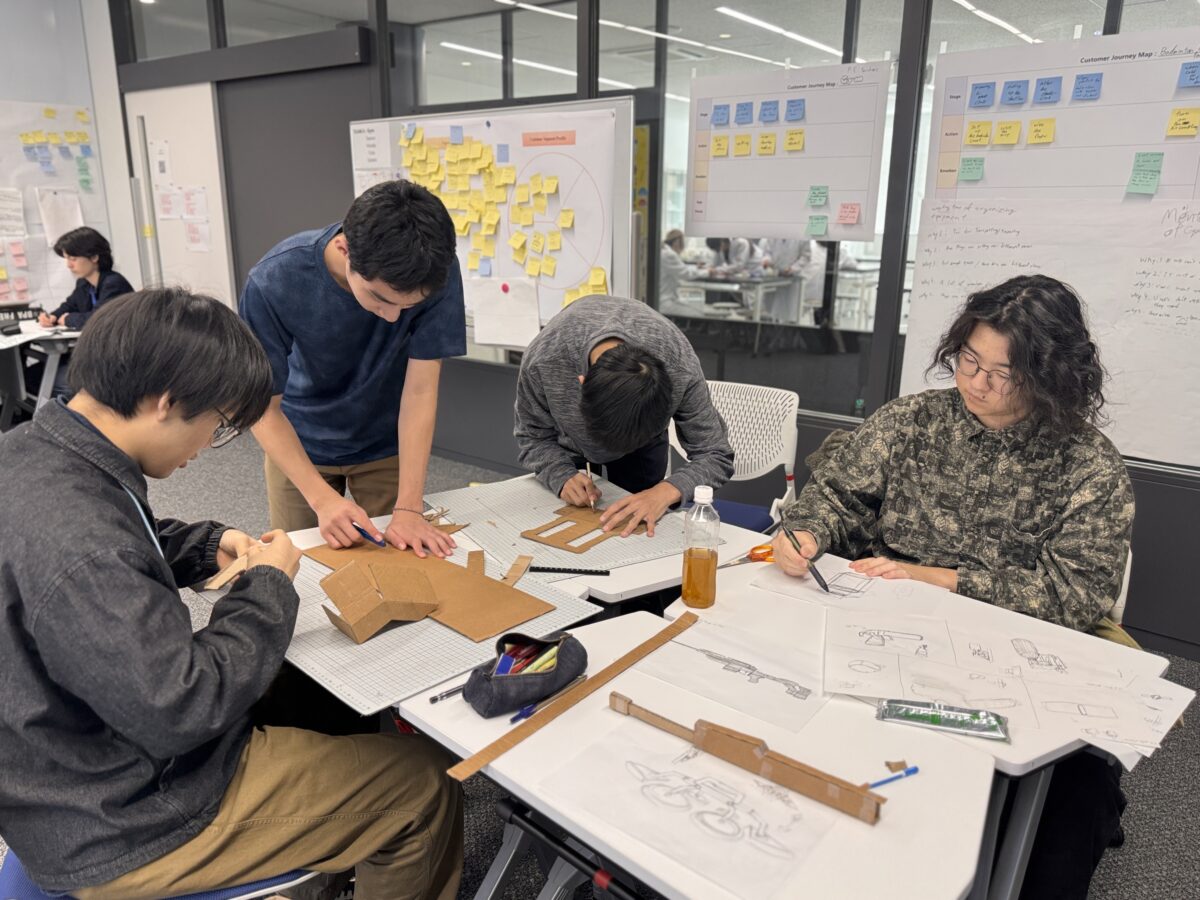
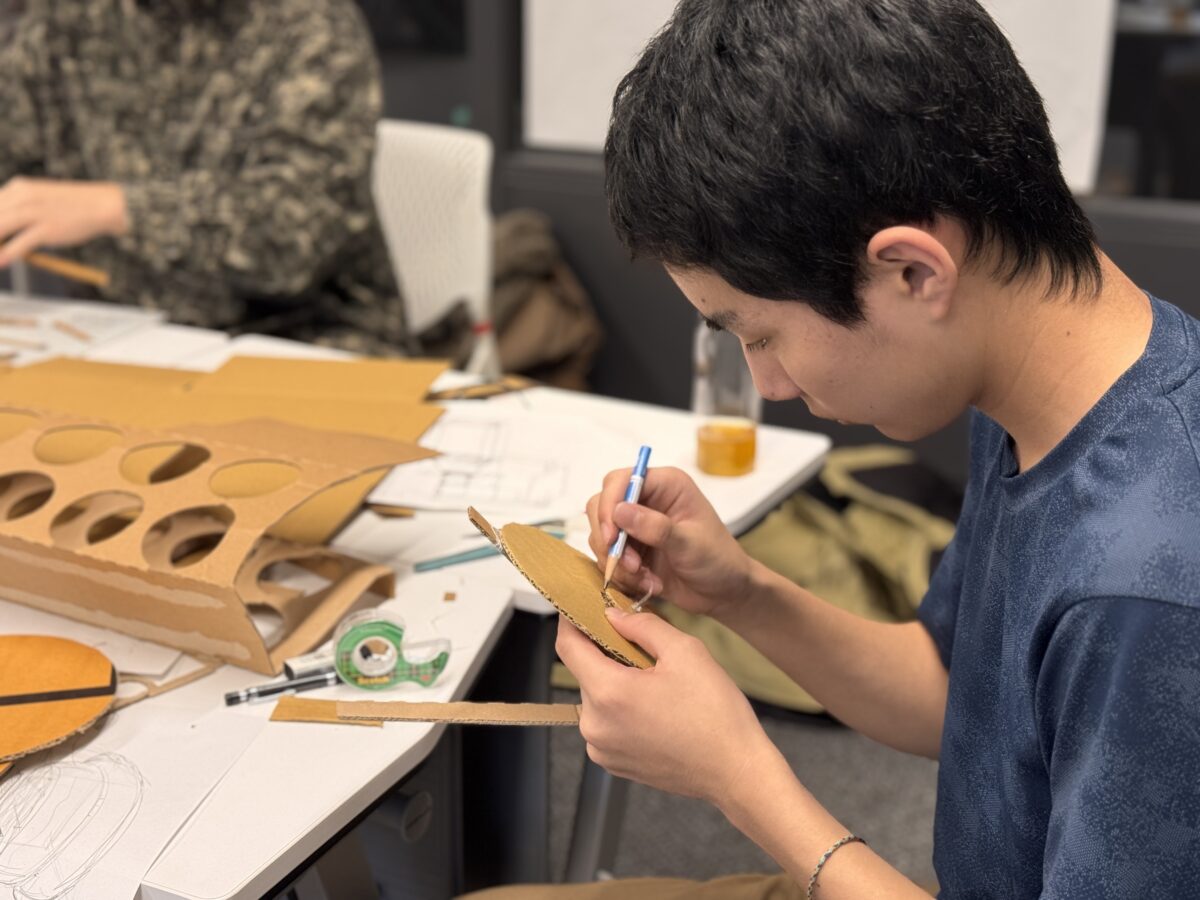
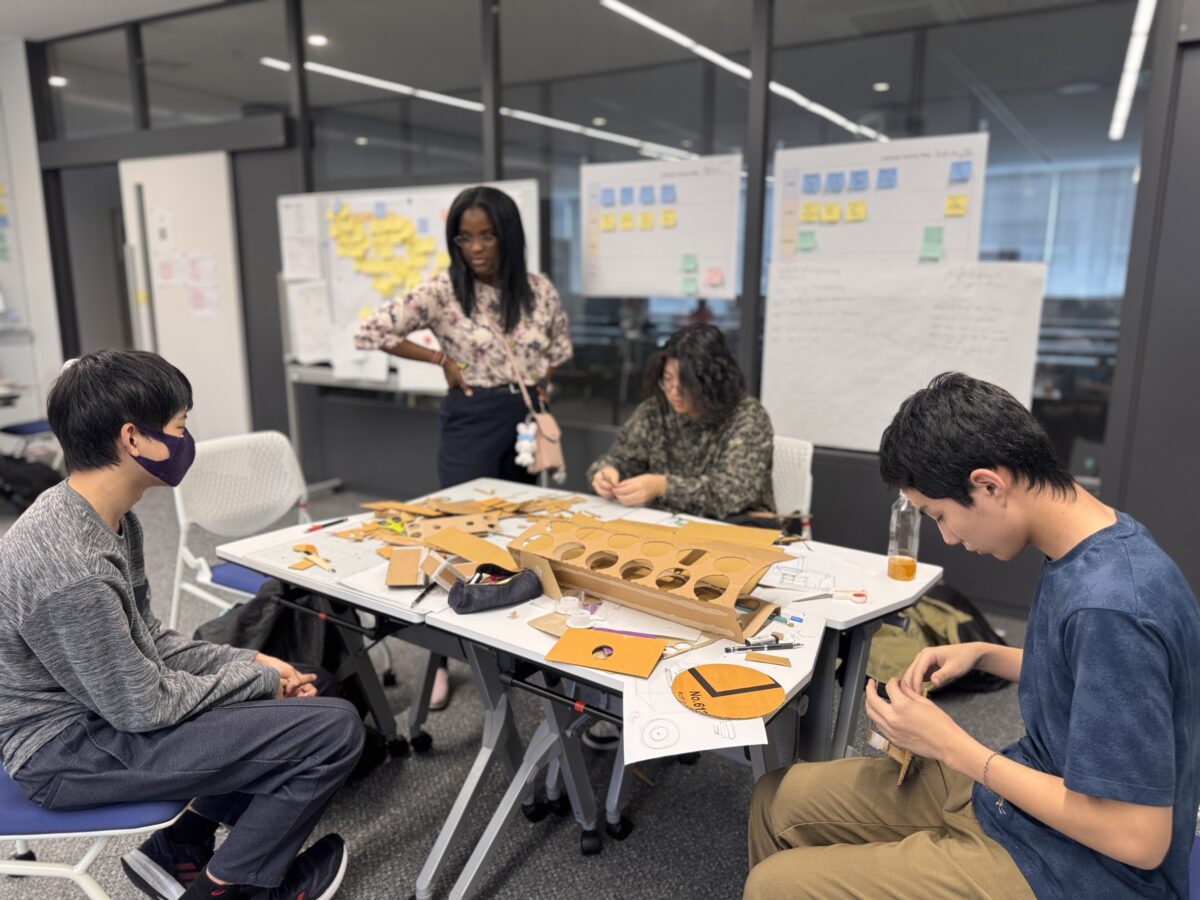
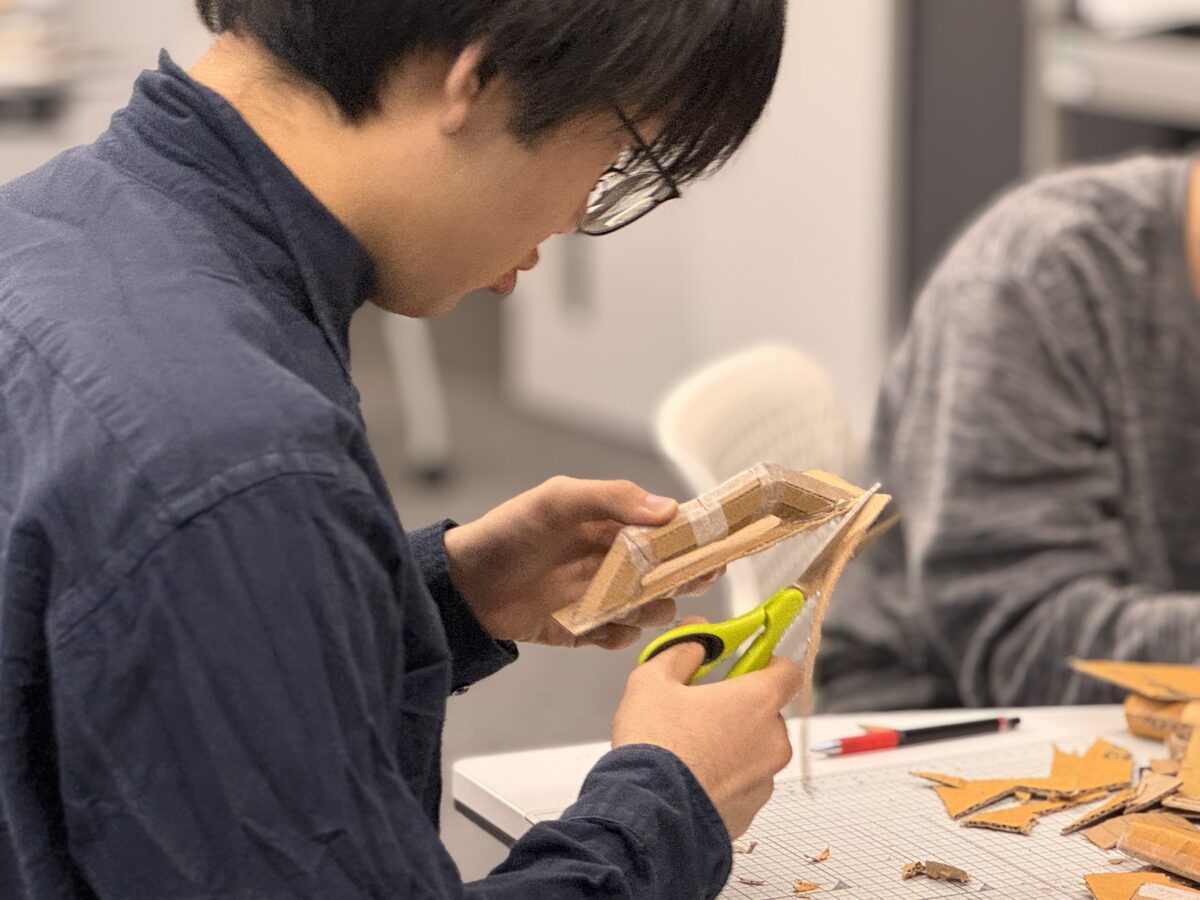
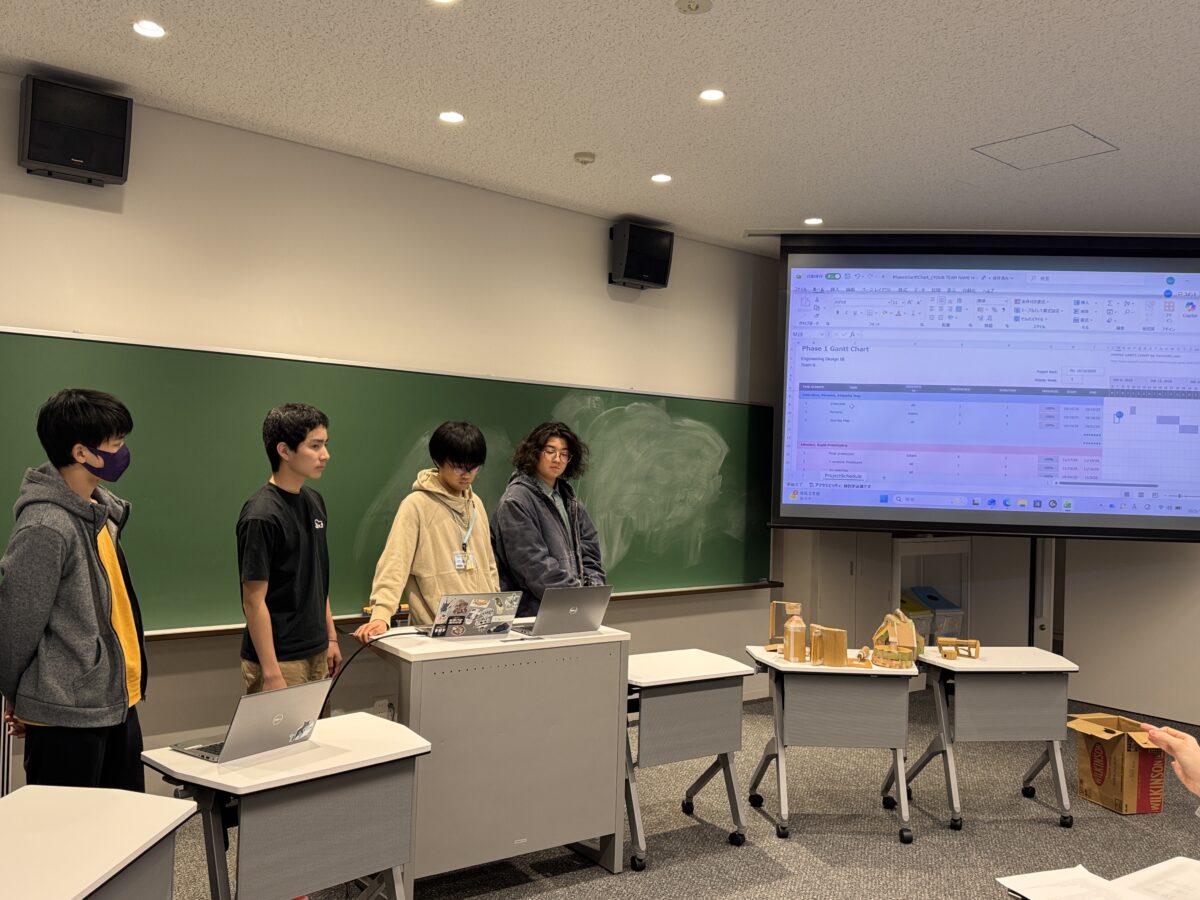
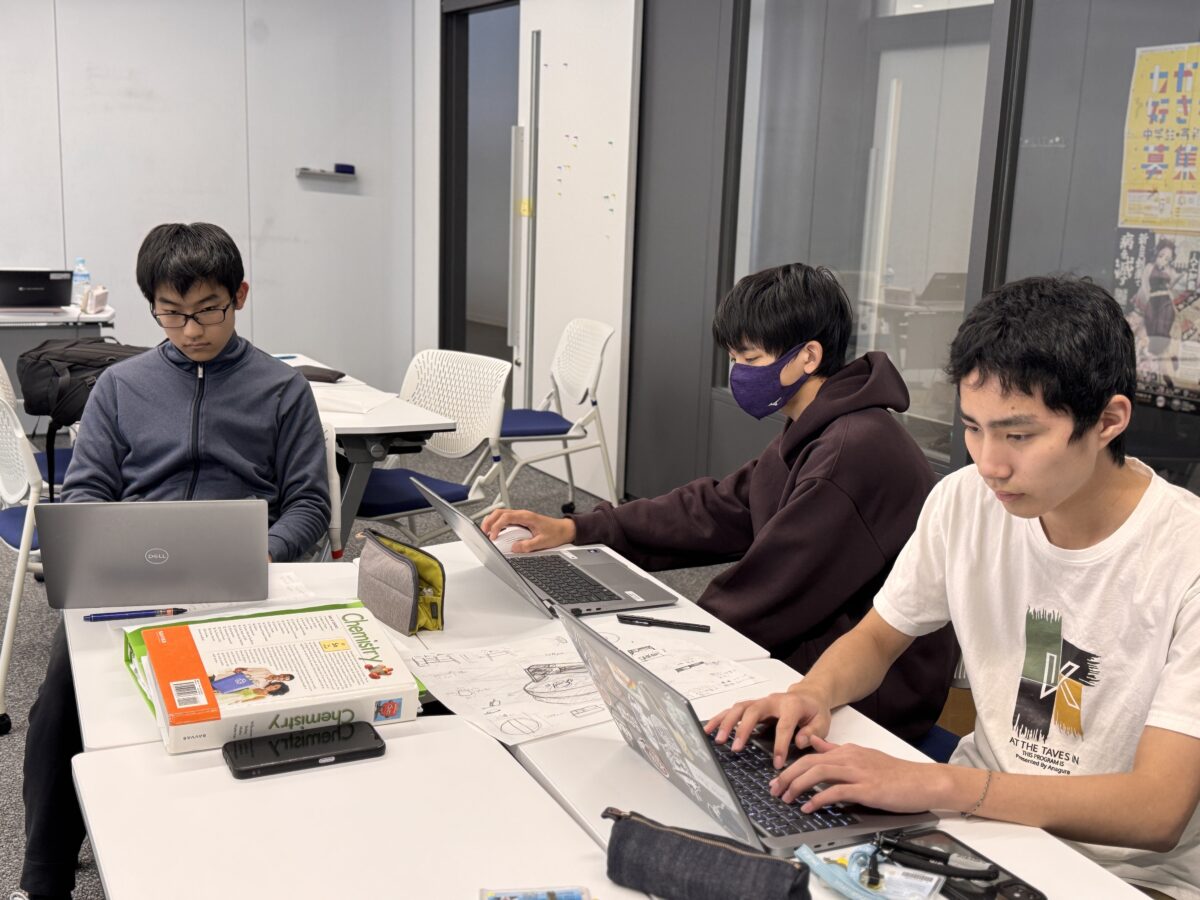
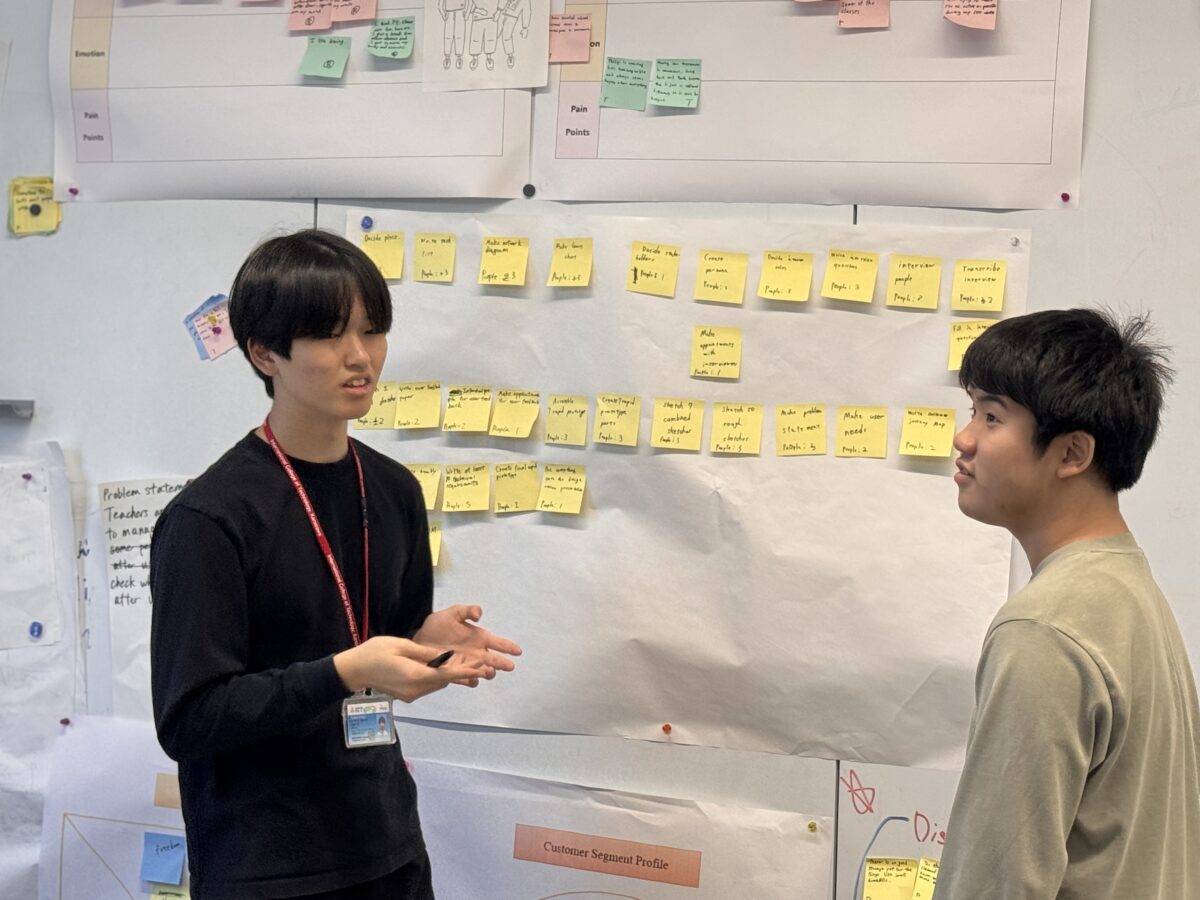
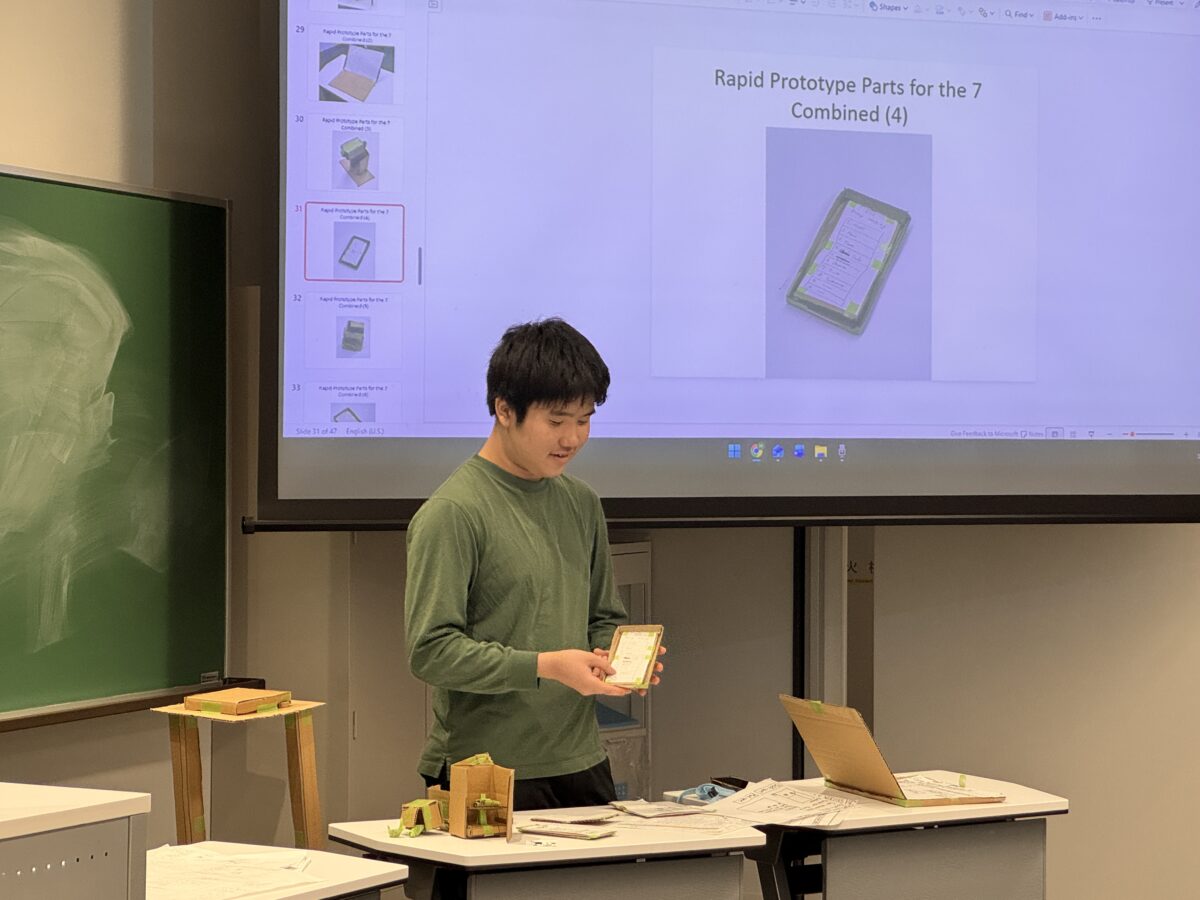
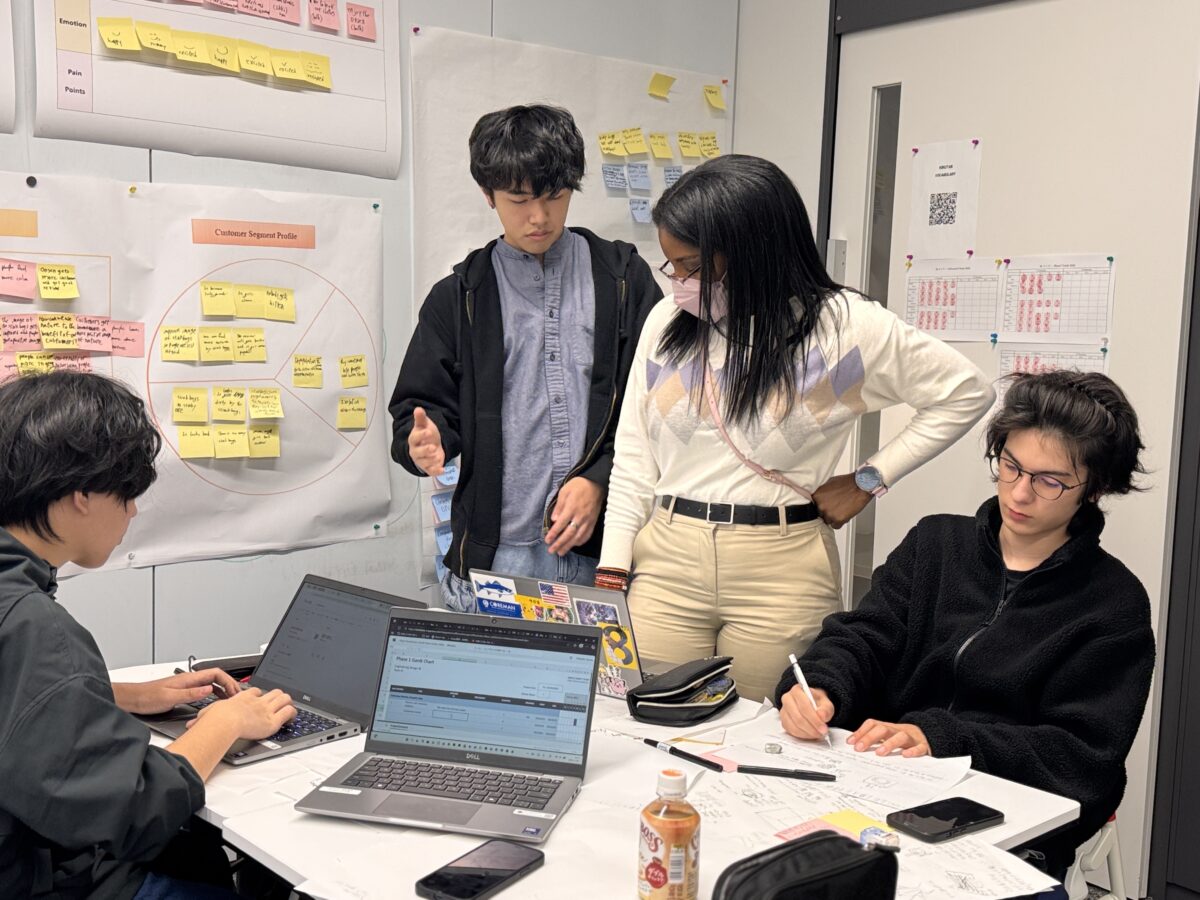
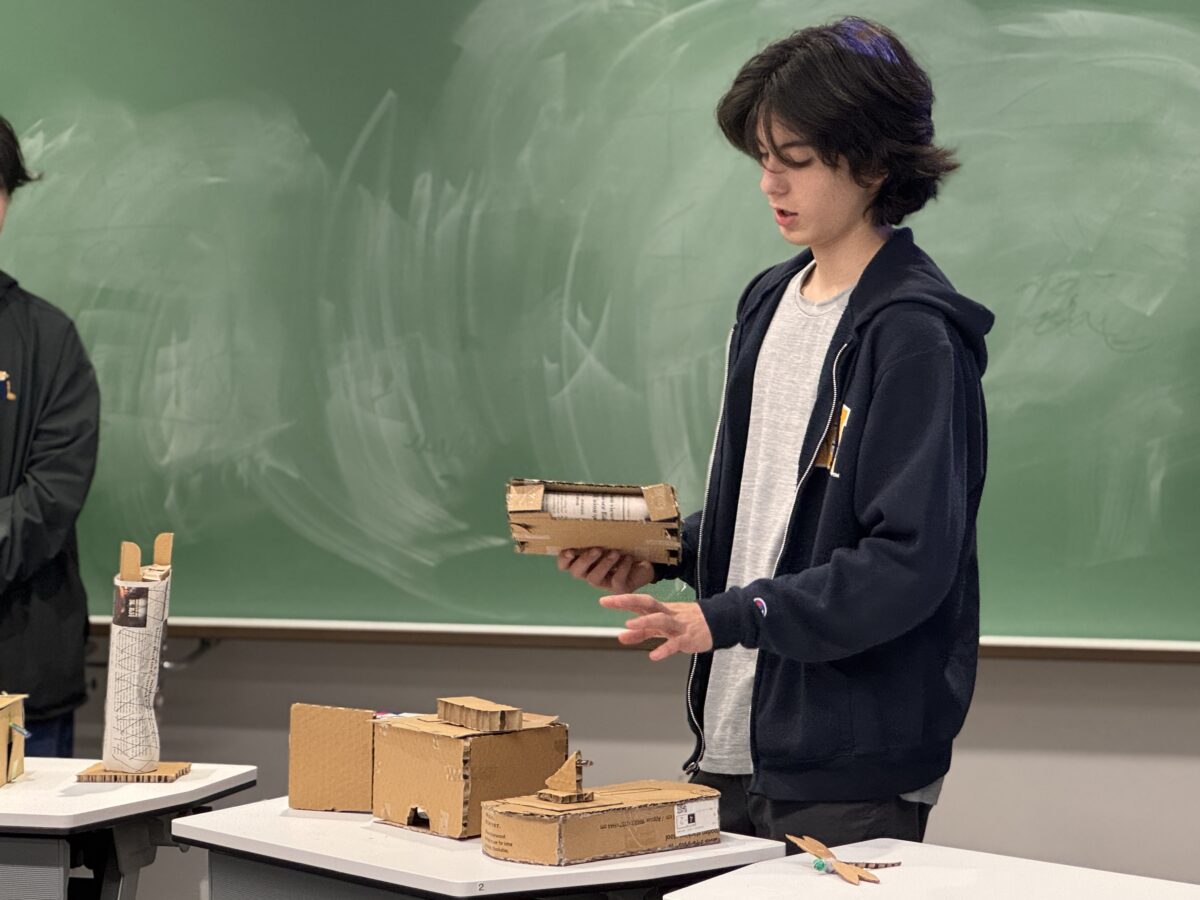
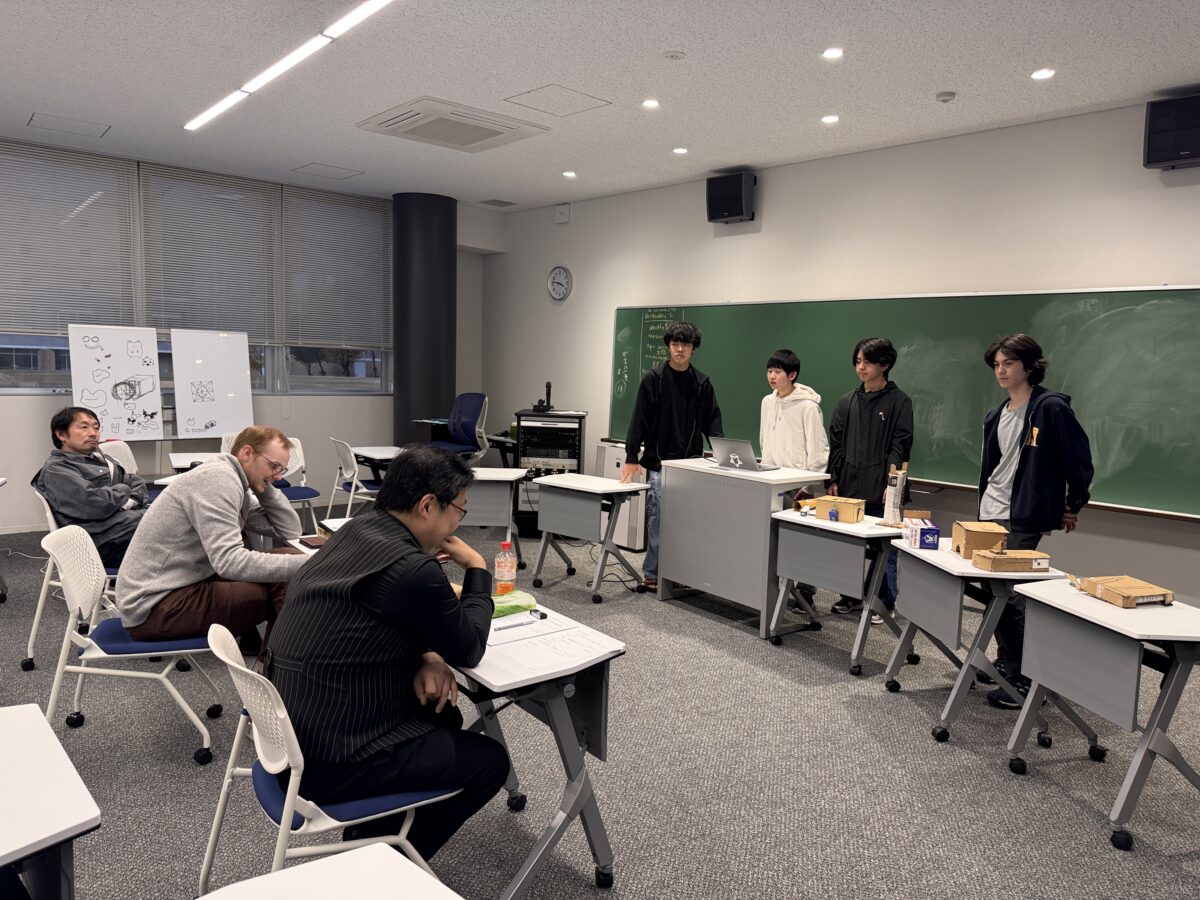
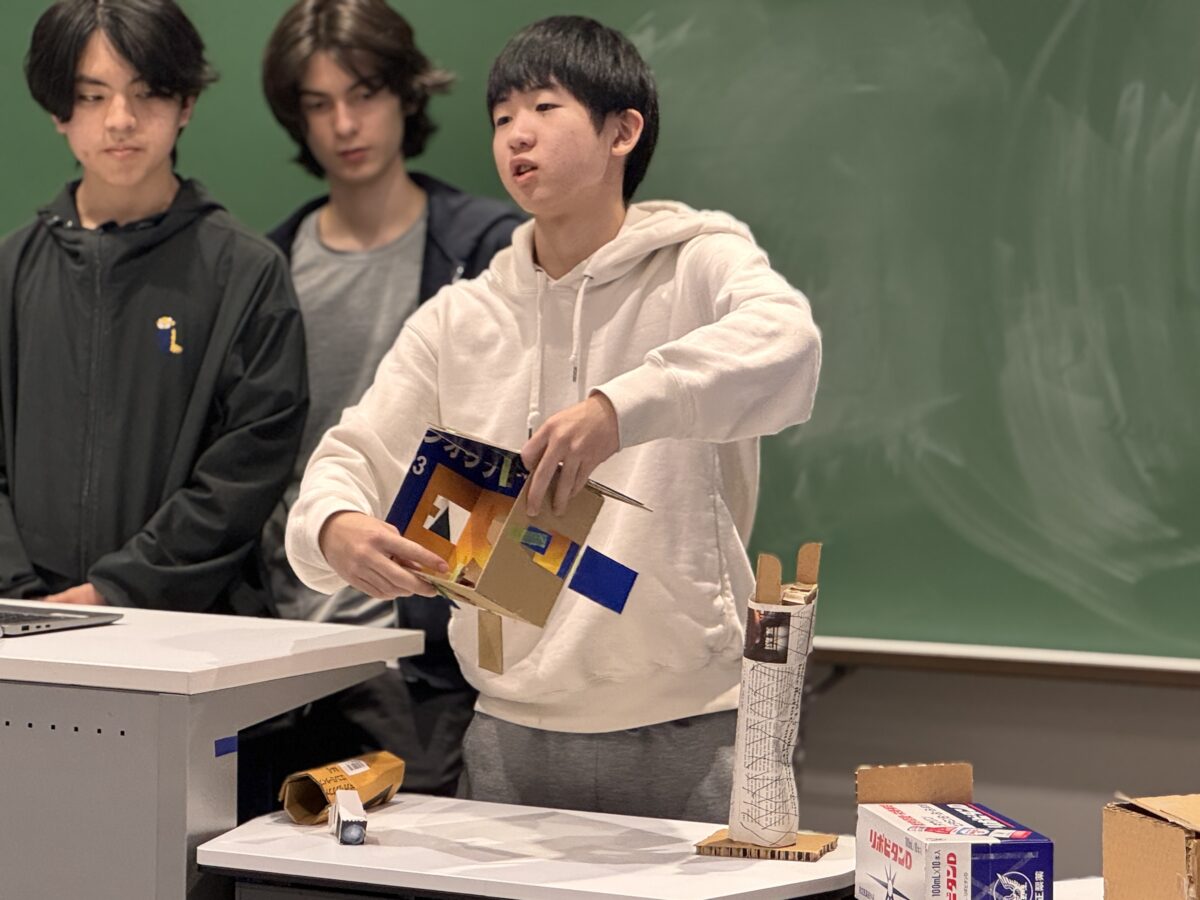
1年生のエンジニアリングデザインIでは、「人に役立つものづくり」を目標にして1年間授業に取り組んできました。学生たちは6つのチームに分かれて、ターゲットユーザーへのインタビュー調査などを通して、そこに潜む問題や要望に対して解決する装置等を製作して、プレゼンテーションに挑みました。
課題発見するターゲットとして温泉施設「比咩の湯」及び「体育館」、「メーカースタジオ」、「実験室」から6チームに分かれて問題解決に挑みました。
【メーカースタジオ:ピカピカ Cleaner】
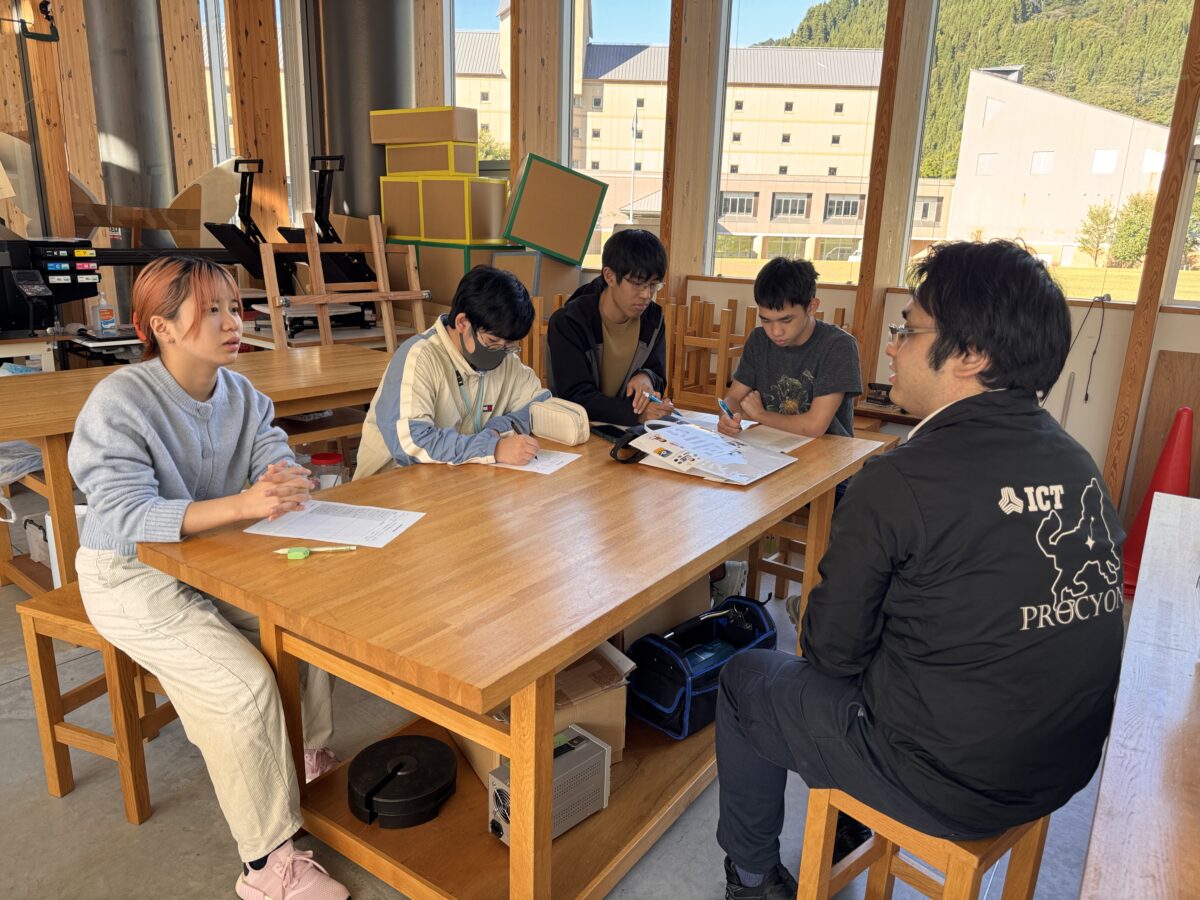
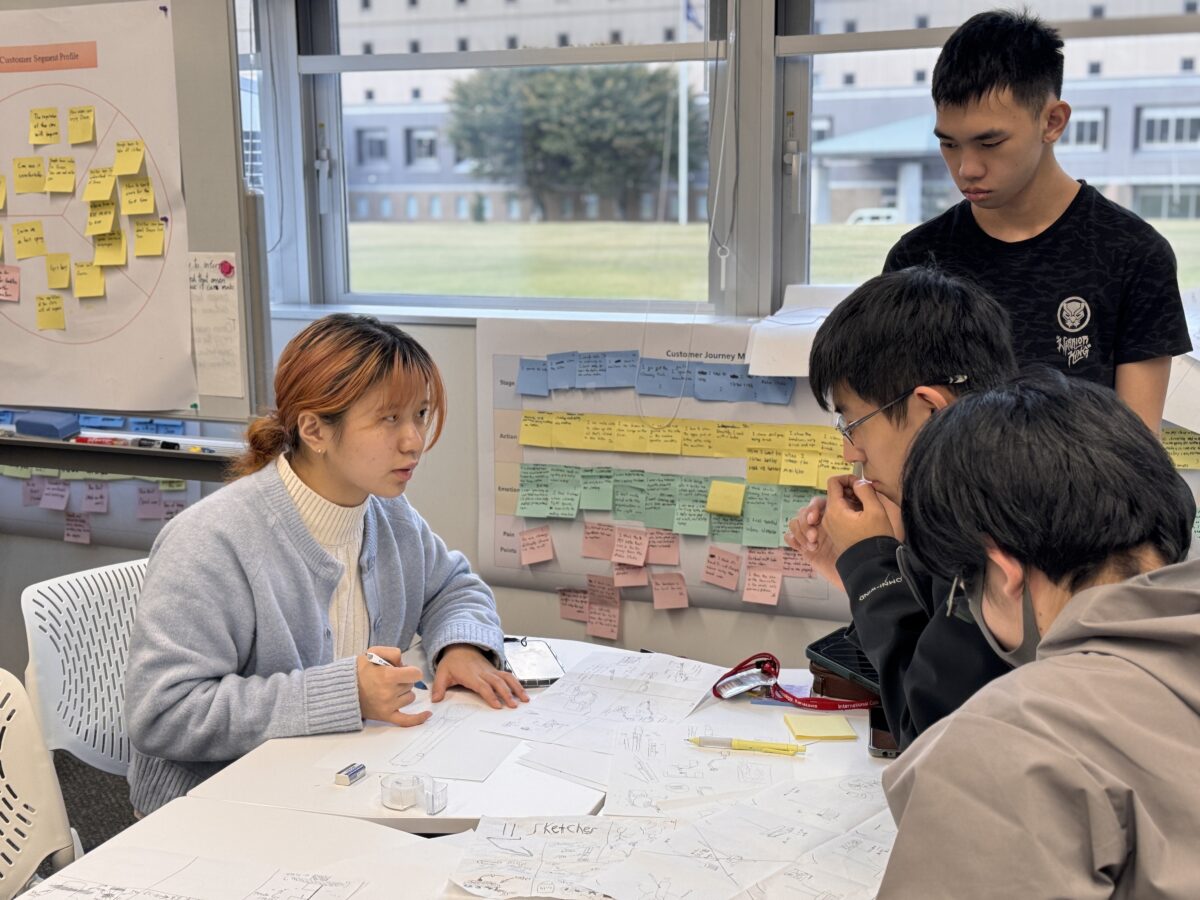
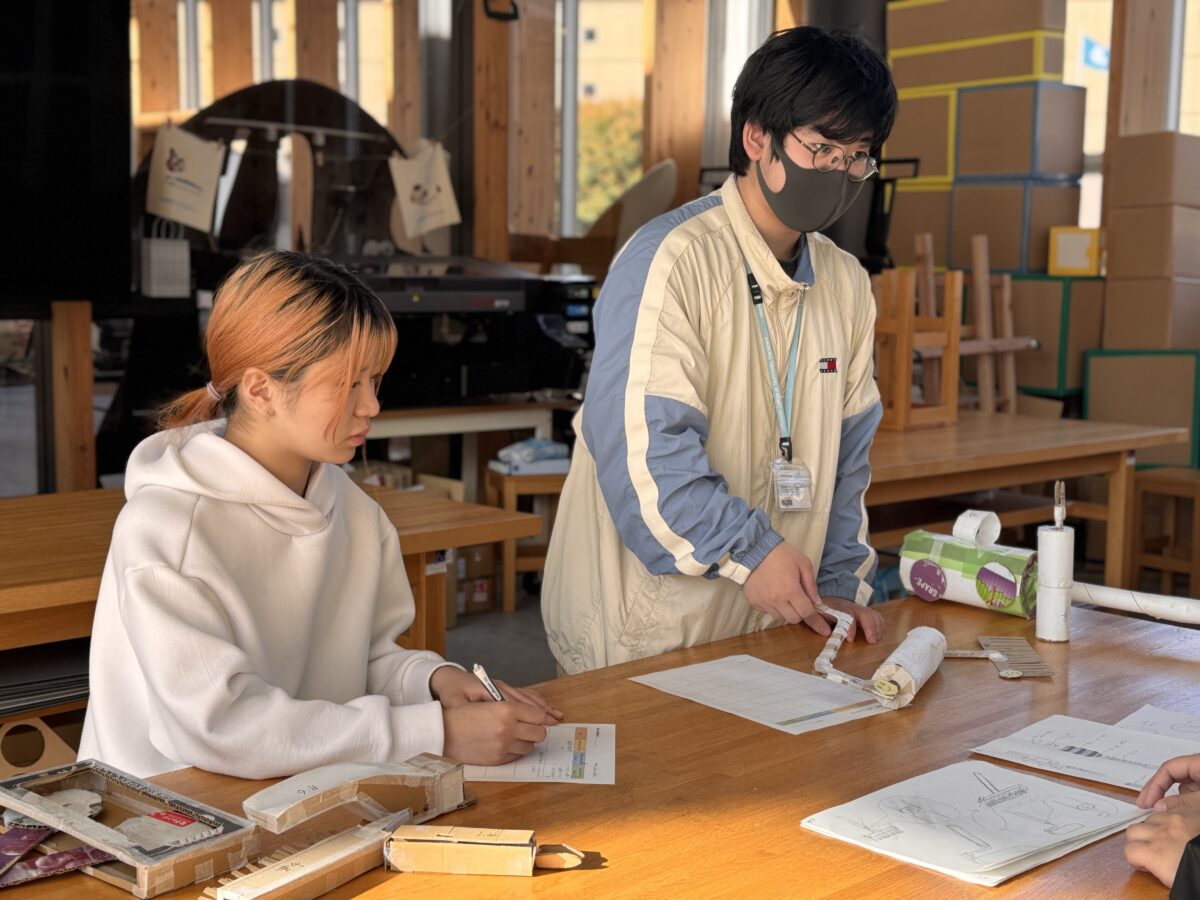
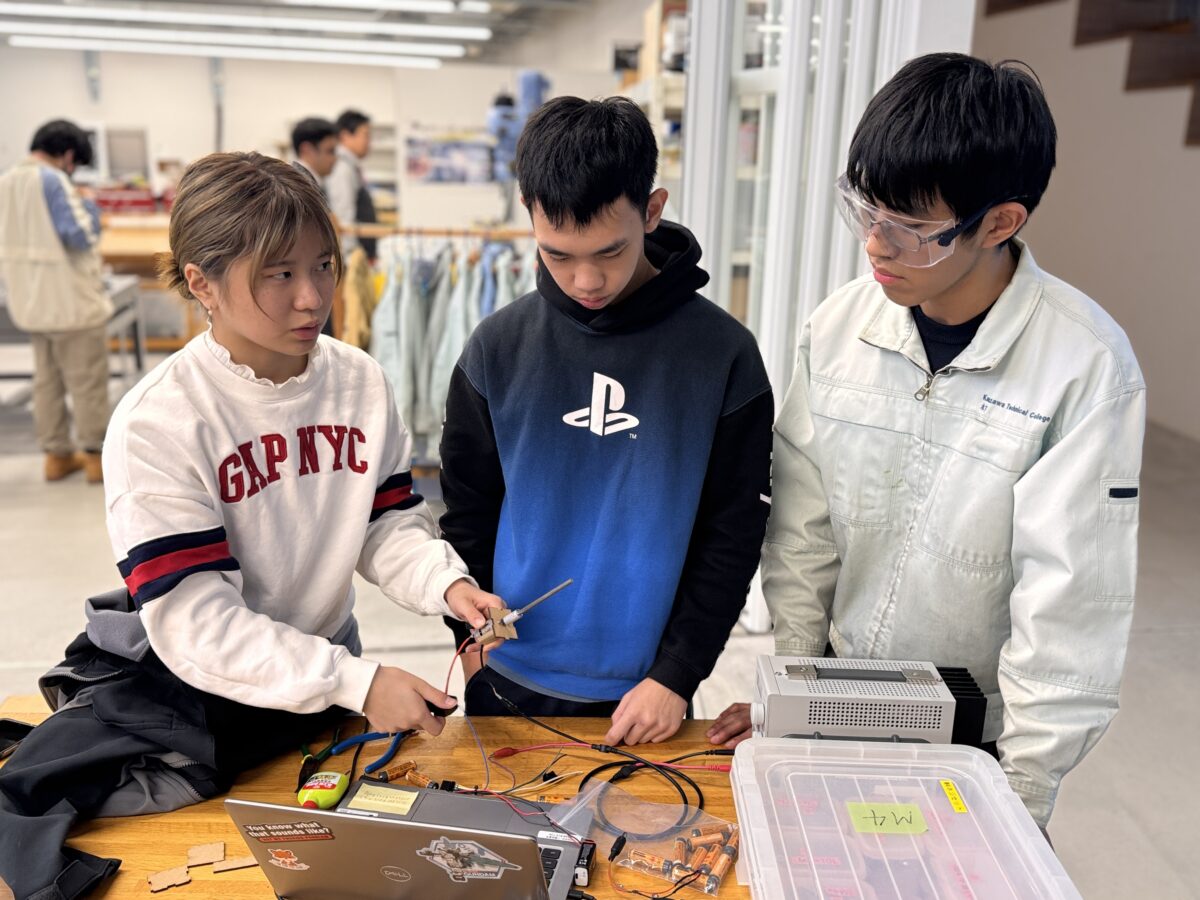
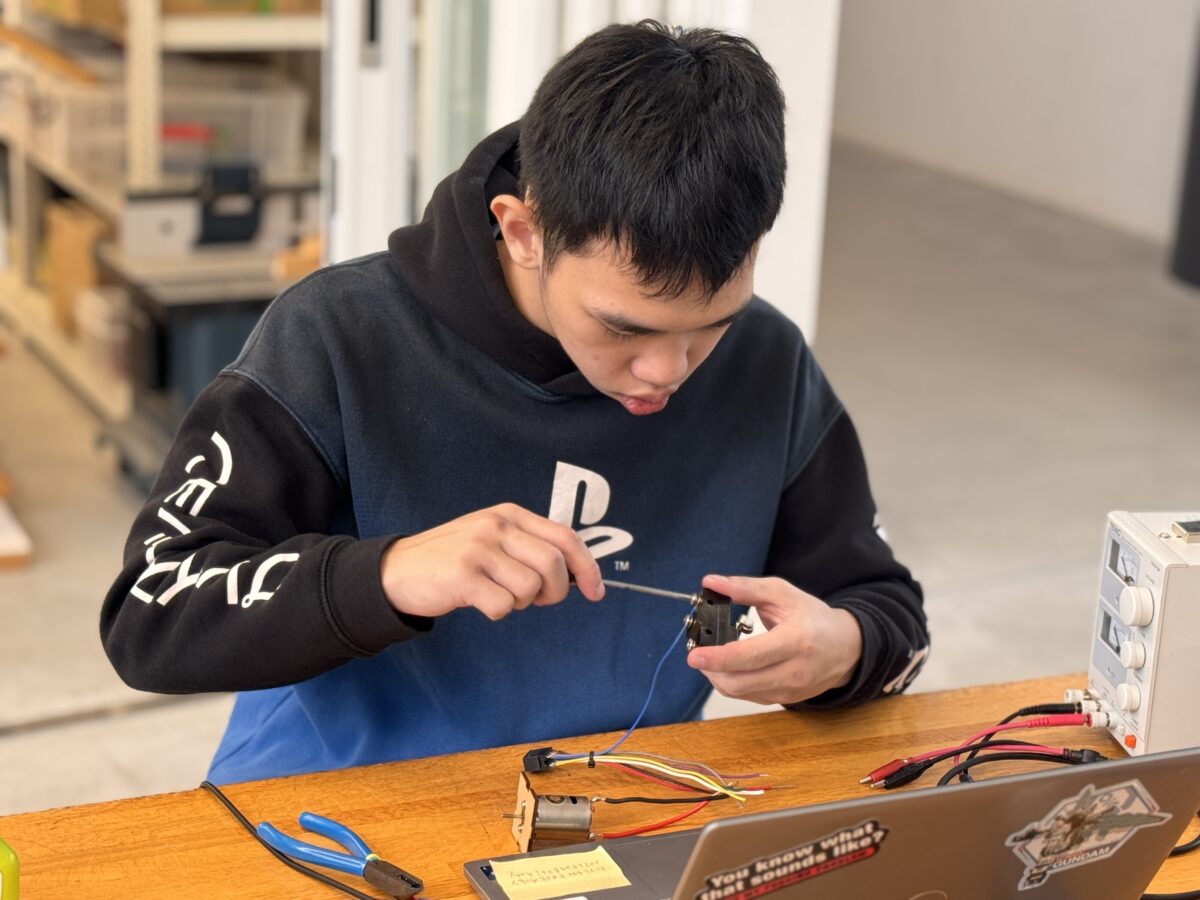
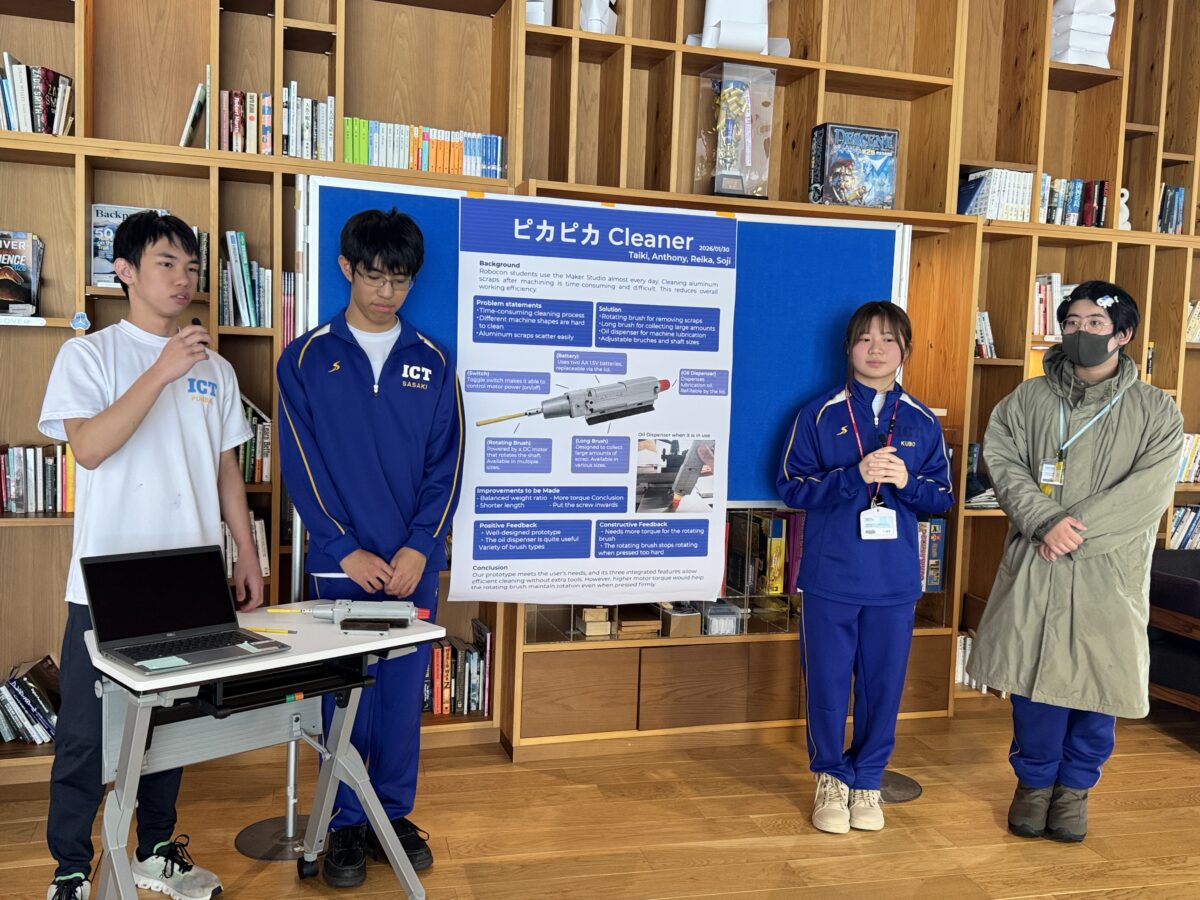
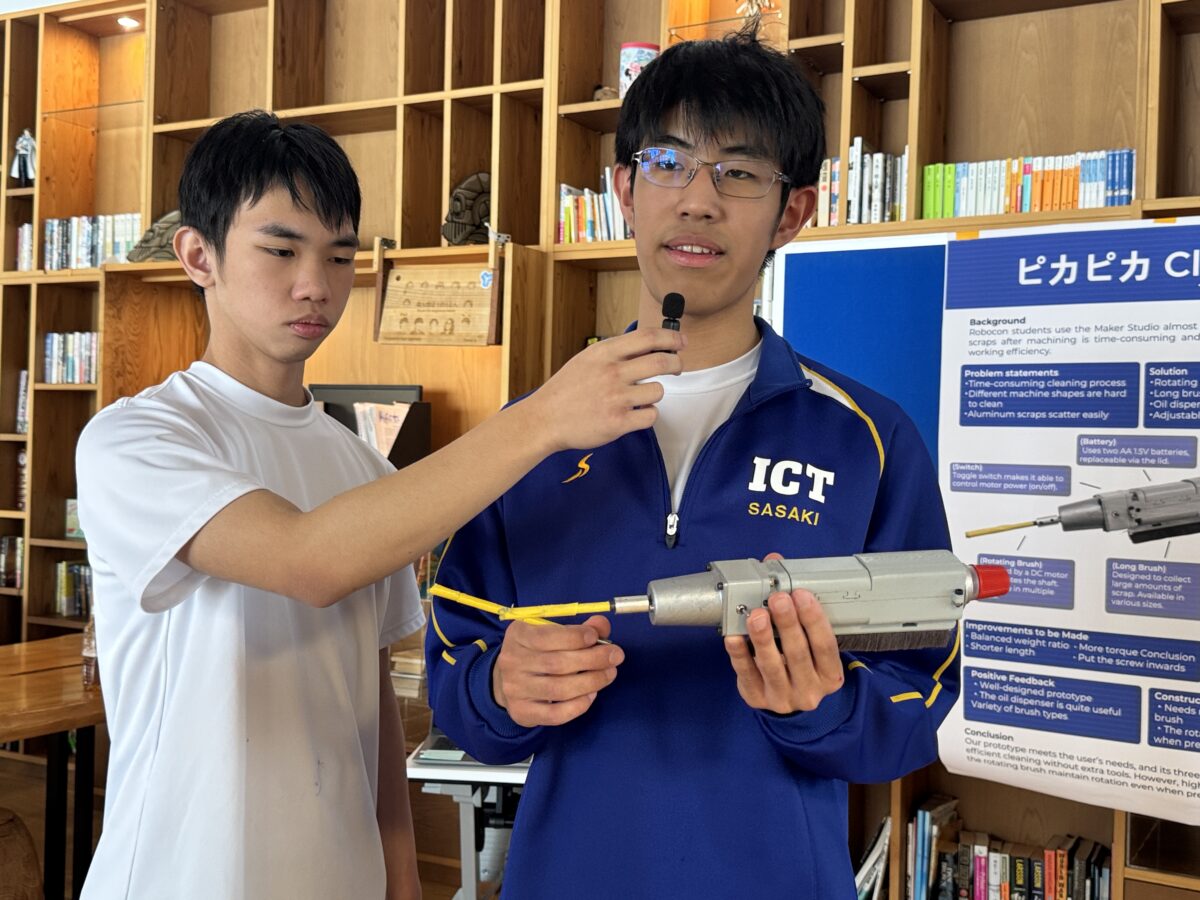
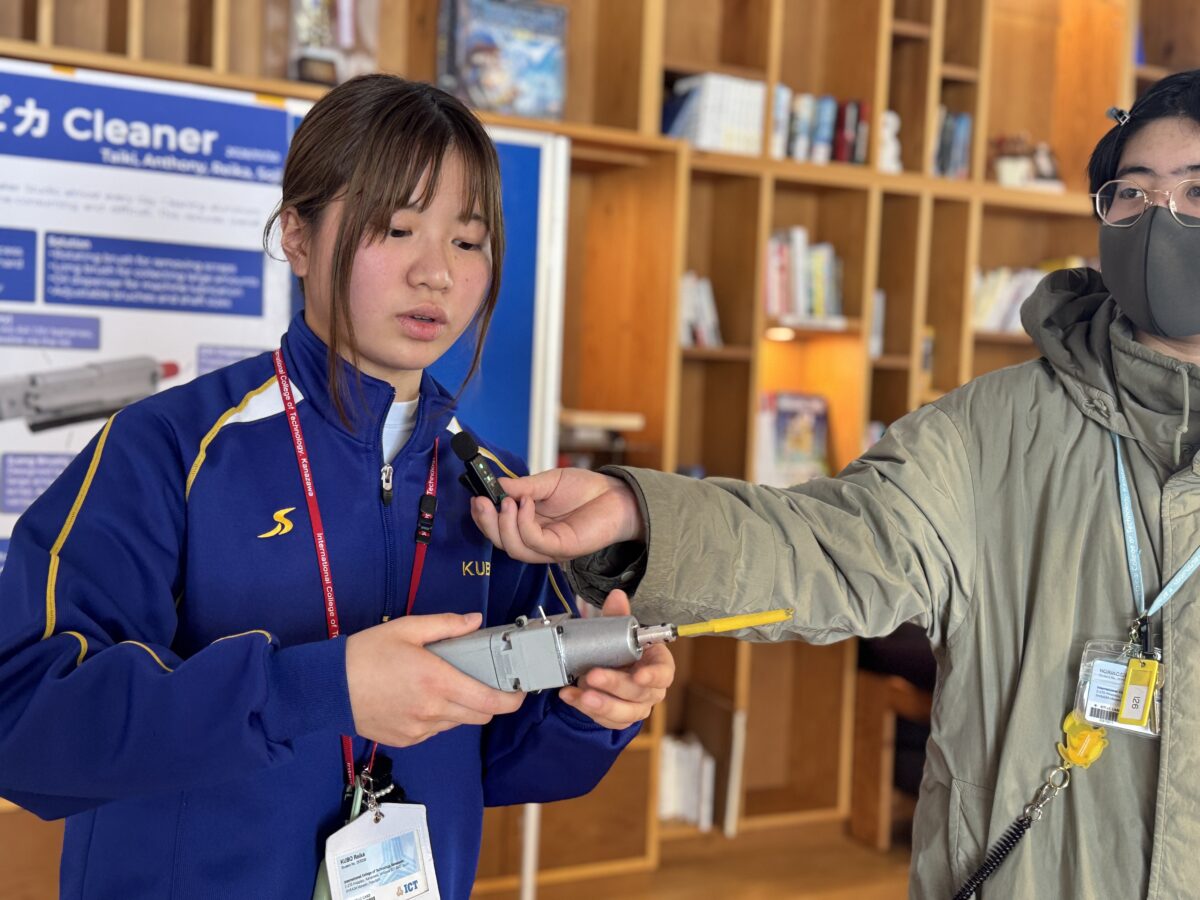
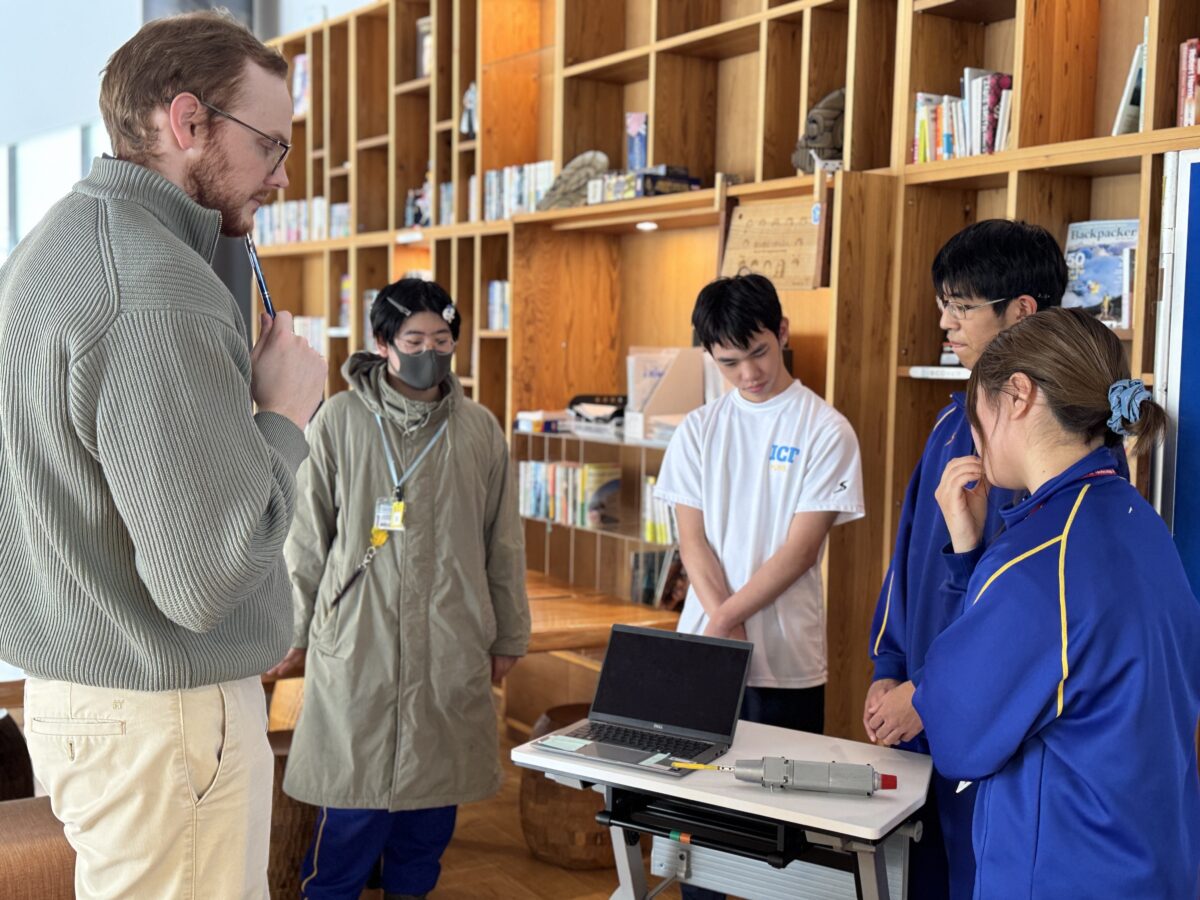
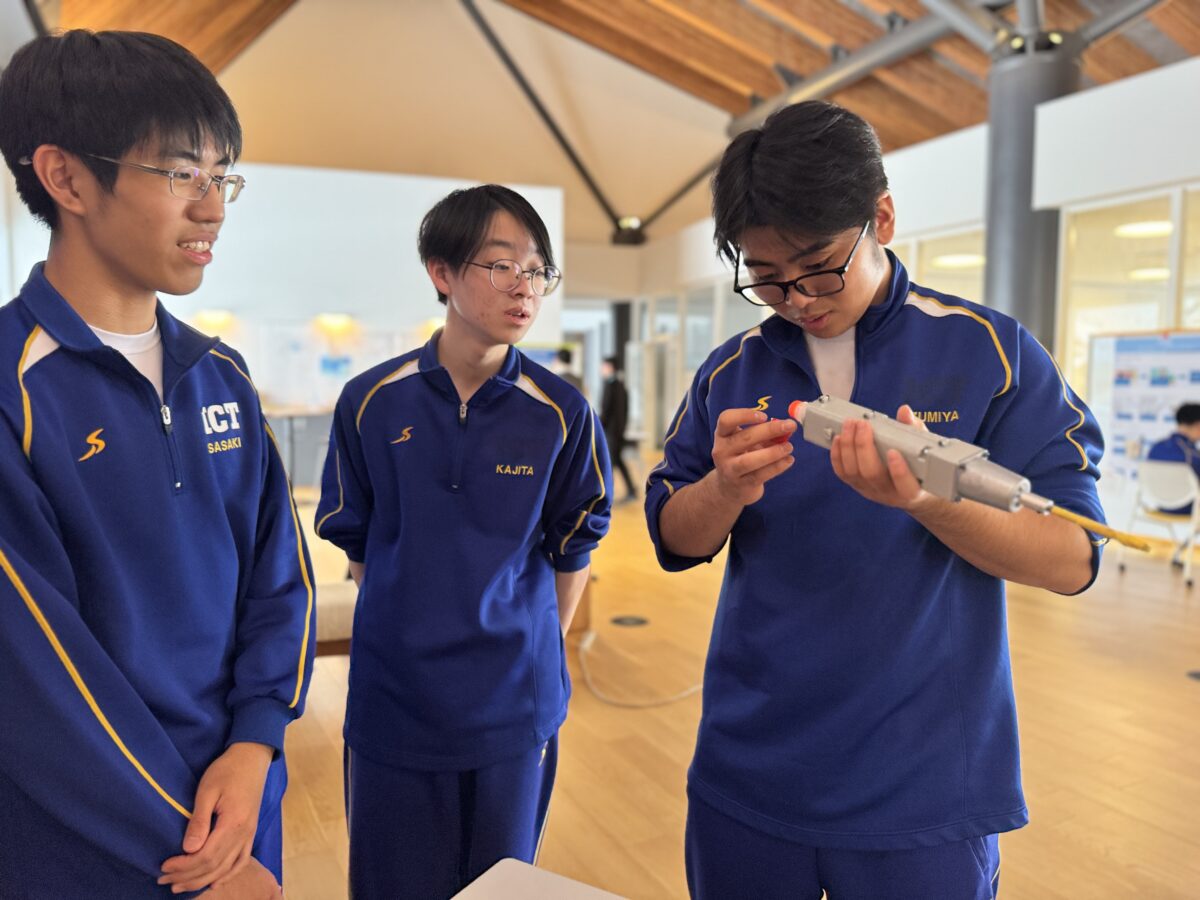
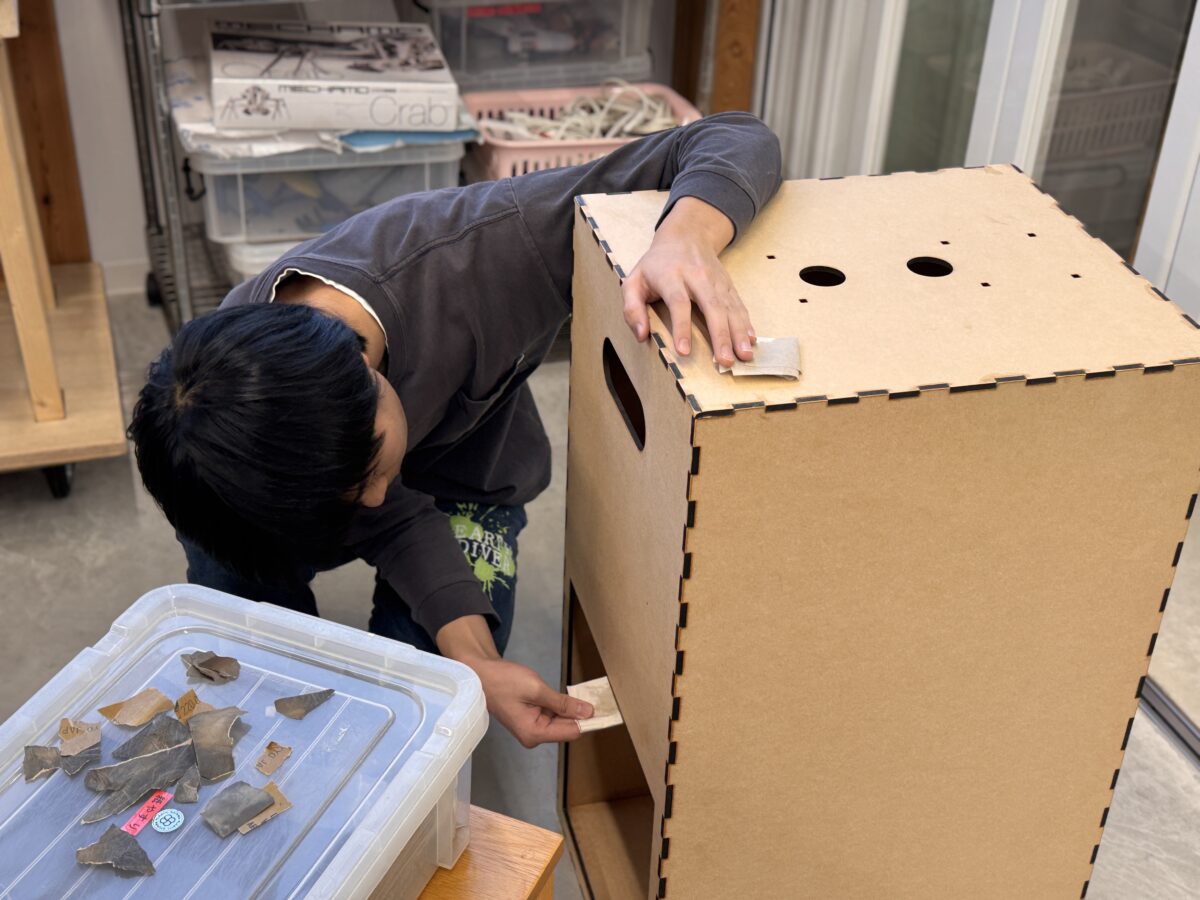
このチームは、メーカースタジオにある工作機械を清掃するための「ピカピカクリーナー」を製作しました。本校にはモノづくりのための施設としてメーカースタジオと呼ばれるスペースがあります。ロボコン活動を行う学生たちは、ほぼ毎日メーカースタジオを利用しています。そのため、メーカースタジオを管理する教員や学生にとっては、工作機械の形状によって清掃に時間や手間がかかることが課題となっていました。そこで学生たちは、回転ブラシ、ロングブラシ、潤滑装置の3つの機能を備えた清掃器具を開発しました。
回転ブラシ:ブラシを取り付けて回転させる構造になっており、細かな切りくずを掻き出して隅々まで清掃できます。
ロングブラシ: 細かい切りくずを集めるためのブラシで、用途に合わせて2種類のサイズを用意しています。
潤滑装置: 工作機械に潤滑油を吐出・補充する機能を備えており、機械の動作を滑らかにし、寿命や加工精度を維持するために重要な役割を果たします。
普段は工作機械の箇所ごとに適した清掃用具を使い分けていましたが、学生たちが製作した「ピカピカクリーナー」を使うことで、追加の工具を使わずに、より効率的な清掃が可能になりました。
【実験室:Lab Helper】
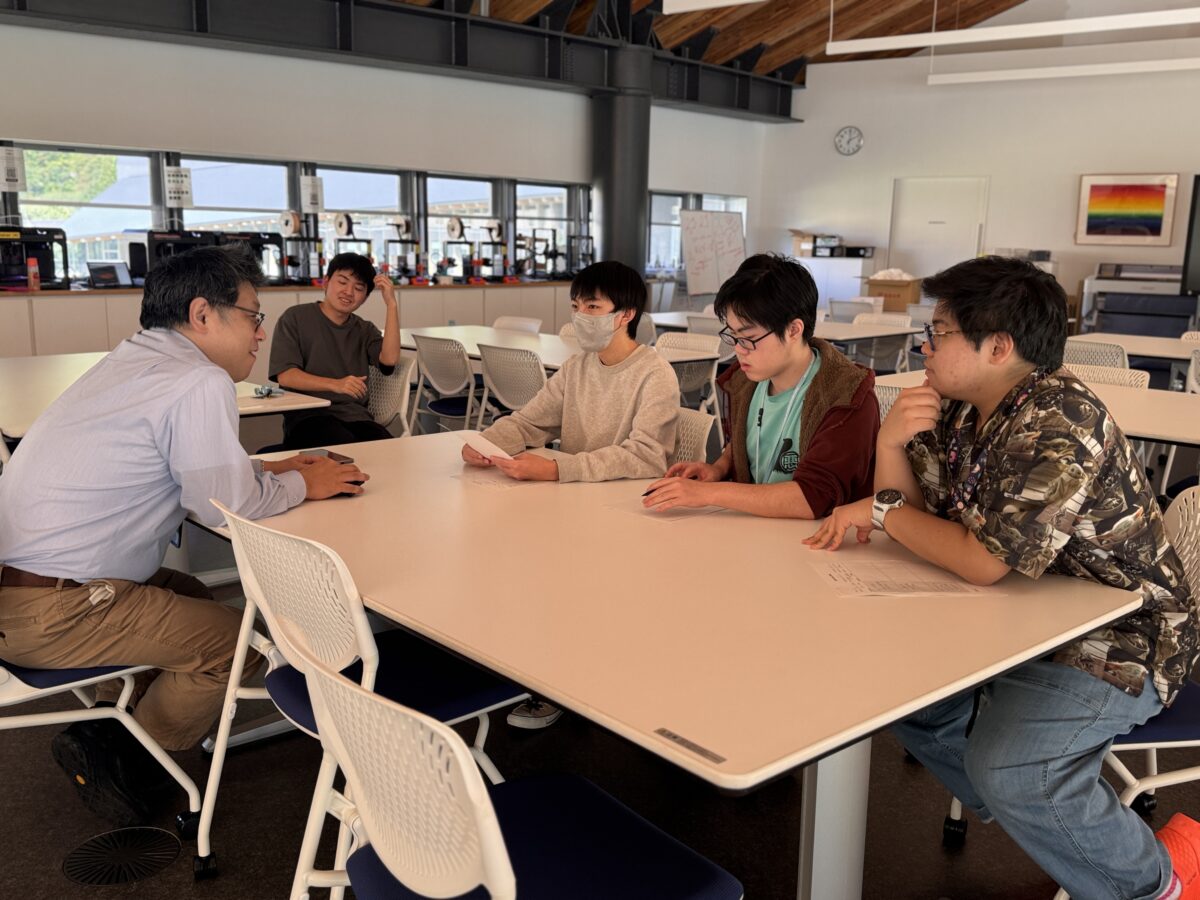
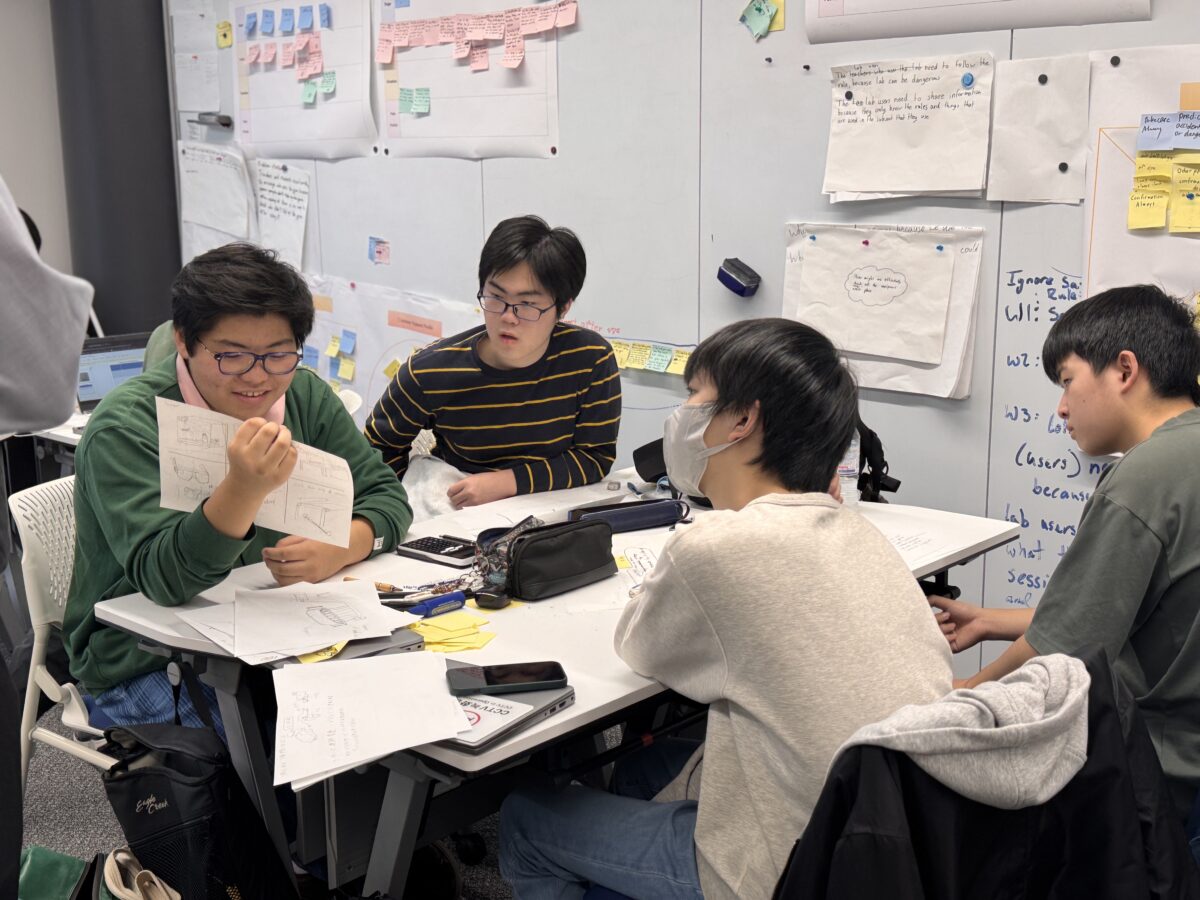
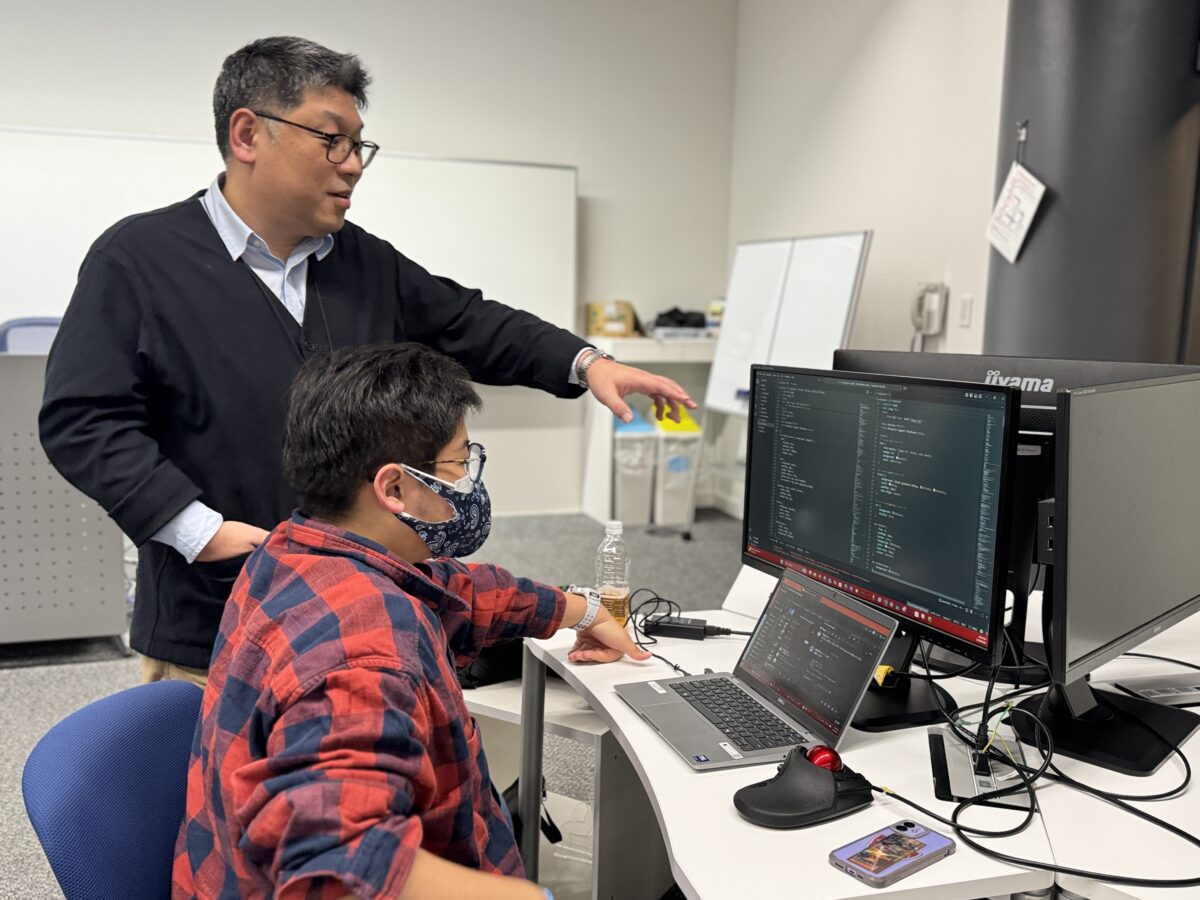
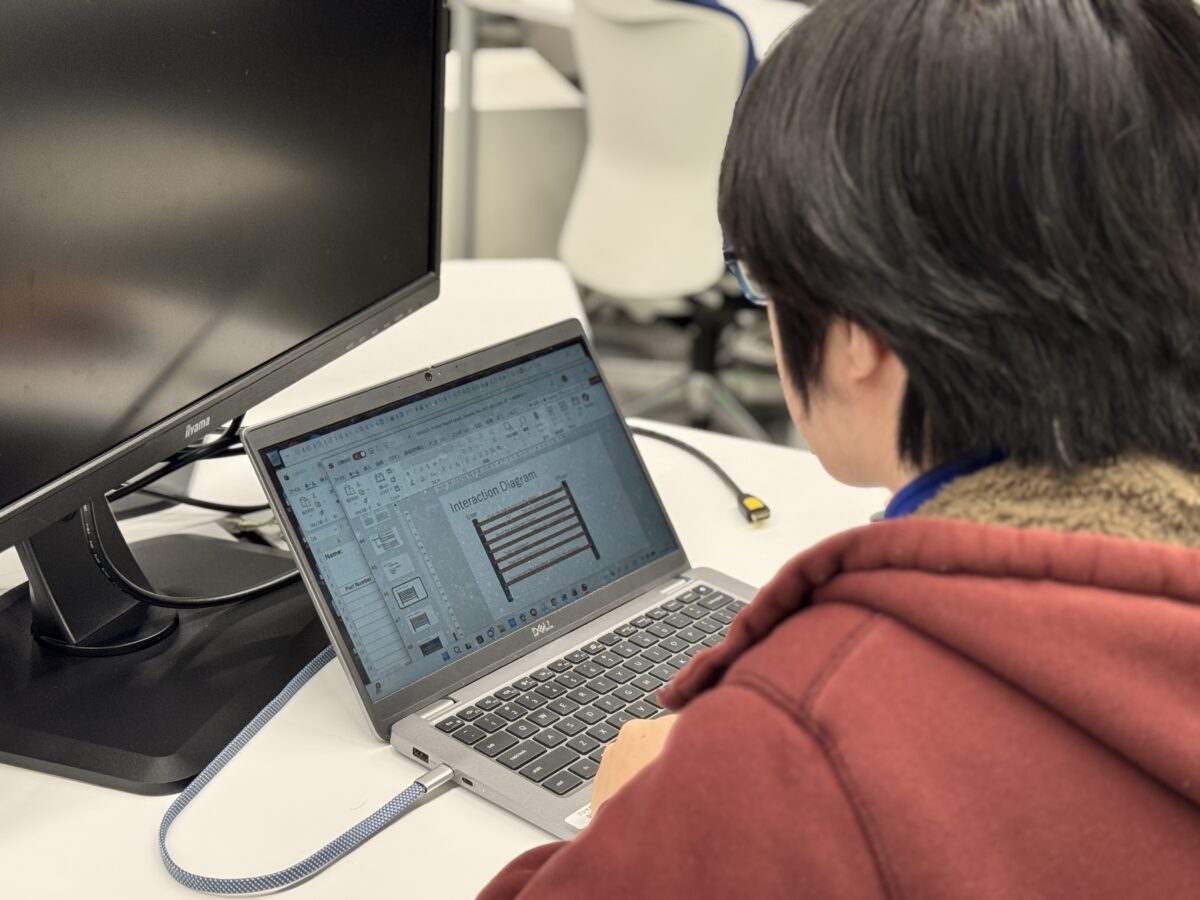
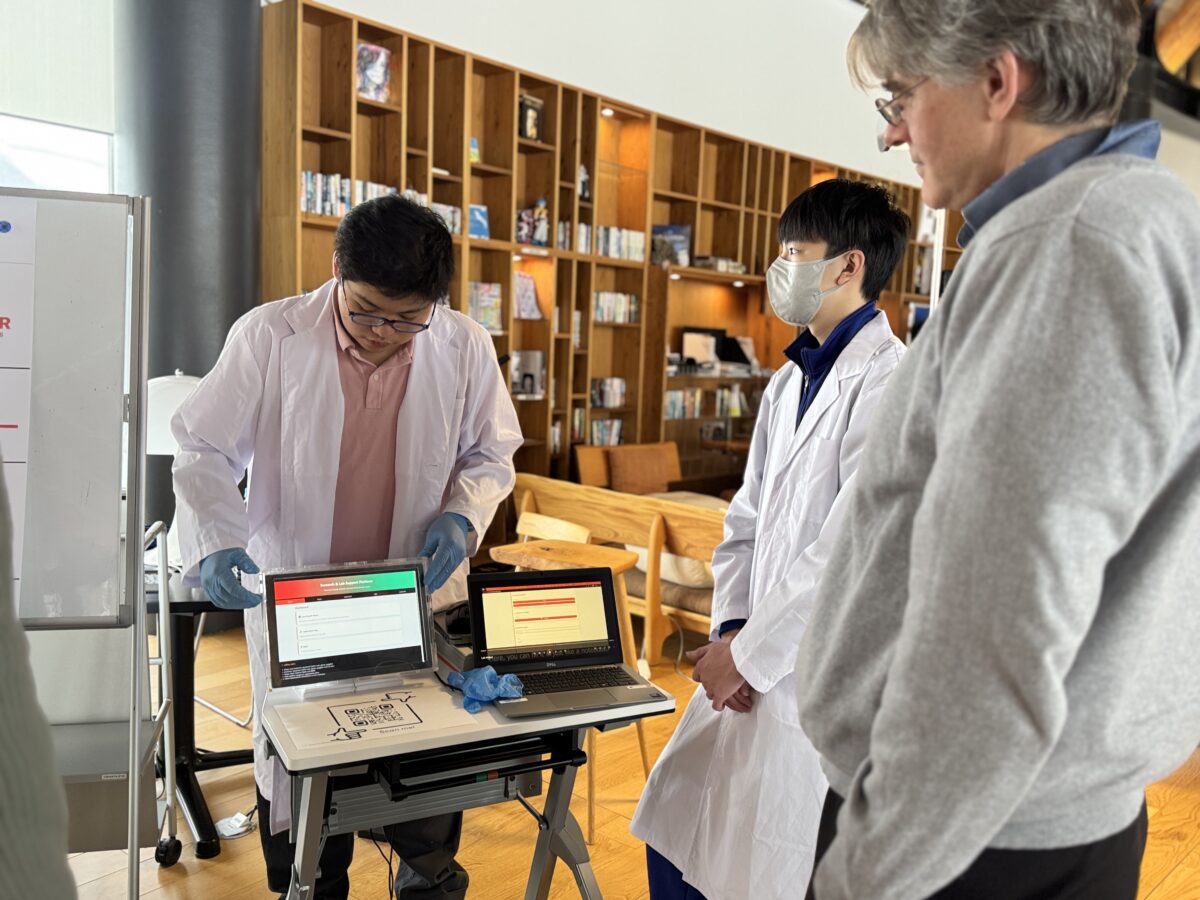
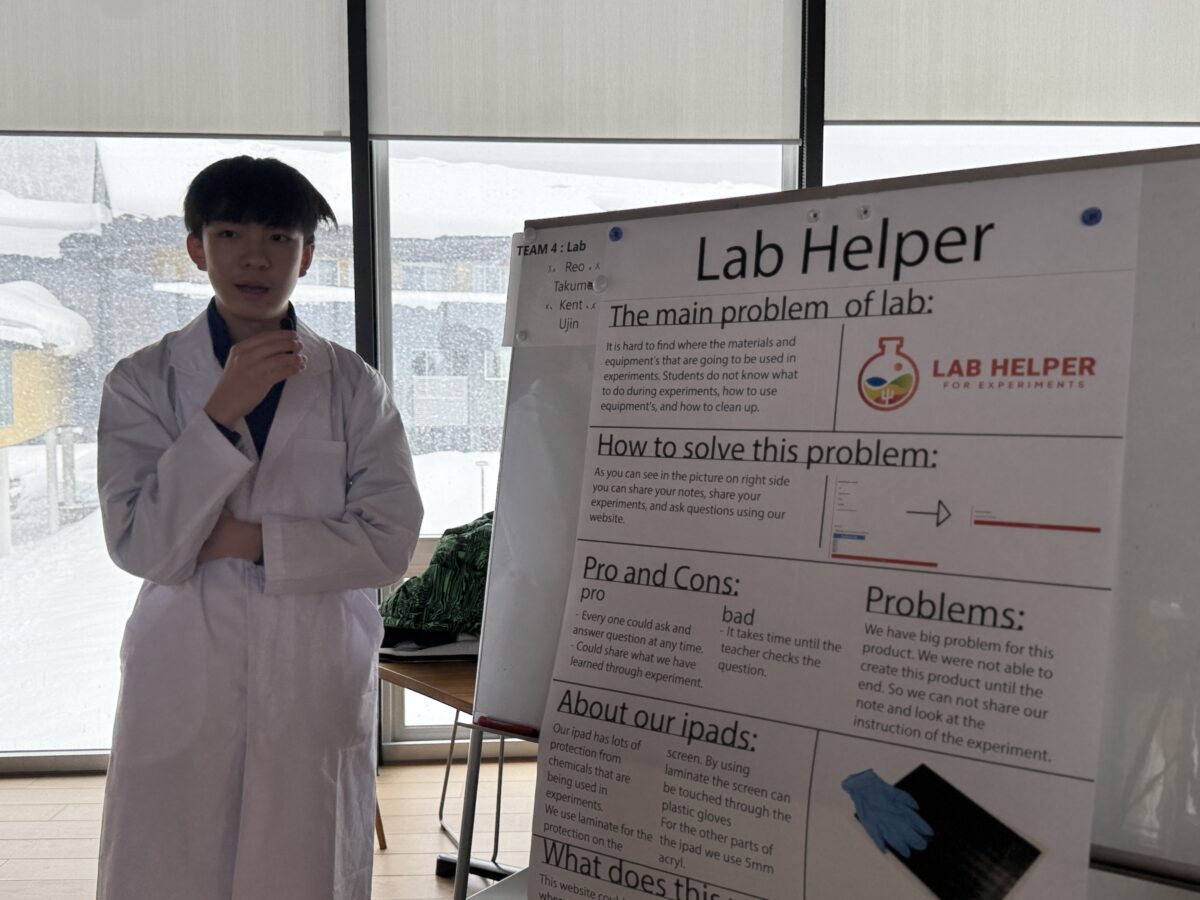
このチームは、実験室を管理している化学科目担当の教員にインタビューを行いました。その結果、学生たちは実験室で使用する器具の使い方や置き場所、片付けの手順、さらには実験の方法が分からず、同じ質問を何度も化学科目担当のナグワ・ラシィド先生に尋ねたり、ナグワ先生の手が空くまで待たなければならないことが問題であることが分かりました。
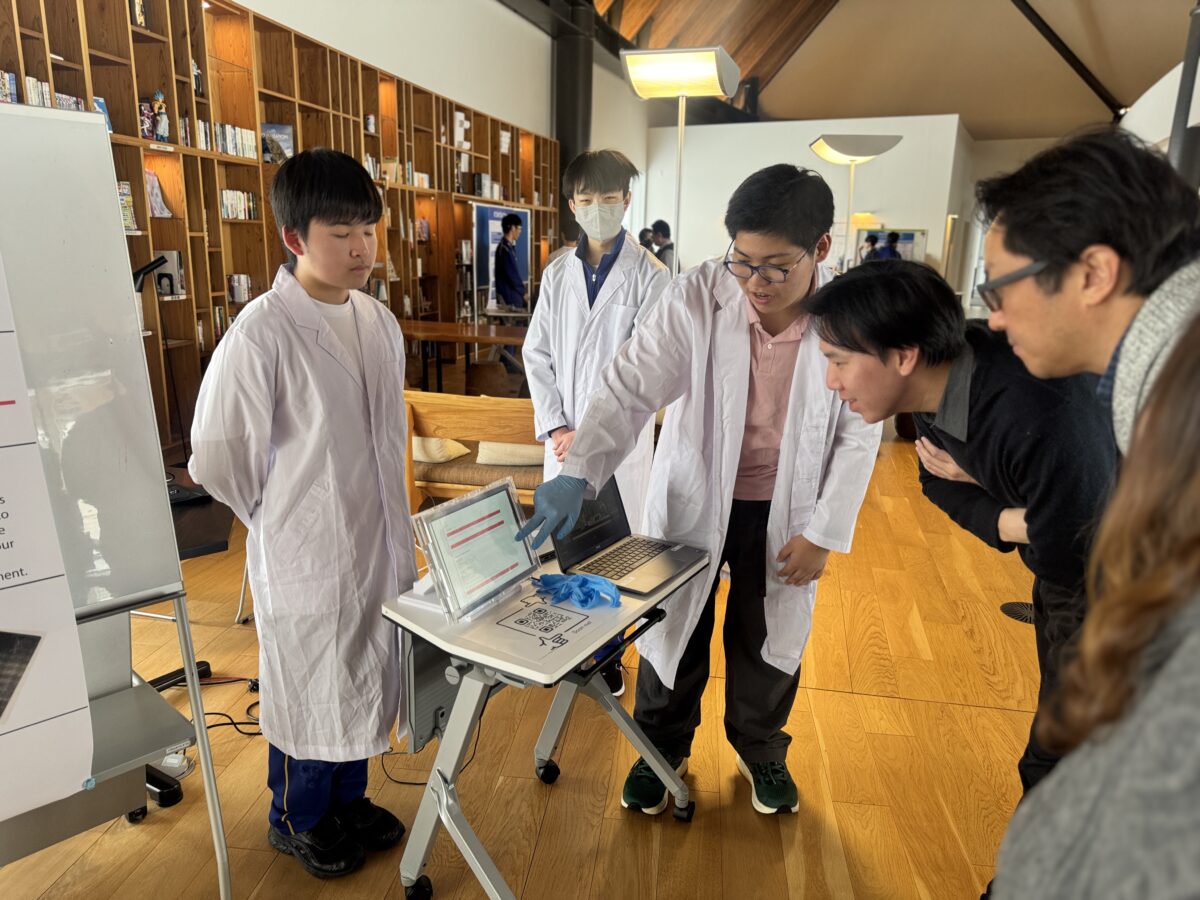
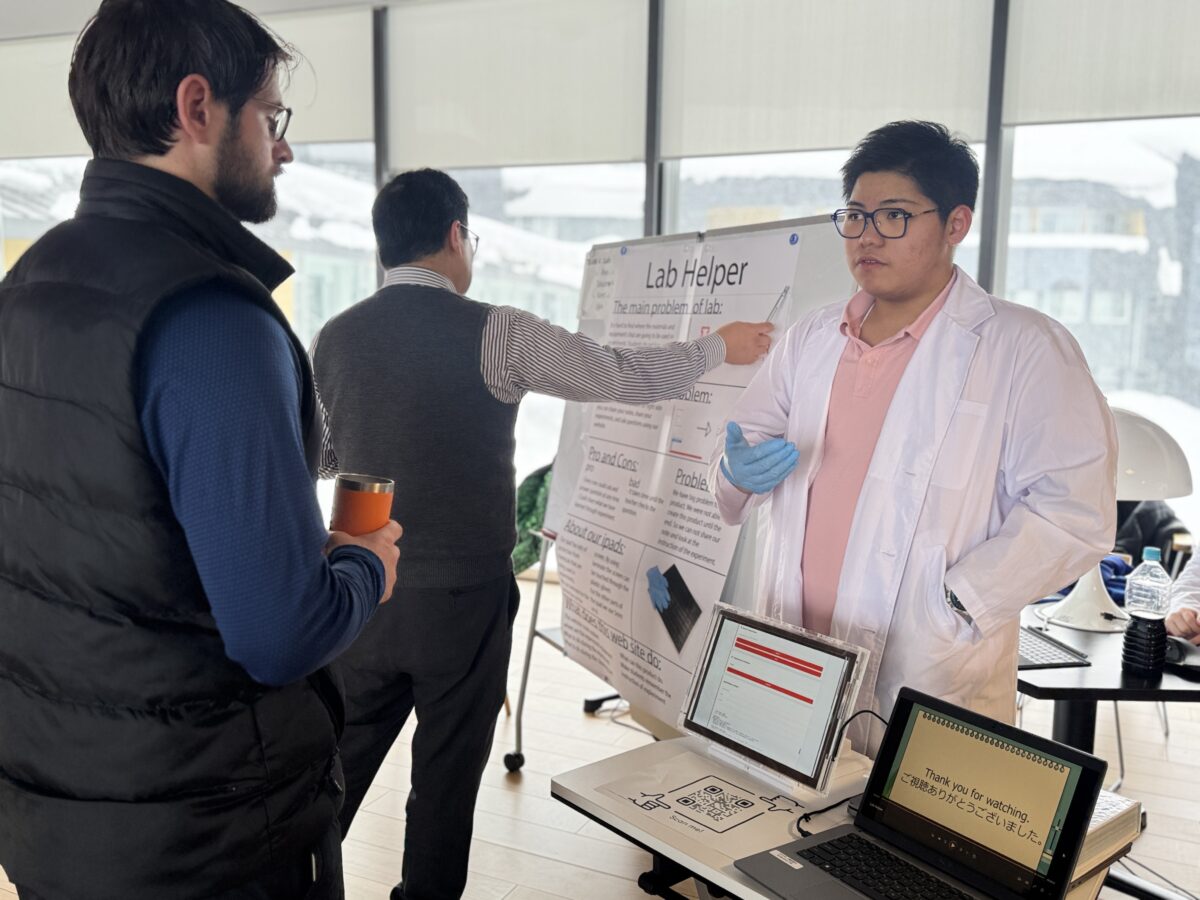
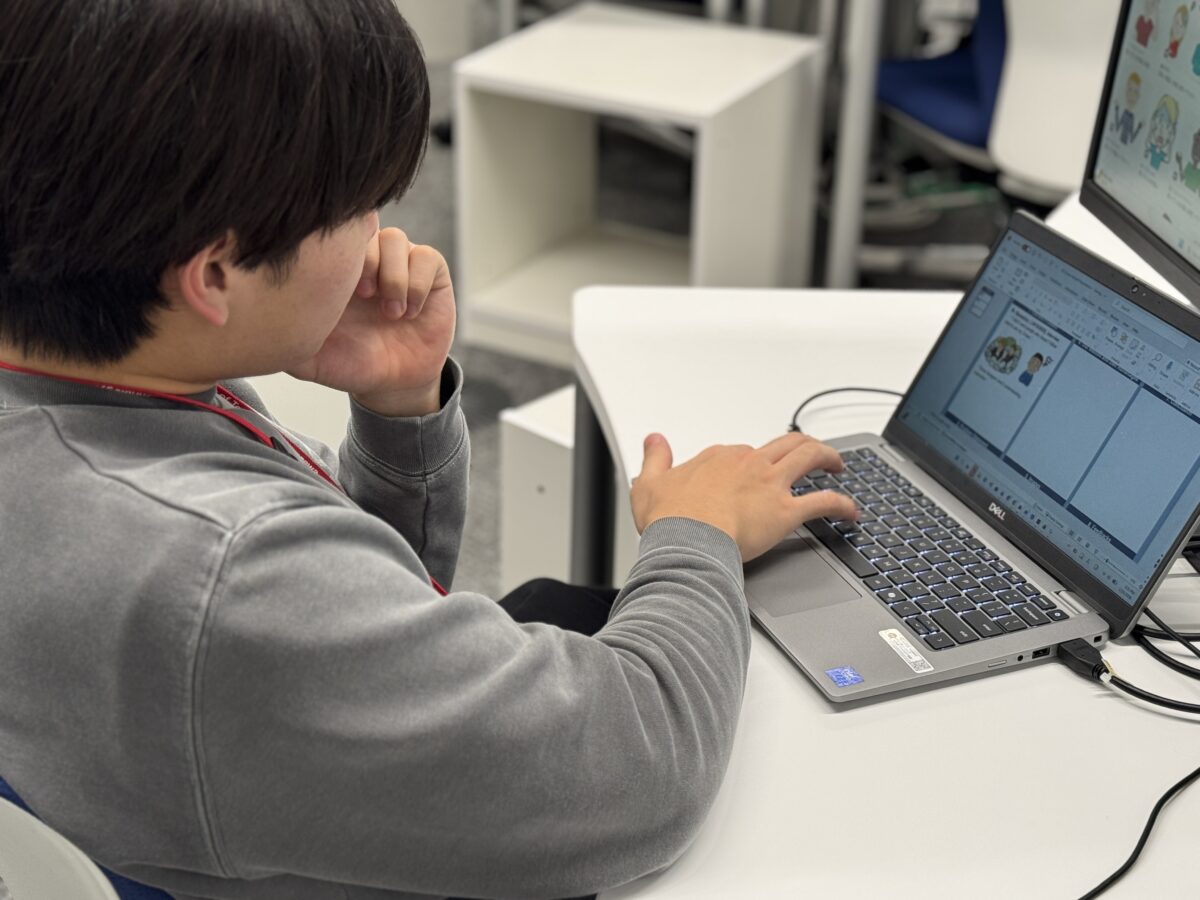
そこで学生たちは、必要な情報を一括して確認できるウェブサイトを制作しました。このウェブサイトでは、実験を行う際の注意点や手順を共有できるほか、学生が先生へ直接質問を投稿することもできます。また、実験を通して学んだ内容を記録・共有できる機能もあり、学生同士が知識を共有し合える仕組みになっています。 さらに、実験中でも安全に操作できるように、タブレット端末 のケースにはアクリル素材を使用しており、実験用手袋をしたままでも画面操作が可能です。
【体育館:TEE SWEEPER】
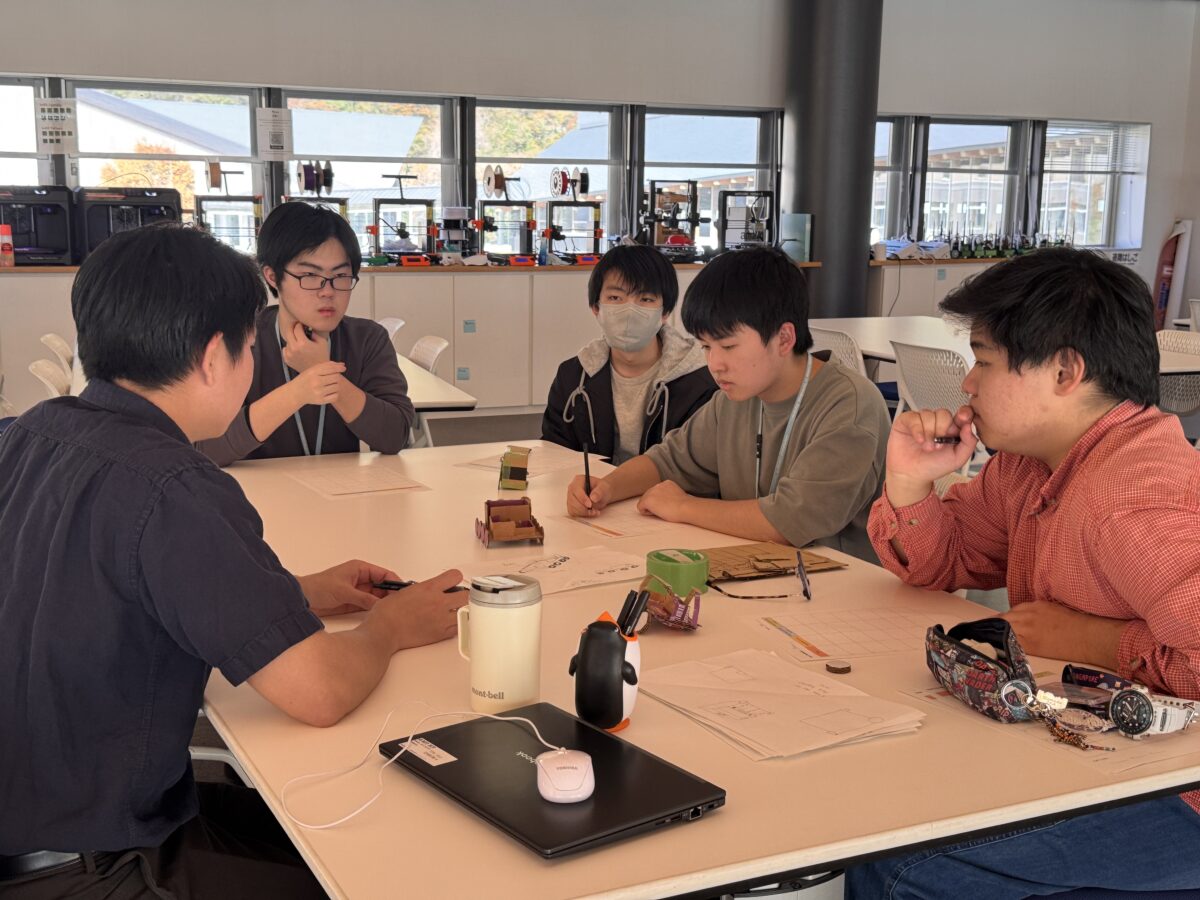
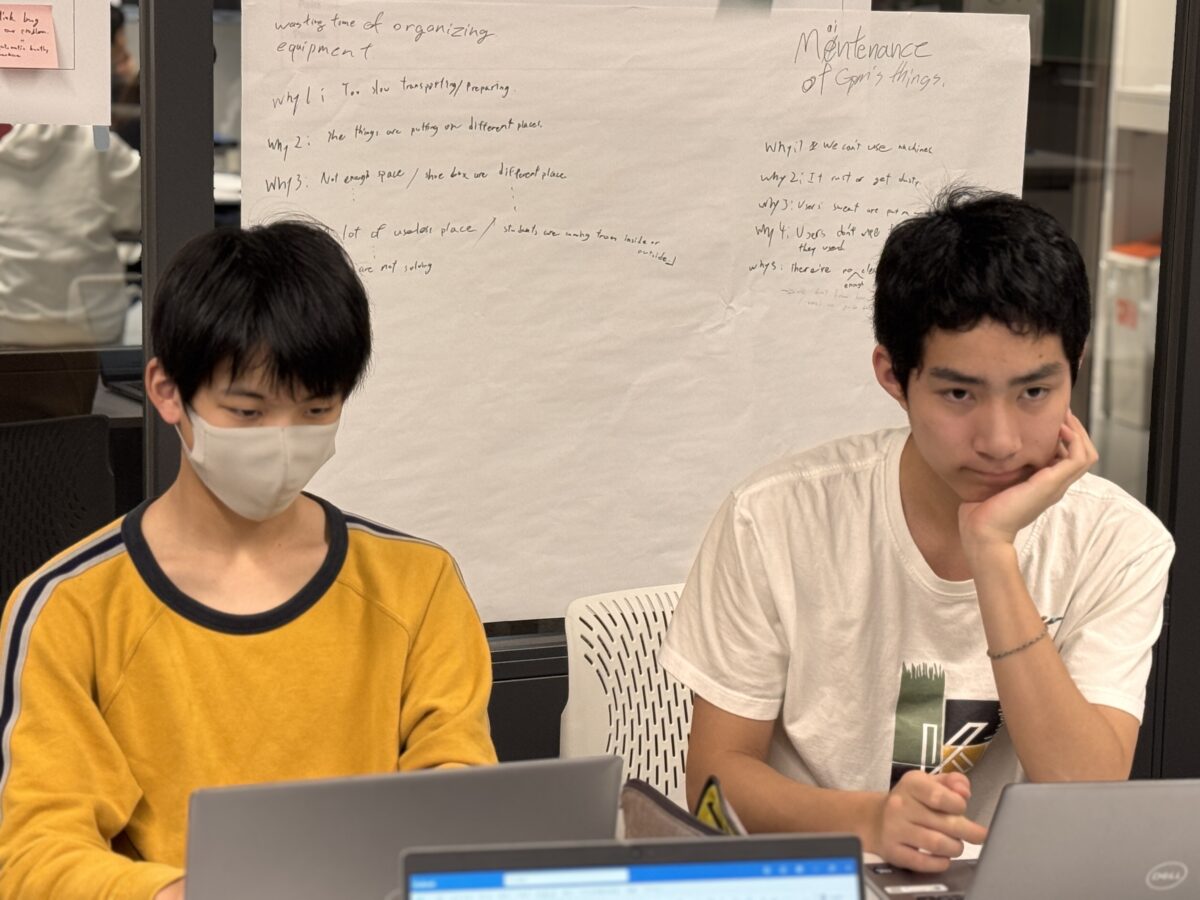
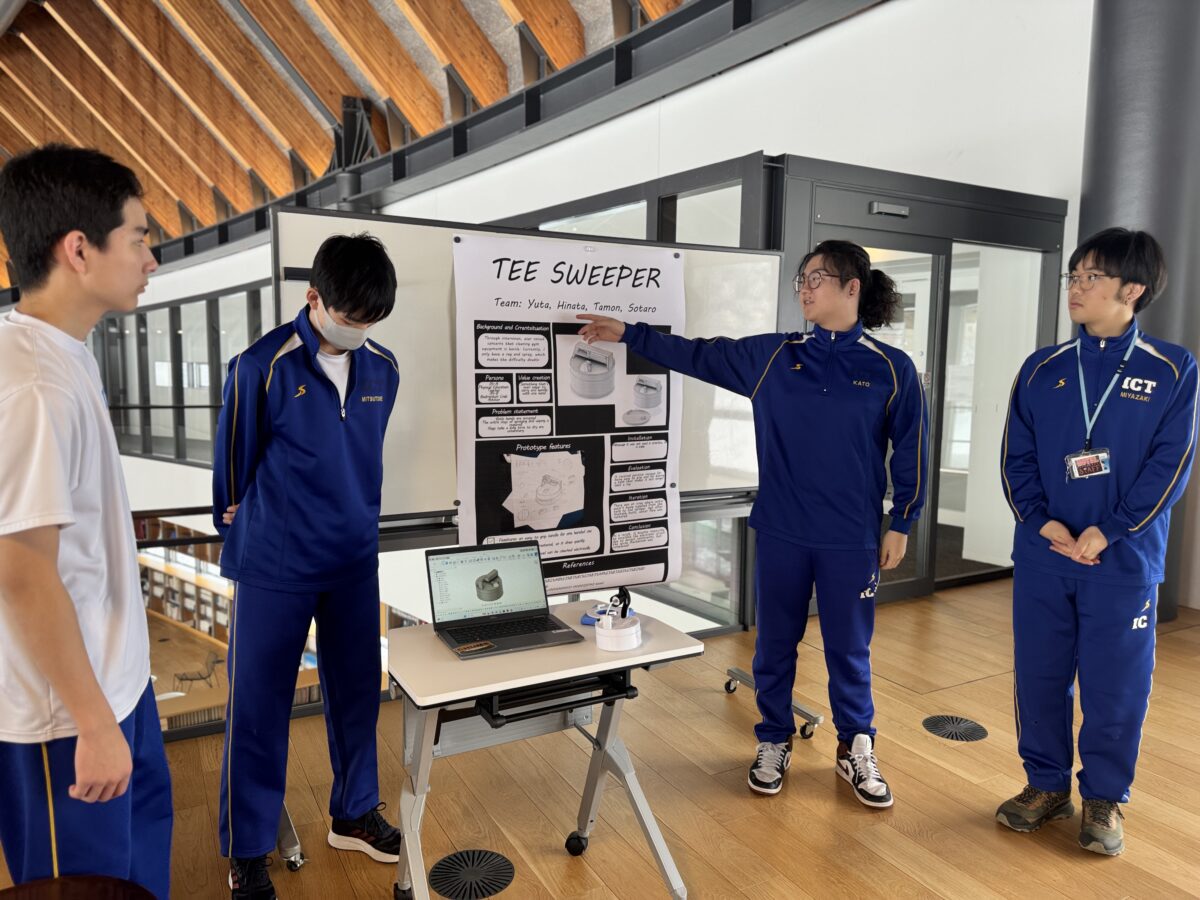
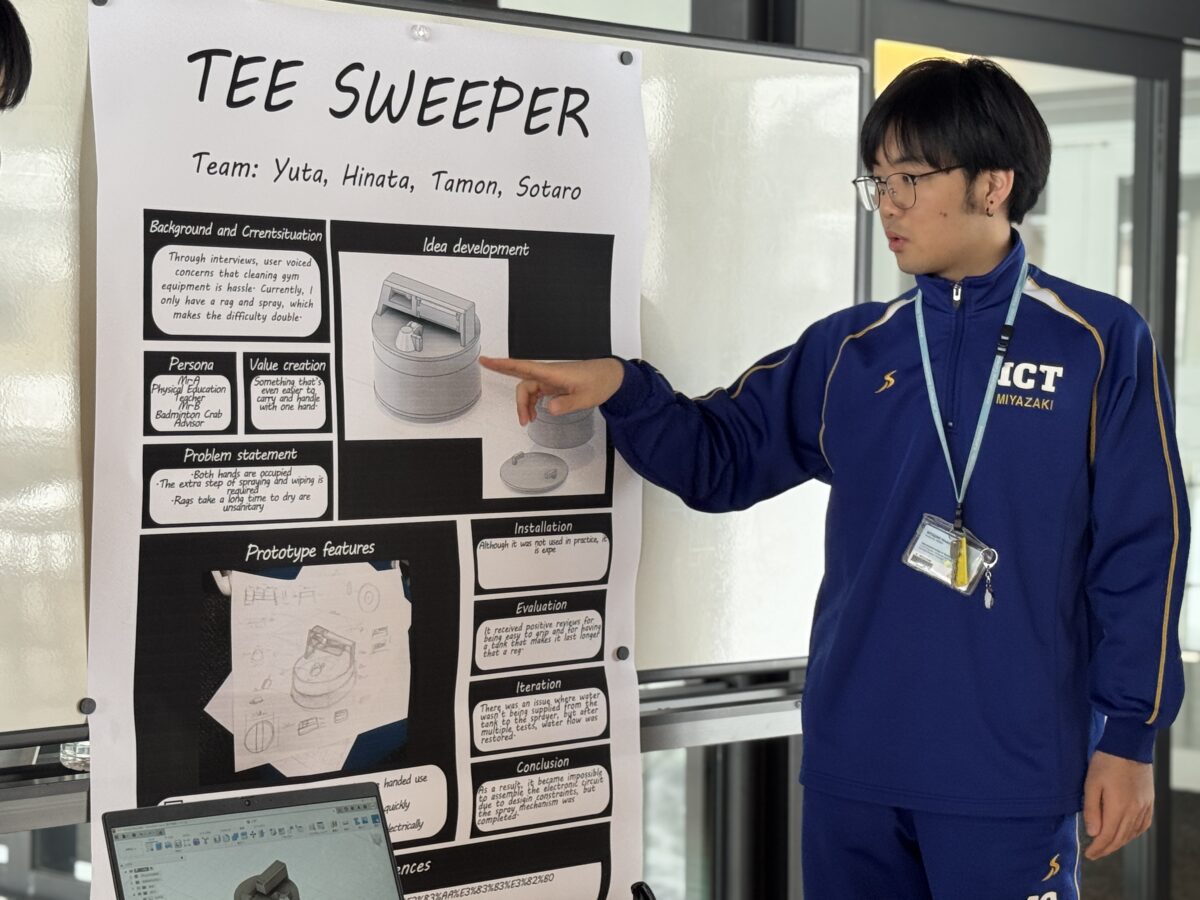
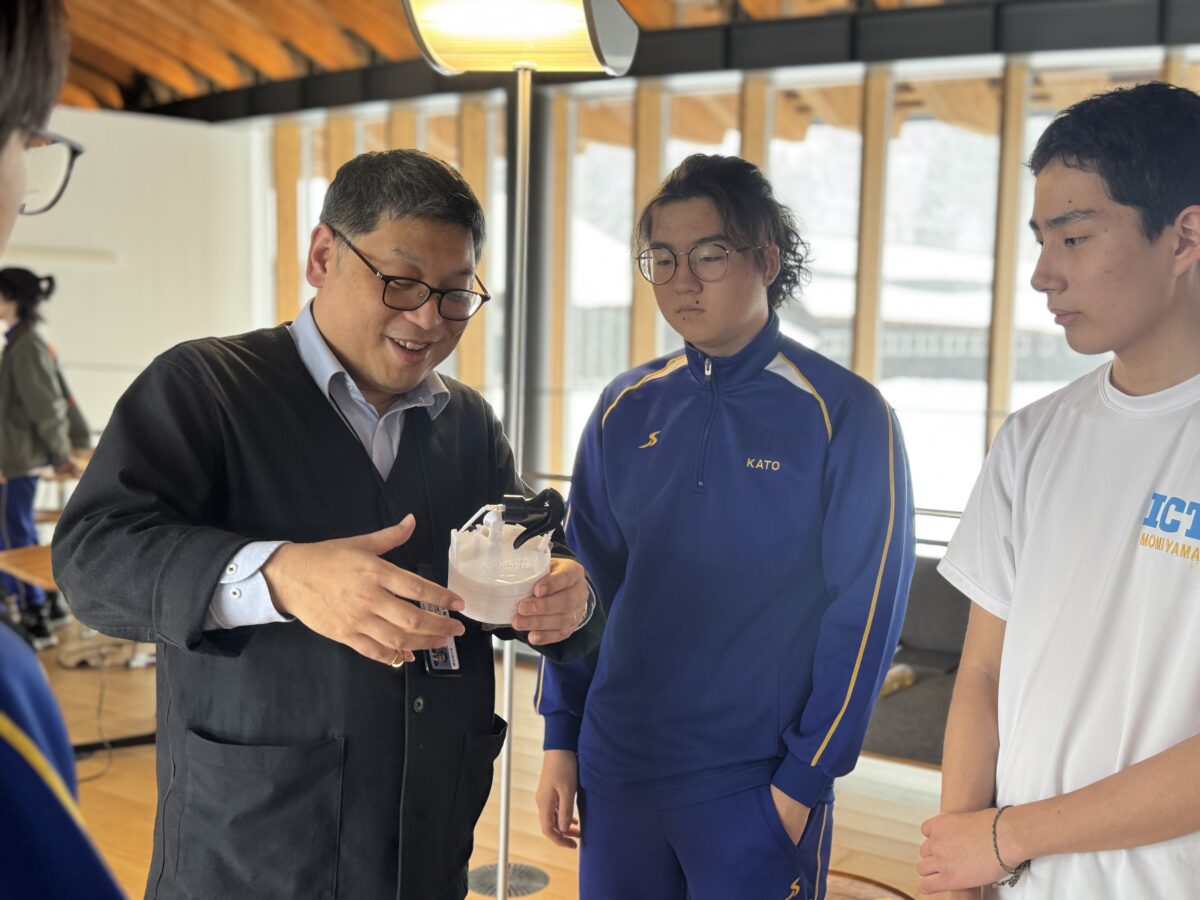
このチームは、体育科目担当のフィリップ・ケザウ先生にインタビューを行いました。その結果、トレーニングジムに設置されているトレーニング機器を清掃する際、雑巾とスプレーを別々に使用する必要があるため両手がふさがって扱いにくいこと、また雑巾が乾きにくく不衛生になりやすいことが課題として挙げられました。
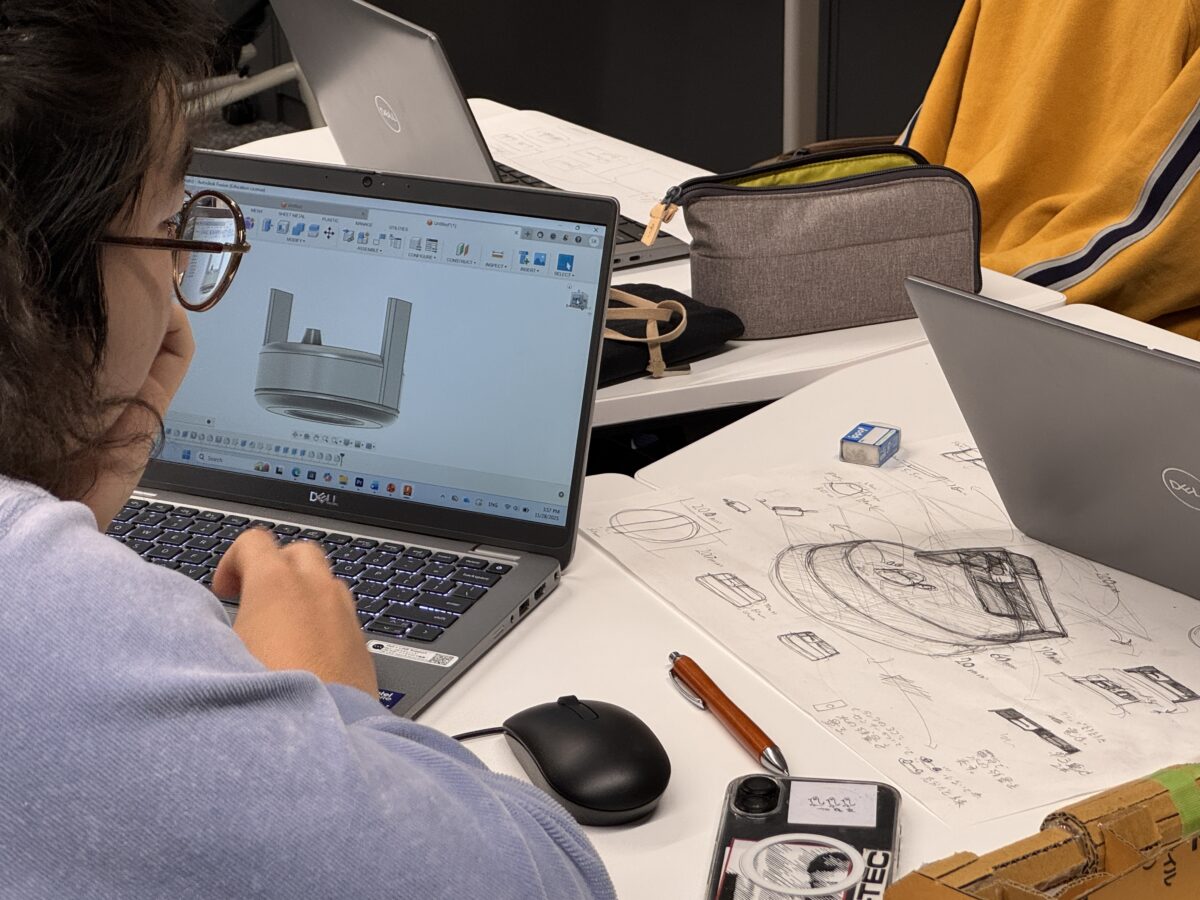
そこで学生たちは、スプレーと雑巾を一体化し、持ち運びやすい清掃機器を製作しました。片手で使えるように握りやすいハンドルを採用し、拭き取り部分には乾きが早いスポンジを装着しました。さらに、スプレーの残液が自動的に補充される仕組みも開発し、より効率的で衛生的な清掃道具を提案しました。
【体育館:PYM】
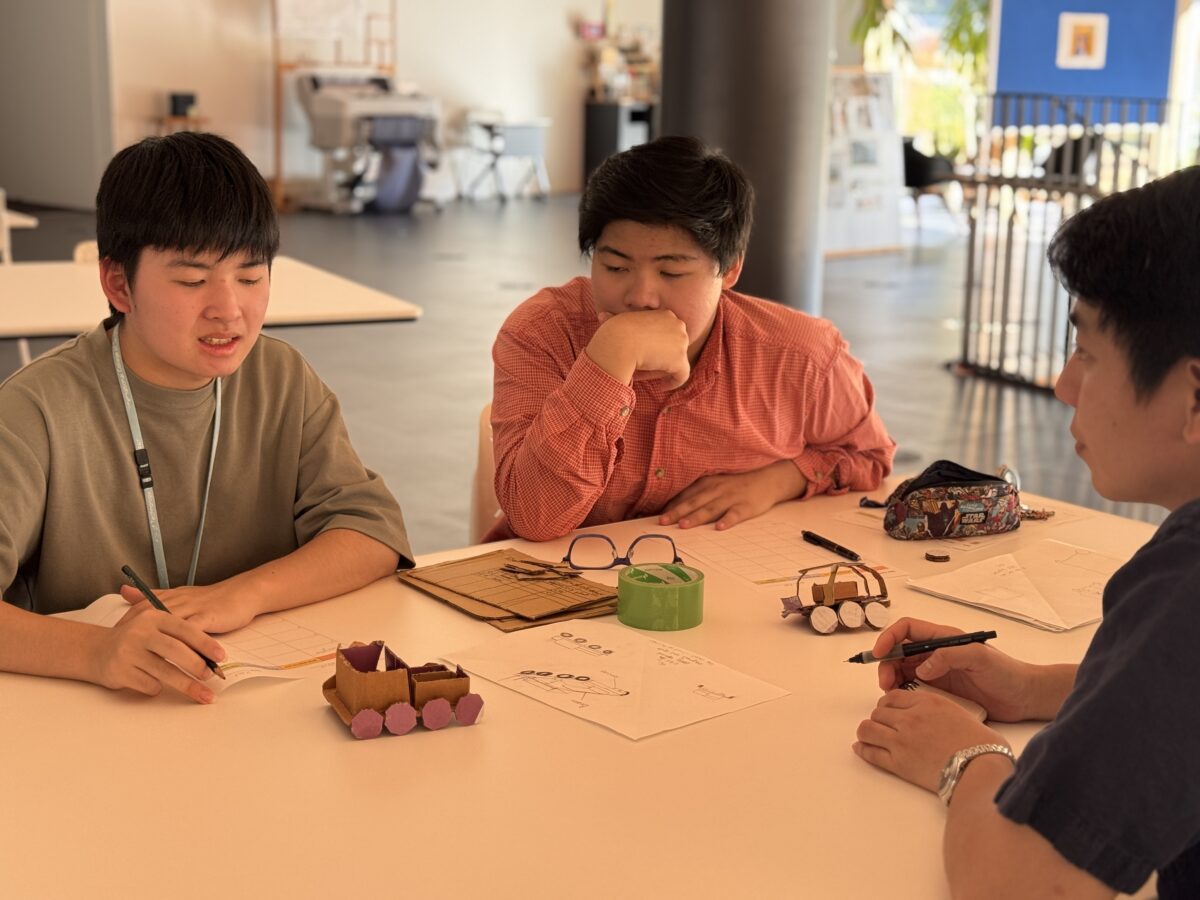
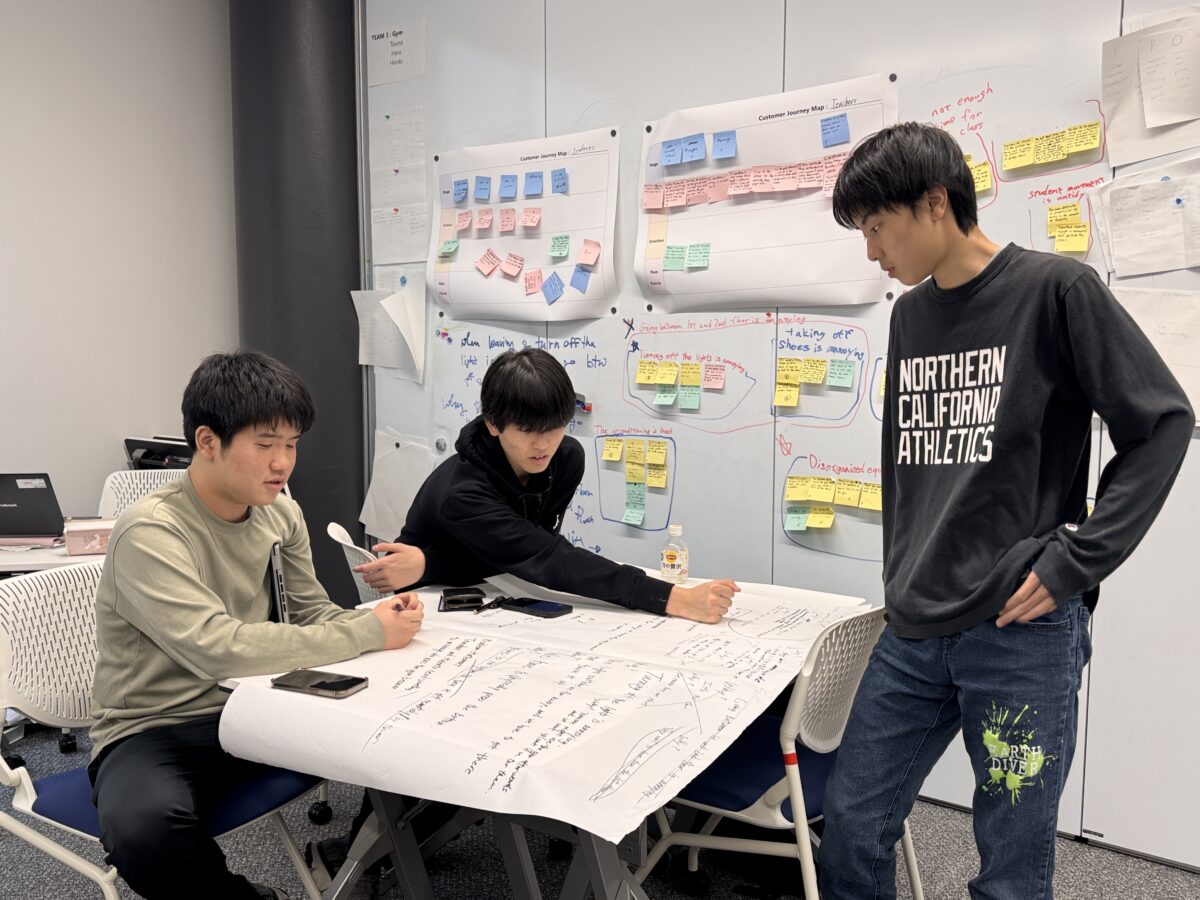
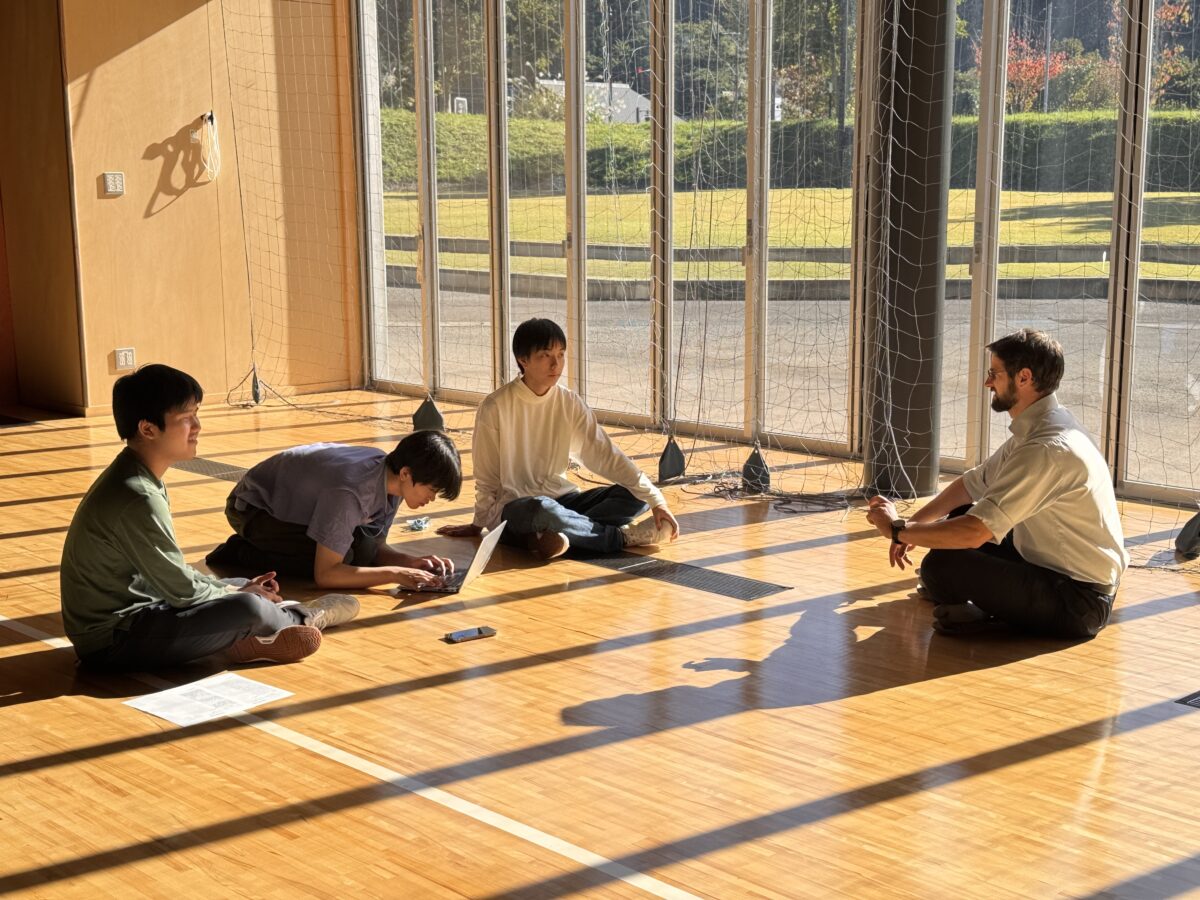
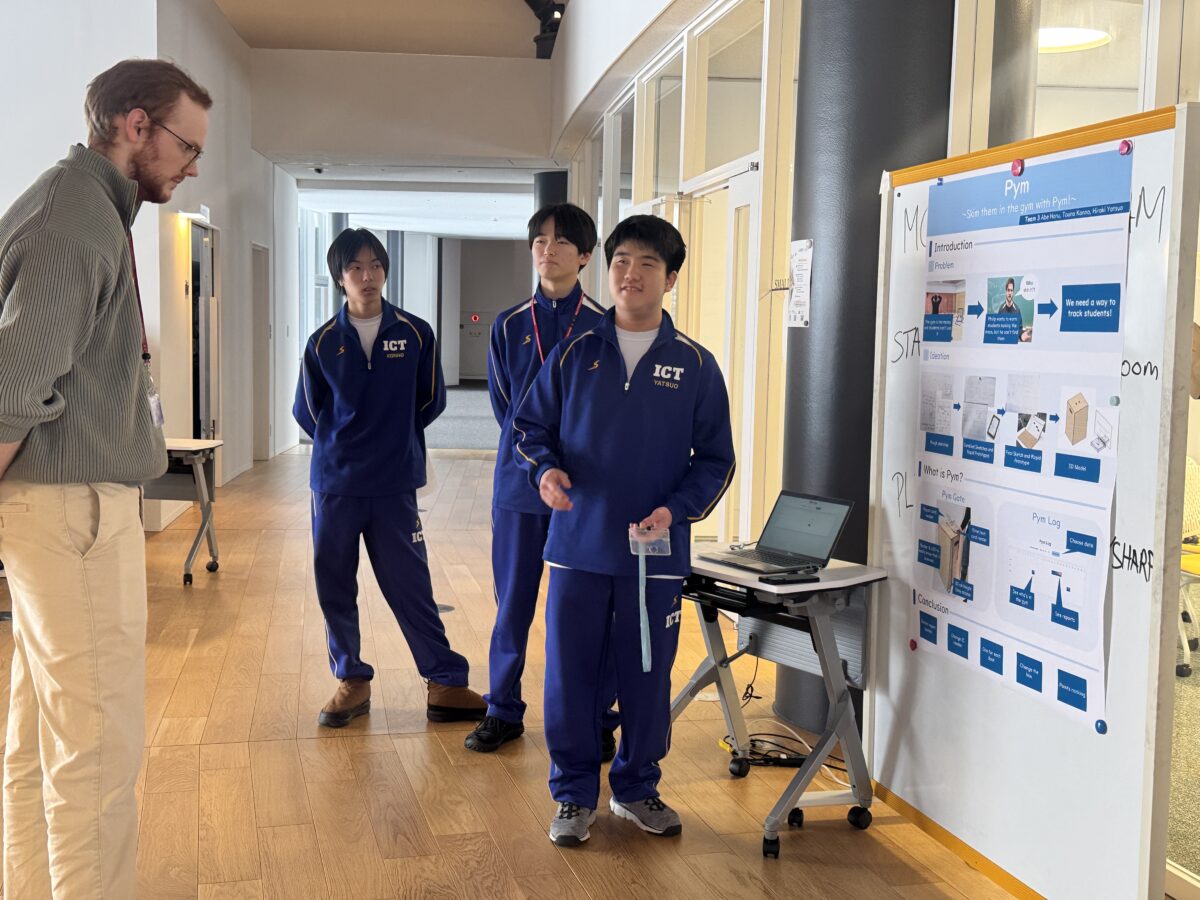
このチームは、フィリップ先生に、体育館で発生している問題についてインタビューを行いました。その結果、体育館が散らかっていて学生が使用できない状況があるにもかかわらず、誰が散らかしたのかを特定できないため、利用状況を追跡できる仕組みが必要であるという課題が明らかになりました。
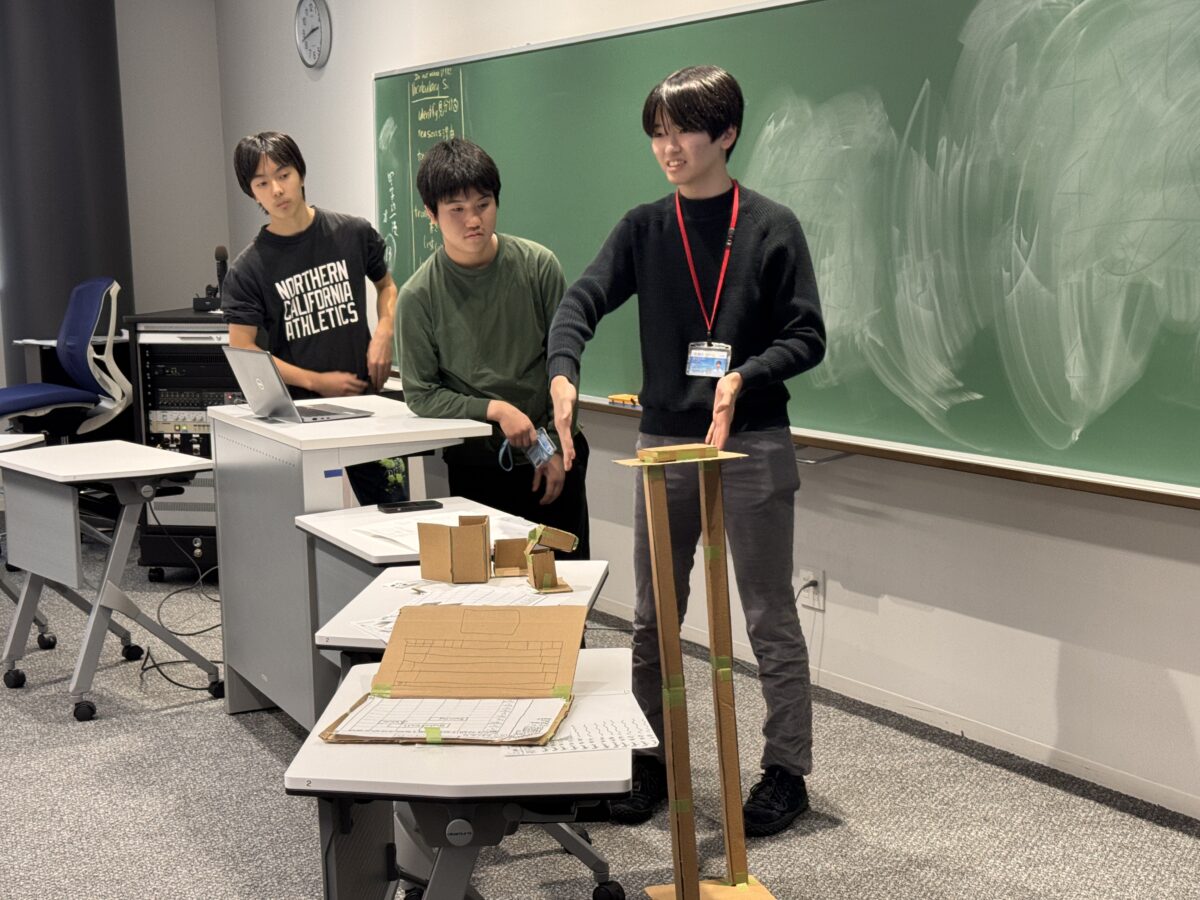
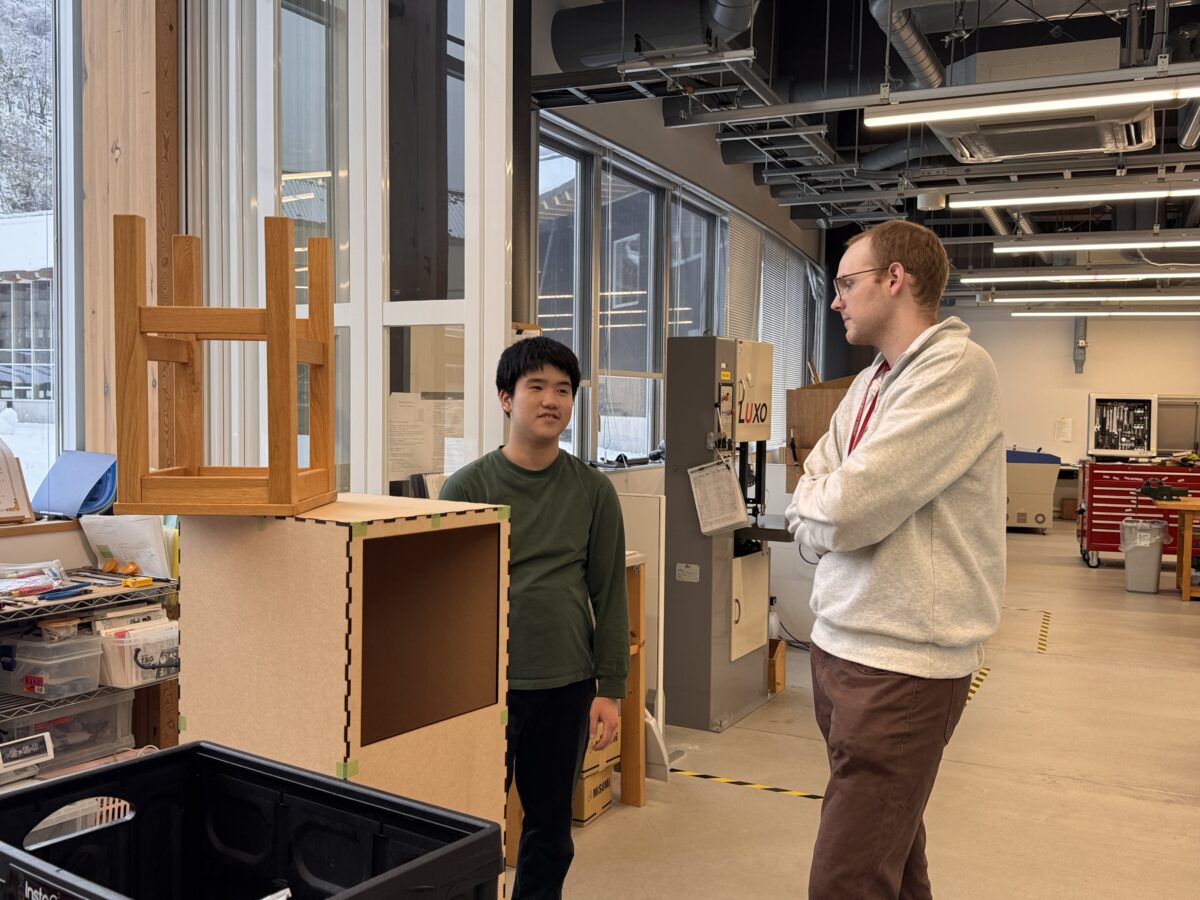
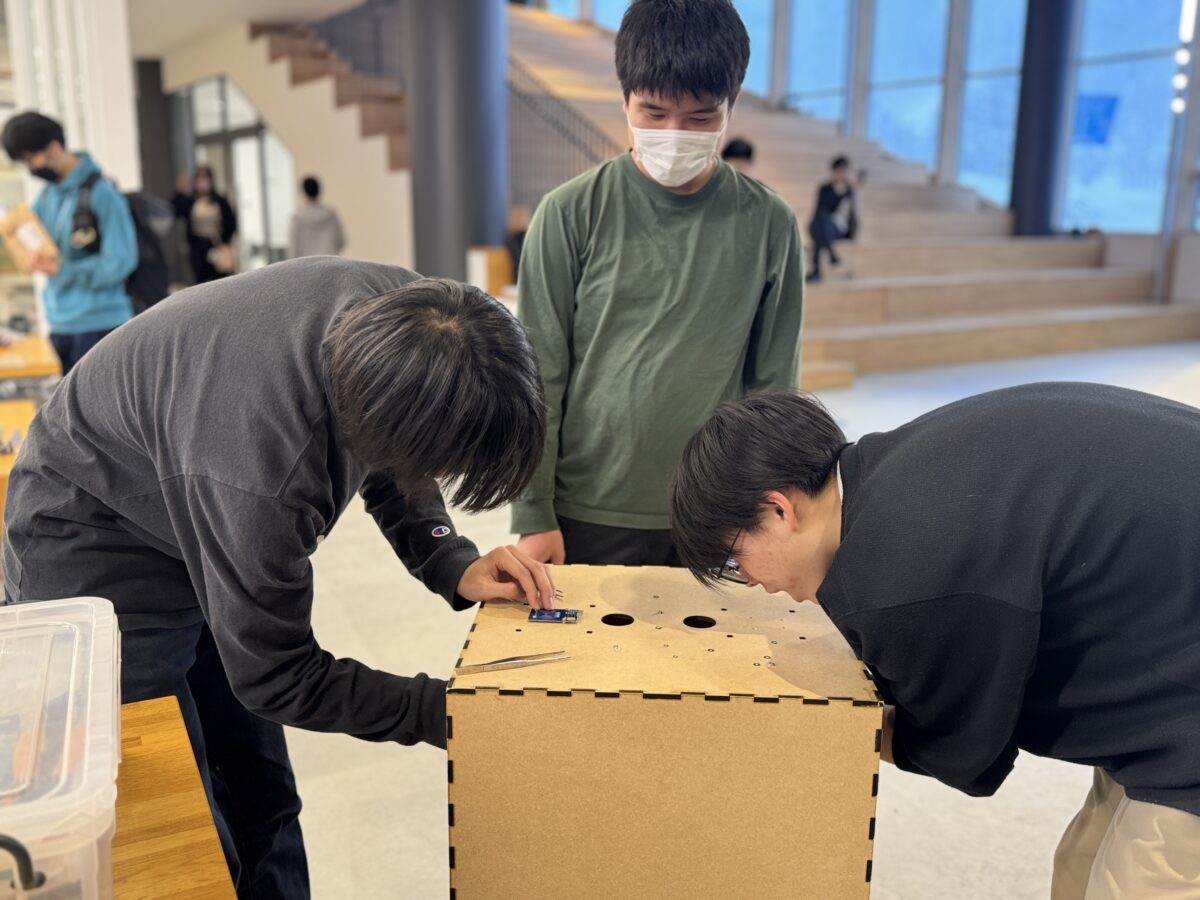
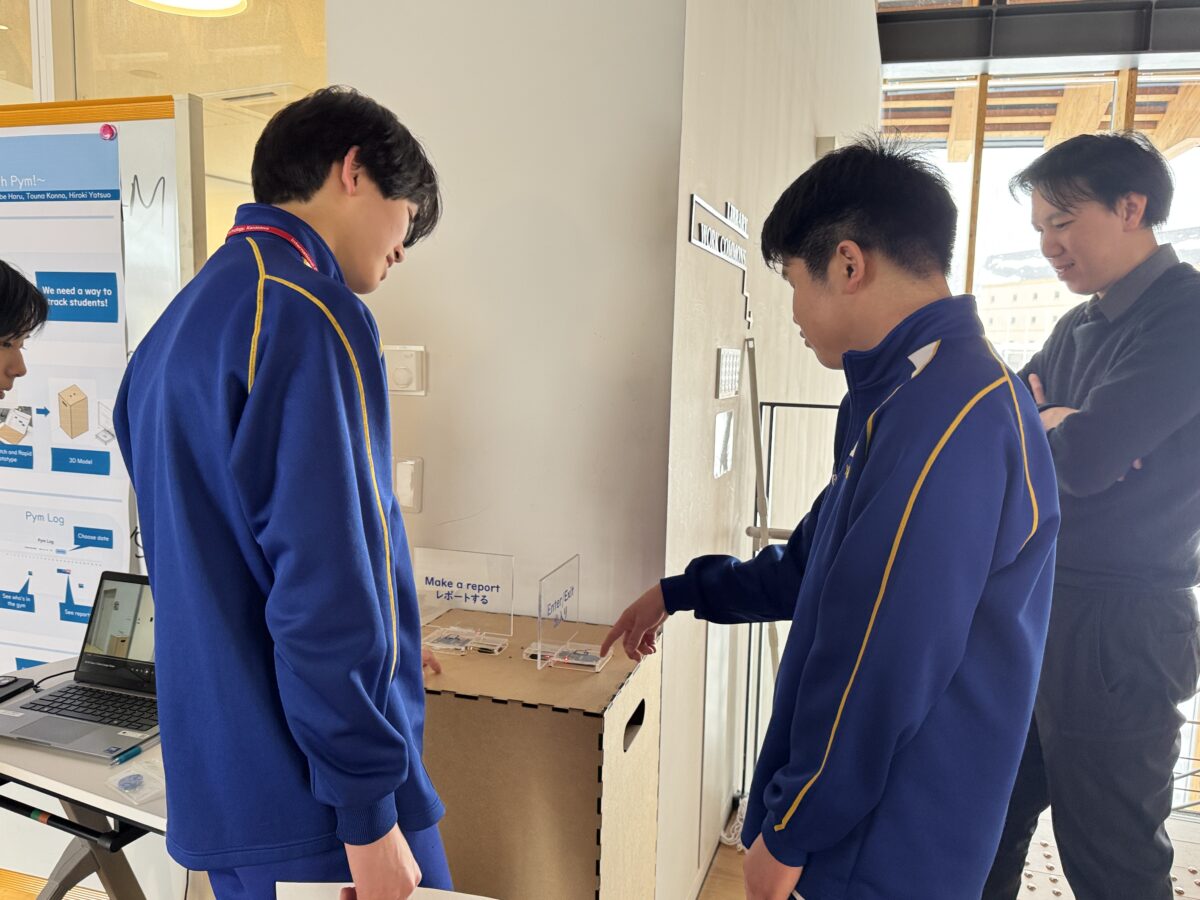
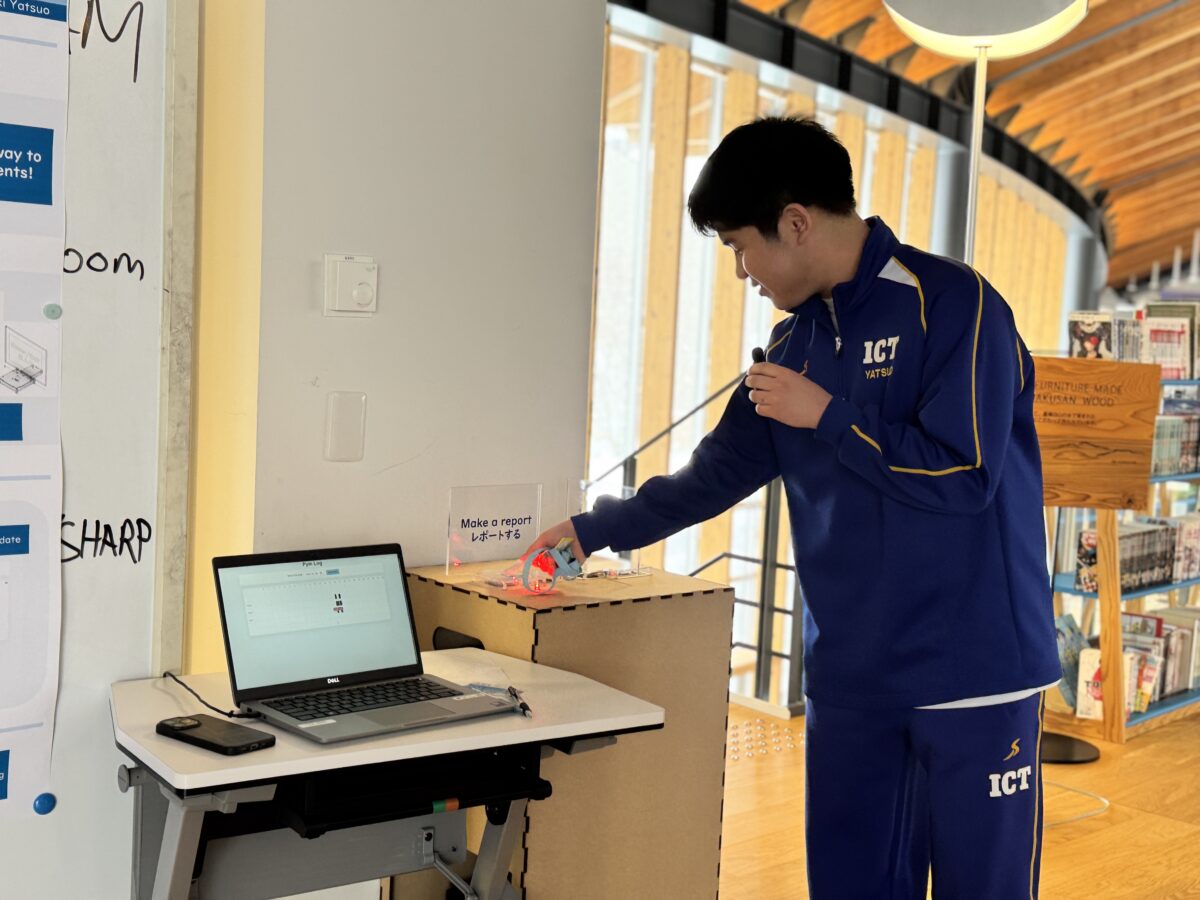
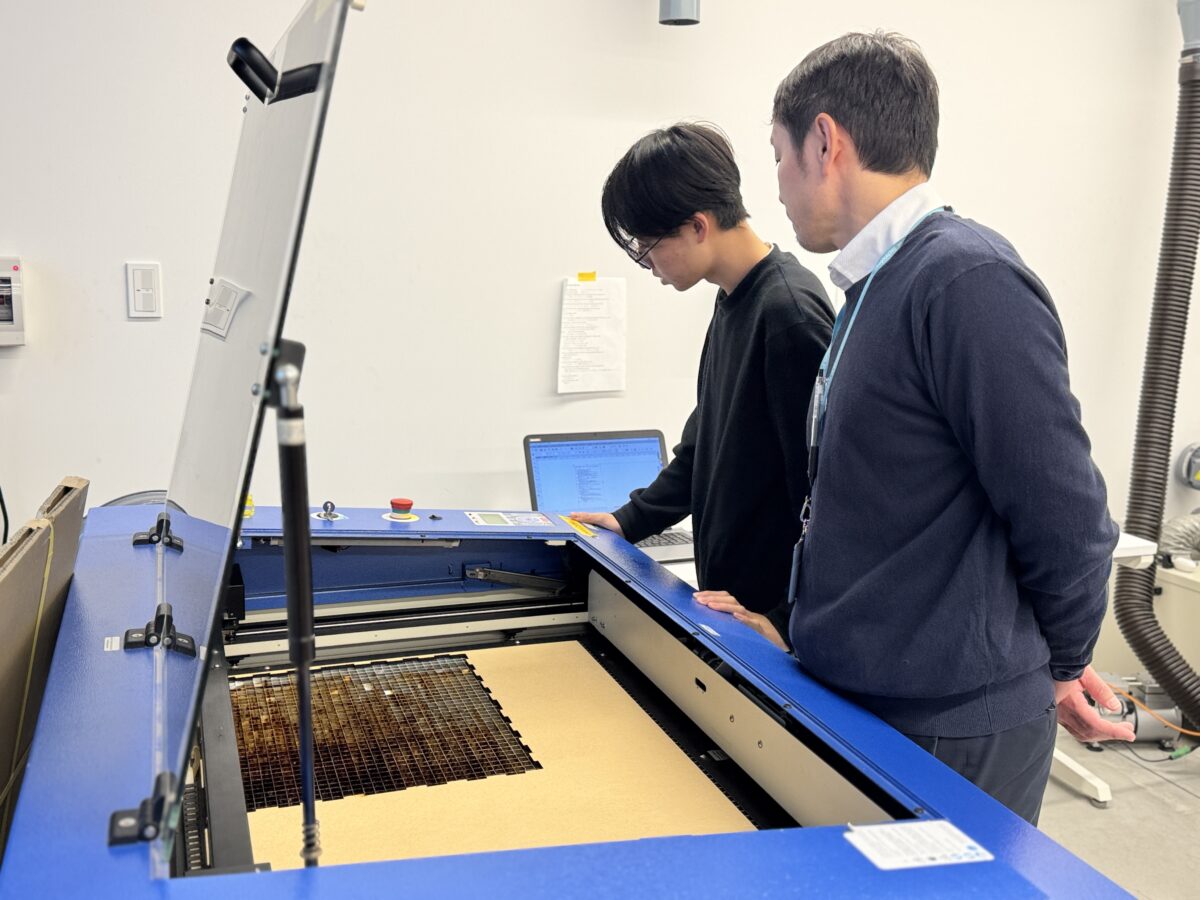
そこで学生たちは、体育館の入退室を管理する追跡システムを製作しました。体育館を利用する学生が入館認証カードをかざすとブザーとLEDが点滅してスキャン完了が分かる仕組みになっています。また、学生が入館認証カードをかざしやすいように、レーザーカッターを使用して高さ80cmの専用スタンドも製作しました。さらに、認証時には、ウェブサイトに利用者の名前が自動的に登録され、どの学生がいつ体育館を利用したのかを確認できるシステムが組み込まれています。これにより、体育館の利用者を追跡することが可能になりました。
【温泉施設「比咩の湯」:Bye-Bye Stink Bugs】
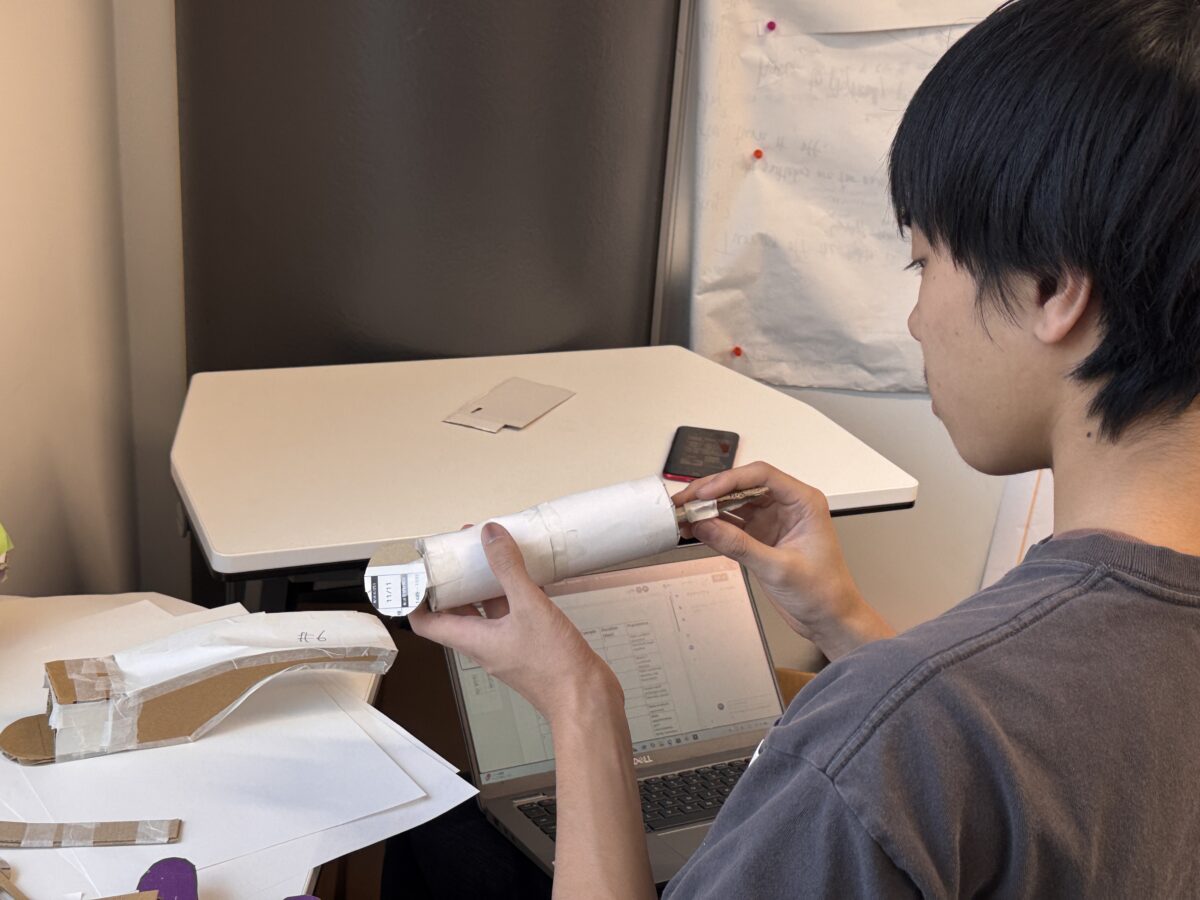
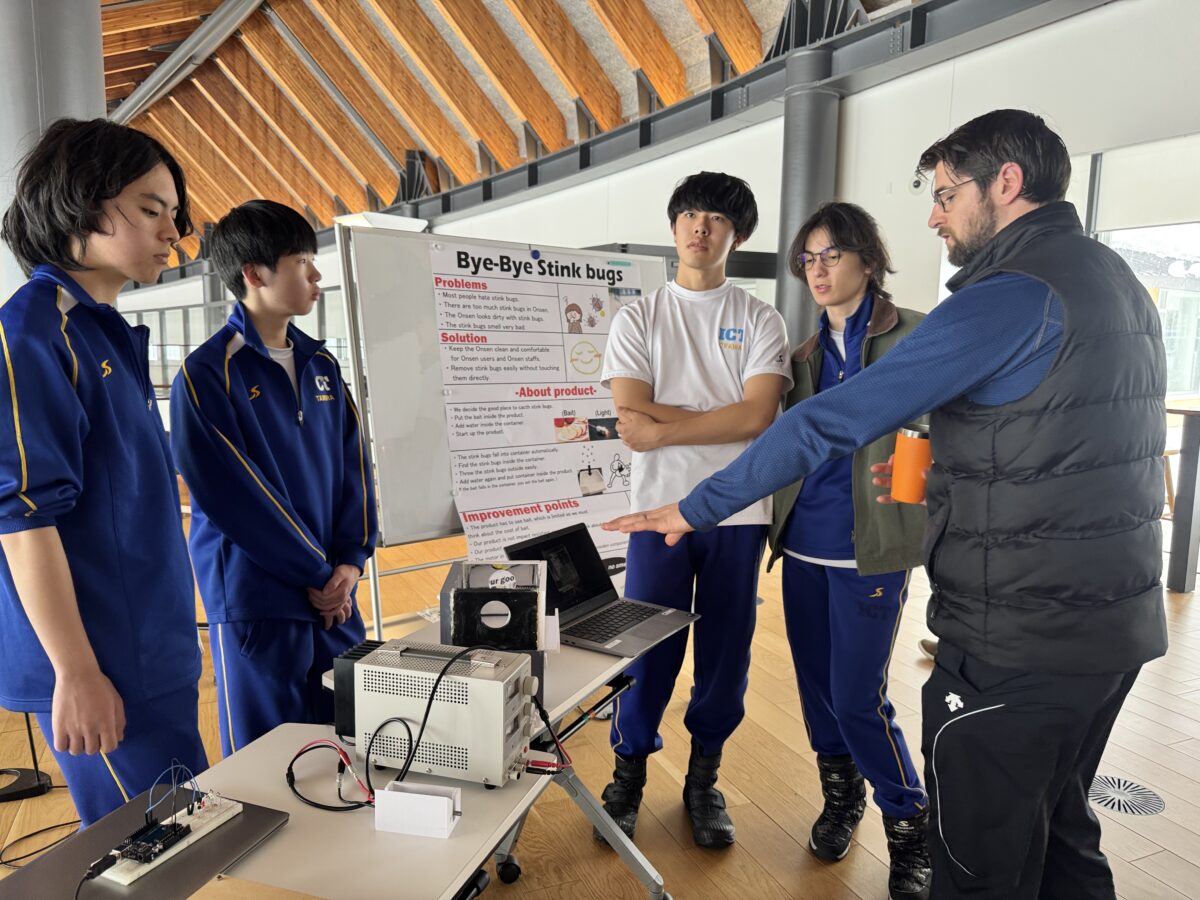
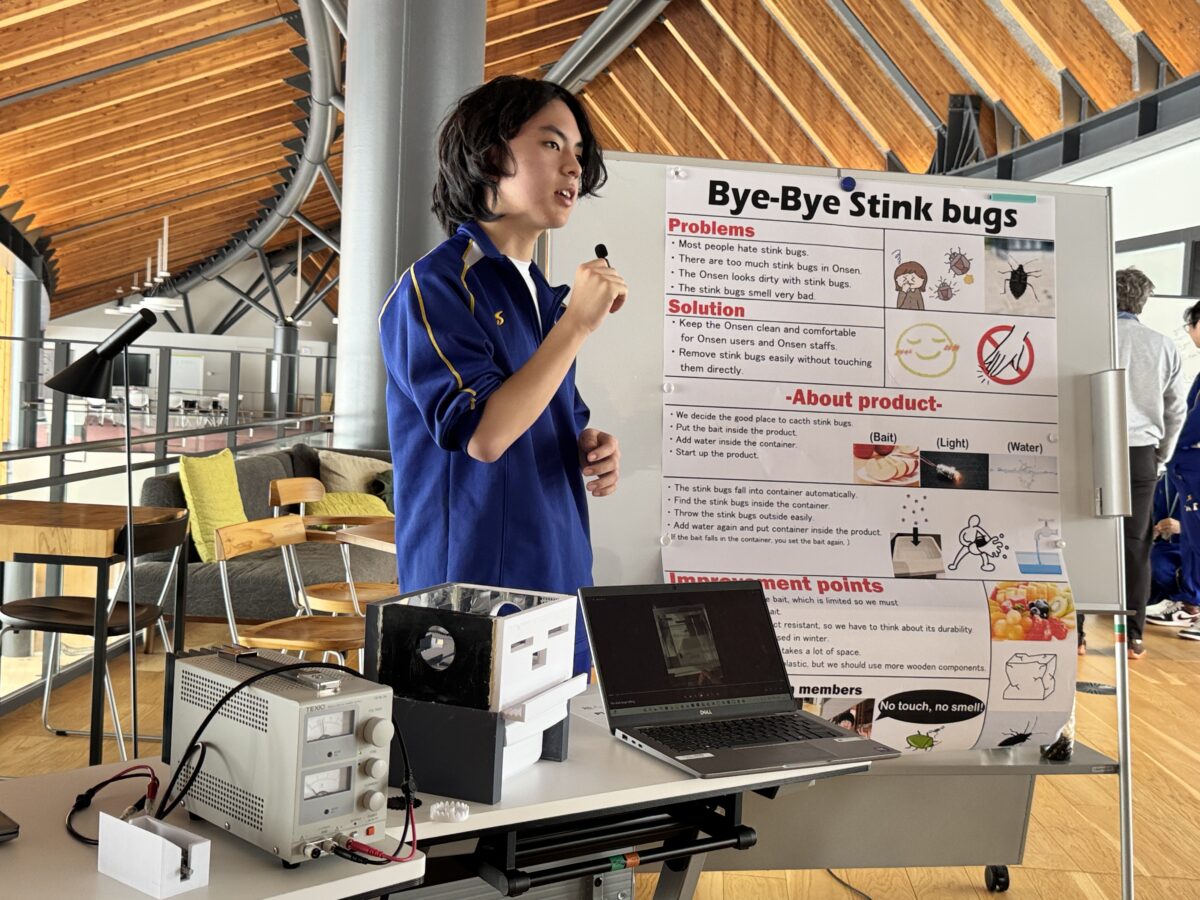
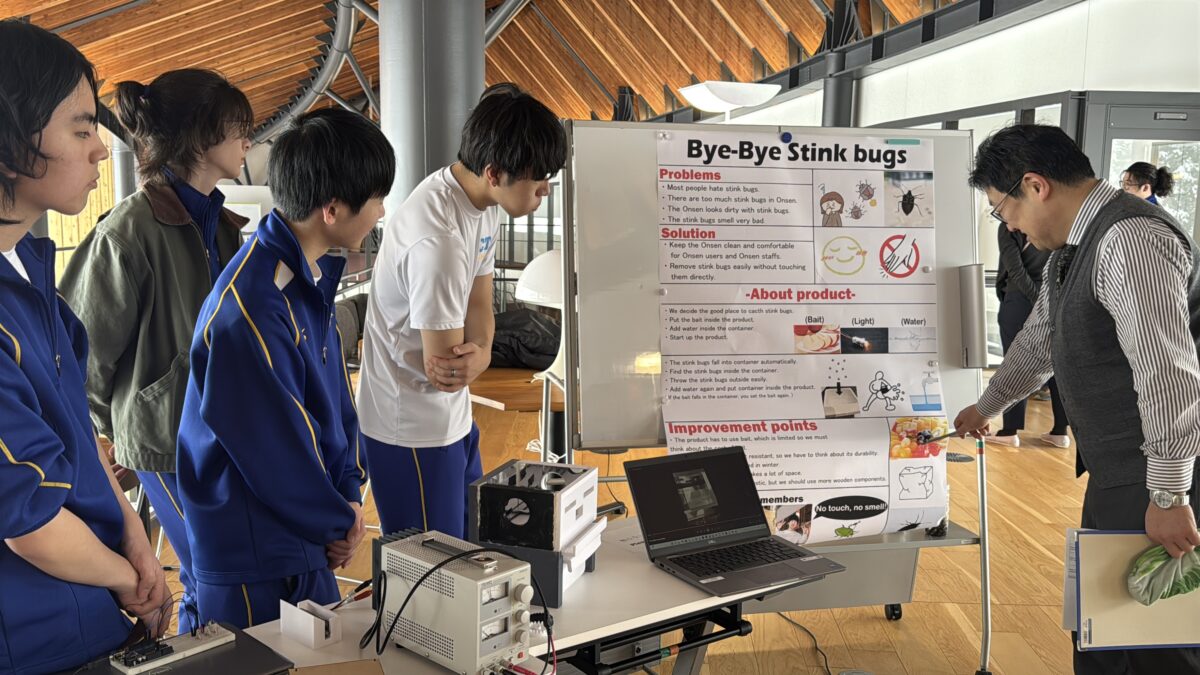
このチームは、温泉スタッフへのインタビューや温泉施設の観察を通して、学生たちは館内に潜むカメムシの問題に着目しました。カメムシは山間部に多く生息し、暖かい場所を好む習性があります。また、独特の臭いを放つため、利用者やスタッフにとって不快な存在となります。
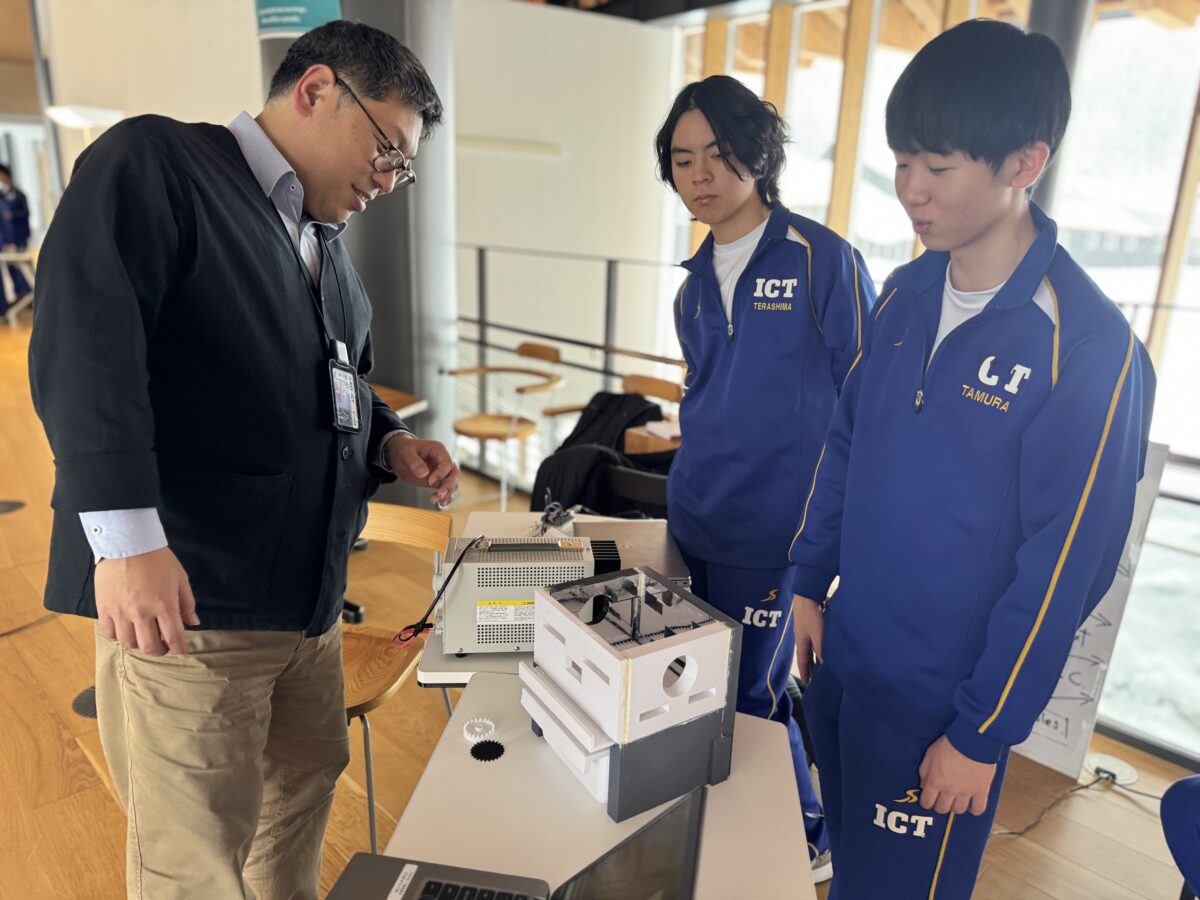
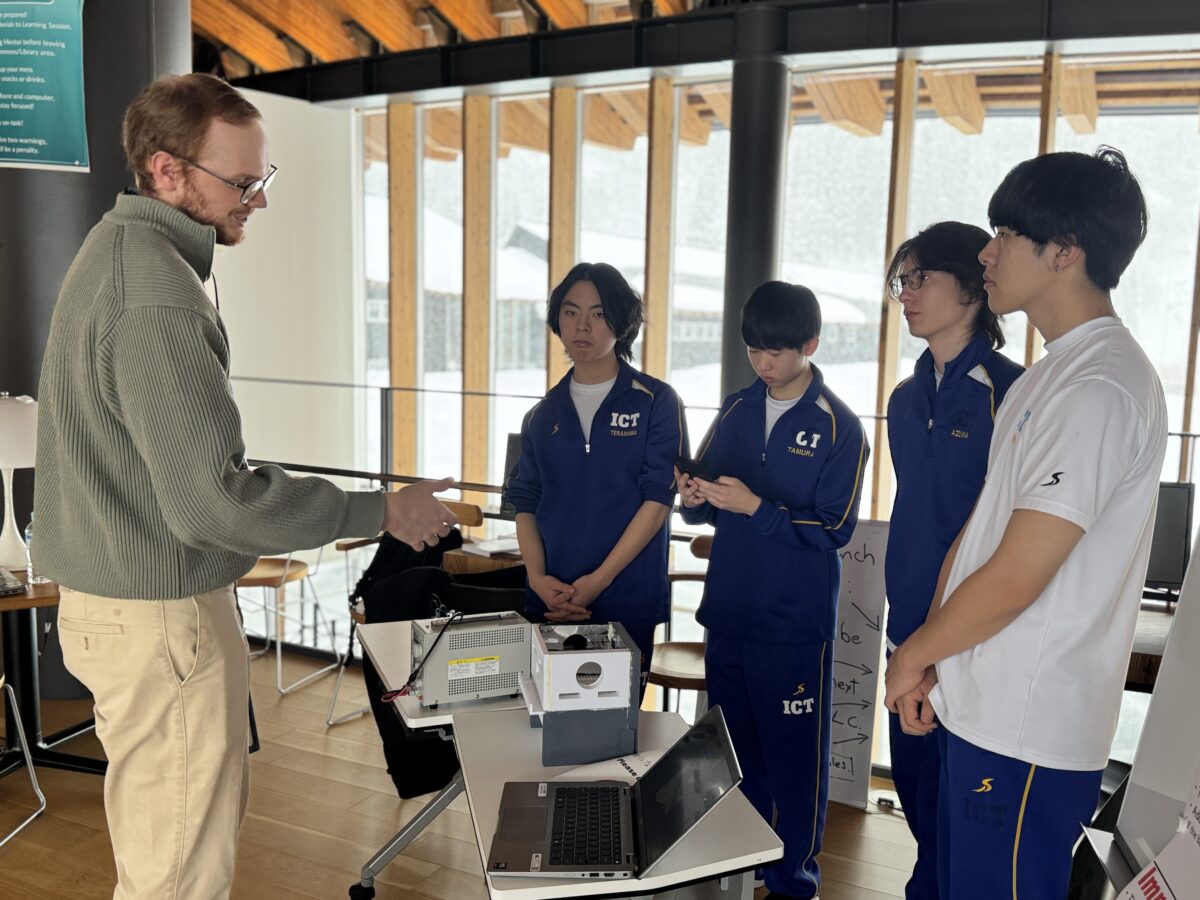
そこで学生たちは、温泉を清潔で快適に保つために、カメムシに直接触れることなく簡単に取り除ける装置を開発しました。この装置では、カメムシが好む柑橘類を内部に入れておびき寄せます。2重構造になっている中央のフタがスライドし、誘引されたカメムシが内部の水の中に落ちる仕組みになっています。
【温泉施設「比咩の湯」:温泉館内3Dモデル】
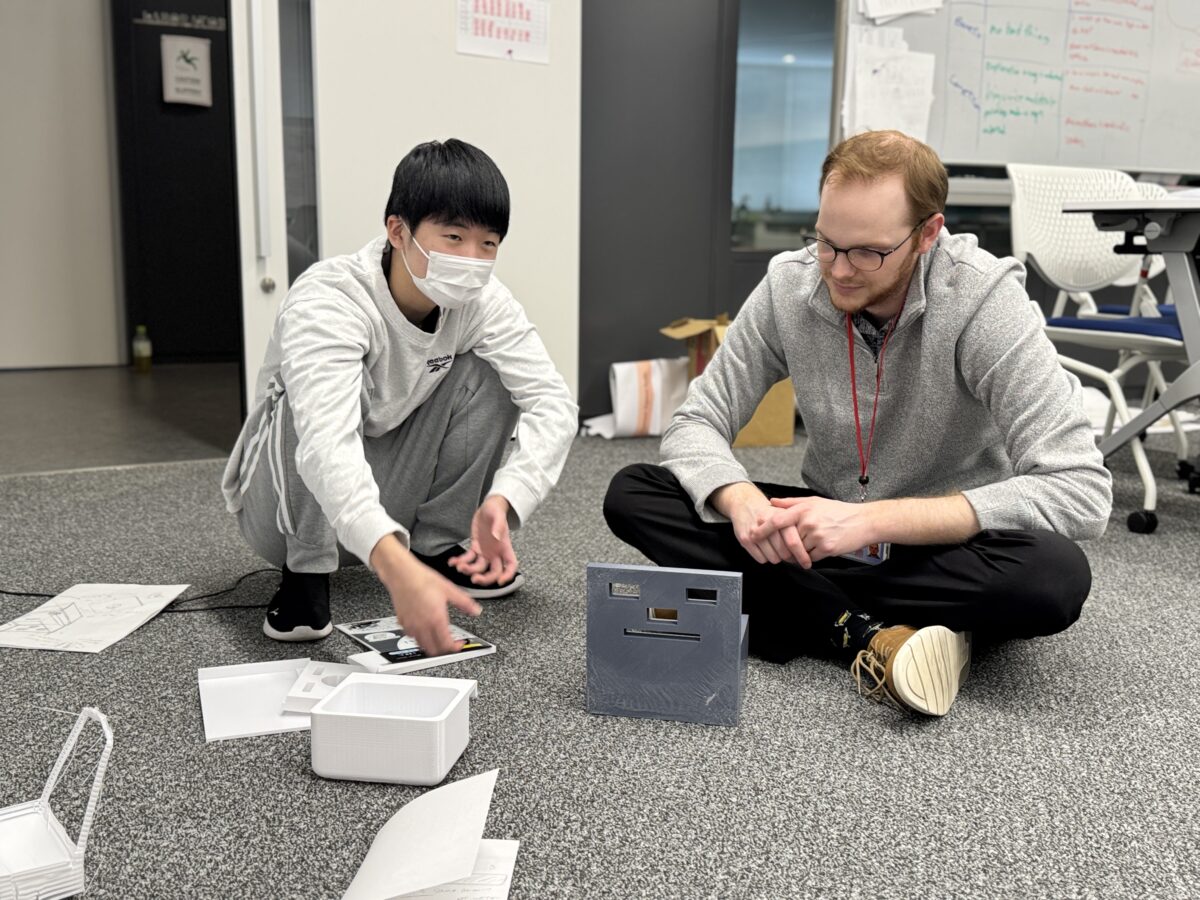
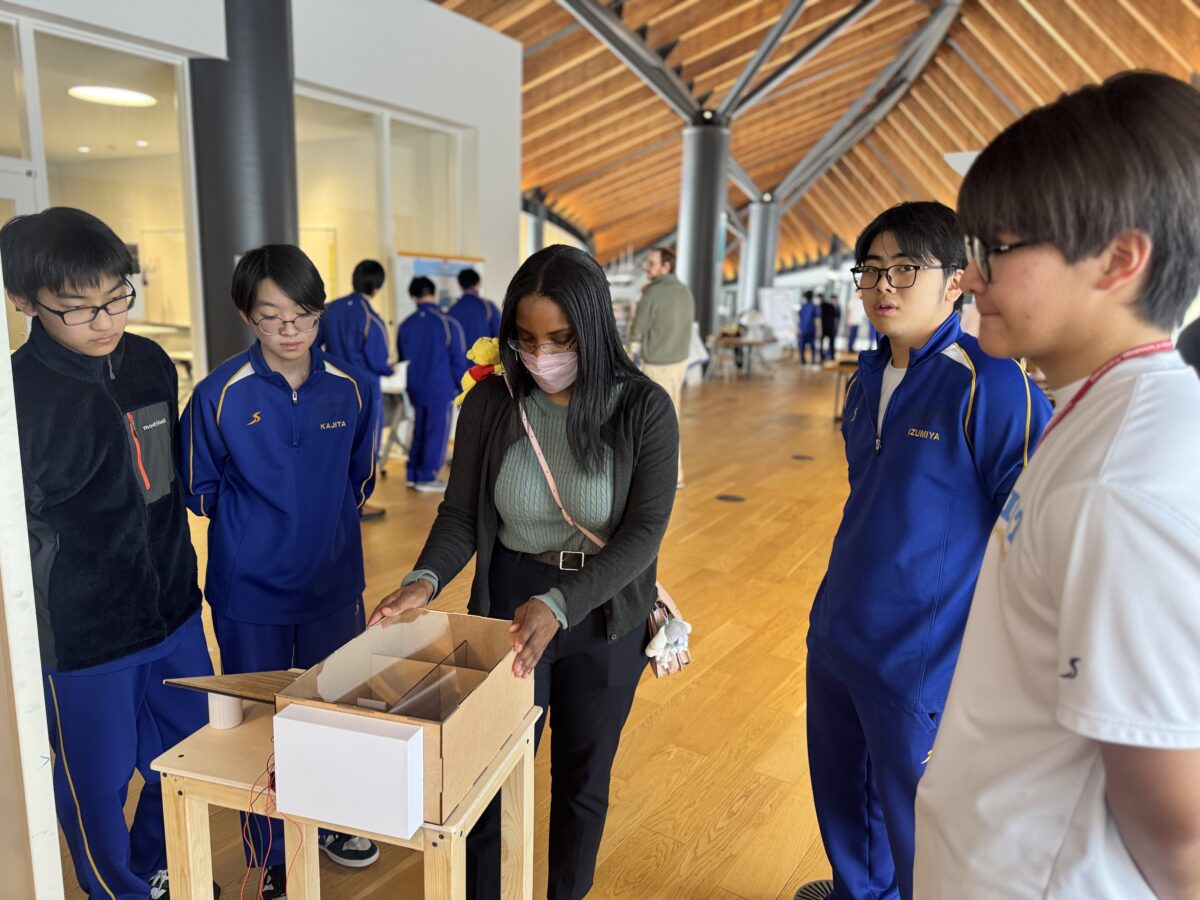
このチームは、温泉スタッフへのインタビューや温泉施設の観察を通して、温泉を利用したことがない人や、海外からの利用客に対し、温泉の使い方を効率的に伝える方法が必要であることに着目しました。
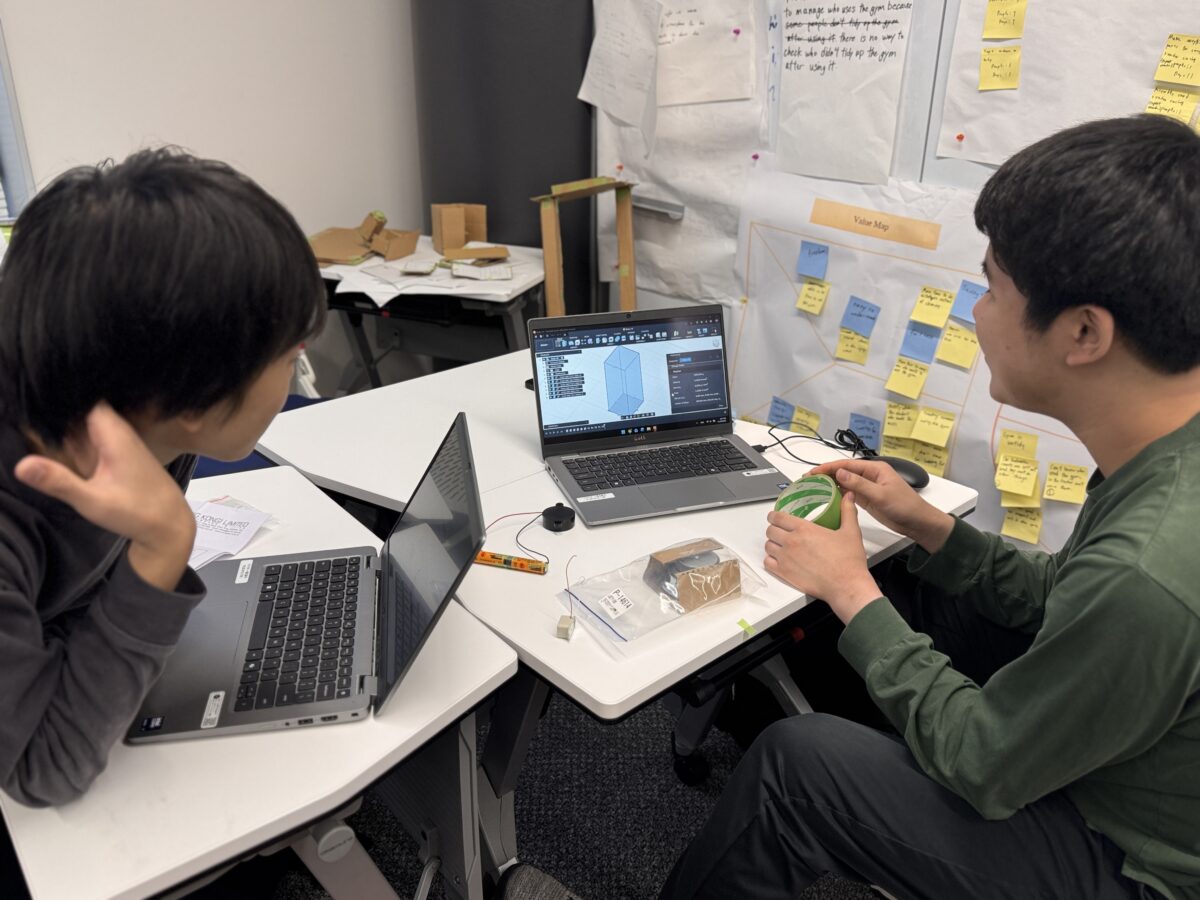
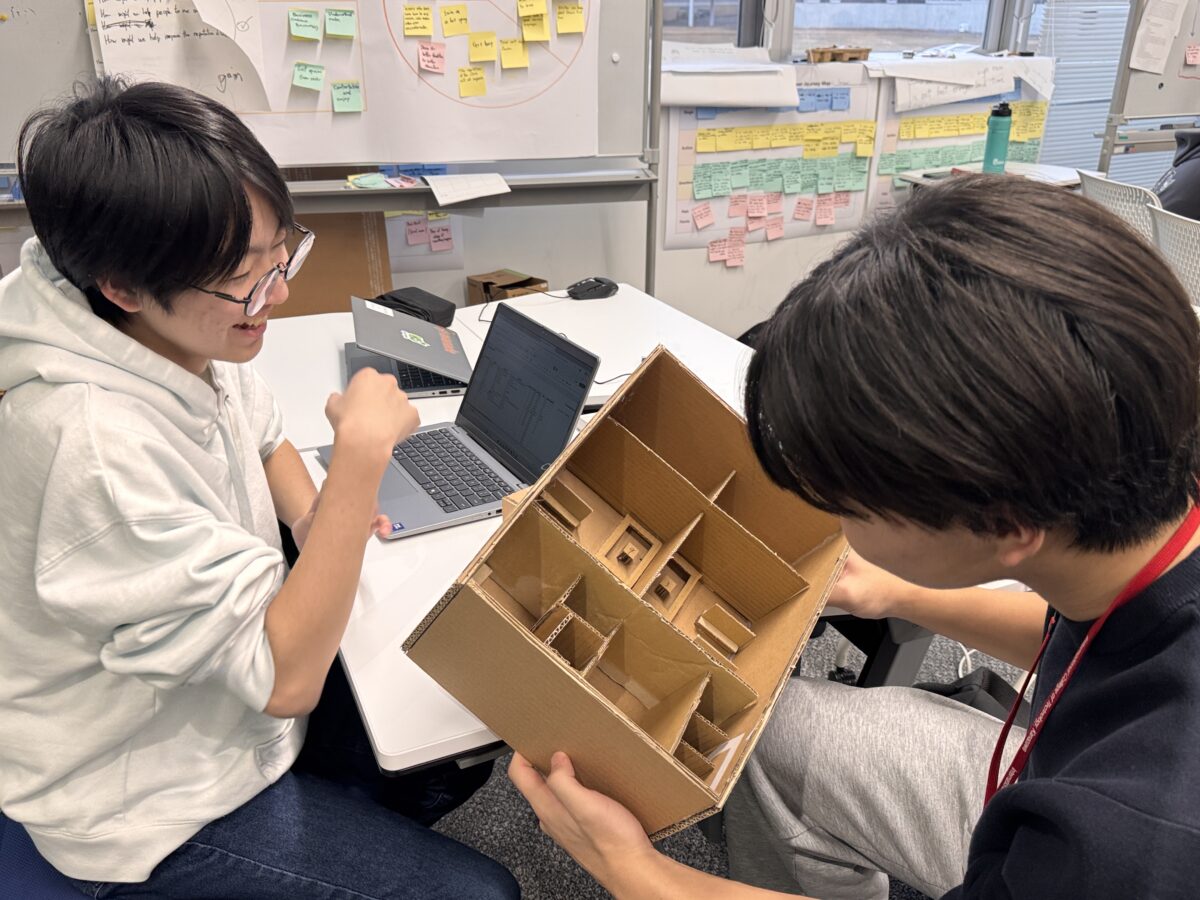
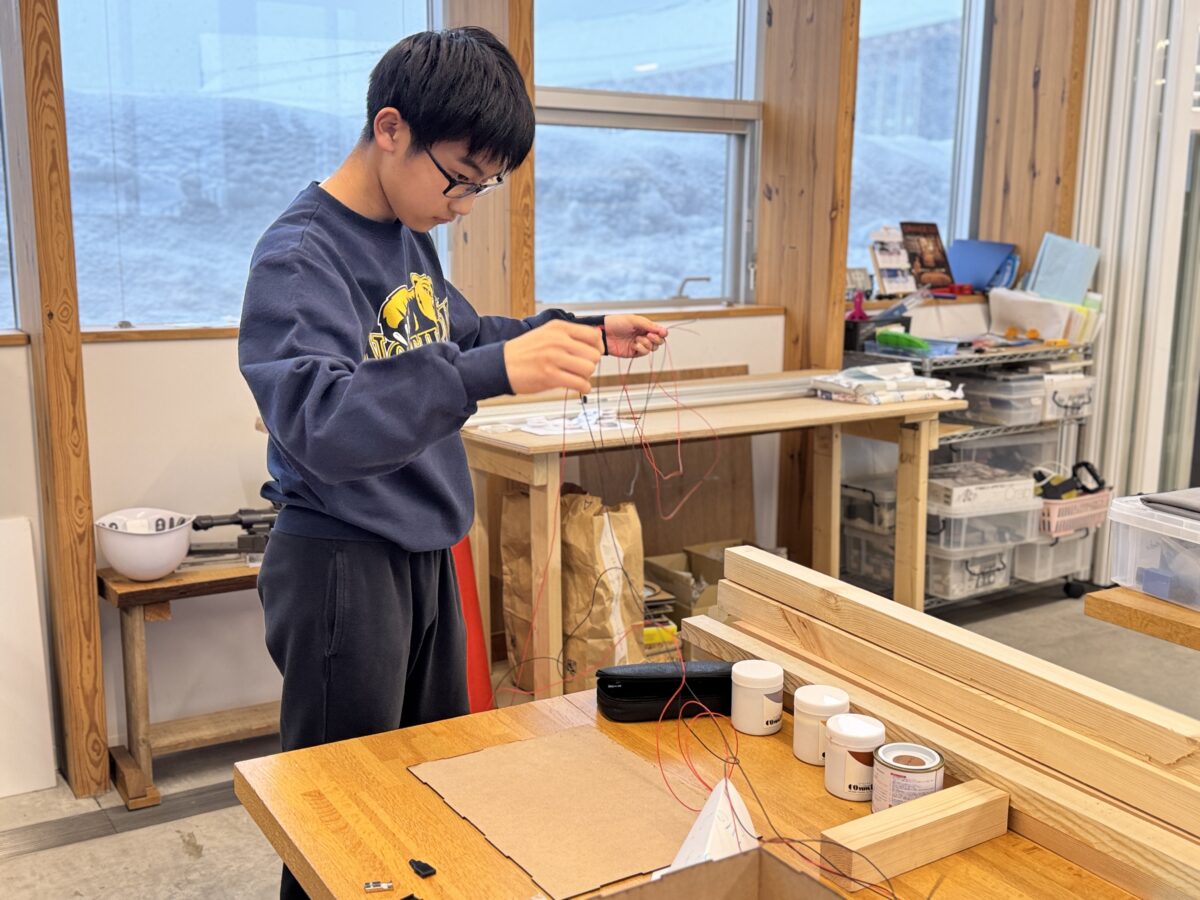
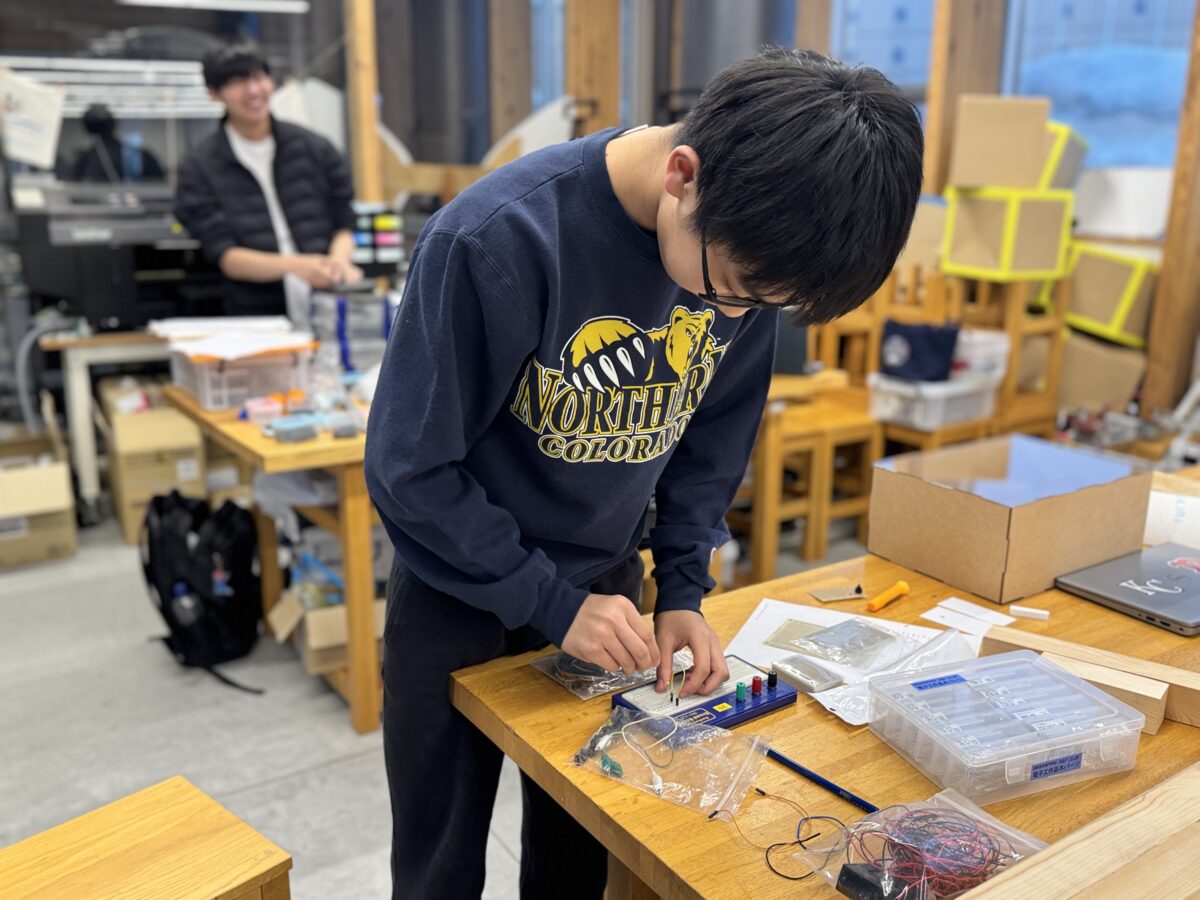
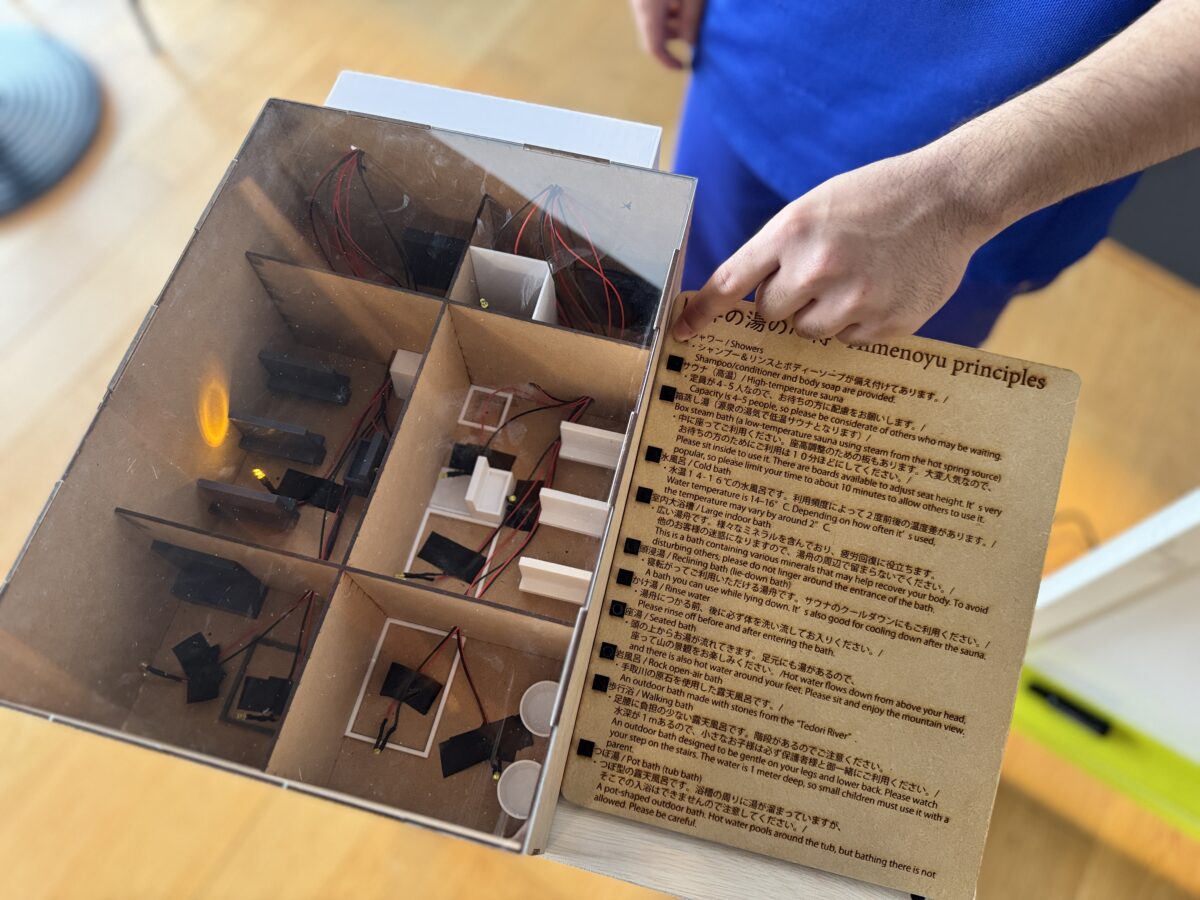
そこで学生たちは、温泉施設をモデル化して視覚的に分かりやすく示し、日本語と英語による案内を付けることで、誰でも理解しやすい説明ツールを製作制作しました。また、施設説明のボタンを押すとLEDが点滅し、温泉施設内のレイアウトや設備の位置が一目で分かるようになっています。
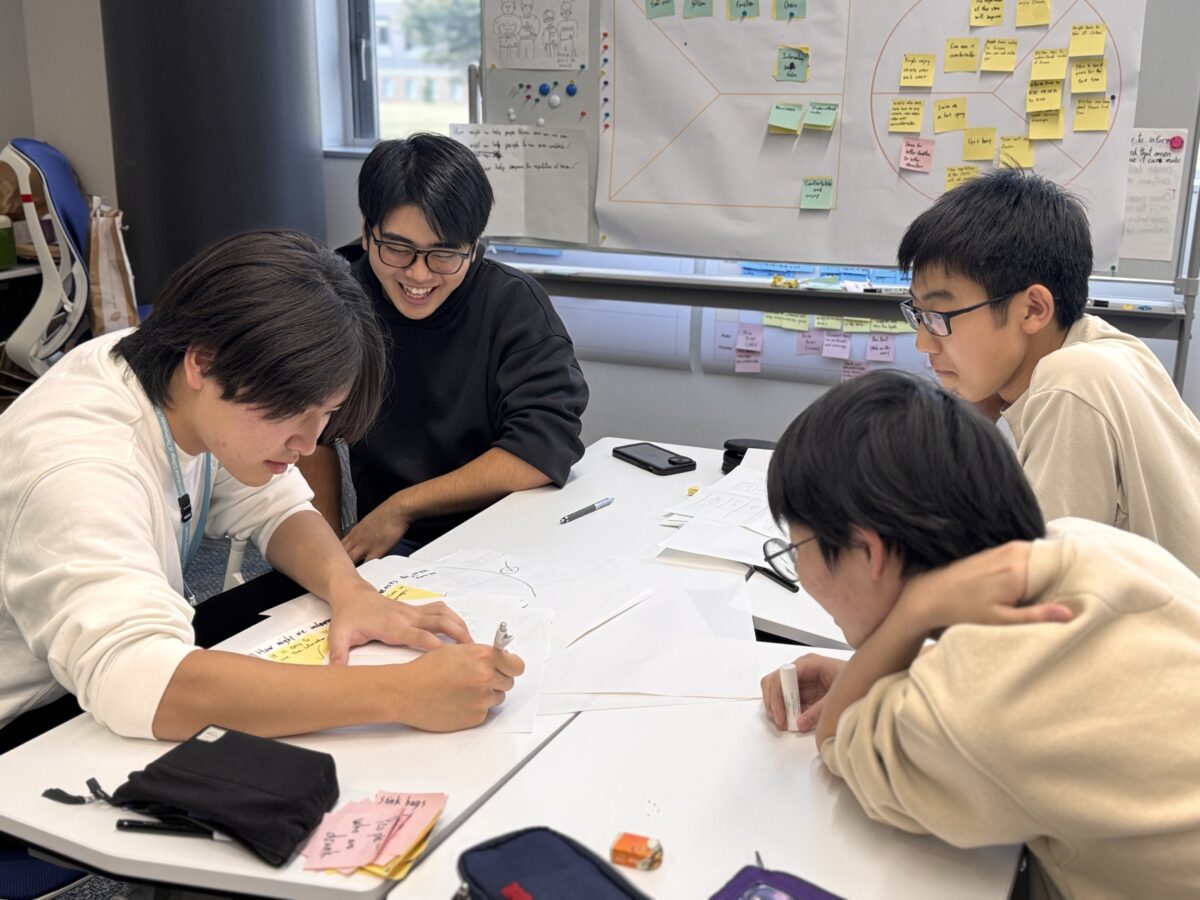
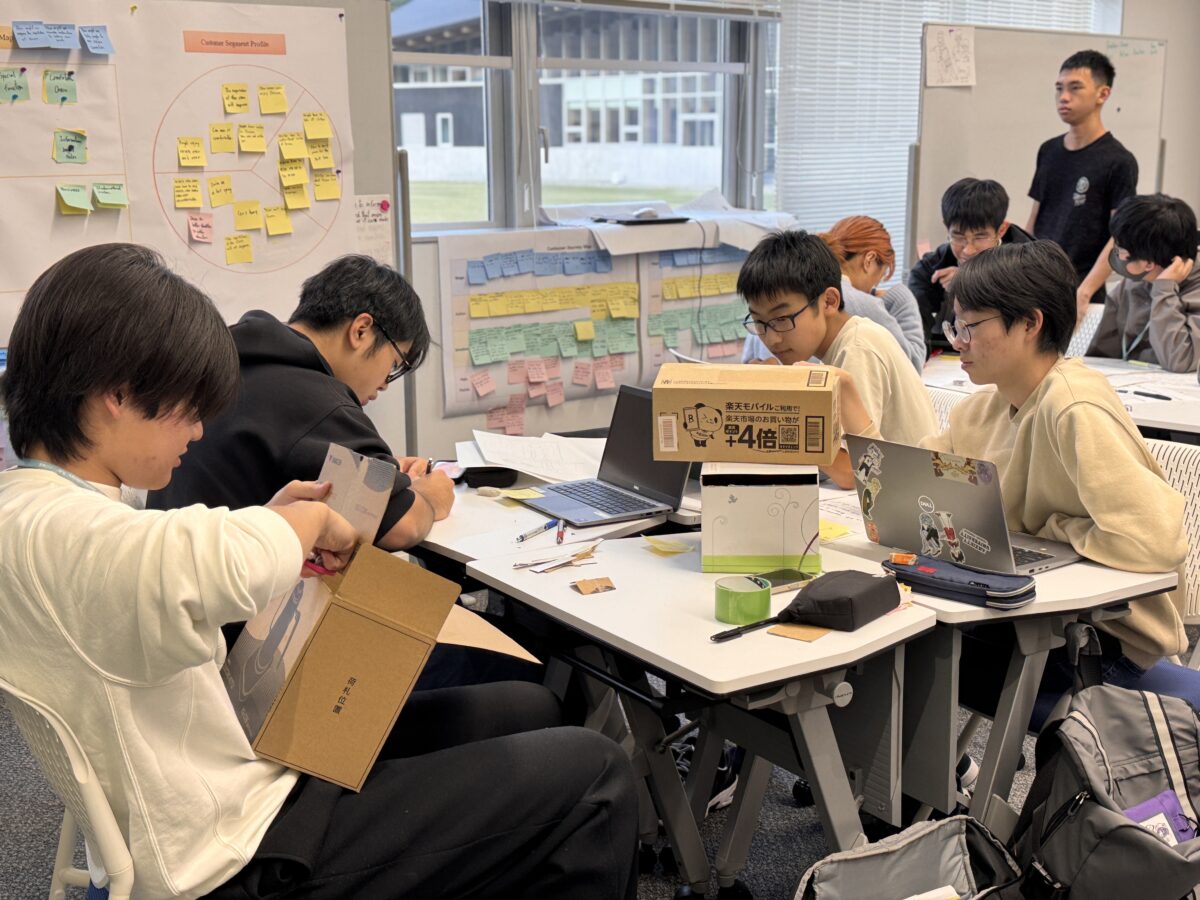
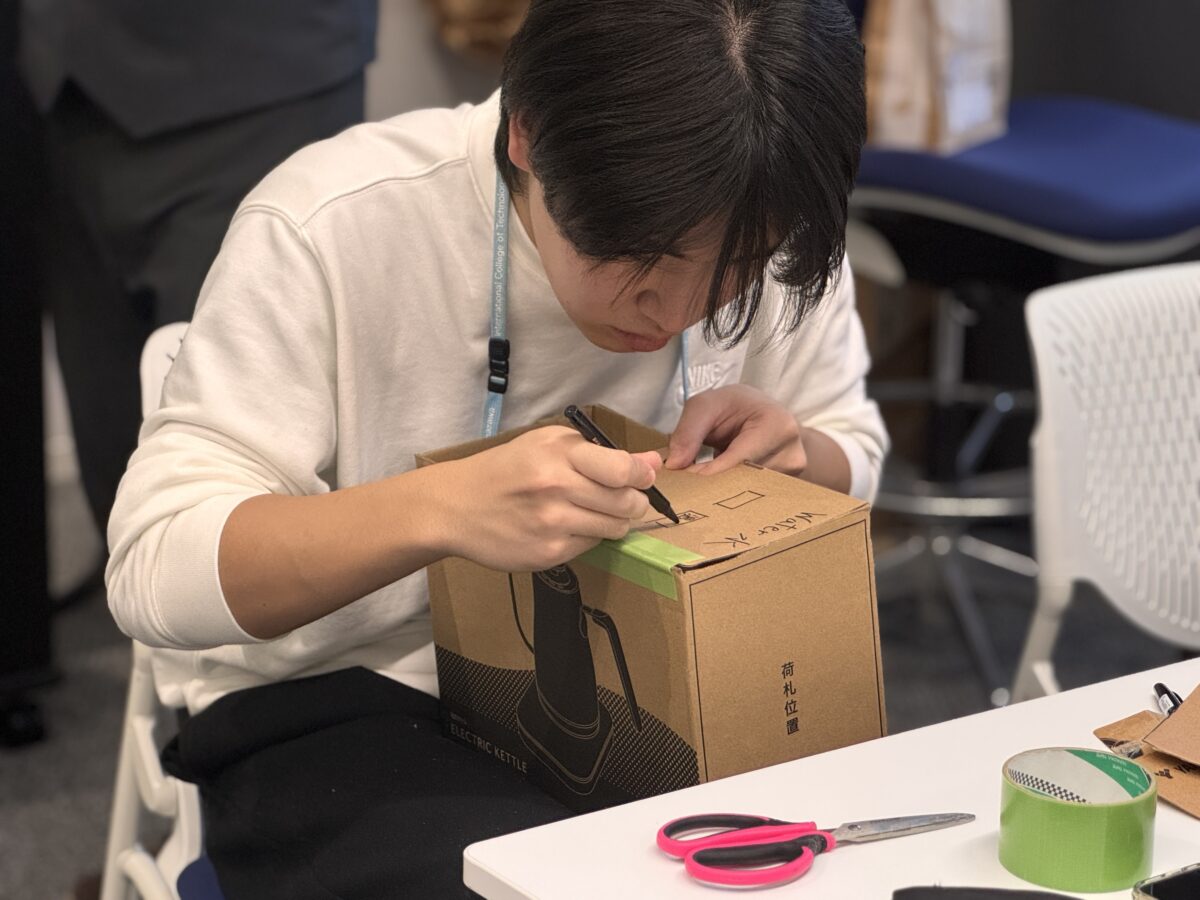
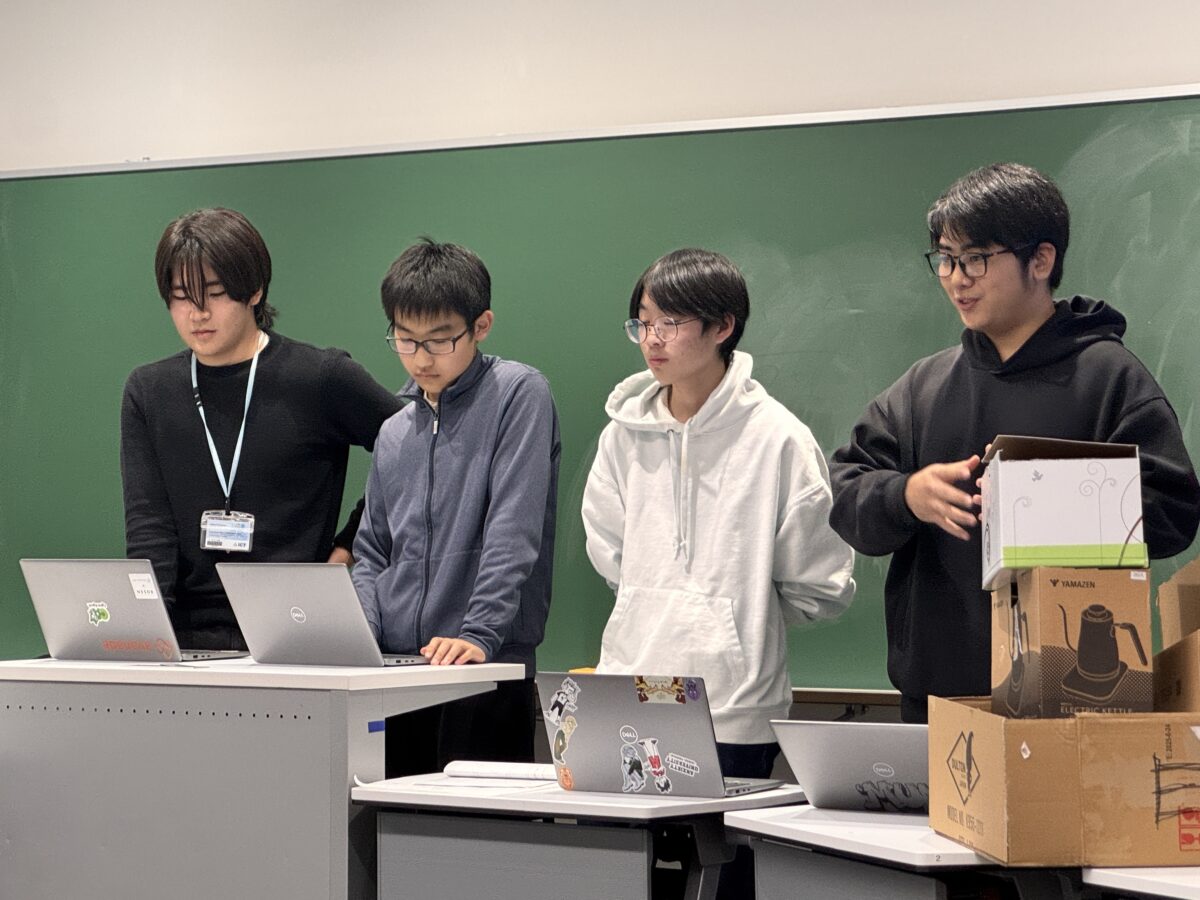
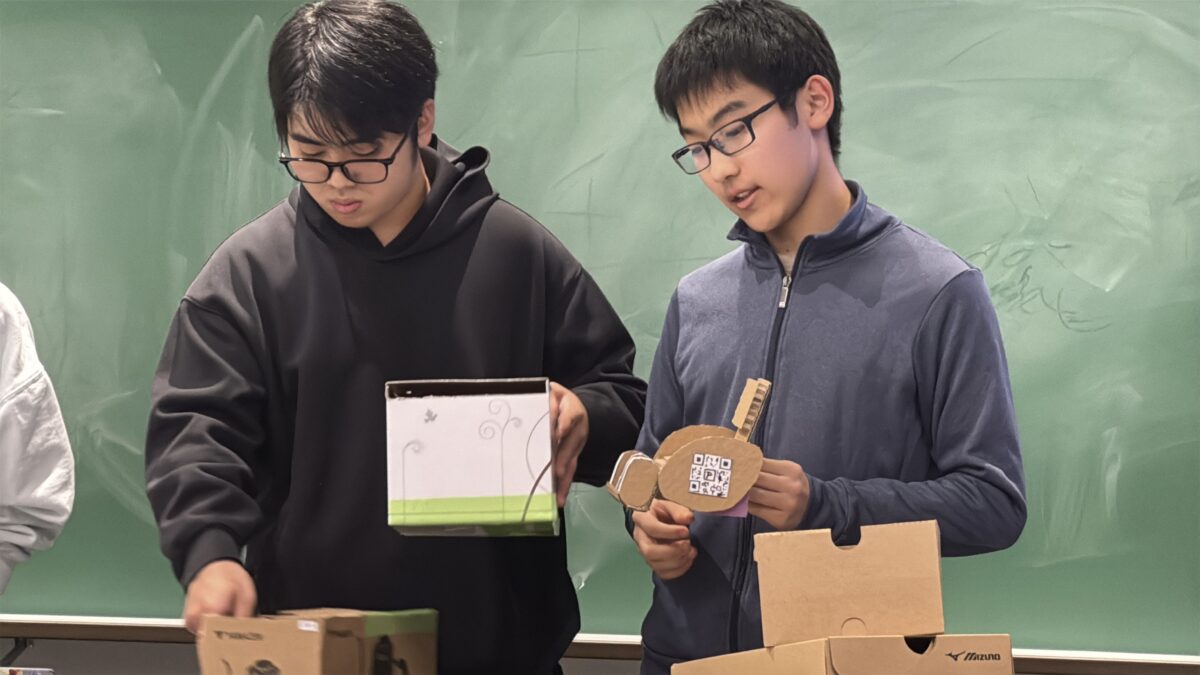
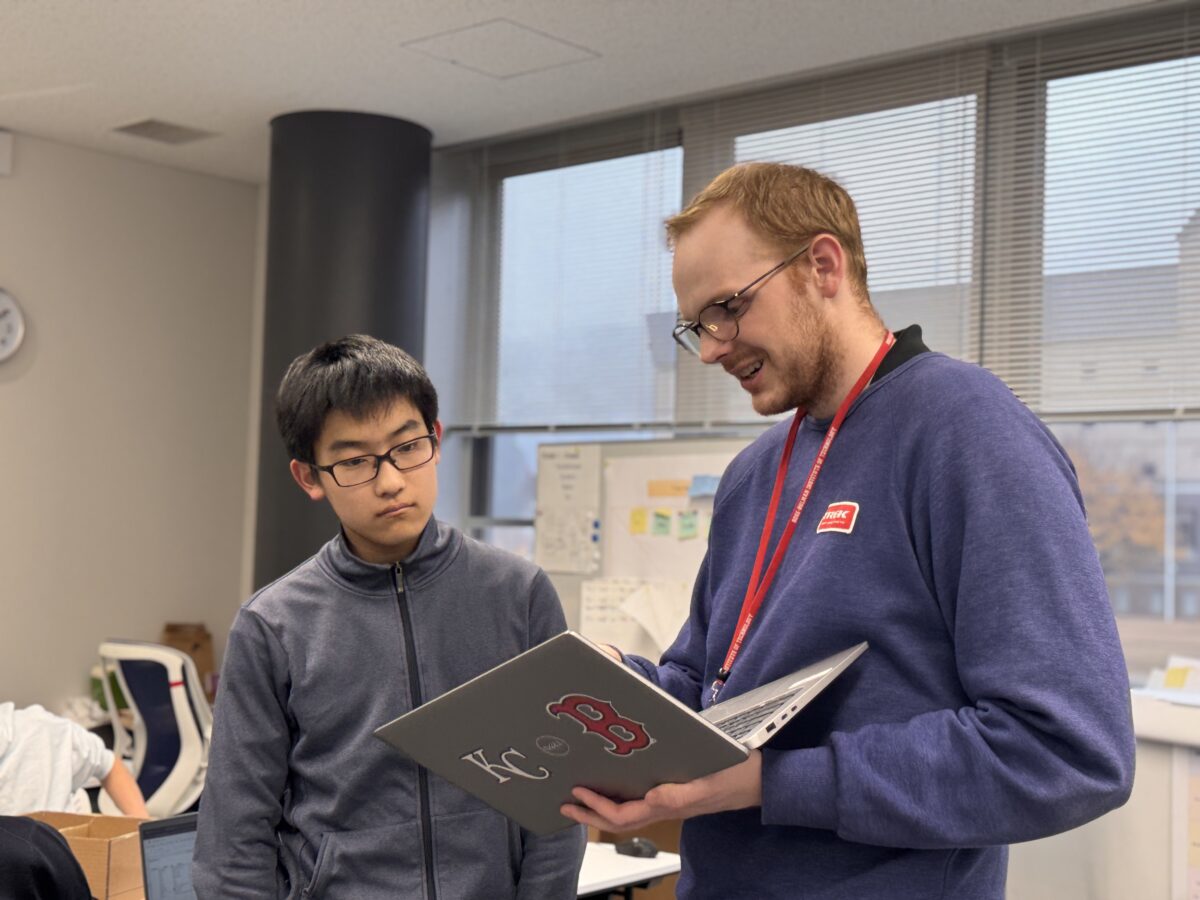
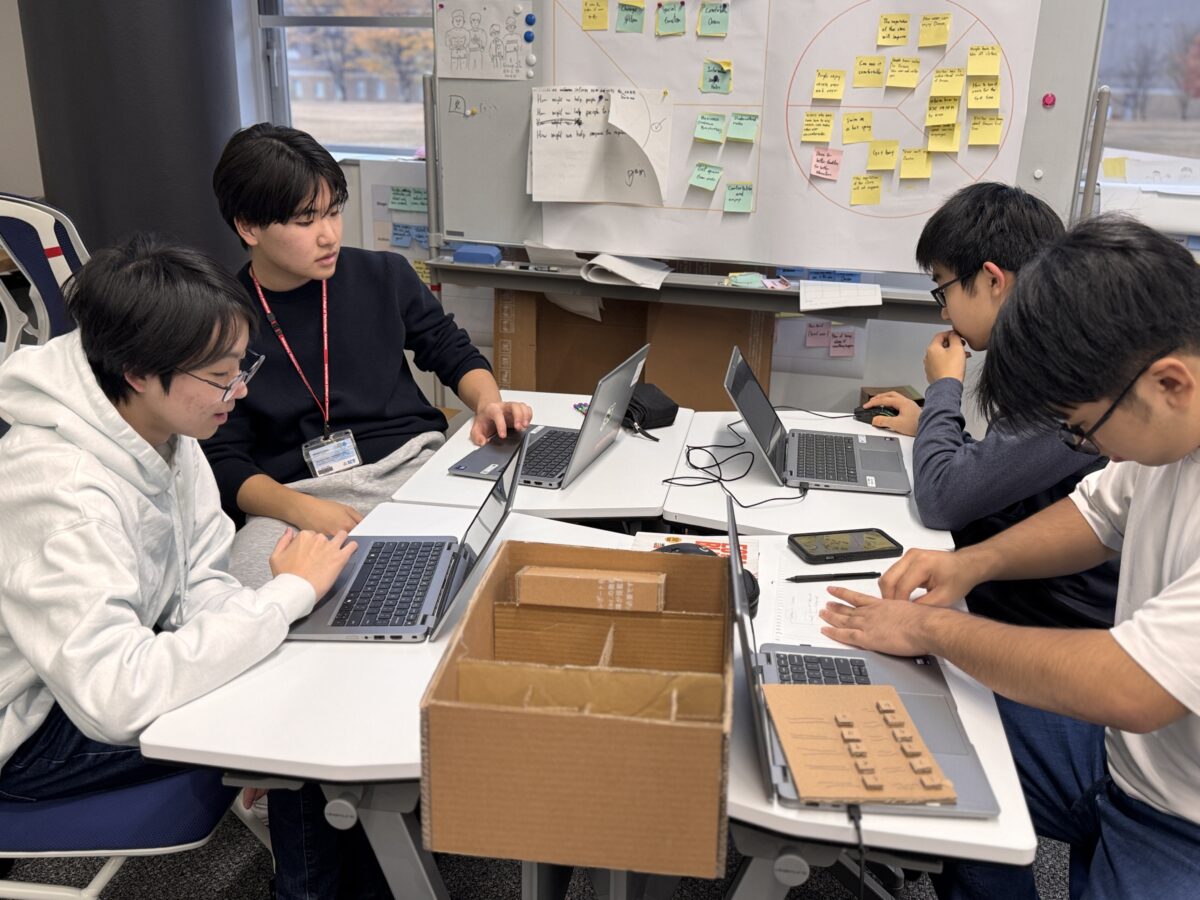
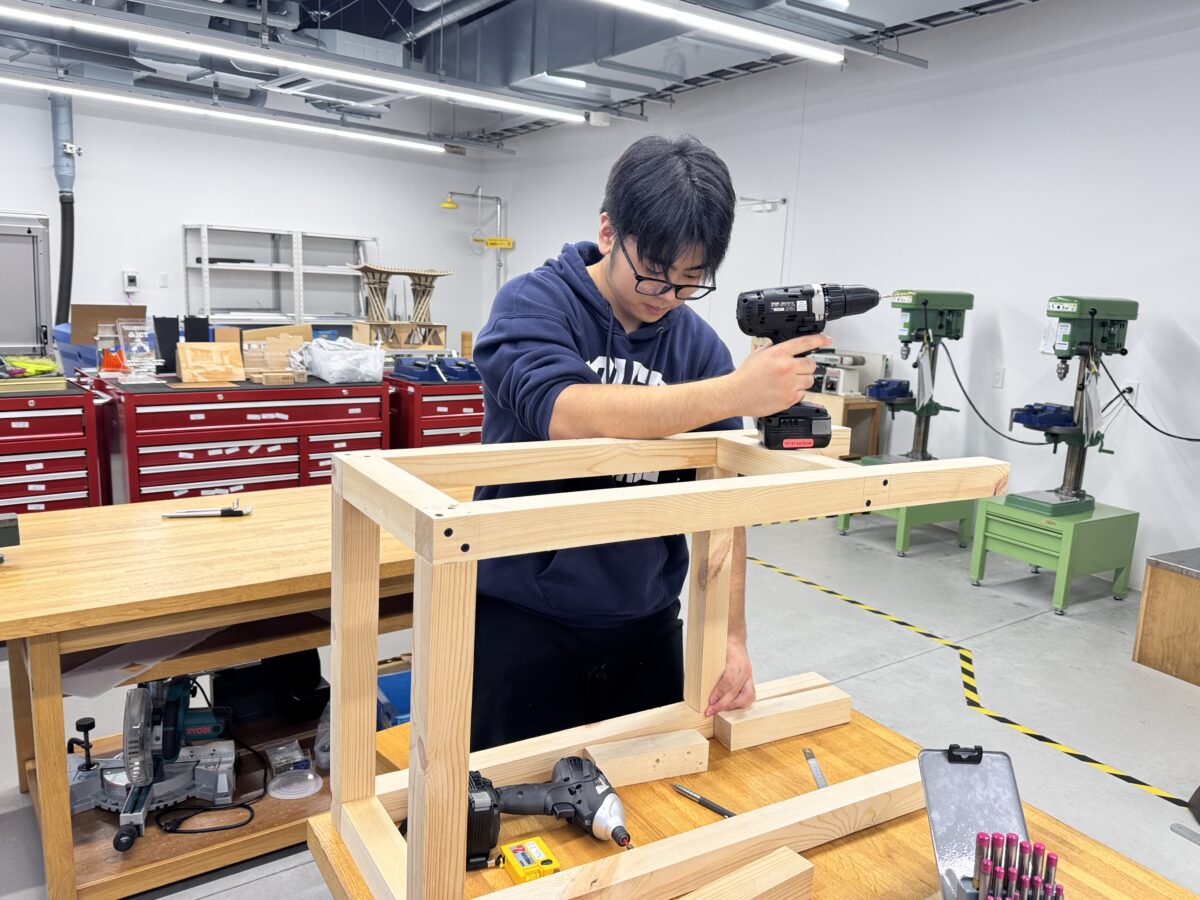
前学期のチームプロジェクトでは、学生たちは日常生活を観察し、「毎日使っている中で最も不便だと感じるもの」を特定し、その個人的な課題を解決する方法を考案しました。プロジェクトの過程では、グループ内で意見の違いやさまざまな問題に直面し、それらを受け入れながら協働する力を身につけることができたと思います。 後学期では、新たなチーム編成のもと、前学期に得た経験を活かし、自分には何ができるのか、どのような場面で力を発揮できるのかを理解したうえで、それぞれが持つ強みを活かして取り組むことができたのではないでしょうか。
来年度のエンジニアリングデザインでの学生たちの活躍が楽しみです。
間加田 侑里
1st Year Engineering Design IB Final Presentations
Hello! This is Yuri Makada from the Hakusanroku office. Today, I would like to introduce the final presentations of the 1st year Engineering Design IB course, held on Friday, January 30th, 2026.
In the 1st year Engineering Design I course, students spent the entire year working toward the goal of creating things that are useful to people. In the second semester, students were divided into six teams. Through interviews with target users and other research activities, they identified underlying problems and needs, developed devices to solve them, and presented their ideas.
The six teams chose their project topics from the following facilities: the hot spring “Hime no Yu,”, the school gym, the Maker Studio, and the laboratory.
【Maker Studio: Pika-Pika Cleaner】
This team developed the Pika-Pika Cleaner, a cleaning device for the various machines in the Maker Studio. The Maker Studio is where students work on a variety of manufacturing and robotics activities. Students who are involved in Robocon use it almost every day.
Because of the wide variety of machine shapes and mechanisms, cleaning them requires significant time and effort, which has been an issue for both faculty and students who manage the space. To solve this problem, the team created a cleaning device equipped with three tools:
Rotating Brush: A spinning brush is attached allowing fine debris to be removed even from hard to reach areas.
Long Brush: Available in two sizes to collect scattered debris efficiently.
Lubrication Unit: Dispenses and replenishes machine oil, helping maintain machine performance, longevity, and precision.
Previously, users had to switch between different tools depending on the machine part they were cleaning. With the Pika-Pika Cleaner, it is possible to use a single device to clean machine parts more efficiently.
【Laboratory: Lab Helper】
This team interviewed with the faculty member in charge of the chemistry course, who manages the laboratory. They found that students often asked the same questions repeatedly, such as how to use equipment, where items were stored, how to clean up after experiments, or what procedures to follow. This often required students to wait until the instructor was available.
To solve this issue, the team created a website that consolidates all essential laboratory information in one place. On this website, users can check safety precautions and procedures for conducting experiments, and students can also submit questions directly to the instructor. In addition, it includes a feature that allows students to record and share what they learned during experiments, enabling them to exchange knowledge with one another. Furthermore, to ensure safe operation during experiments, the tablet case is made of acrylic, allowing students to use the touchscreen even while wearing laboratory gloves.
【Gym: TEE SWEEPER】
This team interviewed Health and Physical Education instructor Philip Cadzow sensei. Through the interview, they identified several issues related to cleaning the training equipment in the gym. Users had to hold a cloth and a spray bottle separately, making the cleaning process inconvenient because both hands were occupied. In addition, the cloths did not dry quickly, which made them unhygienic.
To address these problems, the students developed a portable cleaning device that integrates the spray bottle and the wiping tool into a single unit. They designed an easy to grip handle for one handed use and attached a fast drying sponge to the wiping section. Furthermore, they created a mechanism that automatically refills the remaining spray liquid, resulting in a more efficient and hygienic cleaning tool.
【Gym: PYM】
This team interviewed Philip sensei about the issues occurring in the gymnasium. Through the interview, they discovered that although the gym was sometimes left in a messy state and could not be used by other students, it was impossible to identify who had caused the mess. Therefore, a system to track gym usage was needed.
To solve this problem, the students developed a tracking system that manages entries and exits from the gym. When a student holds their ID card over a scanner, a buzzer and LED light indicate that the scan has been completed. To make the scanning process easier, the team also used a laser cutter to create a dedicated 80cm tall stand for mounting the card reader. Furthermore, when a student scans their card, their name is automatically recorded on a website, allowing users to check who used the gym and at what time. This system made it possible to track gym usage accurately.
【Hot Spring “Hime no Yu”: Bye-Bye Stink Bugs】
This team focused on the issue of stink bugs inside the hot spring facility, based on interviews with the staff and observations of the site. Stink bugs are commonly found in mountainous areas and are attracted to warm places. Because they emit a strong and distinctive odor, they can be unpleasant for both guests and staff.
To keep the facility clean and comfortable, the students developed a device that allows stink bugs to be removed easily without having to touch them directly. The device uses fruit, which stink bugs are attracted to, as bait placed inside the container. After this, a double layered sliding lid mechanism then causes the stink bugs to fall into a water chamber below.
【Hot Spring “Hime no Yu”: 3D Facility Model】
This team learned from interviews with the hot spring staff and on-site observations that there was a need for a clear and effective way to explain how to use the hot spring facility especially for people who have never visited a hot spring before and for international guests.
The students created an easy-to-understand explanatory tool by modeling the layout of the onsen facility and presenting it visually. They also added guidance in both Japanese and English so that anyone can understand it easily. A visitor to the onsen can consult a list and if they have questions about a specific part they can press a button next to the item on the list that relates to the question. Then an LED light flashes to indicate where in the layout of facility is related to the guidance. The LED light also indicated the location of various amenities within the onsen. In addition to providing useful information about the onsen, it also allows users to understand the layout of the onsen at a glance.
In the previous semester’s team project, the students observed their daily lives and identified “the item they use every day that they find the most inconvenient.” They then devised ways to solve those personal challenges. Throughout the project, they encountered differences of opinion and various difficulties within their groups, and I think they developed the ability to collaborate while accepting and working through those challenges.
In the second semester, with newly formed teams and the experience gained from the first semester, the students were able to better understand what they could contribute and in what situations they could make the most of their strengths. They worked together in ways that allowed each student to utilize their individual abilities effectively.
I look forward to seeing how the students will continue to grow and what they will achieve in next year’s Engineering Design course.
Yuri Makada