




ED Education
エンジニアリングデザイン教育

こんにちは。校長の鹿田 正昭です。
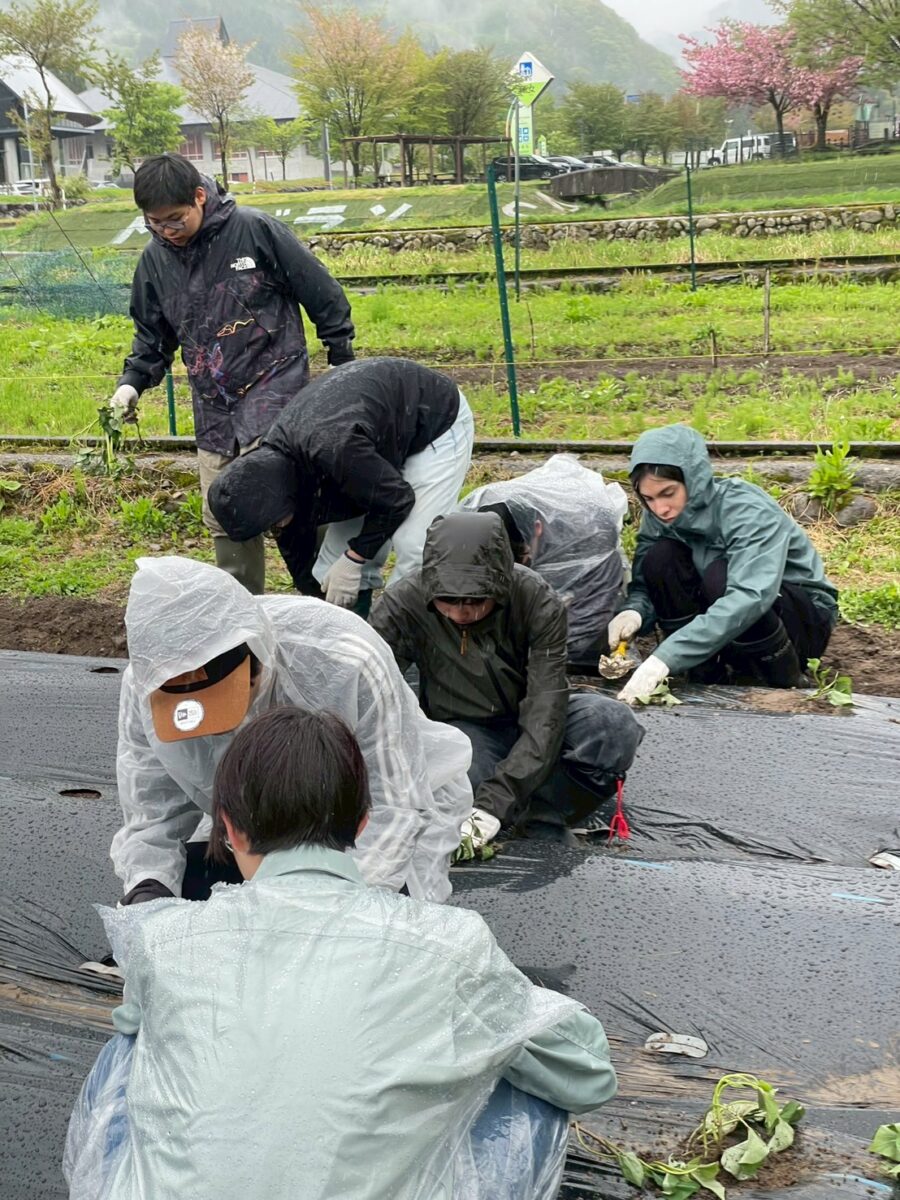
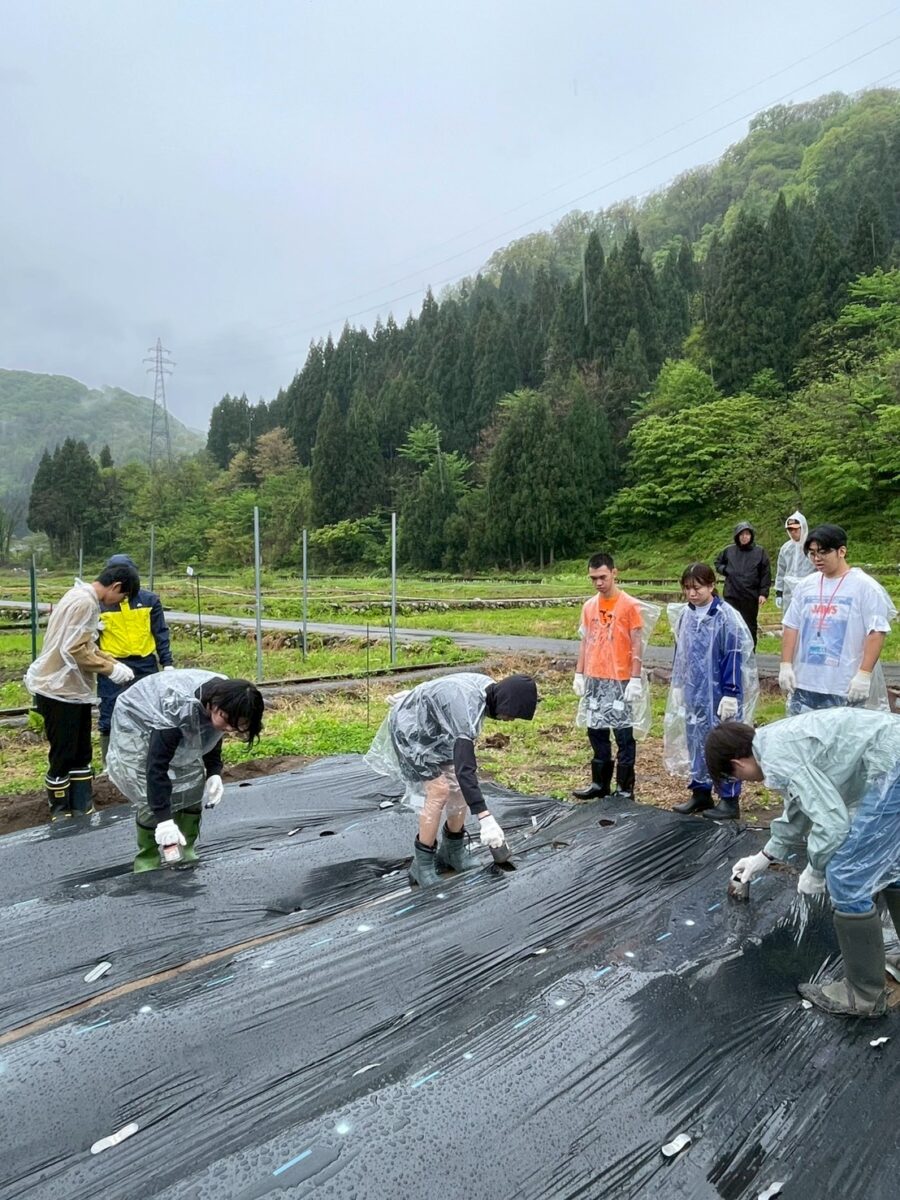
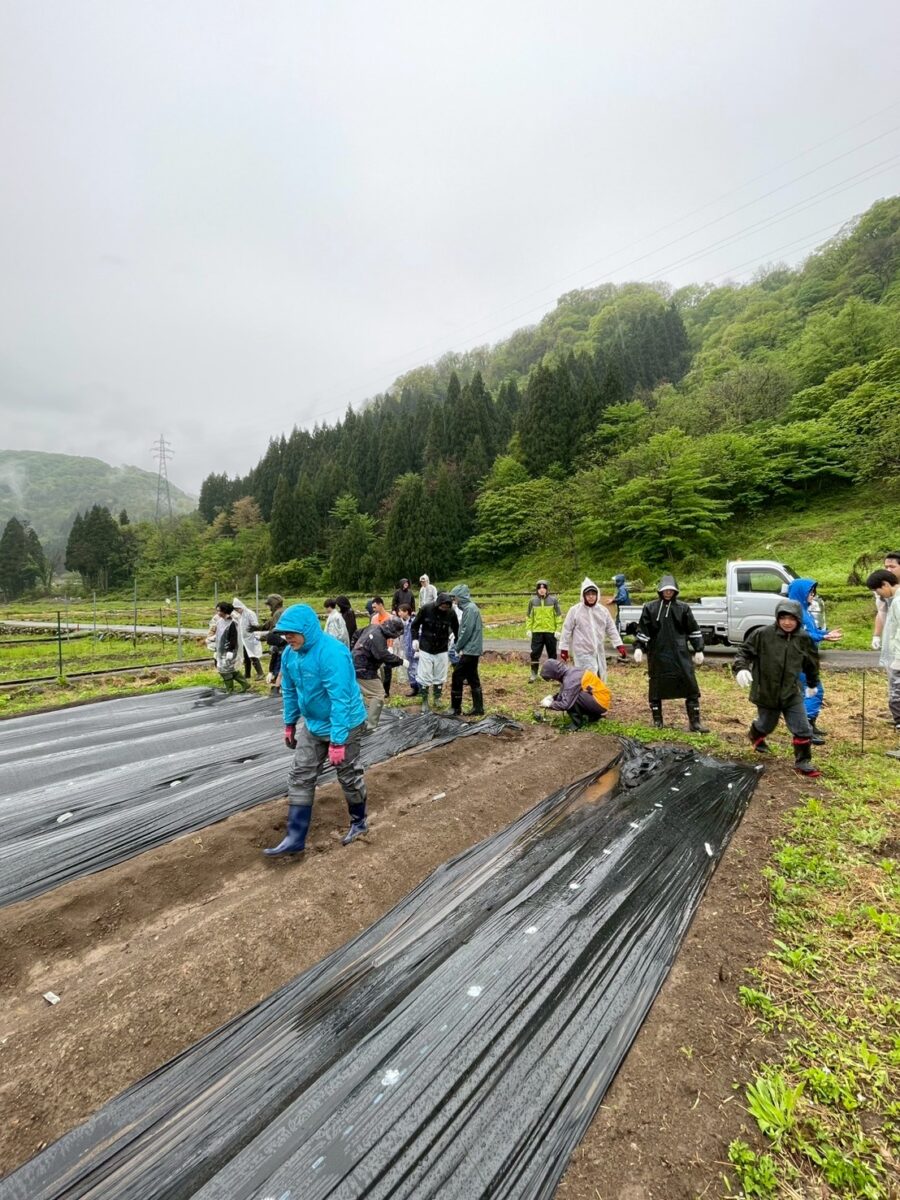
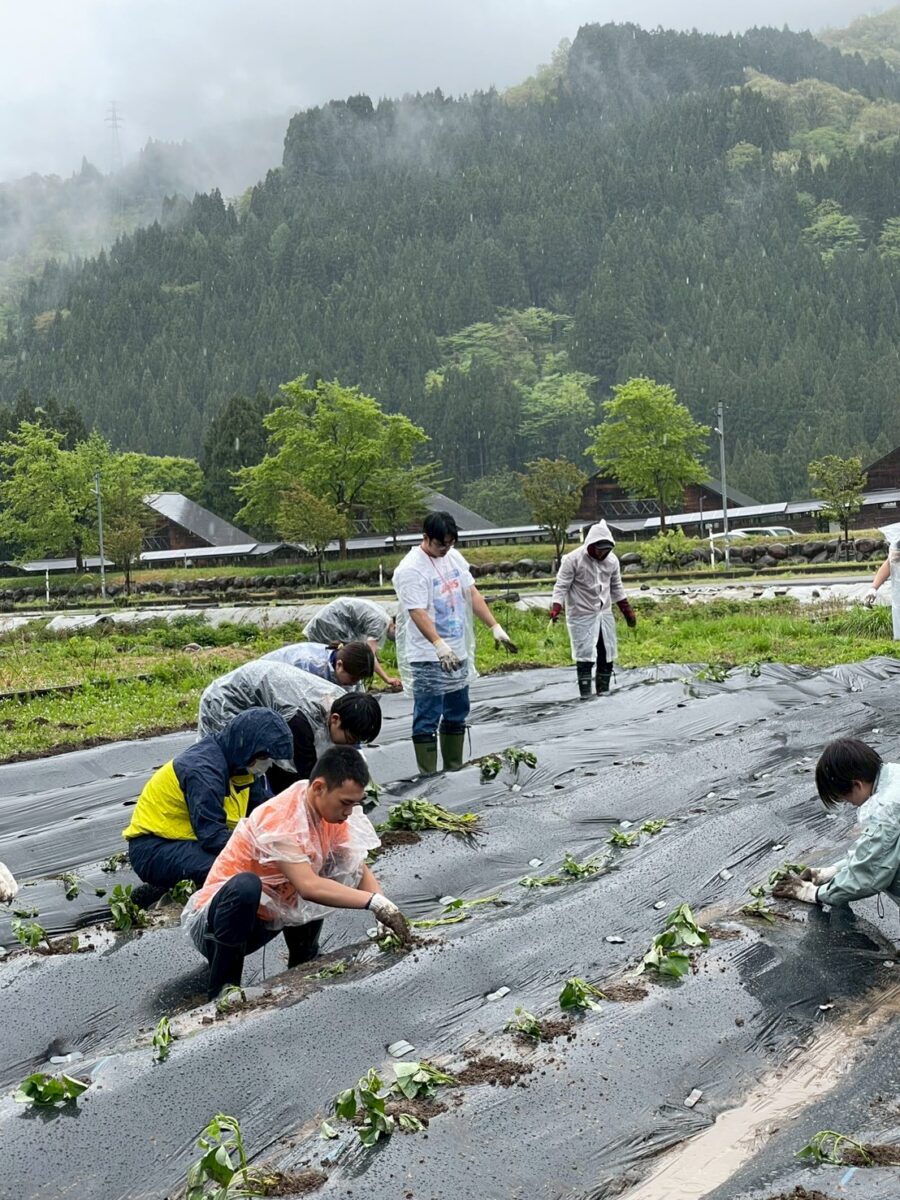
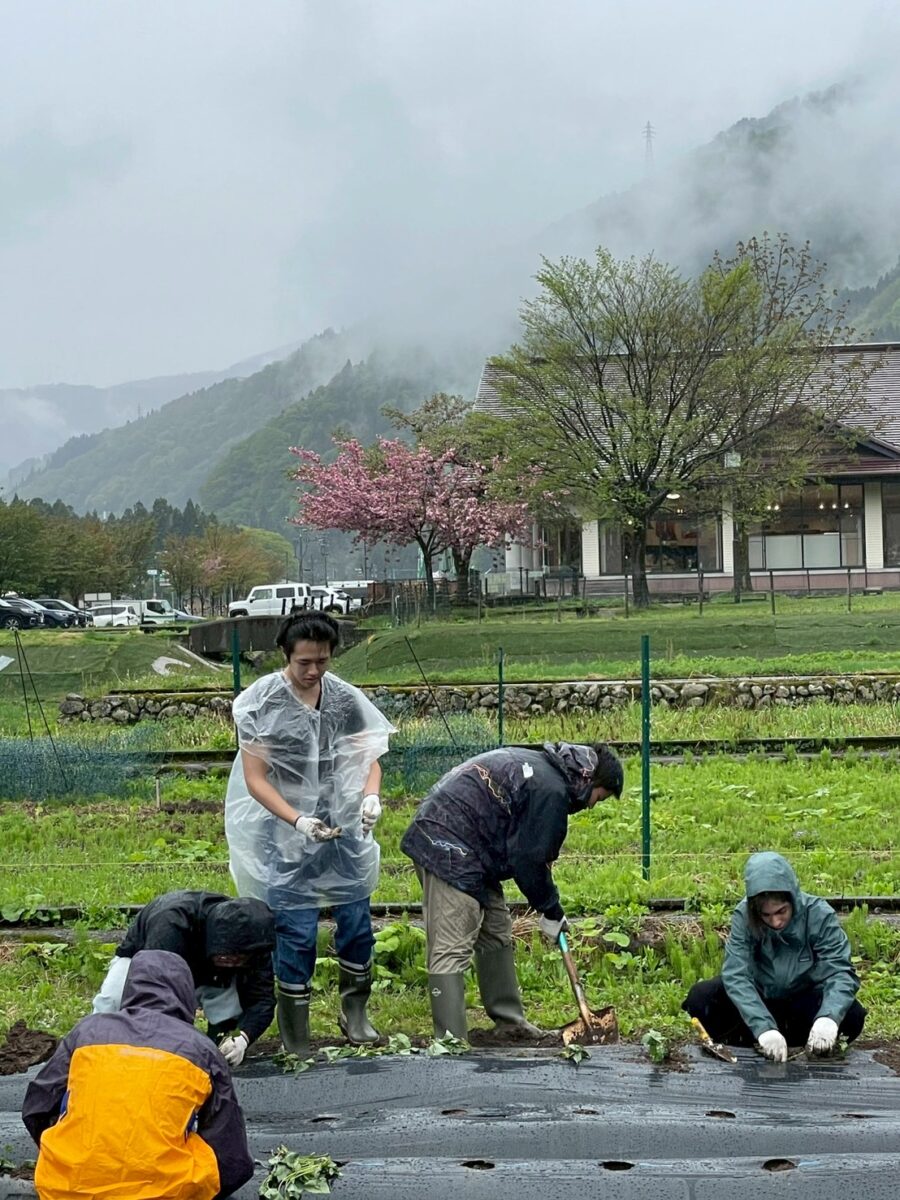
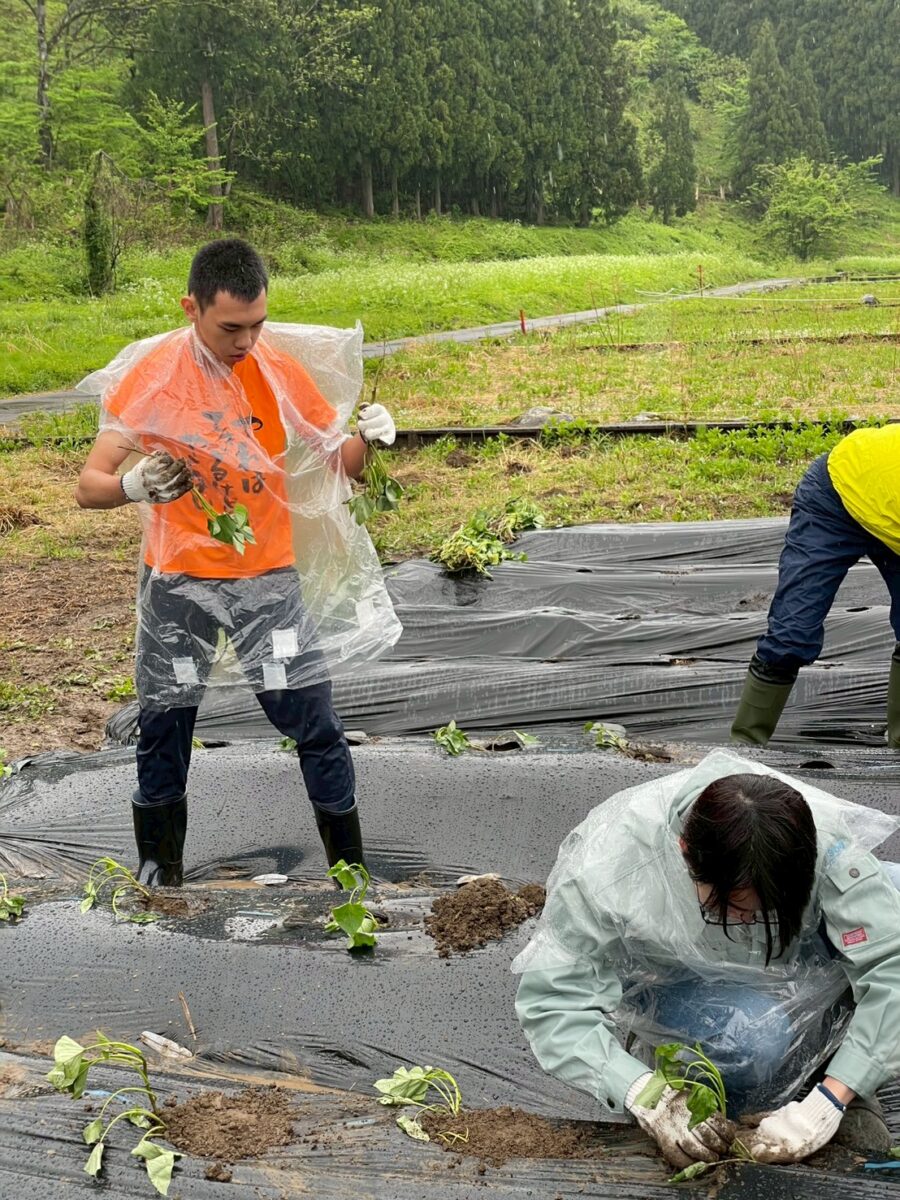
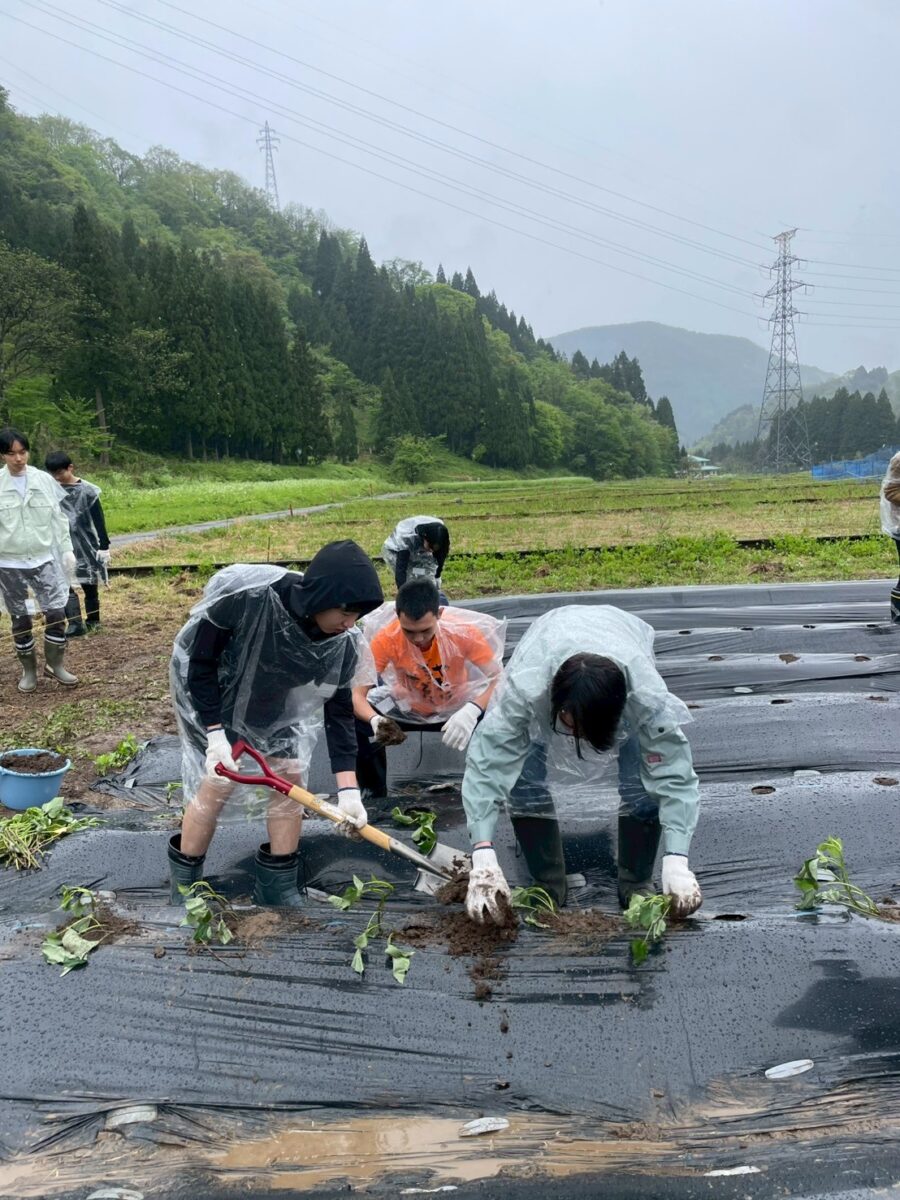
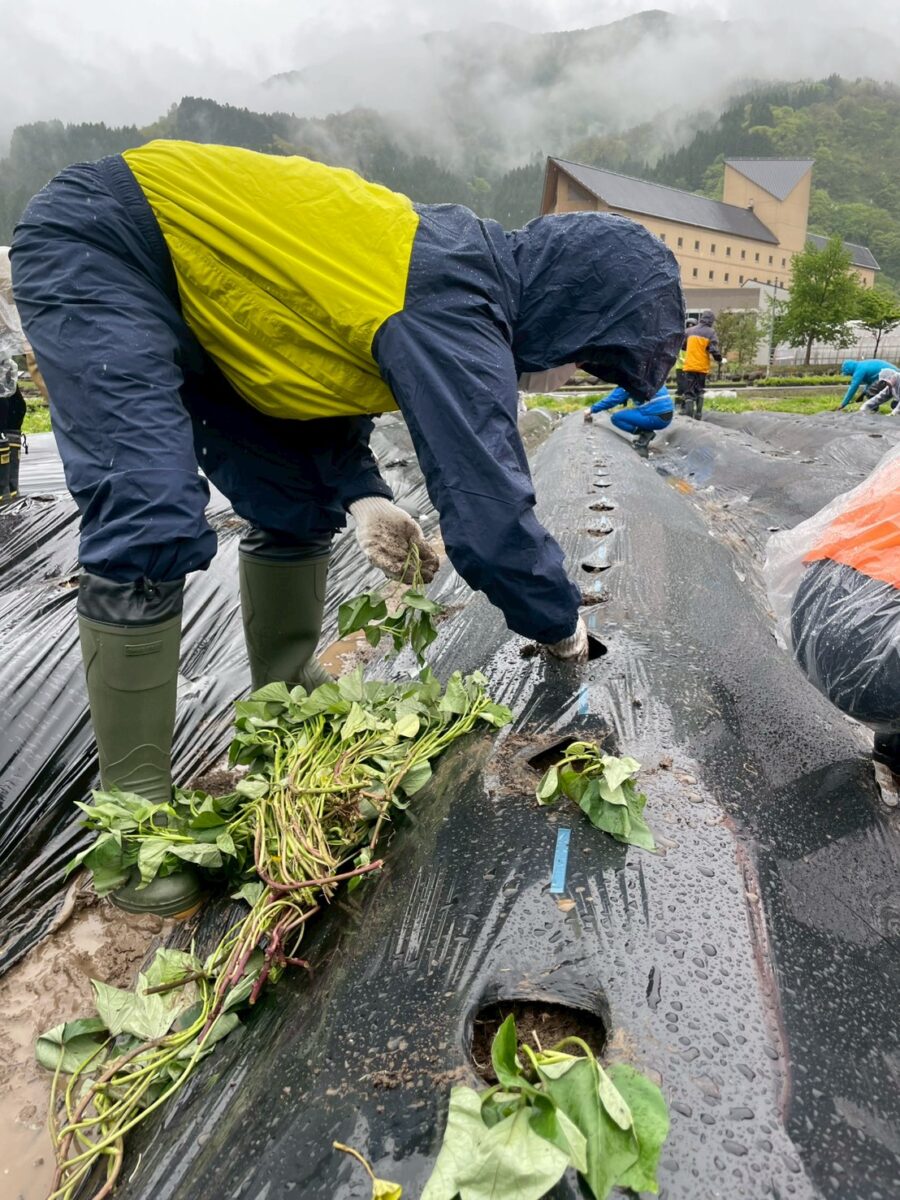
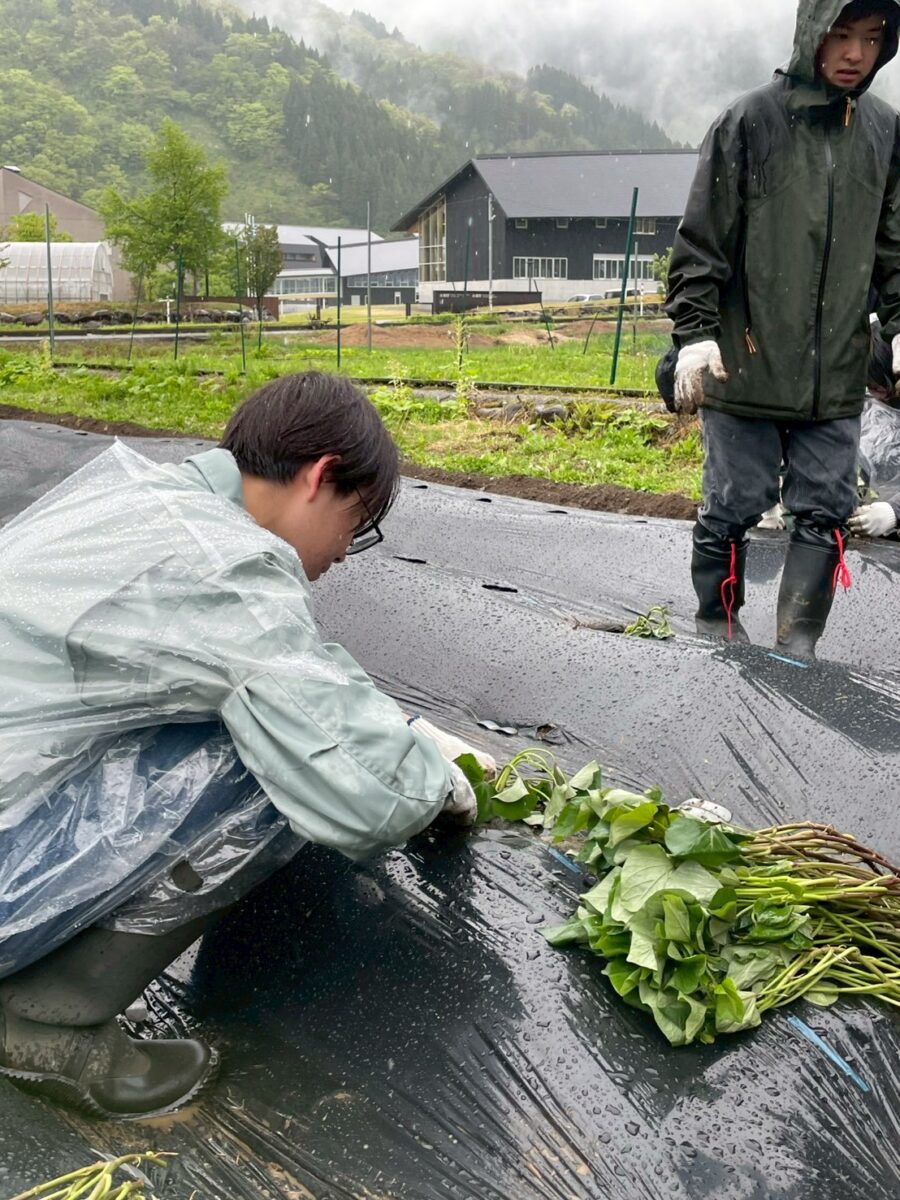
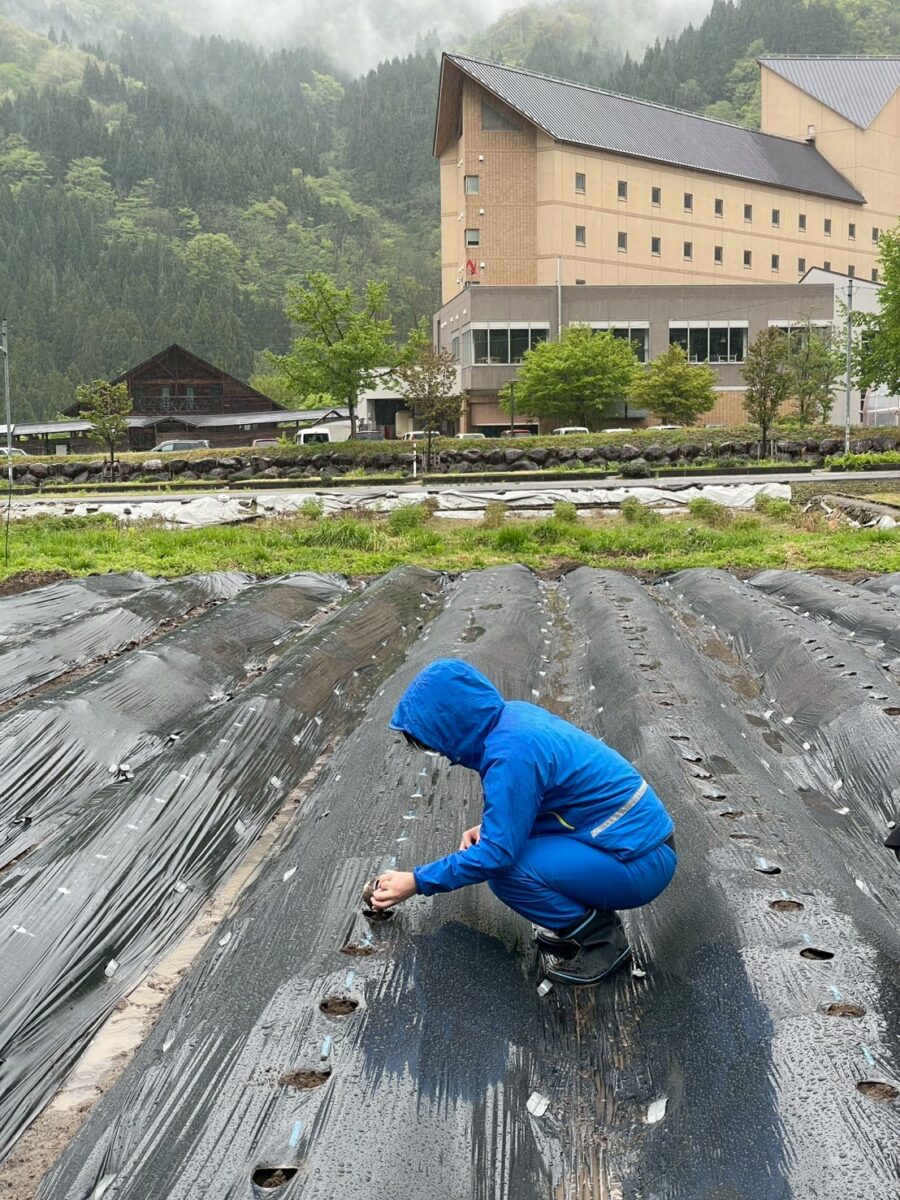
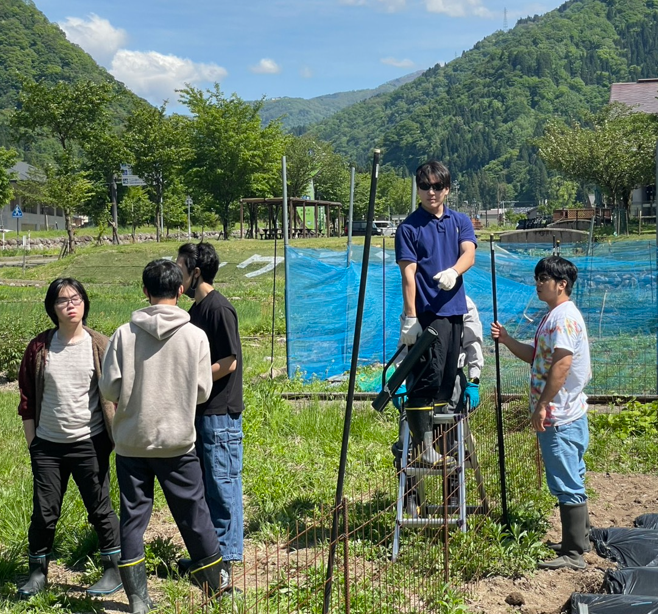
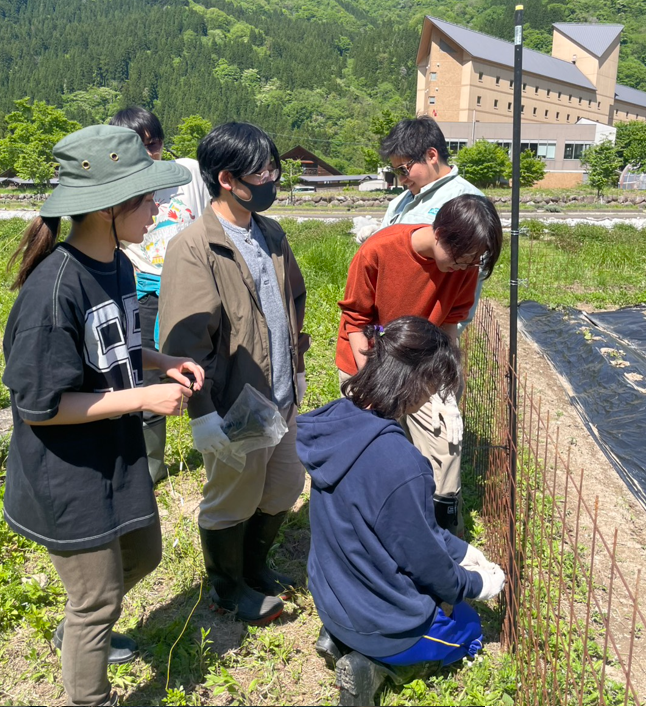
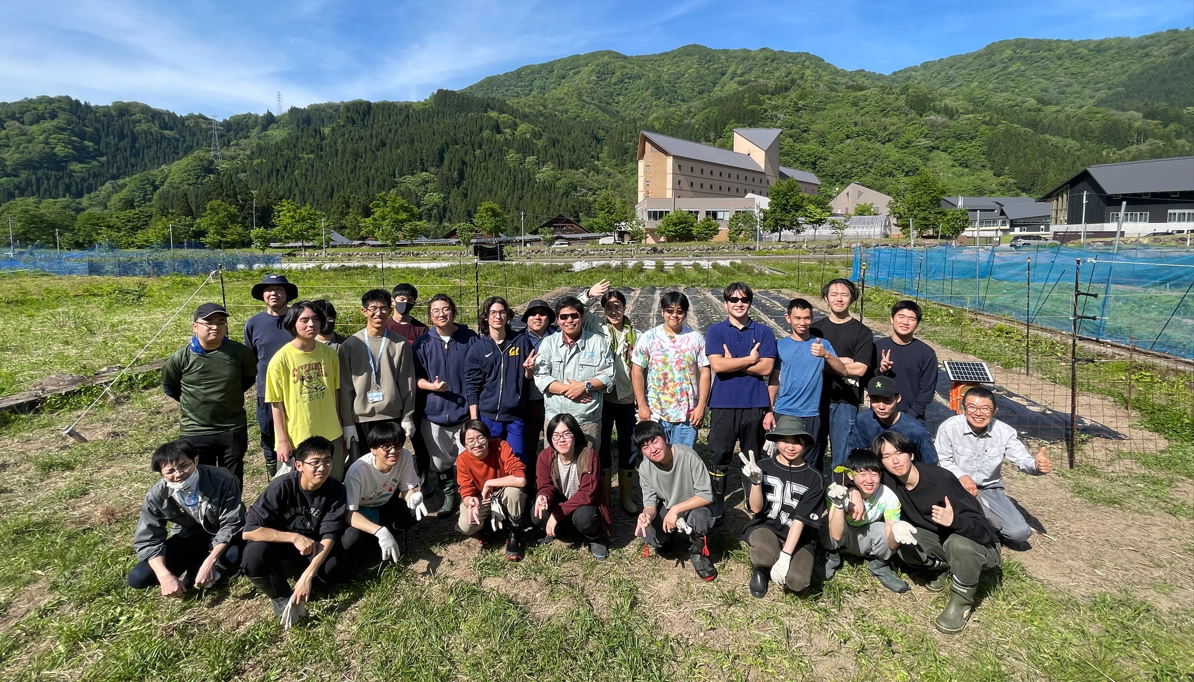
2026年4月23日(木)、今年で4回目の参加となるエンジニアリングデザインⅡ(2年生)「紅はるか」の苗植えをお手伝いしました。これまでの3回はいずれも晴天でしたが、今年はあいにくの雨となってしまいました。
また、嬉しいことに2年生の人数が多いことから、小高先生から「一人当たり10本から15本程度の植え付けでお願いします」と一人当たりの本数制限のお話がありました。初めての年(3年前)は苗床1列全部を1人で植えました。今回はあいにくの雨でしたが、人数が多いこともあってスムーズに作業が進み、植え付けは50分程度で終わりました。
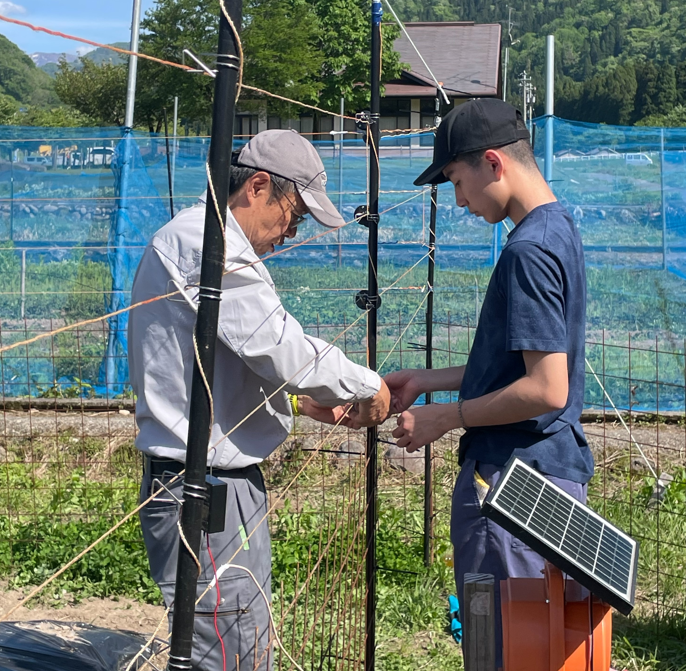
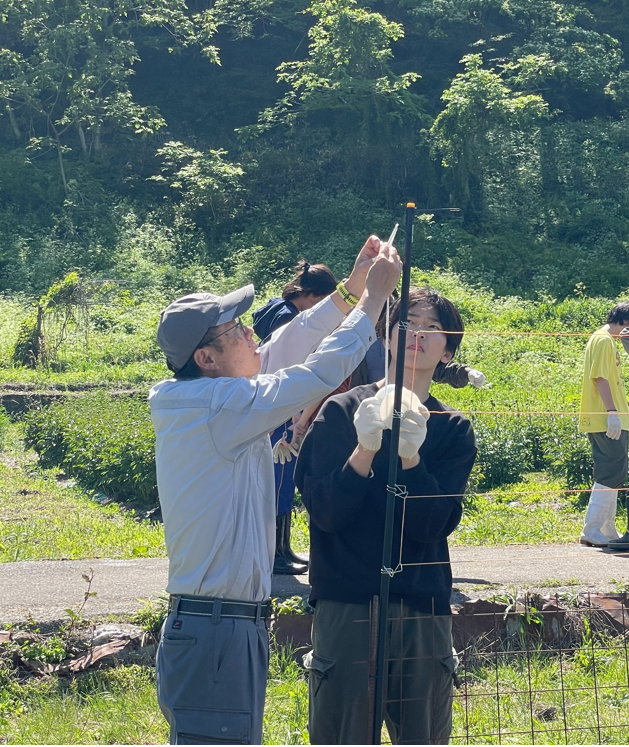
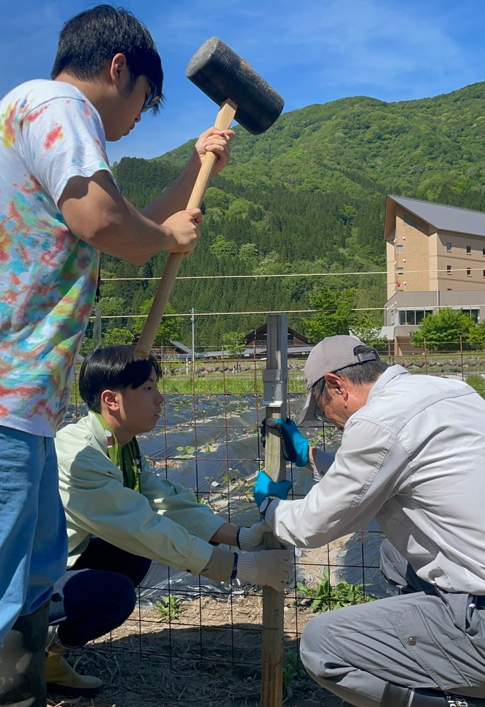
私は苗付けが終わったところで引き上げましたが、電気柵の設置も順調に進んでいるように見えました。晴れの場合には苗植え直後に散水する必要がありましたが、今年は自然の散水がありましたので、その分も時間の節約になったようです。今年も順調に育ってくれることを期待しています。秋の収穫も参加したいと思っています。
恒例ですが、11月7日(土)、8日(日)に白山麓キャンパスでオープンキャンパスを開催します。これに合わせて焼き芋販売が「道の駅瀬女」で行われる予定です。お時間があれば、ぜひ「道の駅瀬女」まで足を伸ばしてみてください。
2026年4月16日(木)土作りや畝作り
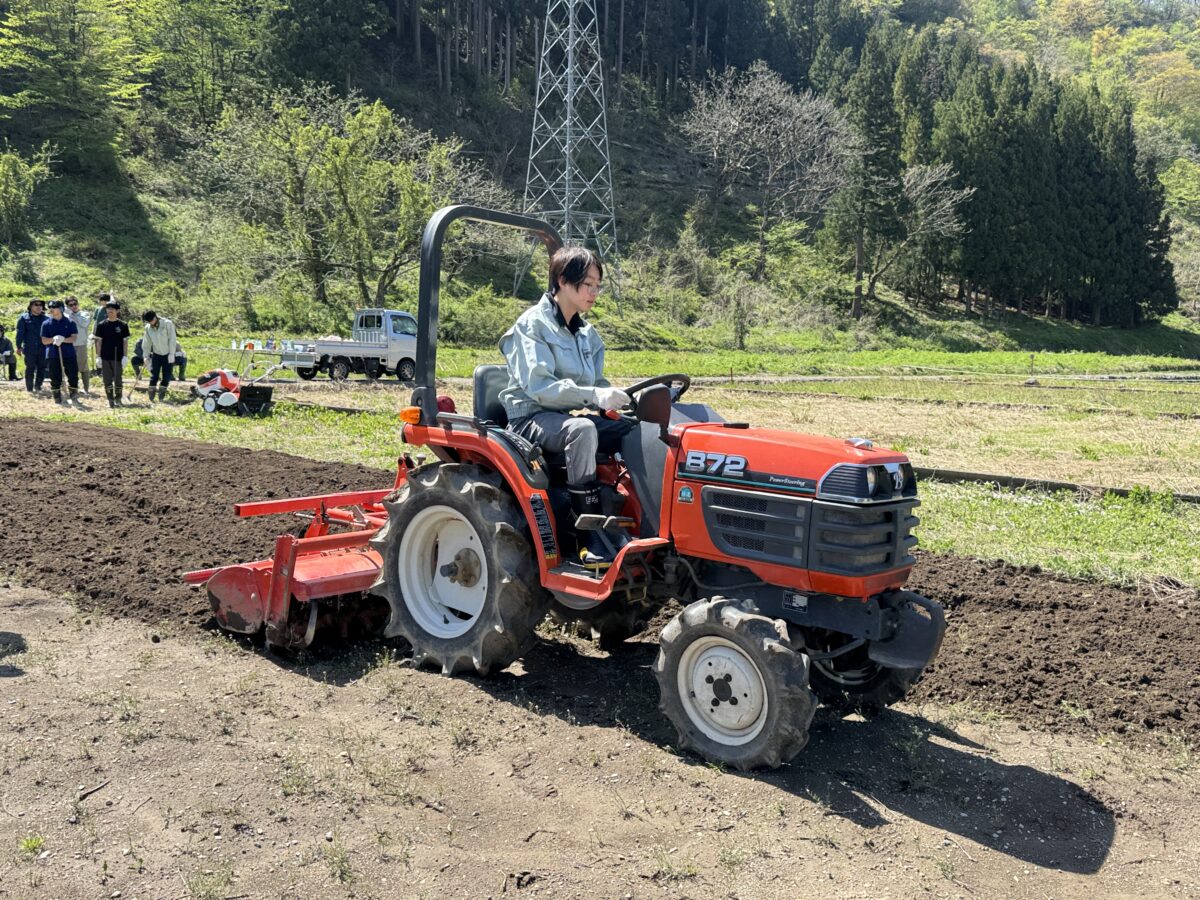
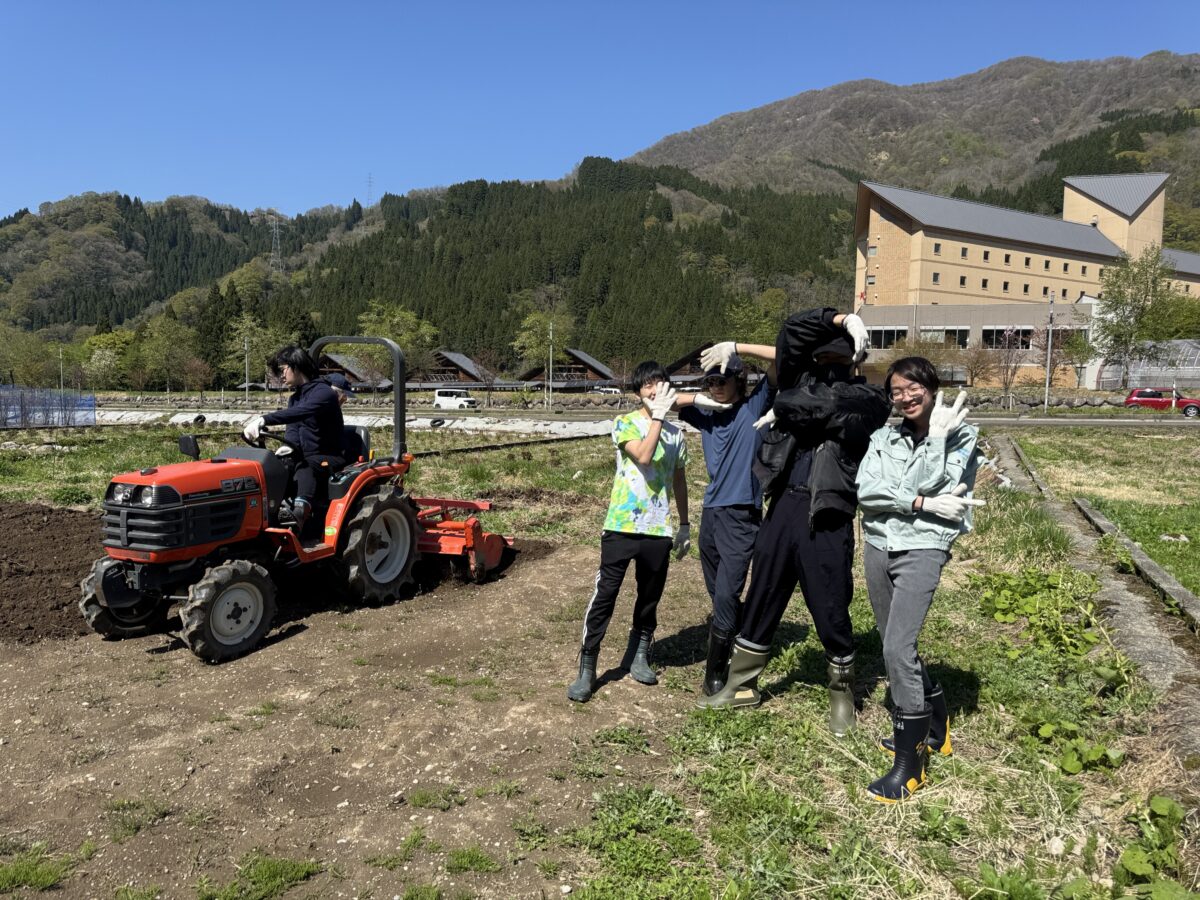
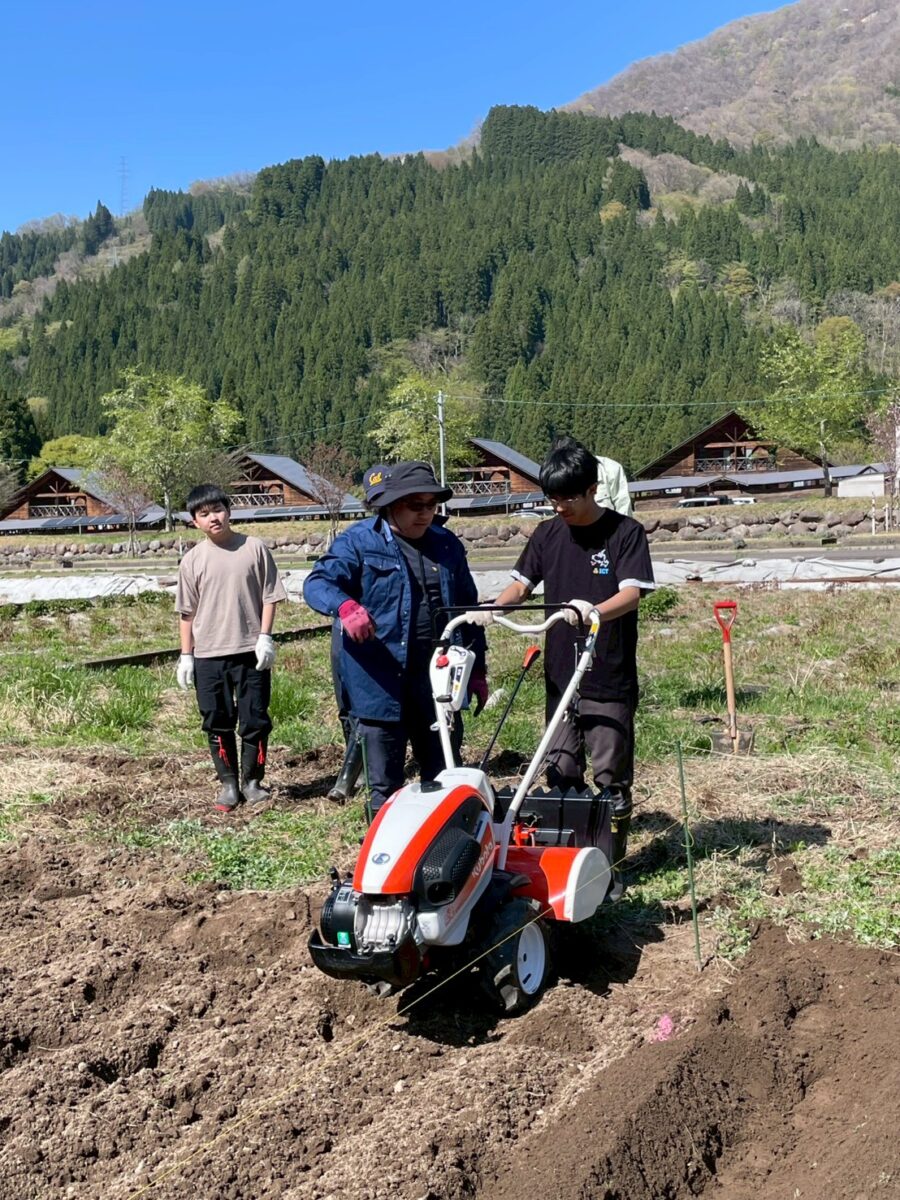
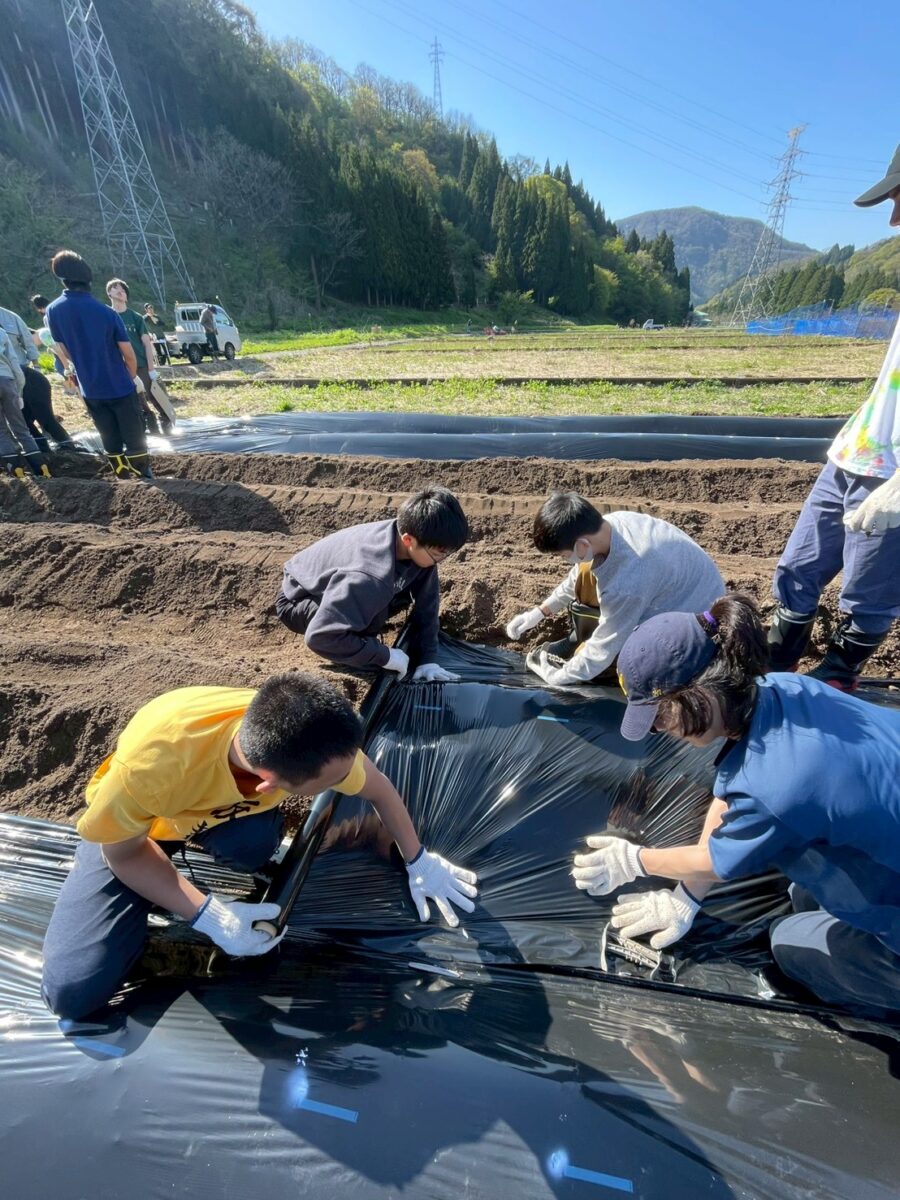
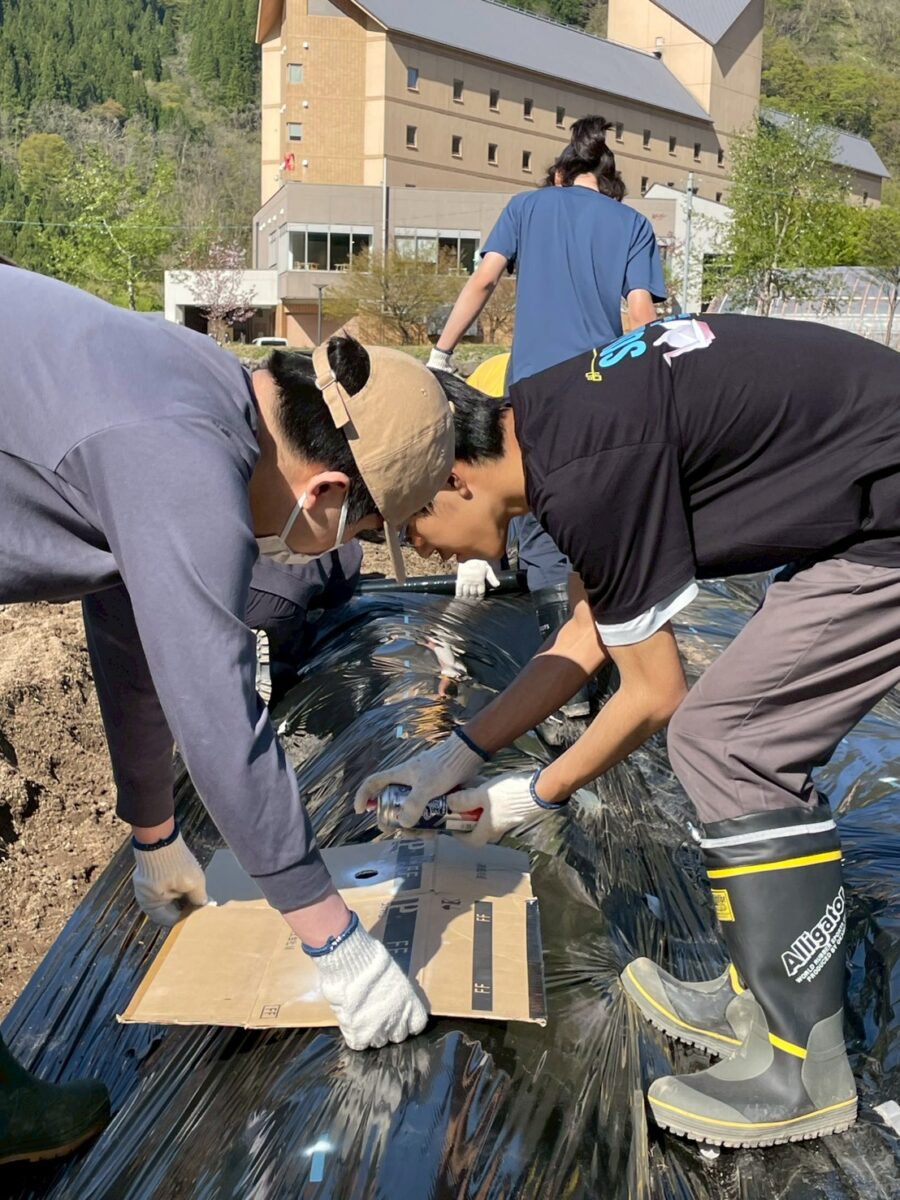
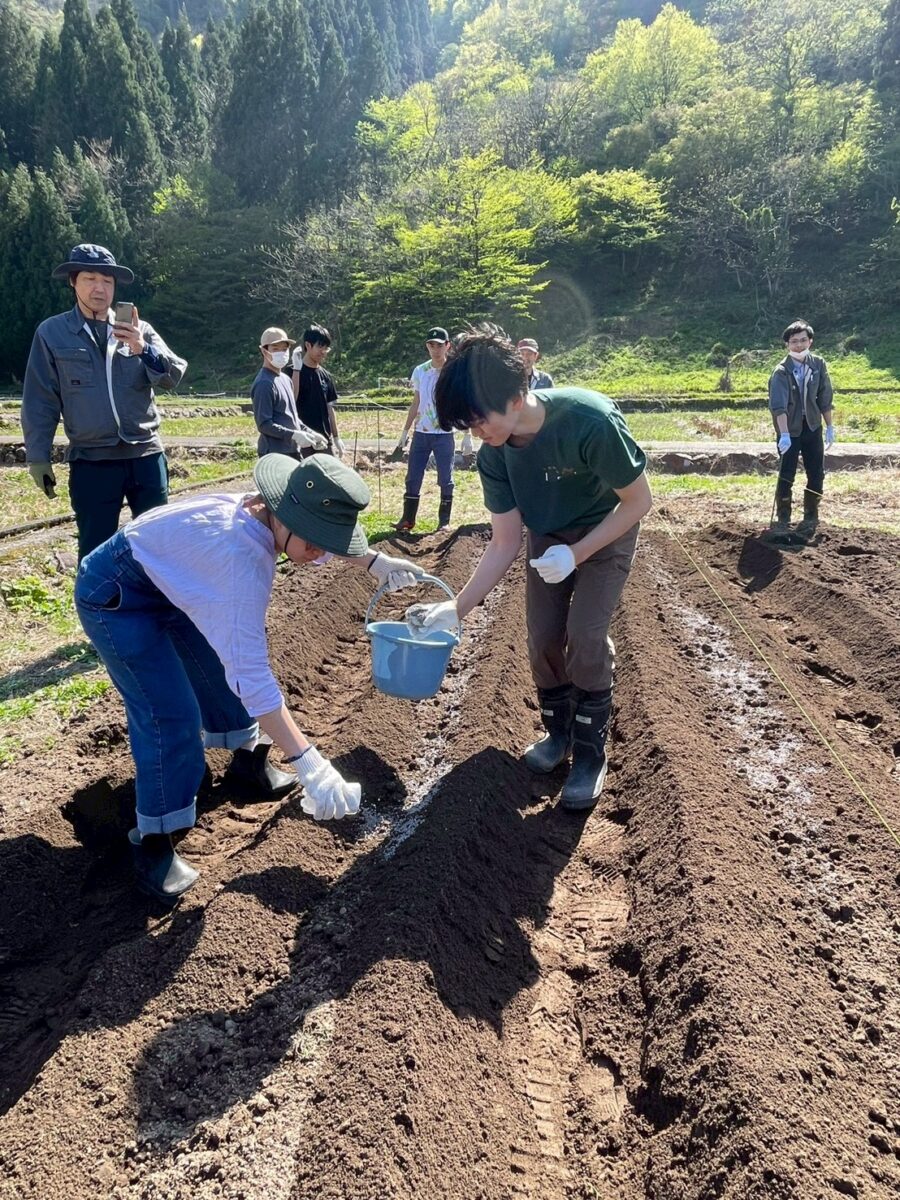
2026年4月23日(木) 「紅はるか」苗の作付け土作りや畝作り
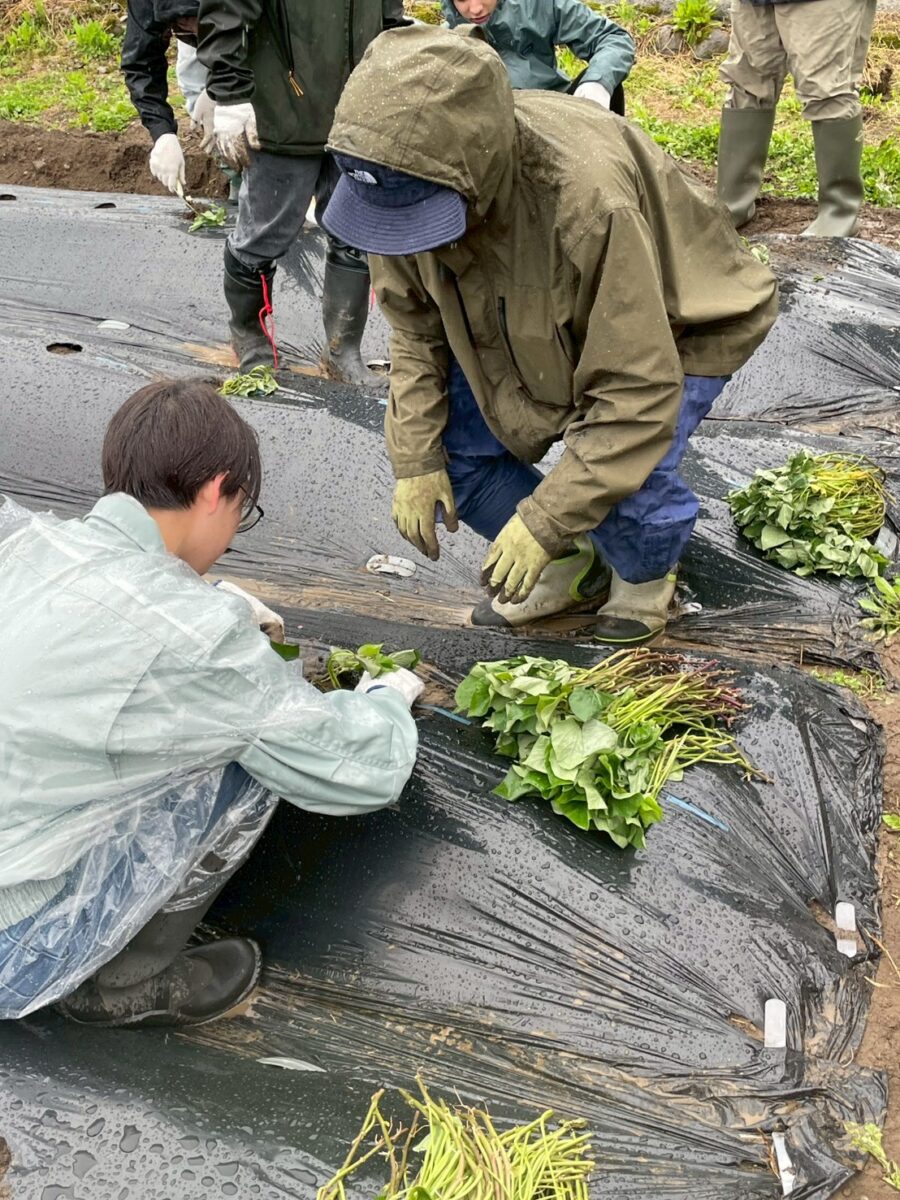
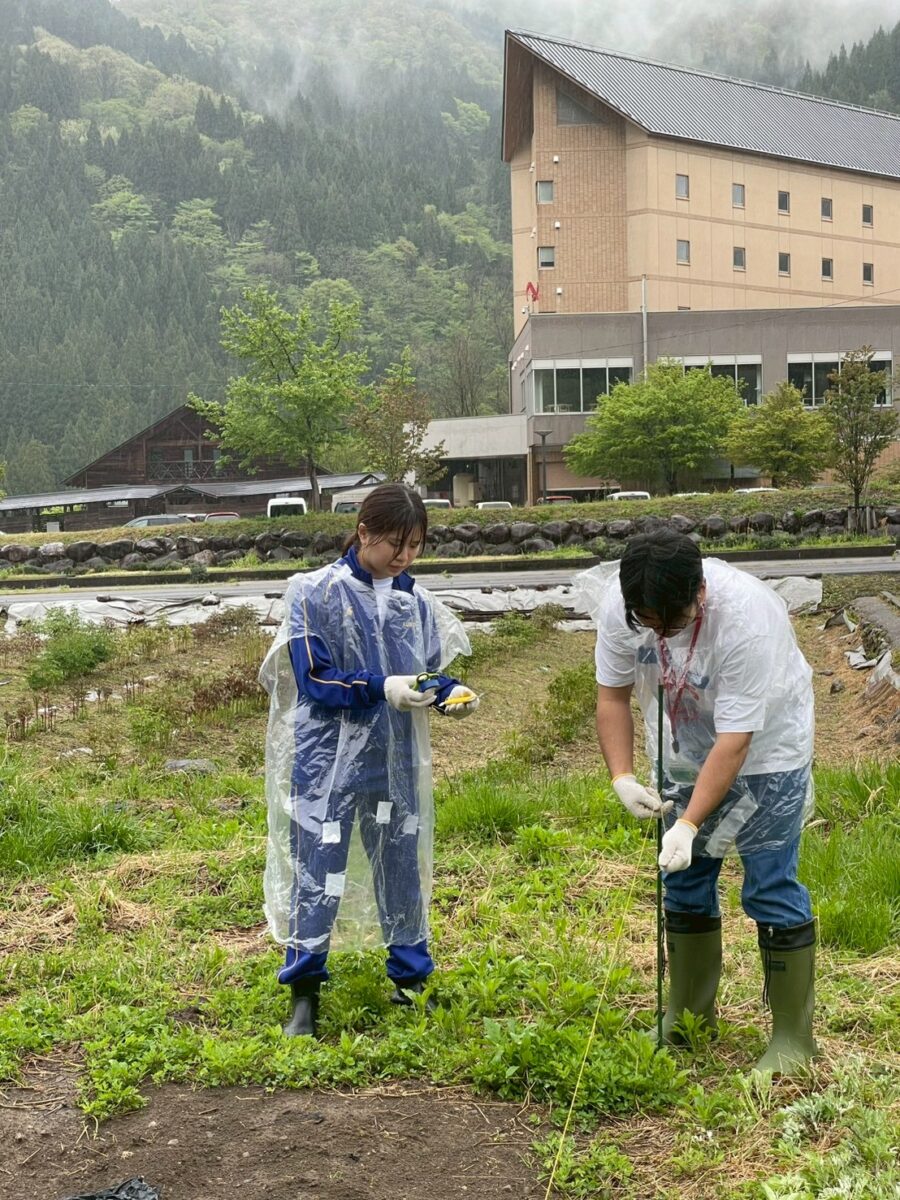
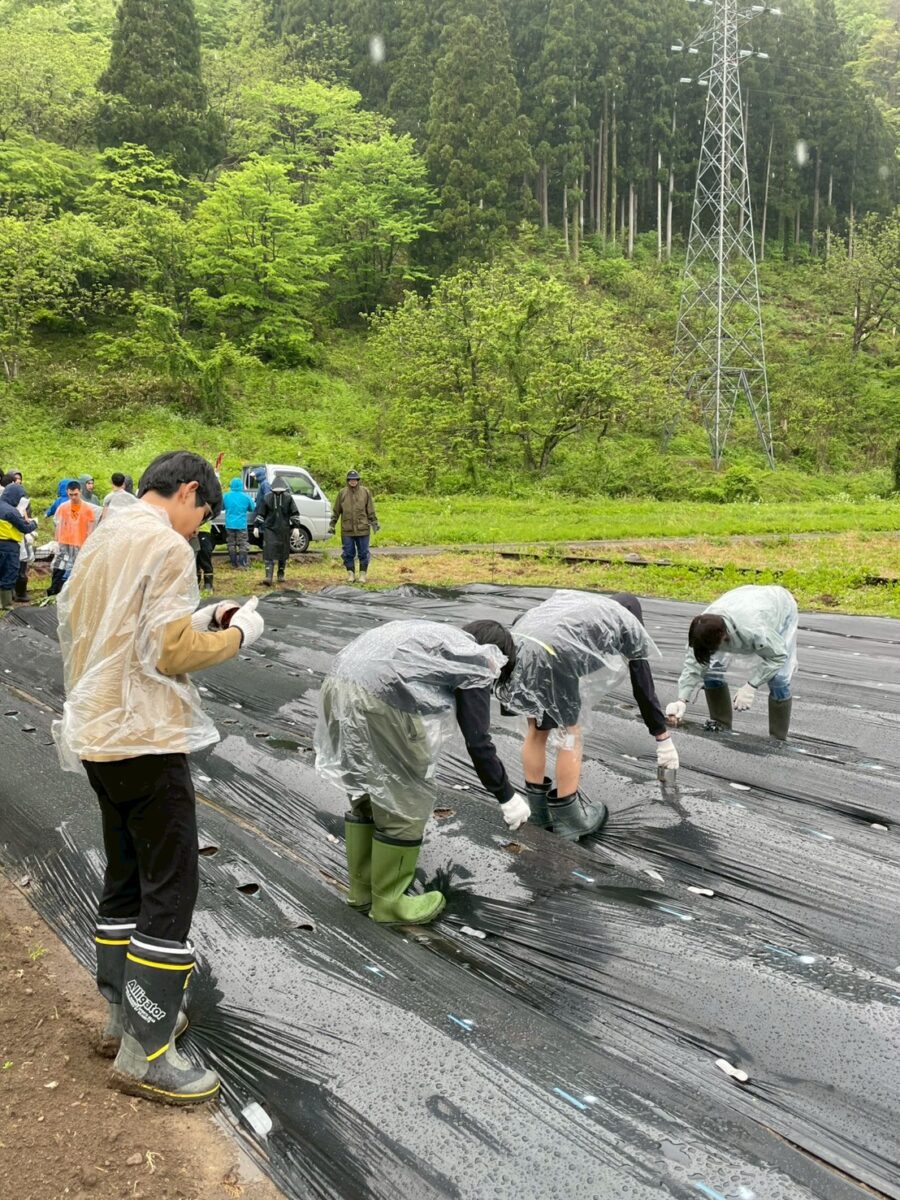
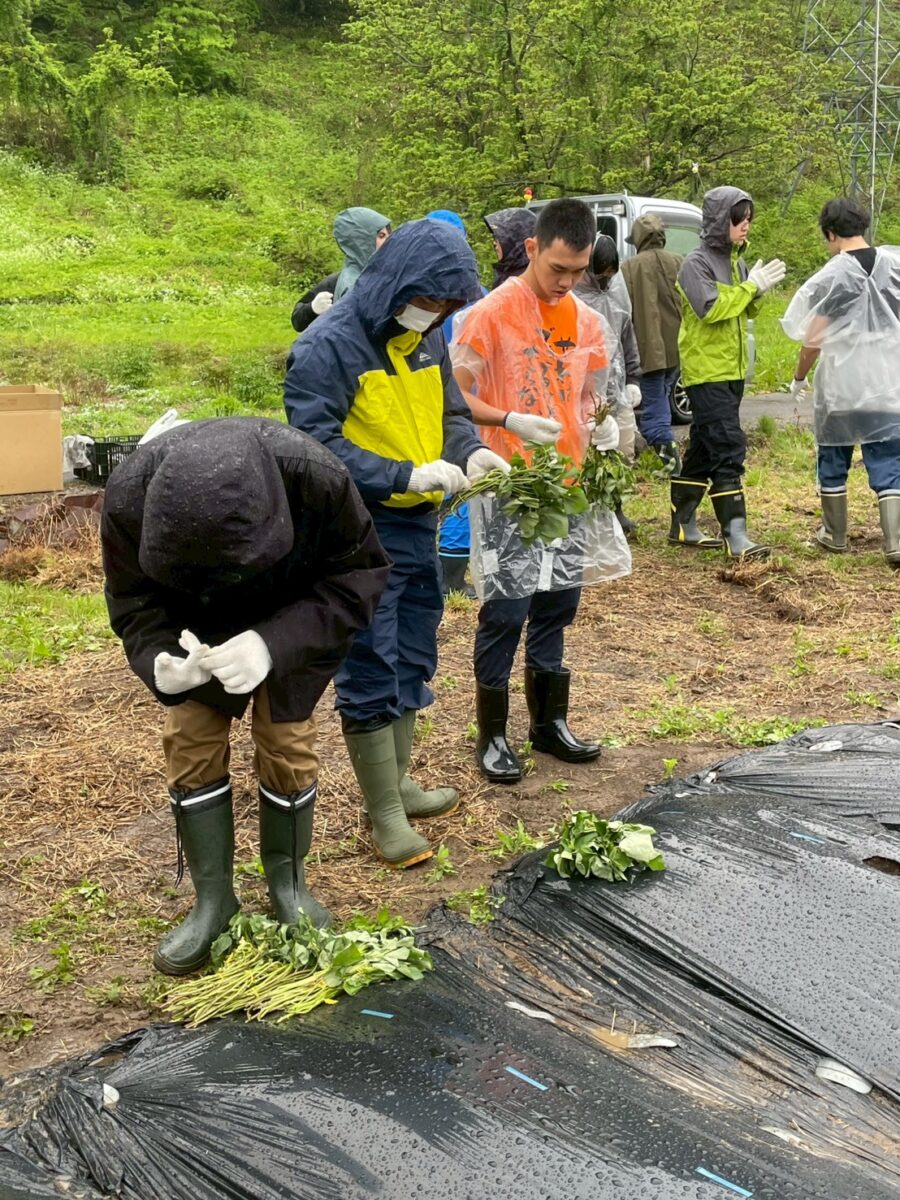
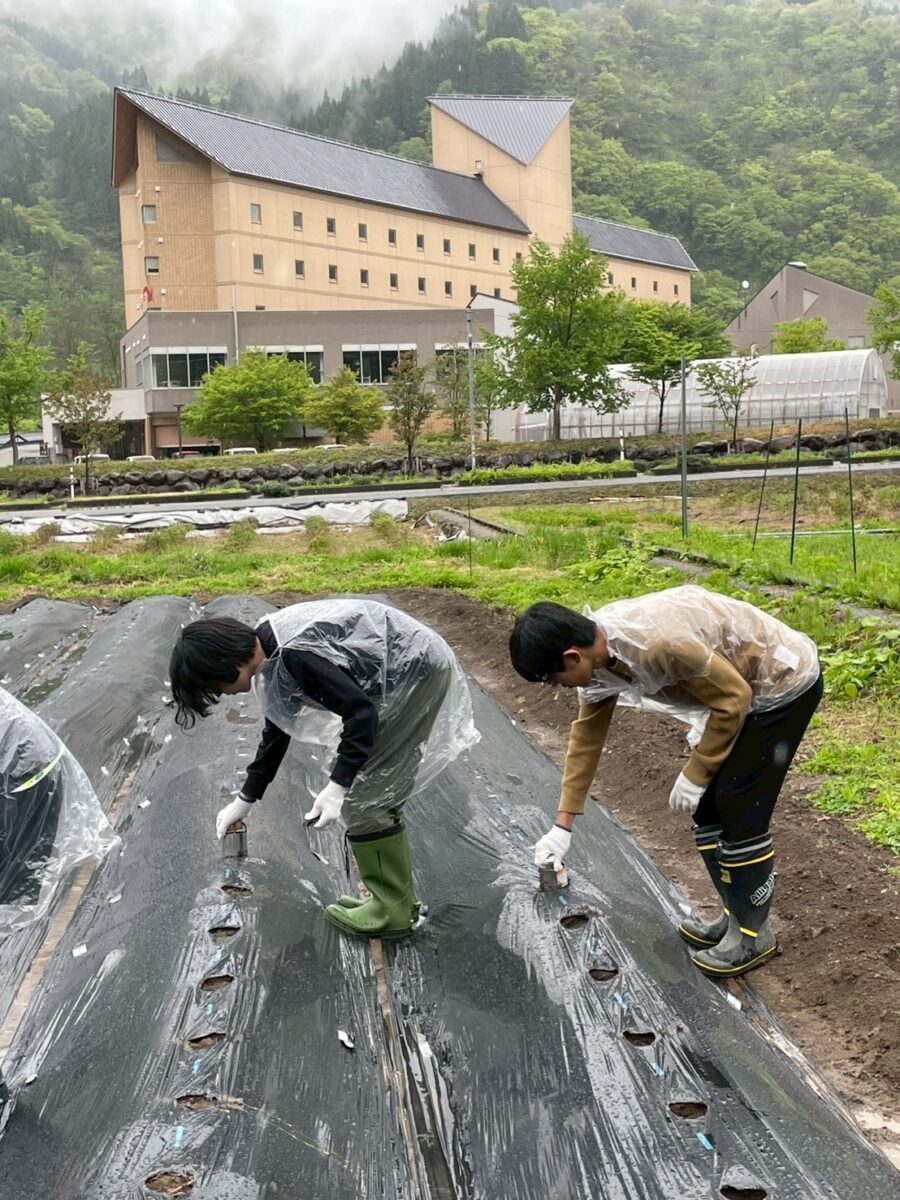
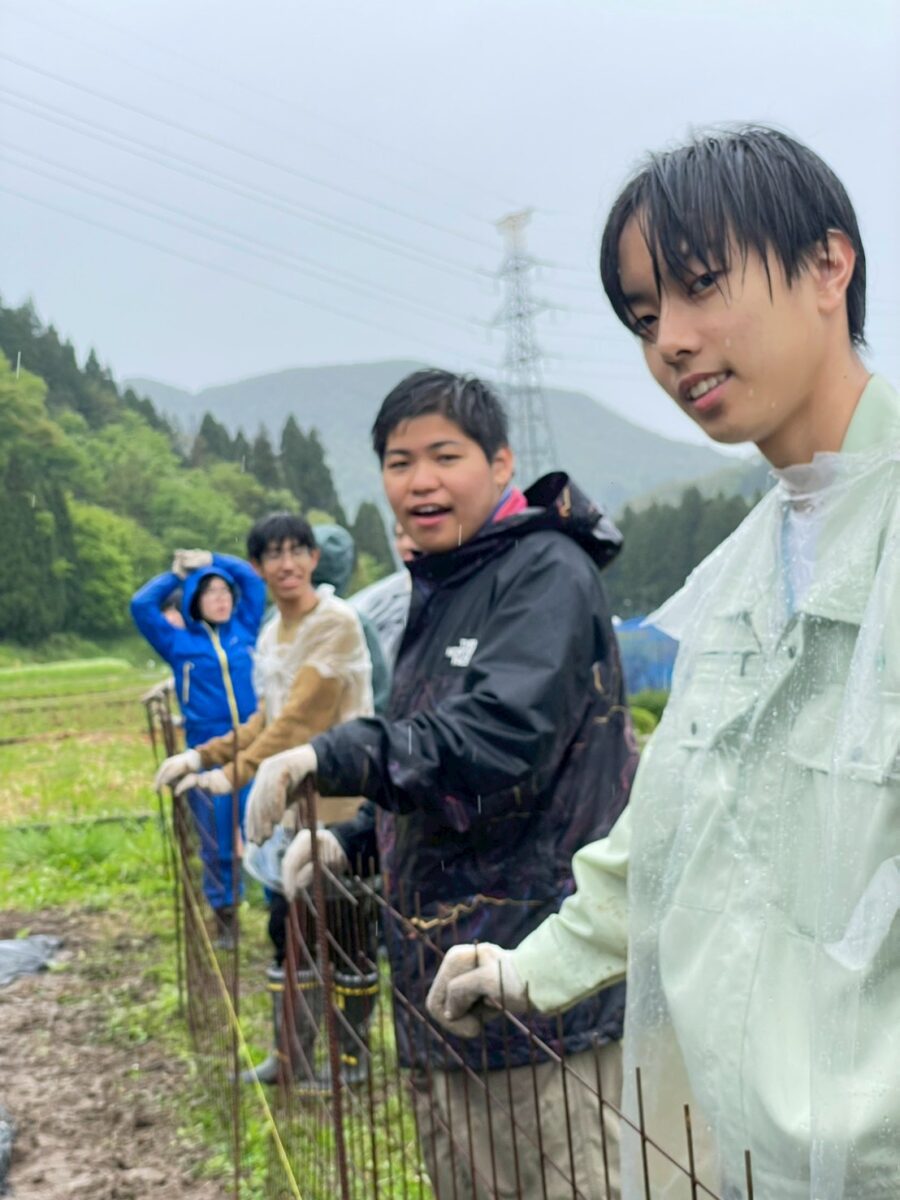
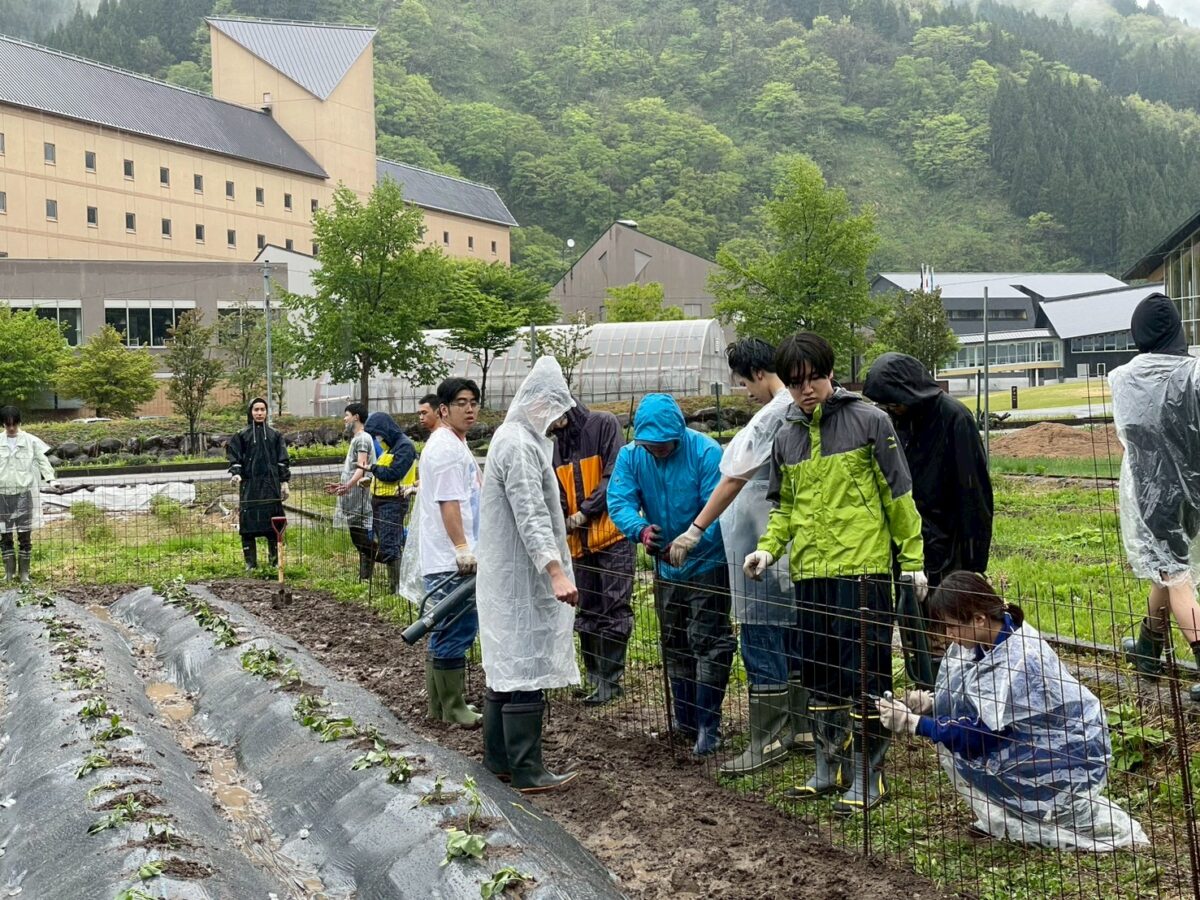
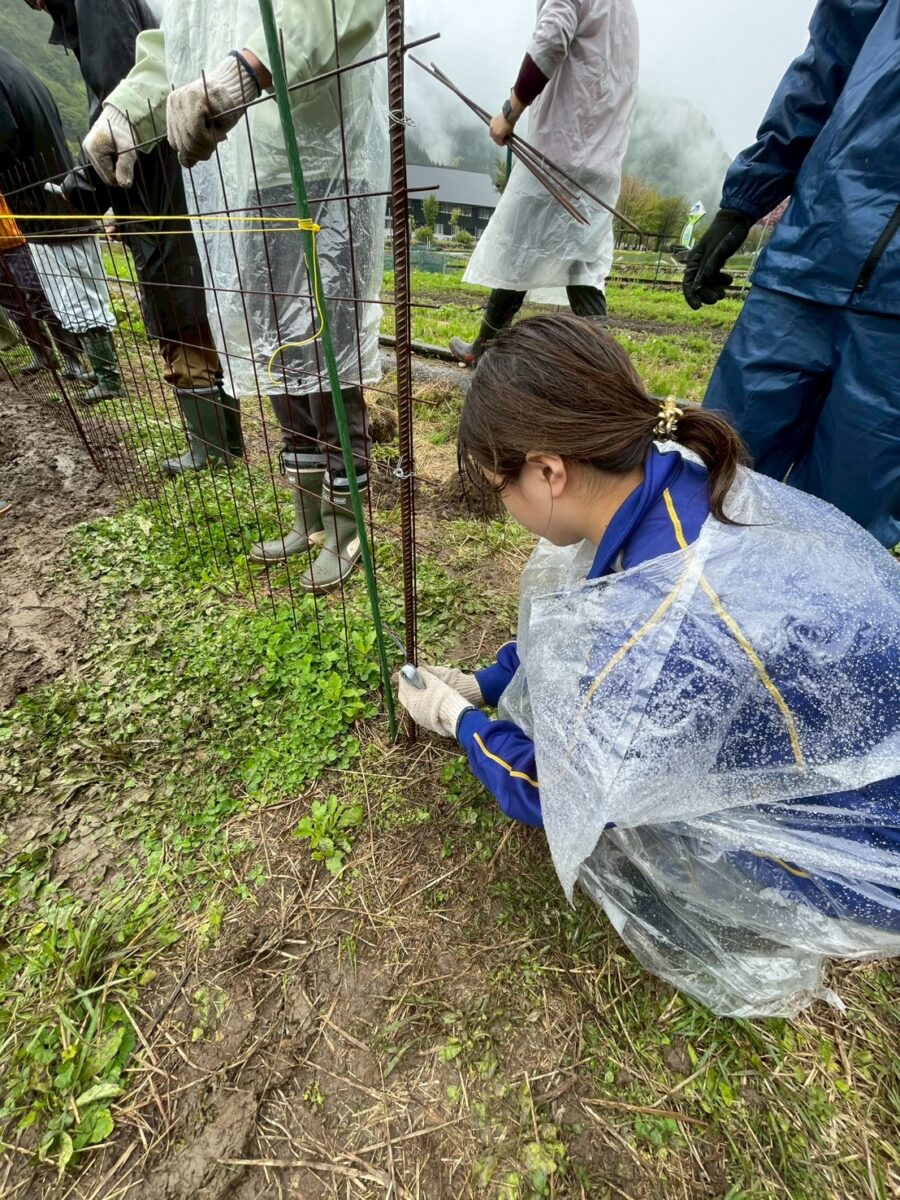
2026年5月7日(木)畑の周りに猿の侵入を防ぐための電気柵を設置
鹿田 正昭
Hello. I am Masaaki Shikada, ICT President.
On Thursday, April 23rd, 2026, I helped with the planting of Beni Haruka sweet potato seedlings as part of Engineering Design II (2nd year students), marking my fourth year participating in this activity. While the previous three years were all blessed with fine weather, unfortunately this year we had rain.
I was also pleased to see that, because of the large number of 2nd year students, Kodaka sensei requested that each student plant approximately 10 to 15 seedlings. In the first year (three years ago), one person planted an entire row of the nursery bed alone. Although we had rain this time, the work progressed smoothly thanks to the larger number of students, and the planting was completed in about 50 minutes.
I left shortly after the seedling planting was finished, but the installation of the electric fence also appeared to be proceeding without any problems. In sunny weather, watering is necessary immediately after planting; however, this year the rain provided natural watering, which seemed to save time as well. I hope, once again this year, that the seedings will grow well. I would also like to take part in the harvest in autumn.
As is customary, an Open Campus will be held at the Hakusanroku Campus on Saturday, November 7th, and Sunday, November 8th. To coincide with this event, roasted sweet potatoes are scheduled to be sold at the Sena Roadside Station. If you have time, please consider stopping by the Sena Roadside Station on either of those days.
Thursday, April 16th, 2026
Soil preparation and digging rows for planting.
Thursday, April 23rd, 2026
Planting Beinharuka soil and ridges for planting Beniharuka seedlings.
Thursday, May 7th, 2024
Electric fence installed around fields to prevent monkeys from entering.
Masaaki Shikada
こんにちは!国際高専2年の万江 琴莉です。
今回私は、エンジニアリングデザインIIB(以下ED)の授業の一部を紹介します。
はじめに、2年生のEDでは、地域活性化を目的とした活動を行っています。その中で私たちは紅はるかを畑で栽培し、ビジネスを学びながら道の駅・瀬女で焼き芋販売などを行ってきました。そして新たな販路拡大を目的に、大野のKuru,ru.さんとのコラボで11月末に高専紅はるかの壺焼き芋の販売やオリジナルグッズを販売しました。
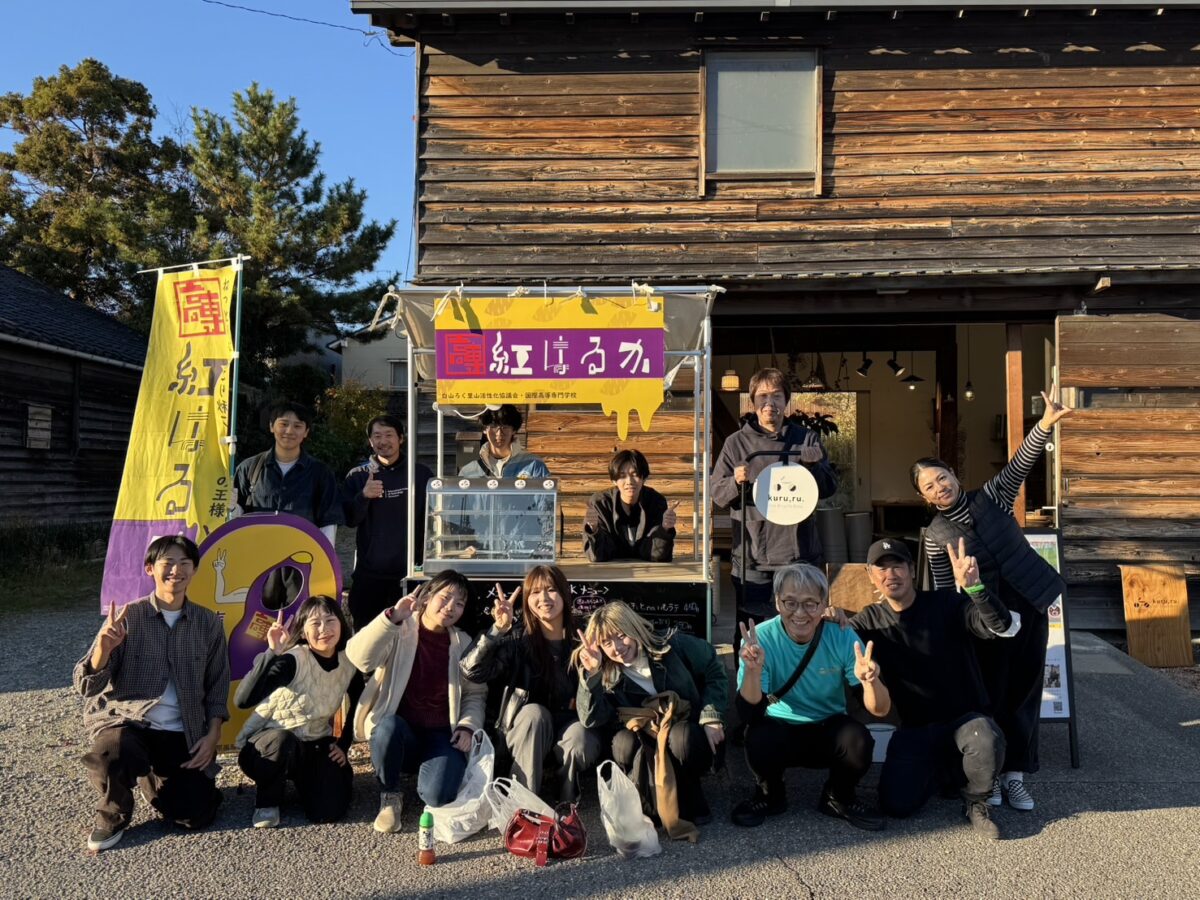
EDの高専紅はるかのプロジェクトは2期生の先輩から改良を重ね受け継がれていましたが、コラボなどこのような取り組みは初めてで、緊張もありながらも、コラボ用の新ロゴを作ったり、グッズを増やしたりと、とても力を入れ取り組んでいきました。
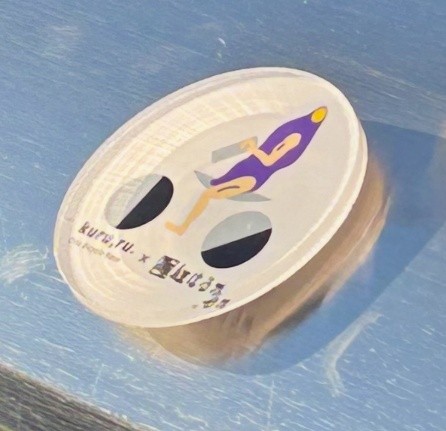
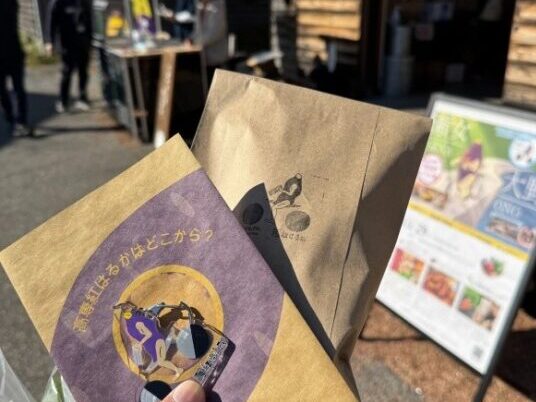
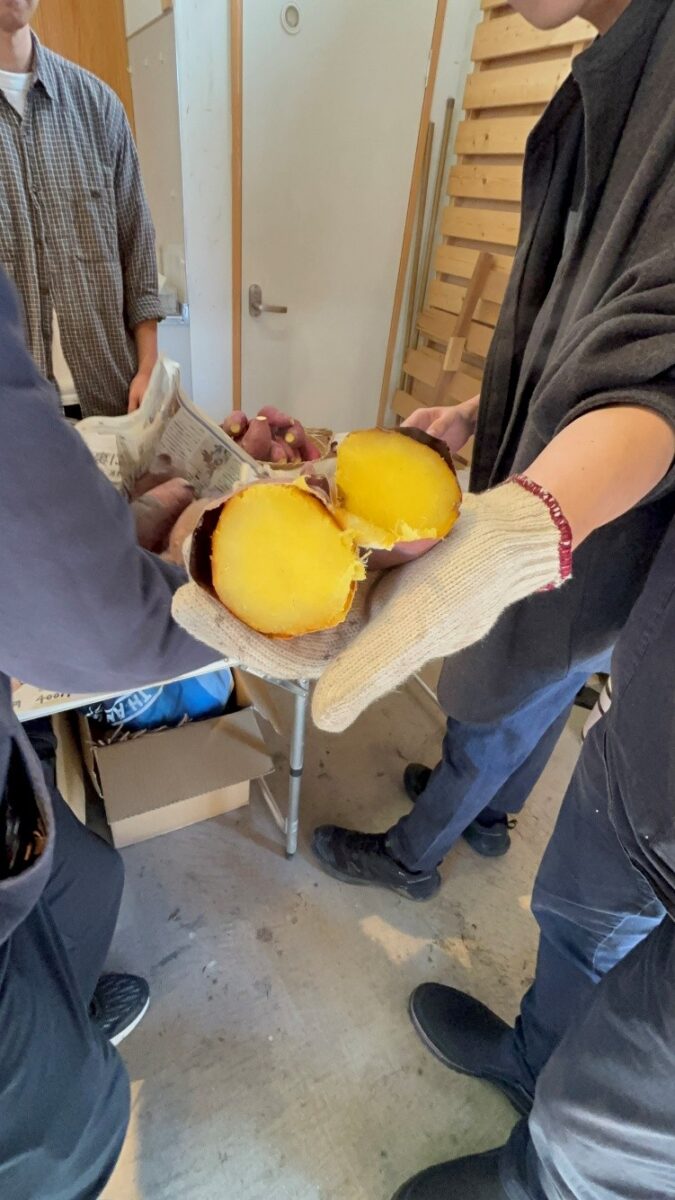
Kuru,ru.さんは壺焼きで焼き芋を作っていて、今回はそちらをお借りして高専紅はるかを壺焼きで販売しました。私たちも試食をしたのですが、同じ紅はるかでもよりねっとりしていて甘く、普通の焼き方と壺焼きの違いをとても感じました。
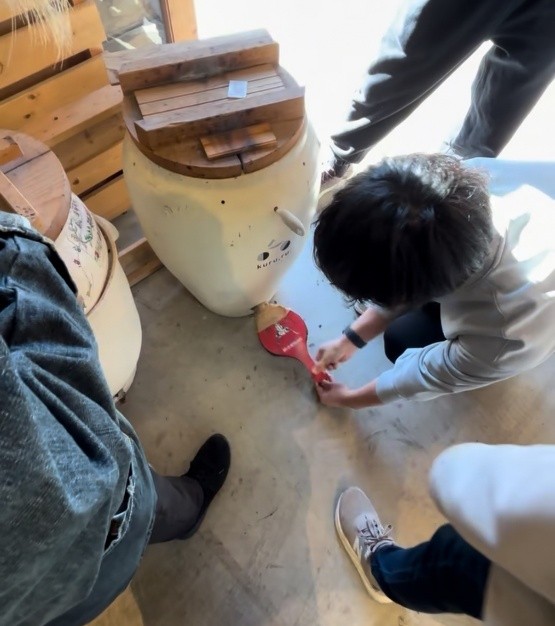
そして、今回は道の駅・瀬女での販売から改良を行い、グッズをカプセルトイとして販売しました。そこでお店に来てくれた子供たちが「これが当たってほしい!」「この子可愛い!」と盛り上がりながらカプセルトイを回してくれたり、焼き芋だけではなく高専紅はるかのキャラクター達自体の認知が増えたことがブランド強化に繋がりとても嬉しく思いました。また、お店に来てくださった方々もお芋だけではなく国際高専自体にもとても興味を持ってくださり、大野にも私たちの取り組みや高専自体の情報も発信することができ、お互いの地域の話ができる機会となり、貴重な交流の機会となりました。
余談ですが、交代で販売を行っていたため休憩のタイミングで大野を散策する時間がありました。Kuru,ru.の方がレンタルサイクルをお貸ししてくださり、海沿いをサイクリングしたり、大野で有名な醤油ソフトを食べてきました。そこで大野ならではの観光ができて、改めて「新しい場所に私たちの高専紅はるかを広げることができたな」と思いました。
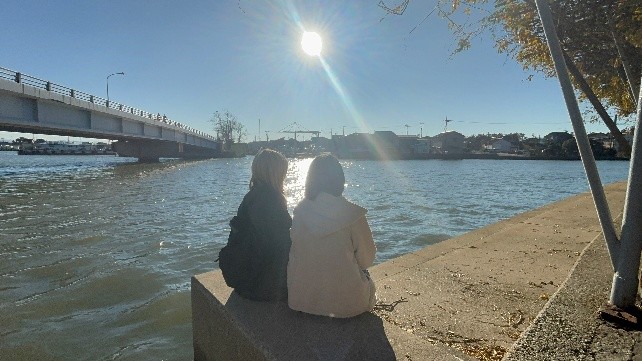
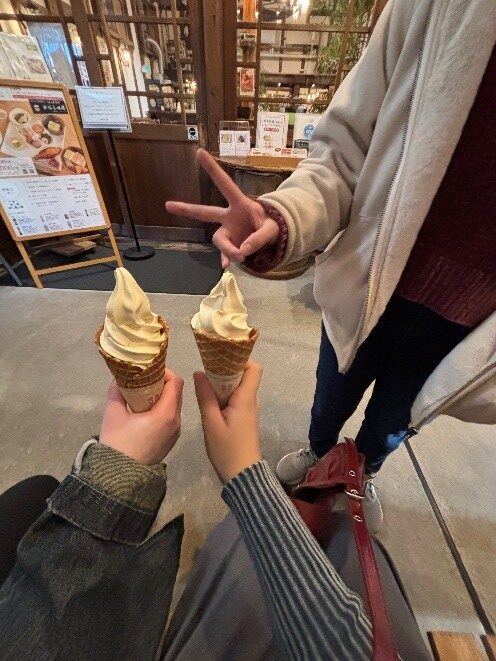
ビジネス班として直接地域活性化の貢献や高専生の間に販売活動を経験出来てよかったです。
Kuru,ru.の皆様は、お店に来られた方々と積極的にコミュニケーションを取ったり、私たちにもとても親身に壺焼きやお芋を焼くときの工夫を教えてくださったり、お話をしてくださりました。同じ地域活性化の目的を持ちながら、様々な方々と交流することを楽しんでいる姿勢をみて、このようにただ販売をするだけではなく、少しでも交流をすることがお互いの地域について知り合う機会になり、コミュニケーションを取ることの大切さに気付きました。今回の学びをこれからの地域活性化の活動につなげたいと思います。白金祭でも焼き芋販売をしたり、来てくださった方向けの特別メニューを考えました。いろんな人に喜んでもらえてうれしかったです!
万江 琴莉
Hello! I'm Kotori Mae, a 2nd year student at the International College of Technology.
This time, I'd like to introduce part of our Engineering Design IIB (ED) class.
First, in the 2nd year ED course, we engage in activities aimed at regional revitalization. As part of this, we cultivated Beni Haruka sweet potatoes in the fields and learned about business while selling roasted sweet potatoes at the Roadside Station Sena. Then, aiming to expand new sales channels, we collaborated with Kuru,ru. in Ono to sell Kosen Beni Haruka sweet potatoes baked in clay pots and original goods at the end of November.
The Kosen Beni Haruka project in ED has been passed down and refined by seniors from the second cohort, but initiatives like collaborations were new to us. Despite some nerves, we put a lot of effort into creating a new logo for the collaboration and expanding our merchandise lineup.
Kuru,ru. specializes in clay pot-baked sweet potatoes, and this time we borrowed their method to sell Kosen Beni Haruka sweet potatoes baked in clay pots. We sampled them ourselves and found that even though they were the same Beni Haruka variety, they were creamier and sweeter, really highlighting the difference between regular baking and pot baking.
Furthermore, building on improvements made since our sales at Roadside Station Sena, we sold merchandise as capsule toys this time. Seeing the children who came to the store excitedly saying, “I hope I get this one!” or “This one's cute!” while excitedly spinning the capsule toy machines. Seeing increased recognition not just for the baked sweet potatoes but for the Kosen Beni Haruka characters themselves really boosted the brand, which made us very happy. Also, the people who visited our shop showed great interest not only in the sweet potatoes but in the ICT itself. We were able to share information about our initiatives and the college in Ono, creating opportunities to talk about each other's regions and fostering valuable exchanges.
As a side note, since we took turns selling, we had time to explore Ono during breaks. The folks at Kuru,ru. lent us rental bikes, so we cycled along the coast and tried Ono's famous soy sauce soft serve. Experiencing this unique Ono tourism made me realize anew, “We've successfully spread our Kosen Beni Haruka brand to a new place.”
As the business team, it was rewarding to directly contribute to regional revitalization and gain sales experience while still in technical college school. The Kuru,ru. staff actively communicated with customers visiting the shop. They also kindly shared tips with us about pot-roasting and roasting sweet potatoes, engaging in conversations. Seeing their attitude of enjoying interactions with various people while sharing the same goal of regional revitalization made me realize that simply selling isn't enough. Even small exchanges create opportunities to learn about each other's regions and highlight the importance of communication. I want to apply this lesson to our future regional revitalization activities. We also sold roasted sweet potatoes at the Platinum Festival and came up with special menu items for our visitors. I was really happy that so many people enjoyed it!
Kotori Mae
[動画]KOGEIデジタルアートミュージアム」展示作品より。 自在置物《Protectopus》プロジェクションマッピング
併設校の金沢工業大学 メディア情報学科・出原立子研究室の4年生5名が携わった工芸とデジタルアートを融合した展示会、「KOGEIデジタルアートミュージアム」が、2025年10月11日(土)・12日(日)の2日間、金沢市内の石川県政記念しいのき迎賓館で開催されました。
展示で特に注目を集めたのが、金工作家の古田航也氏の自在置物《Protectopus》を題材としたプロジェクションマッピング。金属ならではの精緻な可動構造と曲線美を持つ《Protectopus》(タコ)に映像が重なり、作品が呼吸し、動き出すかのような錯覚を生み出しました。
この演出を手がけたのは、国際高専を2024年に卒業し、併設校の金沢工業大学メディア情報学科3年次に編入学した徳山美結さんでした。
今年、金沢工業大学大学院への進学も決まっている徳山美結さんに話をお聴きしました。
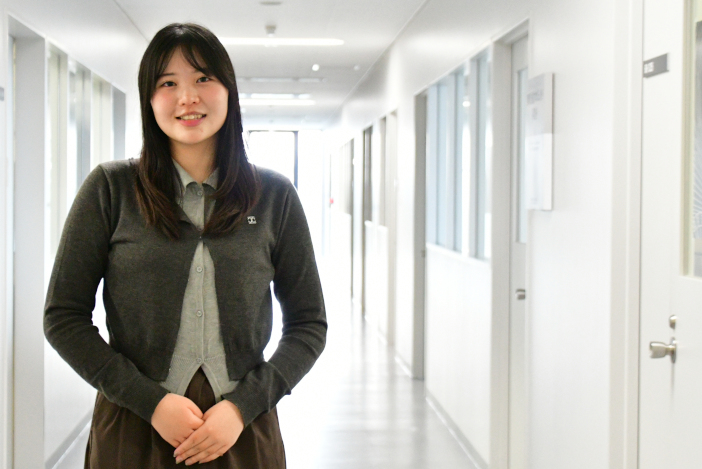
金沢工業大学メディア情報学科4年の徳山美結さん。今年、金沢工業大学大学院への進学も決まっている金沢工業大学メディア情報学科4年の徳山美結さん。今年、金沢工業大学大学院への進学も決まっている
―― そもそも金沢工業大学への編入を考えたきっかっけについて教えてください。
徳山 国際高専時代からインラタクティブなプロジェクションマッピングに興味を持っていました。
国際高専では3年生は全員1年間のニュージーランド留学を行うのですが、私が3年になった頃は世界中で新型コロナウイルス感染症が蔓延していた時期で、ニュージーランドも2020年3月に国境閉鎖を行っていました。
私たちは当時、ニュージーランドのオタゴポリテクニクの授業をオンラインで受講していました。3年生は「エンジニアリングデザインIII」という授業で課題解決に取り組むのですが、私は同級生の田中杏奈さんとで「SDGs達成に役立つプロジェクションマッピング」をテーマに、複雑なSDGsのトレードオフをプロジェクションマッピングを通じて学習できるゲームを考案しました。
このゲームは、海、森、町などを再現した人間社会のアニメーションを、白山麓キャンパスの校舎内にあるボルダリング用の壁に映し出して遊びます。プレイヤーが壁を登って該当箇所をタッチすると、トレードオフの結果が変化として反映されます。例えば二酸化炭素を減らすために風力発電所を建設すると、森林とそこに住む動物が減ってしまうという仕組みです。ゲームの開発後は、実施テストを重ねて、壁に投影されたアニメーションが見やすくなるように、カラーバランスや部屋の明るさなどを調節しました。
国際高専の3年生がNZの教授陣を前にオンラインでプレゼン
グローバル子女教育便利帳 2022.03.24
https://kikoku-benricho.com/ict-presentation-online/
また5年生の卒業研究でも田中さんとプロジェクションマッピングを使用したSDGs教材ゲーム開発に取り組みました、3年生のときに実現できなかった「触れる」プロジェクションマッピングに再度挑戦したのです。
前学期は併設校の金沢工業大学メディア情報学科の出原立子教授の指導を受けながら技術の修得に努め、人間の動きに反応するプロジェクションマッピングのプロトタイプを制作しました。そして後学期では実際に、SDGsのメリットとデメリットをダイレクトに体験できるゲームをTouch DesignerとReal Senseを用いて開発しました。デモンストレーションでは壁に映し出された映像に手でジェスチャーすることで変化が起きます。例えば電気自動車を増やせばCO2が減る一方コストは増えるトレードオフの様子が視覚的にわかるようにしました。
国際高専卒業後は、「金沢工業大学」というよりも、インタラクティブなプロジェクションマッピングができる「出原研究室」に入りたかった。だから金沢工業大学 メディア情報学科を編入先に選びました。
エンジニアリングデザインVA 前学期成果報告会
国際高専トピックス 2023年8月2日
https://www.ict-kanazawa.ac.jp/2023/08/02/24046/
5年生のエンジニアリングデザイン最終発表
国際高専トピックス2024年2月20日
https://www.ict-kanazawa.ac.jp/2024/02/20/26397/
―― 一貫しているのですね。金沢工業大学3年次編入学後はどうでしたか?
徳山 環境がガラッと変わり、新しい環境に慣れるのに大変でした(笑)
――3年次後学期に念願の出原研究室に決まりましたね。
徳山 「作品制作」という授業の中で、出原先生から「金沢市が毎年開催しているKOGEIフェスタ!が来年(2025年)に開催10周年をいう節目を迎えるにあたり、新しいこととして工芸とデジタルを組み合わせた展示を計画しているのだが、やってみないか」とお話がありました。そこで展示作品へのプロジェクションマッピングについて、見え方、見せ方について検討を行い、後学期の半年分かけプロトタイプを作りました。
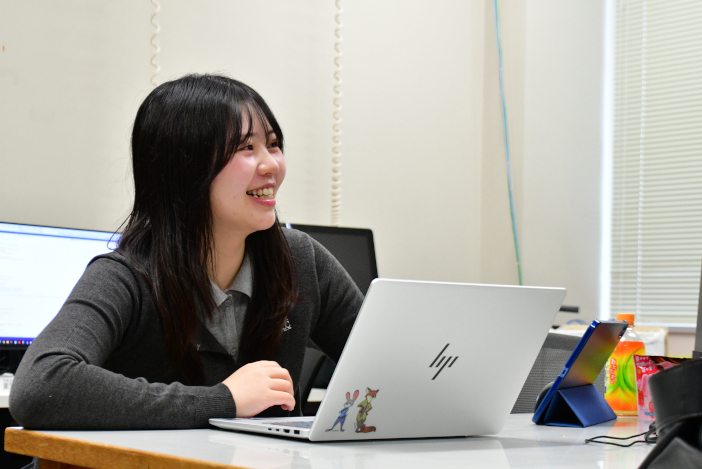
出原研究室で徳山さん(2026年1月13日)出原研究室で徳山さん(2026年1月13日)
――徳山さんは自在置物《Protectopus》(タコ)に取り組みましたね
徳山 2025年4月の段階で金沢市との話が進み、10月に実施することになったので、研究室の4年生5名で制作を進めることになりました。「金属工芸」「加賀友禅」「珠洲焼」の3点を選び、工房を訪問。作品を見せて頂いたり、触ったり、体験させていただいたりして、演出のアイデアを考え、どれにするか決めていきました(珠洲焼はオンラインで実施)。
・金属工芸:金工作家 古田航也氏
・加賀友禅:加賀友禅作家 毎田仁嗣氏・毎田健治氏
・珠洲焼:珠洲焼作家 中島大河氏
私は、インタラクティブなプロジェクションマッピングがしたかったので、どの作品が調和するのか考え、金属工芸を選びました。そして武藤慎哉さん(メディア情報学科4年)との二人で《Protectopus》(タコ)に取り組むことにしました。
――《Protectopus》(タコ)を選んだ理由は?
徳山金工作家の古田さんは鍛金・彫金と呼ばれる技法を使い銅や真鍮の板を金槌でたたき制作をされています。特に「自在置物」と呼ばれる江戸時代からある技法を使った作品づくりをされていて、「現代の自在置物」をテーマにした可動式の動物オブジェに取り組んでいます。関節があるので、本物の動物の様に動かせる仕組みになっているほか、制作した動物に甲冑を着せることで、劣悪な環境下でも生き抜いて行くための人間に対する「抵抗」と「共生」を表現しています。
特に《Protectopus》は長い「足」に一個一個関節がつけてあるので、見た瞬間「めちゃ存在感がある!」と思いました。変化していく海洋環境から身を守るため、ガスマスクを纏っているが、その一方で、人間と共生していくことを望んでいる。そういうコンセプトも興味深く感じました。
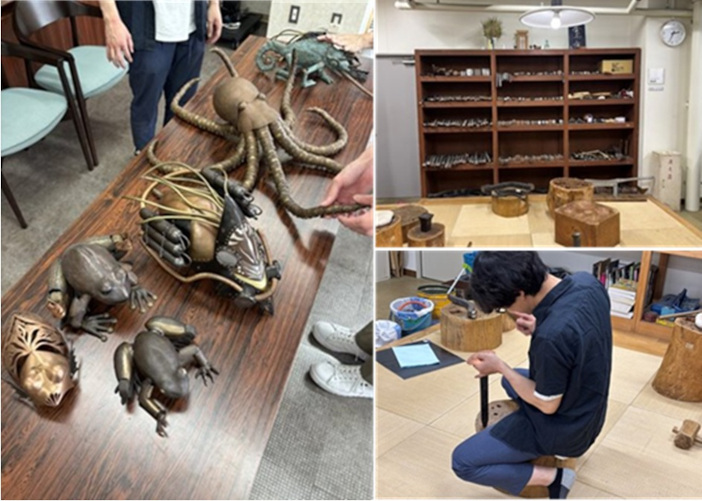
金工作家の古田さんの工房で。
《Protectopus》(タコ)は幅約70cm、高さ20cm。
一個一個の関節を曲げることができ、「めちゃ存在感がある!」とこれに決めた金工作家の古田さんの工房で。
《Protectopus》(タコ)は幅約70cm、高さ20cm。
一個一個の関節を曲げることができ、「めちゃ存在感がある!」とこれに決めた
工房を訪れ、《Protectopus》を選んだのは6月末でした。でも7月は約2週間のドイツ短期留学にも行ったので(後述)、制作は夏休み中に行いました。私はUnityを使い、C#でプログラムを書き、武藤さんはBlenderで3Dモデルを制作しました。
Unityを使ったのは、センサを使ったリアルタイム制御をしたかったからです。作家の古田さんも「動く面白さを伝えたい」と希望されたこともありました。
センサは展示台の下に据え(270度検知)、足元を検出。人を検出すると、お魚が出てきたり、タコの足からアブクが出るといったインタラクティブな作品にしました。人間とタコが同じ空間をシェアすることで、共生を体験的に伝えるインタラクションを目標にして制作しました。
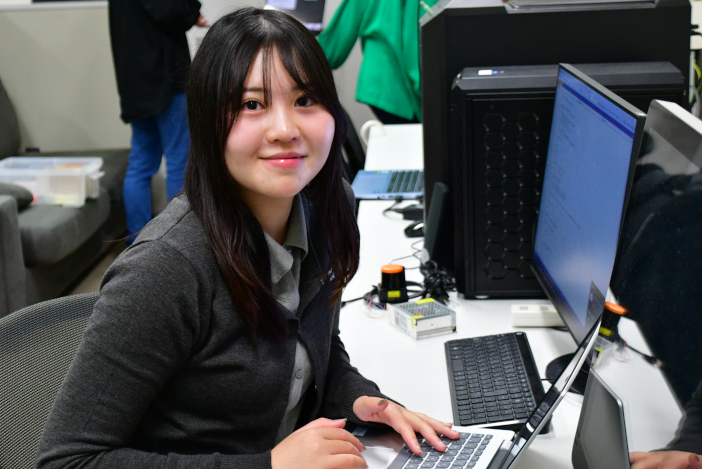
Unityを使い、C#でプログララムを記述。センサを使ったリアルタイム制御を行ったUnityを使い、C#でプログララムを記述。センサを使ったリアルタイム制御を行った
――そして「KOGEIデジタルアートミュージアム」の開催日が迫ってきました。
徳山 作品の完成はめちゃギリギリでした(笑)。出原研究室が入る金沢工業大学やつかほリサーチキャンパスの感動デザイン工学研究所1階のスタジオで予備実験を実施したのですが、スタジオでは天井からの投影まではできません。本番と同じ環境でできたのは、「KOGEIデジタルアートミュージアム」が始まる2日前の、しいのき迎賓館の会場ででした。
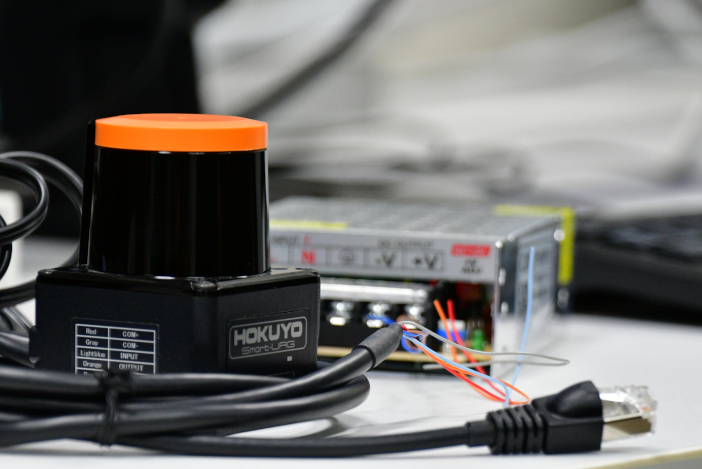
展示台の下には270度検知できるセンサを設置。人の動きでプロジェクションマッピングの映像が変化するインタラクティブな作品を目指した展示台の下には270度検知できるセンサを設置。人の動きでプロジェクションマッピングの映像が変化するインタラクティブな作品を目指した
――観覧者の反応はどうでしたか?
徳山 研究室としいのき迎賓館とでは環境が全然違うので、センサが動くかどうか、イベントが始まるまで不安でした。また観覧者がどういう反応をするのかも心配でした。
でも会期中、小さなお子さんがたくさん来てくれました。展示台が低く、小さい子は作品との距離が近く、迫力を感じたようです。またお魚がでてくることだけに興味があったのではなく、作品も見てくれました。「どうしてタコはガスマスクつけているの?」といった子供らしい質問もあり、私は「海に捨てられたゴミから自分を守るためだけれども、本当はお友達と仲良くしたいんだよ」と説明しました。同行した大人の方も「なるほど」と納得していただいたようです。
――作品制作に入る前の7月の約2週間、ドイツに留学していましたね。
徳山 実は私が3年生だった2024年の後学期、金沢工業大学のドイツの提携校・Hochschule Hamm-Lippstadt(HSHL。英語名 Hamm-Lippstadt
University of Applied Sciences)からテレサさんが留学していてからテレサさんが留学していて、仲良くなったことと、テレサさんと話す中でドイツに興味を持ったこと、そしてこれは一番の動機ですが、テレサとドイツで会いたかったからです(笑)。
あと、コロナ禍で国際高専時代にニュージーランドに行けず、不完全燃焼だったことも大きかった。
金沢工業大学にはHSHLへの短期留学プログラムとして「HSHLサマースクール」というプログラムがあり(定員2名)、応募することにしました。応募には「IELTS5.0以上」「TOEFL iBT 60以上」といったスコアが求められていましたが、国際高専で学んでいましたので、もちろんクリアしています。またこのプログラムは、菱機工業株式会社(本社 石川県金沢市)からの奨学金と「こぶし会」という金沢工大学園の同窓会からの支援金があり、ありがたかったです。
――約2週間のドイツの滞在はどうでしたか?
徳山 めちゃ濃い2週間でした。毎日、企業訪問があり、海外の企業の職種や職場の雰囲気がわかり、海外で仕事をするというイメージが具体的に持てました。また国際高専での英語の学びを実感した留学でもありました。国際高専ではSTEM科目を英語で学んできたので、専門的な英語表現や用語に慣れていましたし、専門分野が異なる企業による英語での説明についても、内容を理解することができました。 STEMの専門単語を知っていたことで、とても助けられました。
――4月からは金沢工業大学の大学院に進学予定ですね。
徳山 まず1月は今年度取り組んだインタラクティブ プロジェクションマッピングを卒業研究(プロジェクトデザインIII)としてまとめます。大学院進学後も出原研究室で研究を続けます。また機会があれば、インタラクティブな工芸アートのような作品づくりに携わりたいと思っています。
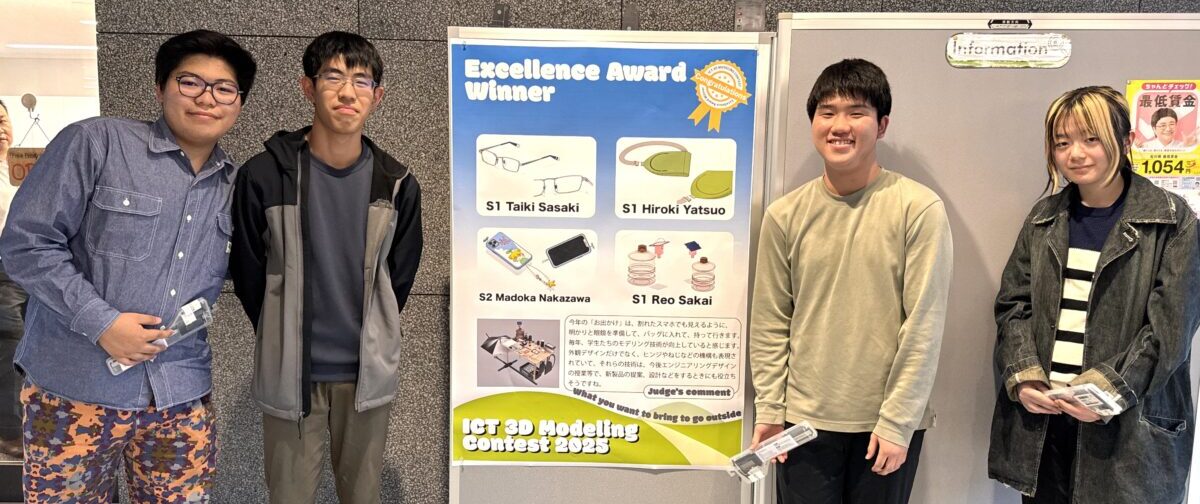
 デザイン&ファブリケーション部顧問の林 道大です。本年度も夏季休暇中の課題として、3DCADモデリングに学生たちが取り組みました。今年のテーマは「お出かけに持って行くもの」で、1・2年生の学生たちから30点以上の作品が提出されました。提出された作品はさまざまなジャンルのものが網羅されており、全部を持ってお出かけすれば、楽しく、便利な遠足となりそうです。提出された全てを審査員たちで審査を行い、優秀賞4作品を選出しました。
優秀賞となった作品について、それぞれ解説していきます。
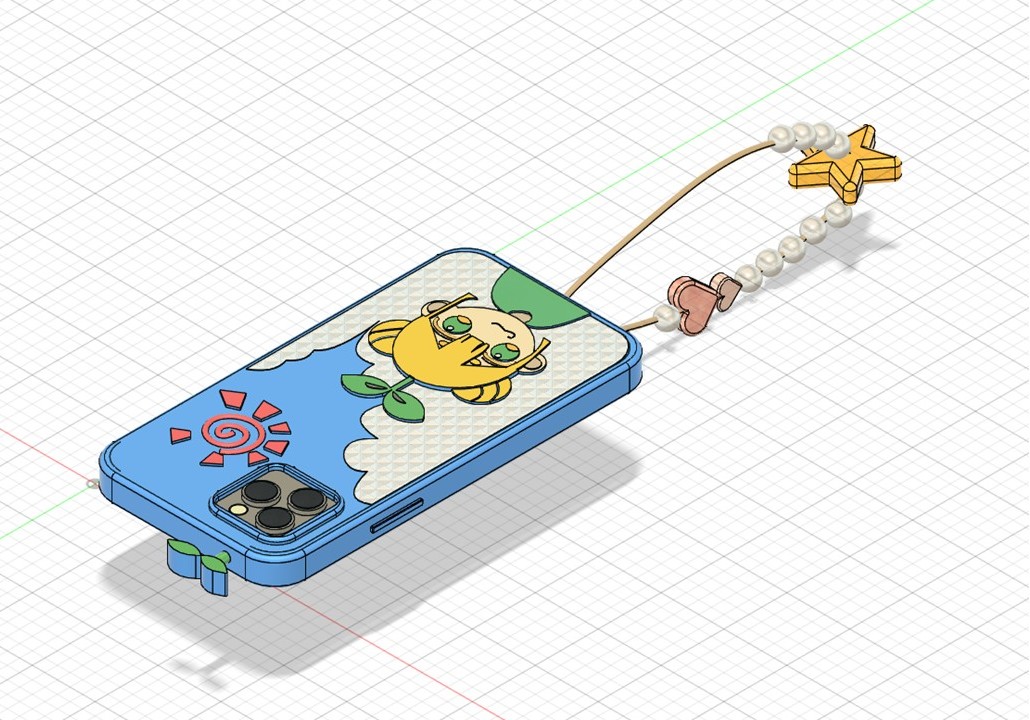 まず、2年生中澤 円香さんの作品「わたしのスマホ」です。幾何学的な形状としてはシンプルなスマホをモデリングしていますが、かなりデコっています。円弧や直線の組み合わせで、かわいらしいキャラクターをうまく再現しています。ストラップのビーズの表現も上手です。輝く太陽もCADでは難しいと思われる手書き風にモデリングされています。画面が割れているところまで表現しているのも、手が込んでいました。
2年生中澤さんコメント
制作時間:1日少しずつ作業して、1週間くらいかかりました。
こだわり:カメラレンズの周辺やキャラクターの表情など細かいところまでモデリングしました。やっぱり、割れたスクリーンが一番のポイントです。
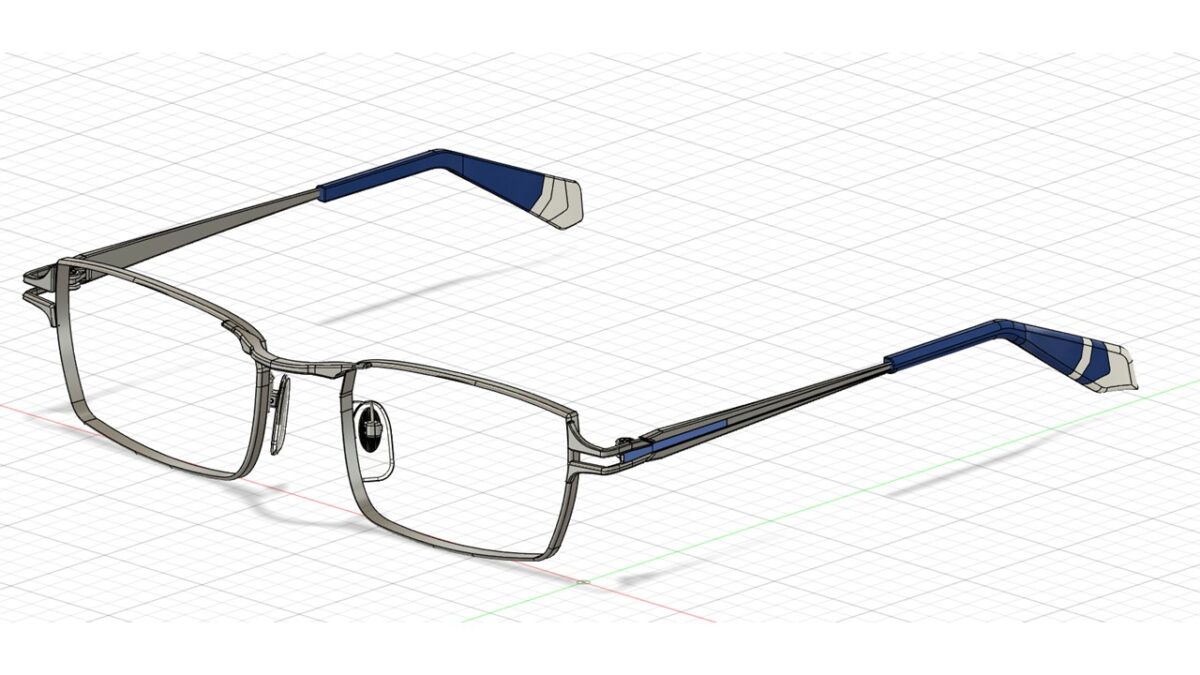
次は、1年生笹木 大暉さんの作品「わたしの眼鏡」です。とてもリアルにモデリングされた眼鏡です。眼鏡屋さんのカタログに載っていそうです。全体の形状だけでなく、リム、ブリッジ、智、鼻パッド、丁番、テンプルまでしっかりと再現されています。複雑な曲面で構成されているパーツも、とても丁寧に形状が再現されています。この眼鏡をかけたら、少し賢くなるような気がするのは、制作者の思いが作品に反映されているのでしょうか。
1年生 笹木さんコメント
制作時間:6時間くらいだと思います。
こだわり:自分が使っている眼鏡を良く観察しました。特にレンズをはめるリムの立体感に注意してモデリングしました。
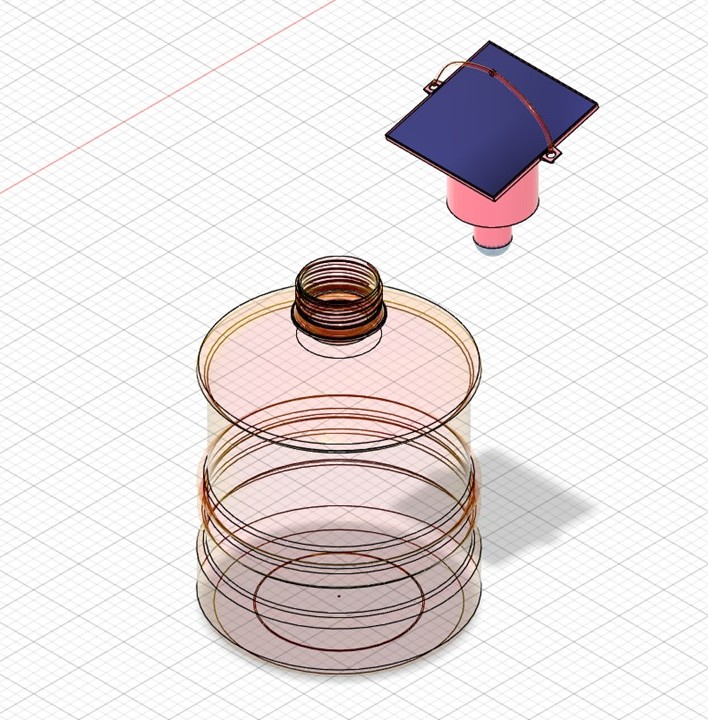
次は、1年生 坂井 麗央さんの作品「わたしのランタン」です。全体の形状をバランス良くモデリングしています。灯したり、消したりする機構や、燃料を入れる部分、ネジ締めする蓋の部分も、その機能が説明できるように丁寧に作成しています。薄暗いテントの中で炎がゆらゆらと揺らめく様子をCGで再現したら、とても美しい動画となるのではないでしょうか。CG(コンピュータグラフィックス)コンテストでも上位入賞できると思います。
1年生 坂井さんコメント
制作時間:3時間くらいの作業を2、3日続けました。
こだわり:テクスチャの設定や蓋部分のねじ形状にこだわりました。蓋部分は3Dプリントしたら実際の蓋として使えるはずです。
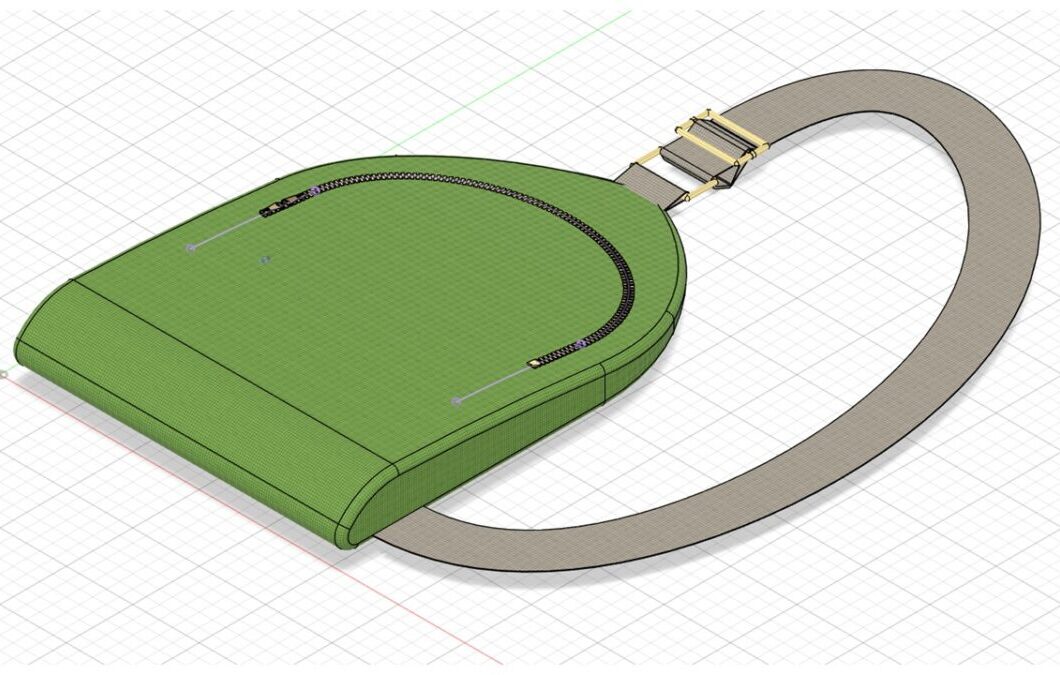 最後は、1年生 八尾 拓樹さんの「わたしのバッグ」です。こちらも曲面が多い難しい形状をバランス良くモデリングしてあります。ファスナーやベルト金具などの細かい部分まで、しっかりと作成してあります。ベルトを金具に通したり、バッグに固定したりする箇所のモデリングも複雑な操作が必要だったと思います。授業内で教えてもらっていない、機能や操作が必要な場面も多くあったでしょう。それらを自分で調べて、学び、成果が出た経験は、今後の他の課題でも役に立つことと思います。ベルトの曲げ方を3次元的に(奥行き方向に曲げる)すれば、もっとリアルに見えますので、ぜひ挑戦してみて欲しいと思います。
1年生 八尾さんコメント
制作時間:1日少しずつ作業して、3日か4日くらいかかりました。
コメント:カーブしたファスナーと、ベルト金具部分の形状にこだわりました。
受賞作のみ、解説をしましたが、受賞とはならなかった他の作品もとても素晴らしかったです。「お出かけに持って行くもの」がテーマということで、バッグや眼鏡、スマホ、ポータブルバッテリーなどが多かったのですが、留学生は2名とも「ナイフ」をモデリングしていました。人間本来のお出かけして生きていく力を感じましたし、大自然の中で役に立ちそうな良い形状でした。来年も継続してコンテストを開催していきますので、学生たちの3DCADスキルのさらなる向上に期待しています。
林 道大
I am Michihiro Hayashi, advisor for the Design & Fabrication Club. This year, as part of the summer vacation assignment, students worked on 3D CAD modeling. The theme was “Things to Take on an Outing”. There were more than 30 submissions from 1st and 2nd year students. The submissions covered a wide range of genres—if you took all of them on a trip, it would surely be a fun and convenient excursion! After careful evaluation by the judges, four outstanding entries were selected for awards.
Let’s take a closer look at the award-winning pieces.
2nd year student Madoka Nakazawa: My Smartphone
Although the geometric shape of a smartphone is simple, this model is highly decorated. Using a combination of arcs and straight lines, the student skillfully recreated a cute character. The bead strap is well represented, and even the shining sun—usually difficult to model in CAD—was given a hand-drawn look. The cracked screen detail was an impressive touch.
Comment from Madoka
Production time: Worked a little each day, about a week in total.
Focus points: Paid attention to details like the camera lens area and the character’s facial expression. The cracked screen is definitely the highlight.
1st year student Taiki Sasaki: My Glasses
This model of eyeglasses is extremely realistic—almost like something from an optical shop catalog. Not only the overall shape, but also the rims, bridge, end pieces, nose pads, hinges, and temples were faithfully reproduced. Even the complex curved surfaces were carefully modeled. Wearing these glasses might make you feel smarter—perhaps reflecting the creator’s intention.
Comment from Taiki
Production time: About 6 hours.
Focus points: Closely observed my own glasses, especially the three-dimensional feel of the rims that hold the lenses.
1st year student Reo Sakai: My Lantern
The overall shape is well balanced, and the model includes functional details such as the mechanism for lighting and extinguishing the lantern, the fuel compartment, and the screw-on lid. These were created so their functions could be explained clearly. If the flickering flame inside a dim tent were rendered in CG, it would make a stunning video—possibly even a top entry in a CG contest.
Comment from Reo
Production time: Worked 2–3 hours a day for 2–3 days.
Focus points: Paid attention to texture settings and the screw shape of the lid. The lid could probably be 3D printed and used in real life.
1st year student Hiroki Yatsuo: My Bag
This piece features many curved surfaces, which are difficult to model, yet they are well balanced. Details such as zippers and metal buckles were carefully crafted. Modeling the parts where the belt passes through the buckle and attaches to the bag required complex operations. There were likely many functions and techniques not taught in class, so the student must have researched and learned independently—a valuable experience for future projects. If the belt were bent three-dimensionally (with depth), the model would look even more realistic, so I encourage trying that next time.
Comment from Hiroki
Production time: Worked a little each day, about 3–4 days in total.
Focus points: Focused on the curved zipper and the shape of the belt buckle.
Although I only introduced the award-winning works, the other submissions were also excellent. Since the theme was “Things to Take on an Outing,” many students modeled bags, glasses, smartphones, and portable batteries. Interestingly, international students chose to model knives, perhaps reflecting humanity’s innate survival instincts and the usefulness of such tools in nature.
I plan to continue this contest next year and look forward to seeing even greater improvements in students’ 3D CAD skills.
Michihiro Hayashi
 みなさん、こんにちは。物理科目を担当している伊藤 周です。今回は、毎年恒例の「STEMフェア2025」についてお話しします。
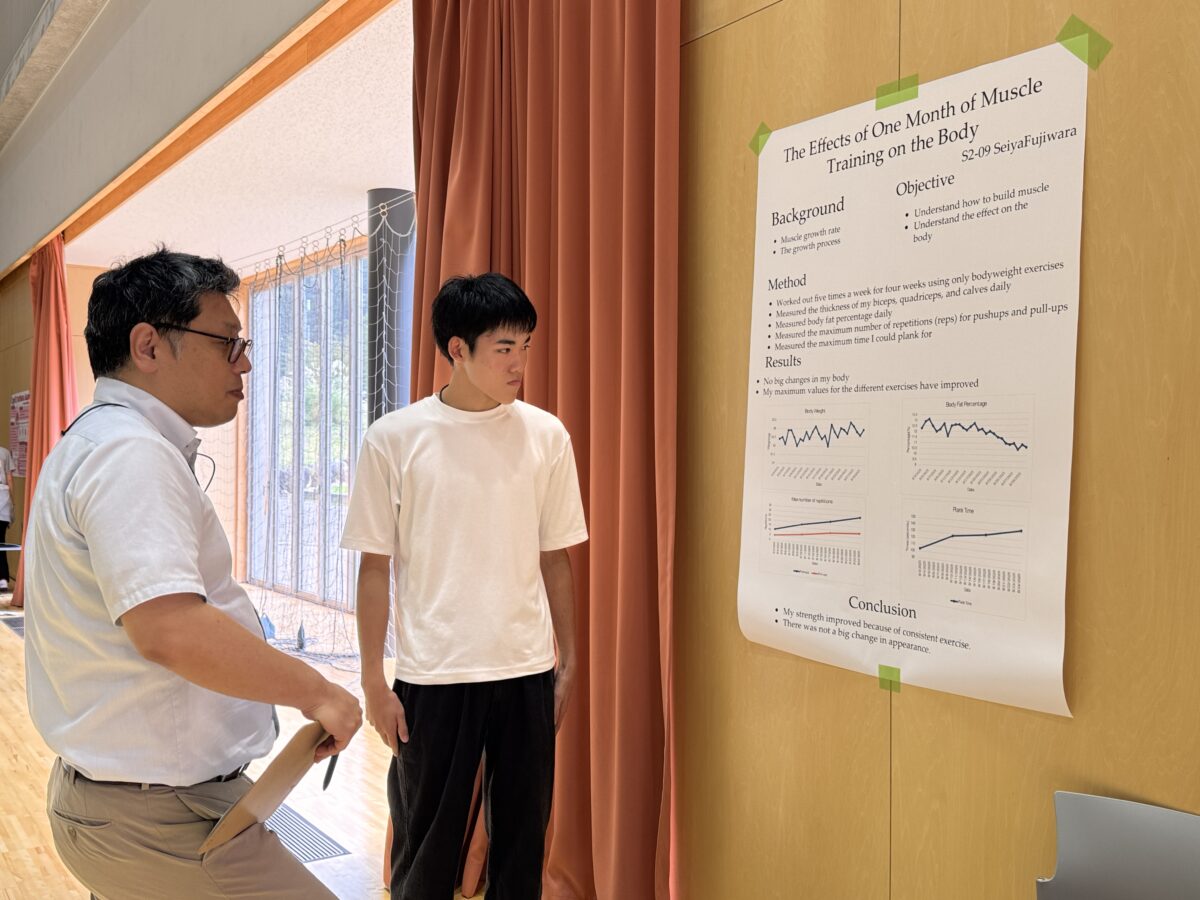
STEMフェアは、国際高専の夏休み課題「Summer STEM Project」の成果を発表する場で、毎年9月下旬に開催されています。簡単に言えば、夏の自由研究の発表会です。テーマは学生が自由に決めますが、今年は特に1年生のアイデアがとてもユニークで、これまでにないテーマがたくさんありました。国際高専が始まって8年、STEMフェアも今回で8回目(2年生の分も合わせると15回目)になりますが、毎年新しい発想に出会えるのは本当に面白いですね。
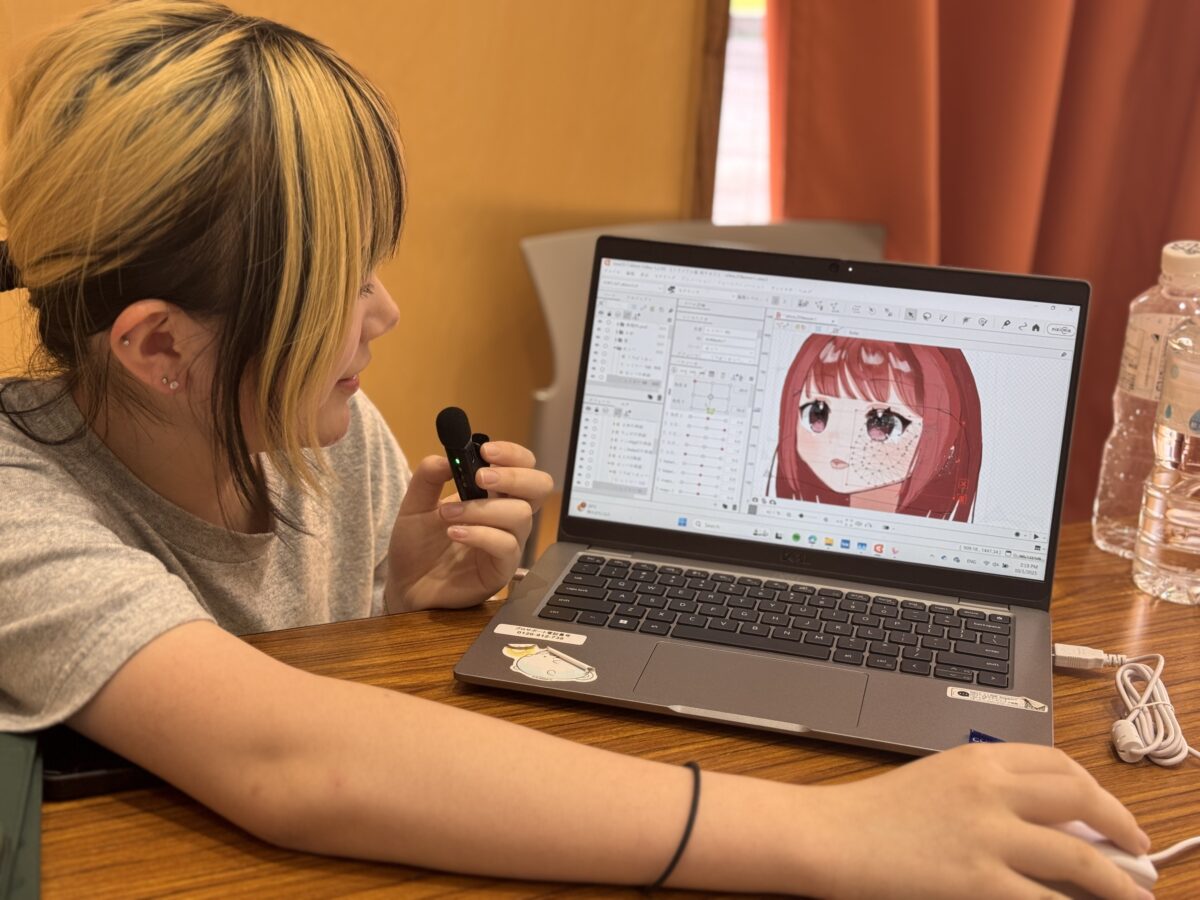
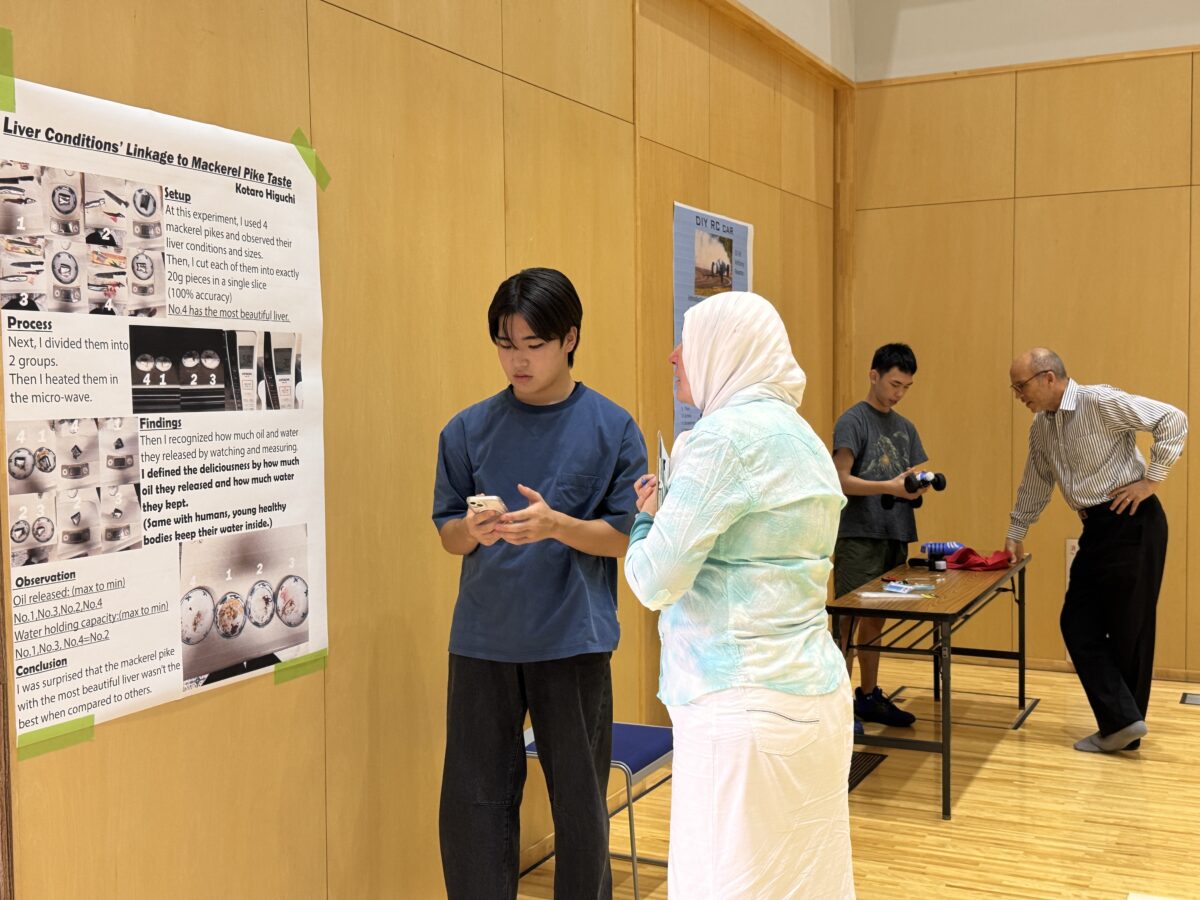
さらに、今年は実験や製作にすごく時間と労力をかけている学生が多かったのも印象的でした。たとえば、魚のプラスチック汚染を調べるために何十匹も釣って内臓を確認したり、身長への影響を調べるために約3,000回ジャンプしたり、アニメーションを作るために何十枚ものカットを描いたり、海洋ゴミを調べるために地元の半島を一周したり、炎天下を7km歩いたり…。
発表自体はポスター1枚と10分ほどの説明だけですが、その裏にある努力や時間を想像すると、本当に感動します。
個人的には、こういう「とにかくやってみた!」というプロジェクトが大好きです。たとえ科学的に完璧じゃなくても、その熱意を評価したくなります。ただ、発表としてはやっぱり図や表を使って、そこから考察をまとめることも大切なので、その点は学生たちに伝えました。
STEMフェアは、学生の頑張りと先生方の協力で、今や白山麓キャンパスの名物イベントになりました。まだ1・2年生なので高度な研究とは言えませんが、学生たちの自由な発想や興味を形にしたプロジェクトを見るのは本当に楽しいです。これからも、このイベントを続けていきたいです。
伊藤 周
Hello everyone, I’m Meguru Ito, a physics teacher. Today, I’d like to talk about our annual STEM Fair, in this case STEM Fair 2025.
The STEM Fair is a venue for presenting the outcomes of the ICT’s summer assignment, the Summer STEM Project, and it is held every year in late September. Simply put, it’s a showcase for summer independent research. Students choose their own themes, but this year, the ideas from 1st year students were especially unique, with many topics we’ve never seen before. Since ICT was founded eight years ago, this is the eighth STEM Fair (or the fifteenth if we include the 2nd year presentations), and it’s always exciting to encounter fresh ideas every year.
What stood out this time was how much time and effort many students invested in ttheir experiments and production. For example, some caught dozens of fish to examine their organs for plastic contamination, others jumped about 3,000 times to study the effect on height, created animations by drawing dozens of frames, circled a local peninsula to investigate marine debris, or walked 7 km under the blazing sun.
Although each presentation consists of just one poster and about ten minutes of explanation, imagining the effort and time behind them is truly moving.
Personally, I love these “just give it a try!” projects. Even if they’re not scientifically perfect, I want to recognize that enthusiasm. Of course, for a proper presentation, using charts and tables and drawing conclusions from them is also important, so I made sure to convey that to the students.
Thanks to the students’ hard work and the teachers’ support, the STEM Fair has become a signature event at the Hakusanroku Campus. While 1st and 2nd year students’ projects aren’t advanced research yet, seeing their ideas and interests take shape is incredibly enjoyable. I hope we can keep this event going for years to come.
Meguru Ito