




FY 2026
2026年度の記事
 こんにちは、4年生の高野 健太郎です。今回は金沢での生活について書きます。
まずは一人暮らしについてです。食事の管理、洗濯、洗い物、掃除などの家事を全て自分でやることになって少し面倒だと感じますが、洗濯、洗い物、掃除に関しては自分のやりたいときにやればいいので気が楽です。そのため、気が付いた時には何日分も洗い物や洗濯をため込むことがありました。食事についても、洗い物ができるだけ出ないように内容も工夫しています。
前期の授業が忙しい中、放課後や土曜日などに自動車学校に通っていました。修了検定や卒業検定前のみきわめを一度ずつ落とされた上、教習の予約も最初に話を聞きに行ったときよりも取れず、自動車学校を卒業できるのが約1か月遅れうんざりしました。それでも、何とか夏休みが始まって1週間ほど経った頃に自動車学校を卒業できました。そのあとすぐに免許の試験を受けて合格し、免許を取得しました。夏休みの間、親の車を借りて運転の練習をしました。運転が上手くなれば、熊本地震の被災地でのボランティアにも行きたいと考えています。
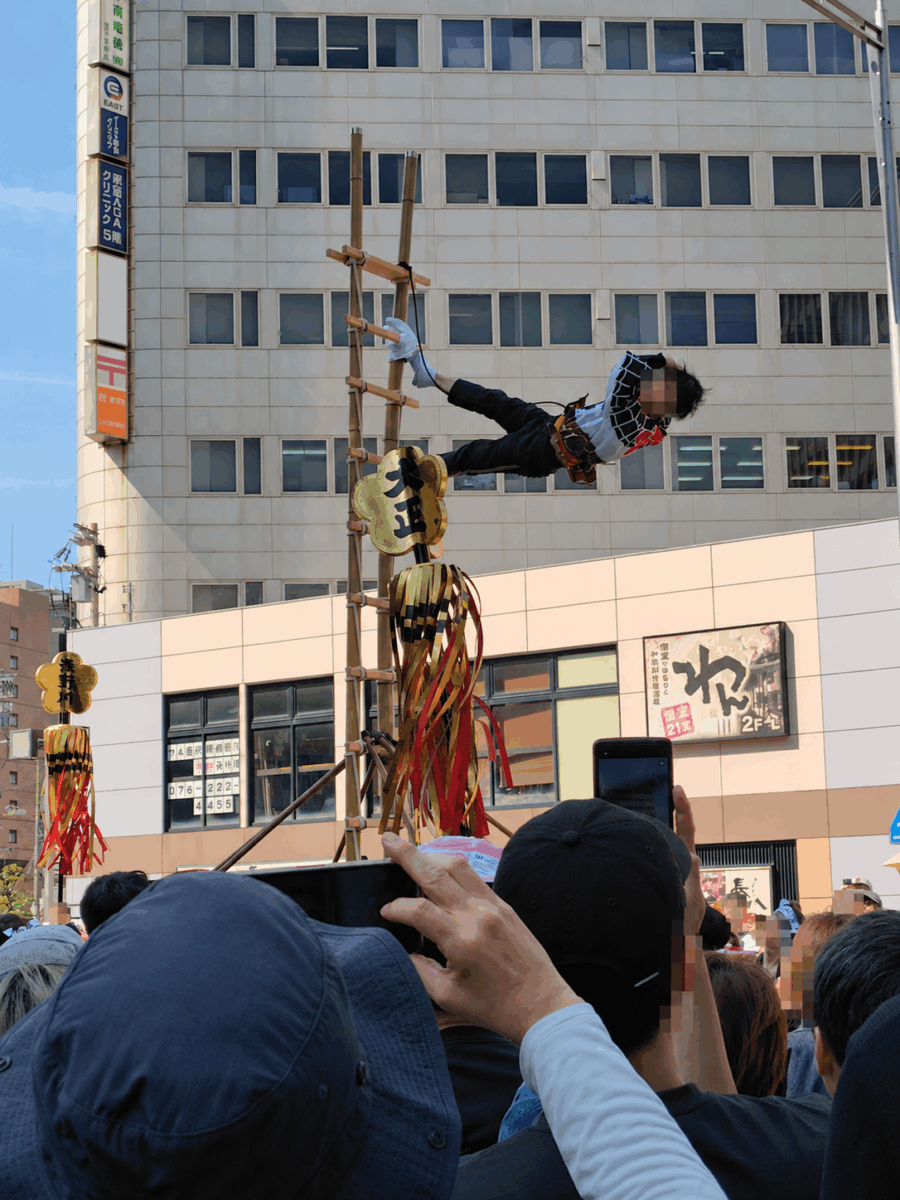
私は、学業で忙しかった前期に、金沢市で開催された金沢百万石まつりに行ってきました。ここで何種類ものパレードを見ました。高い梯子の上に人が乗ったりするなど、中には危ないものもあったので、少しひやひやしました。前に人が多くてあまりよく見えませんでしたが、学業と自動車学校のことを久しぶりに考えずにいたので気が楽になりました。
-
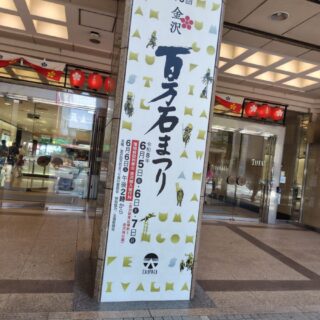
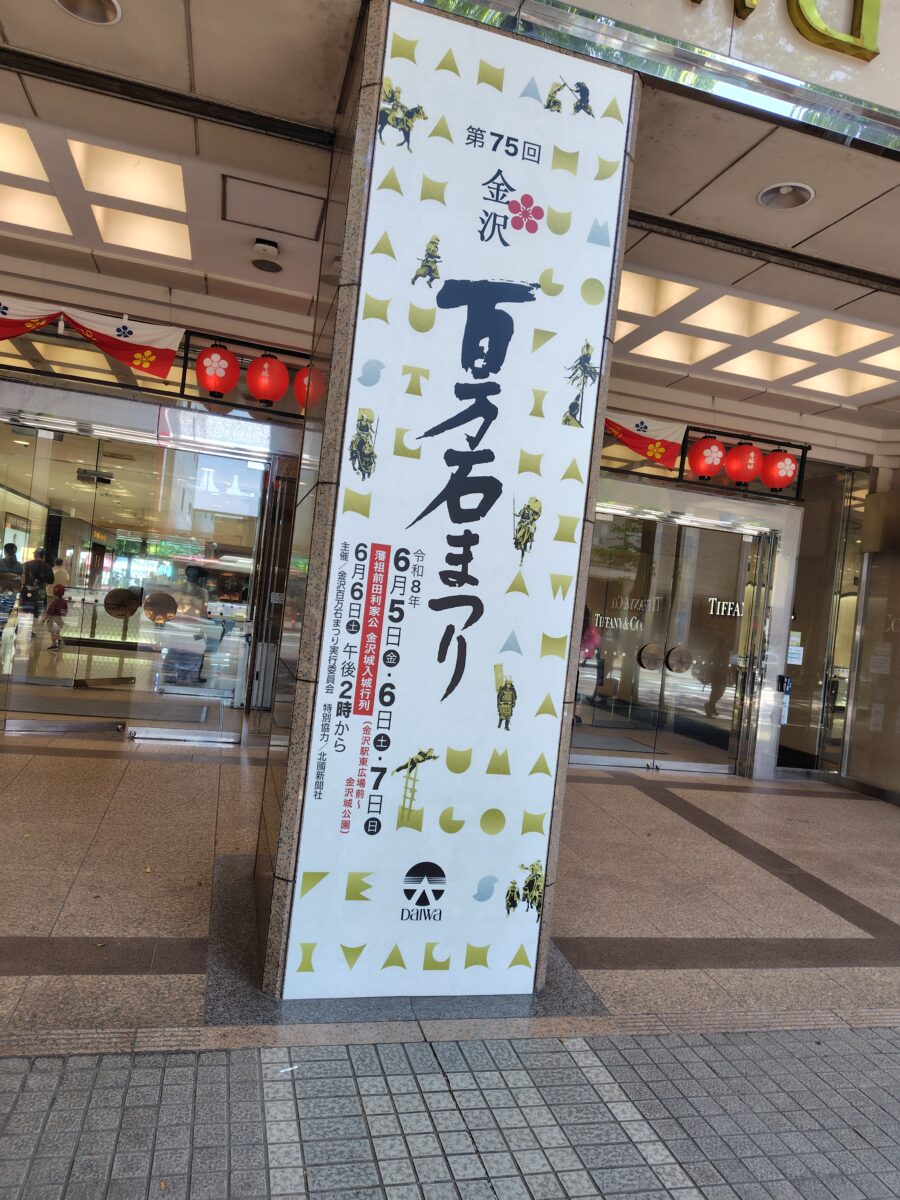
Poster for the Kanazawa Hyakumangoku Festival near Kanazawa Station金沢駅周辺の金沢百万石まつりのポスター
-
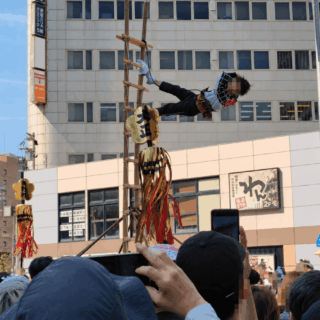
One of the performances at the Kanazawa Hyakumangoku Festival金沢百万石まつりの演技の1つ
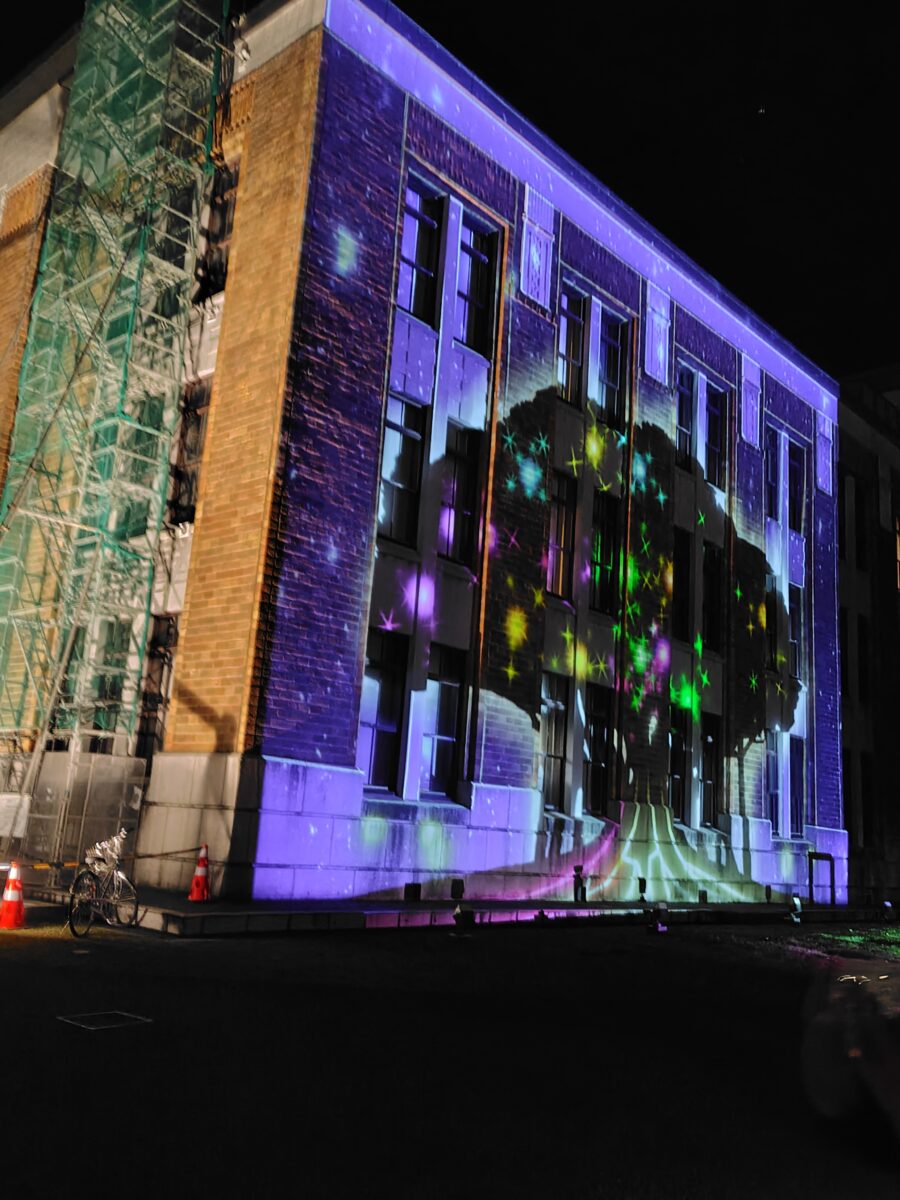
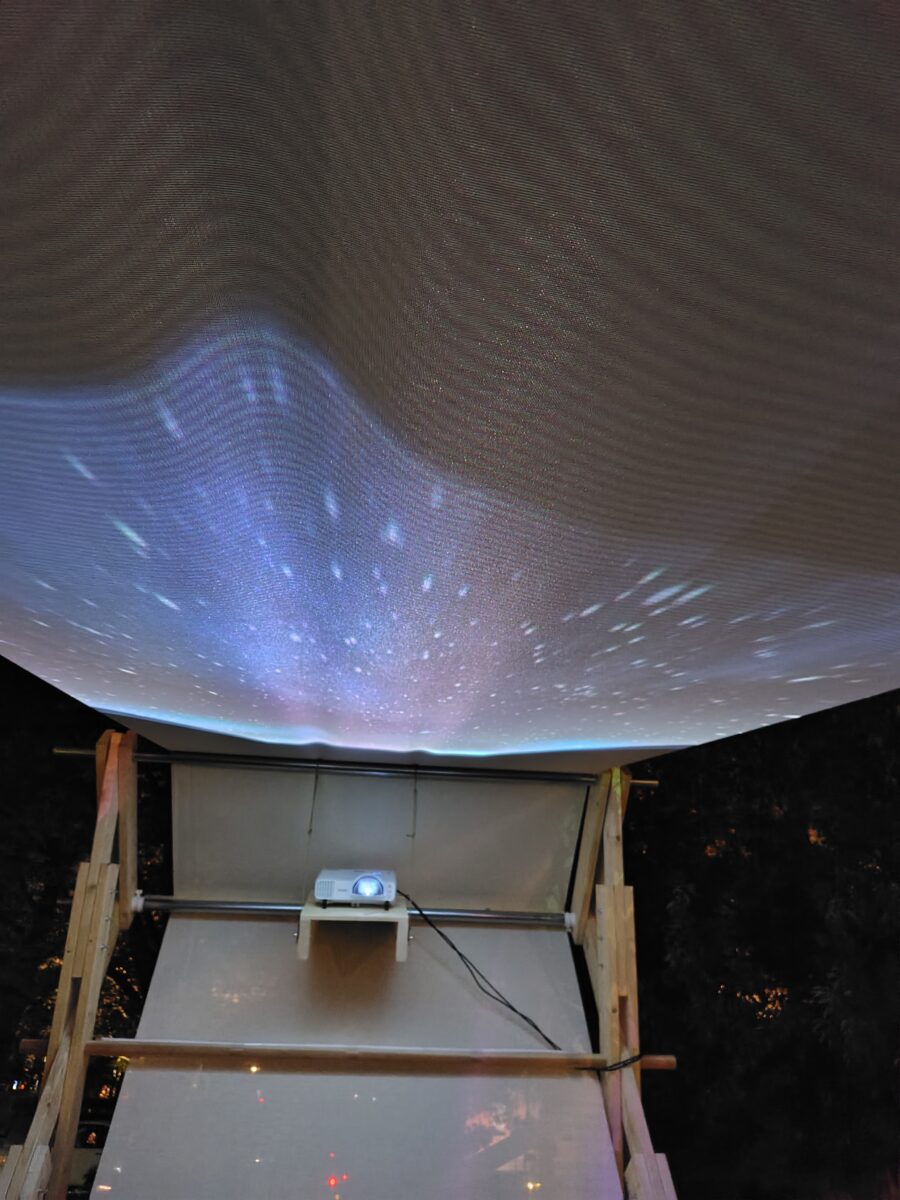
私は10月に開催された金沢工業大学の学生プロジェクトである「金澤月見光路」のイベントに参加しました。ライトアップされていてとても綺麗でした。また、触ると上部が光る作品もあり、とても新鮮でした。
-
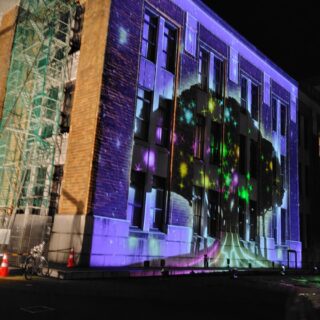
Projection mapping at Kanazawa Tsukimi Koro金澤月見光路で見たプロジェクションマッピング
-
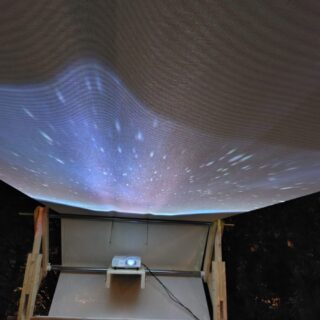
An interactive artwork at Kanazawa Tsukimi Koro that lights up when touched (The bottom was also illuminated, but the top lit up as well)金澤月見光路での触ると光る作品(下も光っていますが上から見ても光っていました)
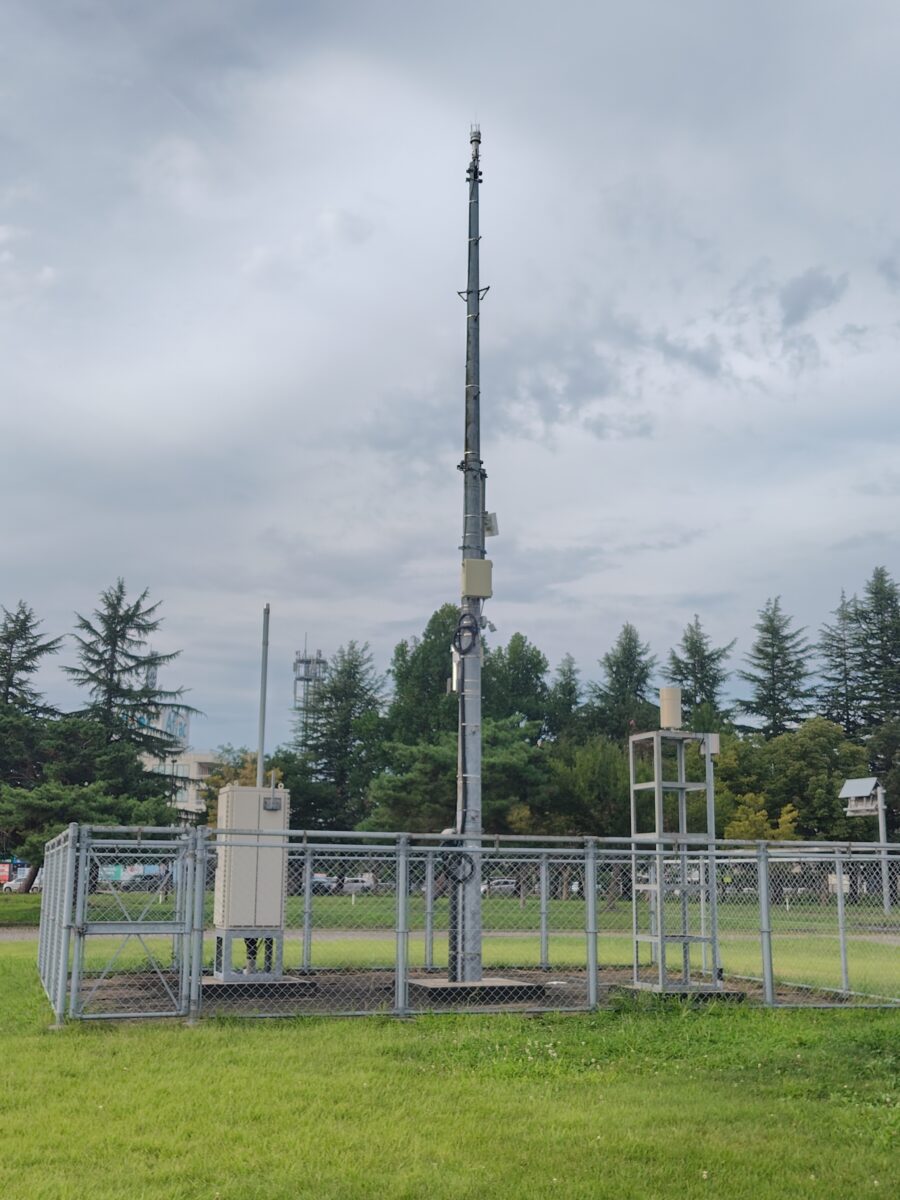
また、夏休みにインターンシップで長岡技術科学大学のオープンハウスに行きました。そこでは各地の最大積雪深の相関関係を研究し、学外の数か所にも見学に行って、より雪についての理解を深めました。実際に研究室で研究するのは初めてでしたが、指導教員の指示に従い、楽しく研究することができました。次回以降、研究するときは自分で計画を立てて、このように楽しく研究ができるようになりたいです。研究するとはどのようなものかを実感できる機会で、とてもいい経験になりました。
-
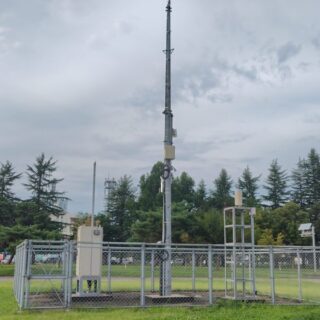
Nagaoka AMeDAS Weather Observation Station 長岡アメダス観測所
最後に、献血についてです。ニュージーランドから日本に帰ってきてから2回献血をしました。もちろん針を刺されるのは嫌ですが、無料で血液検査をしてもらえることや、ジュースなど(献血する場所によって違いあり)を貰えると考えたら、献血することはいいことが多いと思います。もし、献血をして体に影響がないのであれば一度献血してみるのはどうでしょうか。
高野 健太郎
Hello, my name is Kentaro Takano, and I am a fourth-year student at ICT. This time, I would like to write about my life in Kanazawa.
First, I would like to talk about my experience of living on my own. I have to do all the housework myself, such as managing my meals, doing laundry, washing dishes, and cleaning. I find it a little troublesome, but when it comes to laundry, washing dishes, and cleaning, I can do them whenever I want, so I feel less pressured. Because of this, I sometimes end up with several days' worth of dirty dishes and laundry piled up before I realize it. I also try to prepare meals that produce as few dirty dishes as possible.
Although I was busy with classes during the first semester, I attended driving school after classes and on Saturdays. I failed the driving assessments before both the provisional license test and the final driving test once each. On top of that, it was harder to book driving lessons than I had been told when I first visited the school. As a result, graduating from driving school was delayed by about a month, which was really frustrating. Still, I finally managed to graduate about a week after summer vacation started. Soon afterward, I took and passed the driver's license test and got my license. During summer vacation, I borrowed my parents' car to practice driving. Once I become a better driver, I would like to volunteer in areas affected by the Kumamoto earthquakes.
During the busy first semester, I also went to the Kanazawa Hyakumangoku Festival held in Kanazawa City. I watched several different parades there. Some performances looked a little dangerous, such as people standing on top of tall ladders, so I felt a bit nervous watching them. There were so many people in front of me that I could not see very well, but it was nice to take my mind off my studies and driving school for the first time in a while.
-
Poster for the Kanazawa Hyakumangoku Festival near Kanazawa Station金沢駅周辺の金沢百万石まつりのポスター
-
One of the performances at the Kanazawa Hyakumangoku Festival金沢百万石まつりの演技の1つ
In October, I attended an event called "Kanazawa Tsukimi Koro," a student project at Kanazawa Institute of Technology. The illuminated displays were very beautiful. There was also an artwork that lit up at the top when touched, which I found very interesting and new.
-
Projection mapping at Kanazawa Tsukimi Koro金澤月見光路で見たプロジェクションマッピング
-
An interactive artwork at Kanazawa Tsukimi Koro that lights up when touched (The bottom was also illuminated, but the top lit up as well)金澤月見光路での触ると光る作品(下も光っていますが上から見ても光っていました)
During summer vacation, I participated in an internship with Nagaoka University of Technology's Open House program. There, I studied correlations in maximum snow depth among different locations. I also visited several sites outside the university, which helped me deepen my understanding of snow. It was my first time conducting research in a laboratory, but I was able to enjoy the experience while following the professor in charge of the program. The next time I conduct research, I would like to make my own research plan and enjoy the process in the same way. It was a great experience that gave me a better understanding of what conducting research is really like.
-
Nagaoka AMeDAS Weather Observation Station 長岡アメダス観測所
Finally, I would like to talk about blood donation. Since returning to Japan from New Zealand, I have donated blood twice. Of course, I do not like having a needle inserted into my arm, but I think donating blood has many benefits, such as getting a free blood test and receiving drinks like juice (depending on the donation center). If donating blood does not have any negative effects on your health, why not try donating blood at least once?
Kentaro Takano
 こんにちは、3年生の橋本 一輝です。
ダニーデンは日増しに夏らしくなり、日差しも強くなっているので、夏の厳しさを感じるようになってきました。とはいえ、日差しがないとそれほど暑くなく、風もあるので、日本の夏のような蒸し暑さはありません。また、日照時間も長くなっており、夜9時頃まで外が明るいため驚かされます。
今回はニュージーランドに来て、私たちが通っているオタゴポリテクニックがとてもいい学校だなと思ったことについて書いていきたいと思います。結論から言うと、それは無料で食べ物を配ってくれるところです。ニュージーランドで昼食を買おうとすると、物価の違いもあってかなり割高で、毎日買っていたらとんでもない金額になってしまいます。そのため、私は前日の夕食の残りをコンテナに入れて持っていくことが多いです。しかし、どうしても夕食が残らない日もあります。そんな日は自分で昼食を作らなければならないのですが、それがなかなか大変で、次第に作らなくなってしまいました。そんなときに助けてくれたのがオタゴポリテクニックです。オタゴポリテクニックでは定期的に、昼食として十分な量の食べ物を配ってくれます。ここからは、実際に配られている食べ物について詳しく書いていきたいと思います。
オタゴポリテクニックでは、主に4か所で昼食を配ってくれます。その場所や特徴、頻度について紹介していきたいと思います。
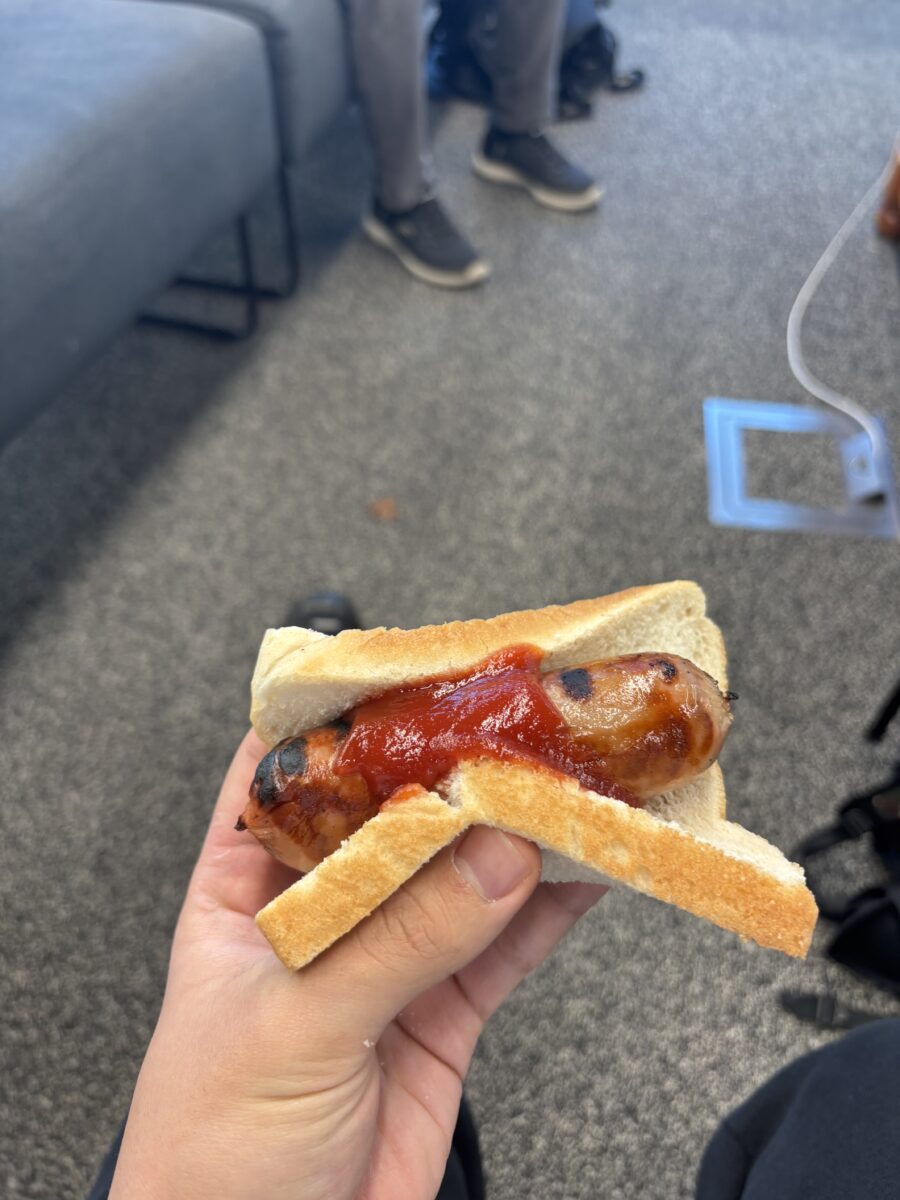
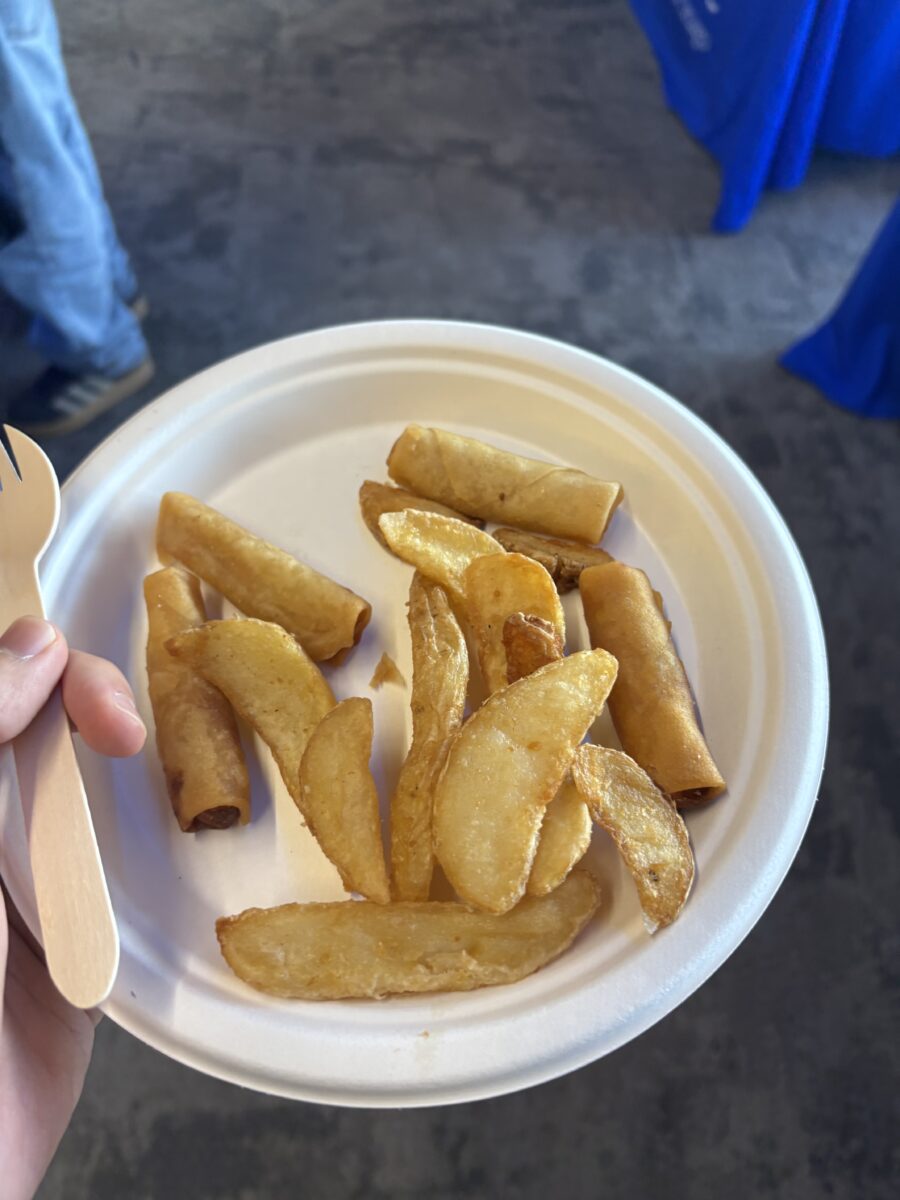
1つ目はHubです。Hubは学校のメイン棟のような場所です。そこではたまにイベントが行われていて、そのたびに昼食が配られます。また、イベントがない日でも食べ物が配られることがあります。配られる食べ物は、ホットドッグやニュージーランドの先住民族マオリの伝統料理であるHangi、ポテト、揚げ餃子、春巻きなどです。私は食べ損ねてしまいましたが、たい焼きが配られていたこともあったそうです。ホットドッグは目の前でBBQセットを使って焼いてくれるので温かく、パキッとした食感でとてもおいしいです。Hubで配られる食べ物は、ほかの場所で配られているものと比べて量が多く、それだけでもかなりおなかがいっぱいになります。頻度としては、2週間に1回くらい配られています。場所もそれほど遠くなく、いつも授業を受けているところから歩いて1分ほどです。
-
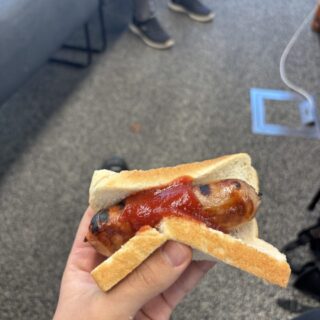
Hot dogs at HubHub のホットドッグ
-
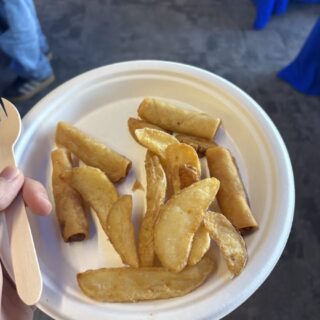
Potatoes and spring rolls at HubHubのポテトと春巻き
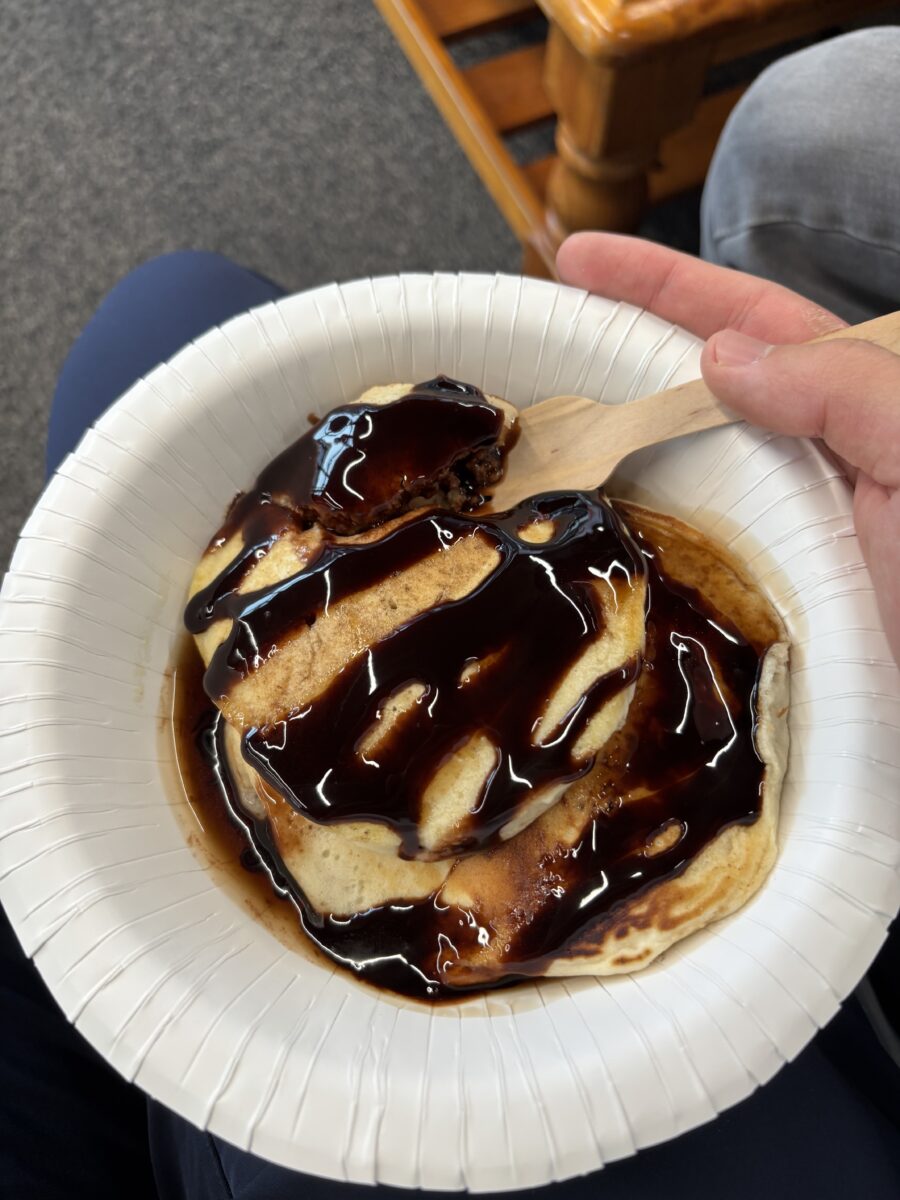
2つ目は中庭です。中庭はHubを出てすぐのところにあります。中庭では主にパンケーキを配っています。チョコレートソースやメープルシロップなどを自分でかけることができるので、食後のデザートとして甘さを好きなように調整できるのが最高です。量としては、拳くらいの大きさのパンケーキを2個もらえるので、デザートとしてちょうどいい量だと思います。パンケーキは1個作るのに時間がかかるため、10分ほど待つこともあります。しかし、この時間は決して退屈ではありません。これはどの場所にも共通して言えることなのですが、配ってくれる人がとても優しく、待ち時間があれば話しかけてくれたり、どのくらいの量が欲しいかを親切に聞いてくれたりします。こうしたやり取りを通じて、毎回人の温かさを感じます。パンケーキが配られる頻度は、1か月に1回あるかないかくらいで、それほど頻繁ではありません。
-

Pancakes in the courtyard中庭のパンケーキ
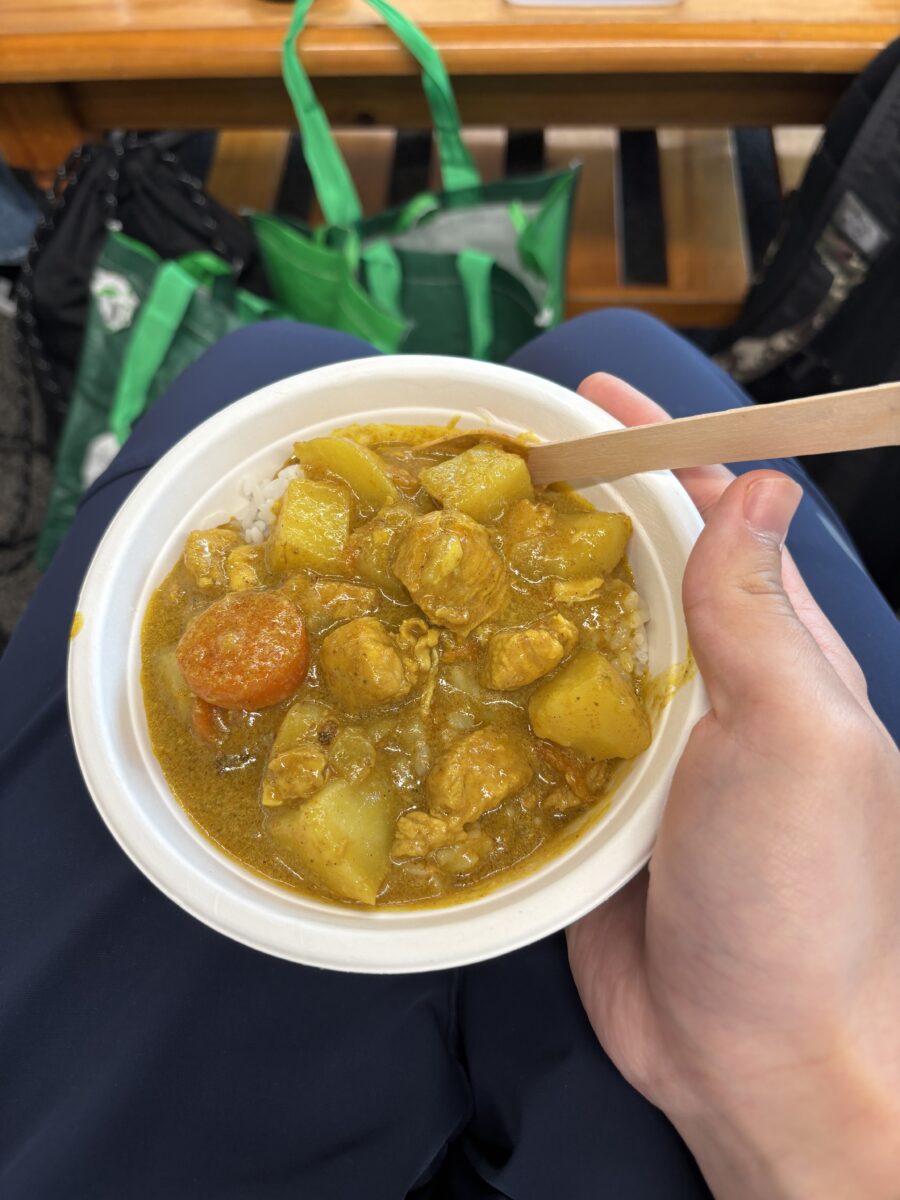
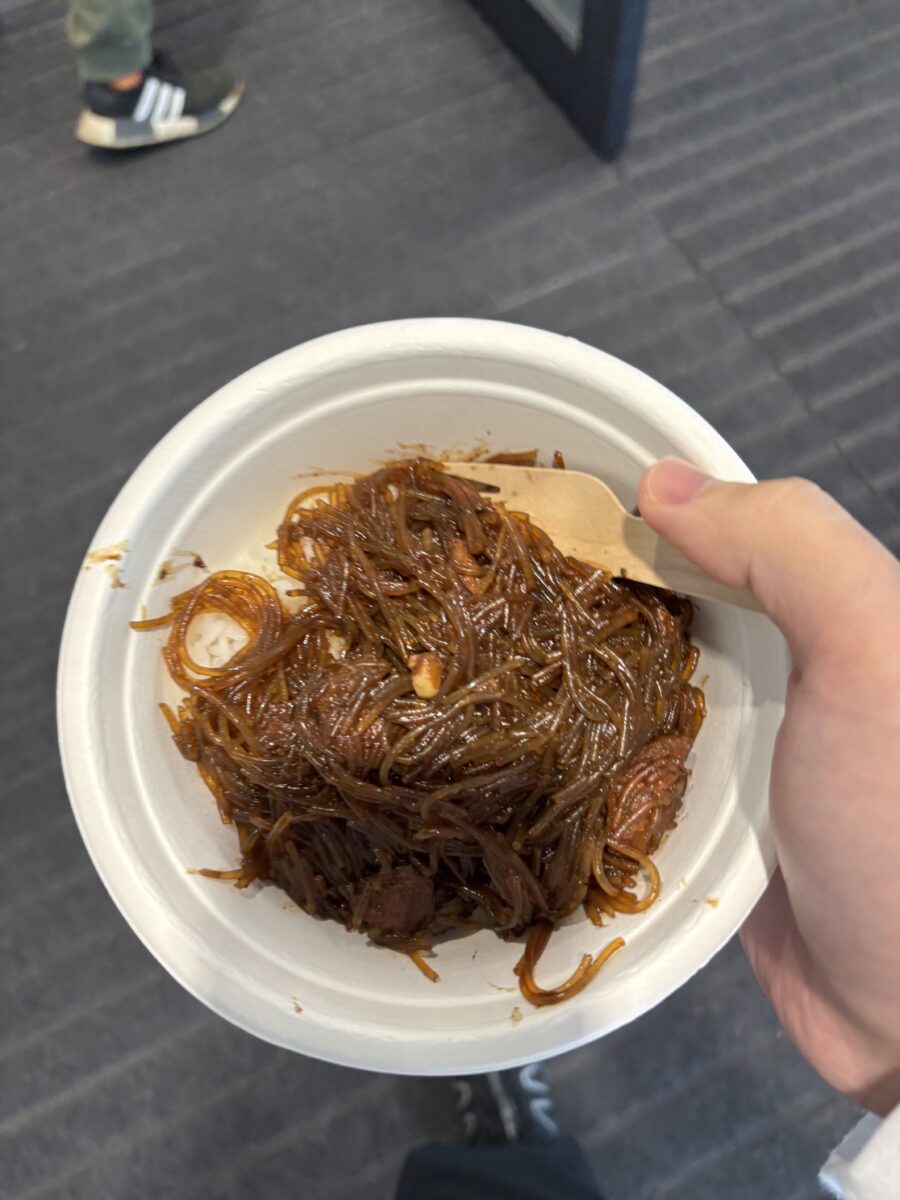
3つ目はPasifika Roomです。その部屋は、誰でもくつろげる共有スペースのような場所です。私たちが授業を受けている棟の1階で食べ物を配っているので、授業が終わって昼食スペースへ移動する途中に、ついでにもらうことができます。この部屋では主にお米を使った料理が配られており、グリーンカレーやチャプチェ丼、おいしいソースをかけた鶏肉がのった丼ものなどがあります。ニュージーランド留学ではホームステイ先にもよりますが、あまりおいしいお米が食べられないことが多いため、Pasifika Roomで提供されるお米はとても貴重です。お米の炊き方も上手で、日本米に近い味のお米が使われているので感動します。また、バリエーションも最も豊富で、味付けも僕の好きな濃い目の味なのでごはんがすすみます。みんな毎回楽しみにしています。量はHubで配られる食べ物と比べると少なめですが、腹八分目くらいまでは食べられるので十分です。しかも、ここではおかわりもできるので、とてもおなかがすいている時は2杯目を食べることもできます。頻度も一番高く、毎週火曜日に配られています。そのため、Pasifika Roomで昼食を食べたあとに中庭のパンケーキを食べるという、ちょっとぜいたくな日を過ごせることもあります。
-

Green curry from the Pasifika RoomPasifika roomのグリーンカレー
-
Japchae rice bowl from the Pasifika RoomPasifika roomのチャプチェ
最後はPOHOという部屋です。この部屋も共有スペースのような場所で、Pasifika Roomよりも一回り大きいです。POHOで配られる昼食には、サラダやパン、ジュースなども付いていて、栄養バランスが一番良いと思います。今までには、ラザニアとサラダの組み合わせやナチョスなどが出てきました。頻度は一番少なく、数か月に1回くらいです。Pasifika Roomの隣にあるので、すぐに行くことができます。私としては、ここの魅力は新しいフルーツジュースが飲めることだと思います。ニュージーランドにはたくさんの種類のフルーツジュースがあるので、新しい味を試せるのはとてもうれしいです。私はクランベリー味のジュースが一番好きです。
-

Nachos at POHO Pasifika roomのチャプチェ

このようにオタゴポリテクニックでは無料で食べ物を提供している場所があり、日本ではこのような取り組みはあまり見られないため、とてもいい学校だと感じています。留学する前は昼食をどうするか不安だったのですが、実際に生活してみると昼食に困ることはほとんどなく、とても安心しました。
ニュージーランド留学も、もうあと数か月となりました。これからも無料で提供される食べ物を逃さず楽しみながら、充実した昼食ライフを送っていきたいと思います。
橋本 一輝
Hello, I’m Ikki Hashimoto, a third-year student at ICT.
Dunedin is gradually moving into summer, and the sunlight is becoming stronger, so this is starting to be a difficult time of year. However, when there is no direct sunlight, it is not very hot, and there is usually a wind, so it is not as hot and humid as summer in Japan. The days are also getting longer, and I am surprised that it stays light outside until around 9 p.m.
I would like to write about something that has made me feel that Otago Polytechnic, where we study, is a very good school. To put it simply, it is the free food that the school provides. When we try to buy lunch in New Zealand, it is quite expensive because of the difference in prices between the two countries. If we bought lunch every day, it would cost us a huge amount of money. Therefore, we usually put leftovers from the previous night's dinner into a container and take them to school. However, there are some days when there are no leftovers. On those days, we have to make our own lunch, but this is tough work for me, so sometimes I end up not making anything. Otago Polytechnic has helped me in these situations. The school regularly provides enough free food for lunch. I would now like to explain the food that is available in more detail.
Otago Polytechnic mainly provides lunch in four different places. I would like to introduce each place, what kind of food is available, and how often it is provided.
The first place is the Hub. The Hub is like the school's main building. Events are sometimes held there, and lunch is provided during these events. Food is also sometimes given out on days when there are no events. The food includes hot dogs, Hāngī (a traditional New Zealand Māori dish), potatoes, fried gyoza, and spring rolls. I missed the chance to try them, but I heard that taiyaki was also available. The hot dogs are cooked in front of us on a barbecue, so they are warm and delicious, with a satisfying snap when you bite into them. Compared with the food provided in the other places, the portions at the Hub are large, and the food alone can make you feel quite full. Food is provided about once every two weeks. The Hub is not far away; it takes about one minute to walk there from our usual classrooms.
-
Hot dogs at HubHub のホットドッグ
-
Potatoes and spring rolls at HubHubのポテトと春巻き
The second place is the courtyard, which is just outside the Hub. Pancakes are mainly served there. We can add our own toppings, such as chocolate sauce and maple syrup, so we can choose how sweet we want our dessert. It is wonderful. Each person receives two pancakes, each about the size of a fist, which is just the right amount for dessert. It takes time to make each pancake, so we usually wait for about ten minutes. However, this waiting time is never boring. This is because the staff at all of these places are very kind. When we are waiting, they sometimes start conversations with us and kindly ask how much food we would like. Every time, I can really feel their warmth and kindness. Pancakes are served about once a month, or sometimes even less often, so they are not available very frequently.
-
Pancakes in the courtyard中庭のパンケーキ
The third place is the Pasifika Room. It is a shared space where anyone can relax. Food is served on the first floor of the building where we have our classes, so we can easily pick some up when we move from our classroom to the lunch area. The food here is mainly rice-based dishes, such as green curry, japchae rice bowls, and rice bowls topped with chicken and a delicious sauce. Depending on the homestay, it can be difficult to eat good-quality rice while studying in New Zealand, so the rice served in the Pasifika Room is especially valuable to me. The rice is cooked well, and the type of rice is similar to Japanese rice, which makes me very happy. This place has the widest variety of food, and I like the rich flavours because they make me want to eat more rice. We all look forward to the food every time. The portions are smaller than those at the Hub, but they are still enough to make me comfortably full. We can also have a second serving, which is great when we are very hungry. This is the place that provides food most frequently: every Tuesday. Because it is available so often, sometimes I have lunch here and then enjoy pancakes in the courtyard afterwards. It makes for a very satisfying day.
-
Green curry from the Pasifika RoomPasifika roomのグリーンカレー
-
Japchae rice bowl from the Pasifika RoomPasifika roomのチャプチェ
The last place is a room called POHO. It is also a shared space, and it is slightly larger than the Pasifika Room. The lunches provided at POHO are the most nutritionally balanced because they come with salad, bread, juice, and other items. So far, I have seen meals such as lasagne with salad and nachos. Food is provided here less often than at the other places, usually only once every few months. POHO is next to the Pasifika Room, so it is easy to get to. I think one of its best features is that I can try new fruit juices. There are many different kinds of fruit juice in New Zealand, so I am very happy when I get to try new flavours. My favorite is cranberry juice.
-
Nachos at POHO Pasifika roomのチャプチェ
As I have explained, Otago Polytechnic has several places where free food is provided. I do not think this kind of service is very common in Japan, so it has made me feel that Otago Polytechnic is a very good school. Before coming to New Zealand, I was worried about how I would manage lunch during my study abroad. However, now that I am actually living here, I do not have to worry about lunch, which makes me feel very relieved.
There are now only a few months left of my study abroad in New Zealand. I want to continue enjoying the free food without missing out on it and make the most of my lunchtime for the rest of my stay.
Ikki Hashimoto

皆さん、こんにちは。ICTで英語を教えているステファニー・レイノルズです。私は白山麓キャンパスと金沢キャンパスの両方で教えています。本日は、白山麓キャンパスでの夏季課外活動期間中に行った、特別なアクティビティについてお話ししたいと思います。
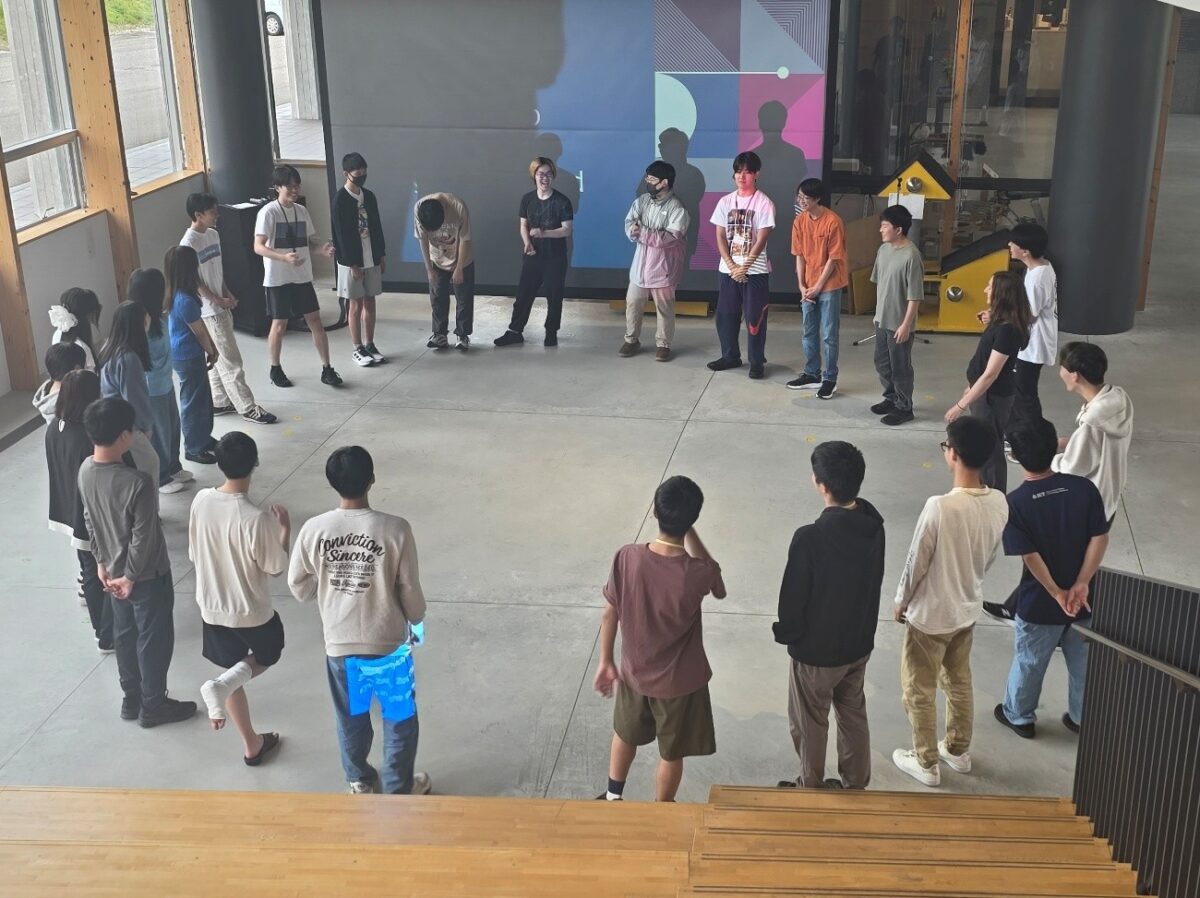
2026年9月25日(金)、私は「Improv (即興劇) ワークショップ」を開催しました。「Improv」とは「即興演劇」の略で、台本なしで、その場の流れに合わせてコミュニケーションをとったり、ロールプレイを行ったりするものです。言語学習者にとって、インプロの練習は、コミュニティを築き、話すことへの不安を和らげ、語彙力や流暢さを高め、より自然でリアルなコミュニケーションを促進する機会となります。当日は1年生と2年生、計24名の学生が参加し、教職員数名もサポートに加わってくれました。
このワークショップでは、英語と日本語の両方を使って学生たちが積極的に取り組めるよう、4種類のゲームやアクティビティを行いました。セッションの目的は、観察力、コミュニケーション能力、協力する力を養うこと、そしてチームとしてクラスメートとの「流れに乗る(Go with the flow)」感覚を身につけてもらうことでした。具体的には、「ミノリカ・リズム4」や「しりとり」といった少人数で行うリズムゲーム、「Zip, Zap, Zop」や「Frog in the Pond」といった大人数向けのゲーム、さらには「チョコレート・ケーキ」や「感情ジェスチャーゲーム」のように、感情表現を促すゲームなどに取り組みました。
全体として、このワークショップは大成功でした。今後も、こうしたワークショップをまた開催できればと考えています。
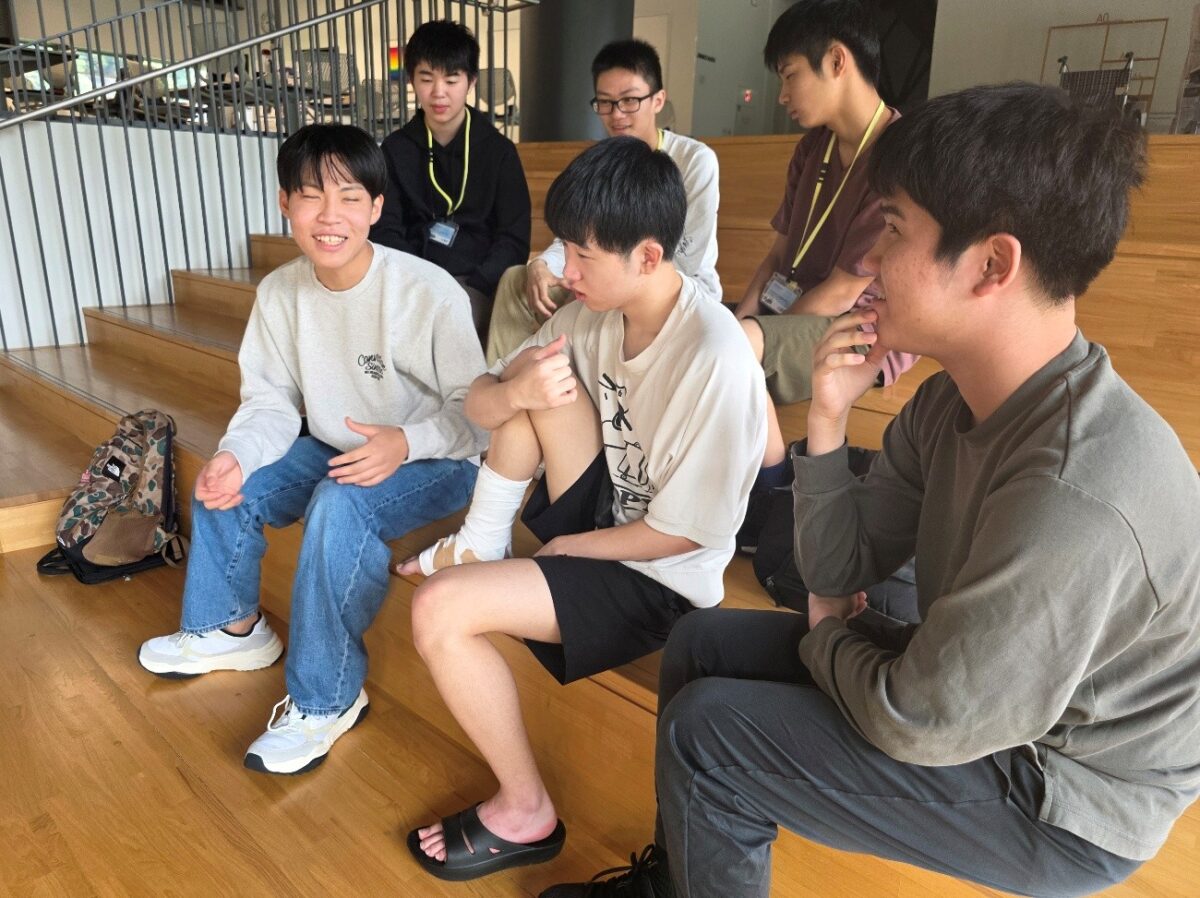
撮影者:シャーデー・モーア先生(ラーニングメンター)
ステファニー・レイノルズ
Hello everyone. This is Stephanie Reynolds, an English teacher at ICT. I teach at both the Hakusanroku campus and Kanazawa campus. Today I would like to talk about a special activity I facilitated during the summer extracurricular period at the Hakusanroku campus.
On Friday, September 25th, 2026, I offered an Improv Workshop. Improv is short for “improvisation” or “improvisational theater” and involves spontaneous, unscripted communication and role-playing. For language learners, improv exercises provide opportunities to build community, reduce speaking anxiety, boost vocabulary and fluency, and promote authentic communication. In total, 24 1st and 2nd year students participated. Several faculty and staff also provided assistance.
The workshop consisted of four types of games and activities designed to encourage and engage students in both English and Japanese. The goal of the session was to develop observation, communication, and collaboration skills and to encourage students to “Go with the flow” of their classmates as a team. The games included small group activities and rhythm games such as Minorika Rhythm 4 and Shiritori, large group games such as Zip, Zap, Zop and Frog in the Pond, and games which encouraged expression of emotions, like Chocolate Cake and Emotion Charades.
Overall, the workshop was a success, and I hope to offer similar workshops in the future.
Photos taken by Learning Mentor Sade Moore sensei.
Stephanie Reynolds
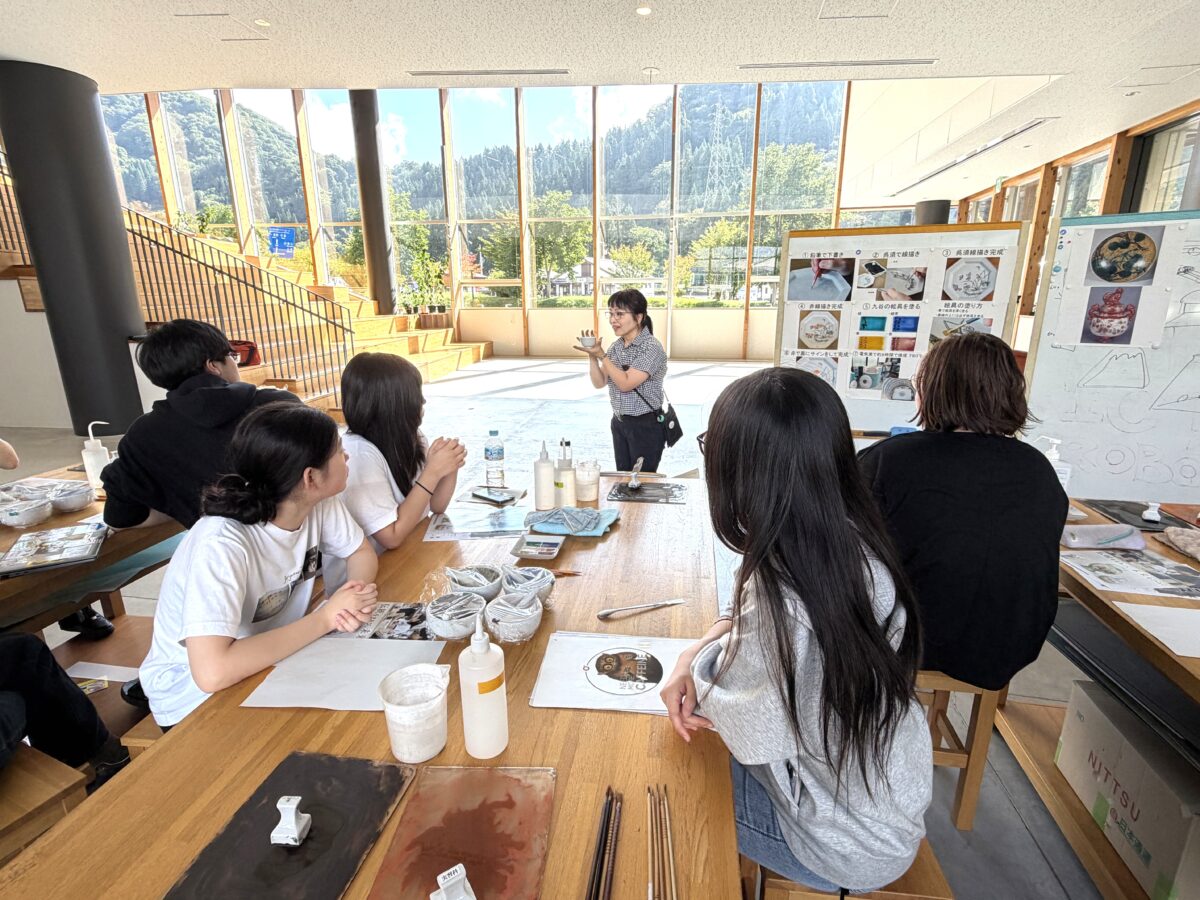
研修所の紹介と九谷焼の説明
美術クラブ顧問の小髙です。美術クラブはデザイン&ファブリケーション部の一部の活動として実施しています。今回紹介する活動は、夏休み明けの9月の課外活動期間に石川県の伝統工芸のひとつである九谷焼の上絵付け教室を実施したことについてです。
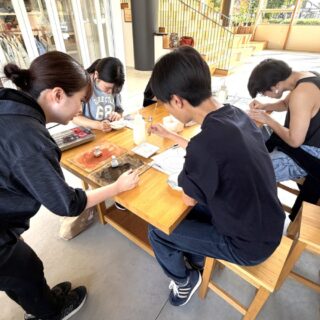
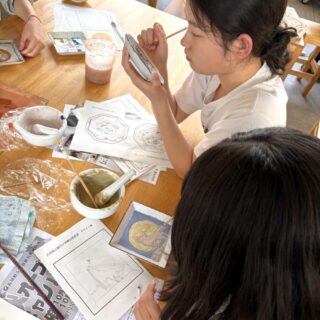
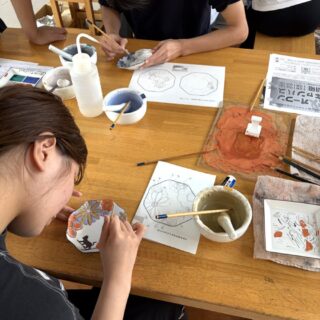
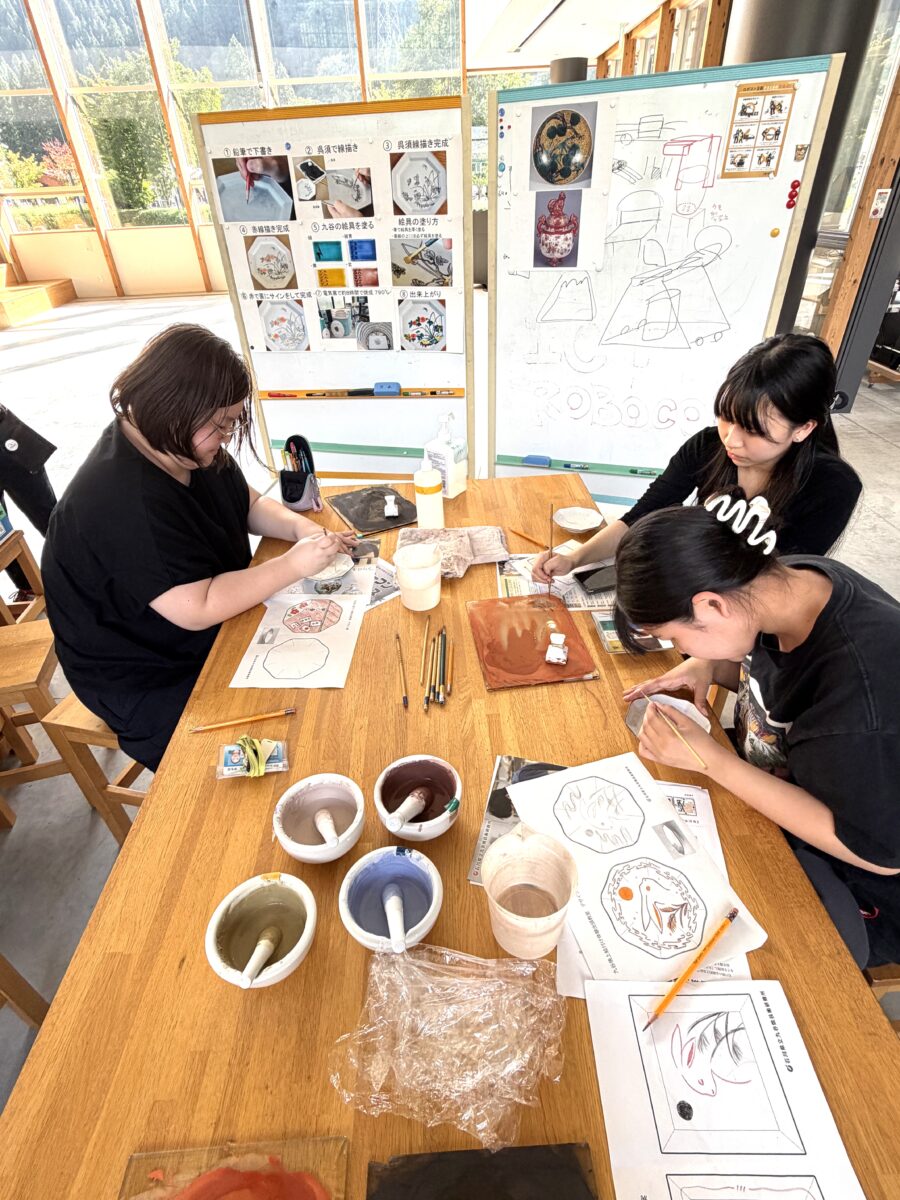
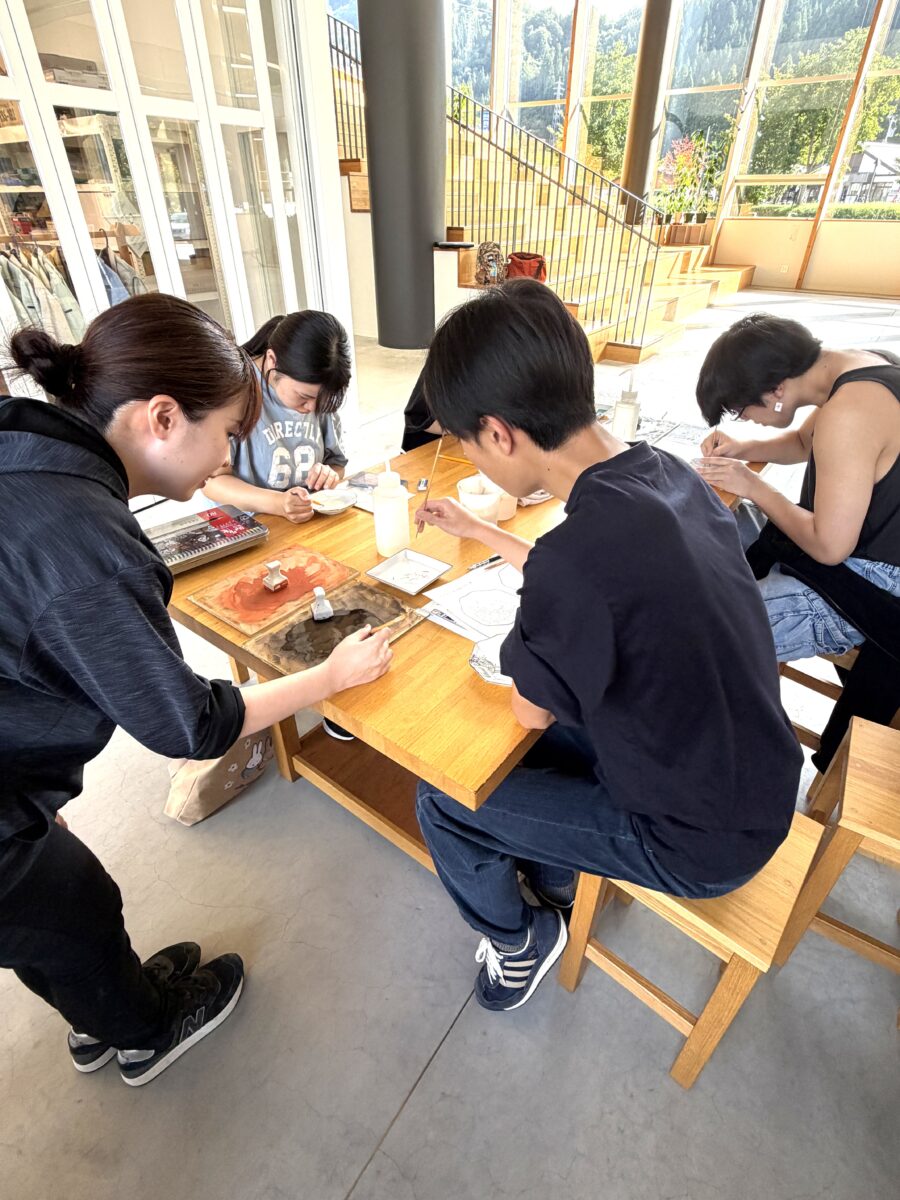
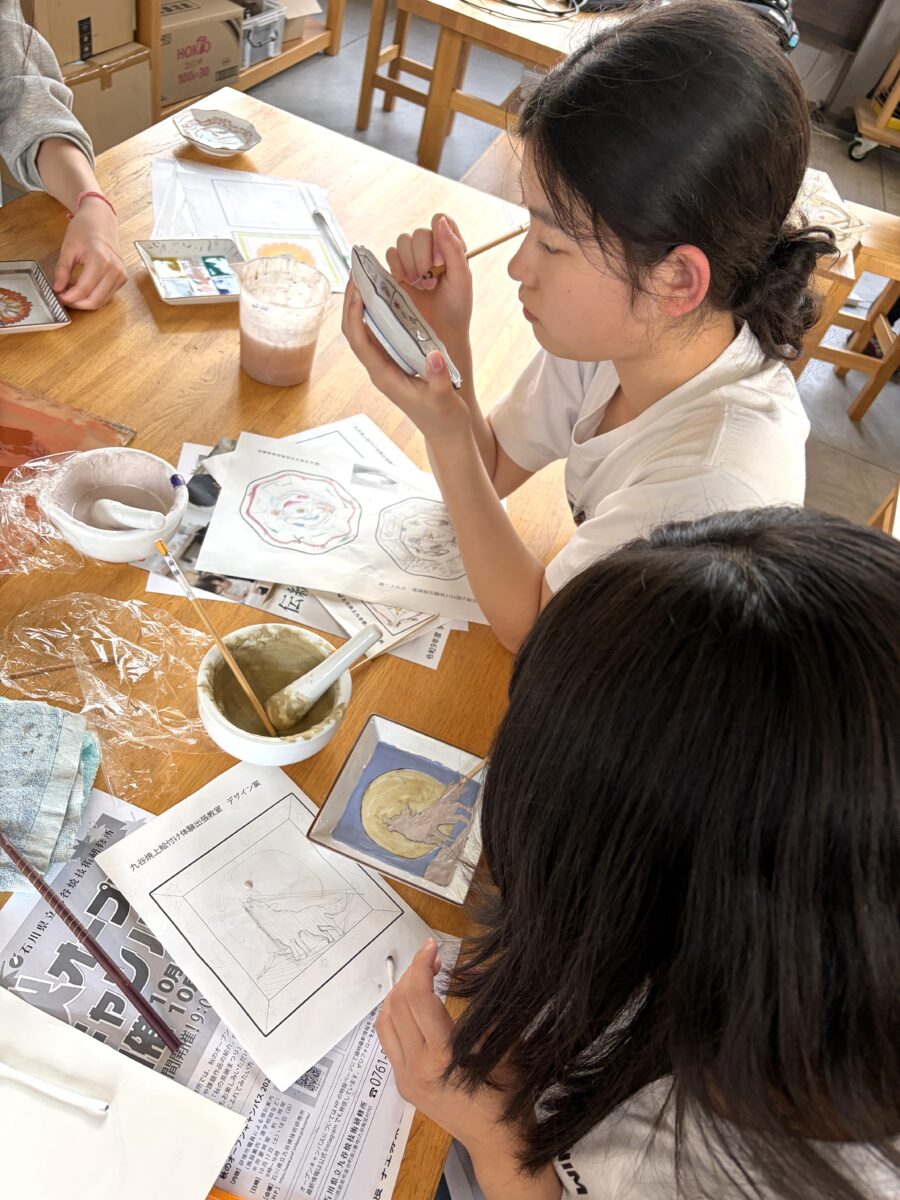
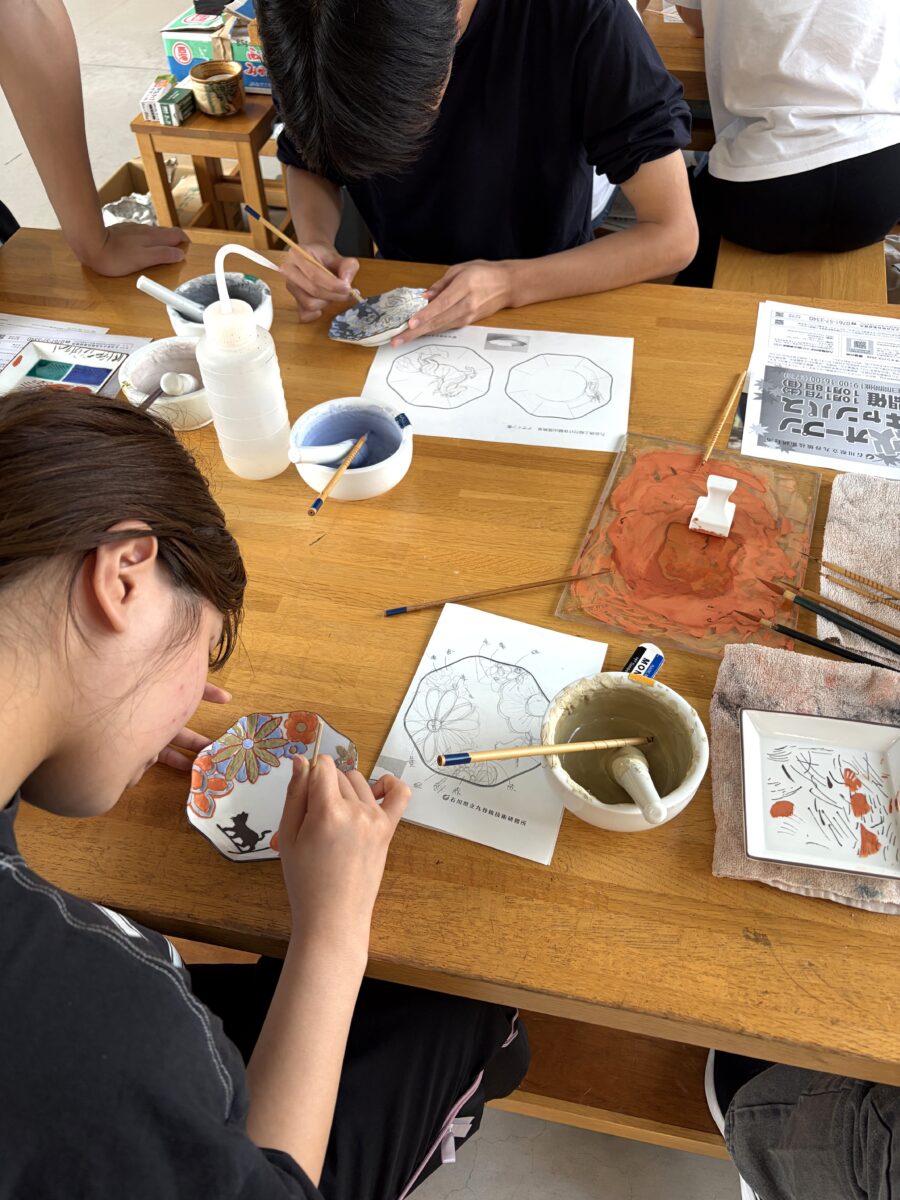
指導には石川県立九谷焼技術研修所から川浦さん、工藤さんをお招きし、九谷焼の特徴について学んだ後に釉薬の九谷5彩を使用したオリジナルデザインの絵付けを行いました。活動時間は2時間でしたが、最後まで集中し、時間ギリギリまで絵付けしている様子から、普段とは違う取り組みが新鮮で楽しんでいるように思いました。
次回もやりたいとの声もあったことから、この活動への興味が伺えました。いつもの美術活動とは違う取り組みにより、一層美術への興味をもってくれることや、美的センスを磨いてくれることを期待します。
-
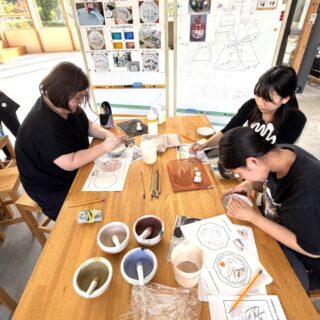
Students concentrating on their Kutani ware painting.真剣に絵付けに取り組む学生たち
-
-
-
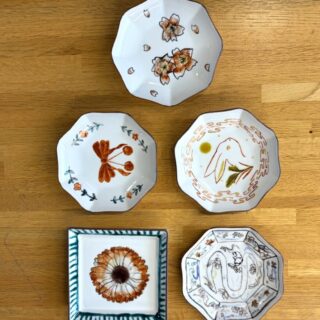
10月には学生が絵付けした作品が焼き上がり、参加学生にお披露目となりました。石川の伝統工芸を知る良い機会となりました。今回、このような機会を与えて下さった石川立九谷焼技術研修所の所長の吉中さんならびに中田さん、川浦さん、工藤さんに感謝を申し上げます。
-
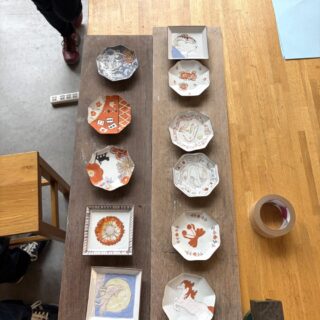
上絵付け完了
-
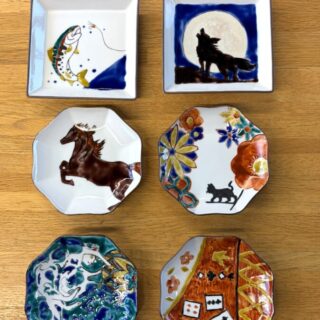
焼き上がり作品
-
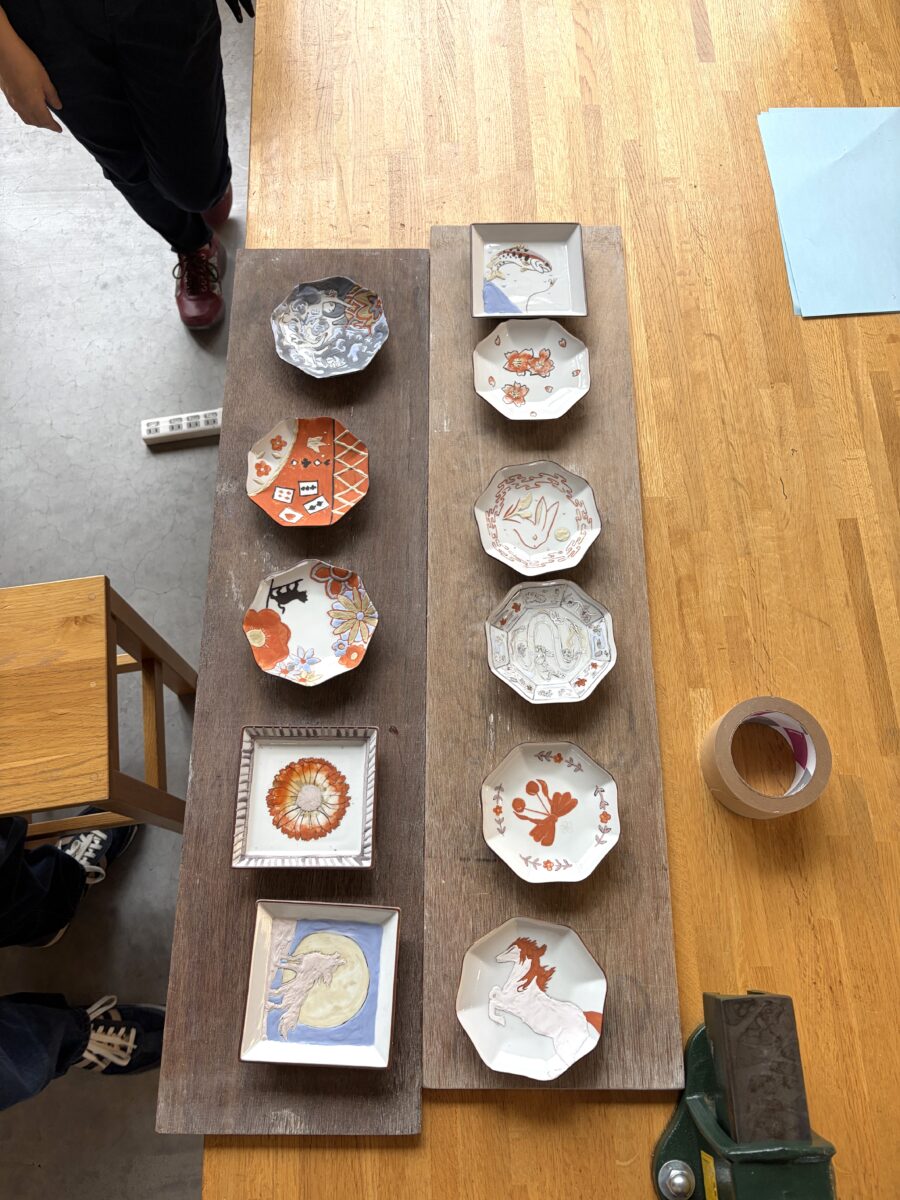
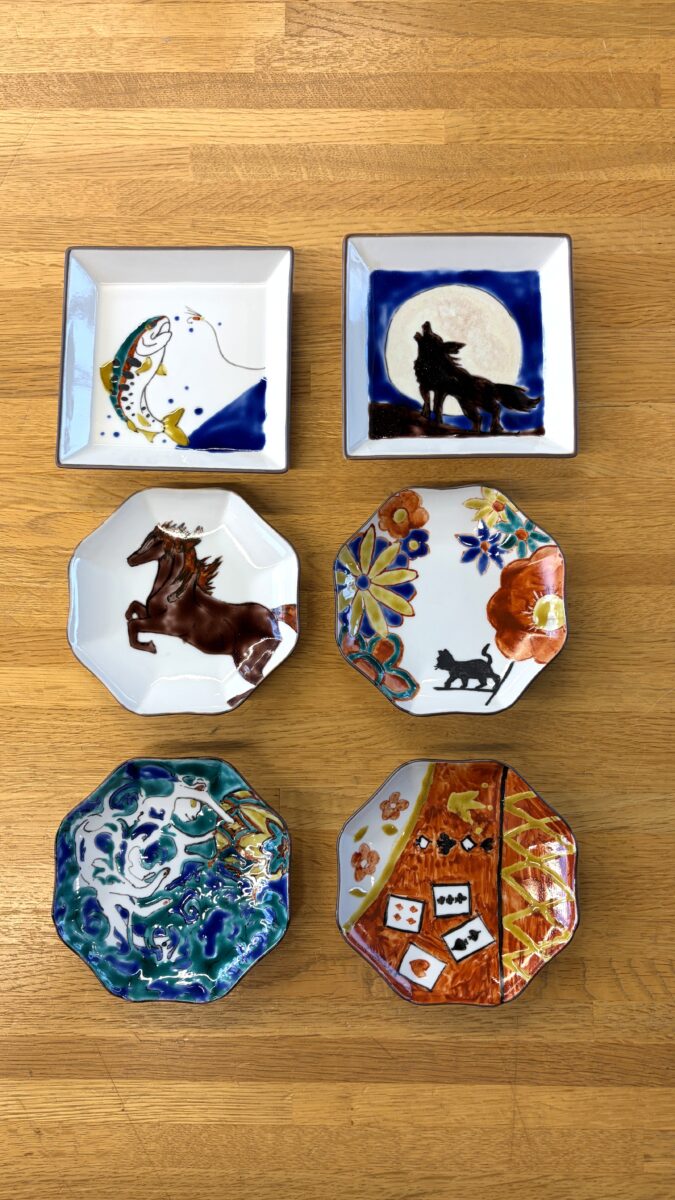
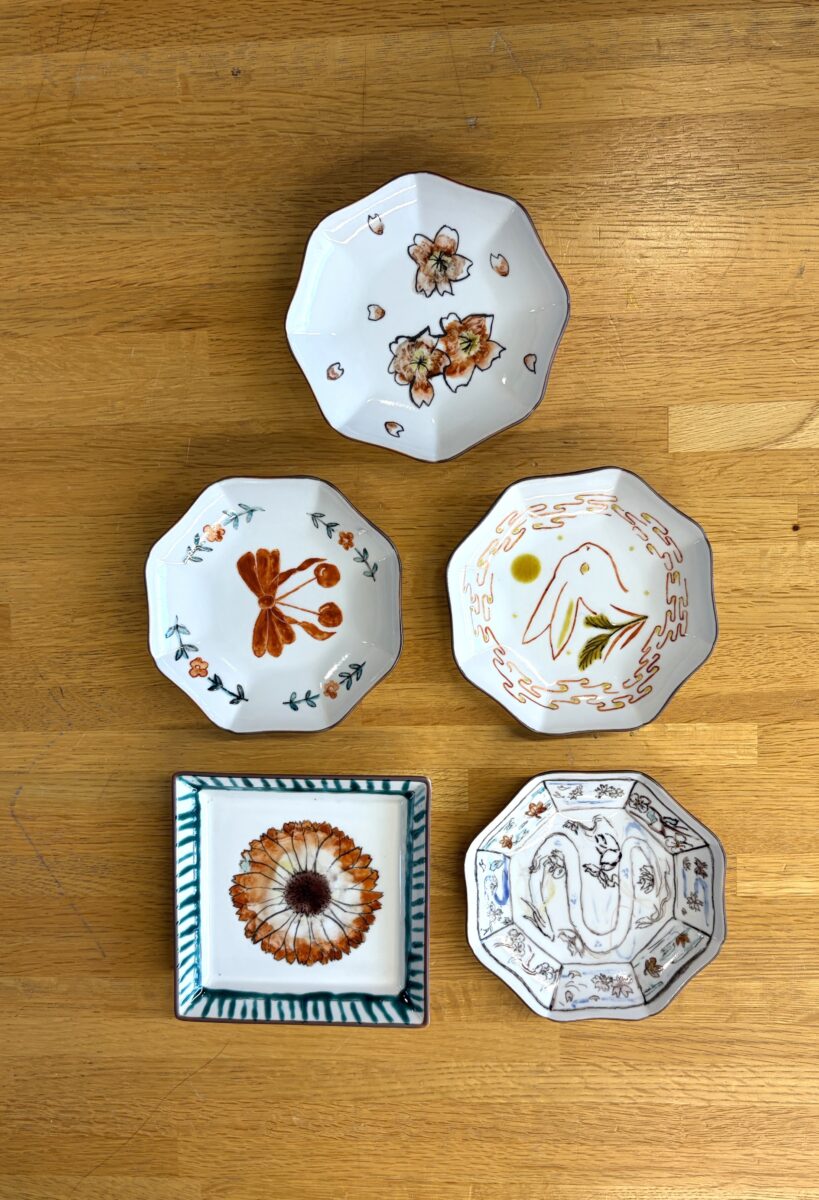
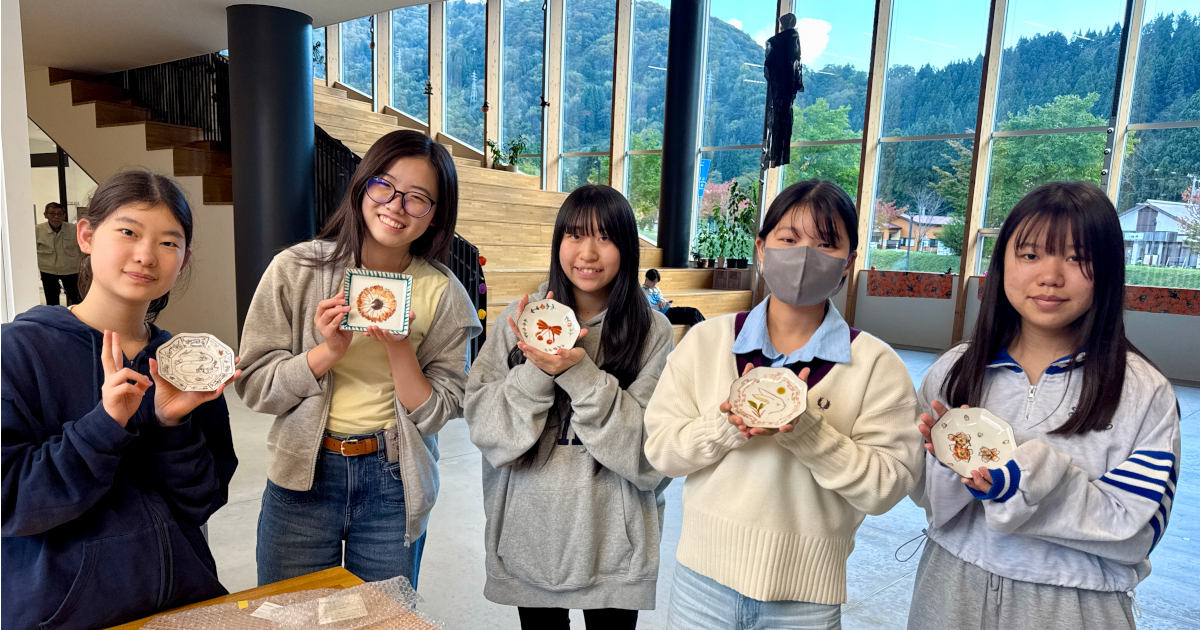
小髙
This is Mr. Kodaka, and I am the advisor of the Art Club. The Art Club operates as one of the branches within the Design & Fabrication Club. I would like to introduce an activity that took place during the extracurricular activity period in September, after the summer vacation. Students participated in a Kutani ware overglaze painting workshop, experiencing one of Ishikawa Prefecture’s traditional arts and crafts.
For this workshop, we invited Ms. Kawaura and Ms. Kudo from the Ishikawa Prefectural Kutani Ware Technical Training Institute as instructors. After learning about the characteristics and history of Kutani ware, students created their own original designs using the traditional Kutani five-color overglaze palette.
Although the activity lasted only two hours, the students remained highly focused throughout the session and continued painting right up until the end. Their enthusiasm suggested that they enjoyed this unique experience, which was quite different from their usual art activities.
Several students expressed interest in participating again, demonstrating a strong engagement with the activity. Through opportunities like this, which differ from our regular art projects, we hope to further deepen students’ interest in art and help them develop their artistic sensitivity and creativity.
-
Students concentrating on their Kutani ware painting.真剣に絵付けに取り組む学生たち
-
-
-
In October, the students' painted pieces were fired and completed, and the finished works were presented to the participants. It was a valuable opportunity for students to learn more about one of Ishikawa's traditional arts and crafts and to experience its beauty firsthand. We would like to express our sincere appreciation to Director Mr. Yoshinaka, as well as Ms. Nakata, Ms. Kawaura, and Ms. Kudo of the Ishikawa Prefectural Kutani Ware Technical Training Institute for providing this wonderful opportunity.
-
上絵付け完了
-
焼き上がり作品
-
Kodaka

みなさん、こんにちは。物理を担当している伊藤 周です。今日は、毎年恒例の「STEMフェア2026」についてお話しします。
STEMフェアは、国際高専の夏休み課題「Summer STEM Project」の成果を発表する場で、毎年後学期が始まる直前、9月下旬に開催されています。簡単に言えば、夏の自由研究の発表会です。
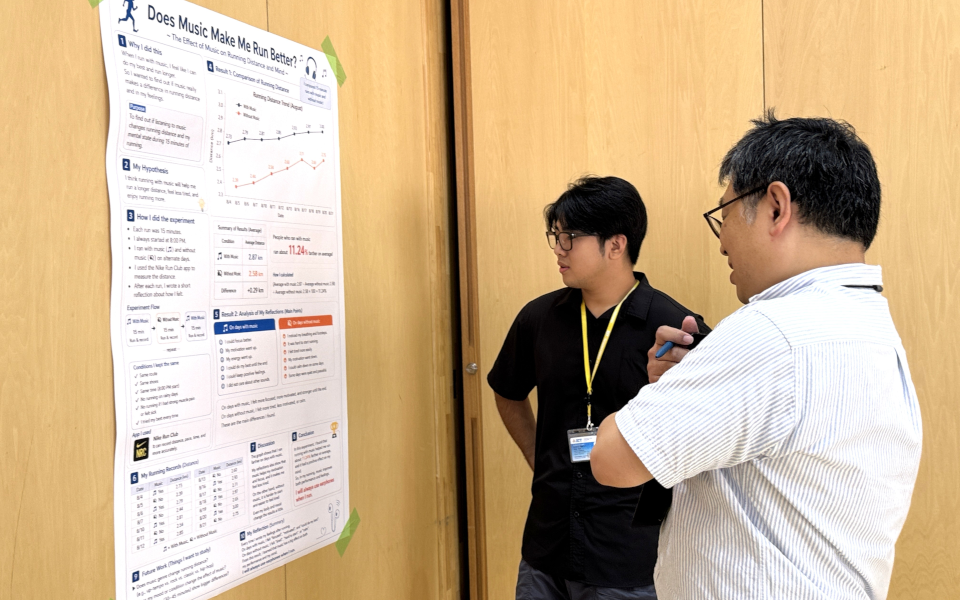 テーマは学生が自由に決めますが、今年は1年生のテーマで多かったのが、自分の興味があることについて統計的に分析してみた、というものです。トレーニング量と自分の筋肉量や運動能力、散歩の条件と歩幅、勉強の条件と点数、音楽と集中力などの相関を見出そうとする内容や、サッカーのPKで防ぎやすい場所の確率(300回ものPKを調べたそうです)、じゃんけんで勝ちやすい手の確率(なんと1000回もじゃんけんして調べたそうです)、スマホゲームのキャラクター出現確率(こちらはなんと2000回調べたそうです)など、非常に時間と労力をかけた力作がありました。
2年生はアプリやロボットの製作をテーマにしているものがあり、レベルが高い発表がありました。多くの学生が楽しんでやっているように感じられ、また、国際高専に入学してからの1年半で積み上げたものが発表の中に生かされているような気がして、嬉しく思いました。
他にもユニークなテーマがさまざまありましたが、それらについてはTOPICSの記事で確認してみてください。
STEMフェアは、学生の頑張りと先生方の協力で、今や白山麓キャンパスの名物イベントになりました。まだ1・2年生なので高度な研究とは言えませんが、学生たちの自由な発想や興味を形にしたプロジェクトを見るのは本当に楽しいです。近年の生成AIの発達で、AIを使って調べればさまざまな情報が手に入り、文章やプログラムなどはすぐに生成される時代になりました。しかし、そうやって得た情報、作られたレポートなどは知識の定着が起きないことも報告されています。今回の学生たちは実際に自分の調査・実験・製作を行なっていた様子でしたので、非常に良かったと思います。能動的に自分で動いて得た知識や経験が「身に付く」と言えるのだろうと考えています。このイベントがその手助けになり、将来的な研究経験のはじめの一歩になればいいですね。
伊藤 周
Hello everyone. This is Meguru Ito, I am the head physics teacher at ICT. Today, I would like to talk about our annual event, STEM Fair 2026.
STEM Fair is an opportunity for students to present the results of their summer assignment, the Summer STEM Project. It is held every year in late September, just before the start of the fall semester. Simply put, it is a showcase of the students’ summer independent research projects.
Students are free to choose their own topics. This year, many 1st year students focused on statistically analyzing subjects that interested them. Their projects explored topics such as the relationship between training volume and muscle mass or athletic performance, the connection between walking conditions and stride length, the effects of study conditions on test scores, and the relationship between music and concentration.
Other students investigated probabilities, such as the easiest places for goalkeepers to stop penalty kicks in soccer. To do this, one student analyzed over 300 penalty kicks. Another student played rock-paper-scissors 1,000 times to determine which hand was most likely to win. Yet another examined the appearance rates of characters in a smartphone game by collecting data from an impressive 2,000 trials. These projects demonstrated remarkable dedication, requiring significant time and effort.
Among the 2nd year students, several projects involved developing apps and building robots. The quality of their work was particularly impressive. It was clear that many students genuinely enjoyed their projects. I was also pleased to see how they were able to apply the knowledge and skills they had developed during their first year and a half at ICT.
There were many other unique and creative projects as well, and I encourage you to check out the TOPICS articles to learn more about them.
Thanks to the hard work of our students and the support of our faculty members, STEM Fair has become one of the signature events of the Hakusanroku Campus. While the projects may not yet qualify as advanced academic research, it is truly exciting to see students turn their own ideas and interests into tangible projects.
In recent years, advances in generative AI have made it possible to obtain information instantly and generate reports or programs with ease. However, studies have suggested that simply receiving information or AI-generated output does not always lead to deep learning or lasting understanding. What impressed me about this year's projects was that the students carried out their own investigations, experiments, and designs. I believe that knowledge and experience gained through active, hands-on effort are the ones that truly stay with us.
I hope this event helps our students develop those kinds of learning skills and serves as the first step toward future research experiences.
Meguru Ito