




FY 2026
2026年度の記事
 こんにちは。3年生の中澤 円香です。
日本はそろそろ涼しさが増してくる頃でしょうか。ニュージーランドでは冬が終わりに近づき、ダニーデンにも少しずつ春の気配が漂い始めています。町を歩けば桜が咲き、風にもどこか柔らかさが混じっていて、9月にもかかわらず春を先取りしたような、なんだか得をした気分になります。
さて今回は、先日ニュージーランドでラジオに出演した経験について綴ろうと思います。きっかけは友人との何気ない会話でした。「ラジオに出てみたいね」と話していたところ、それを聞いたオタゴ大学日本人学生会OJSA(Otago Japanese Students’ Association)の代表の方が、オタゴ大学で日本語を教えている晴子先生がラジオのゲストを探していると教えてくださったのです。そんなご縁があって、友人のあやね、ことりと私の3人で、ラジオに出演することになりました。
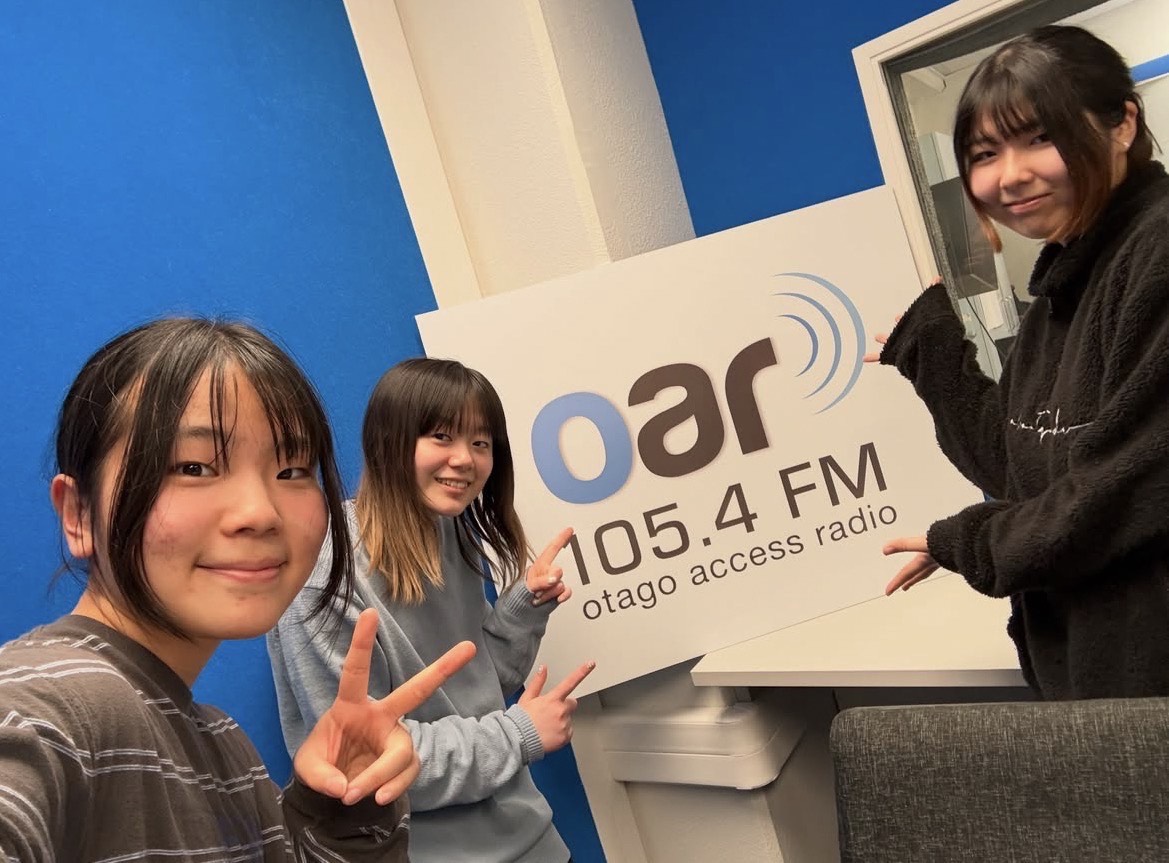
英語での出演は初めてで、決まってから当日までは正直、緊張がなかなか抜けませんでした。自分の考えを英語でどこまで伝えられるか不安もありましたが、晴子先生が丁寧に寄り添ってくださったことと、気心の知れた友達がそばにいてくれたことに、何度も助けられました。おかげで本番では思っていた以上に自然に、そして心から楽しんで話すことができました。
番組では、ニュージーランドと日本の違いや、こちらに来てから訪れた場所について、1時間ほどおしゃべりしました。普段は当たり前のように感じていた文化の違いを、改めて言葉にして誰かに伝えるというのは、思っていた以上に新鮮で、私自身にとっても発見の多い時間になりました。
気づけば収録はあっという間に終わっていました。あれほど心配していたはずなのに、振り返ればとても楽しい時間だったなと思います。ニュージーランドでラジオに出演するなんて、思ってもみなかった経験でしたが、だからこそとても貴重な1日になりました。この縁をつないでくださったOJSAの方や晴子先生、そして一緒にラジオに参加してくれた友人には、感謝の気持ちでいっぱいです。
9月なのに春の気配を感じて得をした気分になったように、今回のラジオ出演もまた、この国が思いがけず私にくれた贈り物のひとつだったように思います。これからも一つひとつの経験を大切にしながら、残りの留学生活を過ごしていきたいと思います。
中澤 円香
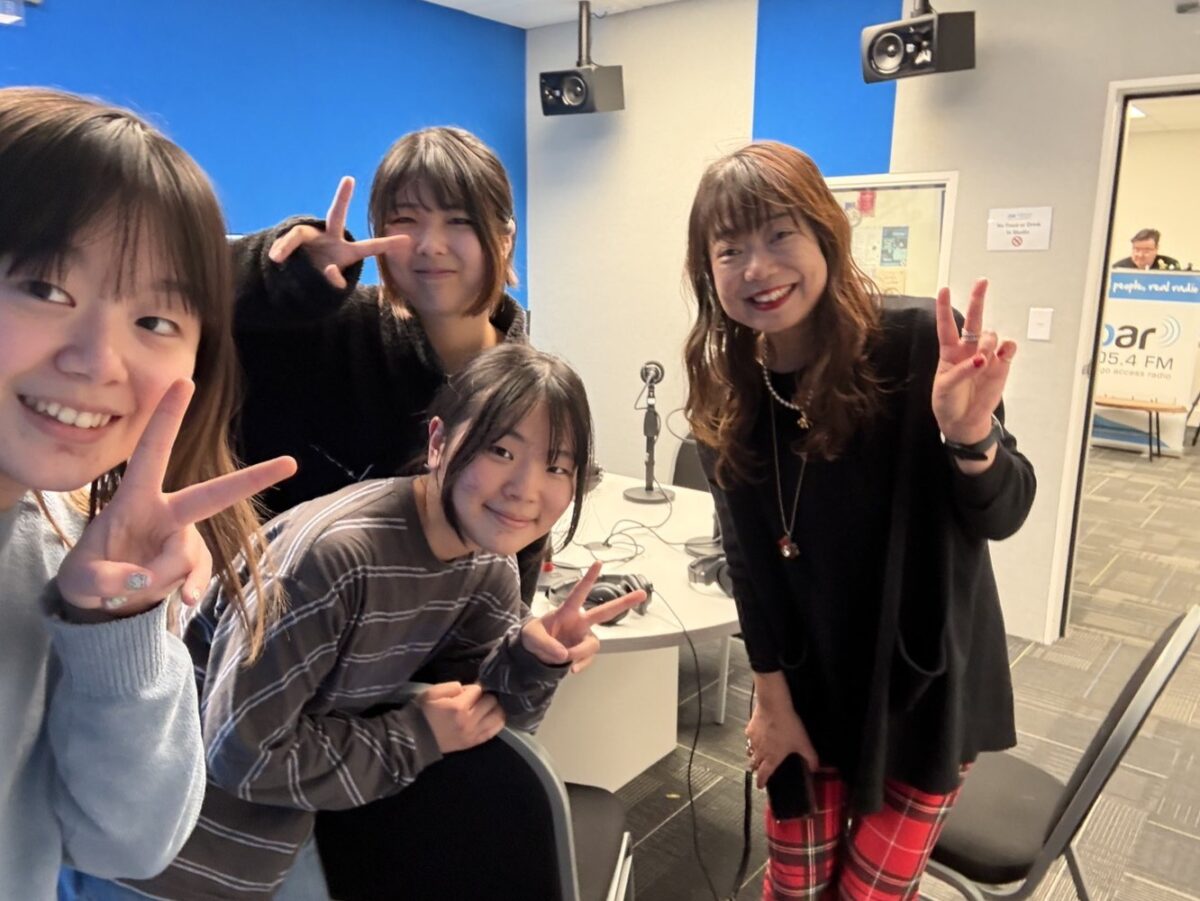
With Haruko-sensei and my friends晴子先生と友達と共に
Hi! I’m Madoka Nakazawa, a third-year student at ICT.
Can you feel summer ending in Japan? Here in New Zealand, it's a different season. Winter is ending, and spring is starting. When I walk around town, I see cherry blossoms and feel the warm wind. It is only September, but it already feels like spring. Therefore, I feel lucky to see this so early.
This time, I want to write about something different. I was on the radio here in New Zealand. It started with a simple conversation. I told a friend that I wanted to try being on the radio one day. Somehow, the president of OJSA (Otago Japanese Students’ Association) heard about this. She told me that someone was looking for people to join a radio show. Therefore, I joined the show with my classmates Ayane and Kotori.
It was my first time speaking on the radio in English, so I was nervous at first. I worried that I couldn't say what I wanted to say. However, Haruko-sensei helped us a lot before the show. My classmates were also with me, and this made me feel better. Therefore, during the show, I felt more relaxed than I expected, and I really enjoyed it.
We talked for about one hour. We talked about the differences between New Zealand and Japan, and about places we visited since coming here. It was interesting to explain things I don't usually think about. I also learned new things about my own experience.
Before I knew it, the recording was finished. I was worried before, but it turned out to be a really fun hour. I never thought I would be on the radio in New Zealand. Therefore, this was a very special experience for me. I want to thank the OJSA president and Haruko-sensei for this chance, and my classmates for doing this with me.
Madoka Nakazawa
With Haruko-sensei and my friends晴子先生と友達と共に
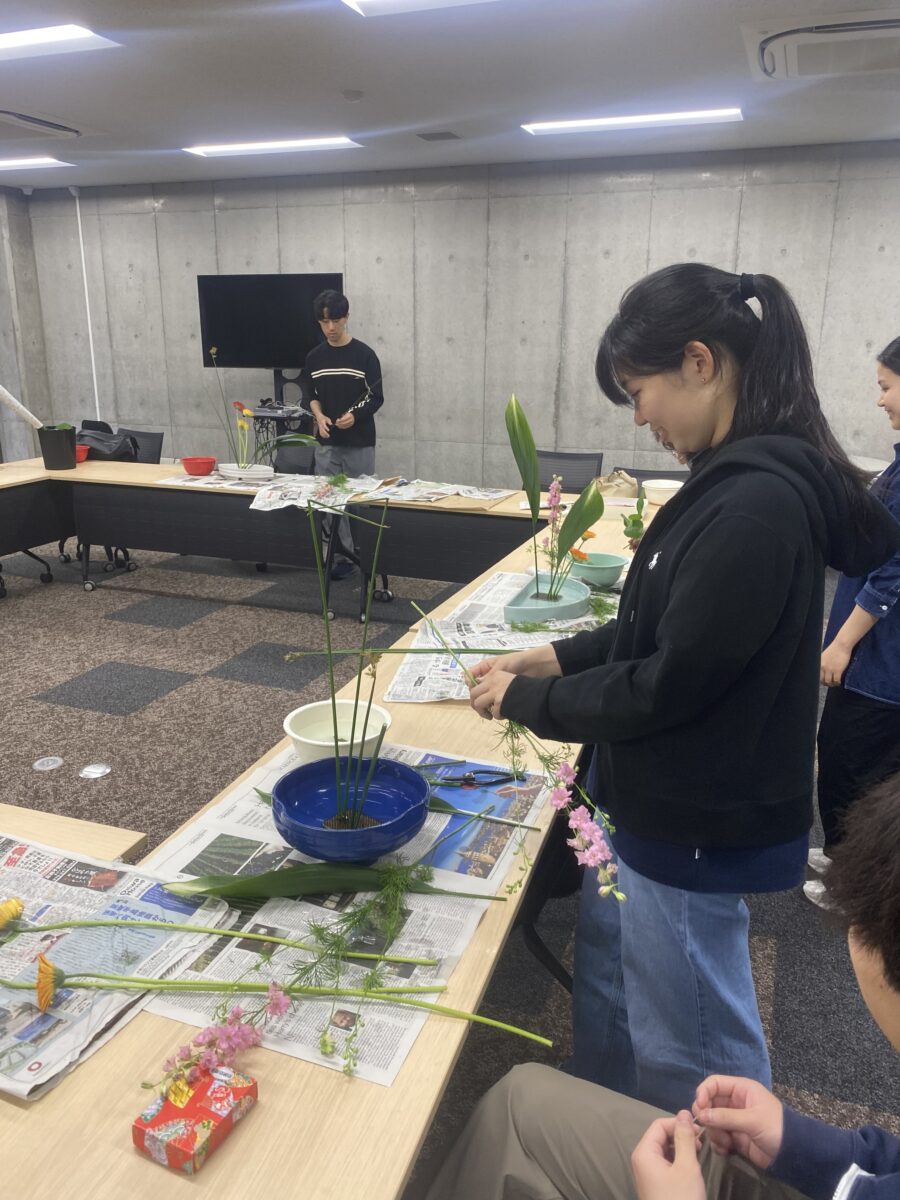
 「華道講座」顧問の宇都宮 隆子です。4、5年生が学ぶ金沢キャンパスには、課外活動として「華道講座」があります。月2回を基本に、参加学生たちは、草月流石川支部八部会に所属されている南川 穂和先生よりご指導をいただいています。今年度は4年生3名、5年生1名の計4名で活動を行っています。
後学期からの活動再開を前に、前学期の活動の様子を振り返りながら、参加してくれている4、5年生たちの様子をご紹介したいと思います。
[5月]
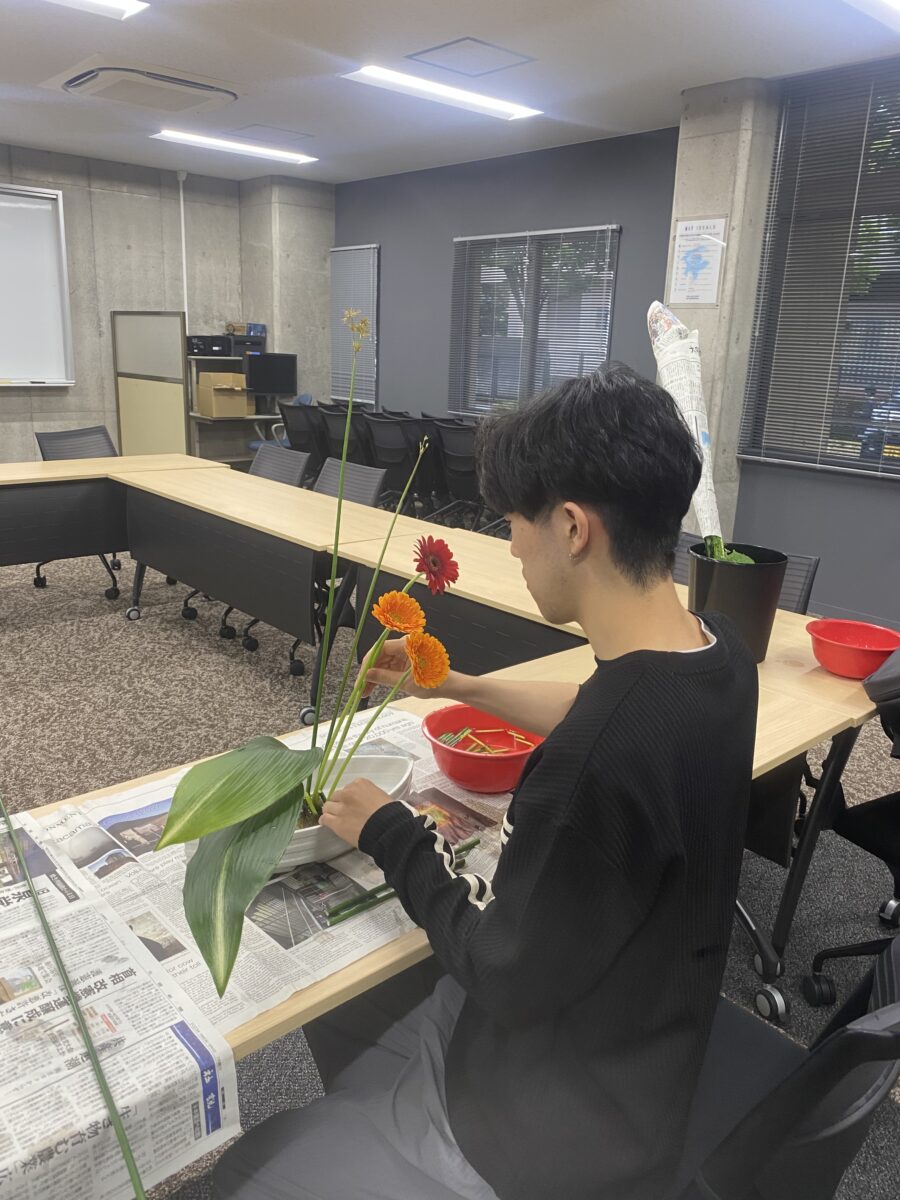
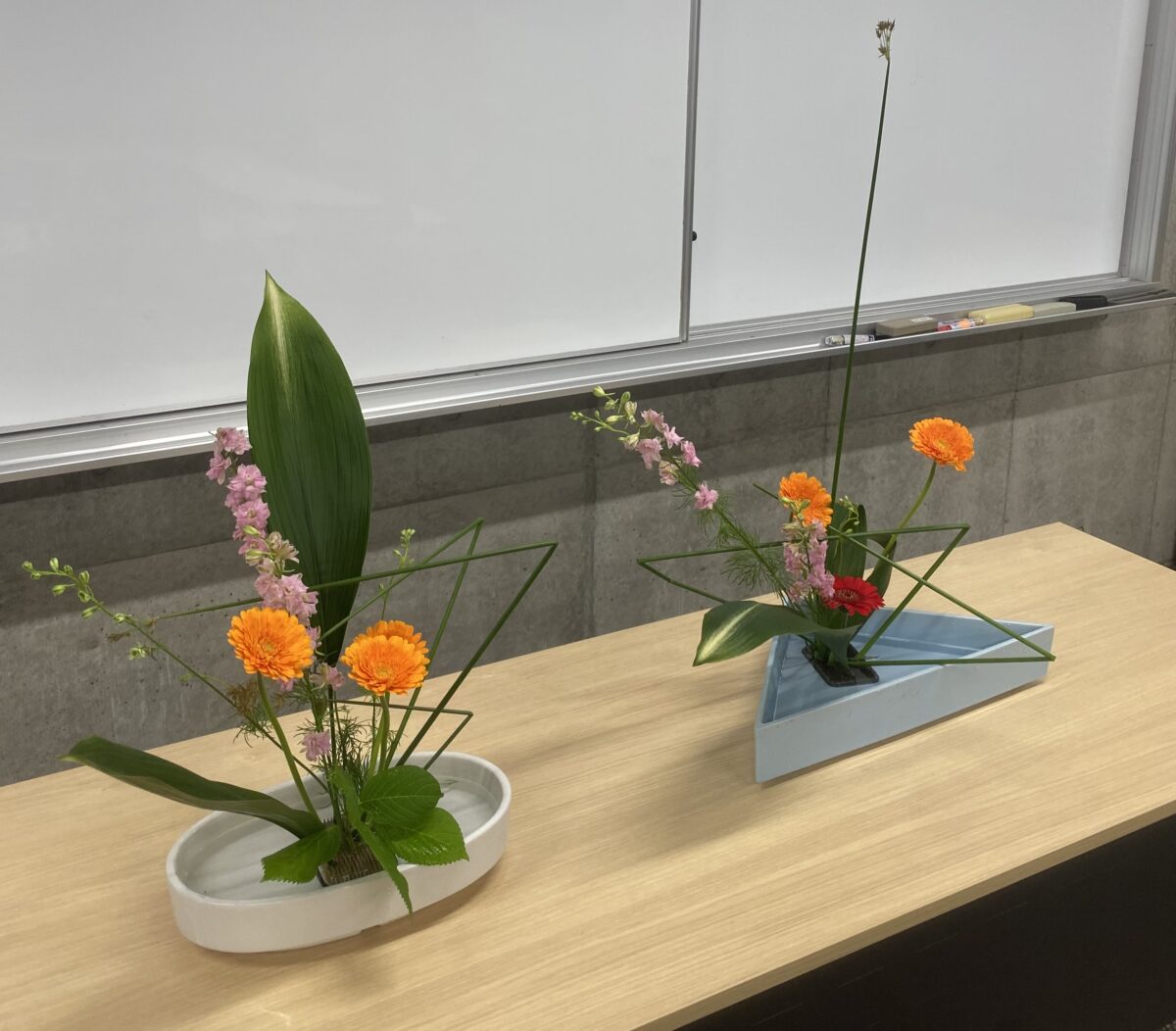
4年生は、いけばな初心者とは思えないほど花ばさみを上手に使いこなし、南川先生からもお褒めの言葉をいただきました。デザインを考える表情も真剣そのものです。
5年生は、自分の作品と静かに向き合いながら、4年生をあたたかく迎え入れてくれていました。
[6月]
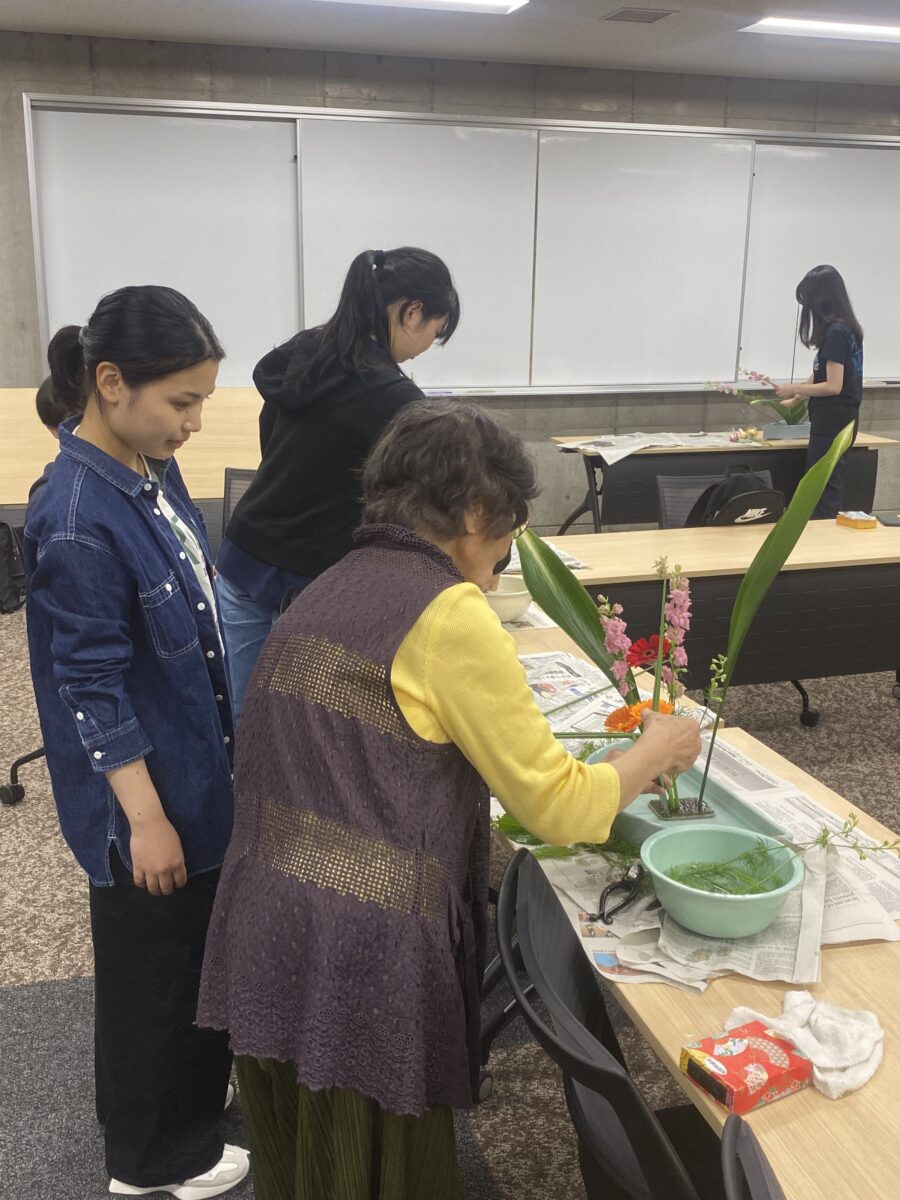
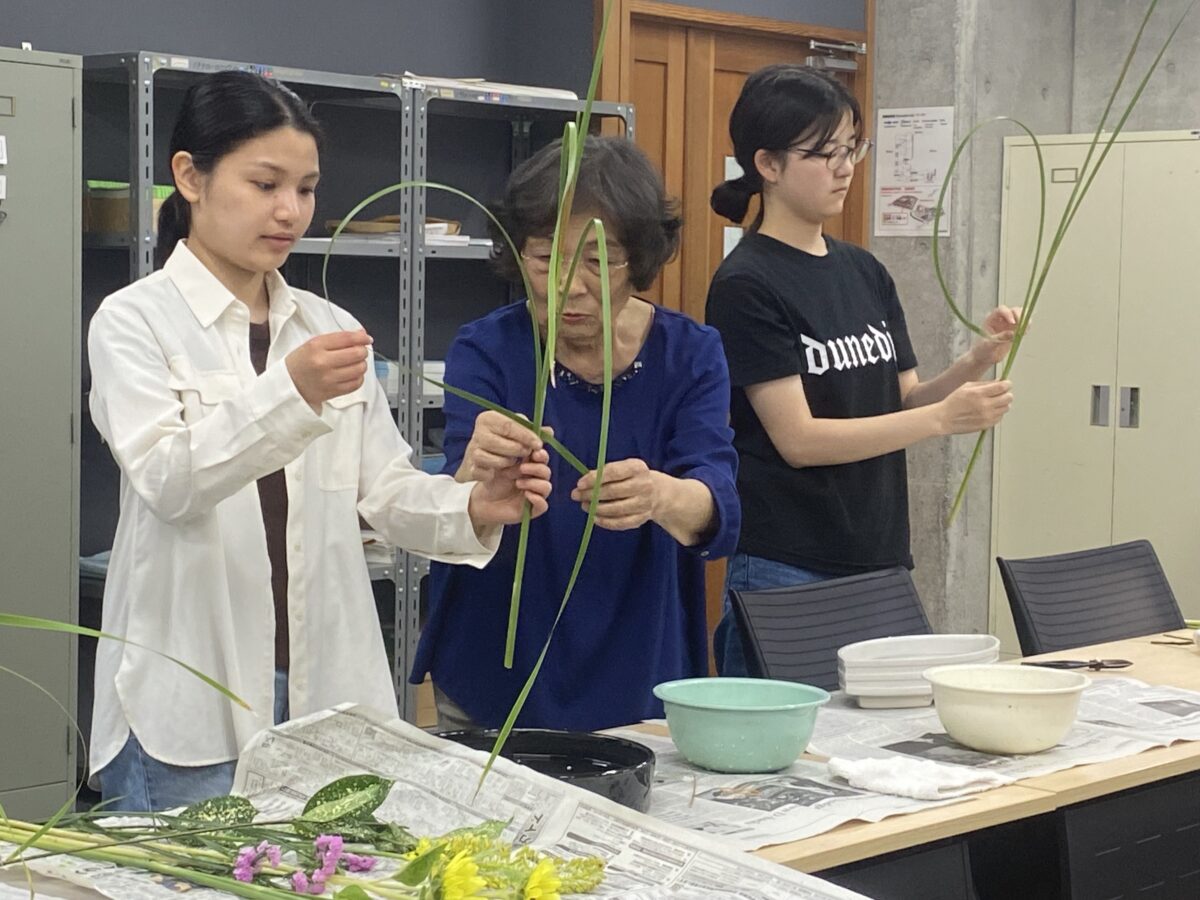
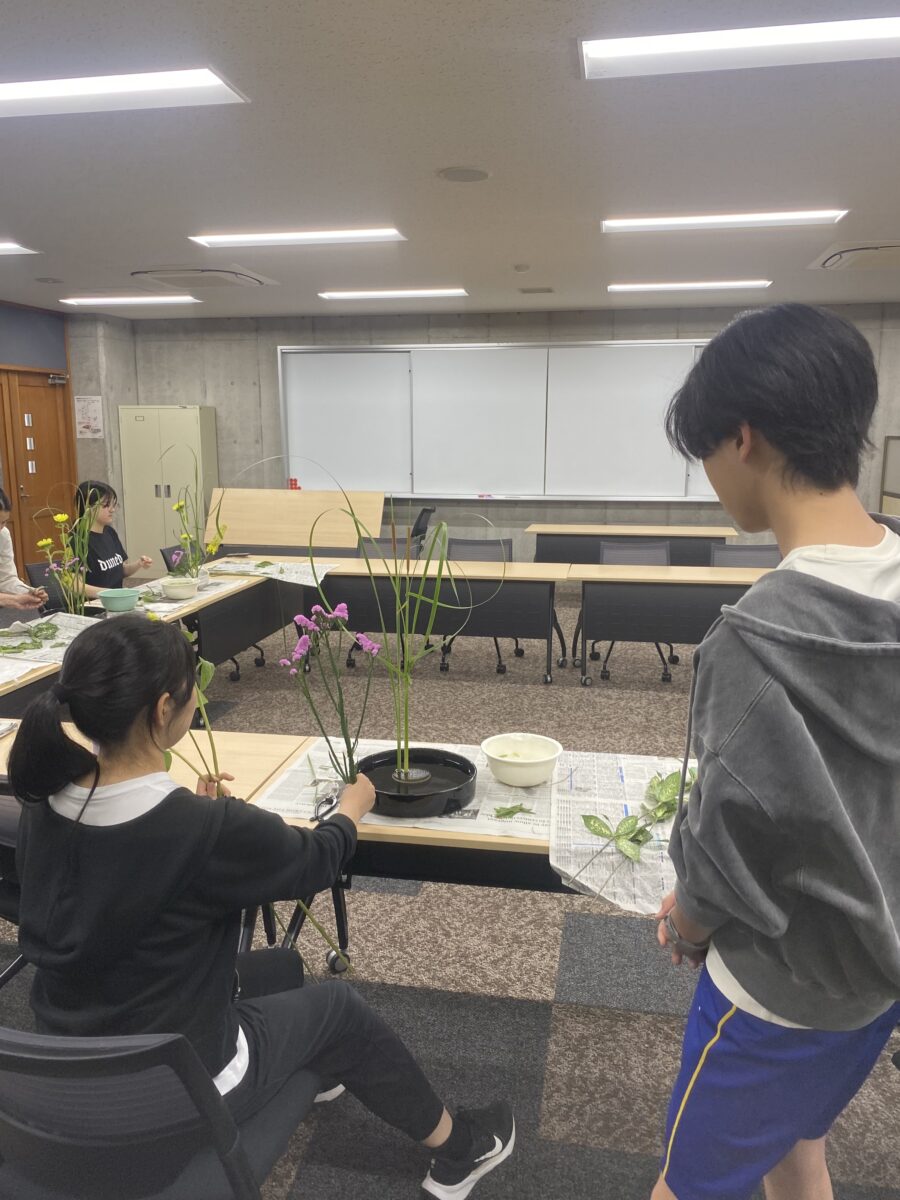
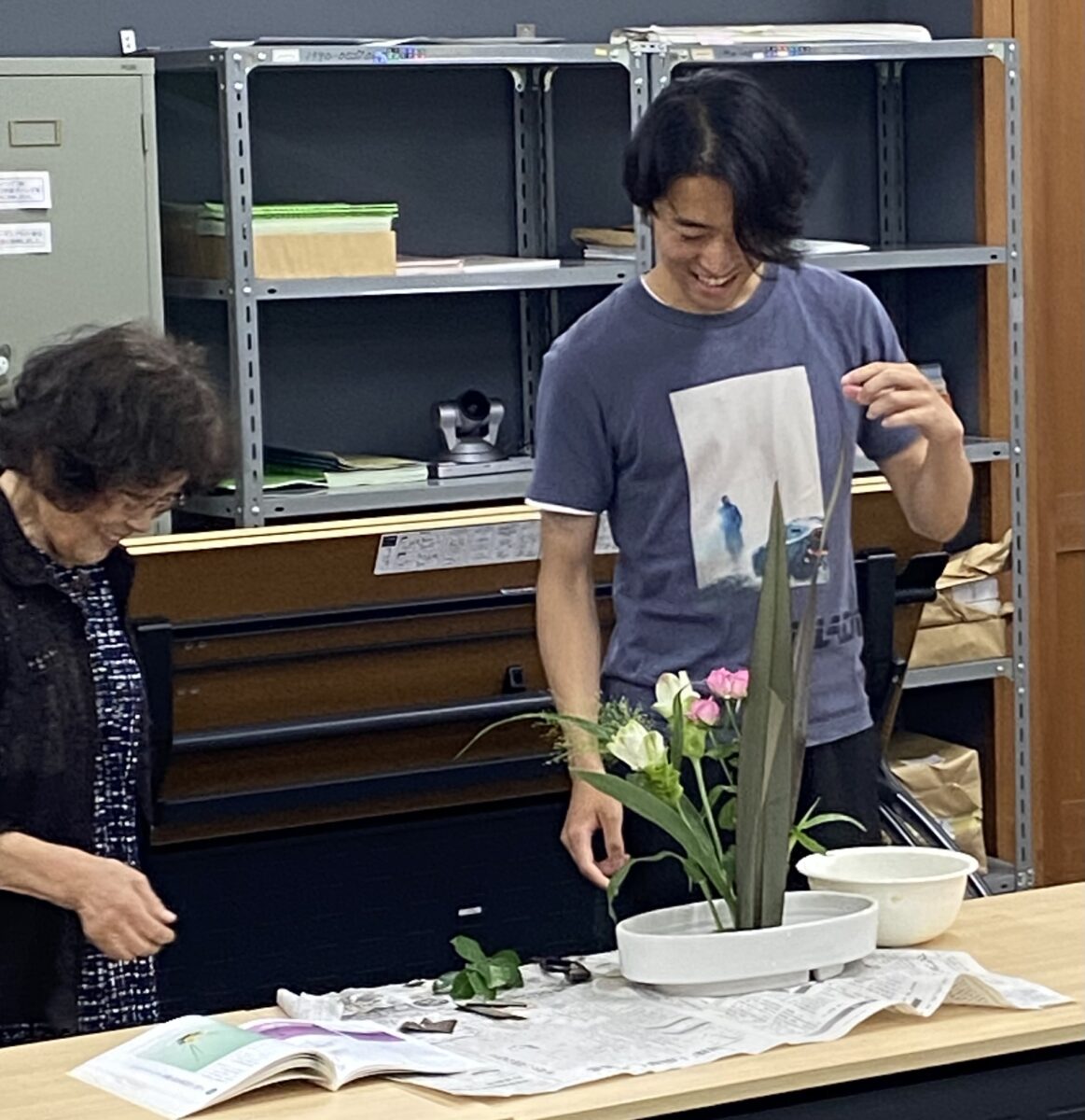
じっくりと花と向き合う人、先生からアドバイスを受ける人、クラスメイトの意見を聞きながらにぎやかにデザインを決めていく人。作品づくりの過程はさまざまです。
[7月①]
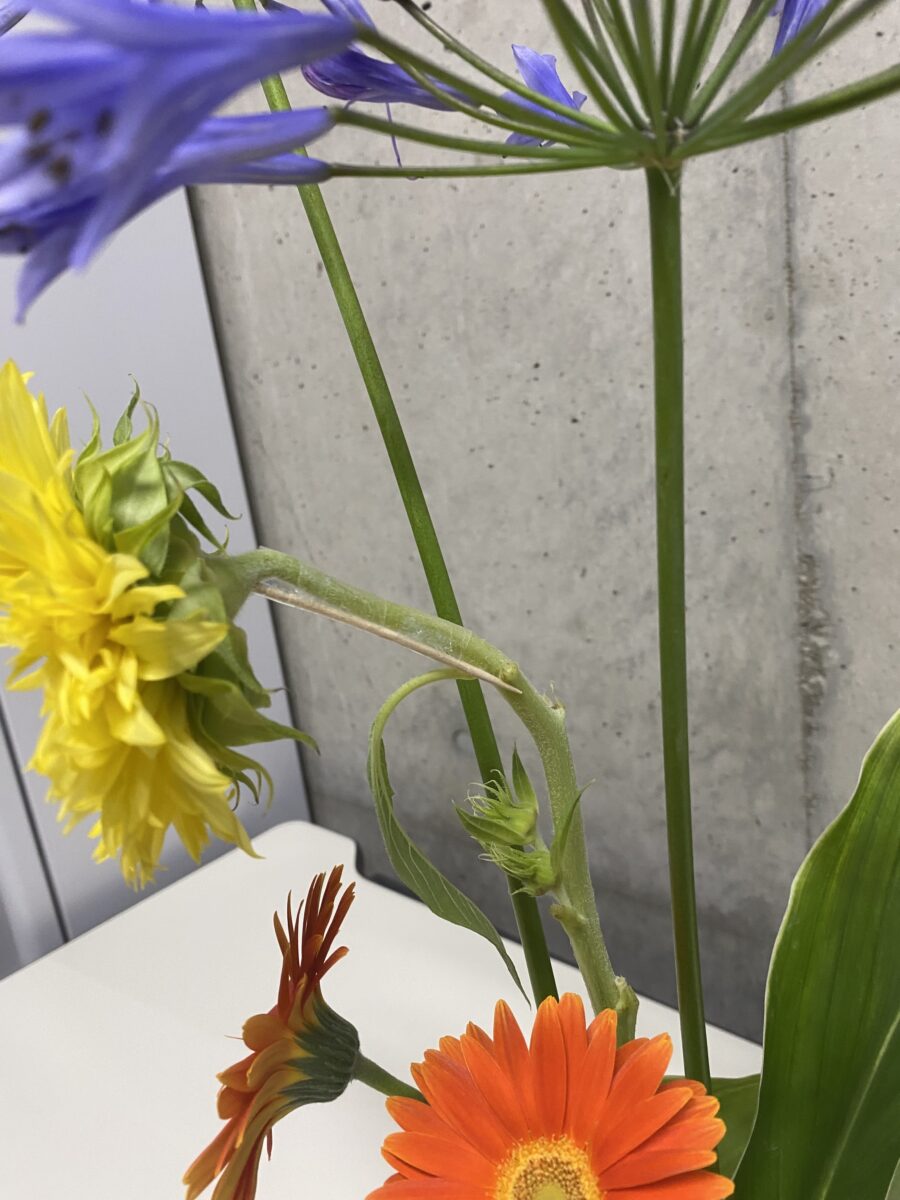
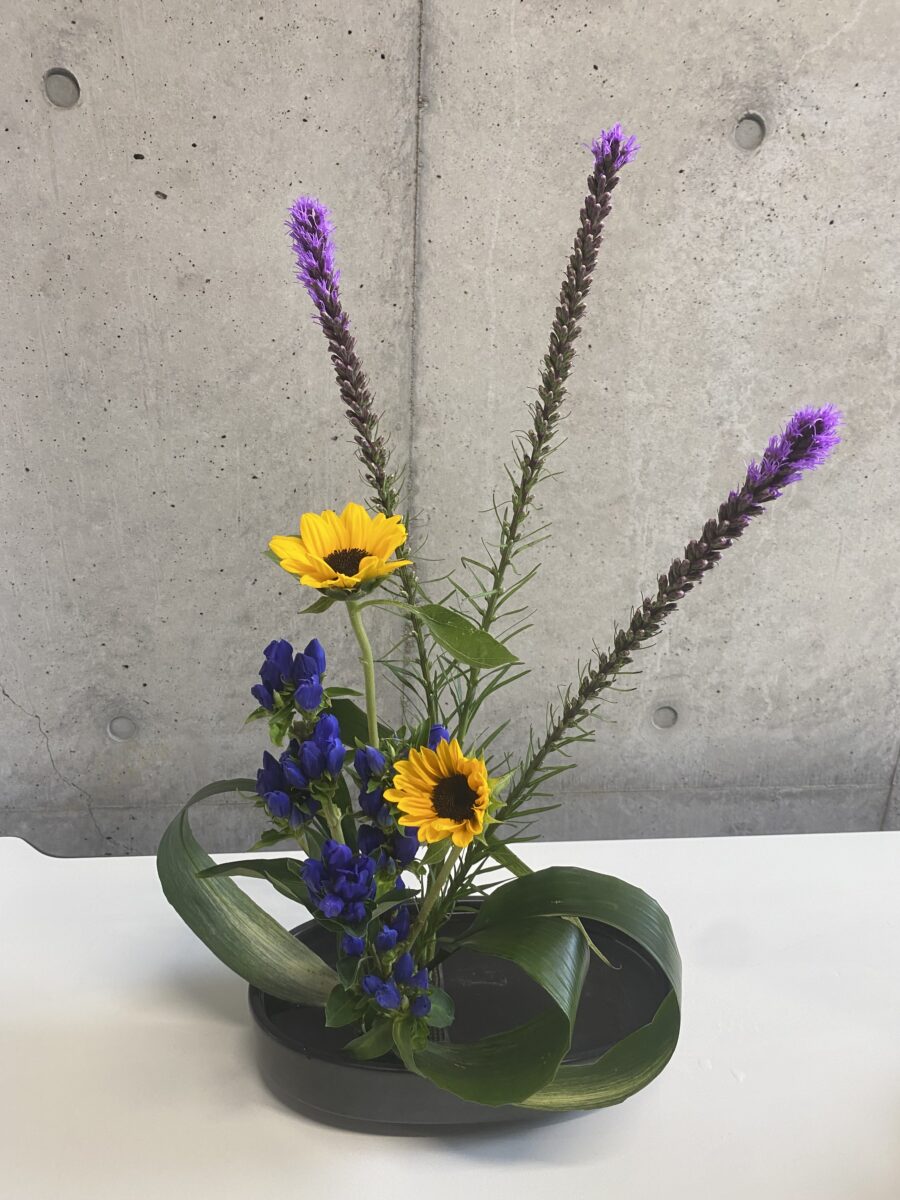
ヒマワリの首が重すぎて。「どうしても顔を上に向かせたい!」という一心で・・・写真の中に、そっと添えられたつまようじ、気づきましたか。小さな工夫が、作品へのこだわりを物語っています。
[7月②]
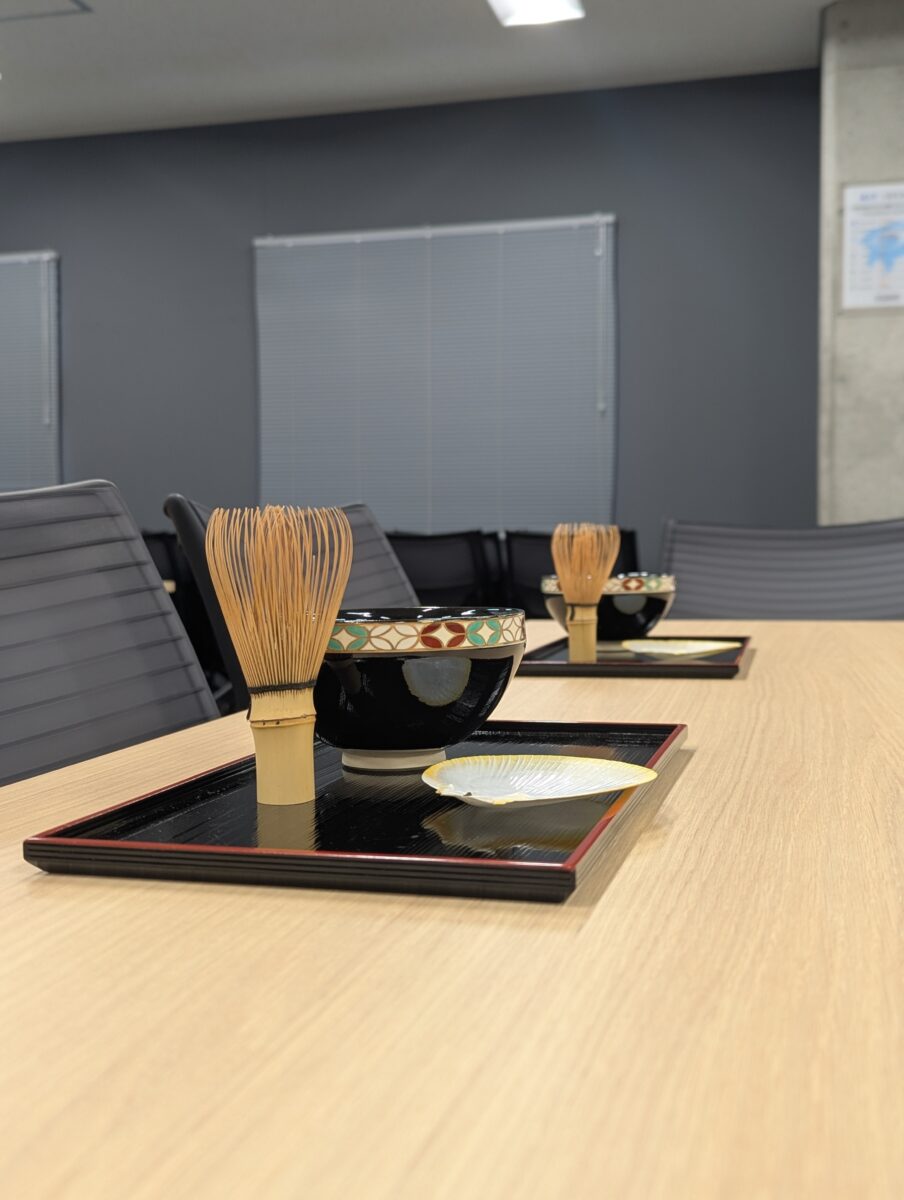
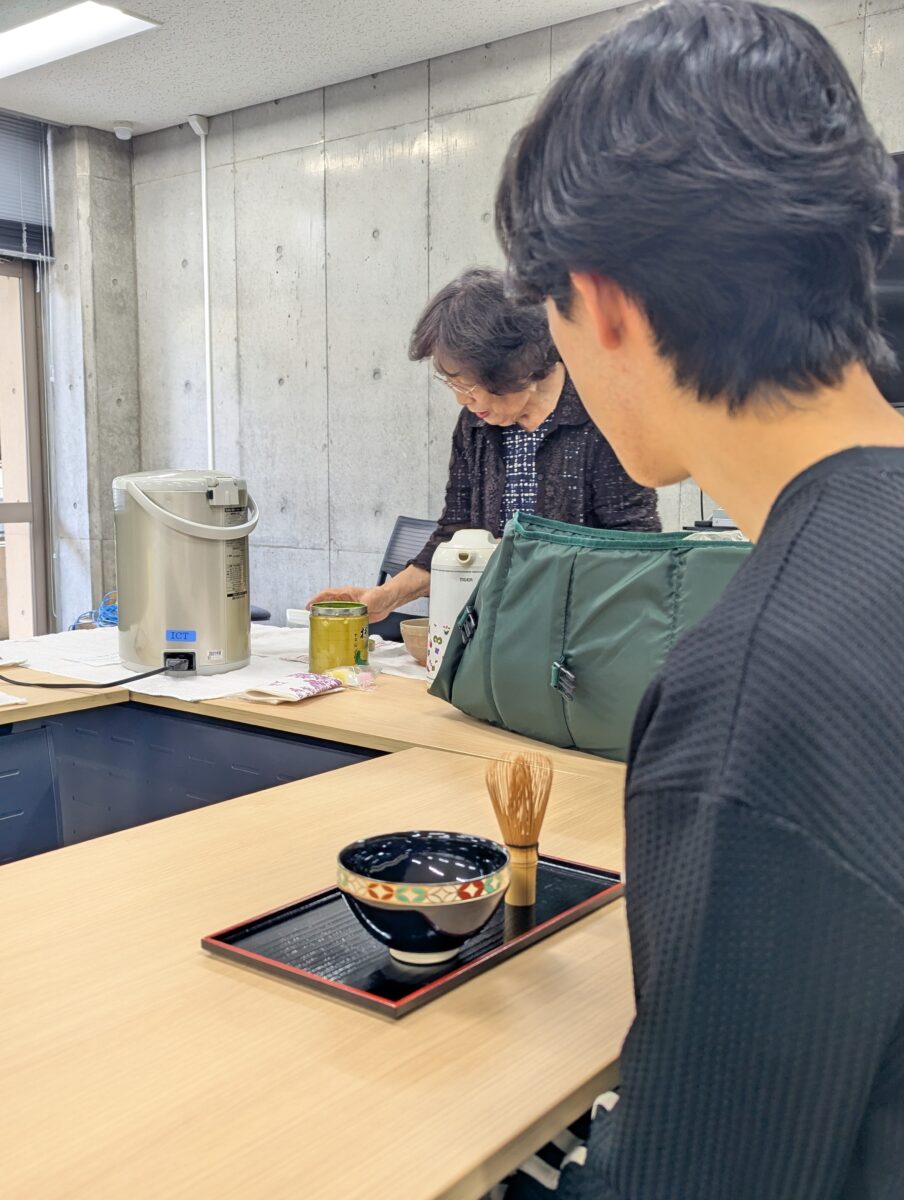
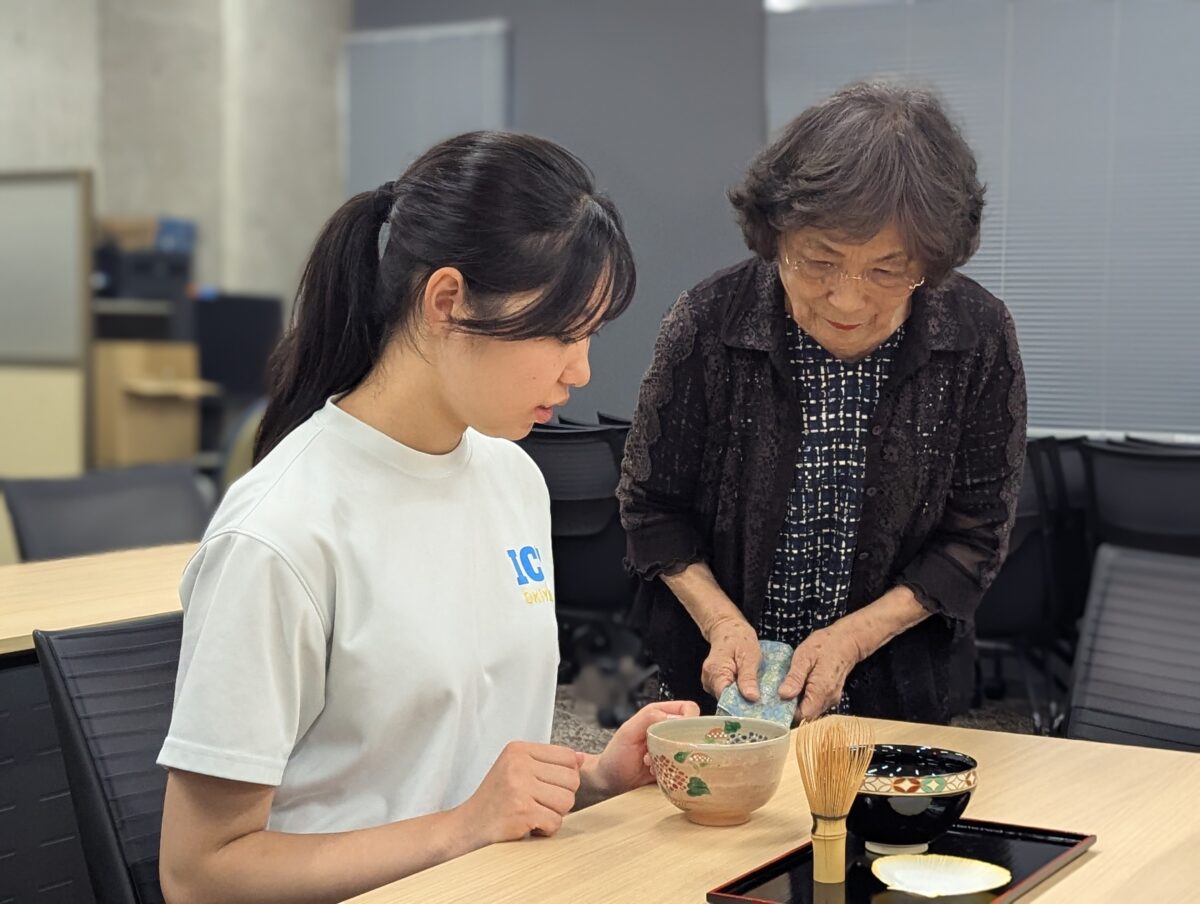
講師の南川先生は、茶道 裏千家 名誉師範でもいらっしゃいます。
4、5年生に茶道を体験する機会を作ってくださり、お菓子は東山の「吉はし」のお干菓子をいただきました。
[7月③]
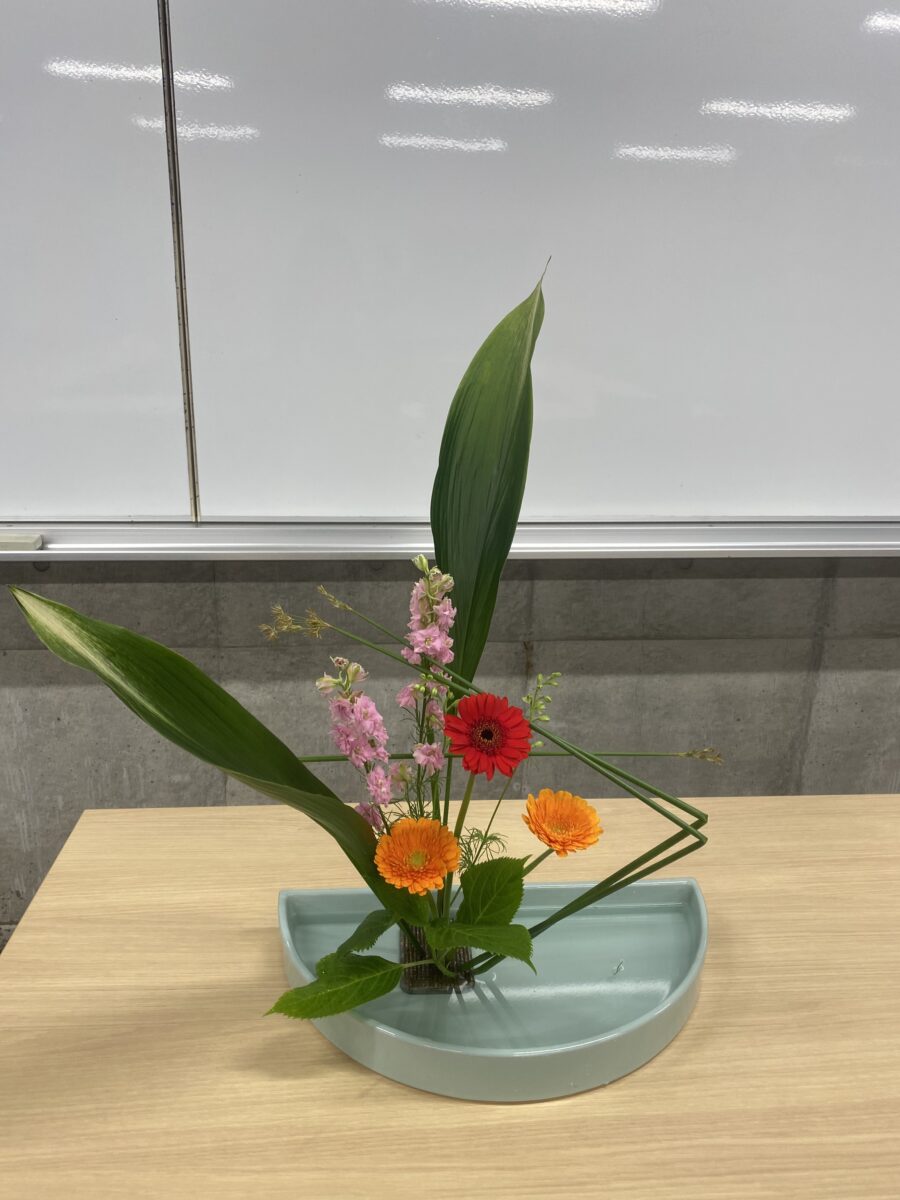
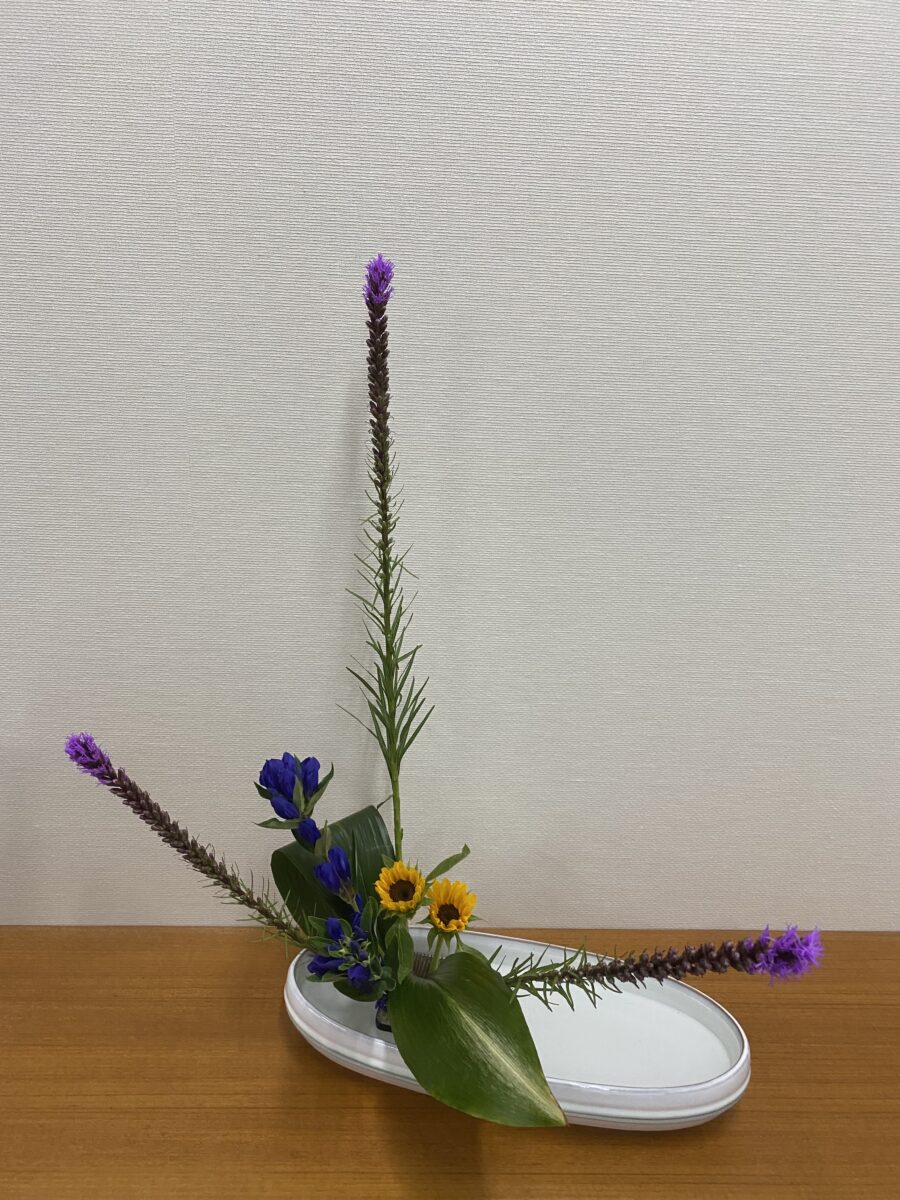
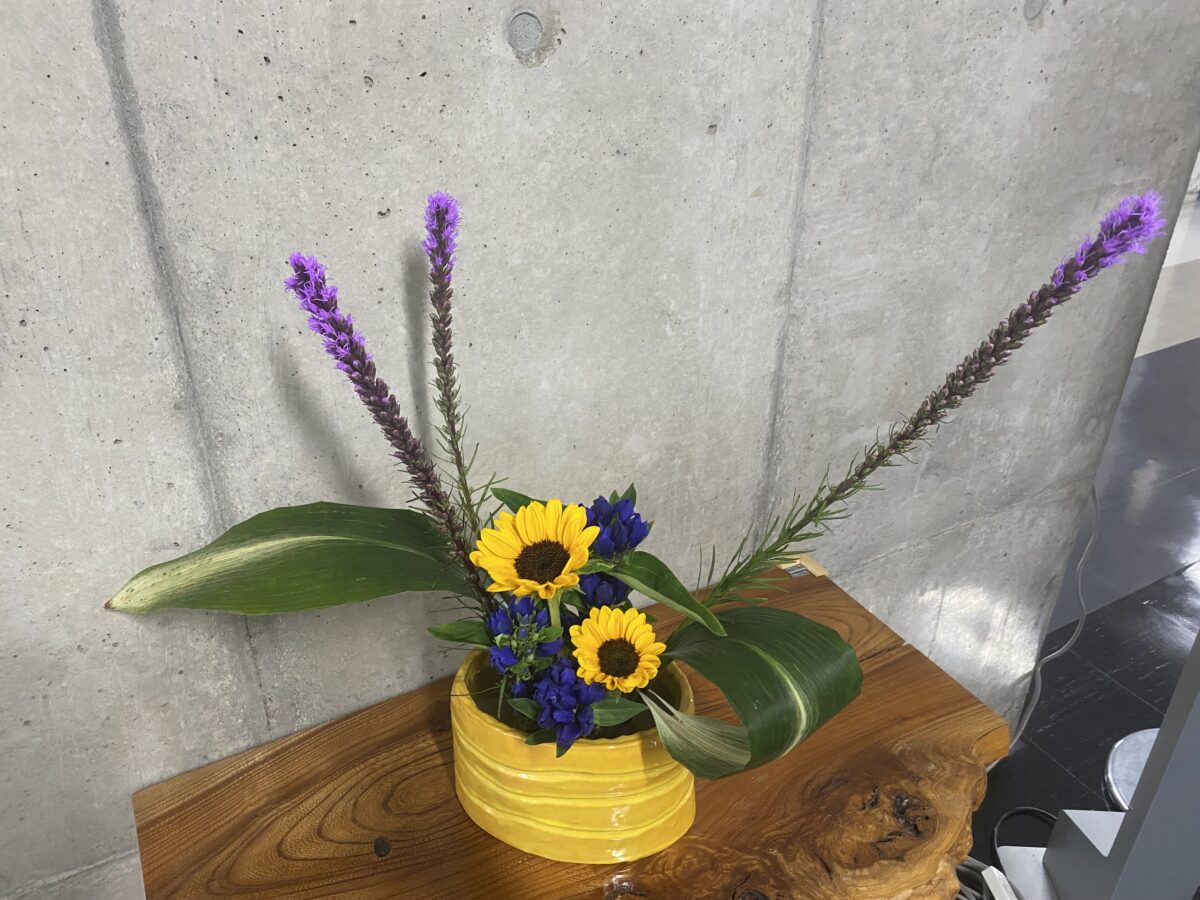
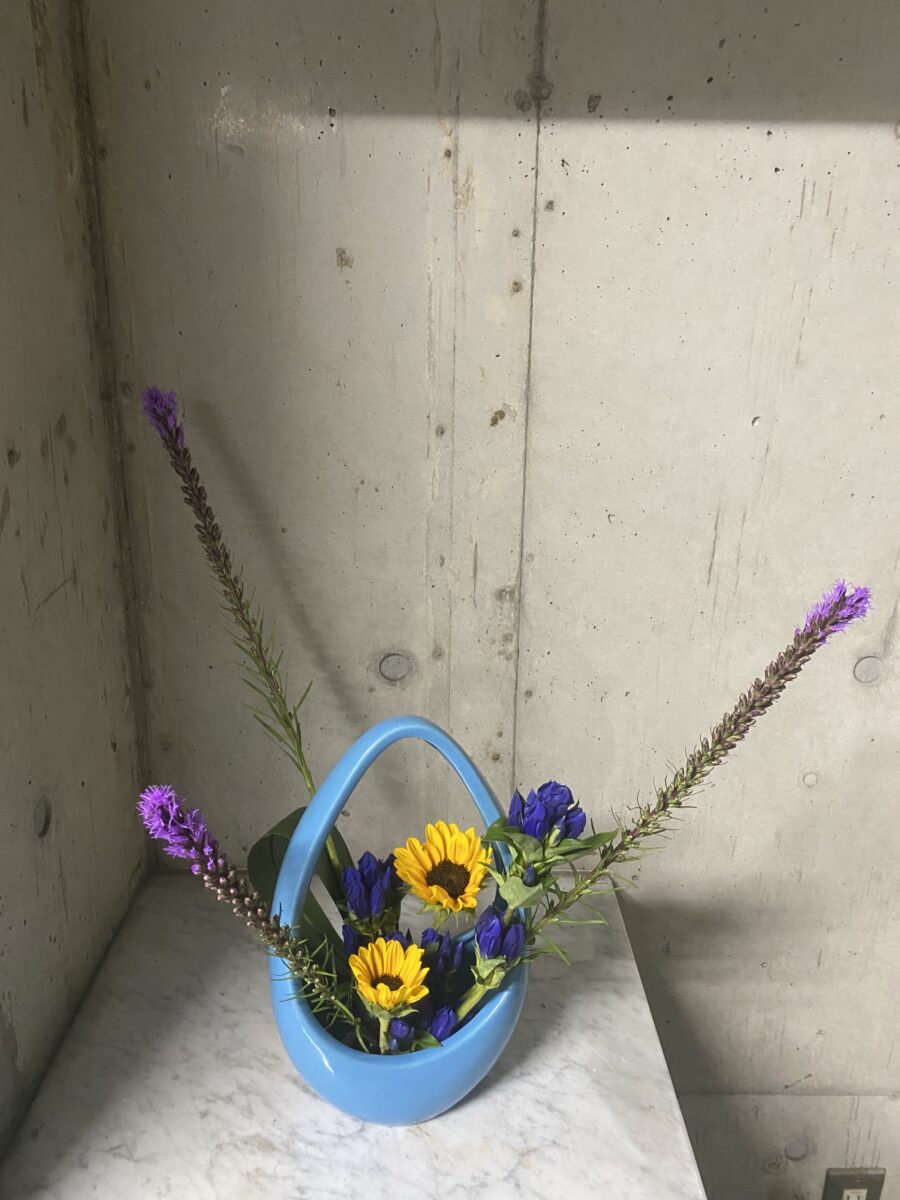
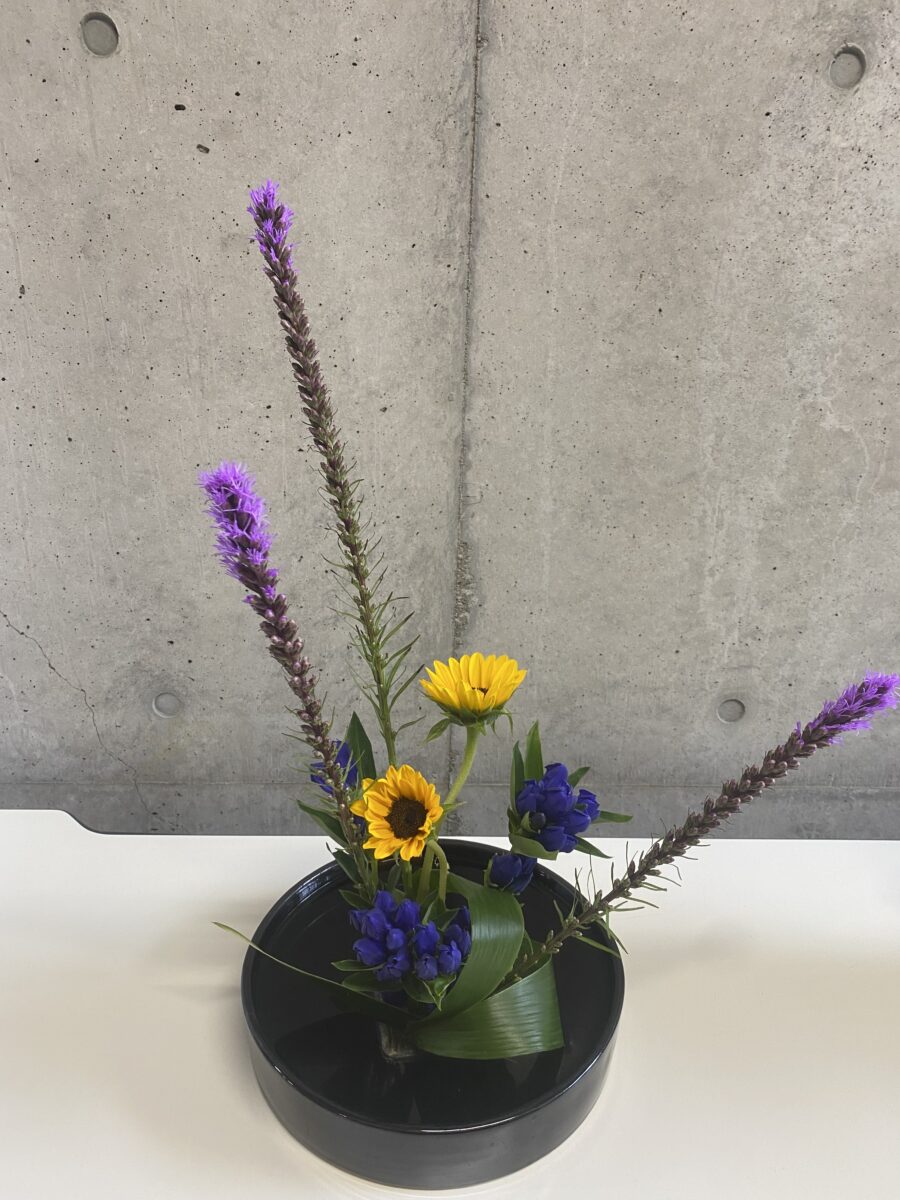
作品を飾る場所は、校長室や高専玄関、階段下のスペースなどさまざまです。
最近では、各自の作品を飾るスペースも定着してきました。
[10月]
草月創流100周年記念 石川県支部いけばな展「ともに創る 未来へつなぐ」の『みらいコーナー』に4、5年生が参加させていただくことになりました。
(草月会石川県支部の皆さま、ありがとうございます)
会期は10月10日(土)~12日(月)、会場は金沢21世紀美術館 地下1階市民ギャラリーBです。
お近くにお越しの際は、ぜひ学生たちの作品をご覧いただければ幸いです。
https://www.sogetsu.or.jp/events/local/816652/
華道講座
顧問 宇都宮 隆子
Hello, I am Takako Utsunomiya, the teacher overseeing the Ikebana club. At the Kanazawa Campus, where the 4th- and 5th-year students study, we offer an extracurricular Ikebana activity. The participating students receive instruction twice a month from Ms. Howa Minamikawa, a member of the Eighth Division of the Sogetsu School’s Ishikawa Branch. This year, four students—three from the 4th year and one from the 5th year—are taking part in the club.
As we begin our Ikebana activities for the second semester, I would like to reflect on what our 4th- and 5th-year students accomplished during the first semester and highlight their involvement in the club.
[May]
The fourth‑year students used the flower shears with surprising skill for beginners, and Ms. Minamikawa (Ikebana instructor) even complimented their work. Their faces were full of concentration as they planned their designs. The fifth‑year student quietly focused on his own arrangement while warmly welcoming the younger members.
[June]
One student quietly focused on her flowers, others asked the teacher for advice, and still another enjoyed lively conversation with classmates as she decided on her designs. There were many different paths to creating a piece, each one unique to the student.
[July ①]
The sunflower’s head was simply too heavy. Even so, driven by the desire to make it face upward, the student kept trying different ideas. Did you notice the toothpick quietly supporting it in the photo? That small touch speaks volumes about her dedication to the piece.
[July ②]
Ms. Minamikawa, our Ikebana instructor, is also a certified Urasenke tea ceremony teacher. She kindly arranged an opportunity for the 4th- and 5th-year students to experience the tea ceremony, and we were served higashi sweets from “Yoshihashi” in Higashiyama, Kanazawa.
[July ③]
Students’ Ikebana works are displayed in various locations, including the president’s office, the main entrance of the ICT, and the space beneath the staircase. Recently, the students have started to concentrate on their own display sites.
[October]
The 4th- and 5th-year students have been given the opportunity to participate in the Sogetsu 100th Anniversary Ikebana Exhibition, “Creating Together, Connecting to the Future,” and to showcase their work in the Mirai Corner.
(Our sincere thanks to everyone at the Sogetsu Ikebana Association, Ishikawa Branch.)
The exhibition will be held from October 10 (Sat.) to 12 (Mon.) at the 21st Century Museum of Contemporary Art, Kanazawa, Basement Level 1, People’s Gallery B. If you happen to be in the area, we would be delighted if you could stop by and take a look at the students’ work.
https://www.sogetsu.or.jp/events/local/816652/
Ikebana Club
Takako Utsunomiya

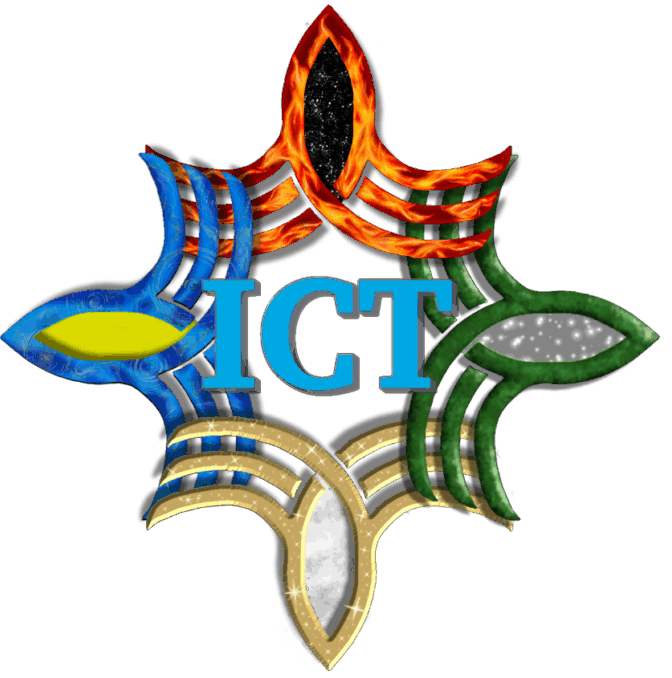 こんにちは。白山麓キャンパスのラーニングメンター、シャーデー・モーアです。今回は、この場を借りて公式の「ICTハウスシステム」の正式発表と紹介をしたいと思います。
白山麓キャンパスでは、この2年半にわたり、寮生活を送る学生を対象にハウスシステムを運用してきました。この制度は、1年生と2年生が共通の目標に向かって協力し、学期を通じて行った善行や成果に対して「ハウスポイント」という形で評価・報酬を得られるようにするために作られたものです。学生は4つのハウスに分けられます。そして、各ハウスには「ヘッドオブハウス」と呼ばれるラーニングメンターがおり、そのハウスに所属する学生を統括しています。学生は、以下のような活動によってハウスポイントを獲得できます。
- 宿題を終え、ラーニングメンターに提出・確認してもらう
- 白山麓キャンパス内の清掃を行う
- ラーニングメンターが実施する指定ワークショップに参加する
- 学習教材の整理・点検活動に協力する
- その他、模範的な行動や功績が認められる場合
一方で、次のような行動には減点が課されます。
- ラーニングセッションへの遅刻
- ロールコール(点呼)への不参加
- 自分で使用した場所の片付けをしない
- 私物やゴミを放置する
- その他、ラーニングメンターが不適切と判断した行動
学生たちは学期を通してハウスの仲間と協力し、できるだけ多くのポイントを獲得(または失わないよう努力)して、学期末に最も多くのポイントを獲得したハウスとなり、「ICTハウスカップ」の優勝を目指します。また、各学期終了後には、次の学期に向けて学生はランダムに別のハウスへ再編成されます。
これまでのハウスシステムでは、世界的に有名な小説・映画シリーズに登場する4つのハウスを利用していました。しかし、この仕組みを永続的に使い続けることはできず、より白山麓キャンパス独自の制度として発展させる必要がありました。そこで2025年の前学期の終わりに、学生たちにアンケートを実施し、白山麓地域に生息しており、キャンパス周辺でも見られる動物の中から好きなものを選んでもらいました。
候補には、
- カメムシ
- ツキノワグマ
- カエル
- イヌワシ
- カモシカ
などが含まれていました。学生たちから最も支持された4種類の動物を、新しいハウスのシンボルにすることが企画の目的でした。その結果、選ばれた4つの動物は以下の通りでした。
- キツネ
- ニホンザル
- イヌワシ
- オコジョ
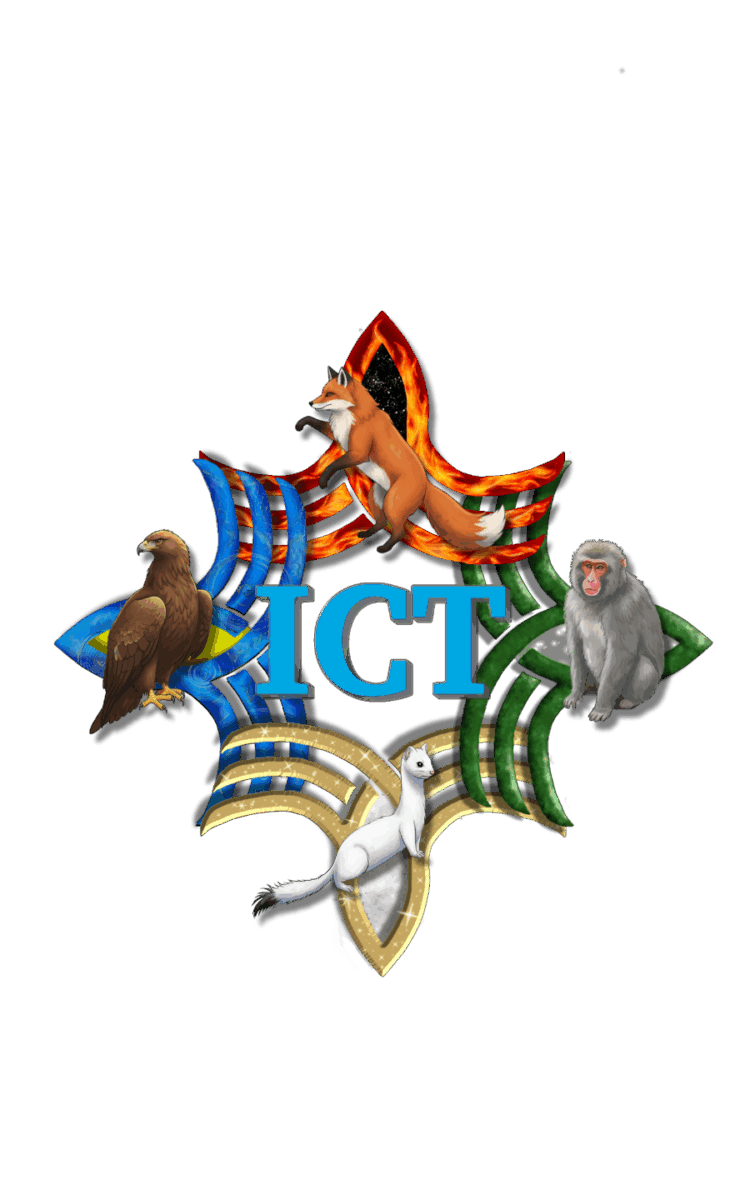
そして私は、それらを基に新しいハウスクレスト(紋章)のデザイン制作に取りかかりました。新しいハウスのデザインは統一感を持たせるとともに、ICTらしさと学生たちが親しんできた従来のハウスシステムの雰囲気を残したいと考えました。 ロゴについては、ICTの公式ロゴを連想させながらも独自性のあるものを目指しました。制作には長い時間を要しましたが、2025年前学期終了から2026年前学期開始までの期間をかけて、ついに新しいハウスロゴが完成し、学生たちへ公開する準備が整いましたので、皆さんにも正式にお披露目します!
それでは、ICT白山麓キャンパスの4つのハウスをご紹介します。
最初のハウスはSoragle(ソレグル)です。
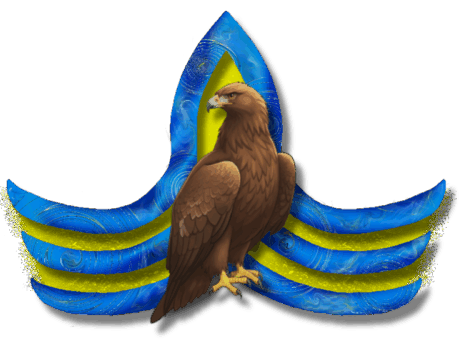 名前の由来
名前の由来
Sora(空)+(ワシ)
シンボル動物
イヌワシ
メインカラー
青
サブカラー
金
属性(エレメント)
水
方角
西
象徴する特性
勇気と革新性
ヘッドオブハウス
クリシア
次のハウスはMonkage(モンカゲ)です。
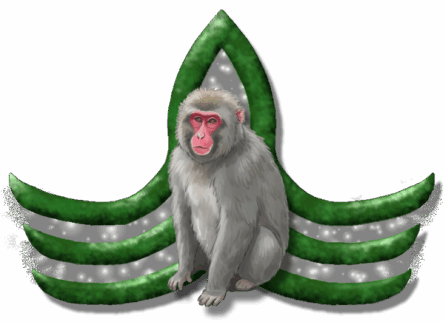
名前の由来
Monkey(サル)+(影)
シンボル動物
ニホンザル
メインカラー
緑
サブカラー
銀
属性(エレメント)
土
方角
東
象徴する特性
粘り強さとチームワーク
ヘッドオブハウス
ドミソン
3番目のハウスはVixtsune(ヴィックツネ)です。
 名前の由来
名前の由来
Vix(の略)+(キツネ)
シンボル動物
キツネ
メインカラー
赤
サブカラー
黒
属性(エレメント)
火
方角
北
象徴する特性
知恵と好奇心
ヘッドオブハウス
ダイアン
最後のハウスはFuwapaw(フワパー)です。
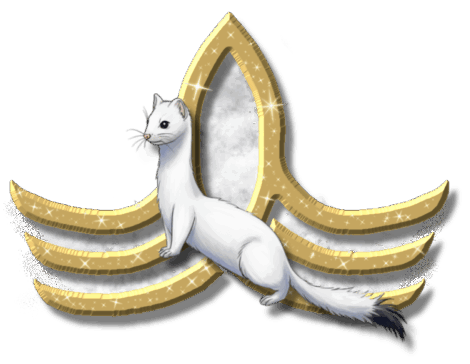
名前の由来
Fuwafuwa(ふわふわ)+(足・肉球)
シンボル動物
オコジョ
メインカラー
黄
サブカラー
白
属性(エレメント)
光
方角
南
象徴する特性
高潔さと逆境に負けない強さ
ヘッドオブハウス
シャーデー
これら4つの個性豊かなハウスを作ることで、学生たちが「これは自分たちの学校ならではの文化であり、誇りに思える特色だ」と感じてくれることを期待しています。
ICTでハウスシステムを導入して以来、学生たちの態度や人間性には目に見える変化がありました。学生たちはハウスポイントを失うことを嫌がりますが、それが責任感や協調性を育む大きな動機付けとなっています。また、ICTの1年生・2年生からのフィードバックも非常に好意的です。学期末アンケートでは、「来学期以降もハウスシステムを継続したい」と回答する学生が毎回96%以上に達しています。
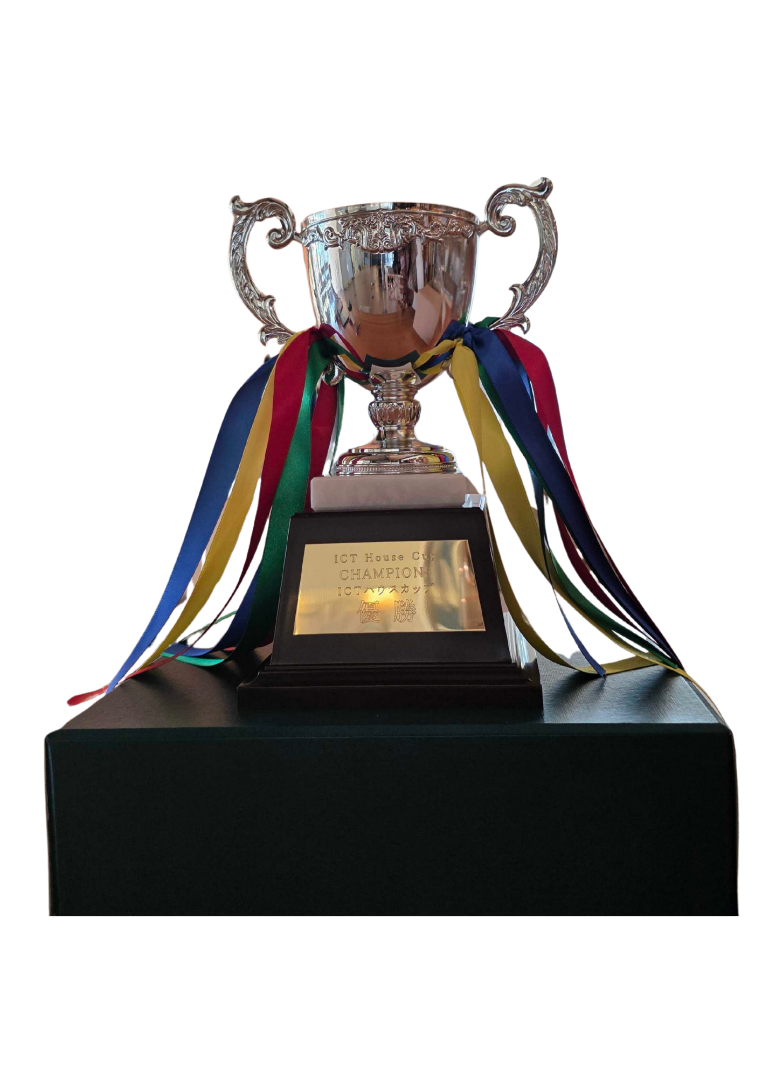
2026年前学期からの公式なICTハウスシステムの導入に伴い、学生たちにとって、それはさらに重要な意味をもつようになりました。学期終了時点で最も多くのポイントを獲得したハウスは、学期末パーティーにおいて、ラーニングメンターが提供する特別メニューの中から好きな食事を選ぶことができます。これは、学期を通じた努力に対する報酬として与えられるものです。そして今学期からは、それに加えて正式な「ハウスカップトロフィー」が授与されます。優勝したハウスは、トロフィーに取り付けられるペナントリボンに自分たちの名前を記すことができ、そのトロフィーは皆が見られるようにキャンパス内に展示されます。
私たちラーニングメンターは、1年生と2年生全員が今後もICTハウスシステムを楽しみ、そこから多くのことを得てくれること、そして、ICTにおいて生産的で思いやりがあり、周囲の助けとなるような学生として成長し続けてくれることを願っています。
シャーデー・モーア
Hello! This is Sade Moore a Learning Mentor at Hakusanroku Campus. I want to take this journal as an opportunity to talk about and hard launch the official International College of Technology House System!
At Hakusanroku Campus for the past two and a half years, we have been utilizing a House System for the students who reside here. This House System was created as a way for the 1st year and 2nd year students to work together for a common goal and get rewarded for the good deeds and accomplishments that they do throughout the semester at Hakusanroku Campus by collecting House Points. The students are split between four Houses and each House is led by their Head of House, which is a Learning Mentor who oversees those students who are in their House. Students can earn various amounts of House Points by finishing and completing homework assignments and showing it to a Learning Mentor, cleaning up around Hakusanroku Campus, attending designated workshops that the Learning Mentors put on throughout the semester, volunteering for organization checks of their school materials with a Learning Mentor, or any good merit that a Learning Mentor may see a student exhibit. Students can also get demerits and lose points for any negative aspects of their behavior such as, being late to Learning Session, not attending their Roll Calls, not cleaning up after themselves and leaving their materials, possessions, and trash unattended around the campus, or any other negative demerits that a Learning Mentor may take notice that a student has done. Together, in their house, over the semester they have to work together to collect and earn (or lose) as many House Points as possible, in order to be the House with the most House Points at the end of the semester and thus winning the ICT House Cup. After each semester, the students will randomly be placed in a different House for the next semester.
In the semesters past, the ICT House System utilized the four Houses from a well-known book and movie franchise. However, obviously this system couldn’t be used forever, and there was a need to make the House System more tailored to being an ICT House System. Therefore, at the end of the 2025 1st Semester, we surveyed the students and asked them to choose between a list of animals that are endogenous to Hakusaroku and live around Hakusanroku Campus such as, kamemushi, Asian black bear, frog, golden eagle, kamoshika, etc. The thought was, the 4 animals that the students liked the most would go towards being the animals that would be the symbols of the new ICT Houses. The four winning animals of this survey ended up being: fox, Japanese monkey(macaque), golden eagle, and the stoat. From there, I went to work and began to design the new House Crests.
I wanted the design for the new Houses to be cohesive and also indicative of ICT and the House System that the students were already used to using beforehand. For the logo I wanted to create something that was similar to the logo used officially for ICT, but still unique and different, and although it took a lot of time, between the end of the 1st Semester of 2025 and the start of the new 1st Semester of 2026, the new House logos were finally completed and ready to be unveiled to the students, and now we can reveal them to everyone else!
The first House I will be introducing is Soragle
Name origin: Sora (sky)+ Eagle
Representative animal: Golden Eagle
Main Color: Blue
Secondary Color: Gold
Element: Water
Cardinal Direction: West
Defining Characteristics: Bravery and Innovation
Head of House: Krishia
Now to introduce, Monkage house
Name origin: Monkey + kage (shadow)
Representative animal: Japanese monkey (macaque)
Main Color: Green
Secondary Color: Silver
Element: Earth
Cardinal Direction: East
Defining Characteristics: Grit and Teamwork
Head of House: Domyson
The next House to be introduced is Vixtsune.
Name origin: Vix (short for vixen) + kitsune (fox)
Representative animal: Fox
Main Color: Red
Secondary Color: Black
Element: Fire
Cardinal Direction: North
Defining Characteristics: Cleverness and Curiosity
Head of House: Dianne
Last but not least, introducing Fuwapaw house.
Name origin: Fuwafuwa (fluffy) + paw
Representative animal: Japanese stoat
Main Color: Yellow
Secondary Color: White
Element: Light
Cardinal Direction: South
Defining Characteristics: Nobility and Resilience
Head of House: Sade
With these four distinct Houses created it was the hope that our students could feel like this is actually their school’s own identity and is in fact a unique characteristic that they can feel proud of. Since implementing the House System at ICT, there has been a marked difference in the demeanor and character of our students. Even though they hate losing points for their Houses, it gives them a sense of responsibility and teamwork that they can strive for throughout the semester and the overall feedback from our ICT 1st and 2nd year students has been overwhelmingly positive for the House System. At the end of each semester, we give a survey to the students and ask them if they want to continue to utilize the ICT House System and we consistently get over a response of over 96% of the students wanting to continue the House System into the next semester.
With the launching of the official ICT House System from the 1st Semester of 2026, the stakes are even higher for the students. The House that accumulated the most points by the end of the semester usually gets to choose between a special meal of their choice provided by the Learning Mentors at the end of the semester party each semester for all of their hard work. From this semester though, there is now an official House Cup Trophy that the winning House can win and write their names on the pennant ribbon which will be attached to the House Cup Trophy and displayed on the campus for everyone to see. It is our hope that all of the 1st year and 2nd year students continue to enjoy and get value out of the ICT House System in the future and through the ICT House System will become and remain productive, caring, and helpful students at ICT.
Sade Moore
 皆様、こんにちは。国際高等専門学校(ICT)国際理工学科講師のアピラク・サンゲンチャイです。私は現在、ICTの教員として勤務しています。また、タイのラジャマンガラ工科大学ランナー校(RMUTL)の卒業生でもあります。そのような立場から、RMUTLとICTとの関係が発展していく過程を見守り、またその一端に携わることができたことを大変うれしく、光栄に感じています。
私とICTとのつながりは、RMUTLで電子工学分野の技術教育を学んでいた学生時代に始まりました。当時、金沢工業高等専門学校(現在のICT)とのLearning Express(LeX)プログラムに参加し、デザイン思考を学びながら、日本人学生とともに地域課題の解決に取り組みました。この経験を通じて、課題解決能力が向上しただけでなく、国際協働の重要性や楽しさを学ぶことができました。
その後、2017年には金沢工業大学(KIT)が実施するさくらサイエンスプログラムに参加し、日本の教育や研究活動、先端技術に直接触れる機会を得ました。この経験を通じて、RMUTLとKIT、ICTとの交流の歴史や相互協力の意義について理解を深めることができました。そして、このような継続的な交流が、現在の連携の発展につながっていることを強く実感しました。
長年にわたり積み重ねられてきた取り組みは、この協力関係の礎となっています。教職員や学生による継続的な交流、教育活動や研究に関する意見交換、さらには文化交流を通じて、相互理解と信頼は着実に深まってきました。私自身も2020年にICTへ着任して以来、教員としてこの関係の発展に携わることができることを大変うれしく感じています。
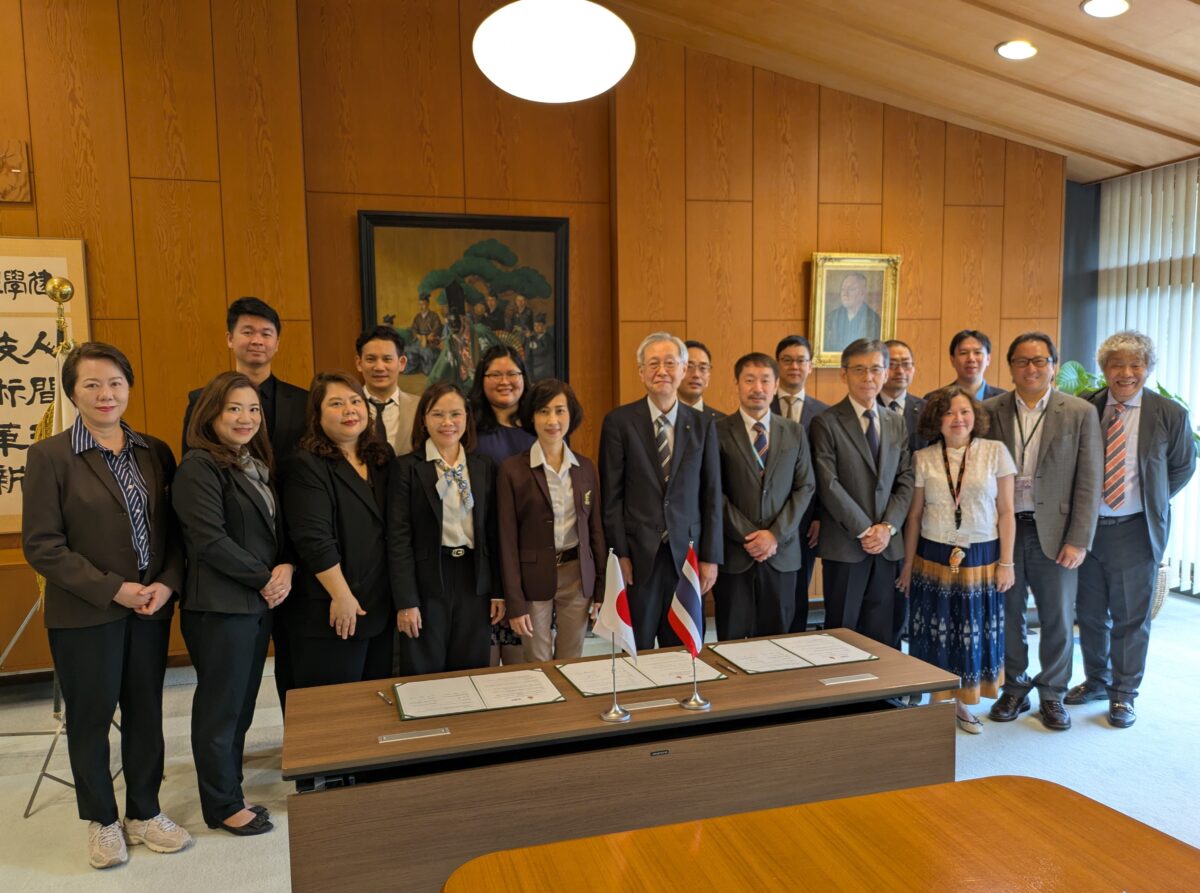
そして2026年9月15日、RMUTLとICTは正式に学術交流協定覚書(MoU)を締結しました。私にとって、このMoU締結は単なる形式的な合意ではありません。これまで築かれてきた交流と協力、そして多くの関係者による努力と経験が形となった大きな節目であると感じています。この重要な場に立ち会い、その瞬間を見届けることができたことを大変光栄に思います。
今回のMoUは、学生交流、共同学術活動、共同研究、文化・体験型学習プログラムなど、幅広い分野での連携を推進するための枠組みとなります。今後は、学生が互いの国や文化について学び合う機会がさらに増えるとともに、教員間の教育・研究面での協力も一層活発になることを期待しています。
また、このパートナーシップが短期交換留学プログラム、国際的なプロジェクト型学習、デザイン思考ワークショップ、工学・技術分野における共同研究、さらには文化体験プログラムなどを通じて、さらに発展していくことを願っています。これらの活動は学術交流を強化するだけでなく、学生たちが国際的な視野を養い、生涯にわたる友情や人的ネットワークを築く貴重な機会にもなるはずです。
私自身、この交流を通じて多くの学びと成長の機会を得てきました。学生時代から続くこのご縁の中で、現在は教員としてその発展に携わることができることを大変光栄に感じています。今年締結されたMoUが、今後の新たな挑戦と有意義な協力の礎となり、多くの学生や教職員に長期的な恩恵をもたらすことを心より願っています。
アピラク・サンゲンチャイ
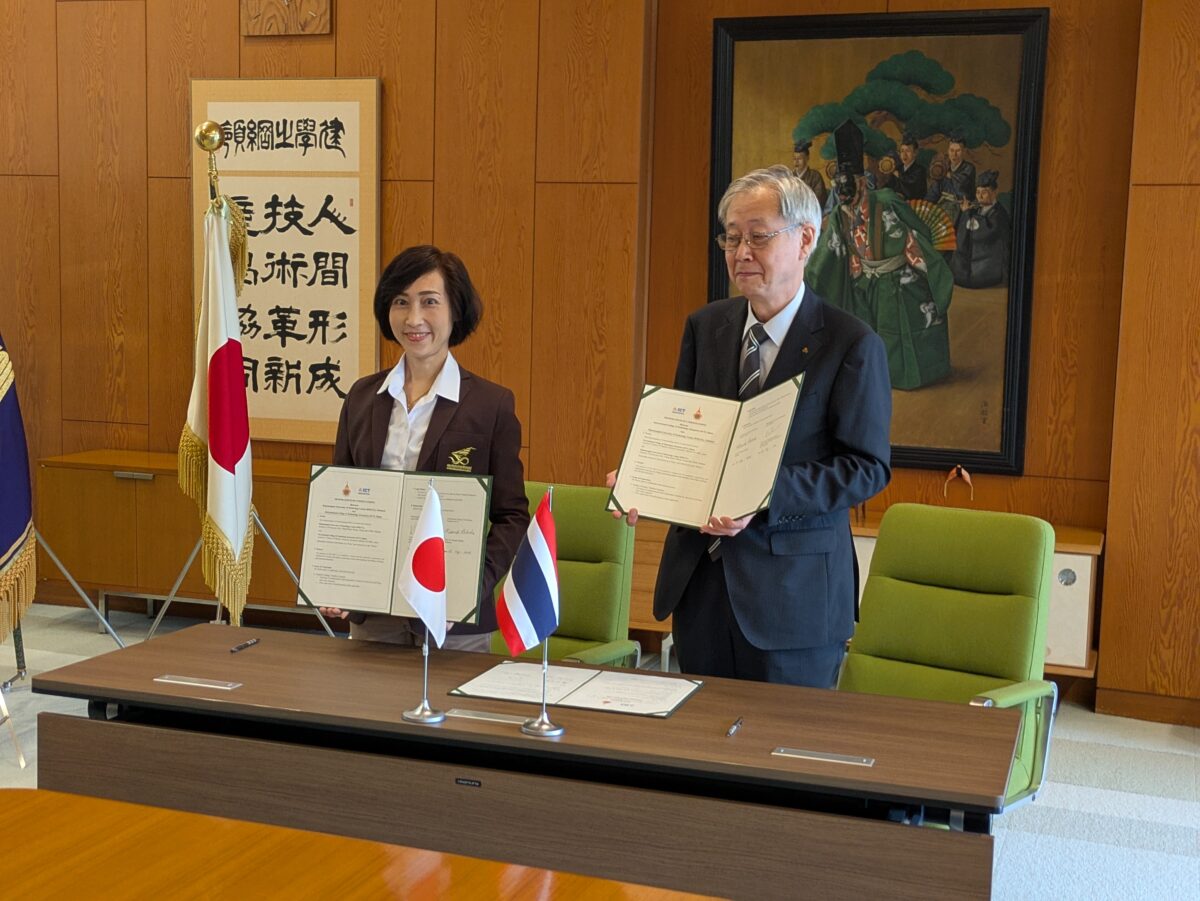
Dr. Kanthana Ditkaew, RMUT representative, and Masaki Shikada, President of ICTRMUT代表 Dr. Kanthana DitkaewとICT 鹿田正昭校長
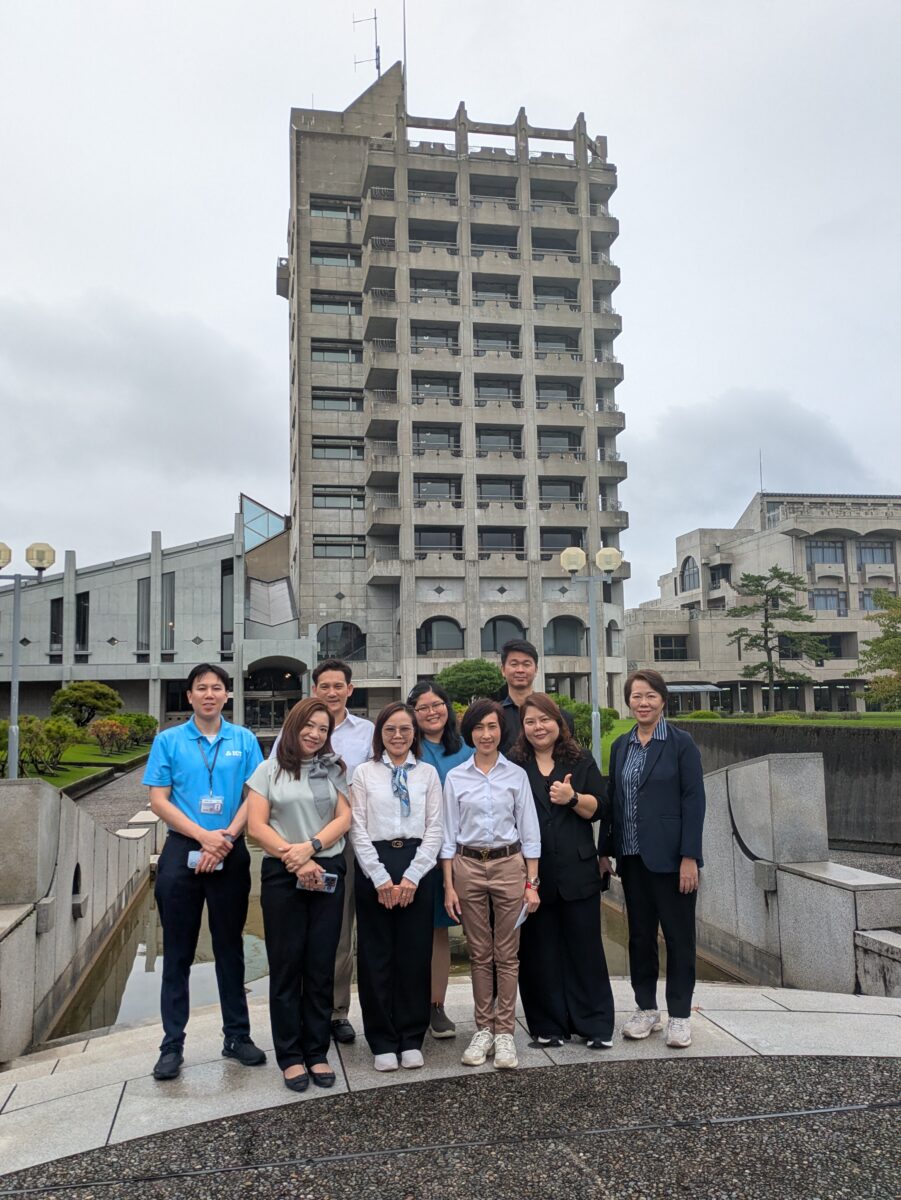
With the RMUTL delegationRMUTL訪問団の皆様とともに
This is Apirak Sang-ngenchai, and I am currently a lecturer at ICT. As an alumnus of Rajamangala University of Technology Lanna (RMUTL), Thailand. I feel fortunate to have witnessed and contributed to the development of the relationship between RMUTL and ICT.
My journey began as a student at RMUTL, studying Technical Education in Electronic Engineering. I participated in the Learning Express (LeX) program with Kanazawa Technical College (KTC), which became ICT, Kanazawa. I learned Design Thinking and worked with Japanese students on community projects. This enhanced my problem-solving skills and introduced me to international collaboration.
In 2017, I visited Japan through the Sakura Science Project at Kanazawa Institute of Technology (KIT), gaining exposure to Japanese educational practices, research, and innovation. It deepened my understanding of the friendship and cooperation between RMUTL, KIT, and ICT.
These exchanges laid the foundation for stronger academic ties between our institutions. Over the years, faculty members, staff, and students from both sides continued to build mutual trust and understanding through educational activities, research discussions, and cultural programs. When I joined ICT in 2020, I was pleased to contribute to this longstanding relationship from a new perspective as a faculty member.
A significant milestone was achieved on September 15, 2026, when RMUTL and ICT officially signed a Memorandum of Understanding (MoU). For me, this was more than just a formal agreement. It reflected years of collaboration, exchanges, and shared experiences between our institutions. I was honored to support this important event and to witness the beginning of the next chapter of our partnership.
The MoU provides a framework for future cooperation in several important areas, including student exchanges, joint academic activities, collaborative research, and cultural and experiential learning programs. We hope to create more opportunities for students to study and learn from each other's cultures, while also encouraging faculty members to work together on educational and research initiatives.
Looking ahead, I would like to see the partnership develop through activities such as short-term exchange programs, international project-based learning, Design Thinking workshops, collaborative research in engineering and technology, and cultural immersion programs for students from both countries. These activities will not only strengthen academic cooperation but also help students develop global perspectives and lifelong international friendships.
As someone who has benefited greatly from the relationship between RMUTL, KIT, and ICT, I am proud to have been part of this journey. I sincerely hope that the MoU signed this year will serve as a foundation for many new opportunities and meaningful collaborations in the future, bringing lasting benefits to students, faculty members, and both institutions for years to come.
Apirak Sang-ngenchai
Dr. Kanthana Ditkaew, RMUT representative, and Masaki Shikada, President of ICTRMUT代表 Dr. Kanthana DitkaewとICT 鹿田正昭校長
With the RMUTL delegationRMUTL訪問団の皆様とともに
 こんにちは。デザイン&ファブリケーション部顧問の林 道大です。9月12日(土)と13日(日)に金沢工業大学で開催された、第31回日本顔学会大会(フォーラム顔学2026)に参加してきました。フォーラムでは、人間の顔に関するさまざまな研究について発表したり、顔に関係する商品が展示されたりしていました。例えば、メイクアップに関すること、顔の印象に関すること、顔の認識に関すること、人間以外のロボットや動物の顔のこと、似顔絵に関することなどです。学会では口頭発表29件、ポスター発表25件のほかにデモ展示6件、企業展示5件があり、全国から175名の参加者がありました。
本校からは4年生の沖山 琳世さんが、モナリザの視線に関するポスター発表を行いました。タイトルは「ステレオ実写画像からのオフセットモナリザ効果(oMLE)を誘発する顔画像の合成手法(Facial image synthesis inducing the offset Mona Lisa Effect (oMLE) from stereoscopic photographic images)」です。簡単に内容を紹介します。写真や絵画のなかの人をいろいろな方向から見たときに、見ている人に視線が合ってしまうことがあります。これは「モナリザ効果」と言われることが多いです。発表した研究では、そのモナリザ効果が生じる画像と、生じない画像の違いを、実際の人間の写真を加工することで実験して確かめました。
沖山さんは画像のモデルとなるために、何日にもわたって何度もモデルとして写真に撮られたり、画像の評価実験をしたりして、夏休みの間に準備しました。その成果を会場でポスターセッションの形式で発表しました。発表には多くの参加者が聞きに来られ、ポスター前ではいろいろと議論が繰り広げられていました。日頃は指導教員と話すことが多いのですが、学会会場では他大学の教員や、企業の研究所の方々、あるいはイラストレーターなどと、いつもとは違うさまざまな意見交換ができたのではないでしょうか。さらに、閉会式では日本顔学会の前学会長の名前が付けられた「菅沼賞」をいただくことができました。また会場ではイラストレーターの方に似顔絵を描いてもらっていました。
今回は、地元での開催でしたが、今度は日本全国、さらには海外での発表にも意欲的に参加してほしいと思います。
デザイン&ファブリケーション部
顧問 林 道大
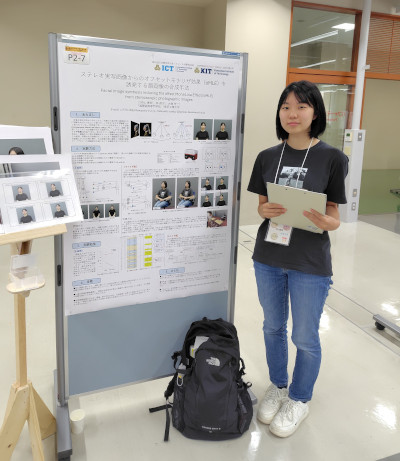
Looking a little nervous before the presentation発表前で少し緊張する様子
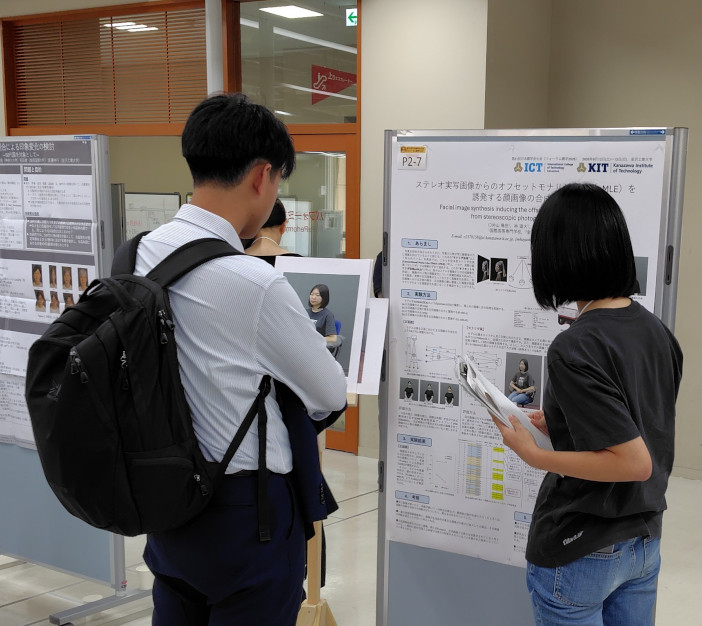
Explaining the research研究を説明している様子
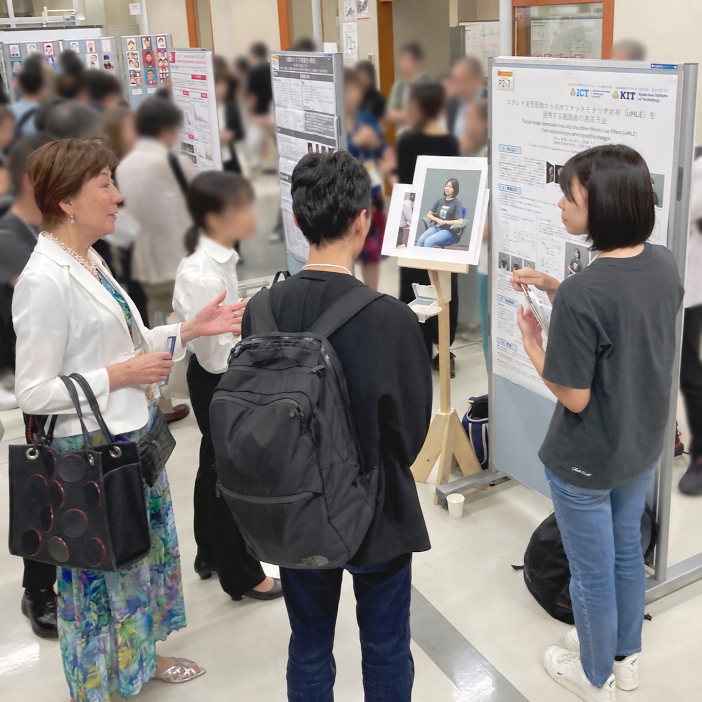
A venue bustling with participants盛況な会場の様子
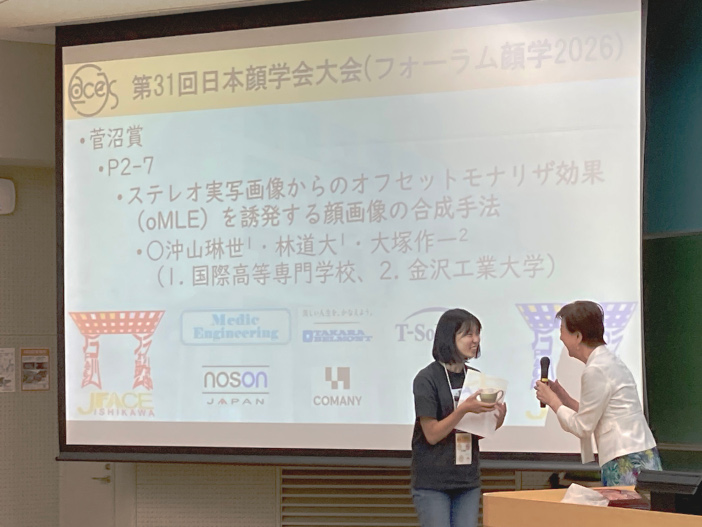
Receiving the award表彰され少し照れている様子
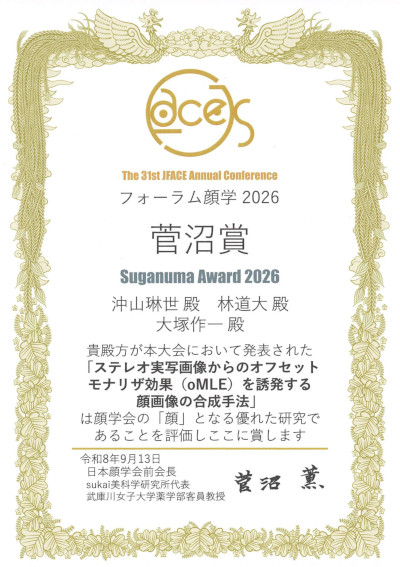
The award certificate頂いた賞状
Hello. My name is Michihiro Hayashi, advisor of the Design & Fabrication Club.
On September 12 and 13, we participated in the 31st J-FACE Annual Conference of the Japanese Academy of Facial Studies, “Forum KAOGAKU 2026,” held at Kanazawa Institute of Technology.
The forum featured a wide variety of research and exhibits related to the human face. Topics included makeup, facial impressions, facial recognition, the faces of robots and animals, and portrait illustration. The conference included 29 oral presentations, 25 poster presentations, six demonstrations, and five corporate exhibits, with a total of 175 participants from across Japan.
From ICT, fourth-year student Rinse Okiyama gave a poster presentation on gaze perception and the Mona Lisa effect. The title of the presentation was “Facial Image Synthesis Inducing the Offset Mona Lisa Effect (oMLE) from Stereoscopic Photographic Images.”
To briefly explain the research, when we look at a person in a photograph or painting from different angles, we may sometimes feel as though the person’s eyes continue to look directly at us. This phenomenon is commonly known as the “Mona Lisa effect.” In this study, differences between images that produce the Mona Lisa effect and those that do not were experimentally examined by processing photographs of real people.
During the summer vacation, Rinse Okiyama worked intensively on preparing for the presentation. She served as the model for the images and took part in repeated photo sessions over several days, as well as image evaluation experiments.
She presented the results in a poster session at the conference. Many participants came to hear about the research, and lively discussions took place in front of the poster. In everyday research activities, students mainly have opportunities to discuss their work with their supervising teachers. At the conference, however, Rinse Okiyama was able to exchange ideas with faculty members from other universities, researchers from companies, illustrators, and many other people with different perspectives.
At the closing ceremony, Rinse Okiyama received the “Suganuma Award,” named after a former president of the Japanese Academy of Facial Studies.
She also had the opportunity to have her portrait drawn by an illustrator at the venue.
This year’s conference was held locally, but I hope that in the future she will continue to take on new challenges and actively present her research not only throughout Japan, but also internationally.
Design & Fabrication Club
Advisor: Michihiro Hayashi
Looking a little nervous before the presentation発表前で少し緊張する様子
Explaining the research研究を説明している様子
A venue bustling with participants盛況な会場の様子
Receiving the award表彰され少し照れている様子
The award certificate頂いた賞状