




国際高等専門学校によるアジア圏外初となる高専設立支援
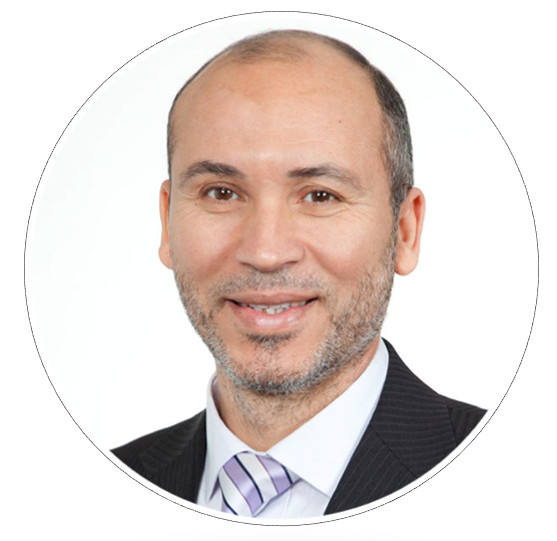 こんにちは。国際理工学科の教員であり、エジプト出身のアラー・ホセインです。本稿では、中東のみならずアフリカでも初となる高等専門学校制度校であるエジプト・日本高専(EJ-KOSEN)の設立において、国際高専が果たしてきた貢献について紹介します。
EJ-KOSENは、日本政府(独立行政法人国際協力機構:JICA)とエジプト・アラブ共和国政府との開発協力プロジェクトとして、2024年6月に正式に開校しました。エジプト側のパートナーには、実施機関である教育開発基金(Educational Development Fund:EDF)をはじめ、高等教育・科学研究省(Ministry of Higher Education and Scientific Research:MoHESR)、通信・情報技術省(Ministry of Communications and Information Technology:MCIT)、および教育・技術教育省(Ministry of Education and Technical Education:MoETE)が参画しています。本プロジェクトでは、高専モデルコアカリキュラムを翻訳し、エジプトの教育環境に合わせて調整したカリキュラムを用いることで、パイロット校である高専が円滑かつ効果的に運営されることを目指しています。あわせて、日本型高専教育の質を保証する指標である 国立高専教育国際標準(KOSEN International Standard:KIS)認証の取得を目標としています。
エジプトにおける工学教育は、これまで主に二つの教育経路によって提供されてきましたが、それぞれに異なる課題を抱えています。大学教育では理論教育が中心となっており、実践的なスキルの育成や産業界との連携は比較的限定的です。そのため、卒業生は理論的な知識は十分に備えている一方で、実社会における課題解決能力や実践経験が不足しがちです。一方、技術・職業教育学校では、主に機械や設備の操作に重点が置かれています。これらの学校の卒業生は機器の操作には習熟しているものの、その背後にある理論や設計プロセス、技術開発に関する理解は十分とは言えません。こうした状況を踏まえ、エジプトでは近年、高度な技術教育や体験型教育への転換が進められています。その一環として、多くの工科系大学が新設されるとともに、世界各国の実績ある教育システムと連携したさまざまな協力プログラムが展開されています。
こうした教育システムの一つが、日本の高専モデルです。高専モデルは、理論的知識と実践的応用をバランスよく組み合わせ、産業界のニーズを意識したカリキュラムによって構成されています。プロジェクト型学習(PBL)、課題解決型学習、探究型学習といった教育手法を取り入れることで、学生は分析的思考力と実践的な技能の双方を身に付けることができます。さらに、産業界との強固な連携を重視している点も高専教育の大きな特徴であり、学生は実社会における課題に触れる機会を通して、イノベーション創出力、設計力、そして実践的な問題解決能力を養います。このように、高専モデルは、エジプトの工学教育において長年課題とされてきた理論と実践の隔たりを埋める包括的な解決策を提供する教育モデルと言えます。
エジプトにおける高専教育導入の構想は、2016年に行われたエジプト大統領の公式訪日を契機として始まりました。大統領はこの訪問の際、幼稚園、小学校、高等専門学校など、日本のさまざまな教育機関を視察し、とりわけ高専制度に強い関心を示しました。高専教育が、単なる技能習得にとどまらず、設計力、イノベーション力、問題解決力といった基礎的かつ高度な能力を備えたエンジニアの育成を重視している点が高く評価されたためです。この訪問を受けて、エジプト政府は、日本政府に対し、高専教育モデルをエジプトに導入するための支援を正式に要請しました。本プロジェクトは、日本側では独立行政法人国際協力機構(JICA)を通じて実施され、日本国内の複数の高専から専門家が派遣されました。
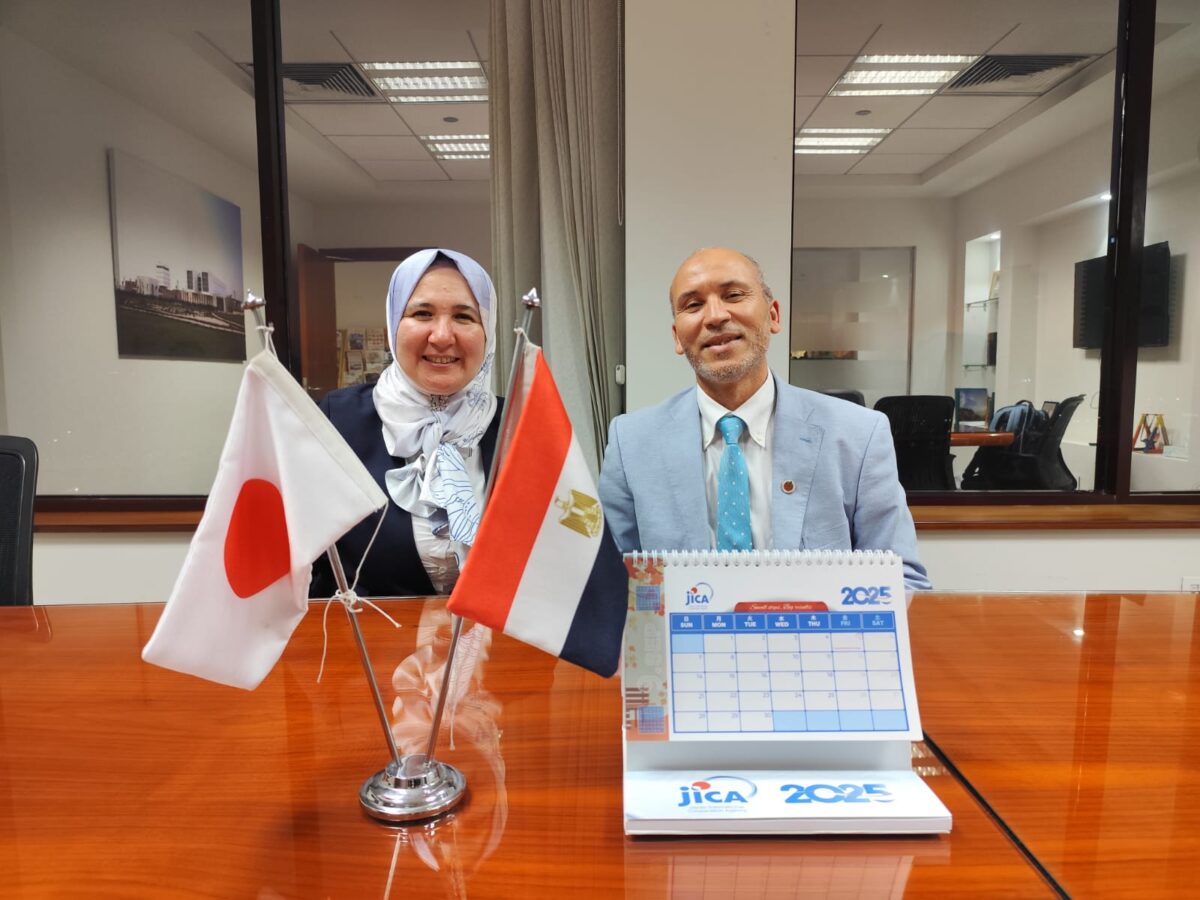
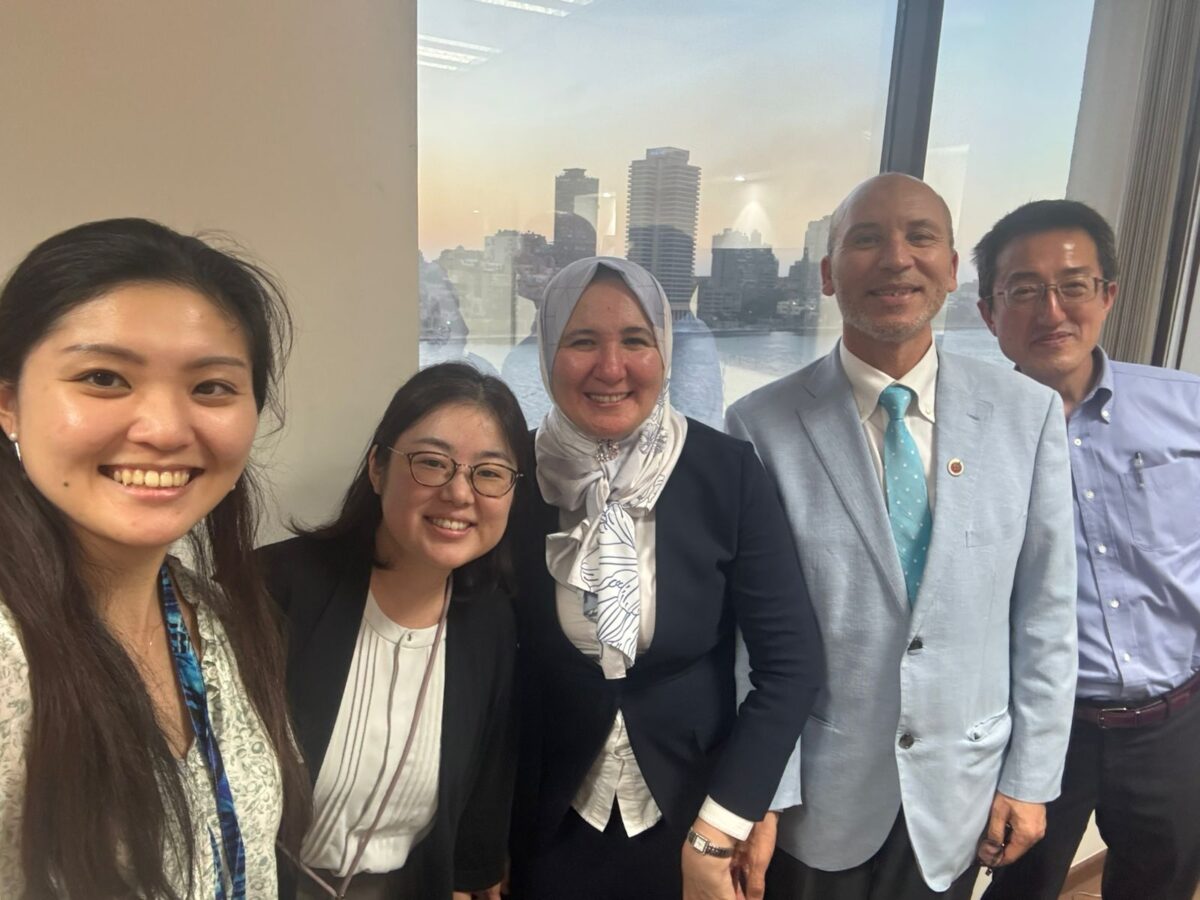
私自身や本校のナグワ・ラシィド先生も、その専門家チームの一員として本プロジェクトに参画しています。私たちが所属する国際高等専門学校は、日本国内では珍しく、主に英語による教育を実施している点に特徴があります。この点は、授業が英語で行われるEJ-KOSENの教育環境と極めて高い親和性を有しています。現在、これらの日本人専門家は、教育開発基金(Educational Development Fund:EDF)のエジプト側チーム、JICAのプロジェクトマネジメントスタッフ、そして新たに採用されたEJ-KOSENの教職員と緊密に連携しながら、教育制度の構築と運営体制の確立に取り組んでいます。国際高専の教員として、私の役割は、ナグワ先生をはじめとする日本側専門家とともに、カリキュラム支援にとどまらず、学校の理念の策定や主要な制度設計への貢献にまで及びました。特に、ディプロマ・ポリシー、カリキュラム・ポリシー、アドミッション・ポリシーの策定においては、中心的な役割を担いました。また、STEM分野のカリキュラム設計を支援するとともに、教員の公募・選考への参画、学生募集および入学選考プロセスへの支援、さらには入学試験および入学審査制度の構築にも携わりました。
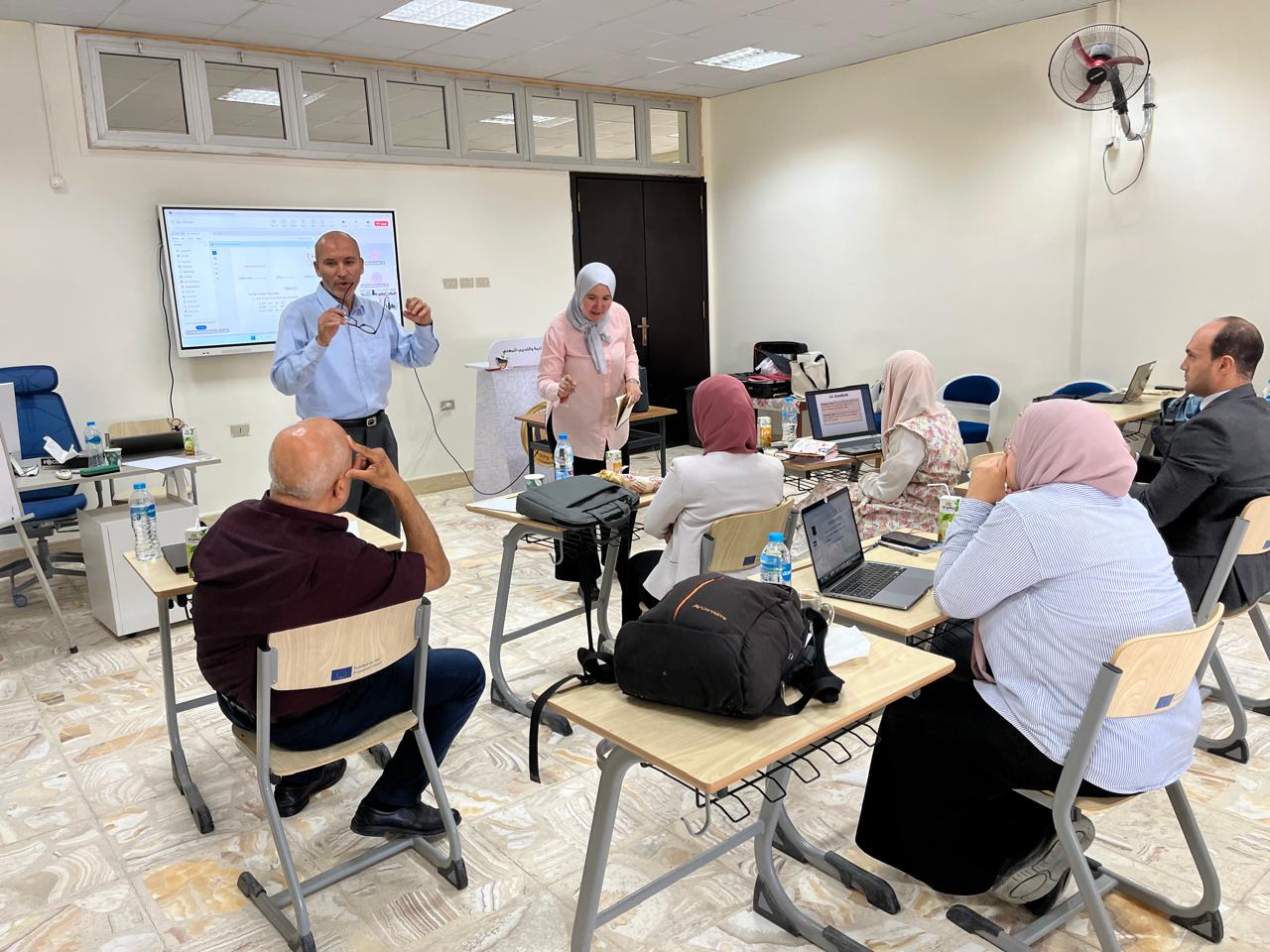
正式開校に先立ち、2025年8月には、新たに採用された教員を対象として、エジプトにおいて約3週間にわたる集中的な研修プログラムを実施しました。本研修では、高専教育の理念および教育体系をはじめ、国立高専教育国際標準(KOSEN International Standard:KIS)枠組みについて紹介するとともに、プロジェクト型学習、課題解決型学習、探究型学習といった現代的な教育手法について指導を行いました。さらに、授業用教材の開発および改善に関する助言も行いました。この期間中、私たちは入学選考プロセスにおいても積極的な役割を果たし、学生面接への参加や、EJ-KOSEN第1期生となる新入生の選抜にも携わりました。プログラムの開校後は、私たちの役割はさらに拡大し、教員に対する継続的な学術支援、フォローアップ、ならびに専門能力向上のための支援も担っています。
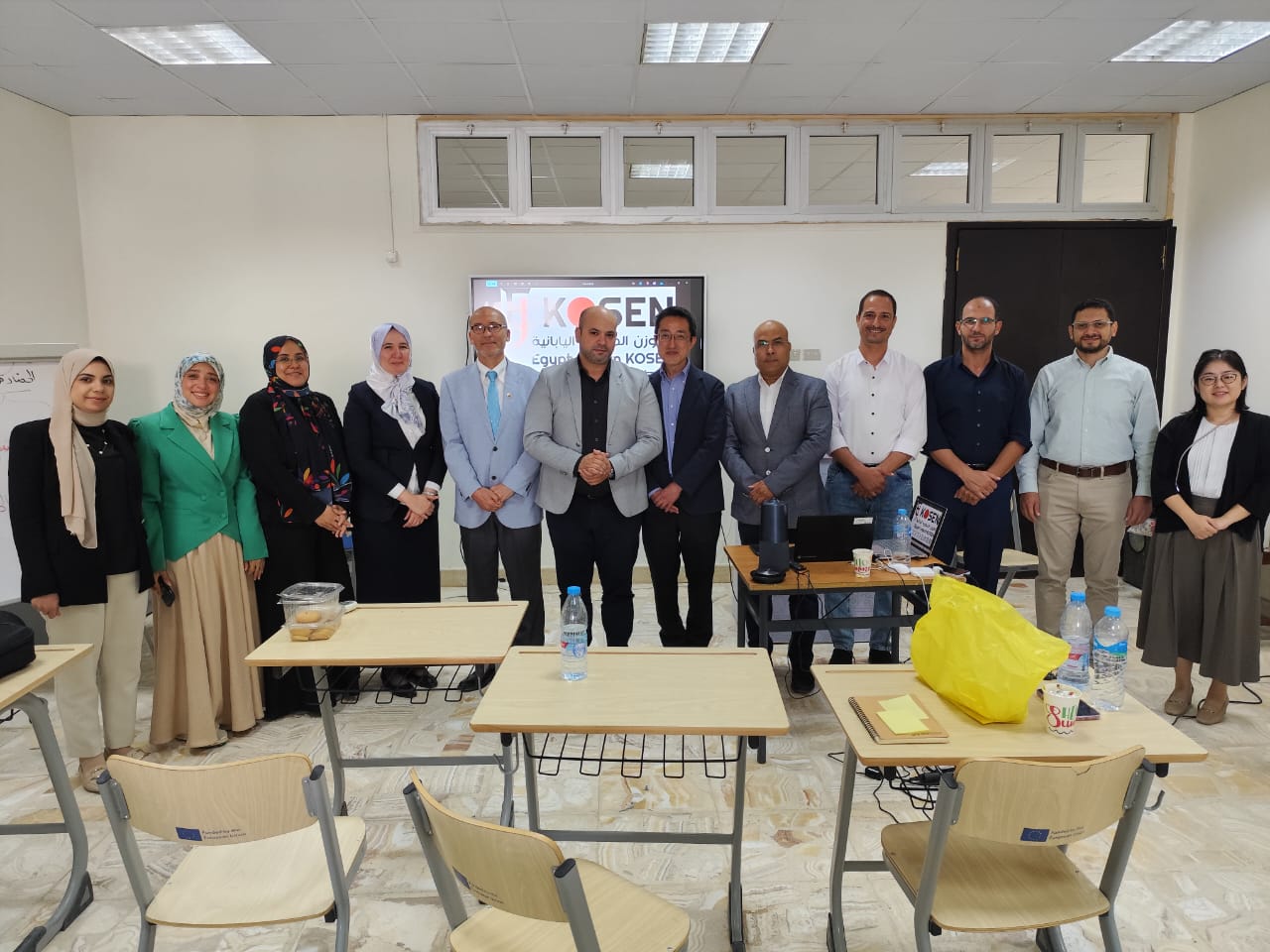
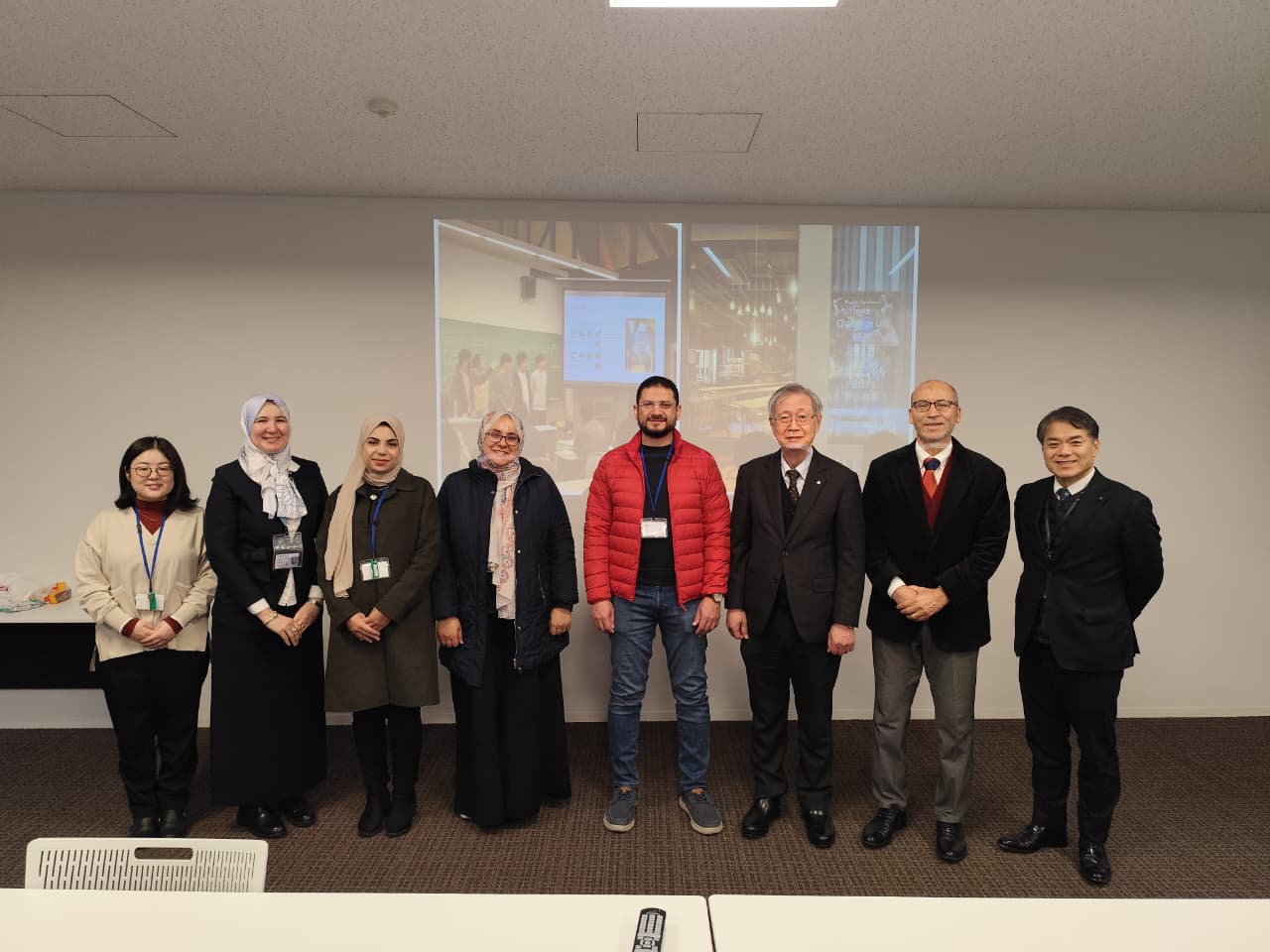
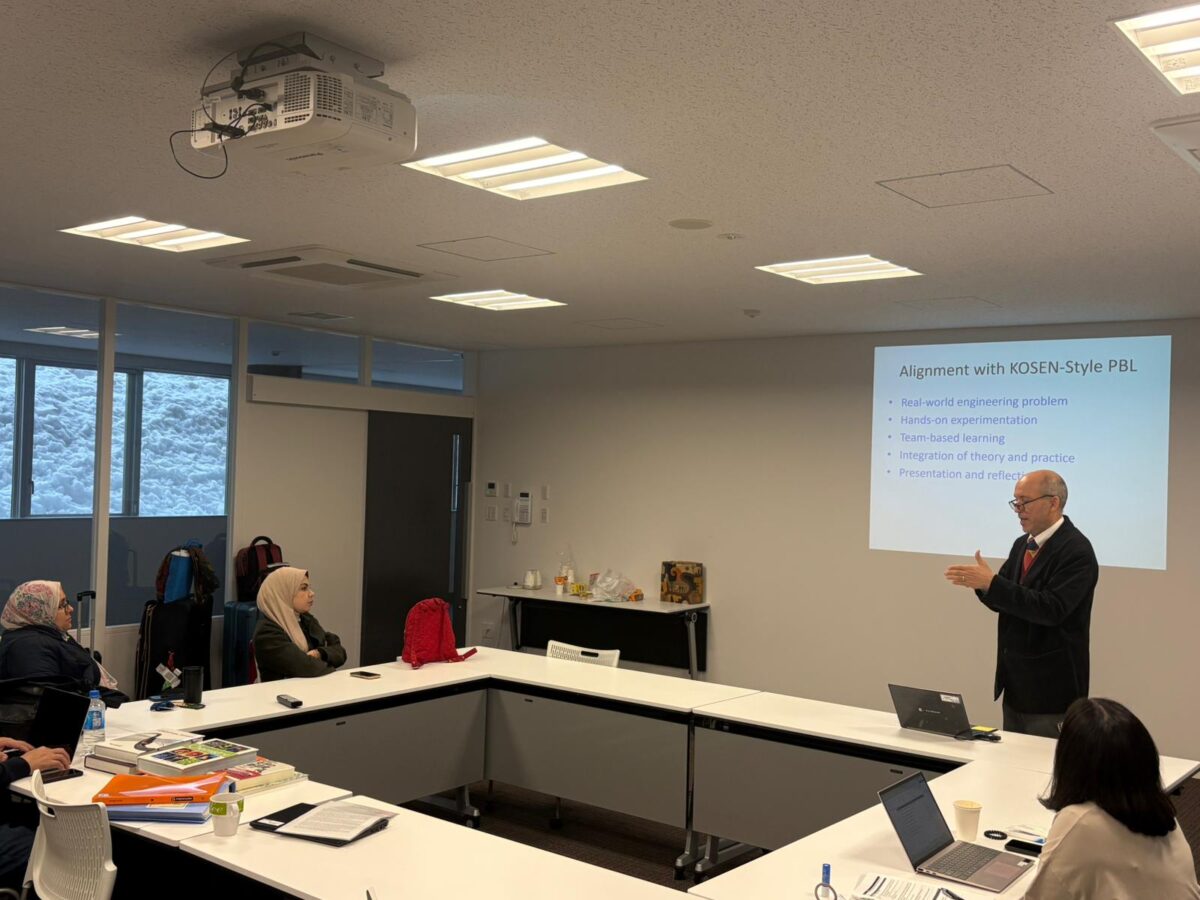
2026年1月下旬には、EJ-KOSENの教職員がさらなる研修のため来日し、大阪公立大高専、石川高専、そして私たちの金沢にある国際高等など、複数の高専を訪問しました。滞在中、参加者は国際高専の2つのキャンパスの施設を視察するとともに、併設校である金沢工業大学との連携体制について理解を深め、集中的なワークショップにも参加しました。これらのワークショップでは、初年度前期の教育プログラム全般を対象に、講義資料、実験、演習・実習、ワークシート、期末試験に至るまで、詳細なフィードバックを行いました。また、形成的評価、ポートフォリオ評価、ルーブリックの活用といった評価手法にも重点を置き、評価の明確性、一貫性、透明性を確保するための議論を行いました。さらに、私はプロジェクト型学習(PBL)に関する講義を担当し、その実施方法、評価基準、評価の透明性、ならびにエビデンスに基づく評価の考え方について解説しました。これらの研修を通じて、エジプト側教員の教育力向上を図るとともに、EJ-KOSENの教育プログラムが、国際標準に沿った高水準の教育・学習・評価を維持することを目的としています。
こうした強固かつ発展的な協働関係を通じて、エジプト・日本高専プロジェクトは、国際的な基準を満たすだけでなく、エジプト社会が直面する喫緊の課題や産業界の変化するニーズに的確に応える、持続可能で質の高い工学教育モデルを構築するための確かな基盤を築いています。エジプトの出身者として、この取り組みの継続的な発展と成功を目の当たりにできることを心から嬉しく思います。また、本プロジェクトが、実社会の課題解決に主体的に取り組み、イノベーションを創出し、エジプトの持続可能な発展に貢献できる、有能で創造性に富んだ次世代のエンジニアを育成していくものと確信しています。
アラー・ホセイン
ICT Support Establishing the First International KOSEN Out of Asia
Hello, this is Alaa Hussien from Egypt. I am a professor in the Department of Science and Technology at ICT. I am writing this article to highlight the contributions of ICT in supporting the establishment of the Egypt–Japan KOSEN (EJ-KOSEN), the first KOSEN institution not only in the Middle East but also in Africa. It was officially launched in June 2024 as a development cooperation project between the Government of Japan, represented by the Japan International Cooperation Agency (JICA), and the Government of the Arab Republic of Egypt. The Egyptian partners include the Educational Development Fund (EDF) as the implementing agency, along with the Ministry of Higher Education and Scientific Research (MoHESR), the Ministry of Communications and Information Technology (MCIT), and the Ministry of Education and Technical Education (MoETE). The overall goal of the project is to introduce the KOSEN education system in Egypt as a new model of higher education. The project specifically aims to ensure that the pilot KOSEN operates effectively using a curriculum translated and adapted from the KOSEN Model Core Curriculum, with the objective of achieving KOSEN International Standard (KIS) accreditation, thereby assuring the quality of Japanese-style KOSEN education.
In Egypt, engineering education has traditionally been delivered through two main pathways, each with distinct limitations. University education primarily emphasizes theoretical knowledge, with relatively limited focus on practical skills and minimal connection to industry. As a result, graduates often possess strong theoretical backgrounds but lack real-world problem-solving abilities and hands-on experience. On the other hand, technical and vocational schools focus mainly on the operation of machinery. Graduates from these institutions are typically skilled in operating equipment but have a limited understanding of underlying principles, design processes, or the development of technology. In the last few years, the environment has been shifting toward advanced technological and experiential educations by establishing many technological universities and developing various cooperation programs with successful existing educational systems around the world.
One of these systems is the KOSEN model in Japan, where this model integrates theoretical knowledge with practical application through a well-balanced and industry-oriented curriculum. By incorporating project-based, problem-based, and inquiry-based learning approaches, KOSEN education enables students to develop both analytical thinking and hands-on skills. Furthermore, its strong emphasis on collaboration with industry ensures that students gain exposure to real-world challenges, thereby fostering innovation, design capability, and practical problem-solving skills. In this way, the KOSEN model offers a comprehensive solution that bridges the divide between theory and practice in engineering education in Egypt.
The idea of introducing KOSEN education in Egypt can be traced back to 2016, following the official visit of the President of Egypt to Japan. During this visit, he toured various educational institutions, including kindergartens, elementary schools, and KOSEN colleges, where he was particularly impressed by the KOSEN system as it emphasizes the development of engineers who possess not only operational skills but also strong foundations in design, innovation, and problem-solving. Following this visit, the Egyptian government requested support from the Japanese government to introduce this educational model in Egypt. The project was implemented through JICA, which dispatched Japanese experts from various KOSEN institutions, including myself and Nagwa Fekri Rashed Sensei. Our involvement was particularly relevant as our International College of Technology (ICT) is unique in Japan in delivering education primarily in English, closely aligning with the educational context in the EJ-KOSEN, where instruction is also conducted in English. These Japanese experts have been collaborating closely with the Egyptian team from the Educational Development Fund (EDF), the JICA project management staff, and the newly appointed faculty and staff at EJ-KOSEN.
As a professor at ICT, my role, along with other Japan-side experts—including Nagwa Fekri Rashed Sensei—has extended beyond curriculum support to encompass contributions to the formulation of the school’s vision and the development of key institutional policies. In particular, we have played a central role in designing the diploma policy, the curriculum policy, and the admission policy. In addition, we have supported the design of STEM curricula, have participated in the recruitment and selection of faculty members, have assisted in student admissions processes, and have contributed to the development of entrance examinations and admission procedures.
Prior to the official opening, we conducted an intensive three-week training program in Egypt in August 2025 for newly recruited faculty members. This training introduced the philosophy and structure of KOSEN education, including the KOSEN International Standard (KIS) framework, as well as modern teaching methodologies such as project-based, problem-based, and inquiry-based learning. We also provided guidance on the development and refinement of teaching materials. During that period, we played an active role in the admission process by participating in student interviews and contributing to the selection of the first intake of EJ-KOSEN freshmen. After the program’s launch, our responsibilities expanded to include continuous academic support, follow-up, and professional development for faculty members.
In late January 2026, staff and faculty members from the EJ-KOSEN came to Japan to visit several KOSEN institutions, including Osaka KOSEN, Ishikawa KOSEN, and our International College of Technology in Kanazawa, for further training. During their visit, they explored our two campuses facilities, observed the integration between the college and its parent institution, the Kanazawa Institute of Technology, and participated in a series of intensive workshops. These workshops were designed to provide detailed feedback on all aspects of the first-semester academic program, including lecture notes, experiments, practical applications, worksheets, and final examinations. We also focused on assessment strategies, covering formative assessment, portfolio-based assessment, and the use of rubrics to ensure clarity, consistency, and transparency. In addition, I delivered a presentation on project-based learning, addressing implementation strategies, evaluation criteria, transparency in assessment, and evidence-based evaluation. These sessions aimed to strengthen the pedagogical skills of the Egyptian faculty and ensure that the EJ-KOSEN program maintains high standards of teaching, learning, and assessment aligned with the KOSEN International Standard.
Through these strong and growing collaborations, the Egypt–Japan KOSEN project is well positioned to build a sustainable, high-quality model of engineering education in Egypt—one that not only meets international standards but also directly addresses the pressing challenges facing society in Egypt and the evolving needs of its industry. As an Egyptian, I am truly excited to witness the continued success of this initiative and confident that it will nurture a new generation of engineers who are capable, innovative, and committed to solving real-world problems and contribute to Egypt’s sustainable development.
Alaa Hussien