




スタートアップについて

皆さんがこれを読んでいる時間に合わせて、おはようございます、こんにちは、そしてこんばんは。
僕はラパナンラット・パンタワット(リュウ)です。現在ニュージーランドに留学している3年生で、なぜかスタートアップに夢中になってしまいました。
「なぜか」と言ったのは、もし数年前の僕に「将来、大勢の人の前でステージに立って、自分のスタートアップについてピッチをするようになるよ」と言っても、きっと「そんなわけない」と思ったはずだからです。
僕は内向的な性格です。たくさんの人の前に立つことを想像するだけでも緊張しますし、その気持ちは今でも完全にはなくなっていません。
では、そんな僕がなぜスタートアップに取り組むようになったのでしょうか。
その答えを話すには、ICTに入学する前までさかのぼる必要があります。
 ICTに来る前の僕は、スタートアップの道に進むことなど考えたこともなく、そもそもスタートアップが何なのかさえほとんど知りませんでした。多くの高校生と同じように、ビデオゲームをしたり、ベッドでのんびり過ごしたりすることのほうにずっと興味がありました。
それが、ICTに入学して変わりました。
エンジニアリングプロジェクトやビジネスプログラム、コンテストへの参加、そして先生やメンターのサポートを通して、自分でも予想していなかったことに気づきました。
僕は、問題を解決することや、一見変わったアイデアを、人の役に立つかもしれないものへと形にしていくことが本当に好きだったのです。そして、うまくいけば少しくらいお金持ちになれるかもしれない(笑)。
気づけば、スタートアップのことが頭から離れなくなっていました。そして正直に言うと、僕はスタートアップが大好きです。
そんな経験を重ねる中で、今でも大切にしている3つの考え方を見つけました。
1つ目は、とてもシンプルです。
「すべてのアイデアはチャンスになる」
良いアイデアは、いつも都合のいいタイミングで浮かぶわけではありません。食事中かもしれないし、シャワーを浴びているとき、勉強しているとき、あるいは寝ているときかもしれません。 (僕の場合は、たいてい寝ようとしているときです。)僕が思いつくアイデアのほとんどは、最初から「良いアイデア」に見えるわけではありません。むしろ、ほとんどはかなり突拍子もないものです。でも、最初から「これはダメだ」と捨てることはしません。その代わりに、自分にこう問いかけるようになりました。「もし、こうだったら?」
その問いが、やがて僕をスタートアップコンテストへの挑戦、そして高専サミットへと導いてくれました。
サミットに参加するまで、僕がピッチを経験したのは、おそらく2、3回ほどでした。毎回違う学びがありましたが、すべてに共通していたことがあります。それは、自分のコンフォートゾーンから一歩踏み出さなければならなかったことです。
そして、高専スタートアップサミットの日がやってきました。
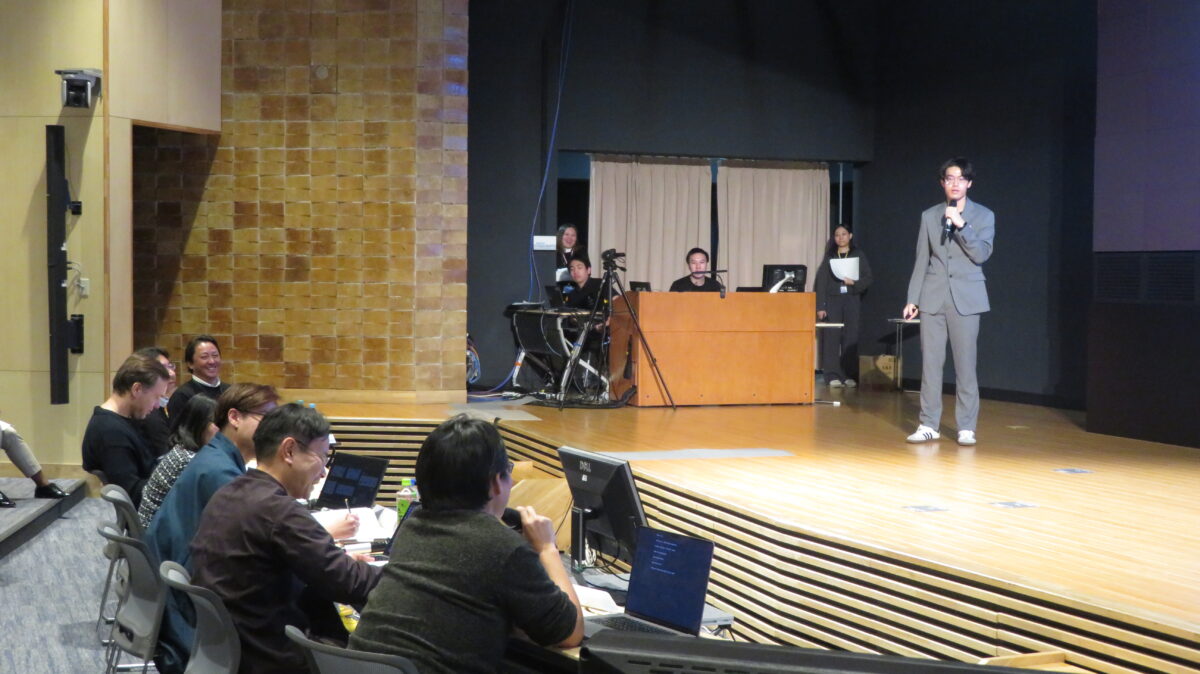 会場に着いた瞬間、僕は「ついにここまで来た」と思いました。このプロジェクトに半年間取り組んできたので、それまで費やした時間と努力が報われたように感じました。特に、そこで経験することのほとんどが僕にとって初めてだったからです。
大会初日は、参加者それぞれがポスターを掲示し、ブースを訪れた人たちに自分のアイデアを紹介する機会がありました。夜には交流イベントもあり、参加者同士でお互いを知り、ライバルたちとも自己紹介をする機会がありました。同じ情熱を持つ人たちとたくさん出会えたのは、本当に幸運だったと思います。ただ、僕の日本語力では、なかなかうまく会話をすることができませんでした。
そして2日目。いよいよ本番です。この日、僕は「Playground」というアイデアをピッチしました。ところが、僕の前に発表する予定だったチームに突然技術的なトラブルが起こり、急きょ僕が先に発表することになりました。ほんの少し順番が変わっただけに聞こえるかもしれません。でも、僕にとっては完全に想定外でした。一気に自分のリズムを崩してしまい、その後の3分間、言葉につまりながら発表することになってしまいました。
人生の中でも、最悪と言えるほどつらい経験の一つでした。
正直、とても悔しかったし、落ち込みました。この大会のために数え切れないほどの時間を使って準備してきました。交流イベントでは、同じ情熱を持つ新しい仲間にもたくさん出会いました。それなのに、ステージの上ですべてが崩れてしまったように感じました。
でも、そこで終わることはありませんでした。
ここで、僕の2つ目の考え方につながります。
「失敗を受け入れる」
僕はこれまで、数え切れないほど失敗してきました。試験で失敗したこともあります。 友達をつくるのに苦労したこともあります。 そして、ピッチでうまく話せなかったこともあります。
でも、スタートアップを通じて学んだ大きなことの一つは、失敗そのものが必ずしも問題なのではないということです。
問題なのは、その失敗から何も学ばないことです。
僕はいつも、「そこから何かを学び、同じ失敗を繰り返さなければ、失敗してもいい」と自分に言い聞かせています。
何かがうまくいかなかったとき、僕には2つの選択肢があります。その経験に落ち込んで終わるのか。 それとも、次に生かすのか。僕は後者を選びました。
この考え方のおかげで、コンテストへの向き合い方も変わりました。もちろん、1位や入賞を目指す気持ちはあります。でも、それと同じくらい、「この経験から何を学べるか」ということも、決して忘れないようになりました。
そして3つ目は、おそらく一番シンプルなことです。
「必ずフィードバックをもらう」
自分ではどれだけうまくできたと思っていても、必ず改善できるところがあります。
僕が得た最も価値のある学びの中には、コンテストで勝ったことから得たものではないものもたくさんあります。
僕のプレゼンを見て、弱点を指摘してくれた人。 自分では当たり前だと思っていたことに疑問を投げかけてくれた人。 そして、「ここはもっとこうしたほうがいい」と率直に伝えてくれた人。そうした人たちの言葉から、多くのことを学びました。
もちろん、最初は批判を受けるのがつらいこともあります。
まるで、自分のプライドの一番痛いところに、熱い針を刺されるような感覚です。
でも、批判がなければ、自分の弱点にも、改善すべきところにも気づくことができません。「自分のアイデアが一番いい」と思い込んだまま、間違った自信を持ってステージに立ち続けることになってしまいます。
ここまでの自分を振り返ってみると、僕は突然、自信に満ちた外向的な人になったわけではありません。
今でも、根っからの内向的な人間です。
プレゼンの前には今でも緊張します。 自分のアイデアが本当に良いのか、不安になることもあります。 そして、起業についても、まだまだ学ぶことばかりです。
でも一つ変わったことがあります。「居心地の悪い状況」にいることに、以前よりずっと慣れました。
ICTには、突拍子もないけれど前向きなアイデアを、最初から否定するのではなく、挑戦を後押ししてくれる環境がありました。先生やメンターは、僕に試行錯誤する機会を与えてくれました。コンテストは、失敗する機会を与えてくれました。そして高専サミットのようなイベントは、同じ情熱を持つ人たちと出会う機会を与えてくれました。
そのすべてに、心から感謝しています。
この先、自分の道がどうなっていくのかは、まだ分かりません。今持っているアイデアのいくつかは失敗するかもしれない。 もしかしたら、想像以上に大きなものになるアイデアもあるかもしれません。
でも、一つだけ分かっていることがあります。
これからも挑戦し続けたい。身の回りにある普通の問題を少し違った角度から見て、「もっと良い方法があるんじゃないか?」と問い続けたいと思っています。
そして何より、これからも自分が怖いと思う場所へ、あえて飛び込んでいきたいです。
ここまで読んでくれた皆さん、ありがとうございます。
そして、この記事を読んでいる学生の皆さん。このジャーナルが、皆さんにとって新しいことに挑戦し、自分のコンフォートゾーンから一歩踏み出すきっかけになればうれしいです。
自信がなくても大丈夫です。 (僕にもありませんでした。)
完璧なアイデアでなくても大丈夫です。 (僕のアイデアも、ほとんどそうでした。)
自分が何をしたいのか、はっきり分かっていなくても大丈夫です。 (これは僕自身の経験から言えます。)
とにかく、何かやってみてください。
失敗してみてください。
フィードバックをもらってください。
そして、もう一度挑戦してください。
僕のような内向的な人間でも、気づけばステージに立ってスタートアップについて話すようになりました。だから皆さんも、いつか自分自身に驚くようなことができるかもしれません。
では、「Ryuという内向的な学生が、どうしてスタートアップに挑戦するようになったのか?」
ここまで読んでくれた皆さんなら、もう、その答えが分かっていると思います。
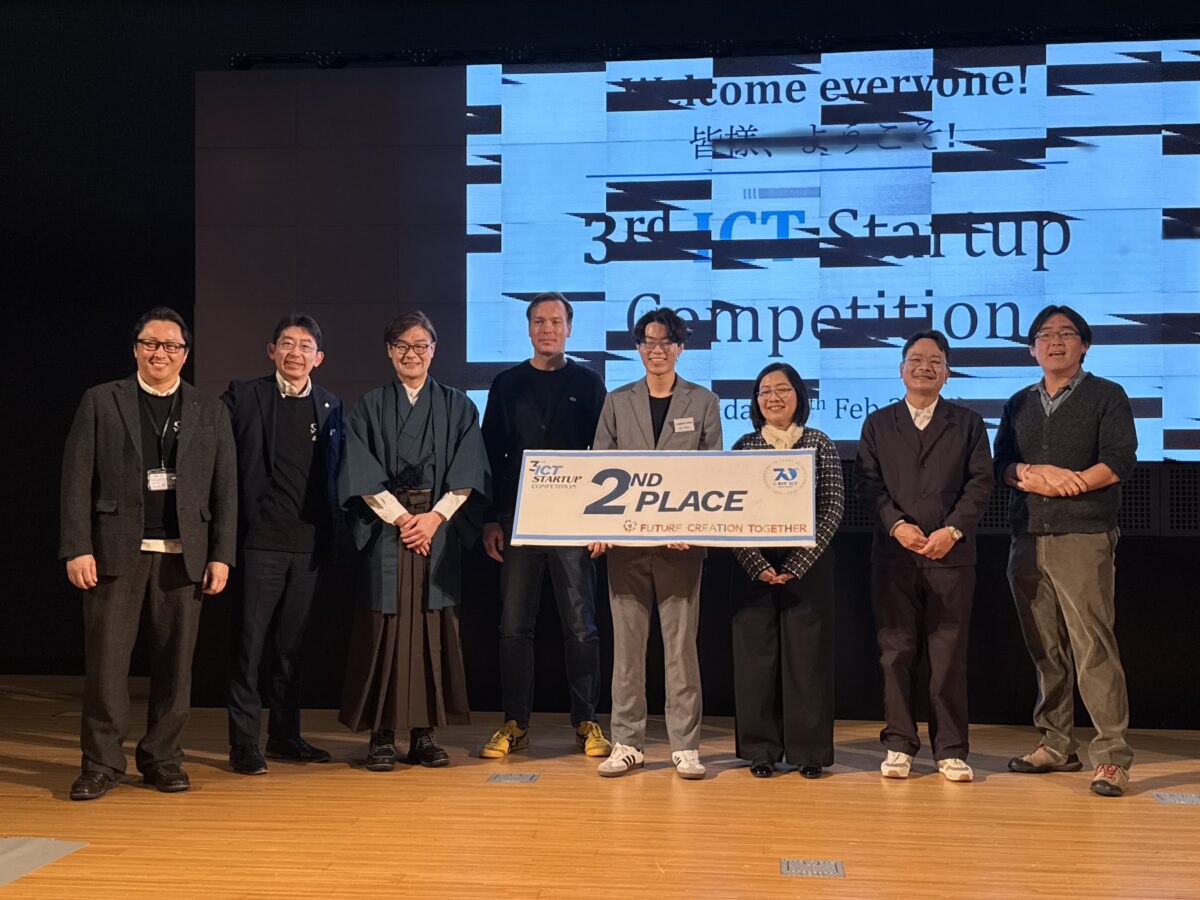
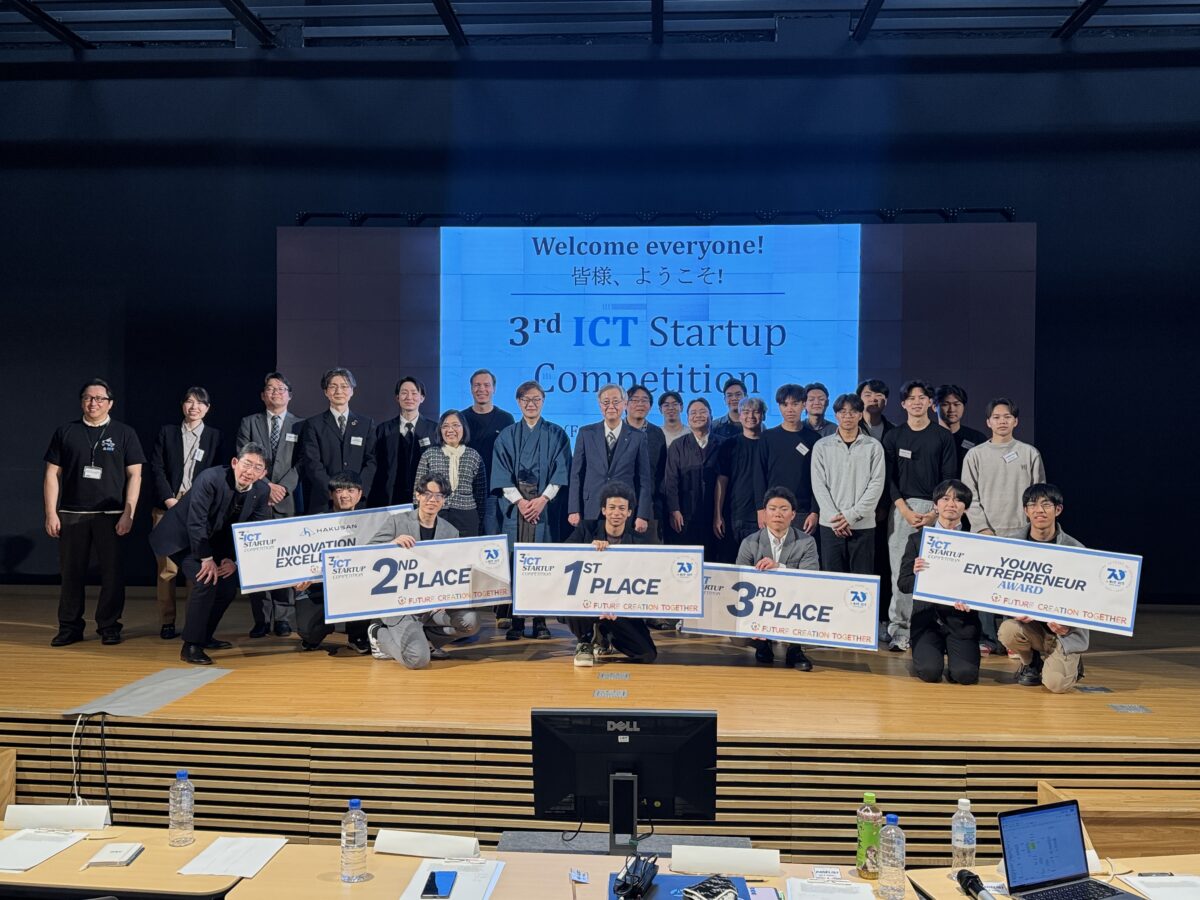
ラパナンラット・パンタワット(リュウ)
Startup
Depending on when you are reading this, good morning, good afternoon, and good evening, everyone.
My name is Lapananrat Pantawat (Ryu), a 3rd year student currently studying abroad in New Zealand who somehow fell in love with startups.
I say “somehow” because if you were to tell me a few years ago that I would voluntarily stand on a stage and pitch my startup in front of countless people, I probably would have called you crazy.
I am an introvert. Just the thought of standing in front of countless faces makes me nervous, and even today, that feeling never truly goes away.
So, how did I end up doing startups?
To answer that, we have to go back to before I came to ICT.
Before ICT, I had never considered pursuing a career in startups, nor did I have the slightest idea what startups were about. Like many other high school students, I was much more interested in video games and spending time in bed.
That changed after I came to ICT.
Through engineering projects, business programs, competitions, and the support of my teachers and mentors, I gradually discovered something I had never expected. I genuinely enjoyed solving problems and turning strange ideas into something that could potentially help people and, more or less, make me rich. I simply couldn’t get startups out of my head, and honestly, I love it.
Over time, I discovered three principles that continue to guide me today.
The first is simple:
Every idea is an opportunity.
I learned that a good idea does not always appear at the right time. You could be eating, showering, studying, or even sleeping when it comes to your mind. (Mine mostly comes when I’m trying to sleep.) Most of my ideas don’t quite seem like good ideas at first. As a matter of fact, most of them are completely ridiculous. But never once have I dismissed them immediately. Instead, I started asking myself, “What if?”
That question eventually led me to participate in startup competitions and, eventually, to the Kosen Summit.
Before attending the Summit, I only had a handful of pitching experiences, probably two or three at most. Every pitch I gave taught me something different, but they all had one thing in common: they forced me outside my comfort zone.
And then came the Kosen Startup Summit.
The moment I reached the venue, I told myself, “I finally did it.” After spending half a year working on this project, I felt that all the time and effort I had put into it had been worth it, especially since almost everything I experienced there was new to me.
On the first day of the competition, every participant had the opportunity to hang their posters and present their ideas to whoever visited their booth. That evening, there was also a networking event where participants were encouraged to get to know each other and introduce themselves to their competitors. I was really lucky to meet so many people who shared the same passion as me. However, due to my limited Japanese skills, I wasn’t really able to converse with anyone.
The second day was when the real deal took place. This was the day I pitched an idea called Playground. The team scheduled to present before me suddenly ran into a technical issue, forcing me to present ahead of them. It might have sounded like a small change, but it completely caught me off guard. I was thrown out of rhythm, and for the next three minutes, I found myself stumbling over my words.
It was one of the worst experiences of my life.
Honestly, I was disappointed and devastated. I had spent countless hours preparing for this competition. I had met so many new people who shared the same passion as me at the networking event. Yet, everything crumbled on stage. But I never stopped there.
And that leads me to my second principle:
Embrace failure.
I have failed countless times in my life. I have failed exams, struggled to make friends, and even failed to deliver a good pitch.
But one of the biggest lessons I have learned through startups is that failure itself is not necessarily the problem.
The problem is failing to learn from it.
I have always reminded myself that failure is acceptable as long as I learn from it and refuse to make the same mistake twice.
Every time something went wrong, I had a choice. I could either let the experience discourage me, or I could use it to improve. I chose the latter.
That mindset changed the way I approached competitions. Sure, I was still aiming for first prize or a place on the podium, but the other thing I never left out of sight was the experience I could learn from.
My third principle is perhaps the simplest:
Always ask for feedback.
No matter how well you think you have done, there is always something you can improve.
Some of the most valuable lessons I have received did not come from winning competitions. They came from people who watched my presentations, pointed out my weaknesses, challenged my assumptions, and bluntly told me what I could have done better.
At first, hearing criticism can be difficult.
It’s like poking a hot needle into the most sensitive part of your ego.
But without criticism, you wouldn’t know what your weaknesses are or what you need to improve. You would continue living under the illusion that your idea was the best and carry that false confidence onto the stage.
Looking back at how I ended up here, I realize that I did not suddenly become a confident extrovert.
I am still an introvert at heart.
I still get nervous before presentations. I still have moments where I question whether my ideas are good enough. And I still have a lot to learn about entrepreneurship.
But I have become much more comfortable with being uncomfortable.
ICT gave me an environment where having crazy but still healthy ideas was encouraged rather than immediately criticized. My teachers and mentors gave me opportunities to experiment. Competitions gave me opportunities to fail. And events like the Kosen Summit gave me opportunities to meet people who share the same passion.
For that, I am incredibly grateful.
I don’t know exactly what lies beyond this journey of mine. Perhaps some of the ideas I have today will fail. Perhaps some will become something much bigger than I expect.
But I know that I want to keep trying.
I want to keep looking at ordinary problems from a different perspective and asking, “What if there was a better way?” And most importantly, I want to keep putting myself in situations that scare me.
So, for those of you who have read this far, thank you.
And to the students reading this, I hope that this journal can encourage you to try something new and step out of your comfort zone.
You don’t have to be confident. (Neither was I.)
You don’t have to have the perfect idea. (Most of mine weren’t.)
You don’t even have to know exactly what you want to do. (Speaking from experience.)
Just try something.
Fail at it.
Ask for feedback.
And try again.
Because if an introvert like me can somehow end up standing on a stage talking about startups, perhaps you can surprise yourself too.
So, how did an introvert named Ryu end up doing startups?
I think you know the answer.
Lapananrat Pantawat (Ryu)