




FY 2026
2026年度の記事

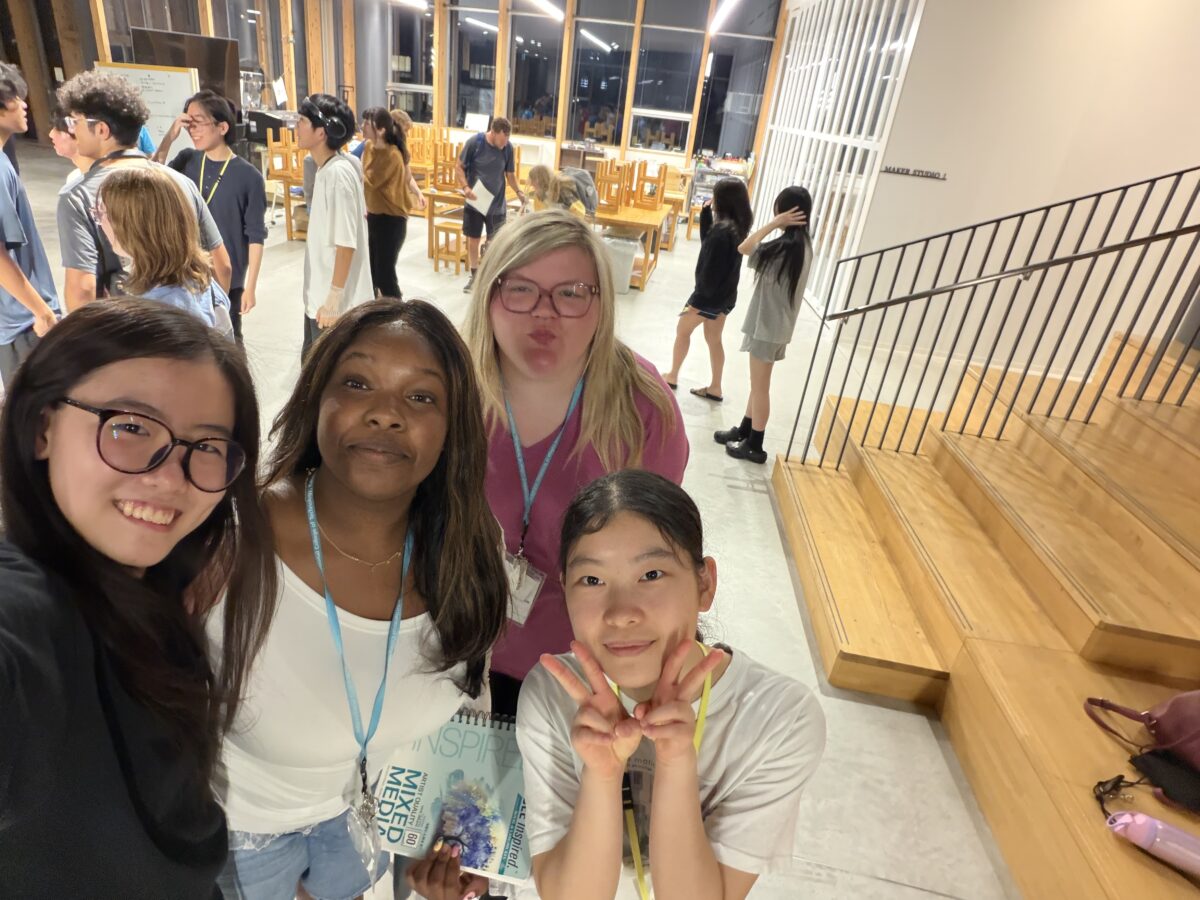
こんにちは!1年生の矢野 優花です。今回は、先日国際高専の白山麓キャンパスに訪れてくれた、アメリカミズーリ州の6人の留学生について書きたいと思います!
初日、私たちはバディとしてアメリカの留学生をどきどきしながら待っていました。どんな人たちがくるんだろう、友達になれるかな、と不安もありましたが、それよりも楽しみが勝っていました。実際会ってみると、みんな身長が高く、同い年なのが不思議になりました。しかし、全員フレンドリーですぐに打ち解けることができました。一日目からユニットのみんなで自己紹介をし、多くの話をしました。
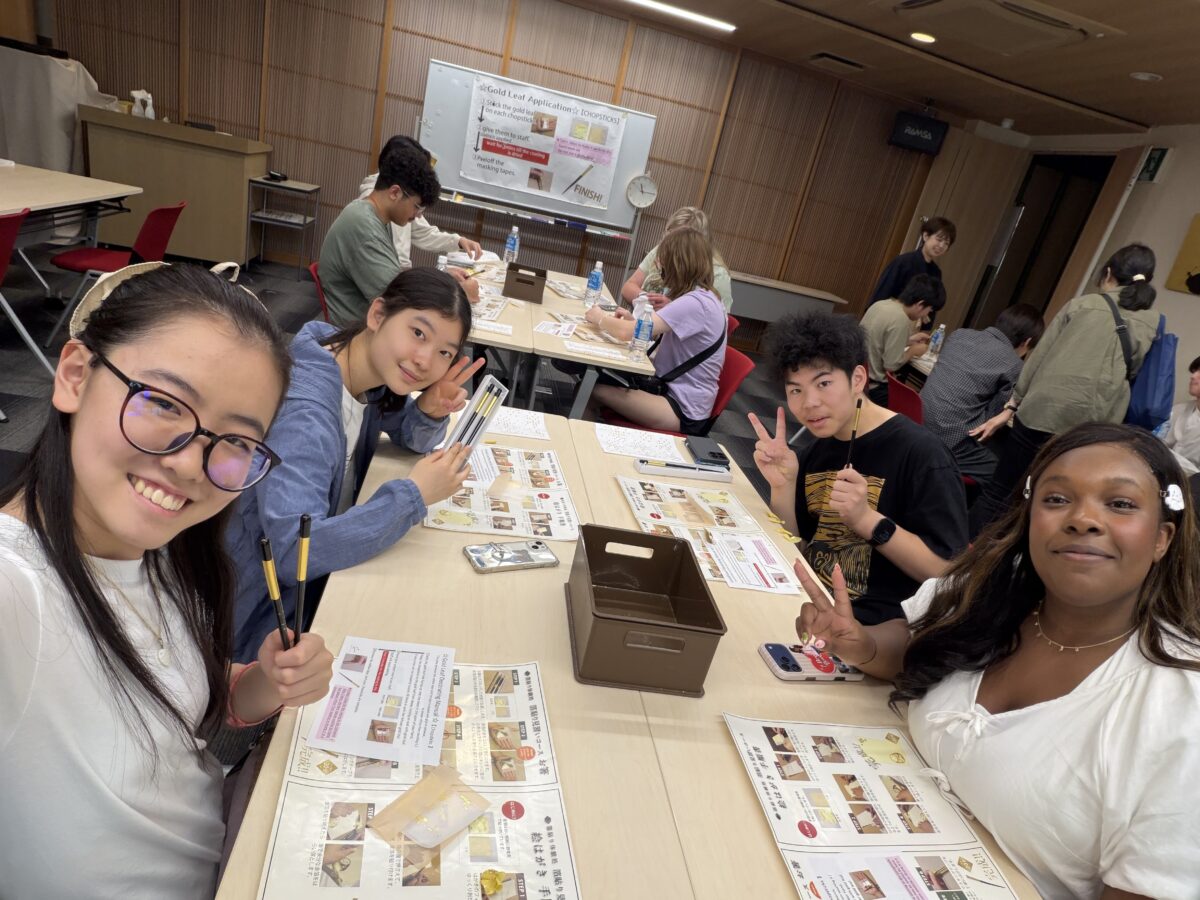
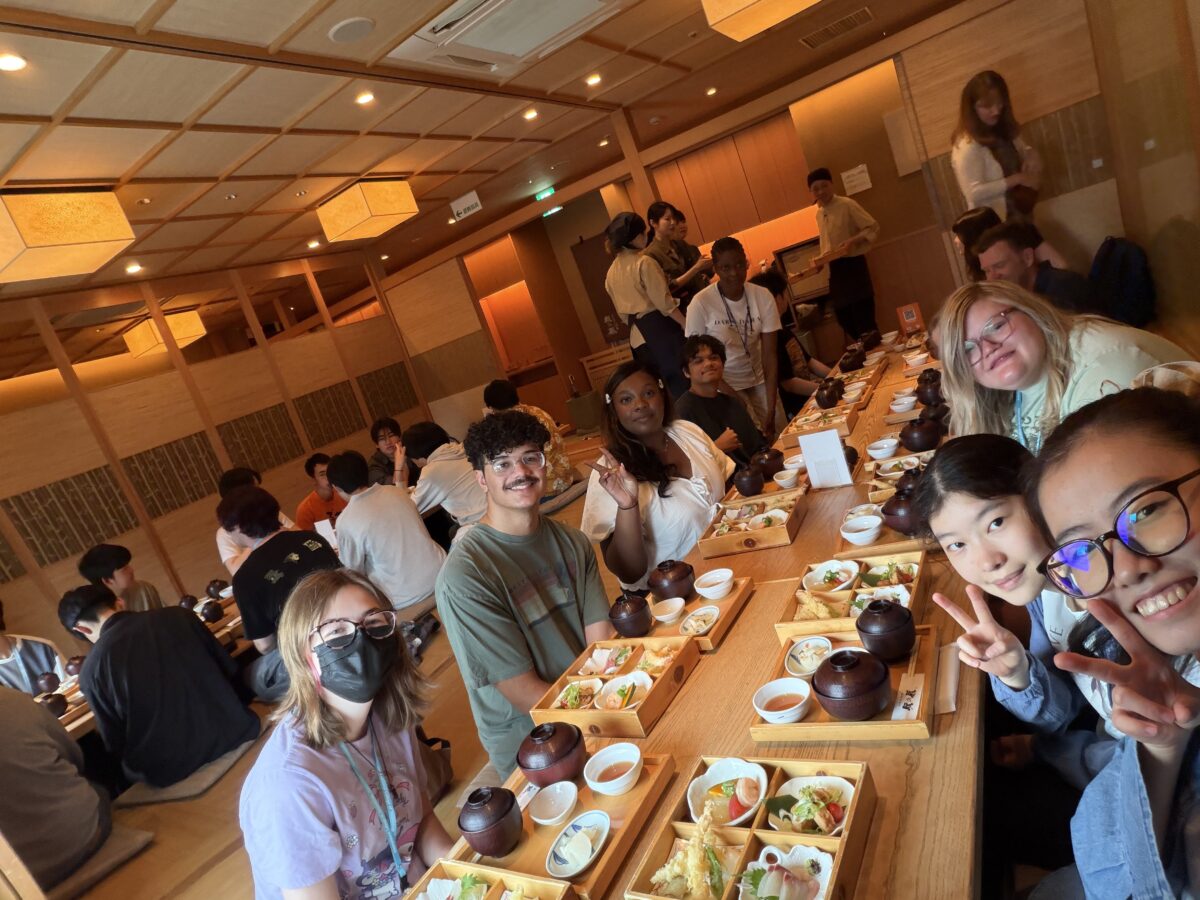
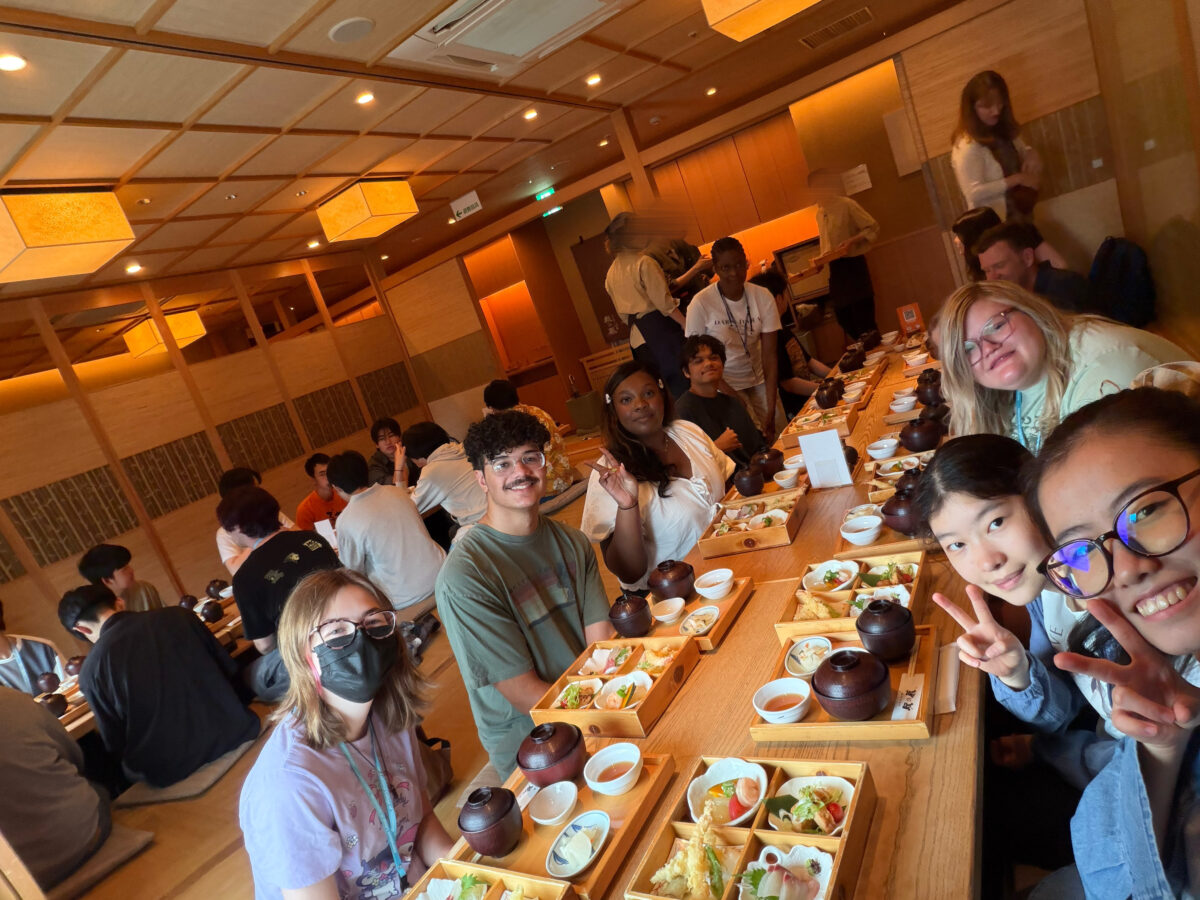
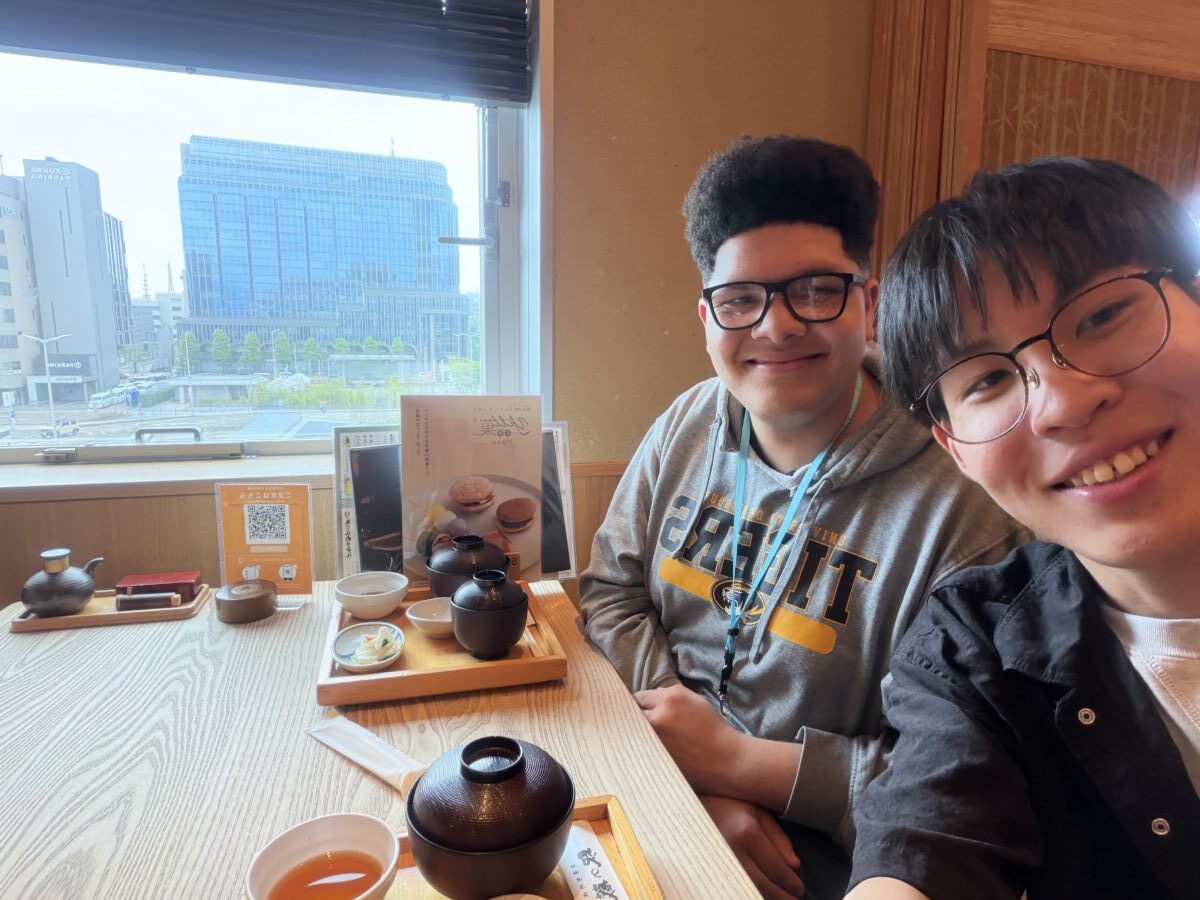
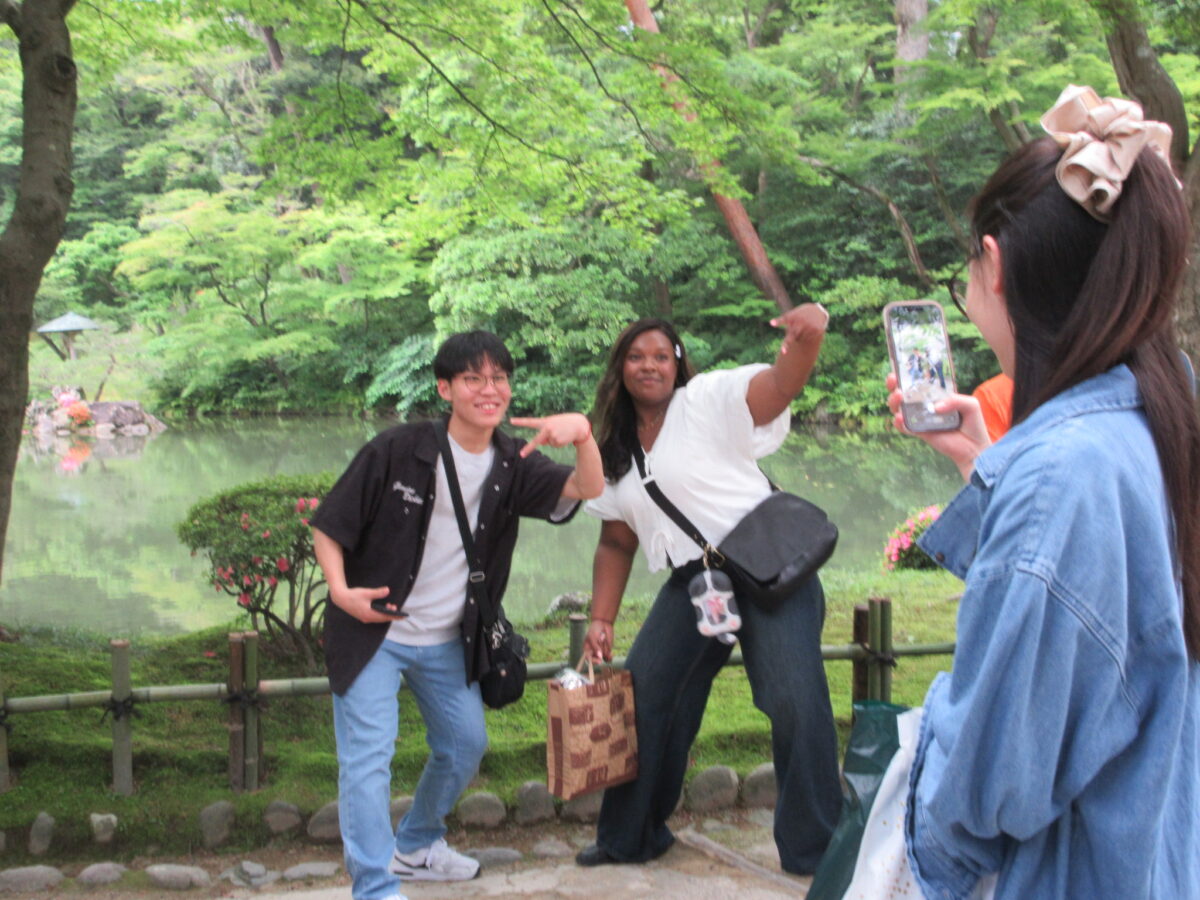
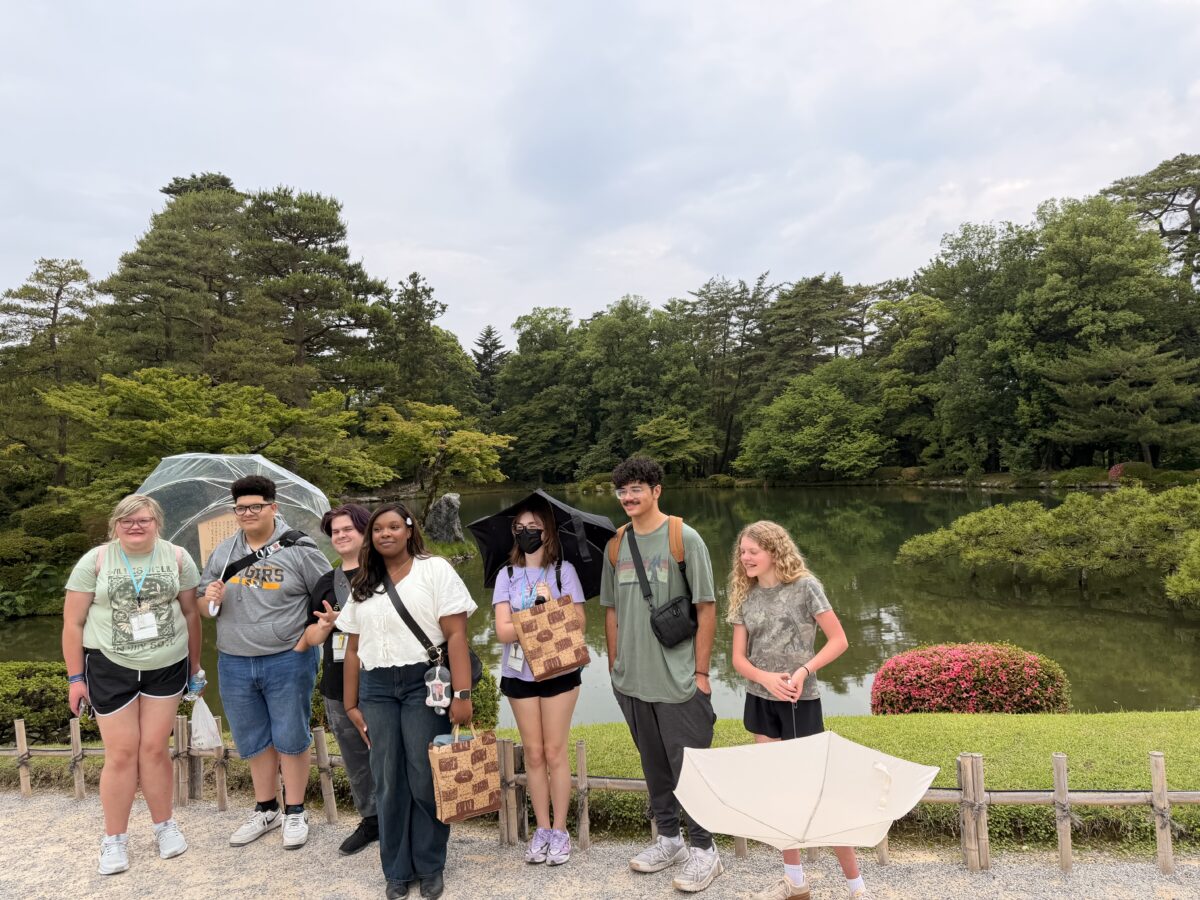
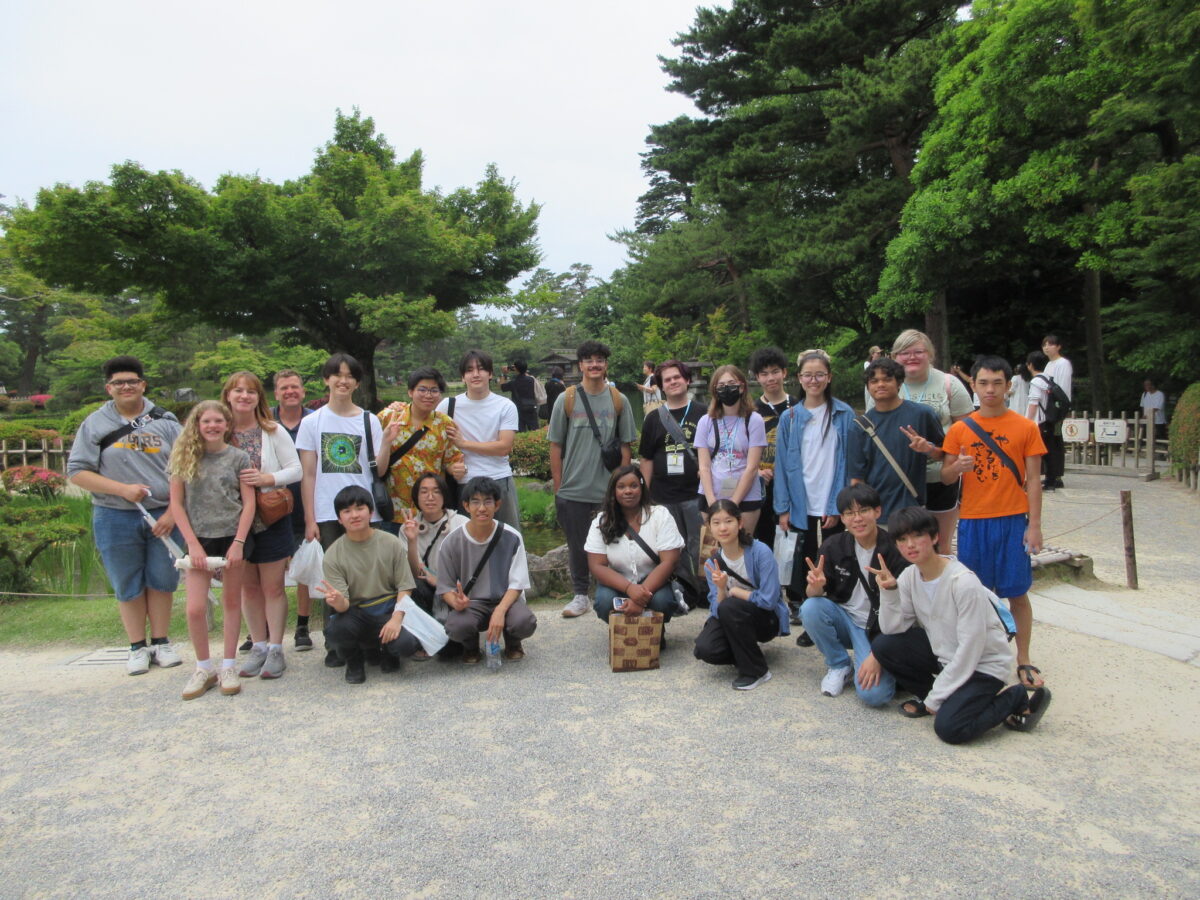
金沢観光では箸に金箔をはったり兼六園にいったり様々な体験や観光地に訪れることができました。私自身も金沢観光をしたことがなかったので、観光地の説明がうまくできなかったのが悔しかったのですが、アメリカ留学生とともに新しいことを一緒に学びました。次は今回の知識を生かして金沢のいいところたくさん紹介したいです。そして、この体験を通してアメリカの生徒と友情を深めることができました。
最も印象に残ったことは、最終日にみんなで遊んだUNOです。大人数でチームを組んだのですが、とても盛り上がり、最終的にはみんな笑いすぎて声がかれそうな状態になっていました。UNOなどの世界共通のゲームは人を結びつけることができると思いました。
今回の交流を通して様々なことを学ぶことができ、アメリカの生徒たちともたくさん仲良くなることができました。金沢についてあまり知らなかったため、金沢観光で観光地などの説明ができなかったのが悔しかったです。次は今回の知識を生かして金沢のいいところたくさん紹介したいです。
矢野 優花
Hello! My name is Yuka Yano and I am a 1st year student at International College of Technology, Kanazawa. In this article, I will write about the time when six American students came to our Hakusanroku campus.
On the first day, we were nervously waiting for the American students to arrive. What will they be like? Would we be able to become friends? Whilst we were nervous, the excitement was winning. Once we met them, we were surprised by how tall they were. However, we were soon able to become friends with them. From the first day, we introduced ourselves in our unit and talked a lot about our interests.
During the Kanazawa tour, we were able to visit various tourist spots and experienced a vast array of things. Since I had never gone around Kanazawa, I was learning about the city with the American students at the same time. Though this experience, we were able to make bonds with the Americans.
I especially remember the time when we played UNO. We made groups with many people and everyone was hyped up during the game. In the end, everyone was laughing until their throats hurt. I think worldwide games such as UNO can create connections between people.
Throughout this experience, I was able to learn various things and create friendships with the American students. Next time I hope to be able to explain the aspects of Kanazawa to the American students with more detail.
Yuka Yano
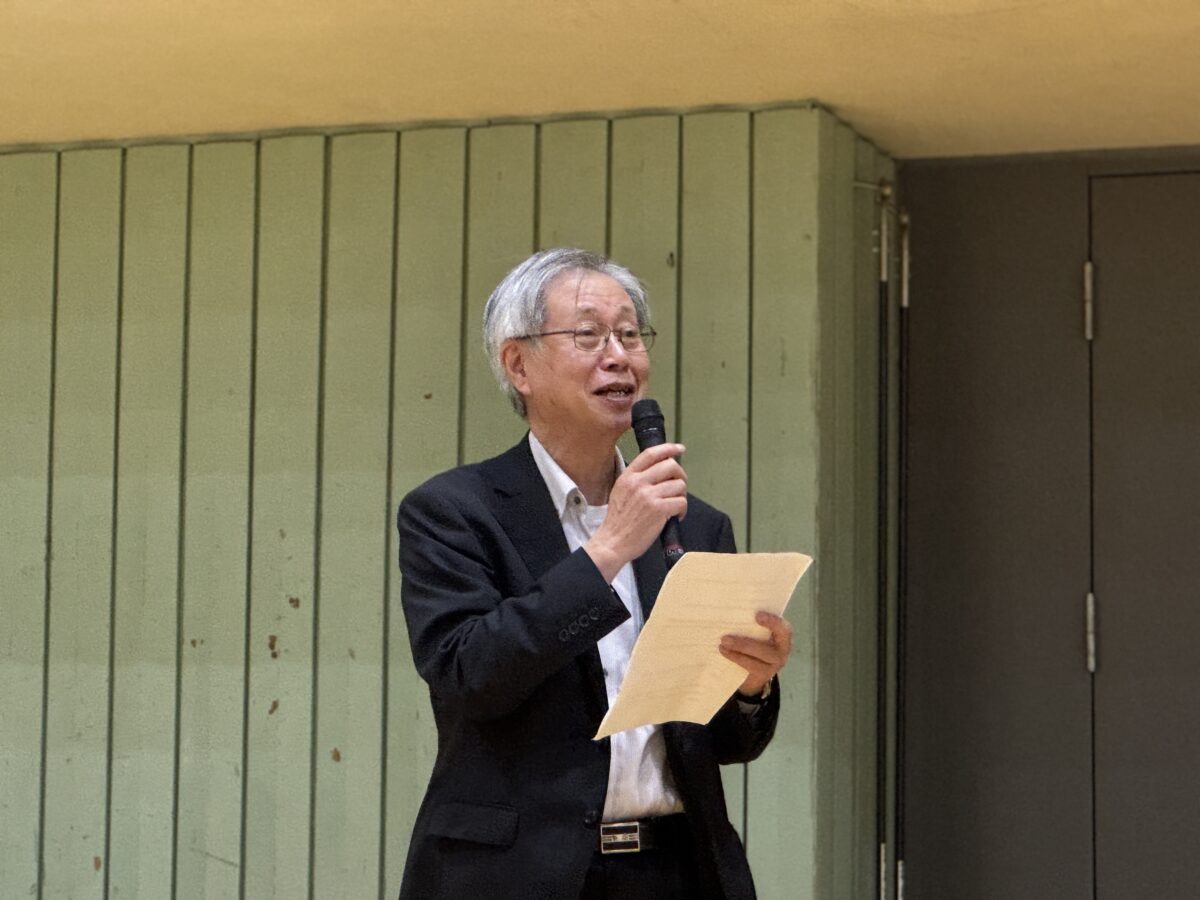
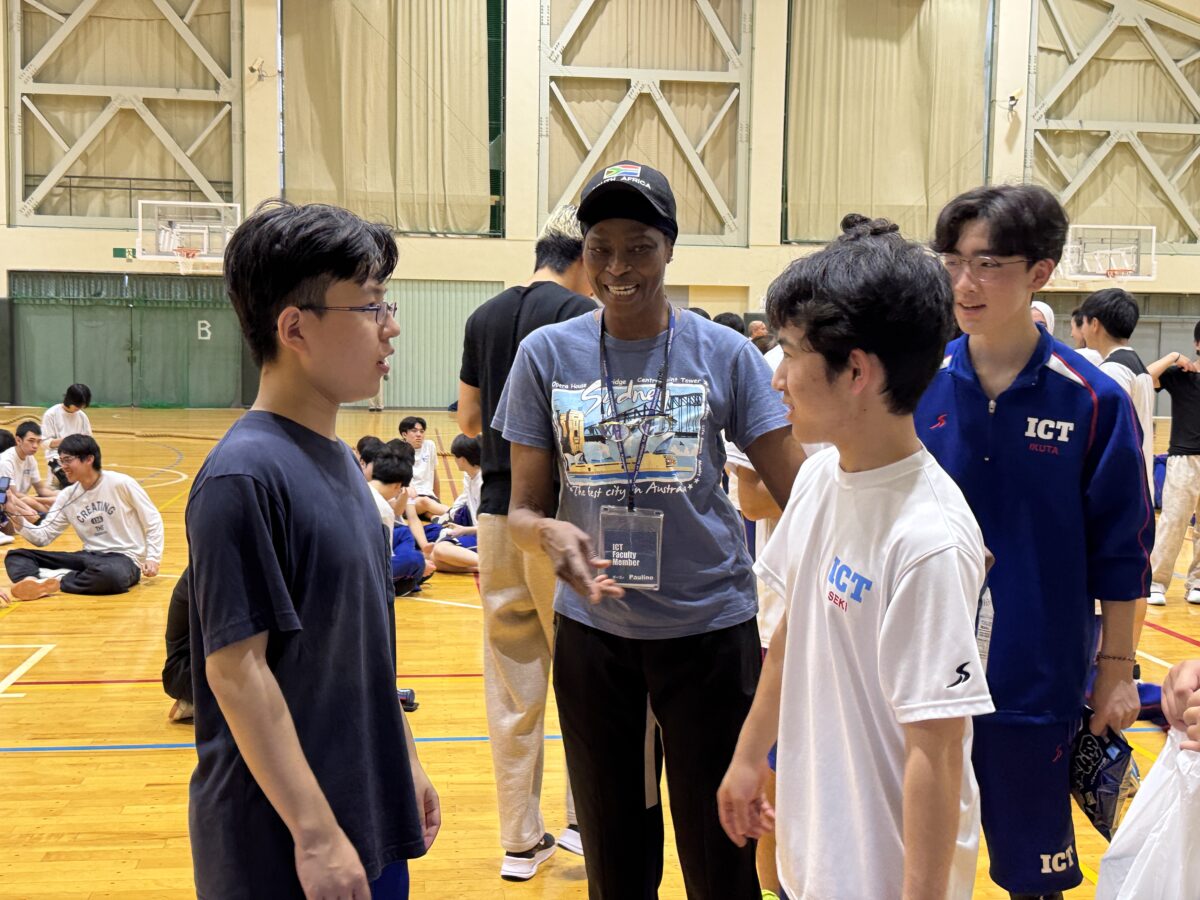
 こんにちは、白山麓高専事務室の間加田 侑里です。2026年6月20日(土)、金沢キャンパスにて、1・2・4・5年生合同のスポーツフェスティバルが開催されました。
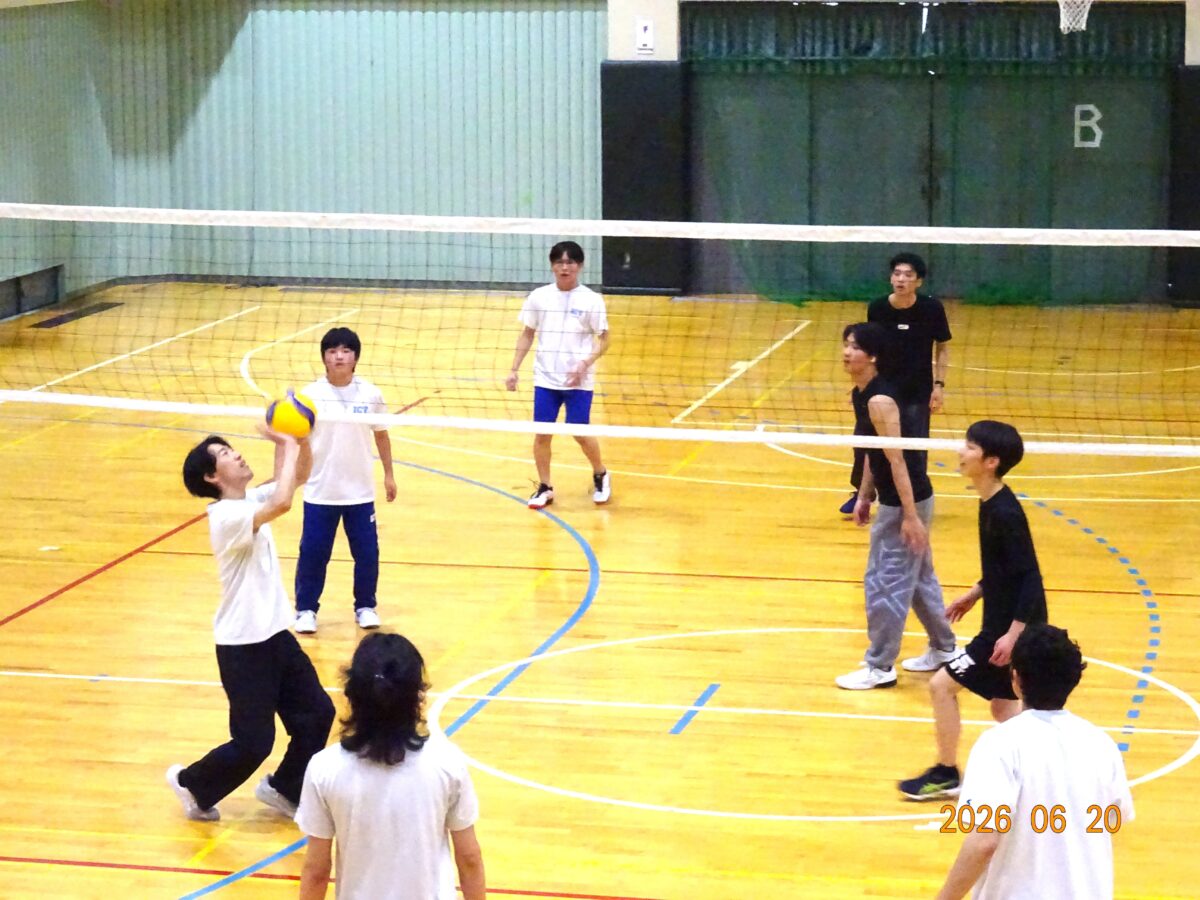
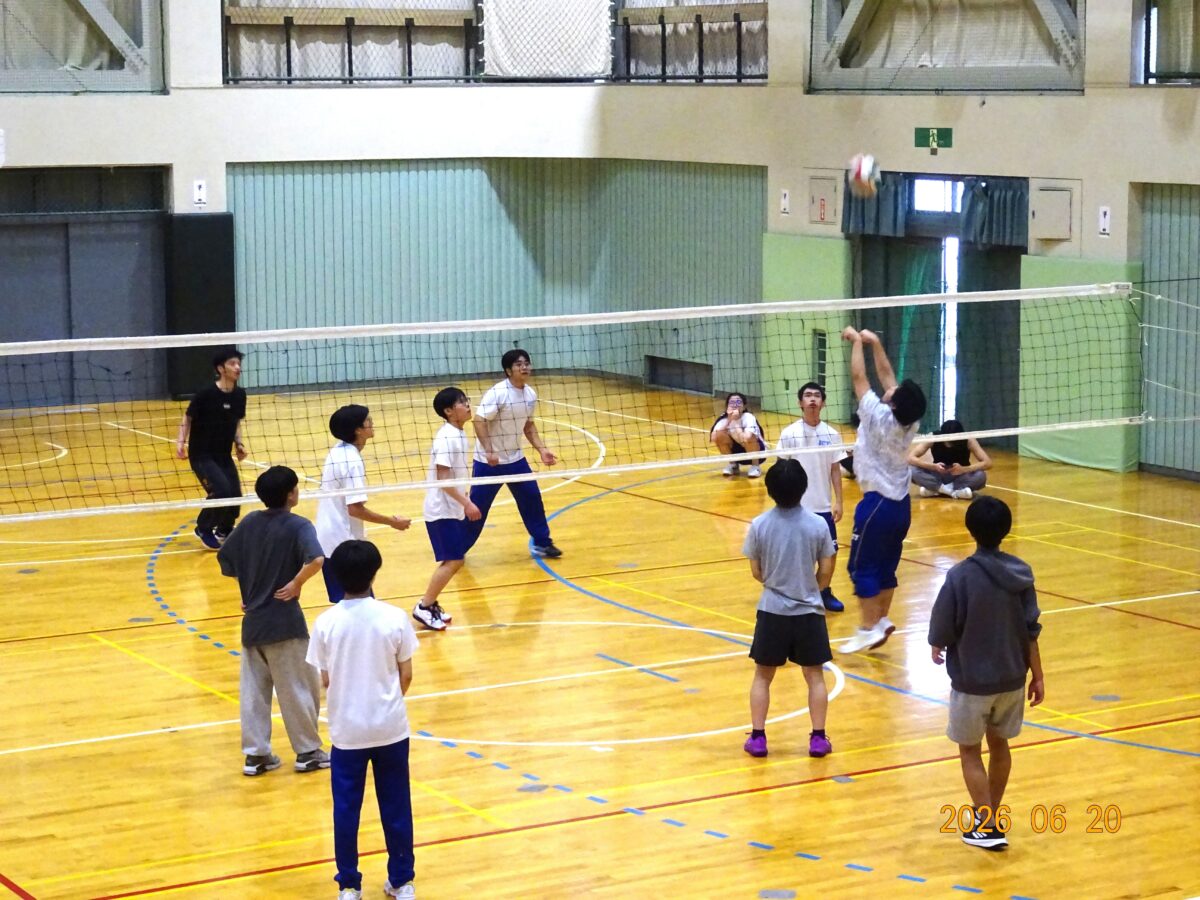
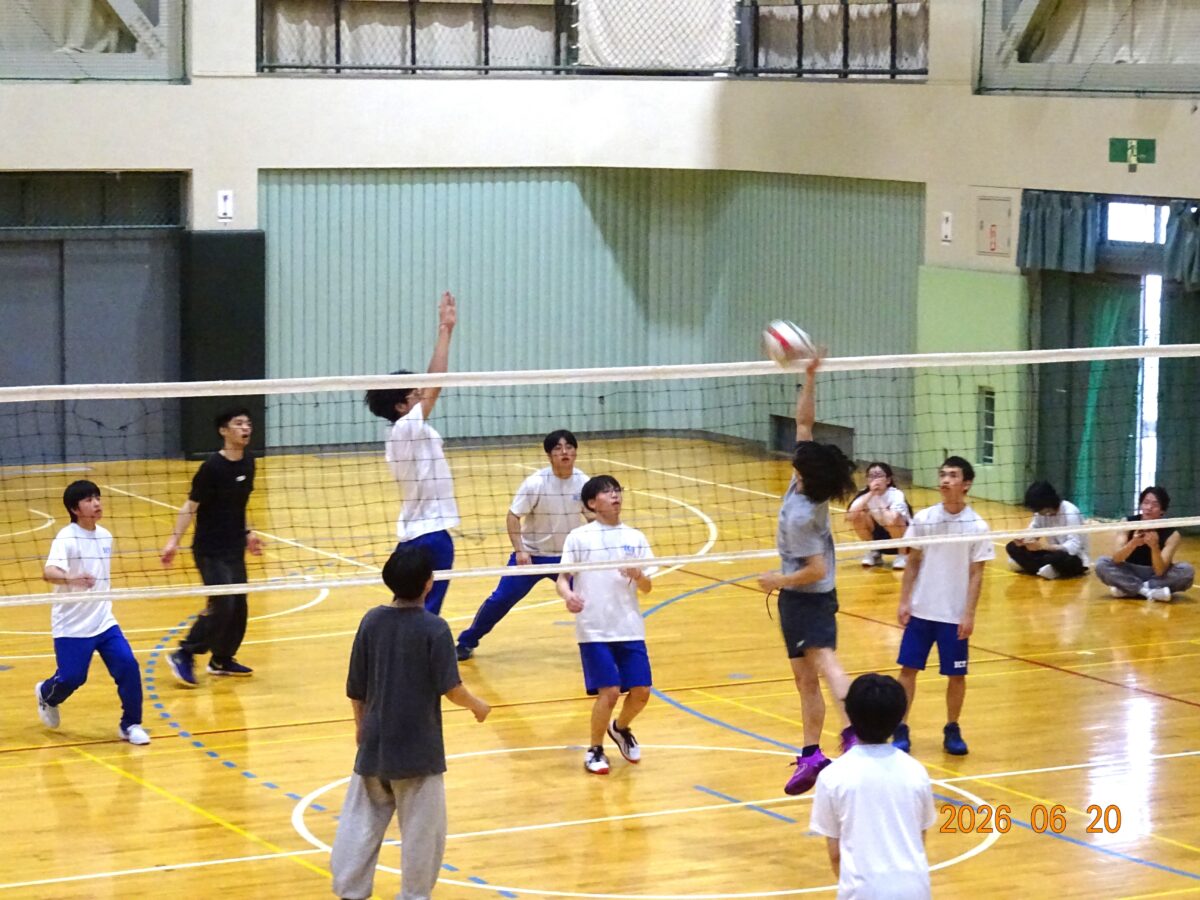
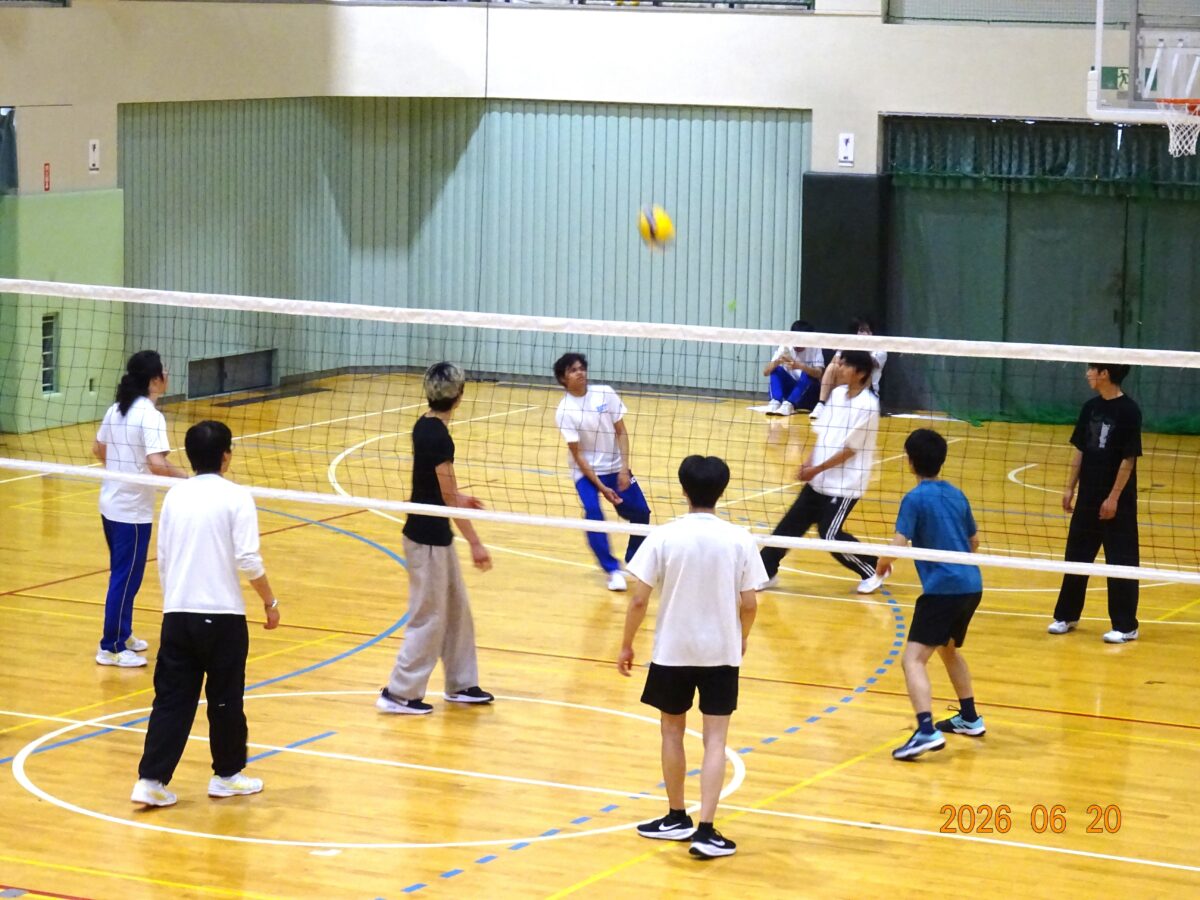
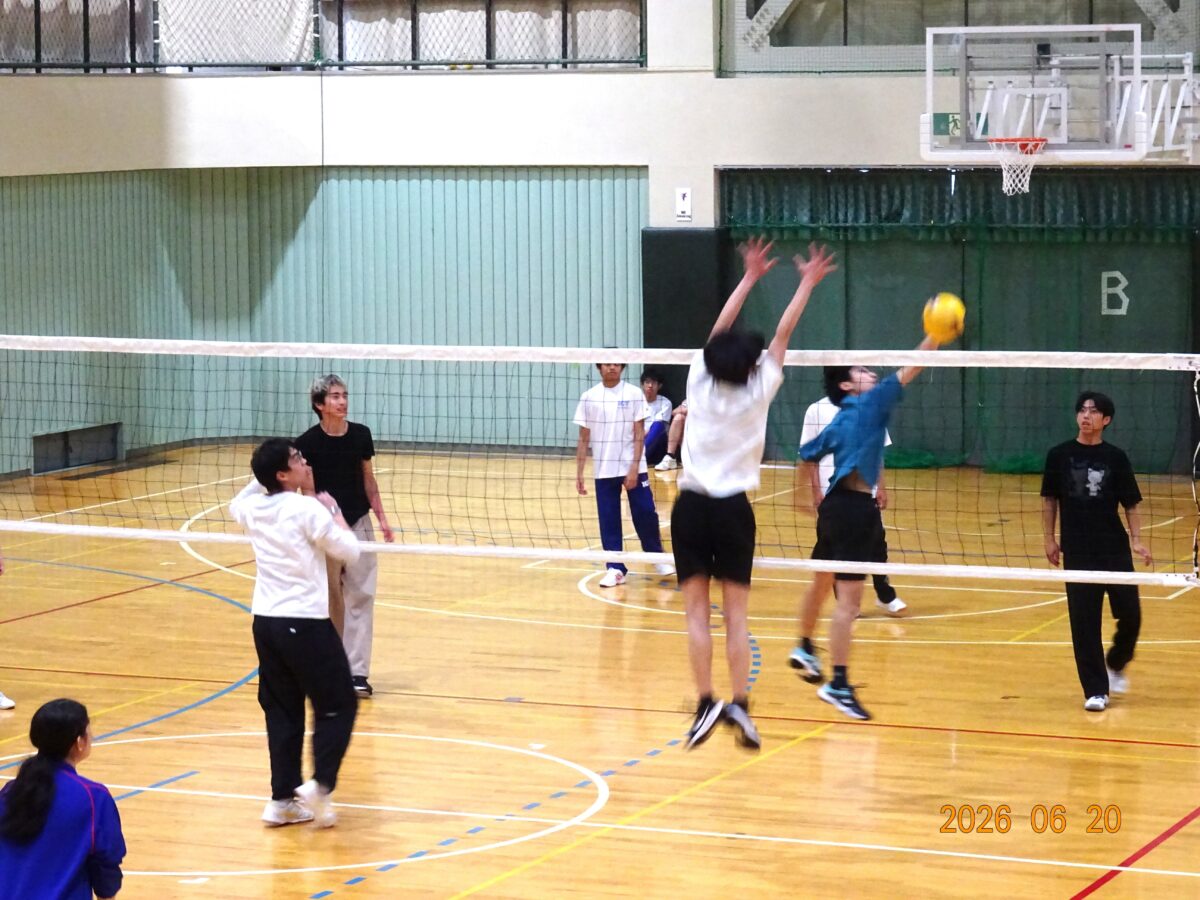
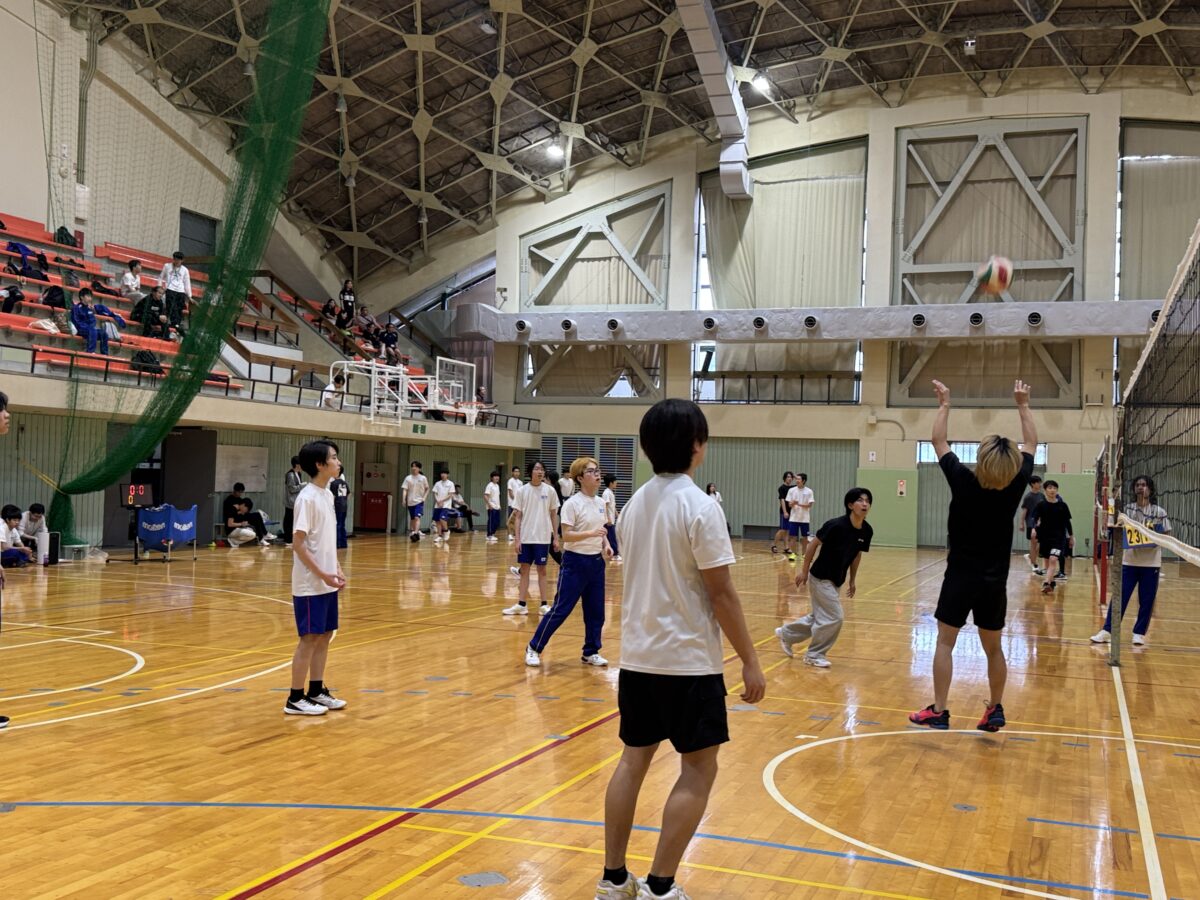
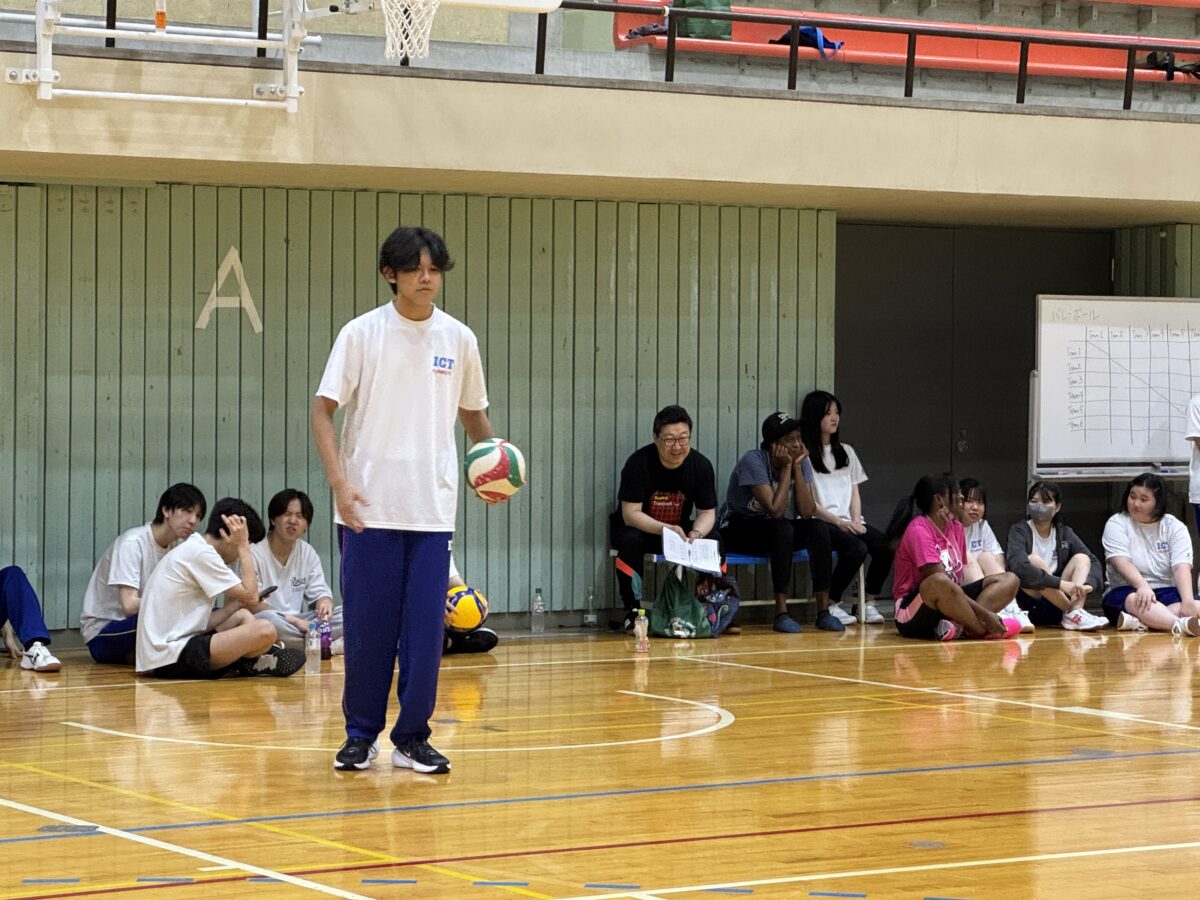
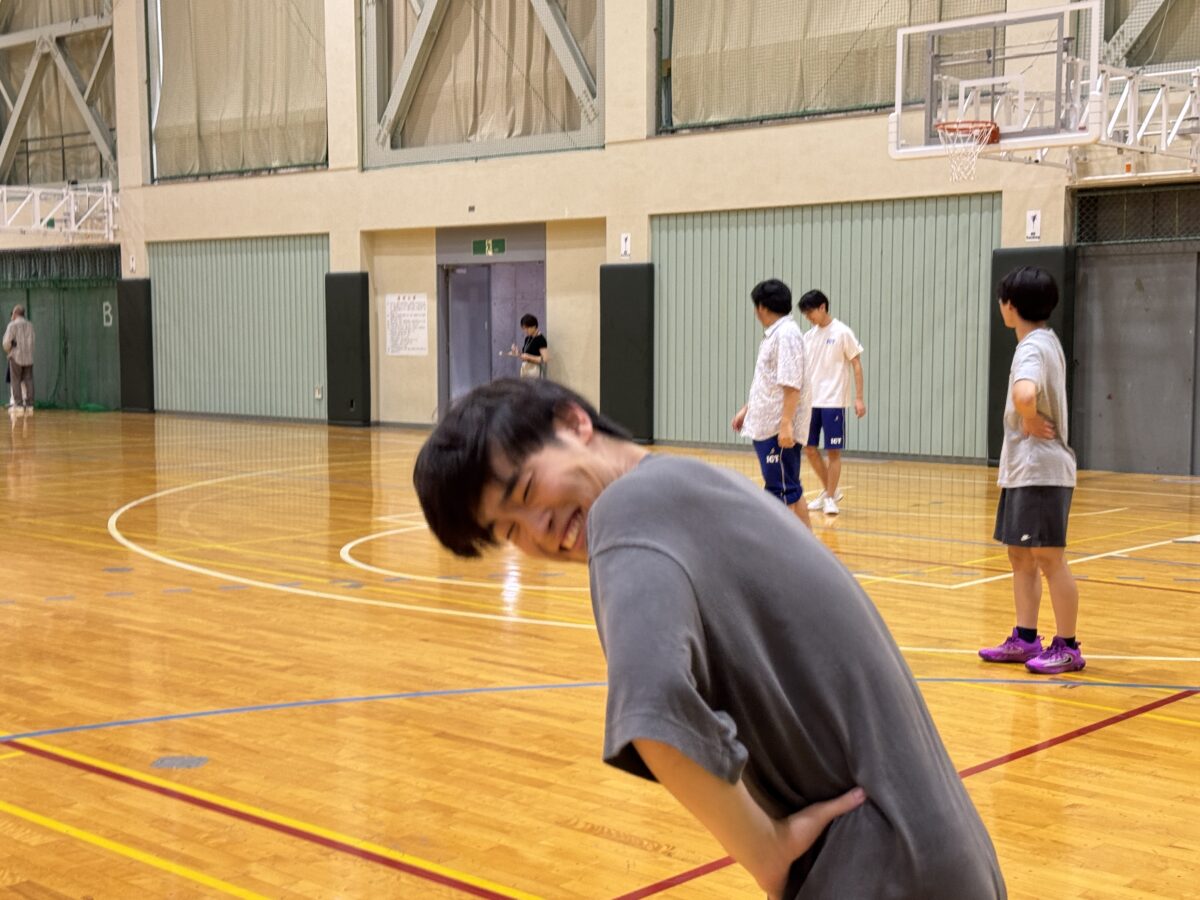
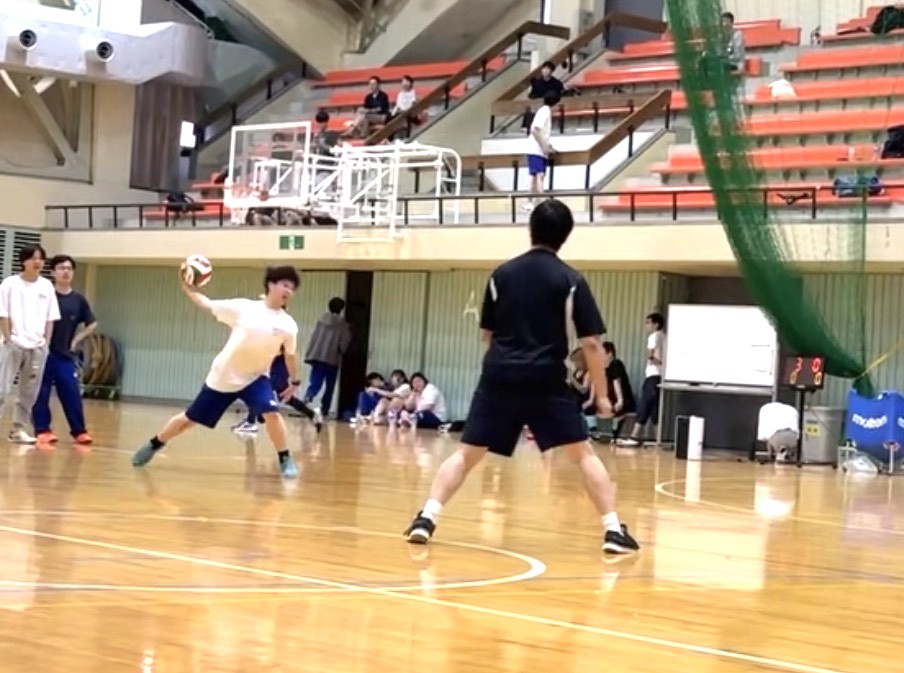
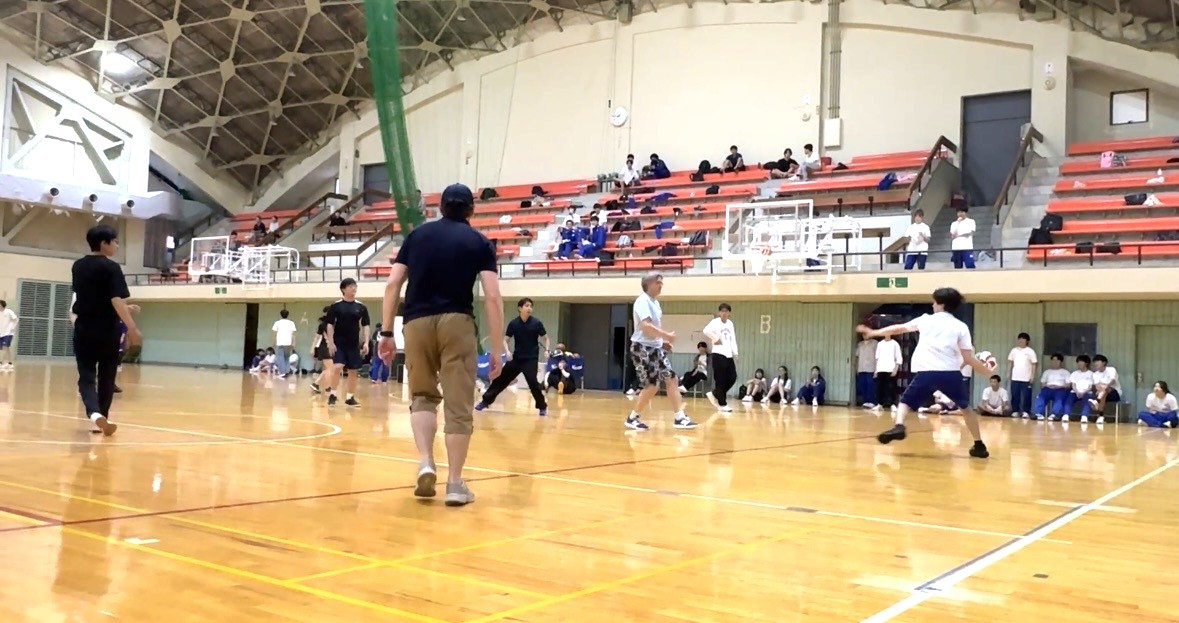
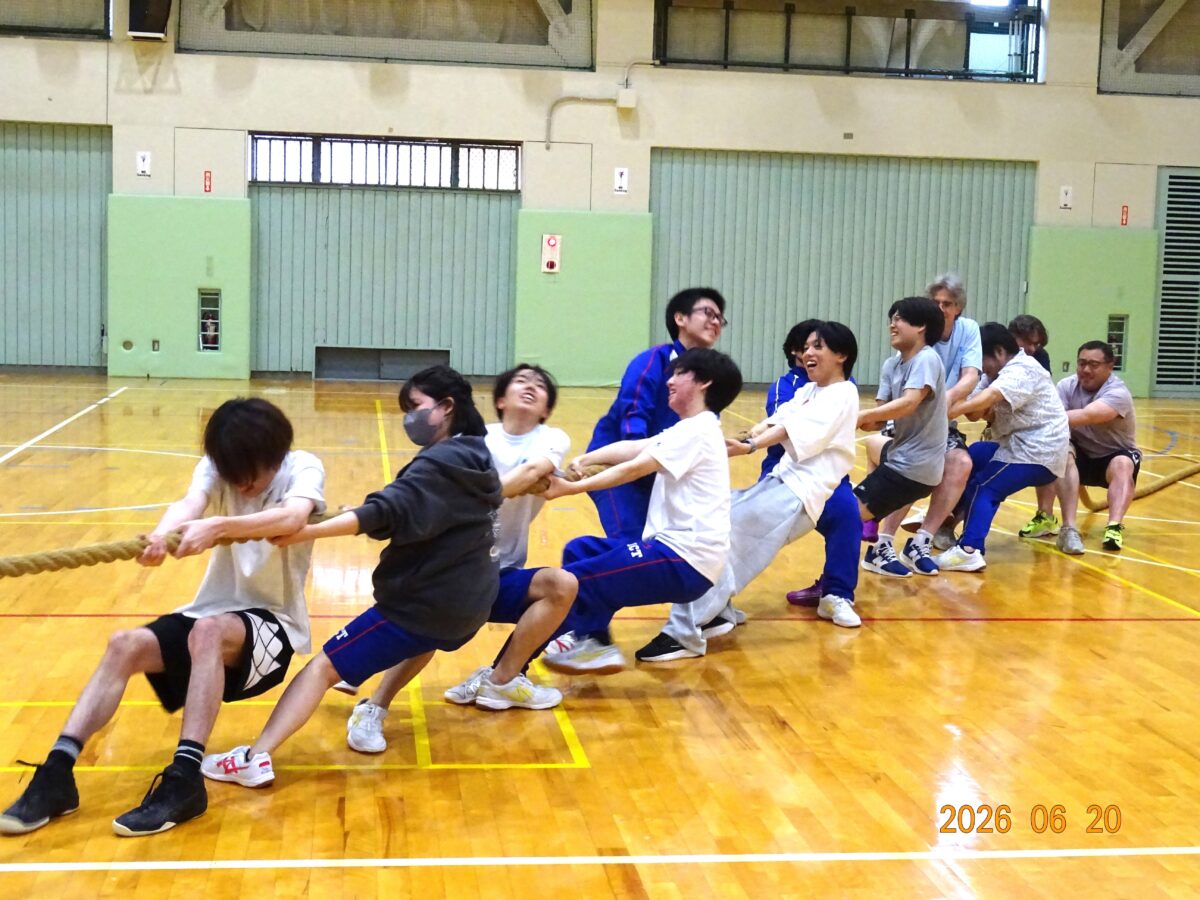
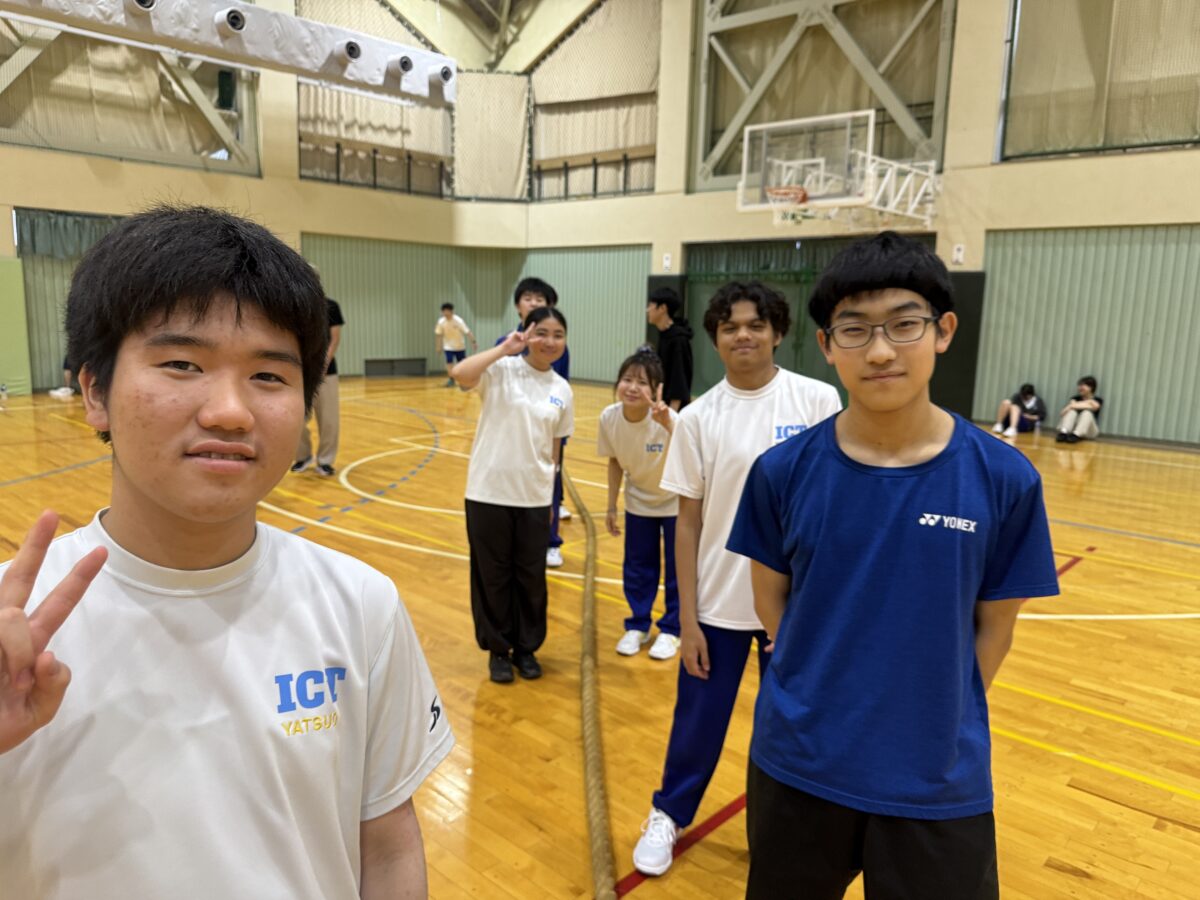
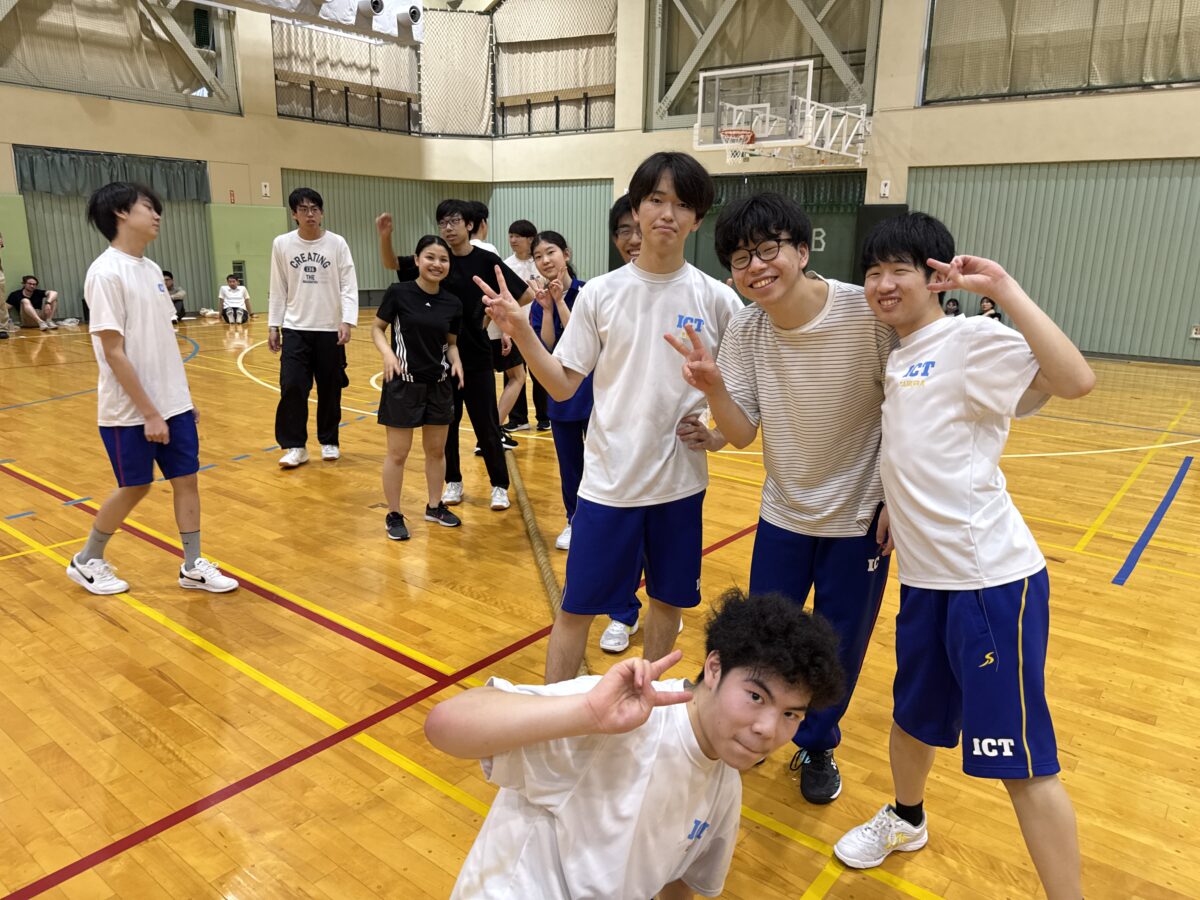
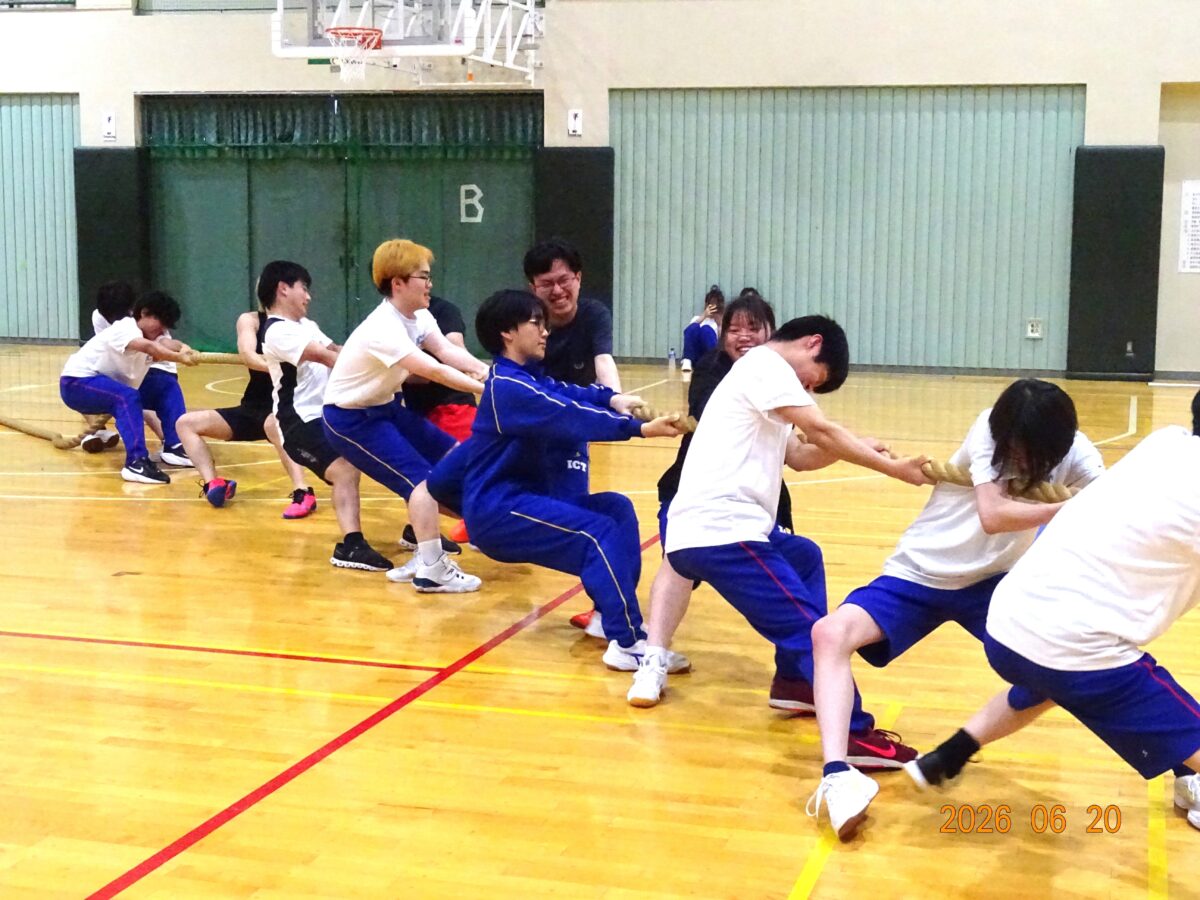
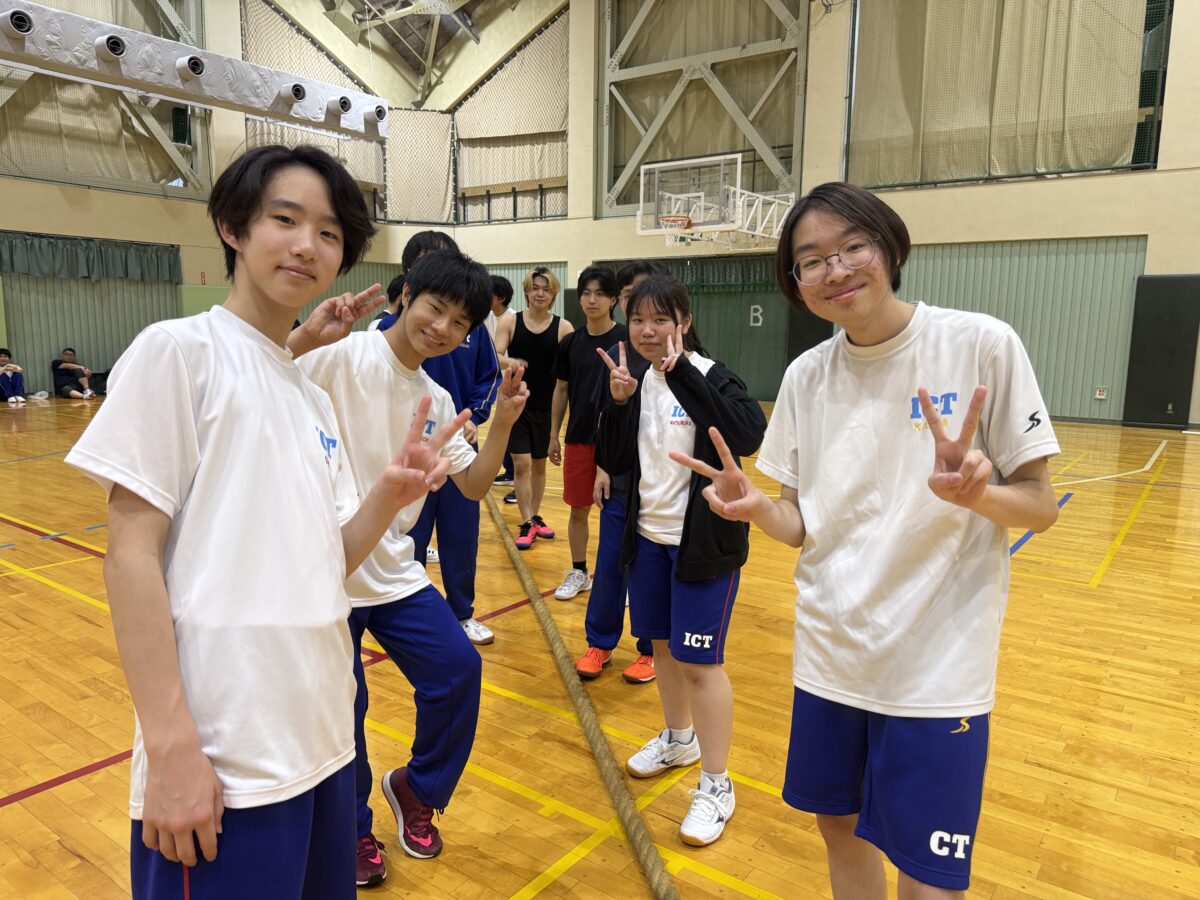
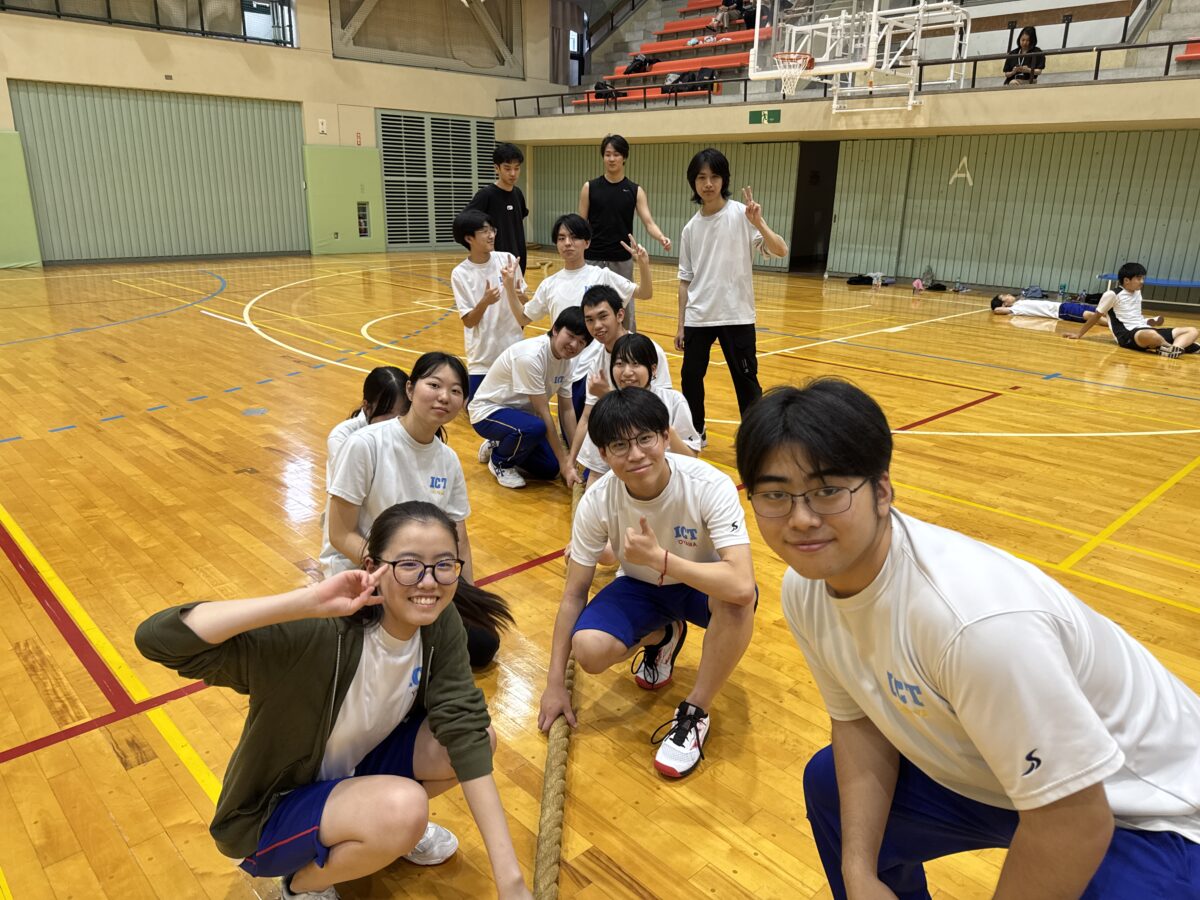
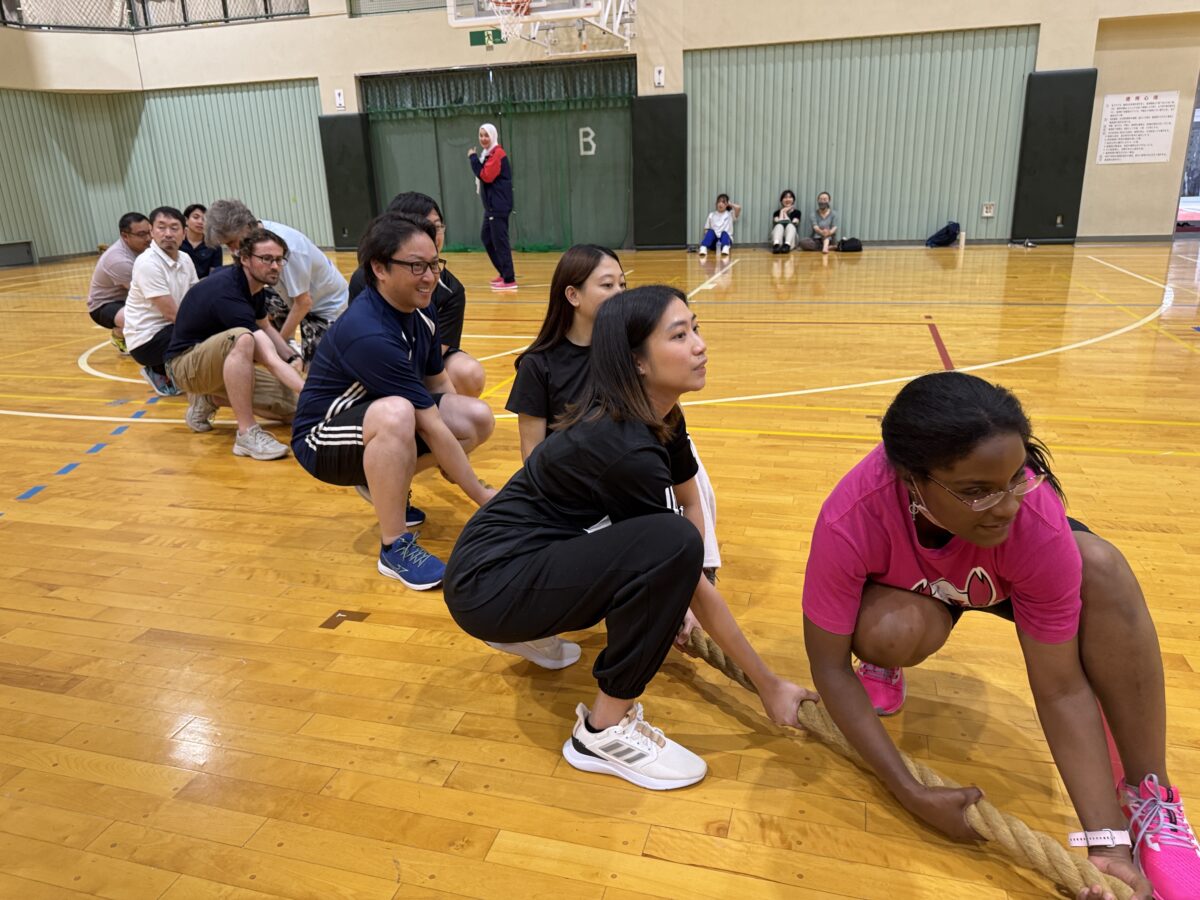
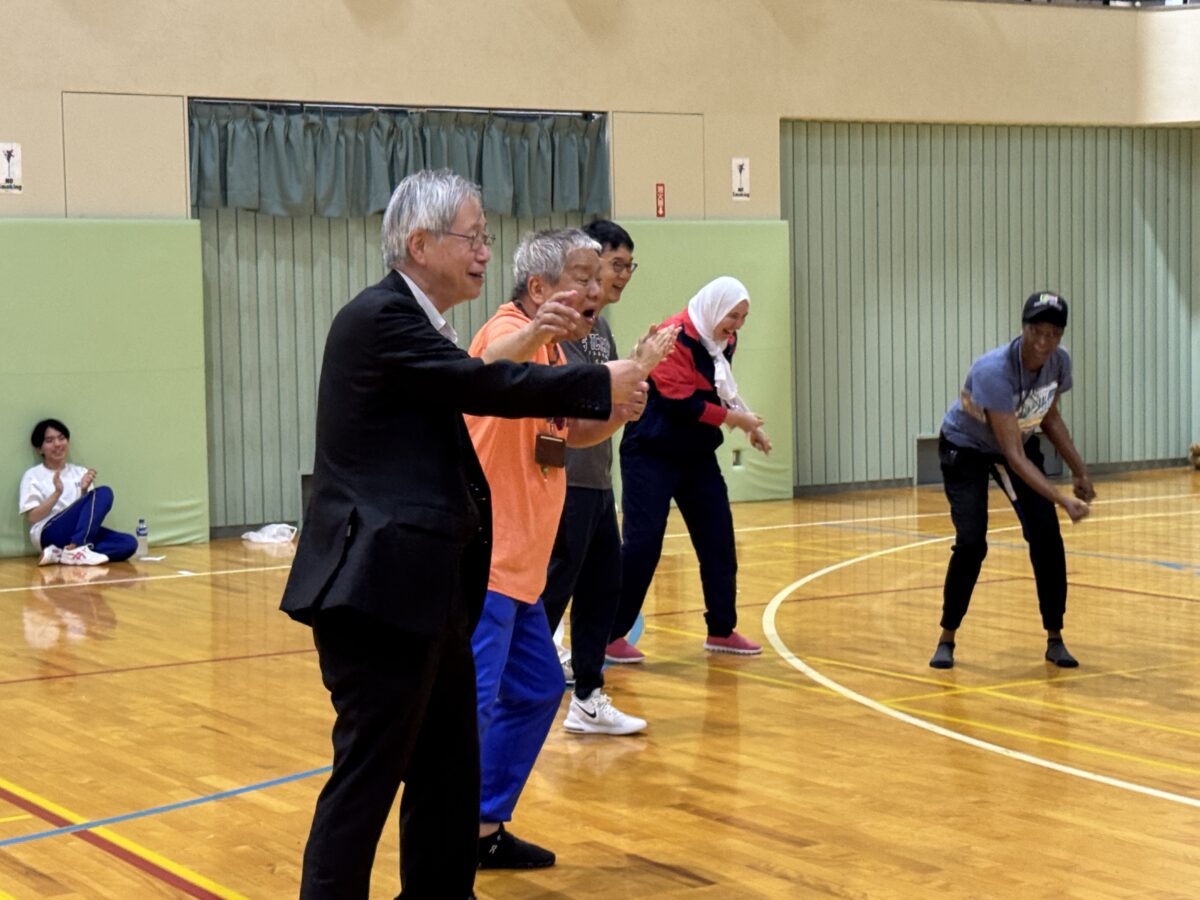
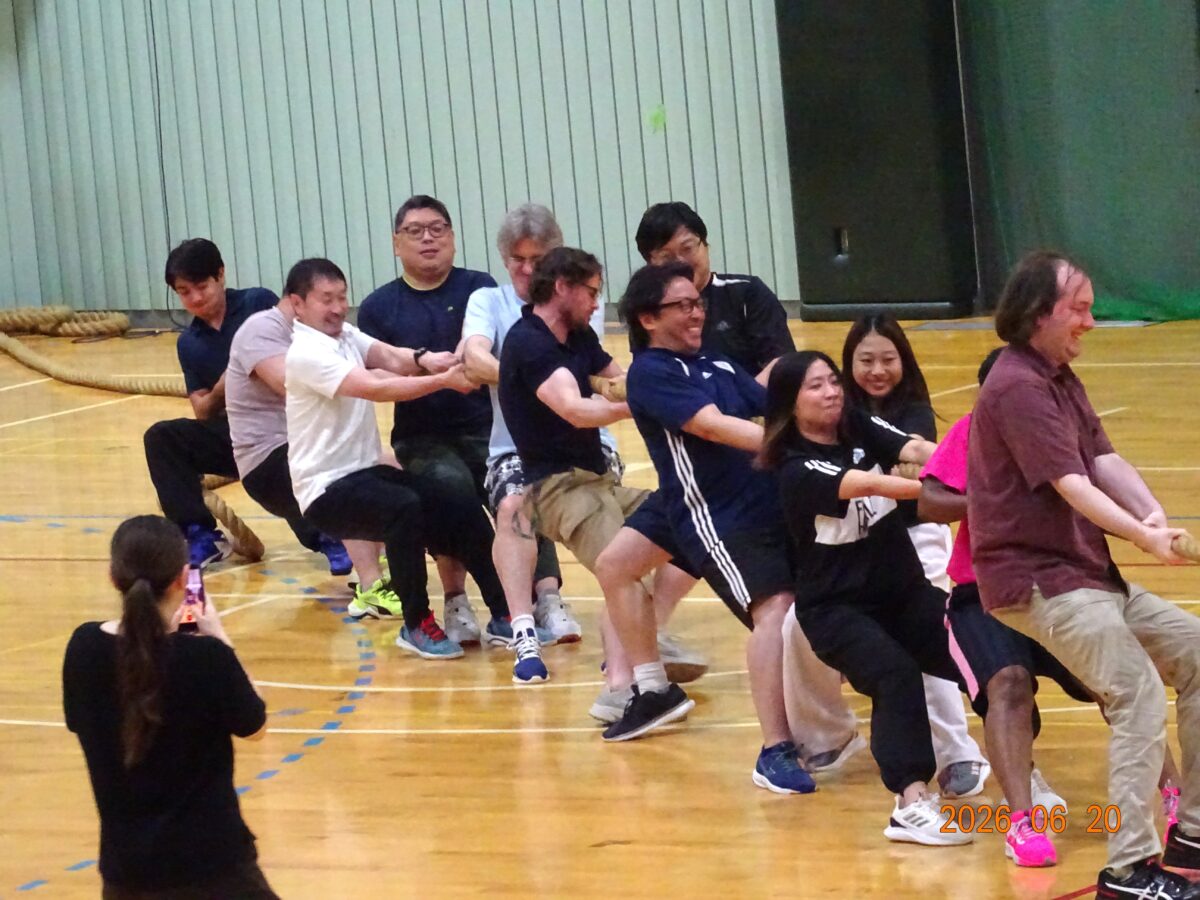
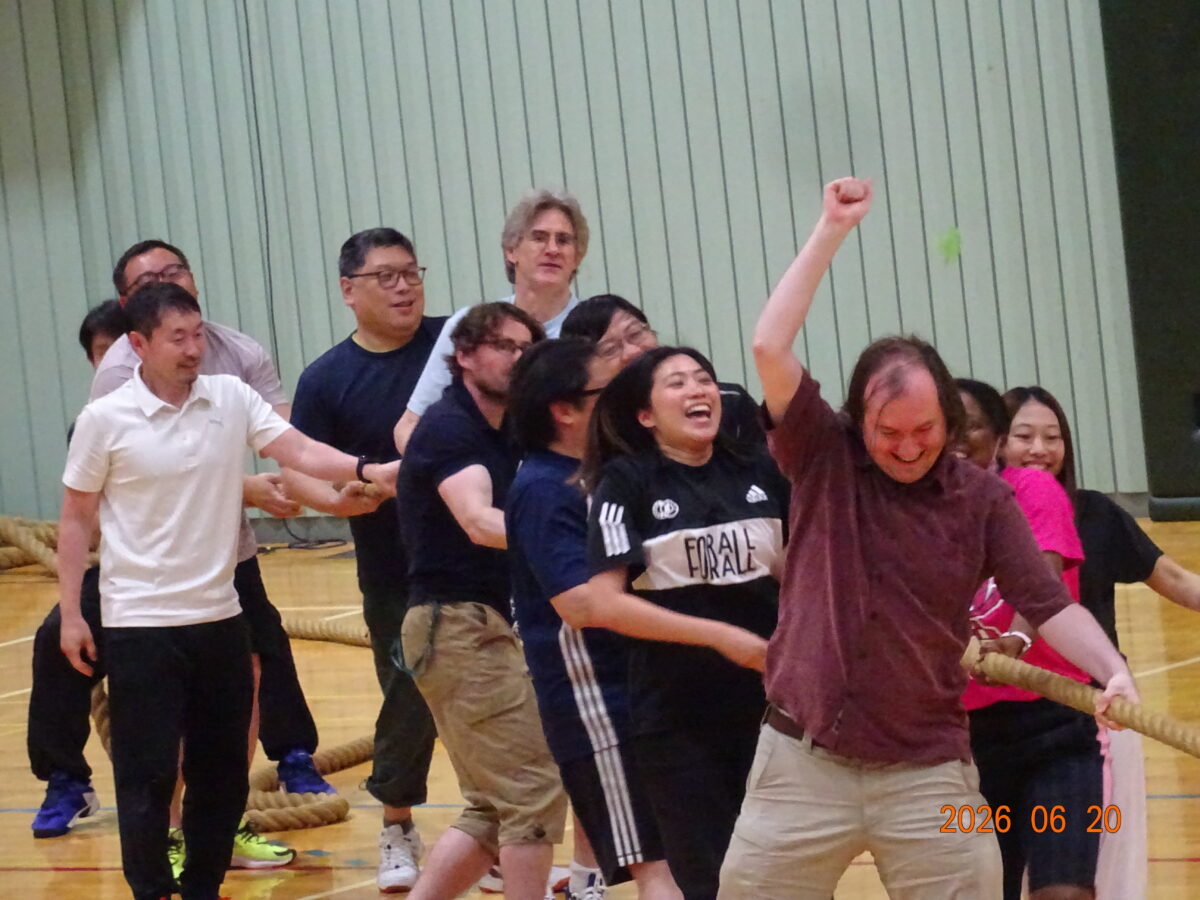
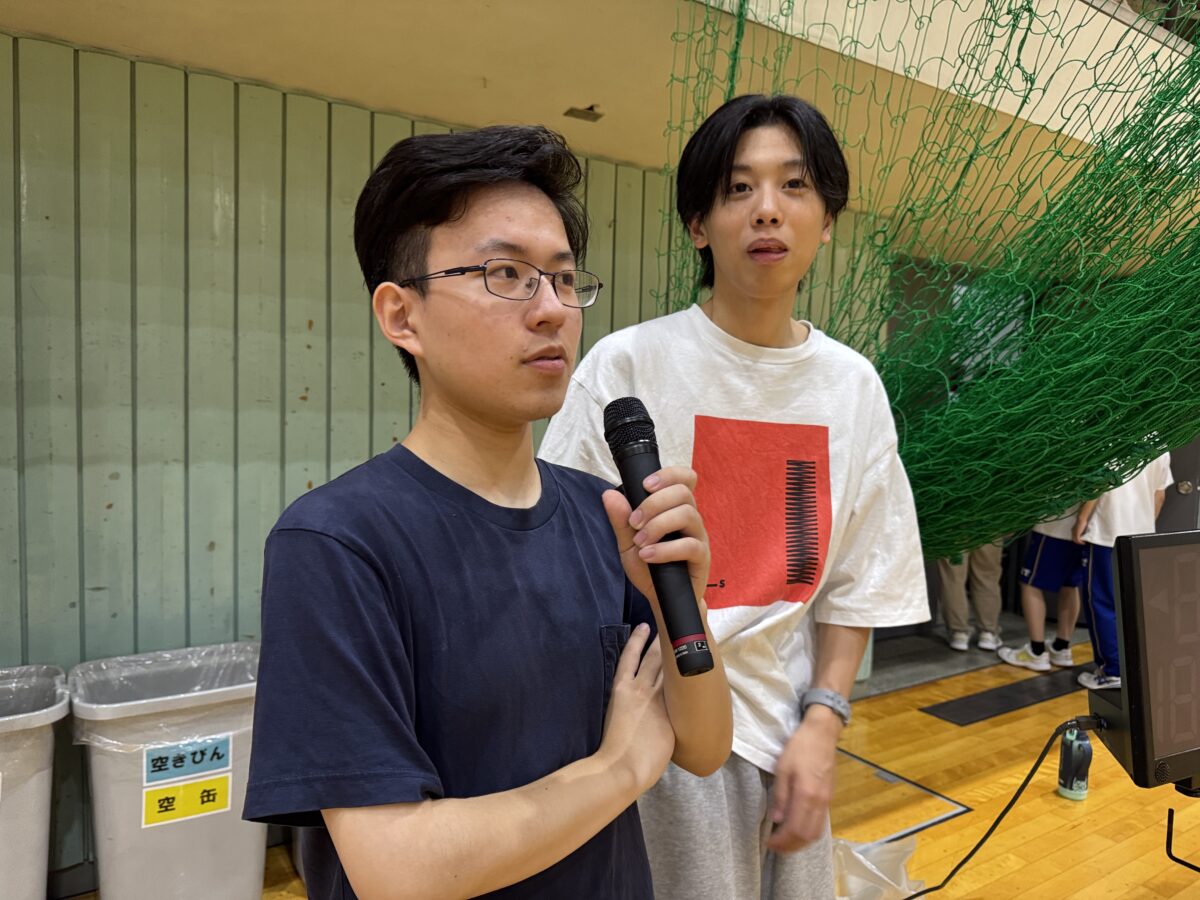
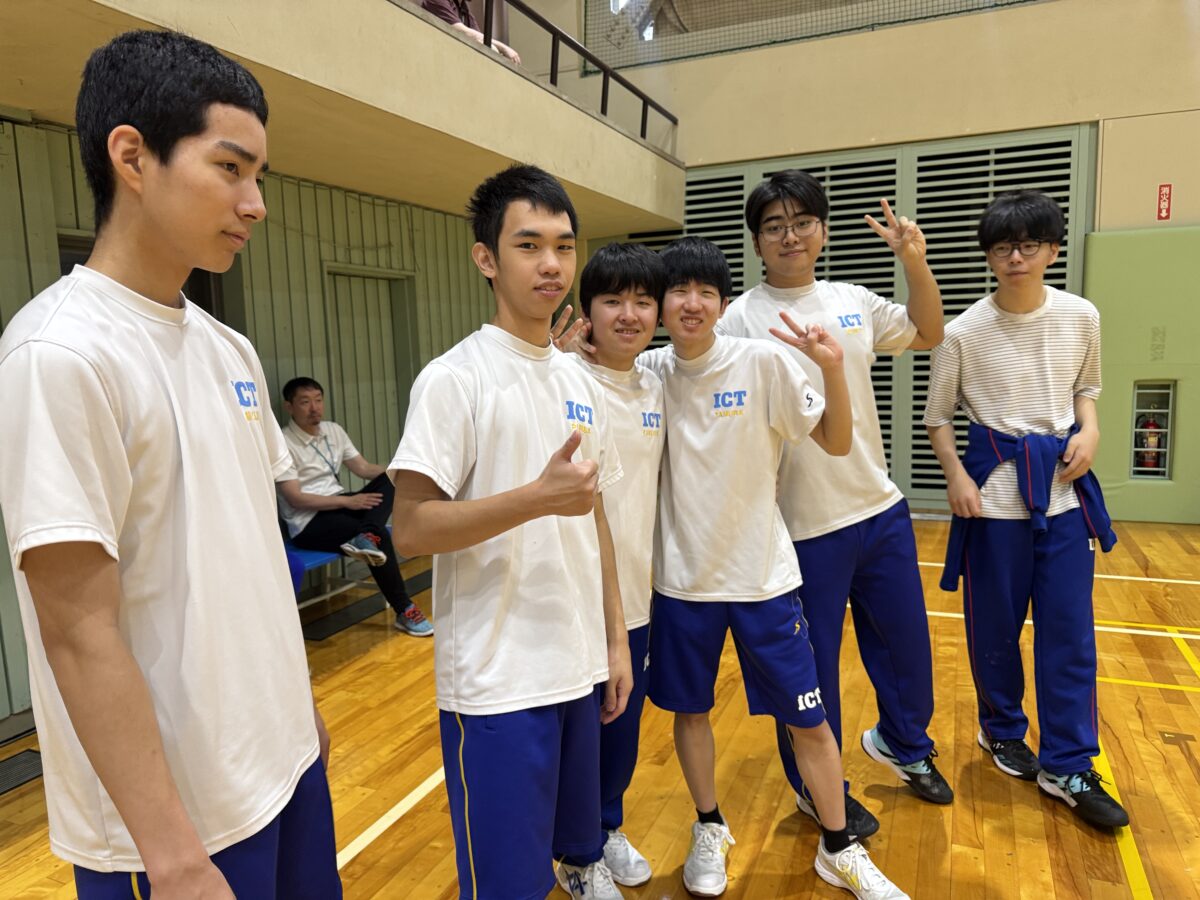
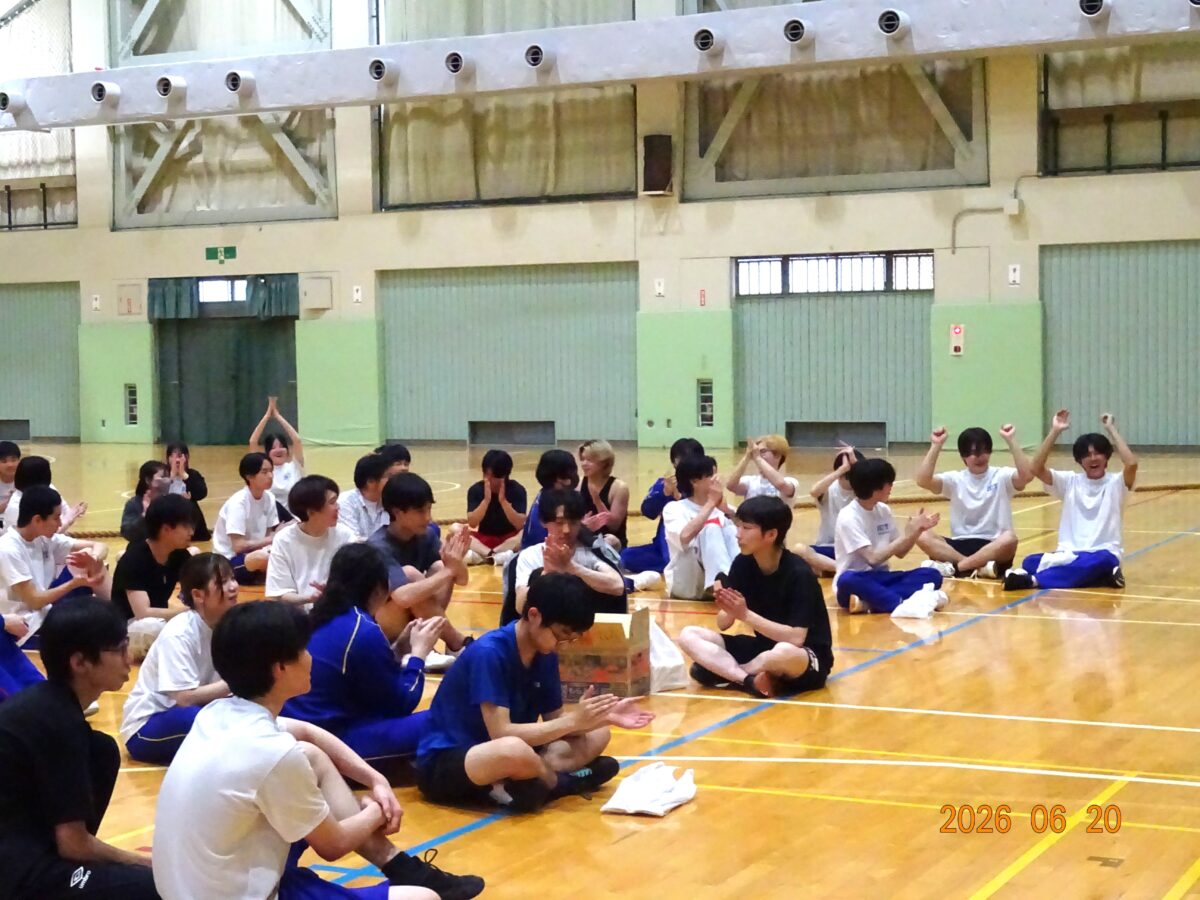
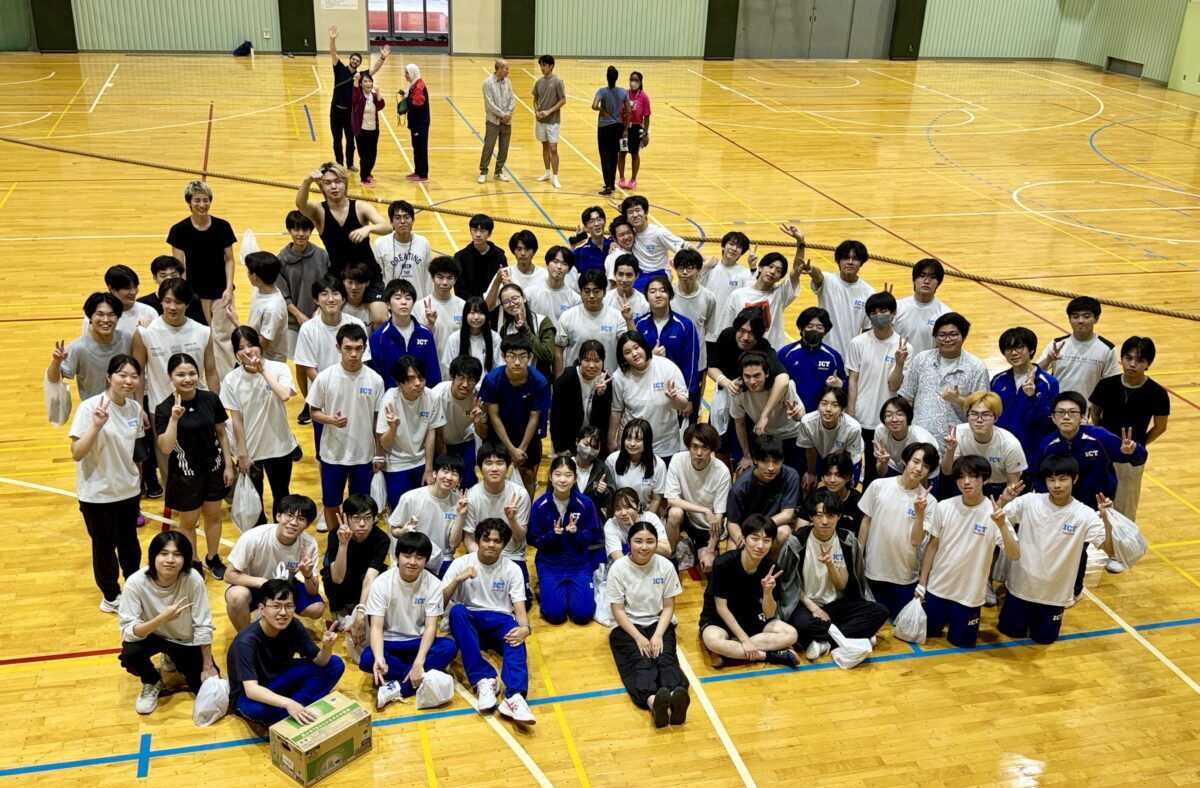
当日は、バレーボール、ドッジボール、障害物競走、綱引きの4競技を実施しました。学生たちは学年を越えて編成された6つの混合チームに分かれ、ローテーション形式で各競技に挑みました。普段は関わる機会の少ない他学年の仲間と声を掛け合いながら競技に臨む姿が多く見られ、会場には一体感が生まれていました。どの競技も白熱した展開となり、真剣勝負ならではの緊張感と、それを包み込む大きな歓声が響き渡りました。勝敗に一喜一憂しながらも、仲間を称え合い、励まし合う学生たちの姿が印象的でした。
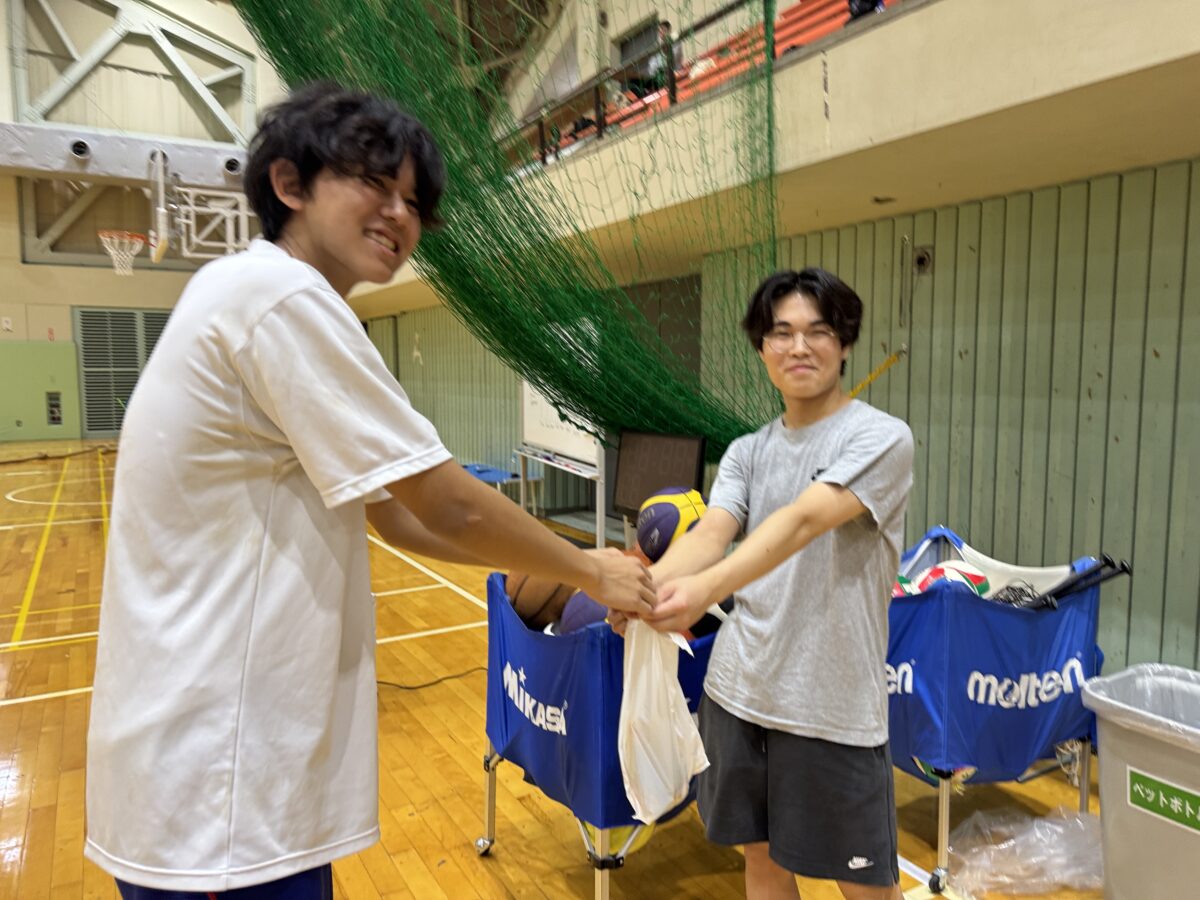
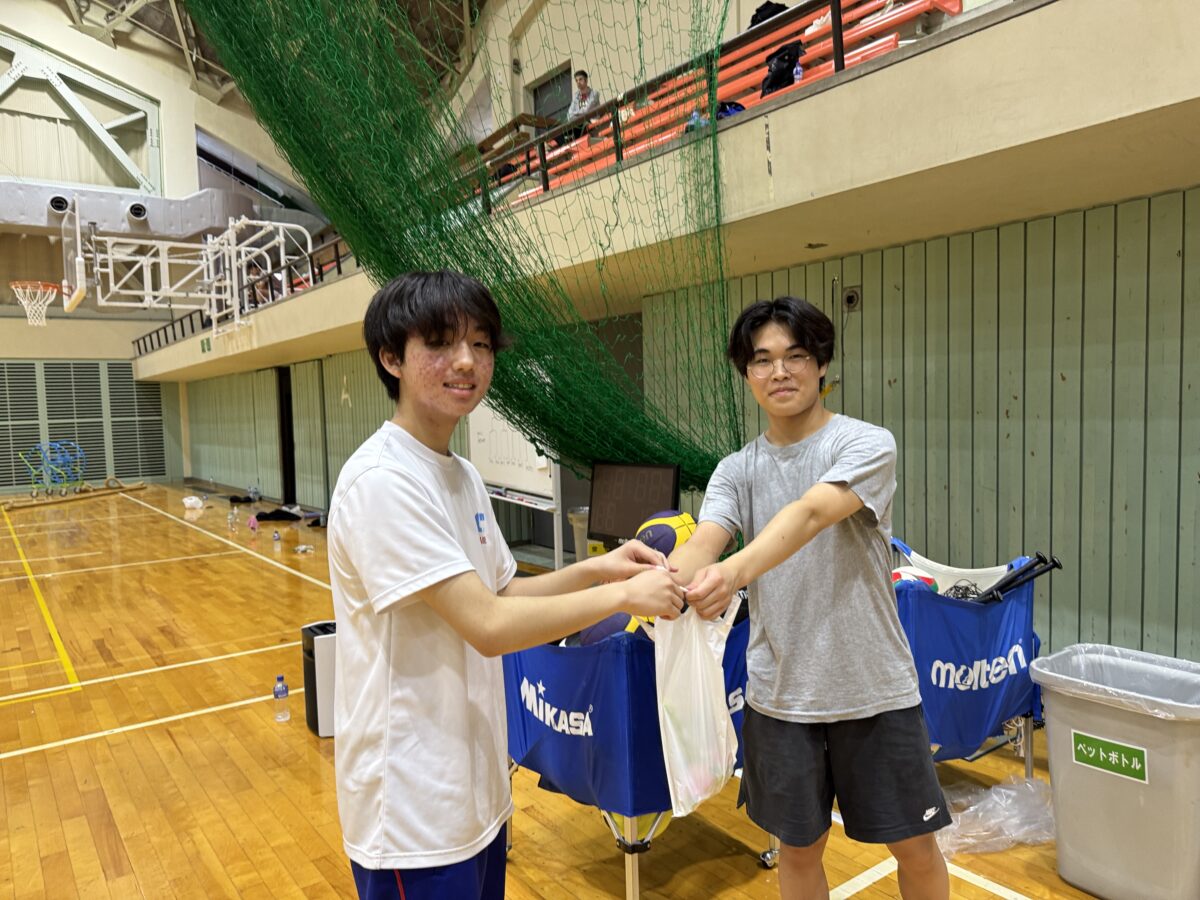
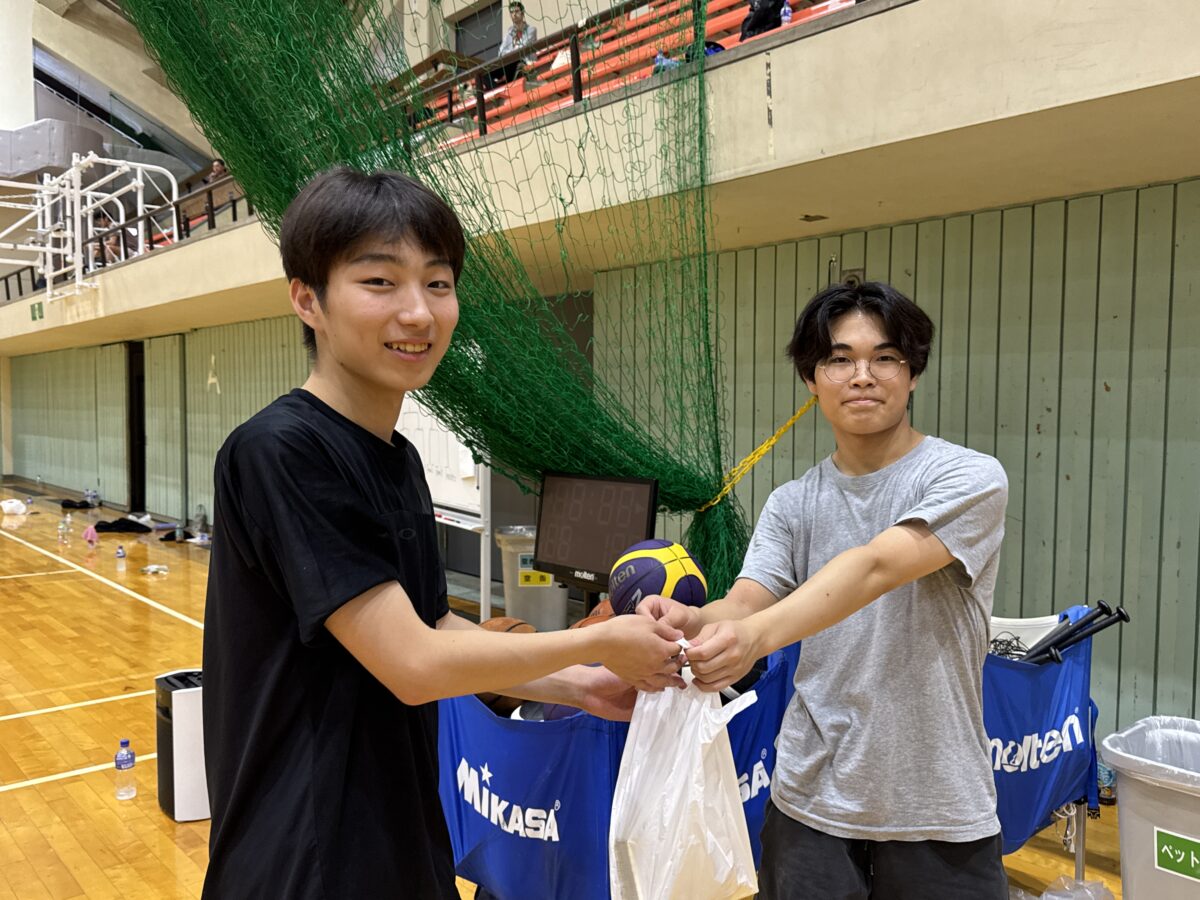
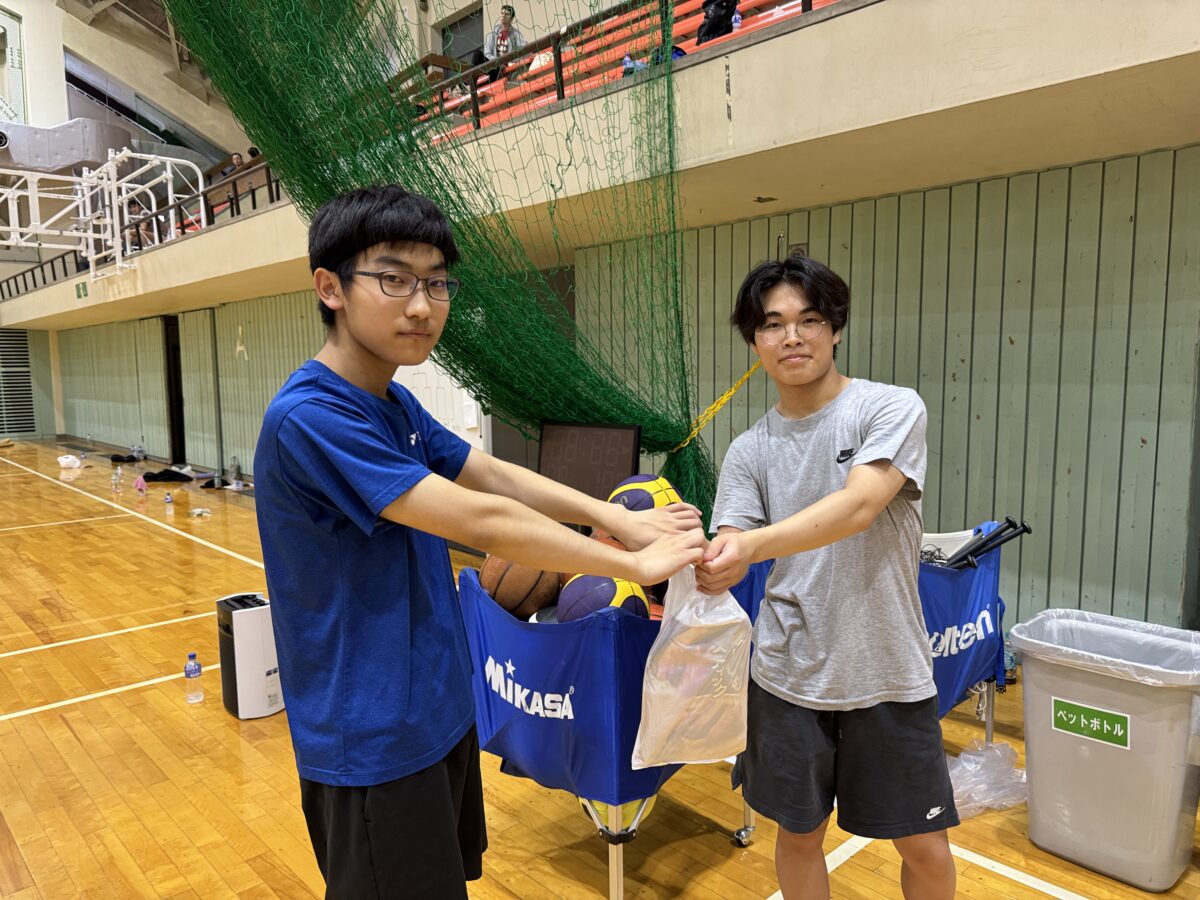
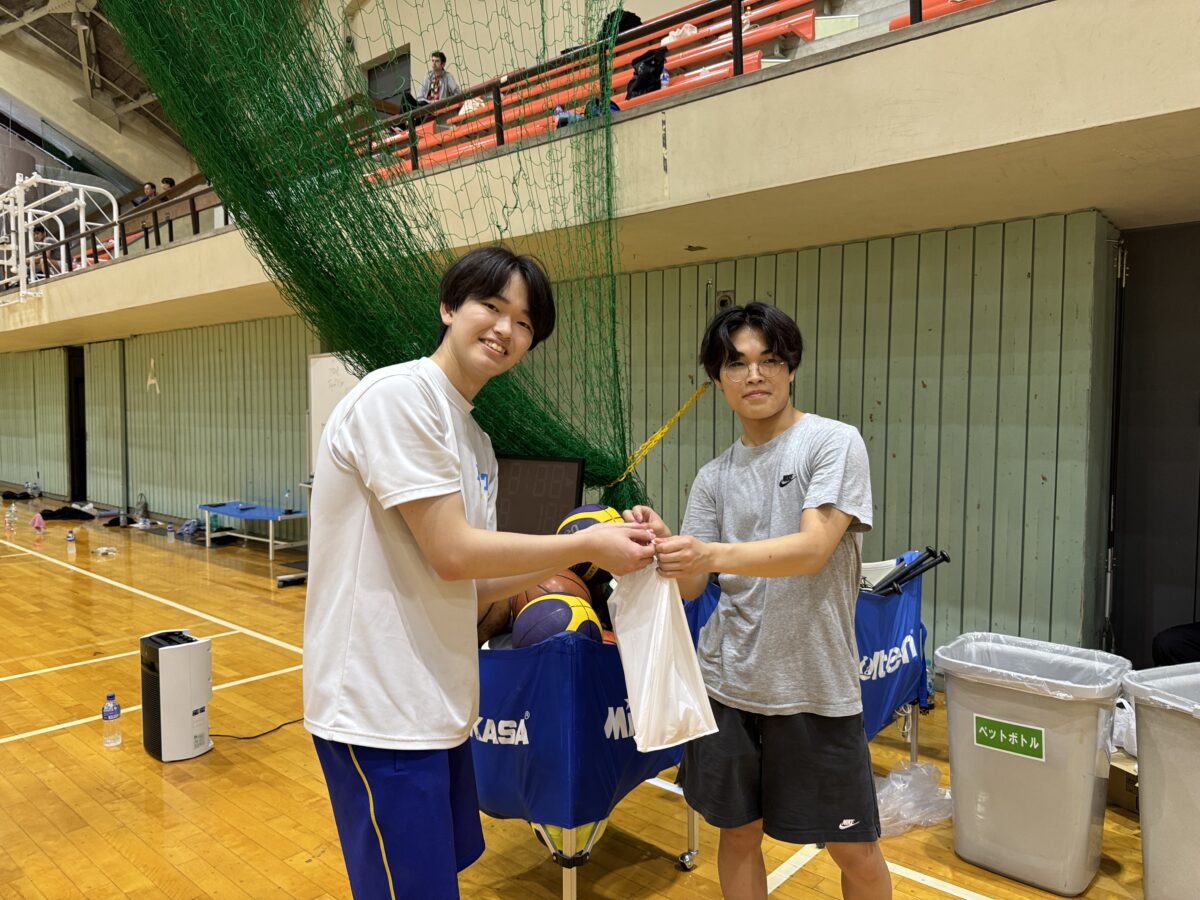
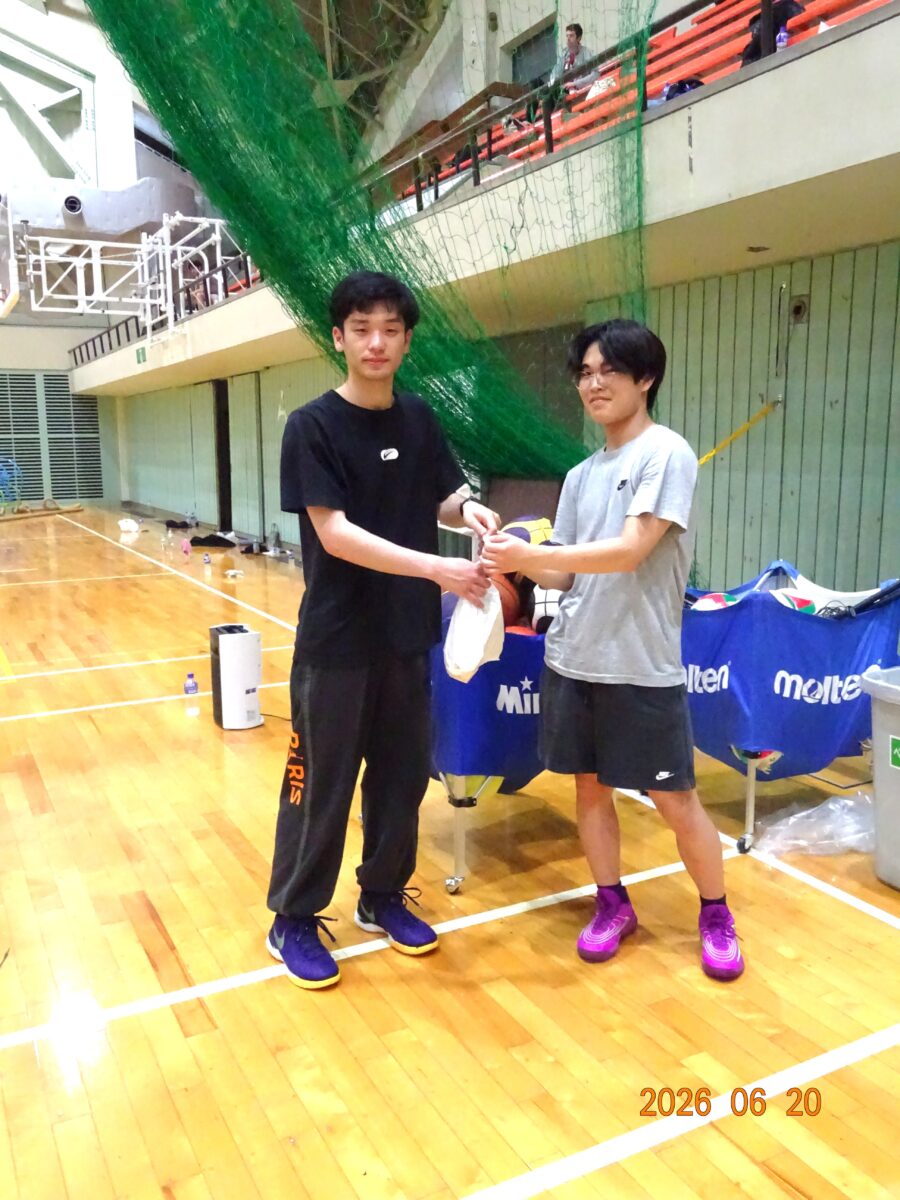
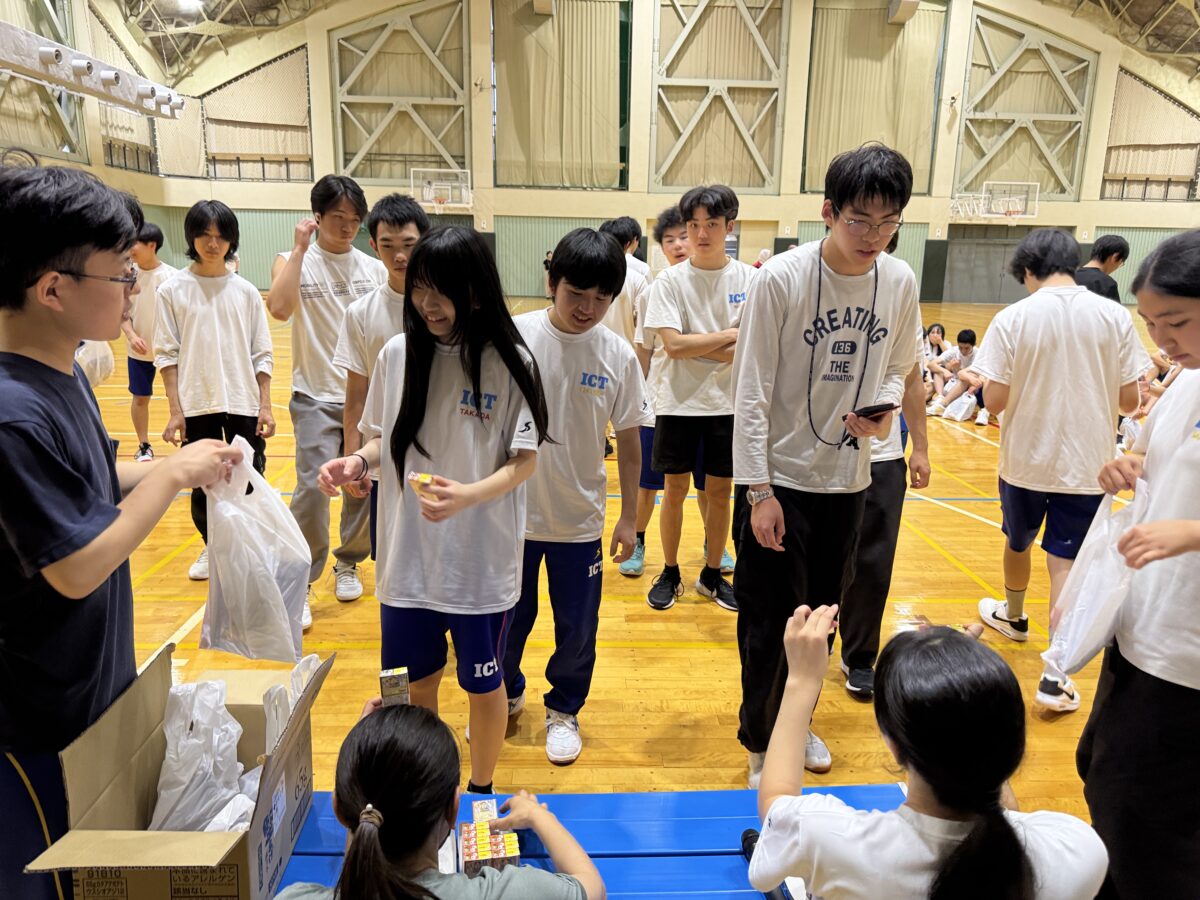
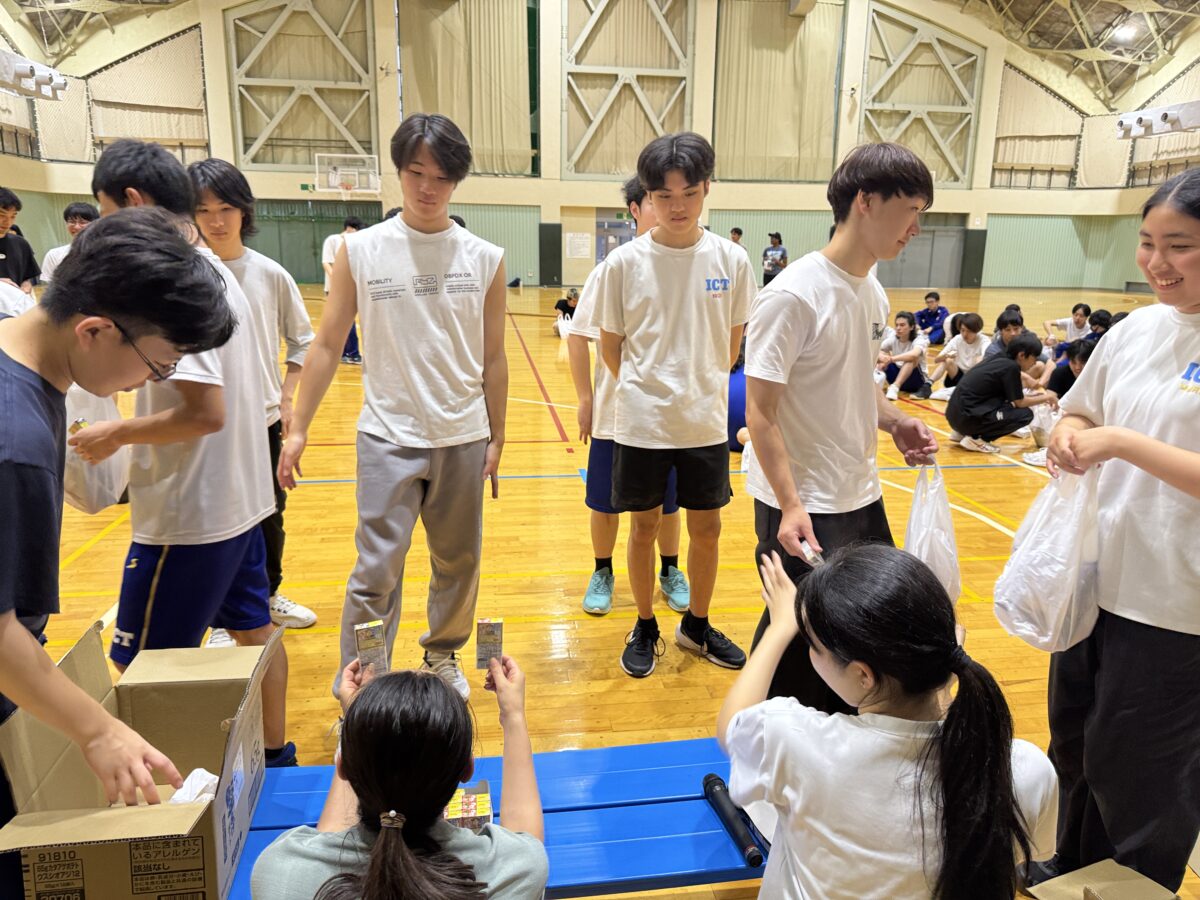
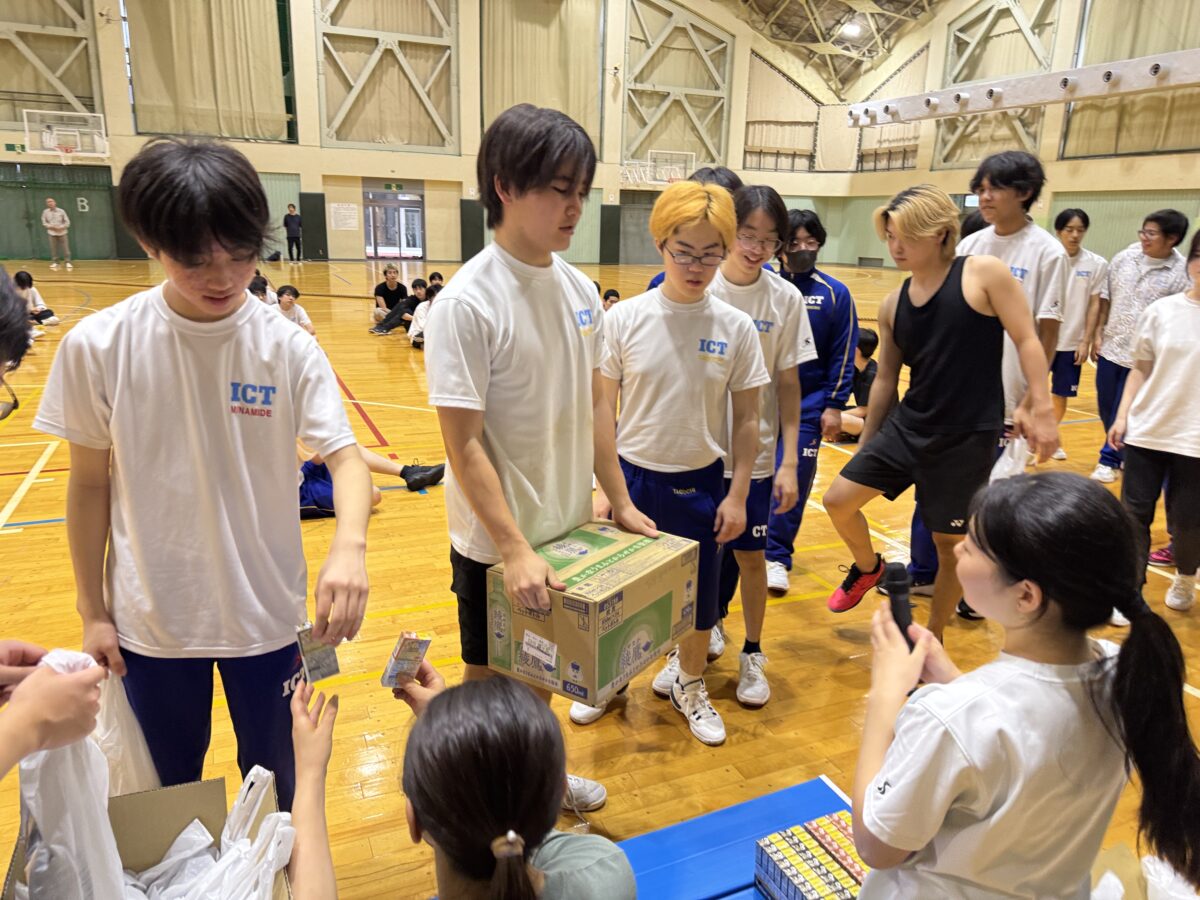
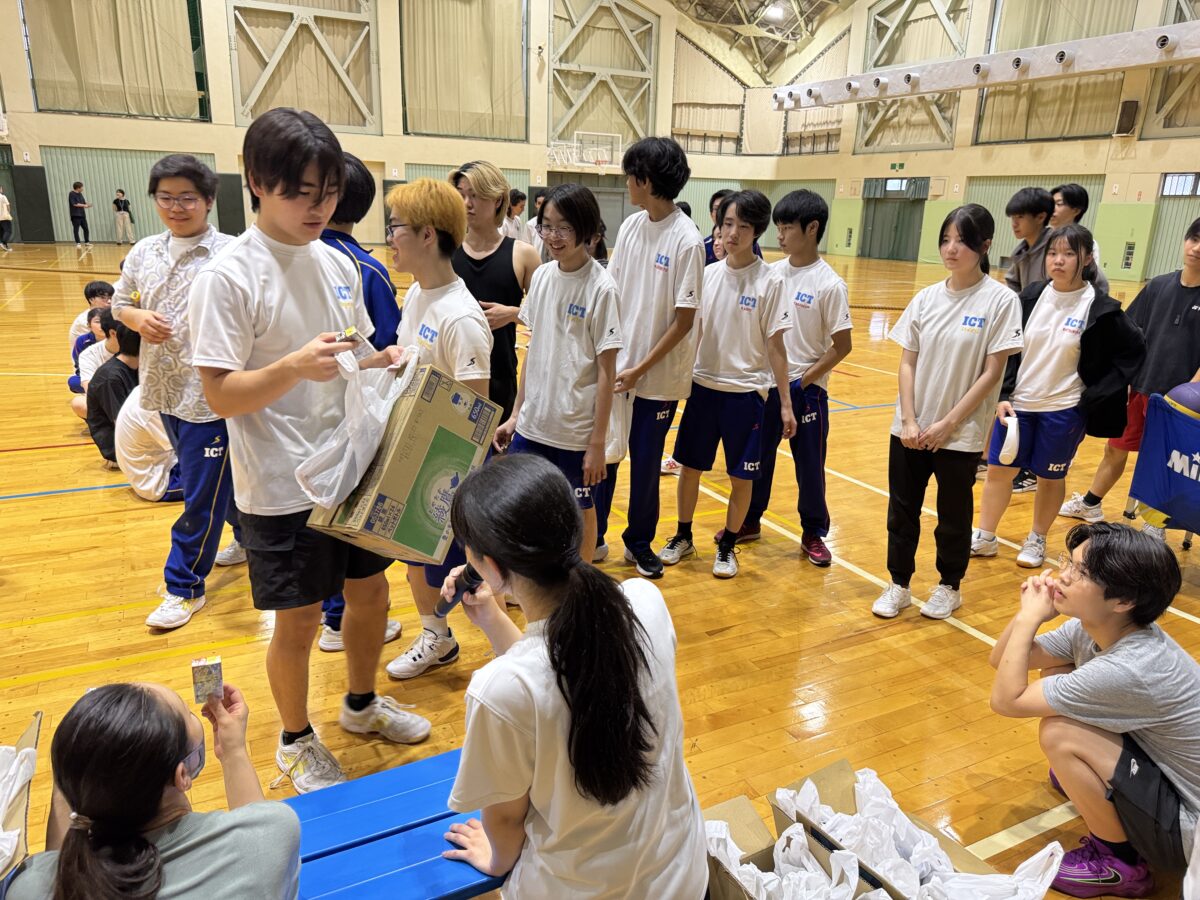
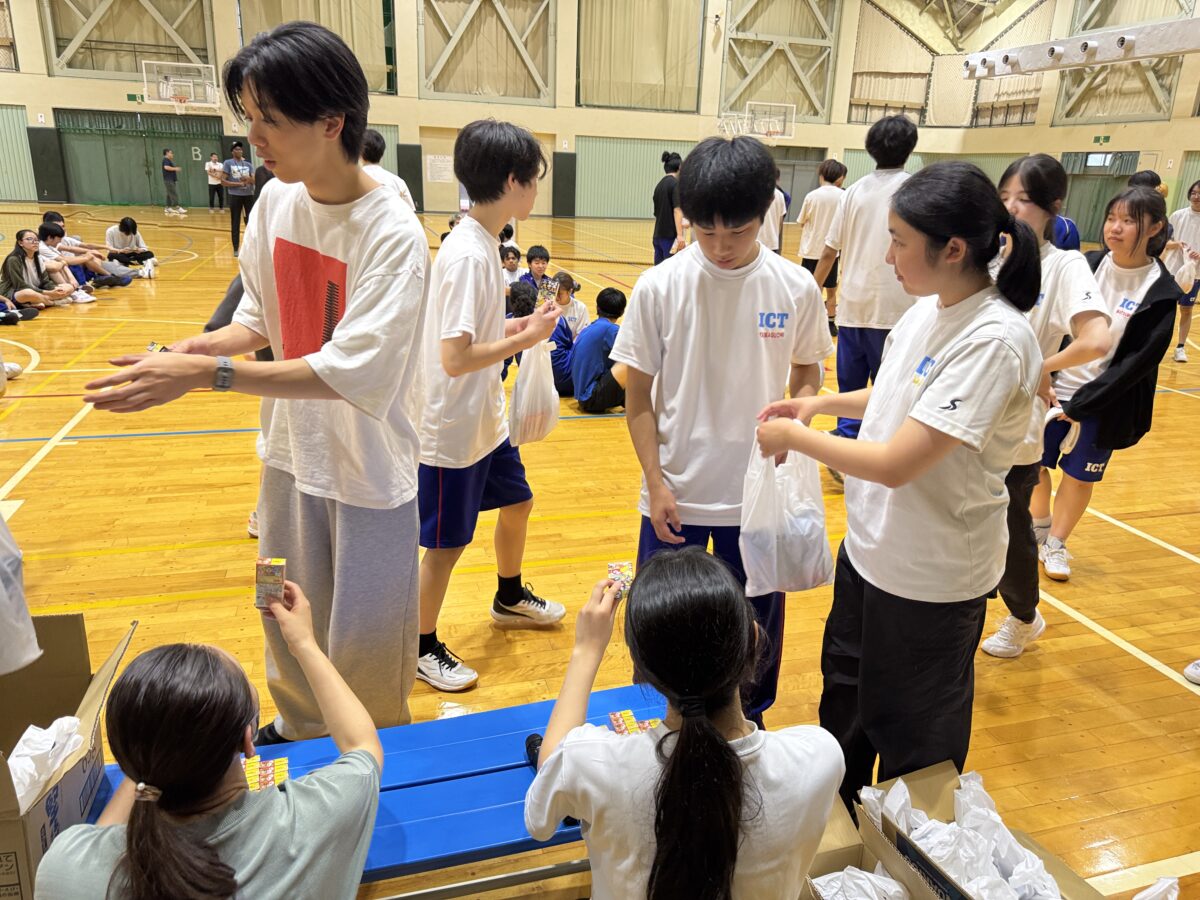
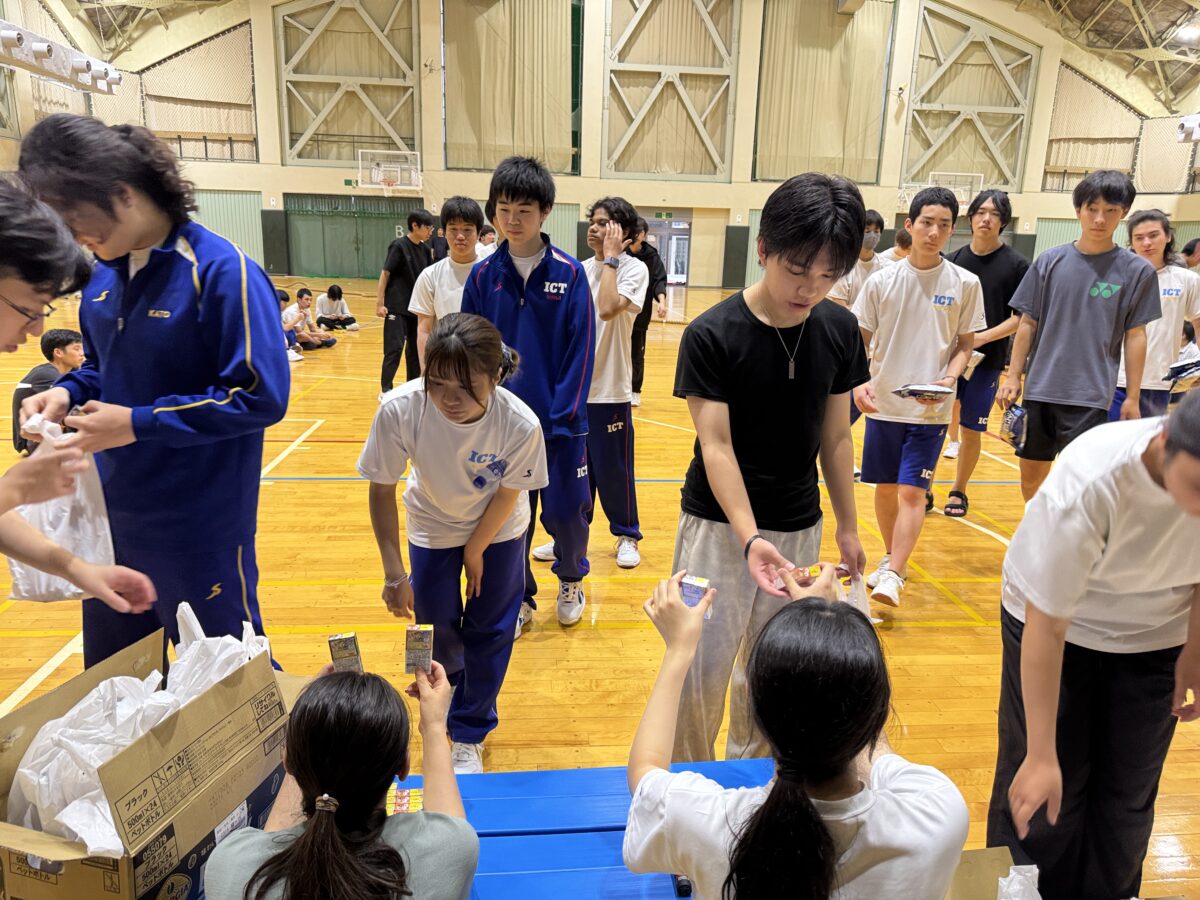
競技終了後には、各チームから1名ずつMVPが選出され、お菓子の詰め合わせが贈られました。また、参加した全チームにも参加賞としてお菓子が配られました。
今回のスポーツフェスティバルは、学生たちが日頃の学業から離れ、チームで協力する楽しさや達成感を味わう貴重な機会となりました。また、学年混合のチーム活動を通して、両キャンパスの学生同士の親睦も一層深まり、活気あふれる一日となりました。
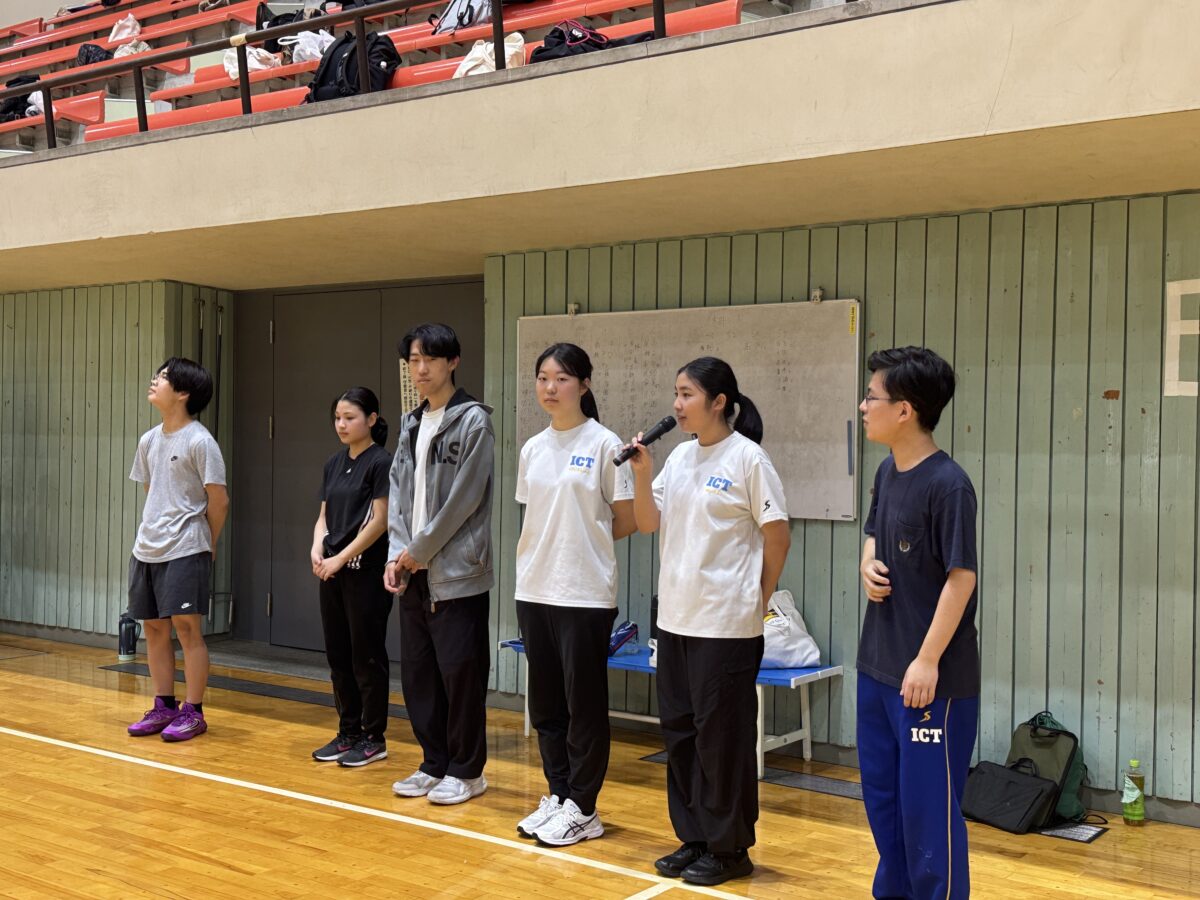
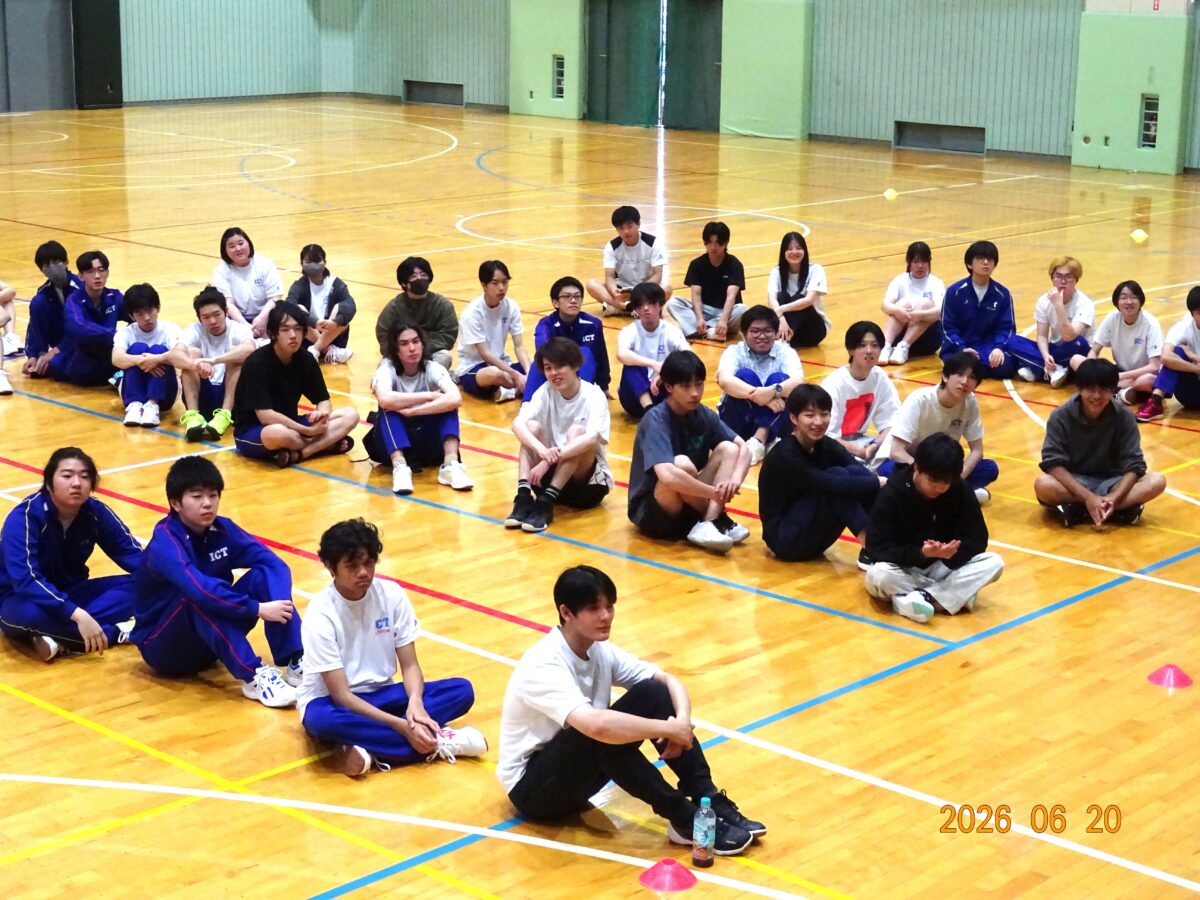
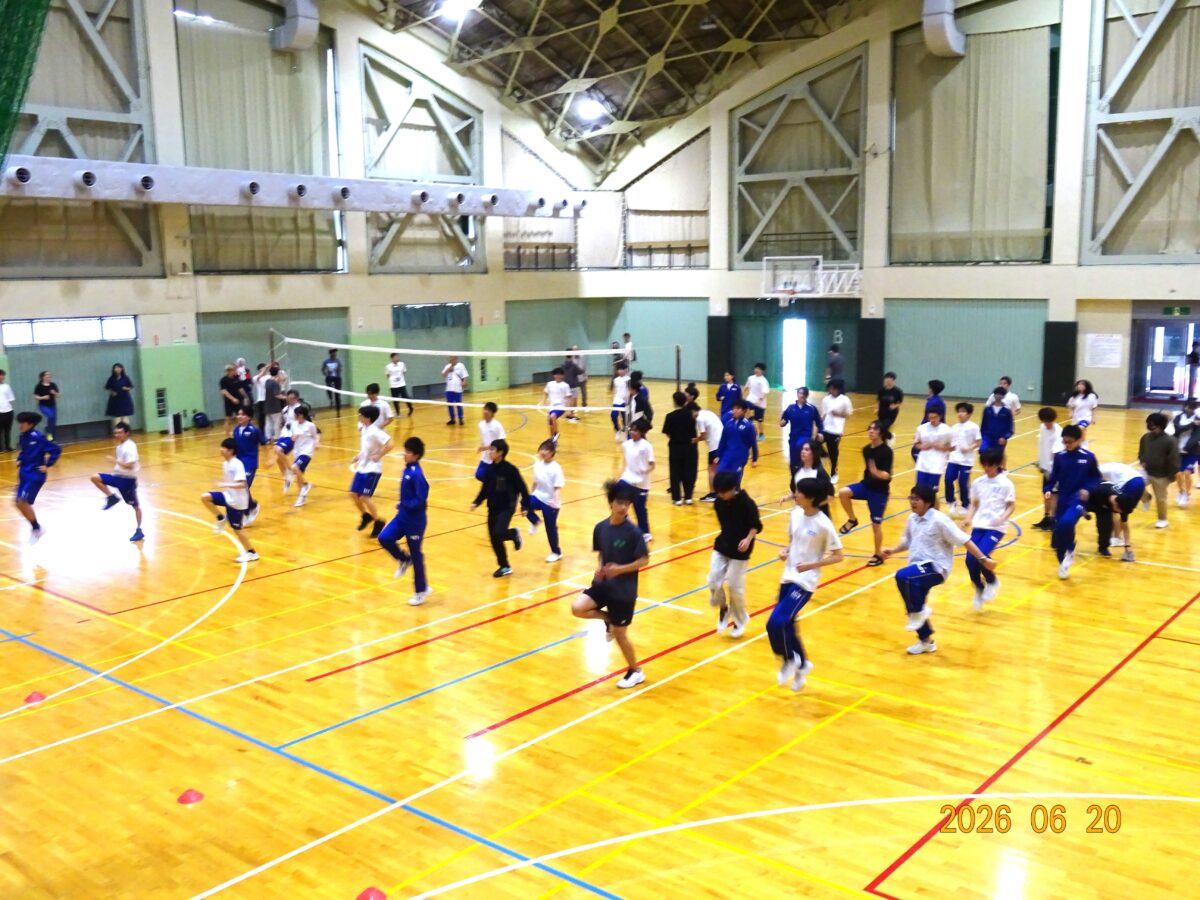
開会式
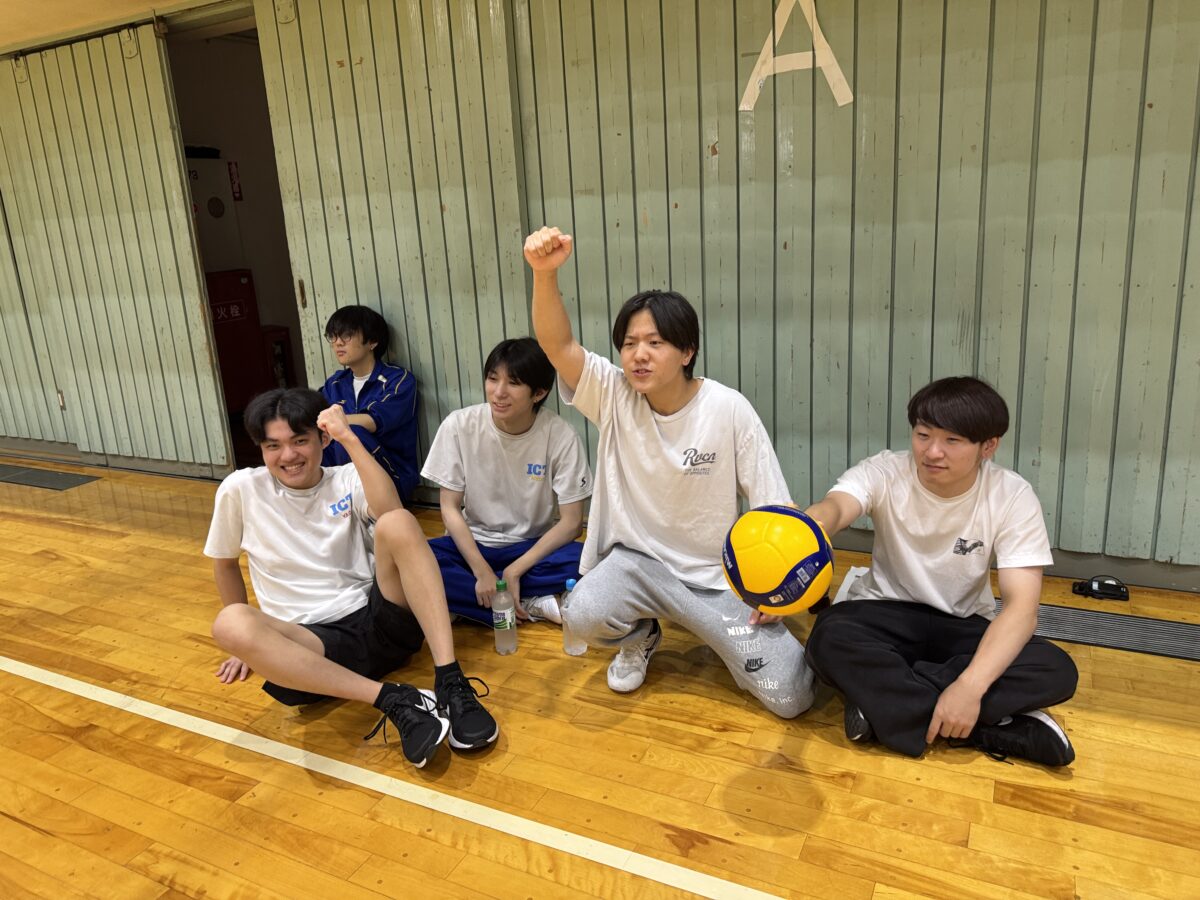
バレーボール
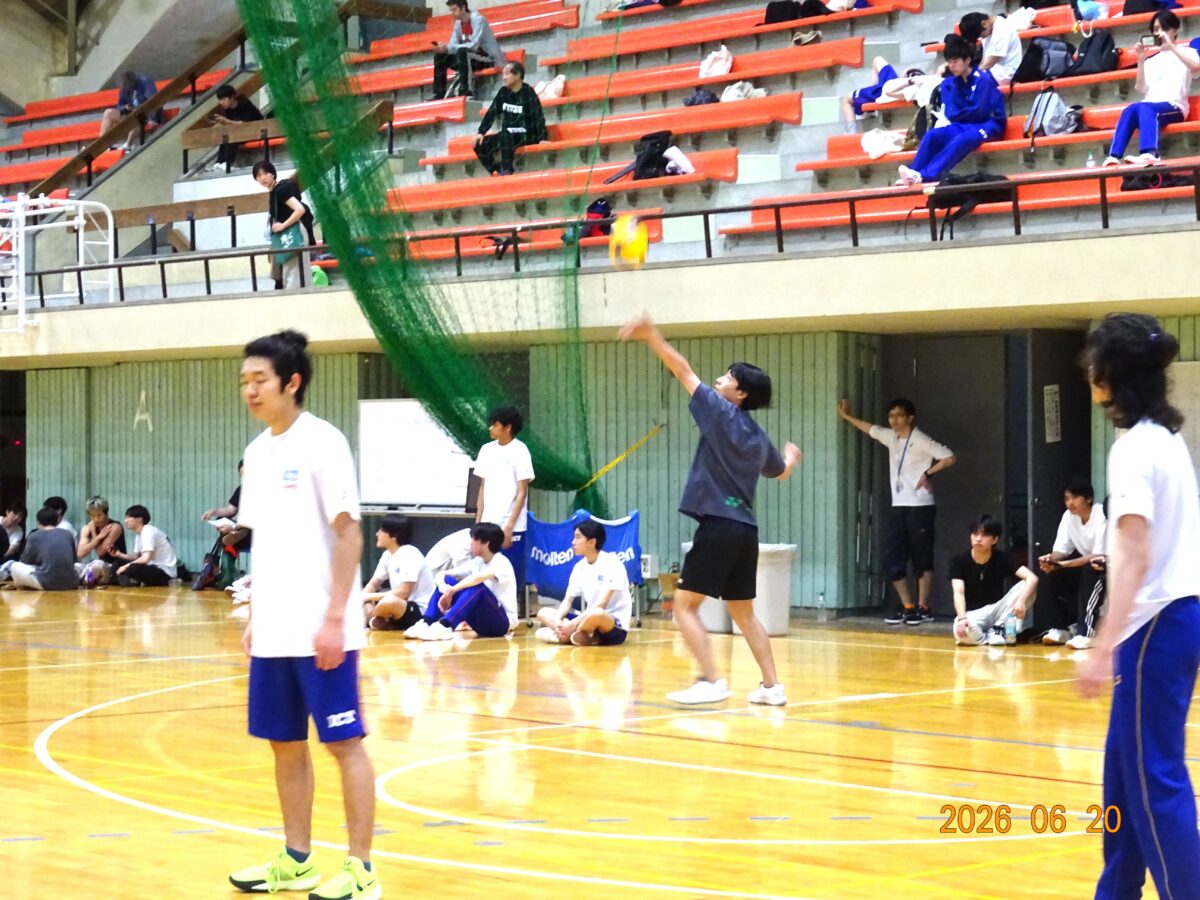
ドッジボール
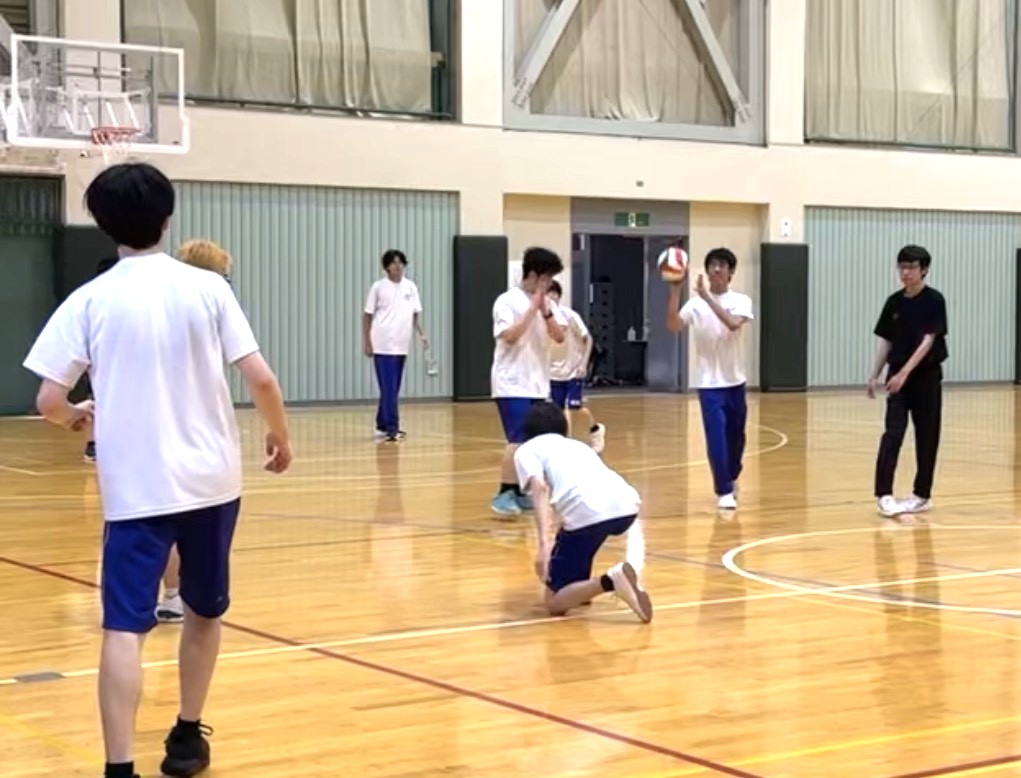
障害物競争
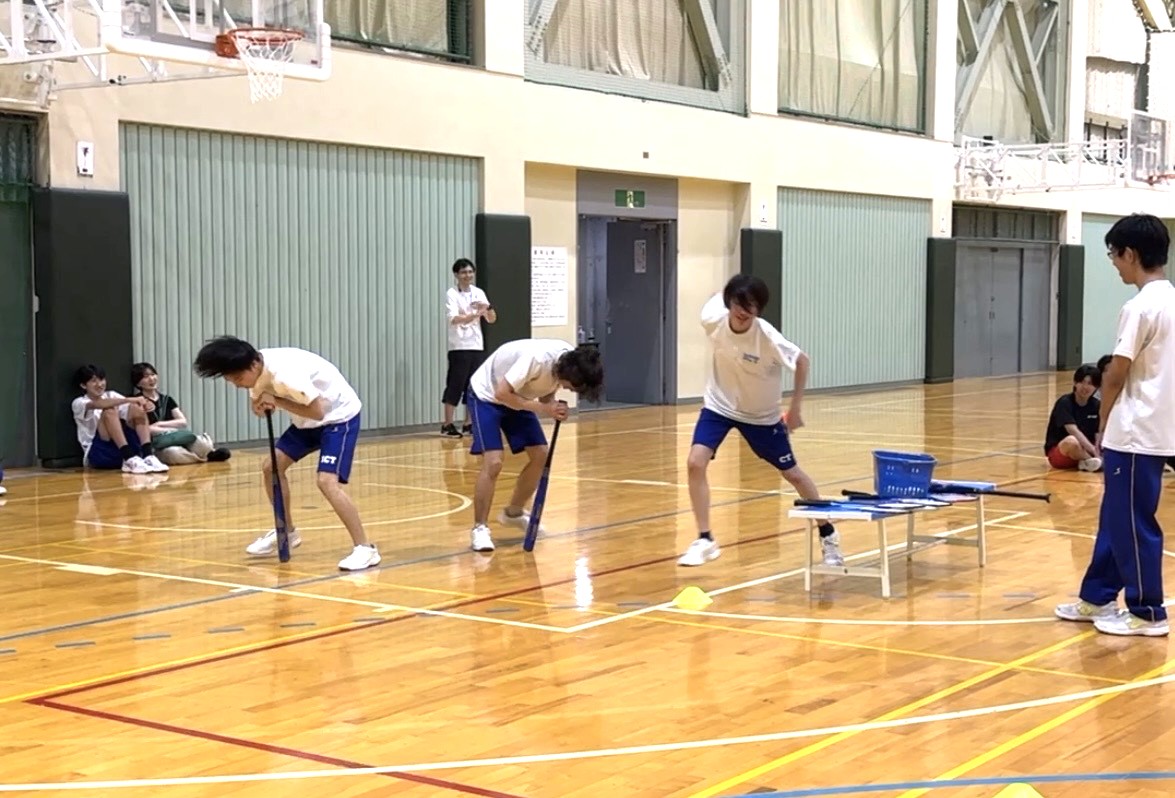
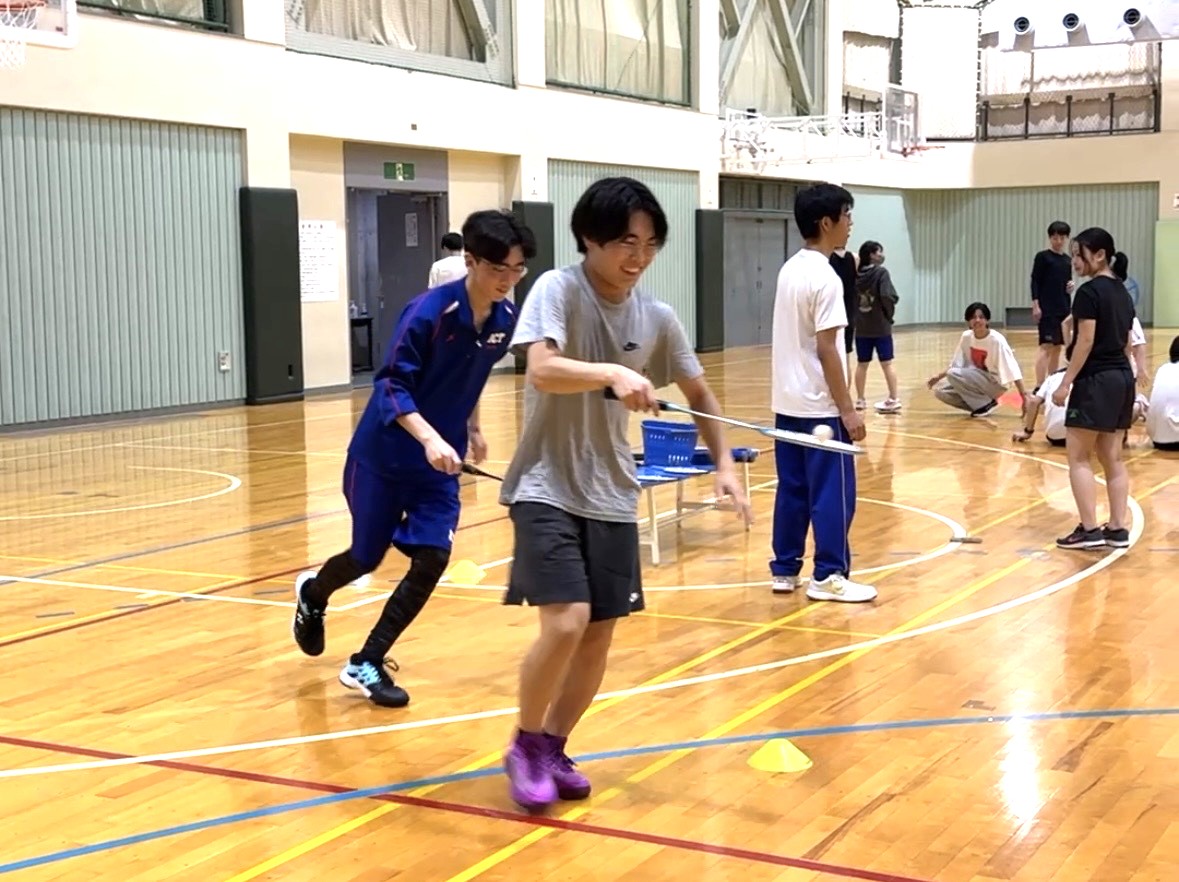
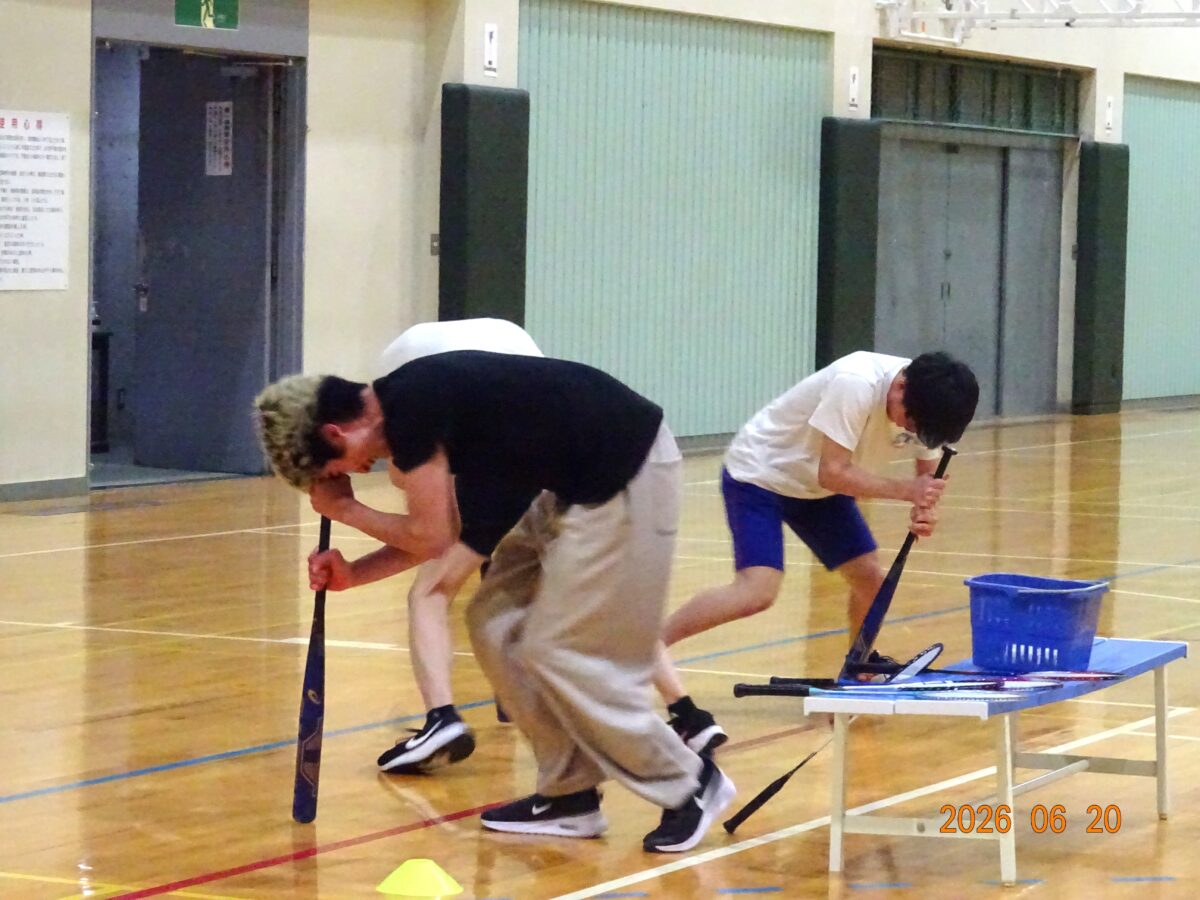
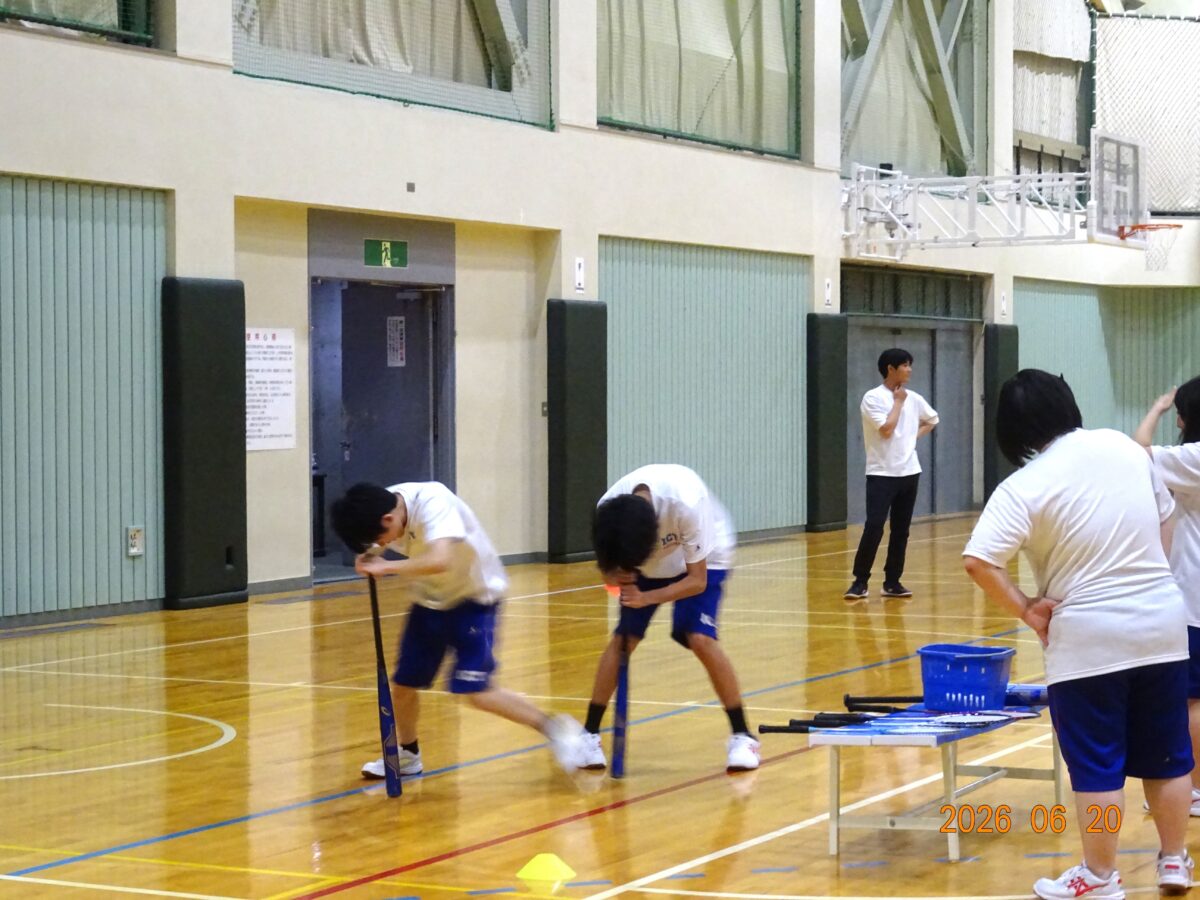
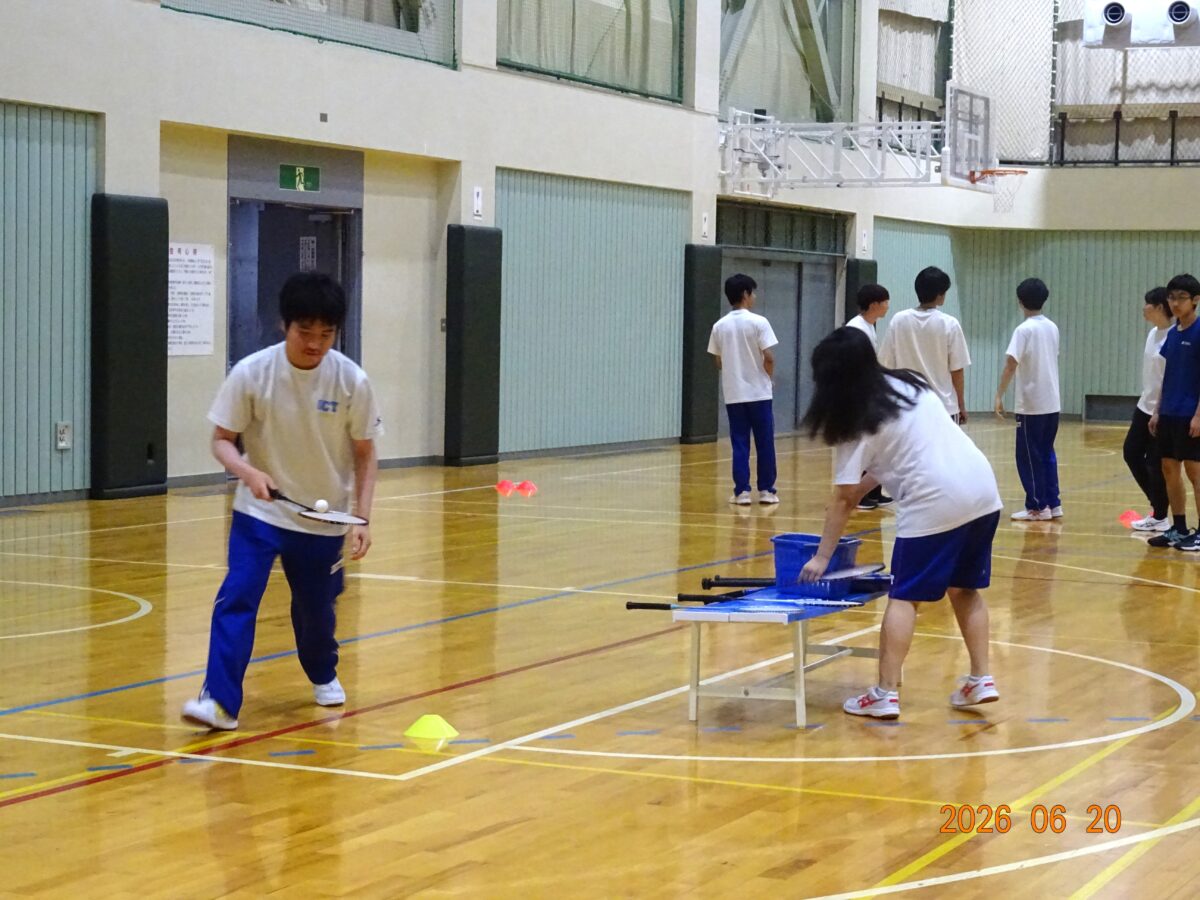
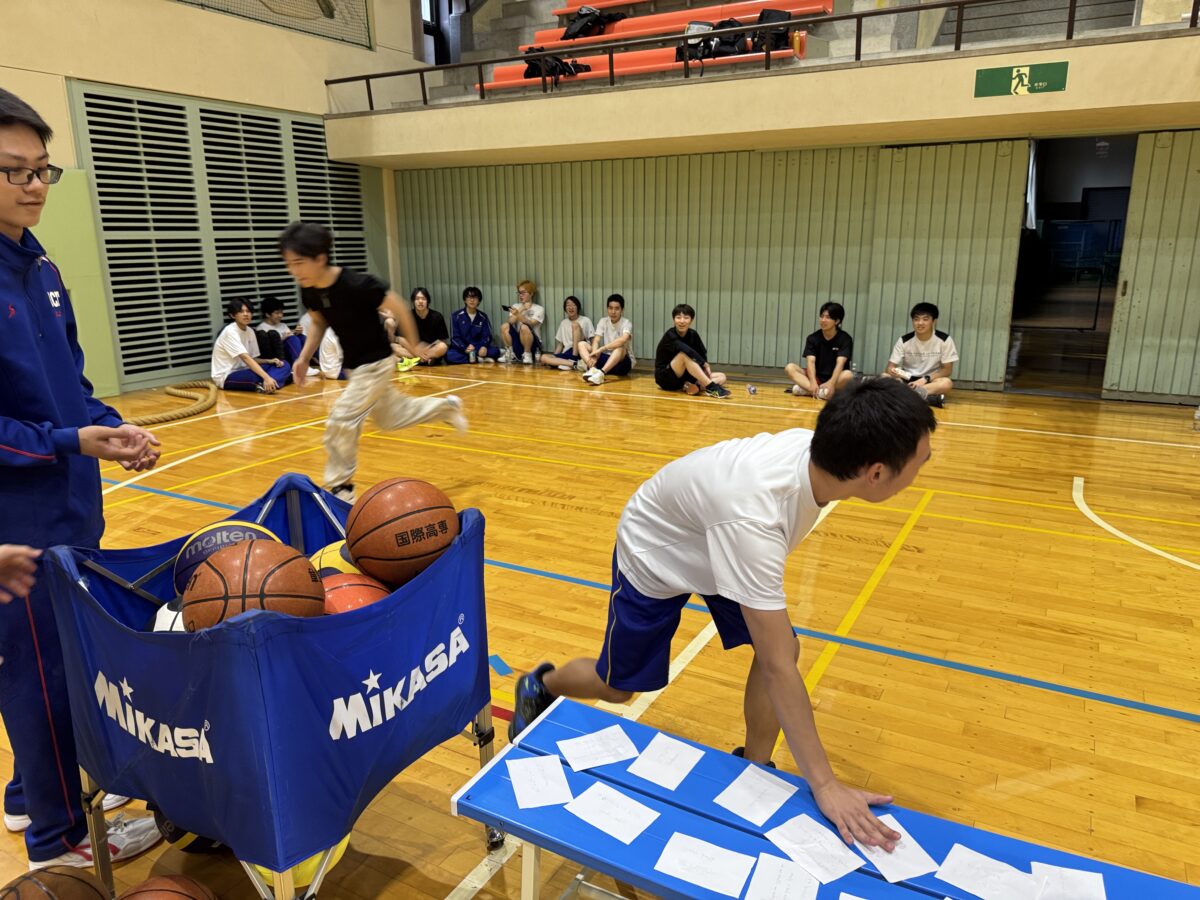
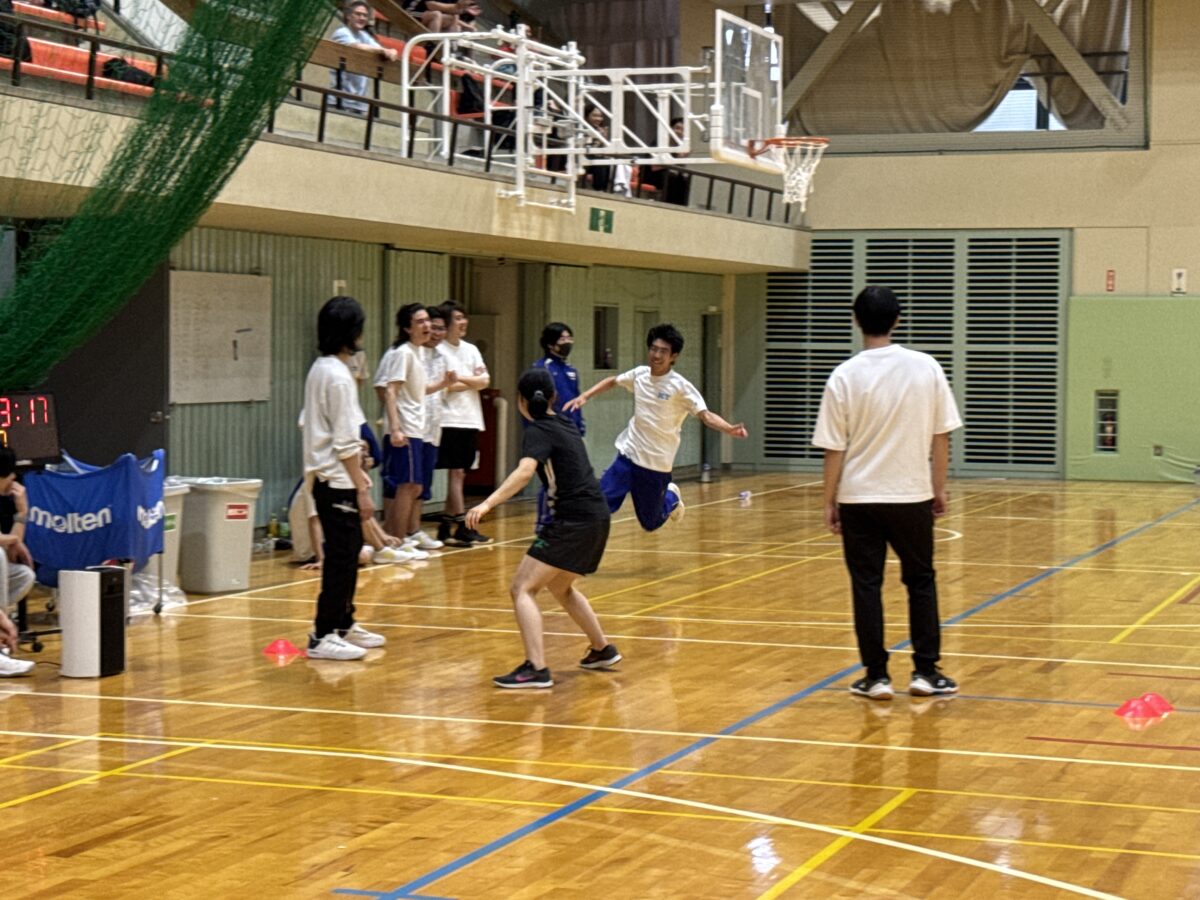
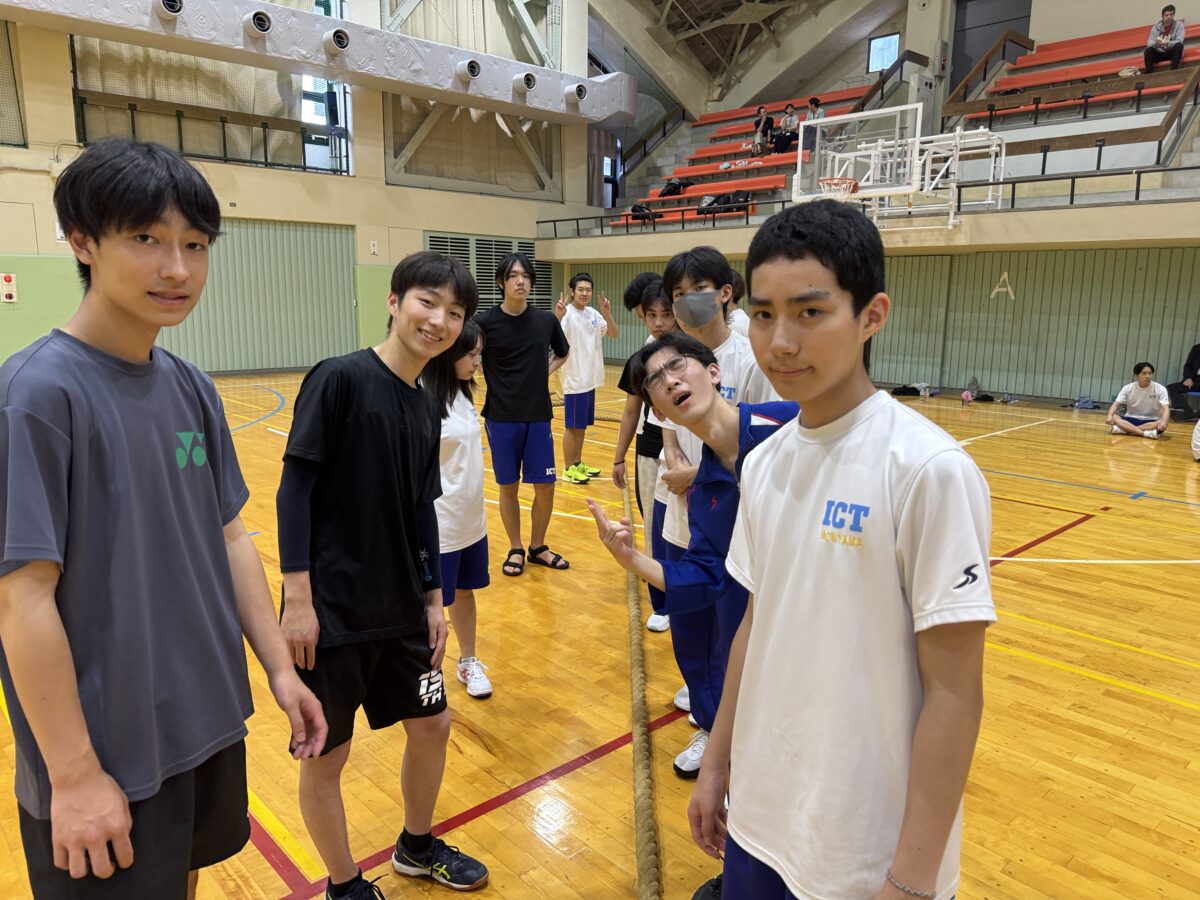
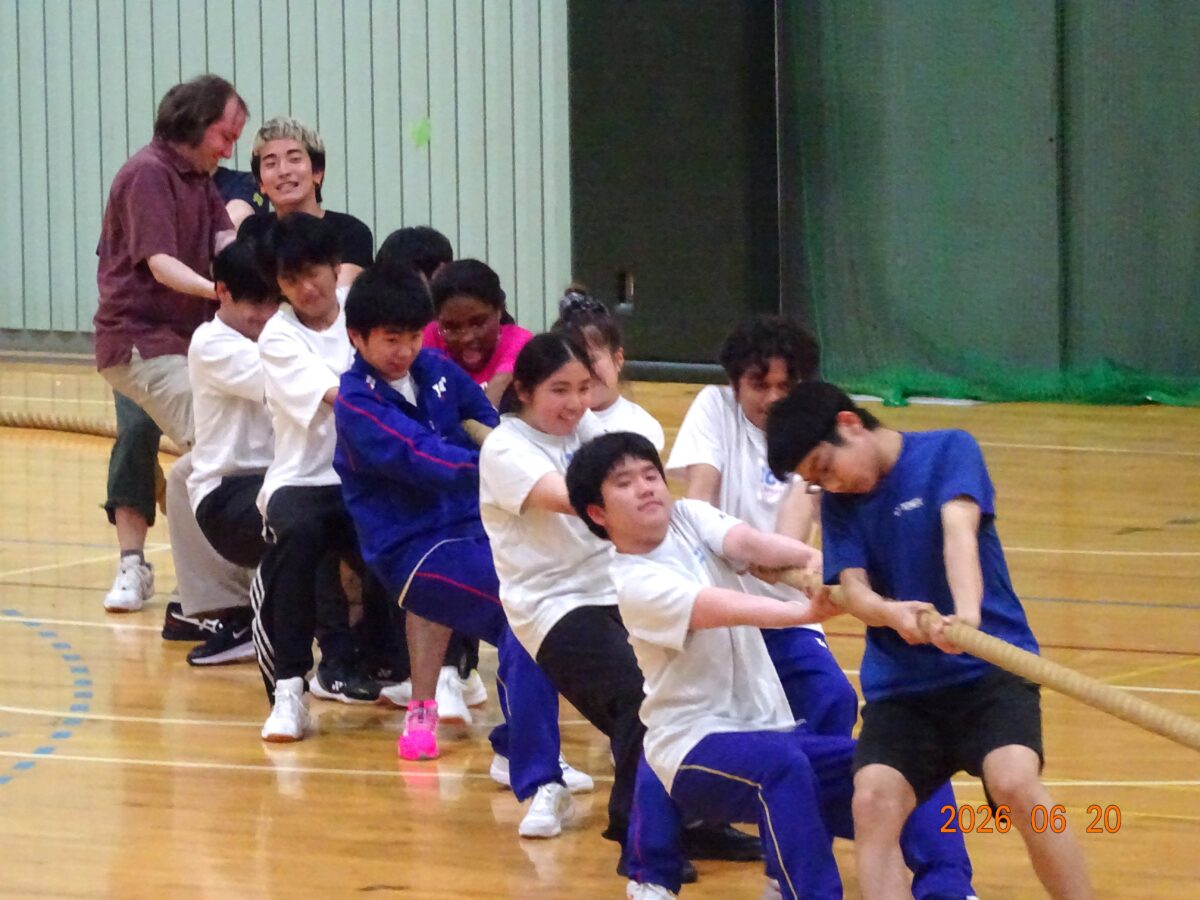
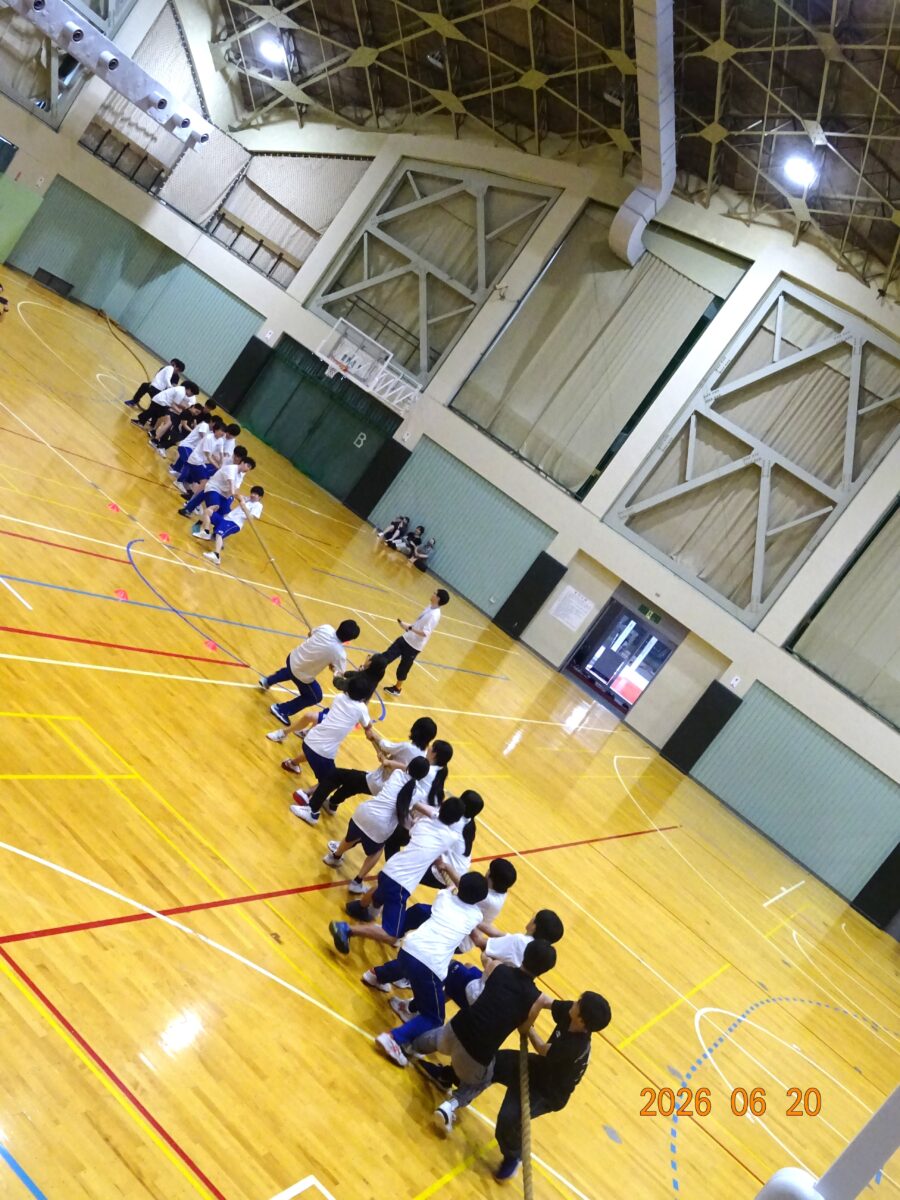
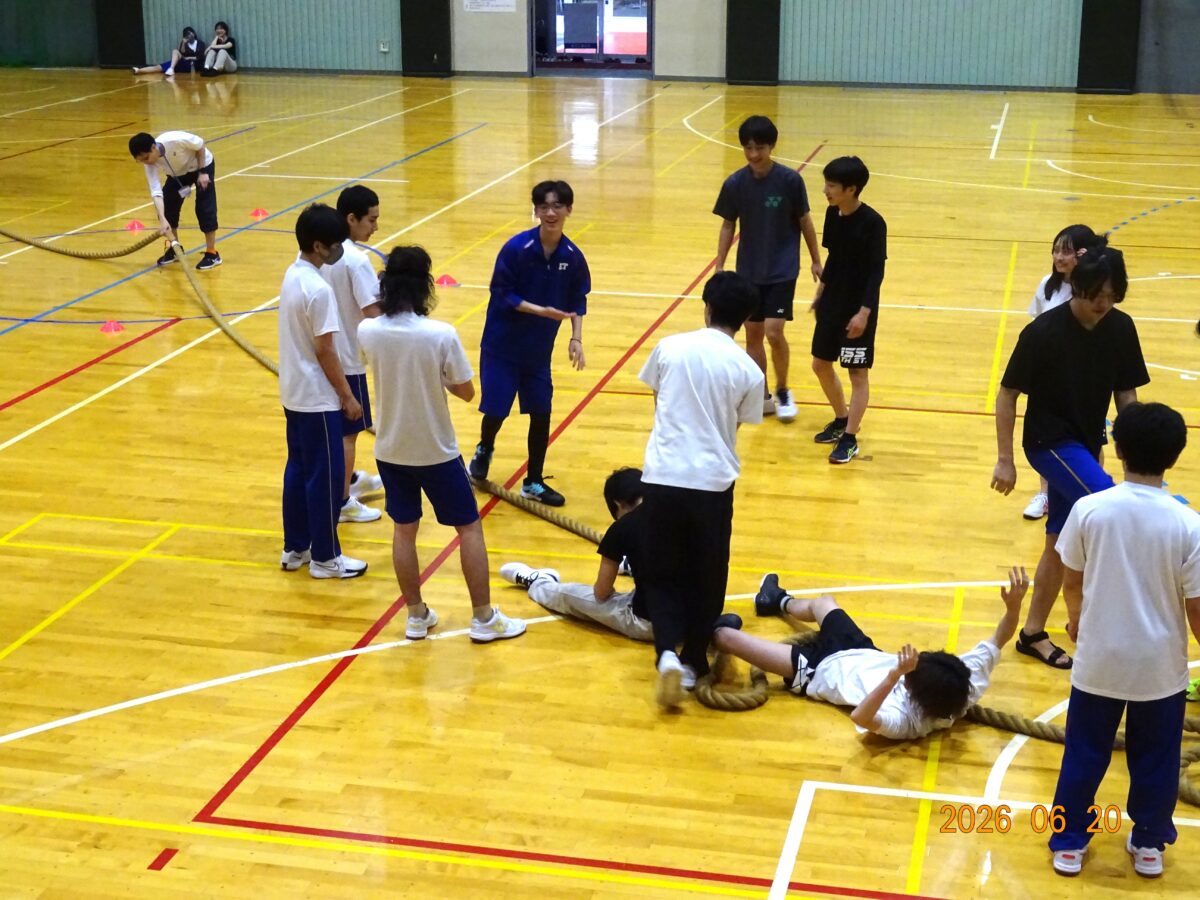
綱引き
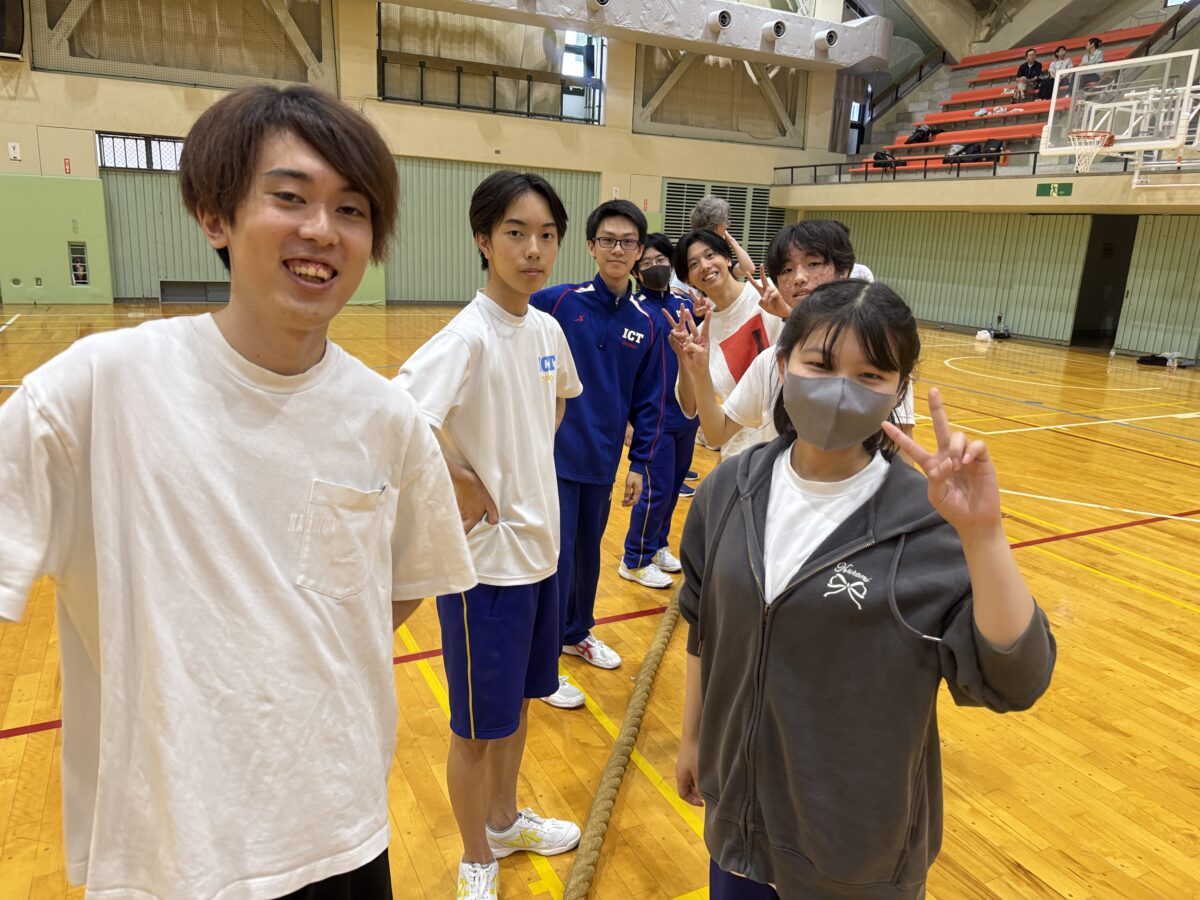
閉会式・表彰
間加田 侑里
Hello, this is Yuri Makada from the office. On Saturday, June 20th, 2026, Sports Festival for1st, 2nd, 4th and 5th grade students was held at Kanazawa Campus.
The event featured four activities: volleyball, dodgeball, an obstacle race, and tug-of-war. Students were divided into six mixed teams composed of members from different grade levels, and each team competed in all events in a rotation format. Throughout the day, 1st and 2nd year students were seen encouraging and communicating with their 4th and 5th senior students. They do not usually do this since the 1st and 2nd year students study at the Hakusanroku Campus while the 4th and 5th year students study at the Kanazawa Campus. This created a strong sense of unity across the venue. All competitions were highly engaging and intense, filled with the excitement of serious matches and loud cheers from participants and spectators alike. While students experienced both victories and defeats, what stood out most was how they praised and supported one another.
After the competitions finished, one MVP was selected from each team and awarded a selection of snacks. In addition, all participating teams received snacks as participation prizes.
This Sports Festival provided a valuable opportunity for students to step away from their daily academic routines and experience the joy of teamwork and a sense of achievement. Through the mixed-grade team activities, students from both campuses were able to deepen their connections, making the day a lively and memorable one.
Opening Ceremony
Volleyball
Dodgeball
Obstacle Relay
Tug of War
Closing Ceremony and Awards presentation
Yuri Makada
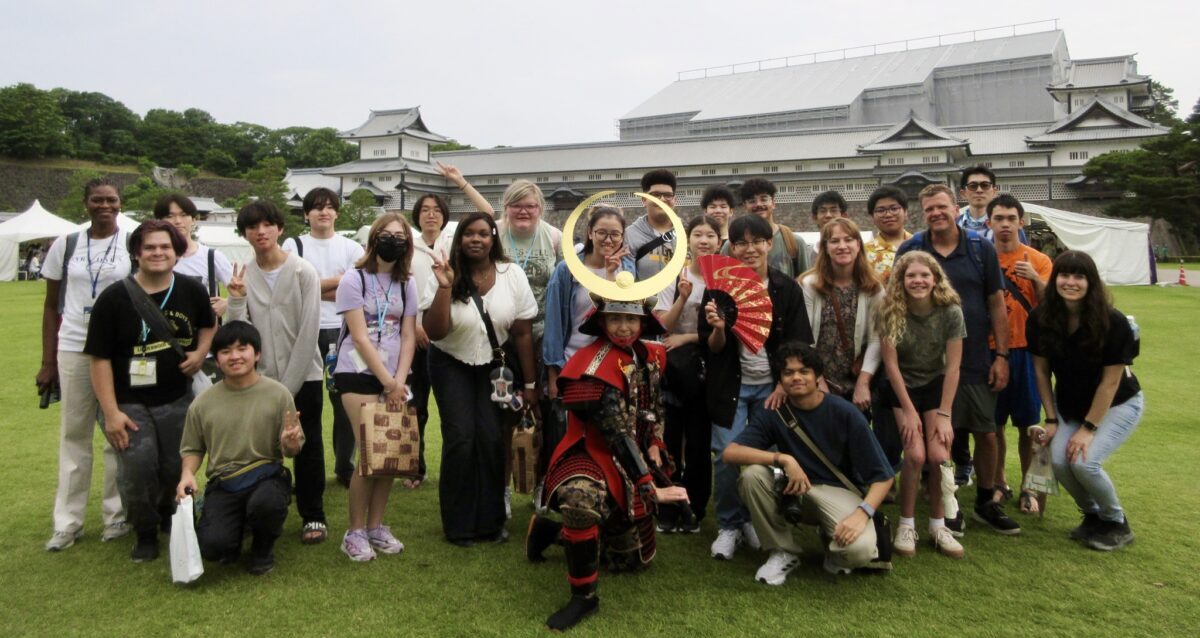
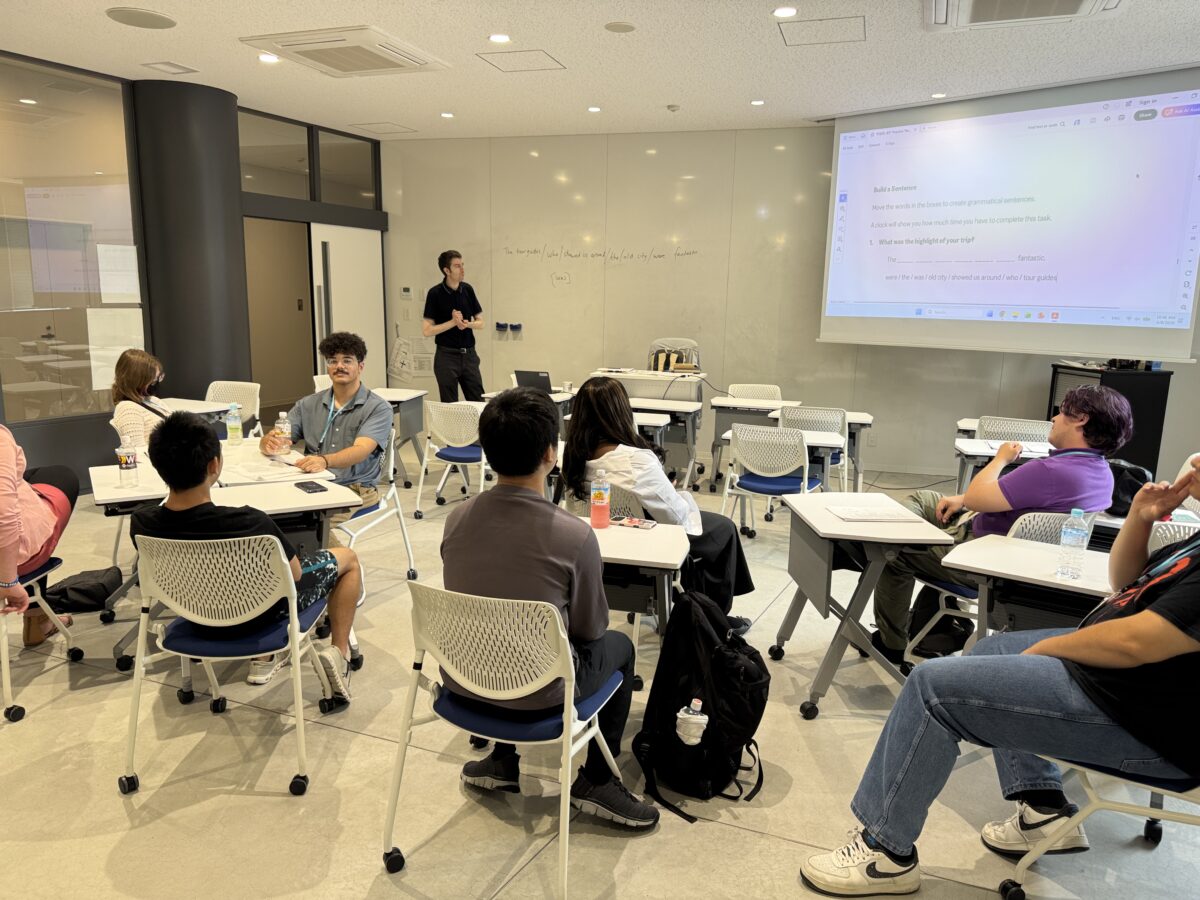
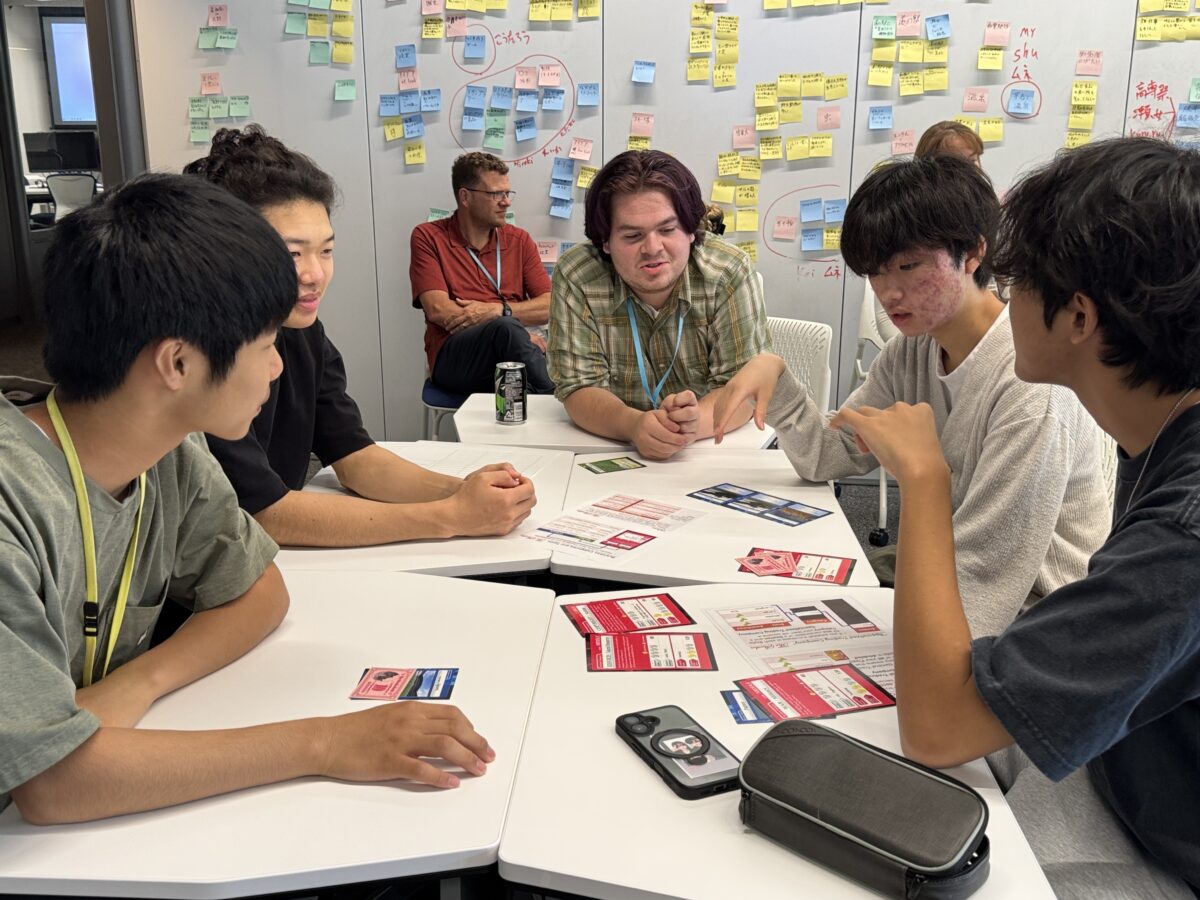
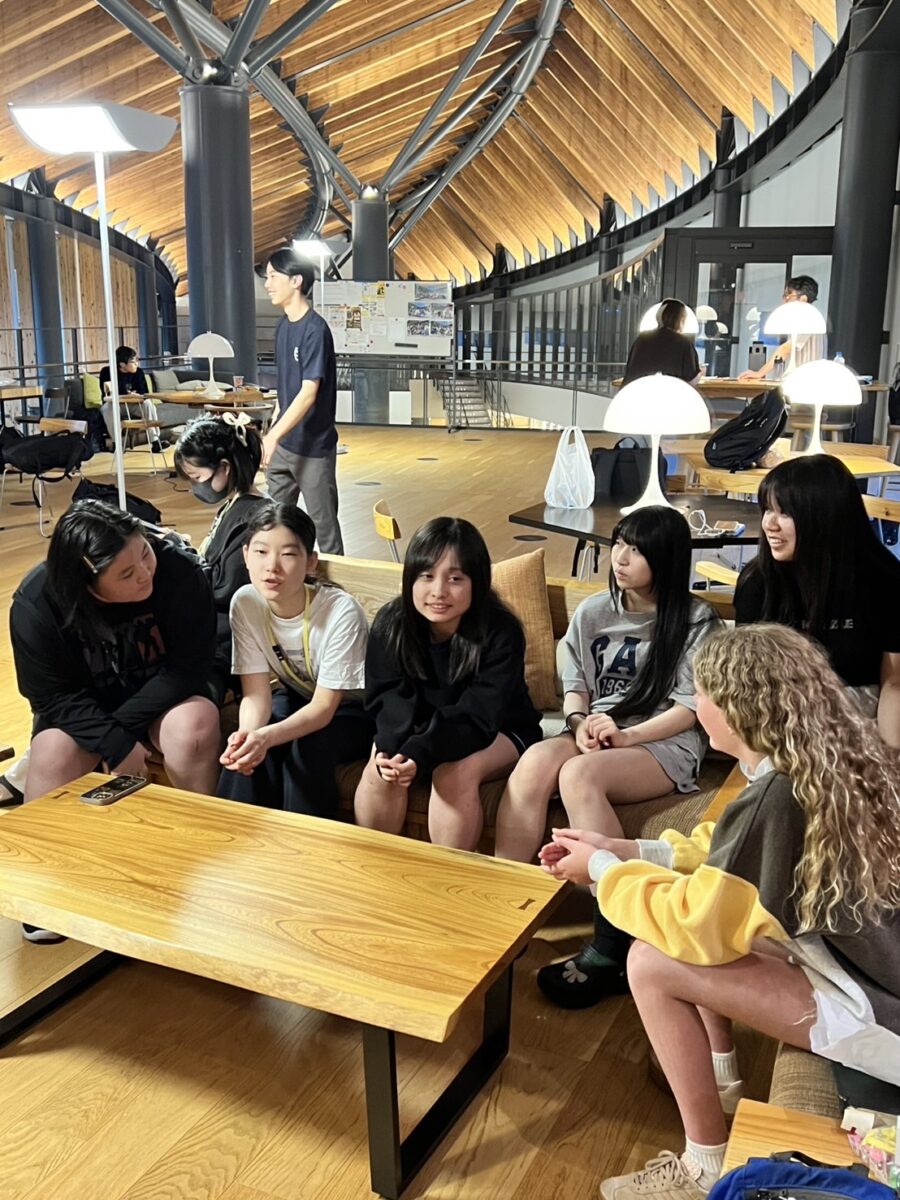
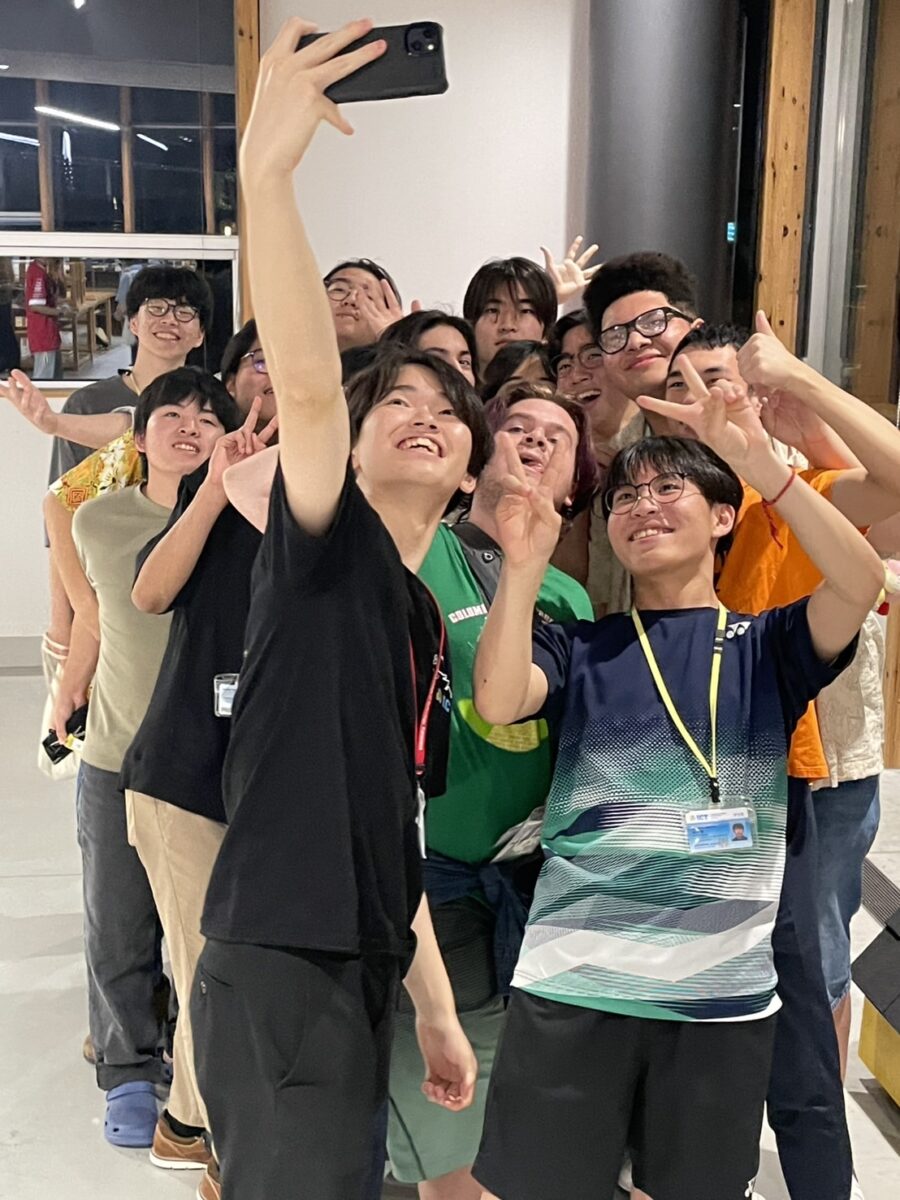
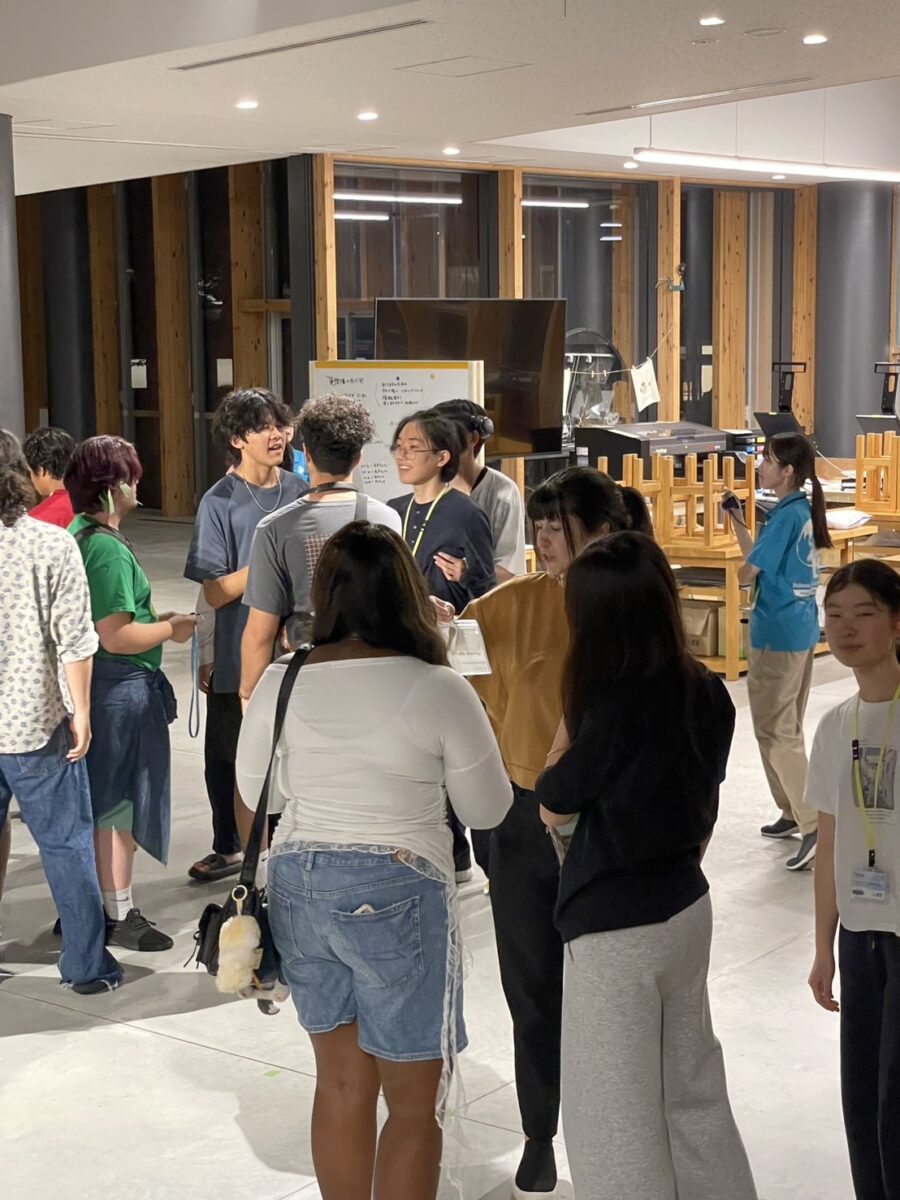
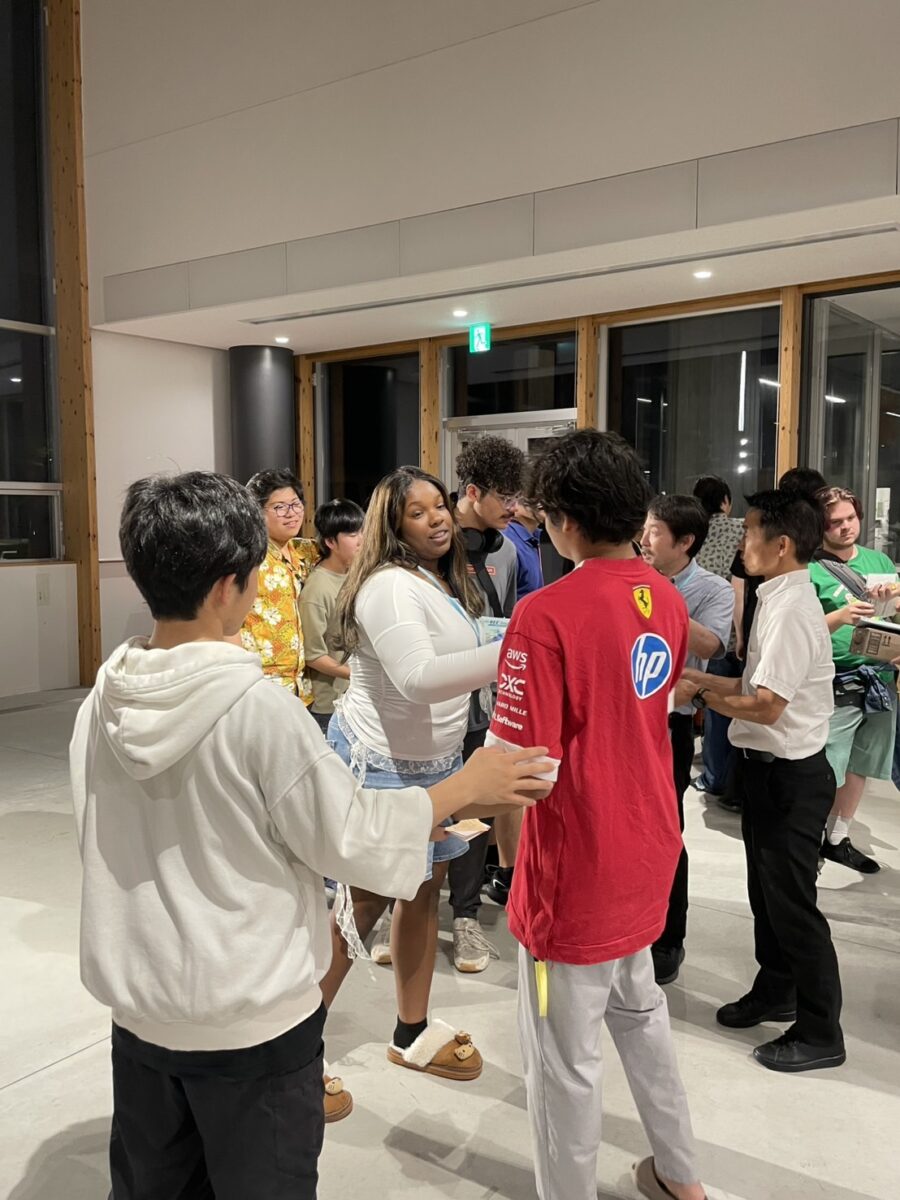
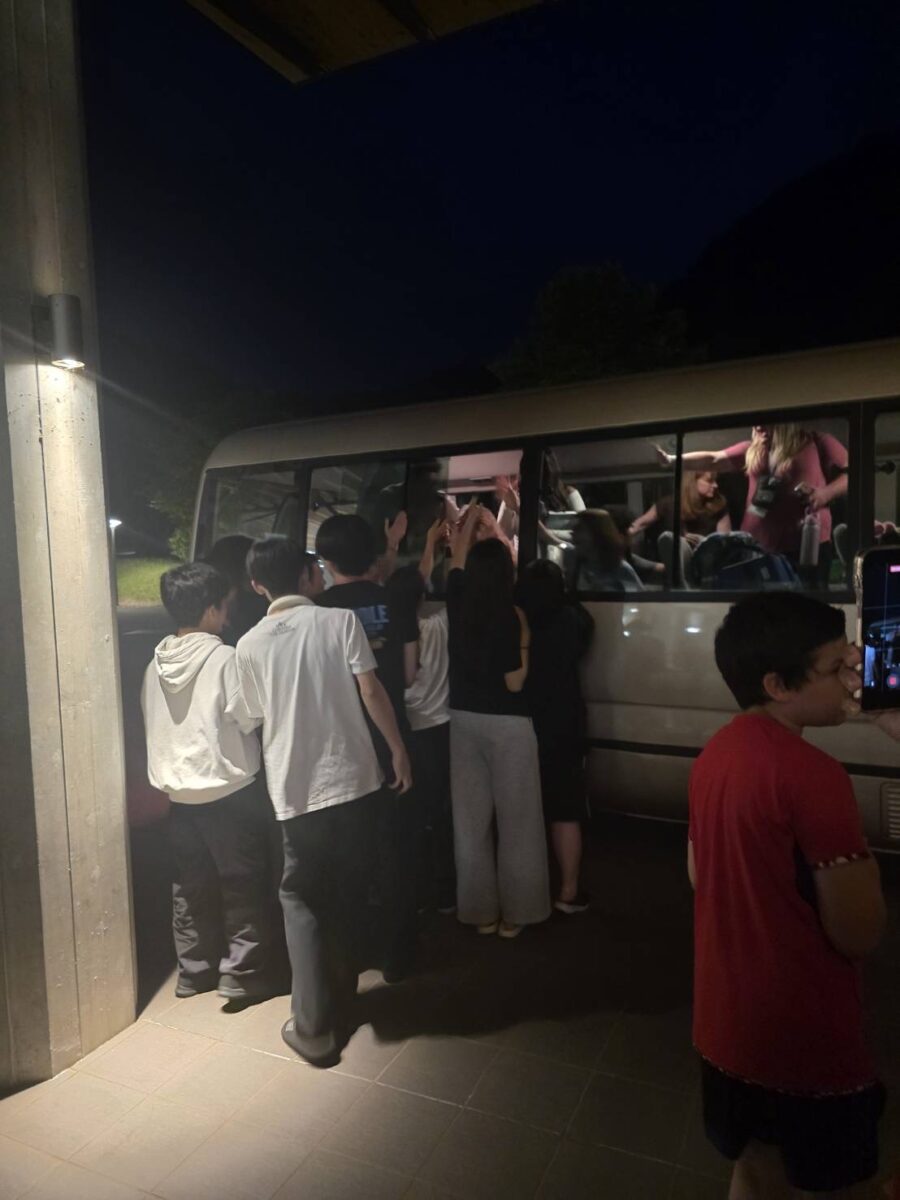
こんにちは、白山麓高専事務室の間加田 侑里です。2026年6月6日(土)から17日(水)にかけて、米国ミズーリ州コロンビア市から6名の高校生が白山麓キャンパスに来校しました。コロンビア市の高校生たちは白山麓キャンパスに滞在し、国際高専の1・2年生とともに寮生活を送りました。
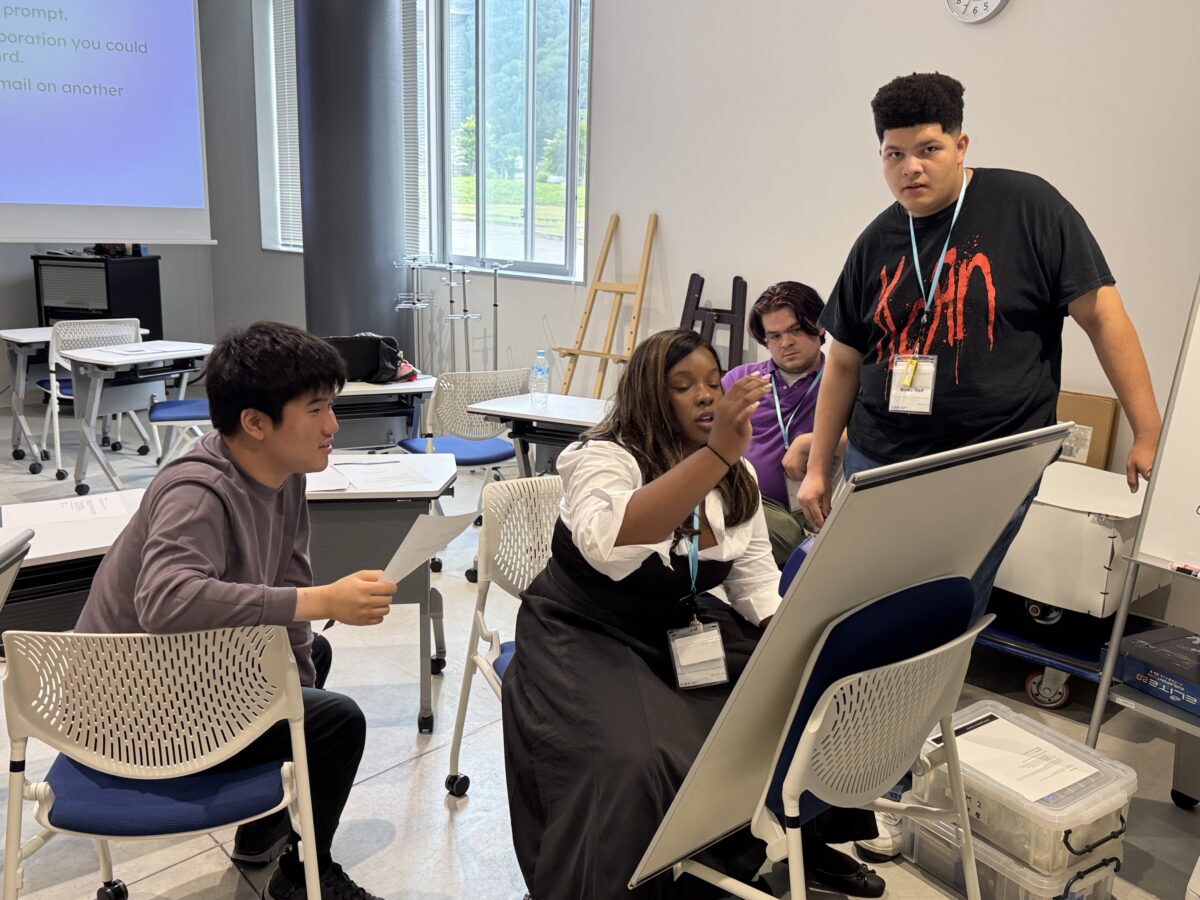
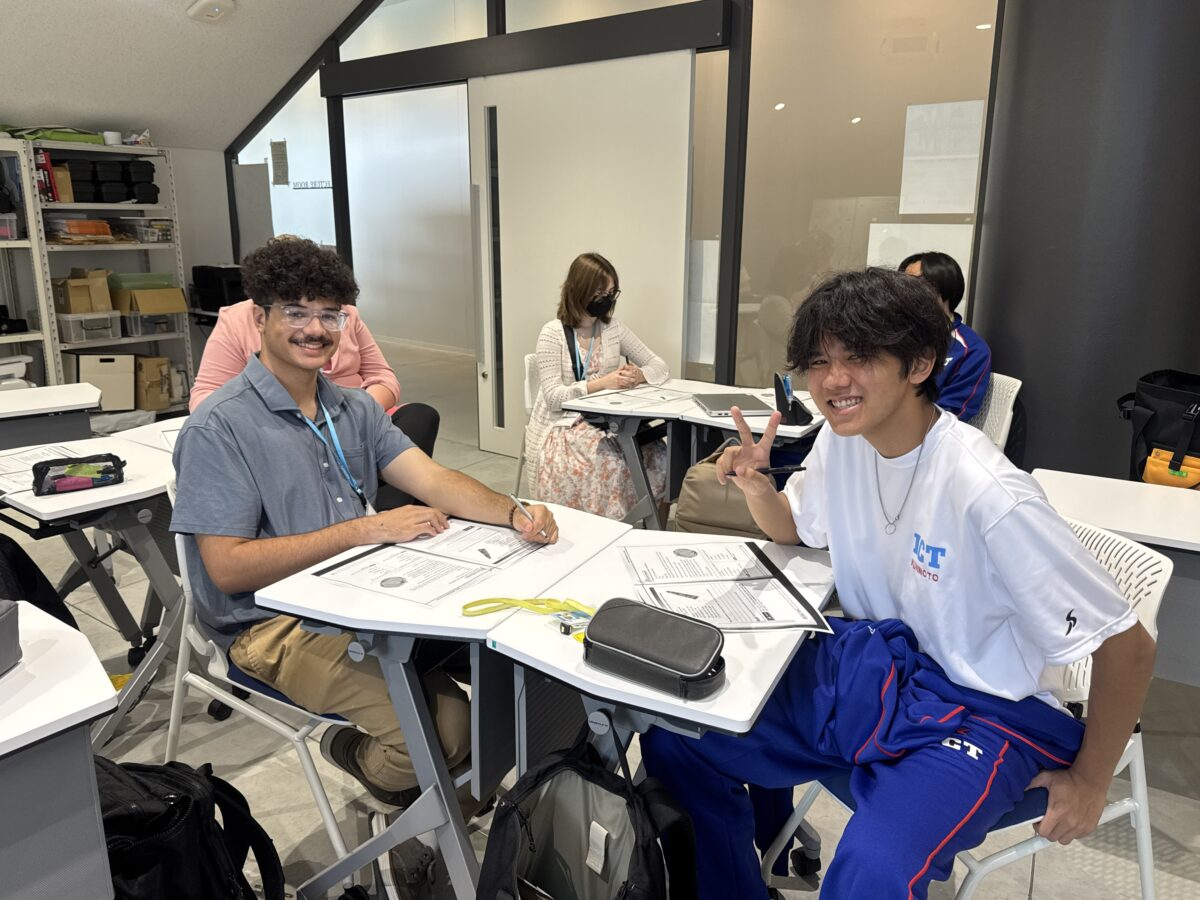
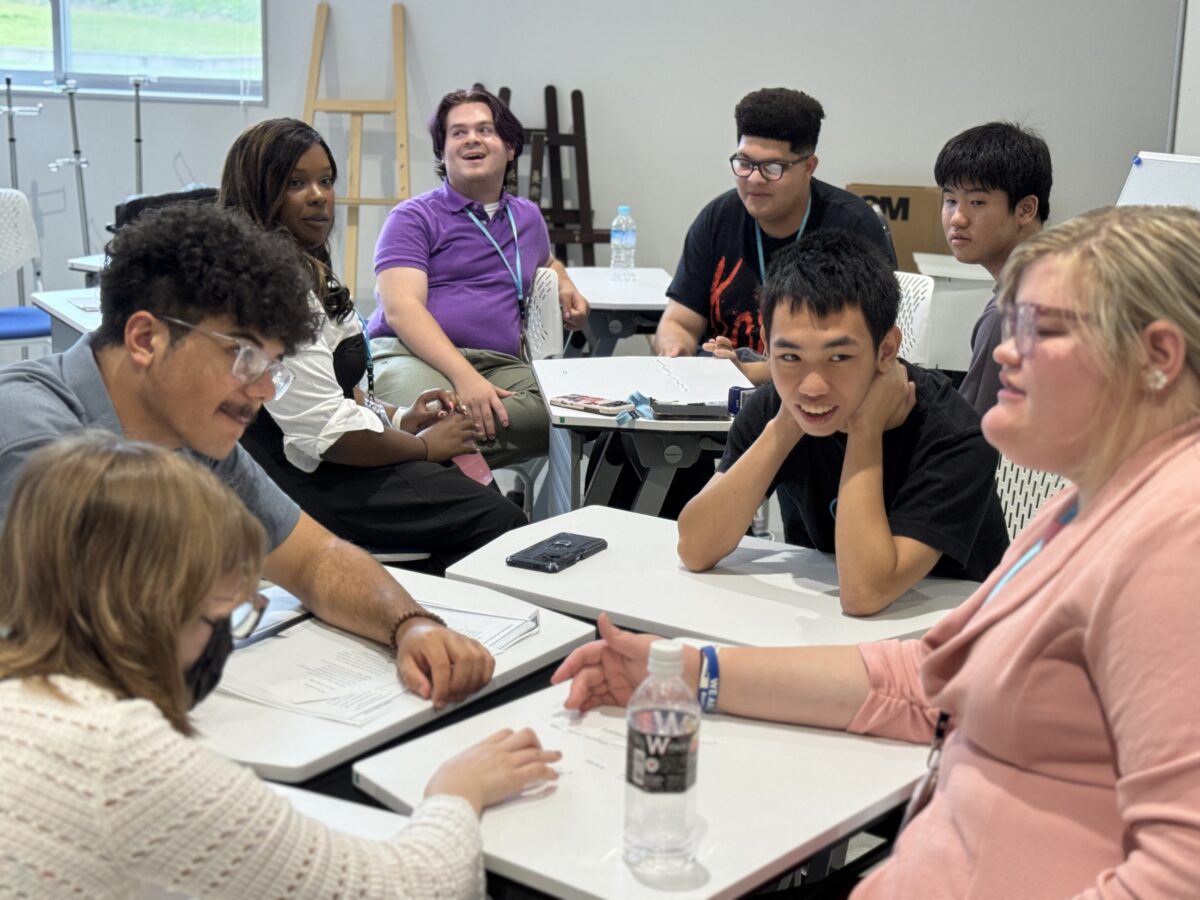
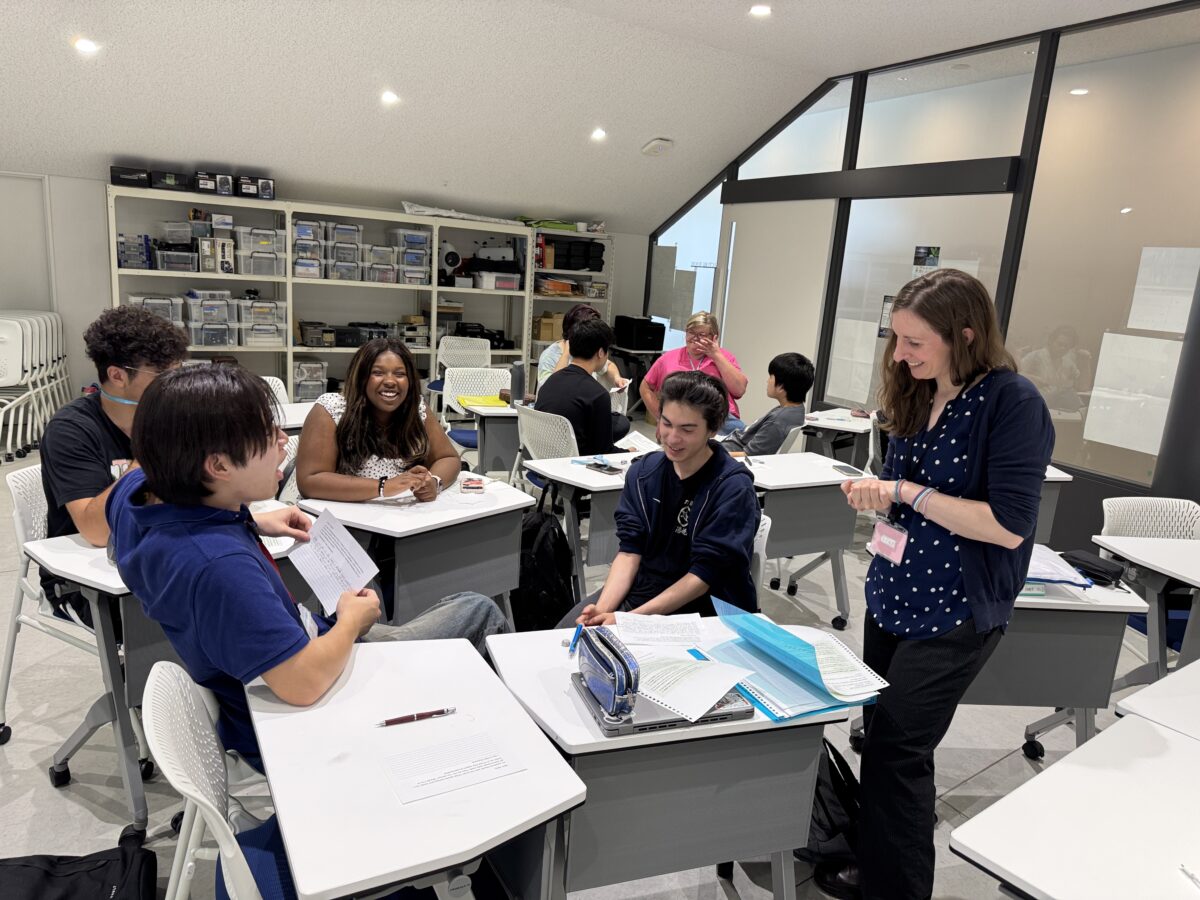
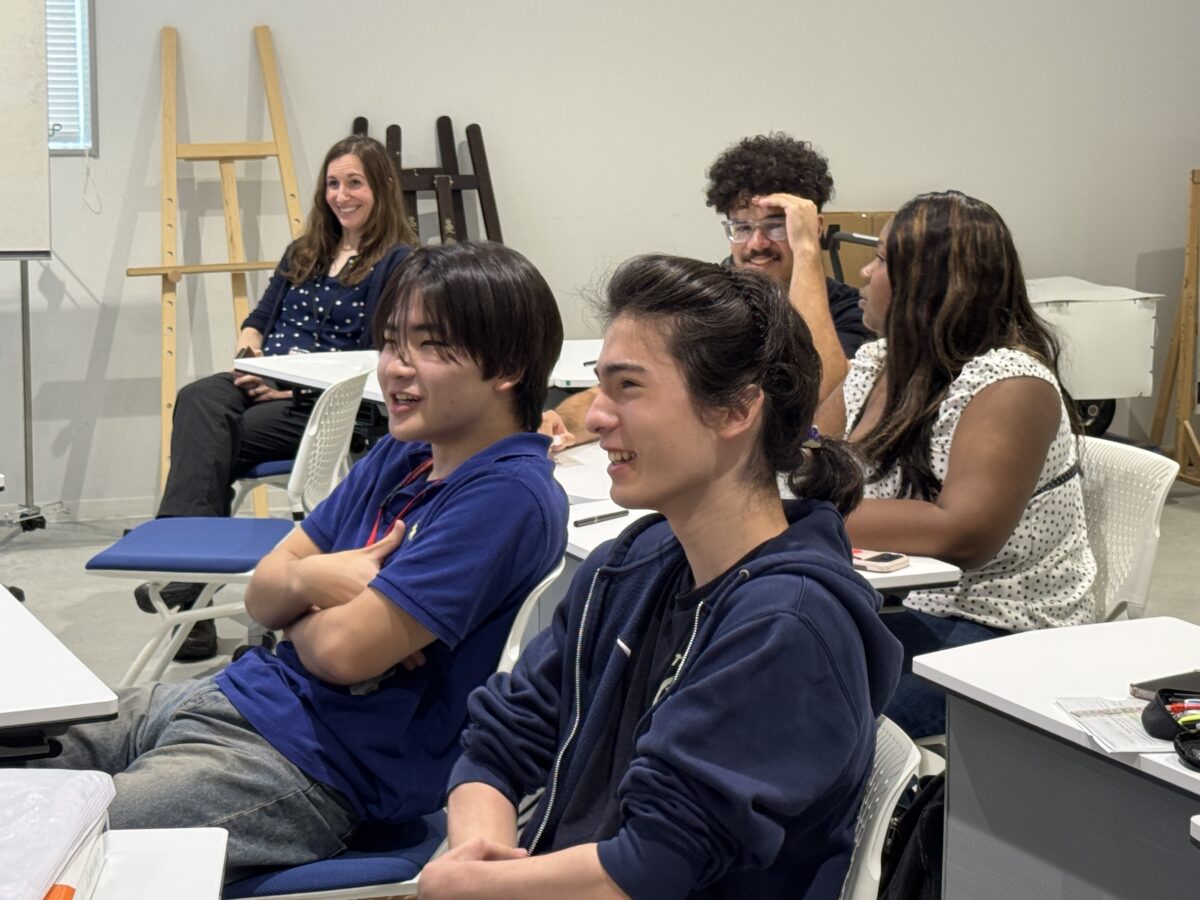
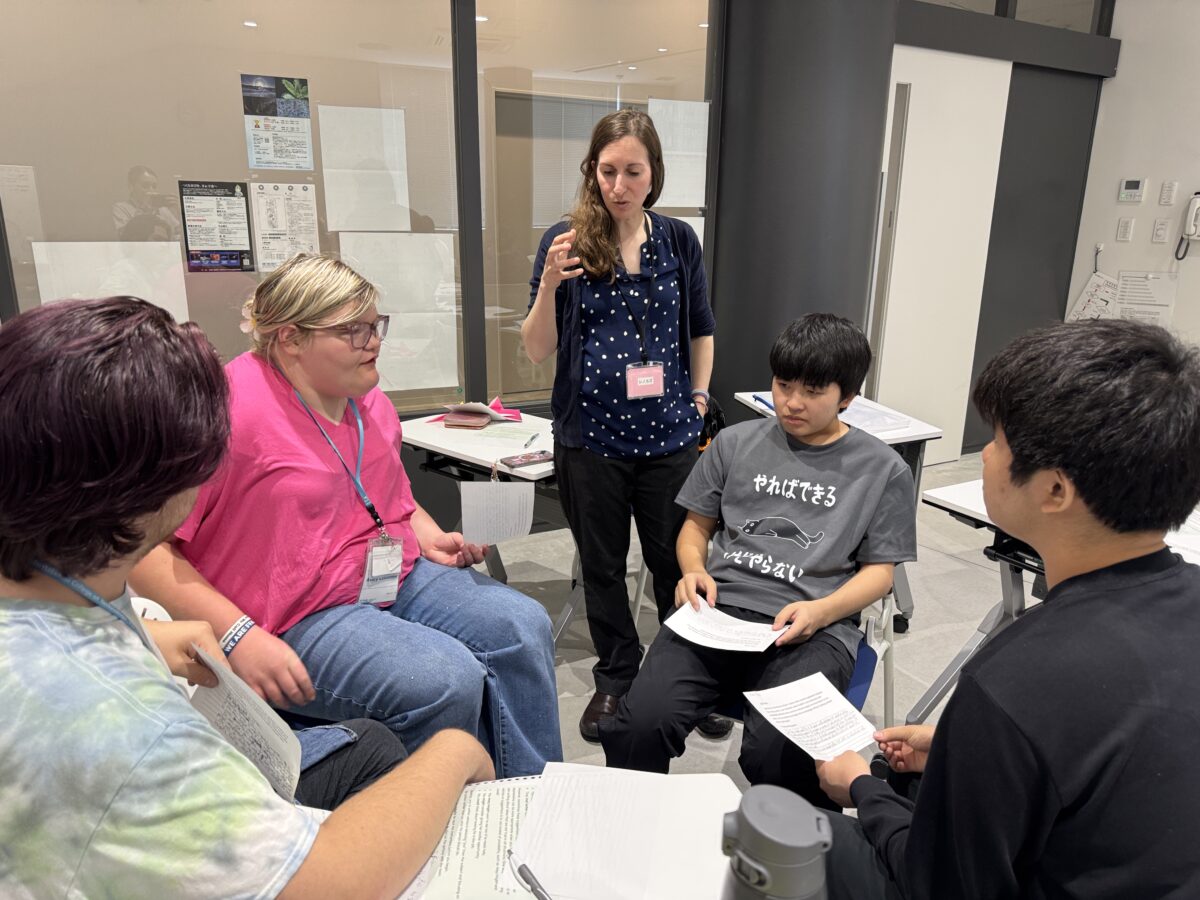
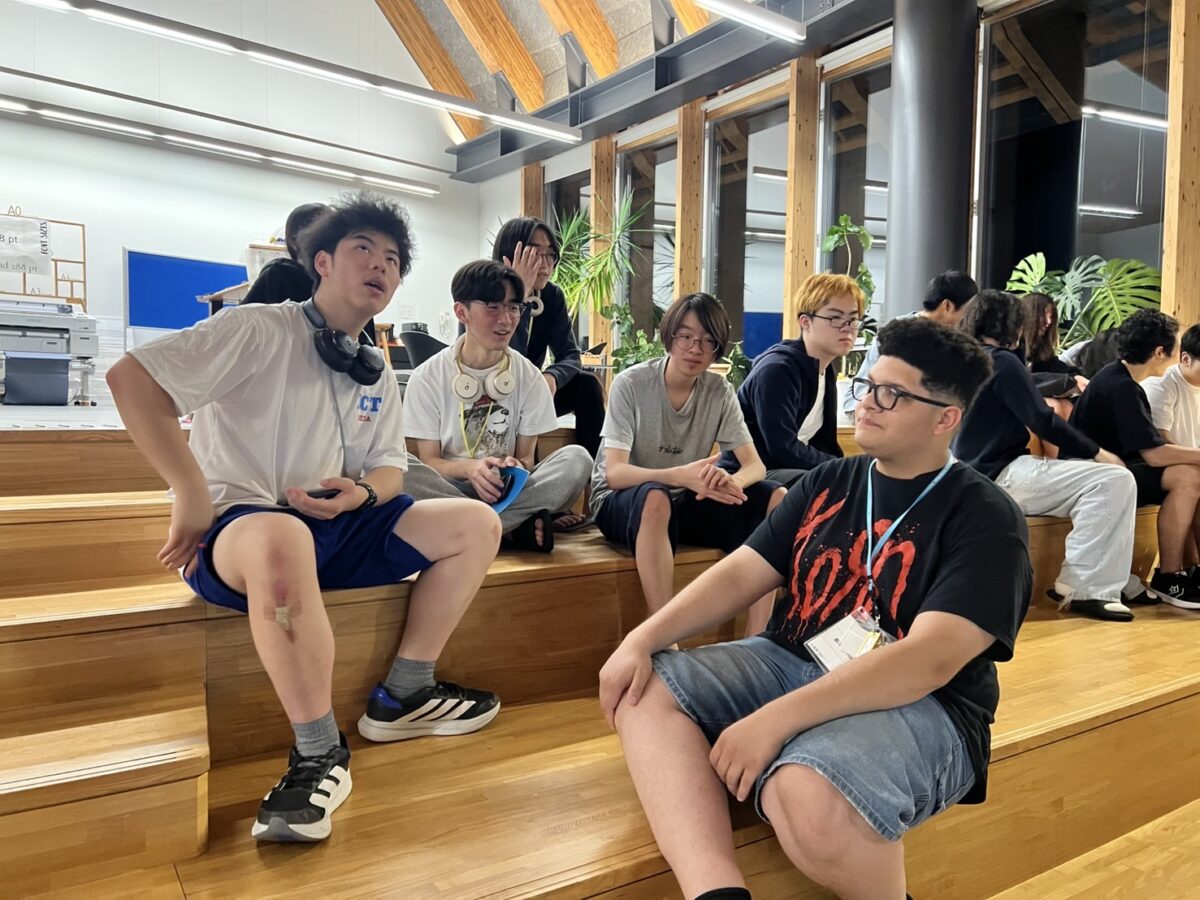
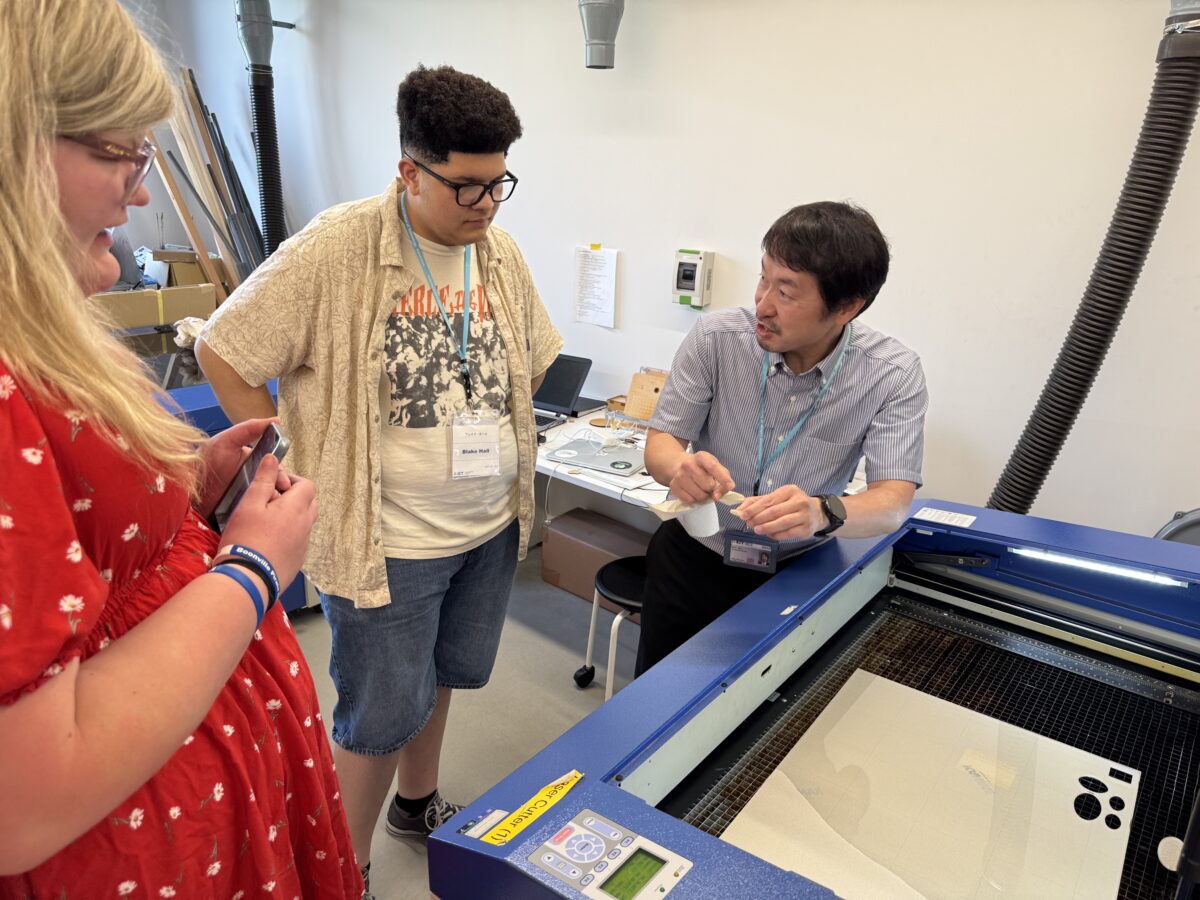
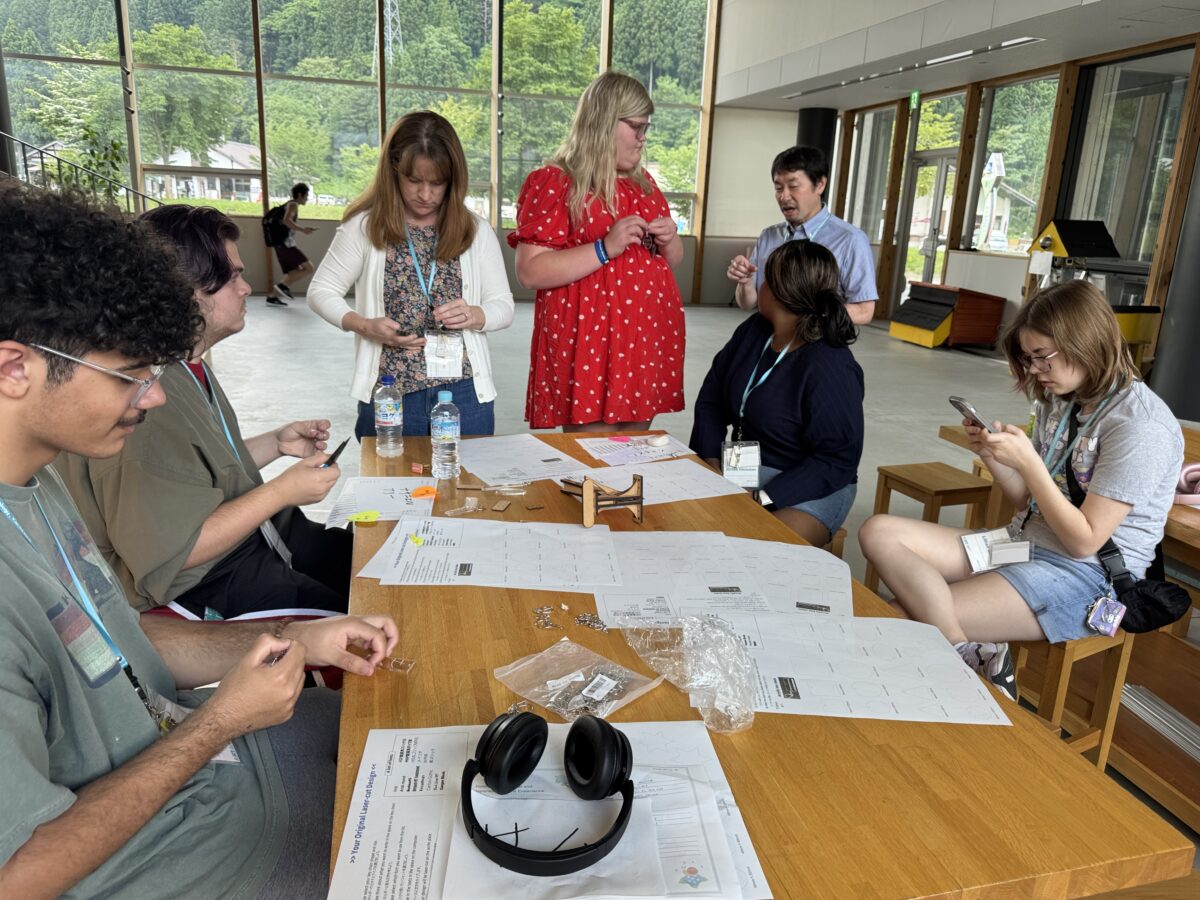
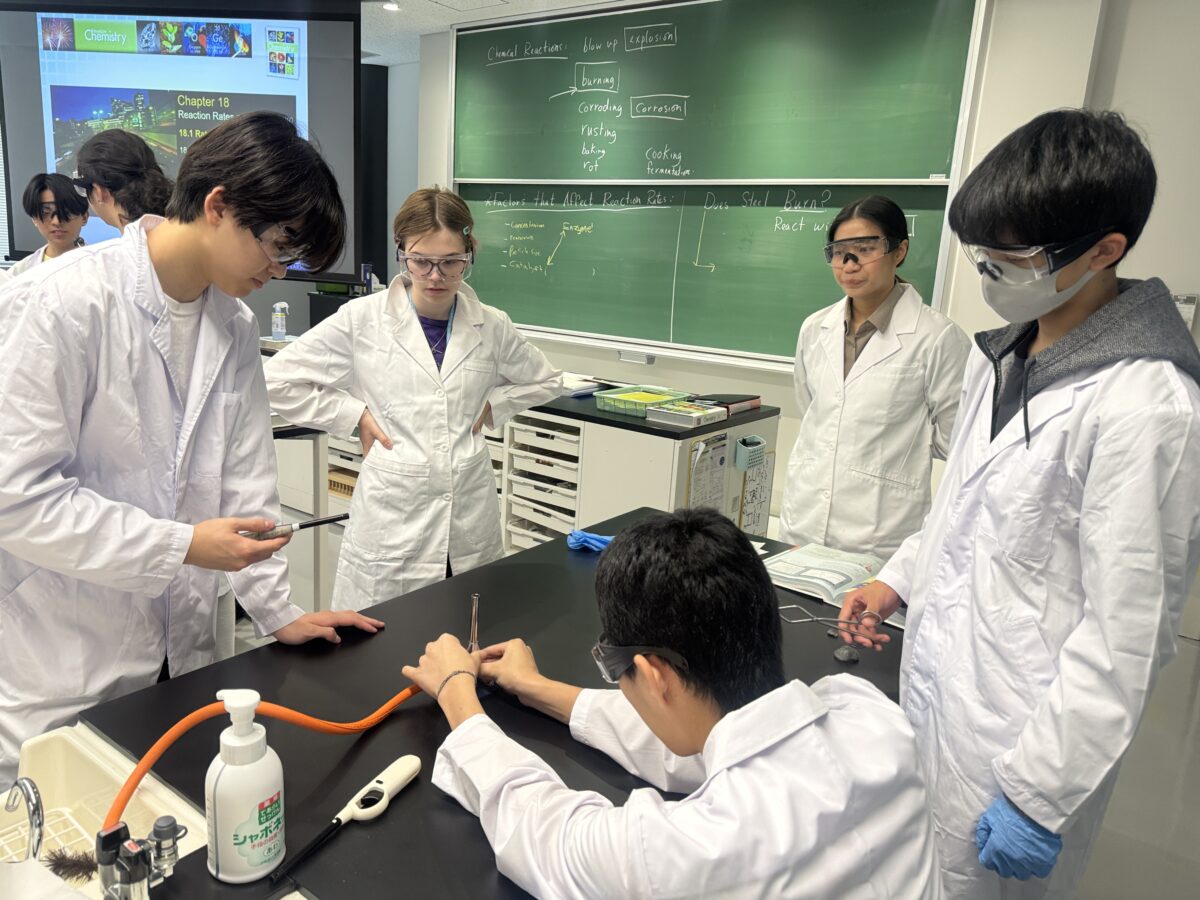
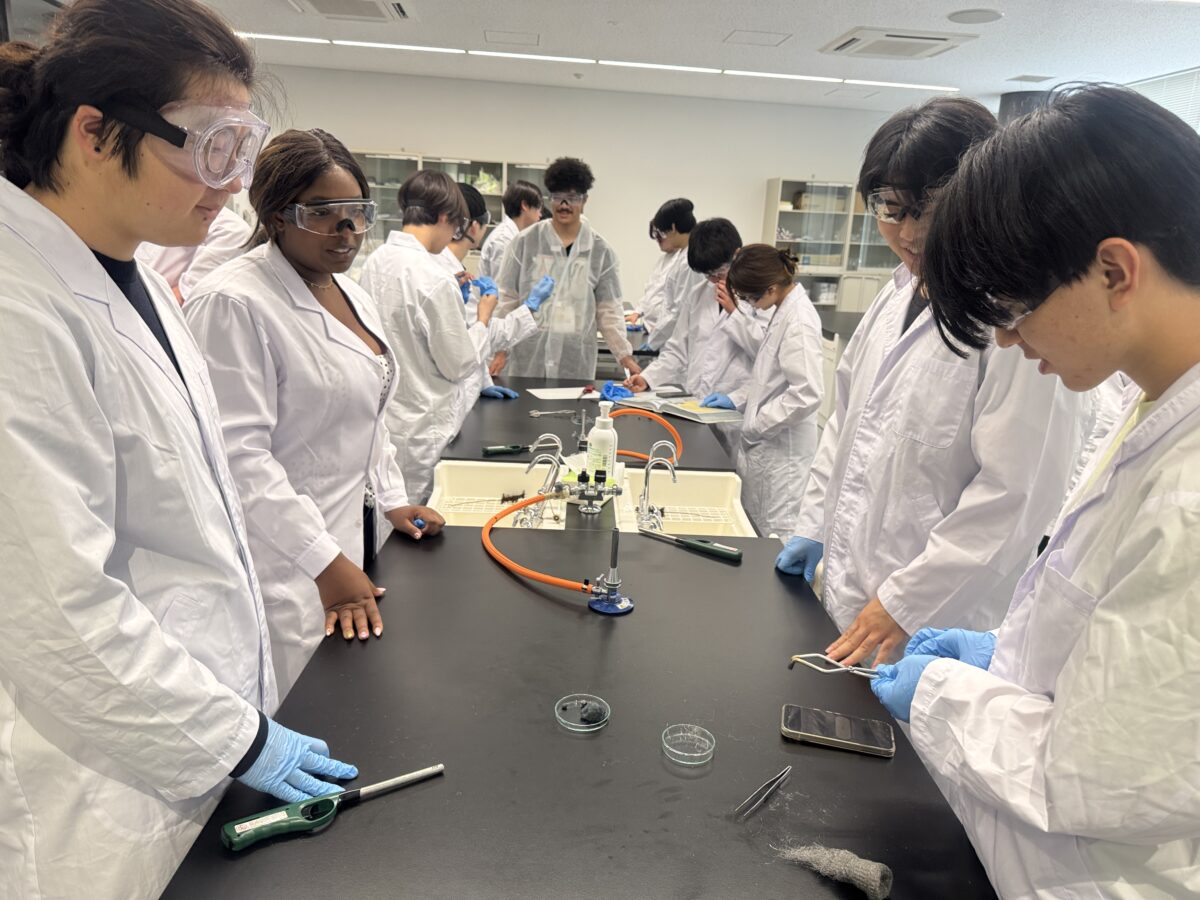
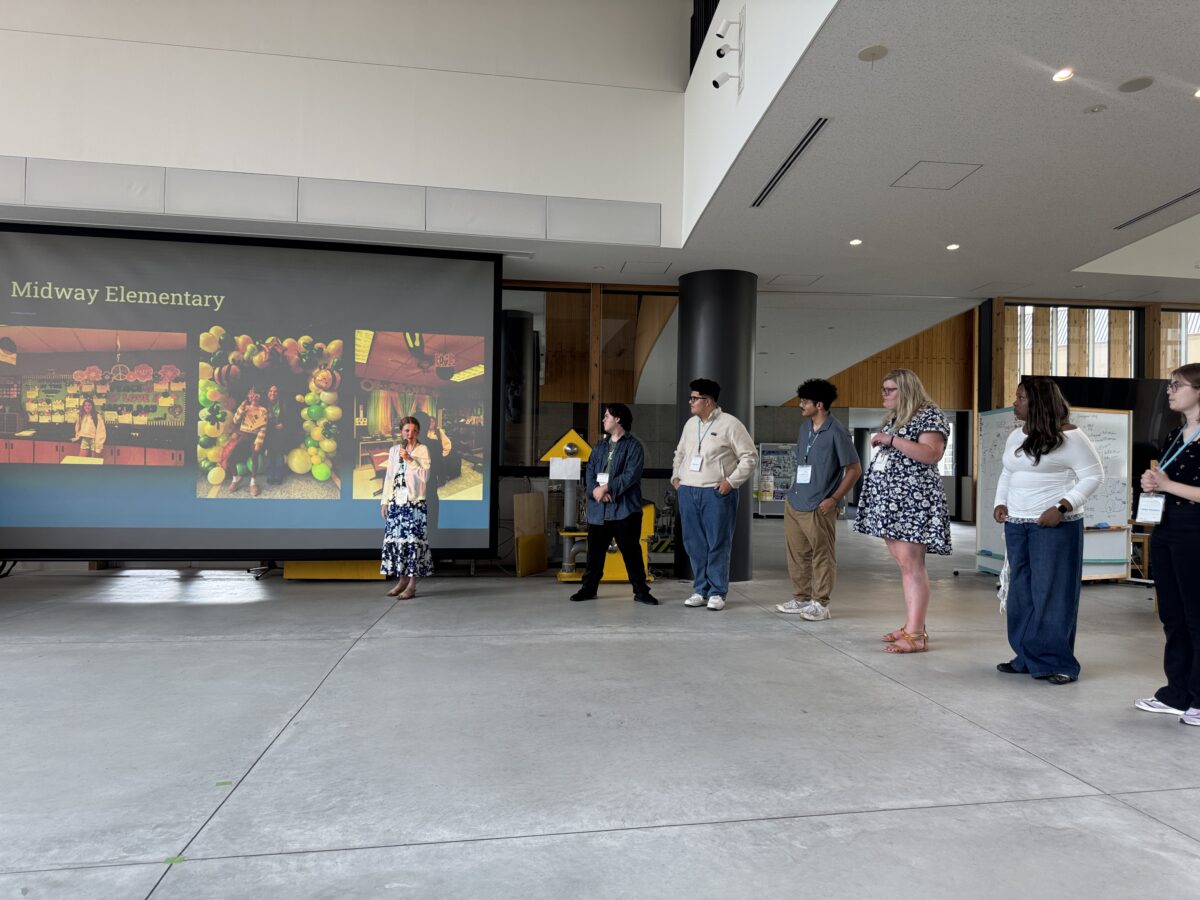
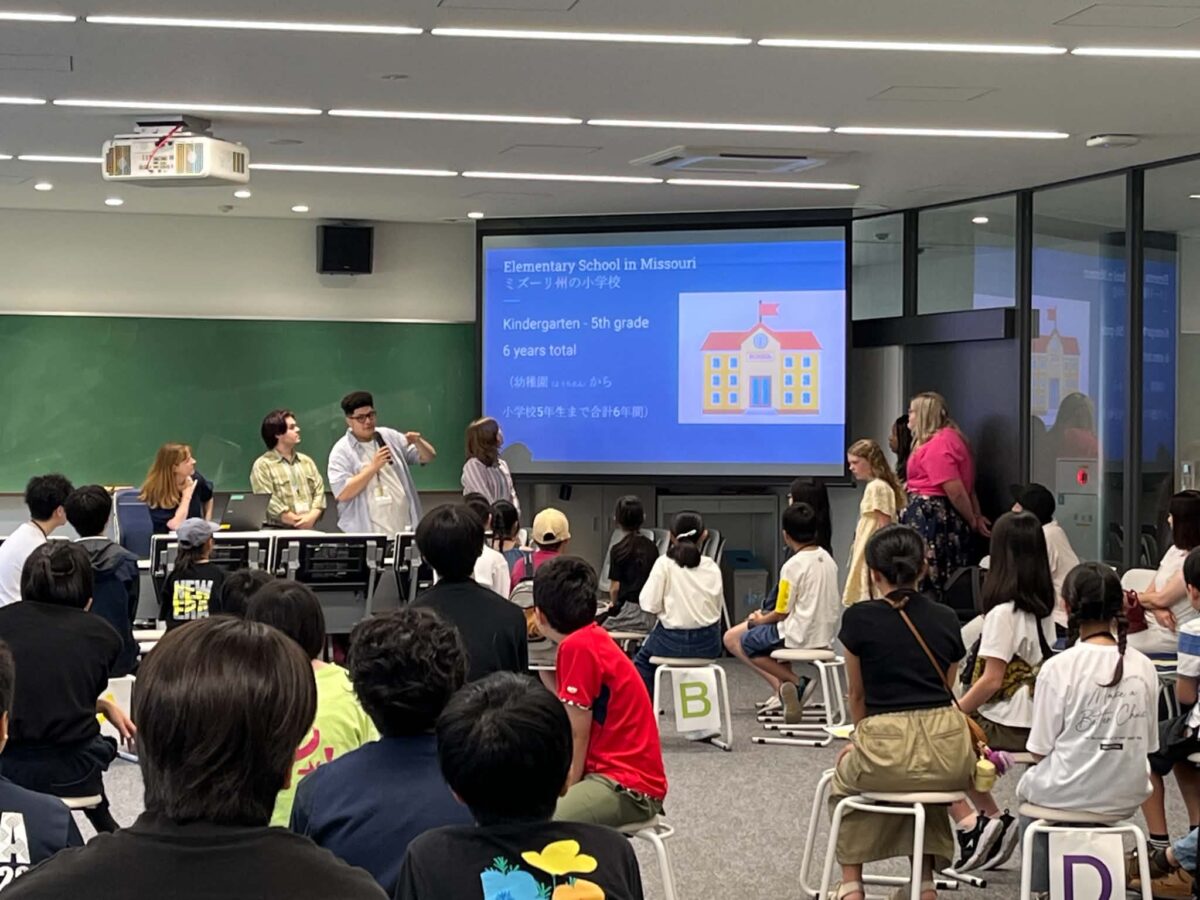
コロンビア市の高校生たちはモノづくり体験や国際高専の学生と同じ授業に参加したほか、1・2年生とともに金沢観光や白山市が提供する白山市でのホームステイといったさまざまなプログラムにも参加しました。また、13日(土)には、白山麓キャンパスで白山市国際交流協会主催の「姉妹都市アメリカ・コロンビア市高校生受け入事業~アメリカの高校生と交流しよう!~」が開催され、白山市の小中学生や国際高専の1・2年生が参加し、コロンビア市の高校生によるコロンビア市についてプレゼンテーションを行った後、クイズやゲーム、キャンパスツアーなどを通じて英語での交流を楽しみました。
国際高専の1・2年生にとって約2週間の短い時間の中でも、共に寮生活をしたことで色々な学びや友情が生まれ、かけがえのない経験となったことでしょう。
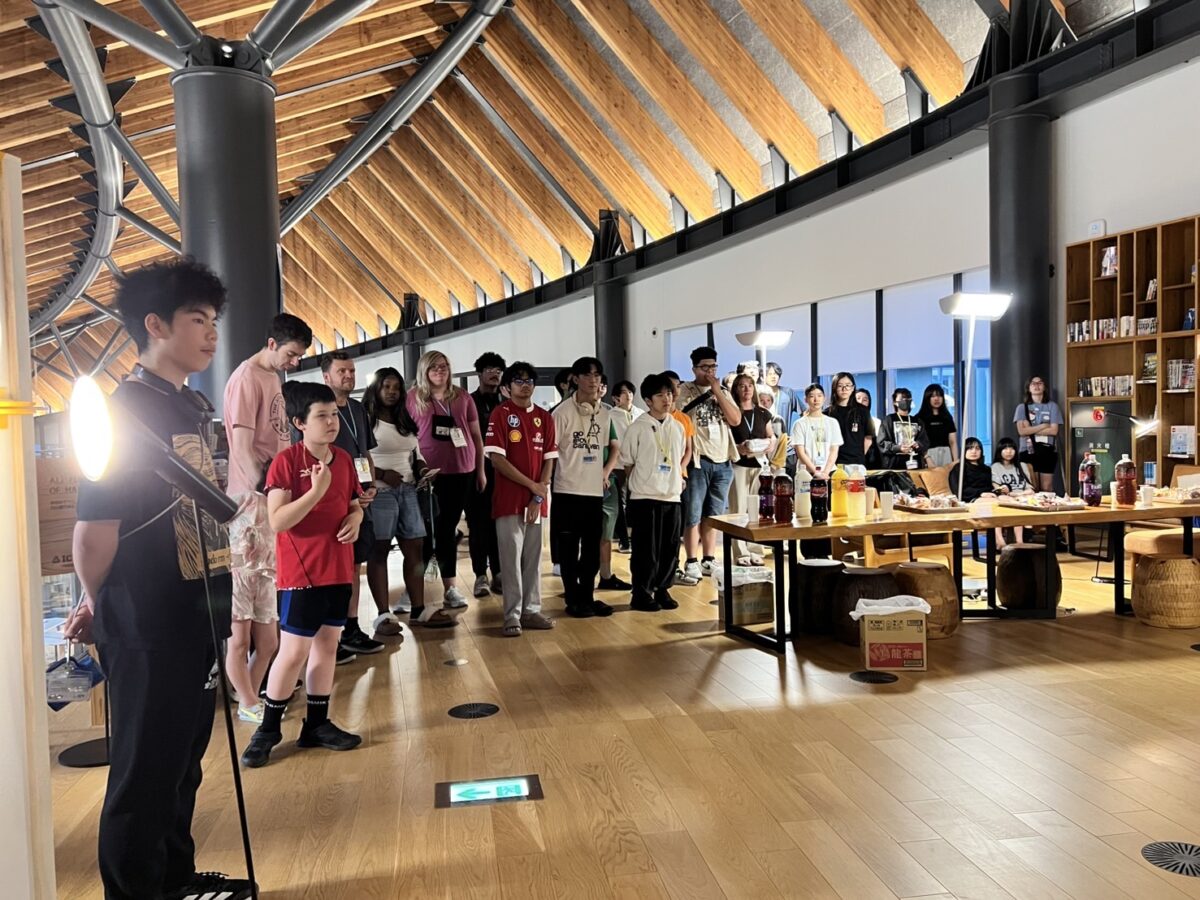
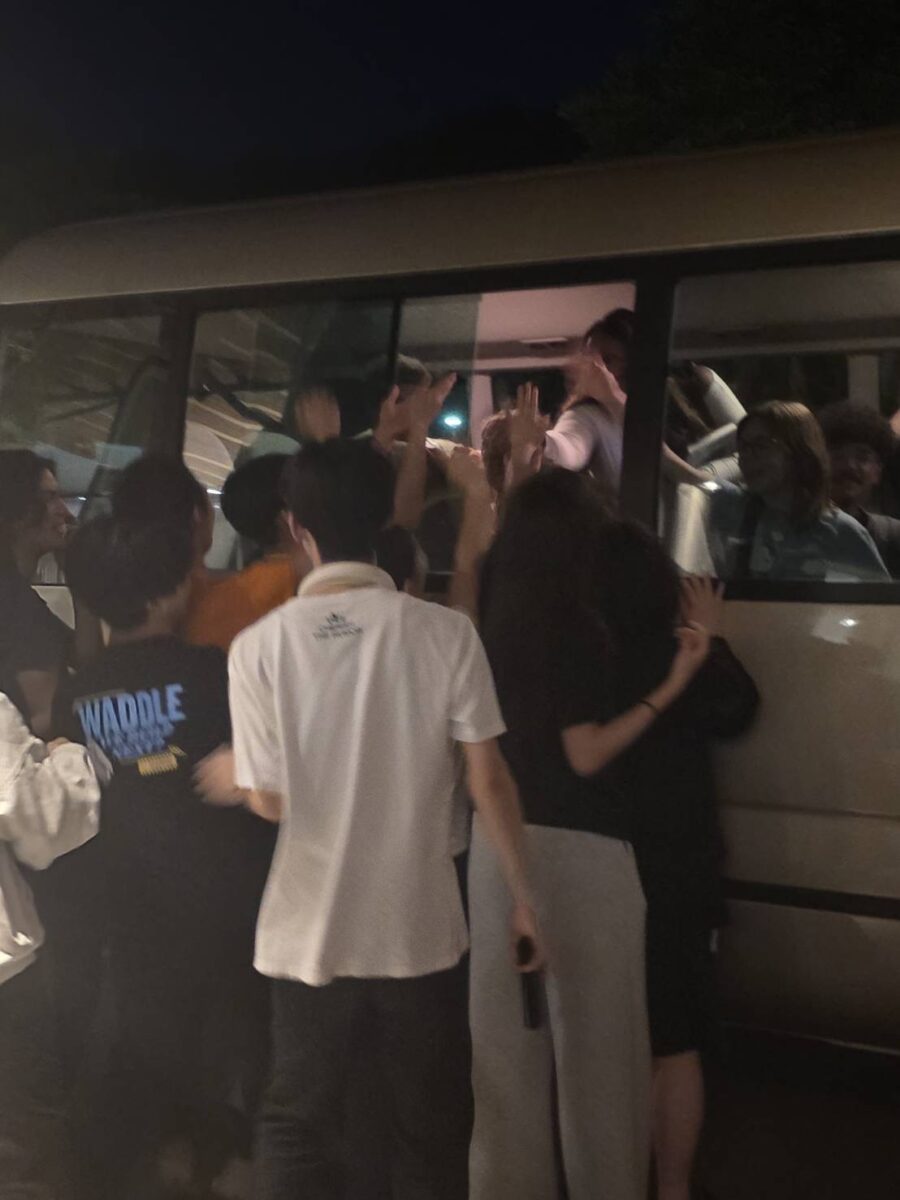
アメリカの高校生が白山麓キャンパスに到着
-
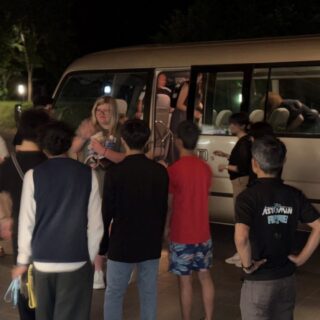
夜9時白山麓キャンパスに到着
-
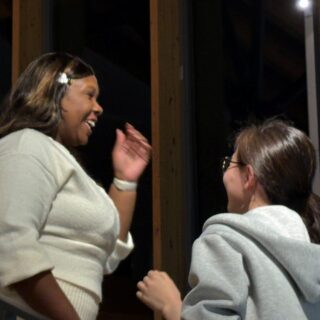
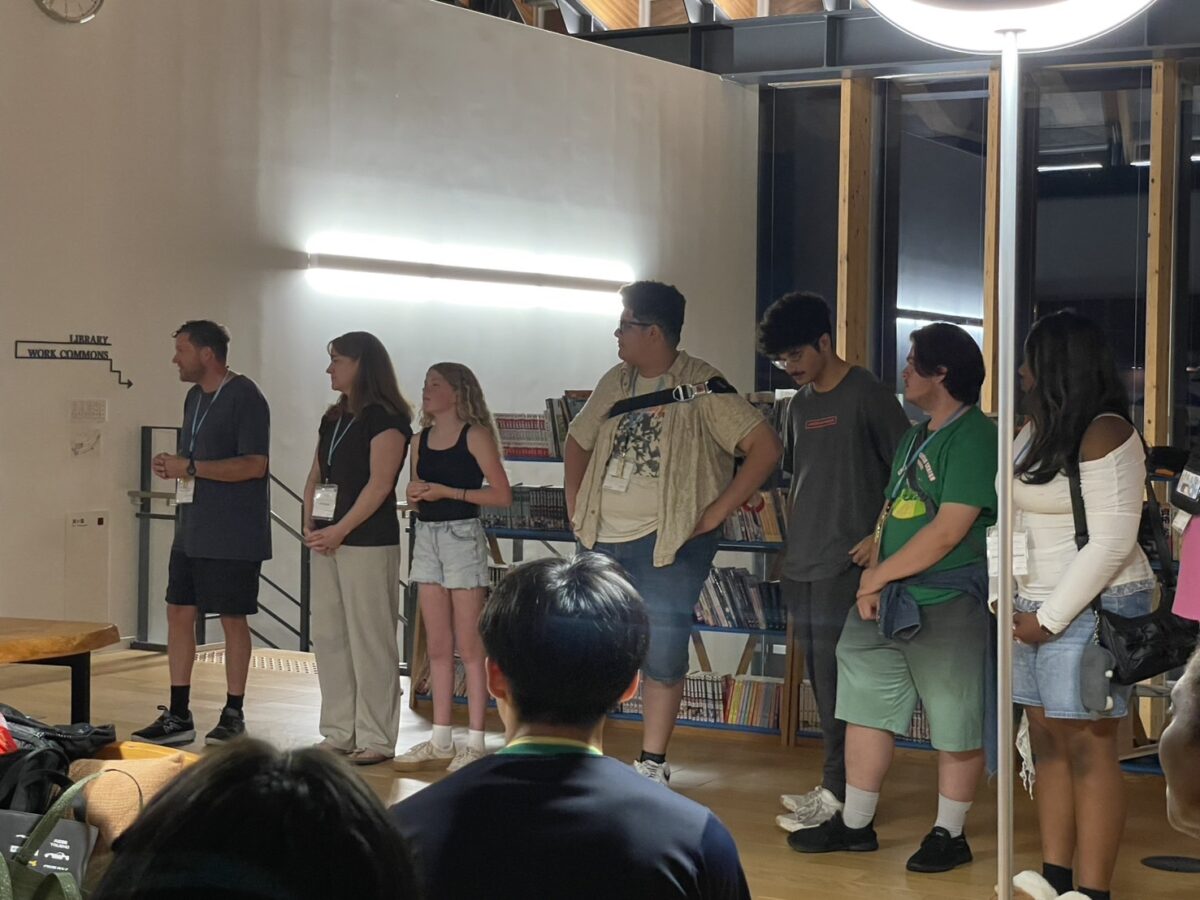
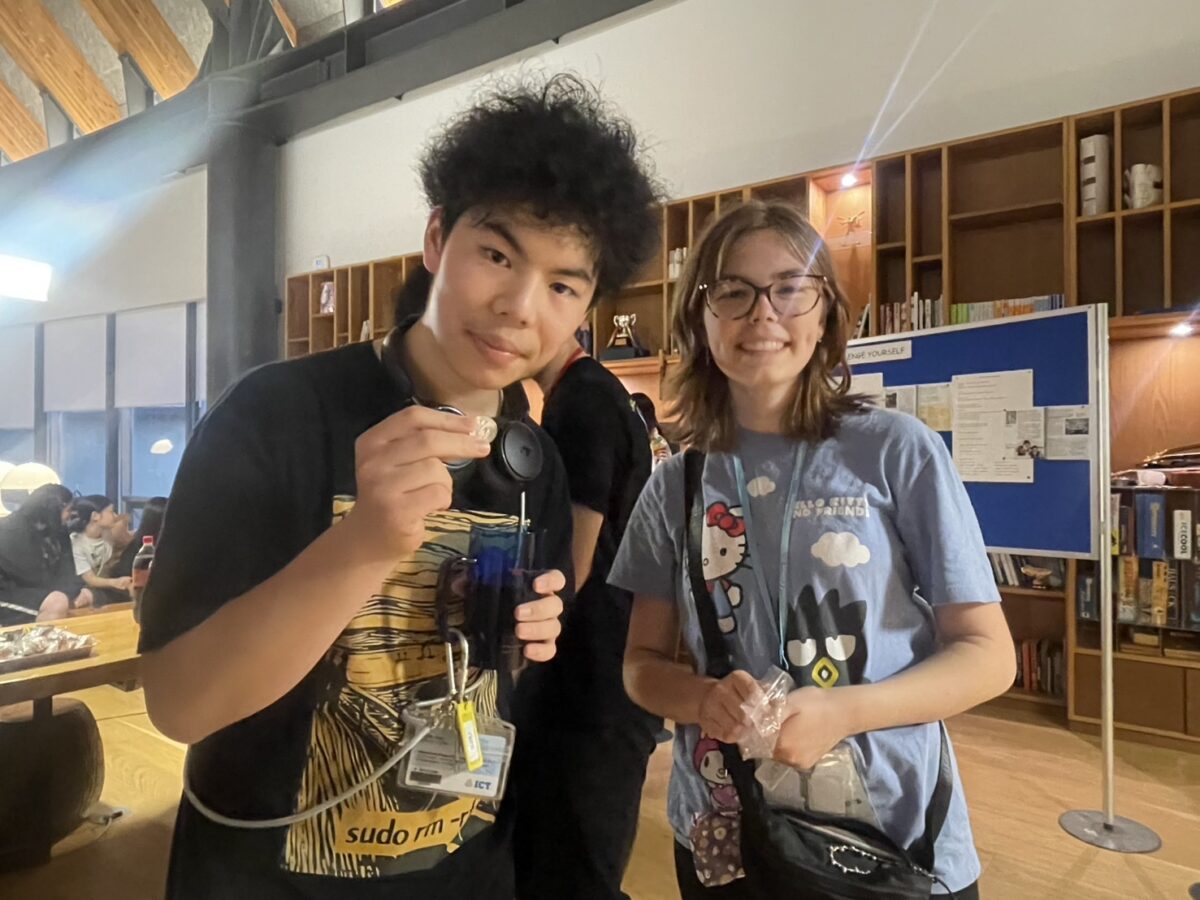
バディ紹介
-
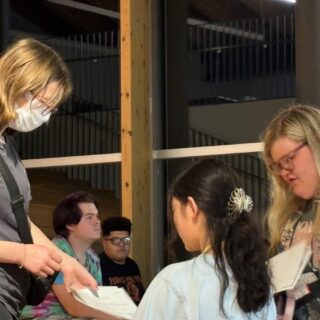
バディ紹介
-
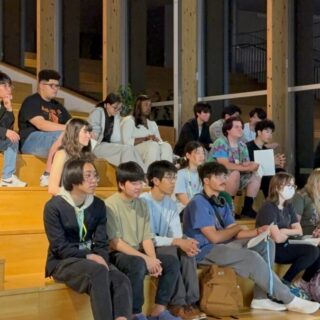
国際高専の学生と共に説明を聞く
-
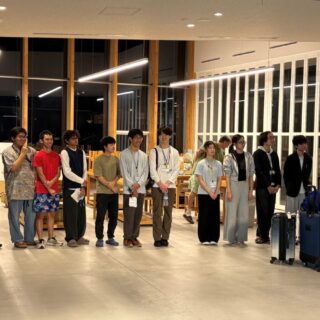
出迎えの学生たち
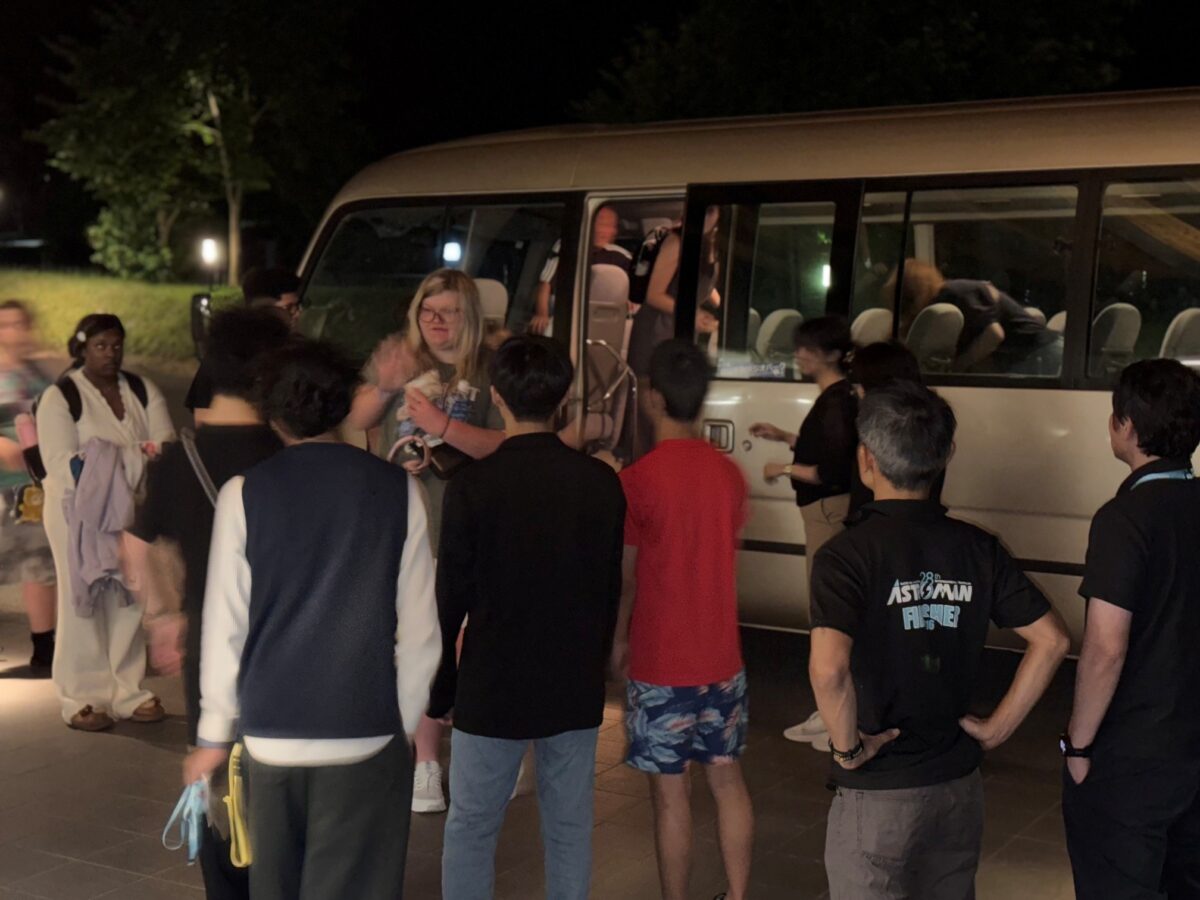
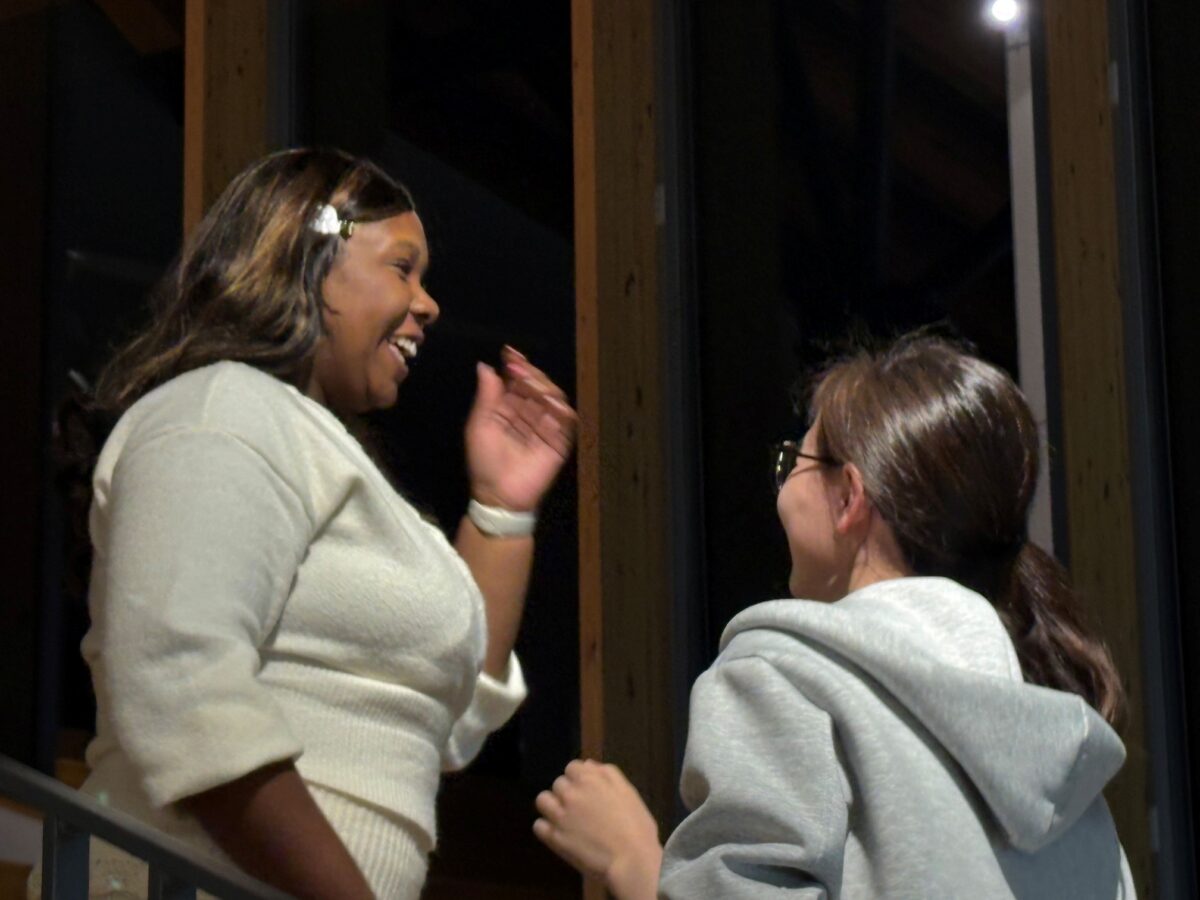
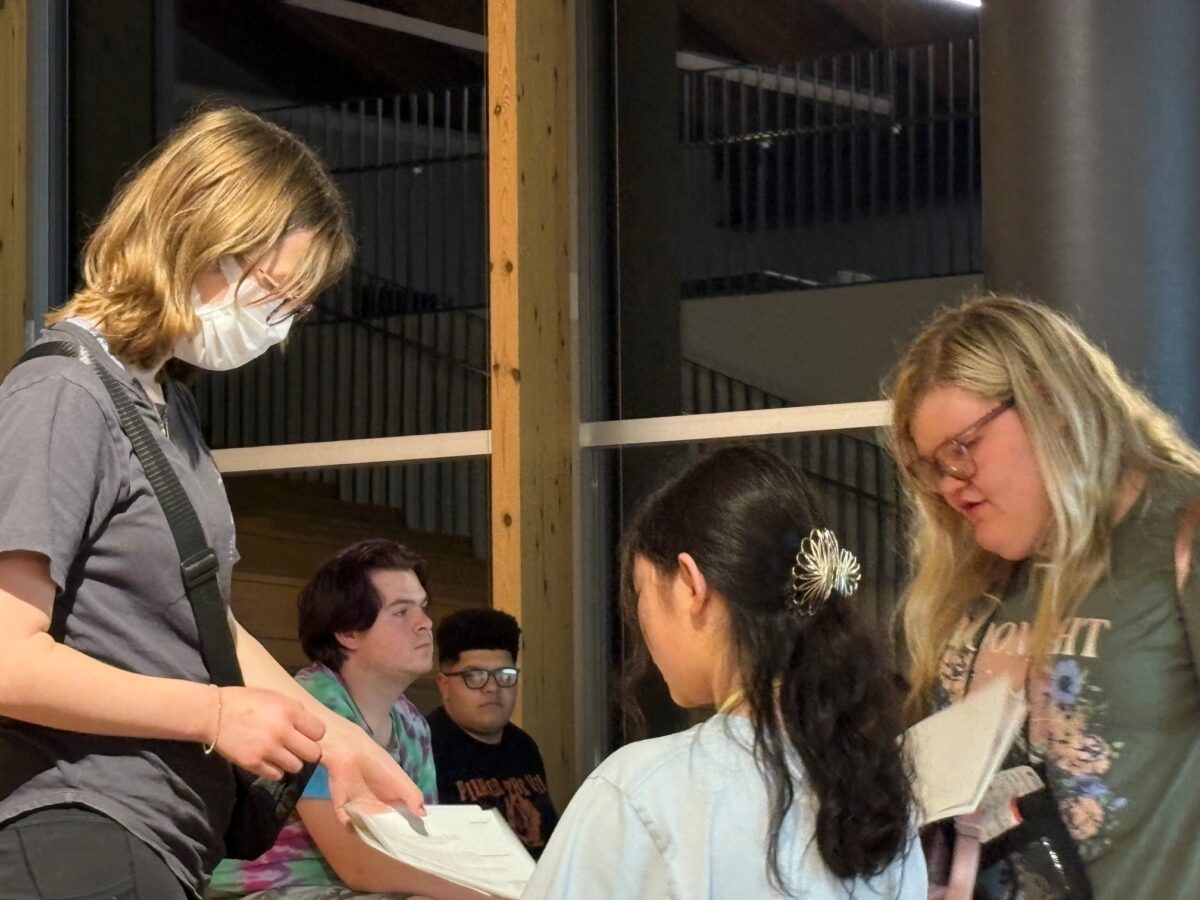
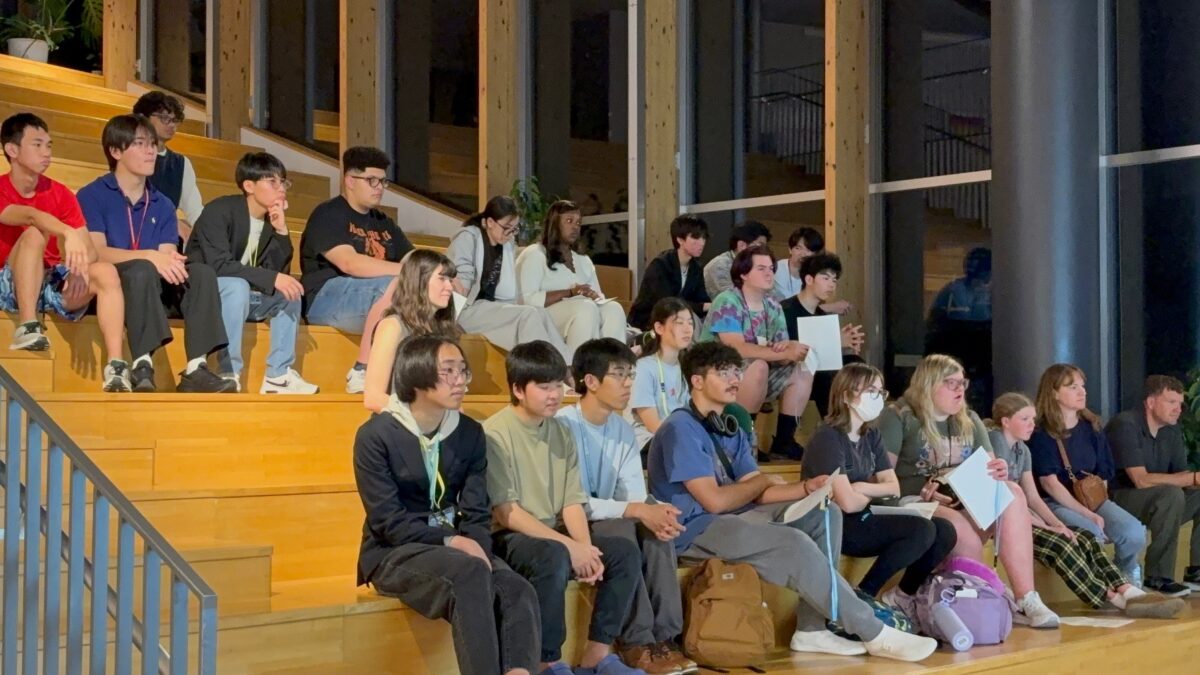
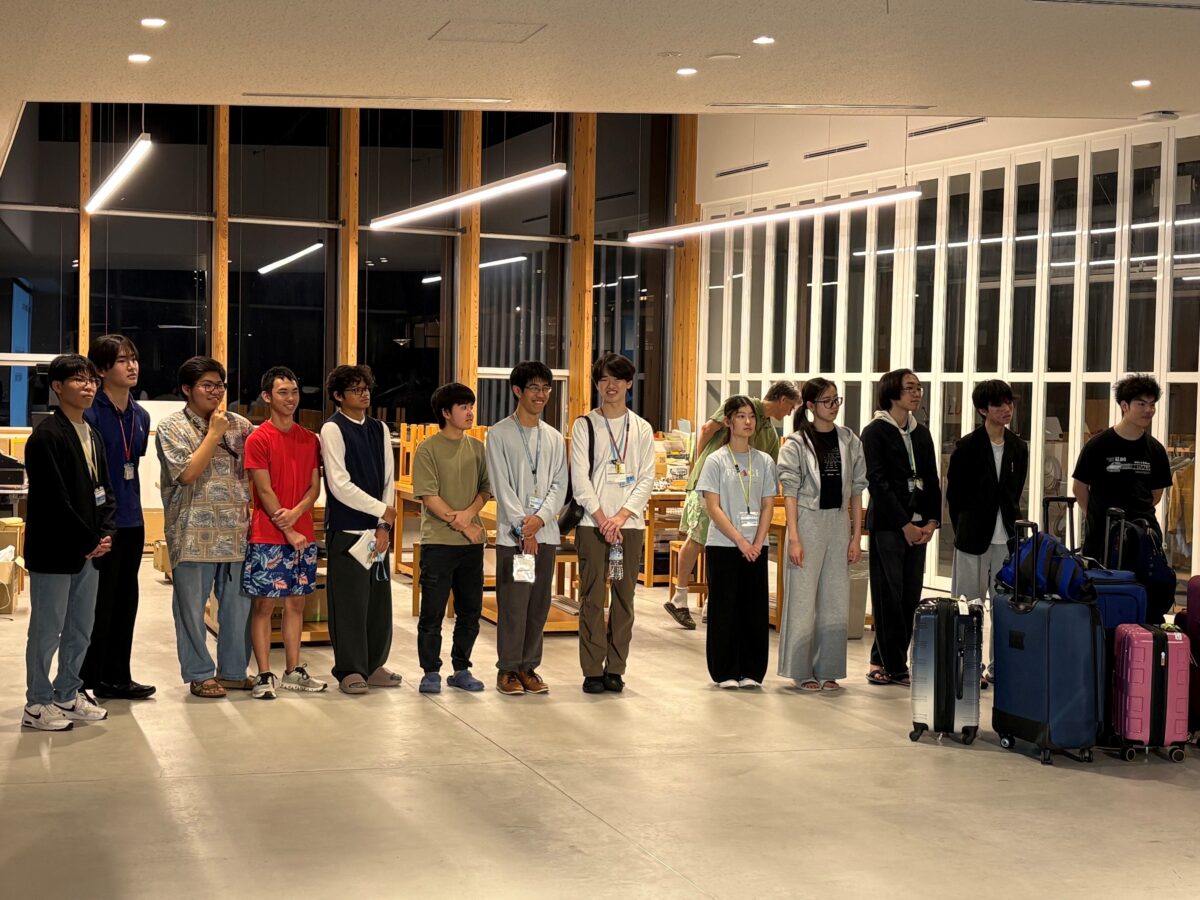
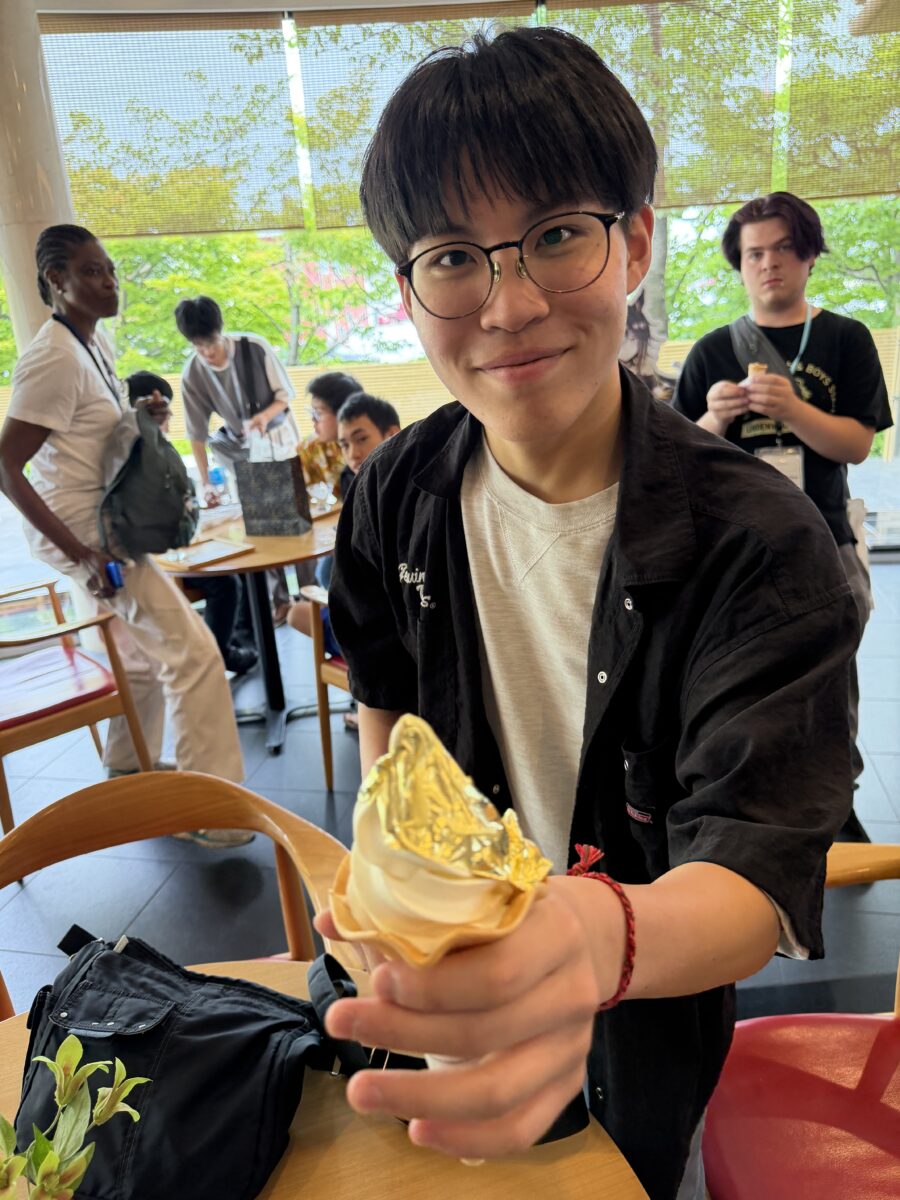
金沢観光
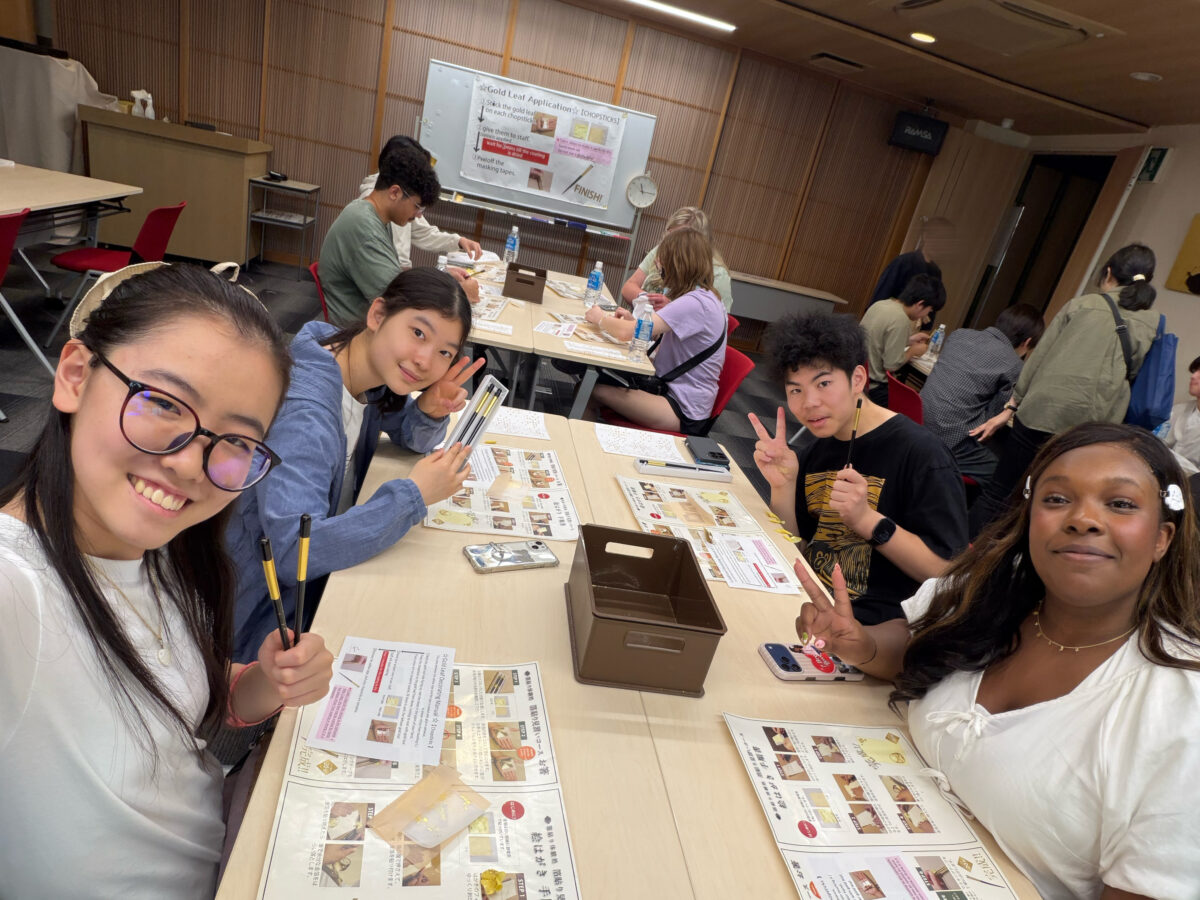
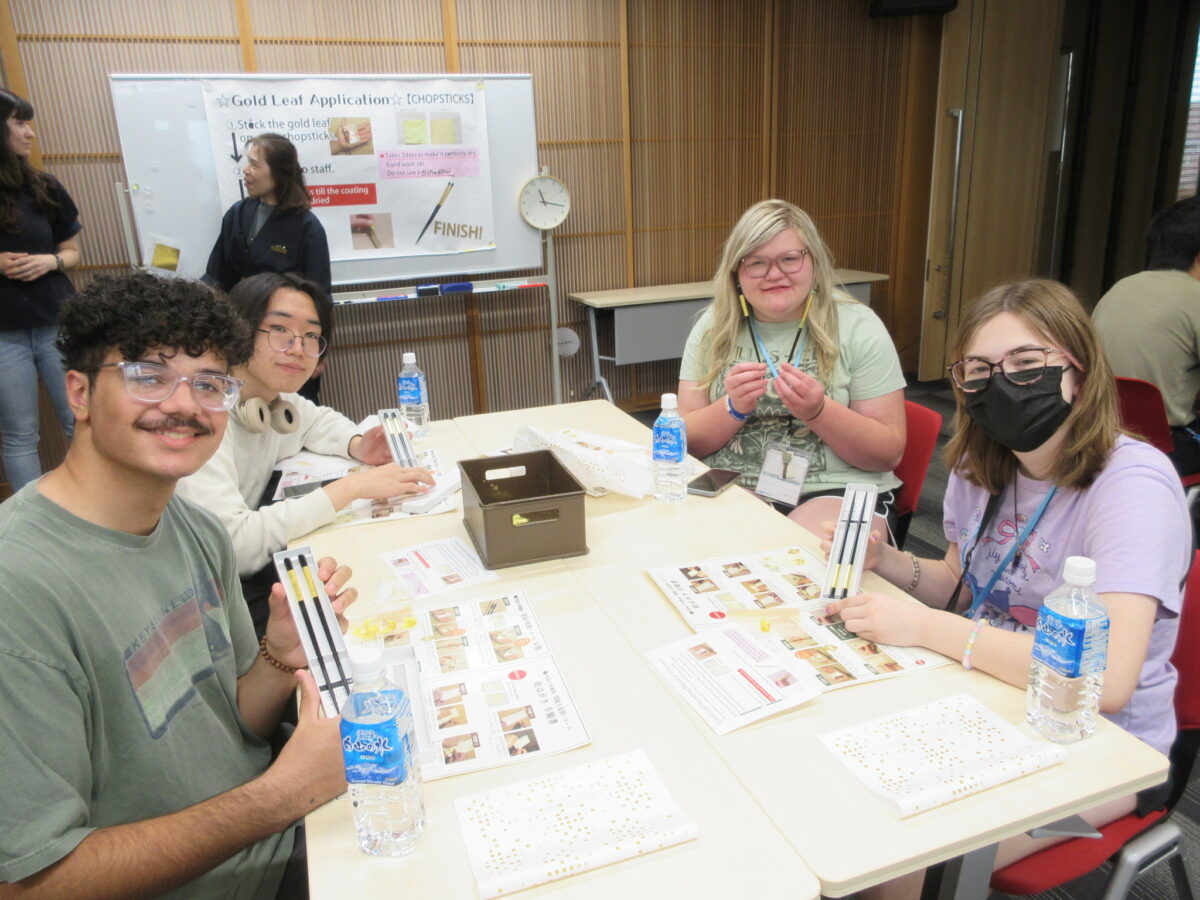
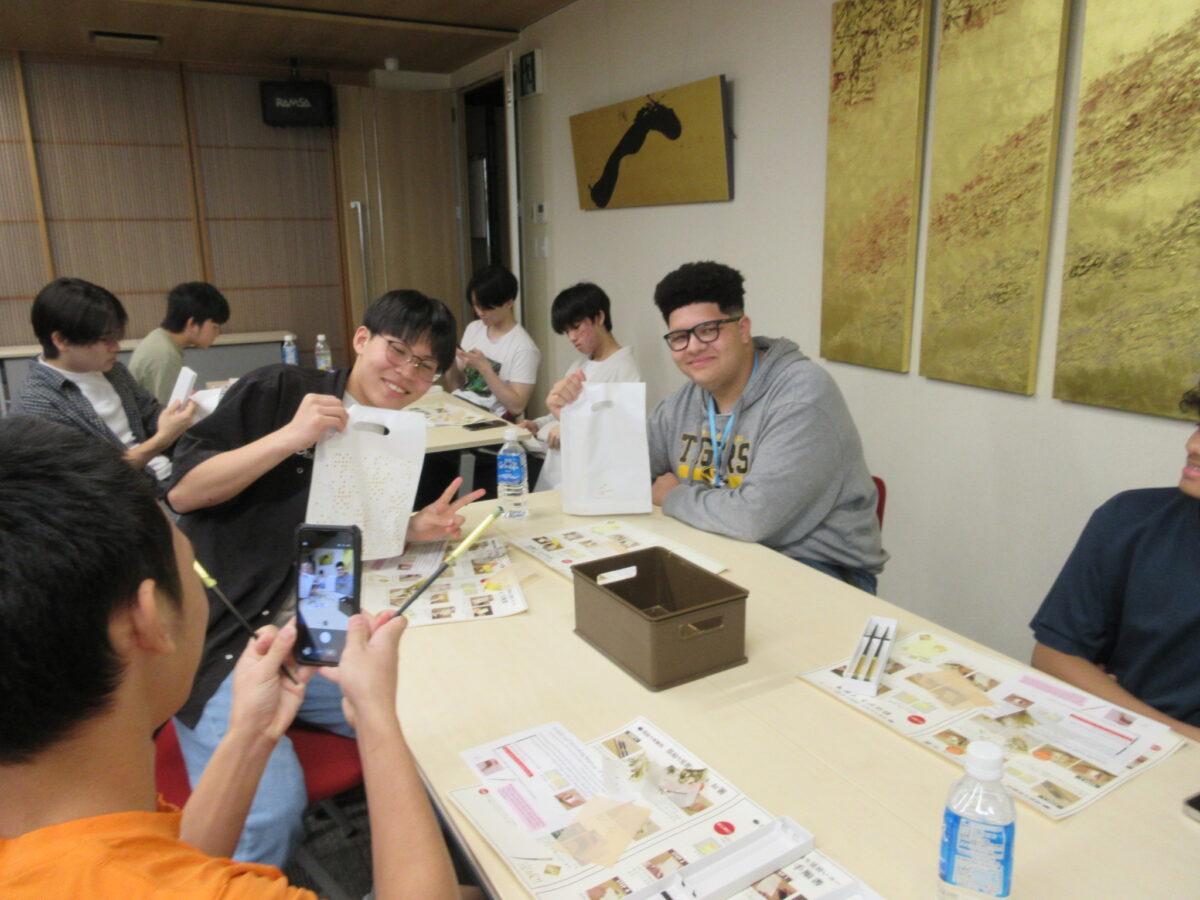
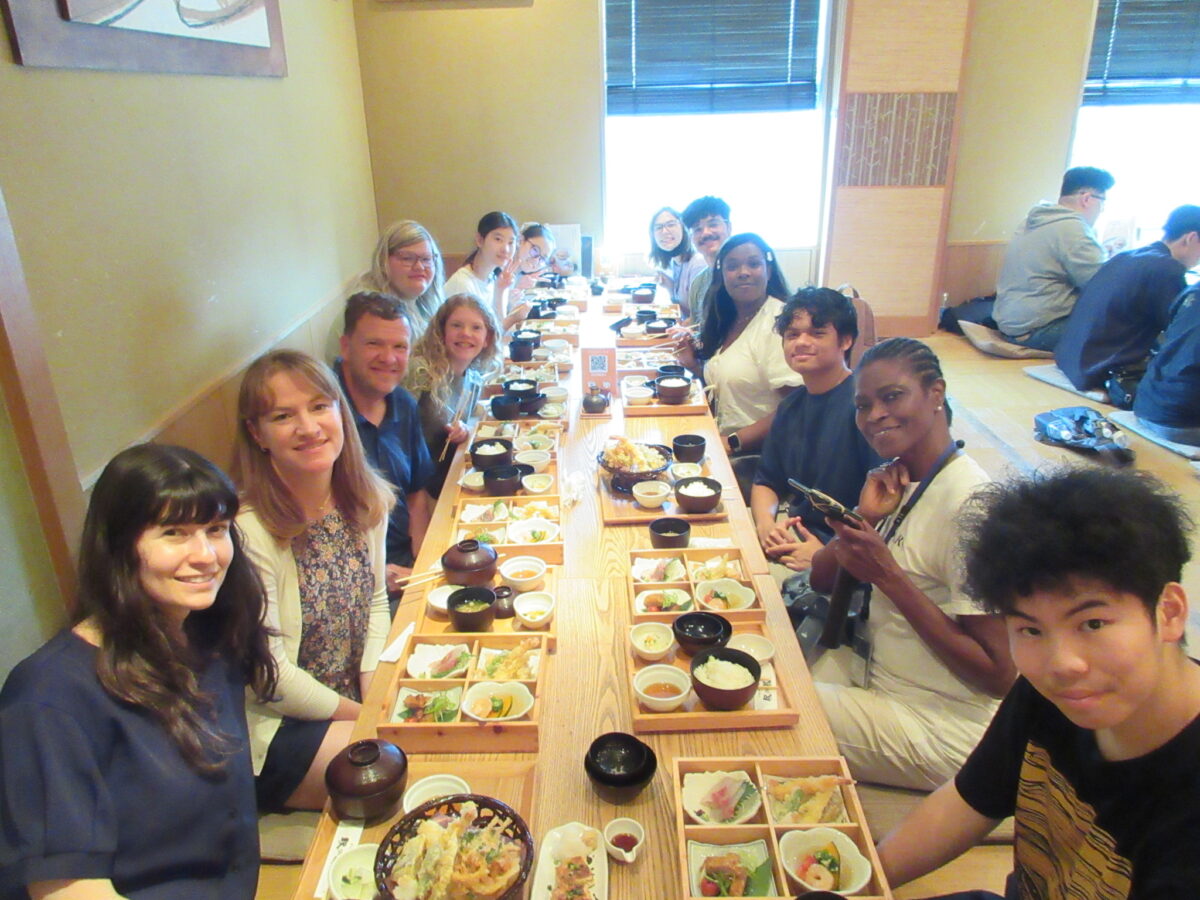
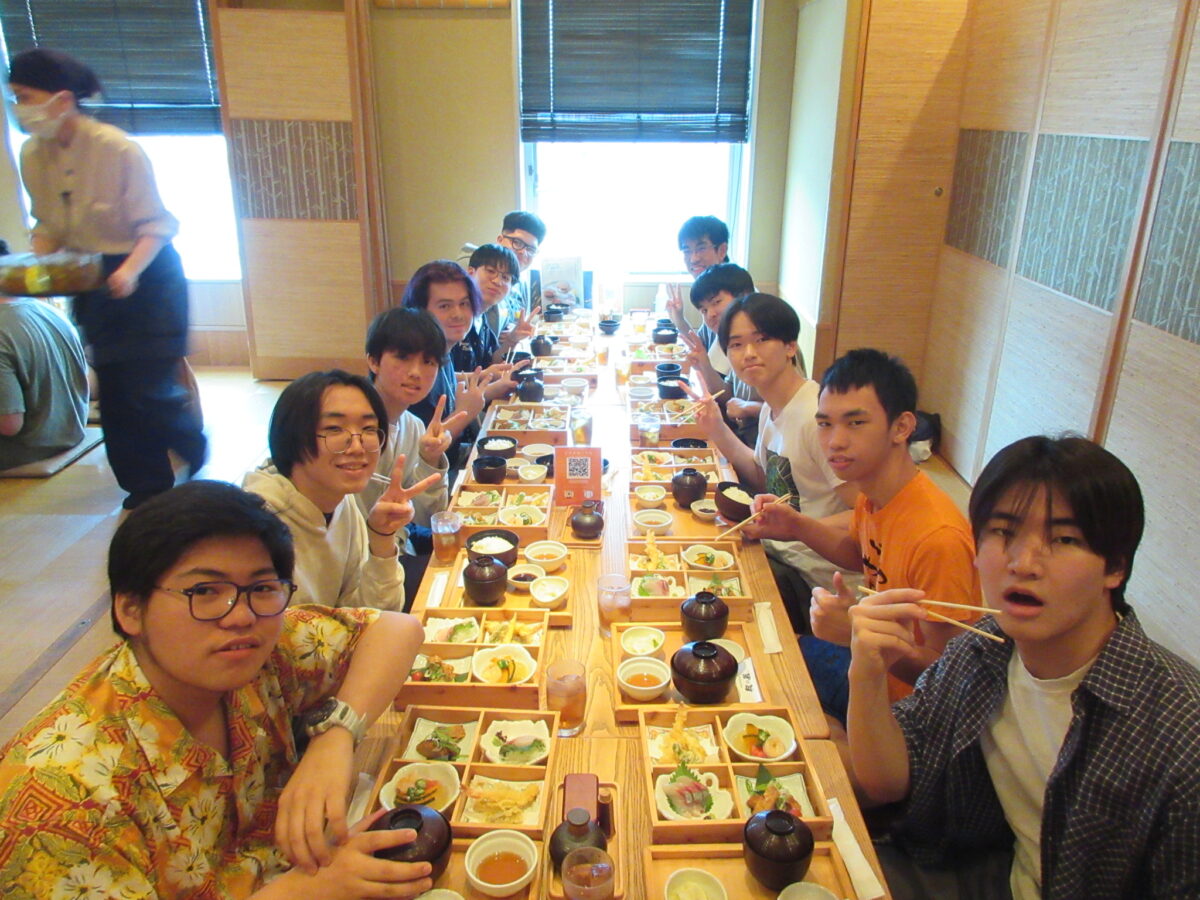
モノづくり体験や国際高専の学生と同じ授業に参加
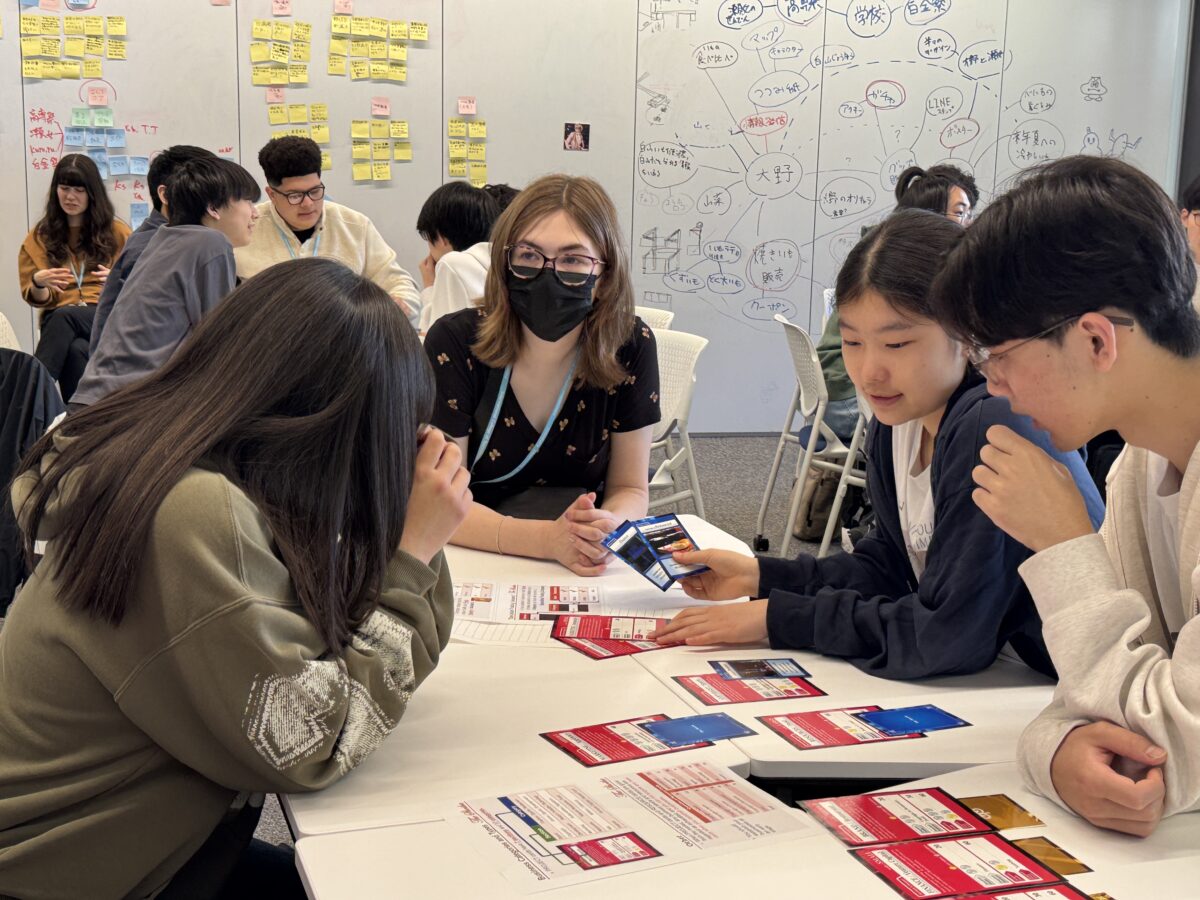
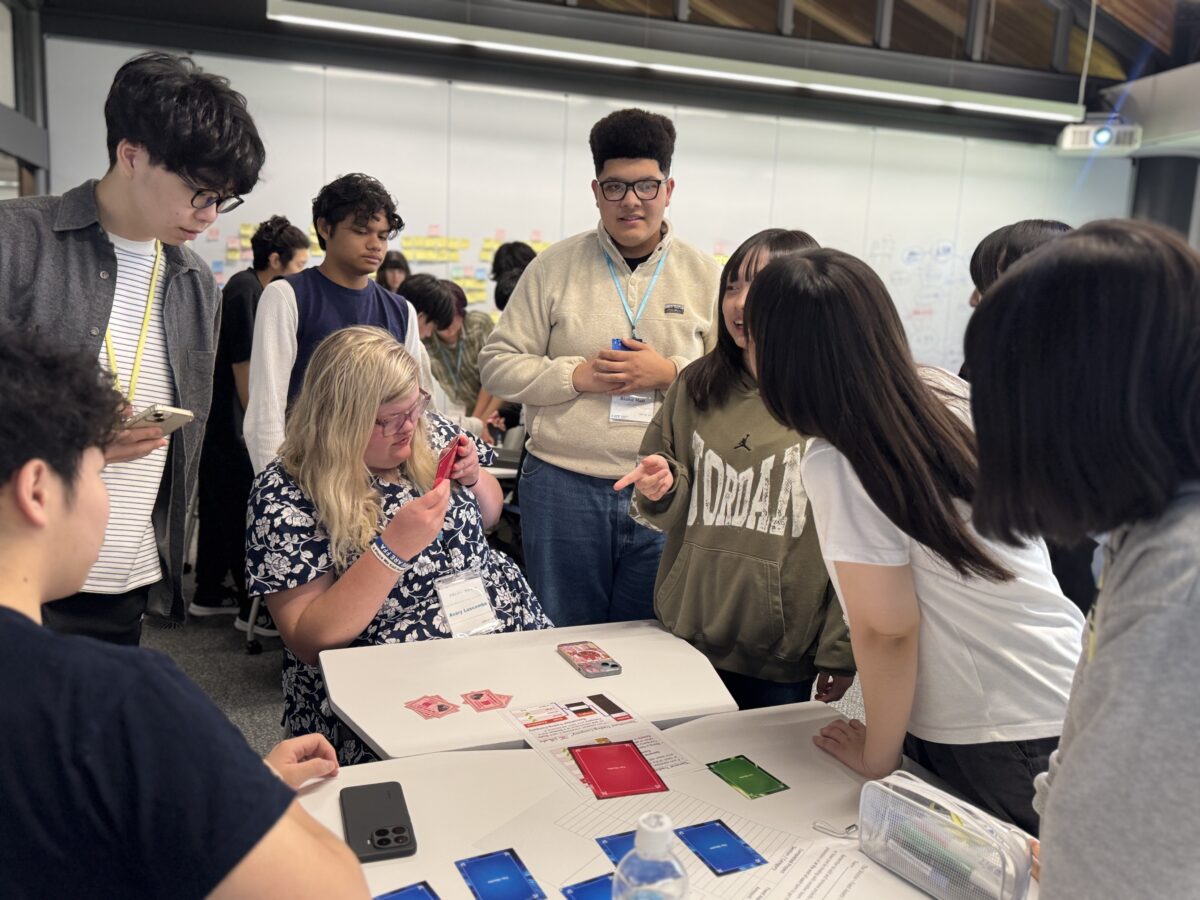
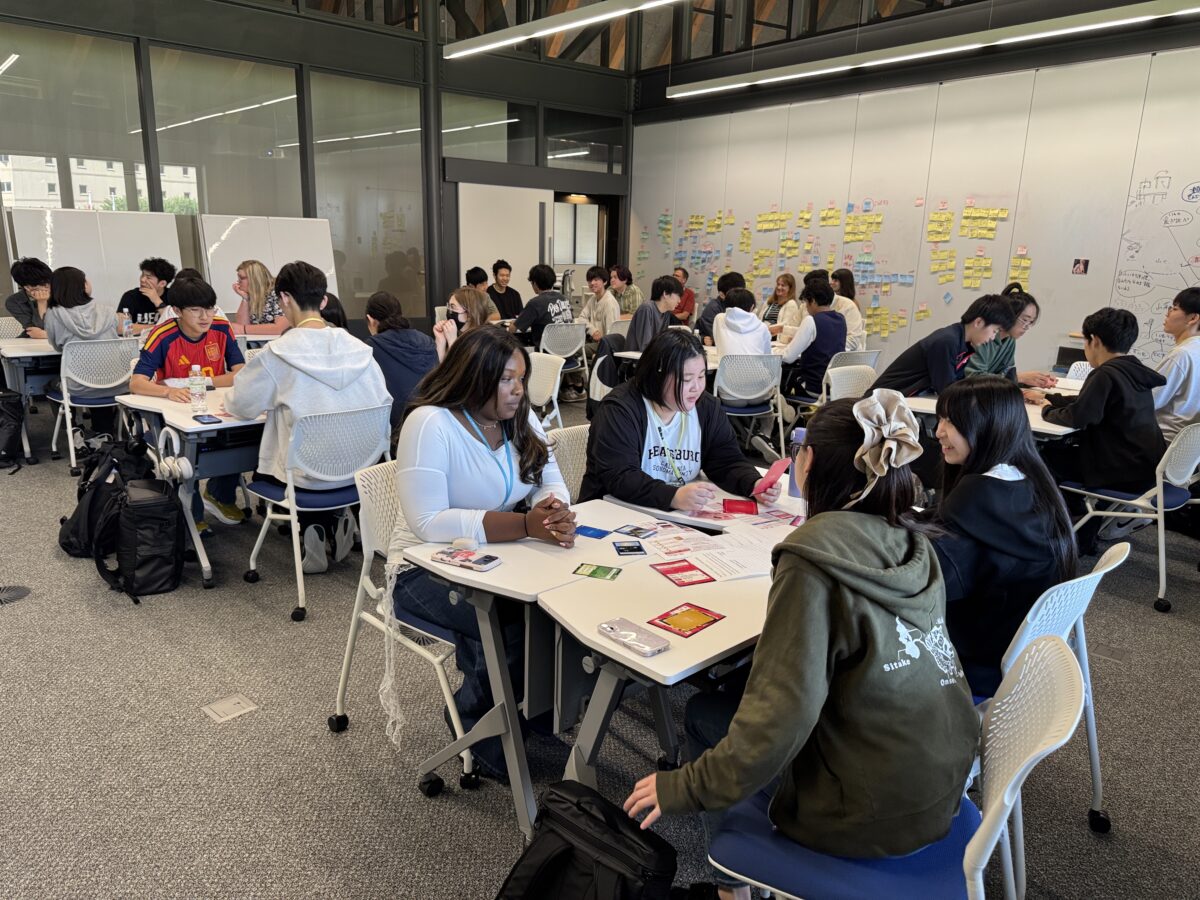
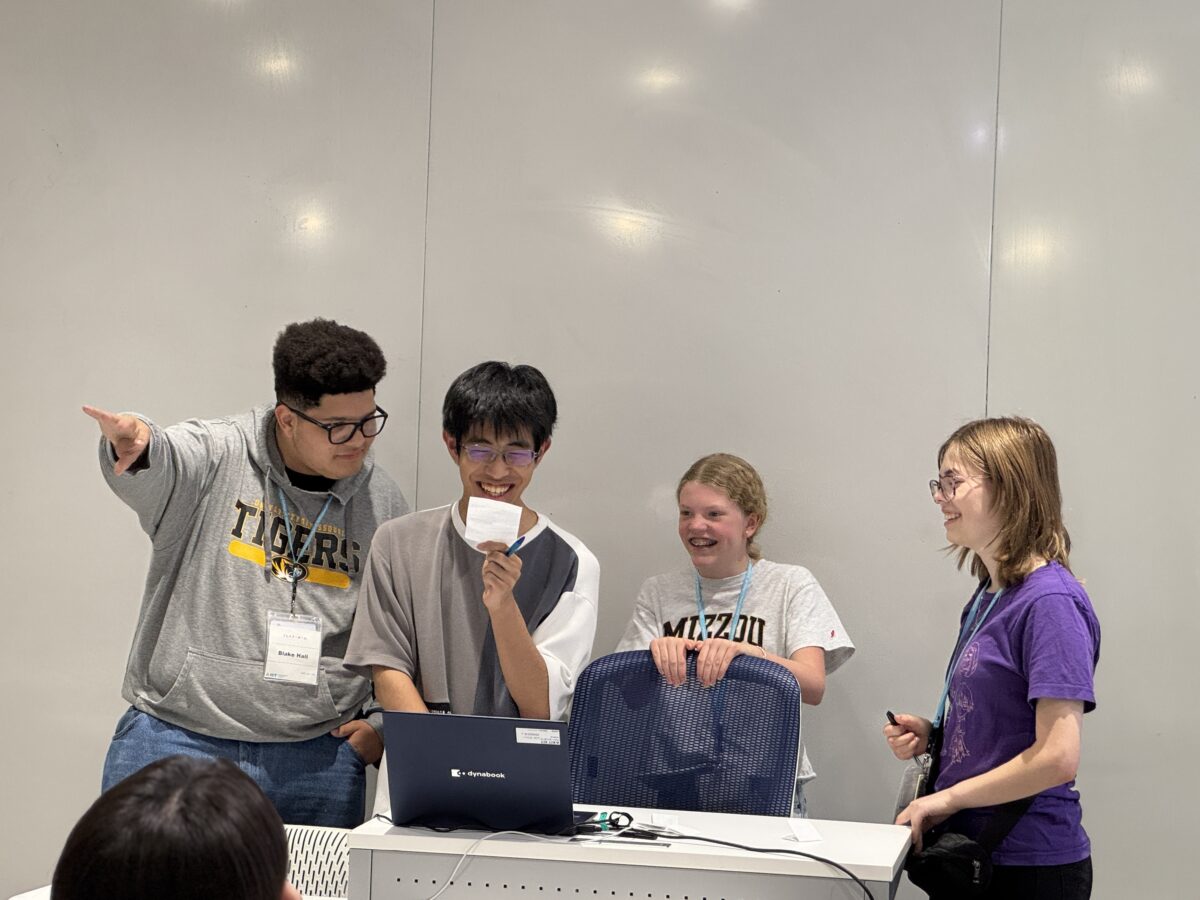
白山市国際交流協会主催の「姉妹都市アメリカ・コロンビア市高校生受け入事業~アメリカの高校生と交流しよう!~」
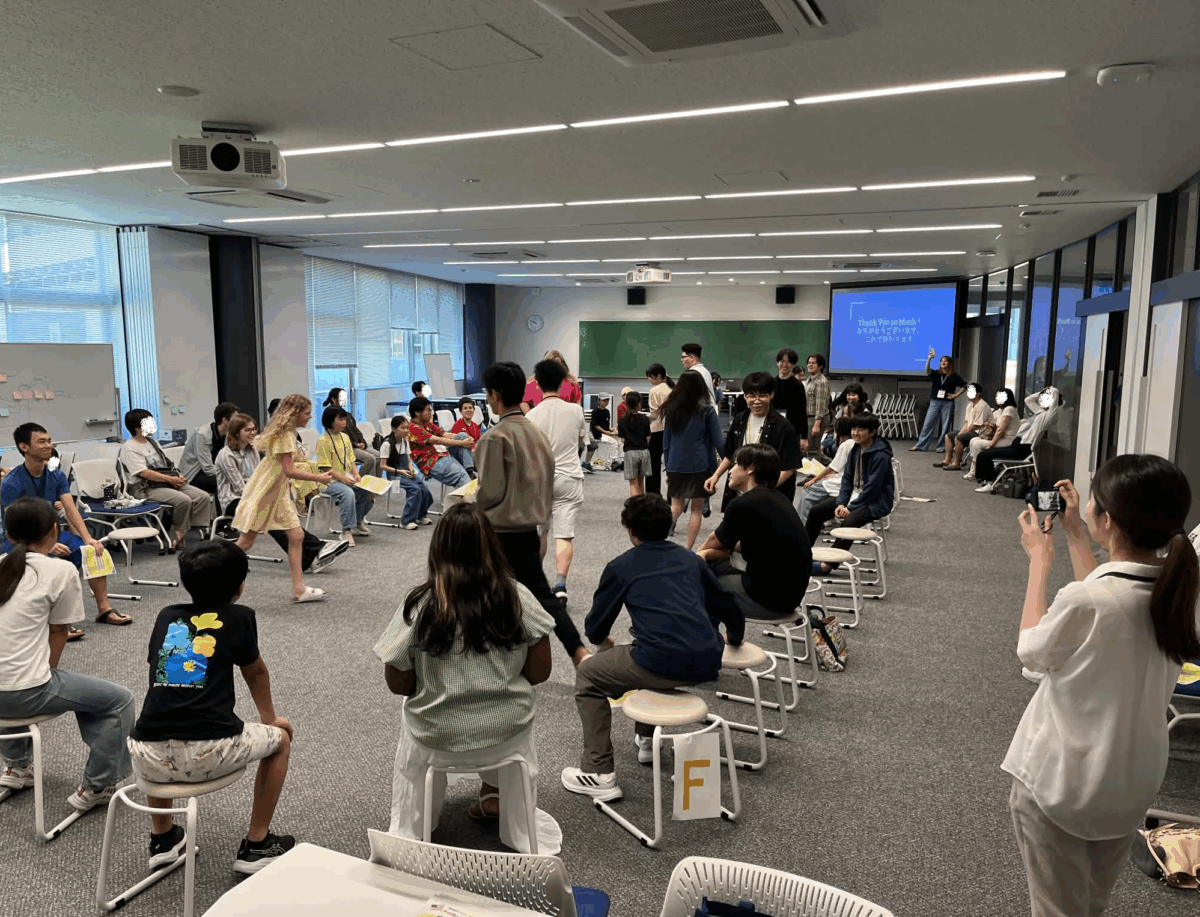
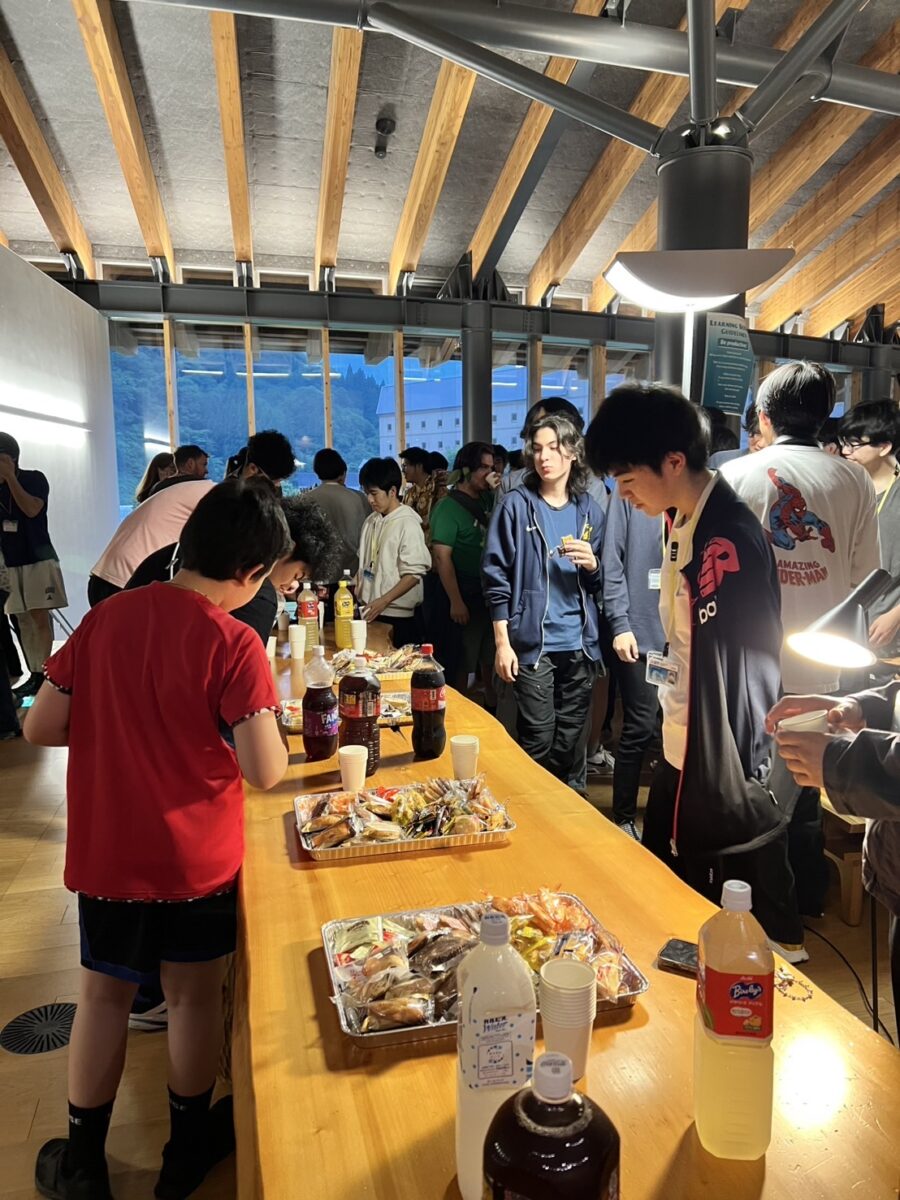
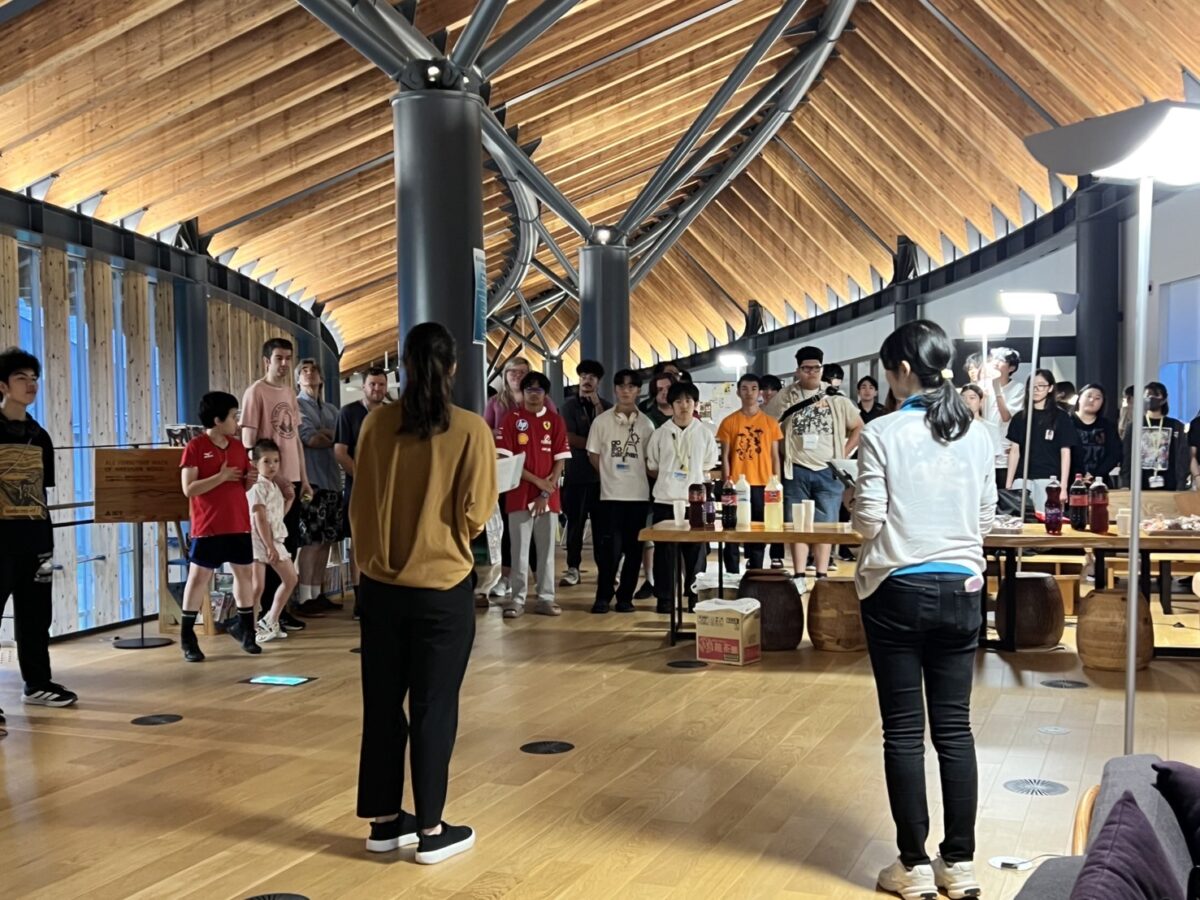
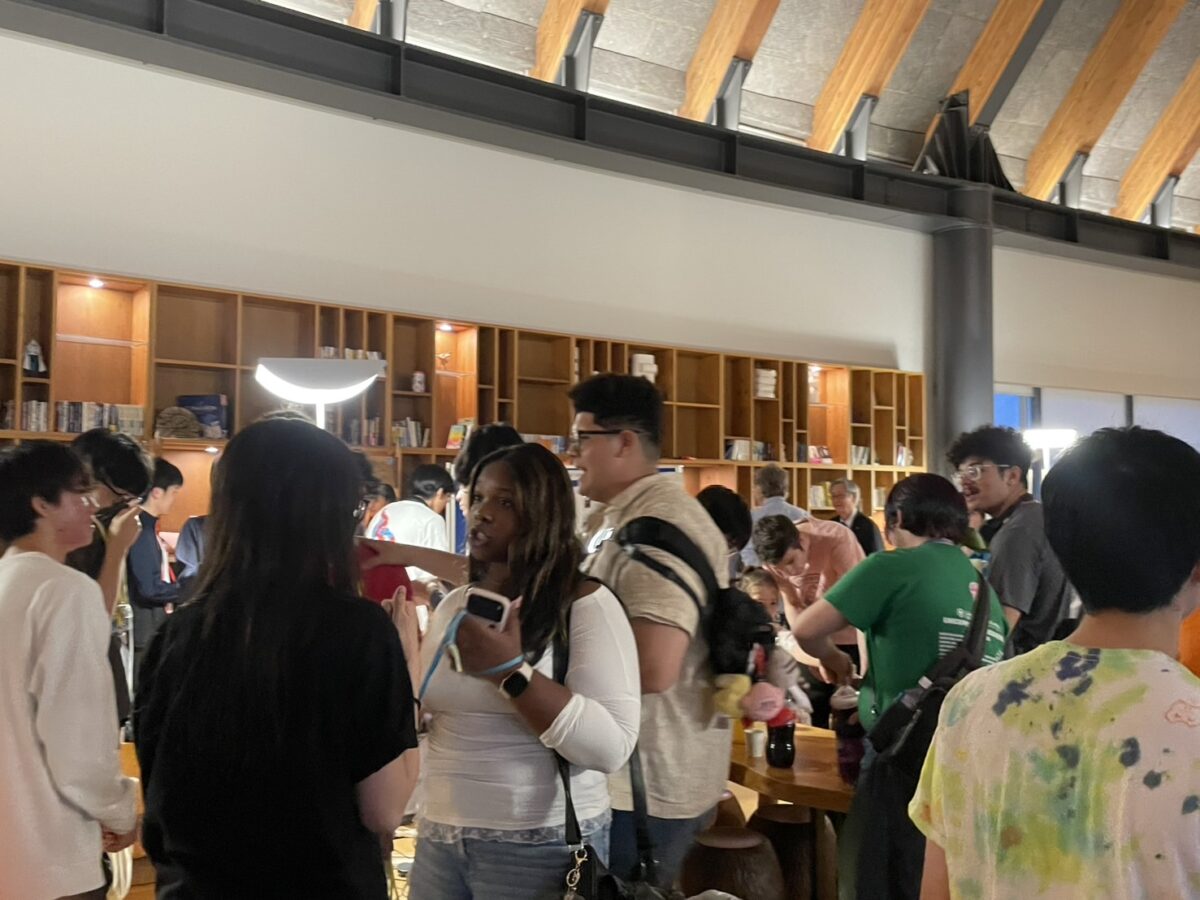
さよならパーティー
間加田 侑里
Hello, this is Yuri Makada from the Hakusanroku office. From Saturday, June 6th to Wednesday, June 17th, 2026, six high school students from Columbia, Missouri, USA visited the Hakusanroku Campus. They stayed at the Hakusanroku Campus dormitory and experienced school life together with 1st and 2nd year ICT students.
During their stay, the students from Columbia took part in various programs, including hands-on manufacturing activities and classes alongside ICT students. They also went on a sightseeing excursion in Kanazawa and took part in a homestay program in Hakusan City organized by the local government.
In addition, on Saturday, June 6th, an event titled “Sister City Exchange Program with Columbia, USA – Let’s Interact with American High School Students!” was held at the Hakusanroku Campus. It was organized by the Hakusan International Exchange Association. Elementary and junior high school students from Hakusan City, as well as ICT students, took part. After the visiting American students gave a presentation about Columbia, event participants enjoyed interacting with them in English through quizzes, games, and a campus tour.
For the ICT and American students, even within this relatively short two-week period, living together in the dormitory provided valuable opportunities to learn and build friendships. This made it an irreplaceable and meaningful experience.
American students arrive at the Hakusanroku Campus
-
夜9時白山麓キャンパスに到着
-
バディ紹介
-
バディ紹介
-
国際高専の学生と共に説明を聞く
-
出迎えの学生たち
Kanazawa sightseeing
Hands-on manufacturing activities and classes alongside ICT students
Sister City Exchange Program with Columbia, USA – Let’s Interact with American High School Students!
Farewell party
Yuri Makada
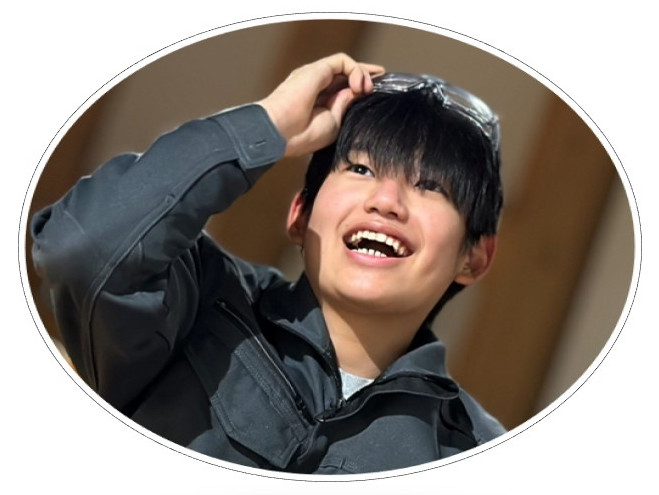 こんにちは。3年生の石原田 海秀です。ニュージーランドに来て、はや1か月が過ぎました。この1か月で、日本では感じられないことを多く経験しました。それをいくつか紹介したいと思います。ぜひ楽しんでください。
ホストファミリーとドライブ
僕のホームステイ先には、ホストファザー、ホストマザー、ホストシスター、ホストブラザー、犬、猫がいます。みんないい人たちなので、ここがホームステイ先でよかったと思う毎日です。
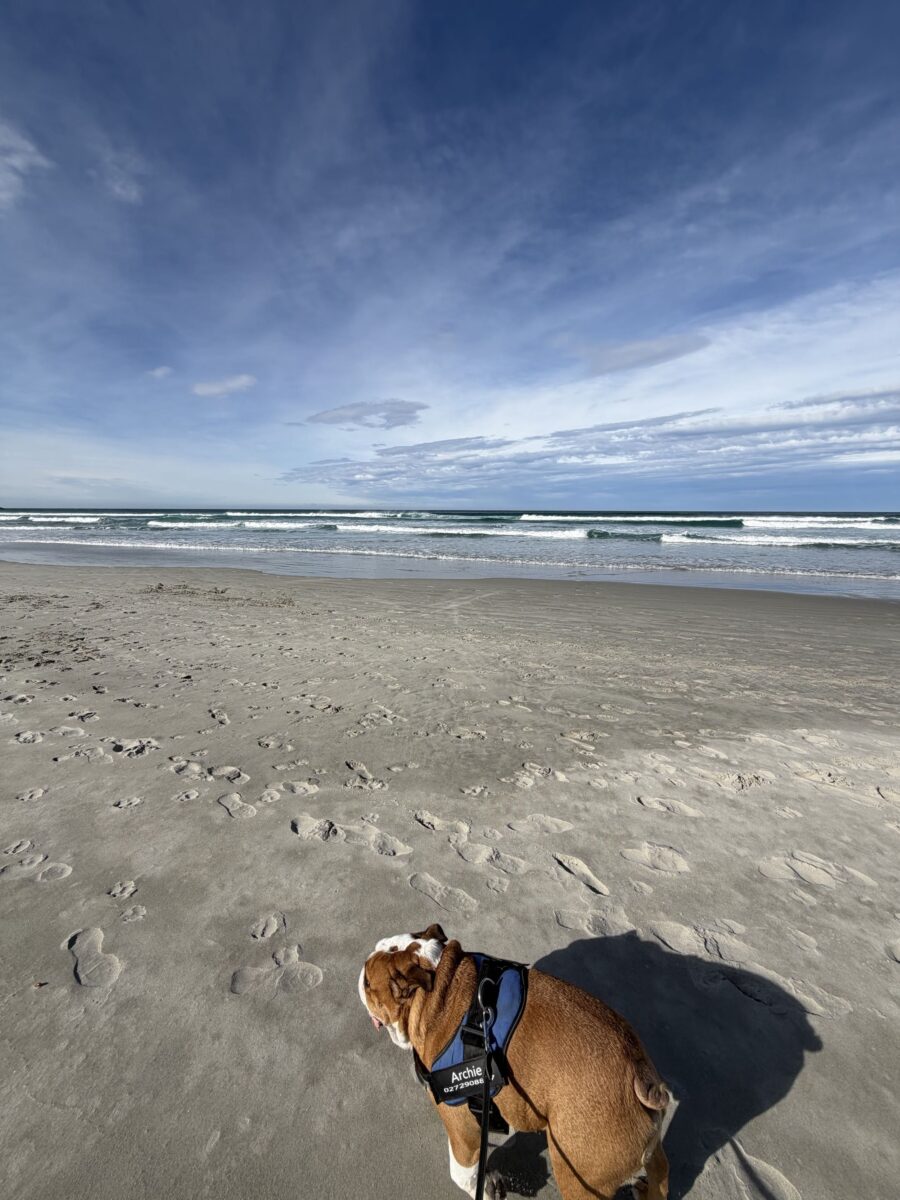
ニュージーランドでの新生活が始まって2日目の午前中に、ホストマザー、ホストブラザー、犬とビーチに行きました。僕はペットを飼ったことがなく、人生で初めての犬の散歩でした。ビーチからの眺めはものすごくきれいで、早くもニュージーランドに来たかいがあったと思いました。ダニーデンには他にもビーチがあり、夏になるとビーチに泳ぎに行ったりするようです。これから寒くなっていきますが、今から夏が楽しみです。
-
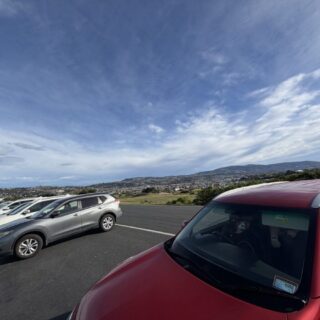
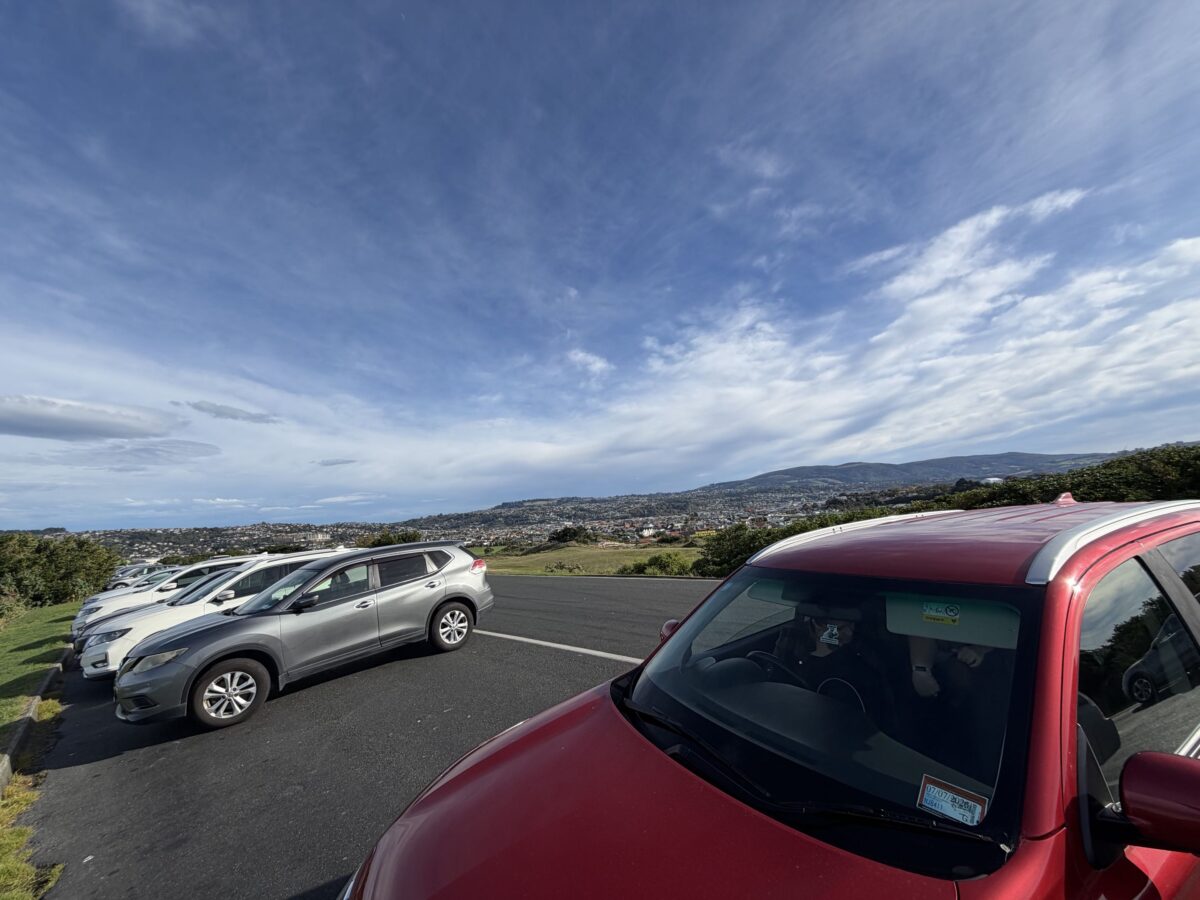
Scenery during a drive ドライブでの風景
-
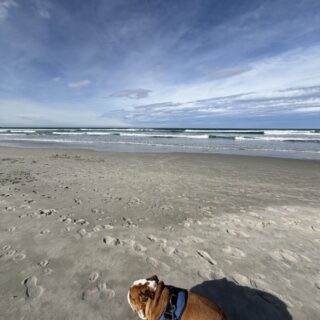
My first time walking a dog人生初の犬の散歩
-

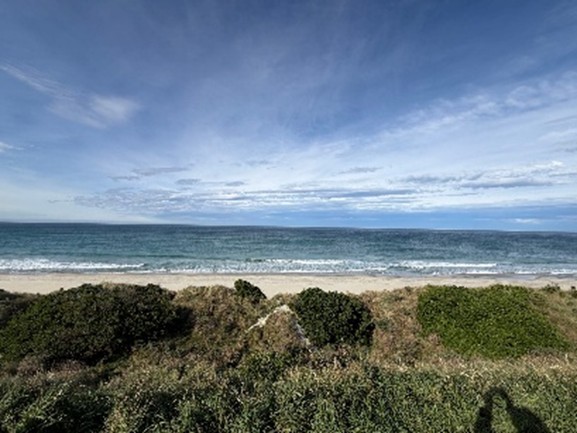
A peaceful view of the beach and ocean静かなビーチと海の風景
キャンプ
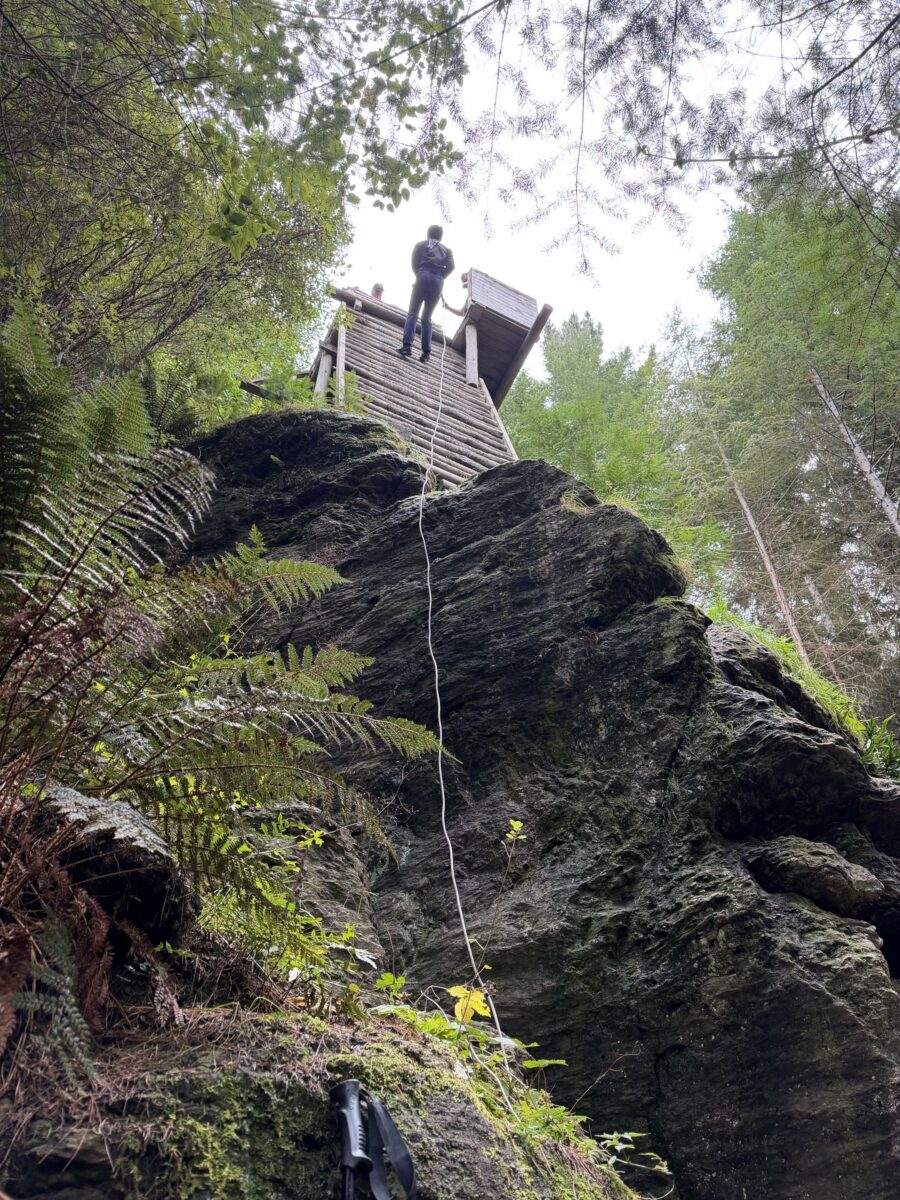
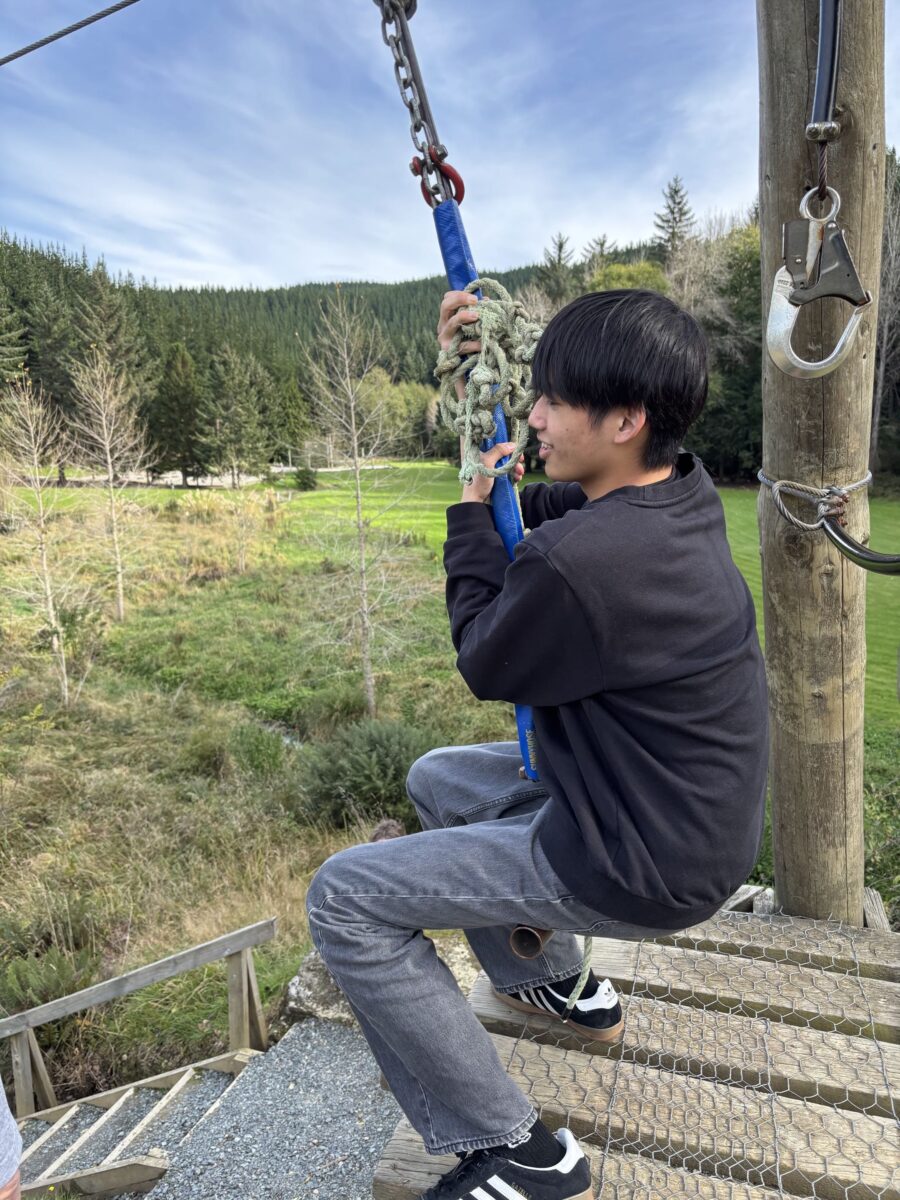
橋本 一輝くんのホストファミリーの招待で、僕のホストファミリーと一輝くんのホストファミリーでキャンプに行くことになりました。そこでは、ジップラインや、崖からロープを使った崖下りなど、珍しいアクティビティをしました。僕のホストシスターと一輝くんのホストシスターがジップラインにハマり、その付き添いをしました。その後、ホストブラザーと芝生の上でサッカーを楽しみました。
夜ご飯の後は、子どもたち全員でキャンプ場にてかくれんぼをしました。一輝くんと一緒に隠れたときに最後まで見つからず、勝つことができました。白山麓キャンパスでの「Hide and seek(かくれんぼ)」の経験がいかされたのかもしれません。
そしてホストシスターたちが寝た後、一輝くんと外で星を眺めました。ものすごくきれいな星空でした。ニュージーランドの星空には、日本の南(石垣島ぐらい南)からしか見えない南十字星が見えます。
-
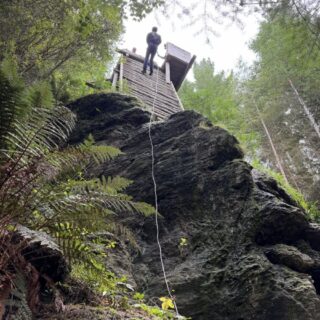
Rappelling down a cliff 崖下り
-
Zipliningジップライン
Ziplining(movie)ジップライン(ムービー)
街を散策
僕たちがいるダニーデンは、12万人ほどの人口で、石川県でいうと白山市と同じくらいの規模です。ダニーデンは、オクタゴンと呼ばれるところを中心に繁華街が広がっています。僕は毎週末、街を散策しています。
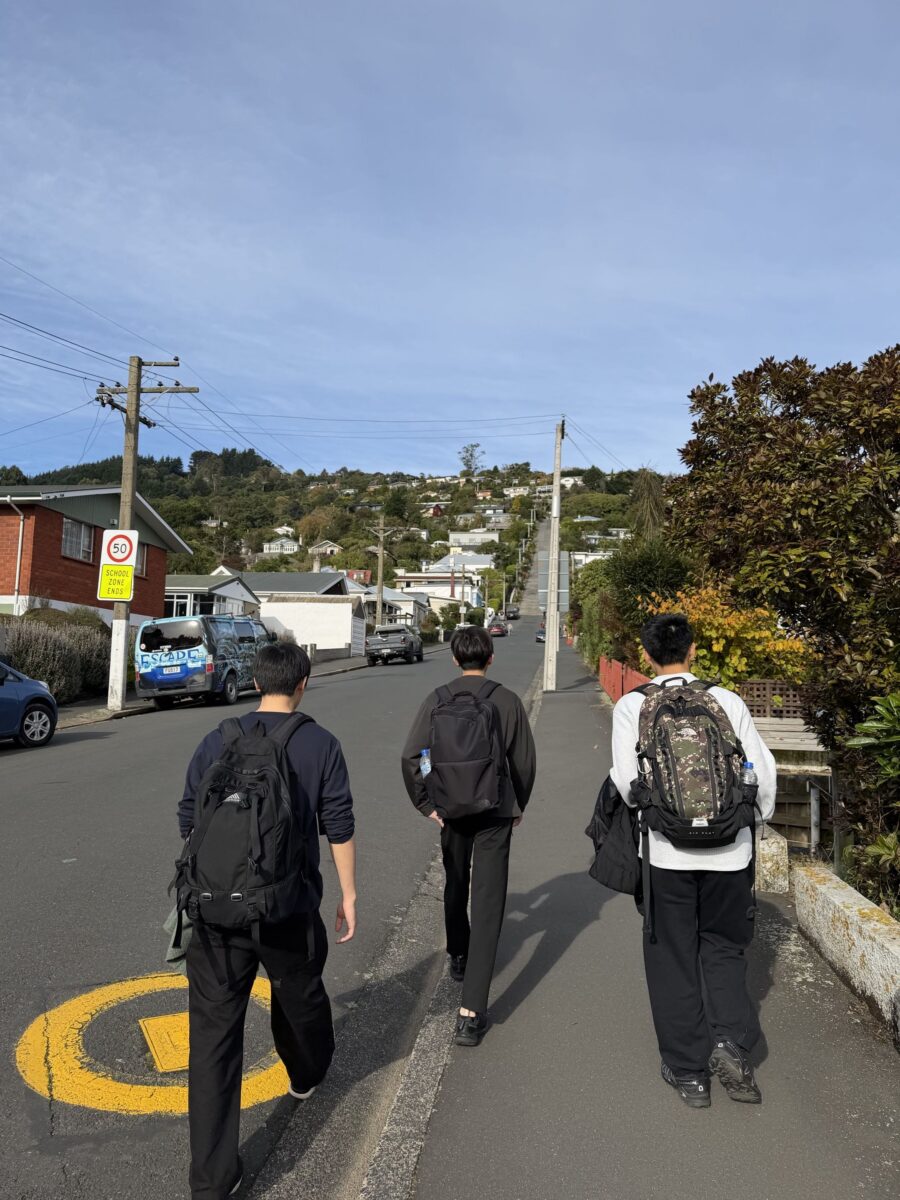
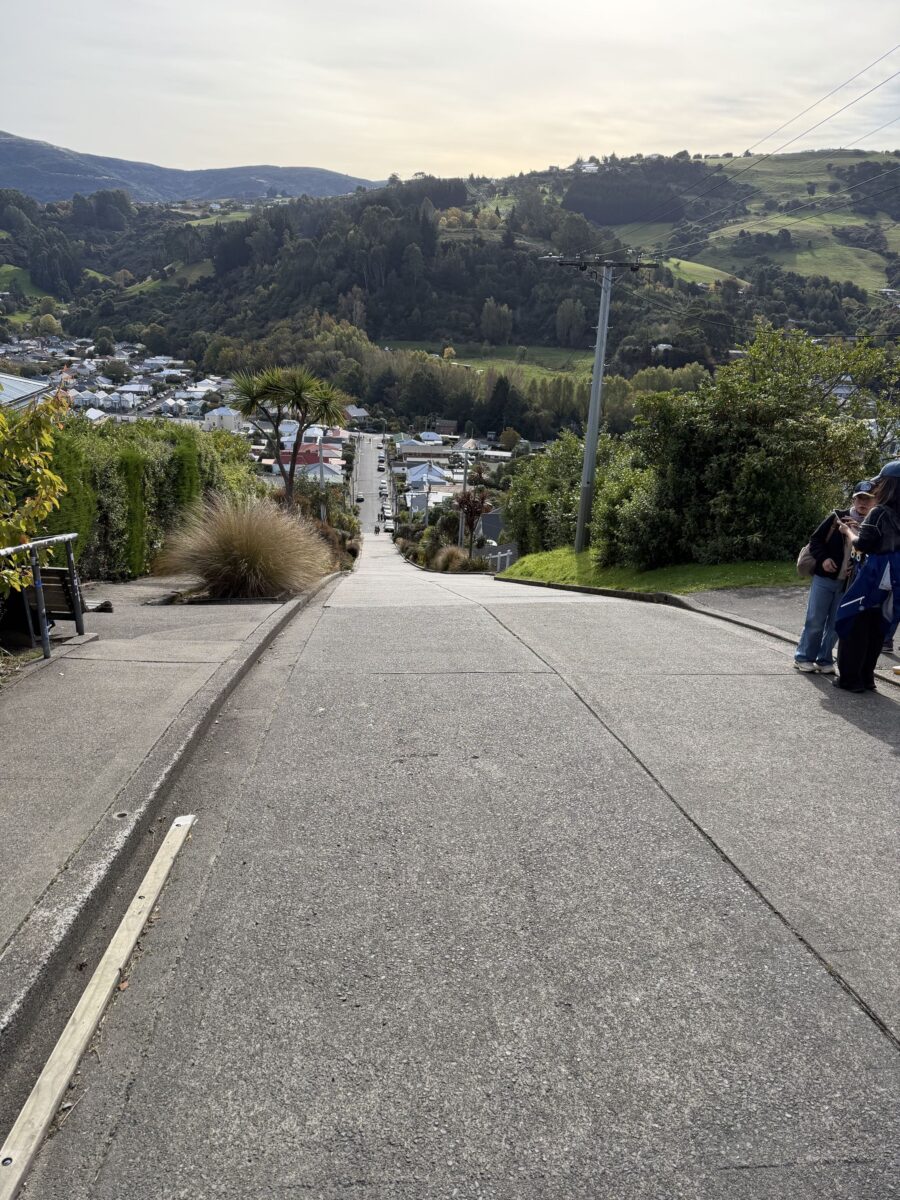
先日、街から少し離れたところにある「世界一急な坂と言われるボールドウィン・ストリート」に行きました。行く前は、どうせしょぼいだろうと思っていましたし、「近所のあの坂のほうが急じゃね」などと言っていました。しかし、いざ着くと、さすが世界一急な坂、とても急でした(ごめんなさい)。
そこで駿太郎くんと蒼天くんと「上まで走ろう!」と言って走り出しました。そのとき、周りにいた観光客の人たちが“Come on! ”と応援してくれて、「おお、海外!!」と思いながら走りました。しかし、さすが世界一で、途中で足が止まってしまいました。帰国するまでに、走って上がれるようになりたいです。
-
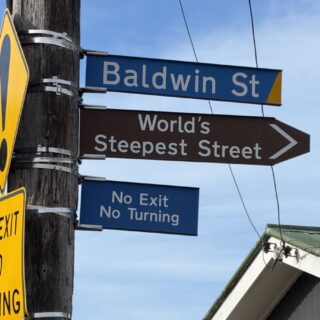
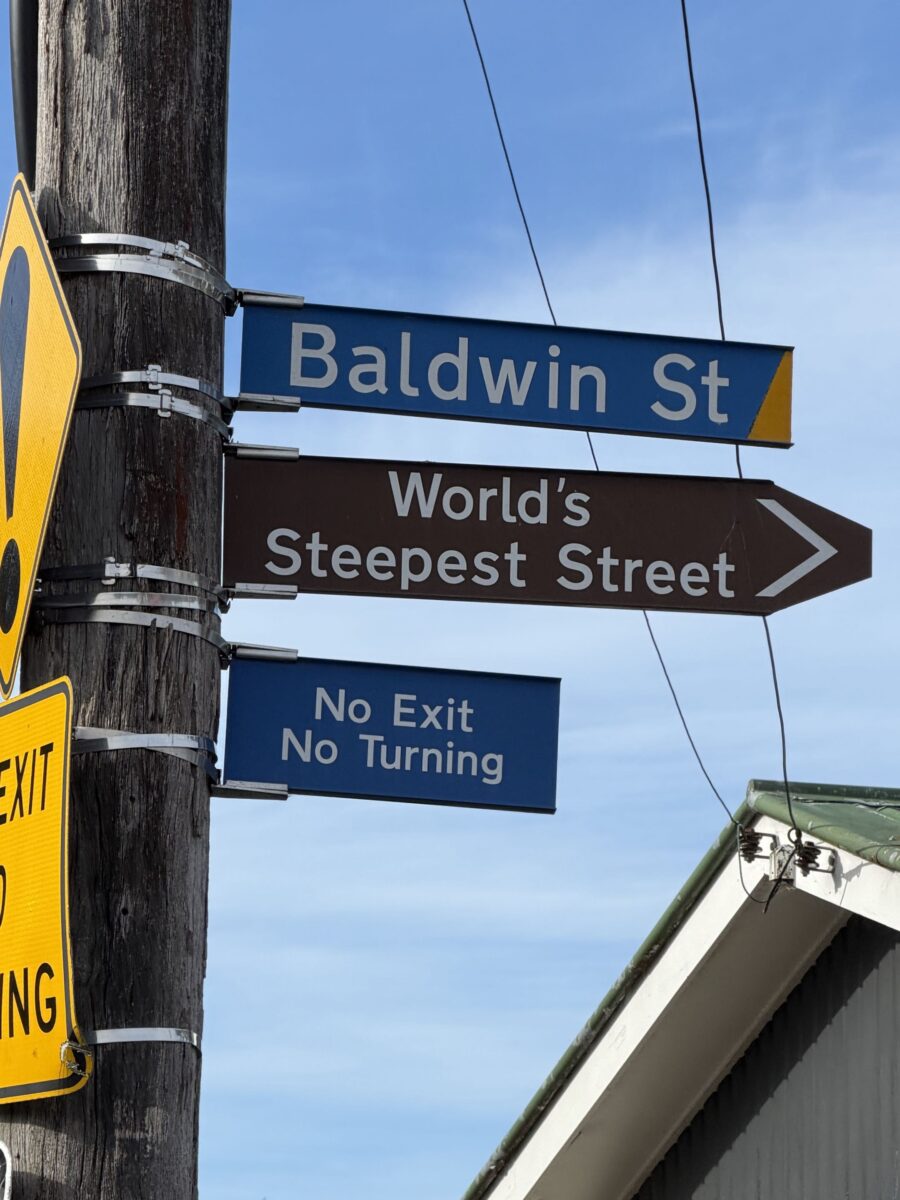
Sign of Baldwin Street, the world’s steepest street世界一急な坂「ボールドウィン・ストリート」の標識
-
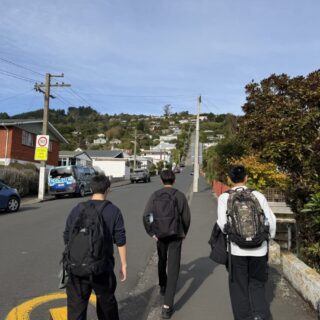
View from the bottom of the street世界一急な坂の下から撮影
-
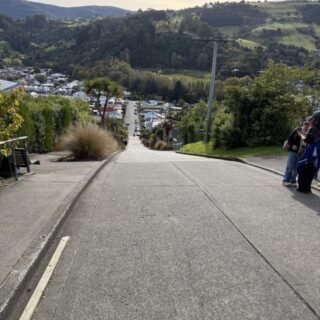
View from the top of the street坂の上から撮影
みなさん、お楽しみいただけましたでしょうか。次回もお楽しみに。それでは、また。
P.S.
ここでは書ききれなかったことをラジオで話しています。 毎週月曜日、日本で聞くことができるので、ぜひ聞いてみてください。
詳しくはこちら:https://x.com/ICTradio_Lounge
石原田 海秀
Hello! I’m Kaishu Ishiharada, a 3rd-year student. It’s already been over a month since I arrived in New Zealand. During the past month, I’ve experienced so many things that I could never experience in Japan. I want to share as many as possible with you. I hope you enjoy reading!
Driving with My Host Family
My host family is big, including a host father, host mother, host sister, host brother, a dog, and a cat. Everyone is so kind, and every day I feel very lucky to stay with them.
On the morning of my second day here, I went to the beach with my host mother, host brother, and our dog. I’ve never had a pet before, so this was the first time in my life walking a dog. The view from the beach was much more beautiful than I expected, and it already made me feel that coming to New Zealand was worth it. I heard there are other beaches in Dunedin, and people go swimming there in the summer. Although it’s starting to get colder now, I’m already looking forward to summertime!
-
Scenery during a drive ドライブでの風景
-
My first time walking a dog人生初の犬の散歩
-
A peaceful view of the beach and ocean静かなビーチと海の風景
Camping
Thanks to an invitation from Ikki Hashimoto’s host family, my host family and his went camping together. We tried some unique activities there, like ziplining and rappelling down a cliff using ropes. My host sister and his host sister really got into ziplining, so I went along with them. After that, I enjoyed playing soccer on the grass with my host brother. After dinner, all the kids, including Ikki and me, played hide-and-seek around the campsite. Ikki and I hid together, managed not to be found, and won the game! Maybe our experience playing hide-and-seek back at the Hakusanroku campus helped us win.
Once the host sisters were in bed, Ikki and I looked up at the stars outside. The starry sky was incredibly beautiful. In the night sky of New Zealand, you can see the Southern Cross, which can only be seen from the very southern parts of Japan, like Ishigaki Island.
-
Rappelling down a cliff 崖下り
-
Zipliningジップライン
Ziplining(movie)ジップライン(ムービー)
Exploring the City
Dunedin, the city we are staying in, has a population of about 120,000, which is roughly the same as Hakusan City in Ishikawa Prefecture. The downtown area spreads out around a central place called the Octagon. I explore the city every weekend.
The other day, I visited the world’s steepest street “Baldwin Street”, which is located a little outside the city center. Before going, I thought, “It’s probably not that big of a deal,” or “The hill near my house is steeper.” But once I arrived, I realized it truly deserves its title—it was incredibly steep (my apologies!).
Shuntaro, Soma, and I decided to run to the top. As we started running, the tourists around us cheered us on, shouting “Come on!” It really made me feel, “Wow, I’m abroad!” However, since it is the world’s steepest street, my legs gave out halfway up. I want to become fit enough to run all the way to the top before I return to Japan.
-
Sign of Baldwin Street, the world’s steepest street世界一急な坂「ボールドウィン・ストリート」の標識
-
View from the bottom of the street世界一急な坂の下から撮影
-
View from the top of the street坂の上から撮影
I hope you all enjoyed this journal! Look forward to the next one. See you soon!
P.S. I’m talking about more stories that I couldn’t fit into this blog on the radio. It airs every Monday and can be heard in Japan, so please check it out!
Click here for more details:https://x.com/ICTradio_Lounge
Kaishu Ishiharada

改めまして、こんにちは。ICTの白山麓キャンパスでラーニングメンターを担当している、シャルミー・アブアンです。新学年度が始まってから、早くも1か月余りが経ちました。前回の記事では、昨年度を通して実施したワークショップについてご紹介しました。今回は、それよりも小規模ながら同様に重要な取り組みとして、新学期開始から約1週間後に新入生を対象に実施したミニワークショップについてご紹介します。
授業が正式に始まる前に、ラーニングメンター同士で集まり、新入生がスムーズに学校生活へ適応できるよう、どのような支援ができるかを検討しました。新しい環境への適応はそれ自体で大きな負担となるため、ICTでの日常生活の中で実際に役立つ実践的なスキルに焦点を当てることにしました。
ミニワークショップは、2026年4月13日から16日までの4日間にわたり実施され、各回はラーニングセッションの前半において15〜20分程度行われました。
1日目:eSyllabusワークショップ
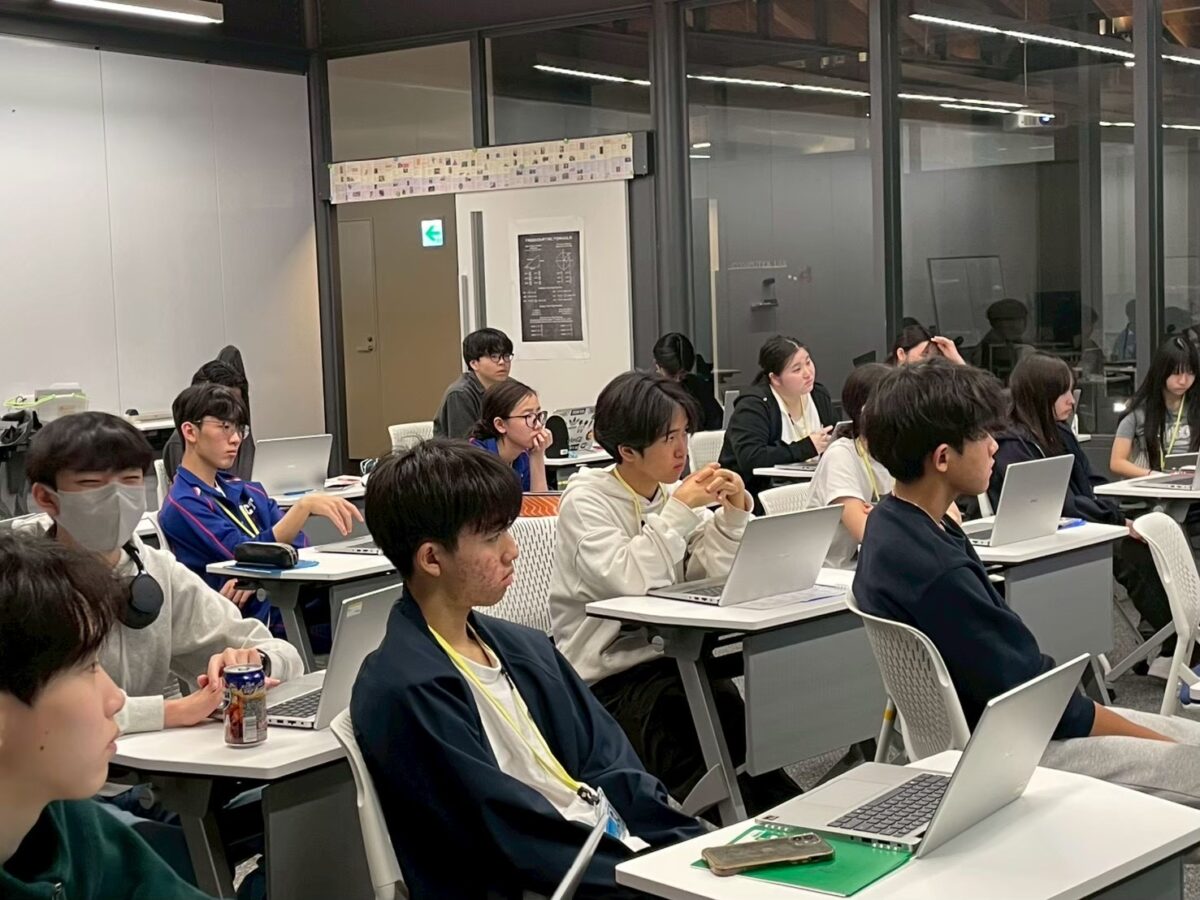
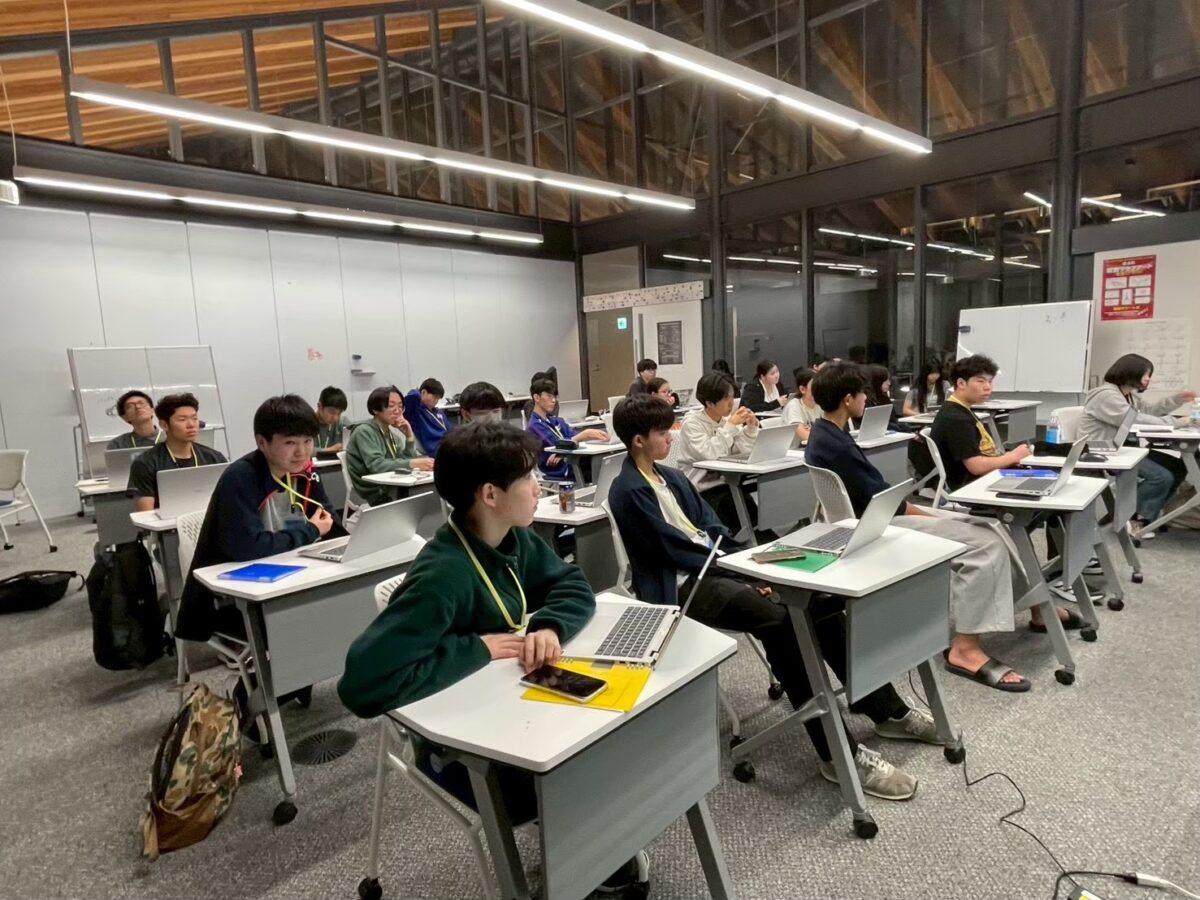
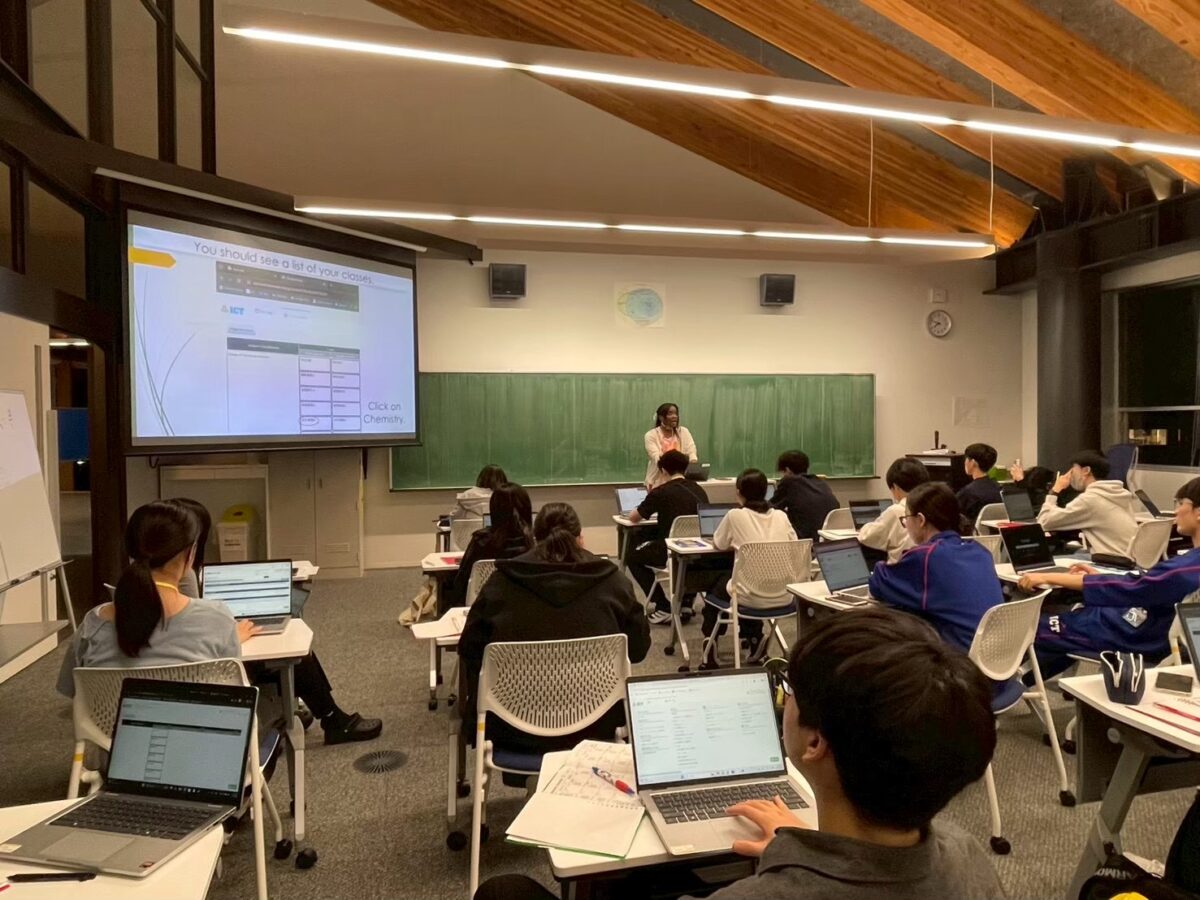
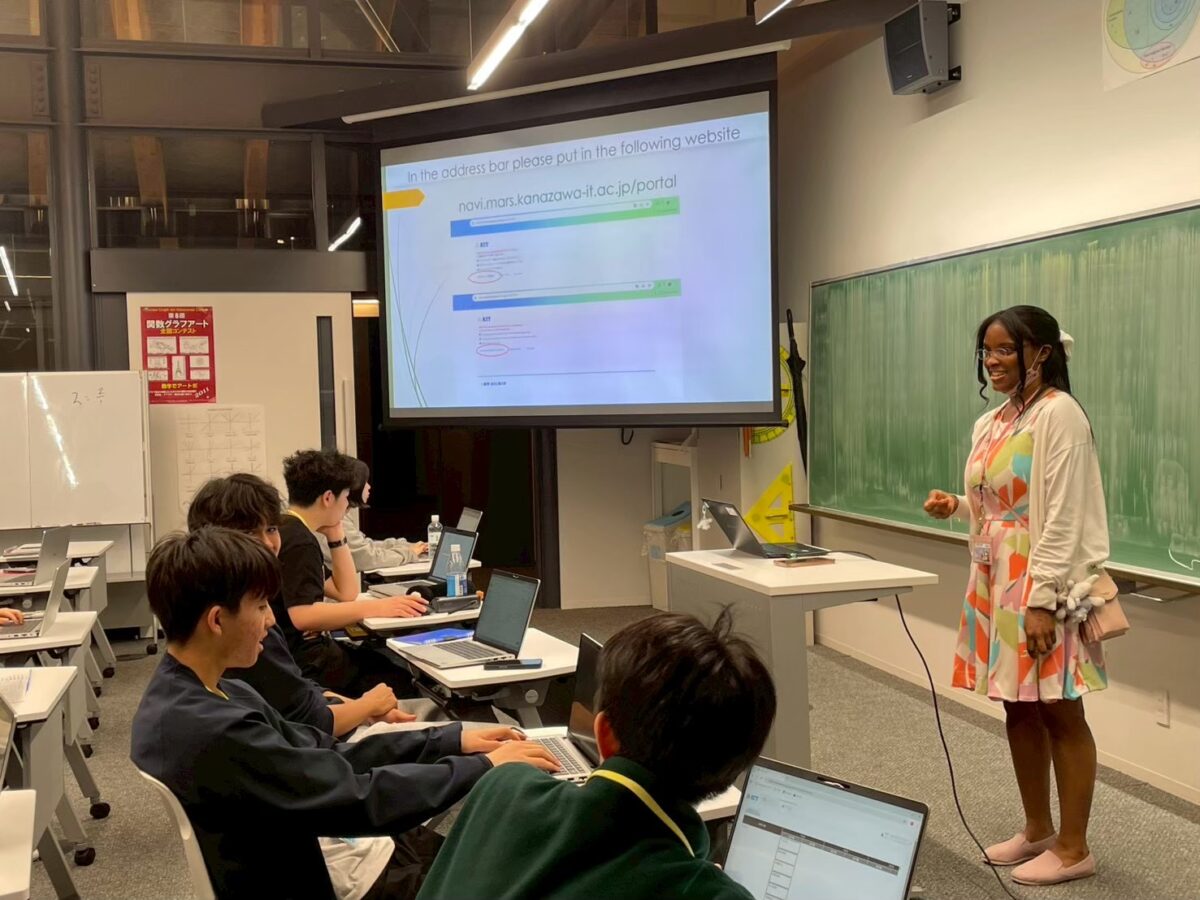
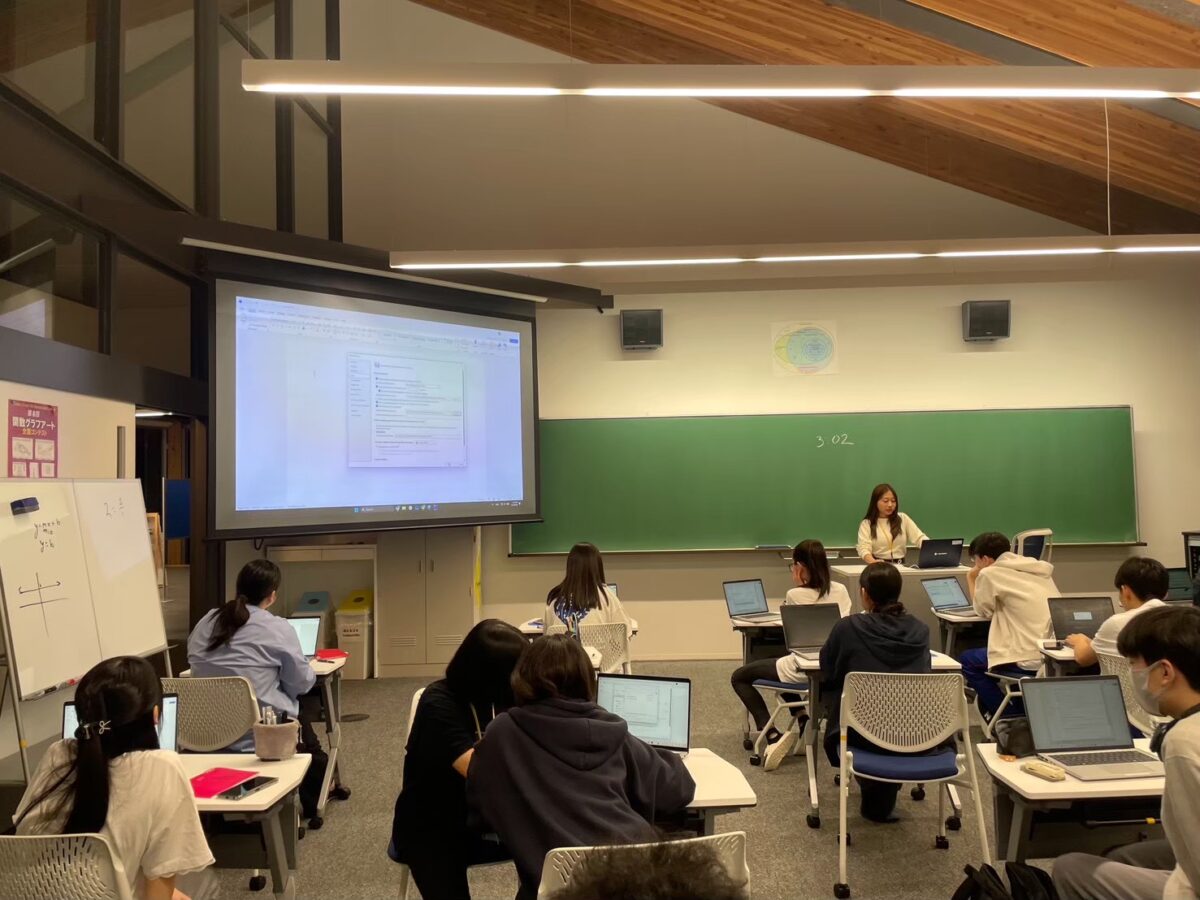
初日は、eSyllabusの紹介と、それを定期的に確認する重要性について説明しました。eSyllabusは、授業のカリキュラムや教材、課題を確認するための主要なシステムであるため、その使い方を理解することは非常に重要です。はじめのうちは、システムを操作する学生たちの中に戸惑いが見られ、慎重に試行錯誤している様子がうかがえました。しかし、時間が経つにつれて徐々に操作に慣れ、困ったときには質問をするなど、積極的な姿勢も見られるようになりました。セッションの終わりには、多くの学生が安心してeSyllabusを利用できるようになっていました。
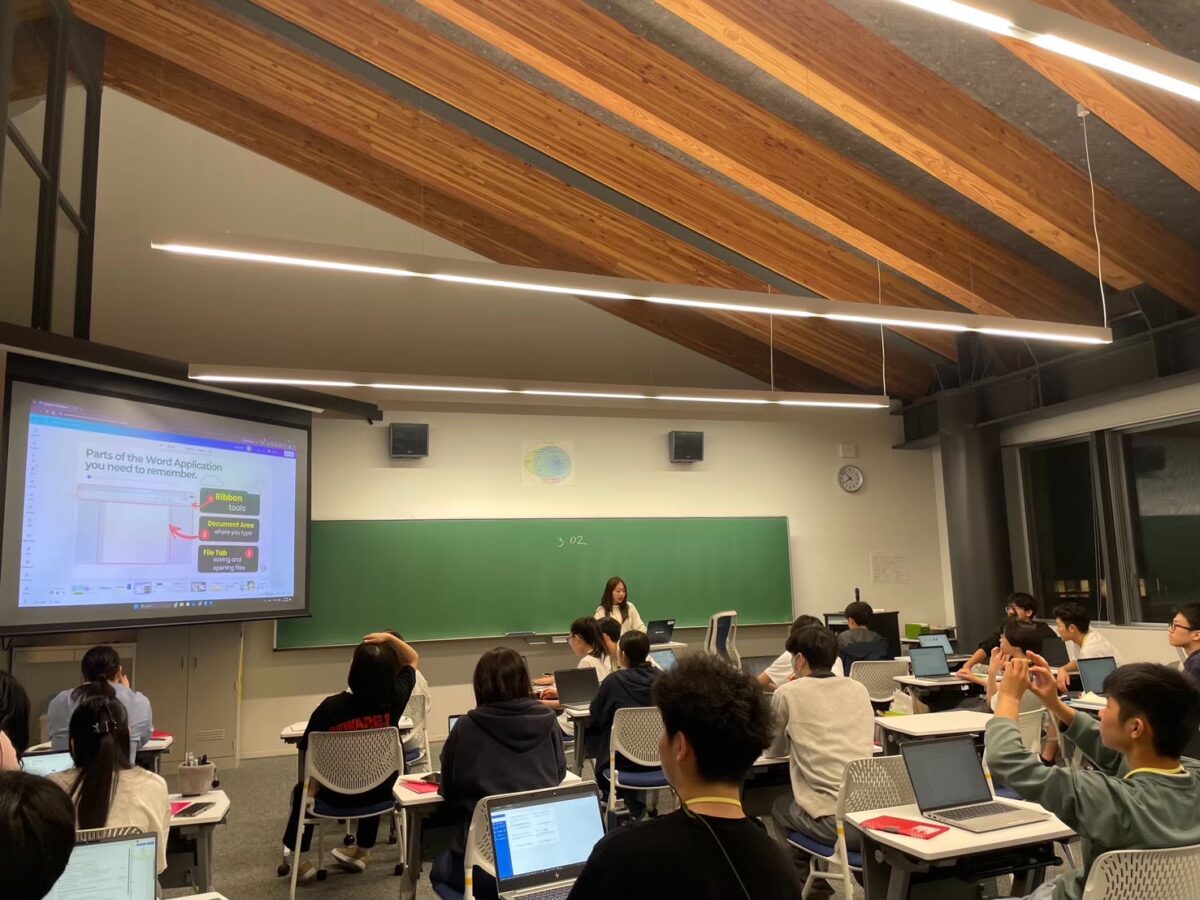
2日目:Microsoft Wordワークショップ
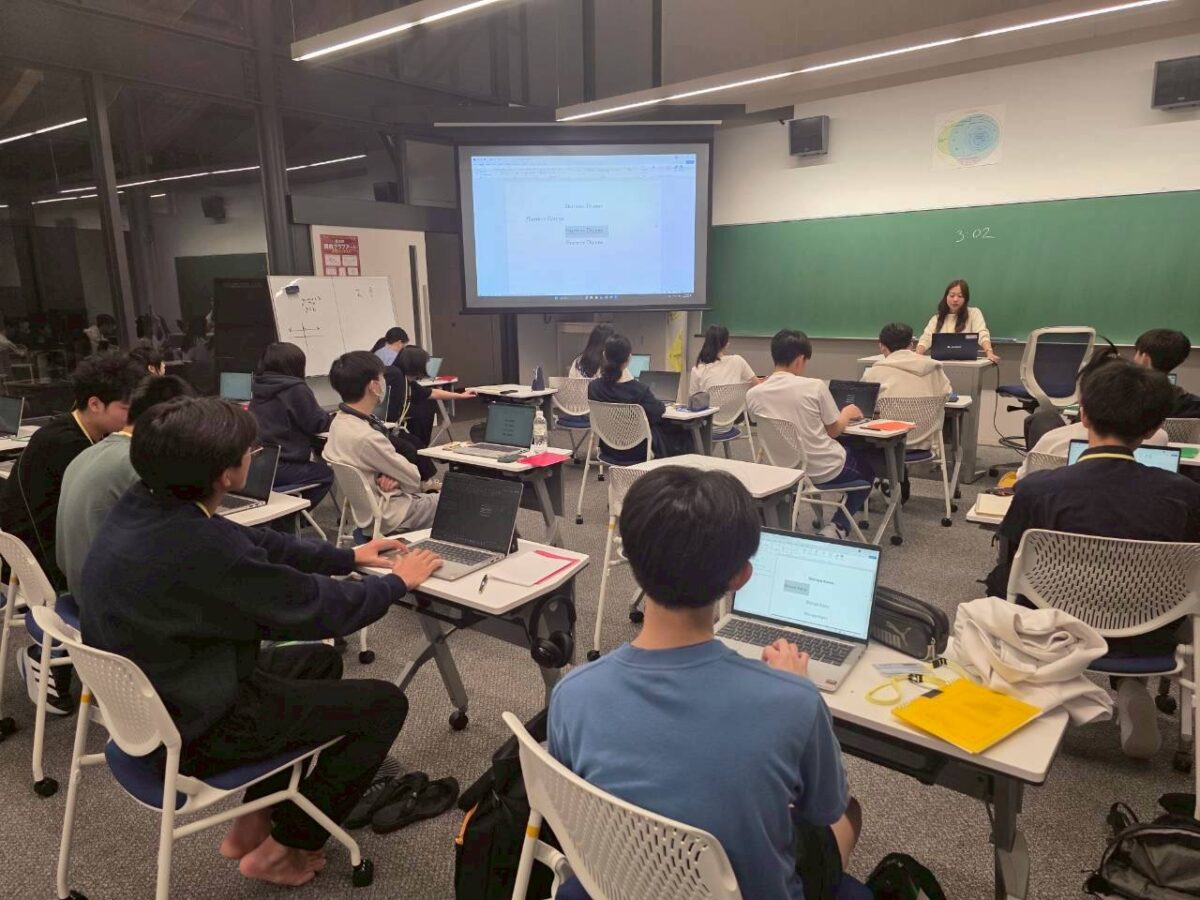
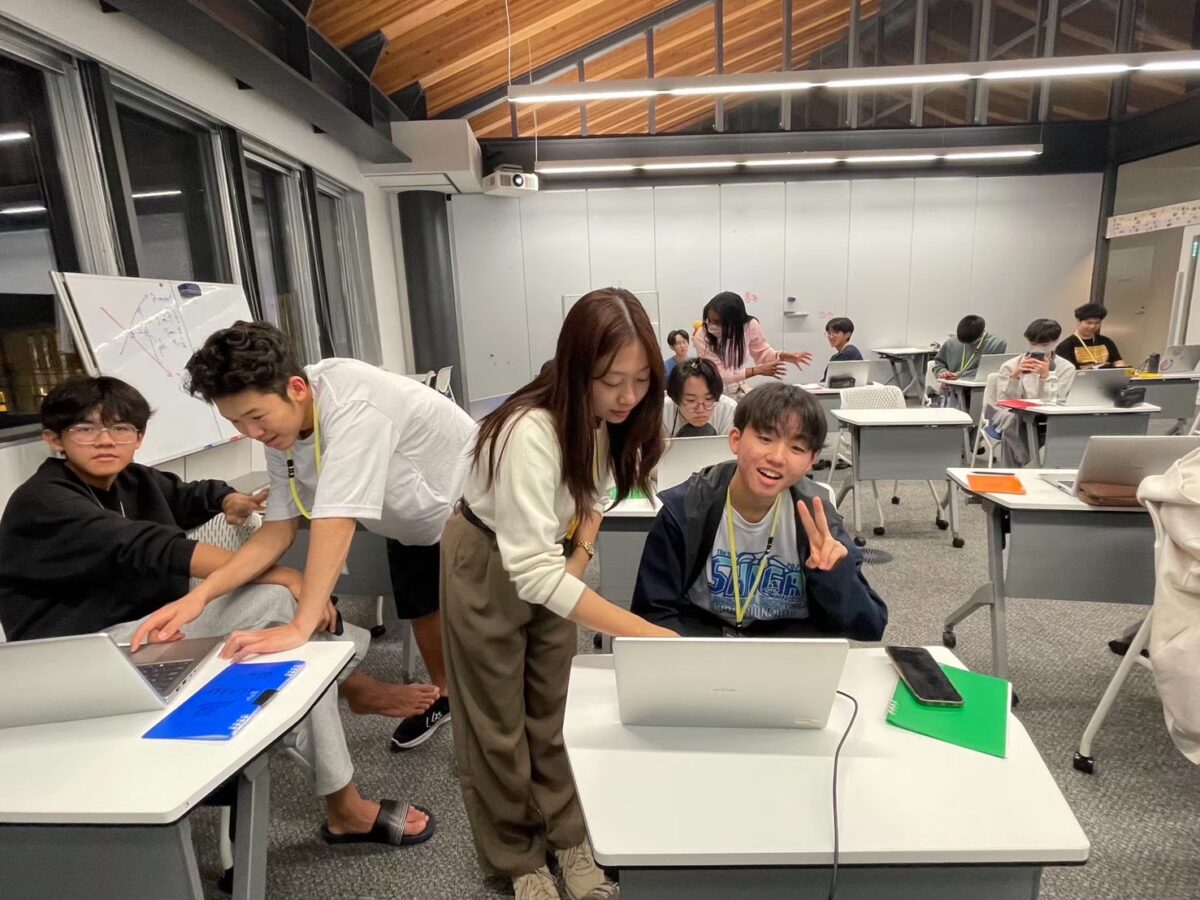
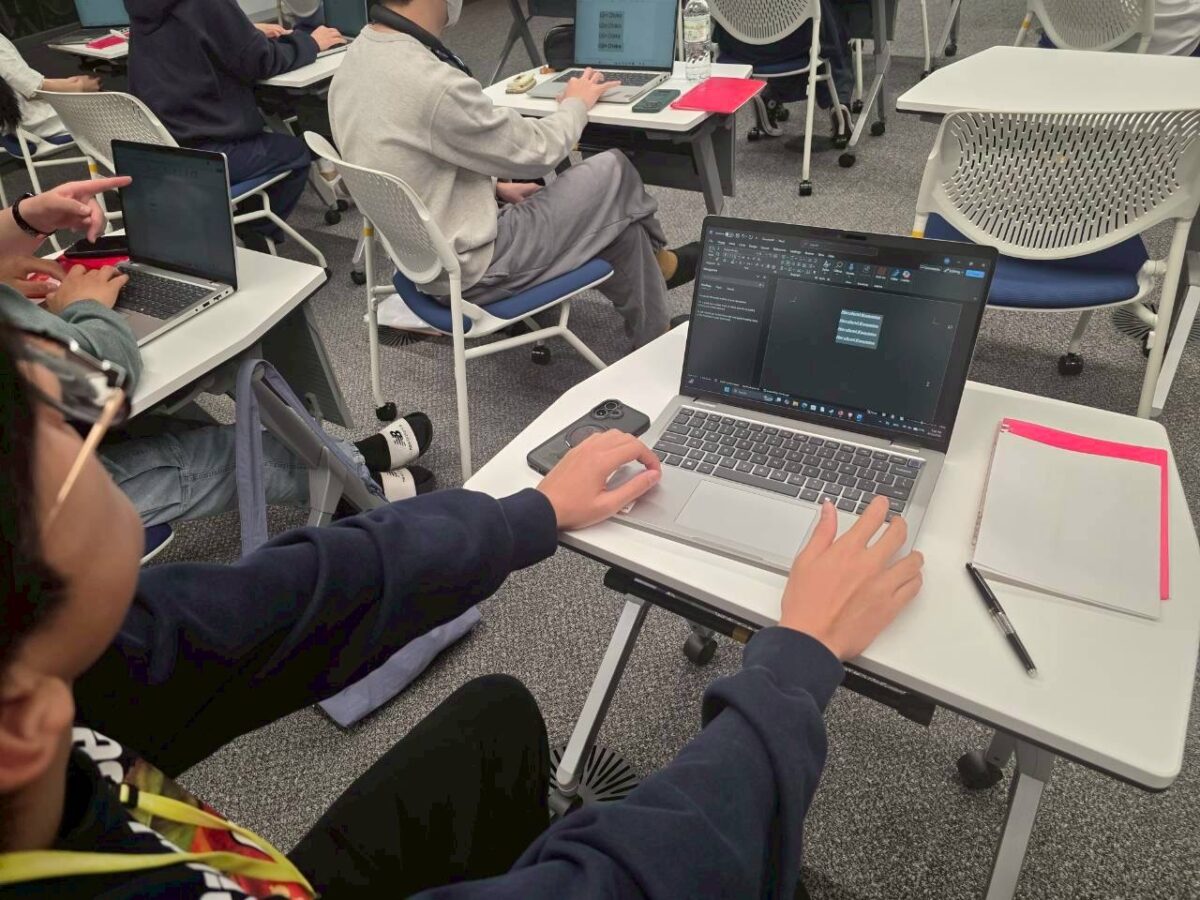
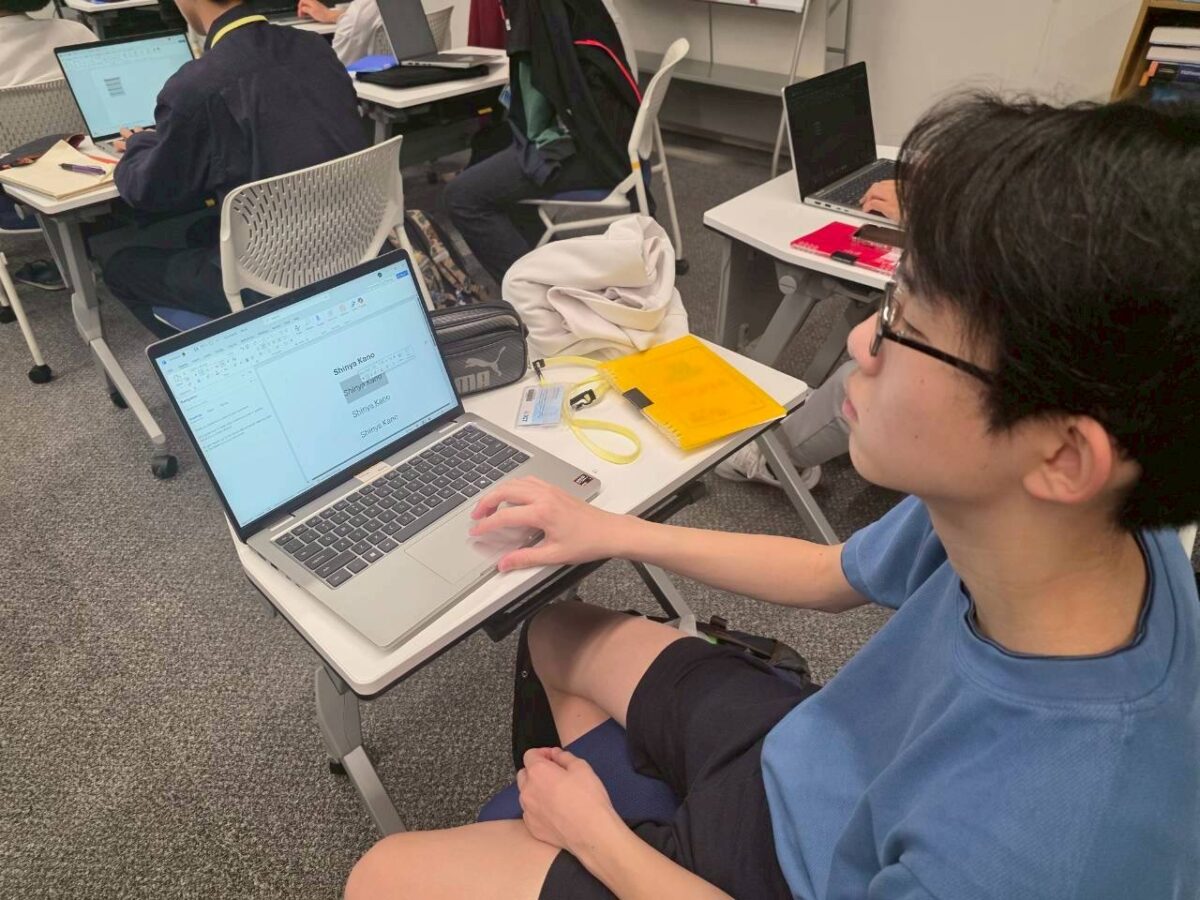
2日目は、Microsoft Wordを用いた文書作成の基礎に焦点を当てました。具体的には、書式設定、ショートカットキーの活用、ファイルの適切な保存方法などについて扱いました。ICTの学生にとって、レポートや振り返りを書く機会が多いため、これらのスキルは非常に重要です。その後、学んだ内容を活用して自己紹介文書を作成しました。内容を丁寧に整える学生もいれば、フォントやデザインを試しながら工夫する学生もおり、それぞれの個性が表れていて、見ていて楽しかったです。
3日目:メールワークショップ
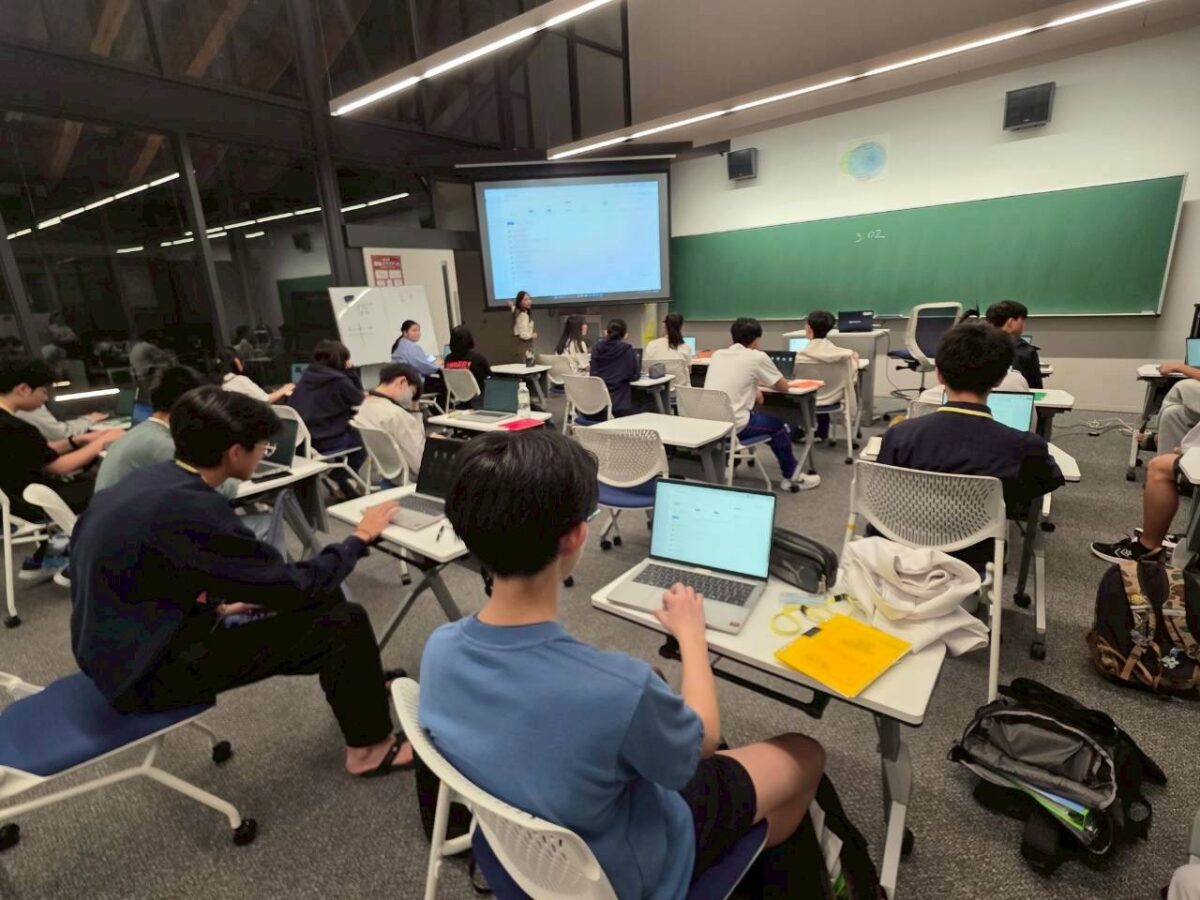
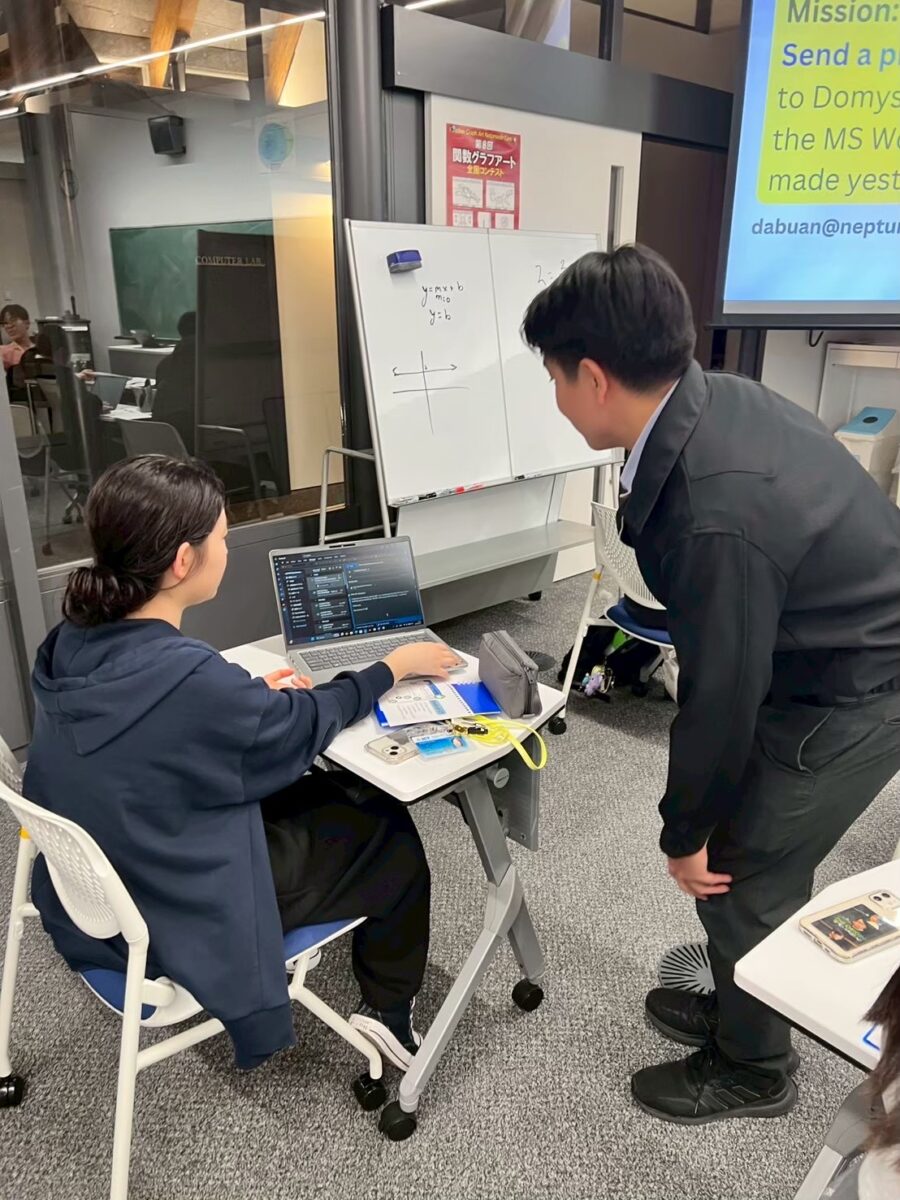
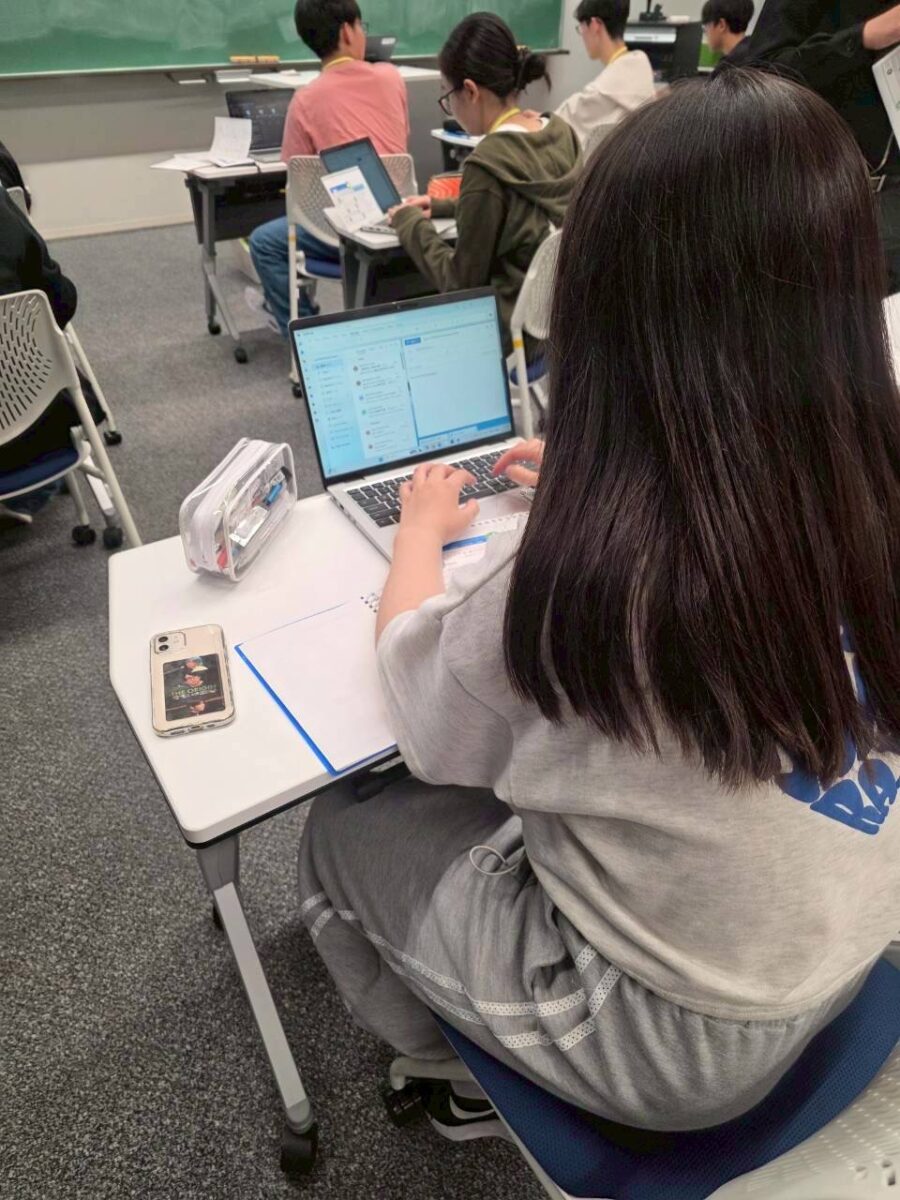
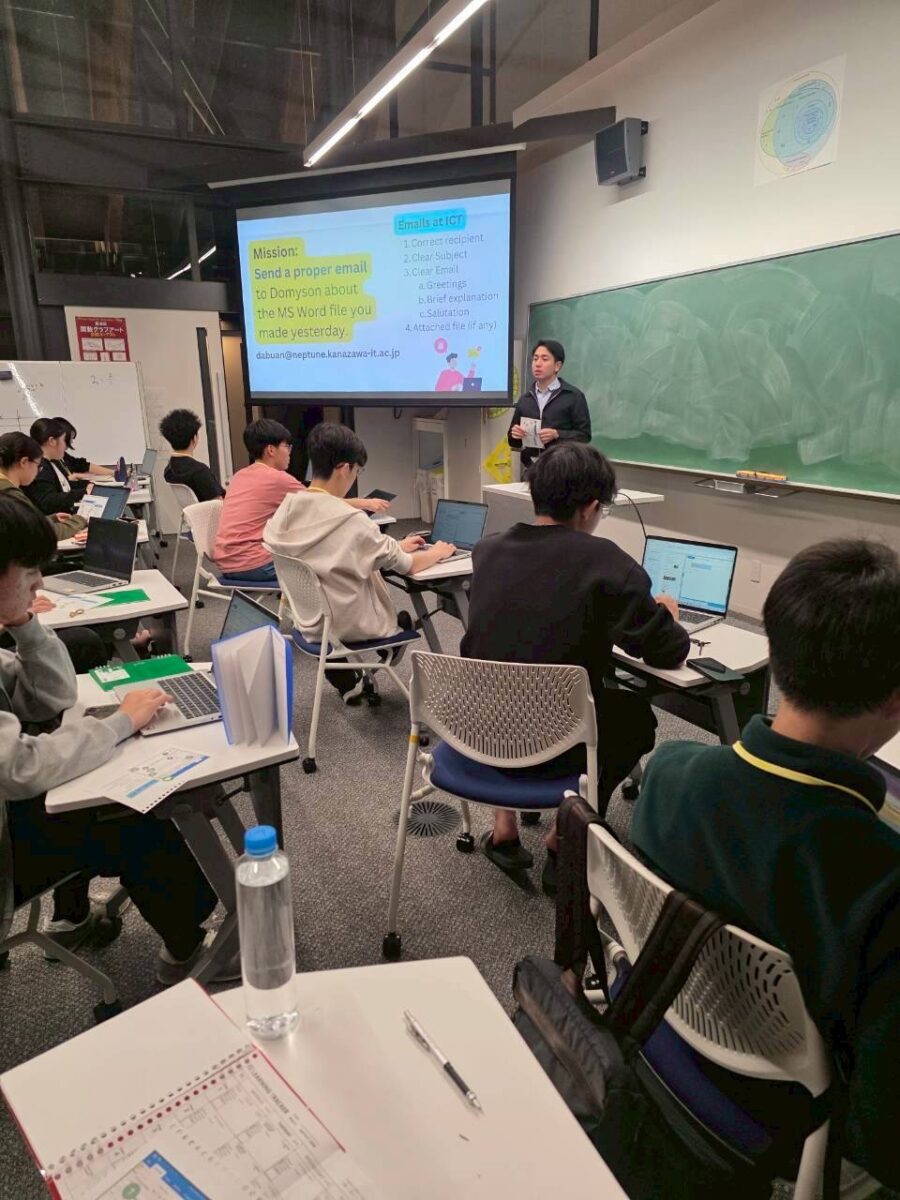
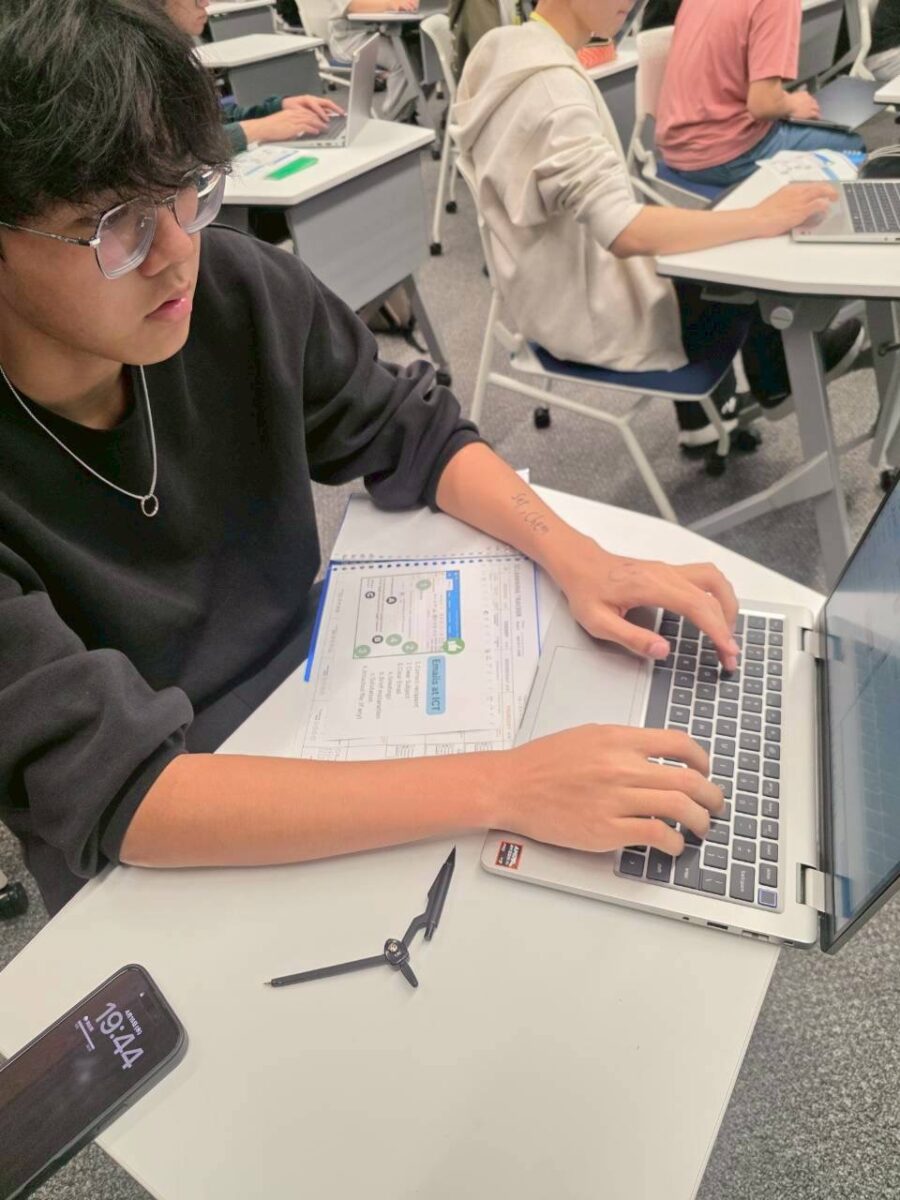
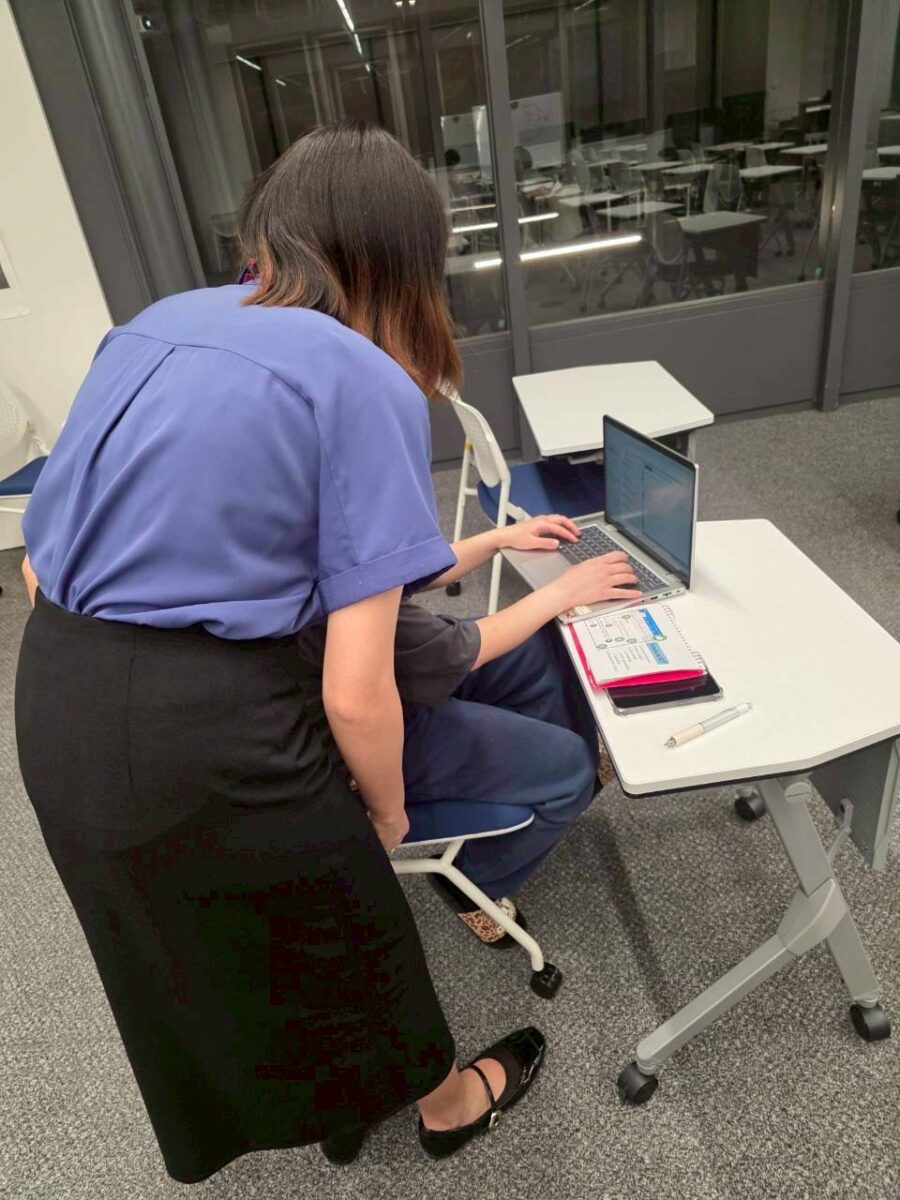
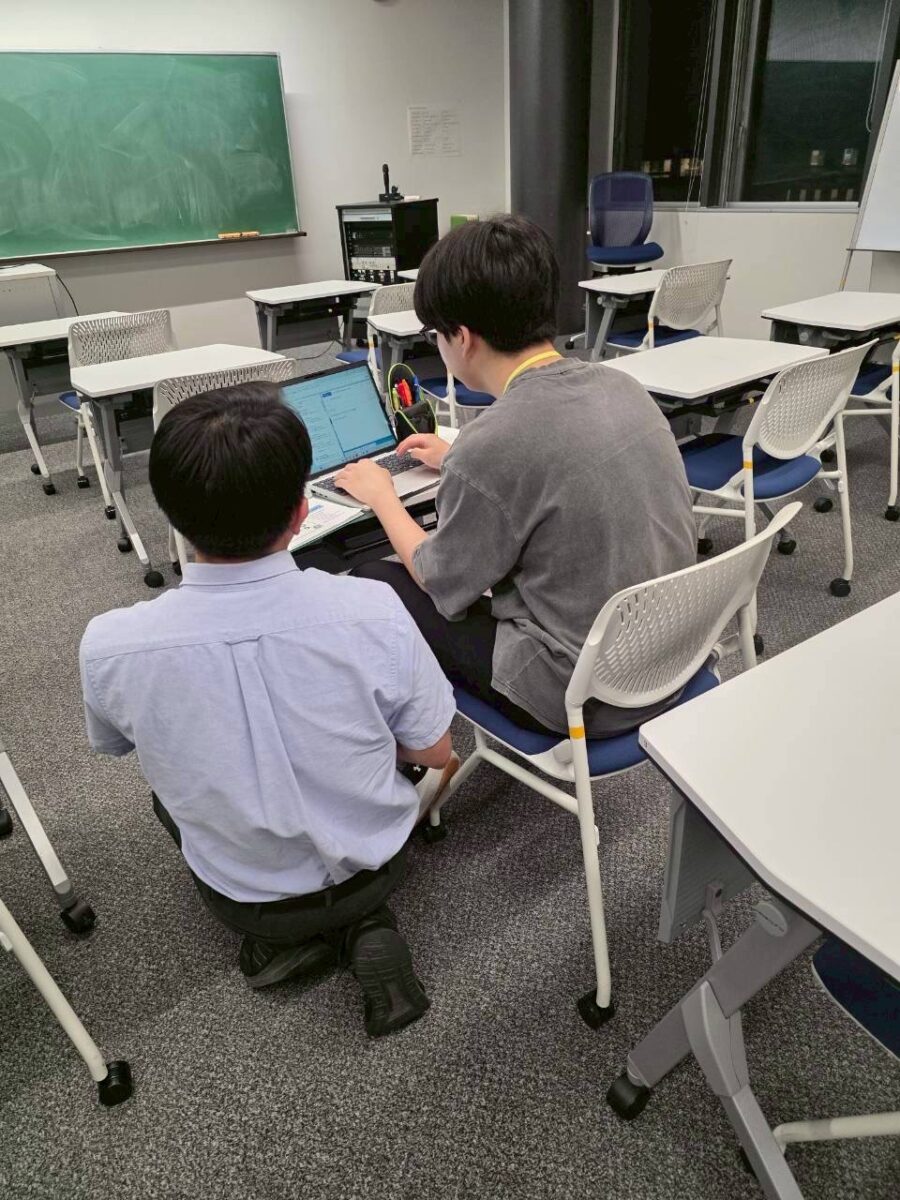
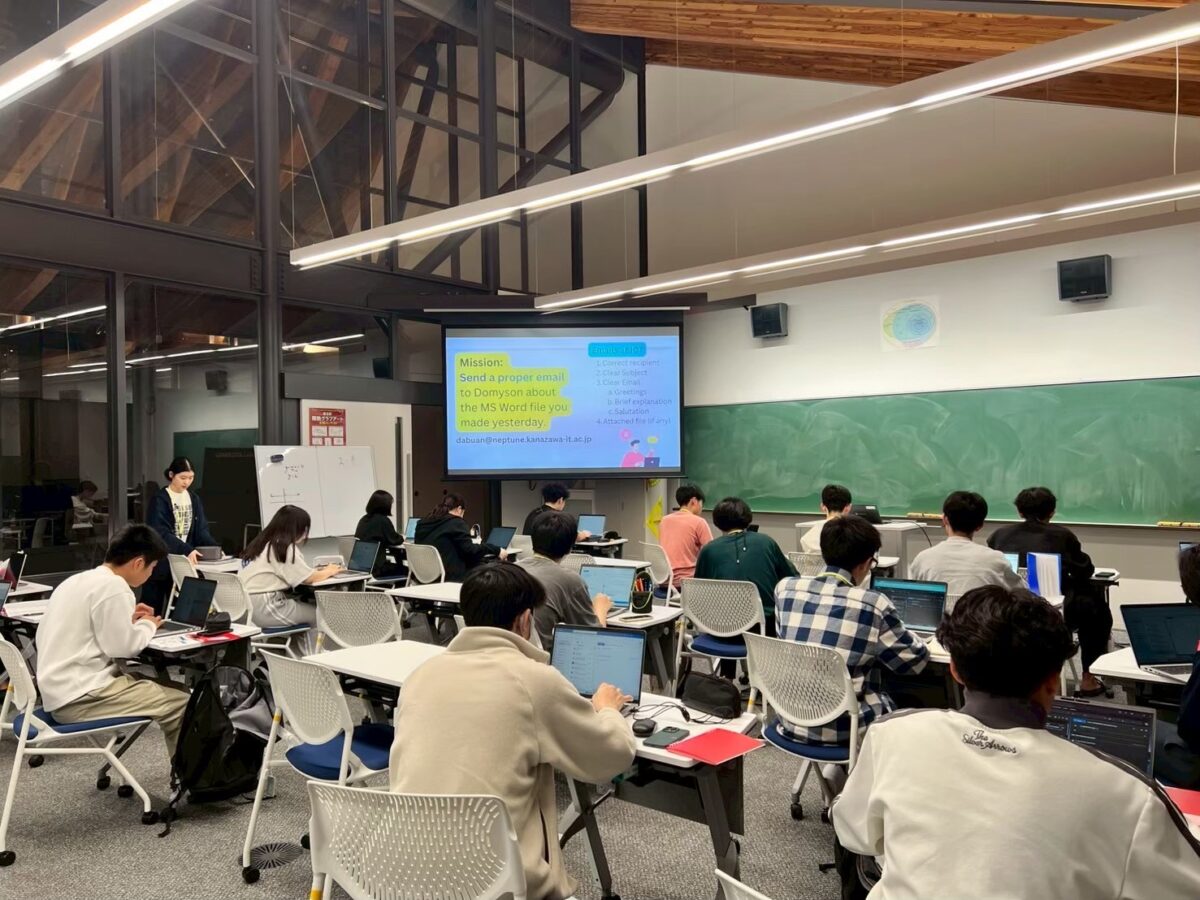
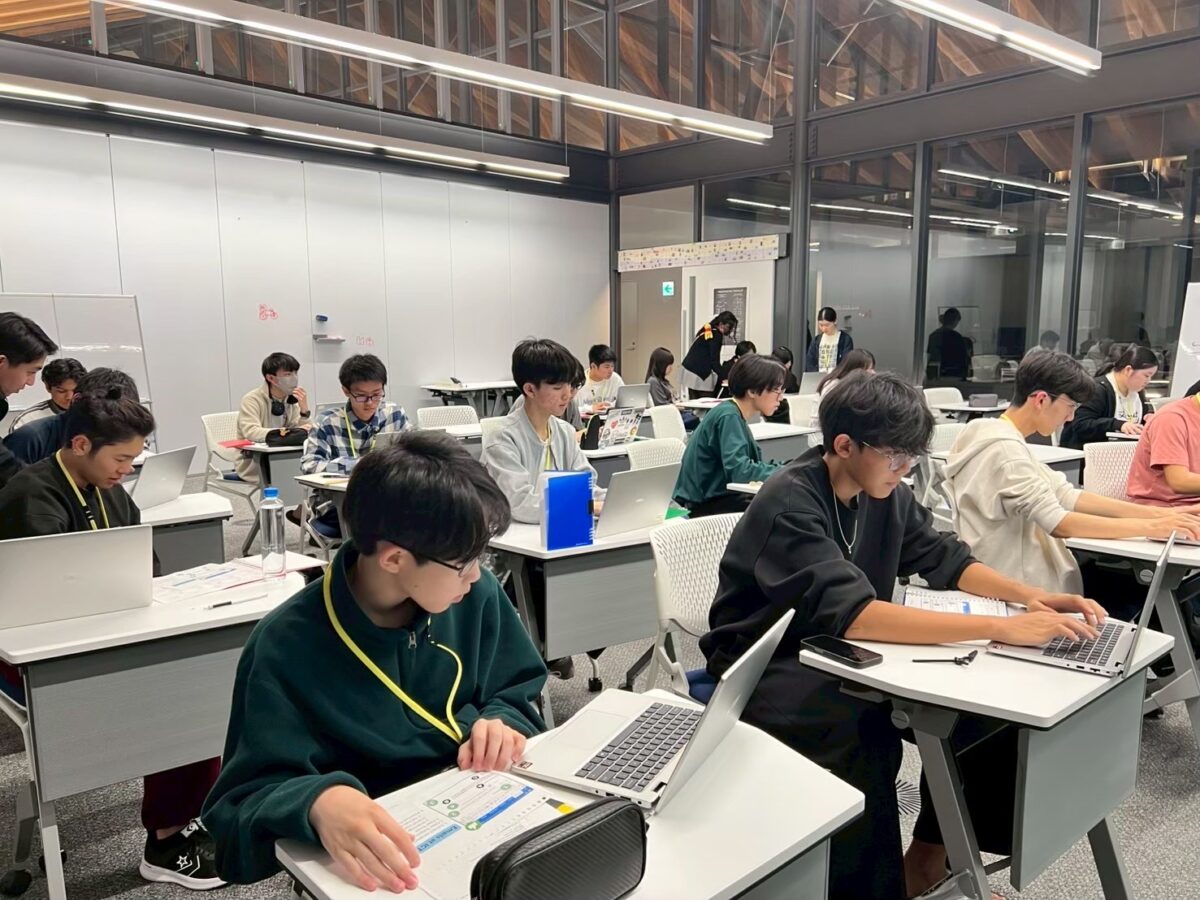
3日目は、適切なメールの書き方と送信方法を学びました。件名の付け方、挨拶、丁寧な表現、ファイルの添付方法、宛先の確認などについて扱いました。学生たちは短いメールの作成を実践し、前日のワークショップで作成した自己紹介文書を添付する課題にも取り組みました。多くの学生が送信前に何度も文章を見直しており、慎重に取り組む姿勢が見られました。これらのスキルは、ICTでの学習だけでなく、将来の職業生活においても大いに役立つものです。
4日目:復習
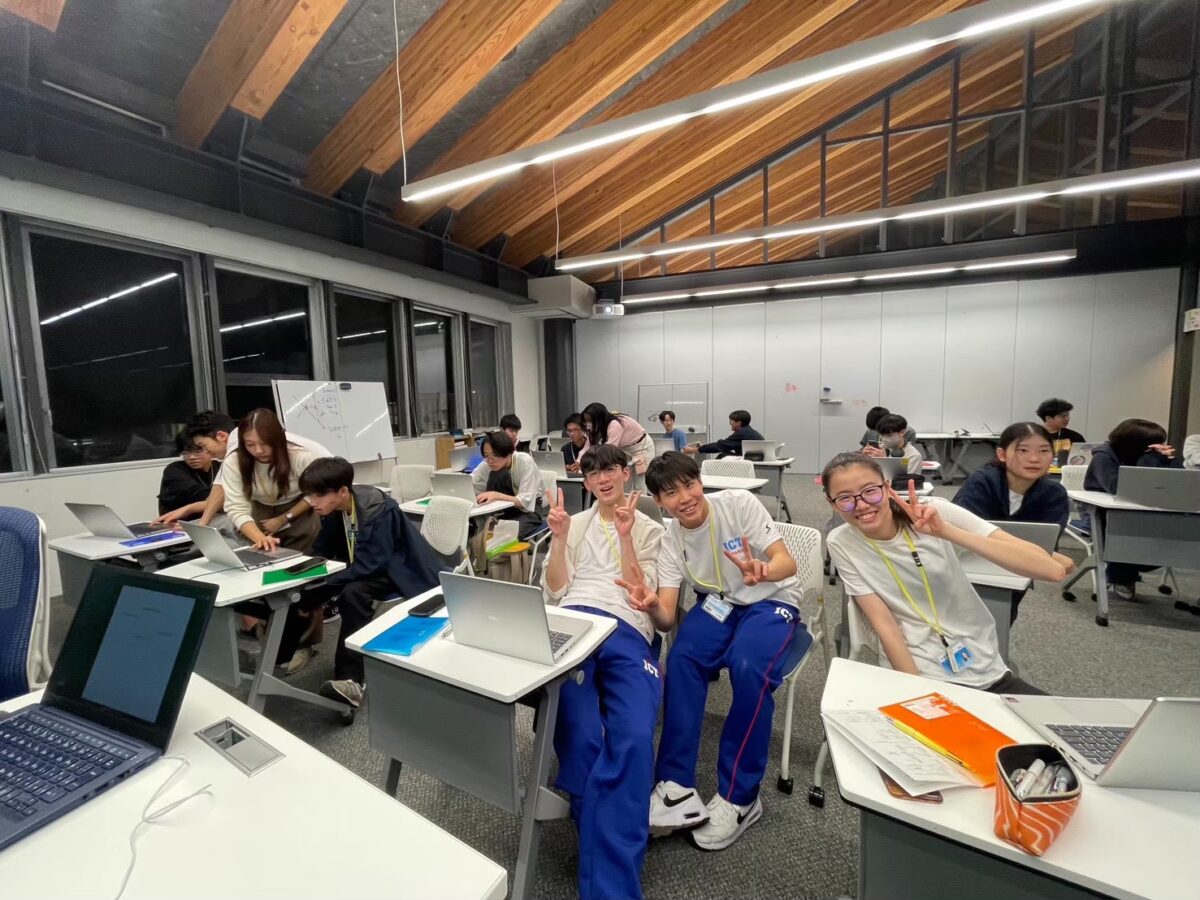
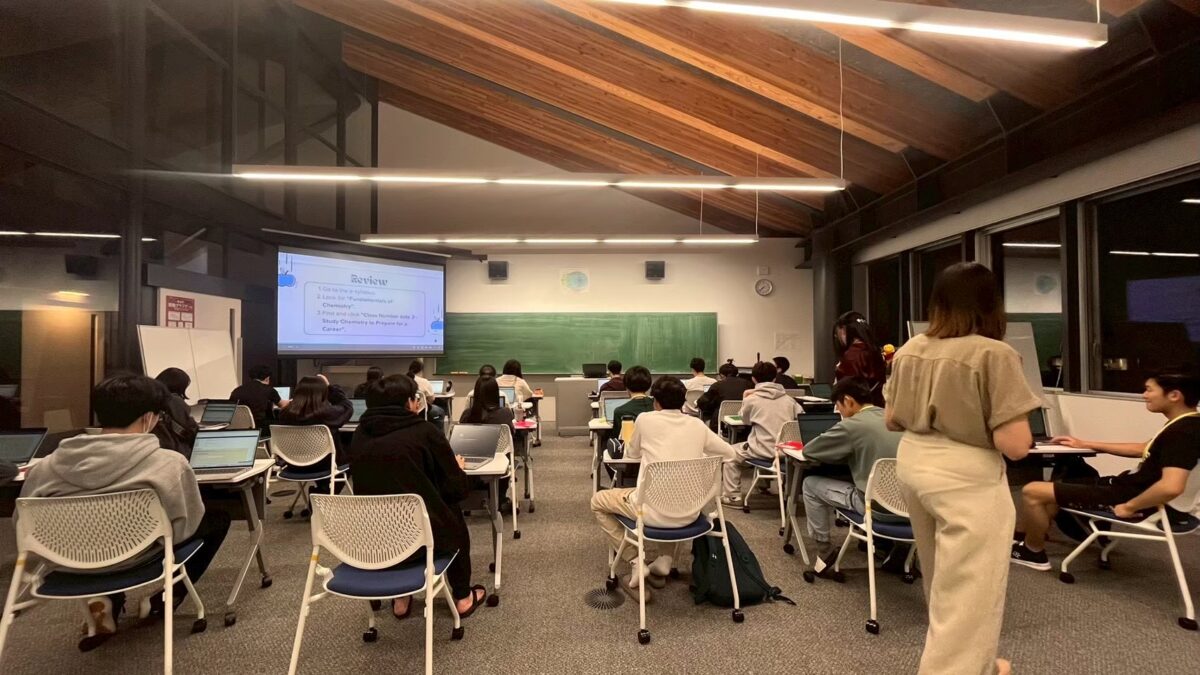
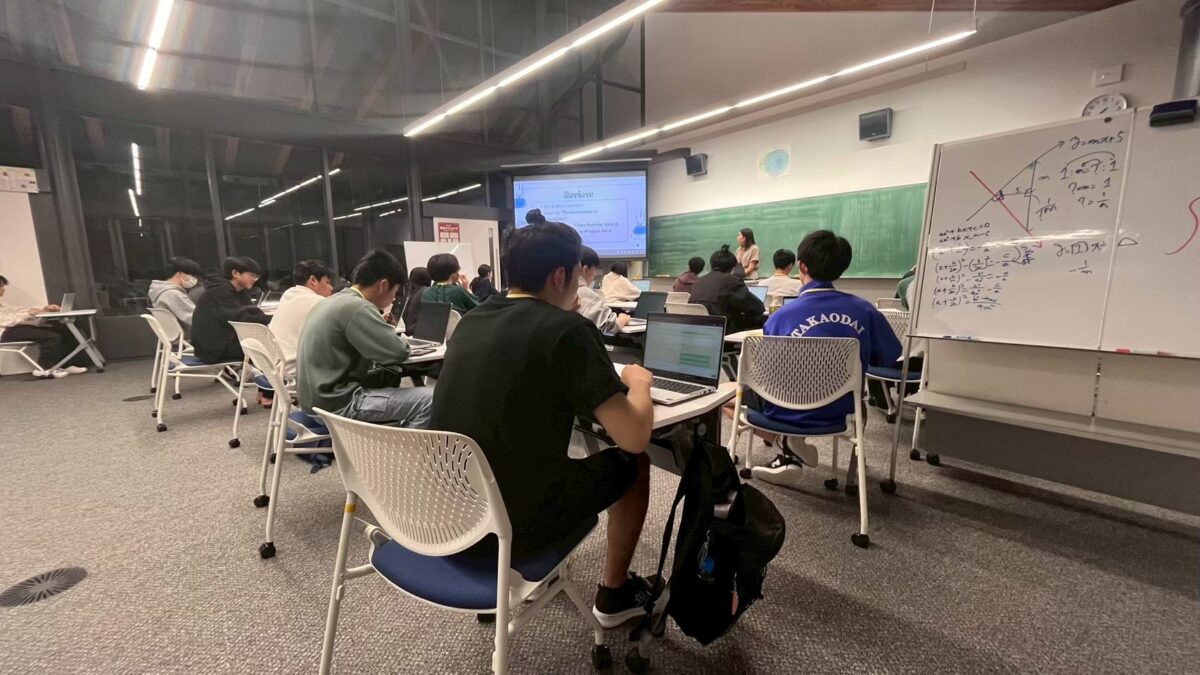
最終日は、これまでに学んだ内容の復習を行いました。eSyllabusの確認、Wordの使い方、メールの送信といったスキルを改めて確認しました。初日と比較すると、教室の雰囲気には明らかな変化が見られました。学生たちはよりリラックスし、自信を持って取り組んでいる様子が印象的でした。その変化は小さなものではありましたが、確かに感じ取ることができるものでした。
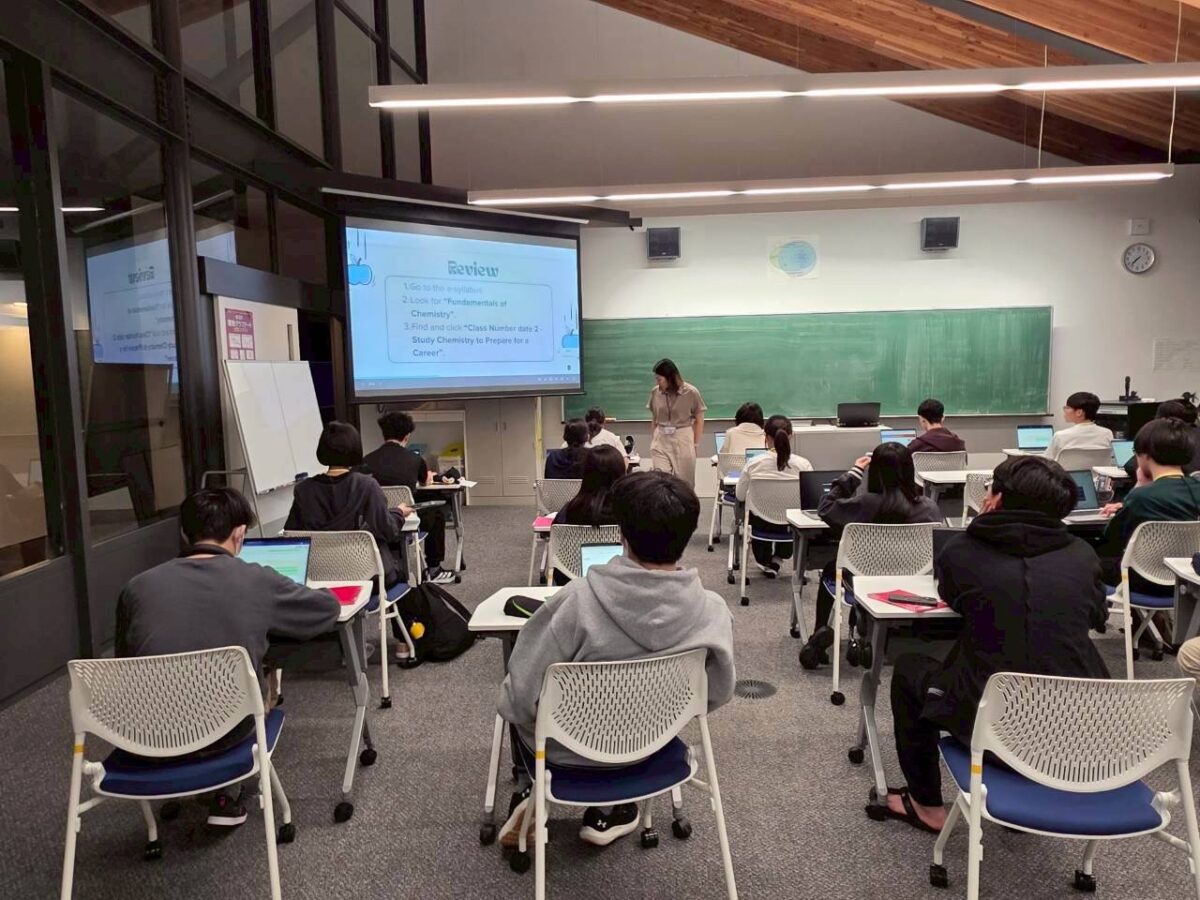
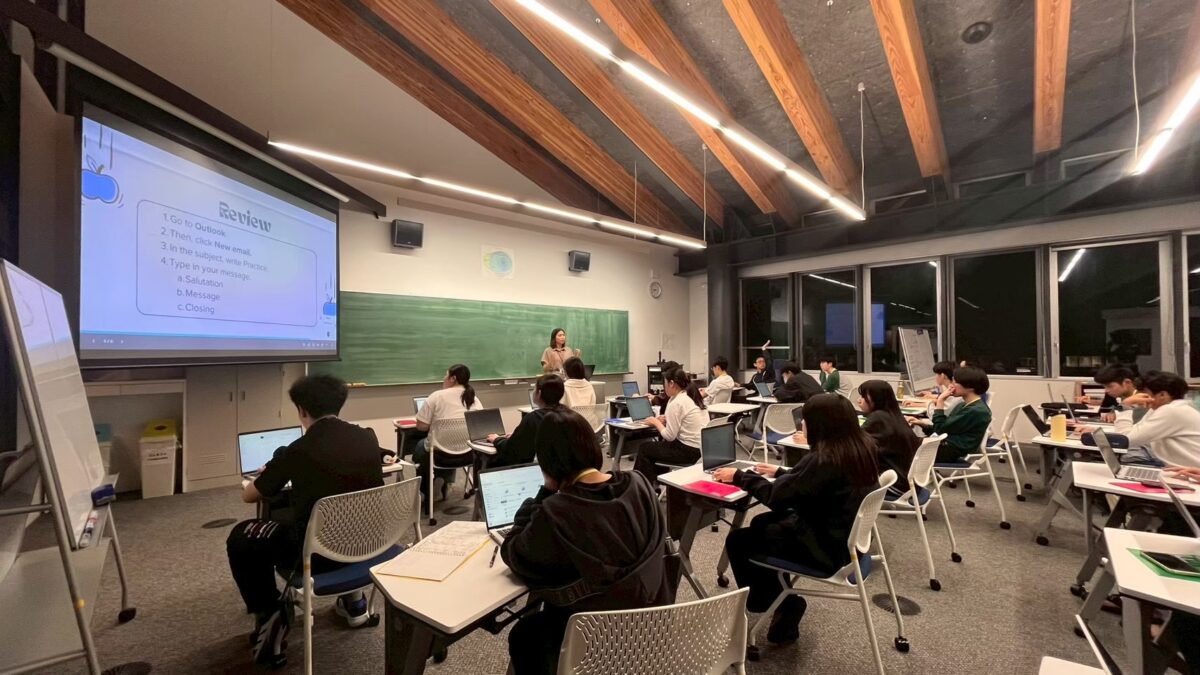
今回のワークショップはシンプルな内容でしたが、基礎的なスキルの重要性を改めて実感する機会となりました。eSyllabusを確認することや、分かりやすく丁寧なメールを送ることは一見小さなことに思えますが、新しい環境に適応するうえで大きな助けとなります。特別なことを成し遂げることだけが重要なのではなく、日常の一つひとつの行動に自信を持てることこそが大切なのだと感じました。
シャルミー・アブアン
Hello again! I’m Sharmee Abuan, one of the Learning Mentors at ICT Hakusanroku Campus. It’s been just over a month since the school year began. In my last entry, I shared about the workshops we handled throughout the previous year. This time, I’d like to share about something we did on a smaller scale but is just as important: the mini workshops we held for our new students about a week into the academic year.
Before classes officially started, the Learning Mentors got together to think about how we could help incoming students settle in more smoothly. Adjusting to a new school can already feel overwhelming, so we decided to focus on practical skills. These are the things students would actually use every day at ICT.
The mini workshops ran for four days, with each session lasting about 15 to 20 minutes during the first part of our Learning Sessions from April 13th to 16th, 2026.
Day 1 – eSyllabus Workshop
We started by introducing the eSyllabus and explaining why it’s important to check it regularly. It is very important that they understand how to use the eSyllabus because it is the main system students use to view their class curriculum, content, and tasks. At first, some students seemed unsure as they navigated the system on their own. You could tell they were carefully trying to figure things out. Before long, though, they began clicking around more confidently and asking questions when they got stuck. By the end of the session, it was clear they felt more comfortable using it.
Day 2 –Microsoft Word Workshop
As ICT students write reports and reflections in their classes, this session focused on the basics of creating documents such as formatting, using shortcuts, and saving files properly using Microsoft Word. Students then created a short self-introduction document using what they had learned. Some went straight into organizing everything neatly, while others immediately started experimenting with different fonts. It was actually fun to see their personalities come through as they use the program.
Day 3 – E-mail Workshop
Day three was all about writing and sending e-mails properly with subject lines, greetings, polite wording, attaching files, and making sure messages go to the right person. Students practiced writing short e-mails on their own, and many of them reread their messages several times before hitting the send button. They were also asked to use the output they made in the previous workshop as an attachment to their e-mail. Mastering how e-mails work will be very useful not only in their ICT life but also in their professional journey.
Day 4 – Review
The final day was mostly a review: checking the eSyllabus, using Word, and sending e-mails again. Compared to day one, the atmosphere felt noticeably different. The room was more relaxed, and students seemed more confident. It was a small change, but an easy one to notice.
The workshops themselves were simple, but going through them was a good reminder of how much these “small” things matter. Checking the eSyllabus or sending a clear e-mail may seem minor, but they can make a big difference in how smoothly someone adjusts to a new environment. Sometimes, it’s not about doing something big but about feeling capable in the everyday moments.
Sharmee Abuan