




FY 2026
2026年度の記事

こんにちは。国際高専の白山麓キャンパスで英語を教えているジェームス・テイラーです。今回、夏休みに行われたイベントについてお話したいと思います。
2026年8月18日(火)、白峰で子供向けのイングリッシュカフェを開催しました。このイベントは、尾口コミュニティセンターと白峰コミュニティセンターが共同で実施している交流行事で、今年は白峰小学校から7人(全校生の半分以上です!)とかわちこども園から1人が参加し、彼らの保護者や弟・妹達も見学者として参加してくれました。
今年も8月はとても暑かったのですが、幸い白峰コミュニティセンターのスタッフの方が参加者全員のためにアイスを持ってきてくれました!まずアイスクリームを食べながら、僕が3冊の英語の絵本を読みました。1冊目は「Leo the Late Bloomer」(作:ロバート・クラウス)です。この本は、他の子たちより成長が遅いライオンのレオ君のお話しで、みんな成長するペースが違うので心配はいらないというメッセージが込められています。2冊目は「The Smartest Giant in Town」(作:ジュリア・ドナルドソン)です。新しく買ったオシャレな服を、困っている友達にあげる巨人のお話です。そして3冊目は「They All Saw a Cat」(作:ブレンダン・ウェンゼル)です。同じ1匹の猫でも、生き物によって見え方が違うというお話です。これらの絵本には、子どもたちだけでなく大人にとっても大切なメッセージが込められています。
次は体を動かすゲームの時間です。子供たちは、椅子取りゲーム(音楽が流れている間は円形に並べられた椅子の周りを歩いたり踊ったりして、音楽が止まったら座るゲーム)をしました。椅子の数は毎回子どもの人数より1つ足りないため、毎回誰か1人がアウトになります。子どもたちは、楽しすぎてこのゲームを3回もしました!
最後に少し特別なルールのあるビンゴゲームをしました。それは、子どもたちがゲームをする前に自分のビンゴカードを作らなければいけないというルールです。子どもたちは、3冊目の絵本「They All Saw a Cat」に出てきた動物の英語名を学んでから、僕が言った動物の絵をビンゴカードの好きなところに描きました。そして、カードを完成させた後でビンゴゲームを楽しみました!コミュニティセンターのスタッフの方々が、参加した子どもたち全員のために景品とイベント後に持って帰るプレゼントまで準備してくださいました。
今年も白峰の子どもたちと一緒に楽しい時間を過ごせました。準備や運営に尽力してくださった尾口コミュニティセンターと白峰コミュニティセンターのスタッフの皆さんのおかげで、とてもいいイベントになりました。心より感謝いたします。
ジェームス・テイラー
Hello everyone. I’m James Taylor, one of the English teachers at ICT Hakusanroku Campus. In this journal, I’d like to tell you about an event I held during the summer holiday.
On Tuesday, August 18th, 2026, I went to Shiramine to lead an English Café event for local children, organised by the Oguchi and Shiramine Community Centres. This year, we had seven children from Shiramine Primary School (that’s more than half of the school population!) and one child from Kawachi Nursery, along with some parents and young siblings of participants who watched.
August was very hot this year, but luckily the Shiramine Community Centre staff had brought ice creams for everyone, so we started by eating them while I read a few stories: “Leo the Late Bloomer” by Robert Kraus, about a lion who learns much more slowly than everyone else, but since everyone learns at their own pace, it doesn’t matter; “The Smartest Giant in Town” by Julia Donaldson, which is about a giant who buys new clothes but then gives them away to help his friends; and “They All Saw a Cat” by Brendan Wenzel, which shows how different creatures view the same cat. Each of these books has an important message for children (and adults).
Next, it was time to move around, so we played musical chairs: the children walked or danced around a circle of chairs while the music played and had to sit down when the music stopped. There was always one chair too few, so someone was always eliminated. The children enjoyed it enough to play three times!
Finally, we played bingo, but with a slight twist: the children had to make their own bingo cards before we could play! We used the animals from “They All Saw a Cat”, learnt the names in English, and then the children filled in the spaces on their bingo cards by drawing each animal that I said. After that, we could play! The Community Centre staff prepared prizes for everyone, along with extra presents to take home at the end.
As always, it was fun to spend time with the children in Shiramine, and I’m grateful to the staff of the Oguchi and Shiramine Community Centres for their hard work organising everything.
James Taylor
-

Scenic Views of New Zealandニュージーランドの風光
-

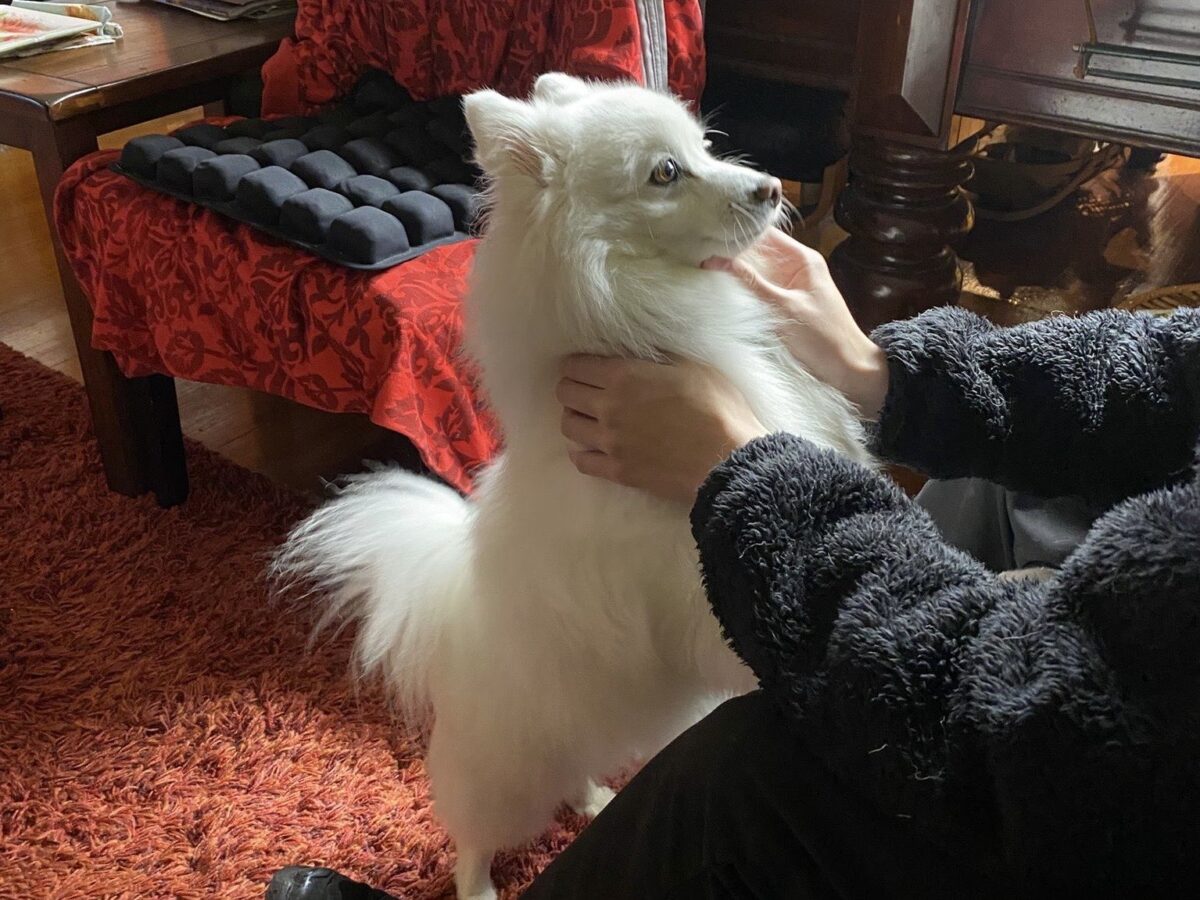
Playing with my Host Family‘s Dogホームステイの犬と戯れる筆者

 こんにちは田中 駿太郎です。私は今、絶賛ニュージーランド留学中の17歳3年生で、そろそろ18歳になるといったところでございます。そんな人生の変化が大きい時期にニュージーランドで生活しているわけですから、学ぶこともたくさんあります。もうすぐ5か月になりますが、いろんなことを学びましたし、いろんなことが変わってきました。全部を自覚しているわけではないけれど、明確に変わったなということは多々ありました。
そこで今回は一つ、「これだな」と思った考え方を伝えられたらなと思います。題して「留学だからこそ学べた言語力」です。もう先に結論です。「数字で表せない英語力をつけられるのは留学だけ」。留学では、数字では表せない英語力を学べますよ。そういったお話になります。
この考えに至るまでにはいろいろありまして、具体的なストーリーがあったわけではないのですが、一つ挙げるとするならば体調不良の時です。8月。NZは冬真っただ中。ちょっとした不注意で風邪をひいてしまったのです。その時にホストマザーに自分の体調を伝えないといけない。頭が痛くて、鼻水が出て、関節が痛いみたいなことを伝えるのが本当に大変でした。もちろん症状を指す単語を知らなかった、というのが大きいのですが、それ以上に壁になったのが言い換えです。
英語学習にはパラフレーズというテクニックがあります。簡単に言うと、英文を知っている易しい単語で言い換えるという技術です。これが私は本当に苦手でして、うまく伝わらなかったわけです。「日本語の文をそのまま英語にしたい」「ニュアンスを維持したまま英語にしたい」と思ってしまうのです。それはなぜか。物の唯一性という持論を考えてしまうからです。
皆さんが知らないものを見たとき、自分の知っているものに例えるじゃないですか。例えば、「カエルは鶏肉みたいな味がする」みたいなことを聞いたことはありませんか。でも、カエルは絶対にカエルの味じゃないですか。鶏肉なわけないじゃないですか。カエルも鶏も普段から食べる人にとっては、鶏肉は鶏肉だし、カエル肉はカエル肉なのです。
それと同じで、と言うとなんかちょっと違う気もしますが、言語も翻訳するとき、自分の言語にあるものに持ってくるわけです。Telephone=電話というのは当たり前ですが、そもそも電話は欧米で開発され、ギリシャ語の「tele(遠く)」と「phone(声)」という言葉をもじってTelephoneという言葉が生まれました。それを日本に持ってくるとき、「どう表現しようか」となり、電気を使って遠くの人と話す機械というものの要点を取って、「電話」という言葉ができたわけです。海外で telephone と言うと、やや古い固定電話を連想されることがありますが、日本で「電話」と言えば、まずスマートフォンを思い浮かべるでしょう。
このように、英語のものを直接日本語にしたものですらニュアンスに齟齬があるのですから、これが慣用句とかになるとなおのことです。つまりは、英語のコレ=日本語のコレという単純な対応ができないわけです。だからニュアンスを維持しようとすると、ある言語で作られた意味・認識・感情を分解して、別の言語の体系の中で近い形に再構成するという作業になるわけです。これはもう、言語のプロにしかできないんじゃないですか。そんなの無理でしょう、と私は思ってしまうのですよ。だからパラフレーズを苦手に感じてしまうのです。
結局はこう言えば多分伝わるだろうと妥協してしまう。それでも心のどこかでは、日本語のニュアンスをできるだけ失わずに英語に持っていきたいと考えてしまうわけです。これは英語力というより、言葉そのものをどう扱うかという感覚です。単純に日本語や英語だけの話ではなく、タイ語や中国語、アラビア語など、それぞれの文化的背景によっても変わってきます。さらに突き詰めると、同じ言語でも、その人がどこで暮らして、何を見て、誰と話してきたかによって、言葉から受け取るものは変わってくるのですよ。
他の例えを出しますと、mateという言葉。イギリス英語ではよく使われますし、アメリカ英語ならbroのような言葉があります。「友達」や「親友」のような意味ですが、親友でなくても軽い感じで使える、すごくふわっとした言葉です。そして、そのmateに対する印象も人によって違います。自分が「mate」だと思っている人が、すごく賑やかな人で、お酒を飲んで「Yo, yo, mate!」みたいな人だったら、mateに対して賑やかで溌剌とした印象を持つかもしれません。でも、自分にとってのmateは、静かに腹を割って価値観について話し合えたりする相手かもしれない。だから、人によっても意味が変わります。辞書的な意味は同じでも、その言葉から受ける距離感は人によって変わります。
つまり、言語は単純な単語と文法の集合ではないのです。言語を学ぶということは、突き詰めれば、その人の文化や環境、そしてその人自身を学ぶということなのです。その相手自身が何を見て感じて、今そこに立っているかを学ぶっていうことなのです。これが留学してからずっと伝えたかったことです。
留学中だと日本語についてもいろいろ見つめ直すことがあります。日本語でも、この人はこういう環境で、周りにこういう人がいて、そういう人たちと話してきたから、ちょっと言葉が強いかな、みたいな。それと一緒なんです。伝わる、伝わらないではなく、受け取り方や感じ方の話です。そういうことは本当に留学や渡航でしか感じられないと思います。だから単純に英語を勉強するために海外へ行くのではなく、自分が当たり前だと思っている感覚から一度外に出ることで、自分の立ち位置や、言葉と環境の関係を実感できます。私は、そういう俯瞰した視点を得ることができました。
というわけで、最初に言った「数字で表せない英語力をつけられるのは留学だけ」というのは、相手の受け取り方や、その人の言語、文化、環境、そしてその人自身のことを考え始めたときに得られる、もう一段階上の、数字じゃ測れない英語力。履歴書には載らないけれども、自分の中には絶対に価値のある力。そういう力を身につけられるのは、留学した者の特権なのではないか、という話でした。
長々とお付き合いいただき、ありがとうございました。これから留学する人や、留学に興味のある人に伝われば幸いです。
田中 駿太郎でした。
-
Scenic Views of New Zealandニュージーランドの風光
-
Playing with my Host Family‘s Dogホームステイの犬と戯れる筆者
Hello, I am Shuntaro Tanaka. I am 17 years old, a 3rd-year student currently studying in New Zealand, and I will be turning 18 soon. Living in New Zealand during this period of my life, when I am experiencing some of the biggest changes, means there are so many things to learn.
About five months have passed, and I have learned many things and changed in various ways. I might not be fully aware of all those changes, but there are definitely many moments when I clearly feel, “I have changed.” So, this time, I want to share one key idea with you. The title is “Language Skills I Could Only Learn Through Studying Abroad.” Let me give you the conclusion first: “The only way to gain English skills that cannot be measured by numbers is through studying abroad.” Studying abroad allows you to develop English skills that cannot be reflected in test scores or numerical results. That is what I would like to talk about today.
Before reaching this conclusion, many things happened. It wasn't one specific event, but if I were to pick one, it was when I got sick. It was August, the middle of winter in New Zealand. I caught a cold because I was a little careless. At that time, I had to tell my host mother about my health condition. It was really hard to explain symptoms like having a headache, a runny nose, or joint pain.
Of course, a big reason was that I didn't know the specific words for those symptoms. But an even bigger challenge was "paraphrasing" (saying things in a different way).
When learning English, there is a technique called paraphrasing. Simply put, it is a skill to rephrase sentences using easy words you already know. I was really bad at this, so I couldn't express myself well. I tended to think, "I want to change Japanese sentences directly into English while keeping the exact same nuance."
Why do I feel this way? It's because I think about my own theory: "the uniqueness of things." When people see something they don't know, they compare it to something they already know, right? For example, have you ever heard people say, "Frog tastes like chicken"? But a frog tastes like a frog, doesn't it? It cannot be chicken. For people who usually eat both chicken and frog, chicken is chicken, and frog meat is frog meat. It might be a little different, but language is similar. When we translate, we bring a word into something that matches our own language.
"Telephone = Denwa (電話)" is obvious now. But originally, the telephone was developed in Western countries, and the word "telephone" comes from the Greek words tele ("far") and phone ("voice" or "sound"). When this concept came to Japan, people thought hard about what to call it. They took the main point—"a machine that uses electricity to talk with people far away"—and created the Japanese word "denwa" (電話), which literally combines the ideas of electricity and communication. When you say "Telephone" overseas, people might strongly picture an older landline phone. But when you say "Denwa" in Japan, most people think of a smartphone. Even with a direct translation of an object like "Telephone," there is a slight gap in nuance. So, when it comes to idioms, the gap becomes even bigger.
In other words, you cannot simply match English and Japanese one-to-one. So, if you try to keep the exact nuance, you have to break down the meaning, recognition, and emotion created in one language, and rebuild them in a similar shape within the structure of another language. I end up thinking, "Isn't that something only language experts can do?" That is why I am not very good at paraphrasing.
In the end, I compromise by thinking, "If I say it this way, it will probably get across." But somewhere in my heart, I still want to translate it into English without losing the Japanese nuance as much as possible. This is not just about English ability; it is a sense of how to deal with language itself.
This isn't just about Japanese and English. It changes depending on the cultural background of Thai, Chinese, Arabic, and so on. Taking it further, even in the same language, what people receive from words changes depending on where they lived, what they saw, and who they talked with.
Let me give you another example: the word "mate." It is often used in British English, and in American English, there is a word like "bro." It means "friend" or "best friend," but it is a very broad term that you can use casually even if the person is not your best friend. Also, the impression of the word "mate" differs from person to person. If someone you consider a "mate" is a very energetic person who drinks and says, "Yo, yo, mate!", you might have a bright and energetic image of the word "mate." But for you, a "mate" might be someone with whom you can quietly open your heart and talk about values. Therefore, the feeling associated with the word changes from person to person. Even if the dictionary definition is the same, the sense of distance changes.
In short, language is not just a simple collection of words and grammar. In the end, learning a language means learning about a person's culture, environment, and identity, what they saw, felt, and how they came to stand where they are now. This is what I have wanted to say ever since I started studying abroad.
While studying abroad, there are also many times when I look back at the Japanese language. Even in Japanese, I might think, "This person grew up in this environment with these people around them, so their words sound a bit strong." It is the same thing. It is not just about whether you can communicate or not, but about how people receive words and feelings.
I believe you can truly feel these things only by traveling or studying abroad. Therefore, you shouldn't go overseas simply to study English. By stepping outside of the senses you take for granted, you can feel your own position and the relationship between language and environment.
I was able to gain this broader perspective. So, as I said at the beginning, "You can only gain English skills that cannot be measured by numbers through studying abroad." When you start thinking about how another person receives your words, their language, culture, environment, and the person themselves, you reach a higher level of English ability that cannot be measured by numbers. It won't show up on a resume, but it is definitely a valuable strength that stays with you. Gaining this ability may be one of the special privileges of studying abroad.
Thank you very much for reading this long essay. I hope this message reaches people who are going to study abroad or are interested in studying abroad.
Shuntaro Tanaka
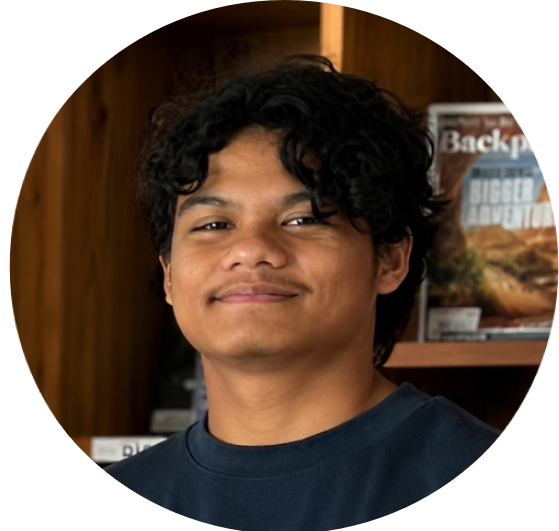
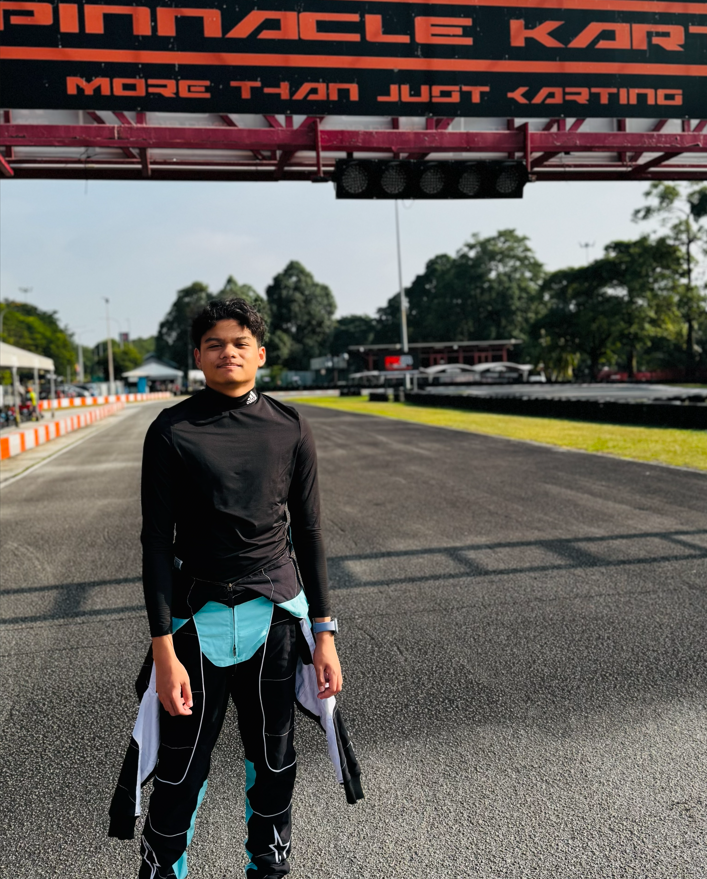
こんにちは。私はマレーシア出身の1年生アディ・ロヒザムです。夏休み中の2026年8月8日、人生で初めてゴーカートレース大会に参加する機会を得ました。
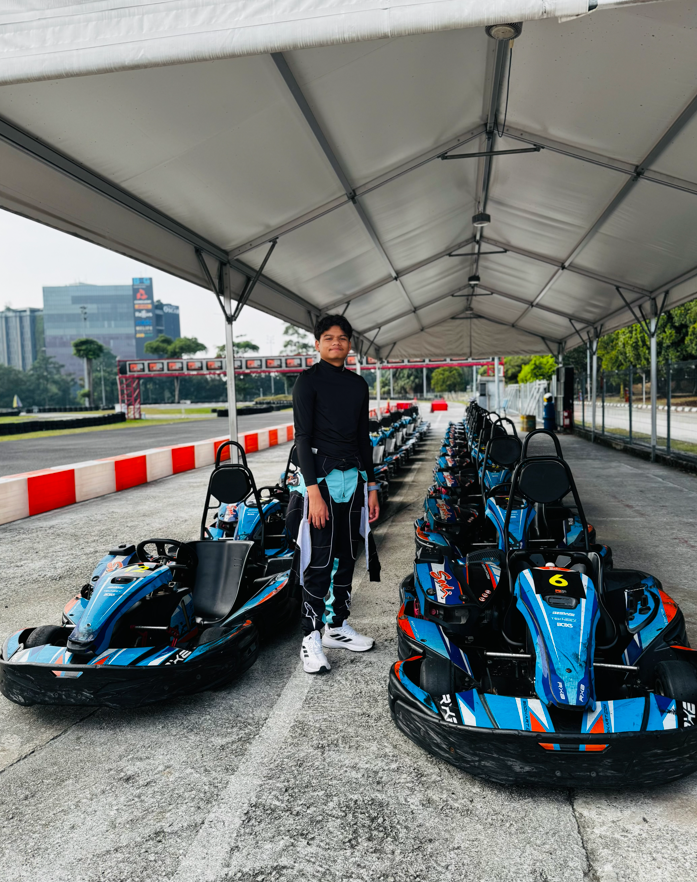
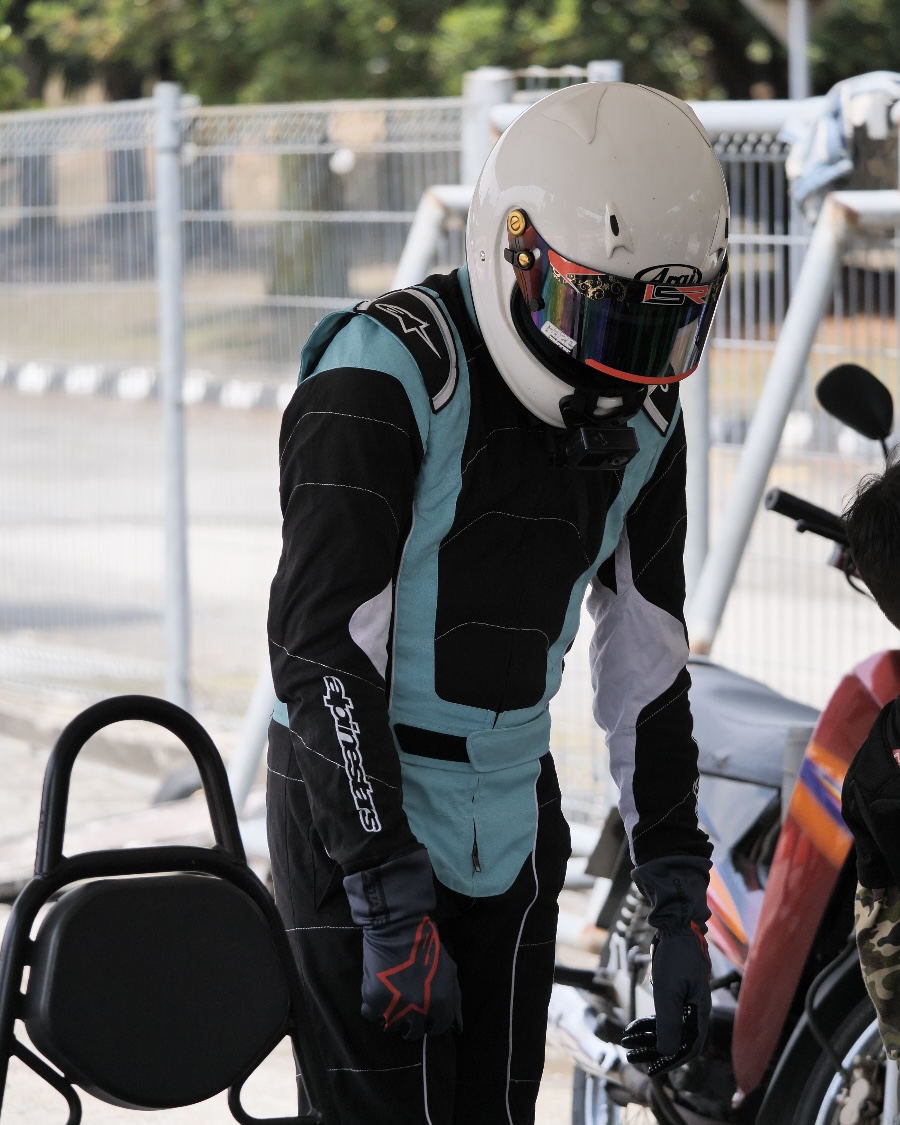
私が出場したのは、PROJECT KAR7INGが主催する「Rookie Rush Karting League 2026」の第4戦です。私はジュニアカテゴリーに参加し、270ccエンジンを搭載したSodi RX8というゴーカートを運転しました。このカートは直線で最高時速約60kmに達します。予選と決勝では、それぞれ別のカートが用意されていました。
カート競技にはさまざまな種類やクラスがあり、私はまだこのスポーツを始めたばかりです。今回が本格的なサーキットレースへの初挑戦でした。
予選は私にとって厳しいスタートとなりました。リアタイヤのグリップに苦戦し、5回ほどスピンしてしまいました。また、3周目のタイムアタック中には友人がコース中央でスピンし、避けきれず接触してしまいました。幸い大きなけがはなく、そのまま走行を続けることができました。
難しい予選ではありましたが、16台中11番手で予選を終えました。
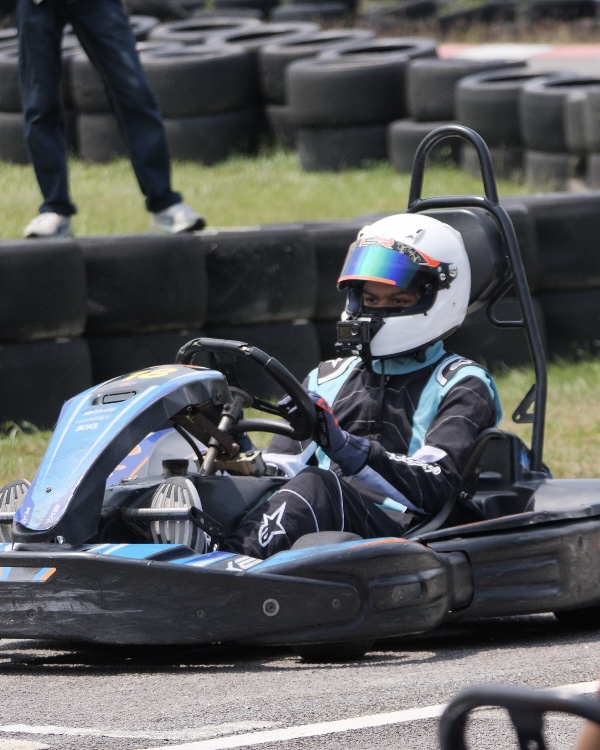
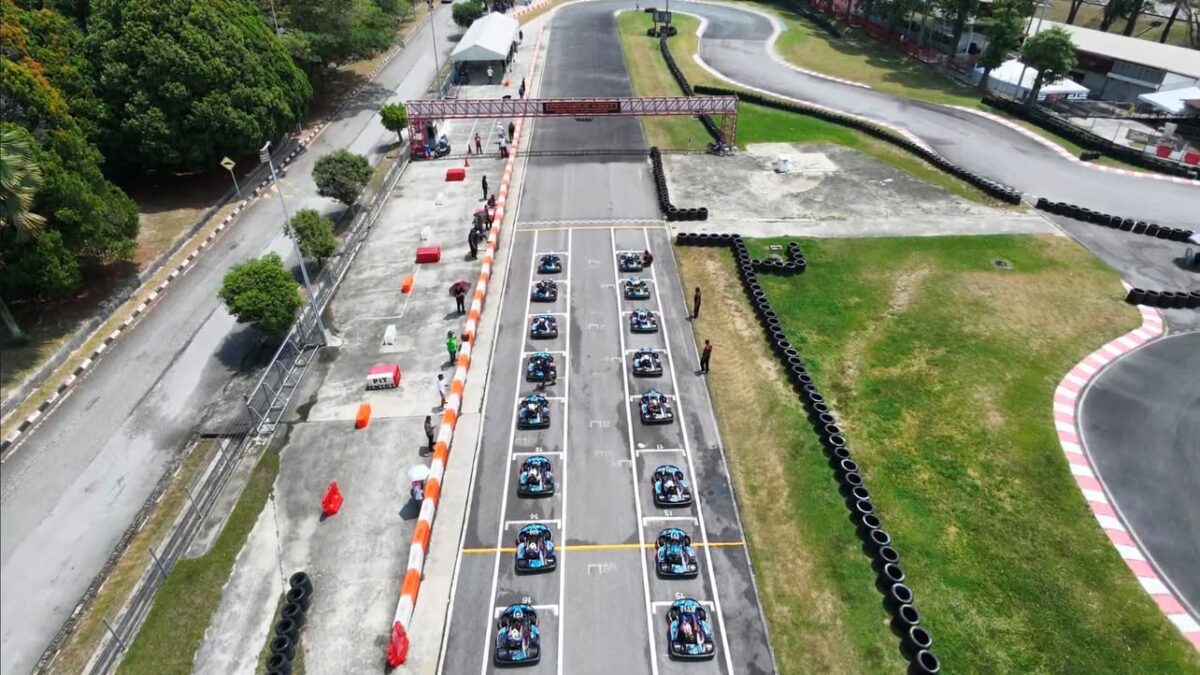
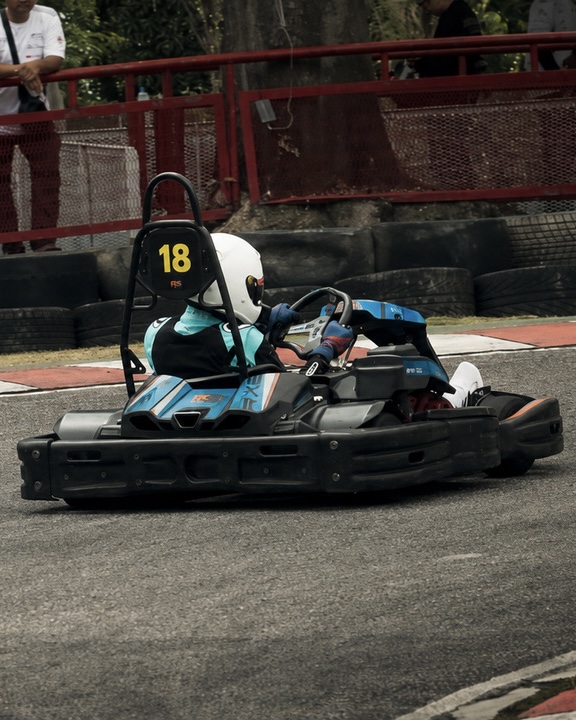
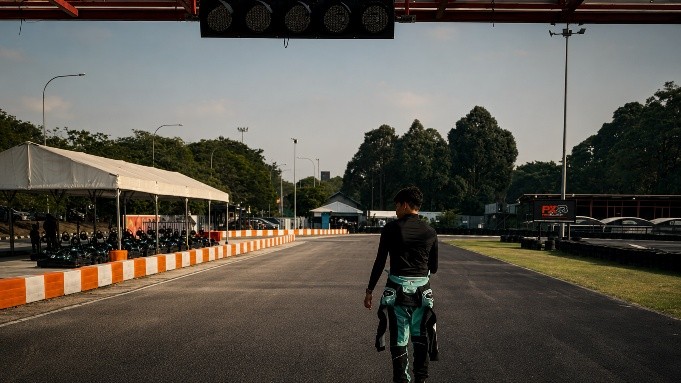
決勝は11番グリッドからのスタートでした。私はとても緊張していました。スタートシグナルの赤いランプが一つずつ点灯し、そして突然消灯。全車が一斉に第1コーナーへ向かって飛び出しました。
しかしスタートはうまく決まらず、4つ順位を落として15位まで後退してしまいました。それでも追い越しのチャンスを探し続け、周回を重ねるごとに少しずつ順位を上げていきました。そして迎えた最終ラップ。最後のコーナーでチャンスが訪れました。前を走るドライバーのすぐ後ろにつけ、仕掛けるタイミングを待ちます。そしてコーナー進入で勝負をかけ、見事にオーバーテイクに成功しました。
そのままチェッカーフラッグを受け、10位でフィニッシュしました。
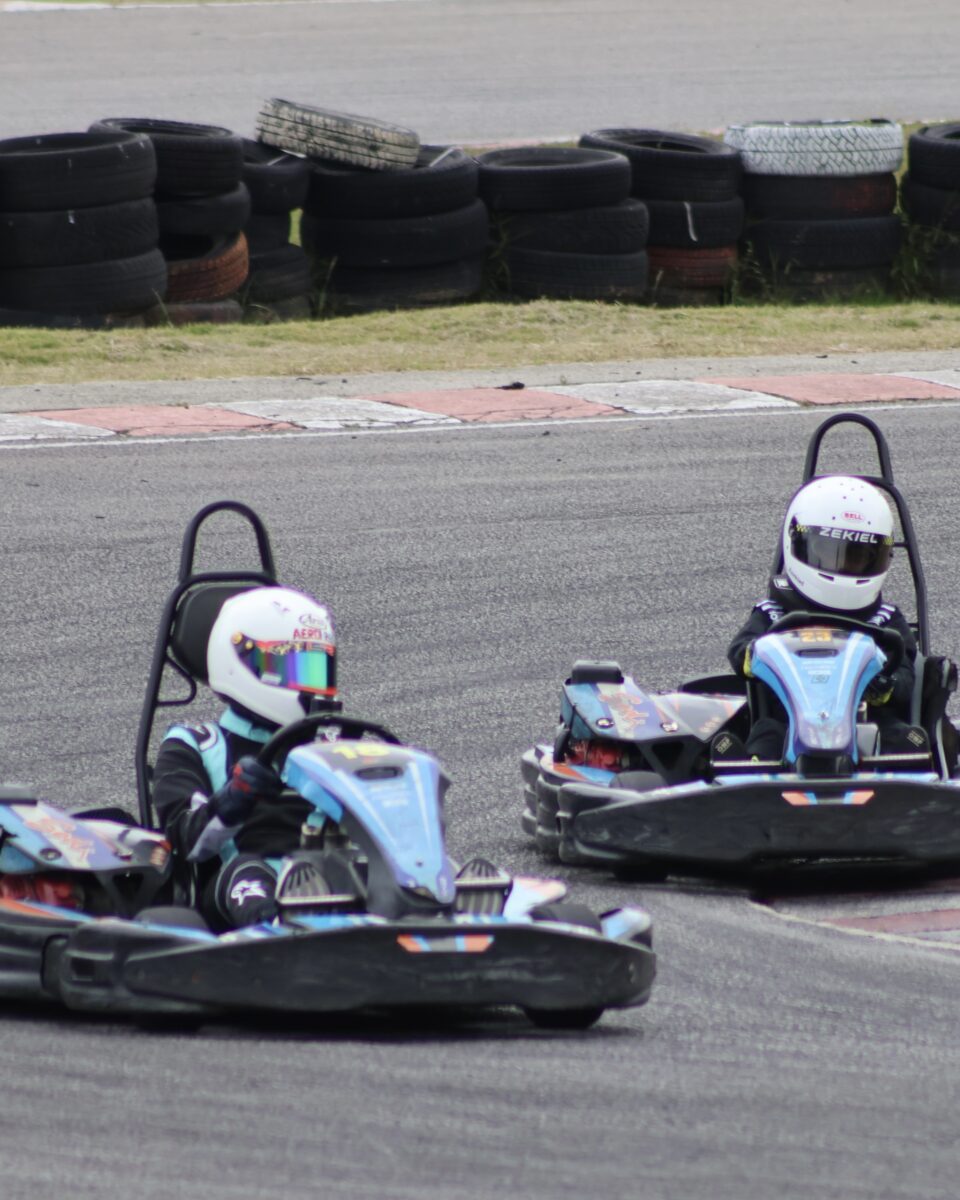
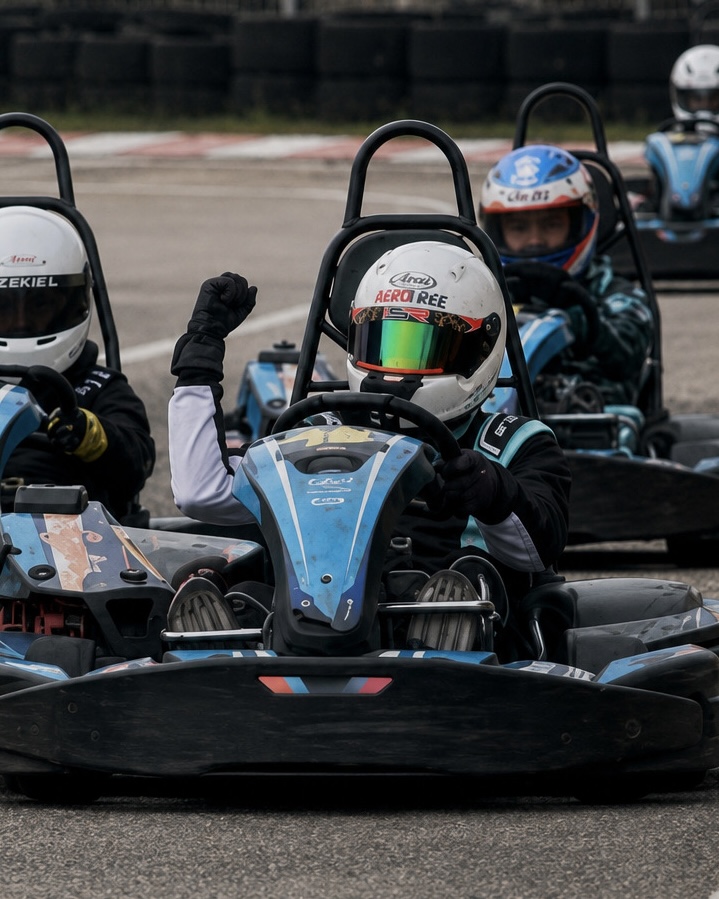
私にとって、この大会は単なるレースではありませんでした。以前からレーシングカーに乗ってみたいという夢があり、今回初めて実際にサーキットを走り、競技としてレースに参加できたのです。
ミスをしたことも含め、すべての経験を楽しむことができました。サーキットの雰囲気はとても温かく、自分もこのコミュニティの一員になれたような気持ちになりました。そして、もっとレースをしたい、もっと上手くなりたいという思いが強くなりました。
もちろん、まだまだ学ぶべきことはたくさんあります。私は経験豊富なカートレーサーではなく、まだスタート地点に立ったばかりです。しかし、だからこそ今回の経験は私にとって大きな意味を持っています。
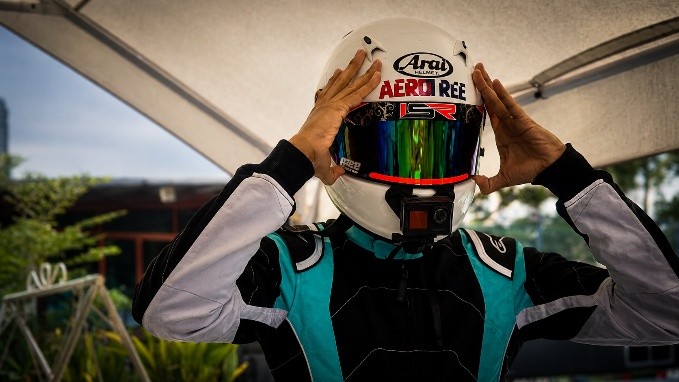
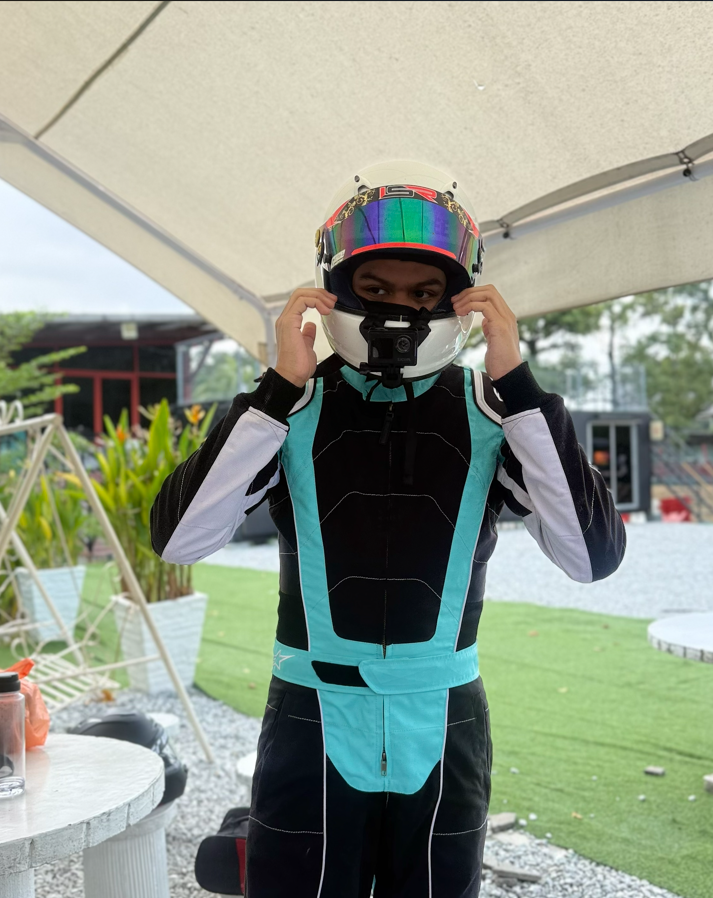
レーシングドライバーを目指している人へ伝えたいことがあります。フォーミュラカーでもGTレースでも、あるいは別のモータースポーツでもかまいません。夢を追いかけるうえで、今の自分のスタート地点を理由にあきらめないでください。
最初から誰よりも速くある必要はありません。すべてを知っている必要もありません。大切なのは一歩を踏み出し、学び続け、目標に向かって努力を重ねることです。
もしレーシングがあなたの夢なら、ぜひ挑戦してみてください。挑戦しなければ、自分がどこまで行けるのかは決して分からないのです。
アディ・ロヒザム
Hi, my name is Ady Rohizam, and I am a 1st year student from Malaysia. During my summer break, I had the opportunity to take part in my first-ever go-kart competition on August 8th, 2026.
The event was Round 4 of the Rookie Rush Karting League 2026, organized by PROJECT KAR7ING. I competed in the Junior category. For this competition, I drove a 270cc engine (cubic centimeters) Sodi RX8 go-kart, which could reach a top speed of around 60 km/h on the straights. We were provided with separate karts for qualifying and the race.
Karting has many different types and classes of karts, and I am still very new to the sport. This was my first real experience competing on a track.
Qualifying was a difficult start for me. I struggled with the grip of the rear tires and spun out around five times. During my third hot lap, one of my friends spun in the middle of the track, and I unfortunately bumped into him. Luckily, I was not seriously injured and managed to continue.
Despite the difficult session, I qualified 11th out of 16 drivers.
Starting 11th on the grid, I was quite nervous. The red lights came on one by one. Then, suddenly, they went out. Everyone launched towards the first corner.
My start was slow, and I dropped four positions. I was now 15th. I kept looking for opportunities to overtake. Lap by lap, I slowly gained positions and worked my way back through the field.
Then, on the final lap, I saw an opportunity at the last corner. I stayed close behind the driver in front of me and waited for the right moment. As we approached the corner, I made my move and managed to overtake him.
I crossed the finish line in 10th place.
For me, this was more than just a competition. I have always wanted to experience racing, and this was my first chance to actually get on the track and compete.
I enjoyed every part of the experience, even the mistakes. The atmosphere at the track made me feel like I belonged in this community, and it made me want to race again and continue improving.
I know I still have a lot to learn. I am not an experienced karter, and I am only at the beginning of my journey. But that is what makes this experience important to me.
To anyone who dreams of becoming a racing driver, whether your goal is Formula racing, GT racing, or another form of motorsport, do not let your starting point stop you.
You do not have to be the fastest when you begin. You do not have to know everything. What matters is that you start, keep learning, and keep working towards your goal.
If racing is your dream, take the chance to start. You never know how far you can go until you try.
Ady Rohizam
アントニーさんと歩く
ポーリン・ベアード
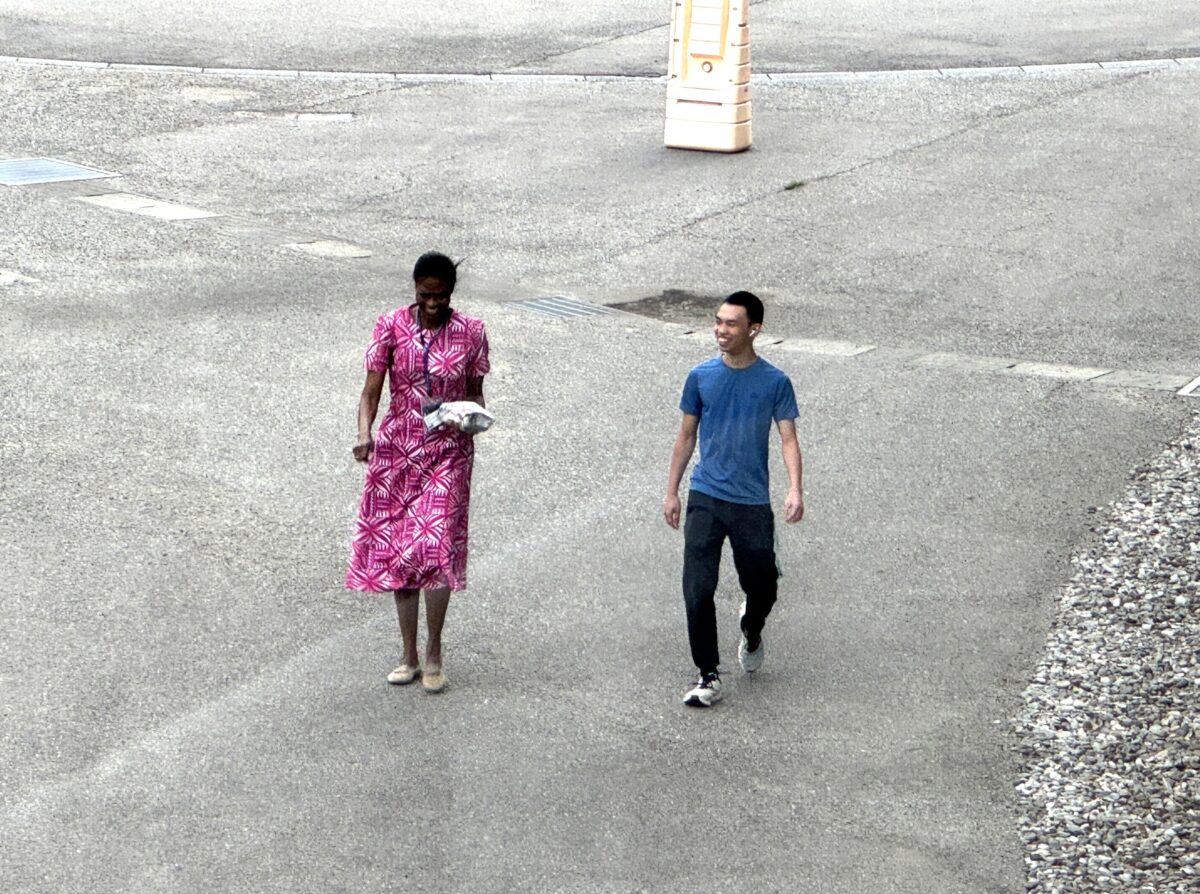
国際高専では、学生一人ひとりが「SHINE IN YOUR OWN WAY(自分らしく輝く)」ことを大切にしています。今回は、そのような学生の一人を紹介したいと思います。
彼の名前はプルバ・アントニーさん。2年生の学生です。平日の午後4時45分頃になると、ほぼ毎日のようにキャンパス内を歩いている彼の姿を見かけることができます。体育館、寮、温泉、食堂、本館、校舎を巡るコースを何周も歩いています。
最初は、ただ彼が歩いていることに気づいただけでした。しかし、ある日曜日に私も一緒に歩いてみることにしました。歩きながら話をしているうちに、彼がこの時間を利用してインドネシアにいるお母さんと電話をしていることを知りました。それ以来、私たちは平日の放課後を中心に、ときには週末にも一緒に歩くようになりました。彼のおかげで、「歩くこと」の価値に改めて気づかされたのです。
本校には、バスケットボールやバドミントンなどのスポーツで活躍する学生もいれば、学業で優れた成果を上げる学生もいます。アントニーさんもそうした活動を楽しみ、勉学にも励んでいることでしょう。しかし、私の目を引くのは彼のシンプルな日課を続ける姿勢です。午後4時45分頃から、夕食のために食堂が開く午後6時30分頃まで、彼は黙々とキャンパスを歩き続けます。最も多く歩いた日には、なんと17周もしたそうです。私たちも何度か、散歩を終えたその足で直接食堂へ向かい、夕食を共にしました。
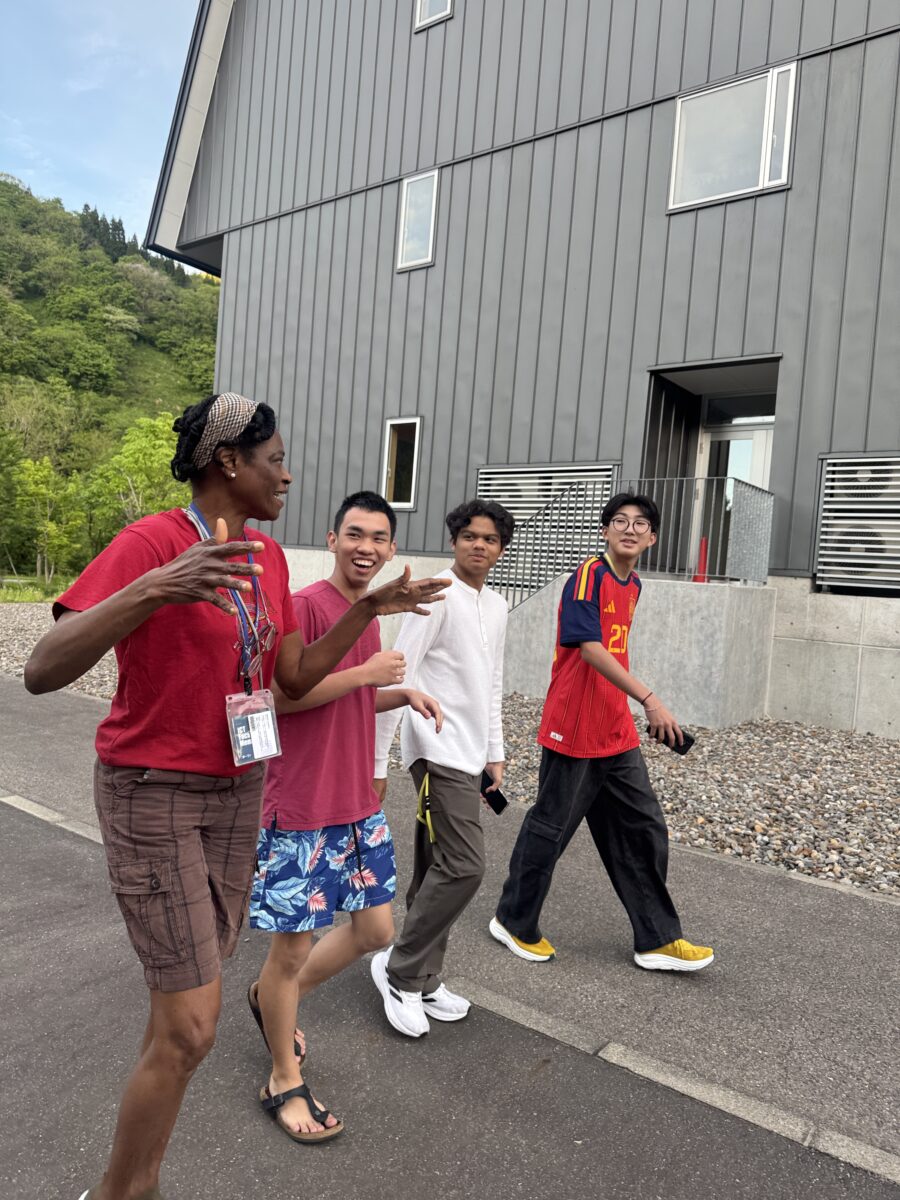
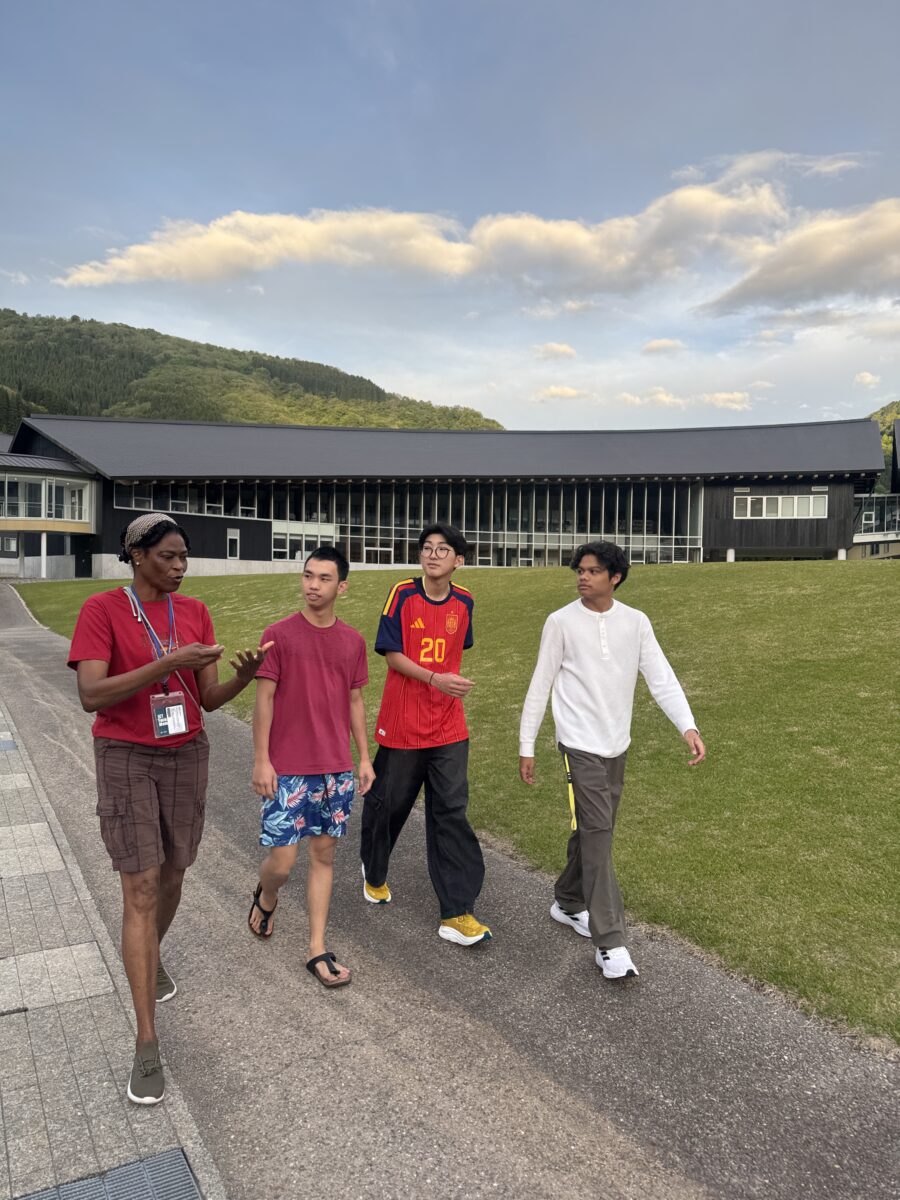
私がこの習慣を始めたきっかけを尋ねると、アントニーさんの答えは意外にもとてもシンプルなものでした。「毎日歩こうと思った特別なきっかけはありません。ただ、お母さんに電話したり音楽を聴いたりして、一人の時間を過ごしたかったのです。座っていると退屈だったので、歩いて体を動かそうと思いました。」彼にとって、この散歩の時間は故郷とのつながりを感じる時間でもあります。「一番信頼している母と、インドネシア語で話したかったのです。」
この2か月の間には、ほかの学生たちも時折私たちの散歩に加わってくれました。歩きながらの会話は自然と広がり、家族のこと、趣味、将来の夢、悩み、そして日常の出来事など、さまざまな話題について語り合います。ときには、何周もほとんど言葉を交わさず、静かな時間を楽しむこともあります。
アントニーさんは、散歩の一番の魅力について次のように話してくれました。「体を健康に保ちながら、どんなことでも気軽に話せるところです。また、将来的にはもっと多くの学生に参加してほしいと願っています。みんなで健康を維持しながら、たくさんの話を共有できたらいいなと思います。」彼と歩く時間は、単なる運動以上の意味を持っています。それは友情を育み、自分自身を見つめ直し、人とのつながりを感じる時間です。一見すると何気ない散歩ですが、実はとても意義深い活動なのです。彼は、自然の中で過ごし、山の新鮮な空気を楽しみ、健康的な習慣を続けながら、家族や友人との会話を大切にするという、もう一つの充実したキャンパスライフのあり方を静かに示してくれています。
最後に、私は彼に「歩くのは退屈だと思っている人へ何か伝えるとしたら?」と尋ねました。すると彼は笑顔でこう答えました。「歩けることに感謝してください。誰もが当たり前に歩けるわけではないのですから。」
国際高専では、学生一人ひとりが自分らしく輝くことを応援しています。
私は、アントニーさんがまさにその姿を体現していると思います。
ポーリン・ベアード
Walking With Anthony
By Dr. Pauline Baird
At ICT, students are encouraged to "SHINE IN YOUR OWN WAY." Let me introduce one such student.
His name is Anthony Purba, a 2nd year student. On almost any weekday at about 4:45 p.m., you can find him walking around campus. His route takes him past the gymnasium, the dormitories, the onsen, the cafeteria, the main office building, and the school building—circling the campus again and again.
At first, I simply noticed him walking. Then one Sunday, I decided to join him. As we walked, I discovered that he often uses this time to call his mother in Indonesia. Since then, we have walked together after school on most weekdays and occasionally on weekends. Anthony has made walking something worth noticing.
Many students shine in sports such as basketball and badminton, while others excel in academics. Anthony may enjoy those activities too and do well in his studies, but what stands out to me is his commitment to a simple daily habit. From approximately 4:45 p.m. until 6:30 p.m., when the cafeteria opens for dinner, he walks steadily around campus. On his busiest day, he completed 17 laps. More than once, we have ended our walk by heading directly from the pathway into the cafeteria for our evening meal.
When I asked Anthony how this routine began, his answer was surprisingly simple.
"Nothing inspired me to start walking every day," he explained. "I just wanted to spend time on my own by calling my mom or listening to music. Sitting made me feel bored, so I decided to make my body move by walking."
For Anthony, the walk is also a chance to stay connected with home.
"I wanted to talk with someone I trusted the most in Indonesian," he said.
Over the past two months, a few other students have joined us from time to time. As we walk, our conversations wander naturally through topics such as family, hobbies, future dreams, personal challenges, and everyday life. Sometimes, we spend several laps simply enjoying the quiet.
Anthony says what he enjoys most is "talking about any topic while keeping my body fit." He hopes more students will join in the future so they can "share a lot of stories while keeping our body sustained."
Walking with Anthony becomes more than physical activity; it becomes a time for friendship, reflection, and connection. What appears to be an ordinary walk is, in fact, something quite meaningful. Anthony is quietly demonstrating another way to experience campus life—by spending time outdoors, enjoying the fresh mountain air, maintaining a healthy routine, and making space for conversations with family and friends.
When I asked Anthony what he would say to someone who thinks walking is boring, he smiled and replied,
"Be grateful to have the ability to walk. Not all people can enjoy what you have."
At ICT, students are encouraged to shine in their own way.
I believe Anthony is doing exactly that.
By Dr. Pauline Baird
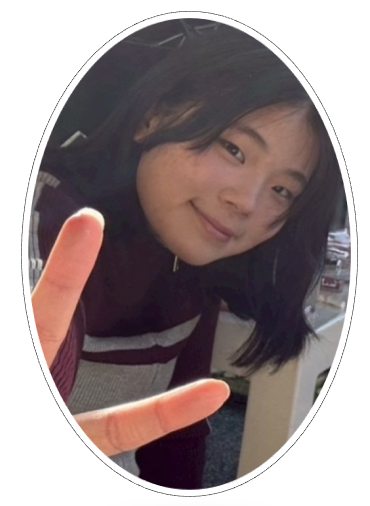 こんにちは。ニュージーランドに留学中の伊藤 綾音です。
留学開始からおよそ4か月が経ち、異国の地での生活も日常へと落ち着いてきました。日本はそろそろ暑さの厳しい時期になるころでしょうが、こちらは正反対の真冬に向かっています。日本の友達と連絡を取る際には、そのたびに、まるで初めて気づいたかのように真逆の季節を感じ、「遠くに来てしまったんだなあ」と実感します。しかし、このやり取りをするたびに、私はいくら日常が変わったとしても、自国に愛着を持つ生粋の日本人なのだと改めて見つめ直すことができるのです。
今回のICTジャーナルでは、私が留学中に体験したことのうちの一つである、OJSAでの出来事を紹介します。
初めに、OJSA(Otago Japanese Students' Association)とは、ダニーデンにあるオタゴ大学の日本人学生会です。定期的に日本文化に関するイベントなどを企画しており、私も友達に誘われてスケートイベントに参加しました。OJSAには、現地の日本人の方や日本文化に興味がある方など、さまざまな人が所属しています。参加費を払えば誰でも参加できるので、ICTの学生にもとてもおすすめです。英語で会話する機会も増えますし、何より大きなイベントは楽しいですからね。インスタグラムで検索すれば出てくると思うので、ぜひ参加してみてください。
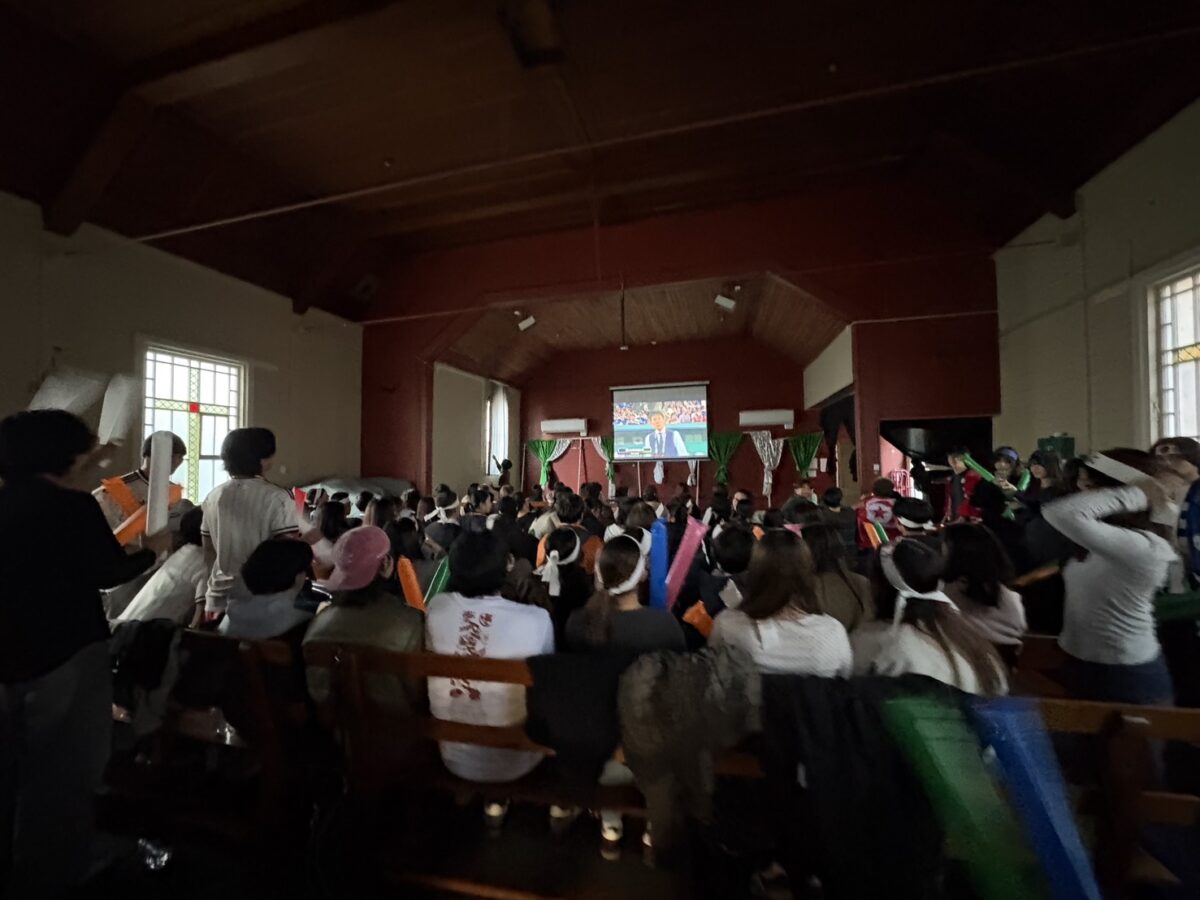
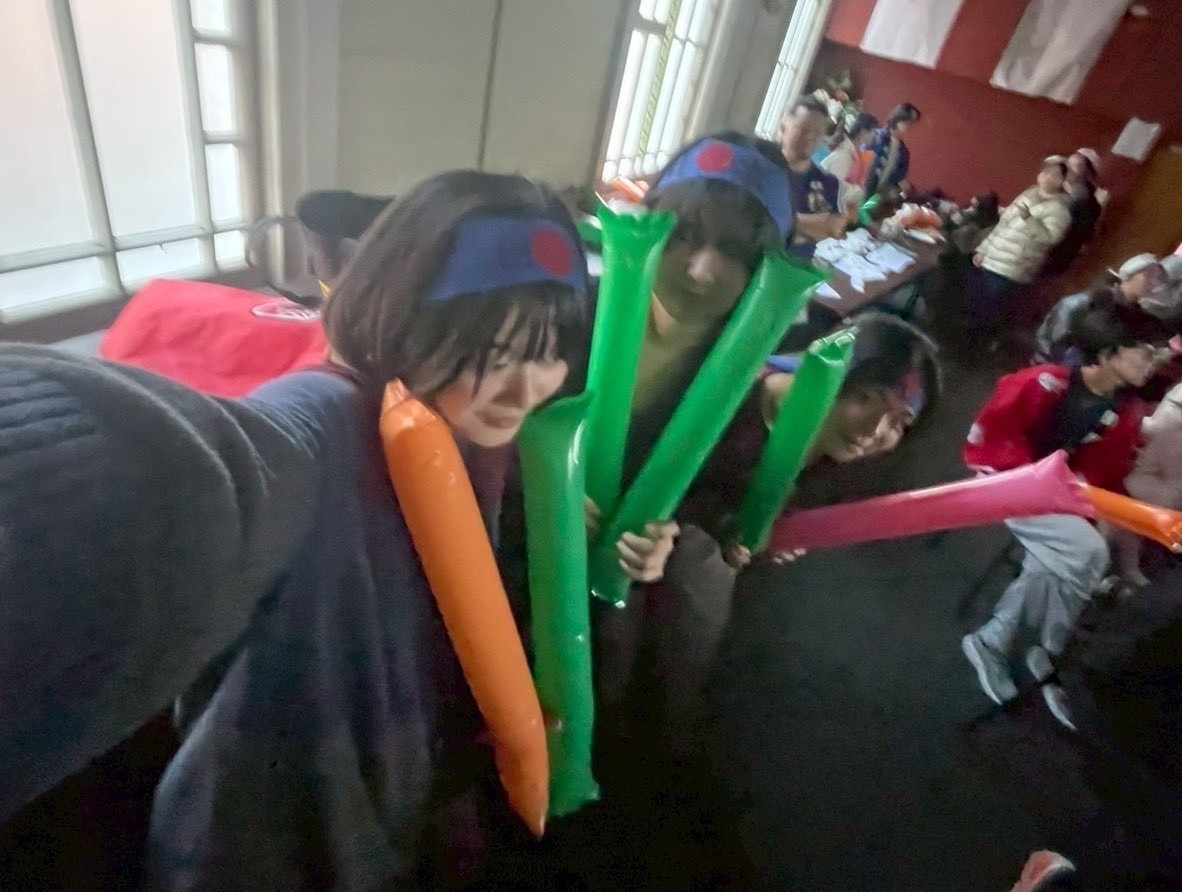
参加したイベントの中で特に印象的だったのは、日本対チュニジアのサッカーワールドカップ観戦イベントです。このイベントでは、ひょんなことからOJSAの代表の方に誘っていただき、クラスメイトのことりちゃんとまどかちゃんと共に、企画者側として参加させていただきました。どうやって集客するか、イベントをどのように盛り上げるかなどの話し合いを重ね、チラシ配りやインスタグラムでの発信を経て、およそ90人の方に参加していただくことができました。
私は当日に流すサッカー日本代表の紹介プレゼンテーションと動画の制作を担当し、クラスメイトの二人と代表の方と一緒にプレゼンを行いました。これほど大勢の人の前で英語のプレゼンをするのは初めてだったので、とても緊張しました。しかし、会場は大いに盛り上がり、皆さんが楽しんでくれたようだったので、最終的には勇気を出して挑戦してよかったと思います。無事にサッカー日本代表もチュニジアに大差で勝利を収め、最高の形でイベントを終えることができました。
-
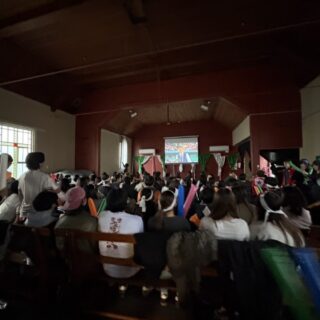
Soccer World Cup viewing event at a local church地元の教会で行われたサッカー観戦の様子
-
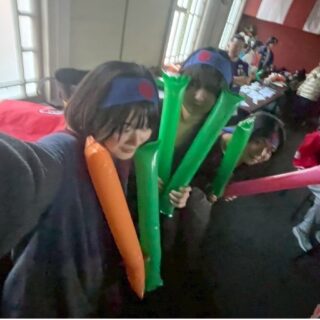
A group photo of the three of us会場でのスリーショット
おわりに、私はOJSAのメンバーや友達、ホストファミリー、そして偶然出会った町の方々など、たくさんの人とのご縁に恵まれ、充実した留学生活を送ることができています。街を歩いているだけでも、ダニーデンの人々は気さくに声をかけてくれて、人と関わることの素晴らしさを改めて感じました。最近では、これまでずっと意識していた英語も徐々に自然に使えるようになり、気楽にコミュニケーションが取れるようになったことが、自分の中で特にうれしい変化です。
私の留学生活もまだまだ半分残っています。知らない土地で暮らすのは大変なこともありますが、それ以上に楽しい気づきがたくさんありました。これからどのようなことが私に訪れるのか、楽しみプラス不安もちょびっとです。
この文章が、今後ニュージーランドへ飛び立つ皆さんのご参考になれば幸いです。
ニュージーランドから、伊藤 綾音でした。
Hello everyone. My name is Ayane Ito, and I am currently spending a year studying in New Zealand.
It has been about four months since I started my life here, and living in a foreign country has gradually become part of my everyday routine. While Japan is probably entering the hottest time of the year, New Zealand is heading into the middle of winter. Whenever I talk with my friends back home, we always end up realizing how opposite our seasons are. Every time it happens, I am reminded of how far away I am from Japan. At the same time, it makes me realize that no matter how much my daily life changes, I am still very attached to my home country.
In this ICT Journal, I would like to share one of my memorable experiences during my study abroad program: my involvement with OJSA. OJSA, or the Otago Japanese Students' Association, is a student organization at the University of Otago in Dunedin. The association regularly organizes events related to Japanese culture. I joined an OJSA skating event after being invited by a friend. OJSA members include Japanese students, local people, and others who are interested in Japanese culture. Anyone can participate by paying a small fee, so I would definitely recommend it to future ICT students. It provides a great opportunity to speak English, and above all, the events are a lot of fun. If you search for OJSA on Instagram, you should be able to find more information.
Among the events I joined, the most memorable was a viewing event for the soccer match between Japan and Tunisia. By a lucky coincidence, the president of OJSA invited me to help organize the event. Together with my classmates, Kotori and Madoka, I became part of the organizing team. We spent a lot of time discussing ways to attract participants and make the event enjoyable. After promoting it through social media and distributing flyers, we were happy to welcome around 90 people to the event.
My role was to create a presentation and a short video introducing the Japanese national team. On the day of the event, I gave the presentation together with my two classmates and the OJSA president. I had never given a presentation in English in front of such a large audience before, so I was extremely nervous. However, the atmosphere was lively, and everyone seemed to enjoy it. In the end, I was glad that I challenged myself and stepped outside my comfort zone. To make the day even better, Japan won the match by a large margin, allowing the event to end on a high note.
-
Soccer World Cup viewing event at a local church地元の教会で行われたサッカー観戦の様子
-
A group photo of the three of us会場でのスリーショット
Looking back, I feel incredibly fortunate to have met so many wonderful people during my time in New Zealand. The members of OJSA, my friends, my host family, and even people I happened to meet around town have all helped make my study abroad experience meaningful and enjoyable. Even when I am simply walking through Dunedin, people often greet me or start conversations, which reminds me how wonderful it is to connect with others. Recently, I have also noticed a change in myself. English, which I used to think about constantly, is gradually becoming something more natural. I can communicate more comfortably than before, and that is one of the things I am happiest about.
My study abroad journey is only halfway finished. Living in an unfamiliar place can be challenging, but it has brought me far more exciting discoveries than difficulties. I am looking forward to seeing what experiences await me in the months ahead, although I still have a little bit of anxiety as well.
I hope that my experience will be helpful for those who plan to come to New Zealand in the future.
Greetings from New Zealand,
Ayane Ito