




Kanazawa
金沢キャンパス
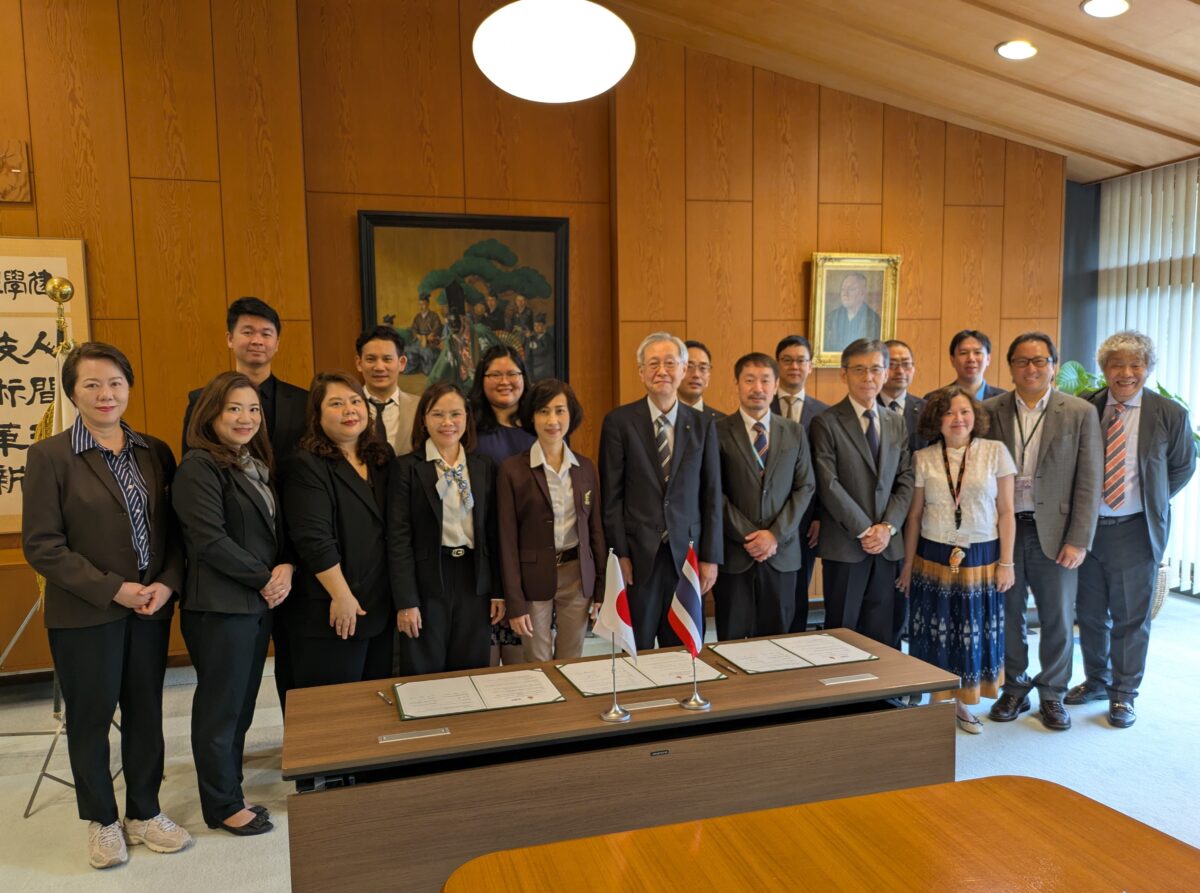
 皆様、こんにちは。国際高等専門学校(ICT)国際理工学科講師のアピラク・サンゲンチャイです。私は現在、ICTの教員として勤務しています。また、タイのラジャマンガラ工科大学ランナー校(RMUTL)の卒業生でもあります。そのような立場から、RMUTLとICTとの関係が発展していく過程を見守り、またその一端に携わることができたことを大変うれしく、光栄に感じています。
私とICTとのつながりは、RMUTLで電子工学分野の技術教育を学んでいた学生時代に始まりました。当時、金沢工業高等専門学校(現在のICT)とのLearning Express(LeX)プログラムに参加し、デザイン思考を学びながら、日本人学生とともに地域課題の解決に取り組みました。この経験を通じて、課題解決能力が向上しただけでなく、国際協働の重要性や楽しさを学ぶことができました。
その後、2017年には金沢工業大学(KIT)が実施するさくらサイエンスプログラムに参加し、日本の教育や研究活動、先端技術に直接触れる機会を得ました。この経験を通じて、RMUTLとKIT、ICTとの交流の歴史や相互協力の意義について理解を深めることができました。そして、このような継続的な交流が、現在の連携の発展につながっていることを強く実感しました。
長年にわたり積み重ねられてきた取り組みは、この協力関係の礎となっています。教職員や学生による継続的な交流、教育活動や研究に関する意見交換、さらには文化交流を通じて、相互理解と信頼は着実に深まってきました。私自身も2020年にICTへ着任して以来、教員としてこの関係の発展に携わることができることを大変うれしく感じています。
そして2026年9月15日、RMUTLとICTは正式に学術交流協定覚書(MoU)を締結しました。私にとって、このMoU締結は単なる形式的な合意ではありません。これまで築かれてきた交流と協力、そして多くの関係者による努力と経験が形となった大きな節目であると感じています。この重要な場に立ち会い、その瞬間を見届けることができたことを大変光栄に思います。
今回のMoUは、学生交流、共同学術活動、共同研究、文化・体験型学習プログラムなど、幅広い分野での連携を推進するための枠組みとなります。今後は、学生が互いの国や文化について学び合う機会がさらに増えるとともに、教員間の教育・研究面での協力も一層活発になることを期待しています。
また、このパートナーシップが短期交換留学プログラム、国際的なプロジェクト型学習、デザイン思考ワークショップ、工学・技術分野における共同研究、さらには文化体験プログラムなどを通じて、さらに発展していくことを願っています。これらの活動は学術交流を強化するだけでなく、学生たちが国際的な視野を養い、生涯にわたる友情や人的ネットワークを築く貴重な機会にもなるはずです。
私自身、この交流を通じて多くの学びと成長の機会を得てきました。学生時代から続くこのご縁の中で、現在は教員としてその発展に携わることができることを大変光栄に感じています。今年締結されたMoUが、今後の新たな挑戦と有意義な協力の礎となり、多くの学生や教職員に長期的な恩恵をもたらすことを心より願っています。
アピラク・サンゲンチャイ
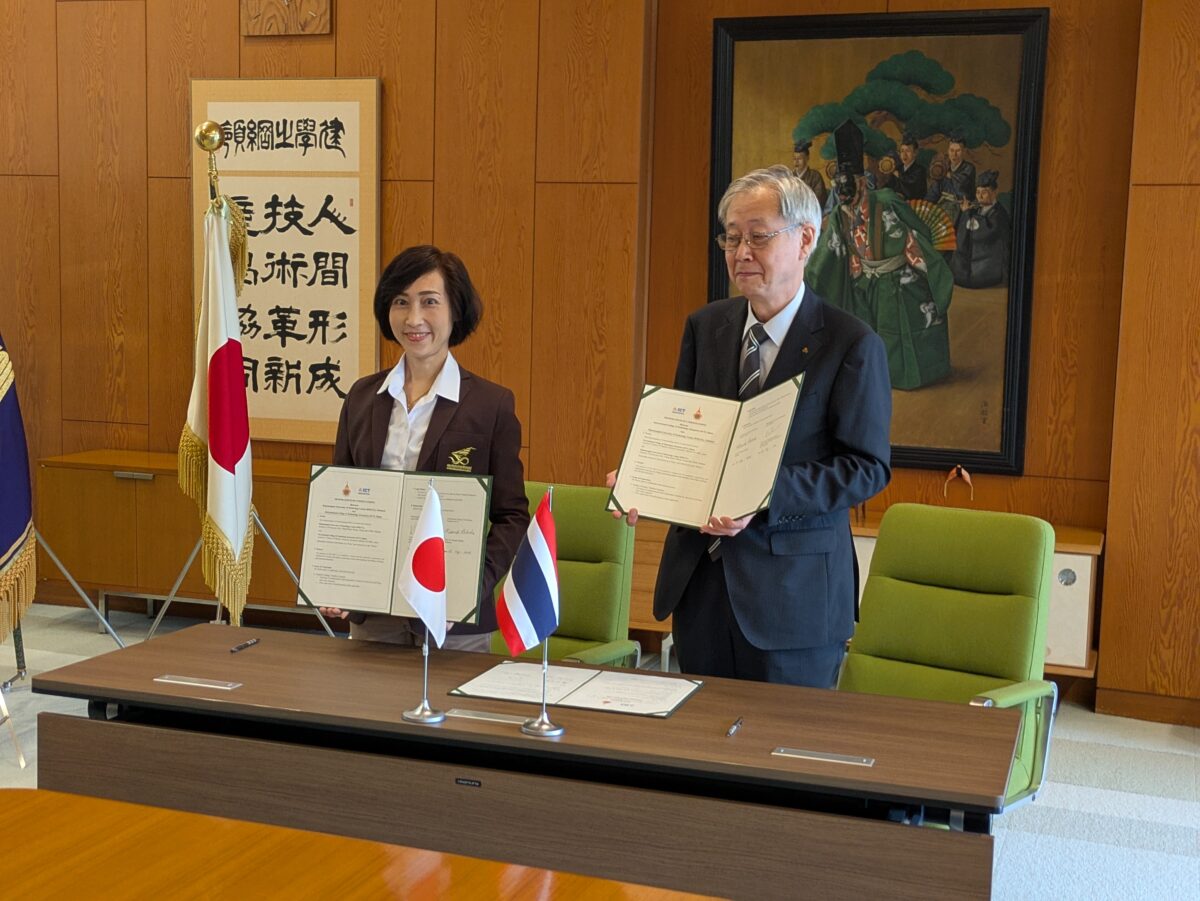
Dr. Kanthana Ditkaew, RMUT representative, and Masaki Shikada, President of ICTRMUT代表 Dr. Kanthana DitkaewとICT 鹿田正昭校長
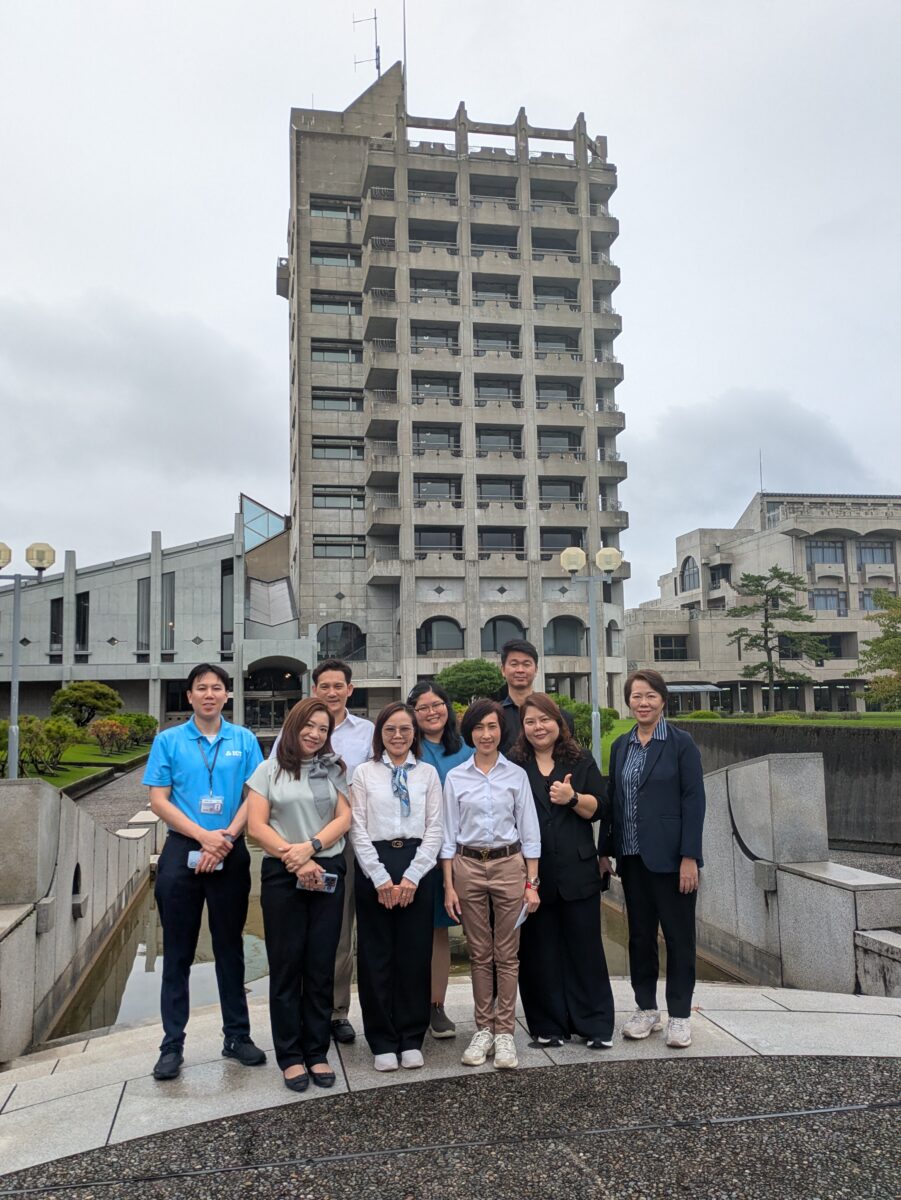
With the RMUTL delegationRMUTL訪問団の皆様とともに
This is Apirak Sang-ngenchai, and I am currently a lecturer at ICT. As an alumnus of Rajamangala University of Technology Lanna (RMUTL), Thailand. I feel fortunate to have witnessed and contributed to the development of the relationship between RMUTL and ICT.
My journey began as a student at RMUTL, studying Technical Education in Electronic Engineering. I participated in the Learning Express (LeX) program with Kanazawa Technical College (KTC), which became ICT, Kanazawa. I learned Design Thinking and worked with Japanese students on community projects. This enhanced my problem-solving skills and introduced me to international collaboration.
In 2017, I visited Japan through the Sakura Science Project at Kanazawa Institute of Technology (KIT), gaining exposure to Japanese educational practices, research, and innovation. It deepened my understanding of the friendship and cooperation between RMUTL, KIT, and ICT.
These exchanges laid the foundation for stronger academic ties between our institutions. Over the years, faculty members, staff, and students from both sides continued to build mutual trust and understanding through educational activities, research discussions, and cultural programs. When I joined ICT in 2020, I was pleased to contribute to this longstanding relationship from a new perspective as a faculty member.
A significant milestone was achieved on September 15, 2026, when RMUTL and ICT officially signed a Memorandum of Understanding (MoU). For me, this was more than just a formal agreement. It reflected years of collaboration, exchanges, and shared experiences between our institutions. I was honored to support this important event and to witness the beginning of the next chapter of our partnership.
The MoU provides a framework for future cooperation in several important areas, including student exchanges, joint academic activities, collaborative research, and cultural and experiential learning programs. We hope to create more opportunities for students to study and learn from each other's cultures, while also encouraging faculty members to work together on educational and research initiatives.
Looking ahead, I would like to see the partnership develop through activities such as short-term exchange programs, international project-based learning, Design Thinking workshops, collaborative research in engineering and technology, and cultural immersion programs for students from both countries. These activities will not only strengthen academic cooperation but also help students develop global perspectives and lifelong international friendships.
As someone who has benefited greatly from the relationship between RMUTL, KIT, and ICT, I am proud to have been part of this journey. I sincerely hope that the MoU signed this year will serve as a foundation for many new opportunities and meaningful collaborations in the future, bringing lasting benefits to students, faculty members, and both institutions for years to come.
Apirak Sang-ngenchai
Dr. Kanthana Ditkaew, RMUT representative, and Masaki Shikada, President of ICTRMUT代表 Dr. Kanthana DitkaewとICT 鹿田正昭校長
With the RMUTL delegationRMUTL訪問団の皆様とともに
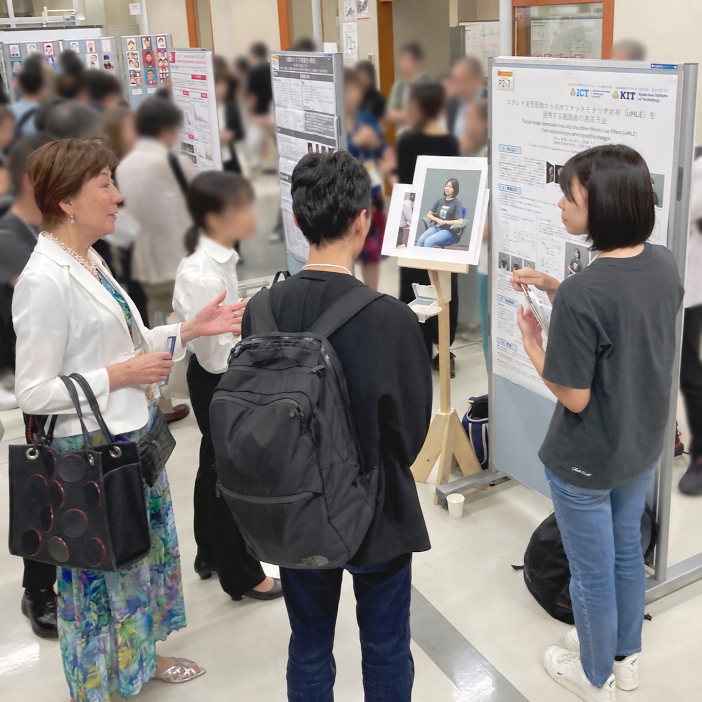
 こんにちは。デザイン&ファブリケーション部顧問の林 道大です。9月12日(土)と13日(日)に金沢工業大学で開催された、第31回日本顔学会大会(フォーラム顔学2026)に参加してきました。フォーラムでは、人間の顔に関するさまざまな研究について発表したり、顔に関係する商品が展示されたりしていました。例えば、メイクアップに関すること、顔の印象に関すること、顔の認識に関すること、人間以外のロボットや動物の顔のこと、似顔絵に関することなどです。学会では口頭発表29件、ポスター発表25件のほかにデモ展示6件、企業展示5件があり、全国から175名の参加者がありました。
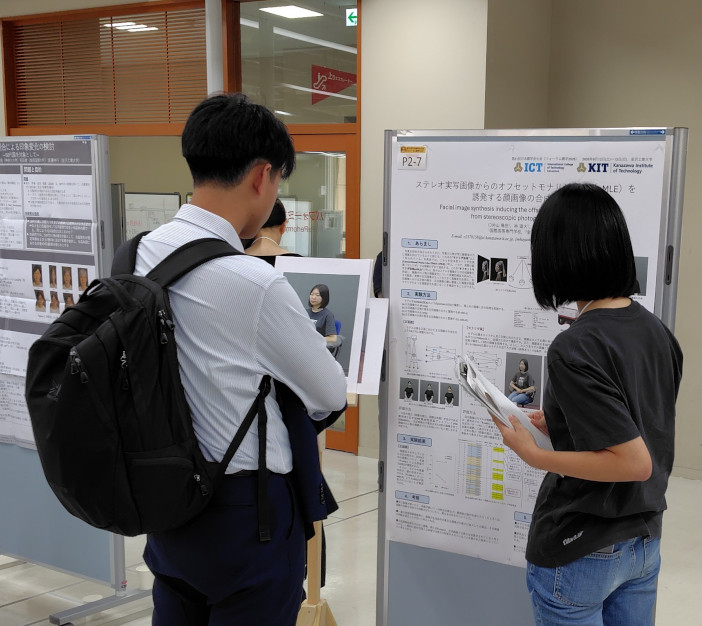
本校からは4年生の沖山 琳世さんが、モナリザの視線に関するポスター発表を行いました。タイトルは「ステレオ実写画像からのオフセットモナリザ効果(oMLE)を誘発する顔画像の合成手法(Facial image synthesis inducing the offset Mona Lisa Effect (oMLE) from stereoscopic photographic images)」です。簡単に内容を紹介します。写真や絵画のなかの人をいろいろな方向から見たときに、見ている人に視線が合ってしまうことがあります。これは「モナリザ効果」と言われることが多いです。発表した研究では、そのモナリザ効果が生じる画像と、生じない画像の違いを、実際の人間の写真を加工することで実験して確かめました。
沖山さんは画像のモデルとなるために、何日にもわたって何度もモデルとして写真に撮られたり、画像の評価実験をしたりして、夏休みの間に準備しました。その成果を会場でポスターセッションの形式で発表しました。発表には多くの参加者が聞きに来られ、ポスター前ではいろいろと議論が繰り広げられていました。日頃は指導教員と話すことが多いのですが、学会会場では他大学の教員や、企業の研究所の方々、あるいはイラストレーターなどと、いつもとは違うさまざまな意見交換ができたのではないでしょうか。さらに、閉会式では日本顔学会の前学会長の名前が付けられた「菅沼賞」をいただくことができました。また会場ではイラストレーターの方に似顔絵を描いてもらっていました。
今回は、地元での開催でしたが、今度は日本全国、さらには海外での発表にも意欲的に参加してほしいと思います。
デザイン&ファブリケーション部
顧問 林 道大
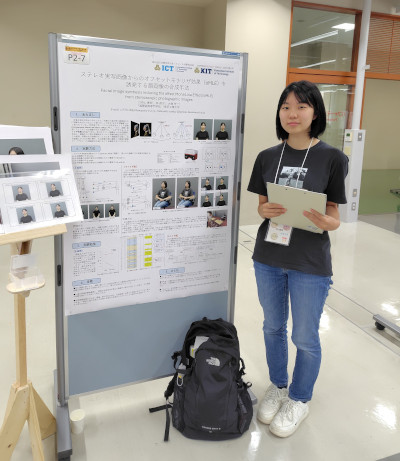
Looking a little nervous before the presentation発表前で少し緊張する様子
Explaining the research研究を説明している様子
A venue bustling with participants盛況な会場の様子
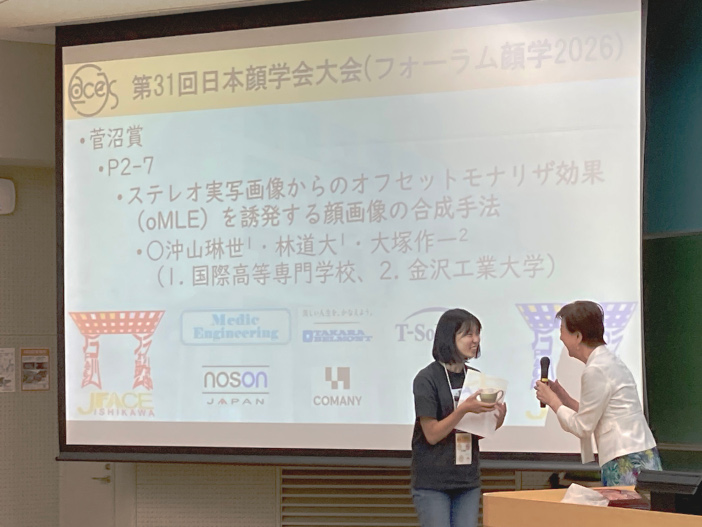
Receiving the award表彰され少し照れている様子
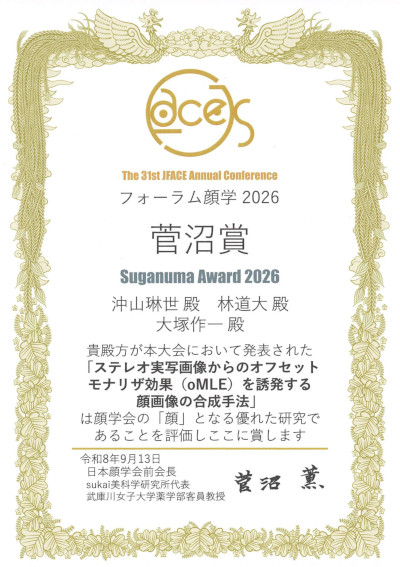
The award certificate頂いた賞状
Hello. My name is Michihiro Hayashi, advisor of the Design & Fabrication Club.
On September 12 and 13, we participated in the 31st J-FACE Annual Conference of the Japanese Academy of Facial Studies, “Forum KAOGAKU 2026,” held at Kanazawa Institute of Technology.
The forum featured a wide variety of research and exhibits related to the human face. Topics included makeup, facial impressions, facial recognition, the faces of robots and animals, and portrait illustration. The conference included 29 oral presentations, 25 poster presentations, six demonstrations, and five corporate exhibits, with a total of 175 participants from across Japan.
From ICT, fourth-year student Rinse Okiyama gave a poster presentation on gaze perception and the Mona Lisa effect. The title of the presentation was “Facial Image Synthesis Inducing the Offset Mona Lisa Effect (oMLE) from Stereoscopic Photographic Images.”
To briefly explain the research, when we look at a person in a photograph or painting from different angles, we may sometimes feel as though the person’s eyes continue to look directly at us. This phenomenon is commonly known as the “Mona Lisa effect.” In this study, differences between images that produce the Mona Lisa effect and those that do not were experimentally examined by processing photographs of real people.
During the summer vacation, Rinse Okiyama worked intensively on preparing for the presentation. She served as the model for the images and took part in repeated photo sessions over several days, as well as image evaluation experiments.
She presented the results in a poster session at the conference. Many participants came to hear about the research, and lively discussions took place in front of the poster. In everyday research activities, students mainly have opportunities to discuss their work with their supervising teachers. At the conference, however, Rinse Okiyama was able to exchange ideas with faculty members from other universities, researchers from companies, illustrators, and many other people with different perspectives.
At the closing ceremony, Rinse Okiyama received the “Suganuma Award,” named after a former president of the Japanese Academy of Facial Studies.
She also had the opportunity to have her portrait drawn by an illustrator at the venue.
This year’s conference was held locally, but I hope that in the future she will continue to take on new challenges and actively present her research not only throughout Japan, but also internationally.
Design & Fabrication Club
Advisor: Michihiro Hayashi
Looking a little nervous before the presentation発表前で少し緊張する様子
Explaining the research研究を説明している様子
A venue bustling with participants盛況な会場の様子
Receiving the award表彰され少し照れている様子
The award certificate頂いた賞状
 こんにちは。金沢キャンパスの「歩くスピーカー」こと、4年生の鴨下 麟太郎です。最近は活動範囲を秋葉原まで広げ、電気街をホリゾント(舞台背景)に、自慢のしゃべくり漫談を披露してきました。
近頃は、専らラジオ活動に勤しんでおりますので、よろしければそちらもお聞きください。詳しくは、下記のX(旧Twitter)リンクからご覧いただけます。
▶ 国際高専の放課後ラウンジ (@ICTradio_Lounge)
さて、前置きが長くなってしまいましたが、そんな私がこの前司会を務めた「Returnee Presentations: Otago Polytechnic Study Abroad Program 2025」 についてご紹介しようと思います。こちらのイベントは、昨年度に1年間の留学を経験した全4年生が、保護者の方々や、白山麓キャンパスで学ぶ後輩へ向け、留学の思い出や、ニュージーランドにこれから行く人に伝えたいことなどをそれぞれ発表するものです。本イベントは、2026年5月20日(水)に金沢キャンパスにて、対面およびオンラインのハイブリッド形式で開催されました。
発表では、ニュージーランドのおいしい食べ物や、楽しかった旅行先、羊をはじめとする動物たちの魅力や、広大な自然の美しさなど、様々なテーマで発表する学生がいました。なかでも、ニュージーランドのおいしいお店の紹介で、韓国料理店を取り上げ、会場の笑いを誘った友達のプレゼンテーションが、僕のイチオシです。
全てのプレゼンテーションは英語で行われ、学生たちは、ニュージーランド留学で成長した英語力を披露してくれました。学生のほとんどが発音面でも大きく成長しており、改めて聞くと私自身もみんなの変化に驚きました。中には、発表中にニュージーランド訛りが憑依する学生もおり、とても雰囲気が出ていて、終始、楽しく聞いていました。
今回の発表を通して、私たちの一年間のニュージーランド留学の軌跡を、未来ある後輩たちに伝えることができ、とても有意義な時間となりました。
P.S. 「歩くスピーカー」って、完全にウォークマンのことですよね
鴨下 麟太郎
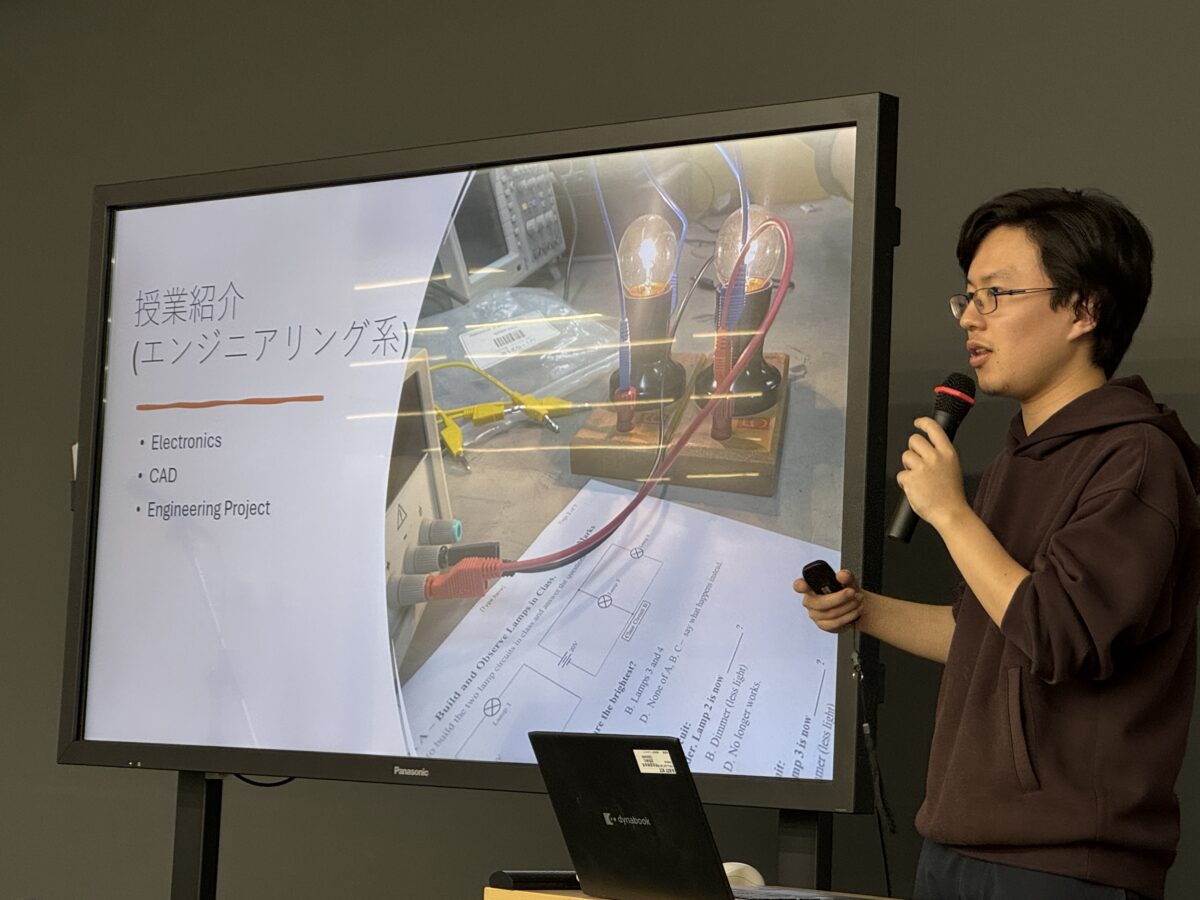
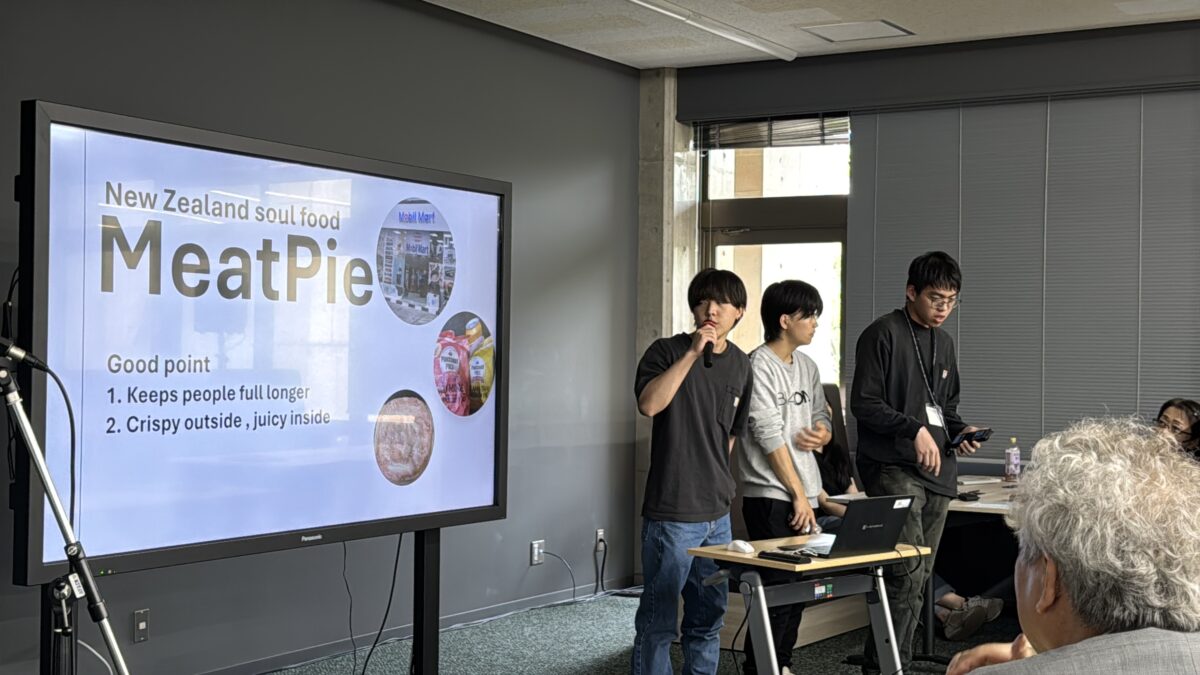
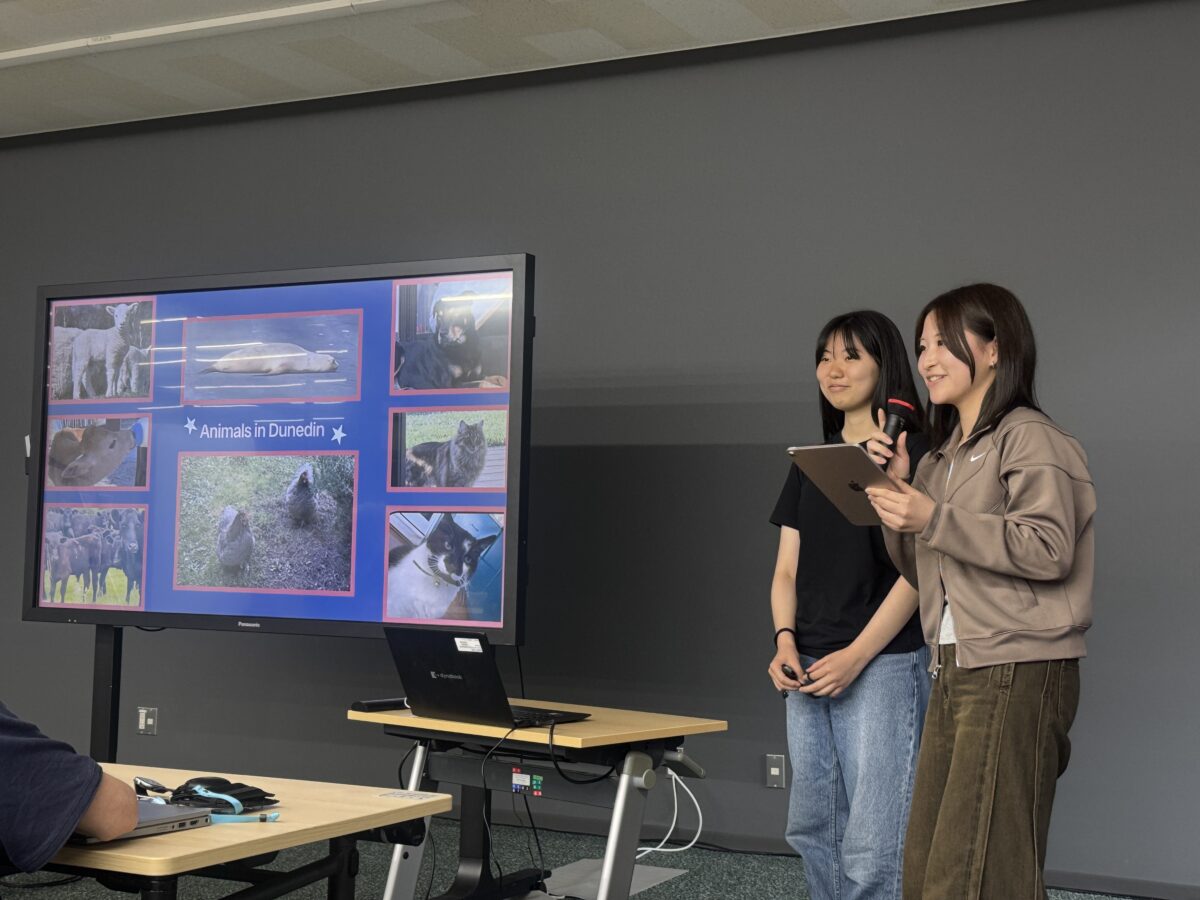
Hello! I’m Rintaro Kamoshita, a fourth-year student at the Kanazawa campus, also known as the “walking speaker.” Recently, I’ve expanded my range of activities all the way to Akihabara, where I performed my signature talk-style comedy routines with the electric town as my backdrop.
▶ AKIBA Re-ROBO FESS 2026 Participation Report
Lately, I’ve been focusing mostly on radio activities, so I’d really appreciate it if you could check those out as well. For more details, please visit our X (formerly Twitter) page via the link below:
Now, that was quite a long introduction, but today I’d like to introduce an event I recently hosted: the “Returnee Presentations: Otago Polytechnic Study Abroad Program 2025.”
This event was an opportunity for all fourth-year students who had studied abroad in New Zealand for a year to share their experiences. They presented their memories, lessons learned, and advice for future students to parents and first and second-year students living in the dormitory in Hakusanroku Campus. The event was held on Wednesday, May 20, at the Kanazawa campus in a hybrid format, both in person and online.
During the presentations, students covered a wide variety of topics, including delicious food in New Zealand, fun travel destinations, the charm of animals such as sheep, and the beauty of the country’s vast natural landscapes. Among them, my personal favorite presentation was by a friend who introduced a Korean restaurant in New Zealand, which got a big laugh from the audience.
All presentations were delivered in English, showcasing the students’ improved language skills after their time abroad. Many of them had made remarkable progress in pronunciation, and listening to them again, I was genuinely surprised by how much everyone had grown. Some students even seemed to slip into a New Zealand accent during their presentations, which added to the atmosphere and made the event enjoyable from start to finish.
Through this event, we were able to share the journey of our one-year study abroad experience with younger students who will carry the future forward. It was truly a meaningful and rewarding time.
P.S. “Walking speaker”… that’s basically just a Walkman, isn’t it?
Rintaro Kamoshita
 こんにちは。デザイン&ファブリケーション部顧問の林道大です。2026年5月16日(土)に秋葉原で開催された、AKIBA Re-ROBO FESS 2026に出展してきました。
このイベントは、一般社団法人Akiba Tech Connectが主催して今年初めて行われ、モノづくりの聖地“秋葉原”で、技術を媒介として自由に交流できる“テクノロジーの混沌の場”を創出することを理念に開催されました。大企業、ベンチャー企業、中小企業、アカデミア等、所属がさまざまな方々が一堂に会するイベントを目指しています。
国際高等専門学校のブースでは、学校紹介と部活動であるデザイン&ファブリケーション部について説明してきました。会場が秋葉原の中心部にあり、さらに土曜日ということもあり、多くの来場者があり、大変賑わっていました。その中で「高専教育について」や、「国際高専の取り組みについて」などをプレゼンテーションしました。まだまだ一般的には「高専」という存在が充分に認知されているとはいえず、「高専って何ですか」と質問されることもありました。一方で、ロボット技術やドローン技術の関係者には、広く浸透していて、高専で学んだ学生は即戦力として、あるいは将来リーダーとなるような人材として期待されていることを実感しました。
イベントでは展示ブースだけではなく、パフォーマンスステージが設けられており、そこでロボット動作のデモンストレーションをすることができました。持ち込んだロボットは2025年に高専ロボコン全国体会に出場した「香箱倶楽部」です。実演では段ボールが積まれたゲートをつかんで運んだり、人が乗った台車を牽引したりするデモンストレーションを実施しました。本校の学生による実演のあと、会場に来てくれていた子供たちに台車に乗ってもらい、ロボットで牽引しながらステージを一周しました。子供たちはちょっと大きめのヘルメットをかぶって、台車につかまって、ロボットに引っ張られる経験は、もちろん初めてだったと思います。最初は少し緊張していた様子も見られましたが、最後は笑顔で「おもしろかった」と話してくれました。ステージでの実演が終わった後も展示ブースまでロボットを見に来てくれて、ロボットに触ったり、ロボット中身を見たりして、説明担当の学生にさまざまな質問をしていました。
このような体験は、将来高専生になるかもしれない子供たちにとってはもちろん、本校の学生にとっても良い経験となったのではないでしょうか。
デザイン&ファブリケーション部
顧問 林 道大
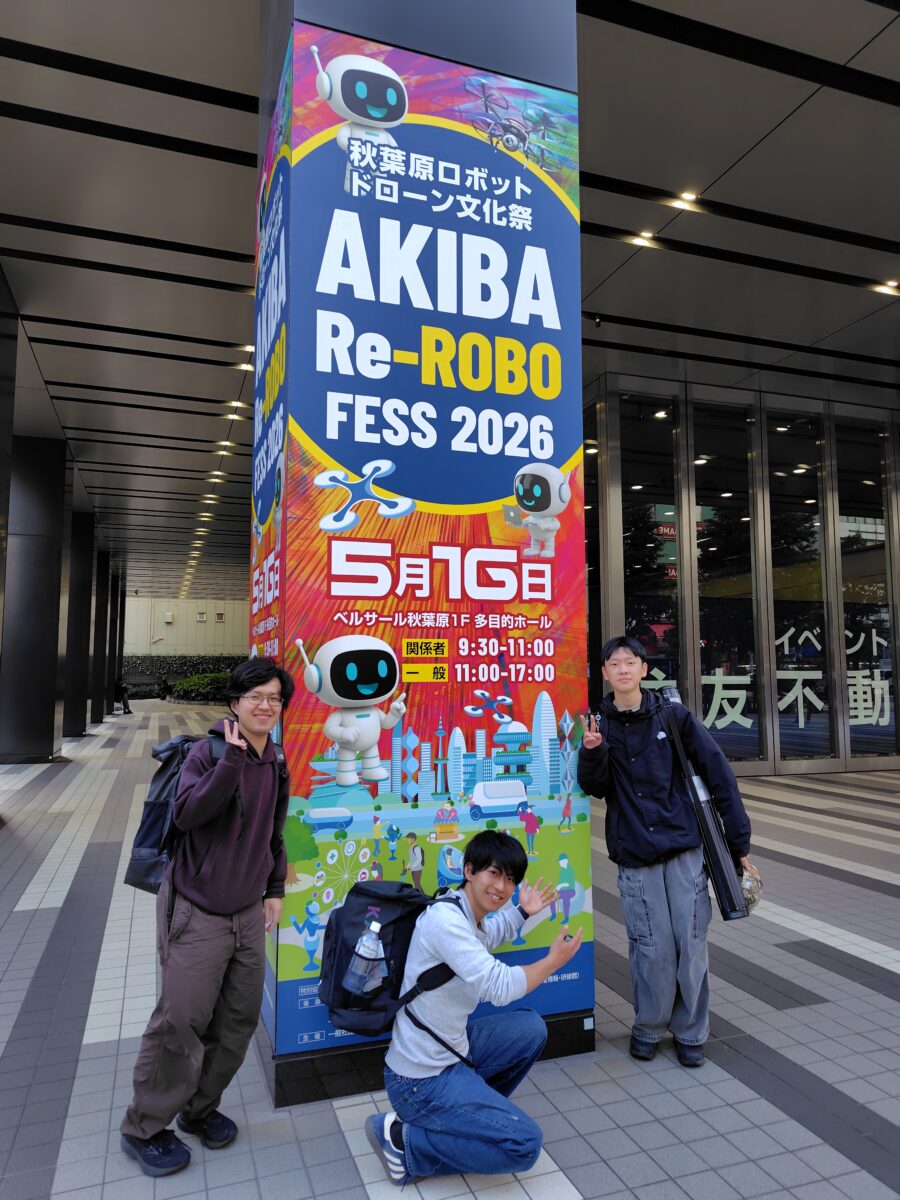
Arriving at the event venue会場到着
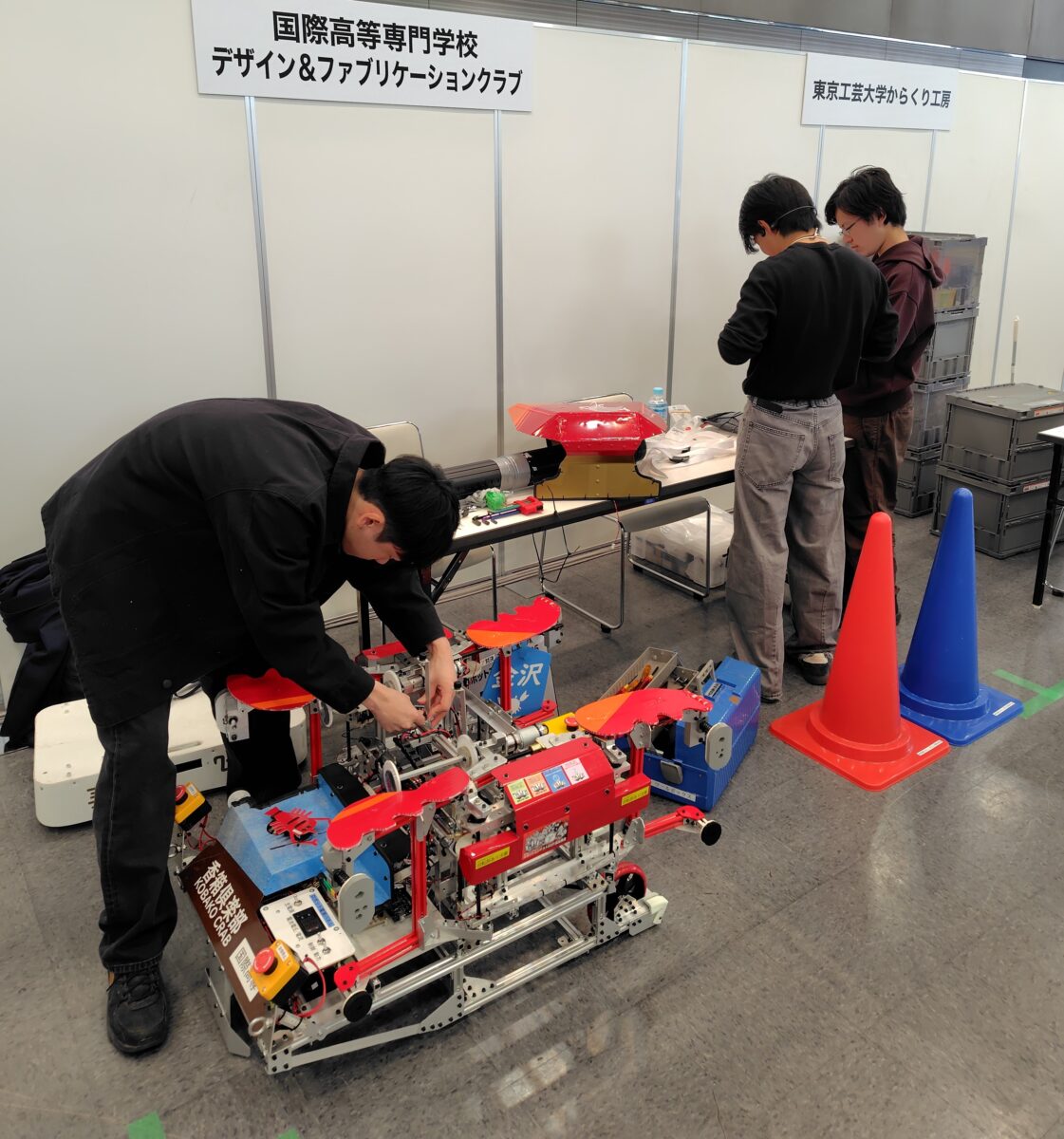
Preparing the exhibition booth展示ブース設営中
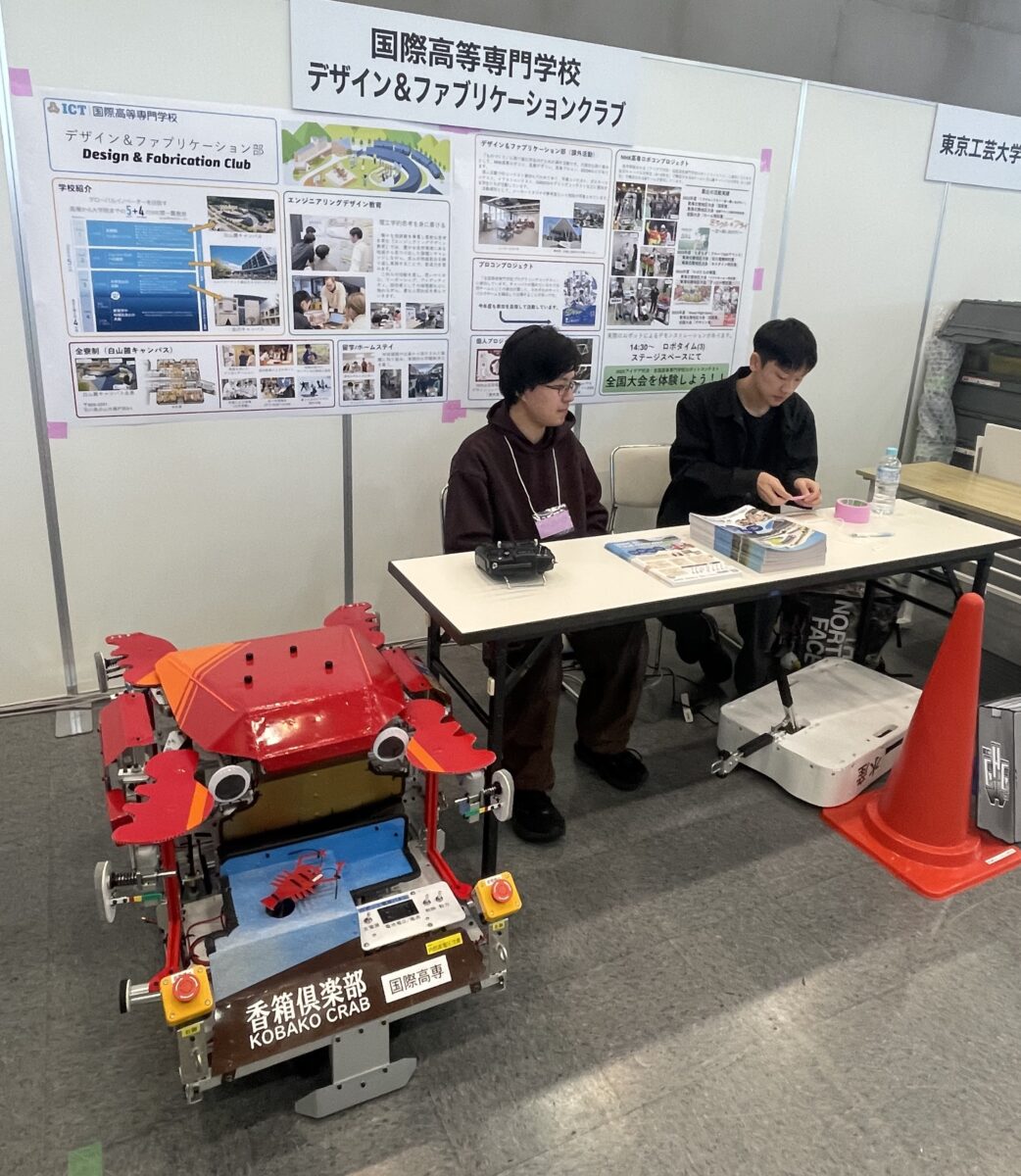
Ready to welcome visitors準備が終わって待機中
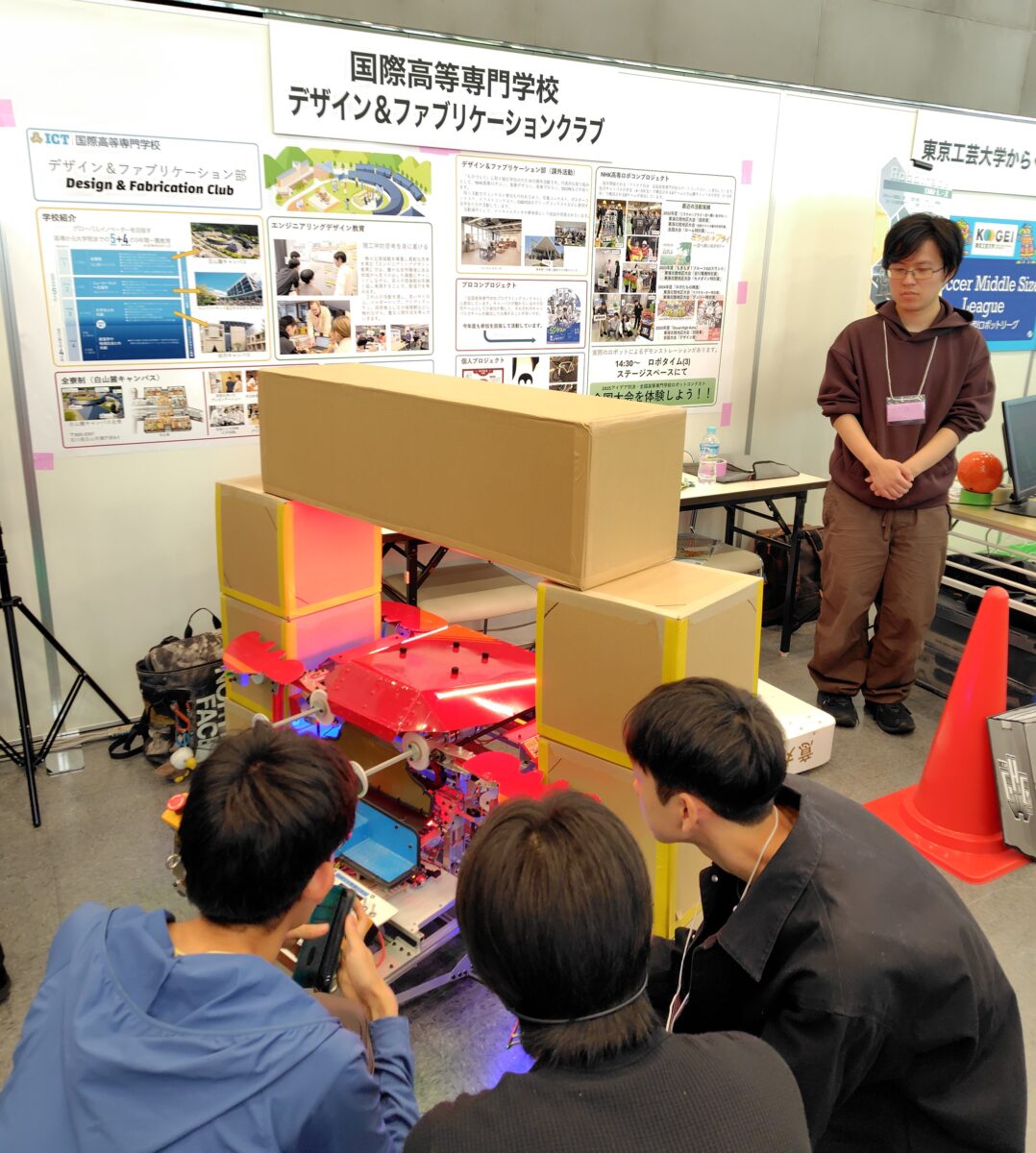
Introducing the robot to visitorsロボット解説中
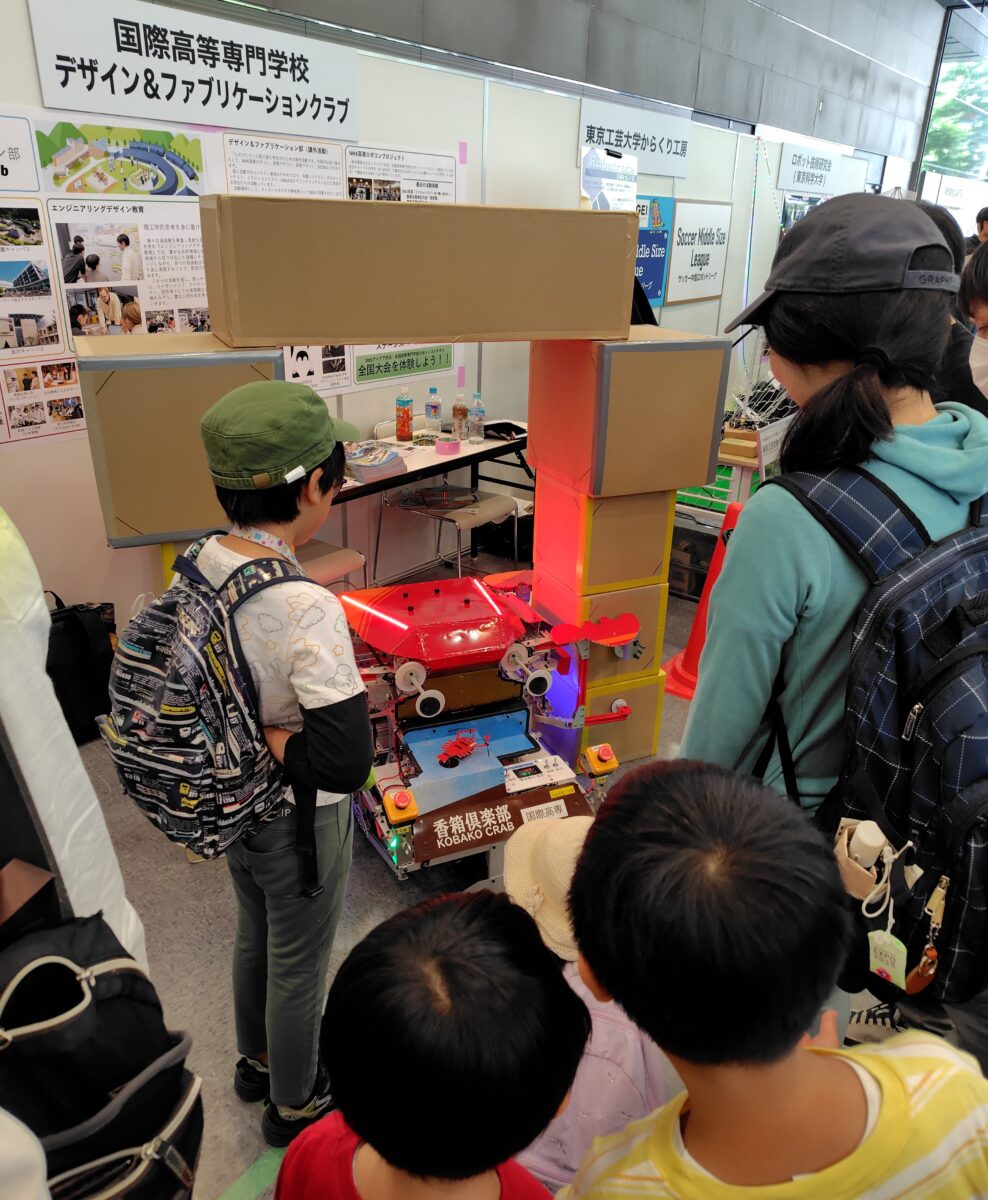
Children taking a close look at the robotロボット見学中の子供たち
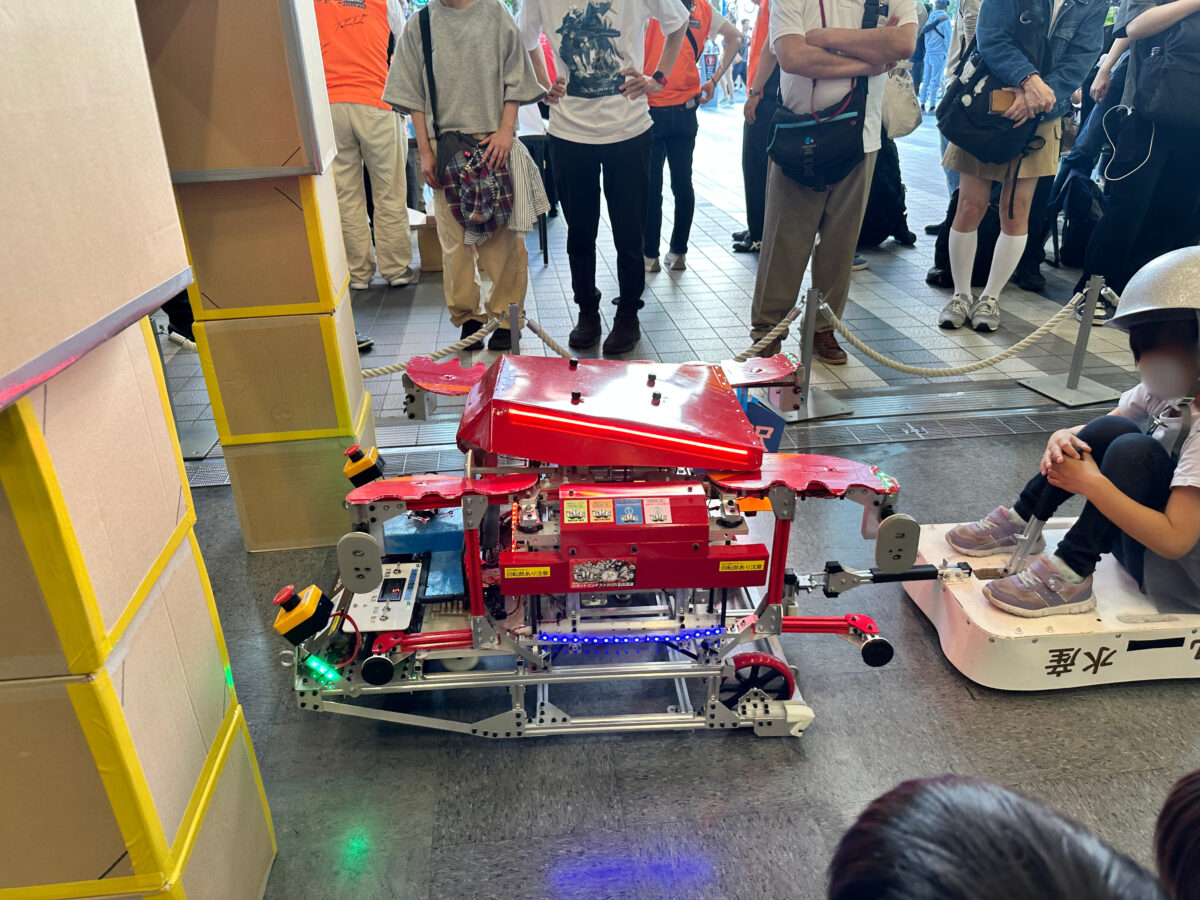
Children taking a close look at the robotステージ実演で台車に乗る参加者
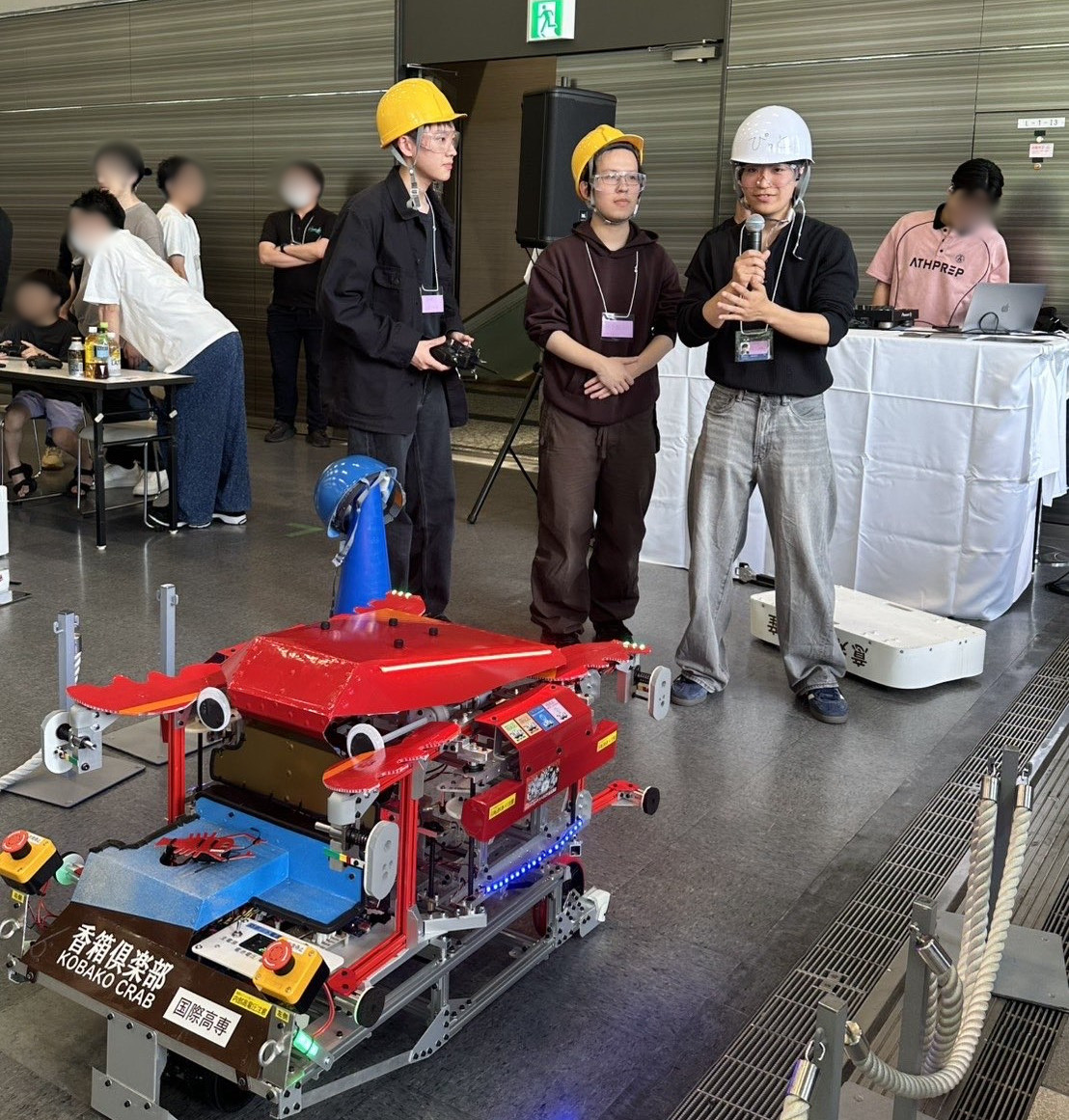
Students explaining the robot beside the stageステージ脇でロボットの説明をする学生
Hello, this is Michihiro Hayashi, advisor of the Design & Fabrication Club.
On Saturday, May 16, 2026, we participated in AKIBA Re-ROBO FESS 2026, held in Akihabara, Tokyo.
This event was organized for the first time by Akiba Tech Connect. It was created with the vision of forming a “chaotic space of technology” in Akihabara—the sacred place of hands-on manufacturing and technology—where people can freely connect and interact through technology. The event aimed to bring together participants from a wide range of backgrounds, including large corporations, startups, small and medium-sized companies, and academic institutions.
At the booth of the International College of Technology, Kanazawa, we introduced our school and the activities of the Design & Fabrication Club. Since the venue was located in the center of Akihabara and the event was held on a Saturday, there were many visitors and the venue was very lively. During the event, we gave presentations about KOSEN education and the unique initiatives of ICT.
We also realized that KOSEN is still not widely recognized among the general public, and some visitors asked us, “What is KOSEN?” On the other hand, among people involved in robotics and drone technologies, KOSEN is already well known. We strongly felt that students educated at KOSEN are highly valued as practical engineers and future leaders in the field.
In addition to exhibition booths, the event also featured a performance stage where we demonstrated our robot. The robot we brought was “Kobako Club,” which competed in the National KOSEN Robocon Competition in 2025.
During the demonstration, the robot carried gates made of stacked cardboard boxes and pulled a cart carrying a person. After the demonstration by our students, children visiting the venue were invited to ride on the cart, and the robot pulled them around the stage.
The children wore slightly oversized helmets and experienced being pulled by a robot while holding onto the cart—something most of them were probably experiencing for the first time. At first, some of them looked nervous, but by the end they were smiling and saying, “That was fun!”
Even after the stage performance ended, many children came to our exhibition booth to see the robot more closely. They touched the robot, looked inside its mechanisms, and asked many questions to the students in charge of explanations.
We believe this experience was valuable not only for children who may become future KOSEN students, but also for our own students.
Design & Fabrication Club
Advisor: Michihiro Hayashi
Arriving at the event venue会場到着
Preparing the exhibition booth展示ブース設営中
Ready to welcome visitors準備が終わって待機中
Introducing the robot to visitorsロボット解説中
Children taking a close look at the robotロボット見学中の子供たち
Children taking a close look at the robotステージ実演で台車に乗る参加者
Students explaining the robot beside the stageステージ脇でロボットの説明をする学生
 こんにちは。国際理工学科の教員であり、エジプト出身のアラー・ホセインです。本稿では、中東のみならずアフリカでも初となる高等専門学校制度校であるエジプト・日本高専(EJ-KOSEN)の設立において、国際高専が果たしてきた貢献について紹介します。
EJ-KOSENは、日本政府(独立行政法人国際協力機構:JICA)とエジプト・アラブ共和国政府との開発協力プロジェクトとして、2024年6月に正式に開校しました。エジプト側のパートナーには、実施機関である教育開発基金(Educational Development Fund:EDF)をはじめ、高等教育・科学研究省(Ministry of Higher Education and Scientific Research:MoHESR)、通信・情報技術省(Ministry of Communications and Information Technology:MCIT)、および教育・技術教育省(Ministry of Education and Technical Education:MoETE)が参画しています。本プロジェクトでは、高専モデルコアカリキュラムを翻訳し、エジプトの教育環境に合わせて調整したカリキュラムを用いることで、パイロット校である高専が円滑かつ効果的に運営されることを目指しています。あわせて、日本型高専教育の質を保証する指標である 国立高専教育国際標準(KOSEN International Standard:KIS)認証の取得を目標としています。
エジプトにおける工学教育は、これまで主に二つの教育経路によって提供されてきましたが、それぞれに異なる課題を抱えています。大学教育では理論教育が中心となっており、実践的なスキルの育成や産業界との連携は比較的限定的です。そのため、卒業生は理論的な知識は十分に備えている一方で、実社会における課題解決能力や実践経験が不足しがちです。一方、技術・職業教育学校では、主に機械や設備の操作に重点が置かれています。これらの学校の卒業生は機器の操作には習熟しているものの、その背後にある理論や設計プロセス、技術開発に関する理解は十分とは言えません。こうした状況を踏まえ、エジプトでは近年、高度な技術教育や体験型教育への転換が進められています。その一環として、多くの工科系大学が新設されるとともに、世界各国の実績ある教育システムと連携したさまざまな協力プログラムが展開されています。
こうした教育システムの一つが、日本の高専モデルです。高専モデルは、理論的知識と実践的応用をバランスよく組み合わせ、産業界のニーズを意識したカリキュラムによって構成されています。プロジェクト型学習(PBL)、課題解決型学習、探究型学習といった教育手法を取り入れることで、学生は分析的思考力と実践的な技能の双方を身に付けることができます。さらに、産業界との強固な連携を重視している点も高専教育の大きな特徴であり、学生は実社会における課題に触れる機会を通して、イノベーション創出力、設計力、そして実践的な問題解決能力を養います。このように、高専モデルは、エジプトの工学教育において長年課題とされてきた理論と実践の隔たりを埋める包括的な解決策を提供する教育モデルと言えます。
エジプトにおける高専教育導入の構想は、2016年に行われたエジプト大統領の公式訪日を契機として始まりました。大統領はこの訪問の際、幼稚園、小学校、高等専門学校など、日本のさまざまな教育機関を視察し、とりわけ高専制度に強い関心を示しました。高専教育が、単なる技能習得にとどまらず、設計力、イノベーション力、問題解決力といった基礎的かつ高度な能力を備えたエンジニアの育成を重視している点が高く評価されたためです。この訪問を受けて、エジプト政府は、日本政府に対し、高専教育モデルをエジプトに導入するための支援を正式に要請しました。本プロジェクトは、日本側では独立行政法人国際協力機構(JICA)を通じて実施され、日本国内の複数の高専から専門家が派遣されました。
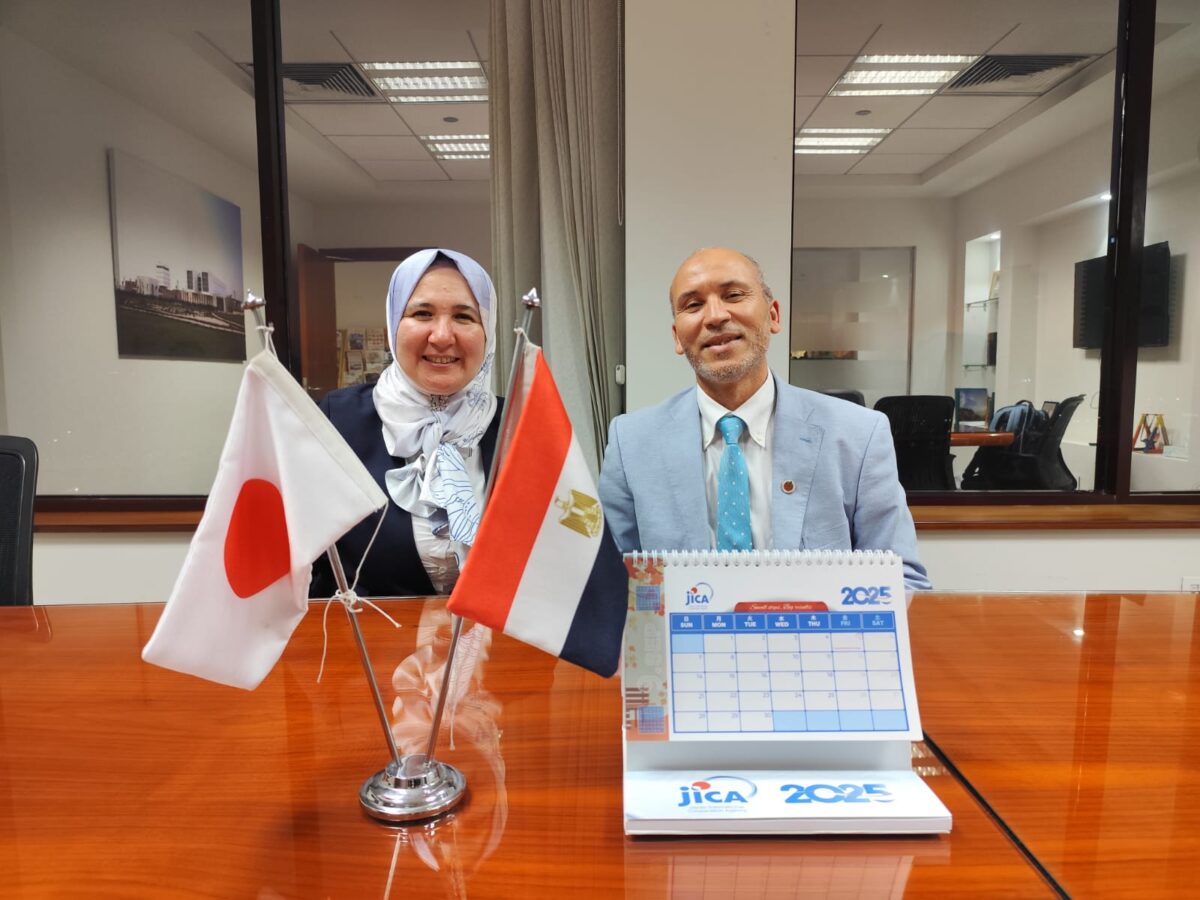
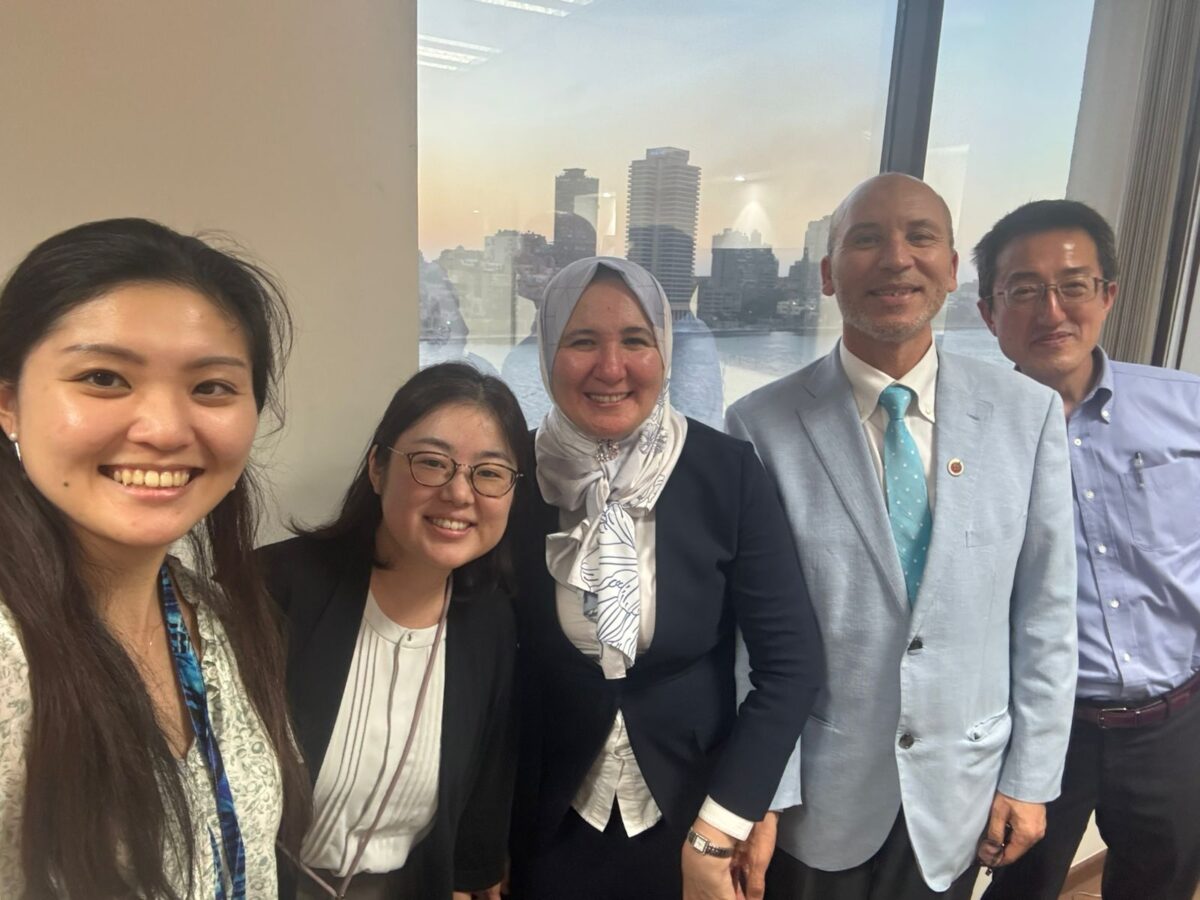
私自身や本校のナグワ・ラシィド先生も、その専門家チームの一員として本プロジェクトに参画しています。私たちが所属する国際高等専門学校は、日本国内では珍しく、主に英語による教育を実施している点に特徴があります。この点は、授業が英語で行われるEJ-KOSENの教育環境と極めて高い親和性を有しています。現在、これらの日本人専門家は、教育開発基金(Educational Development Fund:EDF)のエジプト側チーム、JICAのプロジェクトマネジメントスタッフ、そして新たに採用されたEJ-KOSENの教職員と緊密に連携しながら、教育制度の構築と運営体制の確立に取り組んでいます。国際高専の教員として、私の役割は、ナグワ先生をはじめとする日本側専門家とともに、カリキュラム支援にとどまらず、学校の理念の策定や主要な制度設計への貢献にまで及びました。特に、ディプロマ・ポリシー、カリキュラム・ポリシー、アドミッション・ポリシーの策定においては、中心的な役割を担いました。また、STEM分野のカリキュラム設計を支援するとともに、教員の公募・選考への参画、学生募集および入学選考プロセスへの支援、さらには入学試験および入学審査制度の構築にも携わりました。
正式開校に先立ち、2025年8月には、新たに採用された教員を対象として、エジプトにおいて約3週間にわたる集中的な研修プログラムを実施しました。本研修では、高専教育の理念および教育体系をはじめ、国立高専教育国際標準(KOSEN International Standard:KIS)枠組みについて紹介するとともに、プロジェクト型学習、課題解決型学習、探究型学習といった現代的な教育手法について指導を行いました。さらに、授業用教材の開発および改善に関する助言も行いました。この期間中、私たちは入学選考プロセスにおいても積極的な役割を果たし、学生面接への参加や、EJ-KOSEN第1期生となる新入生の選抜にも携わりました。プログラムの開校後は、私たちの役割はさらに拡大し、教員に対する継続的な学術支援、フォローアップ、ならびに専門能力向上のための支援も担っています。
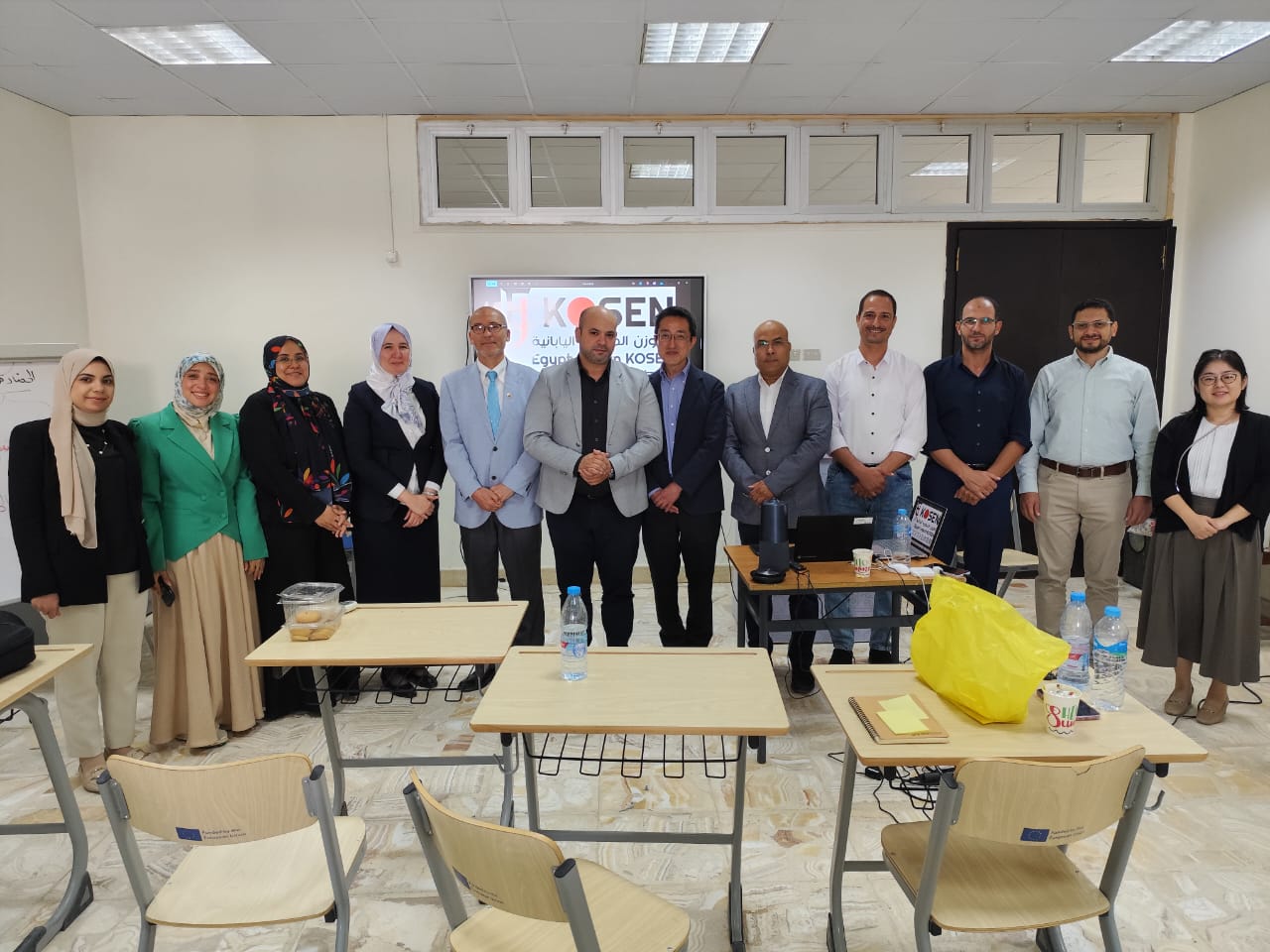
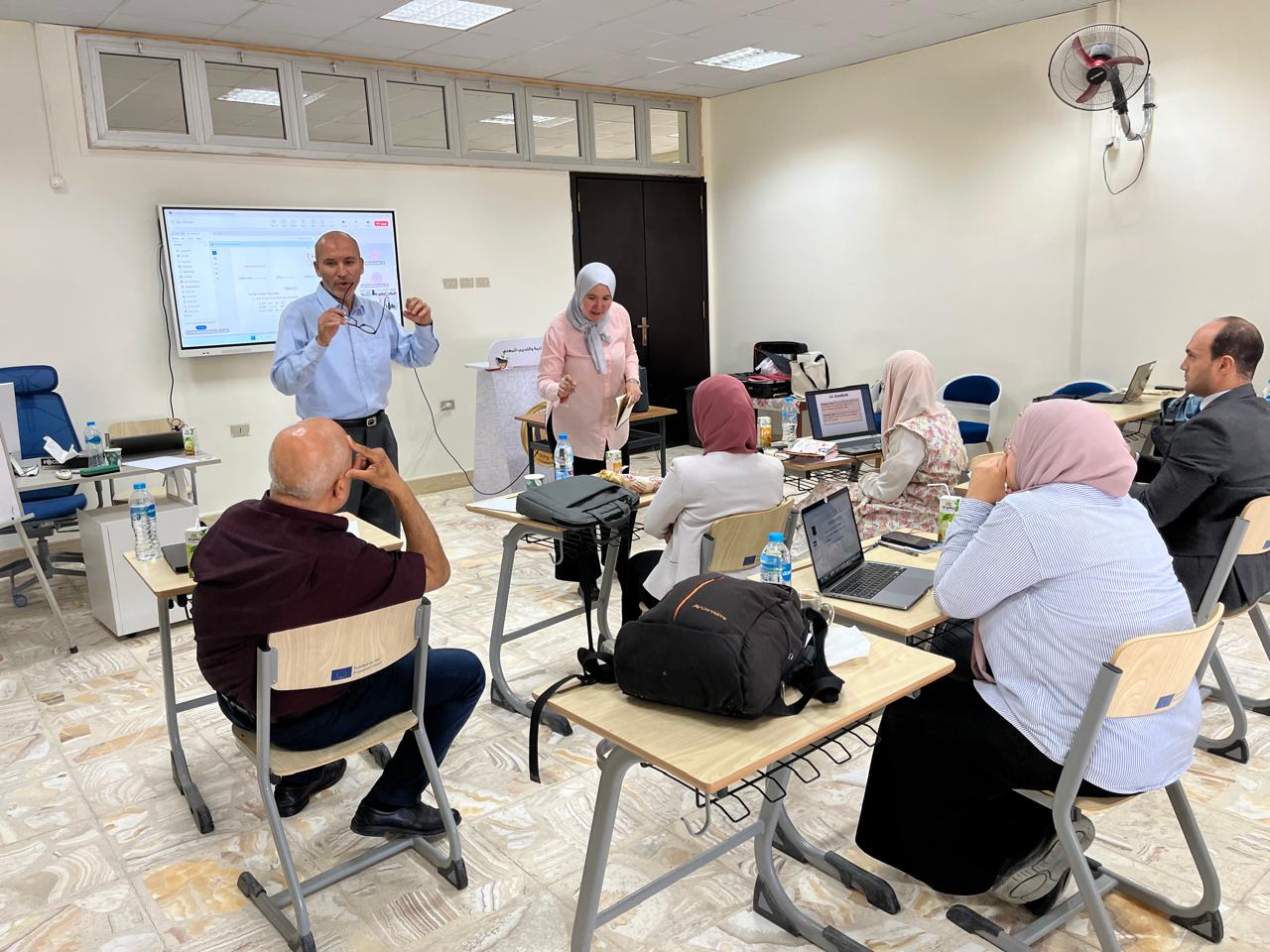
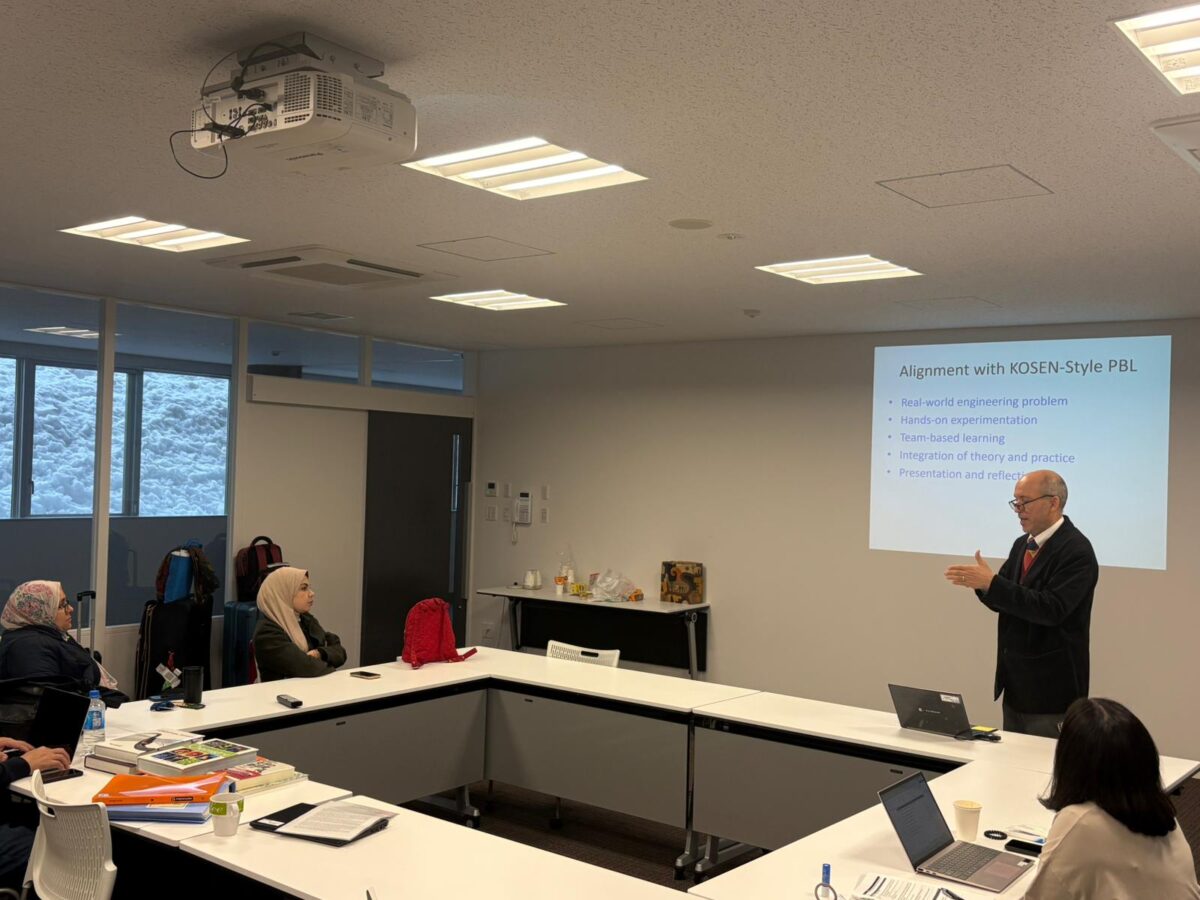
2026年1月下旬には、EJ-KOSENの教職員がさらなる研修のため来日し、大阪公立大高専、石川高専、そして私たちの金沢にある国際高等など、複数の高専を訪問しました。滞在中、参加者は国際高専の2つのキャンパスの施設を視察するとともに、併設校である金沢工業大学との連携体制について理解を深め、集中的なワークショップにも参加しました。これらのワークショップでは、初年度前期の教育プログラム全般を対象に、講義資料、実験、演習・実習、ワークシート、期末試験に至るまで、詳細なフィードバックを行いました。また、形成的評価、ポートフォリオ評価、ルーブリックの活用といった評価手法にも重点を置き、評価の明確性、一貫性、透明性を確保するための議論を行いました。さらに、私はプロジェクト型学習(PBL)に関する講義を担当し、その実施方法、評価基準、評価の透明性、ならびにエビデンスに基づく評価の考え方について解説しました。これらの研修を通じて、エジプト側教員の教育力向上を図るとともに、EJ-KOSENの教育プログラムが、国際標準に沿った高水準の教育・学習・評価を維持することを目的としています。
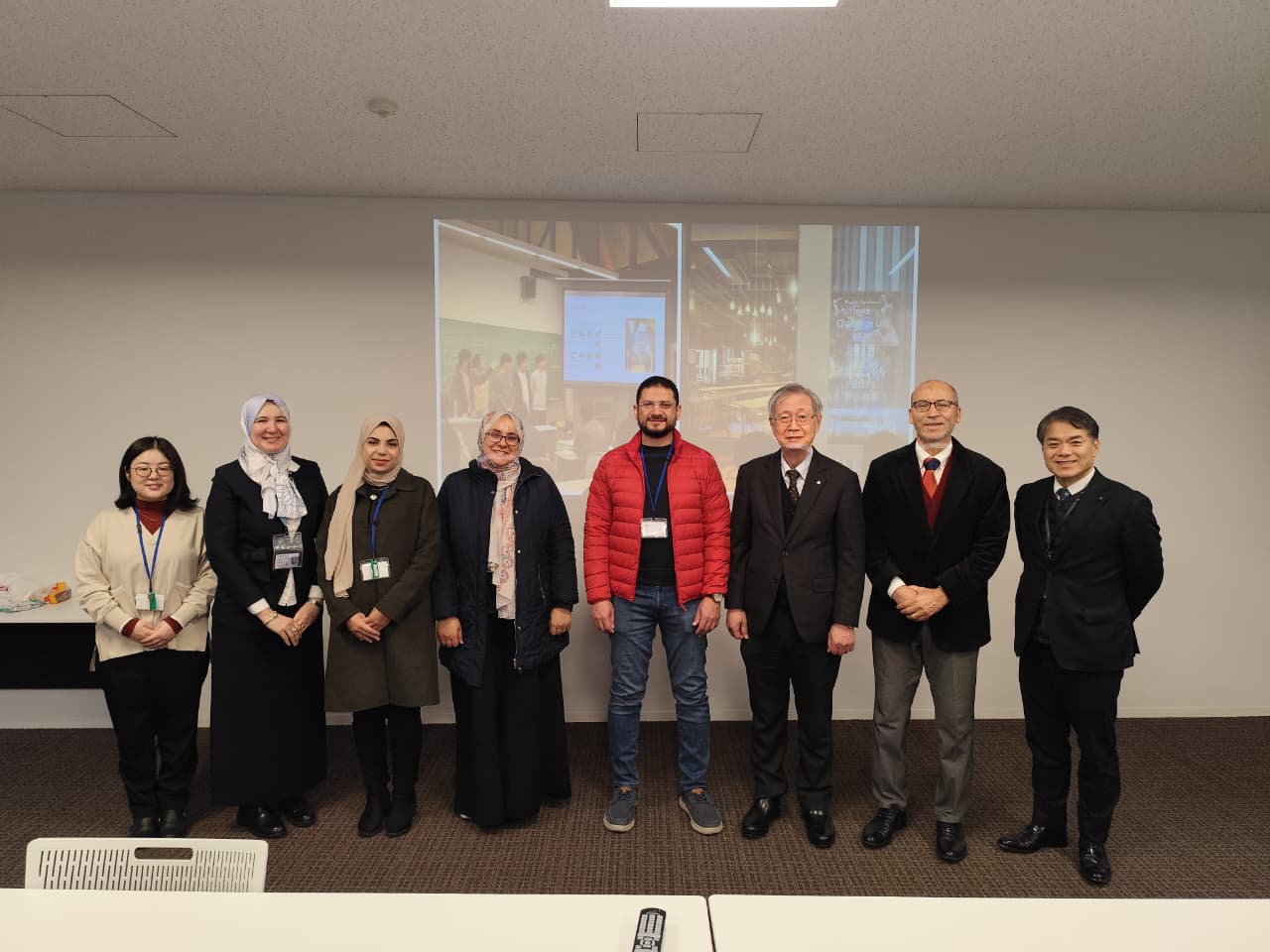
こうした強固かつ発展的な協働関係を通じて、エジプト・日本高専プロジェクトは、国際的な基準を満たすだけでなく、エジプト社会が直面する喫緊の課題や産業界の変化するニーズに的確に応える、持続可能で質の高い工学教育モデルを構築するための確かな基盤を築いています。エジプトの出身者として、この取り組みの継続的な発展と成功を目の当たりにできることを心から嬉しく思います。また、本プロジェクトが、実社会の課題解決に主体的に取り組み、イノベーションを創出し、エジプトの持続可能な発展に貢献できる、有能で創造性に富んだ次世代のエンジニアを育成していくものと確信しています。
アラー・ホセイン
Hello, this is Alaa Hussien from Egypt. I am a professor in the Department of Science and Technology at ICT. I am writing this article to highlight the contributions of ICT in supporting the establishment of the Egypt–Japan KOSEN (EJ-KOSEN), the first KOSEN institution not only in the Middle East but also in Africa. It was officially launched in June 2024 as a development cooperation project between the Government of Japan, represented by the Japan International Cooperation Agency (JICA), and the Government of the Arab Republic of Egypt. The Egyptian partners include the Educational Development Fund (EDF) as the implementing agency, along with the Ministry of Higher Education and Scientific Research (MoHESR), the Ministry of Communications and Information Technology (MCIT), and the Ministry of Education and Technical Education (MoETE). The overall goal of the project is to introduce the KOSEN education system in Egypt as a new model of higher education. The project specifically aims to ensure that the pilot KOSEN operates effectively using a curriculum translated and adapted from the KOSEN Model Core Curriculum, with the objective of achieving KOSEN International Standard (KIS) accreditation, thereby assuring the quality of Japanese-style KOSEN education.
In Egypt, engineering education has traditionally been delivered through two main pathways, each with distinct limitations. University education primarily emphasizes theoretical knowledge, with relatively limited focus on practical skills and minimal connection to industry. As a result, graduates often possess strong theoretical backgrounds but lack real-world problem-solving abilities and hands-on experience. On the other hand, technical and vocational schools focus mainly on the operation of machinery. Graduates from these institutions are typically skilled in operating equipment but have a limited understanding of underlying principles, design processes, or the development of technology. In the last few years, the environment has been shifting toward advanced technological and experiential educations by establishing many technological universities and developing various cooperation programs with successful existing educational systems around the world.
One of these systems is the KOSEN model in Japan, where this model integrates theoretical knowledge with practical application through a well-balanced and industry-oriented curriculum. By incorporating project-based, problem-based, and inquiry-based learning approaches, KOSEN education enables students to develop both analytical thinking and hands-on skills. Furthermore, its strong emphasis on collaboration with industry ensures that students gain exposure to real-world challenges, thereby fostering innovation, design capability, and practical problem-solving skills. In this way, the KOSEN model offers a comprehensive solution that bridges the divide between theory and practice in engineering education in Egypt.
The idea of introducing KOSEN education in Egypt can be traced back to 2016, following the official visit of the President of Egypt to Japan. During this visit, he toured various educational institutions, including kindergartens, elementary schools, and KOSEN colleges, where he was particularly impressed by the KOSEN system as it emphasizes the development of engineers who possess not only operational skills but also strong foundations in design, innovation, and problem-solving. Following this visit, the Egyptian government requested support from the Japanese government to introduce this educational model in Egypt. The project was implemented through JICA, which dispatched Japanese experts from various KOSEN institutions, including myself and Nagwa Fekri Rashed Sensei. Our involvement was particularly relevant as our International College of Technology (ICT) is unique in Japan in delivering education primarily in English, closely aligning with the educational context in the EJ-KOSEN, where instruction is also conducted in English. These Japanese experts have been collaborating closely with the Egyptian team from the Educational Development Fund (EDF), the JICA project management staff, and the newly appointed faculty and staff at EJ-KOSEN.
As a professor at ICT, my role, along with other Japan-side experts—including Nagwa Fekri Rashed Sensei—has extended beyond curriculum support to encompass contributions to the formulation of the school’s vision and the development of key institutional policies. In particular, we have played a central role in designing the diploma policy, the curriculum policy, and the admission policy. In addition, we have supported the design of STEM curricula, have participated in the recruitment and selection of faculty members, have assisted in student admissions processes, and have contributed to the development of entrance examinations and admission procedures.
Prior to the official opening, we conducted an intensive three-week training program in Egypt in August 2025 for newly recruited faculty members. This training introduced the philosophy and structure of KOSEN education, including the KOSEN International Standard (KIS) framework, as well as modern teaching methodologies such as project-based, problem-based, and inquiry-based learning. We also provided guidance on the development and refinement of teaching materials. During that period, we played an active role in the admission process by participating in student interviews and contributing to the selection of the first intake of EJ-KOSEN freshmen. After the program’s launch, our responsibilities expanded to include continuous academic support, follow-up, and professional development for faculty members.
In late January 2026, staff and faculty members from the EJ-KOSEN came to Japan to visit several KOSEN institutions, including Osaka KOSEN, Ishikawa KOSEN, and our International College of Technology in Kanazawa, for further training. During their visit, they explored our two campuses facilities, observed the integration between the college and its parent institution, the Kanazawa Institute of Technology, and participated in a series of intensive workshops. These workshops were designed to provide detailed feedback on all aspects of the first-semester academic program, including lecture notes, experiments, practical applications, worksheets, and final examinations. We also focused on assessment strategies, covering formative assessment, portfolio-based assessment, and the use of rubrics to ensure clarity, consistency, and transparency. In addition, I delivered a presentation on project-based learning, addressing implementation strategies, evaluation criteria, transparency in assessment, and evidence-based evaluation. These sessions aimed to strengthen the pedagogical skills of the Egyptian faculty and ensure that the EJ-KOSEN program maintains high standards of teaching, learning, and assessment aligned with the KOSEN International Standard.
Through these strong and growing collaborations, the Egypt–Japan KOSEN project is well positioned to build a sustainable, high-quality model of engineering education in Egypt—one that not only meets international standards but also directly addresses the pressing challenges facing society in Egypt and the evolving needs of its industry. As an Egyptian, I am truly excited to witness the continued success of this initiative and confident that it will nurture a new generation of engineers who are capable, innovative, and committed to solving real-world problems and contribute to Egypt’s sustainable development.
Alaa Hussien