




FY 2025
2025年度の記事
こんにちは。
夫婦でダニーデンにてICT生のStudent Supportを担当している稲葉です。今回は、妻の私、和佳子より、ダニーデンおよび生活について簡単にご紹介いたします。
私たちは定期的に学生と面談を行い、ICT生のオタゴポリテクニク留学がより充実したものとなるようサポートしています。
夫は日本のエネルギー系企業で15年間勤務した後、University of OtagoのMBA課程に留学し、今年度修了しました。家族でダニーデンの暮らしを気に入り、修了後も現地企業に就職して生活を続けています。
ダニーデンはコンパクトで、都会の喧騒もなく、かといって田舎過ぎない“ちょうどいい”街です。若い学生からは「遊ぶ場所が少ない」という声もよく聞きますが、自然に恵まれており、少し足をのばせばビーチやトレッキングコースもあるため、リフレッシュには最適です。勉強に集中できる落ち着いた環境だと思います。
4月以降、定期的にICT生とお会いしていますが、最初は新しい環境や異文化へのとまどいを感じている様子が見られました。それでも次第に適応し、自信を持って生活を楽しむ姿へと変化しており、たくましさを感じます。
次に、実際に私たちがどんな生活を送っているのか、プライベート面について紹介したいと思います。
私たちは夫、妻、子ども(長女7歳、長男5歳、次男3歳)の5人家族です。
休日には家族みんなで、公園、潮干狩り、釣り、無料のミュージアムなど様々な種類のアクティビティを楽しんでいます。ダニーデンに来る前は都内に住んでいたため、自然のスケールの大きさに圧倒されることが多いです。自宅から車で5分も走れば、遠くまで広がる牧草地で、のんびり草をはむたくさんの羊や馬、牛を見ることができます。
-
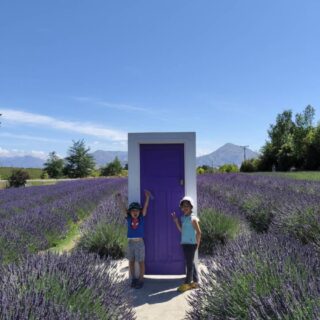
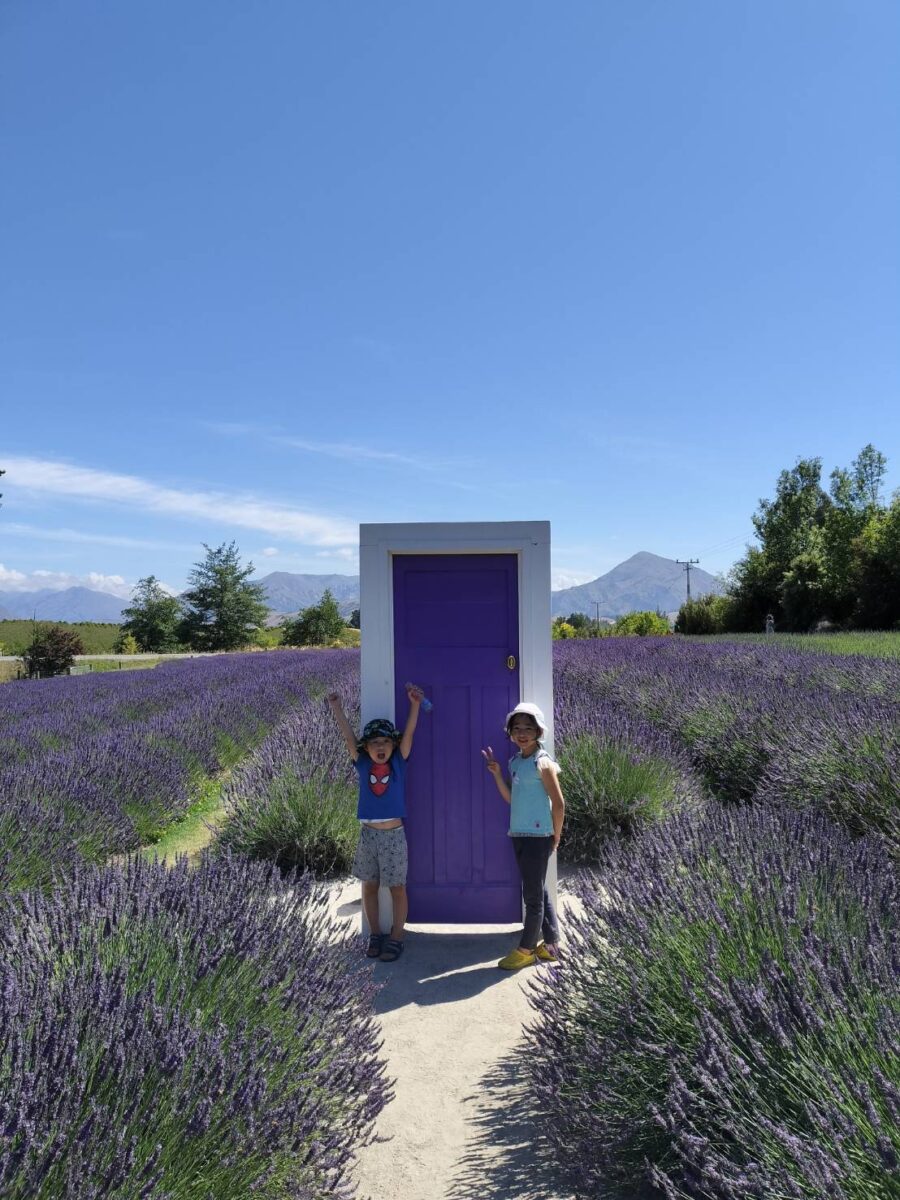
At the famous lavender field少し足を伸ばして有名なラベンダー畑へ。遠くには雄大な山並みも見えます。
-
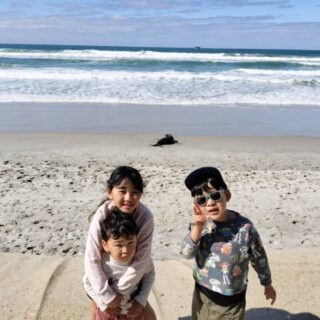
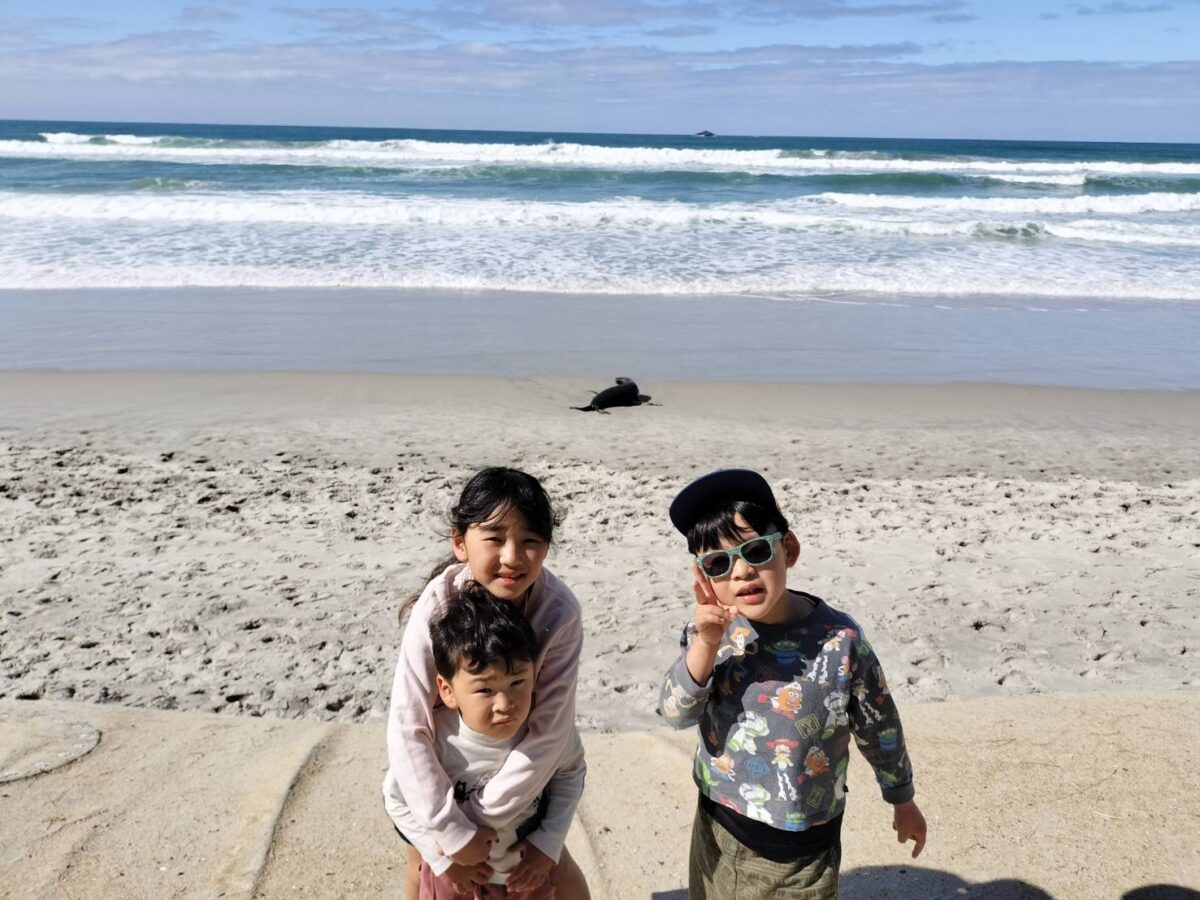
At the beach, 10 minutes from our house. There is a sealion behind them. 家から車で10分のビーチにて。シーライオン(アシカ)によく遭遇します。
また、自宅も山を登っていく途中にあり、庭からは山の景色が見渡せます。朝は鳥のさえずりが聞こえ、昼間は日差しが降り注ぎ、お天気雨の時には虹もよく現れ、自然を常に身近に感じる環境です。
ダニーデンは春を迎え、そろそろ夏に向かう季節です。夏にはビーチで海水浴をしたり、気軽にトレッキングを楽しんだり、庭でプールなどの水遊びをしたりと、楽しみたいことがたくさんあります。ダニーデンでの生活も1年半を超え、衣食住さまざまなことに慣れ、楽しむ余裕が出てきたように感じています。
-
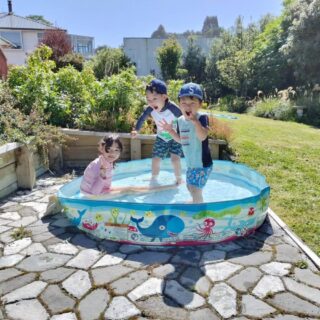
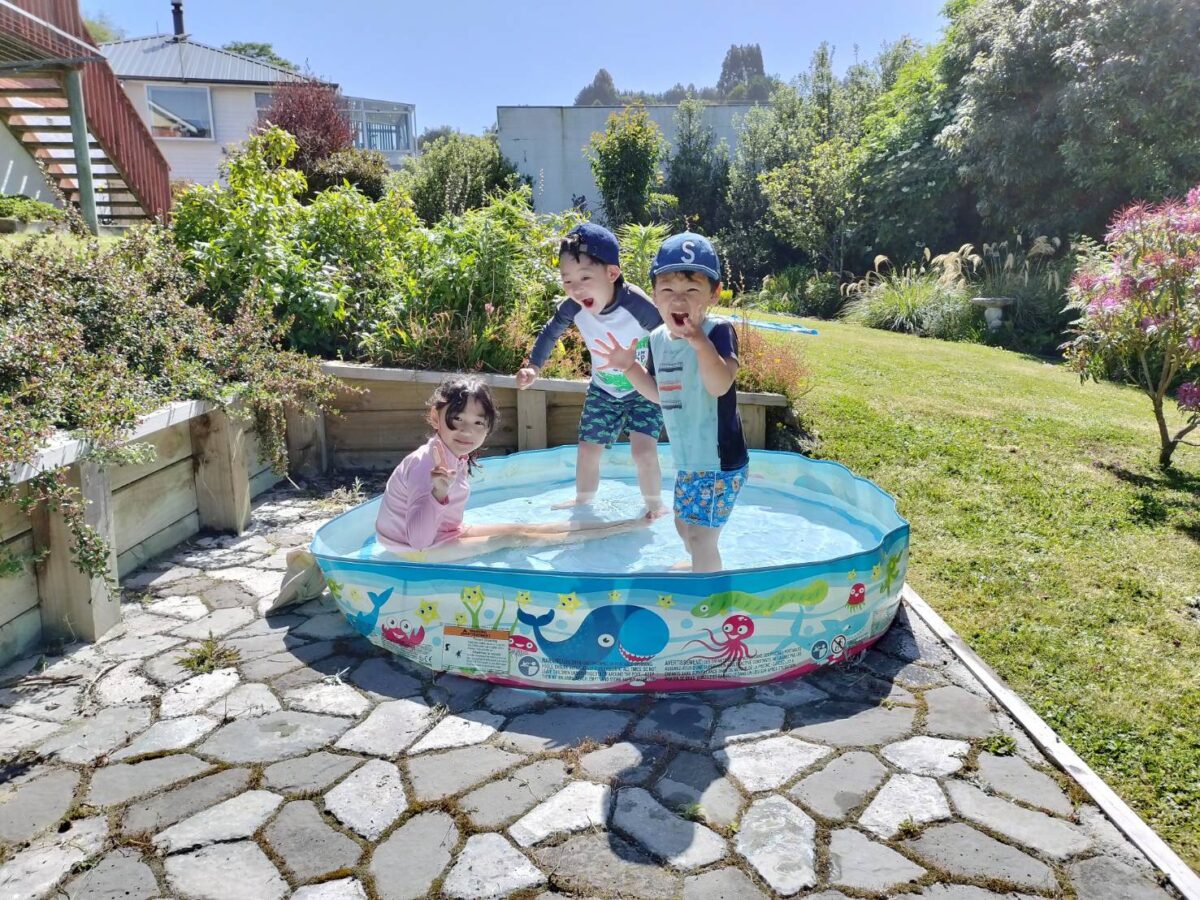
Pool in the yard自宅の庭でプール遊び
-
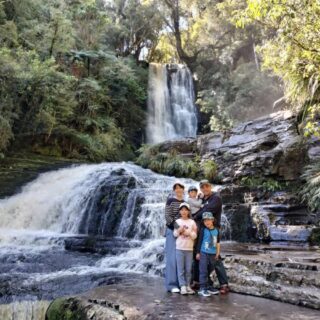
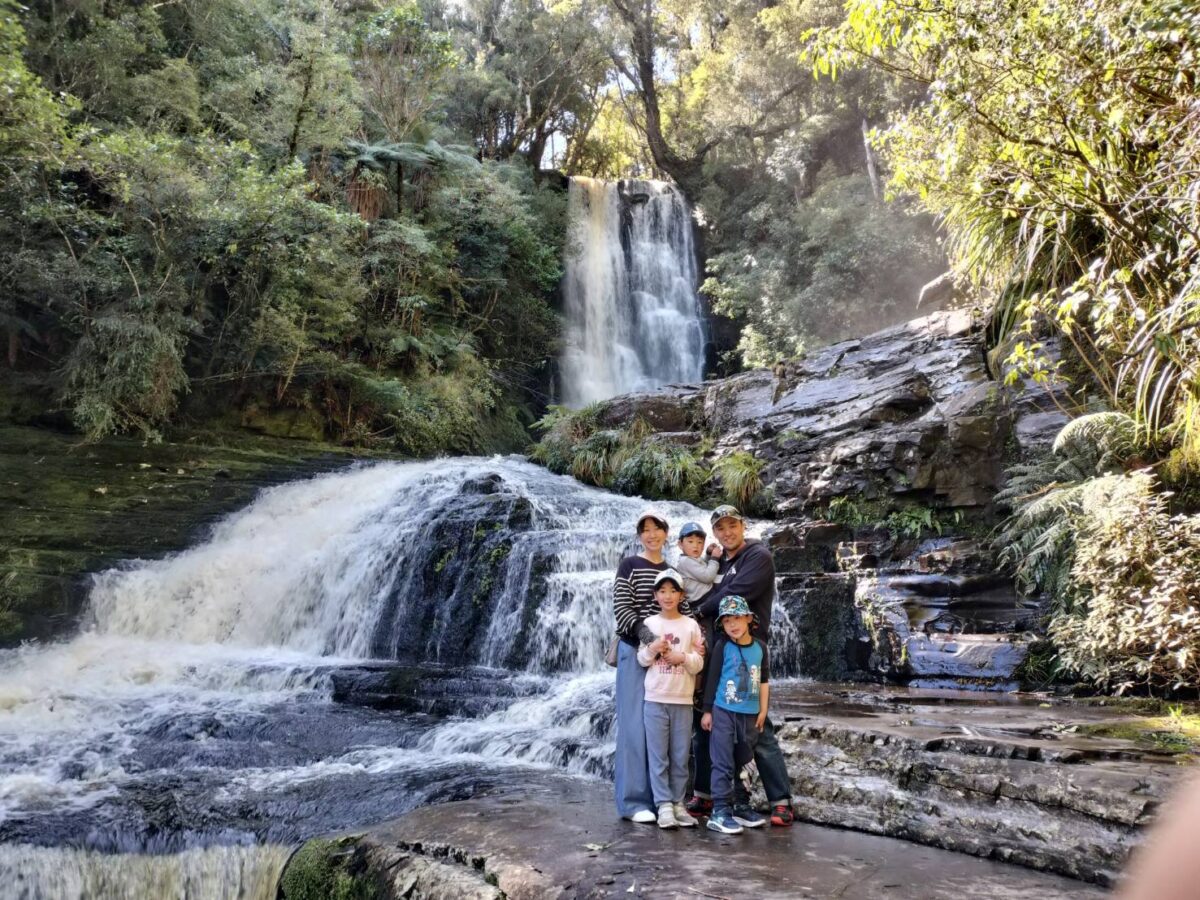
There are many waterfalls around Dunedin滝が見られるスポットもダニーデン周辺にたくさんあります。
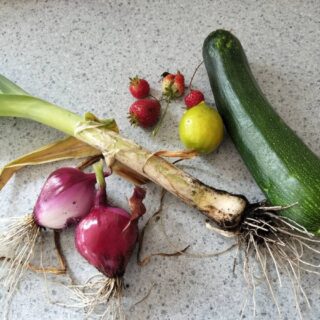
A part of the harvest昨年の収穫物の一部。採れたて野菜はやっぱりおいしいです。
最近では手作りの納豆や味噌づくりにもチャレンジしています。納豆は試行錯誤を重ね、以前より安定しておいしく作れるようになりました。味噌は仕込んだのが約半年前なので、そろそろ取り出して味を確かめる頃合いです。他にも庭で野菜を育てるなど、日本にいたら挑戦しなかったであろう様々な事柄に家族で取り組み、新たな知識と経験を得ることを楽しんでいます。
ちなみにダニーデンに来た当初は英語力ゼロだった子ども達は、この1年半で日常のコミュニケーションをほぼ問題なく英語でできるようになりました(子どもって本当にすごい!)。私(アラフォー妻)はとっくに英語力は抜かされていますが、なんとかついていきたくて、レッスンに通ったりと頑張って学んでいるところです。これからも家族みんなで、前向きにダニーデン生活を楽しみたいと思います。
この記事をご覧の皆様、ダニーデンへお越しの際はぜひお声がけくださいね。
稲葉 和佳子
Hello.
I'm Inaba, and my husband and I are in charge of Student Support for ICT students in Dunedin. This time, I, Wakako (the wife), would like to briefly introduce Dunedin and our life here.
We regularly check in with students to support ICT students in making their Otago Polytechnic study abroad experience more fulfilling.
My husband worked at a Japanese energy company for 15 years before coming to study in the MBA program at the University of Otago, which he completed this year. Our family loved life in Dunedin so much that after graduation, he found employment with a local company and we've continued living here.
Dunedin is compact, without the hustle and bustle of a big city, yet not too rural—it's a "just right" kind of town. We often hear from young students that there aren't many places for entertainment, but it's blessed with nature. With beaches and trekking courses just a short distance away, it's perfect for refreshment. I think it's a calm environment where you can really concentrate on your studies.
We've been meeting regularly with ICT students since April, and at first, we noticed they felt confused by the new environment and different culture. However, they've gradually adapted and transformed into confidently enjoying their lives, which makes us feel they're becoming quite resilient.
Next, I'd like to introduce what kind of life we actually lead from a private perspective.
We're a family of five: husband, wife, and children (eldest daughter 7 years old, eldest son 5 years old, youngest son 3 years old).
On holidays, the whole family enjoys various types of activities such as visiting parks, shellfish gathering, fishing, and free museums. Since we lived in Tokyo before coming to Dunedin, we're often overwhelmed by the scale of nature here. Just a five-minute drive from our home, we can see many sheep, horses, and cows leisurely grazing in pastures that stretch far into the distance.
-
At the famous lavender field少し足を伸ばして有名なラベンダー畑へ。遠くには雄大な山並みも見えます。
-
At the beach, 10 minutes from our house. There is a sealion behind them. 家から車で10分のビーチにて。シーライオン(アシカ)によく遭遇します。
Our home is also located partway up a mountain, and from our garden we can see the mountain scenery. In the morning we hear birds singing, during the day sunlight pours down, and when there's a sun shower, rainbows often appear—it's an environment where we constantly feel nature close by.
Dunedin is welcoming spring and moving toward summer. In summer, we have so many things we want to enjoy: swimming at the beach, casual trekking, playing with water and pools in the garden, and more. It's been over a year and a half since we started our life in Dunedin, and we've gotten used to various aspects of clothing, food, and housing, and feel we now have the capacity to enjoy it all.
-
Pool in the yard自宅の庭でプール遊び
-
There are many waterfalls around Dunedin滝が見られるスポットもダニーデン周辺にたくさんあります。
A part of the harvest昨年の収穫物の一部。採れたて野菜はやっぱりおいしいです。
Recently, we've been challenging ourselves with making homemade natto (fermented soybeans) and miso. Through trial and error, we've become able to make natto more consistently and deliciously than before. As for the miso, we prepared it about half a year ago, so it's about time to take it out and taste it. We're also growing vegetables in the garden, and it's very enjoyable for the family to tackle various things together that we probably wouldn't have tried if we were still in Japan. We are gaining new knowledge and experiences.
By the way, our children, who had zero English ability when we first came to Dunedin, have reached the point where they can communicate in daily life almost without any problems in English after only a year and a half (kids are really amazing!). They have long since surpassed me (a wife in my late thirties) in English ability, but I'm trying hard to keep up by attending lessons and such.
We want to continue enjoying our Dunedin life positively as a whole family.
To everyone reading this article, please do reach out to us when you visit Dunedin!
Wakako Inaba
 こんにちは。白山麓事務室の間加田 侑里です。秋の涼しさを感じる季節となりました。今回は9月に行われた様々な課外活動について紹介します。
「国語じゃなくて日本語」
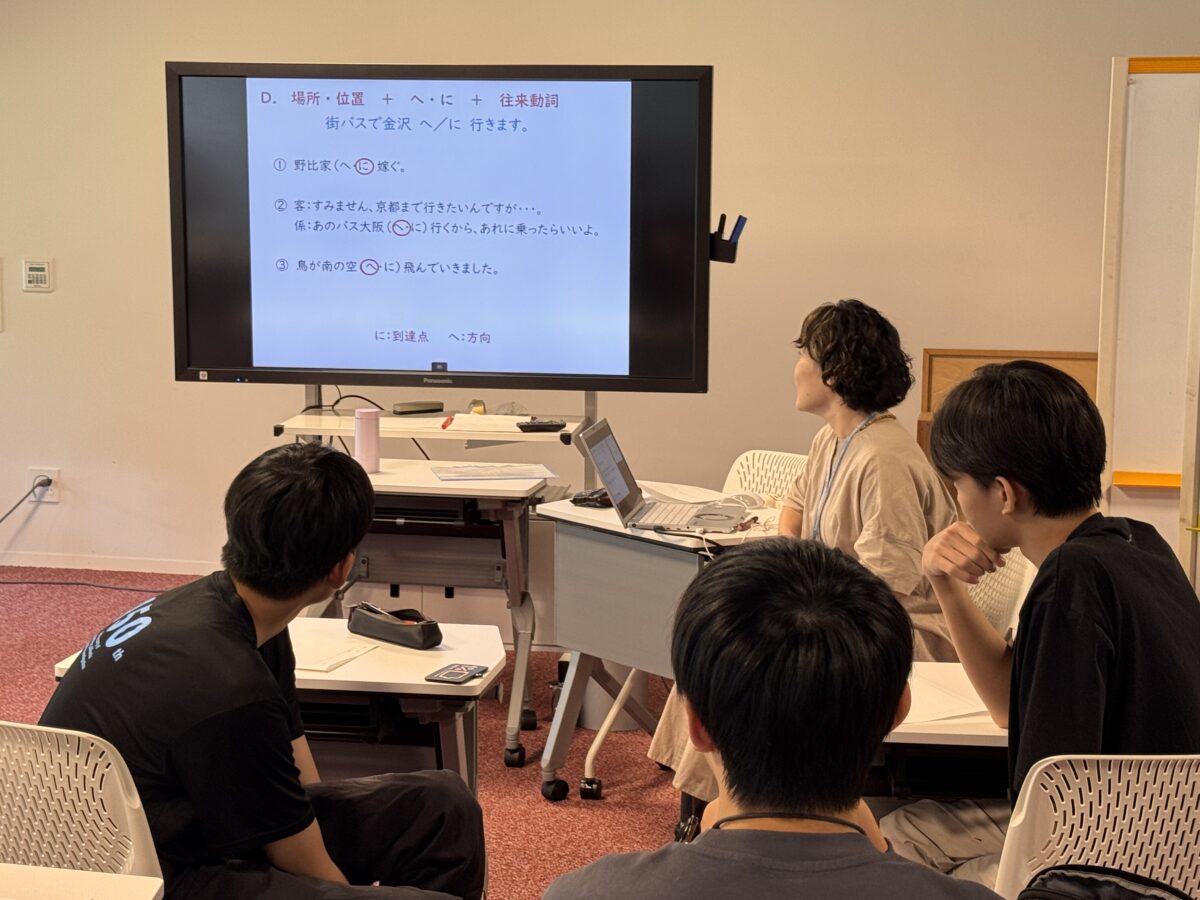
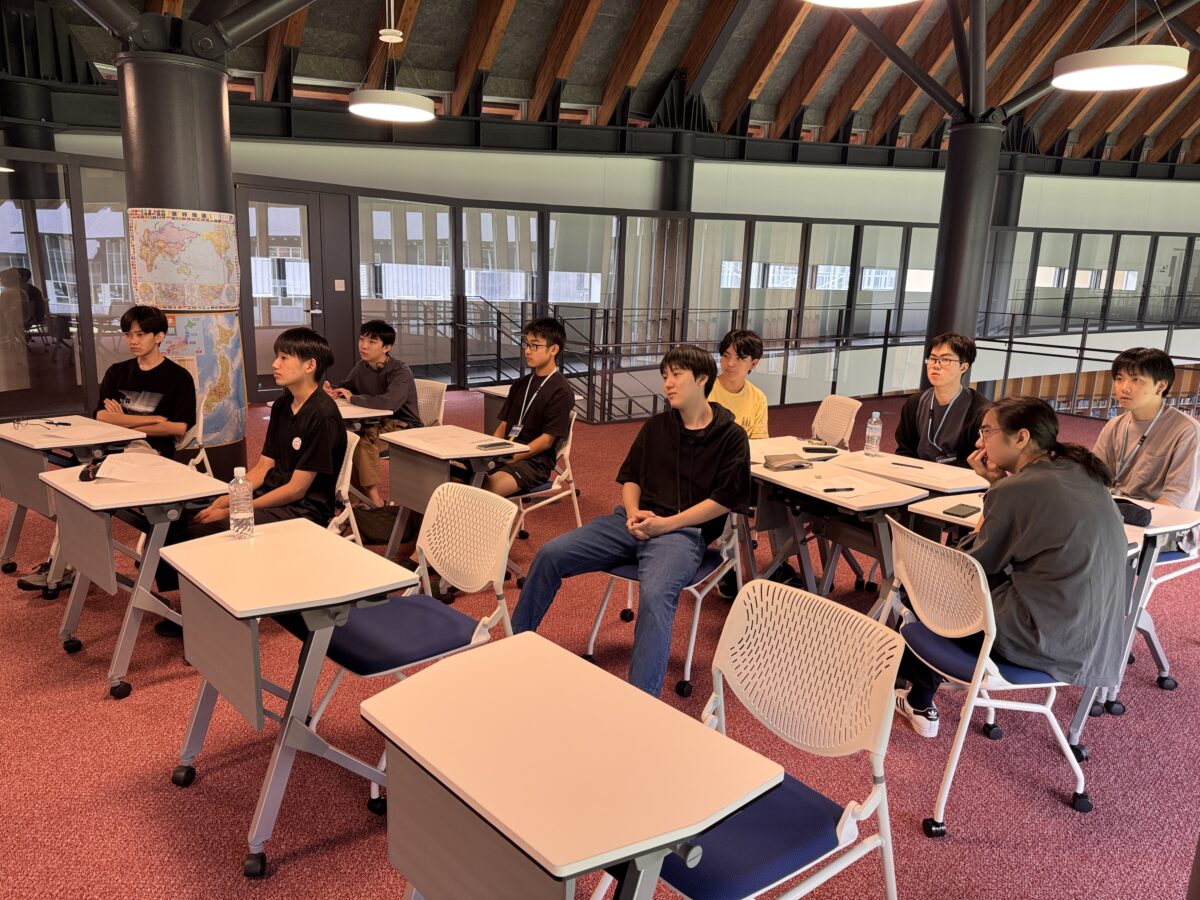
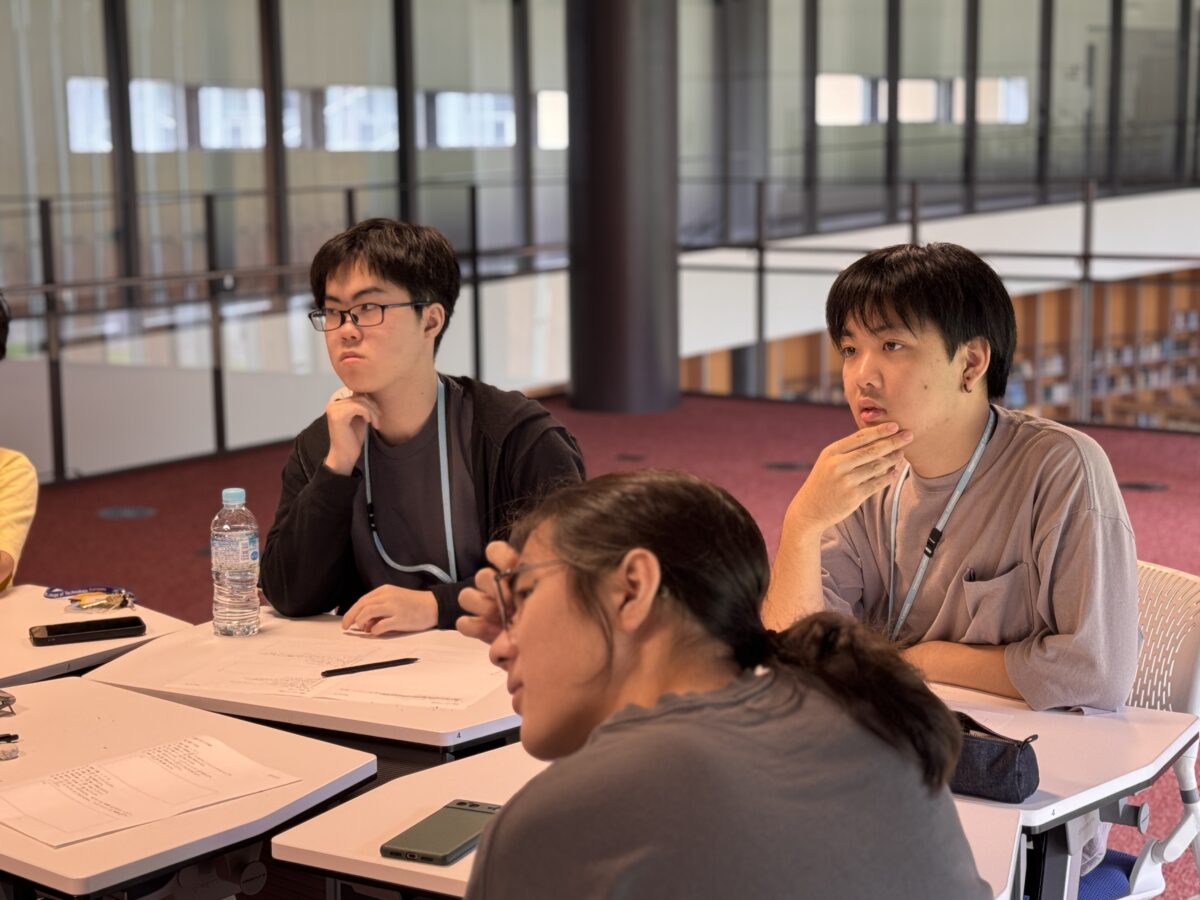
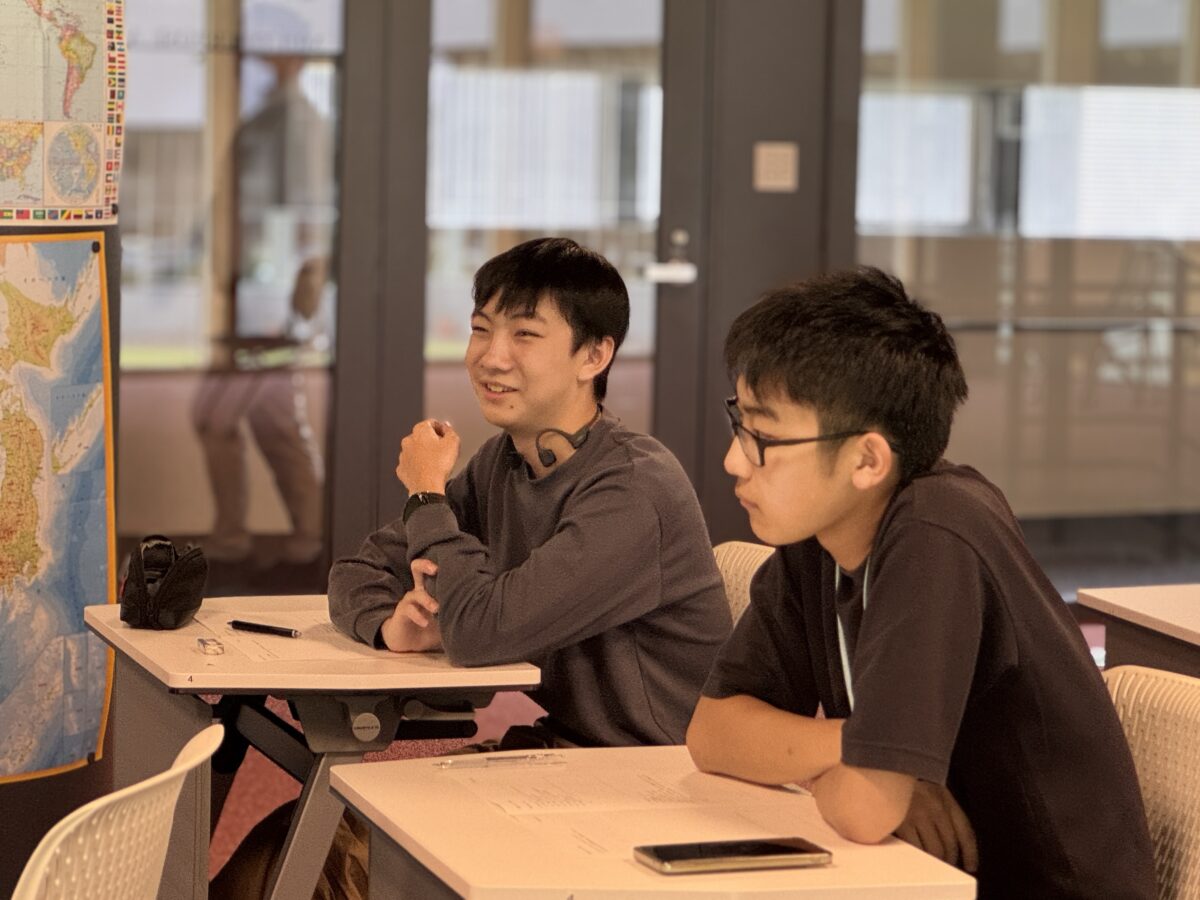
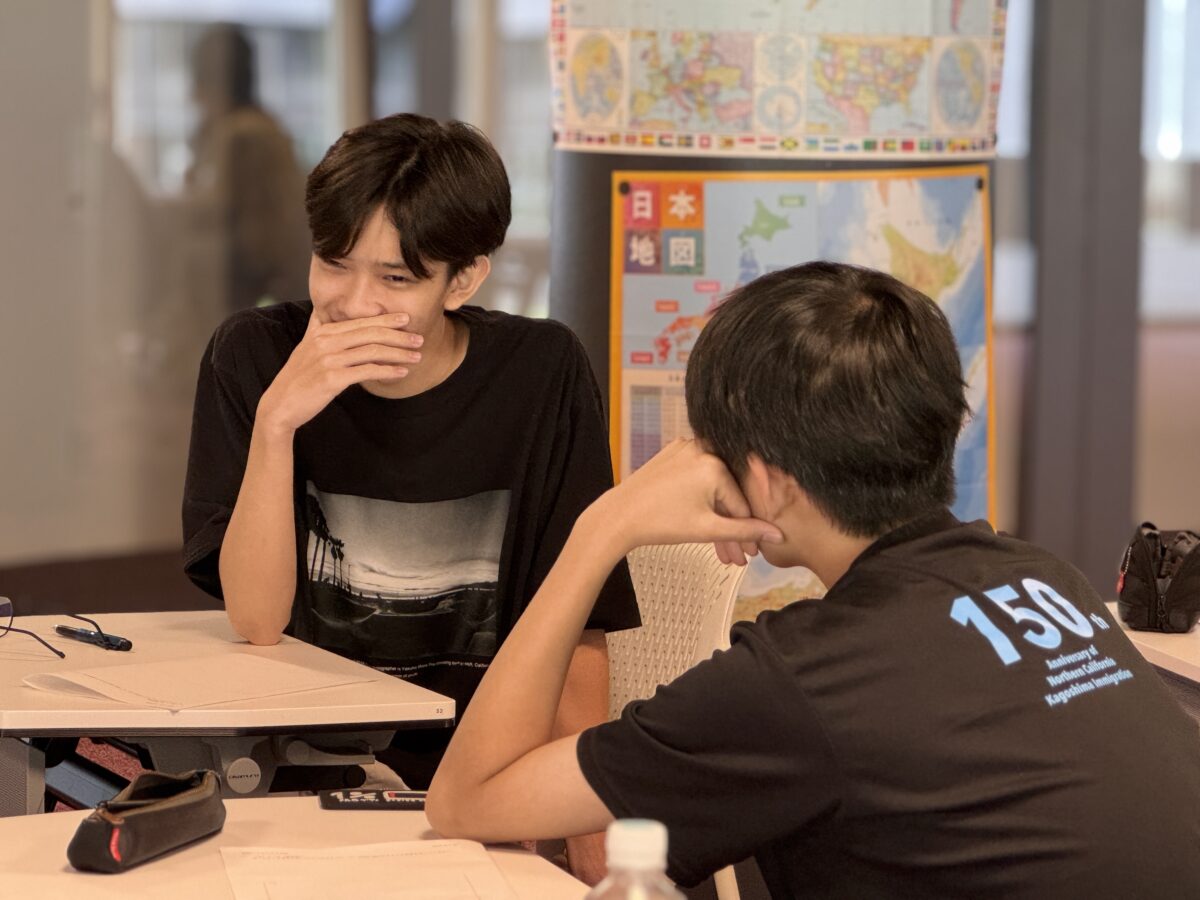
2025年9月17日(水)、筒井先生主催「国語じゃなくて日本語」と題した特別講義が開催されました。筒井先生は、英語を母国語或いは第一言語としている学生たちに、第二言語(外国語)として、日本語プログラムを開講しています。
今回行われた「国語じゃなくて日本語」は、日本語母語話者向けの講義で、私たちが普段何気なく使っている日本語にも、言葉の使い分けや文法項目に難しさがあることを確認しました。講義ではそれらの点を取り上げ、語の働きがどのような意味を生み出すのかについて考察しました。
筒井先生より、「国語や文法が苦手だという学生もいましたが、みんな積極的に参加してくれました。全員が自ら考え、グループディスカッションを通じて気づきを得たり、理解を深めたりしている様子が見られました。私自身も、学生の取り組みや発言から新たな気づきを得ることができました。今回は時間が足りず、メインとして予定していた「は」と「が」の違いについては扱えなかったため、後学期に第二弾として実施することにしました。次回も、ぜひ多くの学生に参加してもらえたら嬉しいです。」とのコメントがありました。
「フラワーアレンジメント・華道教室」
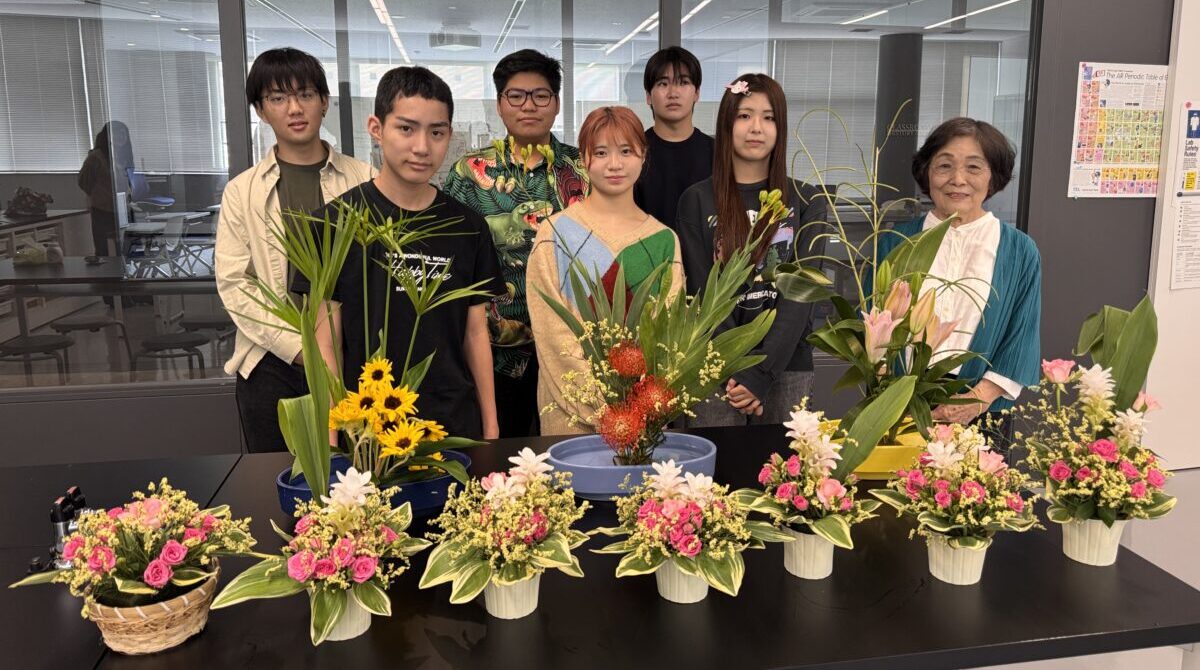
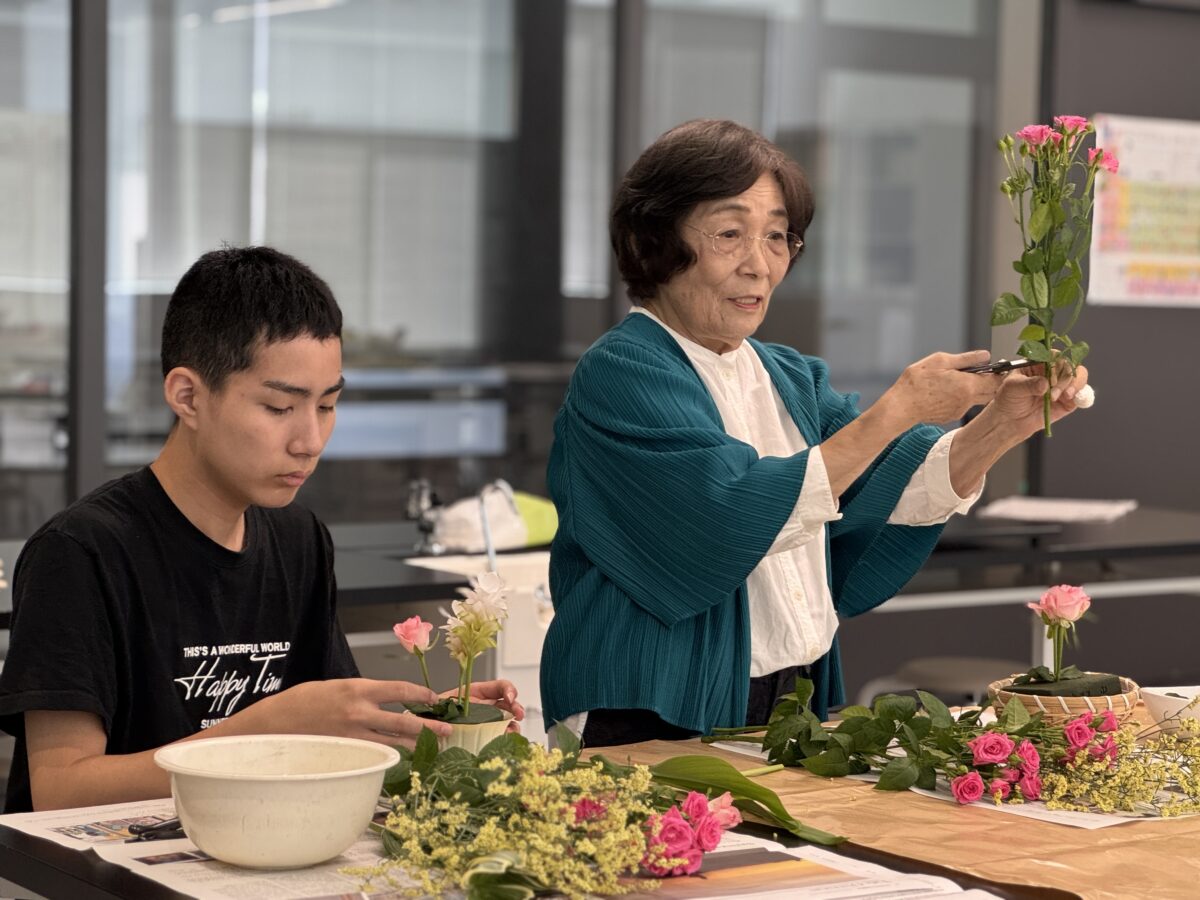
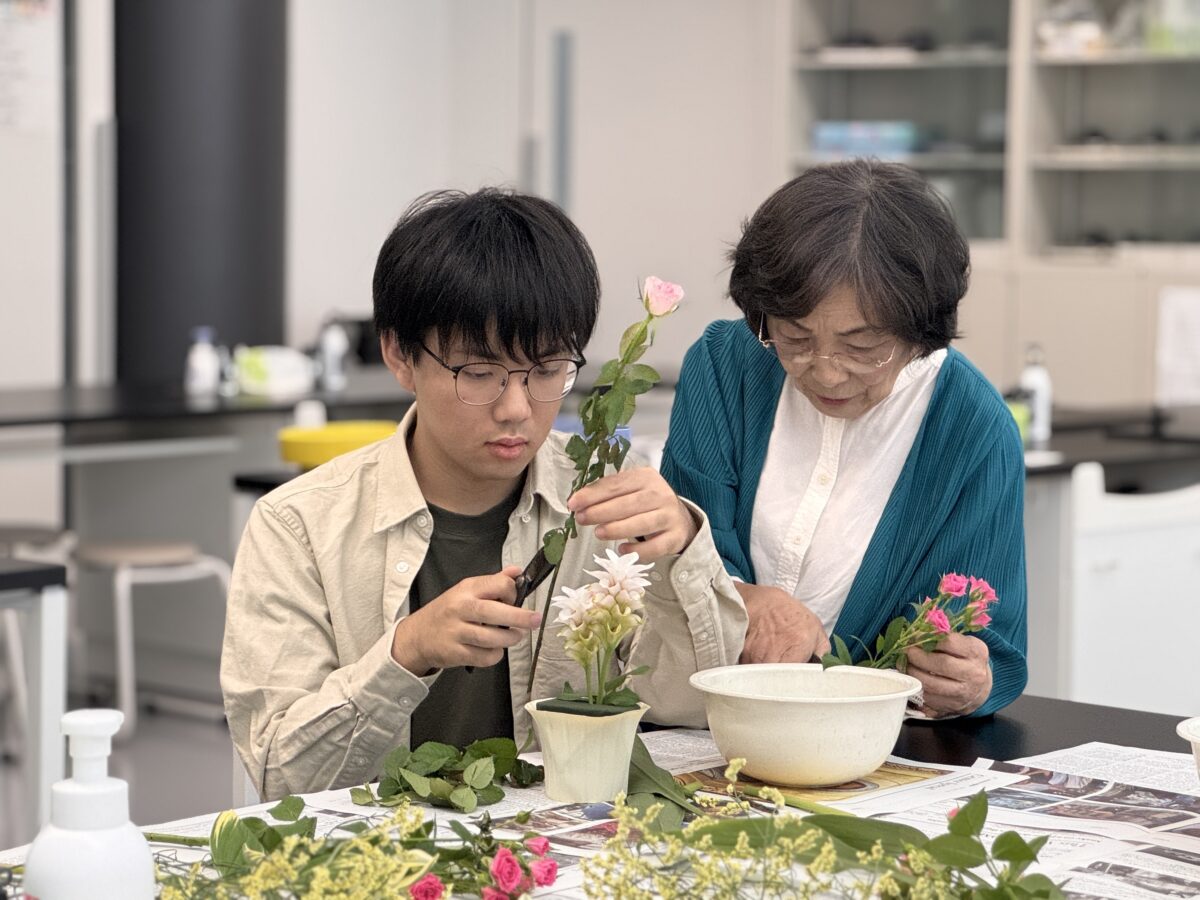
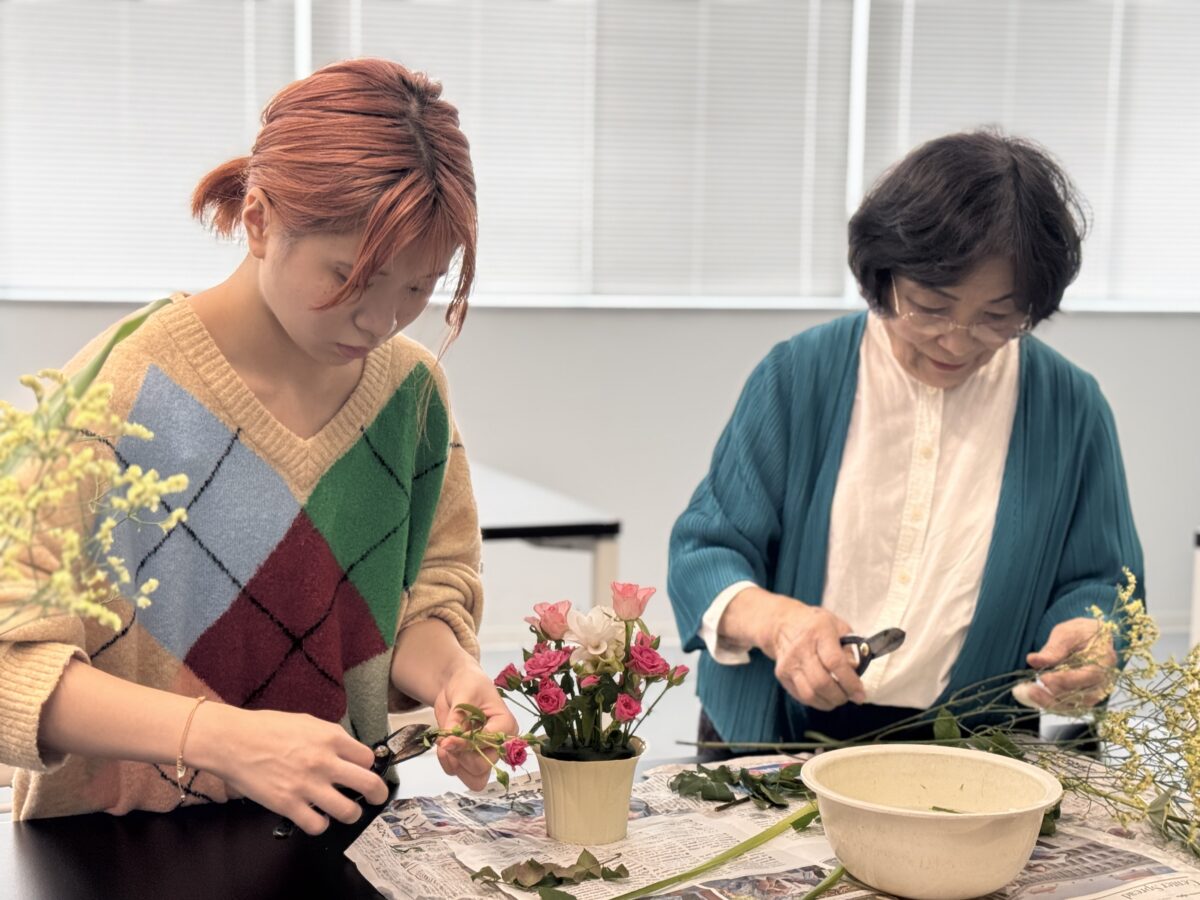
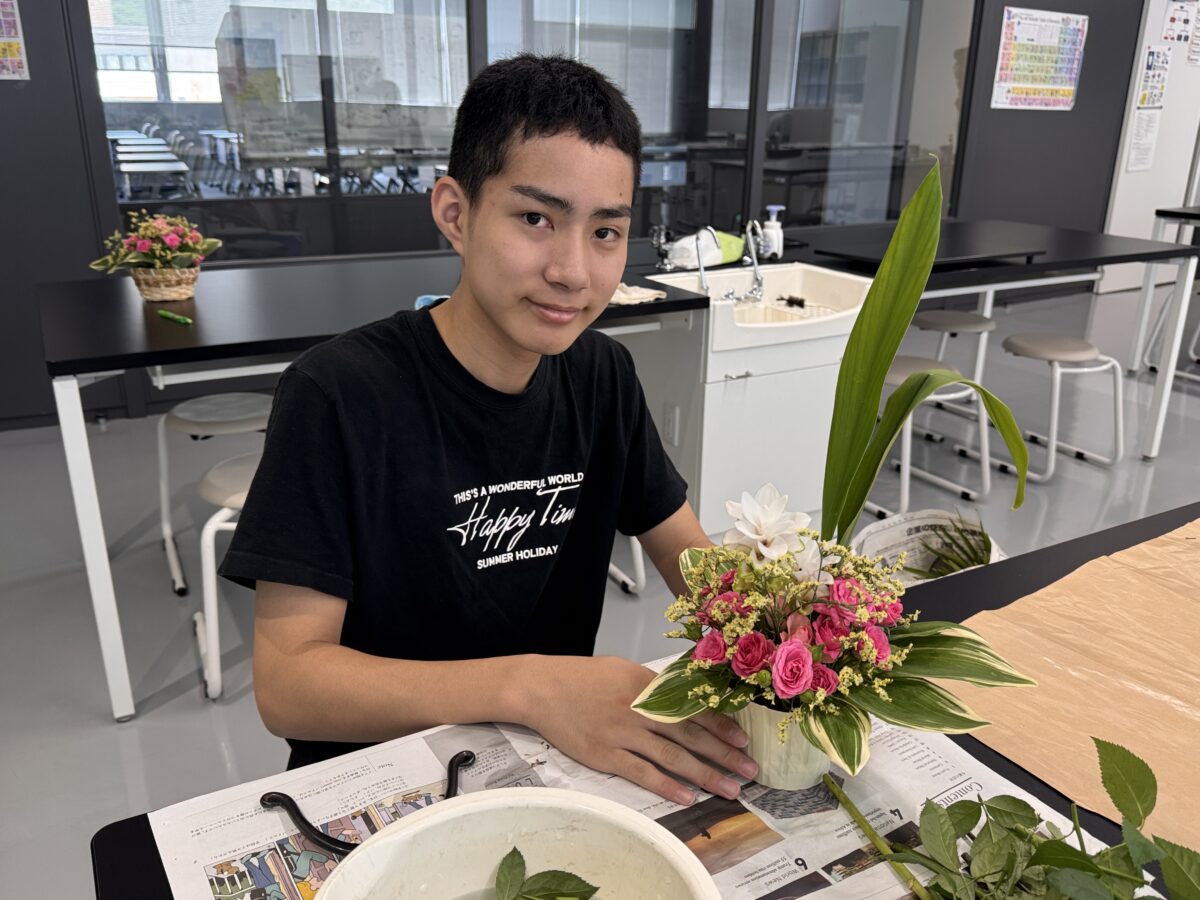
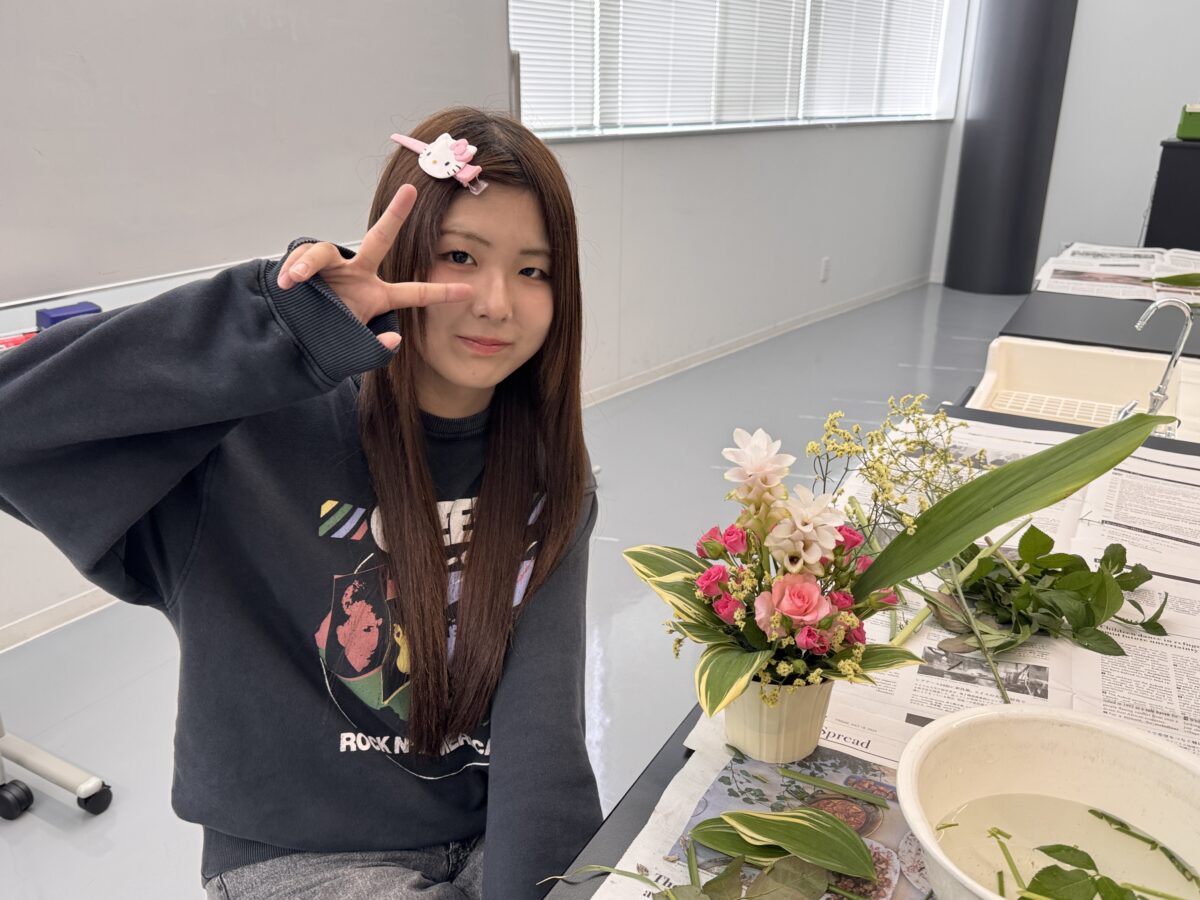
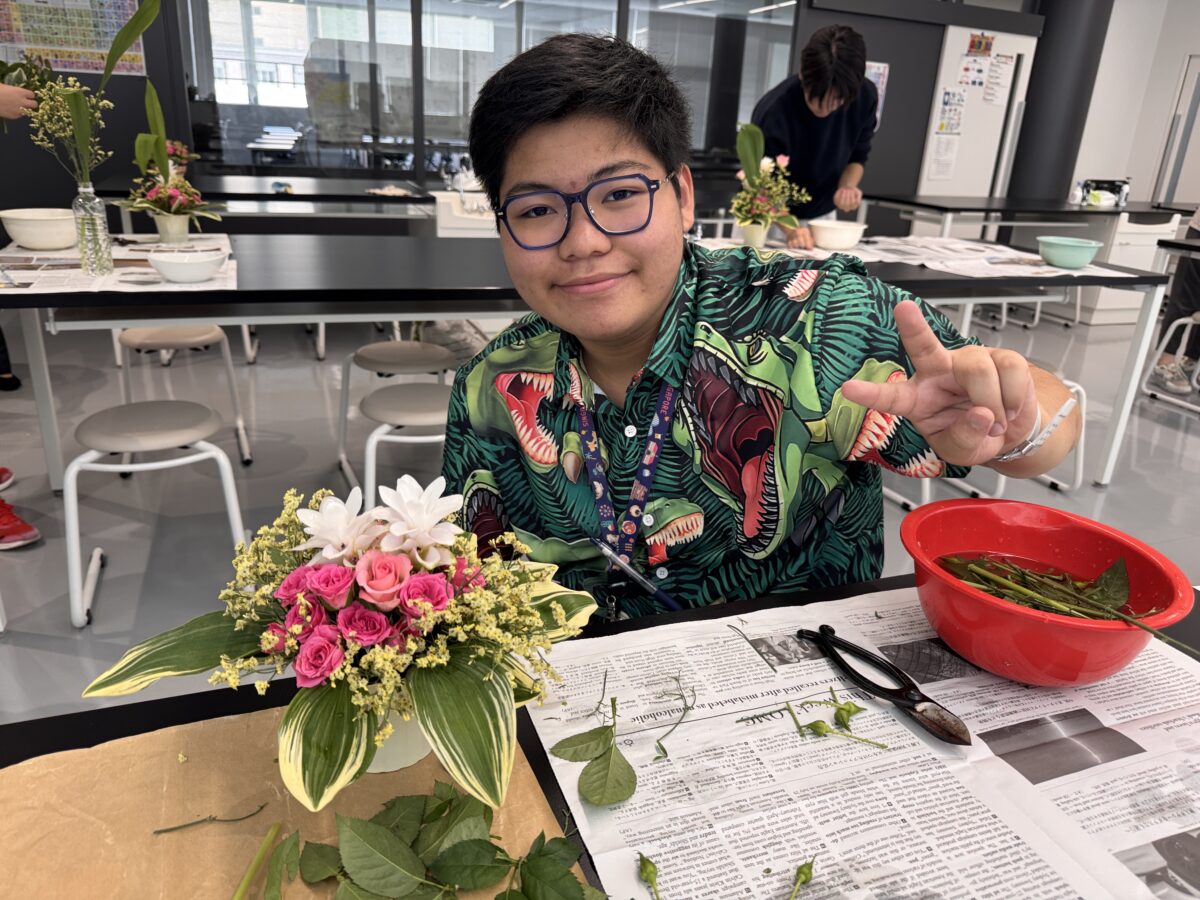
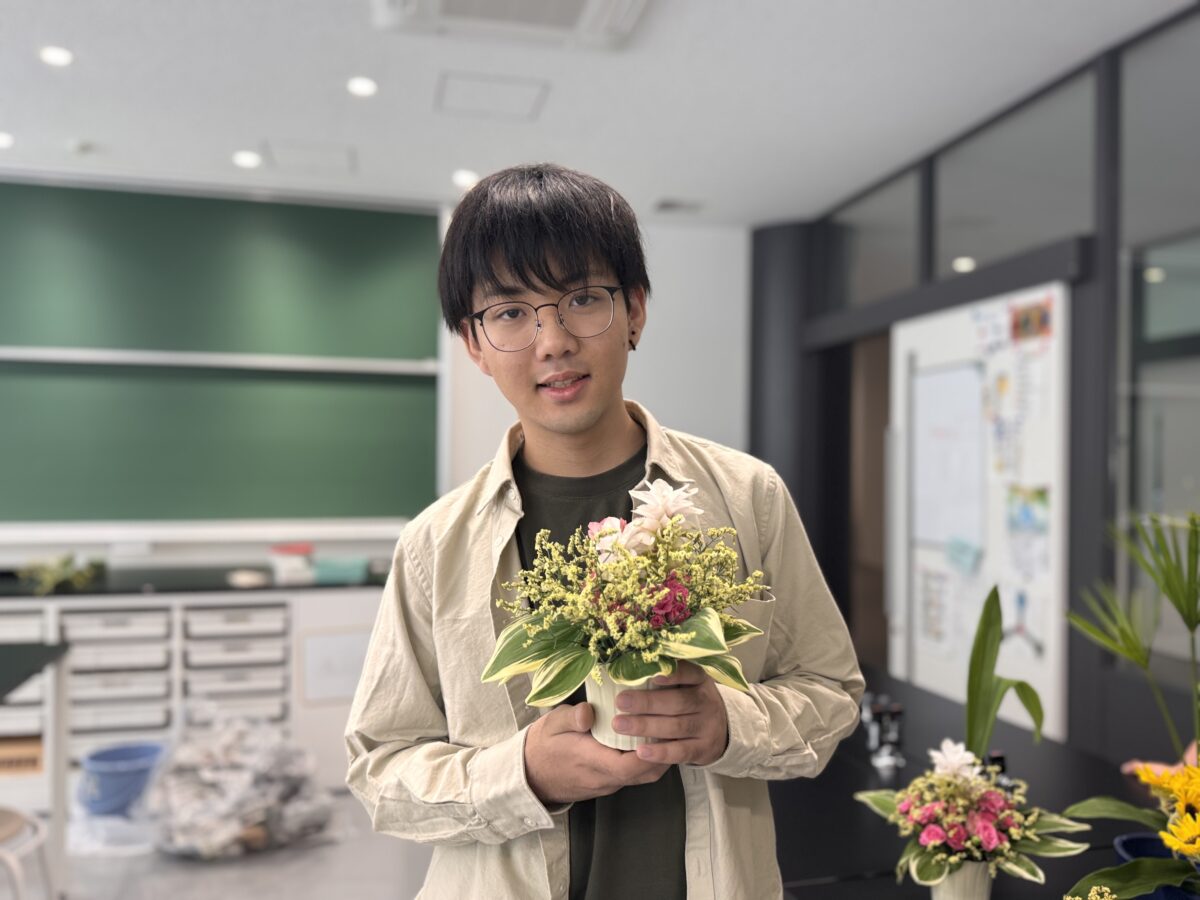
2025年9月19日(金)、宇都宮 隆子先生と黒田 譜美先生主催の「フラワーアレンジメント・華道教室」が開催されました。本校の華道講座講師の南川 和美先生をお招きしました。
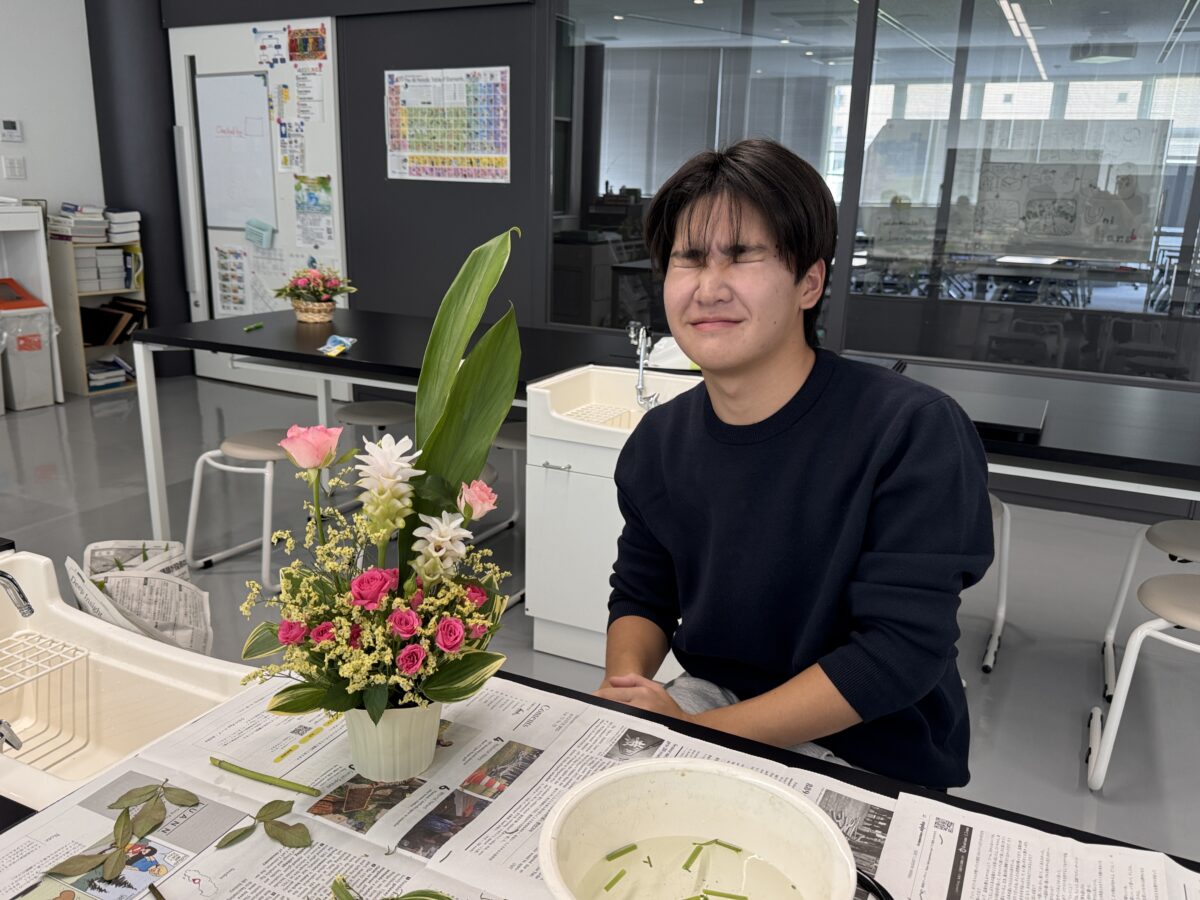
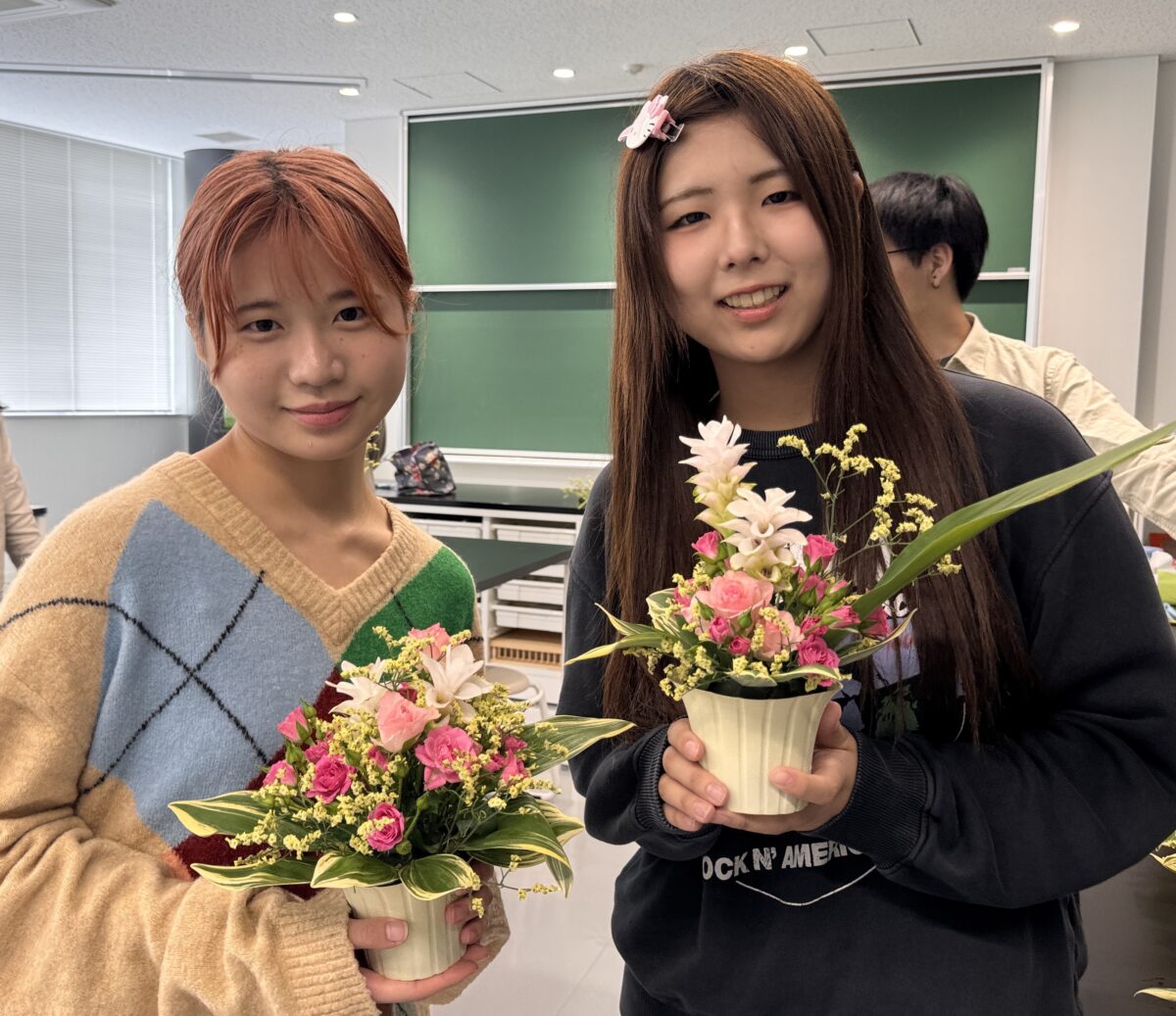
まず初めに、クルクマや薔薇、スターチス使ったフラワーアレンジメントを行いました。南川先生からハサミの使い方や水切りの方法を教わった後、学生たちは専用のスポンジに花の特徴や色合いを活かしながら、思い思いの作品を仕上げました。
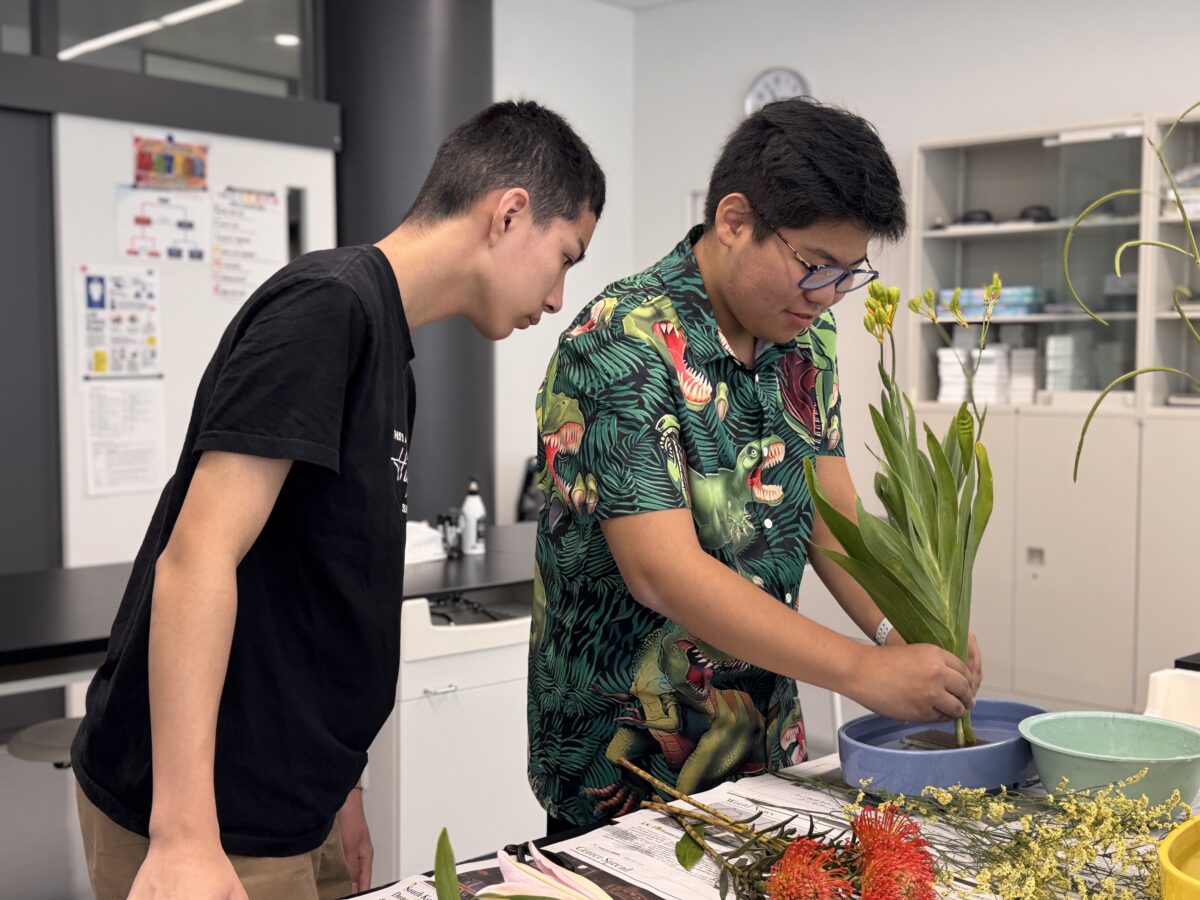
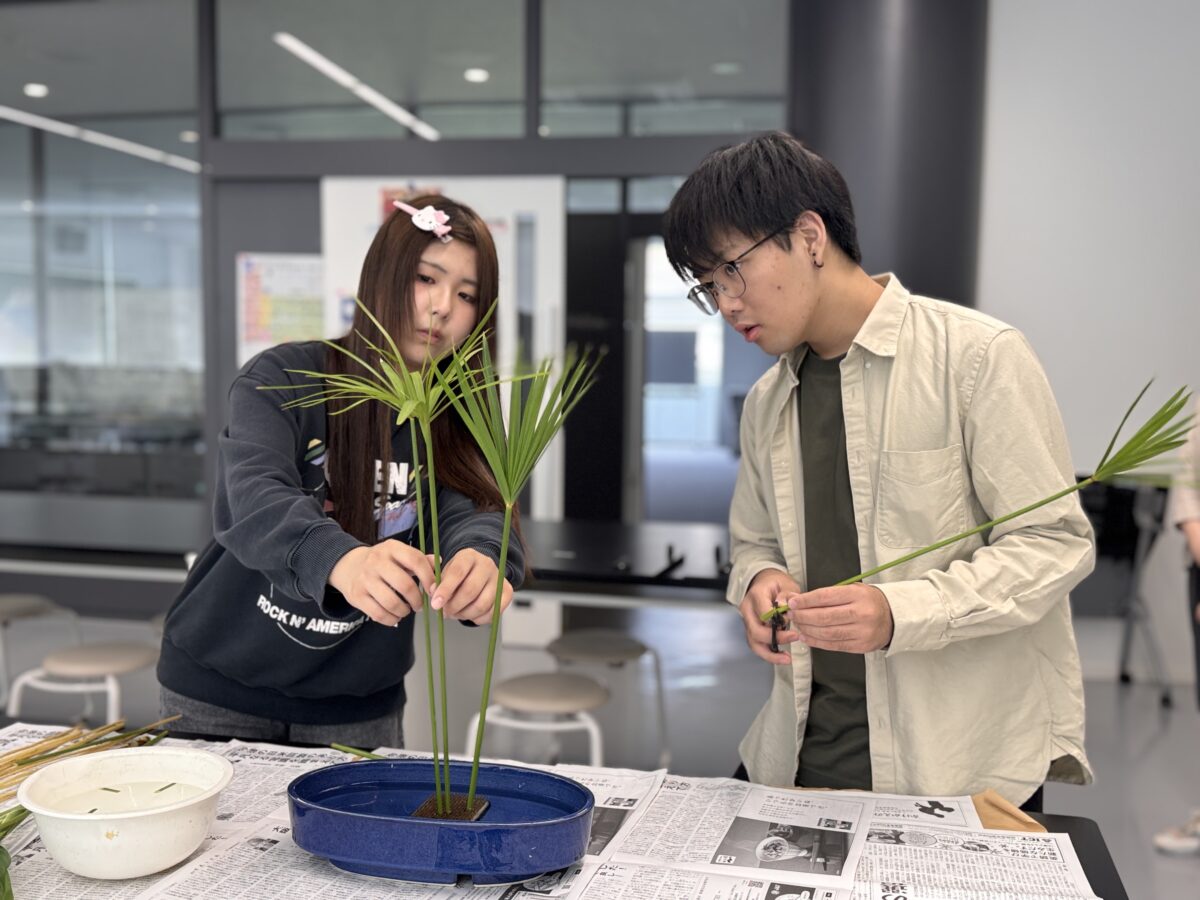
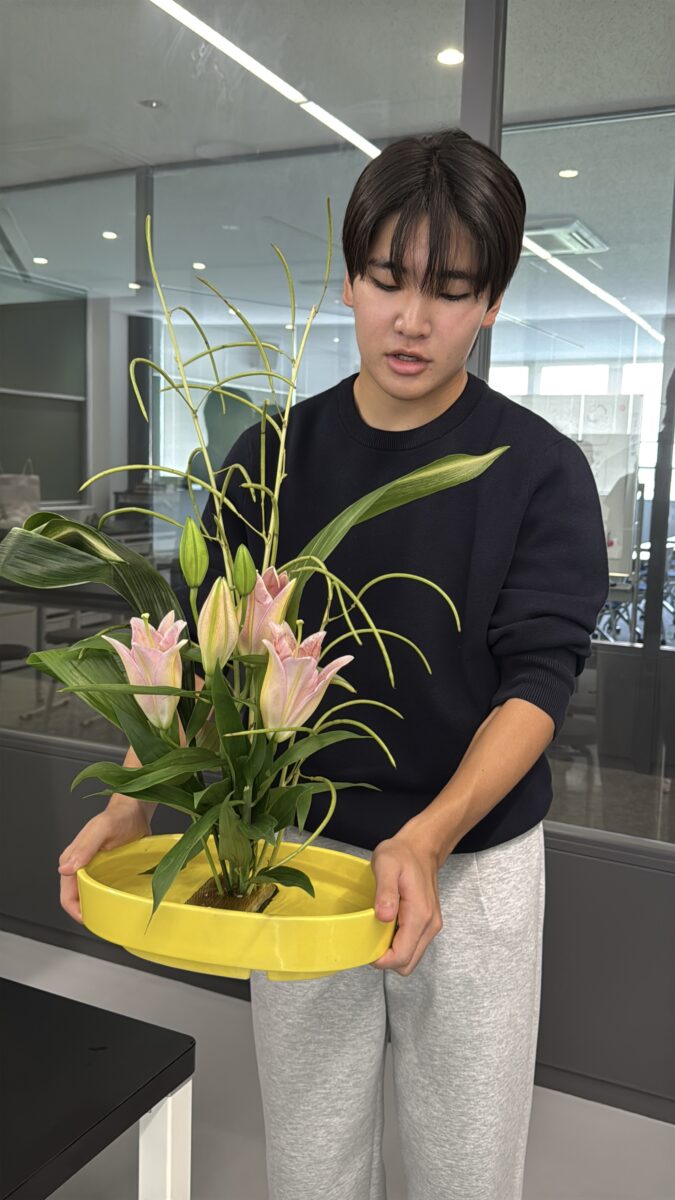
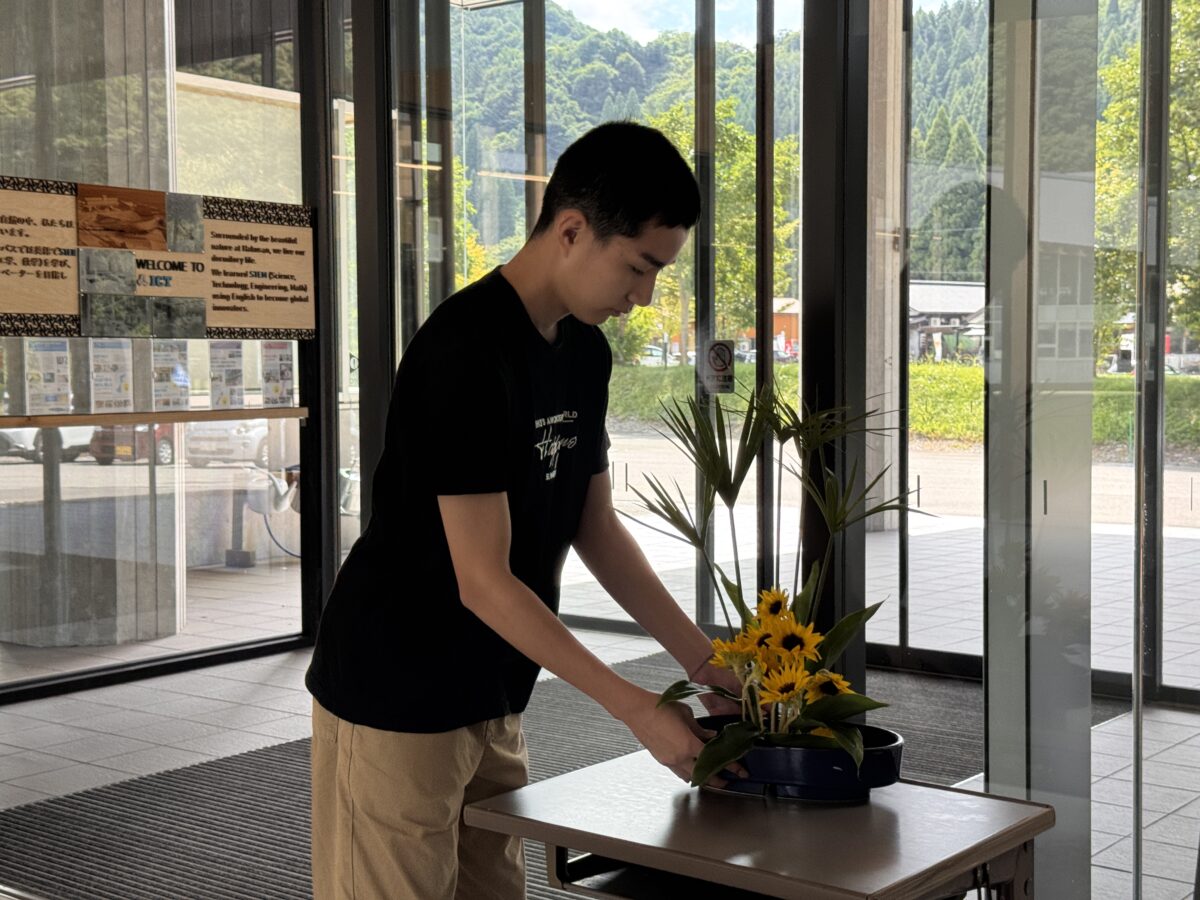
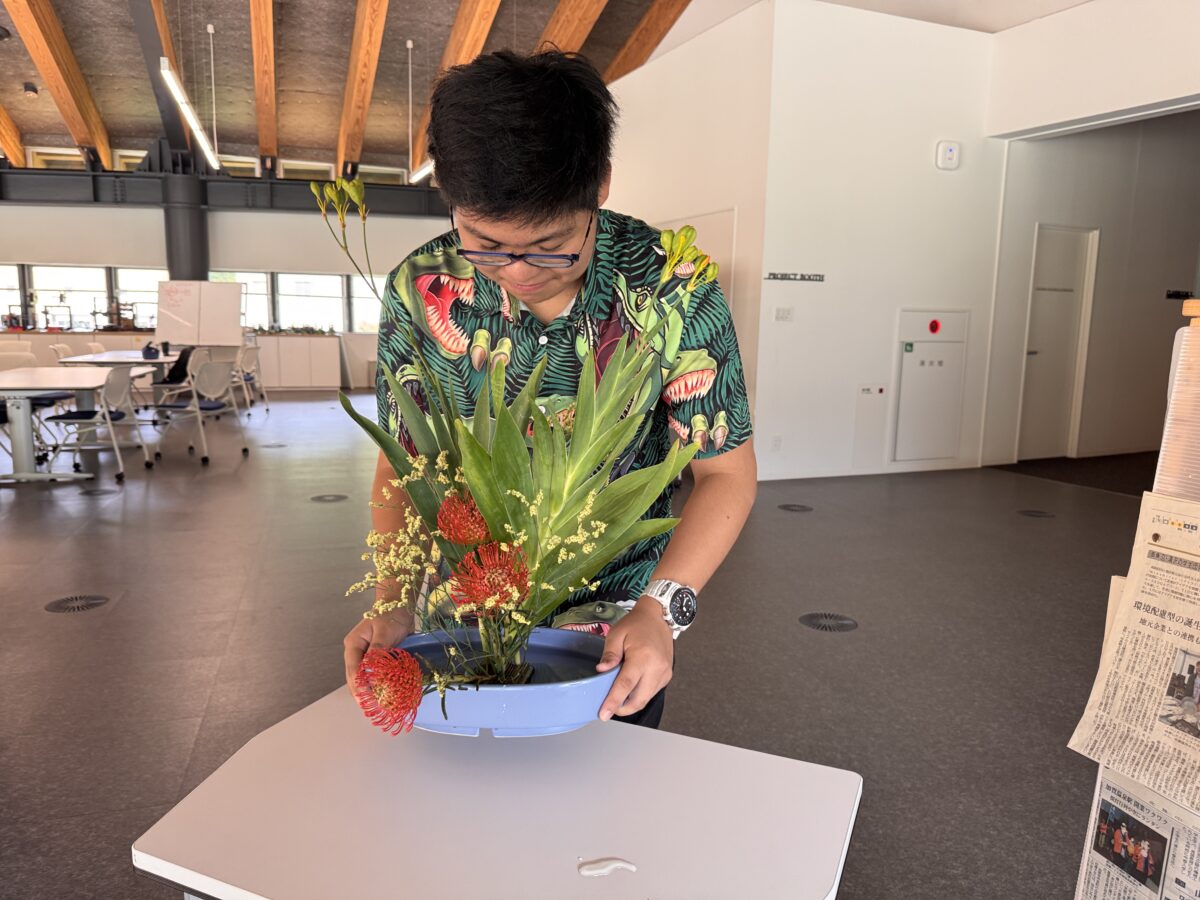
次に、3グループに分かれ、剣山と水盤を使って、まめ、ゆり、ひまわり、スペラス、ヒオウギ、ピンクッションなどを用いて本格的な華道に挑戦しました。学生たちは南川先生のお手本を参考にしながら、花材の高さや角度を調整しながら、全体のバランスを意識して作品を仕上げていきました。それぞれのグループが異なるテーマを持ち、個性豊かな作品が並びました。
学生たちは「いろんなお花を知ることが出来たし、綺麗に仕上がって嬉しかった」などといった声が上がりました。学生たちの作品は、白山麓キャンパスの玄関や共有スペースに展示され、校内は華やかな雰囲気となりました。
「Career Support for KOSEN Students」
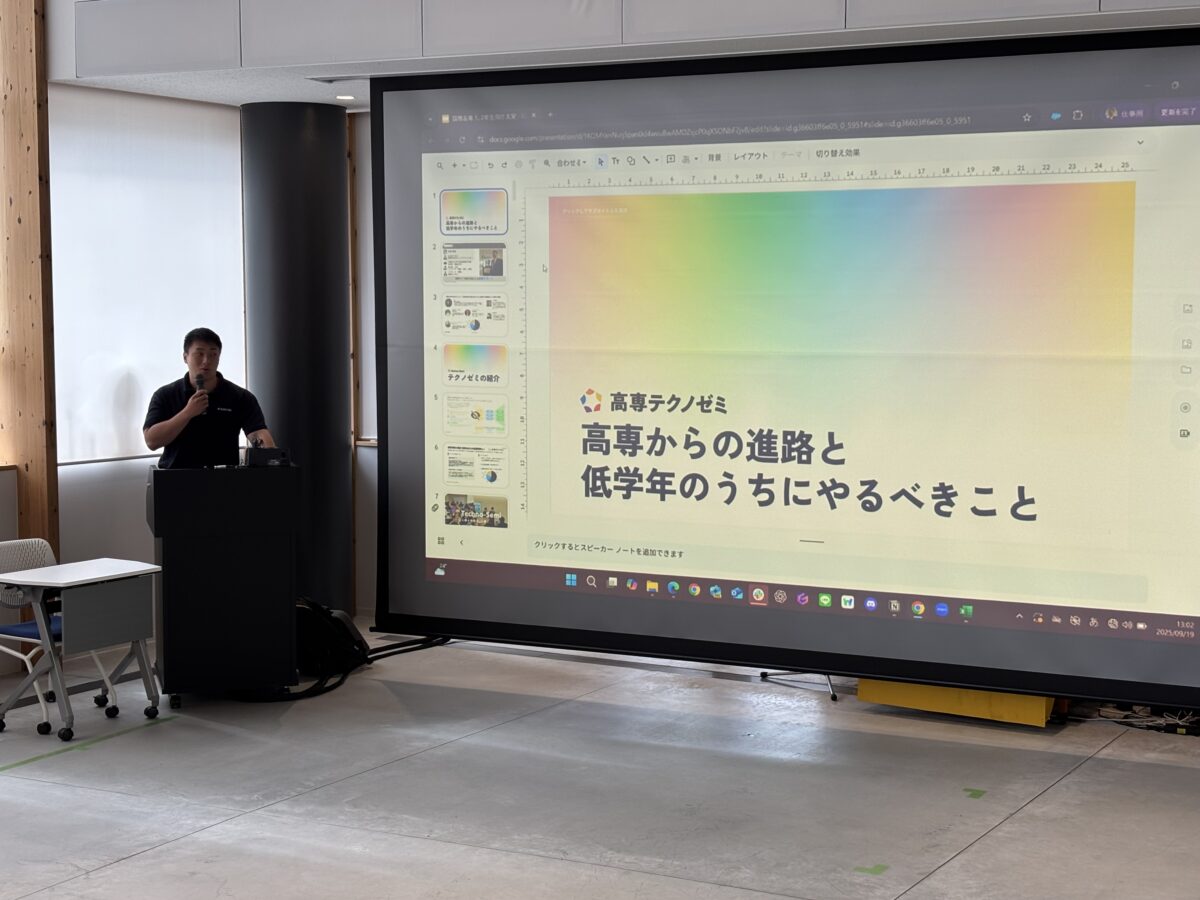
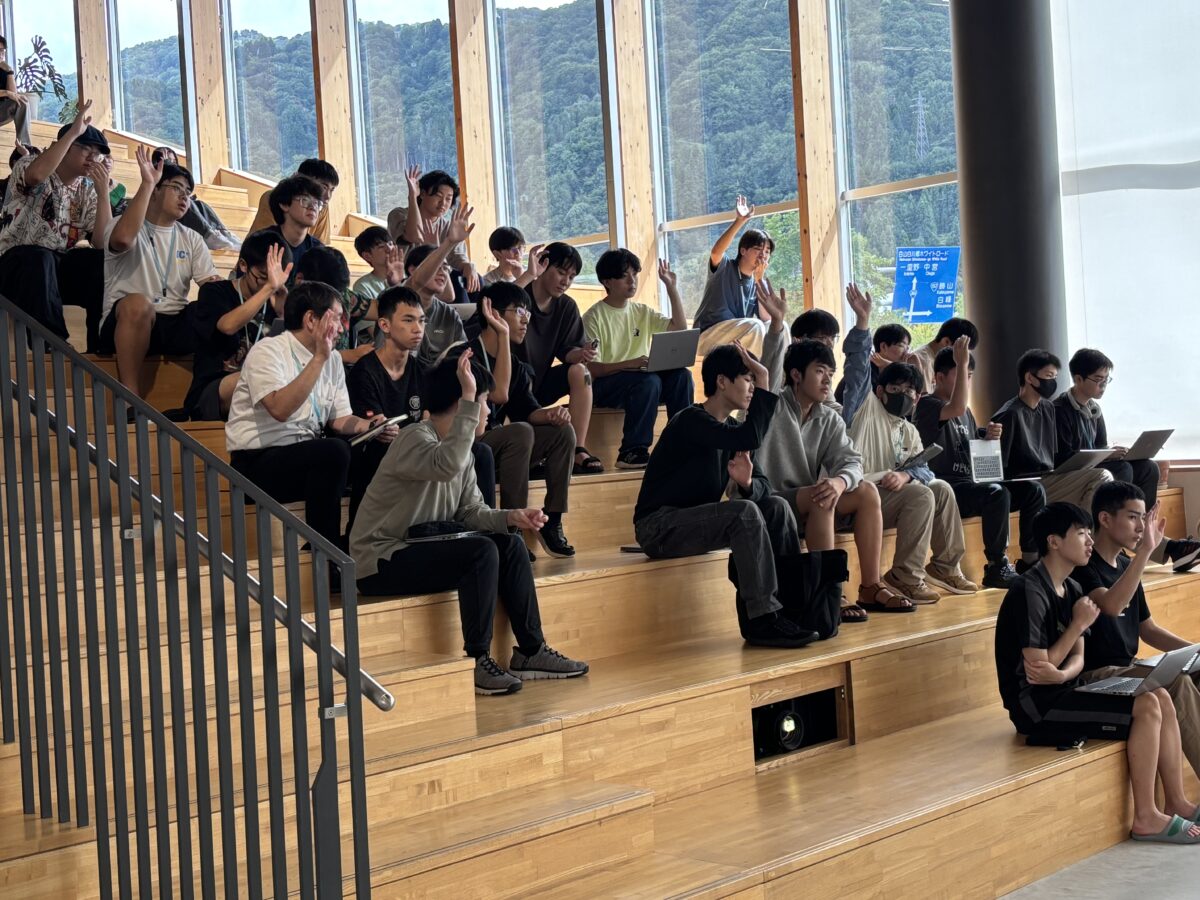
2025年9月19日(金)、1・2年生を対象にOLIENT TECH株式会社 太安 竜也氏をお招きし、「Career Support for KOSEN Students」が実施されました。
高等専門学校(高専)を卒業した後の進路には、大きく分けて「就職」と「進学」の2つがあります。もともとは就職する学生がほとんどでしたが、近年では進学を希望する学生の割合が増加しています。太安氏より、就職と進学に関するアドバイスや、それぞれのメリット・デメリット、就職活動や勉強の進め方について説明があり、「自分の将来を見据え、早い段階から情報を集め、準備を進めることが、納得のいく就職・進路選択につながります」と学生たちに呼びかけました。
「The Secret of the Crest Vault: STEM Themed Escape Room」
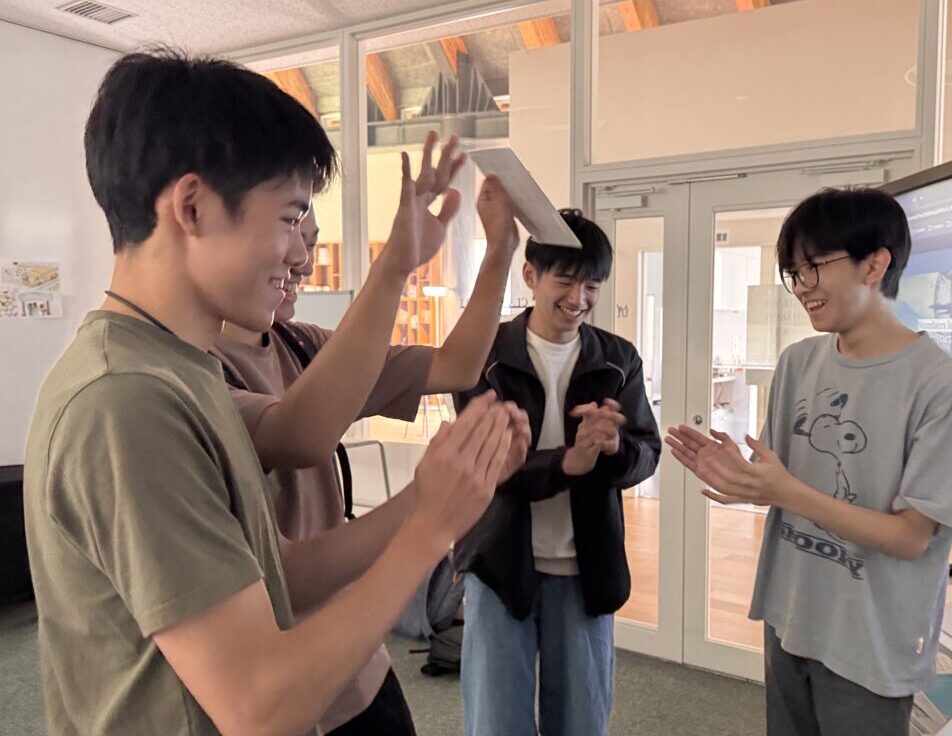
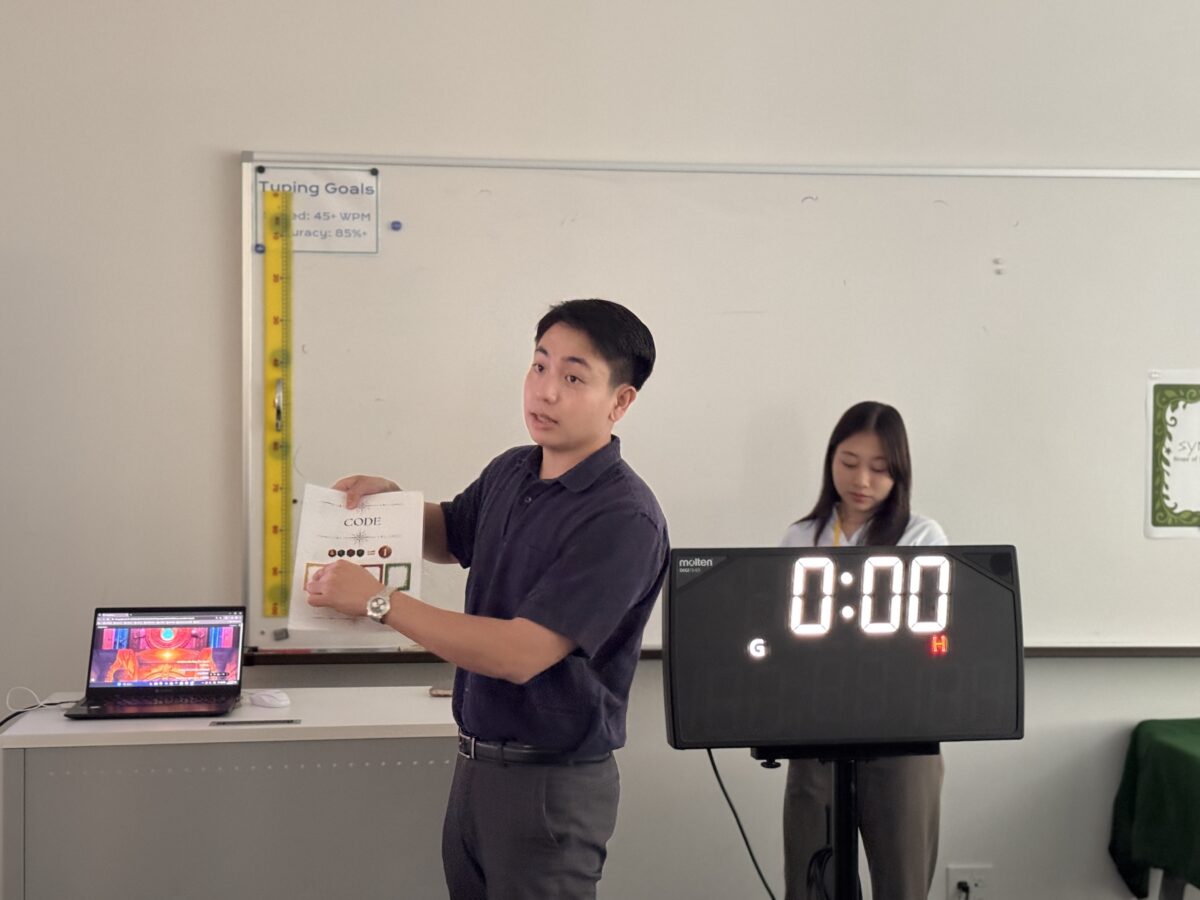
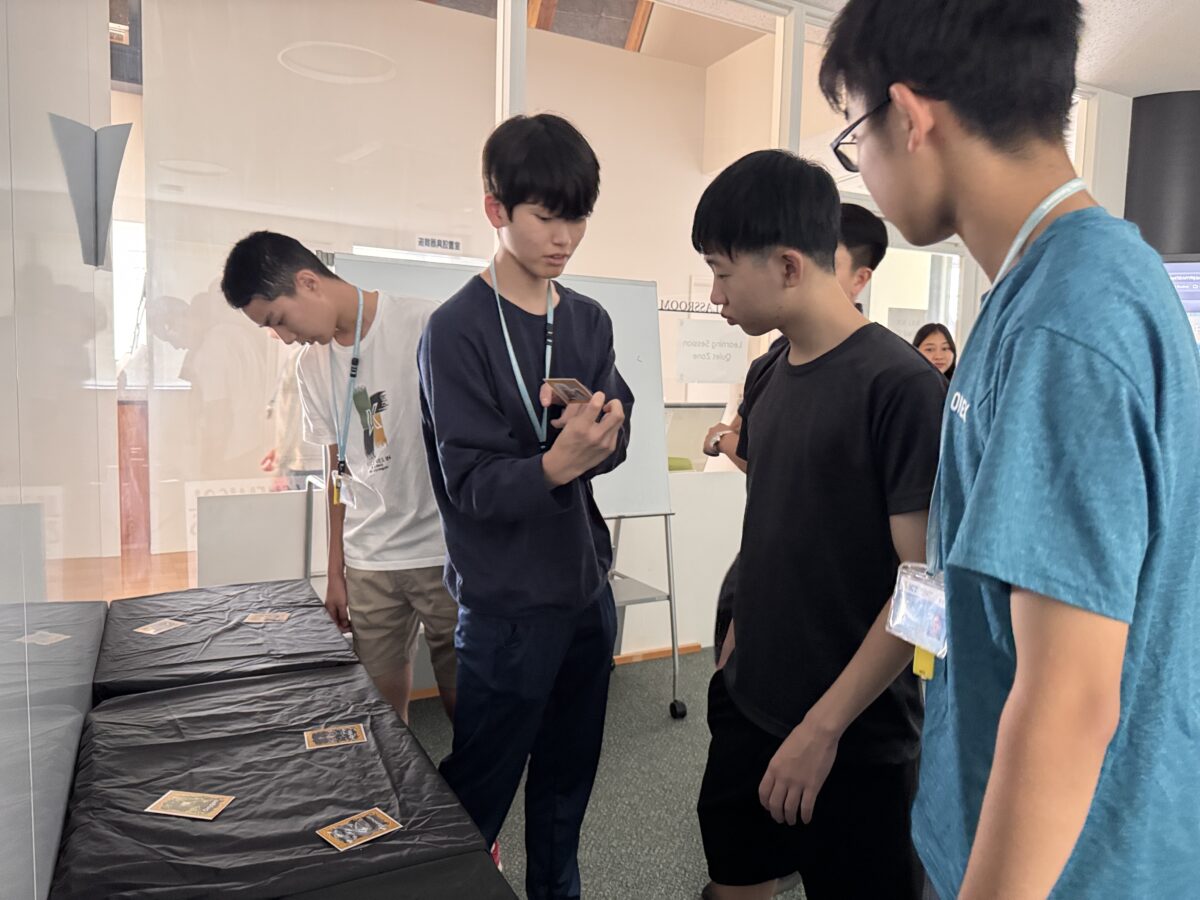
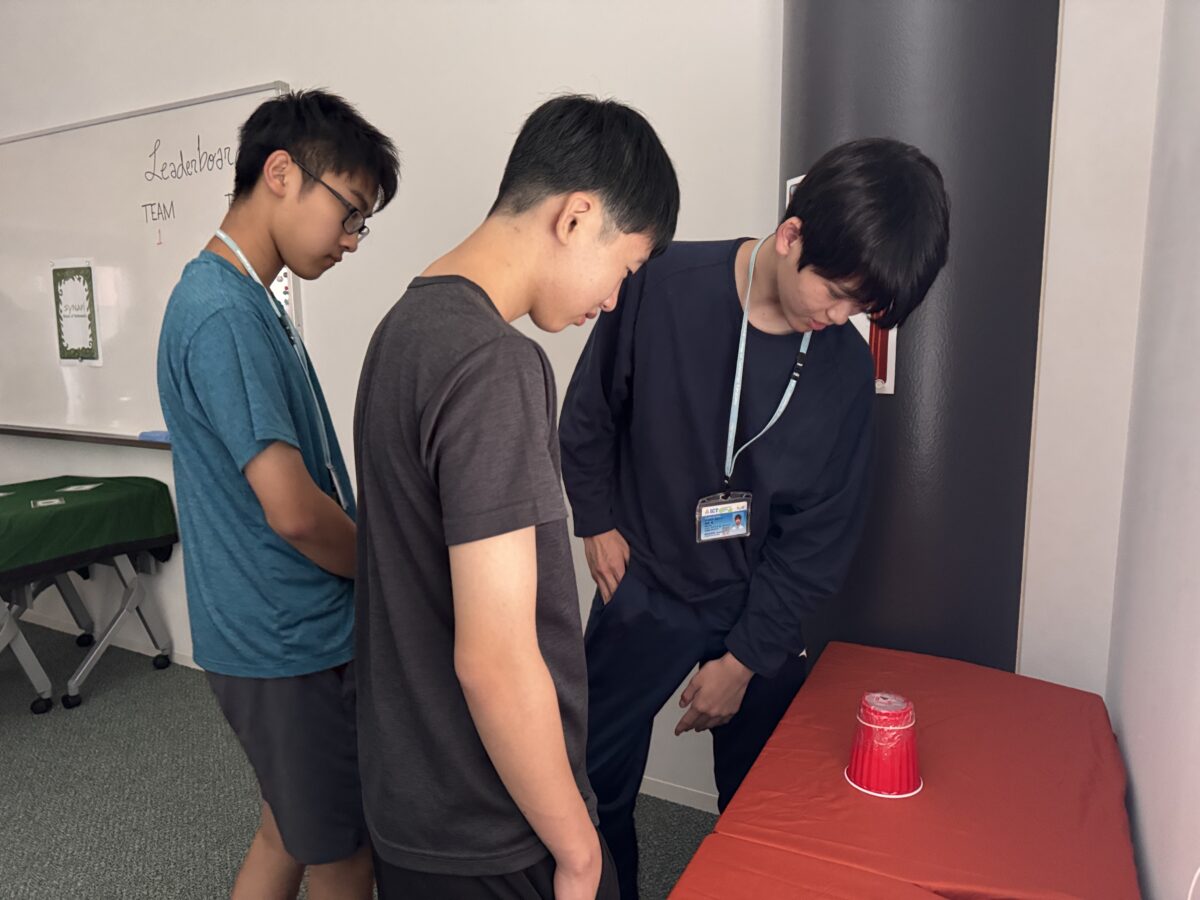
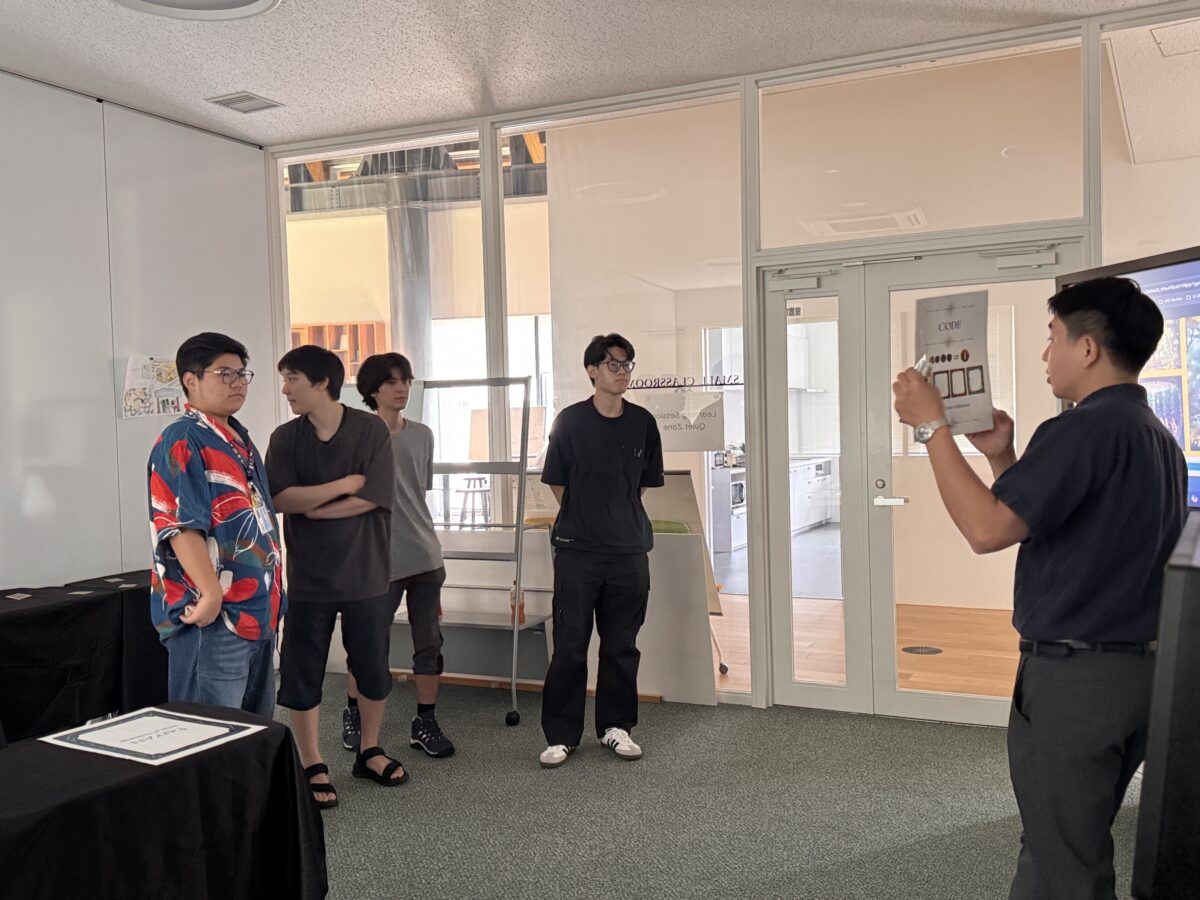
2025年9月22日(月)、アブワン・ドミソン先生とアブワン・シャルミー先生による「The Secret of the Crest Vault: STEM Themed Escape Room」が開催されました。学生たちは、STEMのパズルやなぞなぞを協力して解き、閉じ込められた部屋から脱出するゲームに挑戦しました。それぞれの課題をクリアするごとに、4桁の暗証番号のうち1つの数字が明らかになり、その数字は「科学」「技術」「工学」「数学」の分野にちなんだものでした。
学生たちは、知識・チームワーク・素早い判断力を活かして、4つの数字を集めて暗証番号を完成させ、見事にドアを開けて脱出に成功しました。優勝チームは、なんと3分48秒で問題を解いたそうです!
「Shall We Dance?」
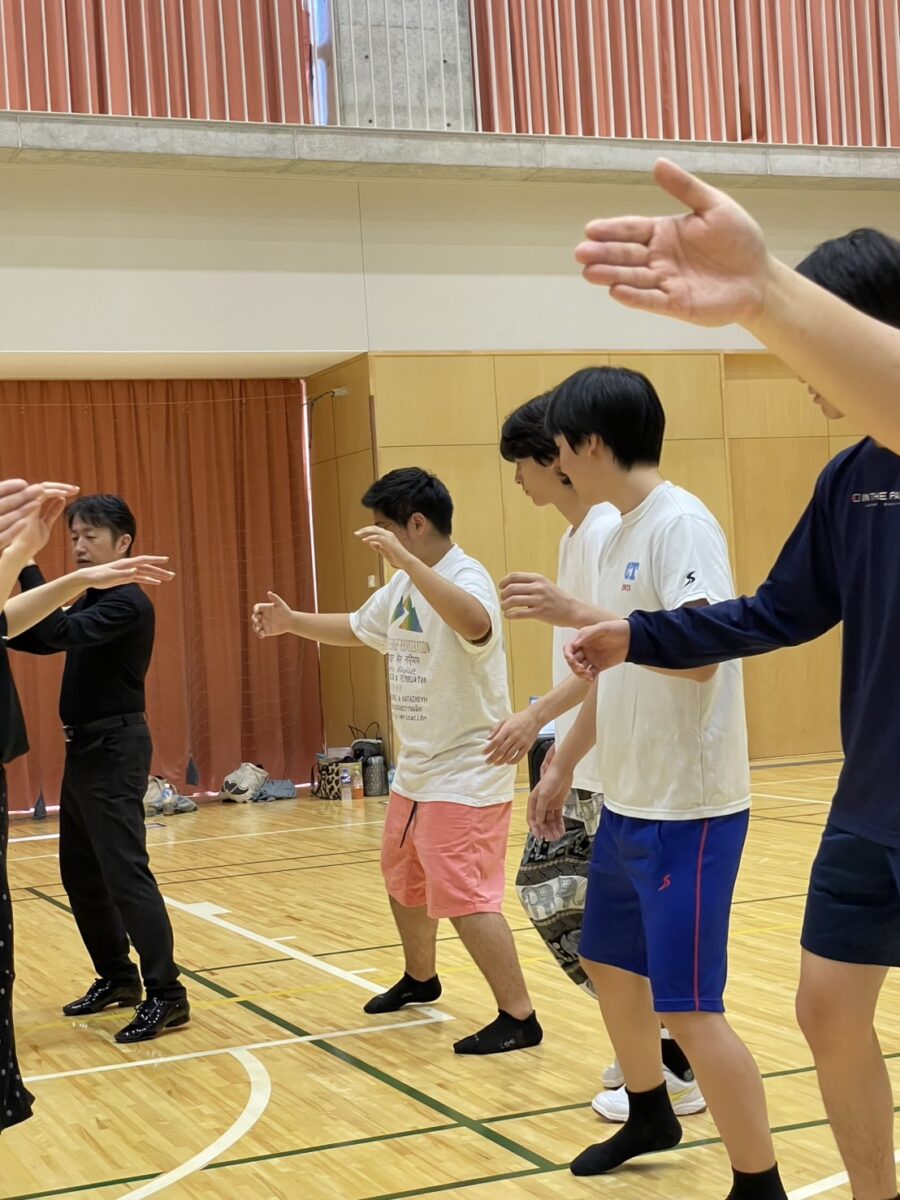
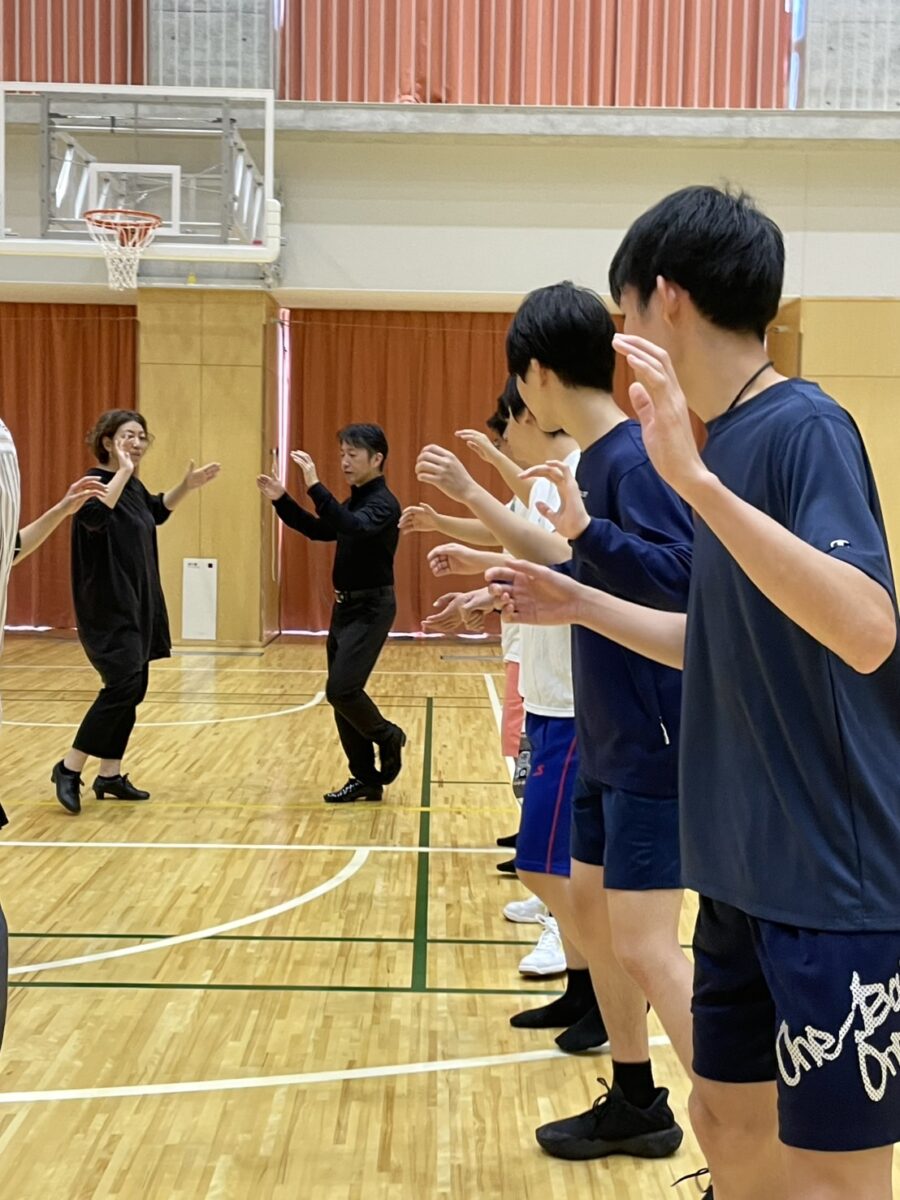
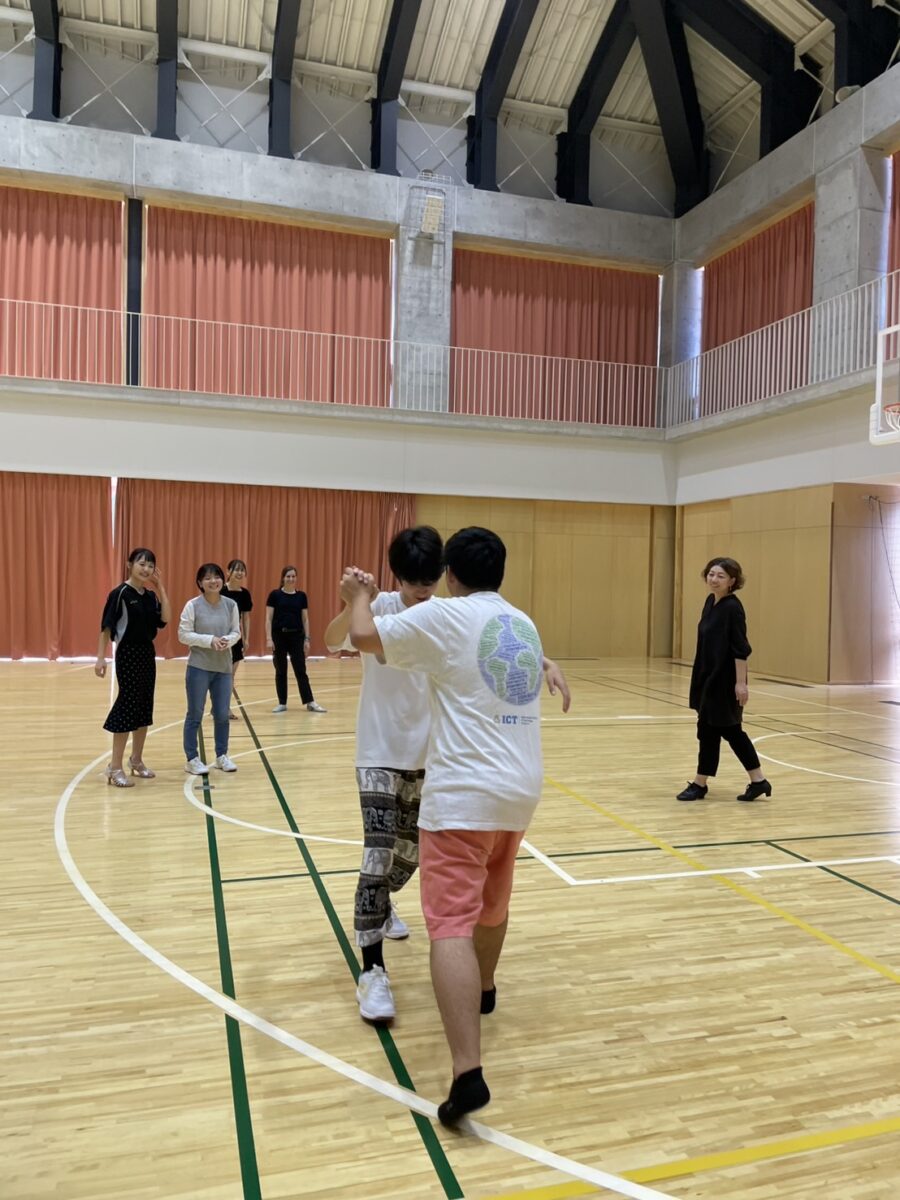
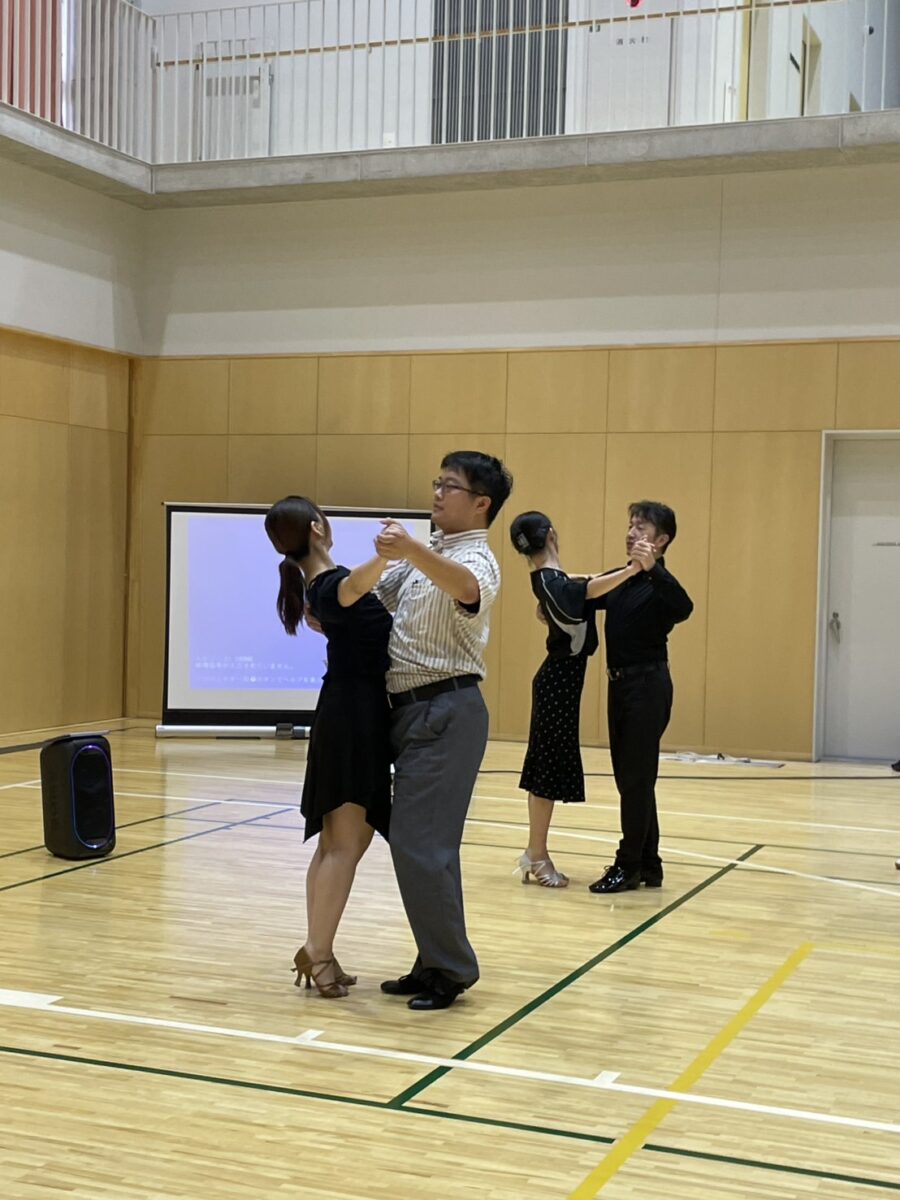
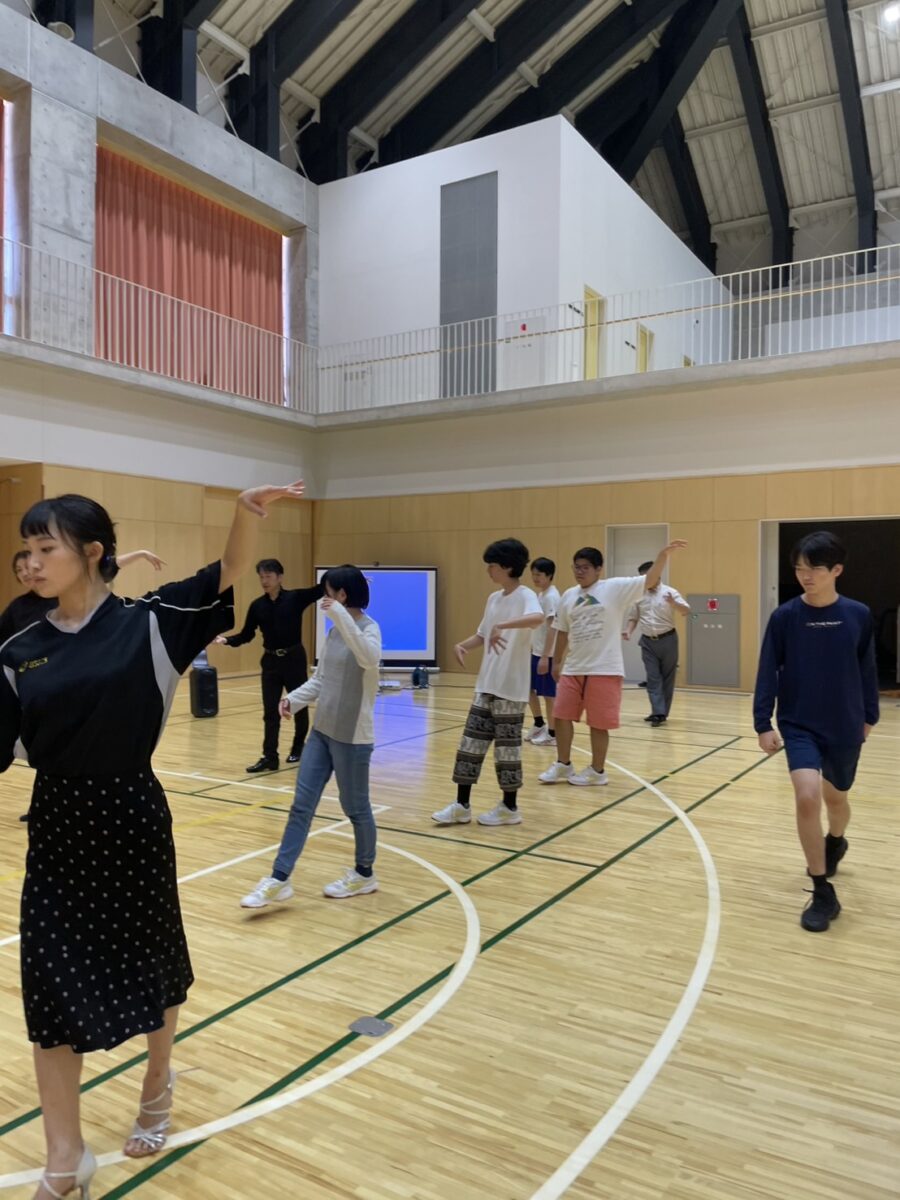
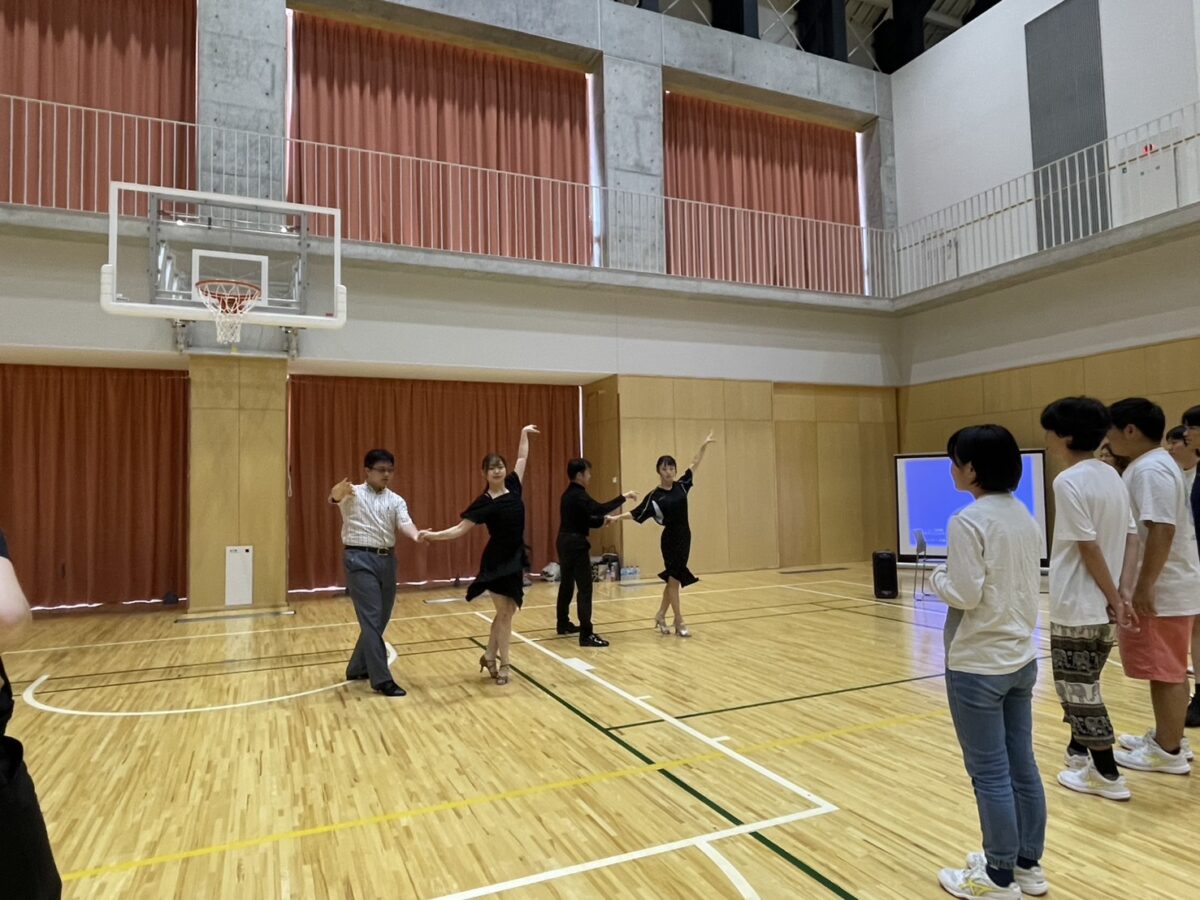
2025年9月26日(金)、ジャスティン・ハン先生とステファニー・レノルズ先生による「Shall We Dance?」が開催されました。この日、2名のダンス講師と2名のダンス生徒をお招きし、学生たちは4種類の社交ダンス(ワルツ・ブルース・チャチャチャ・ジターバグ)の基本ステップを学びました。通常、これらのダンスでは男性がリーダー、女性がフォロワーの役割を担い、それぞれ異なる補完的な動きをしますが、今回のセッションでは、両方の役割に共通する基本ステップが紹介されました。学生たちは、基本的な動きとカウントを学んだ後、音楽に合わせてペアで練習し、ダンスの楽しさを体験しました。
最初は多くの学生がリズムやステップの動きに苦戦していましたが、練習を重ねることで大きく上達しました。学生たちは社交ダンスを楽しんでいる様子で、中には今後もこの活動を続けられないかと尋ねる声もありました!
「五十嵐威暢アーカイブ」
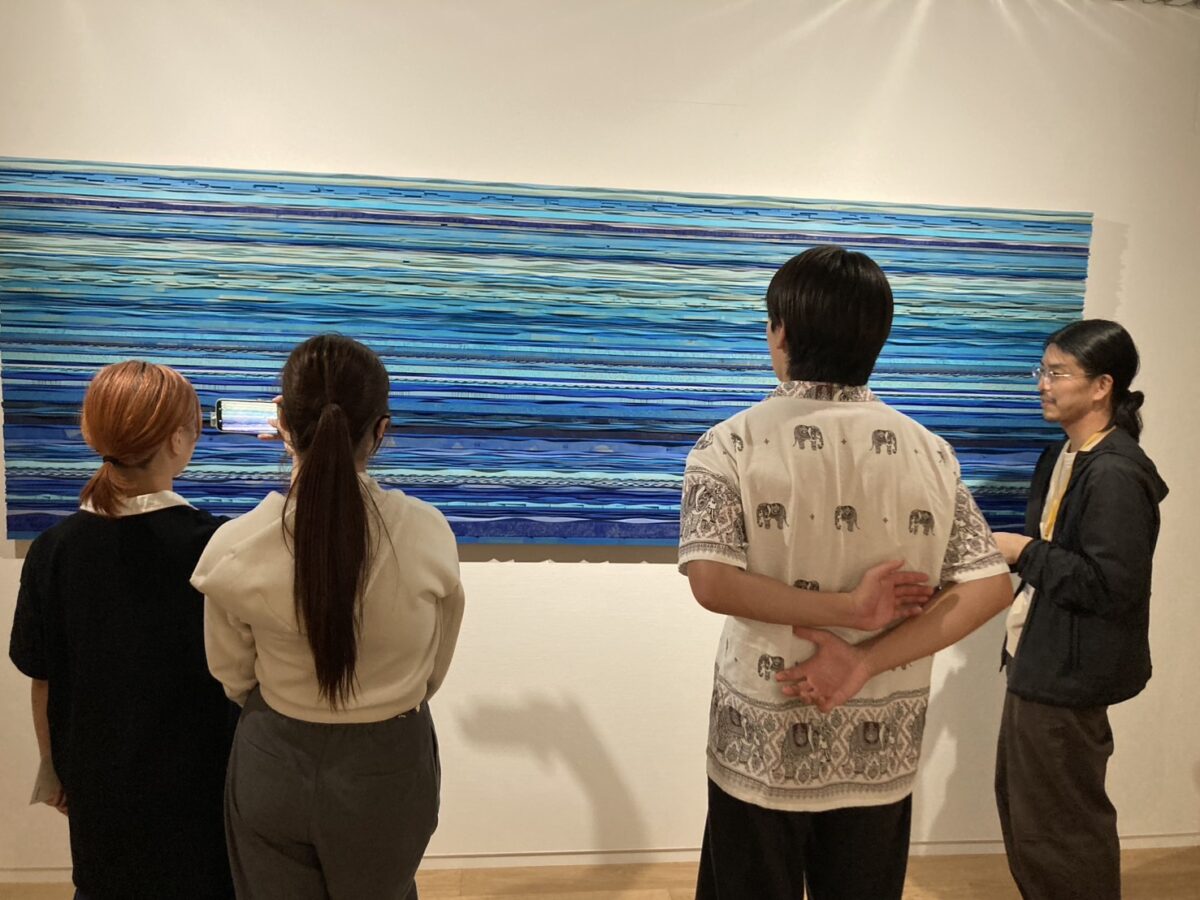
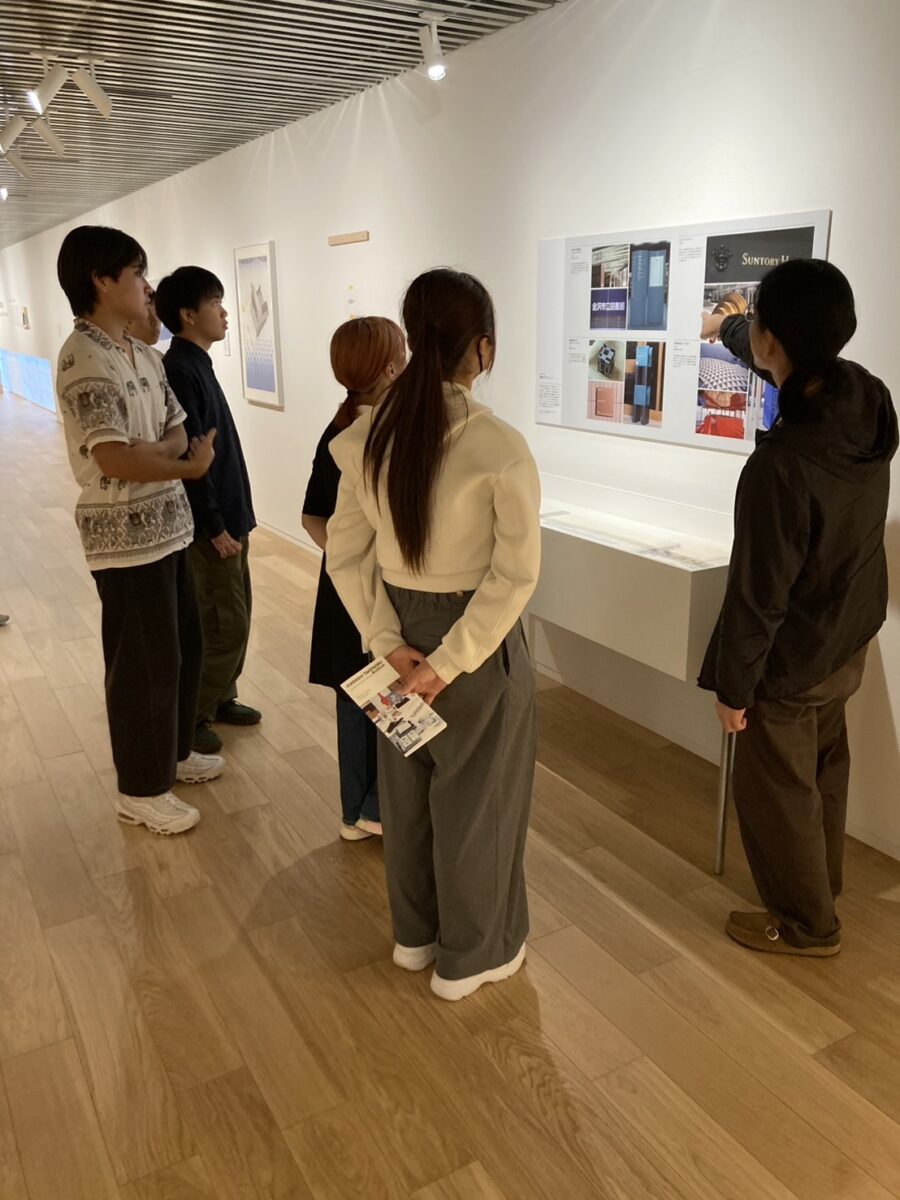
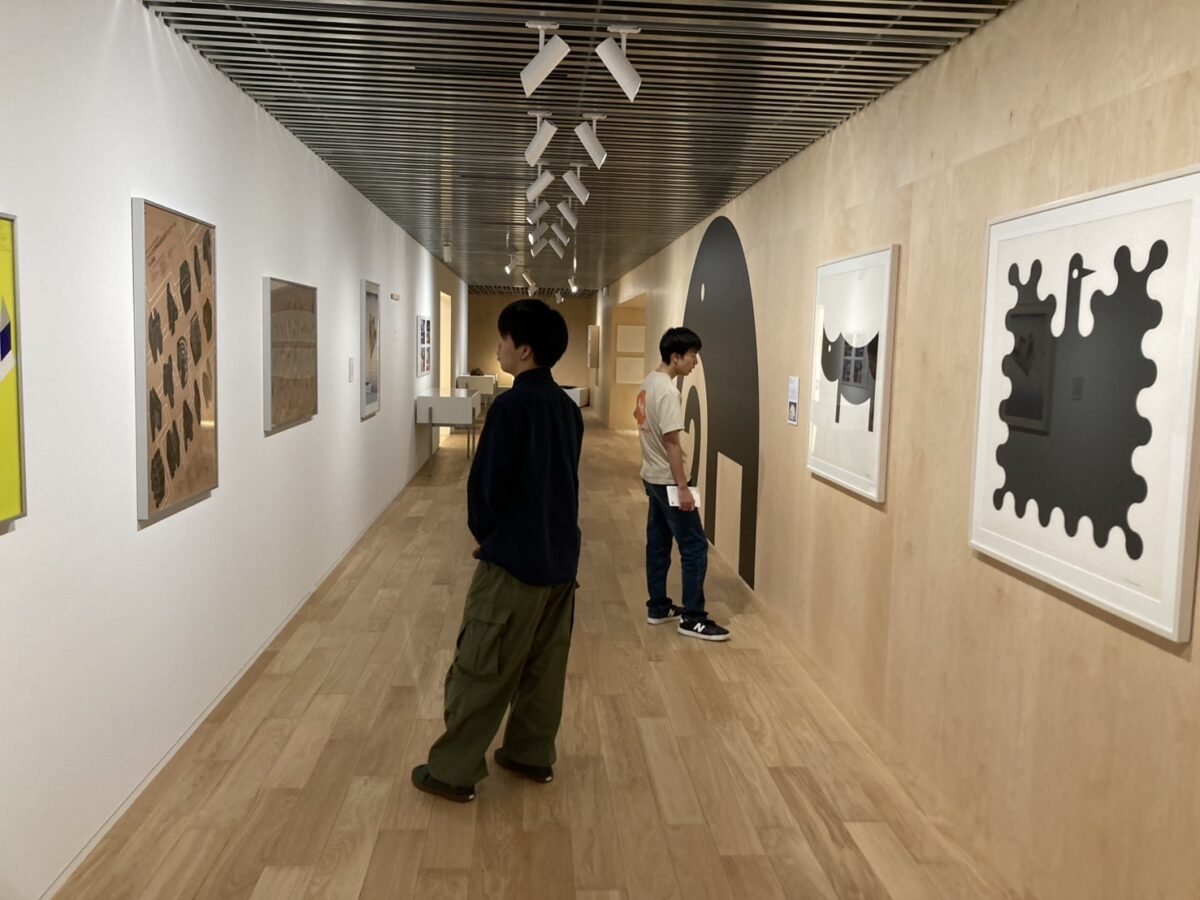
2025年9月26日(金)、1・2年生5名が金沢工業大学に設立されている「五十嵐威暢アーカイブ」(https://igarashiarchive.jp/?lang=ja)を訪問しました。このアーカイブは、彫刻家・デザイナーの五十嵐威暢氏から寄贈された約5,000点の作品や資料を収蔵し、感性教育を目的として2023年に設立された施設です。
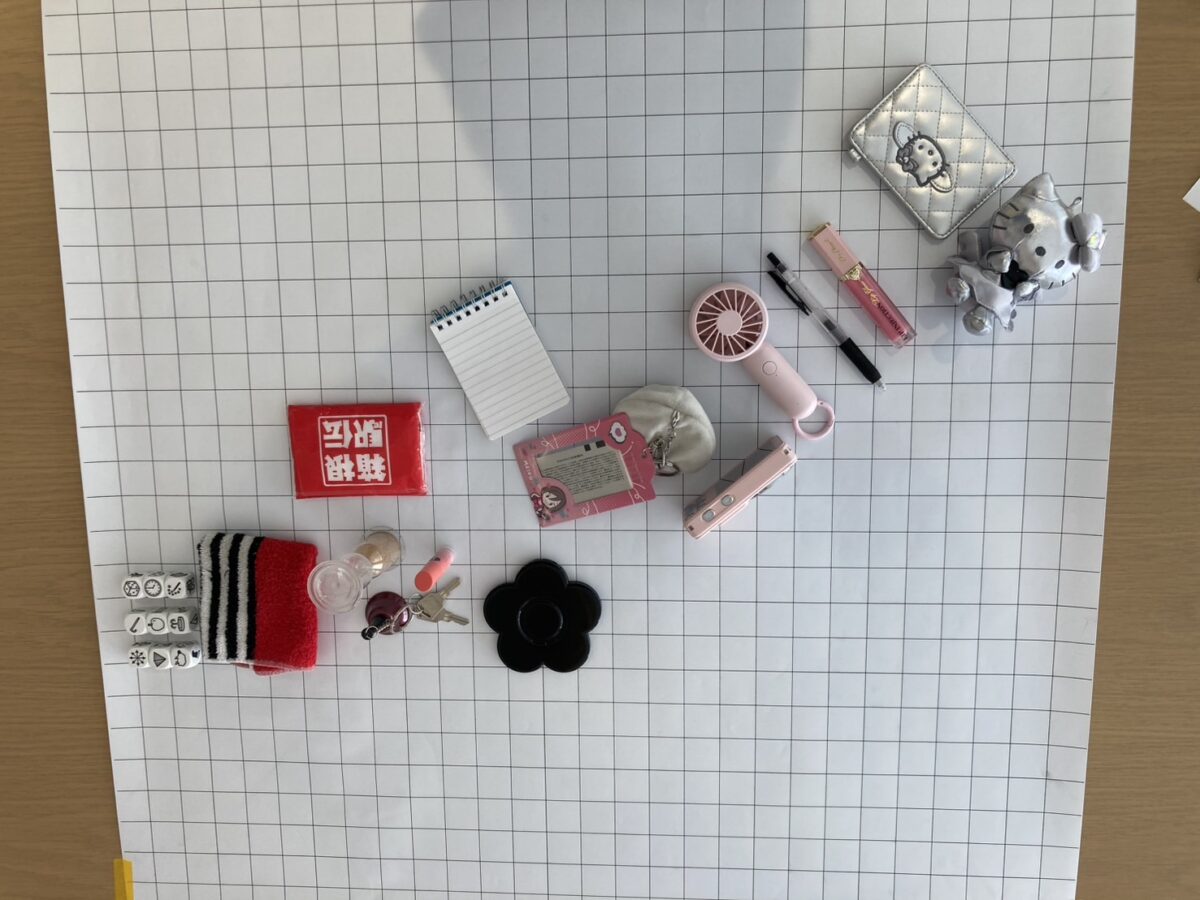
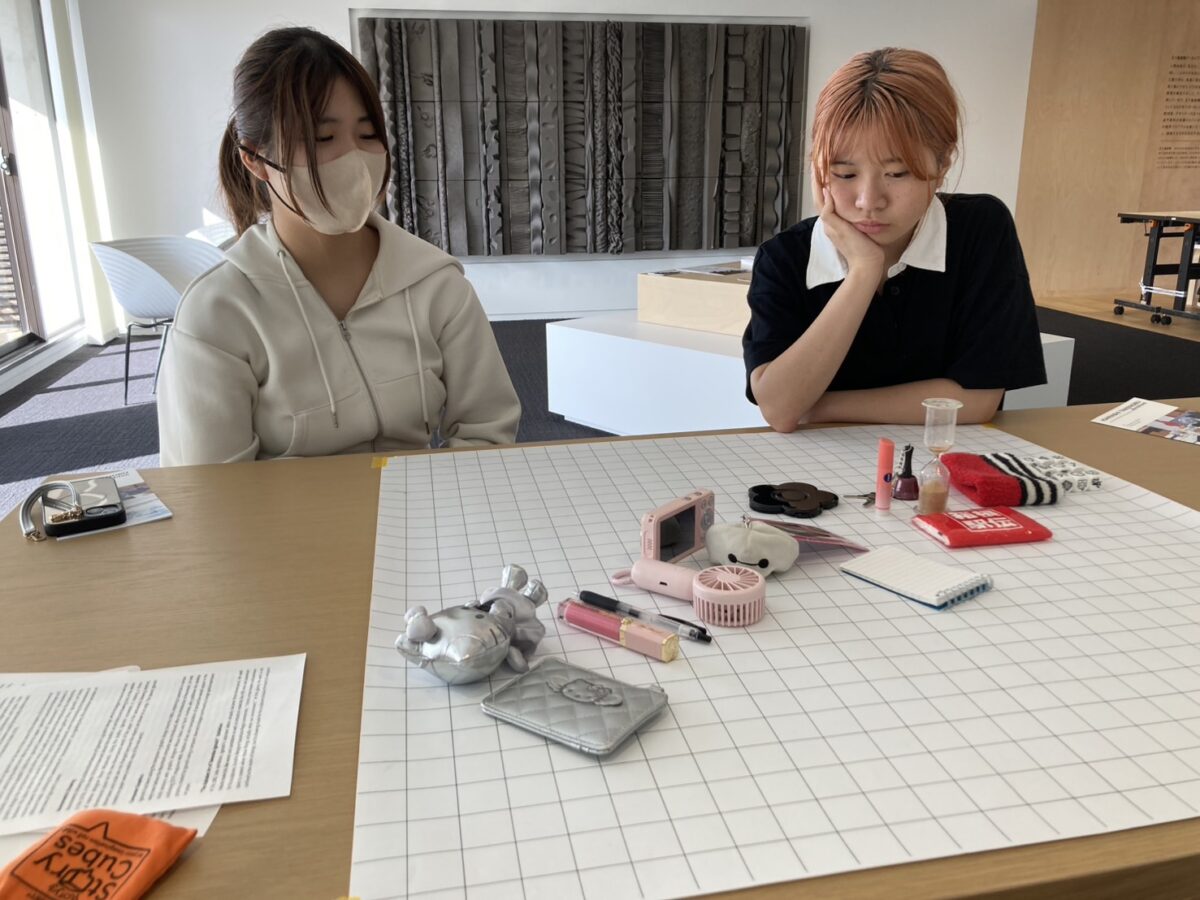
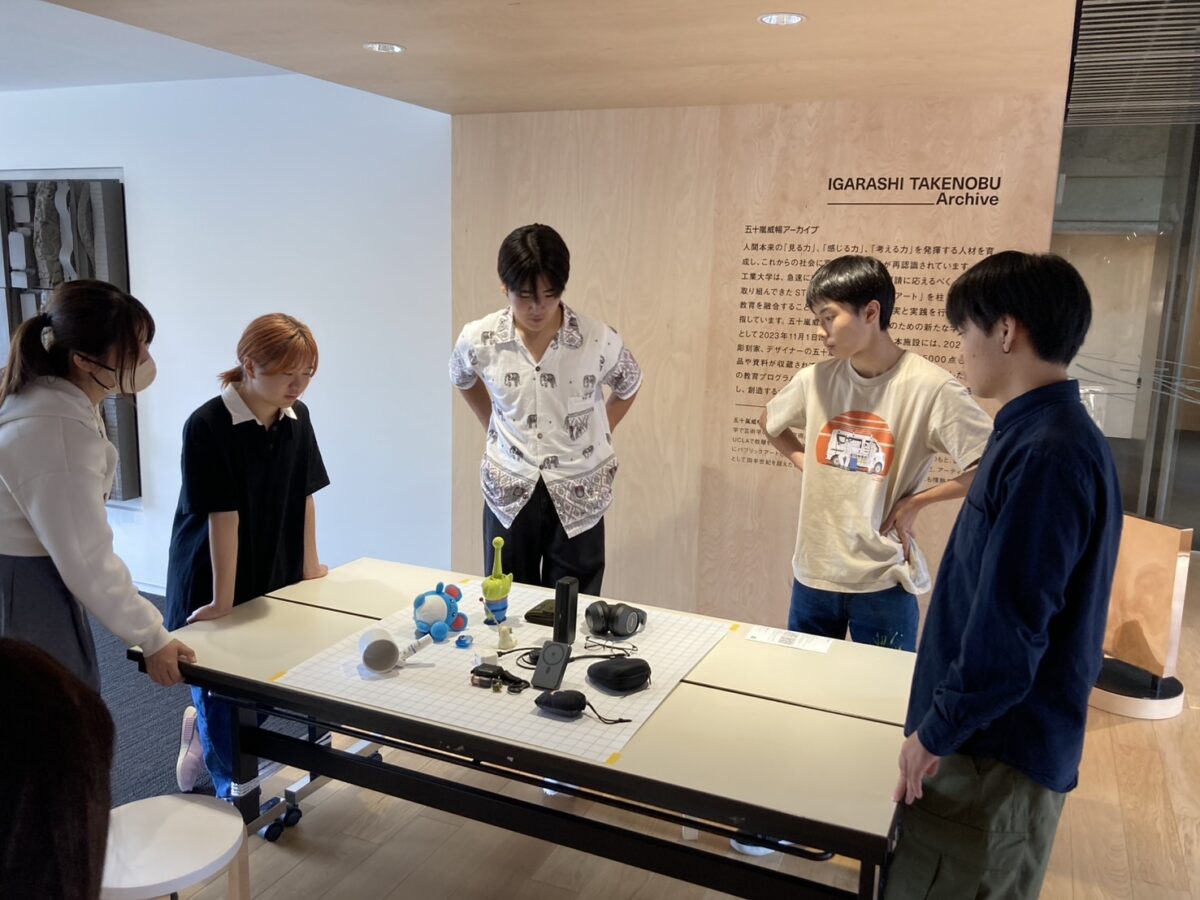
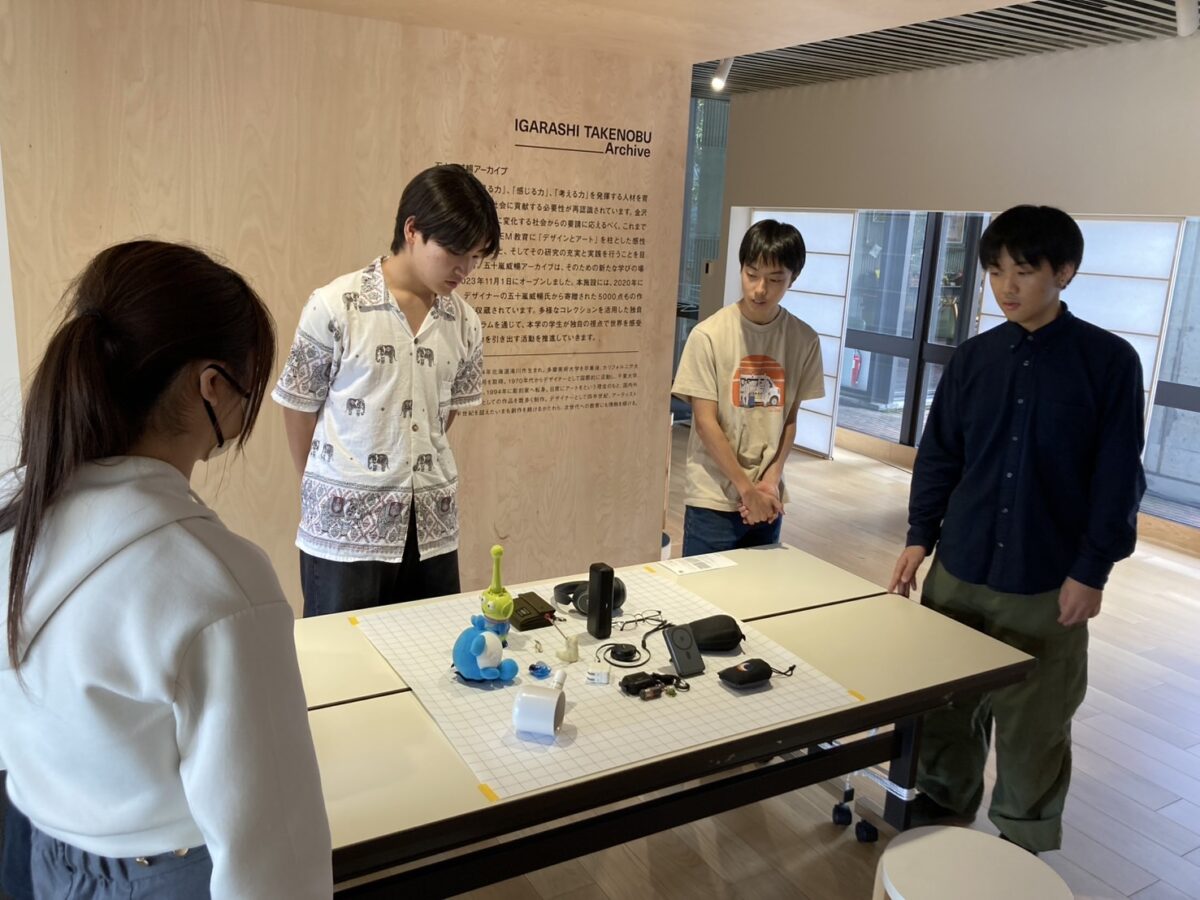
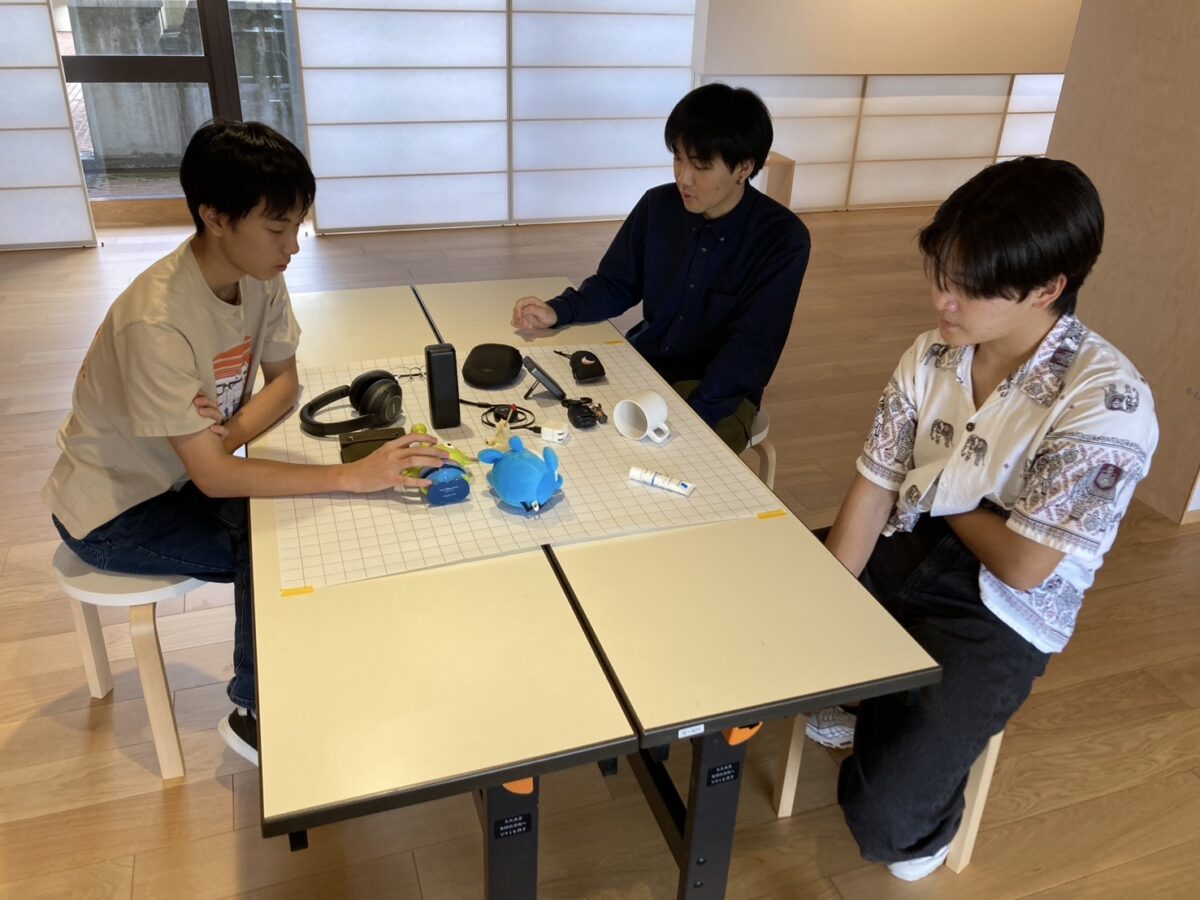
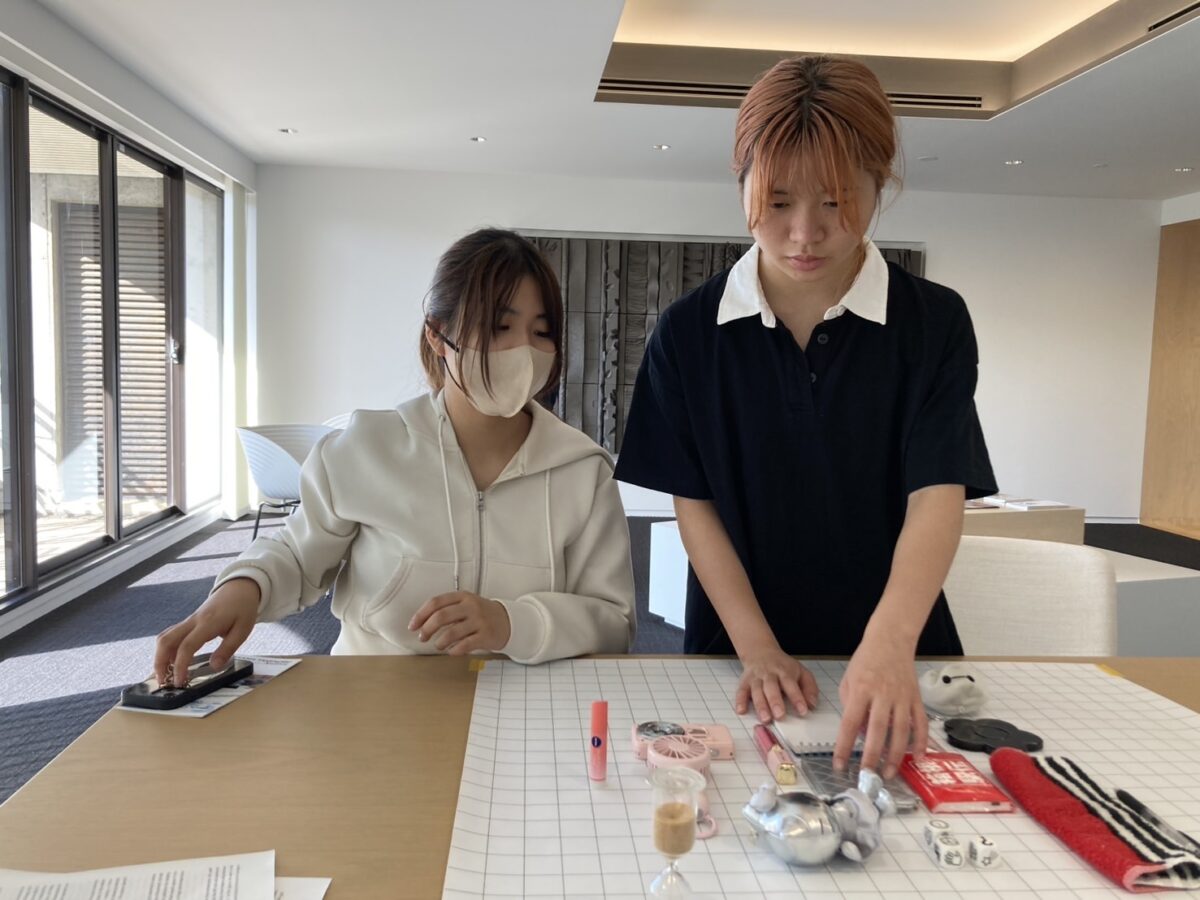
学生たちはギャラリーを見学し、展示作品や作者について説明を受けました。また、ワークショップでは、日常的に使用している小さなアイテムを4つ持参し、方眼紙上に並べて共通点を探しました。色や形、時系列などの観点で整理し、その後、グループごとに思考の違いをまとめる活動を行いました。
この体験を通じて、学生たちは「見る」という行為を通じた観察力や発想力を養いました。
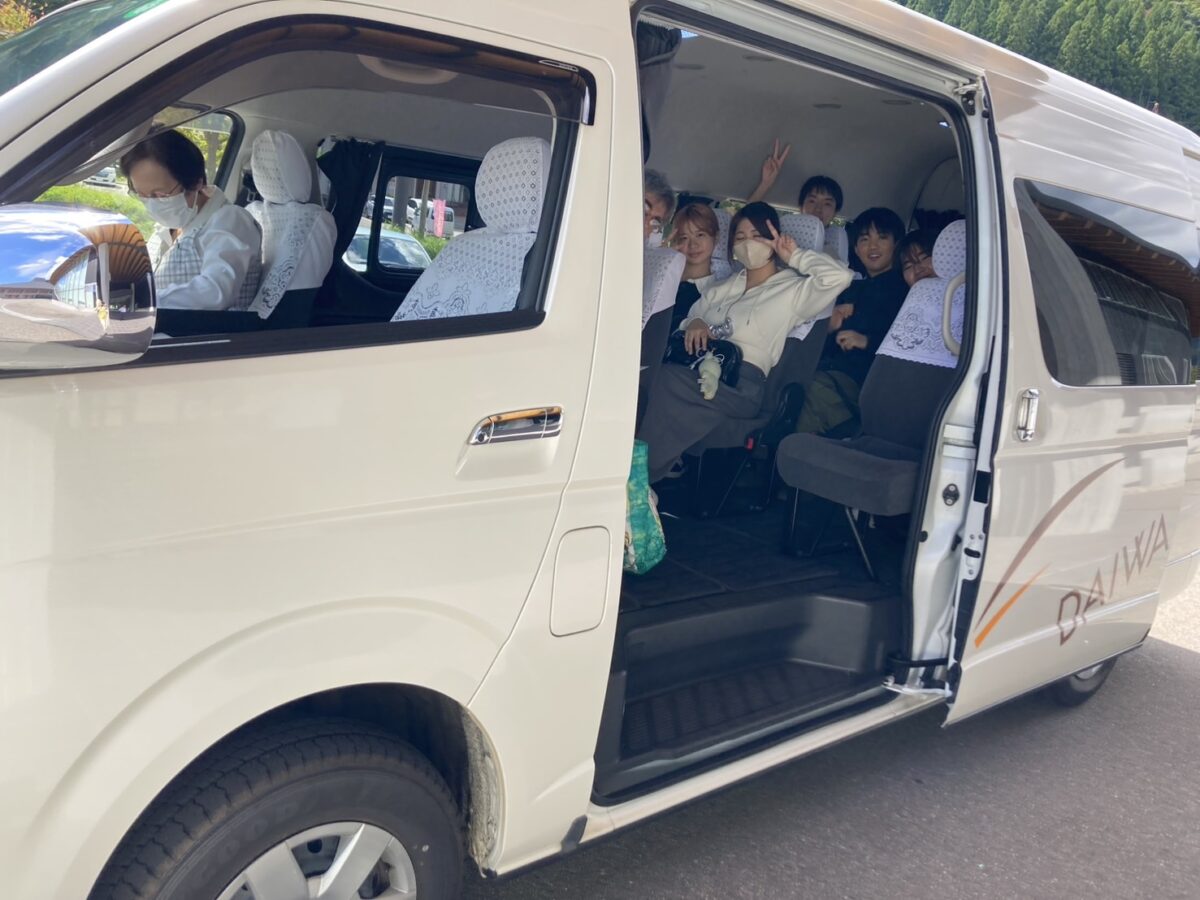
「ソフトバレーボール・バレーボール大会」
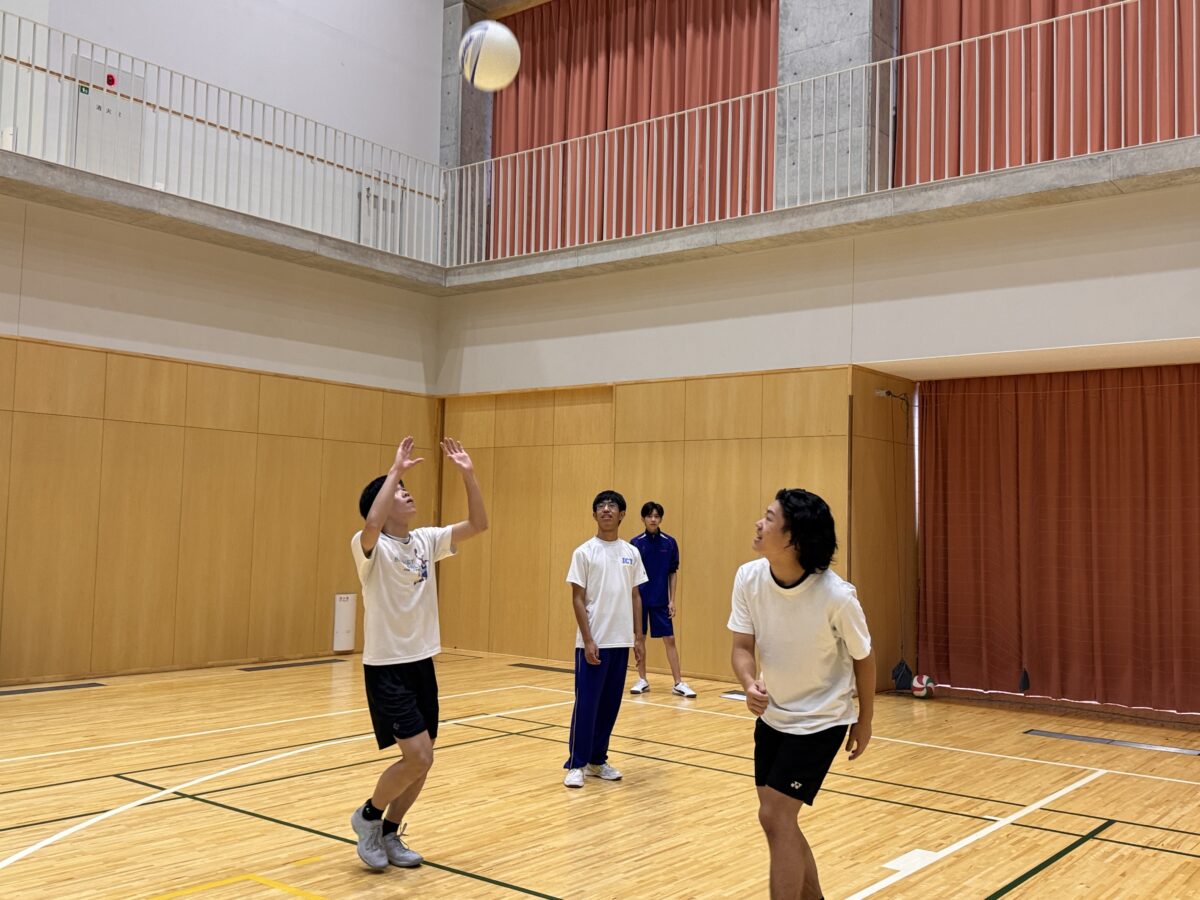
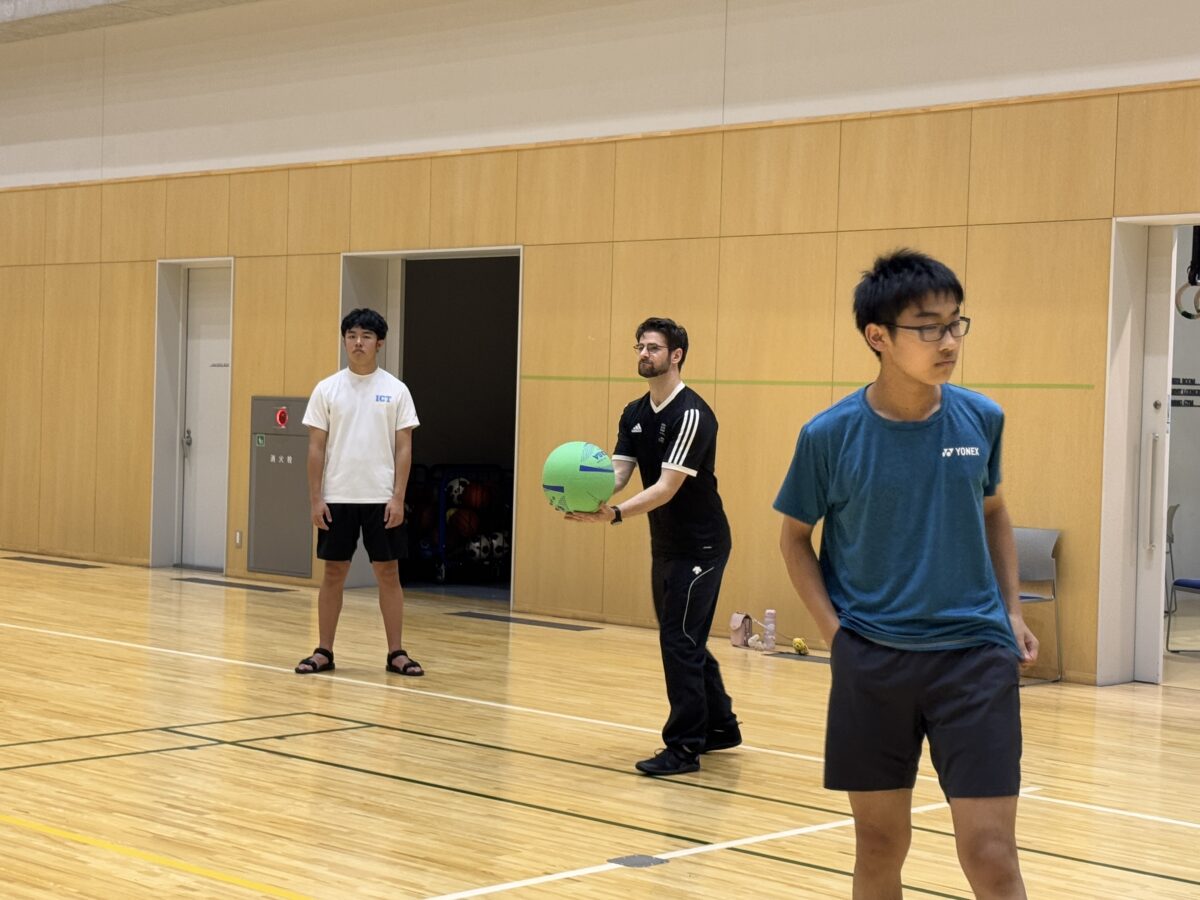
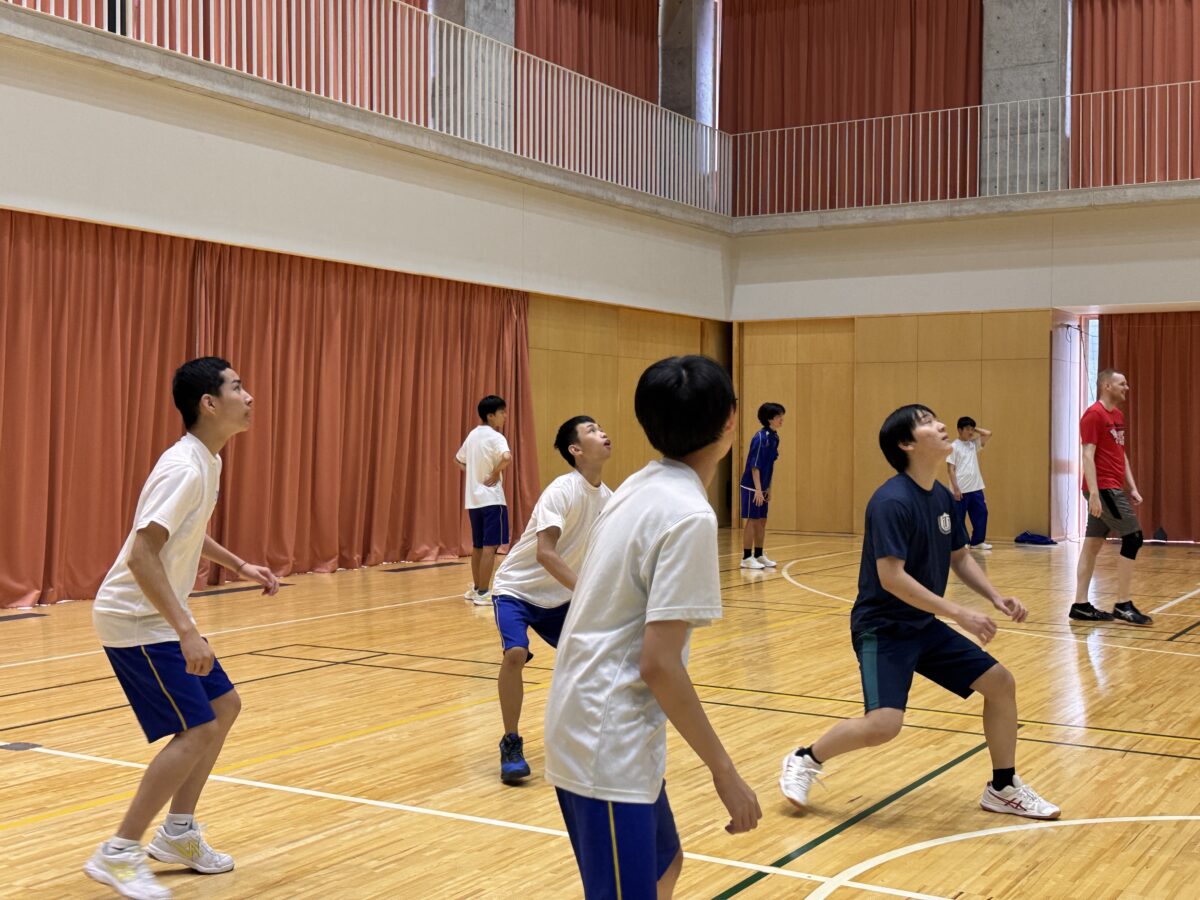
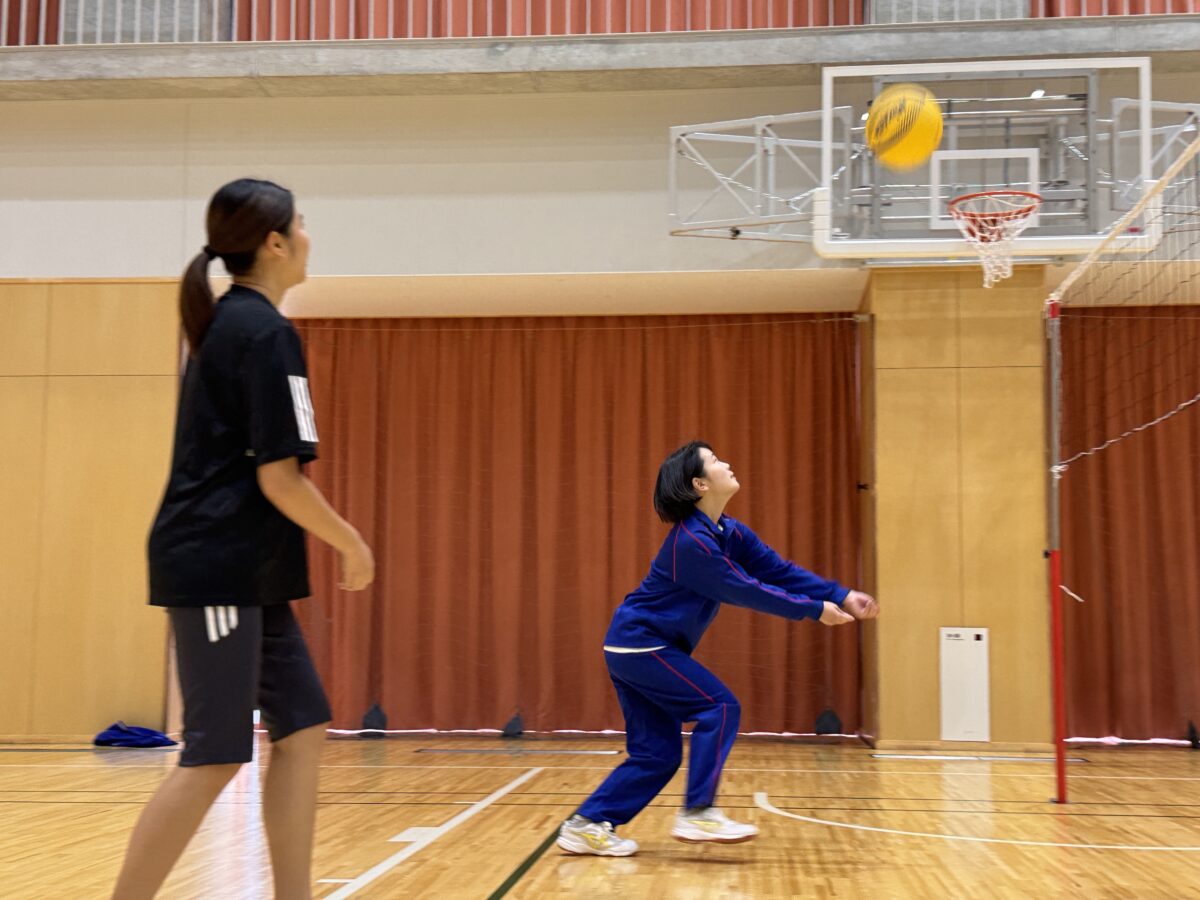
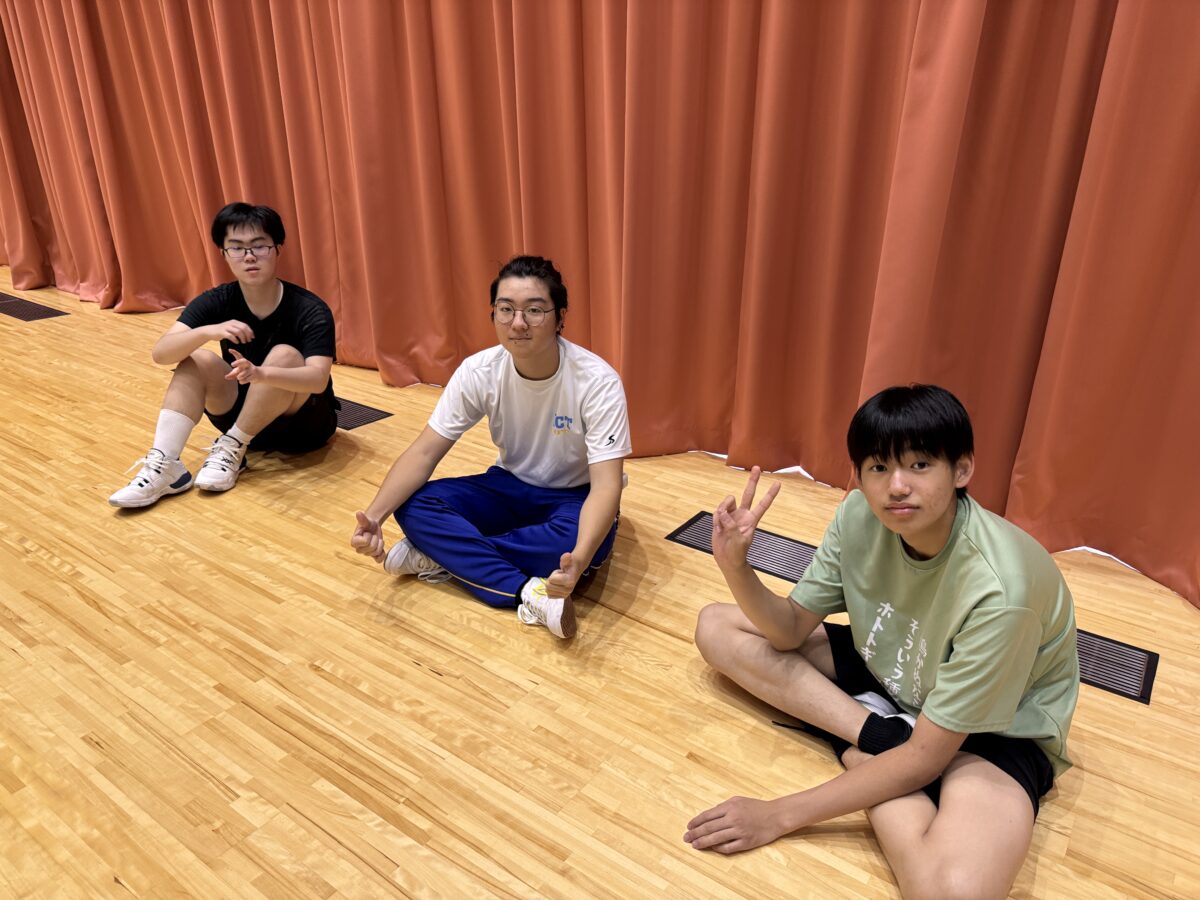
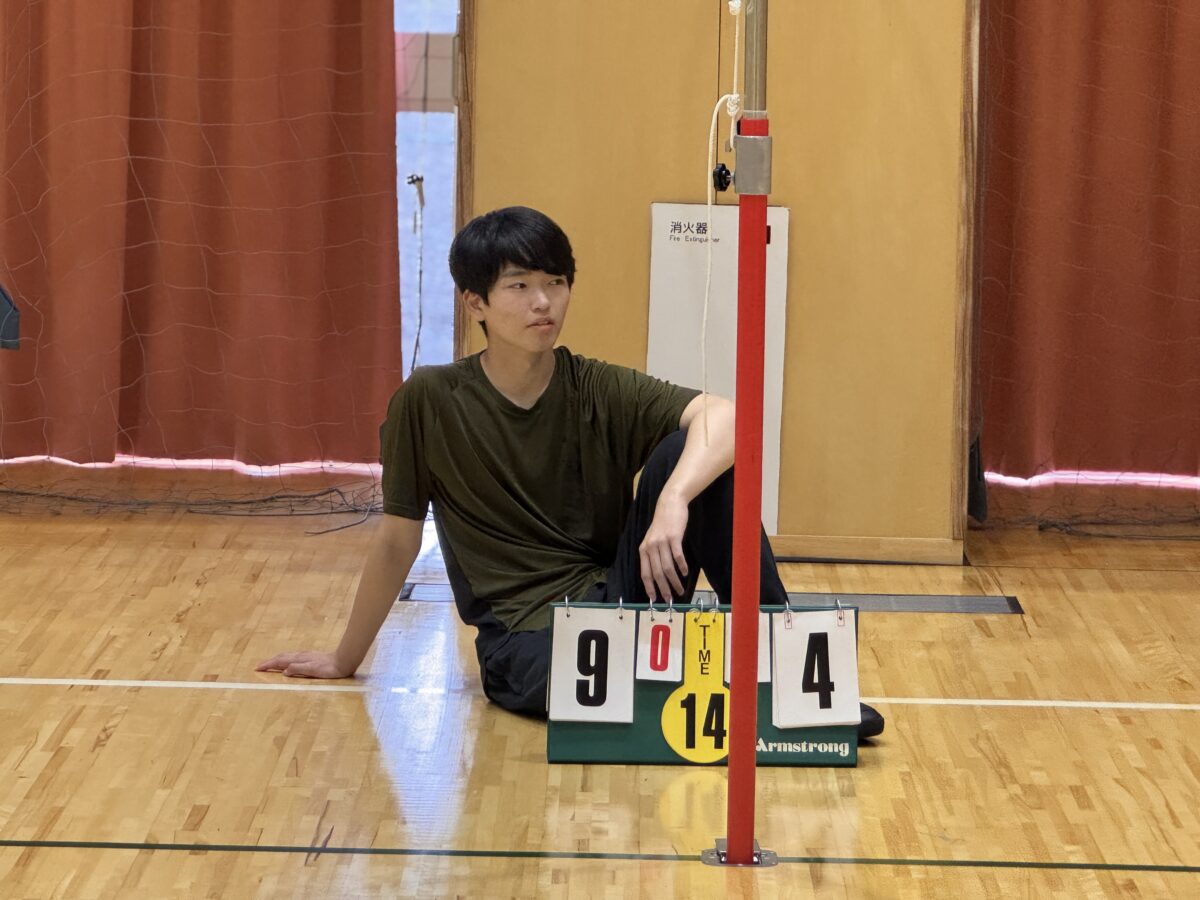
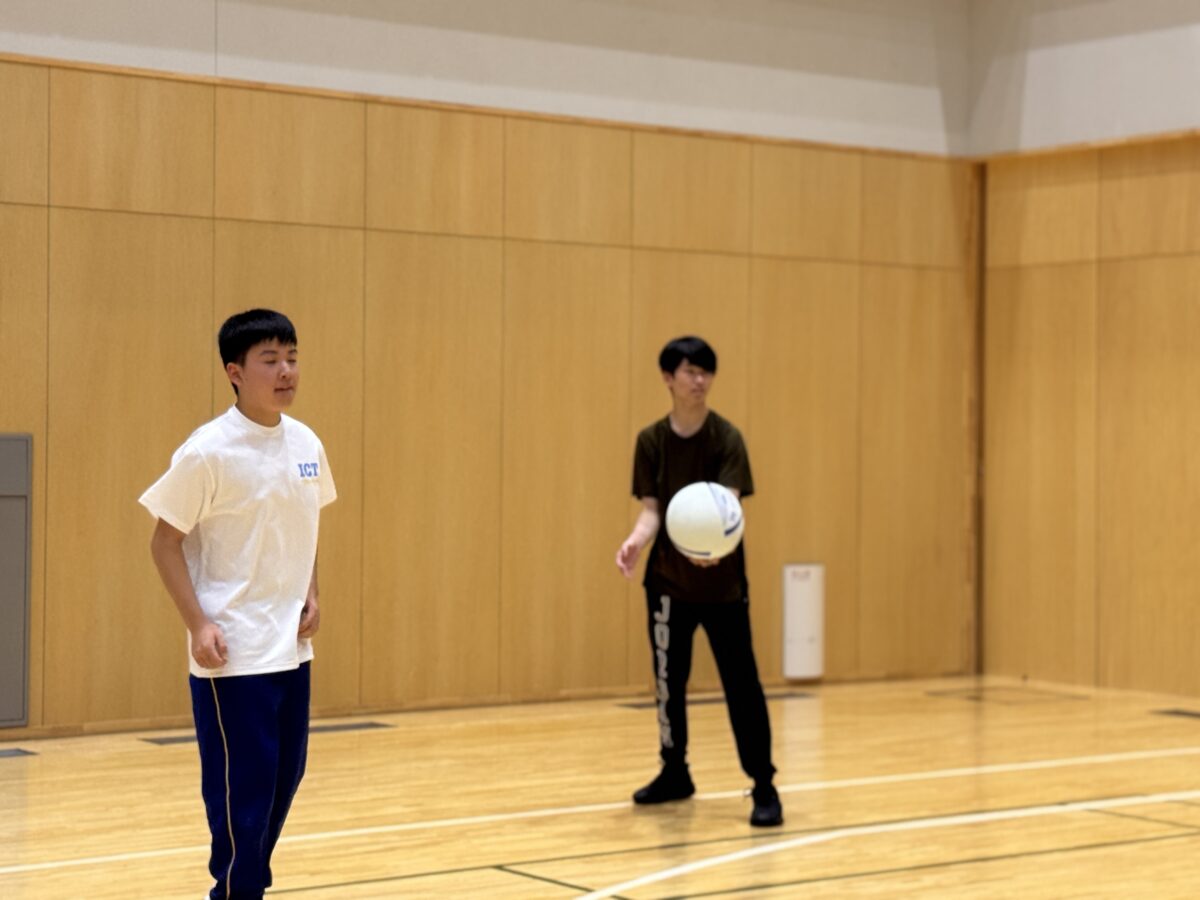
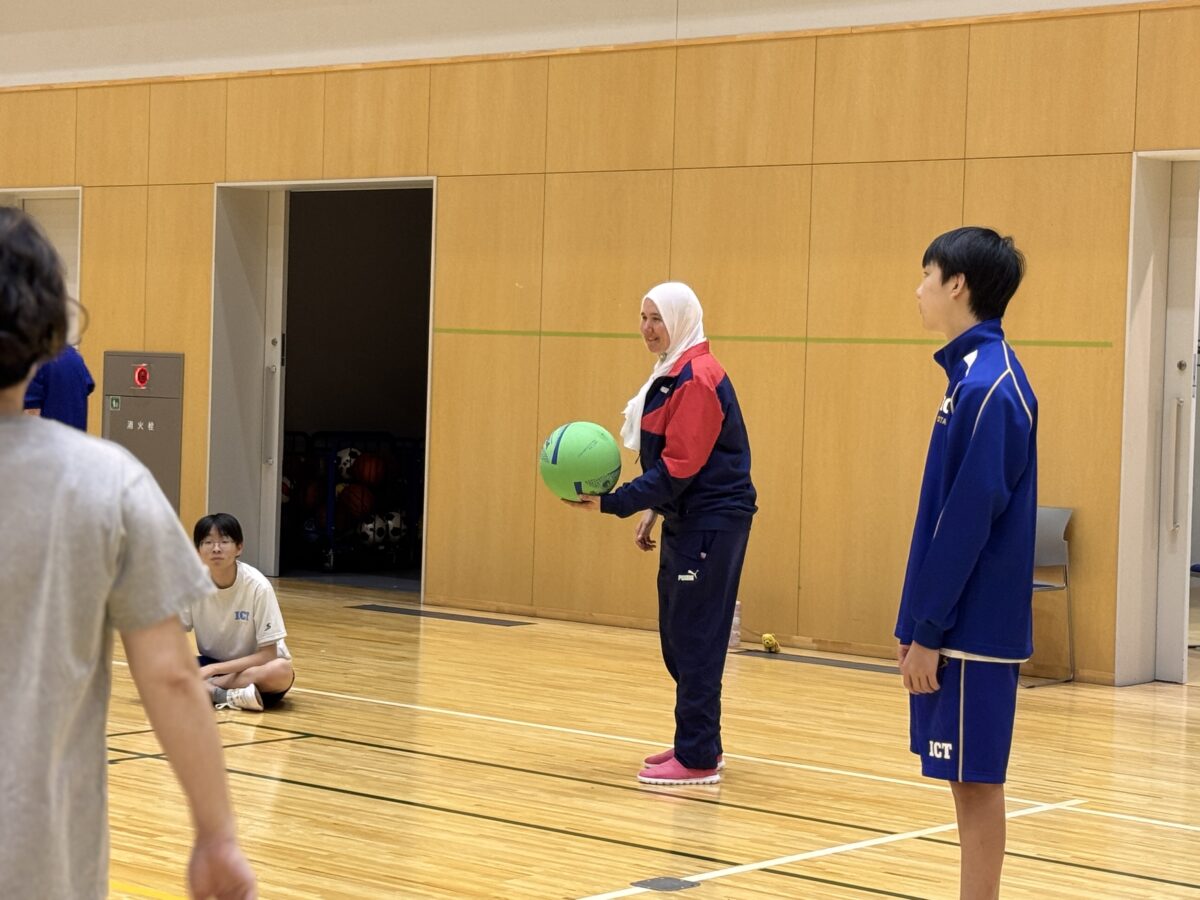
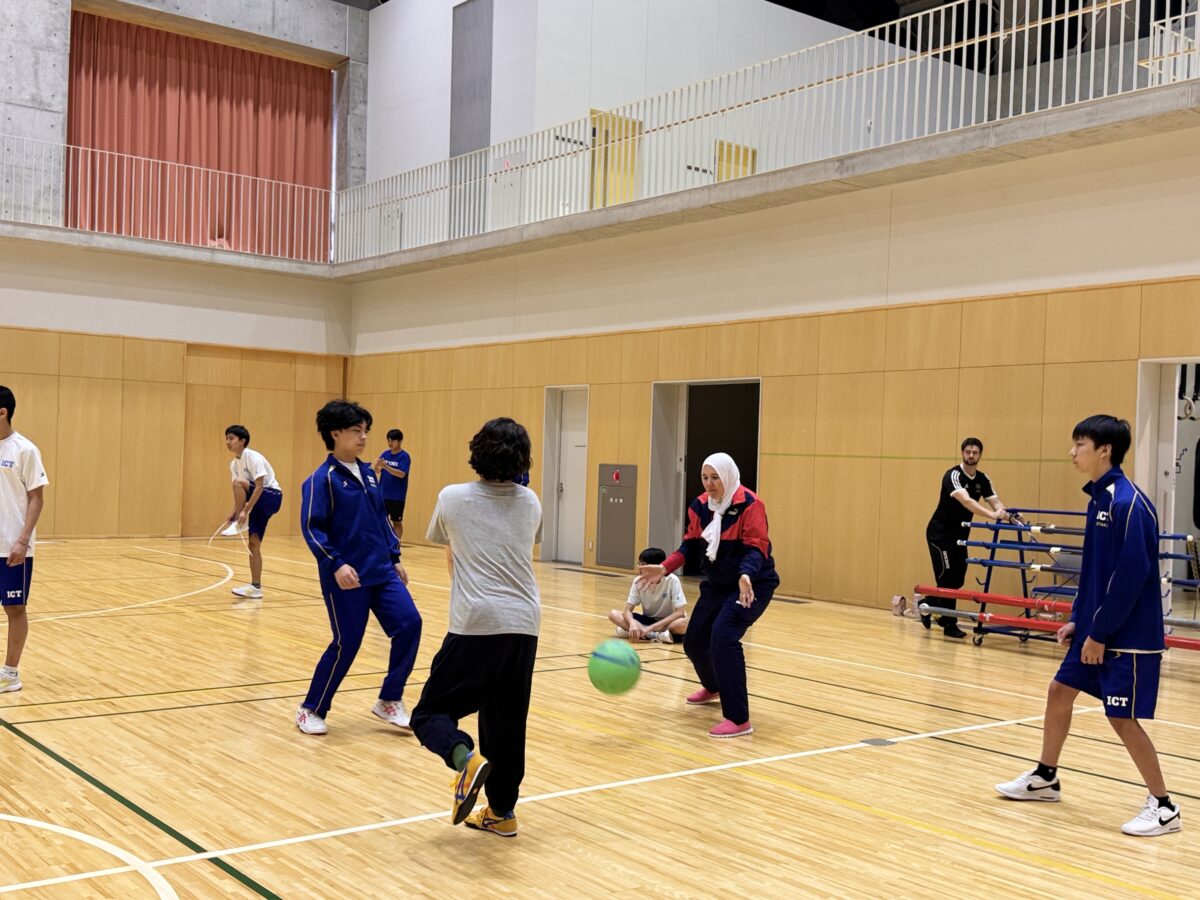
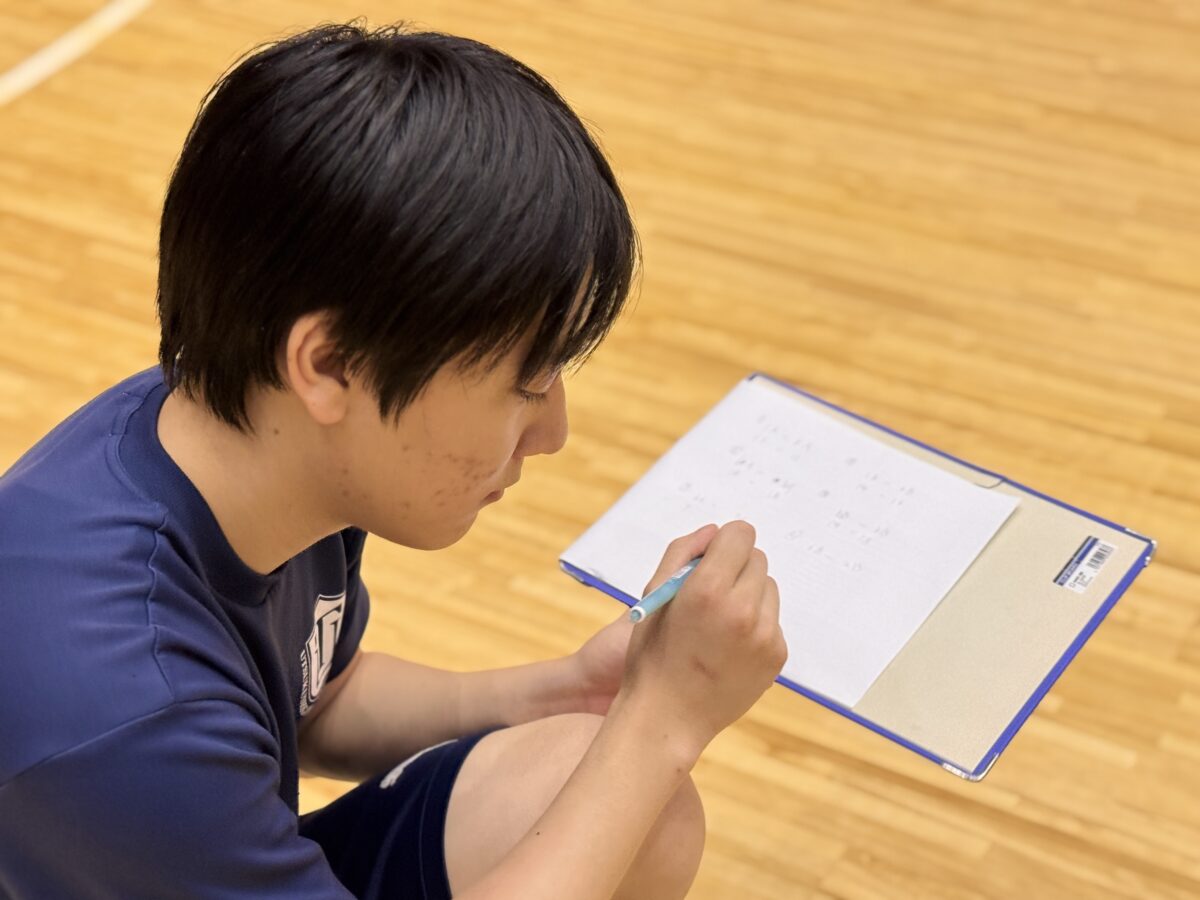
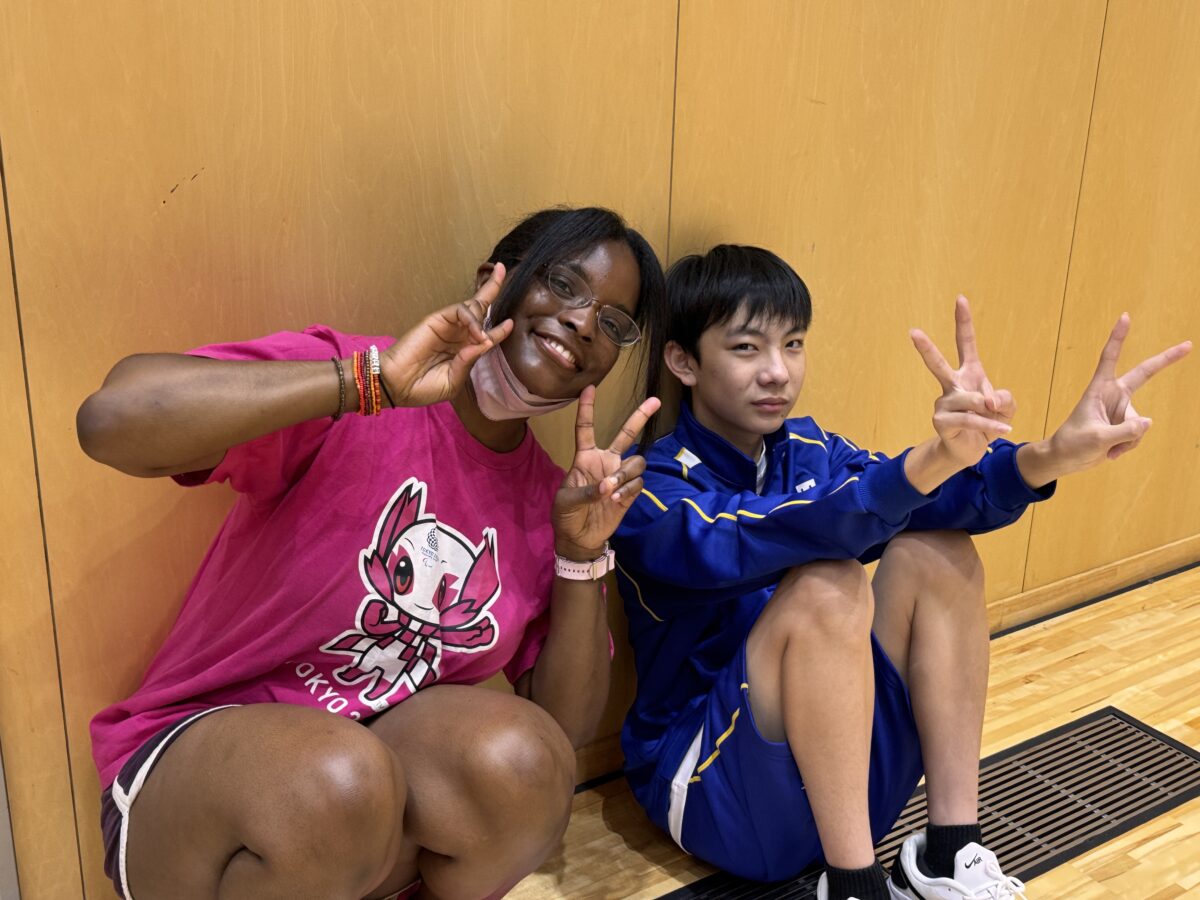
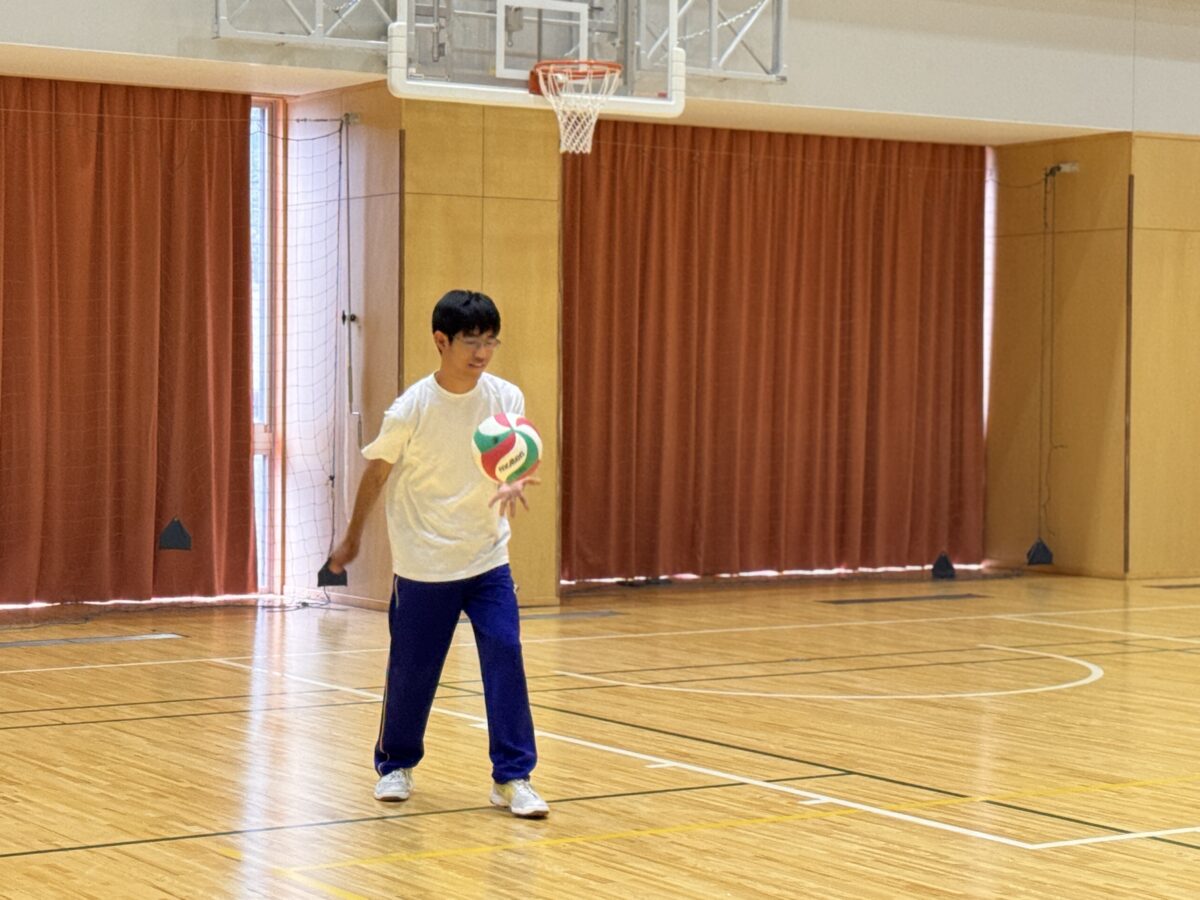
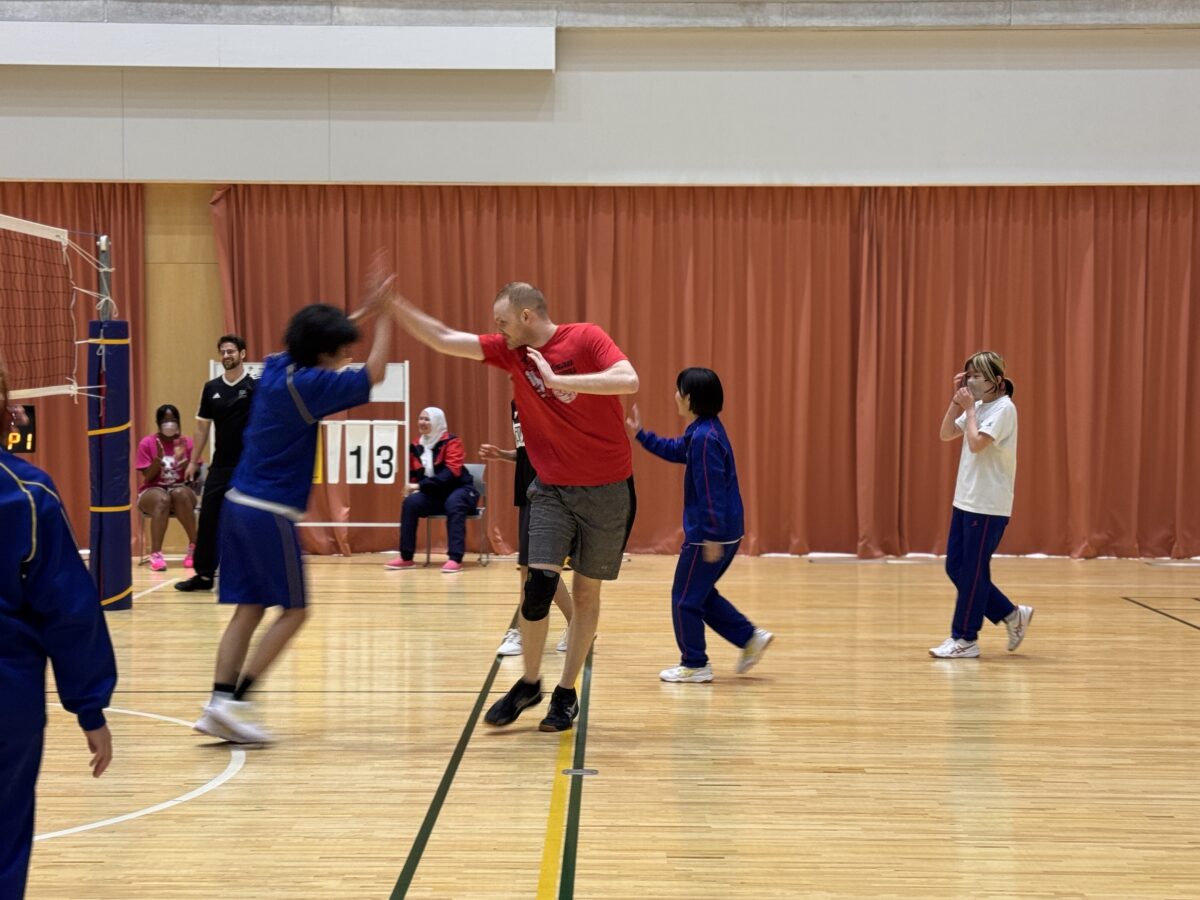
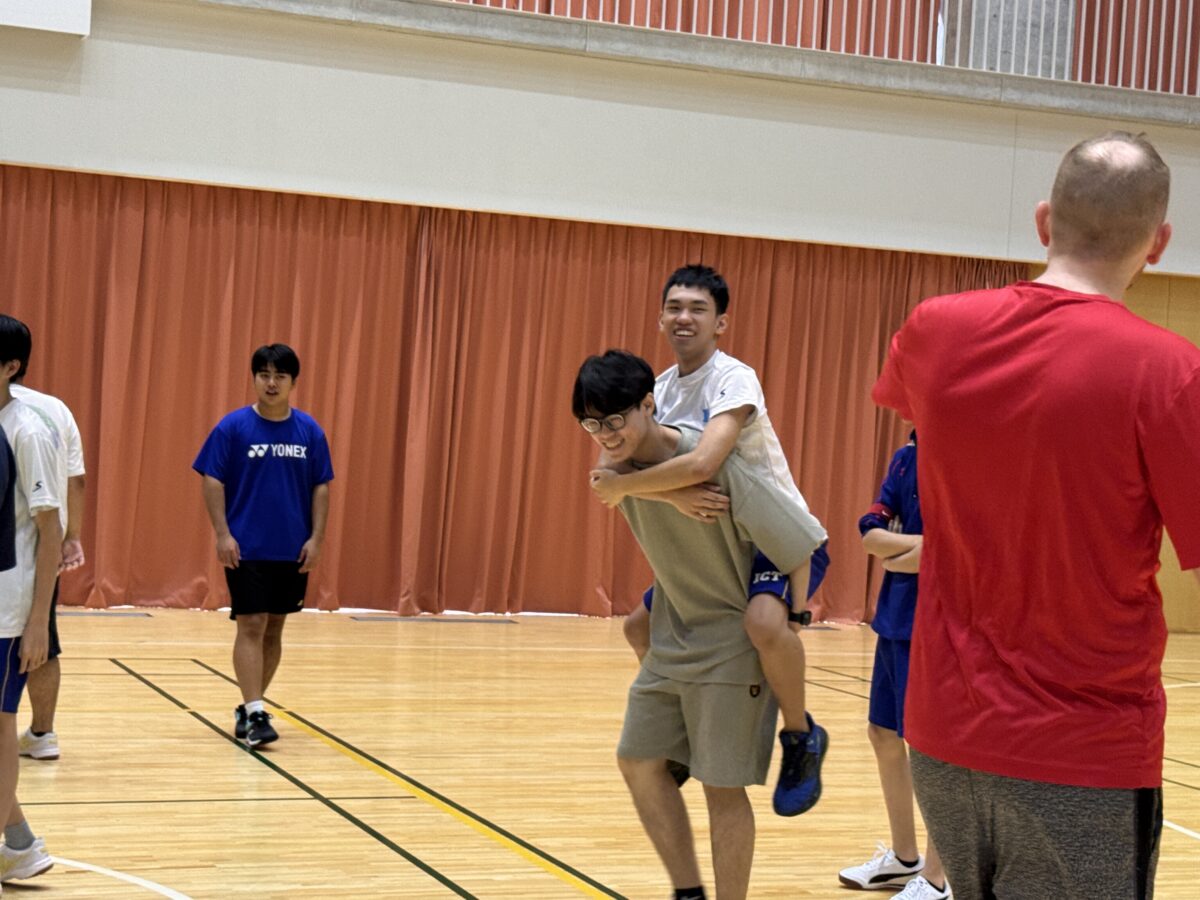
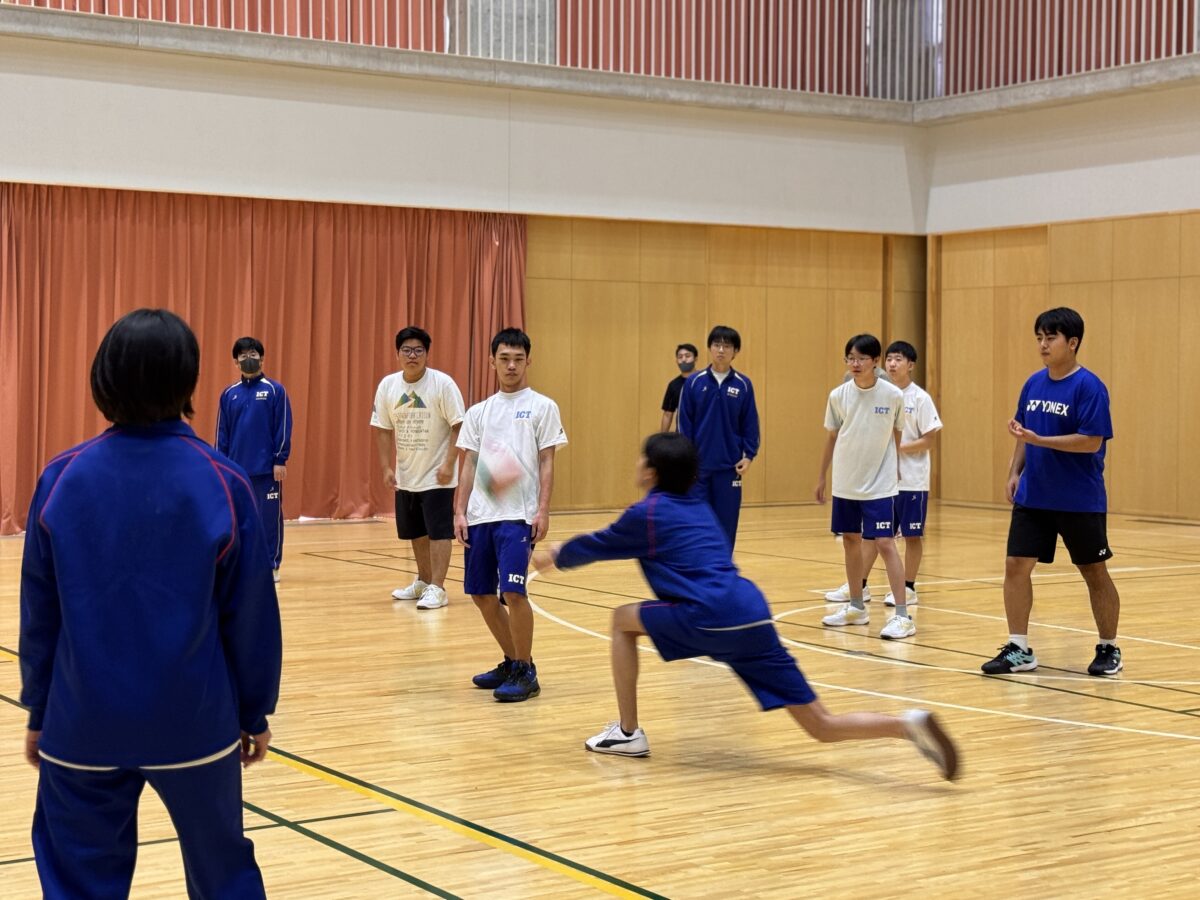
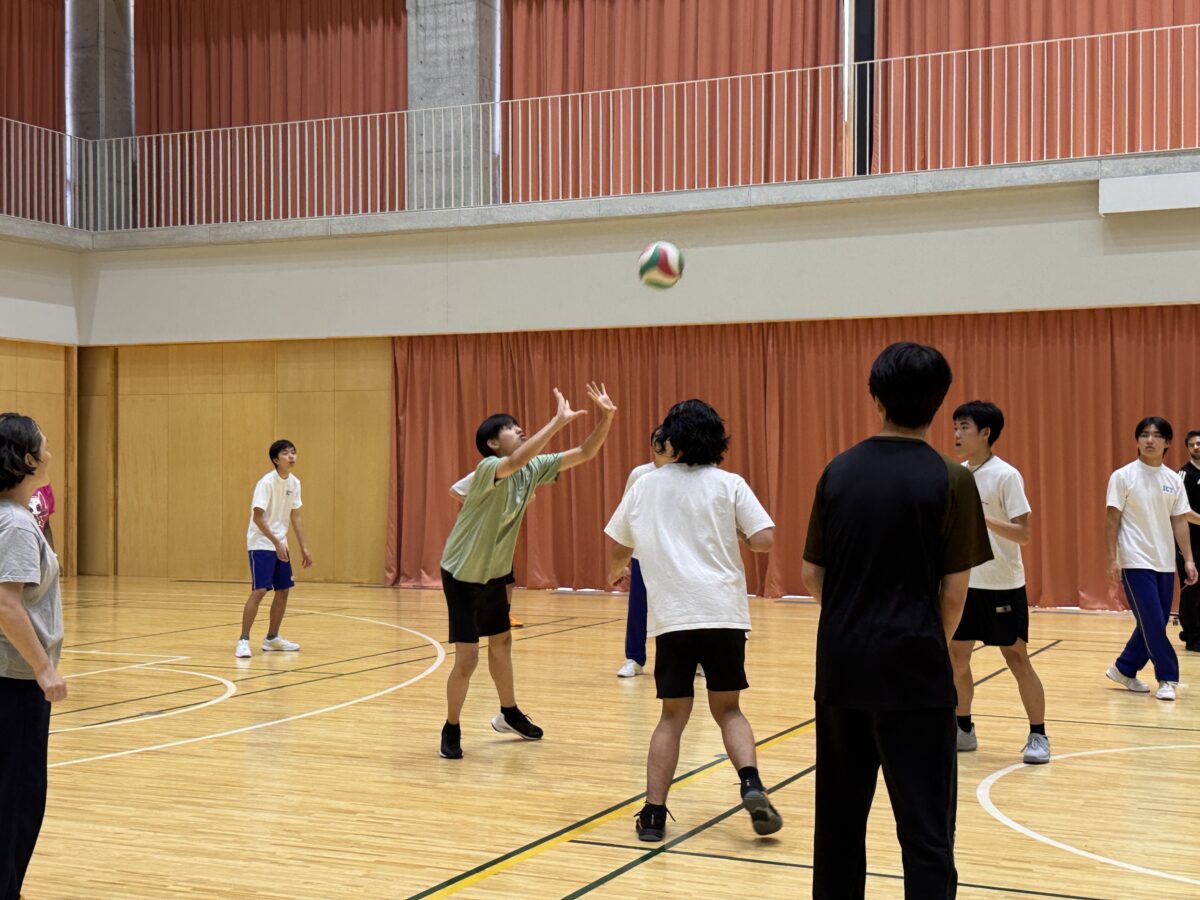
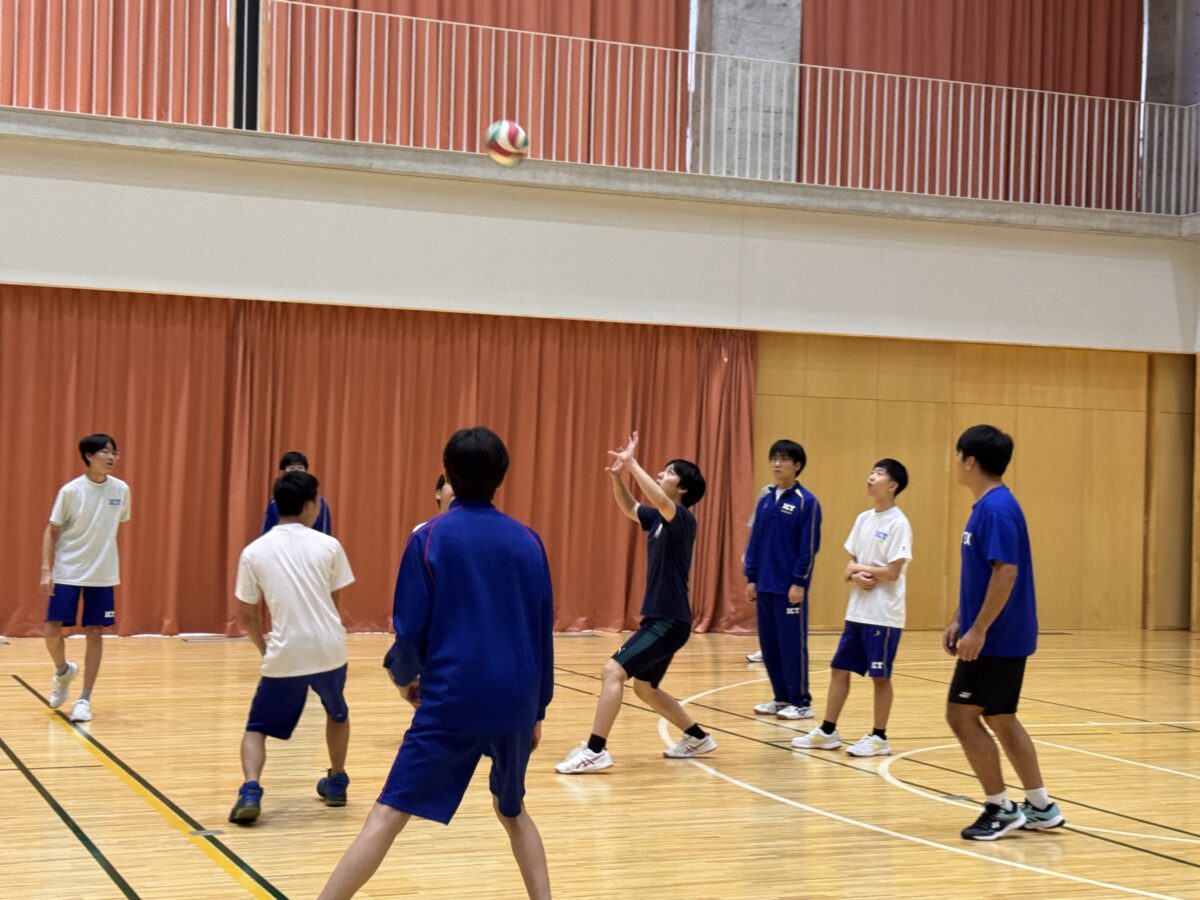
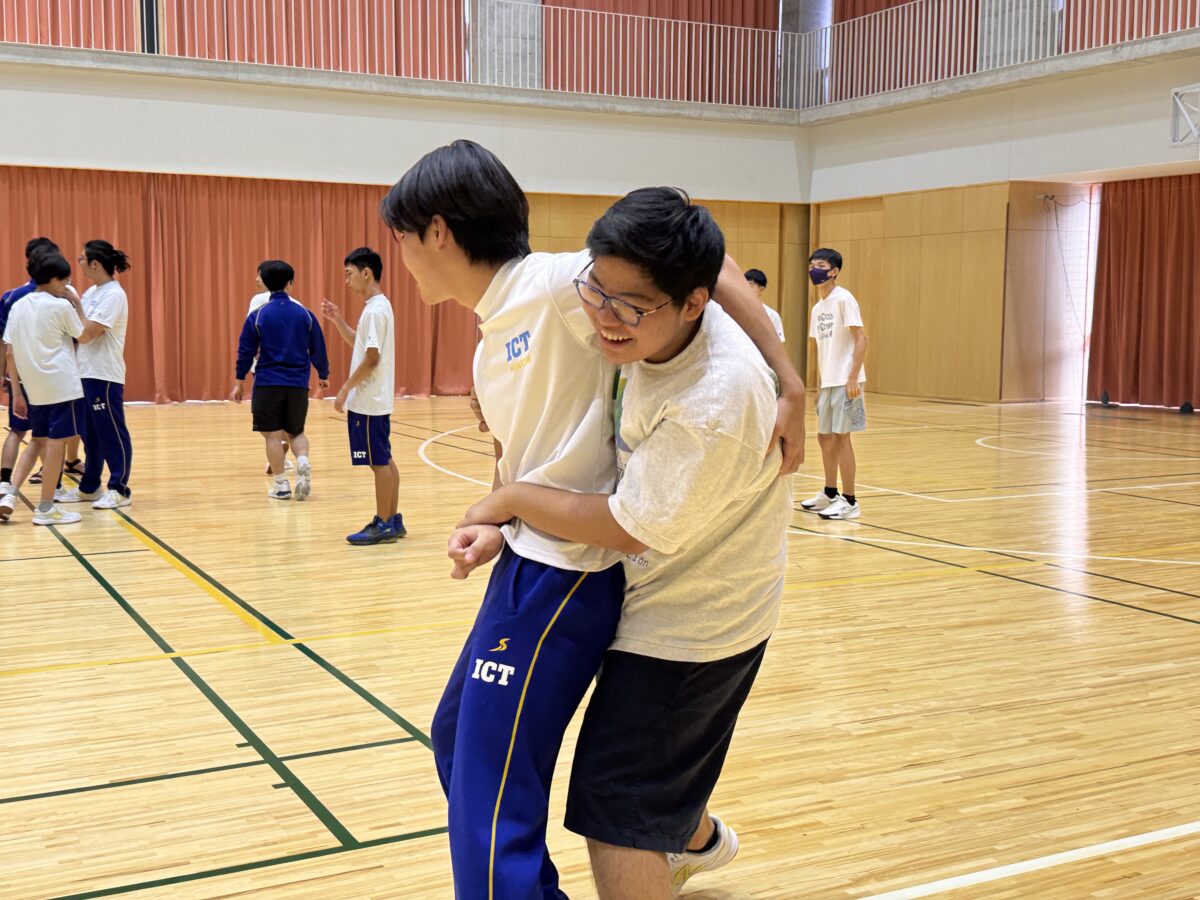
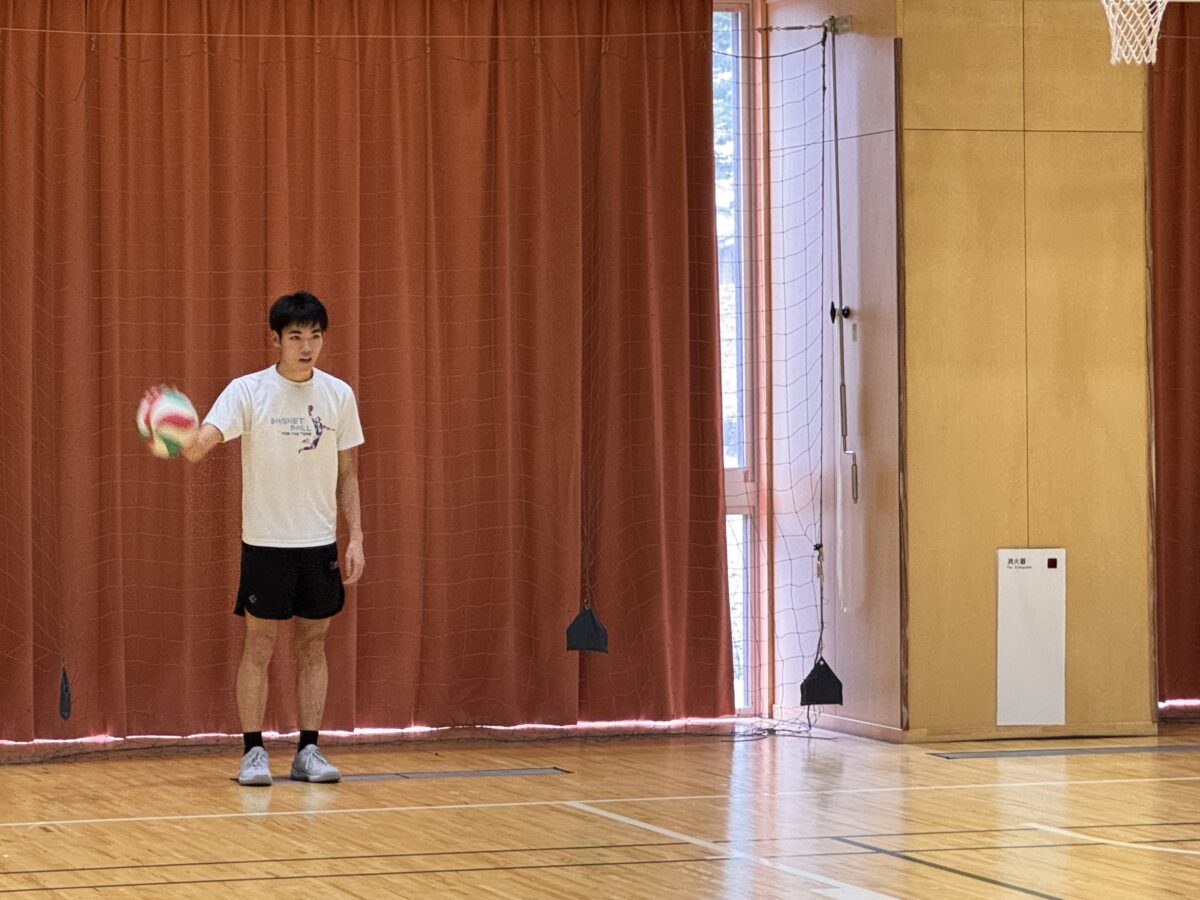
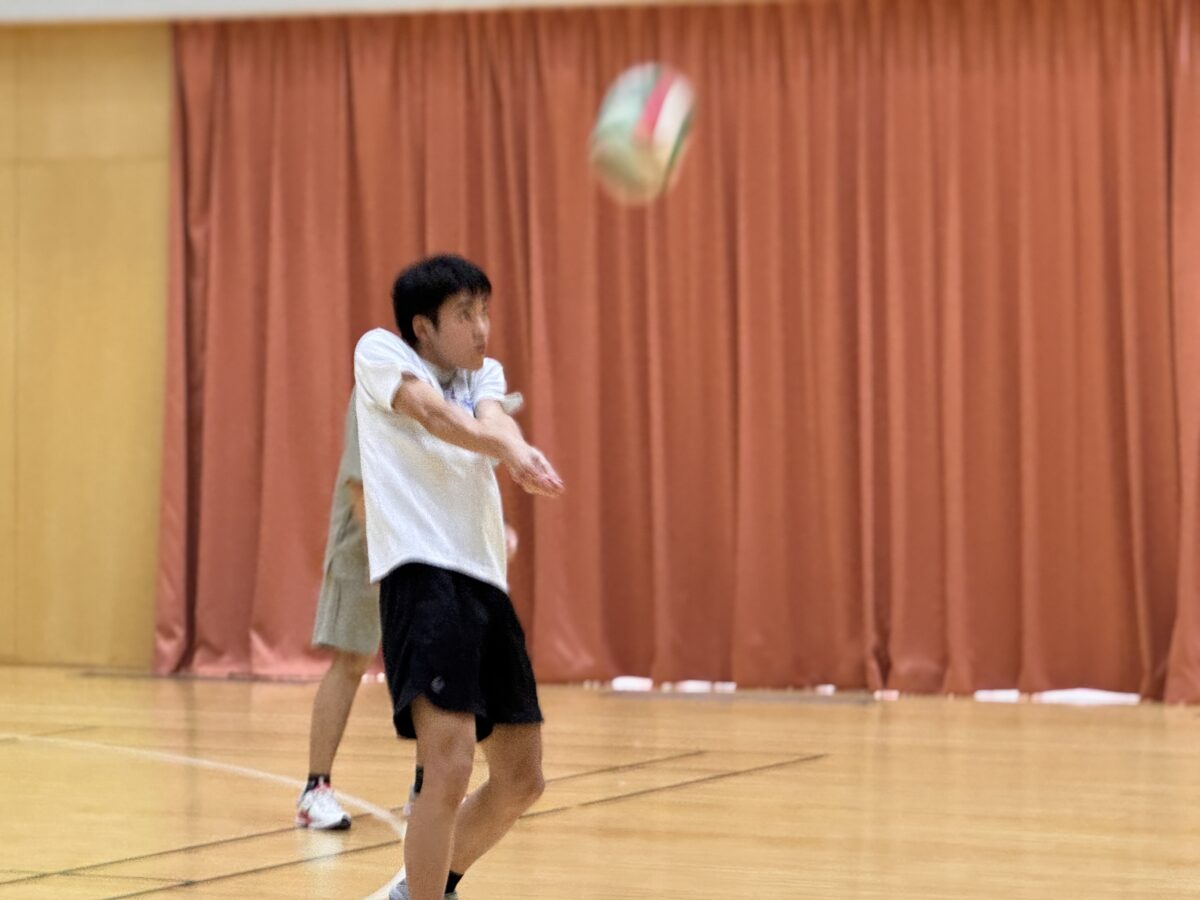
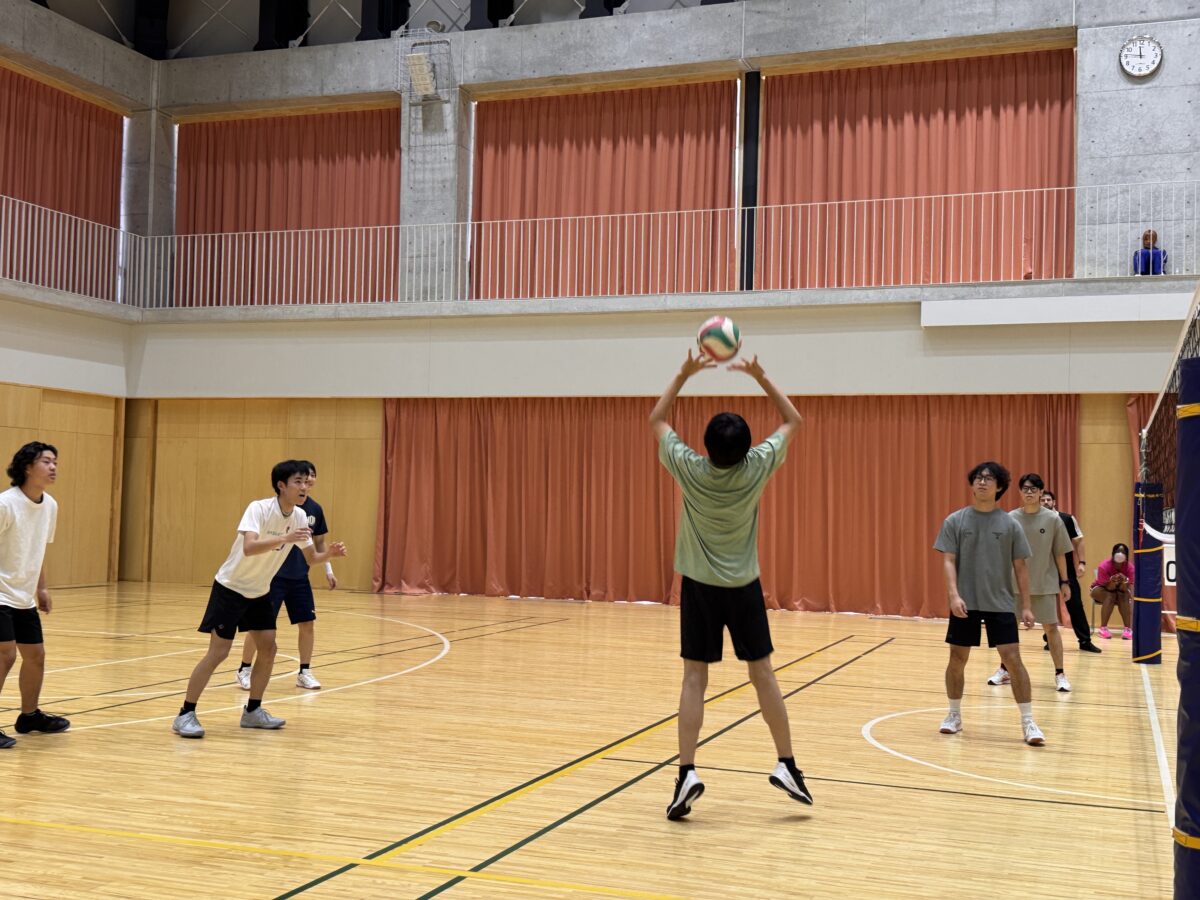
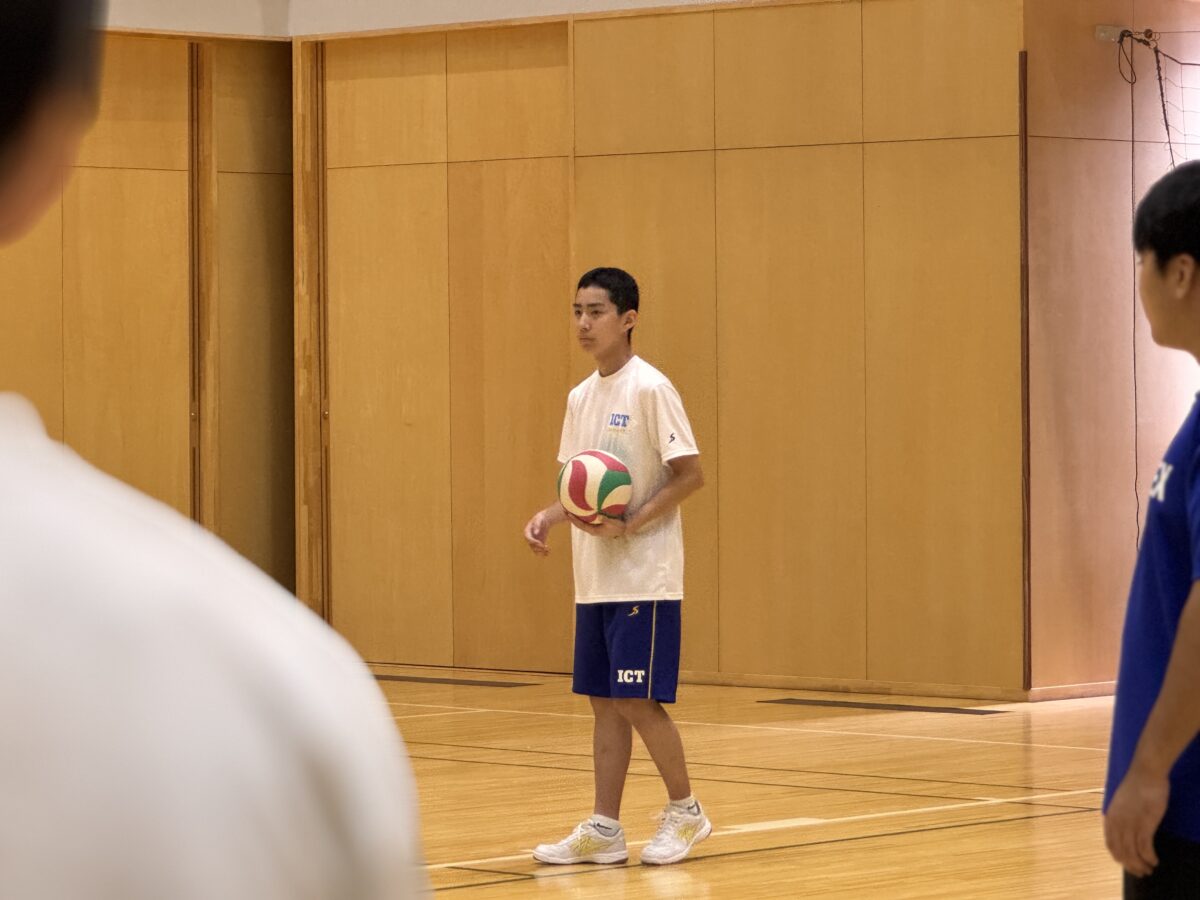
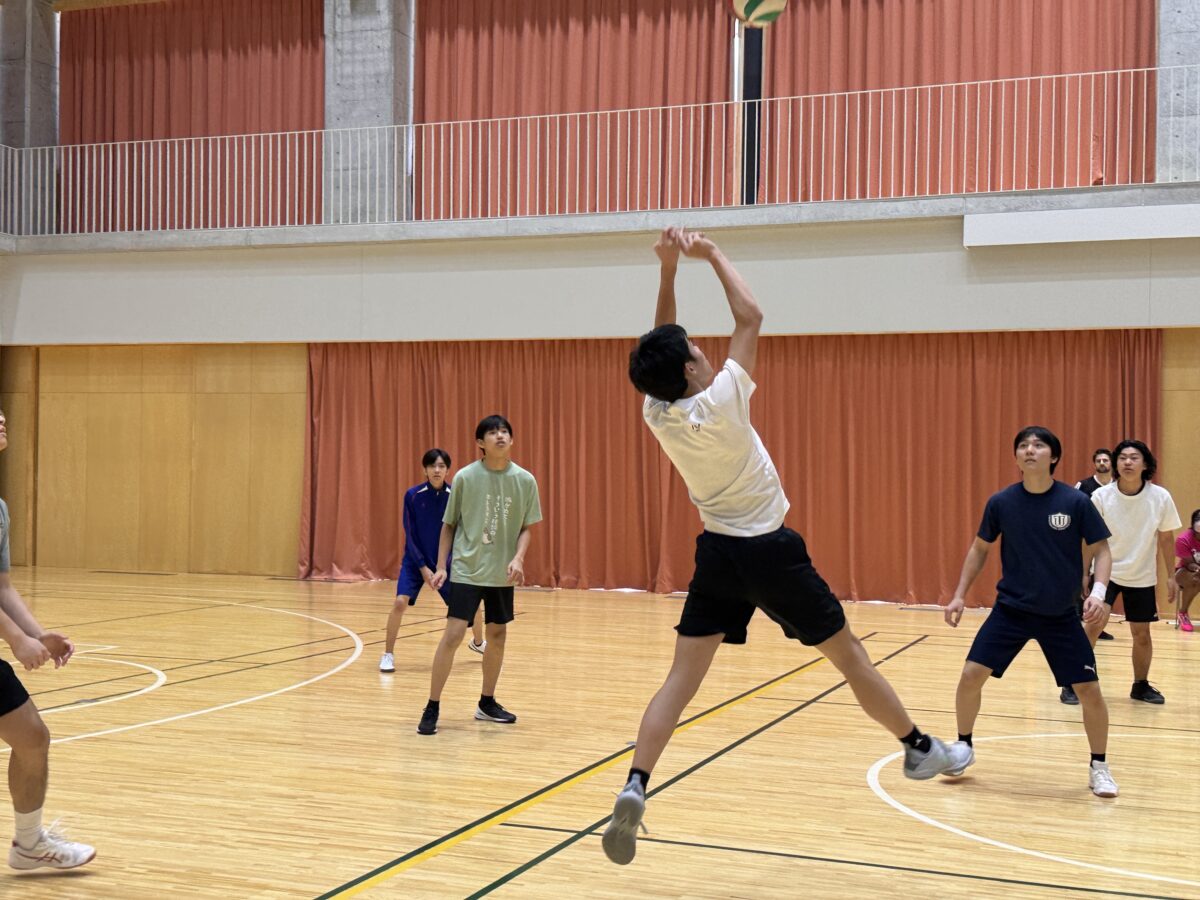
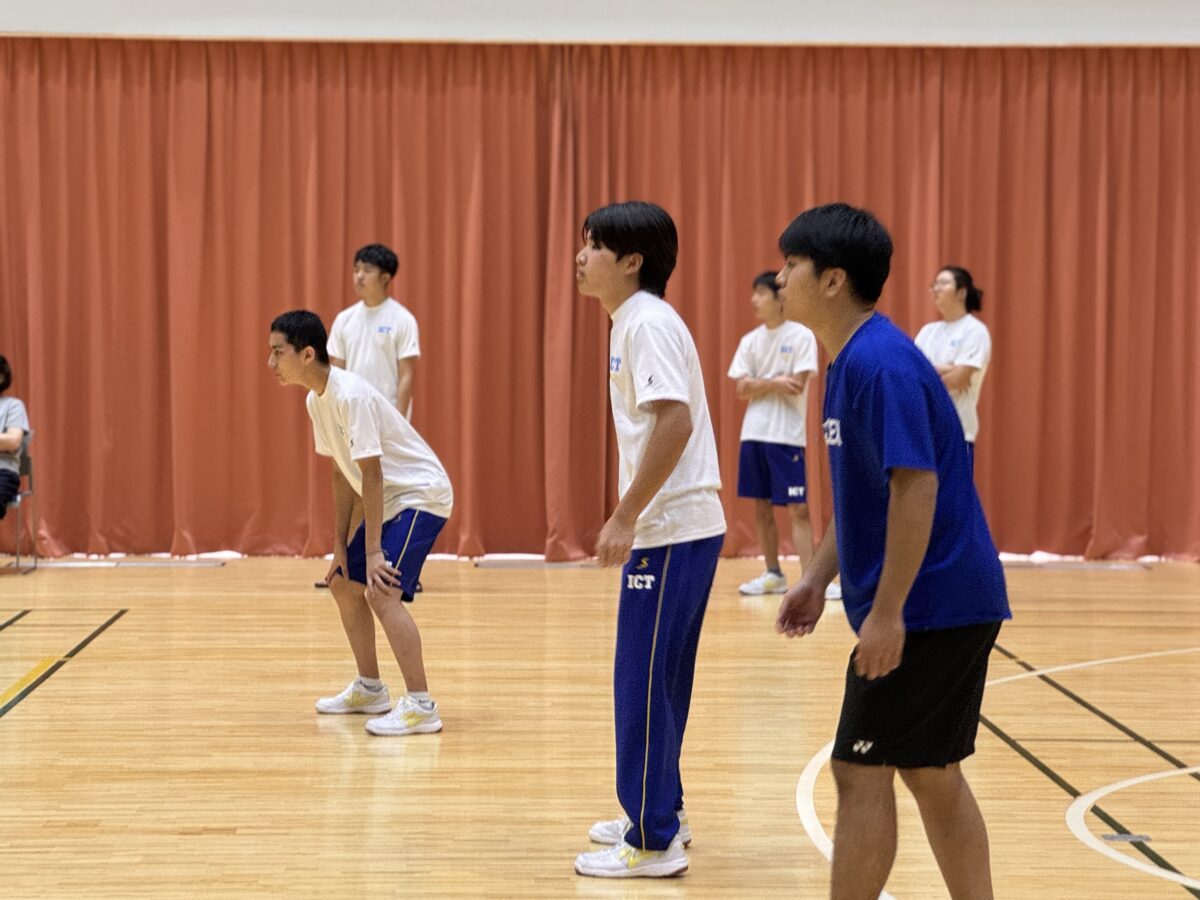
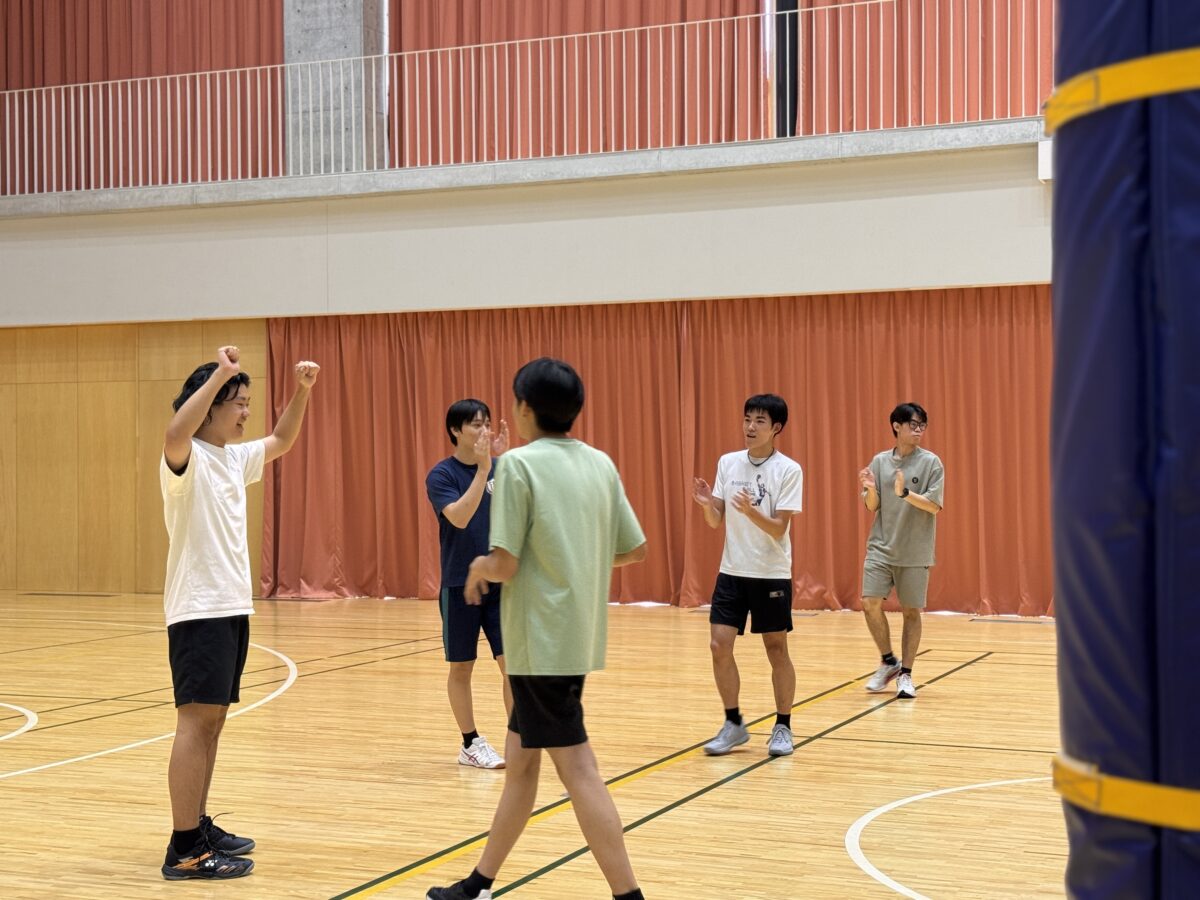
2025年9月29日(月)、この日は白山登山・三方岩岳ハイキングが予定されていましたが、あいにくの雨で中止となり、その代わりにフィリップ・ケザウ先生主催の1・2年生と教員が一緒に楽しむ「ソフトバレーボール・バレーボール大会」が開催されました。
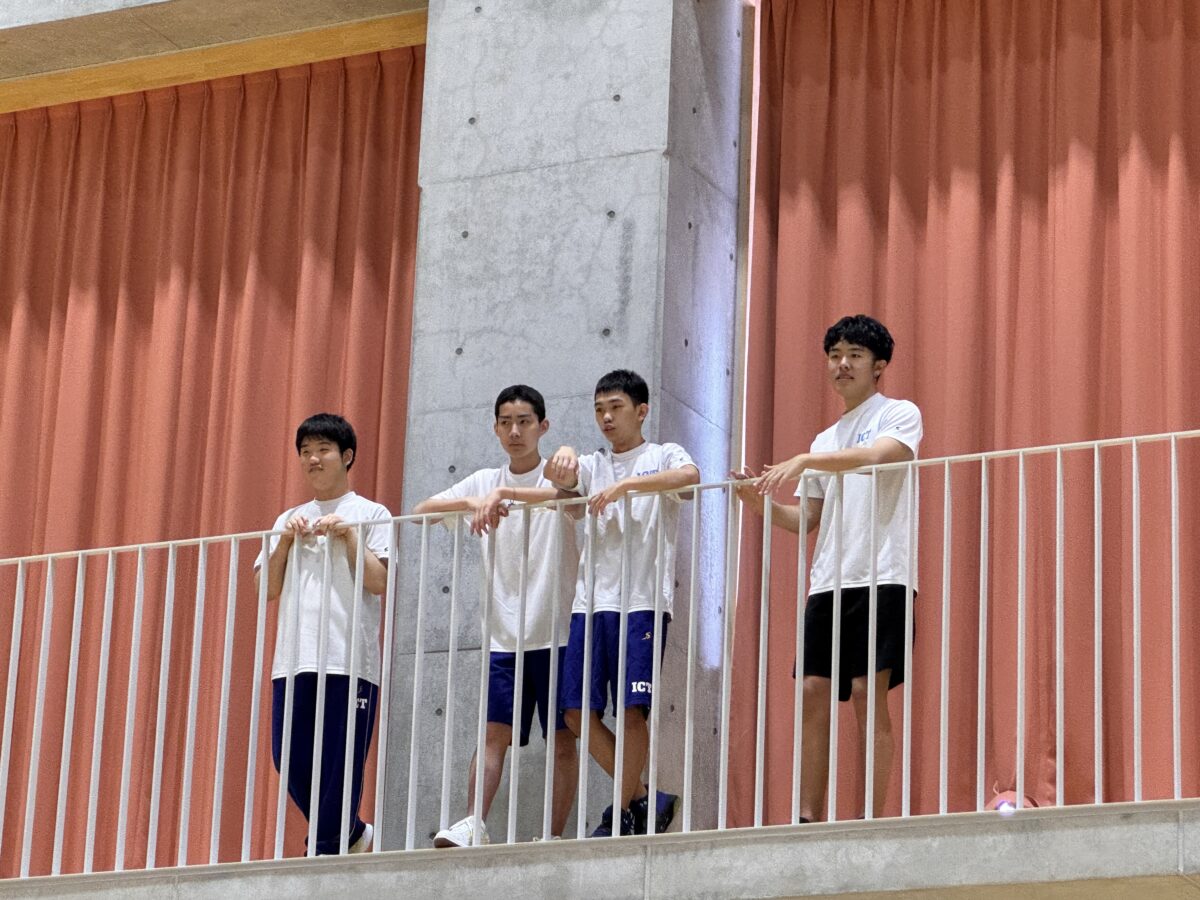
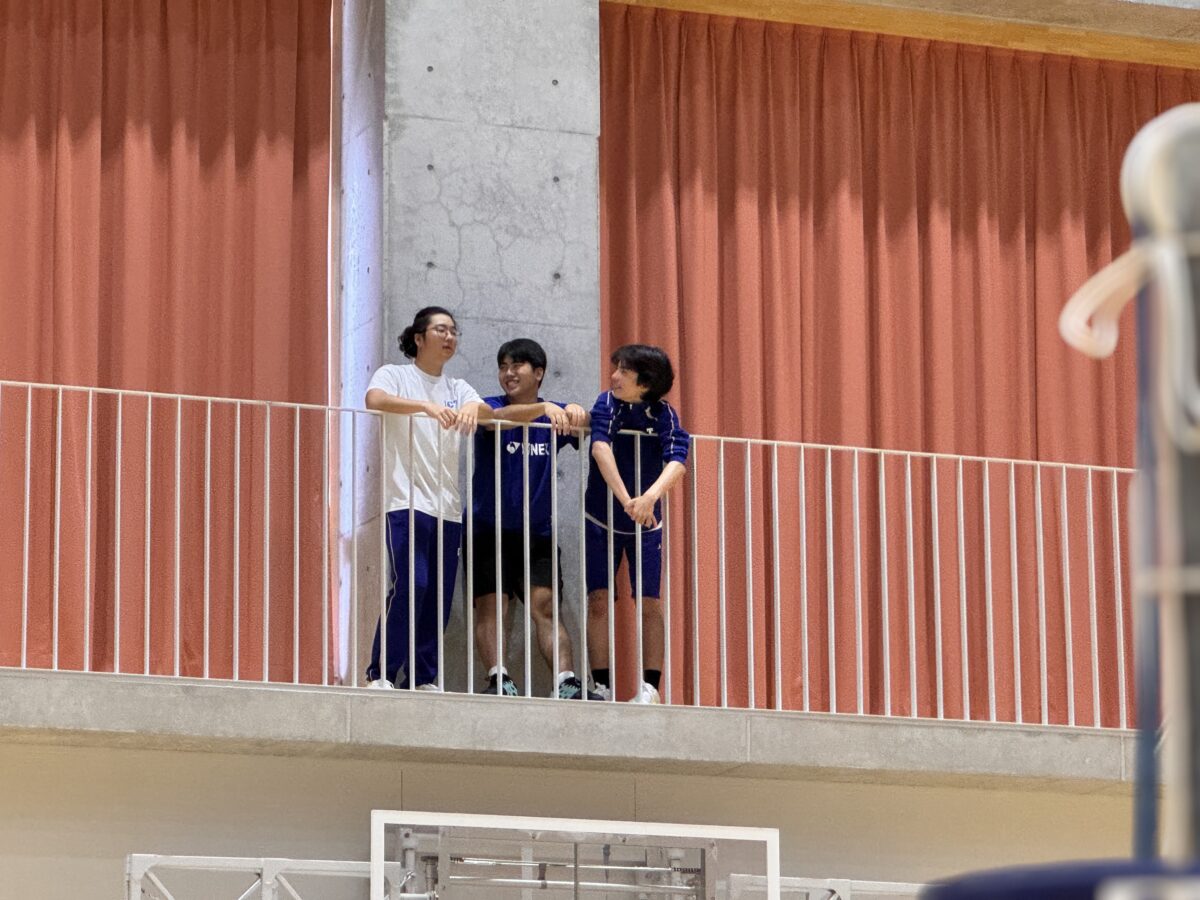
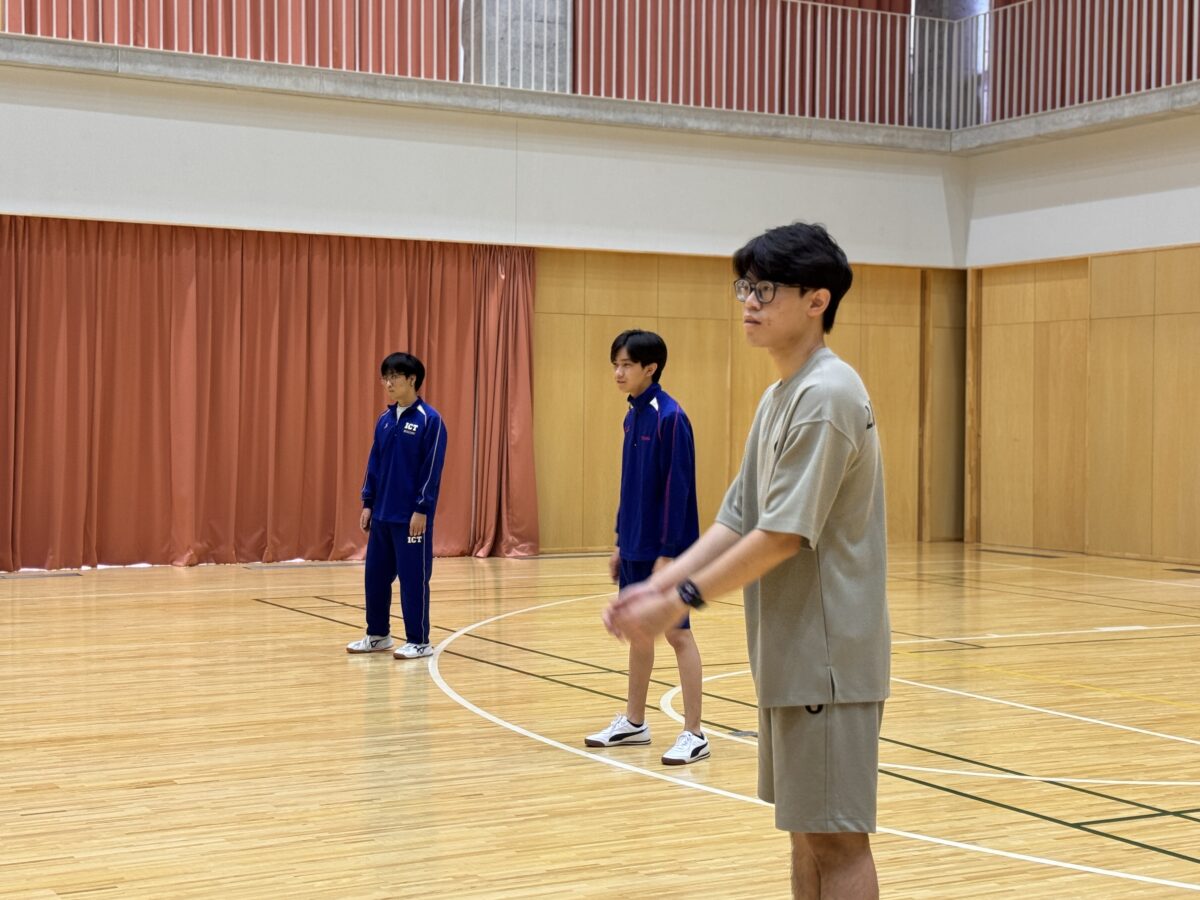
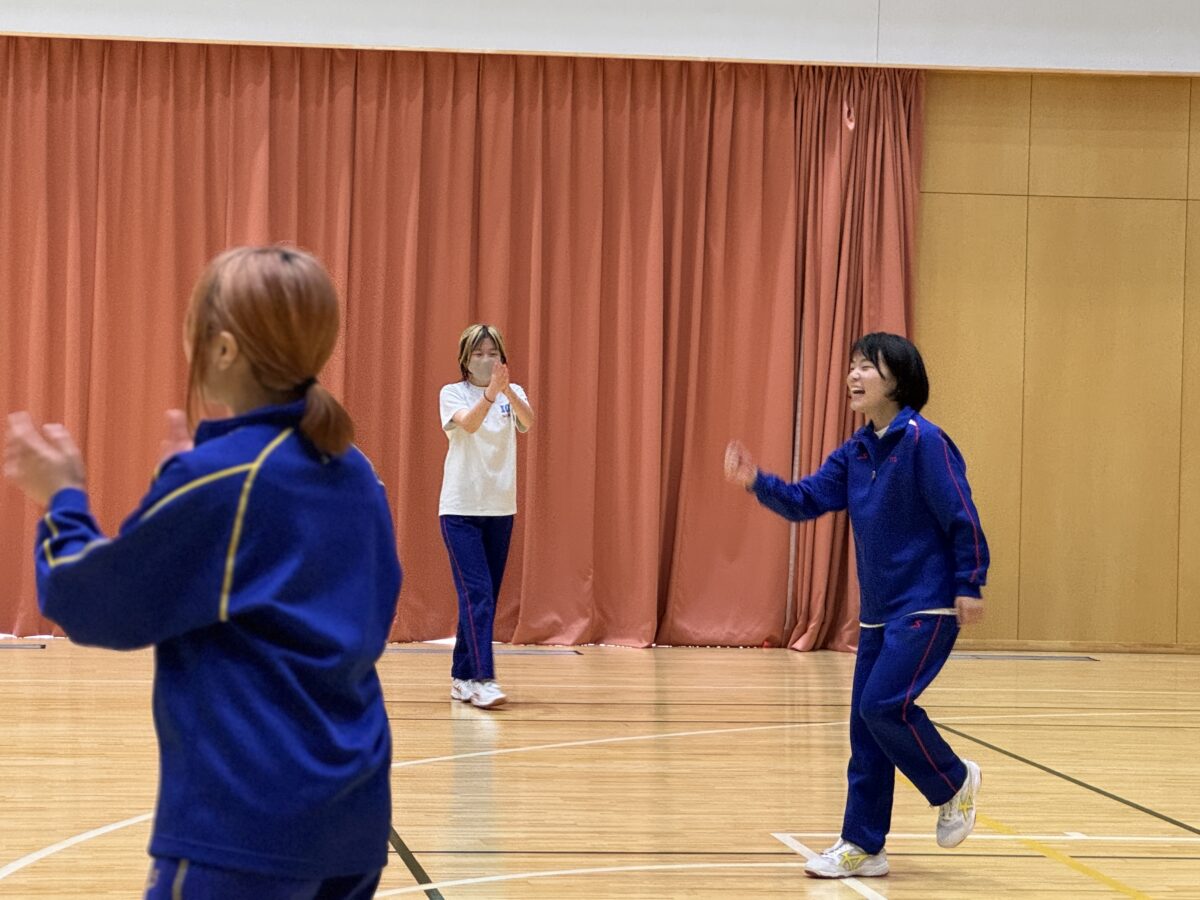
まずはソフトバレーボールからスタートしました。7分間の試合が次々と行われ、各チームは声を掛け合いながら、全力でプレーをしていました。続いて行われたのはバレーボールの試合です。スパイクやレシーブが決まるたびに歓声が上がり、熱い応援が飛び交いました。教員と学生が一緒になってチームを組み、互いに声を掛け合いながらプレーする姿は、まさに一体感そのものでした。さらに、参加者全員が2つのチームに分かれて、全員がコートに入ってプレーするオリジナルゲームも実施されました。このゲームでは、最大4回までボールに触れて相手コートに返すという特別ルールが実施され、人数の多さを活かして、みんなで協力しながらボールをつなぎました。最後には、1年生 vs 2年生の白熱した試合が行われました!試合開始とともに、2年生は息の合ったチームワークと力強いプレーで1年生を圧倒!1年生も負けじと果敢に挑みましたが、2年生の連携と集中力に押され、惜しくも敗れてしまいました。
この試合を通して、学年を越えた絆や、全力で挑戦する楽しさを改めて感じることができた、心に残る素晴らしい時間となりました!
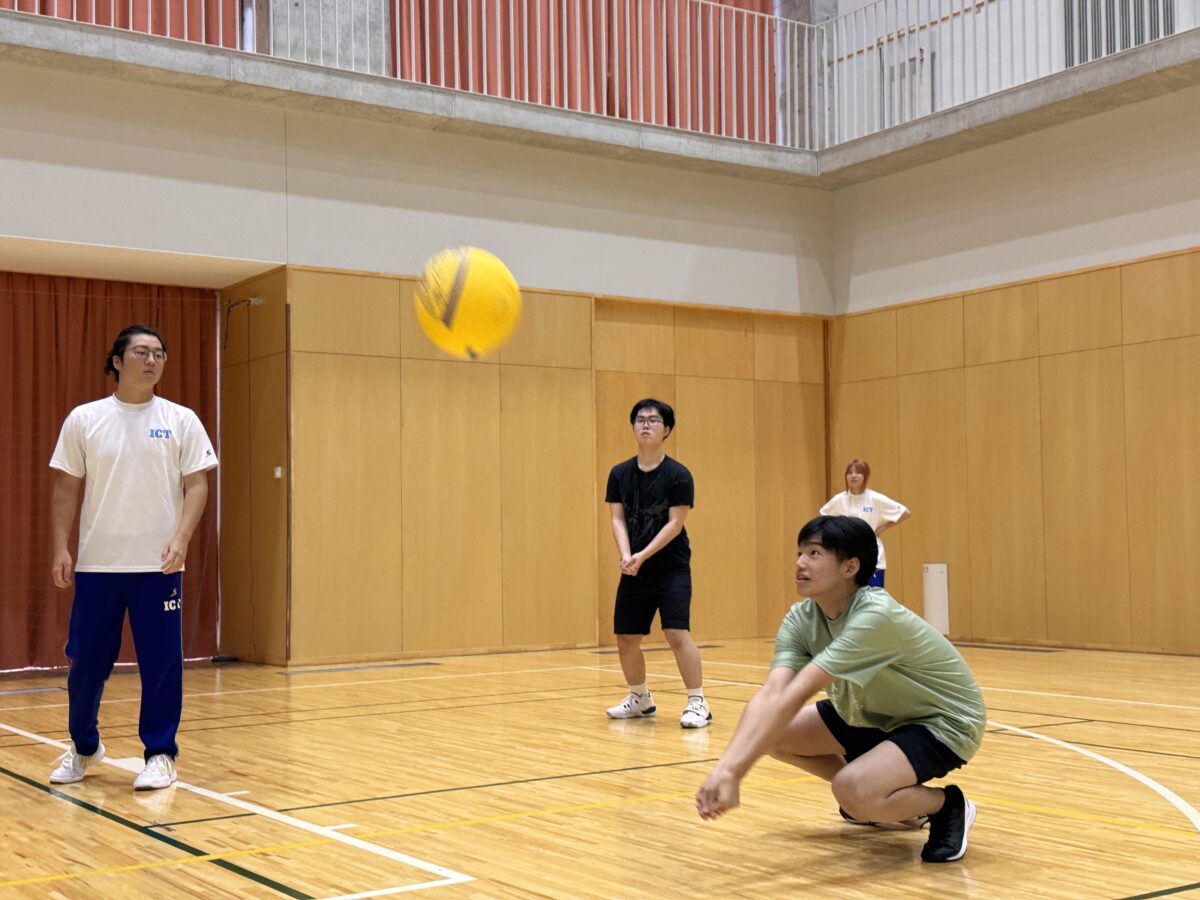
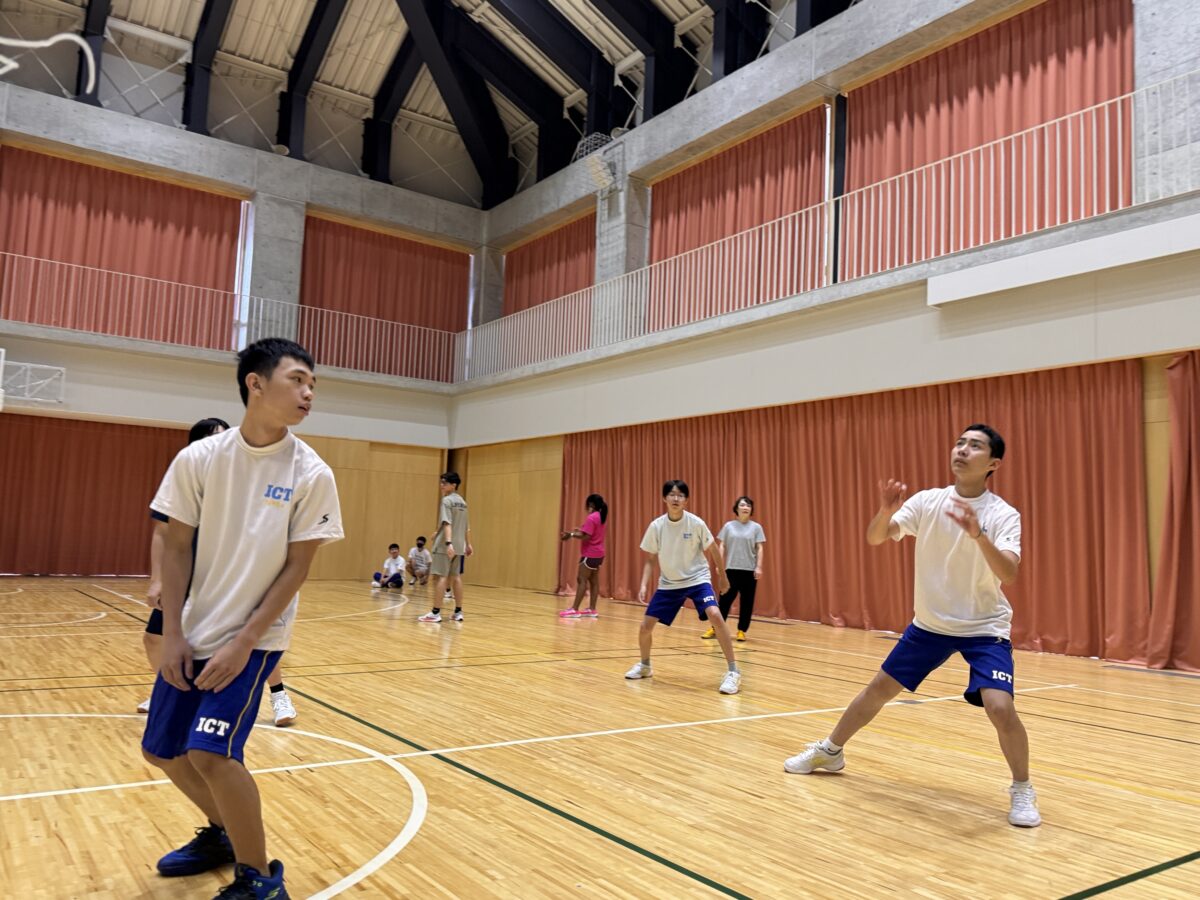
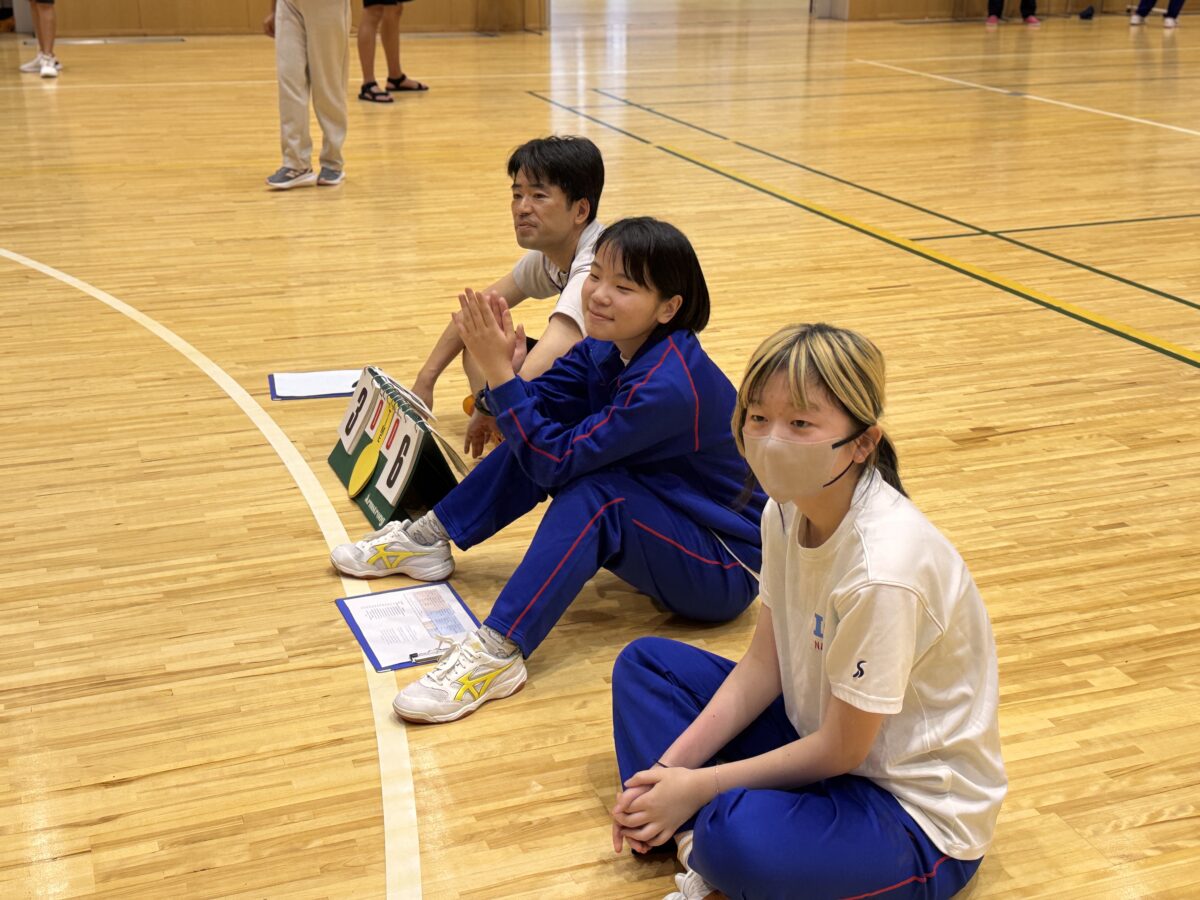
「ブックレビュー発表会」
2025年10月1日(水)、1年生による「ブックレビュー発表会」が開催されました。学生たちは夏休み中に読んだ本(ジャンルは自由)について、学んだことや感想を3分間発表しました。日本人の学生は英語の本を読み英語で発表し、留学生は日本語の本を読み日本語で発表しました。学生たちはファンタジーや冒険、伝記、推理小説など、多彩なジャンルの本を紹介しました。中には、本のストーリーをアニメーション化する学生、物語の一場面を鉛筆でスケッチした作品を披露する学生もいました。
発表後、学生と教員による投票が行われ、「ベストプレゼンテーション」が選ばれました。英語での発表から2名、日本語での発表から1名が受賞者として選ばれました。結果は以下の通りです。
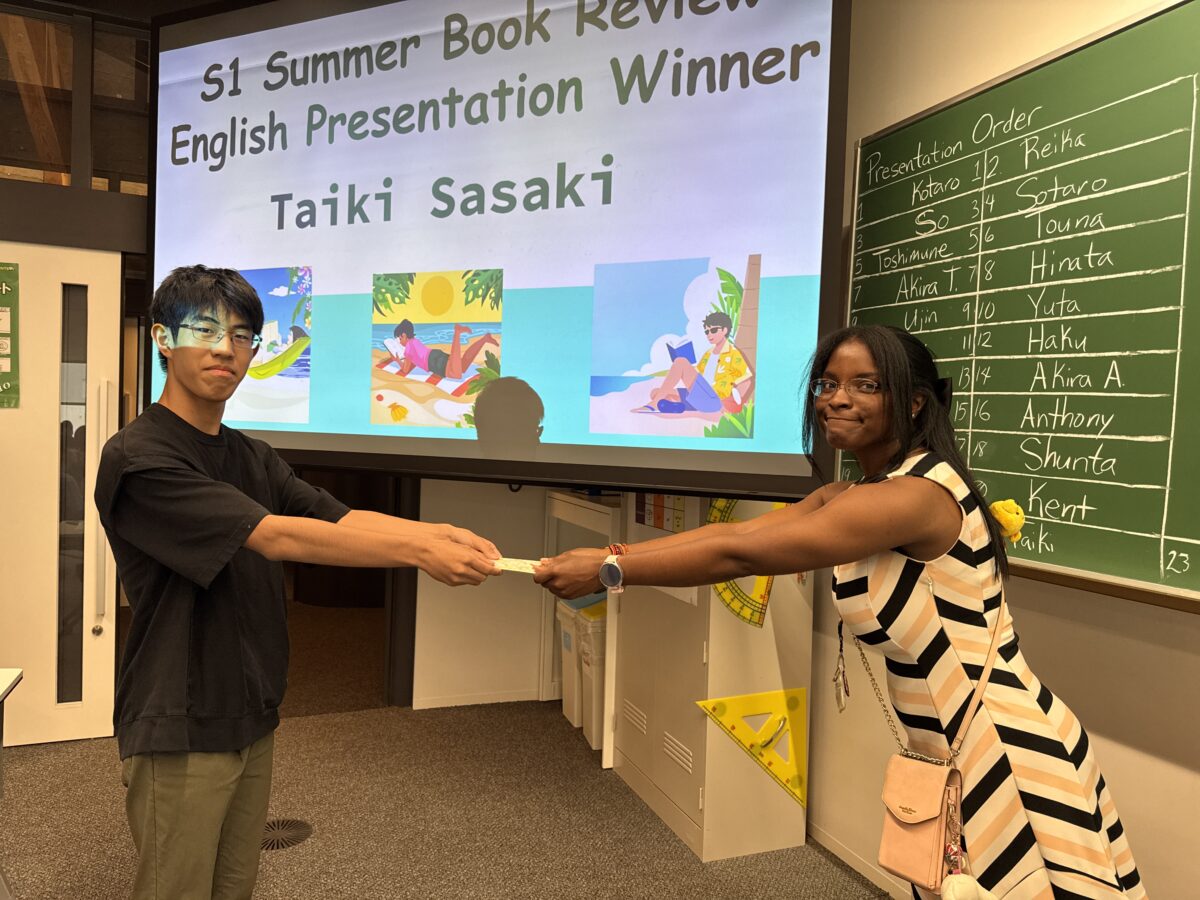
ベストプレゼンテーション(英語):笹木 大暉さん
-
-
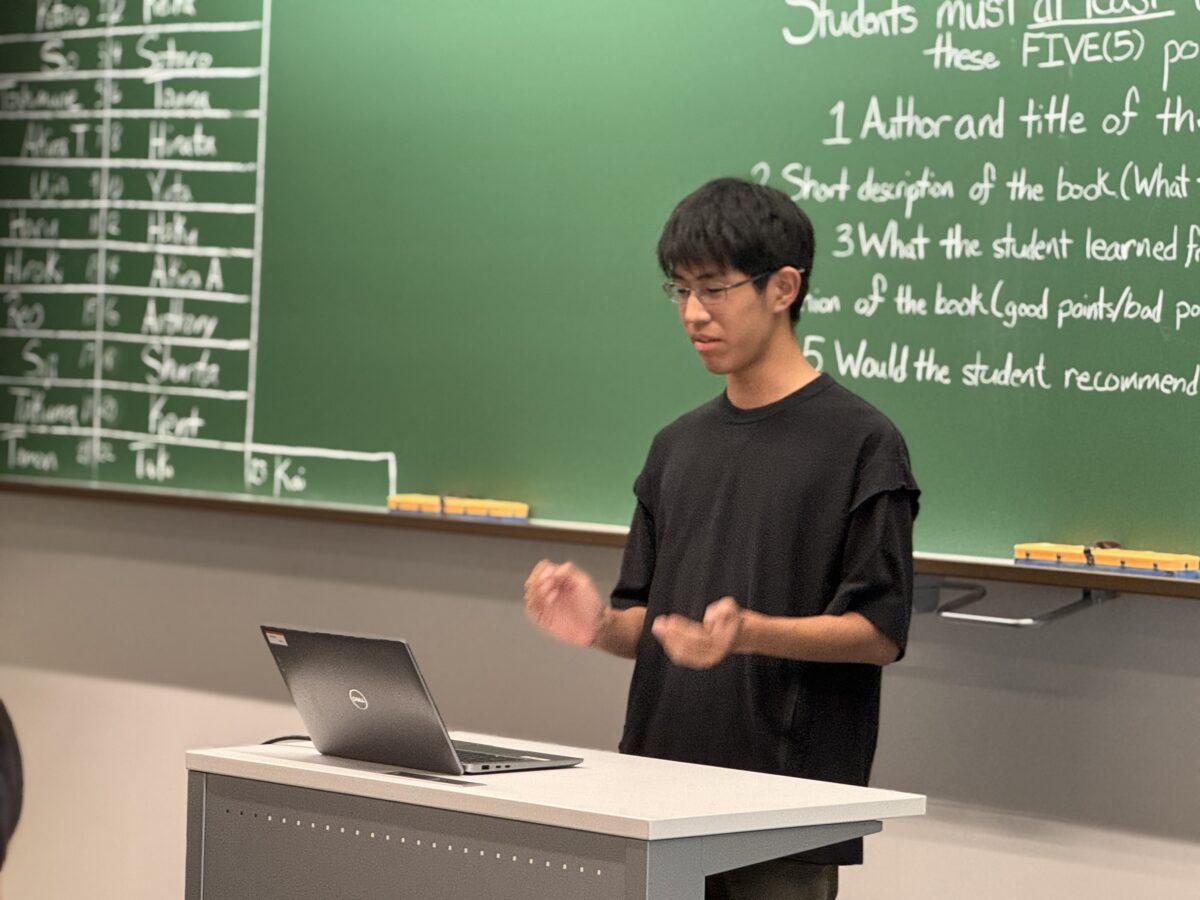
Book title: Catching Fire本のタイトルCatching Fire
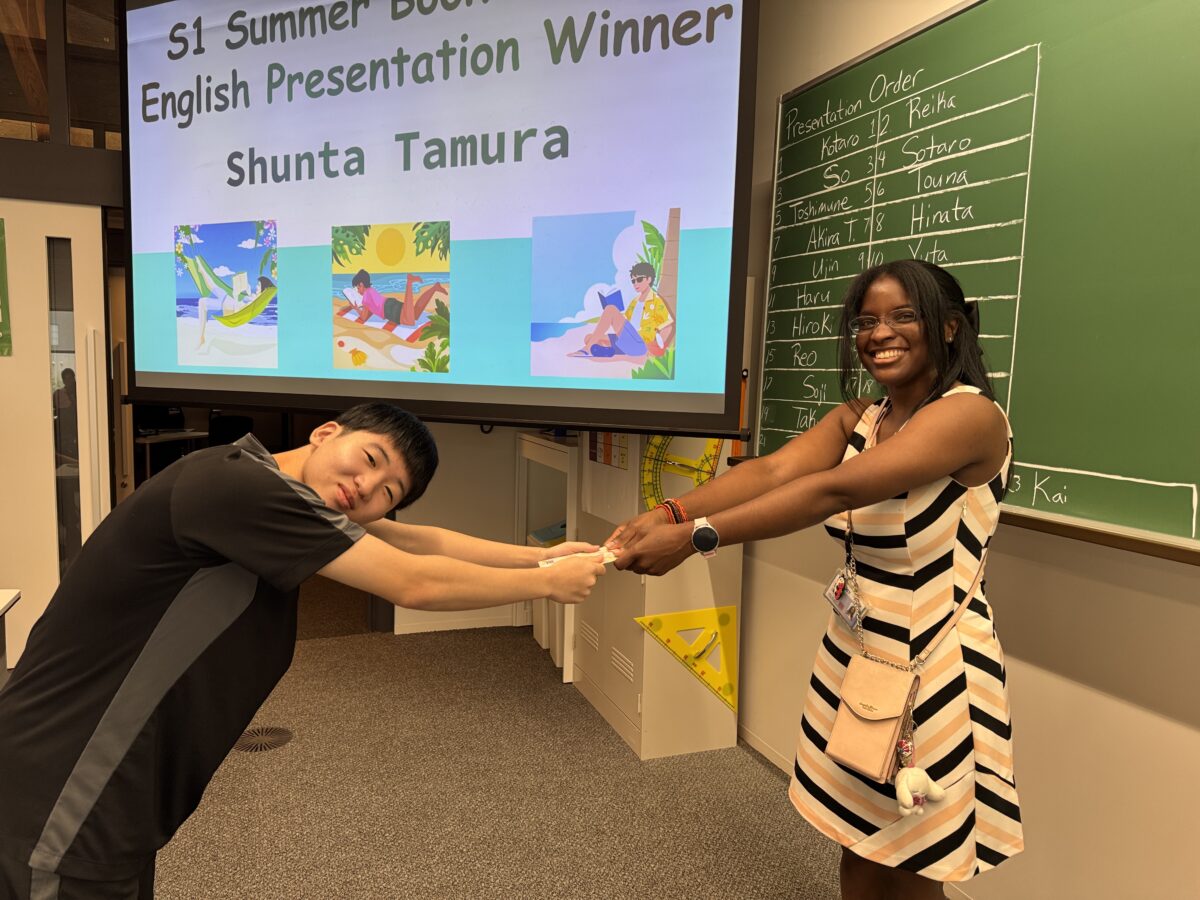
ベストプレゼンテーション(英語):田村 駿多さん
-
-
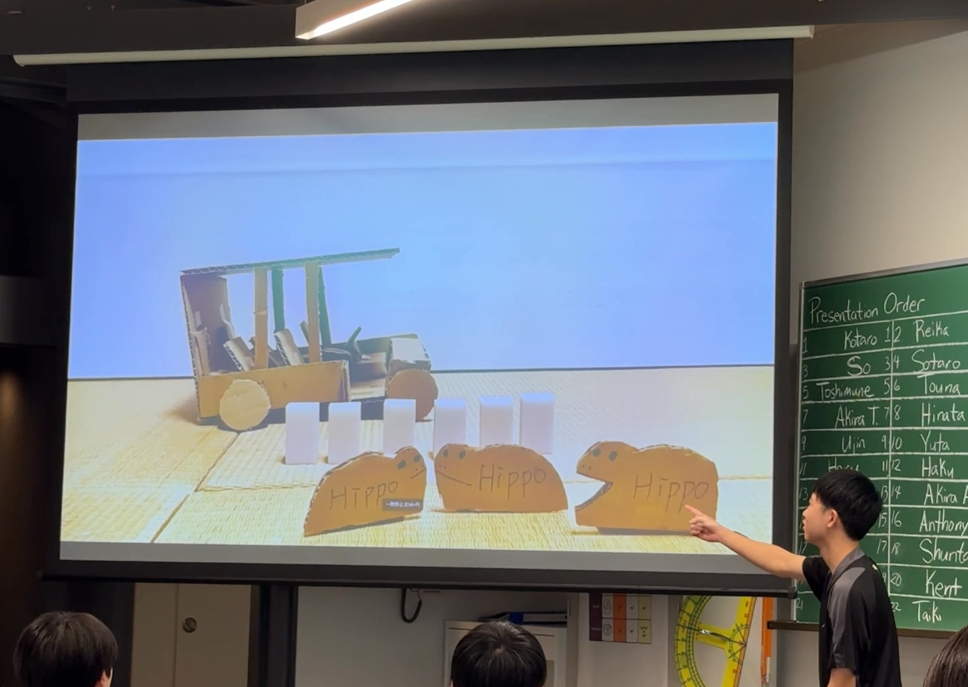
Book title: African Safari本のタイトル:African Safari
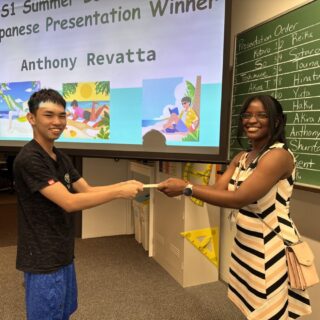
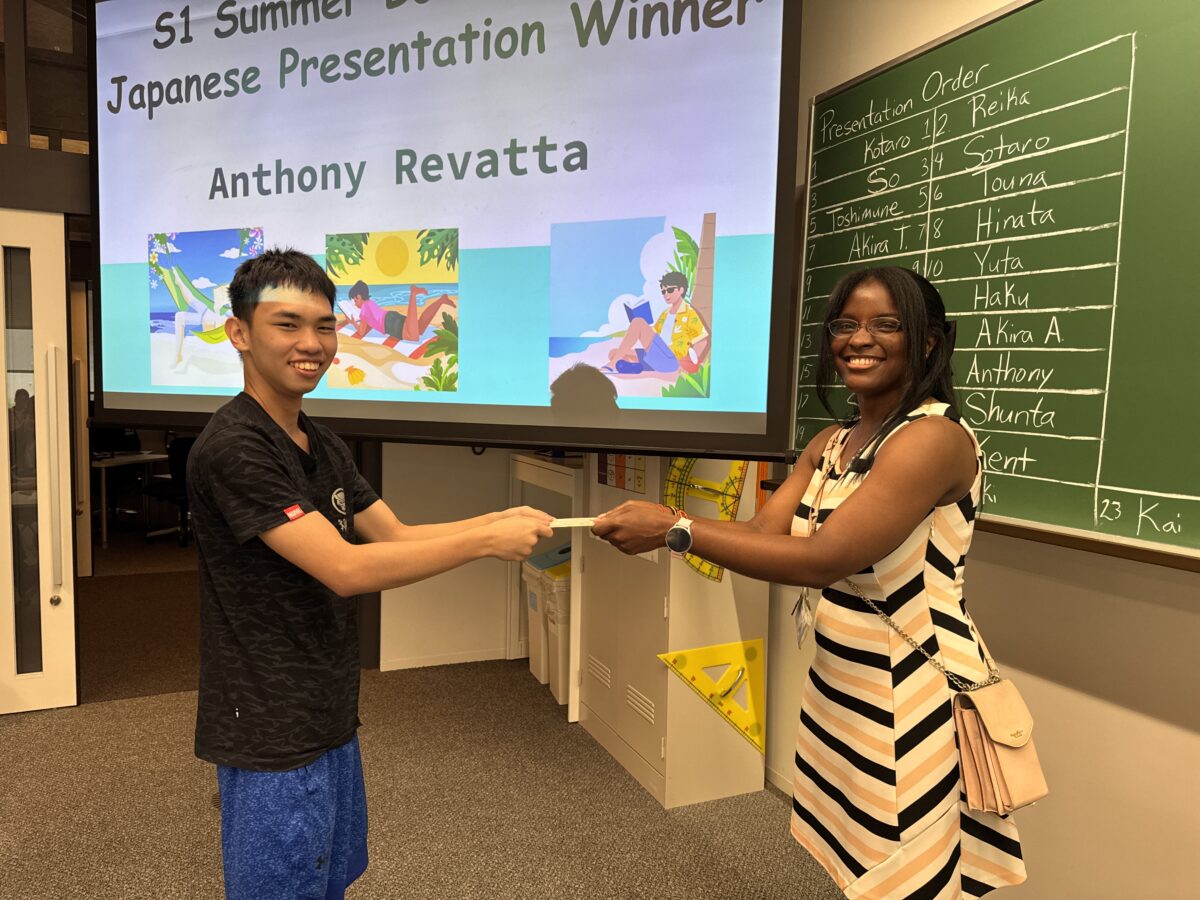
ベストプレゼンテーション(日本語):プルバ・アントニー・レバッタさん
-
-
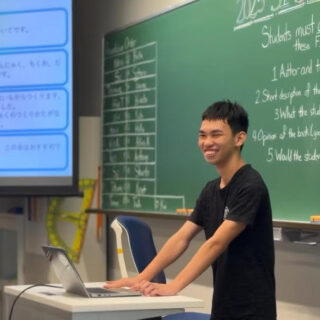
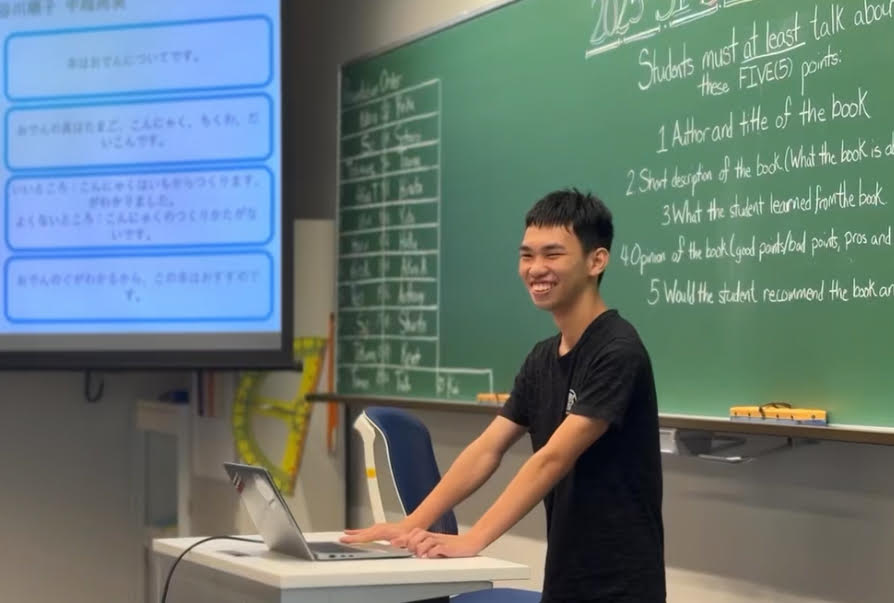
Title:おでん (Oden)Title:おでん
-
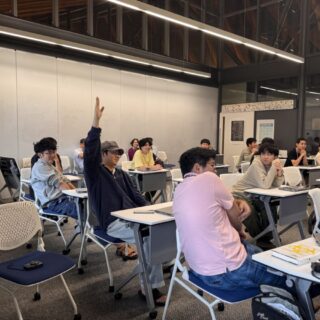
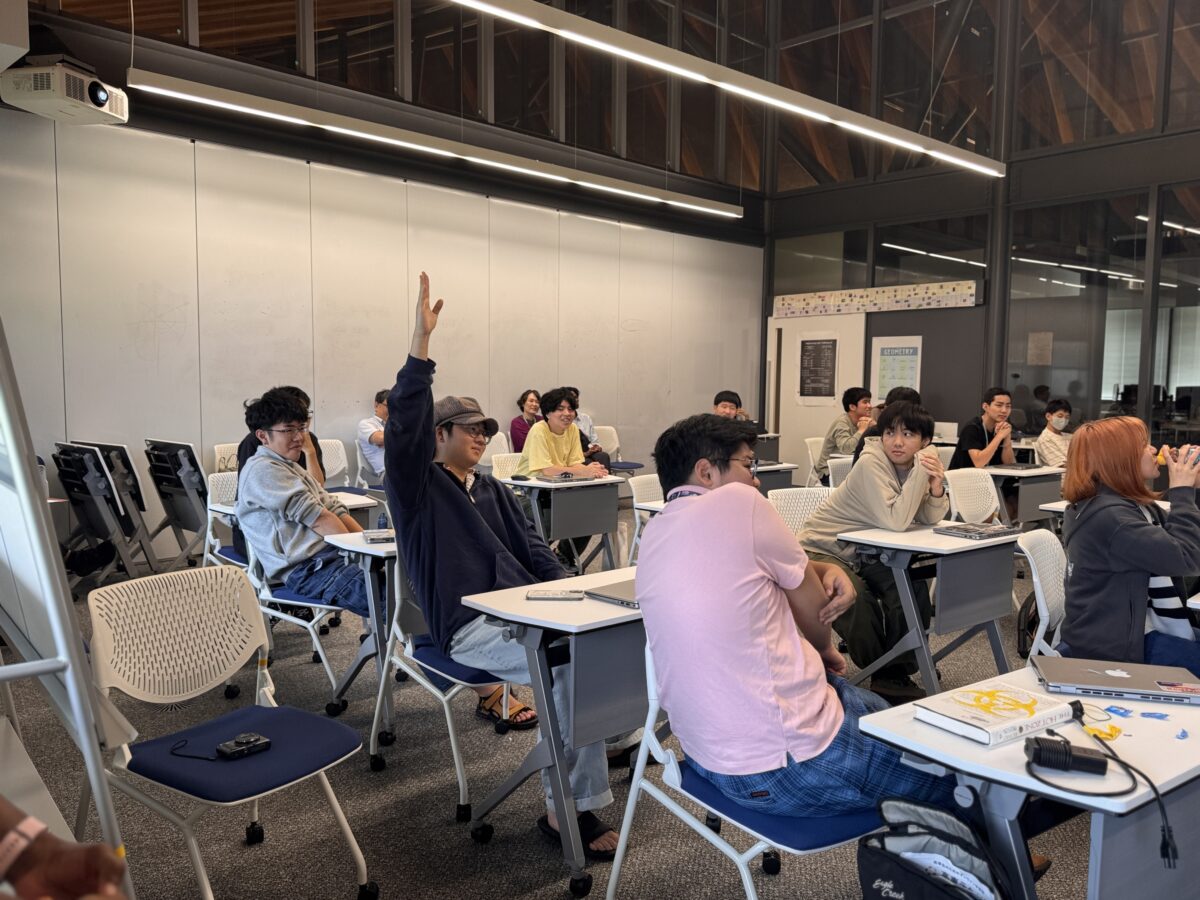
Anthony received many questions from his classmates about the book he had read.クラスメイトから、アントニーさんが読んだ本についてたくさん質問されました。
-
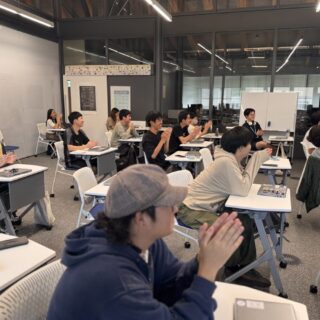
A big round of applause was given to Anthony, who was able to give his entire presentation in Japanese!日本語を流暢に話すことができたアントニーさんに盛大な拍手が送られました!
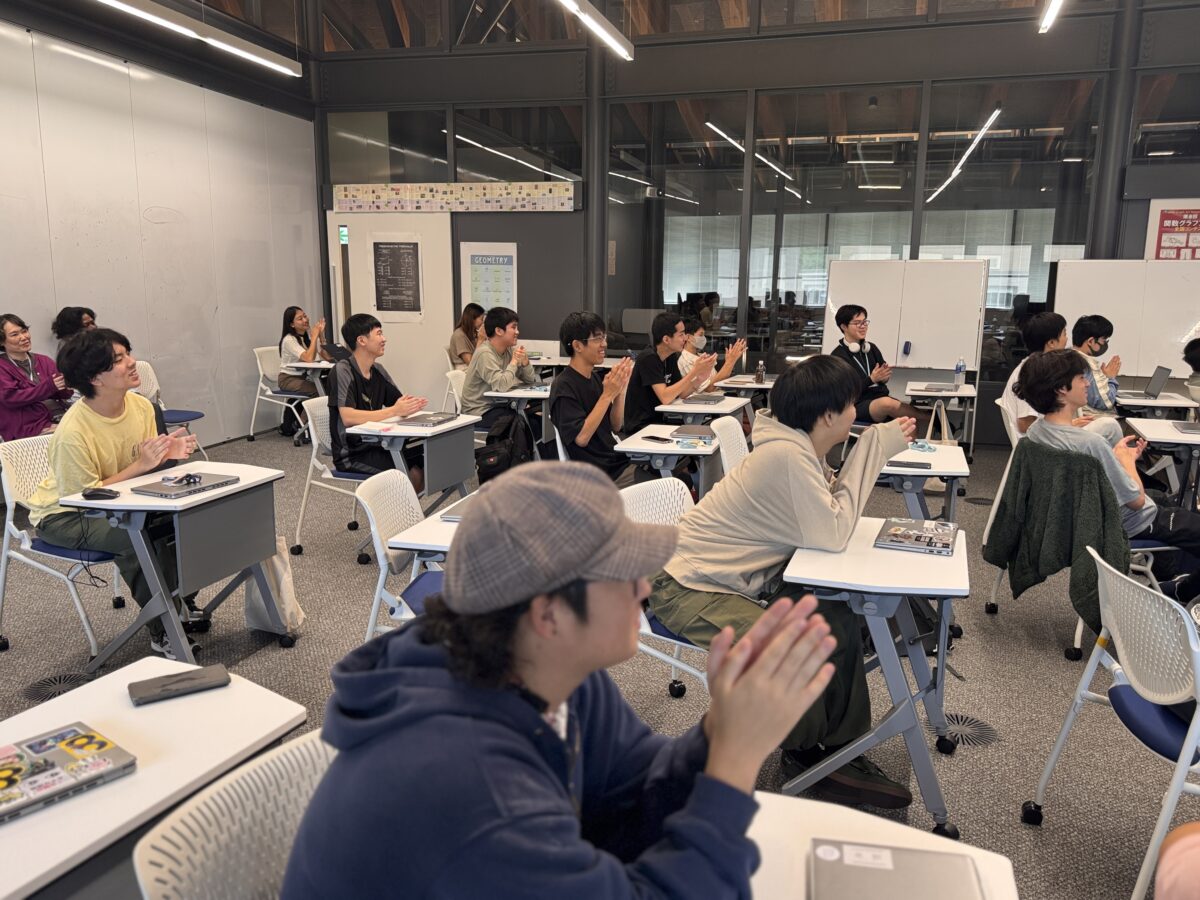
間加田 侑里
Hello, this is Yuri Makada from the Hakusanroku Office. The season has turned to autumn, and we can feel the cool breeze in the air. Today, I’d like to introduce some of the extracurricular activities that took place in September.
Not National Language, but Japanese
On Wednesday, September 17th, 2025, Tsutsui sensei gave a special lecture titled “Not National Language, but Japanese”. Tsutsui sensei teaches a Japanese as a second (foreign) language classes for students whose first language is another language.
This time, however, the lecture was aimed at native Japanese speakers. It focused on the fact that even the Japanese we use casually every day has complexities in word choice and grammatical structures. The lecture explored these points and examined how the function of words creates meaning.
Tsutsui sensei commented: “Some students mentioned that they were not confident in Japanese or grammar, but everyone participated actively. I observed students thinking for themselves, gaining insights, and deepening their understanding through group discussions. I also learned new things from their efforts and comments. Unfortunately, we ran out of time and couldn’t cover one of the main topics, the difference between wa (は) and ga (が) so I plan to hold a second session in the next semester. I hope many students will join us again.”
Flower Arrangement and Ikebana Workshop
On Friday, September 19th, 2025, a Flower Arrangement and Kado Class was held, organized by Takako Utsunomiya sensei and Fumi Kuroda sensei. Kazumi Minamikawa sensei (instructor) led the Flower Arrangement course.
First, students created flower arrangements using summer tulip, roses, and statice. After learning from Minamikawa sensei how to use scissors and cut the flower correctly, students completed their own unique works by arranging flowers on special sponges, making the most of each flower’s characteristics and colors.
Next, students split into three groups and tried authentic Ikebana using a flower frog and a water basin, incorporating materials such as beans, lilies, sunflowers, asparagus, hiogi, and pincushions. Referring to Minamikawa sensei’s examples,
students adjusted the height and angle of the flowers while considering overall balance. Each group had a different theme, resulting in a variety of creative and distinctive works.
Students commented, “I was happy to learn about so many different flowers and to finish something beautiful.” Their works were displayed in the entrance and common spaces of the Hakusanroku Campus, creating a bright and elegant atmosphere throughout the school.
Career Support for KOSEN Students
On Friday, September 19th, 2025, a lecture titled “Career Support for KOSEN Students” was held for 1st and 2nd year students. This lecture was giving by Mr. Tatsuya Taian from OLIENT TECH Co., Ltd.
After graduating from a KOSEN, students generally have two main paths: employment or further education. Traditionally, most students choose employment, but in recent years, the proportion of students aiming for further studies has increased.
Mr. Taian provided advice on both employment and further education, explaining their respective advantages and disadvantages, as well as how to approach job hunting and academic preparation. He concluded his lecture with the following encouraging words for the students: “Looking ahead to your future, gathering information early, and preparing in advance will lead to satisfying career and academic choices.”
The Secret of the Crest Vault: STEM Themed Escape Room
On Monday, September 22nd, 2025, Domyson Abuan sensei and Sharmee Abuan sensei hosted an activity titled “The Secret of the Crest Vault: STEM-Themed Escape Room.” Students worked together to solve STEM-related puzzles and riddles in order to escape from a locked room.
For each challenge they cleared, one digit of a four-digit passcode was revealed, with each digit representing a concept related to Science, Technology, Engineering, or Mathematics.
Using their knowledge, teamwork, and quick decision-making skills, the students successfully gathered all four digits, completed the passcode, and unlocked the door to escape. Impressively, the winning team solved the puzzles in just 3 minutes and 48 seconds!
Shall We Dance?
On Friday, September 26th, 2025, Justin Han sensei and Stephanie Reynolds sensei hosted an activity titled “Shall We Dance?”. On this day, two professional dance instructors and two volunteer dancers were invited, and students learned the basic steps of four types of ballroom dance (Waltz, Blues, Cha-Cha-Cha, and Jitterbug).
In these dances, the usual roles are that men lead and women follow, each performing complementary movements. The Dance instructors focused on teaching the students the steps in each type of dance that are performed by both the leader and the follower. After learning the fundamental movements and counts, students paired up and practiced to music, experiencing the joy of dancing.
Justin sensei commented: “At first, the students struggled with the motions and rhythm of the steps, but as they practiced, they greatly improved. The students expressed their enjoyment of the class while some students even asked about making it more permanent!”
Igarashi Takenobu Archive
On Friday, September 26th, 2025, five 1st and 2nd year students visited the Igarashi Takenobu Archive at KIT. This archive, established in 2023 for the purpose of fostering aesthetic education, houses approximately 5,000 works and materials donated by the sculptor and designer, Mr. Takenobu Igarashi.
The students toured the gallery and received explanations about the exhibited works and the artist. In the workshop, students brought four small everyday items, arranged them on graph paper, and looked for commonalities. They organized the items by aspects such as color, shape, and chronology, and then summarized differences in thinking within their groups.
Through this experience, the students cultivated observation and creativity through the act of “seeing.
Soft Volleyball & Volleyball Tournament
On Monday, September 29th, 2025, a hike to Mt. Hakusan and Mt. Sanpoiwa was originally planned, but due to rain, it was canceled. Instead, a Soft Volleyball & Volleyball Tournament was held, organized by Philip Cadzow sensei, where 1st and 2nd year students and faculty enjoyed playing together.
The event started with soft volleyball. Seven-minute matches were played one after another, with teams giving their all and cheering each other on. Next came the volleyball matches, where every successful spike or receive drew cheers and loud support. Teachers and students teamed up, encouraging each other and playing with a sense of unity. An original game was also introduced, where all participants split into two large teams and everyone joined the court. This game featured a special rule allowing up to four touches before returning the ball to the opponent’s side, making full use of the large number of players and fostering teamwork to keep the ball in play. Finally, an intense match between 1st and 2nd year students took place! From the start, the 2nd years dominated with strong teamwork and powerful plays. The 1st years fought back bravely, but ultimately, the 2nd years’ coordination and focus led them to victory.
Book Review Presentation by 1st Year Students
On Wednesday, September 25th, 2025, a book review presentation was held for 1st year students. The students presented for up to 3 minutes on the books they read during summer vacation (with no restrictions on genre), sharing what they learned and their impressions. Japanese students read English books and presented in English, while international students read Japanese books and presented in Japanese. The students presented about a variety of genres, including fantasy, adventure, biography, and mystery. Some students created animations based on the book’s storyline, while others showcased pencil sketches depicting a scene from the story.
After the presentations, a vote was held among the students and faculty to select the best presentations. Two students were chosen as the winners of the English presentations (Japanese students) and one student was chosen as the winner of the Japanese presentations (International students). The results are as follows.
English Presentation Winner: Taiki Sasaki
-
-
Book title: Catching Fire本のタイトルCatching Fire
English Presentation Winner: Shunta Tamura
-
-
Book title: African Safari本のタイトル:African Safari
Japanese Presentation Winner: Burba Anthony Revatta
-
-
Title:おでん (Oden)Title:おでん
-
Anthony received many questions from his classmates about the book he had read.クラスメイトから、アントニーさんが読んだ本についてたくさん質問されました。
-
A big round of applause was given to Anthony, who was able to give his entire presentation in Japanese!日本語を流暢に話すことができたアントニーさんに盛大な拍手が送られました!
Yuri Makada
 高専ロボコン指導教員の林道大です。2025年10月5日(日)、毎年学生たちが参加している「アイデア対決・全国高等専門学校ロボットコンテスト(高専ロボコン)」の東海北陸地区大会に、今年も金沢キャンパスからAチーム4名、白山麓キャンパスからBチーム8名の総勢12名の学生と一緒に参加してきました。高専ロボコンは毎年テーマが異なるので、毎回新しいロボットを設計・製作し、4月中旬のテーマ発表から10月の初旬の地区大会の開催までにロボットを完成させなければなりません。今年のテーマは「Great High Gate」で、ロボットが段ボール製のボックスを積み上げてゲートを作り、そこを選手が乗った台車をロボットがひいて通過するというものです。ゲートの高さが高いほど高得点が得られます。
それでは、各チームのメンバーとロボットについて紹介したいと思います。Aチームは金沢キャンパスで学ぶ4年生が4名です。チーム名は「香箱倶楽部」といいます。金沢名産のコウバコガニを模したロボットで、選手があらかじめボックスを高く積んで完成させたゲートを目的の場所まで運びます。リーダーは太田晴喜さん、操縦者は白石春翔さん、台車に乗るのは大石意丸さん、ピットが佐野獅悠さんです。大会を終えた感想を聞きました。
■太田 晴喜さん
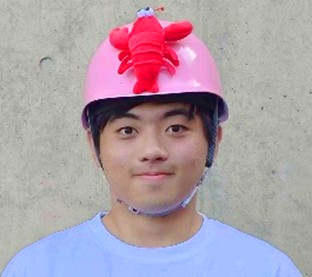 夏休み中に自動車運転免許を取得するために実家に帰っていました。その間、ロボット製作をほとんど手伝えなくて申し訳ありません。免許は取得できたので、後学期になってからはロボットに関わることができる時間も多くなり、チームの勝利に少しは貢献できたと思います。
■白石 春翔さん
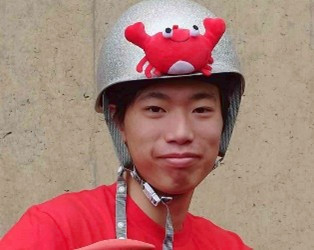 試合では緊張してロボットの操縦が少しぎこちなくなった場面もあったけれど、1試合目では目標の点数を取って勝利することができて良かったです。全国大会にも推薦され、まだまだロボコンは終わっていないので、継続して一生懸命に取り組んでいきたいです。
■大石 意丸さん
 大会ではコウバコガニを取り扱う鮮魚店の店員のコスプレをして台車に乗りました。ロボットの設計や組み立ては得意ではないのですが、軽い体重とスレンダーな体型は、ロボットが引っ張りやすかったり、ゲートを通過しやすかったりして、チームの役に立てたと思います。エキシビションで観客に手を振ったのは私です。
■佐野 獅悠さん
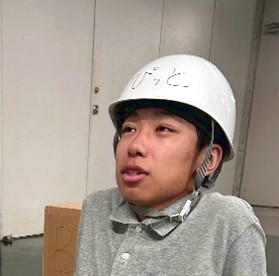 ロボットの部品製作や組み立てを担当しました。大会ではロボットの破損や動作不良など無く、順調に動作したので良かったです。地区大会の試合終了後にそれまでの疲れが出て、ピットで居眠りしてしまったのをNHKのTVカメラに撮られました。TV放送するときに使われるのですかね。
大会では予選リーグ1勝1敗で敗退しましたが、ロボットのゲート搬送機能が評価されて「技術賞」を受賞し、審査員推薦により全国大会への出場権を得ることができました。全国大会でも頑張って欲しいと思います。
Bチームは白山麓キャンパスの1、2年生です。チーム名は「はこ坊」です。港湾施設で荷役作業にあたるコンテナクレーンの機構を模したロボットです。外観も黒黄のトラマークや、赤色回転灯などで装飾されていて、働くクルマらしさが表現されています。ボックスの持ち上げ、積み上げもコンテナクレーンのように開閉するハンドと伸縮するアームで行います。地区大会は規定の8名での参加でしたが、キャンパスでのロボット製作や練習時には総勢11名の学生で活動しています。選手に選抜されなくても、裏方で支える「縁の下の力持ち」はどんなチームにも必要だと思います。チームリーダーでロボット操縦者の石原田 海秀さんと、縁の下の力持ち代表の寺嶋 明さんに、大会を終えた感想を聞きました。
■石原田 海秀さん
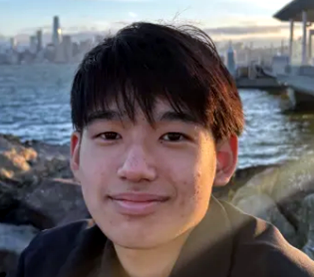 今年は、これまでの活動での反省をいかして、チームの雰囲気を良い状態に保ちながら活動することがきました。その結果、例年よりも早くロボットが完成して、練習をたくさんすることができました。そのため、今年の試合では去年ほど緊張することなくフィールドに立つことができました。それが良い結果(ベスト4)につながったと思います。来年以降も仲間と共に頑張って行きたいです。
■寺嶋 明さん
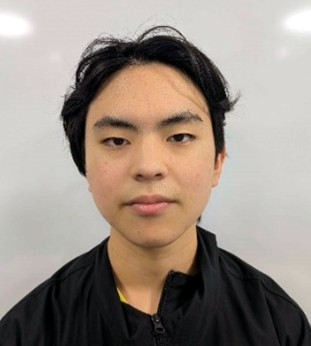 今年は、応援団での地区大会参加になってしまい、少し悔しい部分もありましたが、応援しながら他校のロボットもたくさん観察することができて、良い経験になりました。来年以降に向けて、その経験を活かしながら、たくさんのことを学んでいきたいと思います。
大会では2勝無敗で予選リーグを通過して、決勝トーナメントへ進みました。決勝トーナメントでも勝利を続けることができたのですが、準決勝で優勝したチームに惜敗して、結果はベスト4となりました。ロボットの動作そのものは全く問題無く、全ての試合で安定していました。ロボットの操縦はとても緊張すると思いますが、担当した石原田さんも試合の緊張感のなかでミスなく操縦できていたのは、事前の練習の成果だと思います。
今年は、両チームとも比較的早い時期にロボットを動作させることができ、試合形式での練習を何度も行うことができました。練習の中で明らかになった問題点を、ロボットの改良や戦略の変更などで解決していくことができたと思います。その手法は、エンジニアリングデザインにおける製品開発手法とも共通する部分が多くありますので、授業での取り組みにも役立てられるのではないかと考えています。
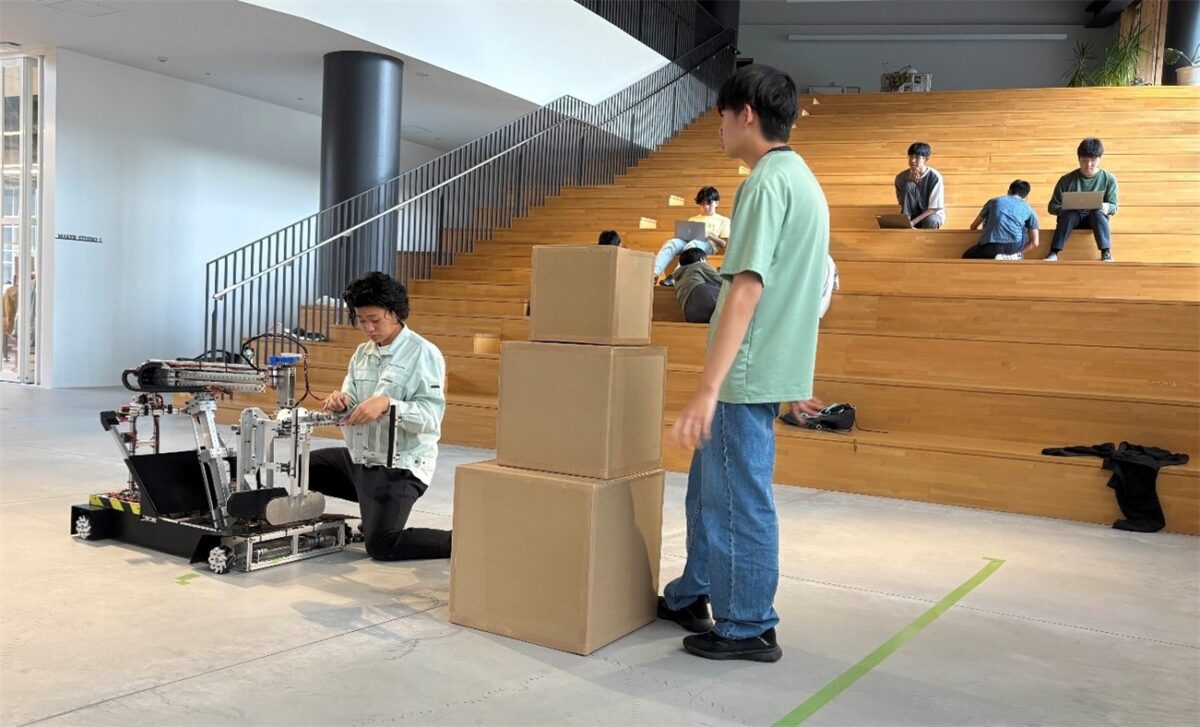
A 2nd year student adjusting the robot, watched by a 1st year student (Team B)キャンパスでロボットの調整をする2年生と見守る1年生(Bチーム)
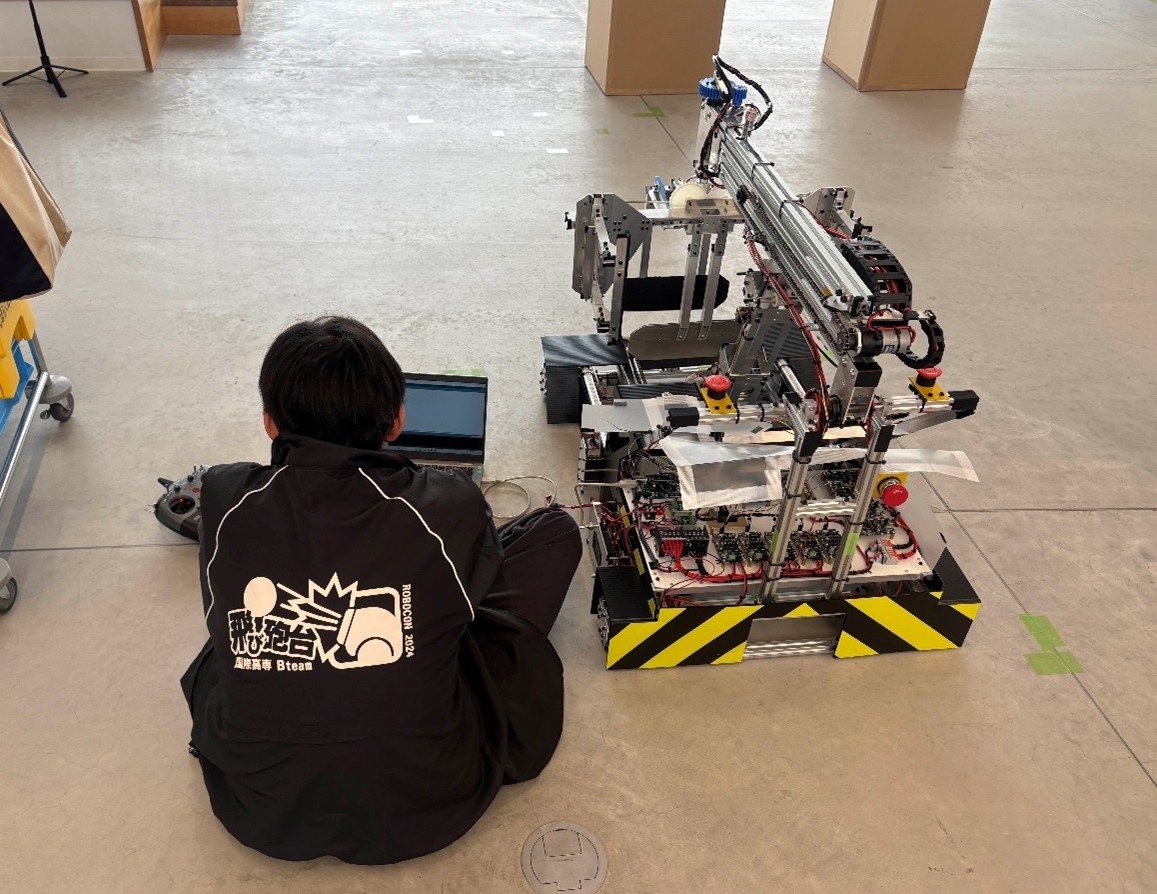
A 2nd year student in last year’s uniform adjusting the robot (Team B)去年のユニフォームを着てロボットを調整する2年生(Bチーム)
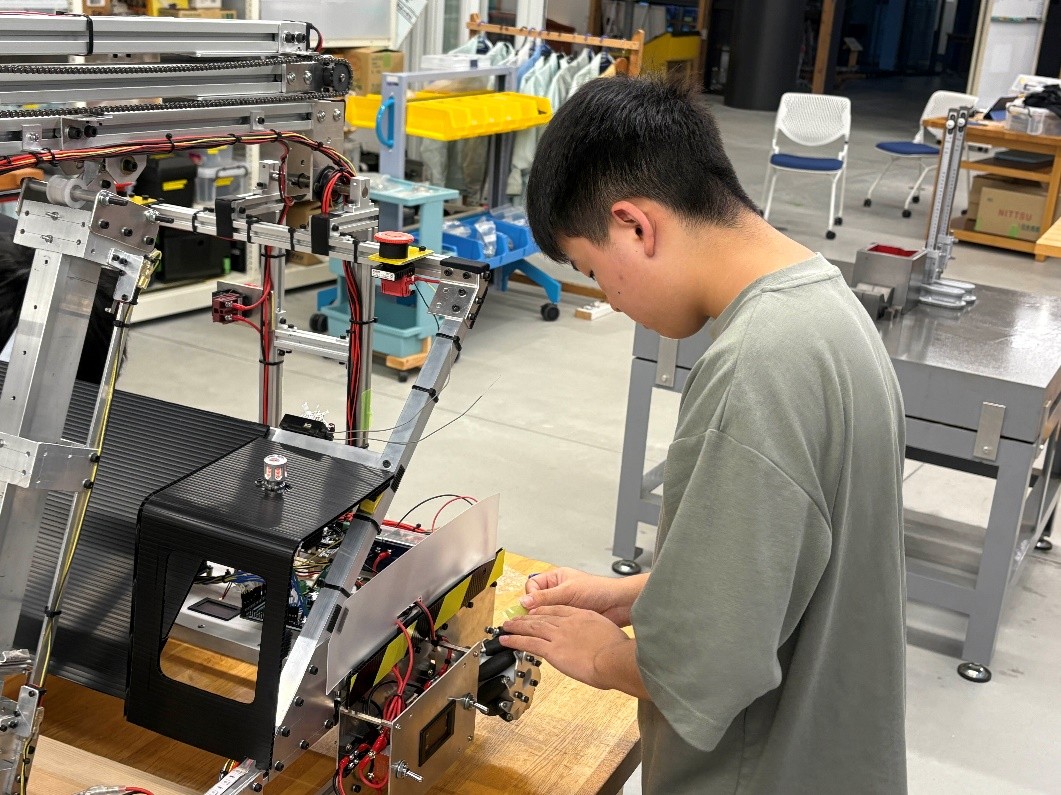
A 1st year student cleaning dirt off the tires タイヤについた汚れを取り除く1年生
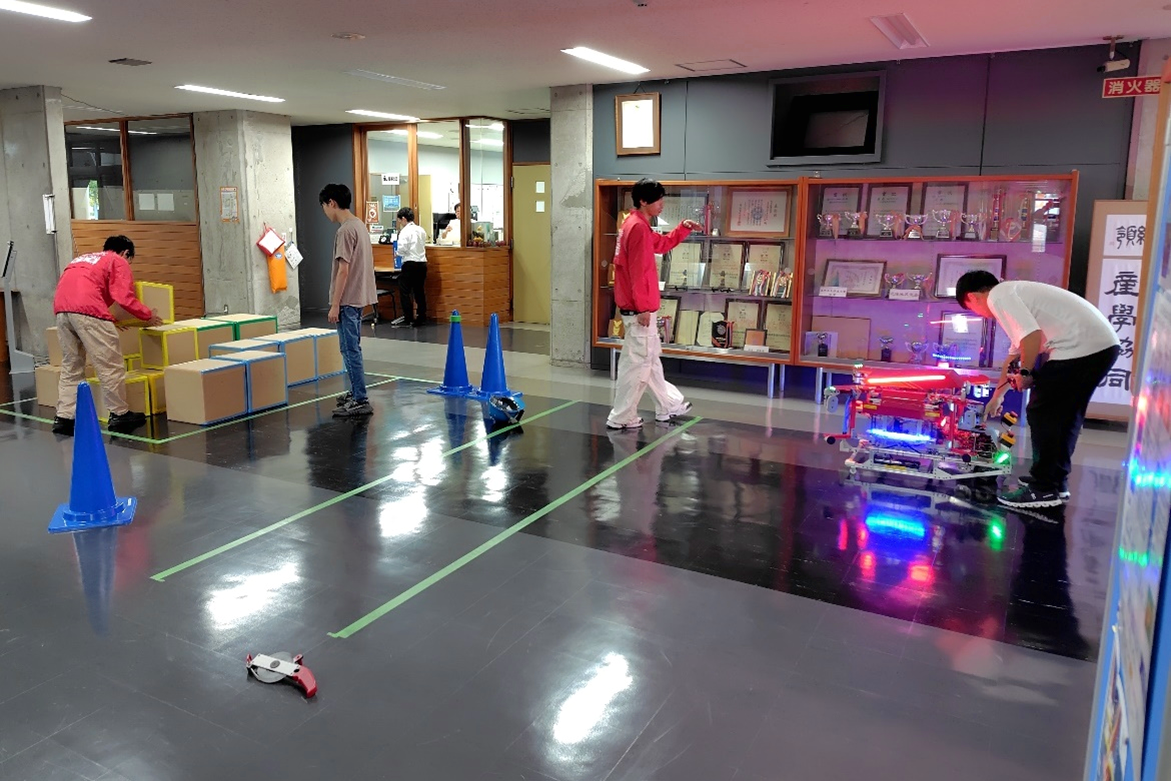
Team A practicing at the main entrance hall 正面玄関ホームで練習するAチーム

Team A being interviewed after their victory勝利チームインタビューを受けるAチーム
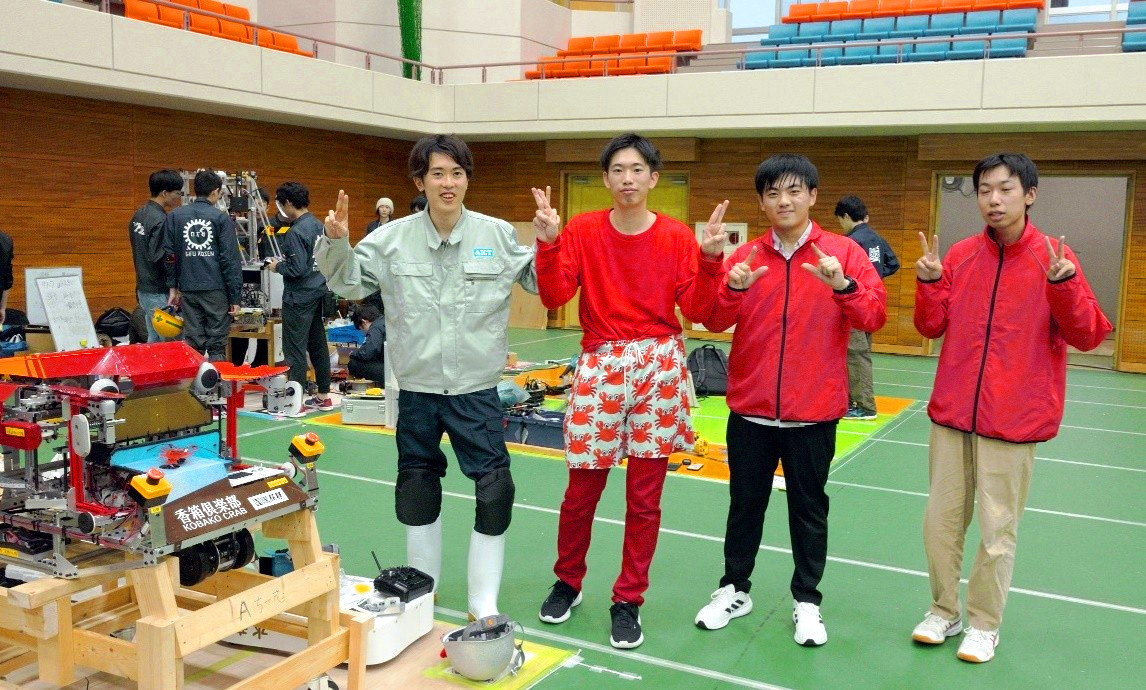
Team A looking a bit tired after the matchちょっとお疲れの様子のAチーム
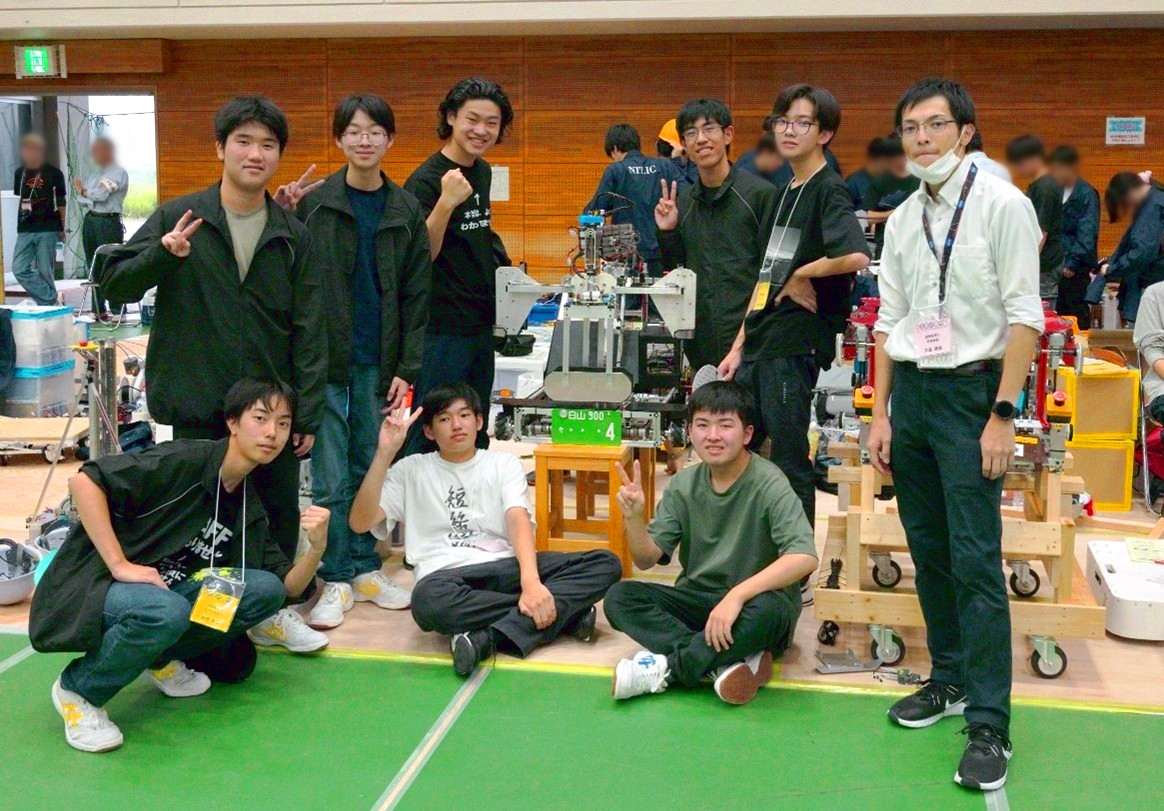
Team B celebrating their effortsがんばったBチーム
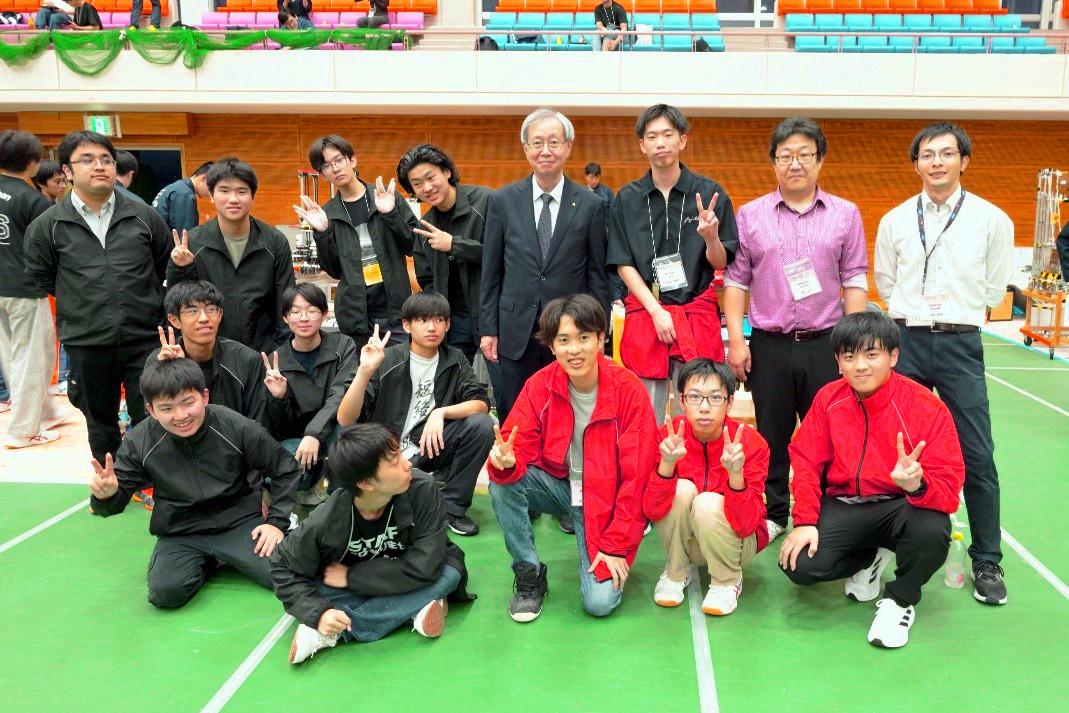
The principal surrounded by staff and participants after the competition大会終了後に関係者に囲まれる校長先生
【高専ロボコンとは】
「アイデア対決・全国高等専門学校ロボットコンテスト(高専ロボコン)」は、1988年から始まった、若い人たちに既成概念にとらわれず「自らの頭で考え、自らの手でロボットを作る」ことの面白さを体験してもらい、発想する事の大切さ、物作りの素晴らしさを共有してもらう全国規模の教育イベントです。全国の高専学生が、毎年異なる競技課題に対し、アイデアを駆使してロボットを製作し、競技を通じてその成果を競うもので、発想力と独創力を合言葉に毎年開催され、2025年で38回目を迎えました。
【NHKロボコン 東海北陸地区大会】
NHK総合テレビジョン11月8日(土)午前10:40~
※NHK ONEでもご覧いだだけます。
https://www.web.nhk/tv/an/robocon/pl/series-tep-J8Y25YN2QG/ep/8ZV3KYQ55G
I am Michihiro Hayashi, and I serve as a faculty advisor for the KOSEN Robocon (KOSEN Robot Contest) teams.
The Tokai-Hokuriku Regional Competition of the KOSEN Robocon is an annual event in which our students regularly participate, was held on Sunday, October 5th, 2025. This year, we joined the competition with a total of 12 students: four students from Kanazawa Campus as Team A, and eight students from Hakusanroku Campus as Team B.
Each year, the contest features a different theme, requiring teams to design and build entirely new robots between the theme announcement in mid-April and the regional competition in early October. The 2025 theme was “Great High Gate.” Robots were tasked with stacking cardboard boxes to form a gate, through which a cart carrying a team member would be pulled by the robot. The higher the gate, the more points awarded.
Let me introduce the teams and their robots.
Team A: Koubako Club (Kanazawa Campus)
Team A consists of four 4th year students. Their robot was inspired by the local delicacy Koubako-gani (female snow crab), and its role was to transport a pre-assembled gate of stacked boxes to a designated location. We interviewed team leader Haruki Ohta, operator Haruto Shiraishi, cart rider Imaru Oishi, and pit mechanic Shiyu Sano.
Comments from Team A Members:
[Haruki Ohta]
I returned home during summer break to obtain my driver’s license, and I regret not being able to contribute much to the robot’s construction during that time. However, after obtaining my license, I was able to dedicate more time in the second semester and feel I contributed to the team’s success.
[Haruto Shiraishi]
I was nervous during the match, and my robot operation was a bit shaky at times. Still, we achieved our target score in the first match and won. We’ve been recommended for the national competition, so I’ll continue to give it my all.
[Imaru Oishi]
I dressed as a seafood shop clerk handling Koubako-gani while riding the cart. Although I’m not skilled in robot design or assembly, my light weight and slender build helped the robot pull the cart and pass through the gate smoothly. I was the one waving to the audience during the exhibition.
[Shiyu Sano]
I oversaw manufacturing and assembling robot parts. The robot performed smoothly without any malfunctions or damage during the competition. After the matches, I was so exhausted that I fell asleep in the pit area—and was caught on NHK’s camera! I wonder if that footage will be broadcast.
Although Team A was eliminated in the preliminary league with one win and one loss, their robot’s gate transportation function was highly praised, earning them the Technical Award and a spot in the national competition. We hope they continue to excel at the national level.
Team B: Hakobou (Hakusanroku Campus)
Team B consists of 1st and 2nd year students. Their robot mimicked the mechanism of a container crane used in port cargo operations. Decorated with black-and-yellow hazard stripes and a red rotating beacon, it embodied the look of a working vehicle. The robot lifted and stacked boxes using a hand that opens and closes like a crane and an extendable arm.
Although eight members participated in the regional competition as per the rules, a total of 11 students were involved in robot development and practice. Even those not selected as players played vital behind-the-scenes roles. We interviewed team leader and operator Kaishu Ishiharada, and support member Akira Terashima.
Comments from Team B Members:
[Kaishu Ishiharada]
This year, we reflected on past experiences and maintained a positive team atmosphere. As a result, we completed the robot earlier than usual and had ample time for practice. I was less nervous during the matches, which I believe contributed to our strong performance (Top 4). I hope to continue working hard with my teammates next year.
[Akira Terashima]
Although I joined the regional competition as part of the cheering squad, which was a bit disappointing, I had the opportunity to observe many robots from other schools. It was a valuable experience, and I hope to apply what I learned in future competitions.
Team B advanced through the preliminary league undefeated and reached the final tournament. They continued to win until the semifinals, where they narrowly lost to the eventual champion, finishing in the Top 4. Their robot performed consistently and reliably in all matches. Despite the pressure, Team B operated the robot flawlessly, a testament to their thorough preparation.
This year, both teams succeeded in getting their robots operational early, allowing for repeated match-style practice. Problems identified during practice were addressed through design improvements and strategic adjustments. These approaches closely align with engineering design principles and could be effectively applied in classroom settings as well.
A 2nd year student adjusting the robot, watched by a 1st year student (Team B)キャンパスでロボットの調整をする2年生と見守る1年生(Bチーム)
A 2nd year student in last year’s uniform adjusting the robot (Team B)去年のユニフォームを着てロボットを調整する2年生(Bチーム)
A 1st year student cleaning dirt off the tires タイヤについた汚れを取り除く1年生
Team A practicing at the main entrance hall 正面玄関ホームで練習するAチーム
Team A being interviewed after their victory勝利チームインタビューを受けるAチーム
Team A looking a bit tired after the matchちょっとお疲れの様子のAチーム
Team B celebrating their effortsがんばったBチーム
The principal surrounded by staff and participants after the competition大会終了後に関係者に囲まれる校長先生
[About KOSEN Robocon]
KOSEN Robocon began in 1988. It is a nationwide educational event designed to inspire young people to think independently and experience the joy of building robots with their own hands. Each year, students from colleges of technology across Japan tackle a new challenge, using their creativity and ingenuity to design and build robots that compete in various tasks. Celebrating its 38th edition in 2025, the contest continues to emphasize the importance of original ideas and the excitement of engineering.
[NHK ROBOCON Tokai-Hokuriku Regional Competition]
TV station: NHK General TV
Date & Time: Saturday, November 8, 2025, at 10:40 AM
Note: It is also available on NHK ONE.
https://www.web.nhk/tv/an/robocon/pl/series-tep-J8Y25YN2QG/ep/8ZV3KYQ55G
 みなさん、こんにちは。物理科目を担当している伊藤 周です。今回は、毎年恒例の「STEMフェア2025」についてお話しします。
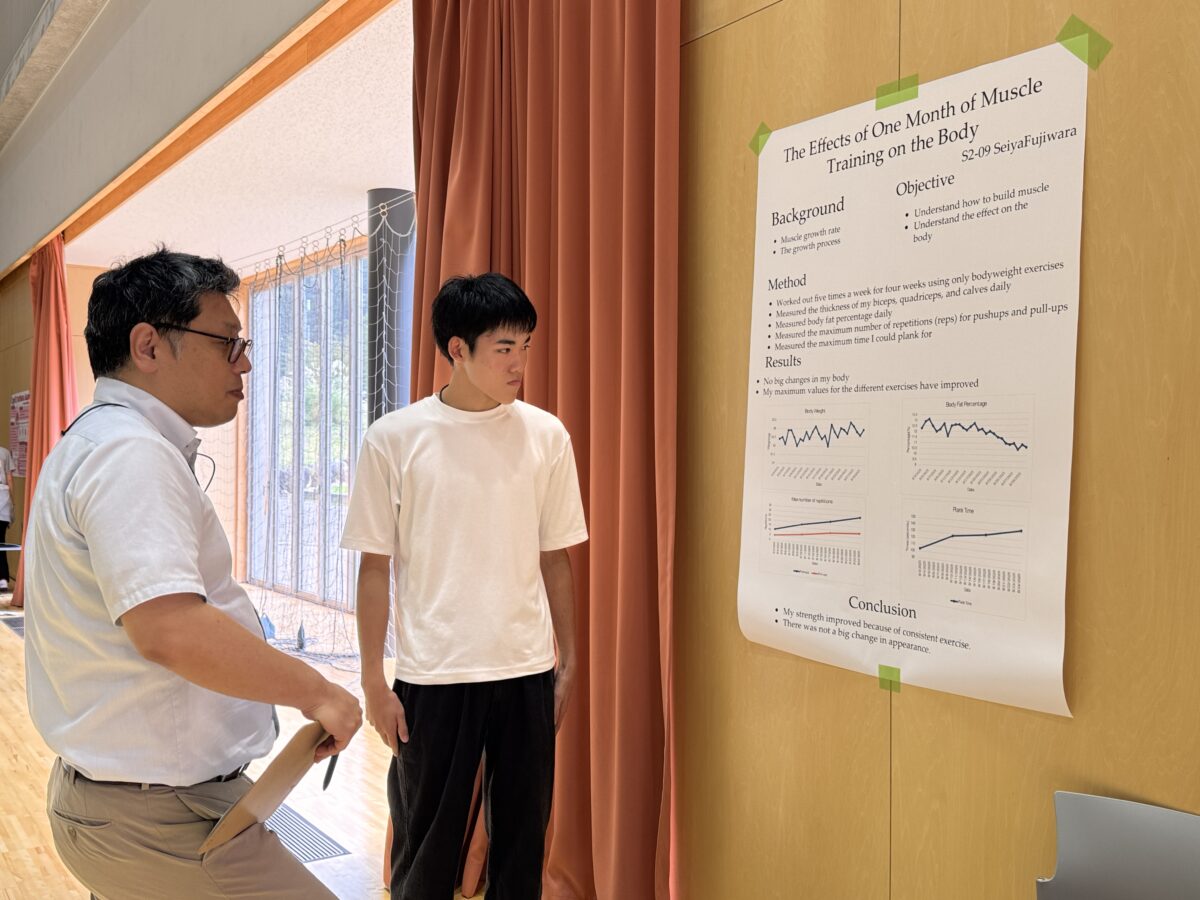
STEMフェアは、国際高専の夏休み課題「Summer STEM Project」の成果を発表する場で、毎年9月下旬に開催されています。簡単に言えば、夏の自由研究の発表会です。テーマは学生が自由に決めますが、今年は特に1年生のアイデアがとてもユニークで、これまでにないテーマがたくさんありました。国際高専が始まって8年、STEMフェアも今回で8回目(2年生の分も合わせると15回目)になりますが、毎年新しい発想に出会えるのは本当に面白いですね。
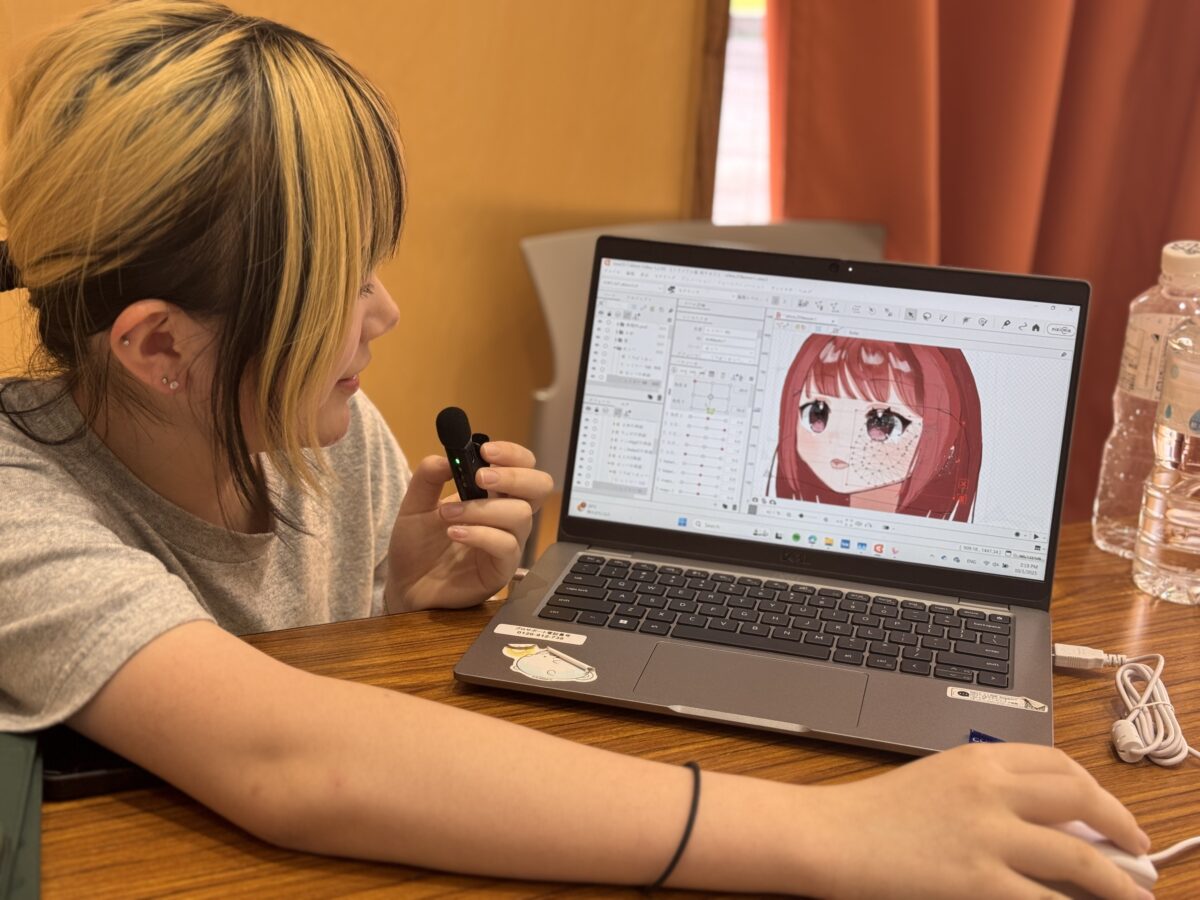
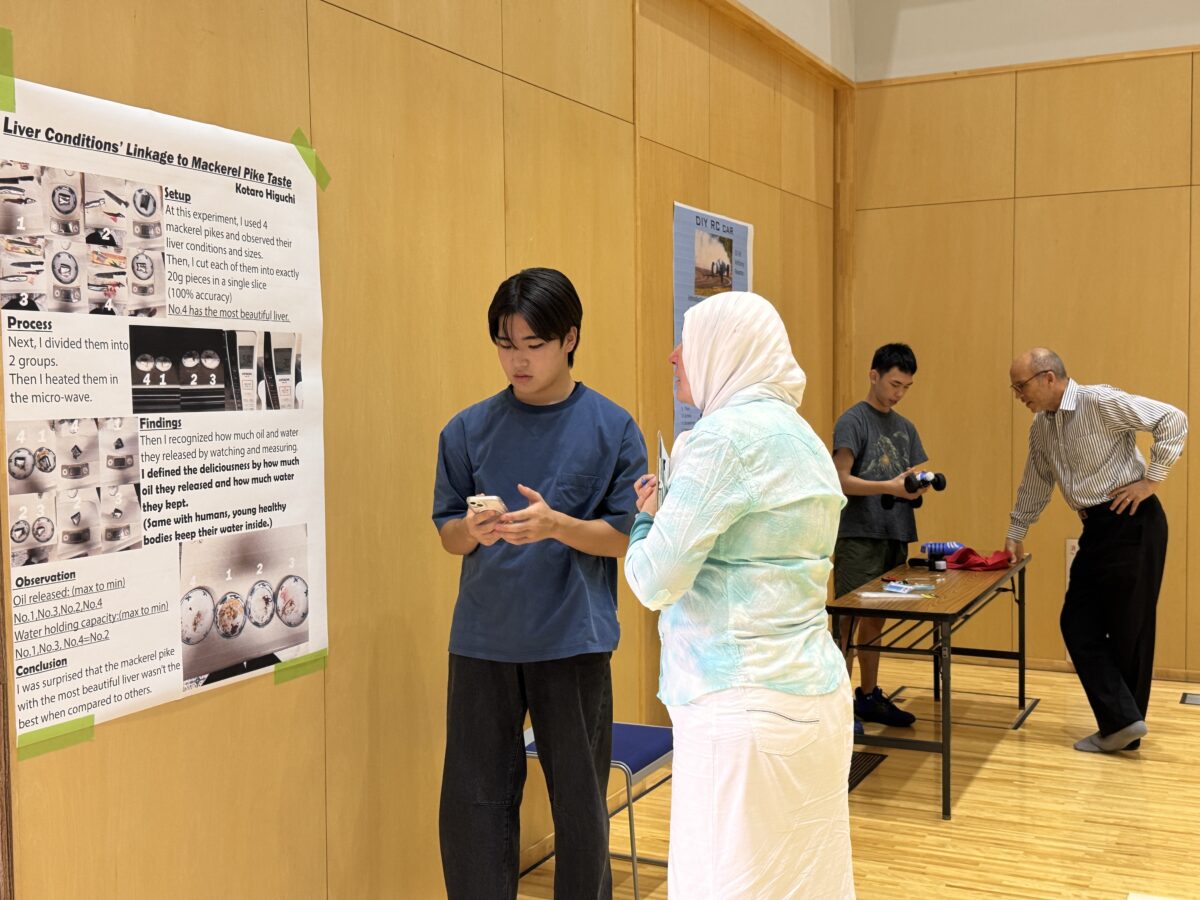
さらに、今年は実験や製作にすごく時間と労力をかけている学生が多かったのも印象的でした。たとえば、魚のプラスチック汚染を調べるために何十匹も釣って内臓を確認したり、身長への影響を調べるために約3,000回ジャンプしたり、アニメーションを作るために何十枚ものカットを描いたり、海洋ゴミを調べるために地元の半島を一周したり、炎天下を7km歩いたり…。
発表自体はポスター1枚と10分ほどの説明だけですが、その裏にある努力や時間を想像すると、本当に感動します。
個人的には、こういう「とにかくやってみた!」というプロジェクトが大好きです。たとえ科学的に完璧じゃなくても、その熱意を評価したくなります。ただ、発表としてはやっぱり図や表を使って、そこから考察をまとめることも大切なので、その点は学生たちに伝えました。
STEMフェアは、学生の頑張りと先生方の協力で、今や白山麓キャンパスの名物イベントになりました。まだ1・2年生なので高度な研究とは言えませんが、学生たちの自由な発想や興味を形にしたプロジェクトを見るのは本当に楽しいです。これからも、このイベントを続けていきたいです。
伊藤 周
Hello everyone, I’m Meguru Ito, a physics teacher. Today, I’d like to talk about our annual STEM Fair, in this case STEM Fair 2025.
The STEM Fair is a venue for presenting the outcomes of the ICT’s summer assignment, the Summer STEM Project, and it is held every year in late September. Simply put, it’s a showcase for summer independent research. Students choose their own themes, but this year, the ideas from 1st year students were especially unique, with many topics we’ve never seen before. Since ICT was founded eight years ago, this is the eighth STEM Fair (or the fifteenth if we include the 2nd year presentations), and it’s always exciting to encounter fresh ideas every year.
What stood out this time was how much time and effort many students invested in ttheir experiments and production. For example, some caught dozens of fish to examine their organs for plastic contamination, others jumped about 3,000 times to study the effect on height, created animations by drawing dozens of frames, circled a local peninsula to investigate marine debris, or walked 7 km under the blazing sun.
Although each presentation consists of just one poster and about ten minutes of explanation, imagining the effort and time behind them is truly moving.
Personally, I love these “just give it a try!” projects. Even if they’re not scientifically perfect, I want to recognize that enthusiasm. Of course, for a proper presentation, using charts and tables and drawing conclusions from them is also important, so I made sure to convey that to the students.
Thanks to the students’ hard work and the teachers’ support, the STEM Fair has become a signature event at the Hakusanroku Campus. While 1st and 2nd year students’ projects aren’t advanced research yet, seeing their ideas and interests take shape is incredibly enjoyable. I hope we can keep this event going for years to come.
Meguru Ito
こんにちは、3年生の安田 萱です。ダニーデン国際空港に到着してから、もう半年が経ちました。ニュージーランドでの生活にもだんだん慣れてきて、今では毎日を楽しく過ごしています。今日は、この半年間で僕の新しい日常になった生活について紹介したいと思います。
まずはホストファミリーについてです。僕のホストファミリーは、1人暮らしの女性です。正直に言うと、ここに来る前は、家族と一緒にバーベキューをしたり、ホストブラザーと仲良くなったりして、家族の一員としていろいろなイベントを楽しむイメージを持っていました。そのため、春休みに届いたホームステイ先の情報で「2匹の犬と楽しく暮らしています!」と書かれていたときは、渡航後の生活が想像できず、不安でした。
そんな不安を抱きながら始まった2人暮らしでのホームステイですが、実際はとても良い人で、僕にぴったりな方でした。ご飯の時間や犬の散歩、買い物などをお互いのペースに合わせて行い、自由に過ごせるところがとても心地よいです。夜ご飯を食べながらの会話も、学校や勉強の話だけでなく、仕事であった面白い話やホストファミリーがハマっているスマホゲームの話など、2人暮らしならではの会話が多く、話していてとても楽しいです。また、夕食後に「アイスが食べたくなった」と言ってドライブスルーへ連れて行ってくれたり、毎週金曜日と土曜日の夜は必ずホストファミリーの友達の家で夜ご飯を楽しんだりと、家族とのホームステイではなかなか体験できない、2人暮らしならではの生活だと思います。
-

The dogs at my homestayホームステイ先の犬
-
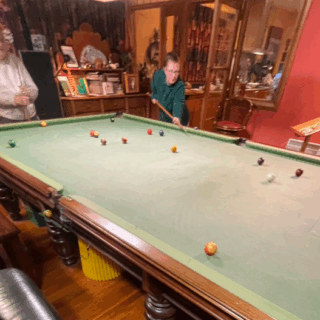
Playing billiards with my host and her friendsホストファミリーとお友達とのビリヤード

次は授業以外の時間に僕がどのように過ごしているかを紹介します。オタゴポリテクニクでの授業は、だいたい10時から15時ごろまでで、遅い日でも17時には終わります。授業後は、学校のすぐ近くにある大学の体育館によく遊びに行きます。体育館といっても、運動できるコートのほかに、ジムやビリヤード台、カフェもあり、さまざまなことを楽しむことができます。この施設は、僕が通うポリテクニックの学生だけでなく、オタゴ大学の学生や、会員になれば誰でも利用することができるため、大学生や社会人の方とも仲良くなることができます。
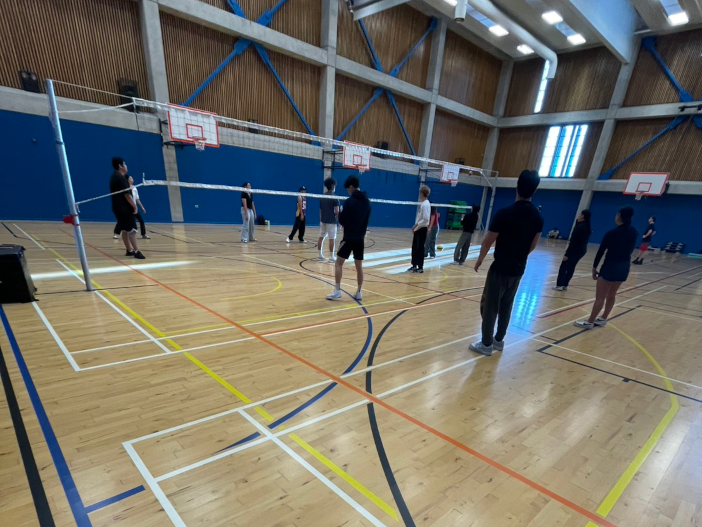
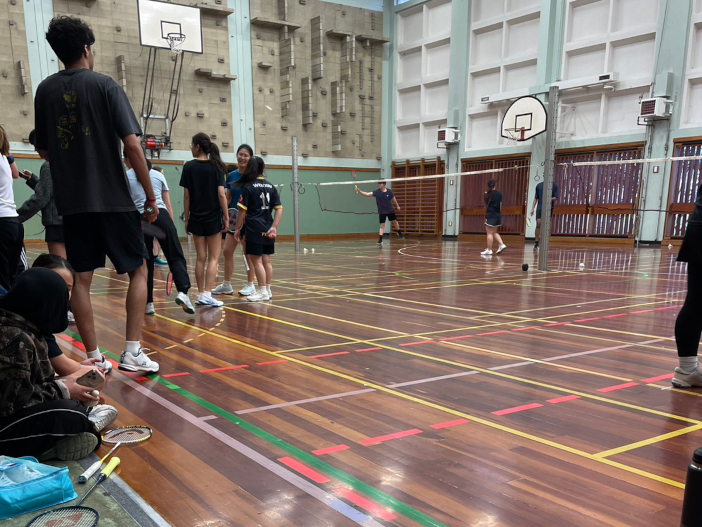
また、利用者にはニュージーランド人だけでなく、韓国やシンガポール、オーストラリア、日本など、さまざまな国から来た留学生も多く、とても楽しいです。特に日本人の留学生とは、どこか安心感があり、海外という環境だからこそ生まれる、少し特別な交流ができるのも嬉しいです。ICTの友達とバドミントンやバレーボールを楽しんでいると、自然と国籍の異なる友達が混ざってくれることもあり、また自分から声をかけて一緒にバレーボールを始めたり、サーブ練習をしたりするうちに、だんだん人が集まって試合をすることもあります。周りの人たちは留学生との交流に慣れていて、知っている日本語で話そうとしてくれたり、優しく接してくれる人ばかりなので、とても楽しい時間を過ごせています。
最近では日が長く、夜の8時を過ぎても明るいため、体育館を離れた後は友達と夜ご飯を食べに行ったり、ビーチまで走ってみたりと、放課後の時間をのびのびと楽しんでいます。
-
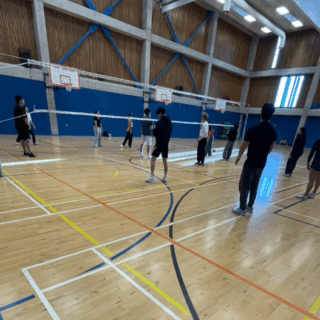
Enjoying volleyball with friends from different countries国際色豊かな放課後のバレーボール
-
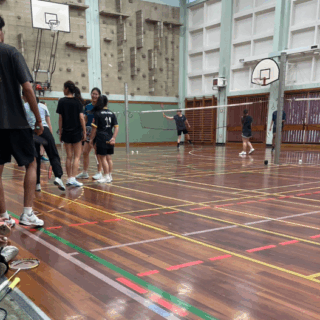
Badminton club バドミントンクラブ
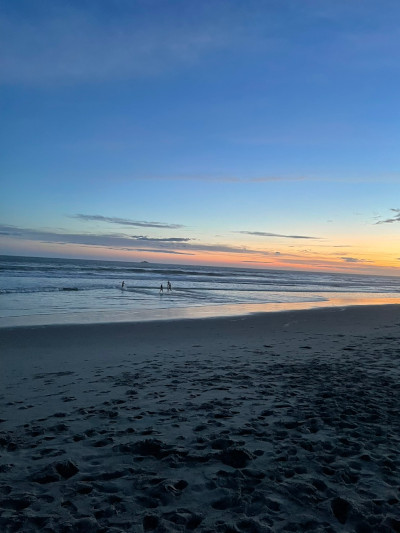
Running toward the beach at sunset 走って向かった夕暮れのビーチ
こうしてニュージーランドでの生活にもすっかり慣れ、毎日があっという間に過ぎていきます。気づけば、もうすぐ期末試験の時期です。このジャーナルでは生活面ばかり書きましたが、勉強の方も頑張っていきたいと思います。
安田 萱
Hello, my name is Kaya Yasuda. I am a 3rd year student at ICT. It has already been six months since I arrived at Dunedin International Airport. I’ve gradually gotten used to life in New Zealand, and I’m now enjoying every day here. In this journal, I’d like to introduce what my new daily life looks like after these six months.
First, I’ll talk about my host family. My host family is a woman who lives with two dogs. To be honest, before coming here, I imagined a host family with parents and children. I thought we would have barbecues together and join various family events. So, when I received my homestay information during the spring holidays and read that she “lives happily with two dogs,” I couldn’t quite imagine what my life would be like and felt a little nervous.
However, once the homestay began, I realized she was a kind person and a great match for me. We do things like having meals, walking the dogs, and going shopping at our own pace, which makes living together feel very comfortable. Our dinner conversations are always enjoyable—not only about school or studying, but also about funny stories from her work or the mobile games she’s into lately. Sometimes she suddenly says, “I feel like ice cream,” and takes me to a drive-through, and every Friday and Saturday night, we go to her friend’s house for dinner. I think this kind of lifestyle, just the two of us, is something I wouldn’t have experienced in a typical host family stay, and I really enjoy it.
-
The dogs at my homestayホームステイ先の犬
-
Playing billiards with my host and her friendsホストファミリーとお友達とのビリヤード
Next, I’d like to talk about how I spend my time outside of class. Classes here in Otago Polytechnic usually run from around 10 a.m. to 3 p.m., and even on longer days, they finish by 5 p.m. After class, I often go to the university gym located near my school. The gym isn’t just for sports—it also has a fitness area, pool tables, and even a café, so there are many ways to have fun. The facility is open not only to students from the polytechnic I attend but also to students from the University of Otago, and anyone can use it if they become a member. Because of that, I’ve been able to make friends with people my age, university students, and even working adults.
There are also many international students who use the gym, from countries such as Korea, Singapore, Australia, and Japan. It’s always fun meeting new people. Especially when I meet Japanese students, there’s a special sense of comfort—a feeling of connection that’s a bit different from other friendships. While I often play badminton and volleyball with my ICT classmates, sometimes students from other countries join in naturally. Other times, I start by asking them to help me practice setting or serving. Before we know it, more people gather, and we end up having a small match. Everyone is very open and friendly, and many try to speak the simple Japanese they know. It’s always a fun and warm atmosphere.
Recently, the days have become much longer, and it stays bright even after 8 p.m. After leaving the gym, I often go out for dinner with friends or take a run to the beach. I really enjoy spending my evenings freely and actively.
-
Enjoying volleyball with friends from different countries国際色豊かな放課後のバレーボール
-
Badminton club バドミントンクラブ
Running toward the beach at sunset 走って向かった夕暮れのビーチ
I’ve now completely settled into life in New Zealand, and the days are flying by. Since the term is almost over and exams are coming up soon, I’d like to focus on studying hard as well.
Kaya Yasuda