




 Hello, this is Alaa Hussien from Egypt. I am a professor in the Department of Science and Technology at ICT. I am writing this article to highlight the contributions of ICT in supporting the establishment of the Egypt–Japan KOSEN (EJ-KOSEN), the first KOSEN institution not only in the Middle East but also in Africa. It was officially launched in June 2024 as a development cooperation project between the Government of Japan, represented by the Japan International Cooperation Agency (JICA), and the Government of the Arab Republic of Egypt. The Egyptian partners include the Educational Development Fund (EDF) as the implementing agency, along with the Ministry of Higher Education and Scientific Research (MoHESR), the Ministry of Communications and Information Technology (MCIT), and the Ministry of Education and Technical Education (MoETE). The overall goal of the project is to introduce the KOSEN education system in Egypt as a new model of higher education. The project specifically aims to ensure that the pilot KOSEN operates effectively using a curriculum translated and adapted from the KOSEN Model Core Curriculum, with the objective of achieving KOSEN International Standard (KIS) accreditation, thereby assuring the quality of Japanese-style KOSEN education.
In Egypt, engineering education has traditionally been delivered through two main pathways, each with distinct limitations. University education primarily emphasizes theoretical knowledge, with relatively limited focus on practical skills and minimal connection to industry. As a result, graduates often possess strong theoretical backgrounds but lack real-world problem-solving abilities and hands-on experience. On the other hand, technical and vocational schools focus mainly on the operation of machinery. Graduates from these institutions are typically skilled in operating equipment but have a limited understanding of underlying principles, design processes, or the development of technology. In the last few years, the environment has been shifting toward advanced technological and experiential educations by establishing many technological universities and developing various cooperation programs with successful existing educational systems around the world.
One of these systems is the KOSEN model in Japan, where this model integrates theoretical knowledge with practical application through a well-balanced and industry-oriented curriculum. By incorporating project-based, problem-based, and inquiry-based learning approaches, KOSEN education enables students to develop both analytical thinking and hands-on skills. Furthermore, its strong emphasis on collaboration with industry ensures that students gain exposure to real-world challenges, thereby fostering innovation, design capability, and practical problem-solving skills. In this way, the KOSEN model offers a comprehensive solution that bridges the divide between theory and practice in engineering education in Egypt.
The idea of introducing KOSEN education in Egypt can be traced back to 2016, following the official visit of the President of Egypt to Japan. During this visit, he toured various educational institutions, including kindergartens, elementary schools, and KOSEN colleges, where he was particularly impressed by the KOSEN system as it emphasizes the development of engineers who possess not only operational skills but also strong foundations in design, innovation, and problem-solving. Following this visit, the Egyptian government requested support from the Japanese government to introduce this educational model in Egypt. The project was implemented through JICA, which dispatched Japanese experts from various KOSEN institutions, including myself and Nagwa Fekri Rashed Sensei. Our involvement was particularly relevant as our International College of Technology (ICT) is unique in Japan in delivering education primarily in English, closely aligning with the educational context in the EJ-KOSEN, where instruction is also conducted in English. These Japanese experts have been collaborating closely with the Egyptian team from the Educational Development Fund (EDF), the JICA project management staff, and the newly appointed faculty and staff at EJ-KOSEN.
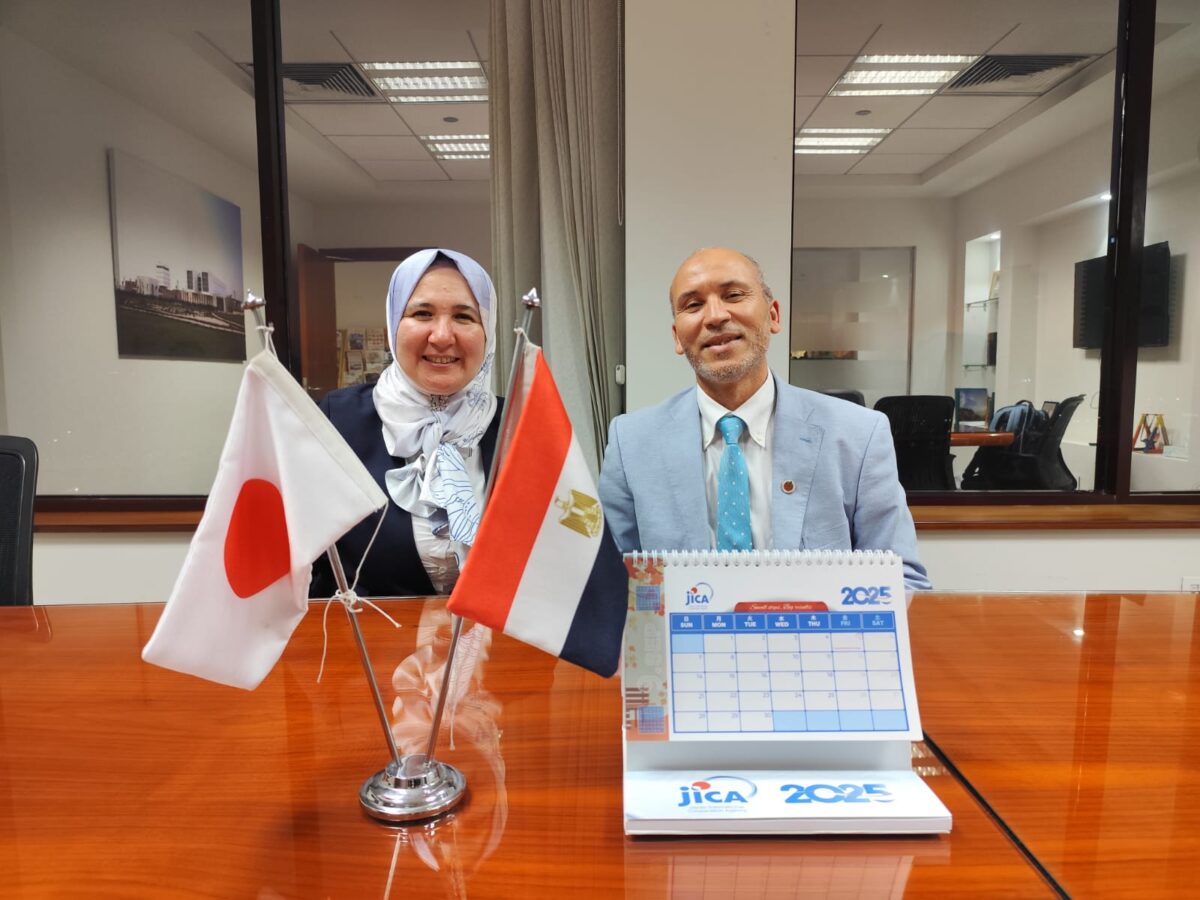
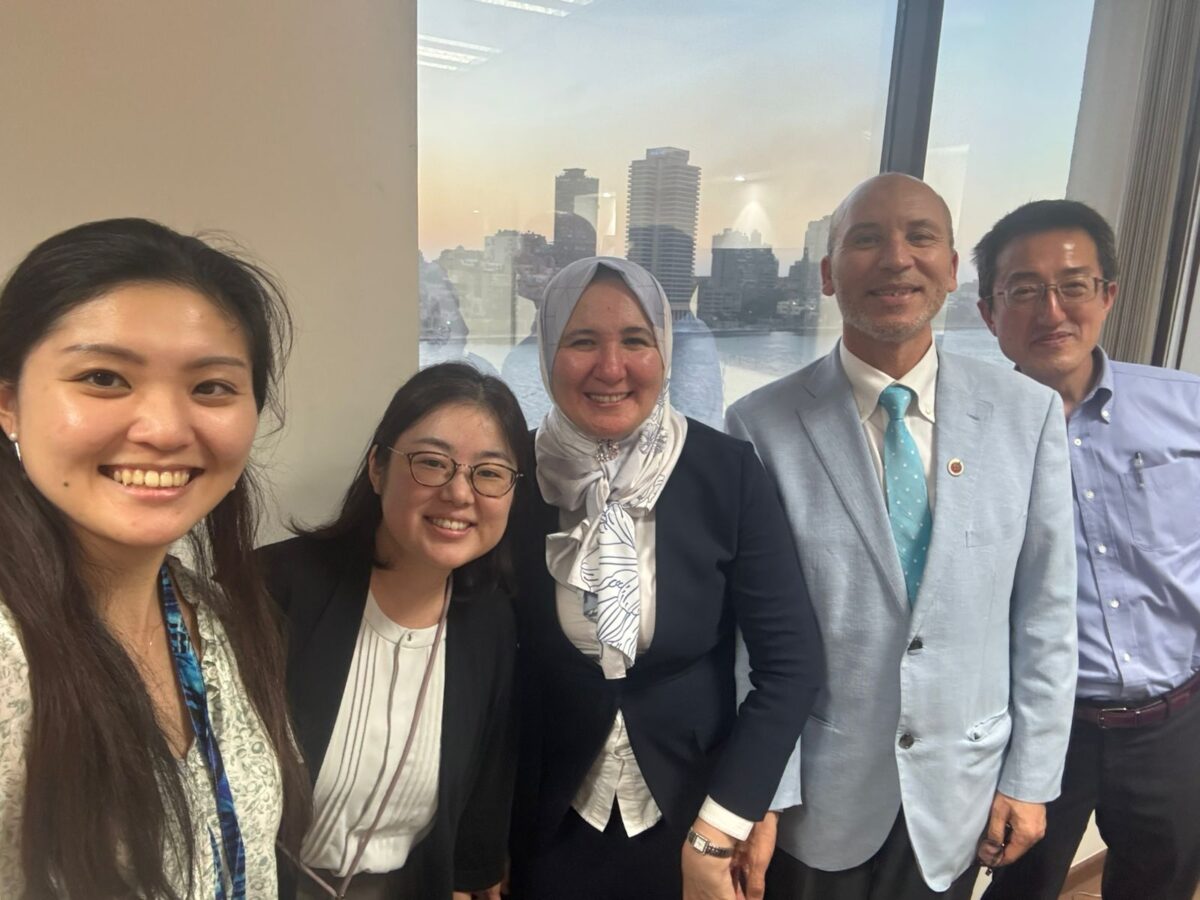
As a professor at ICT, my role, along with other Japan-side experts—including Nagwa Fekri Rashed Sensei—has extended beyond curriculum support to encompass contributions to the formulation of the school’s vision and the development of key institutional policies. In particular, we have played a central role in designing the diploma policy, the curriculum policy, and the admission policy. In addition, we have supported the design of STEM curricula, have participated in the recruitment and selection of faculty members, have assisted in student admissions processes, and have contributed to the development of entrance examinations and admission procedures.
Prior to the official opening, we conducted an intensive three-week training program in Egypt in August 2025 for newly recruited faculty members. This training introduced the philosophy and structure of KOSEN education, including the KOSEN International Standard (KIS) framework, as well as modern teaching methodologies such as project-based, problem-based, and inquiry-based learning. We also provided guidance on the development and refinement of teaching materials. During that period, we played an active role in the admission process by participating in student interviews and contributing to the selection of the first intake of EJ-KOSEN freshmen. After the program’s launch, our responsibilities expanded to include continuous academic support, follow-up, and professional development for faculty members.
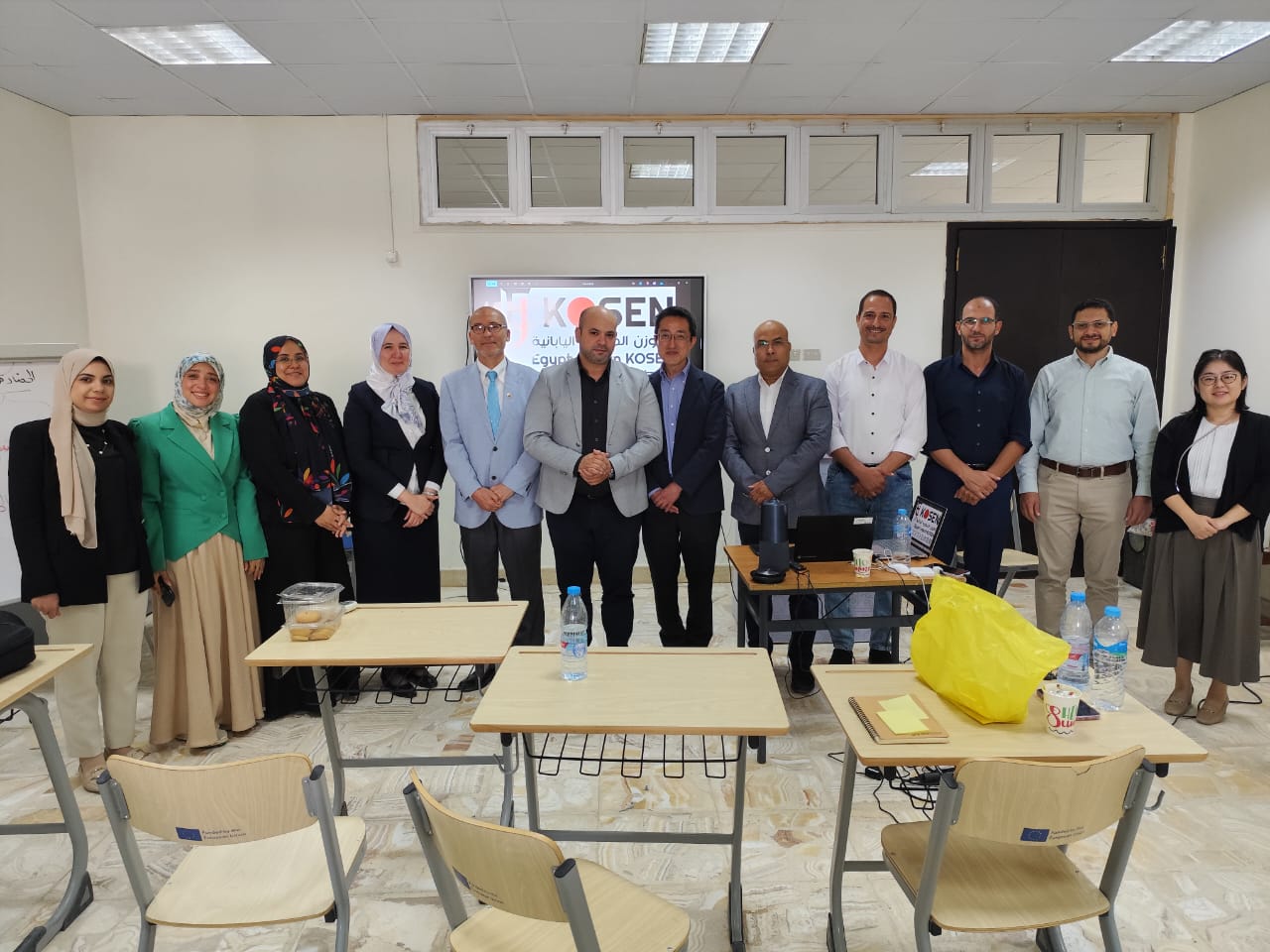
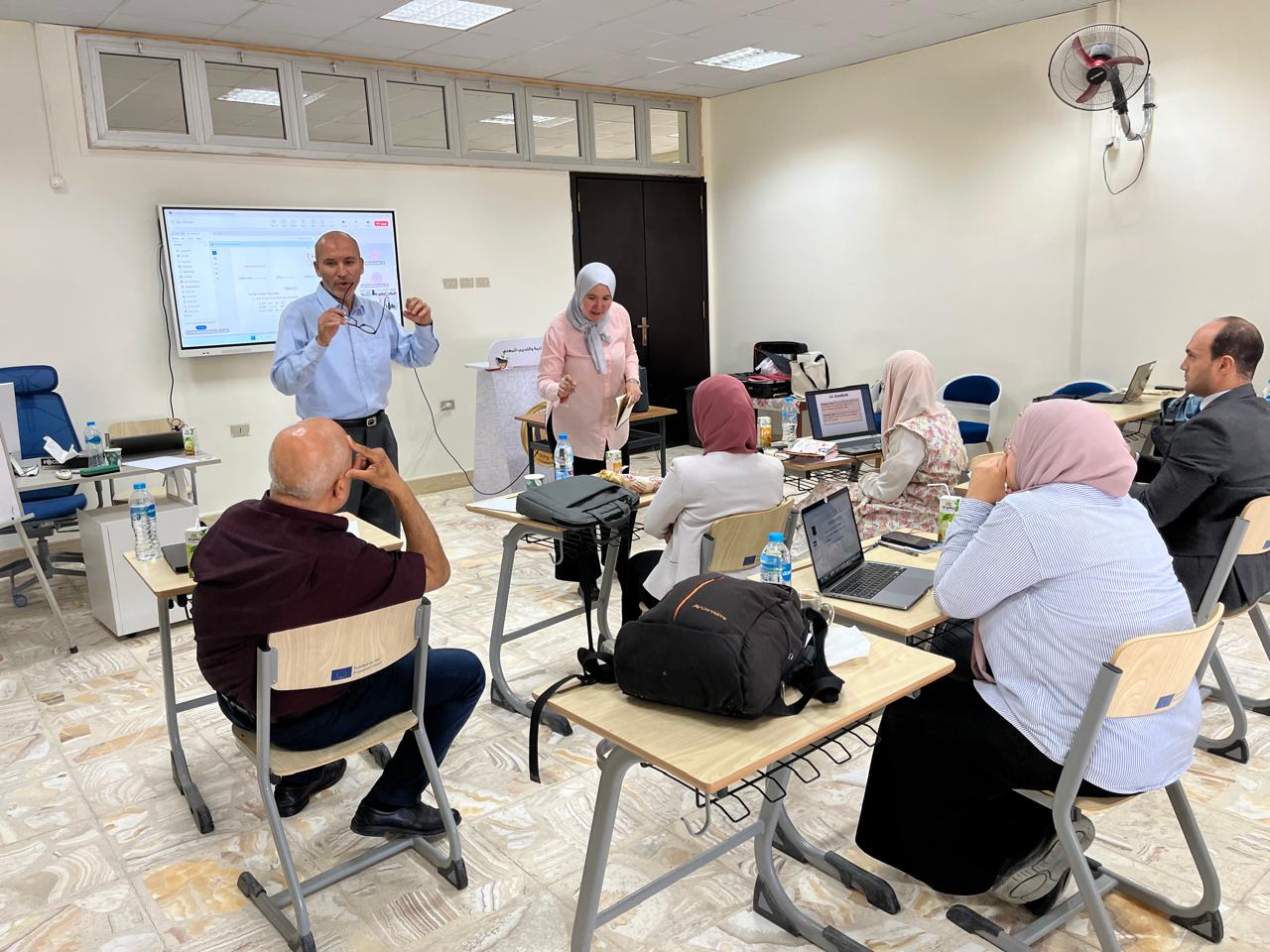
In late January 2026, staff and faculty members from the EJ-KOSEN came to Japan to visit several KOSEN institutions, including Osaka KOSEN, Ishikawa KOSEN, and our International College of Technology in Kanazawa, for further training. During their visit, they explored our two campuses facilities, observed the integration between the college and its parent institution, the Kanazawa Institute of Technology, and participated in a series of intensive workshops. These workshops were designed to provide detailed feedback on all aspects of the first-semester academic program, including lecture notes, experiments, practical applications, worksheets, and final examinations. We also focused on assessment strategies, covering formative assessment, portfolio-based assessment, and the use of rubrics to ensure clarity, consistency, and transparency. In addition, I delivered a presentation on project-based learning, addressing implementation strategies, evaluation criteria, transparency in assessment, and evidence-based evaluation. These sessions aimed to strengthen the pedagogical skills of the Egyptian faculty and ensure that the EJ-KOSEN program maintains high standards of teaching, learning, and assessment aligned with the KOSEN International Standard.
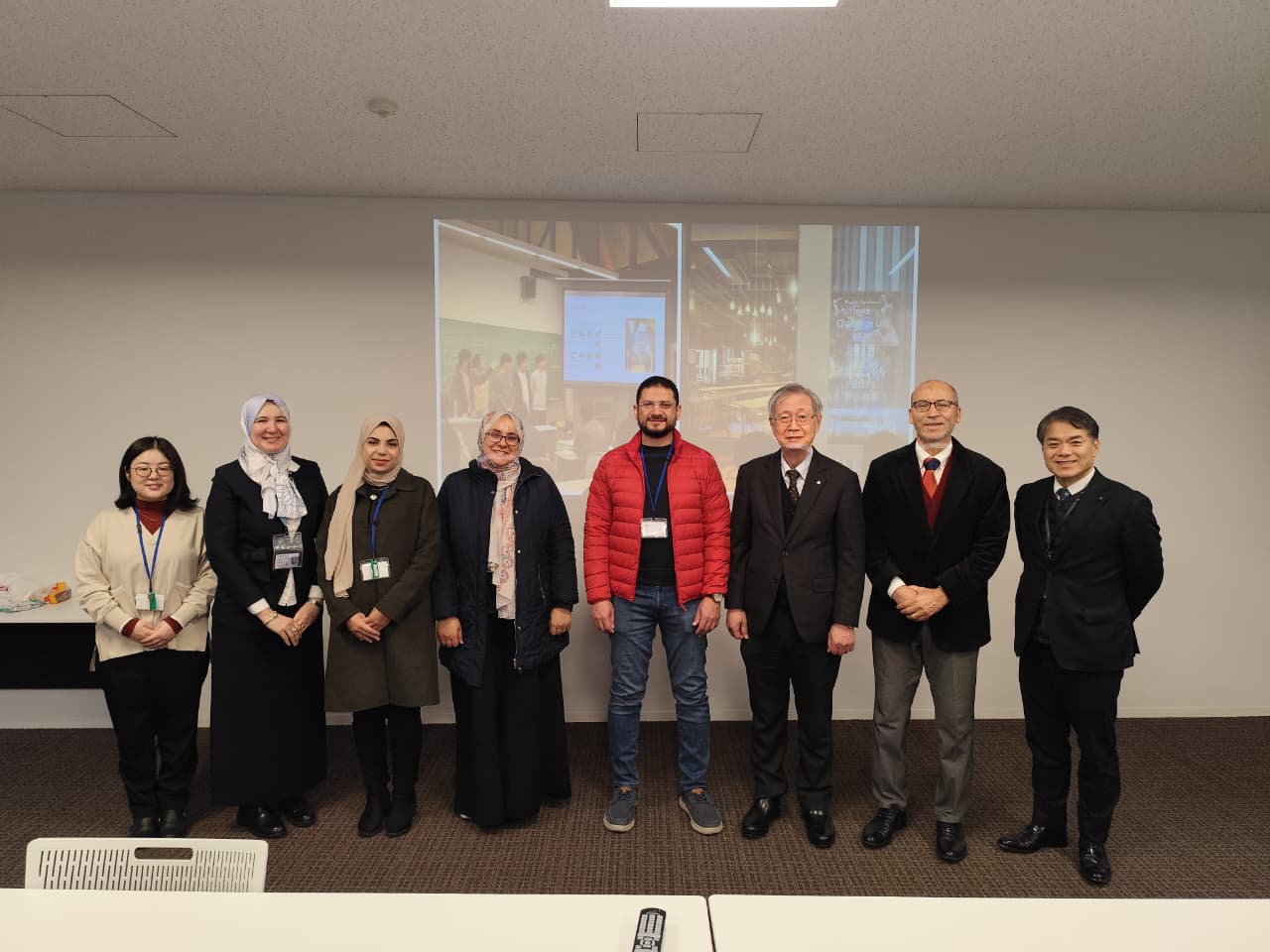
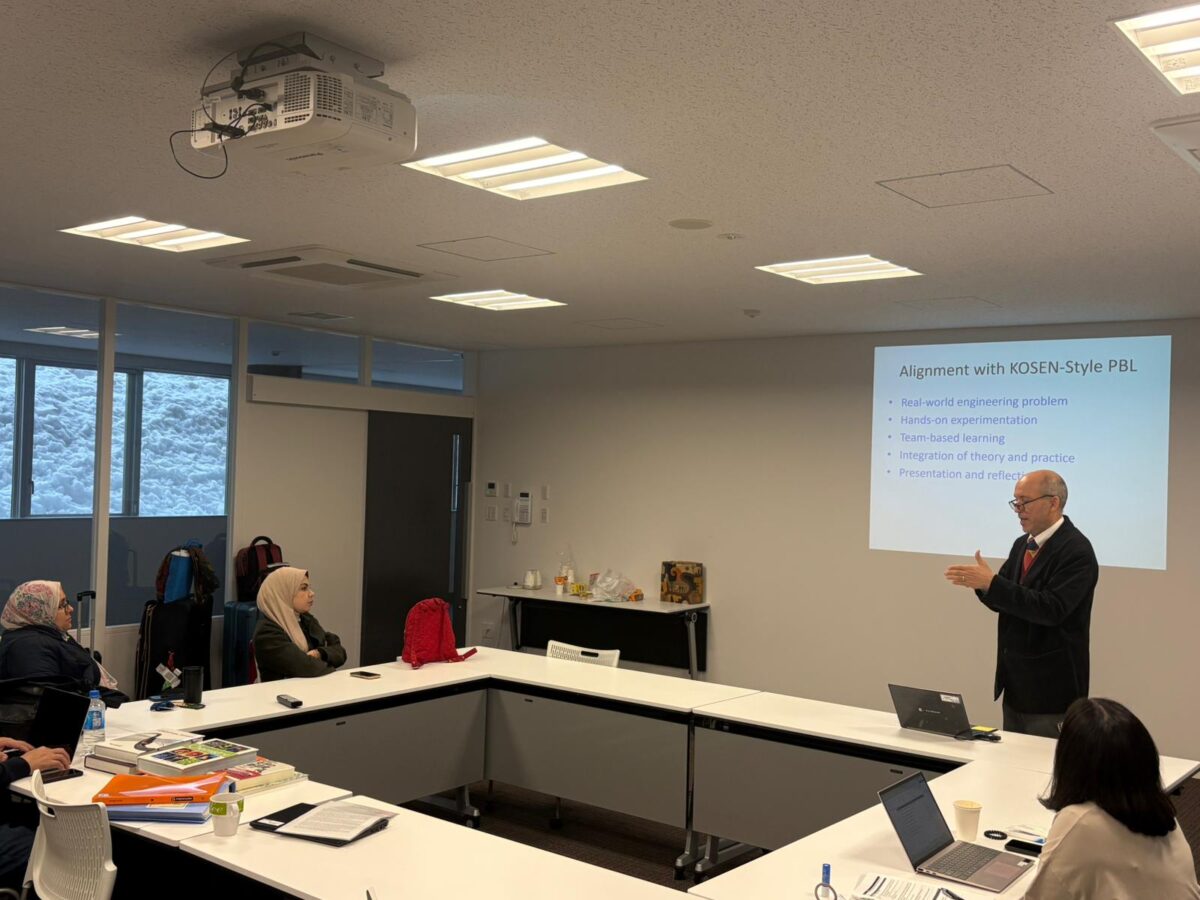
Through these strong and growing collaborations, the Egypt–Japan KOSEN project is well positioned to build a sustainable, high-quality model of engineering education in Egypt—one that not only meets international standards but also directly addresses the pressing challenges facing society in Egypt and the evolving needs of its industry. As an Egyptian, I am truly excited to witness the continued success of this initiative and confident that it will nurture a new generation of engineers who are capable, innovative, and committed to solving real-world problems and contribute to Egypt’s sustainable development.
Alaa Hussien

Hello! This is Akira Azuma from the 2nd year student. It’s been quite a while since this happened so it may feel a bit off-season, but I would like to talk about my activities over spring vacation. I may only hope you give this article a read and find yourself enjoying it.
This spring break, I was allowed the chance to go see Antarctica by my fearless mother. What comes to mind when you hear “Antarctica”? An unexplored land? The southernmost edge of the world where extreme cold has swallowed countless adventurers and expeditions? At the very least, it’s not somewhere you’d casually decide to visit during spring break. In fact, many people might think it’s too dangerous for anyone except professional explorers. I used to think that too. But surprisingly, traveling to Antarctica is much easier than you may expect. Of course, it’s still more difficult when compared with visiting other places, but Antarctic and Arctic tourism actually exists as a proper industry, which was quite surprising. You don’t have to belong to a university research team or anything like that. I remember being unable to keep myself from questioning my mother’s sanity for a while.
Given the nature of the Antarctic land, you can’t explore the deep interior like the researchers stationed there, but even so, there’s a wide range of things you can do—visiting islands around the Antarctic coast or even briefly landing on the continent itself. Some companies offer rather dull plans where you just stay on a cruise ship and look at Antarctica from nearby waters, but the company we used—QUARK expeditions—provided us with many extraordinary experiences. We jumped into the freezing Antarctic sea, saw whales and penguins up close, went canoeing, and did many other activities. In this piece, I’d like to introduce some of those experiences.
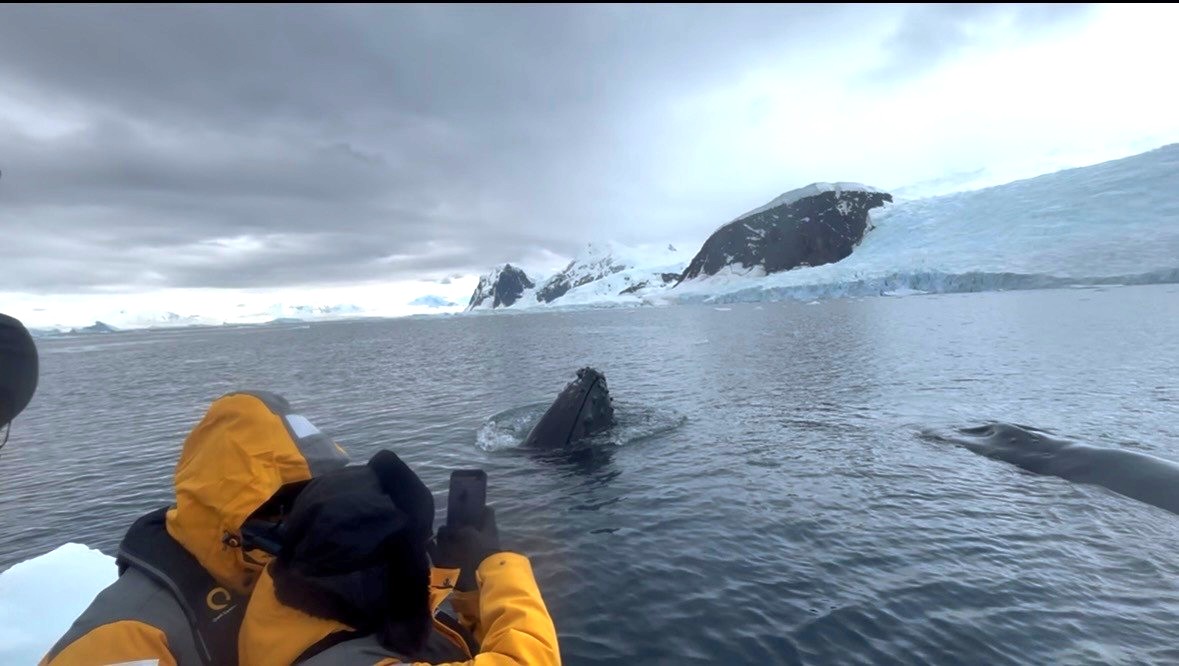
The most memorable part of my trip was definitely seeing whales. When people say they’ve seen whales at sea, you usually imagine spotting them blowing water from a sightseeing boat. But whales are actually very curious creatures, and they often came toward us instead. We rode small inflatable boats to observe them, which may have contributed to their curiosity—but even so, they approached us and encircled us the entire time we were out there. I just realized, but that kind of sounds like they were trying to intimidate us, but they never contacted the boat, so I think I’ll believe that they were simply curious about our unusual presence.
We had several opportunities to observe these adorable whales. There were various kinds. One particularly memorable whale was a baby whale, playing around its sleeping mother. It was very curious, swimming up to us and playfully slapping its tail on the surface to splash water. It was so amusing and adorable. The funny thing was that our guide lamented the most when it was time for us to return to the ship. I guess the experience stays the same no matter how many times you see whales up close.
In another encounter, we had two whales approach us so close that I felt I could touch them if I reached out. I probably could have. It was one of the most mystical experiences I’ve had in my life. Being surrounded by icebergs while whales spouted water so close by was an entirely different kind of awe-inspiring experience compared to seeing whales in an aquarium.
For my in-ship experiences, when we weren’t out exploring, we were given lectures aboard the ship about the Antarctic explorers, glacier movement, and various other topics. We also learned about the wildlife we encountered that day, —the species and their characteristics—covering a wide range of subjects related to Antarctica.
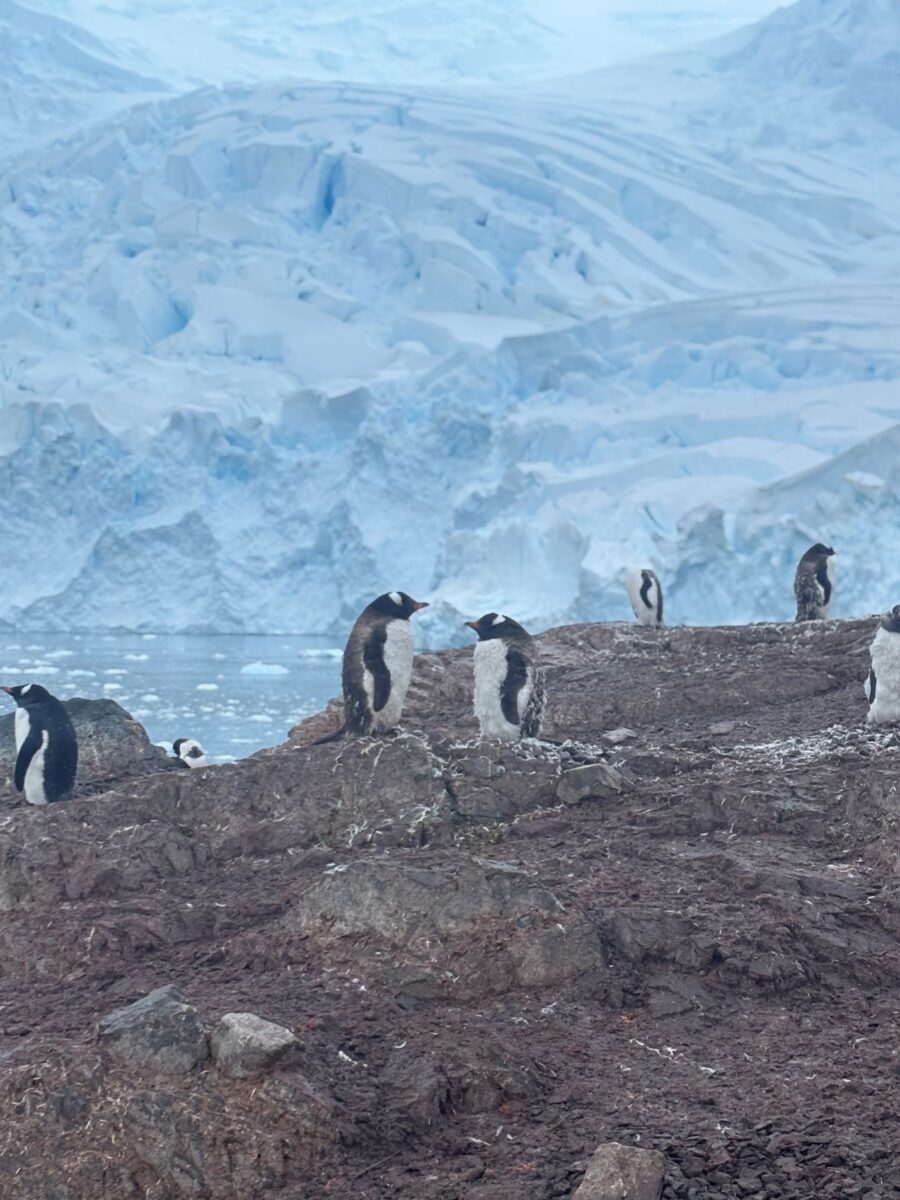
So far, I’ve mainly talked about whales, but of course, they weren’t the only animals we saw. We also encountered many penguins and seals. I mean, this is Antarctica, going on a trip here and not seeing any penguins is like sandwiches without bread. Unlike in aquariums, the seals gave off a much more predatory and ferocious impression, probably because we saw them hunting penguins. When they catch one, they started to toss it into the air and play with it. To call this experience unsettling would be an understatement, those adorable bounce bags were absolutely owning the penguins.
The penguins, on the other hand, were absolutely adorable—no complaints there. Especially the younger ones, around a year old, those guys are very curious. Some of them were fascinated by the stakes placed to mark the point where we shouldn’t tread past, and started pecking at them eagerly—it was incredibly cute.
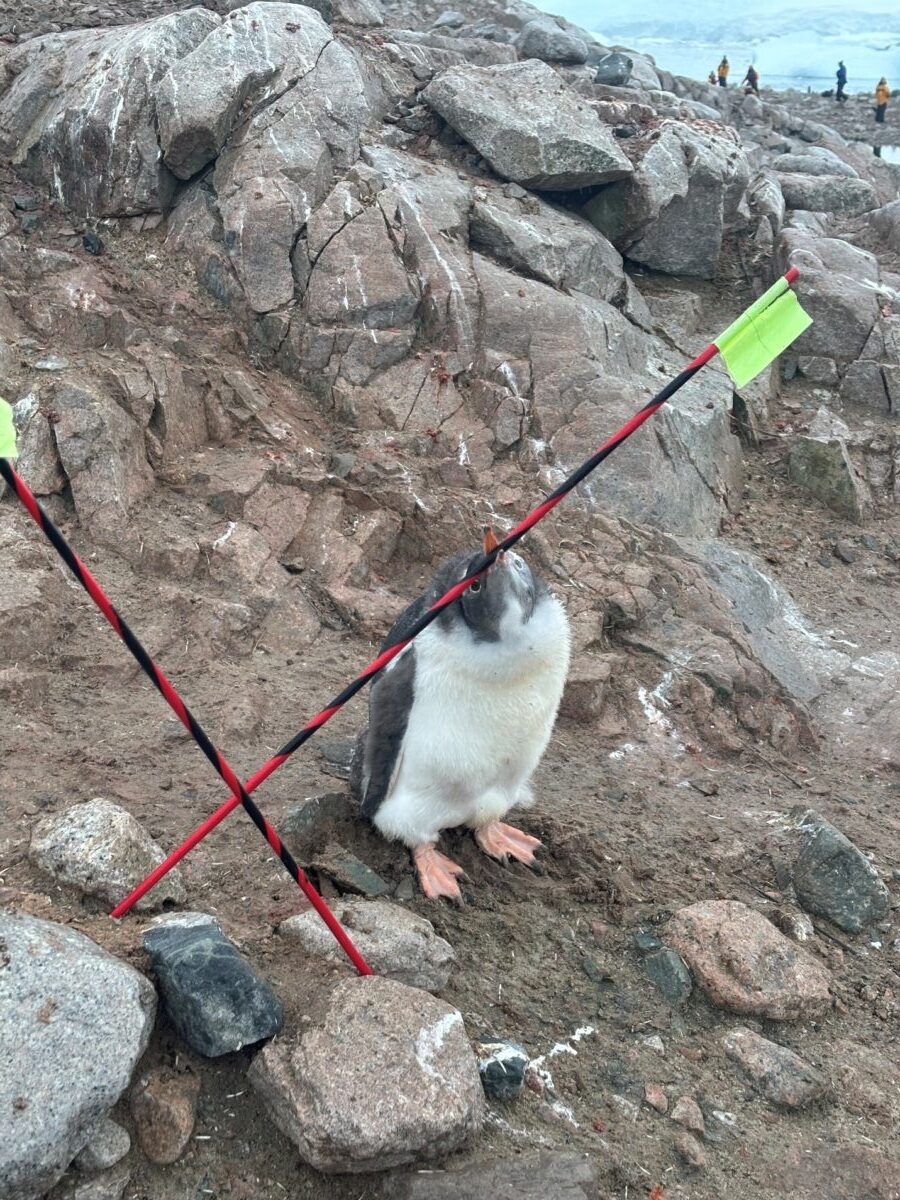
This is the little one, by the way. Yes—absolutely adorable.
There were also penguins that were blankly staring at each other’s face. Watching them just staring blankly was oddly therapeutic to see.
In addition to wildlife, Antarctica also offered us breathtaking scenery. My personal favorite was Deception Island, which is a volcanic island. What made the island so special is that about 10,000 years ago, a volcanic eruption formed a caldera, giving it a horseshoe shape. The volcano is still very active, and the geothermal heat creates hot springs. In other words, it’s like Sakurajima in Antarctica. There were also ruins of an old whaling station which was later converted into a British research base. Depending on the time of day, geothermal steam rises in large amounts, creating an incredibly surreal, almost otherworldly landscape.
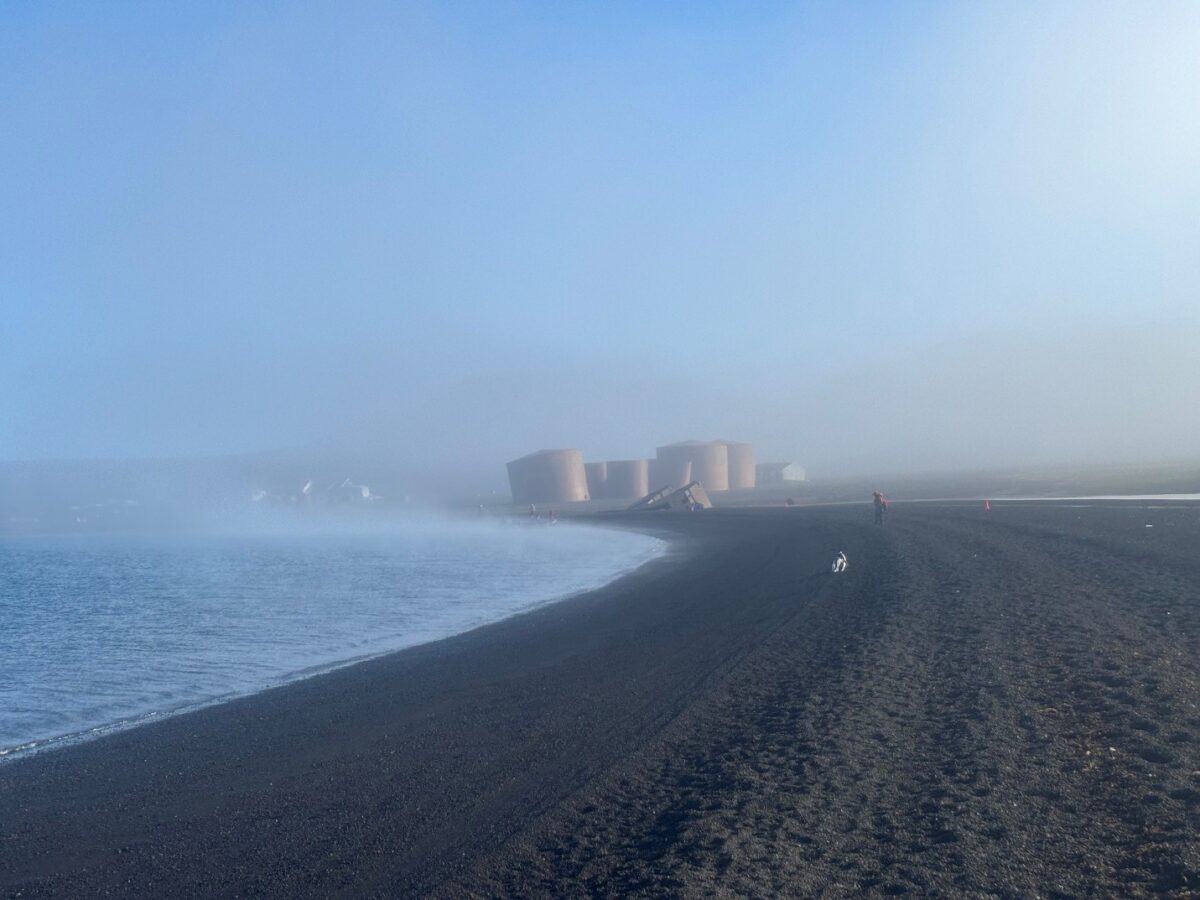
It felt like something straight out of Silent Hill. Penguins and seals were active even in this eerie environment. In the distance, there was what looked like a storage facility for whale oil, and even further back on the left—though hard to see—there is an aircraft hangar that waIt felt like something straight out of Silent Hill. Penguins and seals were active even in this eerie enviros used for weather observation. Along the coast, various objects were scattered around, including a partially buried vehicle with only the hood, handles, and part of the front seat sticking out. Freaky. It truly felt like stepping into another world.
There were even remnants of penguins that had been eaten—honestly, a bit gruesome. And if that wasn’t odd enough, there was also an airplane wreck. It looked like it was straight out from a movie.
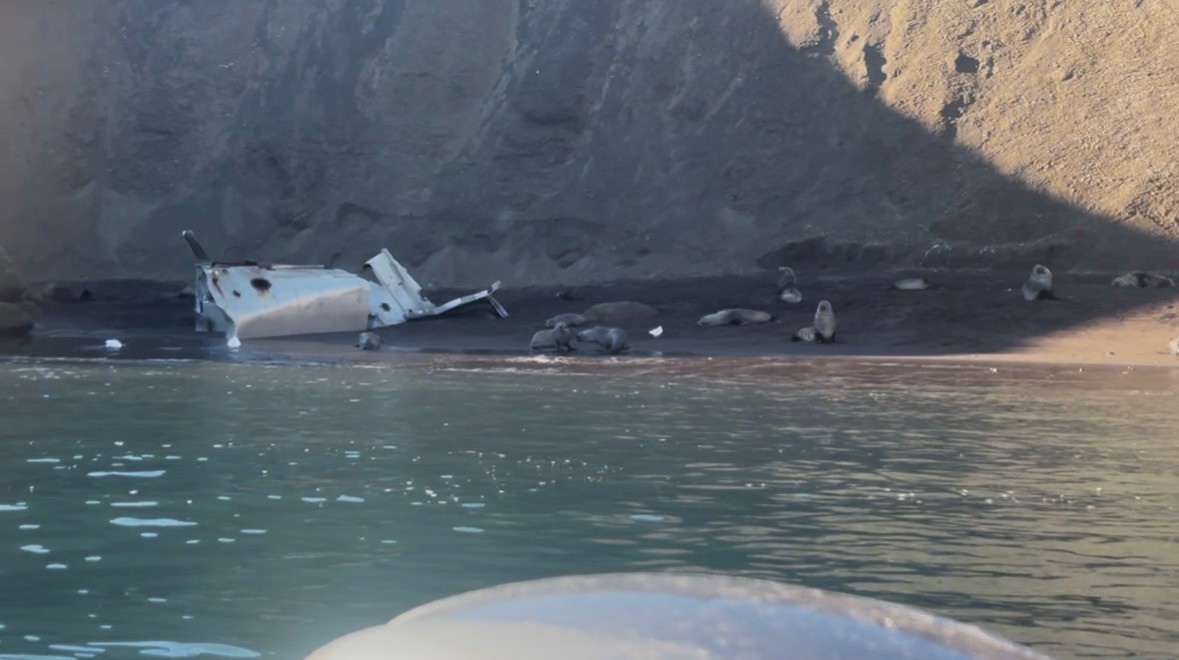
It reminded me just how incredibly difficult it must have been to explore Antarctica. Meanwhile, the seals in this picture were just fighting each other next to these wrecks, completely ignoring them, was quite the spectacle to see.
On the way back, we crossed the Drake Passage, known as one of the roughest seas in the world. I had braced myself for the worst, but surprisingly, it was quite calm—or at least calmer than expected. That said, the ship still rocked like a mild roller coaster, and I felt a little seasick despite normally never getting motion sickness. The crew were surprised; relieved would be the word most fitting. So, I asked them if it was usually that bad. They showed me a video from last year’s voyage. Yes, it was THAT bad. Compared to the video from last year— where no one was even able stand or move at all, and objects flying everywhere—it was relatively tame, you could move around as you wished, but it still was not exactly calm. Seeing videos from that voyage was honestly terrifying. Especially if you count the fact that it took us around 2 days to cross the passage. We were just happy that our kitchen was even able to function during the duration after seeing the video.
This return journey made me deeply appreciate the explorers of the 1800s, who crossed the Drake Passage in far worse conditions aboard wooden ships, with little hope of assistance, and still managed to reach the South Pole. I can only feel immense respect for their courage.
I guess that sums up my Antarctic spring break. There were many other experiences too—canoeing, spotting wild orcas, diving into icy waters—but I’ll stop here before this gets too long. It was truly an invaluable experience. I don’t think I want to cross the Drake passage again though.
Akira Azuma

こんにちは。日本文学を担当している黒田です。
今年の1年生の日本文学の授業で、比喩表現を用いた物語の創作に取り組みましたので紹介したいと思います。
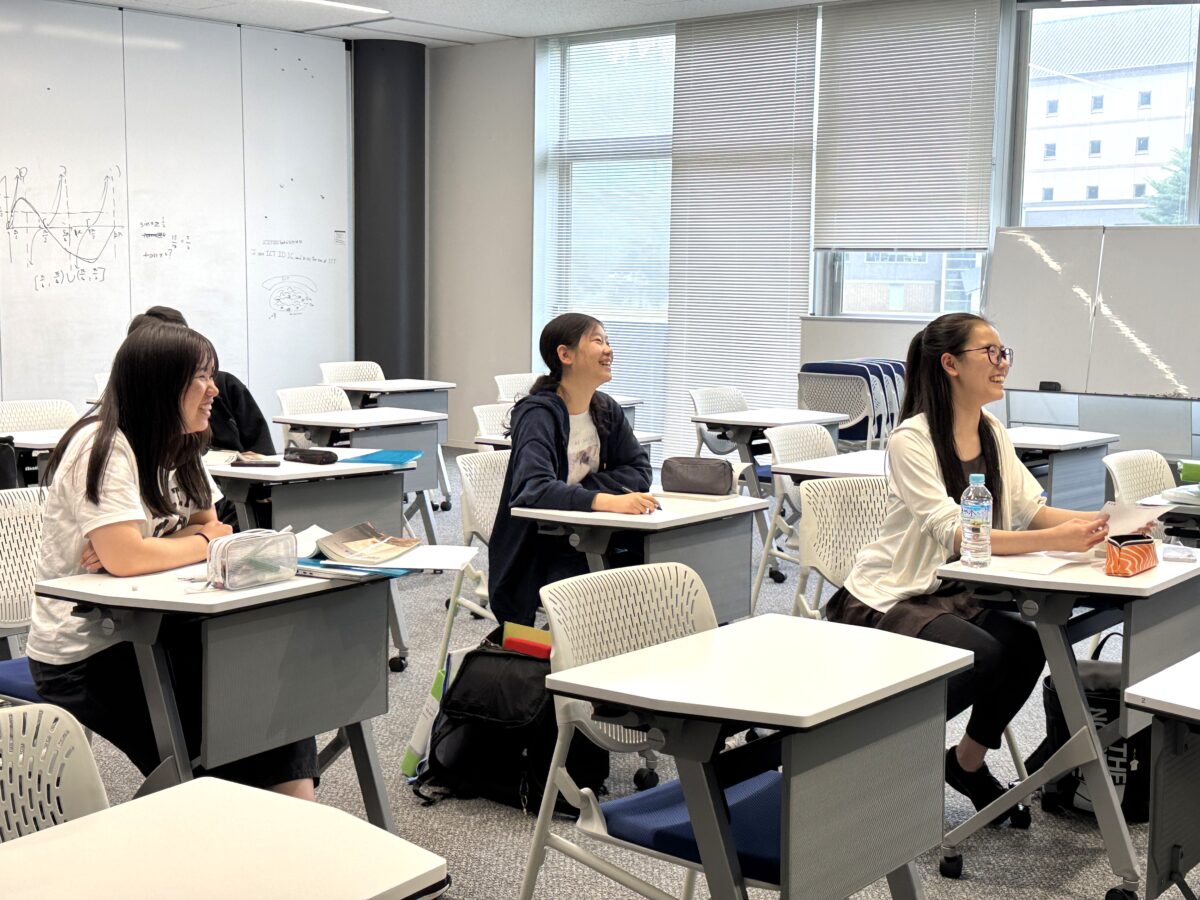
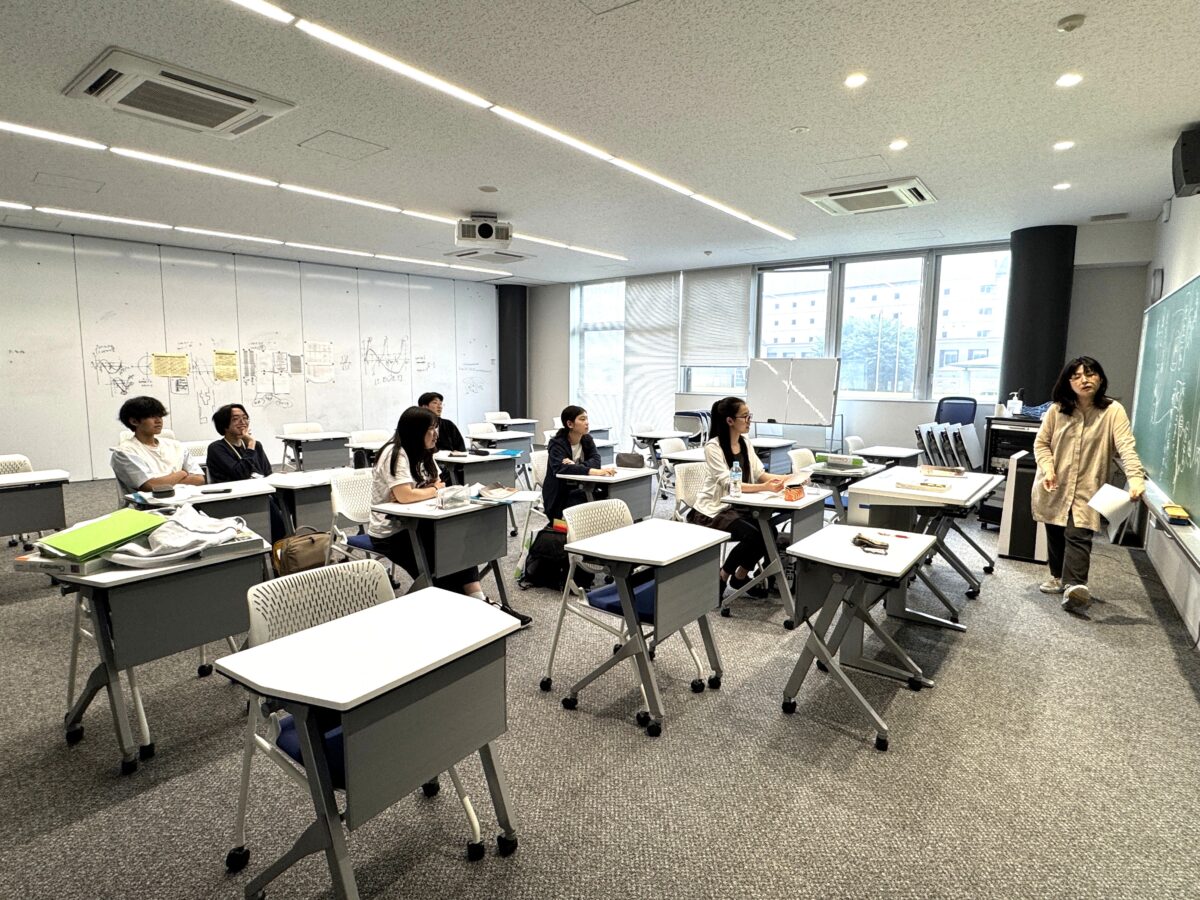
アメリカ育ちの泉屋 絵南さんは、中学生まで外では英語、家の中では日本語を使う環境で育ちました。日本に住み始めてまだ半年ほどの彼女が、日本語でどのような物語を創作するのか、私も興味深く感じていました。以下は、彼女へのインタビューと作品です。
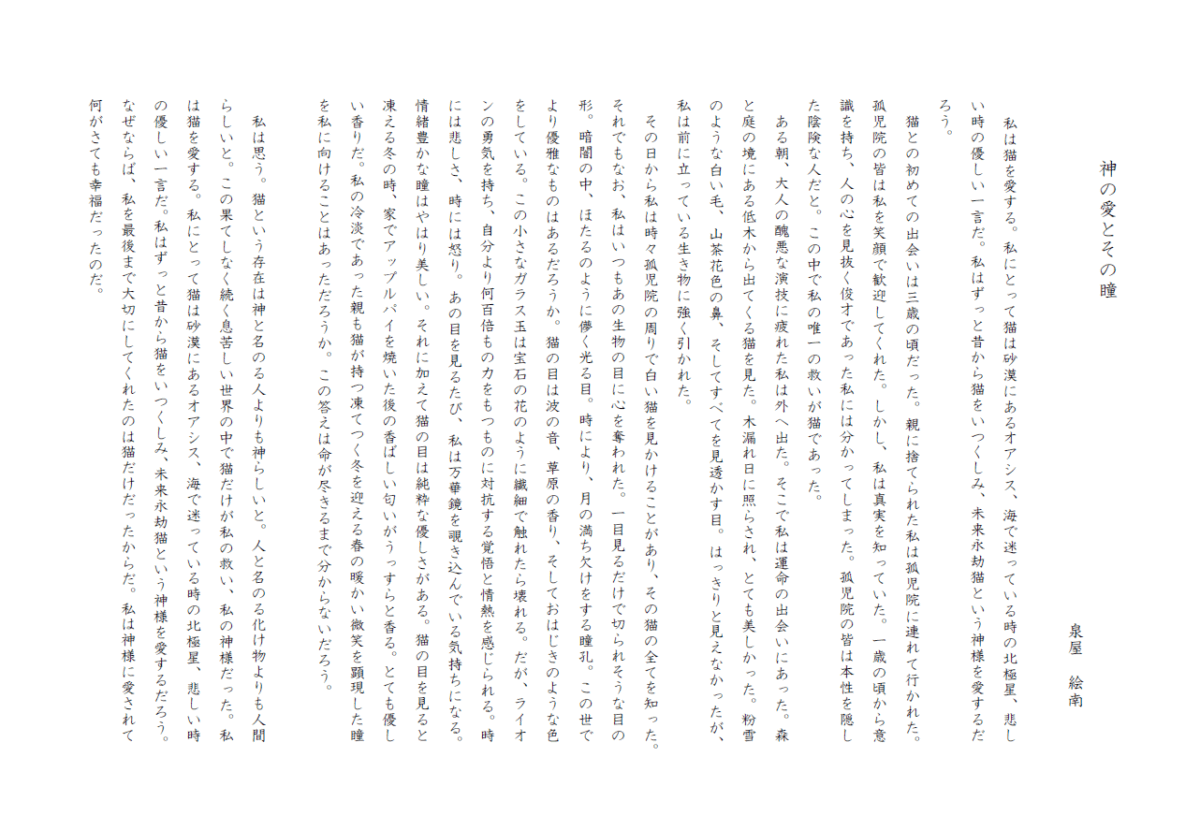
――作品を通して、どんなことを伝えたかったのでしょうか。
猫が大好きなので、猫の美しさ、それから人にとって猫は大切な存在であるということを伝えたかったです。
――作品を作るのにどのくらいかかりましたか。手書きですか。
手書きです。授業を入れて、3時間半くらいです。
――作品を作ってみて、面白かったところや、難しかったところを教えてください。
猫を説明するときに、いろいろな比喩表現を考えるのが楽しかったです。難しかったのは、お話のように作らなくてはいけないので、最初と最後をどうするか考えることでした。話のフロー、流れに合う表現を探したり、シーンを想像したりして、行き過ぎない、適切な比喩を選ぶのが難しかったです。
――主人公が孤児院にいるという発想は、どこからきたのでしょうか。
本を読んで、親がいないキャラクターが多いし、孤児院の環境も良くないという描かれ方が多いので。悲しいけれども、いいことがあるという話にしました。
――難しい言葉も使っていましたね。例えば「顕現」とか。
それは『春夏秋冬代行者』というアニメを観ていて、話の中で人が「季節を顕現する力をもっている」という設定があり、それで知っていました(笑)。
――頭のなかで英語で考えてから、日本語に翻訳したんですか。
日本語で考えて書いていて、英語の表現しか思いつかないときはネットの翻訳を使って日本語にしました。その中から自分が好きな言葉を選びました。例えば、「ray of sunshine」という言葉を使いたいとき、「ray of sunlight」などいくつか英語を入力して、翻訳で出てきた「木漏れ日」が一番良いと思って使いました。
――「木漏れ日」という言葉は知っていたのですか。
何を表しているのかは分かっていましたが、あやふやで、使うのは初めてです。
――未知の言葉に挑戦したことがよく伝わるし、猫への愛が伝わる素敵な作品になりましたね。
はい、ありがとうございます!
黒田
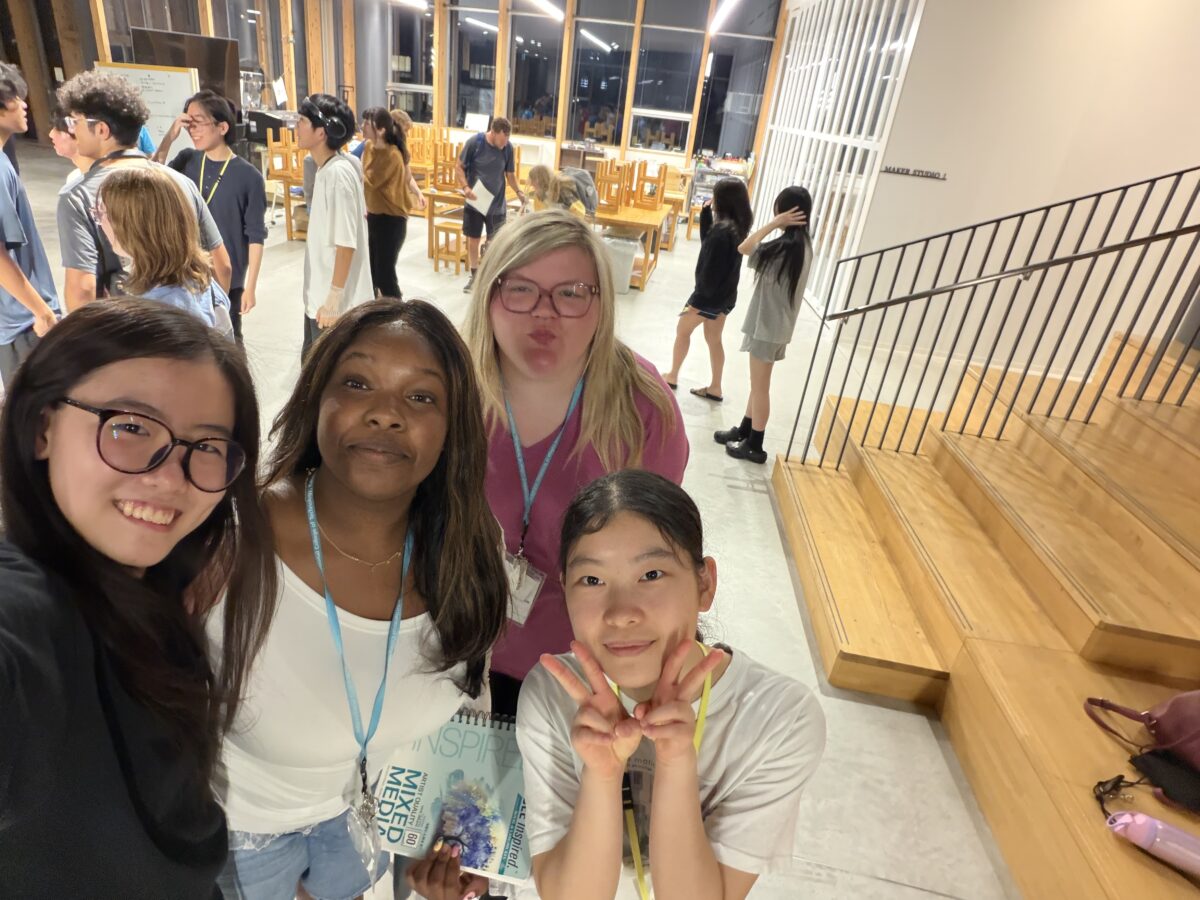
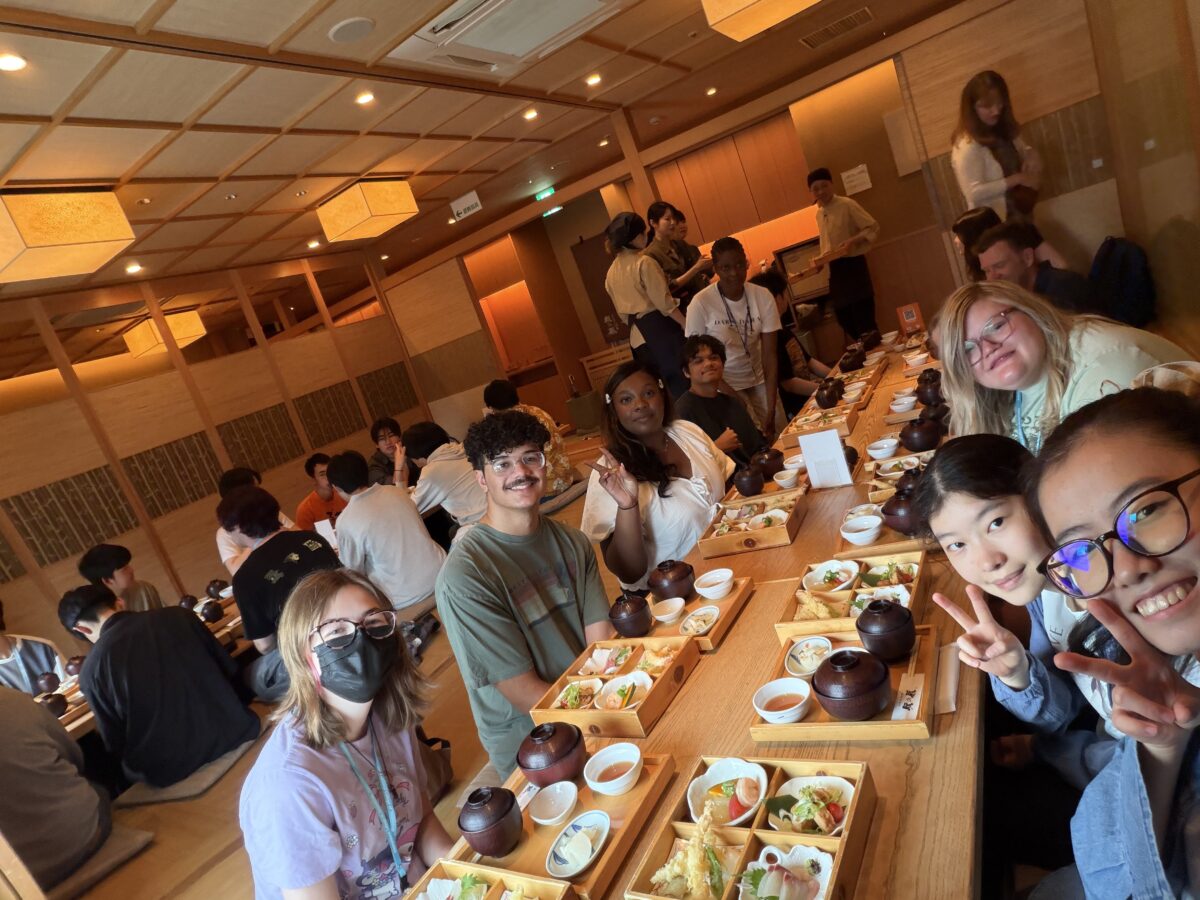
 Hello! My name is Yuka Yano and I am a 1st year student at International College of Technology, Kanazawa. In this article, I will write about the time when six American students came to our Hakusanroku campus.
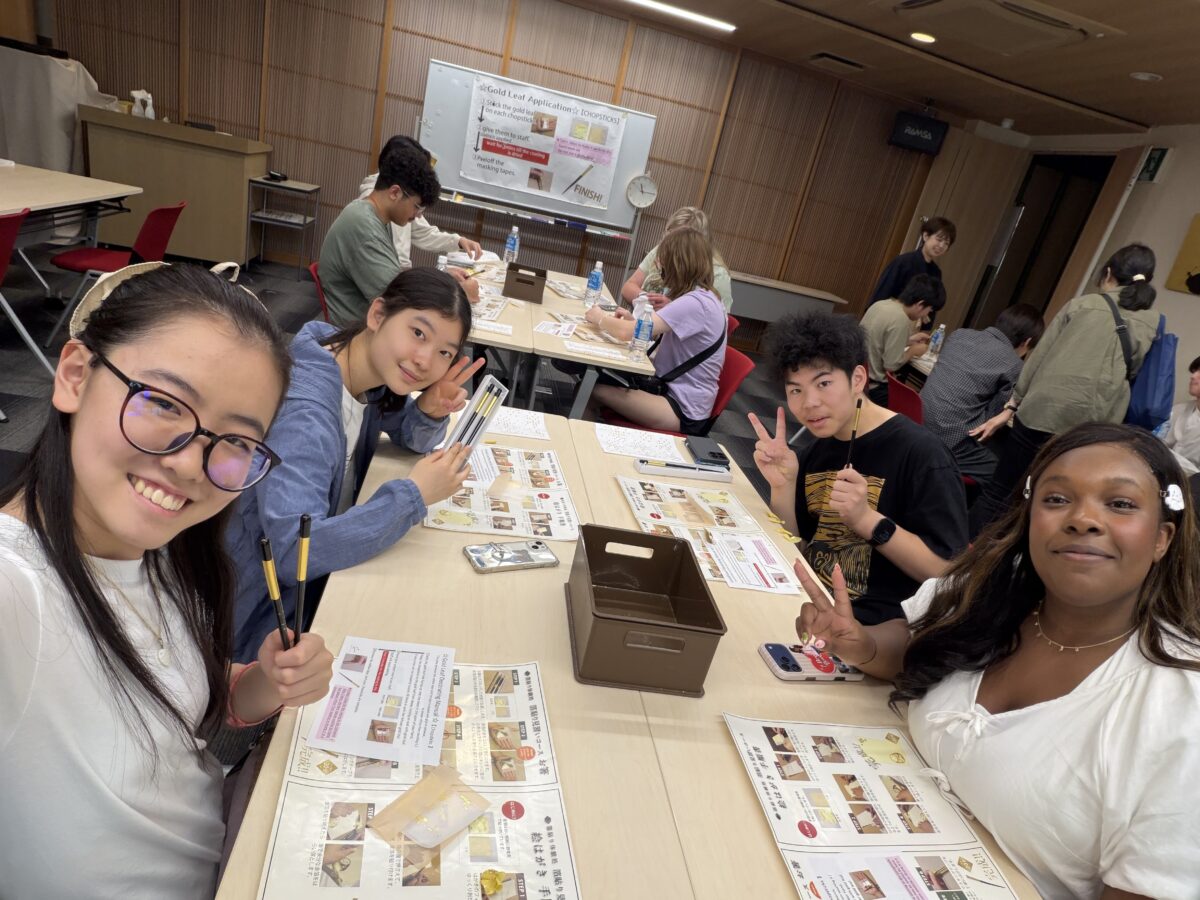
On the first day, we were nervously waiting for the American students to arrive. What will they be like? Would we be able to become friends? Whilst we were nervous, the excitement was winning. Once we met them, we were surprised by how tall they were. However, we were soon able to become friends with them. From the first day, we introduced ourselves in our unit and talked a lot about our interests.
During the Kanazawa tour, we were able to visit various tourist spots and experienced a vast array of things. Since I had never gone around Kanazawa, I was learning about the city with the American students at the same time. Though this experience, we were able to make bonds with the Americans.
I especially remember the time when we played UNO. We made groups with many people and everyone was hyped up during the game. In the end, everyone was laughing until their throats hurt. I think worldwide games such as UNO can create connections between people.
Throughout this experience, I was able to learn various things and create friendships with the American students. Next time I hope to be able to explain the aspects of Kanazawa to the American students with more detail.
Yuka Yano
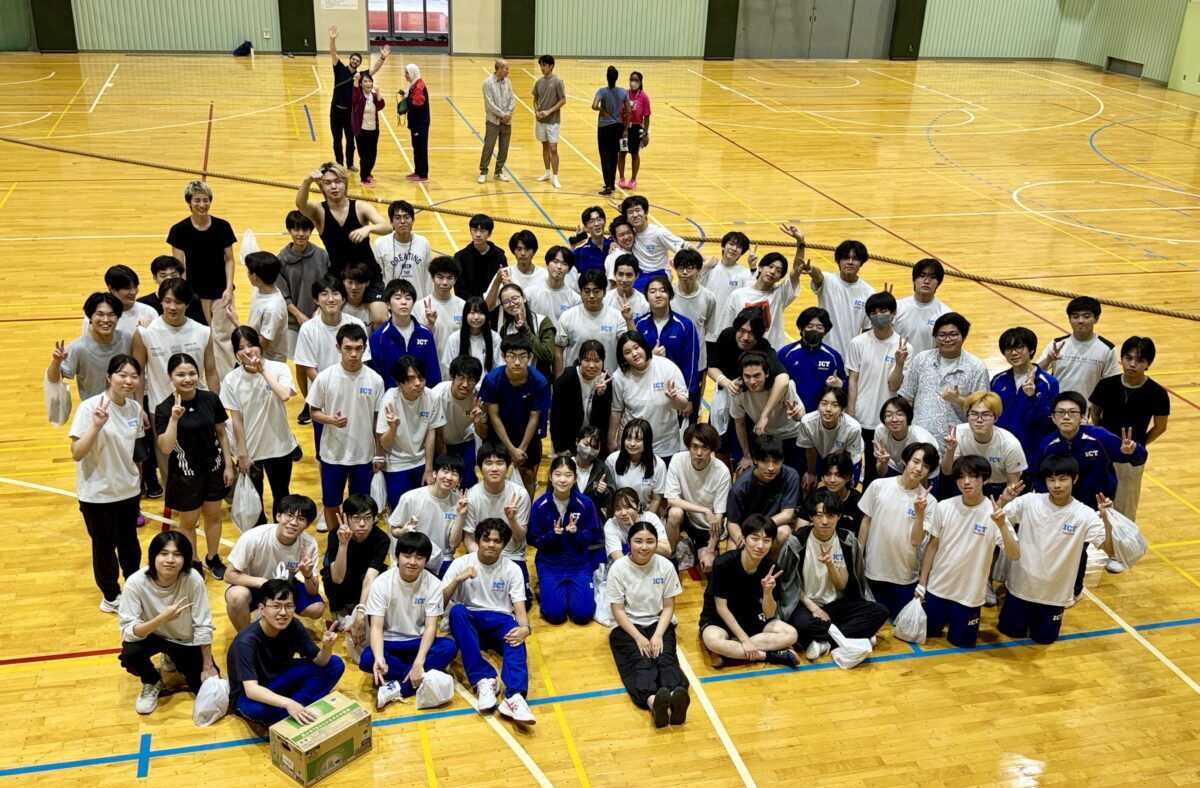

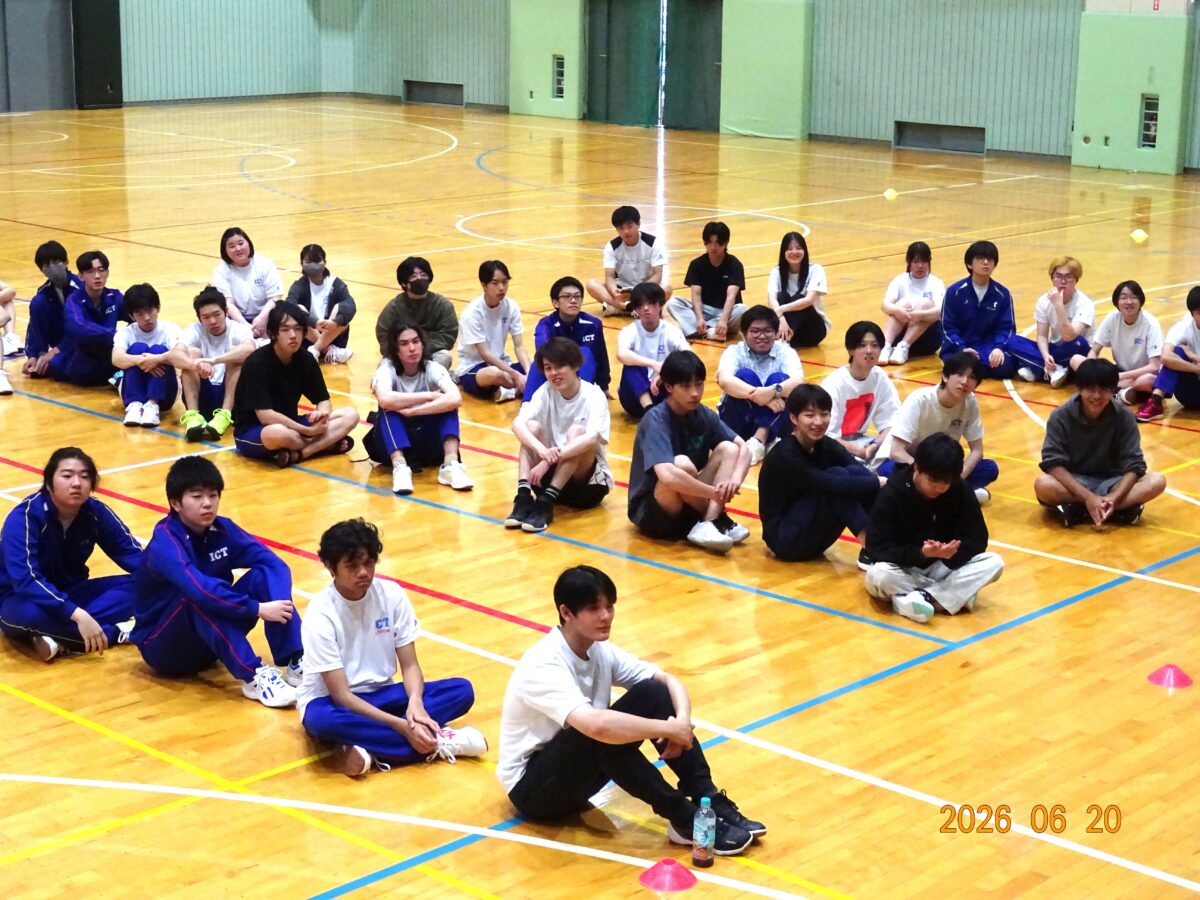
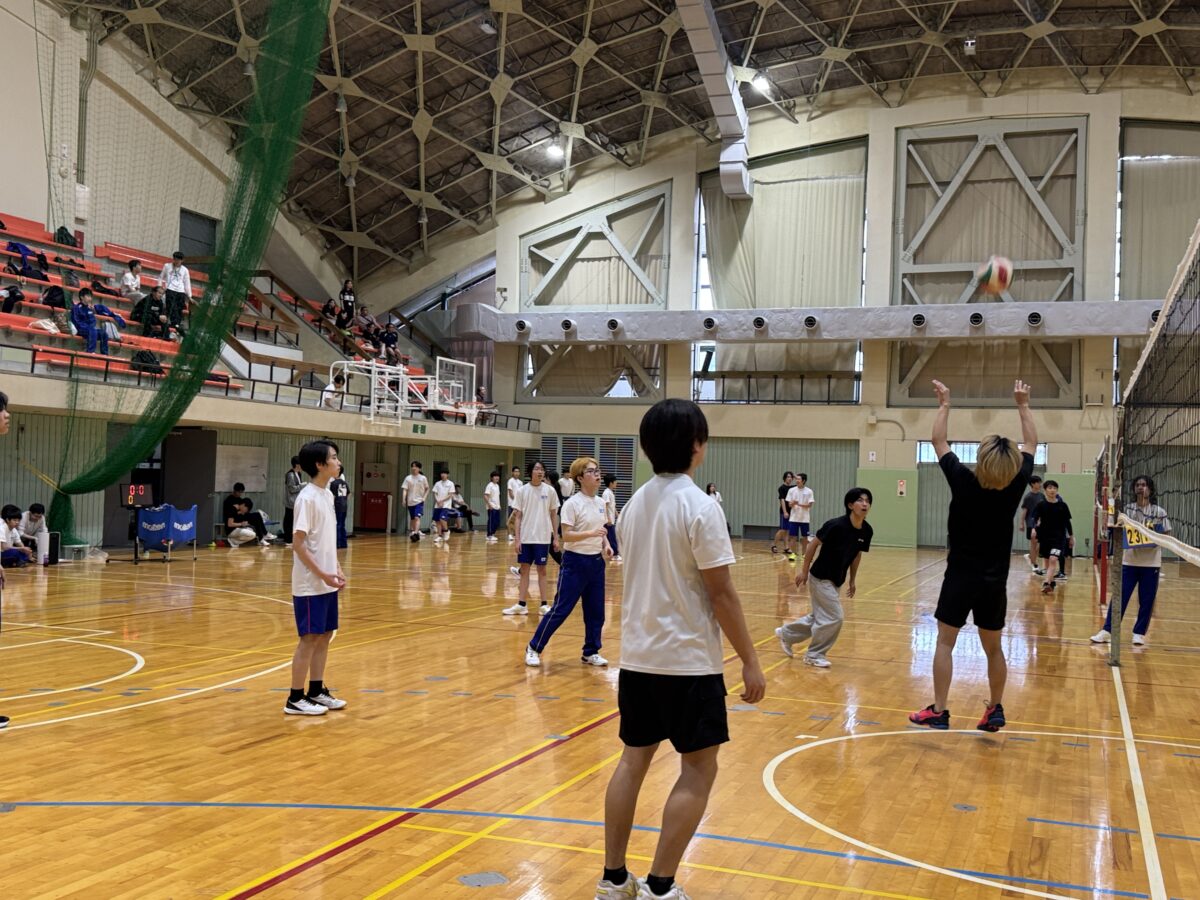
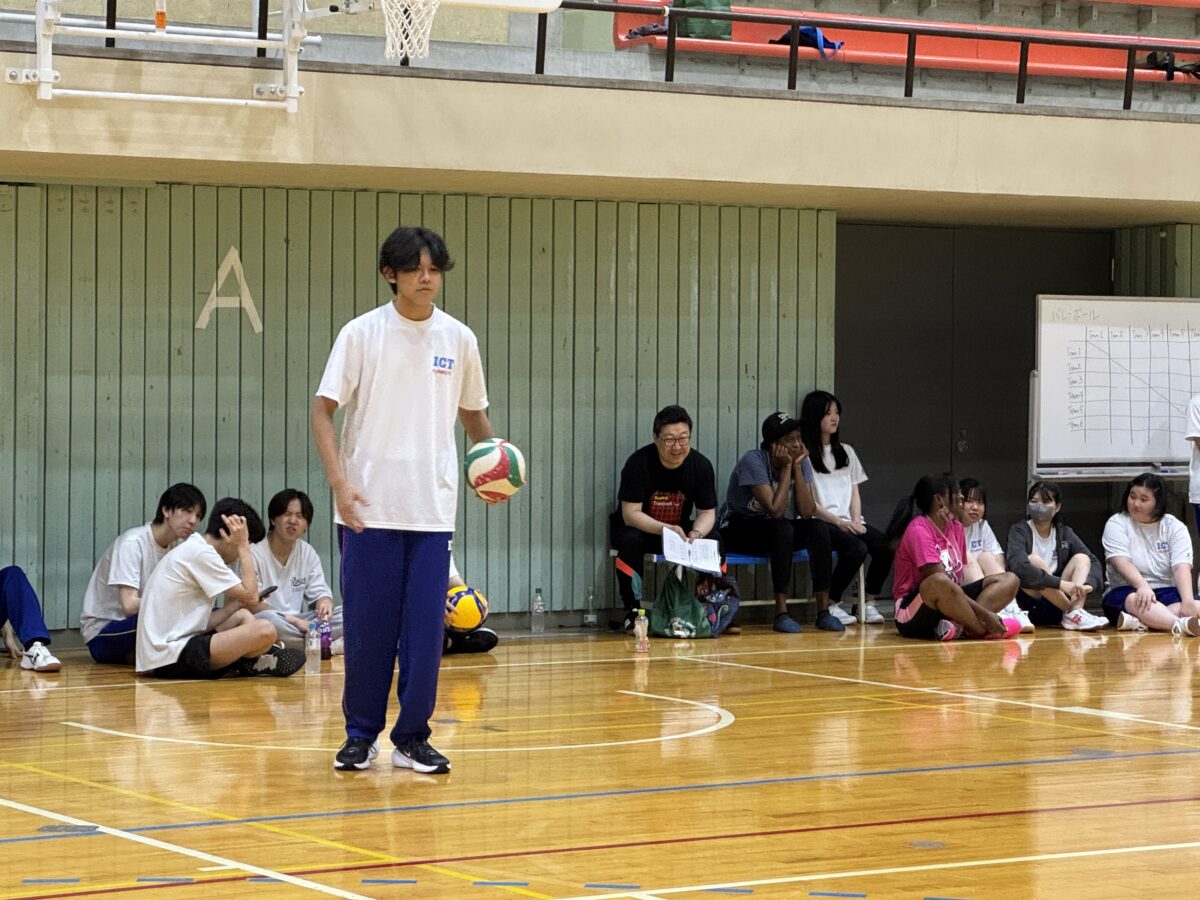
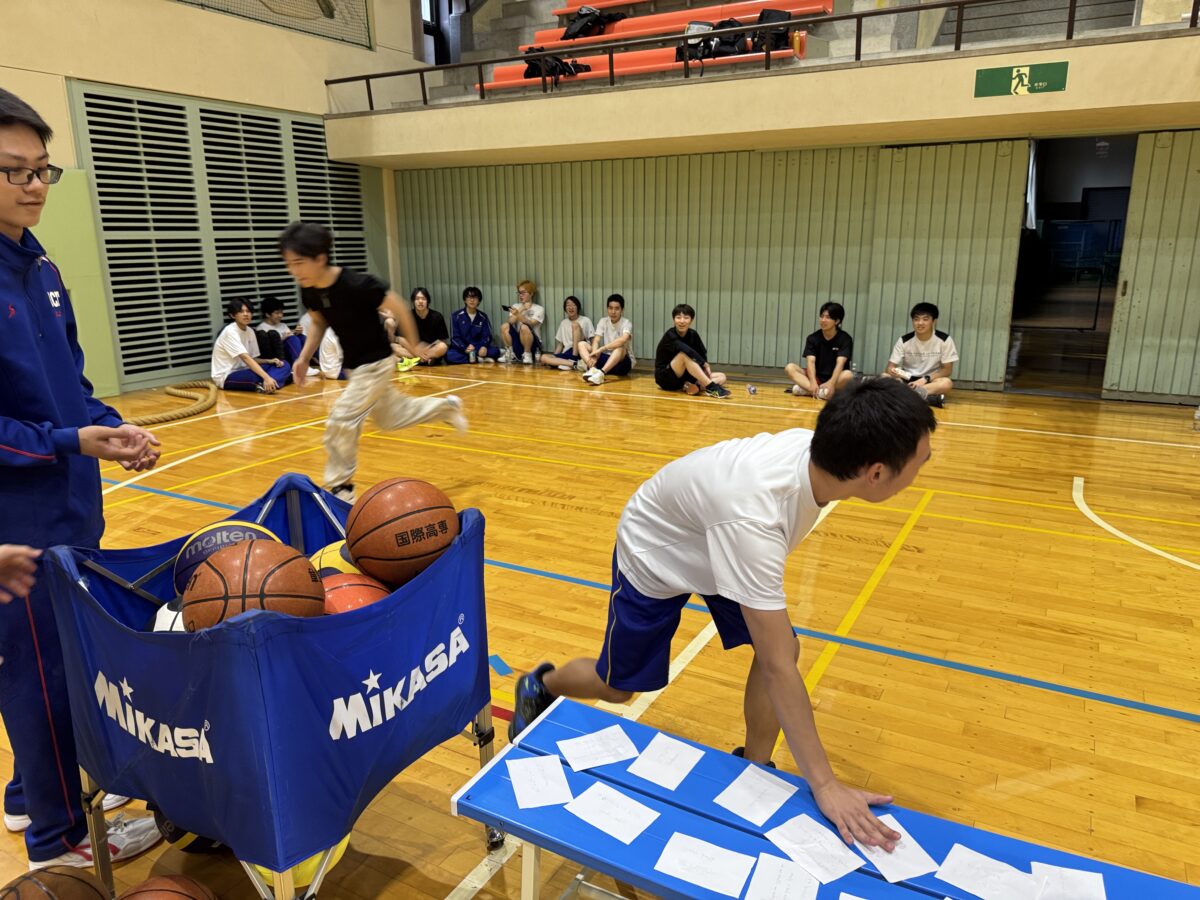
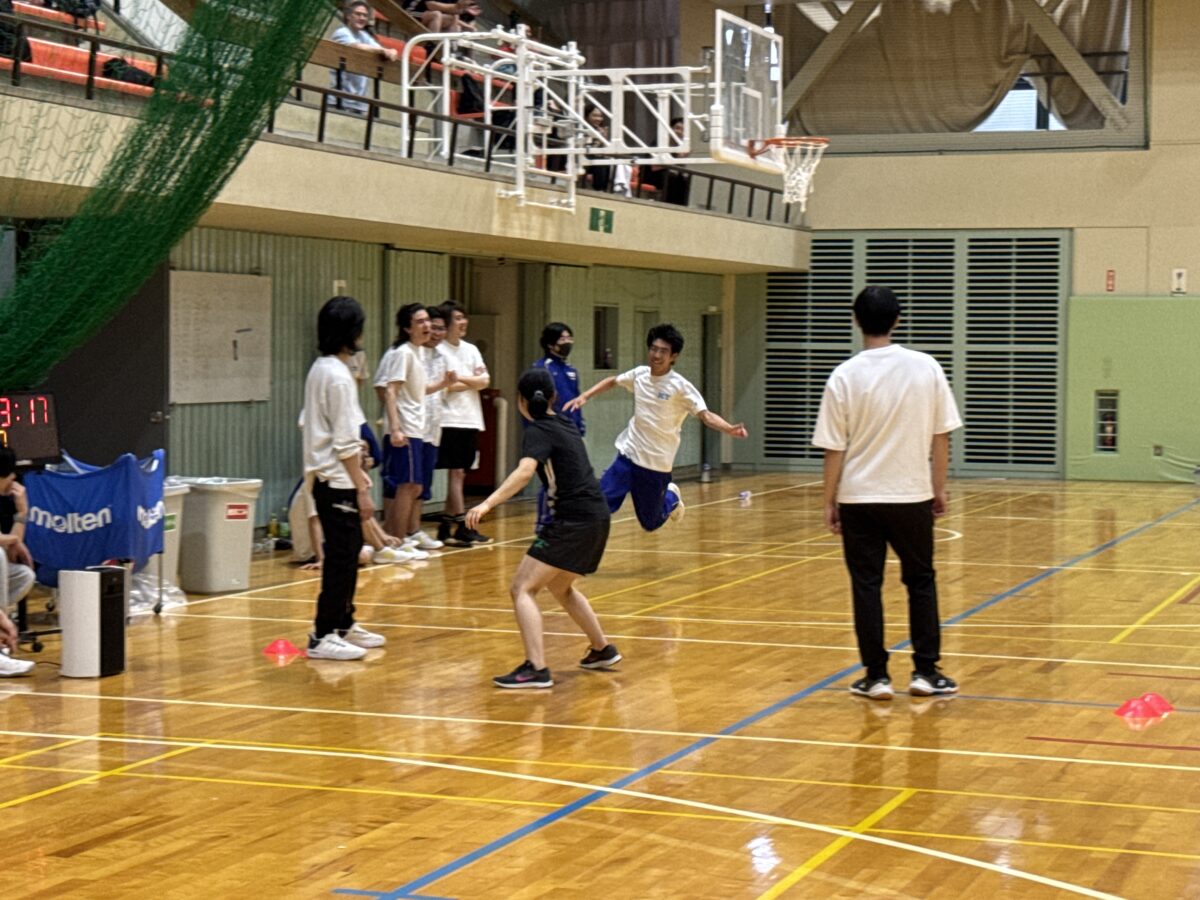
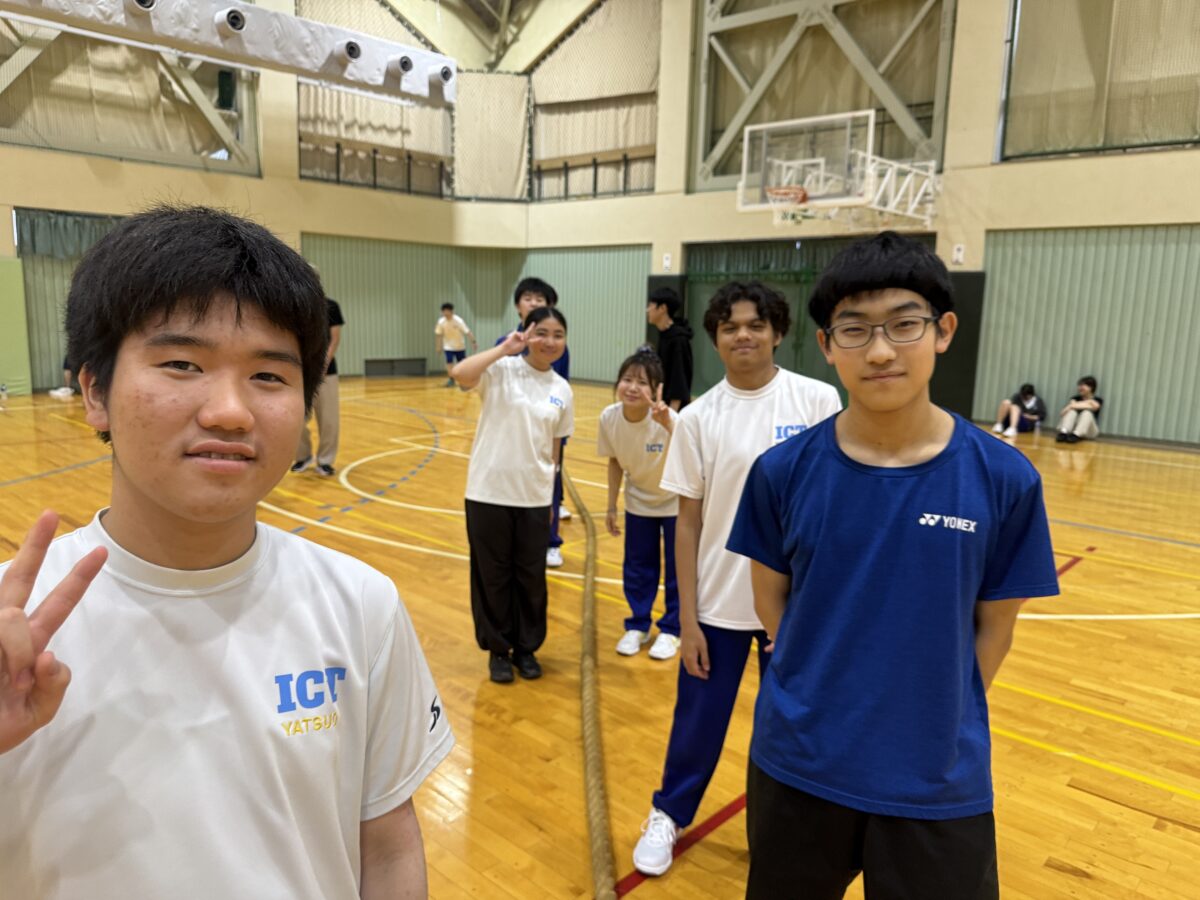
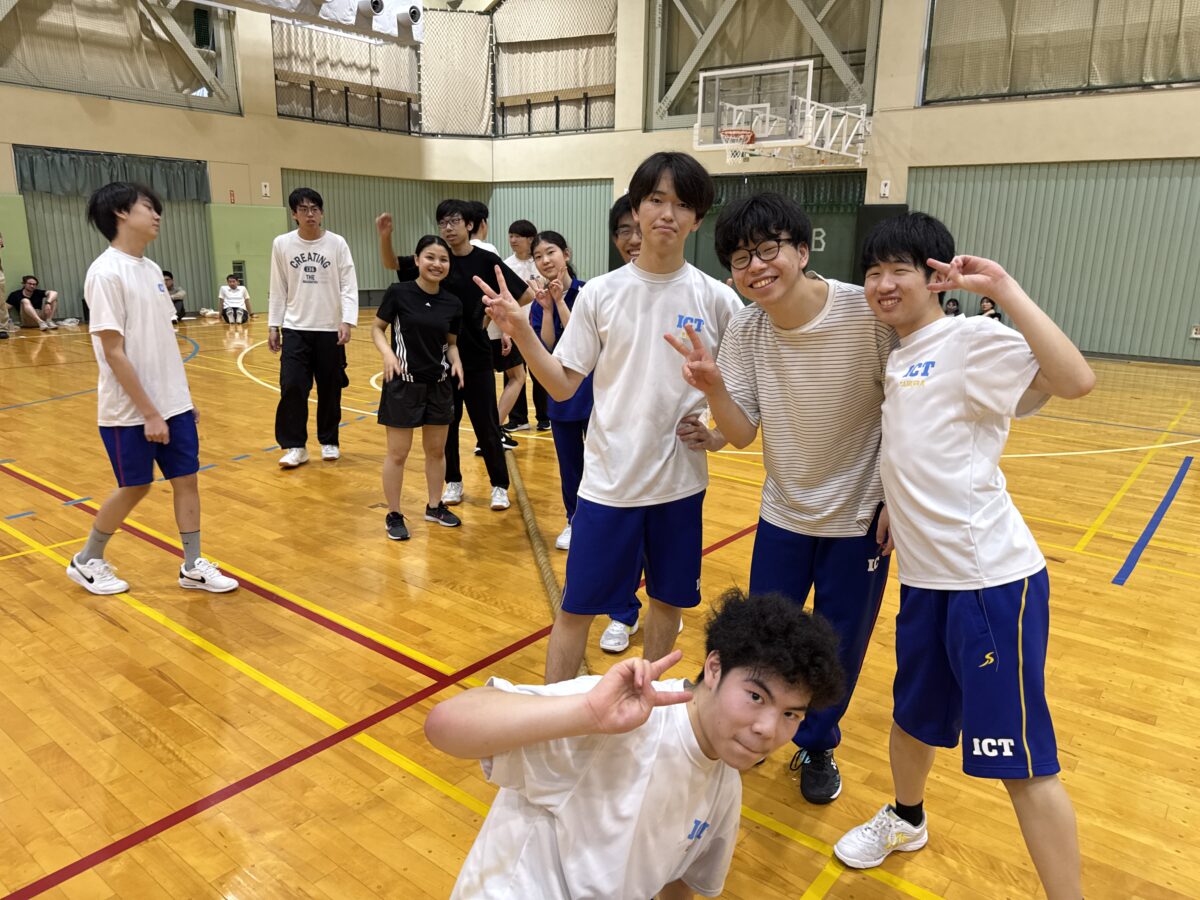
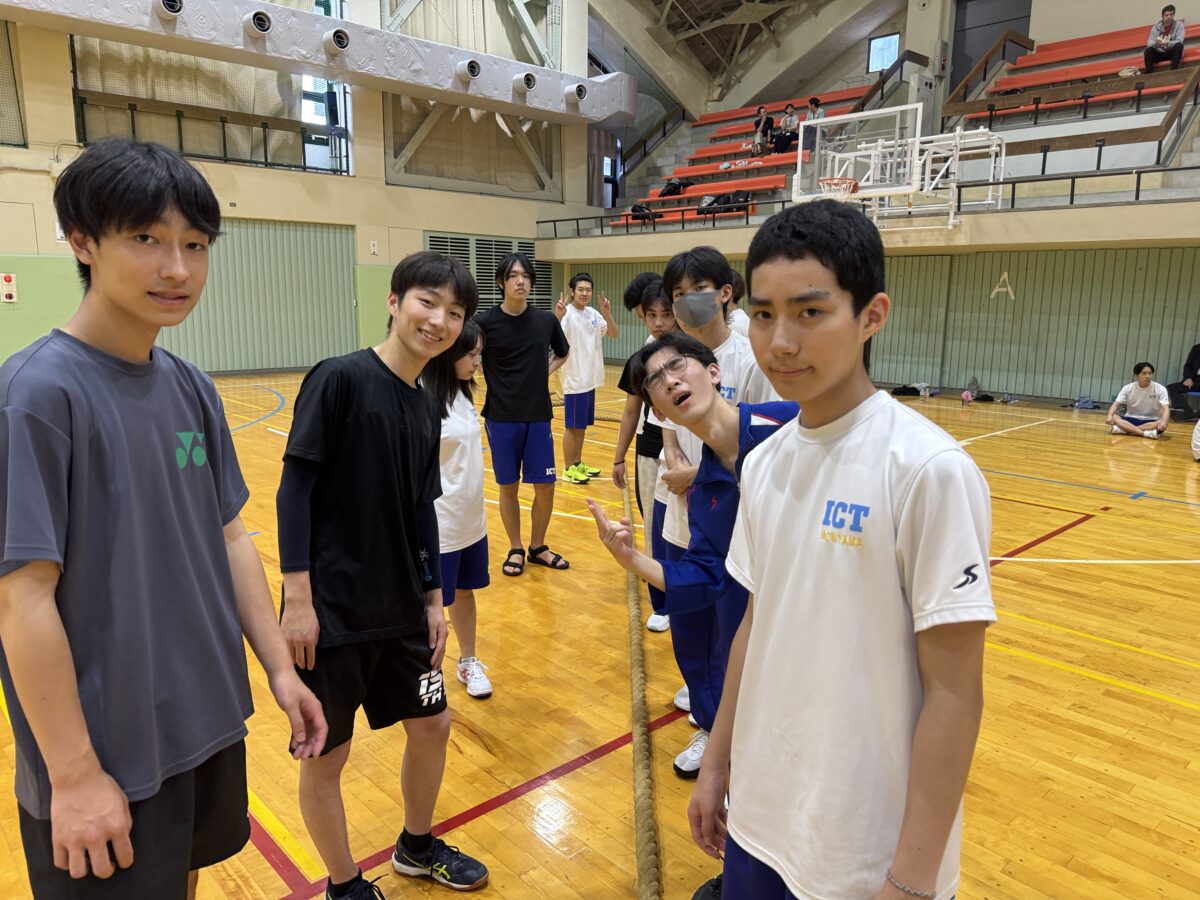
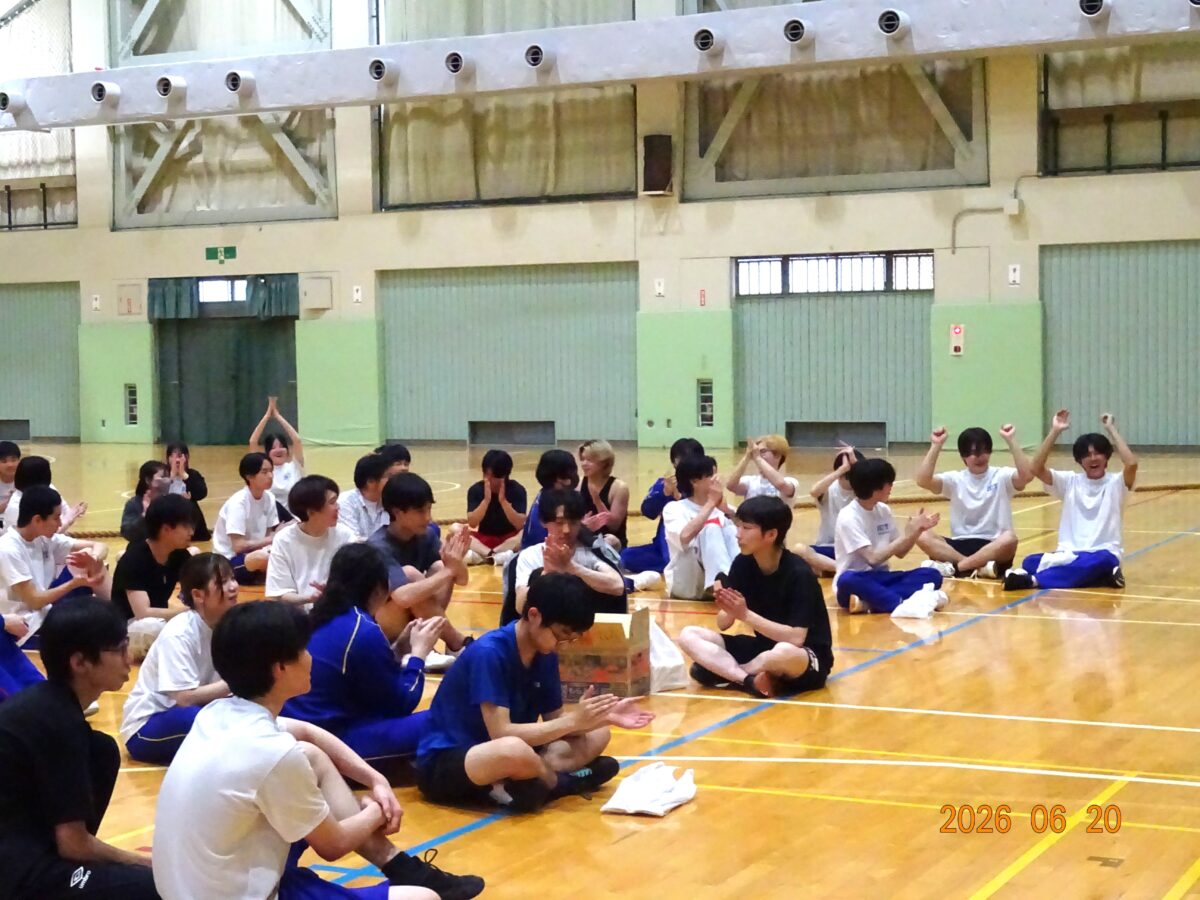
Hello, this is Yuri Makada from the office. On Saturday, June 20th, 2026, Sports Festival for1st, 2nd, 4th and 5th grade students was held at Kanazawa Campus.
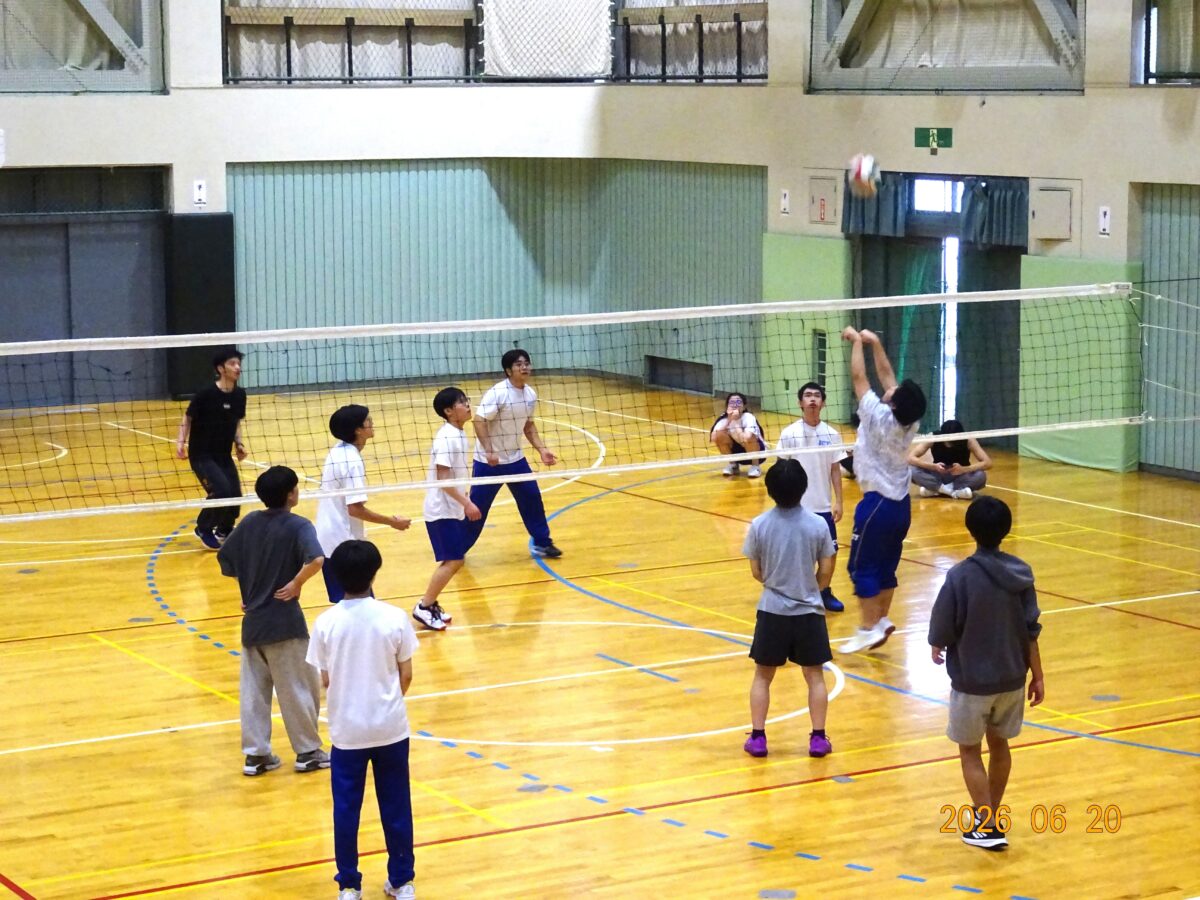
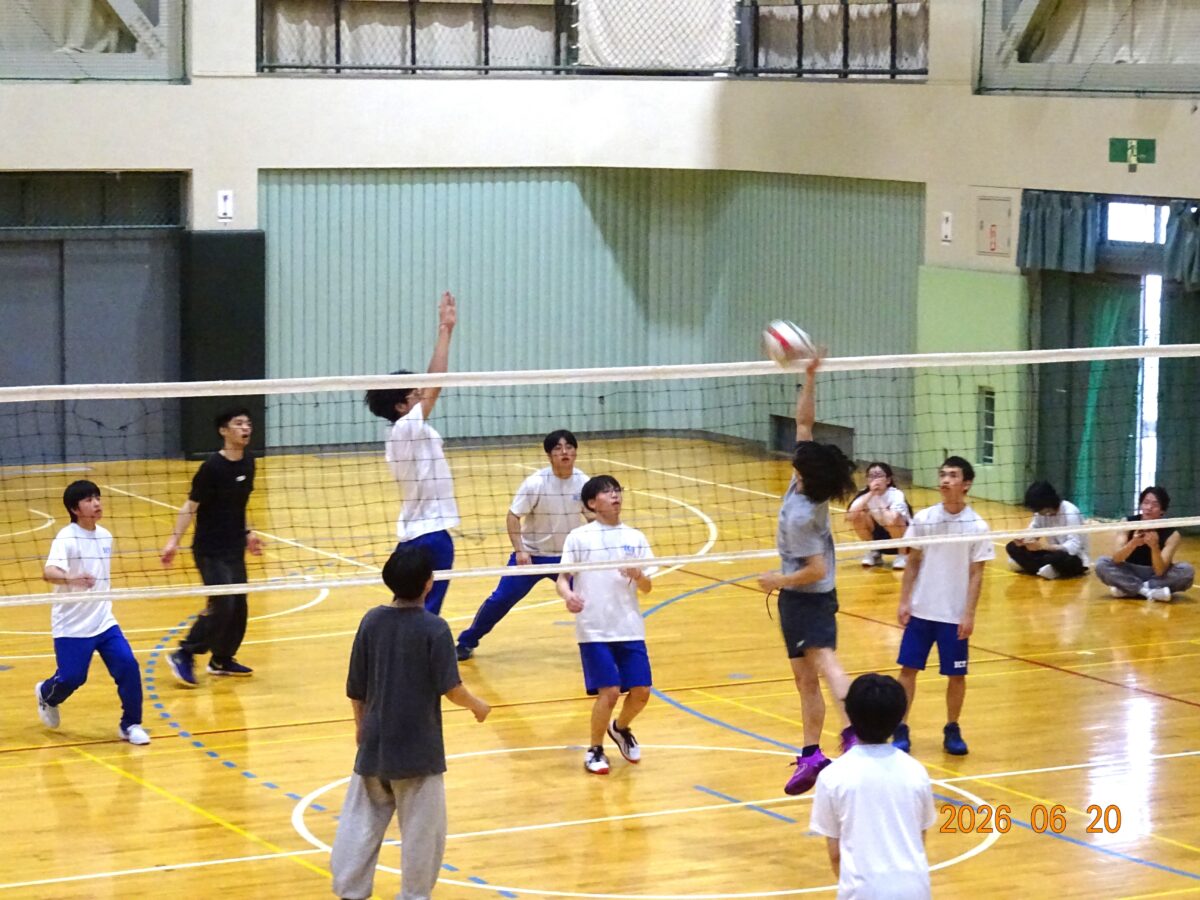
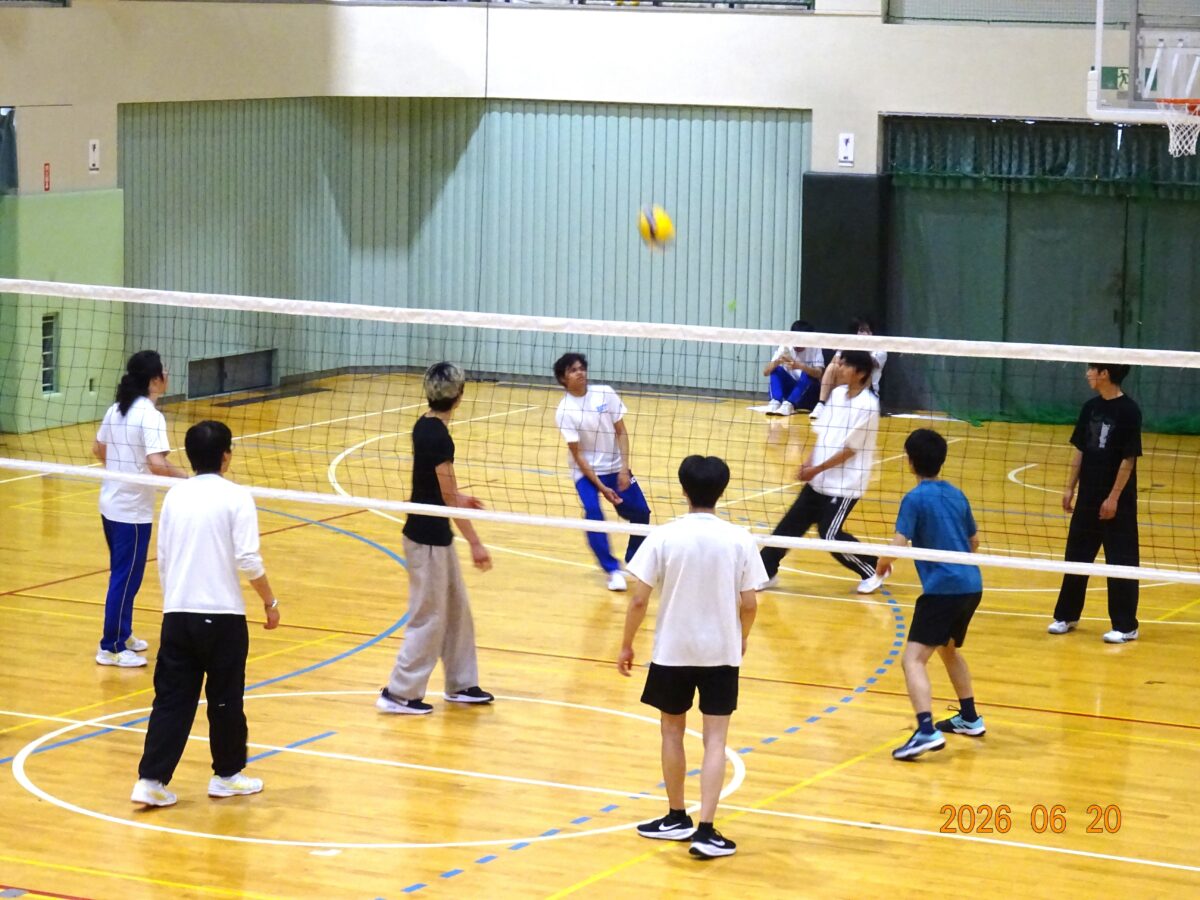
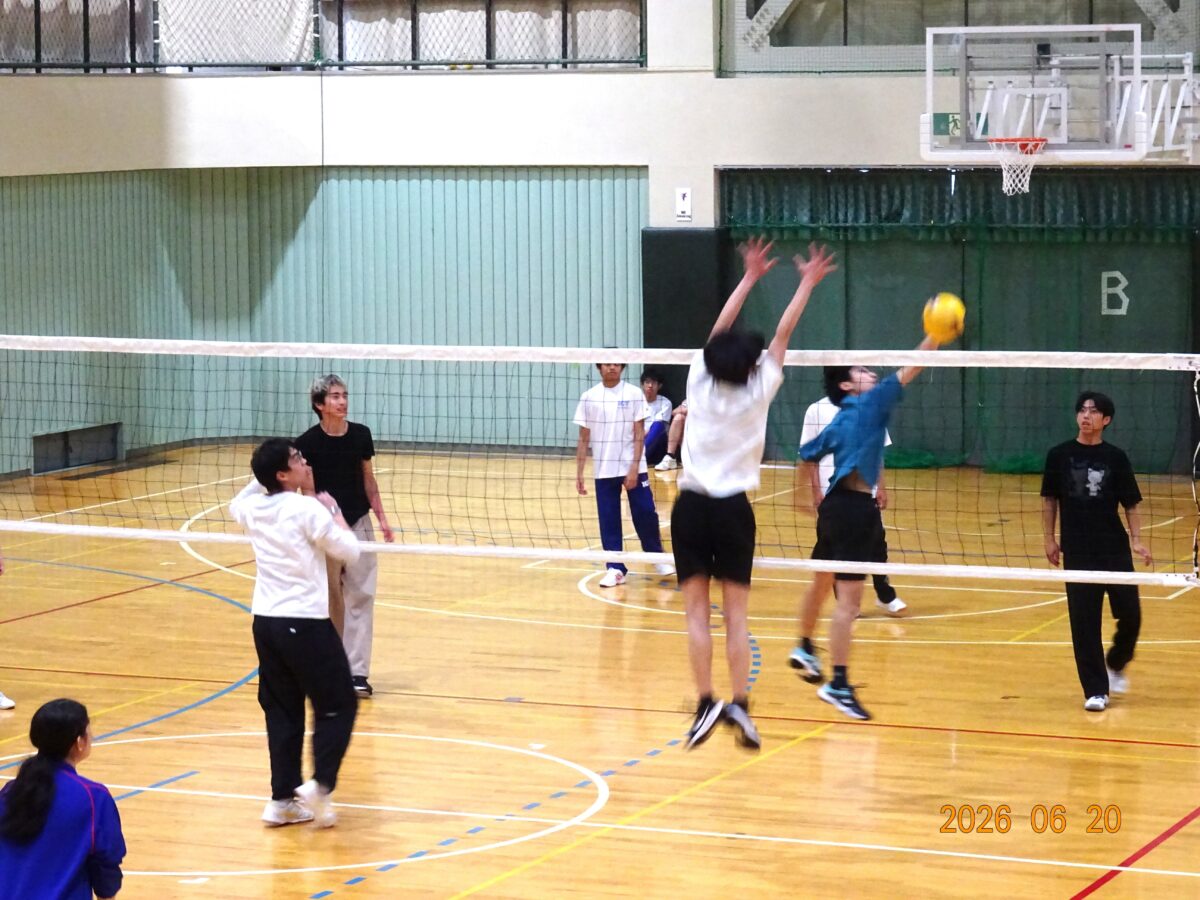
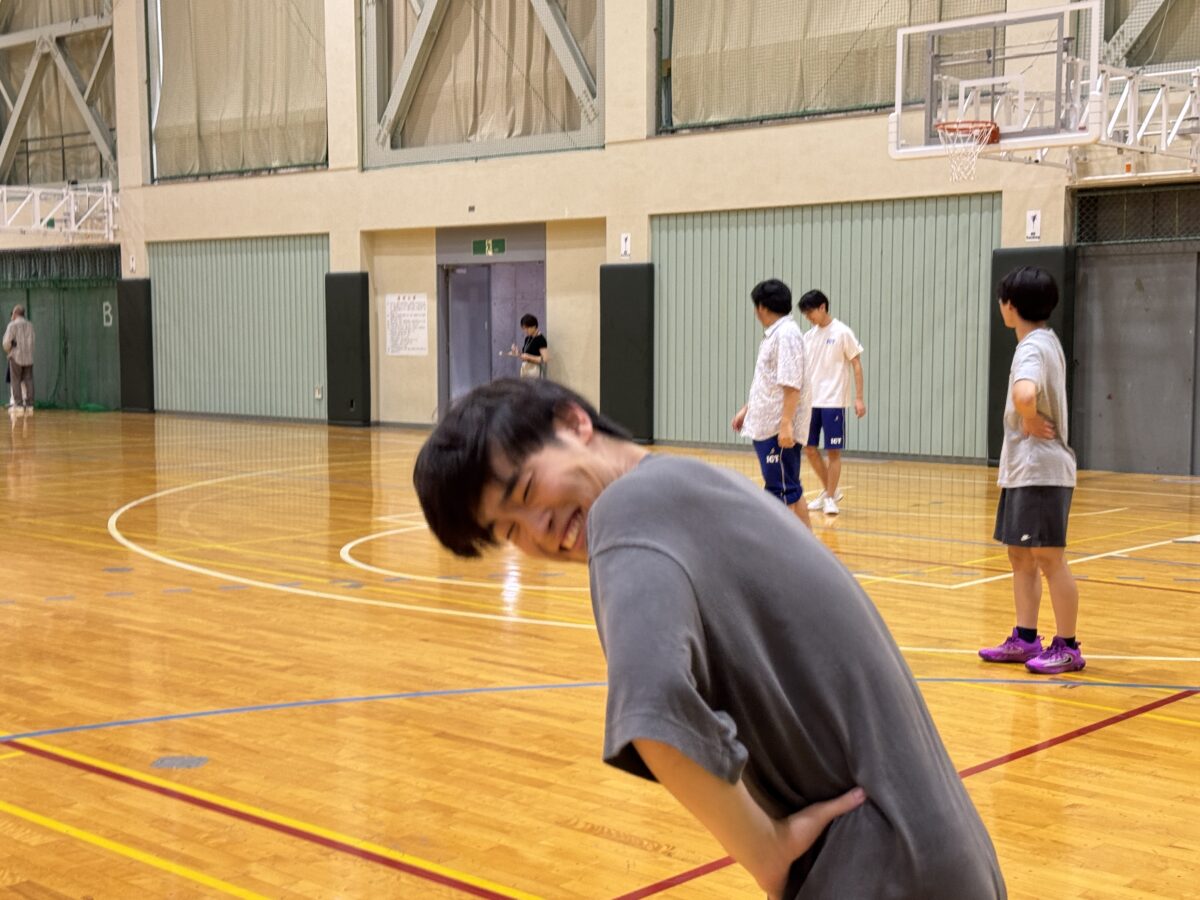
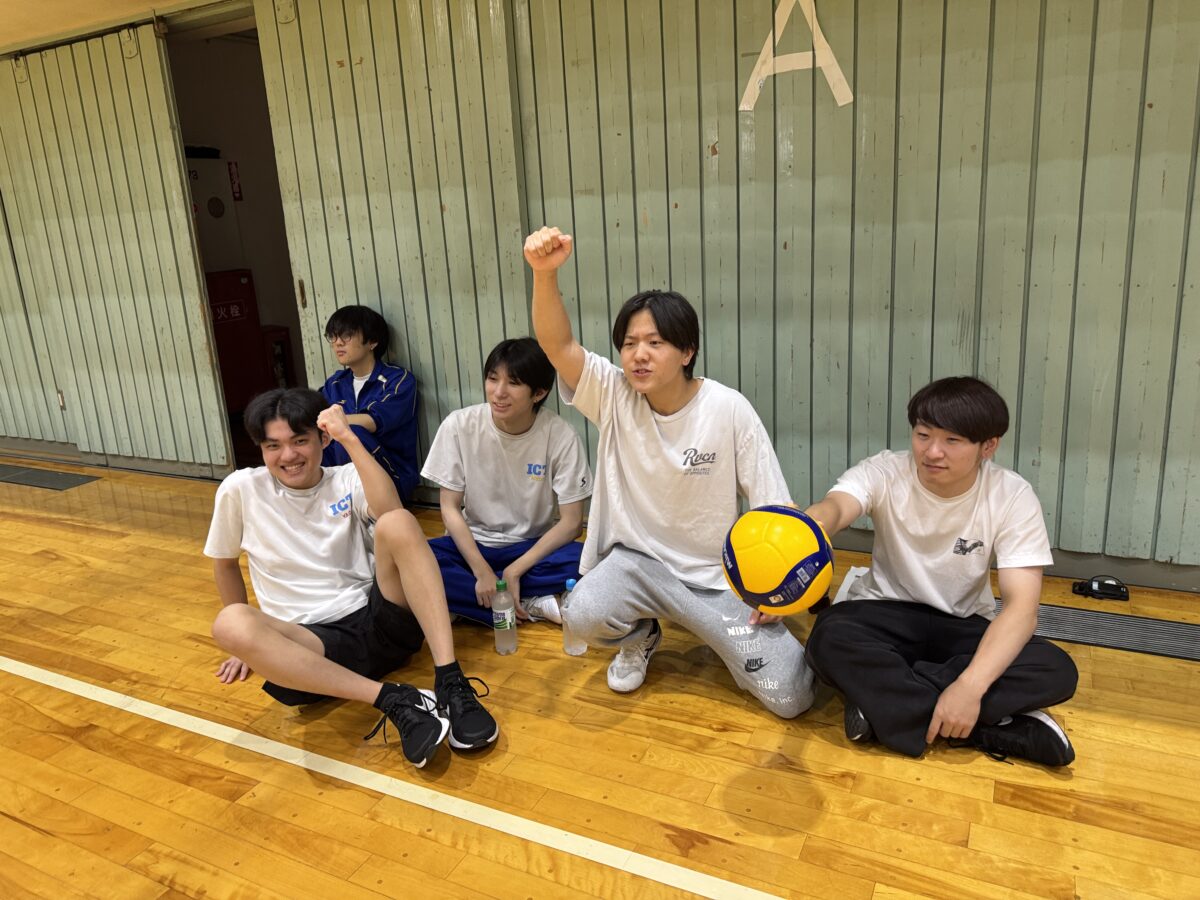
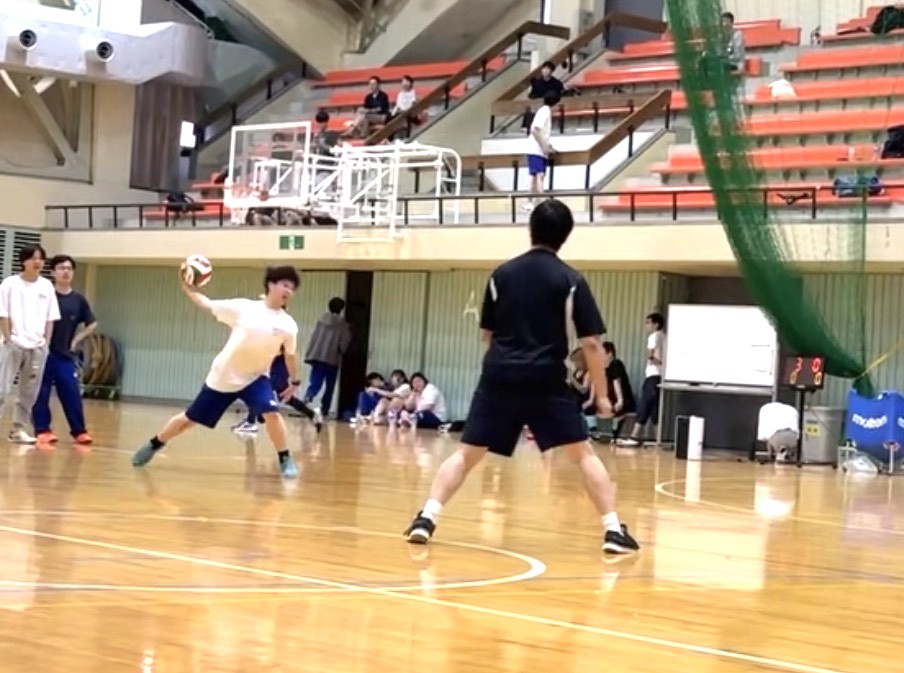
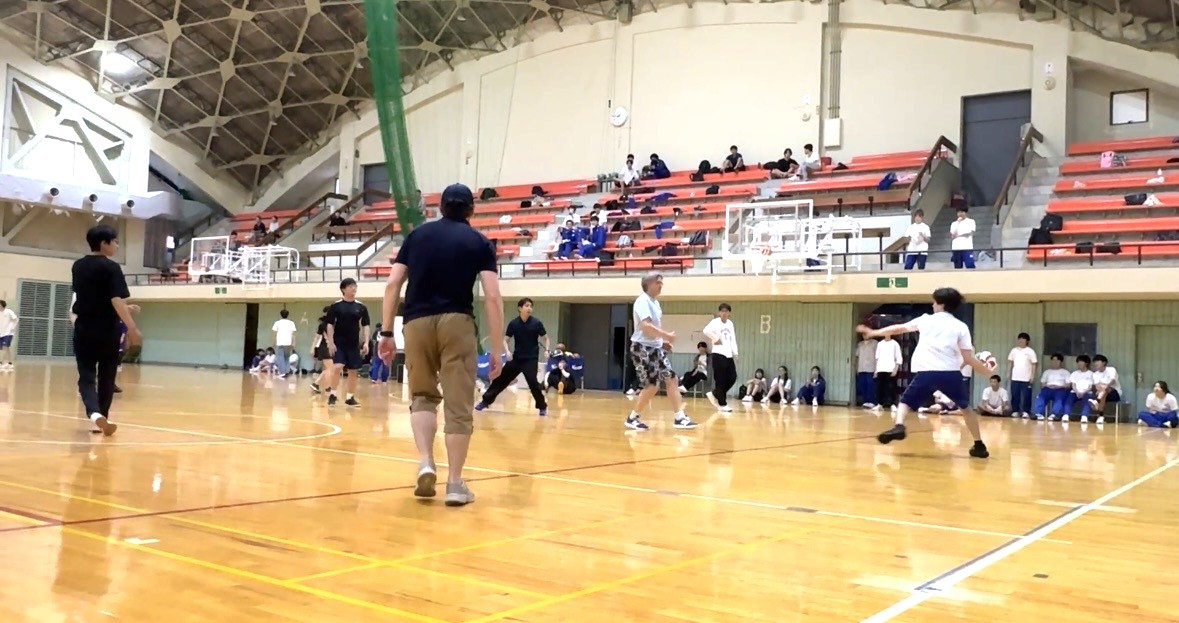
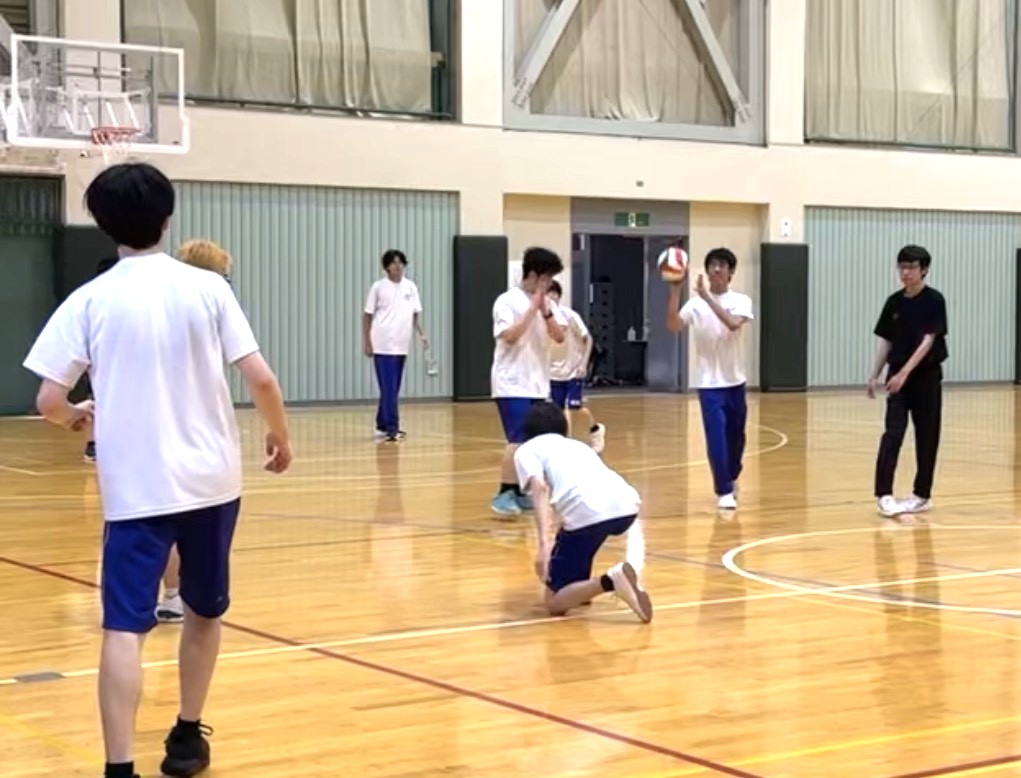
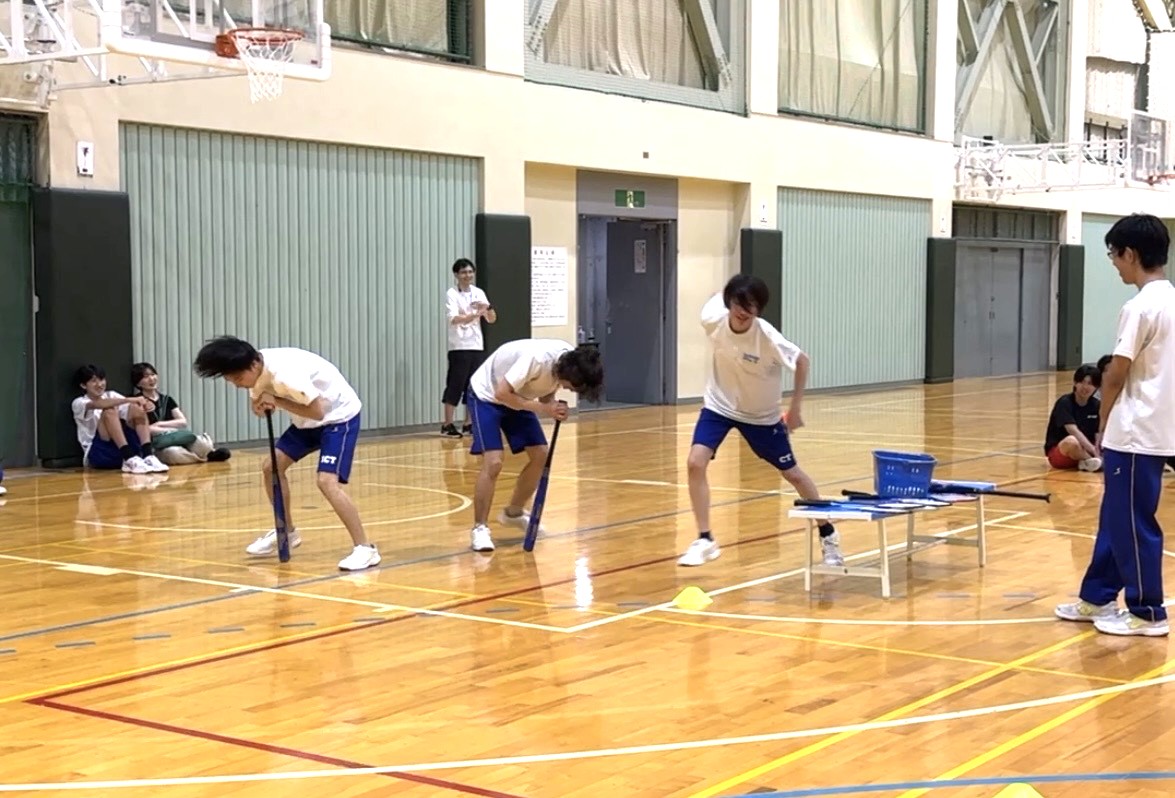
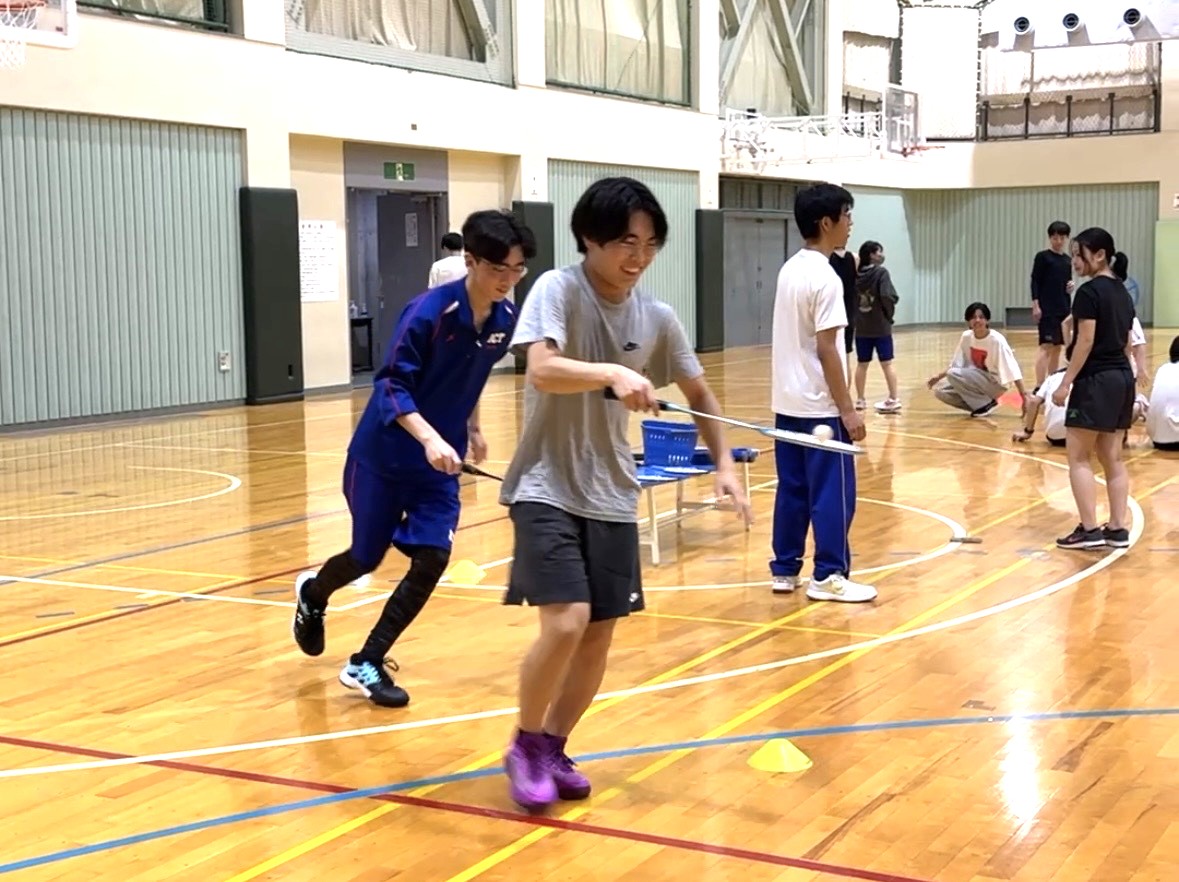
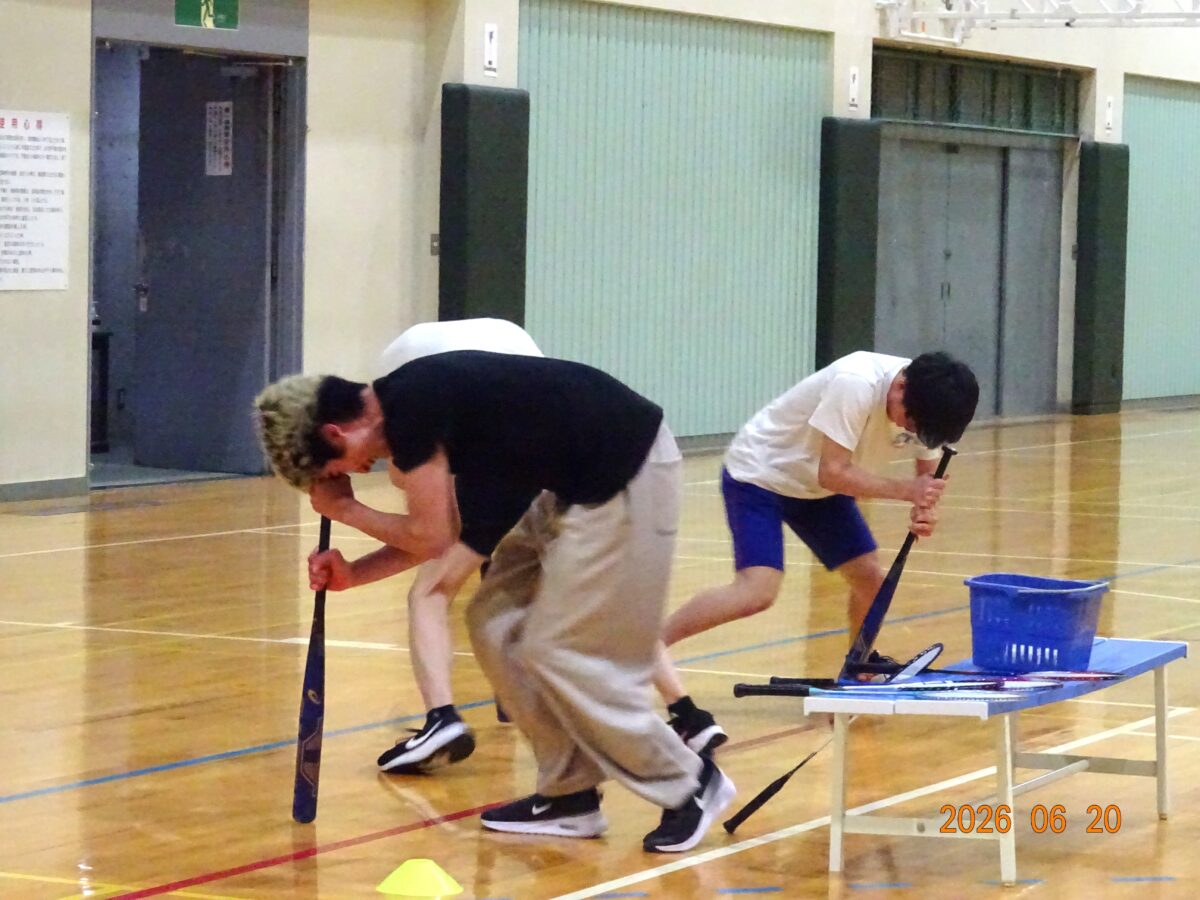
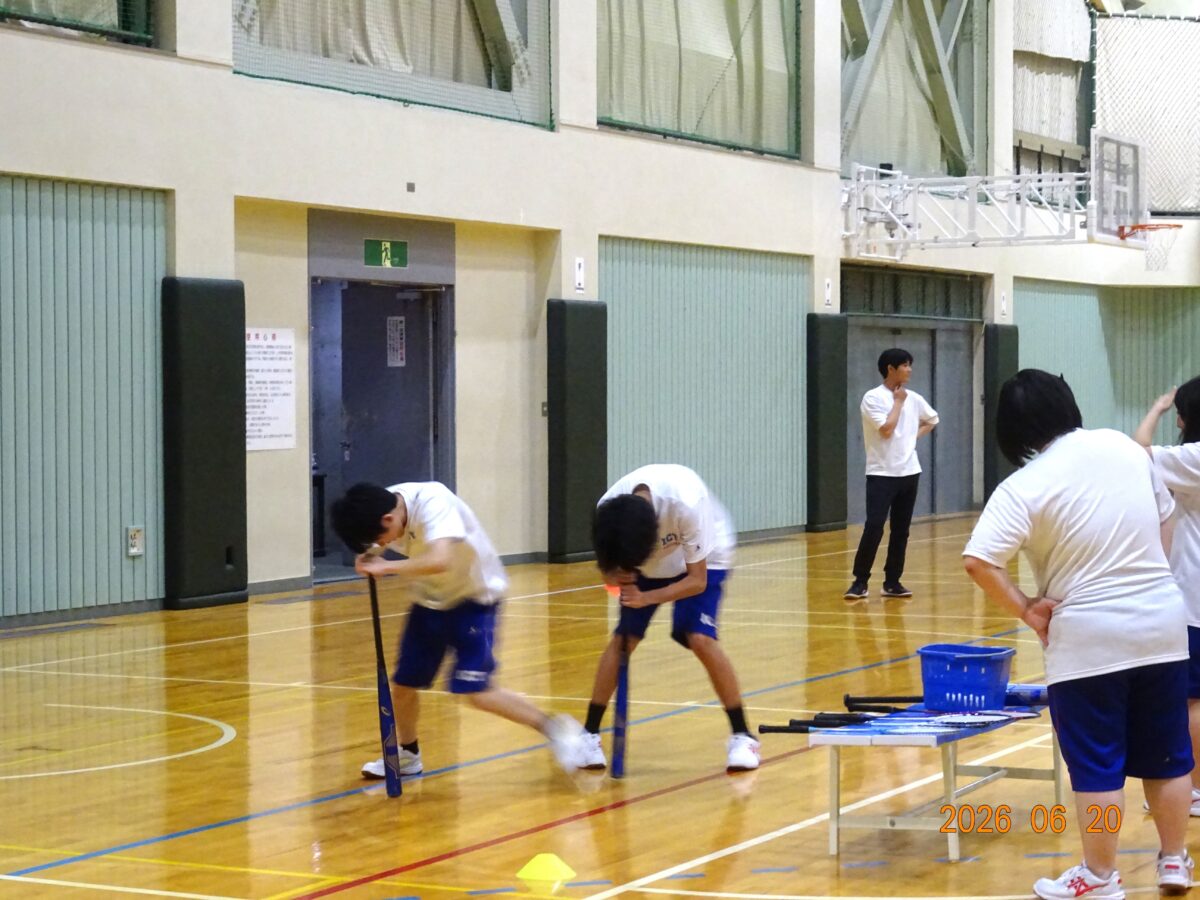
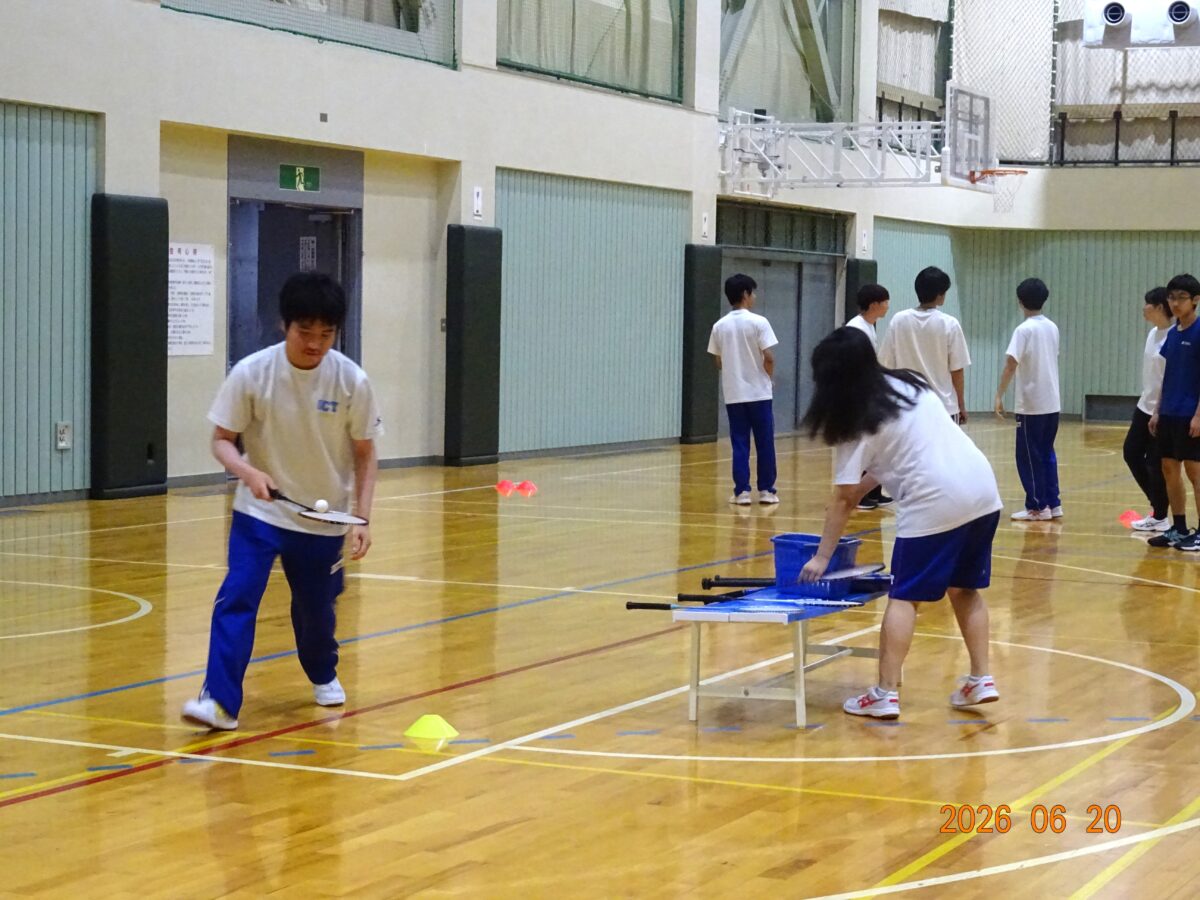
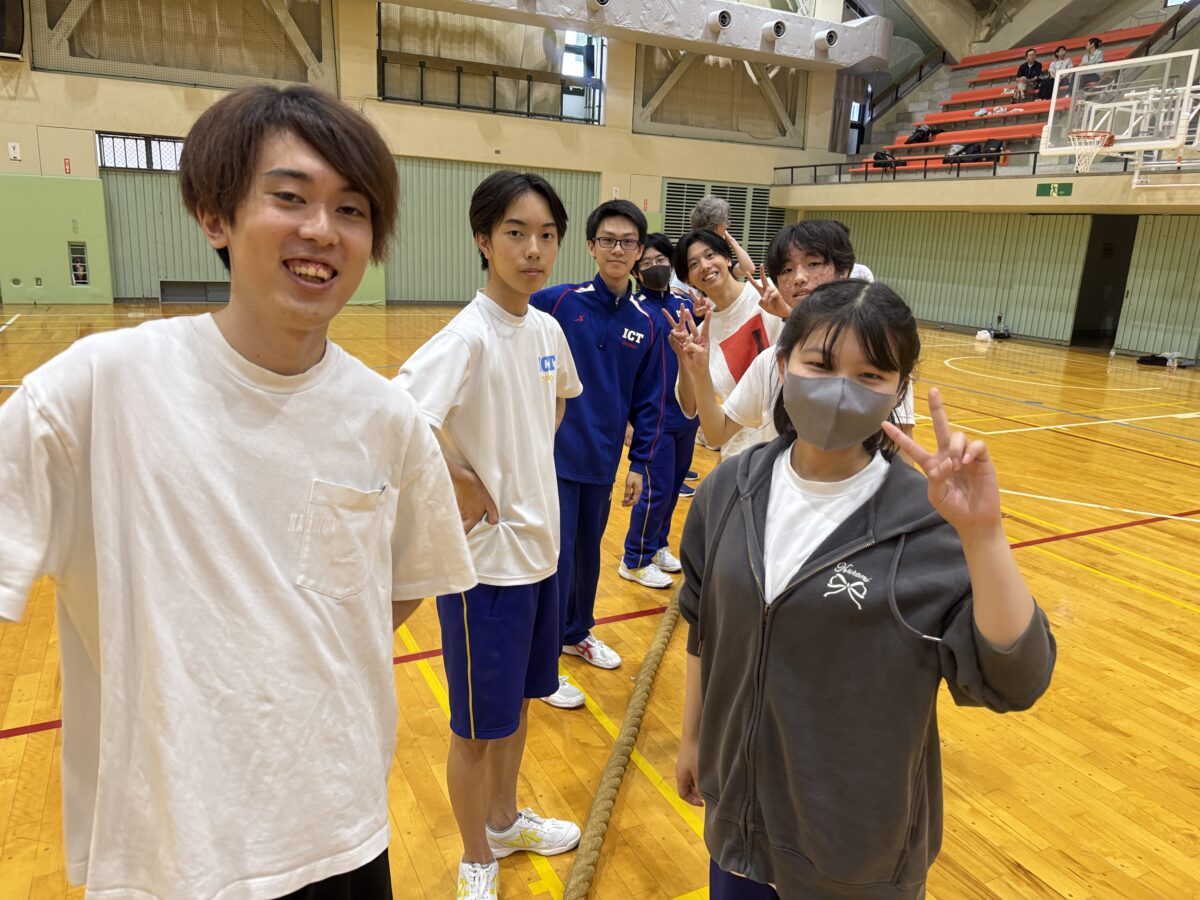
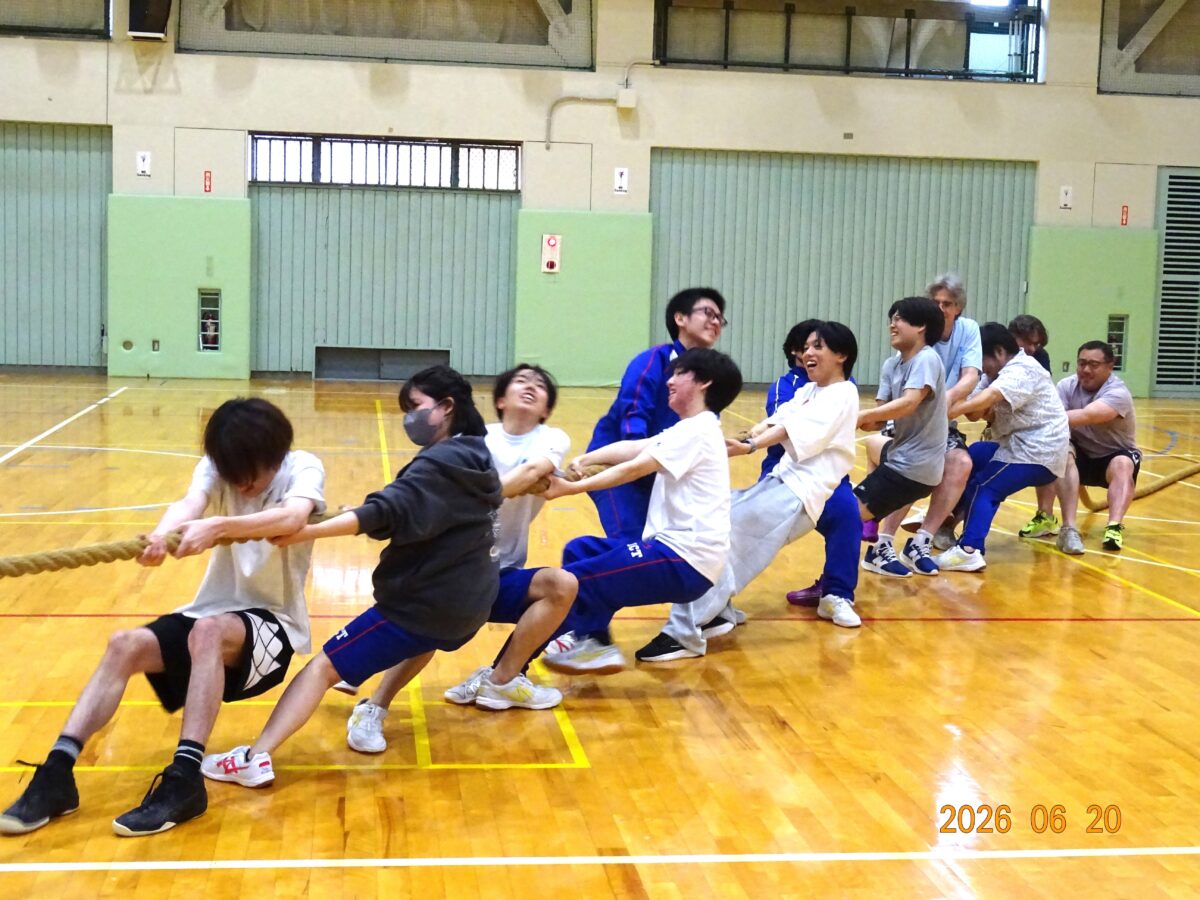
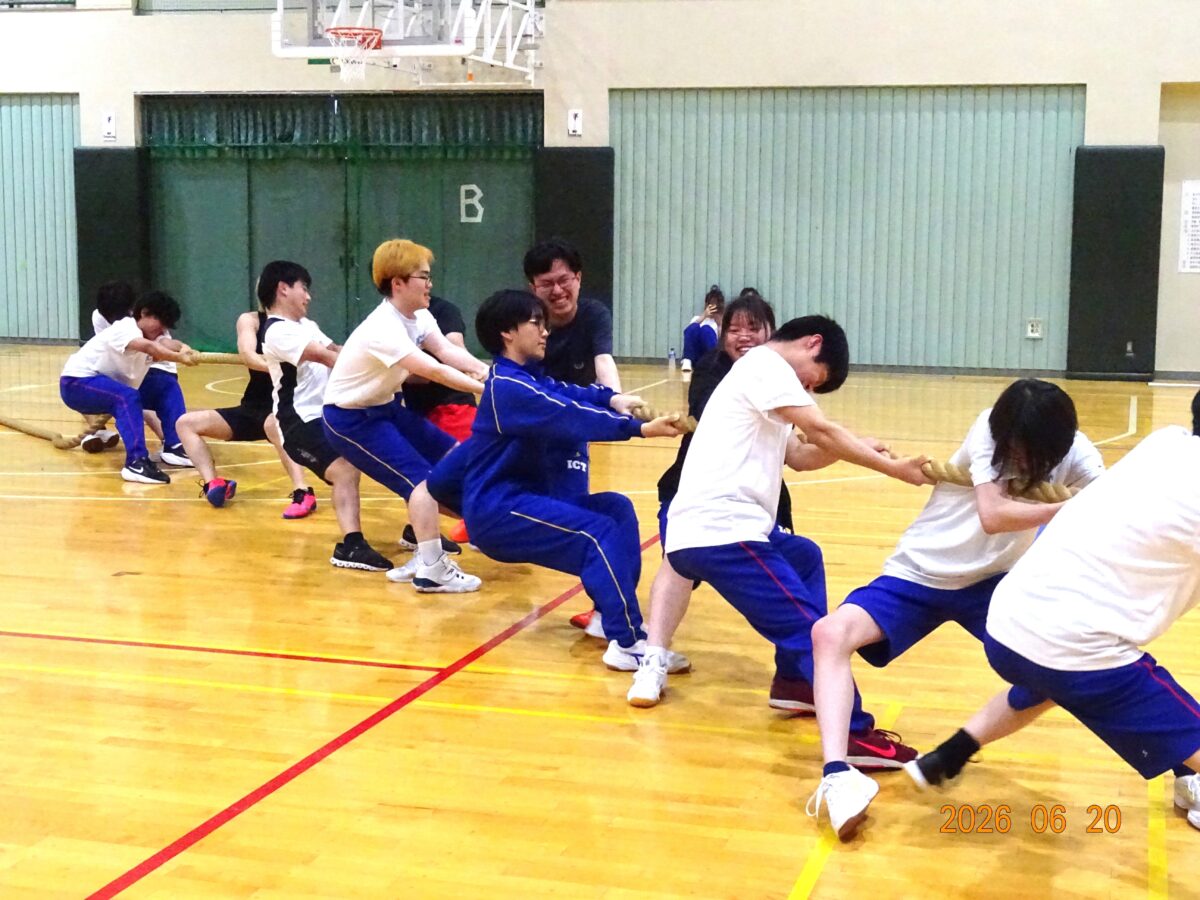
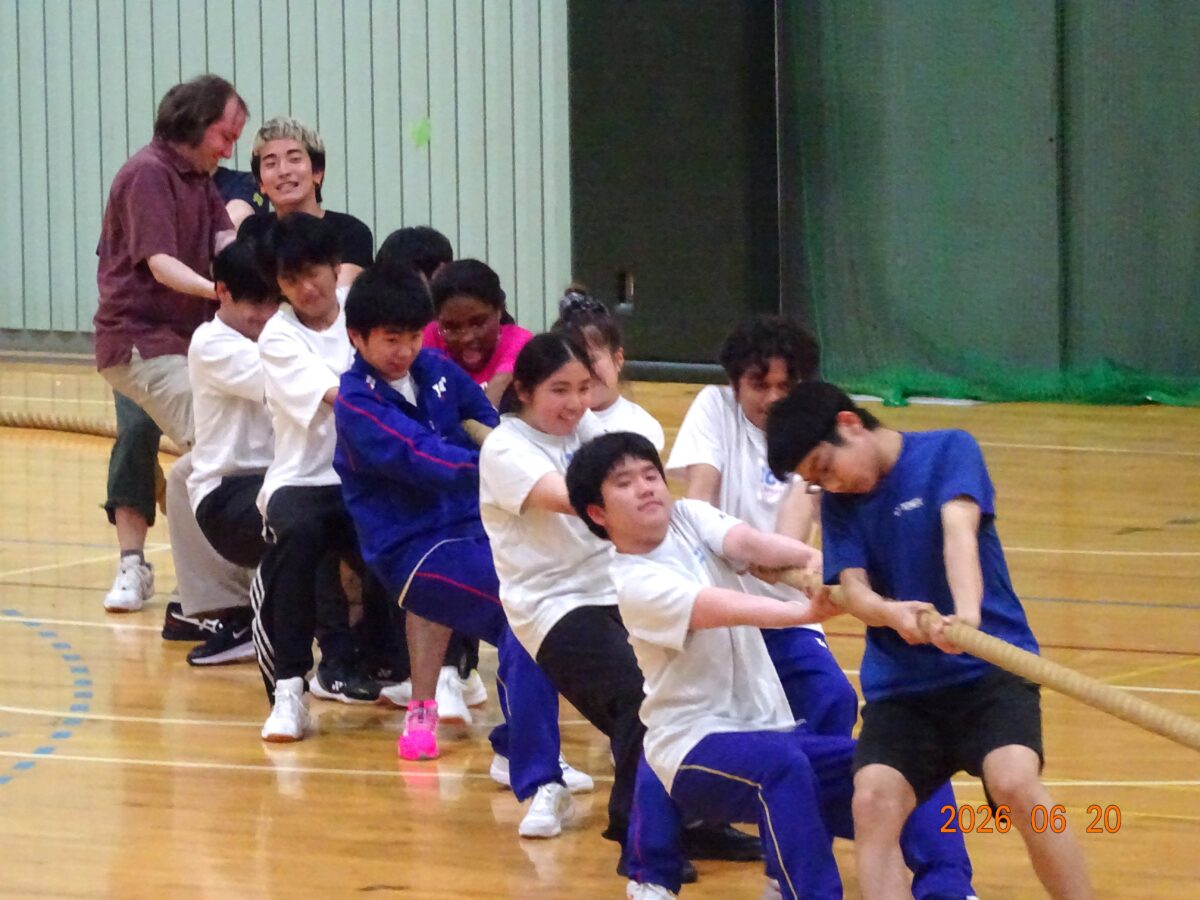
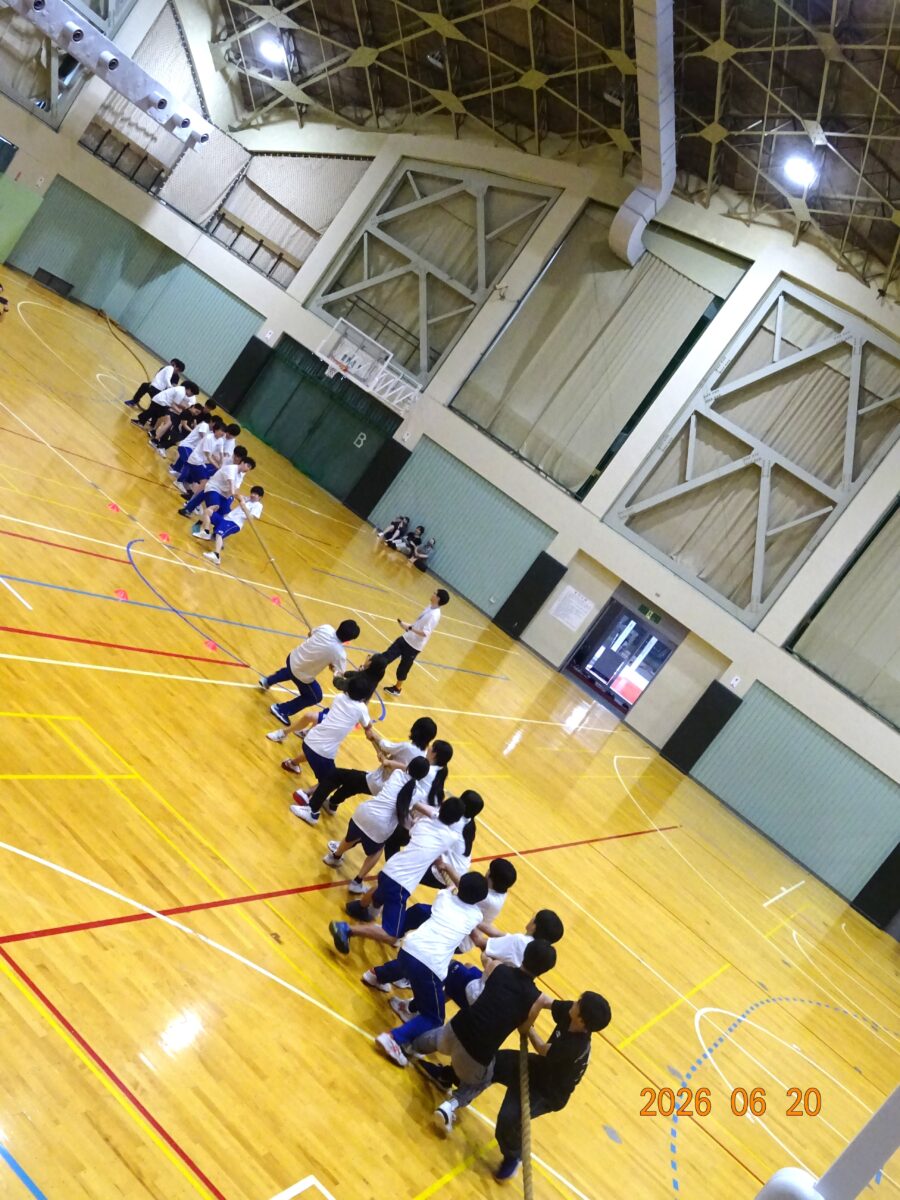
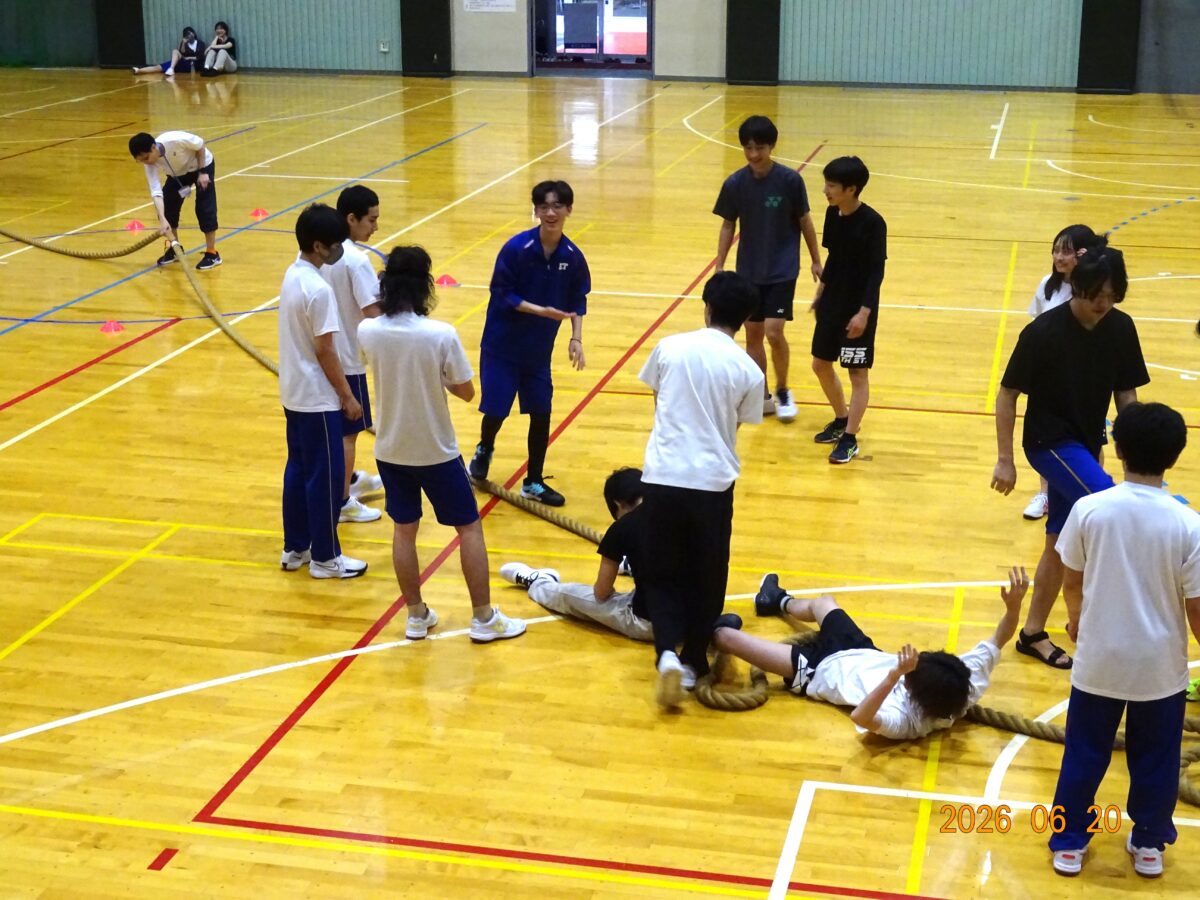
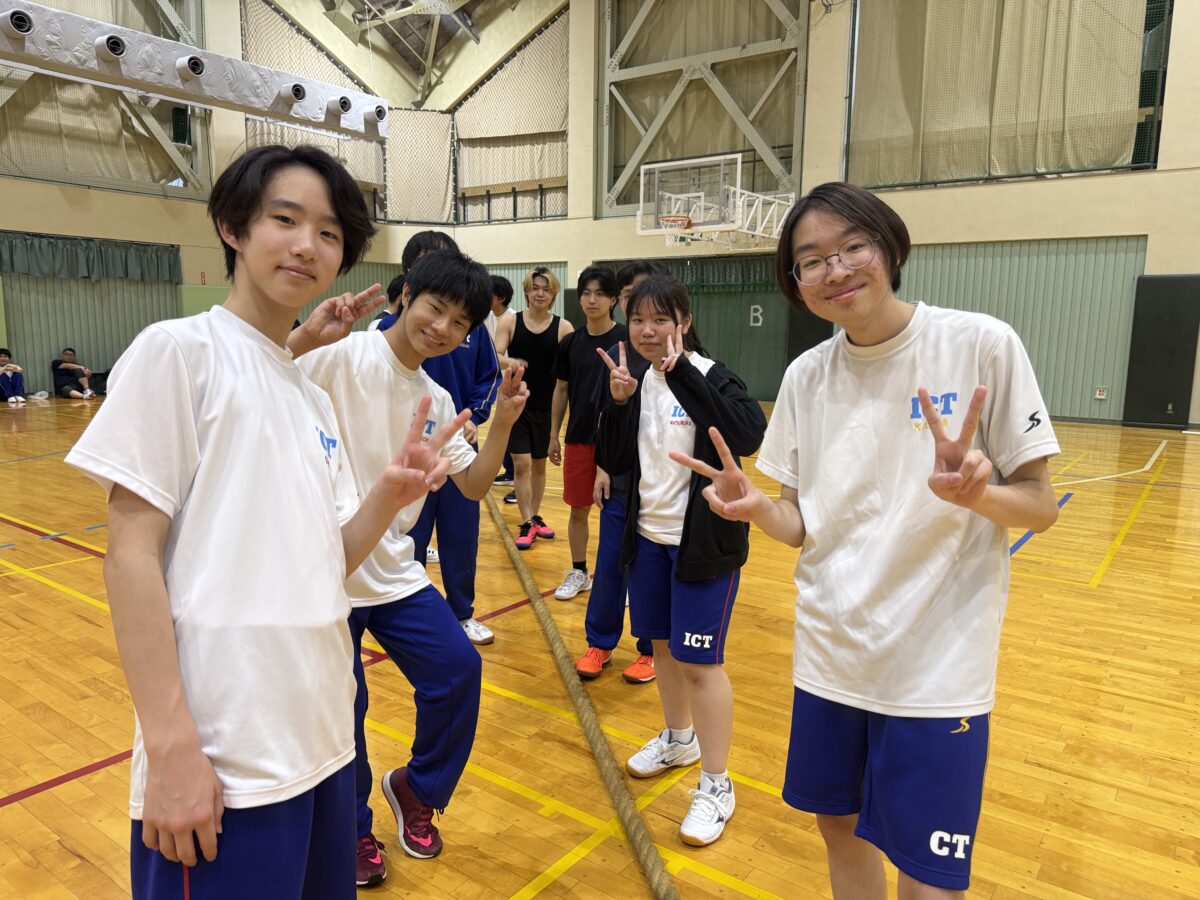
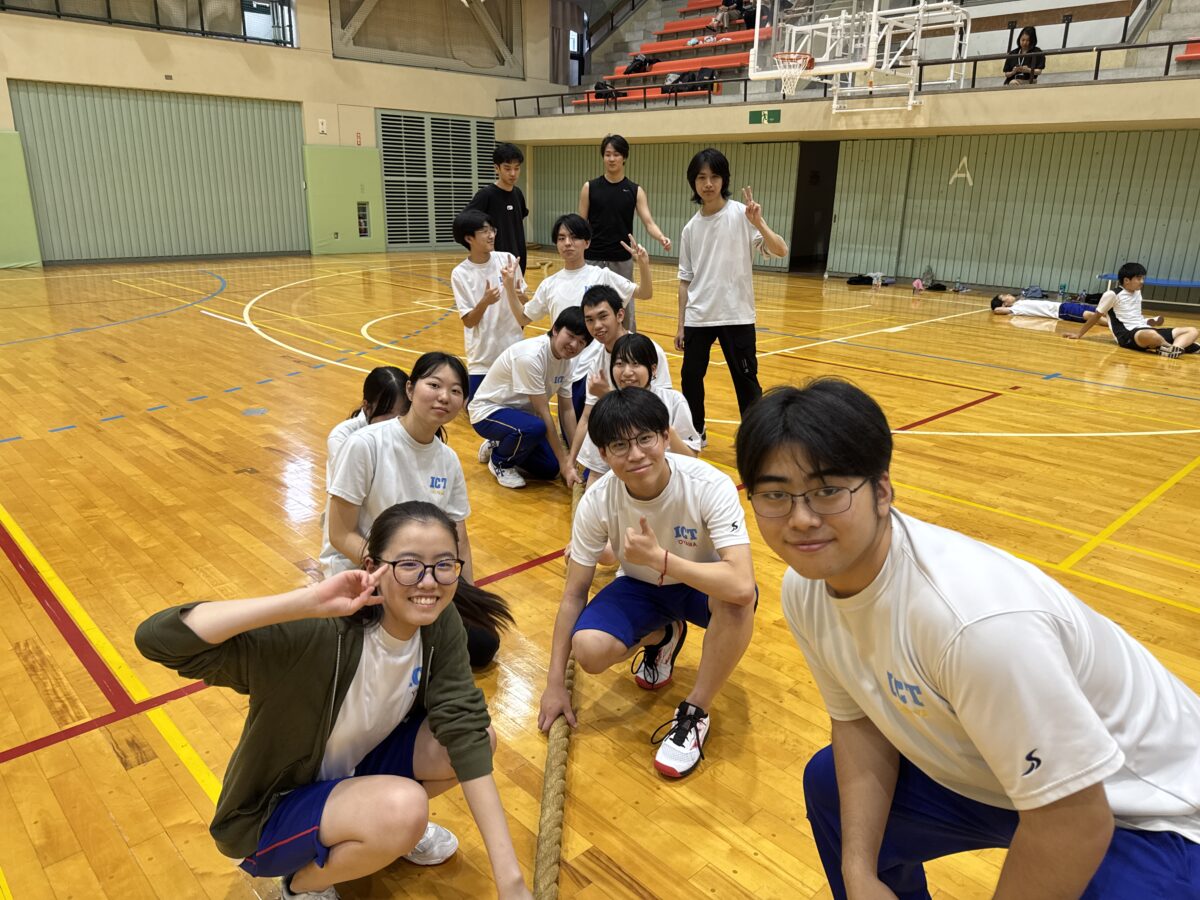
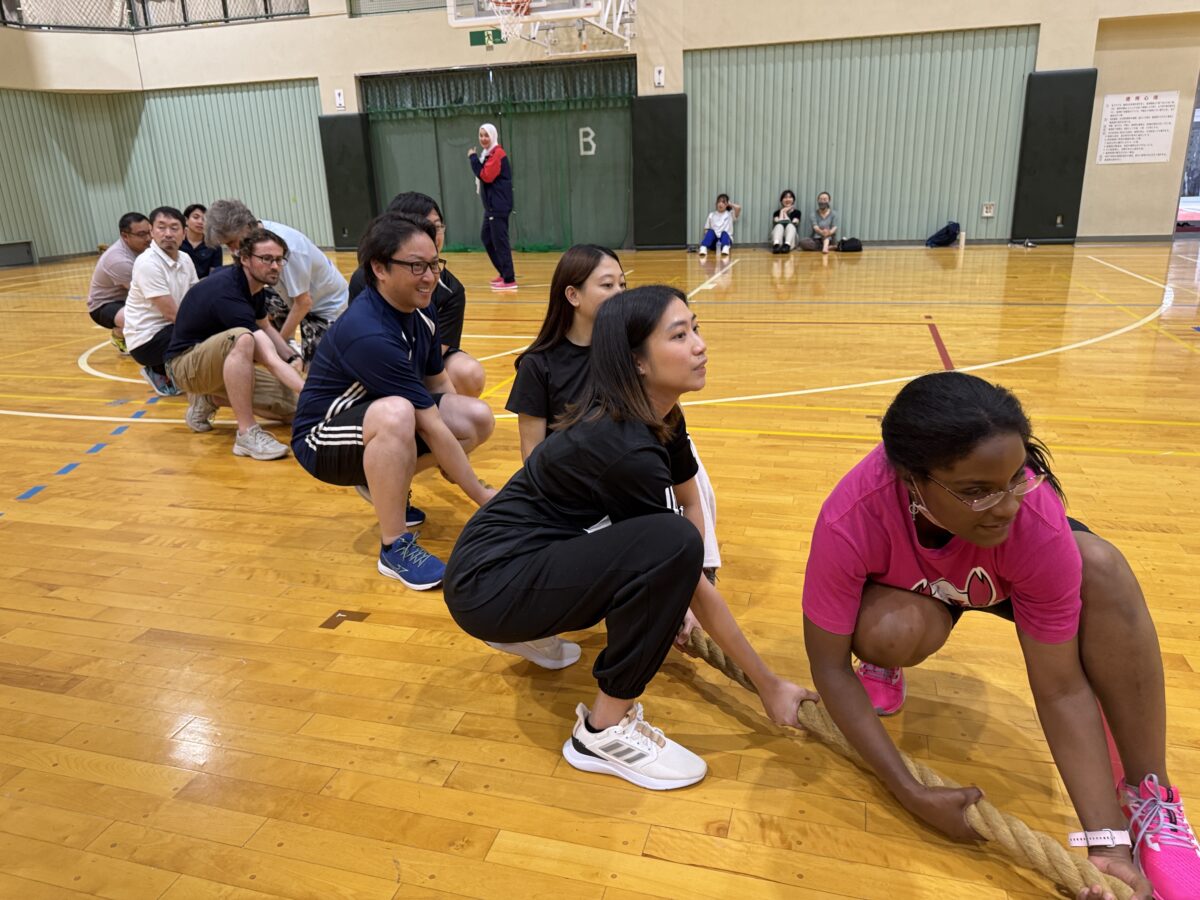
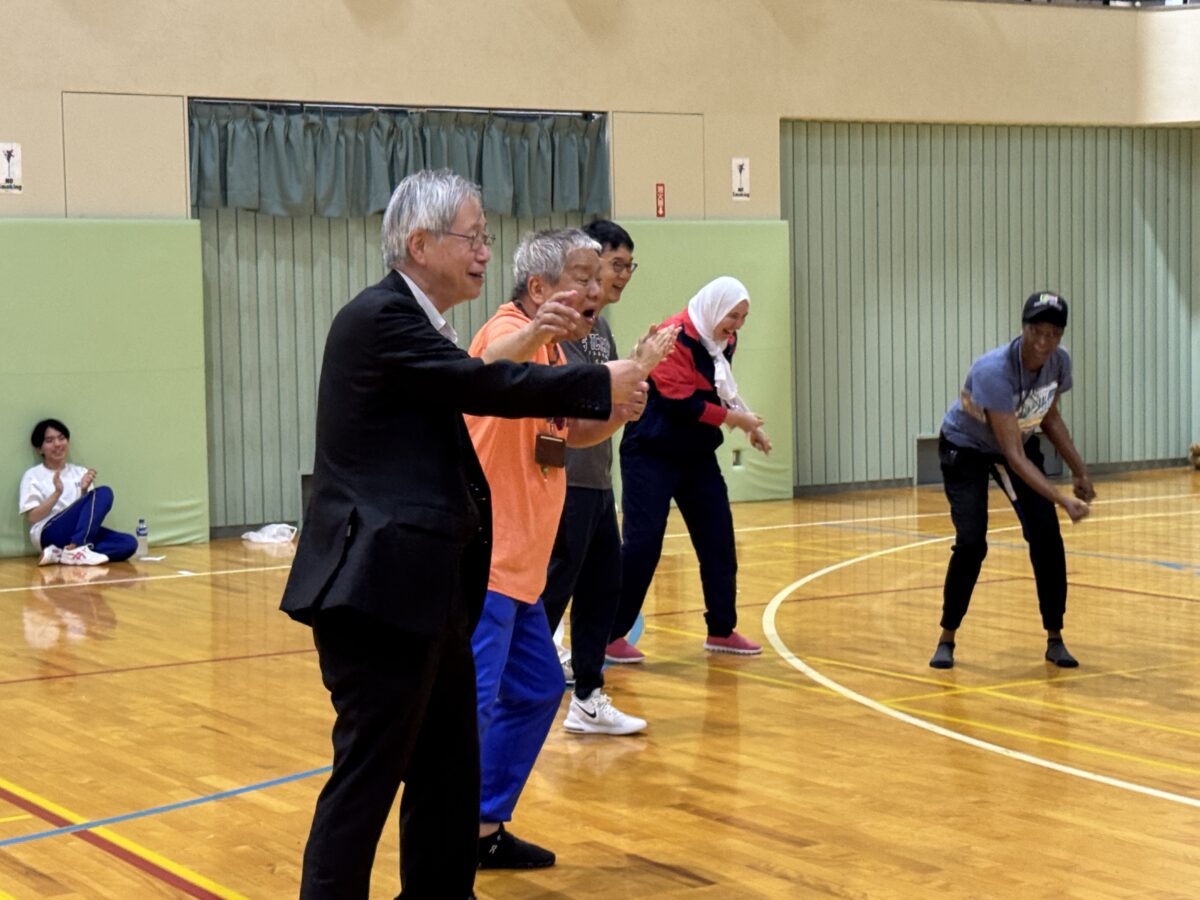
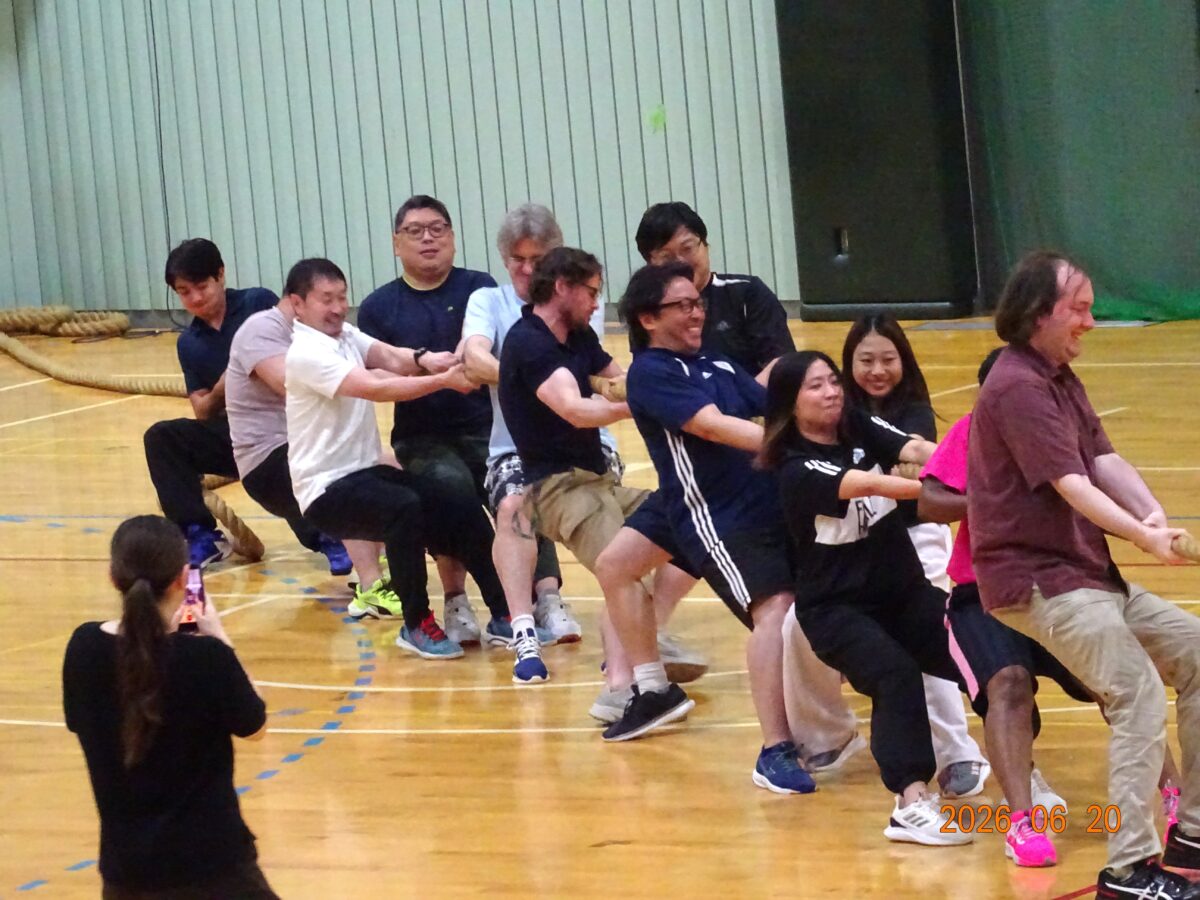
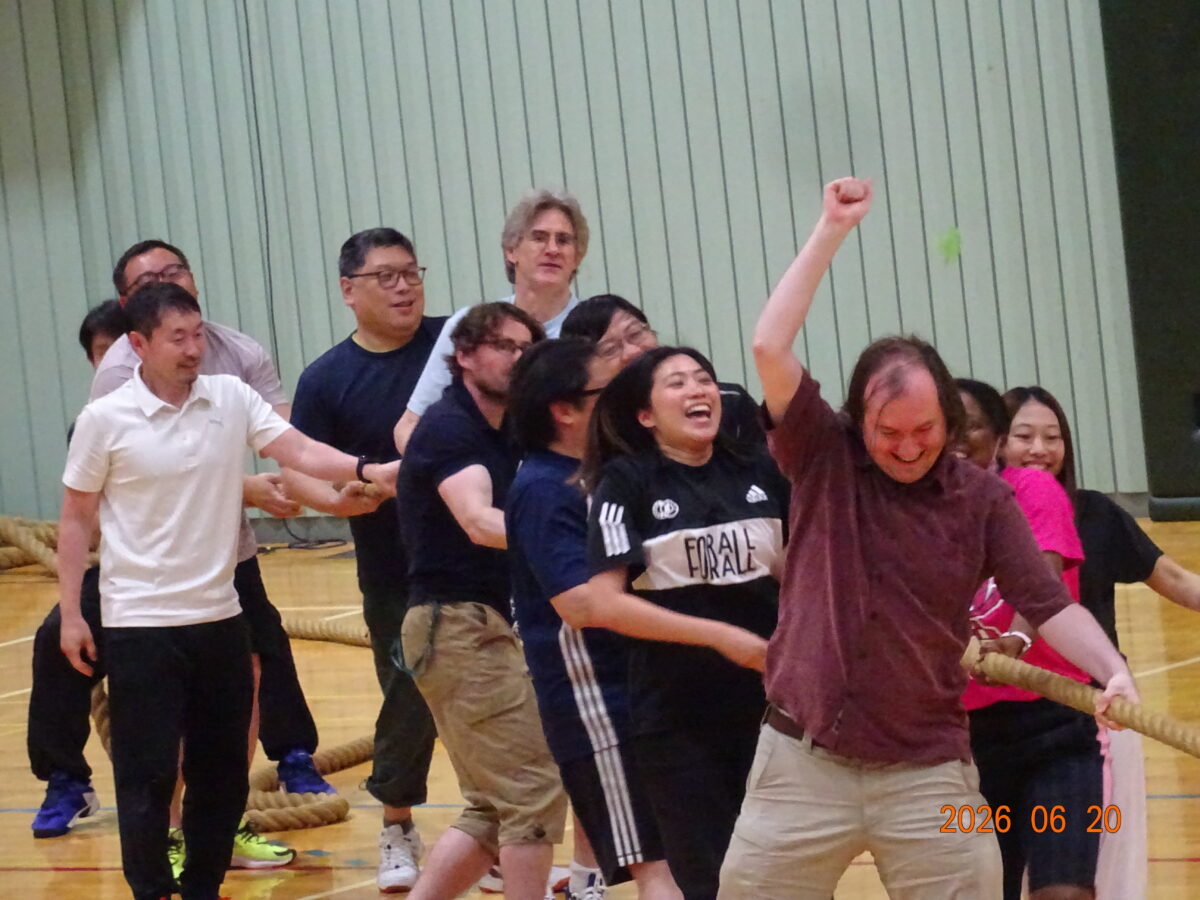
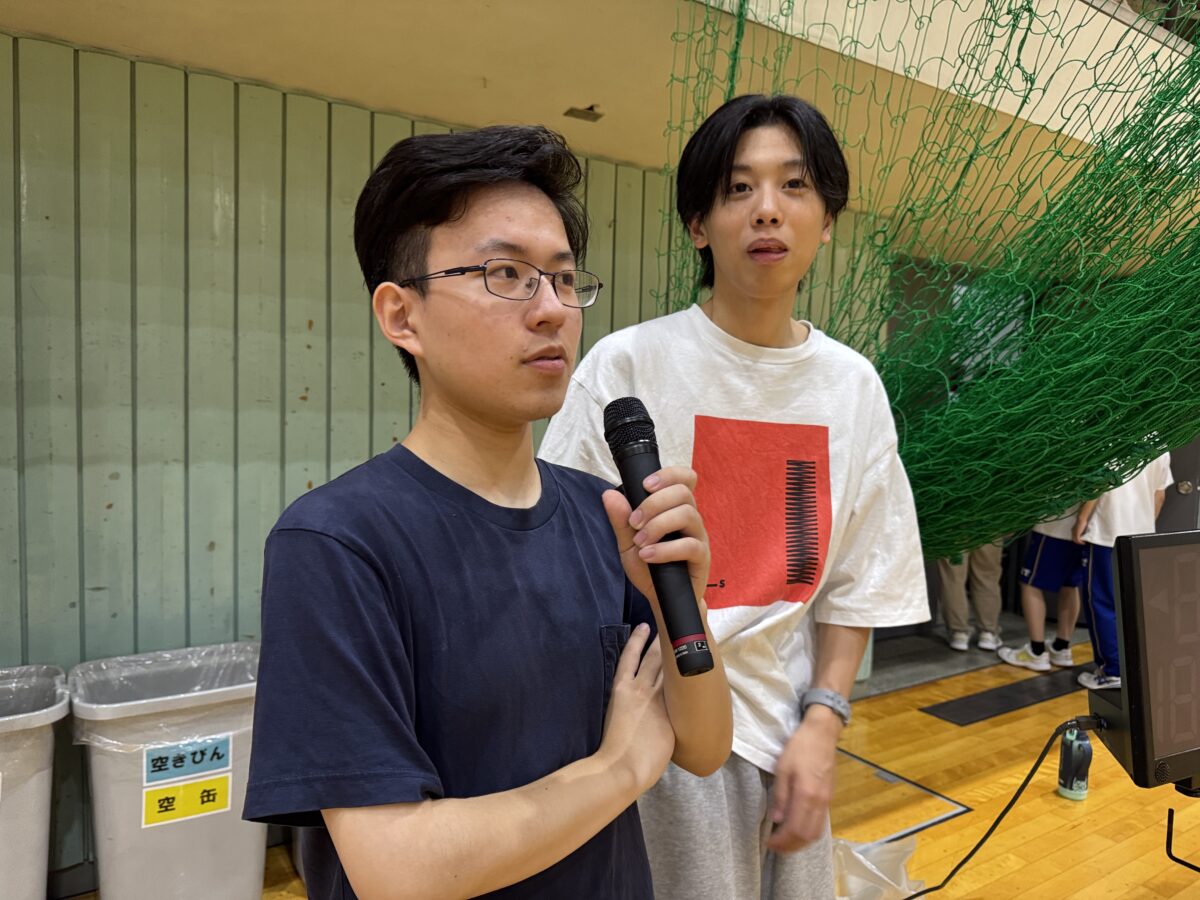
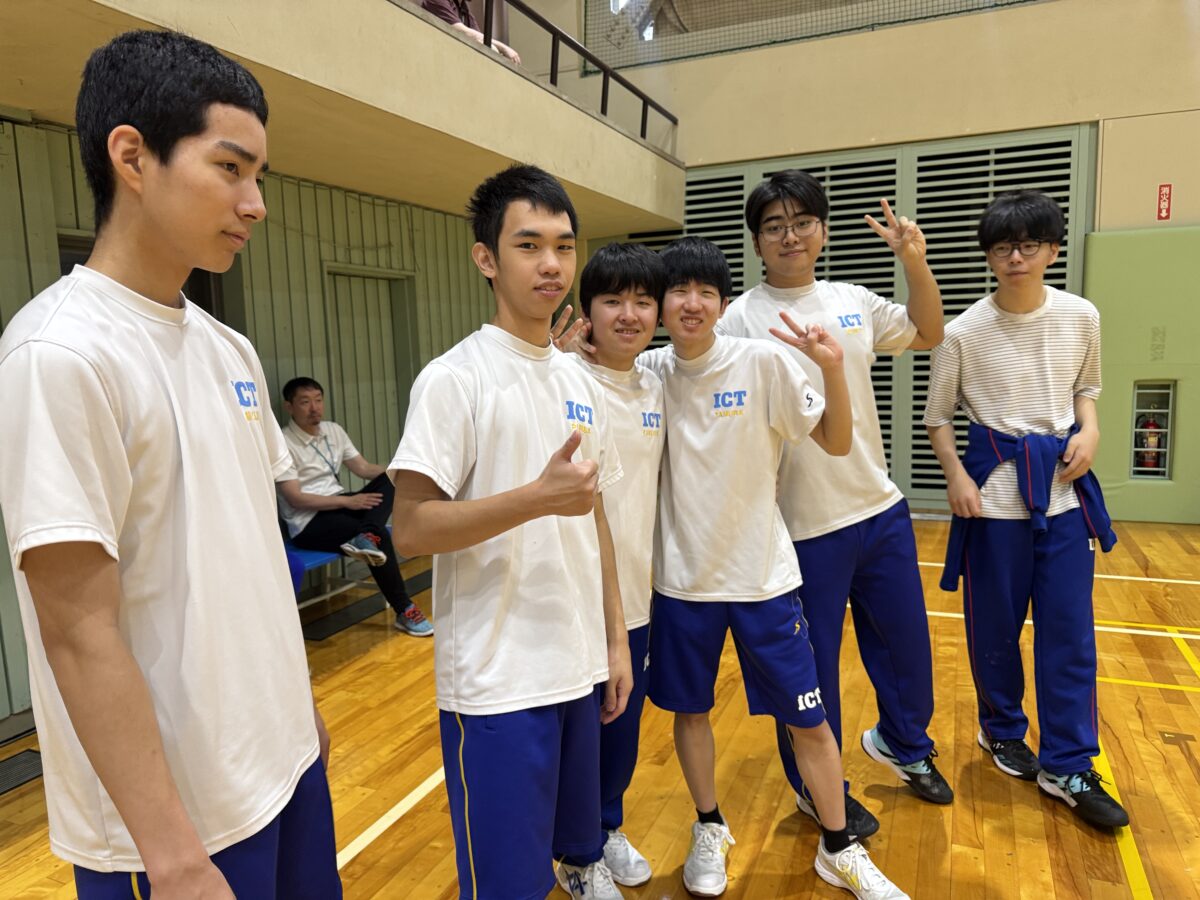
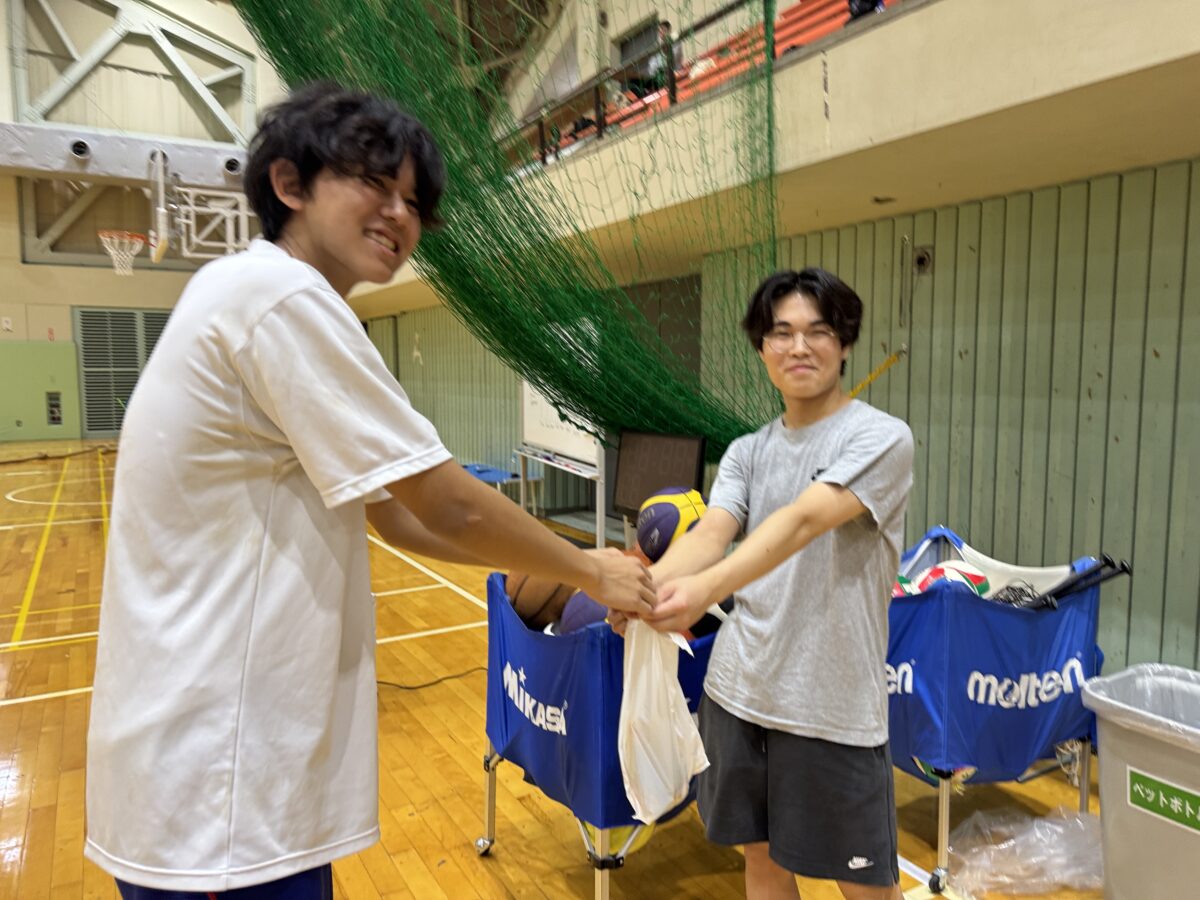
The event featured four activities: volleyball, dodgeball, an obstacle race, and tug-of-war. Students were divided into six mixed teams composed of members from different grade levels, and each team competed in all events in a rotation format. Throughout the day, 1st and 2nd year students were seen encouraging and communicating with their 4th and 5th senior students. They do not usually do this since the 1st and 2nd year students study at the Hakusanroku Campus while the 4th and 5th year students study at the Kanazawa Campus. This created a strong sense of unity across the venue. All competitions were highly engaging and intense, filled with the excitement of serious matches and loud cheers from participants and spectators alike. While students experienced both victories and defeats, what stood out most was how they praised and supported one another.
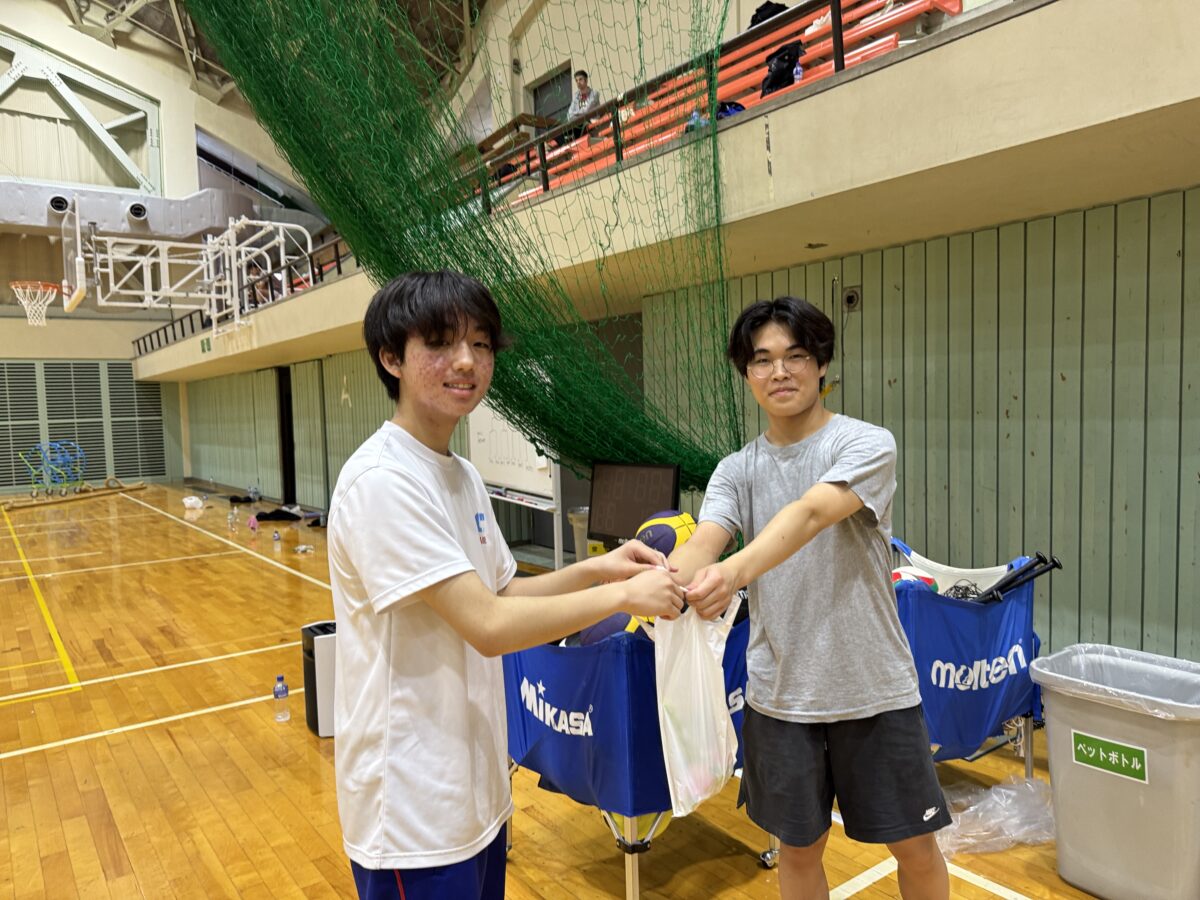
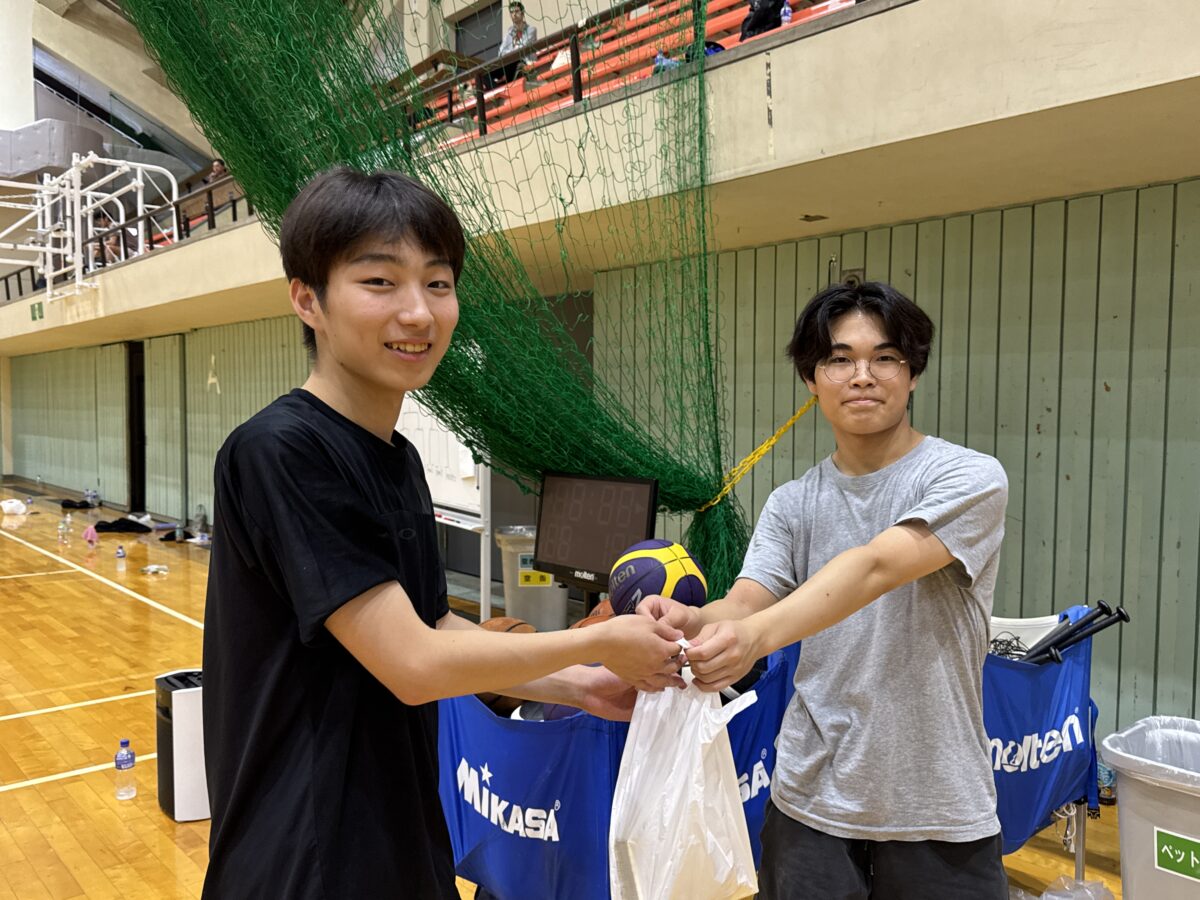
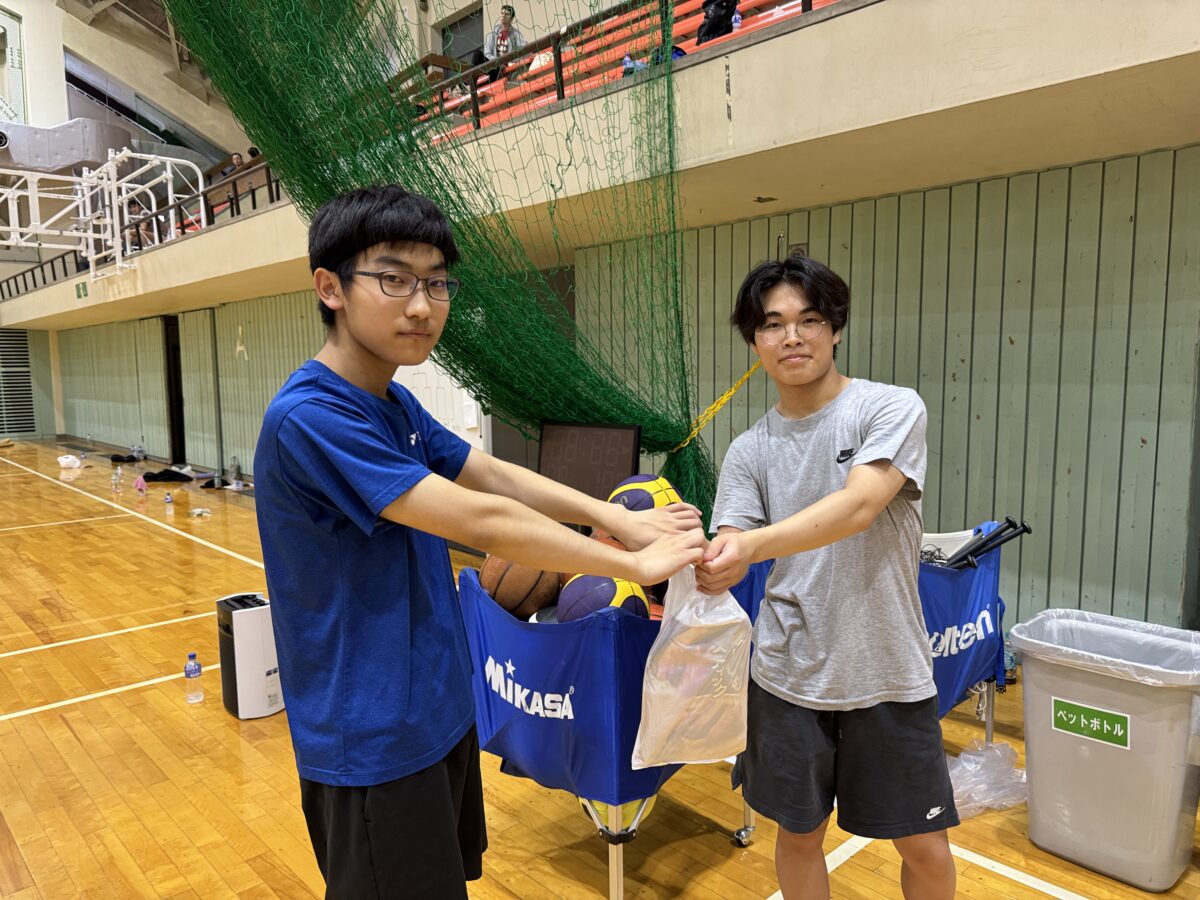
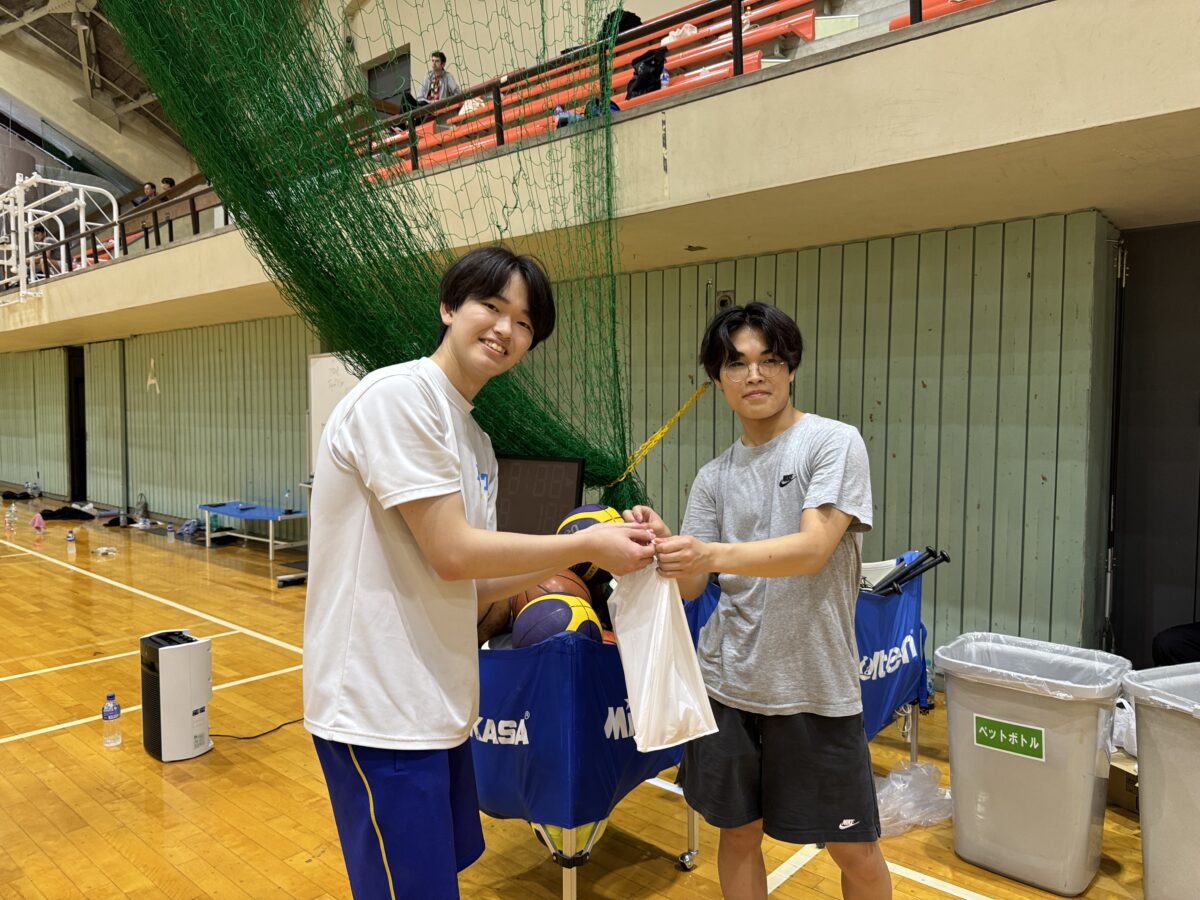
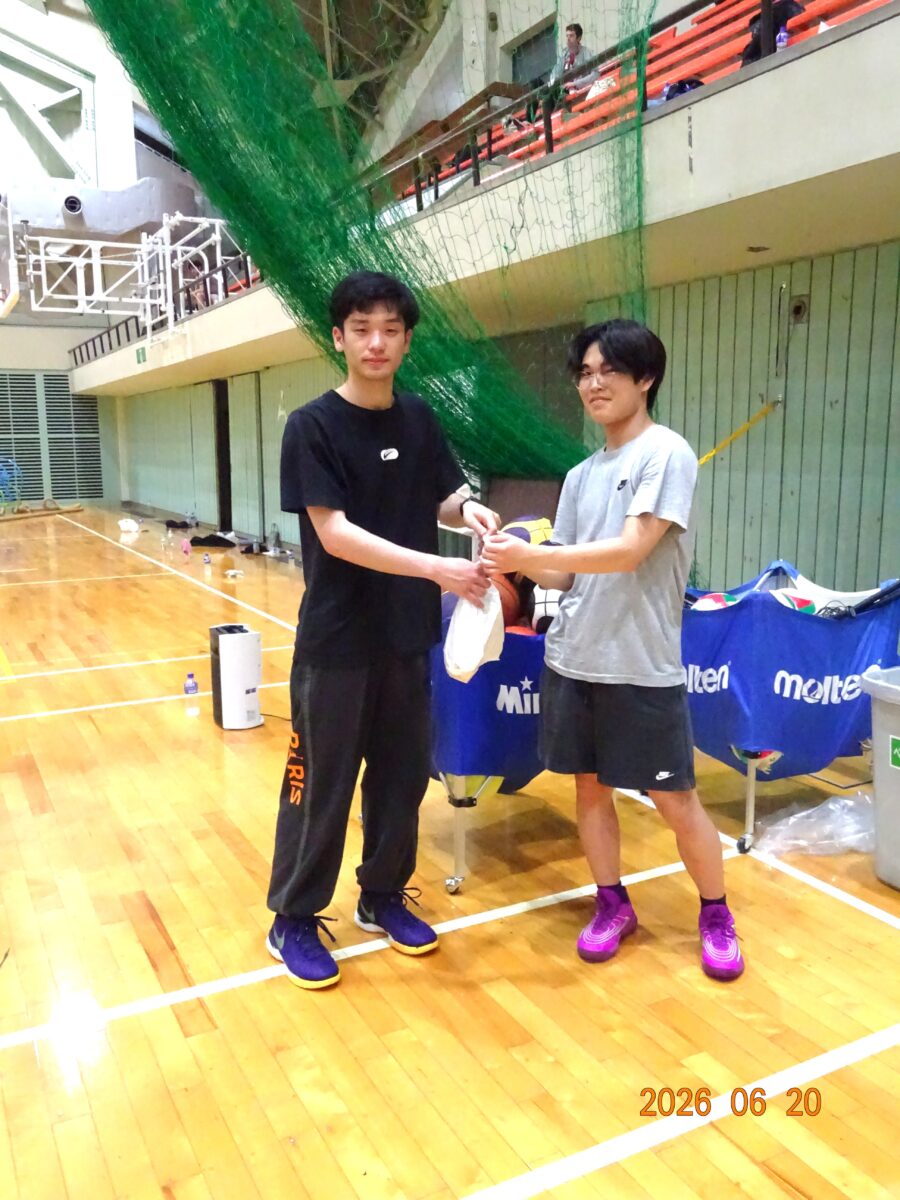
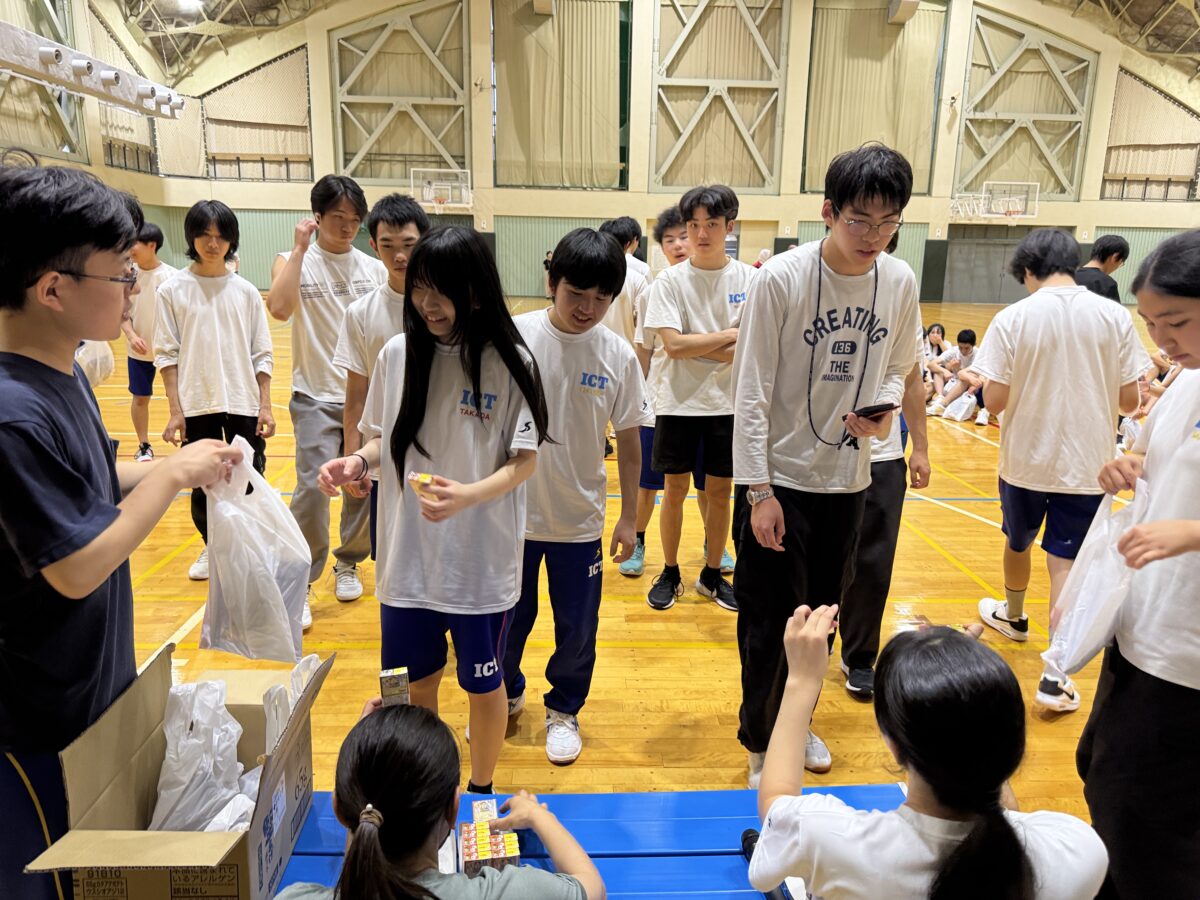
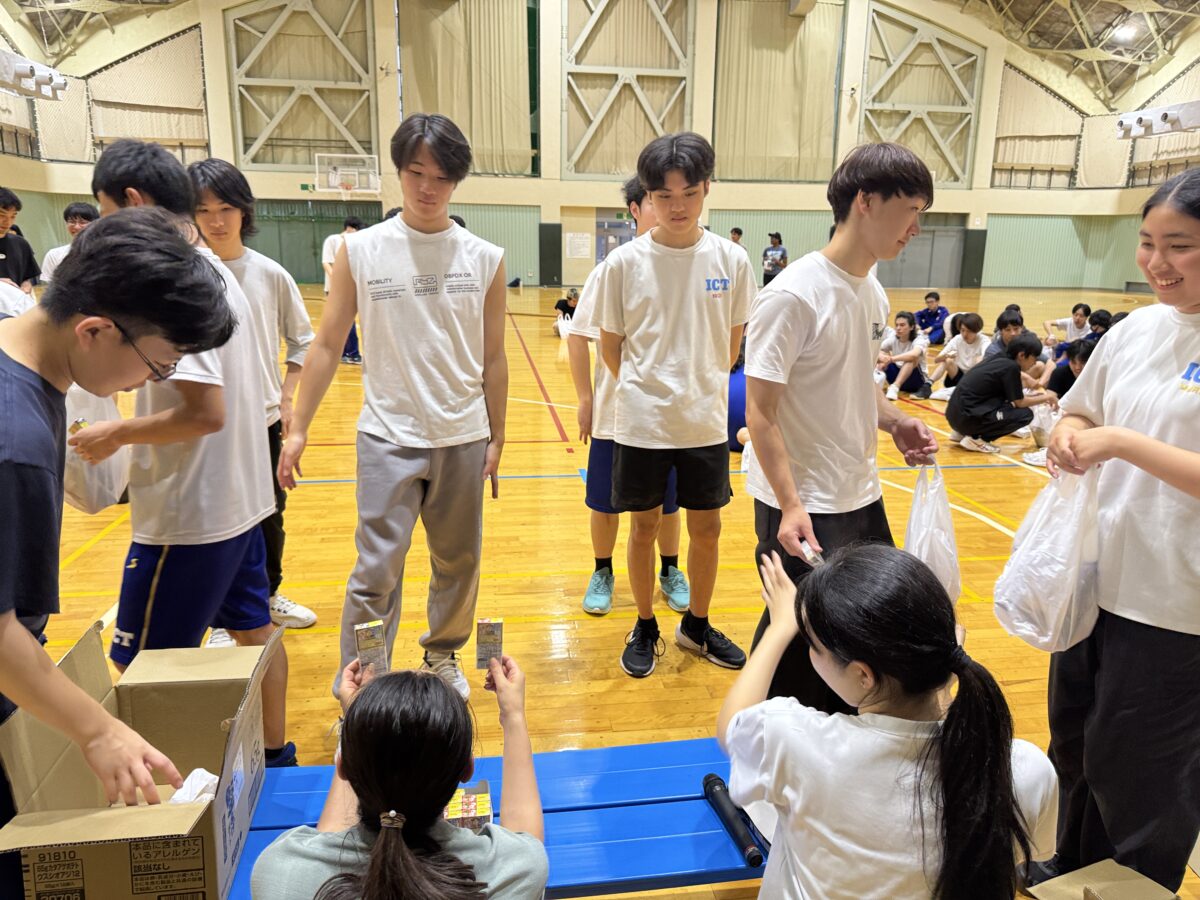
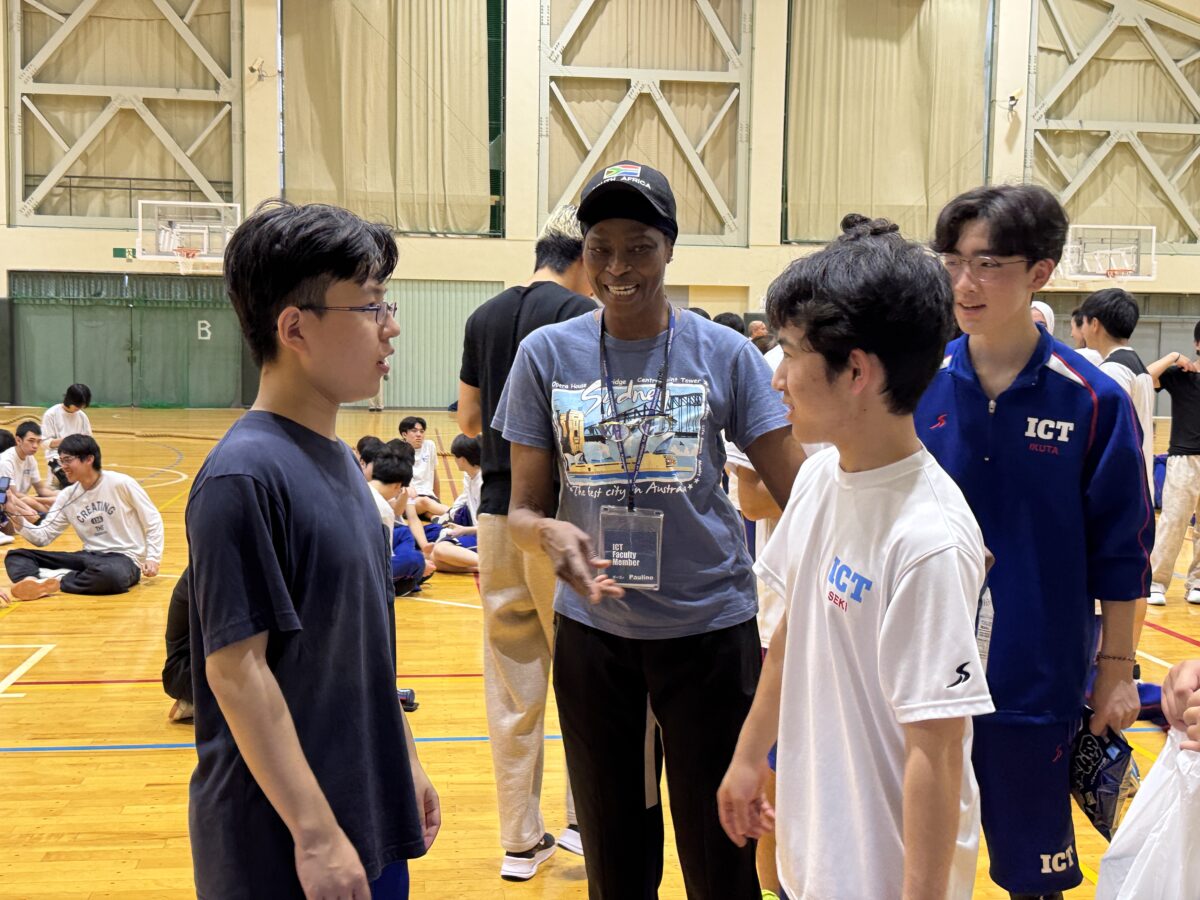
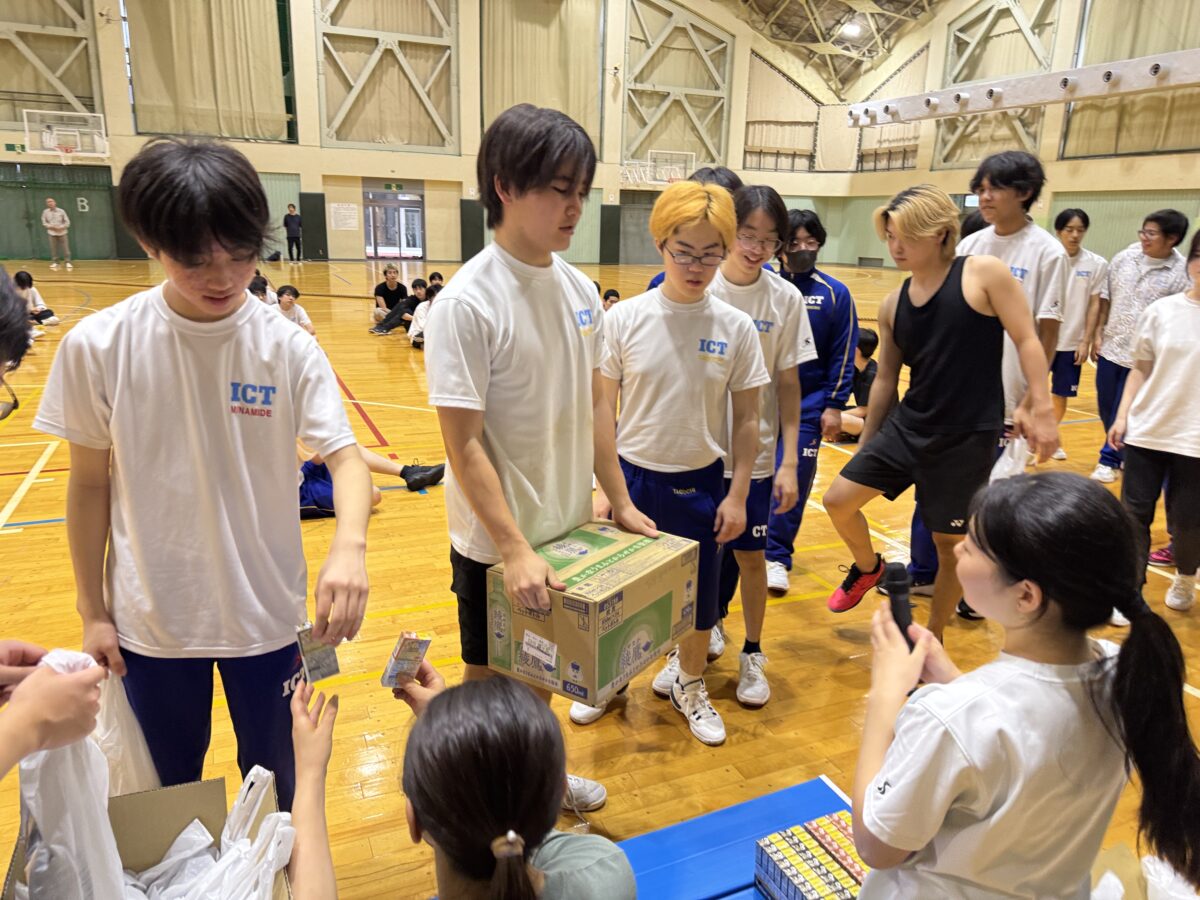
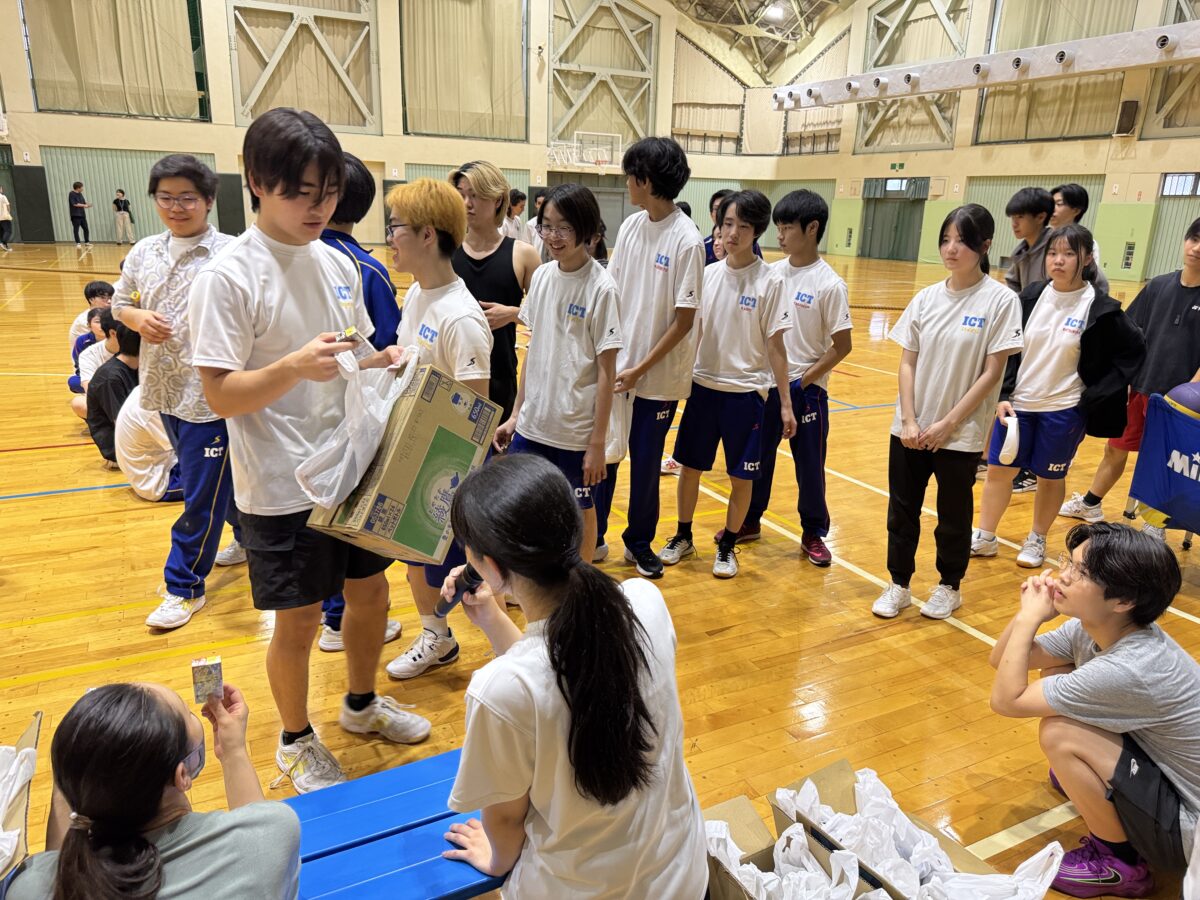
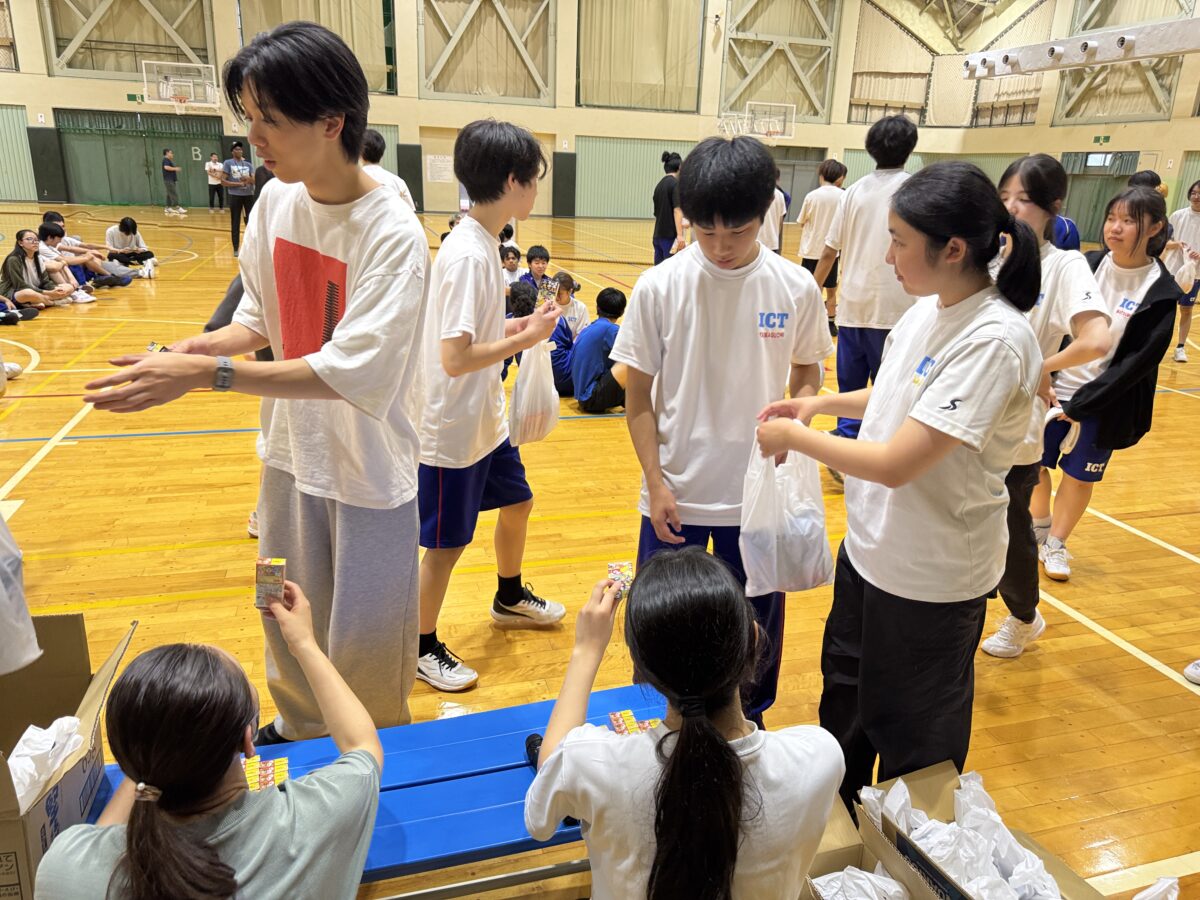
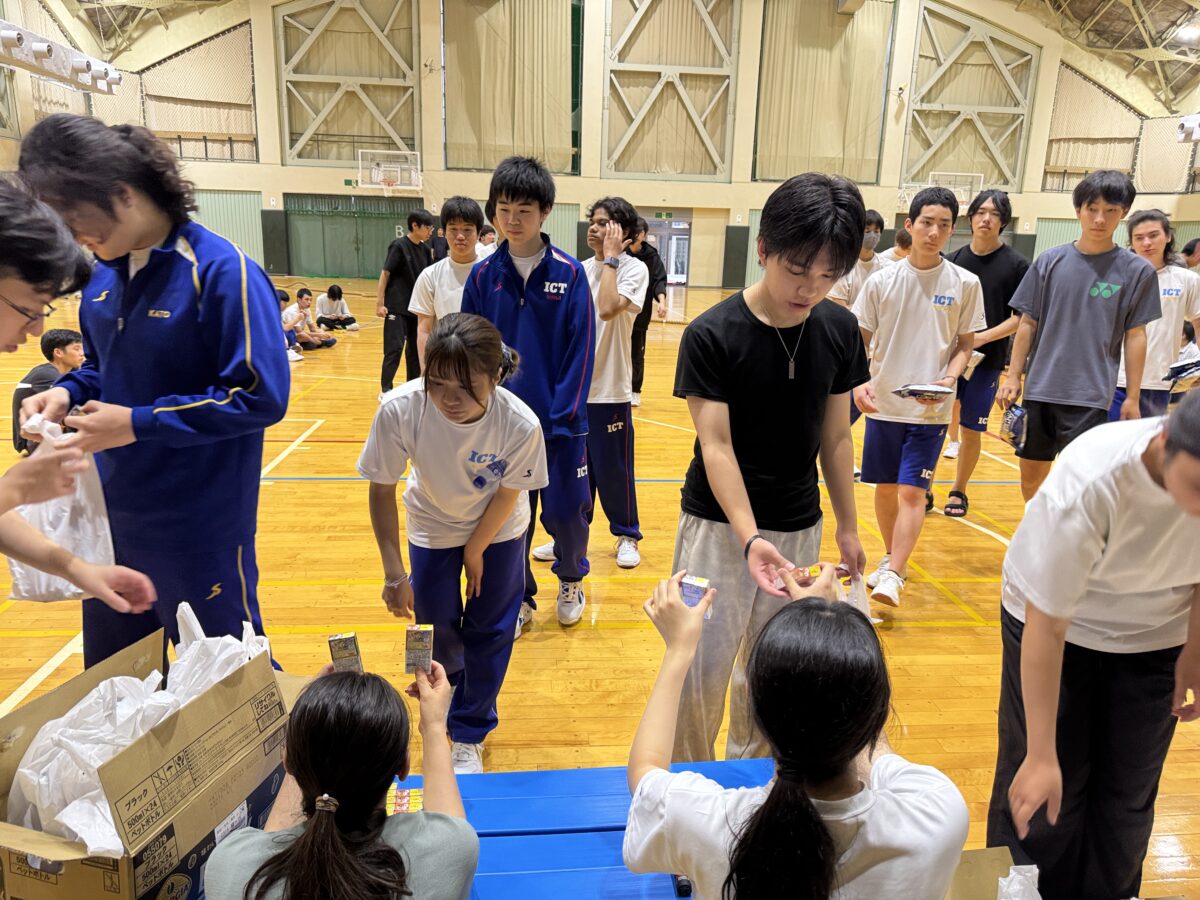
After the competitions finished, one MVP was selected from each team and awarded a selection of snacks. In addition, all participating teams received snacks as participation prizes.
This Sports Festival provided a valuable opportunity for students to step away from their daily academic routines and experience the joy of teamwork and a sense of achievement. Through the mixed-grade team activities, students from both campuses were able to deepen their connections, making the day a lively and memorable one.
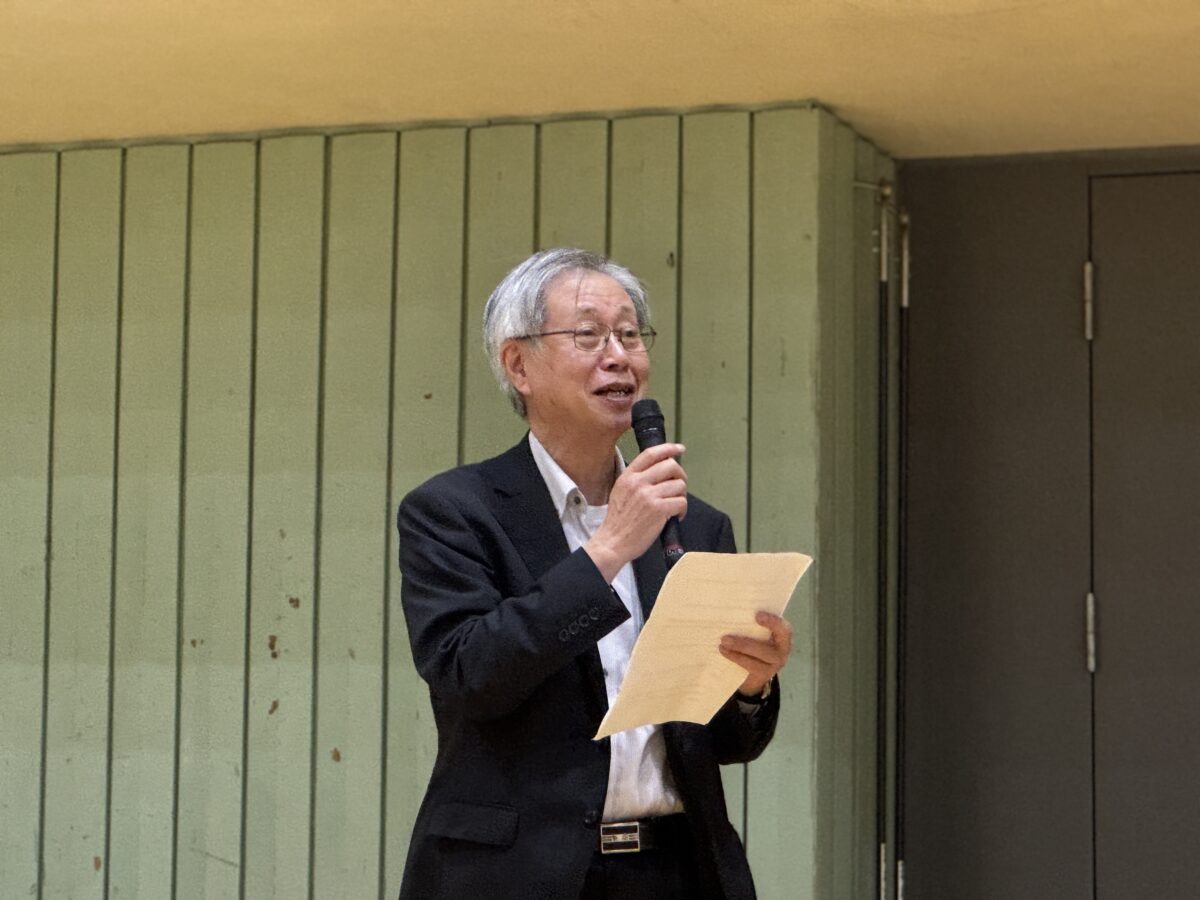
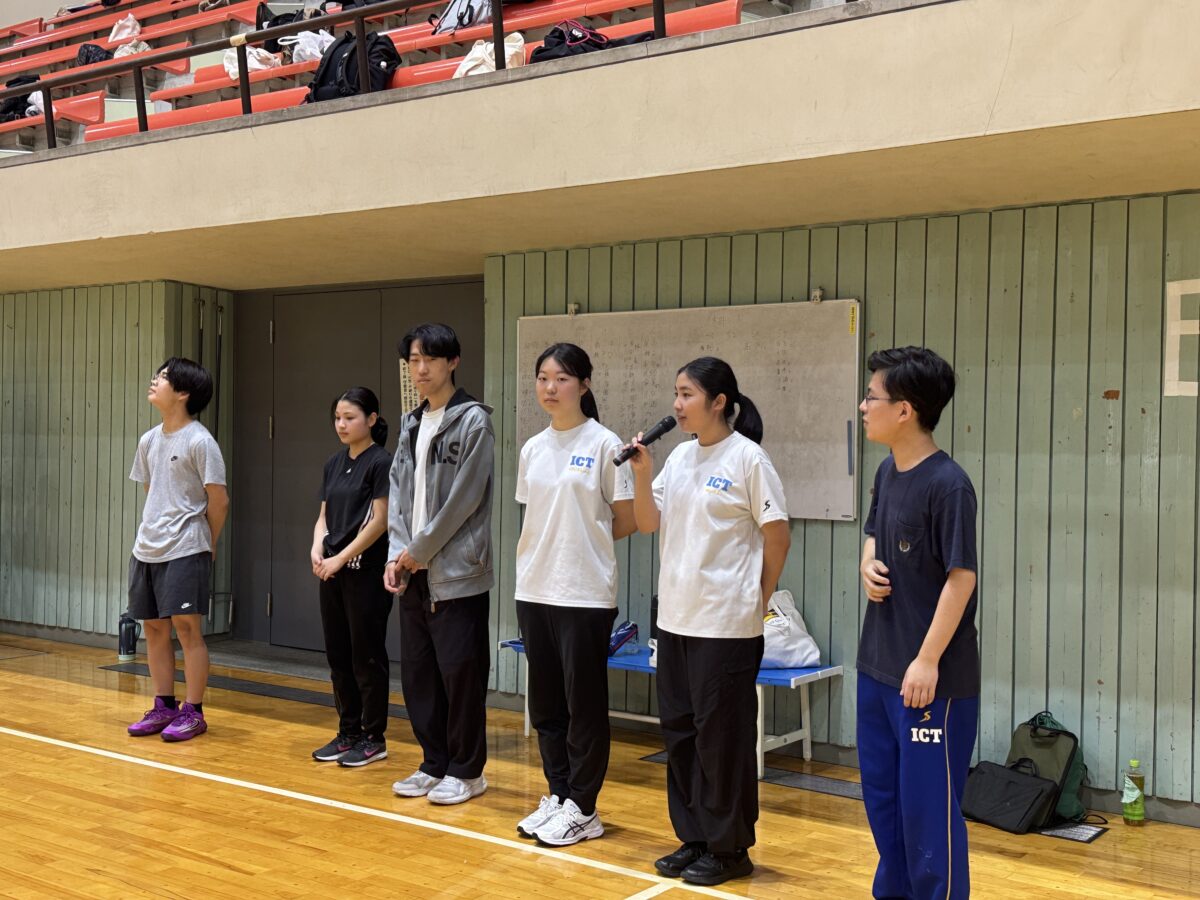
Opening Ceremony
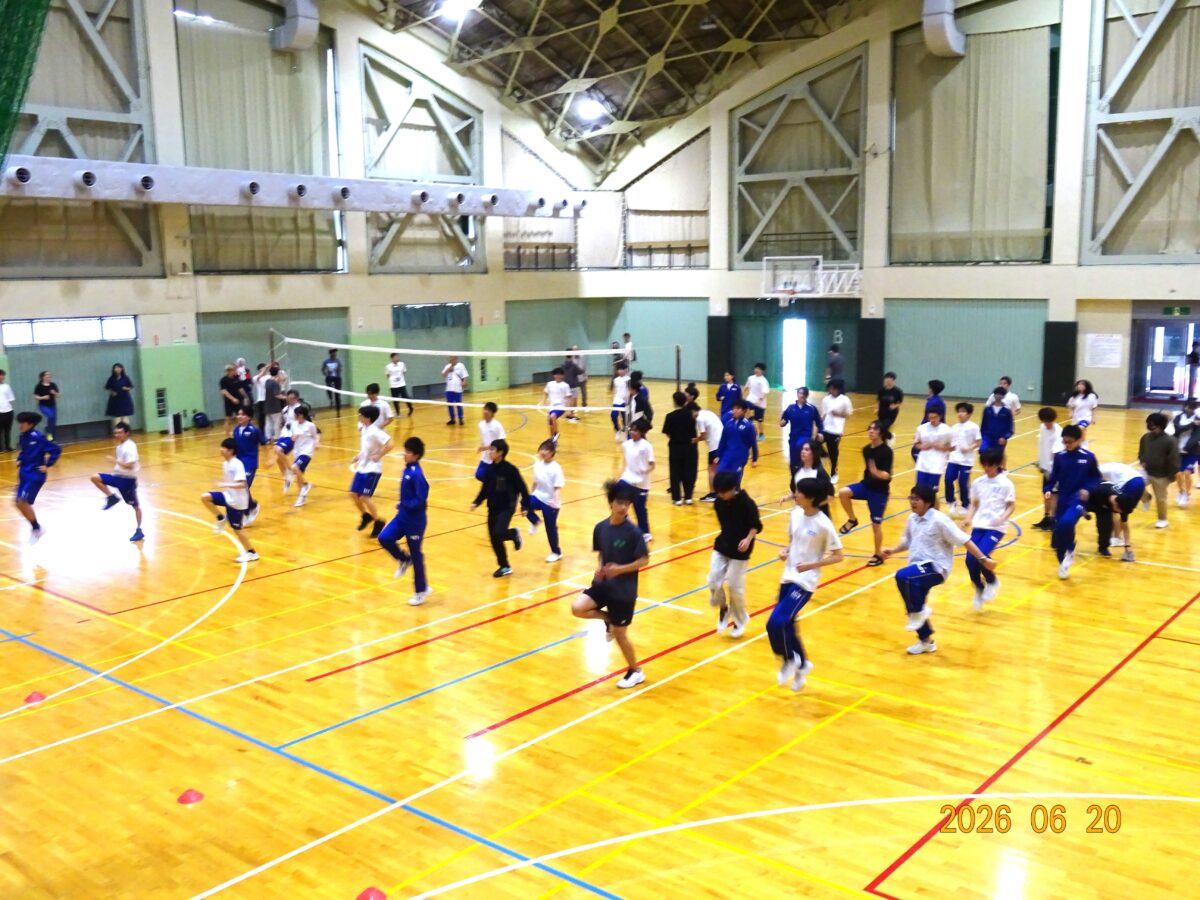
Volleyball
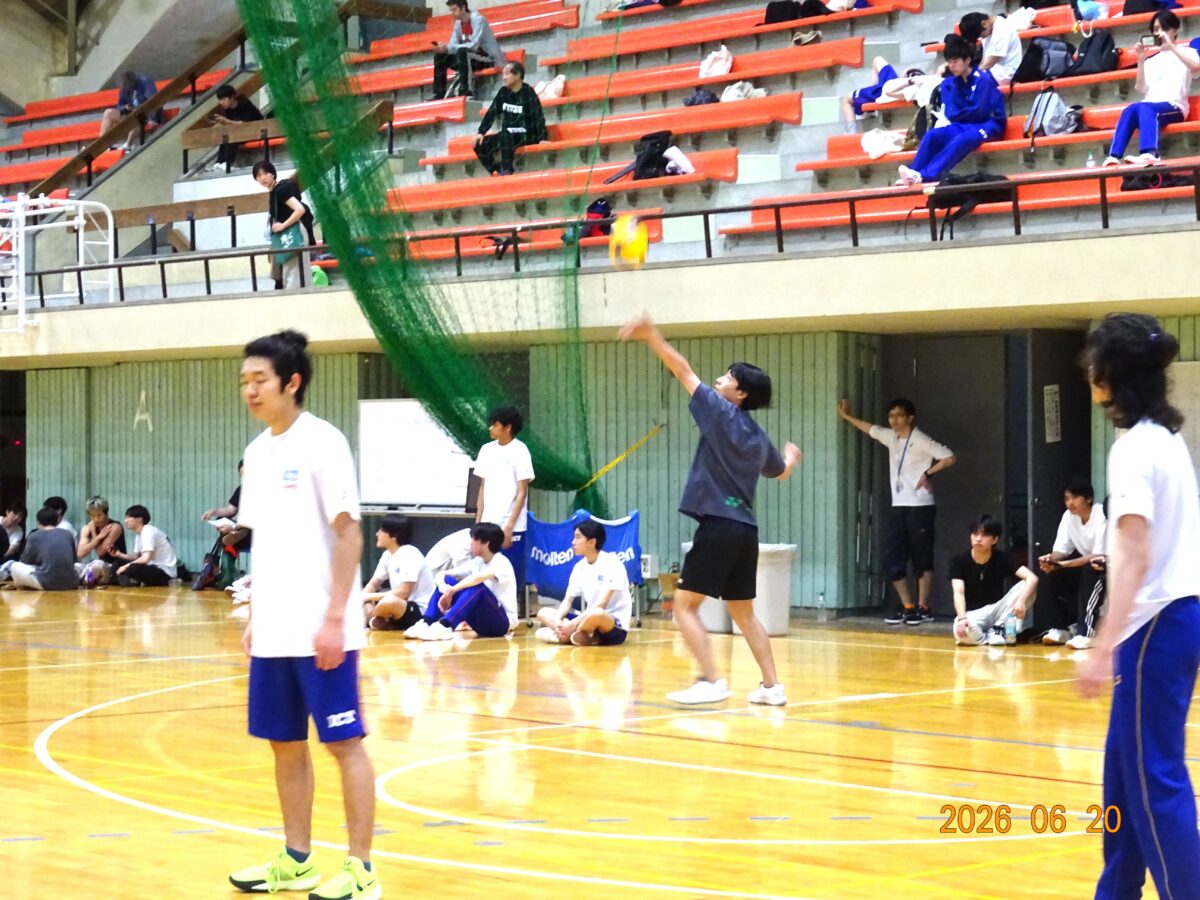
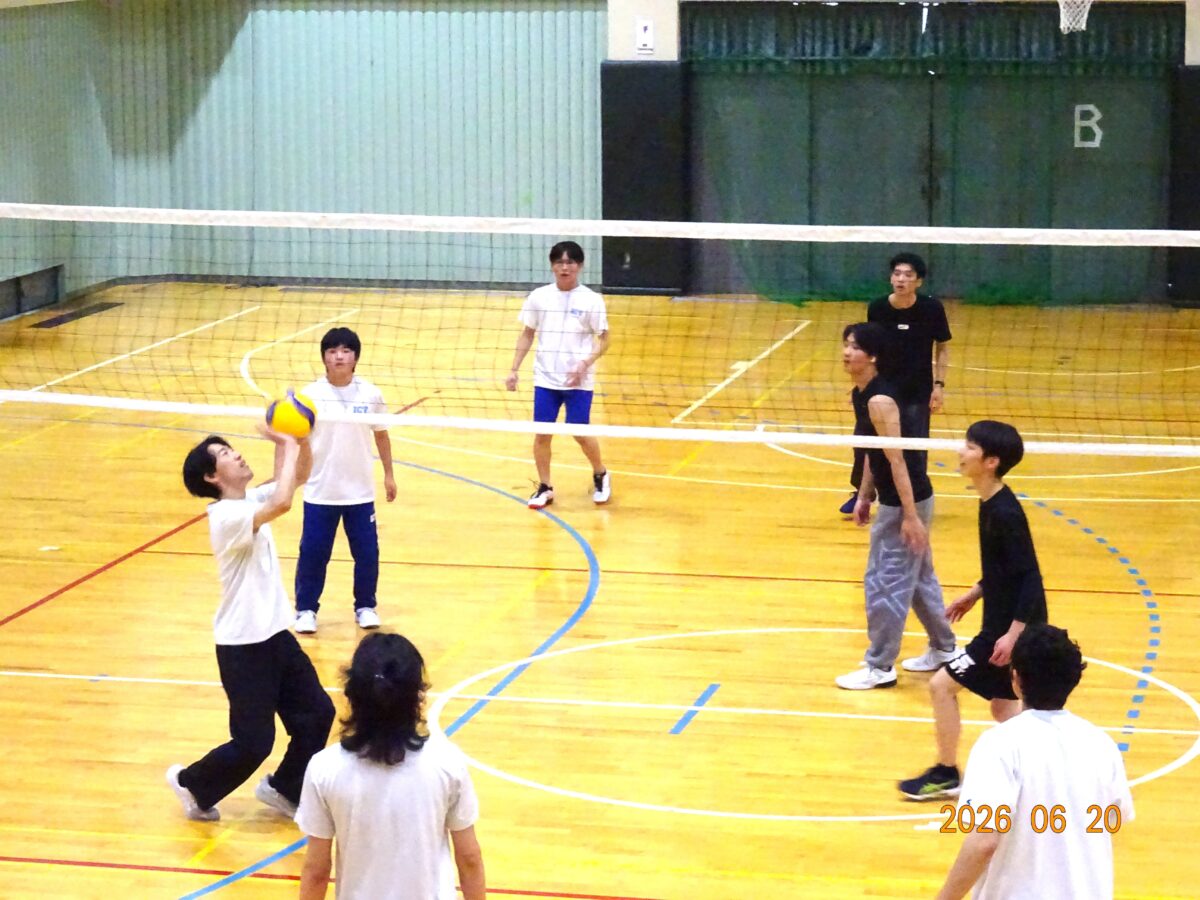
Dodgeball
Obstacle Relay
Tug of War
Closing Ceremony and Awards presentation
Yuri Makada