




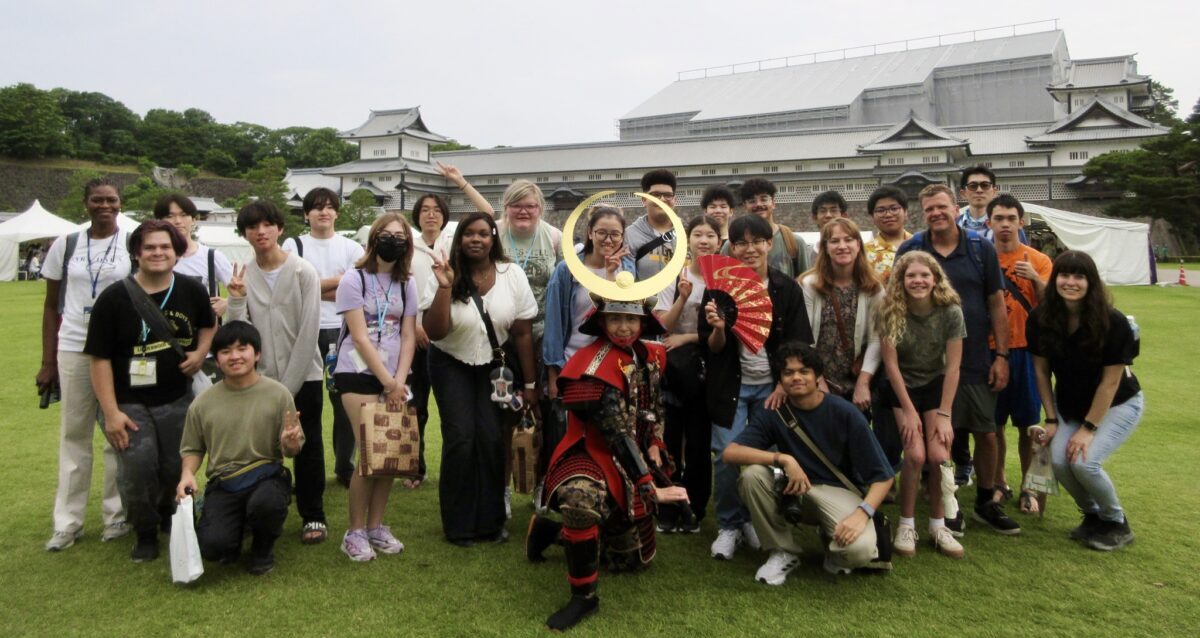

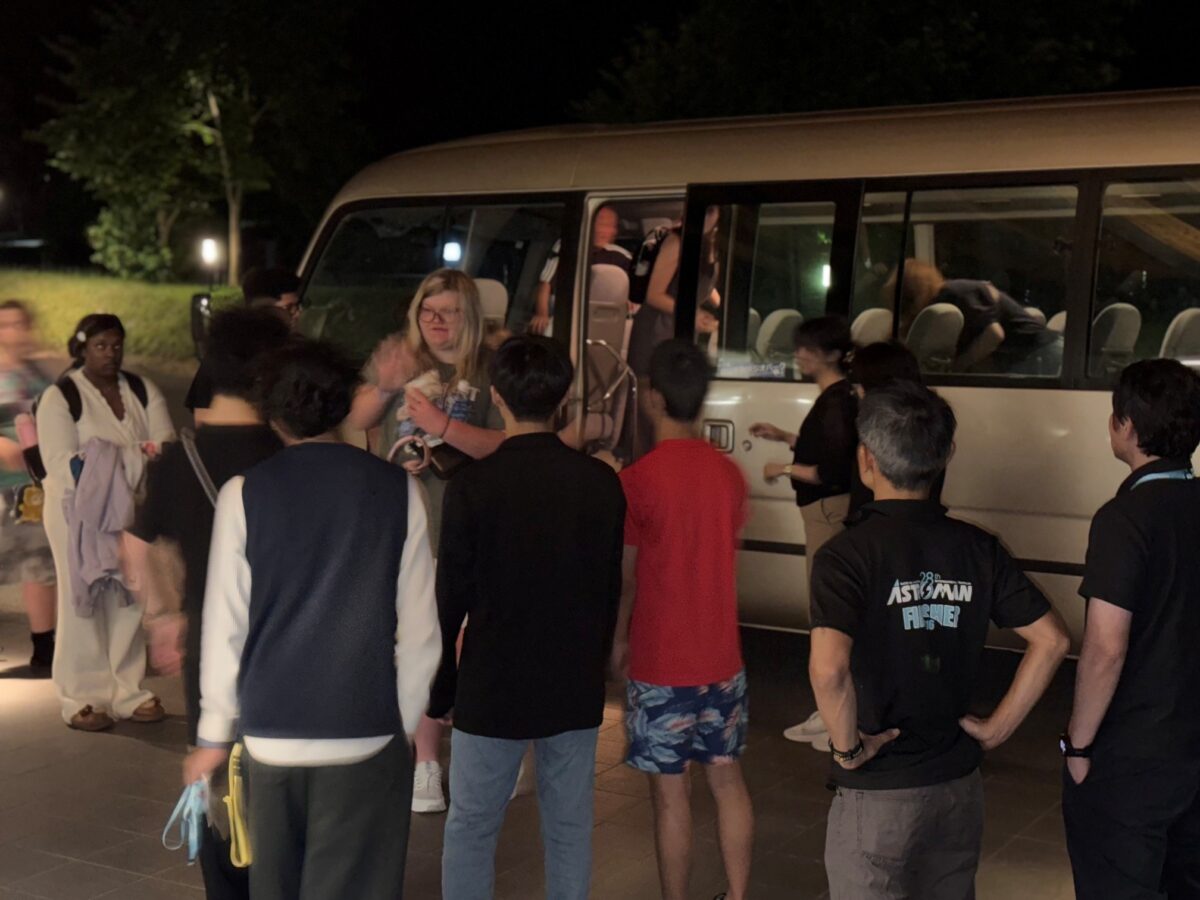
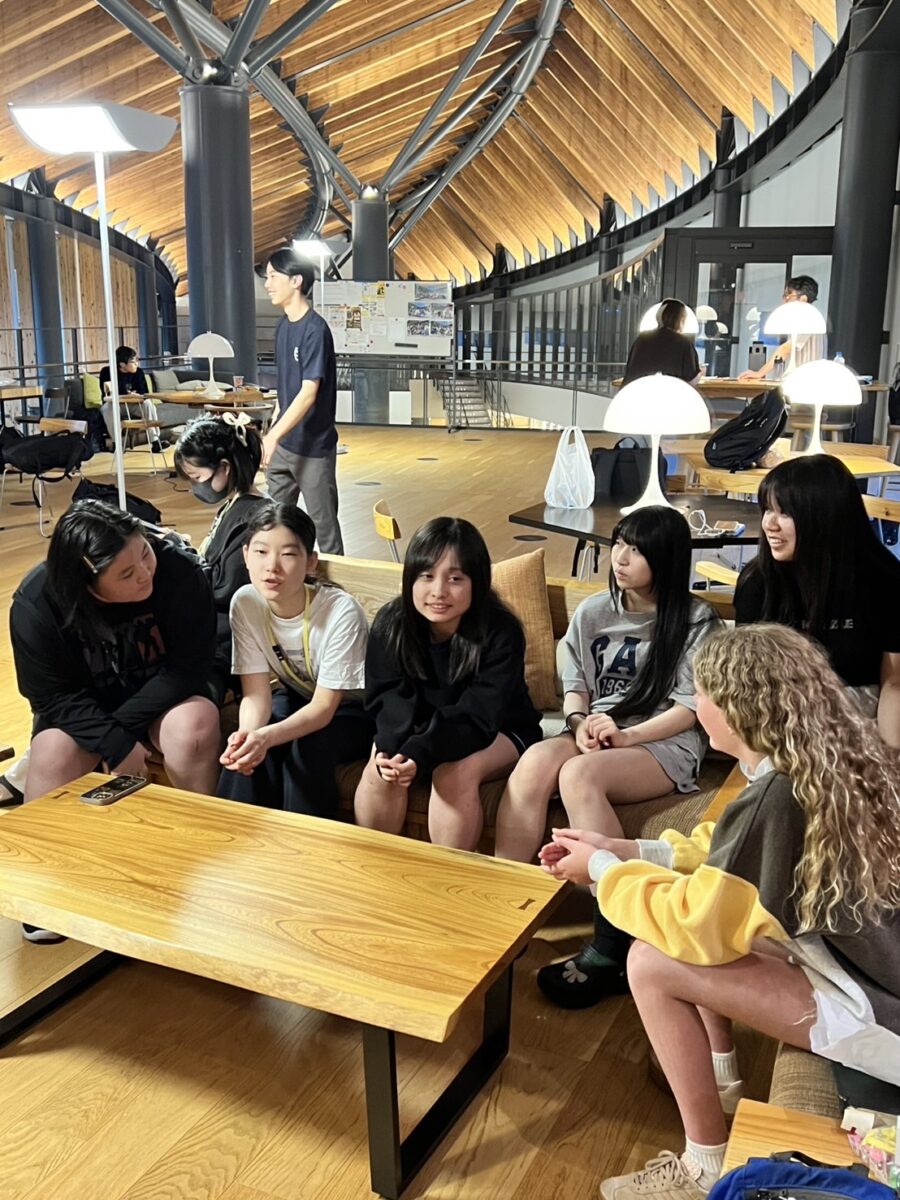
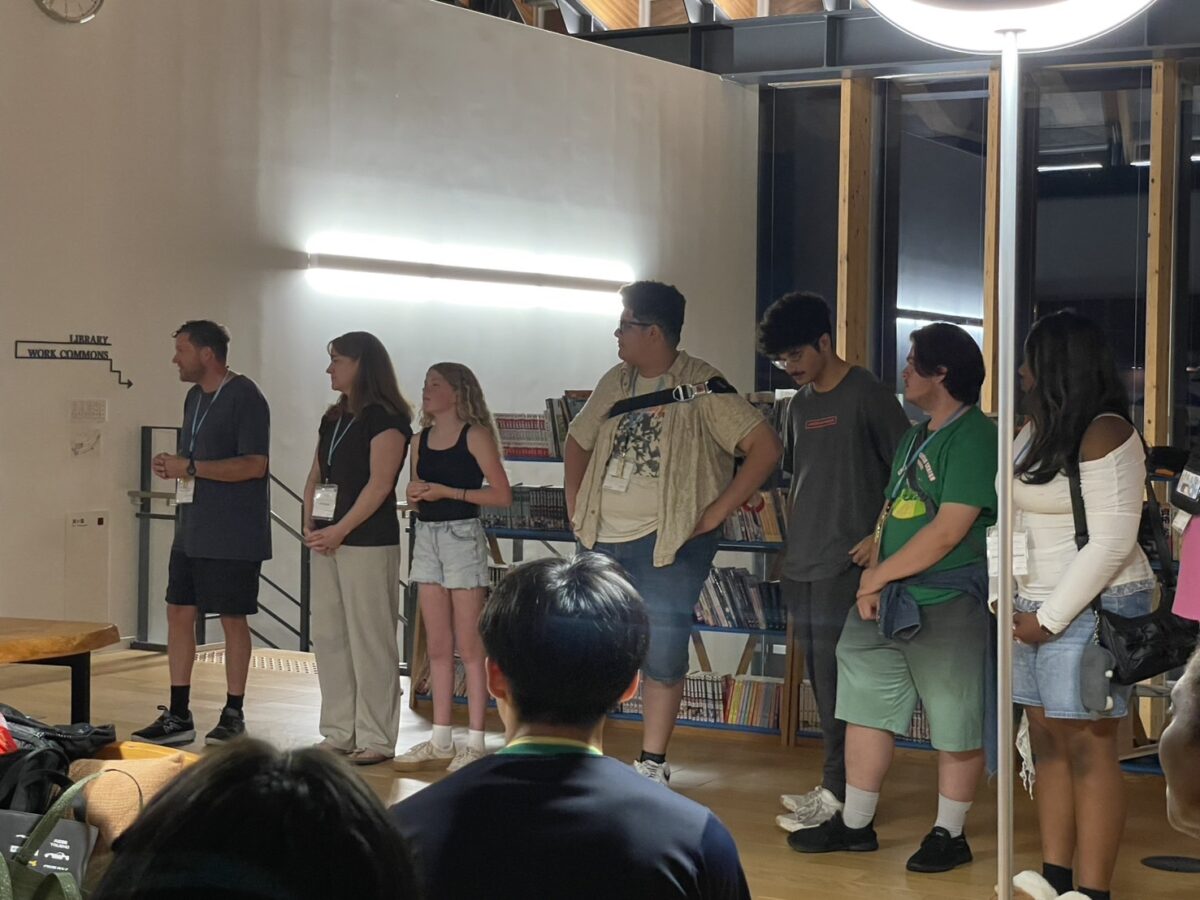
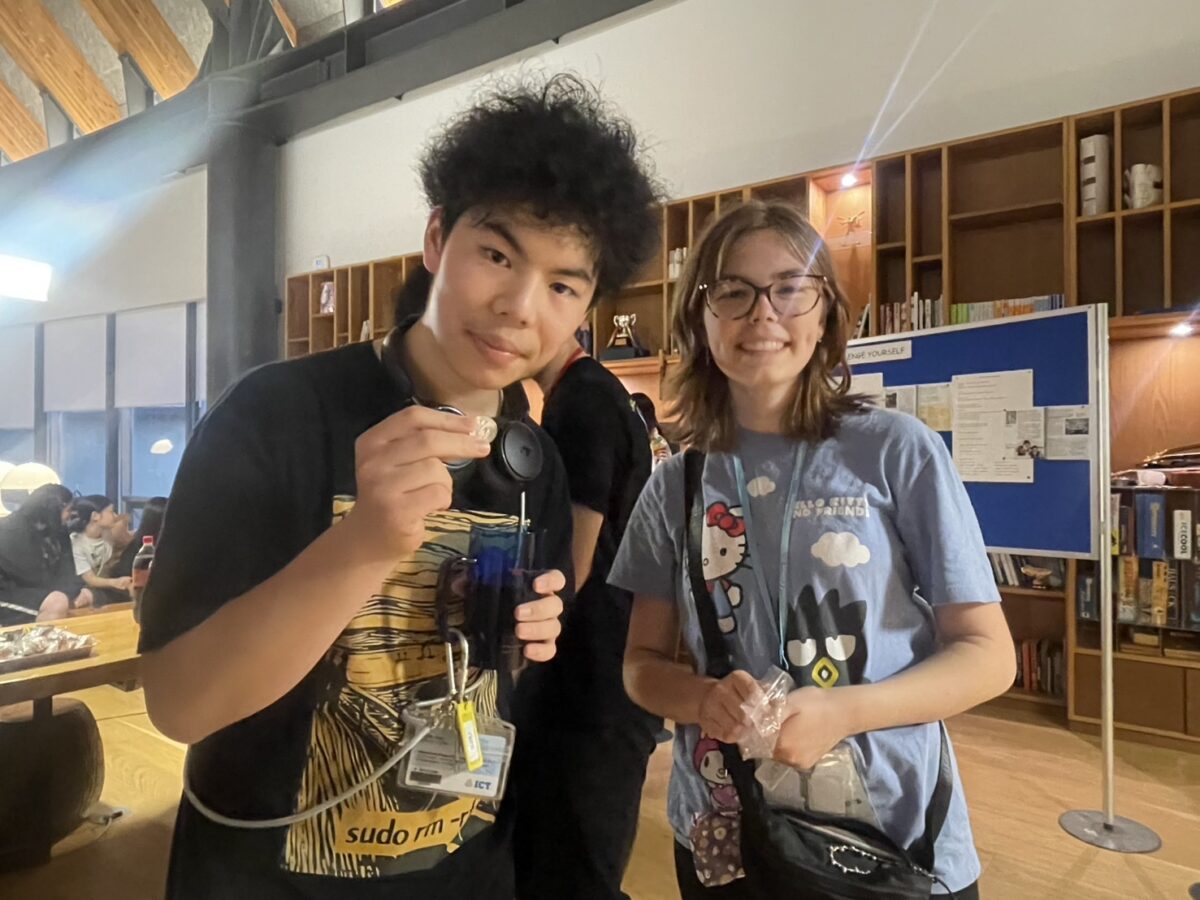
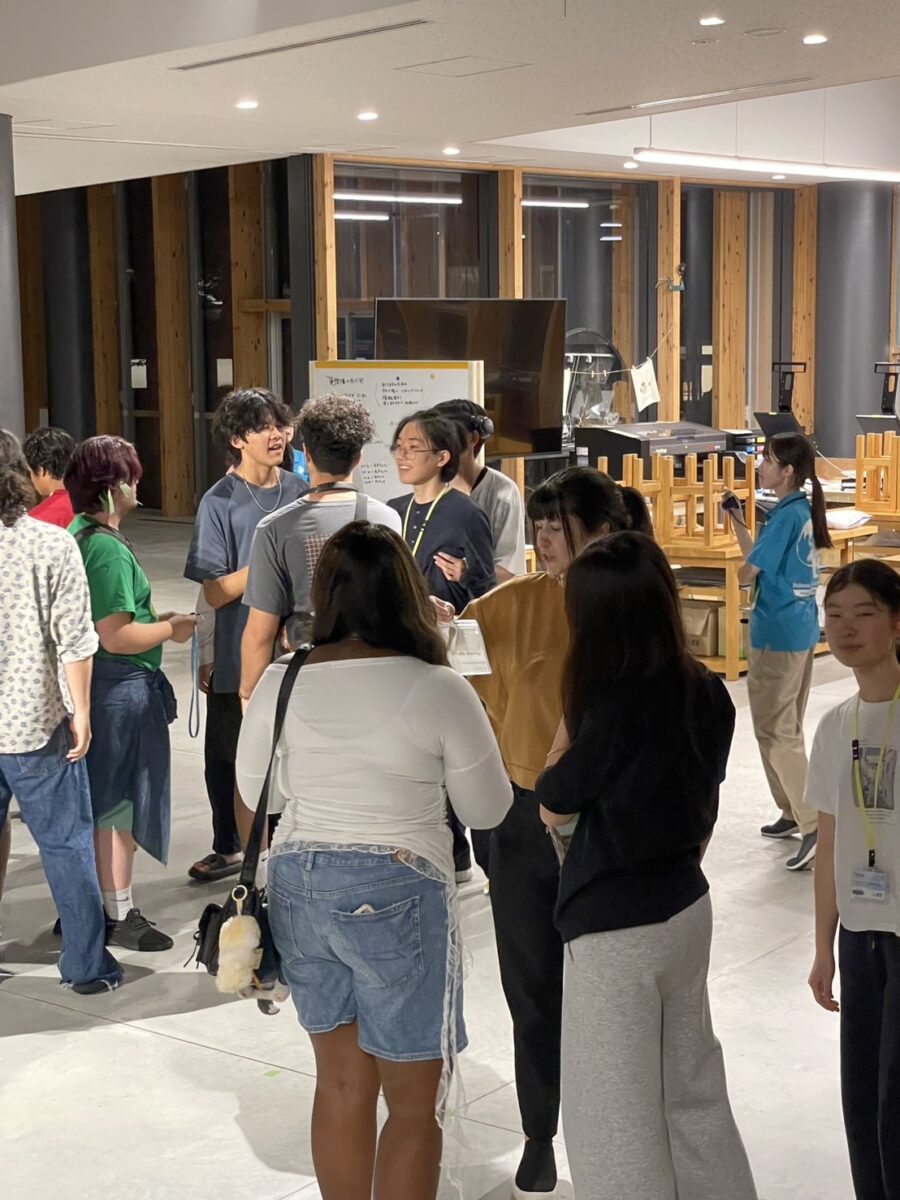
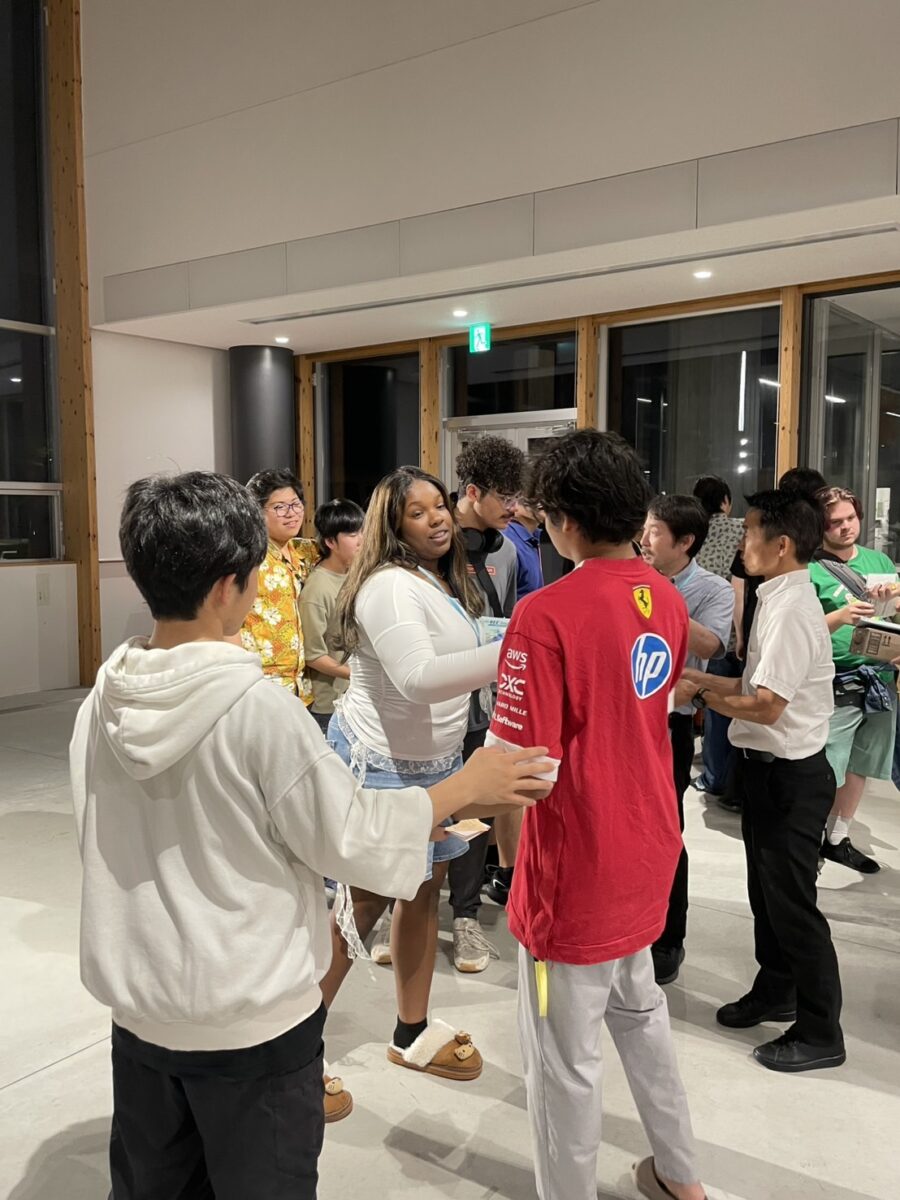
Hello, this is Yuri Makada from the Hakusanroku office. From Saturday, June 6th to Wednesday, June 17th, 2026, six high school students from Columbia, Missouri, USA visited the Hakusanroku Campus. They stayed at the Hakusanroku Campus dormitory and experienced school life together with 1st and 2nd year ICT students.
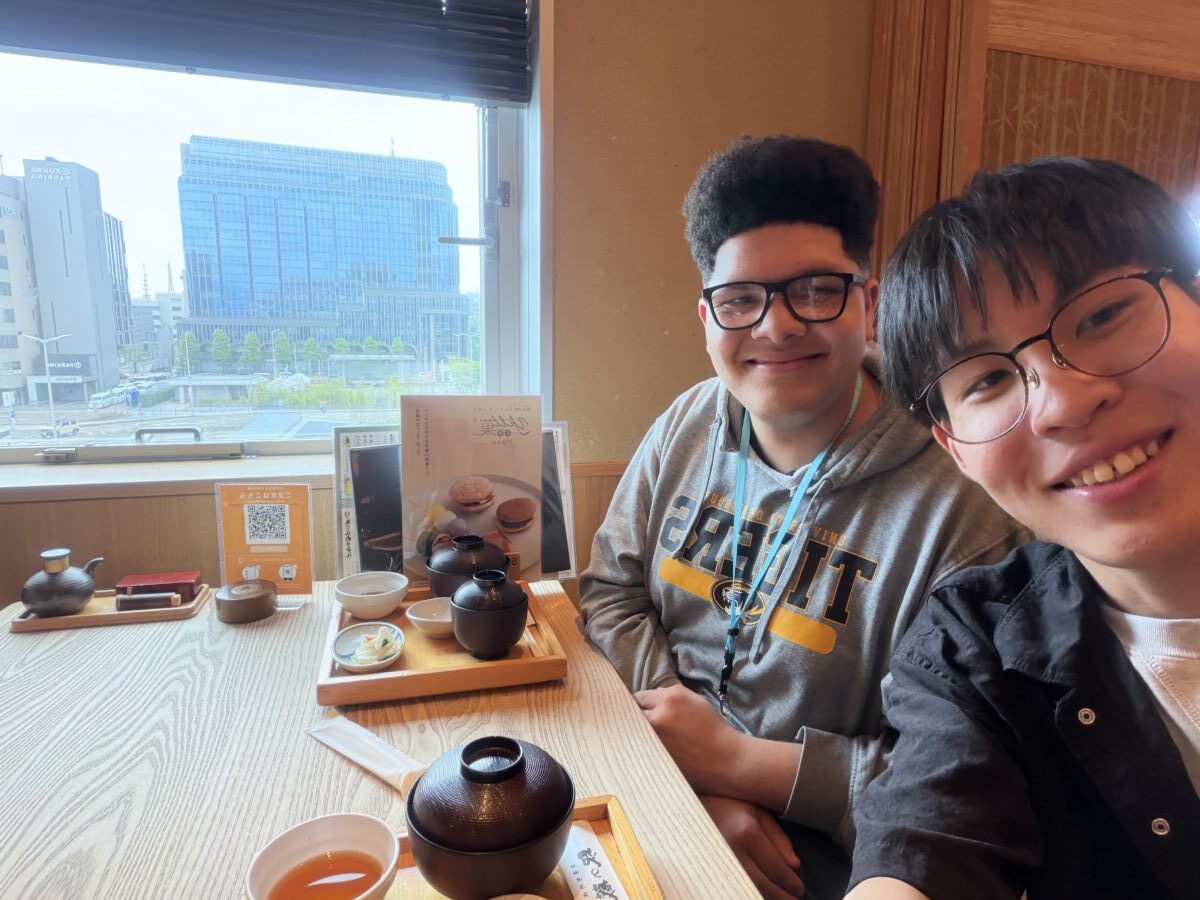
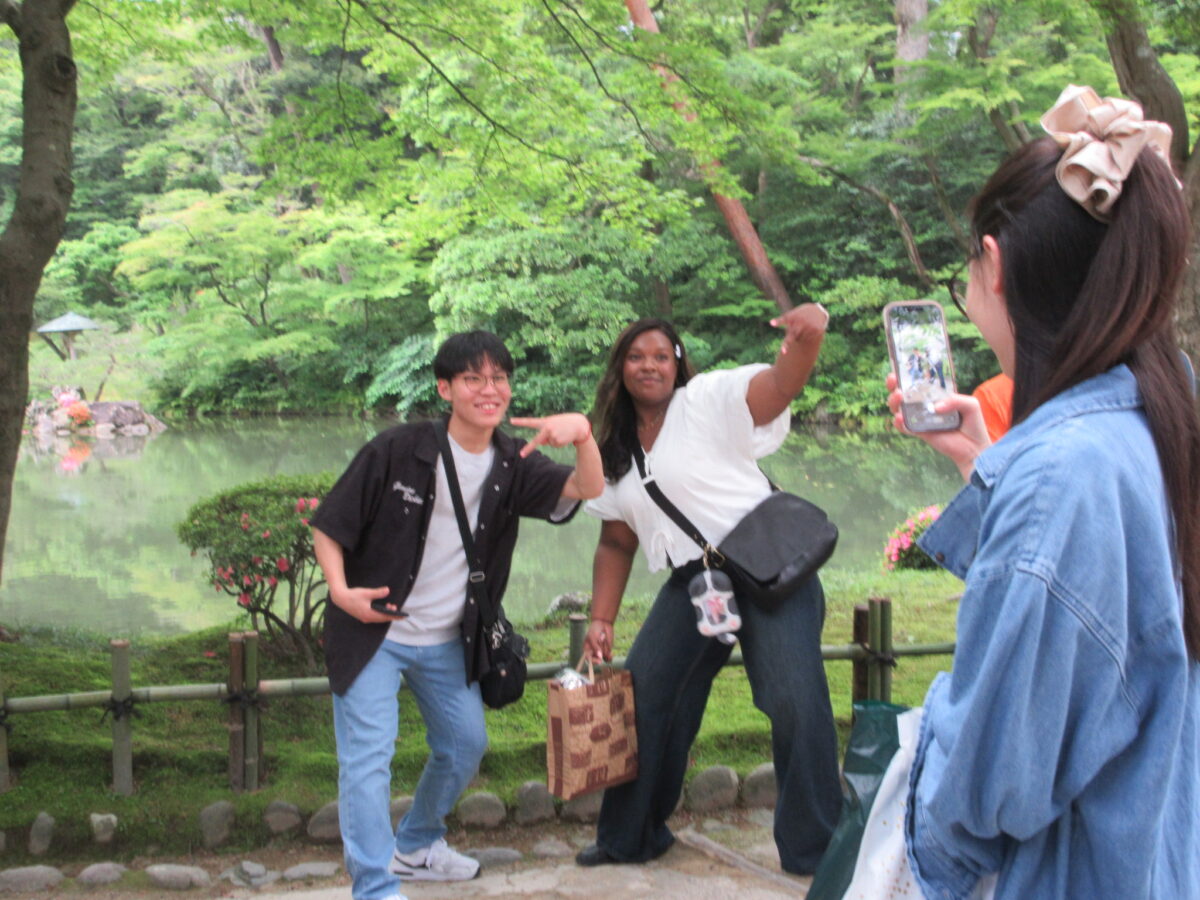
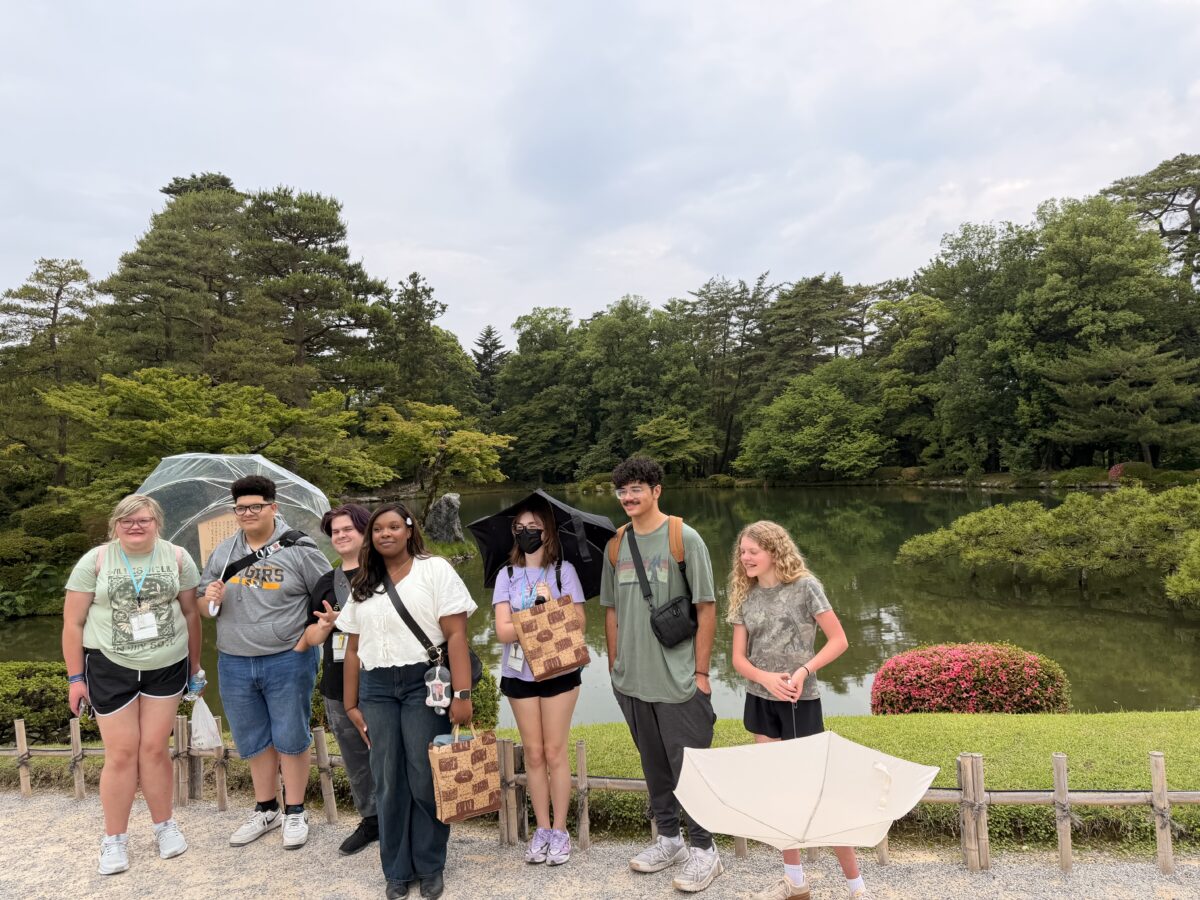
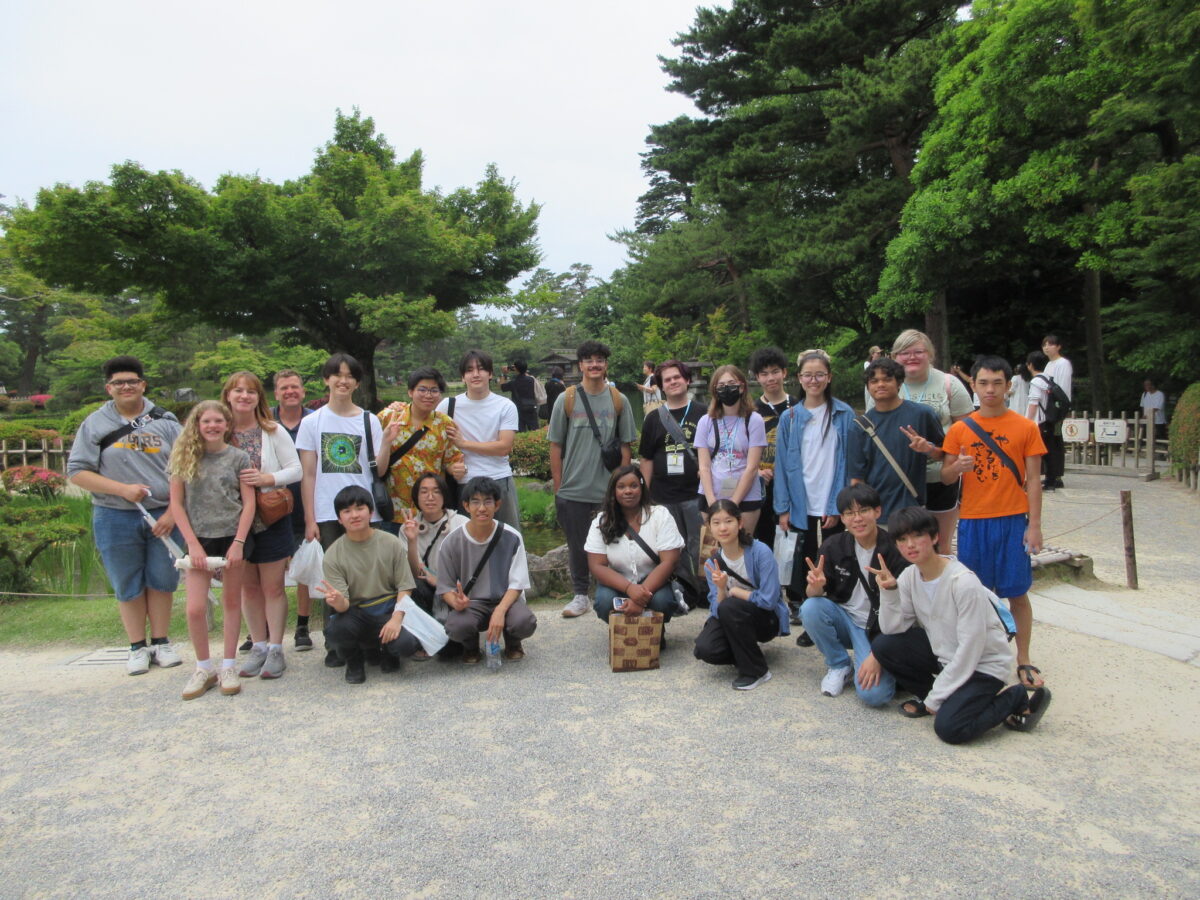
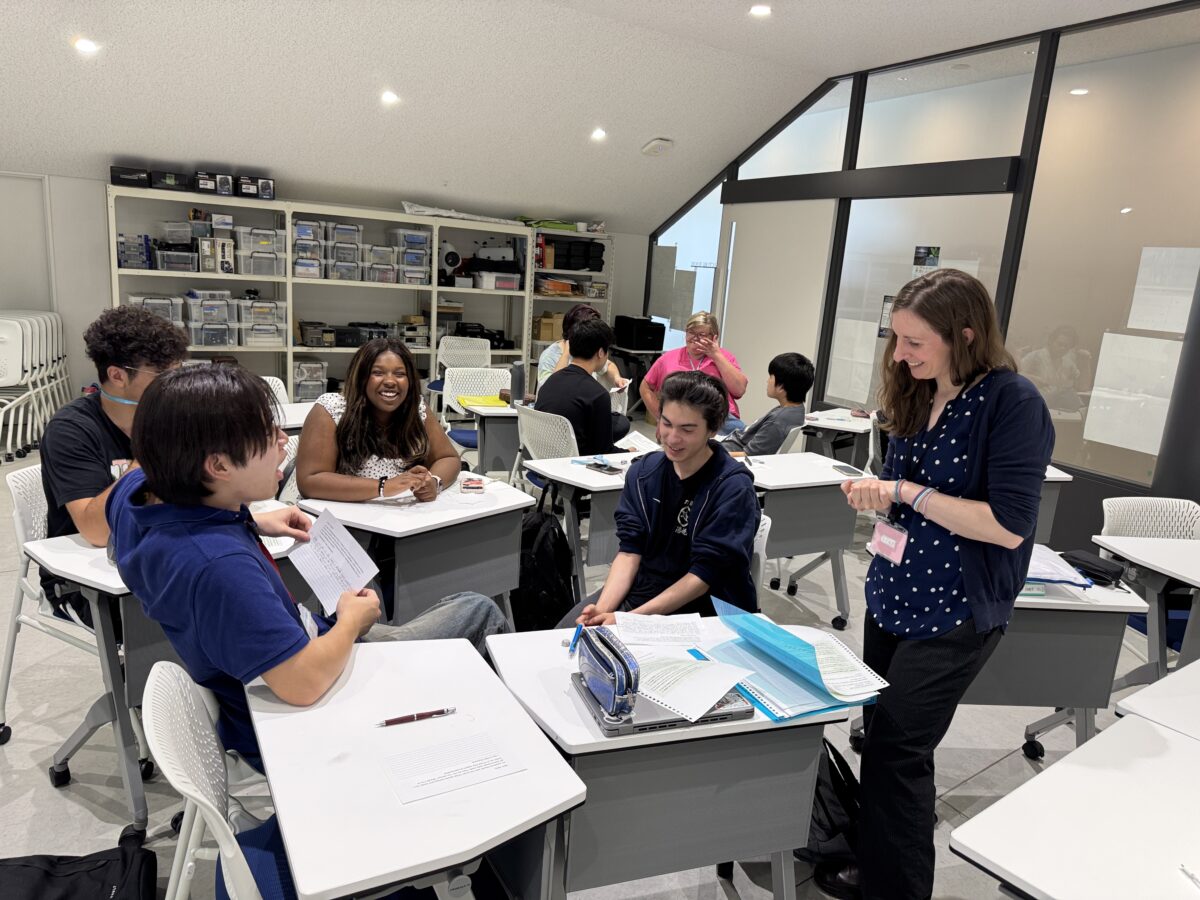
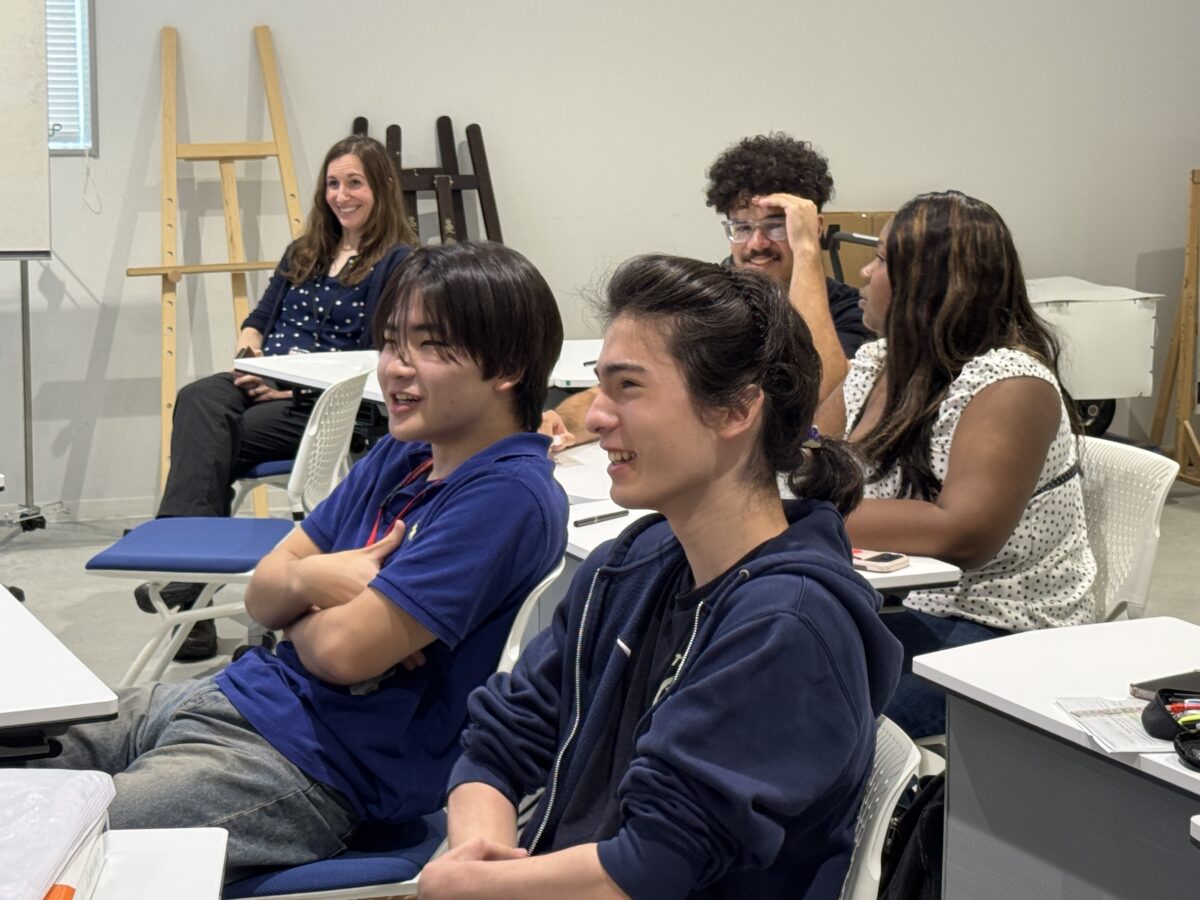
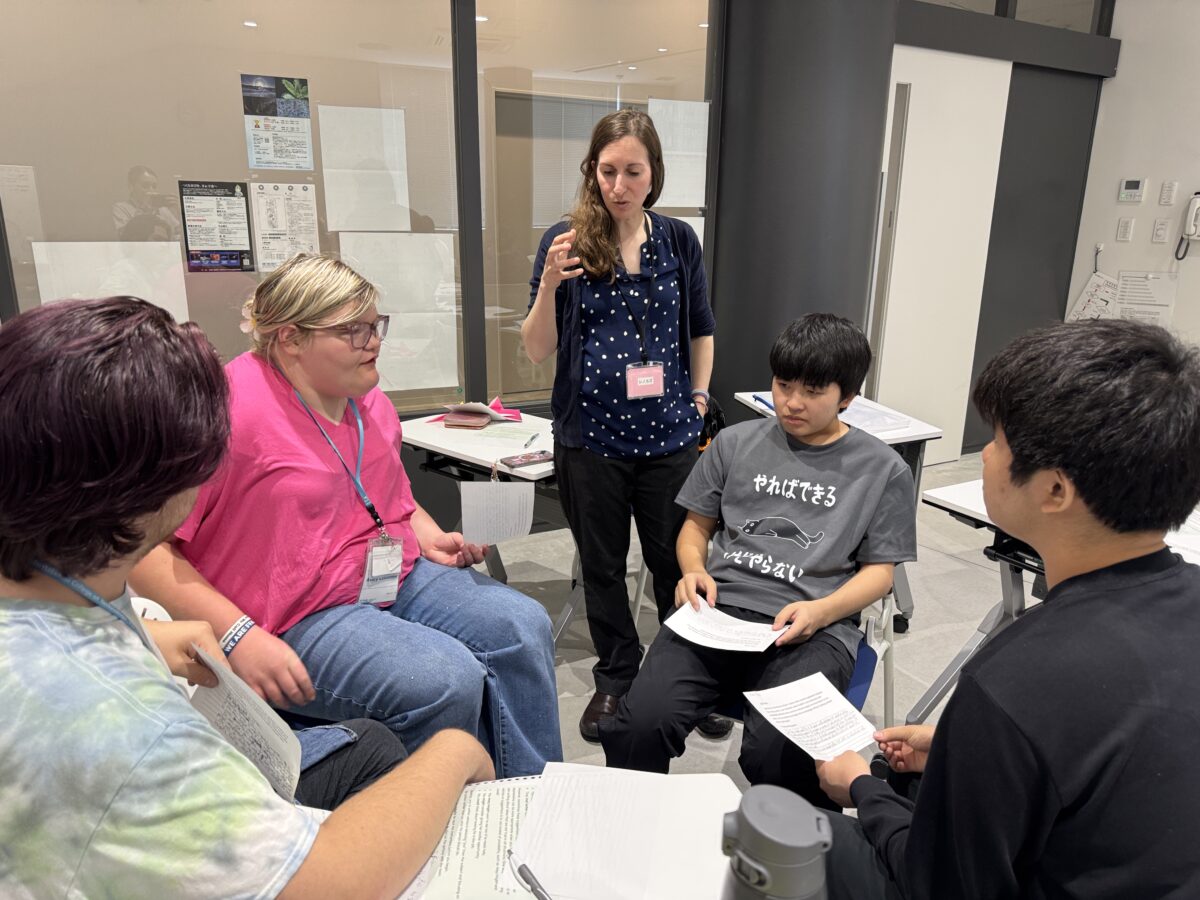
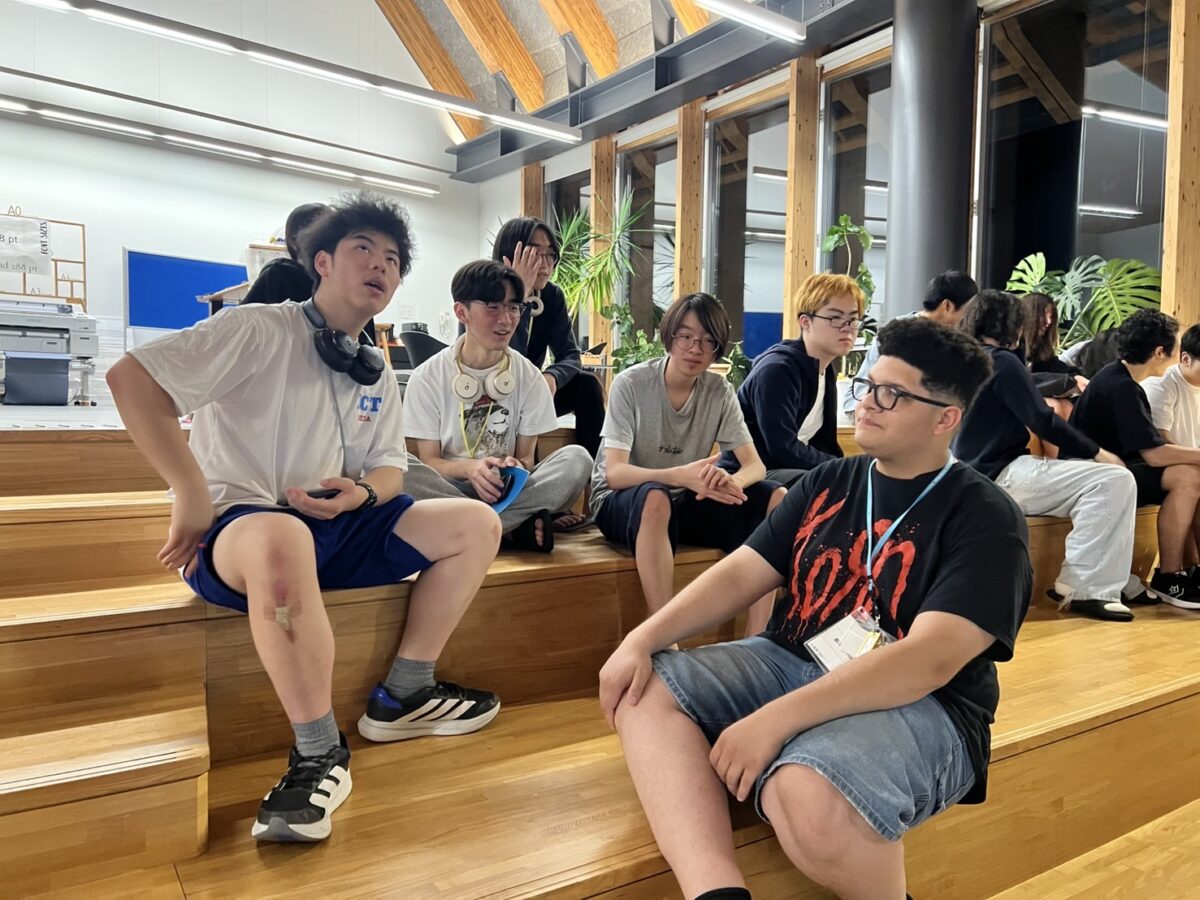
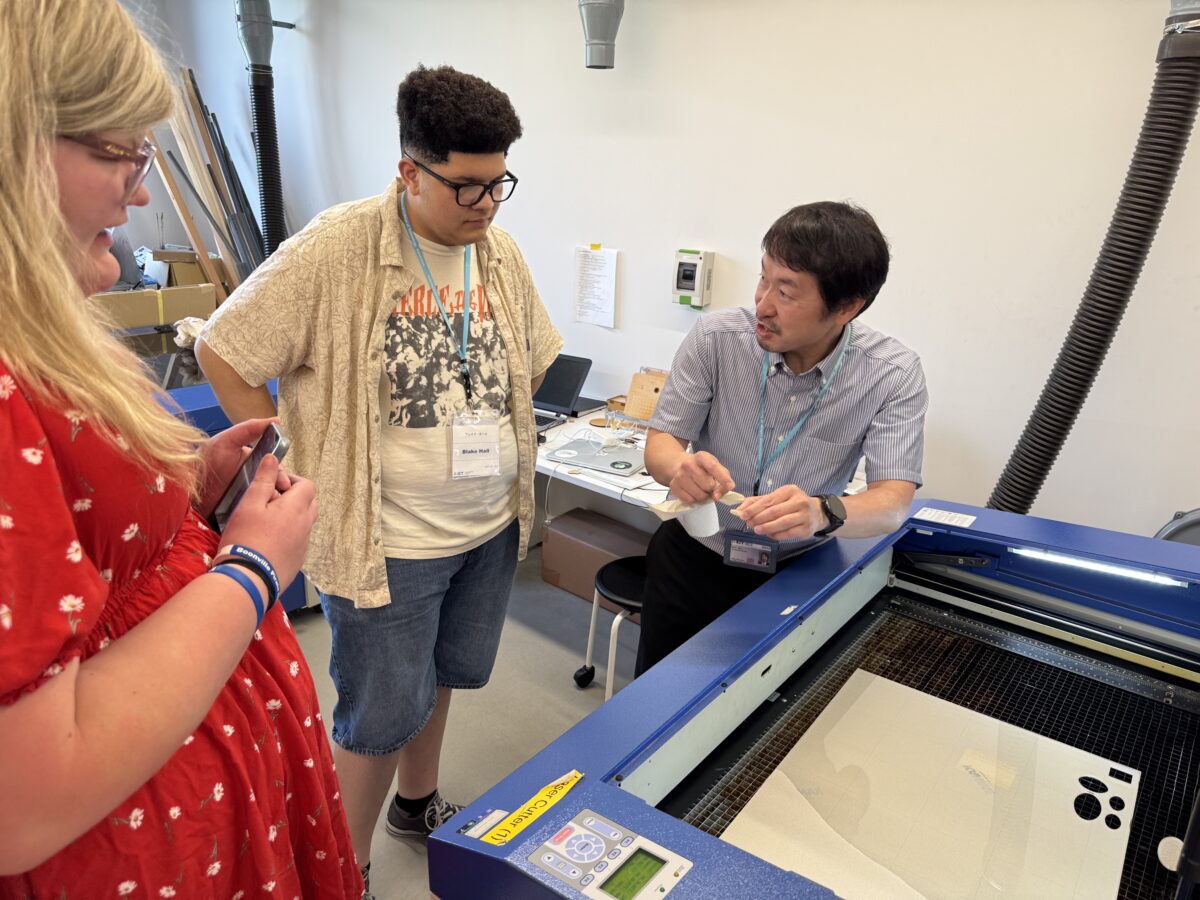
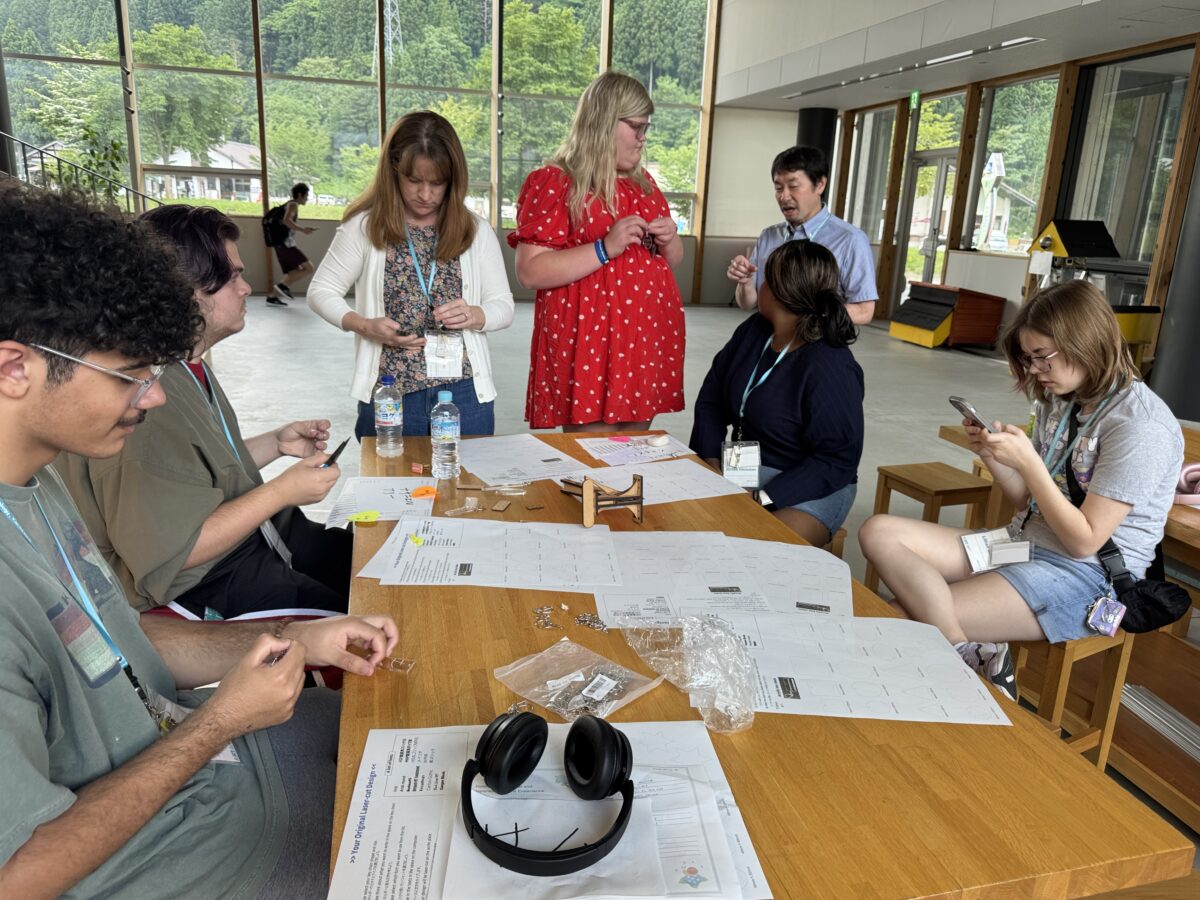
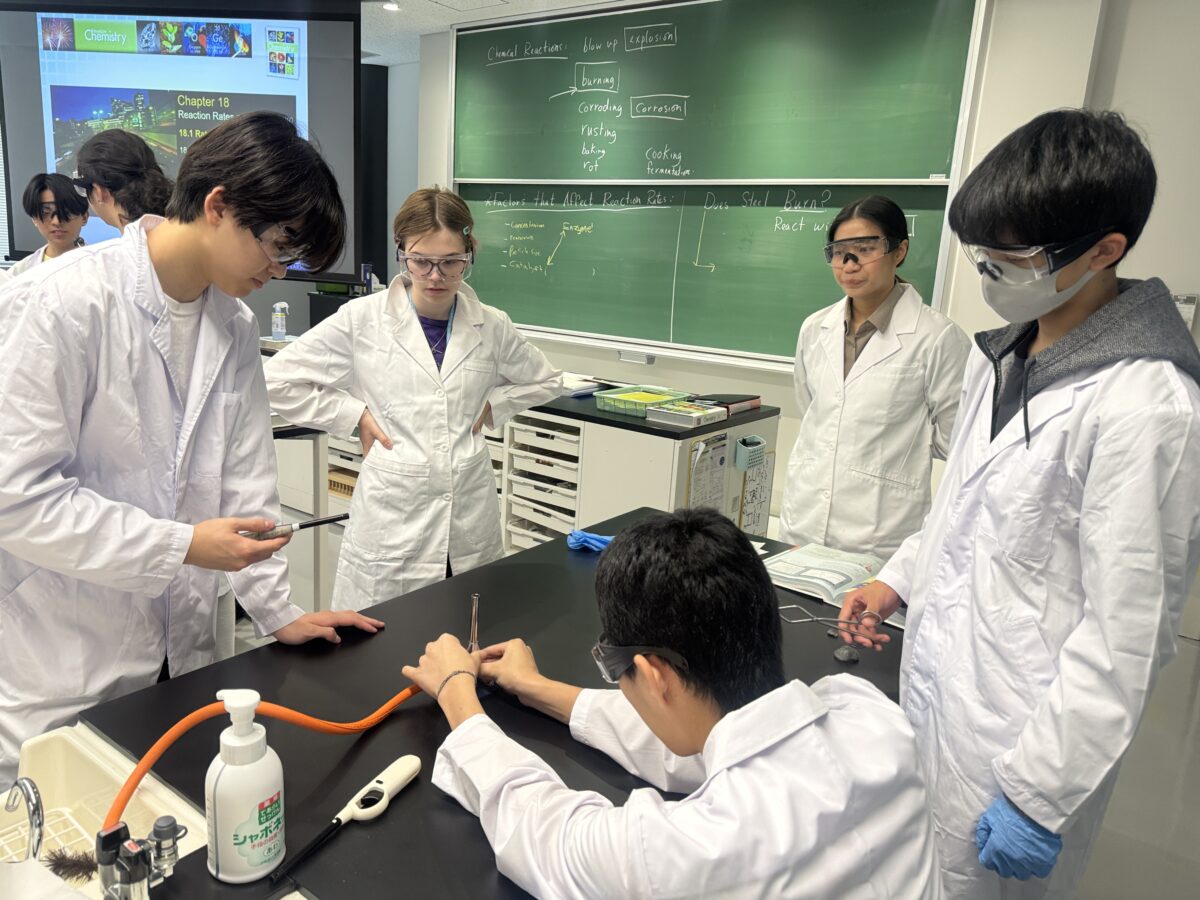
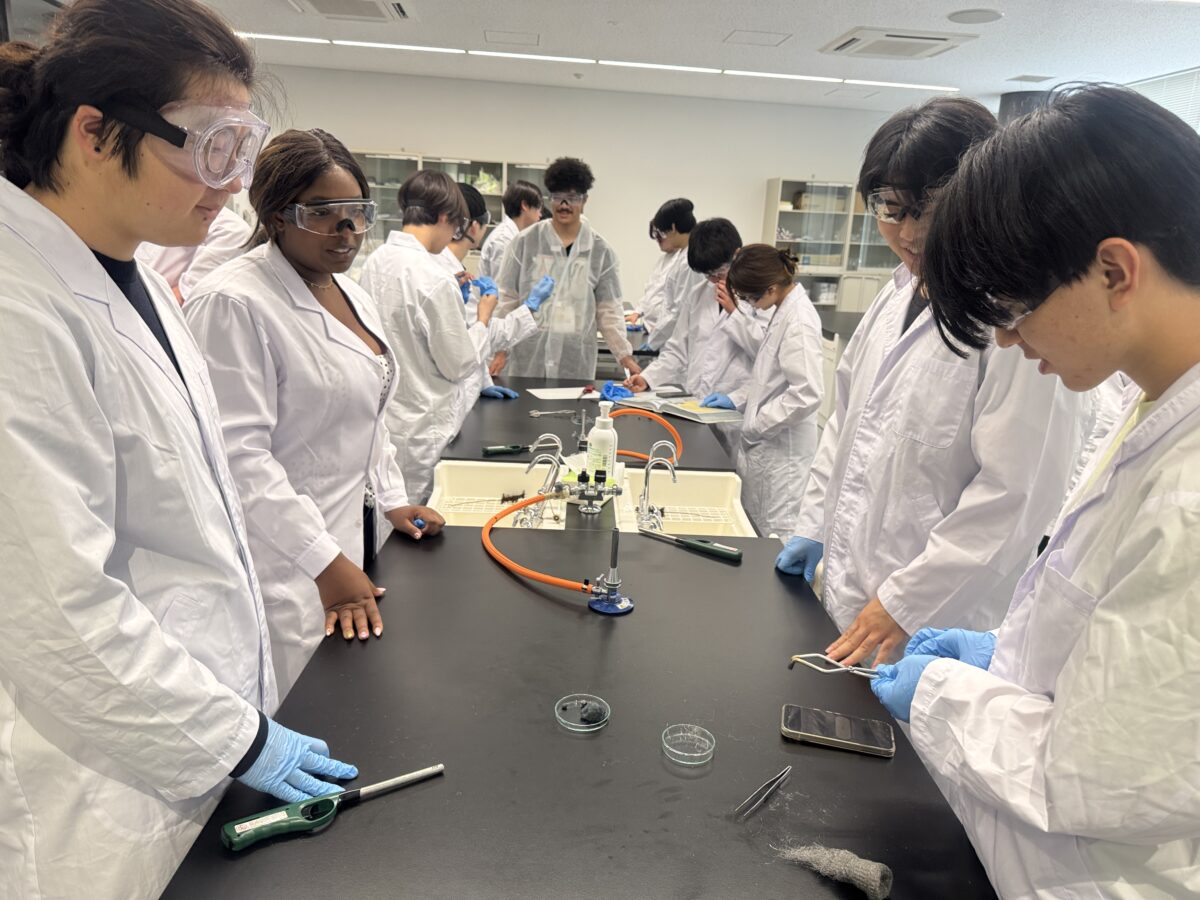
During their stay, the students from Columbia took part in various programs, including hands-on manufacturing activities and classes alongside ICT students. They also went on a sightseeing excursion in Kanazawa and took part in a homestay program in Hakusan City organized by the local government.
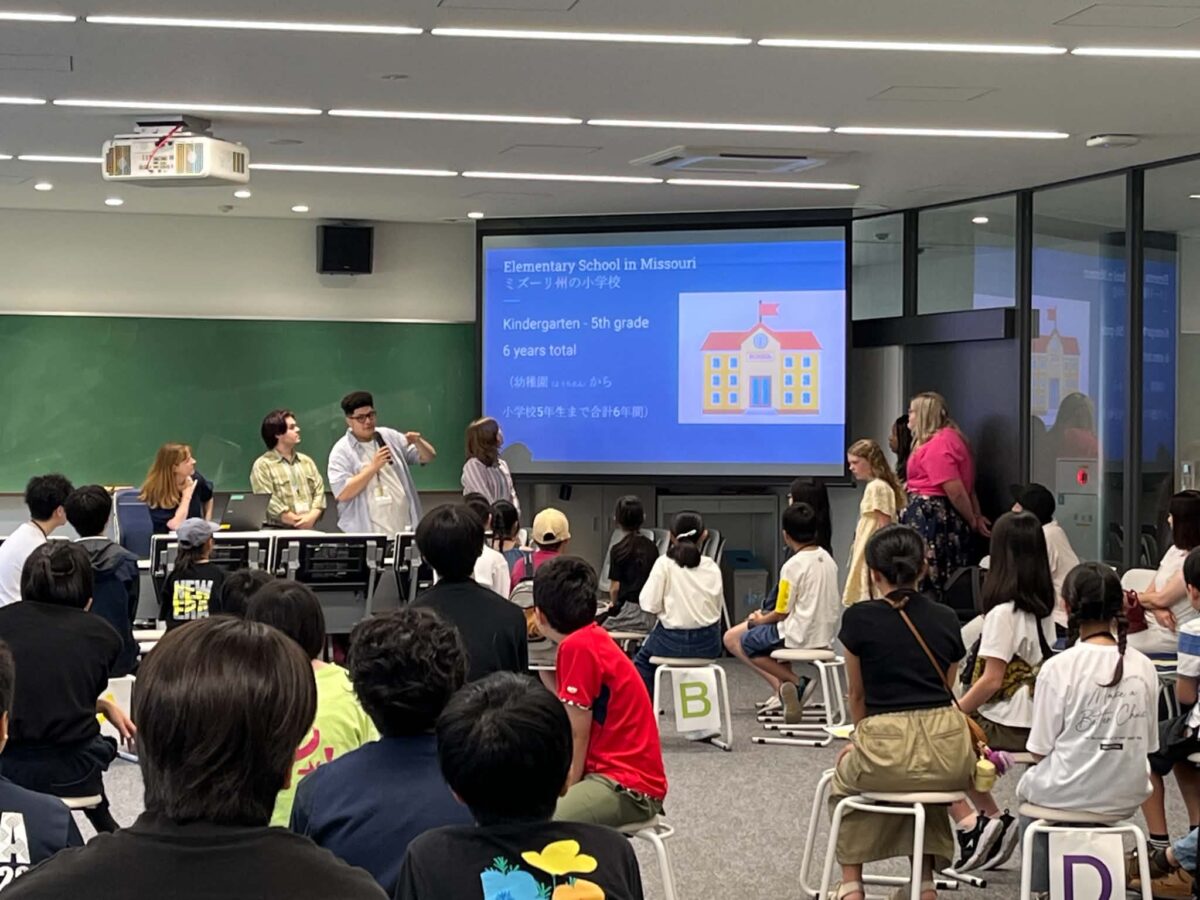
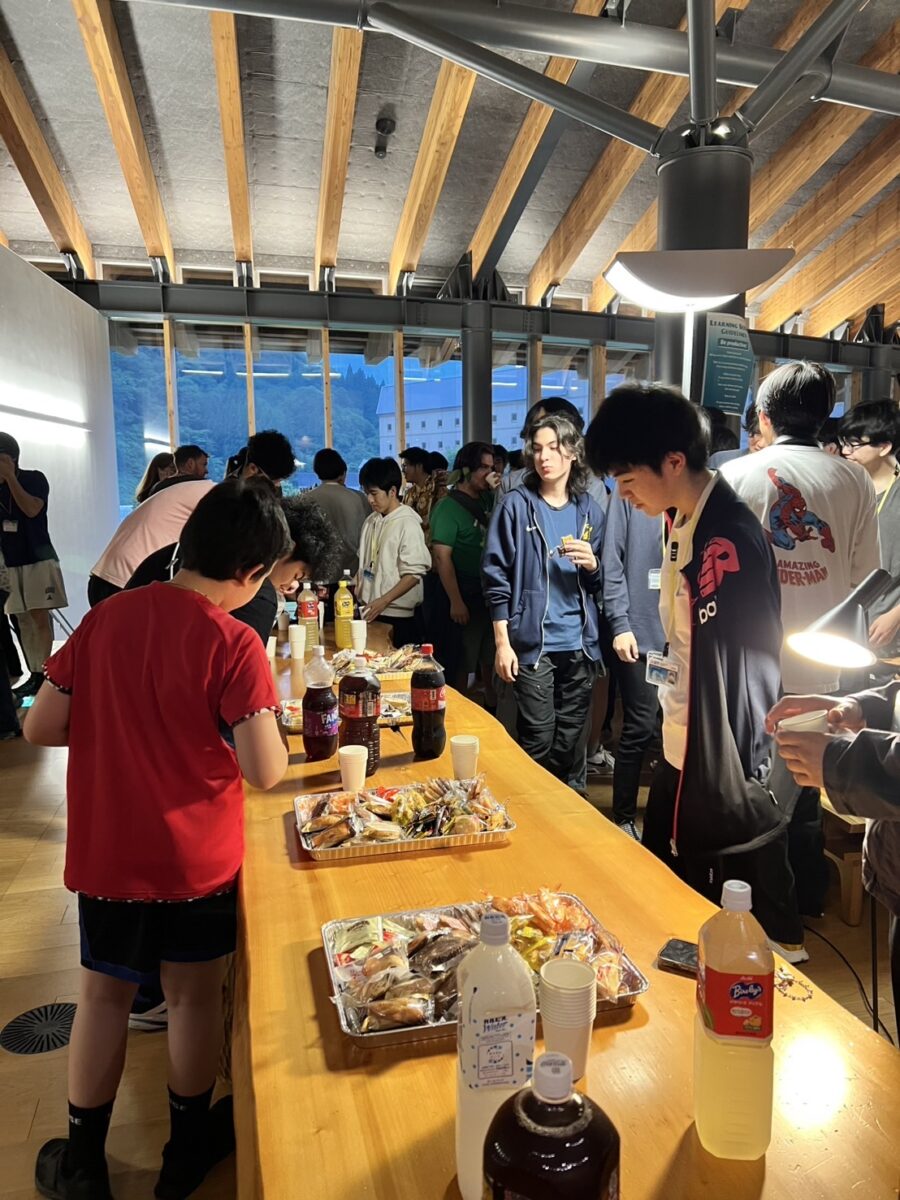
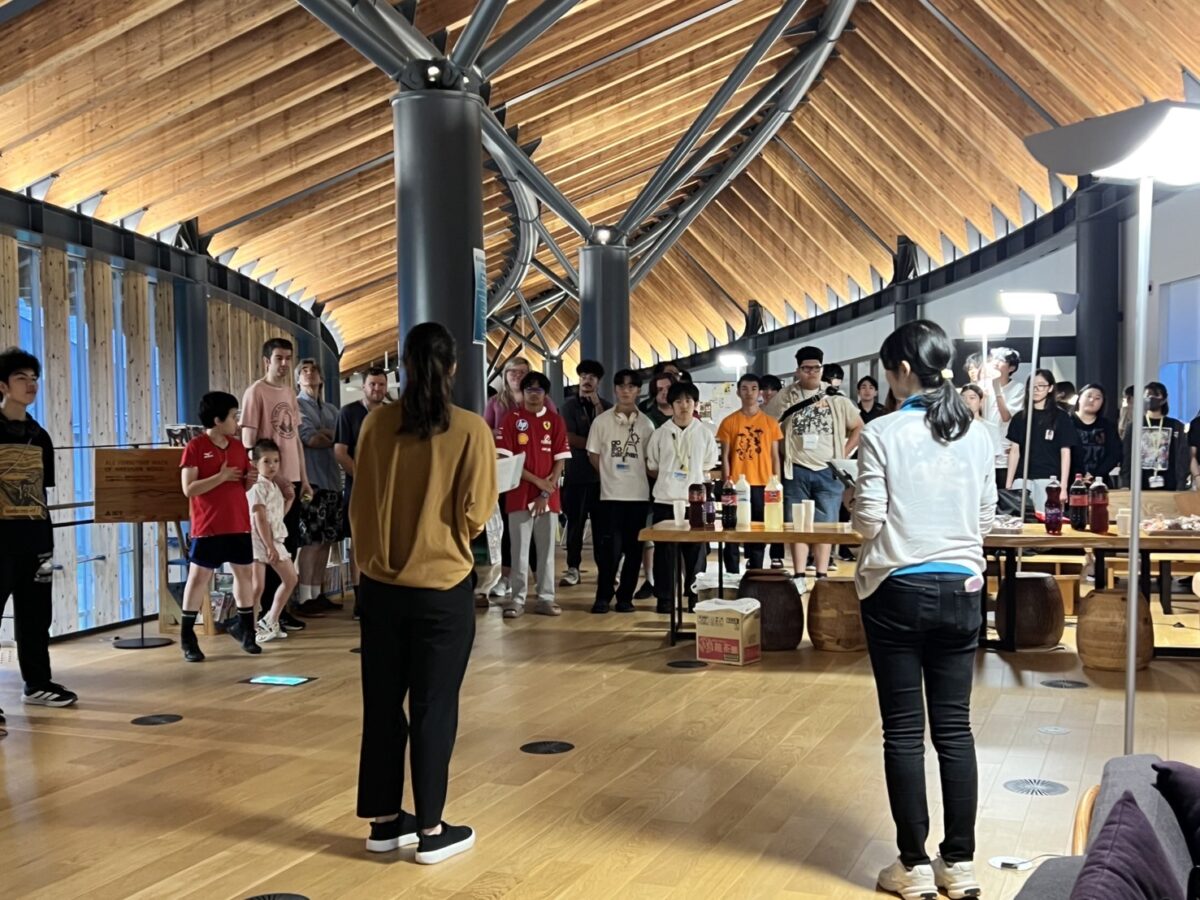
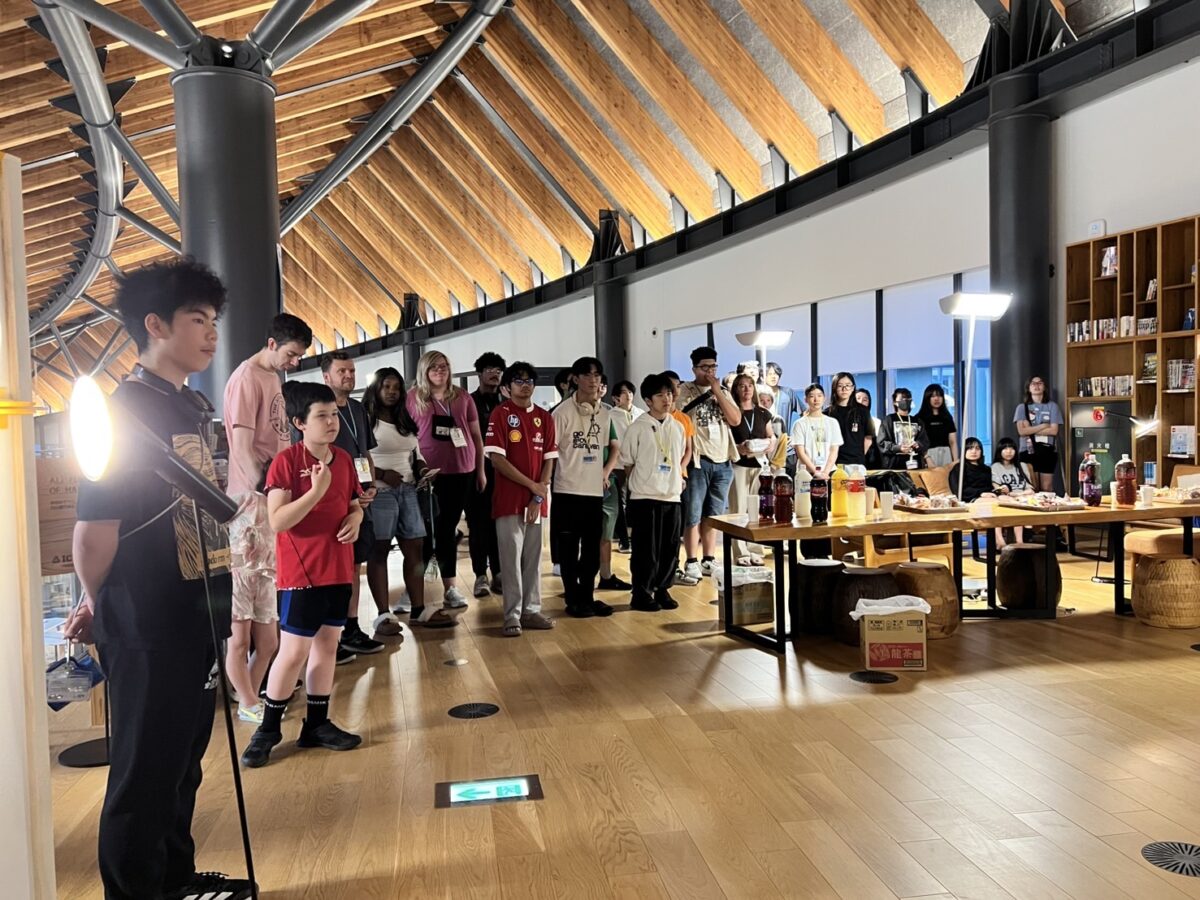
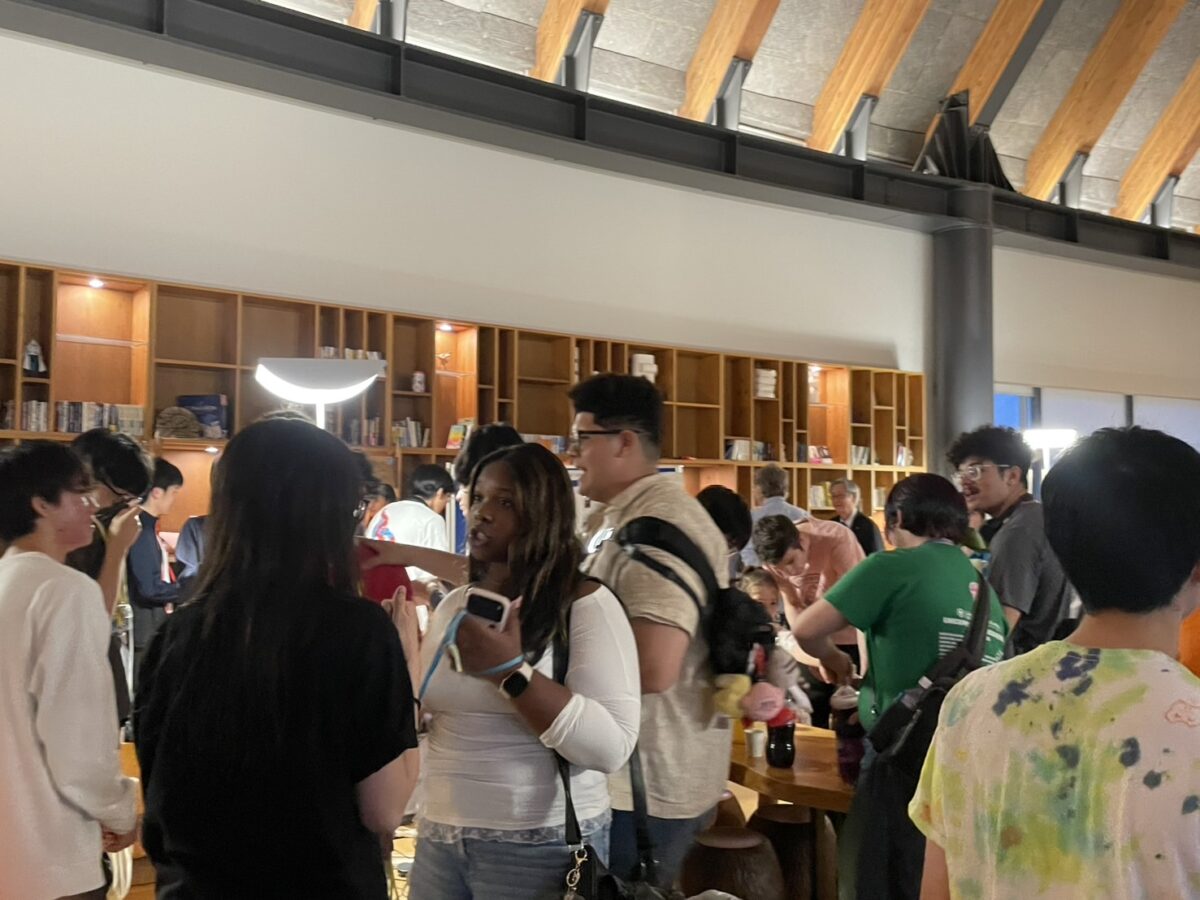
In addition, on Saturday, June 6th, an event titled “Sister City Exchange Program with Columbia, USA – Let’s Interact with American High School Students!” was held at the Hakusanroku Campus. It was organized by the Hakusan International Exchange Association. Elementary and junior high school students from Hakusan City, as well as ICT students, took part. After the visiting American students gave a presentation about Columbia, event participants enjoyed interacting with them in English through quizzes, games, and a campus tour.
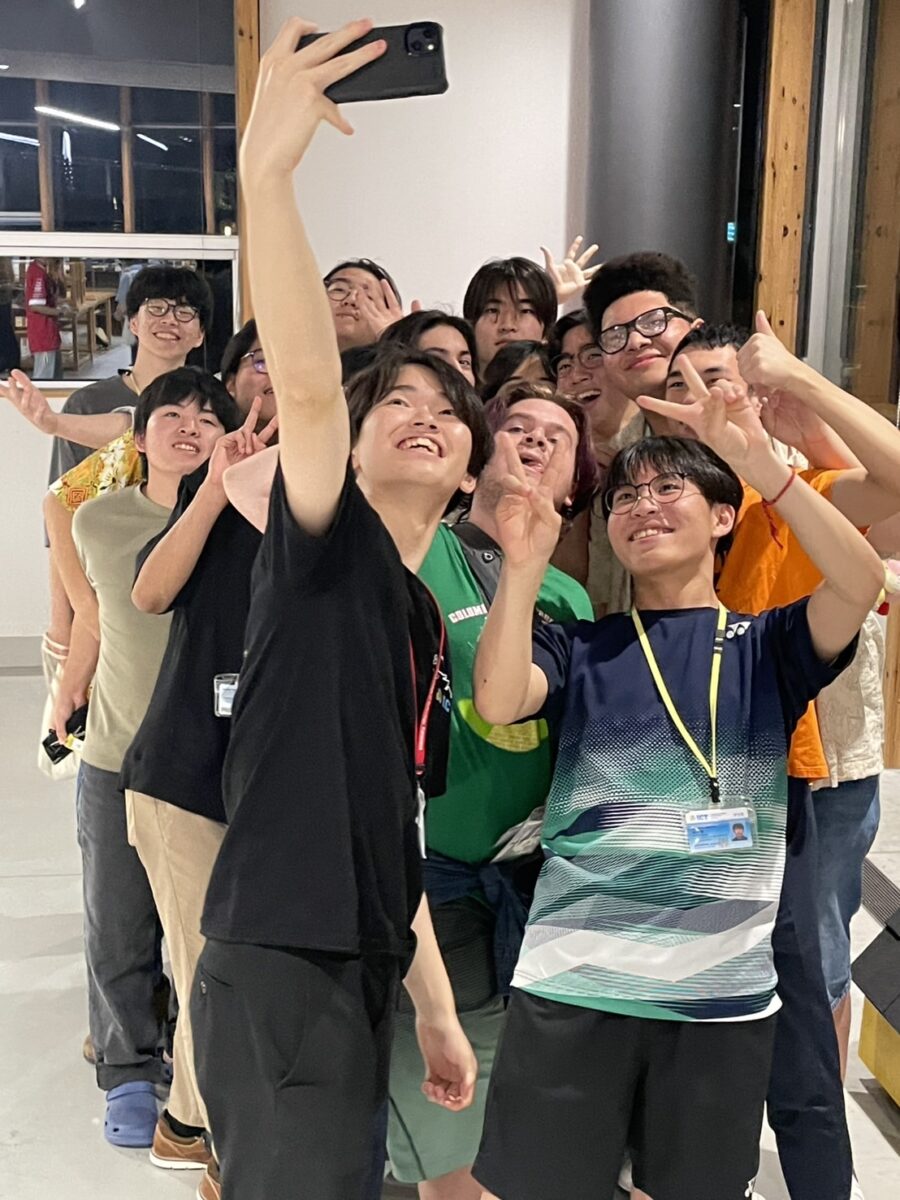
For the ICT and American students, even within this relatively short two-week period, living together in the dormitory provided valuable opportunities to learn and build friendships. This made it an irreplaceable and meaningful experience.
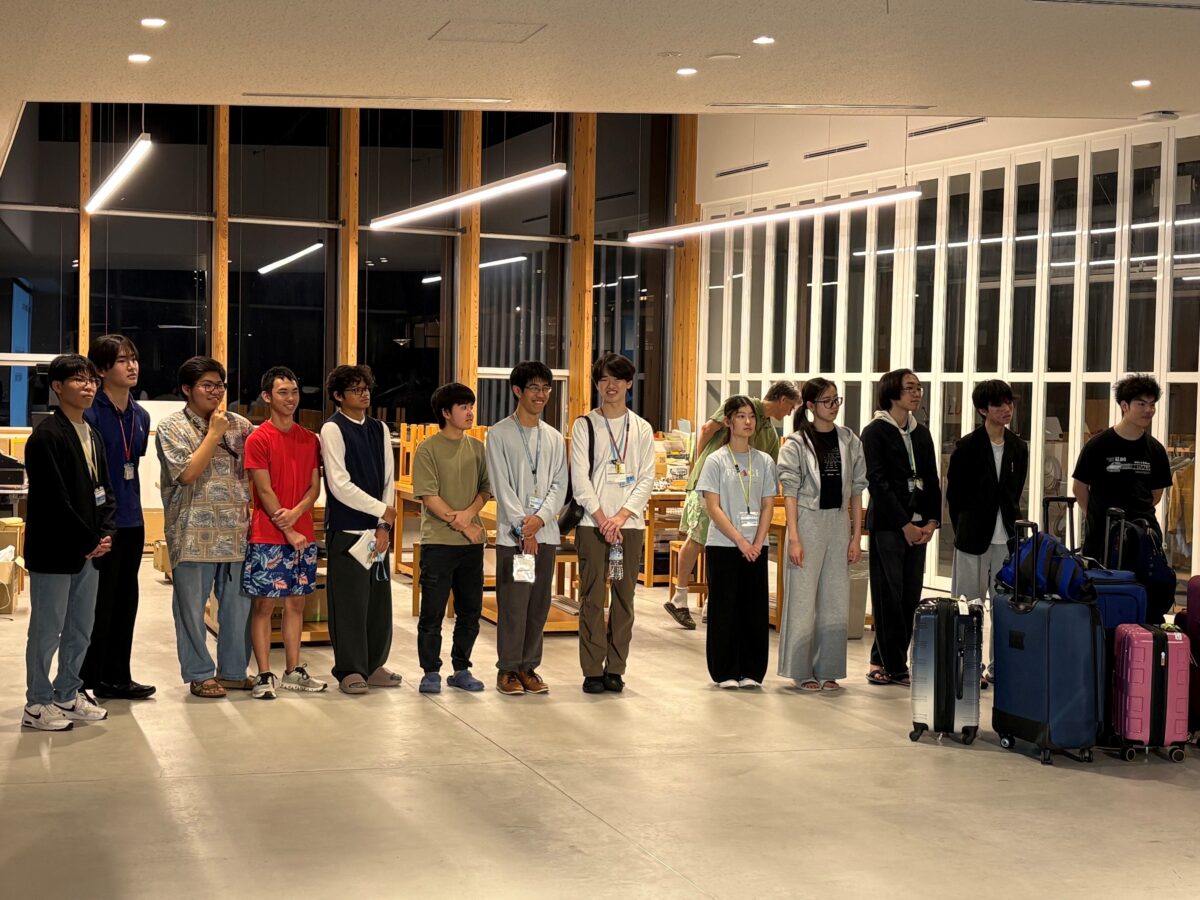
American students arrive at the Hakusanroku Campus
-

夜9時白山麓キャンパスに到着
-

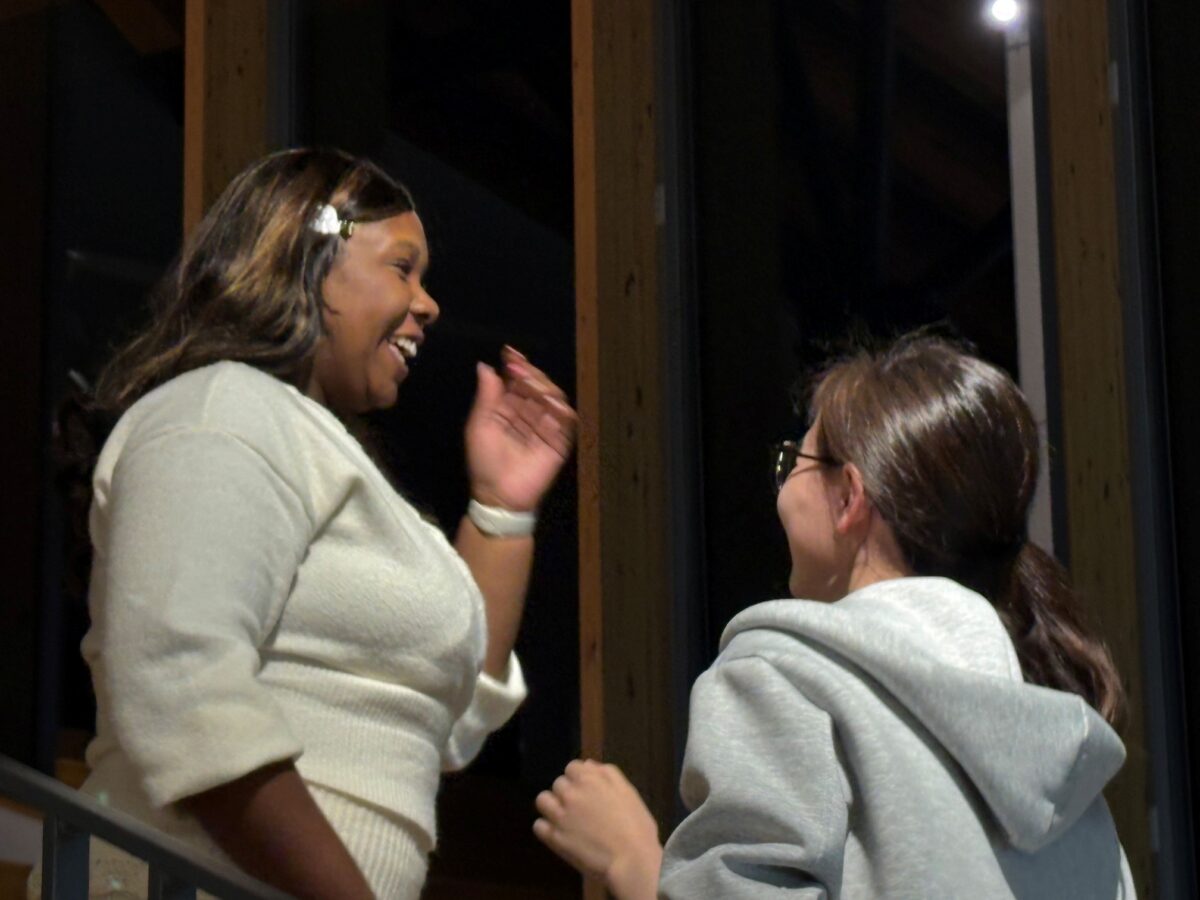
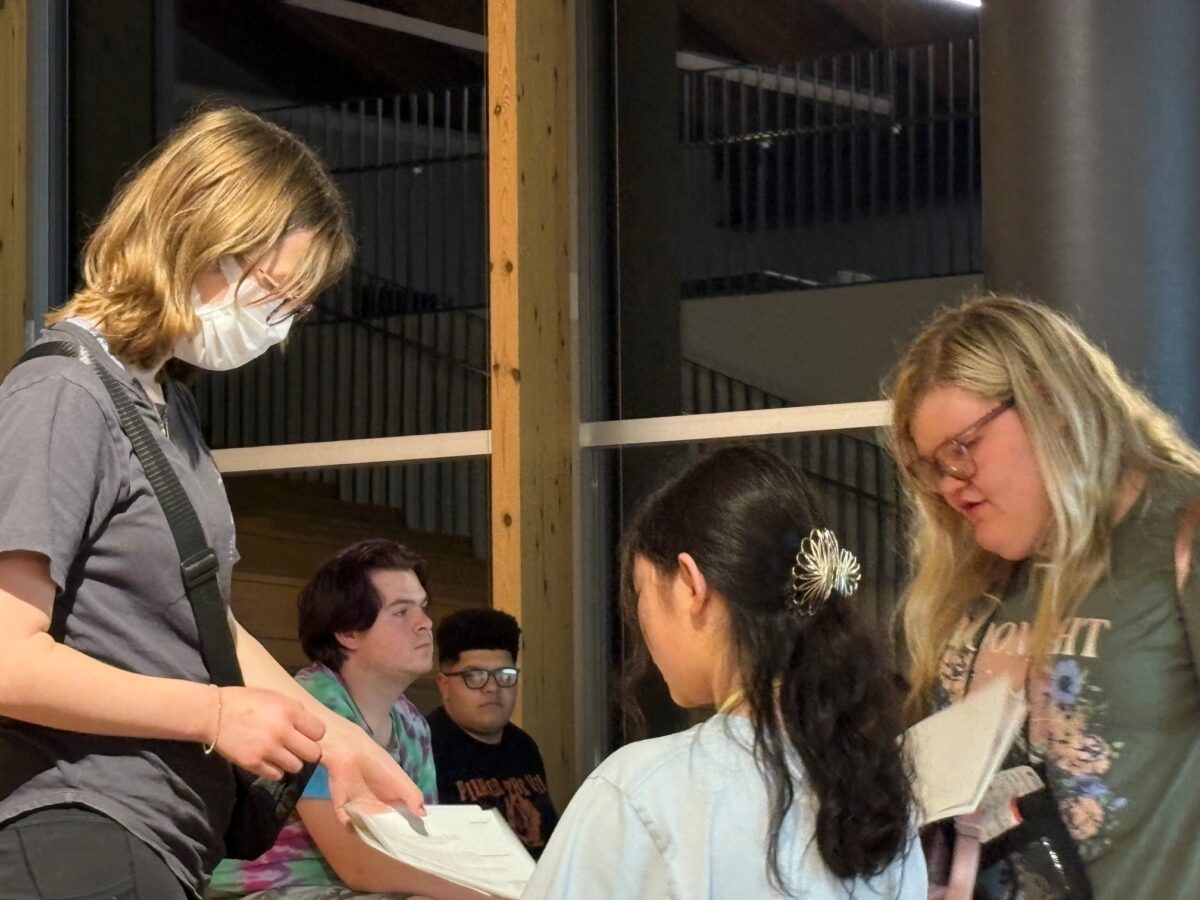
バディ紹介
-
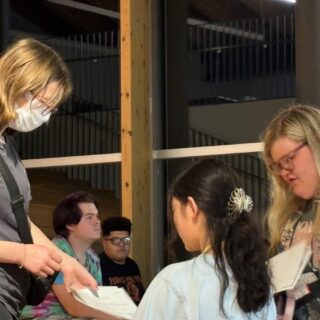
バディ紹介
-
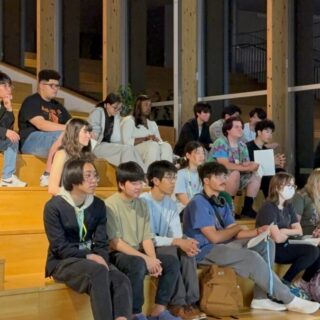
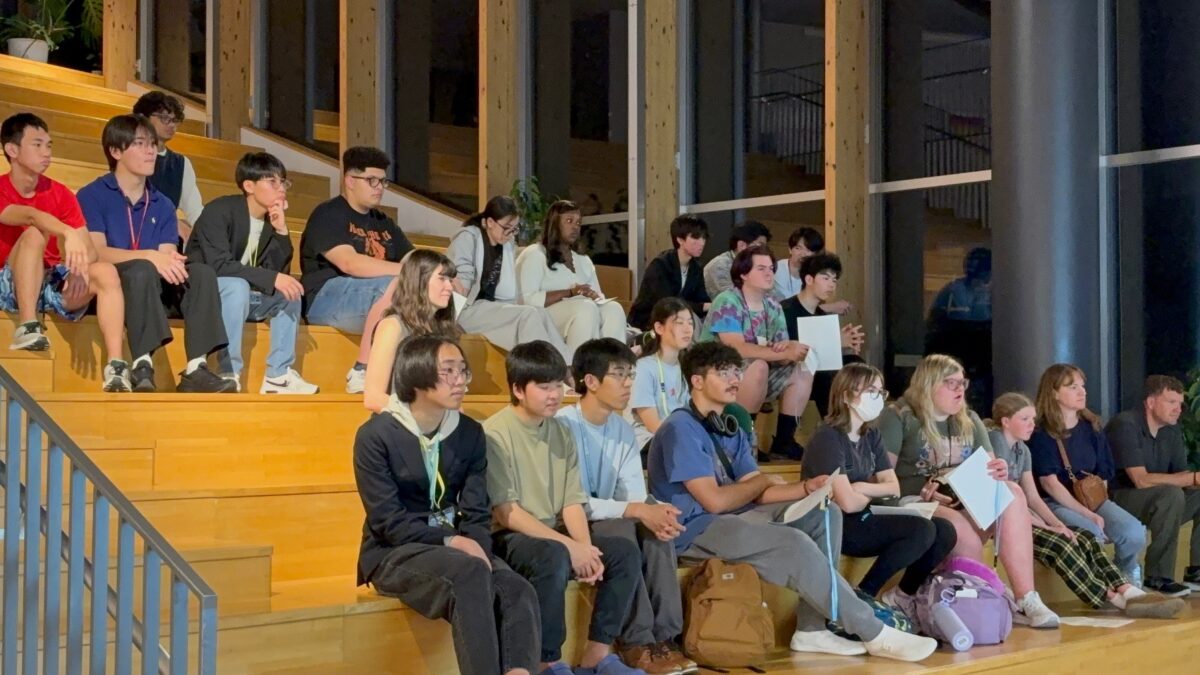
国際高専の学生と共に説明を聞く
-
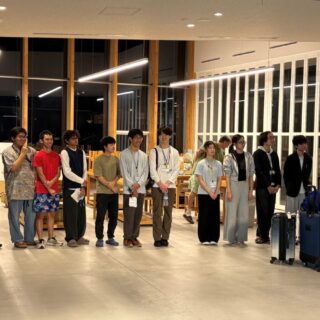
出迎えの学生たち
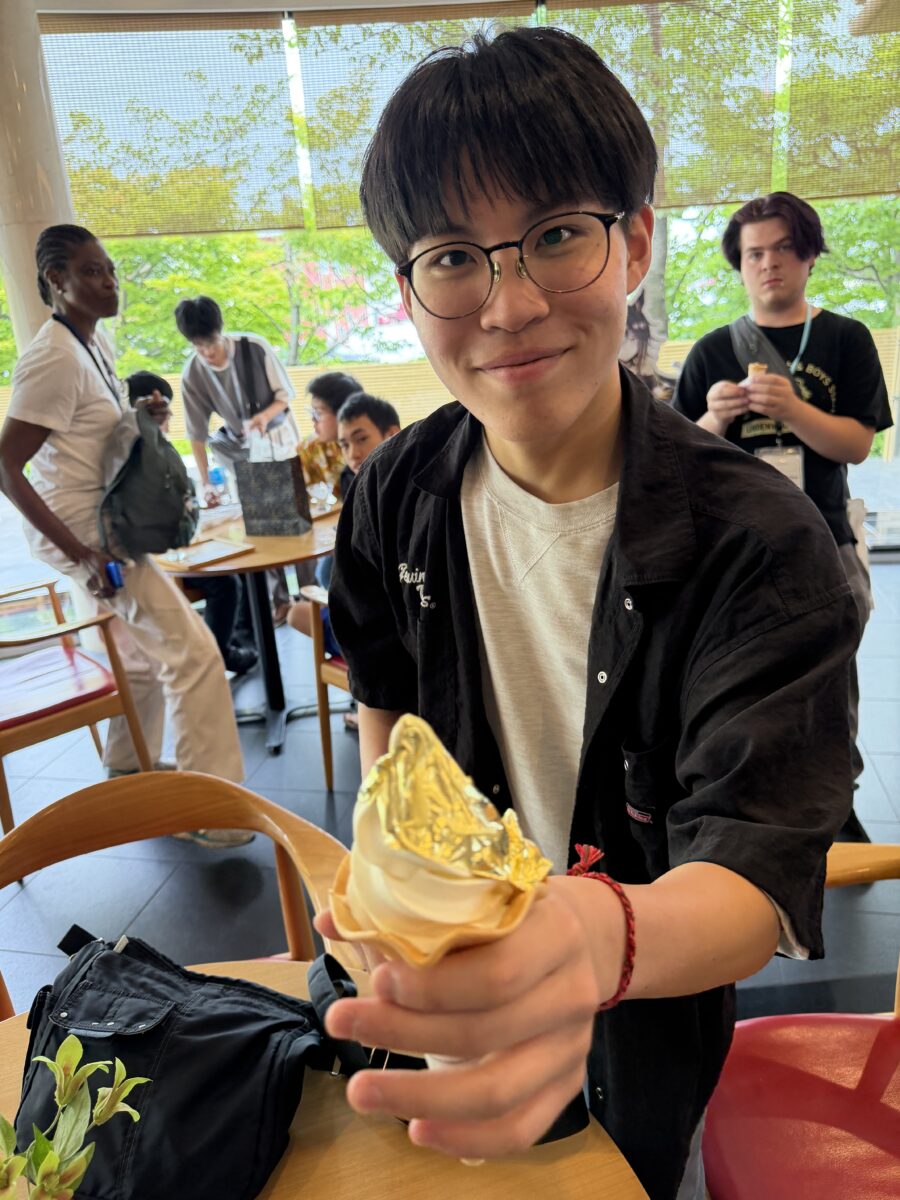
Kanazawa sightseeing
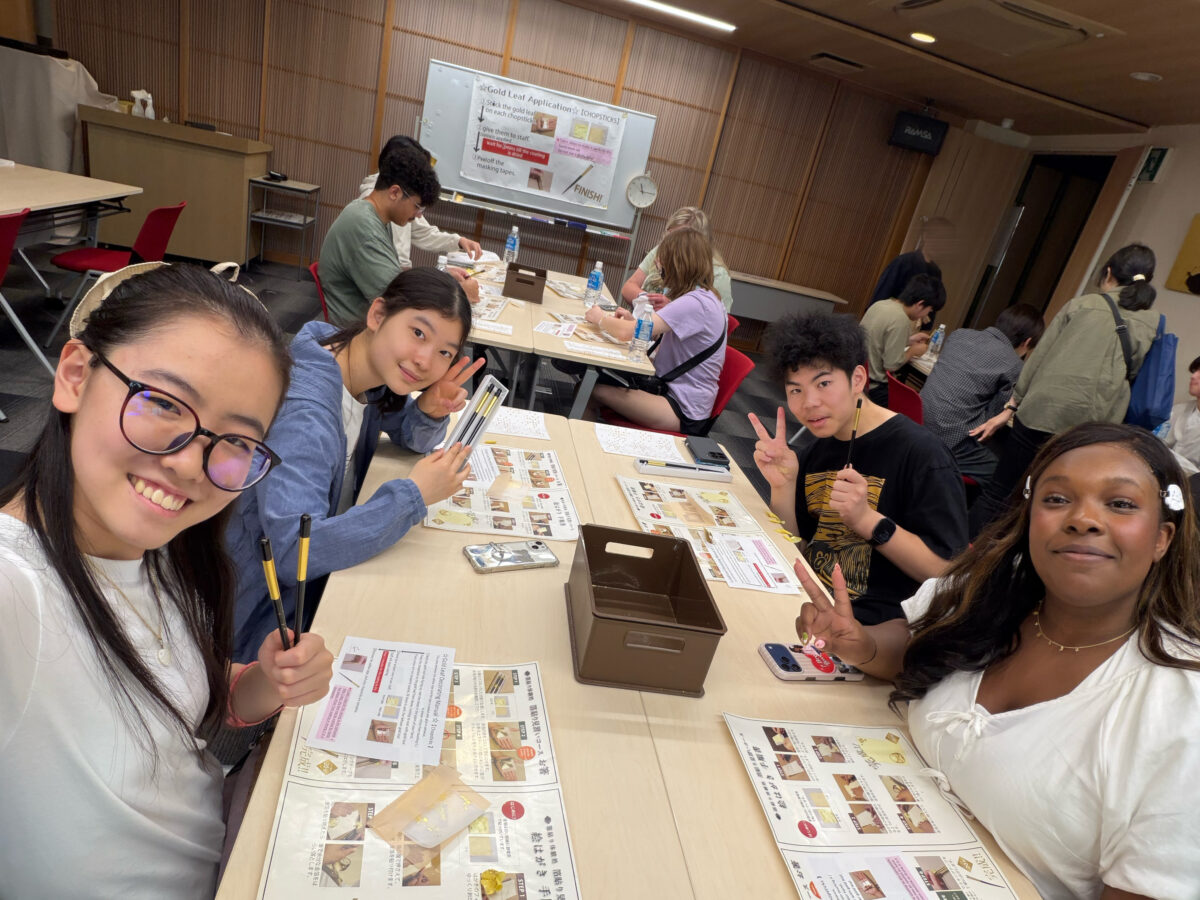
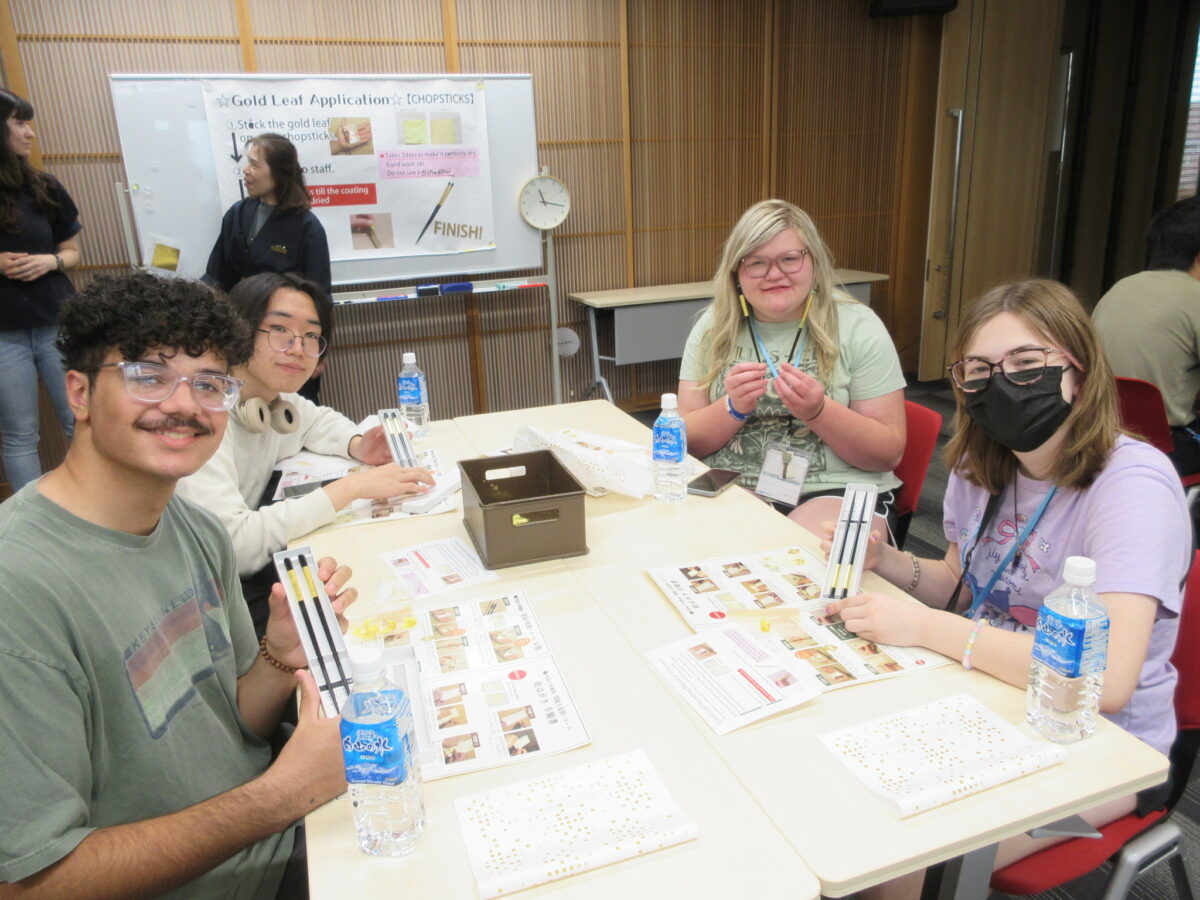
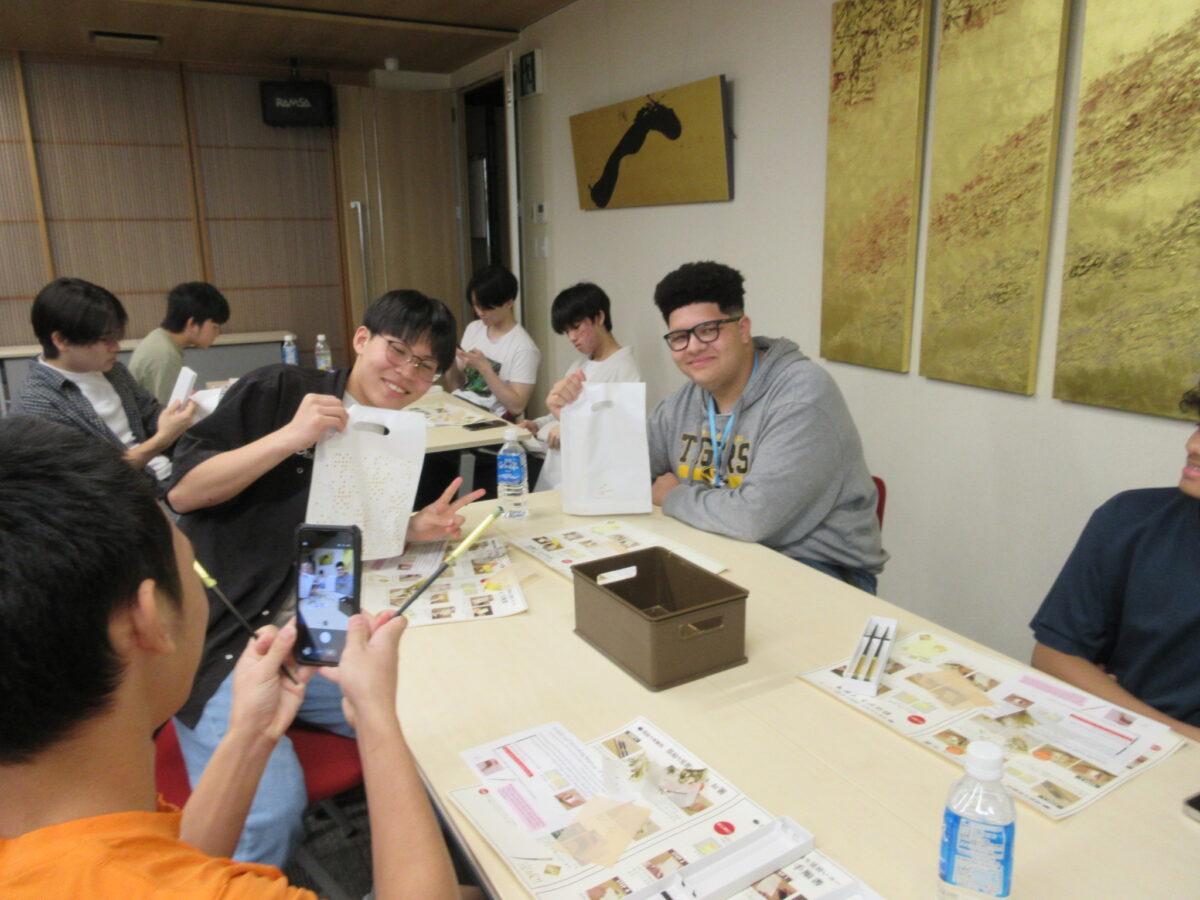
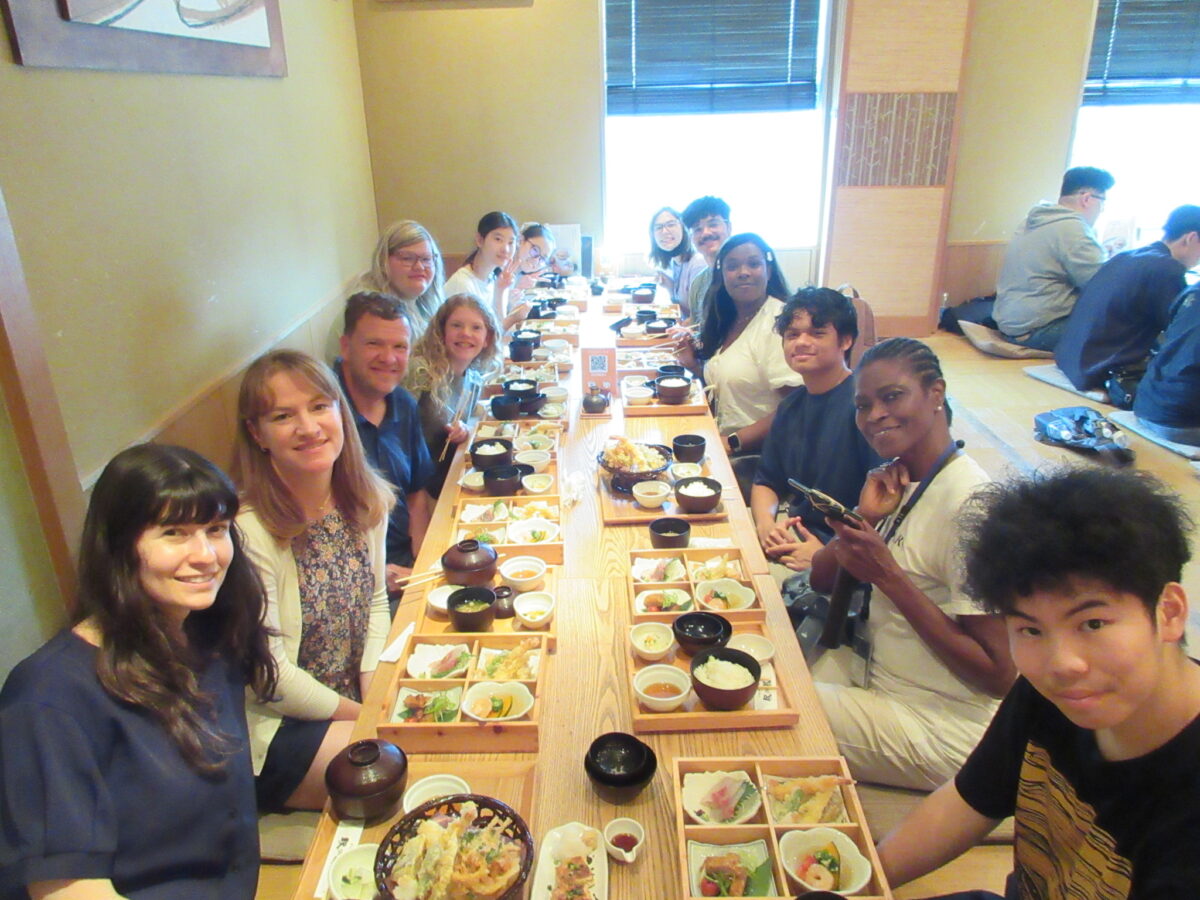
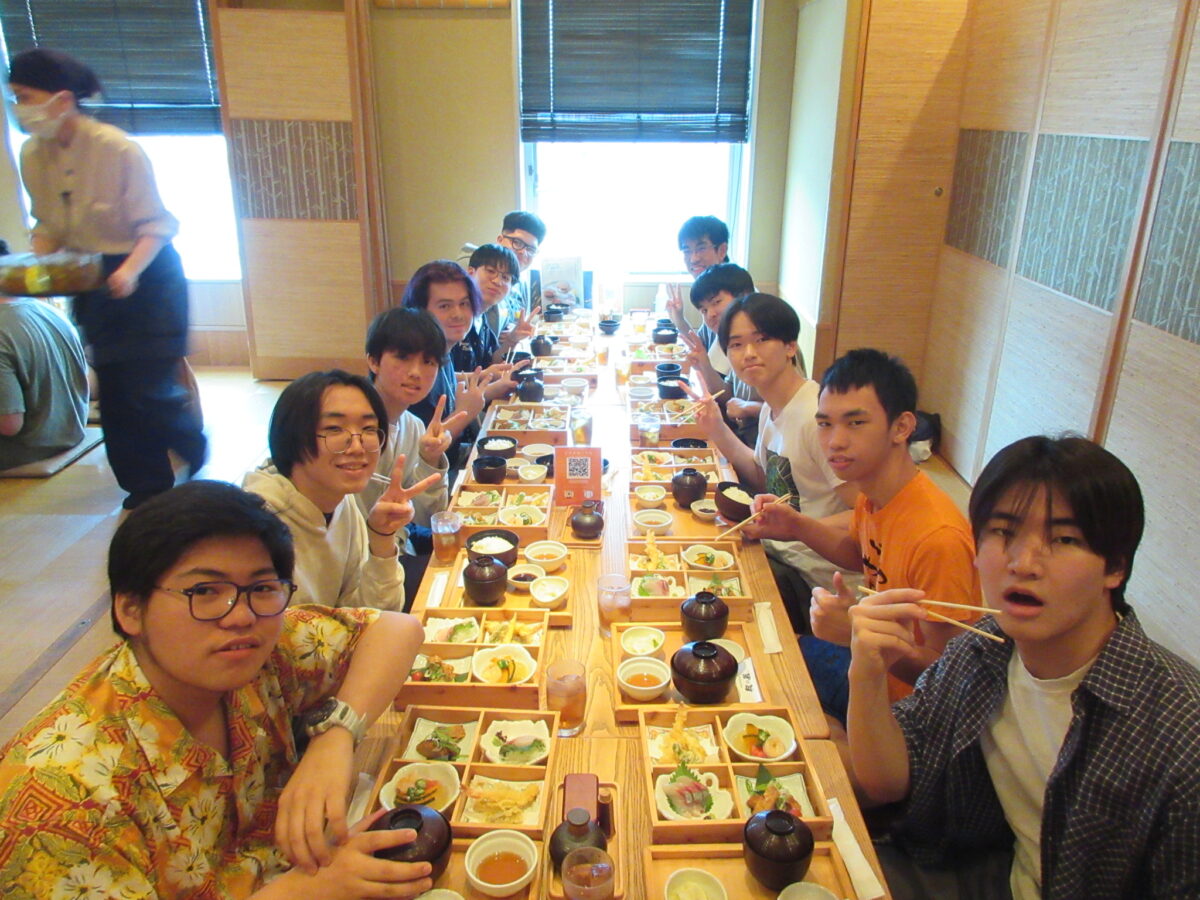
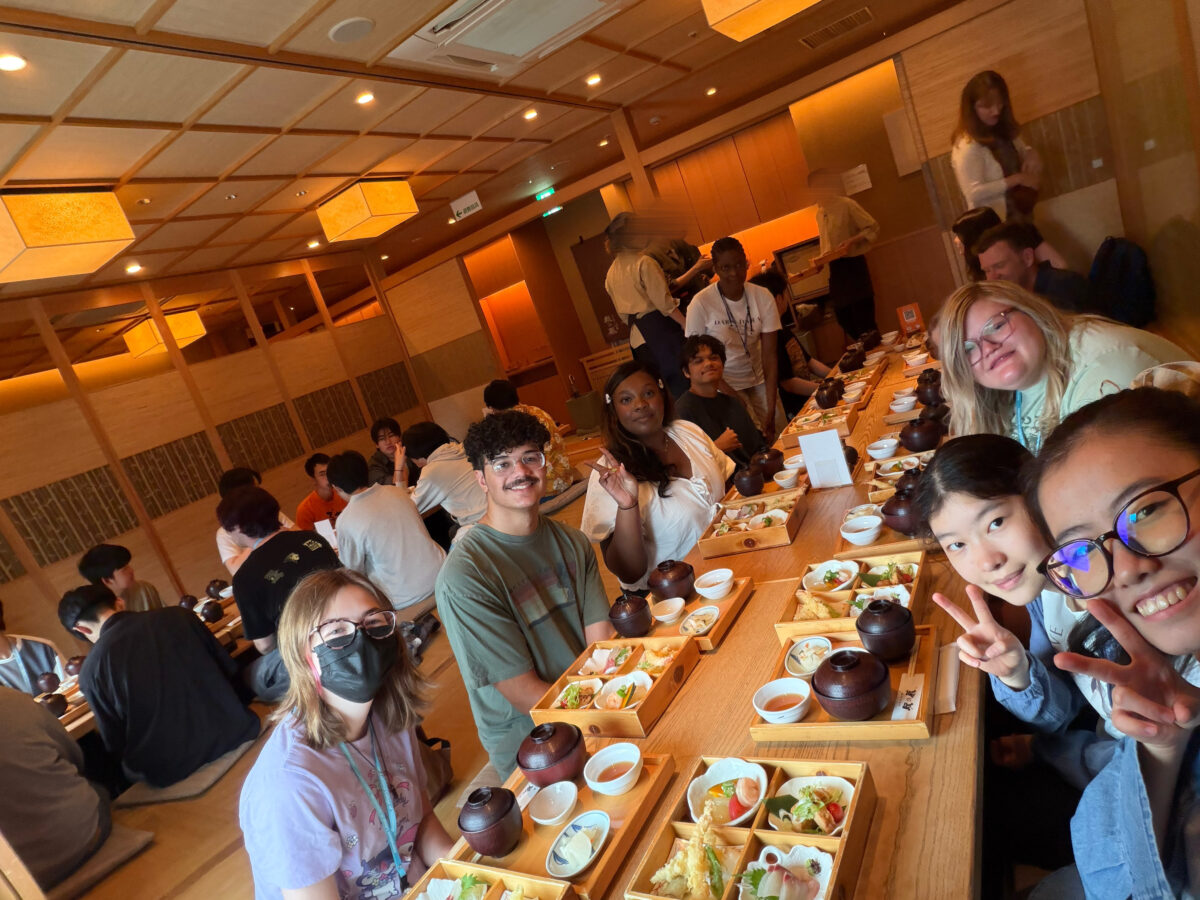
Hands-on manufacturing activities and classes alongside ICT students
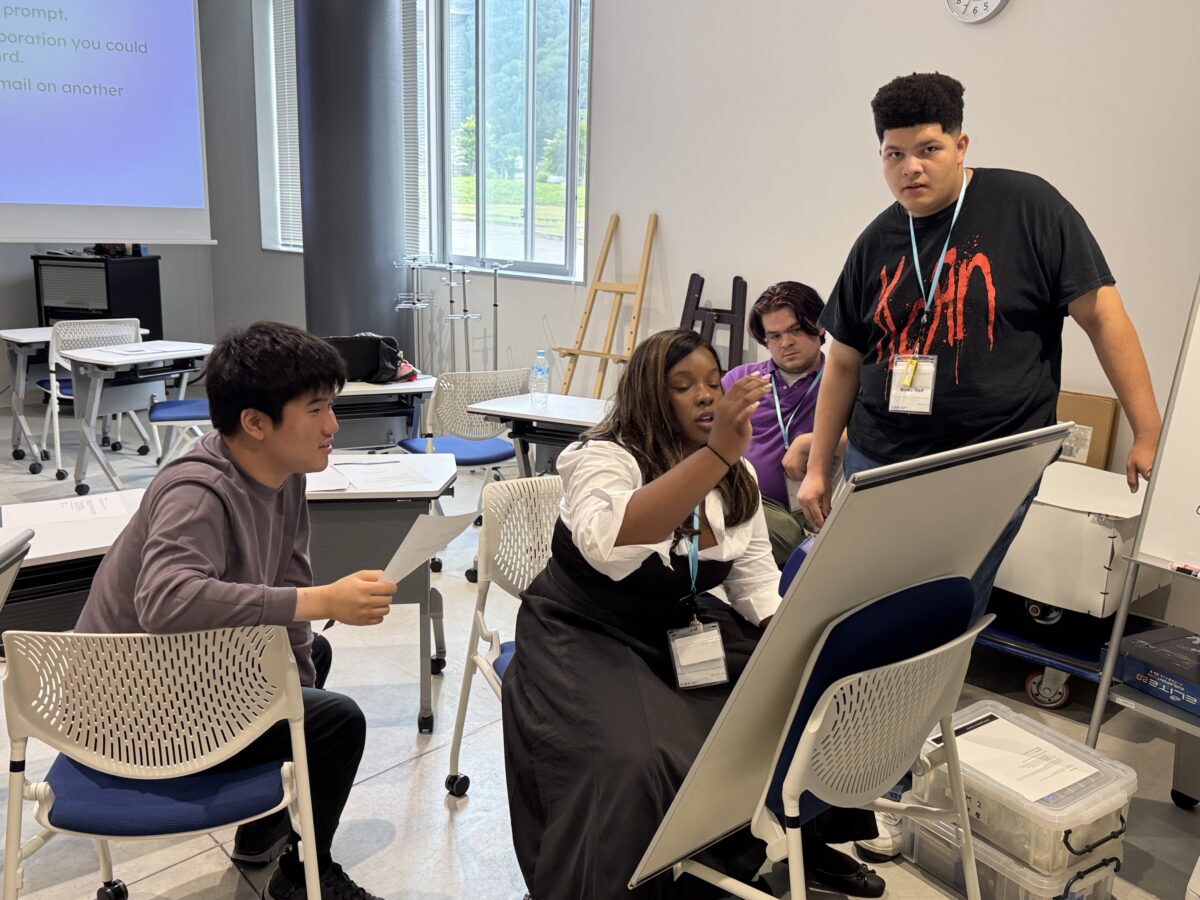
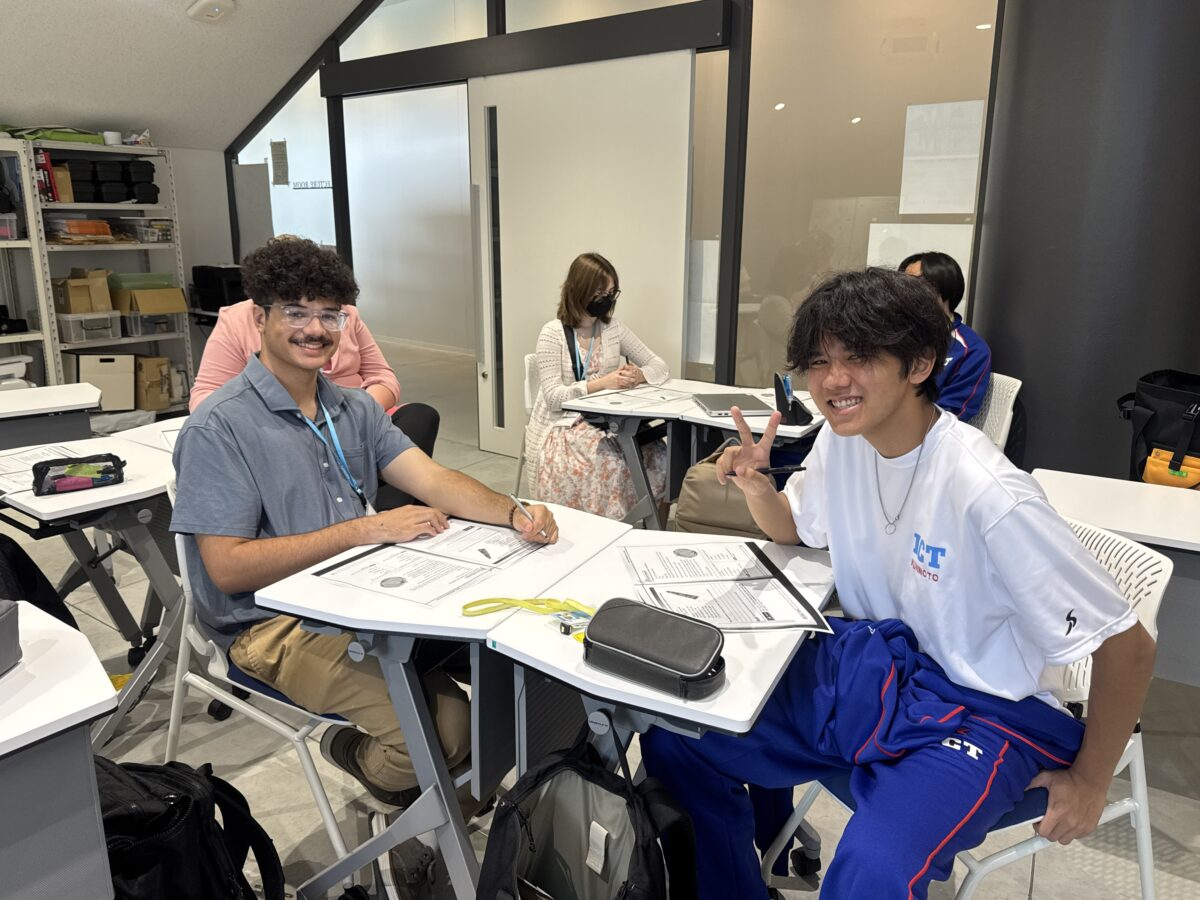
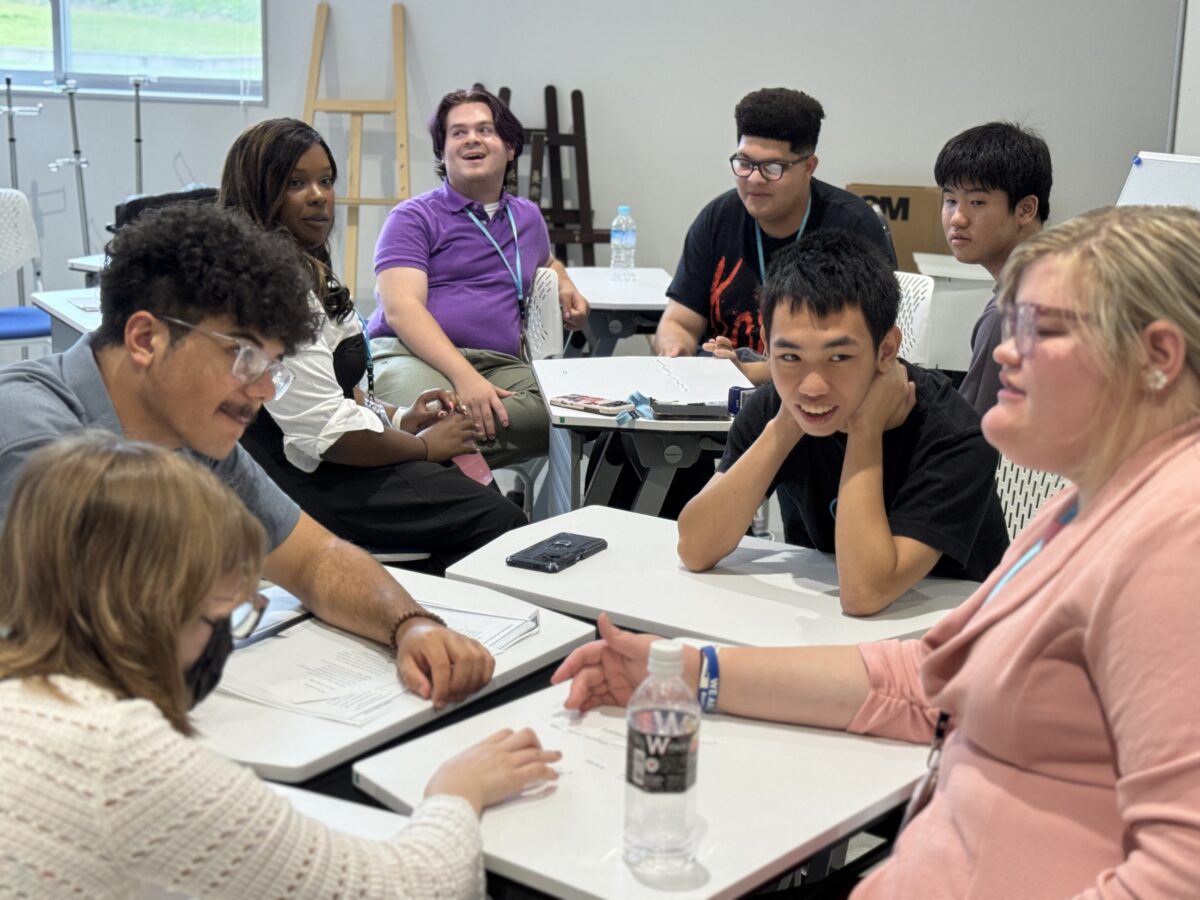
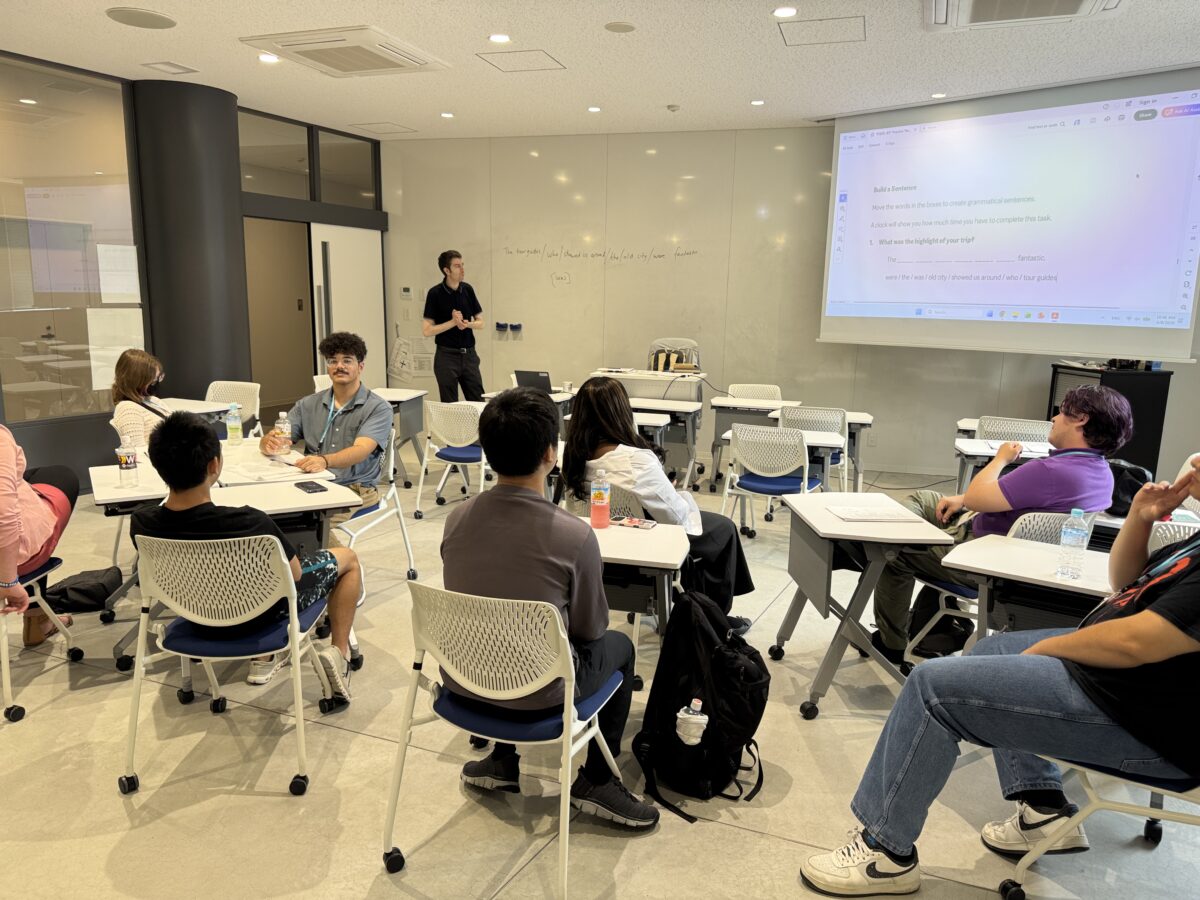
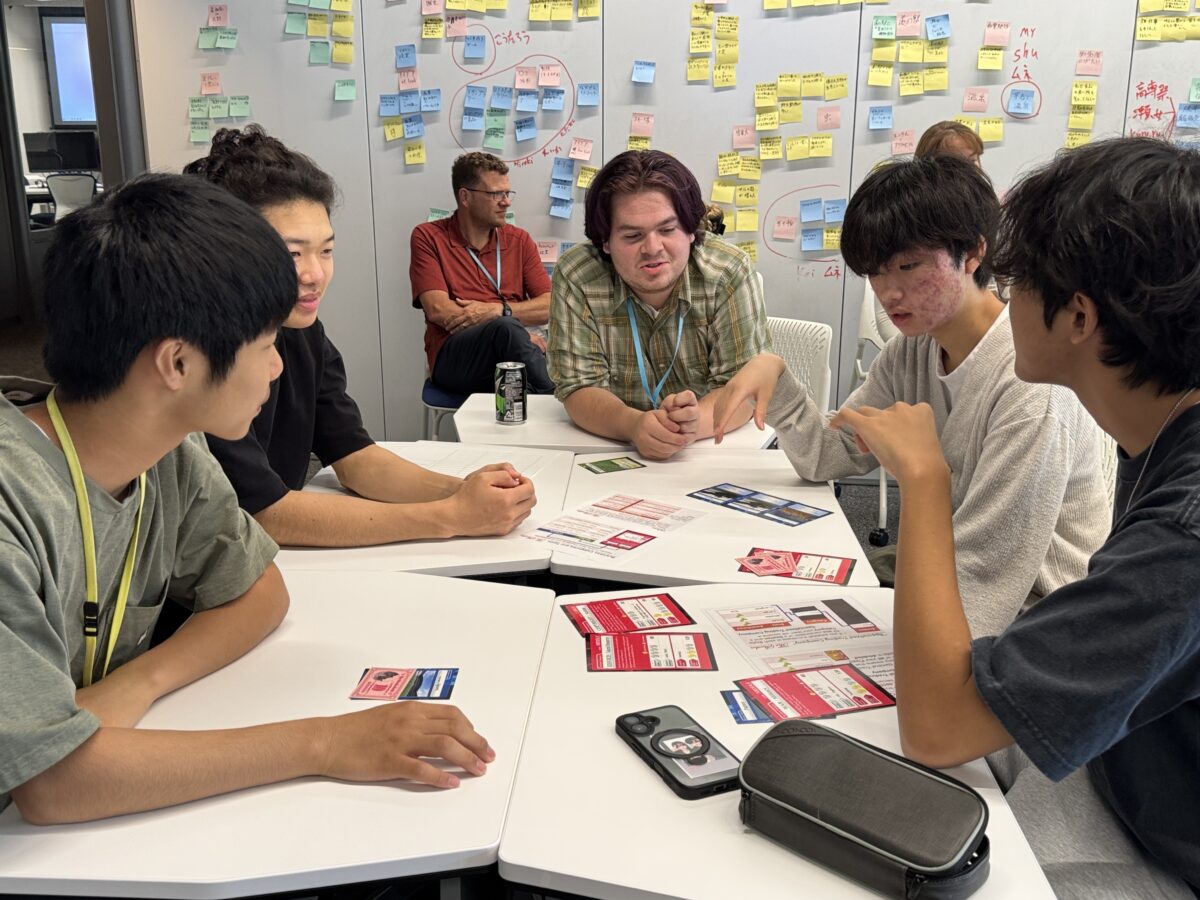
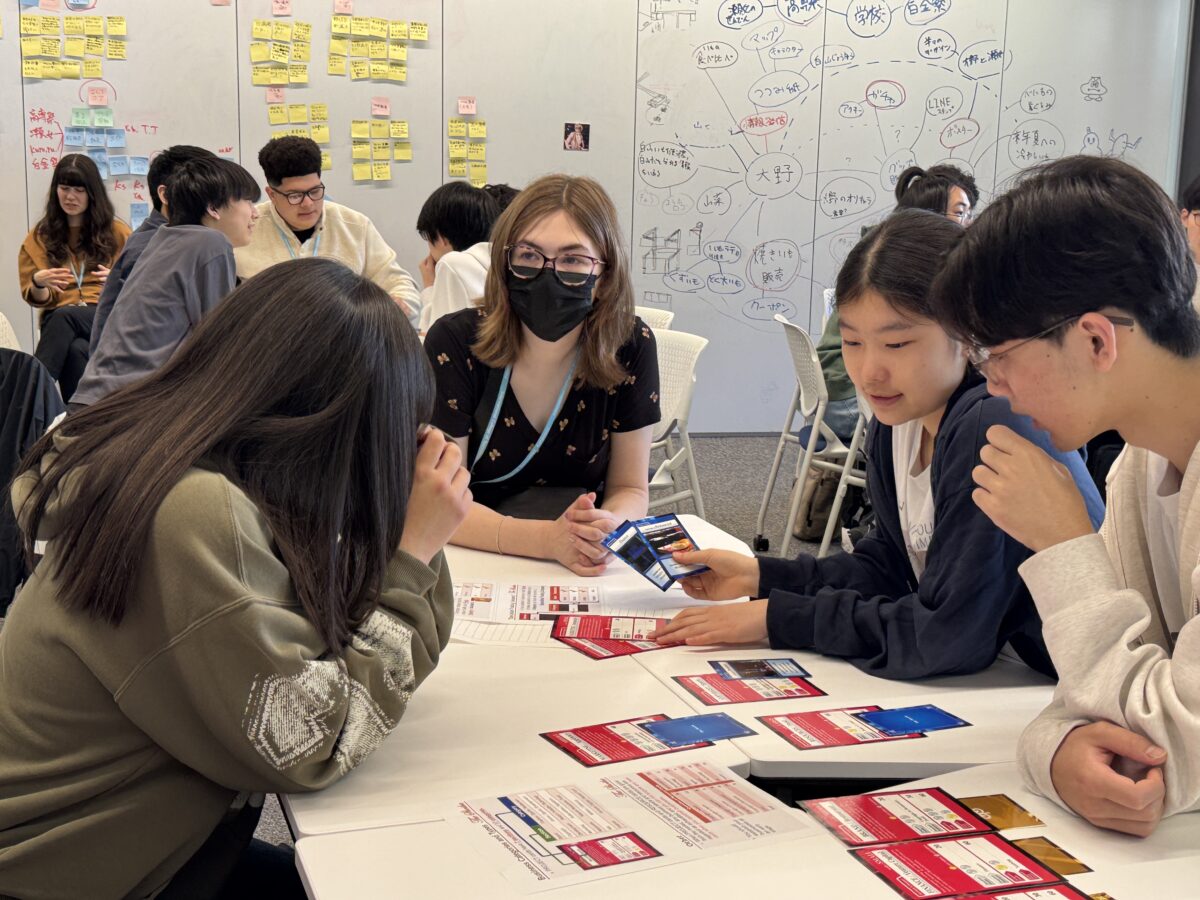
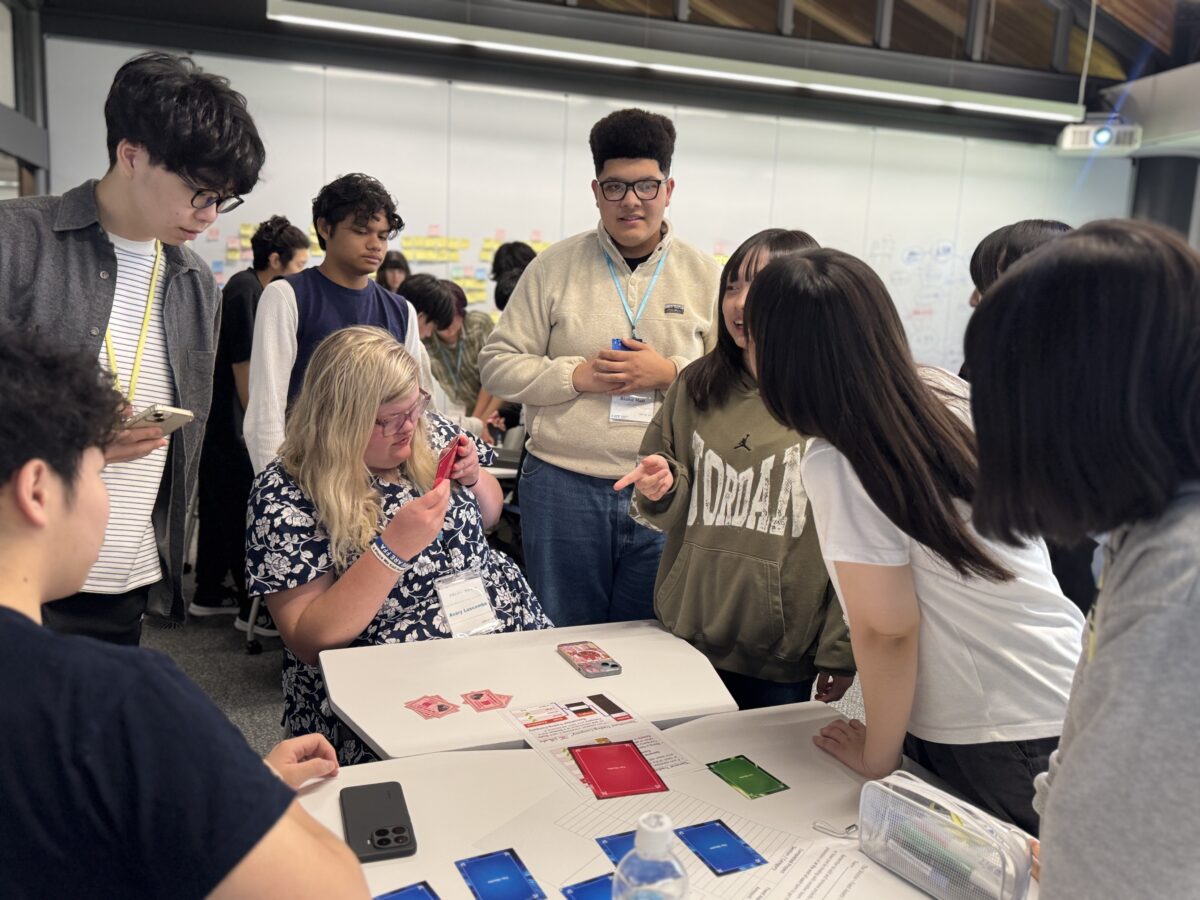
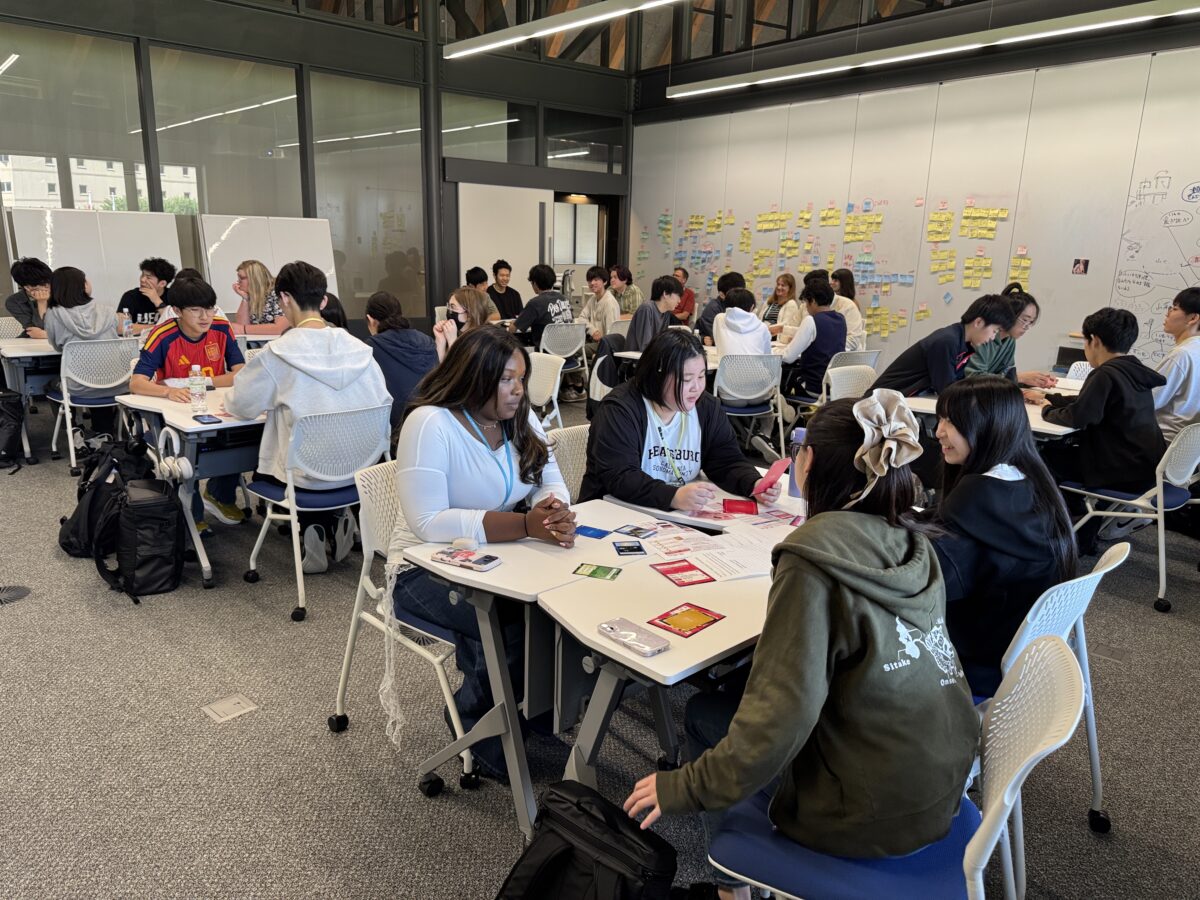
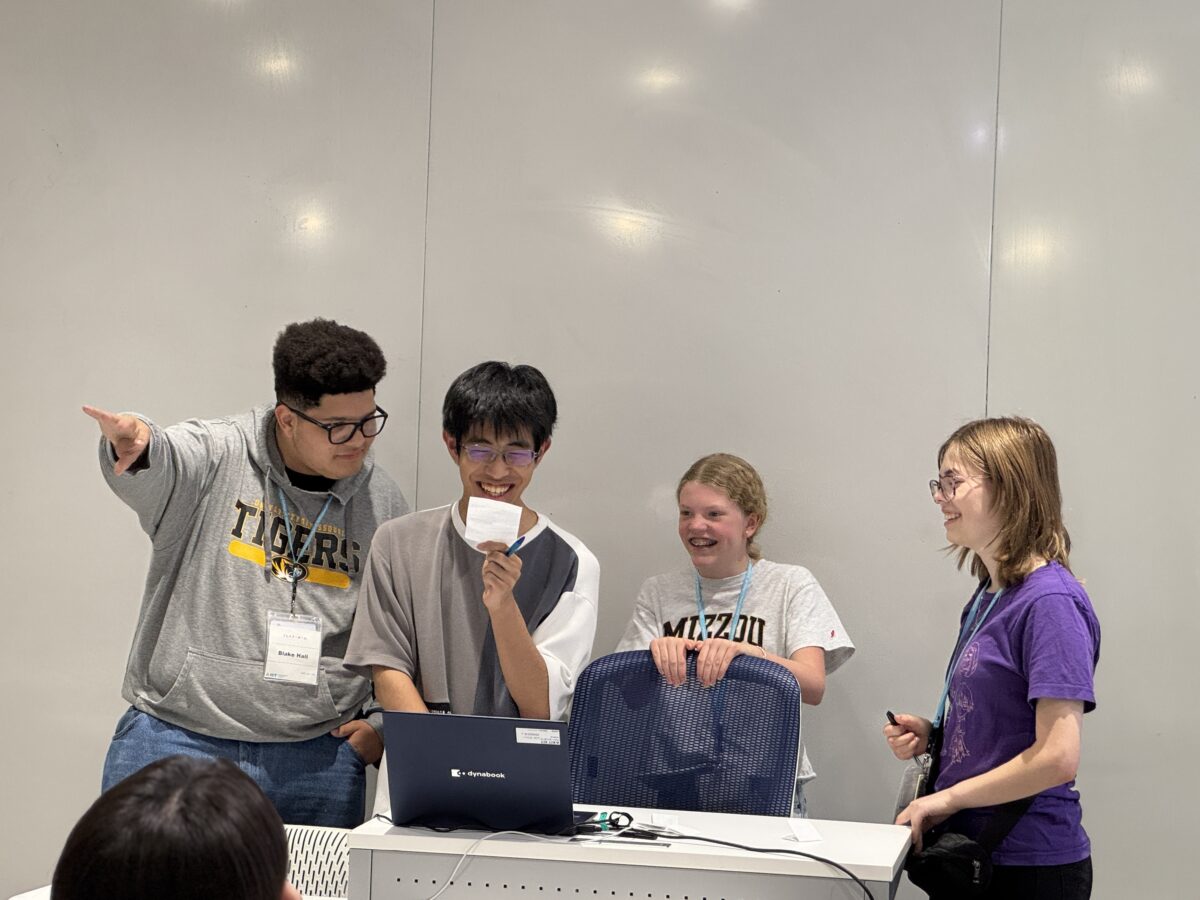
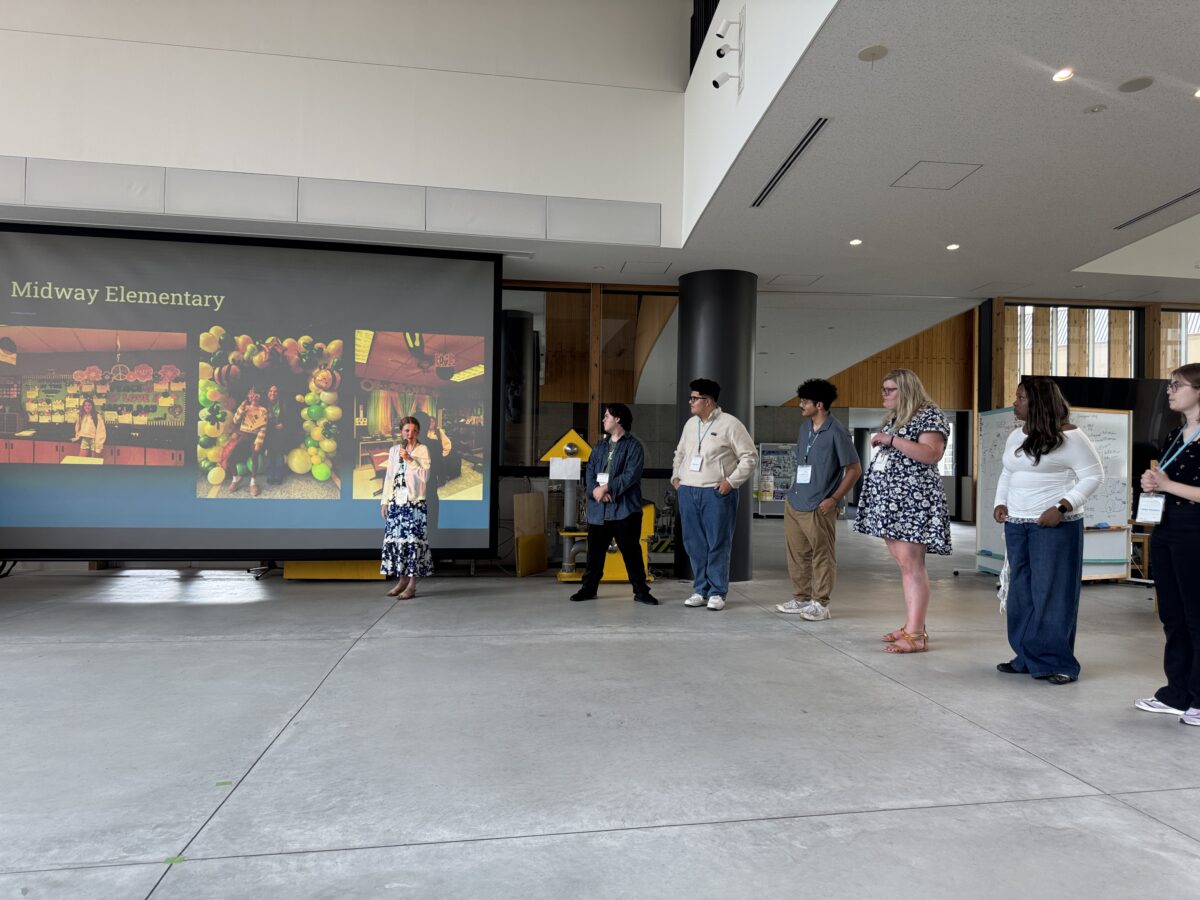
Sister City Exchange Program with Columbia, USA – Let’s Interact with American High School Students!
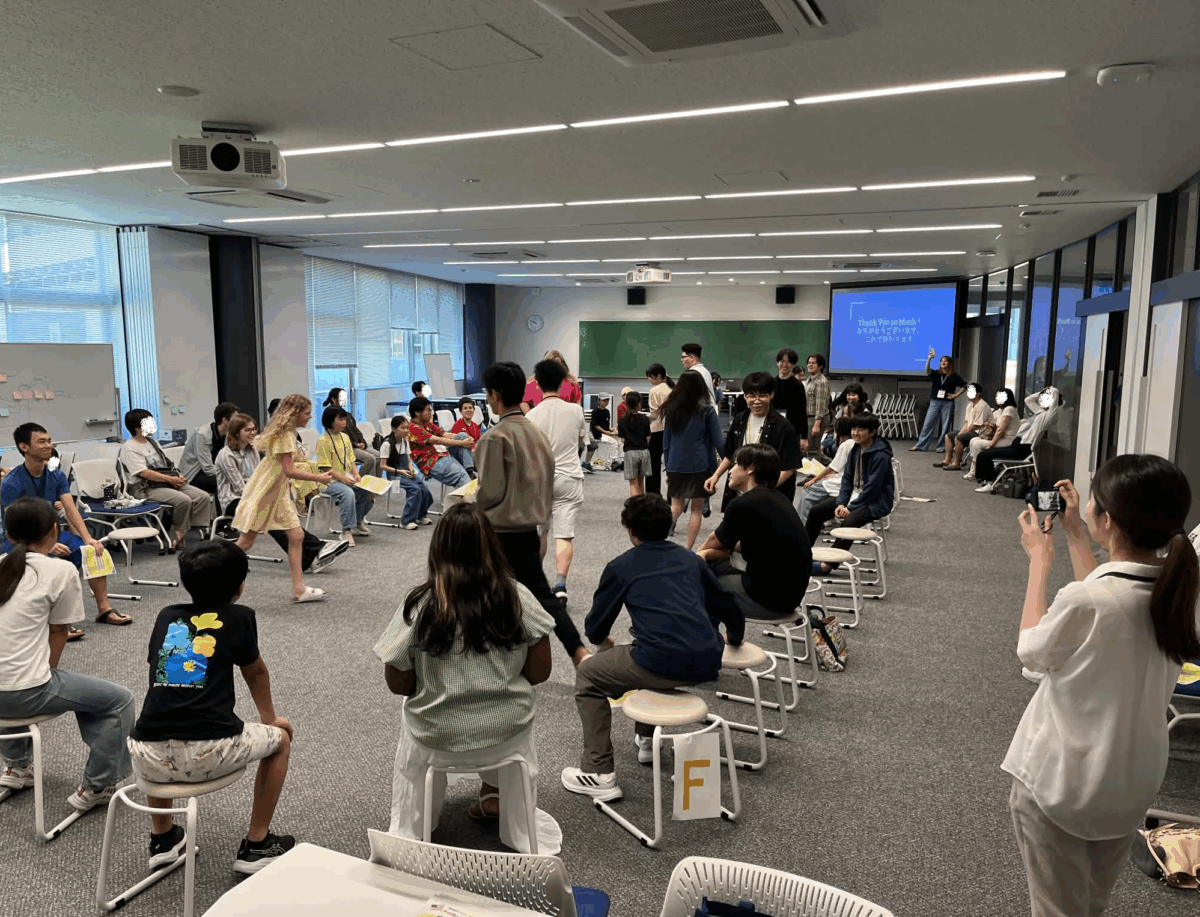
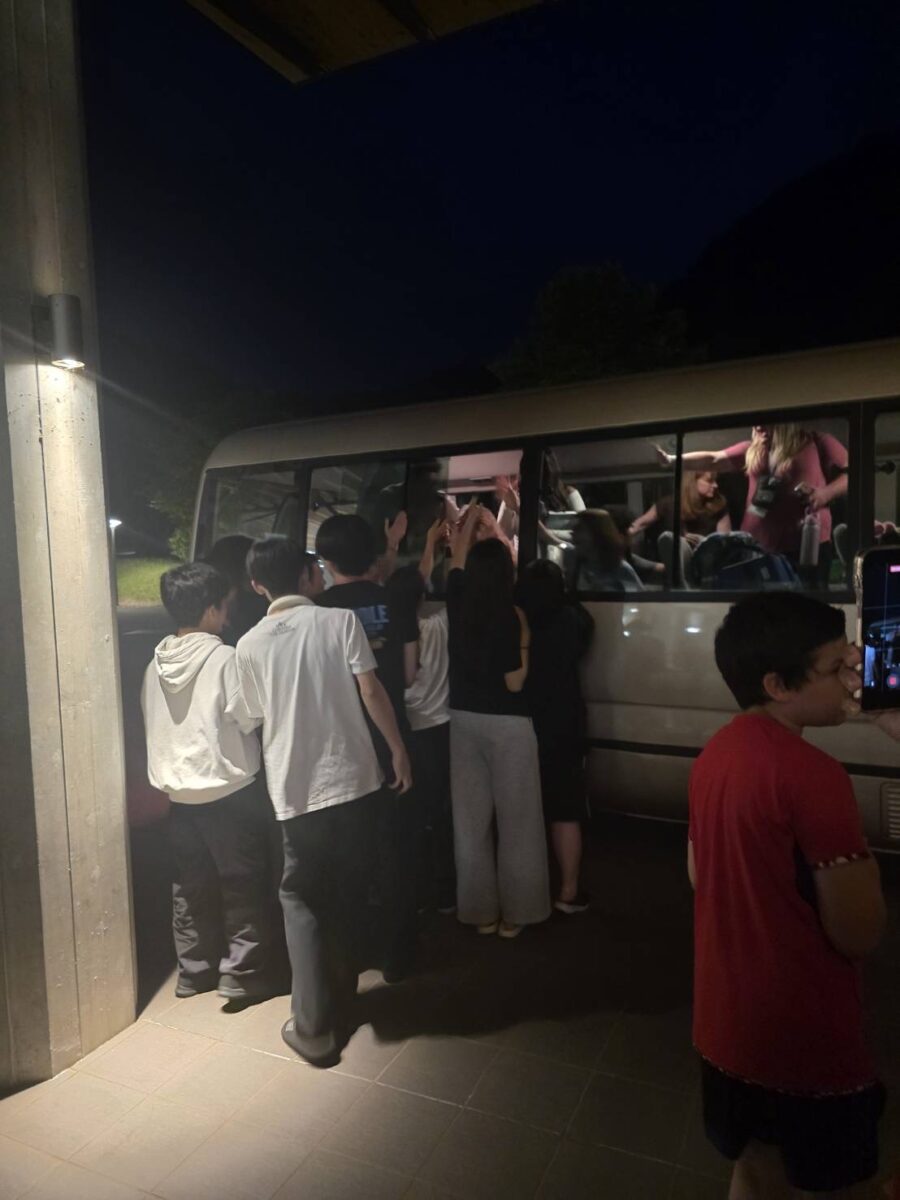
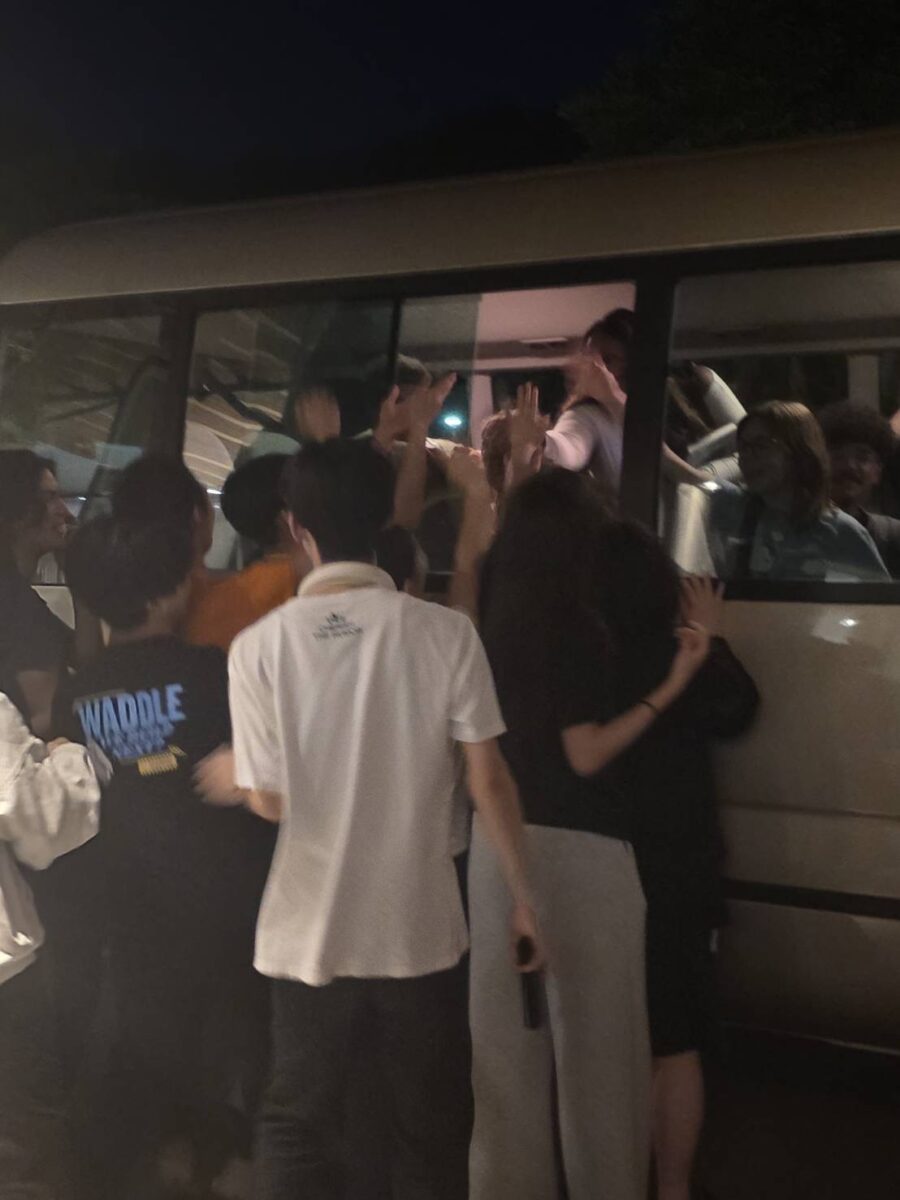
Farewell party
Yuri Makada
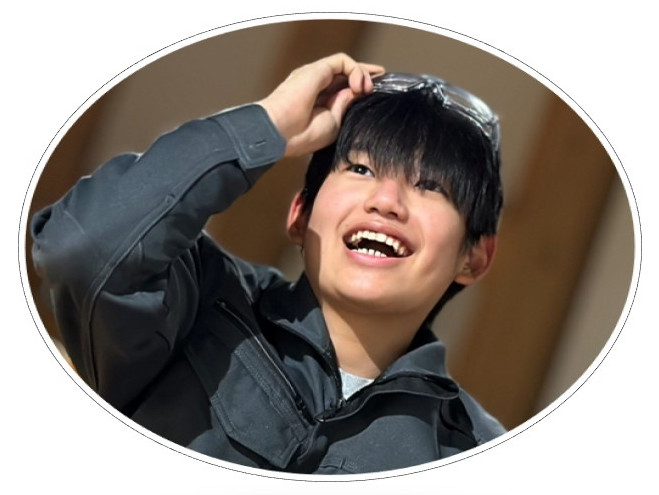 Hello! I’m Kaishu Ishiharada, a 3rd-year student. It’s already been over a month since I arrived in New Zealand. During the past month, I’ve experienced so many things that I could never experience in Japan. I want to share as many as possible with you. I hope you enjoy reading!
Driving with My Host Family
My host family is big, including a host father, host mother, host sister, host brother, a dog, and a cat. Everyone is so kind, and every day I feel very lucky to stay with them.
On the morning of my second day here, I went to the beach with my host mother, host brother, and our dog. I’ve never had a pet before, so this was the first time in my life walking a dog. The view from the beach was much more beautiful than I expected, and it already made me feel that coming to New Zealand was worth it. I heard there are other beaches in Dunedin, and people go swimming there in the summer. Although it’s starting to get colder now, I’m already looking forward to summertime!
-

Scenery during a drive ドライブでの風景
-

My first time walking a dog人生初の犬の散歩
-

A peaceful view of the beach and ocean静かなビーチと海の風景



Camping
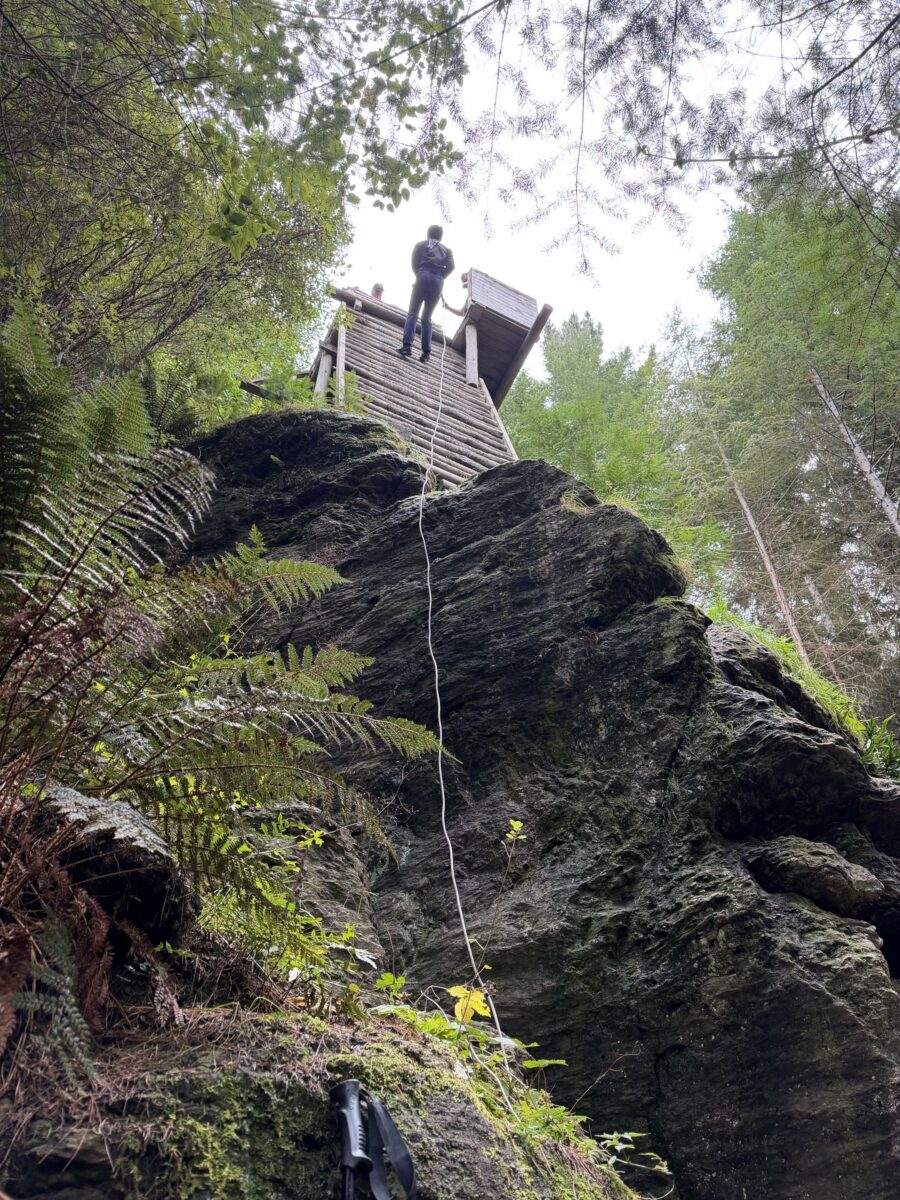
Thanks to an invitation from Ikki Hashimoto’s host family, my host family and his went camping together. We tried some unique activities there, like ziplining and rappelling down a cliff using ropes. My host sister and his host sister really got into ziplining, so I went along with them. After that, I enjoyed playing soccer on the grass with my host brother. After dinner, all the kids, including Ikki and me, played hide-and-seek around the campsite. Ikki and I hid together, managed not to be found, and won the game! Maybe our experience playing hide-and-seek back at the Hakusanroku campus helped us win.
Once the host sisters were in bed, Ikki and I looked up at the stars outside. The starry sky was incredibly beautiful. In the night sky of New Zealand, you can see the Southern Cross, which can only be seen from the very southern parts of Japan, like Ishigaki Island.
-
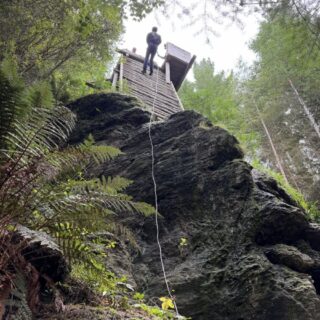
Rappelling down a cliff 崖下り
-
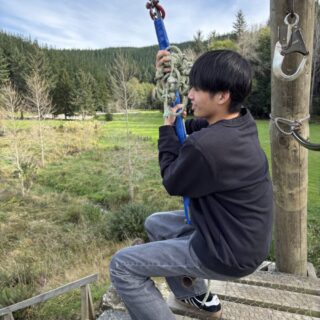
Zipliningジップライン
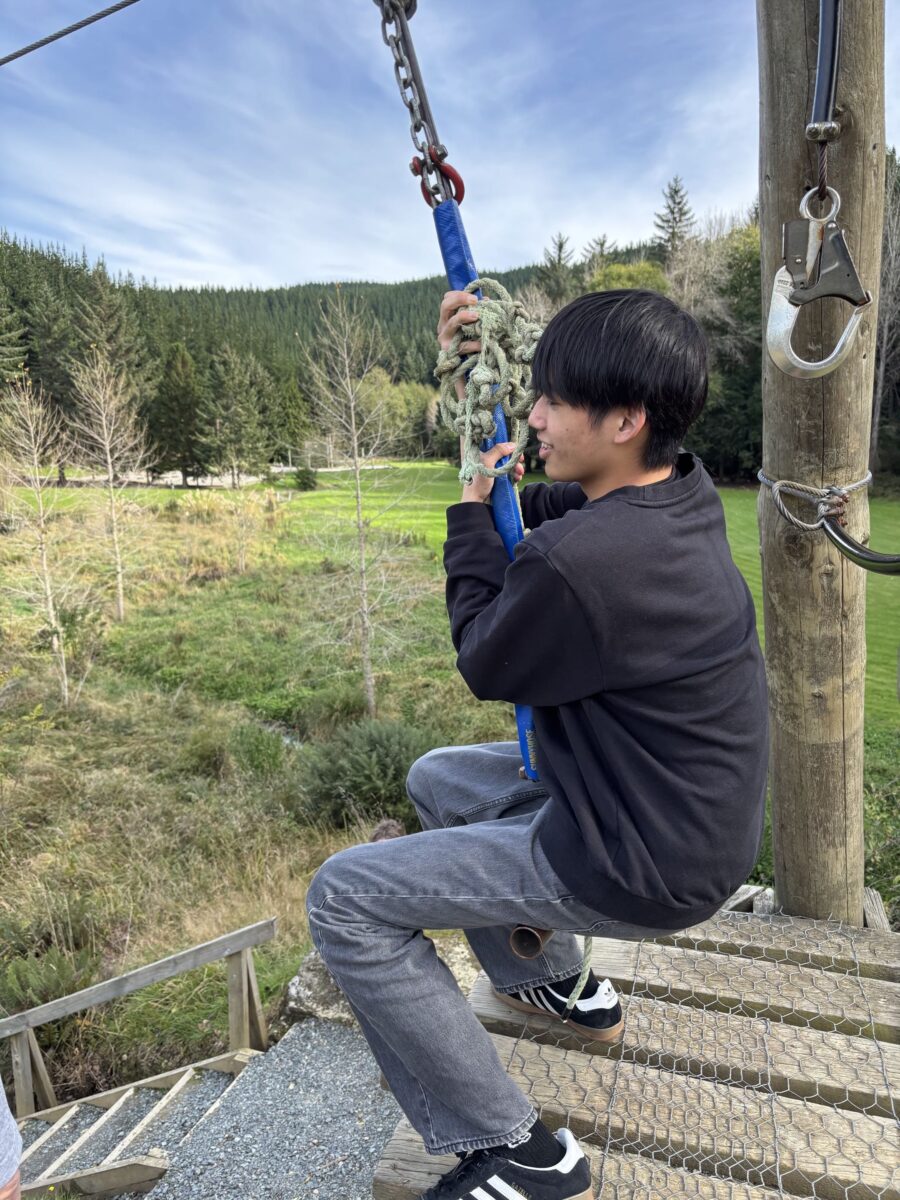

Ziplining(movie)ジップライン(ムービー)
Exploring the City
Dunedin, the city we are staying in, has a population of about 120,000, which is roughly the same as Hakusan City in Ishikawa Prefecture. The downtown area spreads out around a central place called the Octagon. I explore the city every weekend.
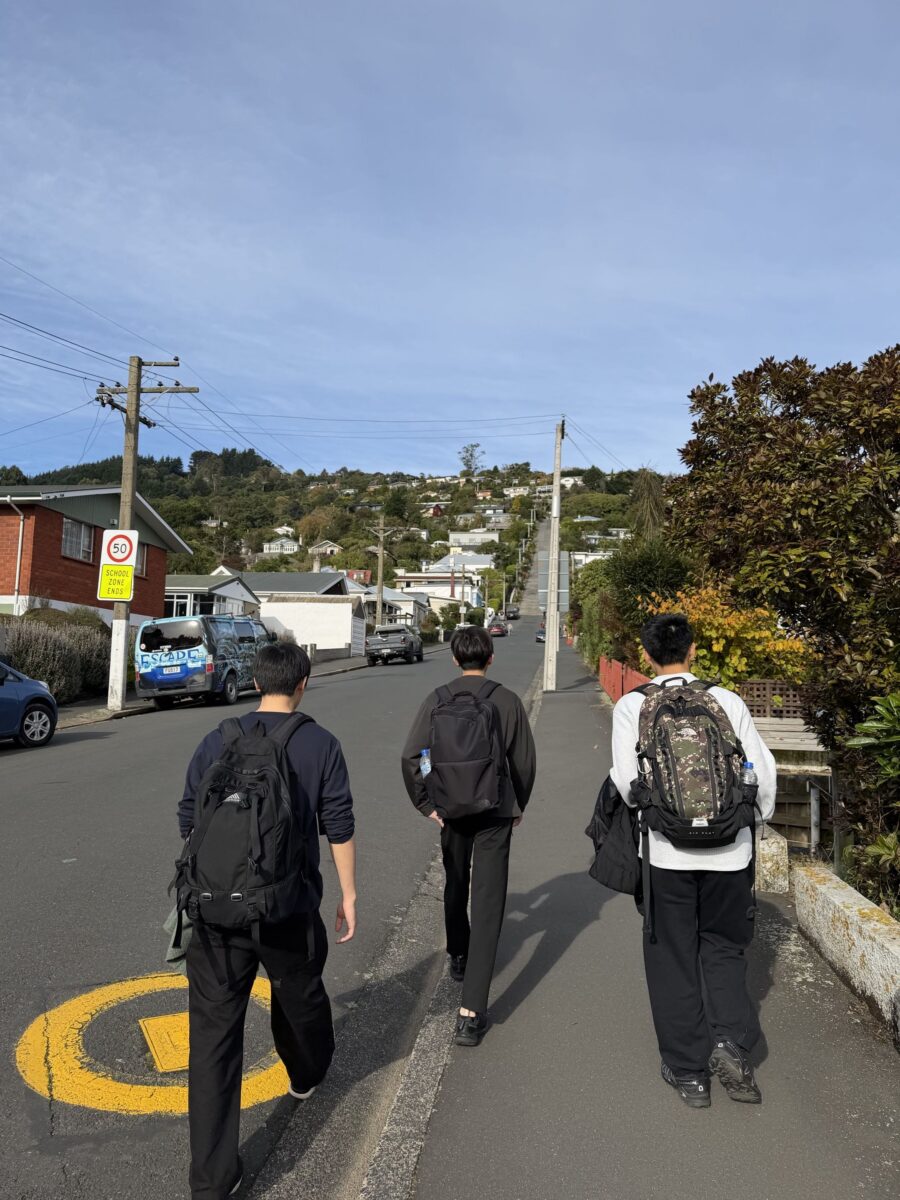
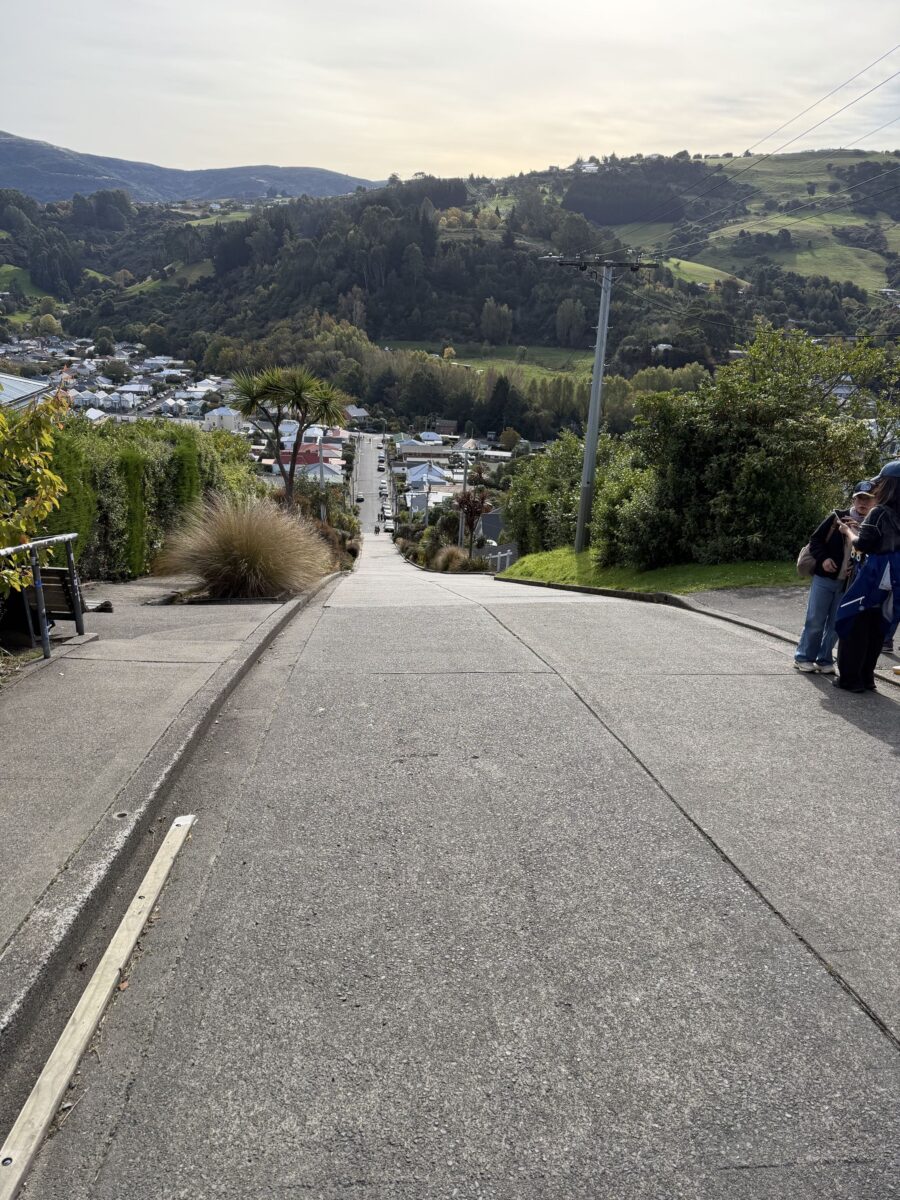
The other day, I visited the world’s steepest street “Baldwin Street”, which is located a little outside the city center. Before going, I thought, “It’s probably not that big of a deal,” or “The hill near my house is steeper.” But once I arrived, I realized it truly deserves its title—it was incredibly steep (my apologies!).
Shuntaro, Soma, and I decided to run to the top. As we started running, the tourists around us cheered us on, shouting “Come on!” It really made me feel, “Wow, I’m abroad!” However, since it is the world’s steepest street, my legs gave out halfway up. I want to become fit enough to run all the way to the top before I return to Japan.
-

Sign of Baldwin Street, the world’s steepest street世界一急な坂「ボールドウィン・ストリート」の標識
-
View from the bottom of the street世界一急な坂の下から撮影
-

View from the top of the street坂の上から撮影

I hope you all enjoyed this journal! Look forward to the next one. See you soon!
P.S. I’m talking about more stories that I couldn’t fit into this blog on the radio. It airs every Monday and can be heard in Japan, so please check it out!
Click here for more details:https://x.com/ICTradio_Lounge
Kaishu Ishiharada

Hello again! I’m Sharmee Abuan, one of the Learning Mentors at ICT Hakusanroku Campus. It’s been just over a month since the school year began. In my last entry, I shared about the workshops we handled throughout the previous year. This time, I’d like to share about something we did on a smaller scale but is just as important: the mini workshops we held for our new students about a week into the academic year.
Before classes officially started, the Learning Mentors got together to think about how we could help incoming students settle in more smoothly. Adjusting to a new school can already feel overwhelming, so we decided to focus on practical skills. These are the things students would actually use every day at ICT.
The mini workshops ran for four days, with each session lasting about 15 to 20 minutes during the first part of our Learning Sessions from April 13th to 16th, 2026.
Day 1 – eSyllabus Workshop
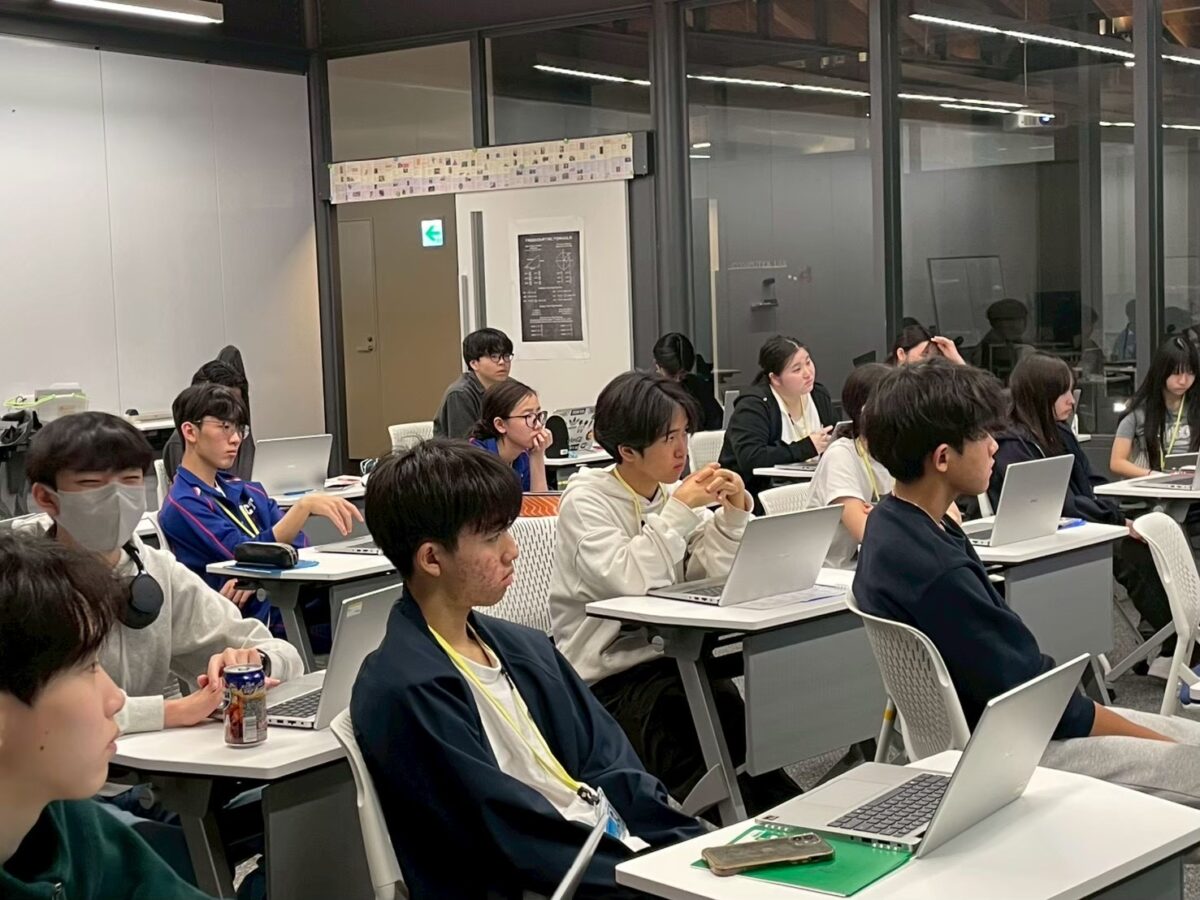
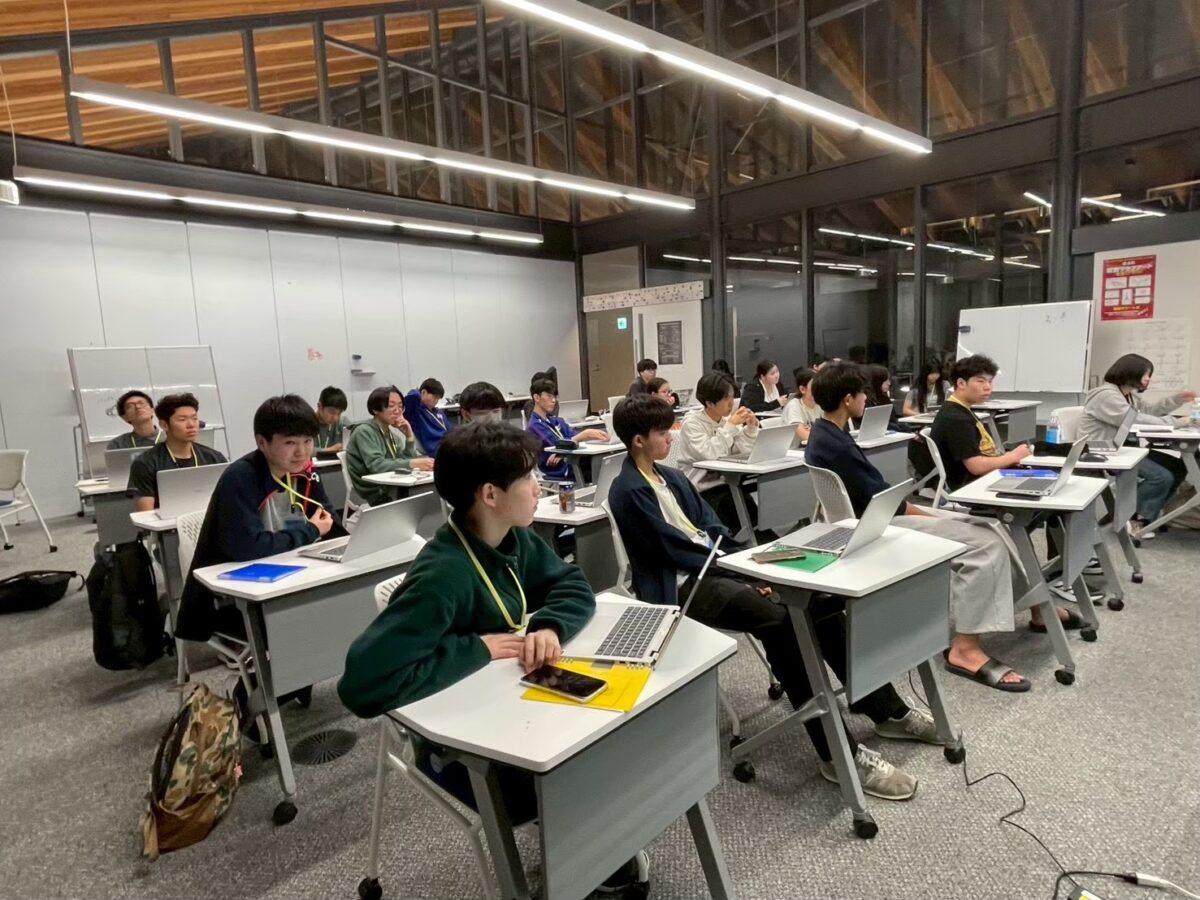
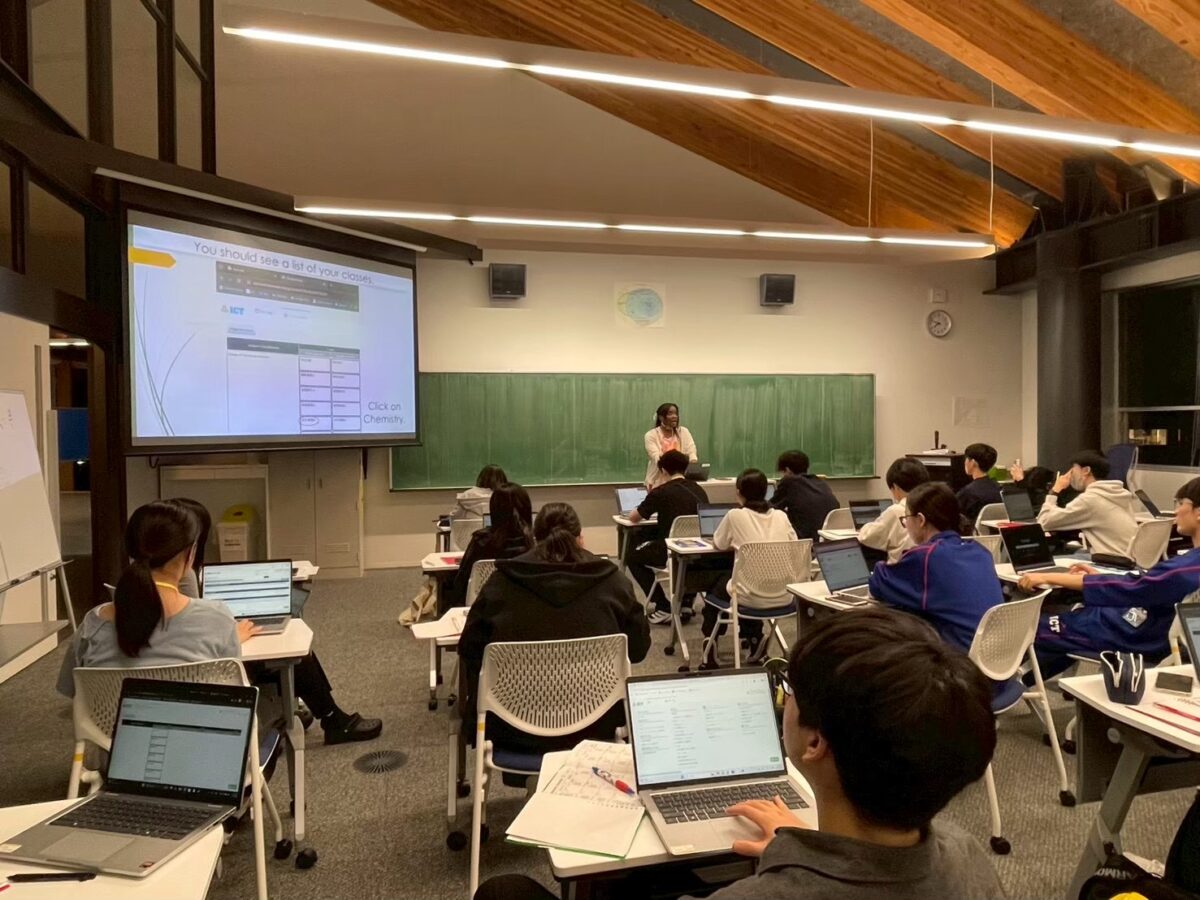
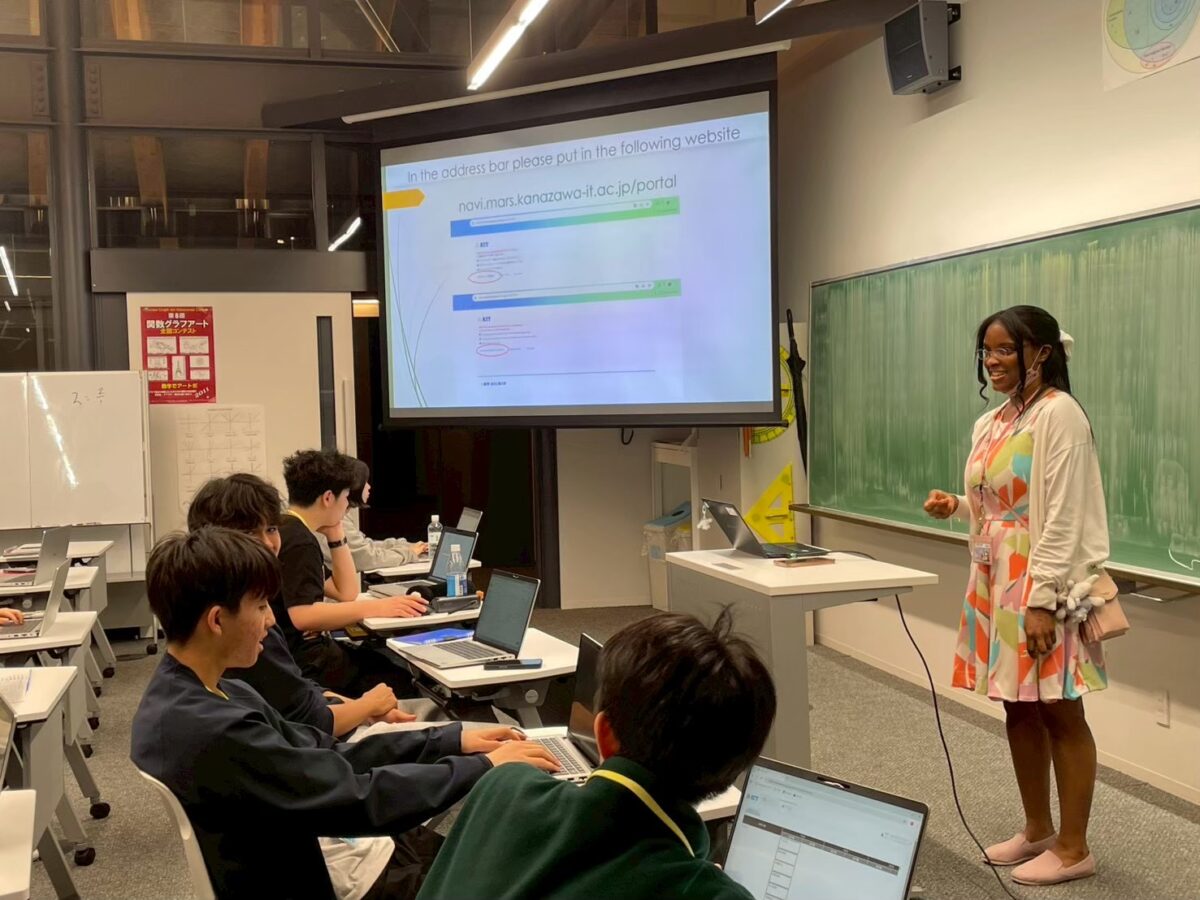
We started by introducing the eSyllabus and explaining why it’s important to check it regularly. It is very important that they understand how to use the eSyllabus because it is the main system students use to view their class curriculum, content, and tasks. At first, some students seemed unsure as they navigated the system on their own. You could tell they were carefully trying to figure things out. Before long, though, they began clicking around more confidently and asking questions when they got stuck. By the end of the session, it was clear they felt more comfortable using it.
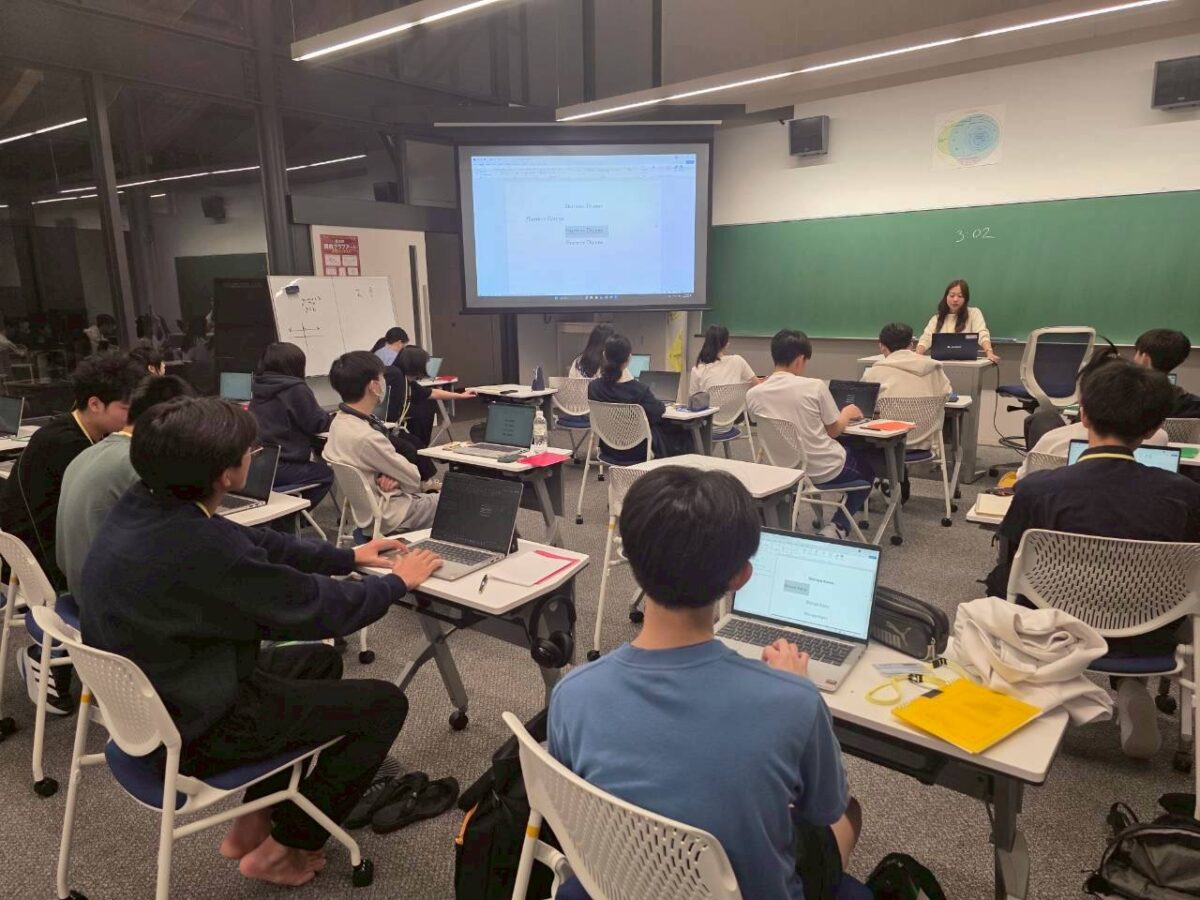
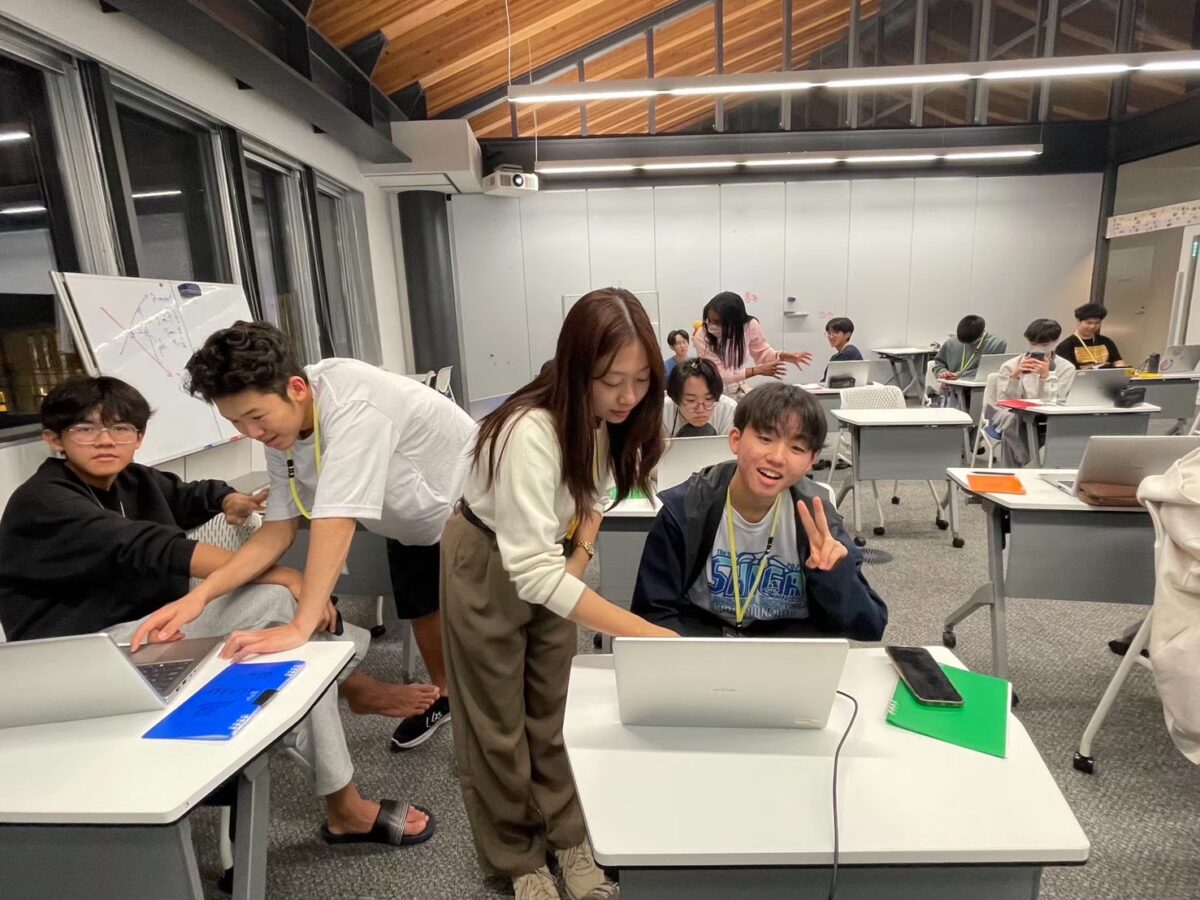
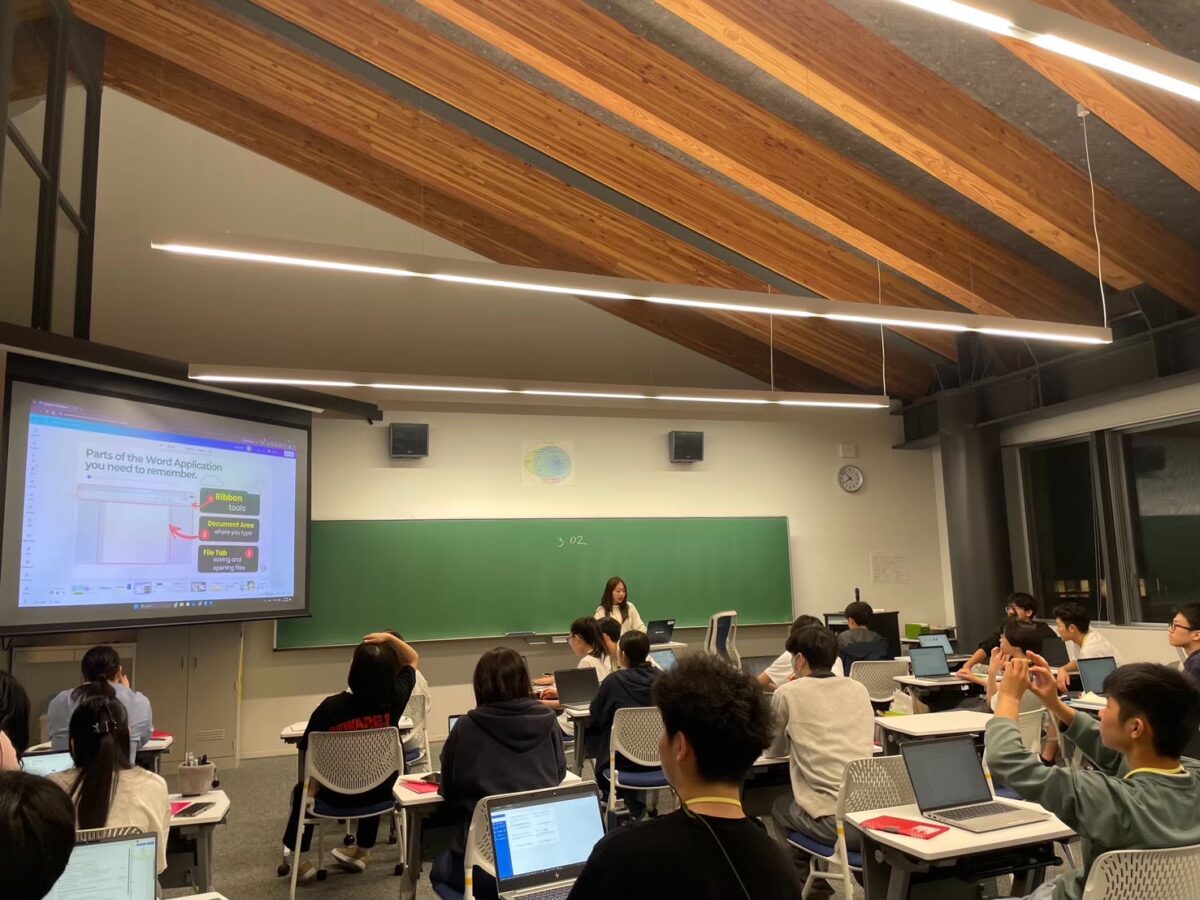
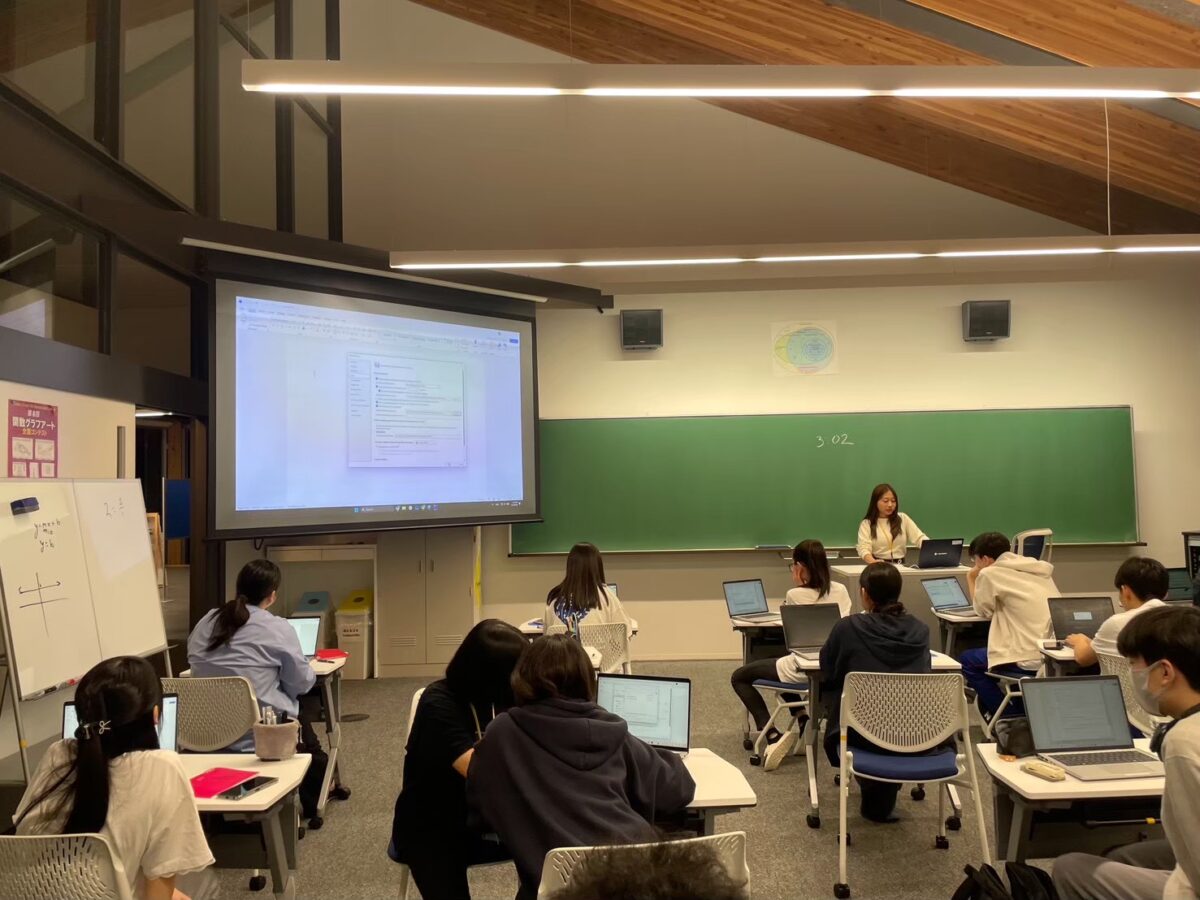
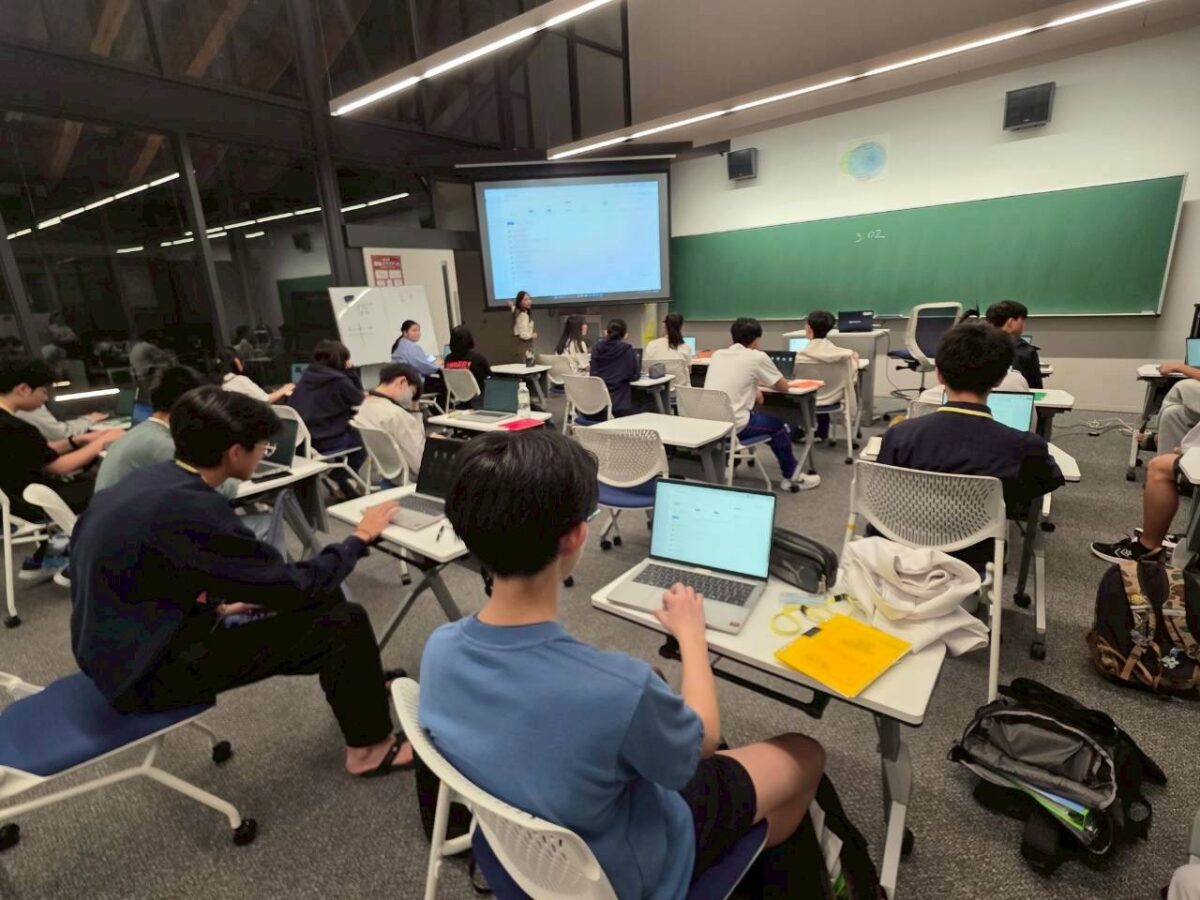
Day 2 –Microsoft Word Workshop
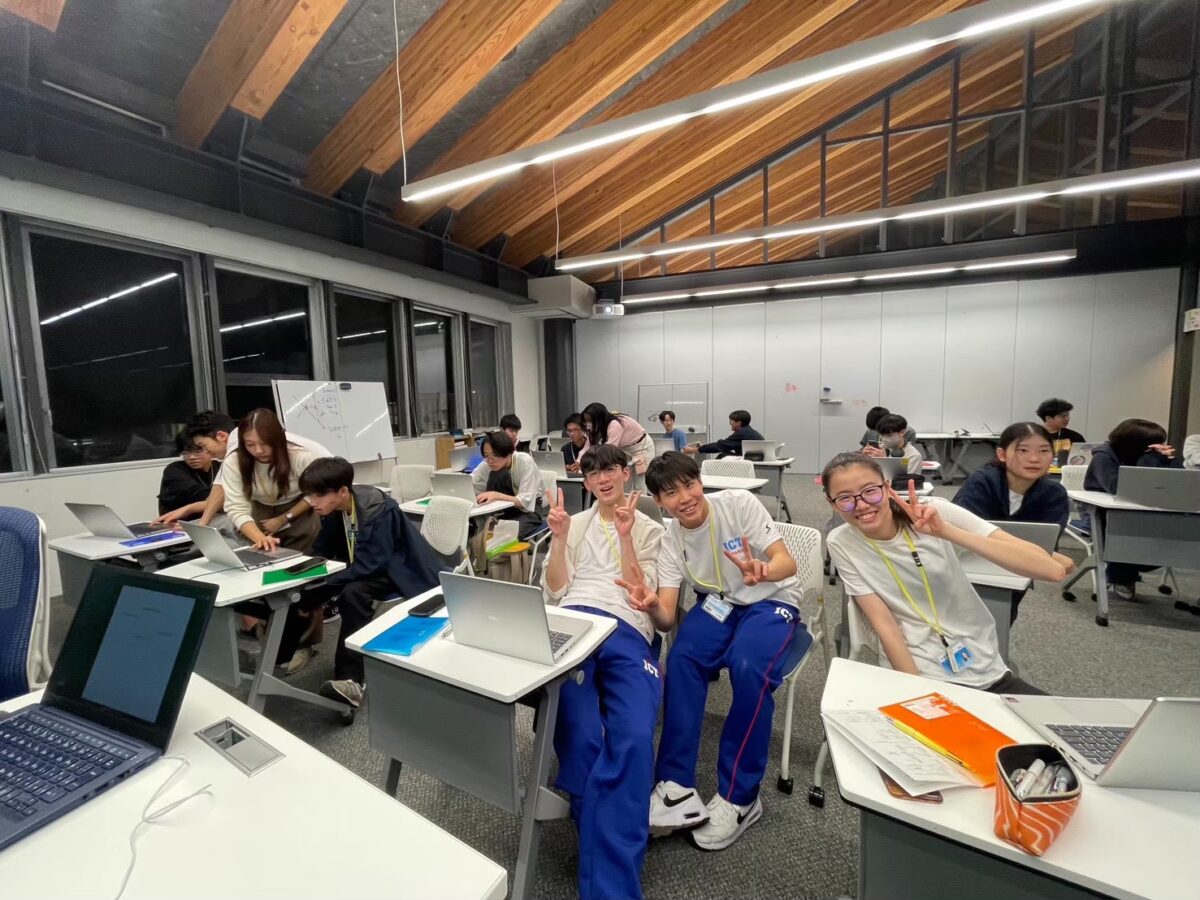
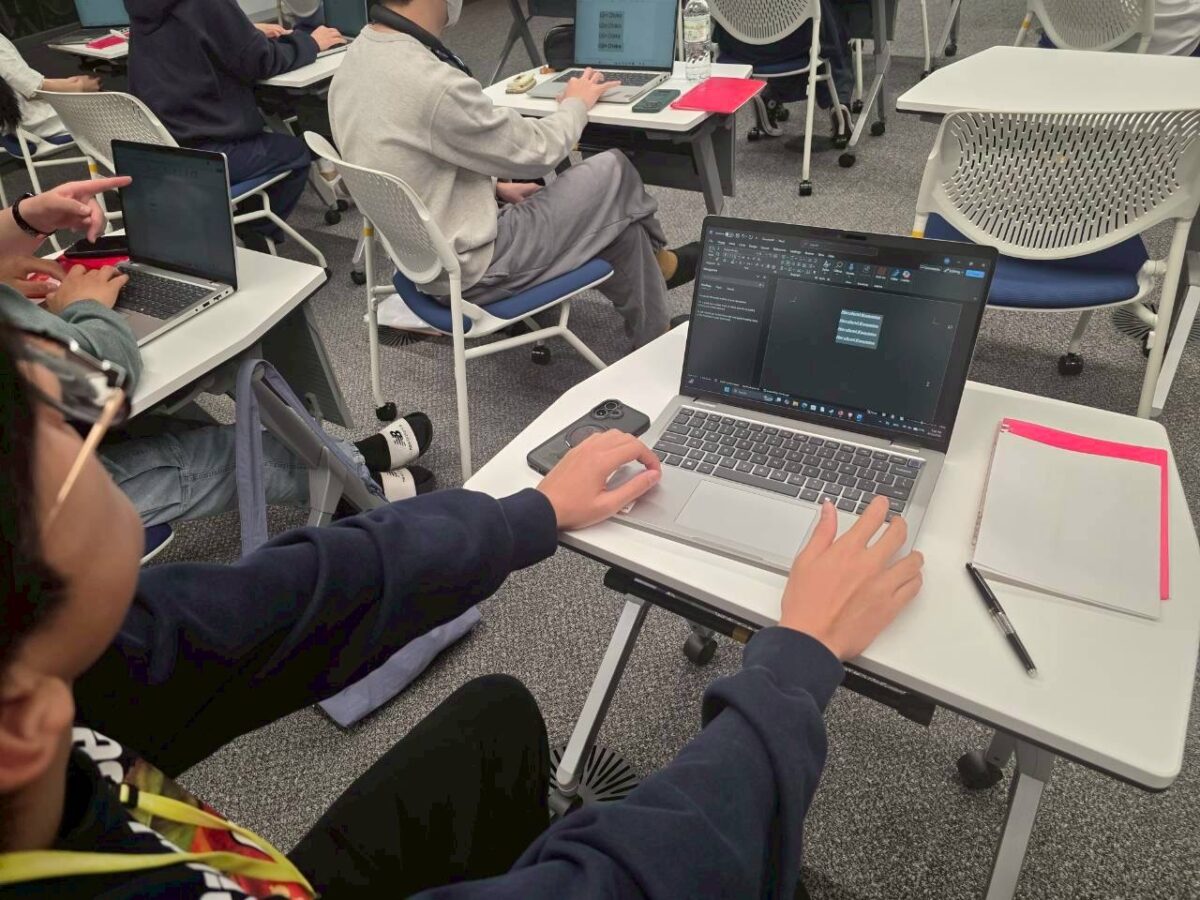
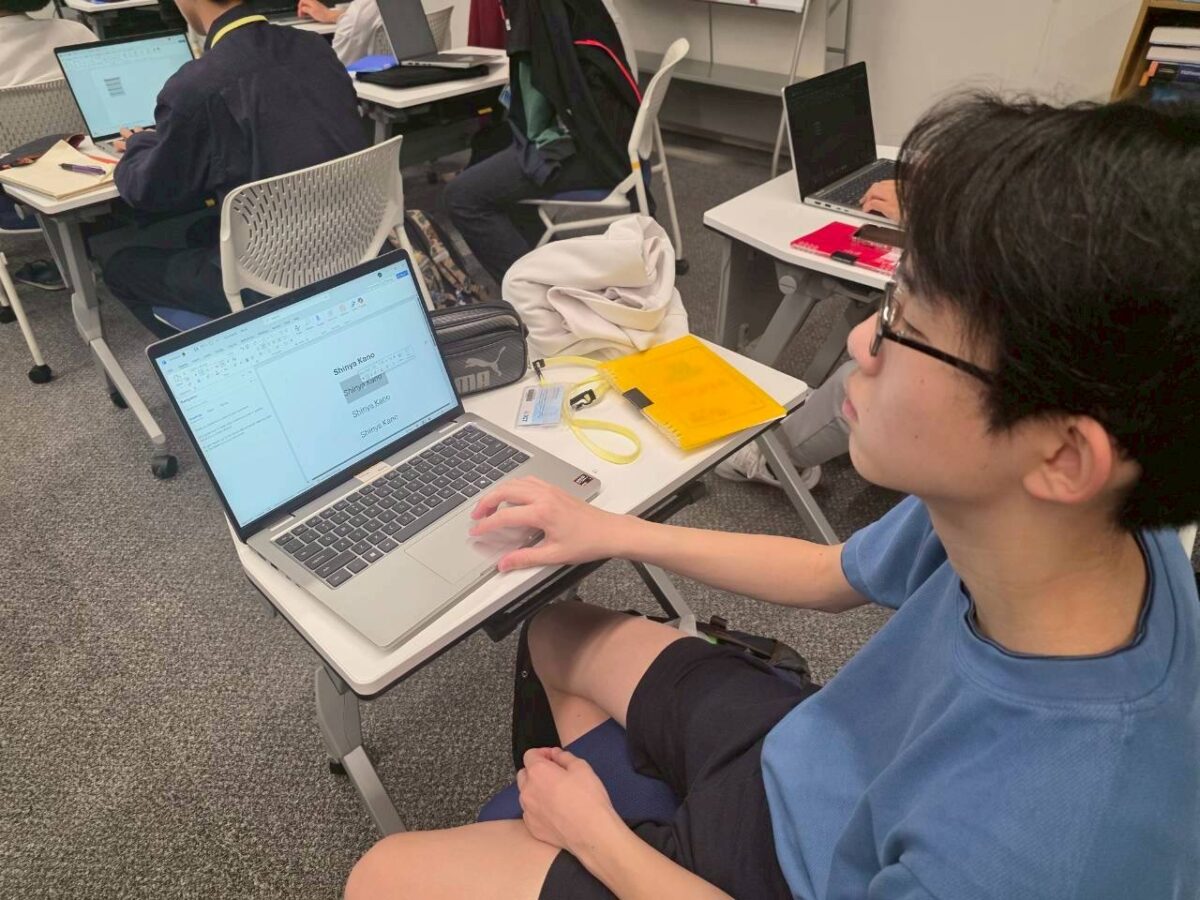
As ICT students write reports and reflections in their classes, this session focused on the basics of creating documents such as formatting, using shortcuts, and saving files properly using Microsoft Word. Students then created a short self-introduction document using what they had learned. Some went straight into organizing everything neatly, while others immediately started experimenting with different fonts. It was actually fun to see their personalities come through as they use the program.
Day 3 – E-mail Workshop
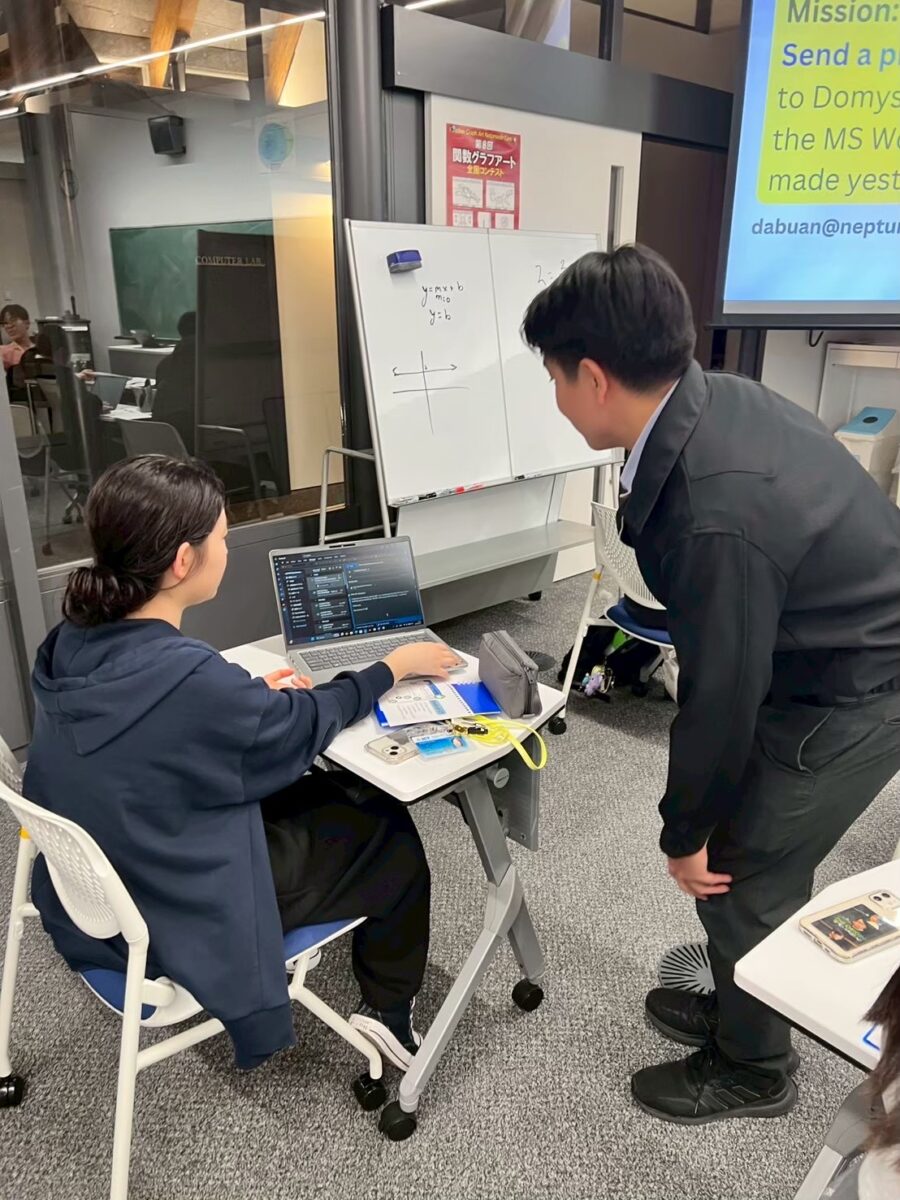
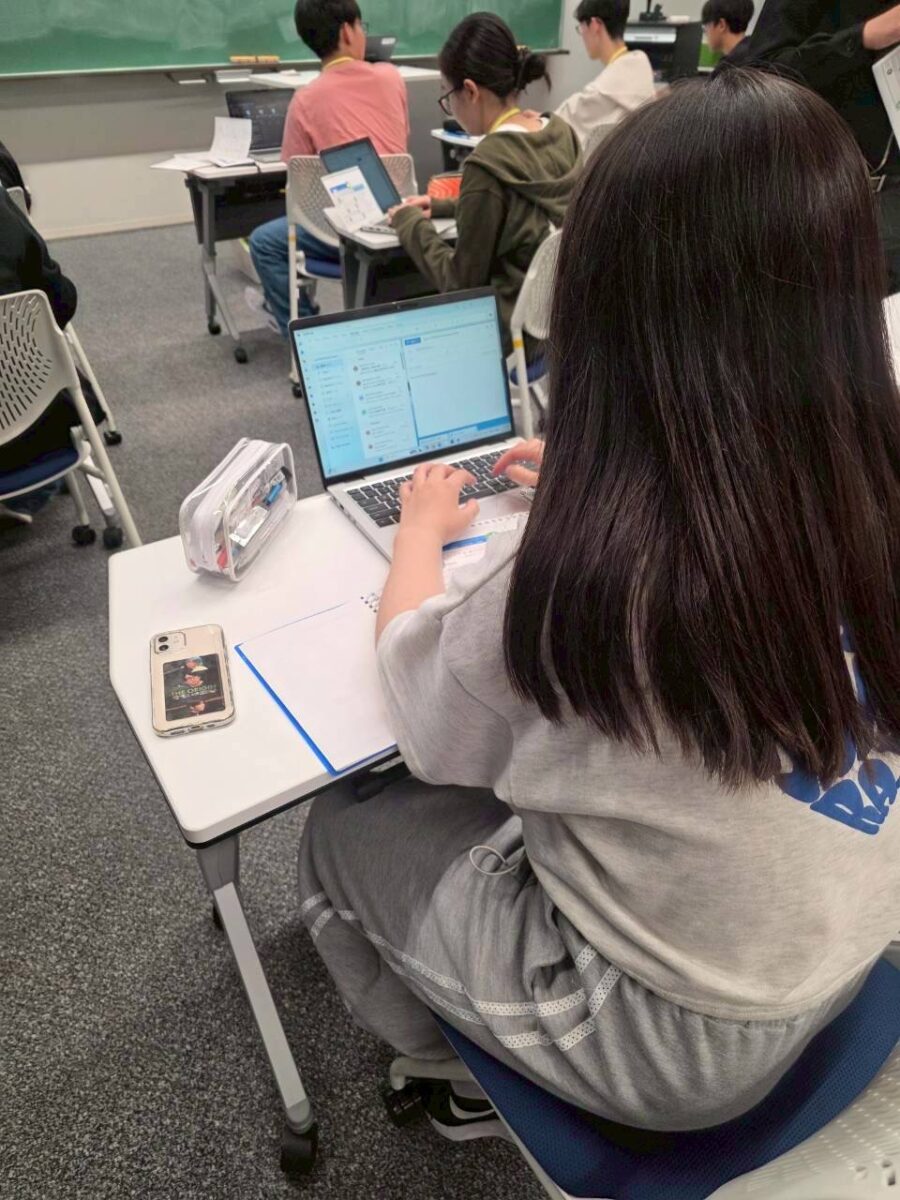
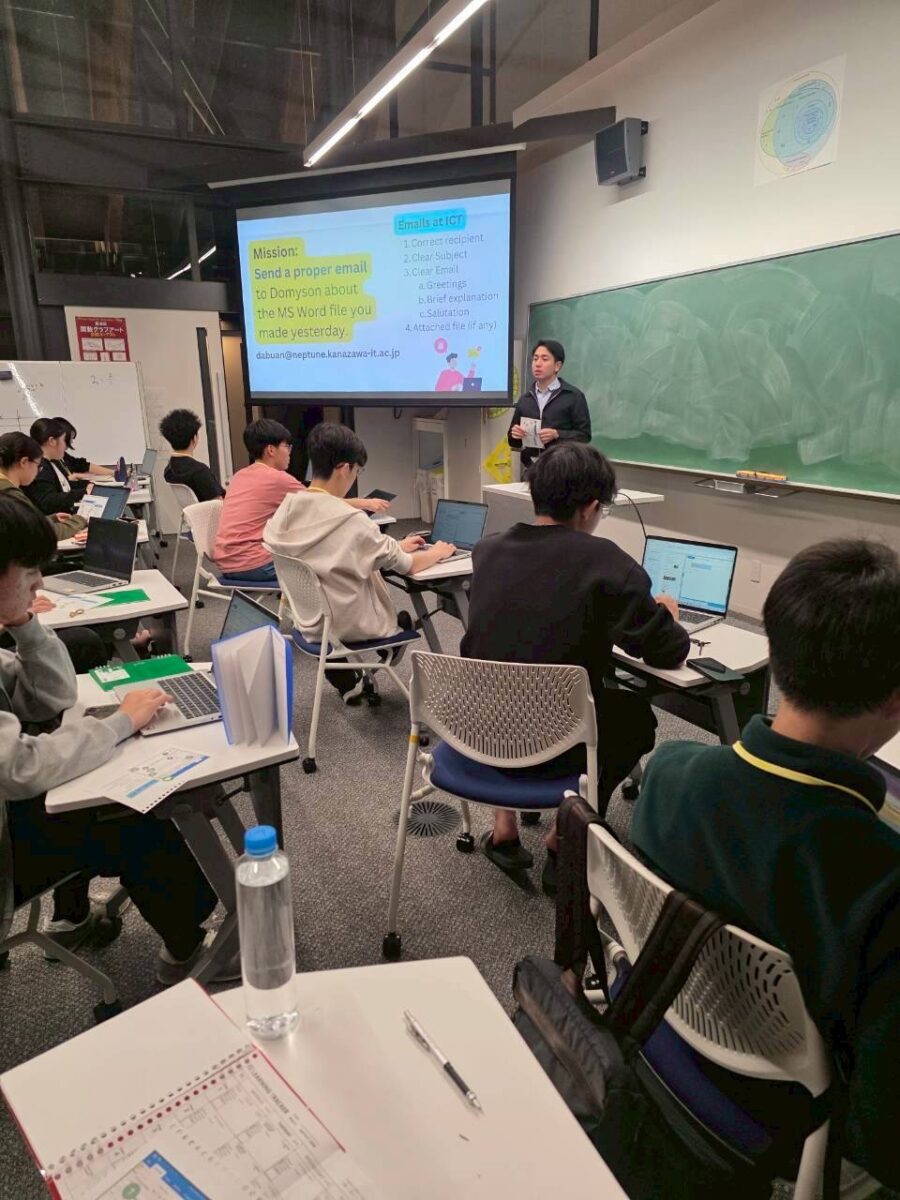
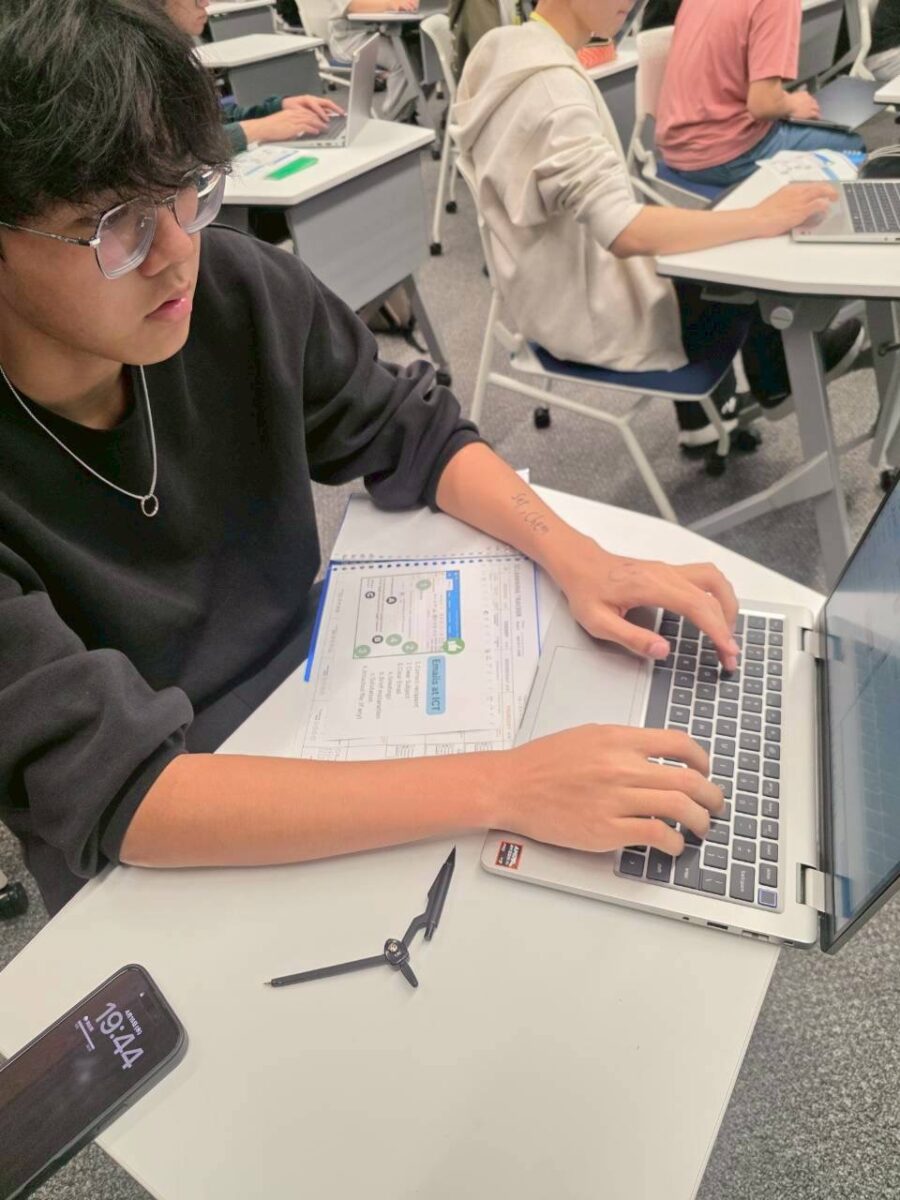
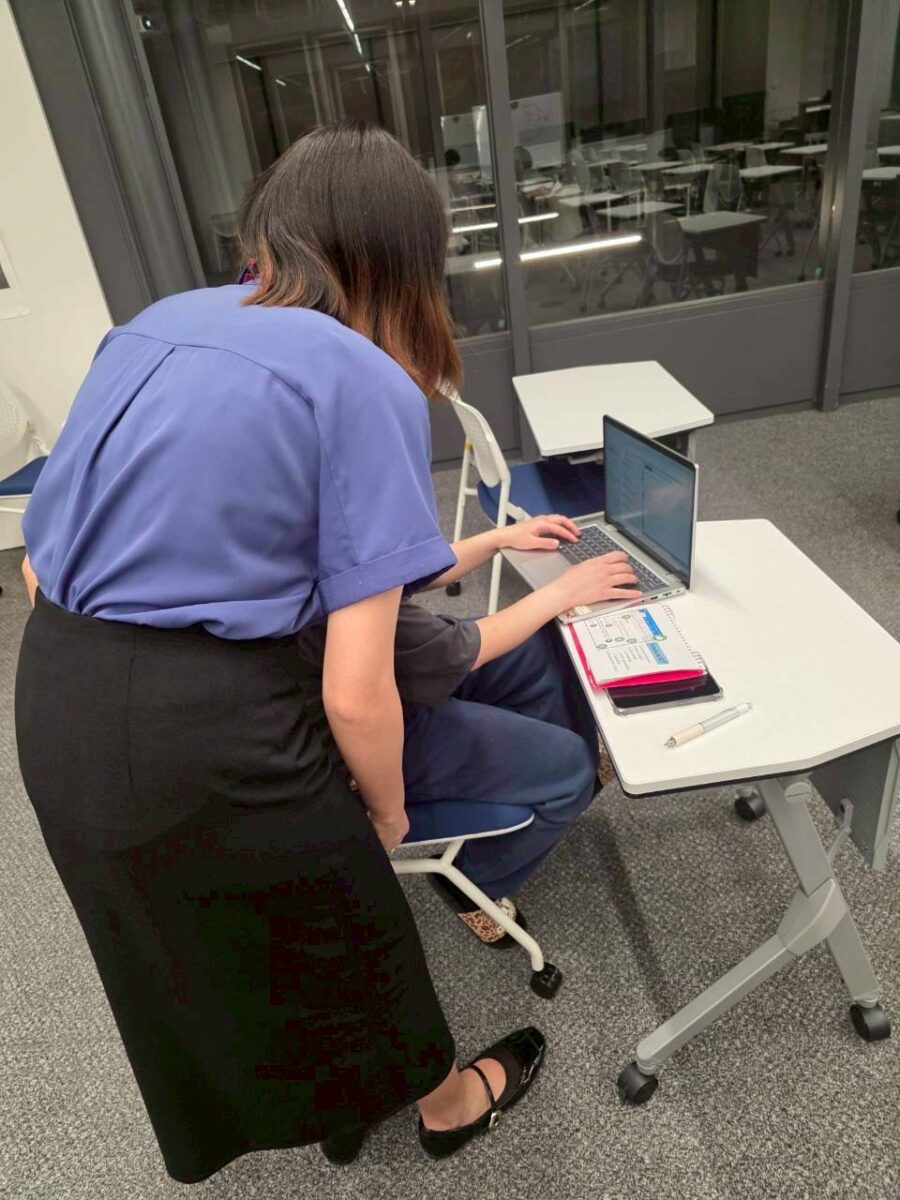
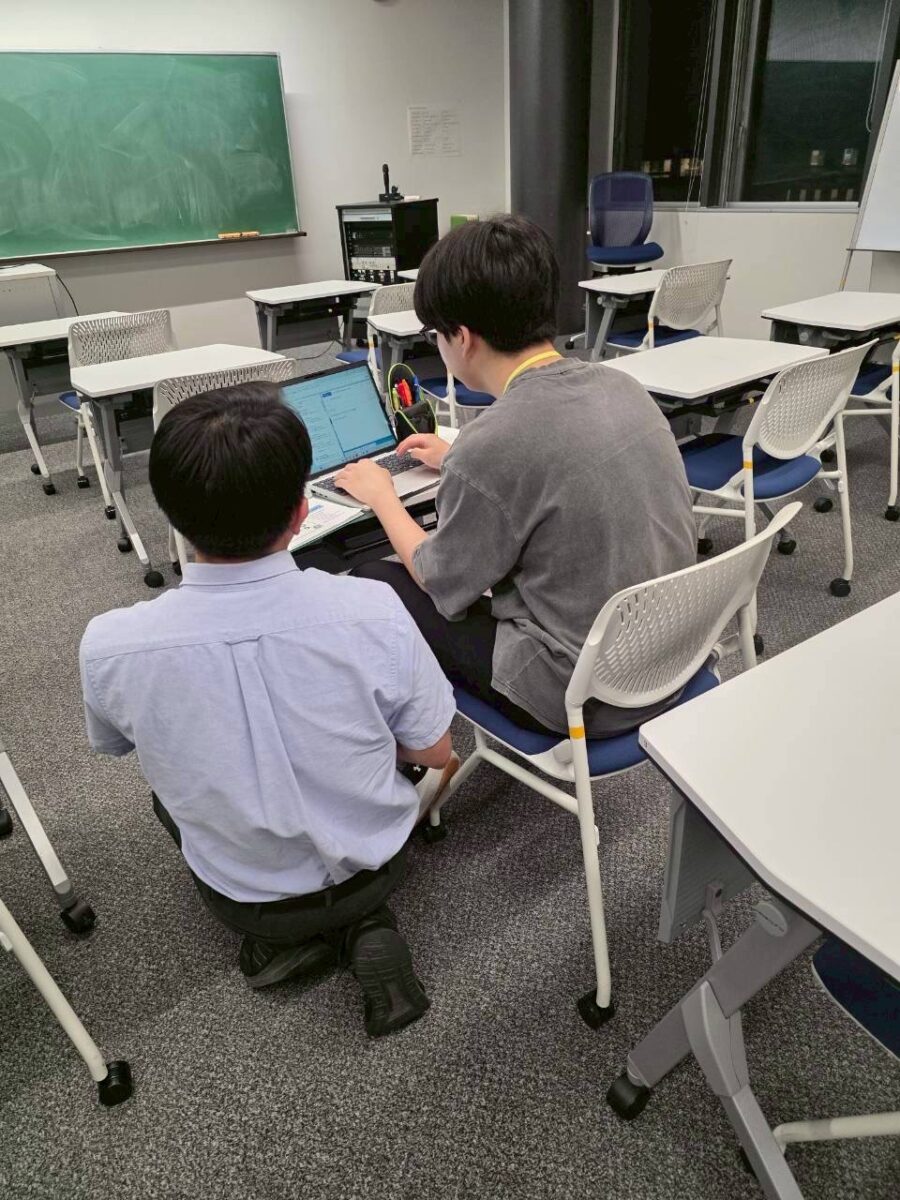
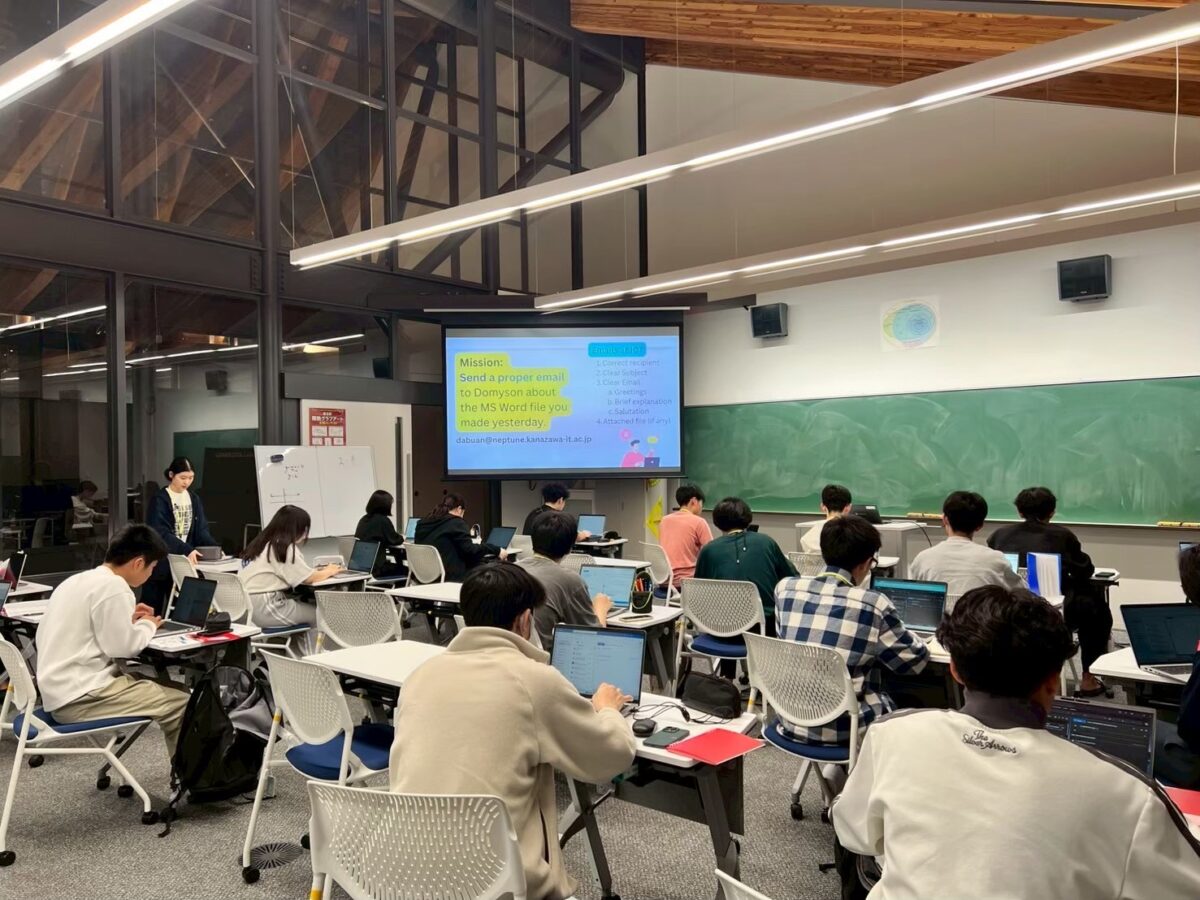
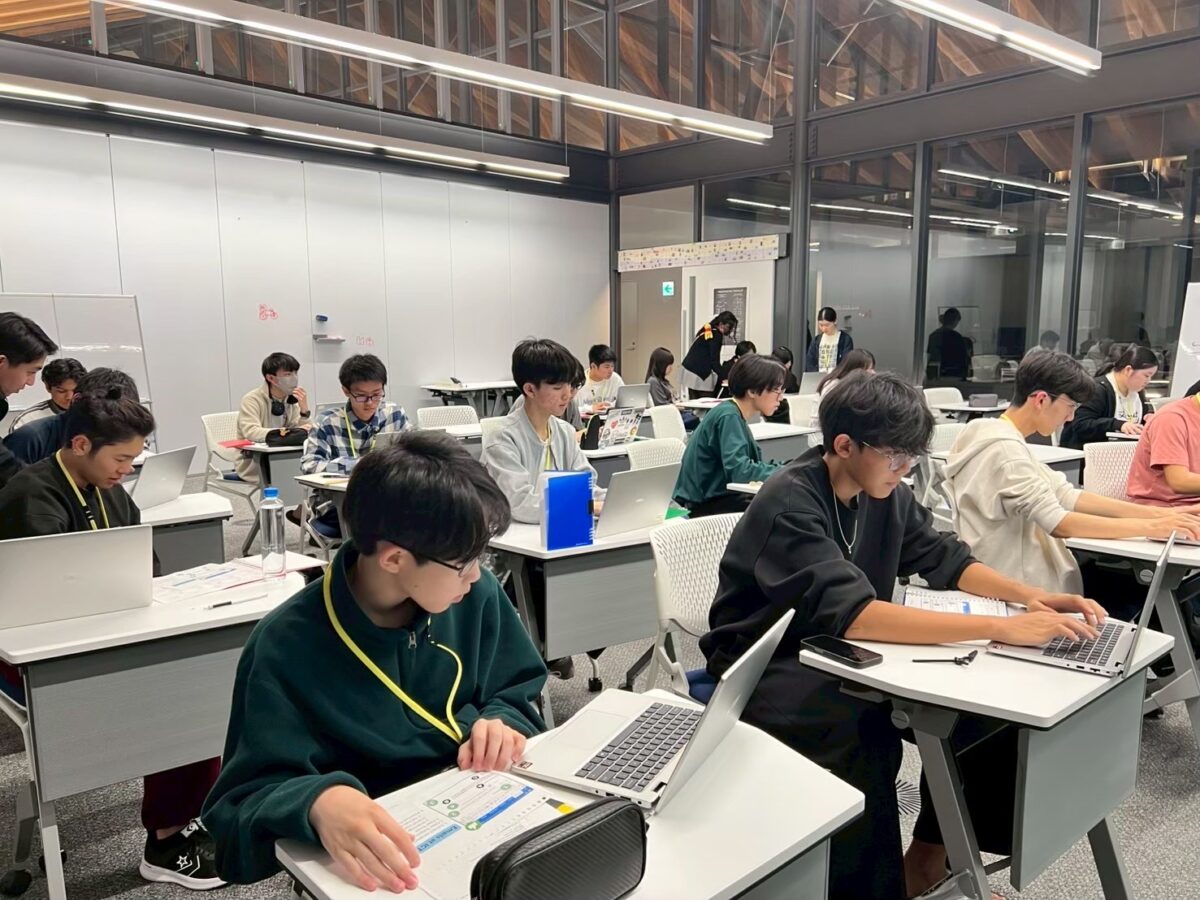
Day three was all about writing and sending e-mails properly with subject lines, greetings, polite wording, attaching files, and making sure messages go to the right person. Students practiced writing short e-mails on their own, and many of them reread their messages several times before hitting the send button. They were also asked to use the output they made in the previous workshop as an attachment to their e-mail. Mastering how e-mails work will be very useful not only in their ICT life but also in their professional journey.
Day 4 – Review
The final day was mostly a review: checking the eSyllabus, using Word, and sending e-mails again. Compared to day one, the atmosphere felt noticeably different. The room was more relaxed, and students seemed more confident. It was a small change, but an easy one to notice.
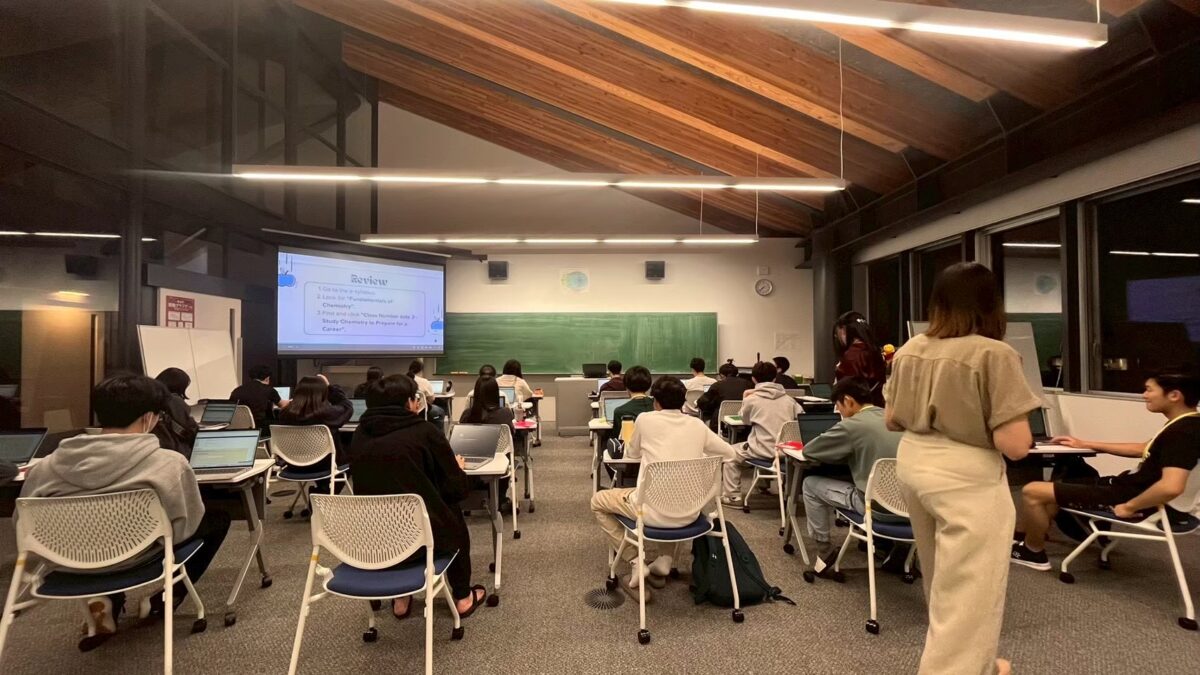
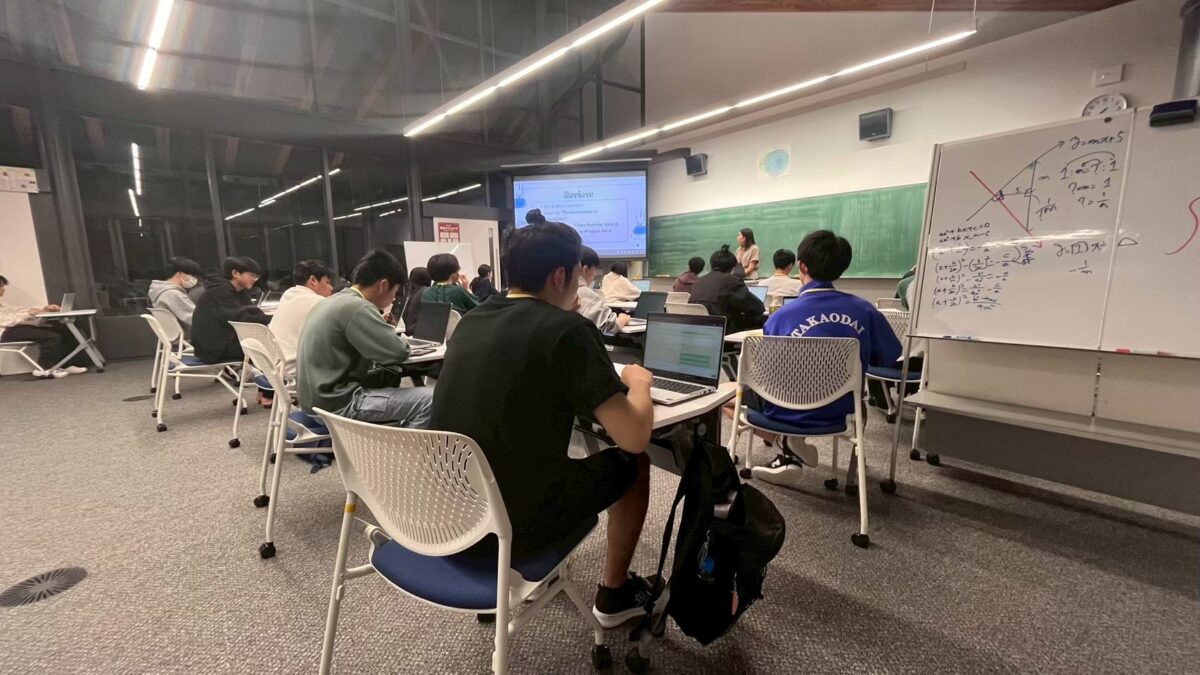
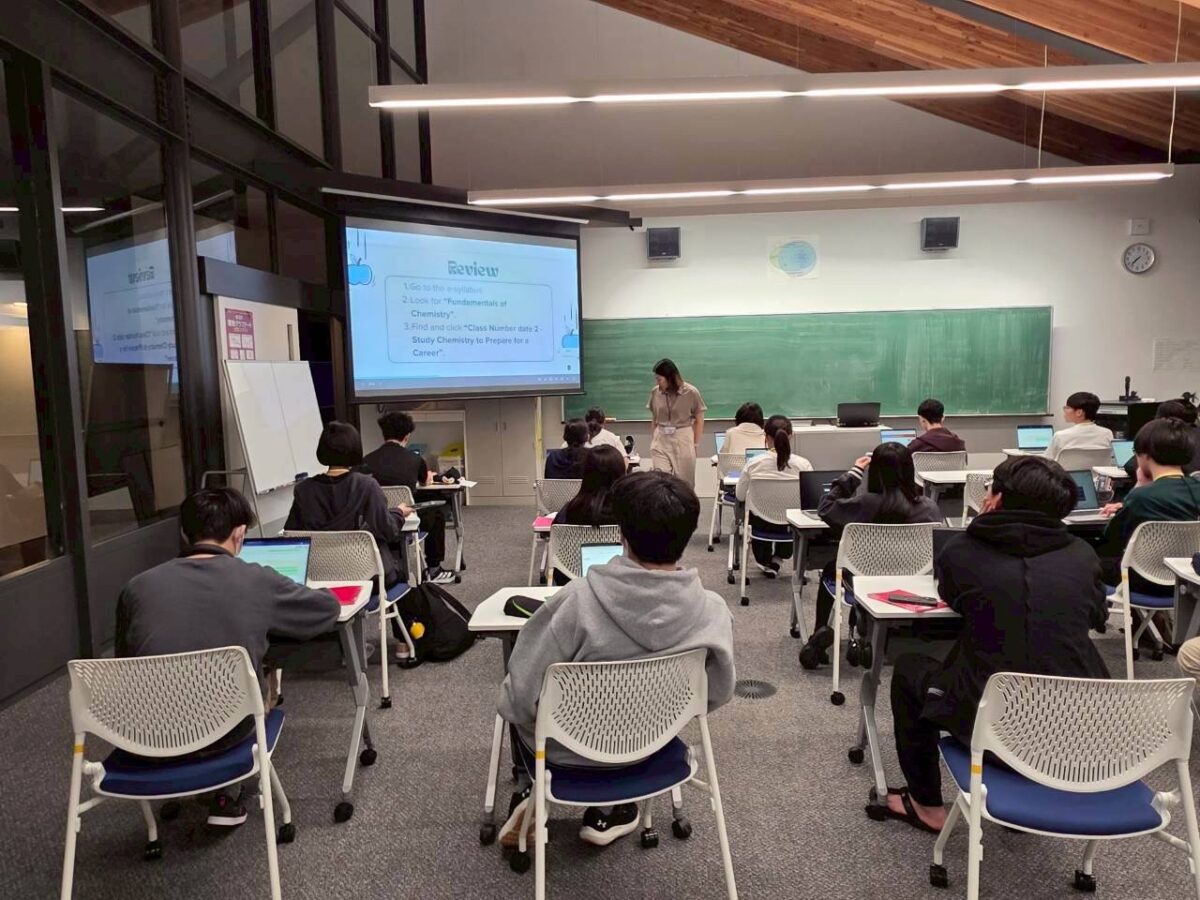
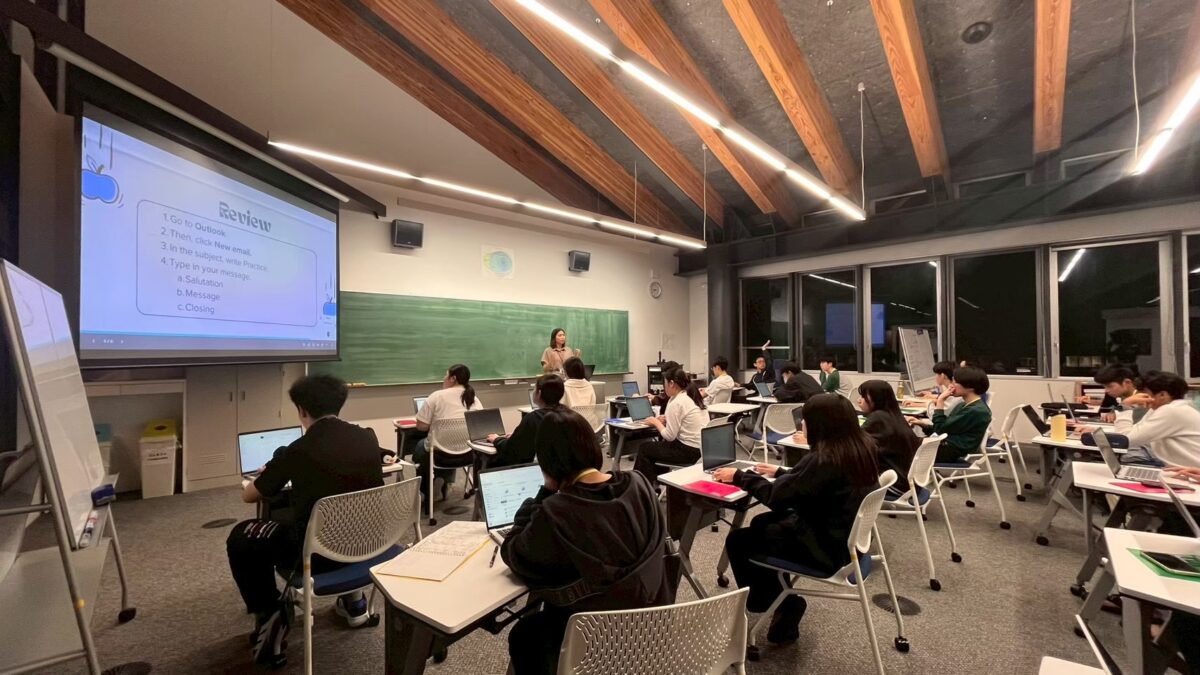
The workshops themselves were simple, but going through them was a good reminder of how much these “small” things matter. Checking the eSyllabus or sending a clear e-mail may seem minor, but they can make a big difference in how smoothly someone adjusts to a new environment. Sometimes, it’s not about doing something big but about feeling capable in the everyday moments.
Sharmee Abuan

Hello. I am Masaaki Shikada, ICT President.
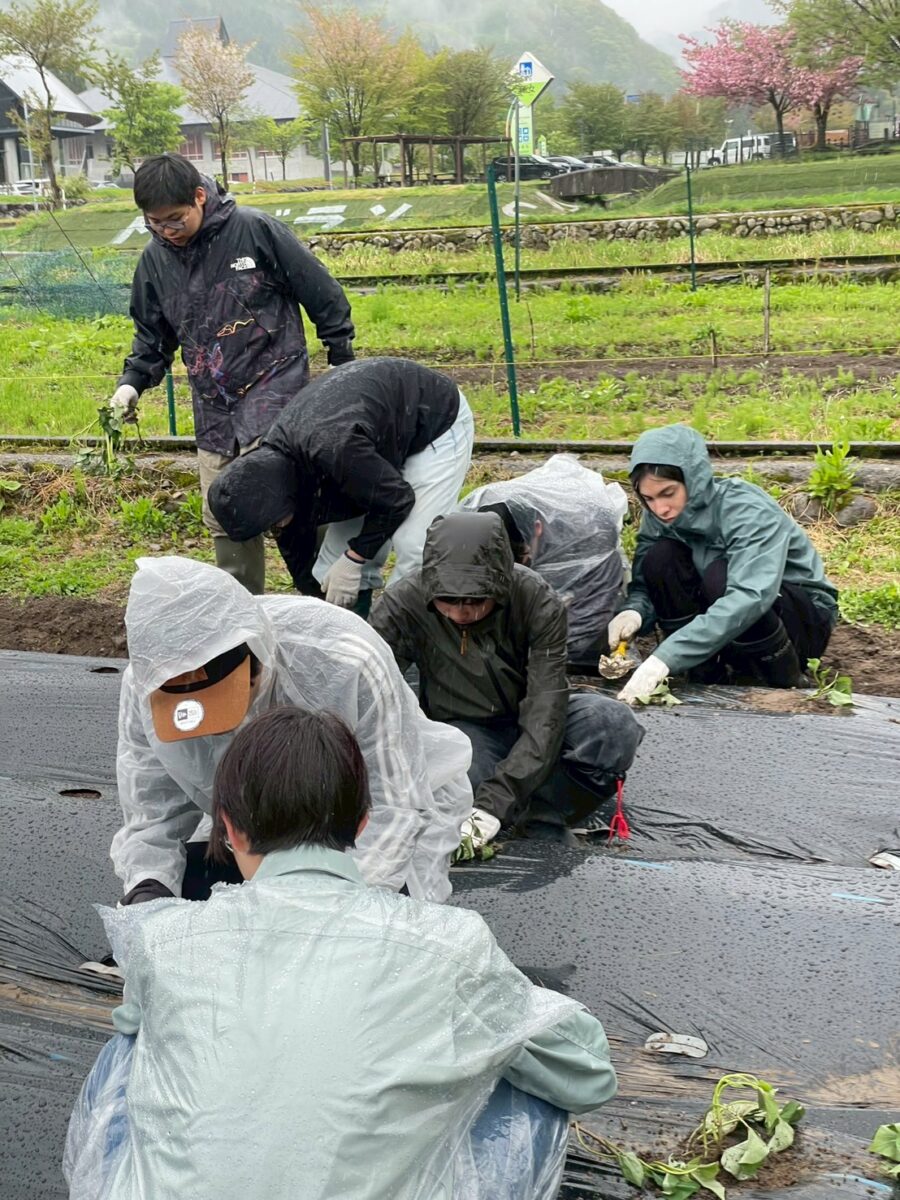
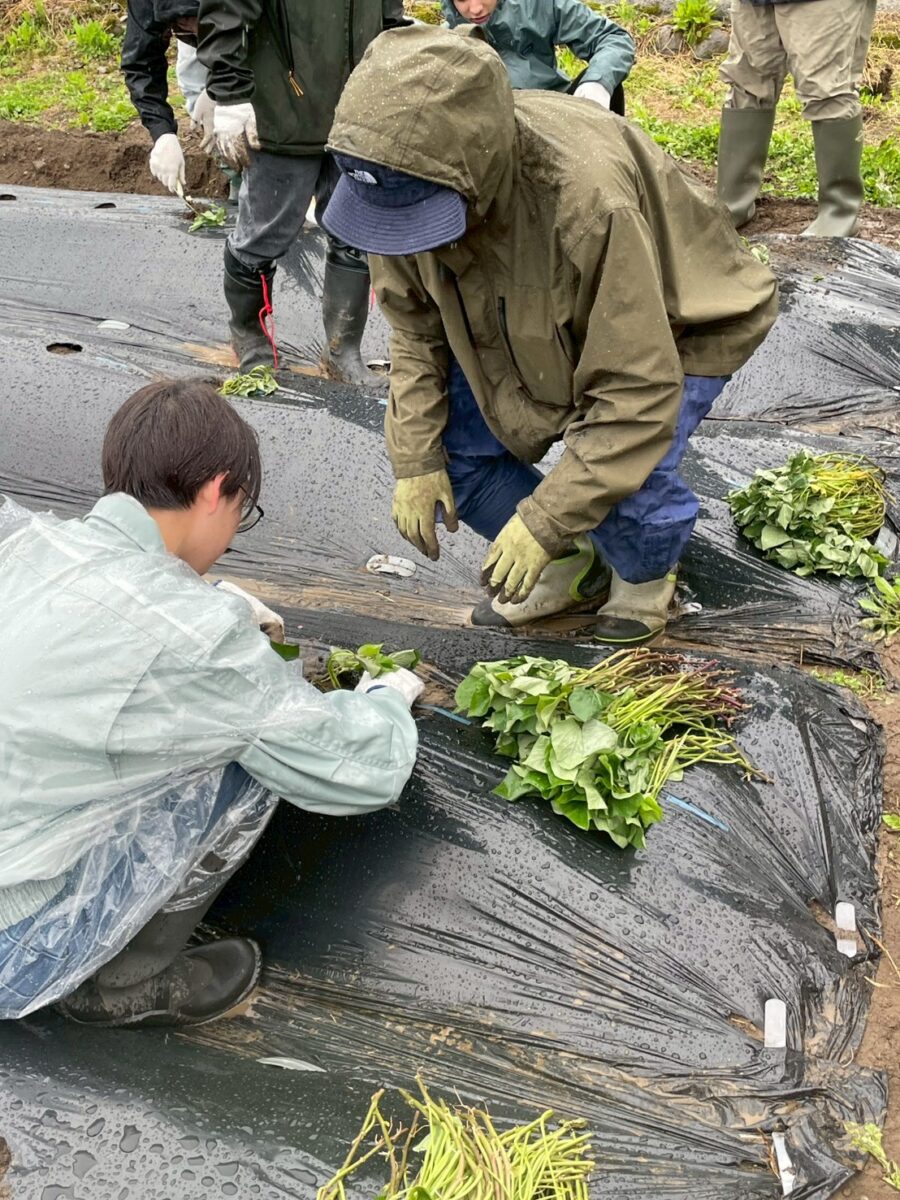
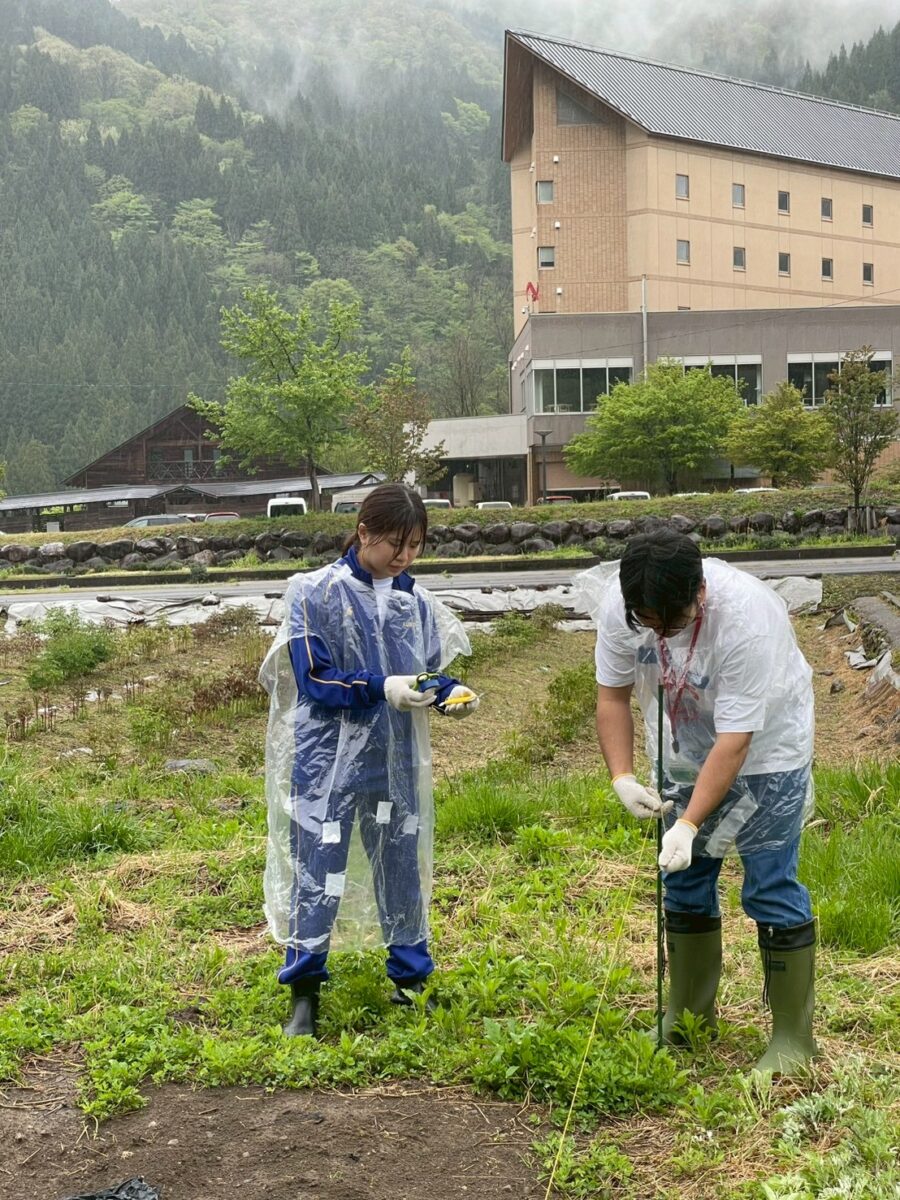
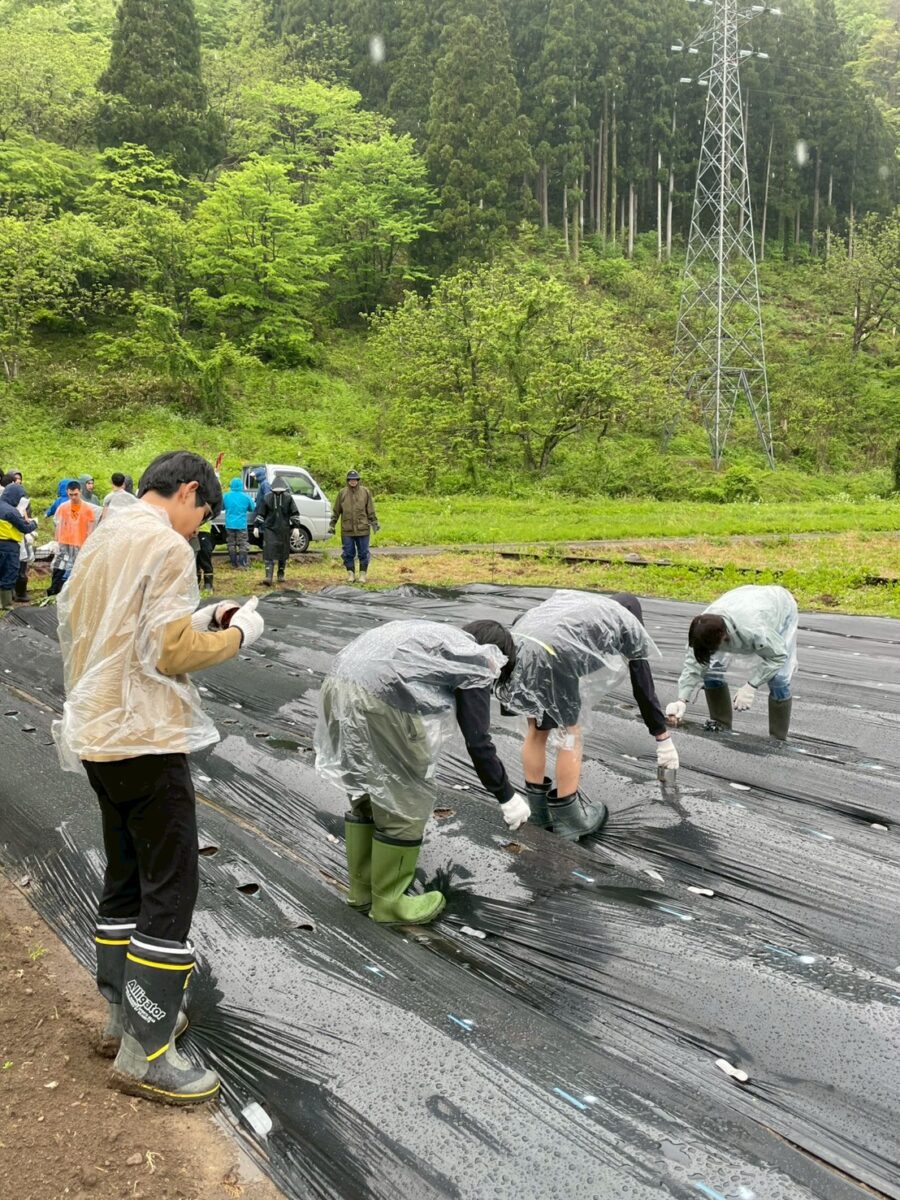
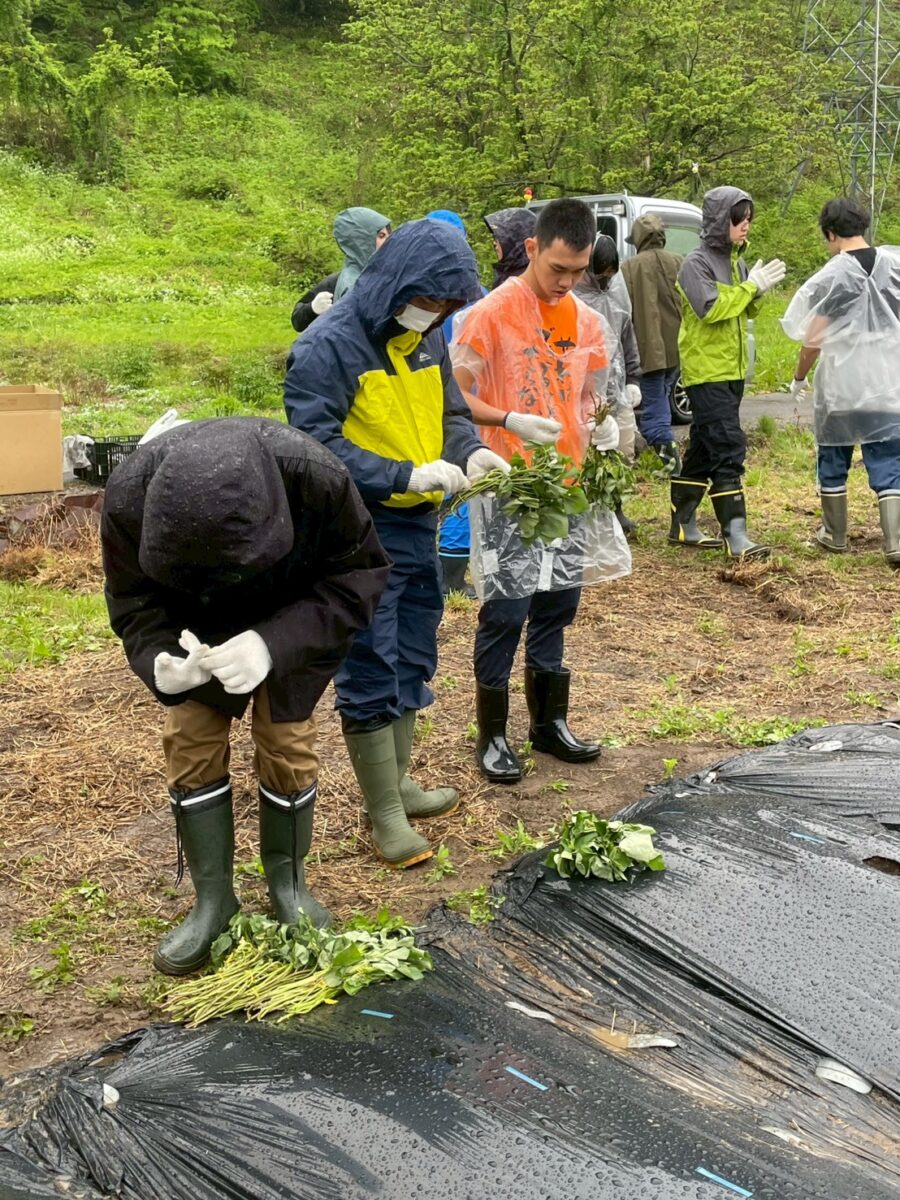
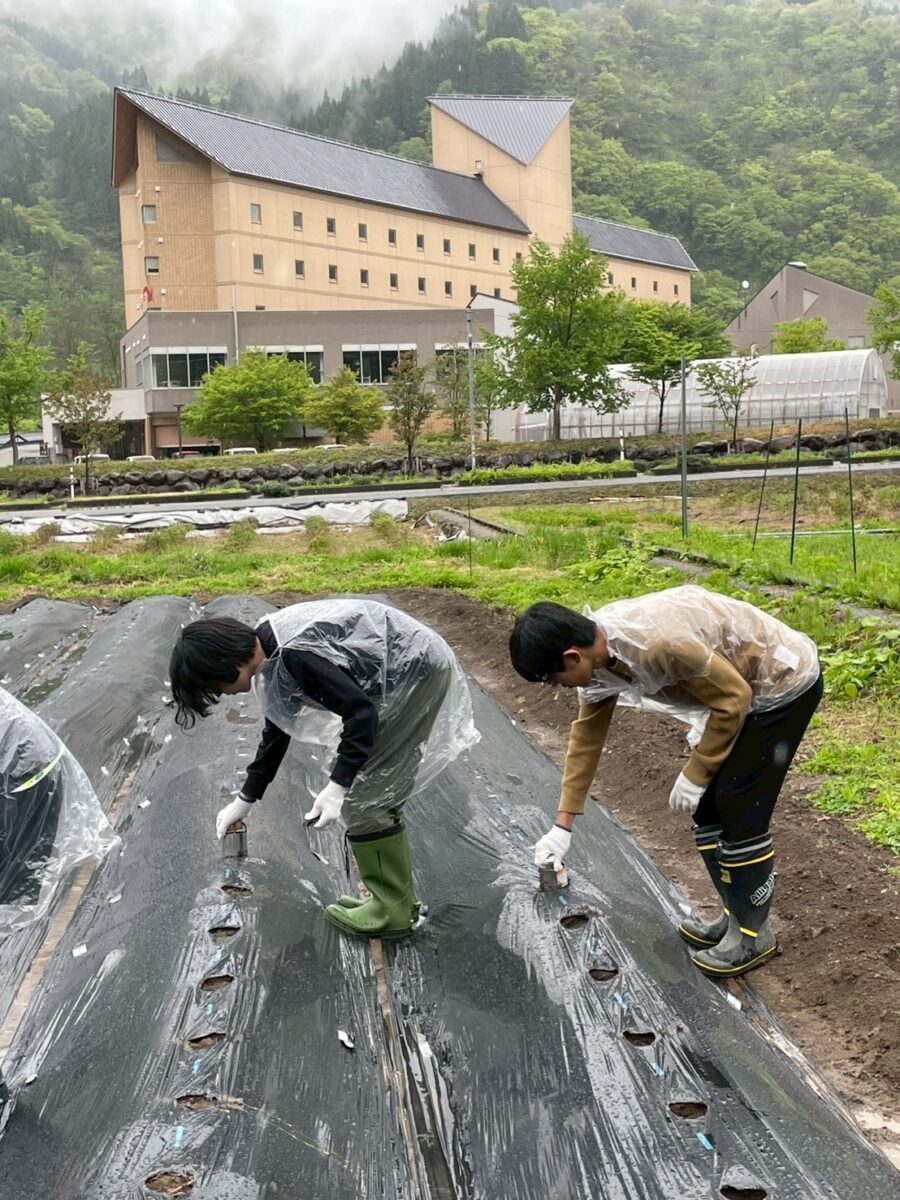
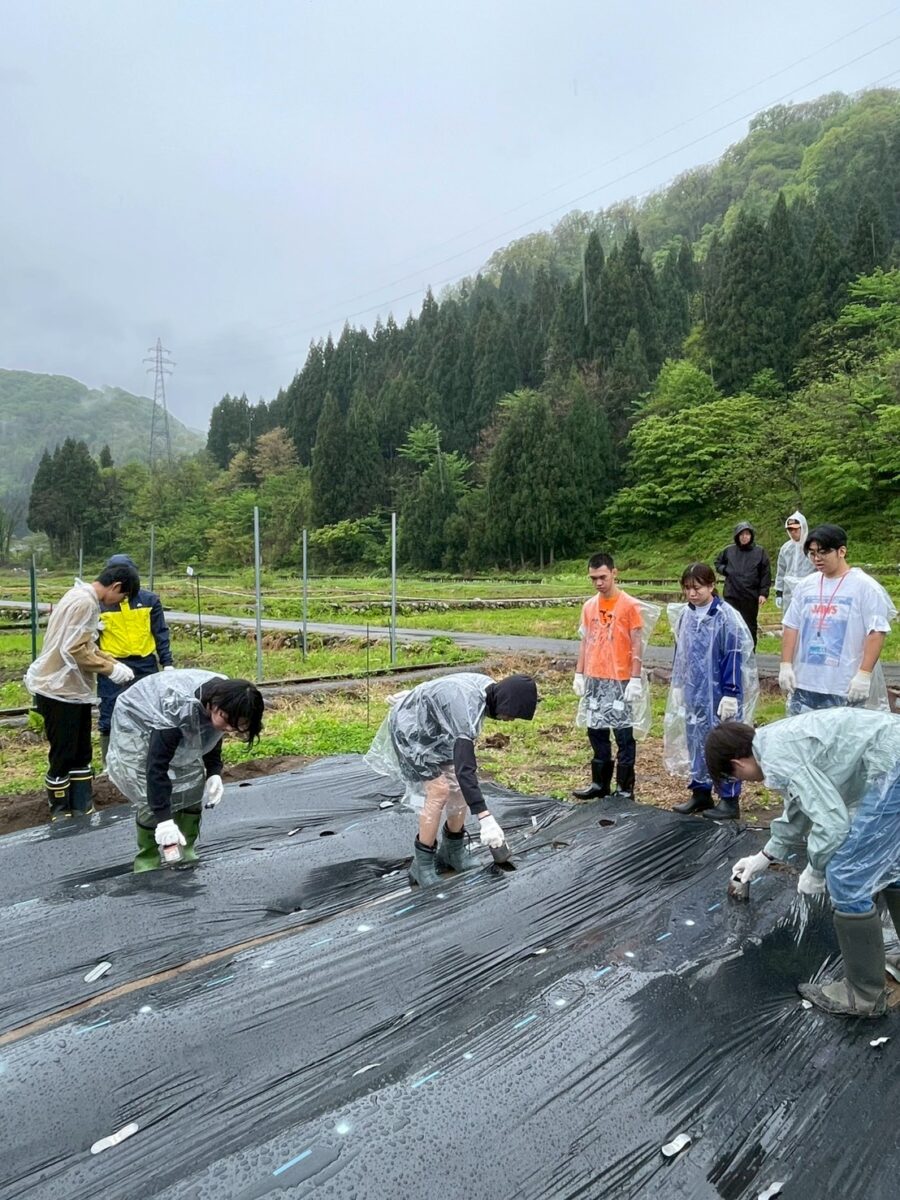
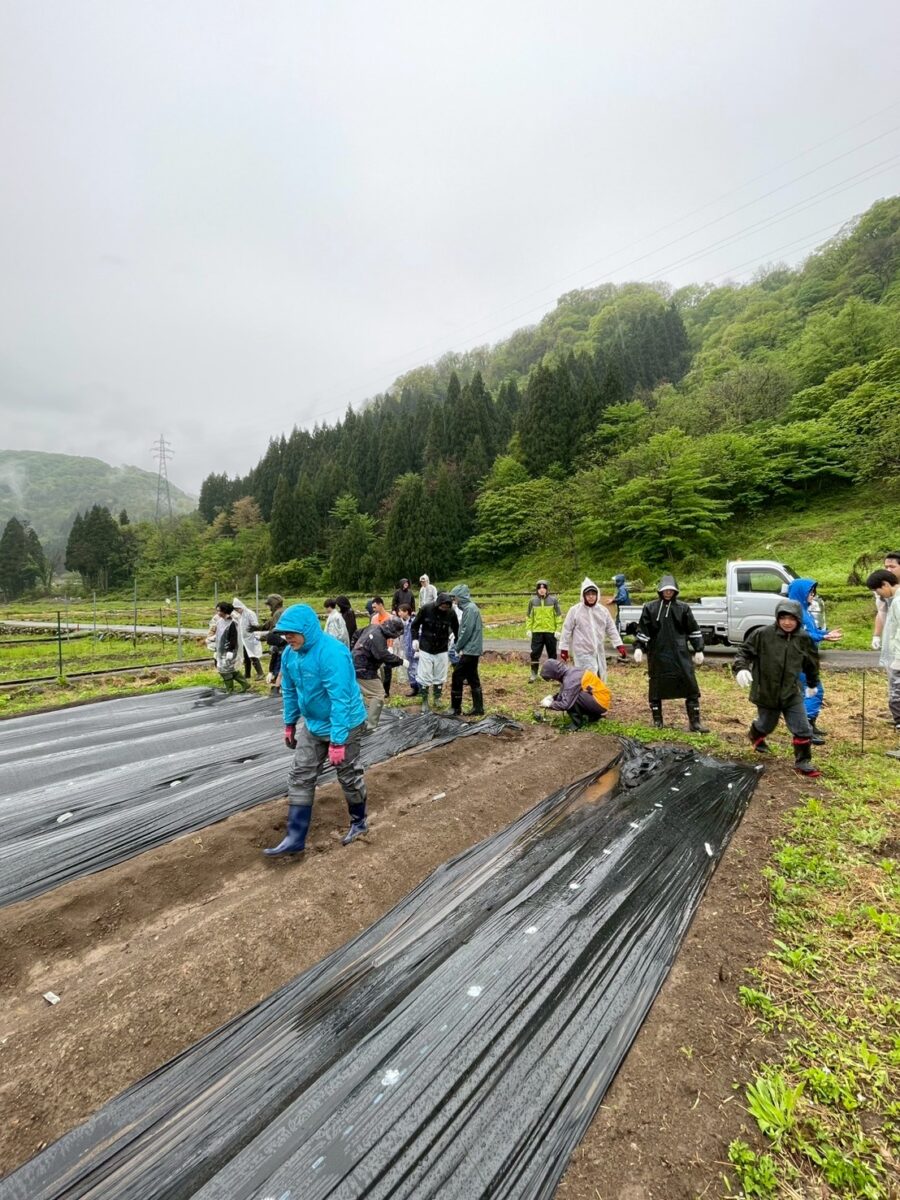
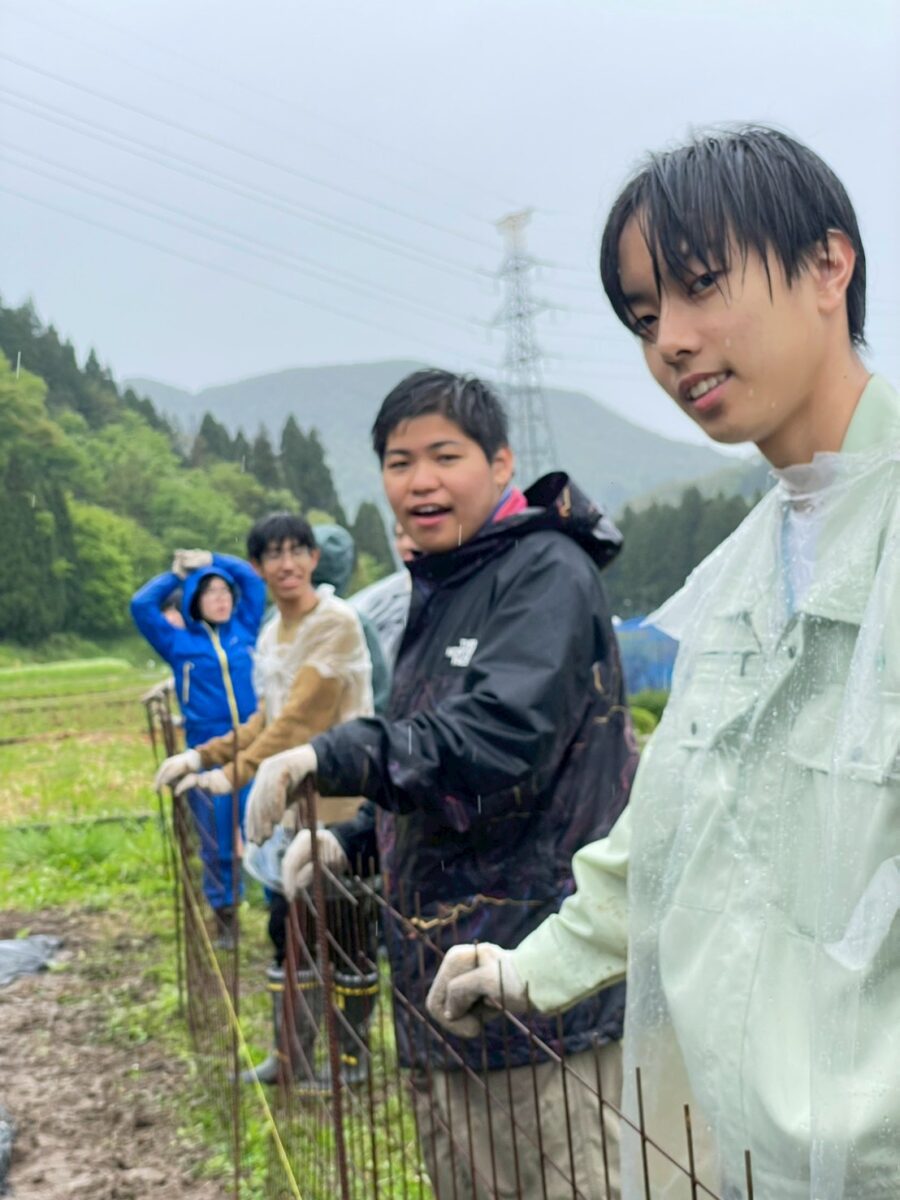
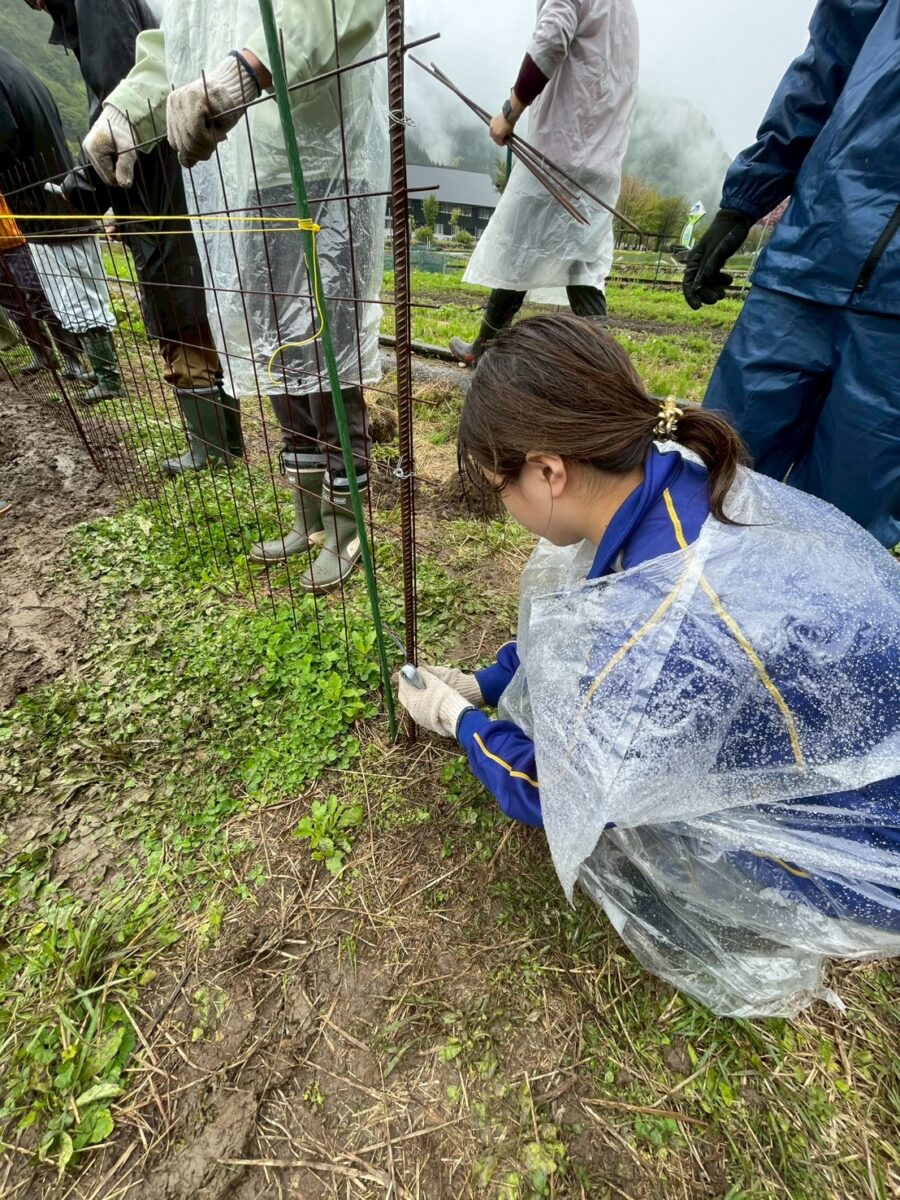
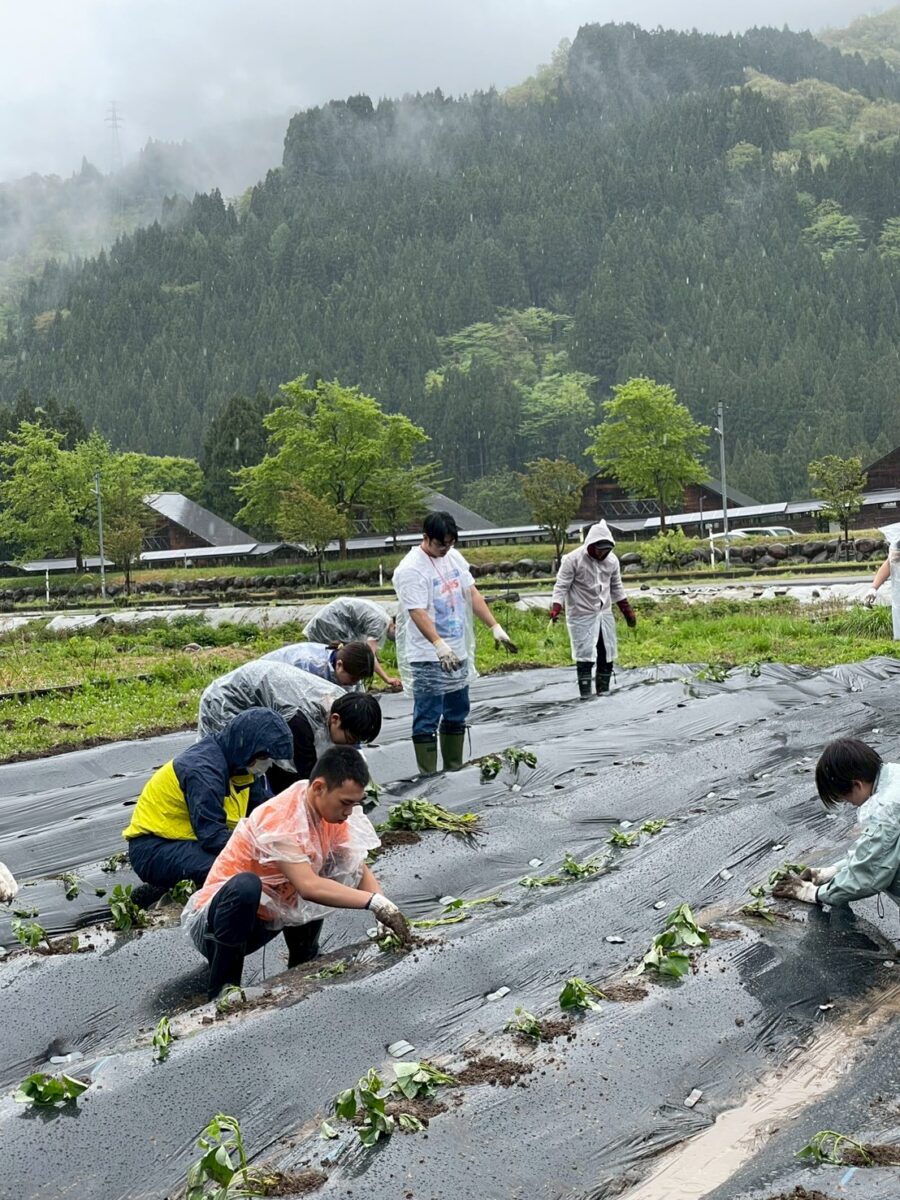
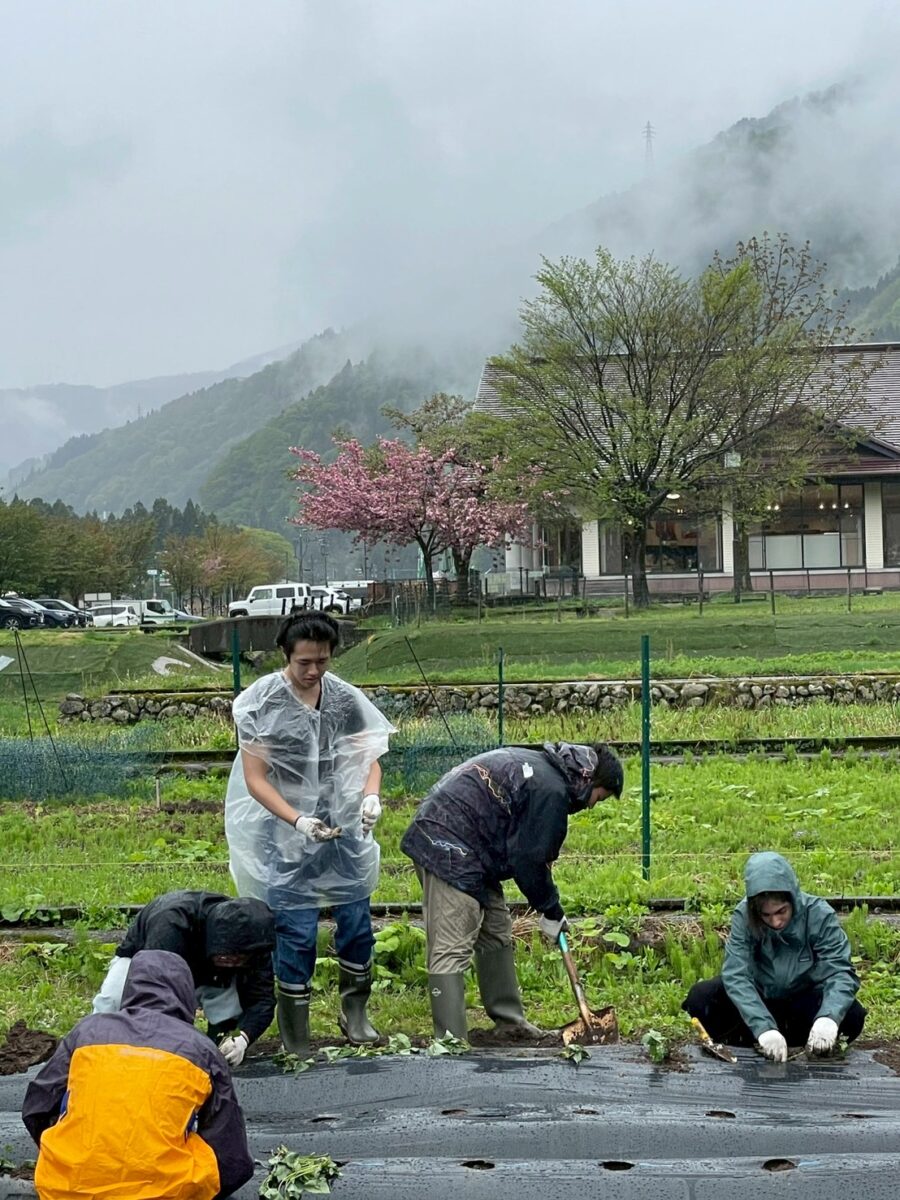
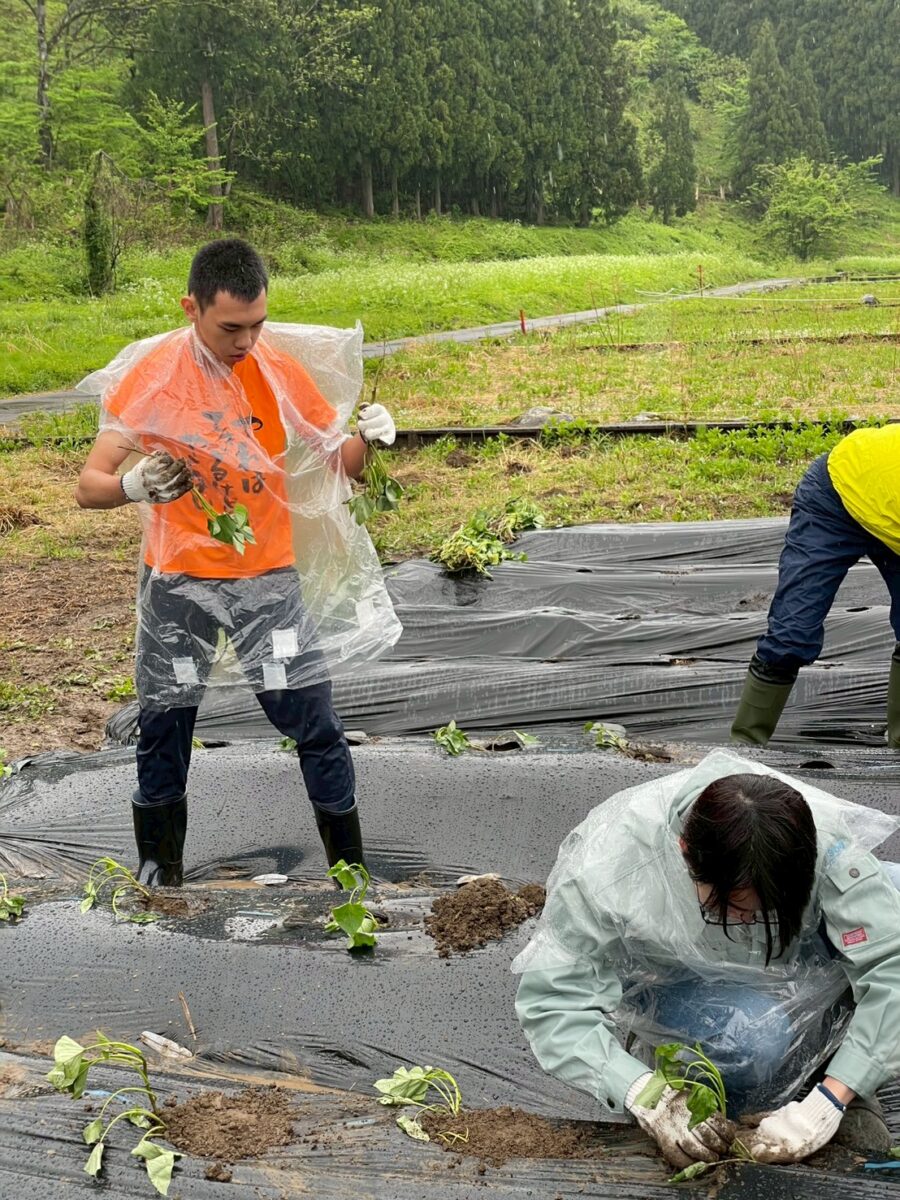
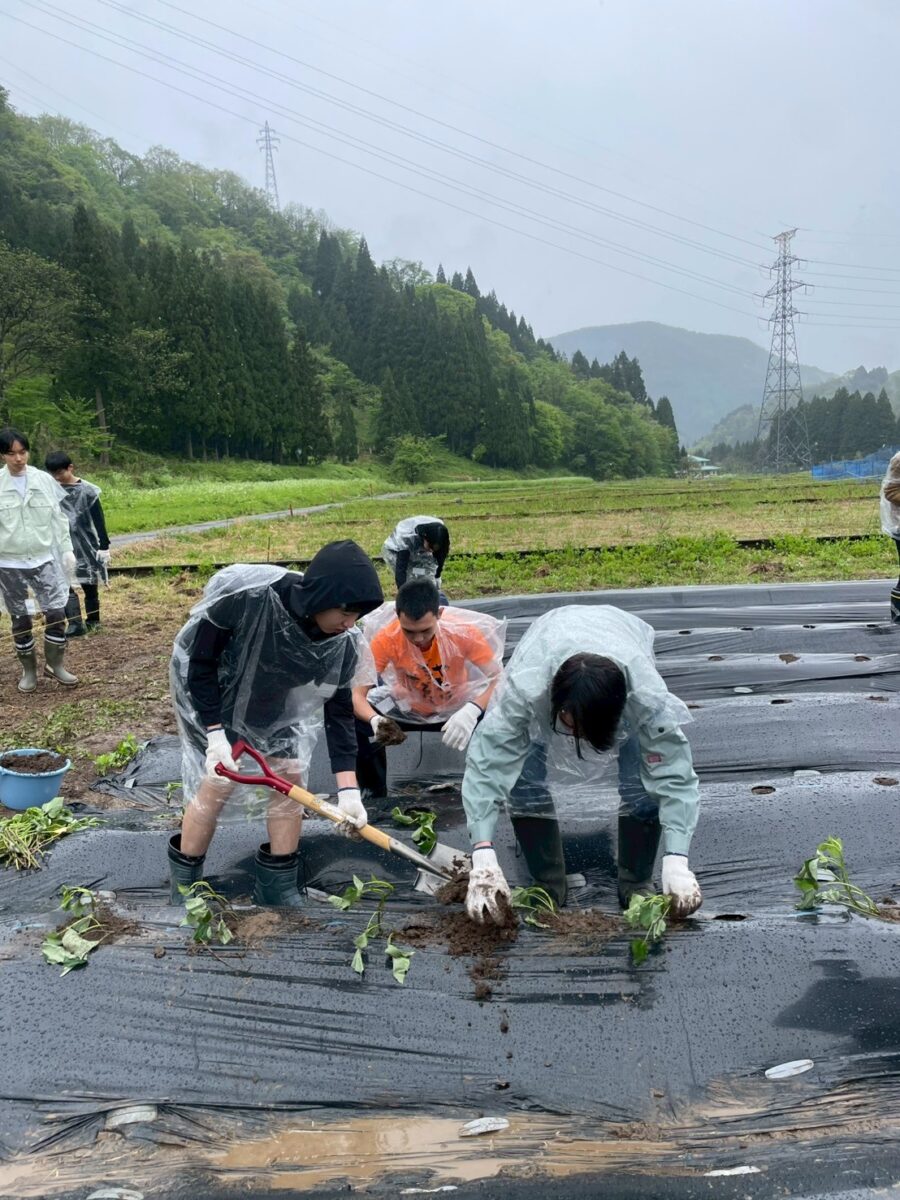
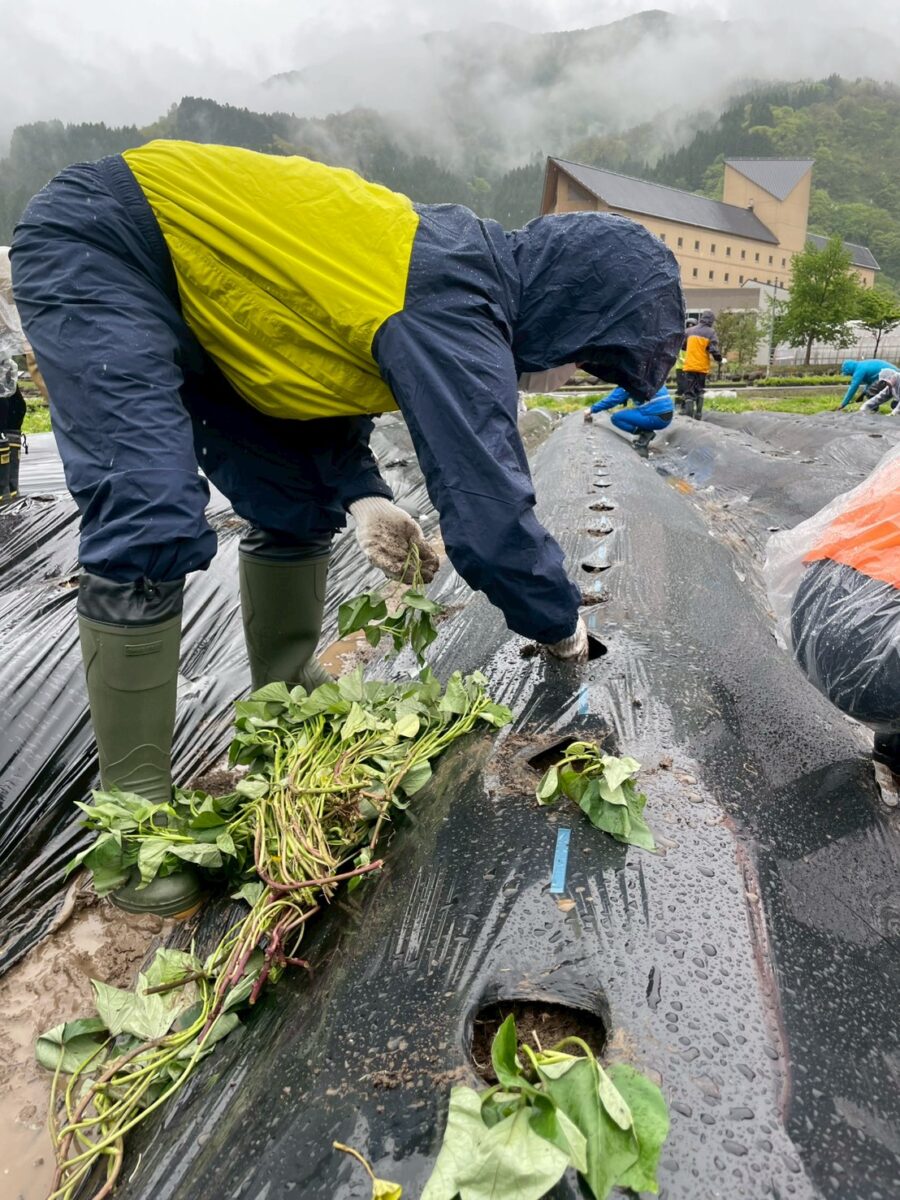
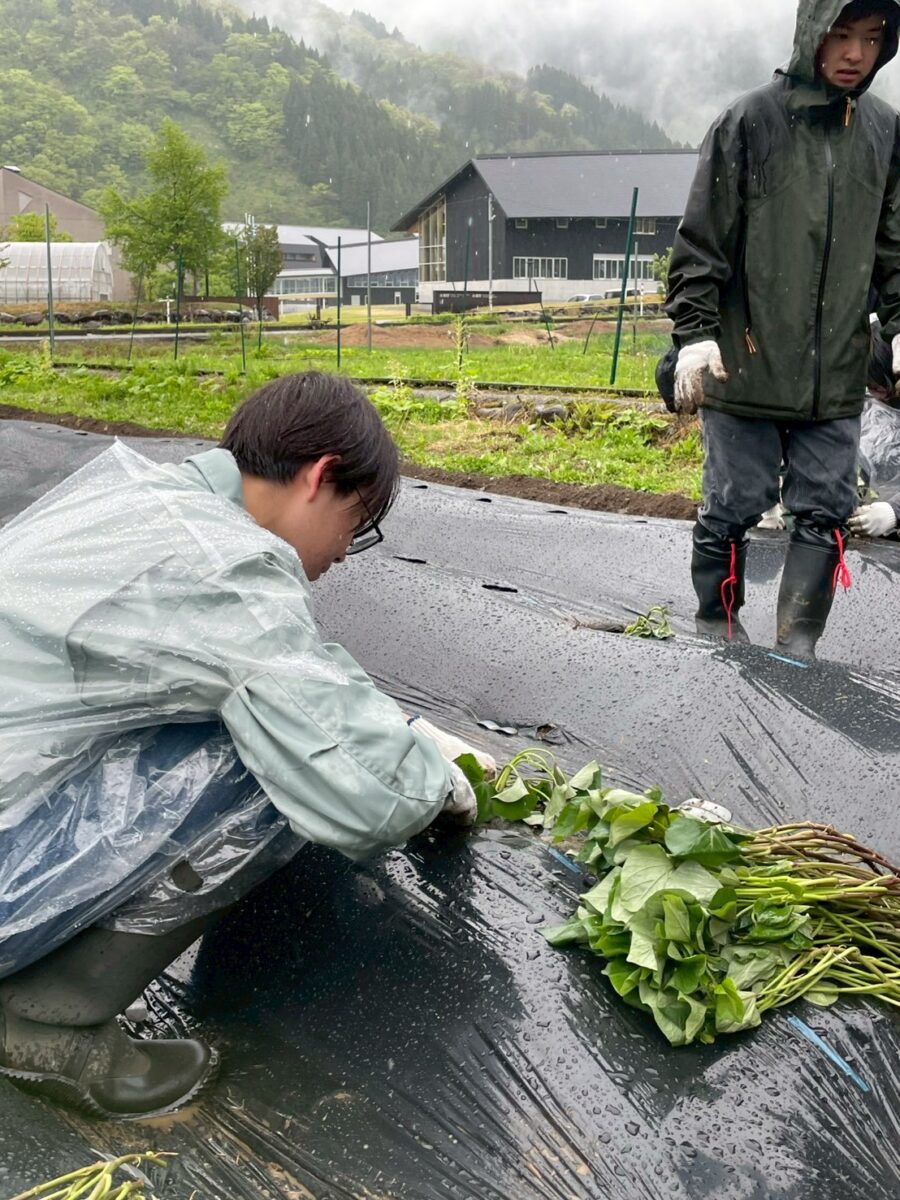
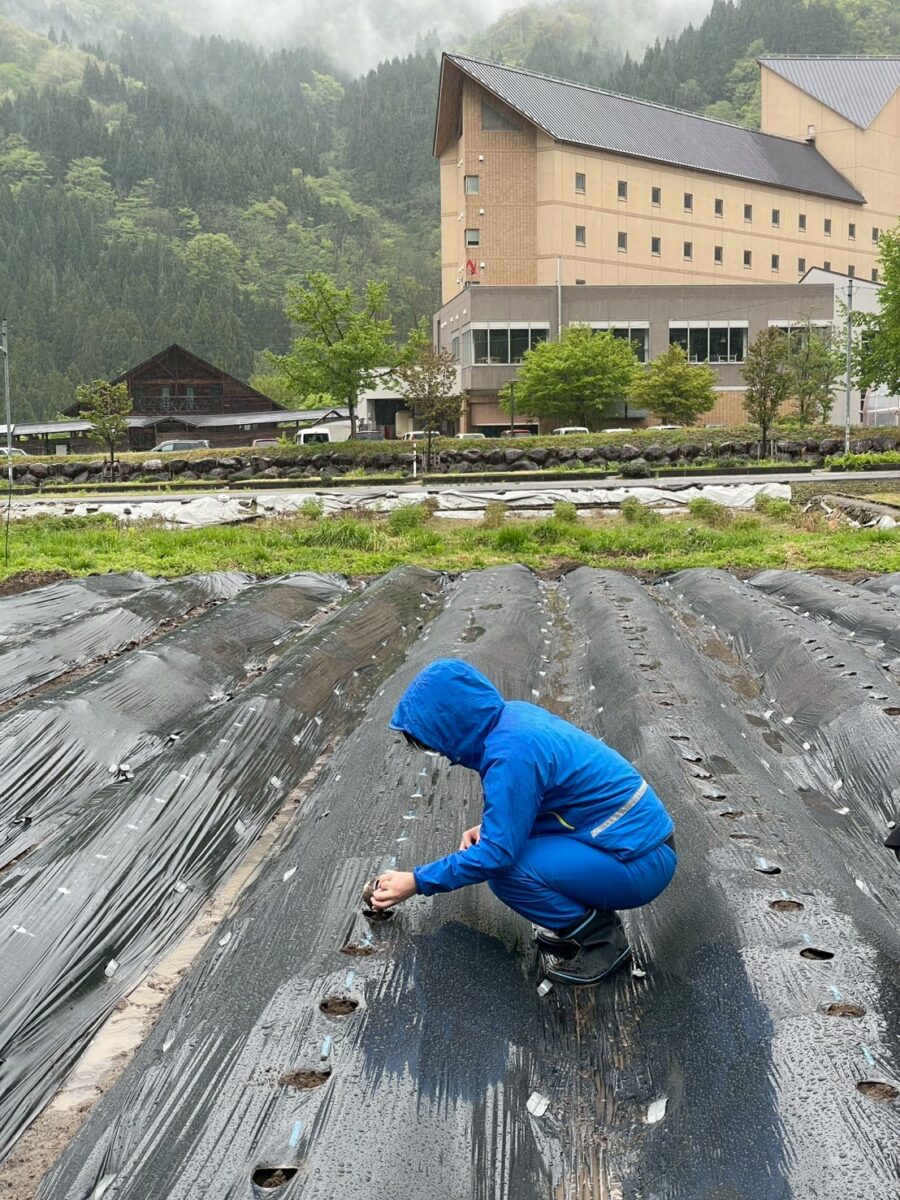
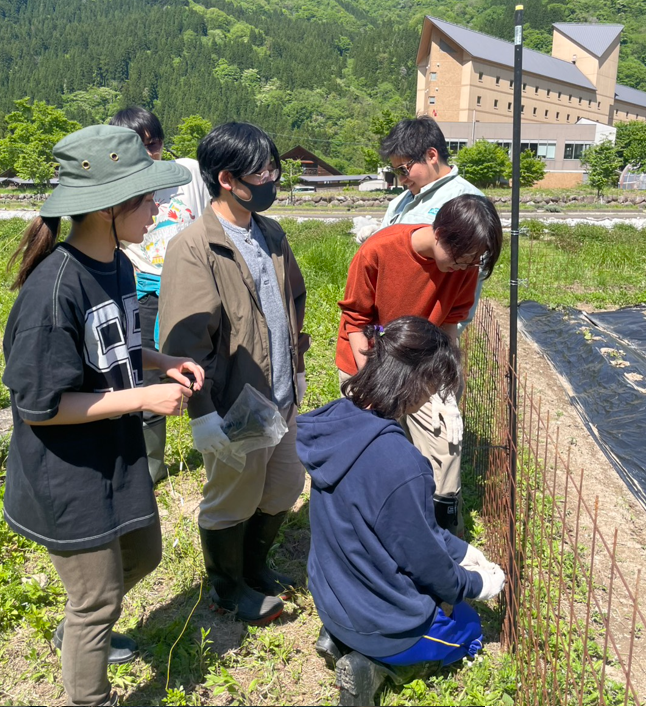
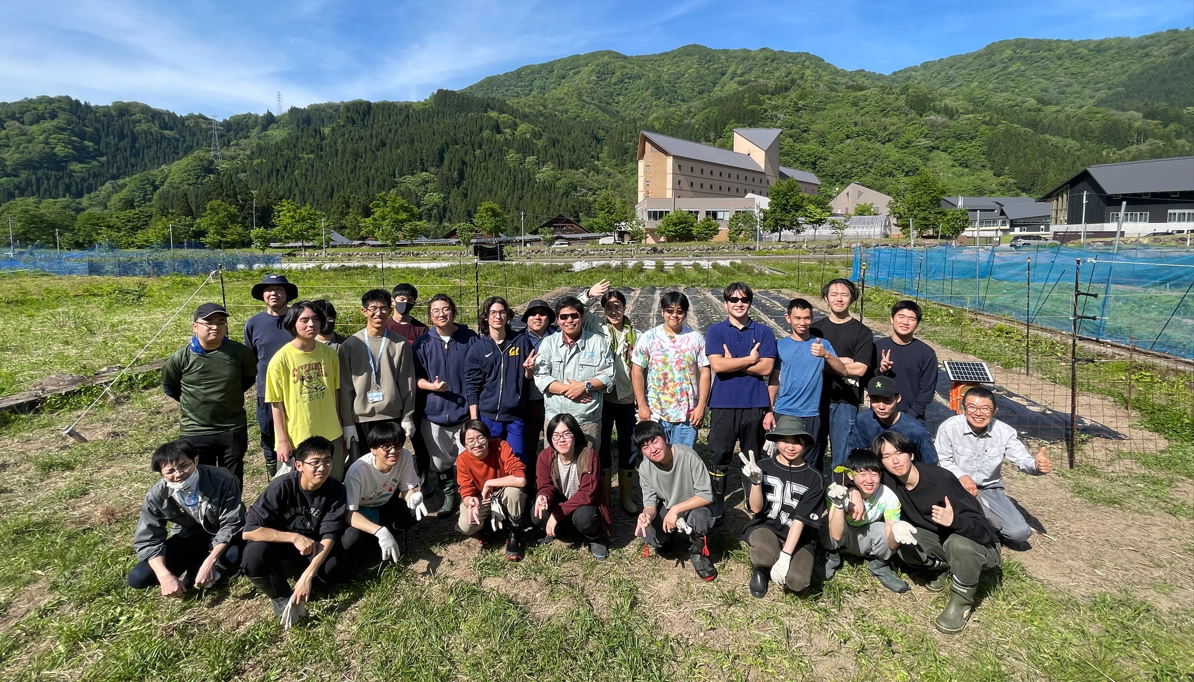
On Thursday, April 23rd, 2026, I helped with the planting of Beni Haruka sweet potato seedlings as part of Engineering Design II (2nd year students), marking my fourth year participating in this activity. While the previous three years were all blessed with fine weather, unfortunately this year we had rain.
I was also pleased to see that, because of the large number of 2nd year students, Kodaka sensei requested that each student plant approximately 10 to 15 seedlings. In the first year (three years ago), one person planted an entire row of the nursery bed alone. Although we had rain this time, the work progressed smoothly thanks to the larger number of students, and the planting was completed in about 50 minutes.
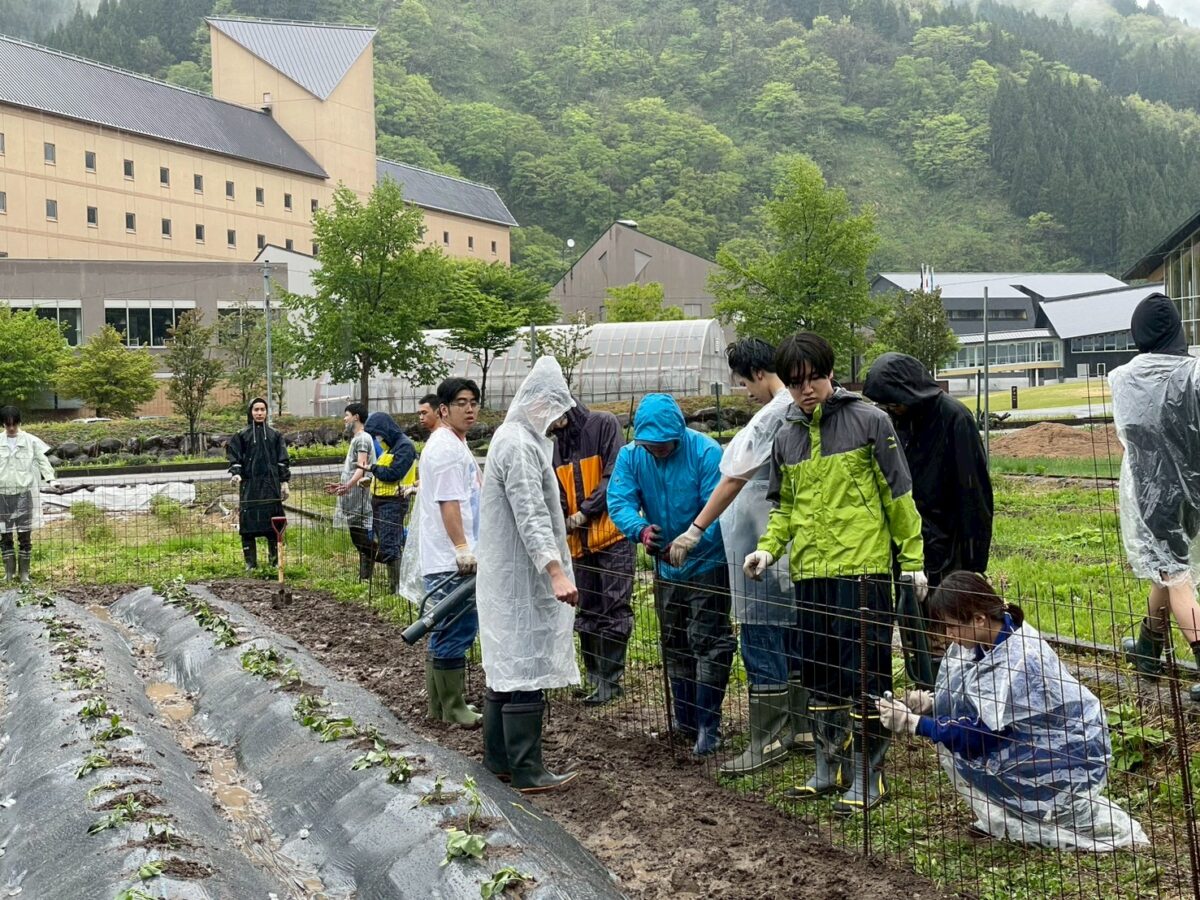
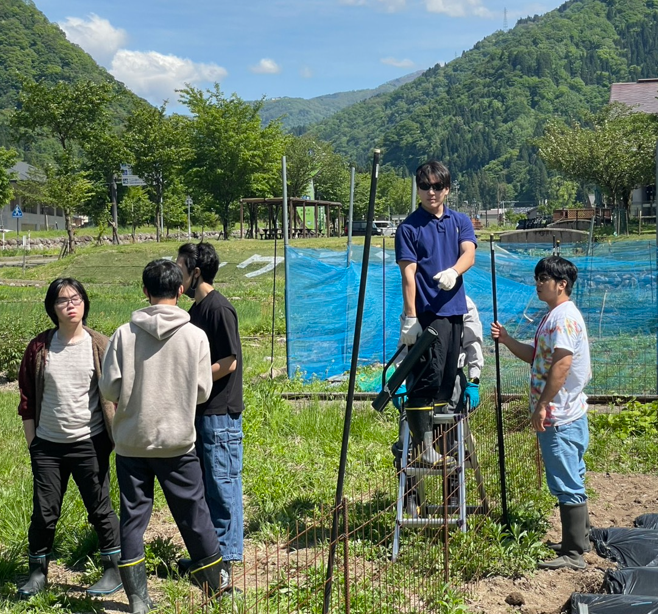
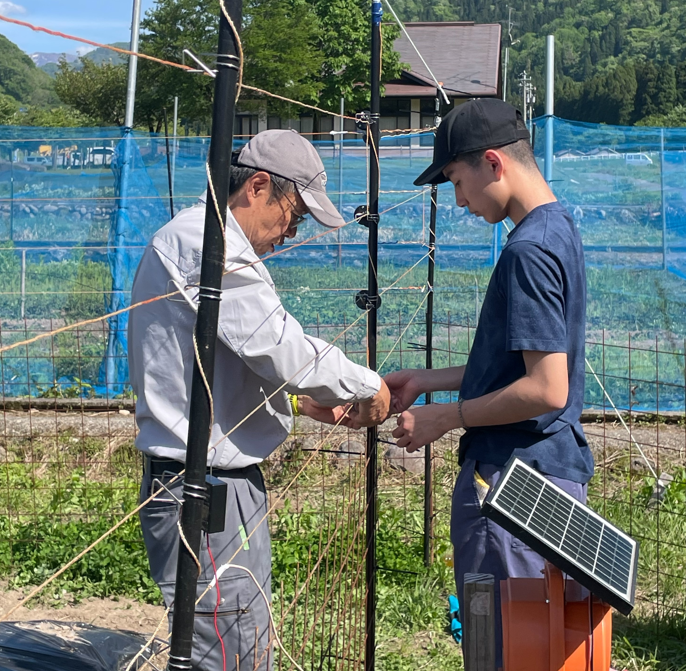
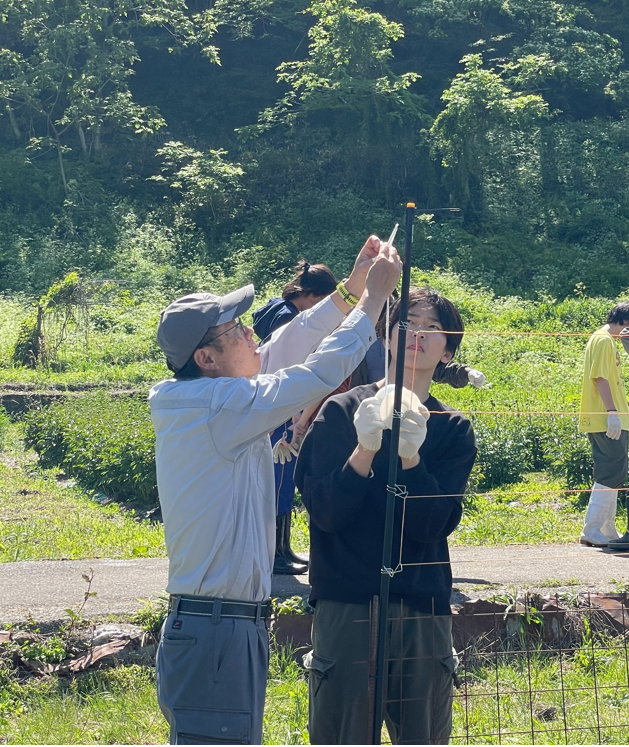
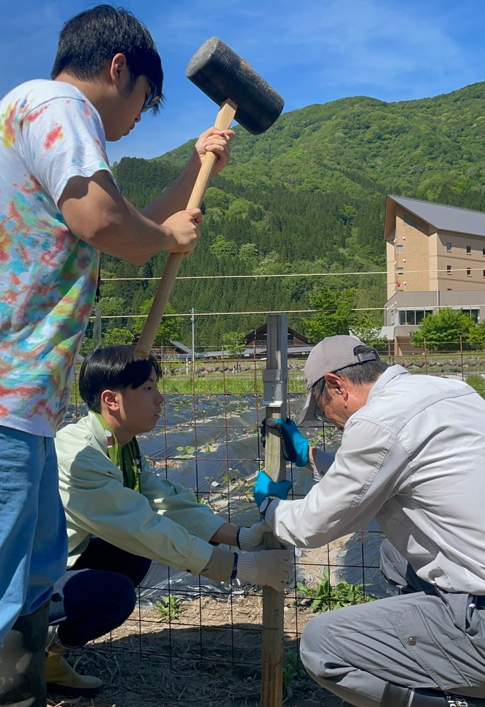
I left shortly after the seedling planting was finished, but the installation of the electric fence also appeared to be proceeding without any problems. In sunny weather, watering is necessary immediately after planting; however, this year the rain provided natural watering, which seemed to save time as well. I hope, once again this year, that the seedings will grow well. I would also like to take part in the harvest in autumn.
As is customary, an Open Campus will be held at the Hakusanroku Campus on Saturday, November 7th, and Sunday, November 8th. To coincide with this event, roasted sweet potatoes are scheduled to be sold at the Sena Roadside Station. If you have time, please consider stopping by the Sena Roadside Station on either of those days.
Thursday, April 16th, 2026
Soil preparation and digging rows for planting.
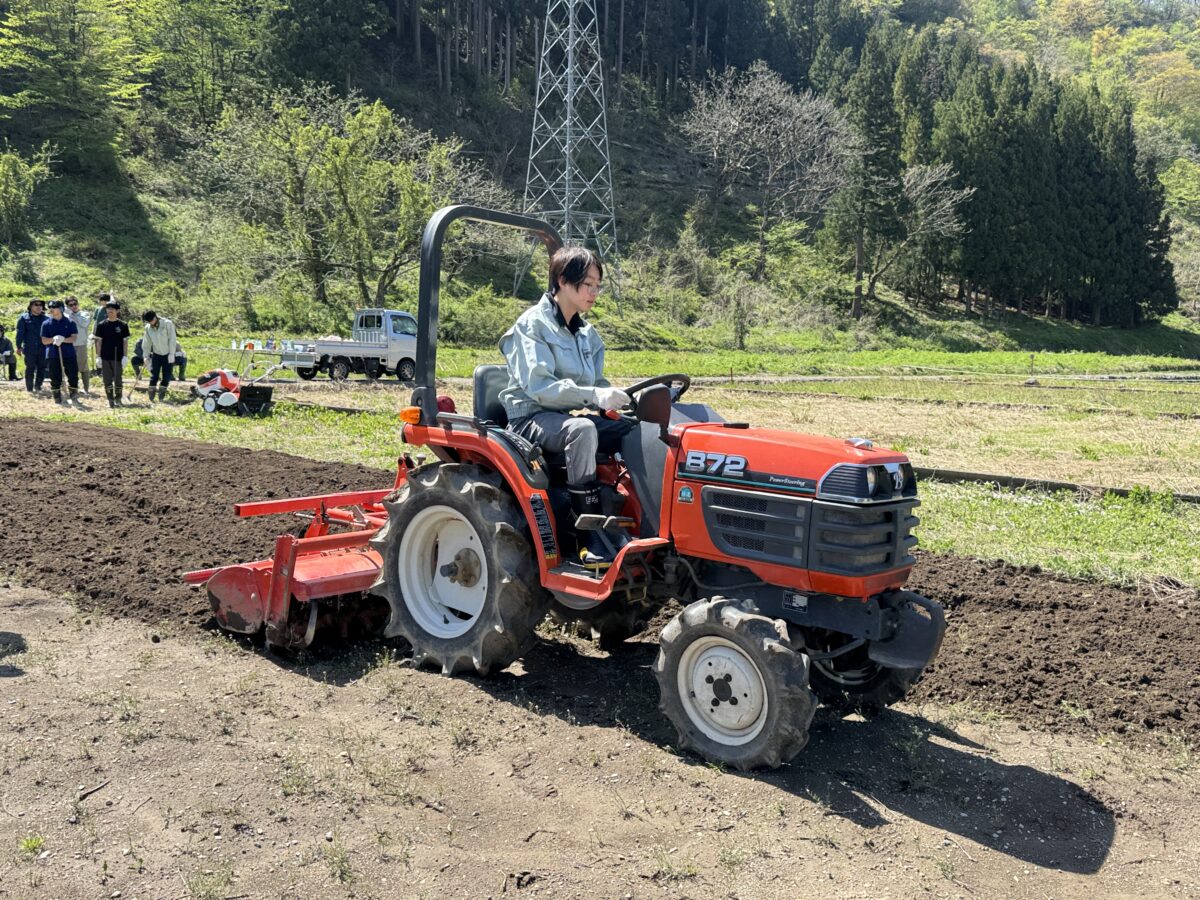
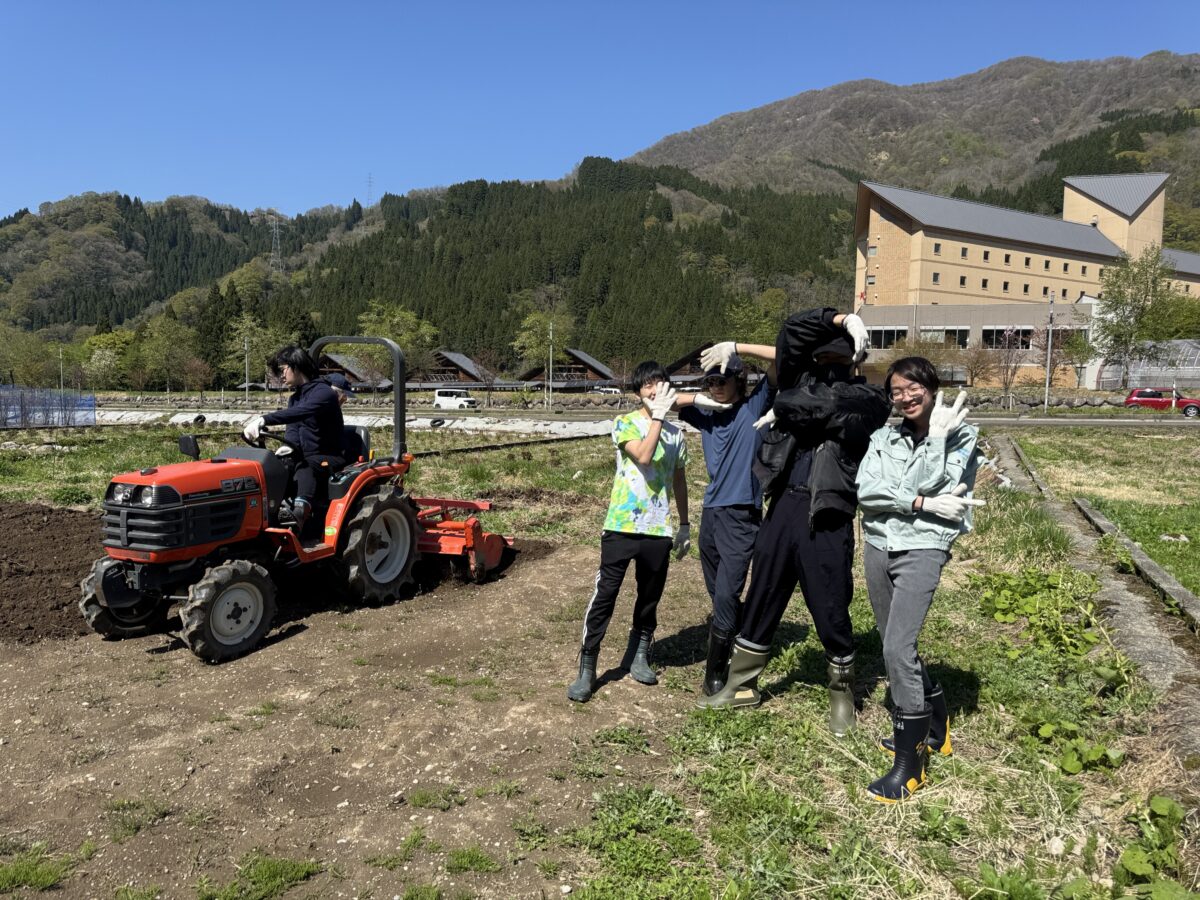
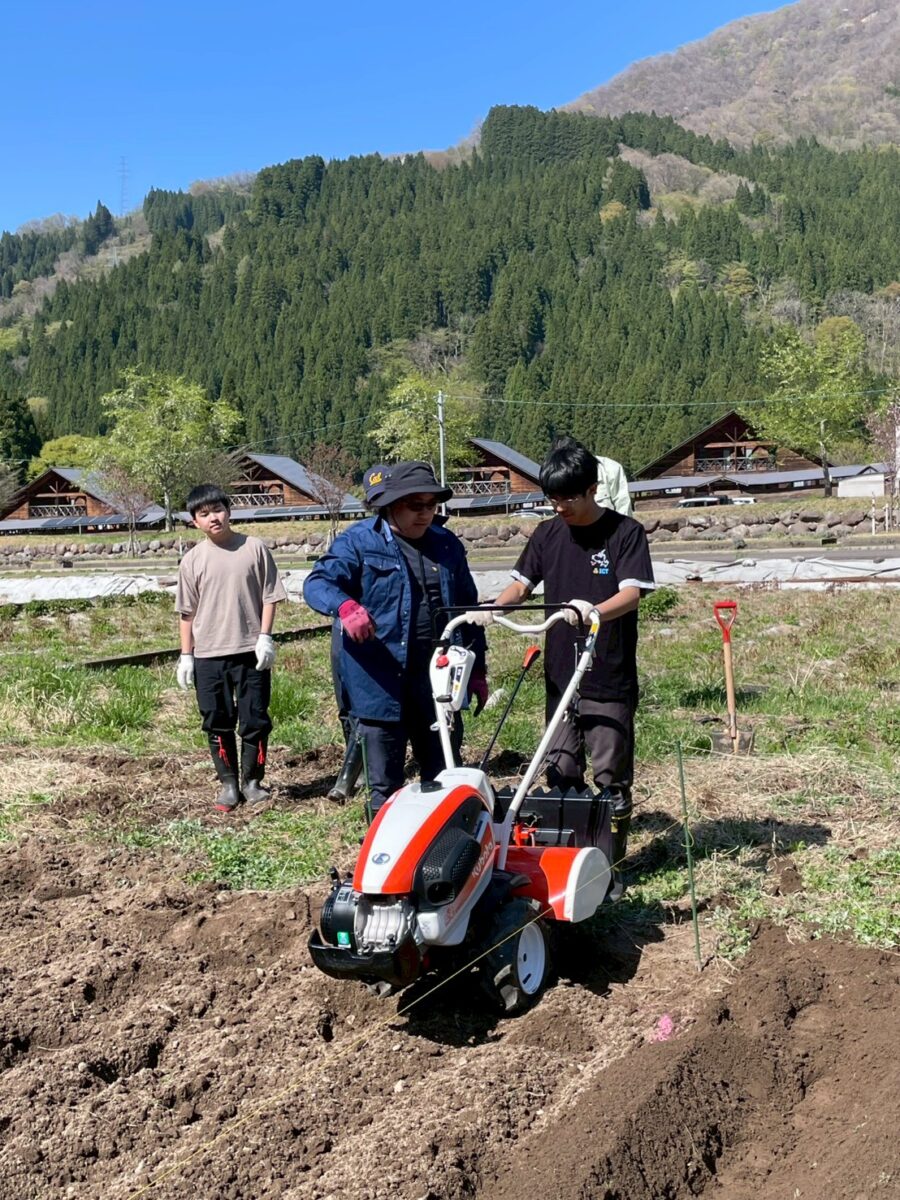
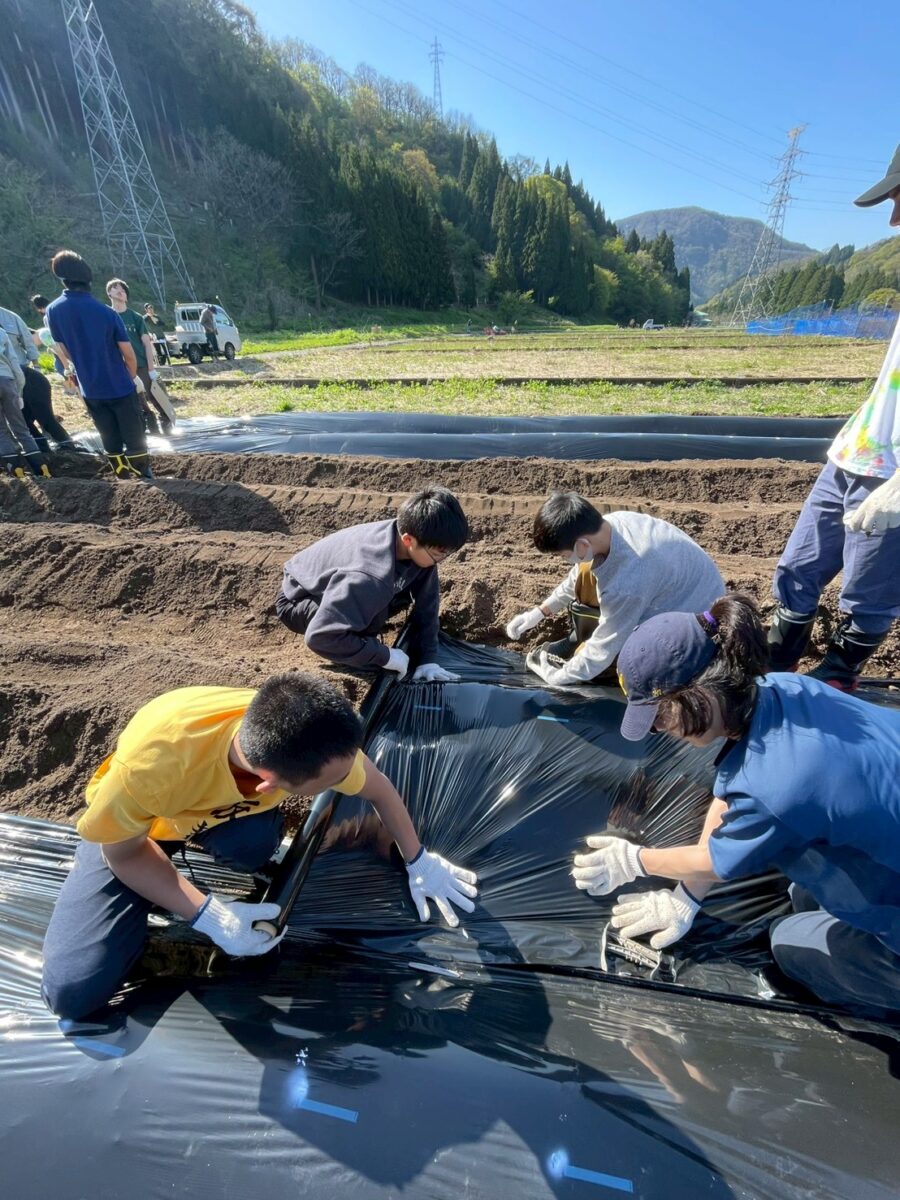
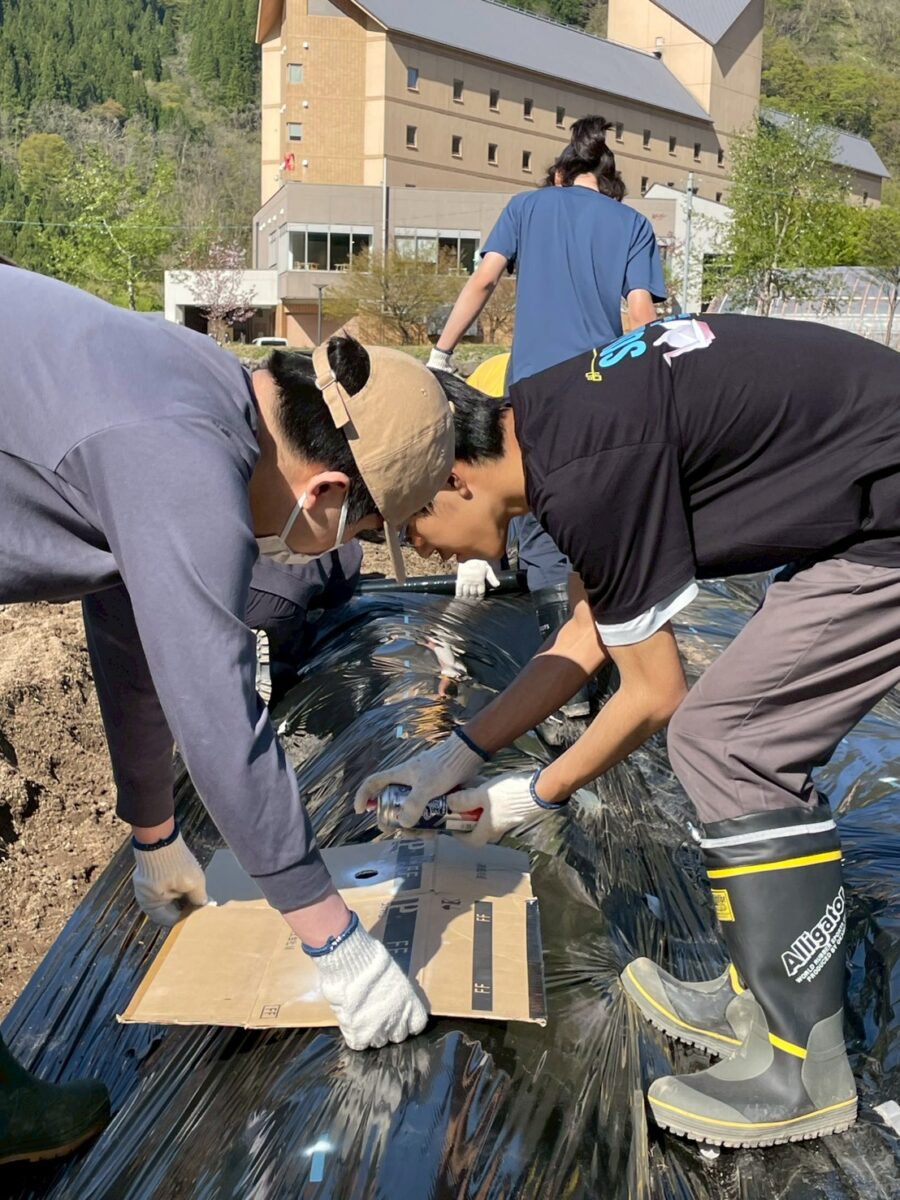
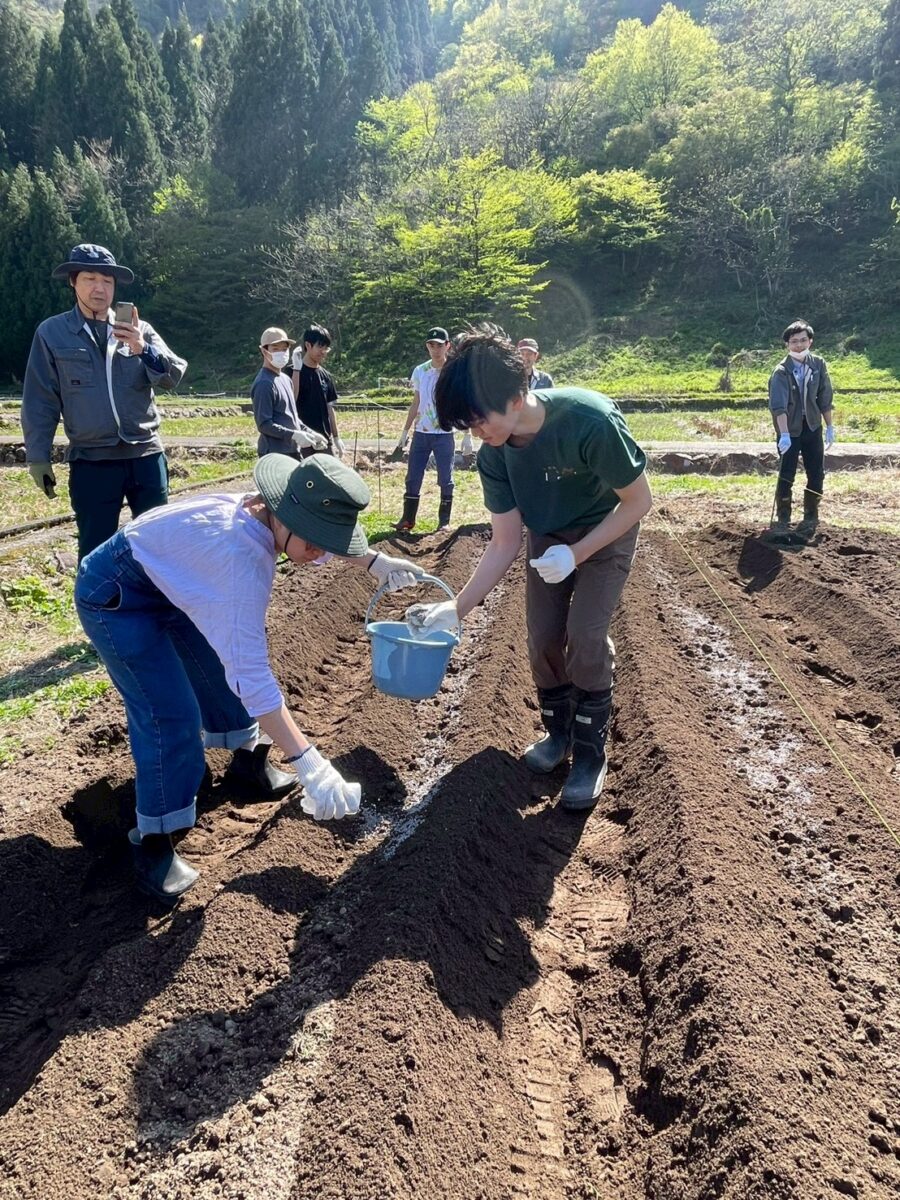
Thursday, April 23rd, 2026
Planting Beinharuka soil and ridges for planting Beniharuka seedlings.
Thursday, May 7th, 2024
Electric fence installed around fields to prevent monkeys from entering.
Masaaki Shikada

Hello, my name is Domyson Abuan, and on behalf of the Learning Mentor team, we would like to reintroduce you to Hakusanroku Campus’ Learning Session (LS).
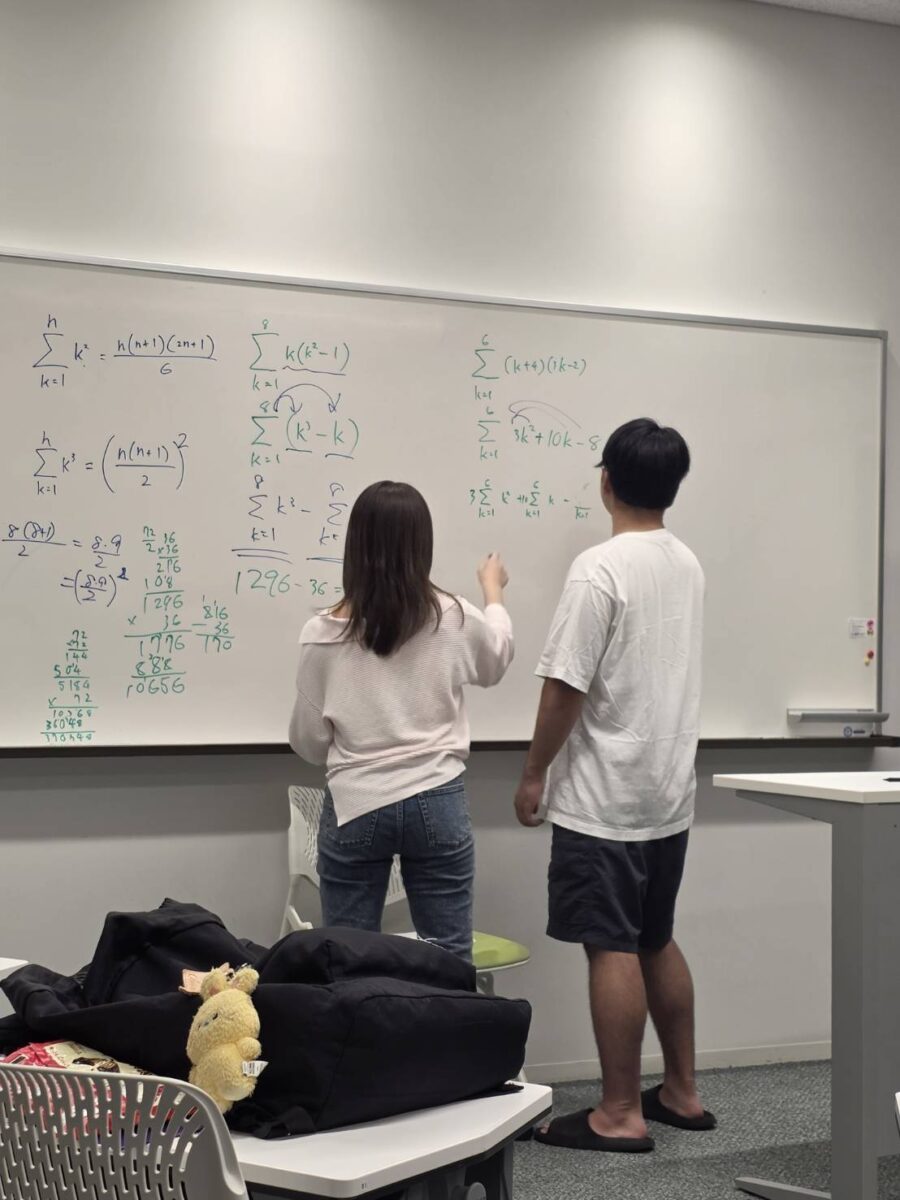
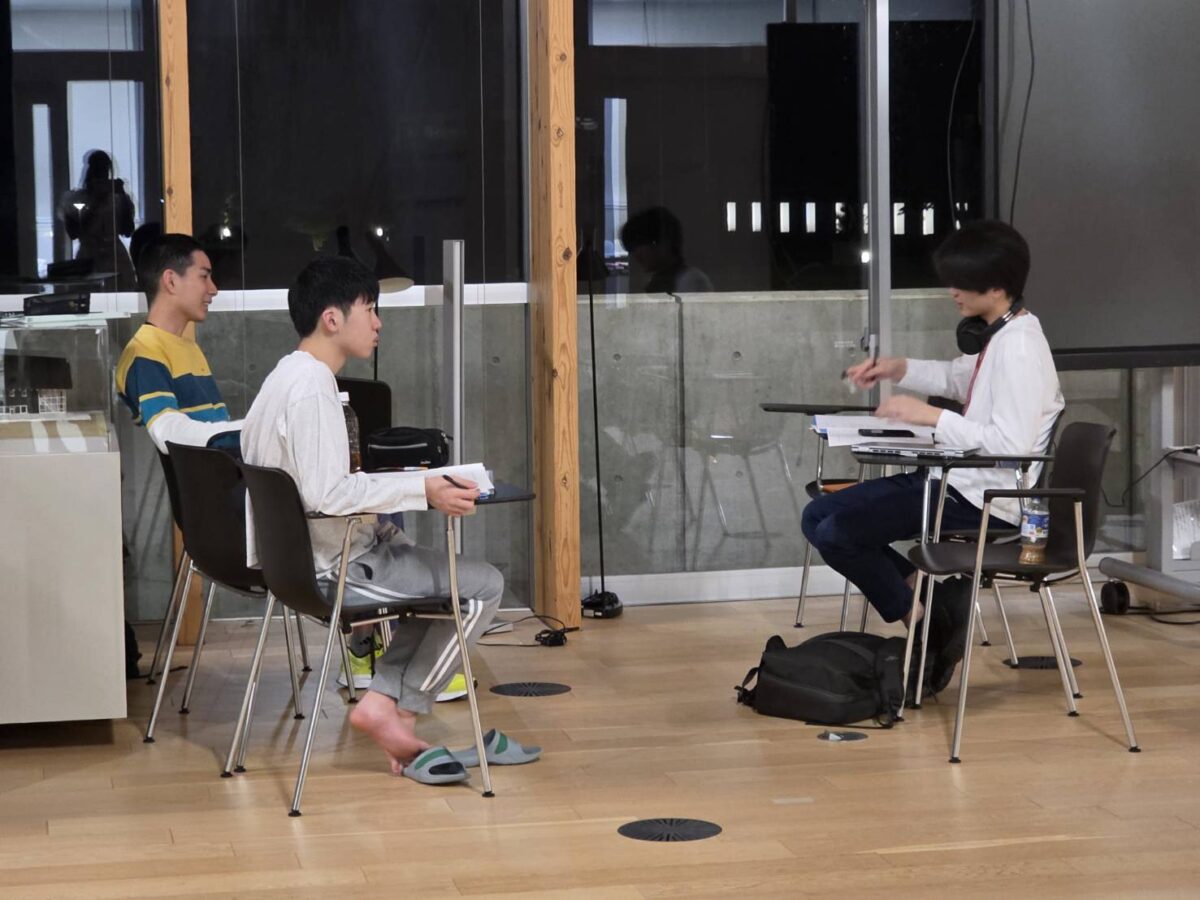
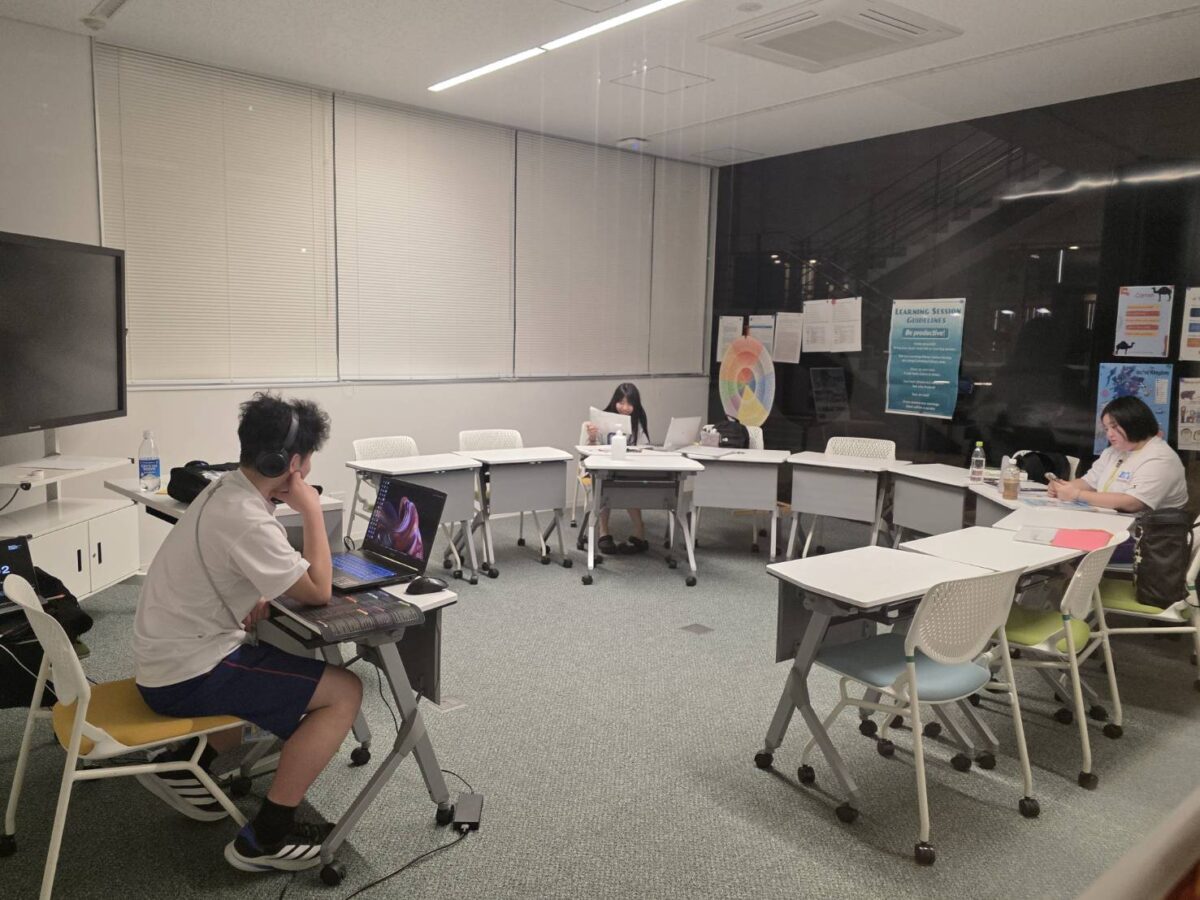
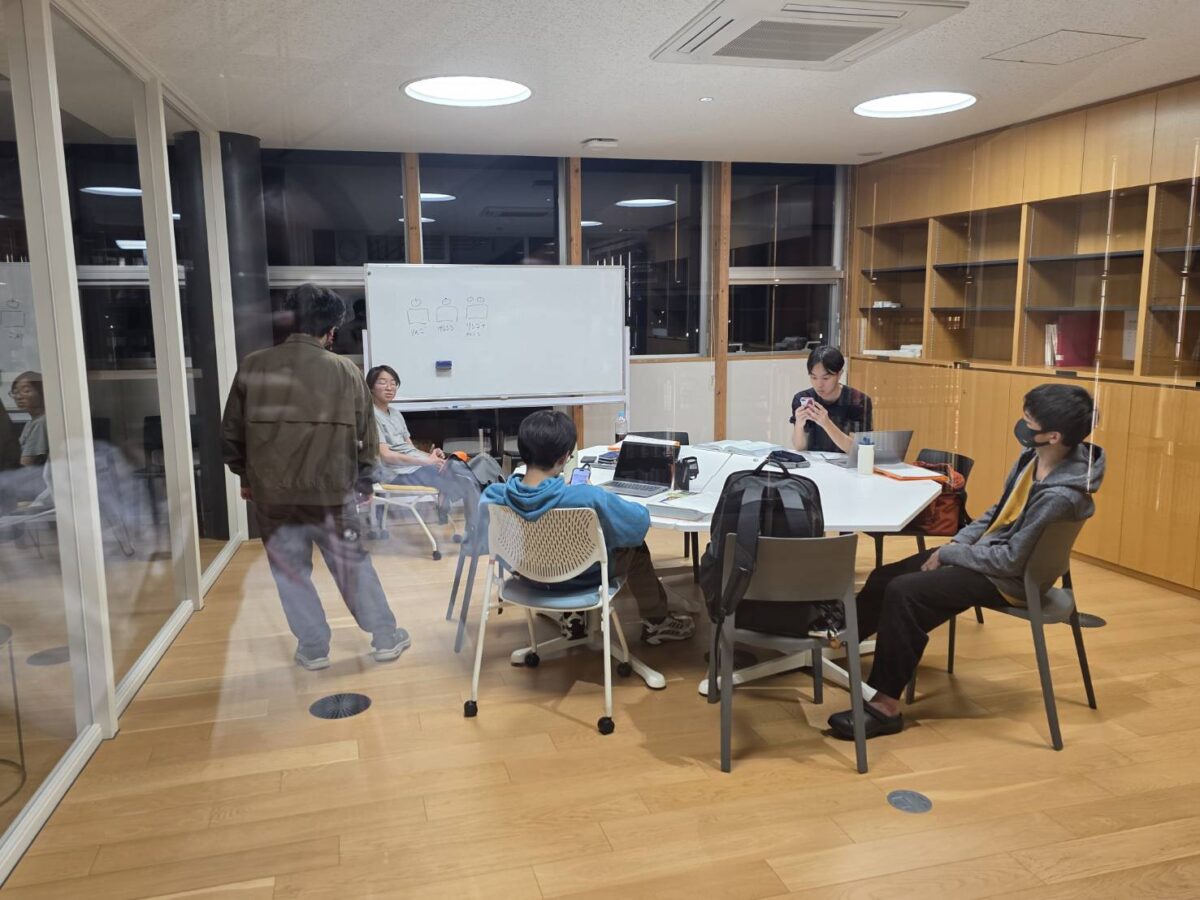
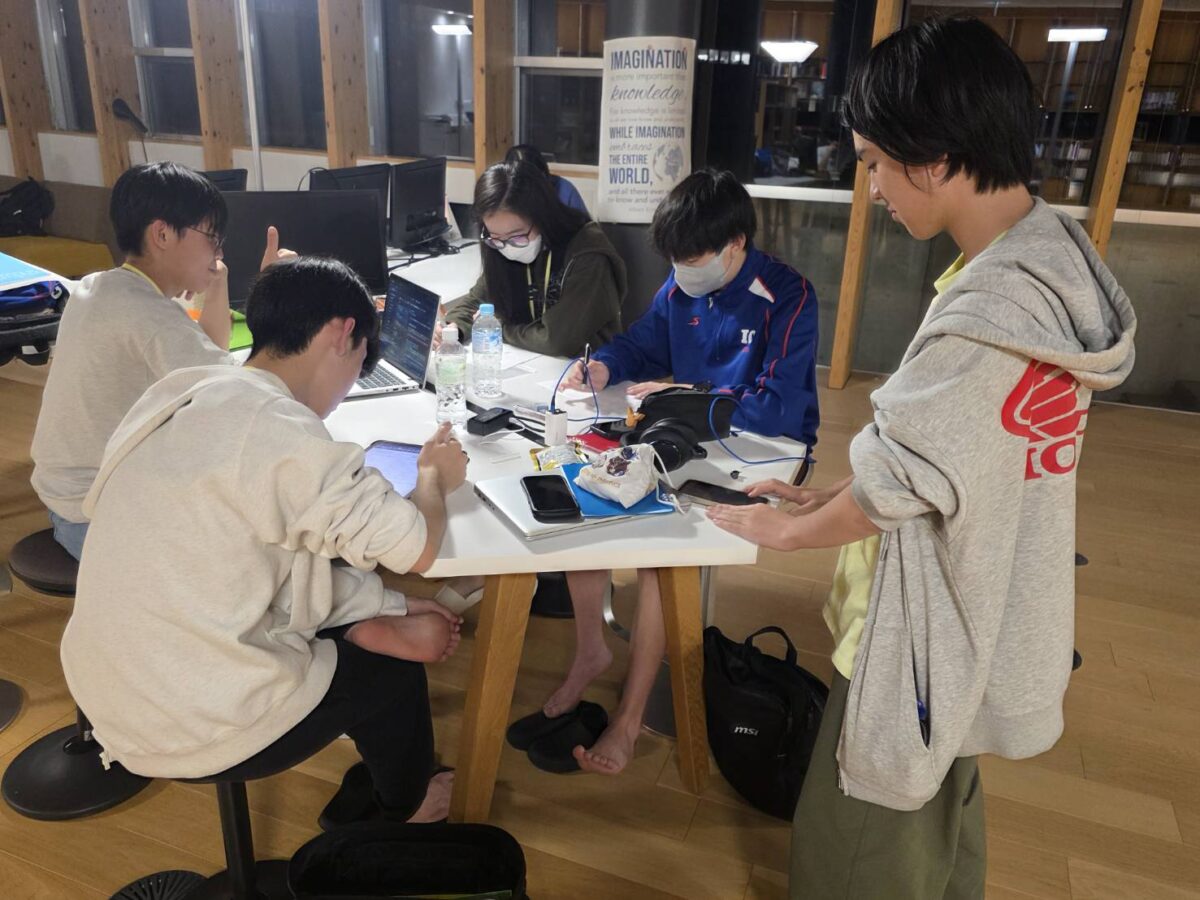
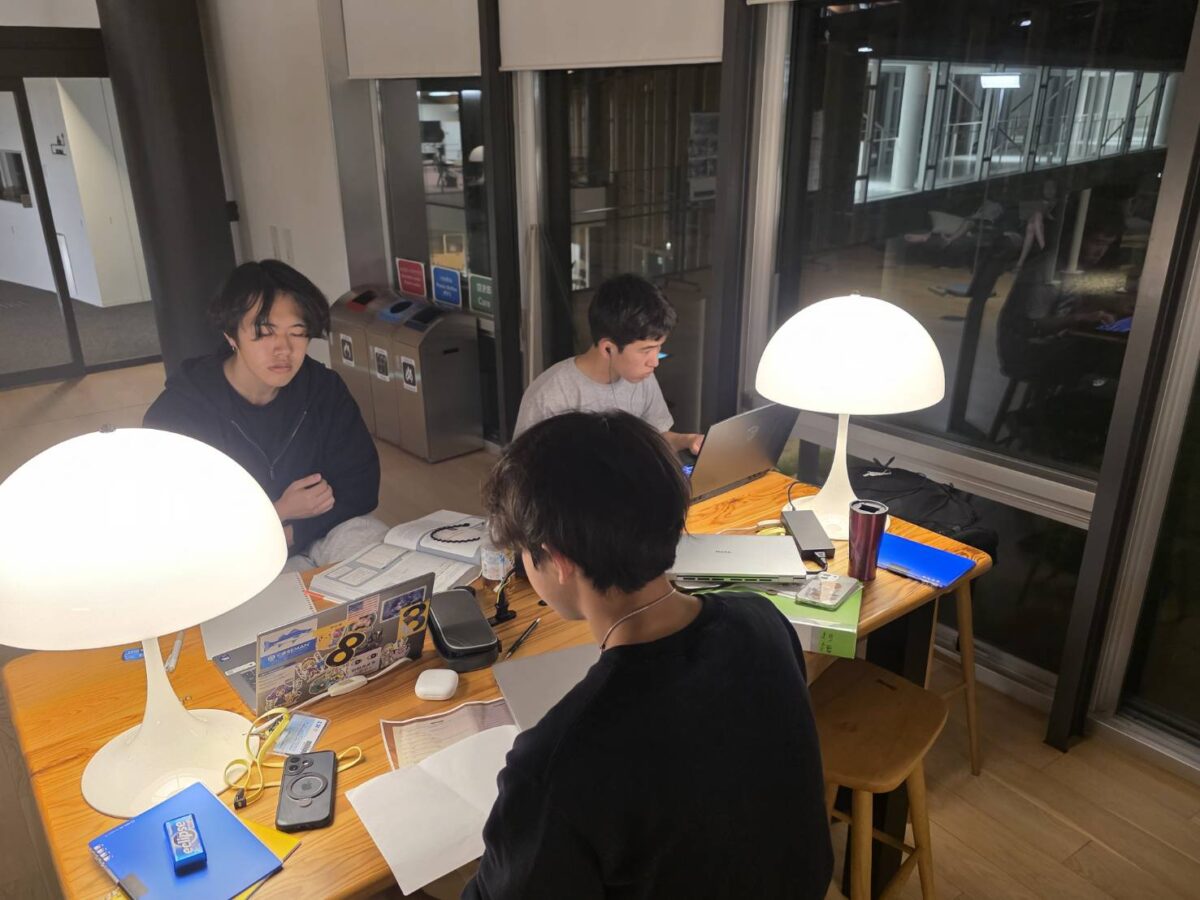
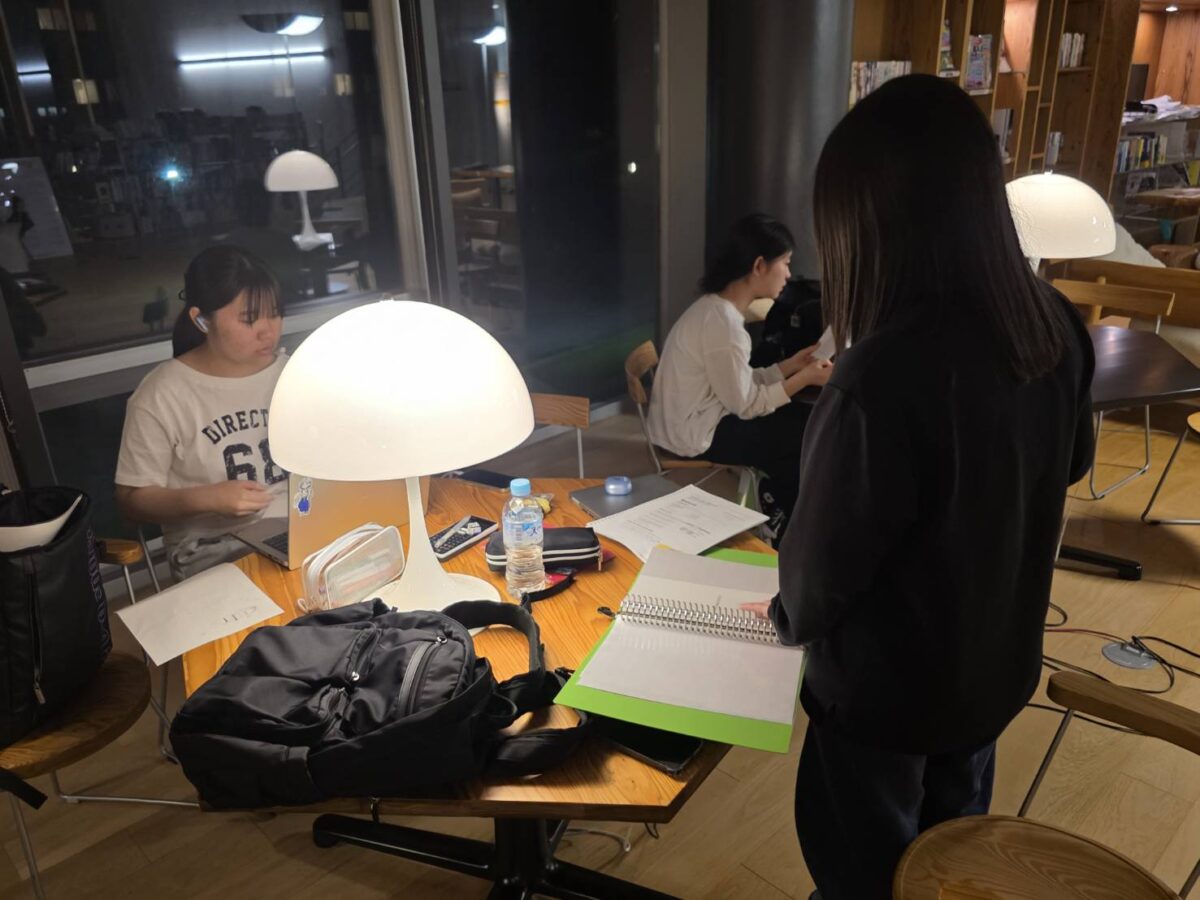
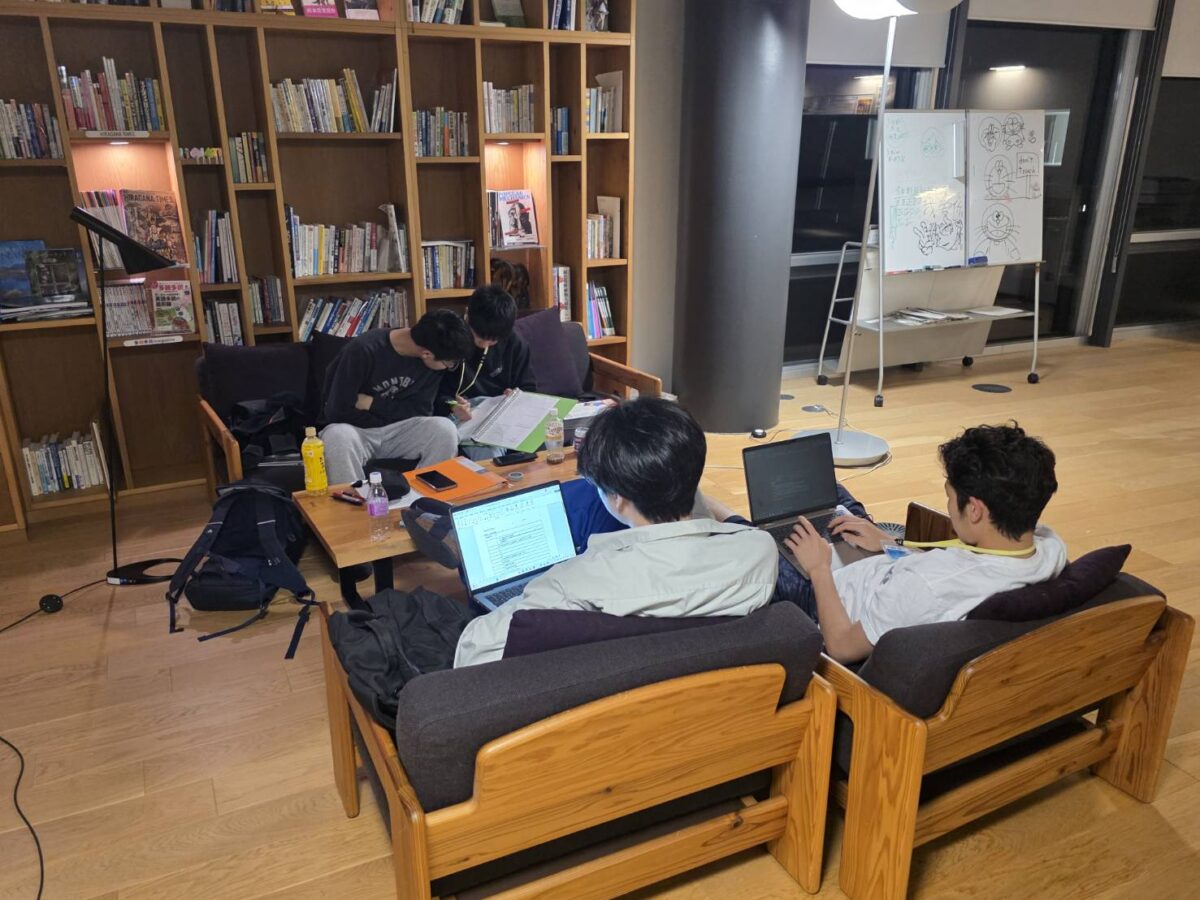
LS is an evening learning time held every weeknight from 7:30 PM to 9:30 PM at the Living Commons and the Library & Work Commons on ICT Hakusanroku Campus. During LS, students work on classwork, homework, projects, and language skill development. Faculty members called Learning Mentors are always present to support, guide, and help when needed. Students are also encouraged to use English as much as possible during LS to improve their communication skills in a natural and supportive environment, especially because they will study abroad in New Zealand in their 3rd year.
Over the past years, we have seen wonderful growth in how students use Learning Session time. Many students describe our learning atmosphere as a cozy, welcoming study space that is almost like a cafe. With wooden floors, warm lighting, Hakusanroku wood furniture, and tables designed for collaboration, the space naturally encourages focus and shared learning. We often see students quietly working on their own tasks, asking for help, and confidently sharing what they know with others.
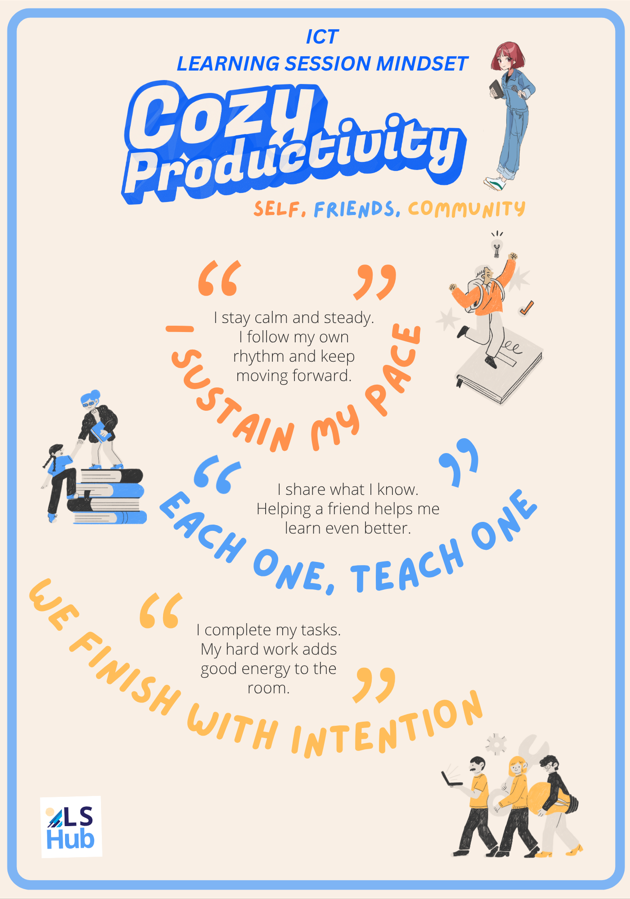
Because of these positive habits, we decided to name and strengthen this culture through our new Learning Session Mindset, called “Cozy Productivity.”
Our Learning Sessions are guided by three key principles.
① I Sustain My Pace
During LS, students are encouraged to work at their own rhythm. Everyone learns differently, and that difference is respected. Students are reminded to stay calm, focus on their own goals, and keep moving forward step by step without feeling pressured by others’ pace. This practice teaches them self-management and consistency by learning how to pace oneself and continue even when progress feels slow.
② Each One, Teach One
Learning becomes stronger when it is shared. Students are encouraged to ask questions, explain ideas, and help one another. Teaching a friend is one of the best ways to deepen understanding and build confidence. Asking for help from Learning Mentors or classmates is always encouraged, whether it is about academics, English practice, or sharing ideas. By learning how to explain ideas clearly and work well with others, they strengthen their skills on communication and collaboration.
③ We Finish with Intention
Learning Session despite being cozy, is also a time for focused effort. Students are encouraged to use this time wisely and take responsibility for their learning. Finishing work with intention adds positive energy to the room and helps create a productive learning environment for everyone. Of course, students are also encouraged to take short breaks so they can reset their focus. Learning how to commit to tasks and complete them with care and purpose teaches them responsibility.
Ultimately, the Learning Mentor team hopes that these guiding principles will become core values for our students. These are important life skills that students can carry with them not only when studying abroad, but also as more independent learners at the Kanazawa Campus, and later as young professionals and global innovators. Learning Session is not just about finishing homework. It is about learning how to learn, how to support others, and how to grow with intention.
Domyson Abuan