




駅伝大会2025
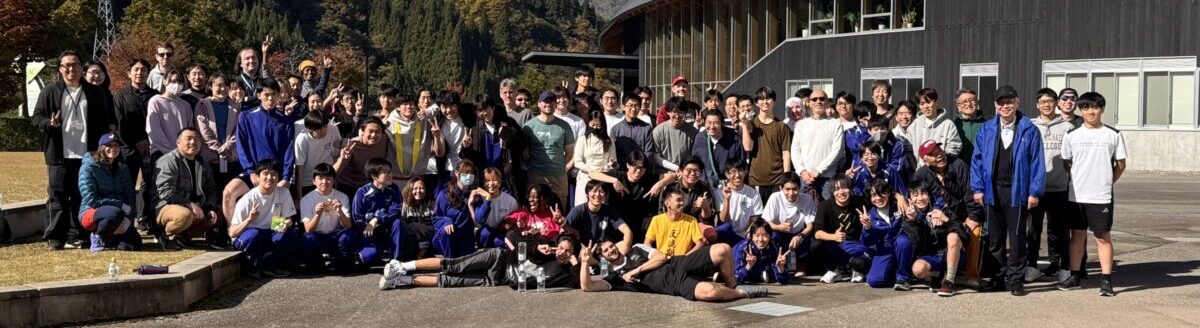
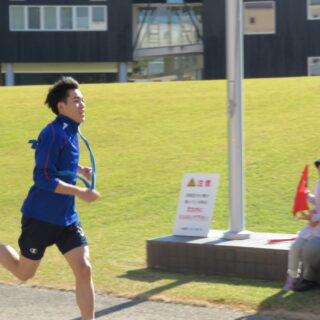
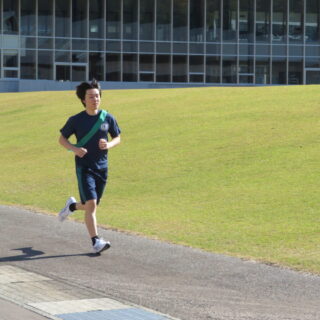
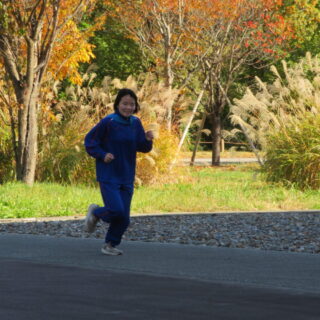
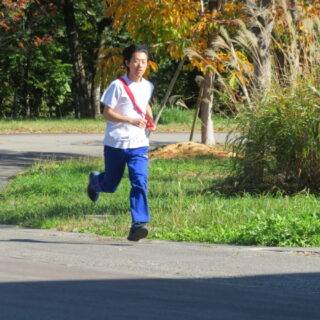
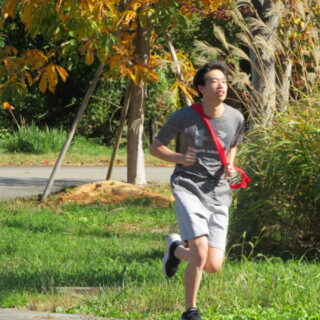
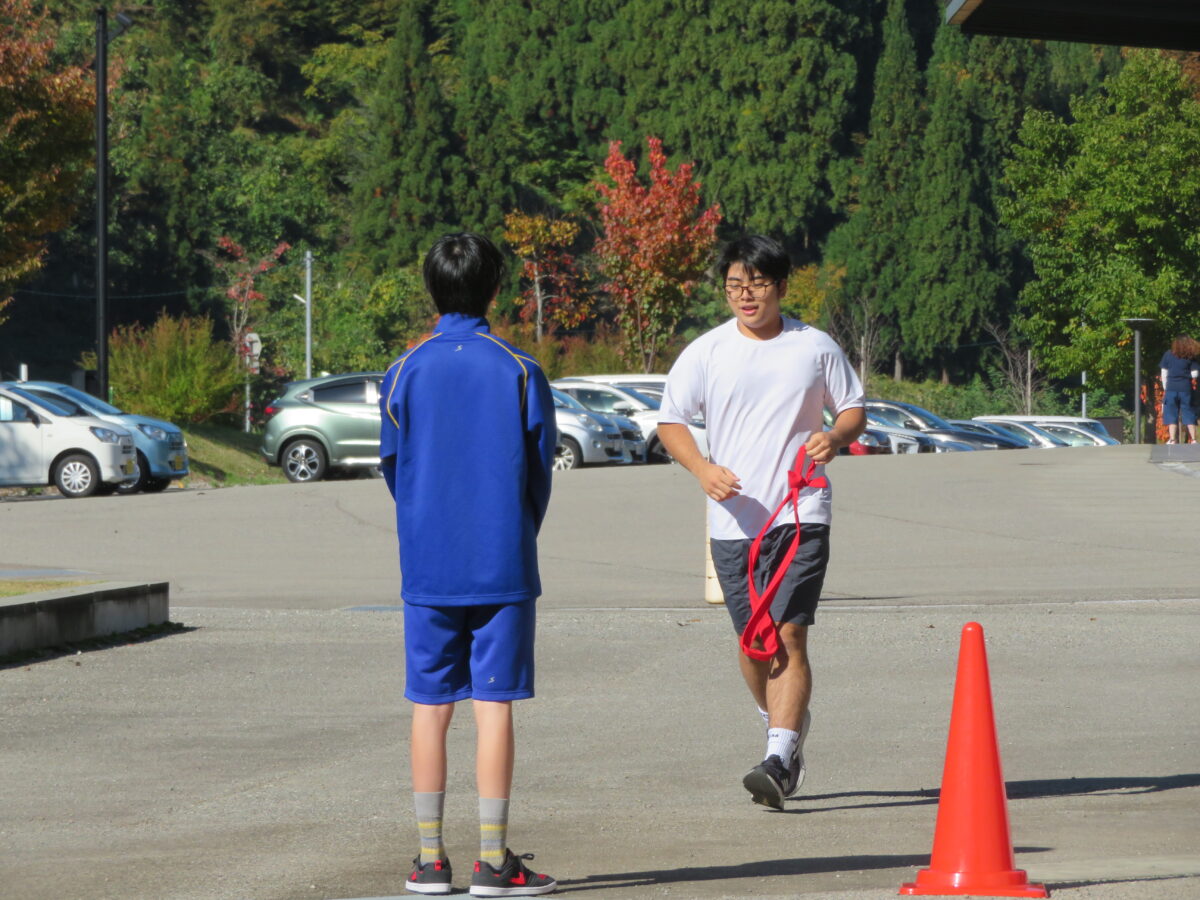
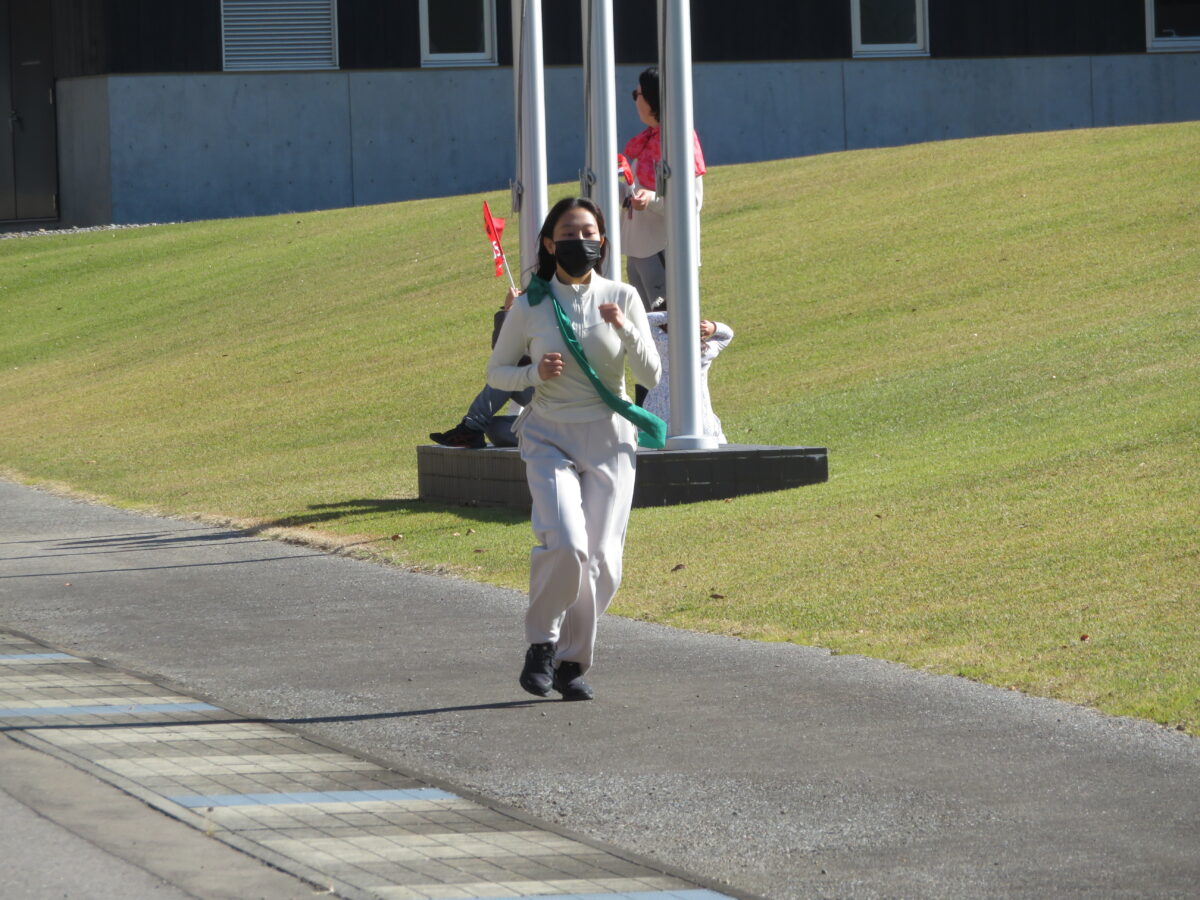
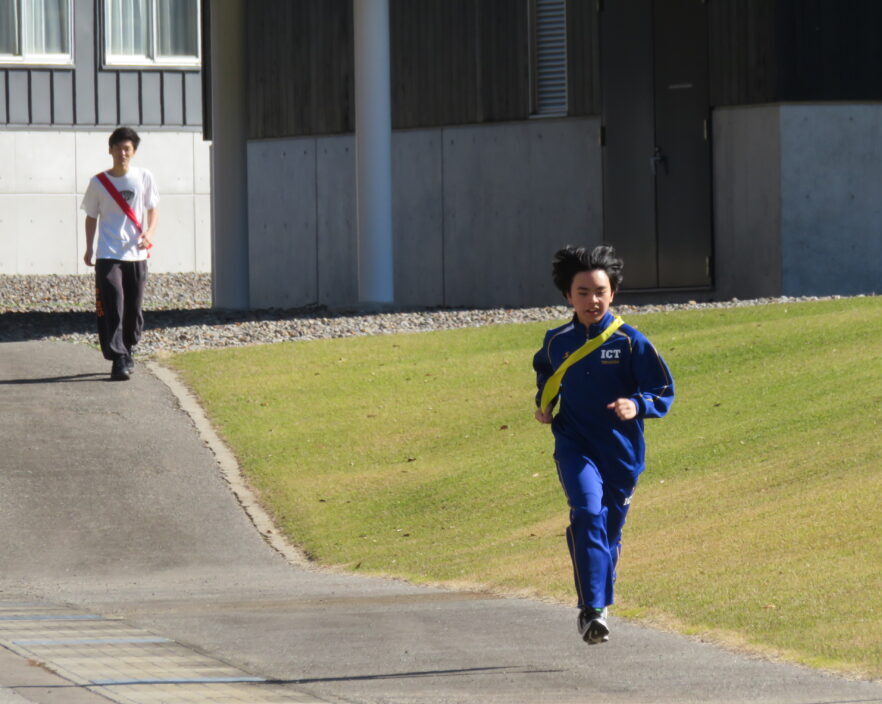
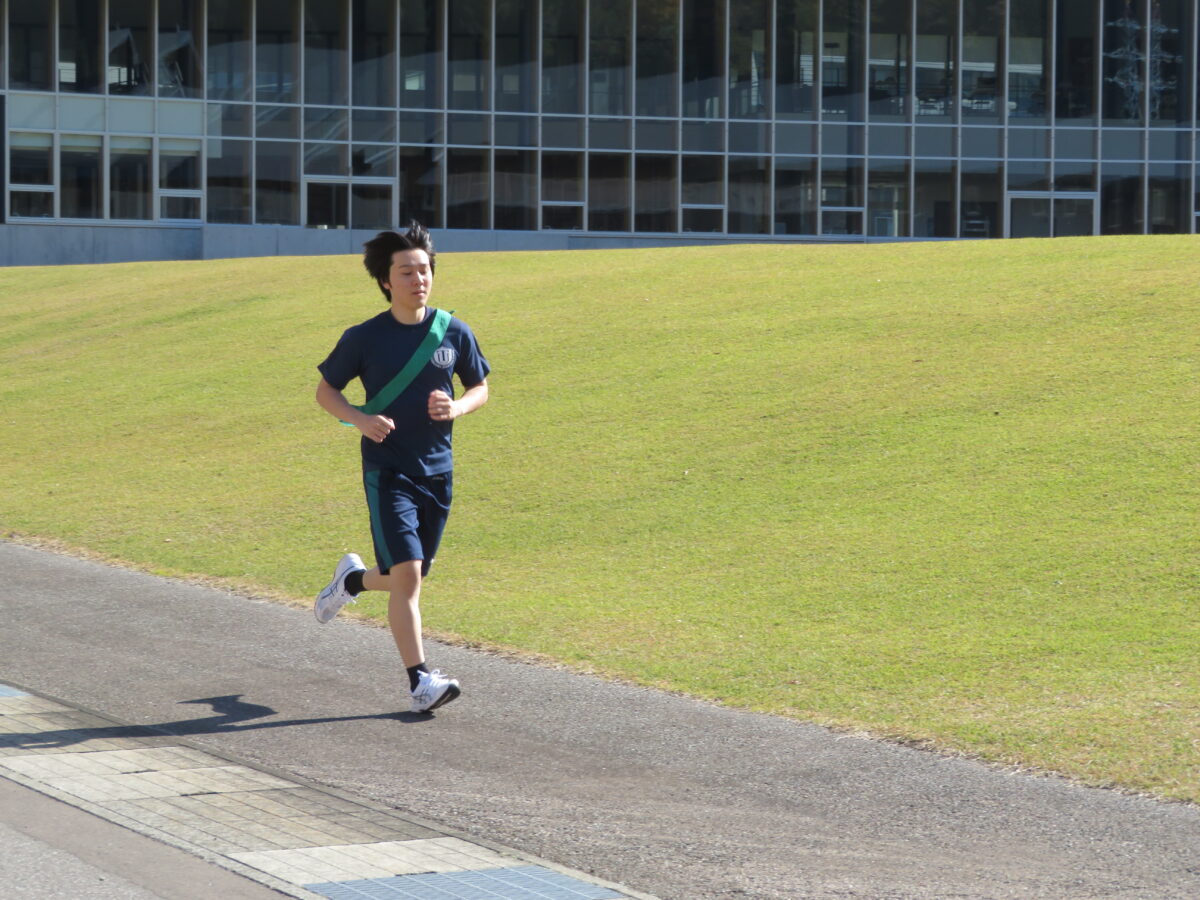
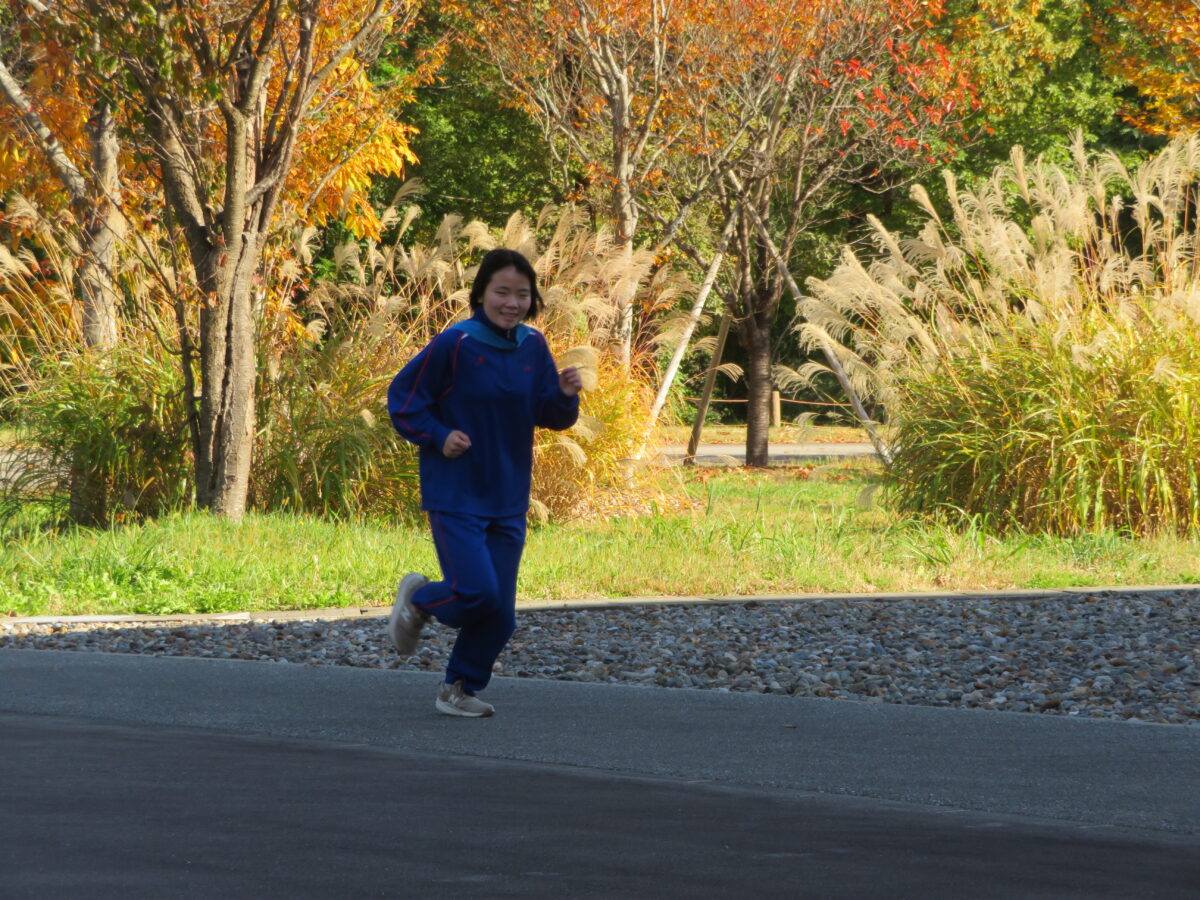
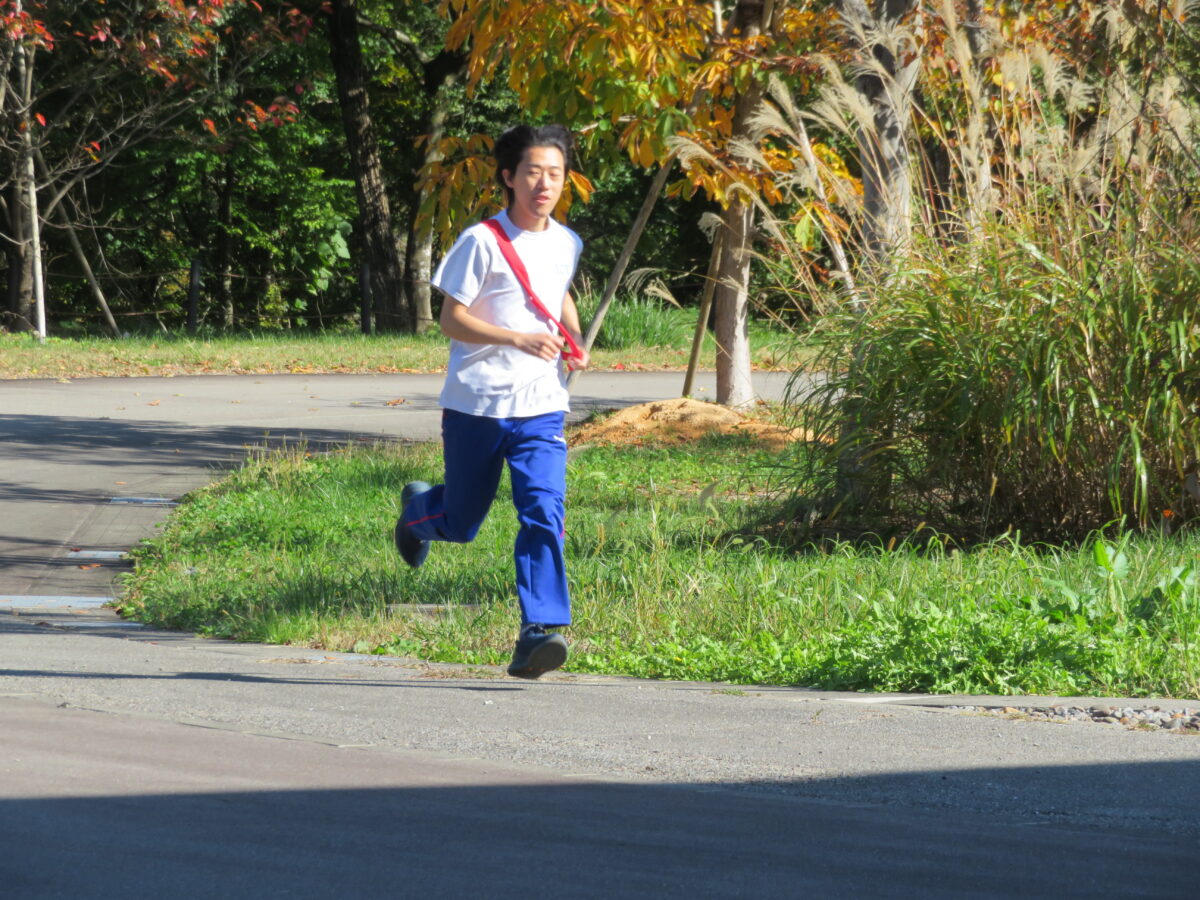
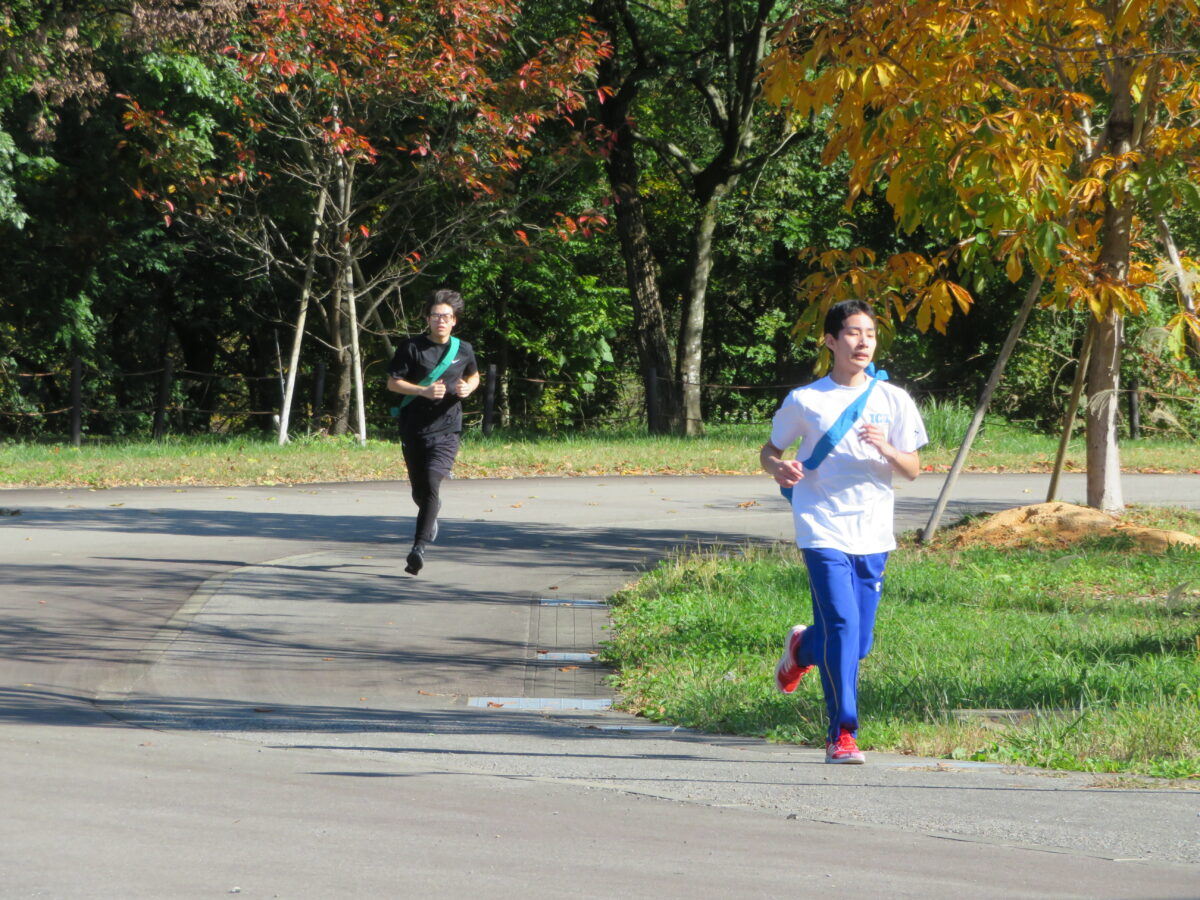
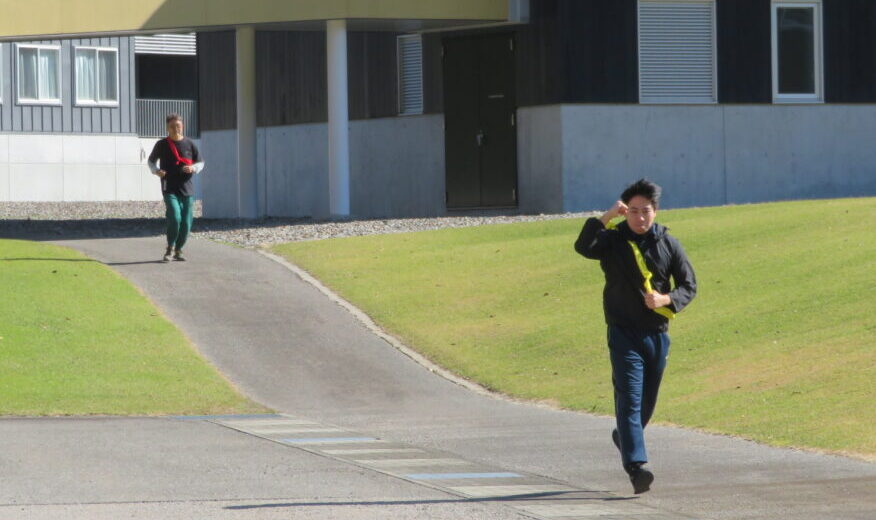
 白山麓キャンパスで保健・体育科目を担当しているフィリップ・ケザウです。2025年11月8日(土)、白山麓キャンパスでは「第2回チーム対抗駅伝大会」が行われました。レースの目的は、15名で構成された各チームがキャンパス周回コース(1周約670m)を合計25周走り切ることでした。チームは学年を超えて編成され、教員も参加しました。
目標は最速でゴールすることではなく、事前に予想したタイムに最も近いタイムで完走することでした。このルールは少し複雑に感じるかもしれません。通常の「最速チームが勝ち」という形式よりも確かに複雑です。しかし、この方式を選んだ理由はいくつかあります。急激な運動による怪我のリスクを減らすこと、速くない学生へのプレッシャーを軽減すること、そして教員が「チームを遅らせてしまう」という負担感なく参加できるようにするためです。
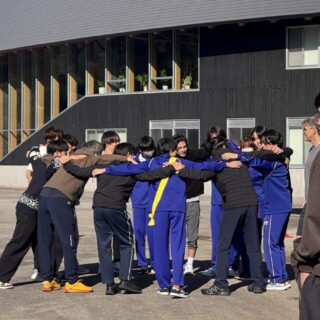
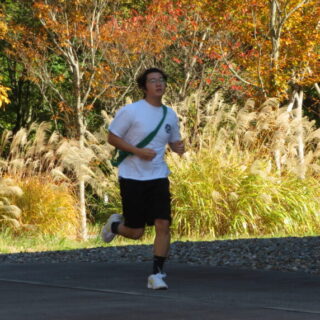
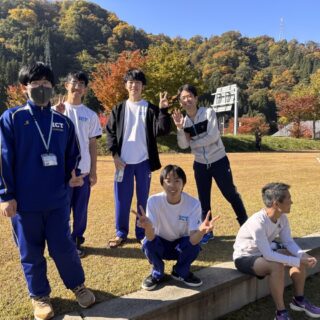
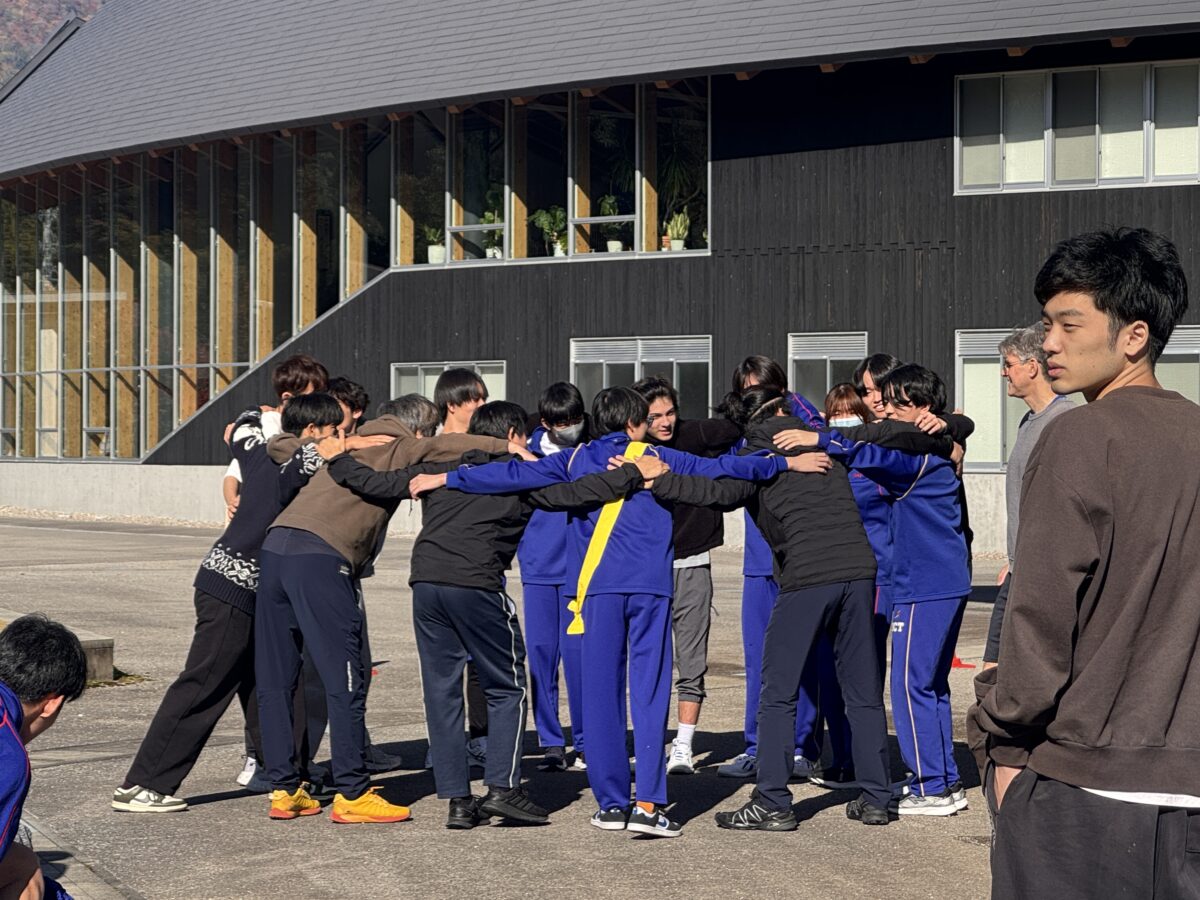
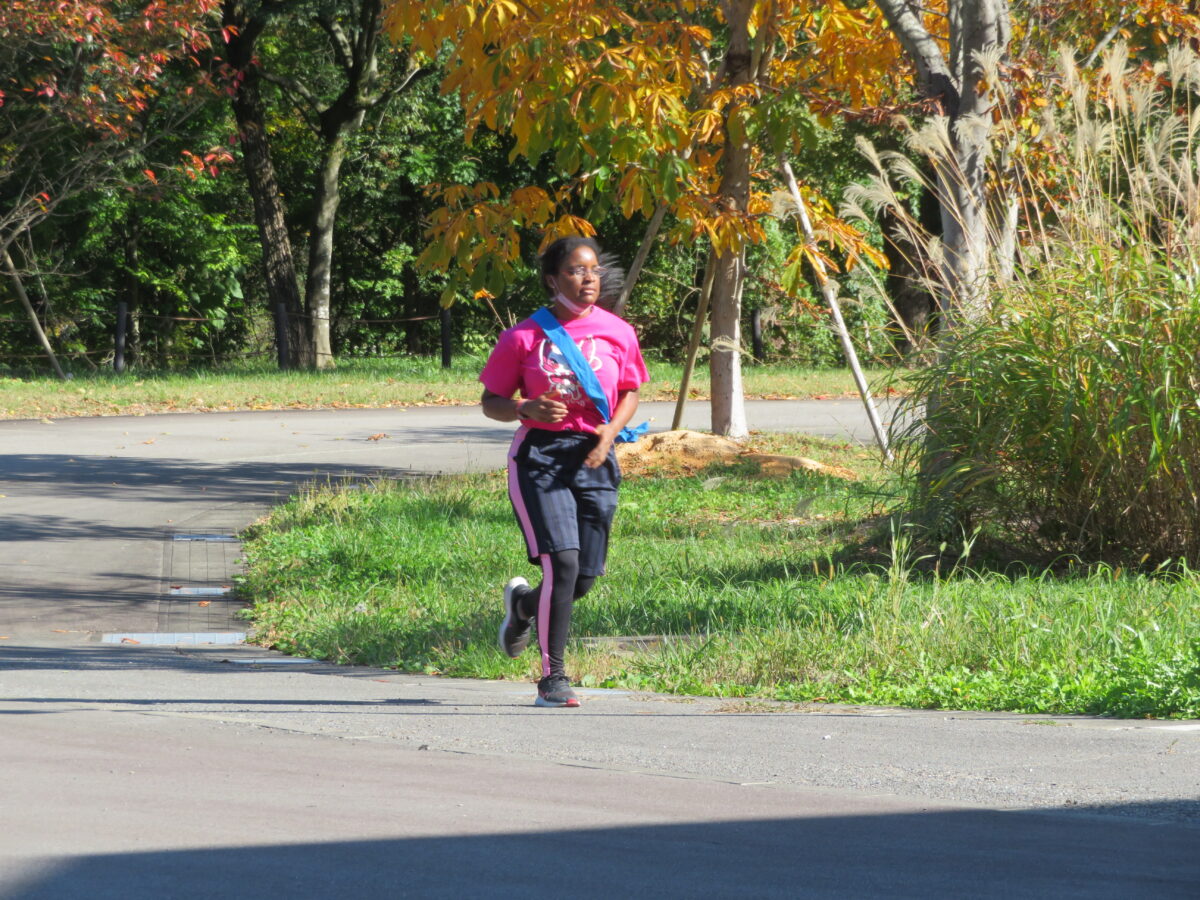
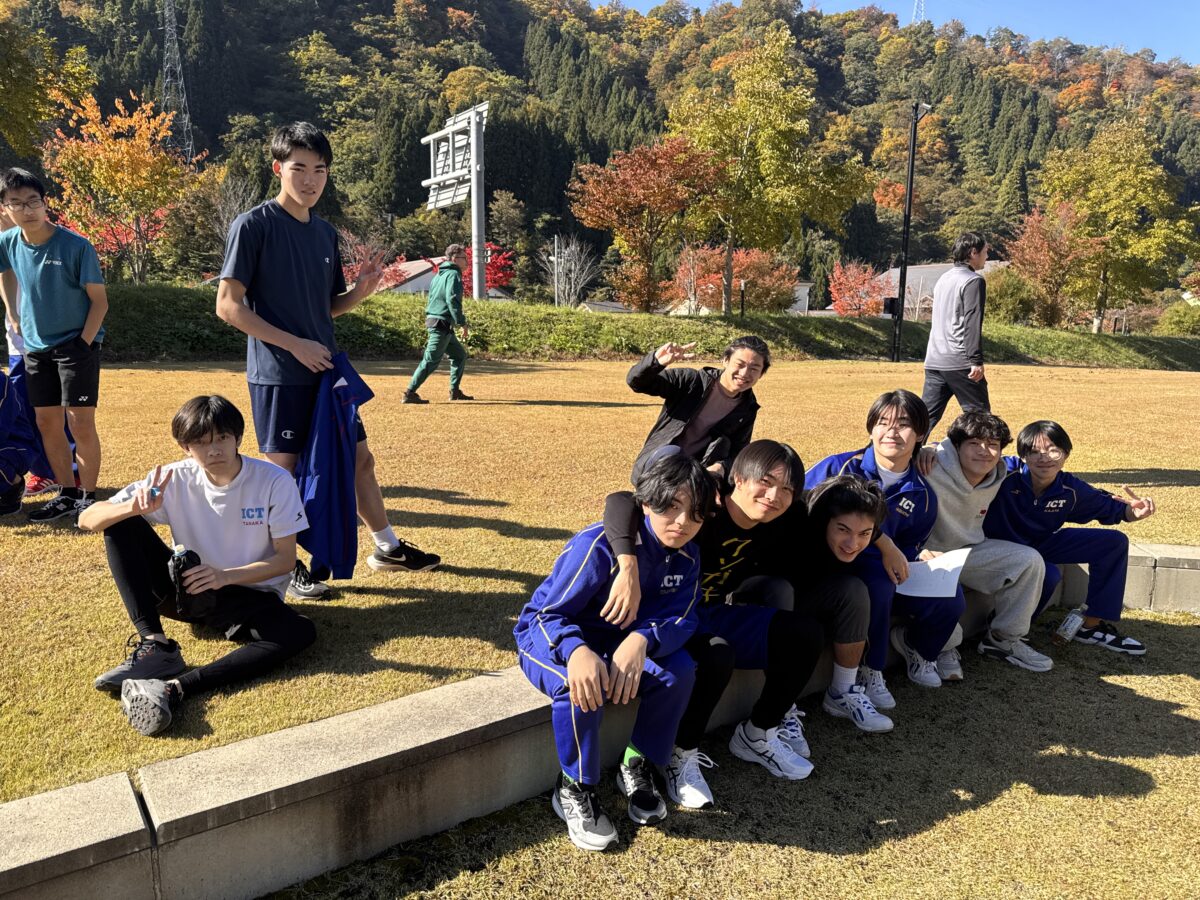
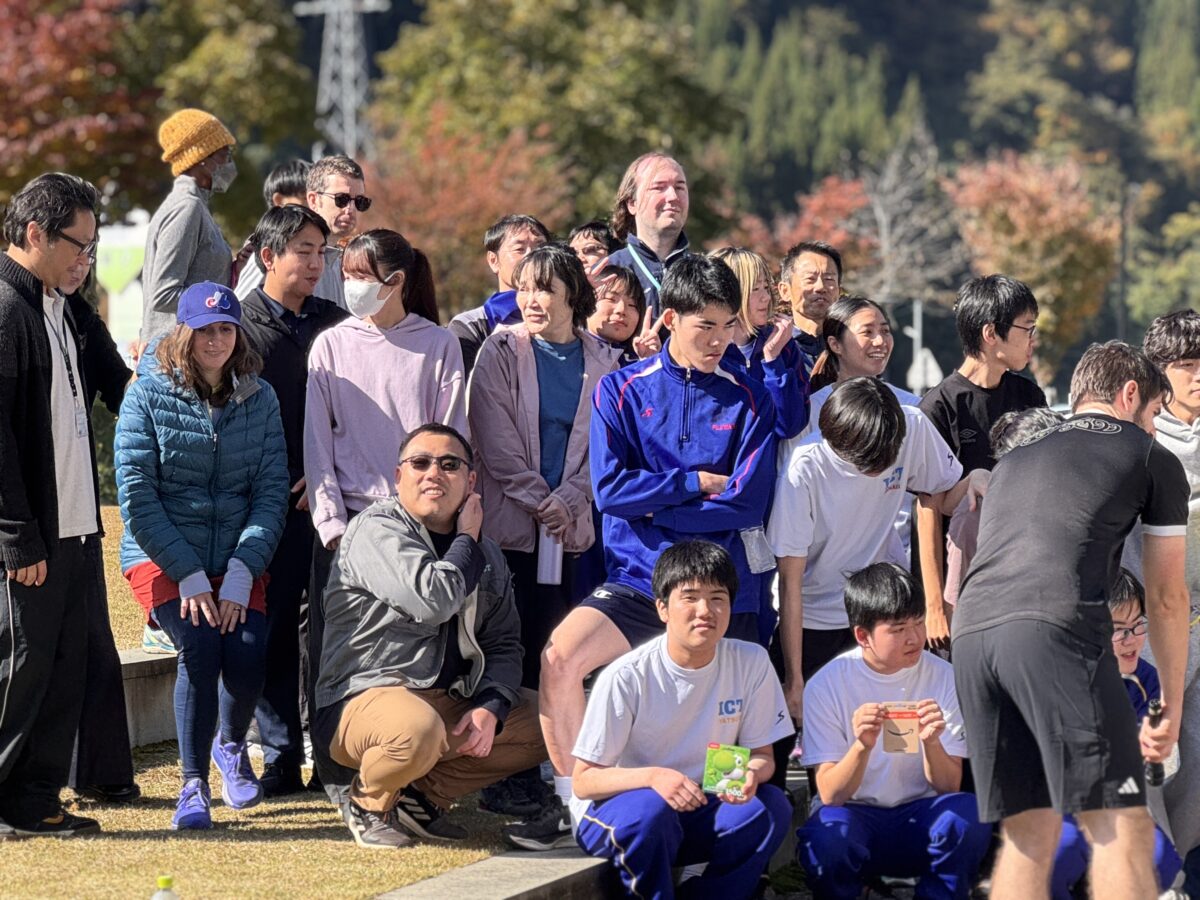
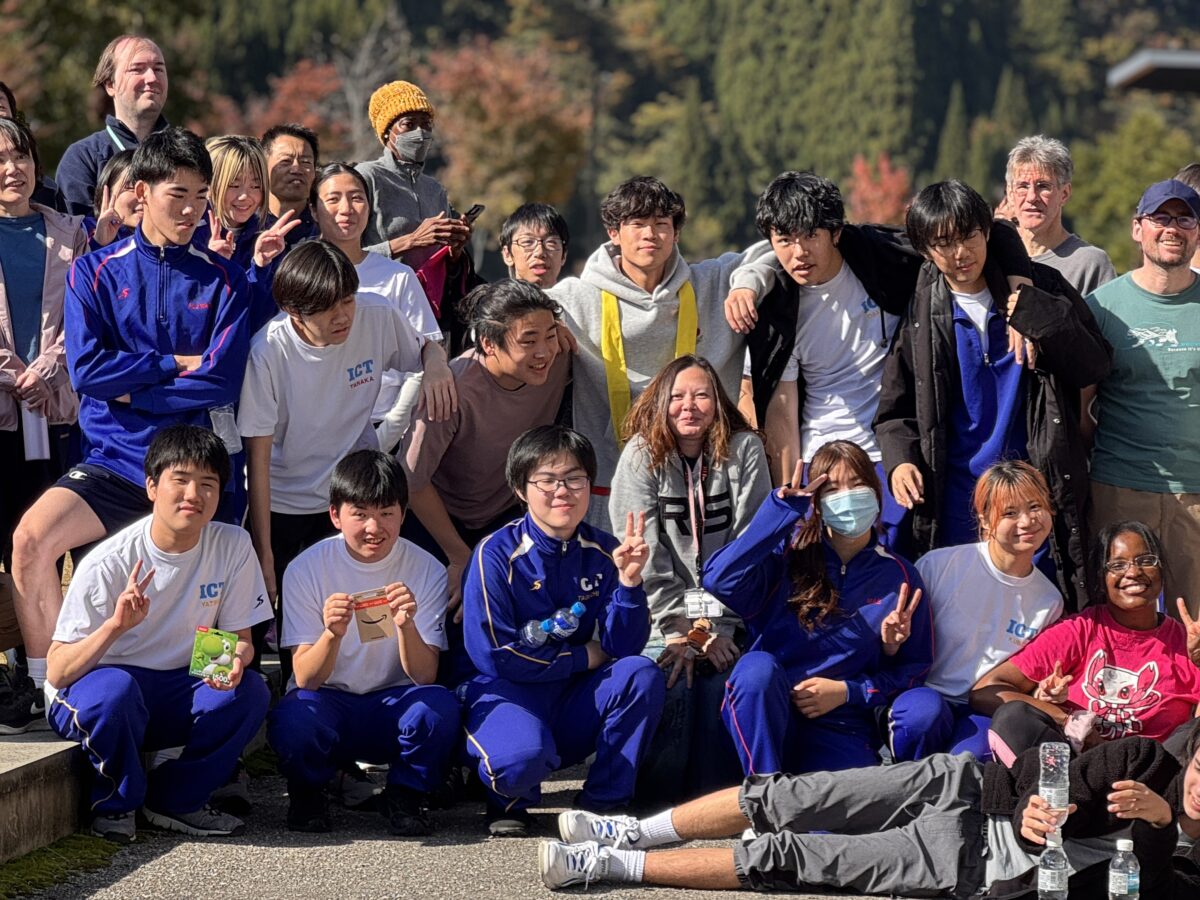
3チームが100分を予想タイムに設定し、1チームだけが86分と予想しました。当日は天候に恵まれ、雲ひとつない青空に紅葉の色が映える最高の日でした。涼しい風が吹き、まさに秋晴れの中での開催です。全員が整列し、学年を超えたチームに分かれた後、4年生の古元 柚希さんが素晴らしいスピーチをしてくれました。このイベントは学年間の交流の機会であること、そして1年生に対して「上級生は大きくて威圧感を感じるかもしれないけれど、怖がらずに話しかけてほしい」と励ましていました。
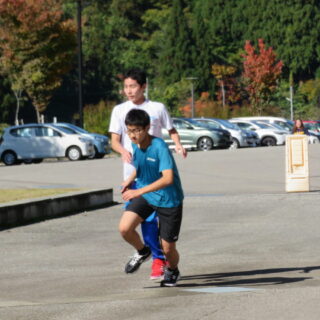
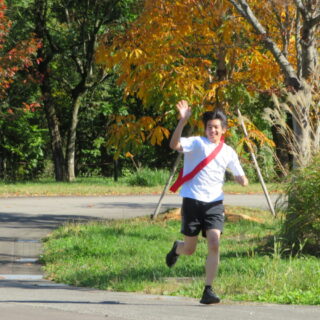
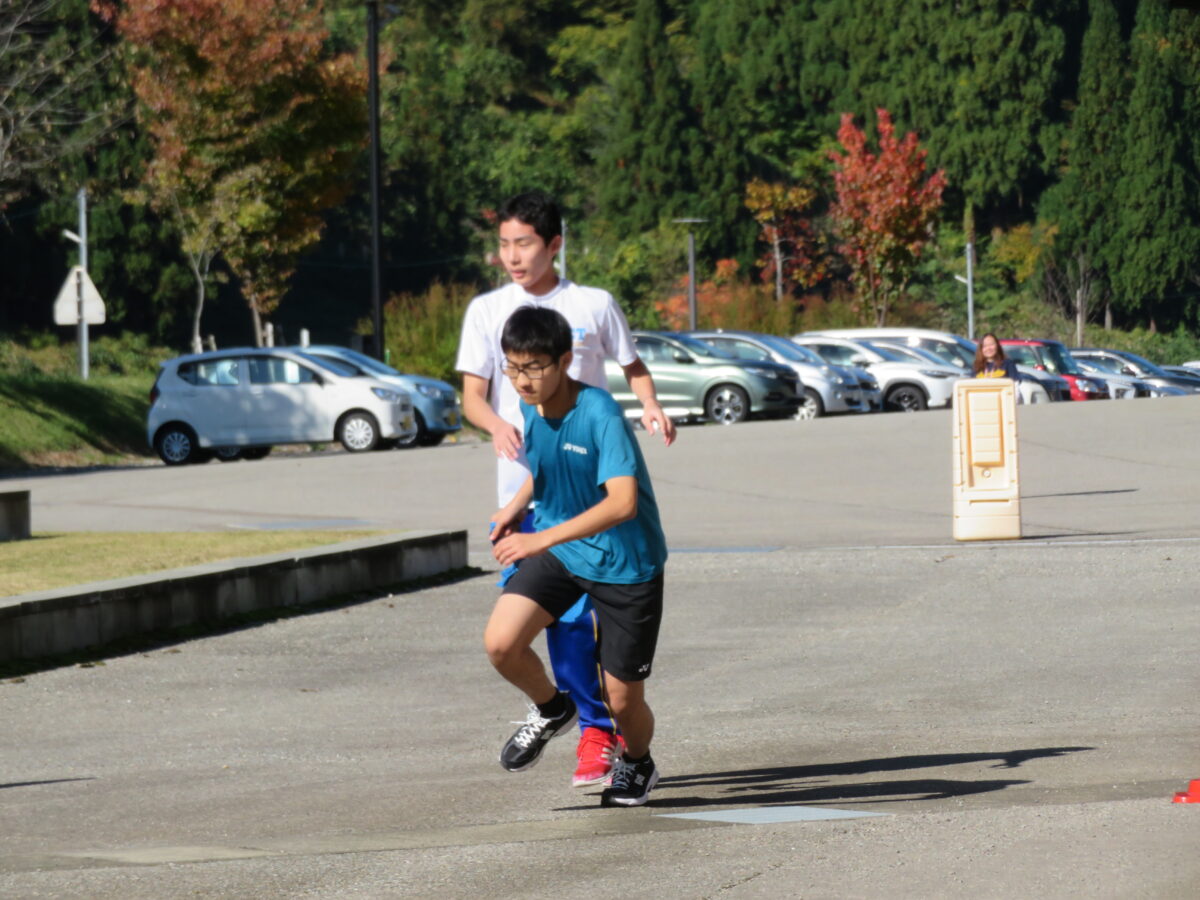
カウントダウンの後、チームは一斉にスタート!本来はペースを予測するゲームのはずが、当日の高揚感で全員が全力疾走。最初の8周は、わずか25分で走り終えてしまいました。まだ時間は十分あるのに、みんな全力です。そこで急遽、目標タイムを調整し、最終的には「80分に最も近いチーム」が勝者というルールに変更しました。
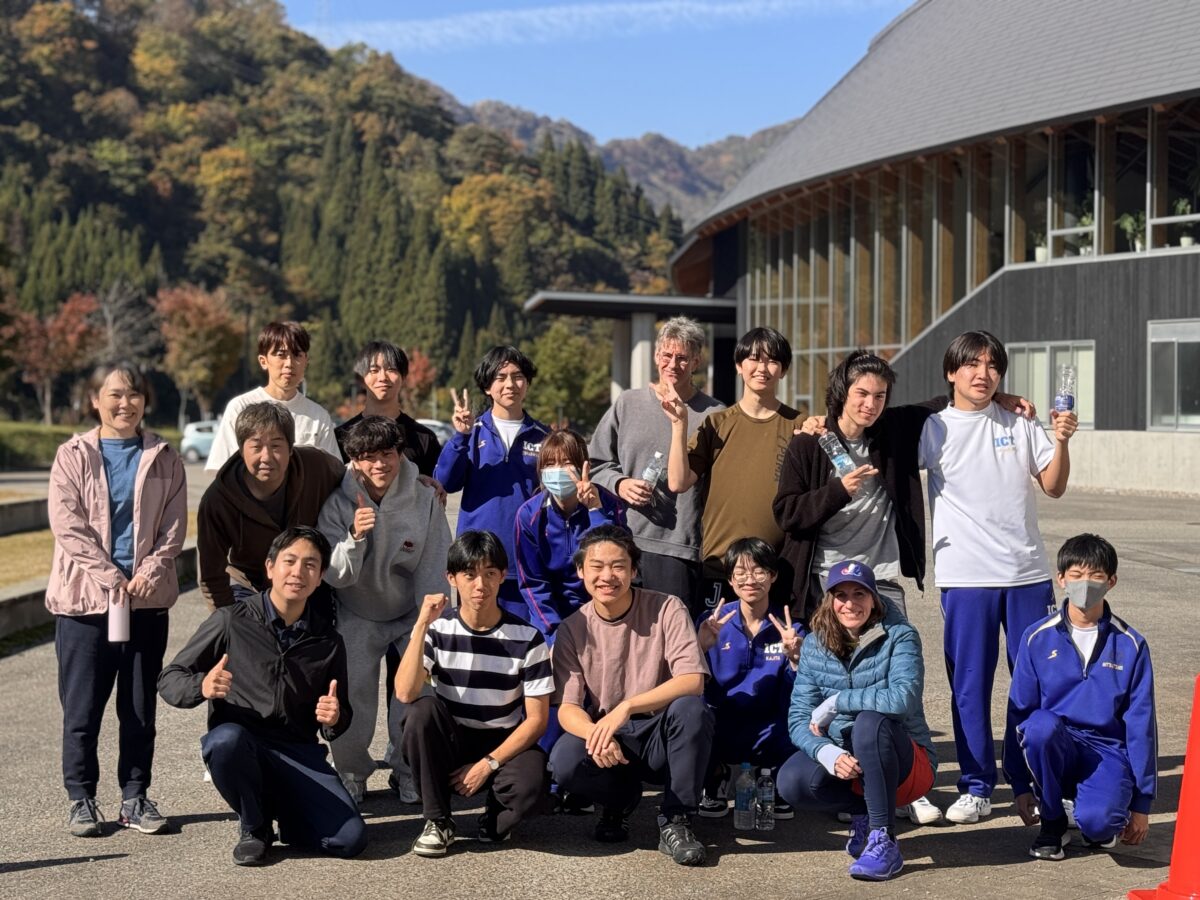
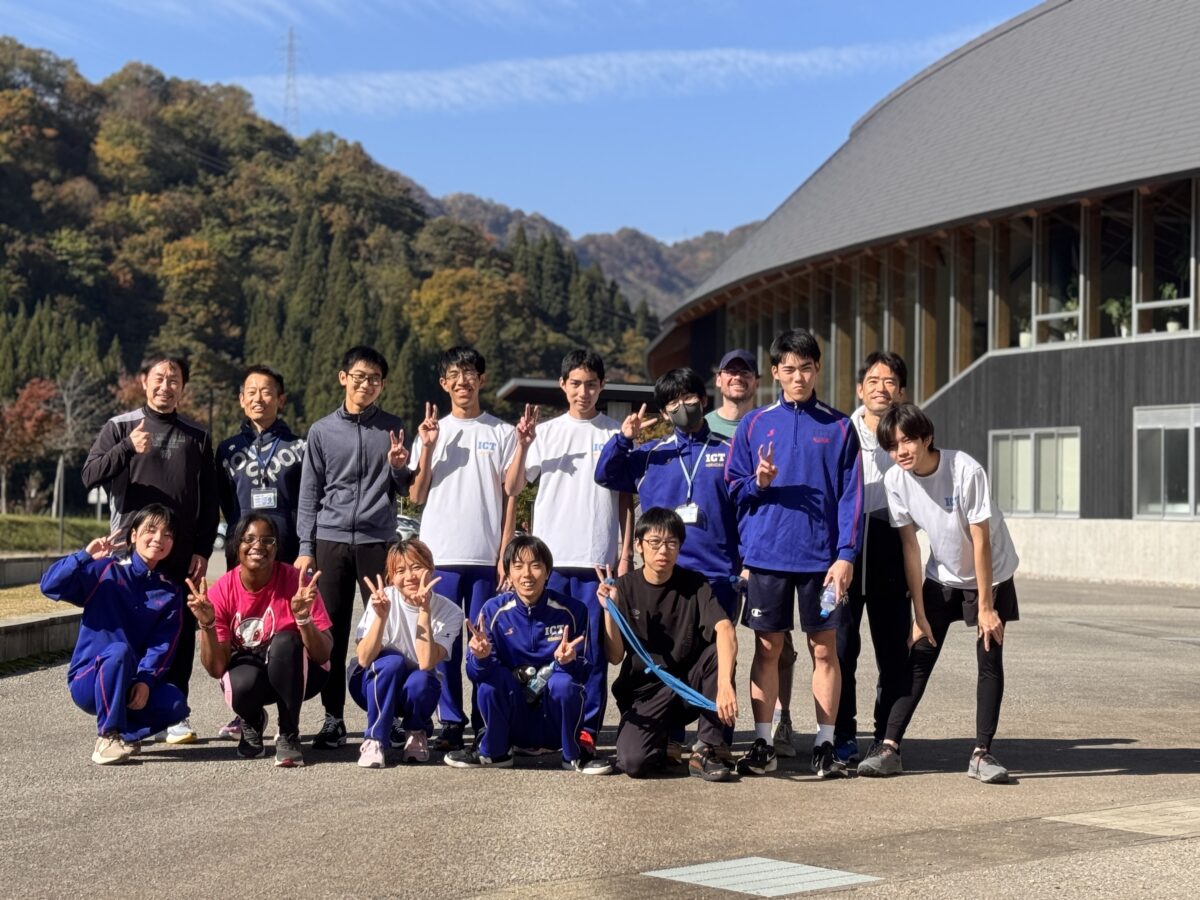
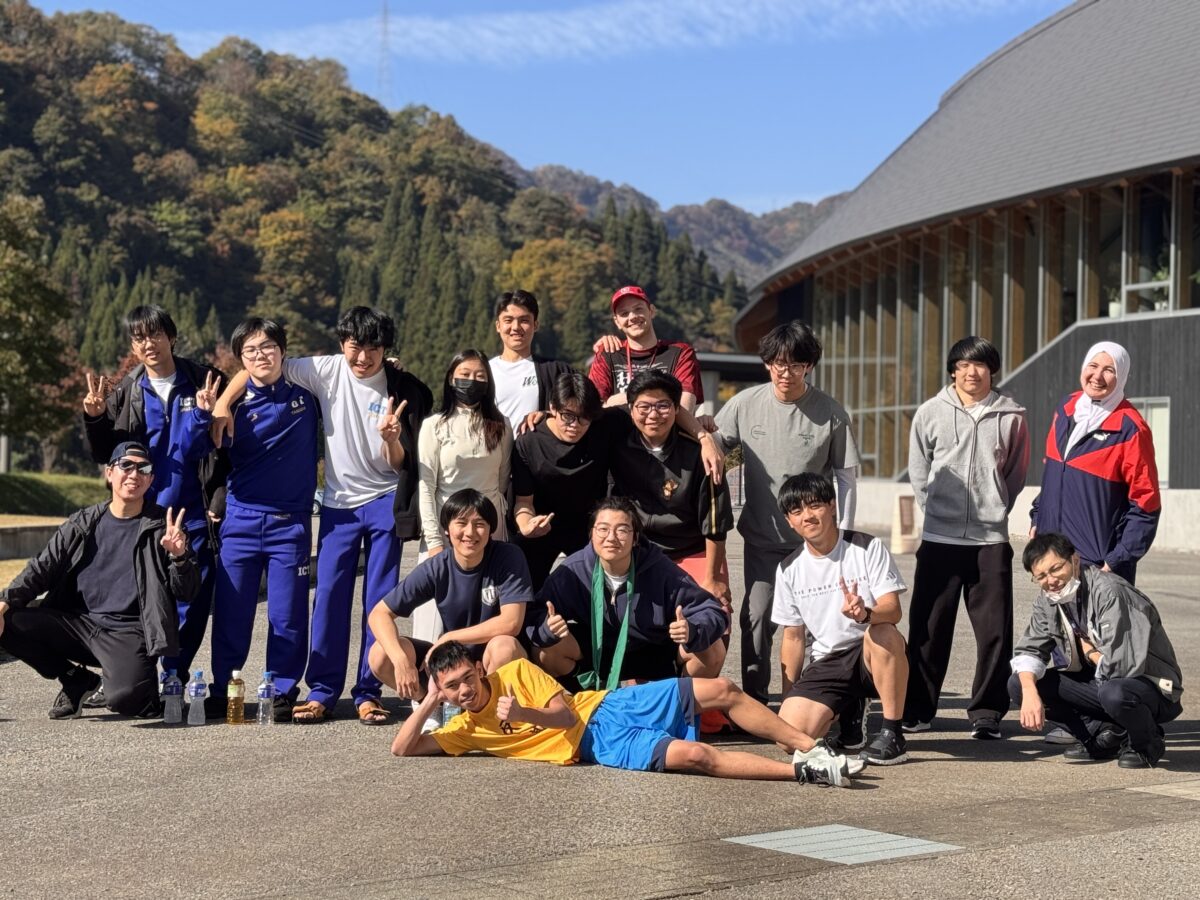
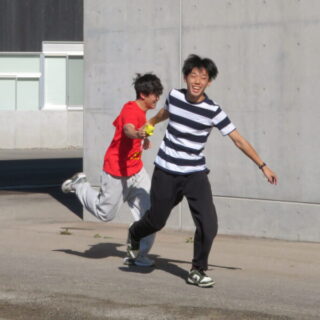
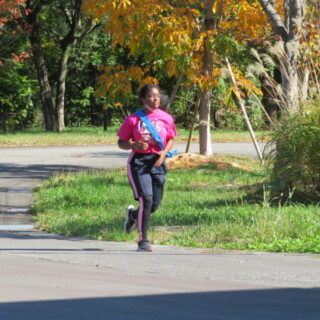
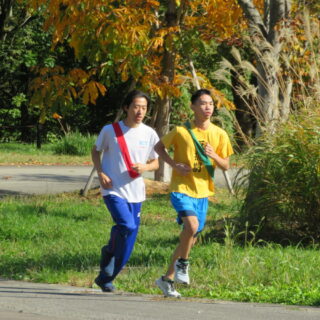
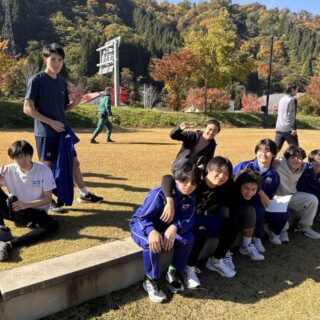
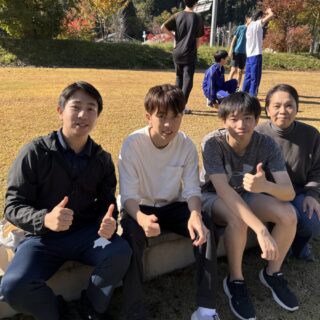
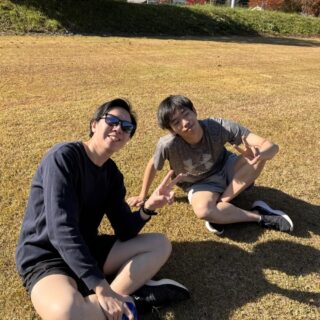
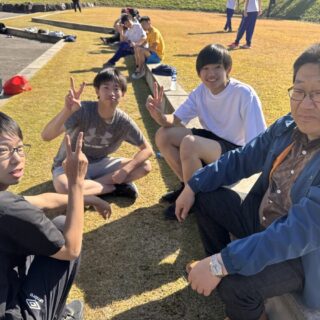
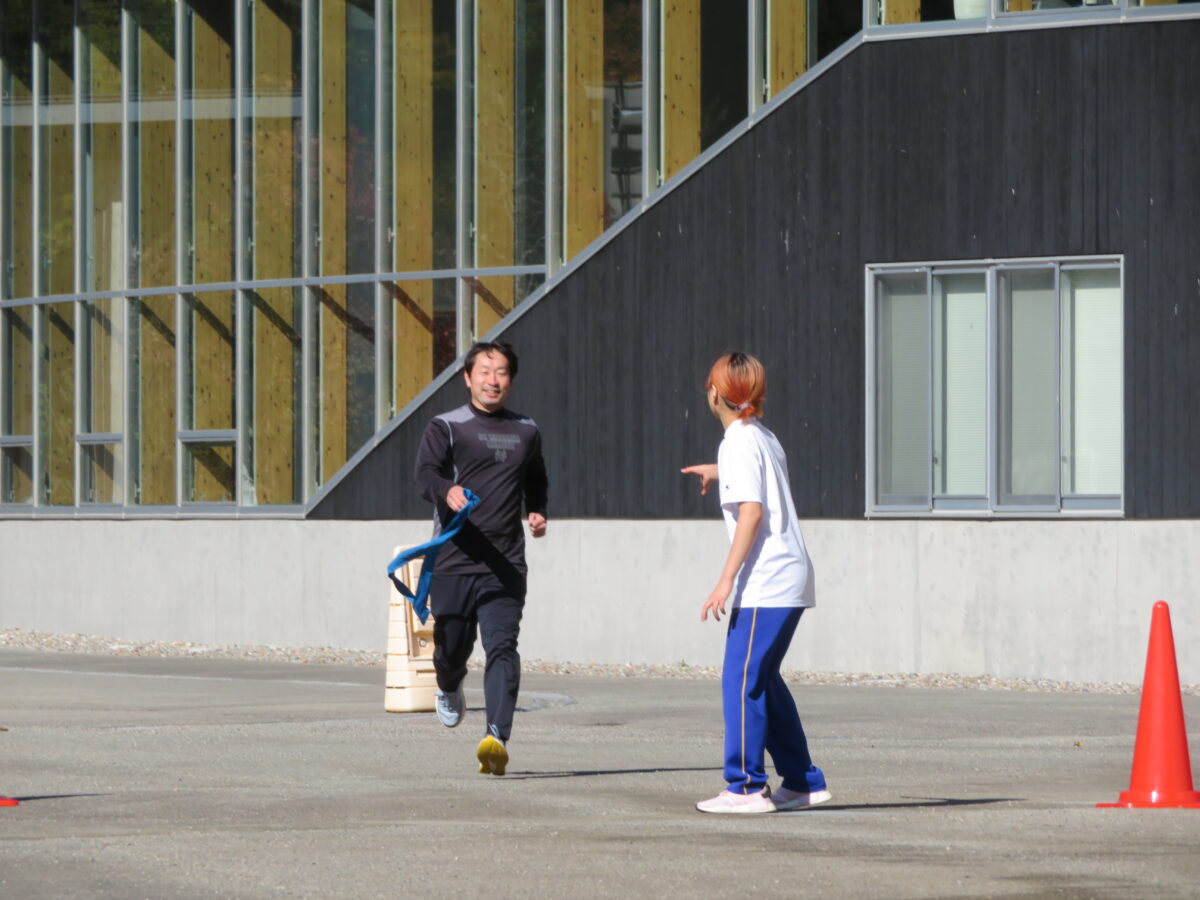
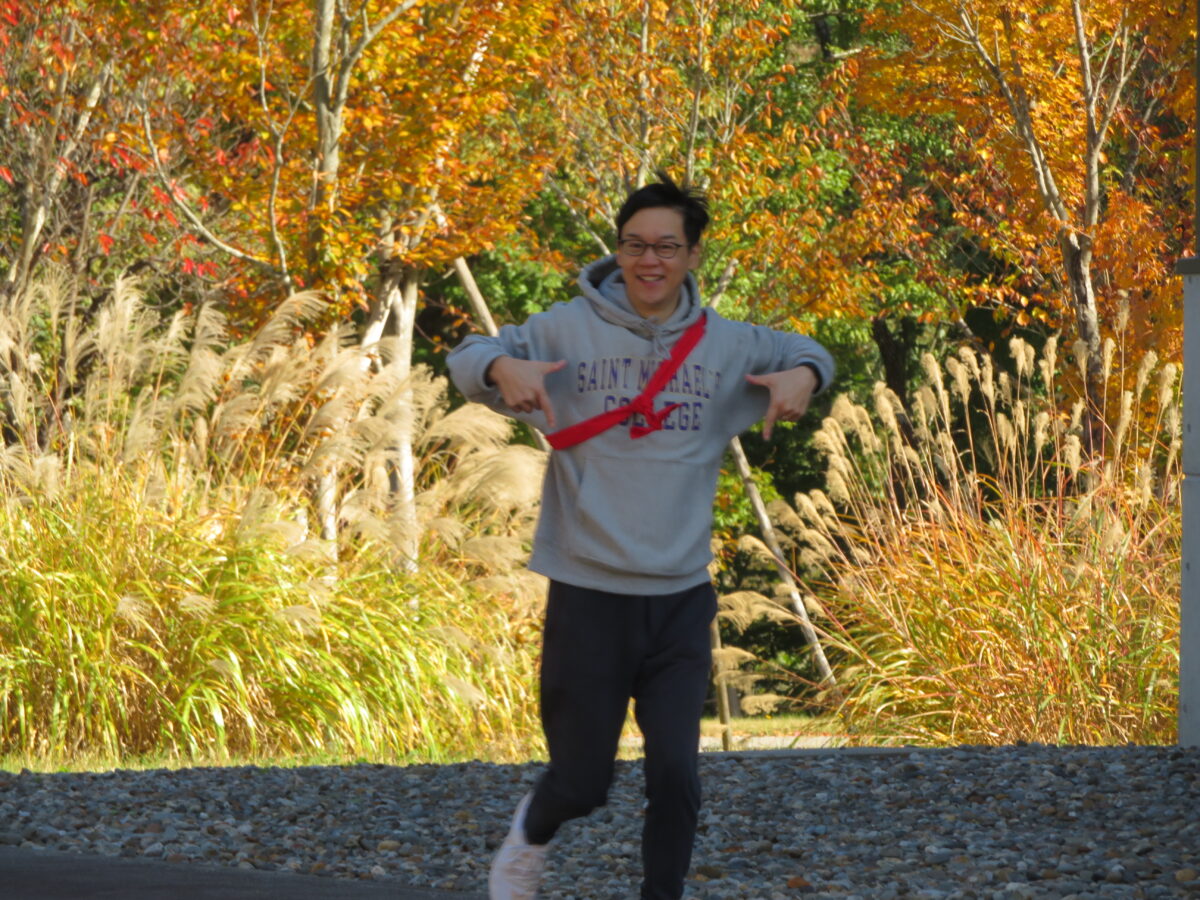
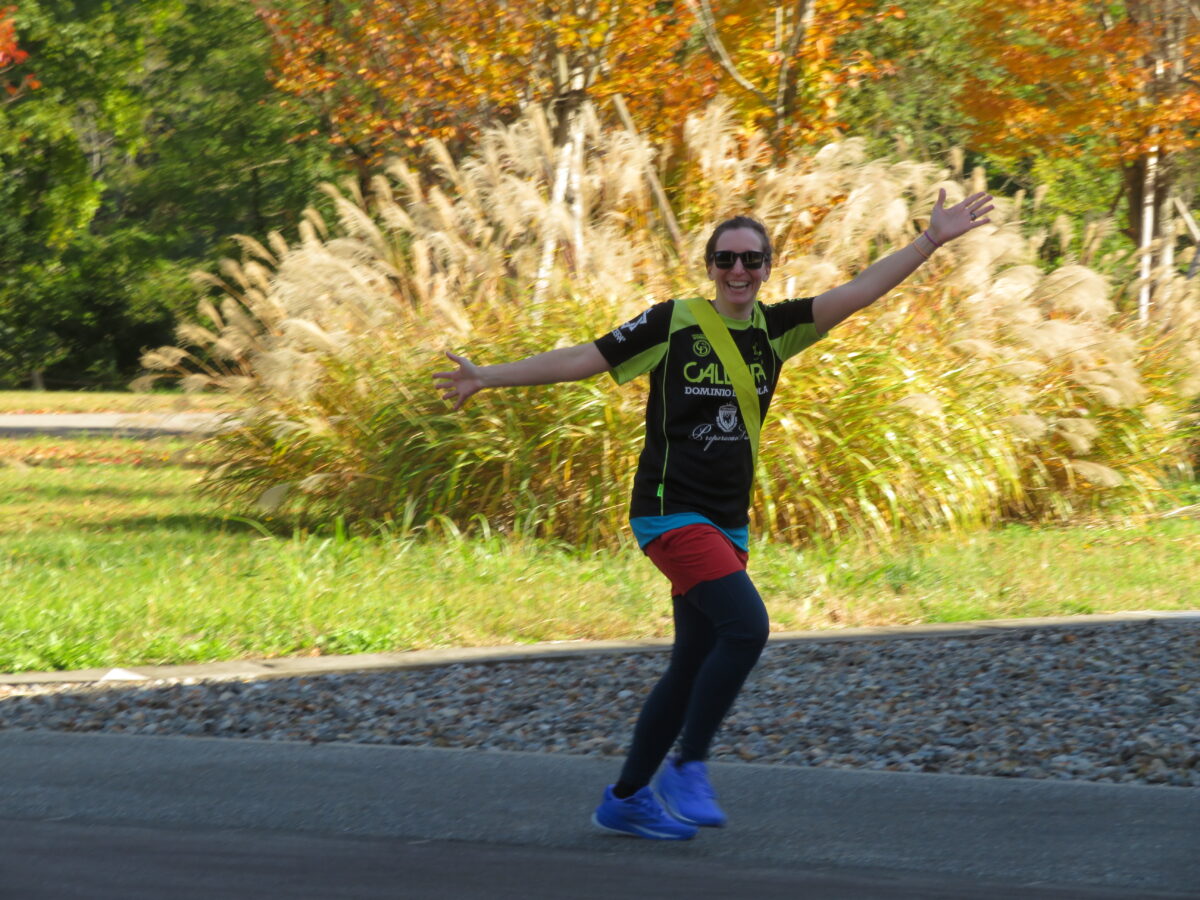
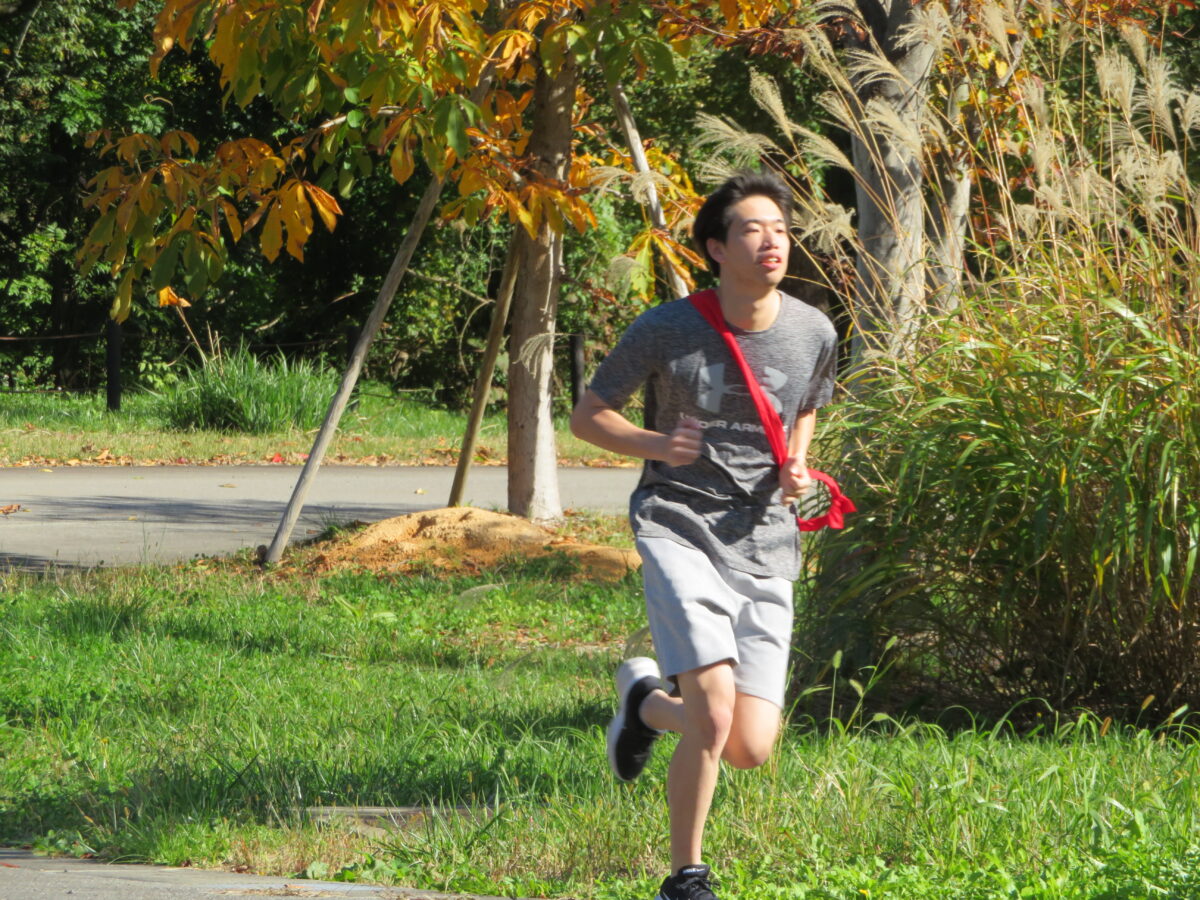
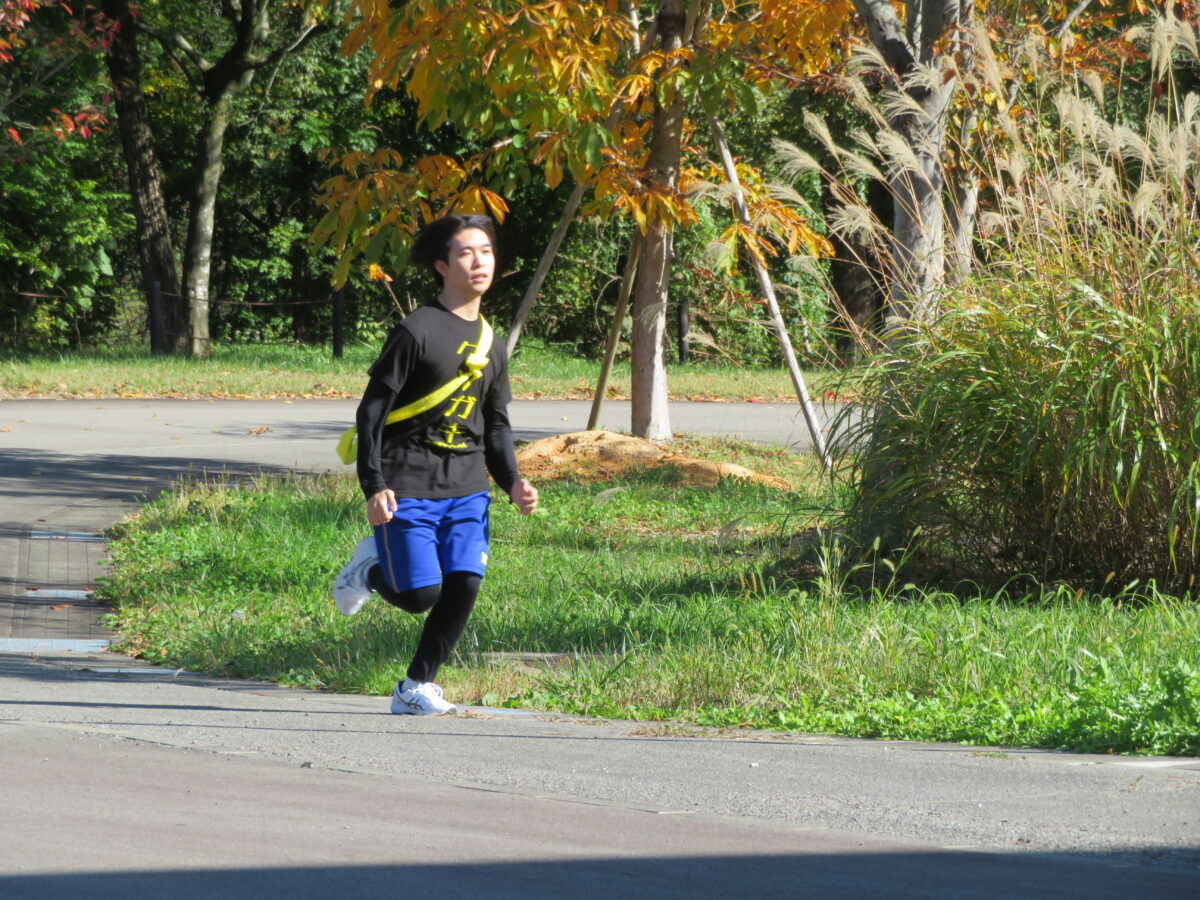
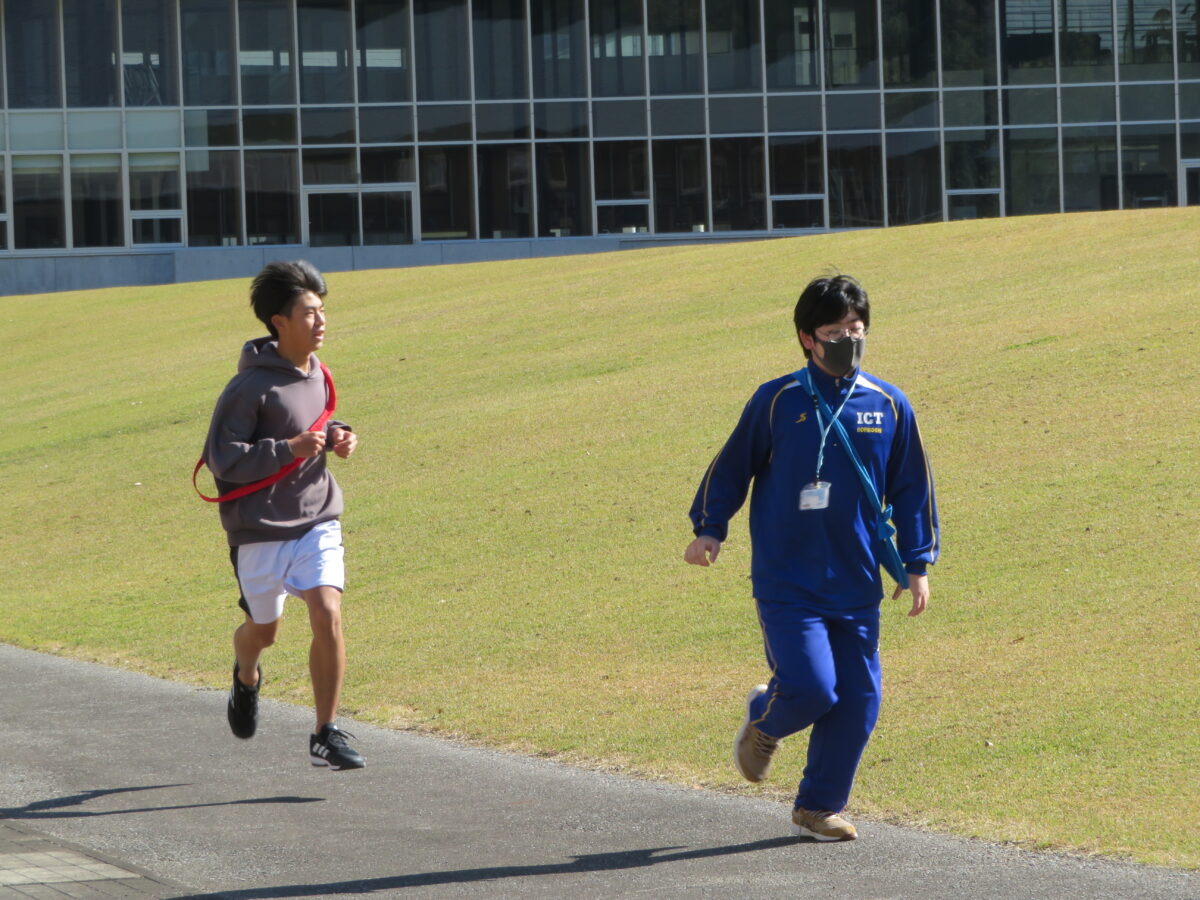
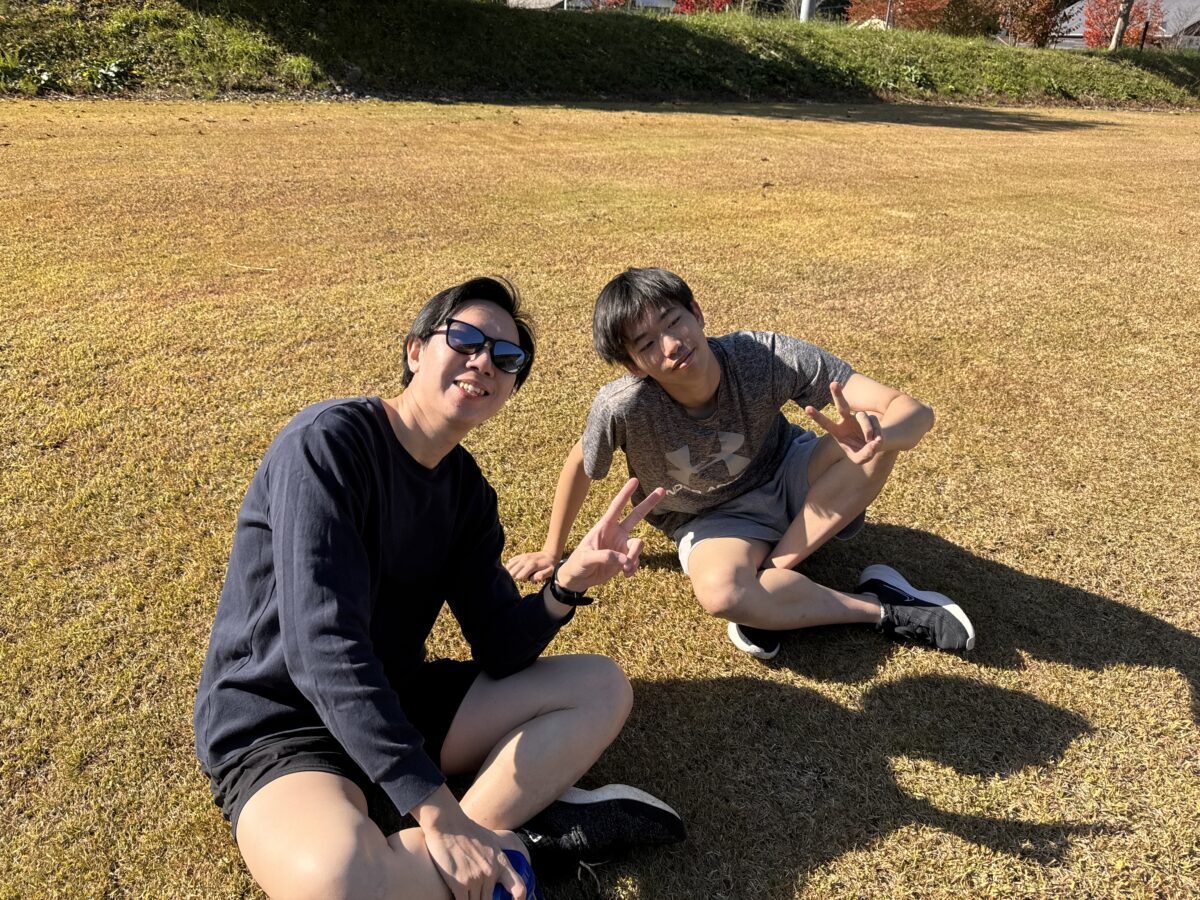
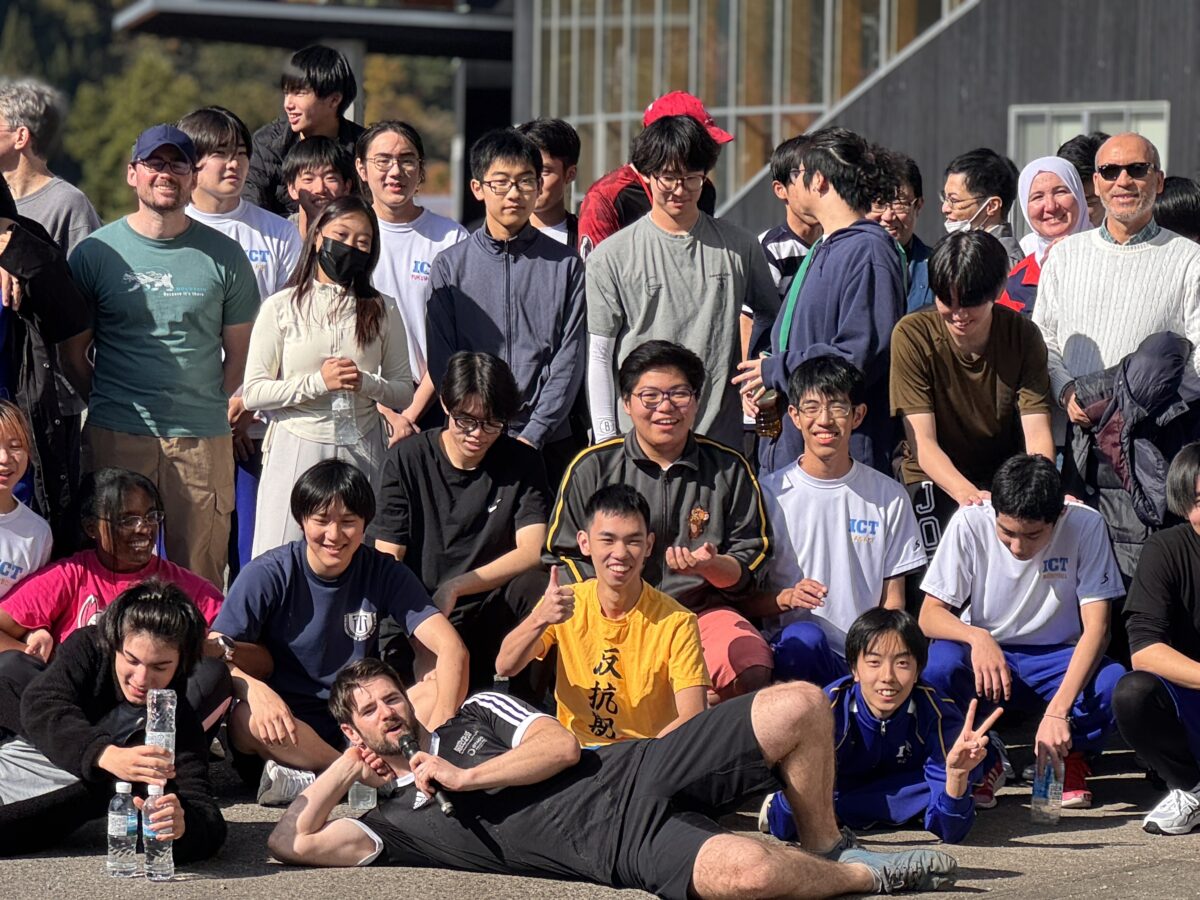
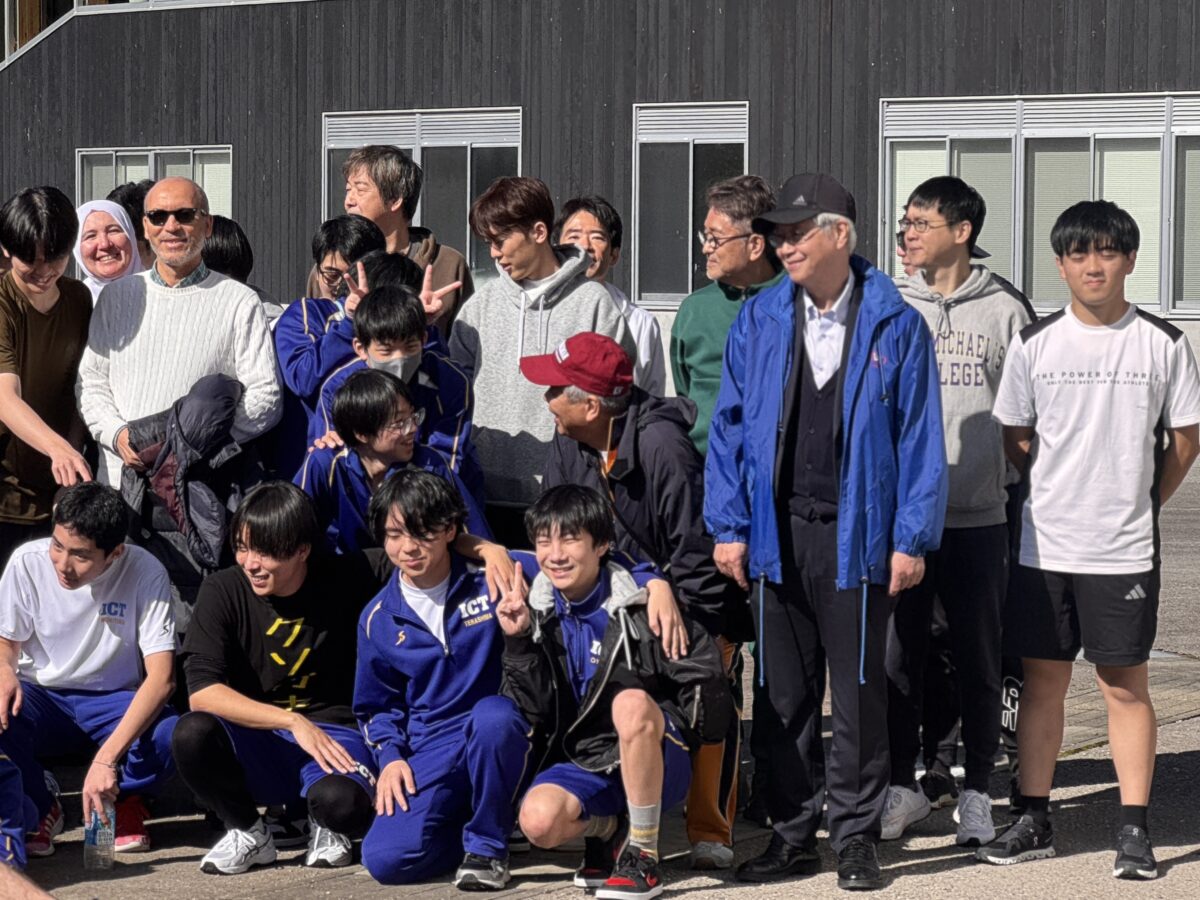
このイベントで最も印象的だったのは、学年間の雰囲気の良さです。応援の声が飛び交い、終始楽しい空気に包まれていました。私は運動が大好きですが、走ることに苦手意識を持つ学生も多いので、このように楽しく盛り上がる雰囲気はとても嬉しかったです。
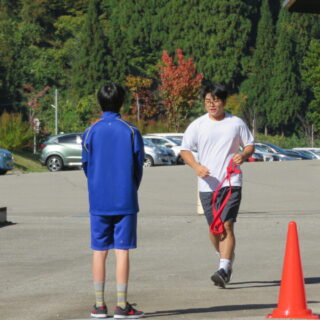
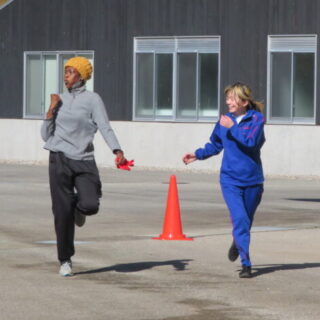
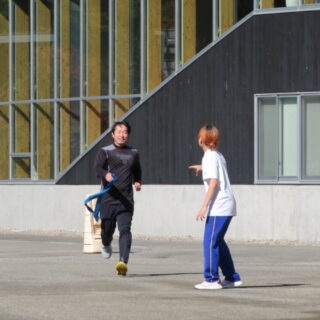
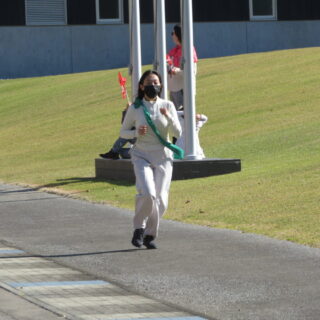
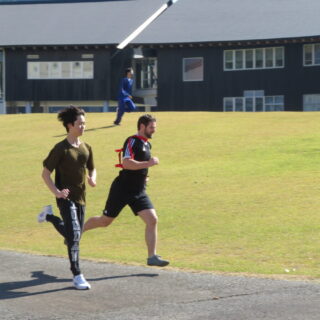
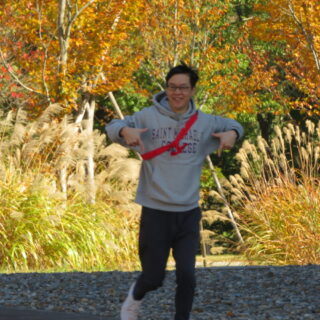
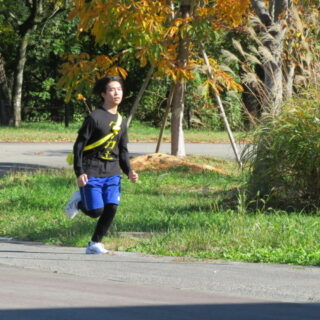
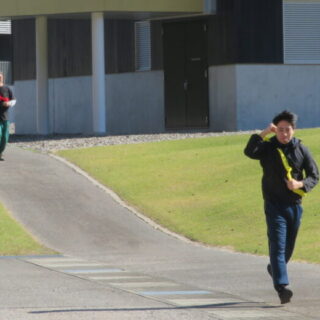
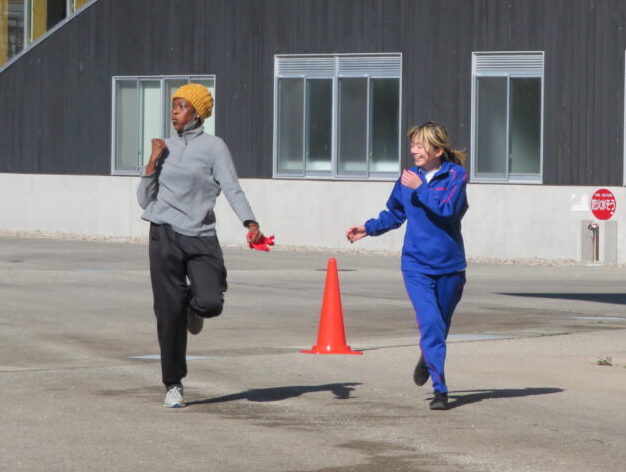
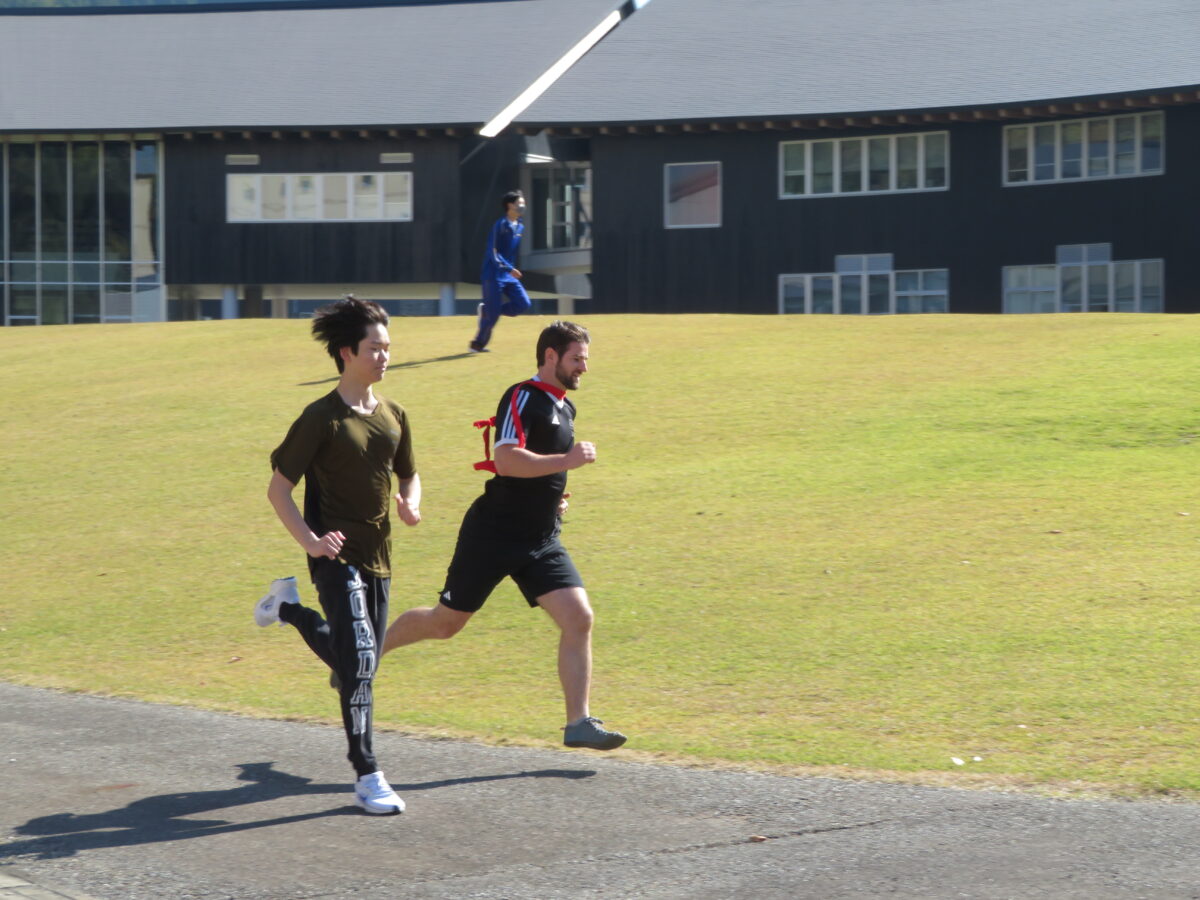
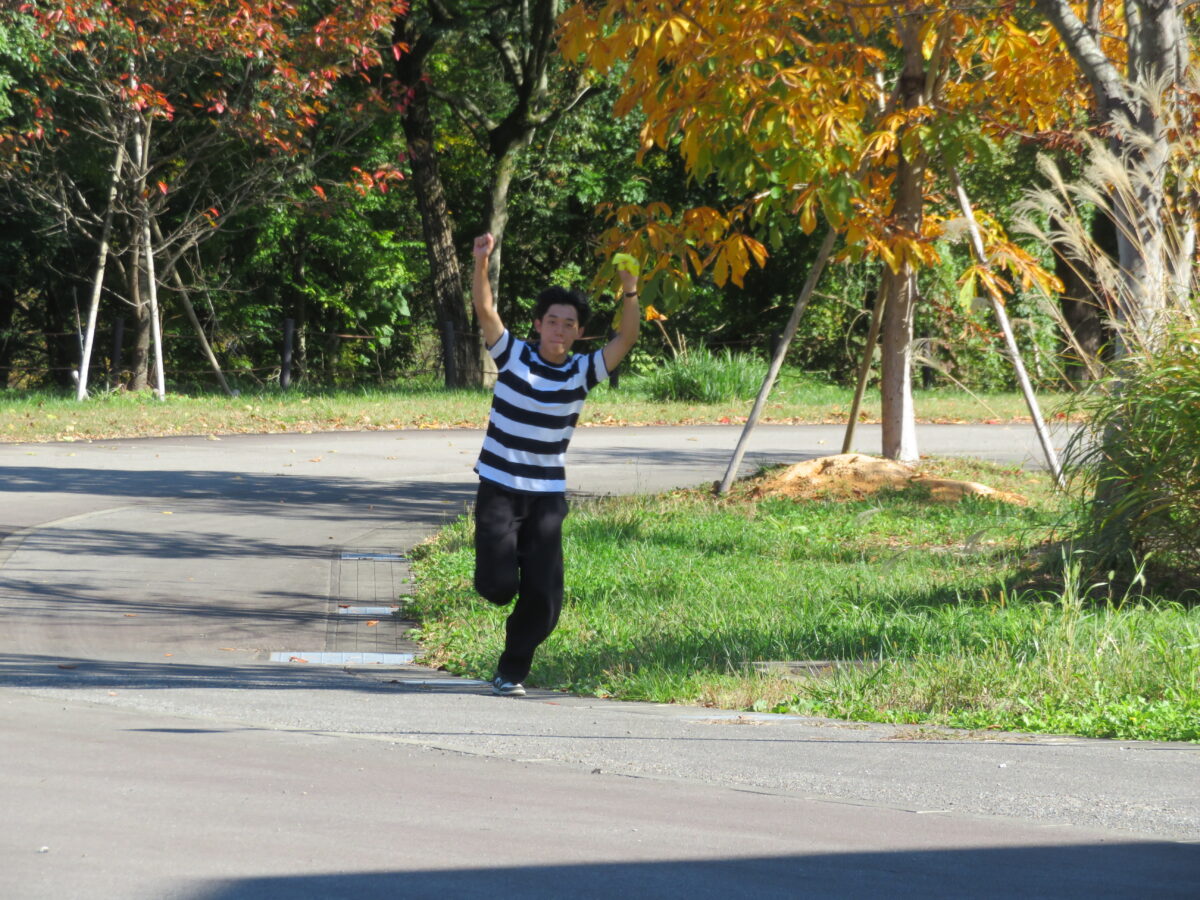
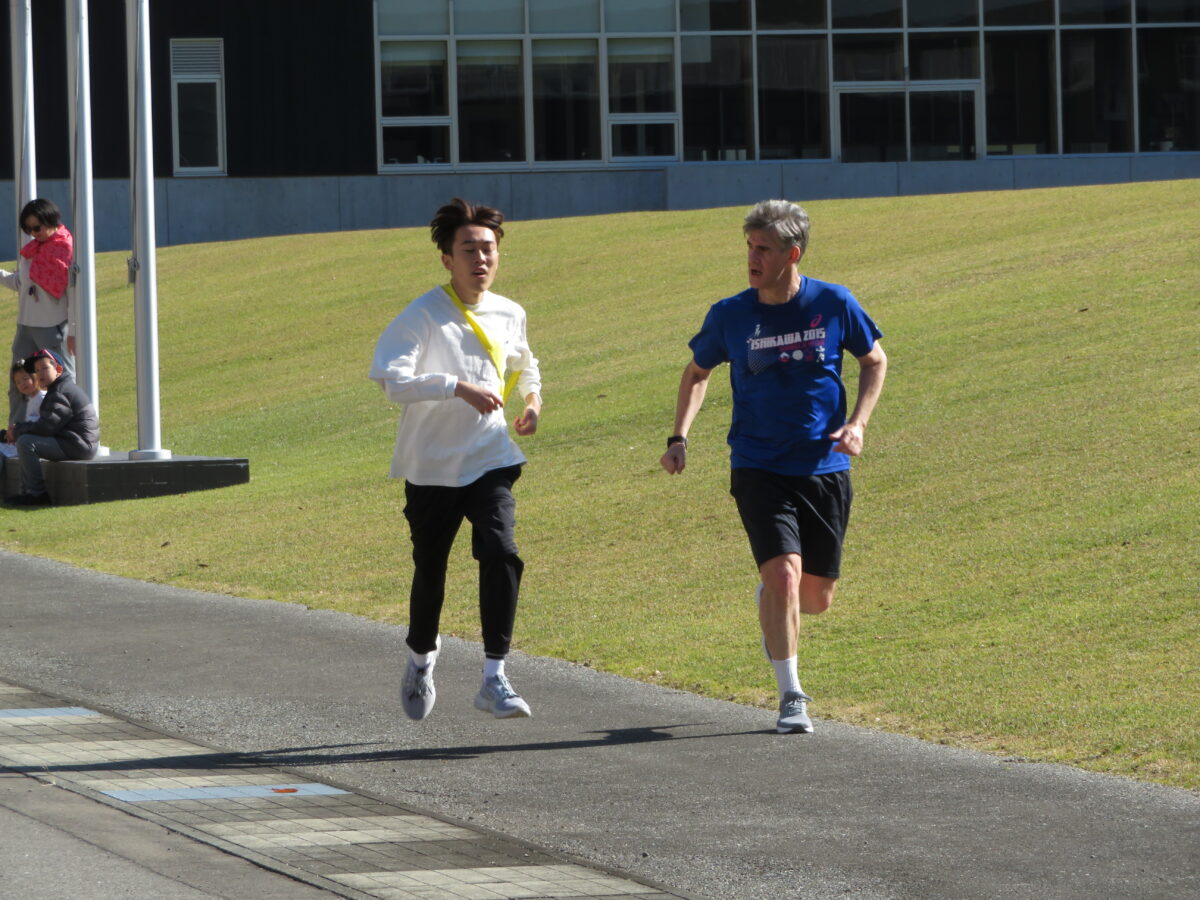
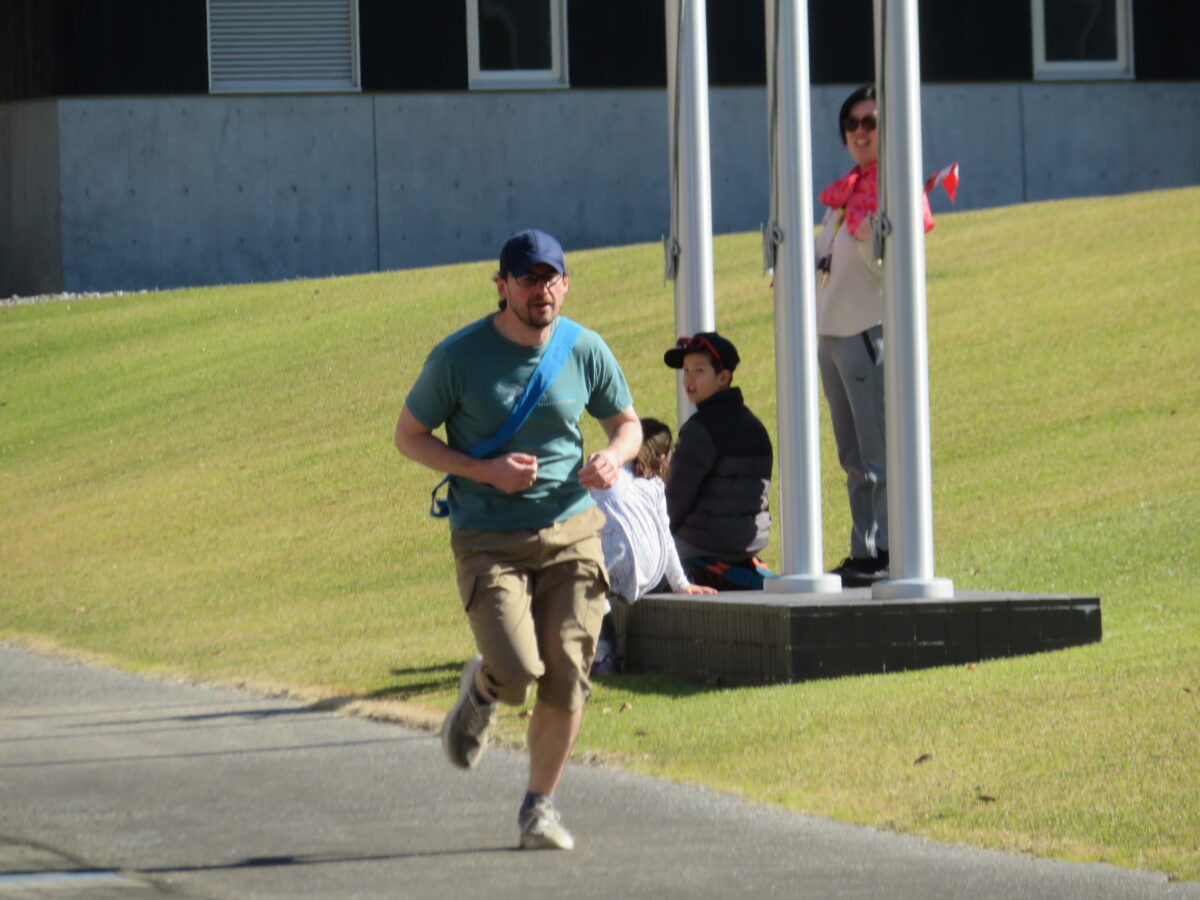
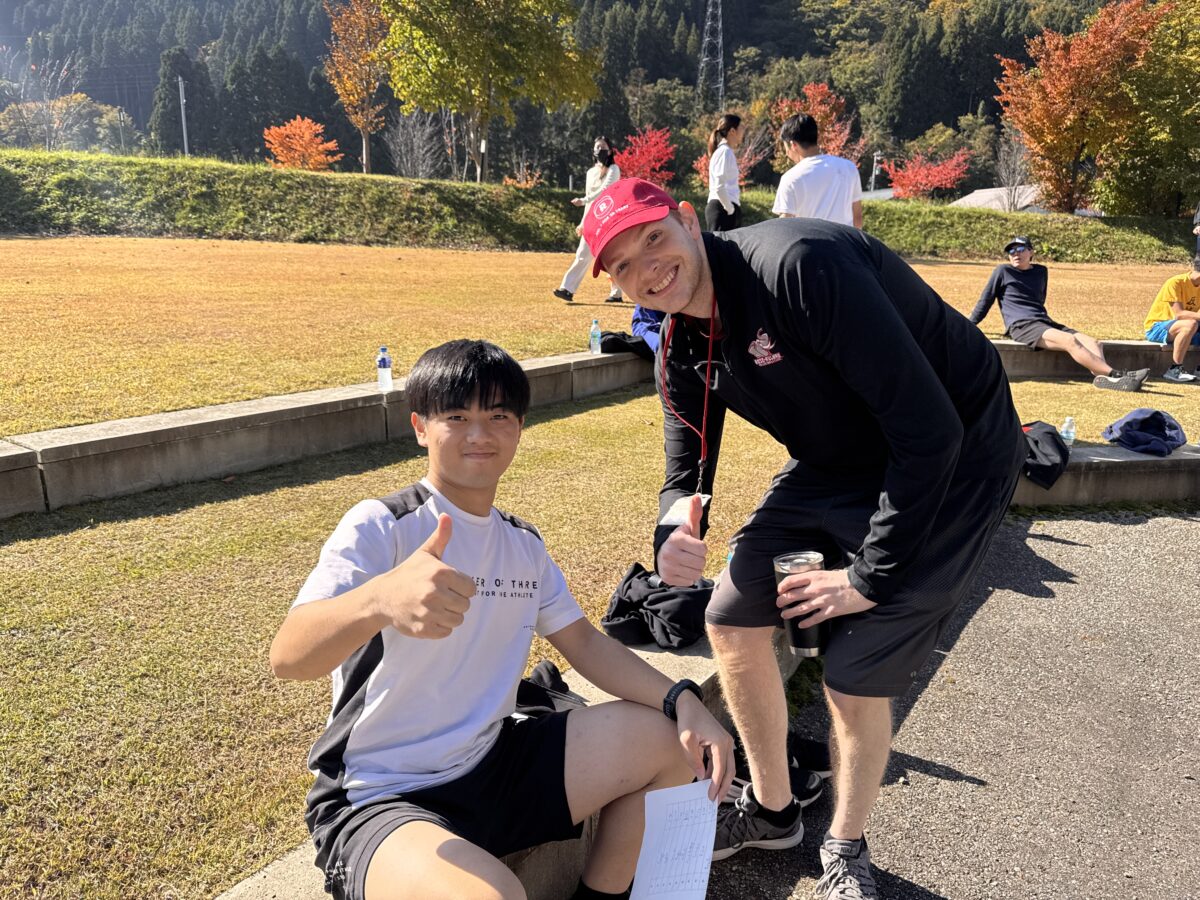
その中、イアン・スティーブンソン先生は自分の順番以外でもずっと走り続けました。学生たちの間で、「イアン先生は何周走った?」という即興のクイズも始まり、彼の走り続ける姿は観客にとって刺激になっていました。レースは続き、タスキの受け渡しごとに歓声が上がり、誰もが主役になれる瞬間がありました。残念ながら、昨年同様に足首や呼吸がしづらい症状を訴えた参加者がいましたが、その人数は昨年より少なく、自覚症状のレベルですみました。最後の周回が終わり、結果は驚くほど接戦!時計やスマホで時間を確認できない中、全チームが目標の80分以内に10分差で収まりました。
結局、タイム目標方式はゴールの瞬間の盛り上がりには欠けましたが、怪我は減り、教員の参加も増え、学生にとっても競争のプレッシャーが少ない楽しい一日になりました。来年はどうなるでしょうか?スピードを重視する「競技形式」に再び魅力を感じるかもしれません。でも、今年は素晴らしい天気と素敵な仲間に恵まれ、キャンパスが分散している中で、このようなイベントが社会的なつながりを保つために重要だと改めて感じました。

-
-

-
-
-
-
-
-
-

-
-
-
-
-
-
-

-
-

-
-
-
-

-
-
-
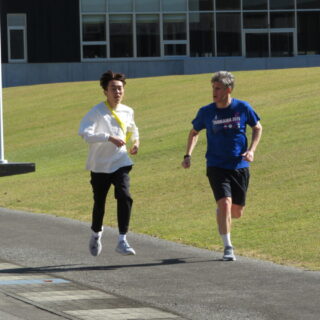
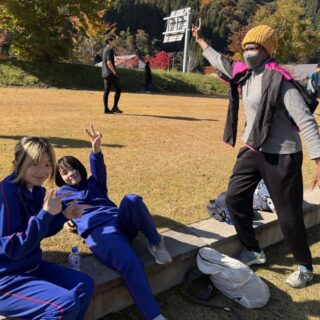
自分の順番以外でもずっと走り続けるイアン先生(右)
-

-

-
-
-
-
-
-
-

-









フィリップ・ケザウ
Ekiden (Relay Race) 2025
This is Philip Cadzow, one of the Physical Education Teachers on ICT’s Hakusanroku Campus. On Saturday, November 8th, 2025, the second annual Ekiden (a team relay race) was held at Hakusanroku Campus. The goal of the race was for each team of 15 members to complete 25 laps around the campus (roughly 670 m per lap). The teams were composed of students from different year levels and teachers.
The objective was not to finish in the fastest time, but to be the team that completed the laps in a time closest to their estimate. This goal system may sound confusing and overly complicated; it is certainly more so than the usual “fastest team” approach. This design was chosen for several reasons: to reduce the risk of student injuries from sudden intense movement, to relieve pressure on those who were not as fast as others, and to allow more teachers to participate without feeling bad about slowing down a team.
Three of the teams chose 100 minutes as their estimated time, and only one team guessed that they would finish in 86 minutes. The day had perfect weather—clear blue skies with only a cooling wind. There were no clouds, only a blue sky contrasting with the changing colors of the leaves. With everyone lined up and mixed into their teams, Yuzuki Komoto—a 4th year student—gave a very nice speech about the event being an opportunity for different year levels to mix socially. He encouraged the 1st year students, saying that while the older students may seem big and intimidating, they should not feel afraid to talk to them.
After a countdown, the teams took off sprinting! What was meant to be a challenge to guess everyone’s pace soon changed with the energy of the day. I did not expect the excitement of running to be so powerful. The first eight laps were finished in only 25 minutes. Everybody was sprinting their fastest, even though they had plenty of time. Therefore, I had to make an emergency adjustment to the times, otherwise everyone would be far off their estimated time! Therefore, the competition was changed to which team managed to get the closest to 80 minutes total time.
I was most impressed with the atmosphere of the event; the feeling was very friendly between all year groups, and there was plenty of cheering and general enjoyment of the day. As much as I love and enjoy movement, sometimes that passion is not embodied in the many different types of students, especially when it comes to running. So, I was very happy that the atmosphere of the day was so joyous and filled with friendly rivalry.
A spontaneous guessing game of “How many laps has Ian-sensei run?” began to develop as well, his insatiable need to run being an inspiration to the watching crowd. The race continued and each changeover was cheered; each person had their time in the spotlight. Unfortunately, this also brought some of the same injuries as last year, with ankles and lungs feeling the pressure—but in fewer numbers than last year, and it was self-inflicted rather than prescribed.
The last laps were run, and the finishing times were very close! Considering that nobody had a watch or phone to keep track of the time, this was very impressive. All teams were within 10 minutes of the 80-minute goal.
In the end, having a time goal rather than a race was less satisfying to watch at the finish, but we had fewer injuries, more teacher participation, and the students had a slightly more relaxed and fun day rather than the pressure of competition. I don’t know what next year will bring—whether the allure of competition will call me back—but this year we had wonderful weather and good people. A lovely reminder that with a separated campus, events like these are important for social bonding.
-
-
-
-
-
-
-
-
-
-
-
-
-
-
-
-
-
-
-
-
-
-
-
-
-
自分の順番以外でもずっと走り続けるイアン先生(右)
-
-
-
-
-
-
-
-
-
-
Philip Cadzow