




Local Community
地域連携
 A few weeks ago, there was a soba festival here in Hakusan. At the festival, they had a variety of delicious local foods. There were many stands selling soba, beef, pork, takoyaki, melonpan, oysters, and even expensive Noto beef! I got to try deer meat for the first time in the form of a sausage!
The ICT students were helping at the festival as well! The second year students worked on Saturday and the first year students worked on Sunday.
When I went on Sunday, I saw many of the students working hard at a variety of tasks, including guiding cars to vacant parking spaces and emptying and replacing the trash cans when full. It was quite refreshing to see the students in a different setting, as part of the local community! Many students seemed exhausted after the day of work and several told me that it was indeed very hard and tiring work.
I'm glad the students have the chance to participate in local community events and I look forward to seeing such interaction again in the future!
Anne Isobel Tan
今月の始め、ここ白山麓でそば祭りがありました。そば祭りでは地元の美味しい食べ物がたくさんありました。たくさんの露店が立ち並び、そば、牛肉、豚肉、たこ焼き、メロンパン、牡蠣、高級な能登牛まで!私はソーセージという形で、人生で初めて鹿肉を食べました!
国際高専の学生もお祭りを手伝っていました!土曜日は2年生、日曜日は1年生がボランティアをしました。私が行った日曜日は学生たちが駐車場の整理、ゴミ箱の入れ替えなど様々な業務をこなしており、普段とは違う地元のイベントを手伝う姿が見られて新鮮でした。大変な仕事だったようで、終わったあと疲れたと言っていました。
学生たちがボランティアする機会があってよかったです。これからも地元のイベントに参加する機会が増えることを願っています。
アン・イソベル・タン

A few weeks ago, there was a soba festival here in Hakusan. At the festival, they had a variety of delicious local foods. There were many stands selling soba, beef, pork, takoyaki, melonpan, oysters, and even expensive Noto beef! I got to try deer meat for the first time in the form of a sausage!
The ICT students were helping at the festival as well! The second year students worked on Saturday and the first year students worked on Sunday.
When I went on Sunday, I saw many of the students working hard at a variety of tasks, including guiding cars to vacant parking spaces and emptying and replacing the trash cans when full. It was quite refreshing to see the students in a different setting, as part of the local community! Many students seemed exhausted after the day of work and several told me that it was indeed very hard and tiring work.
I'm glad the students have the chance to participate in local community events and I look forward to seeing such interaction again in the future!
Anne Isobel Tan
今月の始め、ここ白山麓でそば祭りがありました。そば祭りでは地元の美味しい食べ物がたくさんありました。たくさんの露店が立ち並び、そば、牛肉、豚肉、たこ焼き、メロンパン、牡蠣、高級な能登牛まで!私はソーセージという形で、人生で初めて鹿肉を食べました!
国際高専の学生もお祭りを手伝っていました!土曜日は2年生、日曜日は1年生がボランティアをしました。私が行った日曜日は学生たちが駐車場の整理、ゴミ箱の入れ替えなど様々な業務をこなしており、普段とは違う地元のイベントを手伝う姿が見られて新鮮でした。大変な仕事だったようで、終わったあと疲れたと言っていました。
学生たちがボランティアする機会があってよかったです。これからも地元のイベントに参加する機会が増えることを願っています。
アン・イソベル・タン
 現在1年生が履修しているEngineering Context IBでは、エネルギーを題材にした授業が行われています。毎回様々な発電技術や各国のエネルギー政策を取り上げながら、技術には光と影があることを踏まえた技術者倫理を学生たちは学んでいます。
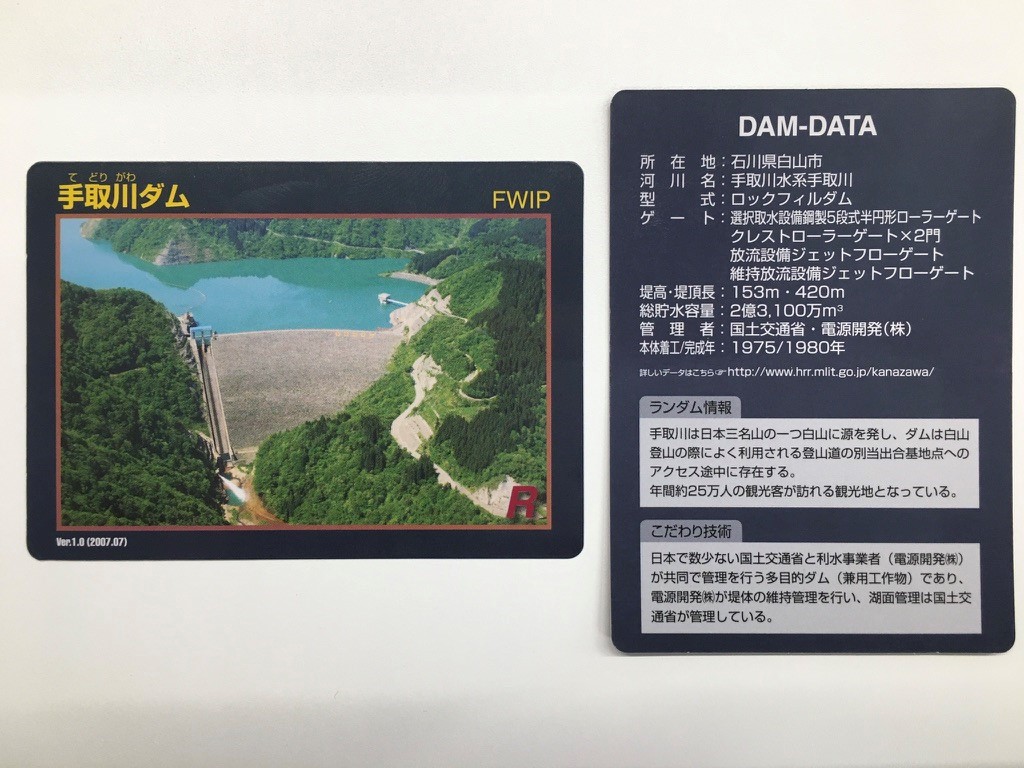
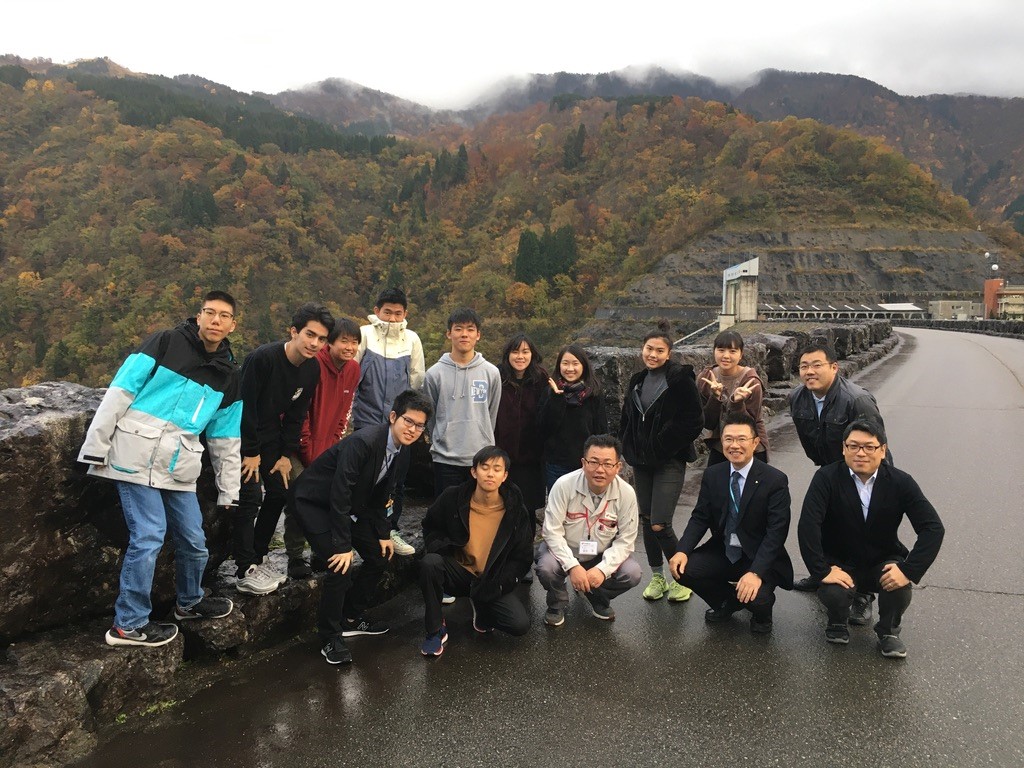
この授業の一環で、白山麓キャンパスの近くにあるJPower手取川第一発電所の見学を行いました。この見学会は今年で2回目ですが、年々バージョンアップされています。JPowerの田中所長から、最初にダムカードが配られ、ダムの分類と手取川ダムの特徴をわかりやすく解説して頂きました。手取川ダムは日本で4番目のロックフィル型ダムで、運転開始から40年、水力発電のみならず洪水調整、上水道用水、工業用水など様々な役割を担っています。1時間ほどの講義の後、ダムの上部に移動し、巨大なダムの迫力を体感しました。気温が低く小雨が降る生憎の天気でしたが、美しい紅葉に彩られた手取湖を眺めながら、ユーモア溢れる田中所長のお話を楽しく聴講することができました。
山崎俊太郎
In the first-year student's "Engineering Context IB" class, we are currently studying about energy. Each class we pick up various power generation technology and different countries' energy policies, and discuss the good and bad of technological advancement from an ethical stand point.
Recently, we took a trip to the JPower Tedori River Dam 1 near the Hakusanroku campus. This was our second visit to the dam. However, it is evolving each year. First, Mr. Tanaka, the chief manager of JPower, distributed dam cards and gave a lecture about different types of dams and the characteristics of Tedori River Dam. Tedori River Dam is the fourth rock-fill dam in Japan and has served not only as a water-power generator, but also as adjustment for floods, and provider for waterworks and construction water. After the lecture, we moved to the top of the huge dam to see the spectacular view. Sadly, it was chilly and drizzling, but we enjoyed the beautiful panorama of Tedori Lake decorated with colored autumn mountains as we listened to Mr. Tanaka's humorous explanation.
Shuntaro Yamazaki

現在1年生が履修しているEngineering Context IBでは、エネルギーを題材にした授業が行われています。毎回様々な発電技術や各国のエネルギー政策を取り上げながら、技術には光と影があることを踏まえた技術者倫理を学生たちは学んでいます。
この授業の一環で、白山麓キャンパスの近くにあるJPower手取川第一発電所の見学を行いました。この見学会は今年で2回目ですが、年々バージョンアップされています。JPowerの田中所長から、最初にダムカードが配られ、ダムの分類と手取川ダムの特徴をわかりやすく解説して頂きました。手取川ダムは日本で4番目のロックフィル型ダムで、運転開始から40年、水力発電のみならず洪水調整、上水道用水、工業用水など様々な役割を担っています。1時間ほどの講義の後、ダムの上部に移動し、巨大なダムの迫力を体感しました。気温が低く小雨が降る生憎の天気でしたが、美しい紅葉に彩られた手取湖を眺めながら、ユーモア溢れる田中所長のお話を楽しく聴講することができました。
山崎俊太郎
In the first-year student's "Engineering Context IB" class, we are currently studying about energy. Each class we pick up various power generation technology and different countries' energy policies, and discuss the good and bad of technological advancement from an ethical stand point.
Recently, we took a trip to the JPower Tedori River Dam 1 near the Hakusanroku campus. This was our second visit to the dam. However, it is evolving each year. First, Mr. Tanaka, the chief manager of JPower, distributed dam cards and gave a lecture about different types of dams and the characteristics of Tedori River Dam. Tedori River Dam is the fourth rock-fill dam in Japan and has served not only as a water-power generator, but also as adjustment for floods, and provider for waterworks and construction water. After the lecture, we moved to the top of the huge dam to see the spectacular view. Sadly, it was chilly and drizzling, but we enjoyed the beautiful panorama of Tedori Lake decorated with colored autumn mountains as we listened to Mr. Tanaka's humorous explanation.
Shuntaro Yamazaki
 Hello, it's Jonathan, the camera man. On October 21, a group of students from the Hakusanroku campus climbed Mt. San-po-iwa-take. (三方岩岳) Sanpoiwatake is a mountain on the Hakusan-Shirakawago White Road. The White Road runs from Hakusanroku to Shirakawago in Gifu prefecture and is a popular tourist spot, especially in the autumn. The leaves were beautiful shades of red, yellow and green as we made our way up the path. This event was a collaboration with the Oguchi Community Center and some members of the local community joined us in the climb. Shinichi Hiramatsu is a specialist of this area and gave lectures about trees and animals. It took about an hour to reach the top, where we rested and ate lunch. Hiramatsu-san pointed out that we could see Mt. Hakusan's peak from Sanpoiwatake. Altogether, it was a refreshing and fun way to spend a beautiful autumn day.
Jonathan
こんにちは、ジョナサンです。10月21日(月)、白山麓キャンパスの学生と一緒に白山白川郷ホワイトロードにある三方岩岳(さんぽういわたけ)を登りました。ホワイトロードは石川県と岐阜県を結ぶ有料道路で、人気の観光名所です。特に紅葉の季節にたくさんの方が訪れます。三方岩岳の登山口はホワイトロードの途中にあります。この日は美しい赤、黄色、緑の景色の中、登山を楽しむことができました。今回の登山は尾口公民館と合同で行われ、現地のメンバーも同行しました。白山の自然に詳しい平松新一さんも同行者のひとりで、歩きながら学生に動植物のレクチャーをしていました。1時間ほどで頂上に到着し、そこで昼食を食べました。三方岩岳からは白山の頂上、御前峰を望むことができ、美しい景色を見てリフレッシュできる日となりました。
ジョナサン
-

登山口はホワイトロードの岐阜川にあります
-

紅葉に包まれて登りました
-

三方岩岳 頂上にて
-

頂上で昼食を食べました
-

解説する平松新一さん
-

三方岩岳から望む白山
Hello, it's Jonathan, the camera man. On October 21, a group of students from the Hakusanroku campus climbed Mt. San-po-iwa-take. (三方岩岳) Sanpoiwatake is a mountain on the Hakusan-Shirakawago White Road. The White Road runs from Hakusanroku to Shirakawago in Gifu prefecture and is a popular tourist spot, especially in the autumn. The leaves were beautiful shades of red, yellow and green as we made our way up the path. This event was a collaboration with the Oguchi Community Center and some members of the local community joined us in the climb. Shinichi Hiramatsu is a specialist of this area and gave lectures about trees and animals. It took about an hour to reach the top, where we rested and ate lunch. Hiramatsu-san pointed out that we could see Mt. Hakusan's peak from Sanpoiwatake. Altogether, it was a refreshing and fun way to spend a beautiful autumn day.
Jonathan
こんにちは、ジョナサンです。10月21日(月)、白山麓キャンパスの学生と一緒に白山白川郷ホワイトロードにある三方岩岳(さんぽういわたけ)を登りました。ホワイトロードは石川県と岐阜県を結ぶ有料道路で、人気の観光名所です。特に紅葉の季節にたくさんの方が訪れます。三方岩岳の登山口はホワイトロードの途中にあります。この日は美しい赤、黄色、緑の景色の中、登山を楽しむことができました。今回の登山は尾口公民館と合同で行われ、現地のメンバーも同行しました。白山の自然に詳しい平松新一さんも同行者のひとりで、歩きながら学生に動植物のレクチャーをしていました。1時間ほどで頂上に到着し、そこで昼食を食べました。三方岩岳からは白山の頂上、御前峰を望むことができ、美しい景色を見てリフレッシュできる日となりました。
ジョナサン
-
登山口はホワイトロードの岐阜川にあります
-
紅葉に包まれて登りました
-
三方岩岳 頂上にて
-
頂上で昼食を食べました
-
解説する平松新一さん
-
三方岩岳から望む白山
 Hello everyone, in my free time I like to travel to famous sightseeing spots in the area around Hakusanroku. A little while ago I went and traveled the Tateyama-Kurobe Alpine route. It is accessible from Toyama station (about 30 minutes by shinkansen from Kanazawa Station), and is a series of trains, busses and cable cars that takes you from Toyama, up to Mt. Tateyama, across to the Kurobe Dam, and finally down into Nagano. The whole crossing takes 9-12 hours one-way, but is well worth the time. As we move into winter there is a famous “snow corridor” (Yuki-no-otani) that you can walk through that looks like a canyon cut out of the snow! Why not visit it sometime?
Davis Evans
皆さん、こんにちは。私は休日を利用して白山麓近辺の有名な観光地を旅行するのが好きです。少し前になりますが、立山黒部アルペンルートへ足を運びました。富山駅(金沢駅から新幹線で約30分)からスタートし、電車、バス、ケーブルカーを乗り継いで立山を登り、黒部ダムを渡って、長野まで下るルートです。片道9~12時間くらいかかりますが、それだけの時間をかけてでも行く価値があります。冬に入りますとあの有名な雪の大谷を通ることができます。行ってみてはいかがでしょうか。
デイビス・エバンス
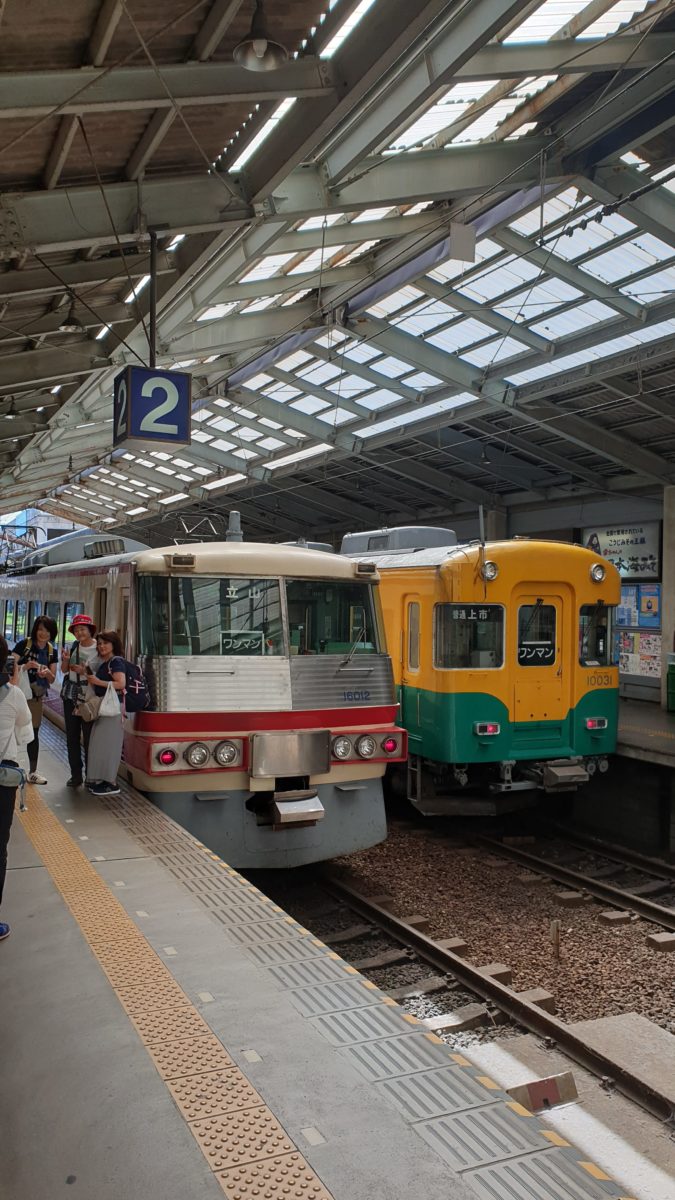


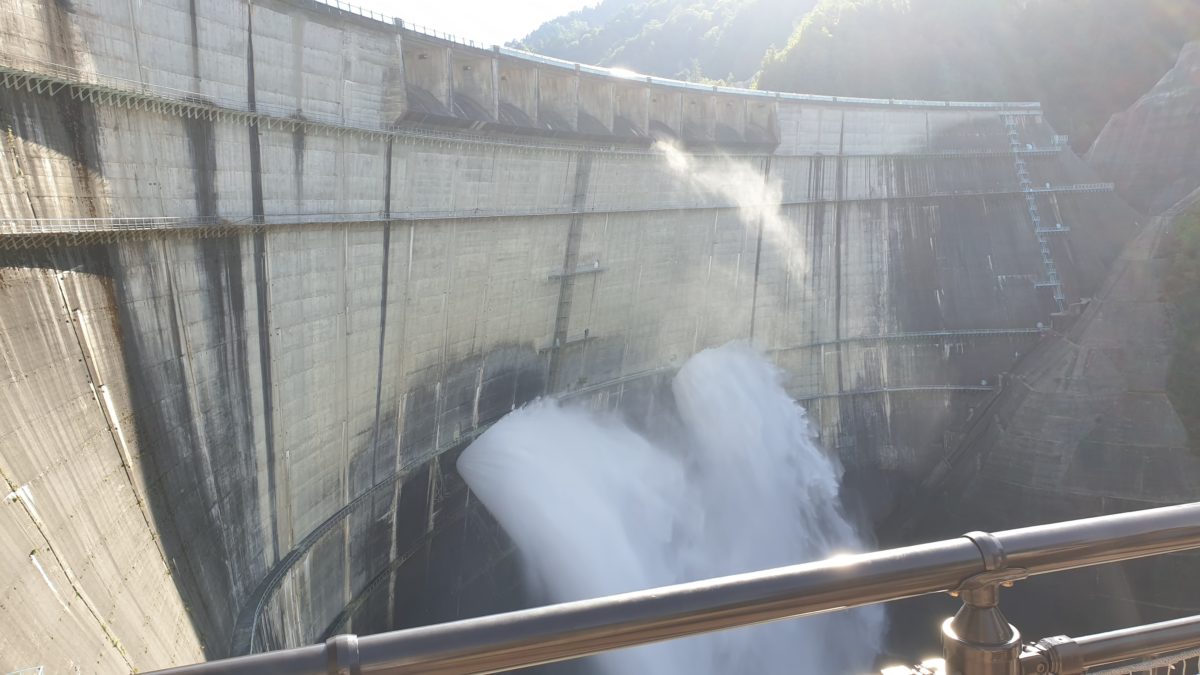

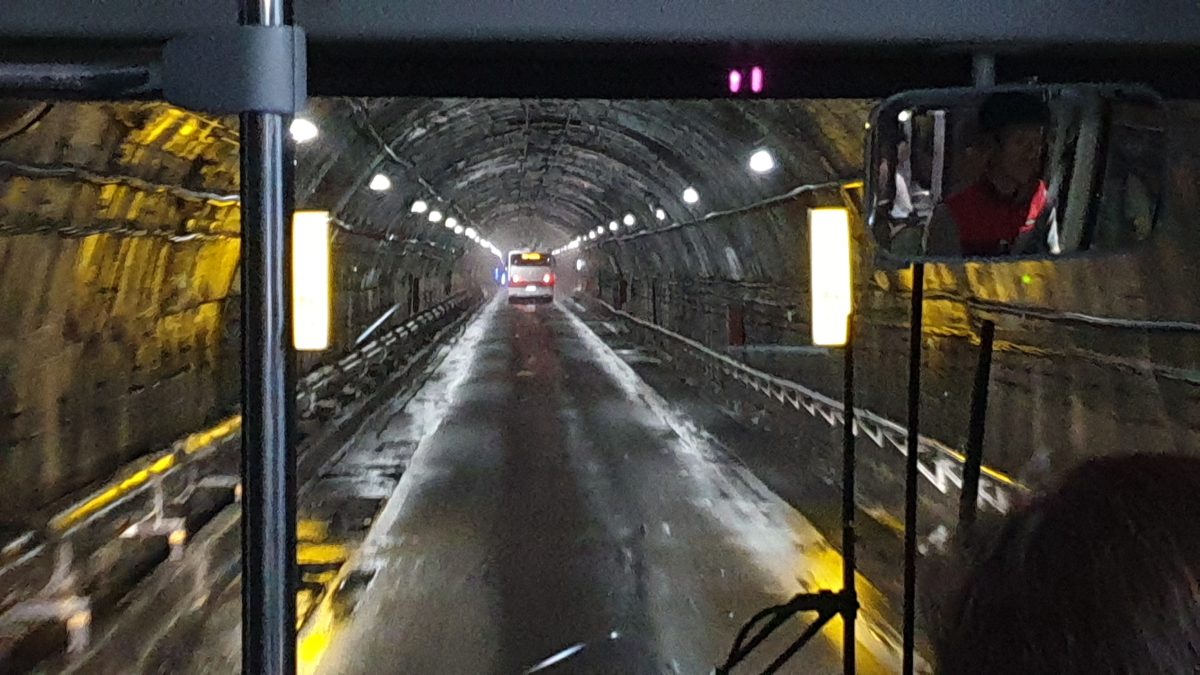

Hello everyone, in my free time I like to travel to famous sightseeing spots in the area around Hakusanroku. A little while ago I went and traveled the Tateyama-Kurobe Alpine route. It is accessible from Toyama station (about 30 minutes by shinkansen from Kanazawa Station), and is a series of trains, busses and cable cars that takes you from Toyama, up to Mt. Tateyama, across to the Kurobe Dam, and finally down into Nagano. The whole crossing takes 9-12 hours one-way, but is well worth the time. As we move into winter there is a famous “snow corridor” (Yuki-no-otani) that you can walk through that looks like a canyon cut out of the snow! Why not visit it sometime?
Davis Evans
皆さん、こんにちは。私は休日を利用して白山麓近辺の有名な観光地を旅行するのが好きです。少し前になりますが、立山黒部アルペンルートへ足を運びました。富山駅(金沢駅から新幹線で約30分)からスタートし、電車、バス、ケーブルカーを乗り継いで立山を登り、黒部ダムを渡って、長野まで下るルートです。片道9~12時間くらいかかりますが、それだけの時間をかけてでも行く価値があります。冬に入りますとあの有名な雪の大谷を通ることができます。行ってみてはいかがでしょうか。
デイビス・エバンス
 On October 1st, Koutaro Sugi, Daiko Kato and Shuntaro Sato from the year 1 Listening/Speaking class interviewed members of the community class as part of an ongoing Oral History Project for 15 minutes. Students came up with and asked questions about what this area was like before ICT. Specific questions included, “What was here (ICT Campus) before “Kanpo-no-yado” was built,” “What was here before Hakusan campus and the Sena Roadside Station (Michinoeki Sena) were built,” “How was the atmosphere around here before the Hakusanroku campus was built,” and “How has the atmosphere changed by the building of Hakusanroku campus.” Students also asked about what they wanted to come to Hakusan next.
The members of the community class were eager to participate and had a lot to say about what was here before ICT, what they want to come to this neighborhood and how monkeys get into their gardens and eat the daikons. The students found the interviews interesting and fun and Daiko said he would like to do this again.
The interviews were conducted in Japanese, but students will record a 2 to 3 minute summary of the interview in English. This summary will focus on what they found most interesting and be supported with photos. This is a new class project and is inspired by oral histories such as Studs Terkel, “Working,” The Foxfire Project and Junichi Saga, “Memories of Silk and Straw”
Ian Stevenson
10月1日、1年の杉晃太朗さん、加藤大虎さん、佐藤俊太朗さんがリスニング・スピーキングのオーラル・ヒストリー・プロジェクトとしてコミュニティクラス(地域の方々を呼んだ英会話教室)のメンバーに15分間のインタビューを行いました。学生たちは国際高専が建つ前のこの地域について質問を考え、「かんぽの里が建つ前は何がありましたか?」「白山麓キャンパスが建つ前はどんな雰囲気でしたか?」「白山麓キャンパスが建ってからの雰囲気はどう変わりましたか?」などの質問をしました。また、次に出来て欲しい施設についても聞きました。
コミュニティクラスの方々は快くインタビューに応じてくれて、白山麓キャンパスが建つ前のことや、地域に来てほしいもの、猿が庭の大根を食べてしまうことなどを話してくれました。学生たちもインタビューが面白かったようで、大虎さんはまたやりたいとまで言っていました。
インタビューは日本語でしたが、学生たちはその内容を英語で2~3分口頭でまとめたものを録画するのが課題でした。まとめには面白かった点や写真なども載せてあります。この活動はStuds Terkelの"Working"、The Foxfire Project、佐賀純一氏の霞ヶ浦風土記などの口述歴史を参考に計画しました。
イアン・スティーブンソン


On October 1st, Koutaro Sugi, Daiko Kato and Shuntaro Sato from the year 1 Listening/Speaking class interviewed members of the community class as part of an ongoing Oral History Project for 15 minutes. Students came up with and asked questions about what this area was like before ICT. Specific questions included, “What was here (ICT Campus) before “Kanpo-no-yado” was built,” “What was here before Hakusan campus and the Sena Roadside Station (Michinoeki Sena) were built,” “How was the atmosphere around here before the Hakusanroku campus was built,” and “How has the atmosphere changed by the building of Hakusanroku campus.” Students also asked about what they wanted to come to Hakusan next.
The members of the community class were eager to participate and had a lot to say about what was here before ICT, what they want to come to this neighborhood and how monkeys get into their gardens and eat the daikons. The students found the interviews interesting and fun and Daiko said he would like to do this again.
The interviews were conducted in Japanese, but students will record a 2 to 3 minute summary of the interview in English. This summary will focus on what they found most interesting and be supported with photos. This is a new class project and is inspired by oral histories such as Studs Terkel, “Working,” The Foxfire Project and Junichi Saga, “Memories of Silk and Straw”
Ian Stevenson
10月1日、1年の杉晃太朗さん、加藤大虎さん、佐藤俊太朗さんがリスニング・スピーキングのオーラル・ヒストリー・プロジェクトとしてコミュニティクラス(地域の方々を呼んだ英会話教室)のメンバーに15分間のインタビューを行いました。学生たちは国際高専が建つ前のこの地域について質問を考え、「かんぽの里が建つ前は何がありましたか?」「白山麓キャンパスが建つ前はどんな雰囲気でしたか?」「白山麓キャンパスが建ってからの雰囲気はどう変わりましたか?」などの質問をしました。また、次に出来て欲しい施設についても聞きました。
コミュニティクラスの方々は快くインタビューに応じてくれて、白山麓キャンパスが建つ前のことや、地域に来てほしいもの、猿が庭の大根を食べてしまうことなどを話してくれました。学生たちもインタビューが面白かったようで、大虎さんはまたやりたいとまで言っていました。
インタビューは日本語でしたが、学生たちはその内容を英語で2~3分口頭でまとめたものを録画するのが課題でした。まとめには面白かった点や写真なども載せてあります。この活動はStuds Terkelの"Working"、The Foxfire Project、佐賀純一氏の霞ヶ浦風土記などの口述歴史を参考に計画しました。
イアン・スティーブンソン