




FY 2025
2025年度の記事
 こんにちは、3年生の高野 健太郎です。ニュージーランドから2回目の登場です。今回は、1月14日(水)から1月16日(金)にクライストチャーチへ旅行に行ったときのことについて書きます。
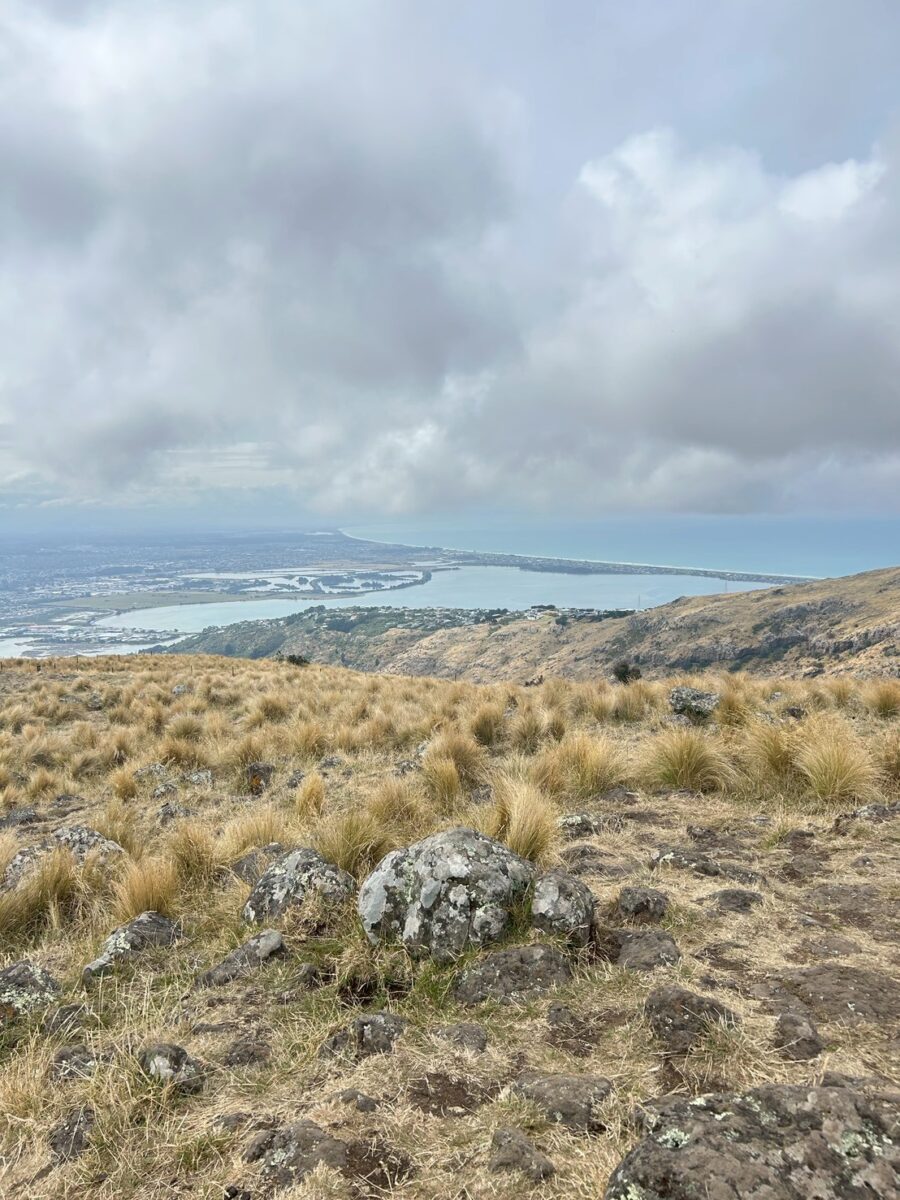
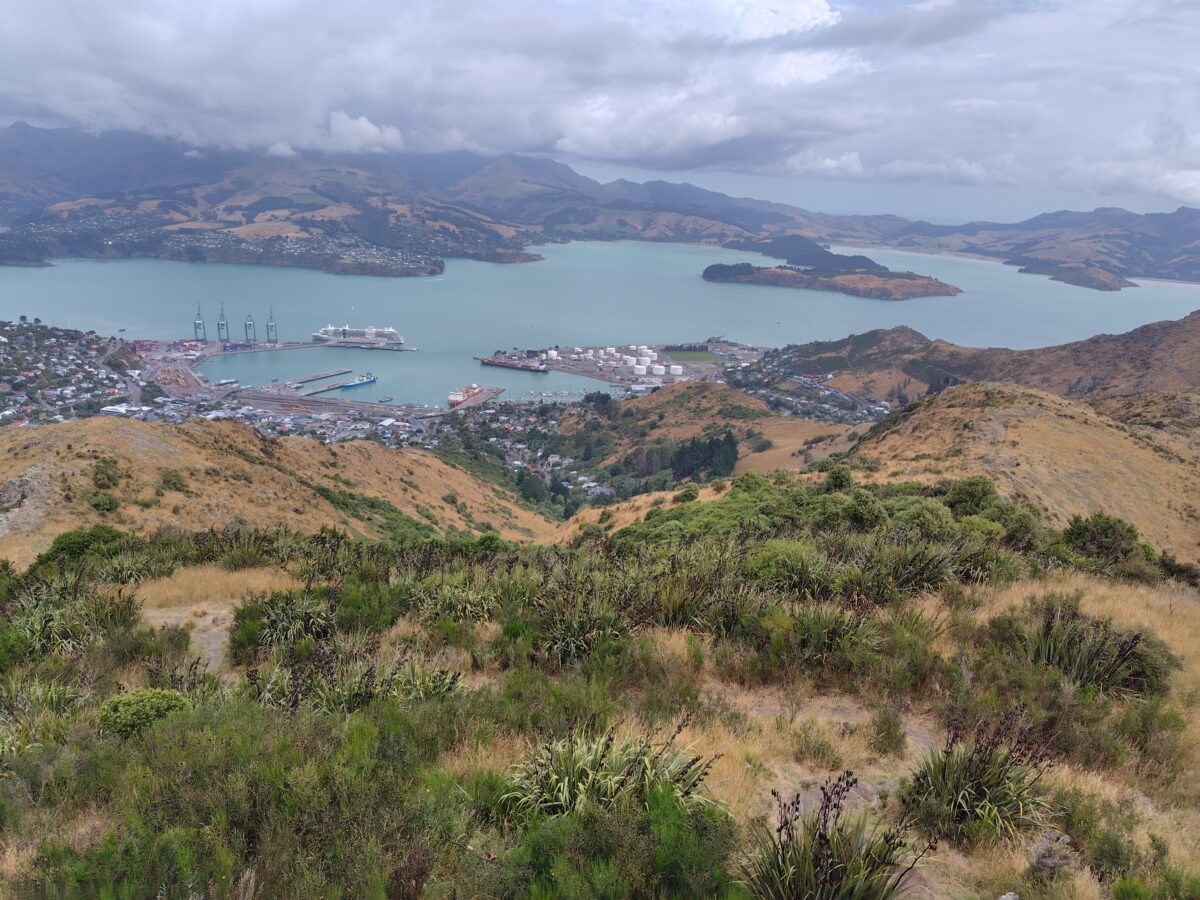
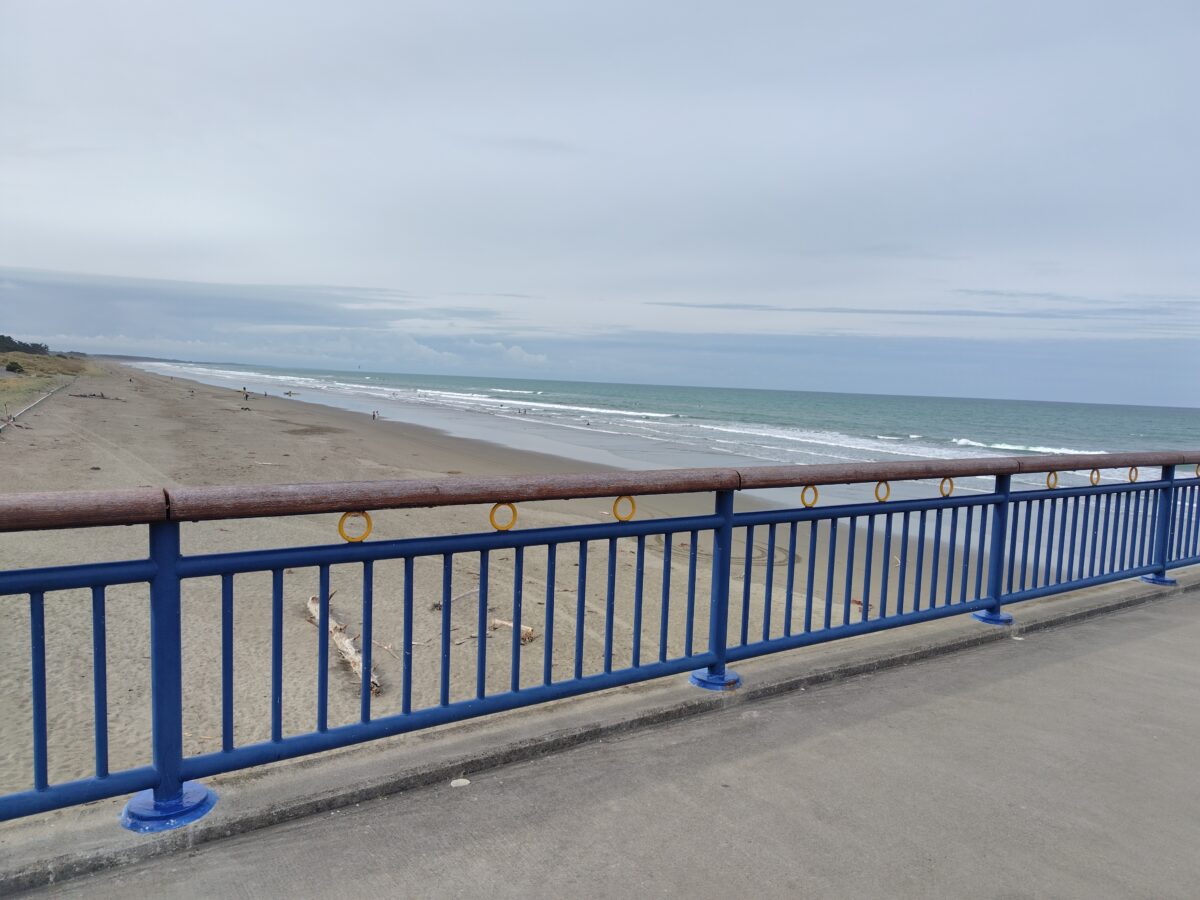
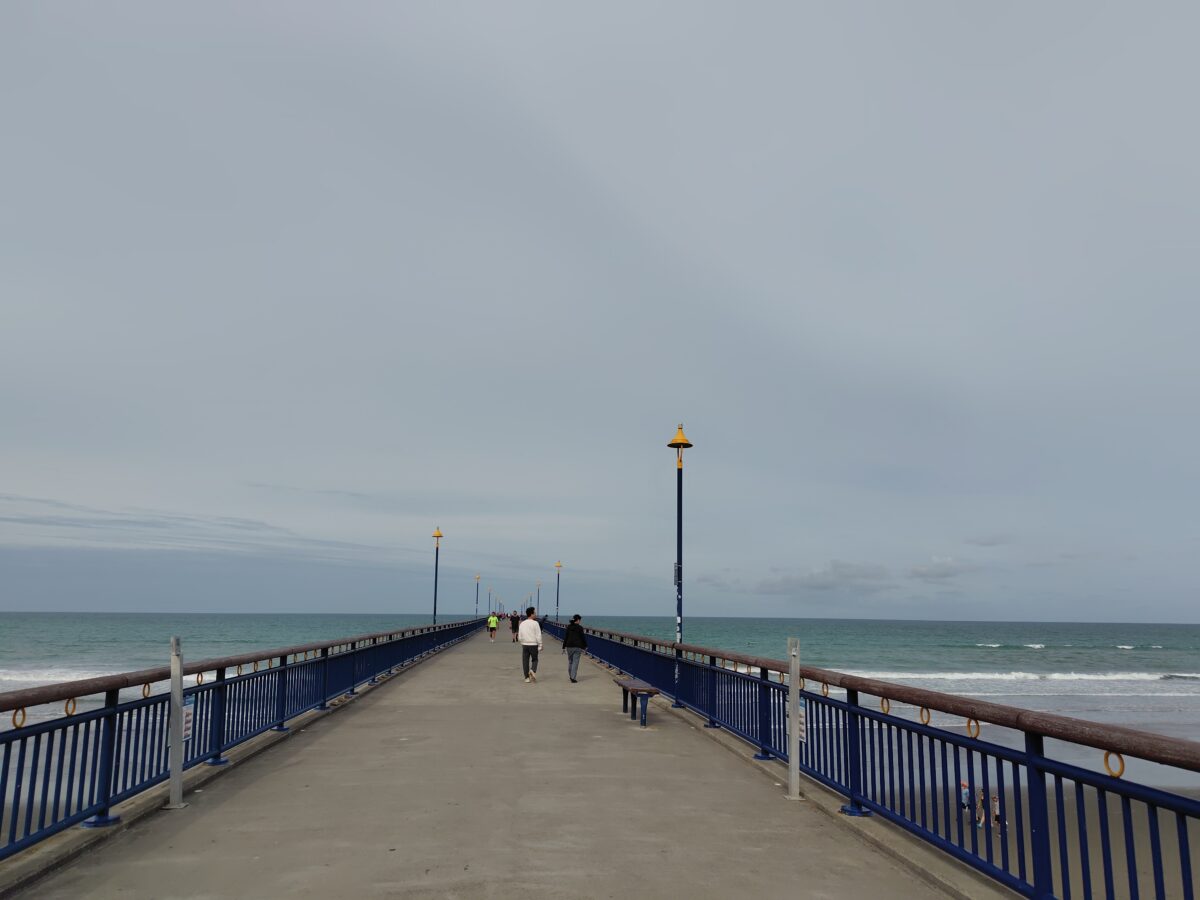
1日目は、昼過ぎから夕方にかけてクライストチャーチ・ゴンドラとニューブライトン・ビーチに行きました。ゴンドラに乗った後は、遠くまで景色が見渡せました。バスで1時間ほどの場所にあるニューブライトン・ビーチの方向もよく分かりましたし、反対側には湾が広がっていて、とてもきれいな景色でした。その後ニューブライトン・ビーチに着いたときには、友達と「さっきいたゴンドラの頂上が見えるかな」と話していましたが、実際に見えたかどうかはよく分かりませんでした。
-
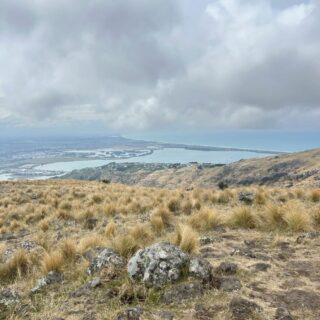
New Brighton Beach as seen from Christchurchクライストチャーチ・ゴンドラから見えたニューブライトン・ビーチ
-

The bay as seen from Christchurchクライストチャーチ・ゴンドラから見えた湾
-
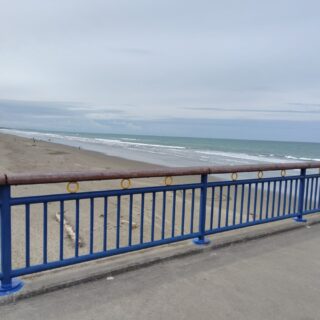
New Brighton Beachニューブライトン・ビーチ
-
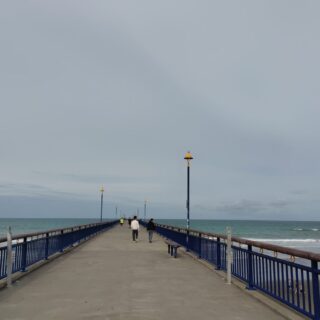
On the bridge near New Brighton Beachニューブライトン・ビーチの近くにある橋の上
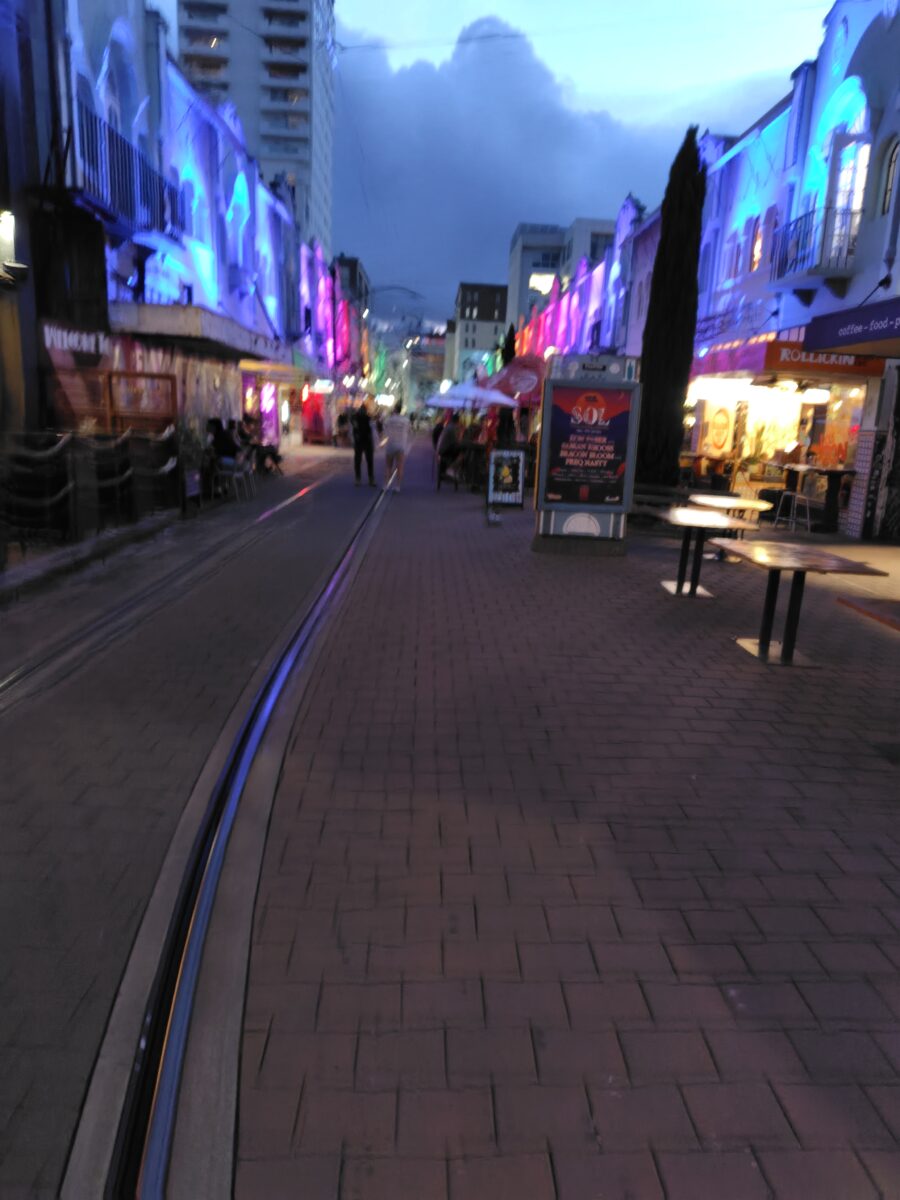
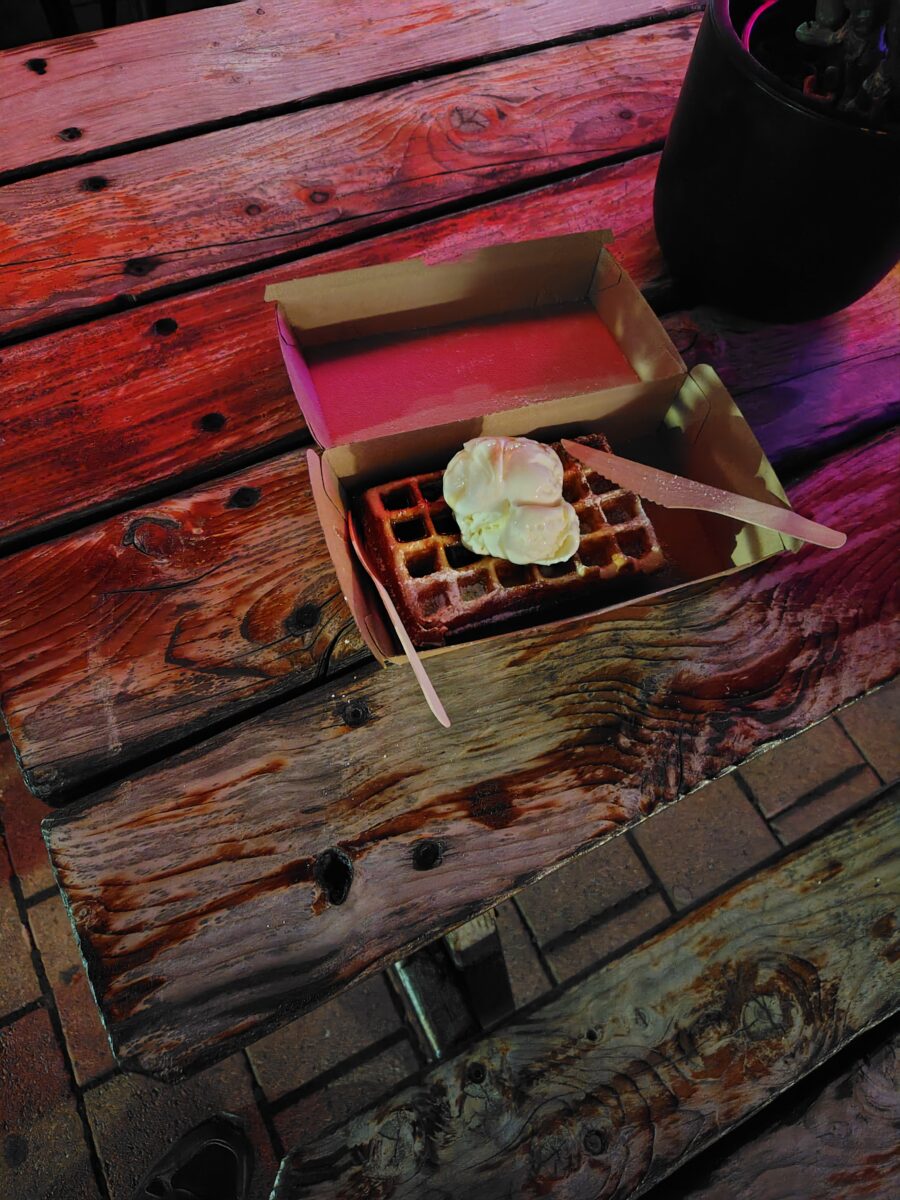
夜にはニューリージェント・ストリートに行きました。21時30分頃の通りは、ライトアップされていてとてもきれいでした。本当は、走っているトラムを見ながらジェラートを食べたかったのですが、トラムは18時頃までしか運行していないことを知り、ジェラートは翌日に食べることにしました。少し歩いているとワッフルのお店を見つけ、バニラアイスの乗ったワッフルを食べました。夜遅い時間に食べたスイーツは、いつもよりおいしく感じました。
-
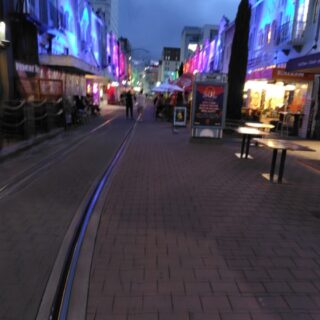
New Regent Street at twilight (21:37)夕暮れ時のニューリージェント・ストリート(21時37分)
-
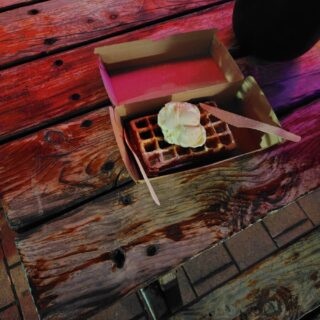
The waffle I ate before 22:0022時前に食べたワッフル
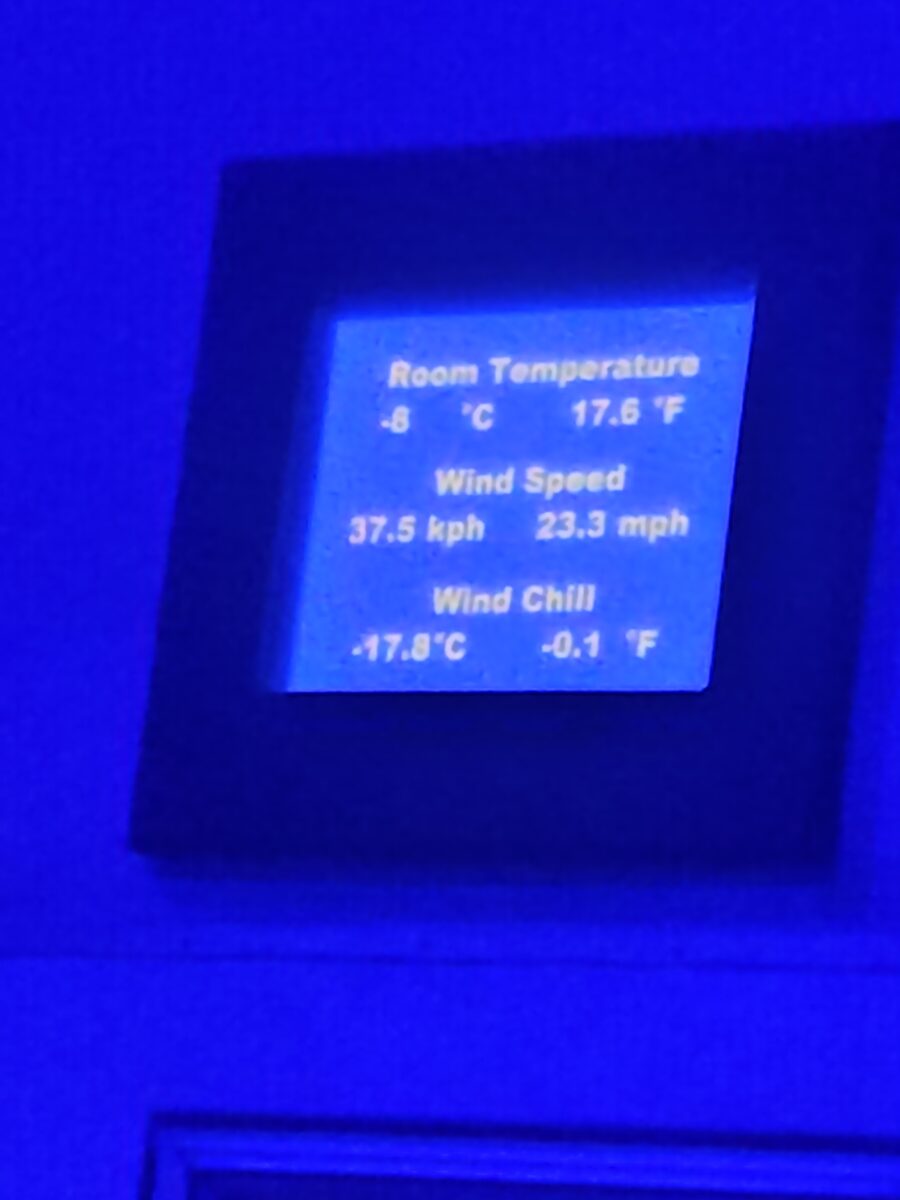
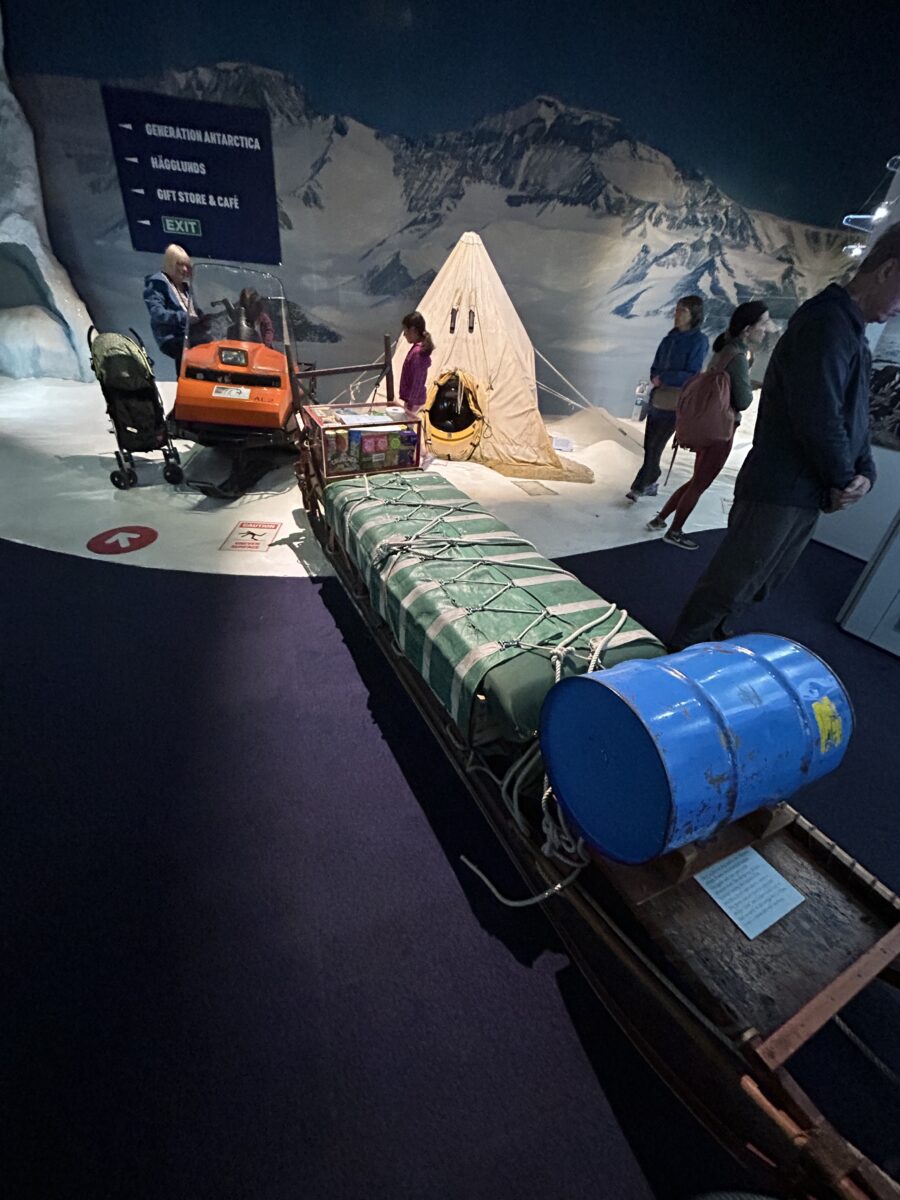
2日目は、まずカセドラル・スクエアからシャトルバスに乗って国際南極センターとウィローバンク野生動物保護区に行きました。国際南極センターでは、南極のような強い雪の暴風や低温を体験し、南極で生活することの厳しさを実感しました。また、南極にいるようなペンギンを見ることができ、南極のキャンプで使う装備も展示されていて、どれも重そうで過酷だと感じました。
-
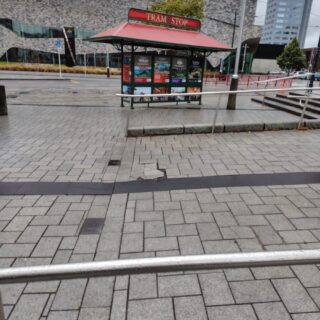
Cathedral Squareカセドラル・スクエア
-
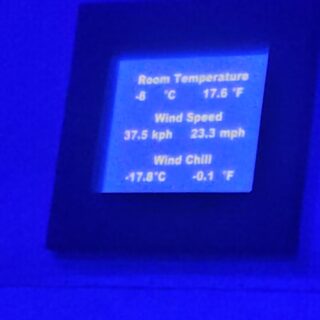
Temperature gauge and wind気温と風速のメーター
-
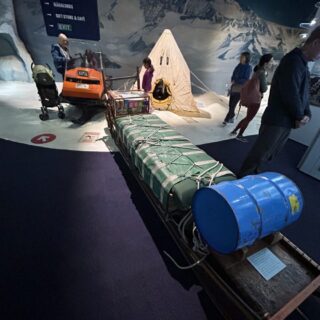
Heavy-looking luggage重そうな荷物
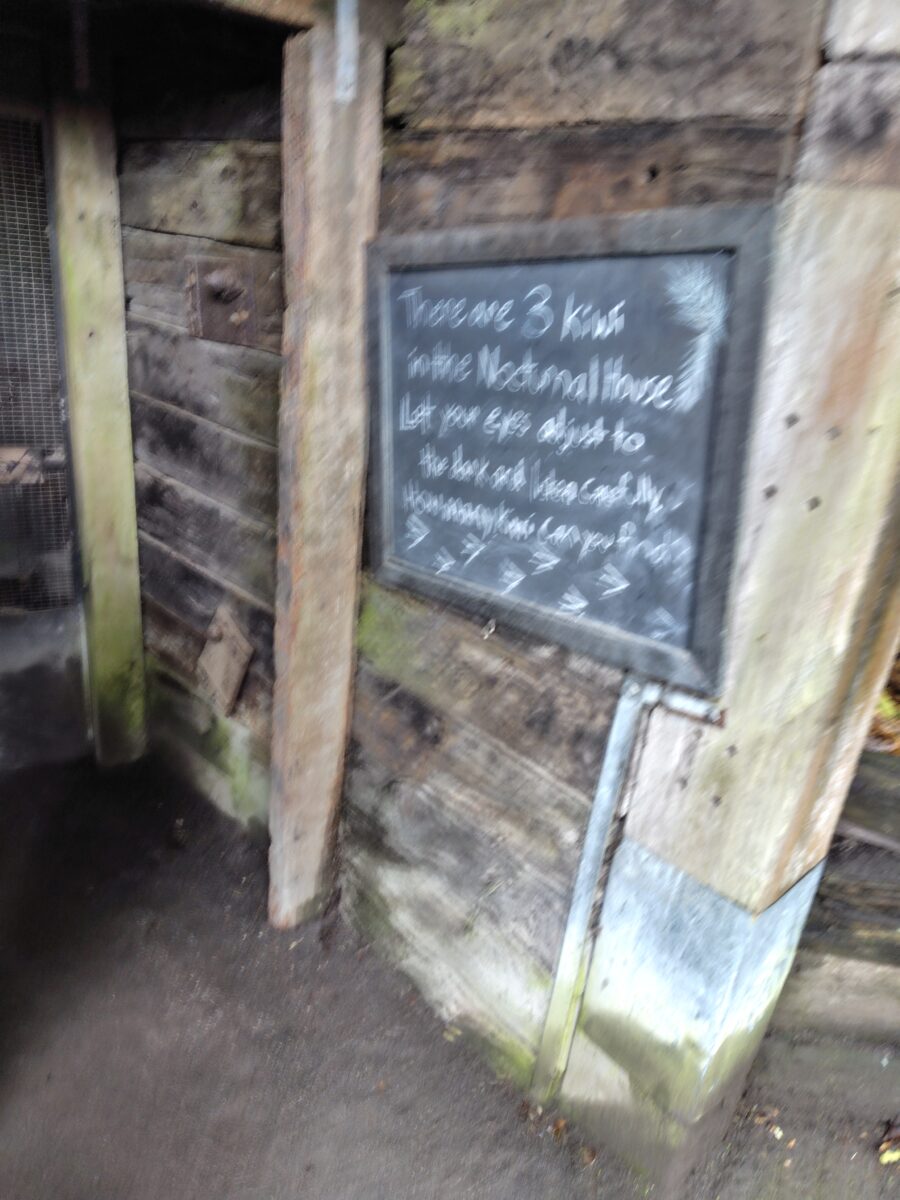
その後に訪れたウィローバンク野生動物保護区では、さまざまな種類の鳥や馬、牛などの動物を見ることができました。友達は動物に餌をあげていましたが、私は手を近づけるのが怖かったので、餌を投げるようにしてあげました。1回だけ餌やりに成功して嬉しかったです。最後にニュージーランドの国鳥であるキーウィを見ることができました。暗いところにいたので見づらかったものの、見ることができてよかったです。
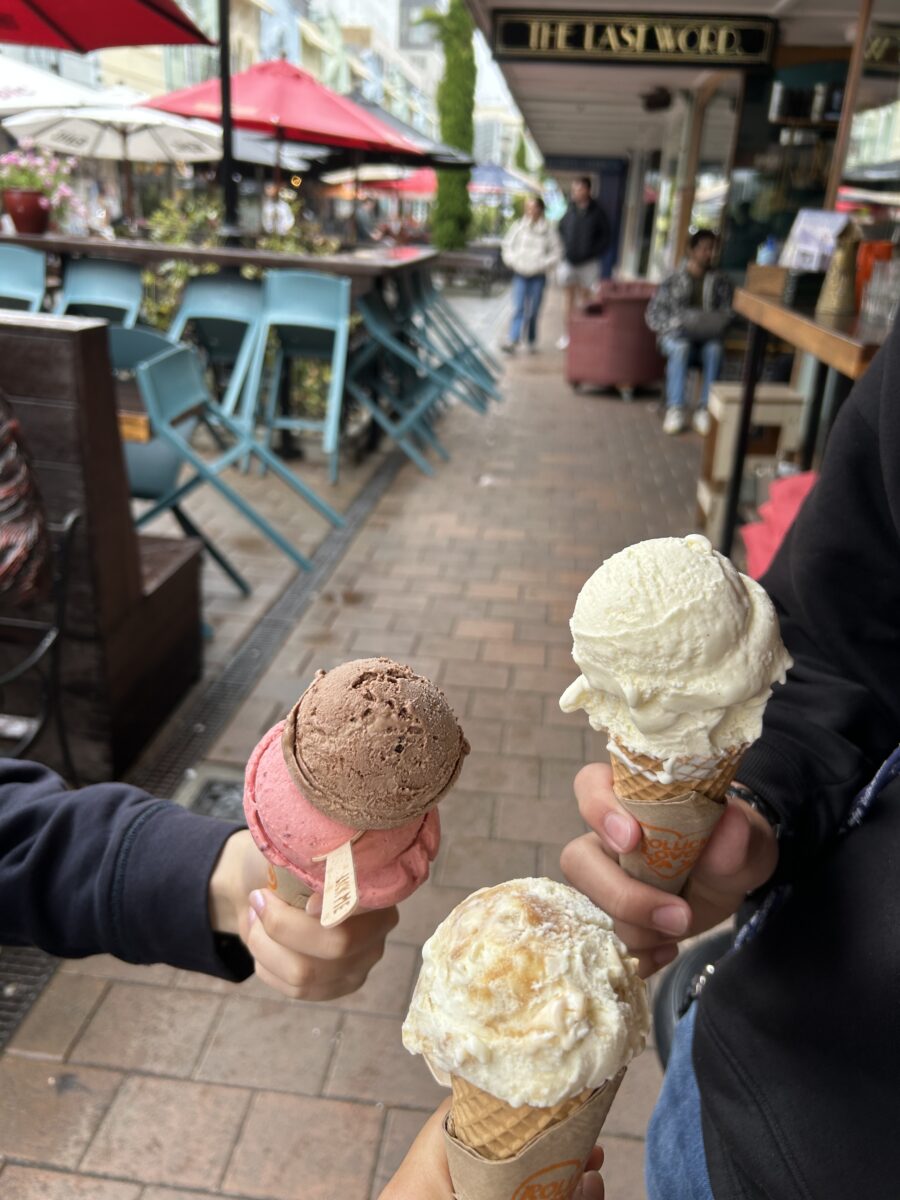
そのあと16時30分頃にニューリージェント・ストリートに行きましたが、あいにくの雨でした。ジェラート店の屋根のある外席からトラムが見られるか期待していましたが、残念ながらジェラートを食べ終わるまでトラムは現れませんでした。
-
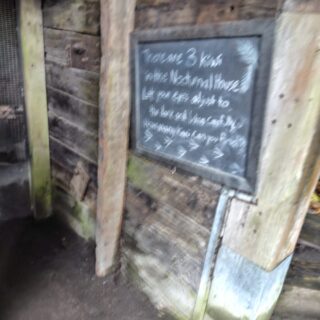
Signboard before viewing the kiwiキーウィを見る前の看板
-
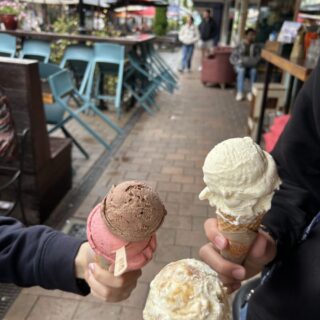
Gelato eaten while waiting for the tramトラムを待ちながら食べたジェラート
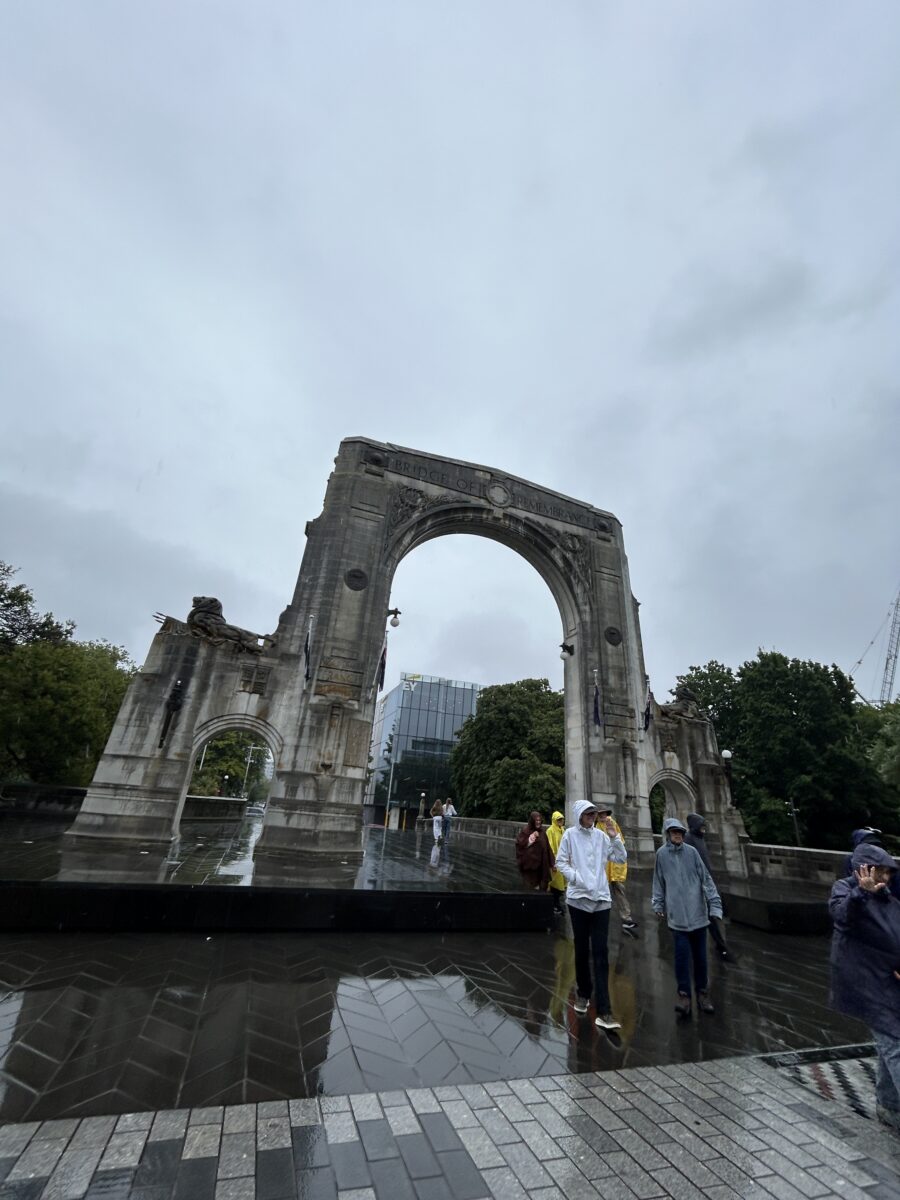
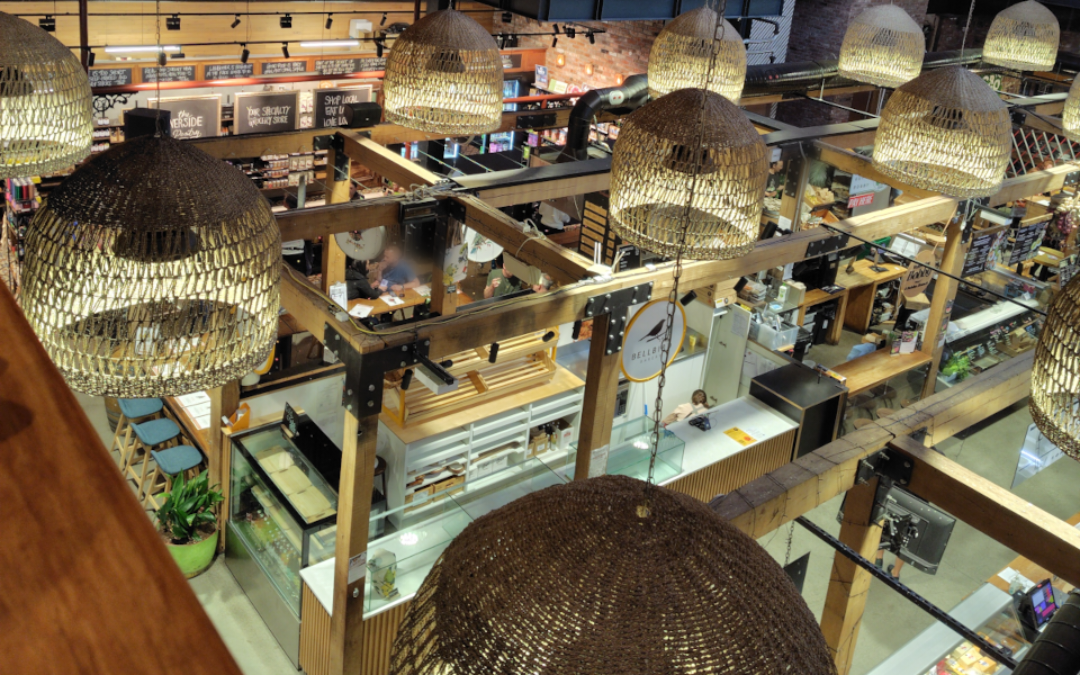
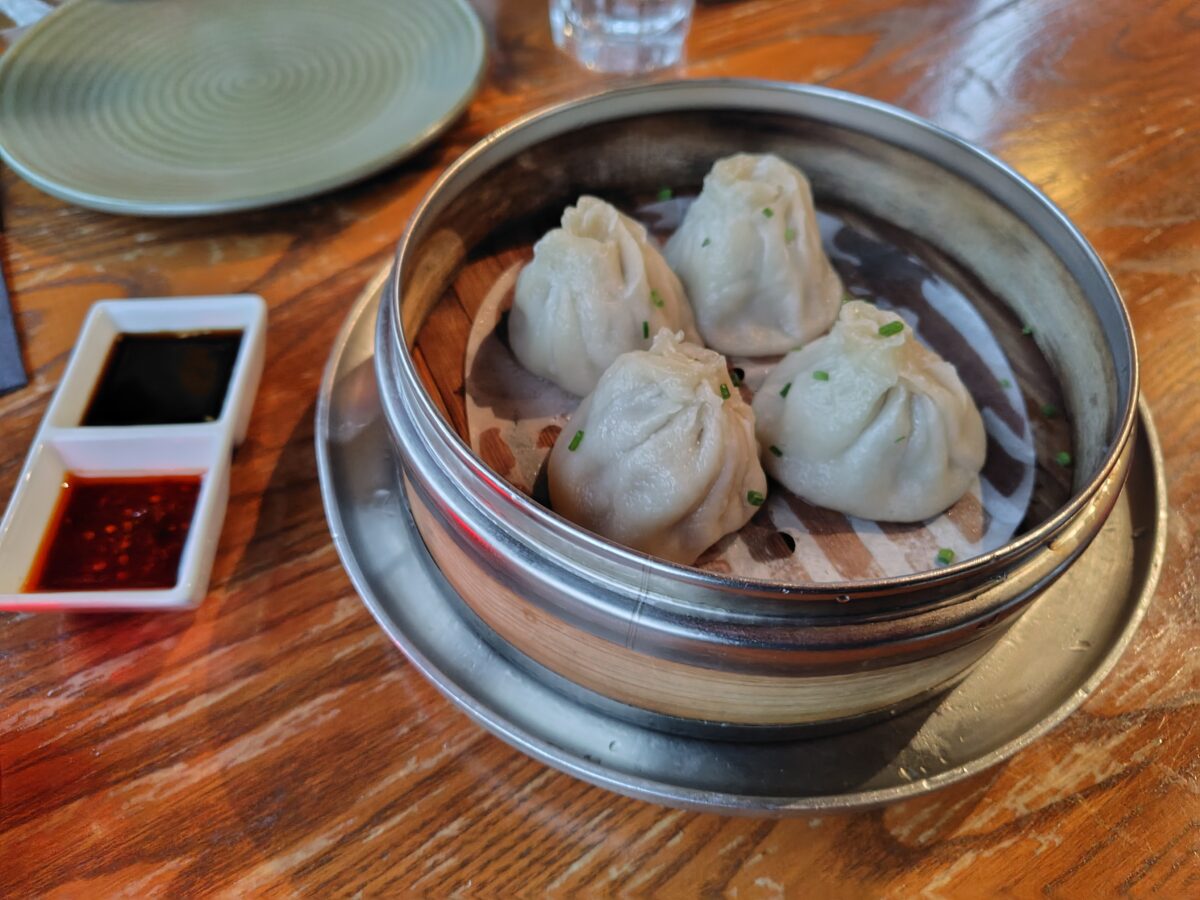
夕方にはリバーサイド・マーケットに行き、近くにある追憶の橋も訪れました。マーケットにはたくさんの店があり、どこで食事をするか意見が分かれてかなり迷いましたが、最終的に中華料理にしました。中華料理はいつでも食べられる気がしますが、旅行中に食べた中華は特別おいしく感じました。会計のときにマーケット内のアイス店の割引券をもらえたので、中華料理を選んでよかったと思いました。私はまだお腹が空いていたので、そのアイス店でパフェを買いました。
-
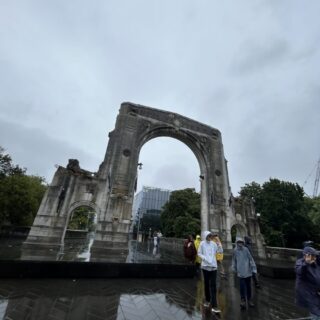
The Bridge of Remembrance追憶の橋
-
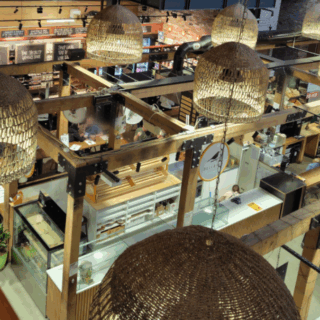
A view of Riverside Market taken from 上から撮ったリバーサイド・マーケットの様子
-
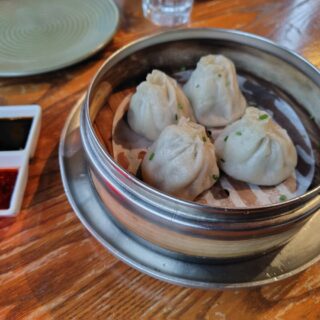
The xiaolongbao we ate at Riverside Marketリバーサイド・マーケットで食べた小籠包
-

The fried rice we ate at Riverside Marketリバーサイド・マーケットで食べた炒飯

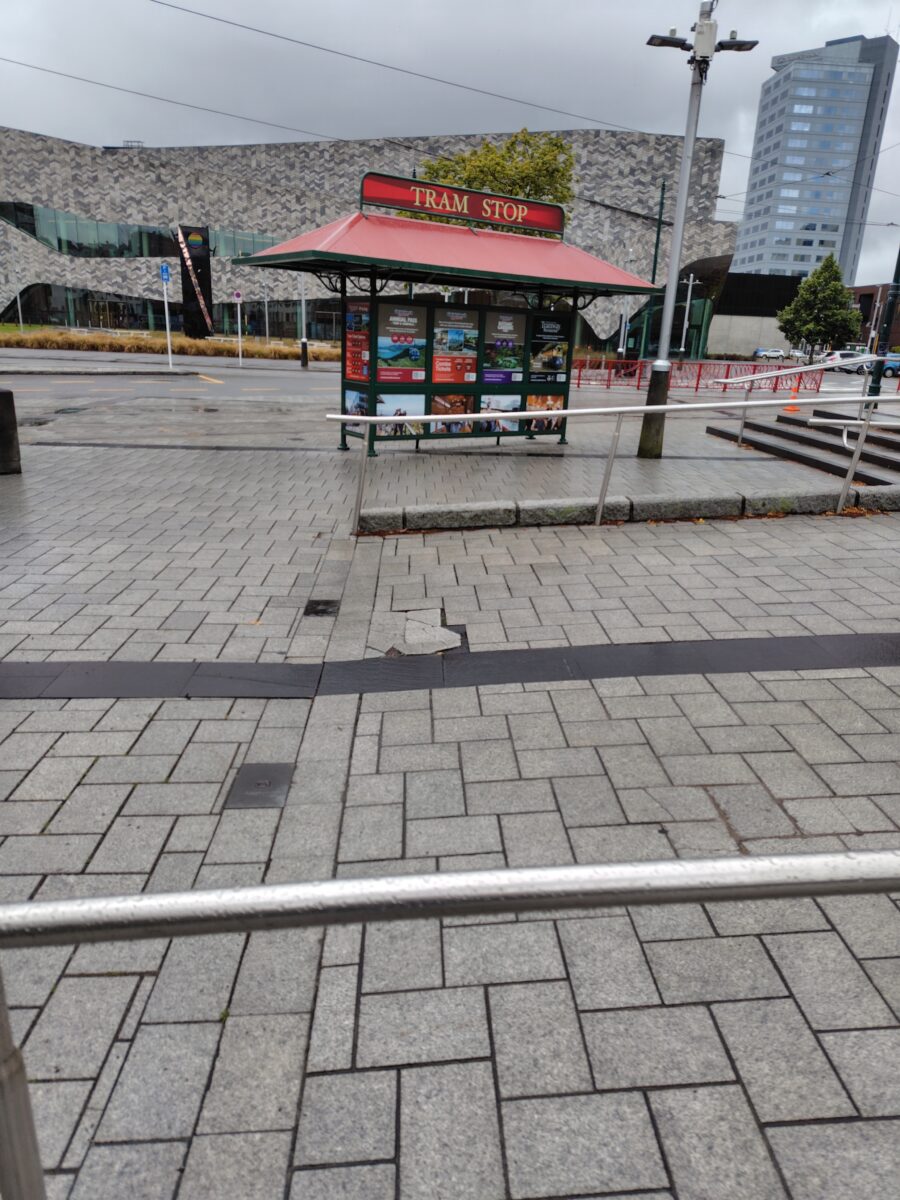
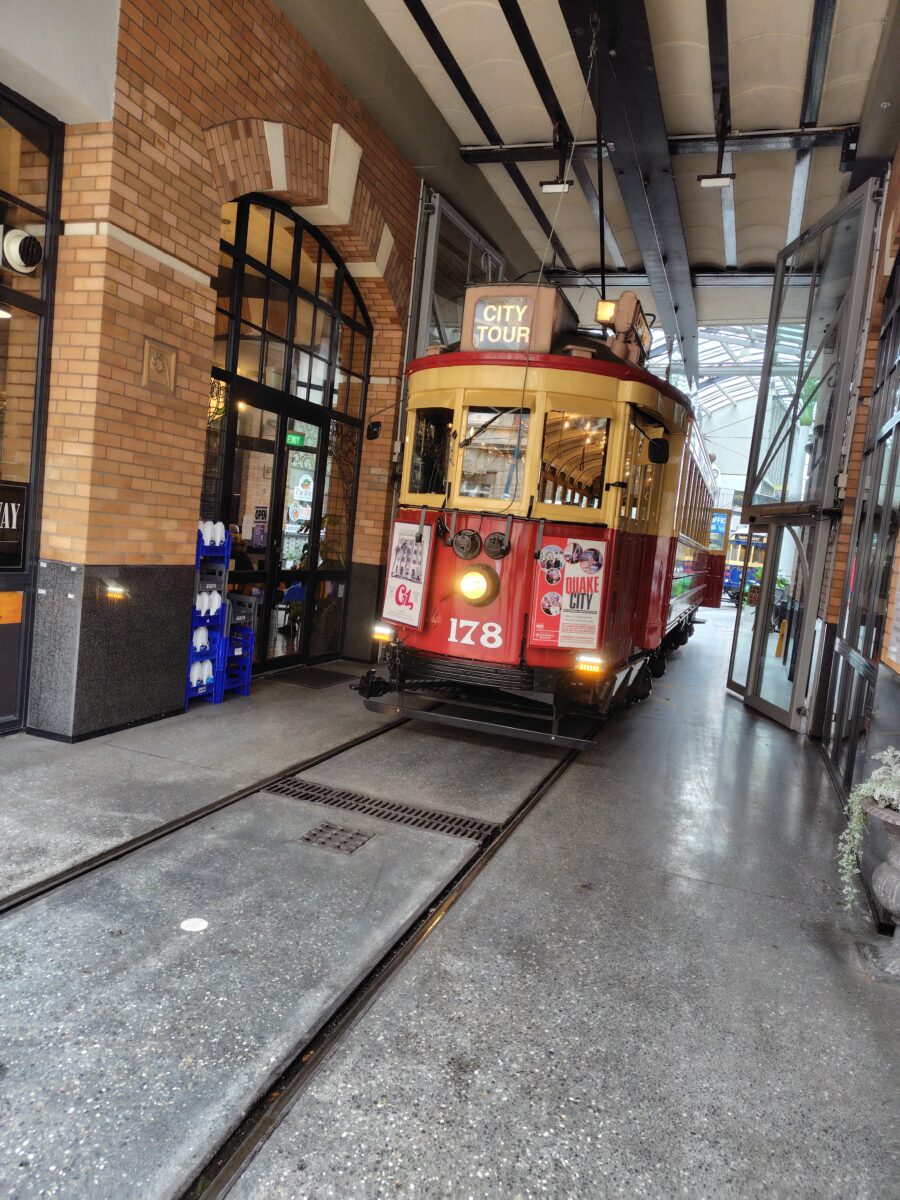
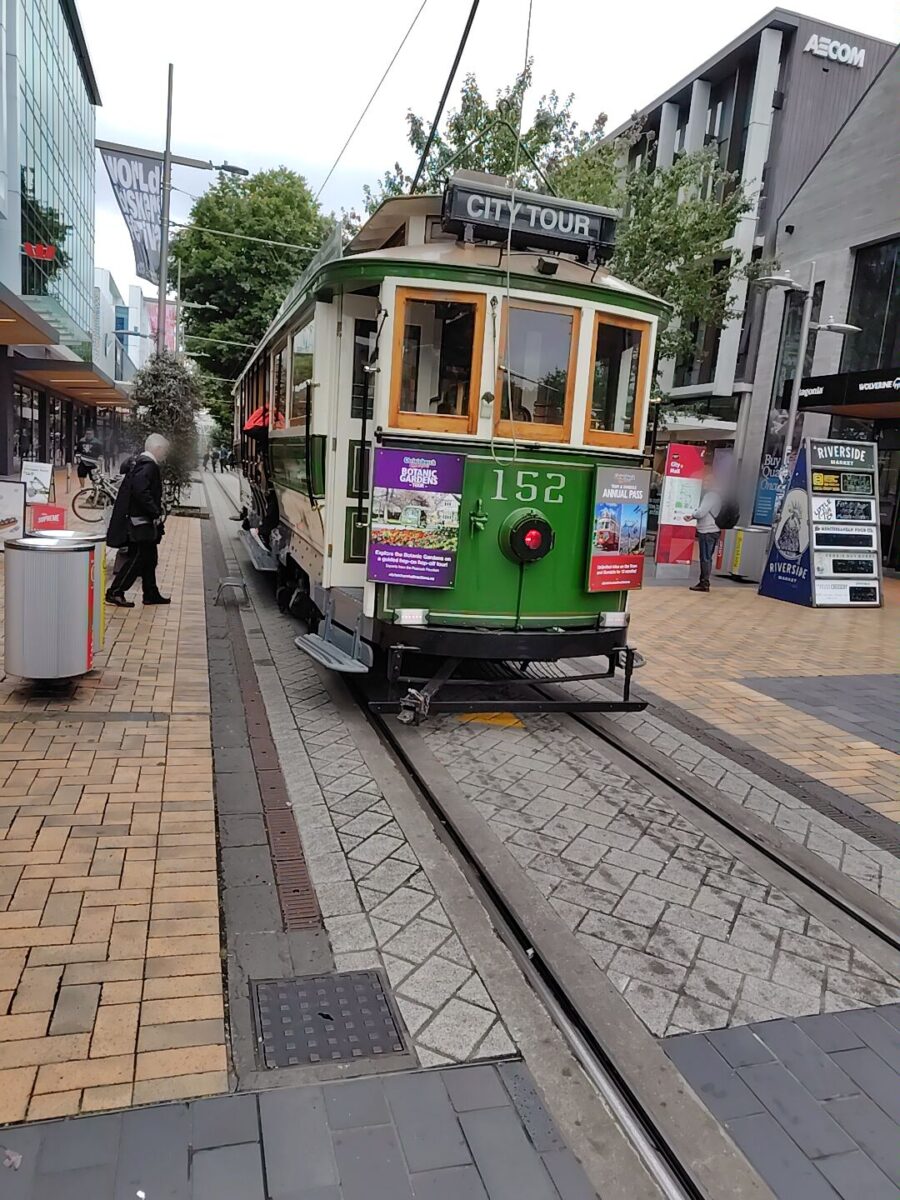
3日目の朝はトラムに乗ってカードボード・カセドラルとクライストチャーチ・アートセンターに行きました。移動の途中では、前日にシャトルバスで通ったカセドラル・スクエアを通り、アートセンターからリバーサイド・マーケットへ向かうときには、1日目と2日目に訪れたニューリージェント・ストリートも見えました。トラムから見る景色は、歩いて訪れたときとはまた違い、とても新鮮でした。
-
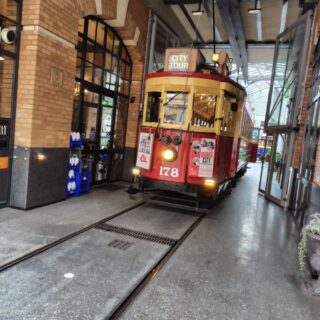
The tram while we were going from the Cardboard Cathedral to the Art Centre of Christchurch カードボード・カセドラルからクライストチャーチ・アートセンターに移動した時に乗ったトラム596
-
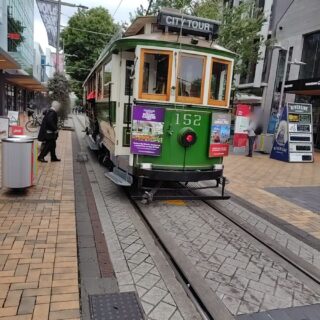
The tram while we were going from the Art Centre of Christchurch to Riverside Market クライストチャーチ・アートセンターからリバーサイド・マーケットに移動した時に乗ったトラム
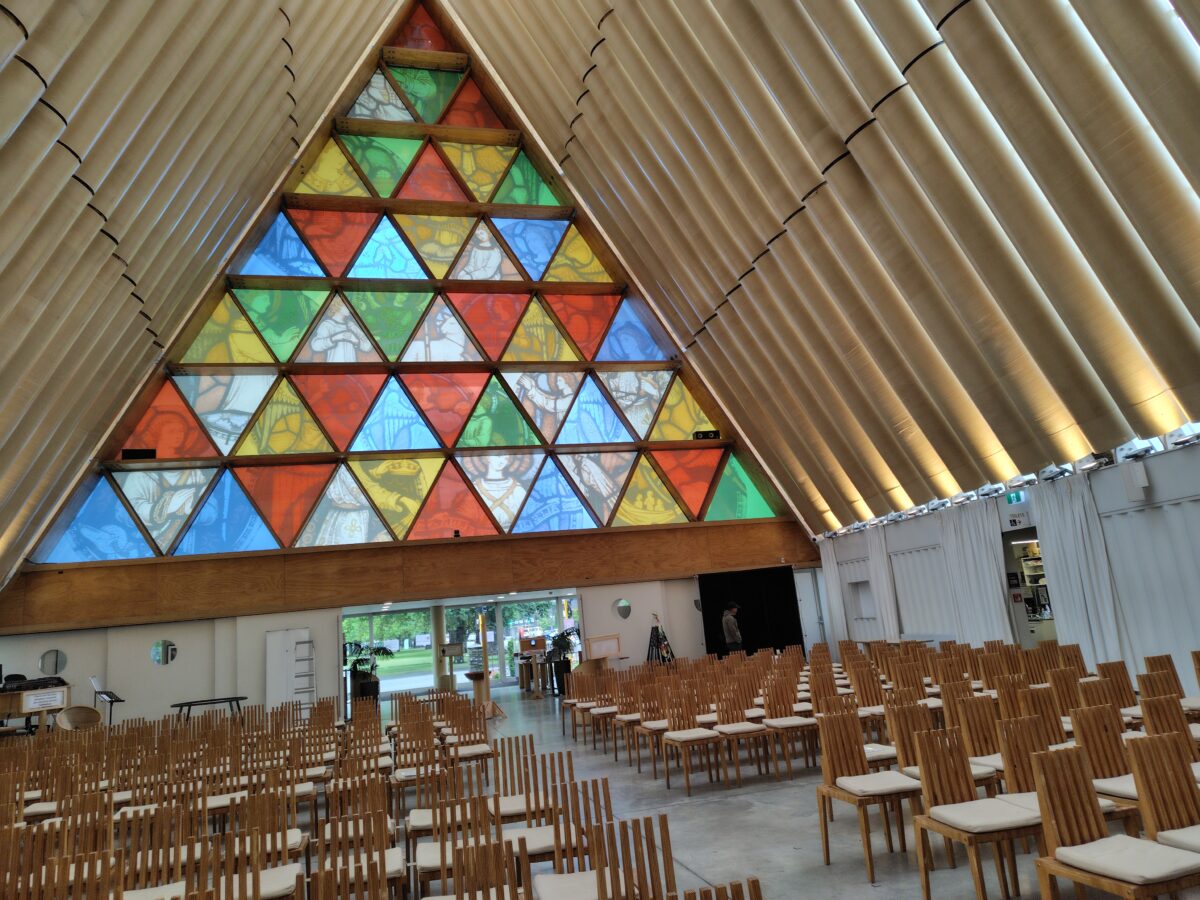
カードボード・カセドラルでは、建物全体に神聖な雰囲気があり、2011年の地震で倒壊したクライストチャーチ大聖堂の代わりに建てられたもので、日本人の建築家が設計したことを知りました。聖堂に入るのは初めてだったので、とても印象に残りました。日本の聖堂にも行ってみたいと思いました。
アートセンターでは、多くの芸術作品を見ることができました。飾られている絵を眺めながら、そこからいろいろなことを想像するのが楽しかったです。レインボーのブランコを見つけて乗りたかったのですが、雨で濡れていたため今回は諦めました。
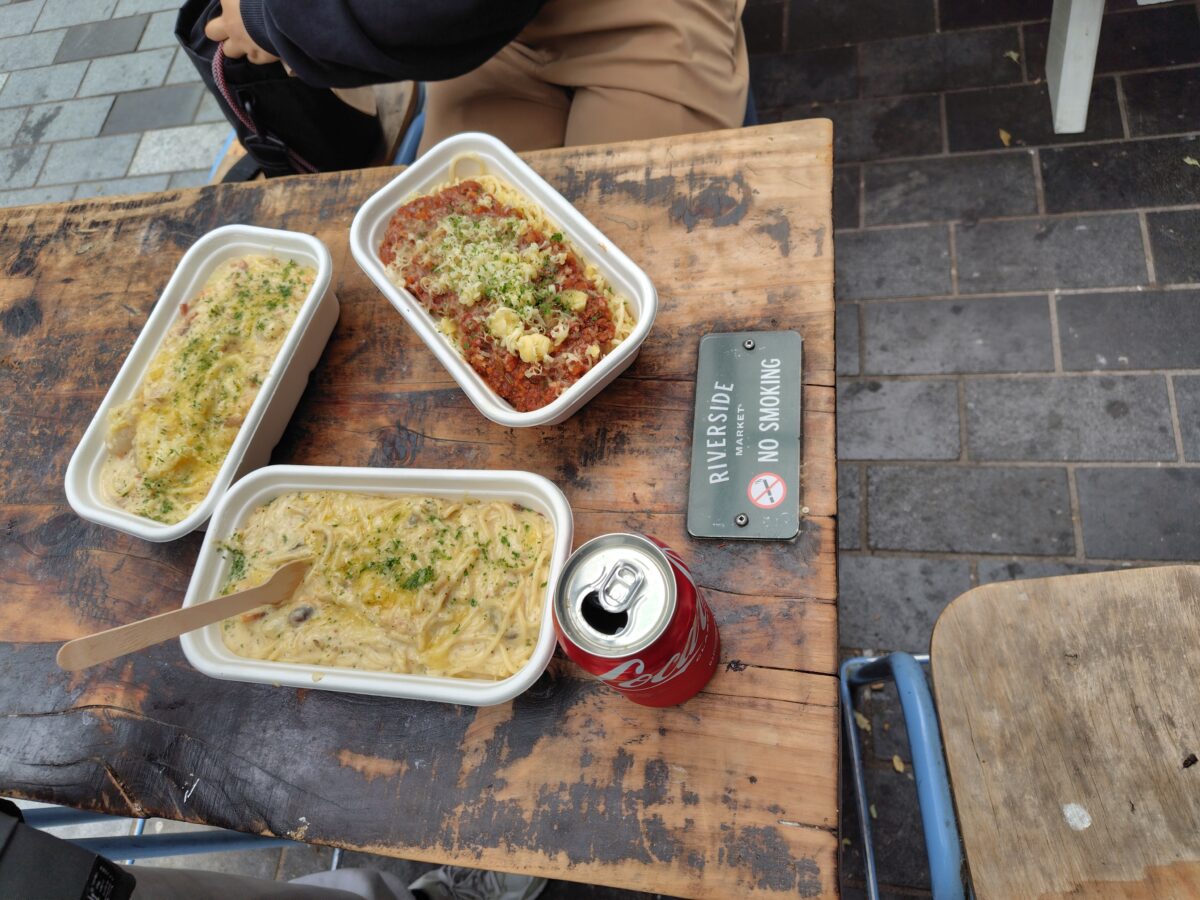
昼には、前日に候補に挙がっていたパスタのお店に行きました。多くの種類のシーフードが入ったパスタを注文しました。とてもクリーミーで塩加減もちょうどよく、本当においしかったです。
-
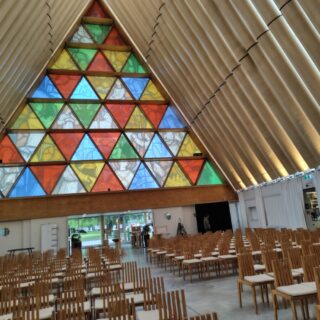
Cardboard Cathedralカードボード・カセドラル
-
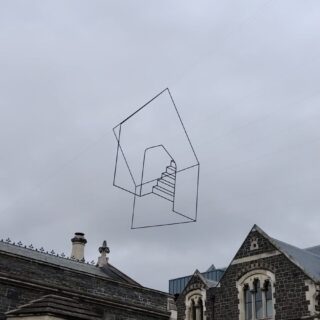
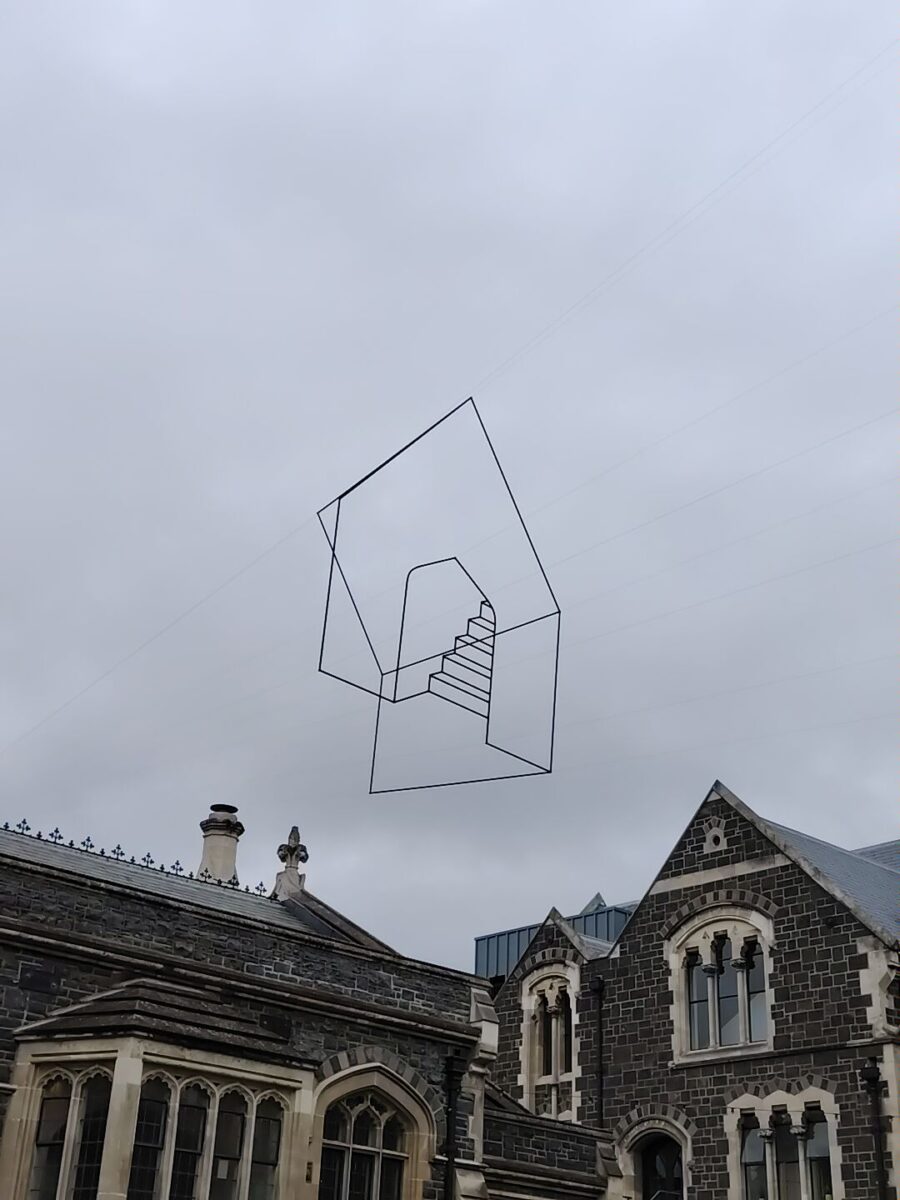
The Art Centre of Christchurchクライストチャーチ・アートセンター
-
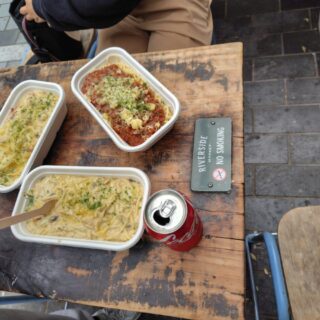
The pasta we ate at Riverside Marketリバーサイド・マーケットで食べたパスタ
今回のクライストチャーチ旅行は、ニュージーランドに来てから一番の良い思い出となりました。この旅行は決して私一人では実現できなかったと思います。旅行に行かせてくれた両親、そして一緒に行ってくれた友達にとても感謝しています。
高野 健太郎
Hello, I’m Kentaro Takano, a 3rd year student. This is the second time to write a journal from New Zealand. My journal topic is about our trip to Christchurch from Wednesday, January 14, to Friday, January 16.
On the first day of the trip, from midday to evening, we went to the Christchurch Gondola and New Brighton Beach. After getting off the gondola, we could see a view that stretched far into the distance. We could also find the direction of New Brighton Beach, which is about one hour away by bus. In addition, on the opposite side, the bay was spread out, and the scenery was beautiful. After that, when we arrived at New Brighton Beach, I said, “Can we see the peak of the gondola that we were on?” We did not know whether we could see it or not.
-
New Brighton Beach as seen from Christchurchクライストチャーチ・ゴンドラから見えたニューブライトン・ビーチ
-
The bay as seen from Christchurchクライストチャーチ・ゴンドラから見えた湾
-
New Brighton Beachニューブライトン・ビーチ
-
On the bridge near New Brighton Beachニューブライトン・ビーチの近くにある橋の上
At night, we went to New Regent Street. The street around 21:30 was very beautiful because it was lit up. We really wanted to eat gelato while watching the tram, but we found out that the trams run only until around 18:00, so we decided that we would eat gelato the next day. After walking a little, we found a store that sold waffles, and I ate a waffle with vanilla ice cream. I felt that the waffle and ice cream I ate late at night were more delicious than when I eat them at a normal time.
-
New Regent Street at twilight (21:37)夕暮れ時のニューリージェント・ストリート(21時37分)
-
The waffle I ate before 22:0022時前に食べたワッフル
On the second day, we took a shuttle bus from Cathedral Square and went to the International Antarctic Centre and Willowbank Wildlife Reserve. At the International Antarctic Centre, we experienced very strong winds with snow and low temperatures like those in Antarctica, and I felt that making a living in Antarctica would be very hard. In addition, we could see penguins as if they were in Antarctica, and the equipment that people use there was displayed. I noticed that all of it was heavy.
-
Cathedral Squareカセドラル・スクエア
-
Temperature gauge and wind気温と風速のメーター
-
Heavy-looking luggage重そうな荷物
At Willowbank Wildlife Reserve, which we visited afterwards, we could see many varieties of animals like birds, horses, and cows. My friends fed to the animals, but I was afraid to bring my hand close, so I gave them food by throwing it. Lastly, we could see the kiwi, which is the national bird of New Zealand. It was hard for us to see them because they were in a dark place; however, I felt good because I could see the kiwi.
Afterwards, around 16:30, we went to New Regent Street, but unfortunately, it was raining there. We expected that we could see the tram from the outside seating area with a roof at the store where gelato is sold. However, unfortunately, the tram did not appear until we finished eating gelato.
-
Signboard before viewing the kiwiキーウィを見る前の看板
-
Gelato eaten while waiting for the tramトラムを待ちながら食べたジェラート
In the evening, we went to Riverside Market and the Bridge of Remembrance, which is near Riverside Market. The market has many stores, and we were quite torn about where to eat as our opinions differed. Finally, we decided to go to a Chinese food restaurant. I felt that even though we can eat Chinese food anytime, the Chinese food we ate there was especially delicious. When paying, we received a coupon from the store that sells ice cream in Riverside Market, so I thought that choosing Chinese food was a good decision. I was still hungry, so I bought a parfait from the ice cream store.
-
The Bridge of Remembrance追憶の橋
-
A view of Riverside Market taken from 上から撮ったリバーサイド・マーケットの様子
-
The xiaolongbao we ate at Riverside Marketリバーサイド・マーケットで食べた小籠包
-
The fried rice we ate at Riverside Marketリバーサイド・マーケットで食べた炒飯
On the morning on the 3rd day of the trip, we rode the tram and went to the Cardboard Cathedral and the Art Centre of Christchurch. During the journey, we passed through Cathedral Square, which we had visited the day before, and we could also see New Regent Street, which we had visited on the 1st day and the 2nd day of the trip. The view from the tram was different from the view when we walked, and it felt very fresh.
-
The tram while we were going from the Cardboard Cathedral to the Art Centre of Christchurch カードボード・カセドラルからクライストチャーチ・アートセンターに移動した時に乗ったトラム596
-
The tram while we were going from the Art Centre of Christchurch to Riverside Market クライストチャーチ・アートセンターからリバーサイド・マーケットに移動した時に乗ったトラム
At Cardboard Cathedral, the entire building had a sacred atmosphere. The building was built instead of Christchurch Cathedral, which was damaged by an earthquake in 2011, and we learned that the Cardboard Cathedral was built by a Japanese person. It was the first time I had entered a cathedral, and it left a very strong impression on me. I thought that I would like to visit a cathedral in Japan as well.
At the Art Centre of Christchurch, we could see many works of art. When I was looking at the paintings, it was fun to imagine many things. I found a swing that was very colorful, so I wanted to ride on it. However, I gave up riding it because the swing was wet due to the rain.
During the day, we went to a store where pasta was sold. I ordered pasta with a lot of seafood. It was very creamy, and the level of saltiness was very good, and it tasted really good.
-
Cardboard Cathedralカードボード・カセドラル
-
The Art Centre of Christchurchクライストチャーチ・アートセンター
-
The pasta we ate at Riverside Marketリバーサイド・マーケットで食べたパスタ
This Christchurch trip was the best memory I have had since coming to New Zealand. I don’t think this trip could ever have been realized by me alone. I appreciate my parents who let me go on the trip and my friends who went with me.
Kentaro Takano

こんにちは!国際高専2年の万江 琴莉です。
今回私は、エンジニアリングデザインIIB(以下ED)の授業の一部を紹介します。
はじめに、2年生のEDでは、地域活性化を目的とした活動を行っています。その中で私たちは紅はるかを畑で栽培し、ビジネスを学びながら道の駅・瀬女で焼き芋販売などを行ってきました。そして新たな販路拡大を目的に、大野のKuru,ru.さんとのコラボで11月末に高専紅はるかの壺焼き芋の販売やオリジナルグッズを販売しました。
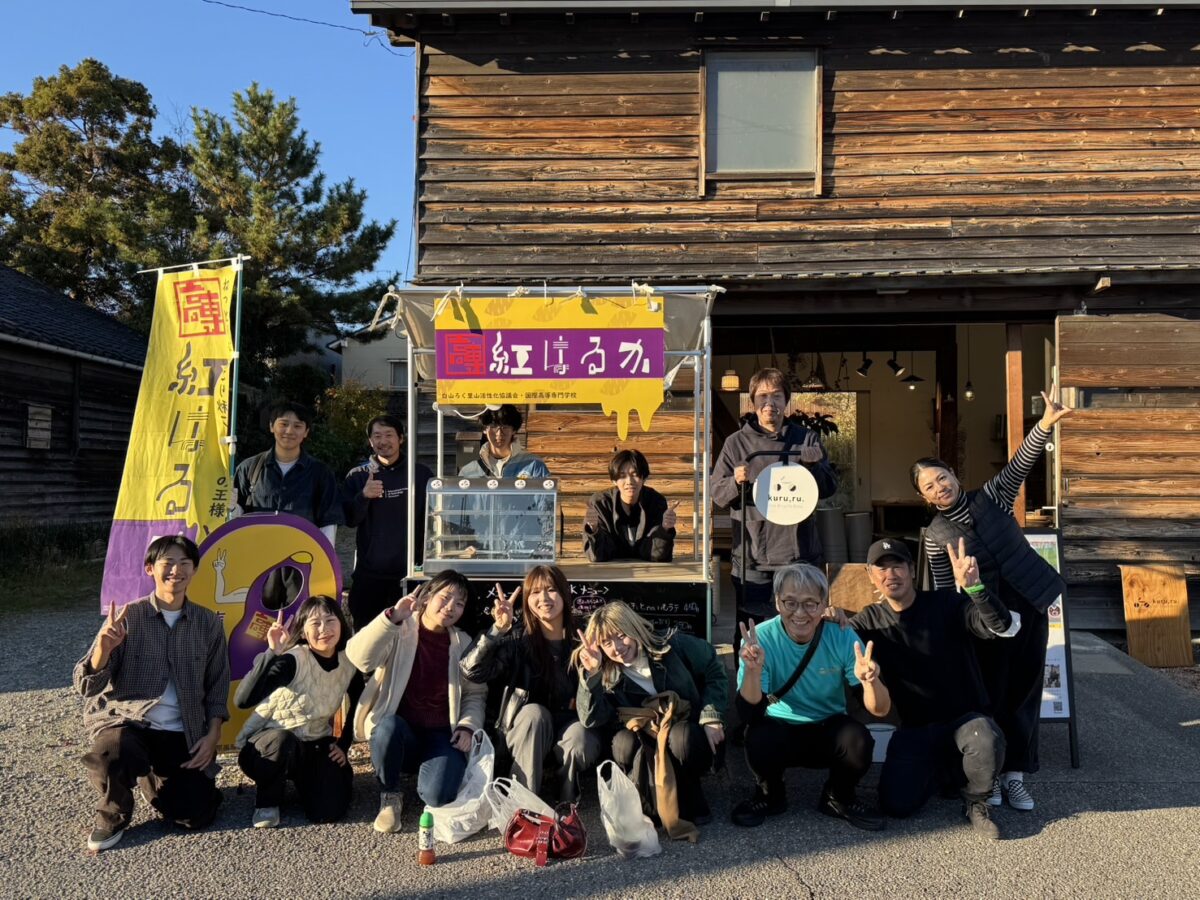
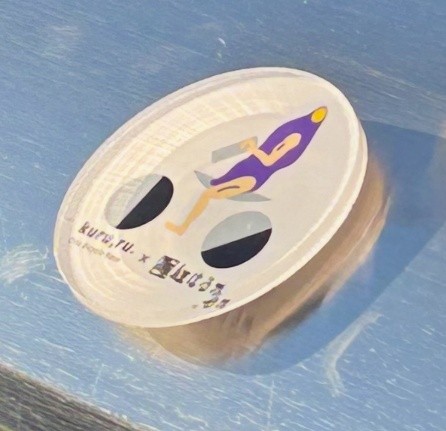
EDの高専紅はるかのプロジェクトは2期生の先輩から改良を重ね受け継がれていましたが、コラボなどこのような取り組みは初めてで、緊張もありながらも、コラボ用の新ロゴを作ったり、グッズを増やしたりと、とても力を入れ取り組んでいきました。
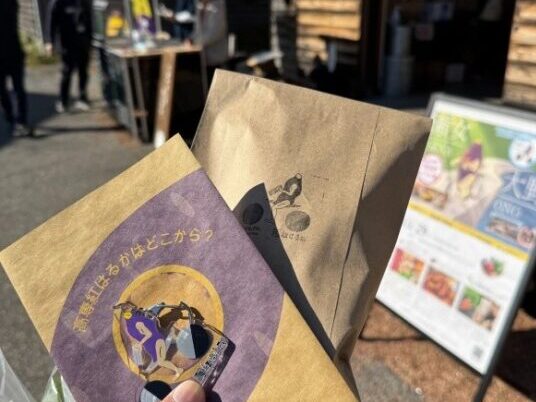
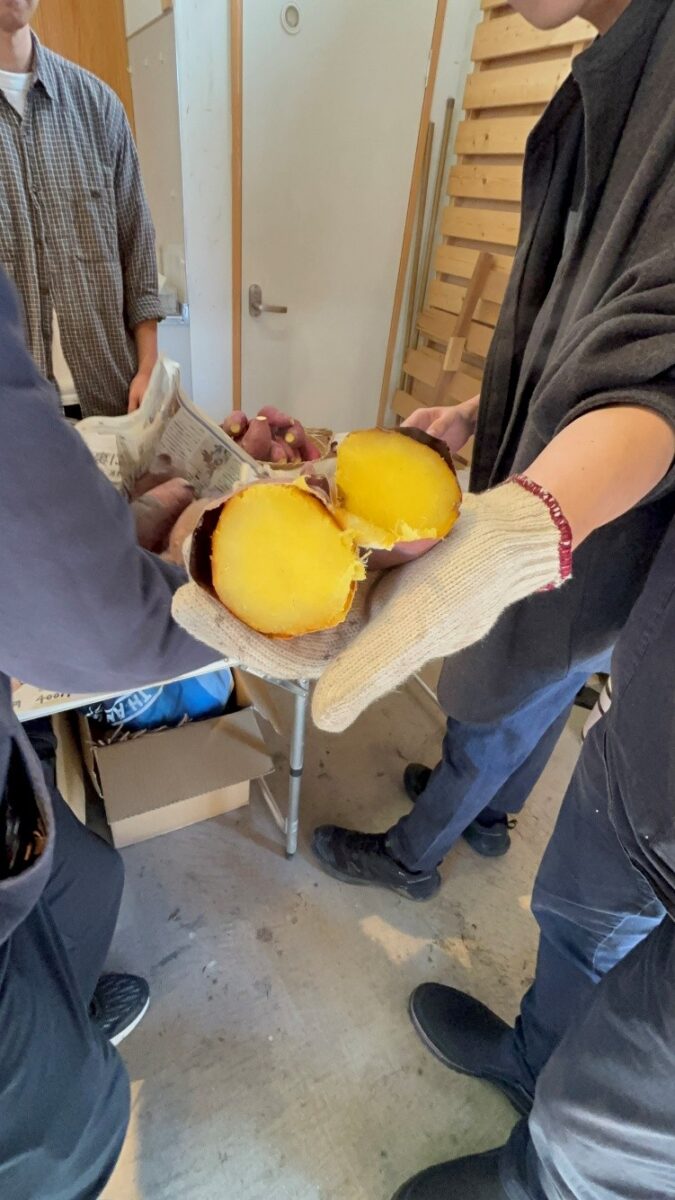
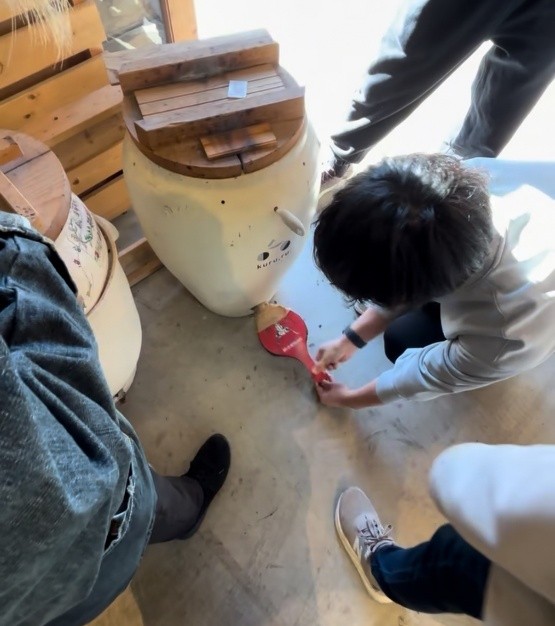
Kuru,ru.さんは壺焼きで焼き芋を作っていて、今回はそちらをお借りして高専紅はるかを壺焼きで販売しました。私たちも試食をしたのですが、同じ紅はるかでもよりねっとりしていて甘く、普通の焼き方と壺焼きの違いをとても感じました。
そして、今回は道の駅・瀬女での販売から改良を行い、グッズをカプセルトイとして販売しました。そこでお店に来てくれた子供たちが「これが当たってほしい!」「この子可愛い!」と盛り上がりながらカプセルトイを回してくれたり、焼き芋だけではなく高専紅はるかのキャラクター達自体の認知が増えたことがブランド強化に繋がりとても嬉しく思いました。また、お店に来てくださった方々もお芋だけではなく国際高専自体にもとても興味を持ってくださり、大野にも私たちの取り組みや高専自体の情報も発信することができ、お互いの地域の話ができる機会となり、貴重な交流の機会となりました。
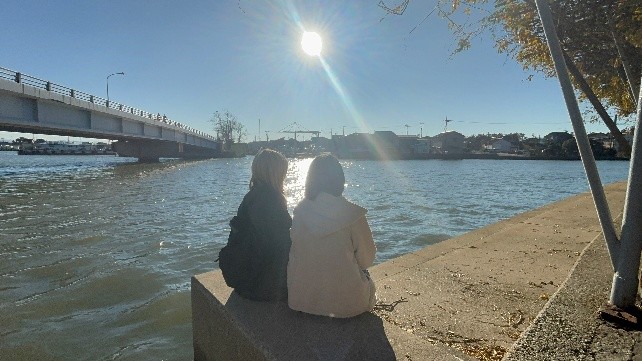
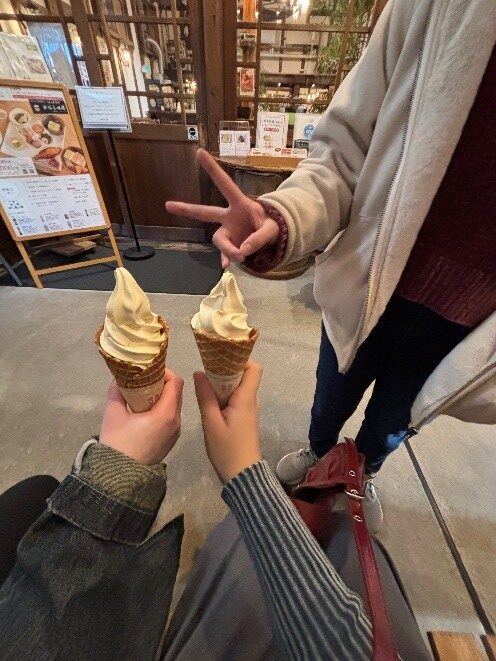
余談ですが、交代で販売を行っていたため休憩のタイミングで大野を散策する時間がありました。Kuru,ru.の方がレンタルサイクルをお貸ししてくださり、海沿いをサイクリングしたり、大野で有名な醤油ソフトを食べてきました。そこで大野ならではの観光ができて、改めて「新しい場所に私たちの高専紅はるかを広げることができたな」と思いました。
ビジネス班として直接地域活性化の貢献や高専生の間に販売活動を経験出来てよかったです。Kuru,ru.の皆様は、お店に来られた方々と積極的にコミュニケーションを取ったり、私たちに もとても親身に壺焼きやお芋を焼くときの工夫を教えてくださったり、お話をしてくださりました。同じ地域活性化の目的を持ちながら、様々な方々と交流することを楽しんでいる姿勢をみて、このようにただ販売をするだけではなく、少しでも交流をすることがお互いの地域について知り合う機会になり、コミュニケーションを取ることの大切さに気付きました。今回の学びをこれからの地域活性化の活動につなげたいと思います。白金祭でも焼き芋販売をしたり、来てくださった方向けの特別メニューを考えているので、私たちもまだまだ気を抜かずに最後まで取り組みます!
万江 琴莉
Hello! I'm Kotori Mae, a 2nd year student at the International College of Technology.
This time, I'd like to introduce part of our Engineering Design IIB (ED) class.
First, in the second-year ED course, we engage in activities aimed at regional revitalization. As part of this, we cultivated Beni Haruka sweet potatoes in the fields and learned about business while selling roasted sweet potatoes at the Roadside Station Sena. Then, aiming to expand new sales channels, we collaborated with Kuru,ru. in Ono to sell Kosen Beni Haruka sweet potatoes baked in clay pots and original goods at the end of November.
The Kosen Beni Haruka project in ED has been passed down and refined by seniors from the second cohort, but initiatives like collaborations were new to us. Despite some nerves, we put a lot of effort into creating a new logo for the collaboration and expanding our merchandise lineup.
Kuru,ru. specializes in clay pot-baked sweet potatoes, and this time we borrowed their method to sell Kosen Beni Haruka sweet potatoes baked in clay pots. We sampled them ourselves and found that even though they were the same Beni Haruka variety, they were creamier and sweeter, really highlighting the difference between regular baking and pot baking.
Furthermore, building on improvements made since our sales at Roadside Station Sena, we sold merchandise as capsule toys this time. Seeing the children who came to the store excitedly saying, “I hope I get this one!” or “This one's cute!” while excitedly spinning the capsule toy machines. Seeing increased recognition not just for the baked sweet potatoes but for the Kosen Beni Haruka characters themselves really boosted the brand, which made us very happy. Also, the people who visited our shop showed great interest not only in the sweet potatoes but in the International Technical College itself. We were able to share information about our initiatives and the college in Ono, creating opportunities to talk about each other's regions and fostering valuable exchanges.
As a side note, since we took turns selling, we had time to explore Ono during breaks. The folks at Kuru,ru. lent us rental bikes, so we cycled along the coast and tried Ono's famous soy sauce soft serve. Experiencing this unique Ono tourism made me realize anew, “We've successfully spread our Kosen Beni Haruka brand to a new place.”
As the business team, it was rewarding to directly contribute to regional revitalization and gain sales experience while still in high school. The Kuru,ru. staff actively communicated with customers visiting the shop. They also kindly shared tips with us about pot-roasting and roasting sweet potatoes, engaging in conversations. Seeing their attitude of enjoying interactions with various people while sharing the same goal of regional revitalization made me realize that simply selling isn't enough. Even small exchanges create opportunities to learn about each other's regions and highlight the importance of communication. I want to apply this lesson to our future regional revitalization activities. We'll also be selling roasted sweet potatoes at the Shirogane Festival and planning a special menu for visitors, so we'll keep pushing forward without letting up until the very end!
Kotori Mae
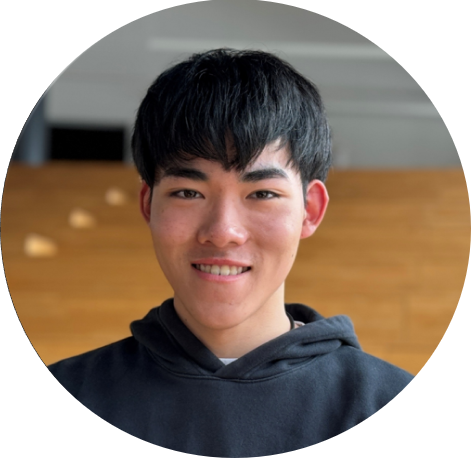 こんにちは。現在、白山麓キャンパスで生活している国際高専2年生の藤原 聖也です。今年の白山麓は去年と比べると落ち着いた積雪量ですが、相変わらず白山は真っ白で、朝起きて窓の外を見るたびに冬の厳しさと自然の美しさを実感しています。普段は寮とキャンパスを行き来する生活が中心ですが、この時期ならではの雪景色を楽しめるのは白山麓で生活している特権だと感じています。
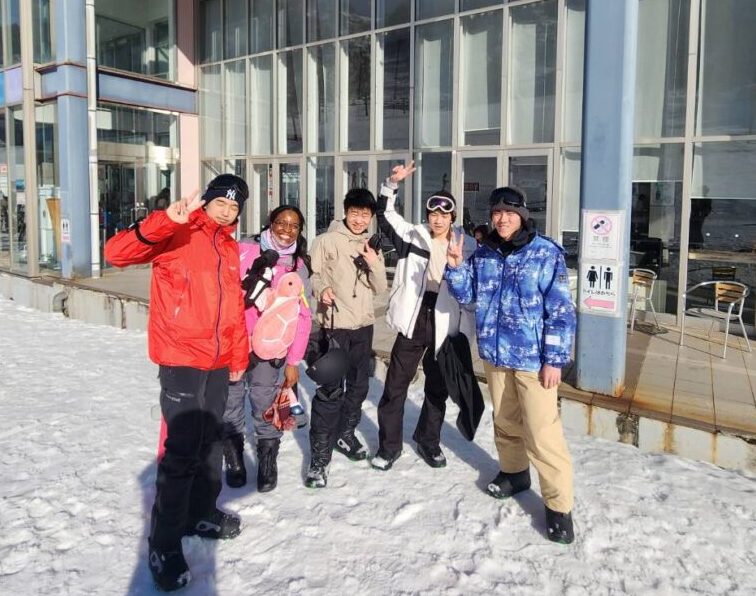
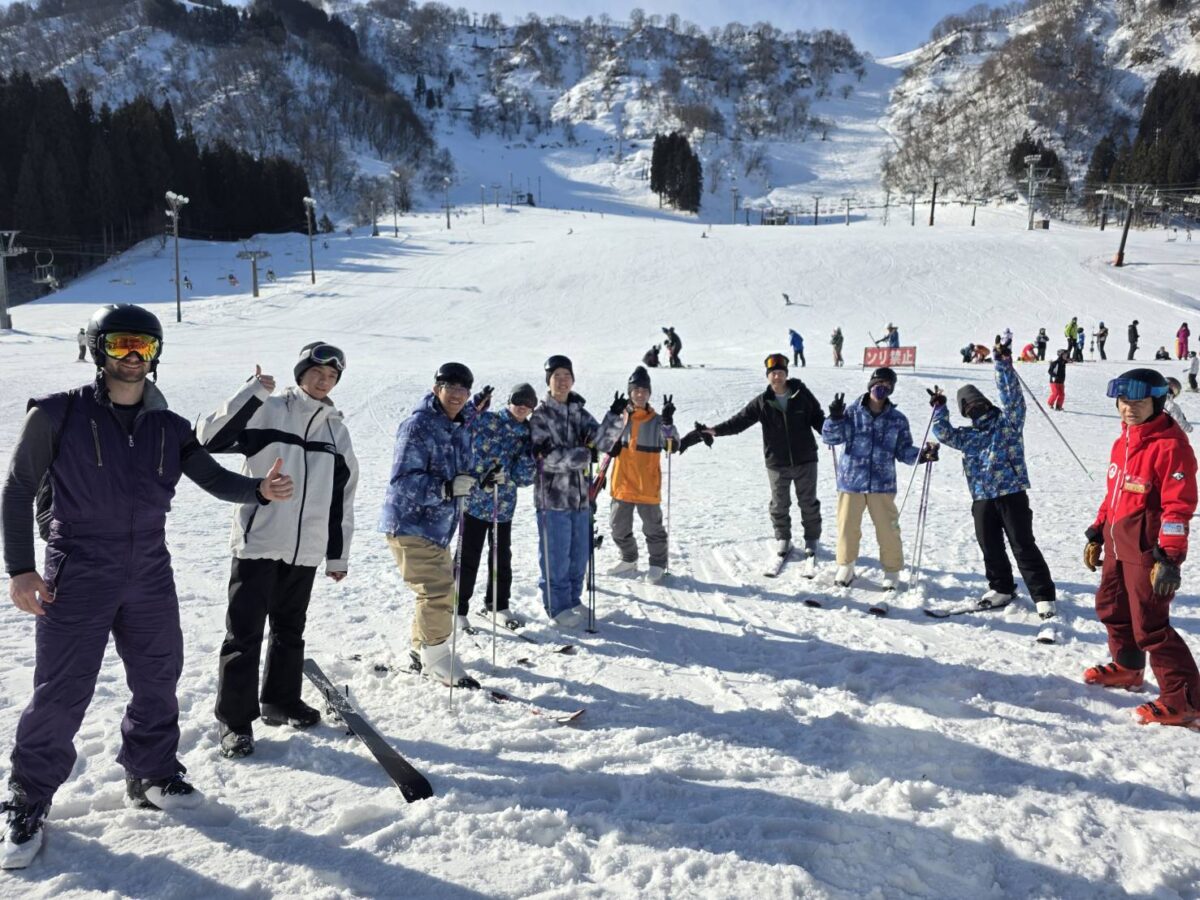
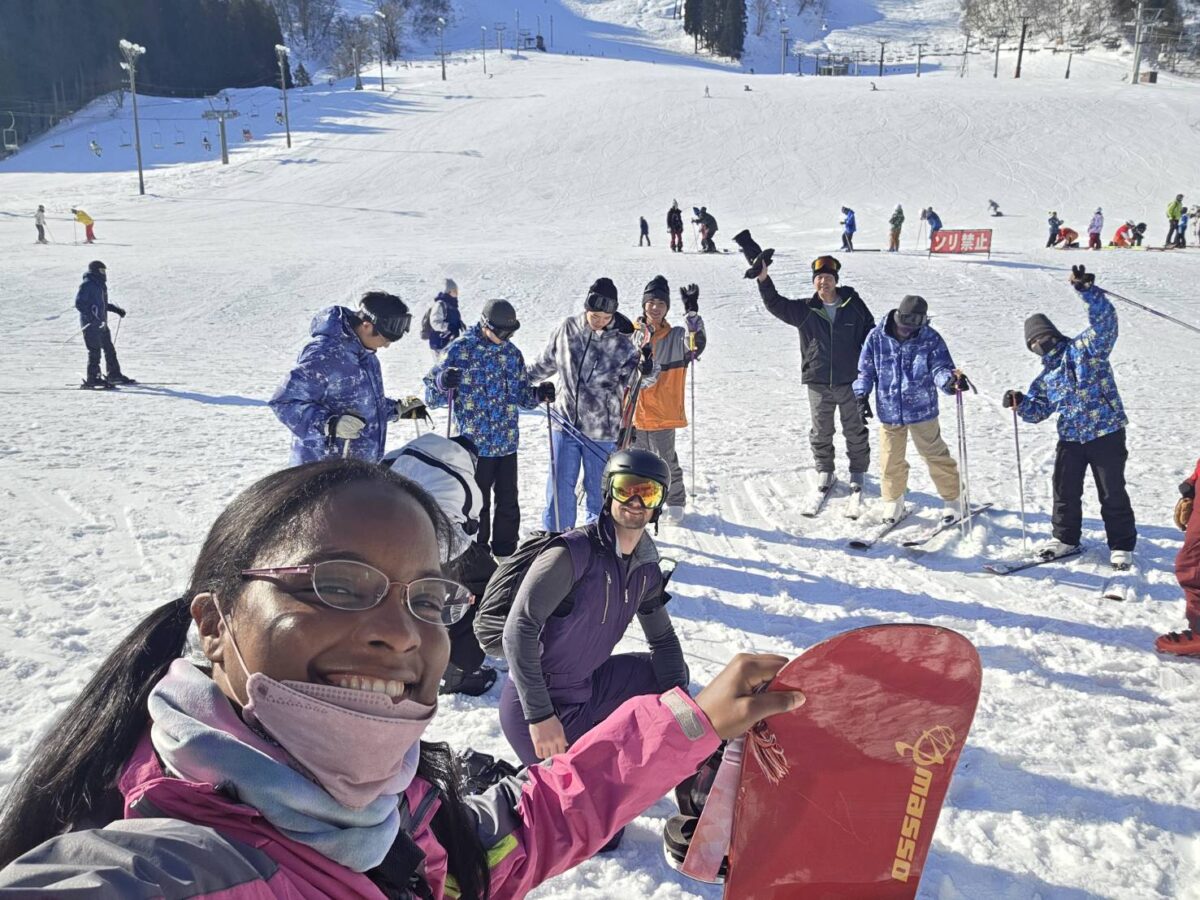
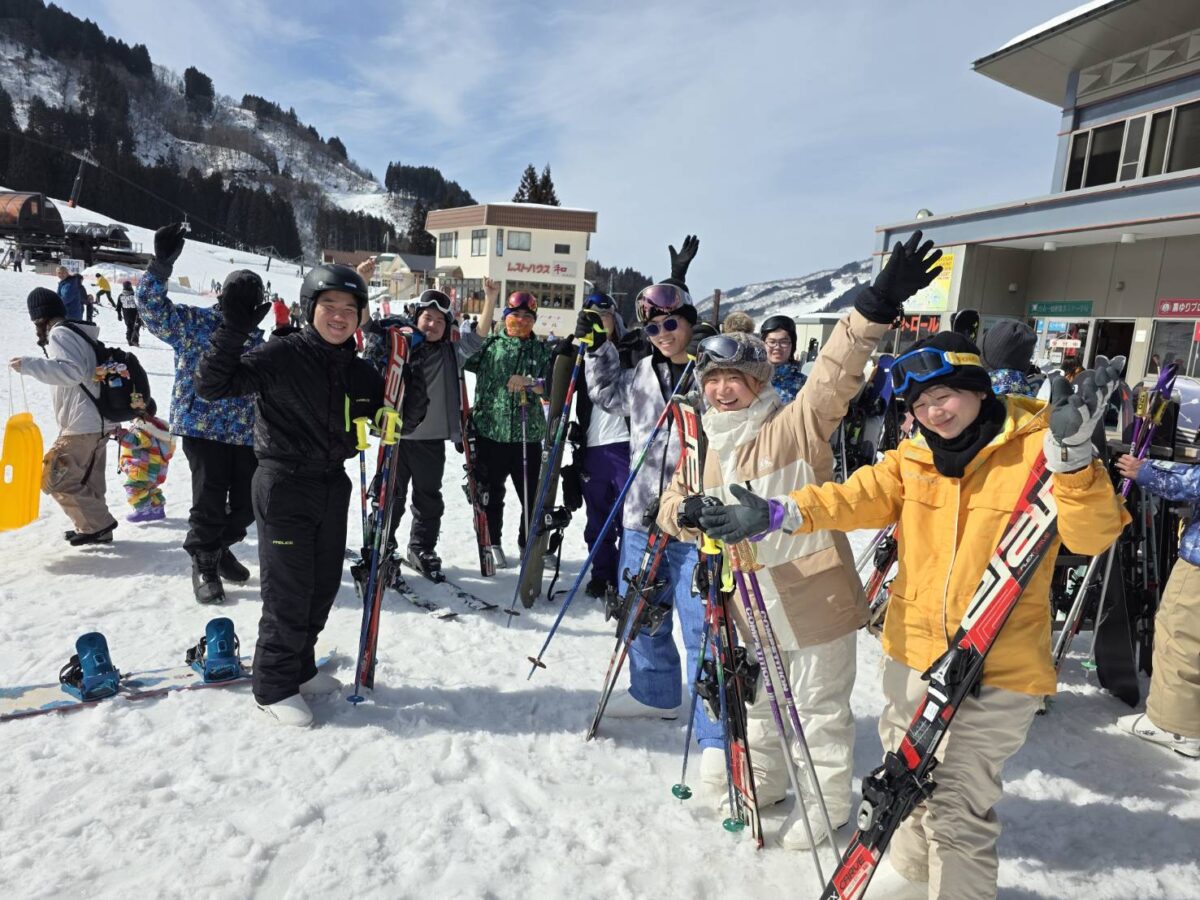
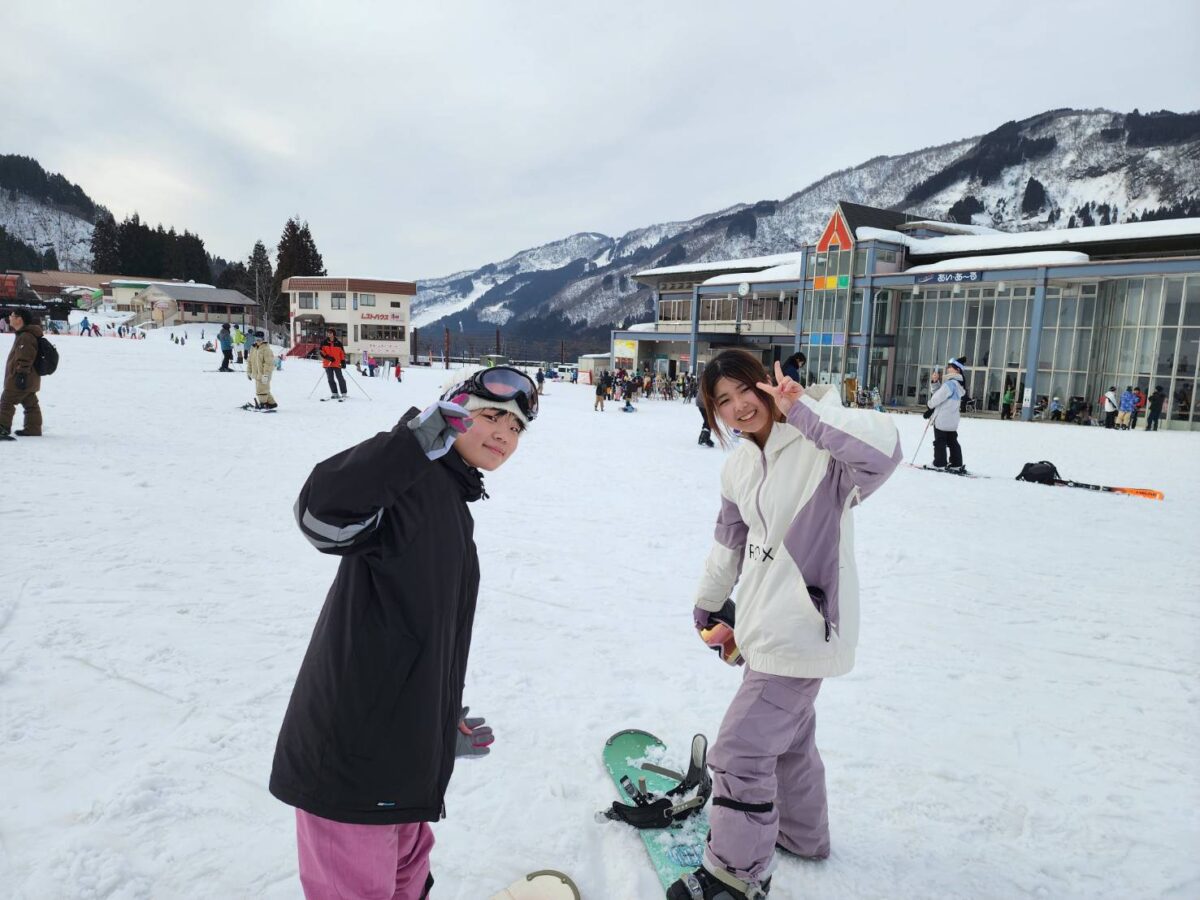
そんな中、2026年2月14日(土)に白山一里野温泉スキー場に行ってきました。去年は行かなかったので、今回が僕にとって白山で初めてのウィンタースポーツでした。スキーは滑った経験があるので、今回は思い切ってスノーボードに挑戦してみました。最初はうまく滑れるかどうか不安でしたが、一緒に行った友達に教えてもらいながら練習を重ね、午前中の間にターンまではスムーズに習得することができました。
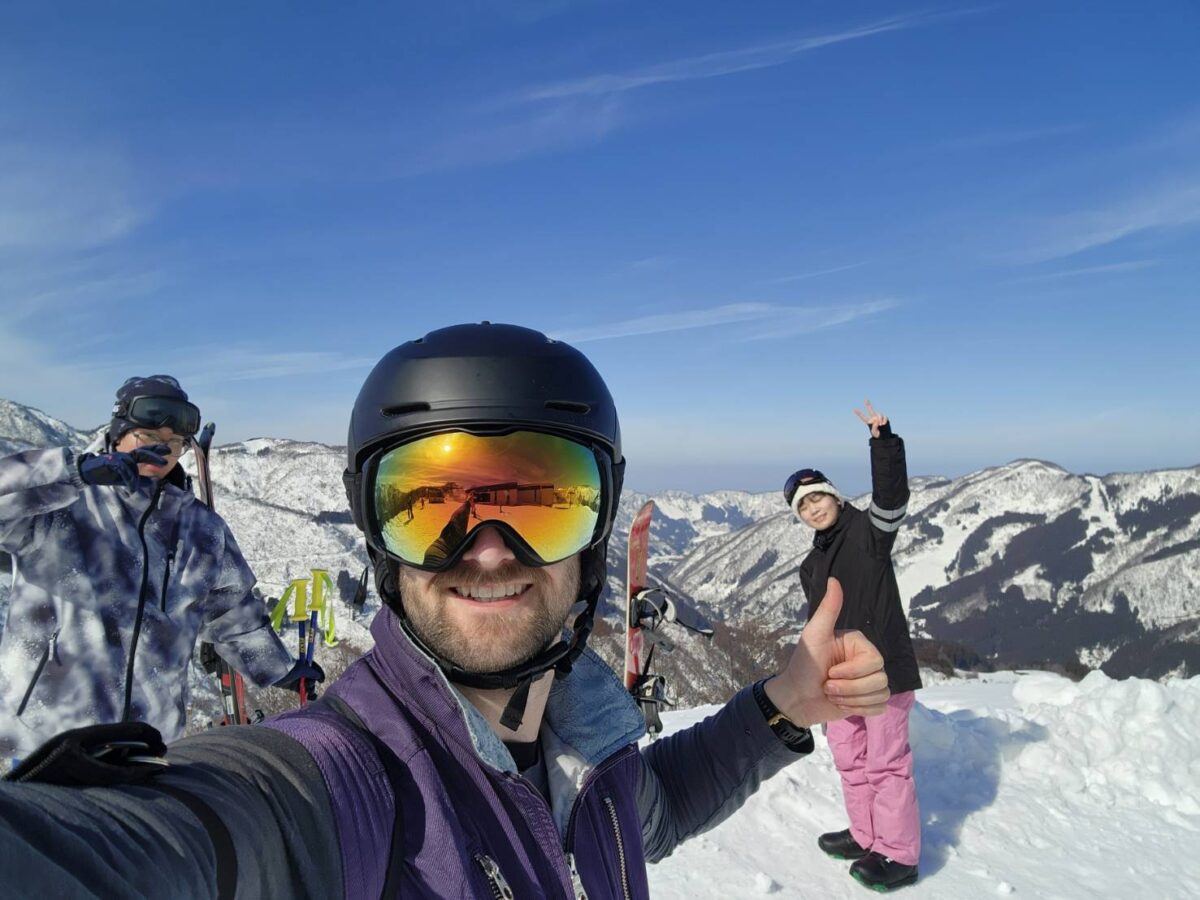
その後、思い切って中級者コースにチャレンジしてみましたが、急斜面では思うようにターンができず何度も転んでしまいました。それでも諦めずに何度も挑戦するうちに、少しずつボードの感覚を掴むことができるようになり、自分でも上達していることを実感できるようになりました。午後からは頂上まで行き、白山の景色を眺めながら滑ることができ、とても気持ちよかったです。天気にも恵まれ、広がる雪景色を見ながら滑る時間はとても贅沢に感じられました。
また、スキー場にはとても上手な人も多く、ジャンプや回転などの技を披露している人もいました。一緒に滑っていた友達と真似しようとしましたが、最初はなかなかうまくできませんでした。しかし、練習を続けていくうちに少しずつできるようになり、不安定ではありますが簡単なジャンプや回転であればできるようになりました。できなかったことができるようになっていく感覚がとても楽しく、時間を忘れて夢中になってしまいました。普段の部活動や自主練習とも通じる部分があり、継続することの大切さを改めて感じる良い機会にもなりました。次に行く機会があれば、さらに難しい技にも挑戦してみたいと思います。
藤原 聖也
Hello. My name is Seiya Fujiwara, and I’m a 2nd year student at the ICT living on the Hakusanroku Campus. Compared to last year, there is less snow in Hakusanroku (Foothills of Mt. Hakusan), but Mt. Hakusan is still completely white. Every morning when I wake up and look out the window, I can feel both the harshness of winter and the beauty of nature. My daily life usually consists of going back and forth between the dormitory and the campus, but I feel lucky to be able to enjoy the snowy scenery we can only see in Hakusanroku (Foothills of Mt. Hakusan) during this season.
On February 14th, 2026, I went to Hakusan Ichirino Onsen Ski Resort. I didn’t go last year, so the last time I experienced winter sports in Hakusan for the first time. I have skied before, so this time I decided to try snowboarding. At first, I was worried about whether I could snowboard well, but with the help of my friends and by practicing many times, I was able to learn how to turn smoothly by noon.
After that, I tried an intermediate course. However, I couldn’t turn well on the steep slope and fell many times. Still, I didn’t give up and kept trying. Gradually, I got used to the snowboard and felt that I was improving. In the afternoon, After that, I tried an intermediate course. However, I couldn’t turn well on the steep slope and fell many times. Still, I didn’t give up and kept trying. Gradually, I got used to the snowboard and felt that I was improving. In the afternoon,
There were also many skilled people at the ski resort, and some of them were doing tricks like jumps and spins. My friends and I tried to copy them, but at first, we couldn’t do it well. However, as we kept practicing, we slowly got better. Although I’m still not very stable, I can now do simple jumps and spins. It was very fun to be able to do things that I couldn’t do before, and I became so focused that I forgot about time. It also reminded me of my usual club activities and independent badminton practice, and I once again realized the importance of continuing to practice. If I have another chance to go, I would like to try more difficult tricks.
Seiya Fujiwara
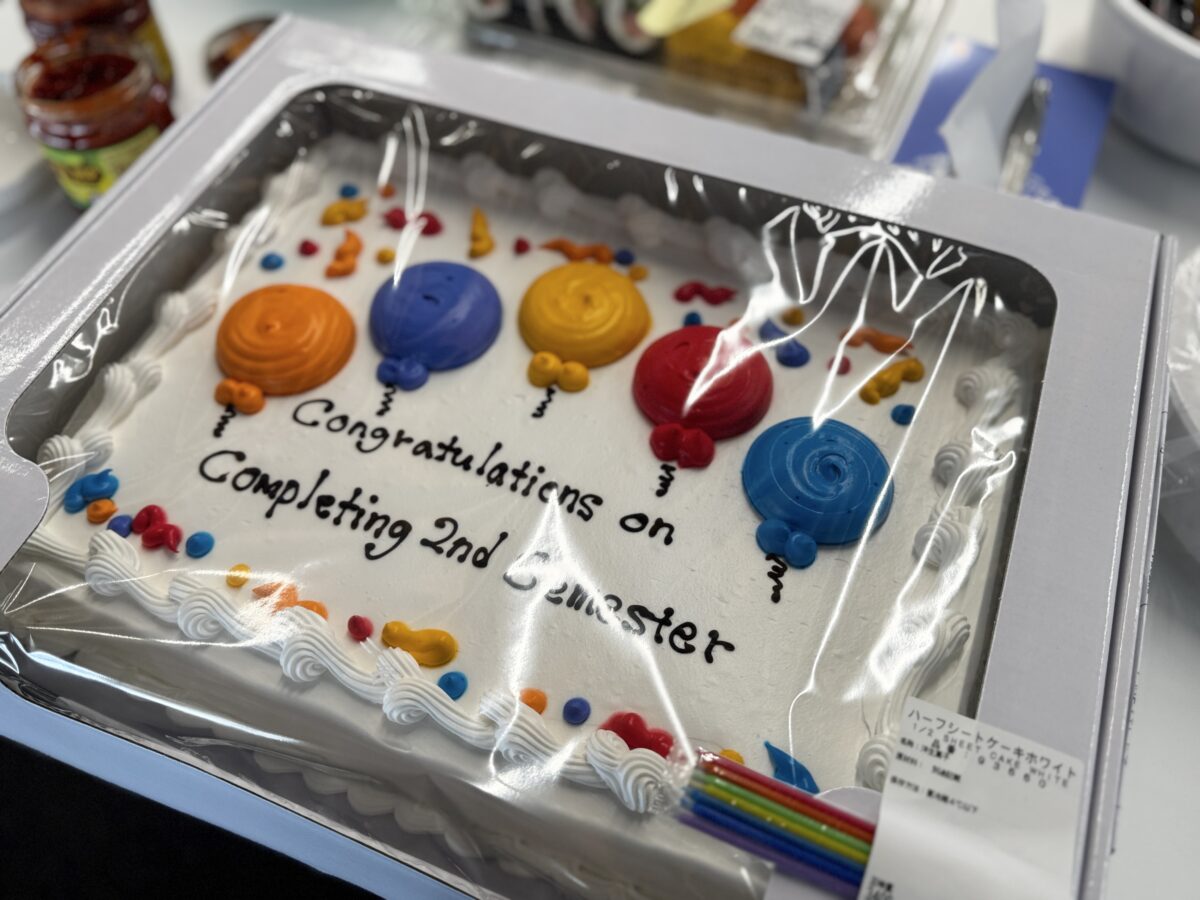
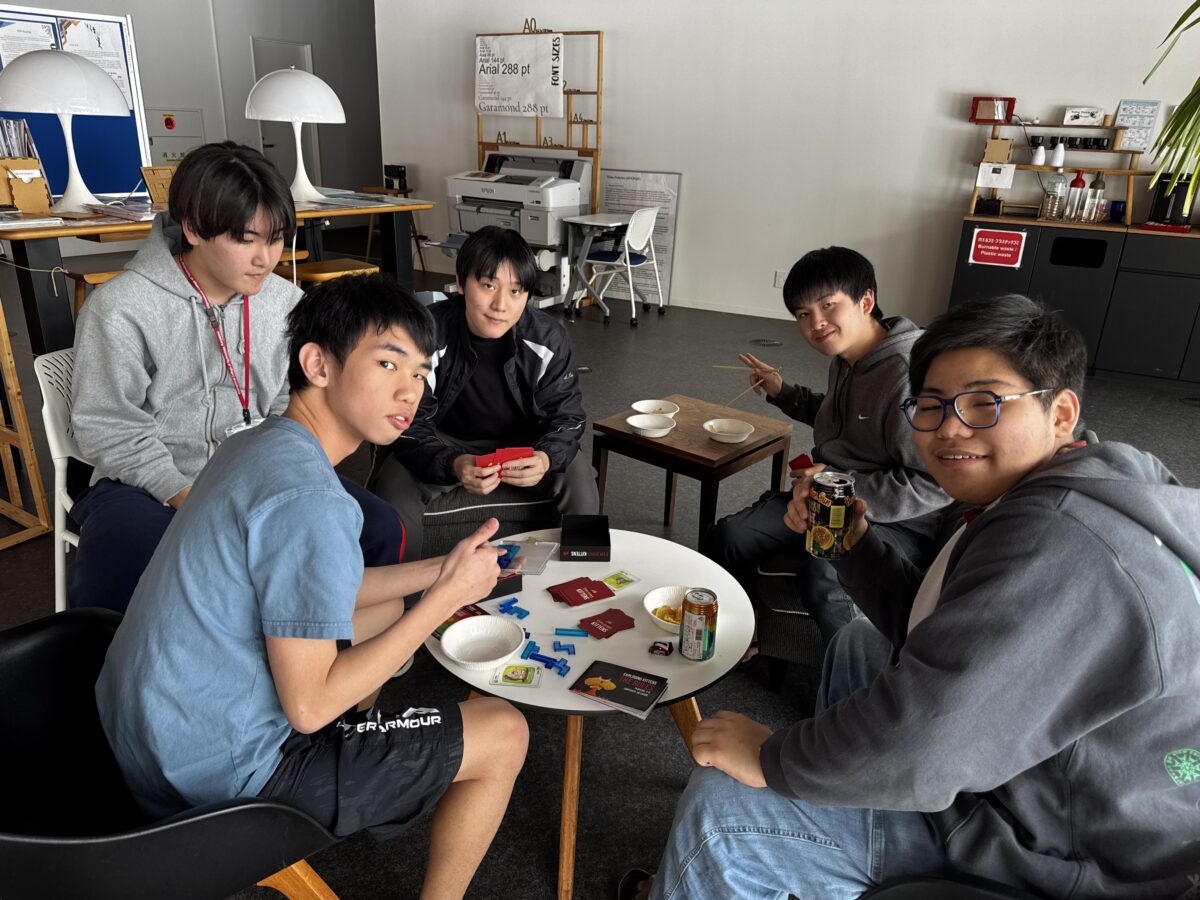
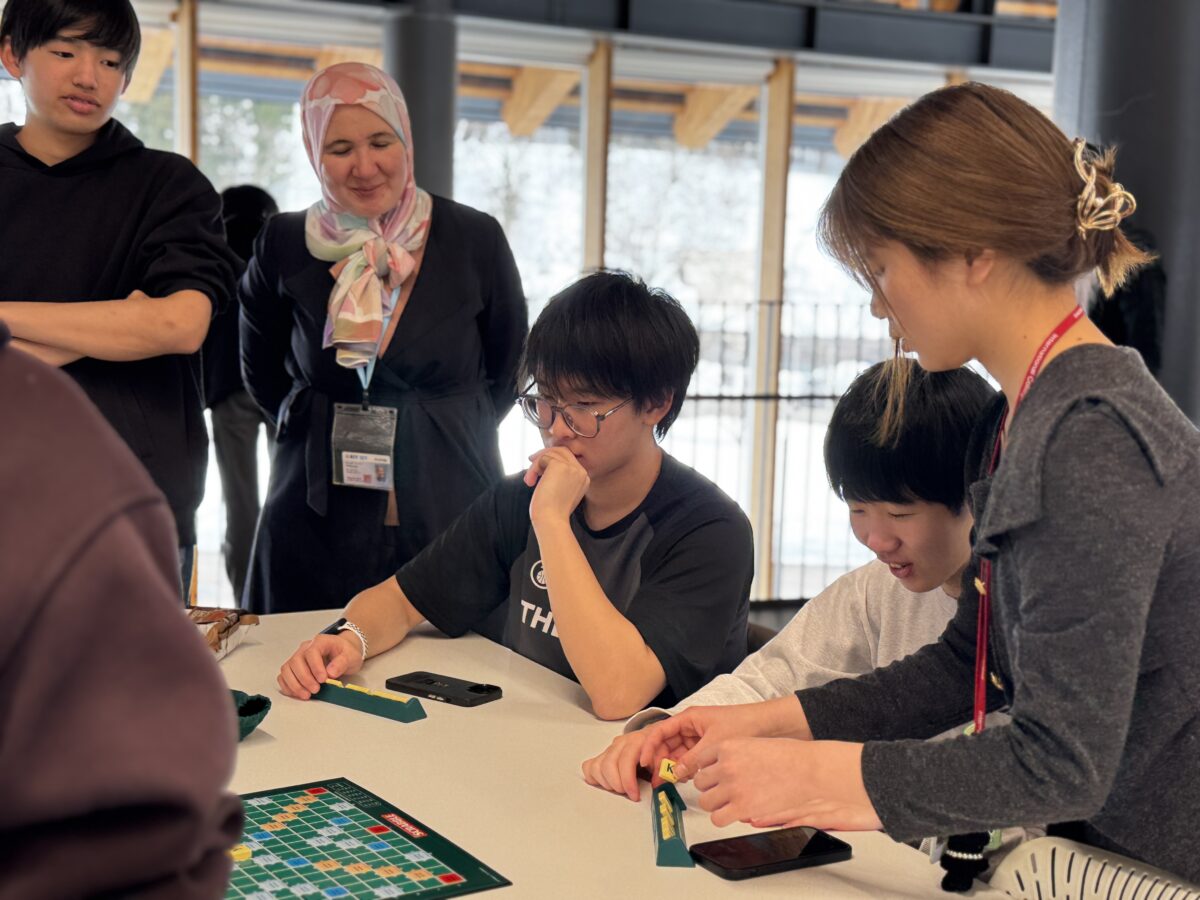
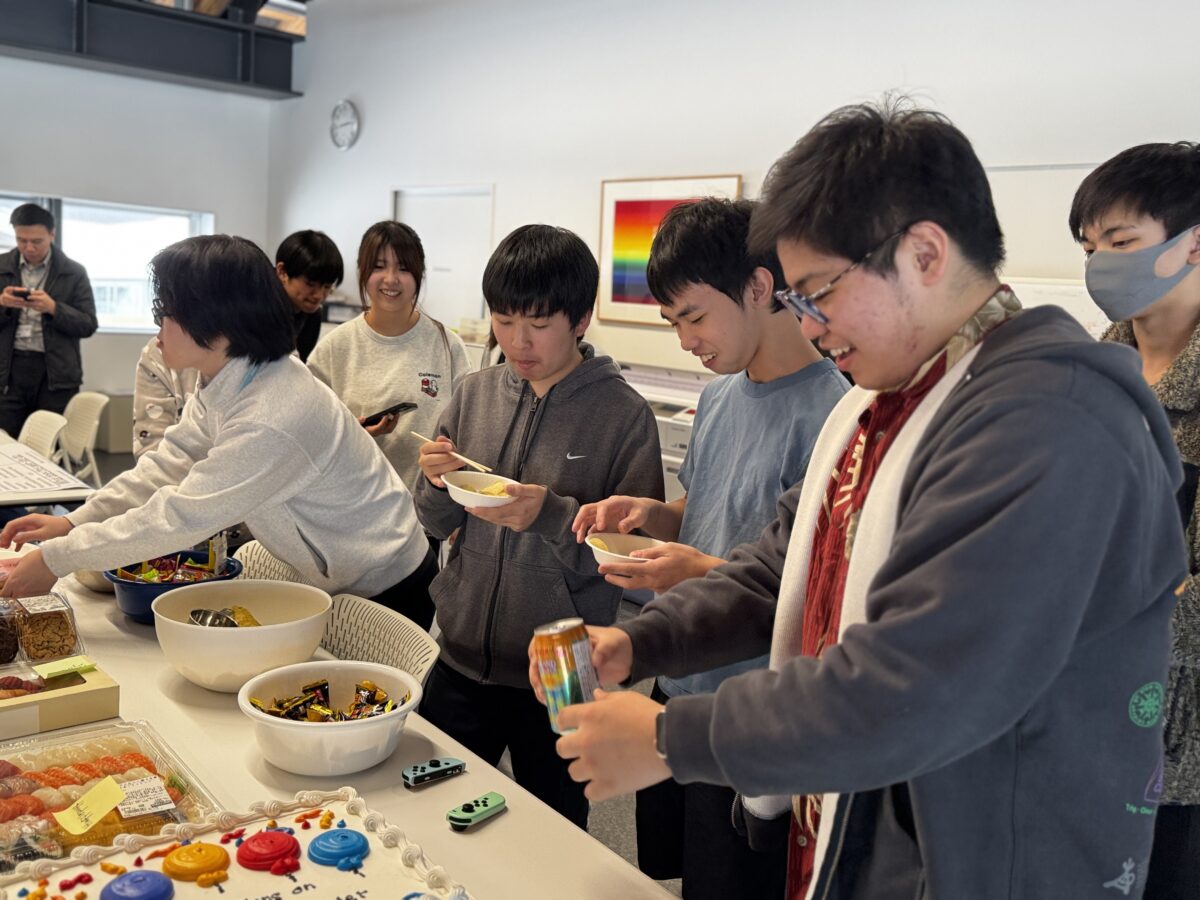
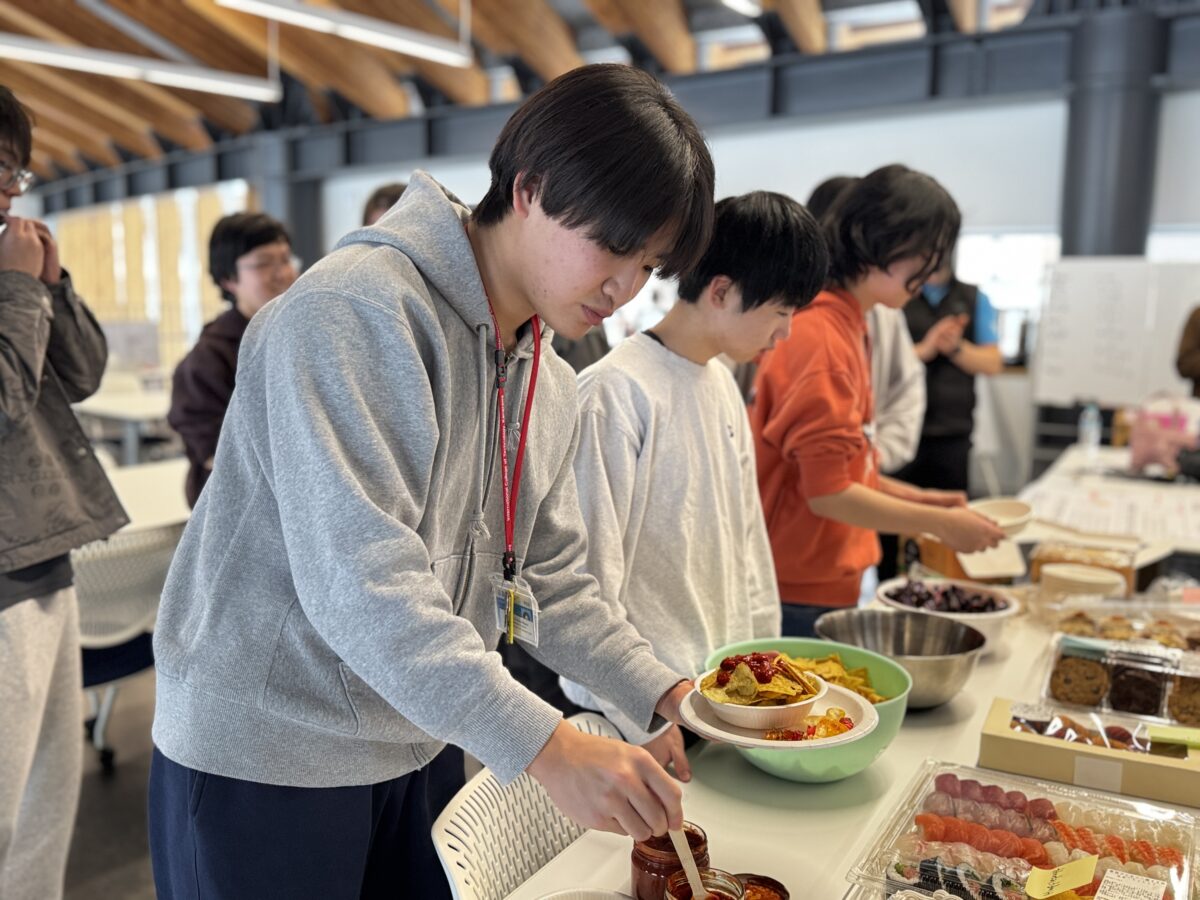
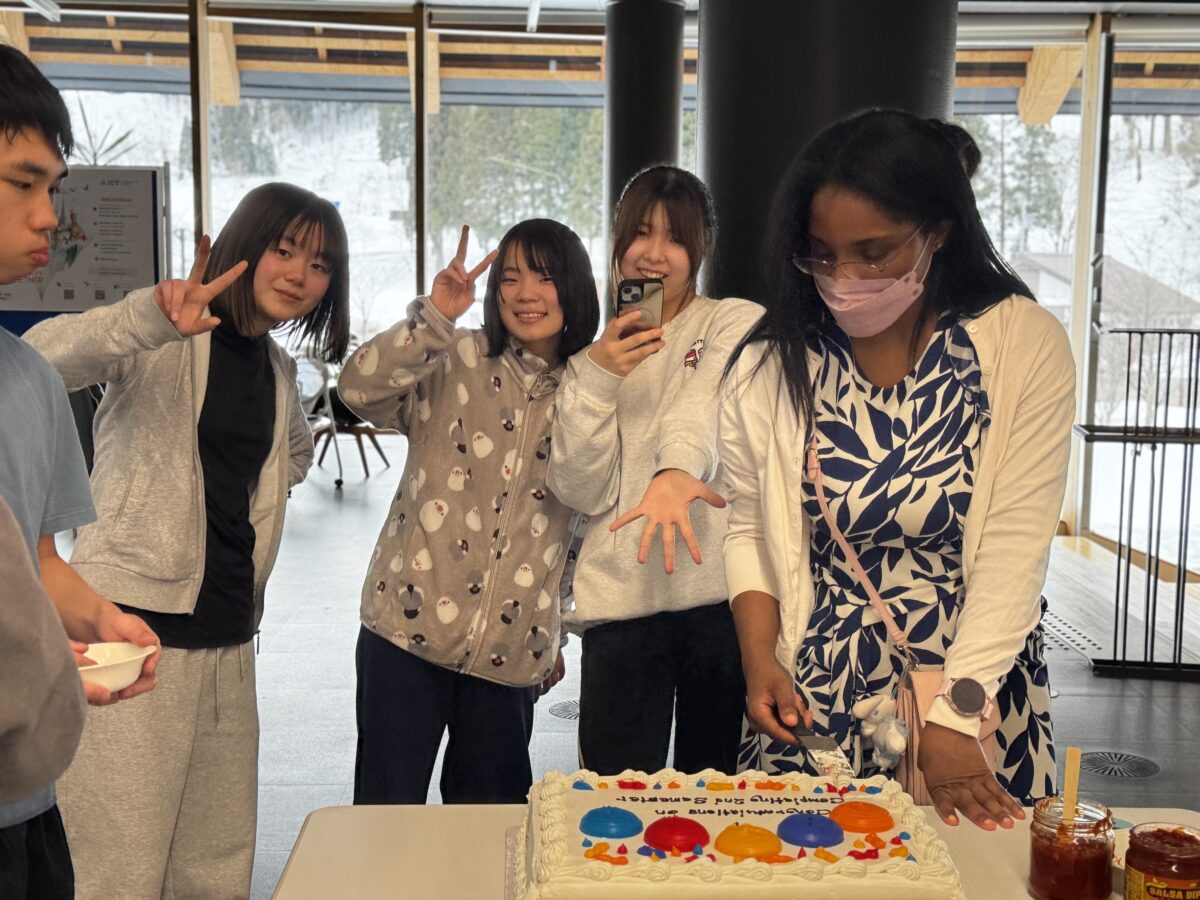
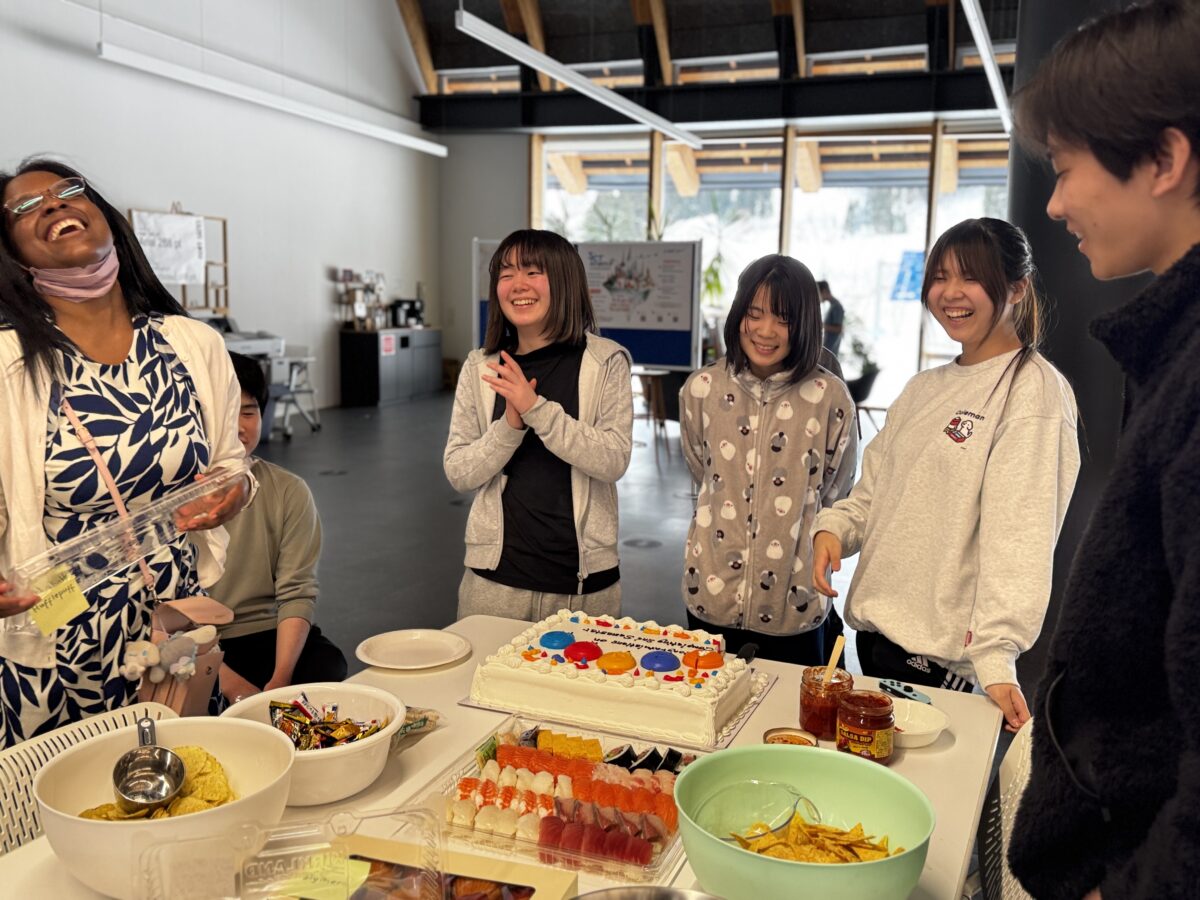
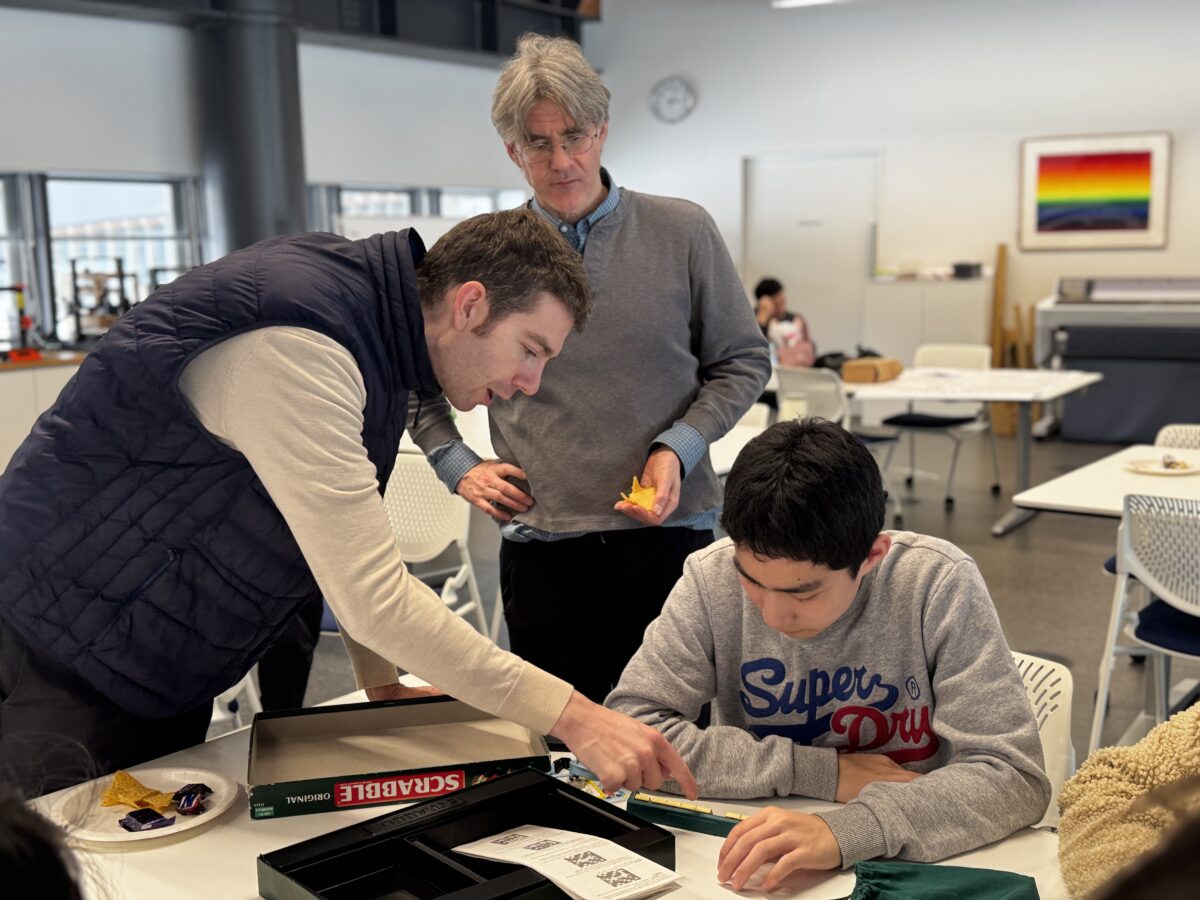
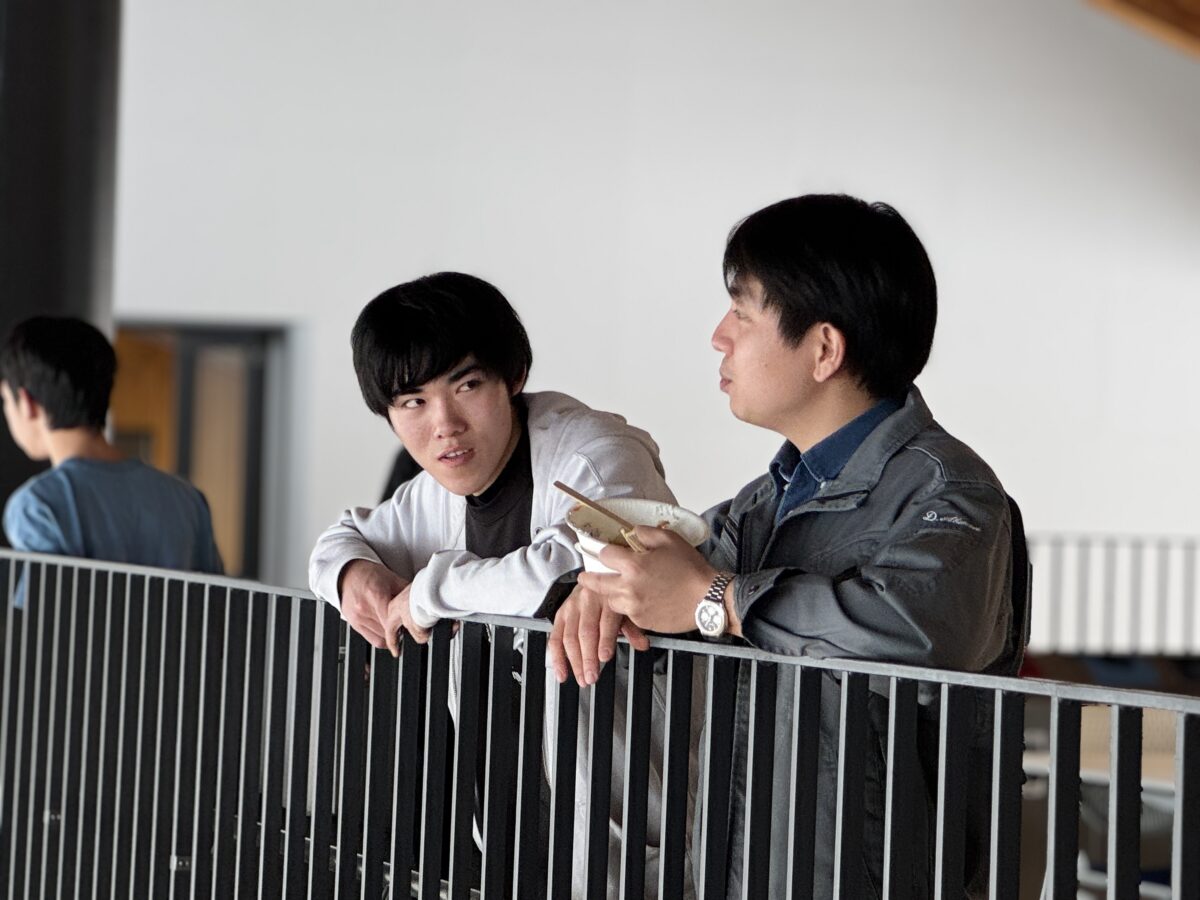
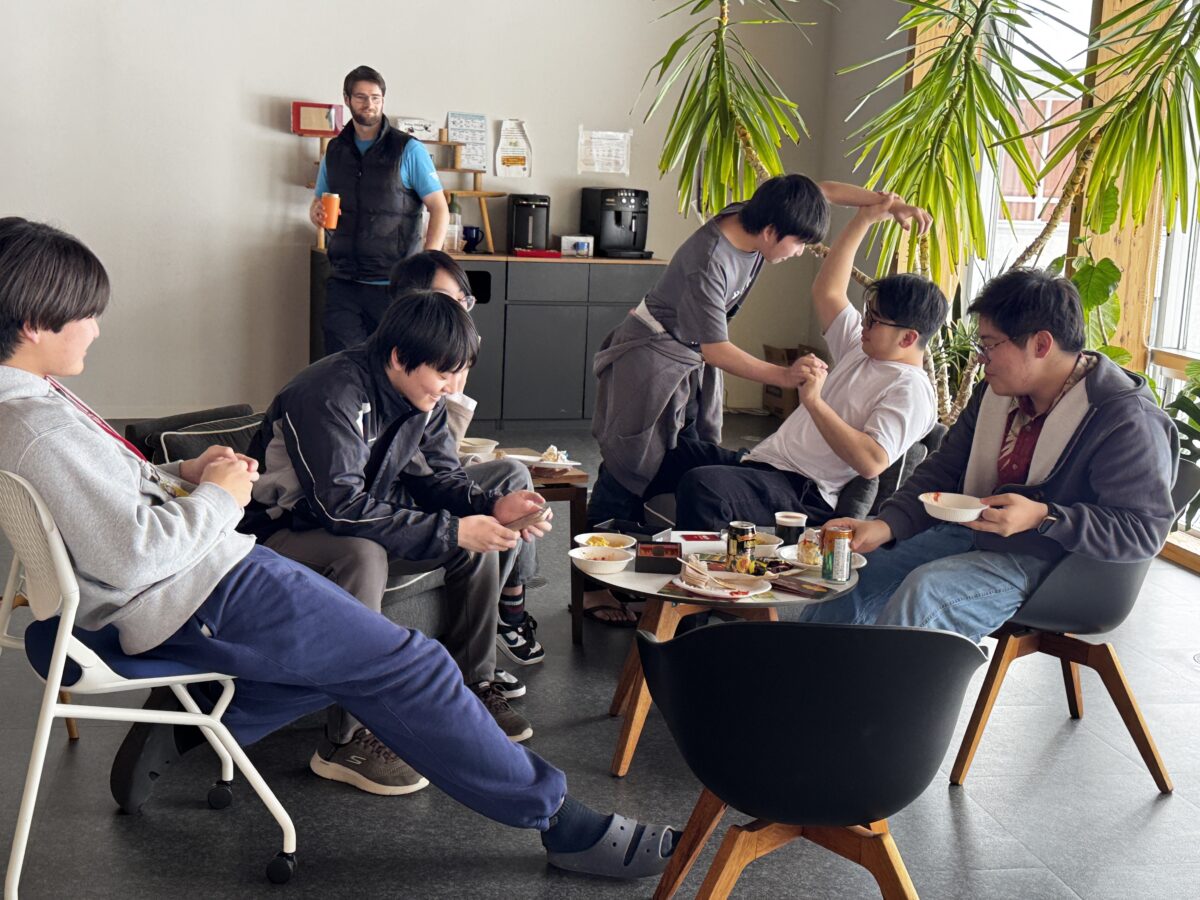
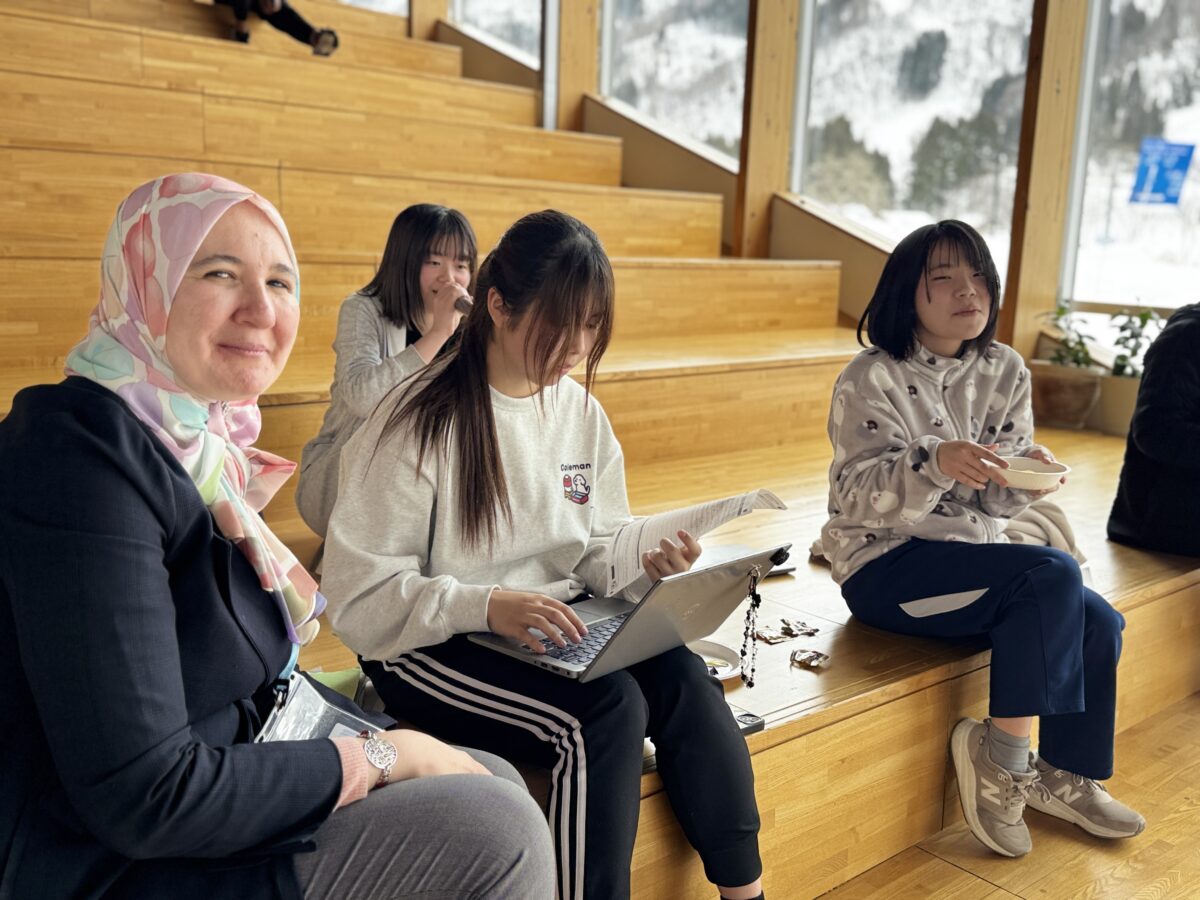
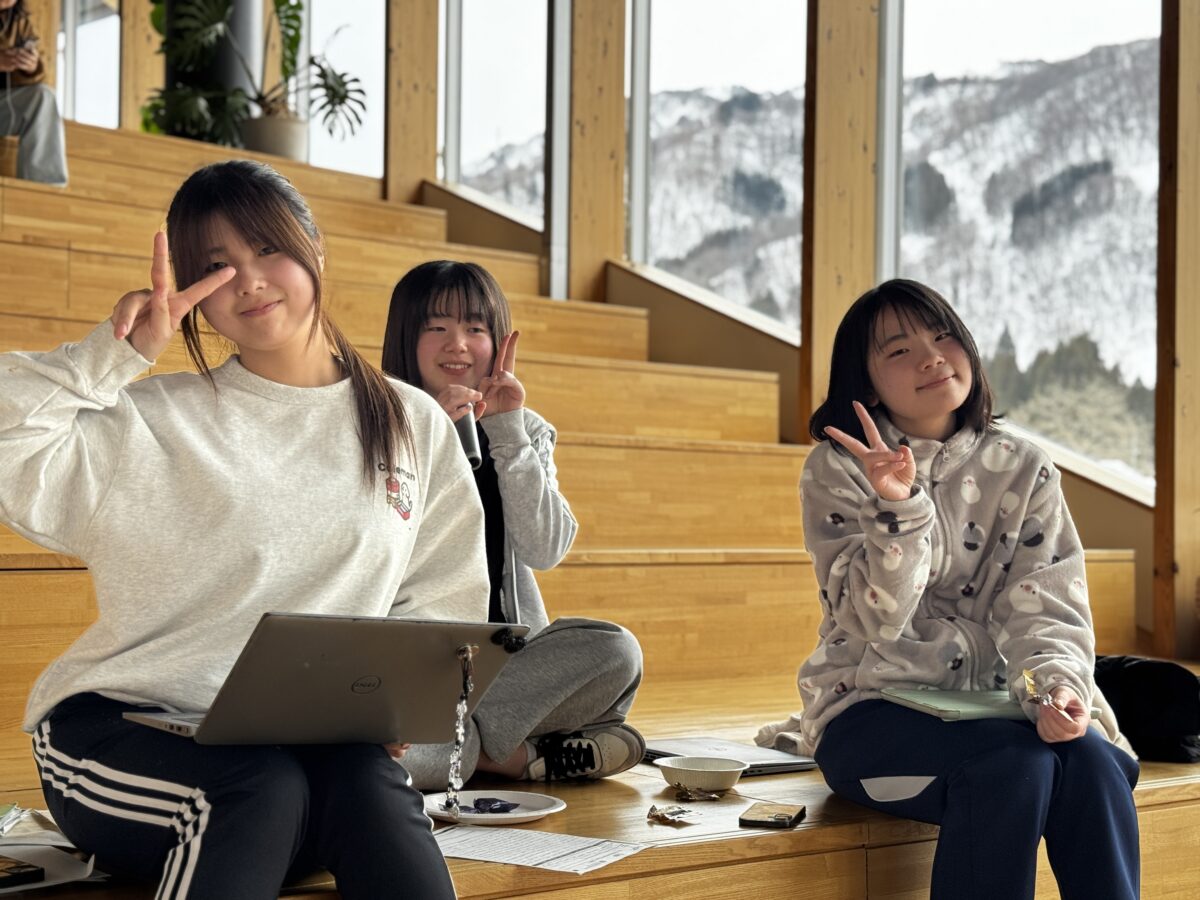
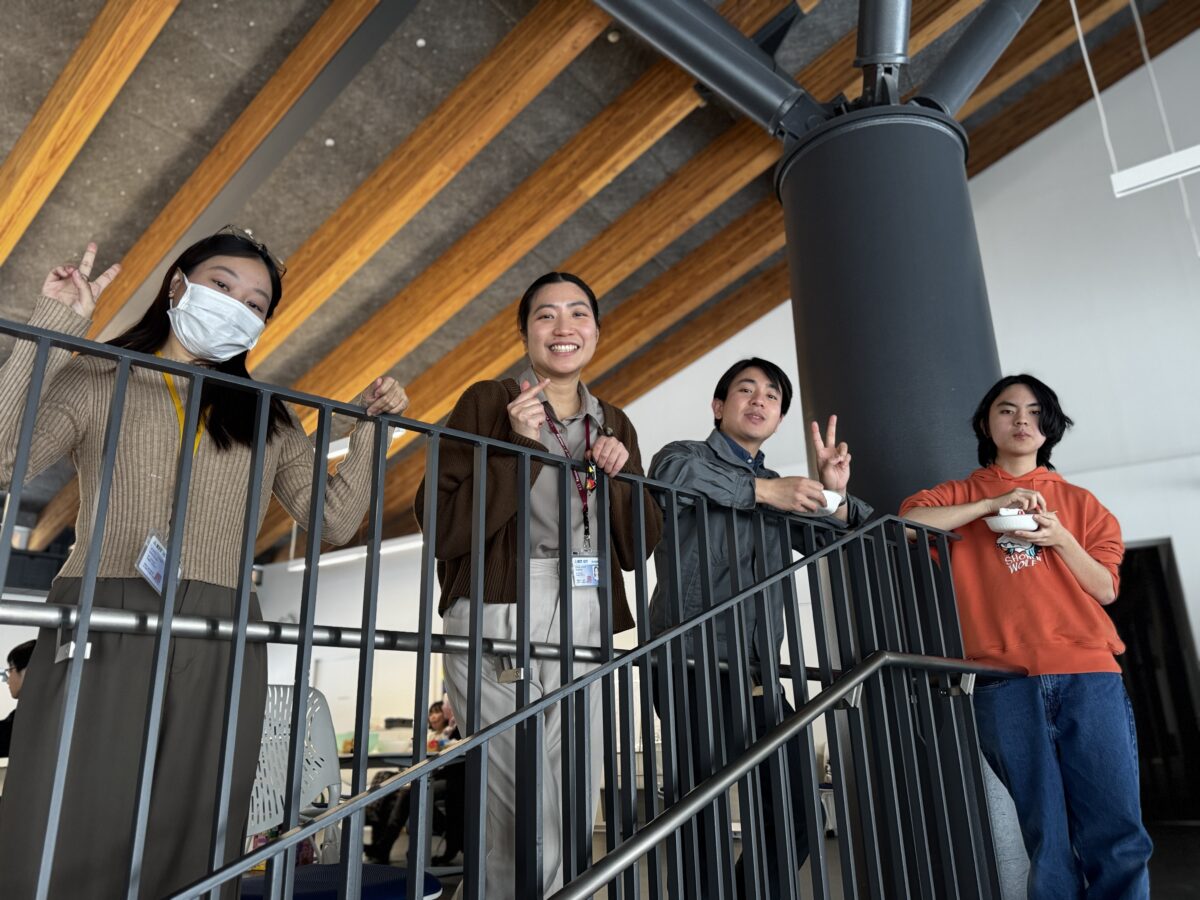
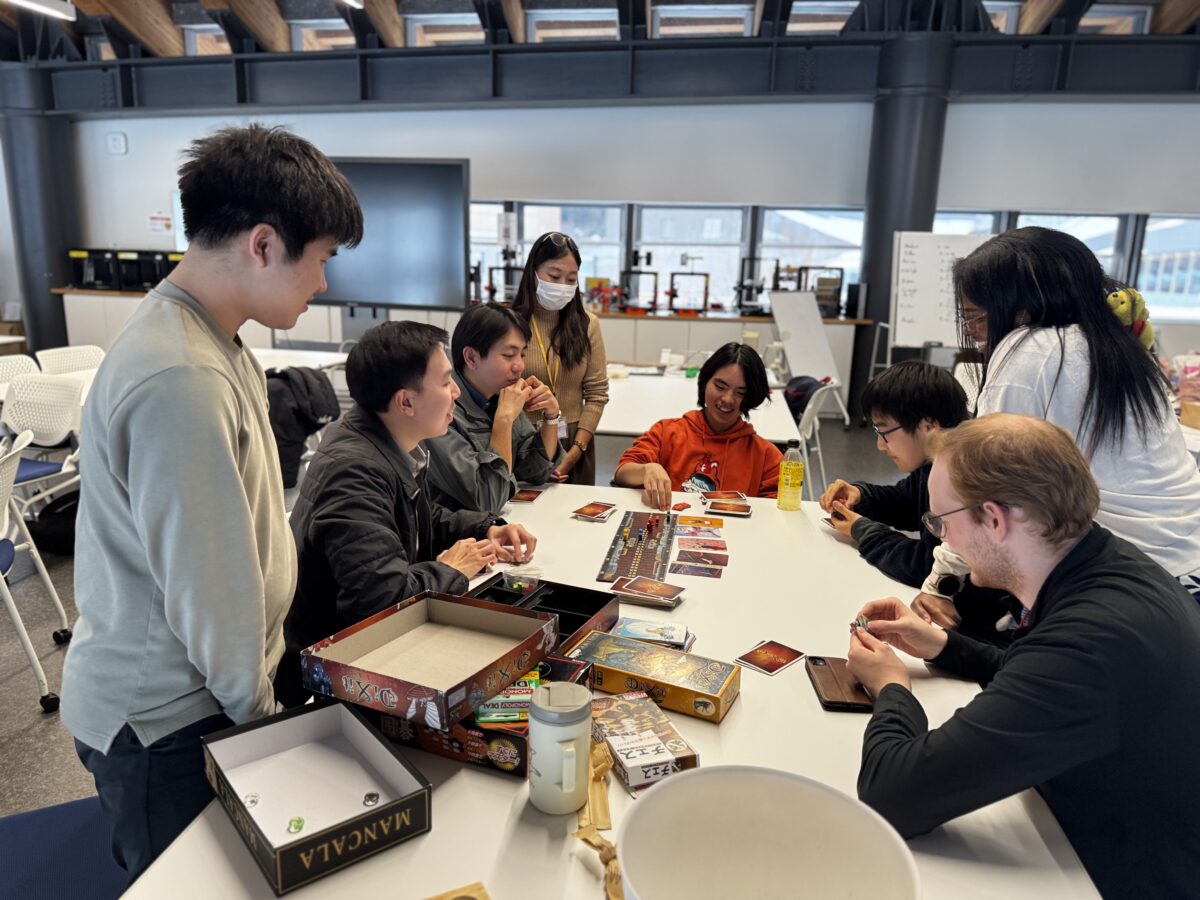
 こんにちは!白山麓キャンパス、ラーニングメンターのシャーデー・モーアです。今回の「ICTジャーナル」では、ラーニングメンターが主催した学生・教職員向けの「年度末パーティー」について紹介したいと思います。今年のパーティーは2026年2月10日(火)に開催しました。この日程を選んだのは、後学期のすべての試験が終了し、答案用紙も返却されたタイミングだったからです。学生にとっても教員にとっても、試験の疲れを癒し、お祝いをするのにぴったりの日でした。ボードゲームをしたり、美味しい料理を楽しんだり、みんなでリラックスして過ごしました。
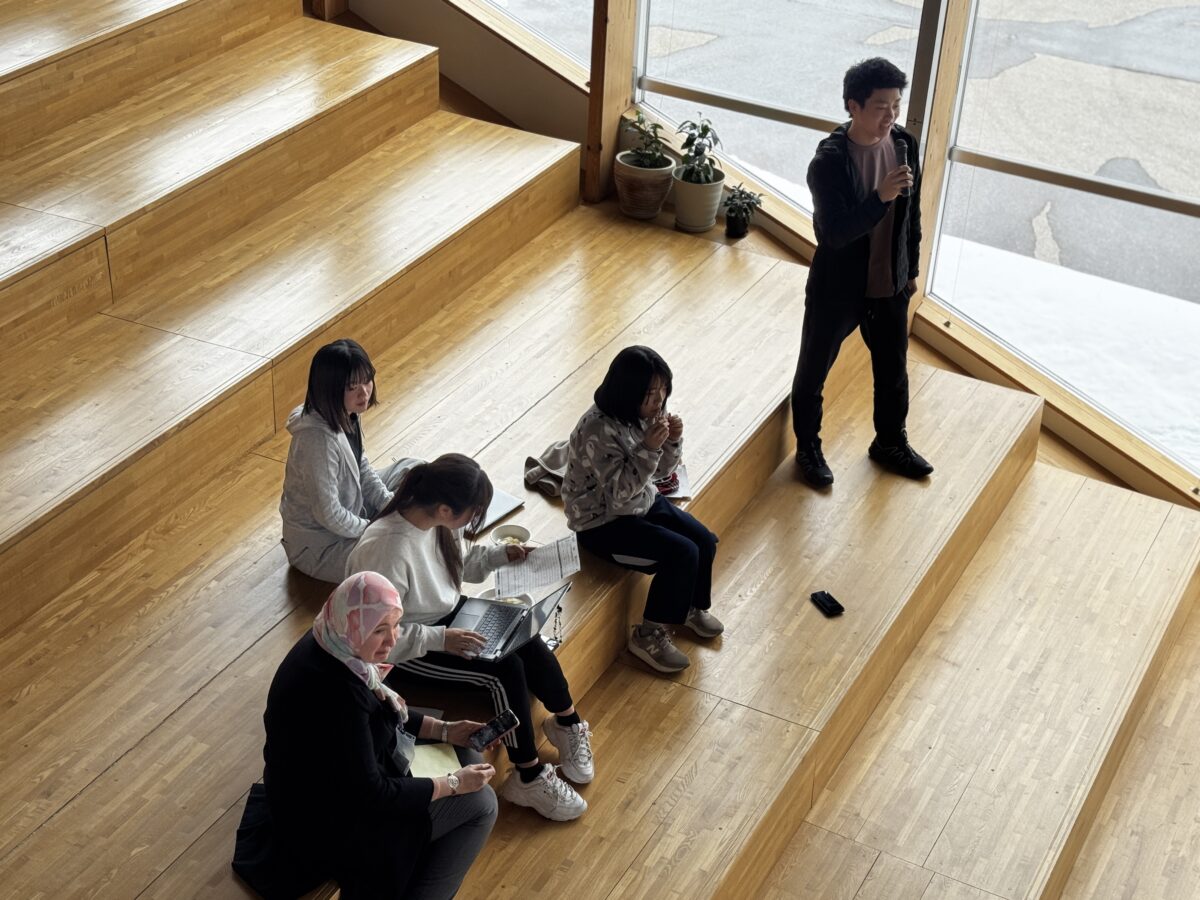
学生たちは開始時間より早く集まり始め、会場は期待でいっぱいの雰囲気になりました。年度末パーティーは学生たちが毎年とても楽しみにしているイベントのひとつで、今年も例外ではありません。お菓子のテーブルにはすぐに人だかりができ、みんな待ちきれない様子でした。さらに、さまざまなボードゲームやカードゲームを用意し、学生や教員によるカラオケも行いました。試験で緊張が続いた時期を終え、リラックスした雰囲気で学生と教員が一緒に笑顔で楽しむ様子を見ることができ、とても嬉しかったです。
また、パーティーの中では、年間を通じて最も多くの「ハウスポイント」を獲得したハウス(4チームのうち1つ)が表彰されました。ハウスシステムは学生同士のチームワークを育むことを目的としており、課題の提出、ラーニングメンターによるワークショップへの参加、キャンパスの清掃を手伝うなど、さまざまな行動によってポイントが付与されます。最もポイントを獲得したハウスには、年度末パーティーで特別なご褒美が贈られました。学生たちはそのご褒美をとても喜んでいました。
パーティーの終わりが近づくと、多くの学生が「もっと遊びたい」「まだ帰りたくない」と名残惜しそうにしていました。残念ながら教員の勤務時間の関係で延長はできませんでしたが、それでも学生たちが心から楽しんでくれたこと、そして学生も教員も笑顔で過ごしていた様子を見ることができ、今学期、そしてICTでのこの一年間の努力が報われたように感じました。

シャーデー・モーア
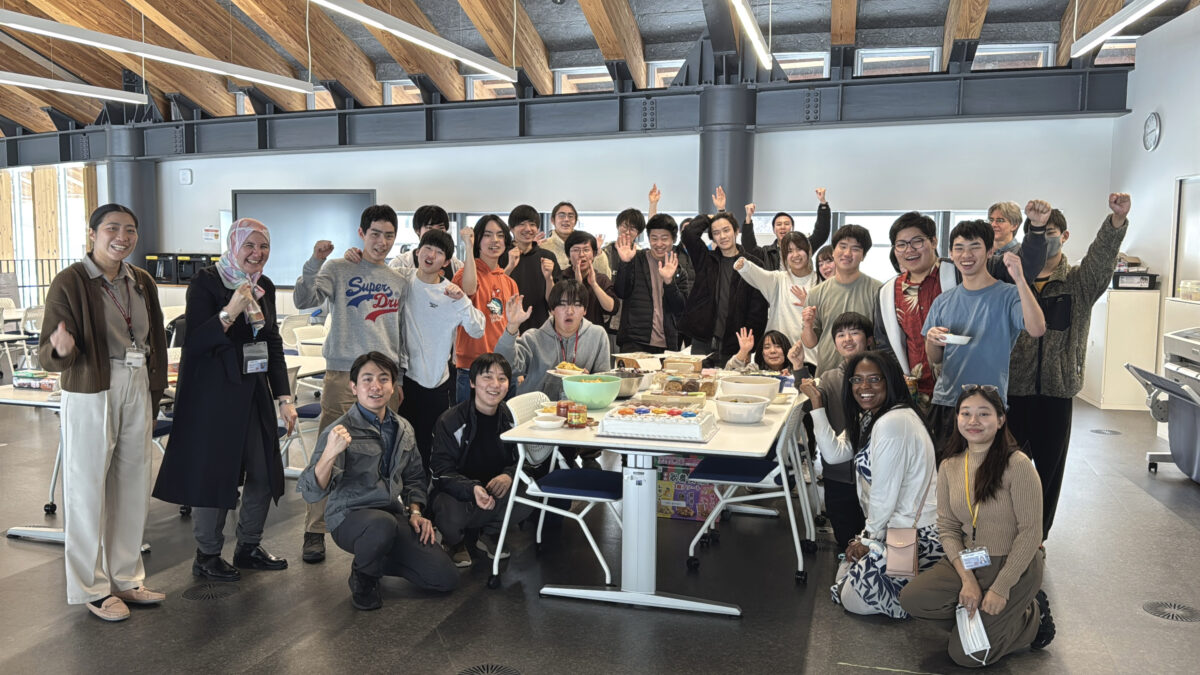
Hello! This is Sade Moore, one of the Learning Mentors at ICT’s Hakusanroku Campus. For this Hakusanroku Journal entry, I want to talk about the End of the Year Party for the students, faculty, and staff at Hakusanroku Campus that the Learning Mentors organized. This year, the party took place on Tuesday, February 10th, 2026. The reason this date was chosen was because, by this time, all of the exams for the second semester had officially concluded and the results passed back. Due to this what better way to celebrate and unwind for both students and teachers, than to have a party where everyone could play board games, eat, and have fun together.
Many of the students were the first to show up and you could feel the excitement coming off of them. The End of the Year Party is one of the events that the students look forward to the most, I think, and this year was no exception. They all swarmed around the snacks and couldn’t wait to eat them. We also brought out plenty of board games and card games for everyone to enjoy and also had students and teachers sing some karaoke songs. It was really nice to see the students having fun with the teachers in a more relaxed setting and seeing everyone smiling and happy after such a stressful exam time.
Also, during the party the winner of the House Cup between the 4 separate Houses received their prize for collecting the most House Points throughout the year. The House System was built in order to build teamwork amongst the students, and they can collect points throughout the semester for completing their homework or assignments, attending workshops that the Learning Mentors conduct for them, cleaning up after themselves and others around campus, amongst other merits. The house with the most points wins at the end of the semester, and each of the 4 Houses wins a special treat for the End of the Year Party. All of the students seemed to really enjoy their special treats.
As the party drew to a close, a lot of the students kept asking if there was more and if they could stay longer because they wanted to play more games and sing more songs. Unfortunately though, with the teachers needing to get off work soon, it wasn’t possible. However, it was a great feeling to know that they enjoyed themselves and to see all of the students and other teachers’ smiling faces made all of the hard work for this semester and the past year at ICT completely worth it!
Sade Moore
 ICTジャーナルをご覧の皆様、3年生の高田 星奈です。ついこの間まで、ニュージーランドに来てから何か月、と数えていたものが、帰国まで何か月と数えるほうが早い時期になってしまいました。
今回のジャーナルでは、留学中の出来事を振り返ります。是非、ICTに入学を考えている方やこれから留学を控えている方々に、現地での生活の雰囲気が少しでも伝われば嬉しいです。
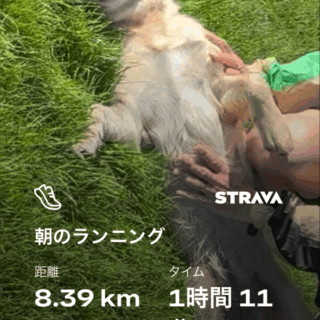
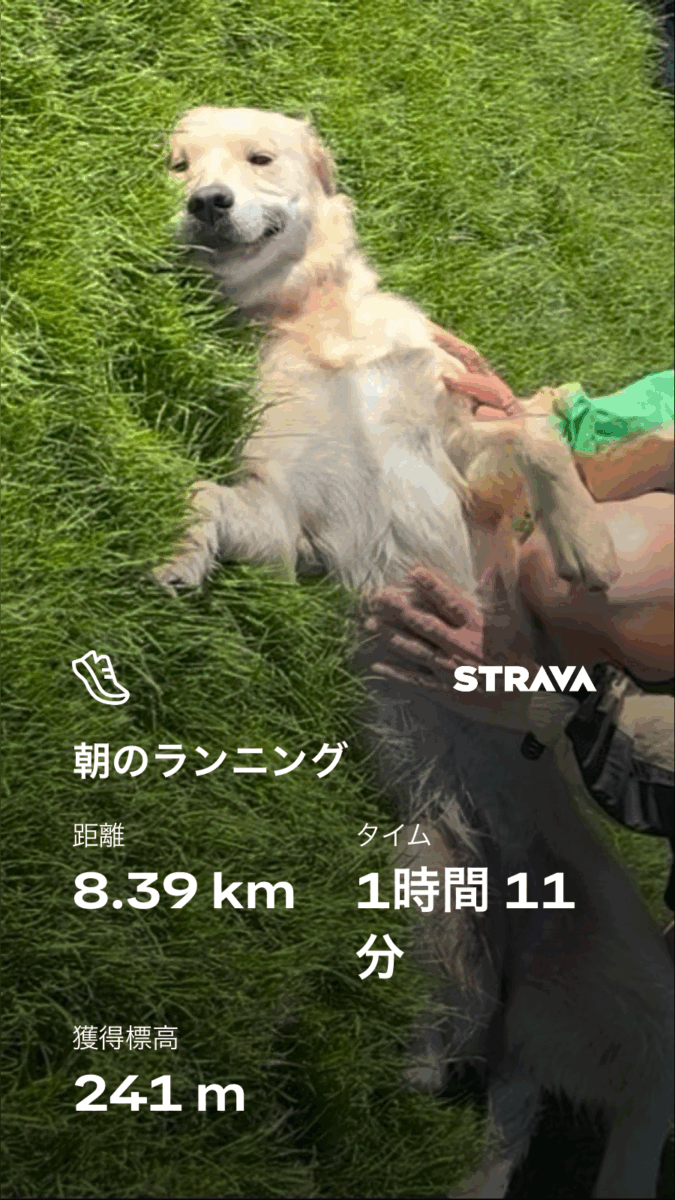
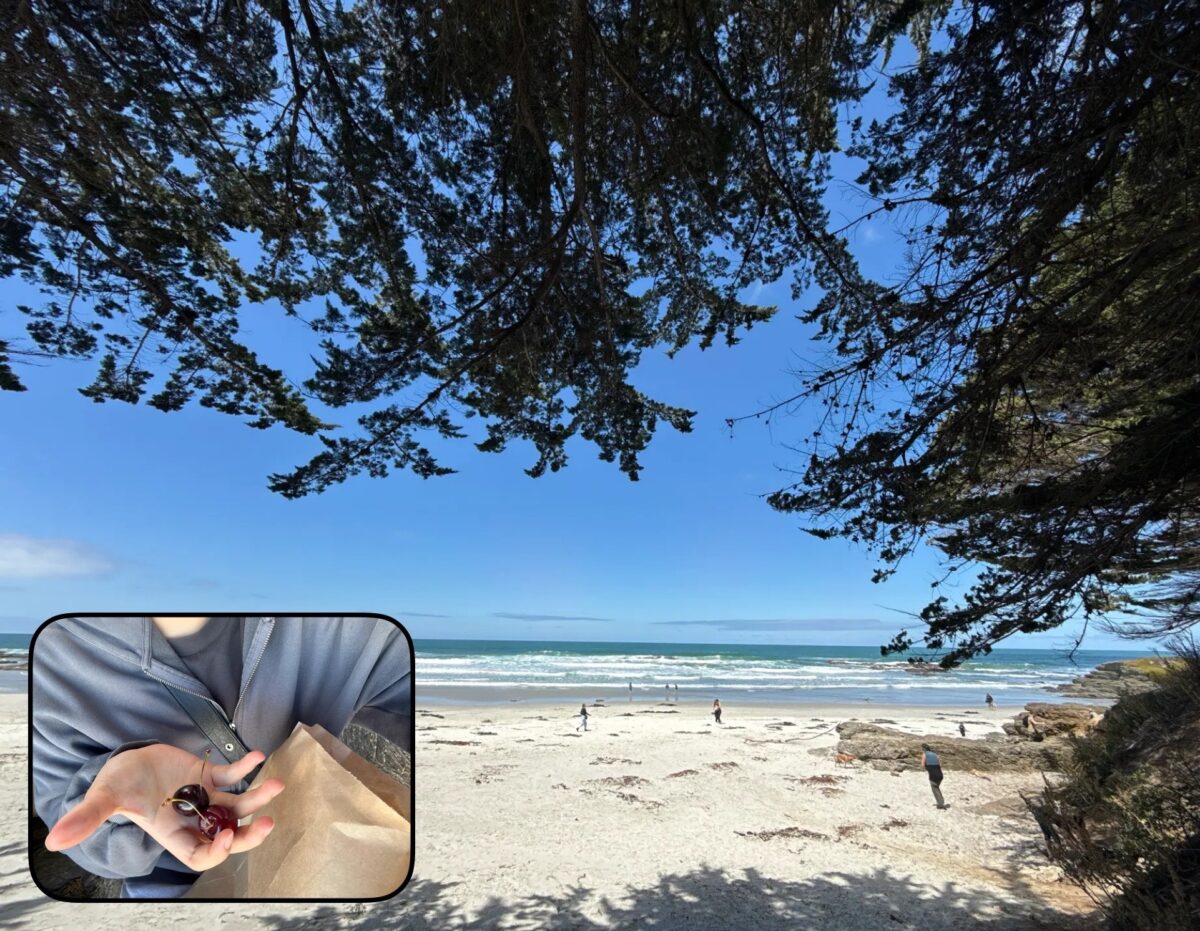
まず初めに、私たちが留学しているダニーデンは小さい街ですが、海にも山(丘)にもアクセスが良く、日常的に大自然を感じられます。天気の良い日にはビーチでランニングし、その後眺めの良い高台からダニーデンを一望することができます。特別な観光をしなくても、日常の中に豊かな景色があるのが、この街の良さですね。
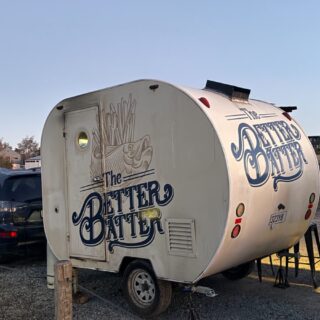
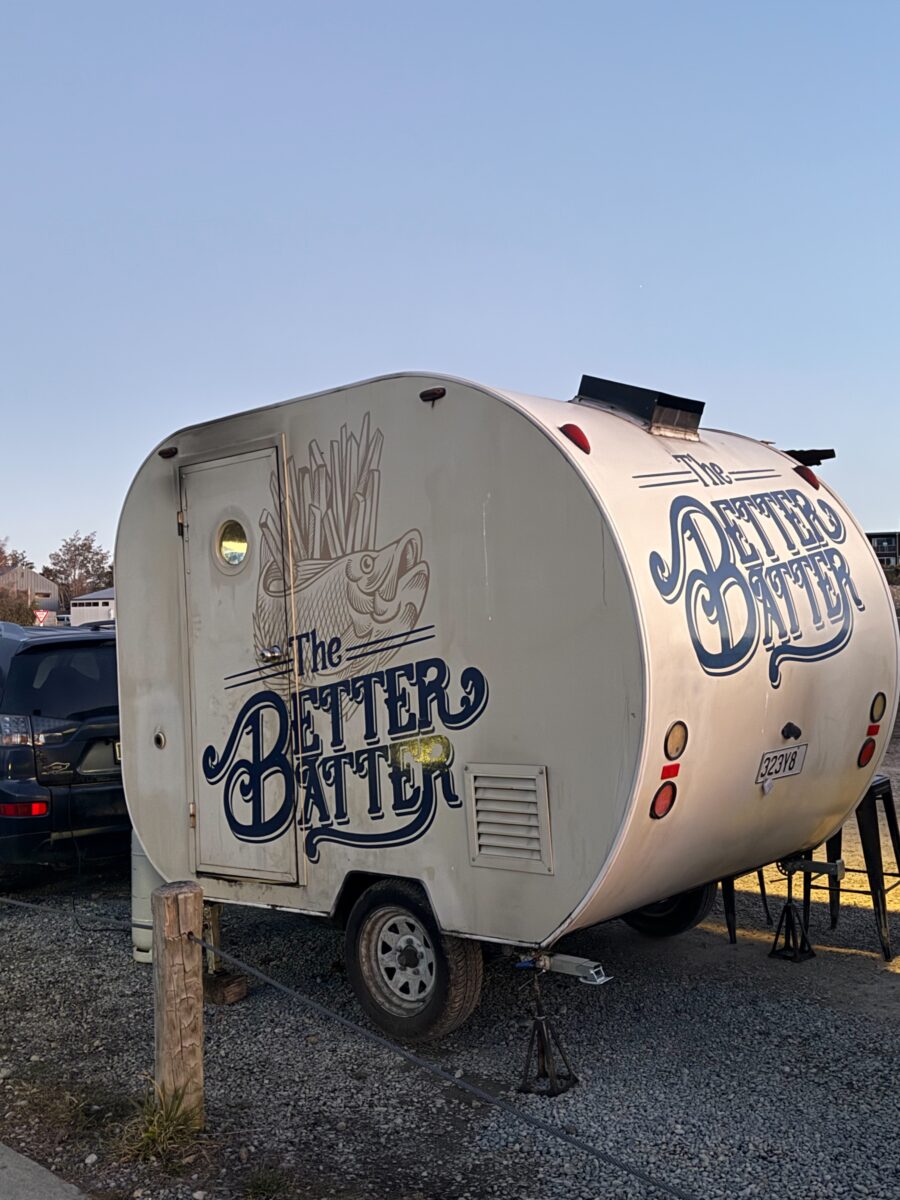
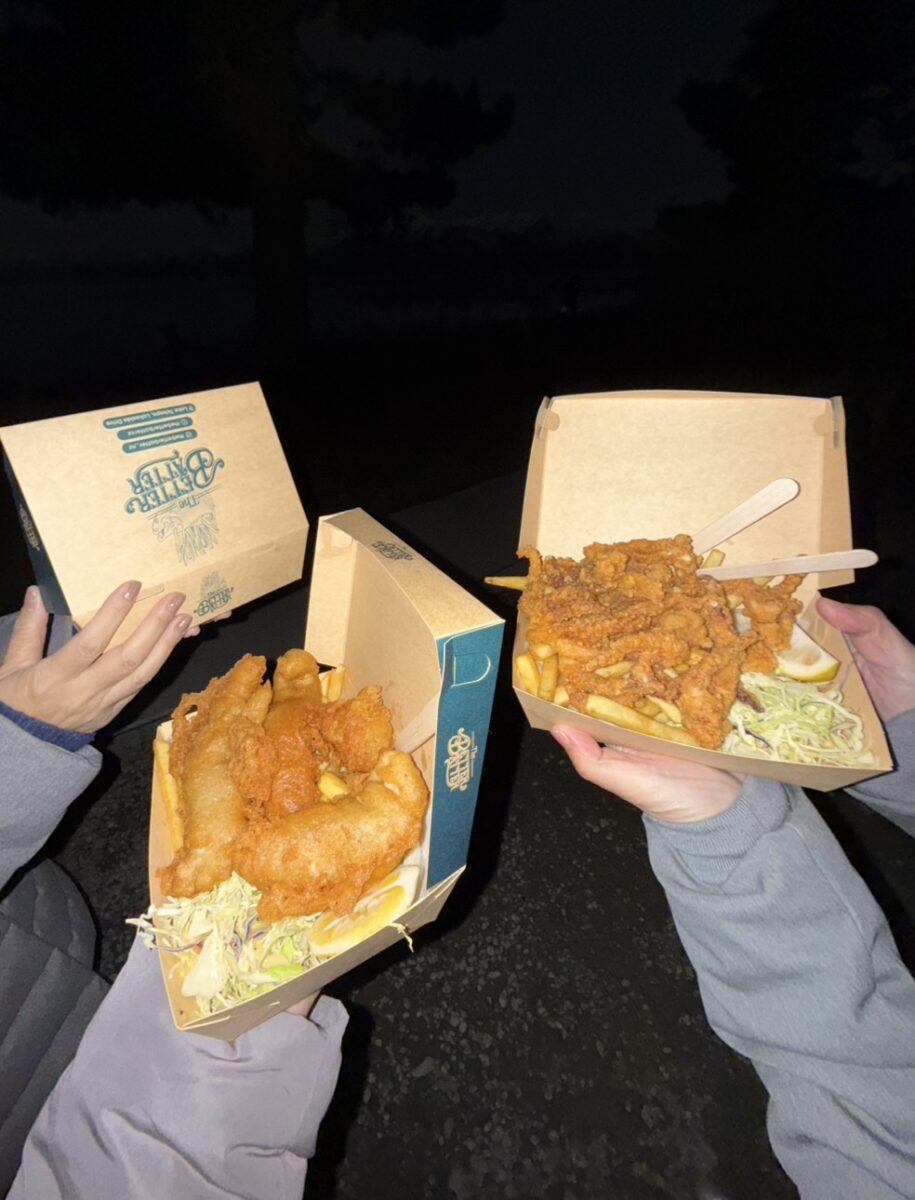
そんな日々を過ごしながら、少し足を伸ばせば南島ならではの絶景にも出会えます。2025年8月には日本から来ていた家族と南島を代表する観光地、レイク・テカポ(Lake Tekapo)に行きました。到着してすぐ、辺りは静けさと透明な空気に包まれました。湖の周りにはいくつかの飲食店やキッチンカーがあるので、景色と一緒に楽しむことができます。特に評判の良かったキッチンカーのフィッシュ・アンド・チップスを購入しましたが、これがとても美味しかったです。刻一刻と変化する湖面の色に、黄金色のフィッシュ・アンド・チップスがよく映えました。星自体はホームステイ先からも見えるのですが、レイク・テカポから見る星空も、家から見る星空も、どちらも比べ物にならないほど素晴らしく、本当に満天の星空でした。(満点⭐)
余談ですが、星の撮影にはiPhone 16 proを使用しています。素人からすると、申し分ない画質です。そして、時期によってはレイク・テカポからオーロラを見ることができるそうなので、その時期を狙うことをおすすめします。
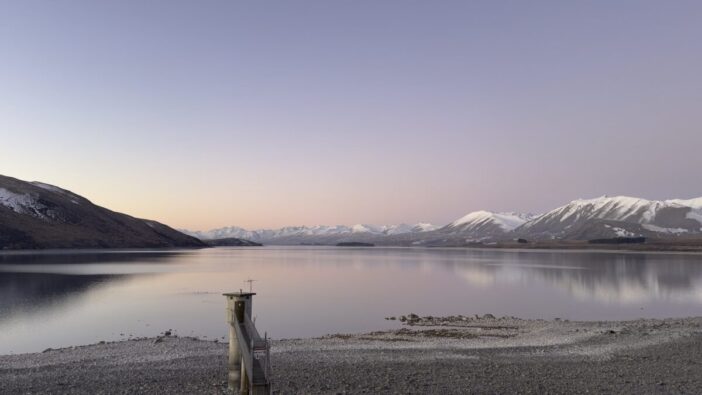
Evening view of Lake Tekapoレイク・テカポの夕方の景色
-
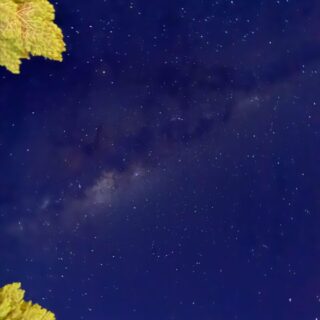
Night sky over Lake Tekapo レイク・テカポの星空
-
-
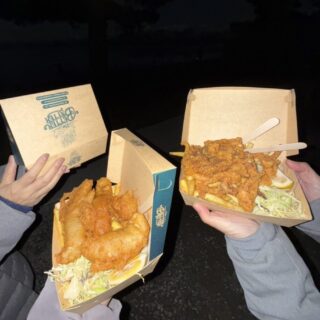
Fish and chipsフィッシュ・アンド・チップス

レイク・テカポ ふれあい動物園
ニュージーランドといえば羊というイメージがありますが、その印象はダニーデン空港に到着して間もなく実感しました。車で走っていると牧草地のあちこちに羊がいて、こちらをじっと見ていることもあります。ただ、羊だけが目立つ一方で、実際は羊以外にも多種多様な生物と共存している豊かな国なのです。ほとんどの家庭が犬を家族として迎え入れ、猫を放し飼いにし、庭では野生のハリネズミがくつろいでいるような場所です。
庭で睡眠中のハリネズミ。子供の声に驚く。
こうした生活にも慣れてきた1月末には、ダニーデンから車で20分ほどのところにあるモスギールという場所で、ファームステイを体験しました。ファームステイとは、農場に泊まりながら、そこで暮らす人たちの生活を体験する滞在スタイルです。その実態は、日本では経験できないような非日常感にあふれており、特に私は生まれも育ちも東京なので、自分が経験してきたこととのギャップを強く感じました。
朝はベッドから羊と牛、そして侵入してきたウサギまでもが見える景色で始まります。この体験は一生忘れません。社会復帰が難しいほど、幸福度が高すぎたのです。広大な農場に広がる青々とした牧草には、草と土の匂いが凝縮されているようでした。
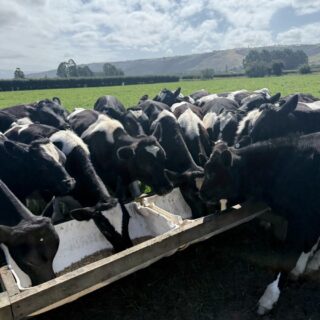
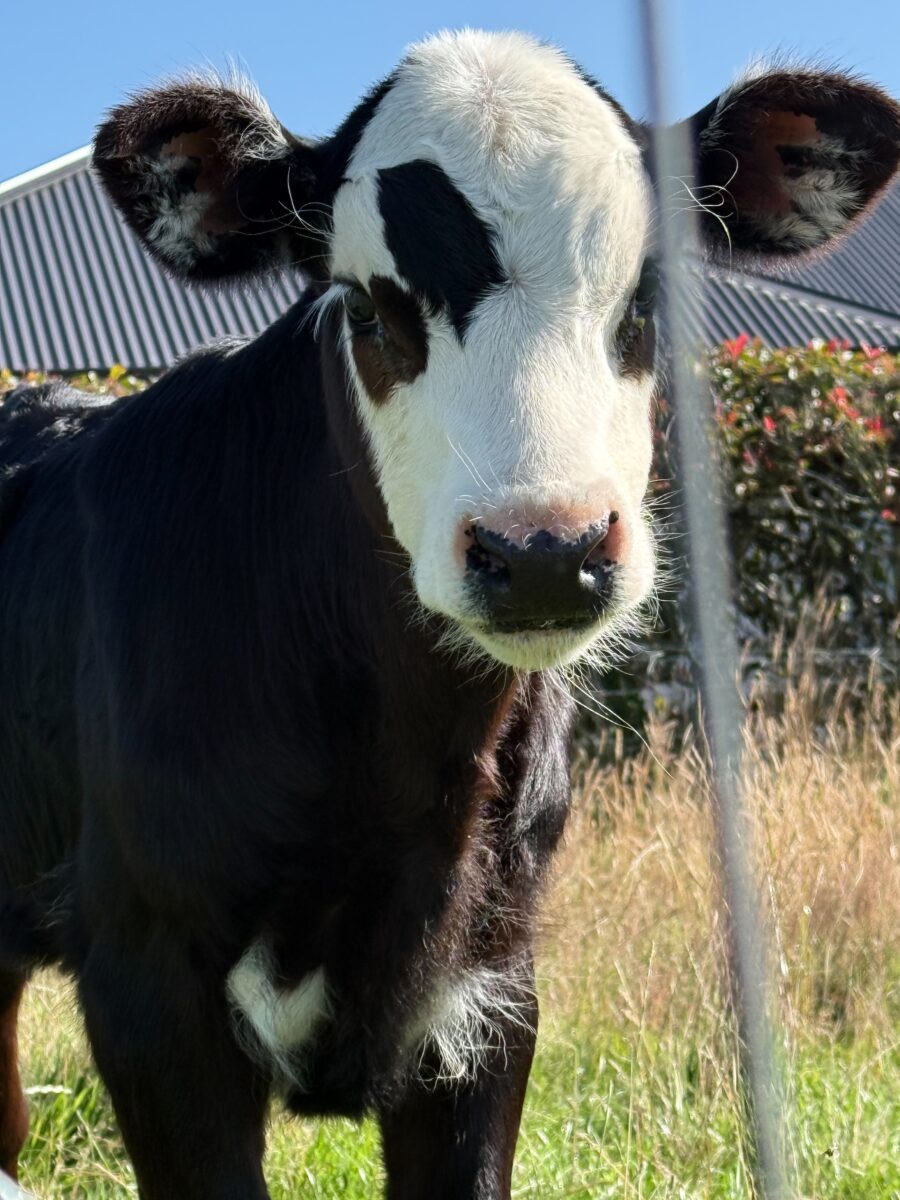
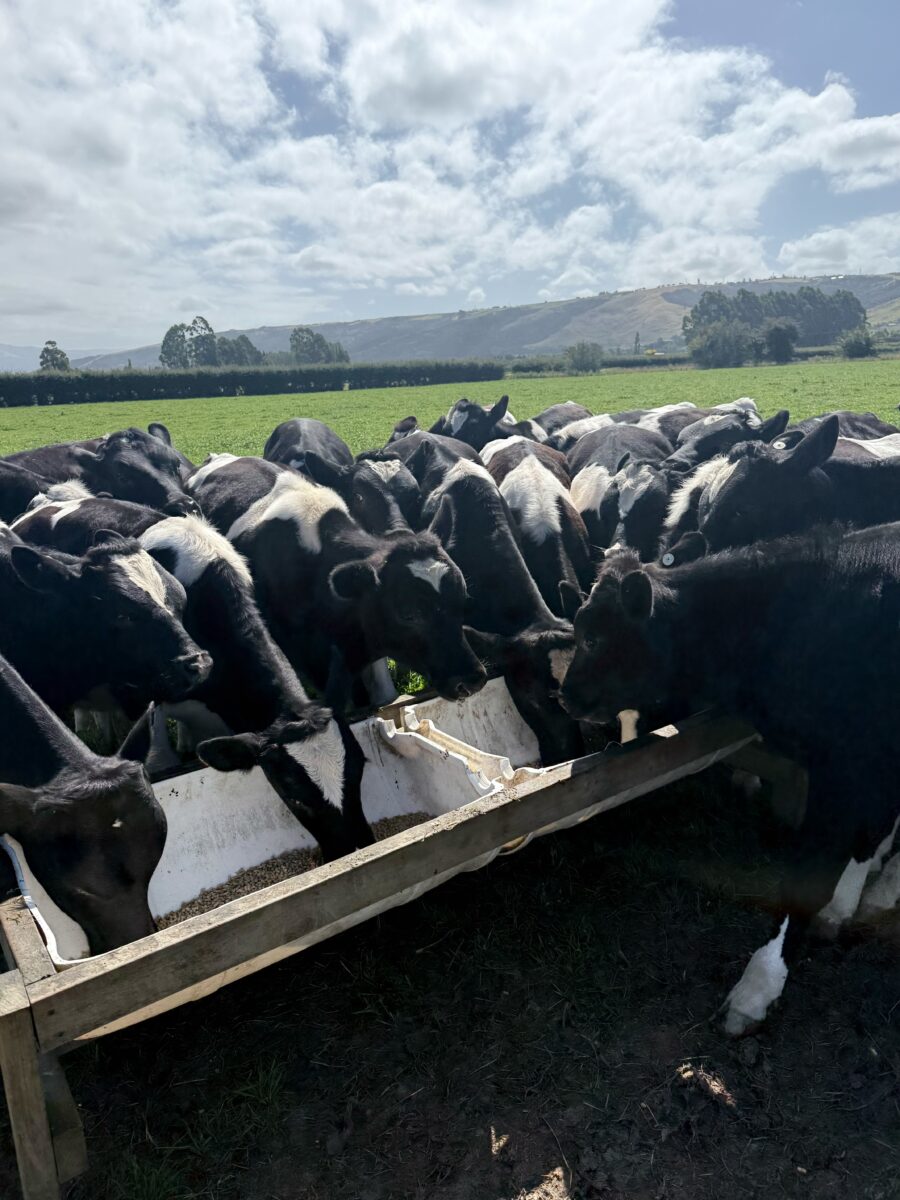
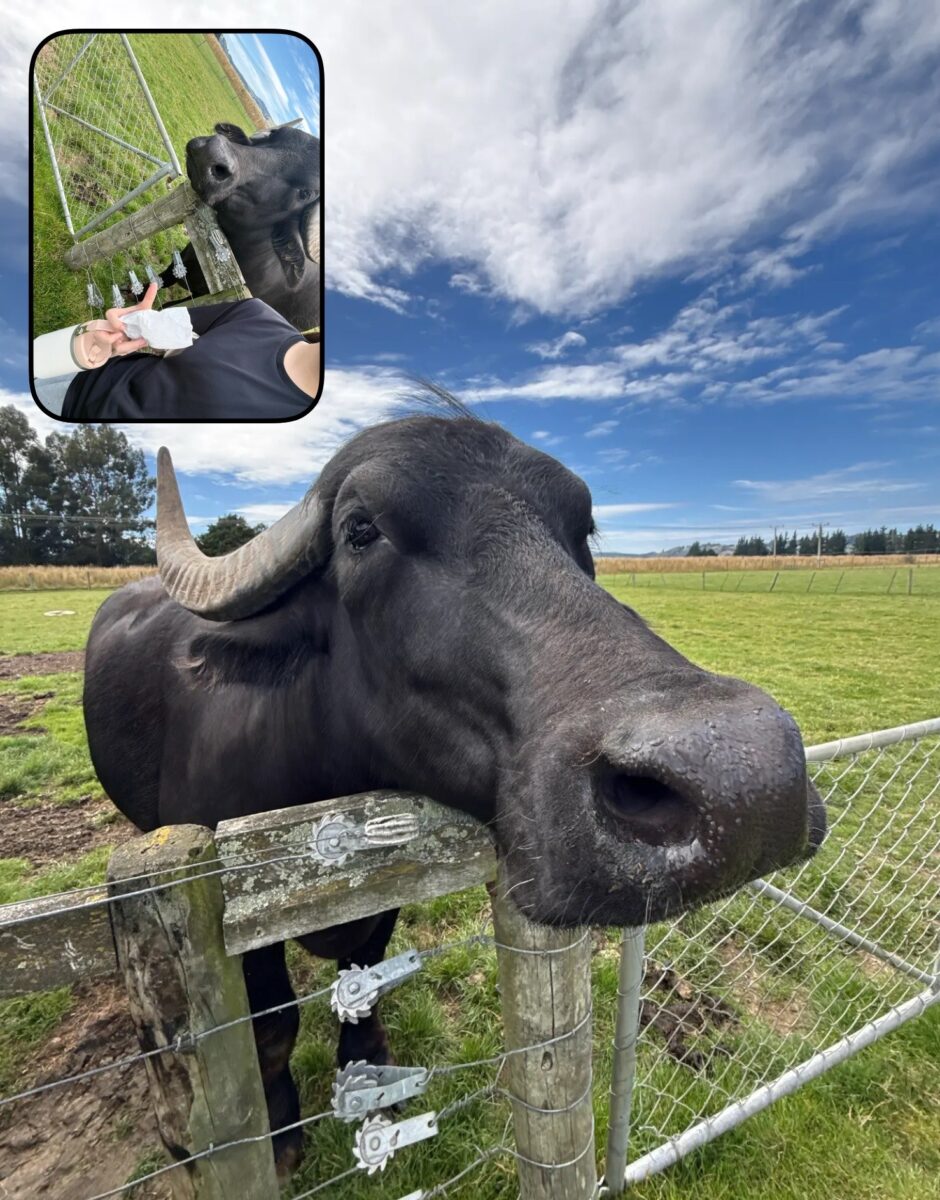
幸運にも、オーナーさんが普段からされている作業を見学させてもらえることになり、牛がいるエリアまで、トラクターに乗って向かいました。さらに、牧羊犬が仕事をしている姿も見ることができたのですが、間近で見るのは初めてで、特に印象に残っています。オーナーさんの合図に忠実な牧羊犬の様子からは、日ごろの訓練の積み重ねが伝わってきました。
-
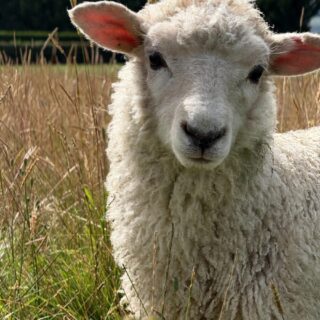
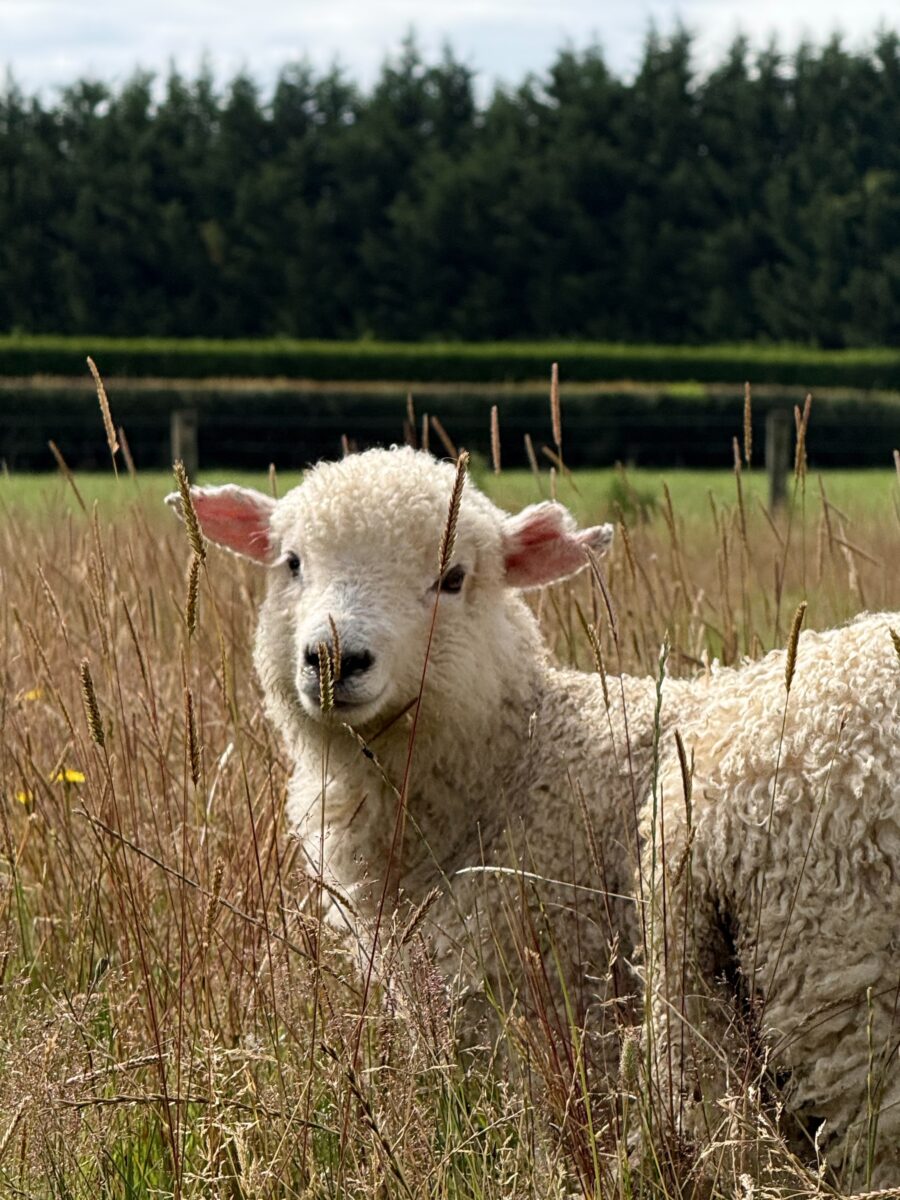
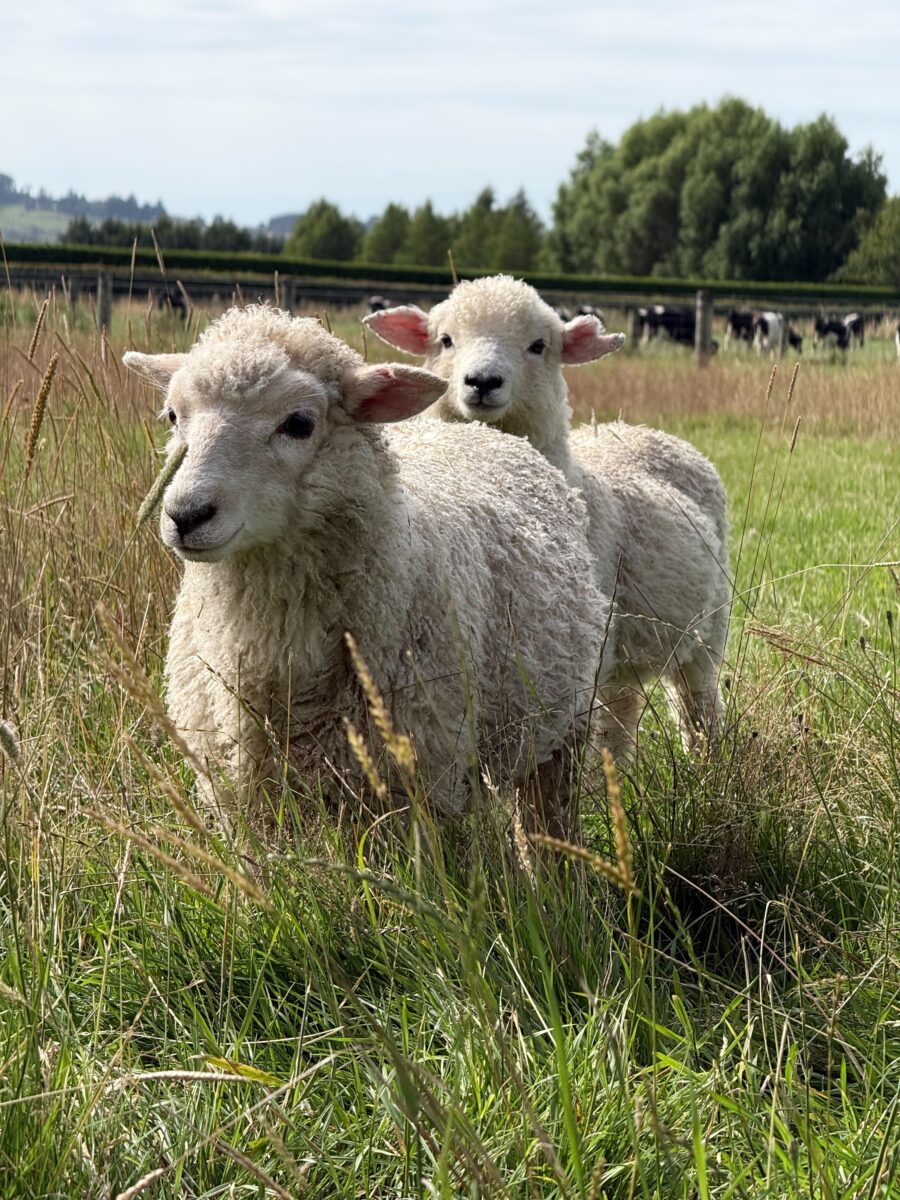
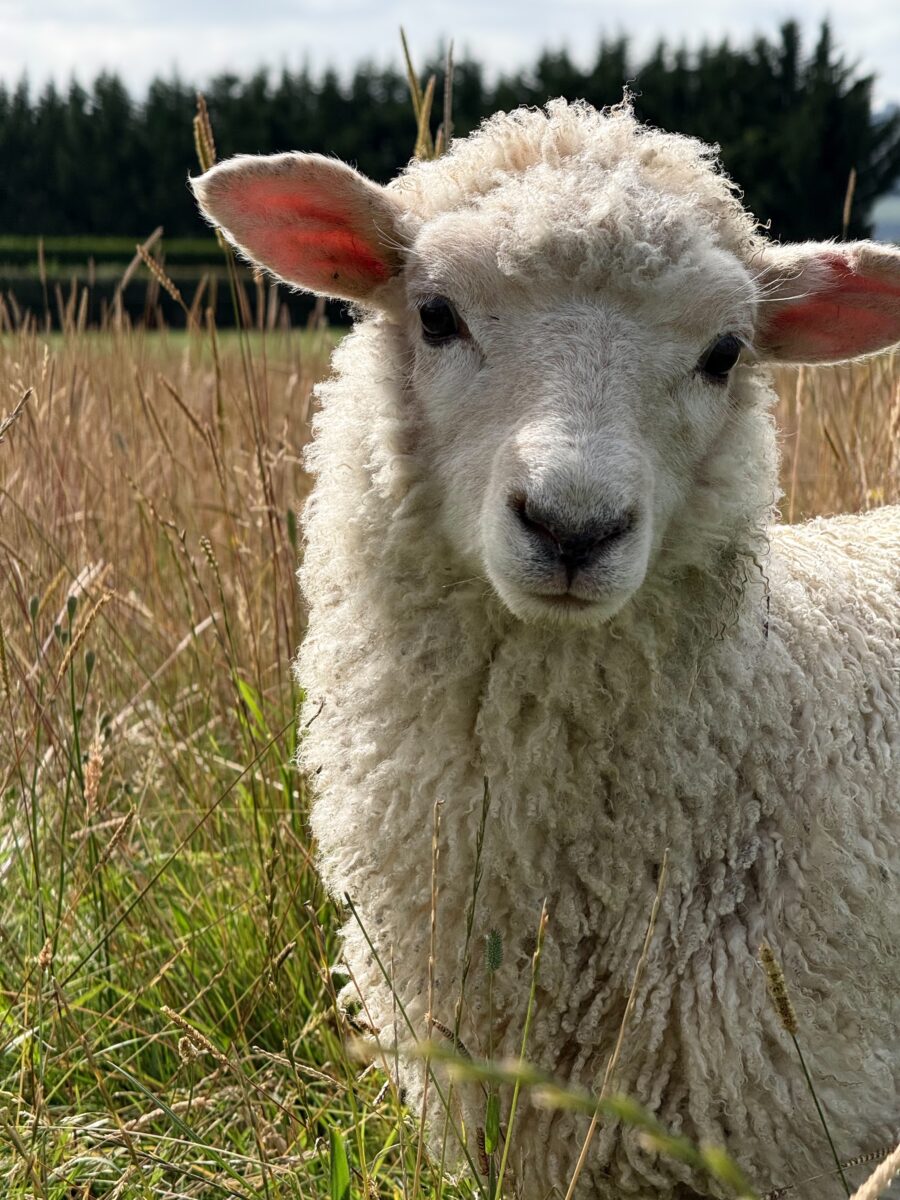
Sheep on the farm牧場の羊
-
-
-

Cows on the farm牧場の牛
-
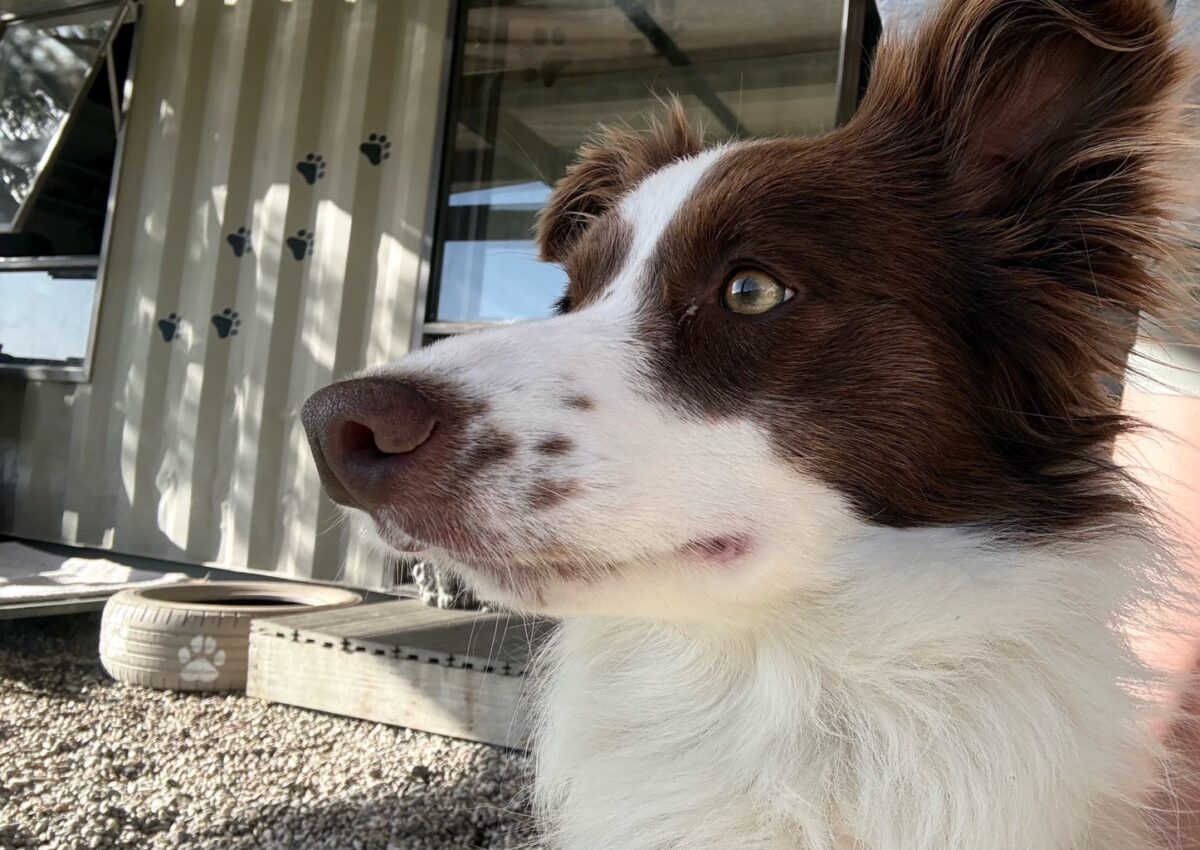
牛と話す牧羊犬のSuu
羊を集めるSuu
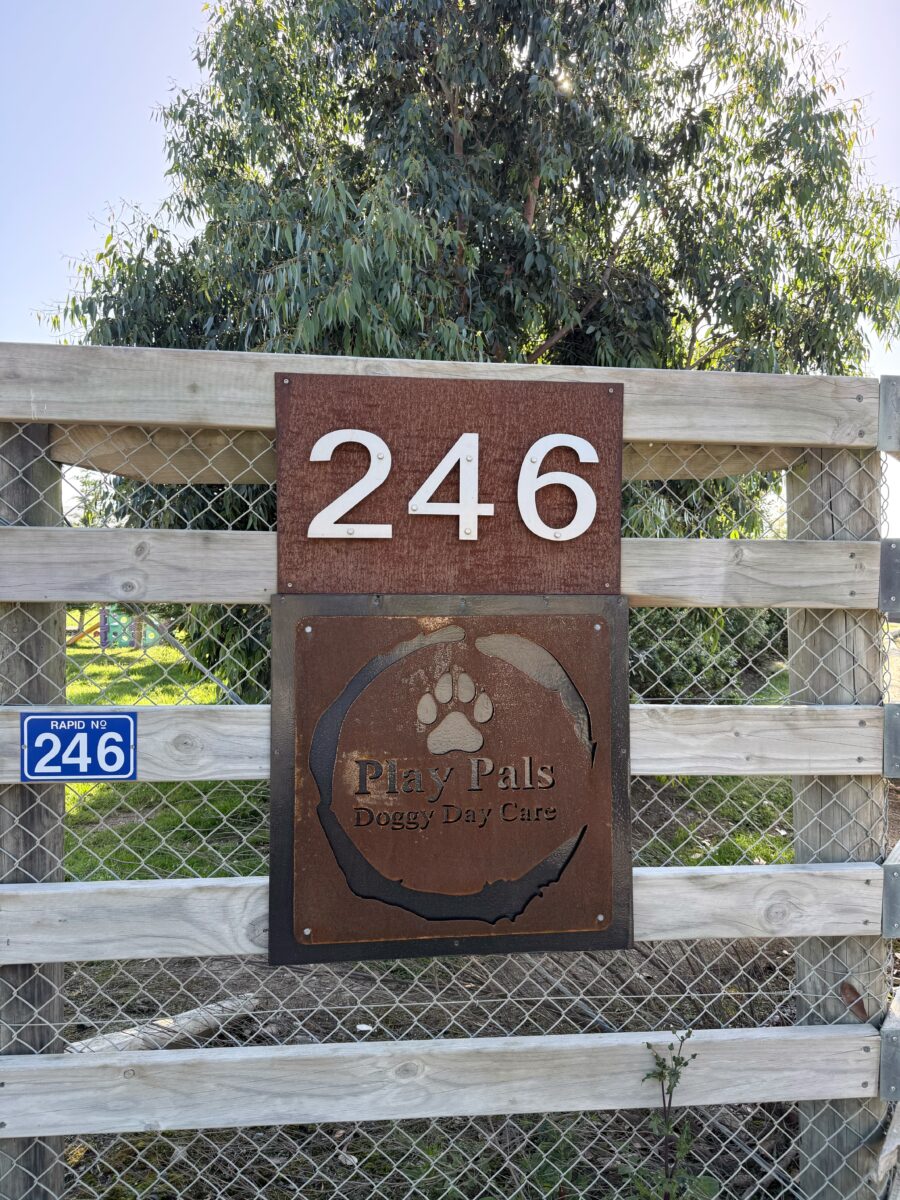
そして、宿泊場所から徒歩1時間程度の急斜面の丘を越えた先には、ペットの犬の一時預かり施設があったので、興味本位で話を聞きに行きました。広い敷地内には、15匹ほどの犬が自由に走り回れる環境が整っています。オーナーさんは、飼い主が仕事の間に犬を一時的に預かるサービスを行っており、とても気さくな方でした。
犬用のプレイグラウンドは、まるで遊園地のようで、毎日遊びに来られるとなったら本当に夢がありますね。さまざまな犬と仲良くなれた気がします。聞いたところ、犬の世界には序列があるそうで、群れを率いる“α(アルファ)”と呼ばれる存在を間近で見ることができて、思わず興奮してしまいました。犬同士(特に大型犬)が集まっている様子をあまり見かけないので、とても興味深かったです。
さらに、母親と離れてしまった子鹿も保護しているようで、囲いの中で生まれていた小さな生態系には、どこかミニチュアのような面白さがありました。
そして最後に、留学生活を語るうえで欠かせないのがホストファミリーの存在です。ホストファミリーによっては、車でお出かけに連れて行ってもらえることもあります。フィジー出身である私の元ホストファミリー(事情があり変更となったホストファミリー)は、私を深夜3時に起こし、ダニーデンから車で南島の最北部にあるネルソン(日本で例えると金沢から鹿児島の距離に相当します)に連れていってくれました。彼らは車の窓から洋ナシの芯を投げながら「コンポスト‼」と叫ぶようなロックな方々でした。なかなかワイルドでしたが、良い思い出です。ご縁があり、10軒ほどの家を訪問する機会がありましたが、場所と人によって生活が180度違うので、精神的にも鍛えられたと思います。
このように、留学中は日本では味わえないような文化を体験することが醍醐味だと感じています。良し悪しはさておき、自分の固定観念を見つめ直す機会を得ることができました。日本にいるうちから夢中になれるものを見つけておくと良いかもしれません。
長くなりましたが、最後までご覧いただきありがとうございました。
高田 星奈
-

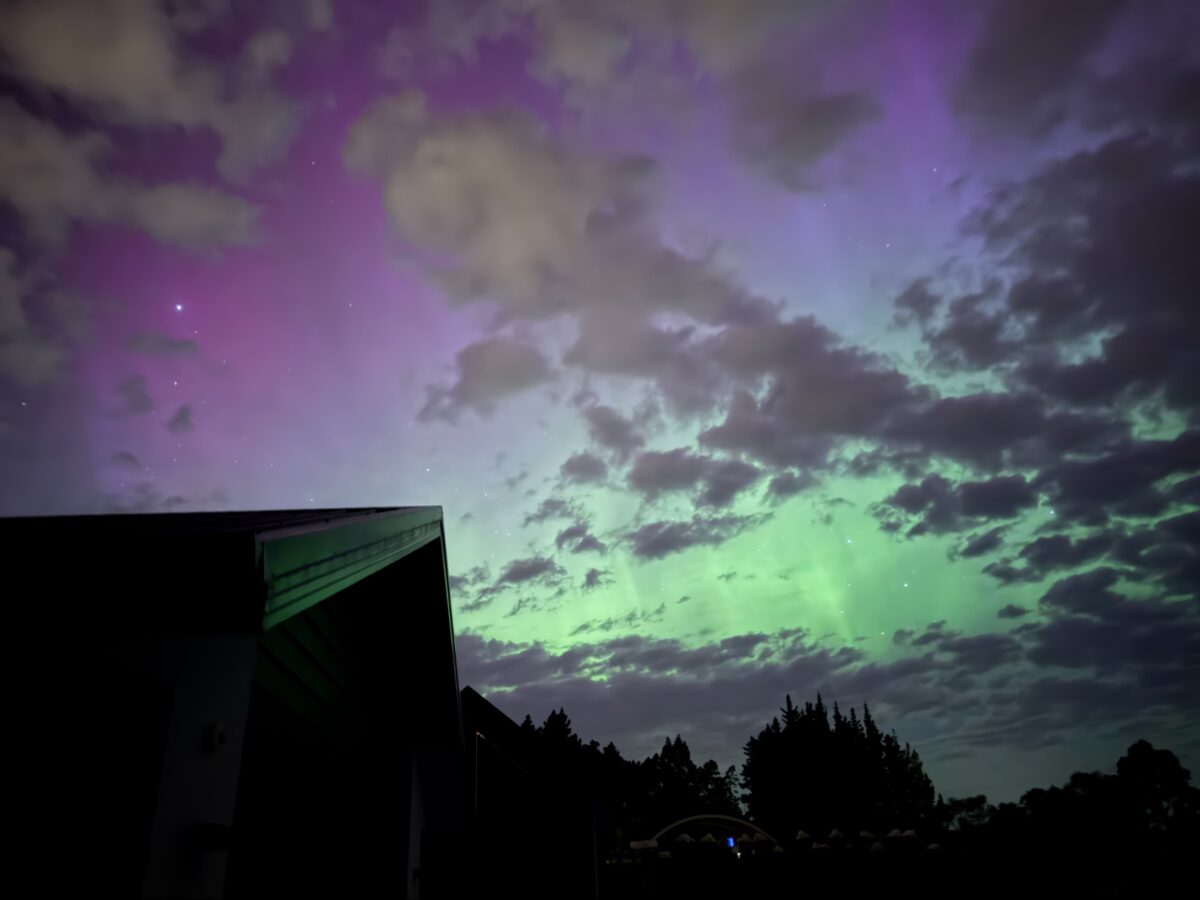
Aurora seen from my house家から見えたオーロラ
-

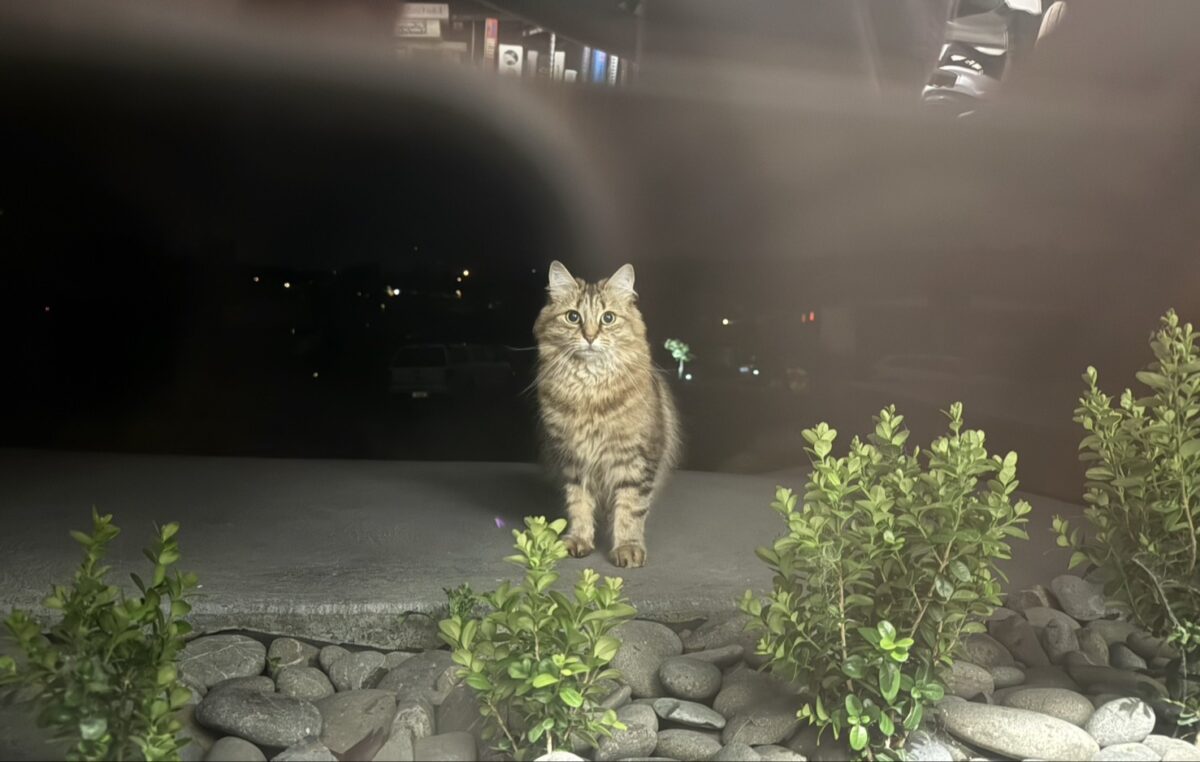
A cat who came to peek作業をしていると覗きに来た猫
-
-
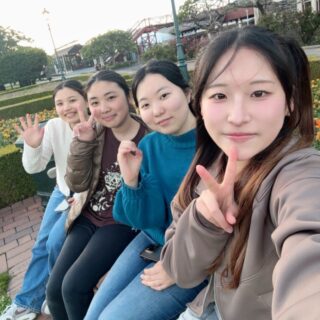
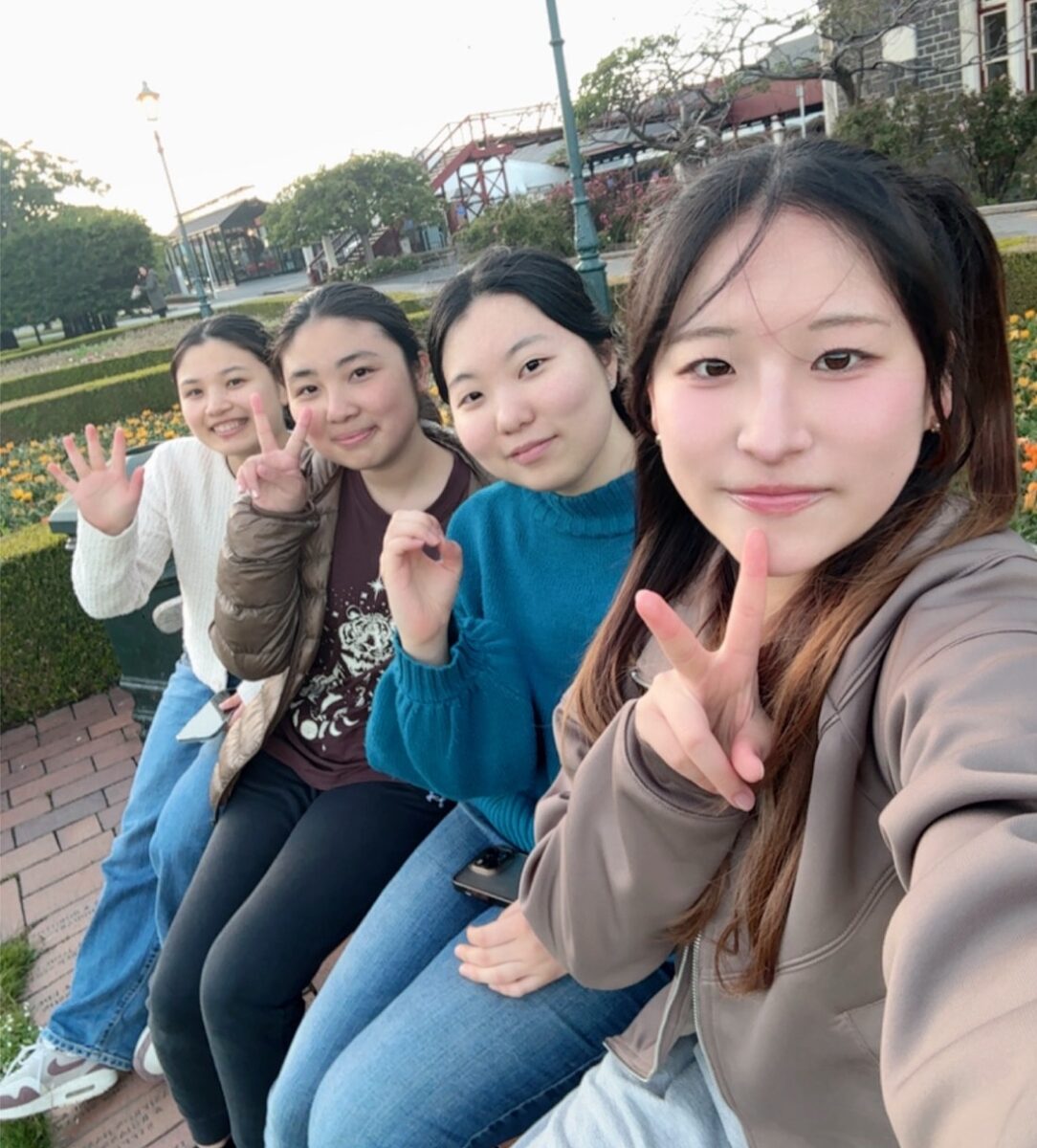
With friends before New Year’s Eve年越し前に友人と共に
-

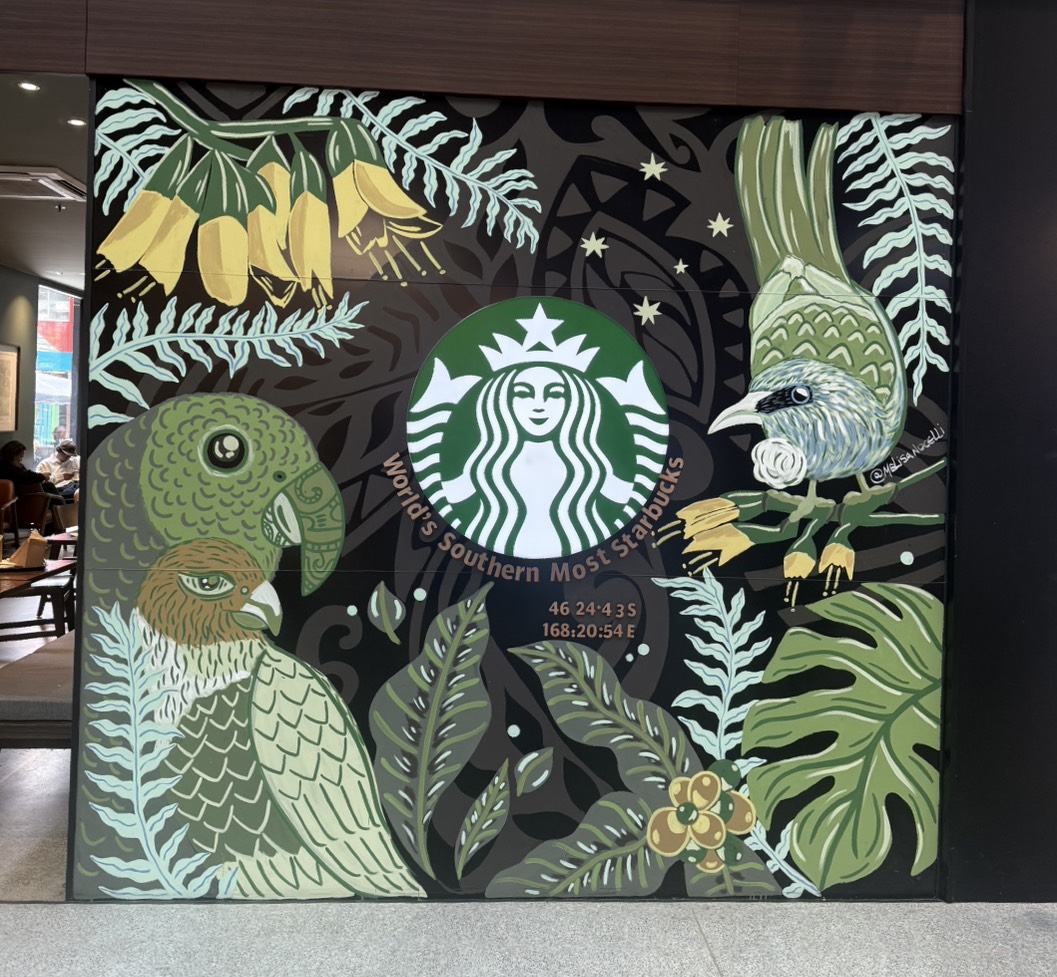
The southernmost Starbucks in the world世界最南端のスターバックス
-
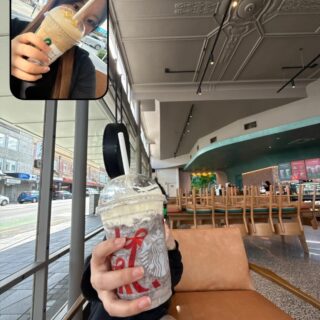
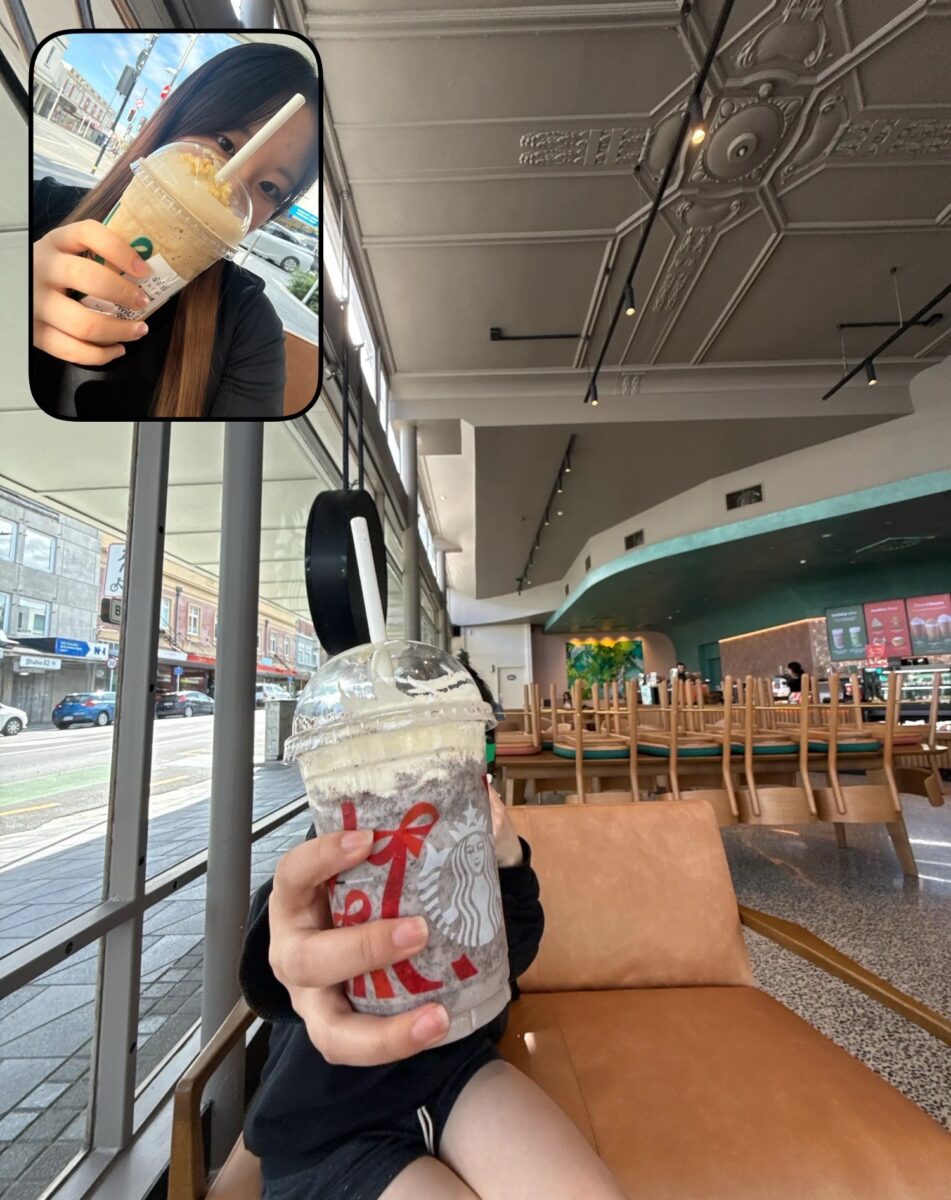
Starbucks in central Dunedinダニーデン中心地のスターバックス
-
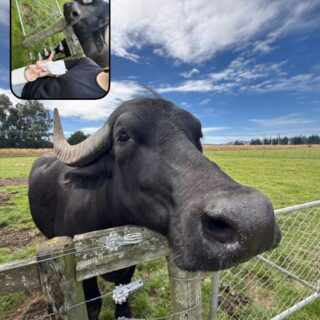
At The Animal Ark Dunedin in Mosgielモスギールにある「アニマル・アーク・ダニーデン」ふれあい動物園にて
-
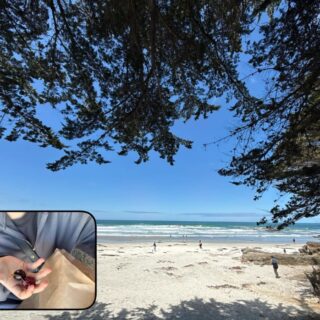
Brighton Beach and New Zealand–grown ブライトンビーチとニュージーランド産チェリー
Hello everyone, and thank you for reading the ICT Journal. My name is Sena Takada, and I am a 3rd year student. Until recently, I used to count how many months it had been since I arrived in New Zealand—but now it feels faster to count how many months are left until I return to Japan.
In this journal, I would like to look back on some of my experiences during my study abroad. I hope this gives those who are considering applying to ICT even a small sense of what everyday life here feels like.
First, Dunedin, where we are currently studying, is a small city. However, it has great access to both the ocean and the hills (or mountains), so you can feel close to nature in your daily life. On a sunny day, you can go for a run on the beach and then enjoy a panoramic view of Dunedin from a scenic lookout. One of the best things about this city is that even without doing anything “touristy,” you can still find rich and beautiful scenery as part of ordinary life.
While living these kinds of days, if you travel just a little farther, you can also encounter the spectacular landscapes that represent the South Island. Around August 2025, I visited Lake Tekapo, one of the major tourist spots on the South Island, with my family who had come from Japan. As soon as we arrived, the area felt wrapped in silence and crystal-clear air. There are several restaurants and food trucks around the lake, so you can enjoy the scenery along with something to eat. We bought fish and chips from a particularly well-reviewed food truck, and it was delicious. The golden fish and chips looked perfect against the lake’s surface, whose colors kept changing from moment to moment. You can see stars from my homestay as well, but the starlit sky at Lake Tekapo—and even the stars seen from home—were both so beautiful that they were beyond comparison. It truly felt like a sky full of stars. (A perfect score ⭐)
As a side note, I use an iPhone 16 Pro to take photos of the stars. From a beginner’s perspective, the image quality is more than enough. Also, depending on the season, it seems that you may be able to see the aurora from Lake Tekapo, so I recommend aiming for that as well.
Evening view of Lake TekapoEvening view of Lake Tekapo
-
Night sky over Lake Tekapo レイク・テカポの星空
-
-
Fish and chipsフィッシュ・アンド・チップス
Lake Tekapo Petting Zoo
Next, many people associate New Zealand with sheep, and it didn’t take long after arriving at Dunedin Airport for me to understand why. When you drive around, you can see sheep scattered across the grasslands, and sometimes they even stare back at you. However, even though sheep stand out the most, this country is rich in biodiversity and is home to many different kinds of animals. In most households, dogs are welcomed as family members, cats are often allowed to roam freely, and in some gardens, wild hedgehogs relax as if they actually live there. That’s the kind of place it is.
Sleeping hedgehog in the garden, startled by children
By the end of January, once I had gotten used to this lifestyle, I experienced a farm stay in a place called Mosgiel, about a 20-minute drive from Dunedin. A farm stay is a style of travel where you stay on a farm and experience the daily life of the people who live and work there. It was full of “non everyday” experiences that you could never have in Japan. Since I was born and raised in Tokyo, I felt a strong contrast between what I had grown up with and what I was experiencing there.
My mornings began with the view from my bed—sheep, cows, and even an “invading” rabbit in the distance. I will never forget this experience. My happiness level was so high that returning to normal society felt difficult. Across the vast farm, the deep green pasture seemed to carry a concentrated scent of grass and soil. Luckily, the owner let us observe the work they normally do, and we rode a tractor out to where the cows were. I also got to see a sheepdog working up close for the first time, which left a strong impression on me. From the way the dog responded faithfully to the owner’s signals, I could feel the accumulation of daily training.
-
Sheep on the farm牧場の羊
-
-
-
Cows on the farm牧場の牛
-
Suu the sheepdog and the cows
Suu gathering the sheep
Then, about an hour’s walk from where we stayed—past a steep hillside—there was a dog daycare facility for temporary pet boarding, so I went there out of curiosity to ask about it. It was a spacious property where about fifteen dogs could run around freely. The owner offered temporary care while owners were at work, and they were very friendly. The dogs’ playground felt like an amusement park, and honestly, it felt like a dream if I could come and play there every day. I felt like I became friends with many of the dogs.
I had heard that there is a kind of “hierarchy” in dog society, and I was thrilled to see an alpha leading the group up close. Since I rarely see so many dogs (especially large dogs) gathered together, it was fascinating. It also seemed that they were protecting a fawn that had been separated from its mother, and the little ecosystem inside the enclosure felt like its own miniature world.
Finally, one essential part of studying abroad is the host family. Depending on the family, they may even take you on trips by car. My former host family (I had to change families due to circumstances), who are Fijian, once woke me up at 3:00 a.m. and drove me from Dunedin to Nelson at the very top of the South Island (roughly equivalent to the distance from Kanazawa to Kagoshima in Japan). They were the kind of wild people who would throw pear cores out the car window while yelling, “Compost!!” They were intense, but it is a great memory. I had the chance to visit around ten different homes, and because daily life can be completely different depending on the place and the people, I think it strengthened me mentally.
In this way, I believe one of the best parts of studying abroad is experiencing cultures that you cannot truly taste in Japan. Whether good or bad, I was given the chance to re-examine my own assumptions and fixed ideas. It may be a good idea to find something you can become deeply passionate about while you are still in Japan.
This became quite long, but thank you very much for reading.
Sena Takada
-
Aurora seen from my house家から見えたオーロラ
-
A cat who came to peek作業をしていると覗きに来た猫
-
-
With friends before New Year’s Eve年越し前に友人と共に
-
The southernmost Starbucks in the world世界最南端のスターバックス
-
Starbucks in central Dunedinダニーデン中心地のスターバックス
-
At The Animal Ark Dunedin in Mosgielモスギールにある「アニマル・アーク・ダニーデン」ふれあい動物園にて
-
Brighton Beach and New Zealand–grown ブライトンビーチとニュージーランド産チェリー