




Engineering Design (ED)
エンジニアリングデザイン(ED)
 カメラマンのジョナサンです!今日は2年生の「エンジニアリングデザイン」の活動を紹介します。
国際高専の問題発見解決型の授業、「エンジニアリングデザイン」では、学生がユーザーの視点に立って課題を明確化、解決策のアイデアを考慮しプロトタイプを作っています。今年は2年生7名が白山麓キャンパス校舎前の休耕田に着目して、「アグリテック班」「アグリビジネス班」の2つのグループに分かれて課題解決に挑みました。
昨年、課外活動の一環で、一部の学生と先生が白山麓キャンパス前にある休耕田でさつまいもを栽培しましたが、サルにより収穫のほとんどを奪われてしまいました。金沢工業大学と連携して、大学の研究室で試作された獣害対策ロボットを試しましたが、風などで動きのある自然を背景にした場合、動物の認識率が低いことがわかりました。そこで「アグリテック班」はAIを使って自然の中でもサルを認識できるシステムの開発を行うことにしました。後学期はプログラム開発を進め、11月に入ってからは津幡町にある石川県森林公園で、ニホンザルの写真を7,000枚撮ってシステムに学習させて認識の精度を高めました。これらの活動は11月13日(金)にNHK金沢放送局の「かがのとイブニング」にも取り上げられました。農作物の被害は全国的な課題となっており、今後は畑にサルが侵入した際に、所有者のスマートフォンに知らせるシステムの構築を目標にしています。
「アグリビジネス班」の学生たちは地域活性化を図るために「愛・AIいもプロジェクト」を4月に発足し、休耕田にさつまいも「紅はるか」の植え付け、草むしり、収穫を自ら行いました。今年は電気柵を使ってサル対策をしたおかげで栽培した芋の9割以上を収穫できました。学生たちは糖度計を使って収穫した紅はるかの糖度を計測したところ44度という非常に高い数値を確認し、焼き芋にするとねっとりと甘く、大変美味しいことがわかりました。学生たちは芋を洗ってから大きさごとに分別し、オリジナルデザインのラベルを貼って販売用にパッケージングを行いました。白山麓発のブランド化を目指して「甘熟紅はるか」と名付けられたこれらのさつまいもは道の駅「瀬女」や地元のスーパーで販売したところ、すぐに在庫がなくなるほどの人気でした。
次年度以降は、「アグリテック班」が開発した獣害対策システムの完成度向上を計りながらブランドのさつまいもの生産販売を地域と協力しながら推進する予定です。
ジョナサン
-

電気柵を設置
-

システム開発するアグリテック班
-
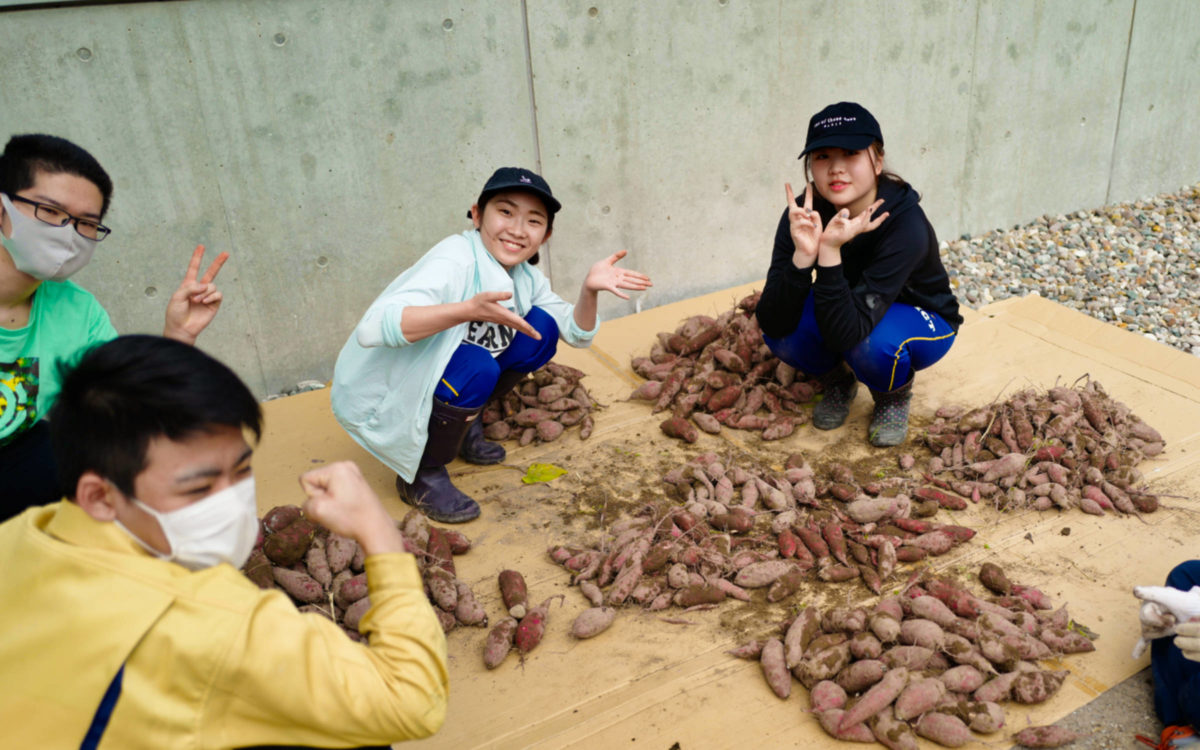
収穫した紅はるか
-

味比べデータを集める学生
-
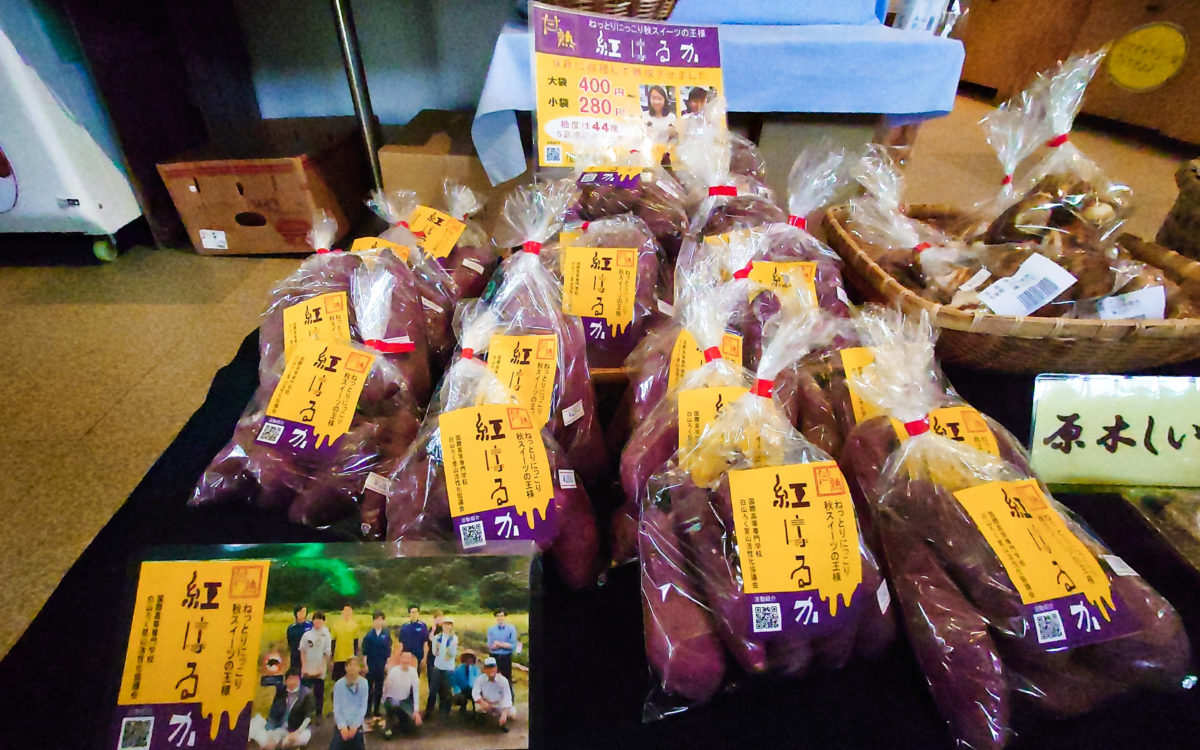
アグリビジネス班が販売した「甘熟紅はるか」
Hi, its Jonathan the cameraman. Today, I will give a report on what some of the second year students have been doing in "Engineering Design" class.
ICT's "Engineering Design" is a course in which students find problems in their community or society by interviewing people and creating prototypes that solve them. Seven of this year's second year students decided to focus on the unused fields across the street from the Hakusanroku Campus and start the "Ai Ai Imo Project", which consists of two groups: "Agri-tech" and "Agri-business".
Last year, some students planted sweet potatoes in the same field as part of their club activity. Despite their hard efforts, most of the potatoes were dug up and eaten by monkeys. They partnered with Kanazawa Institute of Technology to test a wild animal defense robot. However, it proved unable to detect animals when set in a wild environment due to wind moving the plants in the background. Learning this, the "Agri-tech" group decided to create a system that detects monkeys in the wild using AI. The actual construction of the system started this semester. In November, they traveled to the national park in Tsubata-machi and took over 7,000 pictures of the monkeys there to increase the accuracy of the AI. These activities were even featured on national television "Kaga-noto Evening" on November 13. Damage to crops by wild animals is a serious problem in Japan and the group hopes to develop a system that can detect monkeys entering a field and notify the owner via their smartphone.
The "Agri-business" group started the "Ai Ai Imo Project" in April. Their goal was to utilize the unused field to grow and sell sweet potatoes. To not repeat the same mistake as last year, this year's second year students built an electric fence around the patch to shut out the monkeys. Thanks to this and some quick decisions, they were able to harvest over 90% of the sweet potatoes. Students measured the sugar content of the potatoes, which turned out to be a remarkably high 44 degrees. After roasting and eating the sweet potatoes, we confirmed that they were rich, sweet and delicious. The students rinsed and separated the sweet potatoes by size, which they then packaged and labeled. These sweet potatoes were branded "Kanjuku (sweet and ripe) beni-haruka" and were sold at the michi-no-eki "Sena" souvenir shop and local super market "Yorankaine". They were extremely popular and sold out in a couple of days.
Next year, we hope to improve the system created by the "Agri-tech" group and work with the local community to further promote the sweet potatoes to draw people to Hakusanroku.
カメラマンのジョナサンです!今日は2年生の「エンジニアリングデザイン」の活動を紹介します。
国際高専の問題発見解決型の授業、「エンジニアリングデザイン」では、学生がユーザーの視点に立って課題を明確化、解決策のアイデアを考慮しプロトタイプを作っています。今年は2年生7名が白山麓キャンパス校舎前の休耕田に着目して、「アグリテック班」「アグリビジネス班」の2つのグループに分かれて課題解決に挑みました。
昨年、課外活動の一環で、一部の学生と先生が白山麓キャンパス前にある休耕田でさつまいもを栽培しましたが、サルにより収穫のほとんどを奪われてしまいました。金沢工業大学と連携して、大学の研究室で試作された獣害対策ロボットを試しましたが、風などで動きのある自然を背景にした場合、動物の認識率が低いことがわかりました。そこで「アグリテック班」はAIを使って自然の中でもサルを認識できるシステムの開発を行うことにしました。後学期はプログラム開発を進め、11月に入ってからは津幡町にある石川県森林公園で、ニホンザルの写真を7,000枚撮ってシステムに学習させて認識の精度を高めました。これらの活動は11月13日(金)にNHK金沢放送局の「かがのとイブニング」にも取り上げられました。農作物の被害は全国的な課題となっており、今後は畑にサルが侵入した際に、所有者のスマートフォンに知らせるシステムの構築を目標にしています。
「アグリビジネス班」の学生たちは地域活性化を図るために「愛・AIいもプロジェクト」を4月に発足し、休耕田にさつまいも「紅はるか」の植え付け、草むしり、収穫を自ら行いました。今年は電気柵を使ってサル対策をしたおかげで栽培した芋の9割以上を収穫できました。学生たちは糖度計を使って収穫した紅はるかの糖度を計測したところ44度という非常に高い数値を確認し、焼き芋にするとねっとりと甘く、大変美味しいことがわかりました。学生たちは芋を洗ってから大きさごとに分別し、オリジナルデザインのラベルを貼って販売用にパッケージングを行いました。白山麓発のブランド化を目指して「甘熟紅はるか」と名付けられたこれらのさつまいもは道の駅「瀬女」や地元のスーパーで販売したところ、すぐに在庫がなくなるほどの人気でした。
次年度以降は、「アグリテック班」が開発した獣害対策システムの完成度向上を計りながらブランドのさつまいもの生産販売を地域と協力しながら推進する予定です。
ジョナサン
-
電気柵を設置
-
システム開発するアグリテック班
-
収穫した紅はるか
-
味比べデータを集める学生
-
アグリビジネス班が販売した「甘熟紅はるか」
Hi, its Jonathan the cameraman. Today, I will give a report on what some of the second year students have been doing in "Engineering Design" class.
ICT's "Engineering Design" is a course in which students find problems in their community or society by interviewing people and creating prototypes that solve them. Seven of this year's second year students decided to focus on the unused fields across the street from the Hakusanroku Campus and start the "Ai Ai Imo Project", which consists of two groups: "Agri-tech" and "Agri-business".
Last year, some students planted sweet potatoes in the same field as part of their club activity. Despite their hard efforts, most of the potatoes were dug up and eaten by monkeys. They partnered with Kanazawa Institute of Technology to test a wild animal defense robot. However, it proved unable to detect animals when set in a wild environment due to wind moving the plants in the background. Learning this, the "Agri-tech" group decided to create a system that detects monkeys in the wild using AI. The actual construction of the system started this semester. In November, they traveled to the national park in Tsubata-machi and took over 7,000 pictures of the monkeys there to increase the accuracy of the AI. These activities were even featured on national television "Kaga-noto Evening" on November 13. Damage to crops by wild animals is a serious problem in Japan and the group hopes to develop a system that can detect monkeys entering a field and notify the owner via their smartphone.
The "Agri-business" group started the "Ai Ai Imo Project" in April. Their goal was to utilize the unused field to grow and sell sweet potatoes. To not repeat the same mistake as last year, this year's second year students built an electric fence around the patch to shut out the monkeys. Thanks to this and some quick decisions, they were able to harvest over 90% of the sweet potatoes. Students measured the sugar content of the potatoes, which turned out to be a remarkably high 44 degrees. After roasting and eating the sweet potatoes, we confirmed that they were rich, sweet and delicious. The students rinsed and separated the sweet potatoes by size, which they then packaged and labeled. These sweet potatoes were branded "Kanjuku (sweet and ripe) beni-haruka" and were sold at the michi-no-eki "Sena" souvenir shop and local super market "Yorankaine". They were extremely popular and sold out in a couple of days.
Next year, we hope to improve the system created by the "Agri-tech" group and work with the local community to further promote the sweet potatoes to draw people to Hakusanroku.
 国の重要無形文化財に登録されている白山麓地域の伝統芸能の人形浄瑠璃「でくのまわし」をテーマとしたプロジェクトを思案している2年生のグループがある。彼らは、前期授業で地域調査をはじめ、この地域ならではの価値について考えた。後期授業では、導きだした価値を活かしたプロジェクトを考えている。
11月15日には、徳島の浄瑠璃団体の座長として活動されているマーティン・ホルマンさんによる人形浄瑠璃講演を白山市東二口歴史民俗資料館で聞くことができた(白山市国際交流協会主催)。ちなみに以前のジャーナルにも掲載されていたが、彼らの東二口への訪問は2回目となる。今回の目的は、浄瑠璃の理解をより深める事と、学生たちが思案しているプロジェクトについて、演じる方に意見を伺うことである。
講演はホルマンさんの人形浄瑠璃に関わるきっかけや、人形の操り方、人形浄瑠璃をどのように思っているかなど、いろんな角度からお話を聞くことができた。日本人でない方が日本の伝統芸能に情熱的に関わっている姿に、感慨深いものを感じた。講演後には、東二口の演目である大職冠の一部を鑑賞した。学生は徳島の人形を動かす機会もあり、地域の演技特徴を比べながら人形浄瑠璃について深く知る機会を得た。
企画後に学生達は、ホルマンさんや東二口の方々と交流を図っていた。今回の交流を通じて得た情報、感じた事は学生達の考え出したプロジェクト案に反映され、より充実した内容になることが期待できる。
小高有普
One group of second year students have started a project targeting the local "important intangible cultural property", traditional performing art here in Hakusanroku, the puppet theatre "Deku-mawashi". In the first semester, they gathered information from the local community and evaluated its unique importance. Currently in the second semester, they are working on a project to improve its situation.
On November 15, we were able to listen to a lecture by chairman of Ningyo-joruri (traditional puppet theatre) in Tokushima prefecture, Martin Holman at the folk museum in Higashi-futakuchi, Hakusan city (the event was organized by Hakusan International Asosiation). You may have read the previous journal entry and know that it is the students second time to visit here. Our goal this time was to deepen our knowledge of Ningyo-joruri and ask the performers for feedback on the students' proposal.
Listening to the lecture by Mr. Holman, we learned how he got involved with Ningyo-joruri, how to operate the puppets, and what his opinion is about the art. It was moving to listen to a foreigner speak so passionately about Japanese traditional art. After the lecture, we watched a part of the play "Taishokukan" and students were able to touch some of the puppets from Tokushima. It was informative and interesting to compare the differences between Ishikawa and Tokushima.
After the event, students continued to gather information from Mr. Holman and the Higashi-futakuchi members. The knowledge and feedback they gathered will improve their project even further.
Arihiro Kodaka
-
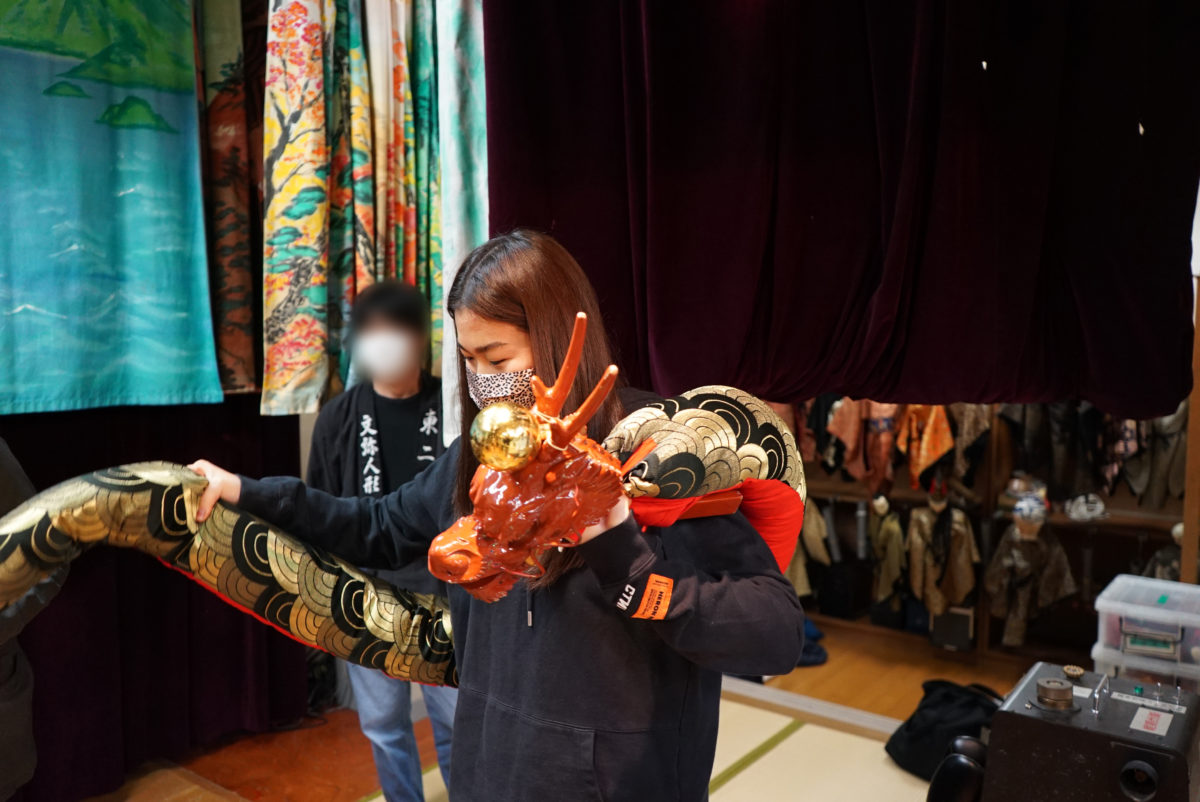
徳島の人形はと東二口の人形を操る学生達
-

ホルマンさんにインタビューする様子
-

プロジェクト案について東二口の方に伺う様子
国の重要無形文化財に登録されている白山麓地域の伝統芸能の人形浄瑠璃「でくのまわし」をテーマとしたプロジェクトを思案している2年生のグループがある。彼らは、前期授業で地域調査をはじめ、この地域ならではの価値について考えた。後期授業では、導きだした価値を活かしたプロジェクトを考えている。
11月15日には、徳島の浄瑠璃団体の座長として活動されているマーティン・ホルマンさんによる人形浄瑠璃講演を白山市東二口歴史民俗資料館で聞くことができた(白山市国際交流協会主催)。ちなみに以前のジャーナルにも掲載されていたが、彼らの東二口への訪問は2回目となる。今回の目的は、浄瑠璃の理解をより深める事と、学生たちが思案しているプロジェクトについて、演じる方に意見を伺うことである。
講演はホルマンさんの人形浄瑠璃に関わるきっかけや、人形の操り方、人形浄瑠璃をどのように思っているかなど、いろんな角度からお話を聞くことができた。日本人でない方が日本の伝統芸能に情熱的に関わっている姿に、感慨深いものを感じた。講演後には、東二口の演目である大職冠の一部を鑑賞した。学生は徳島の人形を動かす機会もあり、地域の演技特徴を比べながら人形浄瑠璃について深く知る機会を得た。
企画後に学生達は、ホルマンさんや東二口の方々と交流を図っていた。今回の交流を通じて得た情報、感じた事は学生達の考え出したプロジェクト案に反映され、より充実した内容になることが期待できる。
小高有普
One group of second year students have started a project targeting the local "important intangible cultural property", traditional performing art here in Hakusanroku, the puppet theatre "Deku-mawashi". In the first semester, they gathered information from the local community and evaluated its unique importance. Currently in the second semester, they are working on a project to improve its situation.
On November 15, we were able to listen to a lecture by chairman of Ningyo-joruri (traditional puppet theatre) in Tokushima prefecture, Martin Holman at the folk museum in Higashi-futakuchi, Hakusan city (the event was organized by Hakusan International Asosiation). You may have read the previous journal entry and know that it is the students second time to visit here. Our goal this time was to deepen our knowledge of Ningyo-joruri and ask the performers for feedback on the students' proposal.
Listening to the lecture by Mr. Holman, we learned how he got involved with Ningyo-joruri, how to operate the puppets, and what his opinion is about the art. It was moving to listen to a foreigner speak so passionately about Japanese traditional art. After the lecture, we watched a part of the play "Taishokukan" and students were able to touch some of the puppets from Tokushima. It was informative and interesting to compare the differences between Ishikawa and Tokushima.
After the event, students continued to gather information from Mr. Holman and the Higashi-futakuchi members. The knowledge and feedback they gathered will improve their project even further.
Arihiro Kodaka
-
徳島の人形はと東二口の人形を操る学生達
-
ホルマンさんにインタビューする様子
-
プロジェクト案について東二口の方に伺う様子
2年生の授業であるエンジニアリングデザインは、地域の生活文化を体験したうえで、エンジニアとしての創造的解決を目指すプロジェクト型の授業です。プロジェクト実施前には、事象をいろんな角度から観察し、構造を視覚化するトレーニングをします。視覚化による現状把握は、グループごとの意思の疎通を図り、情報共有のもと活動を活性化させる効果があります。このビジュアルシンキングによるトレーニングを学生は、遠隔授業にも関わらず能動的に取り組んでくれました。今回のコロナウイルスの発生のタイミングは、学生の持つ、エンジニア魂に火をつけたのかもしれません。6月中旬には、クラスの様子を感じる事が困難な遠隔授業という状況から、通常授業へ戻り、いよいよ地域交流による体験活動が始まりました。学生のそばで対応できることは教員にとっては嬉しいことです。
さて、白山麓地域の方々と関わりながら行われる授業はこれからが本番です。学生は教員と共に創造力を充分発揮し、ものづくりの楽しさを味わっていきます。遠隔授業で学んだビジュアルシンキングをもとに、今ある事象を我が身に置き換えて考え、適切な判断のできるエンジニアを育てていきたいものです。
ところで、今回のコロナウイルスにより、多くの場面で問題が起こりました。例えば、食品の割引券案から始まった日本の経済対策については、検討を重ね、2枚のマスクが忘れた頃に届きました。いったいどれだけの人が救われたのでしょうか。また、配布されたマスクにカビ付着や髪の毛の混入があった問題は、ものづくり姿勢の現れと言えるのではないでしょうか。この出来事は、グローバル化の弊害が垣間見えます。消費者は身を守るために製造場所や製造方法を把握しなくてはならず、食品や製品は安全かどうかを吟味して購入しなければならない時代となっています。今回の、不要不急の対策により社会生活の歯車は完全に機能を失うこととなりました。コロナウイルスにより潜伏していた、いろいろな問題は明らかにされはじめ、そこから生まれた国民の感情はどこにぶつけるべきでしょうか。
このような社会状況を自ら体験して改めて思うこと言えば、多角的に物事を考え適切な判断による創造的思考ができることの重要性です。学生は、一年間にわたるエンジニアリングデザインの授業を通じて、日本の伝統文化や様々な人の心に触れて行くこととなります。そこでは、深く物事を観察し多くの人の考え方を学ぶ事になります。これからの貴重でユニークな体験は、これからの時代にふさわしいエンジニアへと導くことでしょう。後の授業については他の先生方に紹介していただくことにしましょう。
小髙 有普
The second-year Engineering Design class is a project-based course in which students observe the culture of the local community and design a creative solution as an engineer. Before the projects start, we make sure to study the subject matter from multiple angles and train ourselves to visualize it as a whole. This visualization process is an efficient way to unify the group's understanding of the current situation. I am happy to report that students participated actively in this visual-thinking training, despite it being conducted online. Perhaps the COVID-19 situation has lit their heart fire as an engineer. Online classes make it difficult to get a general sense of the classroom atmosphere. In mid-June, we returned to the regular teaching style. I am glad that we are back to teaching the students face-to-face.
Finally, we can start collaborating with the local Hakusanroku community. Students and teachers will combine their creative minds to enjoy making things together. My goal is to create engineers that can put themselves in the shoes of a situation and make correct decisions accordingly, based on the visual-thinking training that we learned in the online portion of this year.
Now that I think of it, COVID-19 caused more problems. For example, Japan's measures to soften the blow to the economy started with discount tickets for groceries, and hesitantly added two masks, which arrived long after we forgot about them. I wonder how many people were saved by this? There was talk about some of the masks arriving with mold or hair attached to them. This could be a result of bad engineering and globalization. In our time, buyers must beware of where and how products are made, and whether food and other products are safe. The COVID-19 situation will put a halt to human lifestyle as we know it. The corona virus has exposed many problems hidden beneath the surface of our society. What should we, the Japanese population do about it?
The conclusion that I have arrived at after experiencing this state is the importance of the ability to view things from multiple angles to make the correct judgment and constructive thinking. ICT students will study traditional Japanese culture and the passion of people behind the scene in this year's Engineering Design class. They will learn how to deeply observe matters and the thoughts of many people. I believe this unique experience will lead them to become respectable engineers. I'll leave the introduction to the other classes up to my colleges.
Kodaka Arihiro
-

遠隔授業の様子
-
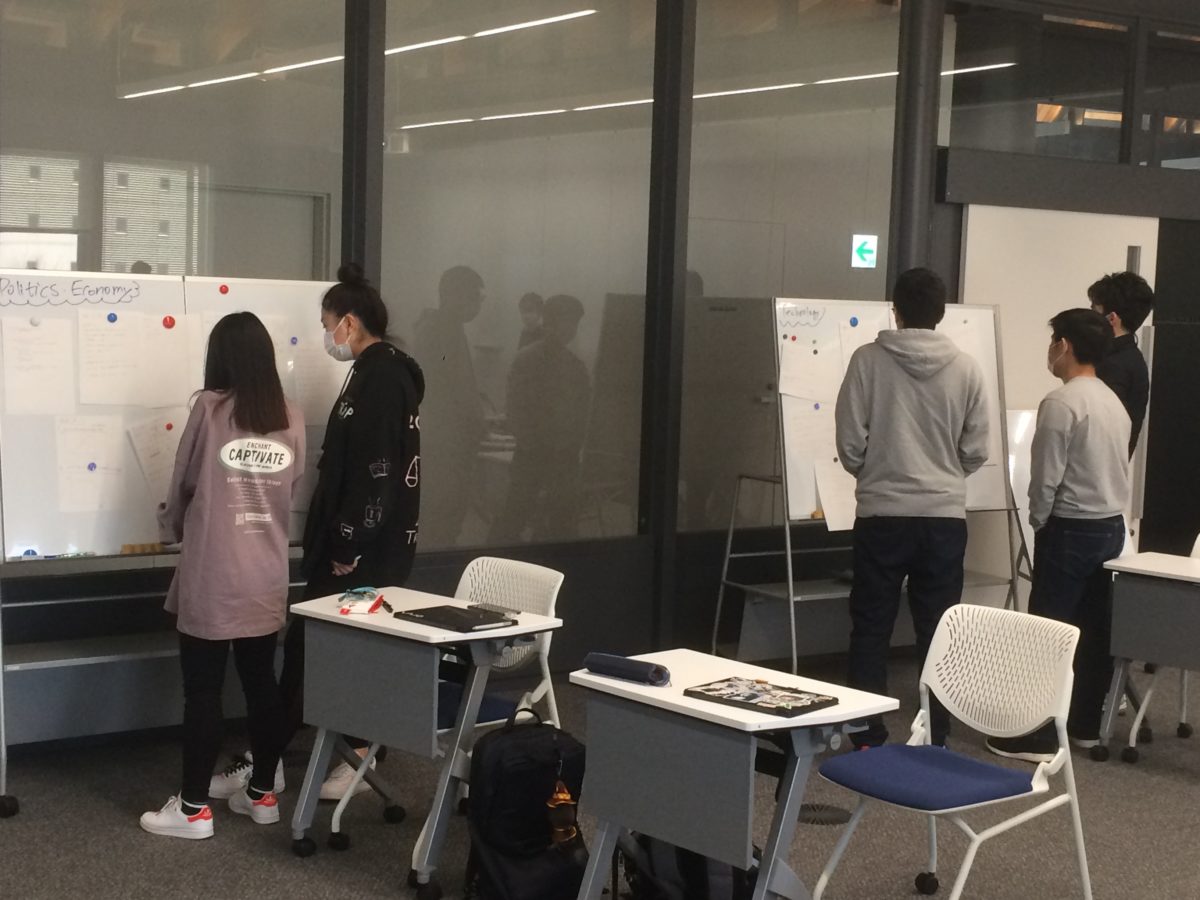
文章化による情報共有トレーニング
-
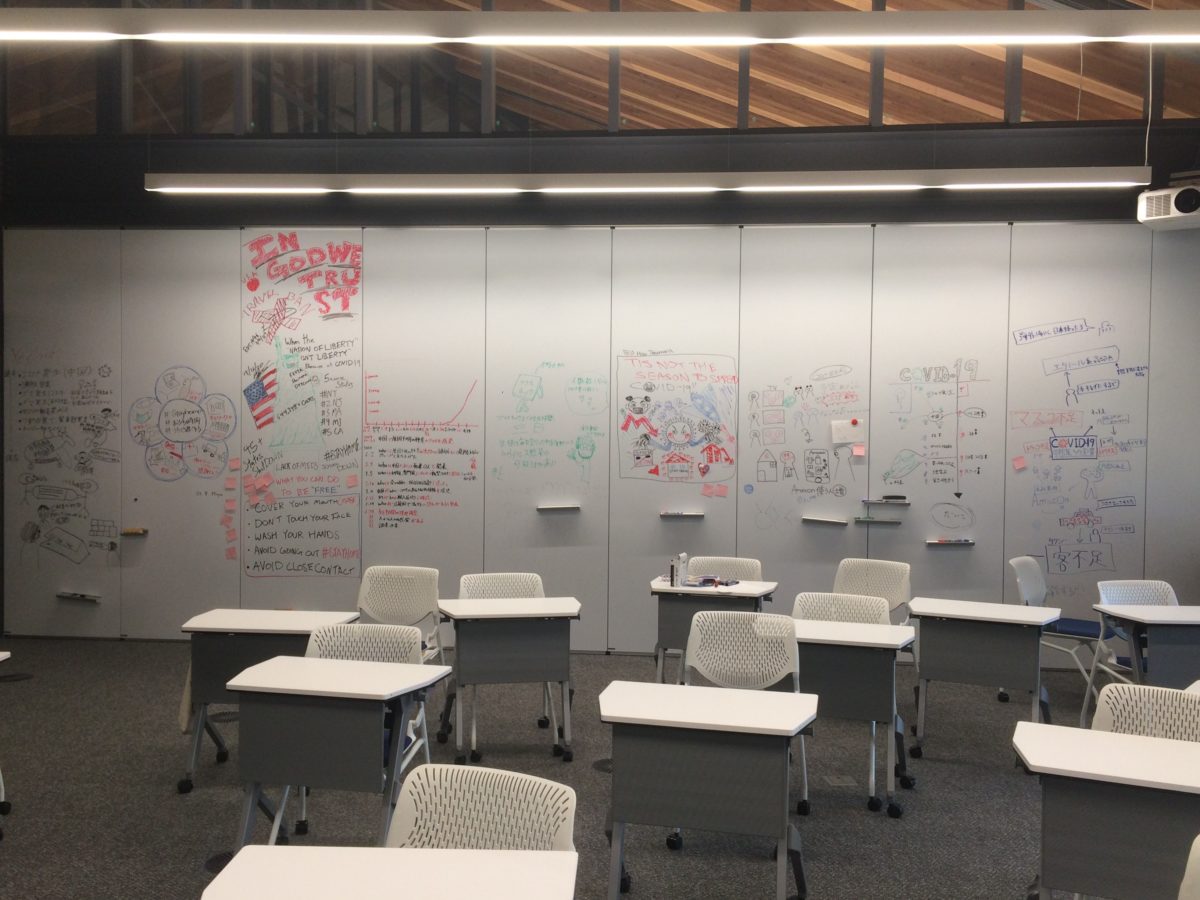
視覚化による情報共有トレーニング
2年生の授業であるエンジニアリングデザインは、地域の生活文化を体験したうえで、エンジニアとしての創造的解決を目指すプロジェクト型の授業です。プロジェクト実施前には、事象をいろんな角度から観察し、構造を視覚化するトレーニングをします。視覚化による現状把握は、グループごとの意思の疎通を図り、情報共有のもと活動を活性化させる効果があります。このビジュアルシンキングによるトレーニングを学生は、遠隔授業にも関わらず能動的に取り組んでくれました。今回のコロナウイルスの発生のタイミングは、学生の持つ、エンジニア魂に火をつけたのかもしれません。6月中旬には、クラスの様子を感じる事が困難な遠隔授業という状況から、通常授業へ戻り、いよいよ地域交流による体験活動が始まりました。学生のそばで対応できることは教員にとっては嬉しいことです。
さて、白山麓地域の方々と関わりながら行われる授業はこれからが本番です。学生は教員と共に創造力を充分発揮し、ものづくりの楽しさを味わっていきます。遠隔授業で学んだビジュアルシンキングをもとに、今ある事象を我が身に置き換えて考え、適切な判断のできるエンジニアを育てていきたいものです。
ところで、今回のコロナウイルスにより、多くの場面で問題が起こりました。例えば、食品の割引券案から始まった日本の経済対策については、検討を重ね、2枚のマスクが忘れた頃に届きました。いったいどれだけの人が救われたのでしょうか。また、配布されたマスクにカビ付着や髪の毛の混入があった問題は、ものづくり姿勢の現れと言えるのではないでしょうか。この出来事は、グローバル化の弊害が垣間見えます。消費者は身を守るために製造場所や製造方法を把握しなくてはならず、食品や製品は安全かどうかを吟味して購入しなければならない時代となっています。今回の、不要不急の対策により社会生活の歯車は完全に機能を失うこととなりました。コロナウイルスにより潜伏していた、いろいろな問題は明らかにされはじめ、そこから生まれた国民の感情はどこにぶつけるべきでしょうか。
このような社会状況を自ら体験して改めて思うこと言えば、多角的に物事を考え適切な判断による創造的思考ができることの重要性です。学生は、一年間にわたるエンジニアリングデザインの授業を通じて、日本の伝統文化や様々な人の心に触れて行くこととなります。そこでは、深く物事を観察し多くの人の考え方を学ぶ事になります。これからの貴重でユニークな体験は、これからの時代にふさわしいエンジニアへと導くことでしょう。後の授業については他の先生方に紹介していただくことにしましょう。
小髙 有普
The second-year Engineering Design class is a project-based course in which students observe the culture of the local community and design a creative solution as an engineer. Before the projects start, we make sure to study the subject matter from multiple angles and train ourselves to visualize it as a whole. This visualization process is an efficient way to unify the group's understanding of the current situation. I am happy to report that students participated actively in this visual-thinking training, despite it being conducted online. Perhaps the COVID-19 situation has lit their heart fire as an engineer. Online classes make it difficult to get a general sense of the classroom atmosphere. In mid-June, we returned to the regular teaching style. I am glad that we are back to teaching the students face-to-face.
Finally, we can start collaborating with the local Hakusanroku community. Students and teachers will combine their creative minds to enjoy making things together. My goal is to create engineers that can put themselves in the shoes of a situation and make correct decisions accordingly, based on the visual-thinking training that we learned in the online portion of this year.
Now that I think of it, COVID-19 caused more problems. For example, Japan's measures to soften the blow to the economy started with discount tickets for groceries, and hesitantly added two masks, which arrived long after we forgot about them. I wonder how many people were saved by this? There was talk about some of the masks arriving with mold or hair attached to them. This could be a result of bad engineering and globalization. In our time, buyers must beware of where and how products are made, and whether food and other products are safe. The COVID-19 situation will put a halt to human lifestyle as we know it. The corona virus has exposed many problems hidden beneath the surface of our society. What should we, the Japanese population do about it?
The conclusion that I have arrived at after experiencing this state is the importance of the ability to view things from multiple angles to make the correct judgment and constructive thinking. ICT students will study traditional Japanese culture and the passion of people behind the scene in this year's Engineering Design class. They will learn how to deeply observe matters and the thoughts of many people. I believe this unique experience will lead them to become respectable engineers. I'll leave the introduction to the other classes up to my colleges.
Kodaka Arihiro
-
遠隔授業の様子
-
文章化による情報共有トレーニング
-
視覚化による情報共有トレーニング
Hello, it's Jonathan, the camera man. Today I would like to reflect on the second-year students' visit to see Bunya Ningyo-Joruri in Higashi-futakuchi. That was a lot Japanese so let me explain. Ningyo-Joruri is a Japanese traditional puppet show dating back to the Edo period. The name "Bunya" came from Okamoto Bunya, who was a Ningyo-Joruri reciter in the late 17th century. He was popular in Osaka for his melancholy narrative style, also referred to as "Naki-bushi (crying tone)." However, the Bunya style gradually subsided to the "Gidayuu-bushi" by Takemoto Gidayuu. Currently, Higashi-futakuchi is one of only four places that still practice "Bunya" Ningyo-Joruri. These places include Sado city (Niigata prefecture), Miyakonojo city (Miyazaki prefecture), and Satsumasendai city (Kagoshima prefecture).
It is said that a young scholar from Higashi-futakuchi learned Ningyo-joruri while studying in Kyoto and Osaka and brought the culture back to the village more than 350 years ago. The villagers instantly became hooked on this new entertainment. It was so popular that everyone quit gambling and drinking after this. Ningyo-joruri became a valuable source of distraction in the harsh winter months when the villagers could not farm and an amusement for the lunar New Year; and it has been passed down ever since.
The second year students visited Higashi-futakuchi, which is about 10 minutes by car from Hakusanroku Campus on June 25. First, Doishita-san and Yamaguchi-san gave an introduction of the history and current state of Bunya Ningyo-Joruri. Higashi-futakuchi village used to have more than one hundred houses and the villagers performed more than 40 stories. However, due to the mass migration to Hokkaido and young people leaving for the city, now there are only twelve houses and less than twenty people who continue the practice. Still, the village has preserved five stories and plays them each year in February.
After the introduction, students watched a shorten version of "Taishokkan." This story is about a shogun who fights a dragon lord of Ryugu castle to protect the gemstone "Menko-fuhai-no-tama". The dragon lord's warlord first tries to defeat the shogun in battle. When this fails, he next transforms into a beautiful maiden and tricks the shogun into giving him the gemstone. The ancient Japanese narrative was difficult to follow. However, the action and acting was surprisingly fascinating, and I could sense the students being drawn into the performance. I was especially impressed by the way the performer moving the maiden made the puppet sob when pleading for the treasure and the way the performers stamped the stage floor during the battle scene to create tension.
After the performance, students were allowed to come behind the stage and touch the various puppets. The puppets were heavier than I expected which increased my respect for the performers holding them sometimes for multiple hours for a single show. Yamaguchi-san explained how to move the puppets and that the key is to hold the puppet up to your face so that the audience can only see the puppet. Student asked questions about how the puppets were made, the beautifully painted paper lamps in the hall, and the music played during the scene.
The second-year students are given the task of choosing a problem in the local Hakusanroku community in the Engineering Design class. After this visit to Higashi-futakuchi, three students decided to focus on the revitalization of Ningyo-joruri. The group will work together to solve problems such as lack of performers/successors, and difficulty to understand the storyline due to the old Japanese dialect next semester. I will make sure to keep you updated so stay tune.
Jonathan
こんにちは、カメラマンのジョナサンです!今日は2年生の東二口の文弥人形浄瑠璃見学について振り返りたいと思います。少し解説します。人形浄瑠璃は江戸時代から続く日本の伝統的な人形芝居です。「文弥」とは語り手の岡本文弥のことで、「泣き節」と呼ばれる哀愁に満ちた語り口が17世紀後期の大阪で人気でした。しかし、竹本義太夫節の「義太夫節」の人気が増すにつれ、他の流派は上方で衰退し、地方へ伝わったと言われています。現在「文弥節」と呼ばれる人形浄瑠璃は石川県白山市(旧尾口村)、新潟県佐渡市、宮崎県都城市(旧山之口町)、鹿児島県薩摩川内市(旧東郷町)の4か所でしか残っていません。
東二口の人形浄瑠璃は今から350年ほど前、東二口集落の若者が学問のため京都や大阪へ出向いた際、当時流行していたものを習って、村に持ち帰ったのが広まったと伝えられています。村の者は人形浄瑠璃に夢中になり、それまで酒と博打に明け暮れていたような者も一切賭け事をやらなくなった程だと言われています。農作業ができない山村の厳しい冬の貴重な娯楽として、また旧正月を祝う催し物として愛され続けて今日まで伝わってきました。
2年生が訪れた東二口は白山麓キャンパスから車で約10分の距離にあります。はじめに保存会員の土居下さんと山口さんが文弥人形浄瑠璃の歴史と現状について話をしてくれました。東二口集落は以前は100軒以上の家があり、最盛期には40以上の演目が上演されていました。しかし、北海道への集団移住と戦後の過疎化によって、現在はわずか12軒まで減少し、会員も11名ほどになってしまいました。会員でも集落を離れた者が多いですが、5つの演目を毎年2月に上演して守り伝えています。
紹介のあと、学生は演目「大職冠」の短縮版を見せていただきました。これは竜宮の武将、摩醯修羅(まけいすらおう)が唐の万公将軍運宗(まんこうしょうぐんうんそう)から面向不背の玉と呼ばれる宝玉を奪おうとする場面でした。最初、竜宮の武将は武力で宝玉を奪おうとしますが、運宗に返り討ちに遭います。しかし、今度は美女に化けて運宗から宝玉をだまし取り、大蛇に変身して海に逃れます。語り手の古い日本語は難解でしたが、演者の演技と動きの迫力は想像以上で、学生たちが引き込まれるのを感じました。特に美女の人形を操り、袖を濡らして助けを乞う演技と、戦闘の迫力を増すために舞台を足で踏み叩く演技は圧巻でした。
演目が終わったあと、会員たちが学生達を舞台の上に招いて、たくさんある人形を触らせてくれました。人形は思った以上に重く、中には5時間以上も続く演目を通して操る凄さを感じました。山口さんによると人形を操るコツは顔の前に人形を構え、観客に演者の顔を見せないことだそうです。学生たちは人形の作り方、ホールに飾られている絵が描かれている提灯のこと、演目中に鳴っている三味線の音楽について質問をしました。
2年生はエンジニアリングデザインという授業で白山麓地域の課題をひとつ選び、課題解決をします。東二口を訪ねた数日後、3人の学生が人形浄瑠璃の再興をテーマにすることを選びました。このグループは後学期、文弥人形浄瑠璃が抱える演者・後継者不足、難解な古い日本語などの課題に着目して創造活動を行います。プロジェクトが進みましたら、すぐにお知らせしたいと思います。
ジョナサン
-

文弥人形浄瑠璃を紹介する土居下さんと山口さん
-
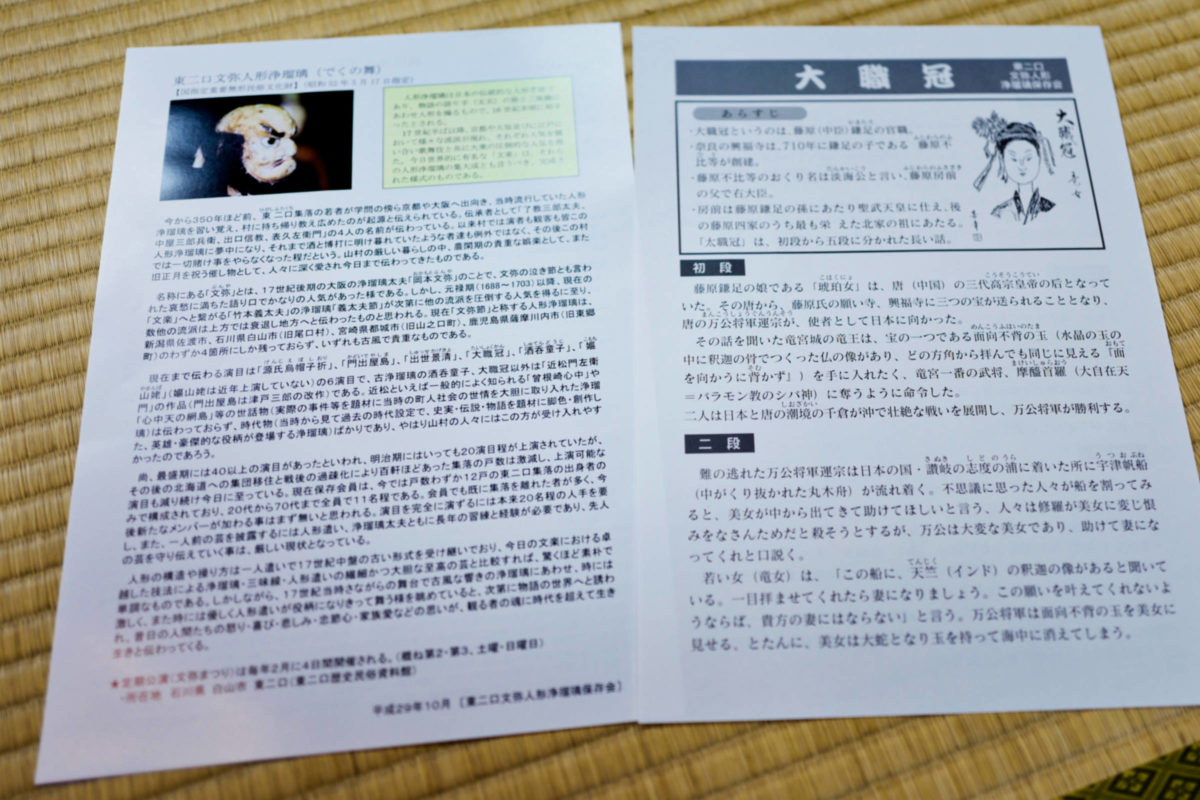
人形浄瑠璃と物語の解説
-

圧巻の演技
-
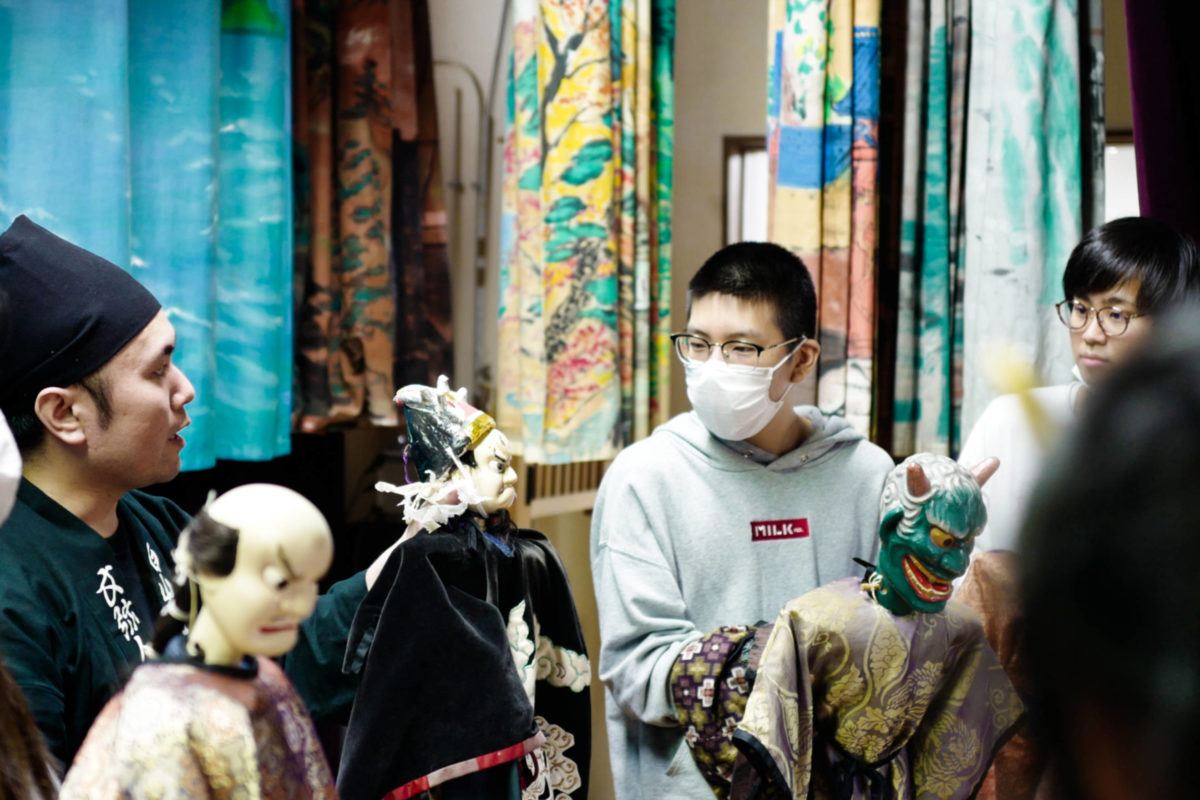
人形を触らせていただきました。
-

目が動く人形を解説する山口さんと学生
-
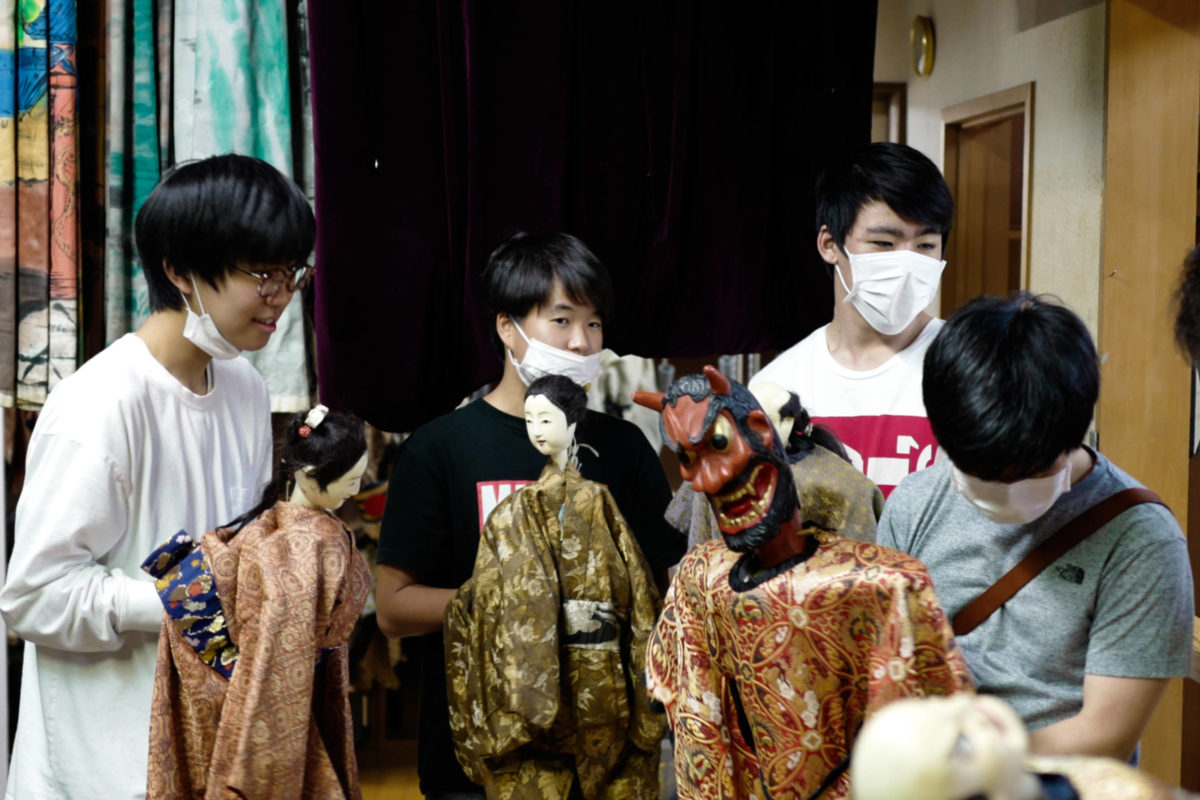
様々な人形がありました
-

大きな鬼の人形
-

集合写真
-

熱意を伝える保存会会長の道下さん
Hello, it's Jonathan, the camera man. Today I would like to reflect on the second-year students' visit to see Bunya Ningyo-Joruri in Higashi-futakuchi. That was a lot Japanese so let me explain. Ningyo-Joruri is a Japanese traditional puppet show dating back to the Edo period. The name "Bunya" came from Okamoto Bunya, who was a Ningyo-Joruri reciter in the late 17th century. He was popular in Osaka for his melancholy narrative style, also referred to as "Naki-bushi (crying tone)." However, the Bunya style gradually subsided to the "Gidayuu-bushi" by Takemoto Gidayuu. Currently, Higashi-futakuchi is one of only four places that still practice "Bunya" Ningyo-Joruri. These places include Sado city (Niigata prefecture), Miyakonojo city (Miyazaki prefecture), and Satsumasendai city (Kagoshima prefecture).
It is said that a young scholar from Higashi-futakuchi learned Ningyo-joruri while studying in Kyoto and Osaka and brought the culture back to the village more than 350 years ago. The villagers instantly became hooked on this new entertainment. It was so popular that everyone quit gambling and drinking after this. Ningyo-joruri became a valuable source of distraction in the harsh winter months when the villagers could not farm and an amusement for the lunar New Year; and it has been passed down ever since.
The second year students visited Higashi-futakuchi, which is about 10 minutes by car from Hakusanroku Campus on June 25. First, Doishita-san and Yamaguchi-san gave an introduction of the history and current state of Bunya Ningyo-Joruri. Higashi-futakuchi village used to have more than one hundred houses and the villagers performed more than 40 stories. However, due to the mass migration to Hokkaido and young people leaving for the city, now there are only twelve houses and less than twenty people who continue the practice. Still, the village has preserved five stories and plays them each year in February.
After the introduction, students watched a shorten version of "Taishokkan." This story is about a shogun who fights a dragon lord of Ryugu castle to protect the gemstone "Menko-fuhai-no-tama". The dragon lord's warlord first tries to defeat the shogun in battle. When this fails, he next transforms into a beautiful maiden and tricks the shogun into giving him the gemstone. The ancient Japanese narrative was difficult to follow. However, the action and acting was surprisingly fascinating, and I could sense the students being drawn into the performance. I was especially impressed by the way the performer moving the maiden made the puppet sob when pleading for the treasure and the way the performers stamped the stage floor during the battle scene to create tension.
After the performance, students were allowed to come behind the stage and touch the various puppets. The puppets were heavier than I expected which increased my respect for the performers holding them sometimes for multiple hours for a single show. Yamaguchi-san explained how to move the puppets and that the key is to hold the puppet up to your face so that the audience can only see the puppet. Student asked questions about how the puppets were made, the beautifully painted paper lamps in the hall, and the music played during the scene.
The second-year students are given the task of choosing a problem in the local Hakusanroku community in the Engineering Design class. After this visit to Higashi-futakuchi, three students decided to focus on the revitalization of Ningyo-joruri. The group will work together to solve problems such as lack of performers/successors, and difficulty to understand the storyline due to the old Japanese dialect next semester. I will make sure to keep you updated so stay tune.
Jonathan
こんにちは、カメラマンのジョナサンです!今日は2年生の東二口の文弥人形浄瑠璃見学について振り返りたいと思います。少し解説します。人形浄瑠璃は江戸時代から続く日本の伝統的な人形芝居です。「文弥」とは語り手の岡本文弥のことで、「泣き節」と呼ばれる哀愁に満ちた語り口が17世紀後期の大阪で人気でした。しかし、竹本義太夫節の「義太夫節」の人気が増すにつれ、他の流派は上方で衰退し、地方へ伝わったと言われています。現在「文弥節」と呼ばれる人形浄瑠璃は石川県白山市(旧尾口村)、新潟県佐渡市、宮崎県都城市(旧山之口町)、鹿児島県薩摩川内市(旧東郷町)の4か所でしか残っていません。
東二口の人形浄瑠璃は今から350年ほど前、東二口集落の若者が学問のため京都や大阪へ出向いた際、当時流行していたものを習って、村に持ち帰ったのが広まったと伝えられています。村の者は人形浄瑠璃に夢中になり、それまで酒と博打に明け暮れていたような者も一切賭け事をやらなくなった程だと言われています。農作業ができない山村の厳しい冬の貴重な娯楽として、また旧正月を祝う催し物として愛され続けて今日まで伝わってきました。
2年生が訪れた東二口は白山麓キャンパスから車で約10分の距離にあります。はじめに保存会員の土居下さんと山口さんが文弥人形浄瑠璃の歴史と現状について話をしてくれました。東二口集落は以前は100軒以上の家があり、最盛期には40以上の演目が上演されていました。しかし、北海道への集団移住と戦後の過疎化によって、現在はわずか12軒まで減少し、会員も11名ほどになってしまいました。会員でも集落を離れた者が多いですが、5つの演目を毎年2月に上演して守り伝えています。
紹介のあと、学生は演目「大職冠」の短縮版を見せていただきました。これは竜宮の武将、摩醯修羅(まけいすらおう)が唐の万公将軍運宗(まんこうしょうぐんうんそう)から面向不背の玉と呼ばれる宝玉を奪おうとする場面でした。最初、竜宮の武将は武力で宝玉を奪おうとしますが、運宗に返り討ちに遭います。しかし、今度は美女に化けて運宗から宝玉をだまし取り、大蛇に変身して海に逃れます。語り手の古い日本語は難解でしたが、演者の演技と動きの迫力は想像以上で、学生たちが引き込まれるのを感じました。特に美女の人形を操り、袖を濡らして助けを乞う演技と、戦闘の迫力を増すために舞台を足で踏み叩く演技は圧巻でした。
演目が終わったあと、会員たちが学生達を舞台の上に招いて、たくさんある人形を触らせてくれました。人形は思った以上に重く、中には5時間以上も続く演目を通して操る凄さを感じました。山口さんによると人形を操るコツは顔の前に人形を構え、観客に演者の顔を見せないことだそうです。学生たちは人形の作り方、ホールに飾られている絵が描かれている提灯のこと、演目中に鳴っている三味線の音楽について質問をしました。
2年生はエンジニアリングデザインという授業で白山麓地域の課題をひとつ選び、課題解決をします。東二口を訪ねた数日後、3人の学生が人形浄瑠璃の再興をテーマにすることを選びました。このグループは後学期、文弥人形浄瑠璃が抱える演者・後継者不足、難解な古い日本語などの課題に着目して創造活動を行います。プロジェクトが進みましたら、すぐにお知らせしたいと思います。
ジョナサン
-
文弥人形浄瑠璃を紹介する土居下さんと山口さん
-
人形浄瑠璃と物語の解説
-
圧巻の演技
-
人形を触らせていただきました。
-
目が動く人形を解説する山口さんと学生
-
様々な人形がありました
-
大きな鬼の人形
-
集合写真
-
熱意を伝える保存会会長の道下さん
 こんにちは、国際理工学科二年 瀬戸悠華です。今回はEngineering Design IIでの活動内容をみなさんに紹介したいと思います。
私たちTeam Event は、東二口文弥人形浄瑠璃に関する活動を一年間にかけて行ってきました。地域活性化というテーマのもと、私たちは「ミニ人形製作体験」、物語の「四コマ漫画化」を企画しました。東二口文弥人形浄瑠璃は、担い手の減少、観客の年齢層の固定化が指摘されていました。そこで私たちは、東二口文弥人形浄瑠璃について知らない方々を対象に、興味を持ってもらう入口を提供することを目標に、これらの企画を提案しました。
私は主に、東二口文弥人形浄瑠璃の特徴に関するポスター制作や、ミニ人形製作体験を中心に活動しました。第一回ミニ人形製作体験は、道の駅瀬女の二階をお借りして実施しました。参加者との会話やアンケート結果を通して様々な意見をいただきました。実際に私たちが見落としていた点など多くの意見を聞くことができ、とても参考になりました。二回目は、文弥まつりで実施しました。私も実際に人形浄瑠璃を拝見し、350年以上の歴史や、演じ手の皆さんの人形浄瑠璃に対する熱い思いが伝わってきました。また、いくつかの資料の作成中に、先生方や東二口文弥人形浄瑠璃保存会の方々からご指摘いただき、だれに向けてのメッセージなのか、収集した情報をどのようにまとめ、可視化させるかなど、資料制作において自己成長につなげることが出来たと思います。ありがとうございました。
地域活性化プロジェクトは、今まで行ってきた校内のプロジェクトとは違い、多くの人々が強く関わってきます。失礼な態度はもちろん、無責任に終えることは許されません。これらは私にとってすごくプレッシャーで、プロジェクトが進むにつれてそのプレッシャーはさらに大きくなっていきました。この負担も地域活性化プロジェクトの一部であると同時に、Engineering Design IIでは、地域活性化プロジェクトの難しさを改めて実感しました。
今回の一年間のプロジェクトは多くの方々のお力添えをいただいたおかげで成功に終えることが出来ました。多くの人々が関わることで、自分たちが気づけなかったことや地域の方々の率直な意見を得ることが出来ました。この繋がりを通して、多くの方々に白山麓地域の伝統や魅力が発信できればいいなと思います。東二口文弥人形浄瑠璃保存会の皆様、イベント実施の際に関わってくださった皆様、Team Eventのメンバーのみなさんありがとうございました。今後も今回の経験を活かし様々な問題解決活動に取り組み、責任感を養っていきます。
S207 瀬戸悠華
Hi everyone. My name is Yuka Seto and I am a second-year student of the Department of Science and Technology. Today, I would like to introduce our project in Engineering Design II.
We, Team Event, worked on a project about Bunya Ningyo Joruri for a year. Bunya Ningyo Joruri is one part of the culture of the Hakusanroku area. It started more than 350 years ago. Recently, the number of successors decreased and the age of the audience is stable. Under a theme of regional revitalization, we planned to hold mini doll making events and make “4-block manga” of the stories. We planned that because our purpose was to provide chances for people who do not know about Bunya Ningyo Joruri to become interested.
Mainly, I worked on making posters about the characteristics of Higashi Futakuchi Bunya Ningyo Joruri and the doll making events. We held the first event at the second floor of Sena road side station. Through the conversation with participants and surveys, we got a lot of opinions. Their opinions were so helpful for improving our project. We held the event on Bunya festival. I watched the play of dolls, called Ningyo Joruri. I noticed the puppeteers’ passion and history of Ningyo Joruri. During making several documents, some teachers and puppeteers gave me advice. It was a nice opportunity to think about who I make documents for, how I should summarize information that I correct and how I should visualize them. I am grateful for their valuable advice.
Regional revitalizations are different from the school projects that we did in Engineering Design I. It is related strongly to a lot of people. Rude and irresponsible attitudes are not allowed. Because the project affects people’s lives, I felt a lot of pressure not to make mistakes. I noticed that this burden is a part of a regional revitalization. In Engineering Design II, I understood how difficult regional revitalizations are.
We couldn’t finish up this project without people’s help. Having relationships is so important to get advice and opinions that we cannot notice. I hope this wonderful tradition and culture spread more and more. People from Higashi Futakuchi Ningyo Joruri, people who helped us to hold events and members of Team Event, thank you so much. From now on, I will try more problem-solving and take responsibility for being more involved in the community.
S207 Yuka Seto
こんにちは、国際理工学科二年 瀬戸悠華です。今回はEngineering Design IIでの活動内容をみなさんに紹介したいと思います。
私たちTeam Event は、東二口文弥人形浄瑠璃に関する活動を一年間にかけて行ってきました。地域活性化というテーマのもと、私たちは「ミニ人形製作体験」、物語の「四コマ漫画化」を企画しました。東二口文弥人形浄瑠璃は、担い手の減少、観客の年齢層の固定化が指摘されていました。そこで私たちは、東二口文弥人形浄瑠璃について知らない方々を対象に、興味を持ってもらう入口を提供することを目標に、これらの企画を提案しました。
私は主に、東二口文弥人形浄瑠璃の特徴に関するポスター制作や、ミニ人形製作体験を中心に活動しました。第一回ミニ人形製作体験は、道の駅瀬女の二階をお借りして実施しました。参加者との会話やアンケート結果を通して様々な意見をいただきました。実際に私たちが見落としていた点など多くの意見を聞くことができ、とても参考になりました。二回目は、文弥まつりで実施しました。私も実際に人形浄瑠璃を拝見し、350年以上の歴史や、演じ手の皆さんの人形浄瑠璃に対する熱い思いが伝わってきました。また、いくつかの資料の作成中に、先生方や東二口文弥人形浄瑠璃保存会の方々からご指摘いただき、だれに向けてのメッセージなのか、収集した情報をどのようにまとめ、可視化させるかなど、資料制作において自己成長につなげることが出来たと思います。ありがとうございました。
地域活性化プロジェクトは、今まで行ってきた校内のプロジェクトとは違い、多くの人々が強く関わってきます。失礼な態度はもちろん、無責任に終えることは許されません。これらは私にとってすごくプレッシャーで、プロジェクトが進むにつれてそのプレッシャーはさらに大きくなっていきました。この負担も地域活性化プロジェクトの一部であると同時に、Engineering Design IIでは、地域活性化プロジェクトの難しさを改めて実感しました。
今回の一年間のプロジェクトは多くの方々のお力添えをいただいたおかげで成功に終えることが出来ました。多くの人々が関わることで、自分たちが気づけなかったことや地域の方々の率直な意見を得ることが出来ました。この繋がりを通して、多くの方々に白山麓地域の伝統や魅力が発信できればいいなと思います。東二口文弥人形浄瑠璃保存会の皆様、イベント実施の際に関わってくださった皆様、Team Eventのメンバーのみなさんありがとうございました。今後も今回の経験を活かし様々な問題解決活動に取り組み、責任感を養っていきます。
S207 瀬戸悠華
Hi everyone. My name is Yuka Seto and I am a second-year student of the Department of Science and Technology. Today, I would like to introduce our project in Engineering Design II.
We, Team Event, worked on a project about Bunya Ningyo Joruri for a year. Bunya Ningyo Joruri is one part of the culture of the Hakusanroku area. It started more than 350 years ago. Recently, the number of successors decreased and the age of the audience is stable. Under a theme of regional revitalization, we planned to hold mini doll making events and make “4-block manga” of the stories. We planned that because our purpose was to provide chances for people who do not know about Bunya Ningyo Joruri to become interested.
Mainly, I worked on making posters about the characteristics of Higashi Futakuchi Bunya Ningyo Joruri and the doll making events. We held the first event at the second floor of Sena road side station. Through the conversation with participants and surveys, we got a lot of opinions. Their opinions were so helpful for improving our project. We held the event on Bunya festival. I watched the play of dolls, called Ningyo Joruri. I noticed the puppeteers’ passion and history of Ningyo Joruri. During making several documents, some teachers and puppeteers gave me advice. It was a nice opportunity to think about who I make documents for, how I should summarize information that I correct and how I should visualize them. I am grateful for their valuable advice.
Regional revitalizations are different from the school projects that we did in Engineering Design I. It is related strongly to a lot of people. Rude and irresponsible attitudes are not allowed. Because the project affects people’s lives, I felt a lot of pressure not to make mistakes. I noticed that this burden is a part of a regional revitalization. In Engineering Design II, I understood how difficult regional revitalizations are.
We couldn’t finish up this project without people’s help. Having relationships is so important to get advice and opinions that we cannot notice. I hope this wonderful tradition and culture spread more and more. People from Higashi Futakuchi Ningyo Joruri, people who helped us to hold events and members of Team Event, thank you so much. From now on, I will try more problem-solving and take responsibility for being more involved in the community.
S207 Yuka Seto