




Faculty
学科

こんにちは。校長の鹿田 正昭です。
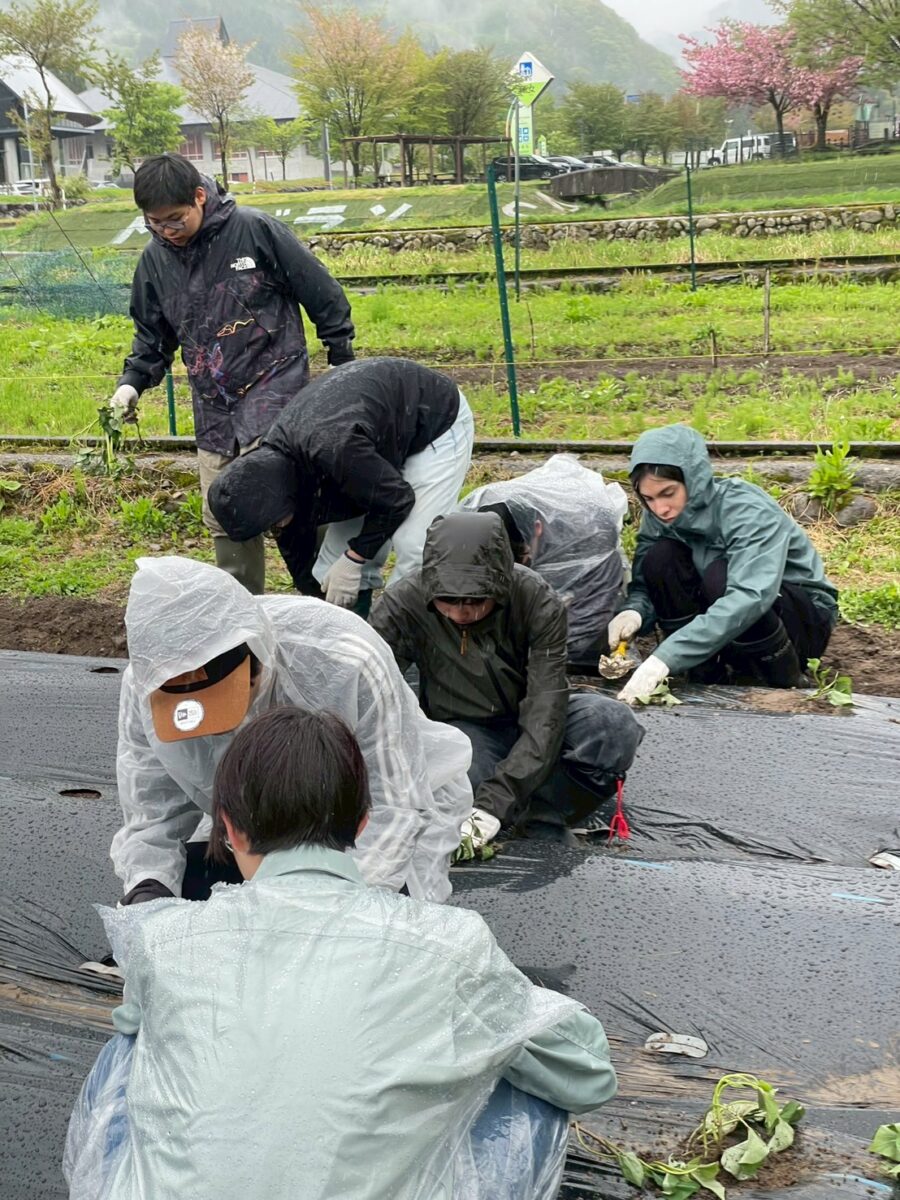
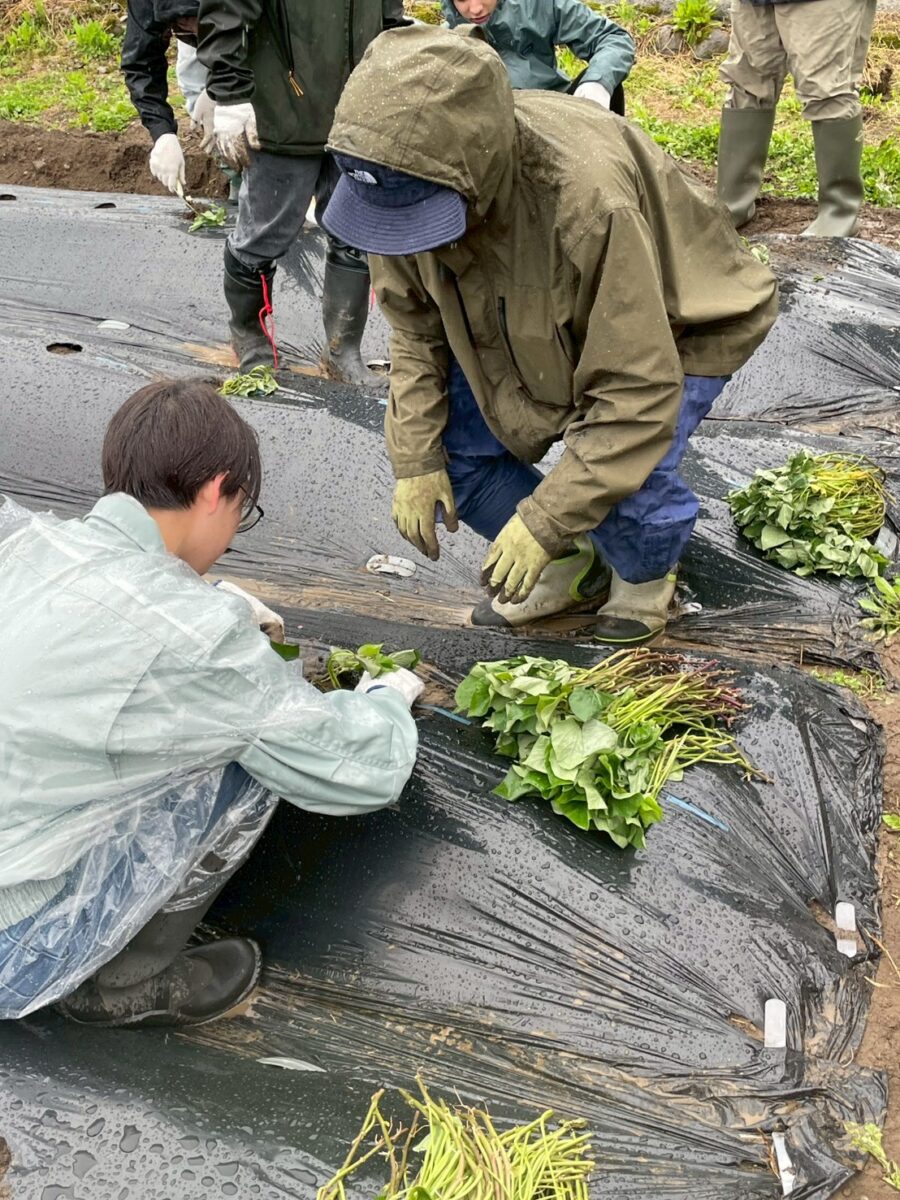
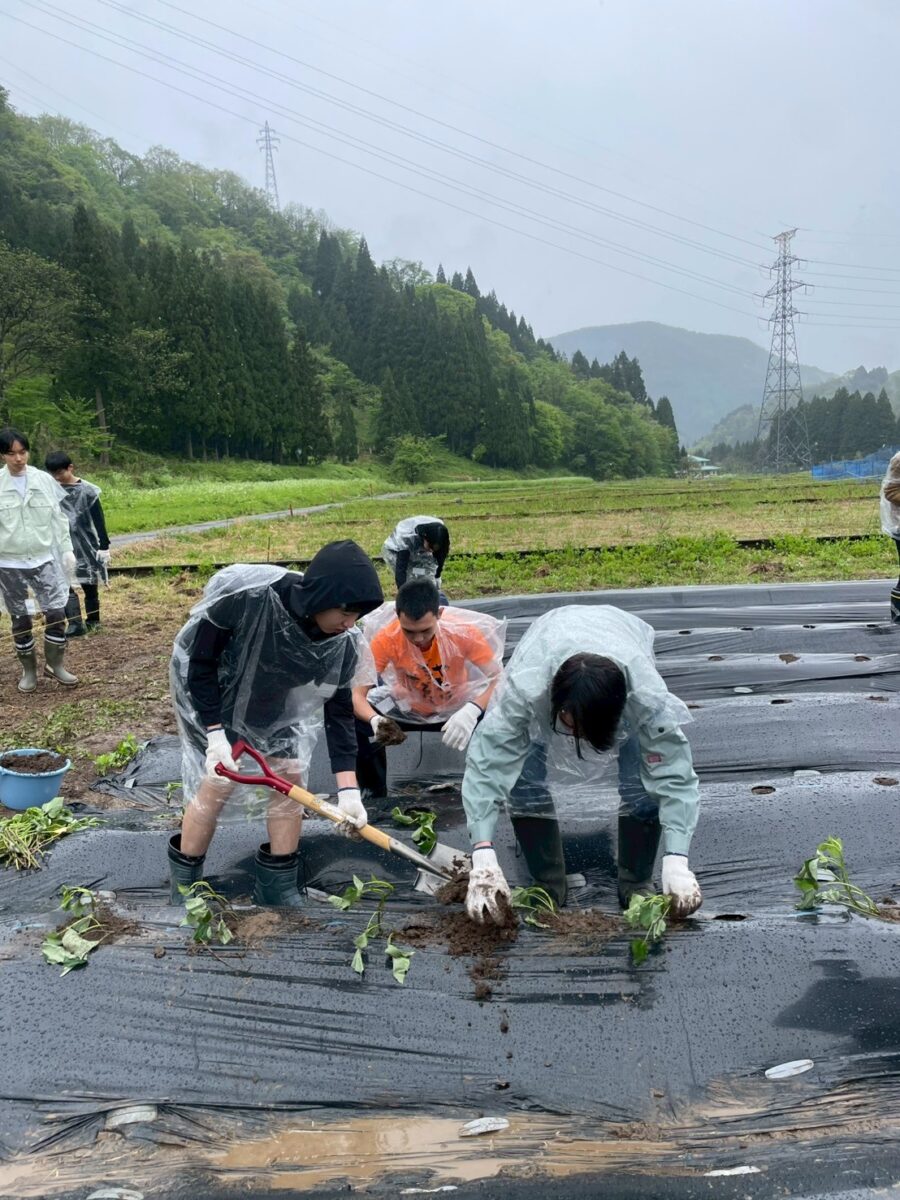
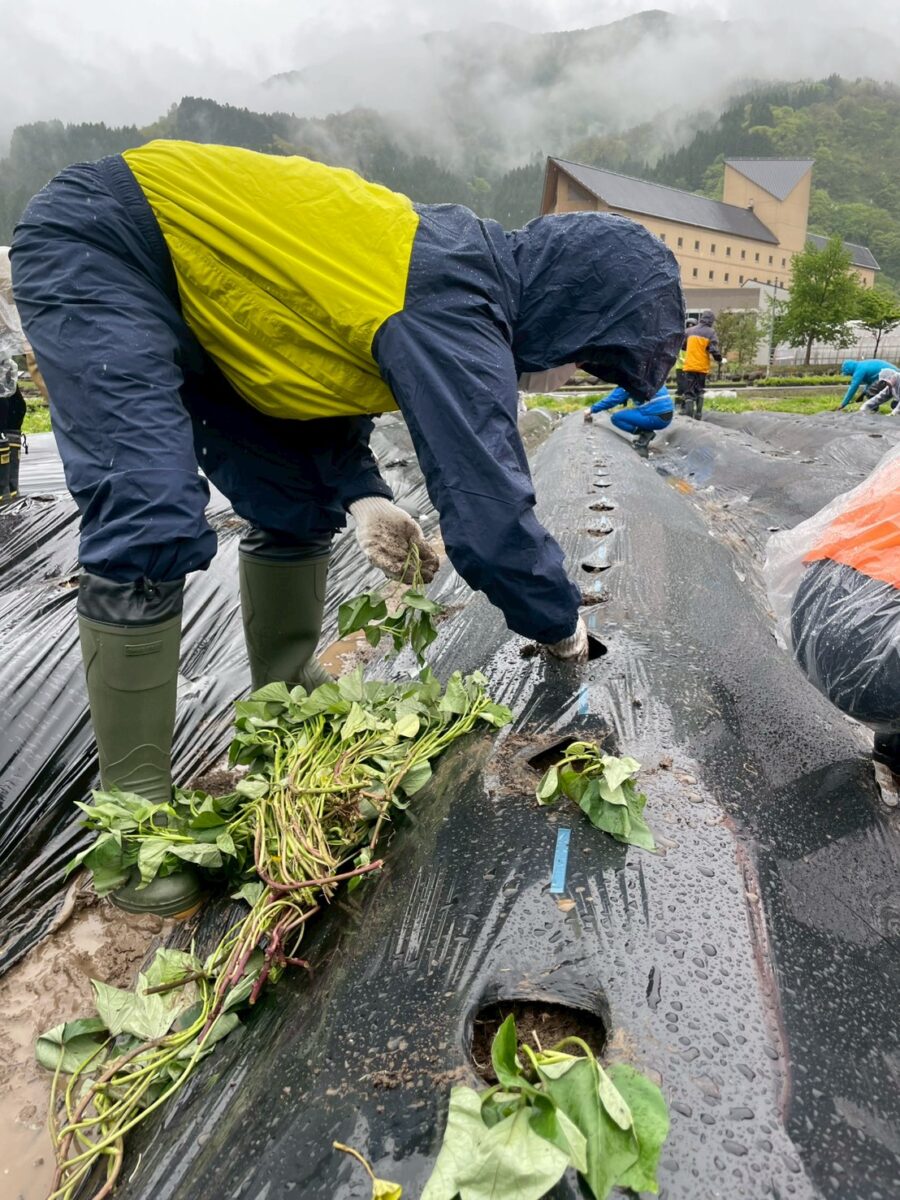
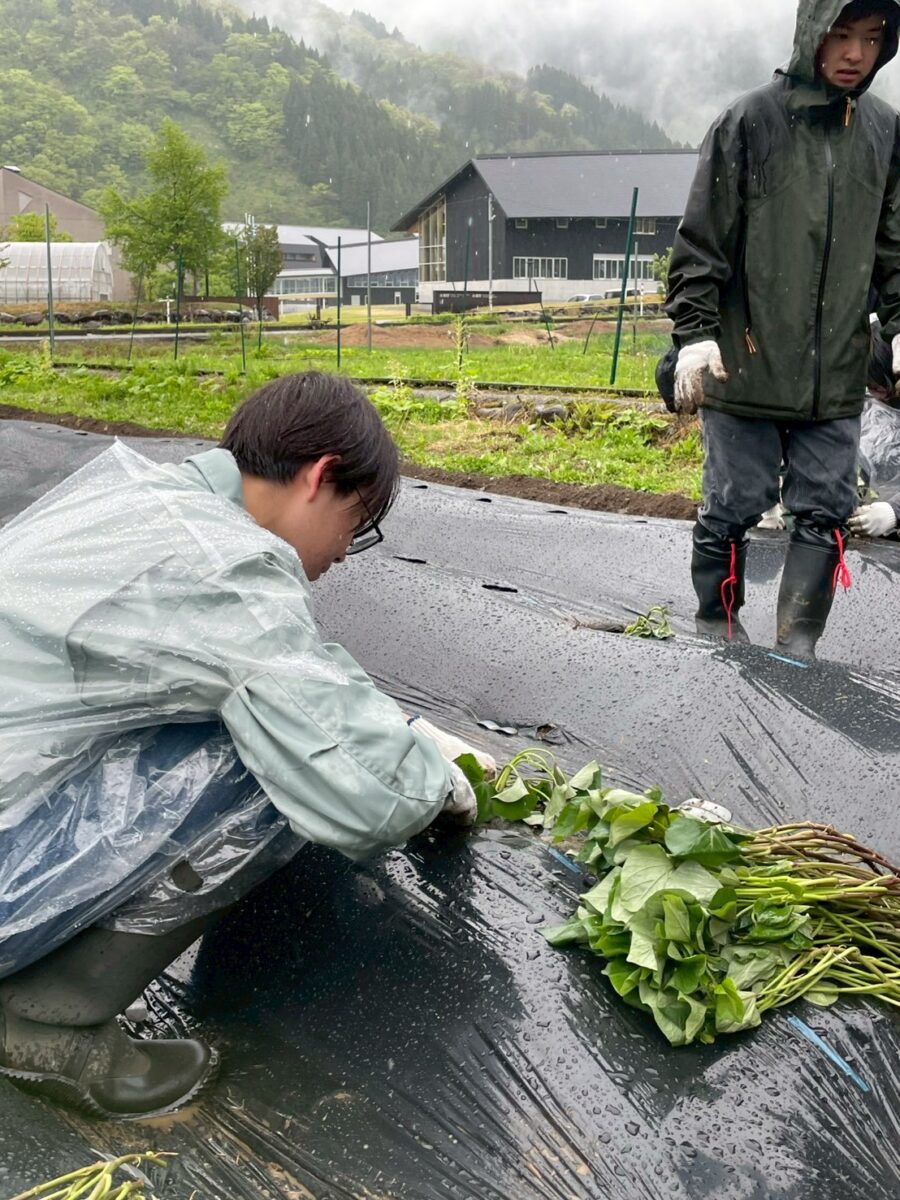
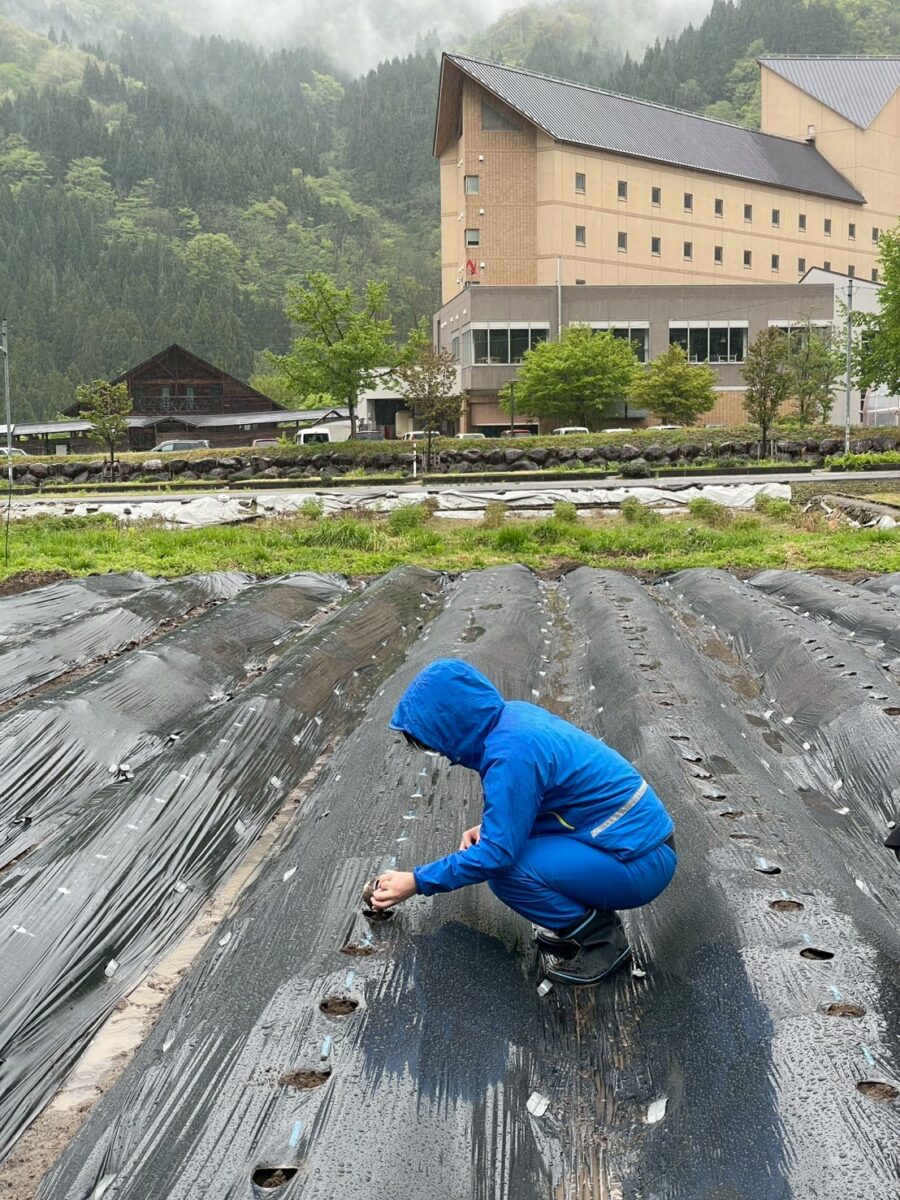
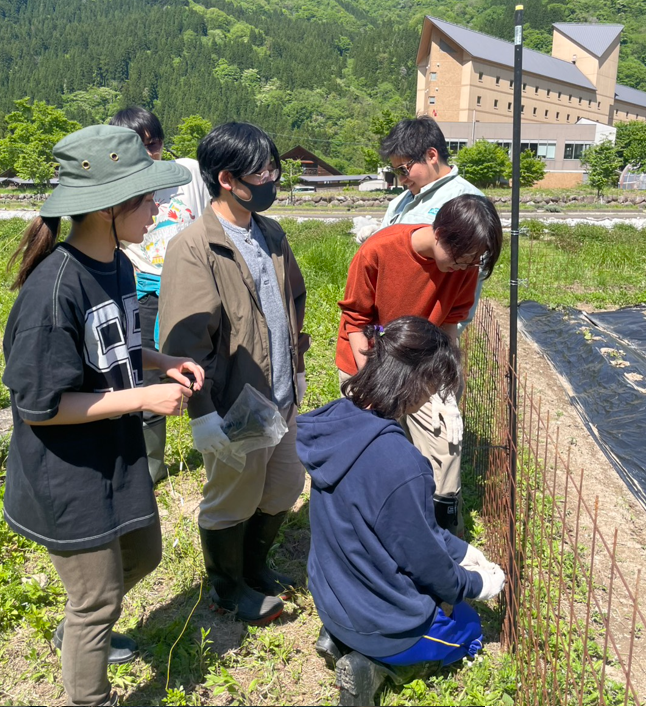
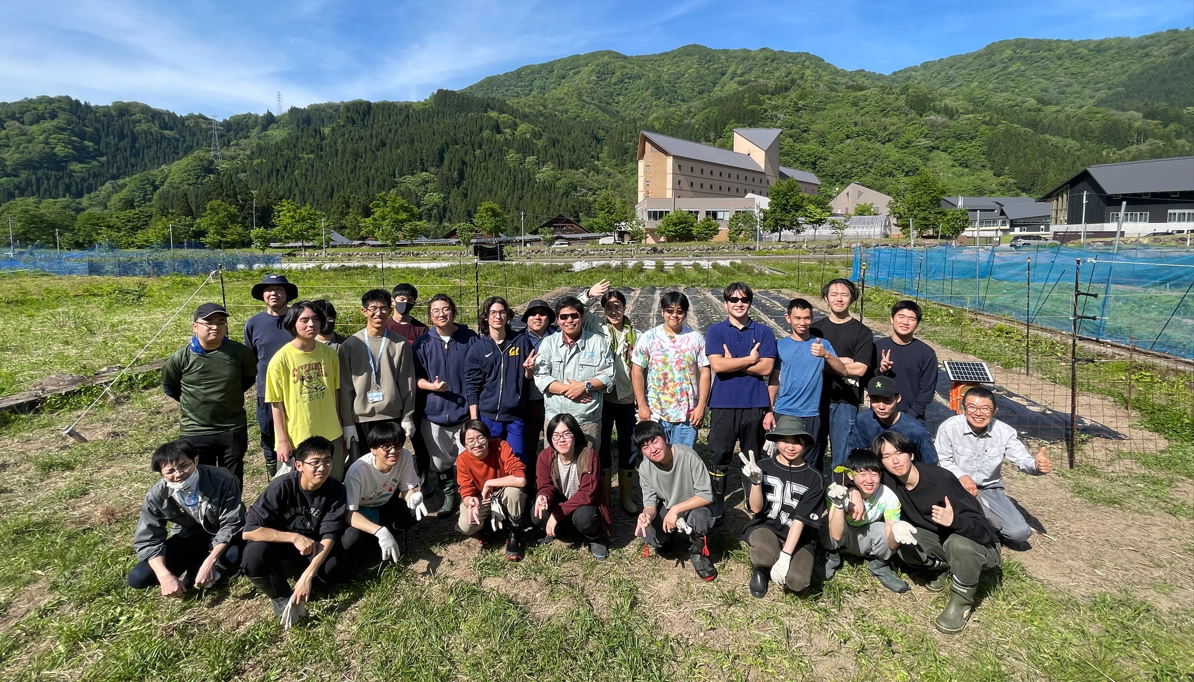
2026年4月23日(木)、今年で4回目の参加となるエンジニアリングデザインⅡ(2年生)「紅はるか」の苗植えをお手伝いしました。これまでの3回はいずれも晴天でしたが、今年はあいにくの雨となってしまいました。
また、嬉しいことに2年生の人数が多いことから、小高先生から「一人当たり10本から15本程度の植え付けでお願いします」と一人当たりの本数制限のお話がありました。初めての年(3年前)は苗床1列全部を1人で植えました。今回はあいにくの雨でしたが、人数が多いこともあってスムーズに作業が進み、植え付けは50分程度で終わりました。
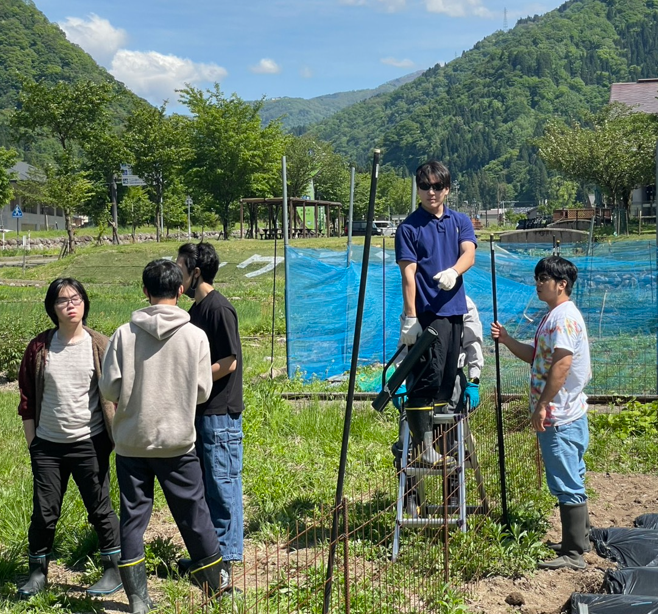
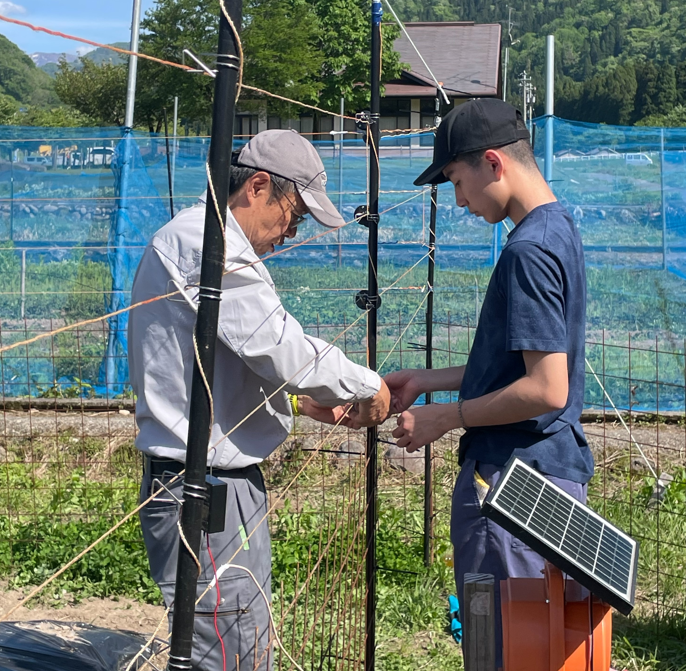
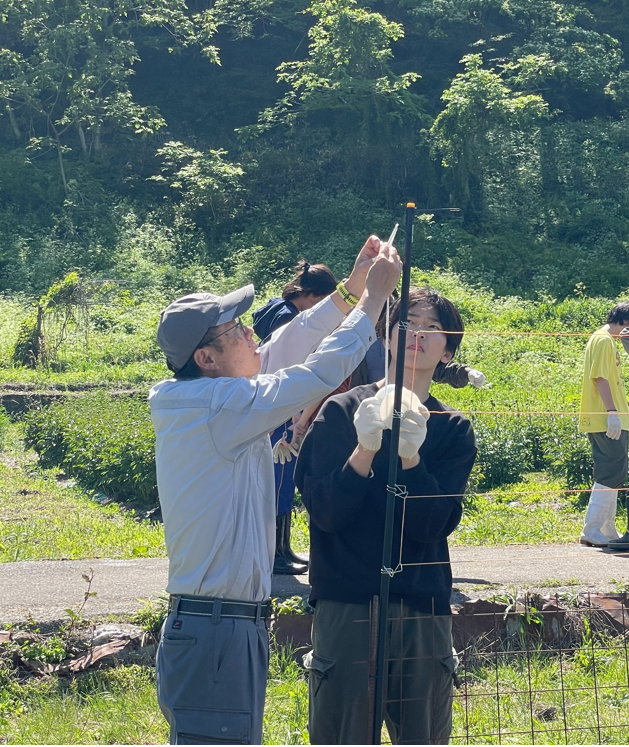
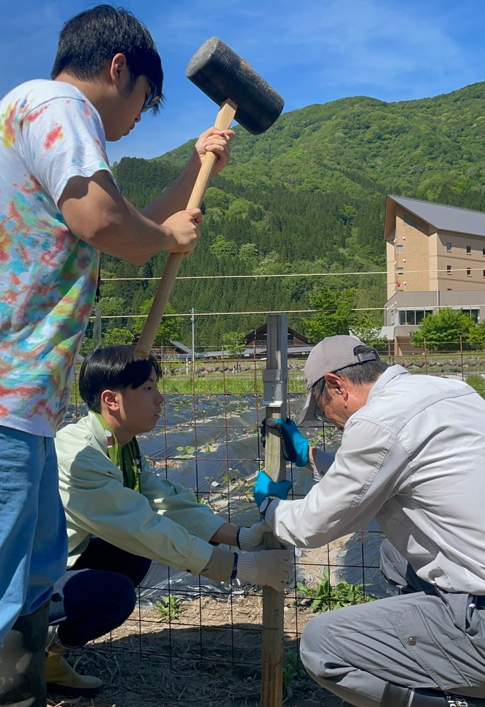
私は苗付けが終わったところで引き上げましたが、電気柵の設置も順調に進んでいるように見えました。晴れの場合には苗植え直後に散水する必要がありましたが、今年は自然の散水がありましたので、その分も時間の節約になったようです。今年も順調に育ってくれることを期待しています。秋の収穫も参加したいと思っています。
恒例ですが、11月7日(土)、8日(日)に白山麓キャンパスでオープンキャンパスを開催します。これに合わせて焼き芋販売が「道の駅瀬女」で行われる予定です。お時間があれば、ぜひ「道の駅瀬女」まで足を伸ばしてみてください。
2026年4月16日(木)土作りや畝作り
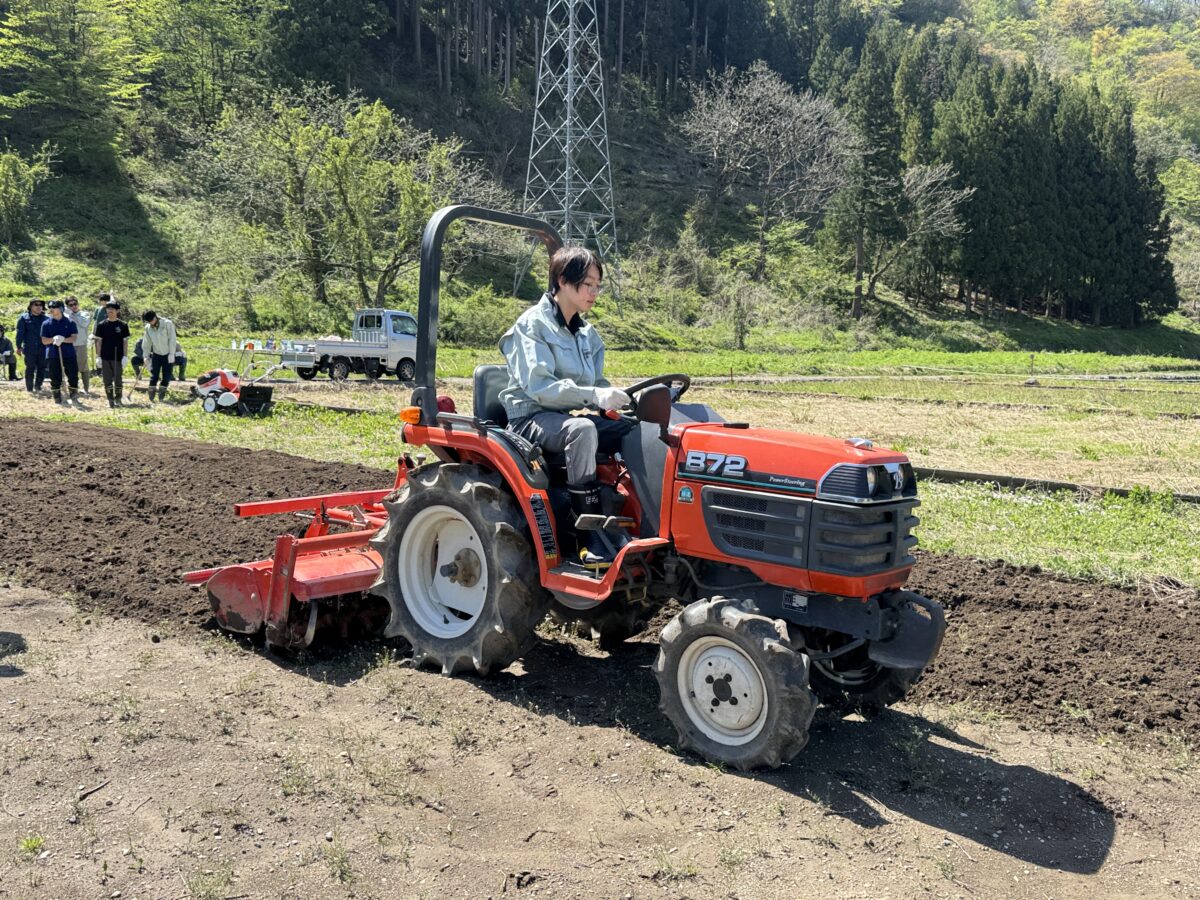
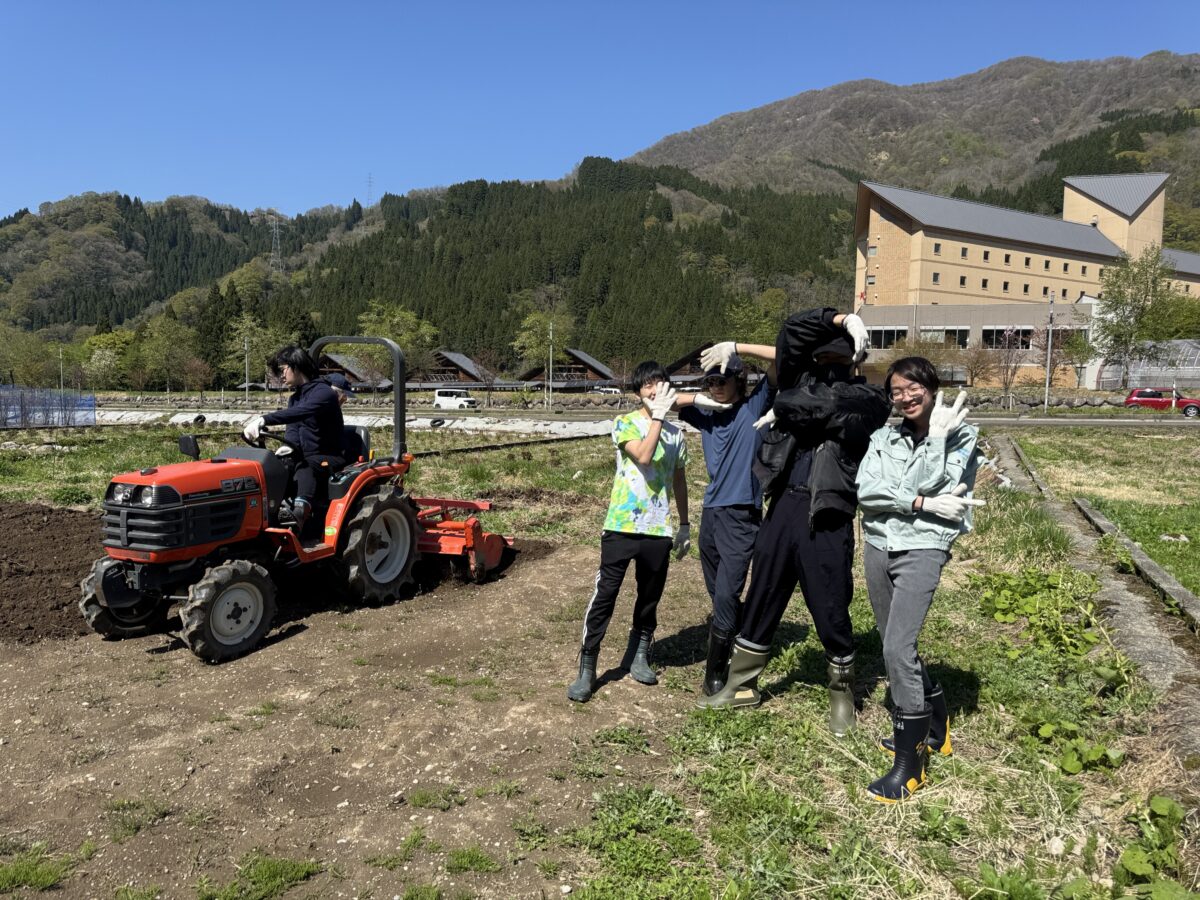
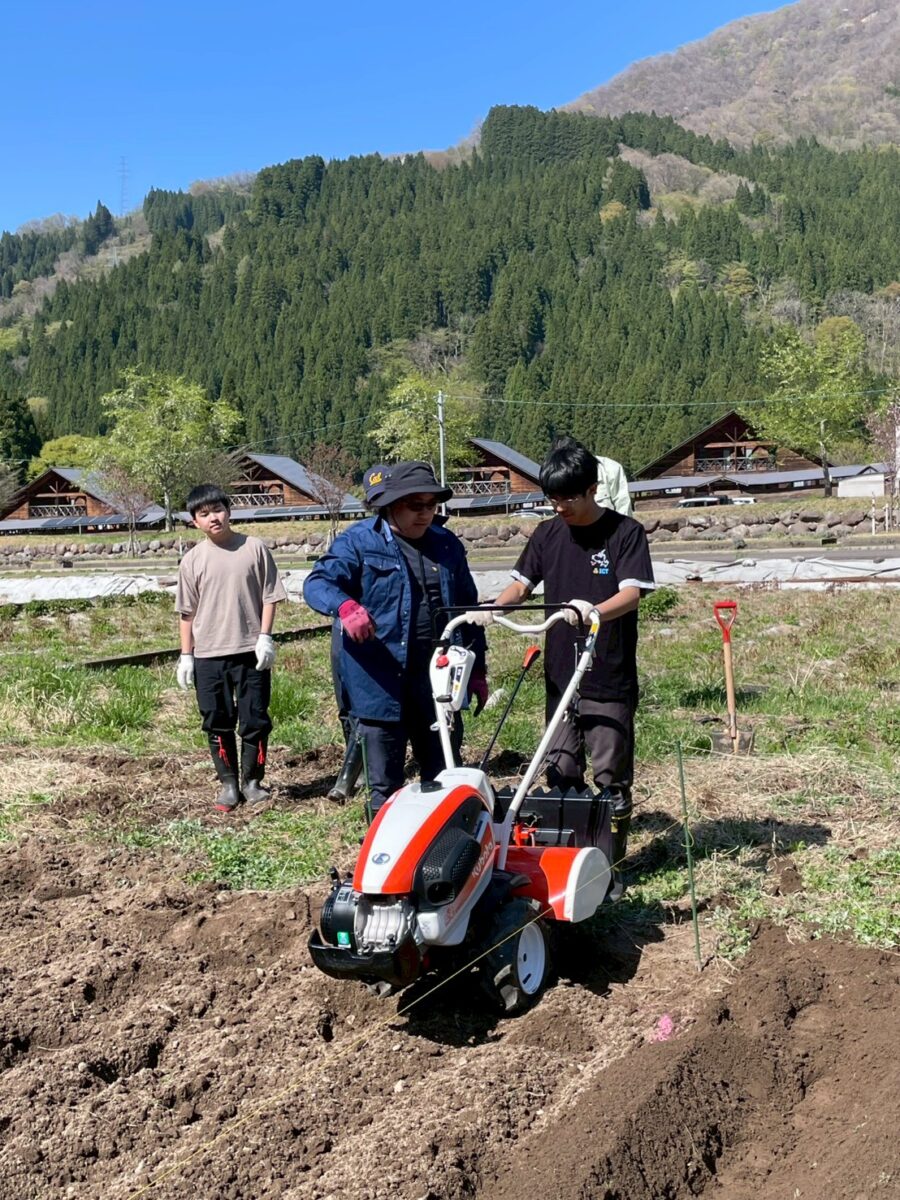
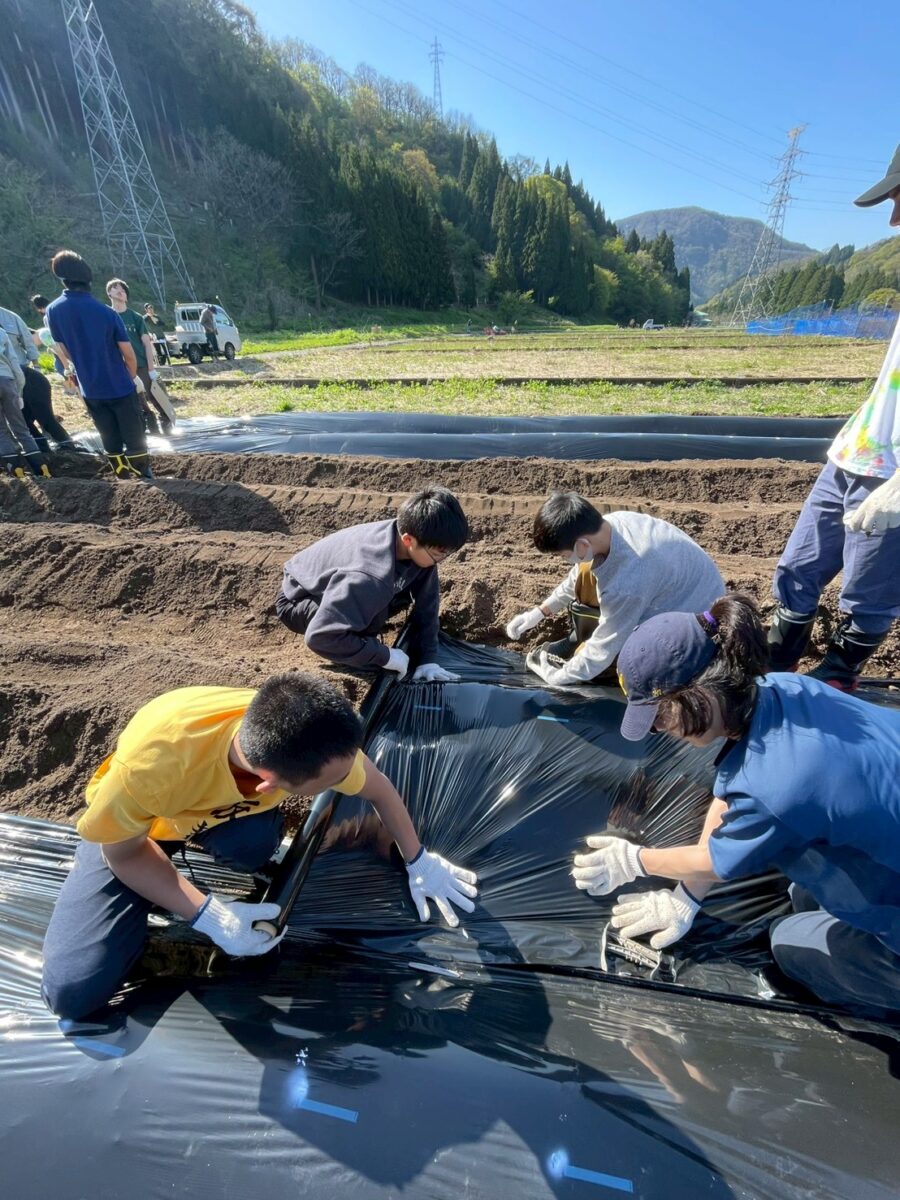
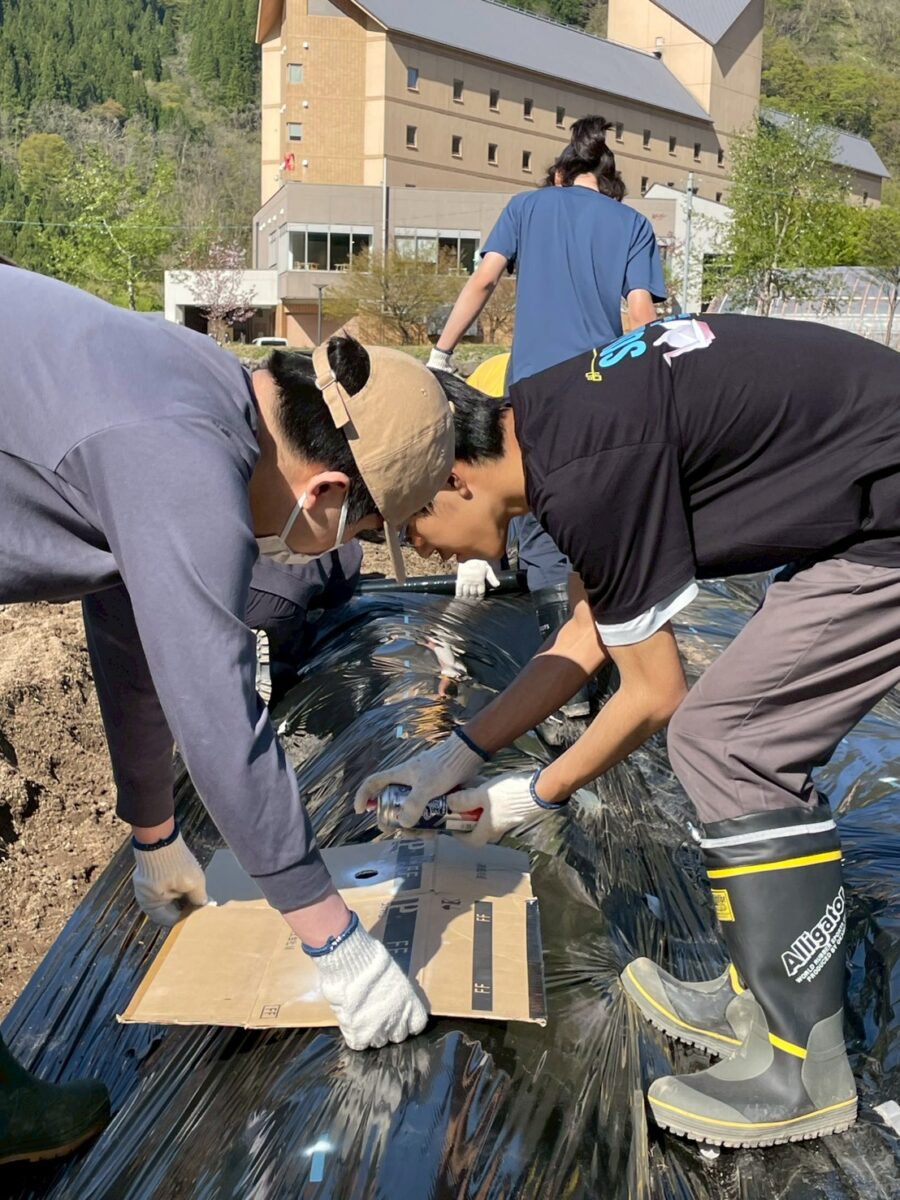
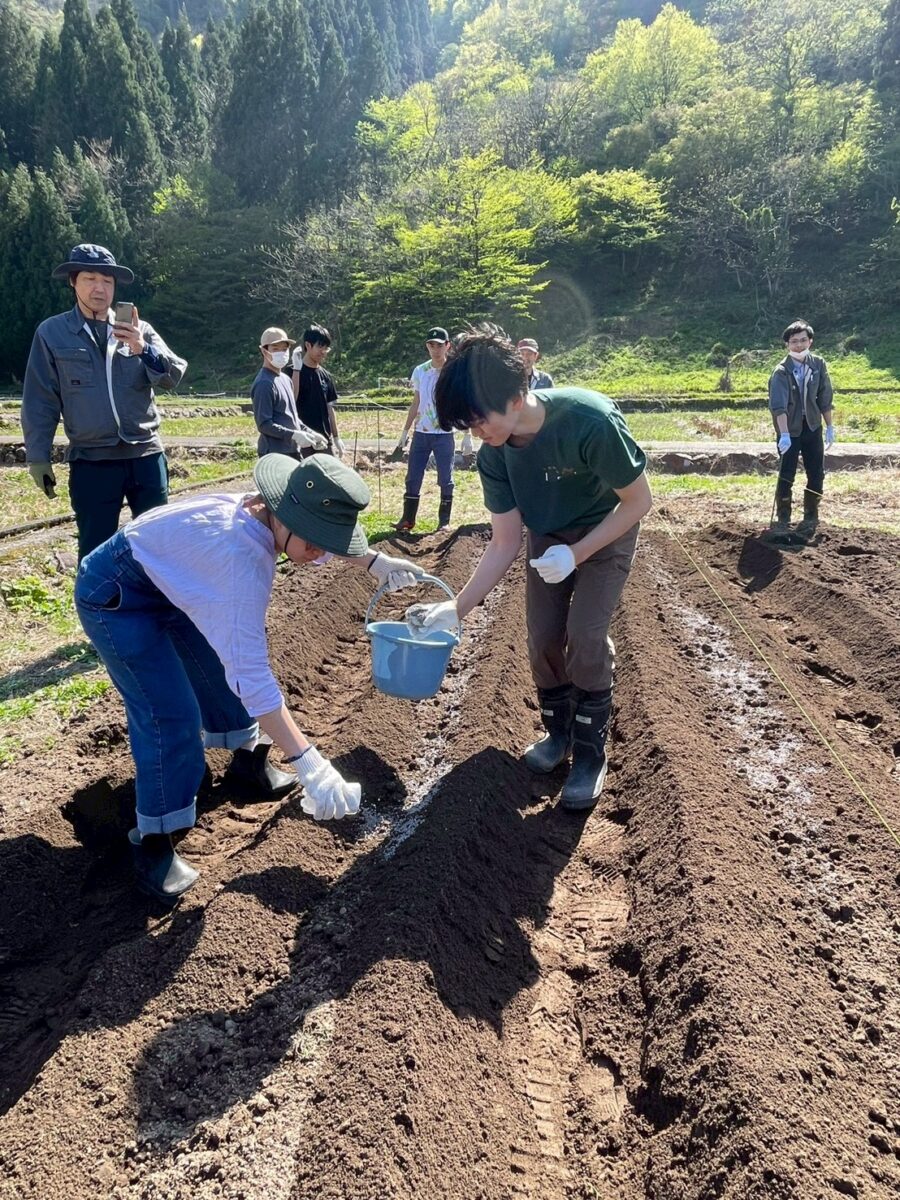
2026年4月23日(木) 「紅はるか」苗の作付け土作りや畝作り
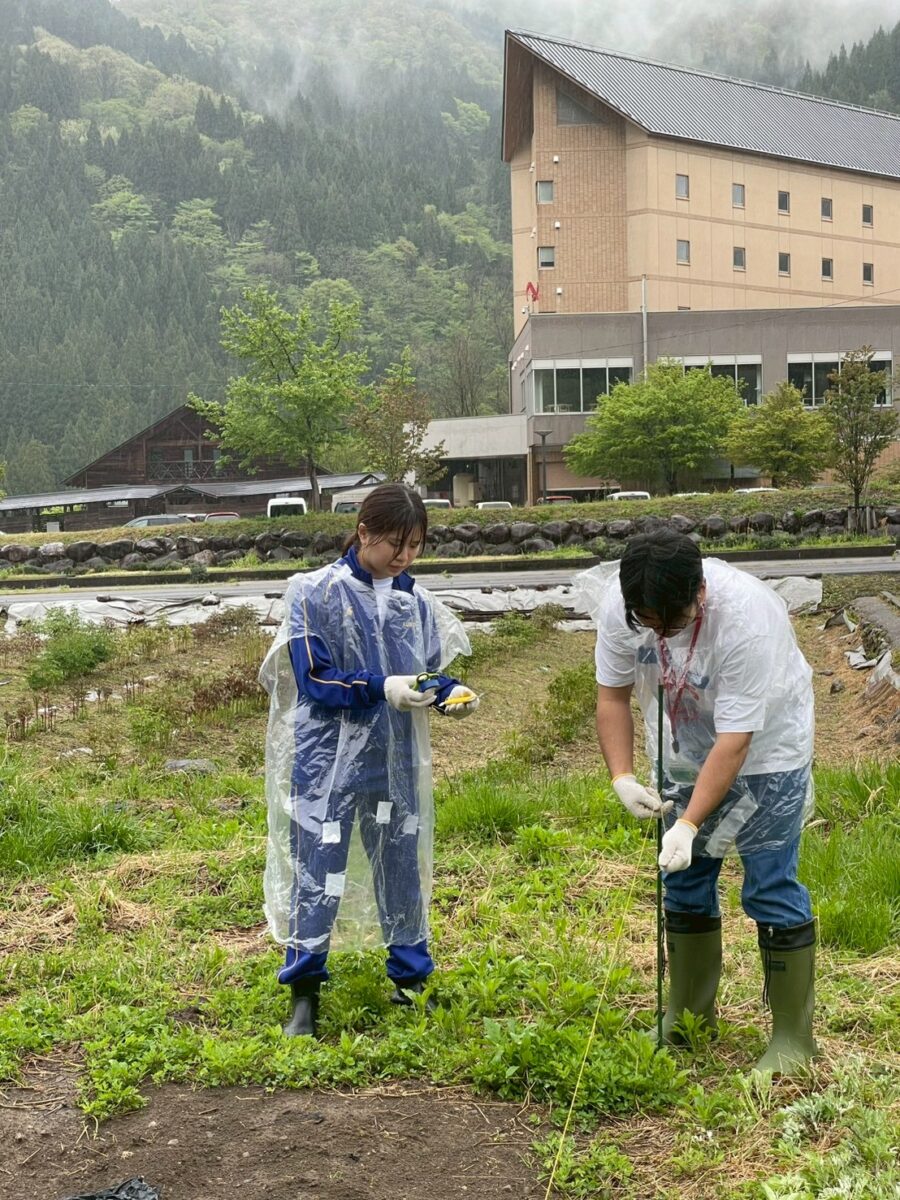
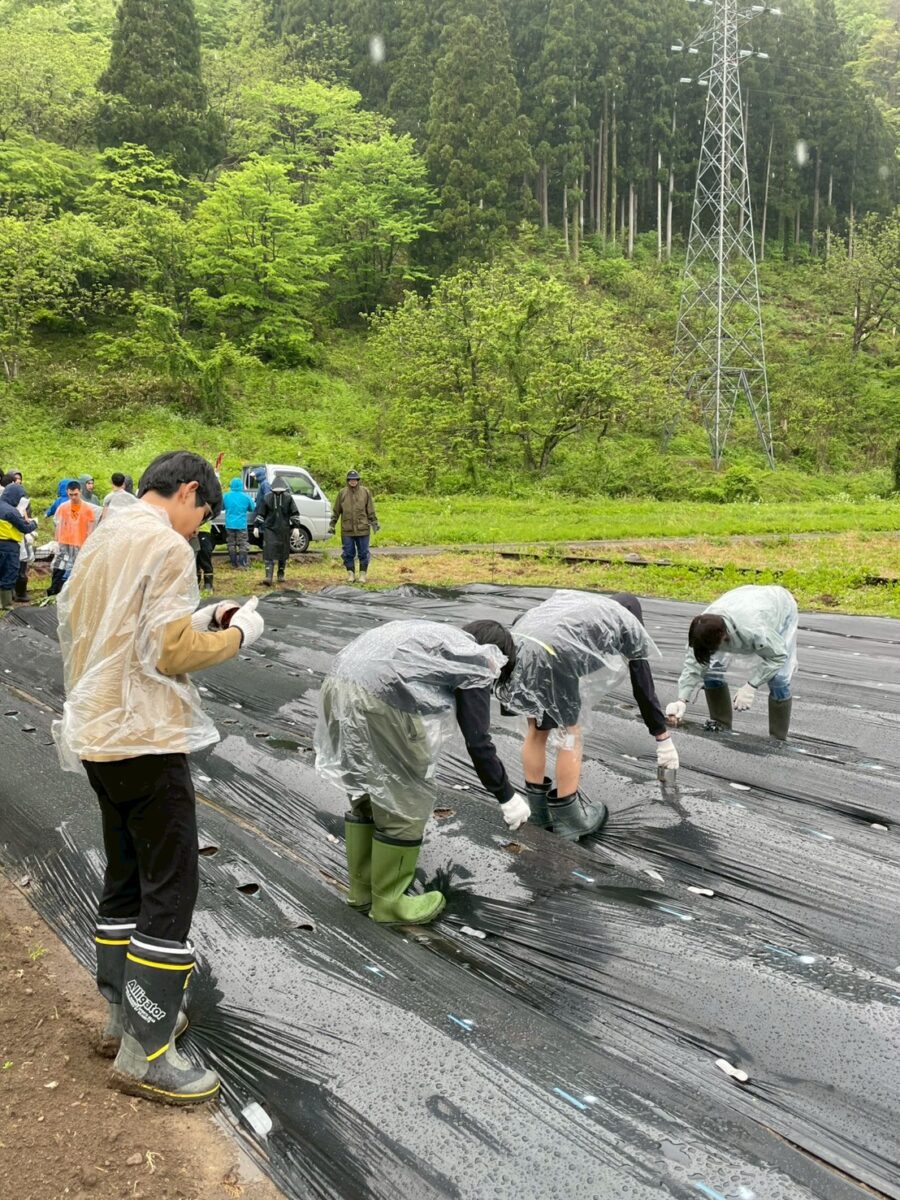
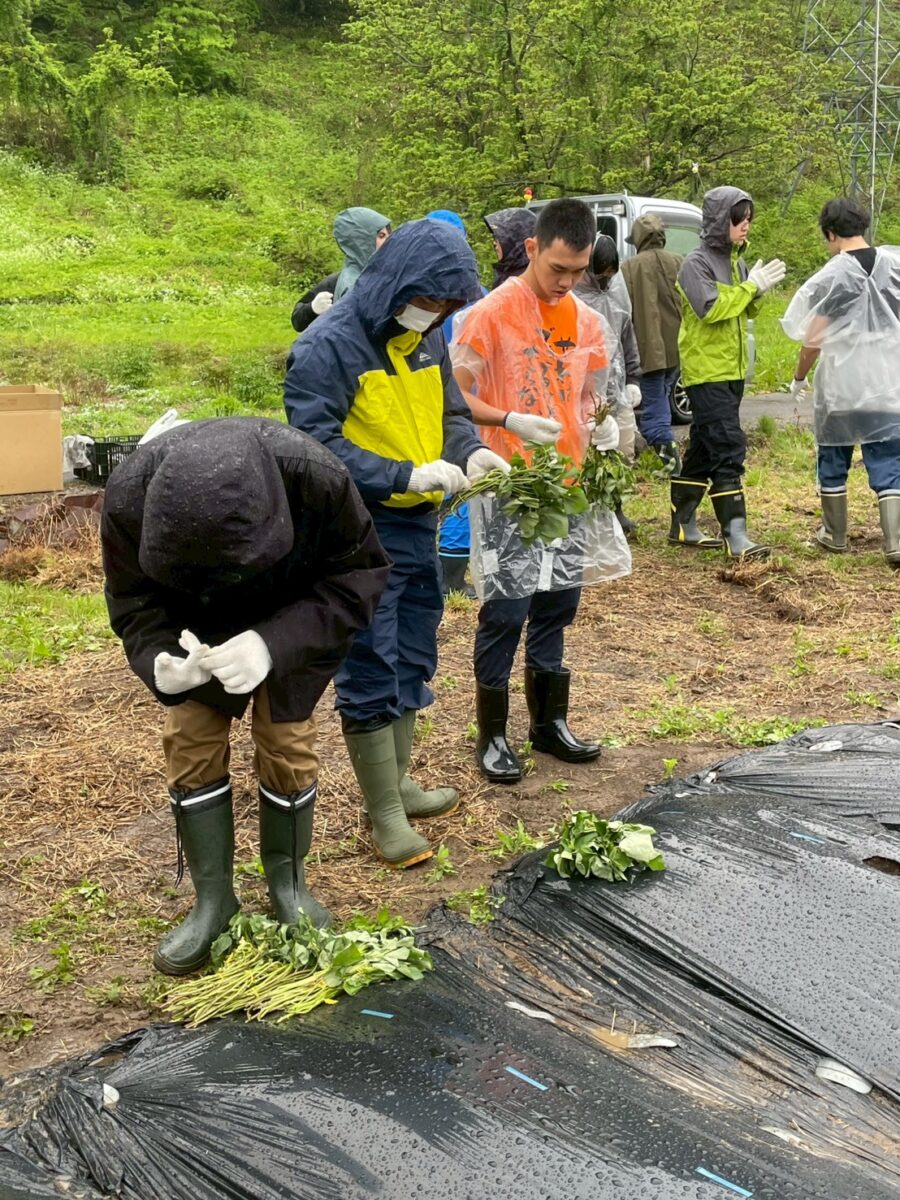
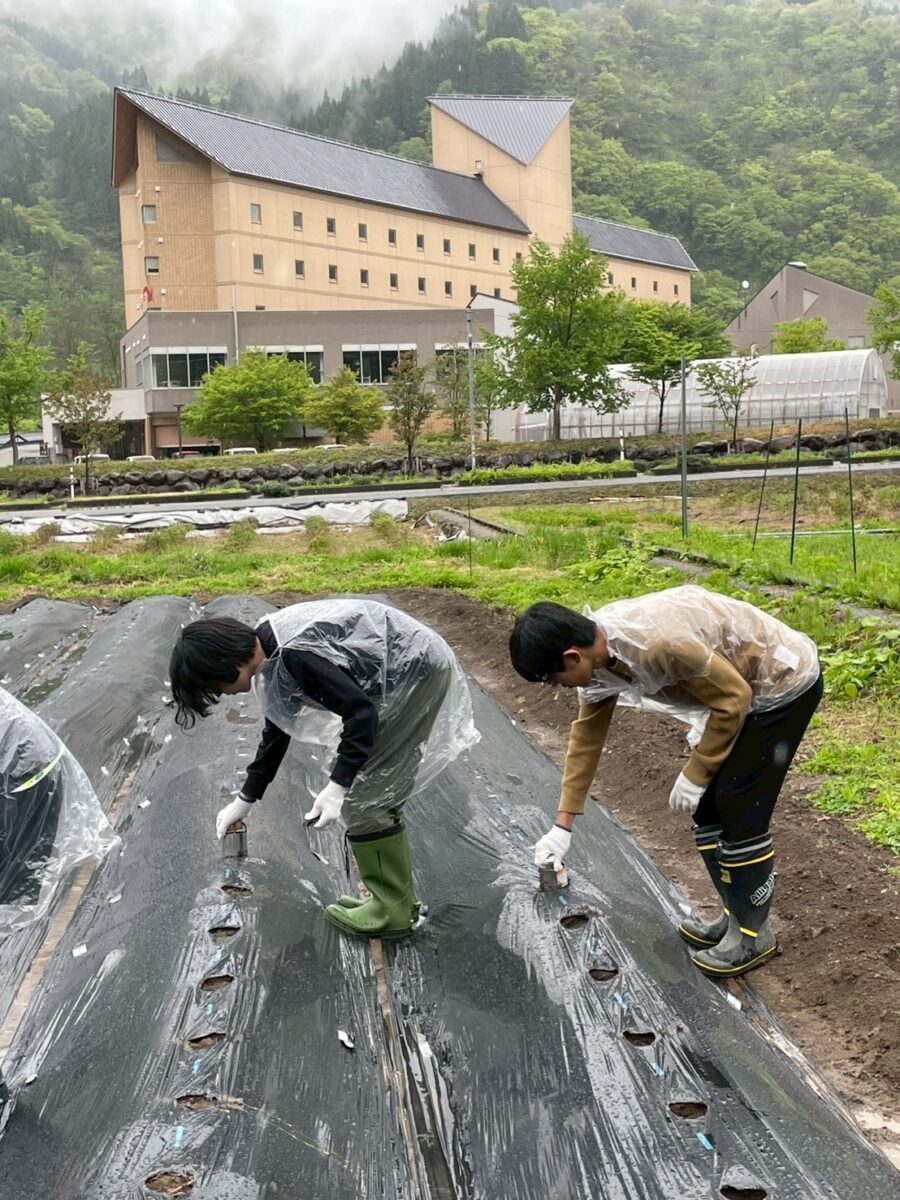
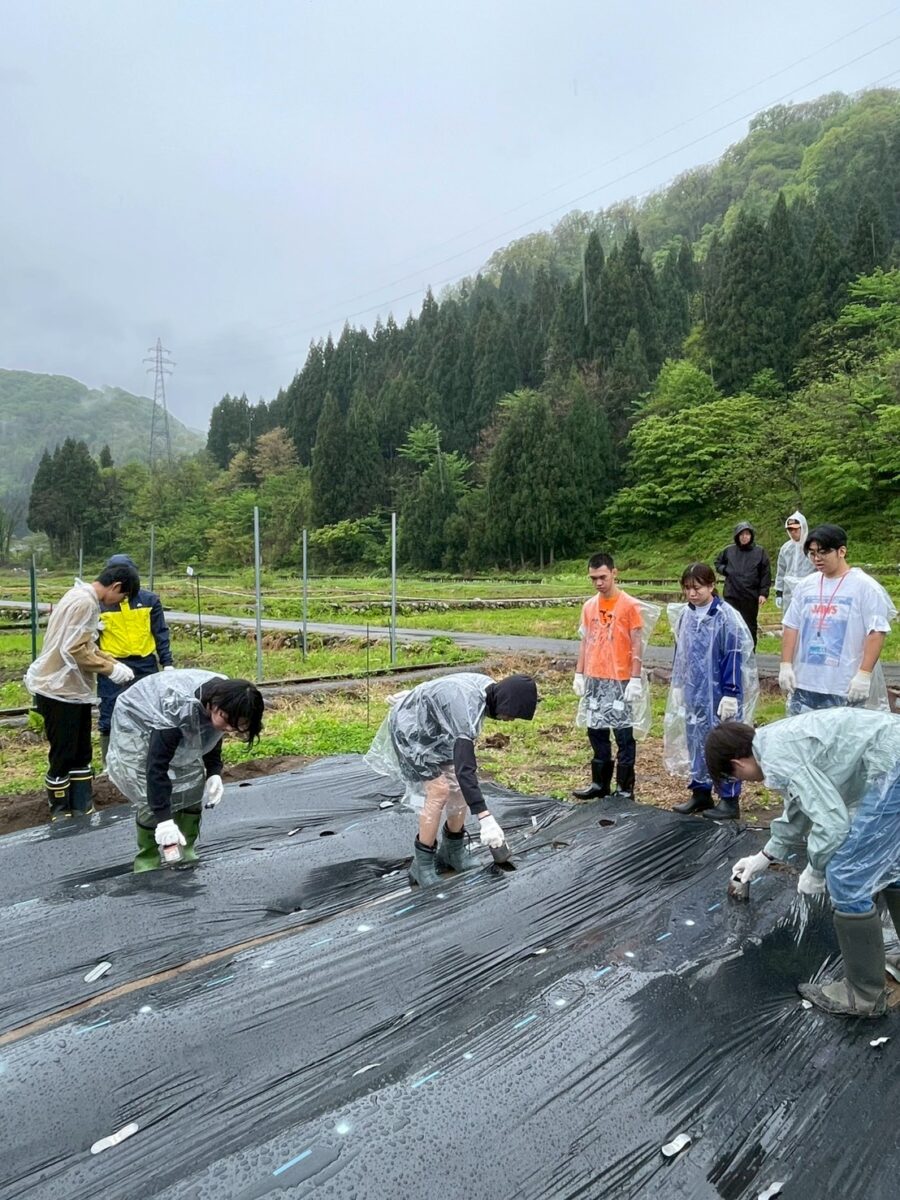
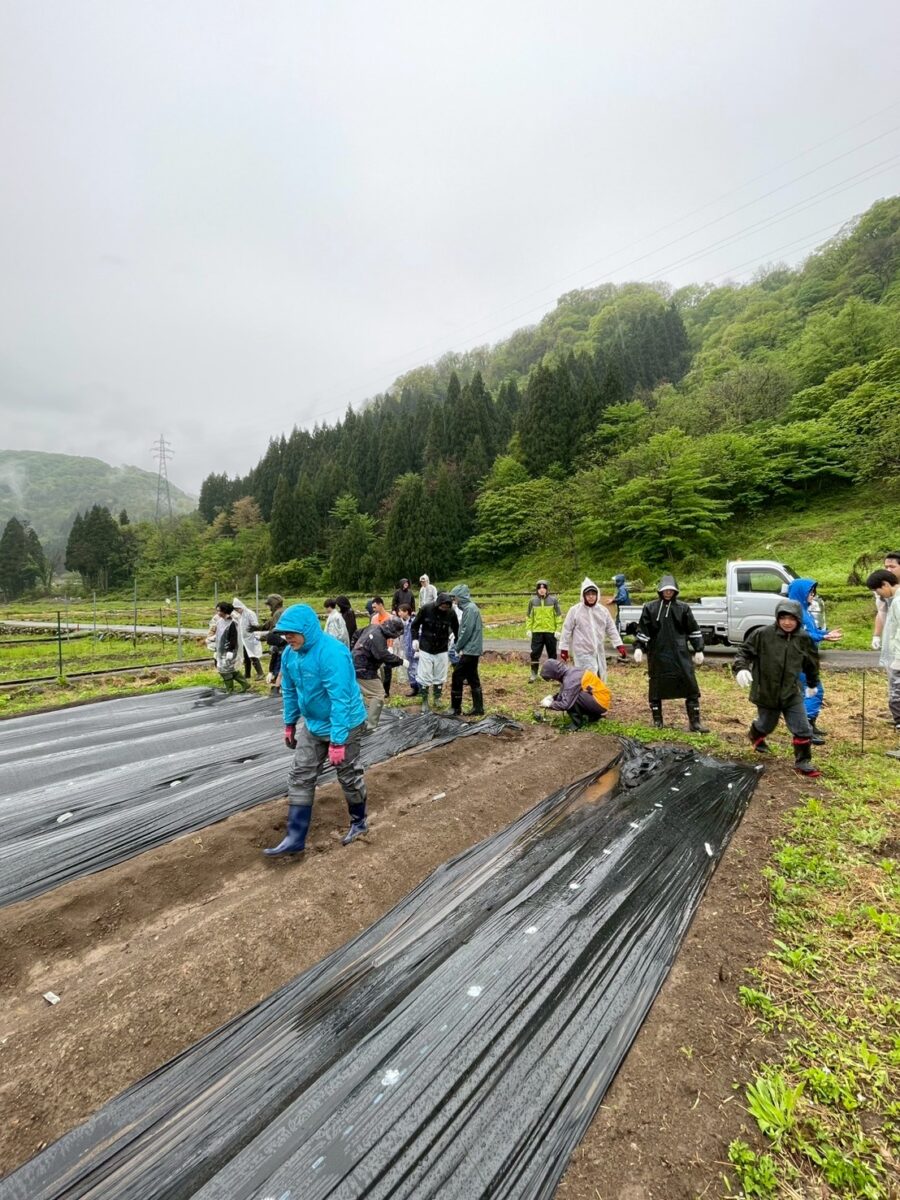
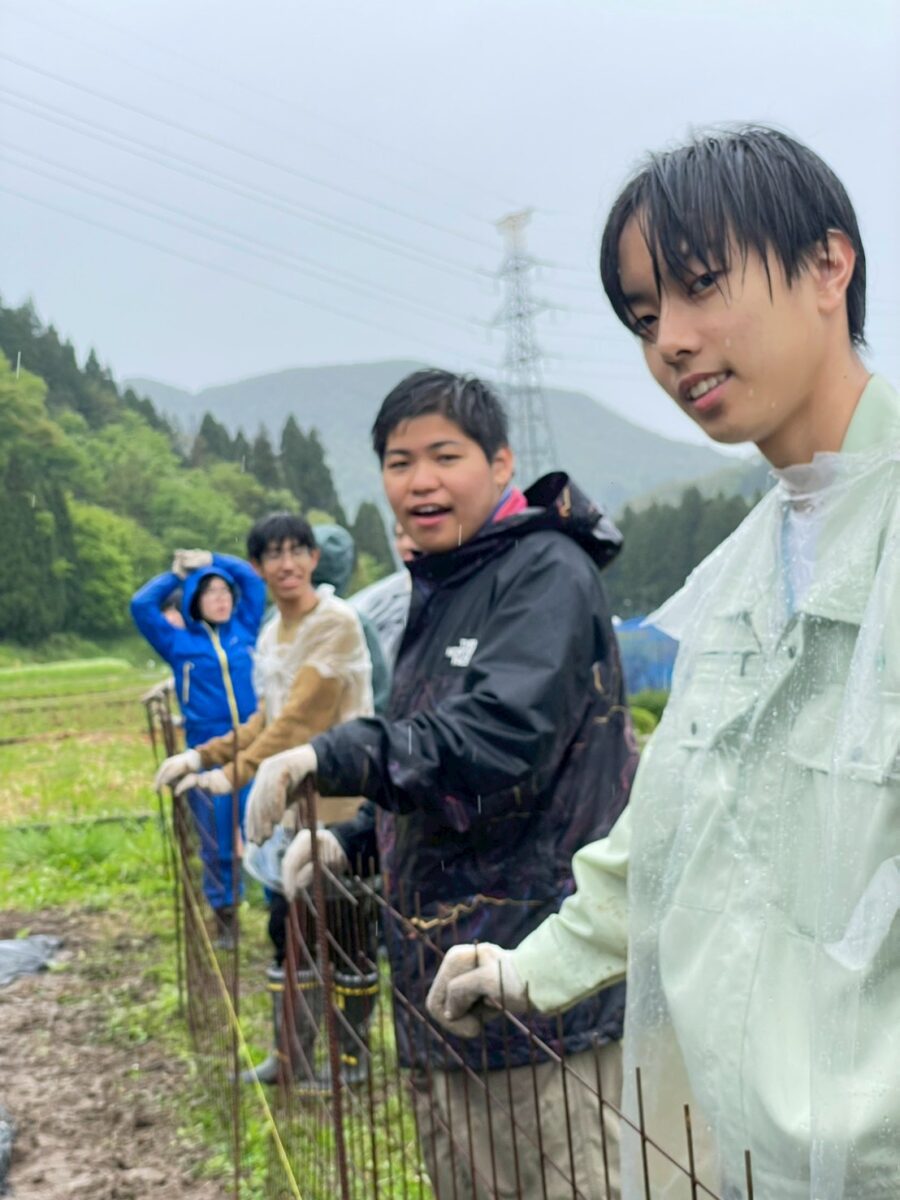
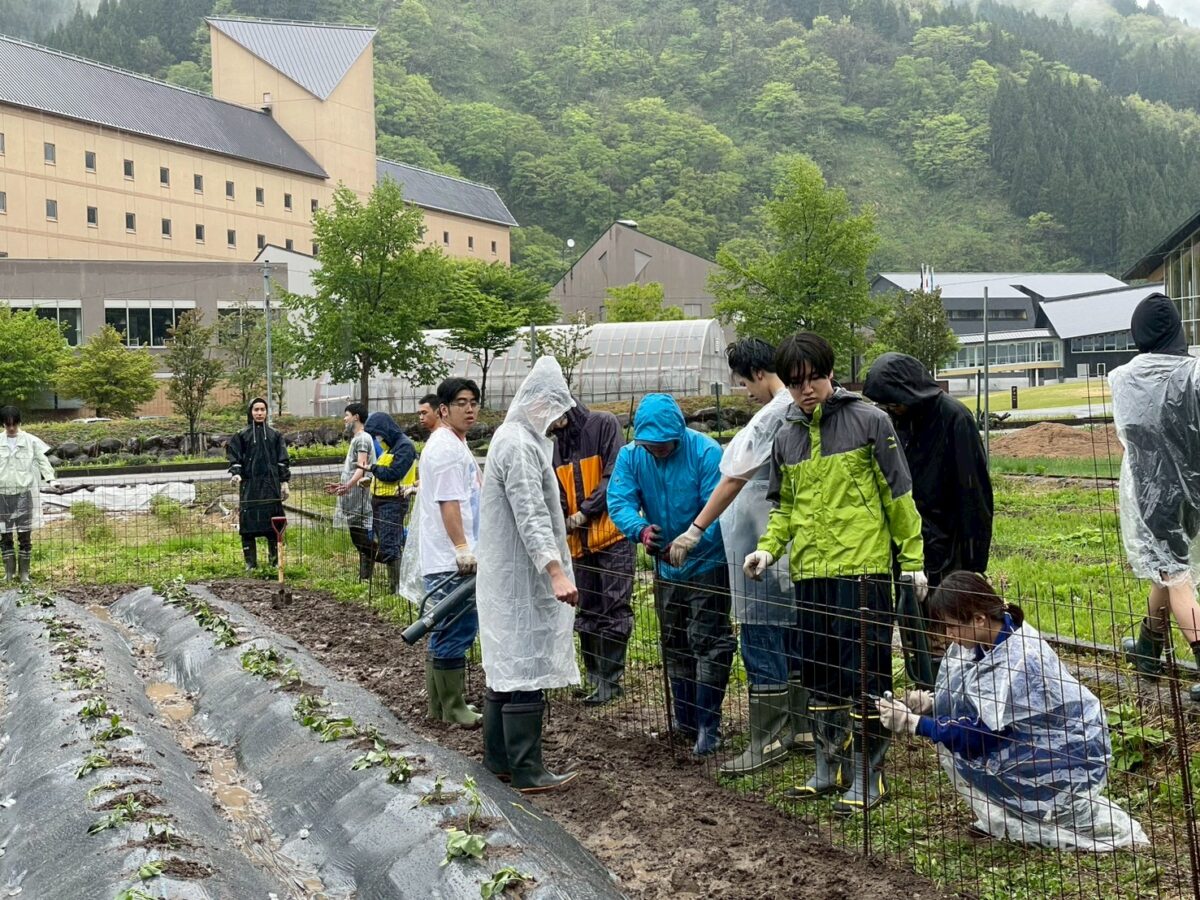
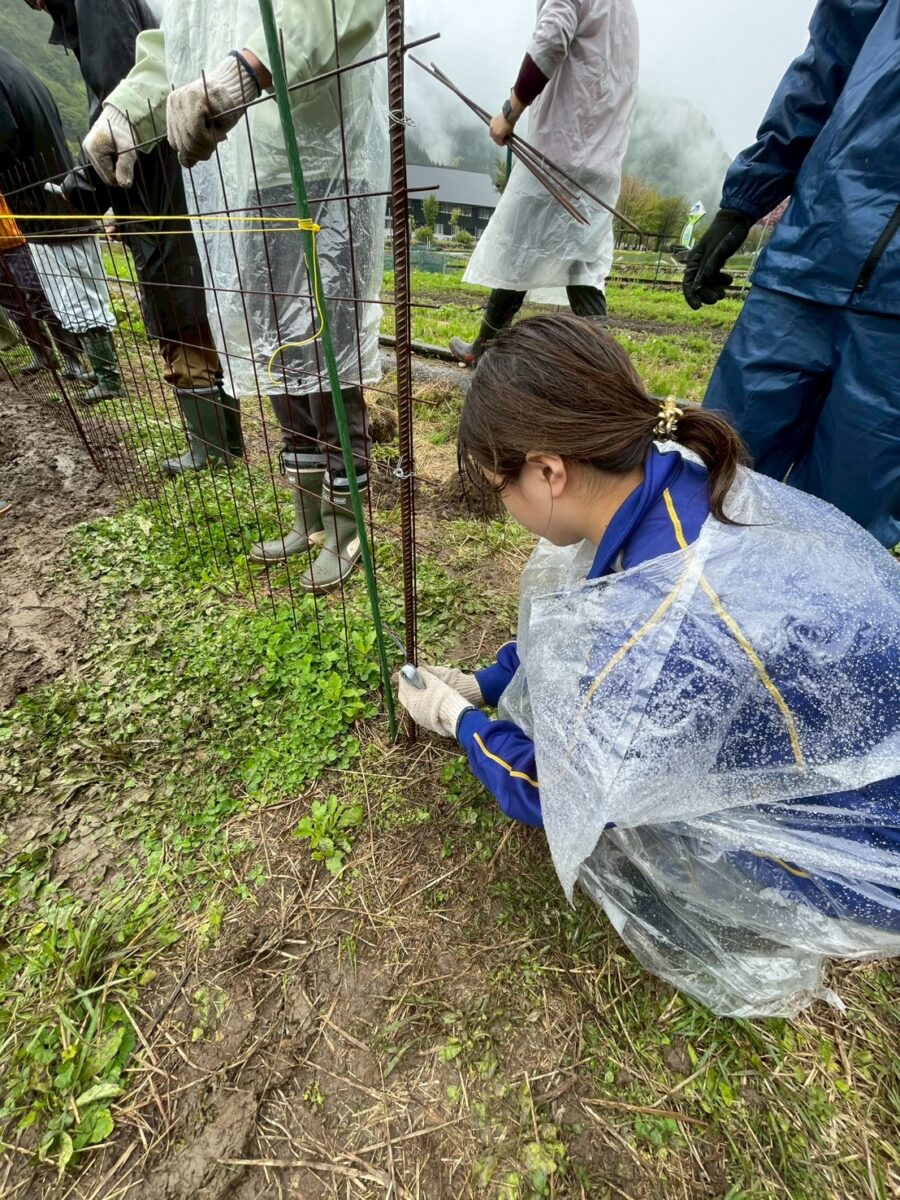
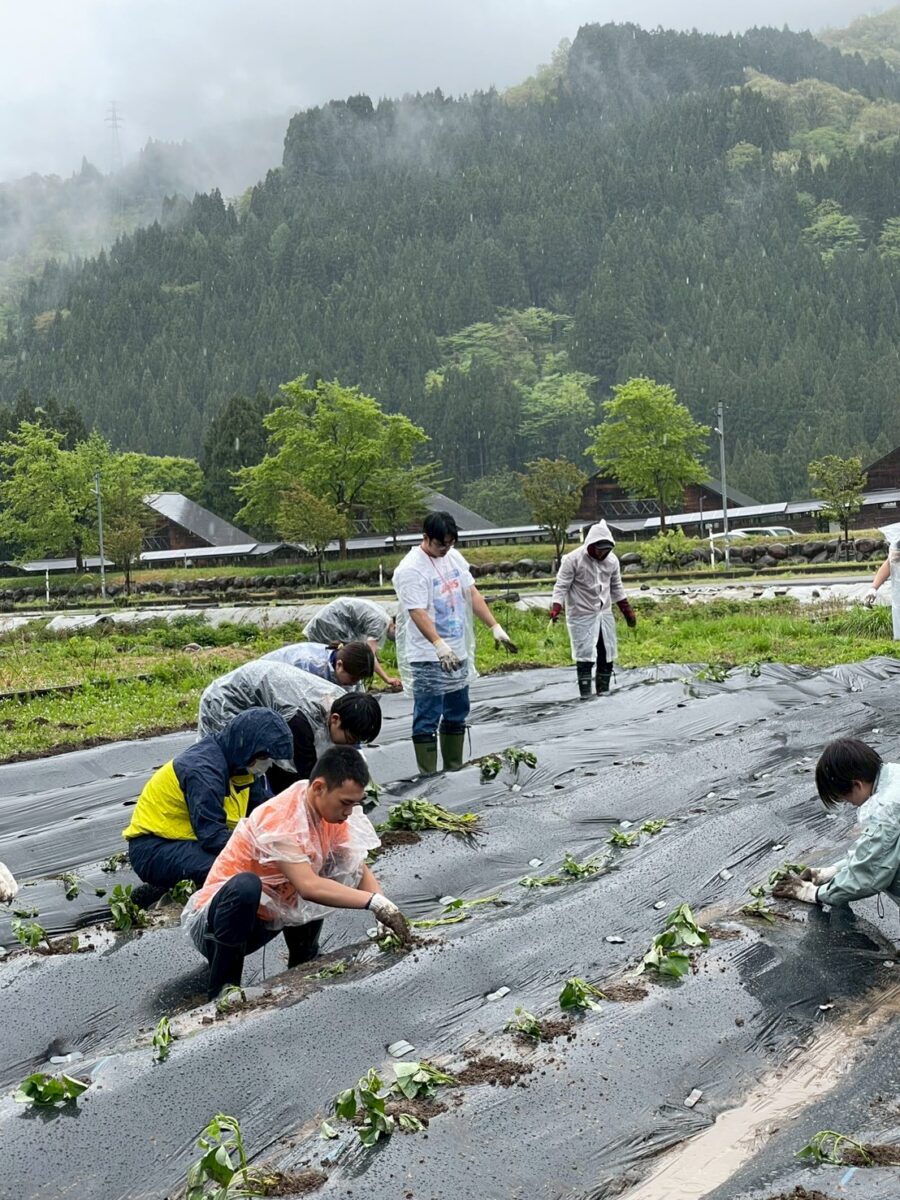
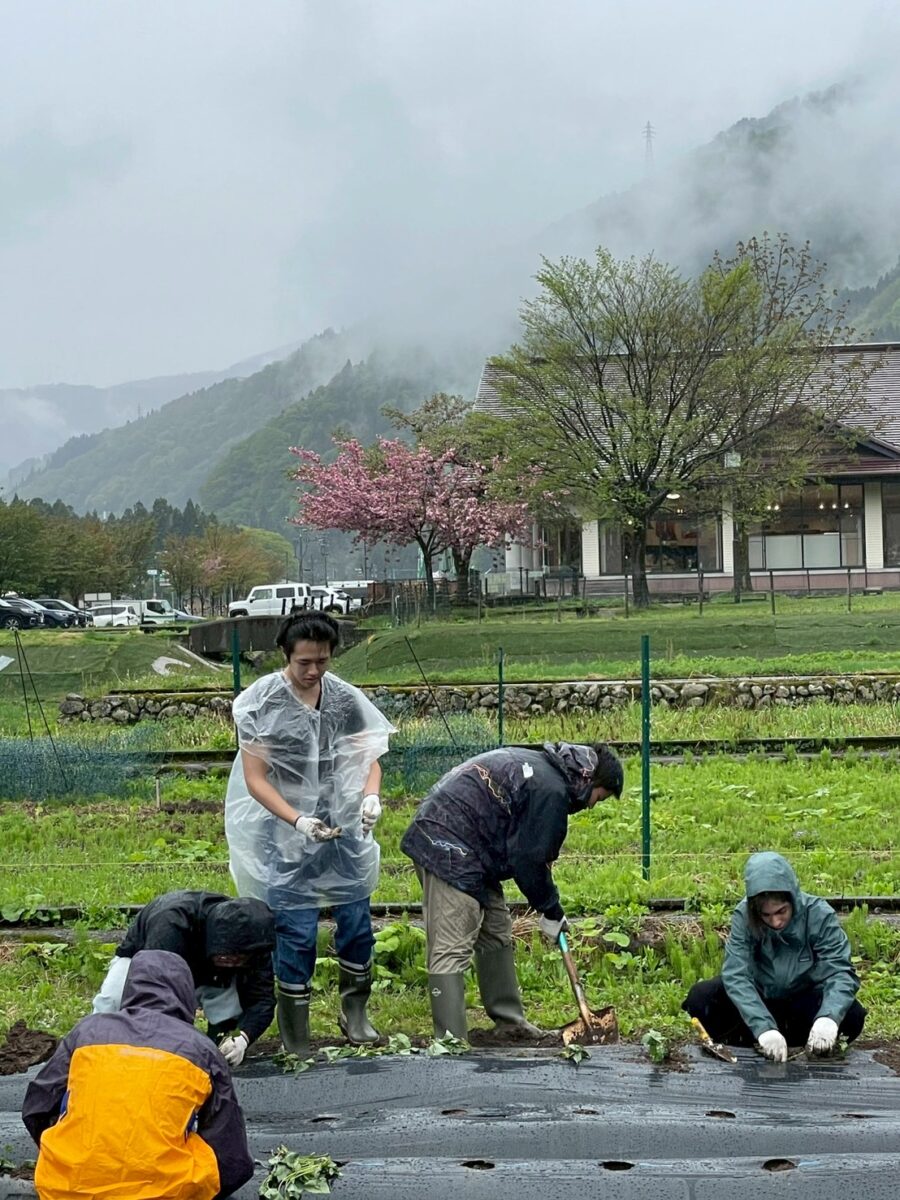
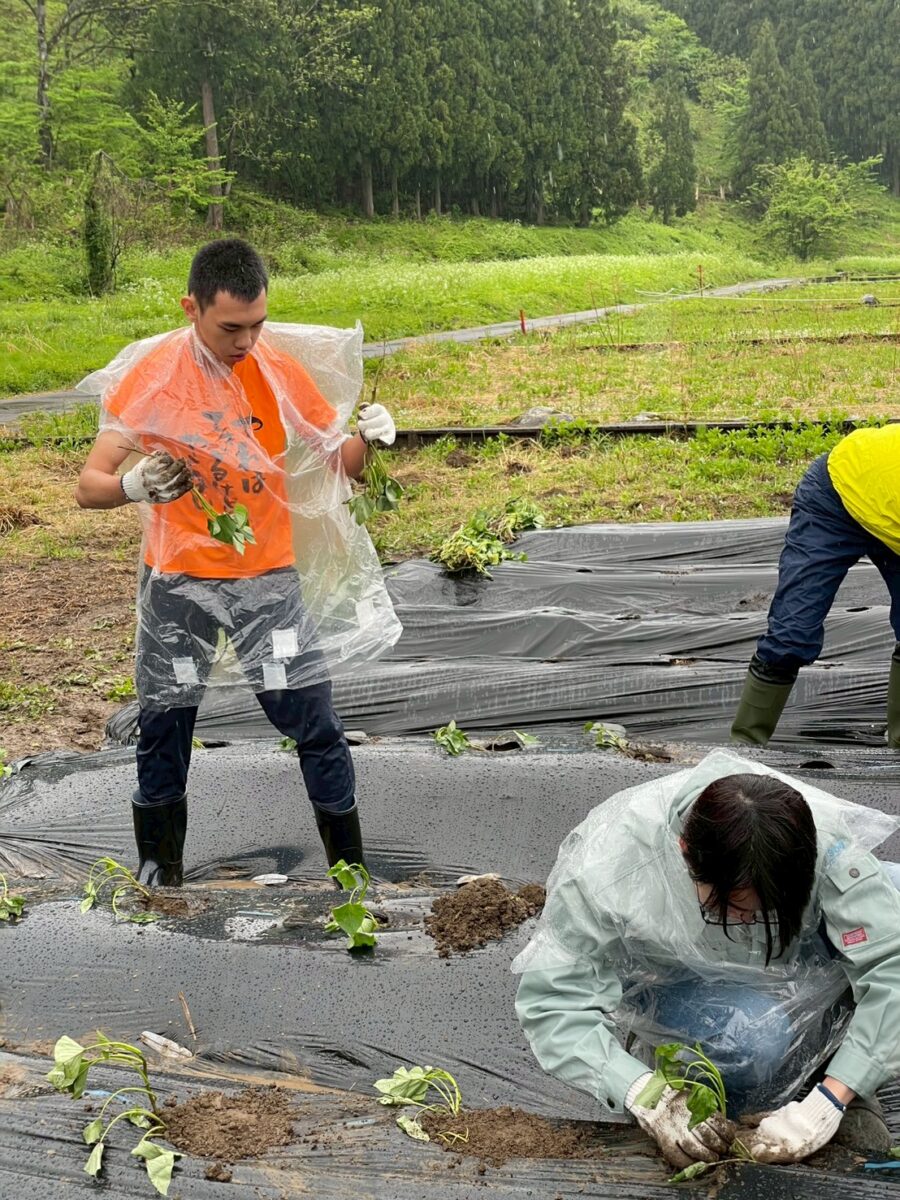
2026年5月7日(木)畑の周りに猿の侵入を防ぐための電気柵を設置
鹿田 正昭
Hello. I am Masaaki Shikada, ICT President.
On Thursday, April 23rd, 2026, I helped with the planting of Beni Haruka sweet potato seedlings as part of Engineering Design II (2nd year students), marking my fourth year participating in this activity. While the previous three years were all blessed with fine weather, unfortunately this year we had rain.
I was also pleased to see that, because of the large number of 2nd year students, Kodaka sensei requested that each student plant approximately 10 to 15 seedlings. In the first year (three years ago), one person planted an entire row of the nursery bed alone. Although we had rain this time, the work progressed smoothly thanks to the larger number of students, and the planting was completed in about 50 minutes.
I left shortly after the seedling planting was finished, but the installation of the electric fence also appeared to be proceeding without any problems. In sunny weather, watering is necessary immediately after planting; however, this year the rain provided natural watering, which seemed to save time as well. I hope, once again this year, that the seedings will grow well. I would also like to take part in the harvest in autumn.
As is customary, an Open Campus will be held at the Hakusanroku Campus on Saturday, November 7th, and Sunday, November 8th. To coincide with this event, roasted sweet potatoes are scheduled to be sold at the Sena Roadside Station. If you have time, please consider stopping by the Sena Roadside Station on either of those days.
Thursday, April 16th, 2026
Soil preparation and digging rows for planting.
Thursday, April 23rd, 2026
Planting Beinharuka soil and ridges for planting Beniharuka seedlings.
Thursday, May 7th, 2024
Electric fence installed around fields to prevent monkeys from entering.
Masaaki Shikada
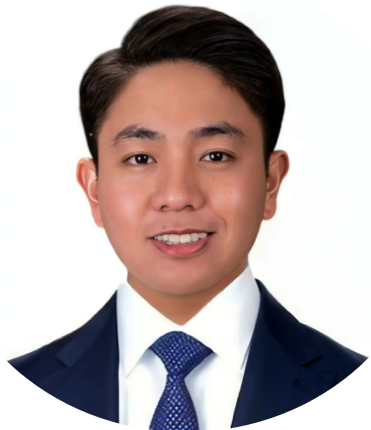
 こんにちは。ドミソン・アブワンです。ラーニングメンターチームを代表して、白山麓キャンパスの「ラーニングセッション」について、改めてご紹介させていただきます。
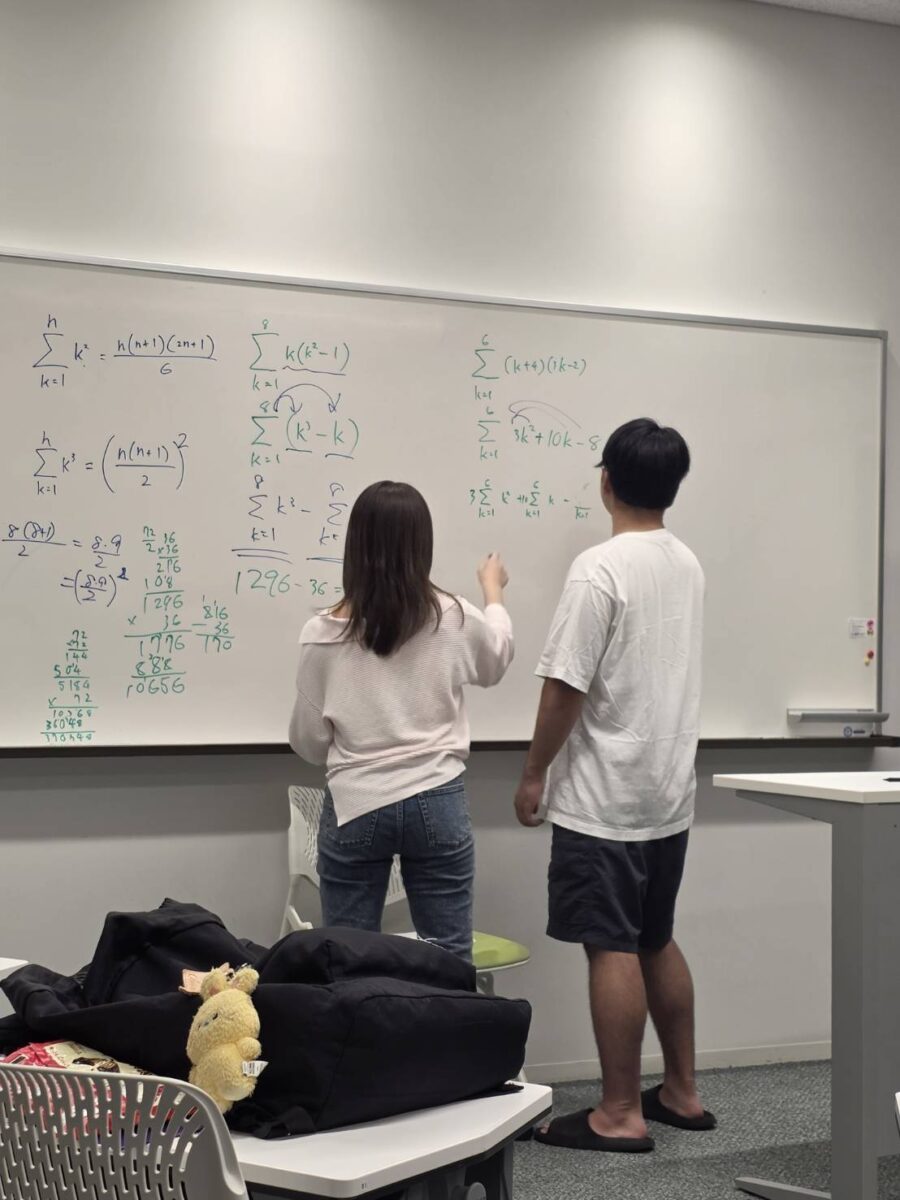
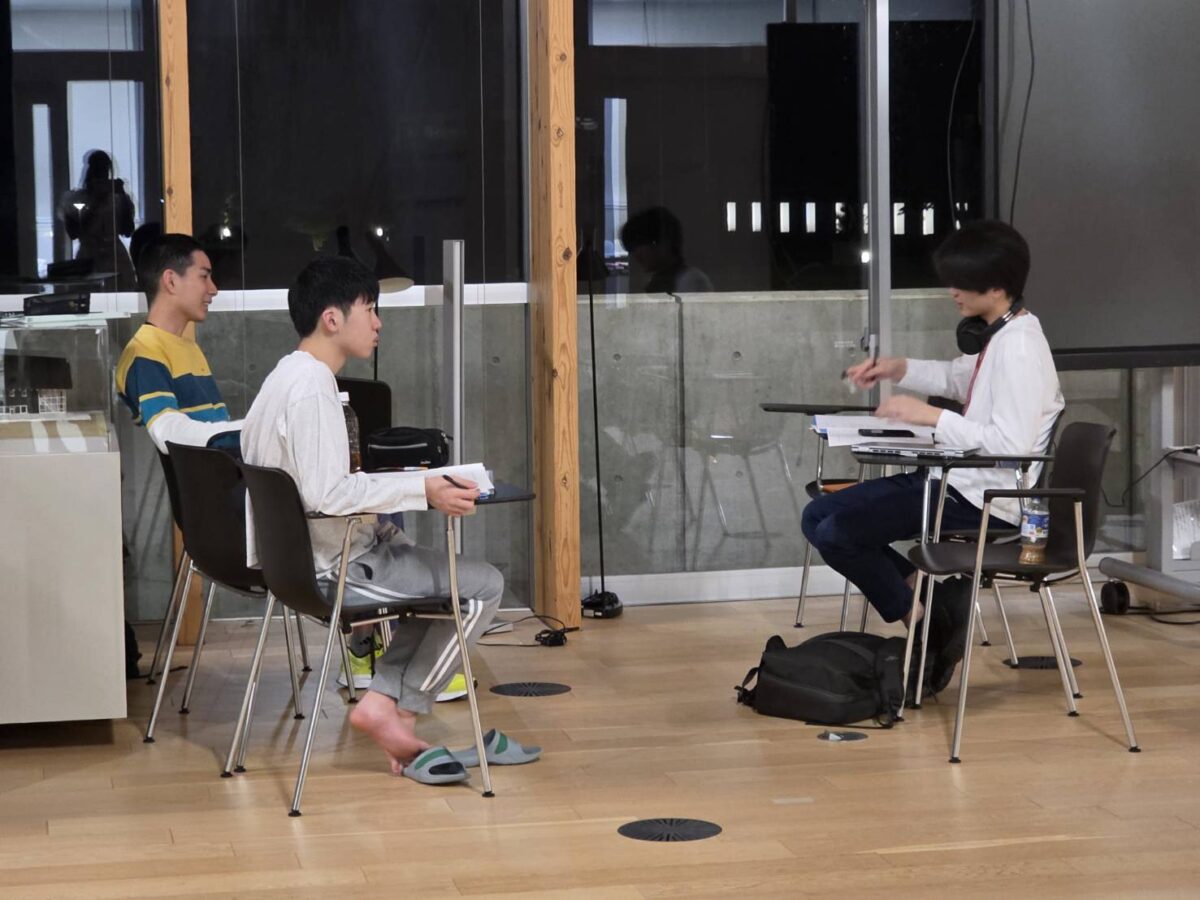
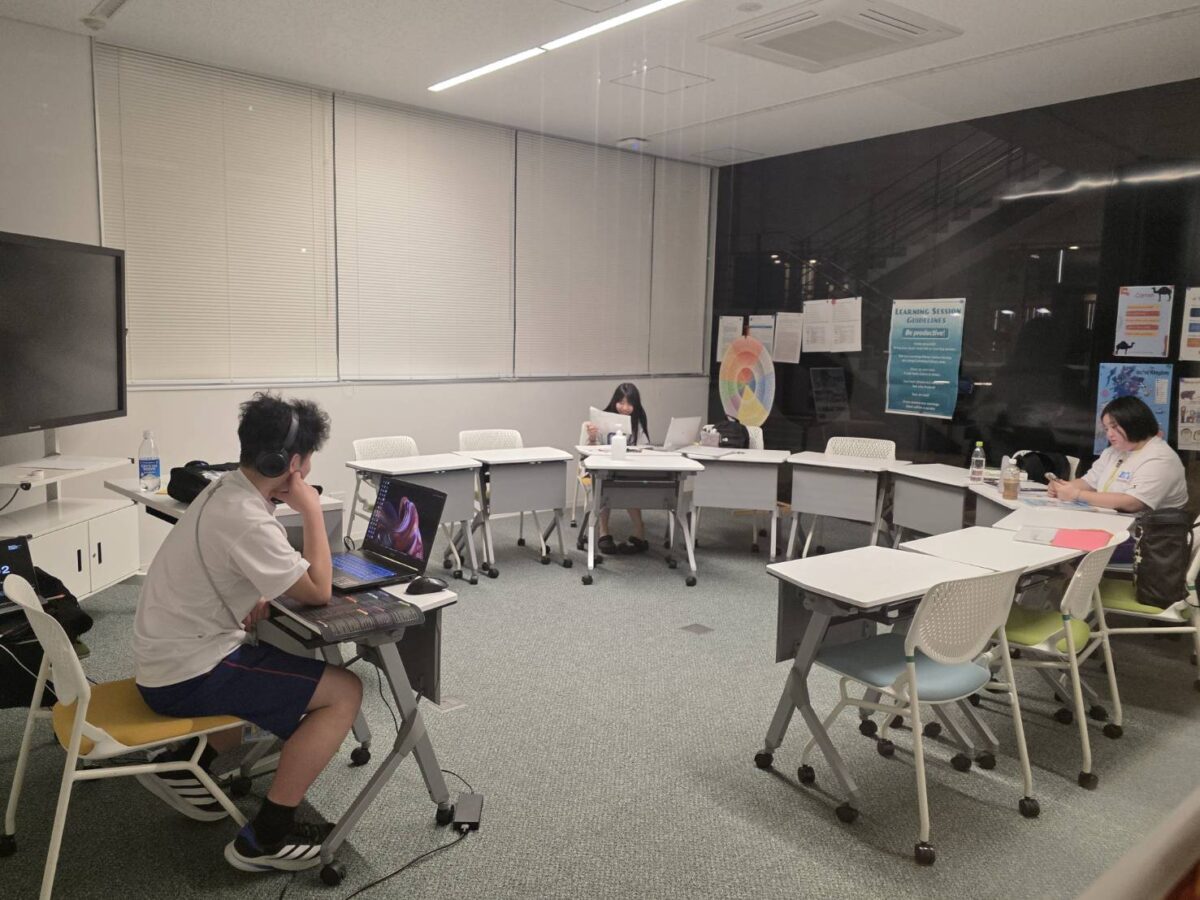
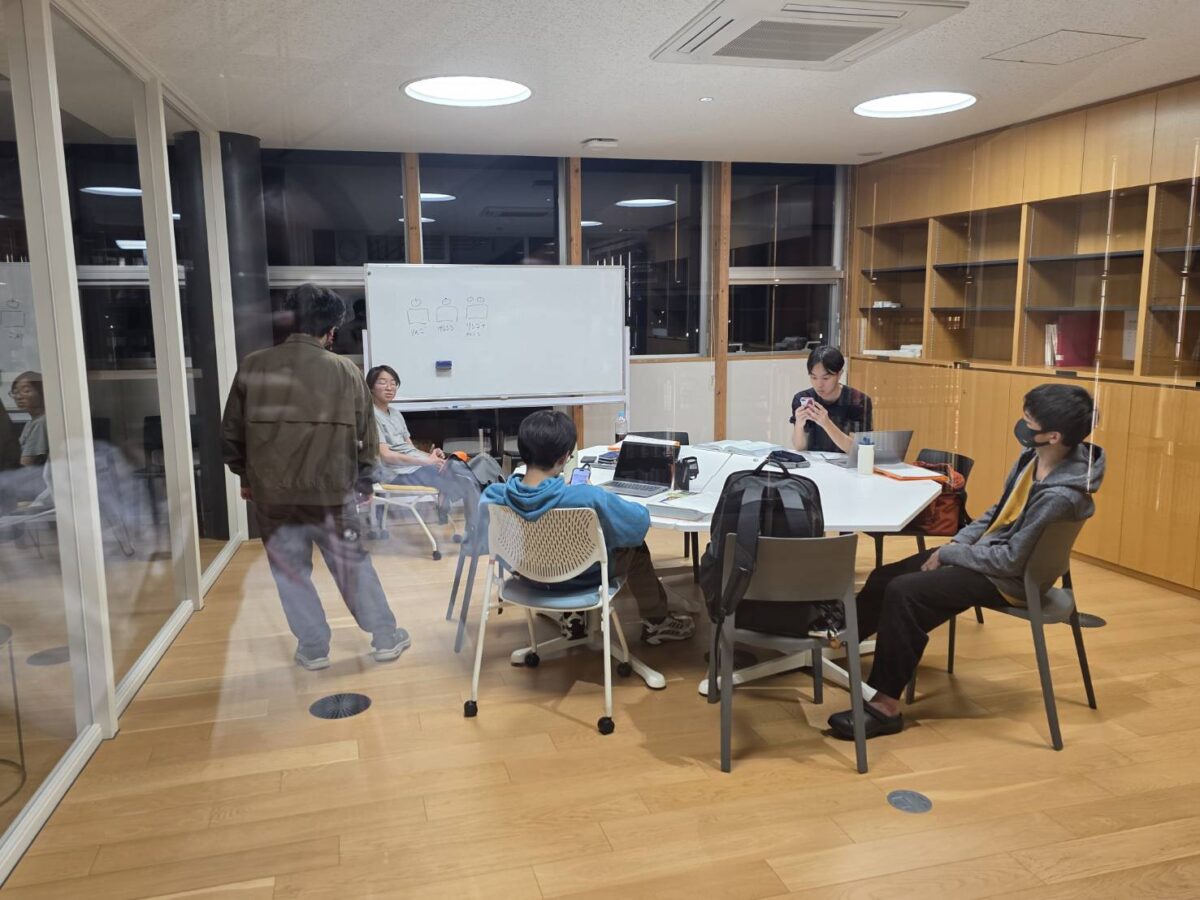
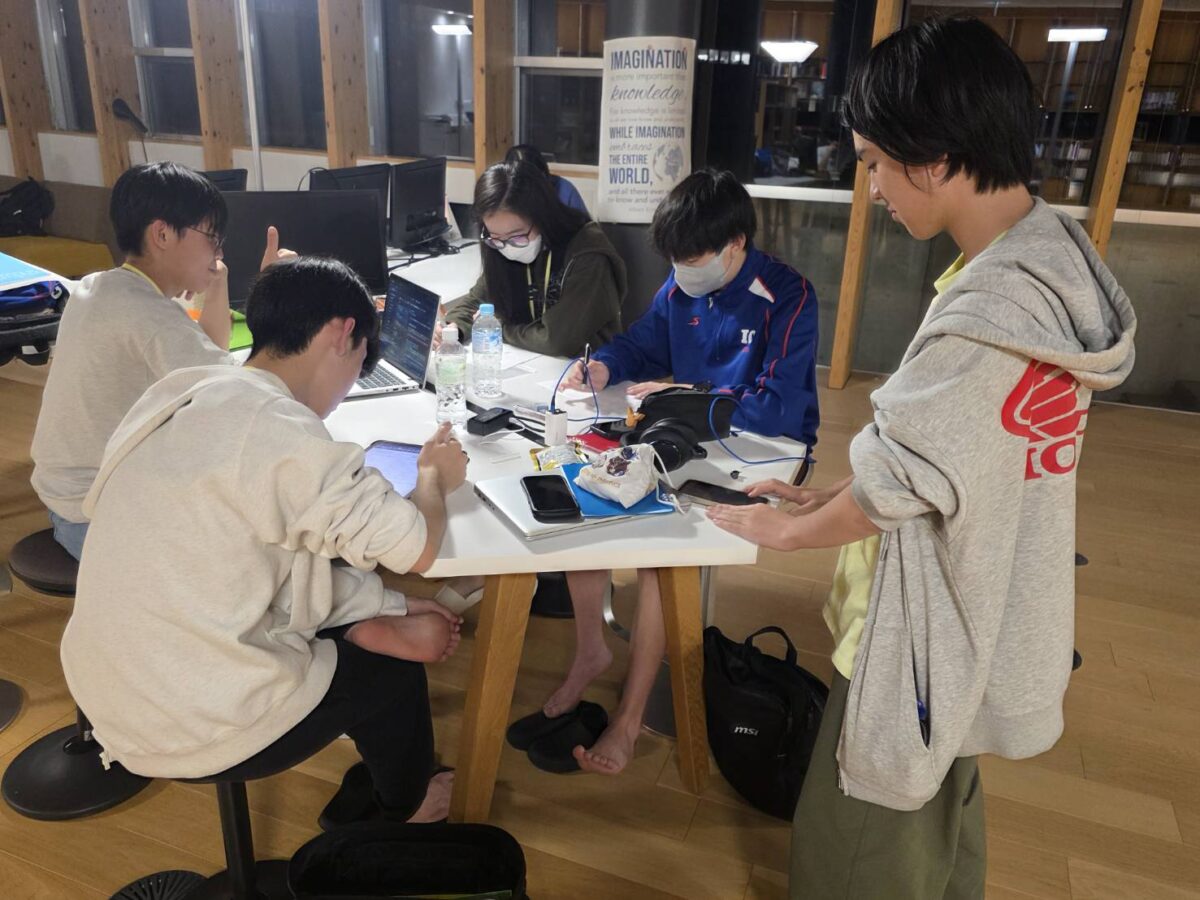
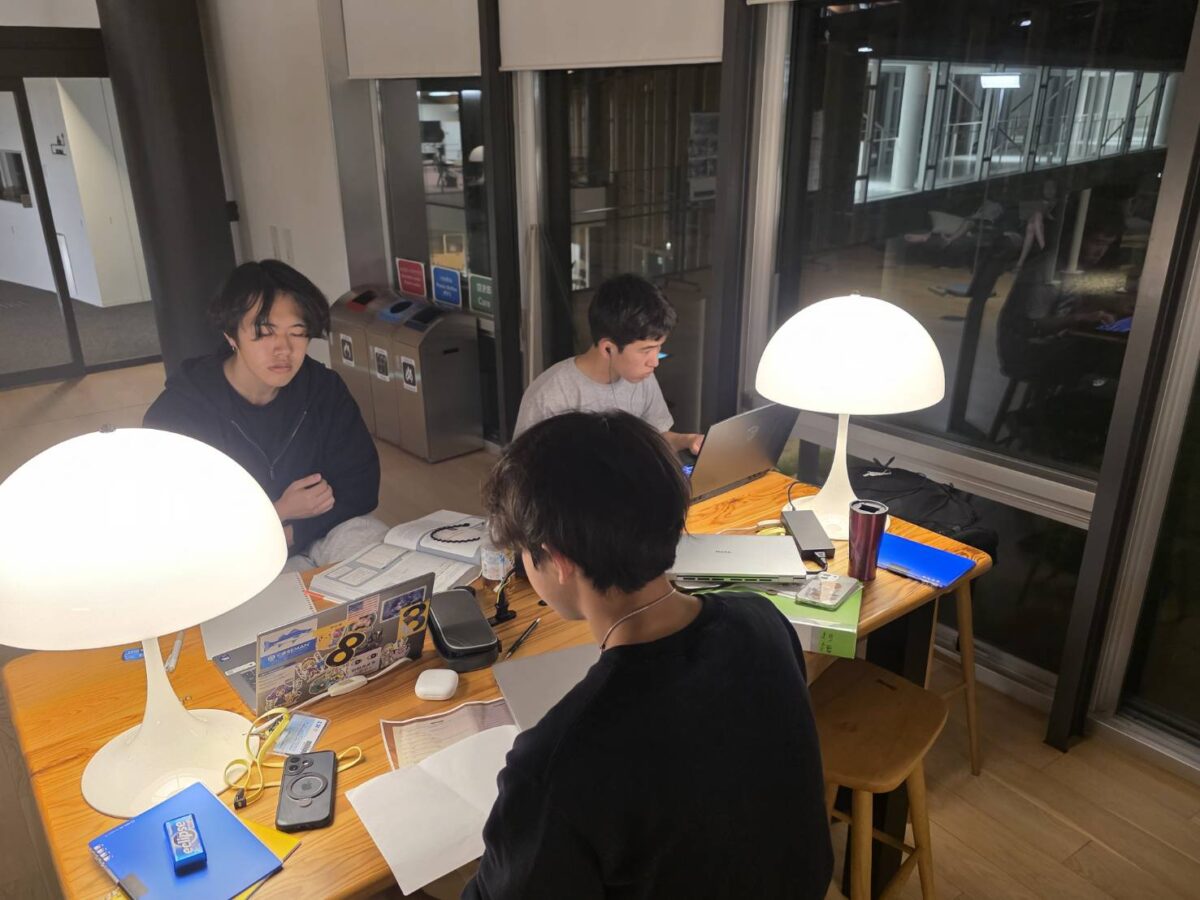
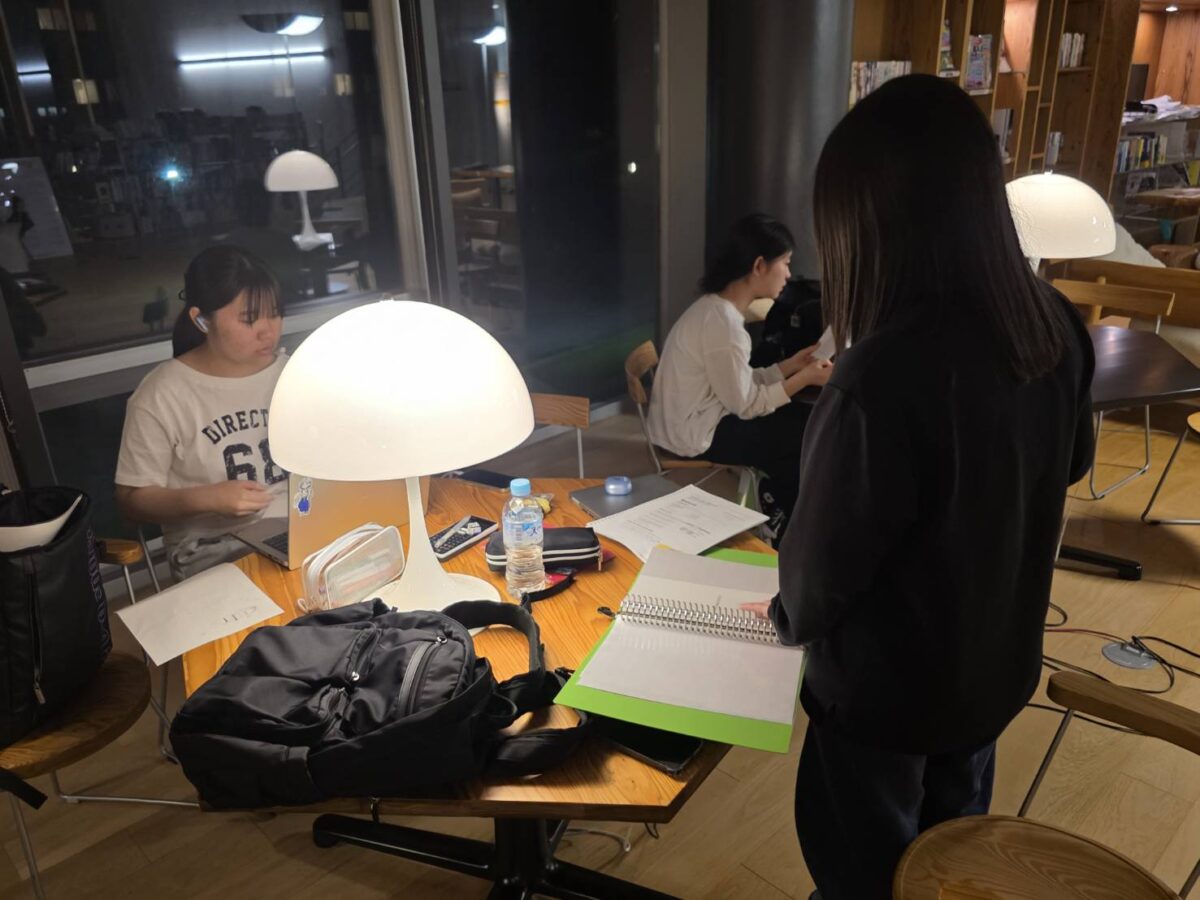
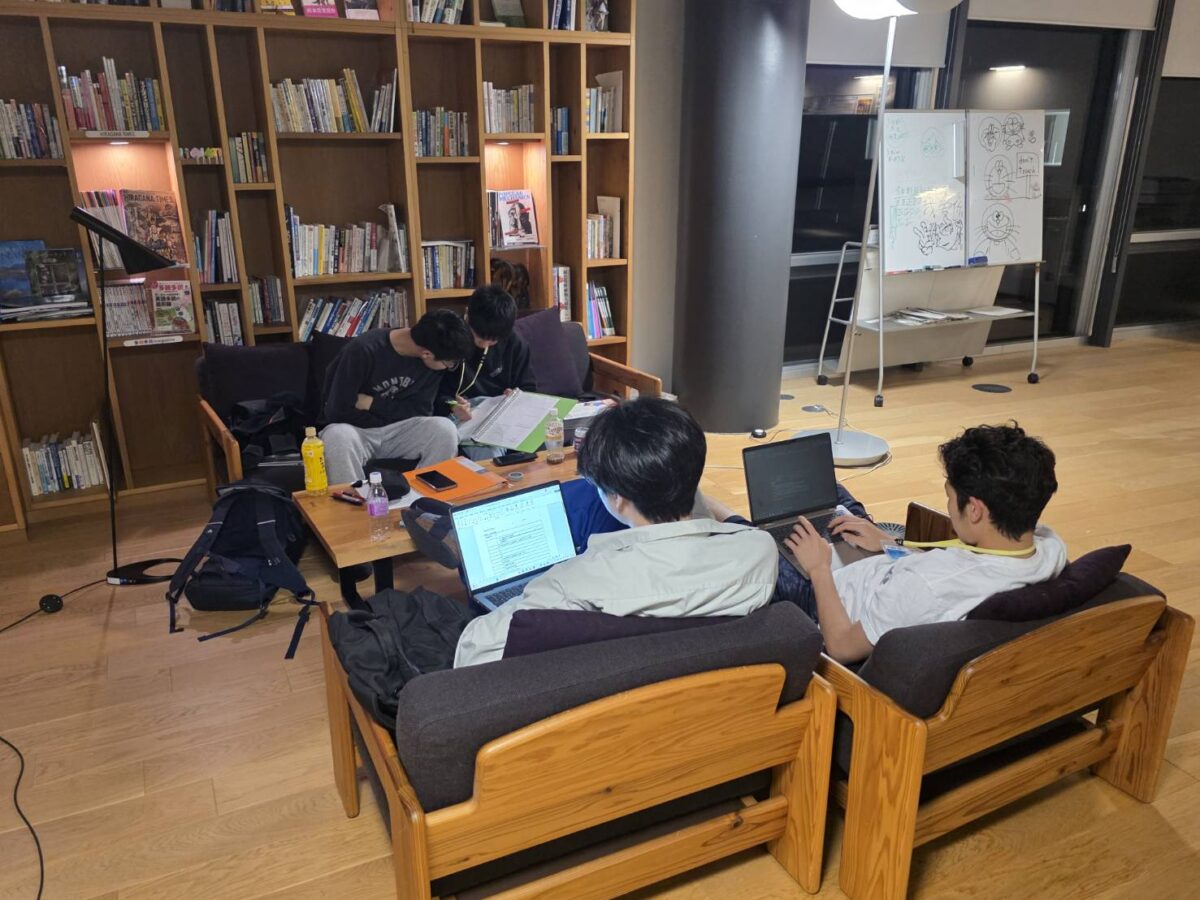
ラーニングセッションとは「夜の学習時間」のことで、平日の19:30〜21:30に白山麓キャンパスの「リビングコモンズ」や「ライブラリー&ワークコモンズ」という場所で行われます。ラーニングセッションでは、学生が授業の課題、宿題、プロジェクトや語学スキルの向上など、各自のやるべき勉強に自由に取り組みます。常にラーニングメンターと呼ばれる教員が常駐しており、必要に応じてサポートや助言を行います。また、ラーニングセッション中はできるだけ英語を使うことが奨励されています。それは、特に3年生のニュージーランドへの留学を控えていることもあり、自然で協力的な環境の中で英語でのコミュニケーション能力を向上させるためです。
これまでの数年間で、学生たちのラーニングセッション時間の活用の様子から、彼らの大きな成長を実感してきました。多くの学生が、この学習環境を「まるでカフェのように心地よく、親しみやすい学習空間」と表現しています。木の床、温かみのある照明、白山麓の木材を使った家具とそれに合わせてデザインされたテーブルによって、この空間は自然と学生たちの集中力を促し、互いに学び合う雰囲気を引き出してくれます。学生たちが静かに自分の課題に取り組んだり、友人やラーニングメンターたちに助けを求めたり、知っていることを友人に教えてあげている姿をよく目にします。
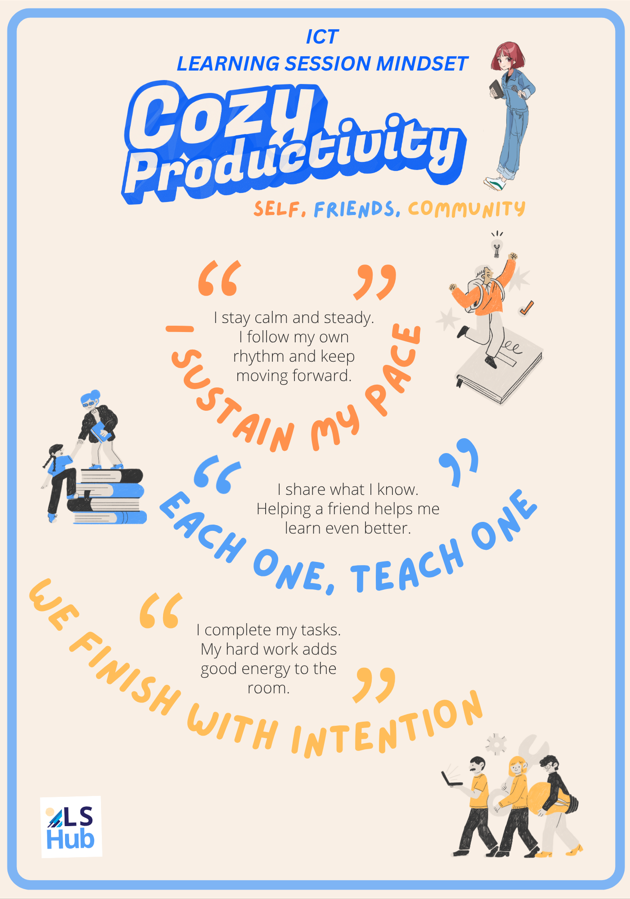
こうした前向きな習慣を背景に、私たちは新たなラーニングセッション・マインドセットとして、これを「Cozy Productivity(コージー・プロダクティビティ)」と名付け、強化することにしました。
Cozy Productivityは、居心地の良い環境で落ち着いて集中できる、互いに支え合う学習環境を育みます。ラーニングセッションは、急いだり競争したりする場ではありません。学生が自分自身を大切にし、仲間を支え合いながら、コミュニティとして共に成長し、日々着実で有意義な進歩を重ねていくための場です。
ラーニングセッションは、以下の3つの基本原則に基づいて運営されています。
① I Sustain My Pace(自分のペースを保つ)
ラーニングセッション中は、学生がそれぞれのリズムで学習することが奨励されています。学び方は人それぞれであり、その違いは尊重されます。学生は、落ち着いて自分の目標に集中し、他人のペースに焦らされることなく、一歩ずつ前進し続けるよう促されます。この取り組みは、自分のペースを身に着けることや、進歩が遅く感じられるときでも継続することを通して、自己管理と継続力を育てます。
② Each One, Teach One(学び合い)
学びは、共有することでより深まります。学生は、質問したり、考えを説明したり、互いに助け合うことを奨励されています。友人に教えることは、理解を深め、自信を高める最良の方法の一つです。ラーニングメンターや友人に助けを求めることは、学習内容、英語練習、アイデアの共有など、どのような場面でも歓迎されます。考えを分かりやすく伝え、協力して学ぶ経験を通して、コミュニケーション能力や協働力が鍛えられます。
③ We Finish with Intention(目的をもってやり遂げる)
最終的には、これらの指針が学生にとって大切な価値観として定着することを目指しています。これらは、留学中に役立つだけでなく、留学後の金沢キャンパスにおいてはより自立した学習者として、さらに将来は若手の専門職やグローバルイノベーターとして活躍していくうえでも重要なライフスキルです。ラーニングセッションは、単に宿題を終わらせる場ではありません。それは、「学び方を学ぶこと」「他者を支えること」「目的をもって成長すること」を学ぶ場なのです。
ドミソン・アブワン
Hello, my name is Domyson Abuan, and on behalf of the Learning Mentor team, we would like to reintroduce you to Hakusanroku Campus’ Learning Session (LS).
LS is an evening learning time held every weeknight from 7:30 PM to 9:30 PM at the Living Commons and the Library & Work Commons on ICT Hakusanroku Campus. During LS, students work on classwork, homework, projects, and language skill development. Faculty members called Learning Mentors are always present to support, guide, and help when needed. Students are also encouraged to use English as much as possible during LS to improve their communication skills in a natural and supportive environment, especially because they will study abroad in New Zealand in their 3rd year.
Over the past years, we have seen wonderful growth in how students use Learning Session time. Many students describe our learning atmosphere as a cozy, welcoming study space that is almost like a cafe. With wooden floors, warm lighting, Hakusanroku wood furniture, and tables designed for collaboration, the space naturally encourages focus and shared learning. We often see students quietly working on their own tasks, asking for help, and confidently sharing what they know with others.
Because of these positive habits, we decided to name and strengthen this culture through our new Learning Session Mindset, called “Cozy Productivity.”
Our Learning Sessions are guided by three key principles.
① I Sustain My Pace
During LS, students are encouraged to work at their own rhythm. Everyone learns differently, and that difference is respected. Students are reminded to stay calm, focus on their own goals, and keep moving forward step by step without feeling pressured by others’ pace. This practice teaches them self-management and consistency by learning how to pace oneself and continue even when progress feels slow.
② Each One, Teach One
Learning becomes stronger when it is shared. Students are encouraged to ask questions, explain ideas, and help one another. Teaching a friend is one of the best ways to deepen understanding and build confidence. Asking for help from Learning Mentors or classmates is always encouraged, whether it is about academics, English practice, or sharing ideas. By learning how to explain ideas clearly and work well with others, they strengthen their skills on communication and collaboration.
③ We Finish with Intention
Learning Session despite being cozy, is also a time for focused effort. Students are encouraged to use this time wisely and take responsibility for their learning. Finishing work with intention adds positive energy to the room and helps create a productive learning environment for everyone. Of course, students are also encouraged to take short breaks so they can reset their focus. Learning how to commit to tasks and complete them with care and purpose teaches them responsibility.
Ultimately, the Learning Mentor team hopes that these guiding principles will become core values for our students. These are important life skills that students can carry with them not only when studying abroad, but also as more independent learners at the Kanazawa Campus, and later as young professionals and global innovators. Learning Session is not just about finishing homework. It is about learning how to learn, how to support others, and how to grow with intention.
Domyson Abuan
こんにちは。校長の鹿田 正昭です。
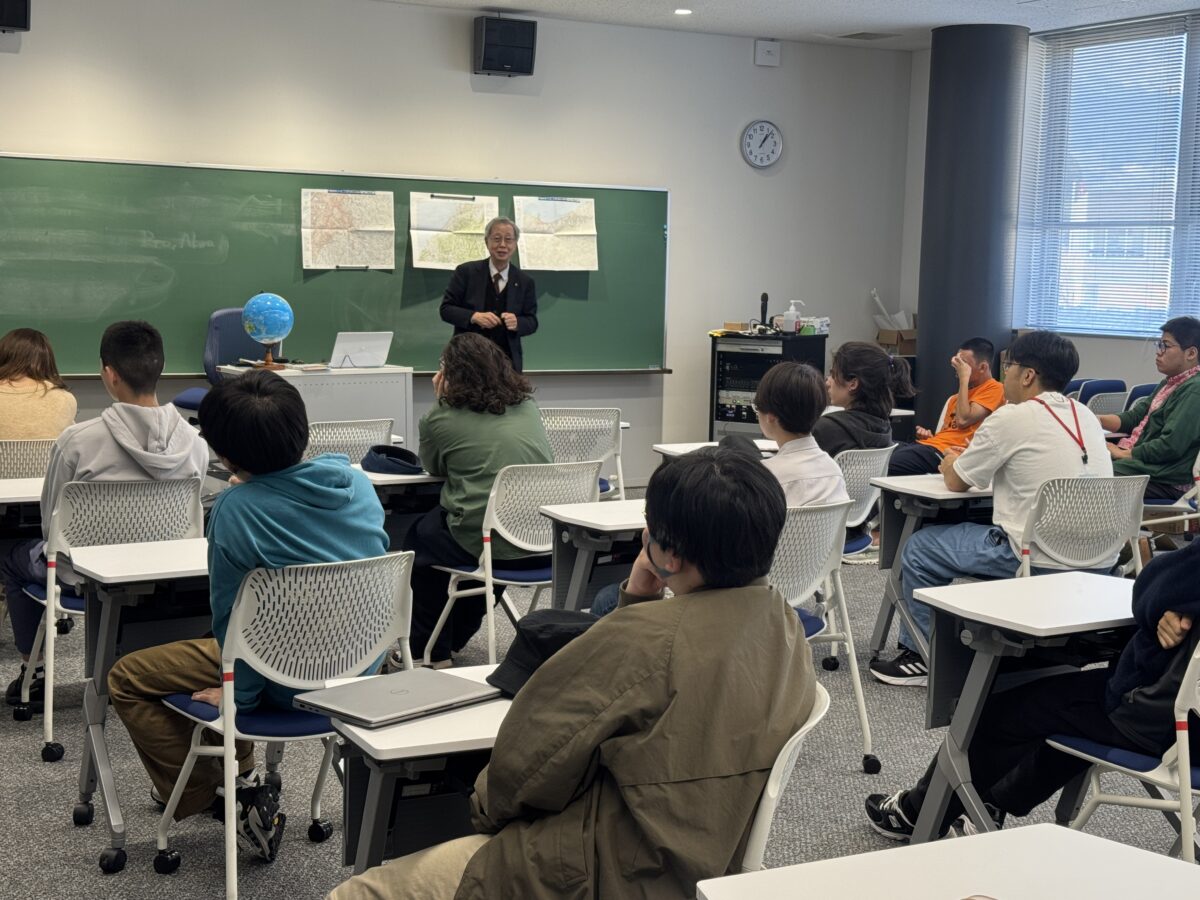
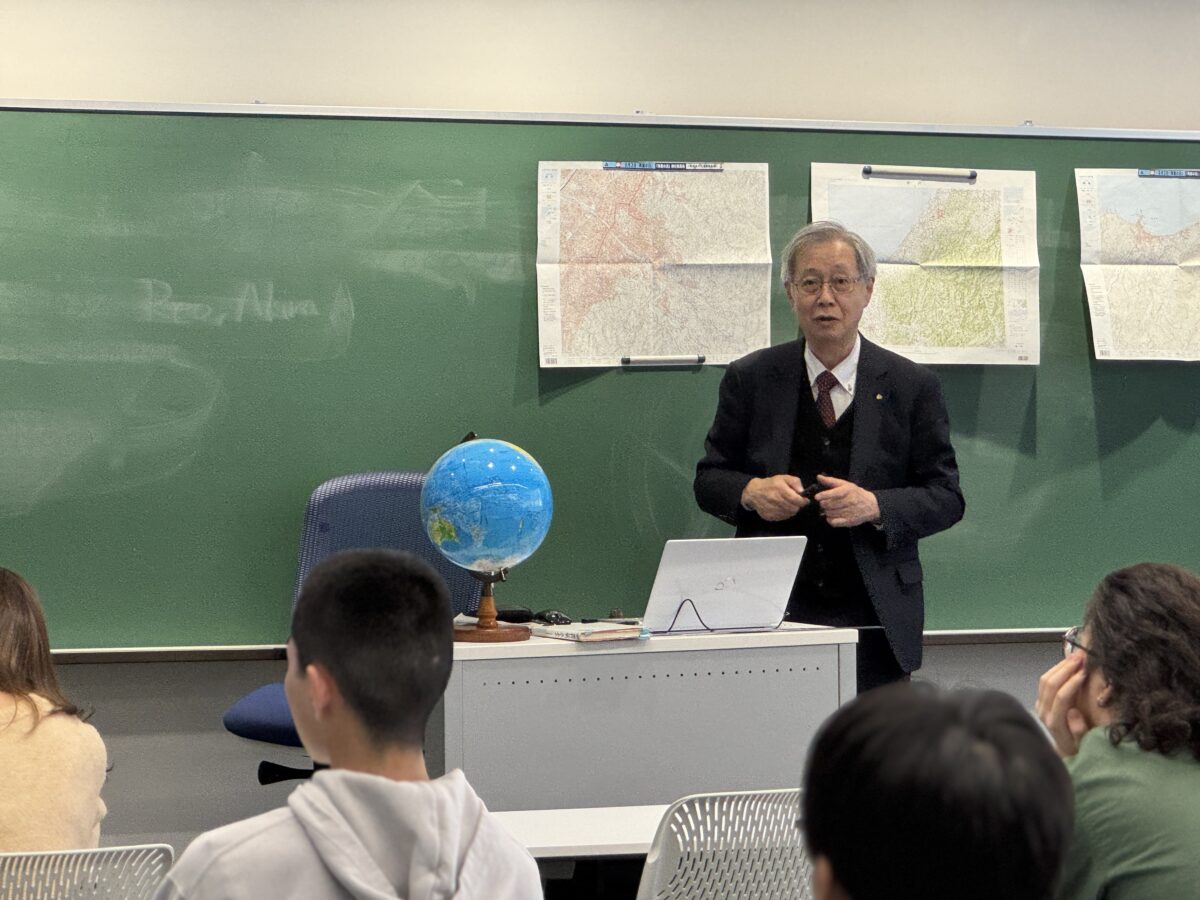
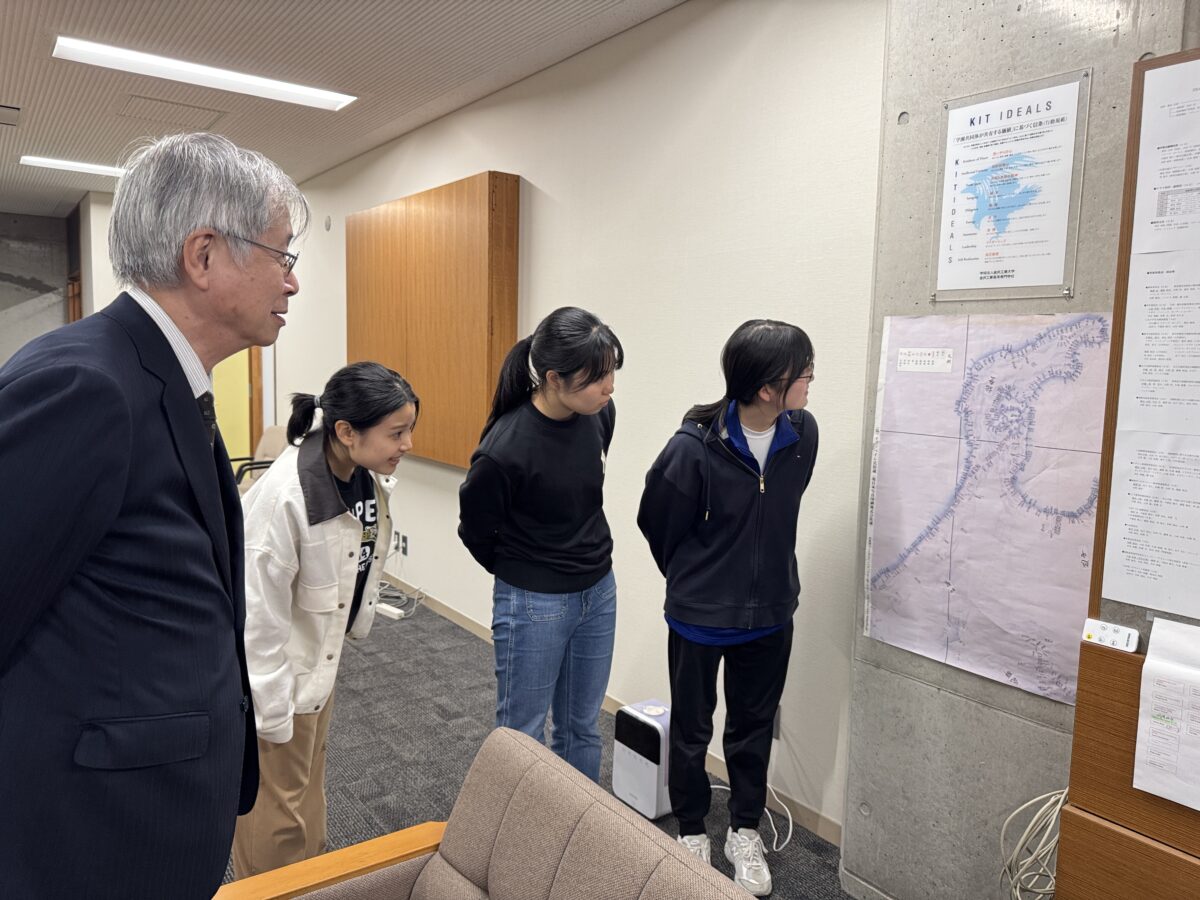
今年も恒例の校長講話を行いました。1年生、2年生は2026年4月3日(金)午後に白山麓キャンパスで、4年生、5年生は4月7日(火)午前に金沢キャンパスでおこないました。
ICT副校長に就任した時、4月のオリエンテーション期間中に校長講話があることを聞きました。さて、校長講話で何を話したら良いだろうか?・・・・と考え、私の専門(空間情報工学)を分かりやすく説明するのが良いだろうと思い、これまで行ってきた研究や授業(測量学)に関連する内容を分かりやすく、かつ、世の中に知られている歴史上の有名人物や事象に関連付けて講話することにしました。
着任1年目は全学年(3年生を除く)に同じ内容をお話ししましたが、翌年から学年進行とともに話の内容を加えていきました。その結果、4つのテーマは次のようになりました。
(ただし、下記の学年進行が完成するのは令和9年度(2027年度)になります)
1年生:世界で最も美しい10の科学実験
2年生:地図は嘘つきである
4年生:シュトレーベの測地弧
5年生:伊能忠敬と点の記
いずれの講話でもクイズをおこない、楽しみながらアクティブラーニングができるように心がけています。また、4年生、5年生のテーマでは映画やTV放送された内容についても紹介しています。4回の講話で空間情報工学の世界を楽しんでもらえたらよいなと思っています。
鹿田正昭
Hello. I’m Masaaki Shikada, ICT President.
As has become an annual tradition, I delivered the President’s Lecture again this year. The address for 1st and 2nd students was held on the afternoon of Friday, April 3rd, 2026 at Hakusanroku Campus, while the address for 4th and 5th year students took place on the morning of Tuesday, April 7th, at Kanazawa Campus. When I was appointed the Vice President of ICT, I heard that the President’s Lecture is traditionally given during the April orientation period each year.
I then began to wonder what I should talk about in my lecture. After giving it some thought, I decided that it would be best to explain my field of expertise—Spatial Information Technology—in an easy-to-understand way. Accordingly, I chose to base my talk on my past research and classes (Surveying), linking them to well-known historical figures and events so that the content would be both accessible and engaging.
In my first year, I gave the same talk to students of all grades (excluding 3rd year students). After the 1st year, however, I gradually added new material as students advanced through the grades. As a result, the four themes of my lectures have been organized as follows.
(Note: this full sequence by grade level will be completed in the 2027 academic year)
1st year students: The Ten Most Beautiful Scientific Experiments in the World
2nd year students: Maps Are Liars
4th year students: Struve’s Geodetic Arc
5th year students: Ino Tadataka and the Record of Points
In every lecture, I include quizzes so that students can enjoy active learning while having fun. In the themes for 4th and 5th year students, I also introduce related films and television programs. Through these four lectures, I hope that students will come to enjoy and appreciate the world of Spatial Information Technology.
Masaaki Shikada

こんにちは、エジプト出身で化学科目担当のナグワ・ラシィドです。
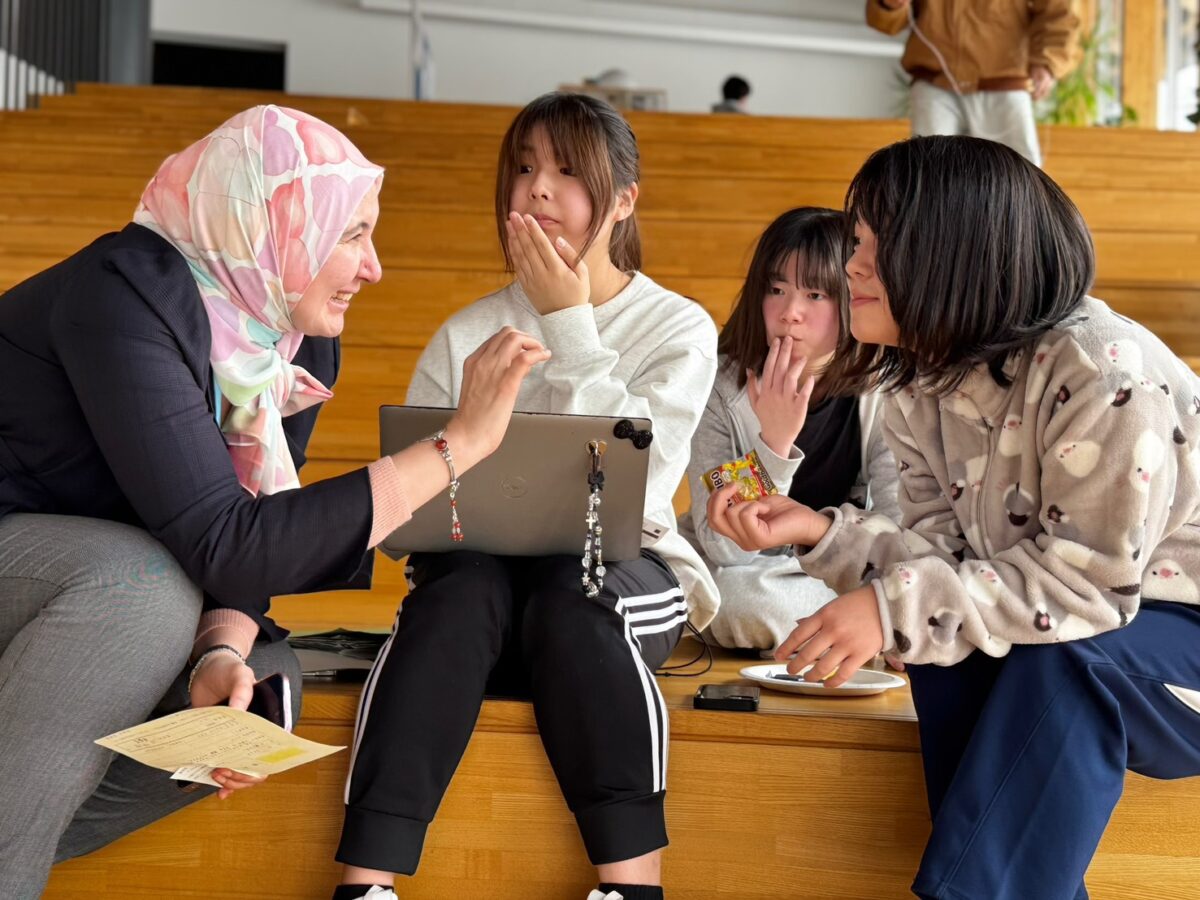
教員としての経験の中には、あらかじめ想像できるものもあれば、気づかないうちに自分が変わっていくものもあります。2025年度にICTの白山麓キャンパスで2年生のクラス担任を務めたことは、まさに後者でした。日本の教育制度の外から来た私にとって、クラス担任制度は常に興味深いものでした。この制度は日本の教育文化に深く根付いており、初等教育から高等教育に至るまで一貫して見られます。実際にクラス担任を務める前から、私は化学の授業担当教員として、学生の学習状況についてクラス担任の先生方と密に連携してきました。また、以前には、1年生のクラス担任の木原 均先生とともに副担任を務めた経験もあり、その業務の流れや役割について、ある程度の理解があるつもりでした。しかし、実際に担任になってみて、その理解は「良い意味で」覆されました。
私が思っていたクラス担任としての役割
正式にクラス担任に任命された際、その役割について説明を受けました。スケジュール、責任範囲、年間の流れやクラス担任として期待される役割など、すべてが明確に示されました。業務は、出席管理や書類対応、科目担当教員との連携といった事務的業務に加え、PTAや保護者面談、各種報告業務など、年間を通じた重要な節目の行事的業務もありました。また、事務職員、寮のRA、保健室、学生主事、学科長、そして副担任の黒田先生など、充実したサポート体制があることも説明されました。それらのすべてが明確で、整理されていたので、私は「私のやるべき仕事を理解できている」と感じたことを今も覚えています。
実際にクラス担任が意味したもの
しかし、「私は、この1年で学生たちに何を残したいのだろうか?」という別の疑問が頭の中に浮かびました。それは成績のことでも、報告書のことでもありません。もっと長く残るもの、意味のあるものということです。私は常々、影響力とは必ずしも大きなものである必要はないと考えています。優しい一言や励まし、笑顔といった些細なことでも、十分に人の心に残り得ます。けれど今回は、1年間という時間を通して、学生たちの人生に関わる機会を与えられたのです。学業だけでなく、日常生活、悩み、人間関係、そして将来の選択にまで関わる可能性があります。それはとても大きな責任であり、同時に少し戸惑いも感じました。
新しい視点
私は当初、この問いに対して「成功に必要な要件は何か?」「どのような環境が最適か?」というような、自分の専門である科学的な視点から向き合おうとしました。しかし、すぐにあることに気が付きました。これはシステムではなく、実験室でも、最適化すべきプロセスでもない。ここにいるのは「人」だということに気が付いたのです。人は条件ではなく、主体です。考え、感じ、そして選択します。私は、1つの結論「人の人生を決めるのは、何が起こるかではなく、どのような選択をするかである」という考えにたどり着きました。親、教師、学校、友人は影響を与えますが、最終的には本人自身がどの道に進むかを決めるのです。
すべてを変えた考え
この気づきから、私は1つのシンプルな考えにたどり着きました。「学生一人ひとりが、自分の物語の主人公であり、同時にその物語の作者である。もしそうであるならば、重要なのは何をするかではなく、どんな人になりたいかということ」です。
 最初のホームルーム ― 始まり
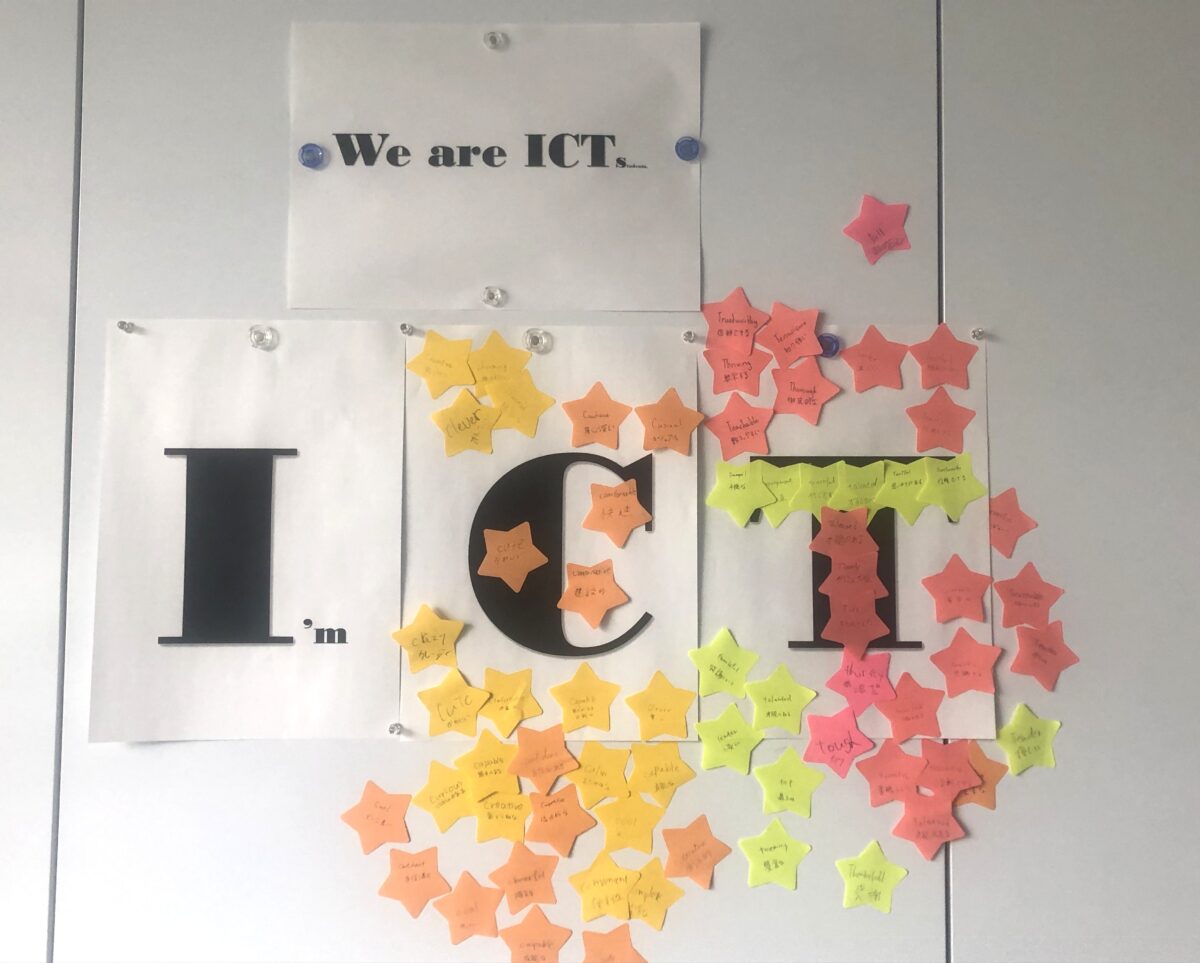
オリエンテーション期間中、私はこの考えを形にすることにしました。まず、「I・C・T」の大きな文字と「We are ICTs」というメッセージを掲示しました。そして学生たちに星形の付箋を配り、彼らには「学生」としてではなく、「成績」を気にするのでもない、「自分自身の物語の主人公としての自分」を考えてほしいと伝えました。
・Iは自分自身(Identity・主体性)
・CとTは自分の性格や特性(Character Traits)
それぞれに、Cで始まる形容詞を3つ、Tで始まる形容詞を3つ書いてもらいました。それらは単なる言葉ではなく、自分自身への宣言でした。そして、素晴らしいことが起こりました。オレンジ、黄色、緑、ピンクなどの色とりどりの星がボードを埋め尽くし、それぞれに「今の自分」や「なりたい自分」が書かれていました。その多様さ、真剣さ、そして正直さに、私は驚かされました。この瞬間、私たちのクラスの理念が芽生えました。押し付けられたものでも、指示されたものでもなく、私たちが共に生み出したものでした。
物語が動き出すのを見て
1年が進むにつれ、私は変化を感じ始めました。学業面では全員がしっかりと成果を出しました。しかし、それ以上に印象的だったのは、学業以外での成長でした。学生たちが行った活動は、以下のようなものがあります。
・芸術、スポーツ、ロボティクス、プログラミング等のクラブ活動
・楽器の演奏や作曲
・IELTSスコアの向上
・後輩のサポート
・ダンスや文化活動への取り組み
・登山やスキーなどのスポーツ
・クリエイティブなプロジェクトの企画・設計
・スタートアップコンテストの参加
・ICTフェスティバルの企画・運営
・学生会選挙への立候補
そして、「何を変えるべきか」「どう良くするか」を自ら考え、発信し、行動するようになりました。これらの活動から、少しずつ彼らの意識が変わっていきました。待つのをやめて動き始めました。さらに、不満を言うのをやめて自ら創り始めるようになったのです。
静かな変化
いつの間にか、学校は彼らにとって「自分たちの場所」になっていました。ただ通う場所ではなく、大切に思う場所へと変わったのです。彼らは、人生は運だけで良くなるのではなく、どんな選択をするかで変わっていくという本質的なことを理解し始めました。また、彼らは、変化には以下の3つのことが必要だということも理解しました。
・発信すること
・行動すること
・責任を持つこと
そして何より、自分の成長を願い、支えてくれる人たちと共にいることの大切さを学びました。
1つの章の終わり
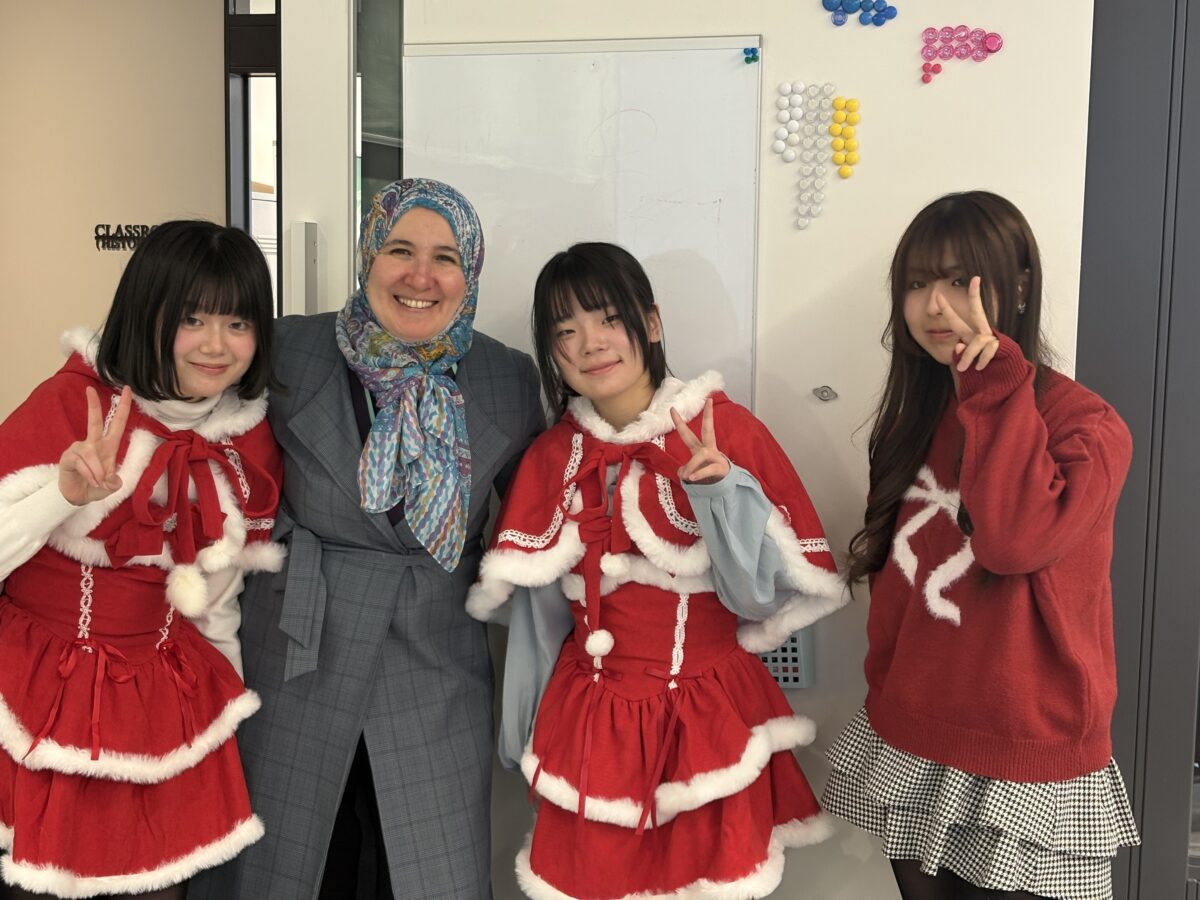
3月に彼らは白山麓キャンパスを巣立っていきました。そして、それは1つの章の終わりを告げました。これから彼らはニュージーランドへ向かい、新しい場所で、新しい章を歩み始めることになります。私はふと、こう思います。彼らの物語の1部を見届けることができたのは、なんと光栄なことだったのだろうかと。
2025年度 2年生の皆さんへ
本当に寂しくなります。皆さんが思っている以上に。
あなたたちは、完璧ではなくとも、誠実に、勇気をもって、
そして確実に成長しながら、この章を美しく書き上げました。
これから先もどうか忘れないでください。
あなたは、あなたの人生の主人公です。
そして、あなたは作者でもあります。
すべての選択が、あなたの物語に新しい1行を加えていきます。
意味のある物語を紡いでください。
自分らしい物語を描いてください。
これからの続きが、私は楽しみでなりません。
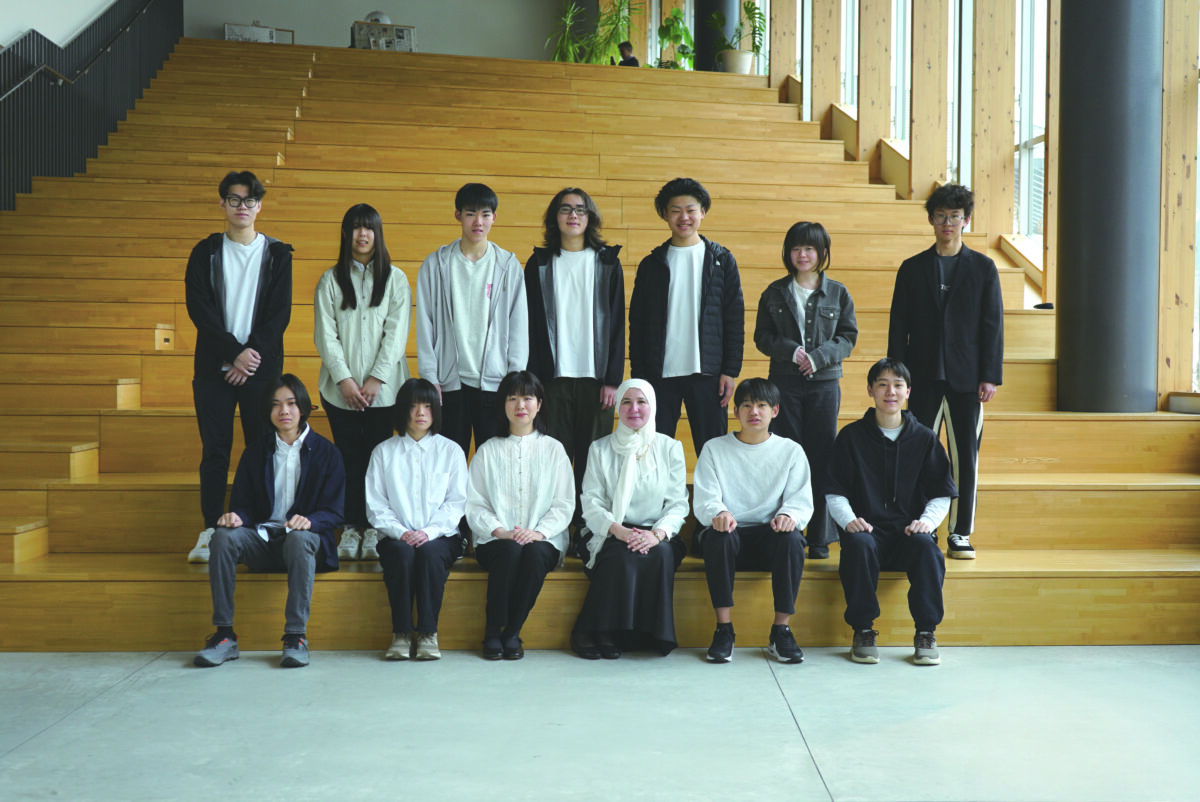
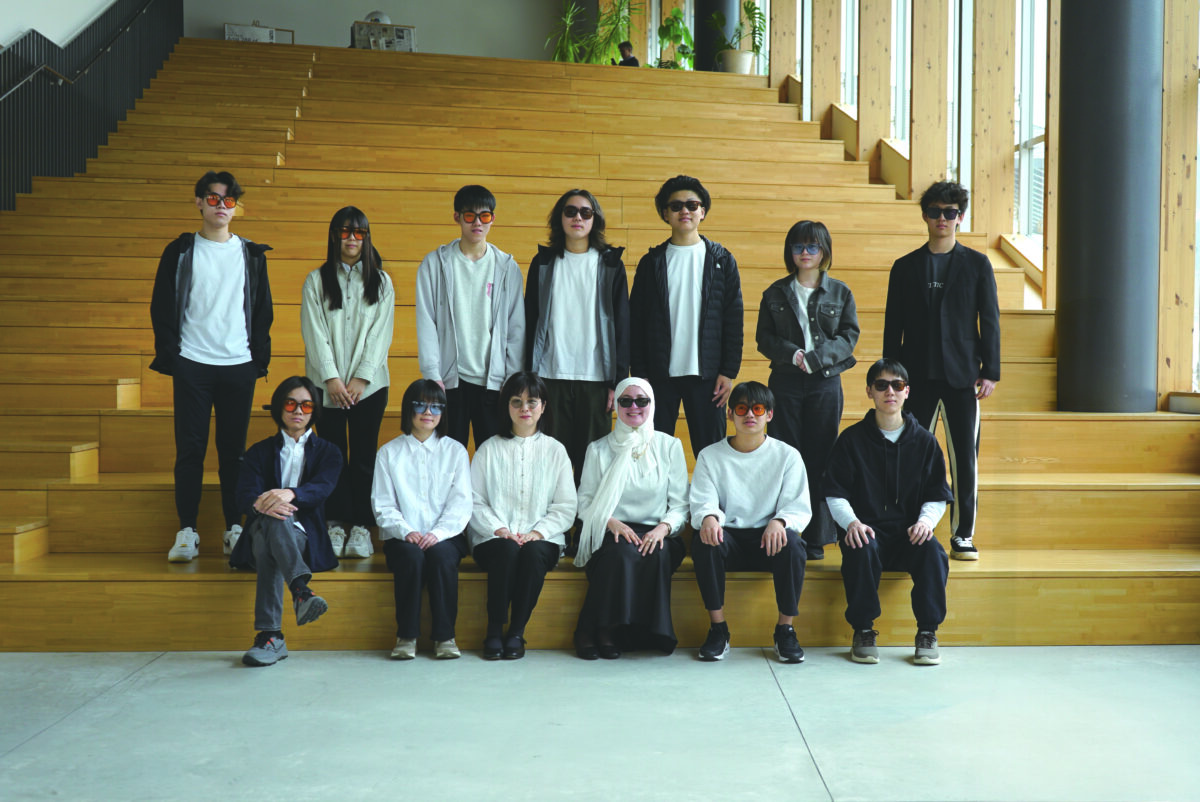
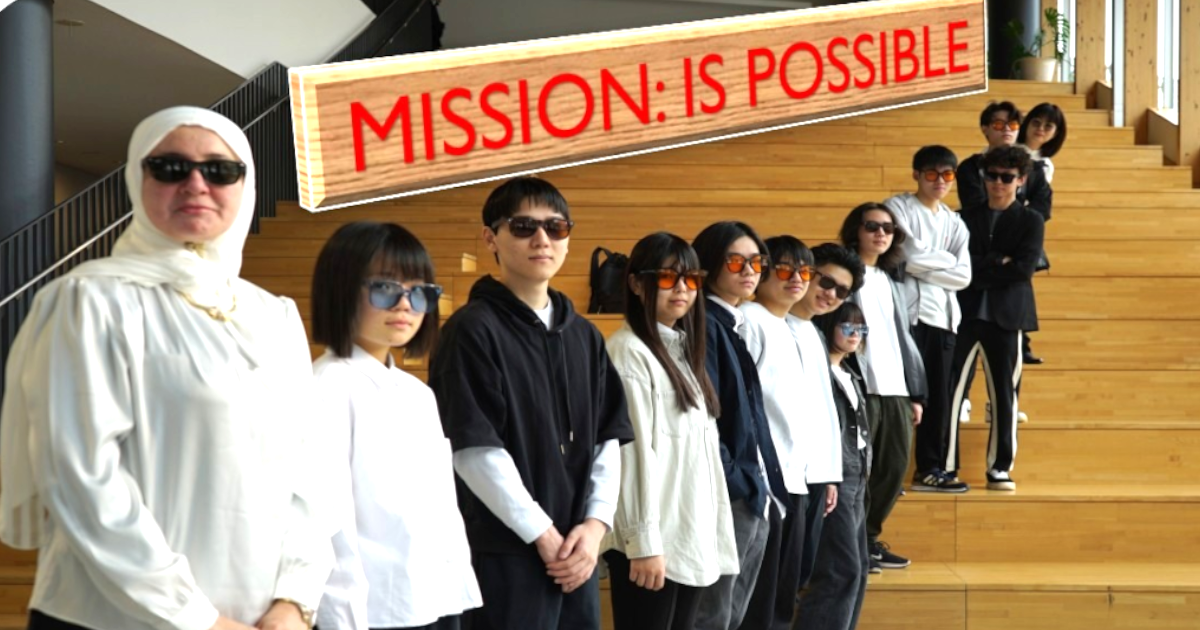
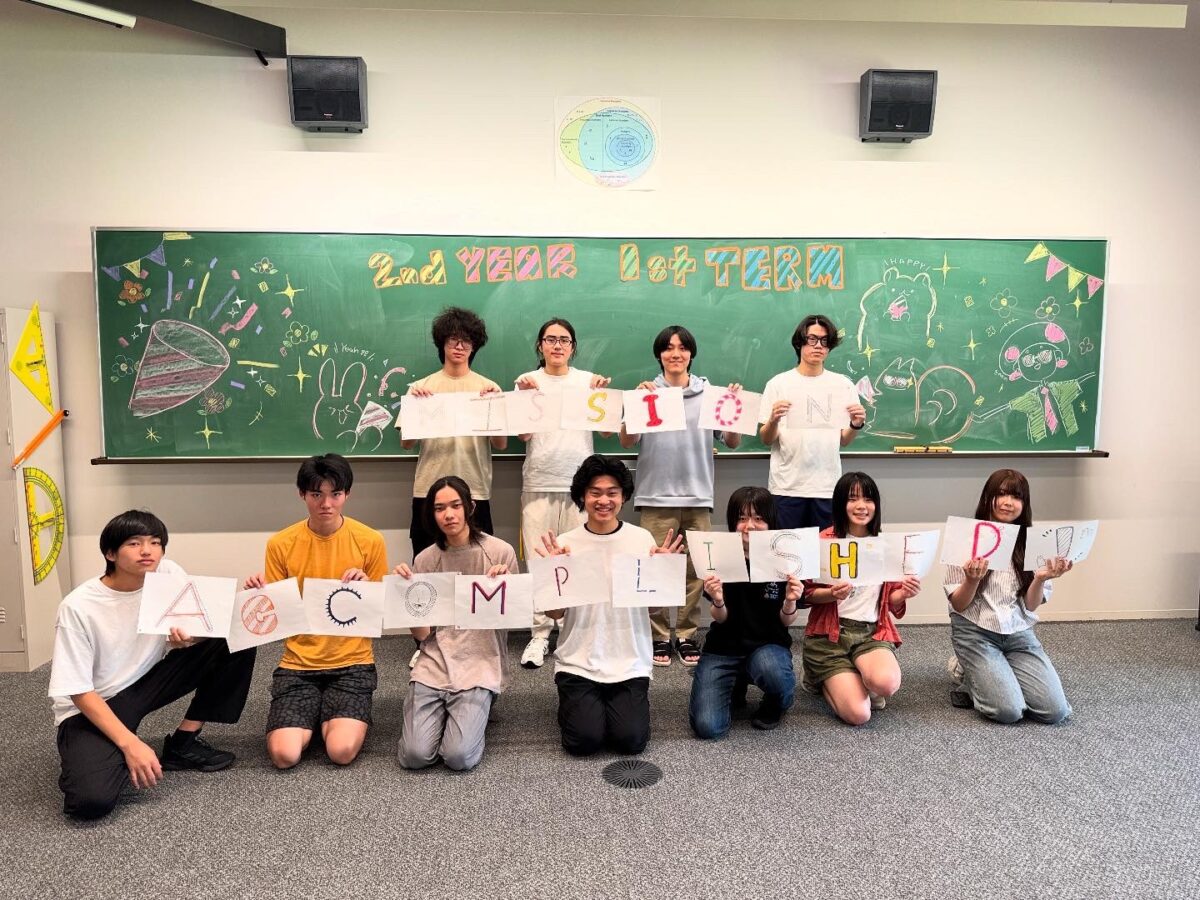
前学期 Mission Accomplished!
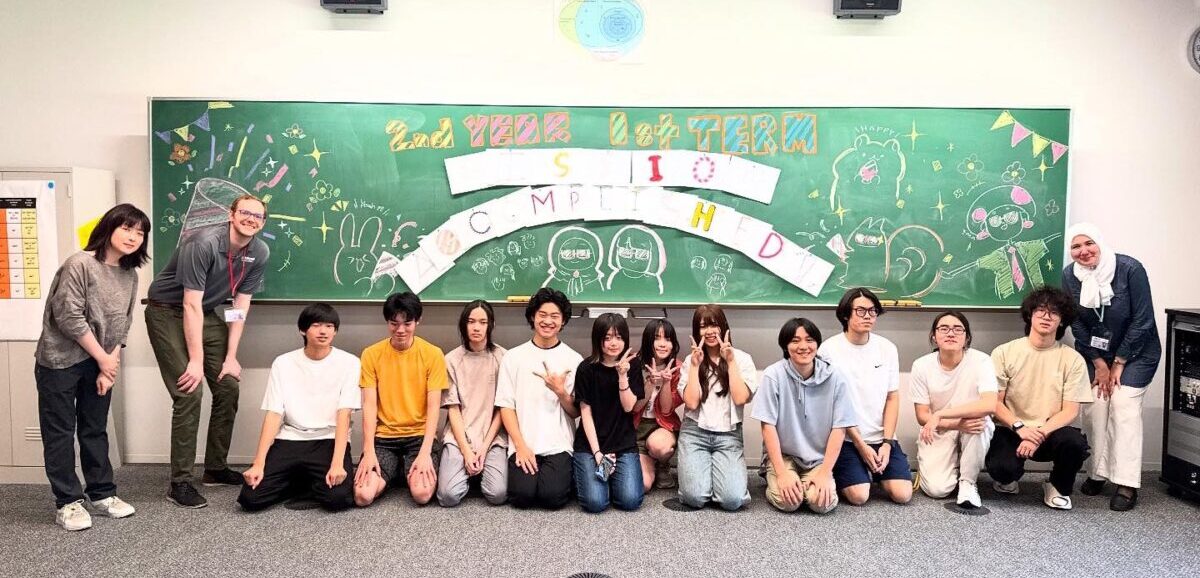
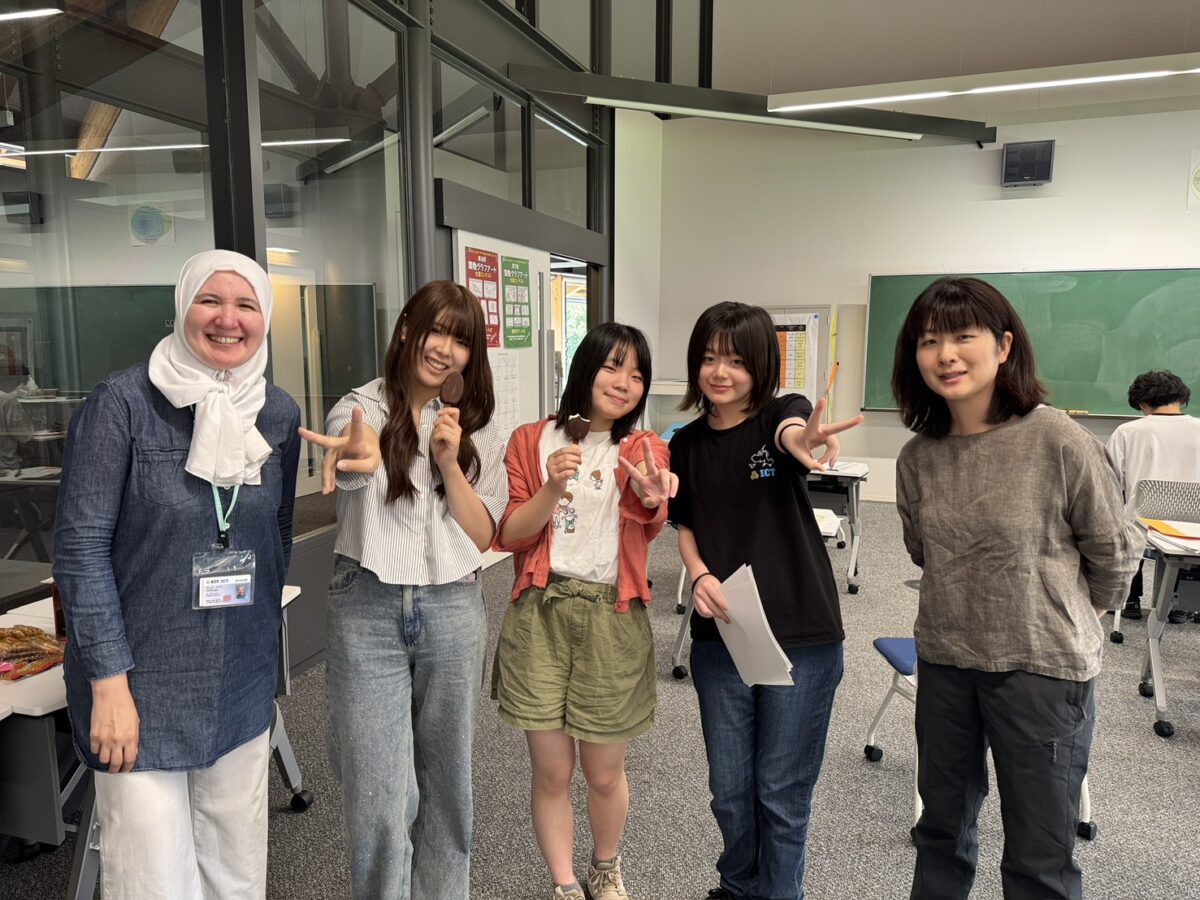
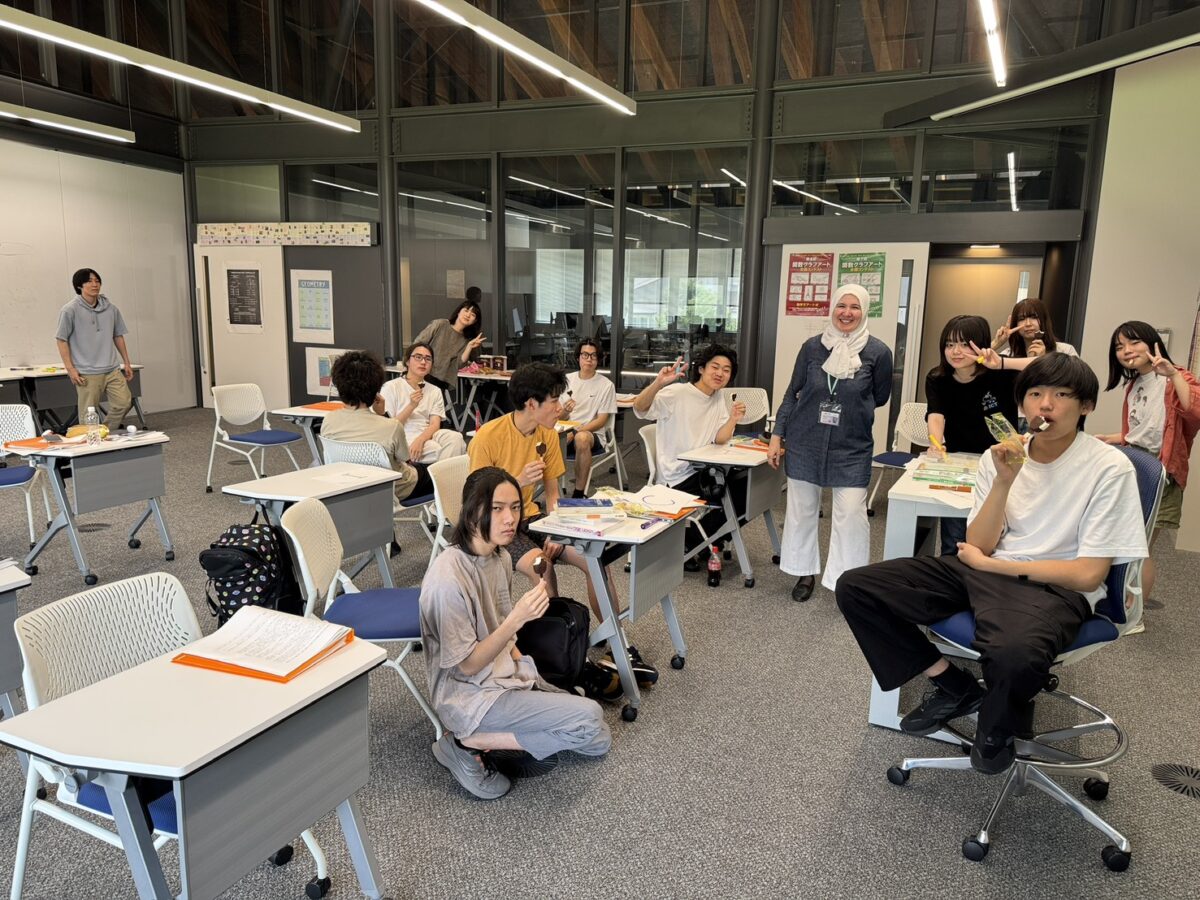
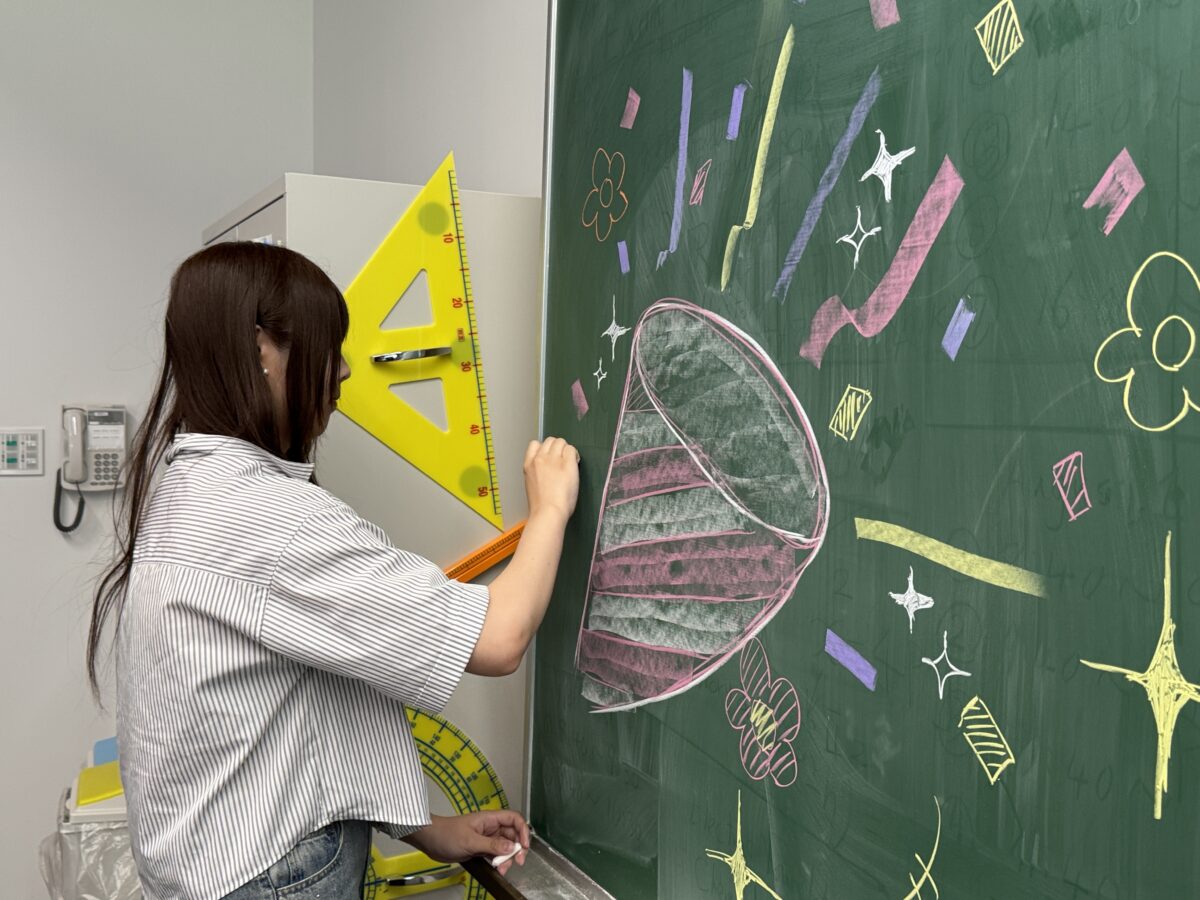
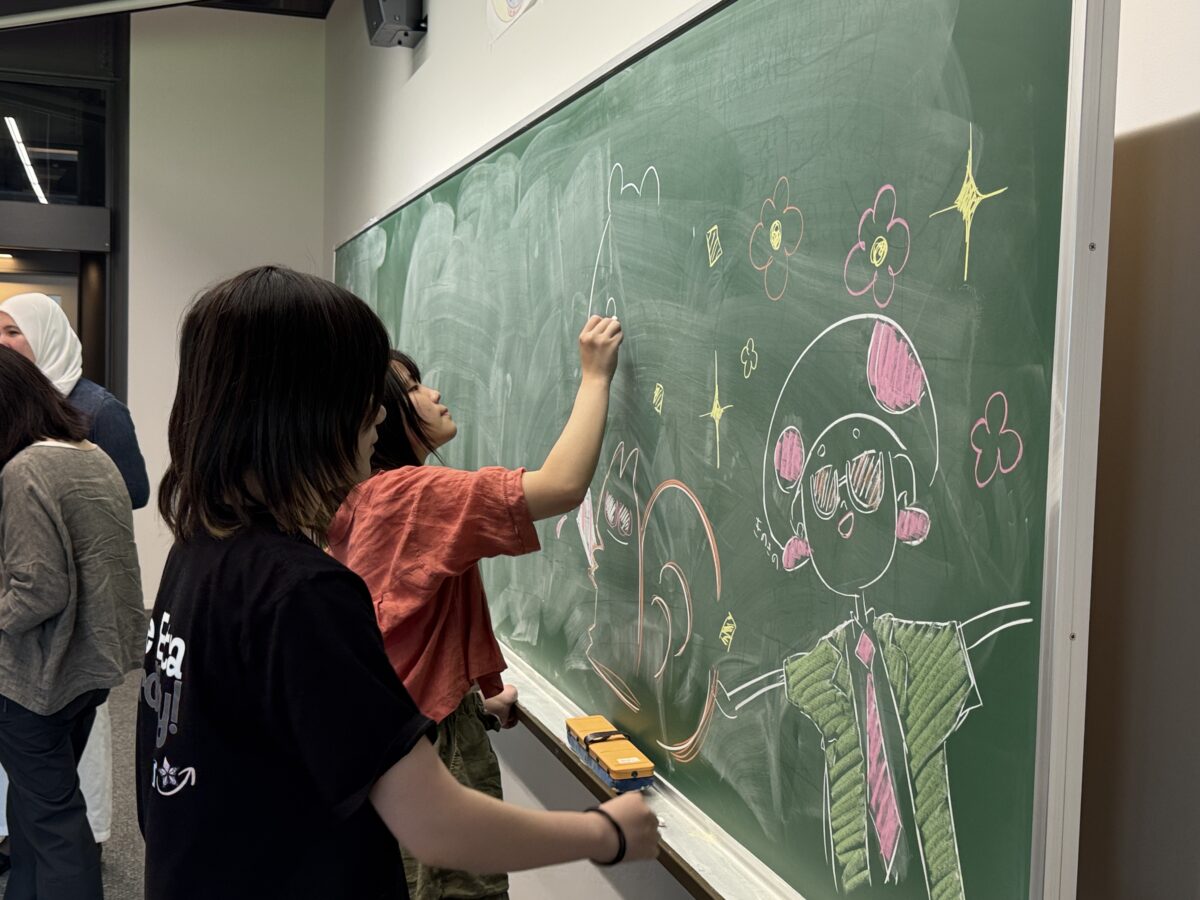
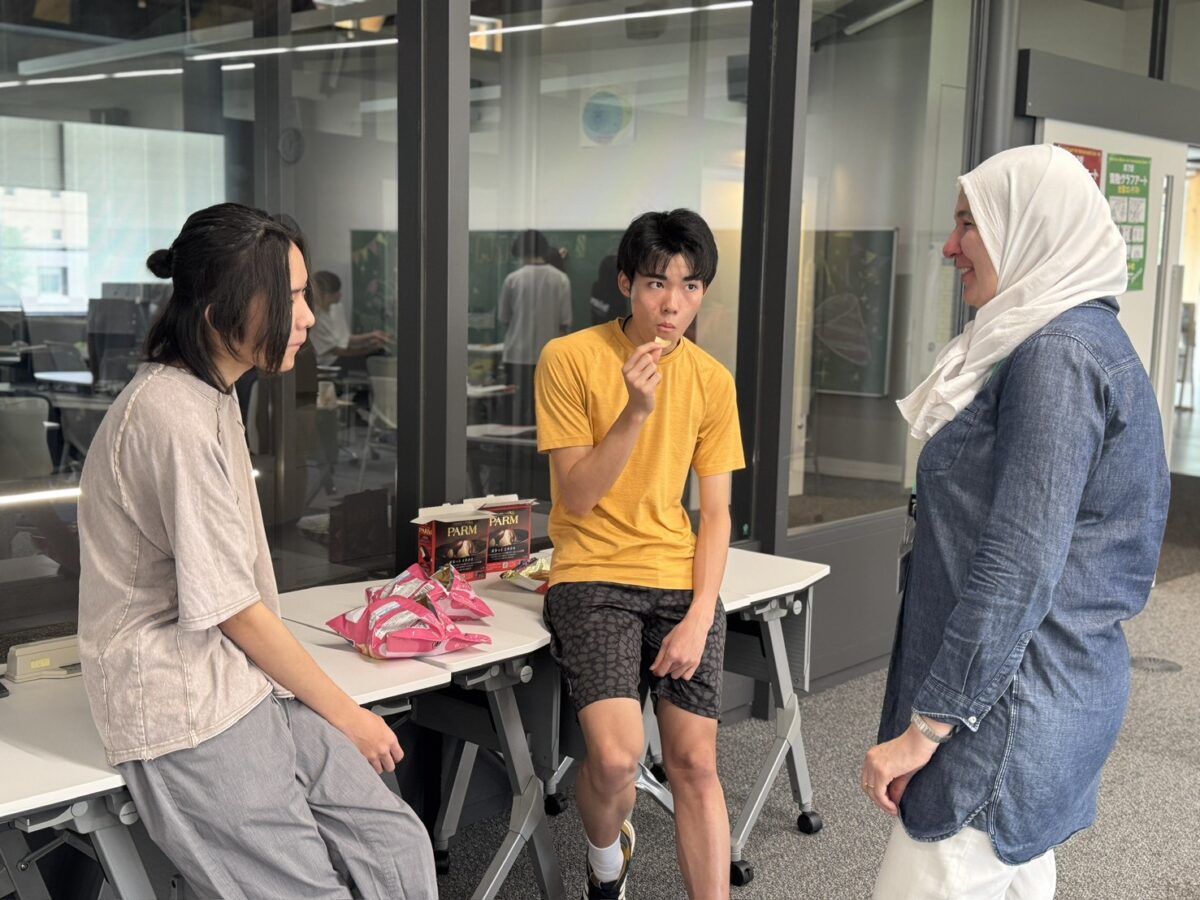
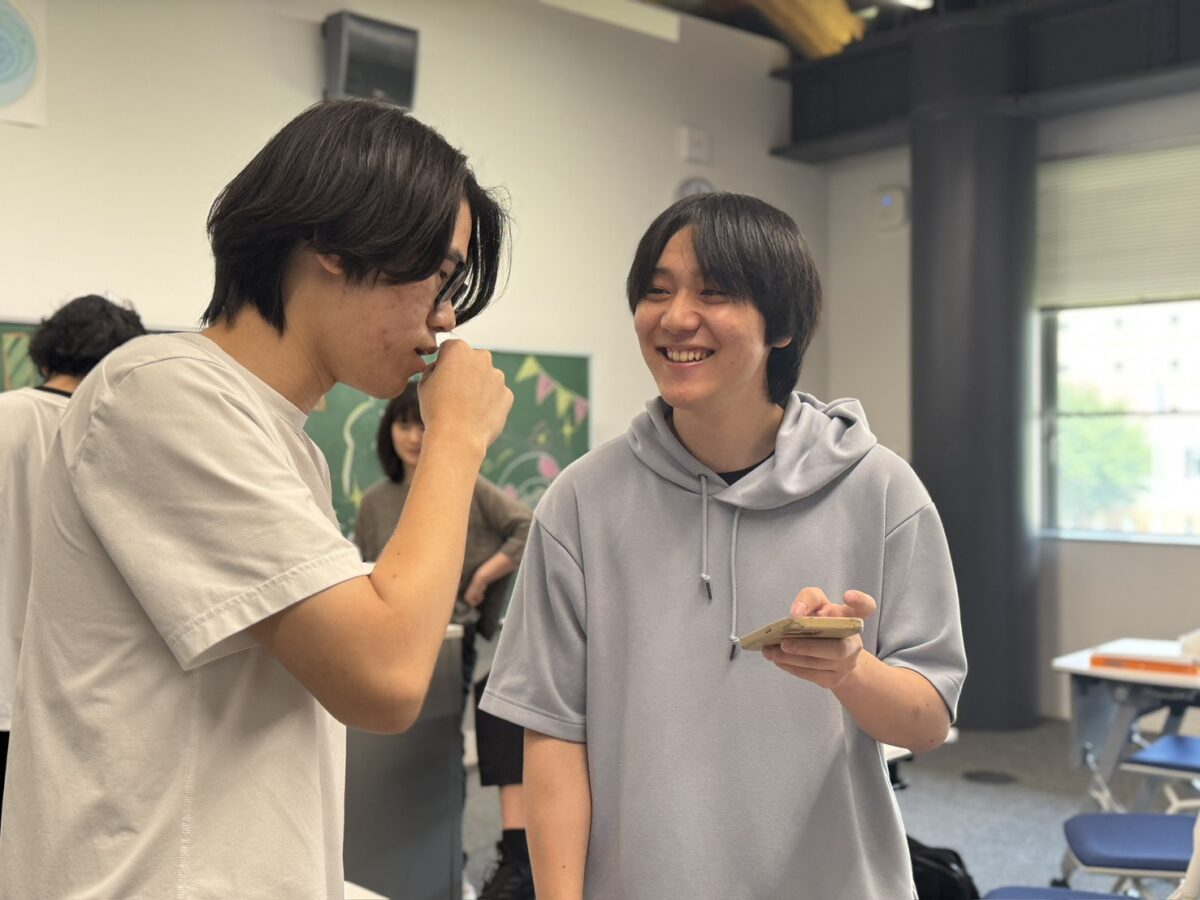
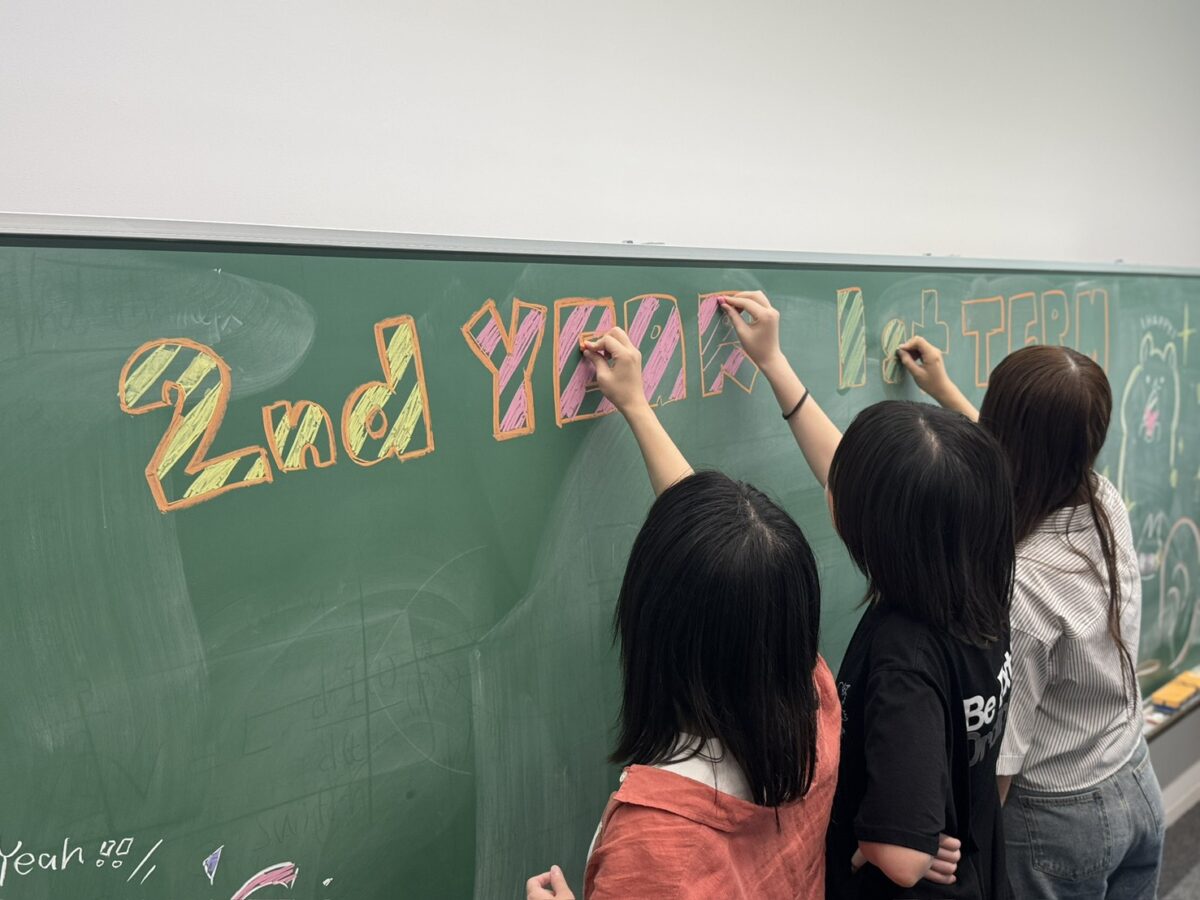
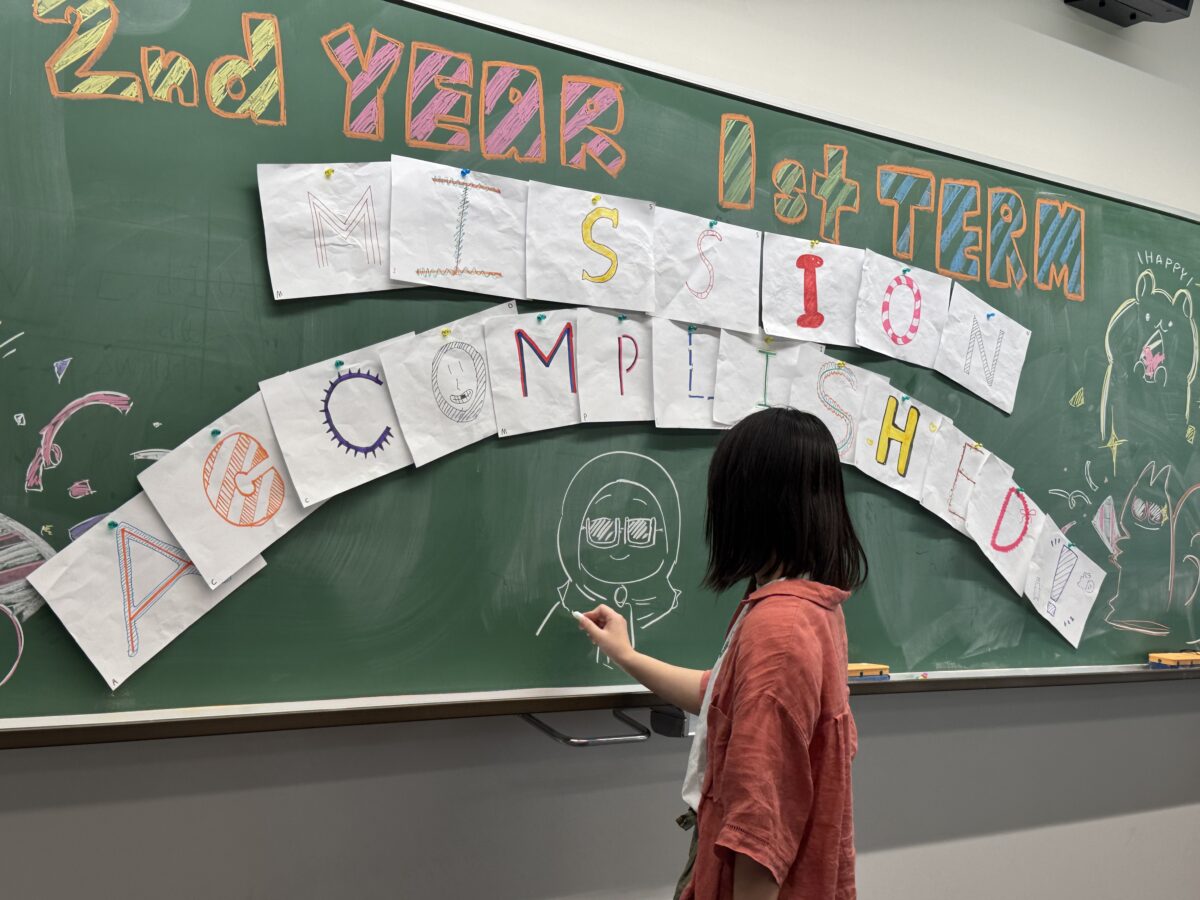
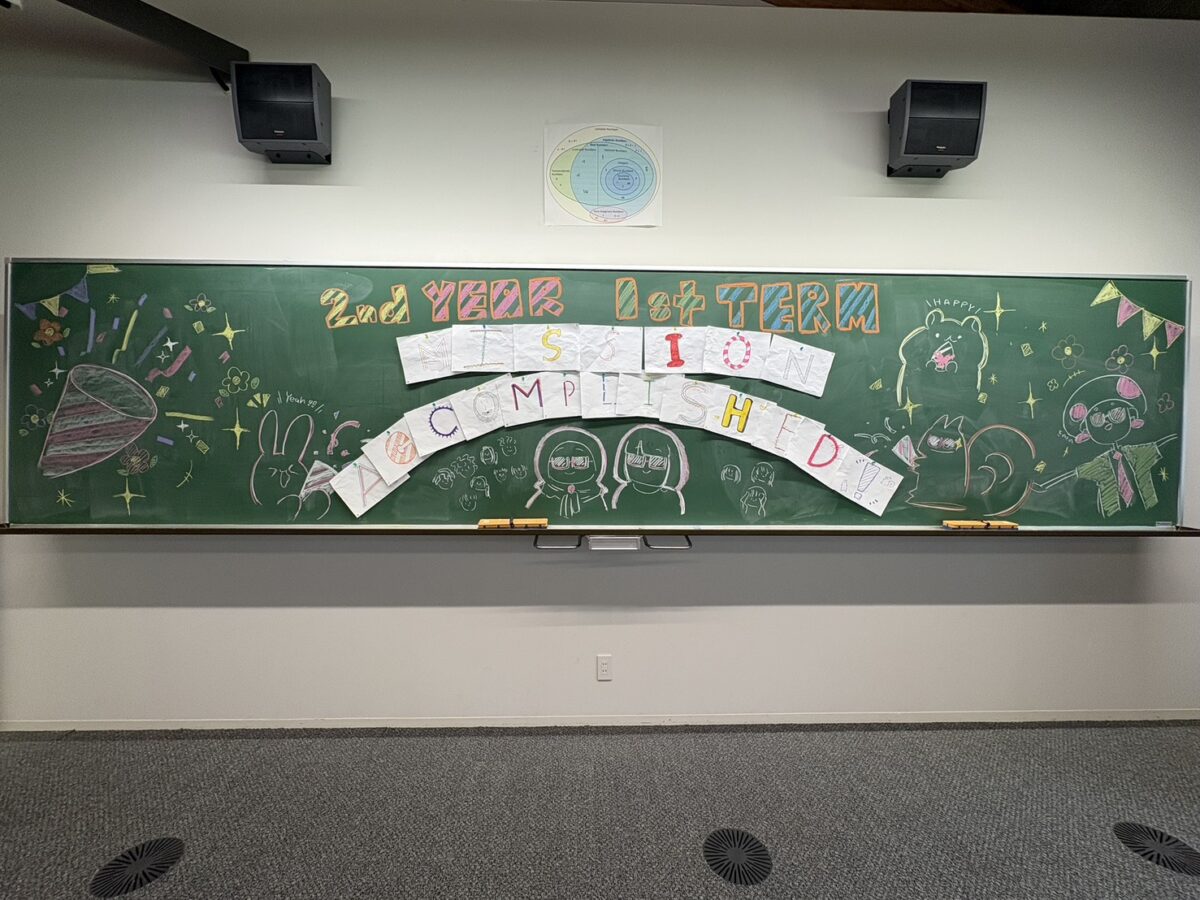
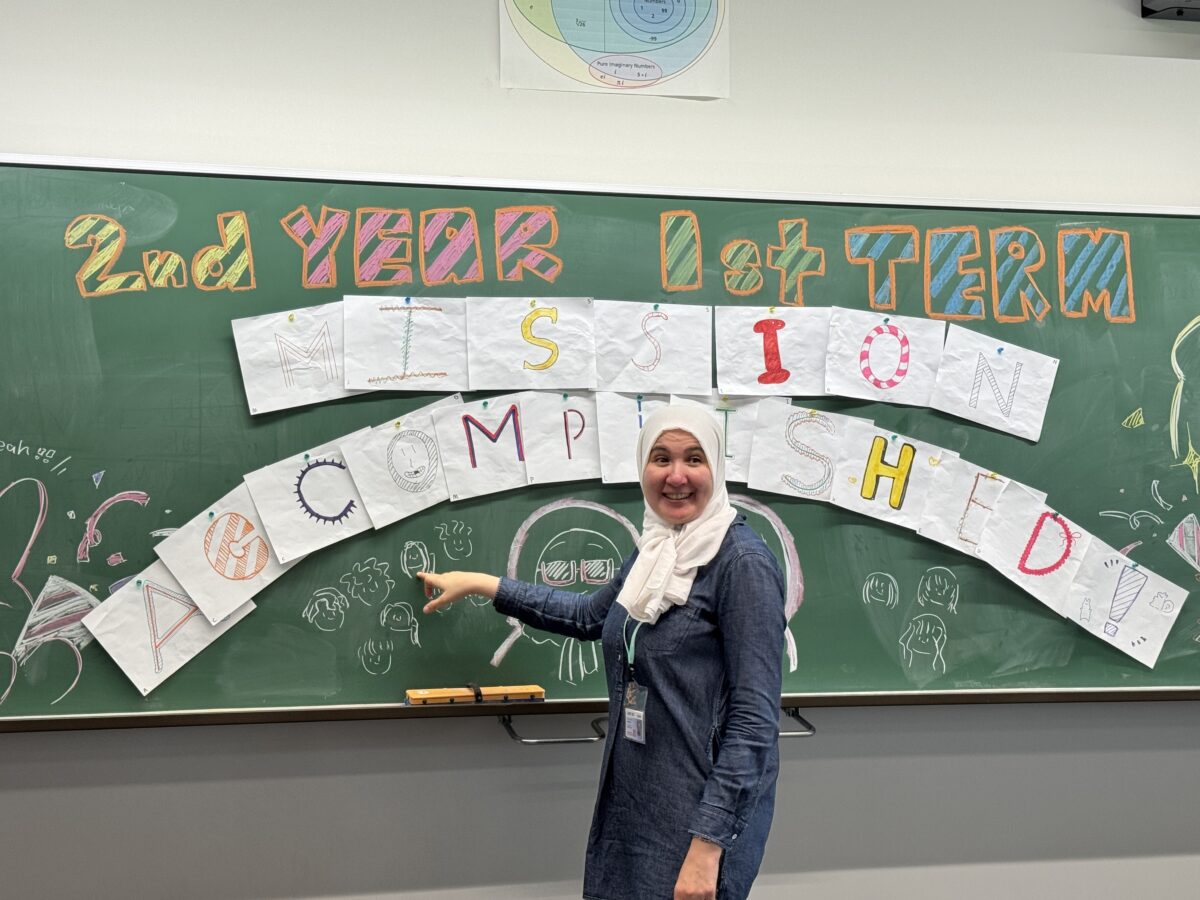
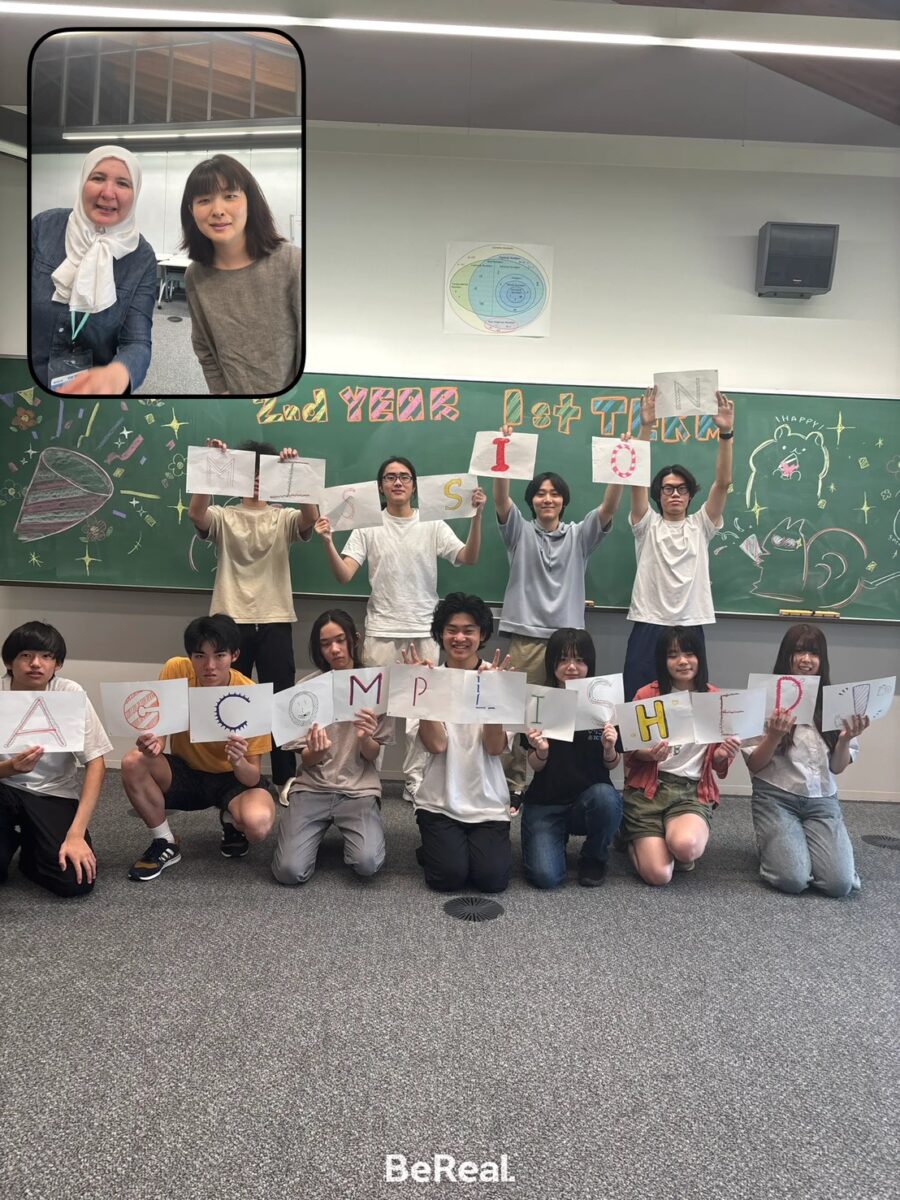
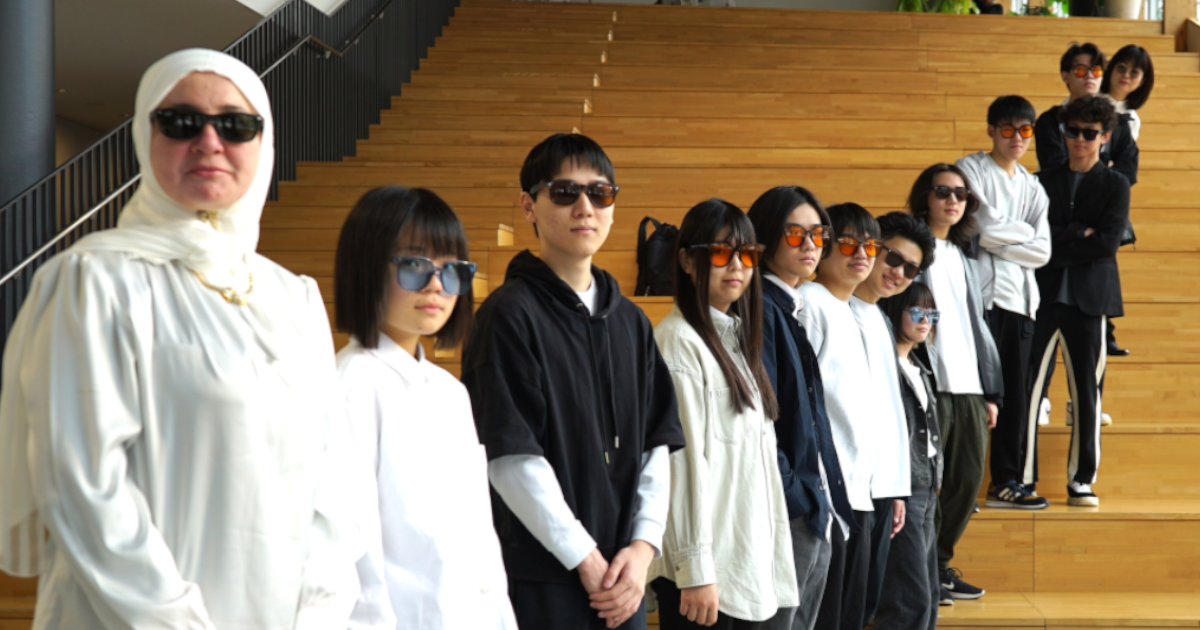
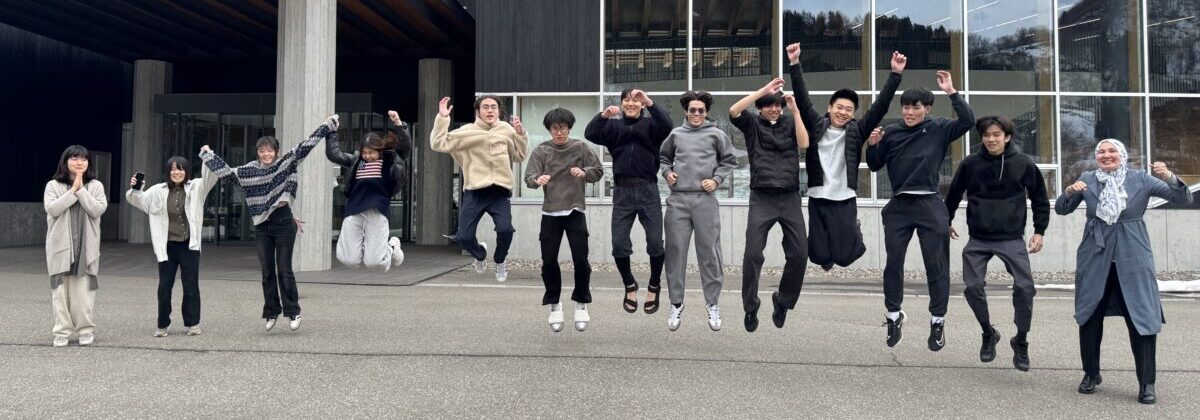
後学期 Mission Accomplished!
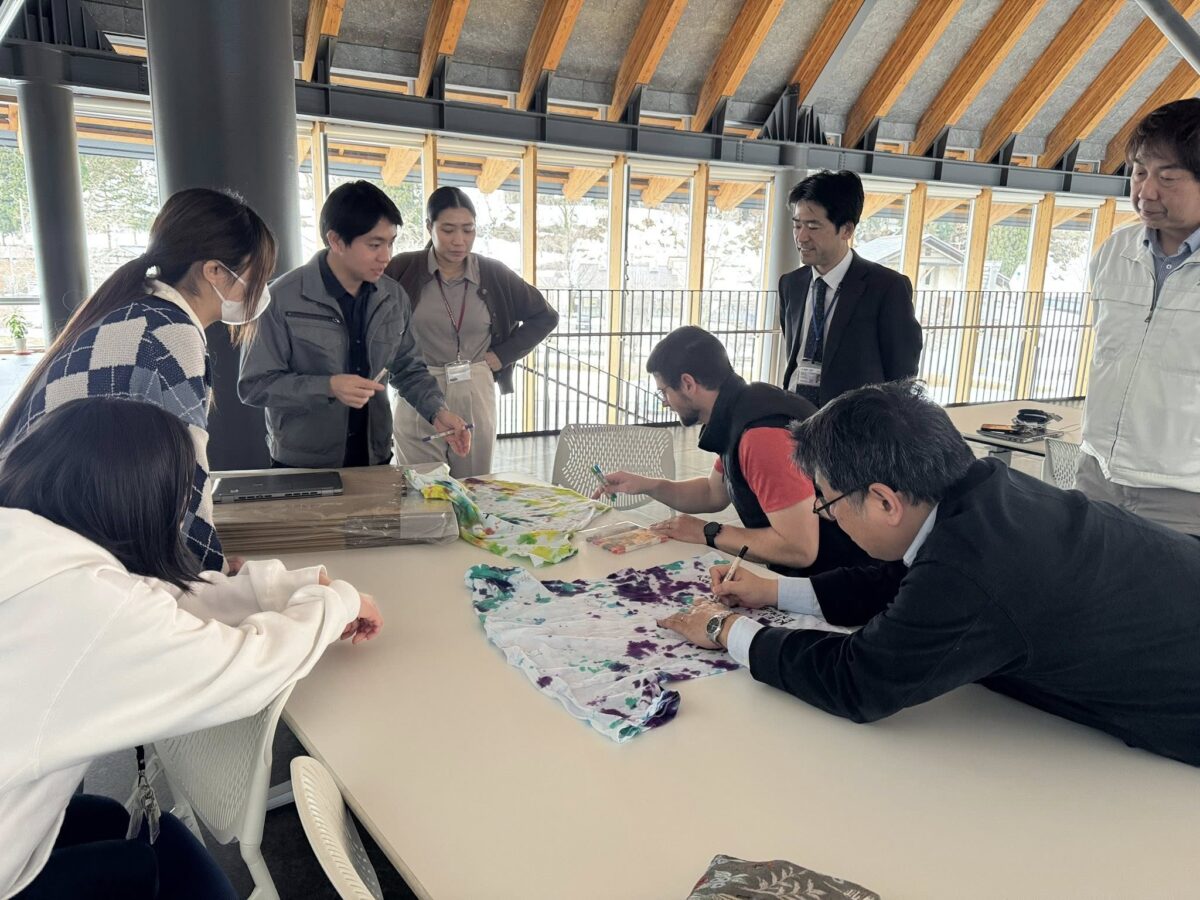
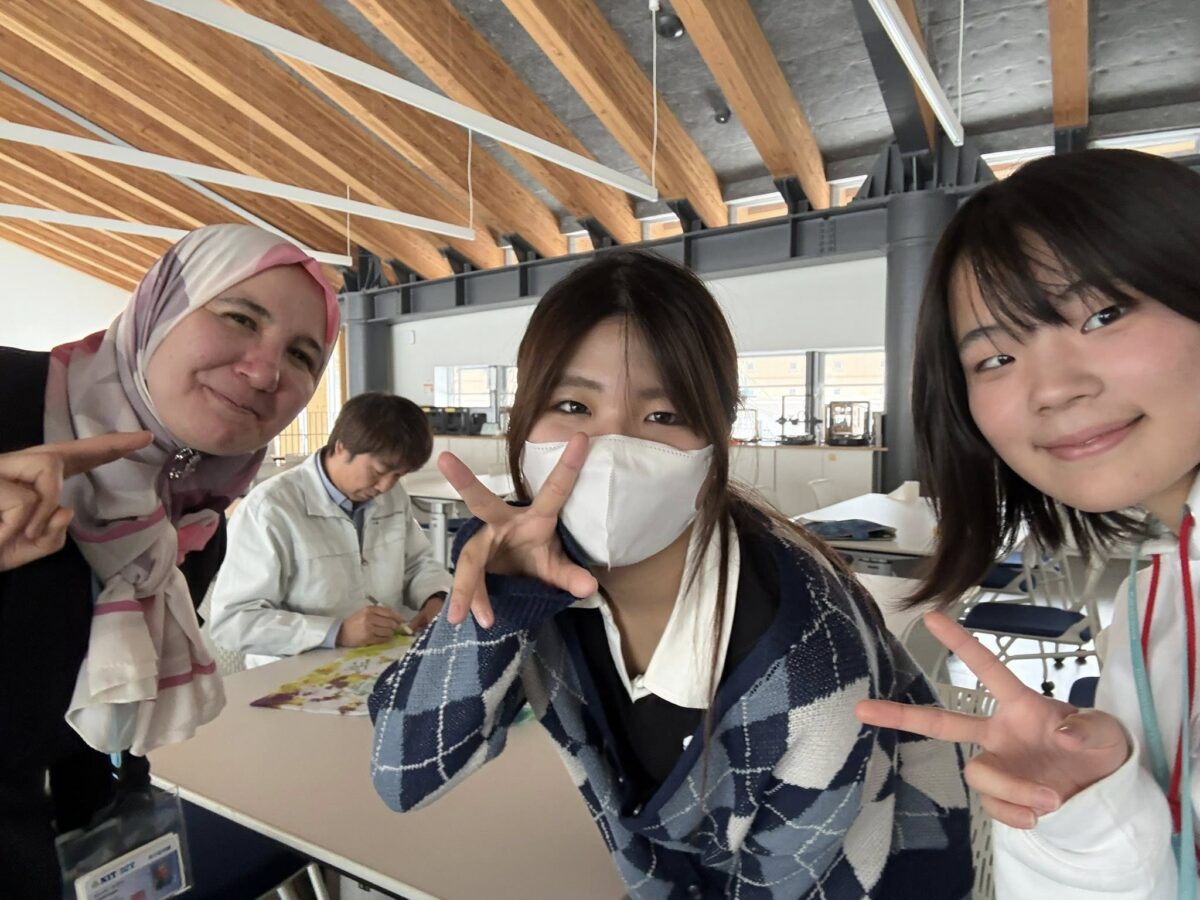
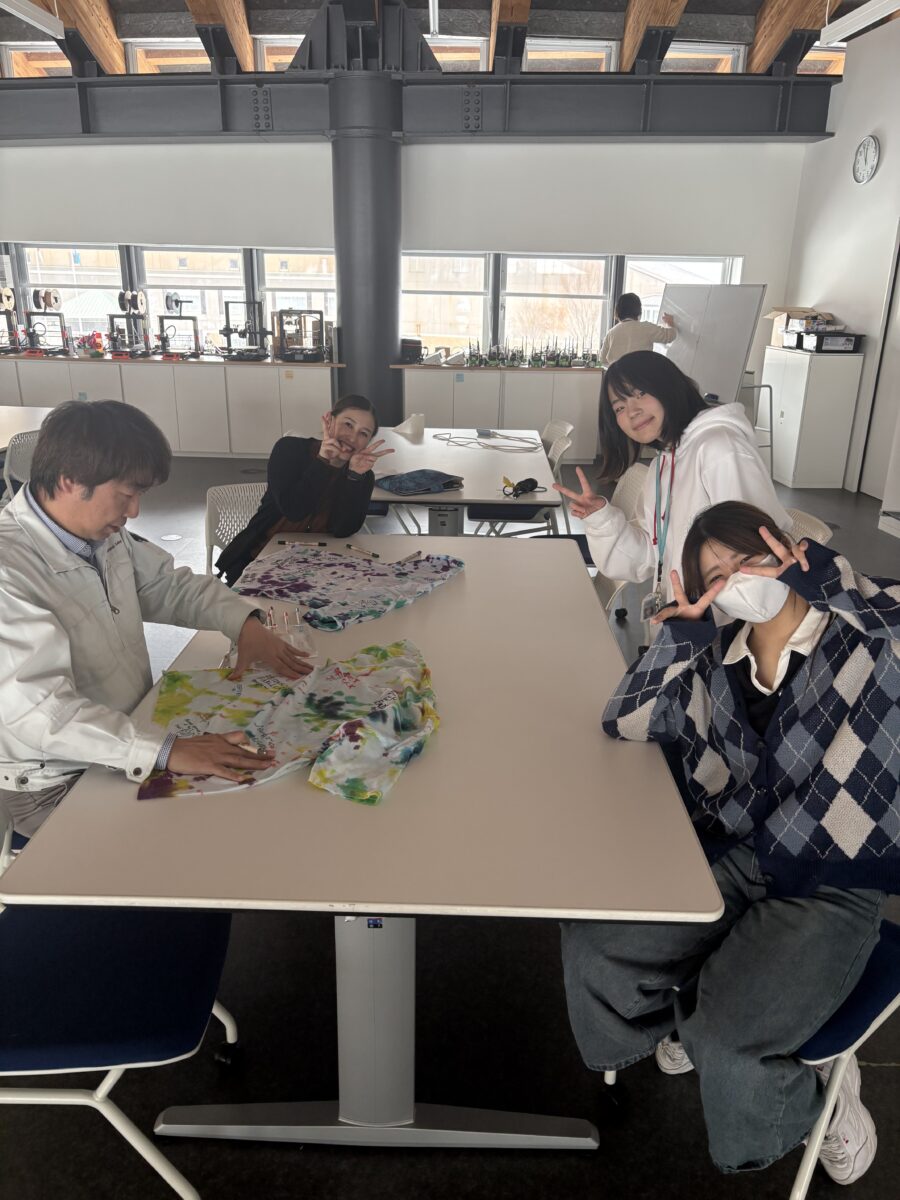
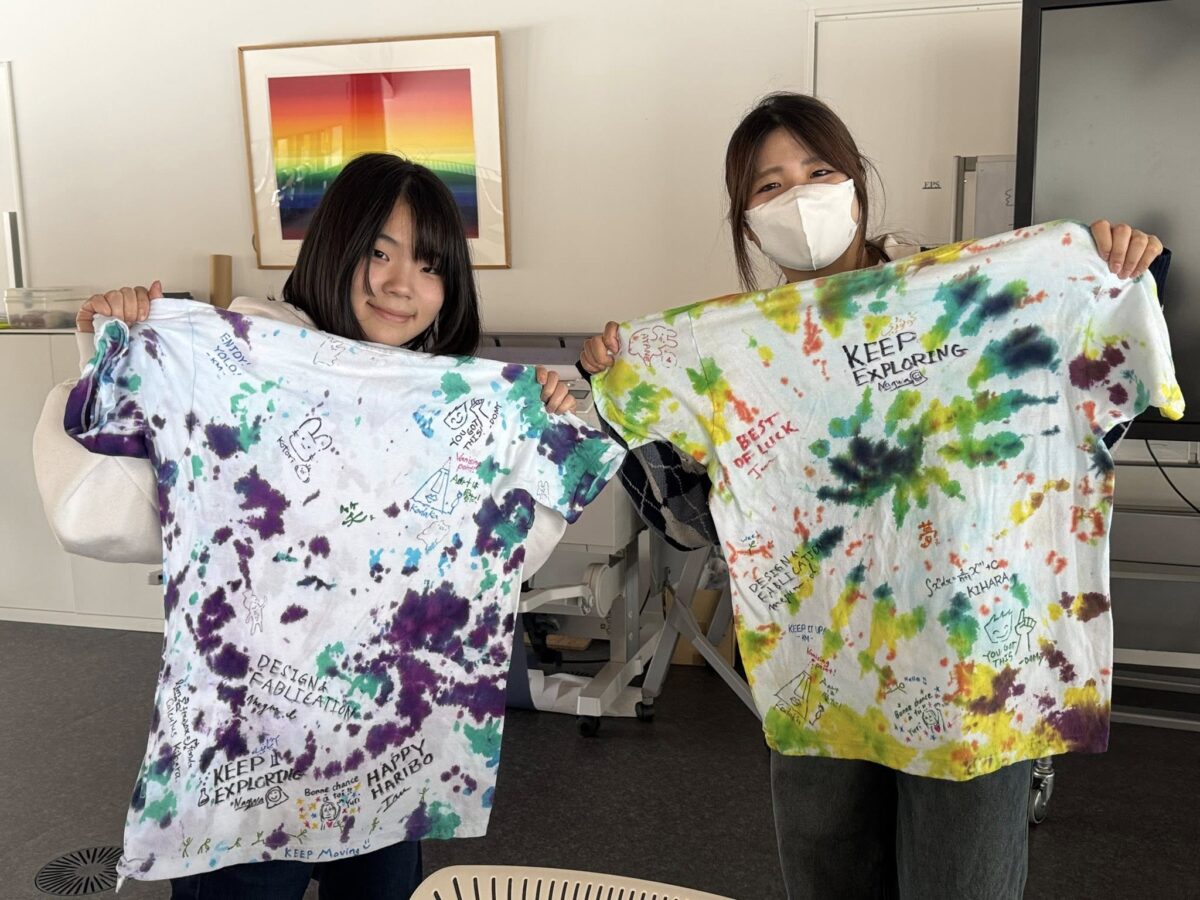
ナグワ・ラシィド
Hello. This is Nagwa Fekri Rashed from Egypt, one of the chemistry course professors at ICT.
There are experiences in teaching that you can anticipate—and others that quietly transform you. Becoming a homeroom advisor at ICT Hakusanroku Campus in the 2025 academic year was one of the latter. Coming from outside the Japanese education system, I had always observed the homeroom system with curiosity. It is deeply rooted in the culture of education in Japan, present from the earliest years of schooling all the way through higher education. Before stepping into the role myself, I had already interacted closely with omeroom advisors as a course professor—particularly when discussing students’ academic progress in my chemistry classes. I had also served as a sub-homeroom advisor for S1 alongside Professor Kihara, which gave me a glimpse into the rhythm and responsibilities of the role.
From these experiences, I thought I understood what it meant to be a homeroom advisor.
What I Thought the Role Was
When I was formally assigned the role, I was introduced to its structure: schedules, responsibilities, timelines, and expectations.
There were administrative duties—attendance checks, paperwork, coordination with course instructors, and guardians. There were important milestones throughout the year—PTA meetings, parent-teacher interviews, reports, and records. There was also a strong support system: office staff, dormitory residential assistants, nurses, the Dean of Students, Department Chair, and my sub-homeroom advisor, Professor Kuroda. Everything was clear. Everything was organized. And I remember thinking: I know what this job is.
What the Role Actually Became
But then a different question came to mind—one that was not part of any official description: What do I want to leave behind for my students?
Not in terms of grades. Not in terms of reports. But something that stays. Something that matters. I have always believed that impact does not have to be grand to be meaningful. Sometimes, it is as simple as a kind word, a moment of encouragement, or a sincere smile. But this time, I realized I had something more powerful than a moment—I had a full year to be part of my students’ lives. Not only in academics, but in their daily routines, their challenges, their friendships, and even their future decisions. That felt… significant. And honestly, a little overwhelming.
New Perspectives
My instinct was to approach this the way I approach everything else—as a scientist and engineer. I began thinking in terms of factors, conditions, and outcomes. What are the inputs that lead to success? What environment ensures the best results? But very quickly, I stopped. Because this was not a system. This was not a laboratory. This was not a process to optimize. These were people. And people are not factors—they are actors. They think, they feel, they choose. And that is when I arrived at a realization that shaped everything that followed: What truly defines a person’s life is not what happens to them—but the choices they make.
Parents, teachers, schools, friends—we all play a role. We provide experiences, knowledge, and guidance. But in the end, each individual decides which path to take.
The Idea That Changed Everything
That realization led me to a simple but powerful idea: Each student is the main character in their own story. And more importantly—they are also the writer.
If that is true, then the most important question is not “What should they do?”
The First Homeroom: A Beginning
During the orientation period, I decided to turn this idea into something tangible.
・Large letters: I – C – T
・And above them: “We are ICTs.”
Then I gave each student star-shaped sticky notes.
I asked them to think of themselves—not as students, not as grades, but as the main character of their own story.
・The “I” stood for self—their identity, their agency, their ability to choose.
・ The “C” and “T” stood for character traits.
I asked them to write:
・ And above them: “We are ICTs.”
・ Three adjectives starting with T
These were not just words. These were declarations. These were the traits they chose for themselves. And then something beautiful happened.
The board filled with color—stars in orange, yellow, green, pink—each carrying a piece of who they are or wanted to become. The variety, the thoughtfulness, the honesty in their choices surprised me. In that moment, our class philosophy was born. Not imposed. Not instructed.
But created—together.
Watching the Story Unfold
As the year progressed, I began to see something shift. Academically, they worked hard—and I am proud to say that all students successfully passed their courses and achieved their desired goals. But what moved me most was everything beyond academics.
They explored. They tried new things. They challenged themselves.
They:
・ Joined clubs—art, sports, robotics, programming
・ Learned instruments and even composed music
・ Improved their IELTS scores
・ Supported junior students
・ Took part in dance and cultural activities
・ Climbed mountains and went skiing
・ Designed creative projects
・ Participated in startup competitions
・ Organized and led ICT festivals
・ Ran for student council positions
・ Spoke up—about what should change, and how to make it better
And slowly, something changed in their mindset. They stopped waiting. They started acting.
They stopped complaining. They started building.
A Quiet Transformation
At some point, without any formal announcement, the school became theirs. Not just a place they attended—but a place they cared about. They began to understand something essential: Life does not improve by chance. It improves by choice.
They learned that change requires:
・ Voice
・ Initiative
・ Responsibility
And perhaps most importantly, they learned the value of surrounding themselves with people who care about them and support their growth.
The End of a Chapter
Last March, they left Hakusanroku Campus. And just like that, the chapter ended.
Today, they are on their way to New Zealand—beginning a new chapter, in a new place, with new experiences waiting for them.
And I find myself thinking…
What a privilege it was to witness this part of their story.
To My 2025 S2 Students
I will miss you. More than you know.
You have written this chapter beautifully—not perfectly, but authentically, courageously, and with growth.
As you move forward, remember:
You are the main character.
You are the writer.
And every choice you make adds a new line to your story.
Make it meaningful. Make it yours.
I look forward to seeing how your story continues.
1st Semester: Mission Accomplished!
2nd Semester: Mission Accomplished!
Nagwa Fekri Rashed
Illustration by Prof. Michihiro Hayashi (used with permission)イラスト:林 道大先生(掲載許可済)
こんにちは。国際理工学科の大塚 作一です。今回、2021年4 月の着任以来5年間の国際高専勤務を終えるにあたり、最後の業務としてICT Progressの編集統括を担当させていただきました。
ICT Progressは国際高専の教職員による教育改善の実践事例をまとめた年次報告書であり、教育の質の向上を目的として毎年発行しているものです。昨年は、規約類を整備しWeb上で外部公表を行うように発行形式を改めました。2回目の今年は、さらに規約類を補訂し、内容についてもより充実させました。
本記事は「ICT金沢ジャーナル」の記事としては少々異色で堅苦しい内容になりますが、このジャーナルの読者である一般の皆様にも国際高等専門学校がSTEAM教育(* 注参照)をどのように実践しているかを具体的にご理解いただくきっかけとなれば幸いです。
* 注:Science(科学)、 Technology(技術)、 Engineering(工学)、Mathematics(数学)を統合的に学習する「STEM教育(ステムきょういく)」に、 さらにArts(リベラル・アーツ)を統合する教育手法
さて、改めて言うまでも無いことかもしれませんが、文部科学省のホームページ(https://www.mext.go.jp/a_menu/koutou/kousen/index.htm)から高等専門学校の主要な特色を引用すると、「高等学校と同じく、中学校を卒業した方が入学することができ、入学後は5年一貫で、一般科目と専門科目をバランスよく配置した教育課程により、技術者に必要な豊かな教養と体系的な専門知識を身につけることができます。」とあります。特色と表裏一体となる教育の特殊性としては、入学時の対象は「初等中等教育」で卒業時の扱いは「高等教育」に位置付けられることが最大の要因だと考えらます。その特殊性に起因して、表現は異なりますが、車の両輪、即ち、シラバスとしての「一般科目と専門科目」、および、学修結果としての「豊かな教養と体系的な専門知識」が記載されております。
ここで、本内容を上述のSTEAM教育と照らし合わせてみると、”T”と”E”は明らかに後者に属しますが、”S”と”M”は中間的、そして、”A”は前者に属します。したがって、教育の実践においては、両者は簡単に割り切れるものではなく、科目間の連携や時期等にも細心の注意が必要であることがご理解いただけるものと思います。
そこで、教職員自らが「教育改善の個別実践事例」を積み重ねてゆくことが重要です。ここでは、実践と発表・記録(情報共有)が車の両輪であり、記録である「ICT Progress」では、記事の内容(質の維持)と読みやすさが車の両輪となります。また、学校内部では教職員相互の発表・討論の場として、毎年「教育成果発表会(本年度は3月26日開催)」も開催しております。そして、これらは学生さんたちへのSTEAM教育の実践の鏡としても捉えることが出来るでしょう。その意味で、この掲載記事がこれから高専への入学を検討されている一般の皆様のお目に留まれば幸いです。
最後に、鹿田 正昭校長のリーダーシップの下、執筆者として多忙な業務の間をぬって執筆にご尽力いただいた皆様、編集の立場として査読にご協力いただいた皆様(特に英文校閲にもご協力いただいたステファニー・レノルズ先生)、そして、記事の書式を丹念に整えて頂いた事務局の南戸 仁美さんにこの場をお借りして改めて感謝の意を表します。併せて、今後も、国際高等専門学校が、多様性を基軸にした独自性を活かし、益々ご発展を遂げられることを祈念しております。
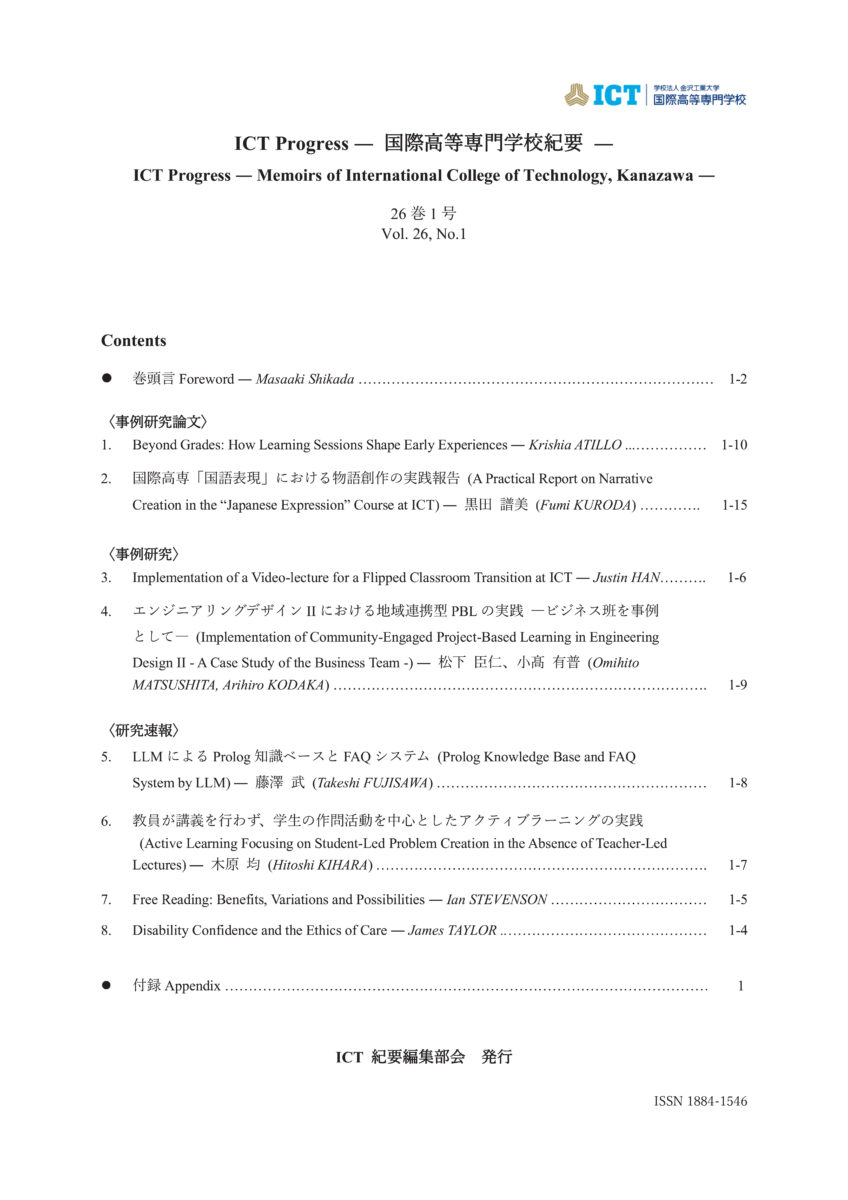
以下に本年度のICT Progress の目次と巻頭言を掲載しておきます。電子版の紀要(ICT Progress)は以下のURLよりご参照いただけます。また、最後の挿入写真は手許にあった国際高専の「車の両輪」を超えた多様性を象徴する一齣として、昨年度開催の第1回チーム対抗駅伝大会(2024年11月8日実施)の写真を掲載させていただきます。初めてご覧になる一般の方々にも、学生さんと教職員の間の一体感、そして、国際高専の名に恥じない国際性豊かな一体感を感じていただければ幸いです。
■電子版の紀要(ICT Progress)は以下のURLよりご参照いただけます。
URL:https://kitir.kanazawa-it.ac.jp/infolib/meta_pub/G0000002repository
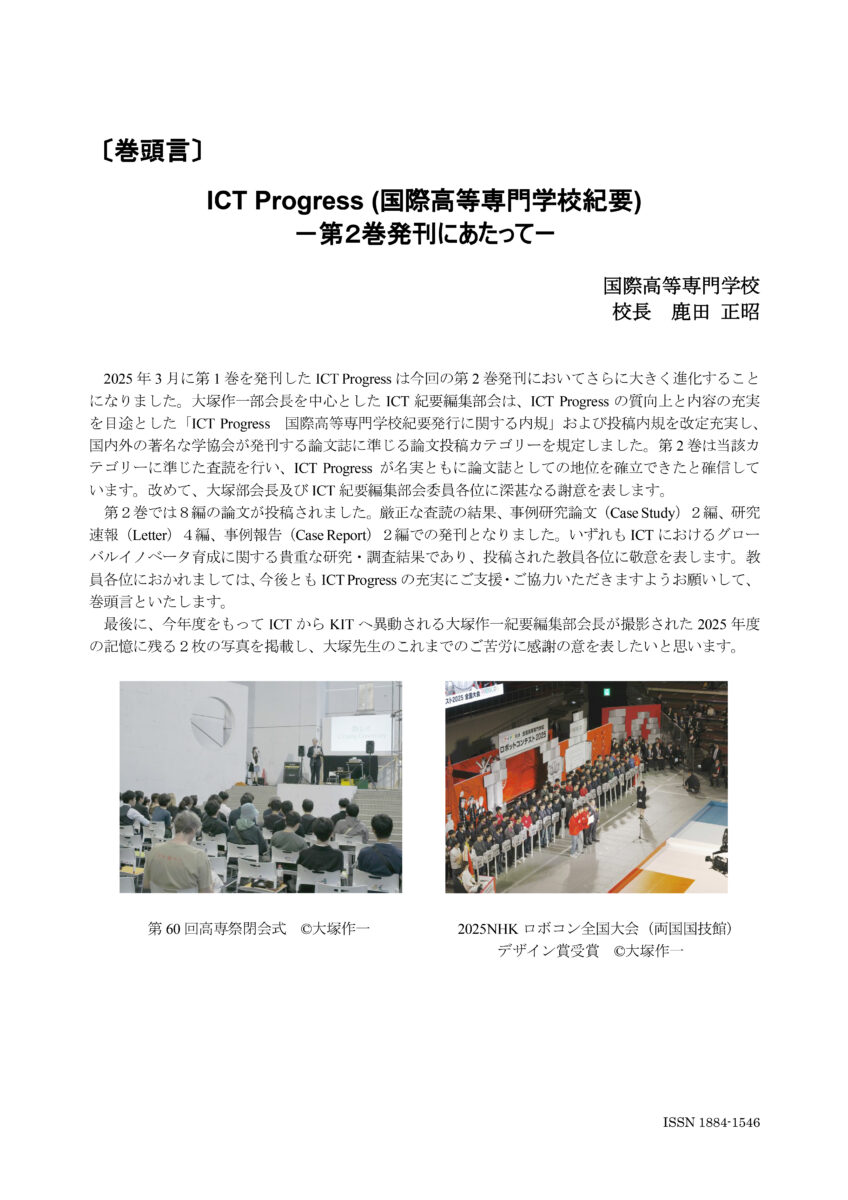
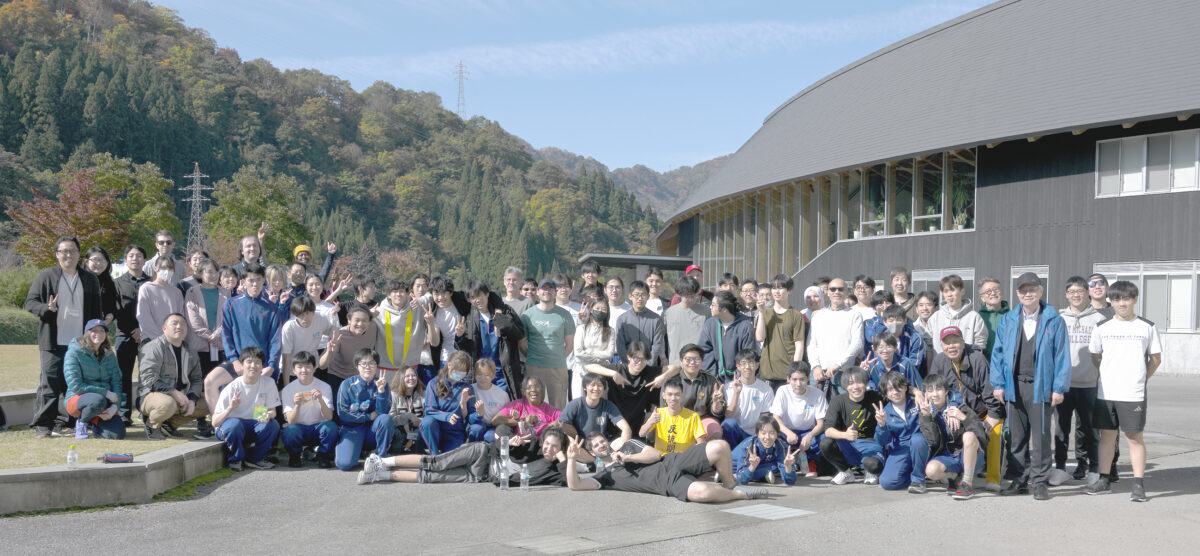
Photography: Sakuichi Ohtsuka (retouched by the photographer)写真撮影:大塚 作一(本人のレタッチによる)
大塚 作一
Illustration by Prof. Michihiro Hayashi (used with permission)イラスト:林 道大先生(掲載許可済)
Hello. I am Sakuichi Ohtsuka from the Department of Science and Technology. At the conclusion of my five-year tenure at the International College of Technology, Kanazawa, having joined in April 2021, I have had the honor of being the chief of the editorial committee of ICT Progress as my final assignment.
ICT Progress is an annual report compiling practical examples of educational improvement initiatives by faculty and staff at the International College of Technology, published each year with the aim of enhancing the quality of education. Last year, we revised the publication format to include updated regulations and made the report publicly available online. For this second edition, we have further revised the regulations and enriched the content.
While this article may be somewhat unconventional and formal for the “ICT Kanazawa Journal,” I hope it will serve as an opportunity for the general public—the readers of this journal—to gain a concrete understanding of how the International College of Technology, Kanazawa, implements STEAM education (*see note).
* Note: An educational approach that integrates Arts (Liberal Arts) into "STEM Education" (Science, Technology, Engineering, and Mathematics).
While this may go without saying, quoting the key characteristics of KOSEN (The National Institute of Technology) from the Ministry of Education, Culture, Sports, Science and Technology’s website (https://www.mext.go.jp/a_menu/koutou/kousen/index.htm): “Like high schools, these institutions admit students who have graduated from junior high school. After enrollment, students follow a five-year integrated curriculum that balances general and specialized subjects, enabling them to acquire the broad general knowledge and systematic specialized expertise necessary for engineers.” As for the unique nature of the education that is inextricably linked to these characteristics, the most significant factor is likely that students are classified as being in "primary and secondary education" upon admission but are treated as being in "higher education" upon graduation. Due to this unique nature, although the phrasing differs, the curriculum is described as a pair of items requiring collaboration: "general and specialized subjects" as the syllabus, and "a rich general education and systematic specialized knowledge" as the learning outcomes.
Next, when we compare this content with the aforementioned STEAM education, “T” and “E” clearly belong to the latter, “S” and “M” are intermediate, and “A” belongs to the former. Therefore, in educational practice, the curriculum cannot be easily separated, and I believe you will understand that meticulous attention is required regarding coordination between subjects and timing.
Consequently, it is crucial for faculty and staff to accumulate their own “individual case studies of educational improvement.” Here, practice and presentation/documentation (information sharing) go hand in hand. Similarly, in the documentation platform “ICT Progress,” the quality content of the articles and readability are equally important. Additionally, within the school, we hold an annual “Educational Research Presentation Session” (scheduled for March 26 this year) as a forum for mutual presentations and discussions among faculty and staff. These activities can also be viewed as a mirror reflecting the practice of STEAM education for our students. In that sense, we would be delighted if this published article catches the attention of the general public who are considering enrolling in a National Institute of Technology (KOSEN).
Finally, I would like to take this opportunity to once again express my gratitude to everyone who, under the leadership of President Masaaki Shikada, took the time to write these articles despite their busy schedules; to everyone who assisted with the peer review process (especially Ms. Stephanie Reynolds, who helped with the English proofreading); and to Ms. Hitomi Nanto of the Administrative Office, who meticulously formatted the articles. I also wish the International College of Technology, Kanazawa, continued success in the future, building on its unique strength of diversity from various perspectives.
Below is the table of contents and foreword for this year’s ICT Progress. The electronic version of the Memoirs (ICT Progress) is available at the URL below. Additionally, as a photo posted at the end, I have included a snapshot from last year’s 1st Inter-Team Ekiden Relay Race (held on November 8, 2024), which symbolizes the diversity that goes beyond the “going hand in hand”—a concept often associated with the International College of Technology, Kanazawa. We hope that even those viewing this for the first time will sense the unity between students and faculty, as well as the rich international spirit that lives up to the name of the International College of Technology, Kanazawa.
■The electronic version of the Memoirs (ICT Progress) is available at the URL below.
URL: https://kitir.kanazawa-it.ac.jp/infolib/meta_pub/G0000002repository
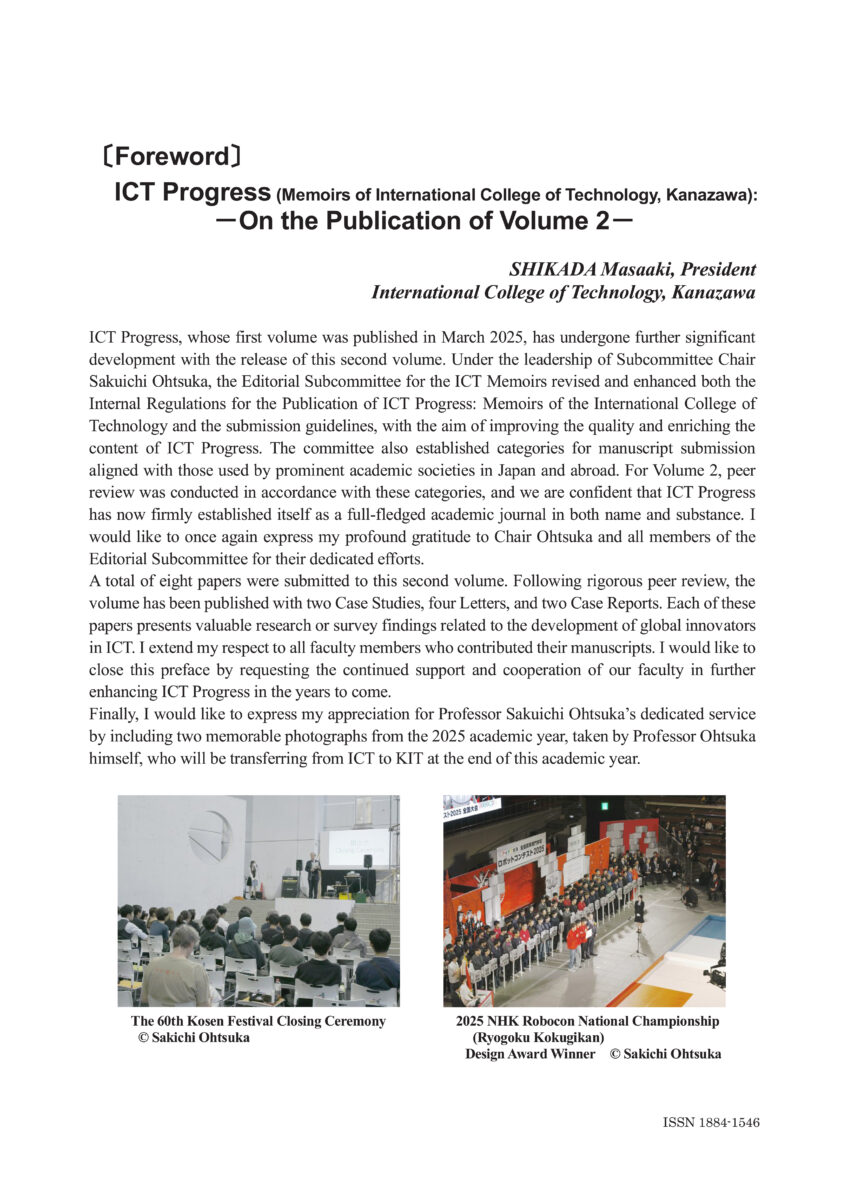
Photography: Sakuichi Ohtsuka (retouched by the photographer)写真撮影:大塚 作一(本人のレタッチによる)
Sakuichi Ohtsuka