




Campus Life
キャンパスライフ
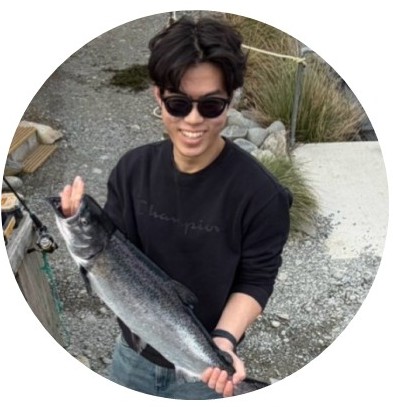
皆さんがこれを読んでいる時間に合わせて、おはようございます、こんにちは、そしてこんばんは。
僕はラパナンラット・パンタワット(リュウ)です。現在ニュージーランドに留学している3年生で、なぜかスタートアップに夢中になってしまいました。
「なぜか」と言ったのは、もし数年前の僕に「将来、大勢の人の前でステージに立って、自分のスタートアップについてピッチをするようになるよ」と言っても、きっと「そんなわけない」と思ったはずだからです。
僕は内向的な性格です。たくさんの人の前に立つことを想像するだけでも緊張しますし、その気持ちは今でも完全にはなくなっていません。
では、そんな僕がなぜスタートアップに取り組むようになったのでしょうか。
その答えを話すには、ICTに入学する前までさかのぼる必要があります。
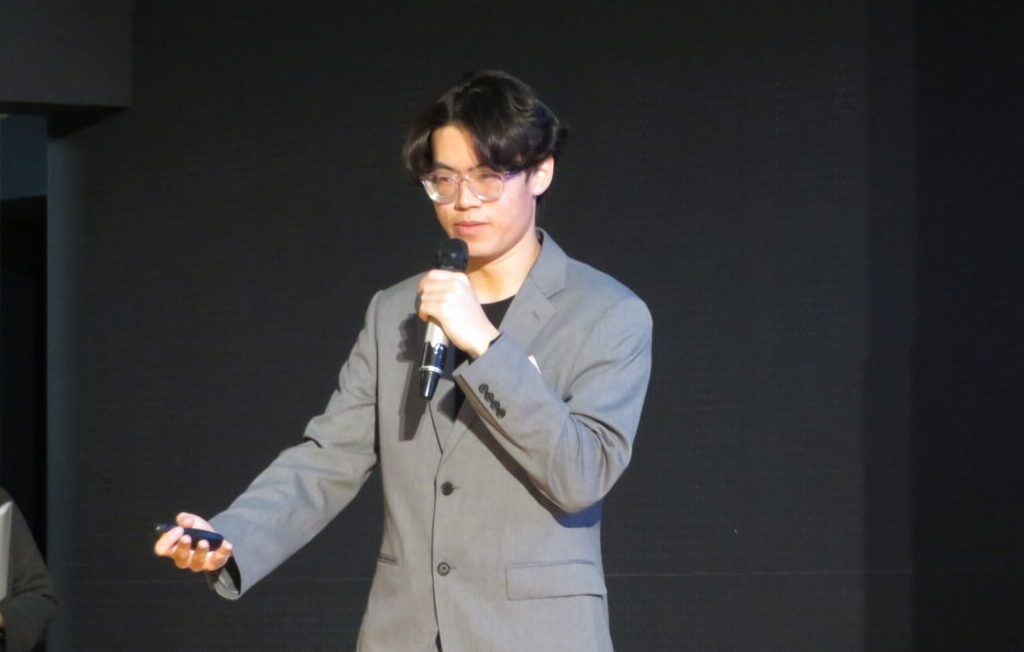 ICTに来る前の僕は、スタートアップの道に進むことなど考えたこともなく、そもそもスタートアップが何なのかさえほとんど知りませんでした。多くの高校生と同じように、ビデオゲームをしたり、ベッドでのんびり過ごしたりすることのほうにずっと興味がありました。
それが、ICTに入学して変わりました。
エンジニアリングプロジェクトやビジネスプログラム、コンテストへの参加、そして先生やメンターのサポートを通して、自分でも予想していなかったことに気づきました。
僕は、問題を解決することや、一見変わったアイデアを、人の役に立つかもしれないものへと形にしていくことが本当に好きだったのです。そして、うまくいけば少しくらいお金持ちになれるかもしれない(笑)。
気づけば、スタートアップのことが頭から離れなくなっていました。そして正直に言うと、僕はスタートアップが大好きです。
そんな経験を重ねる中で、今でも大切にしている3つの考え方を見つけました。
1つ目は、とてもシンプルです。
「すべてのアイデアはチャンスになる」
良いアイデアは、いつも都合のいいタイミングで浮かぶわけではありません。食事中かもしれないし、シャワーを浴びているとき、勉強しているとき、あるいは寝ているときかもしれません。 (僕の場合は、たいてい寝ようとしているときです。)僕が思いつくアイデアのほとんどは、最初から「良いアイデア」に見えるわけではありません。むしろ、ほとんどはかなり突拍子もないものです。でも、最初から「これはダメだ」と捨てることはしません。その代わりに、自分にこう問いかけるようになりました。「もし、こうだったら?」
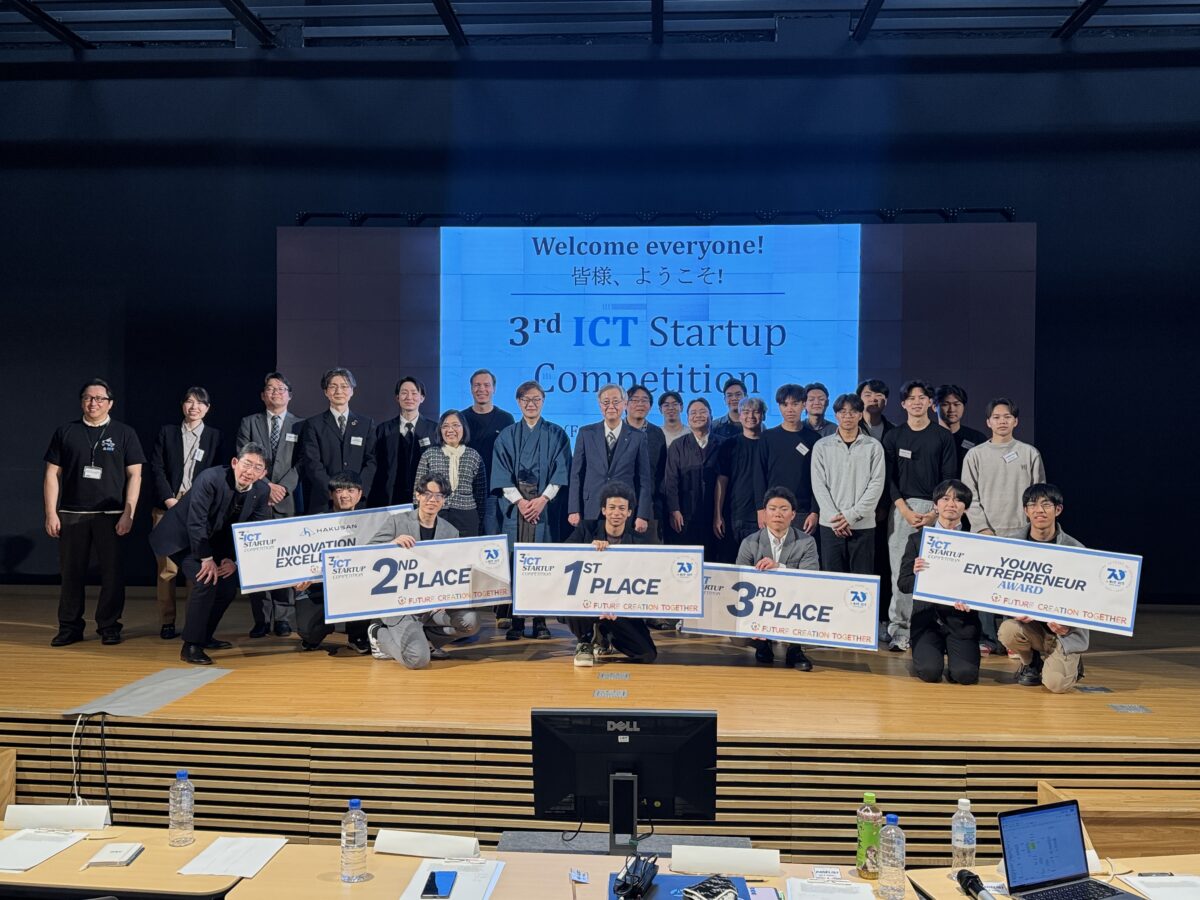
その問いが、やがて僕をスタートアップコンテストへの挑戦、そして高専サミットへと導いてくれました。
サミットに参加するまで、僕がピッチを経験したのは、おそらく2、3回ほどでした。毎回違う学びがありましたが、すべてに共通していたことがあります。それは、自分のコンフォートゾーンから一歩踏み出さなければならなかったことです。
そして、高専スタートアップサミットの日がやってきました。
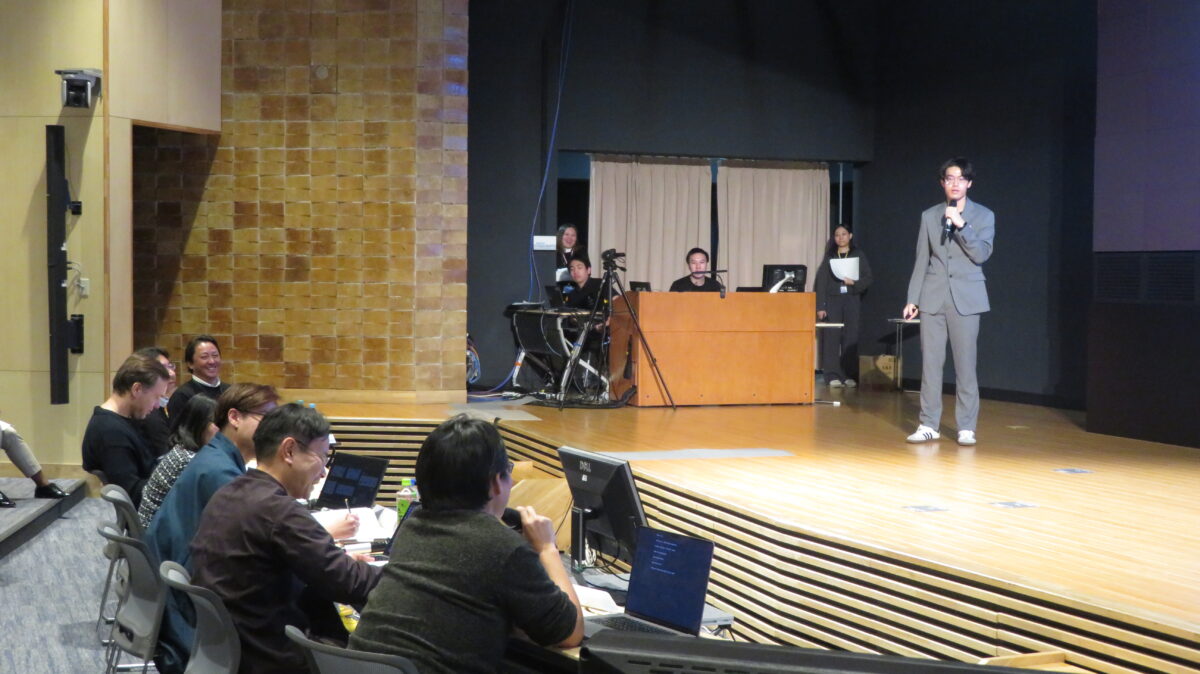 会場に着いた瞬間、僕は「ついにここまで来た」と思いました。このプロジェクトに半年間取り組んできたので、それまで費やした時間と努力が報われたように感じました。特に、そこで経験することのほとんどが僕にとって初めてだったからです。
大会初日は、参加者それぞれがポスターを掲示し、ブースを訪れた人たちに自分のアイデアを紹介する機会がありました。夜には交流イベントもあり、参加者同士でお互いを知り、ライバルたちとも自己紹介をする機会がありました。同じ情熱を持つ人たちとたくさん出会えたのは、本当に幸運だったと思います。ただ、僕の日本語力では、なかなかうまく会話をすることができませんでした。
そして2日目。いよいよ本番です。この日、僕は「Playground」というアイデアをピッチしました。ところが、僕の前に発表する予定だったチームに突然技術的なトラブルが起こり、急きょ僕が先に発表することになりました。ほんの少し順番が変わっただけに聞こえるかもしれません。でも、僕にとっては完全に想定外でした。一気に自分のリズムを崩してしまい、その後の3分間、言葉につまりながら発表することになってしまいました。
人生の中でも、最悪と言えるほどつらい経験の一つでした。
正直、とても悔しかったし、落ち込みました。この大会のために数え切れないほどの時間を使って準備してきました。交流イベントでは、同じ情熱を持つ新しい仲間にもたくさん出会いました。それなのに、ステージの上ですべてが崩れてしまったように感じました。
でも、そこで終わることはありませんでした。
ここで、僕の2つ目の考え方につながります。
「失敗を受け入れる」
僕はこれまで、数え切れないほど失敗してきました。試験で失敗したこともあります。 友達をつくるのに苦労したこともあります。 そして、ピッチでうまく話せなかったこともあります。
でも、スタートアップを通じて学んだ大きなことの一つは、失敗そのものが必ずしも問題なのではないということです。
問題なのは、その失敗から何も学ばないことです。
僕はいつも、「そこから何かを学び、同じ失敗を繰り返さなければ、失敗してもいい」と自分に言い聞かせています。
何かがうまくいかなかったとき、僕には2つの選択肢があります。その経験に落ち込んで終わるのか。 それとも、次に生かすのか。僕は後者を選びました。
この考え方のおかげで、コンテストへの向き合い方も変わりました。もちろん、1位や入賞を目指す気持ちはあります。でも、それと同じくらい、「この経験から何を学べるか」ということも、決して忘れないようになりました。
そして3つ目は、おそらく一番シンプルなことです。
「必ずフィードバックをもらう」
自分ではどれだけうまくできたと思っていても、必ず改善できるところがあります。
僕が得た最も価値のある学びの中には、コンテストで勝ったことから得たものではないものもたくさんあります。
僕のプレゼンを見て、弱点を指摘してくれた人。 自分では当たり前だと思っていたことに疑問を投げかけてくれた人。 そして、「ここはもっとこうしたほうがいい」と率直に伝えてくれた人。そうした人たちの言葉から、多くのことを学びました。
もちろん、最初は批判を受けるのがつらいこともあります。
まるで、自分のプライドの一番痛いところに、熱い針を刺されるような感覚です。
でも、批判がなければ、自分の弱点にも、改善すべきところにも気づくことができません。「自分のアイデアが一番いい」と思い込んだまま、間違った自信を持ってステージに立ち続けることになってしまいます。
ここまでの自分を振り返ってみると、僕は突然、自信に満ちた外向的な人になったわけではありません。
今でも、根っからの内向的な人間です。
プレゼンの前には今でも緊張します。 自分のアイデアが本当に良いのか、不安になることもあります。 そして、起業についても、まだまだ学ぶことばかりです。
でも一つ変わったことがあります。「居心地の悪い状況」にいることに、以前よりずっと慣れました。
ICTには、突拍子もないけれど前向きなアイデアを、最初から否定するのではなく、挑戦を後押ししてくれる環境がありました。先生やメンターは、僕に試行錯誤する機会を与えてくれました。コンテストは、失敗する機会を与えてくれました。そして高専サミットのようなイベントは、同じ情熱を持つ人たちと出会う機会を与えてくれました。
そのすべてに、心から感謝しています。
この先、自分の道がどうなっていくのかは、まだ分かりません。今持っているアイデアのいくつかは失敗するかもしれない。 もしかしたら、想像以上に大きなものになるアイデアもあるかもしれません。
でも、一つだけ分かっていることがあります。
これからも挑戦し続けたい。身の回りにある普通の問題を少し違った角度から見て、「もっと良い方法があるんじゃないか?」と問い続けたいと思っています。
そして何より、これからも自分が怖いと思う場所へ、あえて飛び込んでいきたいです。
ここまで読んでくれた皆さん、ありがとうございます。
そして、この記事を読んでいる学生の皆さん。このジャーナルが、皆さんにとって新しいことに挑戦し、自分のコンフォートゾーンから一歩踏み出すきっかけになればうれしいです。
自信がなくても大丈夫です。 (僕にもありませんでした。)
完璧なアイデアでなくても大丈夫です。 (僕のアイデアも、ほとんどそうでした。)
自分が何をしたいのか、はっきり分かっていなくても大丈夫です。 (これは僕自身の経験から言えます。)
とにかく、何かやってみてください。
失敗してみてください。
フィードバックをもらってください。
そして、もう一度挑戦してください。
僕のような内向的な人間でも、気づけばステージに立ってスタートアップについて話すようになりました。だから皆さんも、いつか自分自身に驚くようなことができるかもしれません。
では、「Ryuという内向的な学生が、どうしてスタートアップに挑戦するようになったのか?」
ここまで読んでくれた皆さんなら、もう、その答えが分かっていると思います。
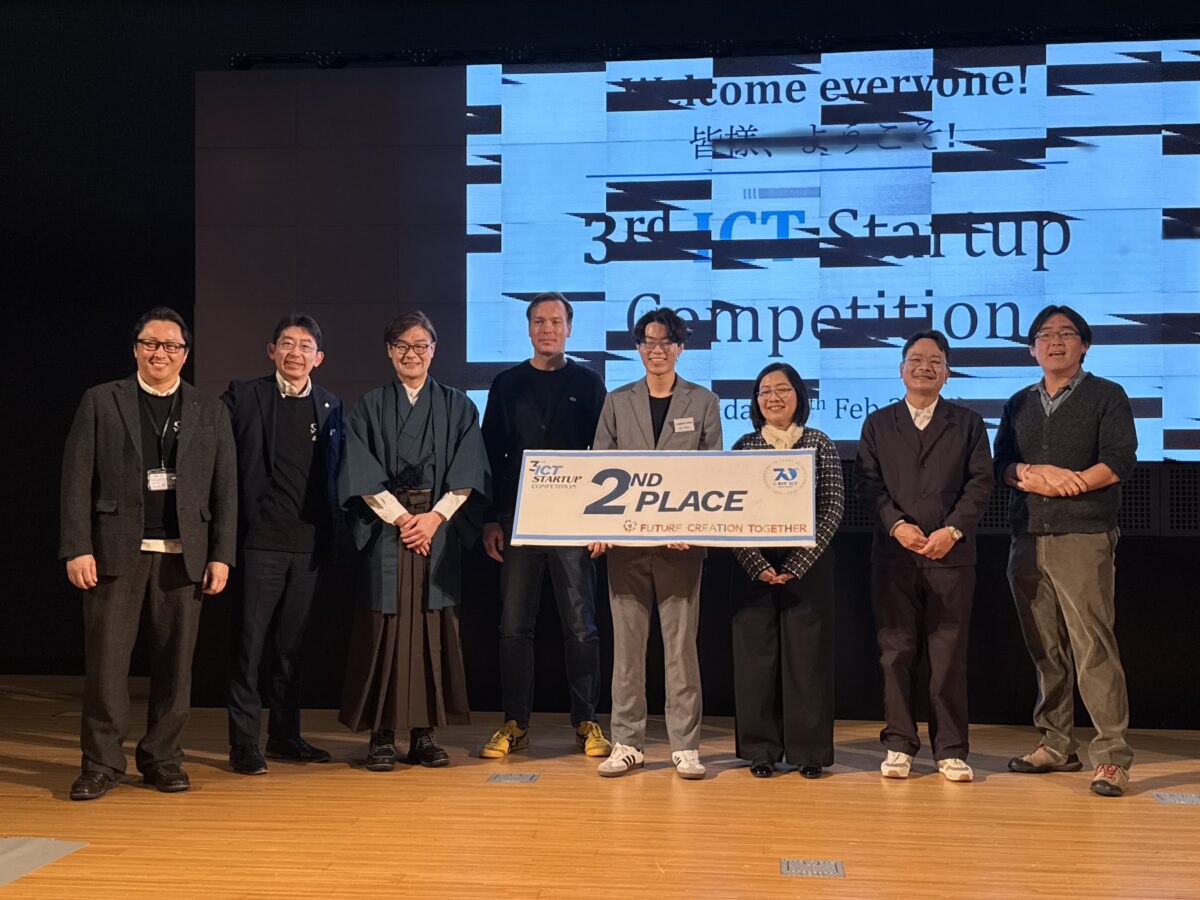
ラパナンラット・パンタワット(リュウ)
Depending on when you are reading this, good morning, good afternoon, and good evening, everyone.
My name is Lapananrat Pantawat (Ryu), a 3rd year student currently studying abroad in New Zealand who somehow fell in love with startups.
I say “somehow” because if you were to tell me a few years ago that I would voluntarily stand on a stage and pitch my startup in front of countless people, I probably would have called you crazy.
I am an introvert. Just the thought of standing in front of countless faces makes me nervous, and even today, that feeling never truly goes away.
So, how did I end up doing startups?
To answer that, we have to go back to before I came to ICT.
Before ICT, I had never considered pursuing a career in startups, nor did I have the slightest idea what startups were about. Like many other high school students, I was much more interested in video games and spending time in bed.
That changed after I came to ICT.
Through engineering projects, business programs, competitions, and the support of my teachers and mentors, I gradually discovered something I had never expected. I genuinely enjoyed solving problems and turning strange ideas into something that could potentially help people and, more or less, make me rich. I simply couldn’t get startups out of my head, and honestly, I love it.
Over time, I discovered three principles that continue to guide me today.
The first is simple:
Every idea is an opportunity.
I learned that a good idea does not always appear at the right time. You could be eating, showering, studying, or even sleeping when it comes to your mind. (Mine mostly comes when I’m trying to sleep.) Most of my ideas don’t quite seem like good ideas at first. As a matter of fact, most of them are completely ridiculous. But never once have I dismissed them immediately. Instead, I started asking myself, “What if?”
That question eventually led me to participate in startup competitions and, eventually, to the Kosen Summit.
Before attending the Summit, I only had a handful of pitching experiences, probably two or three at most. Every pitch I gave taught me something different, but they all had one thing in common: they forced me outside my comfort zone.
And then came the Kosen Startup Summit.
The moment I reached the venue, I told myself, “I finally did it.” After spending half a year working on this project, I felt that all the time and effort I had put into it had been worth it, especially since almost everything I experienced there was new to me.
On the first day of the competition, every participant had the opportunity to hang their posters and present their ideas to whoever visited their booth. That evening, there was also a networking event where participants were encouraged to get to know each other and introduce themselves to their competitors. I was really lucky to meet so many people who shared the same passion as me. However, due to my limited Japanese skills, I wasn’t really able to converse with anyone.
The second day was when the real deal took place. This was the day I pitched an idea called Playground. The team scheduled to present before me suddenly ran into a technical issue, forcing me to present ahead of them. It might have sounded like a small change, but it completely caught me off guard. I was thrown out of rhythm, and for the next three minutes, I found myself stumbling over my words.
It was one of the worst experiences of my life.
Honestly, I was disappointed and devastated. I had spent countless hours preparing for this competition. I had met so many new people who shared the same passion as me at the networking event. Yet, everything crumbled on stage. But I never stopped there.
And that leads me to my second principle:
Embrace failure.
I have failed countless times in my life. I have failed exams, struggled to make friends, and even failed to deliver a good pitch.
But one of the biggest lessons I have learned through startups is that failure itself is not necessarily the problem.
The problem is failing to learn from it.
I have always reminded myself that failure is acceptable as long as I learn from it and refuse to make the same mistake twice.
Every time something went wrong, I had a choice. I could either let the experience discourage me, or I could use it to improve.
I chose the latter.
That mindset changed the way I approached competitions. Sure, I was still aiming for first prize or a place on the podium, but the other thing I never left out of sight was the experience I could learn from.
My third principle is perhaps the simplest:
Always ask for feedback.
No matter how well you think you have done, there is always something you can improve.
Some of the most valuable lessons I have received did not come from winning competitions. They came from people who watched my presentations, pointed out my weaknesses, challenged my assumptions, and bluntly told me what I could have done better.
At first, hearing criticism can be difficult.
It’s like poking a hot needle into the most sensitive part of your ego.
But without criticism, you wouldn’t know what your weaknesses are or what you need to improve. You would continue living under the illusion that your idea was the best and carry that false confidence onto the stage.
Looking back at how I ended up here, I realize that I did not suddenly become a confident extrovert.
I am still an introvert at heart.
I still get nervous before presentations. I still have moments where I question whether my ideas are good enough. And I still have a lot to learn about entrepreneurship.
But I have become much more comfortable with being uncomfortable.
ICT gave me an environment where having crazy but still healthy ideas was encouraged rather than immediately criticized. My teachers and mentors gave me opportunities to experiment. Competitions gave me opportunities to fail. And events like the Kosen Summit gave me opportunities to meet people who share the same passion.
For that, I am incredibly grateful.
I don’t know exactly what lies beyond this journey of mine. Perhaps some of the ideas I have today will fail. Perhaps some will become something much bigger than I expect.
But I know that I want to keep trying.
I want to keep looking at ordinary problems from a different perspective and asking, “What if there was a better way?” And most importantly, I want to keep putting myself in situations that scare me.
So, for those of you who have read this far, thank you.
And to the students reading this, I hope that this journal can encourage you to try something new and step out of your comfort zone.
You don’t have to be confident. (Neither was I.)
You don’t have to have the perfect idea. (Most of mine weren’t.)
You don’t even have to know exactly what you want to do. (Speaking from experience.)
Just try something.
Fail at it.
Ask for feedback.
And try again.
Because if an introvert like me can somehow end up standing on a stage talking about startups, perhaps you can surprise yourself too.
So, how did an introvert named Ryu end up doing startups?
I think you know the answer.
Lapananrat Pantawat (Ryu)
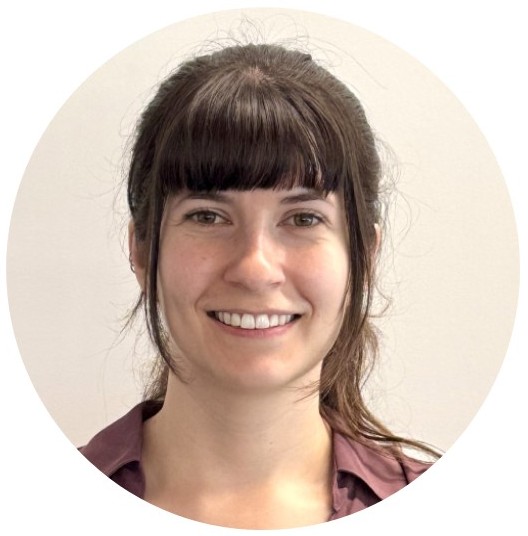
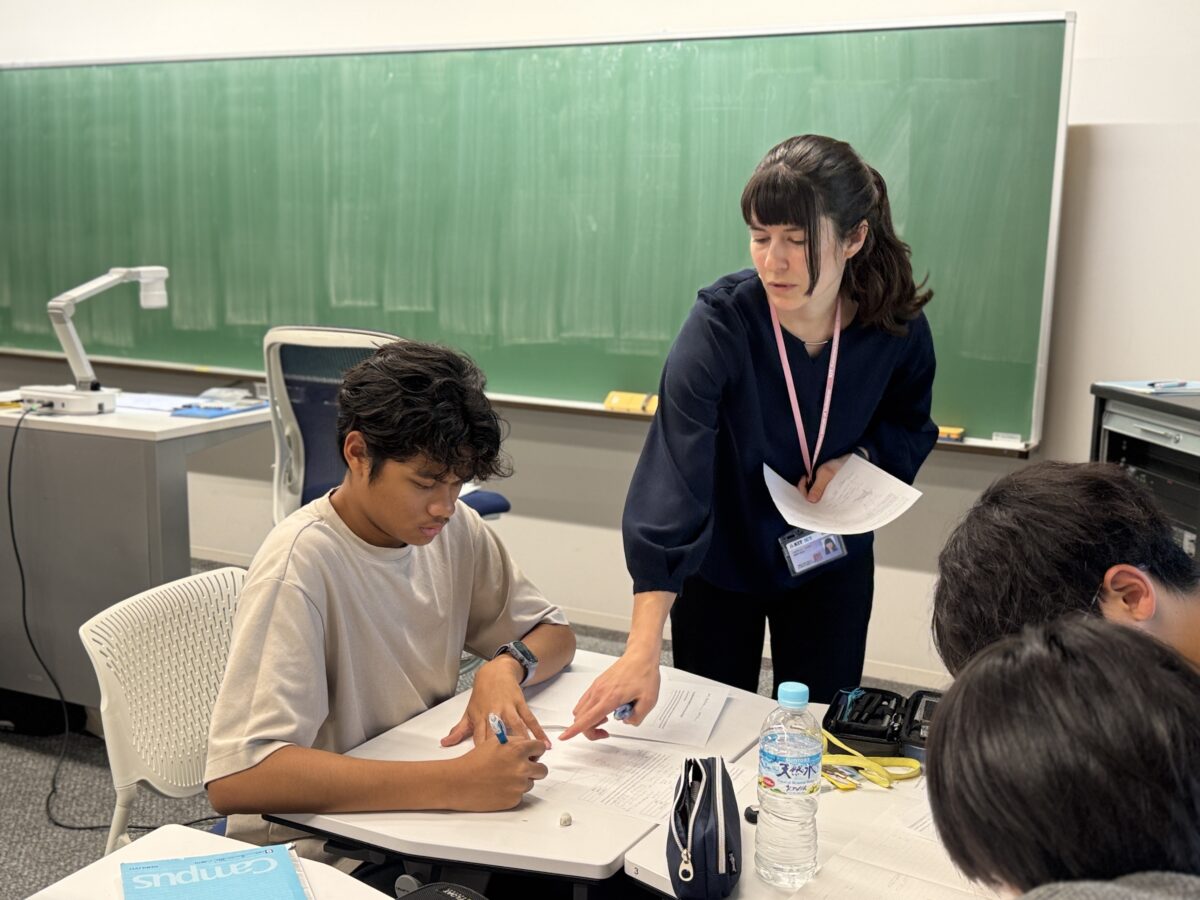 こんにちは。新しく数学を担当する助教としてICTに着任しました、ニコル・ナビティーです。2026年9月1日(火)からICTで勤務しています。出身はアメリカのアイオワ州です。アイオワ州立大学で機械工学とスペイン語を専攻し、理学士号(Bachelor of Science)を取得しました。また、パデュー大学フォートウェイン校で、中学校・高等学校の数学を教えるための教員免許も取得しました。
私はこれまでの3年間、白山市役所の国際交流員として勤務しながら白山市に暮らしてきましたが、日本で生活するのは今回が初めてではありません。初めて日本で暮らしたのは、ロータリー青少年交換プログラムの留学生として来日し、日本の高校に1年間通ったときでした。交換留学中はいくつかのホストファミリーにお世話になりましたが、その最初の受け入れ先が白山市にありました。
それ以来、白山市は私にとって特別な場所です。こうして年月を経て再びこの地で暮らし、働くことができることを大変幸運に感じています。学生たちが学業で成果を上げられるようサポートするとともに、私自身の経験を学生たちと共有しながら、ICTの授業や国際交流プログラムに積極的に取り組めるようお手伝いしていきたいと思っています。
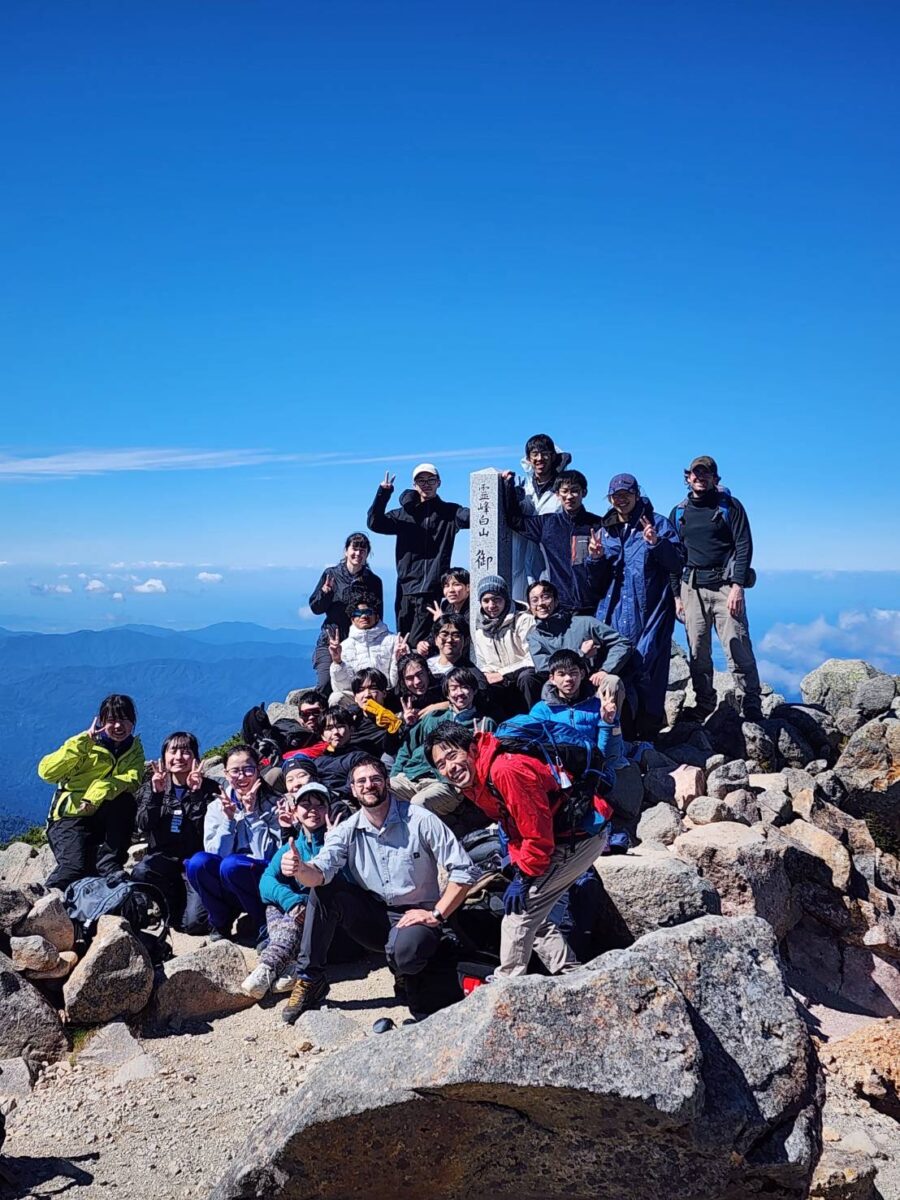
私が毎年楽しみにしていることの一つに白山登山があります。今年は学生たちとその経験を共有する機会に恵まれ、とても嬉しく思いました。白山登山は決して簡単ではありませんでしたが、山頂へ向かう途中では美しい景色を皆で楽しむことができました。ICTでは、これからも多くの新しい経験を重ね、たくさんの思い出をつくっていけることを楽しみにしています。
ニコル・ナビティー
Hello! My name is Nicole Nabity and I am a new associate lecturer teaching mathematics at ICT. I started working at ICT on September 1st, 2026. I am from Iowa in the USA. I graduated from Iowa State University with a Bachelor of Science degree, double majoring in Mechanical Engineering and Spanish. In addition, I obtained a teaching license from Purdue University Fort Wayne to teach mathematics at the middle and high school levels.
I have been living in Hakusan city for the past 3 years while working as the Coordinator for International Relations at Hakusan City Hall, however, this is not my first time living here. The first time I lived in Japan, I came as a Rotary Youth Exchange student and attended a Japanese high school for one year. During the exchange program I lived with several host families, the first of whom was in Hakusan city.
Since that experience, Hakusan city has held a special place in my heart, and I feel incredibly lucky that I am able to live and work here all these years later. I hope to help the students here succeed in their studies and share insights from my own experiences to support them as they take classes and participate in the international programs offered at ICT.
One activity I look forward to each year is climbing Mt. Hakusan, and I was thrilled to share that experience with students from the school this year. Although it was a challenging hike, we all enjoyed the beautiful views along the way to the summit. I am looking forward to many new experiences and memories here at ICT.
Nicole Nabity

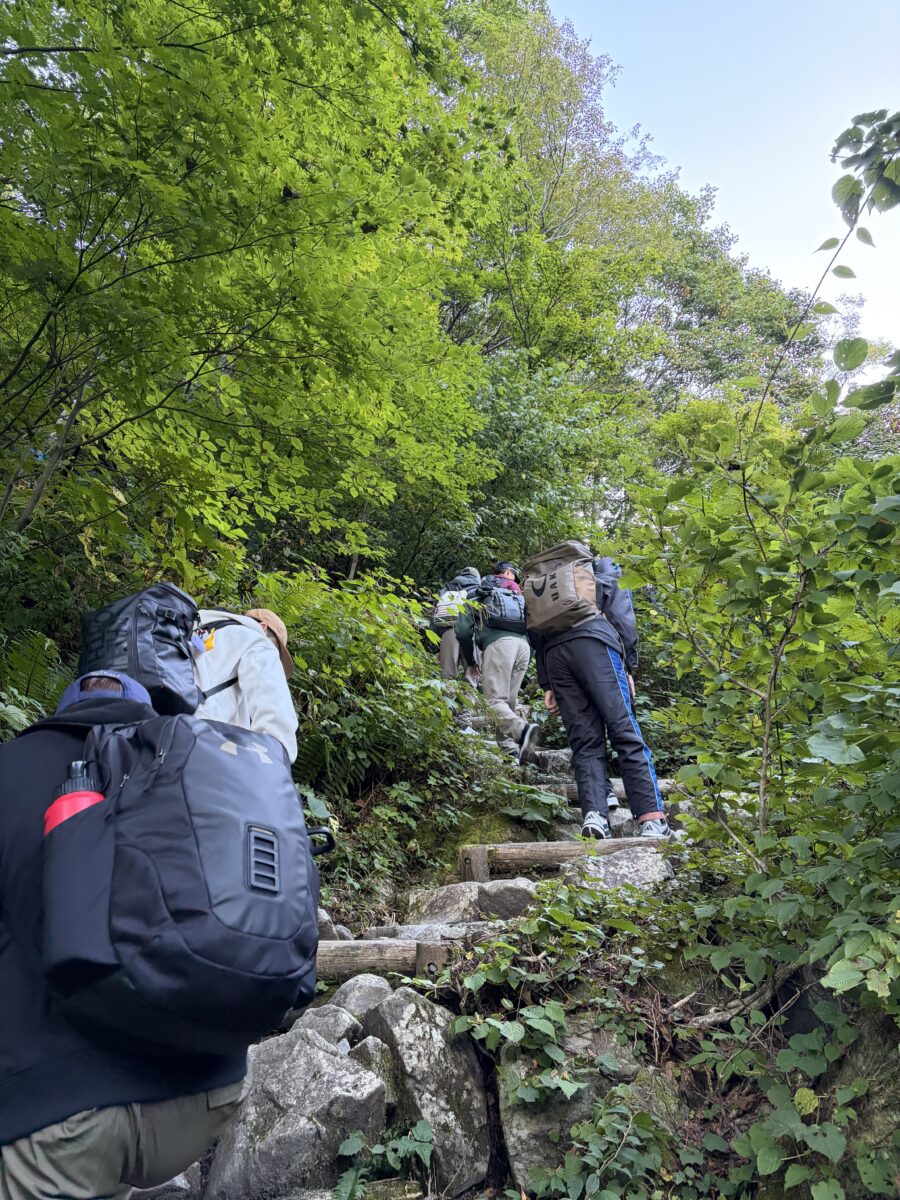
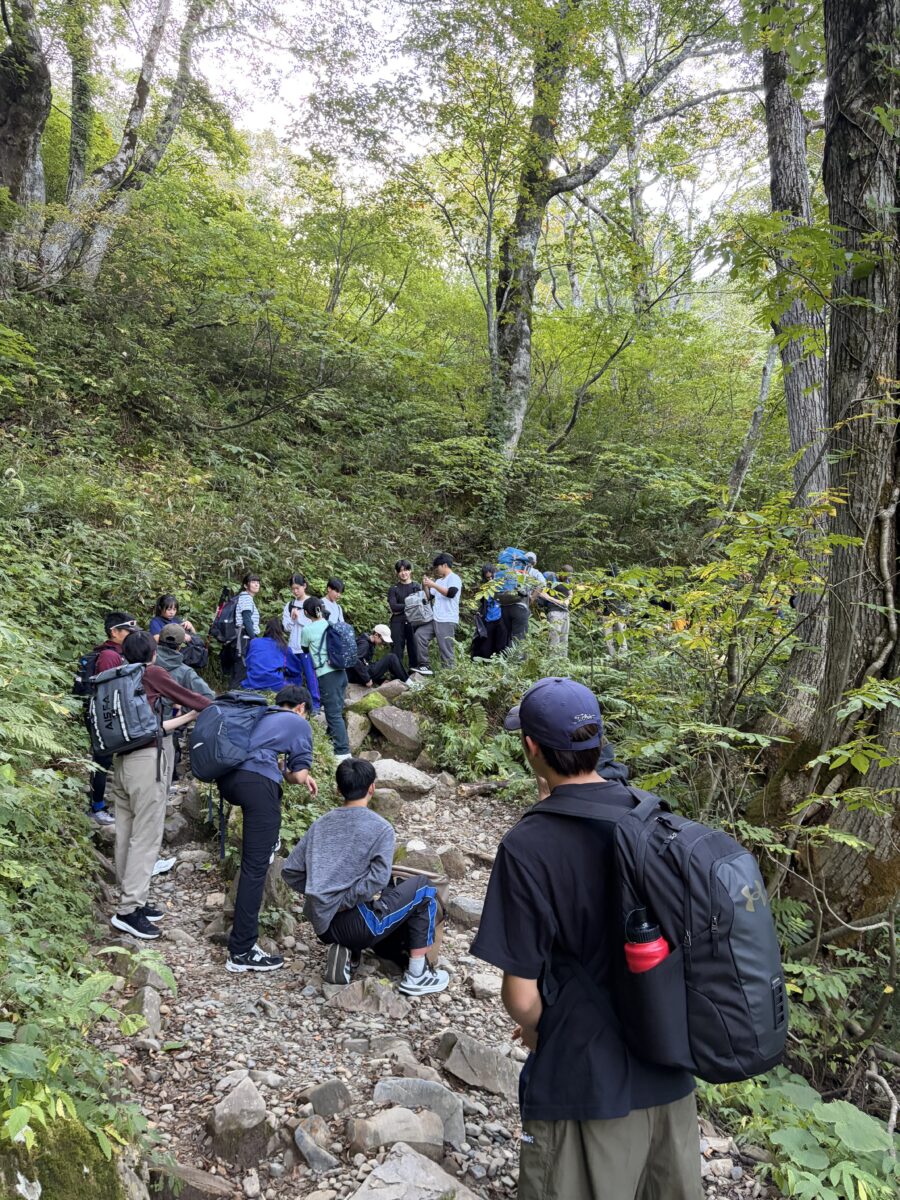
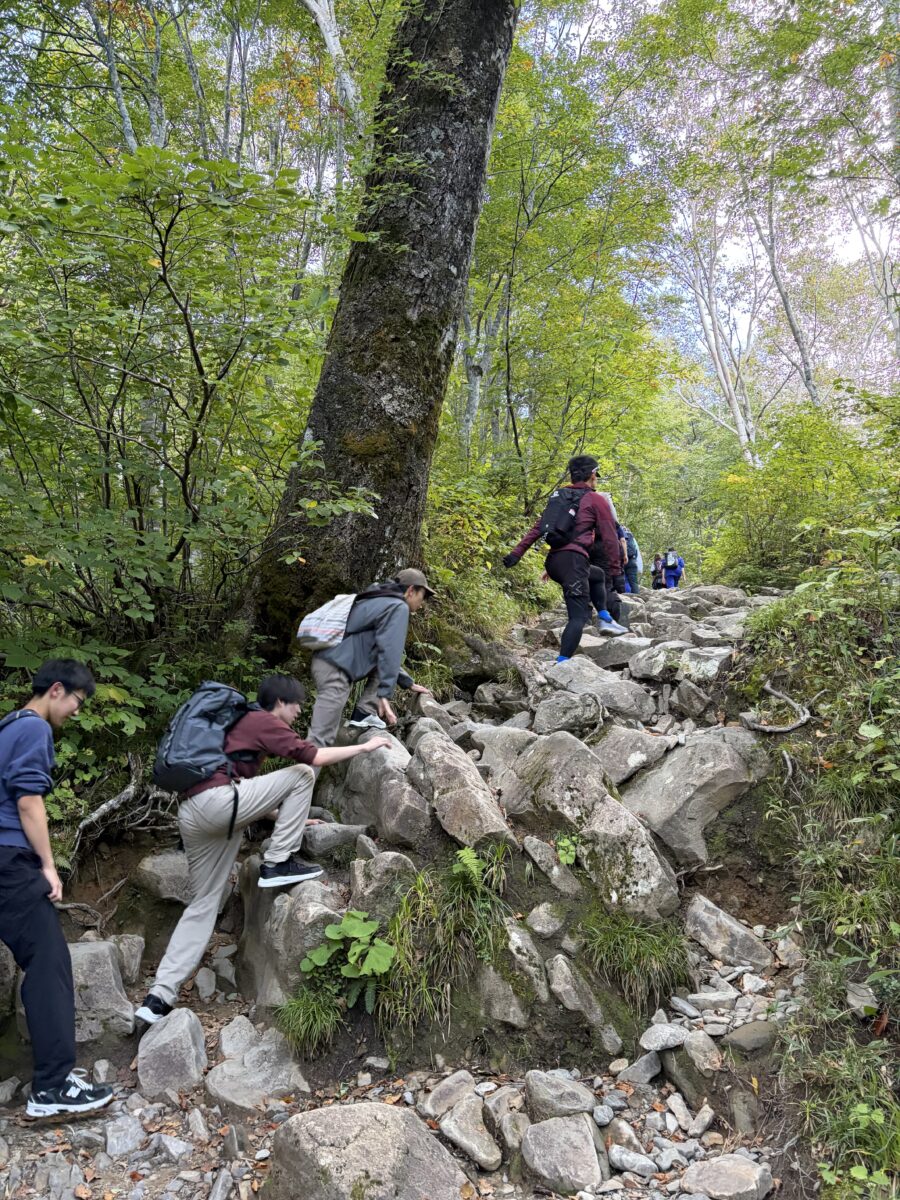
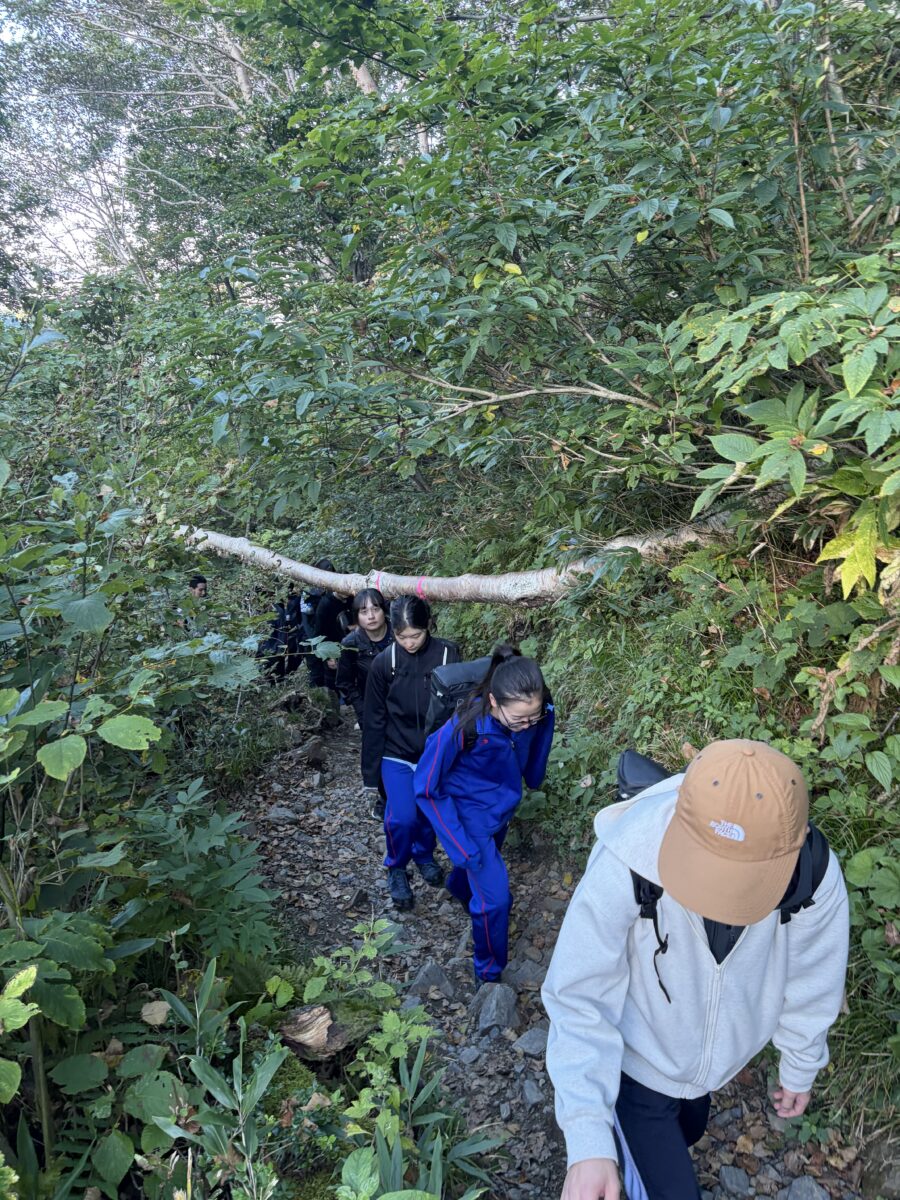
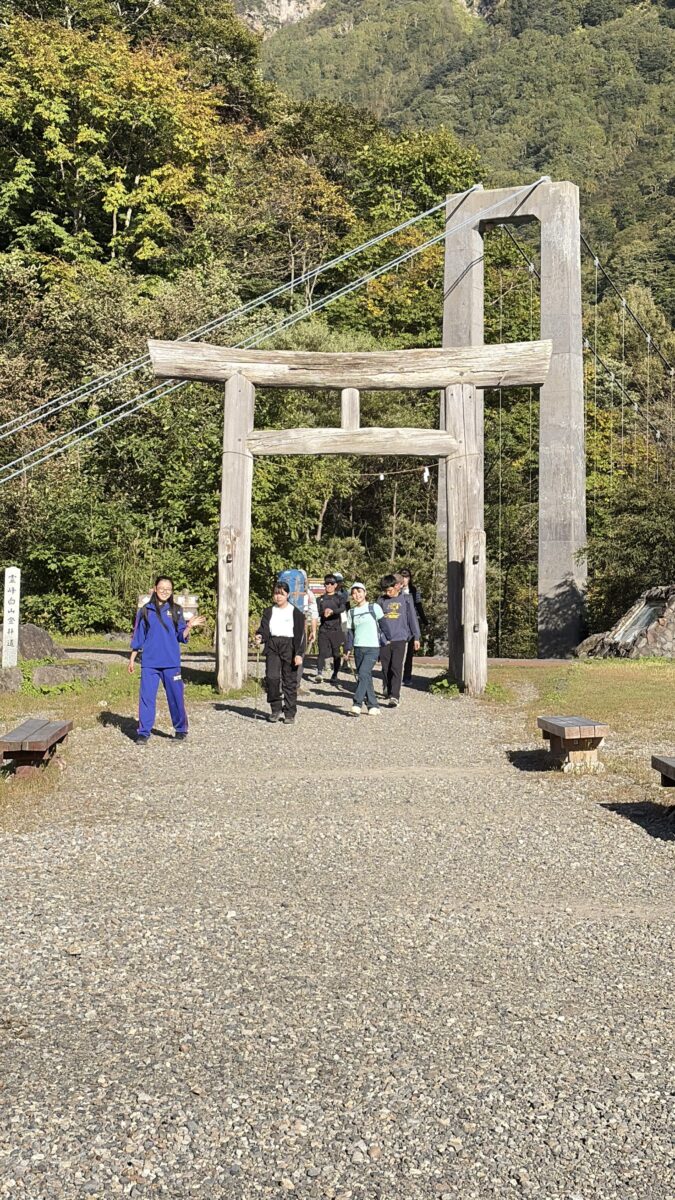
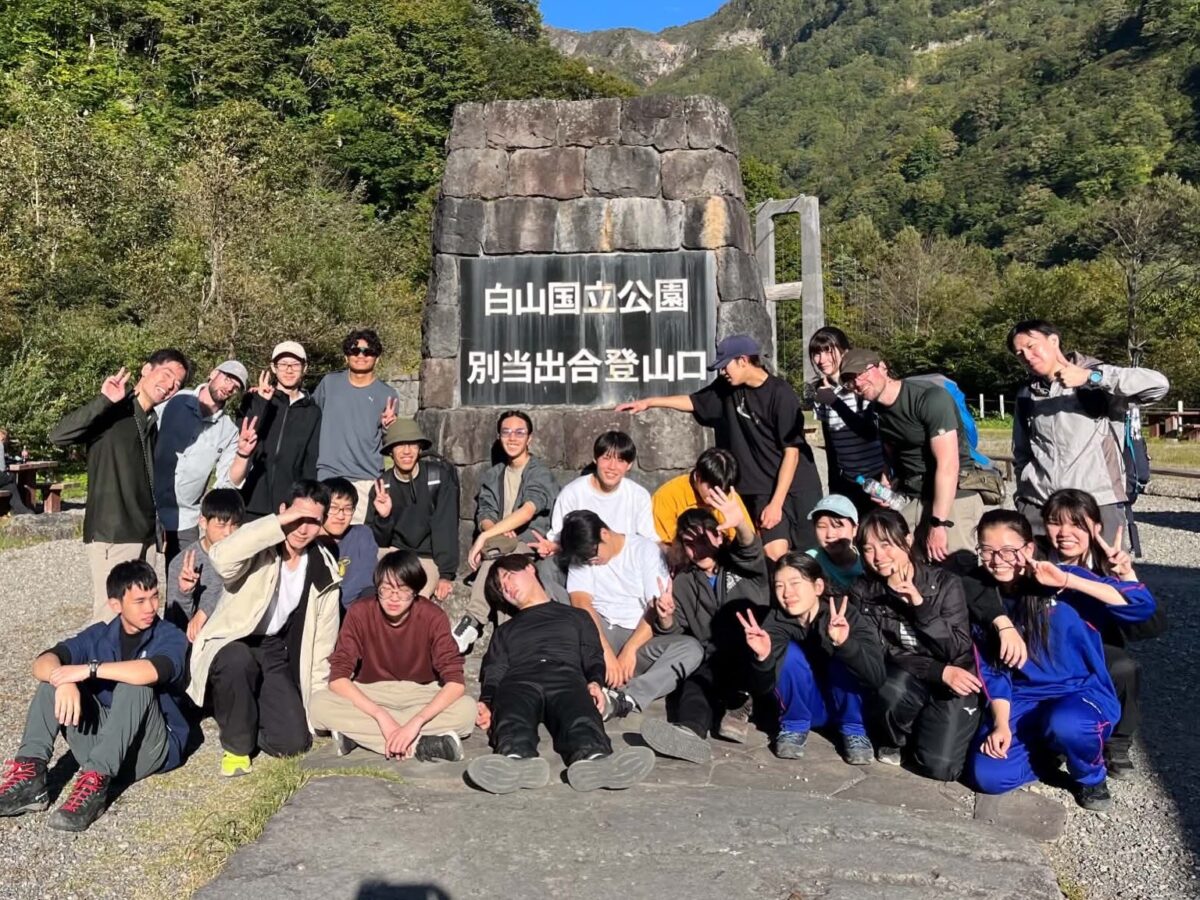
白山麓キャンパスで保健・体育科目を担当しているフィリップ・ケザウです。2026年10月2日(金)に白山麓キャンパスの1・2年生とともに白山登山を実施しましたので、ご報告いたします。
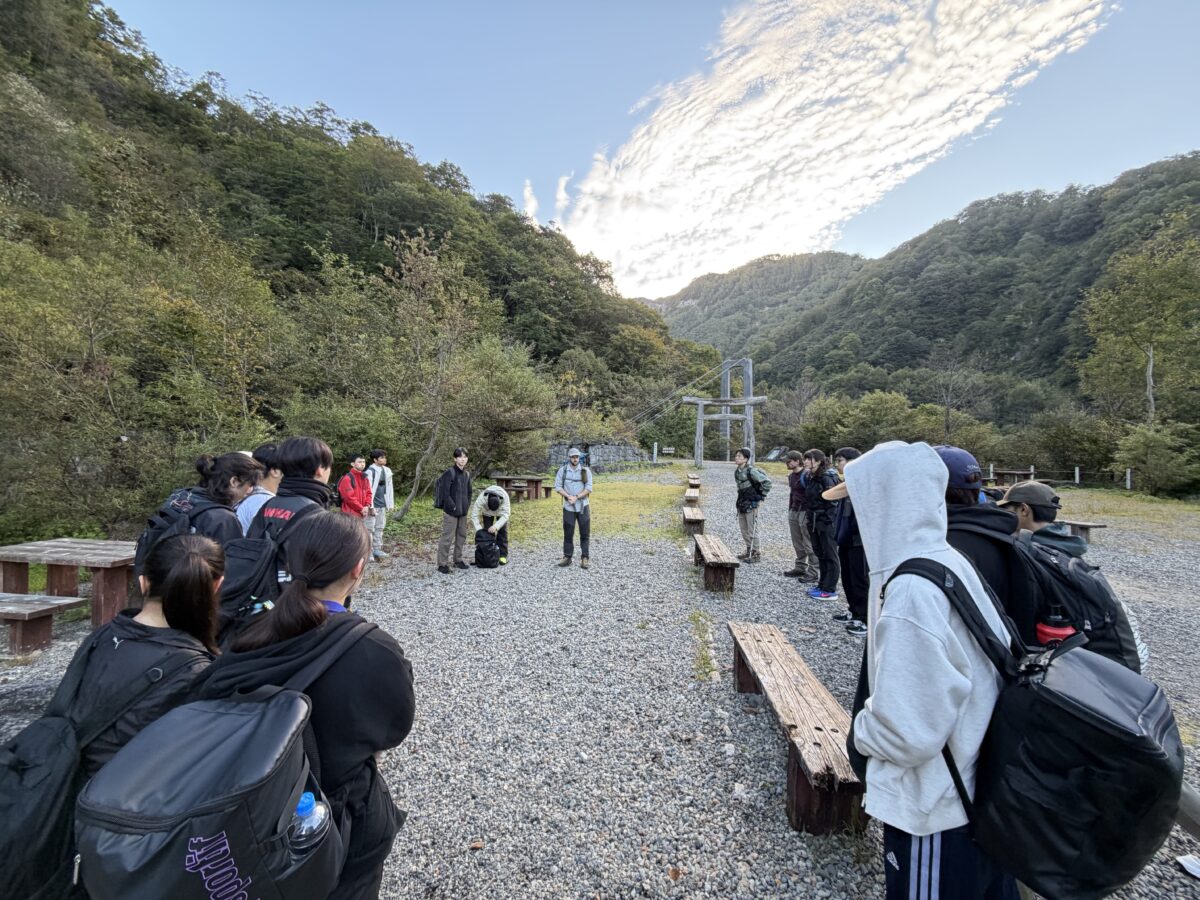
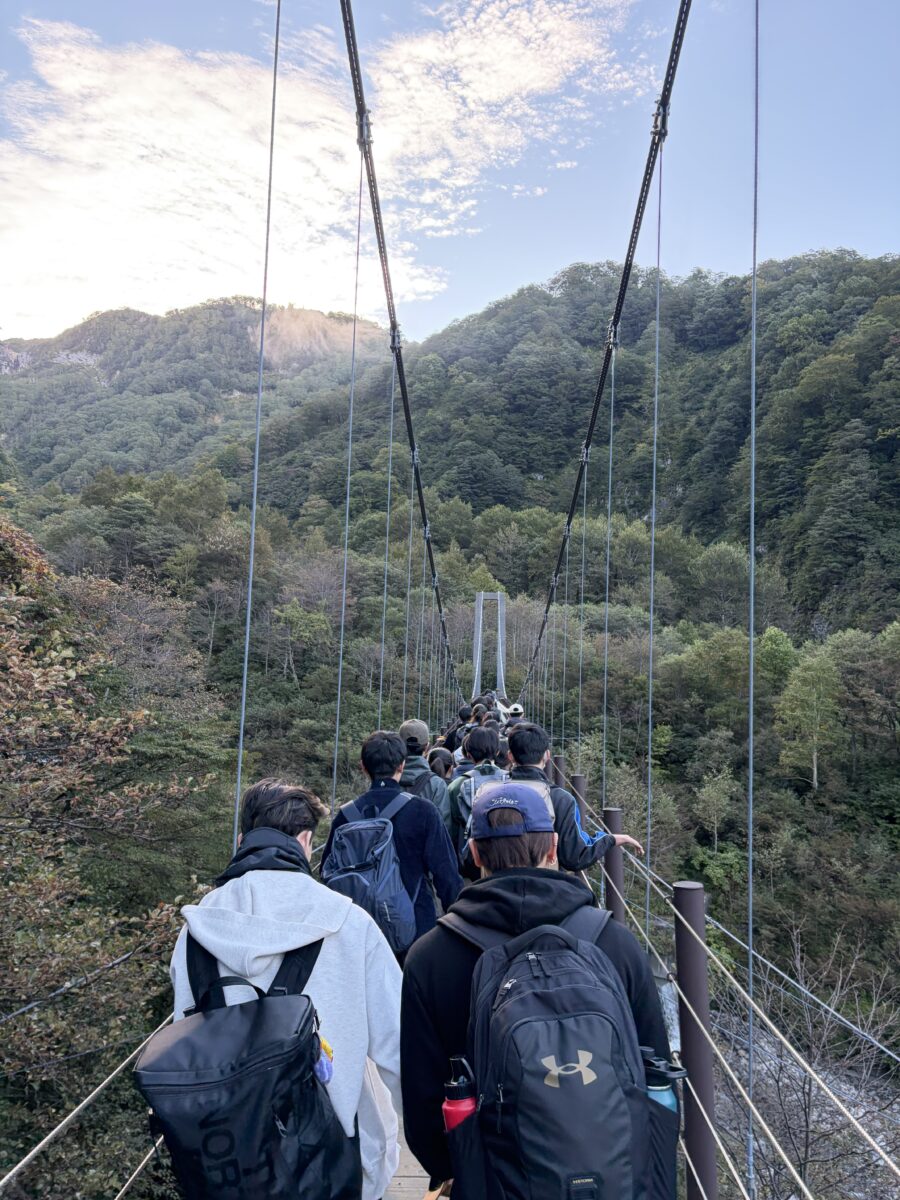
2日(金)の午前5時、21名の学生と6名の教職員がバスに乗り込み、約1時間の道のりを車内で睡眠を取りながら、登山口である別当出合(標高1,260m)へ到着しました。
白山は、立山・富士山とともに日本三霊山の一つとして知られており、多くの石川県民がご来光を目当てに毎年登っています。白山麓キャンパスでも毎年白山登山を実施していますが、ご来光登山ではなく日帰りでの登頂を目指しています。過去2年間は天候不良により中止となったため、現在ニュージーランドへ留学している3年生は登る機会がありませんでした。また、今回の登山は現2年生にとっても最後の挑戦となりました。
今回、バスでの移動から目を覚まし、白山の3つの峰の一つである御前峰(標高2,702m、標高差:およそ1,500m)を目指したのは、1年生10名と2年生11名です。彼らは、1週間前に5km走を完走して体力確認を終えていた他、急な天候変化にも対応できるように装備の入念な点検も受けていました。一方で、同学年の他の学生たちは、白山ジオパーク内の三方岩岳でより負担の少ない登山を行いました。
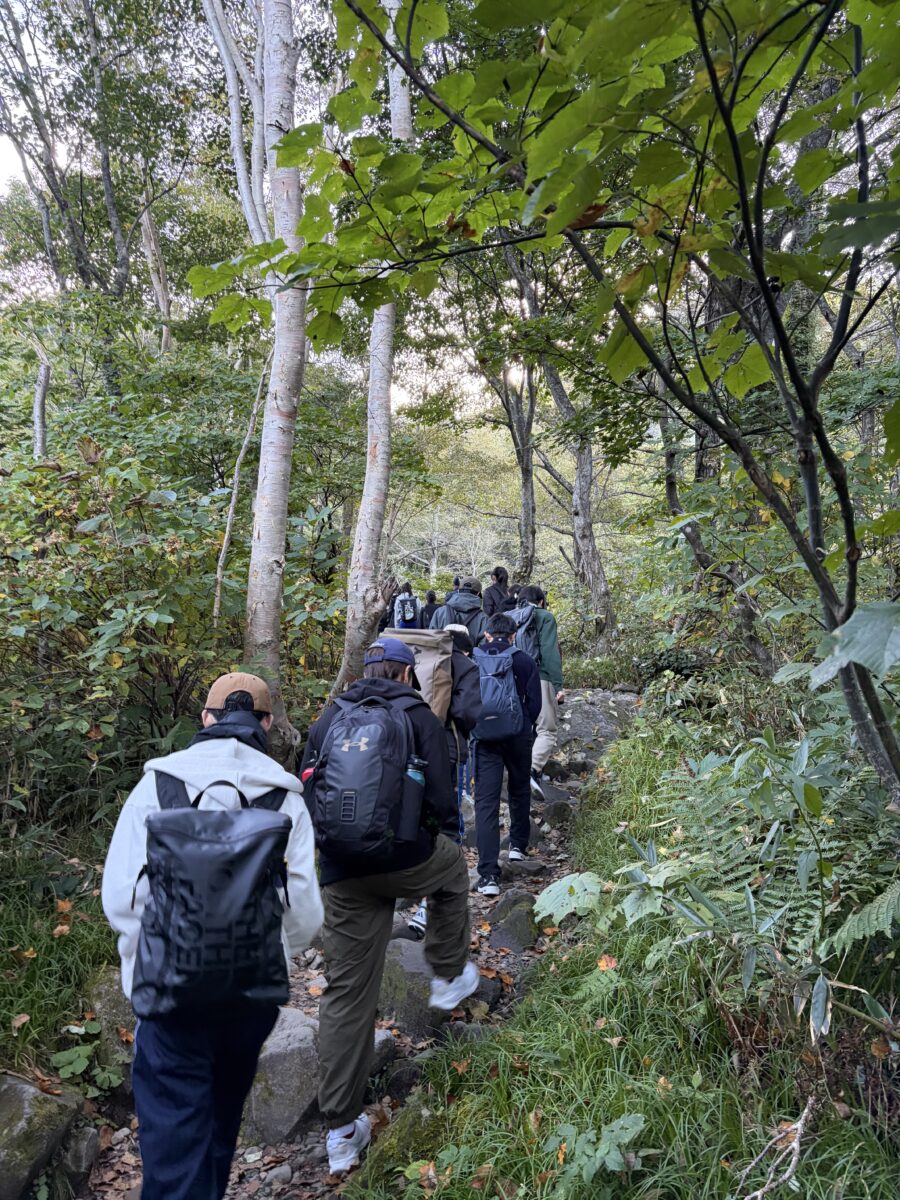
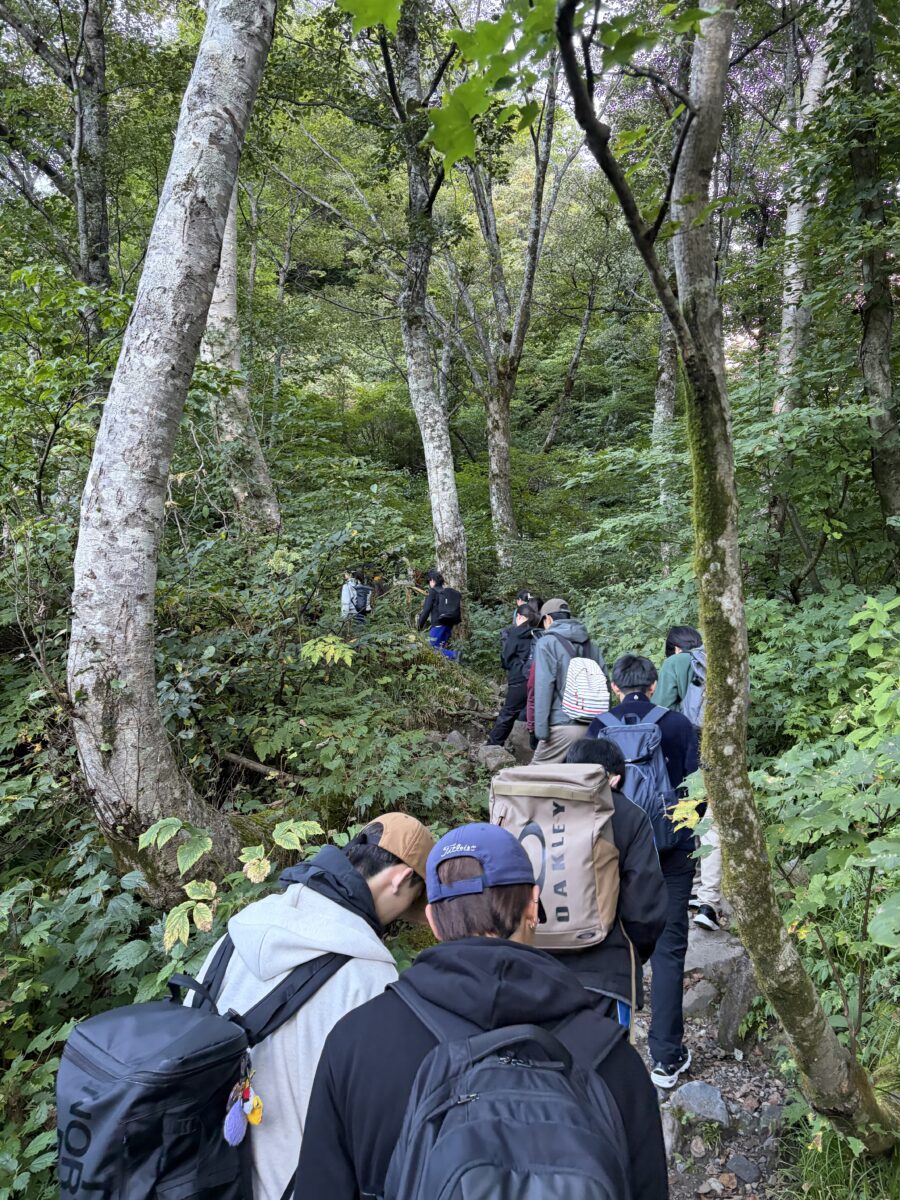
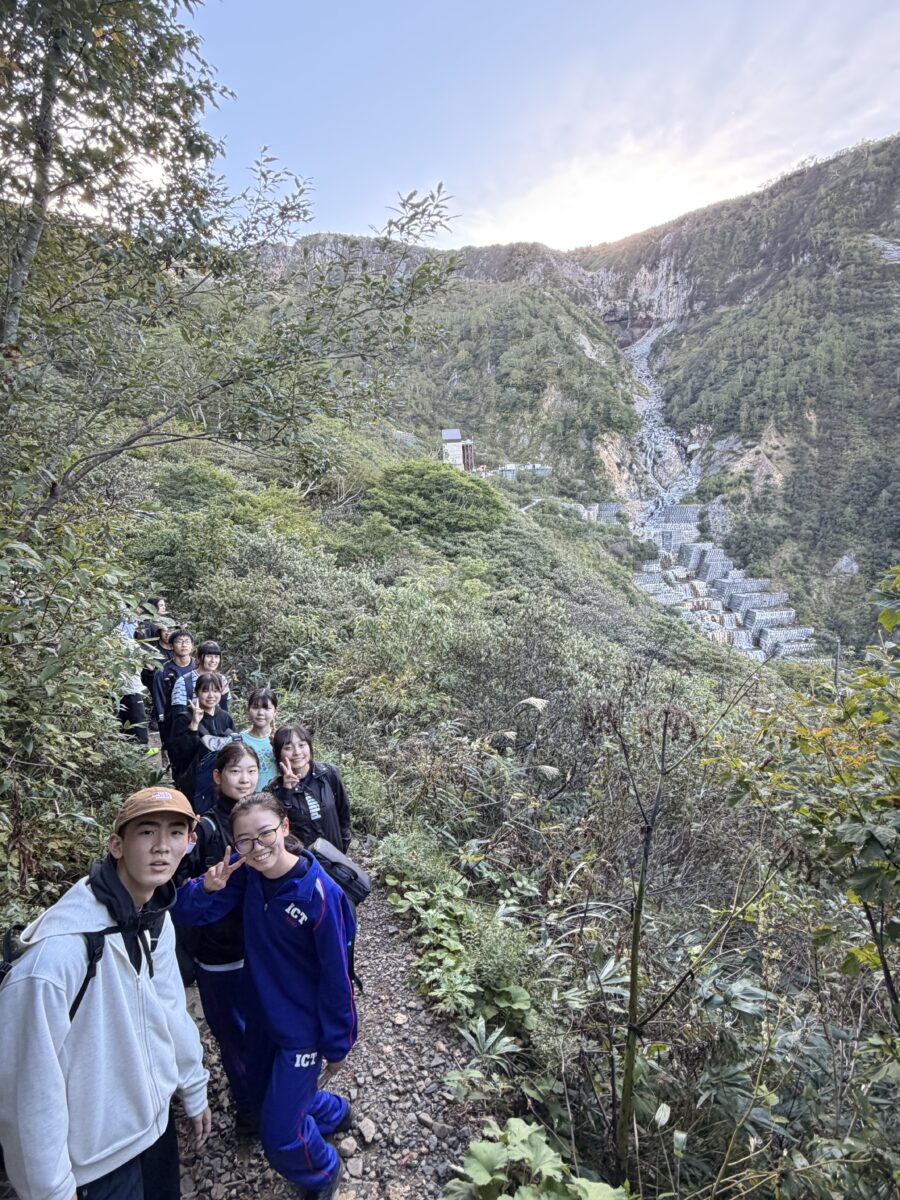
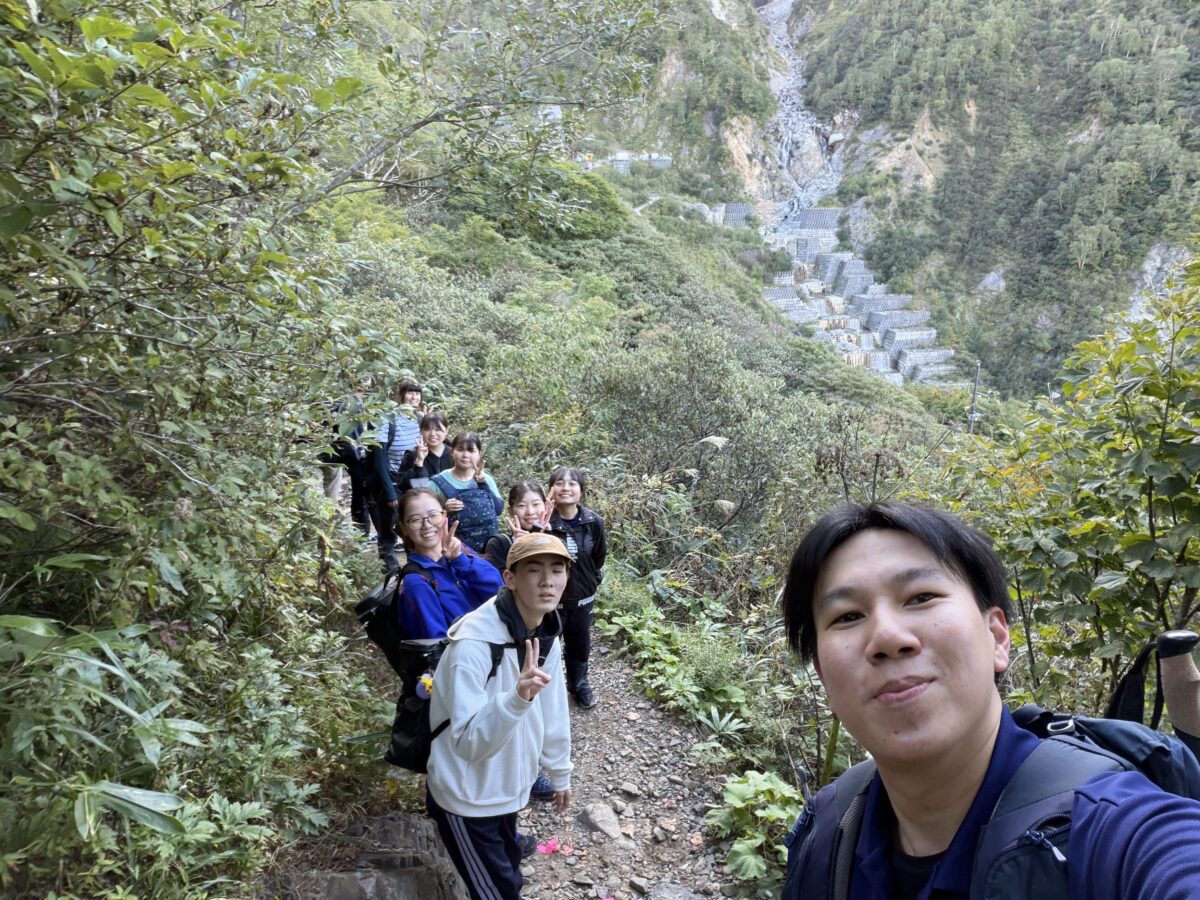
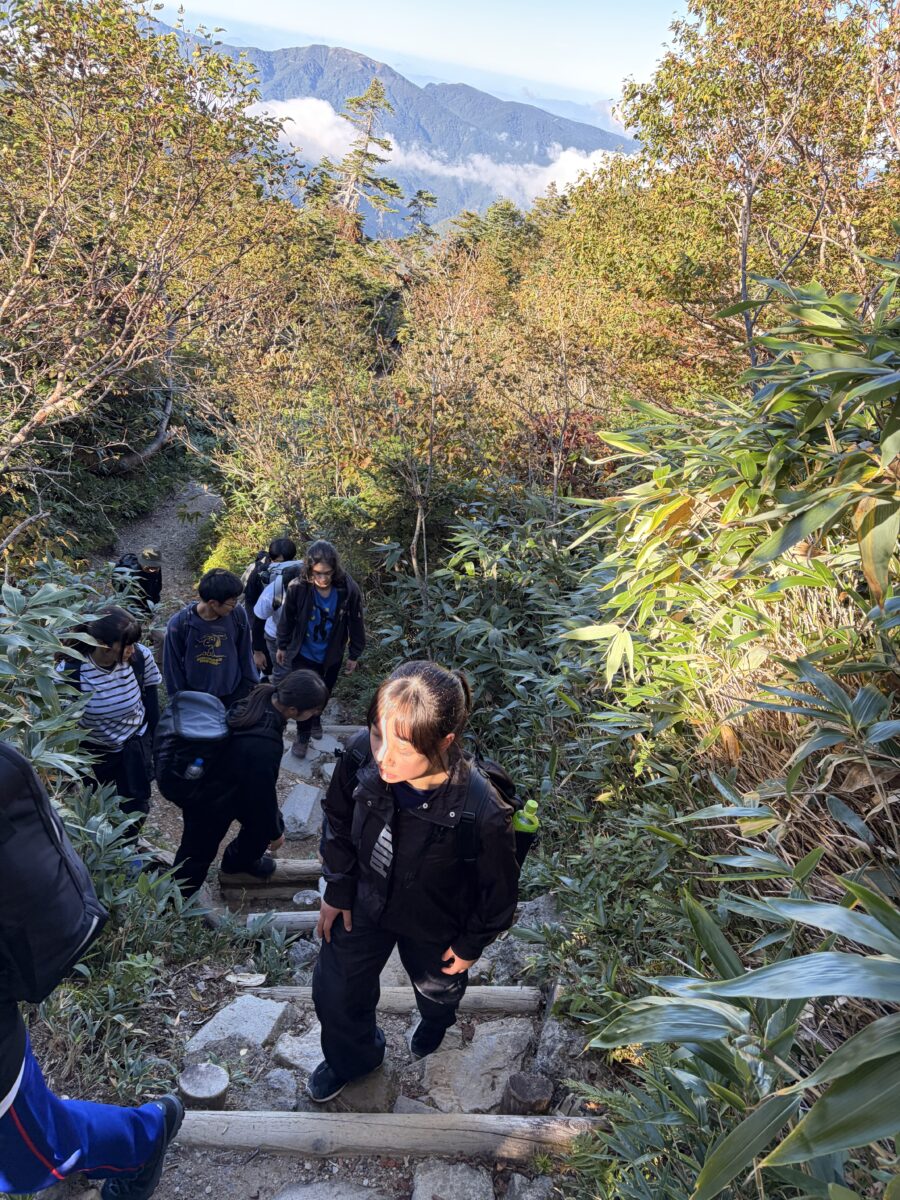
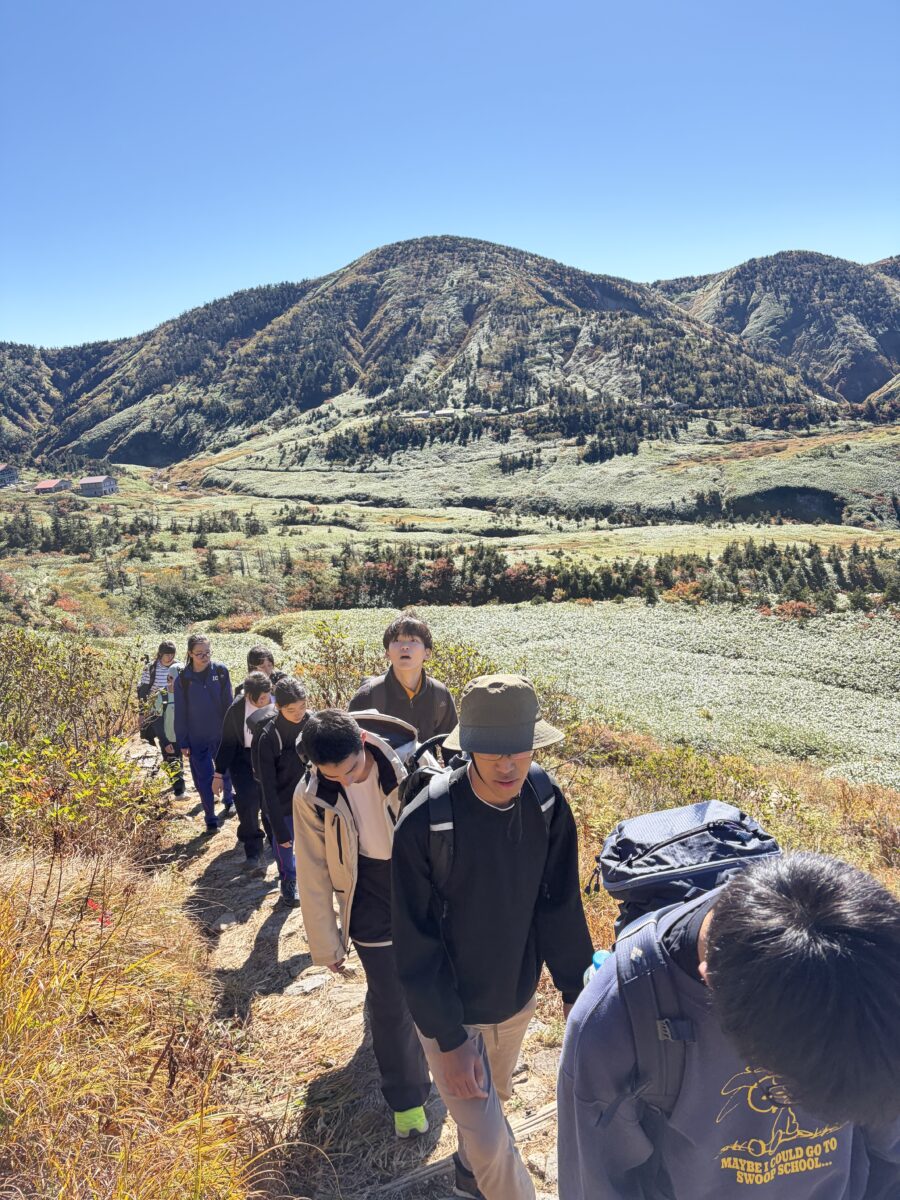
当日は快晴で涼しく、登山は順調なスタートとなりました。予定より20分早く最初の山小屋に到着しましたが、残念ながらこの時点で体調不良となった学生が1名おり、下山して学校へ戻ることになりました。その後、狭い登山道ですれ違いをしやすくするため、2つのグループに分かれて行動しました。当初は「速いグループ」と「ゆっくりグループ」に分かれると考えていましたが、先行グループが第二山小屋に到着した連絡をすると、後続グループもほぼ同時に到着するという結果になりました。
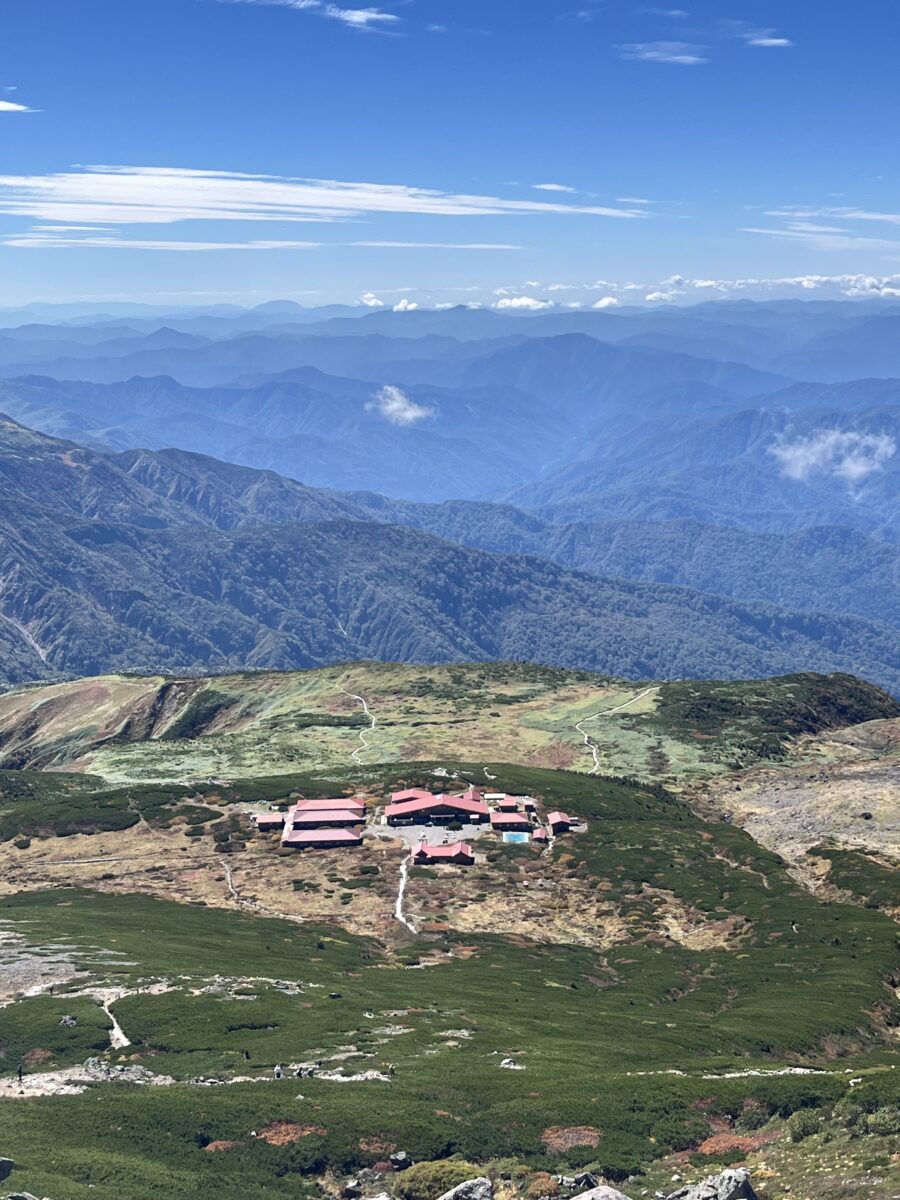
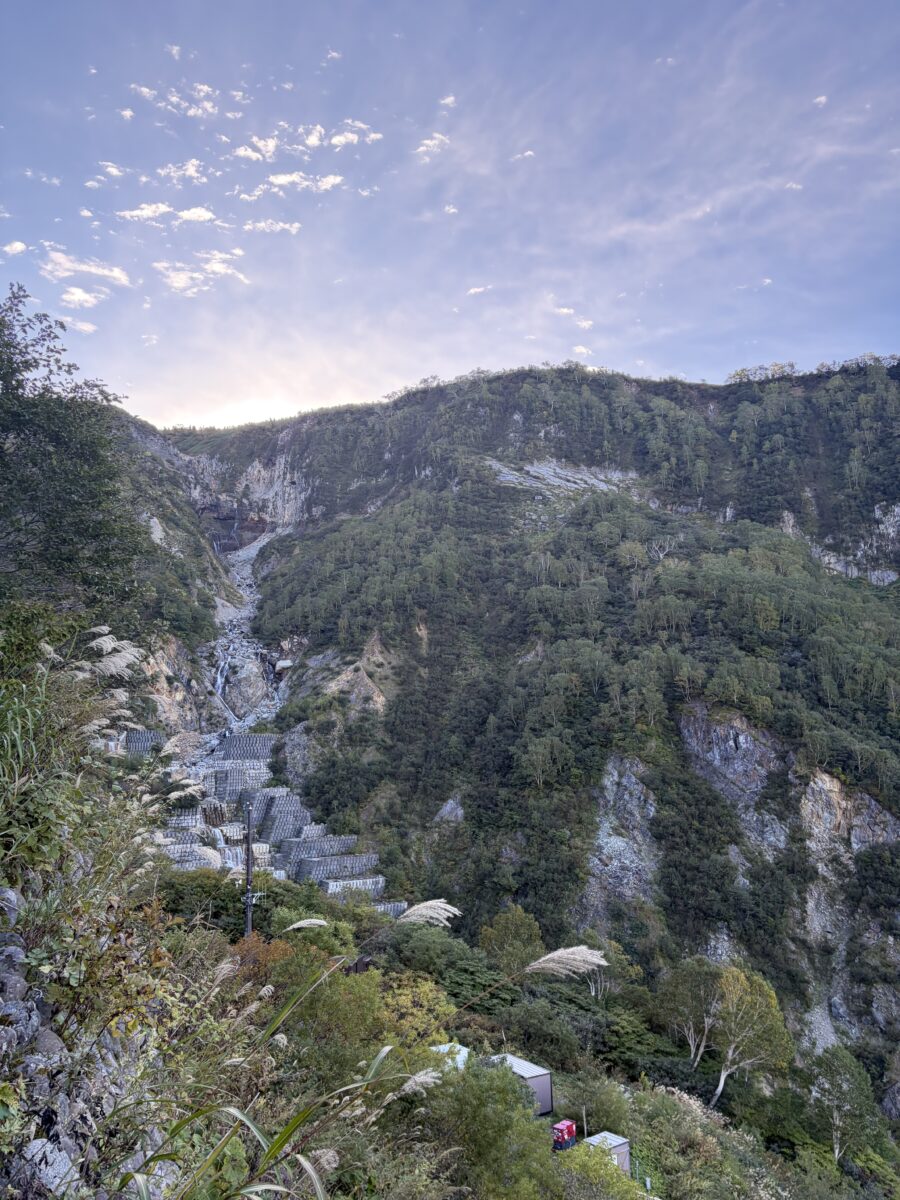
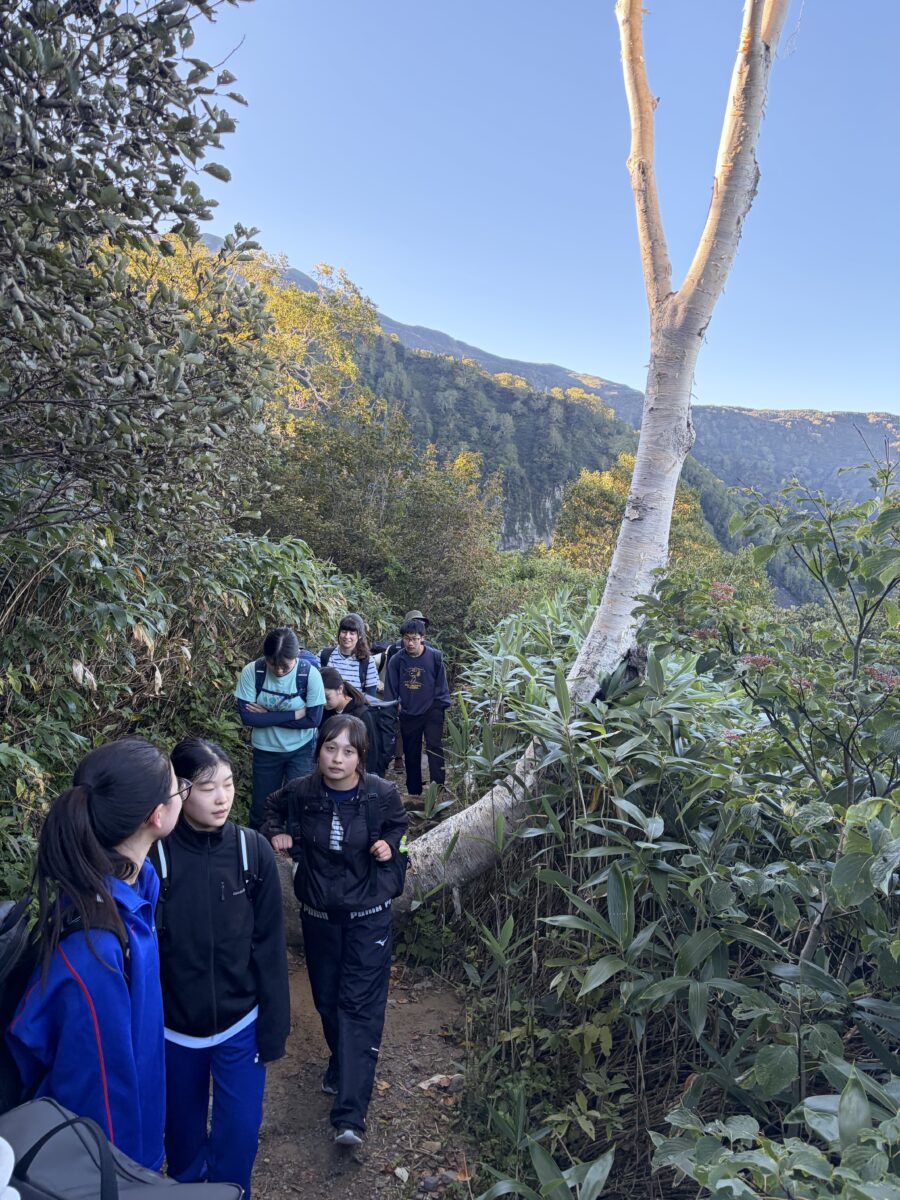
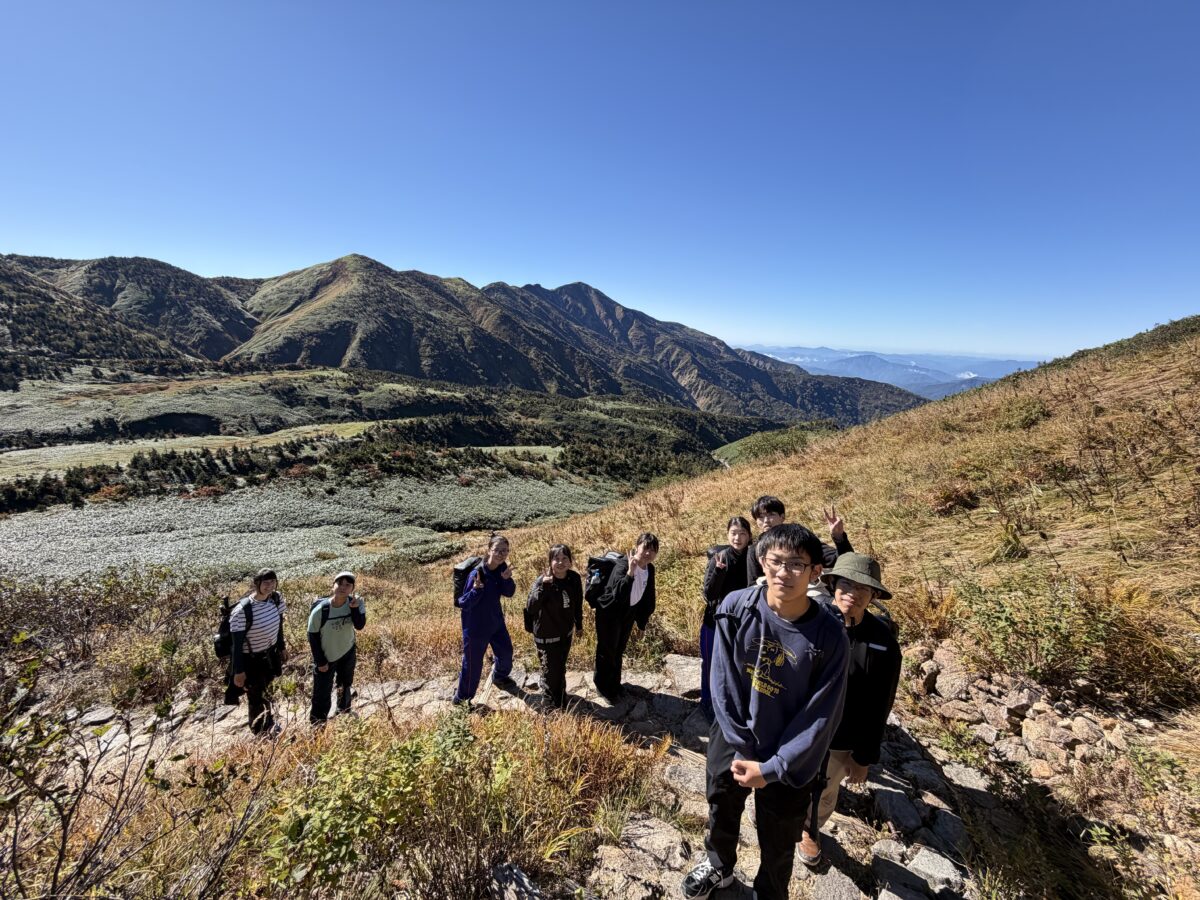
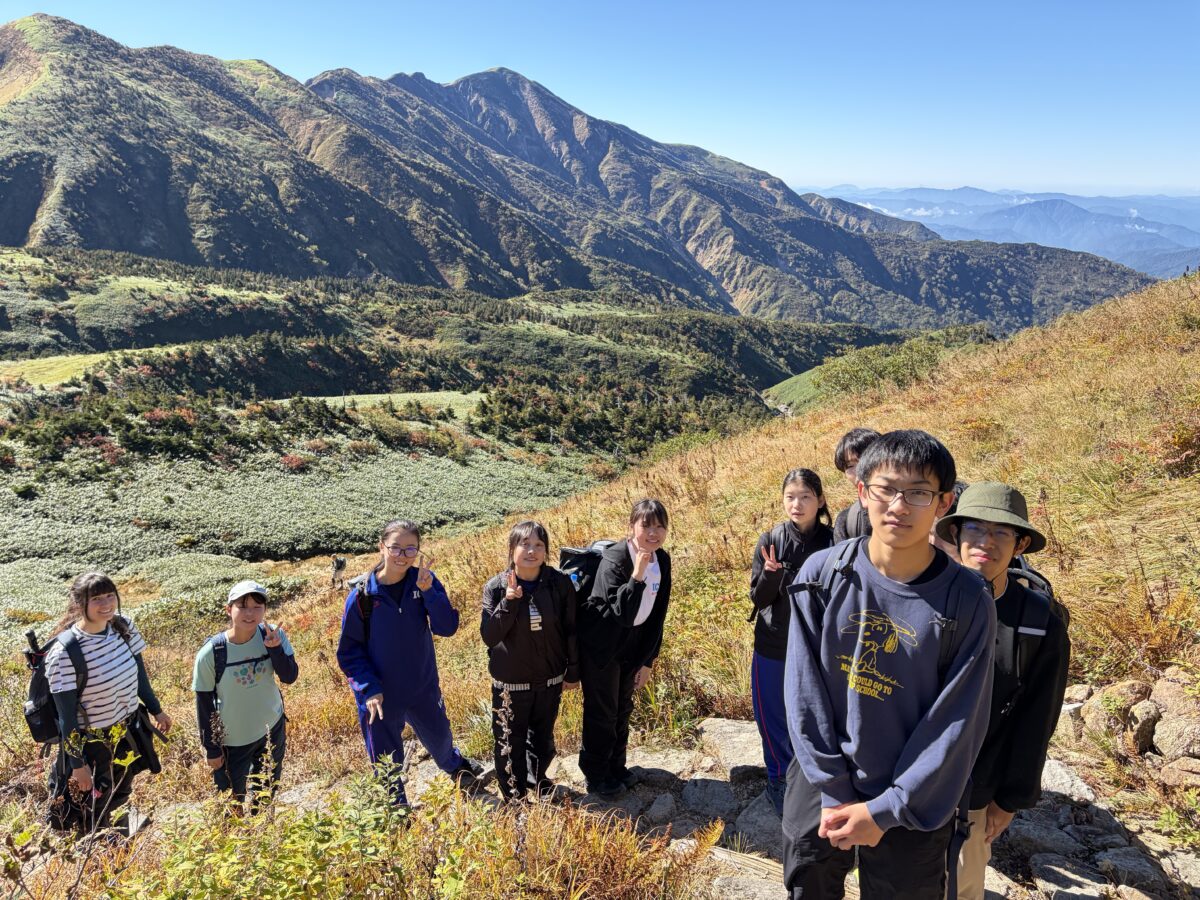
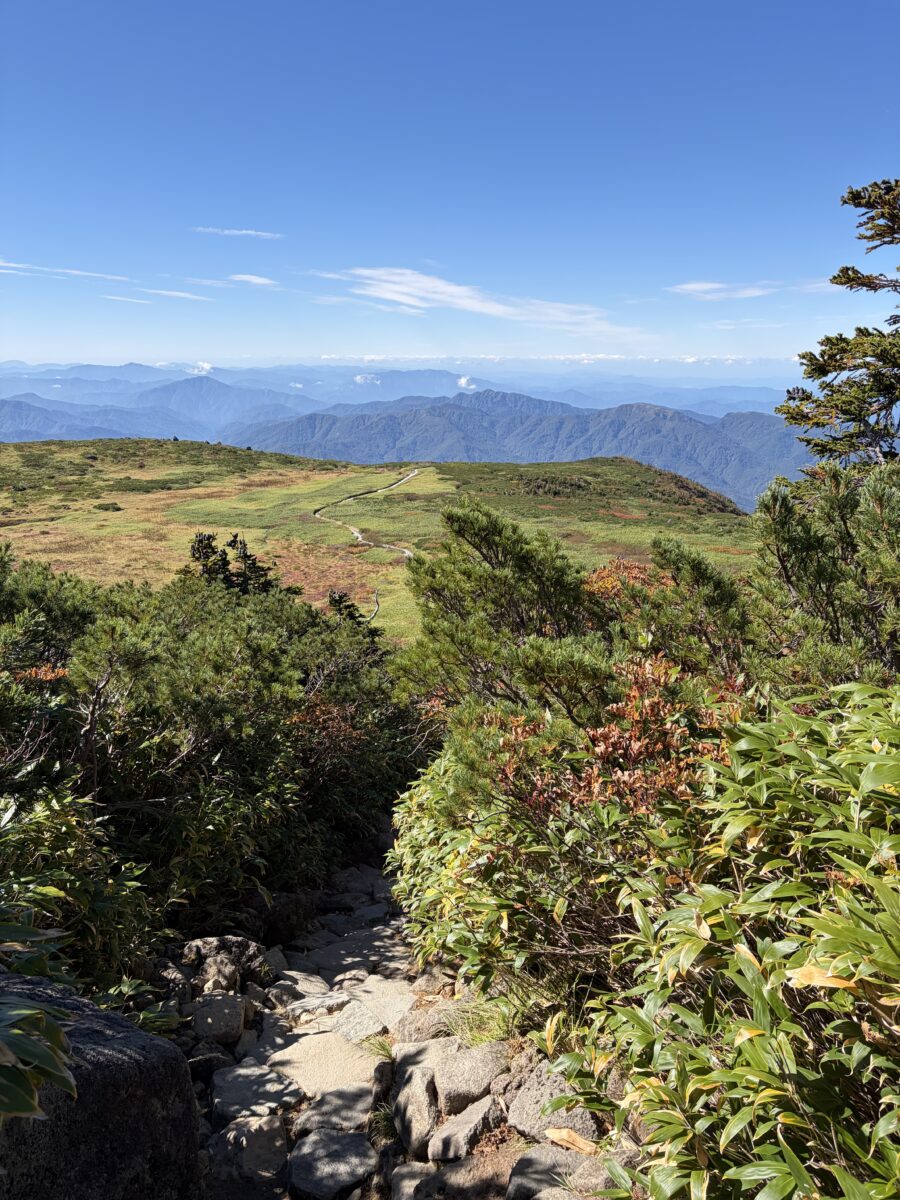
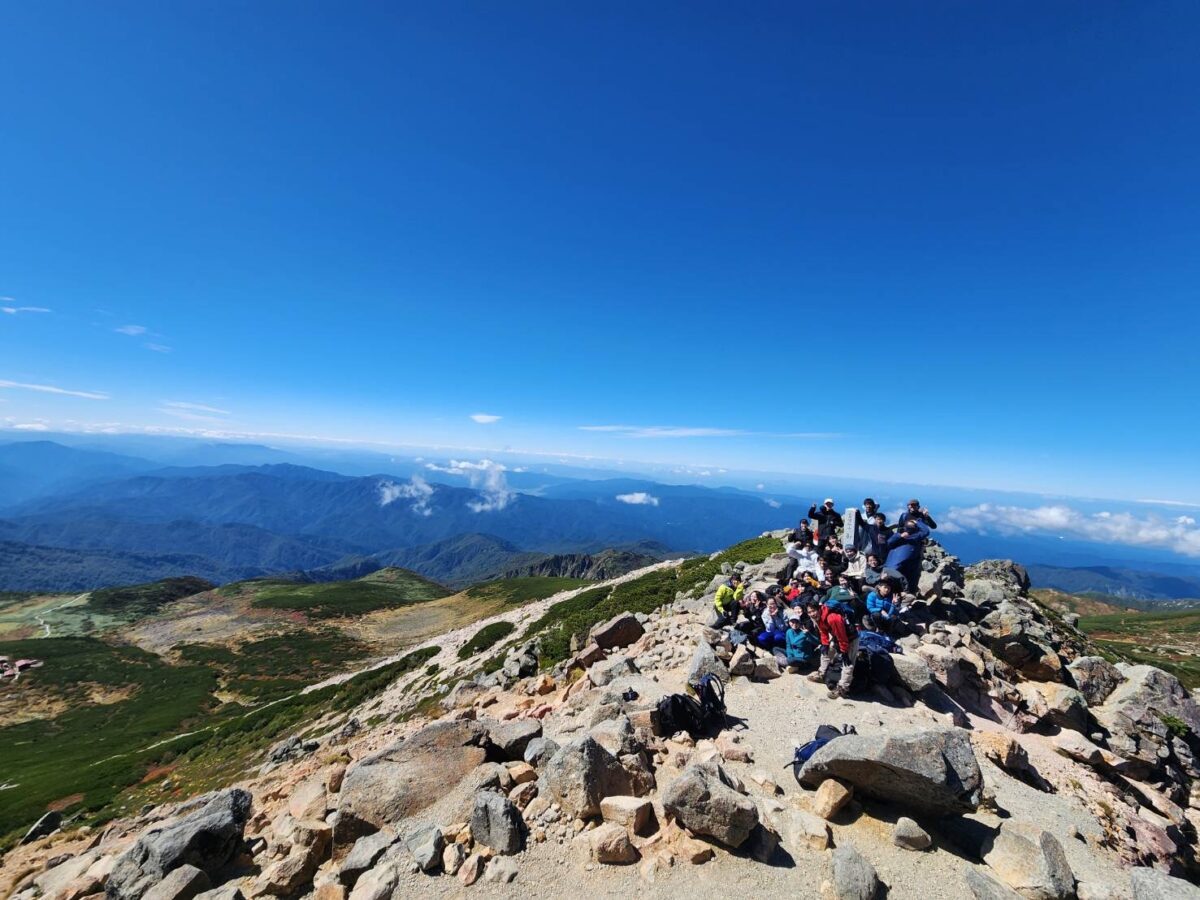
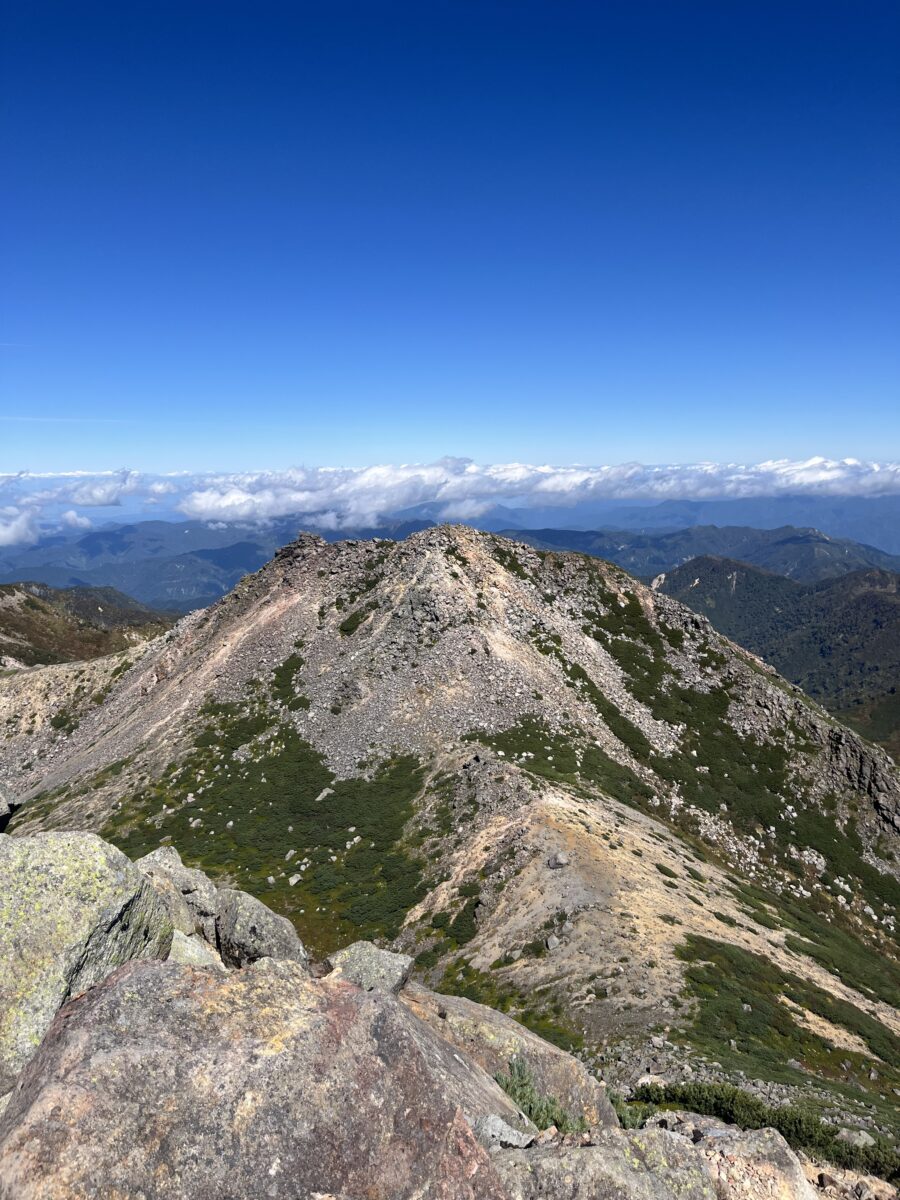
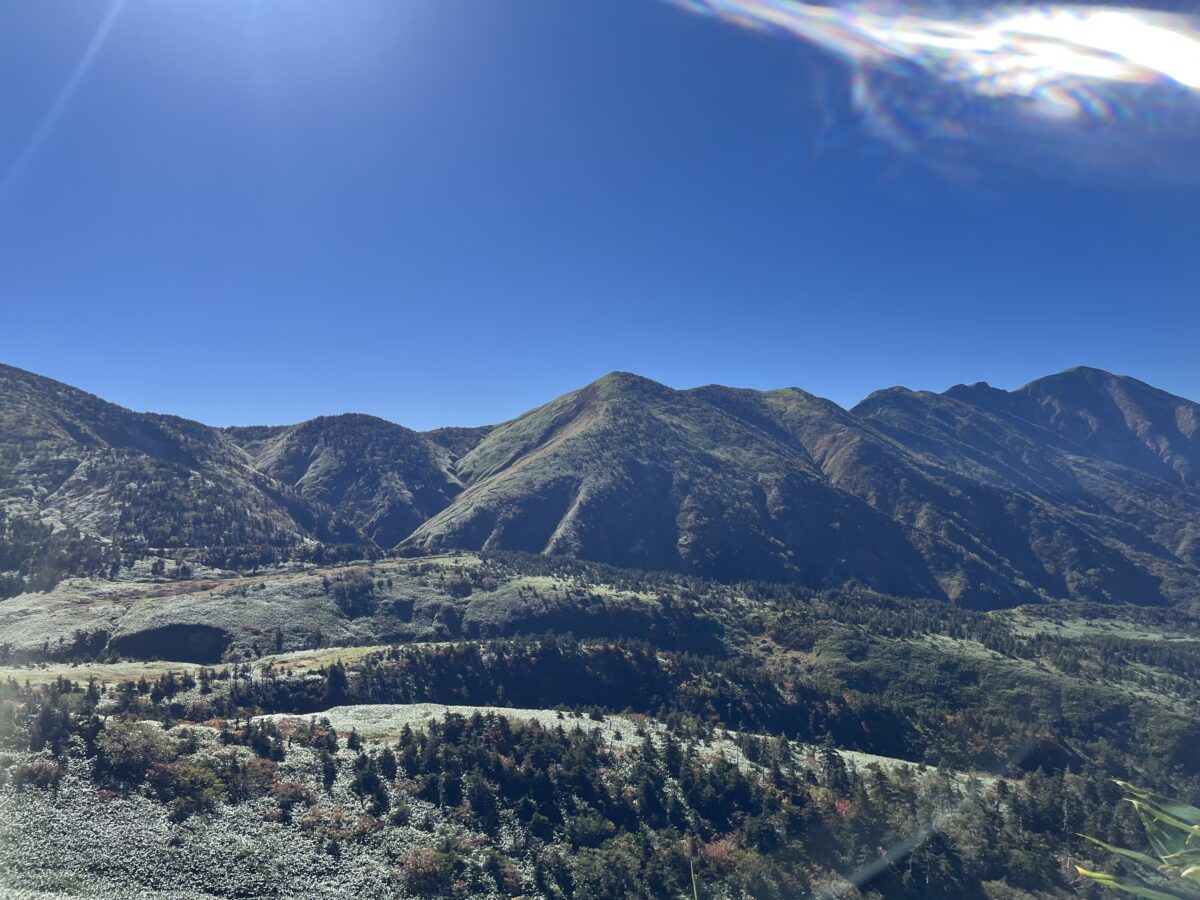
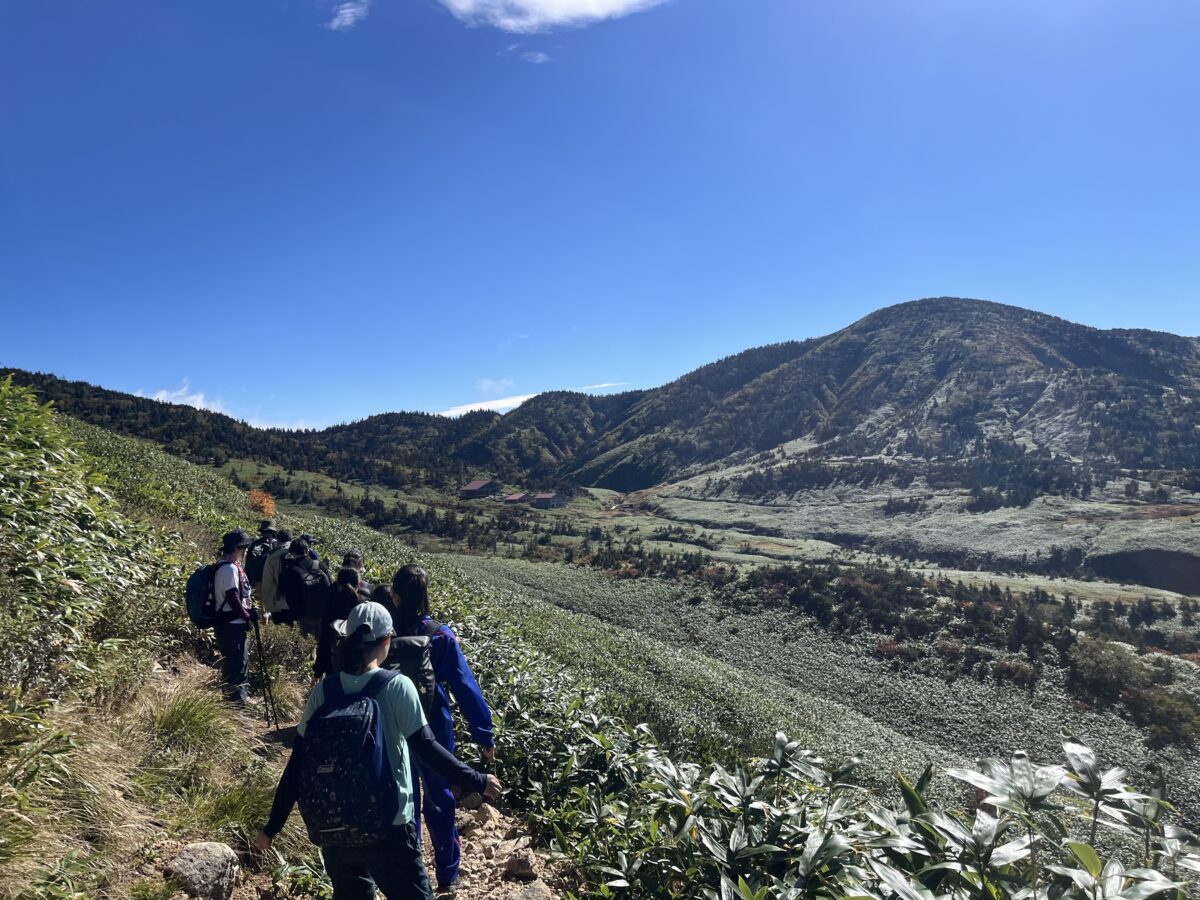
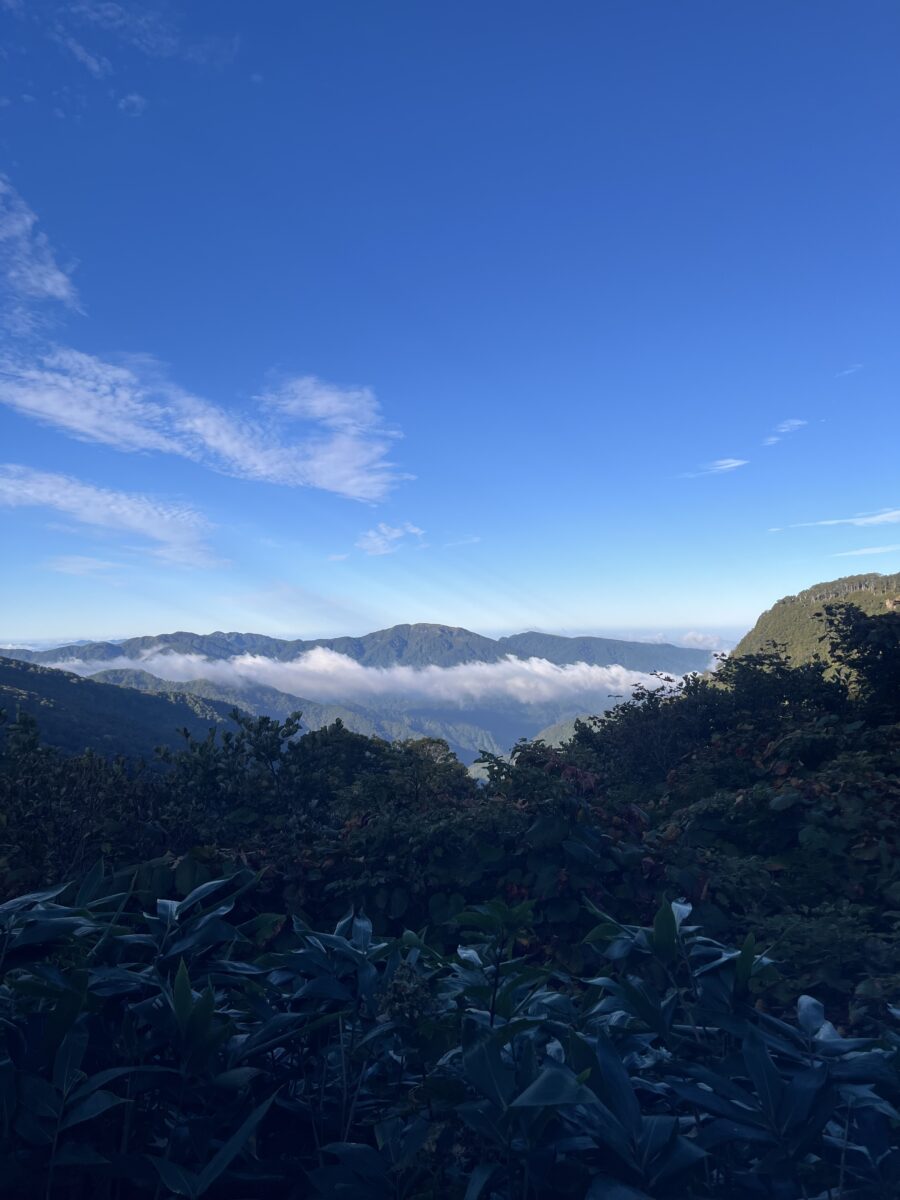
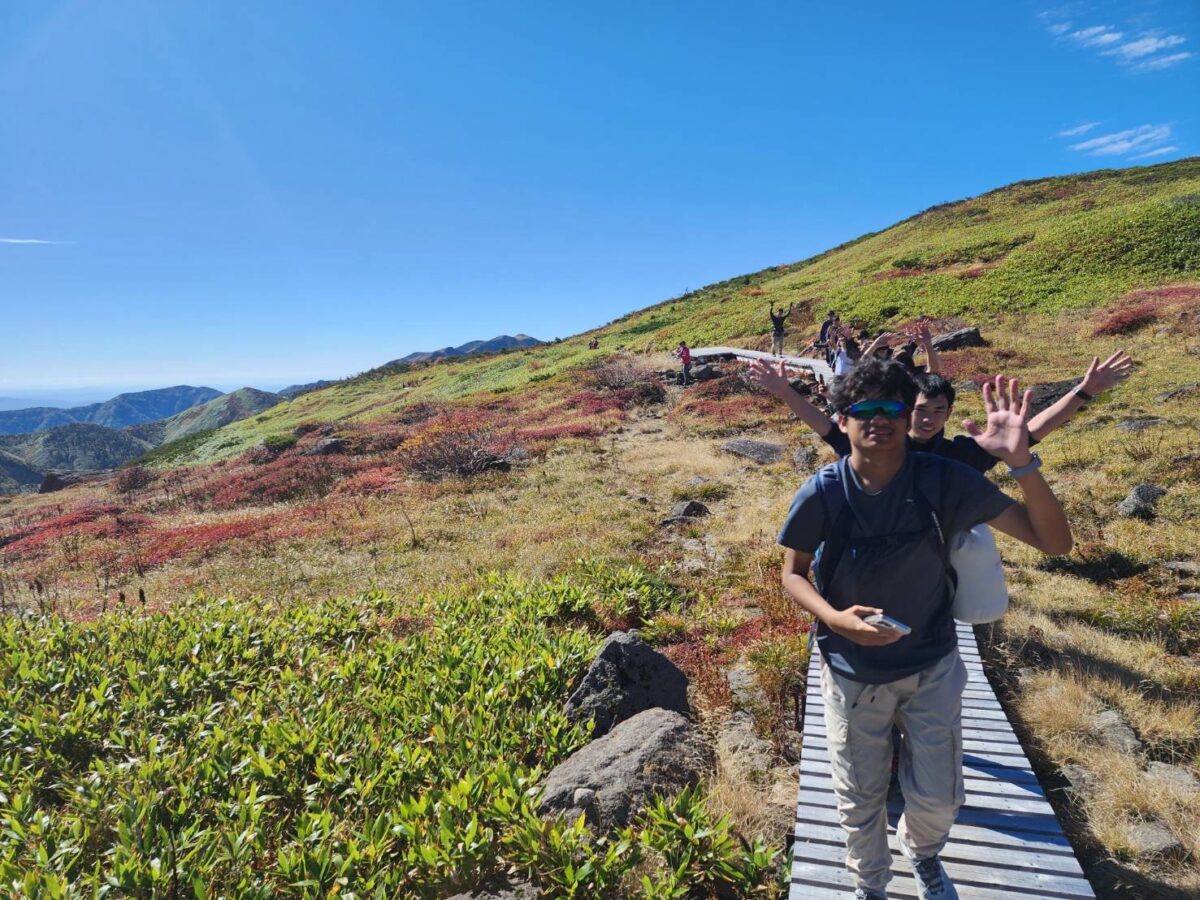
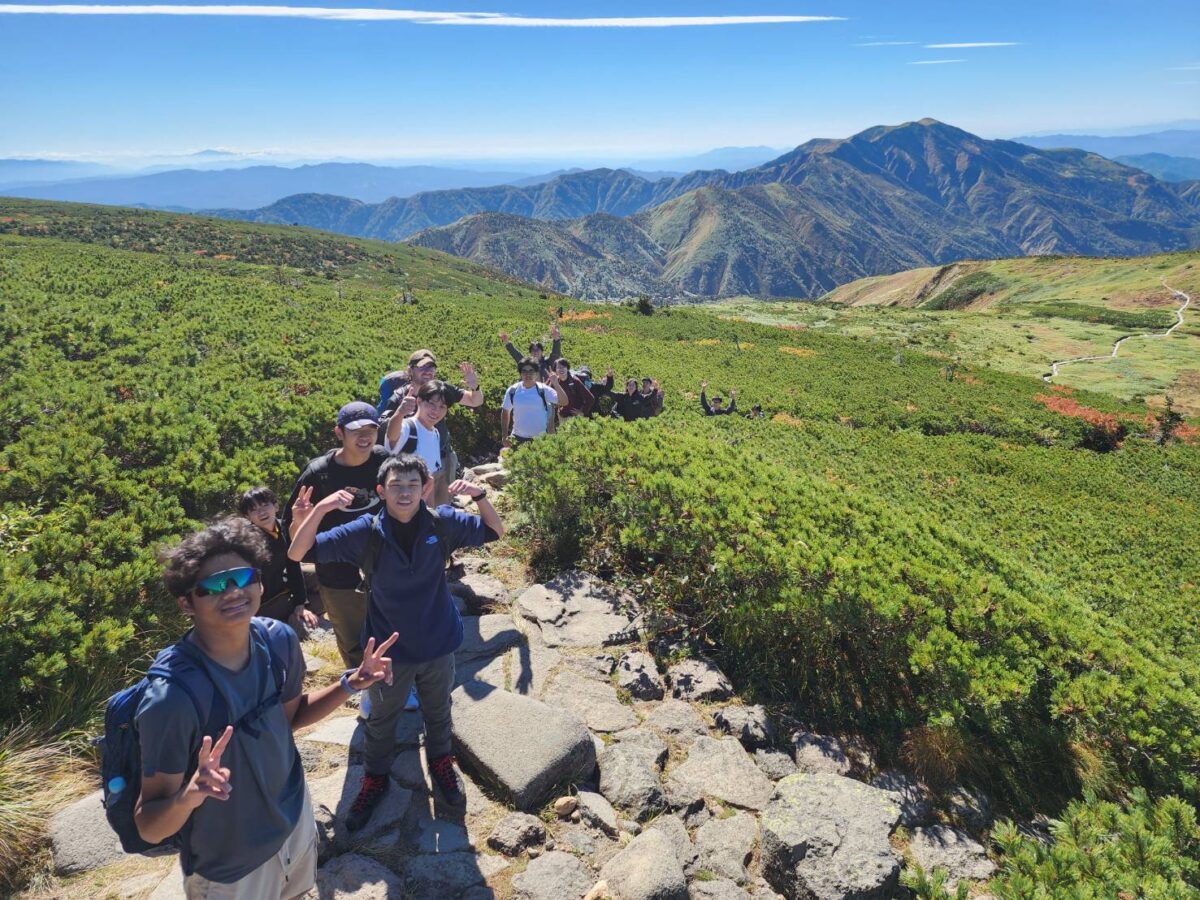
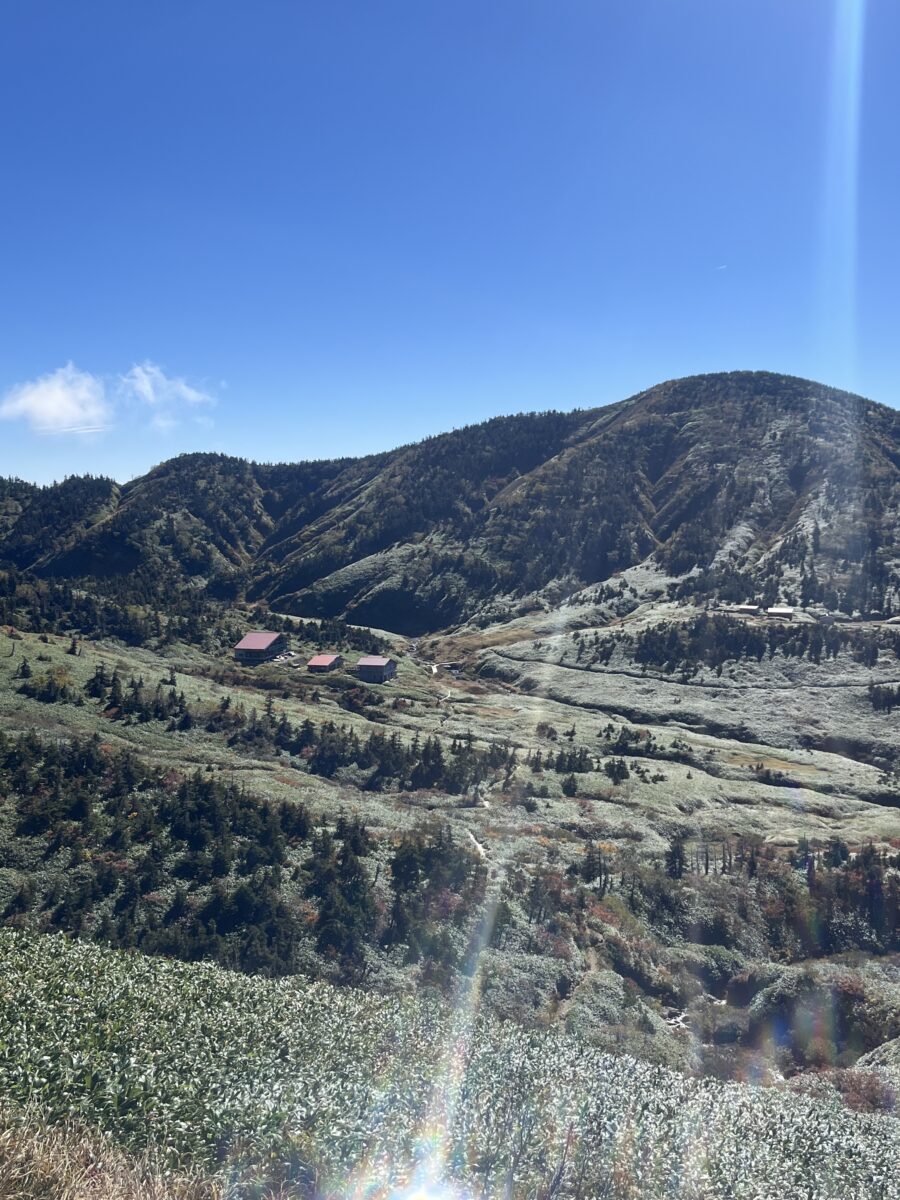
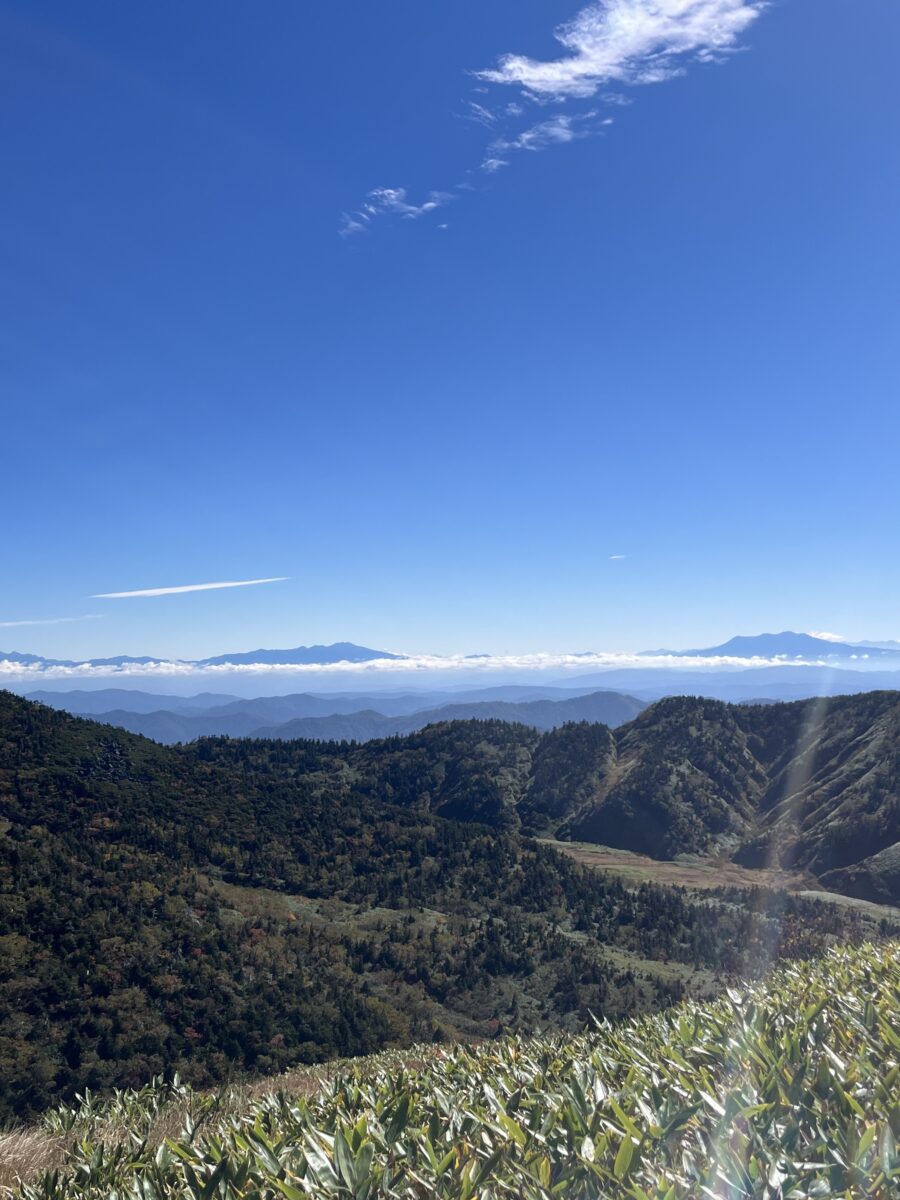
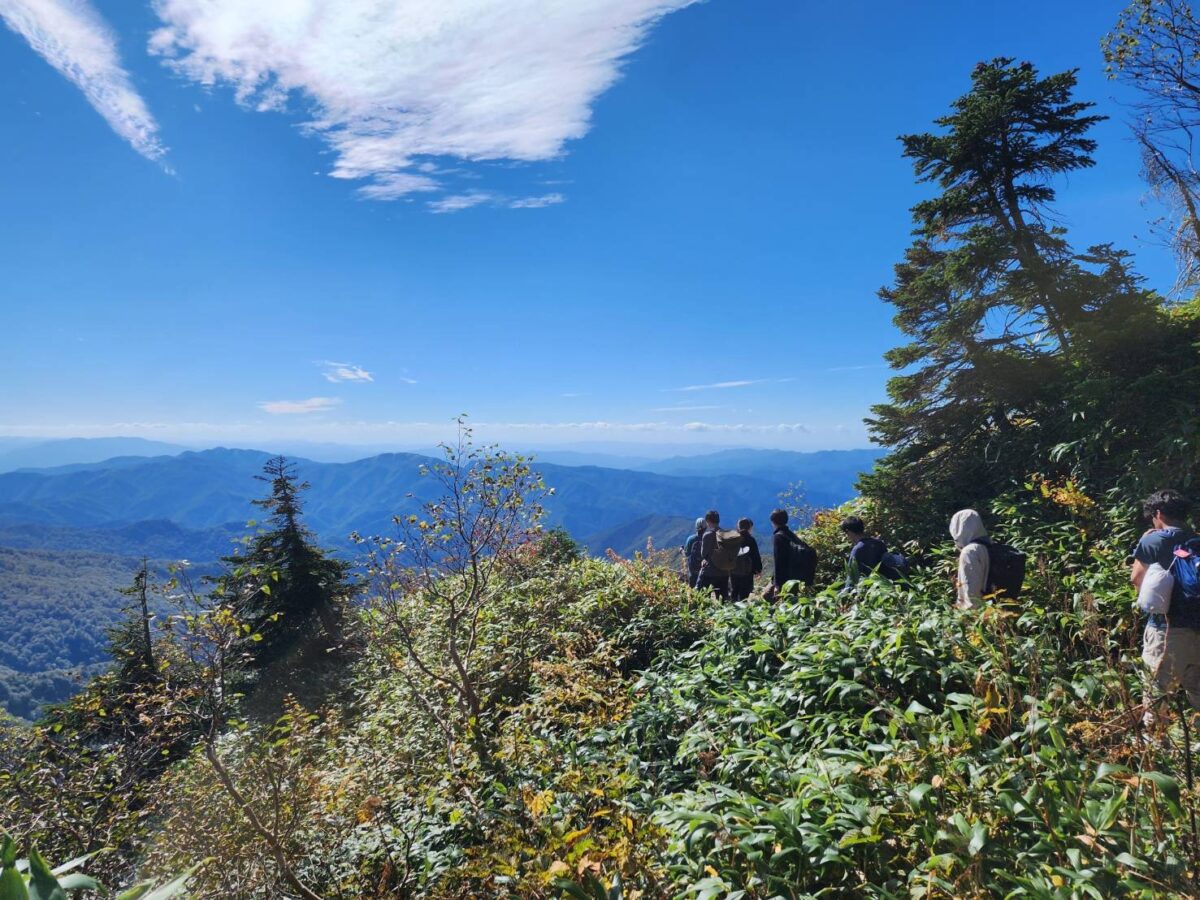
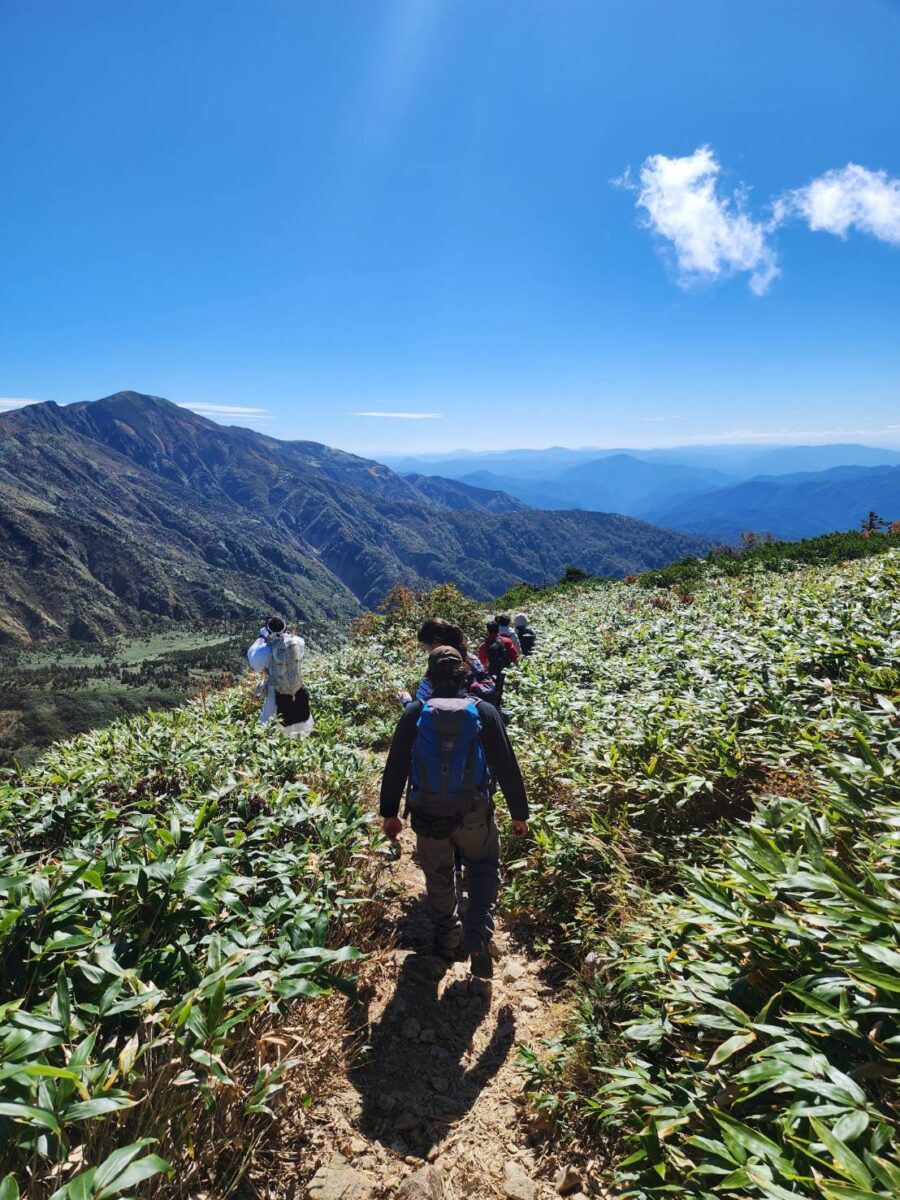
白山には複数の登山ルートがありますが、最も一般的なのが砂防新道です。しかし今回は第二山小屋以降が通行止めとなっていたため、両グループともエコーラインを利用することになりました。エコーラインは砂防新道より約2km長いものの、勾配が比較的緩やかで、別山へと続いている稜線沿いを歩くことができます。この日のエコーラインの稜線からの景色は見事で、澄み切った青空と、風に揺れる緑の高山植物-小さな笹のような葉-が山肌を彩り、秋の始まりを感じさせる穏やかな風景が広がっていました。さらに鋭く続く別山への稜線と、その先に青い影を帯びた山々が重なり合い、遠くまで続く雄大な眺望を楽しむことができました。
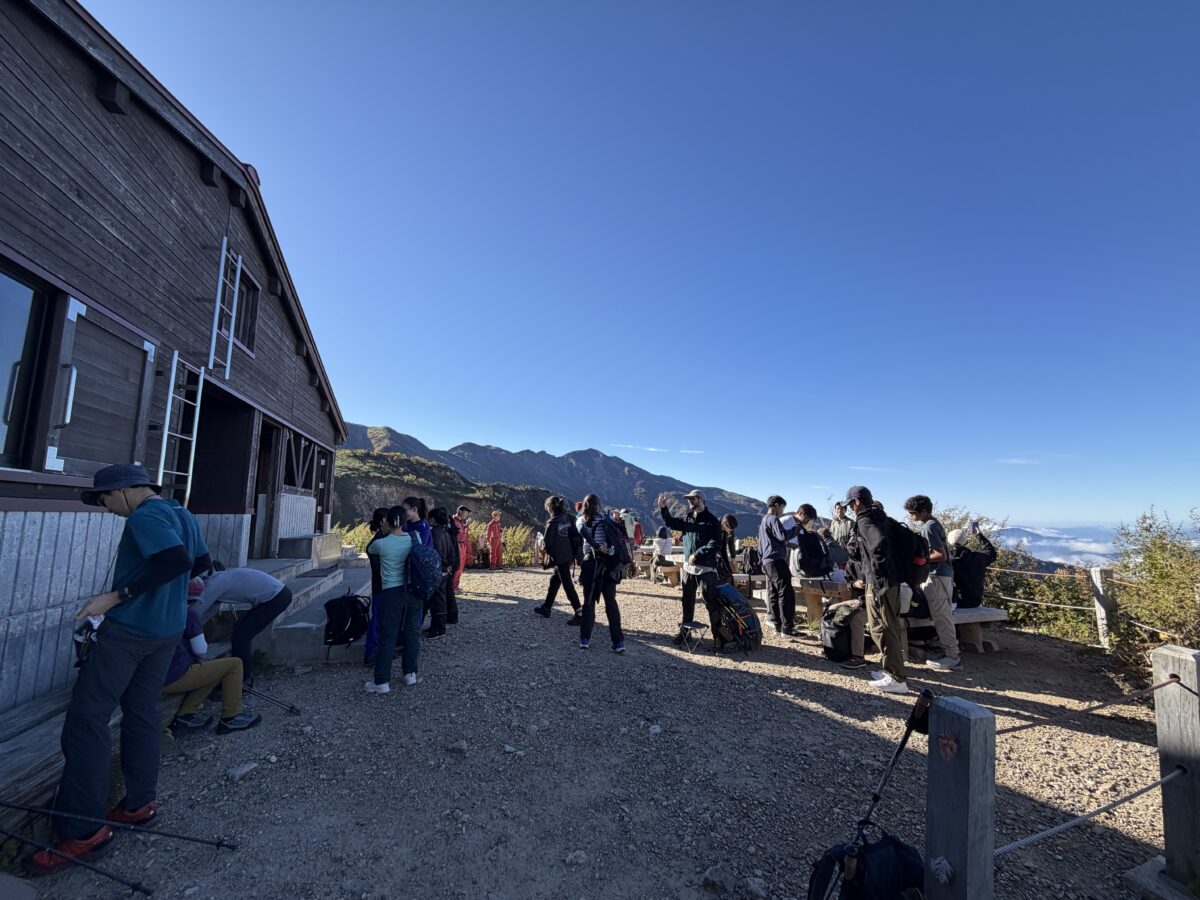
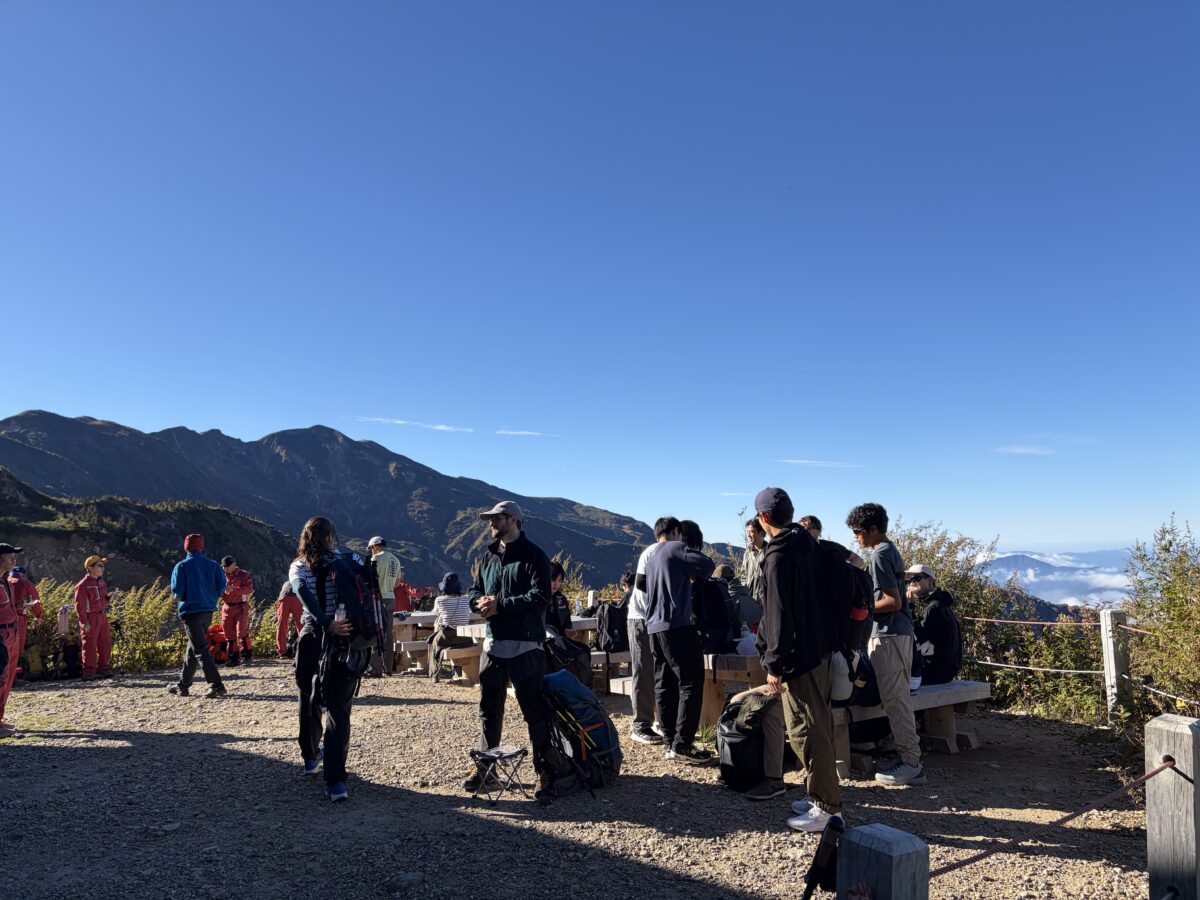
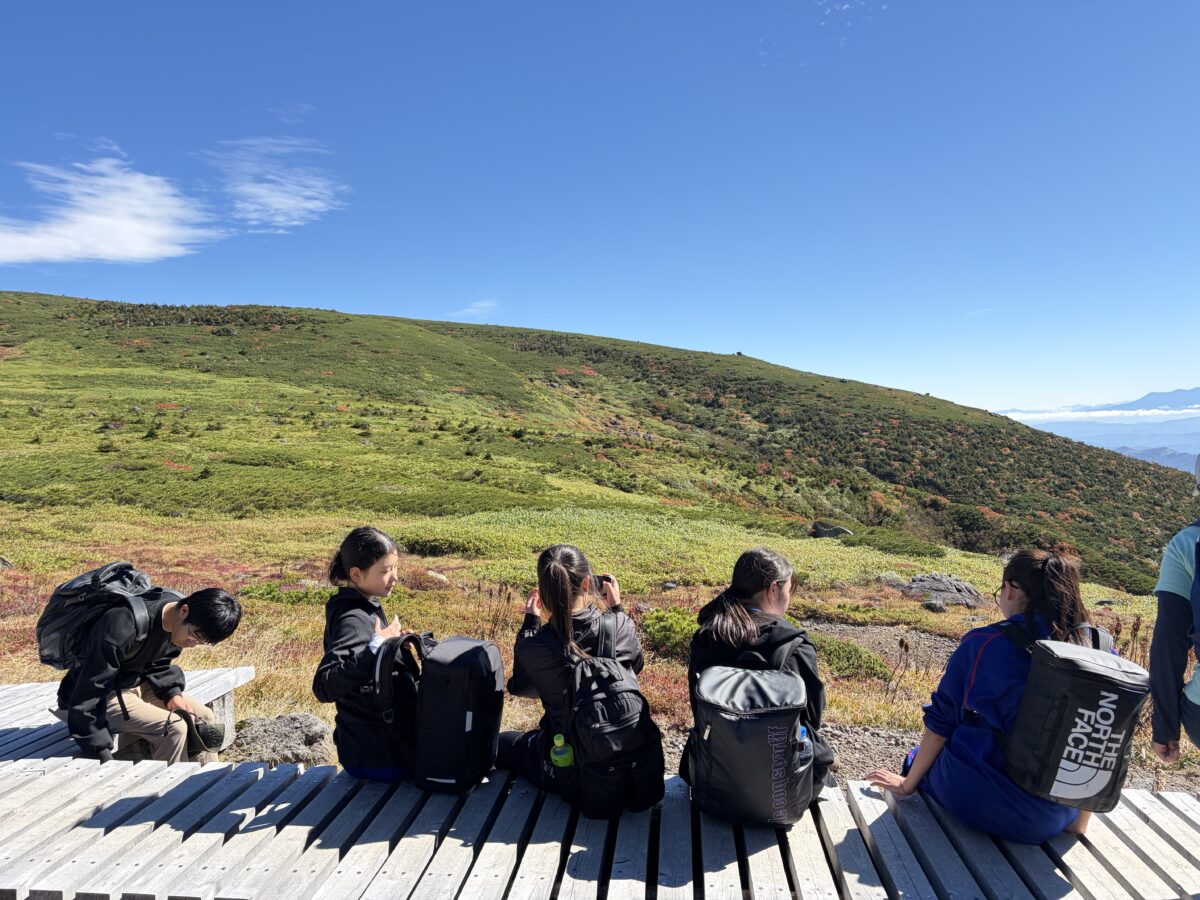
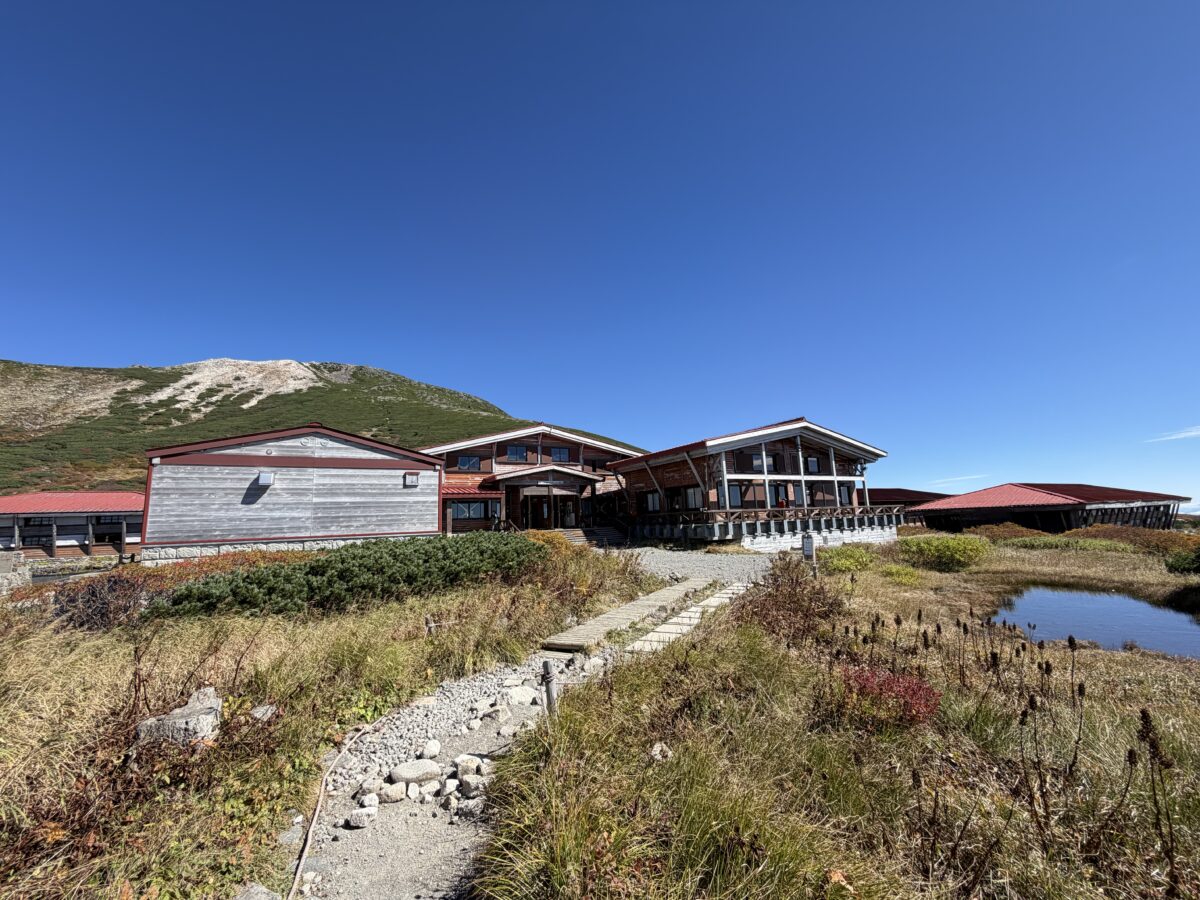
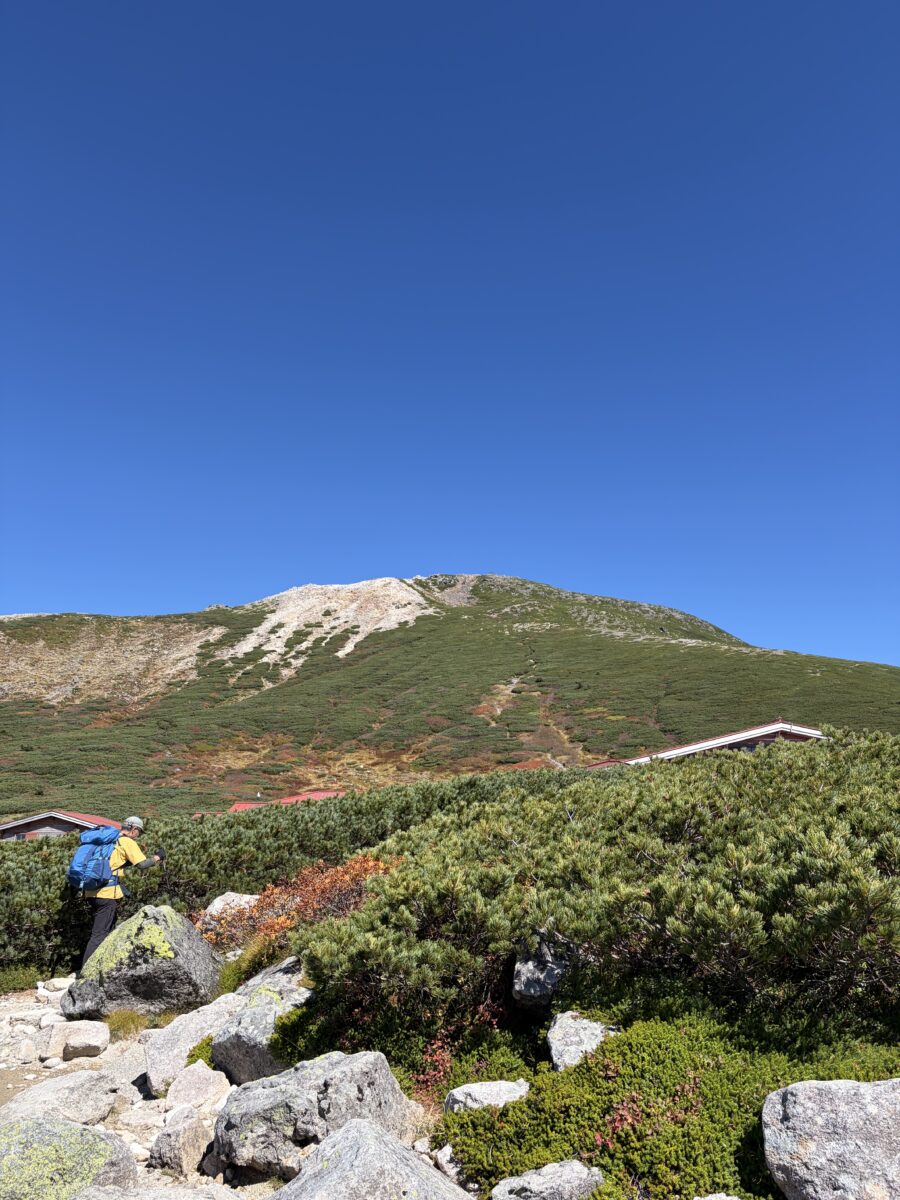
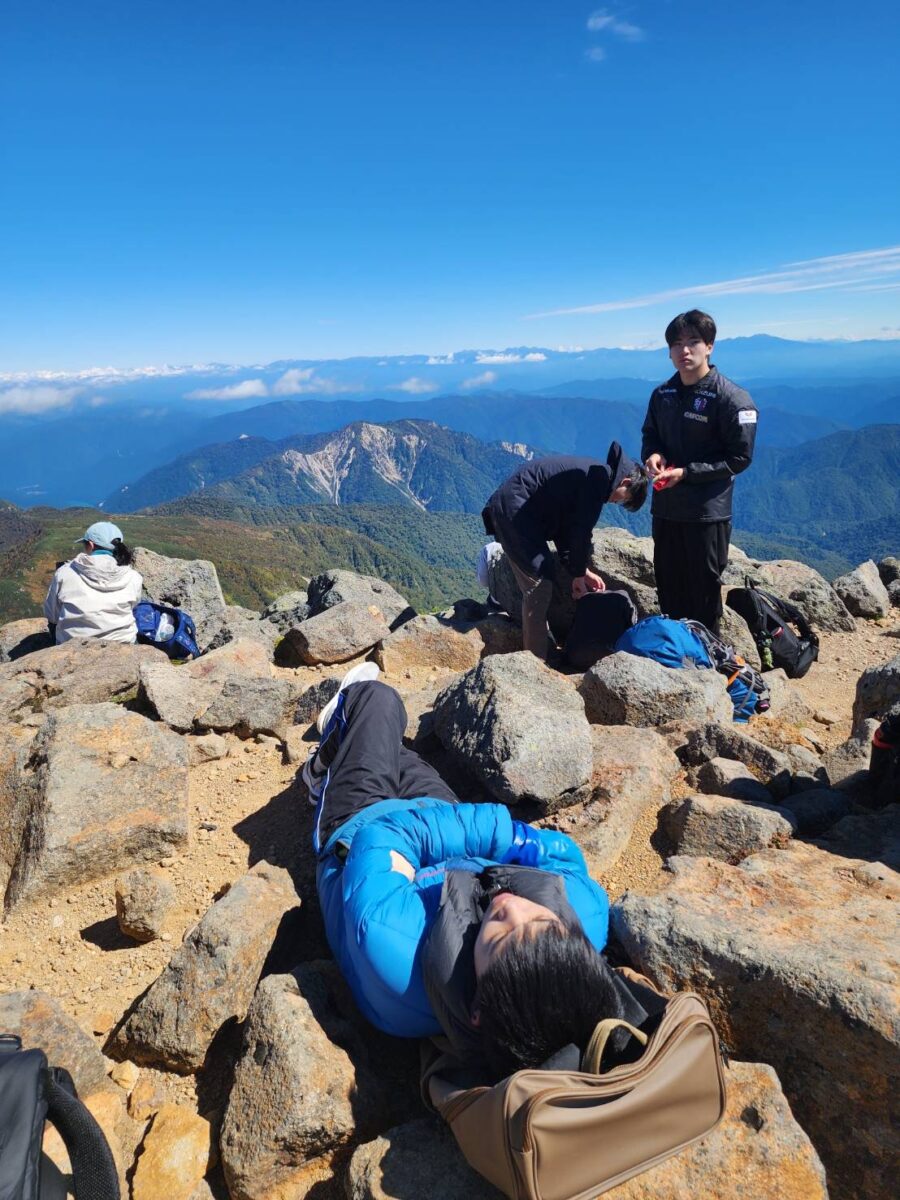
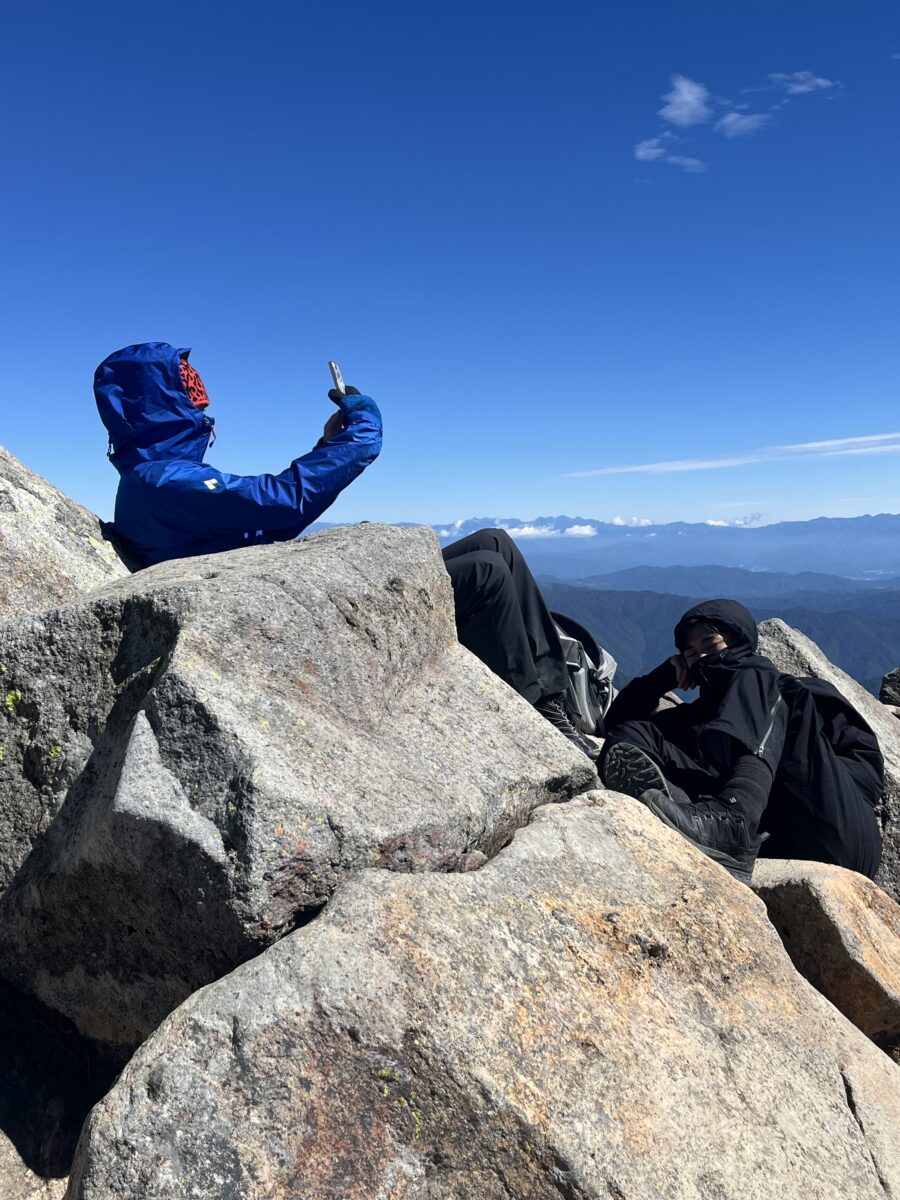
エコーラインからは白山山頂もよく見え、私たちは順調に室堂まで進み、昼食休憩を取りました。風は強く吹いていましたが、耐えられないほどではありませんでした。しかし、体温を奪うには十分で、10分ほどすると鼻先が冷たく感じるほどでした。このような環境では、風によって体温が奪われるのを防げる防風性の高い衣類が非常に重要です。昼食後、多くの学生が絶え間なく吹く冷たい風の厳しさを理解しているように見え、その風が山登りにある種の緊張感(真剣さ)をもたらしていました。一方で、十分な準備をしてきた学生は比較的快適に過ごしており、特に事前準備をしっかり行っていた樋口さんは、他の学生たちが寒さに震える中で昼寝をしている姿が見られました。
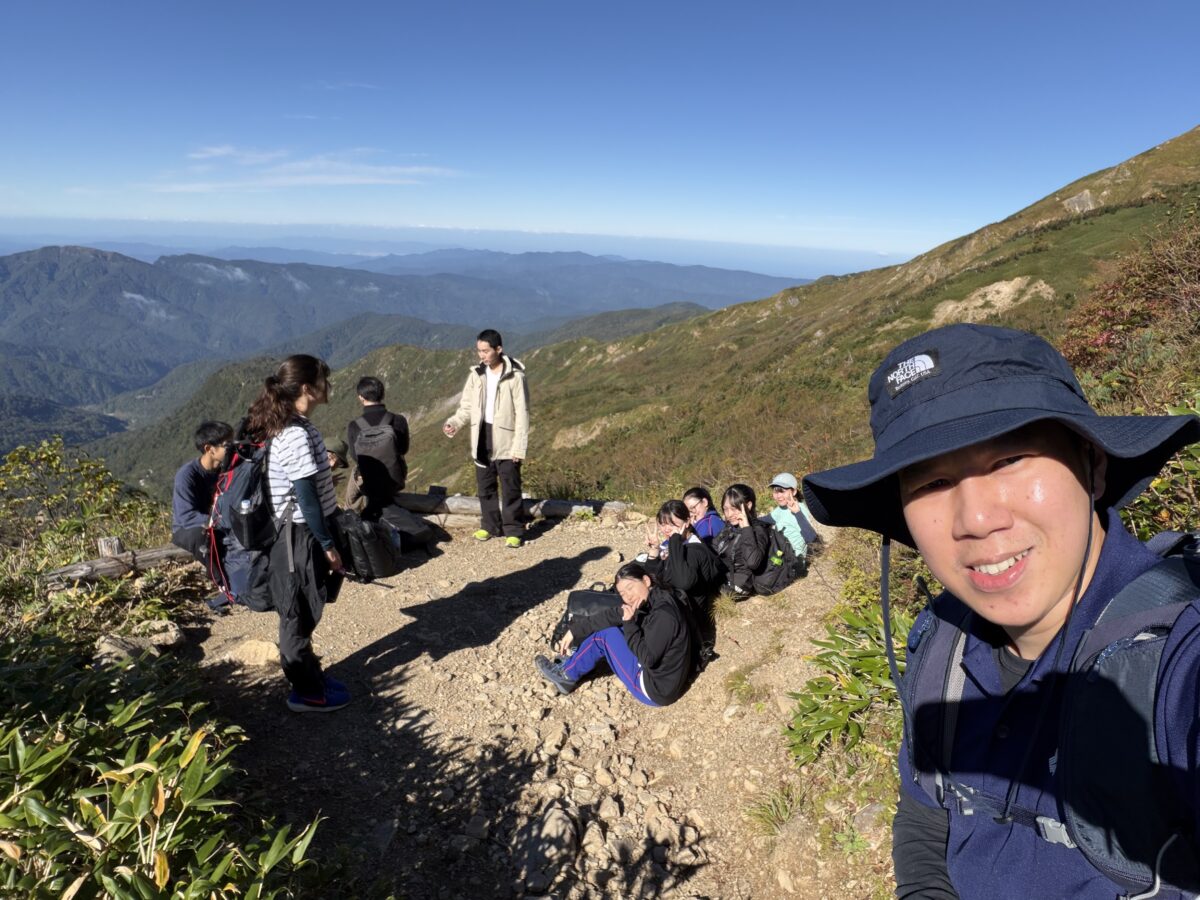
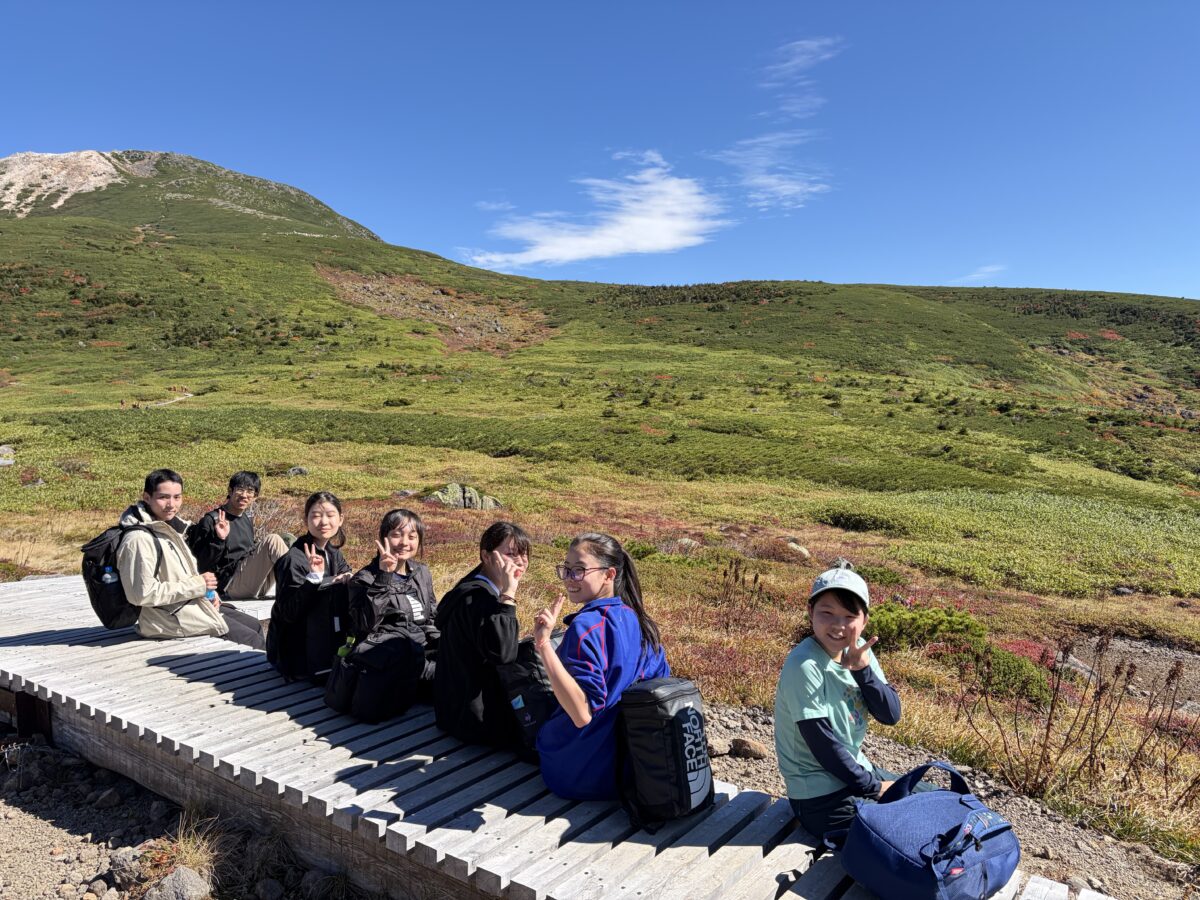
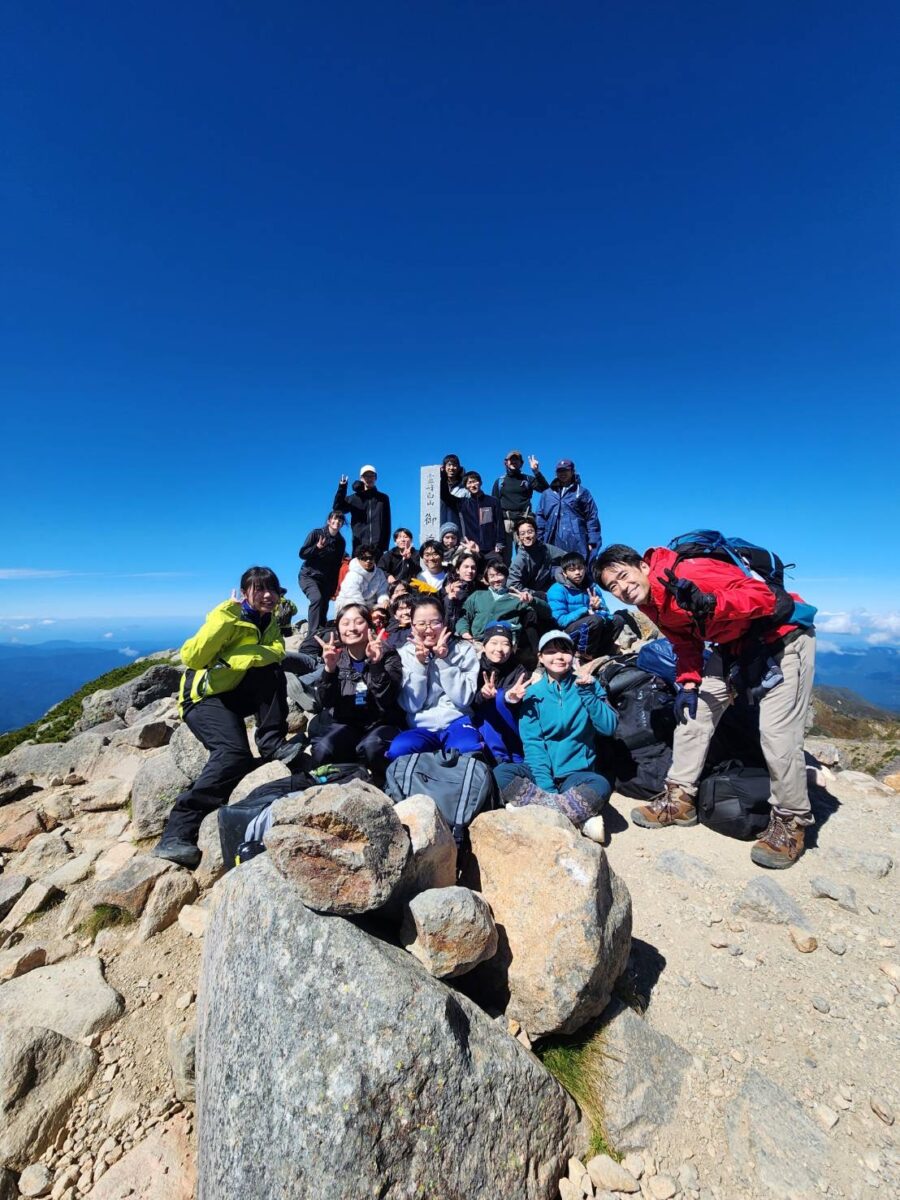
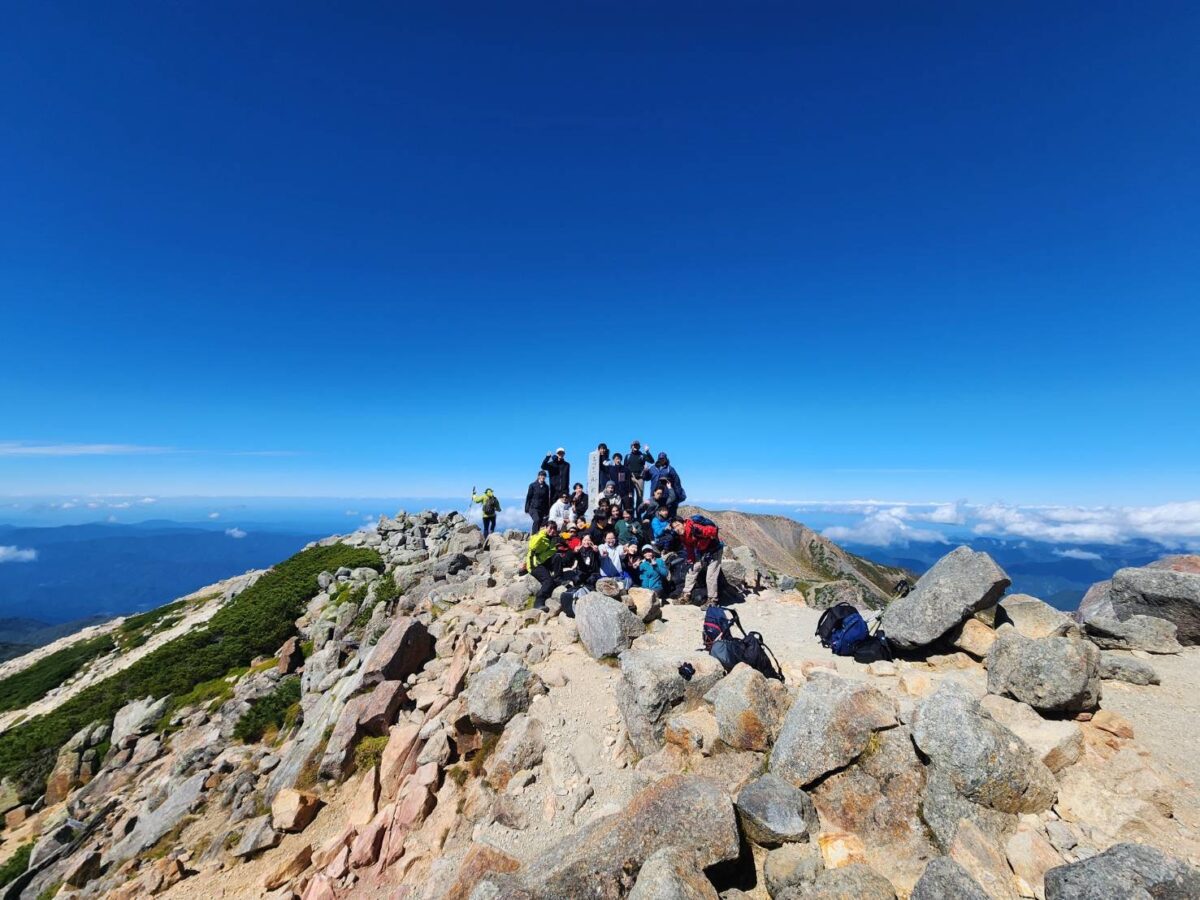
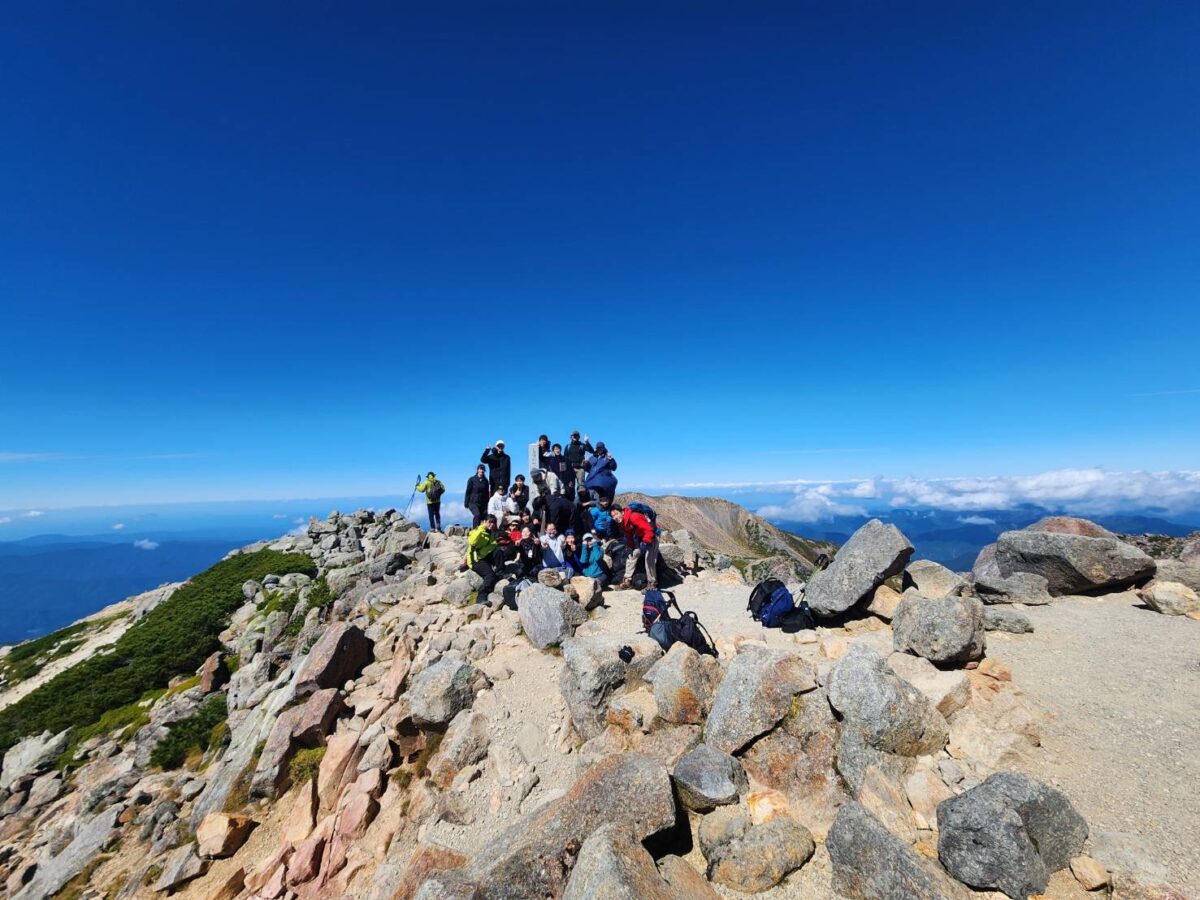
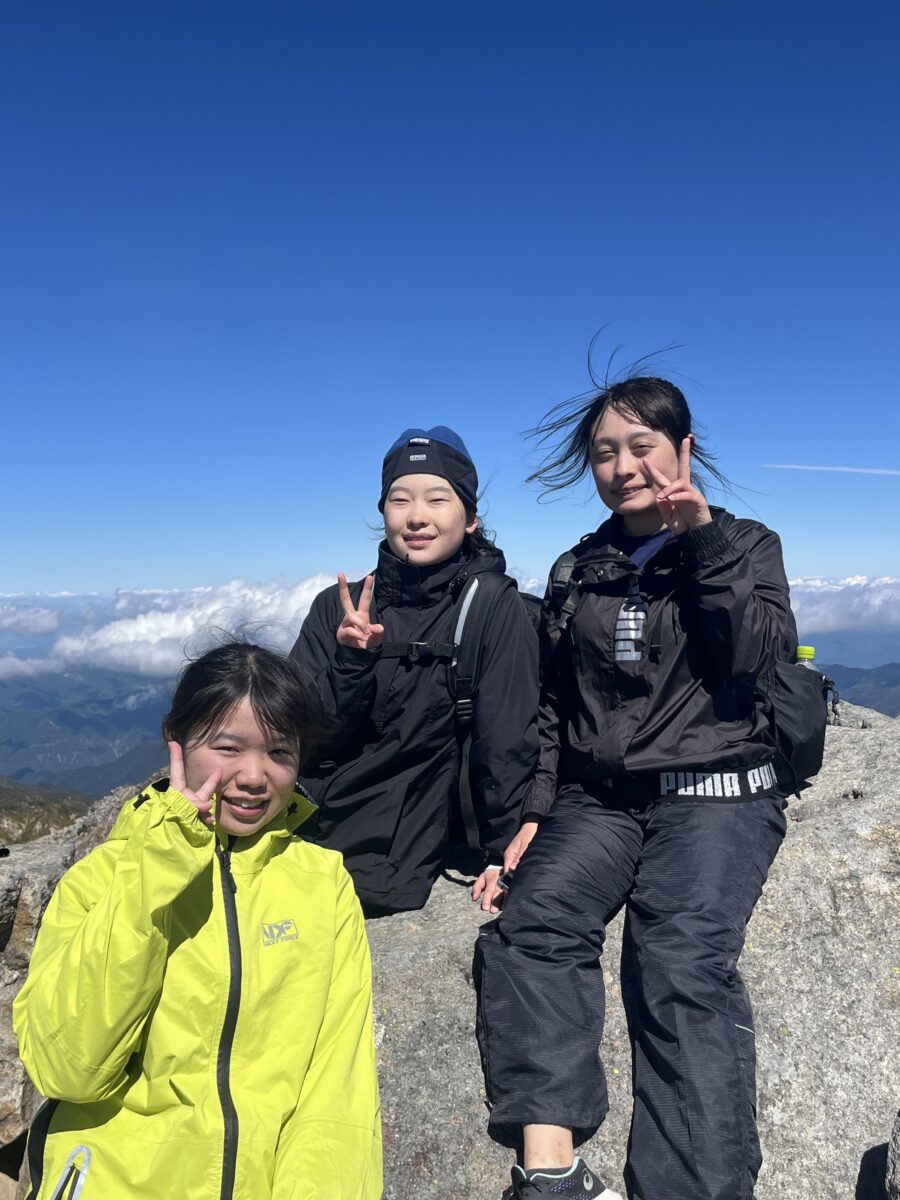
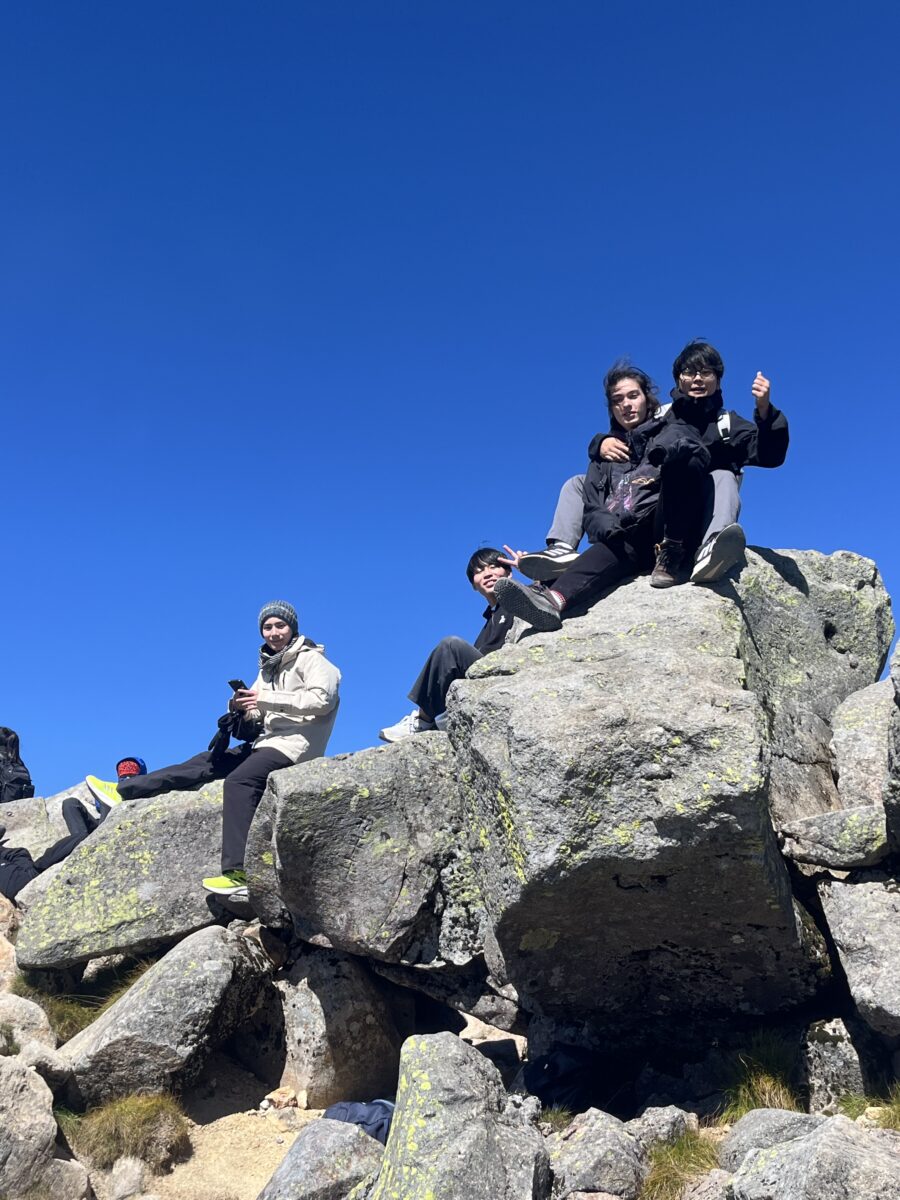
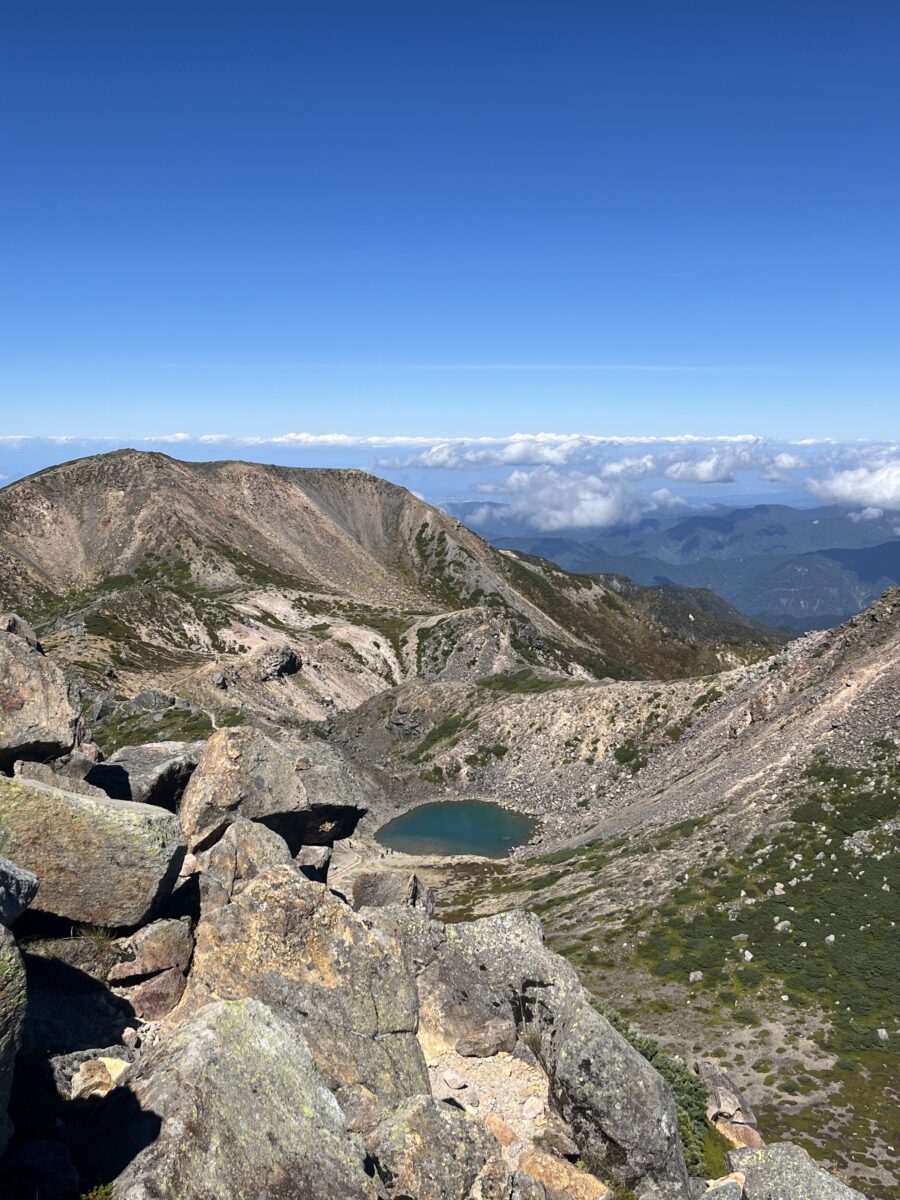
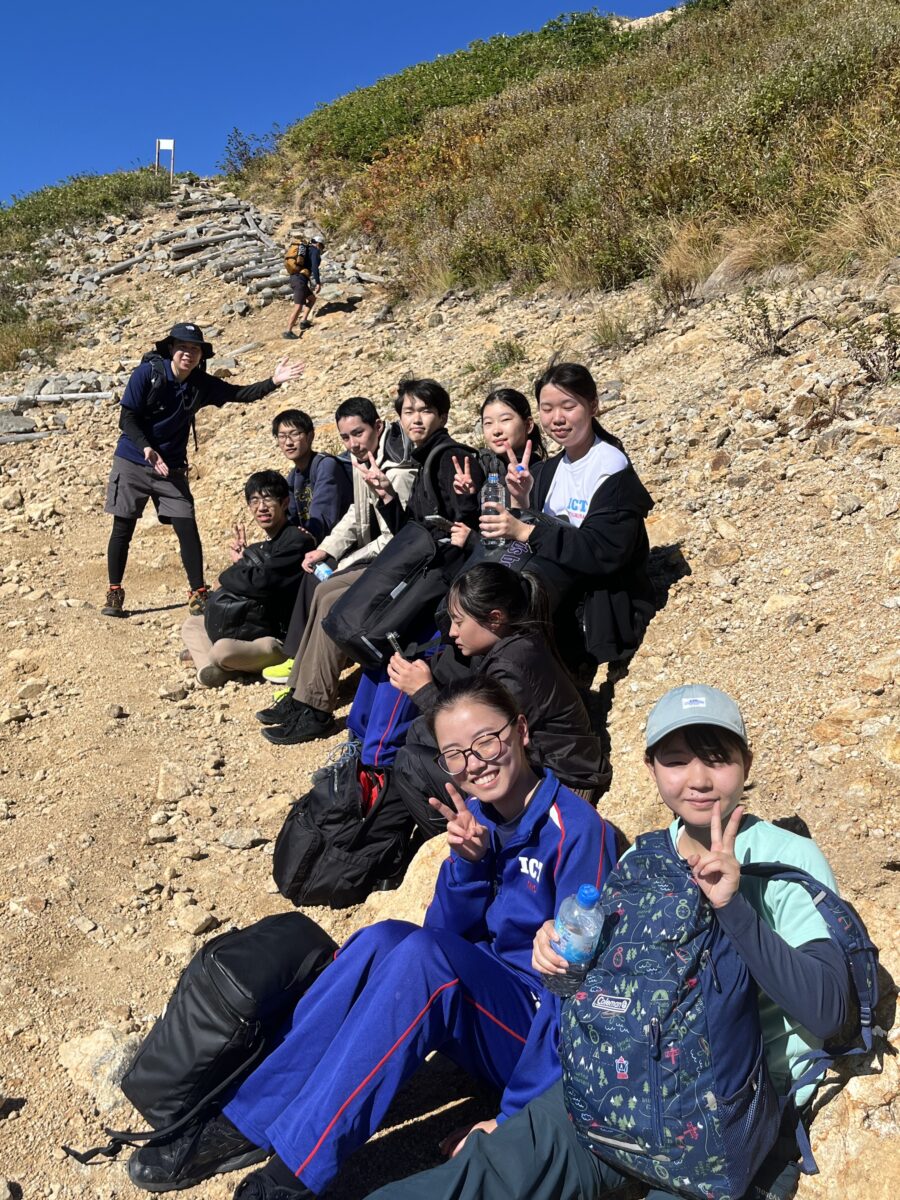
幸いにも、昼食後に御前峰へ到着した頃には風が弱まり、それほど寒さを感じなくなっていました。学生たちは笑顔で景色のきれいさについて感想を語り、中には日当たりの良い岩陰で眠っている学生もいました。また、全員で1分間静かに景色を眺め、周囲の自然を味わう時間も設けました。なお、白山麓高専事務室長の本田さんは、第1山小屋から体調不良になった学生を下山させ、別の教員によって無事にキャンパスへ搬送されることを確認した後、再び私たちに追いつき、ちょうど私たちが下山を始める頃に山頂へ到着しました。
下山も登りと同じエコーラインを利用しました。例年のルートほど急ではありませんでしたが、その分距離は長くなります。稜線が風を遮り、午後の日差しは暑く感じられました。学生たちは疲労と長時間の下り坂によって足を震わせながら歩いていましたが、実際には学生よりも、十分な準備運動をしてこなかった教員の方から多くの弱音が聞かれました。
ようやくバスに到着した時には、大きな歓声というより安堵の声が上がり、その場に座り込む学生もいました。そして全員が乗車してからわずか5分後には車内は完全な静寂に包まれました。学生たちは全員、座席に座ったまま眠りについていたのです。
今年の白山登山は、これまでで最も素晴らしい登山の一つだったと感じています。通常は砂防新道を利用していますが、景色の美しさに加え急勾配が少ないことから、今後はエコーラインを主なルートとして検討したいと思います。そして何より、来年も今年のように天候に恵まれることを願っています。
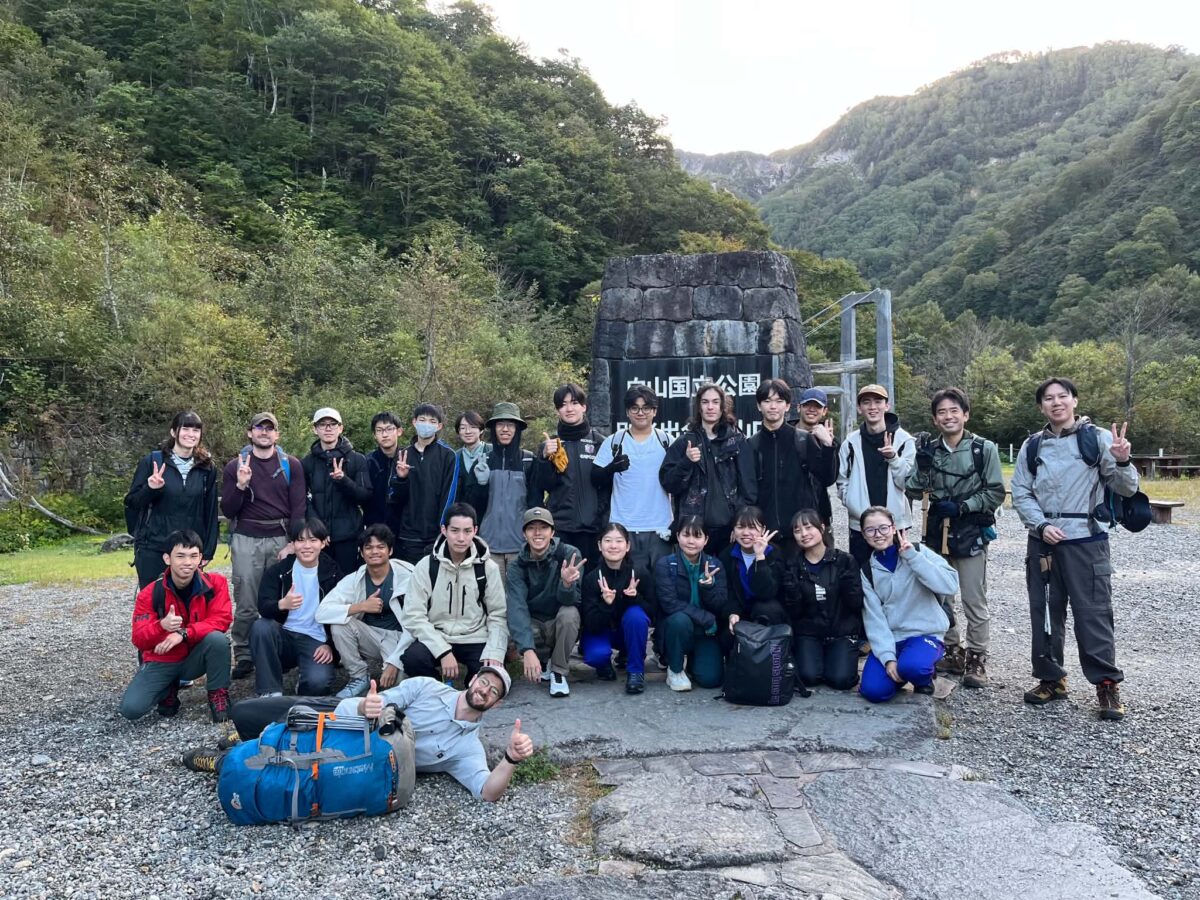
出発!

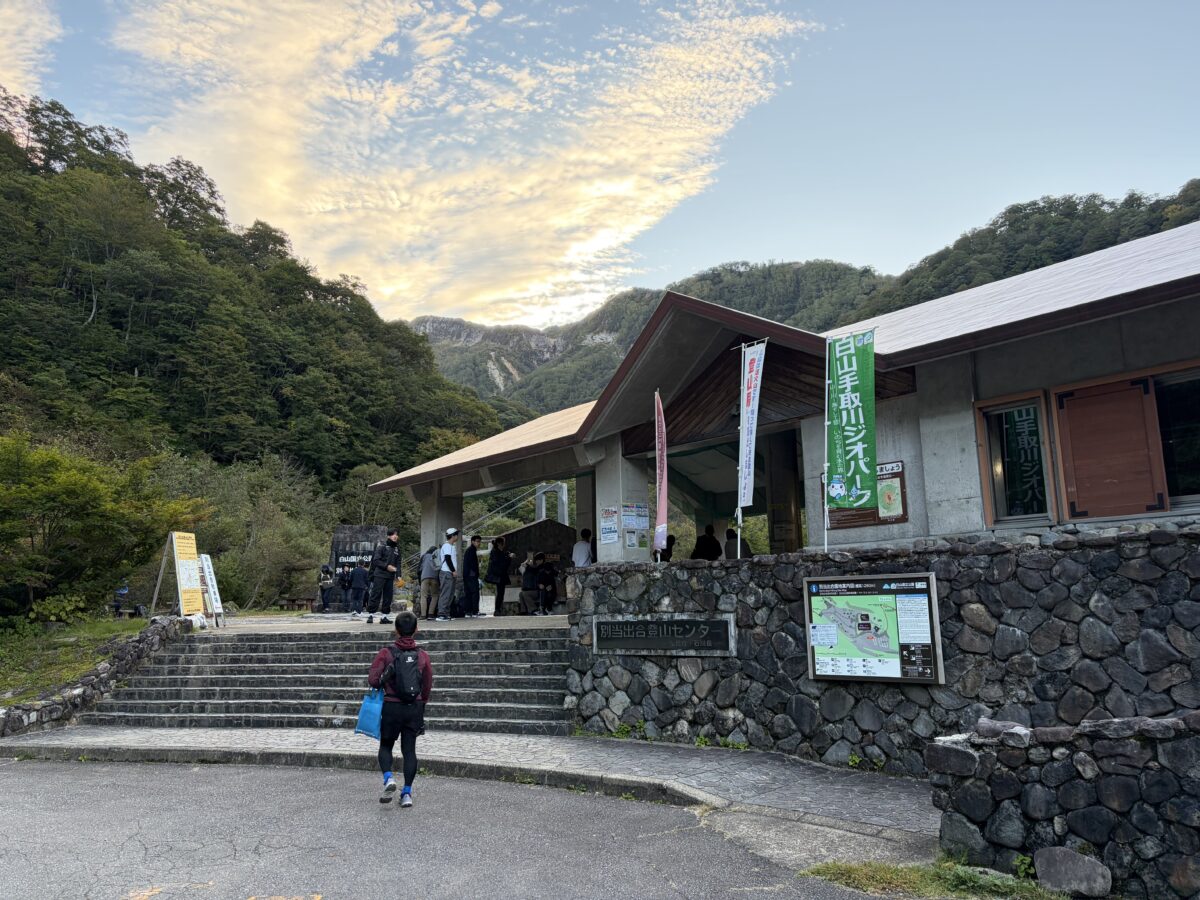
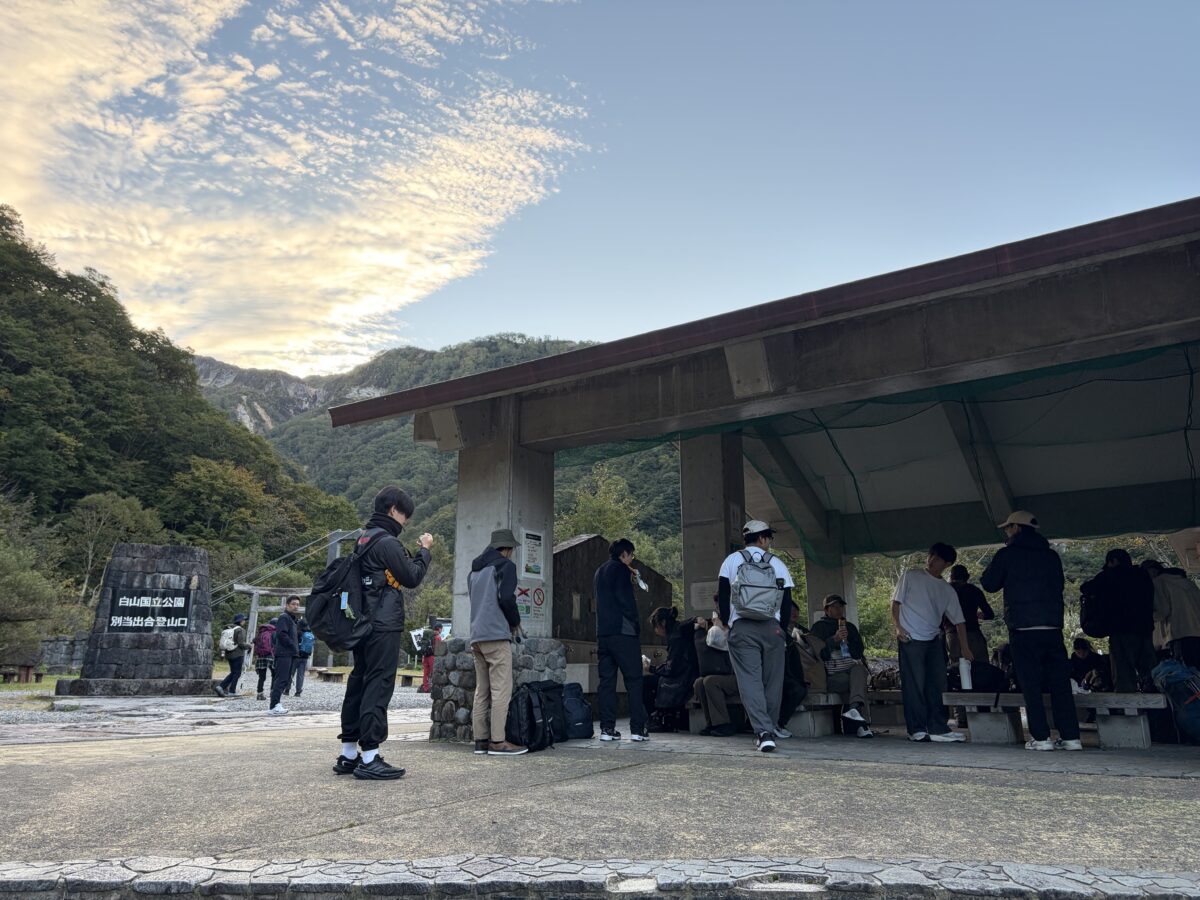
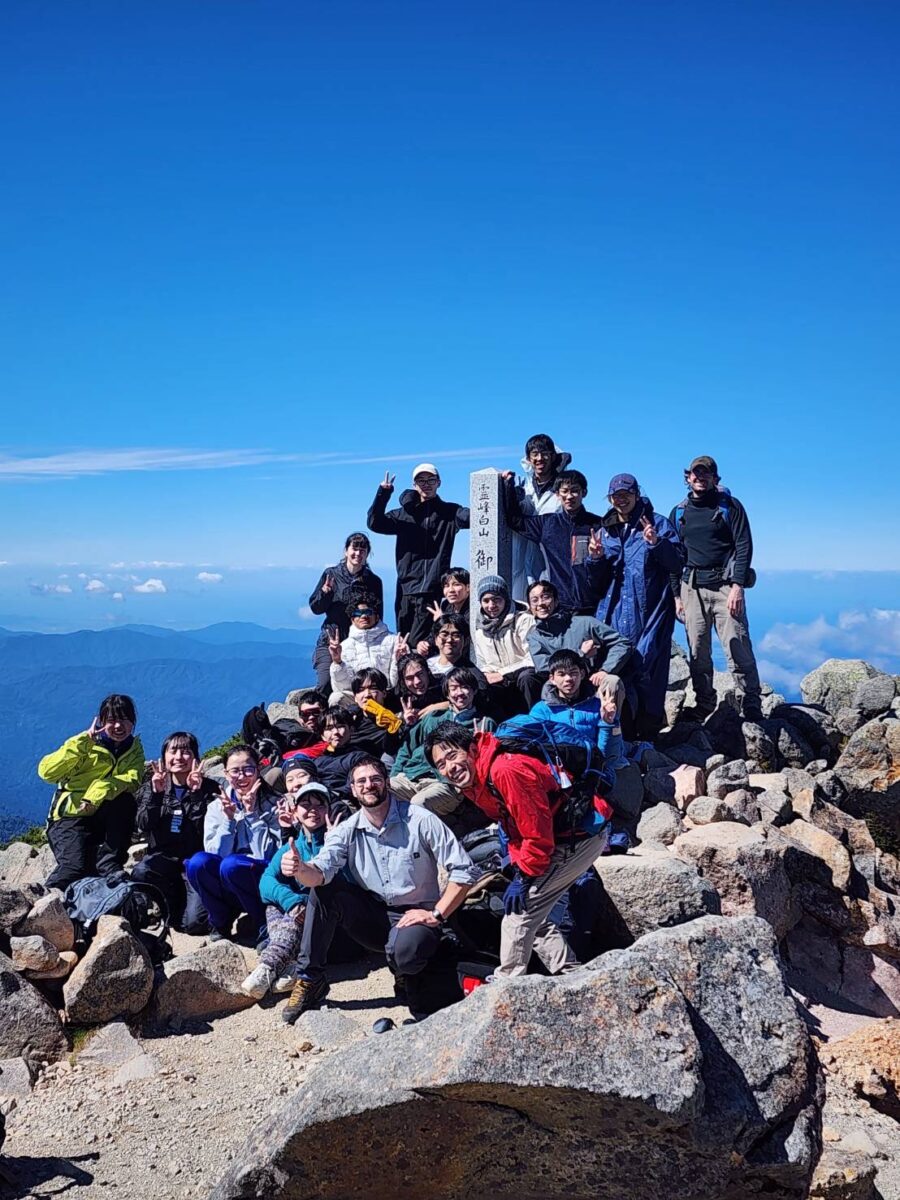
登頂!
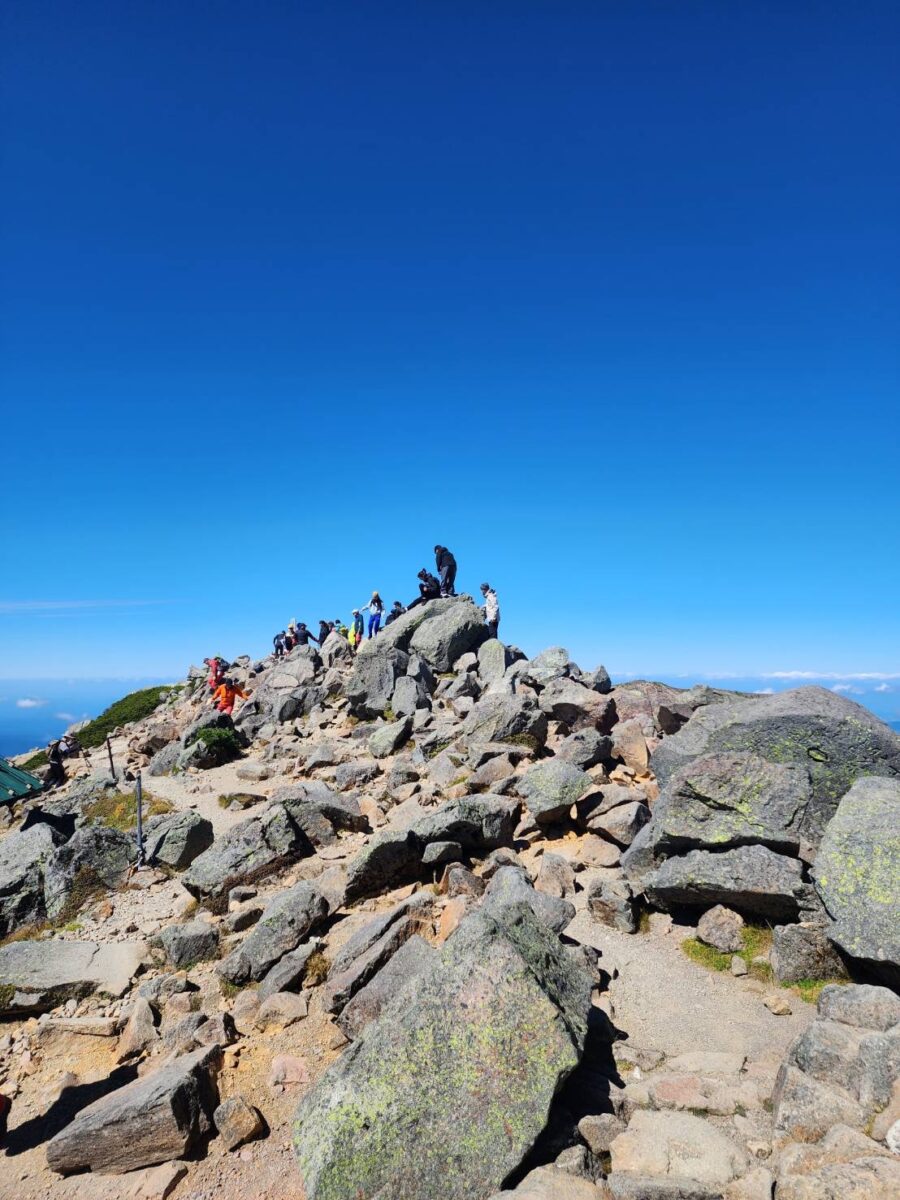
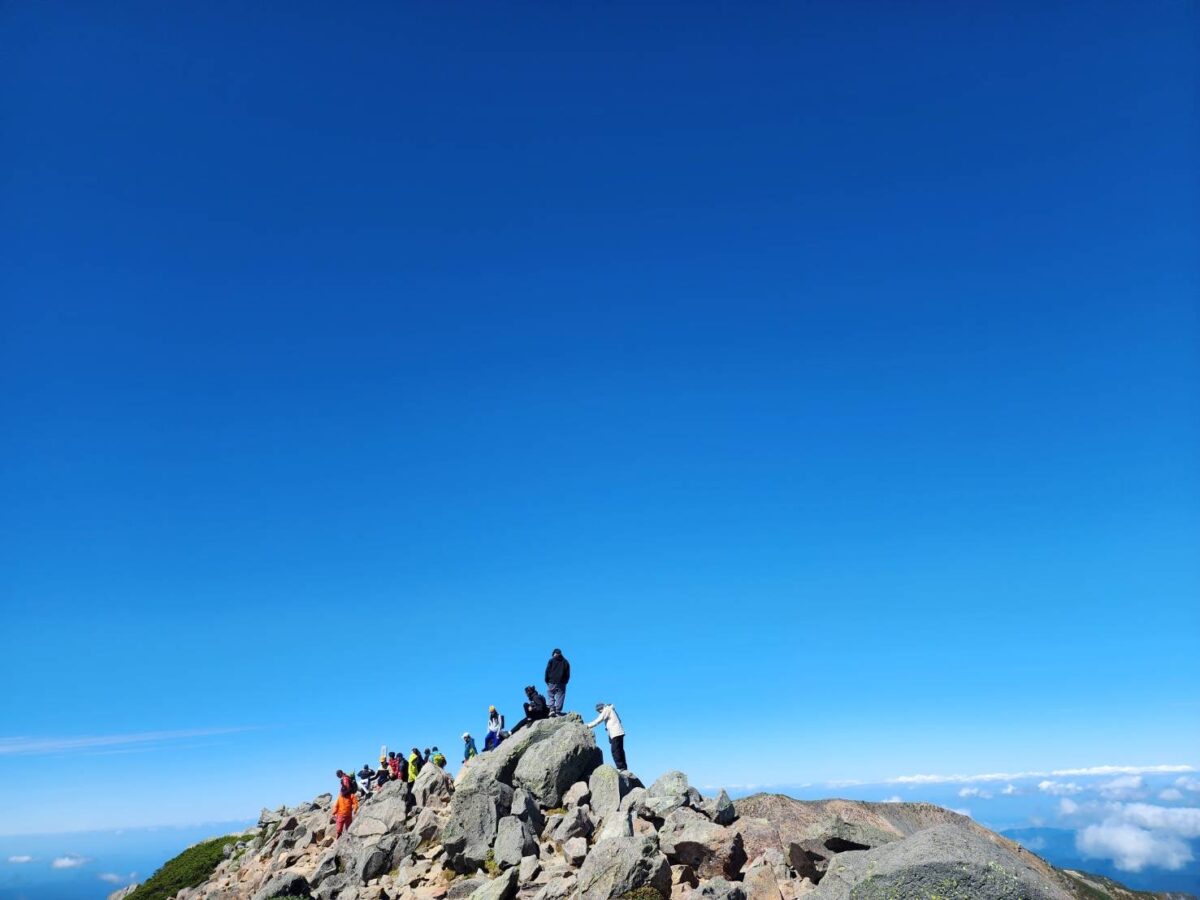
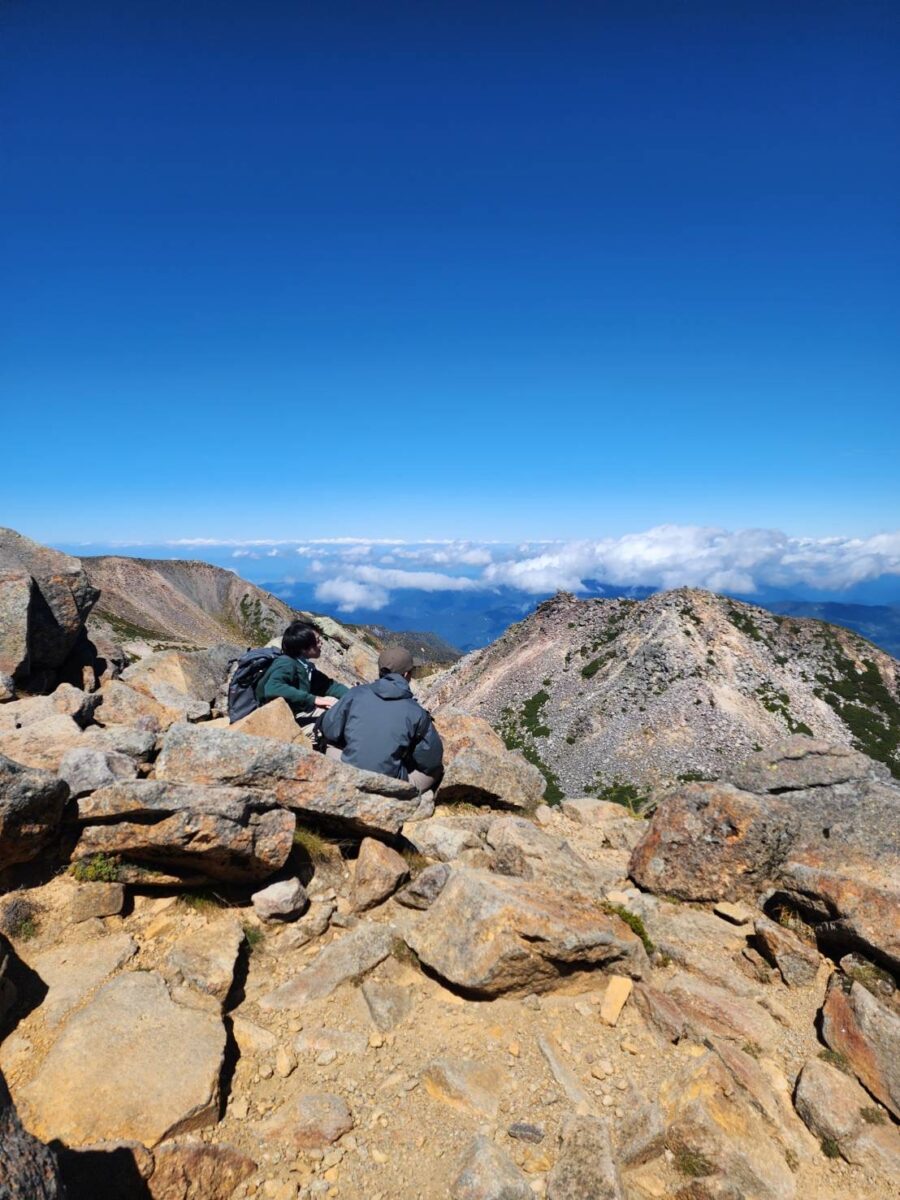
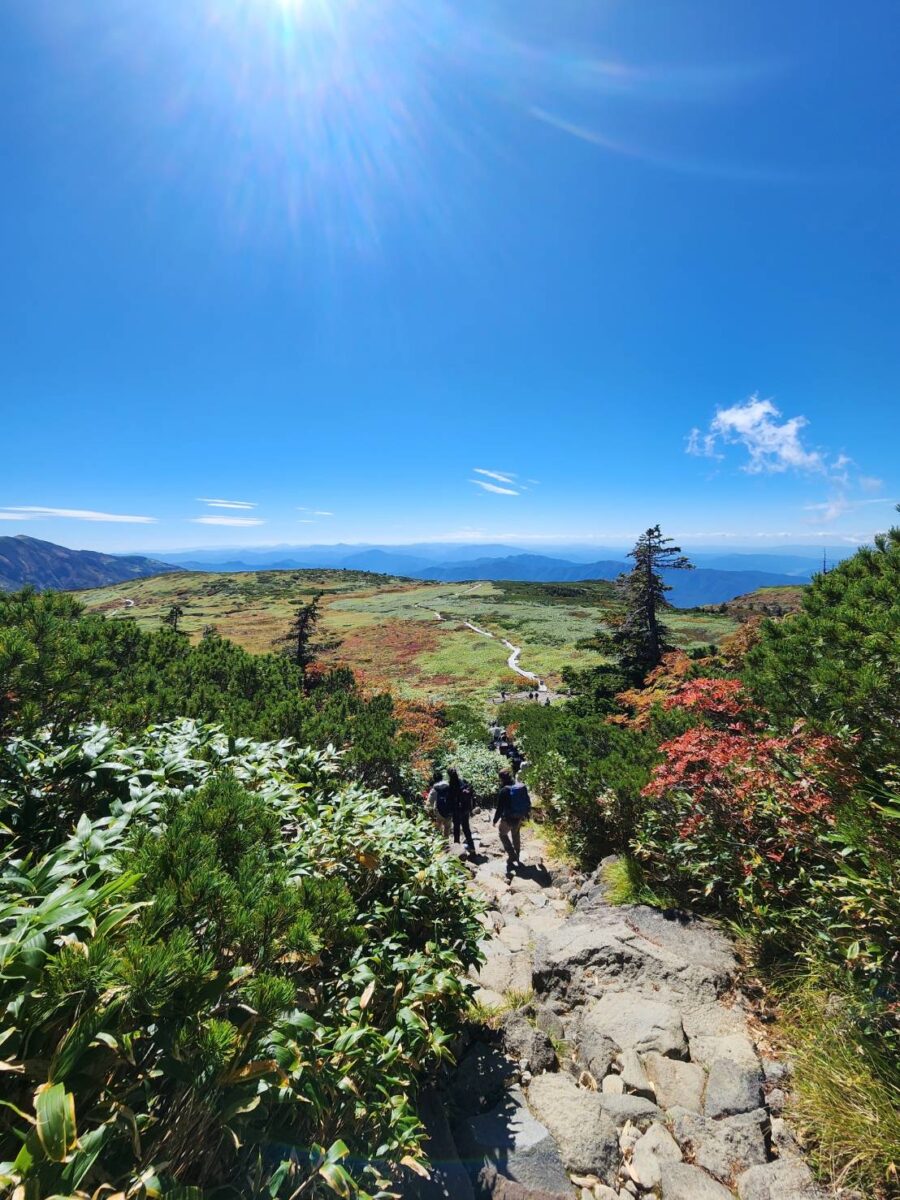
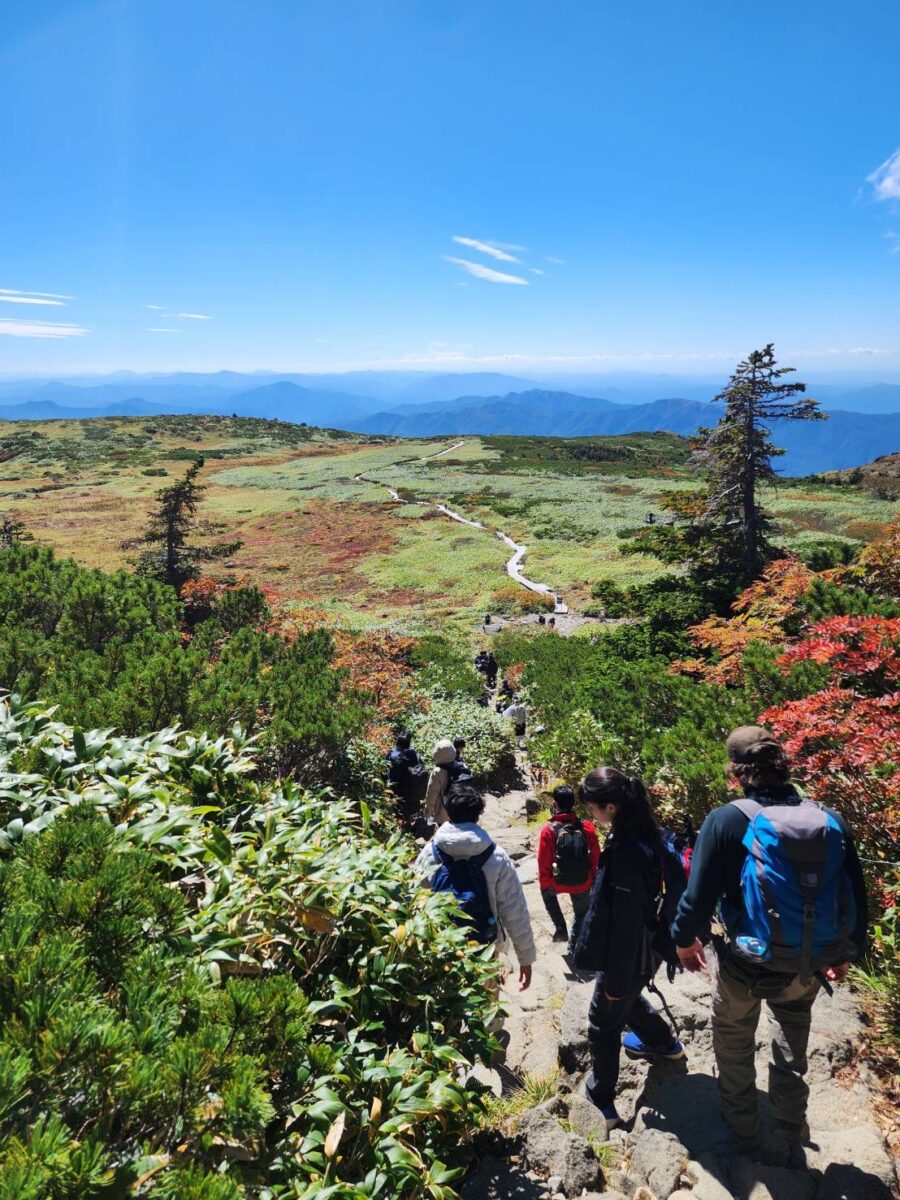
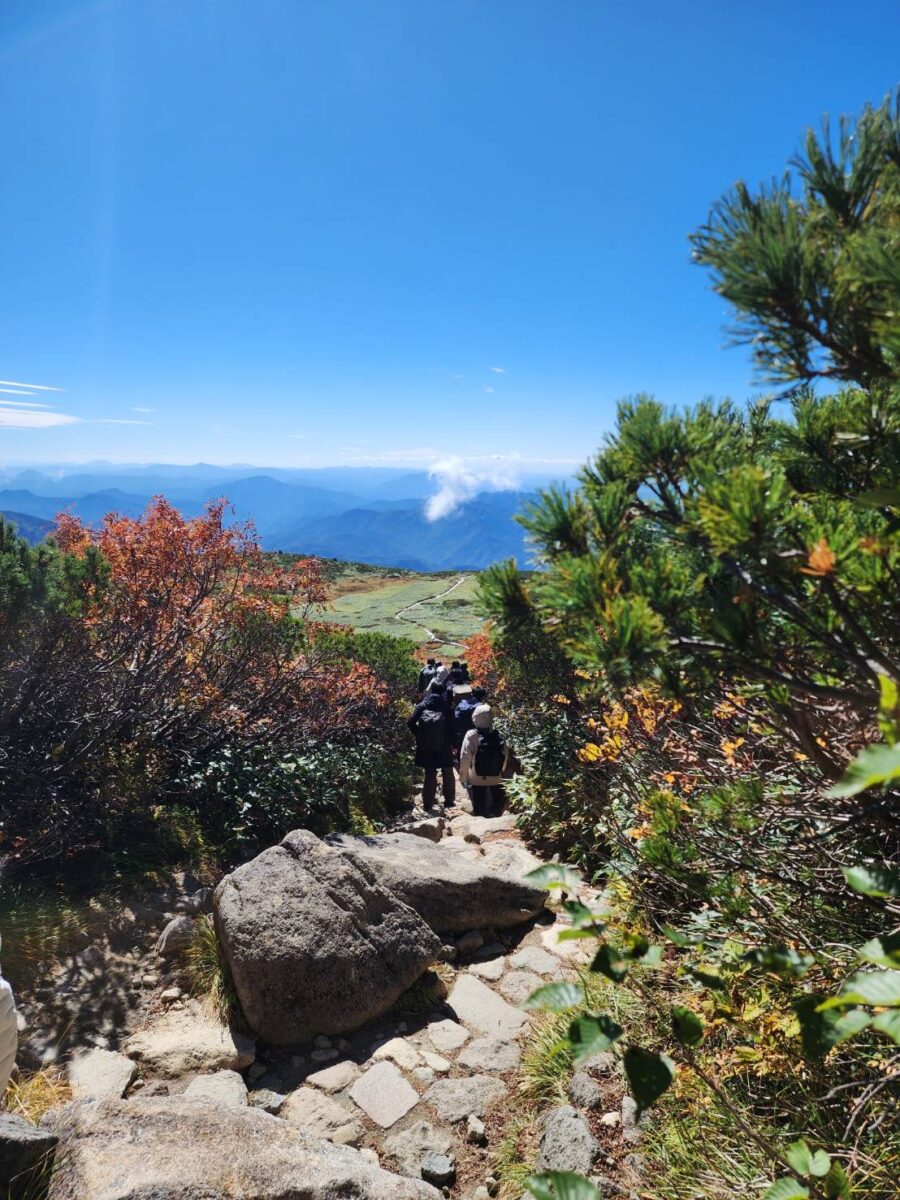
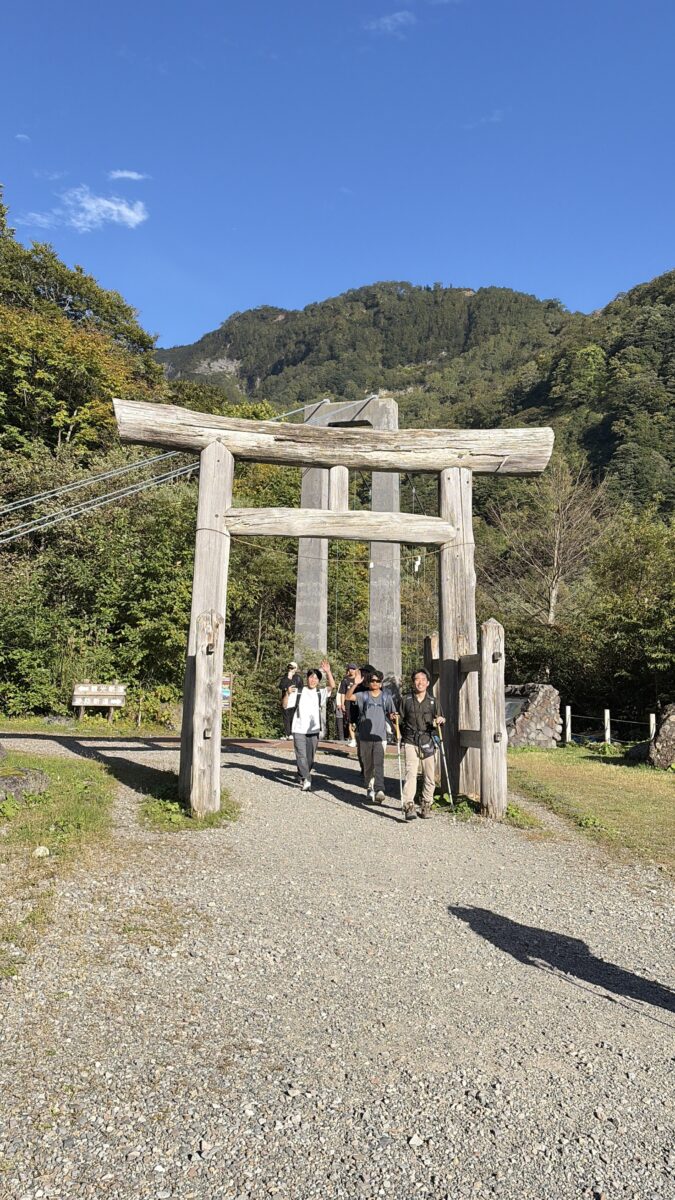
下山!
1年生のアディさんは白山登山の動画を作成しました!
フィリップ・ケザウ
This is Philip Cadzow, the ICT Physical Education teacher with a report of climbing Mt. Hakusan on the 2nd of October with some 1st and 2nd year ICT students from Hakusanroku Campus.
On Friday October 2nd, 2026, at 5:00 a.m., 21 students and 6 teachers crowded onto a bus and slept the hour-long journey until they were deposited at the start point of the hike; Bettodeai station – an altitude of 1,260m.
Mt. Hakusan is known as one of the three holy mountains of Japan along with Mt. Tateyama and Mt. Fuji, and many residents of Ishikawa annually climb Mt. Hakusan to watch the sunrise. Students and faculty from Hakusanroku Campus also attempt to climb Mt. Hakusan each year, but not for the sunrise and usually making the climb up and down in one day. The last two years we have attempted to climb but have had to cancel due to bad weather, which means that the 3rd years who are now in New Zealand were never able to climb Mt. Hakusan, and it was the final chance for the current 2nd year students.
Waking up from the bus ride and ready to start their climb from Bettodeai station to one of Mt. Hakusan’s 3 peaks called Gozengamine – an altitude of 2,702m and an elevation change of roughly 1,500m, were 10 1st year students and 11 2nd year students. These students were the ones who had completed a 5km run the week prior to check for fitness and had a thorough gear check to make sure they were prepared for sudden weather changes. The other students of their year group were going on an easier hike in a different part of the Hakusan Geopark called Sampoiwadake.
The weather was cool with a clear blue sky, and the hike started very well as everyone made it to the first hut 20 minutes faster than planned, but unfortunately at this point one student had to be taken back down the mountain and back to school as they began to feel unwell. We then divided into 2 groups to make passing people on the narrow track easier. Originally, it was thought that they would be named the fast group and the slow group, but as the first group reached the second hut and messaged the slow group to know that they had arrived, the slow group also arrived at the second hut!
There are many different climbing routes up Mt. Hakusan and the most common of these is the Saboshindou path – named as Sabo (prevent erosion) shindou (new route). However, this route was closed off after the second hut and both groups were forced to take a longer route called Echo line – this route is about 2 km longer than Saboshindou but it’s not as steep and goes past the ridgeline that carries onto the next mountain over called Mt. Bessan. The view that day from the Echo line ridge was of a clear blue sky, shining green foliage from what looked to be small alpine bamboo that kept the mountainside gently swaying in the breeze, even in the beginnings of autumn, and a sharp ridgeline across to Mt. Bessan; leading the eye further away and into the distance of the surrounding hills all shaded in blue shadow.
Mt. Hakusan’s peak was visible from the Echo line ridge and the group made fast progress up to the Murodo (big mountain hut) to have a break for lunch. The wind gusted but didn’t howl, it wasn’t so cold as to numb the hands, but it stripped heat away from the body and after 10 minutes a person’s nose would start to go a little numb. The most important layer of clothes in this environment is anything that can block the wind from stripping away a person’s body heat. After the lunchbreak many of the students could be seen appreciating the seriousness of the constant cold wind and it lent a certain seriousness to the mountain hike. Although some students who were more prepared than others had a better time of it. Kotarou, who prepared well for the trip, was seen taking a nap while others shivered.
Luckily by the time students had eaten lunch and made it to the Gozengamine peak of Mt. Hakusan, the wind had dropped and it wasn’t so cold. Students smiled and made comments on how beautiful the view was. Other students hid behind a sunny rock and made a very good impression of sleeping. Everyone was made to take a silent minute to appreciate the surrounding view. Honda-san, who took the sick student down the mountain from the first hut and made sure that they were transported safely back to campus by another teacher, managed to catch back up to us and make it to the top just as we started to descend.
The route hiking down was the same Echo line that we took to climb up, and so it wasn’t as steep as the other years’ route, but it was longer. The ridgeline down blocked the wind, and the afternoon sun was hot. Students had shaking legs from exhaustion and the constant downhill but most of the complaints were from the teachers who hadn’t exercised enough in preparation.
Making it to the bus didn’t cause as much celebration as it did cries of relief and people sagging to the ground, and once all students had loaded on to the bus, after 5 minutes there was absolute silence. All students had fallen asleep upright, sitting on the bus.
I think this year’s trip up Mt. Hakusan was one of the best we’ve had. While we normally hike the Saboshindou route, I think from this year on we will be taking the Echo line – the view was just as good but without the sharp incline. I just hope that the weather can cooperate with us again next year.
1st year student Ady created a video!
Philip Cadzow
アントニーさんと歩く
ポーリン・ベアード
国際高専では、学生一人ひとりが「SHINE IN YOUR OWN WAY(自分らしく輝く)」ことを大切にしています。今回は、そのような学生の一人を紹介したいと思います。
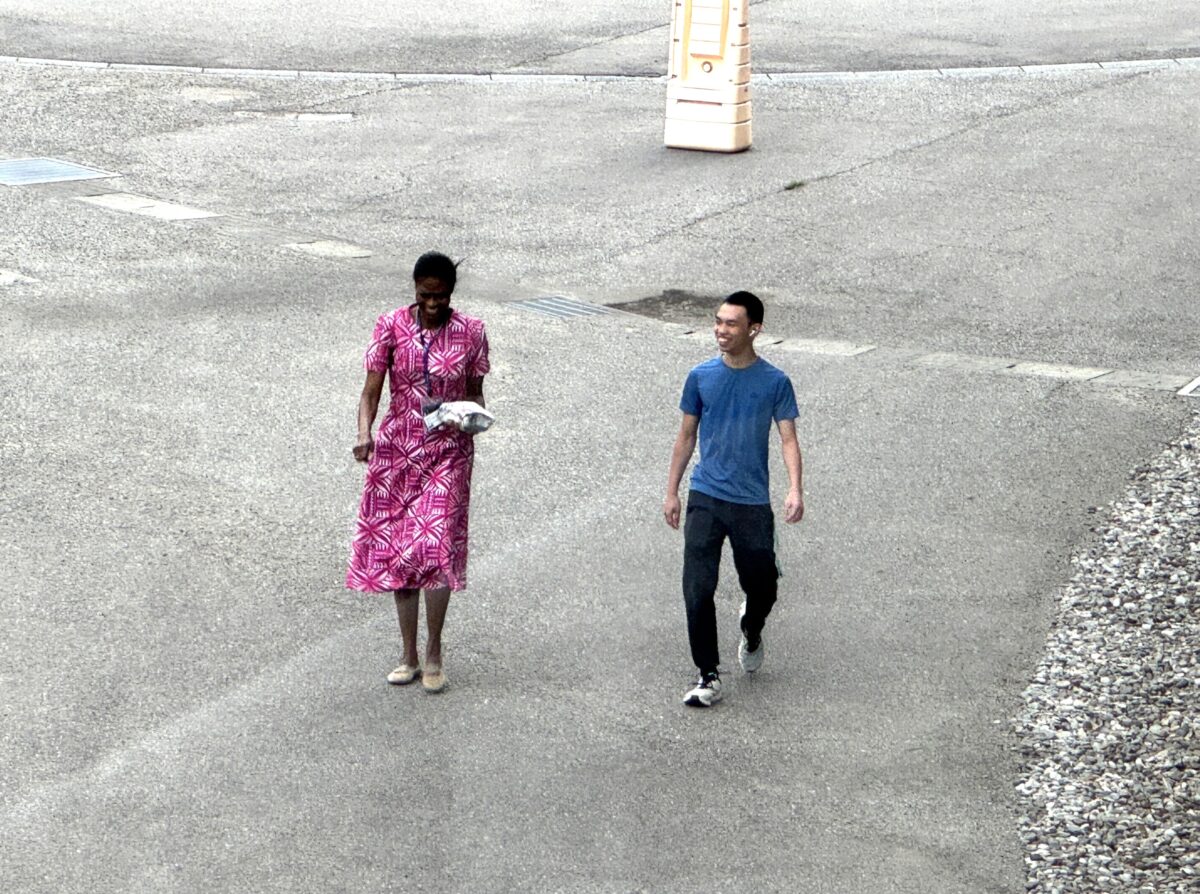
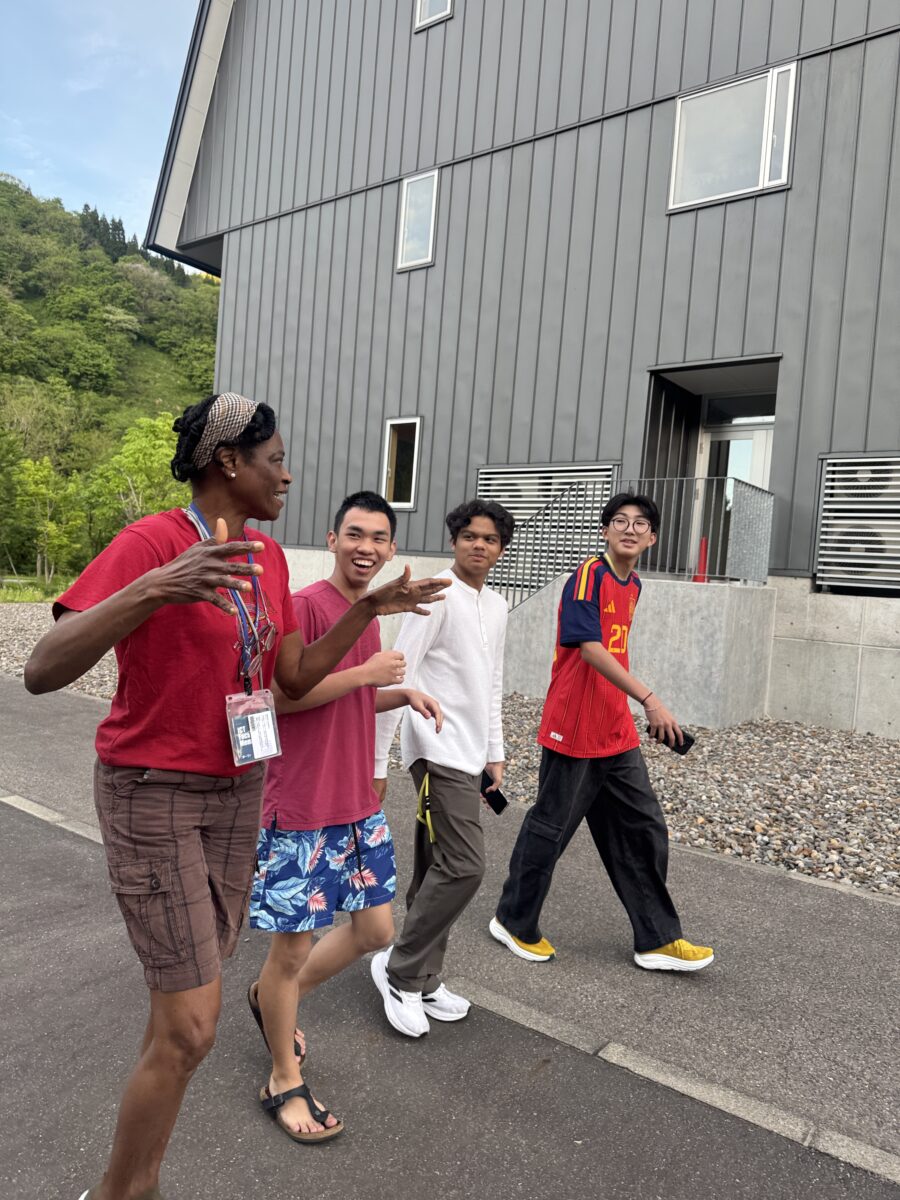
彼の名前はプルバ・アントニーさん。2年生の学生です。平日の午後4時45分頃になると、ほぼ毎日のようにキャンパス内を歩いている彼の姿を見かけることができます。体育館、寮、温泉、食堂、本館、校舎を巡るコースを何周も歩いています。
最初は、ただ彼が歩いていることに気づいただけでした。しかし、ある日曜日に私も一緒に歩いてみることにしました。歩きながら話をしているうちに、彼がこの時間を利用してインドネシアにいるお母さんと電話をしていることを知りました。それ以来、私たちは平日の放課後を中心に、ときには週末にも一緒に歩くようになりました。彼のおかげで、「歩くこと」の価値に改めて気づかされたのです。
本校には、バスケットボールやバドミントンなどのスポーツで活躍する学生もいれば、学業で優れた成果を上げる学生もいます。アントニーさんもそうした活動を楽しみ、勉学にも励んでいることでしょう。しかし、私の目を引くのは彼のシンプルな日課を続ける姿勢です。午後4時45分頃から、夕食のために食堂が開く午後6時30分頃まで、彼は黙々とキャンパスを歩き続けます。最も多く歩いた日には、なんと17周もしたそうです。私たちも何度か、散歩を終えたその足で直接食堂へ向かい、夕食を共にしました。
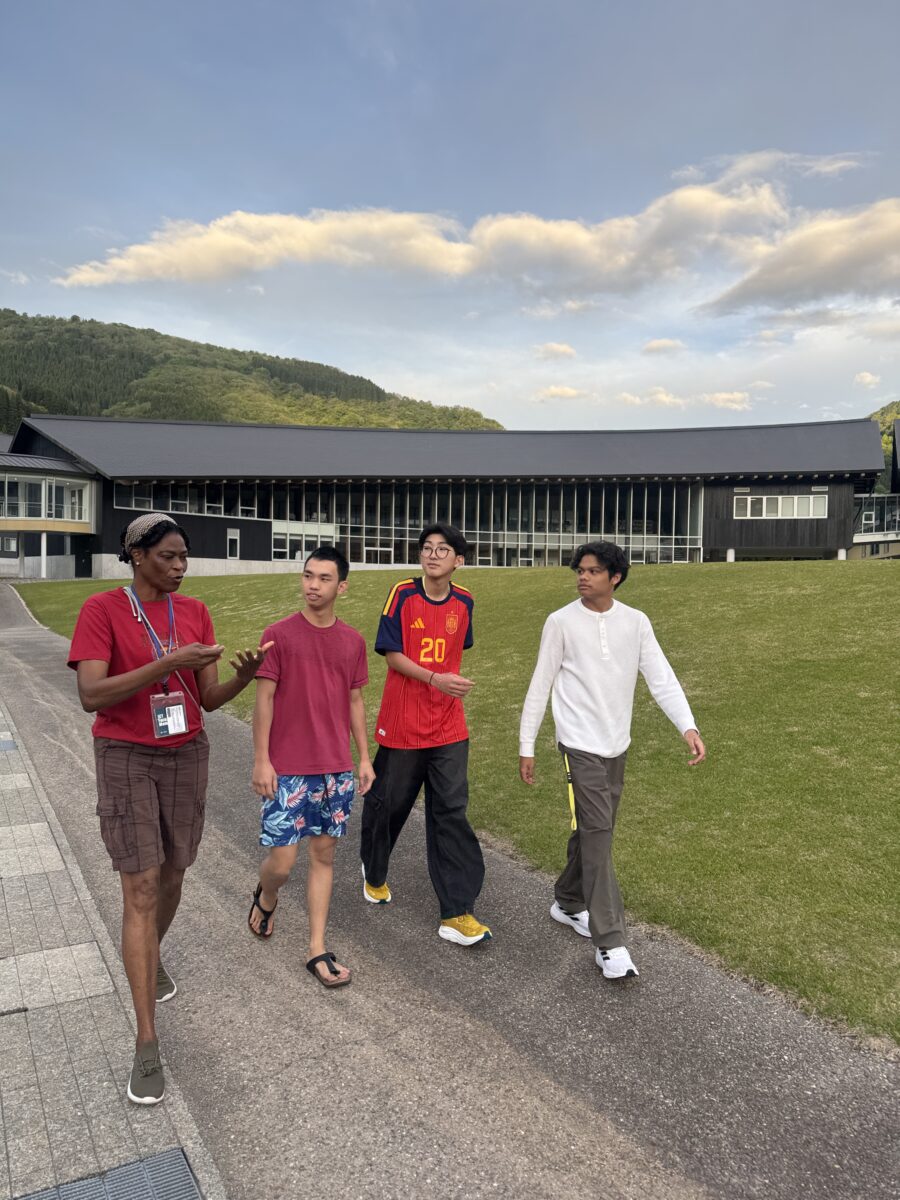
私がこの習慣を始めたきっかけを尋ねると、アントニーさんの答えは意外にもとてもシンプルなものでした。「毎日歩こうと思った特別なきっかけはありません。ただ、お母さんに電話したり音楽を聴いたりして、一人の時間を過ごしたかったのです。座っていると退屈だったので、歩いて体を動かそうと思いました。」彼にとって、この散歩の時間は故郷とのつながりを感じる時間でもあります。「一番信頼している母と、インドネシア語で話したかったのです。」
この2か月の間には、ほかの学生たちも時折私たちの散歩に加わってくれました。歩きながらの会話は自然と広がり、家族のこと、趣味、将来の夢、悩み、そして日常の出来事など、さまざまな話題について語り合います。ときには、何周もほとんど言葉を交わさず、静かな時間を楽しむこともあります。
アントニーさんは、散歩の一番の魅力について次のように話してくれました。「体を健康に保ちながら、どんなことでも気軽に話せるところです。また、将来的にはもっと多くの学生に参加してほしいと願っています。みんなで健康を維持しながら、たくさんの話を共有できたらいいなと思います。」彼と歩く時間は、単なる運動以上の意味を持っています。それは友情を育み、自分自身を見つめ直し、人とのつながりを感じる時間です。一見すると何気ない散歩ですが、実はとても意義深い活動なのです。彼は、自然の中で過ごし、山の新鮮な空気を楽しみ、健康的な習慣を続けながら、家族や友人との会話を大切にするという、もう一つの充実したキャンパスライフのあり方を静かに示してくれています。
最後に、私は彼に「歩くのは退屈だと思っている人へ何か伝えるとしたら?」と尋ねました。すると彼は笑顔でこう答えました。「歩けることに感謝してください。誰もが当たり前に歩けるわけではないのですから。」
国際高専では、学生一人ひとりが自分らしく輝くことを応援しています。
私は、アントニーさんがまさにその姿を体現していると思います。
ポーリン・ベアード
Walking With Anthony
By Dr. Pauline Baird
At ICT, students are encouraged to "SHINE IN YOUR OWN WAY." Let me introduce one such student.
His name is Anthony Purba, a 2nd year student. On almost any weekday at about 4:45 p.m., you can find him walking around campus. His route takes him past the gymnasium, the dormitories, the onsen, the cafeteria, the main office building, and the school building—circling the campus again and again.
At first, I simply noticed him walking. Then one Sunday, I decided to join him. As we walked, I discovered that he often uses this time to call his mother in Indonesia. Since then, we have walked together after school on most weekdays and occasionally on weekends. Anthony has made walking something worth noticing.
Many students shine in sports such as basketball and badminton, while others excel in academics. Anthony may enjoy those activities too and do well in his studies, but what stands out to me is his commitment to a simple daily habit. From approximately 4:45 p.m. until 6:30 p.m., when the cafeteria opens for dinner, he walks steadily around campus. On his busiest day, he completed 17 laps. More than once, we have ended our walk by heading directly from the pathway into the cafeteria for our evening meal.
When I asked Anthony how this routine began, his answer was surprisingly simple.
"Nothing inspired me to start walking every day," he explained. "I just wanted to spend time on my own by calling my mom or listening to music. Sitting made me feel bored, so I decided to make my body move by walking."
For Anthony, the walk is also a chance to stay connected with home.
"I wanted to talk with someone I trusted the most in Indonesian," he said.
Over the past two months, a few other students have joined us from time to time. As we walk, our conversations wander naturally through topics such as family, hobbies, future dreams, personal challenges, and everyday life. Sometimes, we spend several laps simply enjoying the quiet.
Anthony says what he enjoys most is "talking about any topic while keeping my body fit." He hopes more students will join in the future so they can "share a lot of stories while keeping our body sustained."
Walking with Anthony becomes more than physical activity; it becomes a time for friendship, reflection, and connection. What appears to be an ordinary walk is, in fact, something quite meaningful. Anthony is quietly demonstrating another way to experience campus life—by spending time outdoors, enjoying the fresh mountain air, maintaining a healthy routine, and making space for conversations with family and friends.
When I asked Anthony what he would say to someone who thinks walking is boring, he smiled and replied,
"Be grateful to have the ability to walk. Not all people can enjoy what you have."
At ICT, students are encouraged to shine in their own way.
I believe Anthony is doing exactly that.
By Dr. Pauline Baird
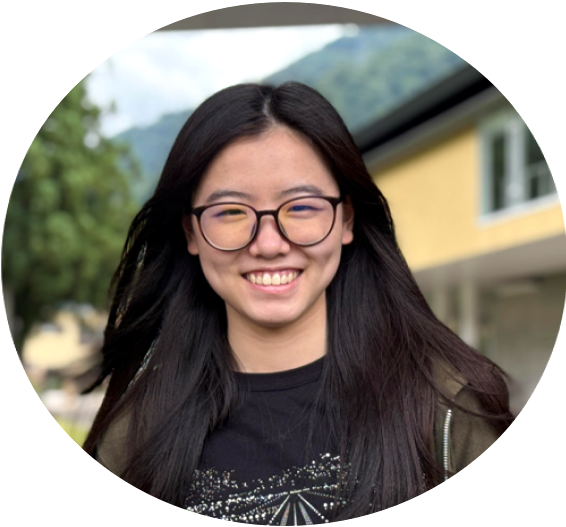
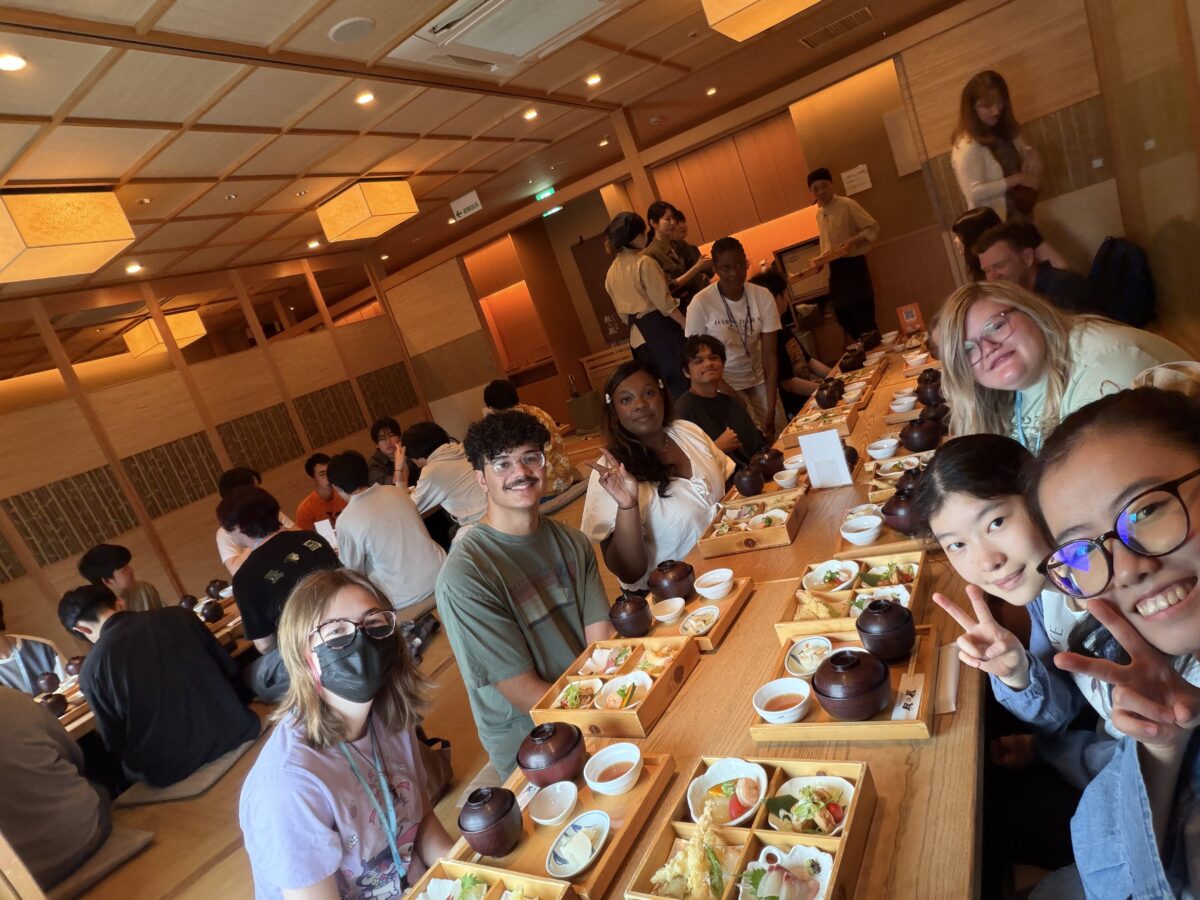
こんにちは!1年生の矢野 優花です。今回は、先日国際高専の白山麓キャンパスに訪れてくれた、アメリカミズーリ州の6人の留学生について書きたいと思います!
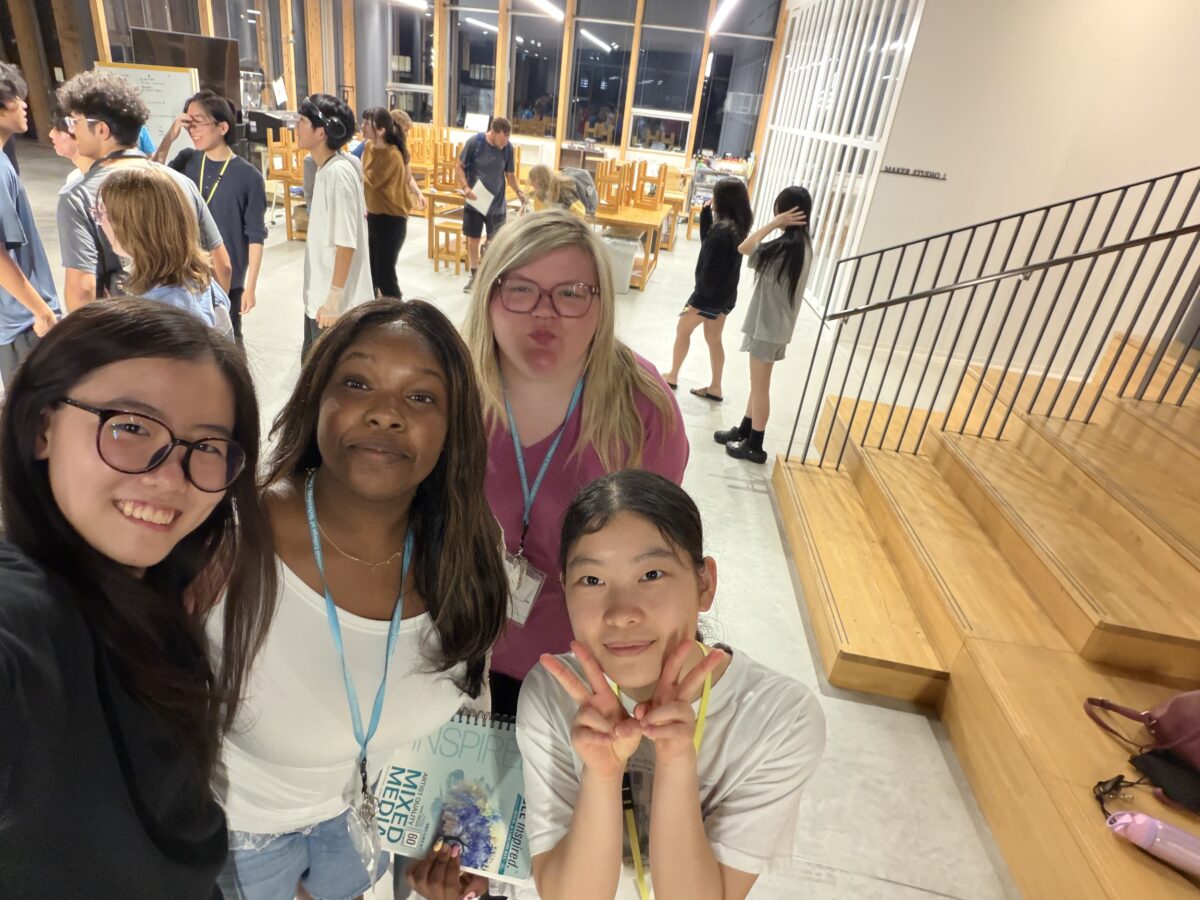
初日、私たちはバディとしてアメリカの留学生をどきどきしながら待っていました。どんな人たちがくるんだろう、友達になれるかな、と不安もありましたが、それよりも楽しみが勝っていました。実際会ってみると、みんな身長が高く、同い年なのが不思議になりました。しかし、全員フレンドリーですぐに打ち解けることができました。一日目からユニットのみんなで自己紹介をし、多くの話をしました。
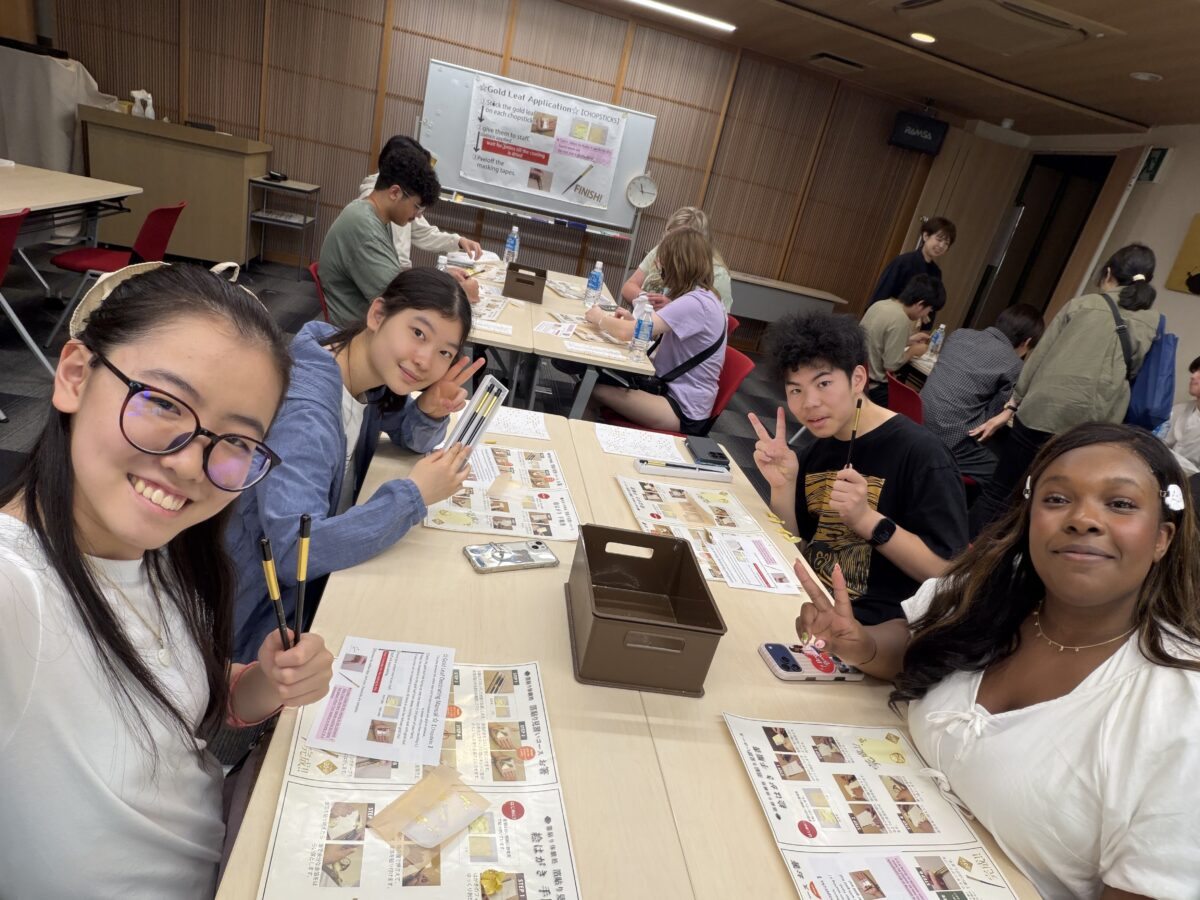
金沢観光では箸に金箔をはったり兼六園にいったり様々な体験や観光地に訪れることができました。私自身も金沢観光をしたことがなかったので、観光地の説明がうまくできなかったのが悔しかったのですが、アメリカ留学生とともに新しいことを一緒に学びました。次は今回の知識を生かして金沢のいいところたくさん紹介したいです。そして、この体験を通してアメリカの生徒と友情を深めることができました。
最も印象に残ったことは、最終日にみんなで遊んだUNOです。大人数でチームを組んだのですが、とても盛り上がり、最終的にはみんな笑いすぎて声がかれそうな状態になっていました。UNOなどの世界共通のゲームは人を結びつけることができると思いました。
今回の交流を通して様々なことを学ぶことができ、アメリカの生徒たちともたくさん仲良くなることができました。金沢についてあまり知らなかったため、金沢観光で観光地などの説明ができなかったのが悔しかったです。次は今回の知識を生かして金沢のいいところたくさん紹介したいです。
矢野 優花
Hello! My name is Yuka Yano and I am a 1st year student at International College of Technology, Kanazawa. In this article, I will write about the time when six American students came to our Hakusanroku campus.
On the first day, we were nervously waiting for the American students to arrive. What will they be like? Would we be able to become friends? Whilst we were nervous, the excitement was winning. Once we met them, we were surprised by how tall they were. However, we were soon able to become friends with them. From the first day, we introduced ourselves in our unit and talked a lot about our interests.
During the Kanazawa tour, we were able to visit various tourist spots and experienced a vast array of things. Since I had never gone around Kanazawa, I was learning about the city with the American students at the same time. Though this experience, we were able to make bonds with the Americans.
I especially remember the time when we played UNO. We made groups with many people and everyone was hyped up during the game. In the end, everyone was laughing until their throats hurt. I think worldwide games such as UNO can create connections between people.
Throughout this experience, I was able to learn various things and create friendships with the American students. Next time I hope to be able to explain the aspects of Kanazawa to the American students with more detail.
Yuka Yano