




Faculty
学科

こんにちは。白山麓キャンパスで英語科目を担当しているイアン・スティーブンソンです。
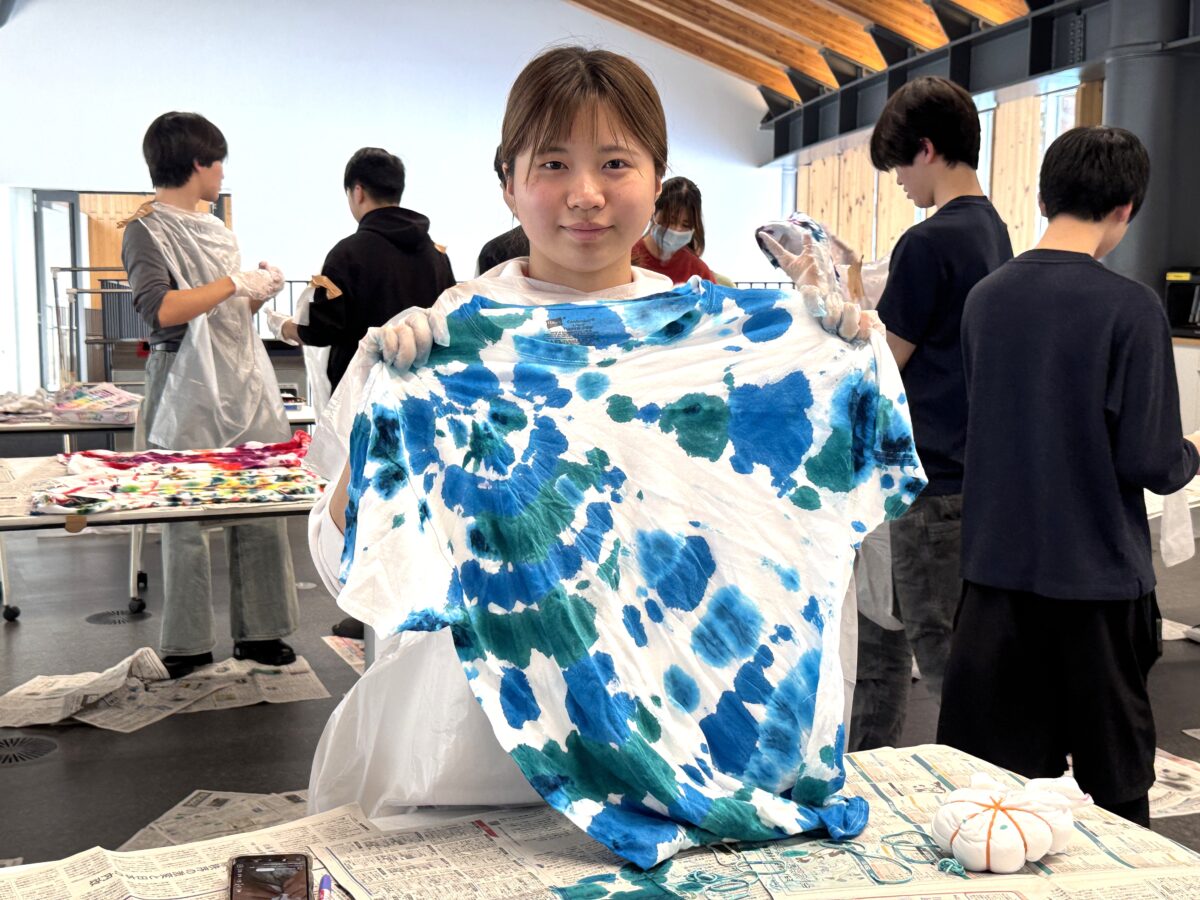
後学期が終了し、今年もタイダイ染めTシャツ作りの季節がやってきました。タイダイ染めTシャツ作りは、ICTが設立された当初からほぼ毎年行われている恒例の活動です。これまでのタイダイ染め活動の様子については、こちらをご参照ください。今年度の活動は、従来のものと新しいパターンを組み合わせた内容となり、2026年2月17日(火)と2月19日(木)の2日間にわたり開催しました。
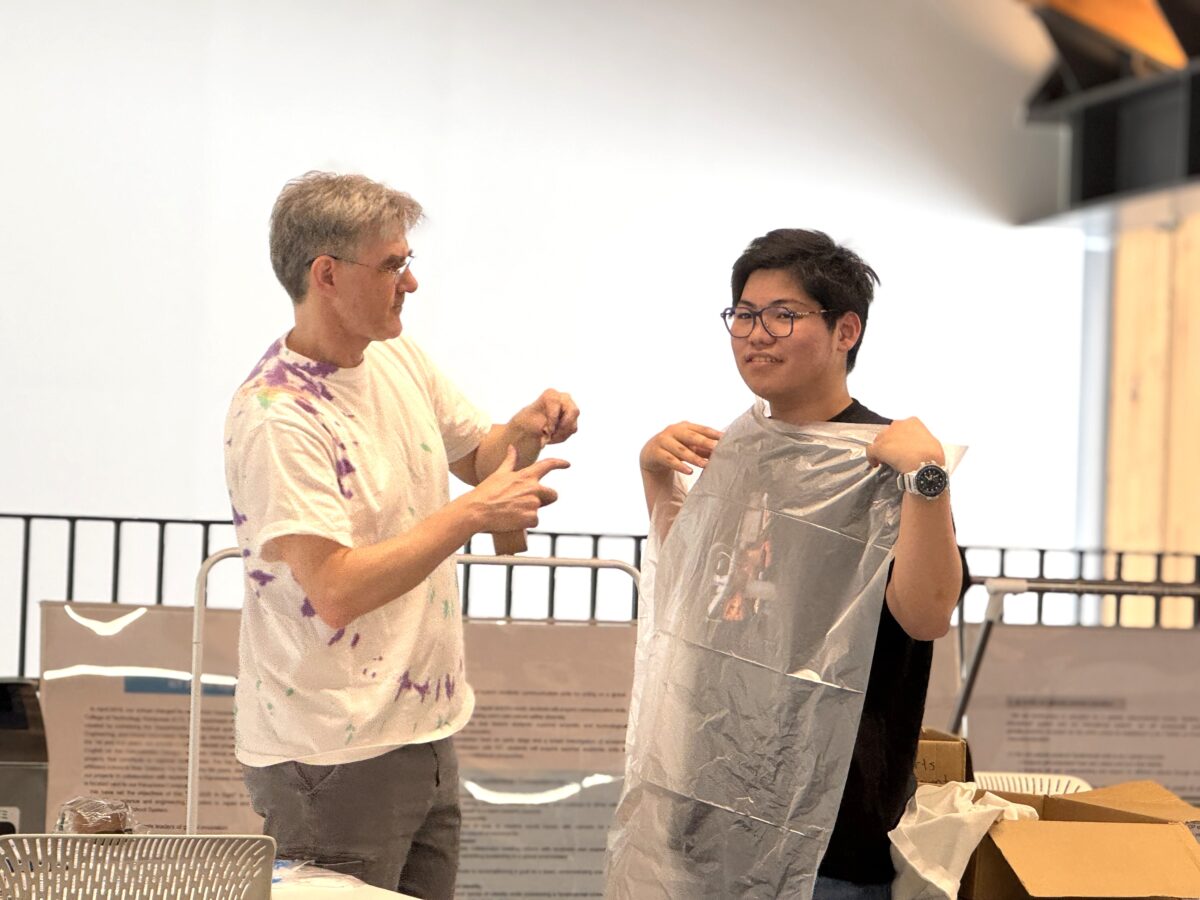
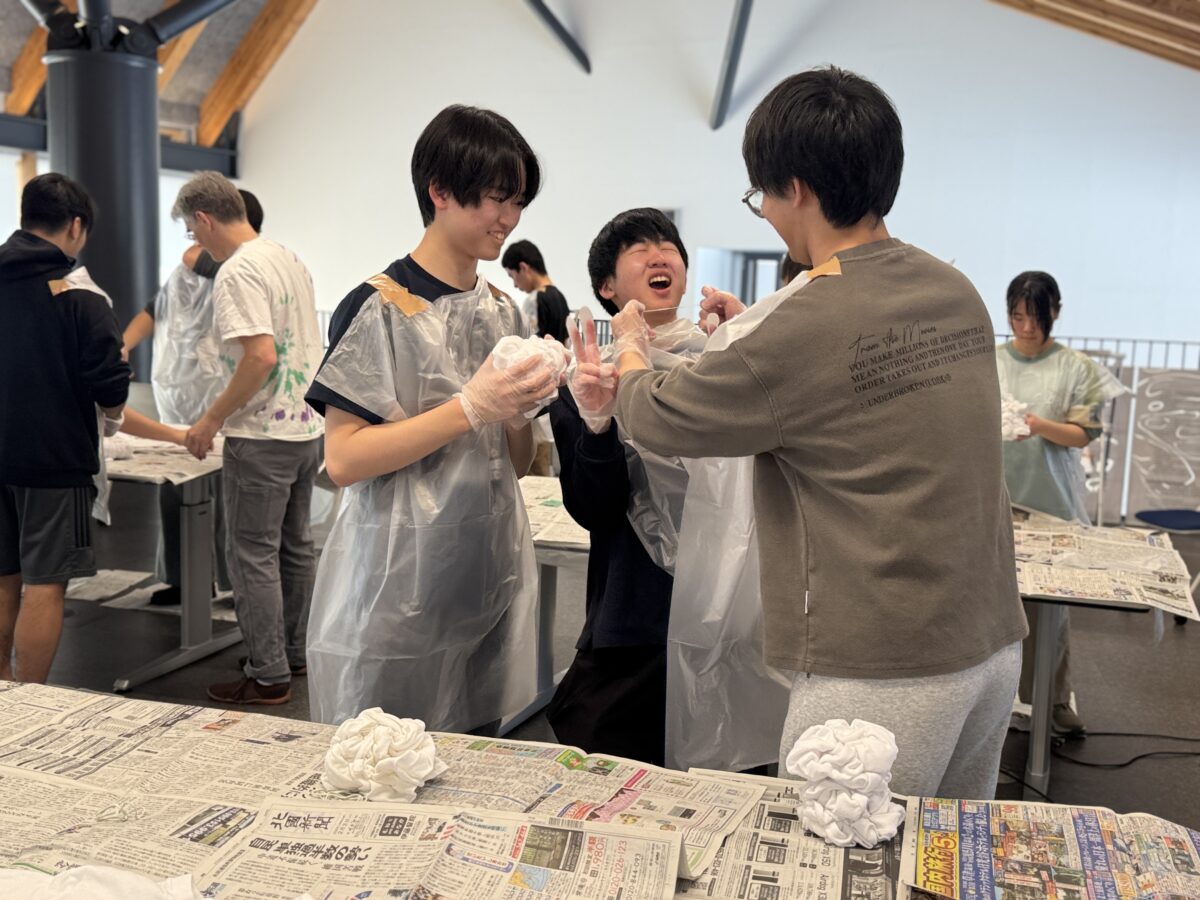
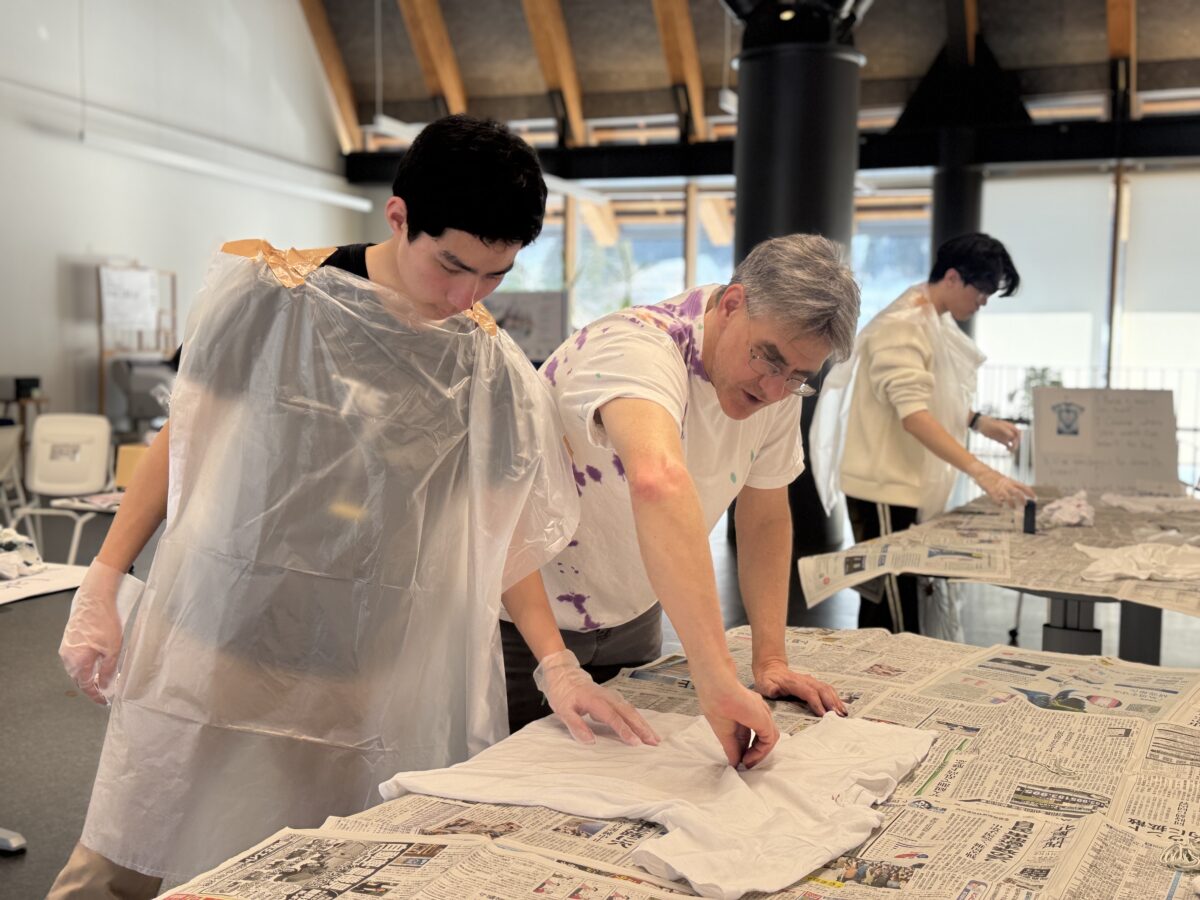
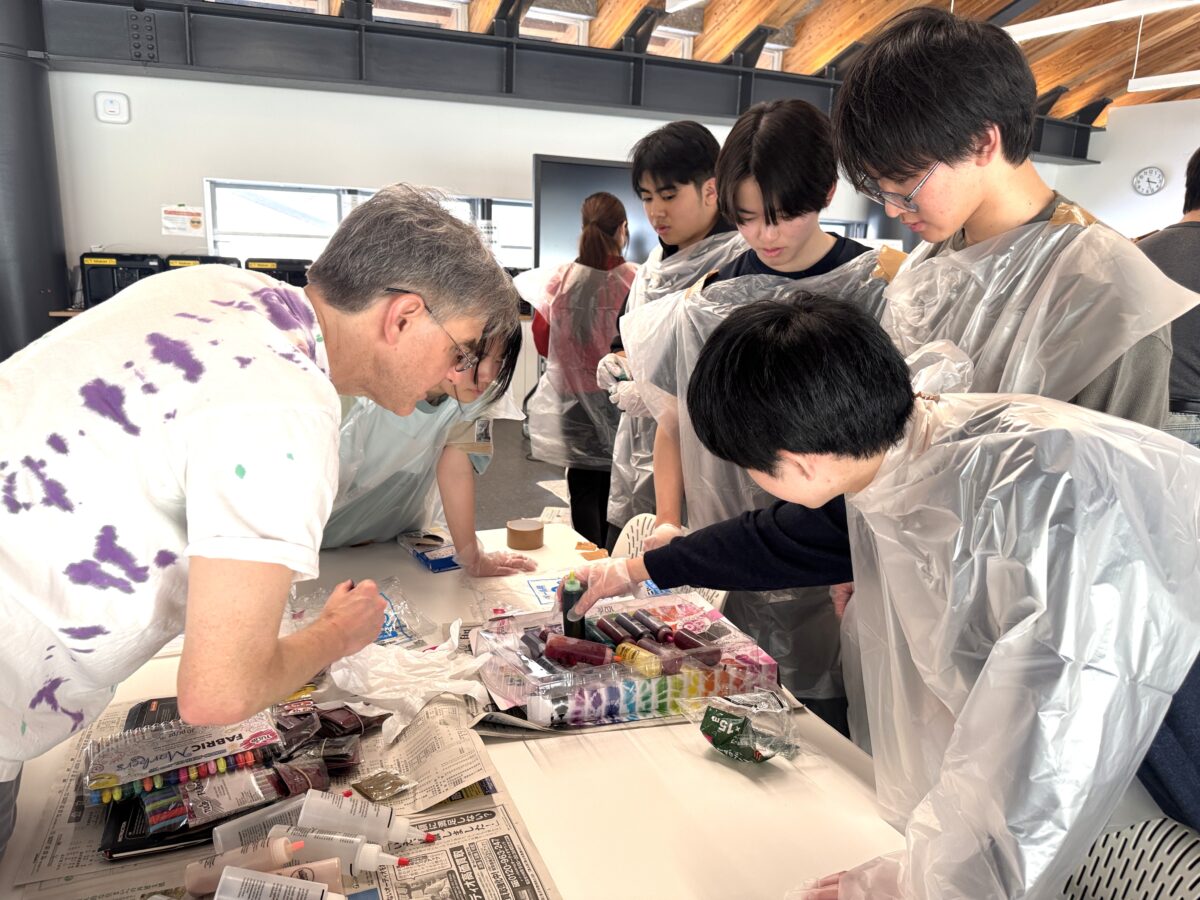
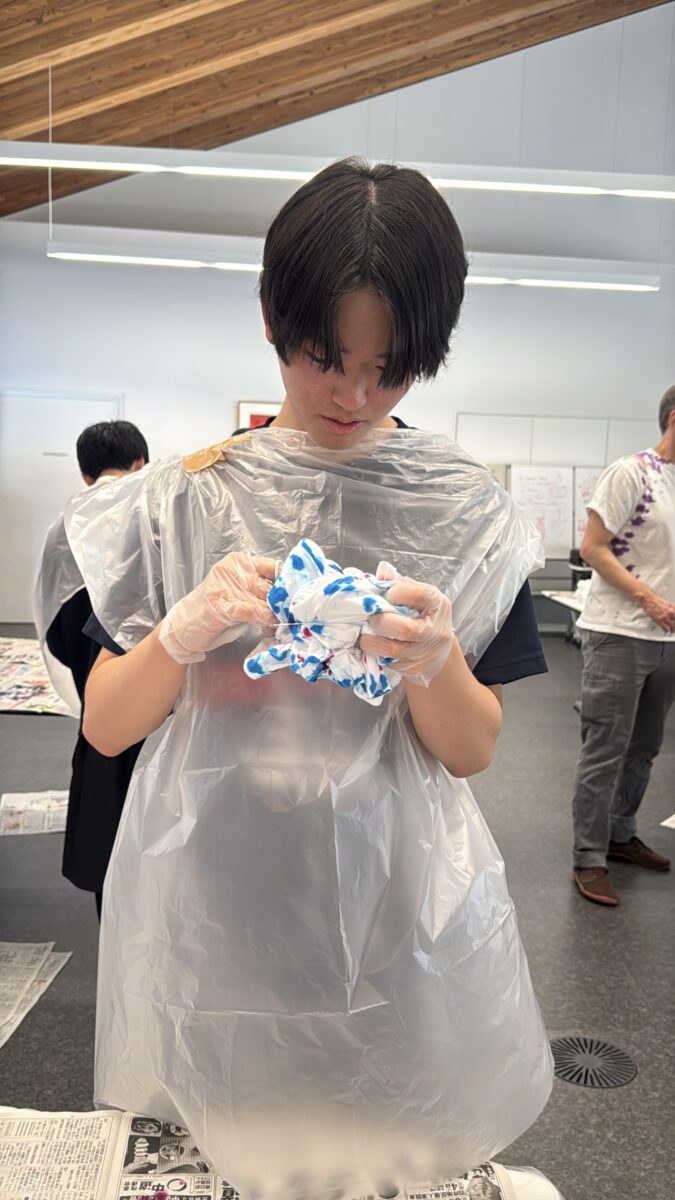
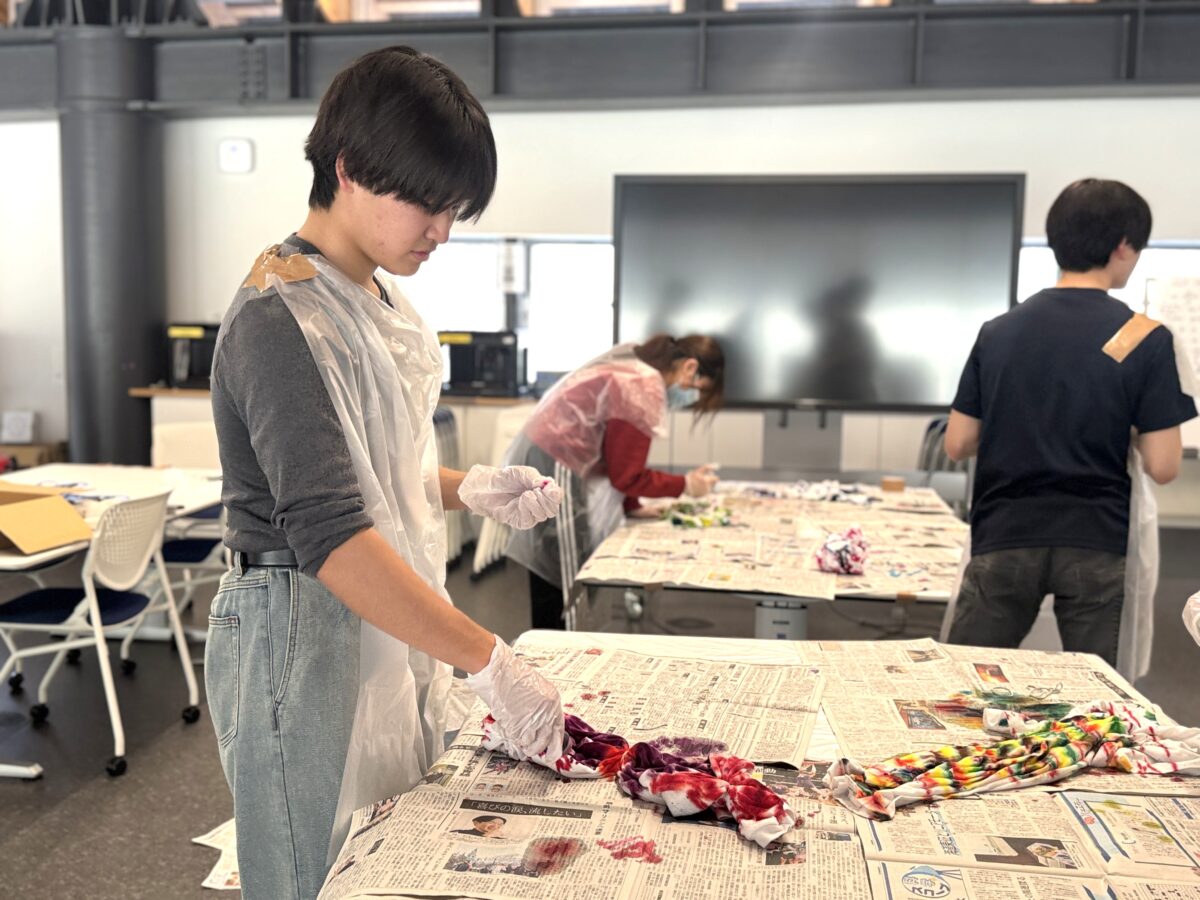
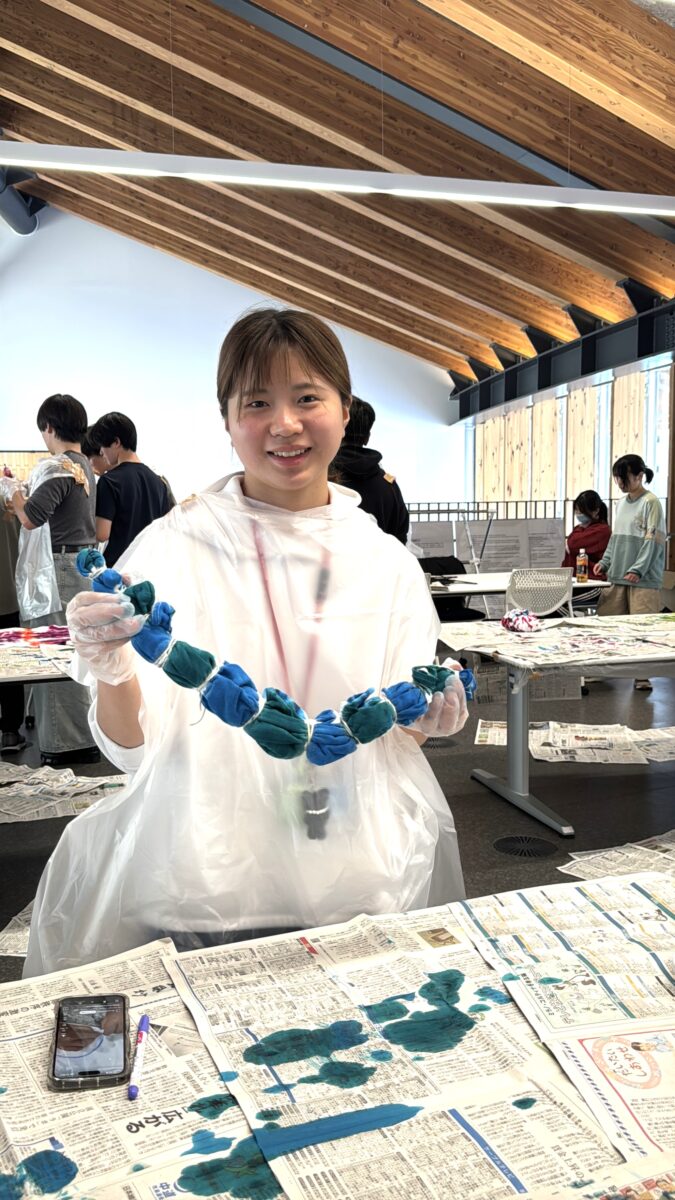
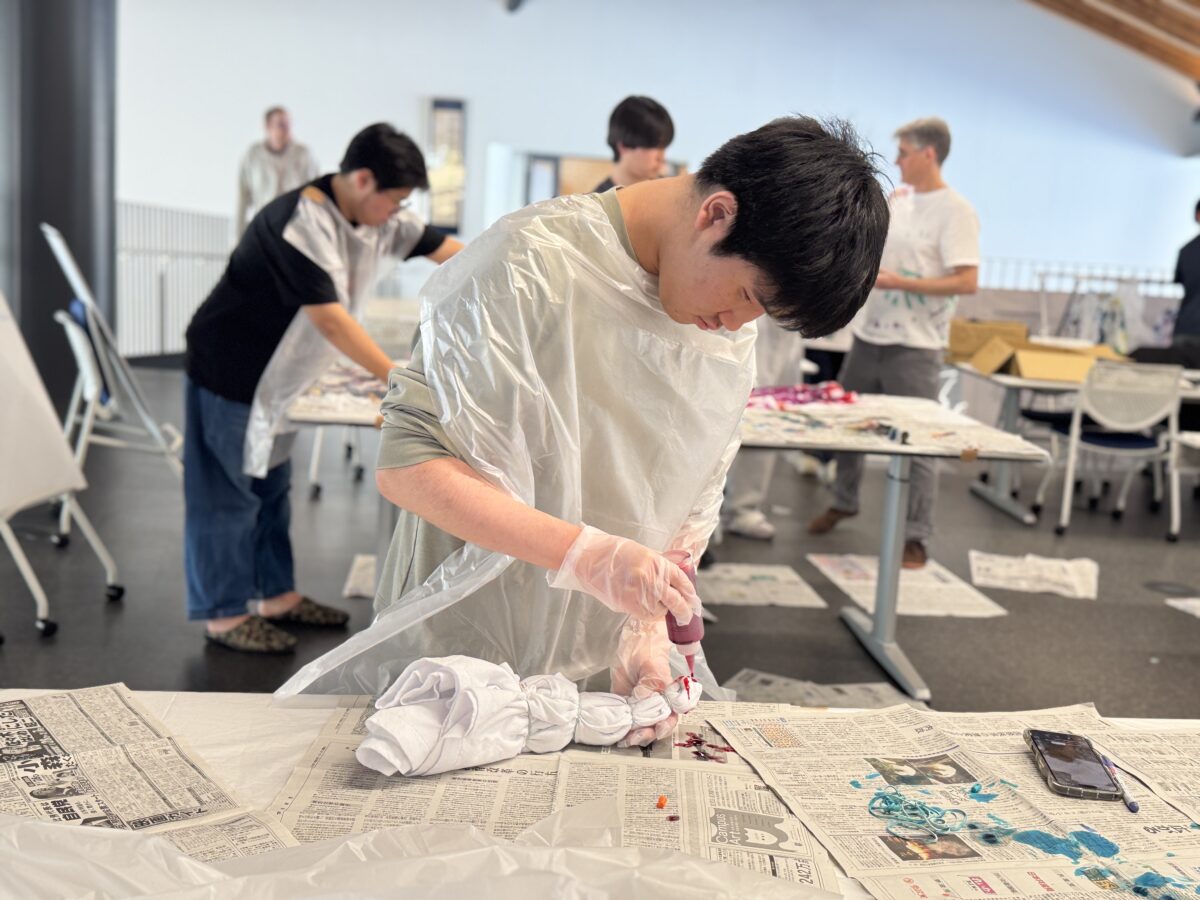
2026年2月17日(火)、2階のプロジェクトブースに集合し、まずゴミ袋でエプロンを作り、手袋をはめ、染料による手や衣服の汚れを防ぐ準備を整えました。その後、タイダイ染めTシャツ作りに使用できる5種類のデザインについて説明しました。4つは過去にも使用した渦巻き、ドット、ストライプ、まだら模様のデザインで、今年は新たにハート柄を加えました。私はこれまでハート柄のタイダイを作ったことがなかったので、その作り方を紹介するYouTube 動画へのリンクも準備しました。
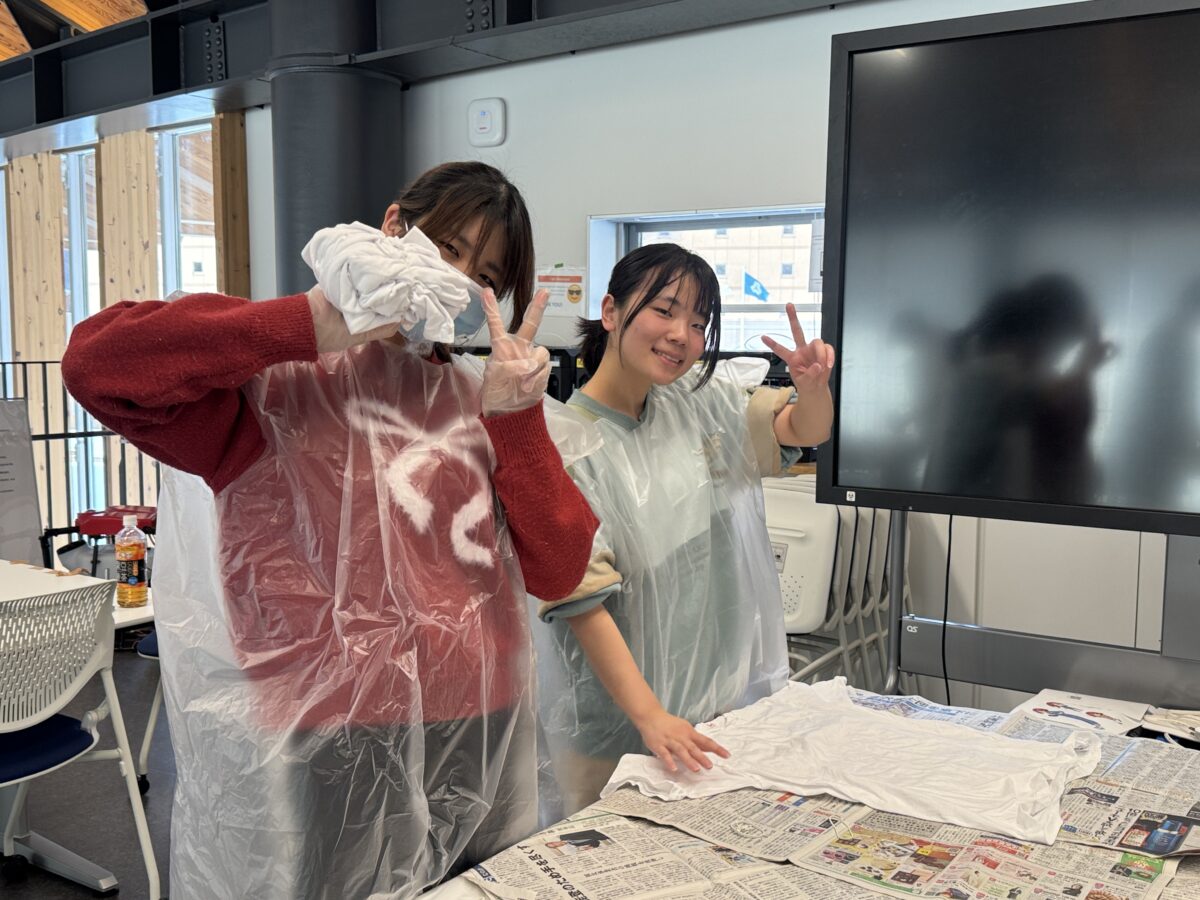
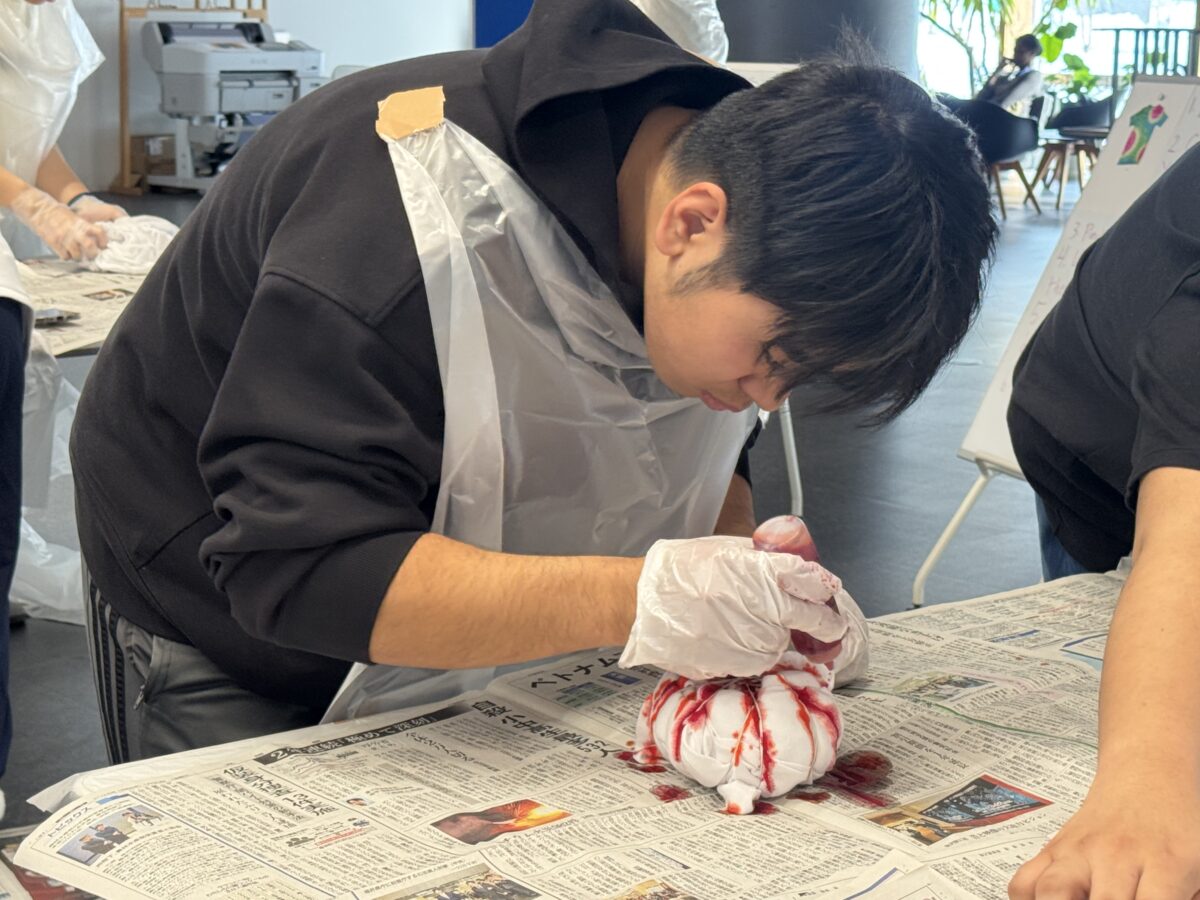
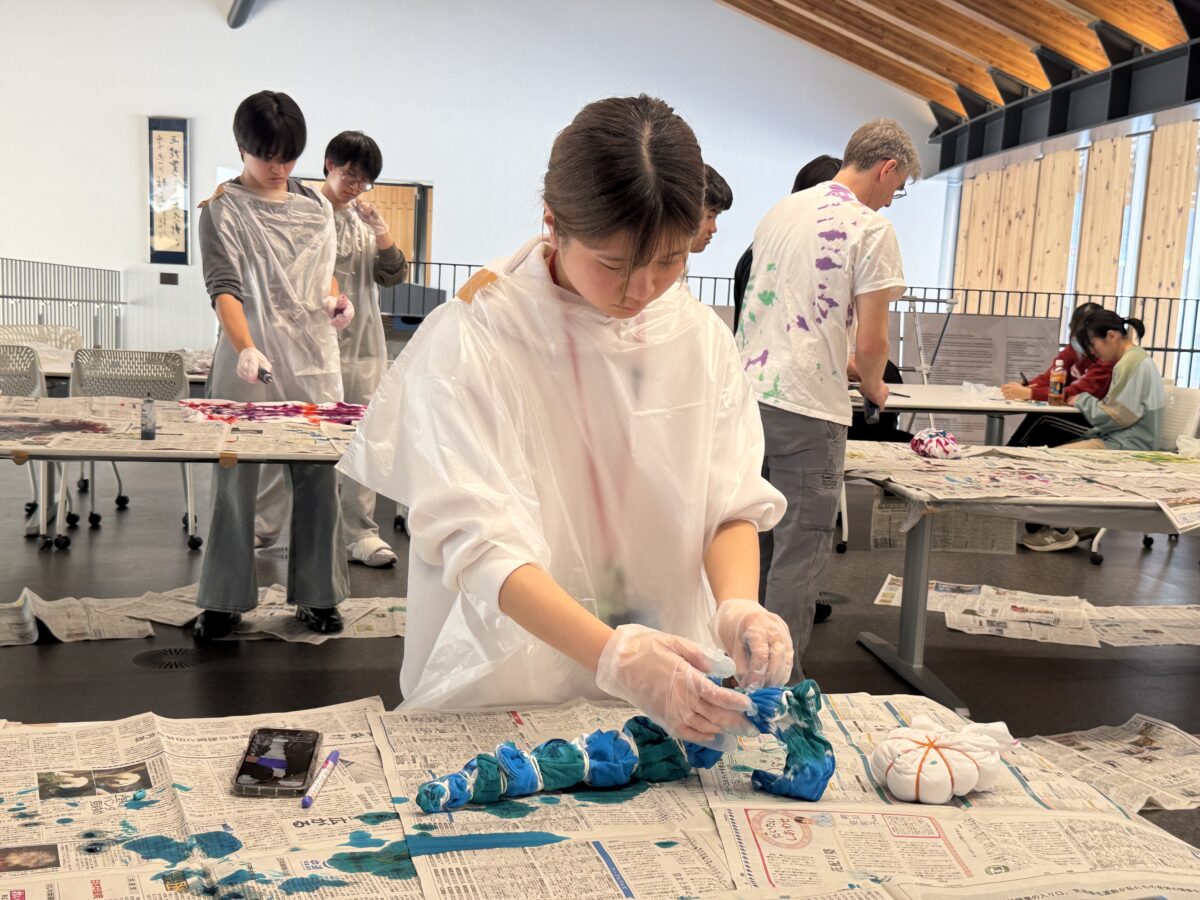
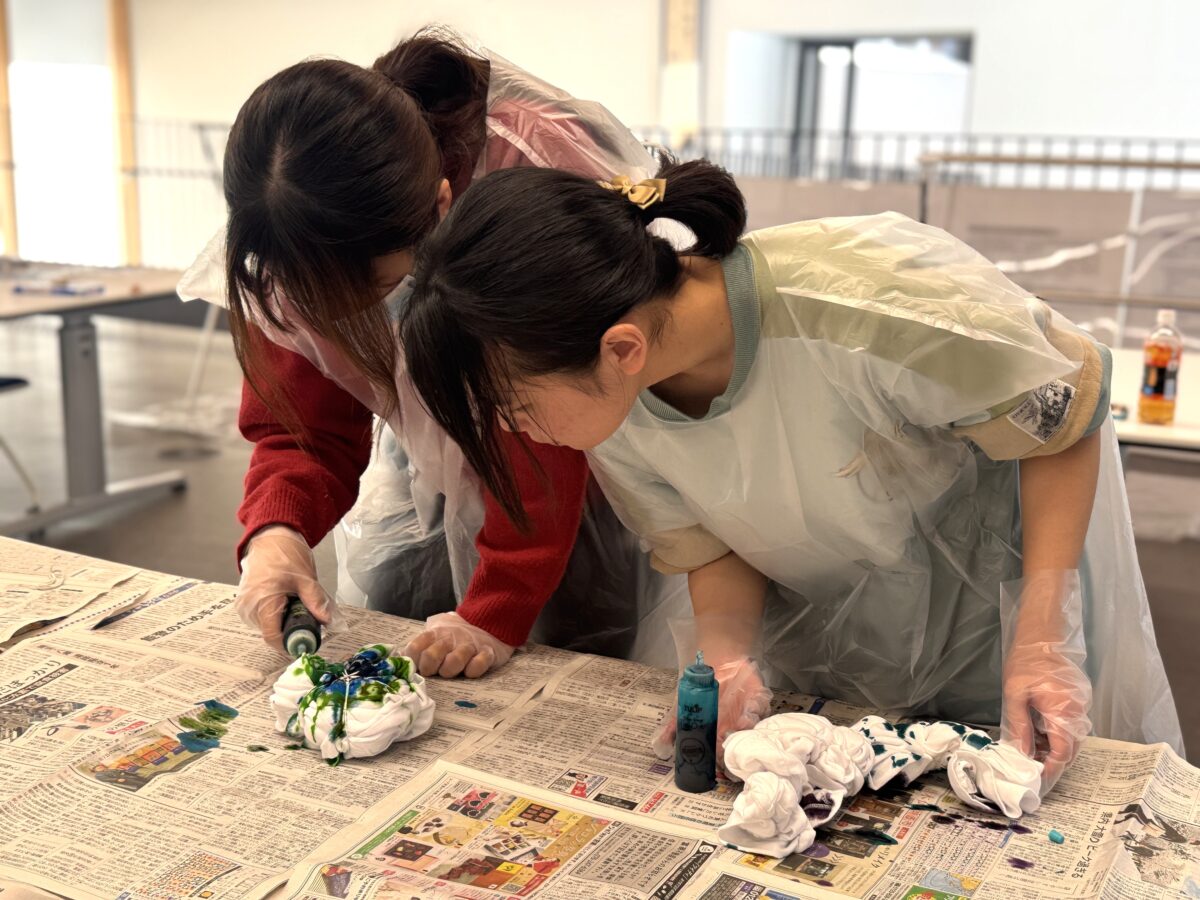
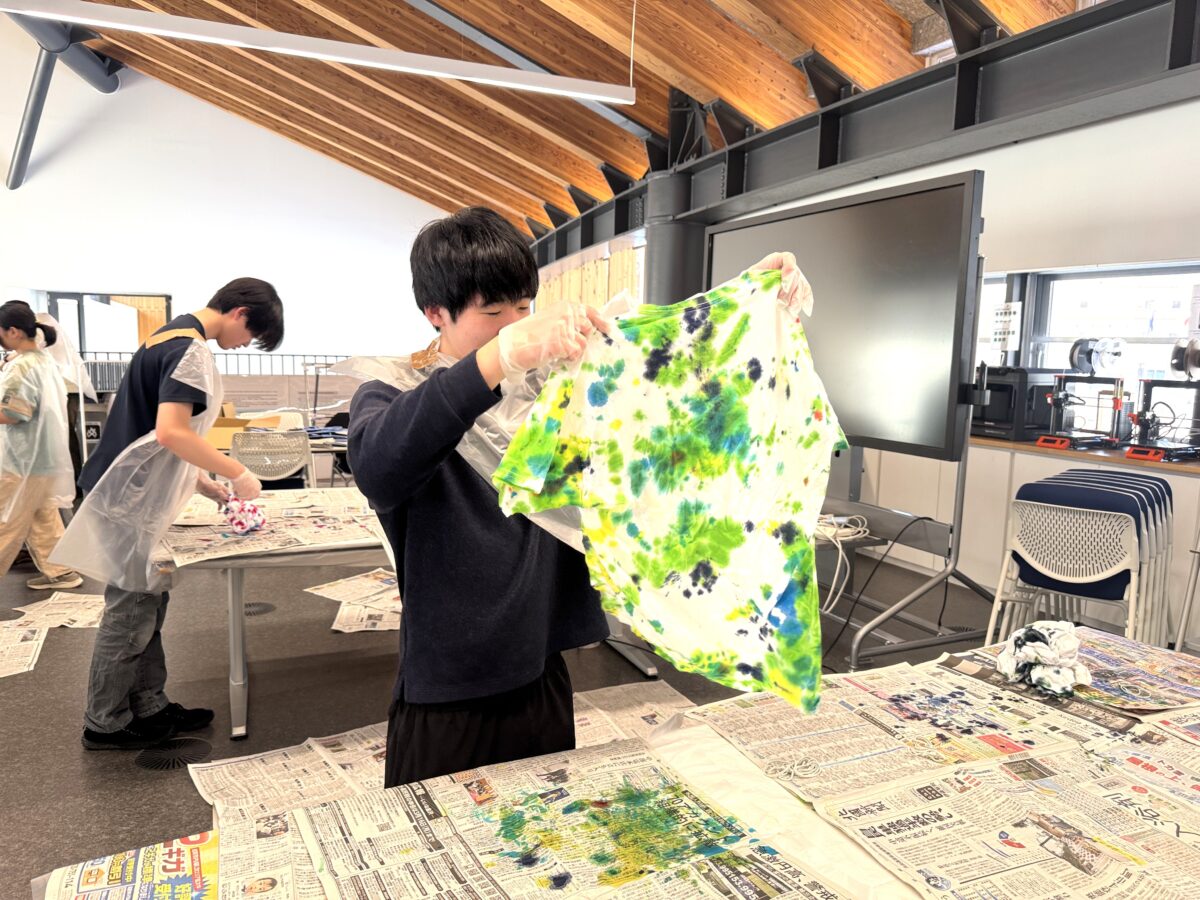
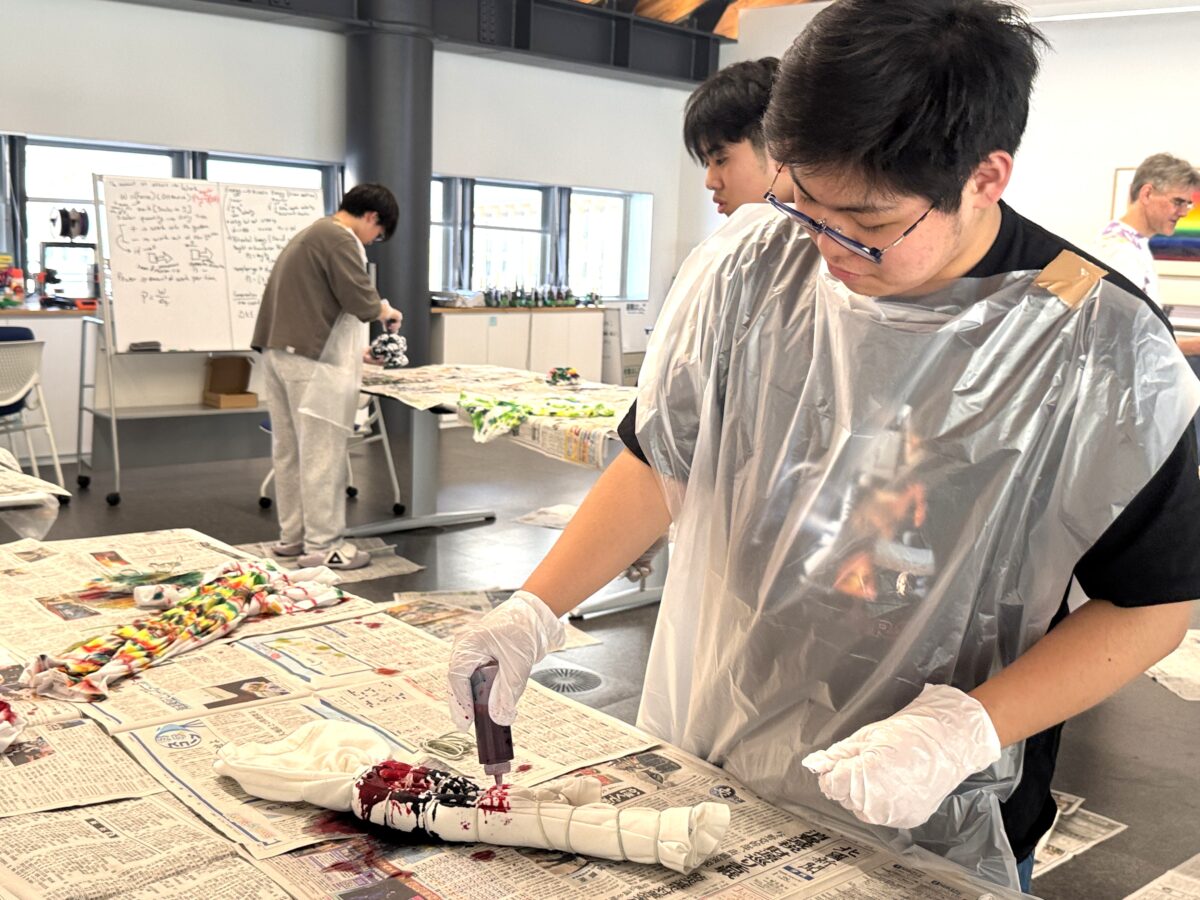
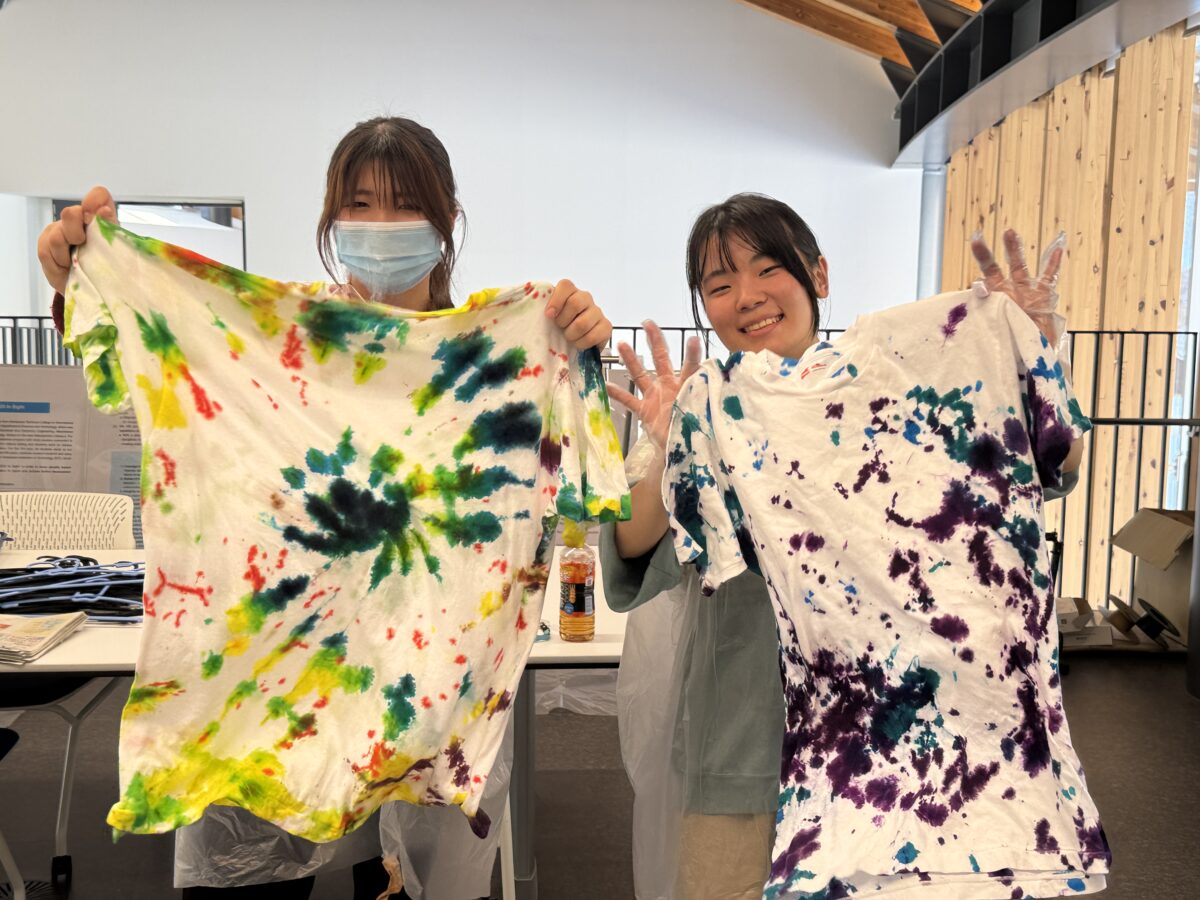
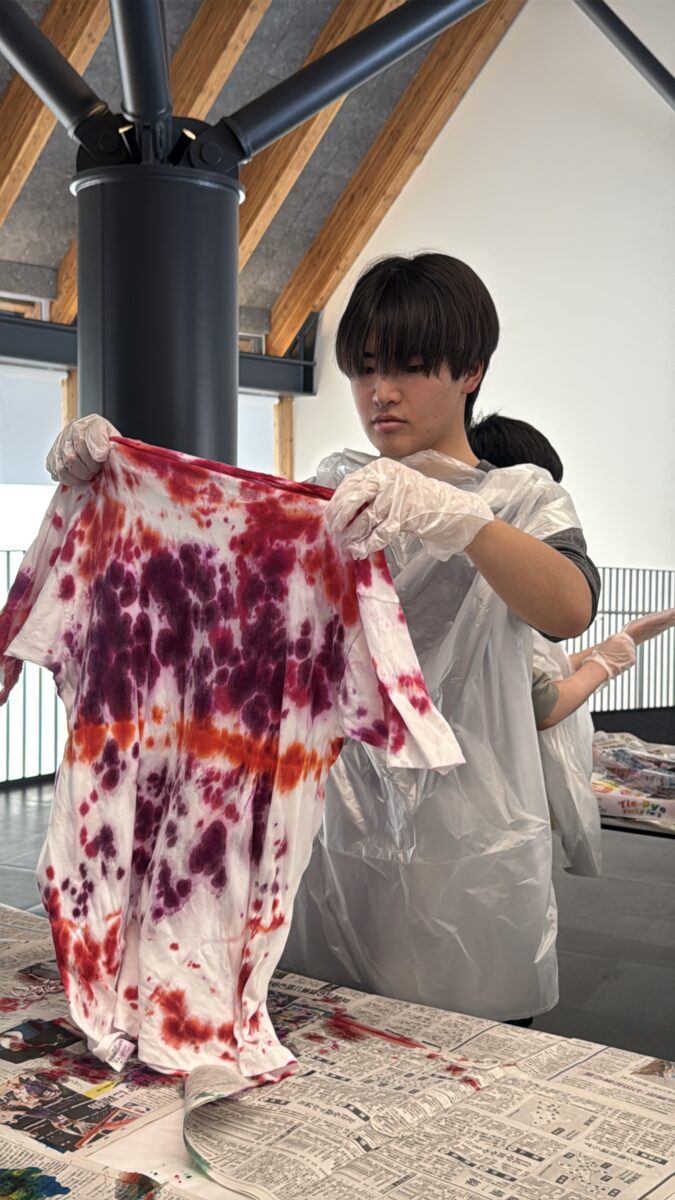
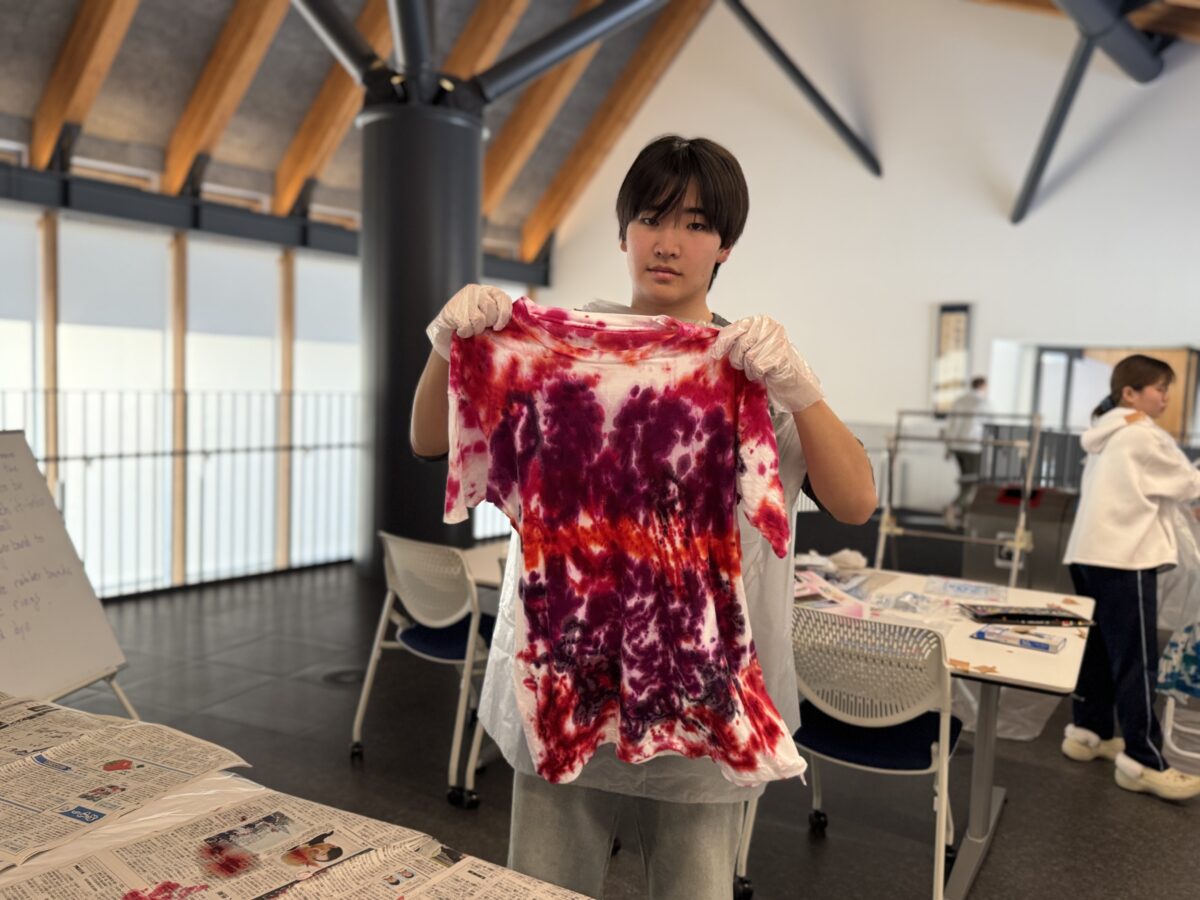
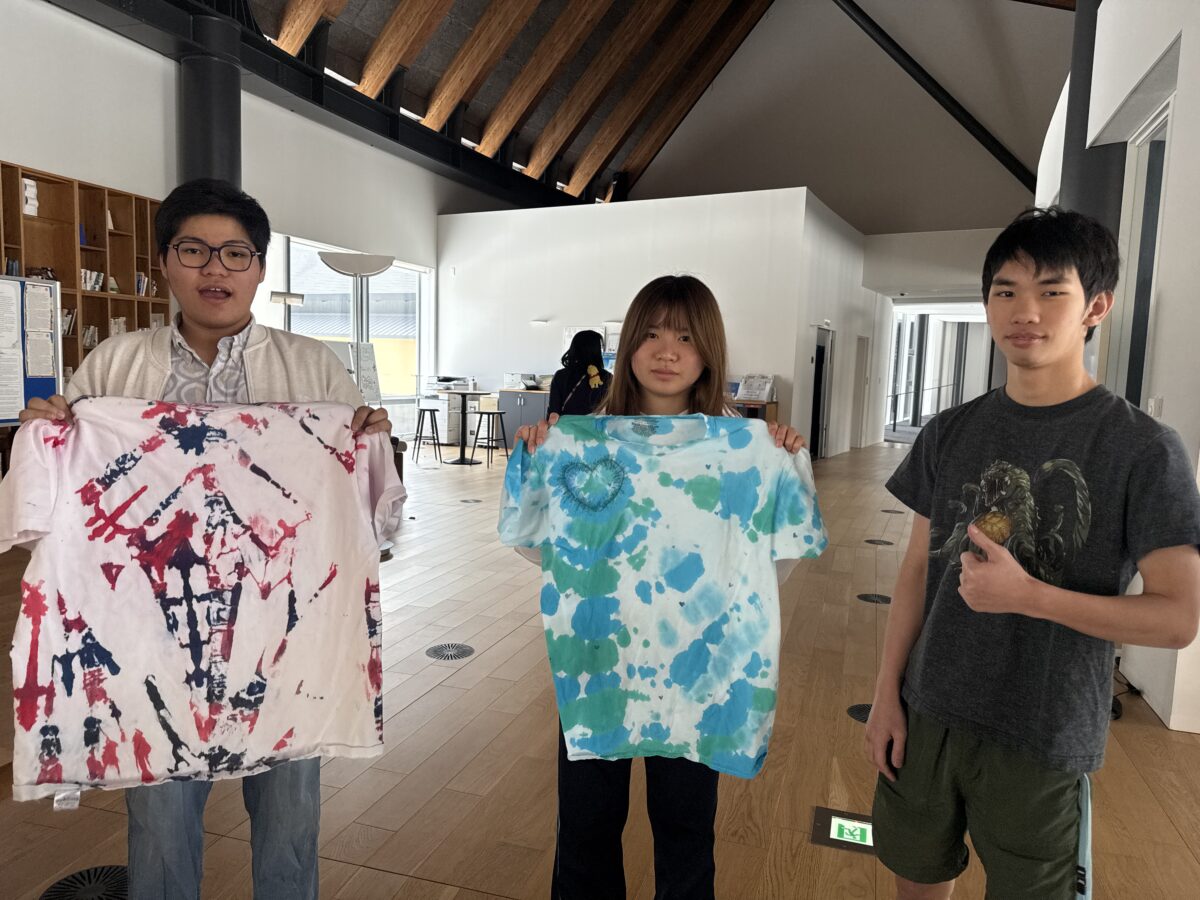
久保 黎華(1年生)さんは、このハート柄に挑戦し、ライトグリーンとブルーを選びました。また、八尾 拓樹(1年生)さんは、動画内で星形模様の作り方も紹介されていることに気づき、ダークレッドとブルーの星形模様のTシャツを作りました。他の学生たちは従来の4種類のデザインを用い、なかでも渦巻きとまだら模様が特に人気でした。
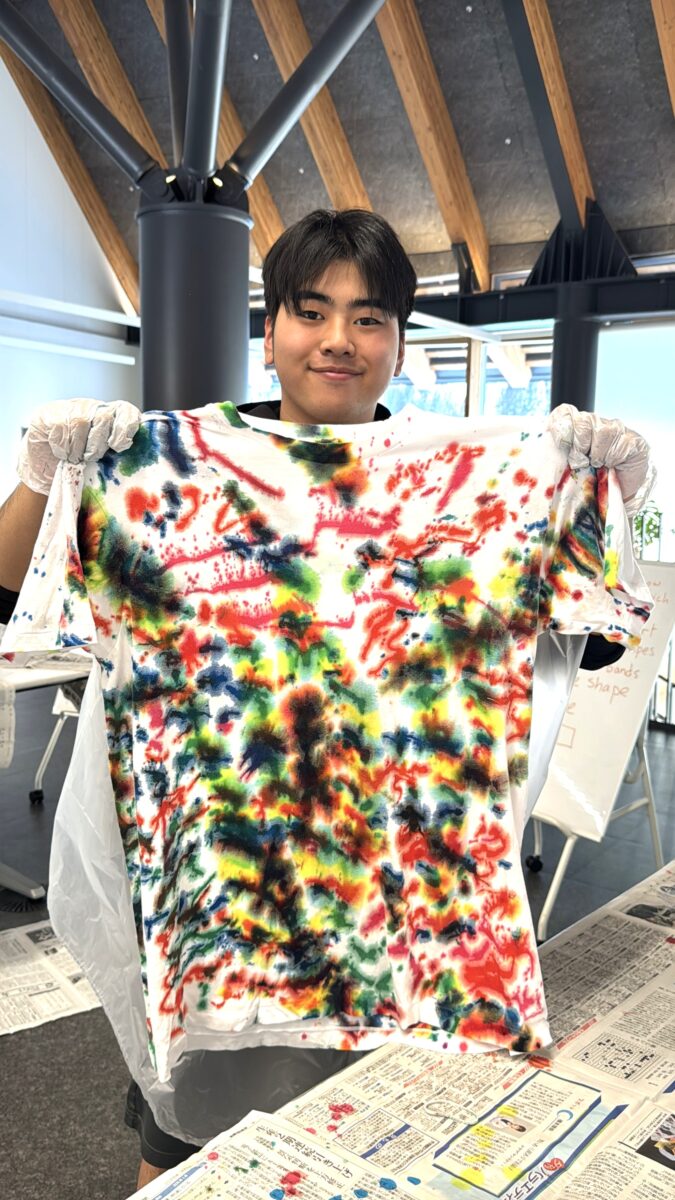
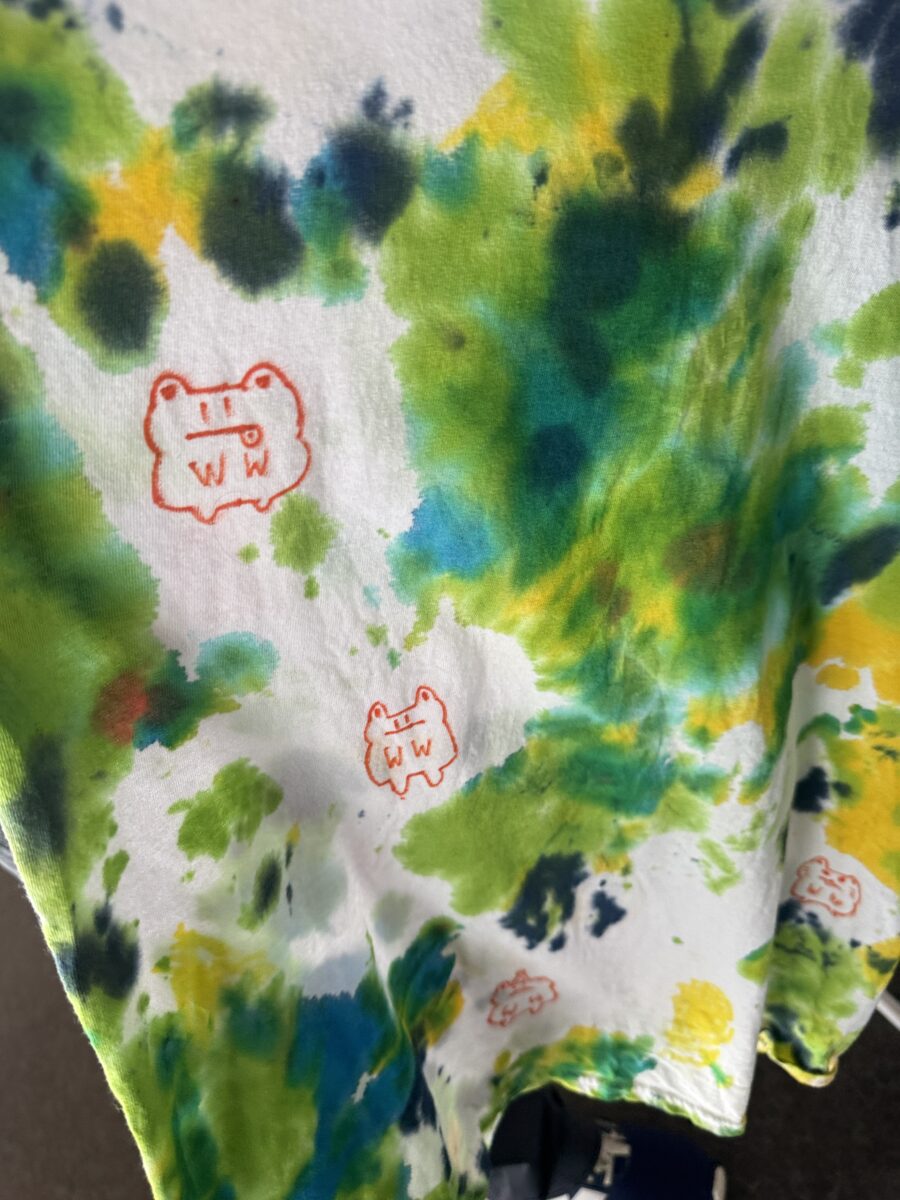
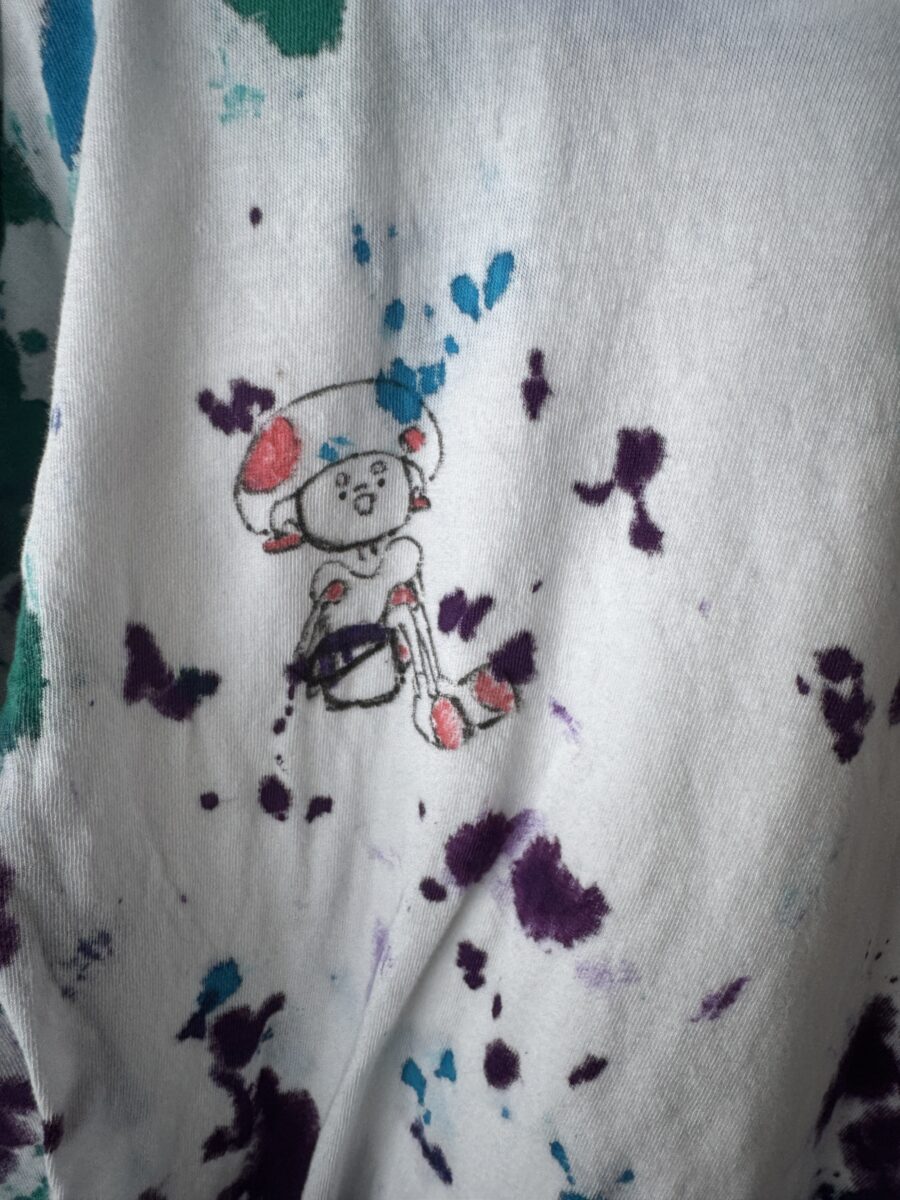
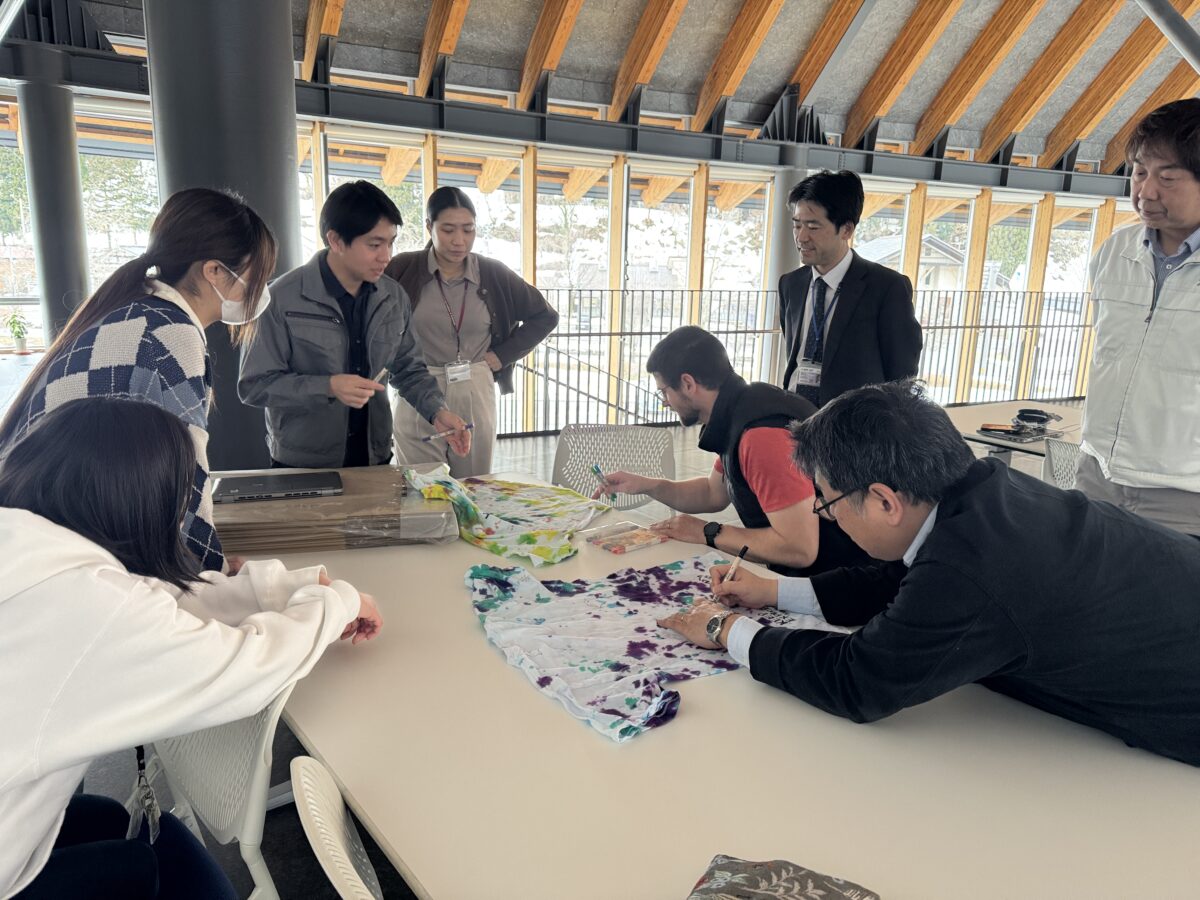
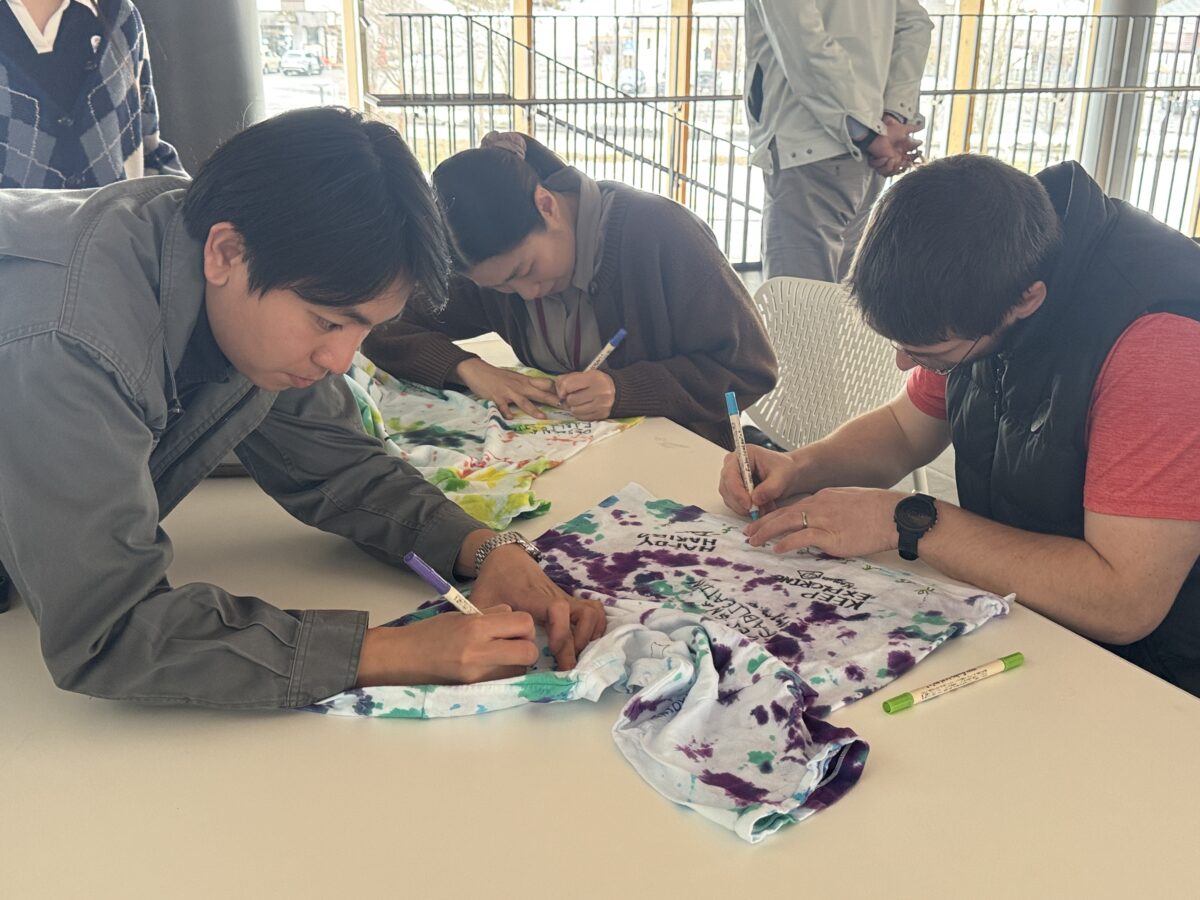
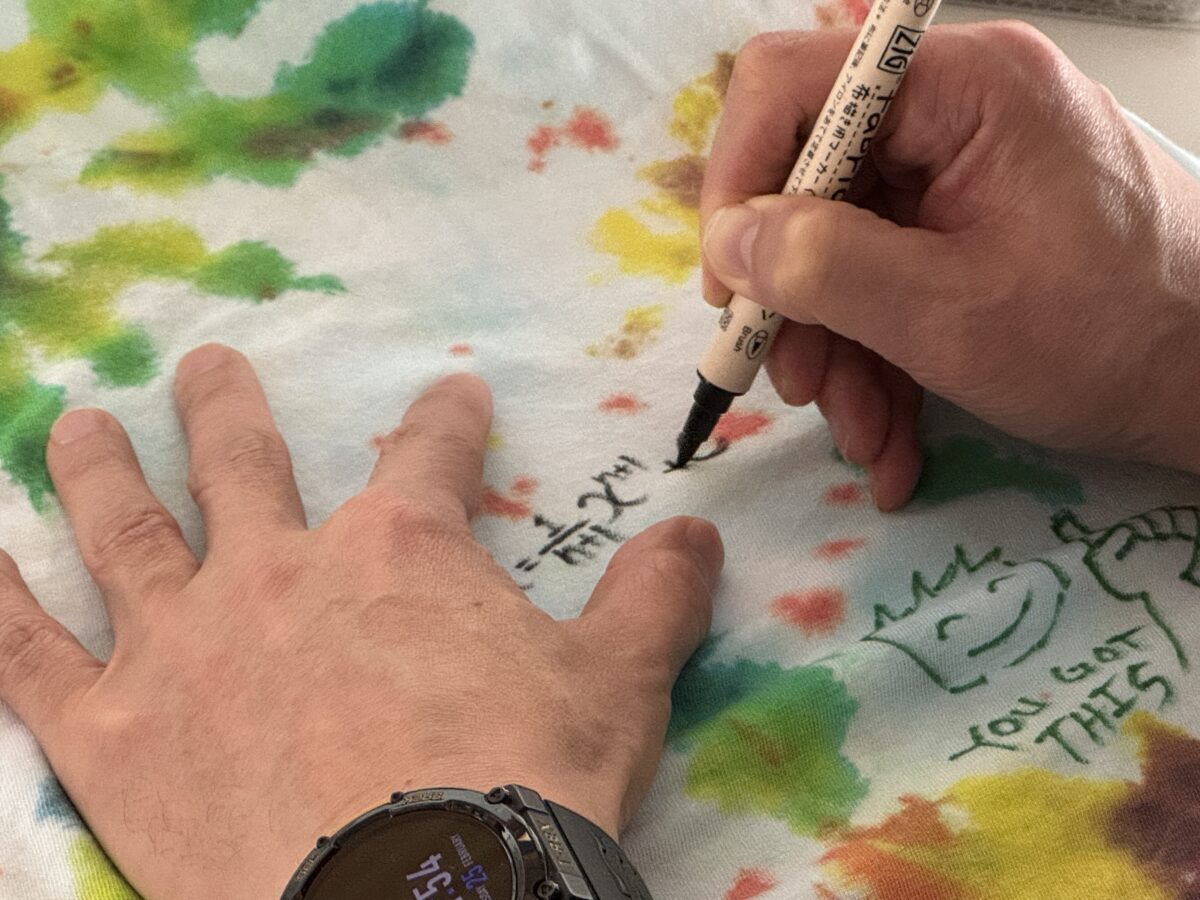
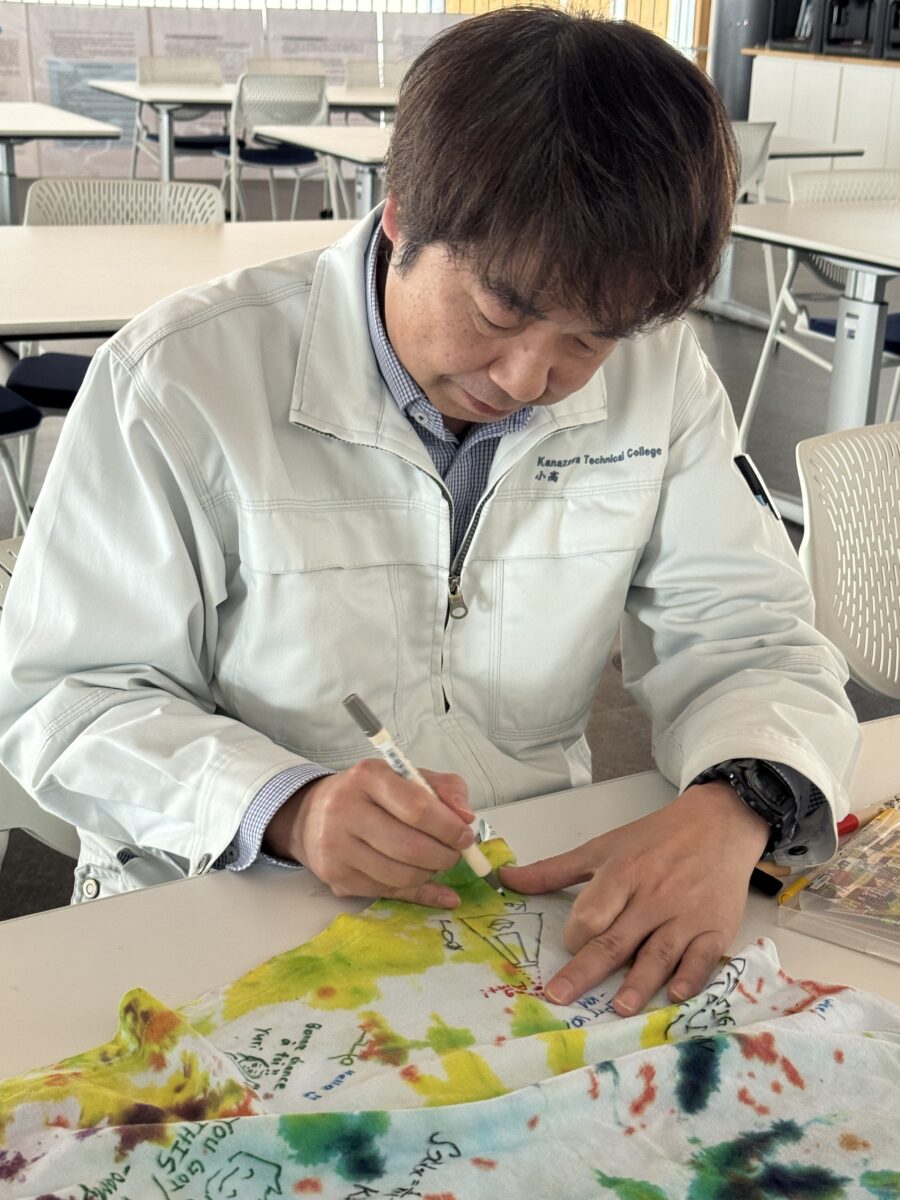
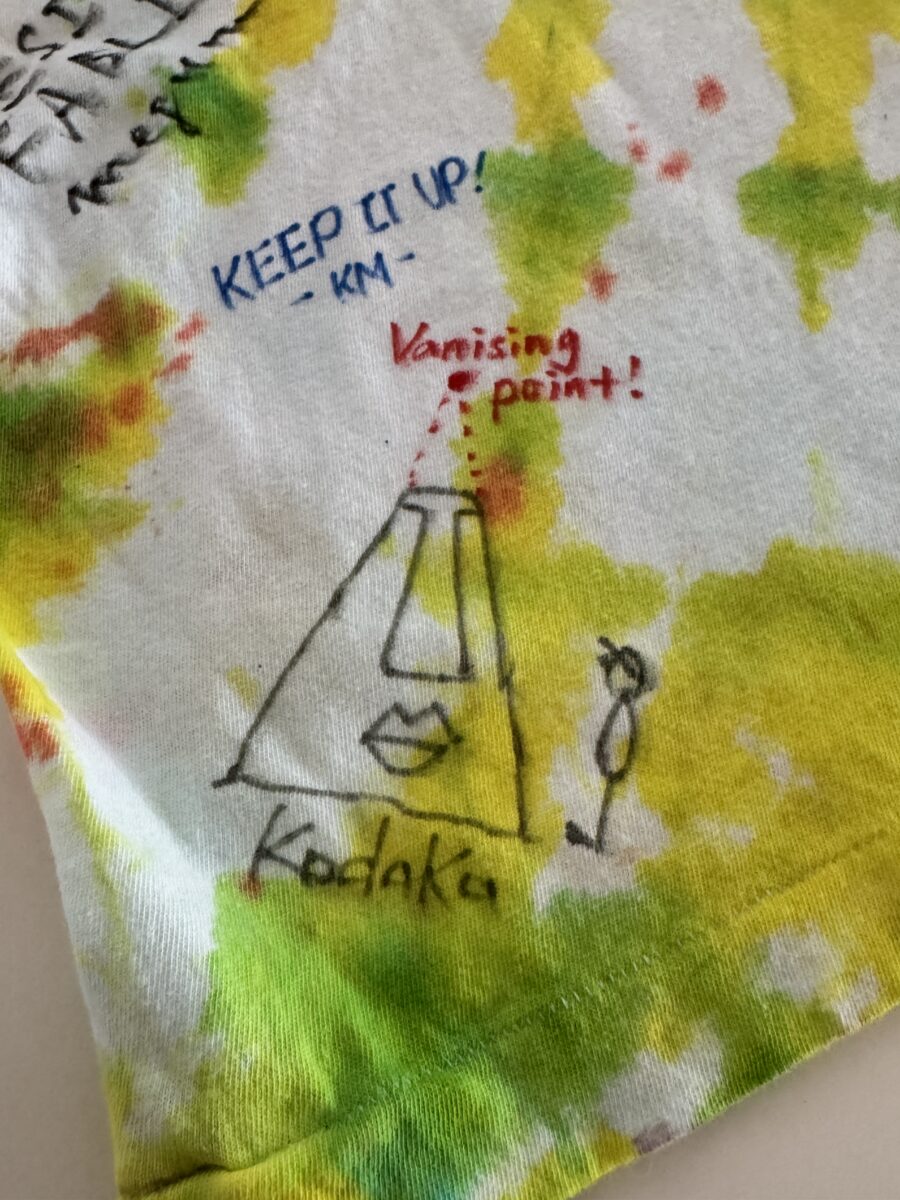
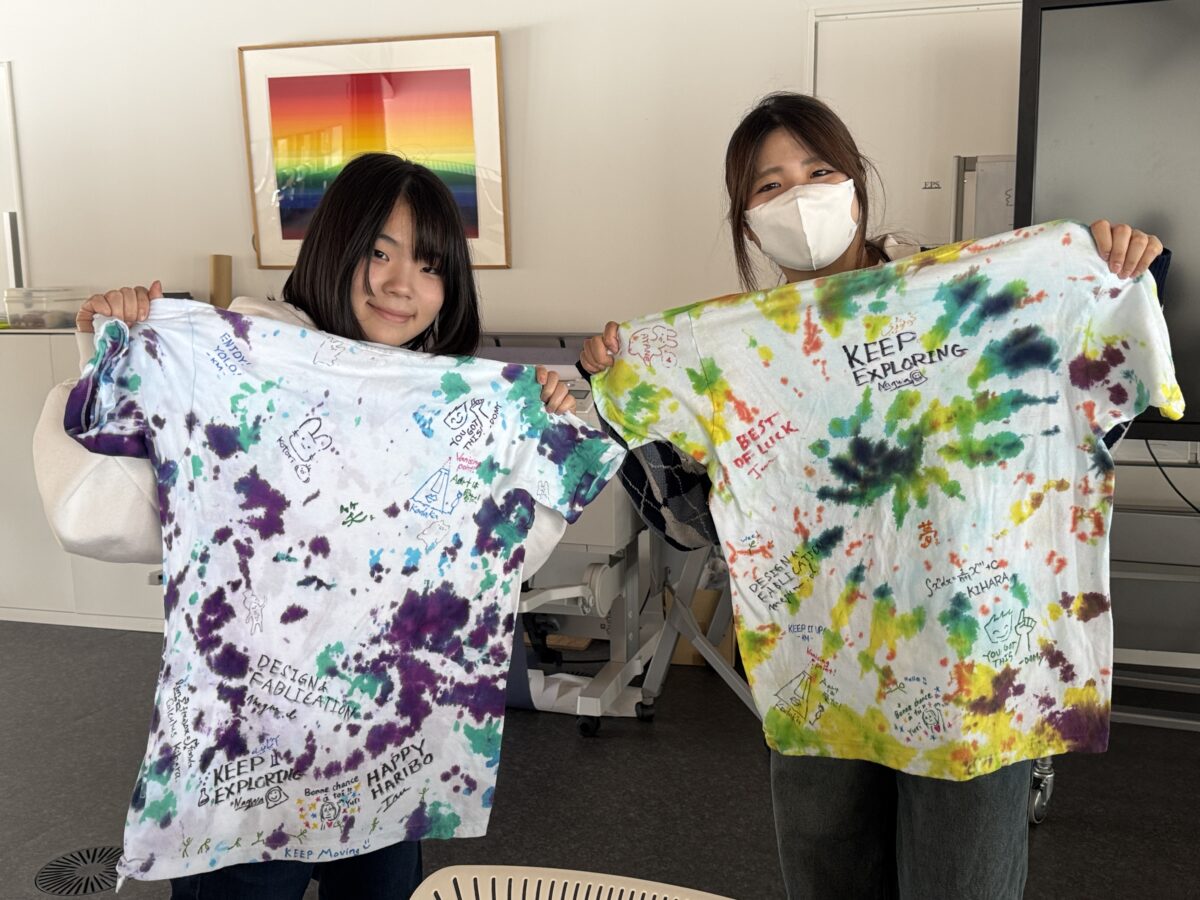
Tシャツを2日間乾燥させた後、木曜日に再び集まり、布用マーカーでTシャツの装飾を行いました。学生の中には、田村 駿多さん(1年生)と伊藤 綾音さん(2年生)のようにキャラクターを描く者もおり、田村さんはハムスター(私は最初カエルだと思っていました)を描き、伊藤さんはキノキノというキノコのキャラクターを描いていました。泉屋 利宗さん(1年生)と谷 一さん(2年生)は、布用マーカーを使って自分の名前をタイダイ模様の中に書き込んでいました。
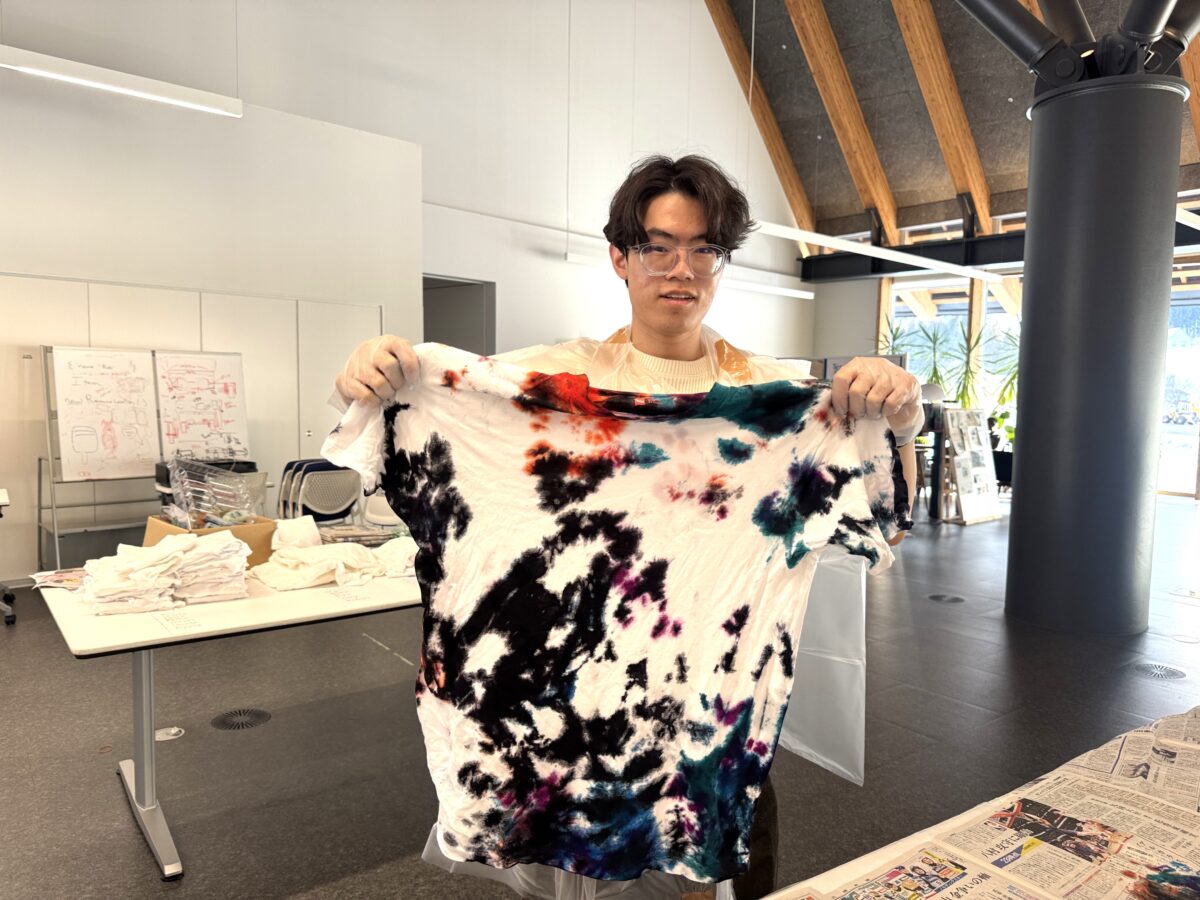
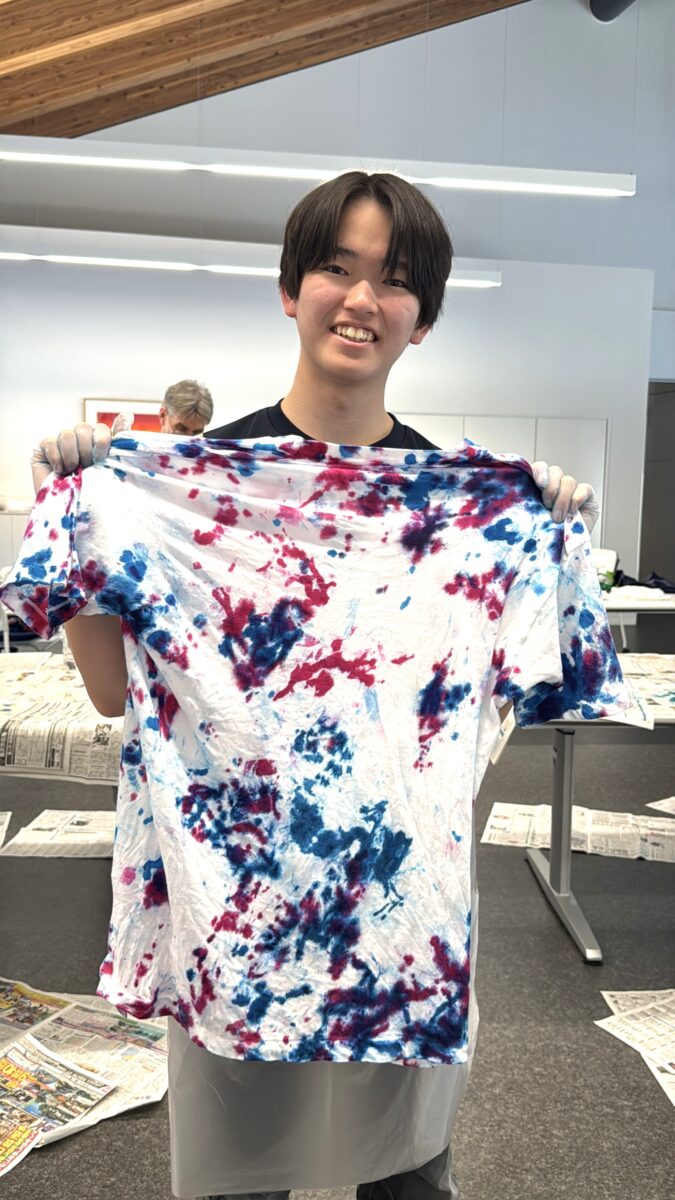
その2日後、私はTシャツを浸して余分な染料を絞り出し、洗濯したうえで学生に返却しました。皆自分たちの作品の仕上がりに満足している様子でした。さらに万江 琴莉さん(2年生)と伊藤さんは、教員や他の学生にTシャツへメッセージやイラストを描き添えてもらっていました。
イアン・スティーブンソン
Hullo, I’m Ian Stevenson, an English teacher at the Hakusanroku Campus.
The 2nd Semester has finished, and that means it is time for tie-dye t-shirts. Making tie-dye t-shirts is an activity that ICT students have done almost every year since ICT began. See here and here for past tie-dye events. This year, the tie-dye activity was a mix of old and new patterns and designs, and it was spread over 2 days (February 17th and 19th, 2026).
On February 17th, 2026, after the students arrived at the Project Booth on the 2nd floor, they made an apron with a garbage bag and put on a pair of gloves to protect themselves and their clothes from the dye. Then, the students were shown 5 patterns that they could use to make their tie-dye t-shirts. 4 of these patterns had been used in the past; spiral, bullseye, stripe and crumple. There was also a new pattern, heart. I had never made a heart pattern tie-dye t-shirt, so I included a link to a YouTube video that demonstrated how to make it.
One student (Reika Kubo, a 1st year) decided to try this heart-shaped pattern and to use light green and blue dye. Another student (Hiroki Yatsuo, a 1st year) saw that the video also had information about making a star-shaped pattern and made a t-shirt with a dark red and blue star. The other students used the 4 previously used patterns, with crumple and spiral being the most popular choices.
The t-shirts were then hung to dry for 2 days. On February 19, 2026, the students returned to further decorate their t-shirts with fabric markers. Some students (Shunta Tamura, a 1st year and Ayane Ito, a 2nd year) drew characters on their t-shirts. Shunta drew hamsters, which I originally thought were frogs, and Ayane drew (Kino Kino) a mushroom character. Other students (Toshimune Izumiya, a 1st year and Hajime Tani, a 2nd year) used the fabric markers to write their names into the tie-dye patterns.
After another 2 days, I soaked and wrung out the excess dye from the t-shirts before washing and returning the t-shirts to the students. They seemed quite pleased with the results of their work. Some students (Kotori Mae, 2ns year and Ayane) asked teachers and friends to further decorate their t-shirts with messages and drawings.
Ian Stevenson
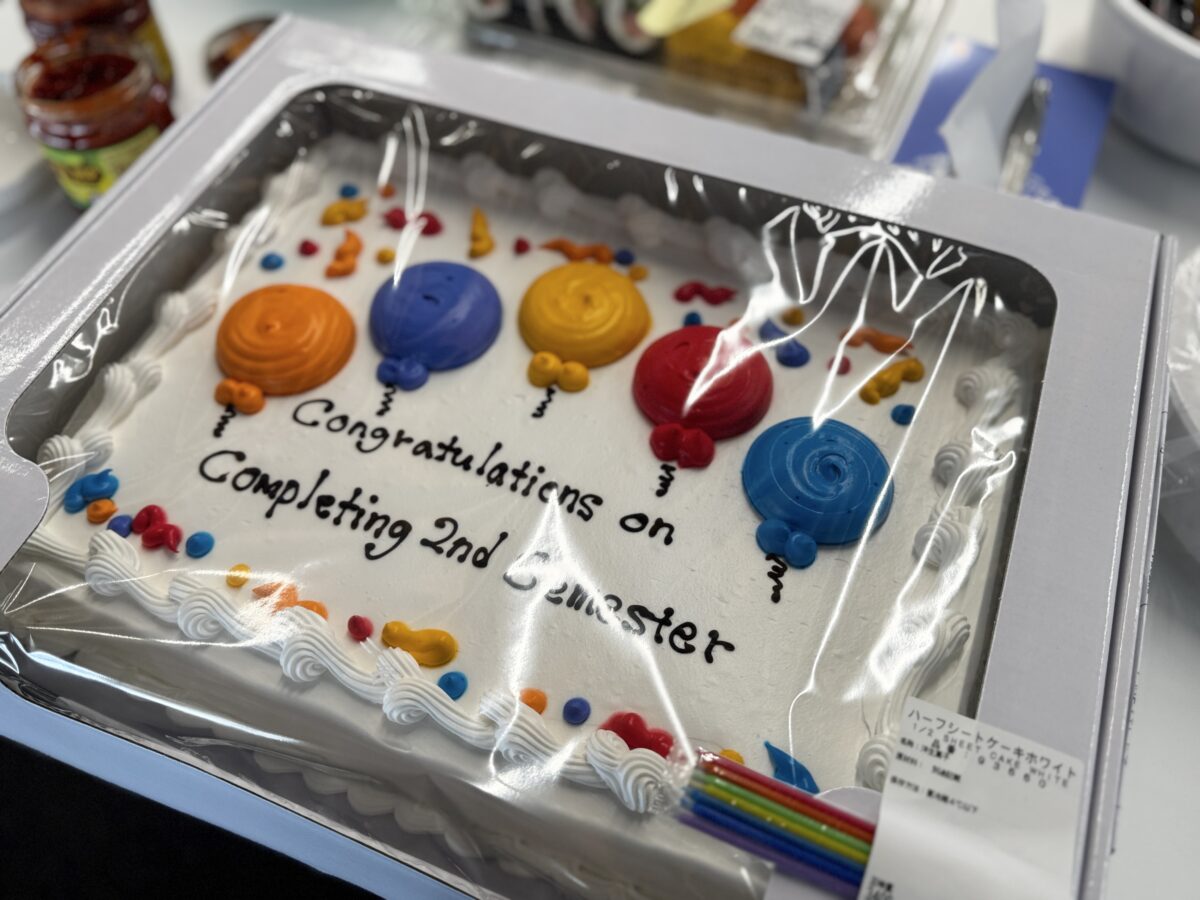
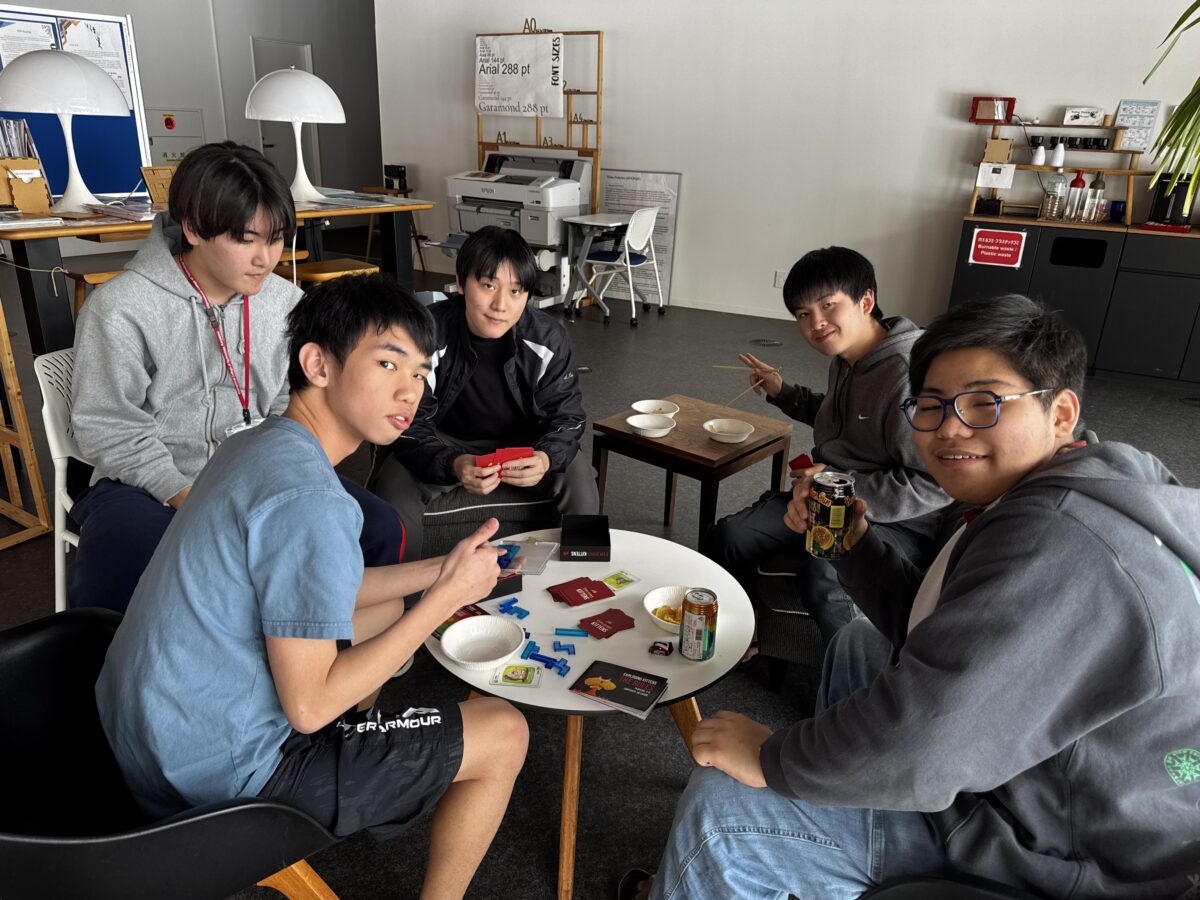
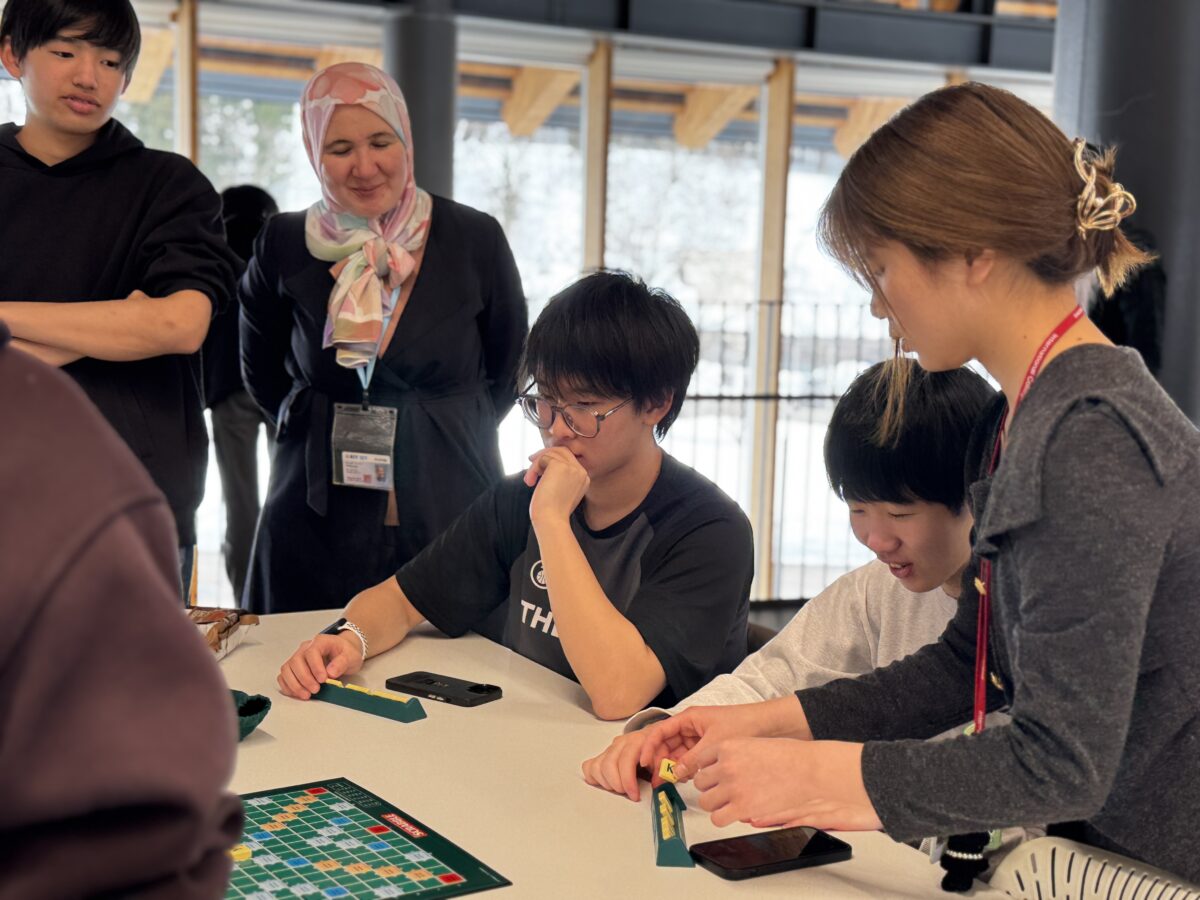
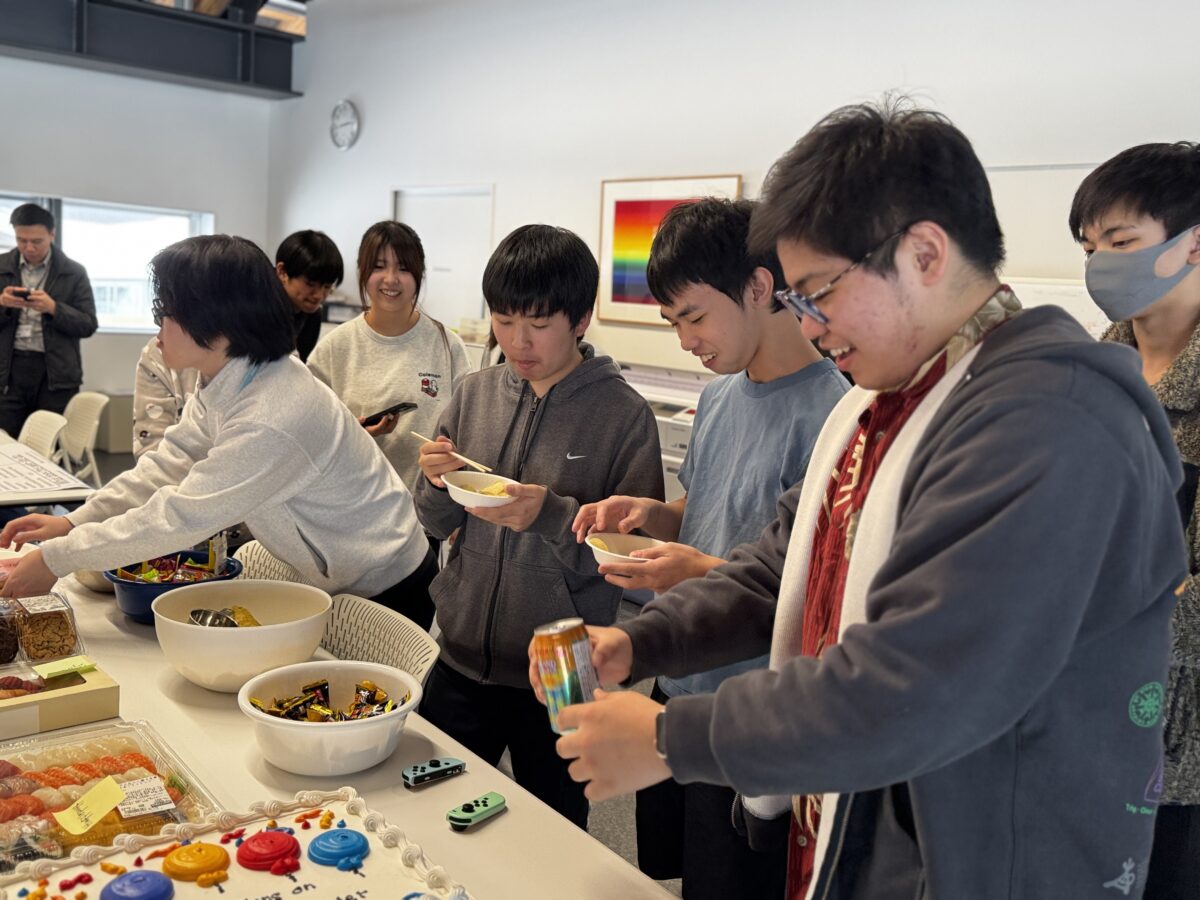
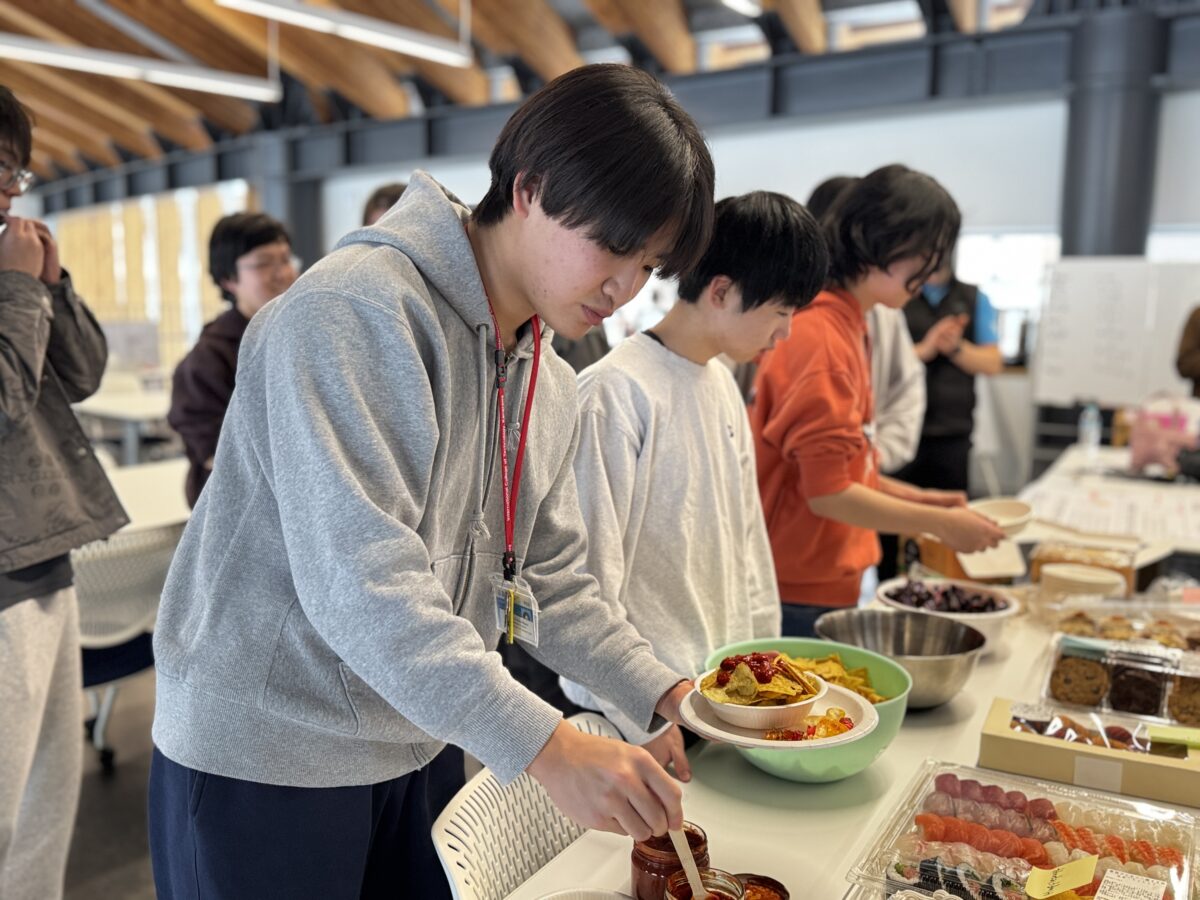
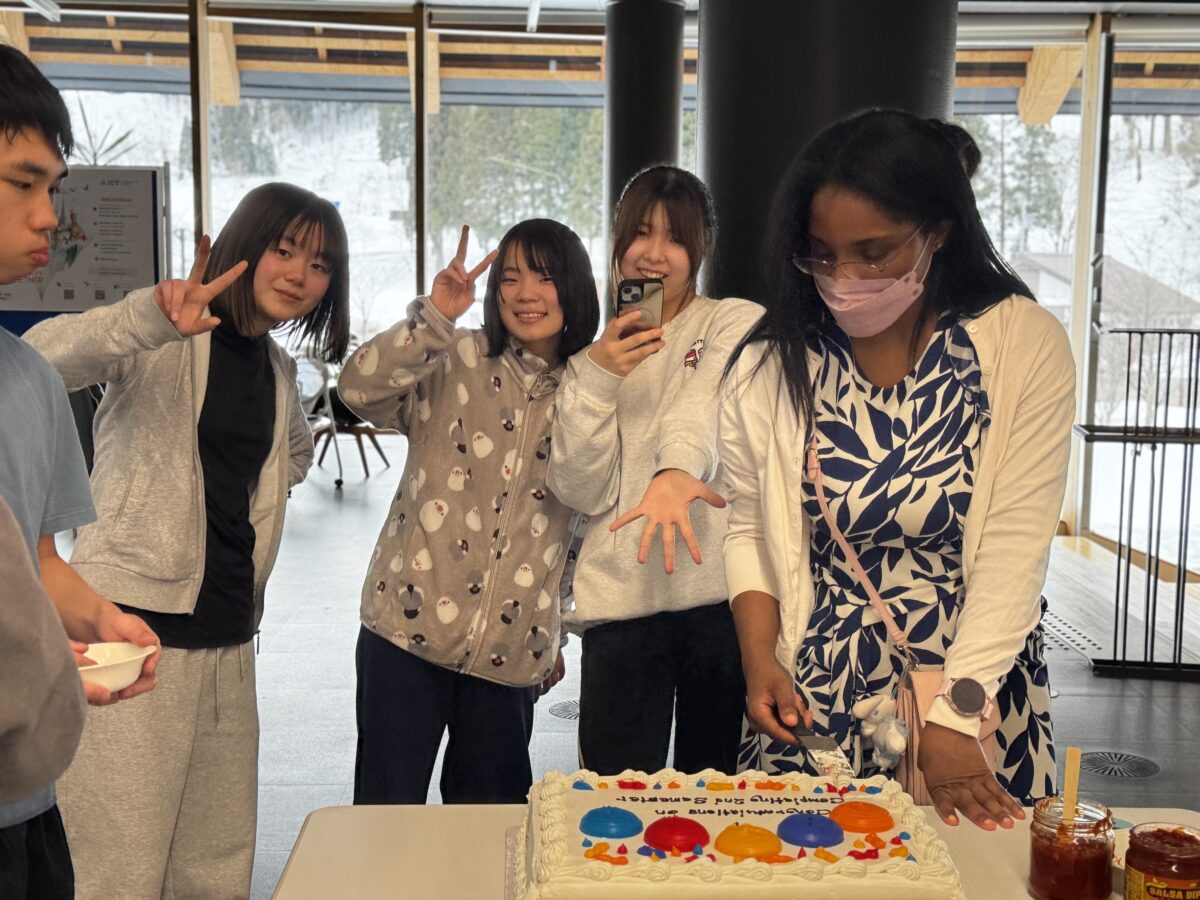
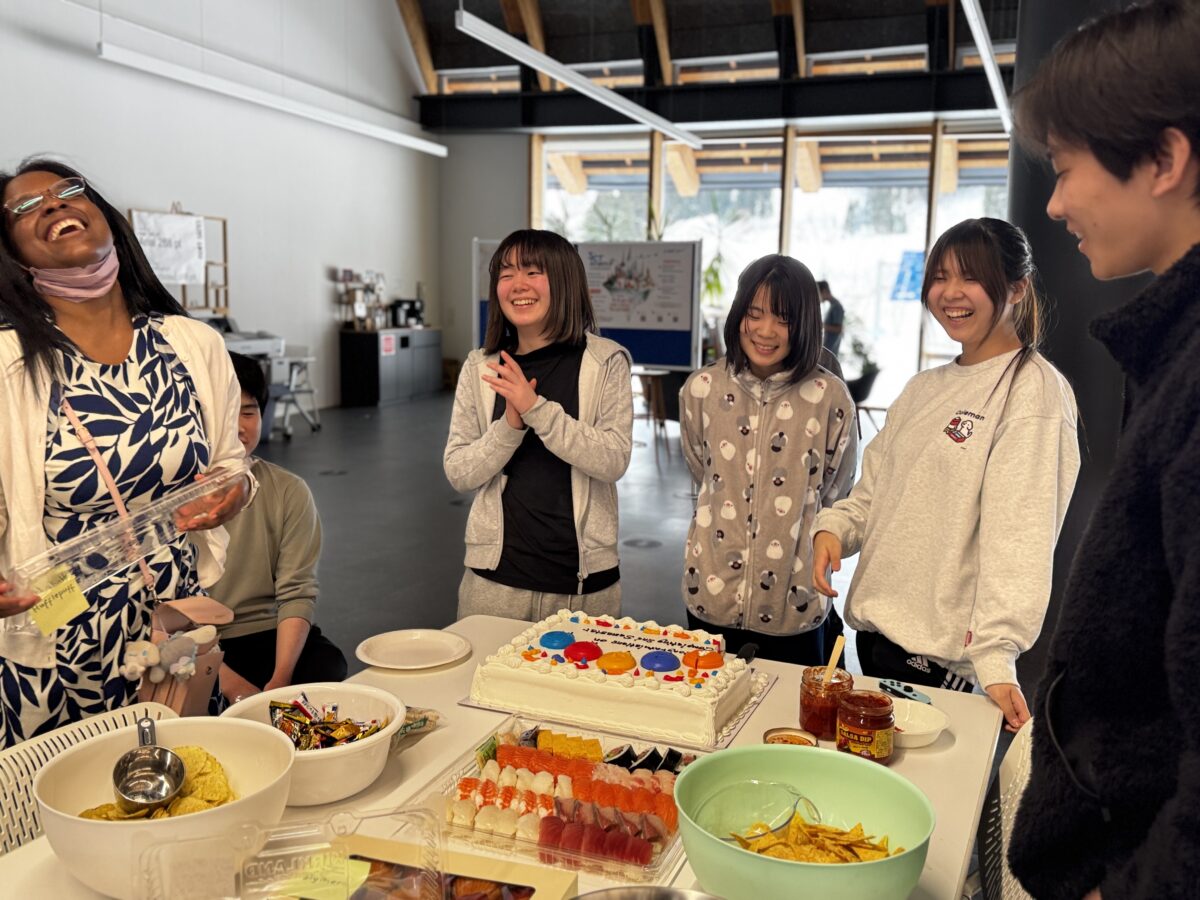
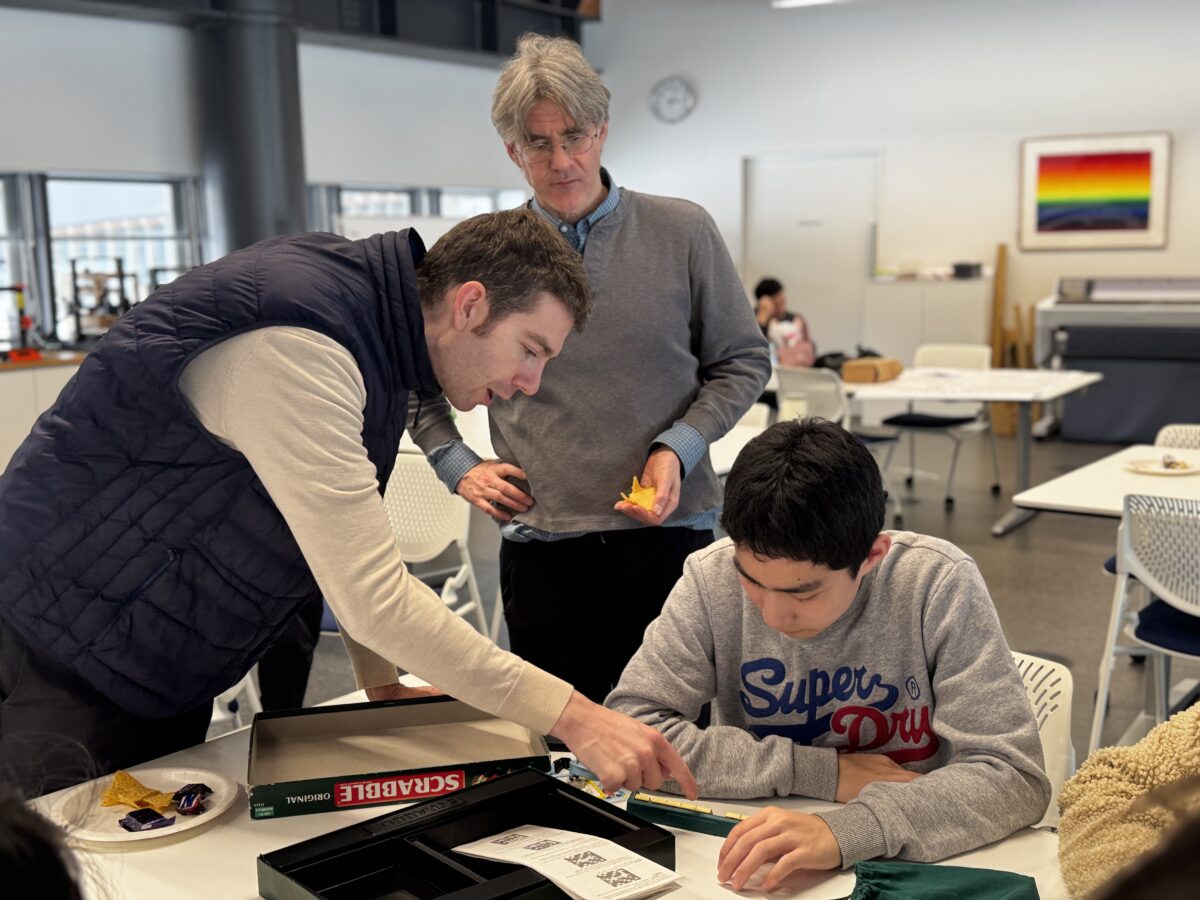
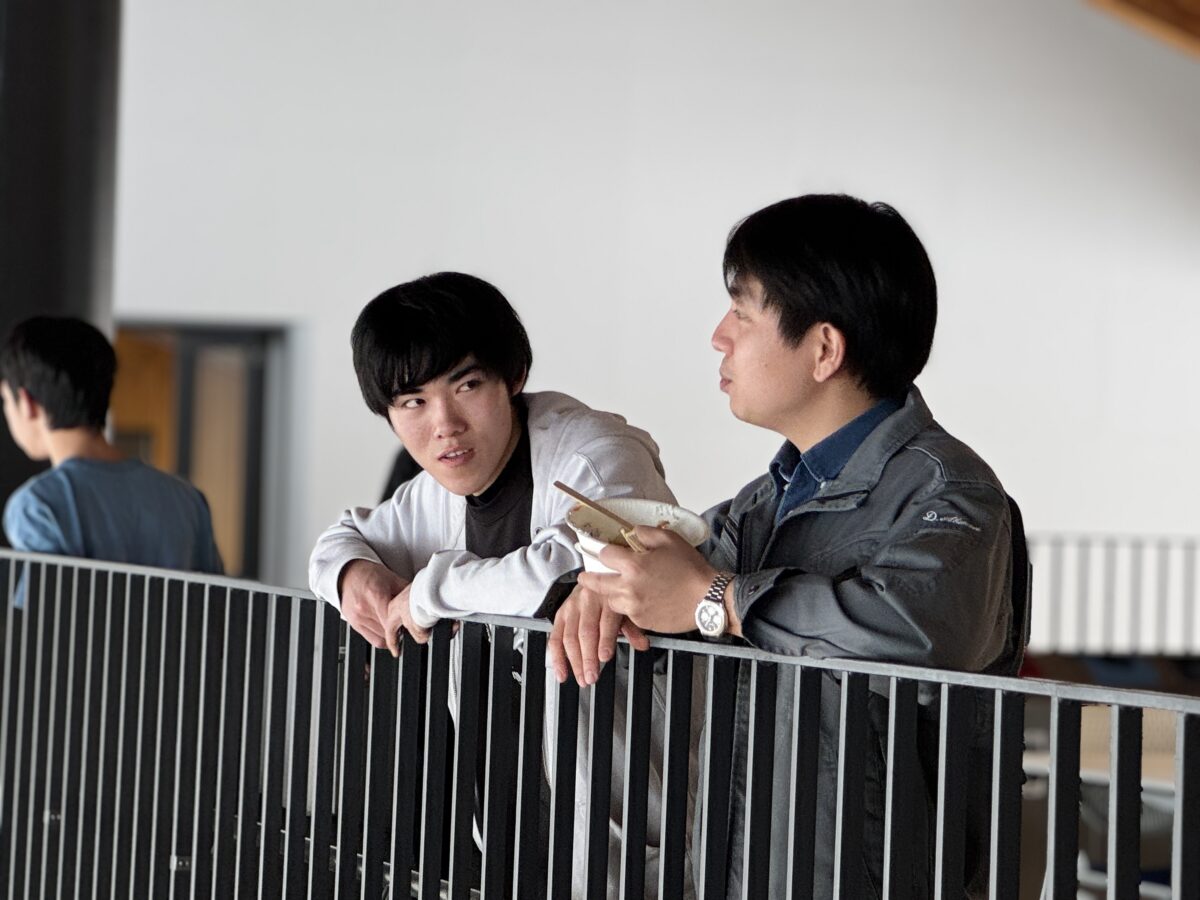
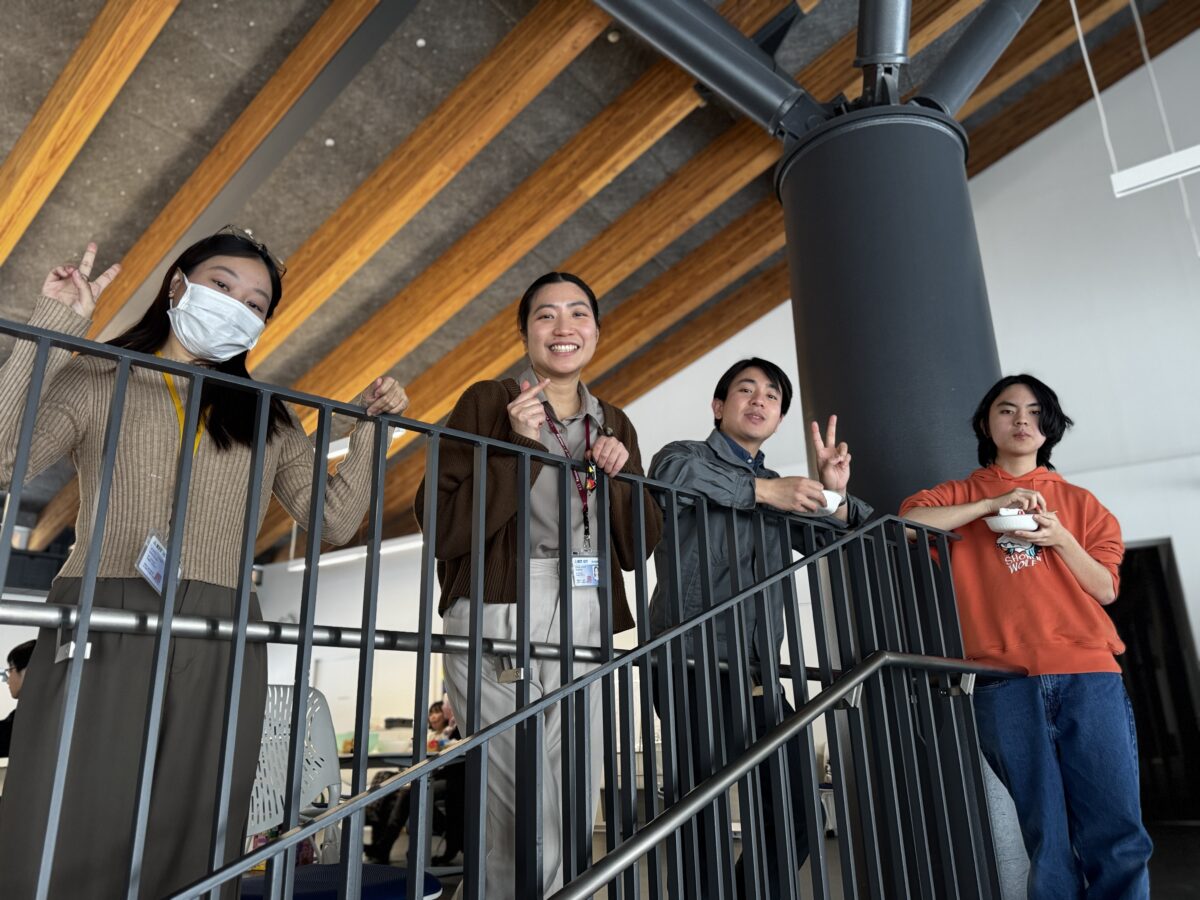
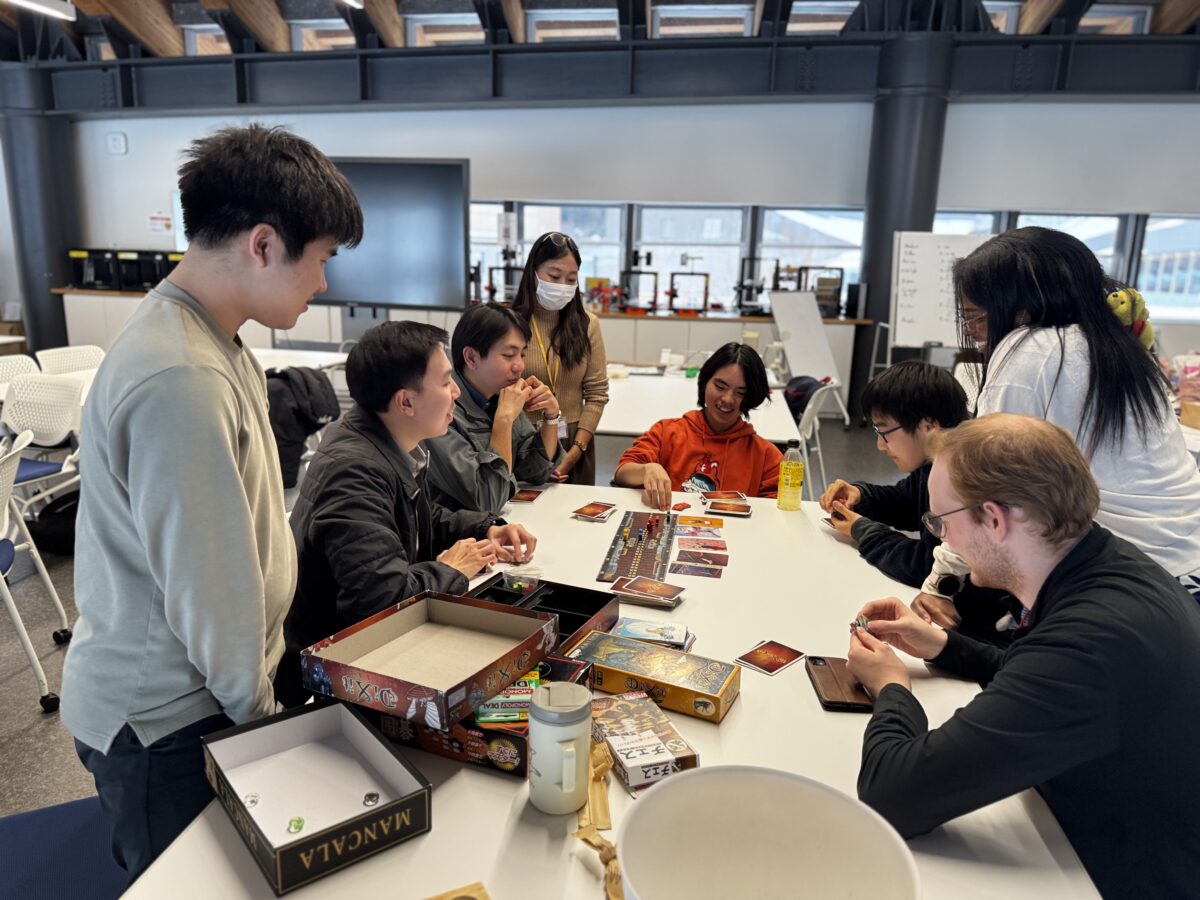
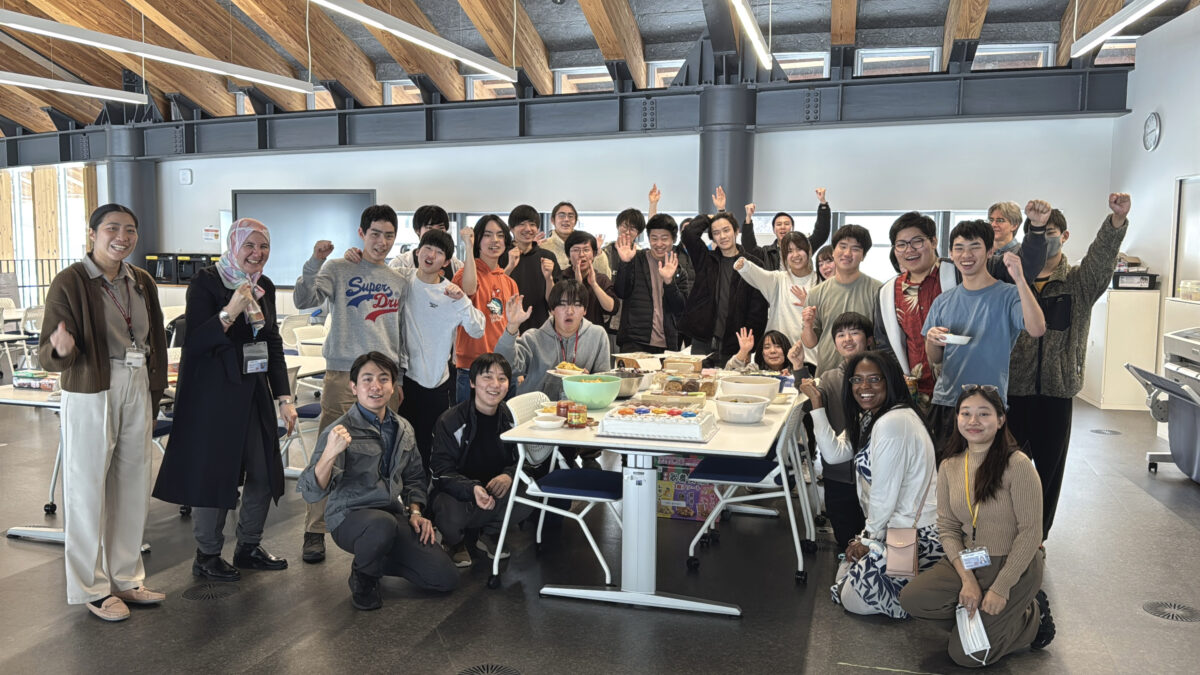
 こんにちは!白山麓キャンパス、ラーニングメンターのシャーデー・モーアです。今回の「ICTジャーナル」では、ラーニングメンターが主催した学生・教職員向けの「年度末パーティー」について紹介したいと思います。今年のパーティーは2026年2月10日(火)に開催しました。この日程を選んだのは、後学期のすべての試験が終了し、答案用紙も返却されたタイミングだったからです。学生にとっても教員にとっても、試験の疲れを癒し、お祝いをするのにぴったりの日でした。ボードゲームをしたり、美味しい料理を楽しんだり、みんなでリラックスして過ごしました。
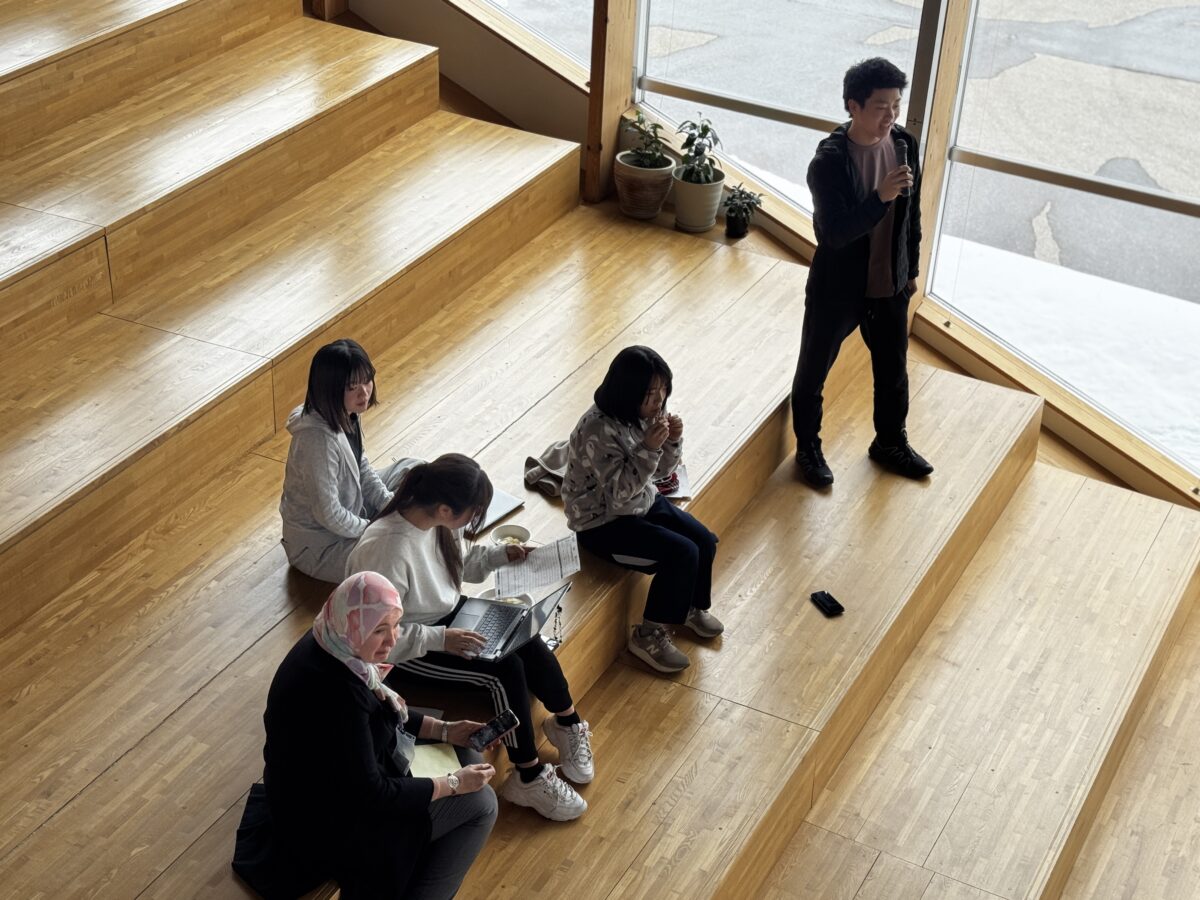
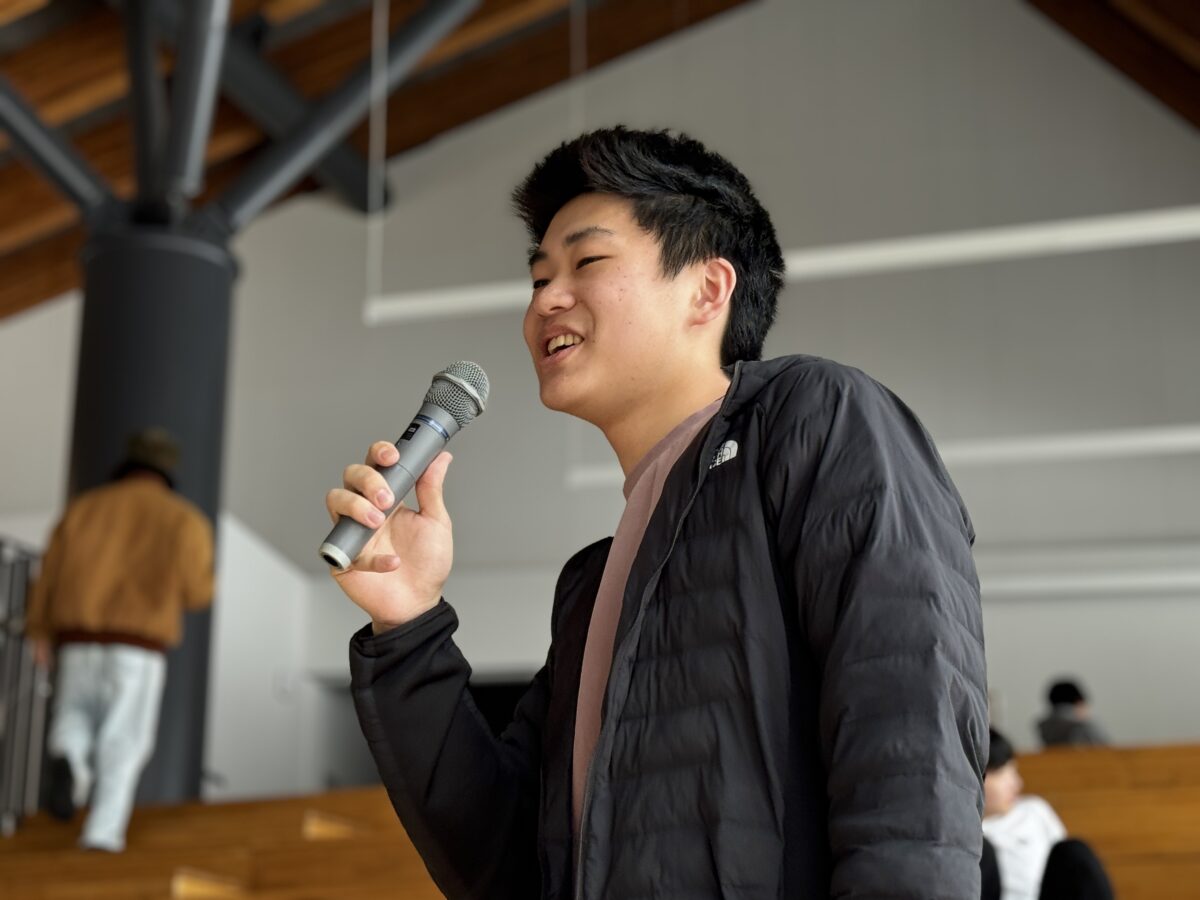
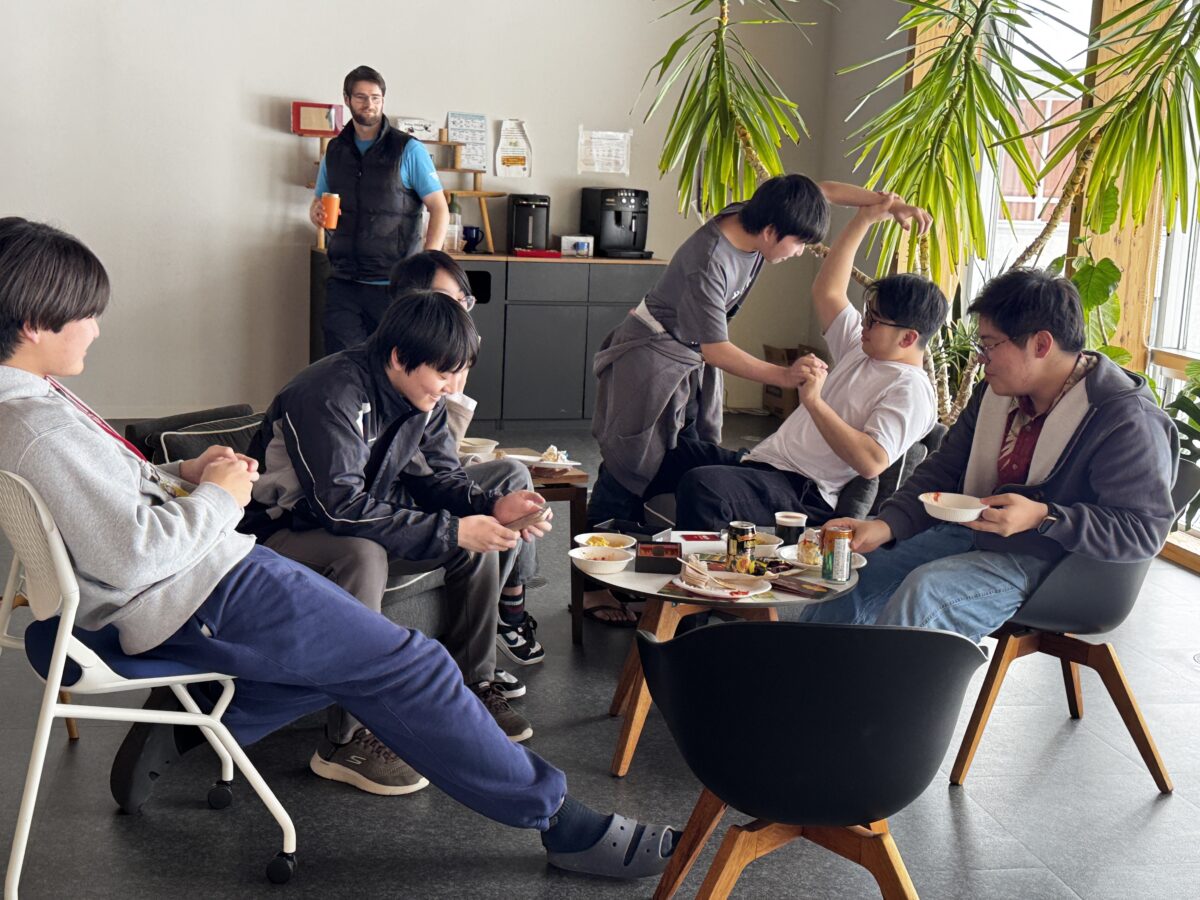
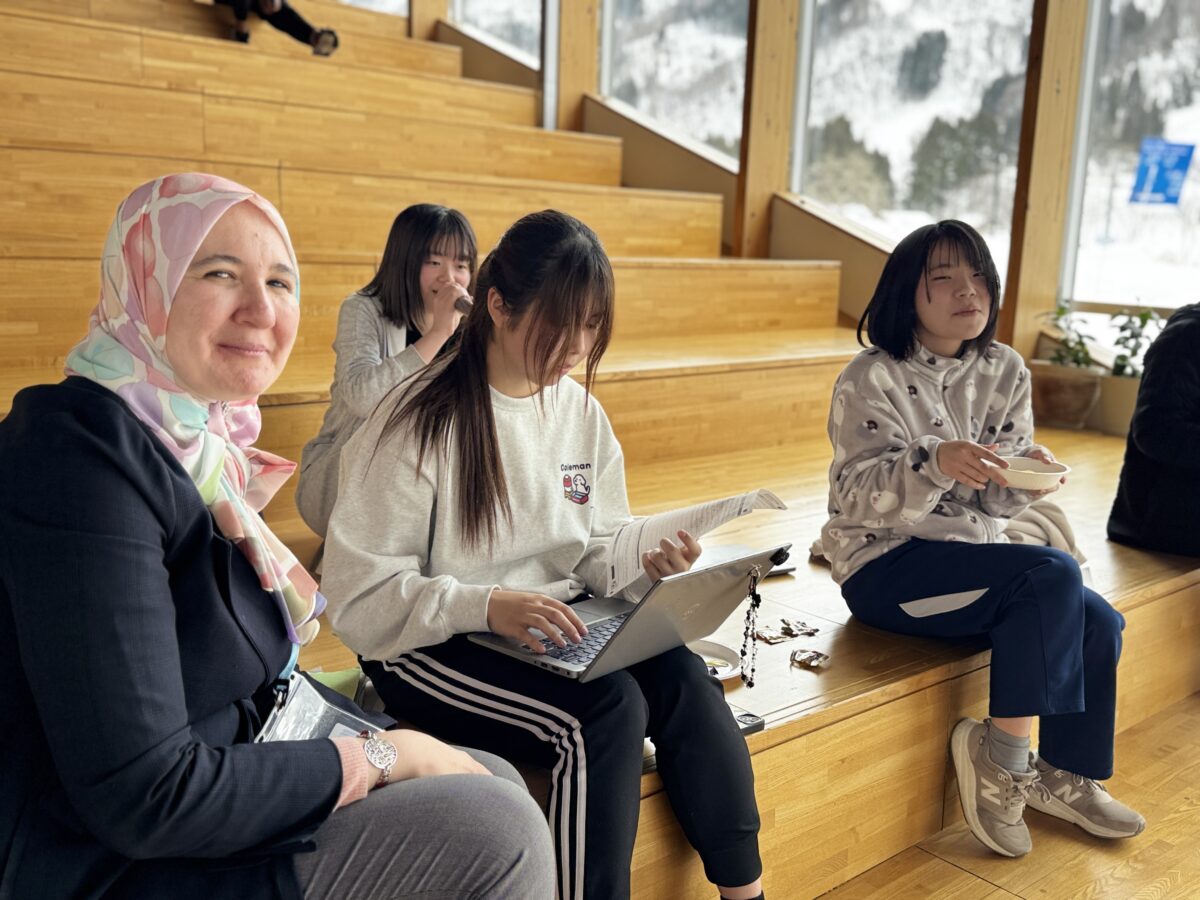
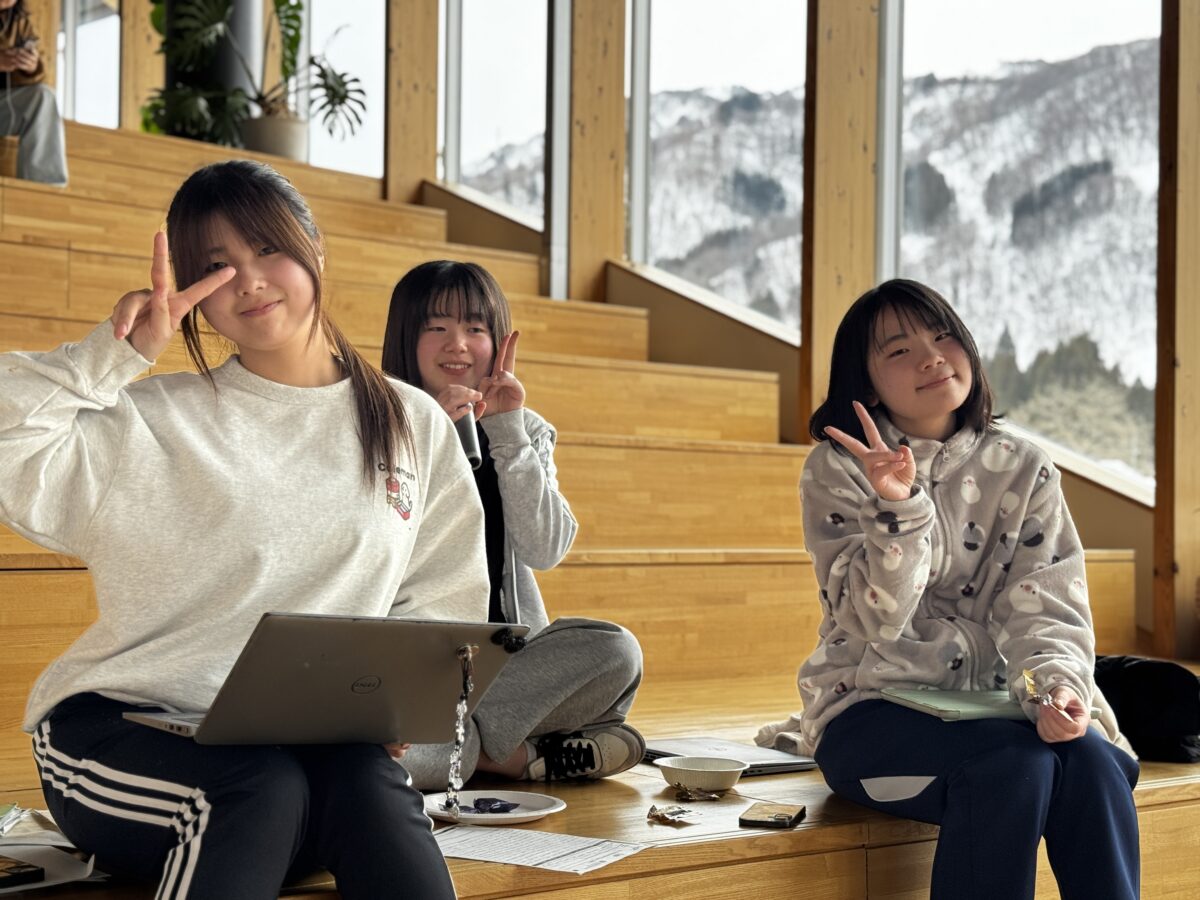
学生たちは開始時間より早く集まり始め、会場は期待でいっぱいの雰囲気になりました。年度末パーティーは学生たちが毎年とても楽しみにしているイベントのひとつで、今年も例外ではありません。お菓子のテーブルにはすぐに人だかりができ、みんな待ちきれない様子でした。さらに、さまざまなボードゲームやカードゲームを用意し、学生や教員によるカラオケも行いました。試験で緊張が続いた時期を終え、リラックスした雰囲気で学生と教員が一緒に笑顔で楽しむ様子を見ることができ、とても嬉しかったです。
また、パーティーの中では、年間を通じて最も多くの「ハウスポイント」を獲得したハウス(4チームのうち1つ)が表彰されました。ハウスシステムは学生同士のチームワークを育むことを目的としており、課題の提出、ラーニングメンターによるワークショップへの参加、キャンパスの清掃を手伝うなど、さまざまな行動によってポイントが付与されます。最もポイントを獲得したハウスには、年度末パーティーで特別なご褒美が贈られました。学生たちはそのご褒美をとても喜んでいました。
パーティーの終わりが近づくと、多くの学生が「もっと遊びたい」「まだ帰りたくない」と名残惜しそうにしていました。残念ながら教員の勤務時間の関係で延長はできませんでしたが、それでも学生たちが心から楽しんでくれたこと、そして学生も教員も笑顔で過ごしていた様子を見ることができ、今学期、そしてICTでのこの一年間の努力が報われたように感じました。
シャーデー・モーア
Hello! This is Sade Moore, one of the Learning Mentors at ICT’s Hakusanroku Campus. For this Hakusanroku Journal entry, I want to talk about the End of the Year Party for the students, faculty, and staff at Hakusanroku Campus that the Learning Mentors organized. This year, the party took place on Tuesday, February 10th, 2026. The reason this date was chosen was because, by this time, all of the exams for the second semester had officially concluded and the results passed back. Due to this what better way to celebrate and unwind for both students and teachers, than to have a party where everyone could play board games, eat, and have fun together.
Many of the students were the first to show up and you could feel the excitement coming off of them. The End of the Year Party is one of the events that the students look forward to the most, I think, and this year was no exception. They all swarmed around the snacks and couldn’t wait to eat them. We also brought out plenty of board games and card games for everyone to enjoy and also had students and teachers sing some karaoke songs. It was really nice to see the students having fun with the teachers in a more relaxed setting and seeing everyone smiling and happy after such a stressful exam time.
Also, during the party the winner of the House Cup between the 4 separate Houses received their prize for collecting the most House Points throughout the year. The House System was built in order to build teamwork amongst the students, and they can collect points throughout the semester for completing their homework or assignments, attending workshops that the Learning Mentors conduct for them, cleaning up after themselves and others around campus, amongst other merits. The house with the most points wins at the end of the semester, and each of the 4 Houses wins a special treat for the End of the Year Party. All of the students seemed to really enjoy their special treats.
As the party drew to a close, a lot of the students kept asking if there was more and if they could stay longer because they wanted to play more games and sing more songs. Unfortunately though, with the teachers needing to get off work soon, it wasn’t possible. However, it was a great feeling to know that they enjoyed themselves and to see all of the students and other teachers’ smiling faces made all of the hard work for this semester and the past year at ICT completely worth it!
Sade Moore
こんにちは、ジャスティン・ハンです。12月は、クリスマス、ハヌカ、クワンザ、あるいは単に新年の始まりなど、多くの文化で祝祭が行われる季節です。祝い方は人や文化によって異なりますが、年末は友人や家族と共に祝う時期であることに変わりはありません。
2022年12月以来、ICT金沢キャンパスの教員は、毎年学生のためにボランティアで「ホリデーパーティー」を開催してきました。パーティーは12月の最終週に行われ、学生と教員がリラックスした雰囲気の中で食べ物や飲み物、スナックを楽しみながら、一年の疲れを癒す機会となります。国際交流の精神から、イベント中は参加者全員が英語で話すことが奨励されています。
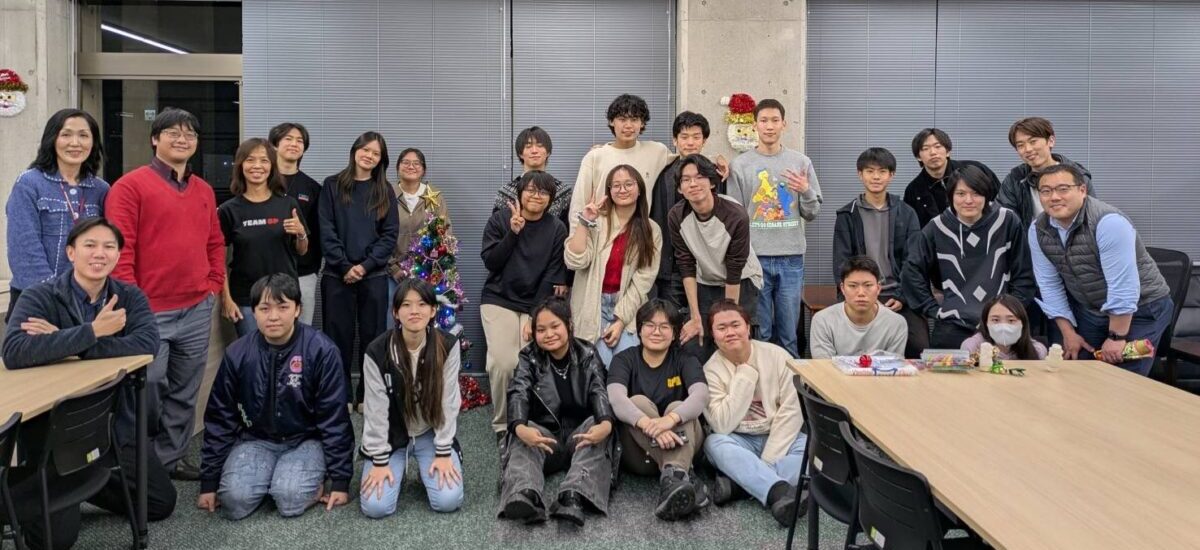
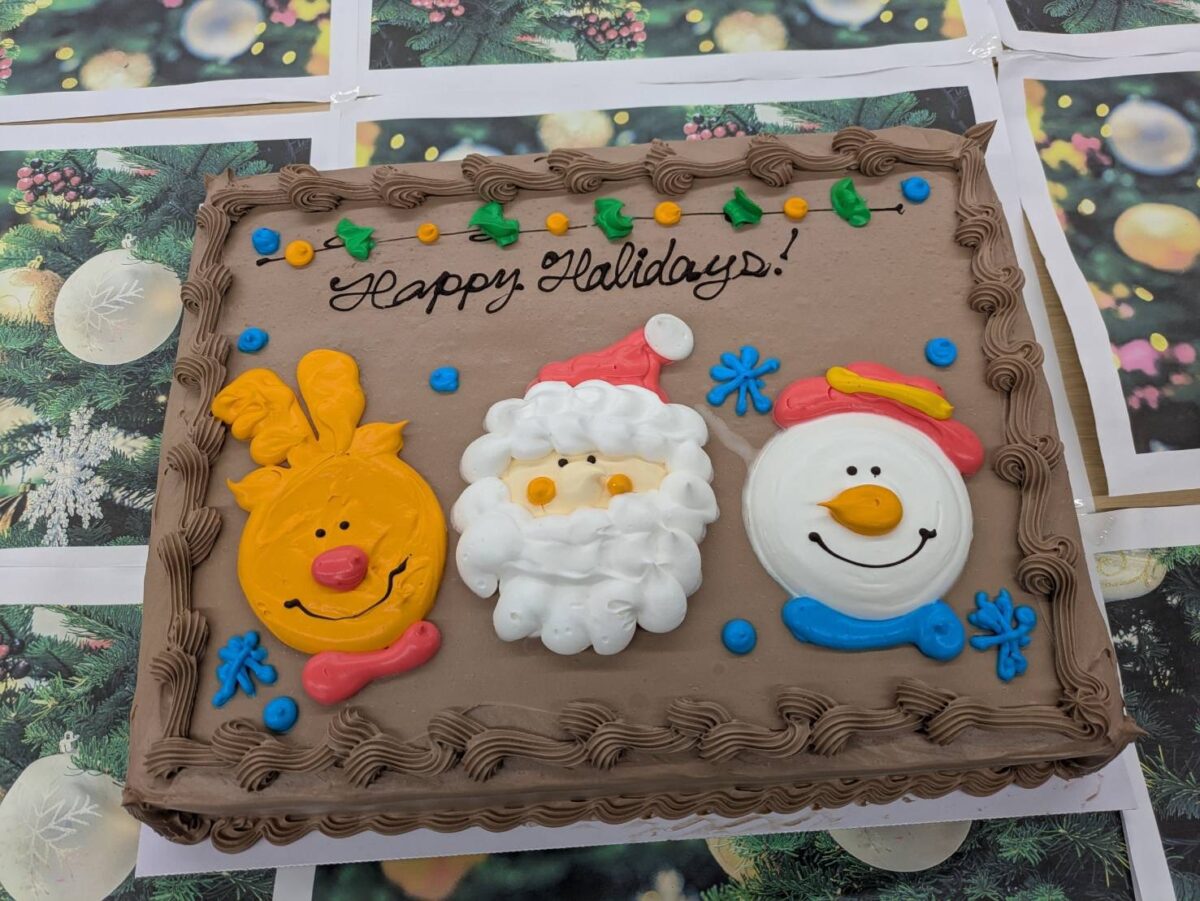
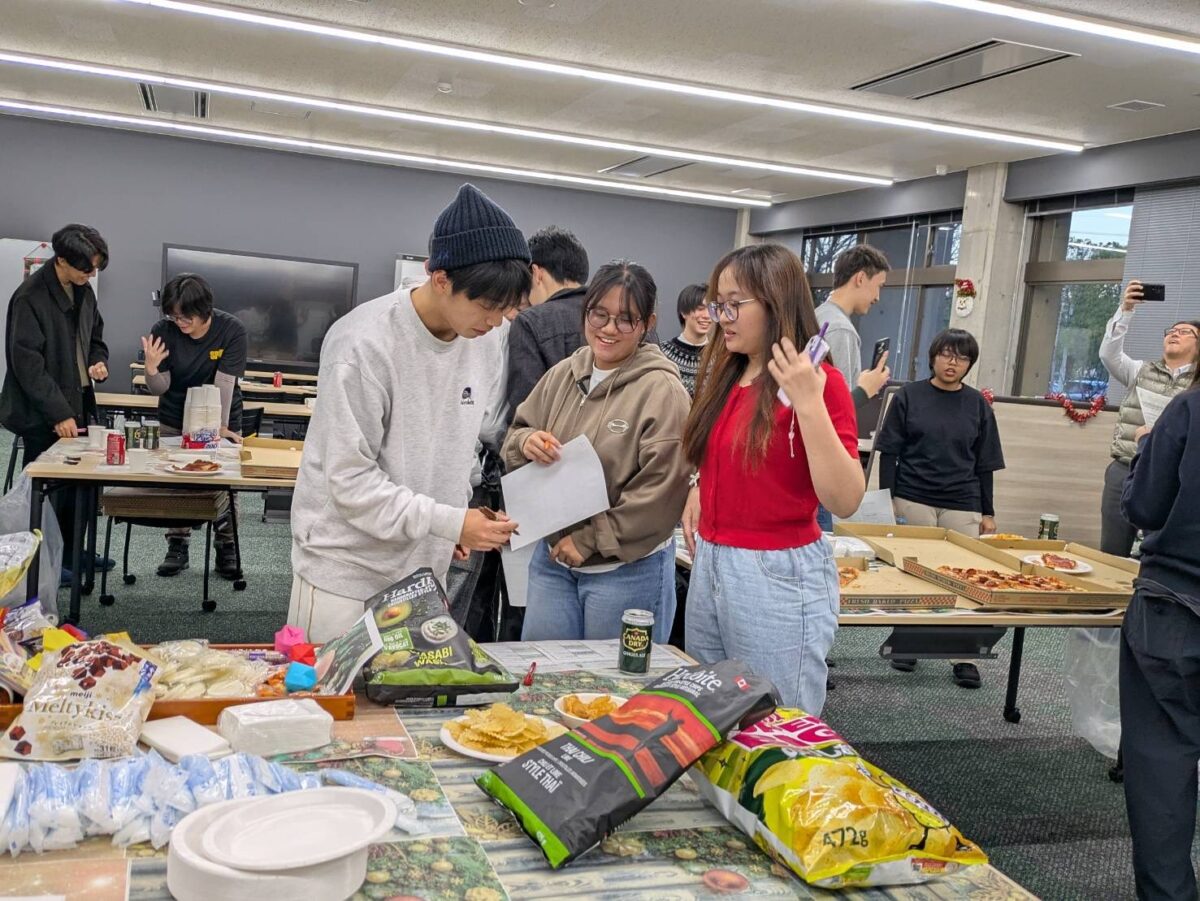
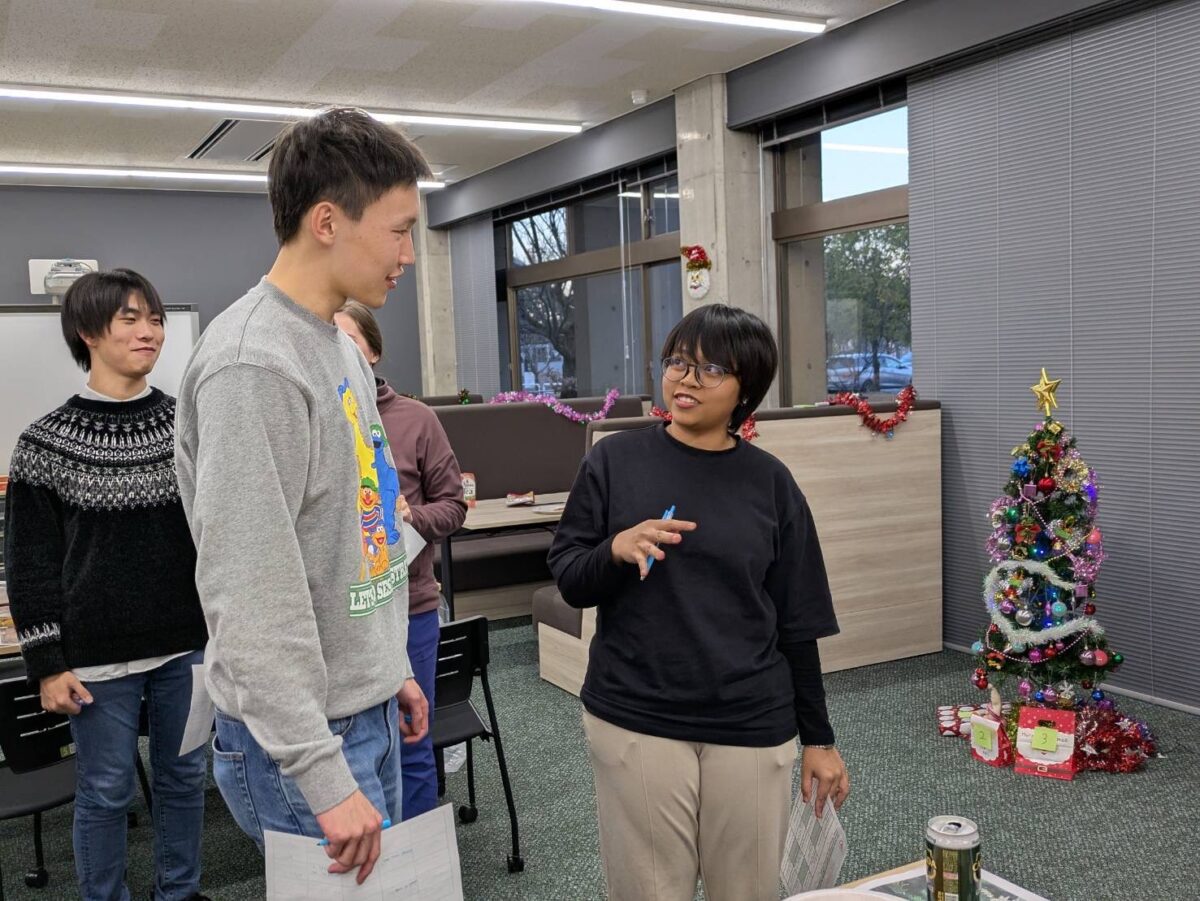
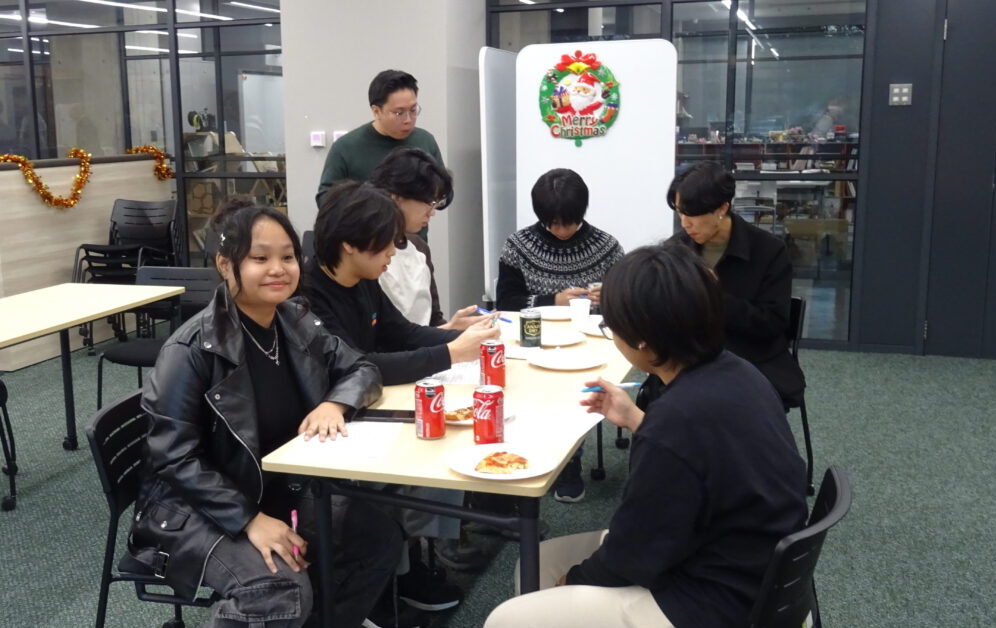
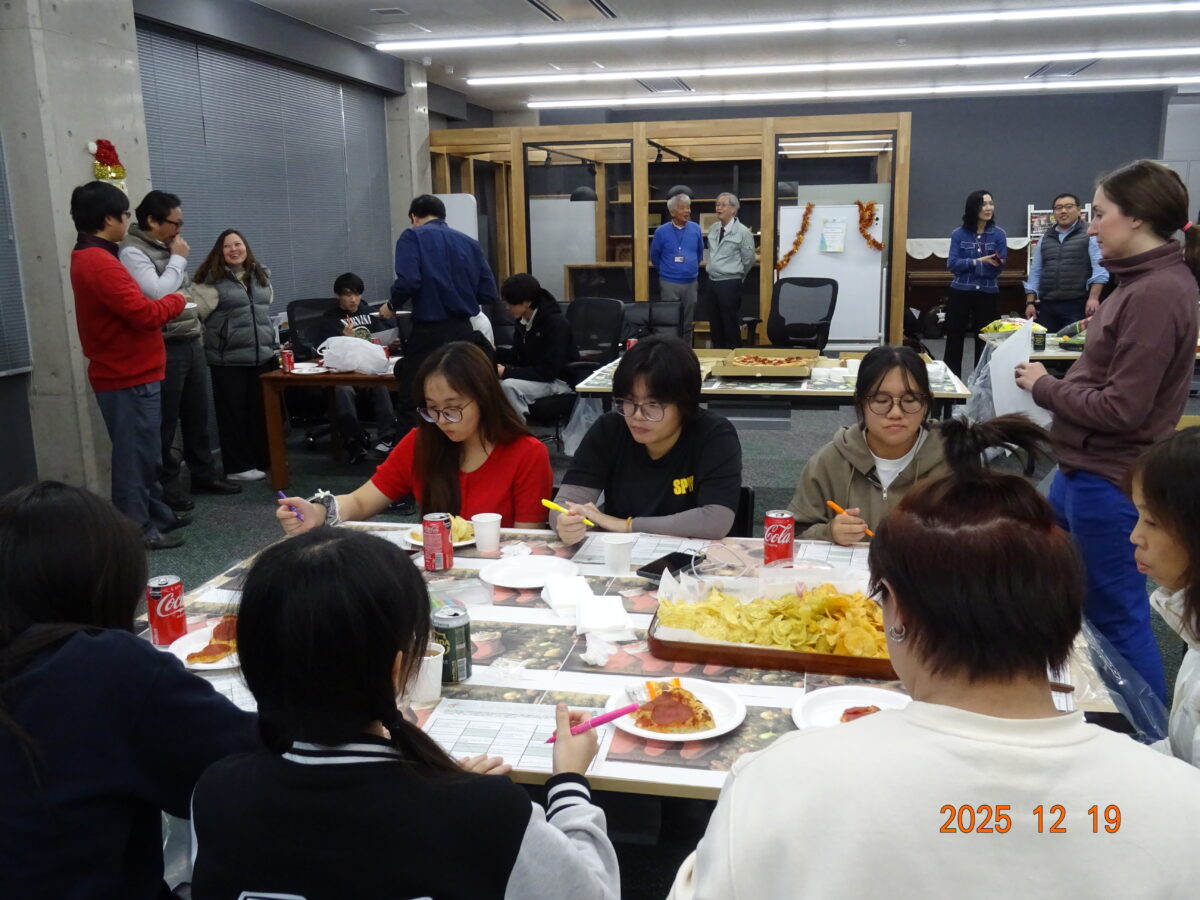
今年のホリデーパーティーは、12月19日(金)の授業終了後に開催され、クリスマスソングが流れる中、学生と教員はピザ、ポテトチップス、ソーダ、ケーキといったシンプルな料理を楽しみました。クリスマスは多くの文化で最も広く祝われる行事の一つであるため、部屋はクリスマスツリーや飾りで彩られ、華やかな雰囲気に包まれていました。
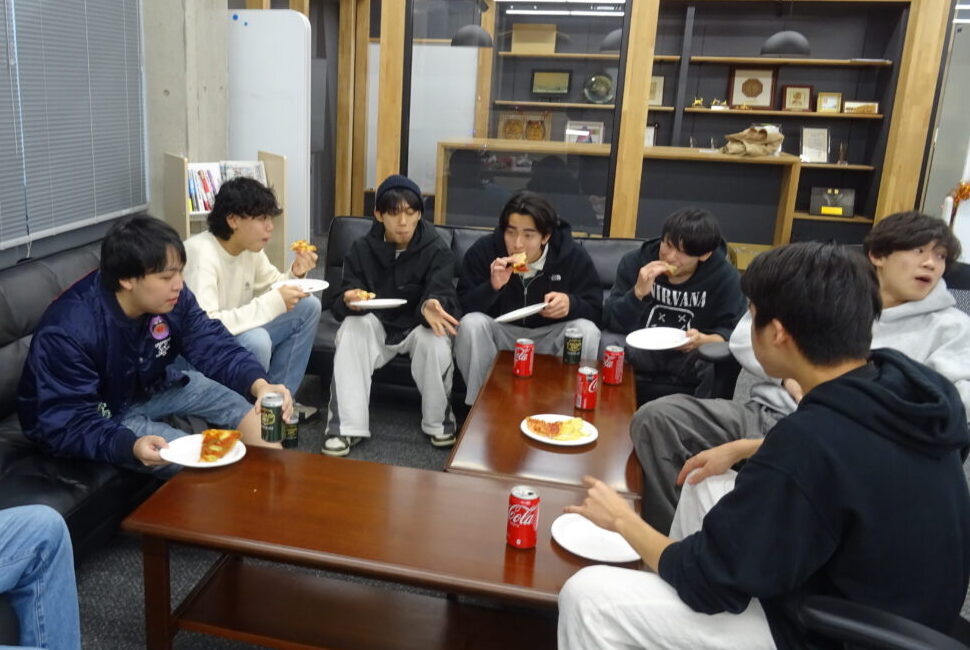
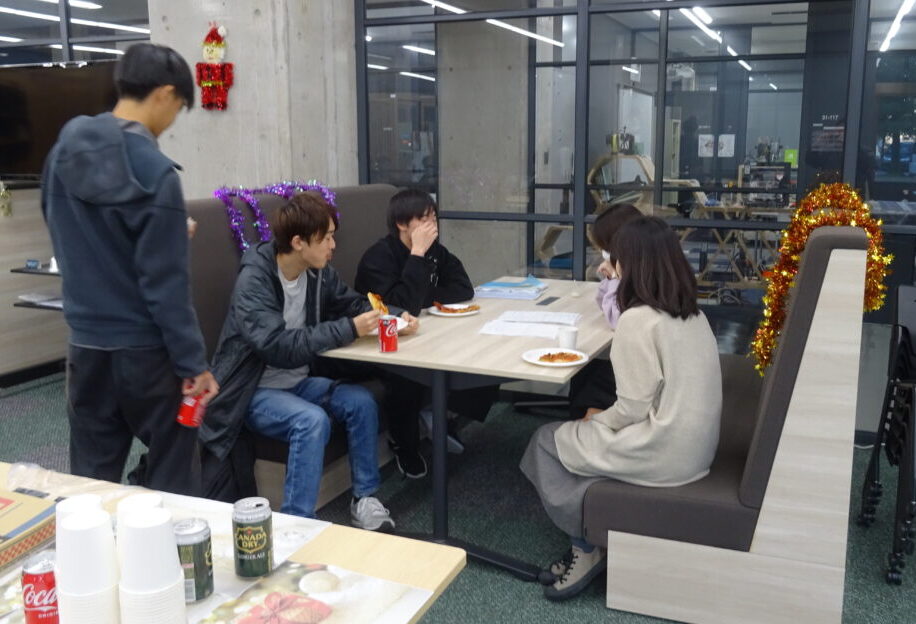
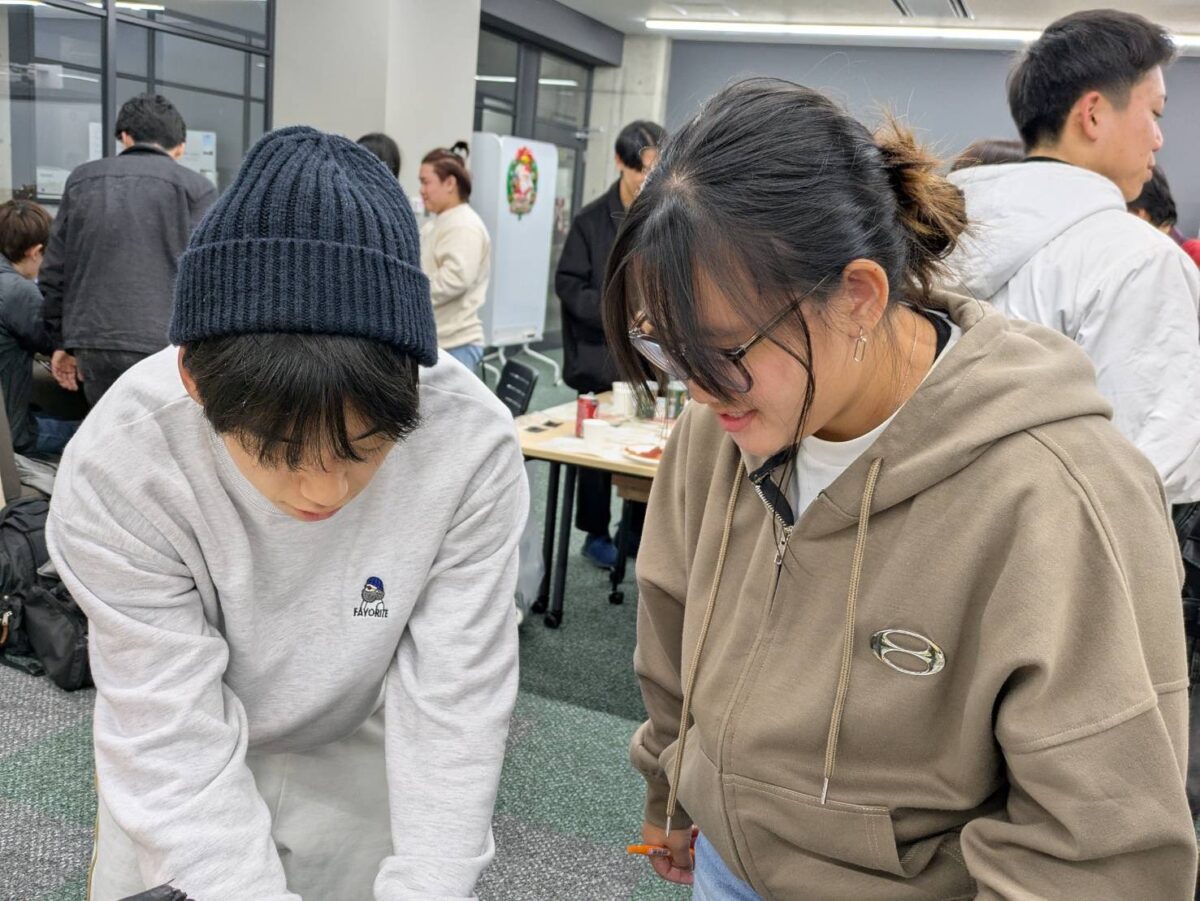
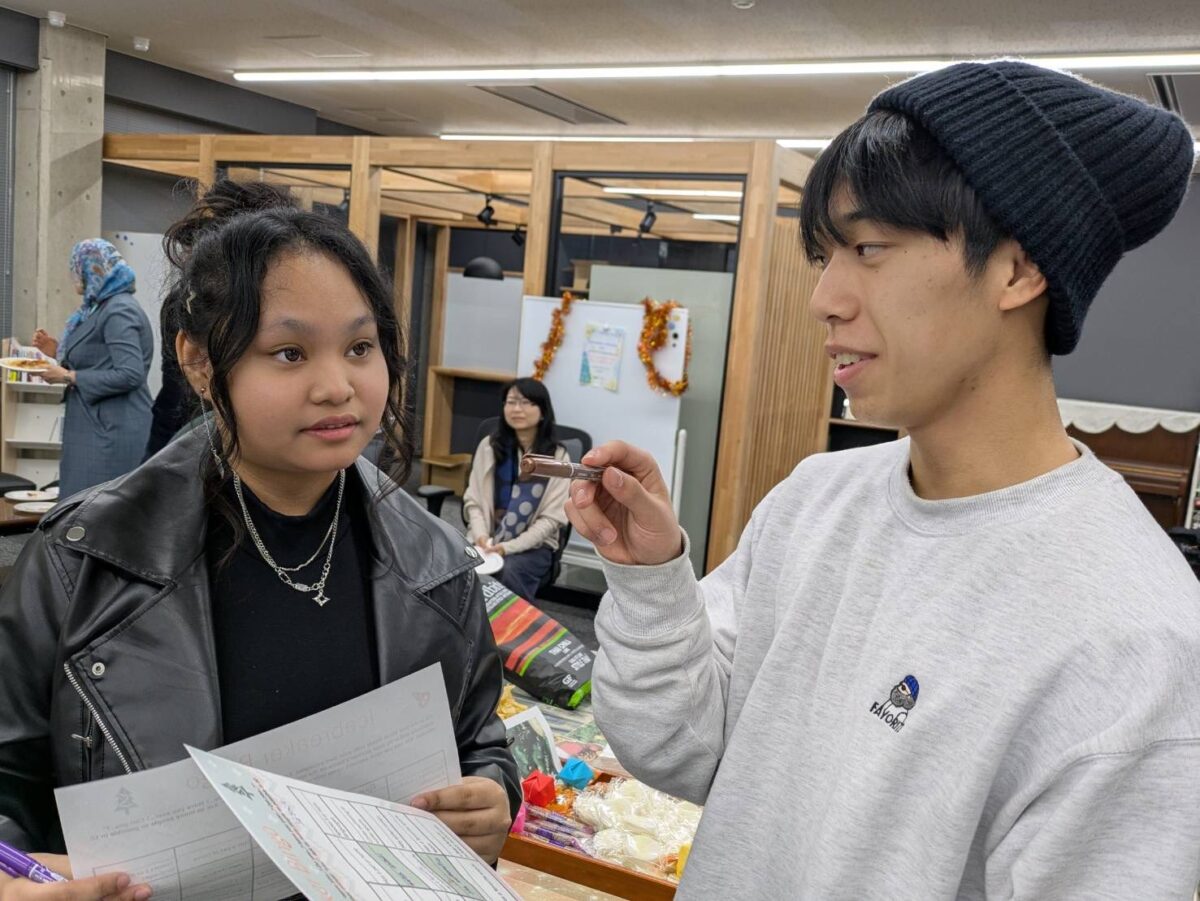
今年はこれまでとは異なり、留学支援・国際交流センターの協力を得て、シンガポール理工学院から「マイルプログラム」で金沢を訪れていた学生10名と教員2名もパーティーに参加してくれました。まずは、ICTの学生と一緒にアイスブレイクゲームで自己紹介をし、お互いの文化について学んだ後、いくつかの小グループに分かれて簡単なパーティーゲームを楽しみました。
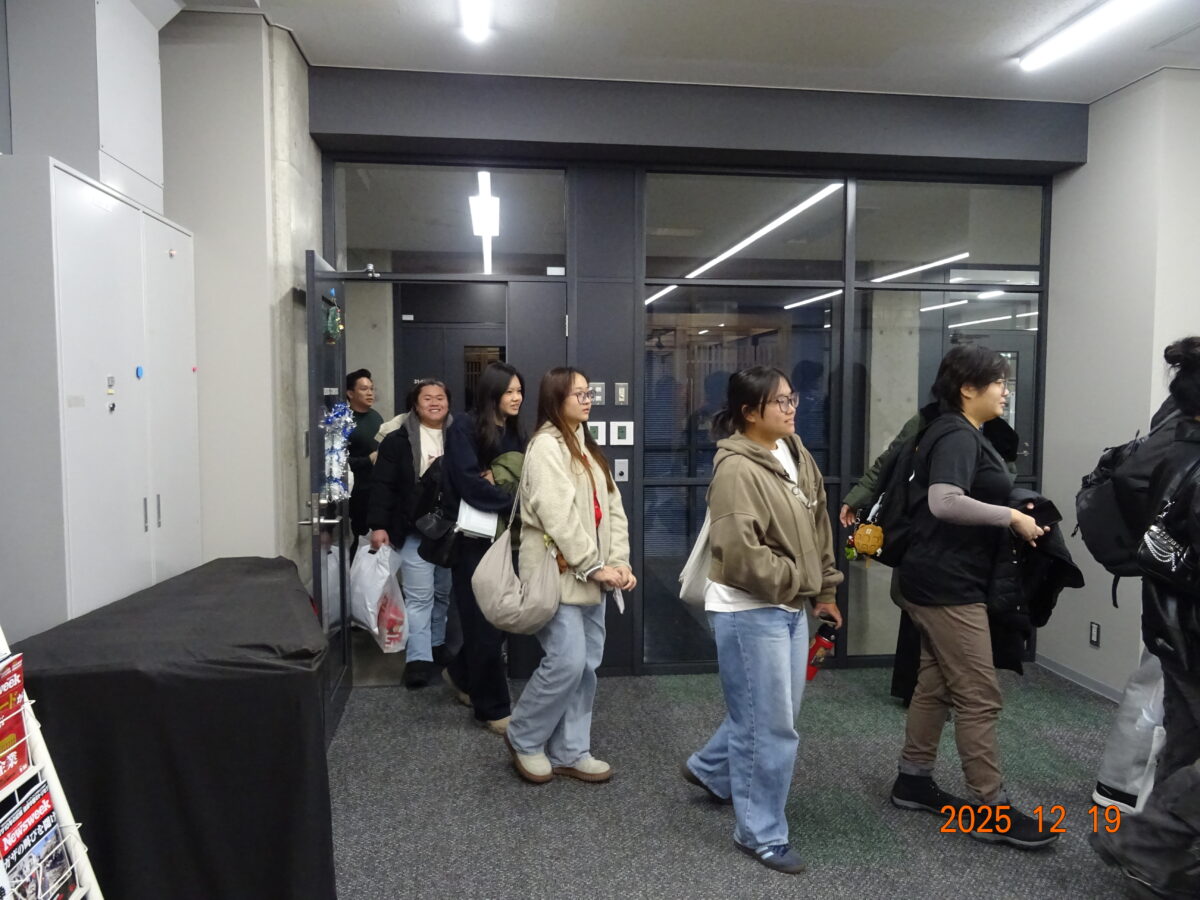
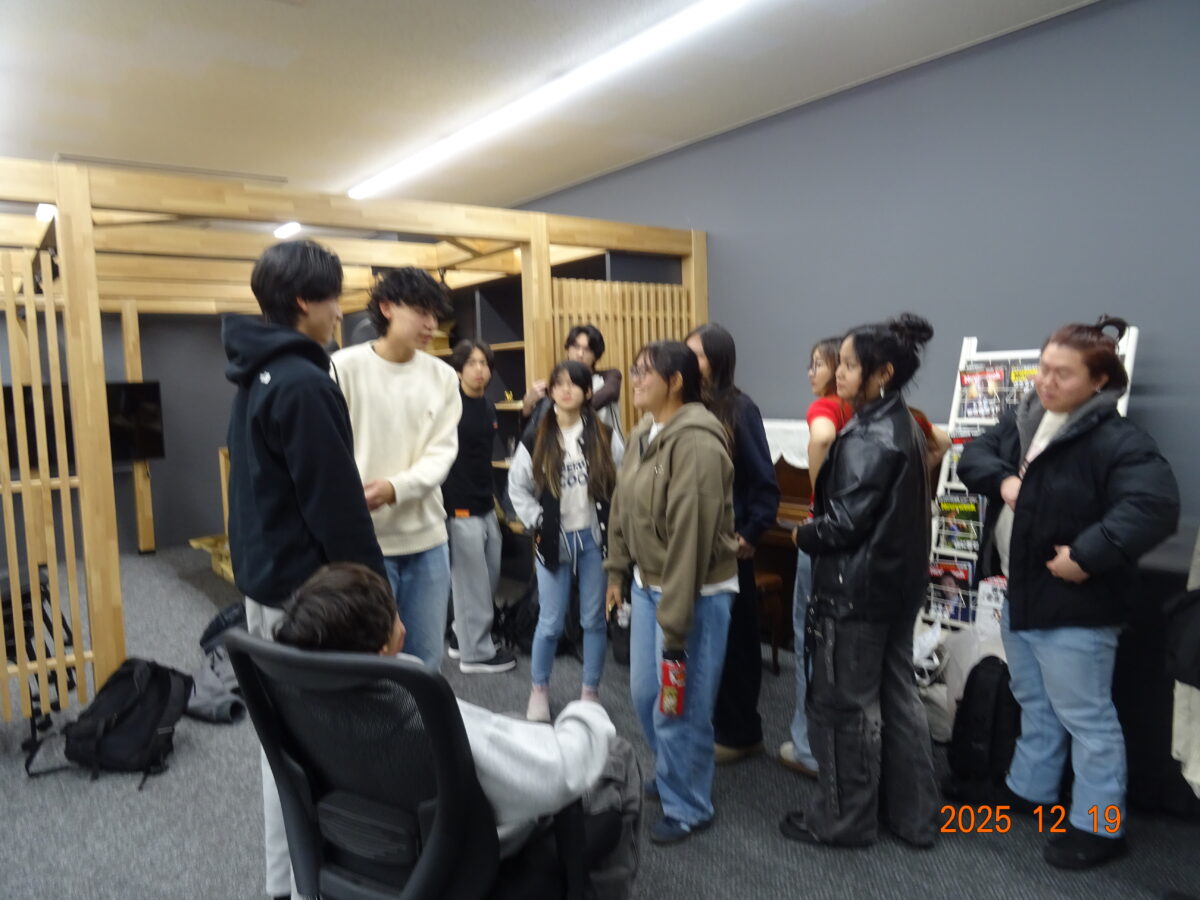
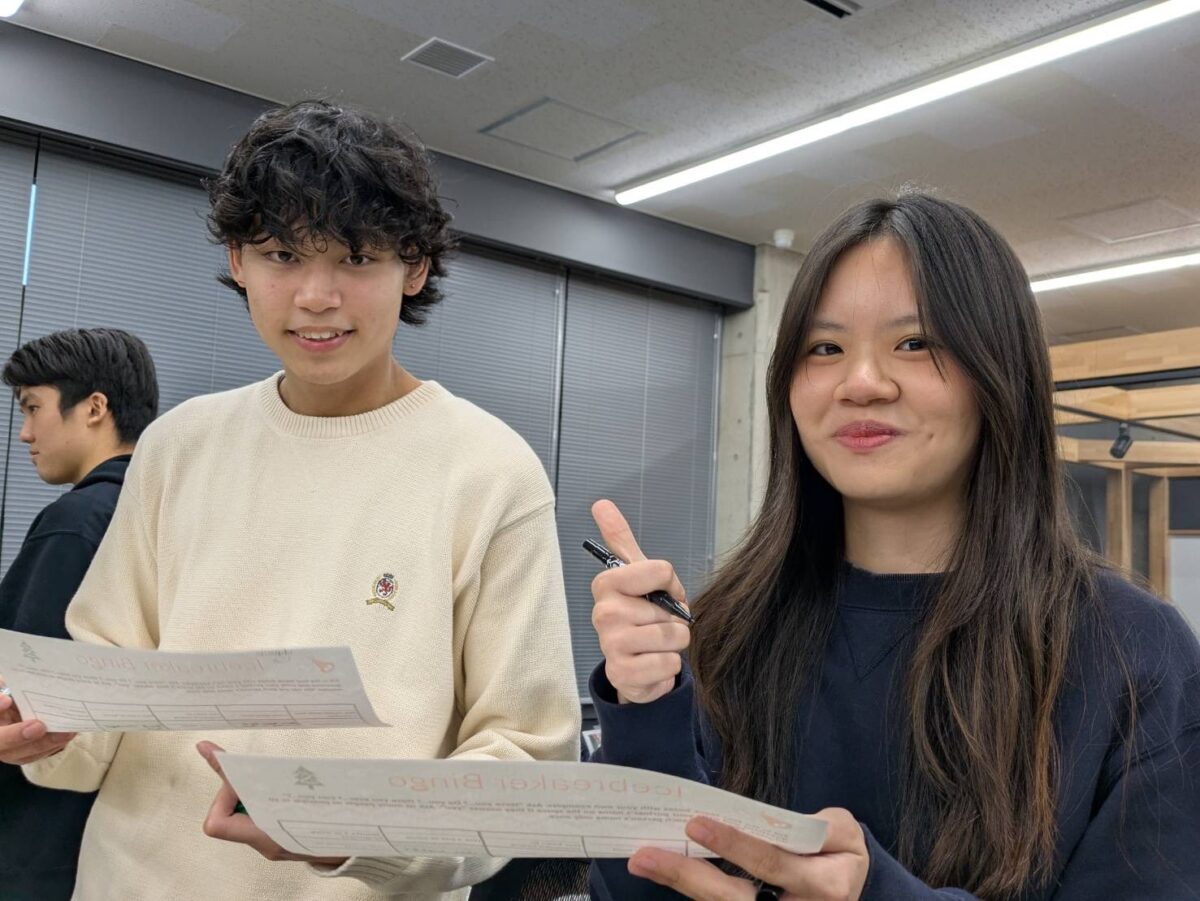
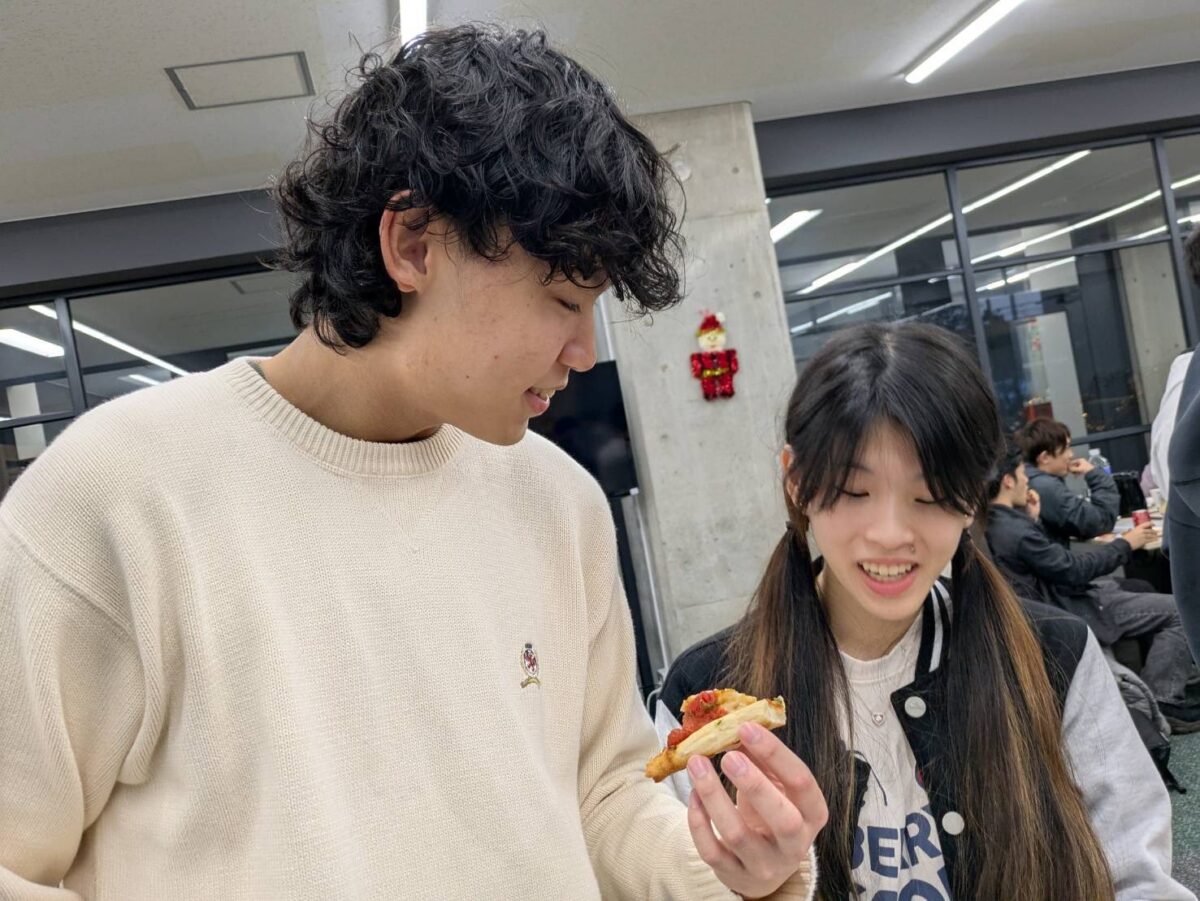
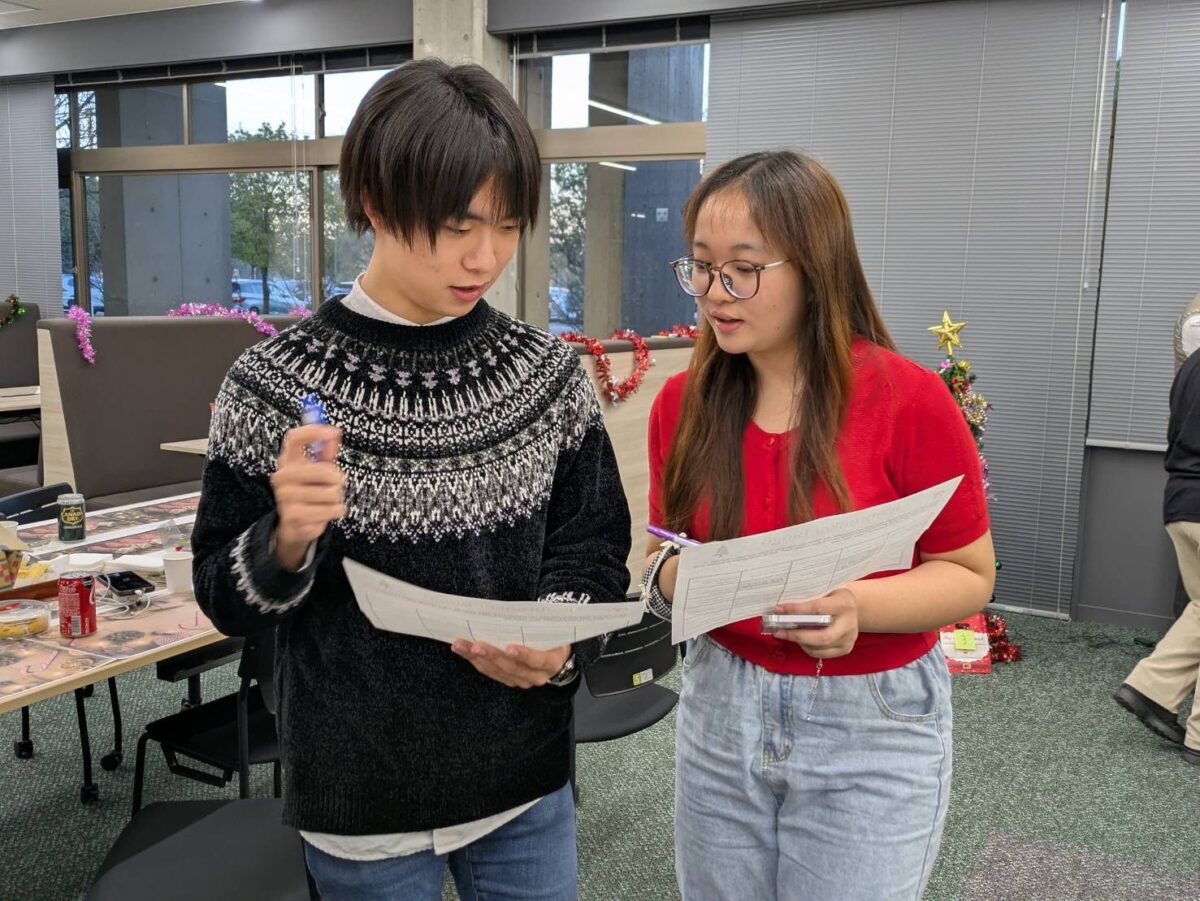
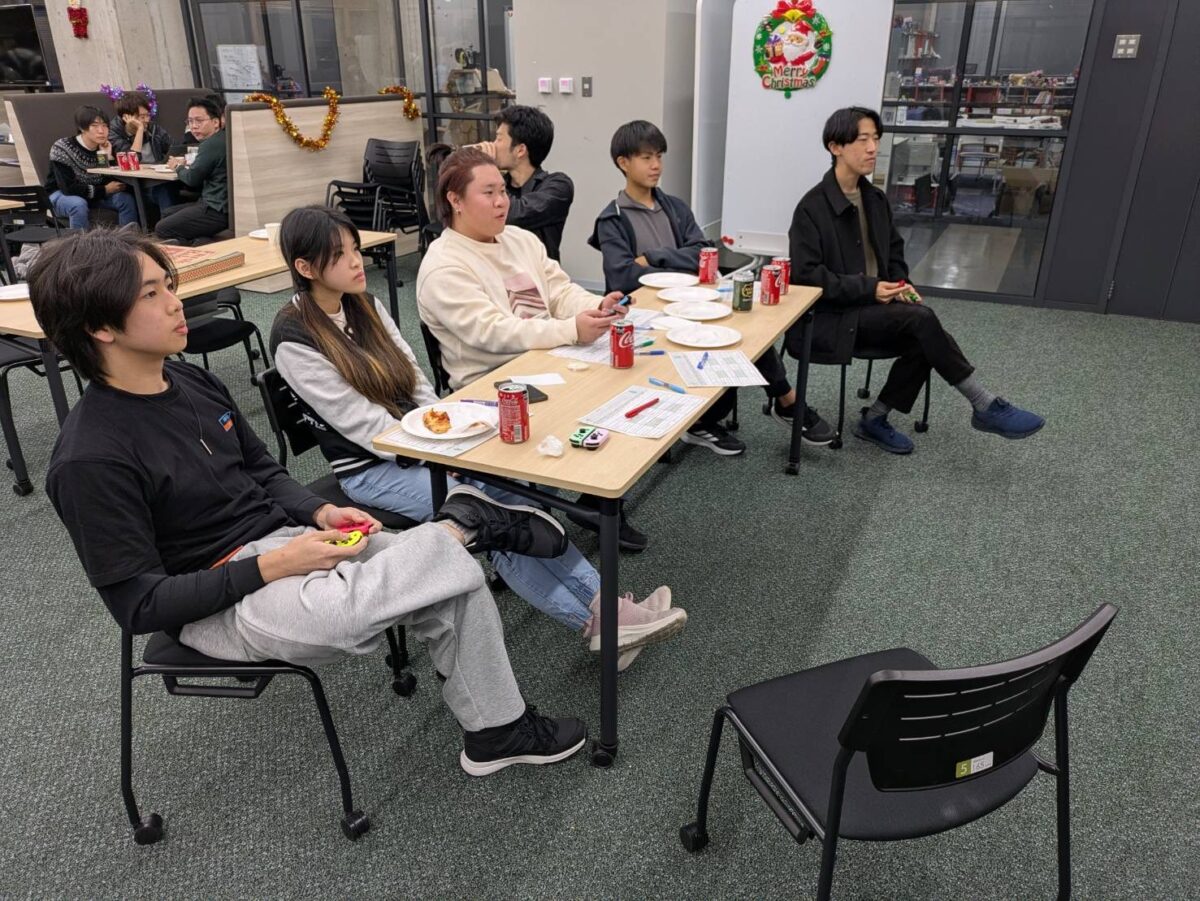
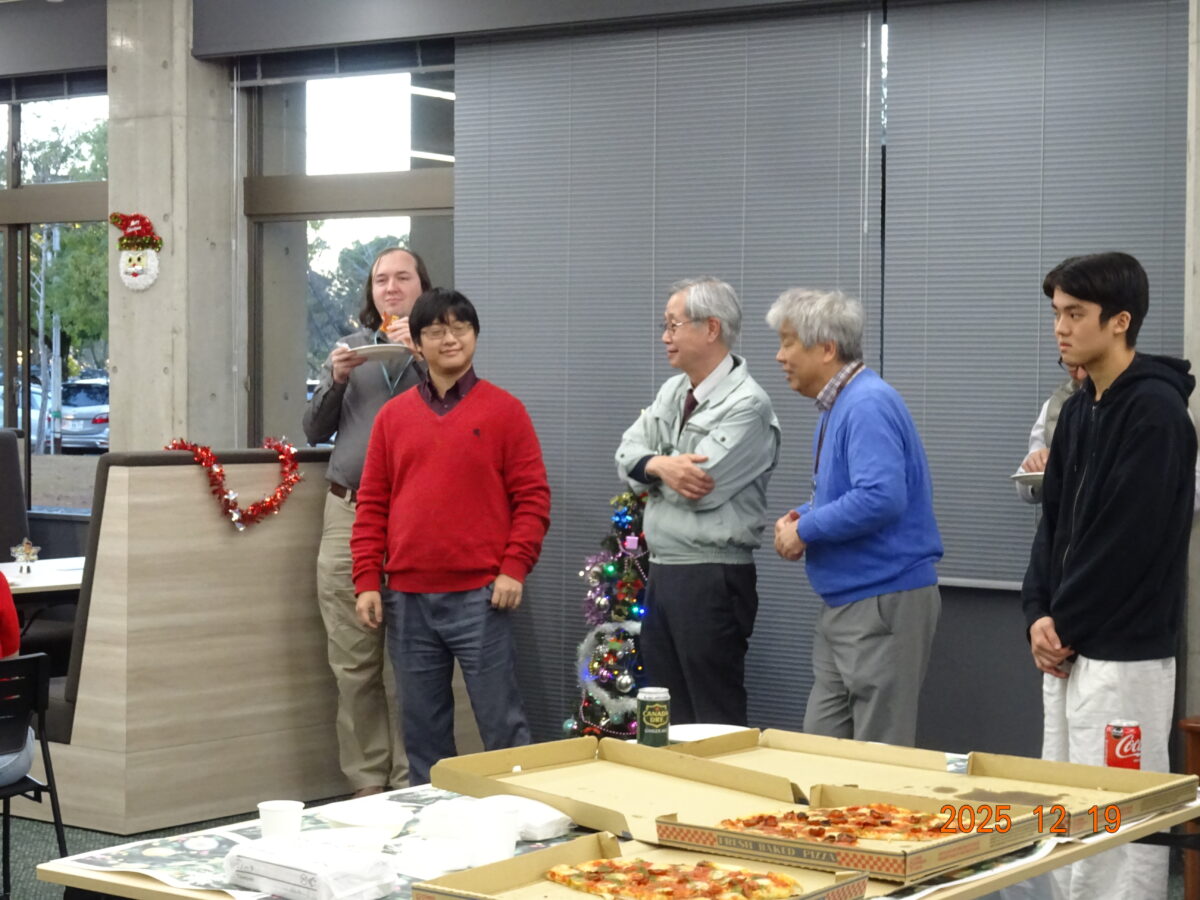
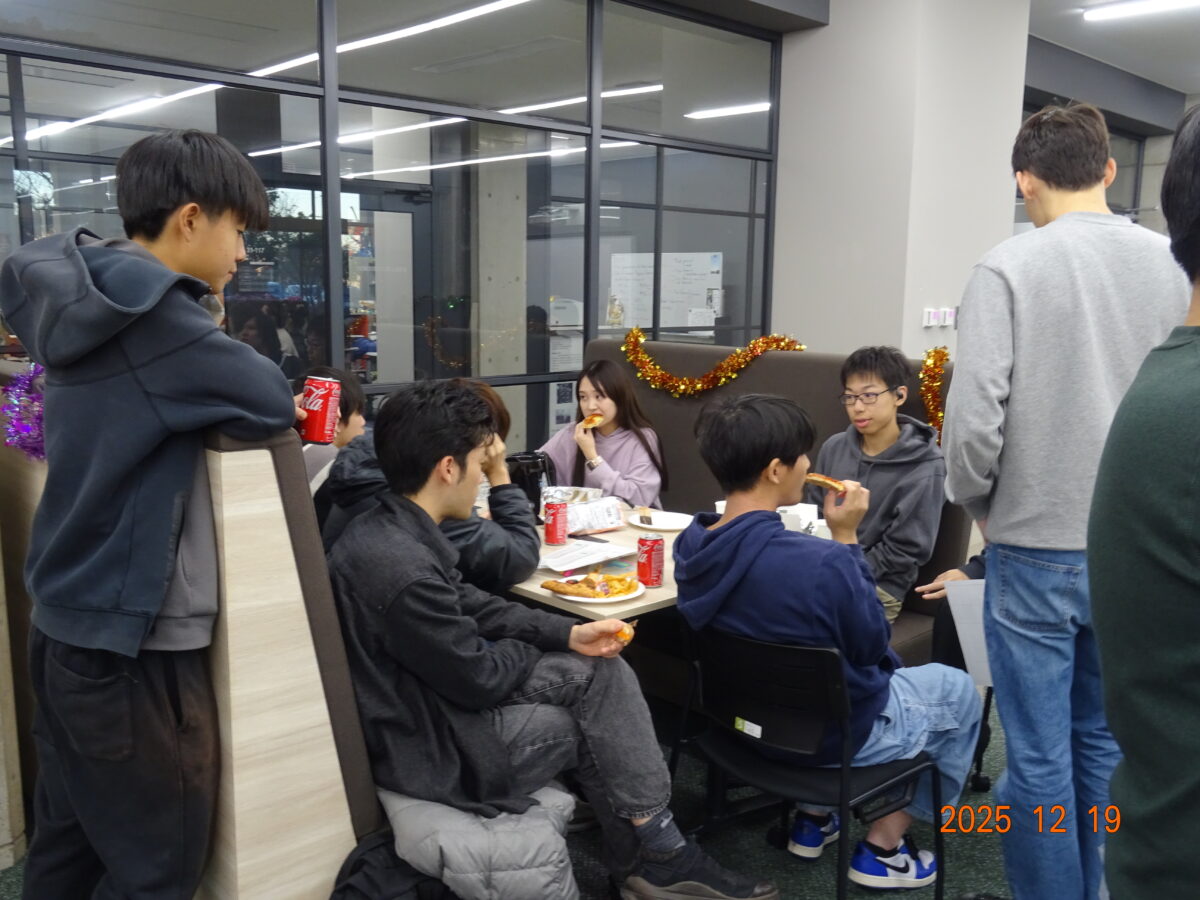
3時間の笑いと楽しい時間の後、残念ながらパーティーは終了し、皆それぞれの週末の予定に向けて帰路につきました。このパーティーが、ほんの少しでも皆さんの年末を明るい気持ちで過ごし、新しい年を前向きに迎える助けになっていればと思います。
ジャスティン・ハン
Hello, this is Justin Han. December is the time of the year when many cultures celebrate their holidays, whether it is Christmas, Hanukkah, Kwanzaa, or just beginning of a new year. Although each person and culture celebrate differently, the end of the year remains a time for celebration with friends and family.
Since December 2022, teachers at ICT Kanazawa Campus have volunteered their time and efforts to host an annual Holiday Party for students. Held during the last week of December, the party offers students and faculty a chance to celebrate together in a relaxed setting, enjoying food, drinks, and snacks while unwinding from the year’s challenges. In the spirit of international exchange, all participants are encouraged to speak English during the event.
This year’s Holiday Party was held on Friday, December 19th, after classes ended with students and faculty enjoying a simple spread of pizza, potato chips, soda, and cake alongside holiday music playing in the background. As Christmas is one of the most celebrated holidays in many cultures, a Christmas tree, tinsel and other Christmas decorations adorned the room to create a festive atmosphere.
Different from previous years, this year’s event included 10 students and 2 faculty members from Singapore Polytechnic, visiting Kanazawa for the MILE program in collaboration with the International Program Center. Together with ICT students, they introduced themselves through an icebreaker game, learned about each other’s cultures, and then split into smaller groups to play simple party games.
Unfortunately, after three hours of laughter and fun, the celebration came to an end as everyone parted ways. We hope that this party, even if only a little, helped everyone face the end of the year and welcome the new year with a brighter spirit.
Justin Han

こんにちは!白山麓キャンパスでラーニングメンターを担当している、ドミソン・アブワンです。
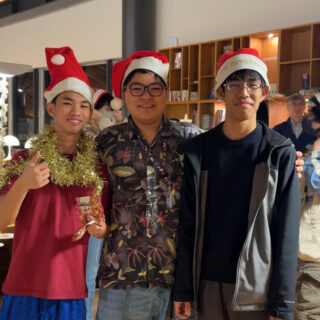
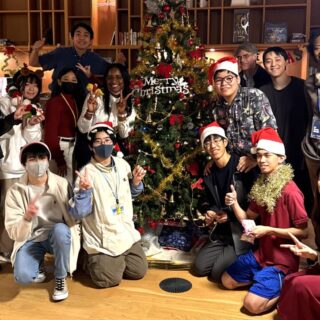
2025年12月19日(金)の夜、いつものラーニングセッションの時間が、夢のようなひとときに変わりました。リビングコモンズは、言葉では言い表せないようなクリスマスムードに包まれ、放課後にはスクラブルゲームも楽しみました。
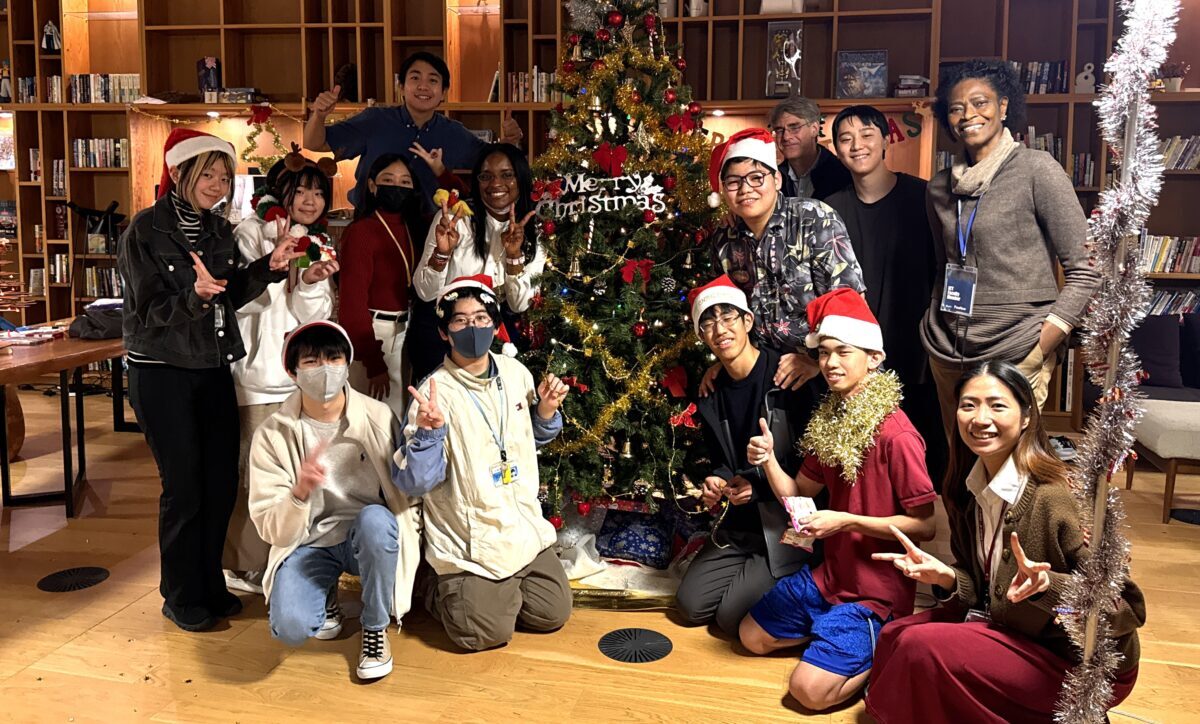
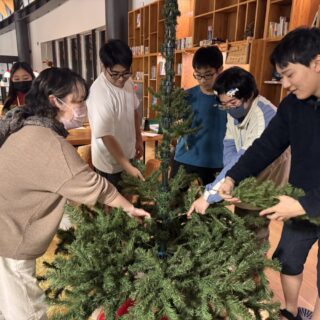
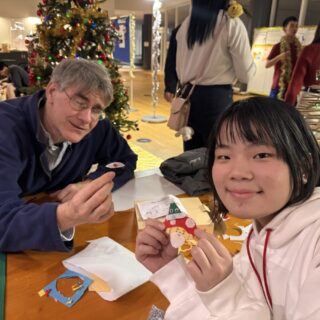
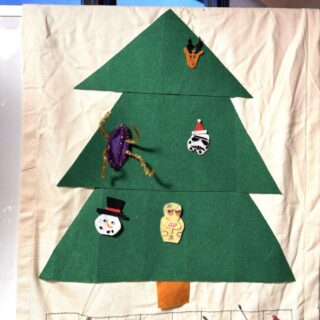
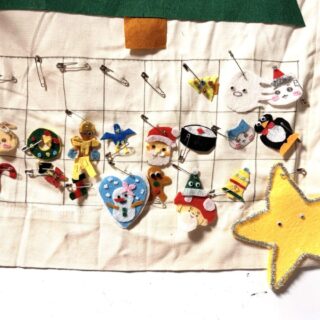
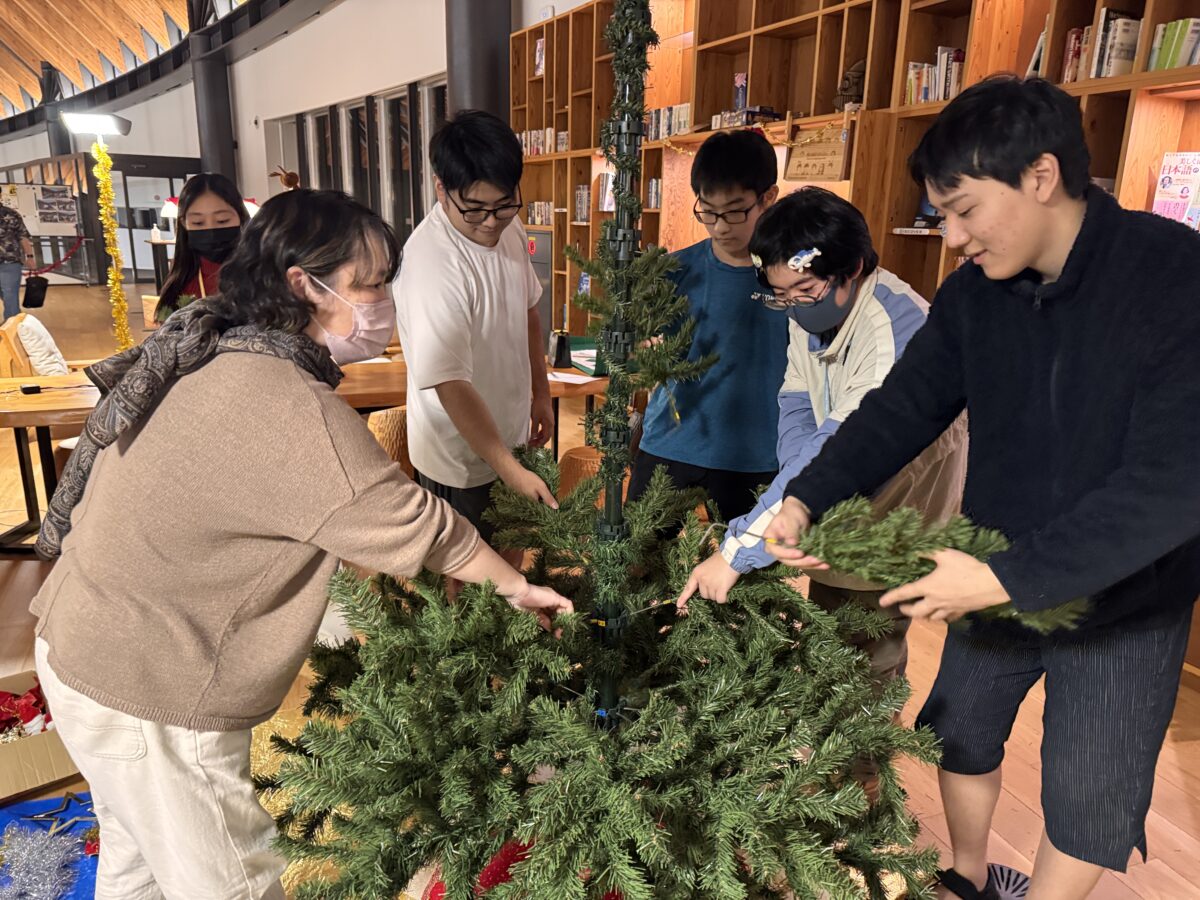
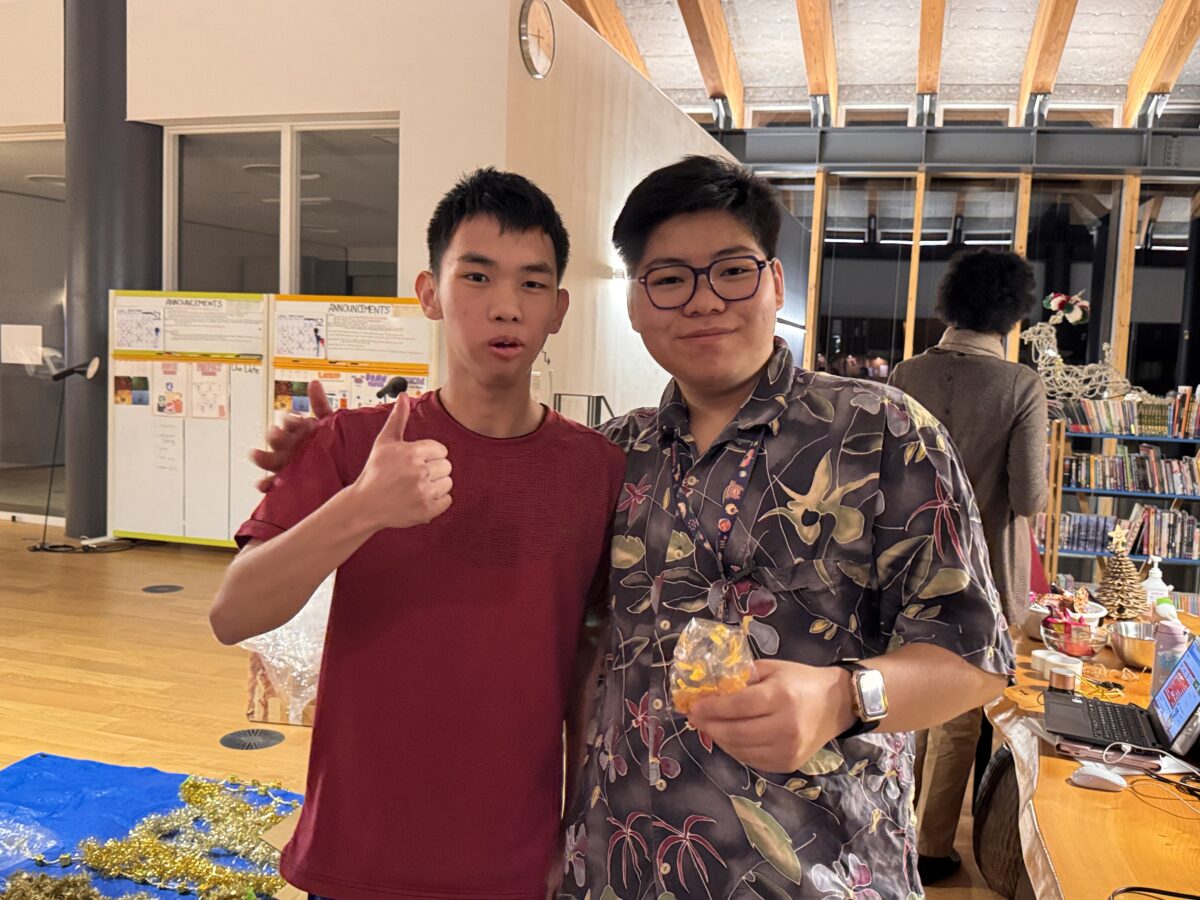
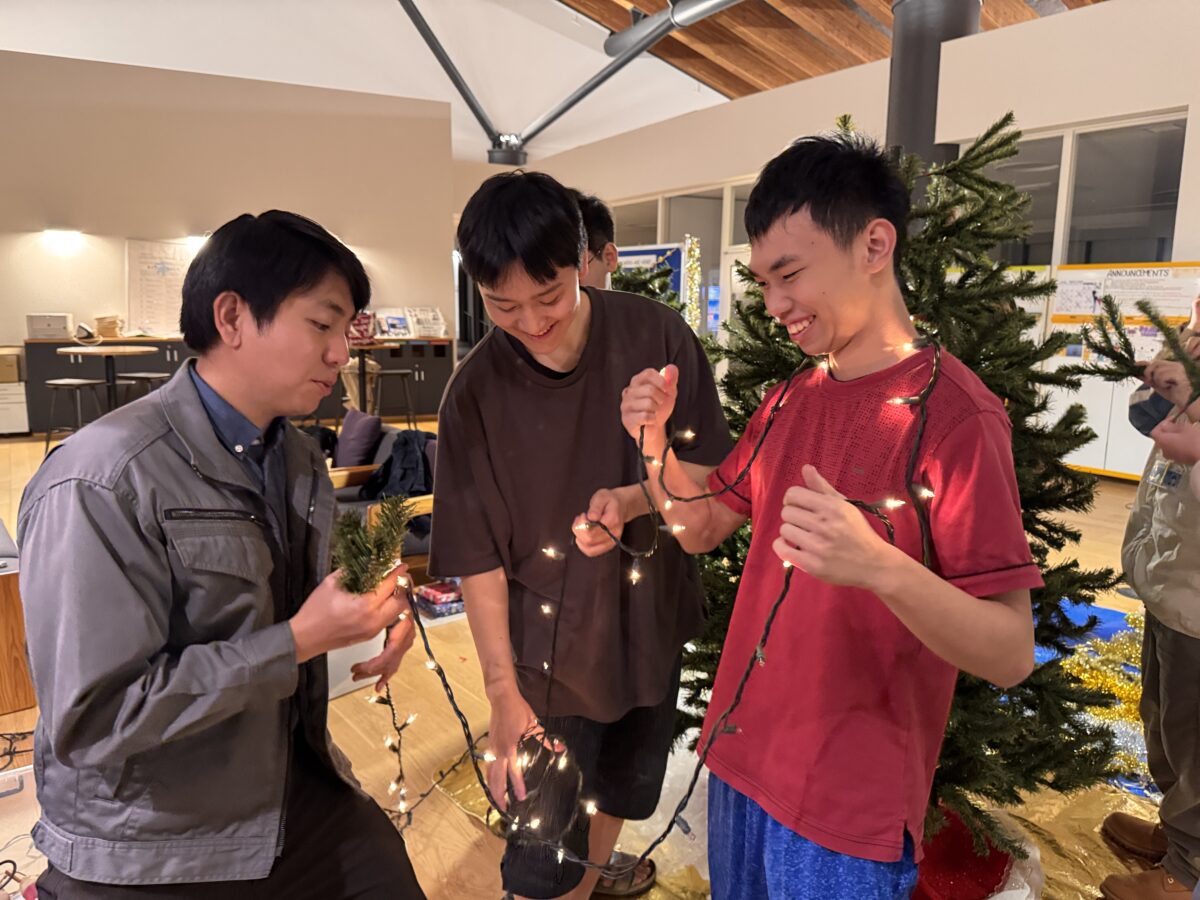
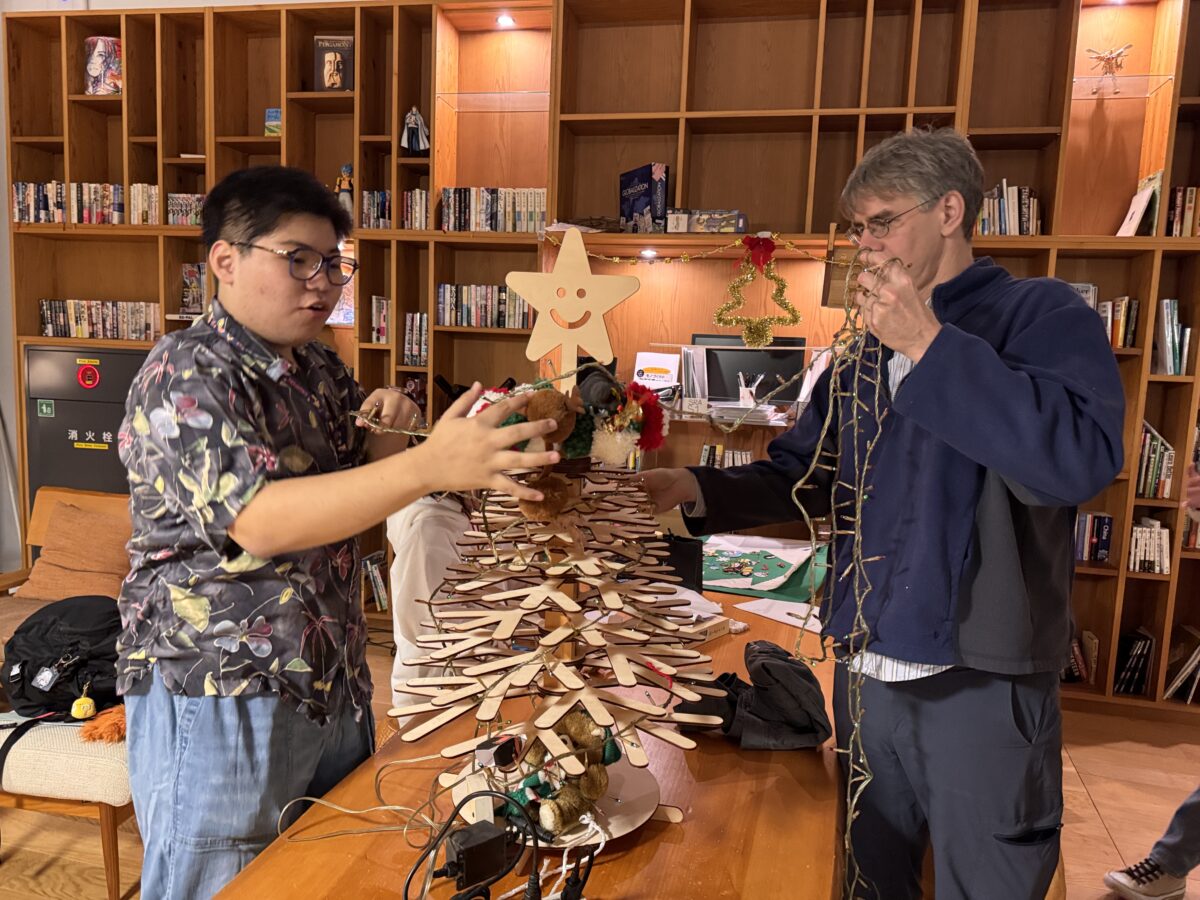
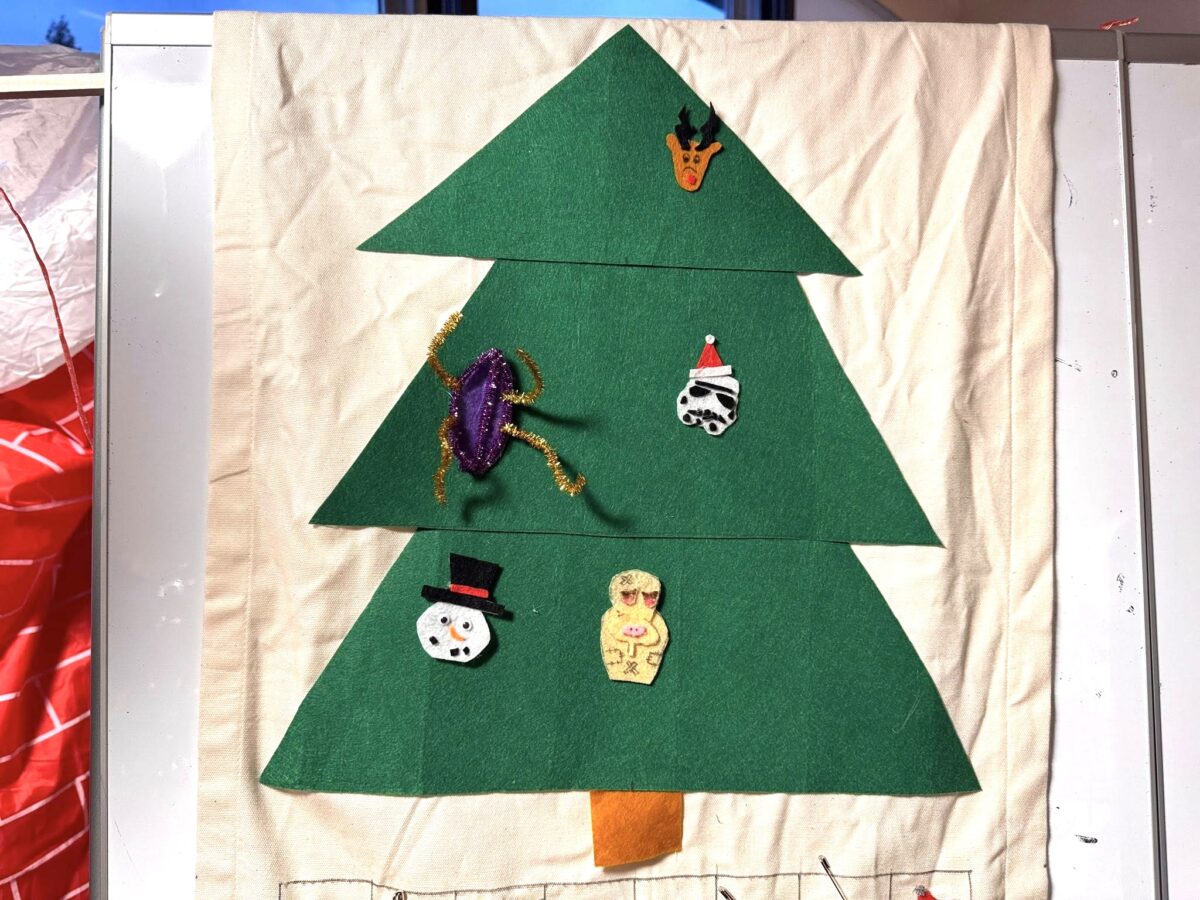
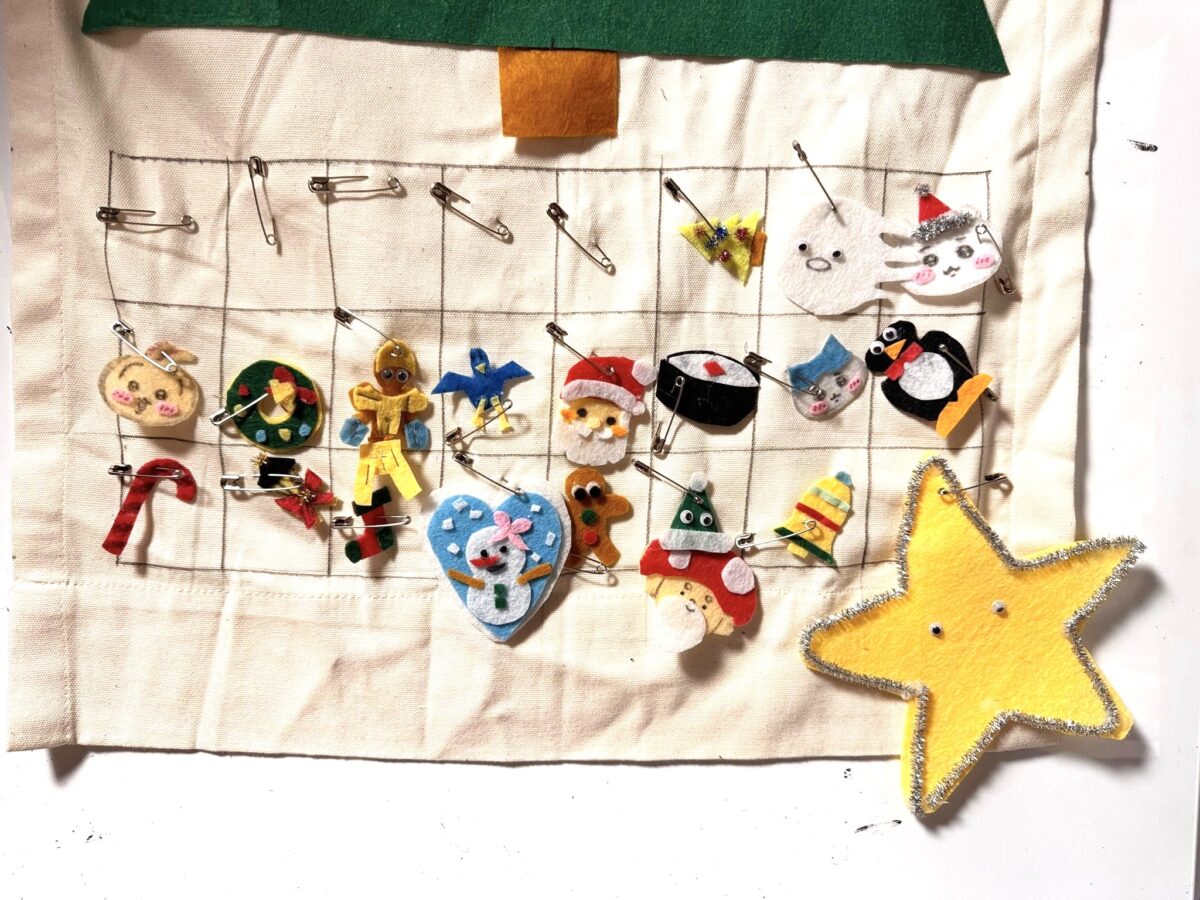
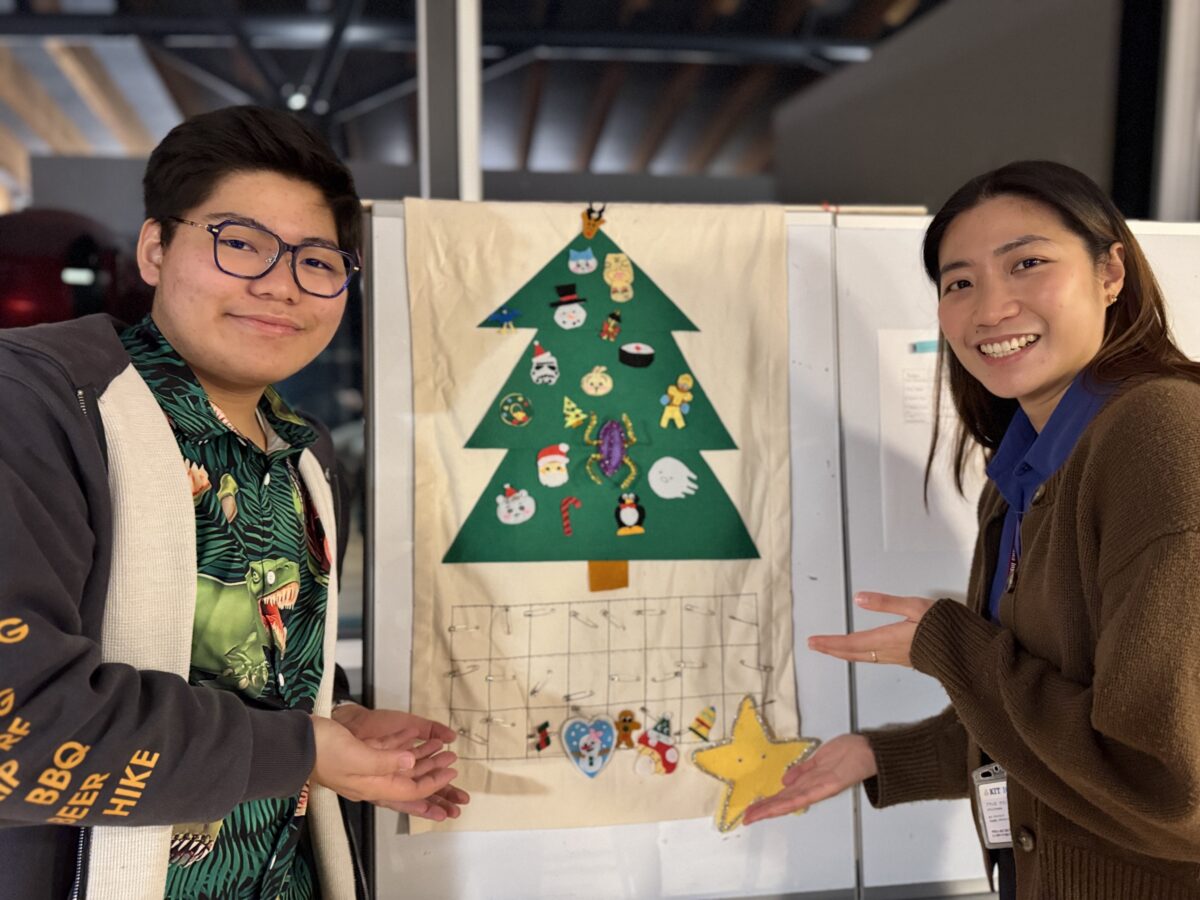
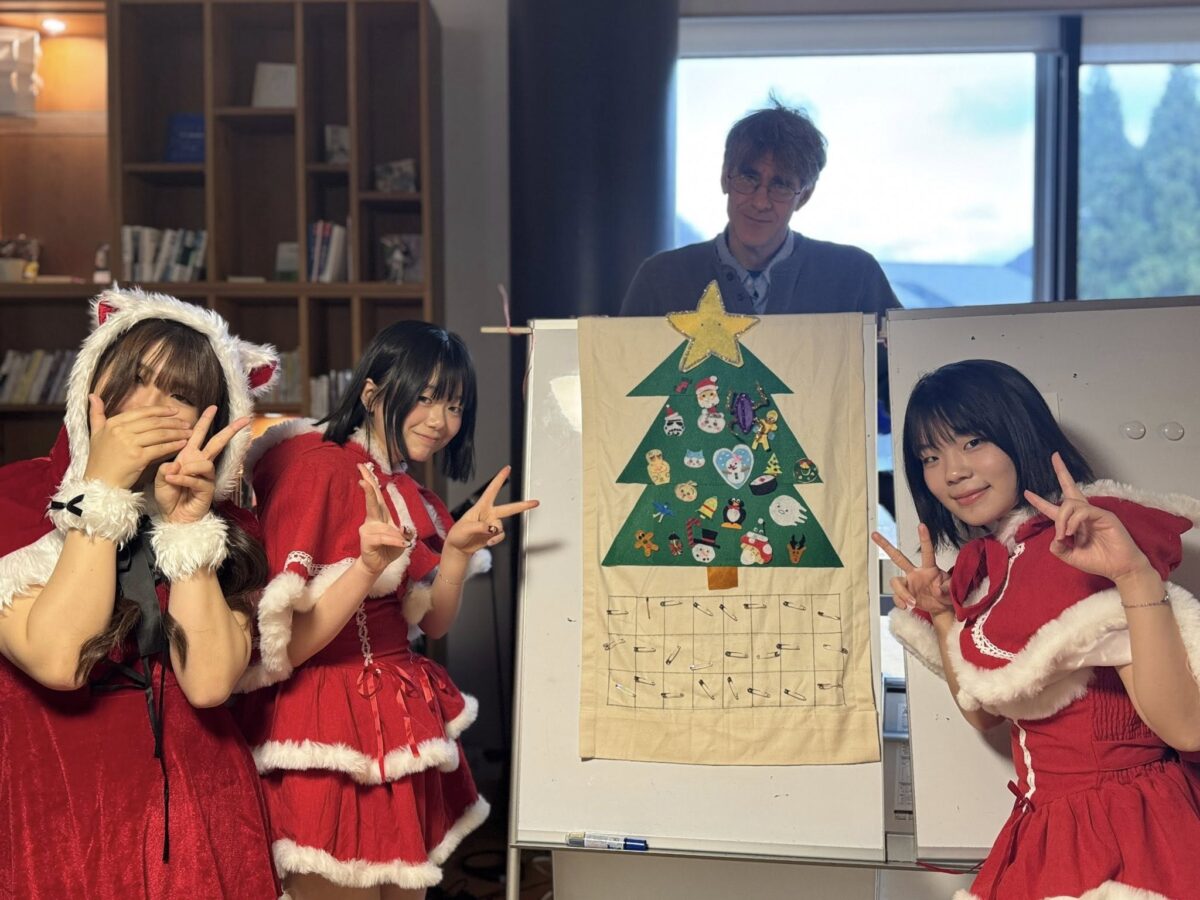
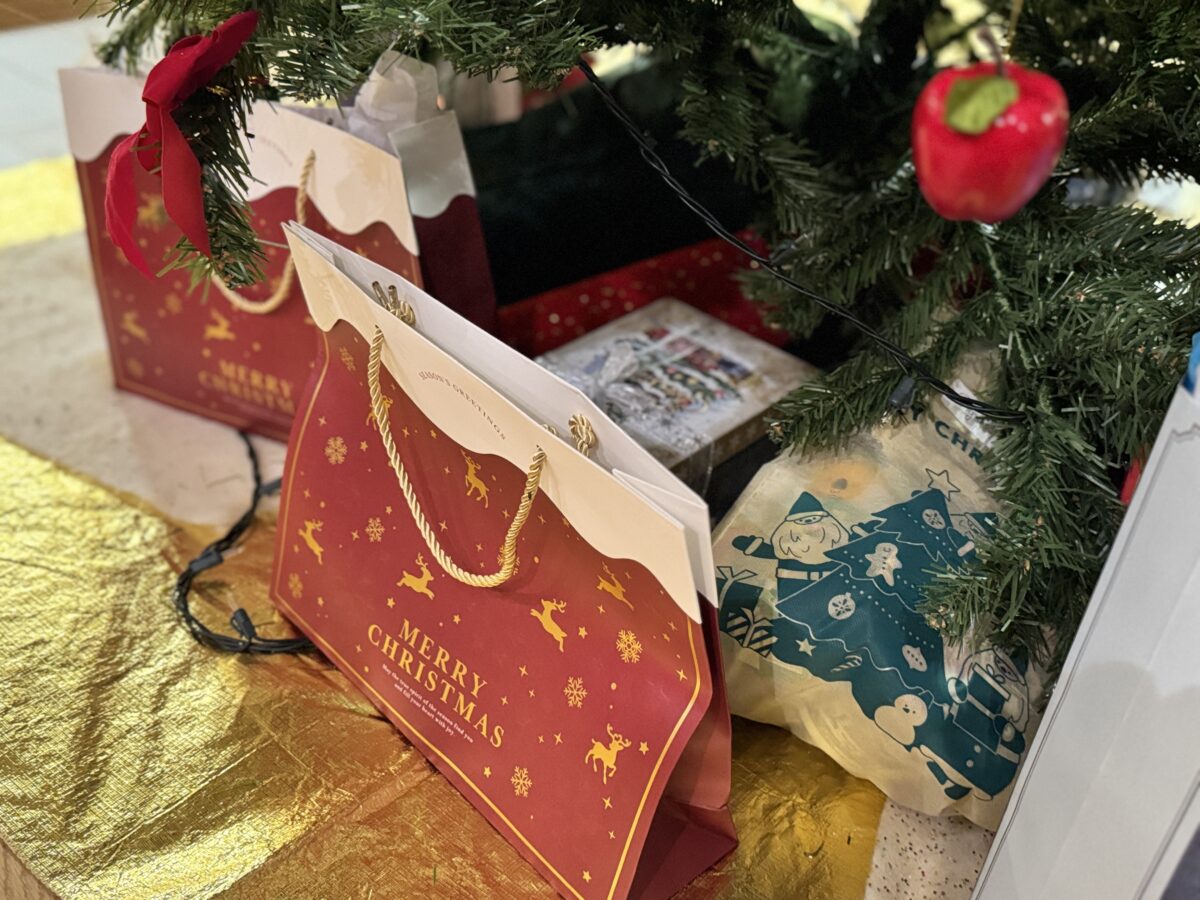
クリスマスパーティー当日までの準備期間も、すでにワクワクする時間でした。学生たちは数日かけて、色とりどりのライトやオーナメントでリビングコモンズを飾り付けました。中でもひときわ目立っていたのが、背の高いクリスマスツリーです。学生たちは、それぞれのシークレットサンタの相手に気づかれないよう、こっそりとプレゼントをツリーの下に置いていきました。さらに、手作りの「アドベントカレンダー」も用意し、12月の毎日に小さなサプライズを加えました。こうした準備が、特別な夜への期待を少しずつ高めていきました。
-
-
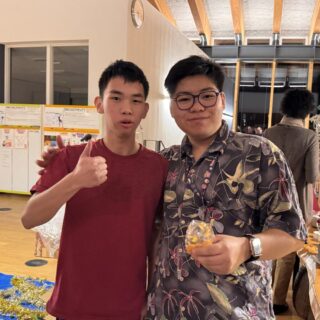
-
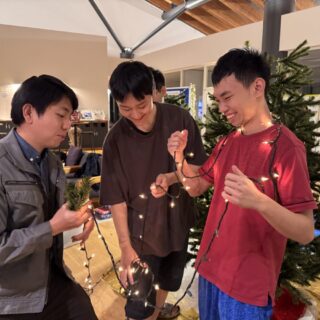
-
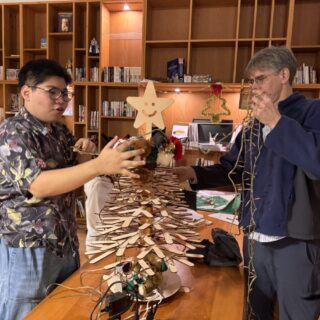
-
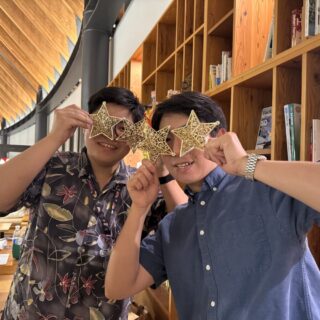
-
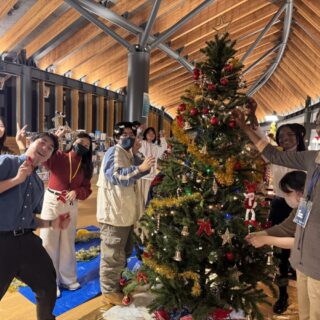
-
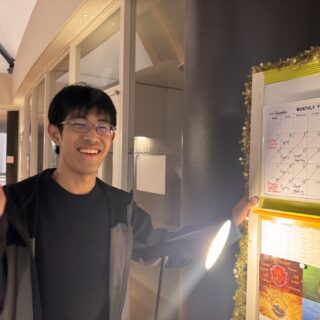
-
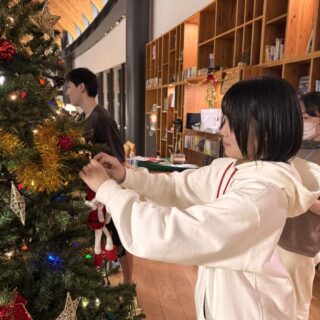
-
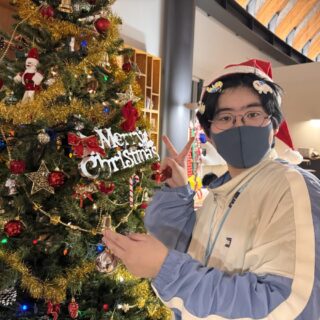
-
-
-
-
-
-
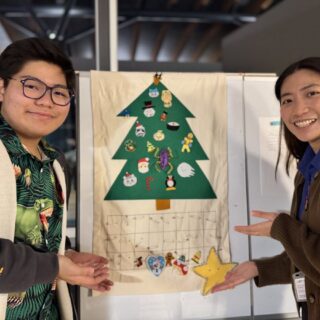
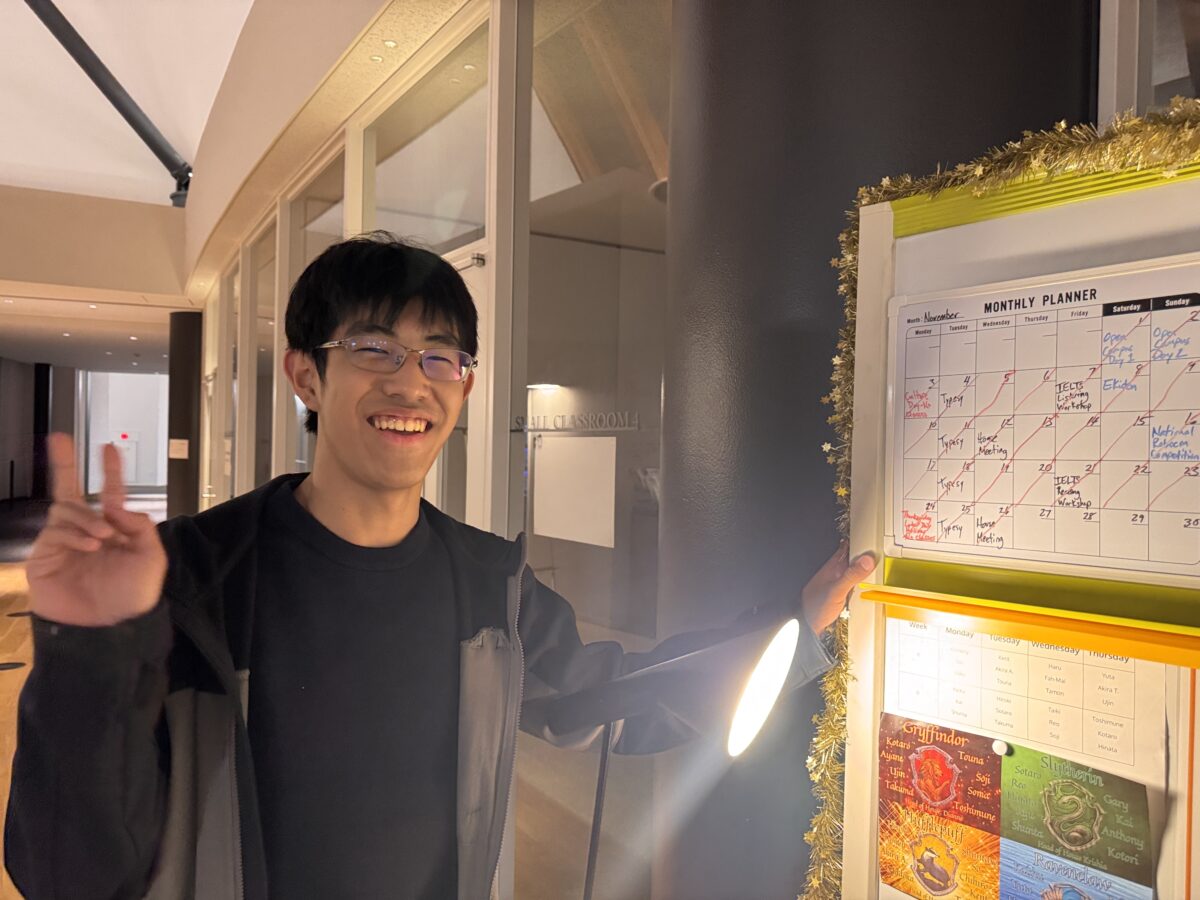
手作りの「アドベントカレンダー」
-
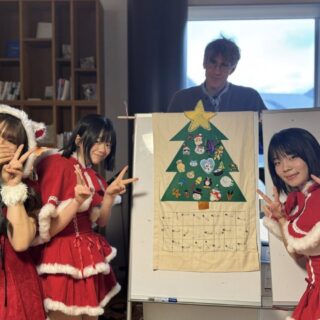
完成!
-
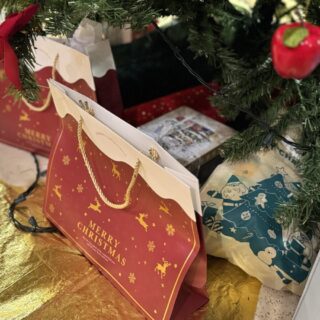
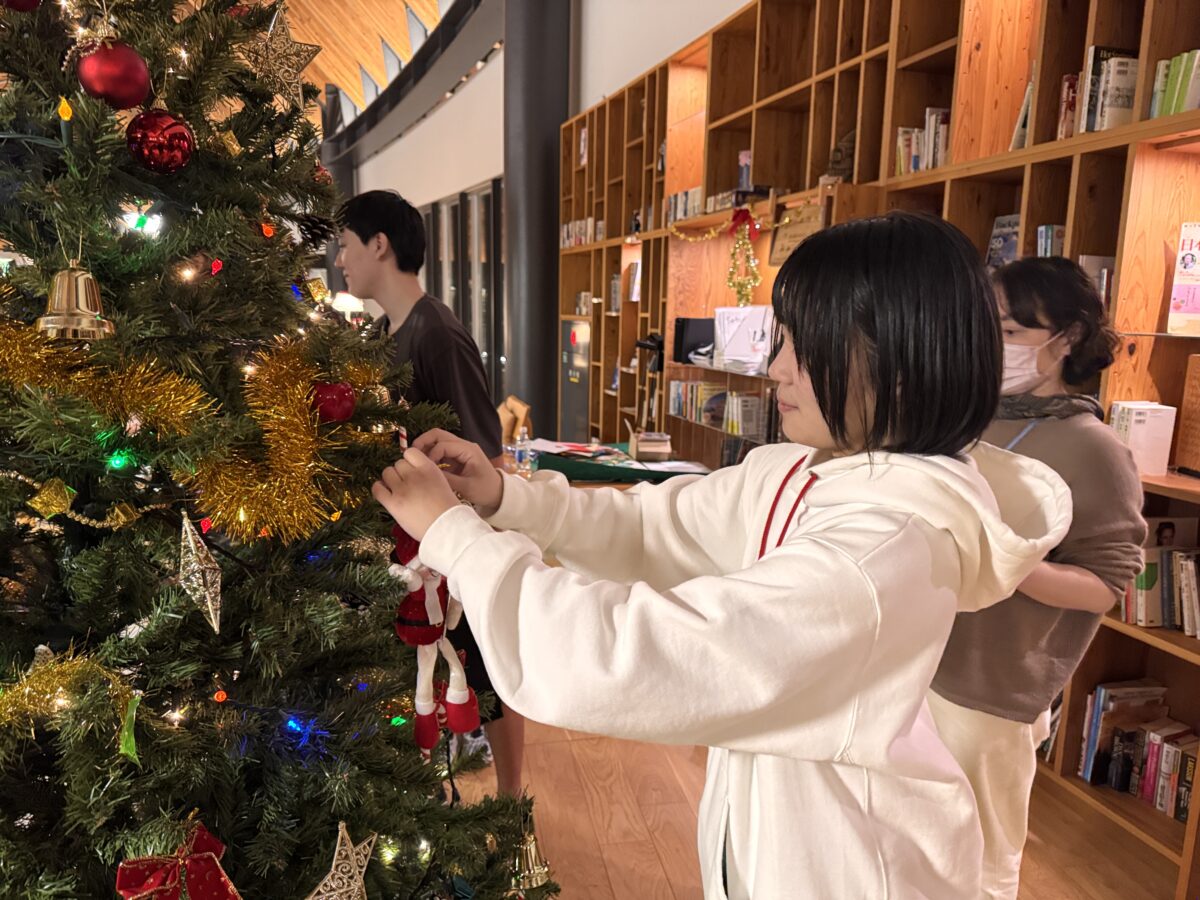
こっそりとプレゼントをツリーの下に置いていきました。
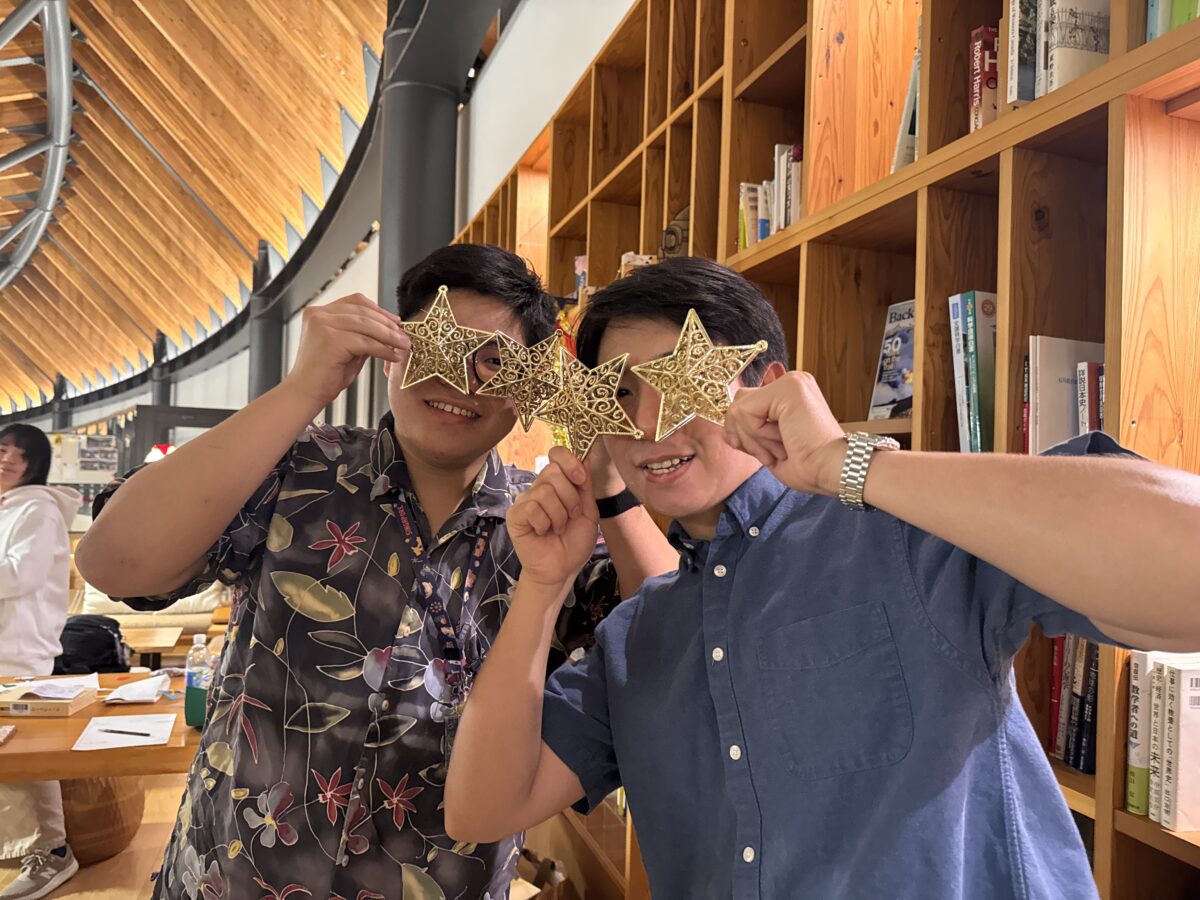
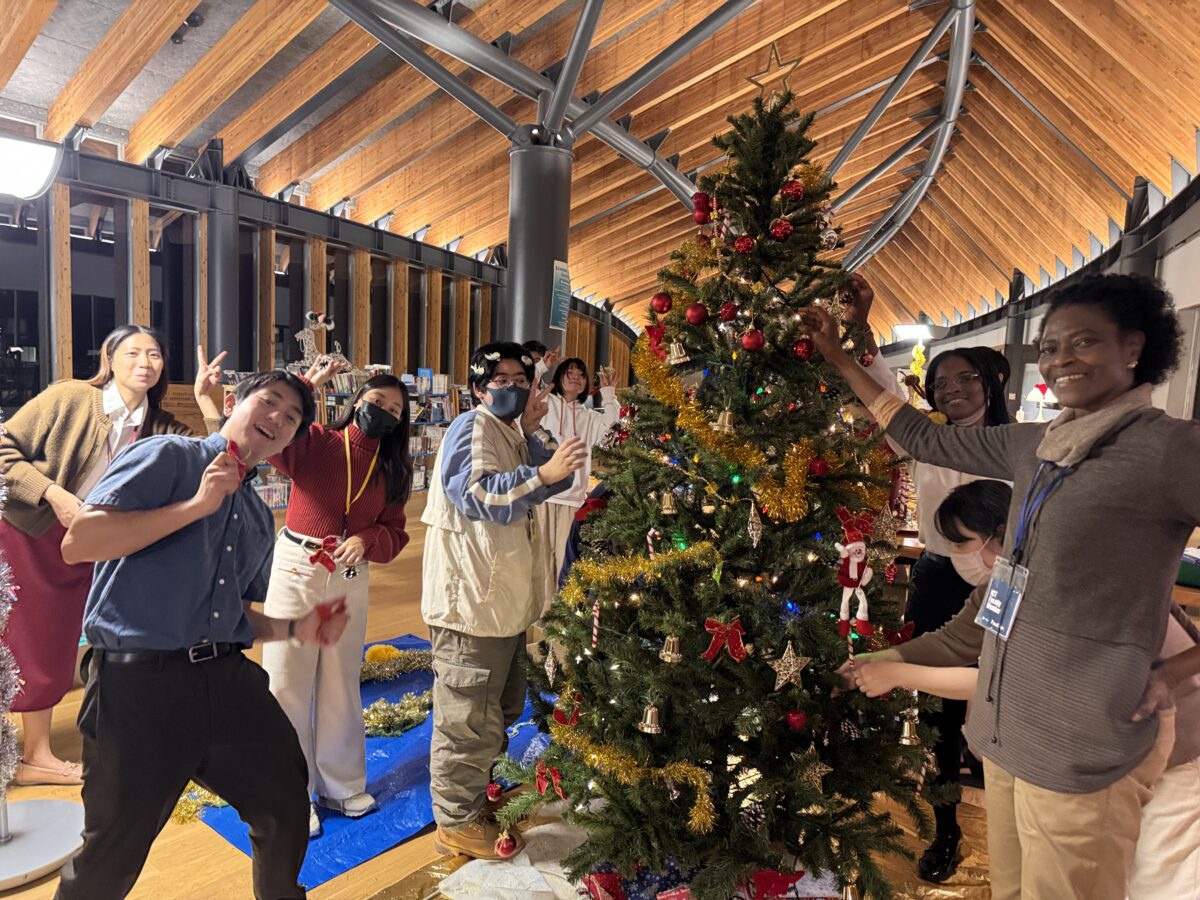
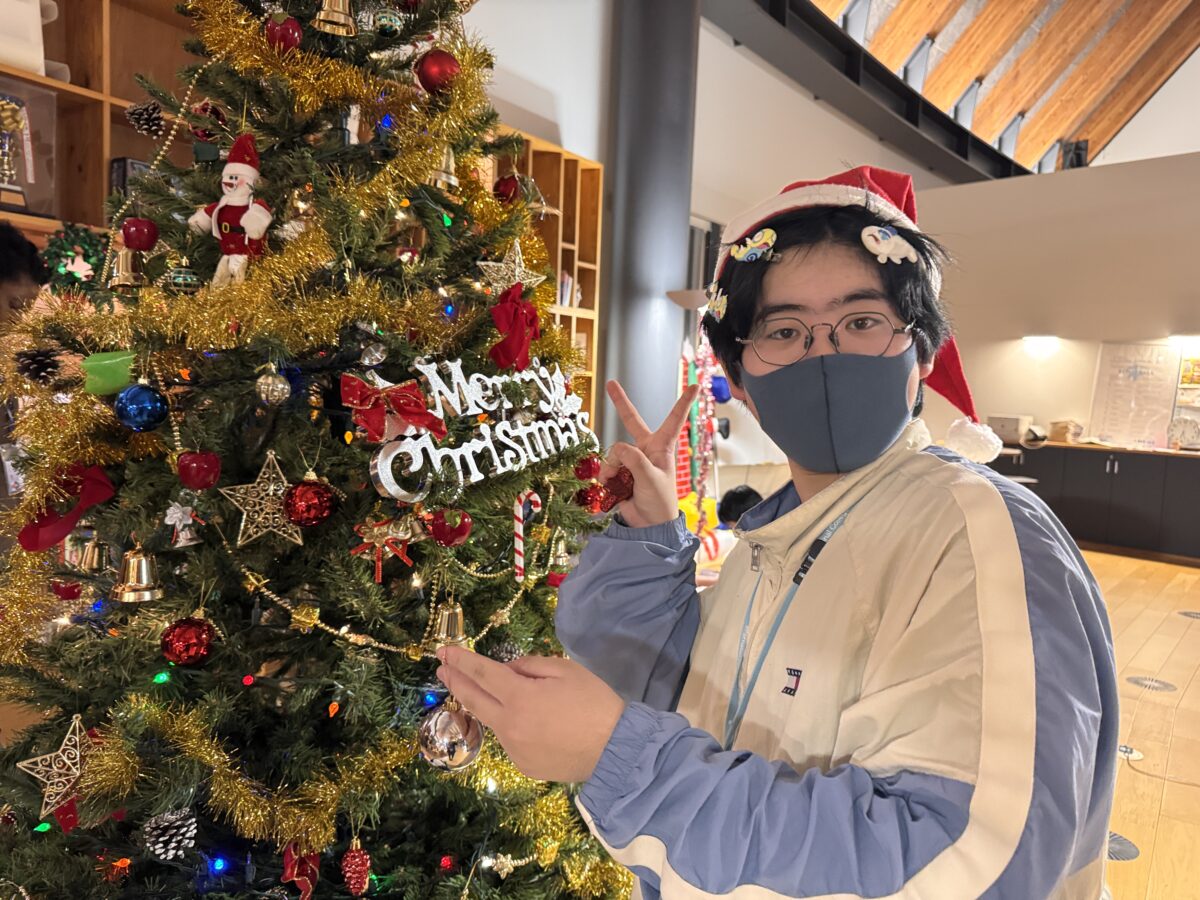
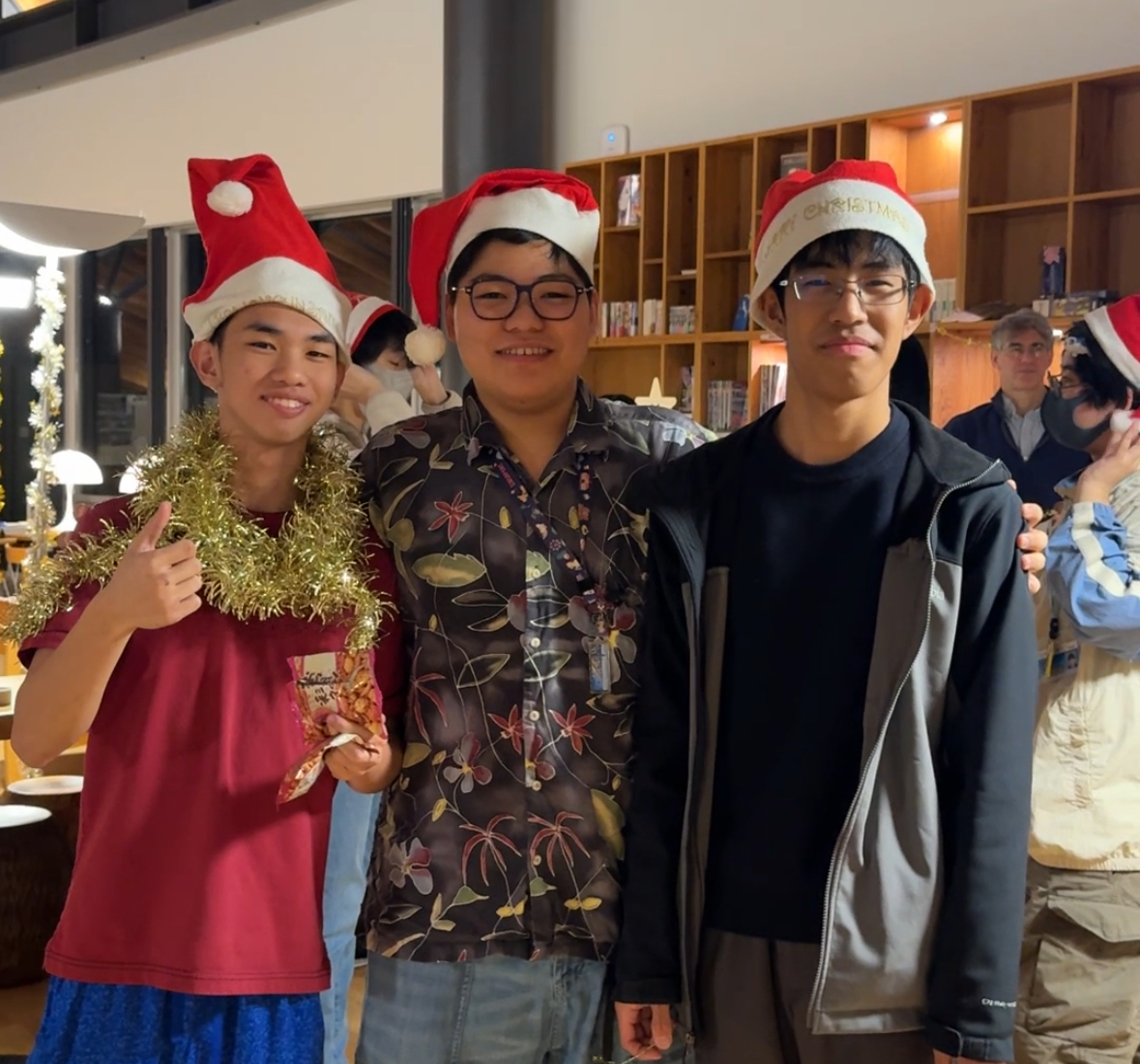
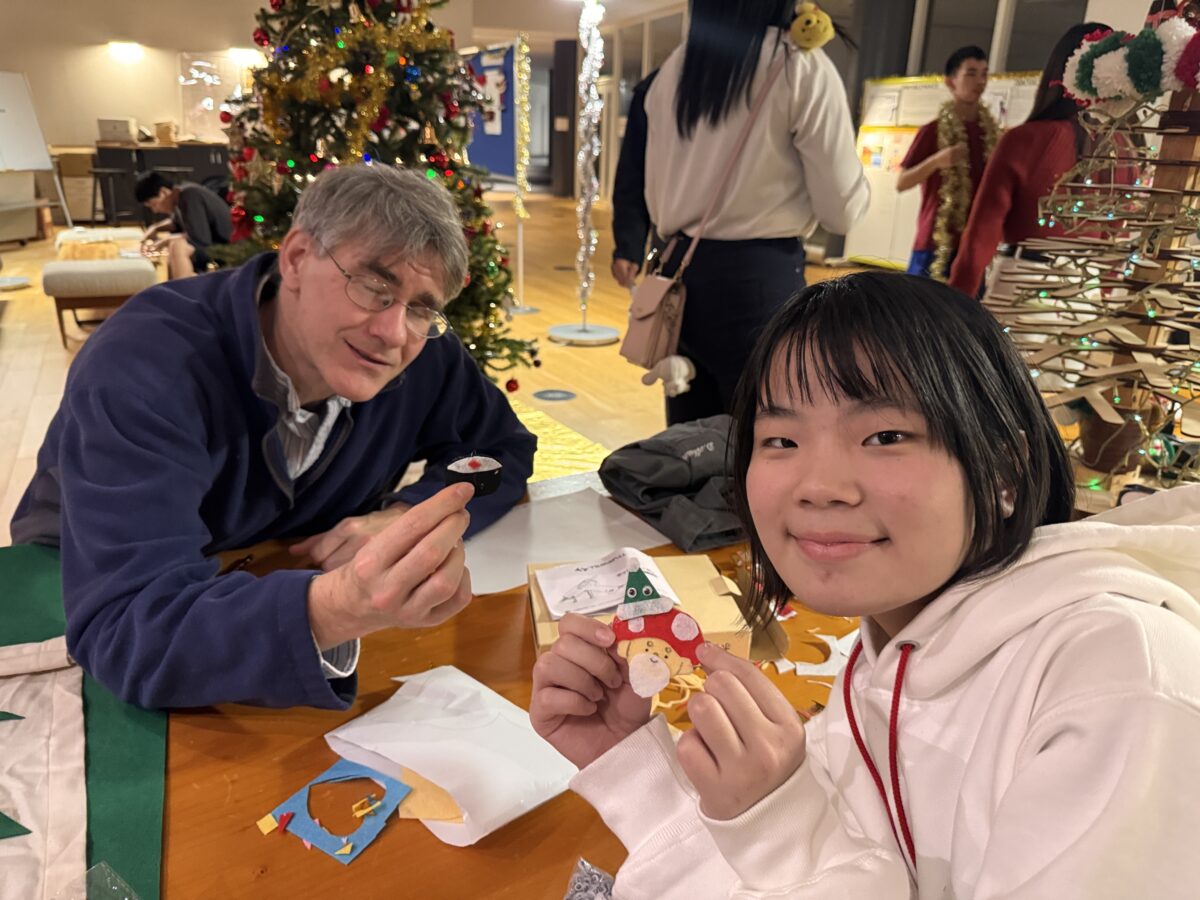
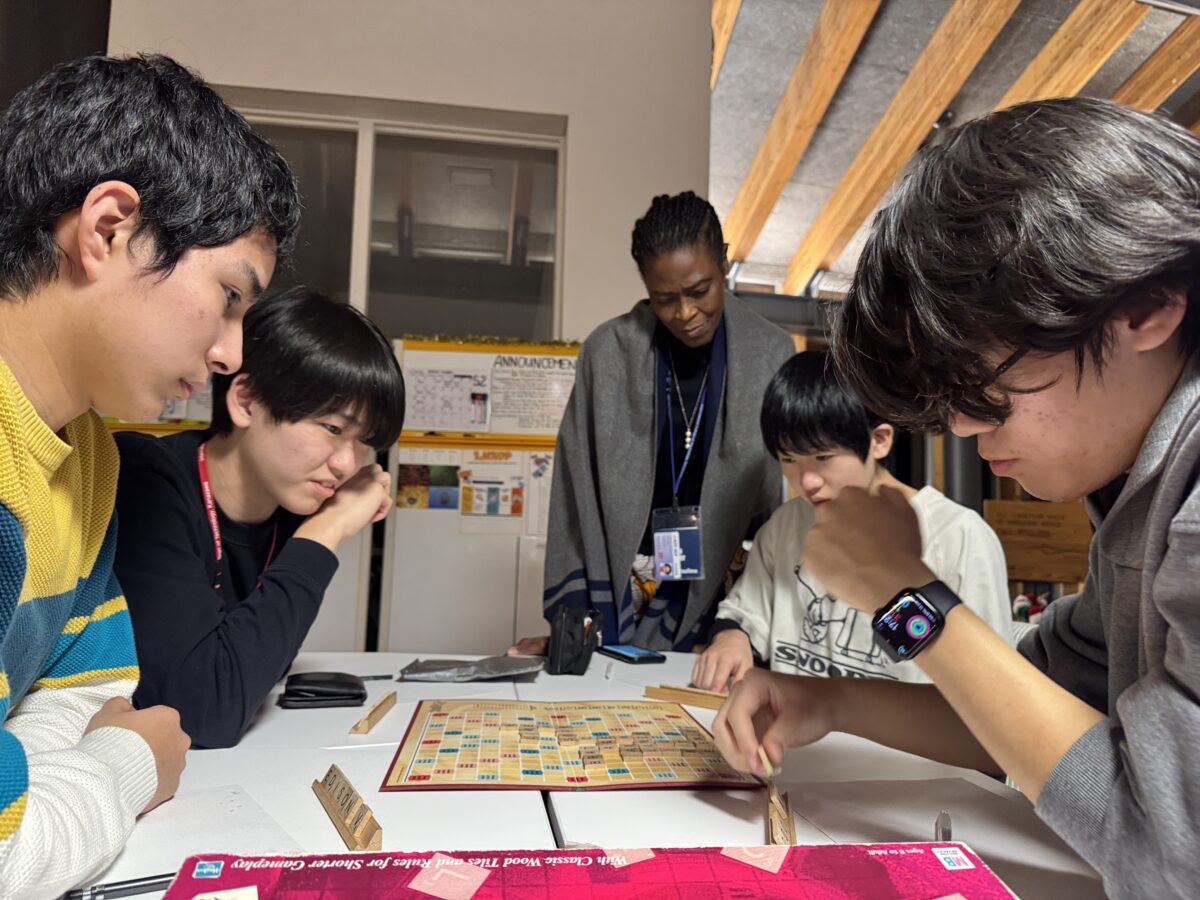
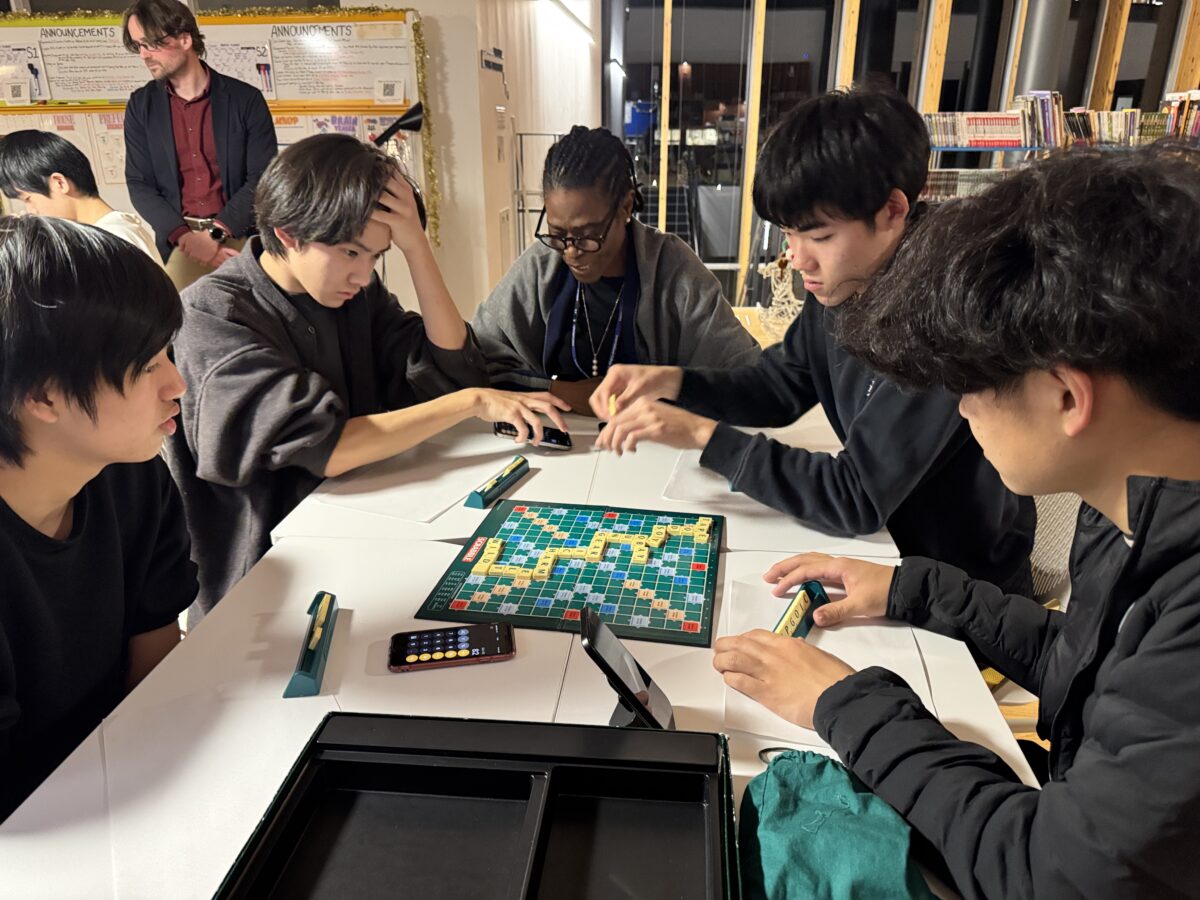
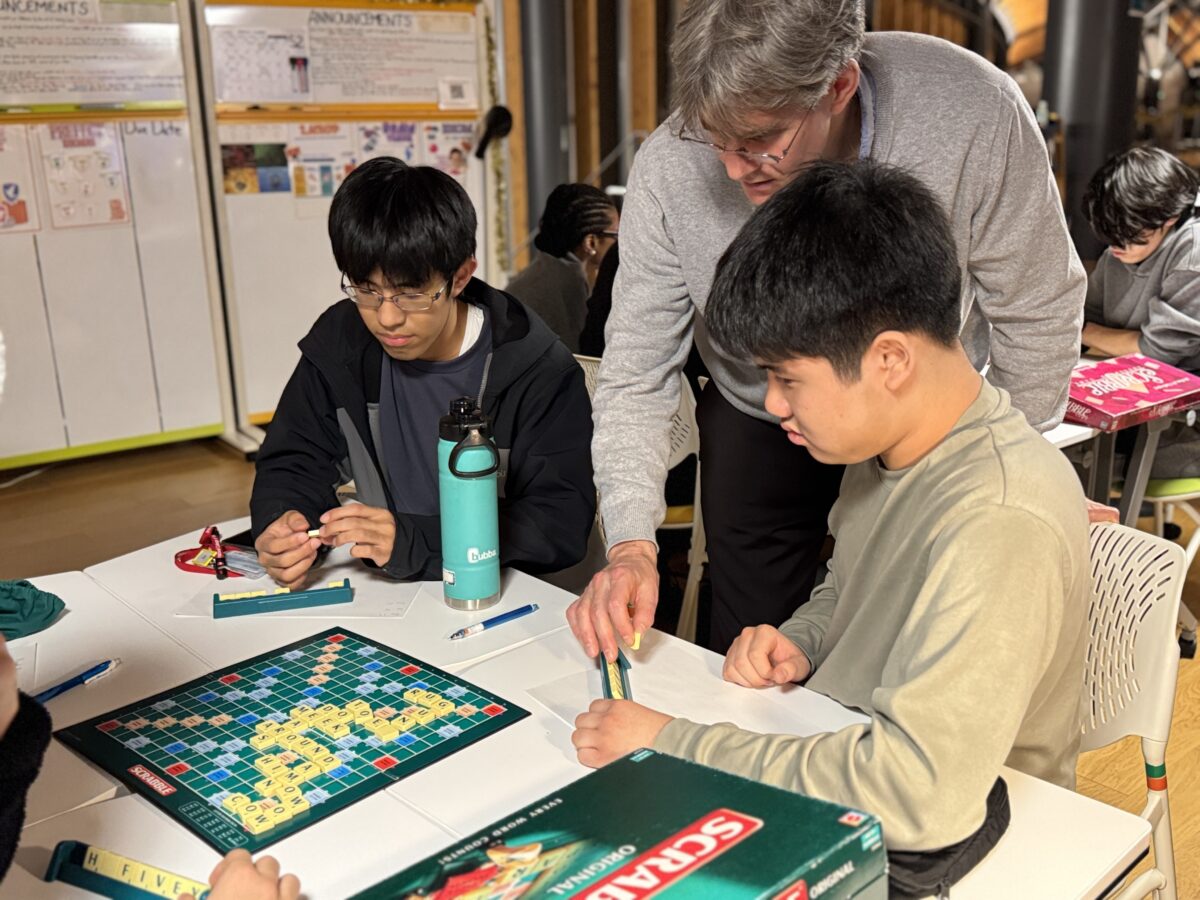
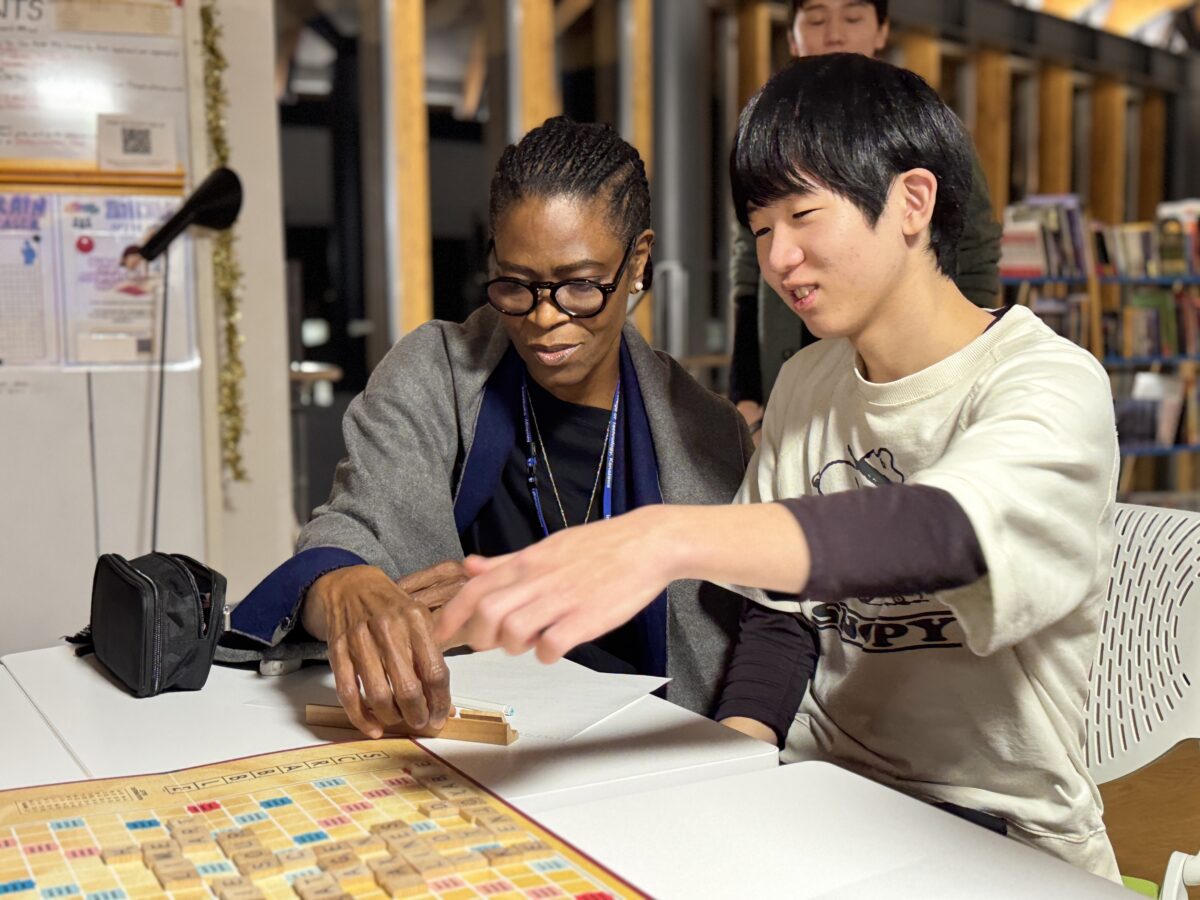
12月19日の放課後に開催されたクリスマスイベントは、英語科によるICT初の「クリスマス・スクラブル・トーナメント」から始まりました。1年生と2年生の学生が混成チームを組み、ものすごい速さで単語を作っていきました。中には、ボードゲームが初めてにもかかわらず、400点以上を獲得した学生もいました!優勝チームには賞品が贈られましたが、それ以上に、参加した全員が達成感いっぱいの笑顔で終えることができました。
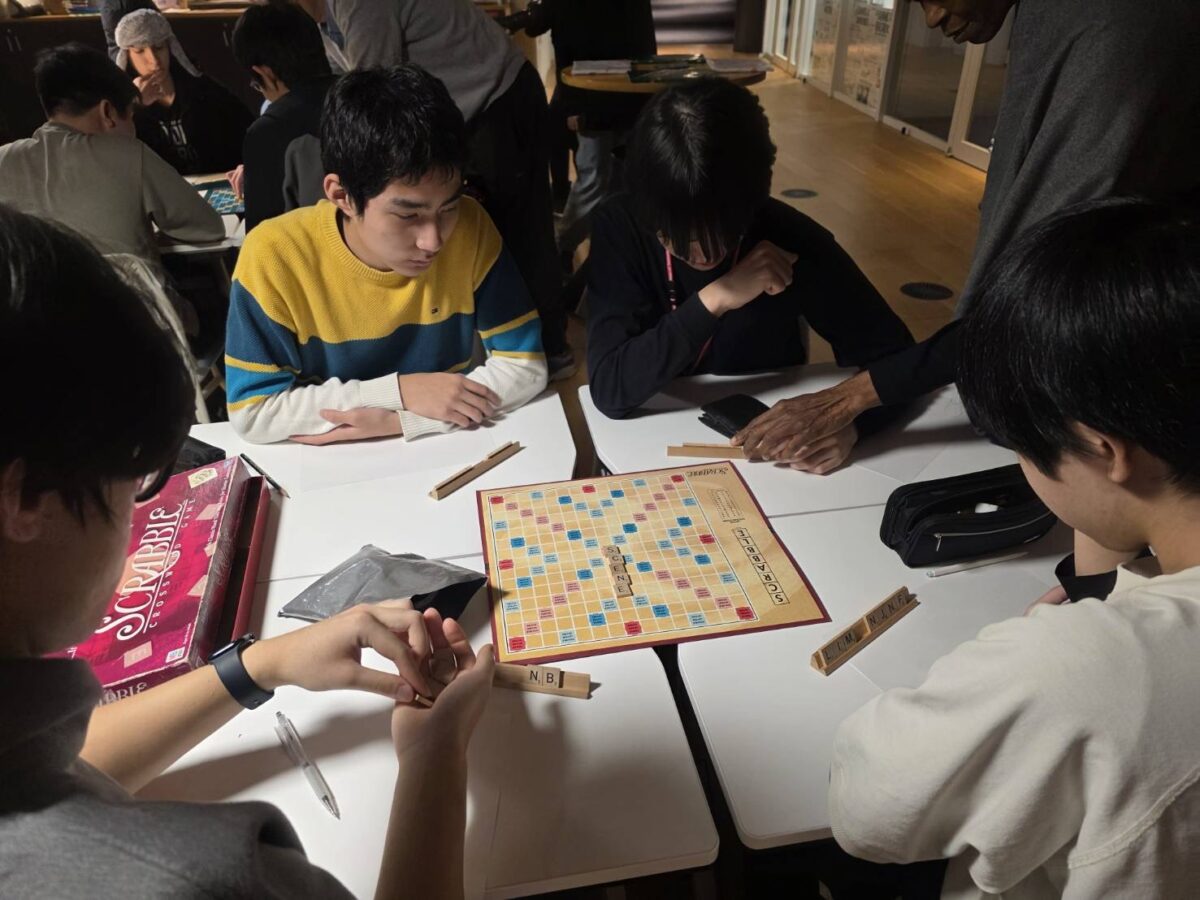
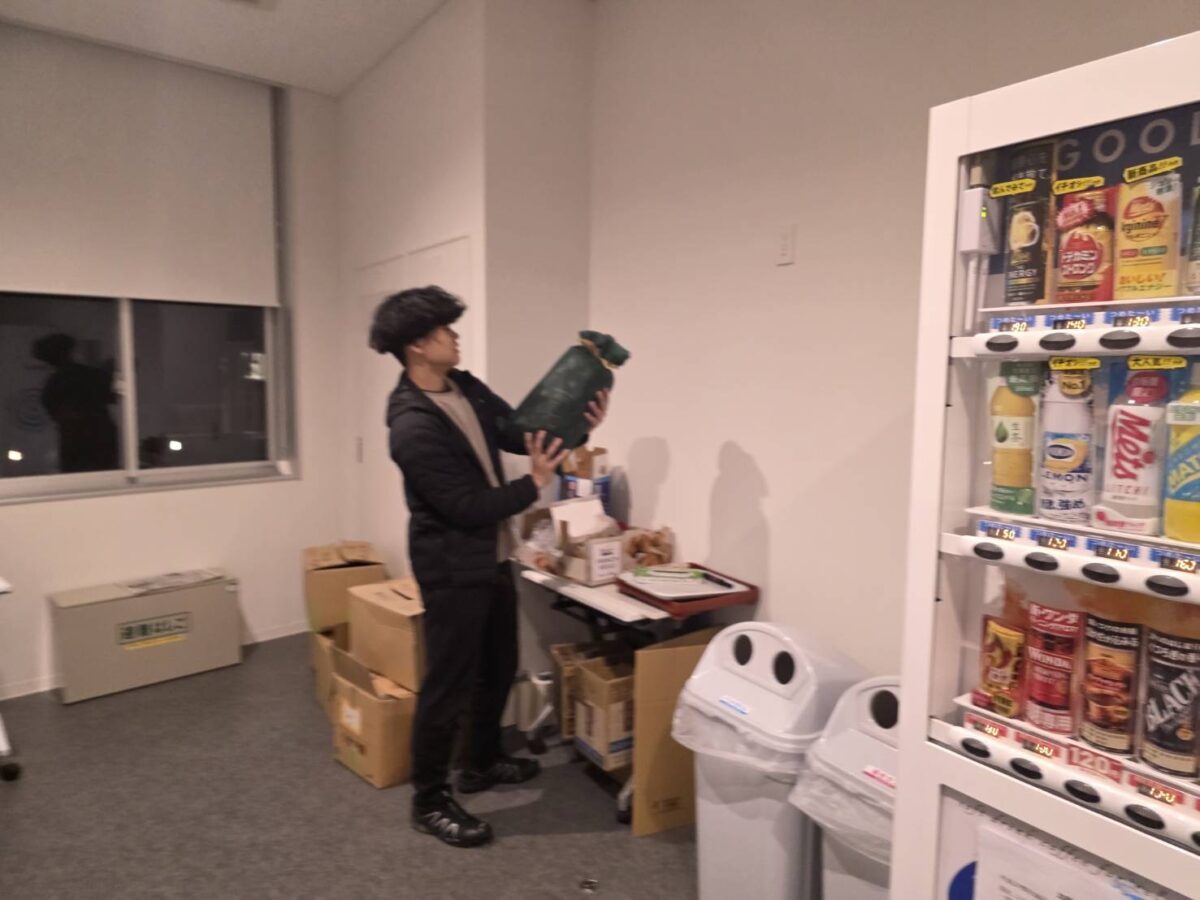
続いて行われたのが、「シークレットサンタのギフトハント」です。学生たちが夕食を楽しんでいる間に、ラーニングメンターたちが“Sneaky Elves”(サンタクロースの助手としてプレゼント作りを手伝ったり、いたずらを仕掛けたりするエルフ)に変身し、ツリーの下からプレゼントを集めてリビングコモンズのあちこちに隠しました。学生たちが戻ると、宝探しのようなプレゼント探しが始まり、歓声や笑い声があふれました。中には少し困った顔をしている人もいました。実は私自身も、自分のプレゼントを見つけるのに助けが必要でした!
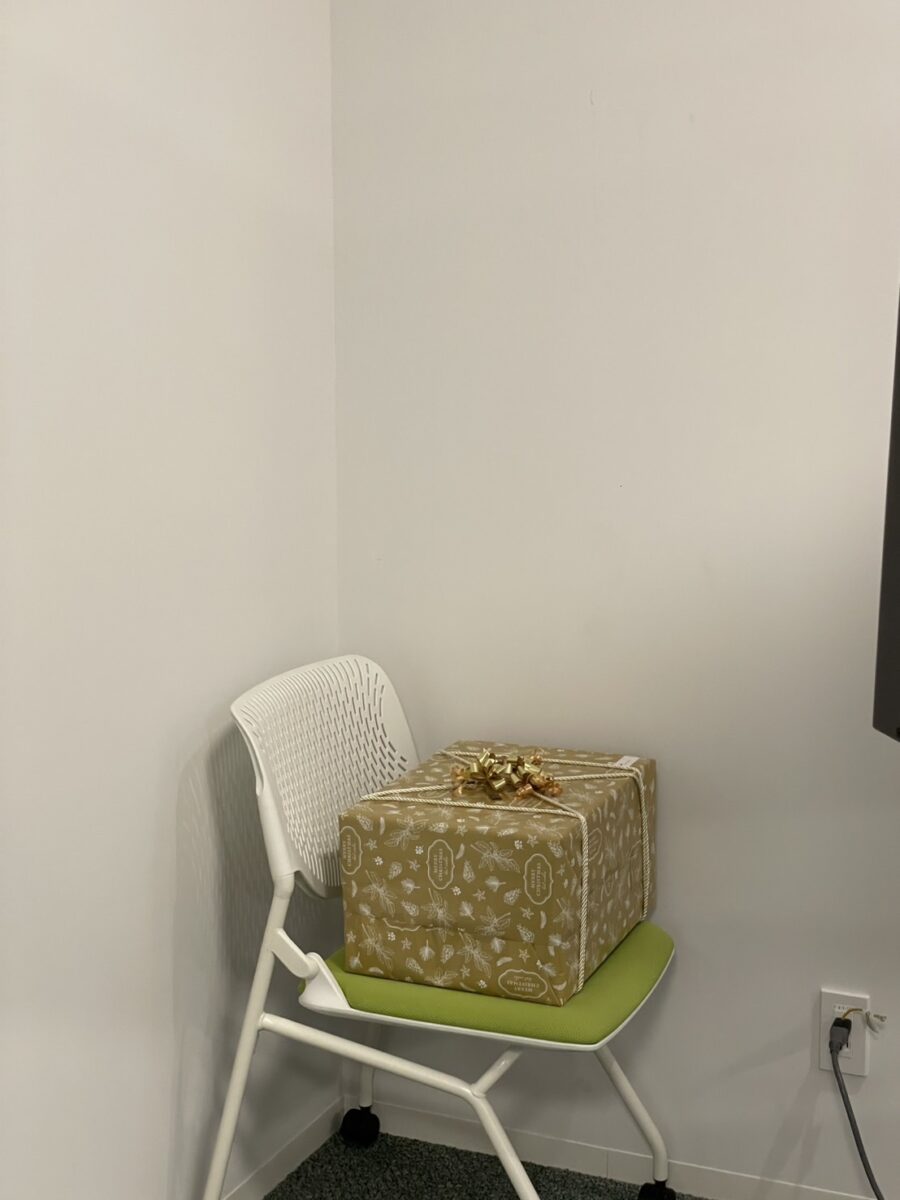
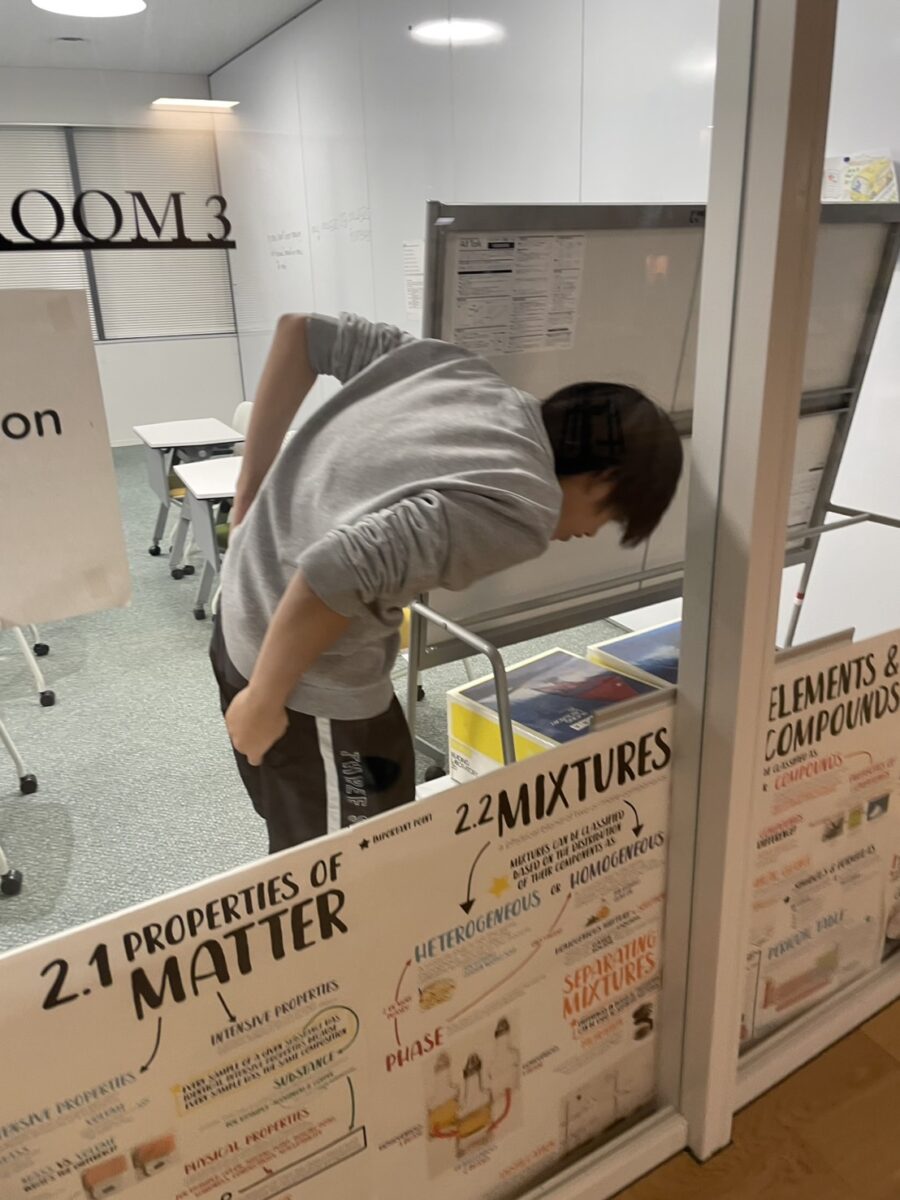
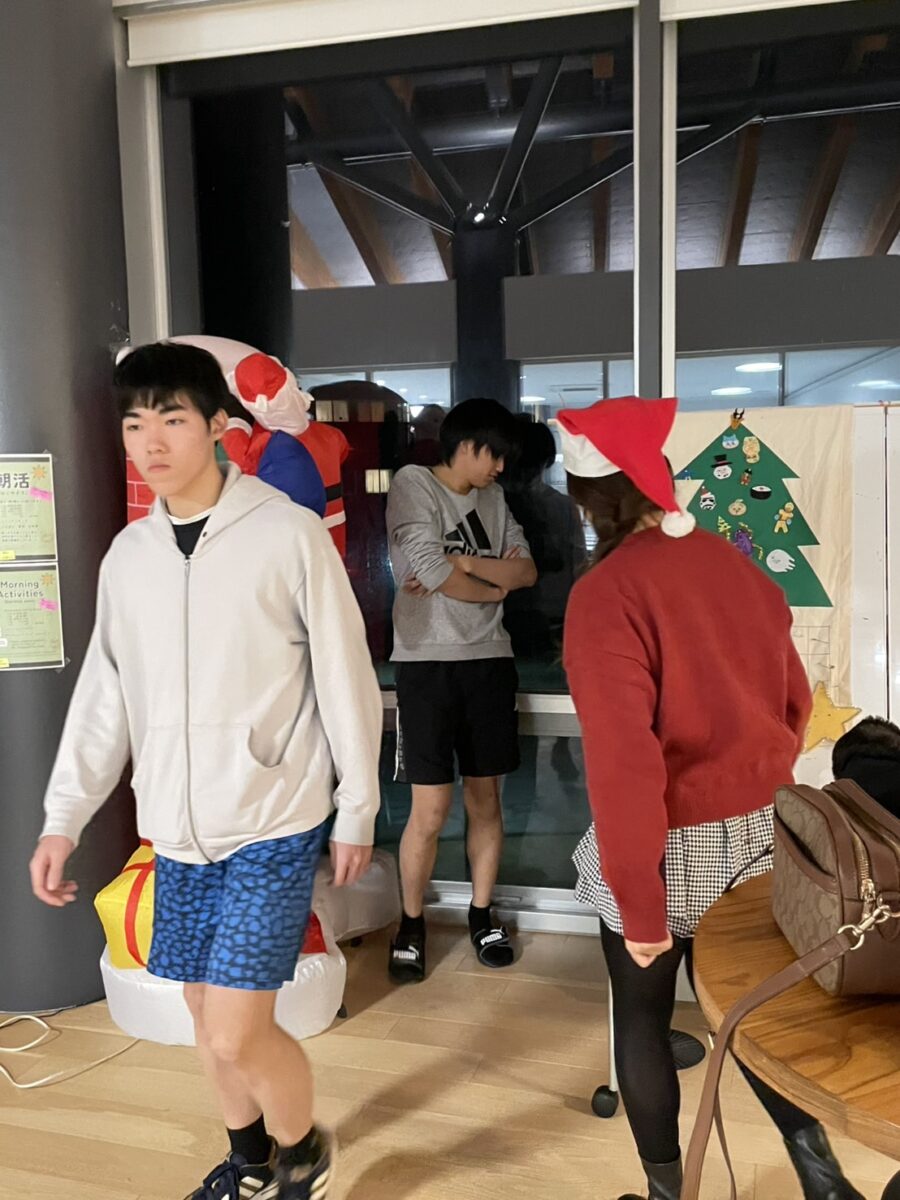
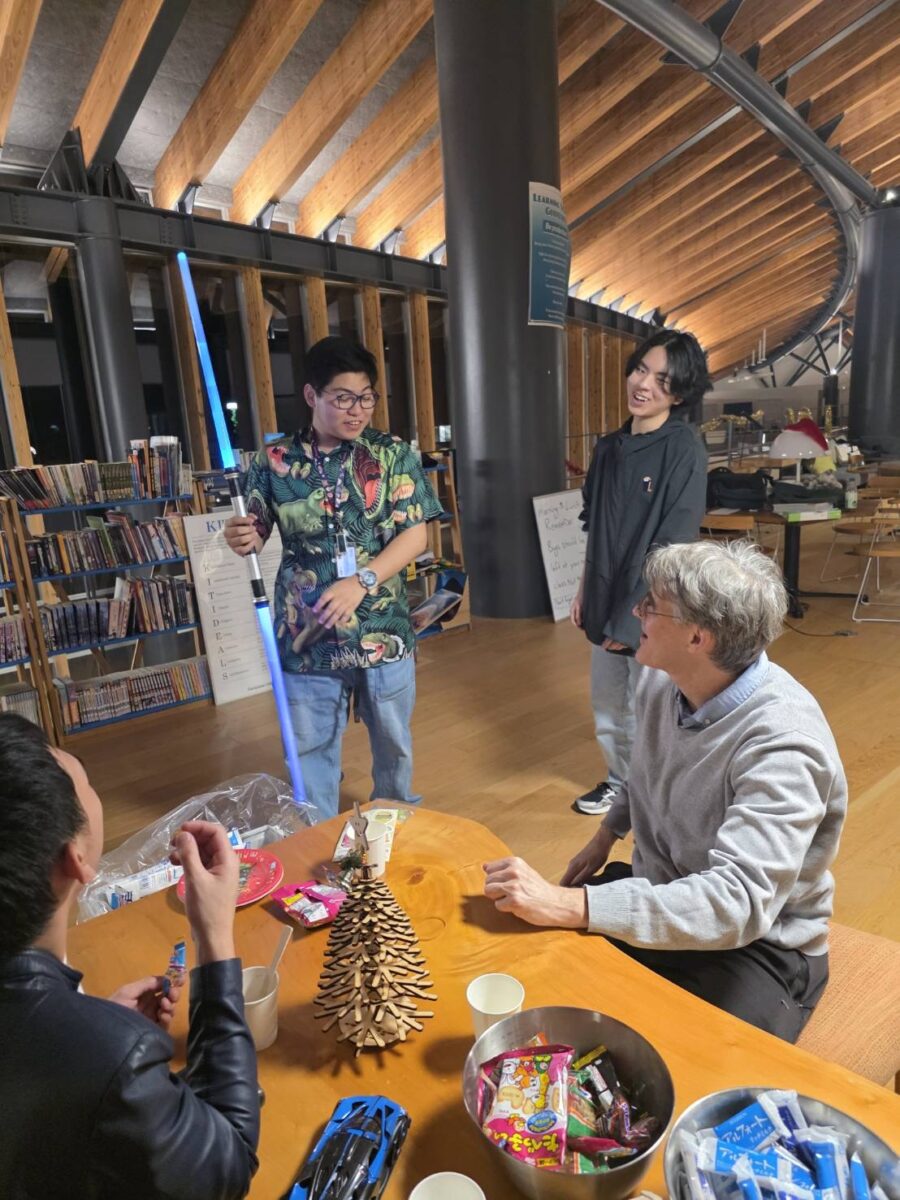
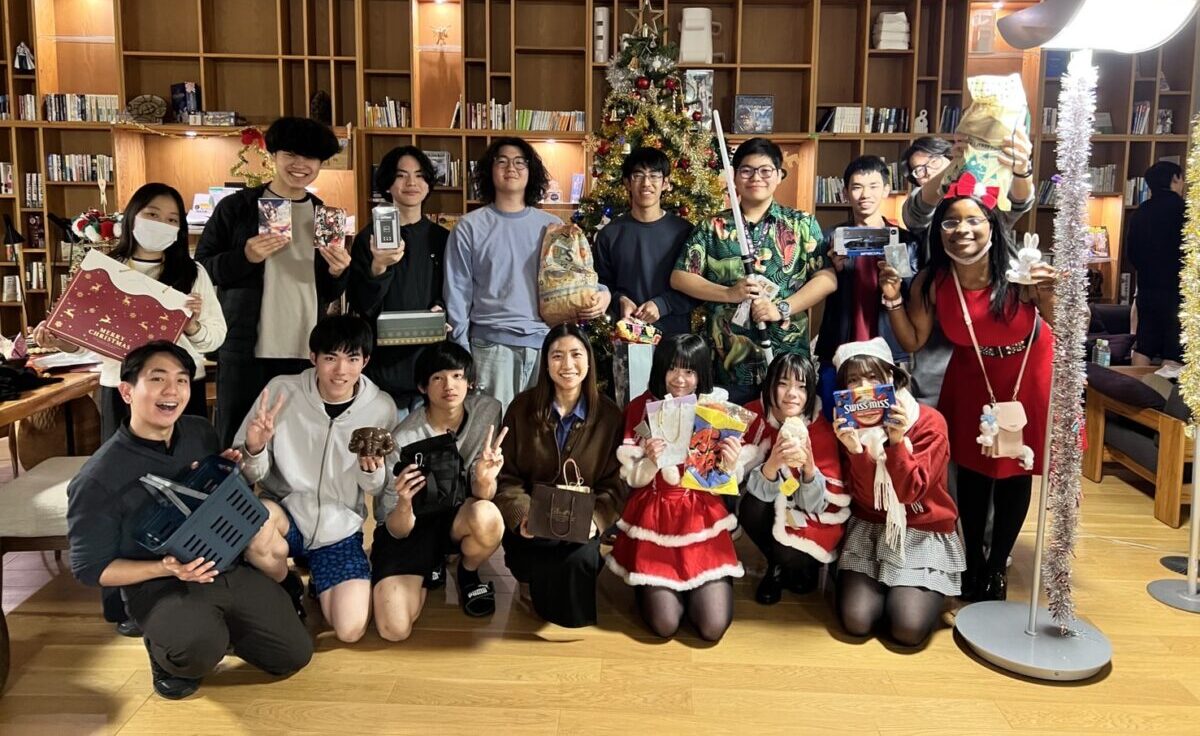
すべてのプレゼントが見つかると、再びツリーの周りに集まり、開封の時間となりました。中身を推理しながら開ける学生もいれば、待ちきれずすぐに包みを開ける学生もいました。プレゼントは実に多彩で、光るライトセーバーのおもちゃ、学生たちに大人気のトルティーヤ、ロボット制作に使える工具、小説やその他の書籍、かわいらしい部屋の装飾品など、誰もが笑顔になるものばかりでした。
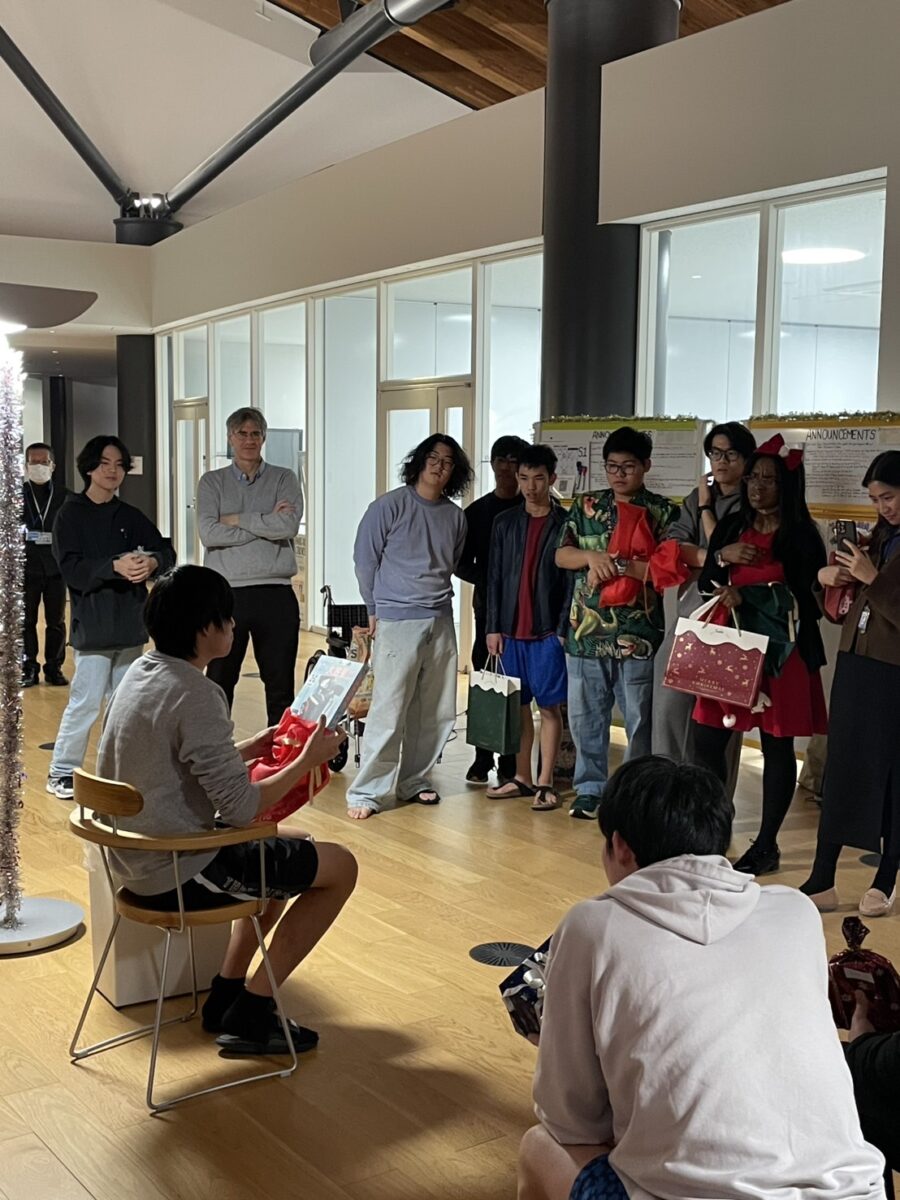
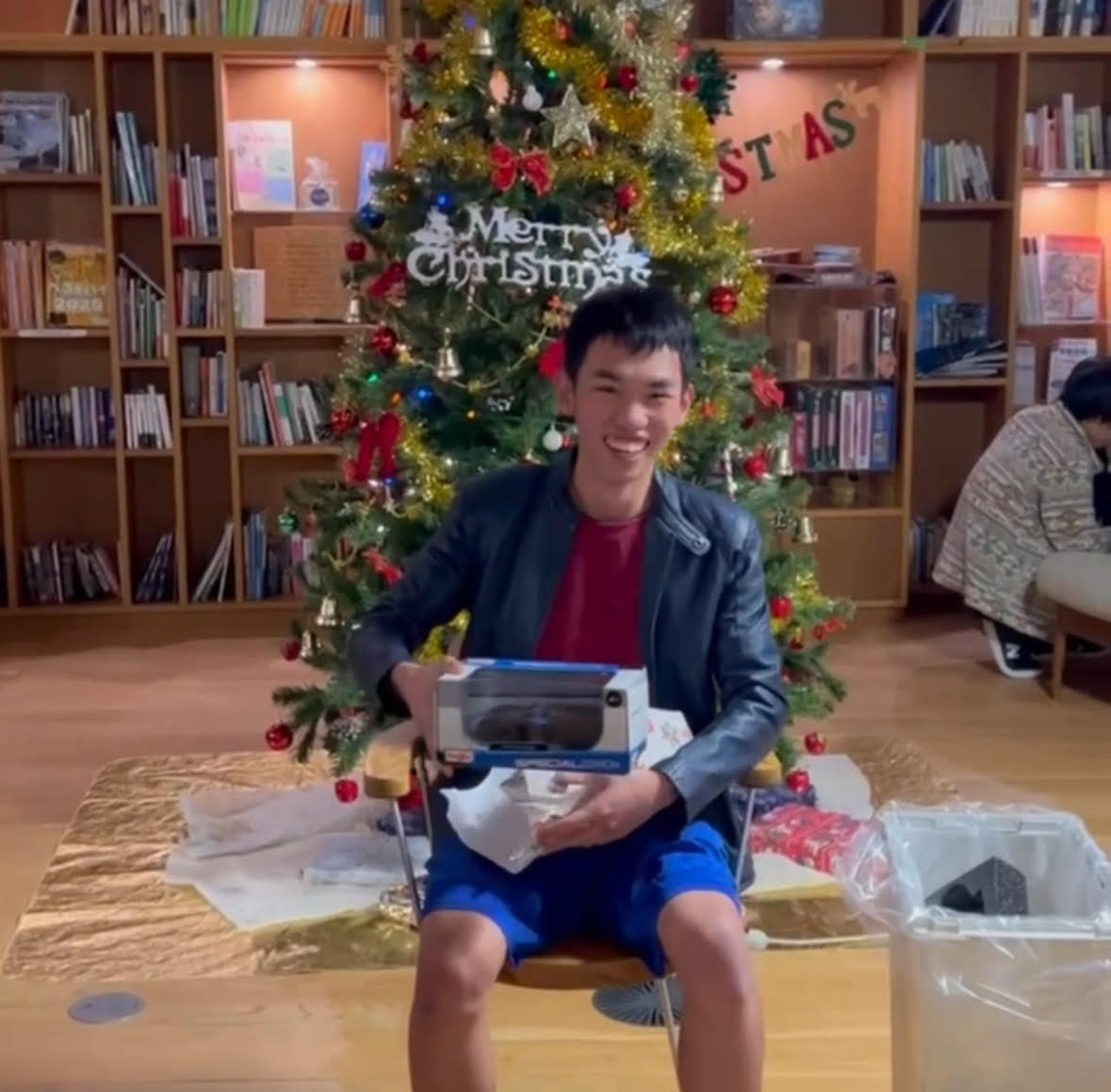
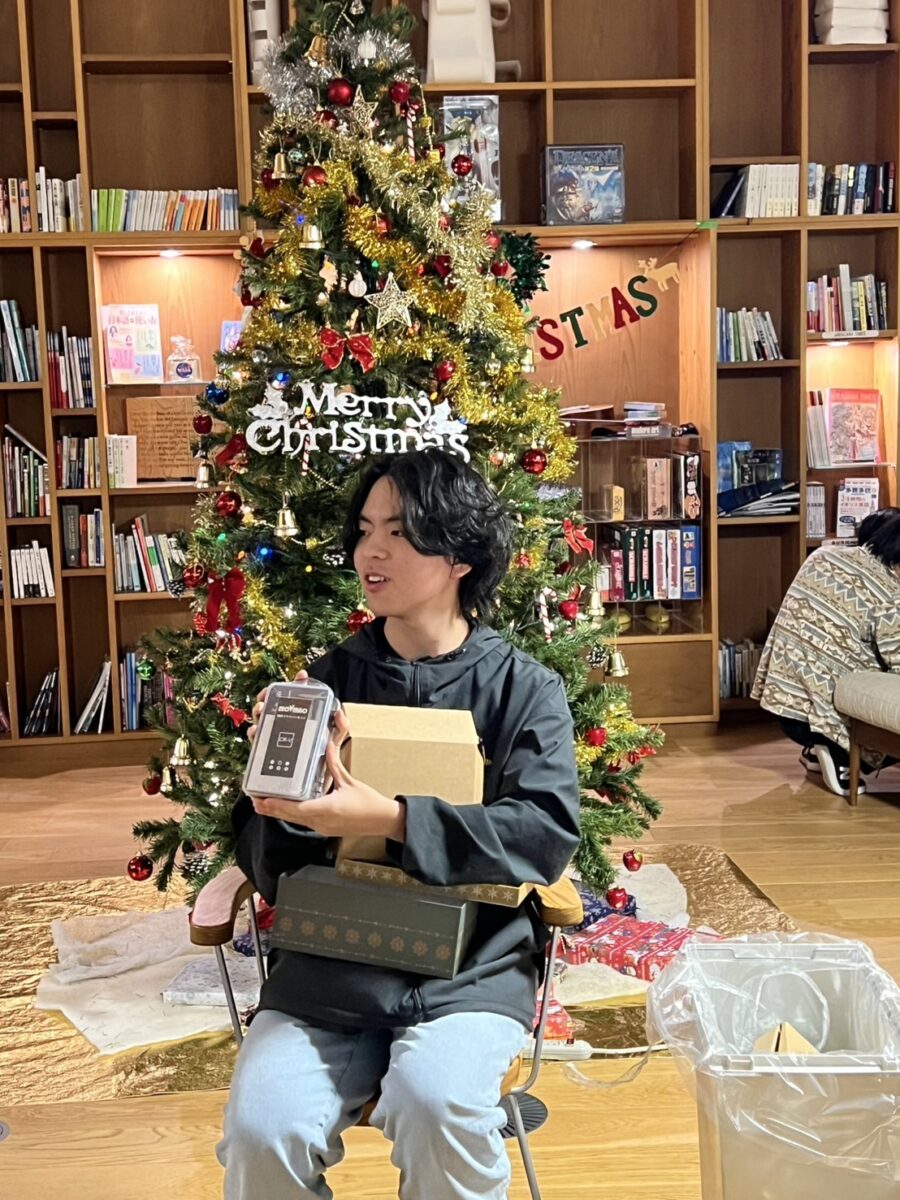
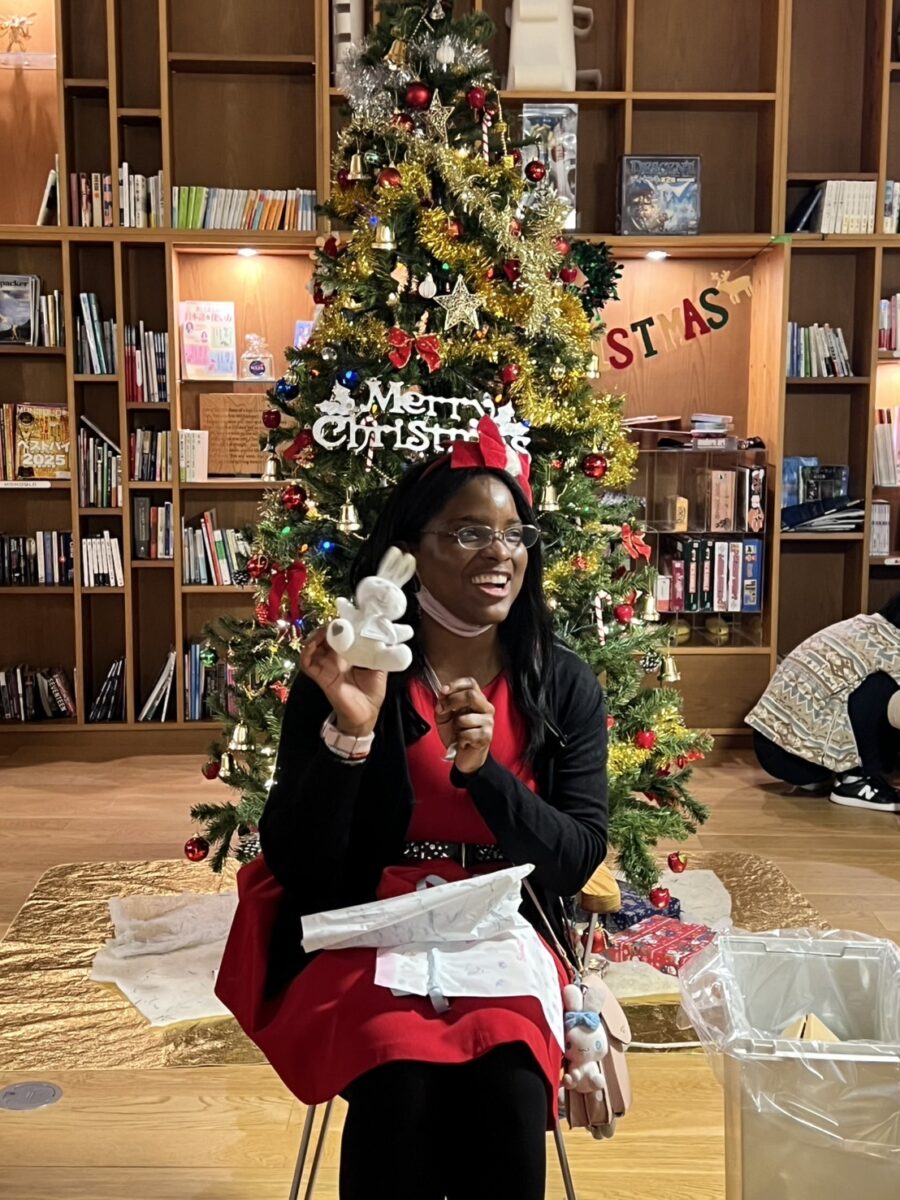
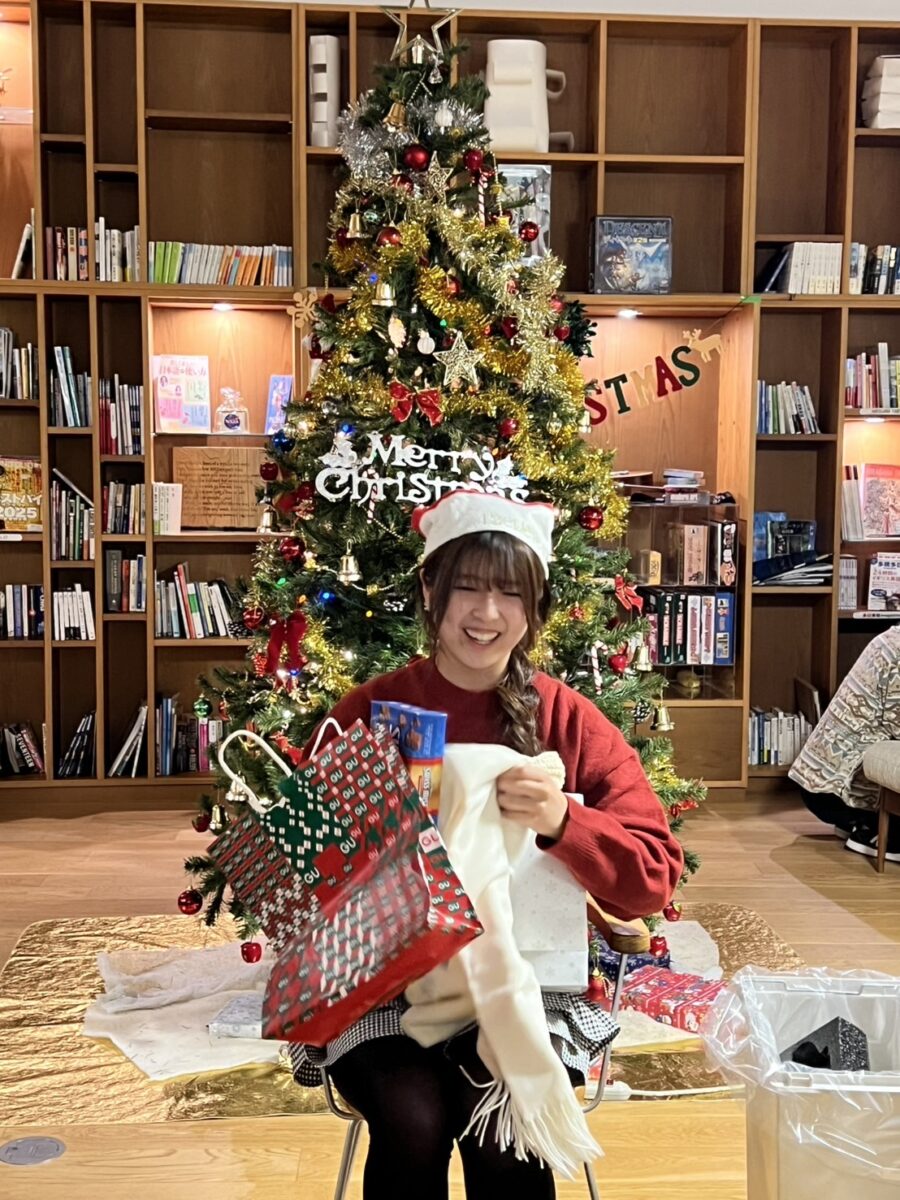
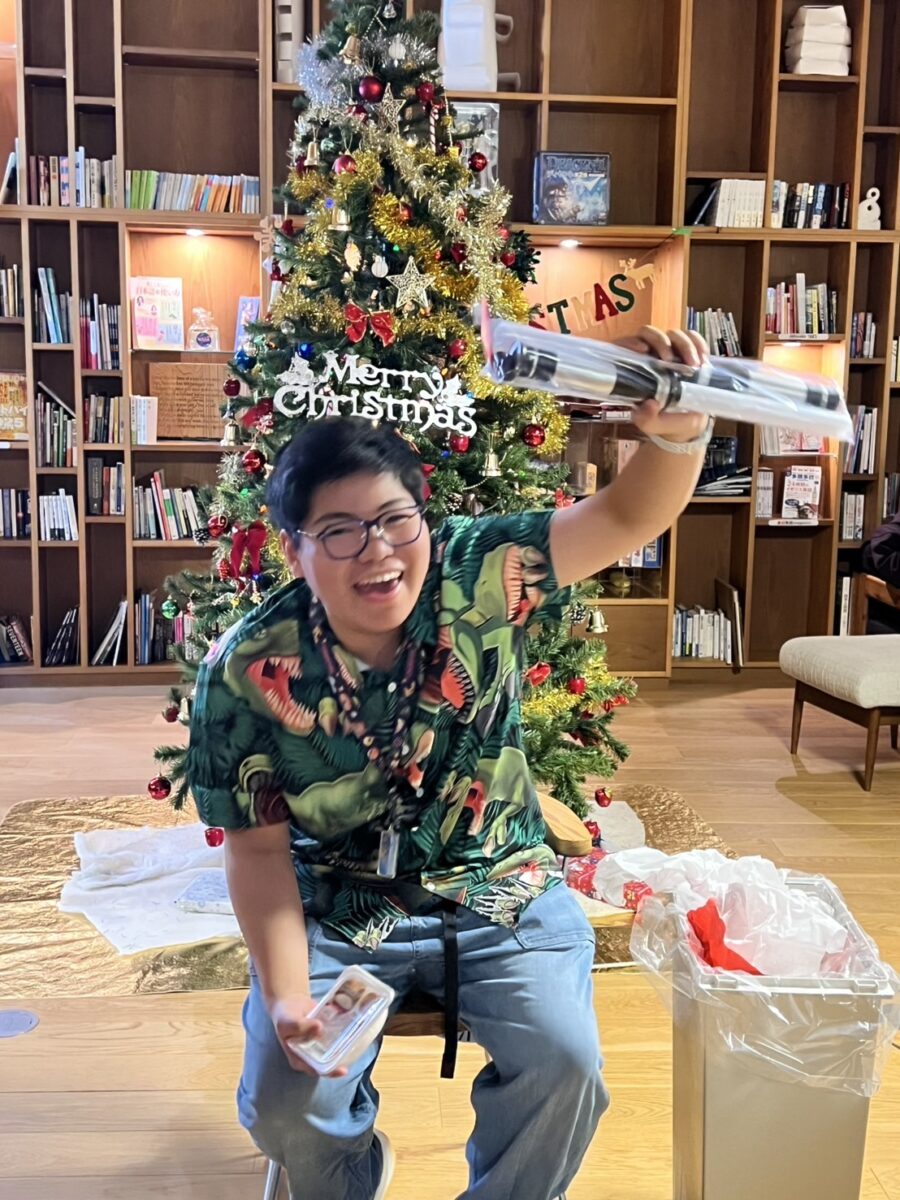
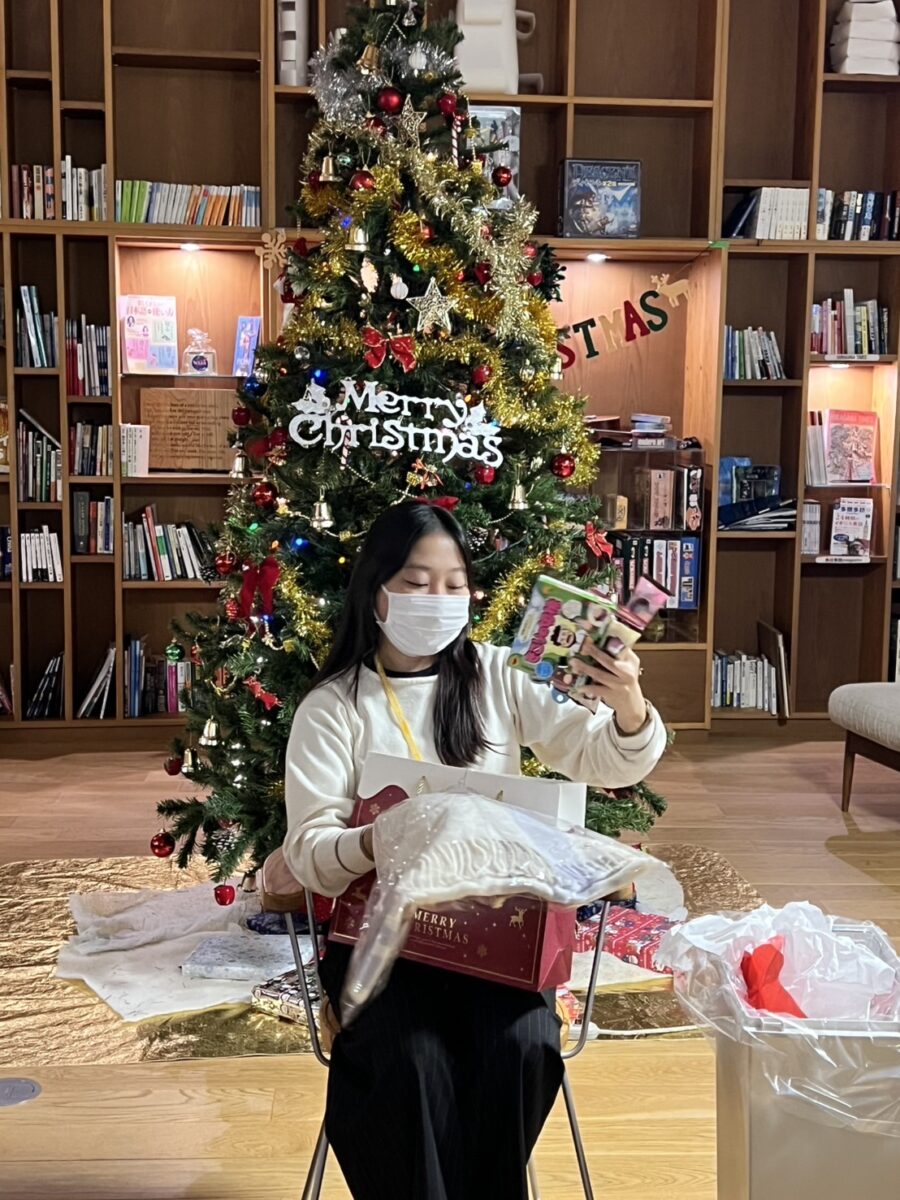
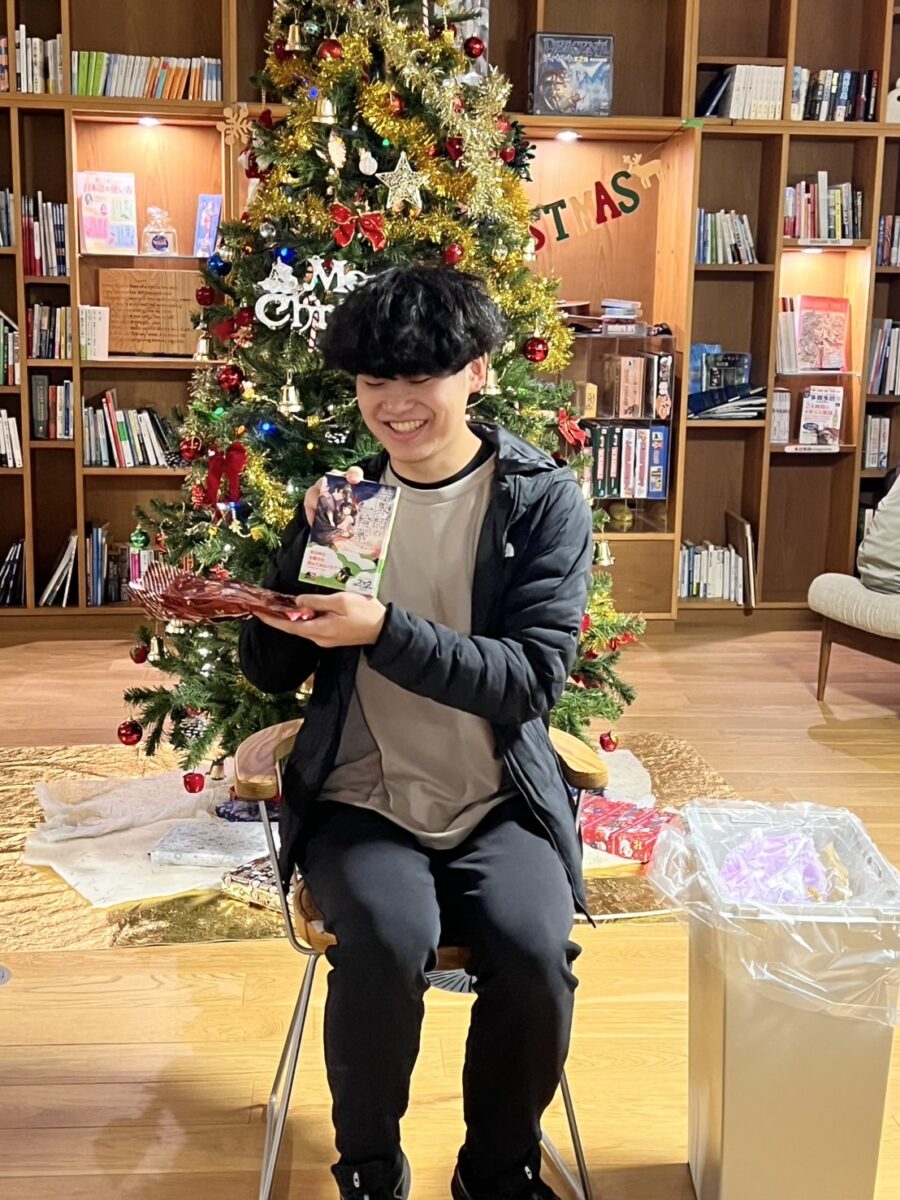
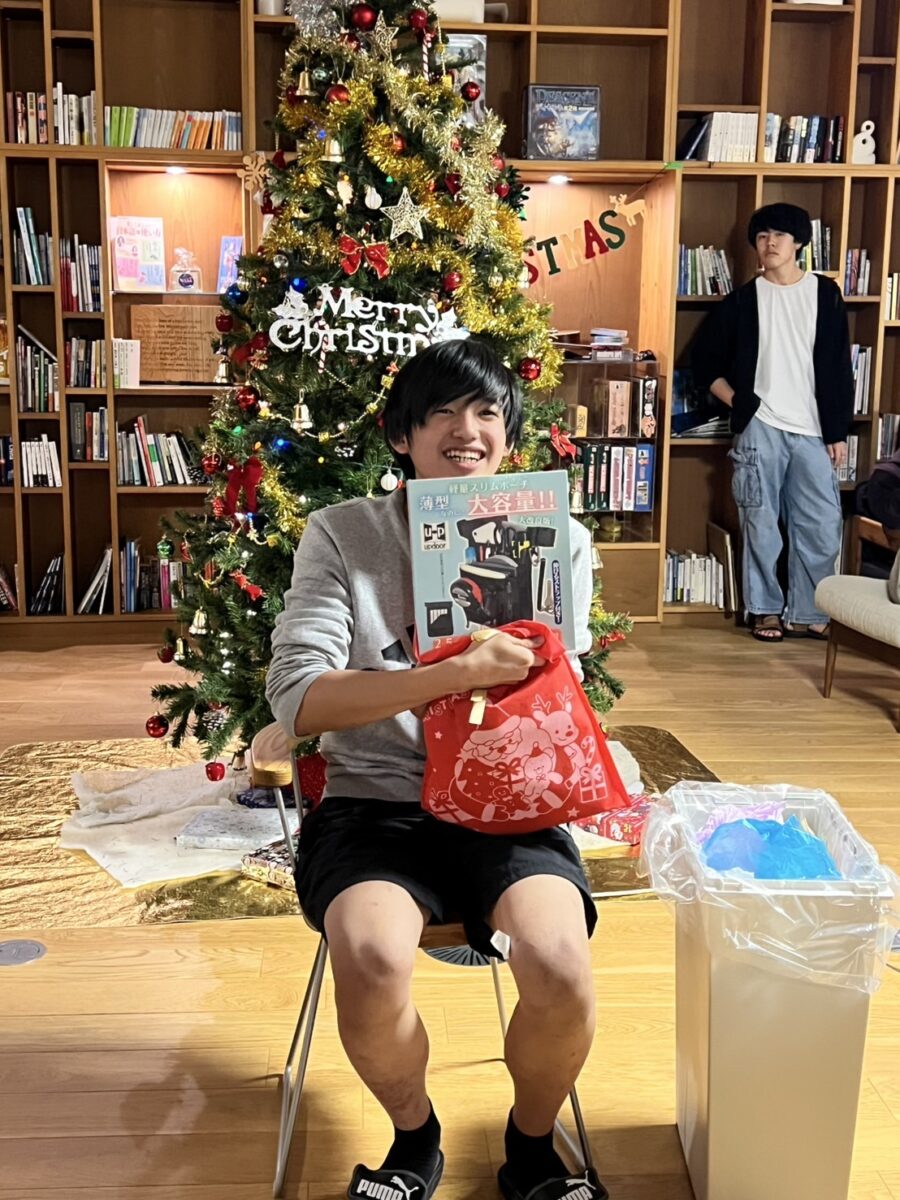
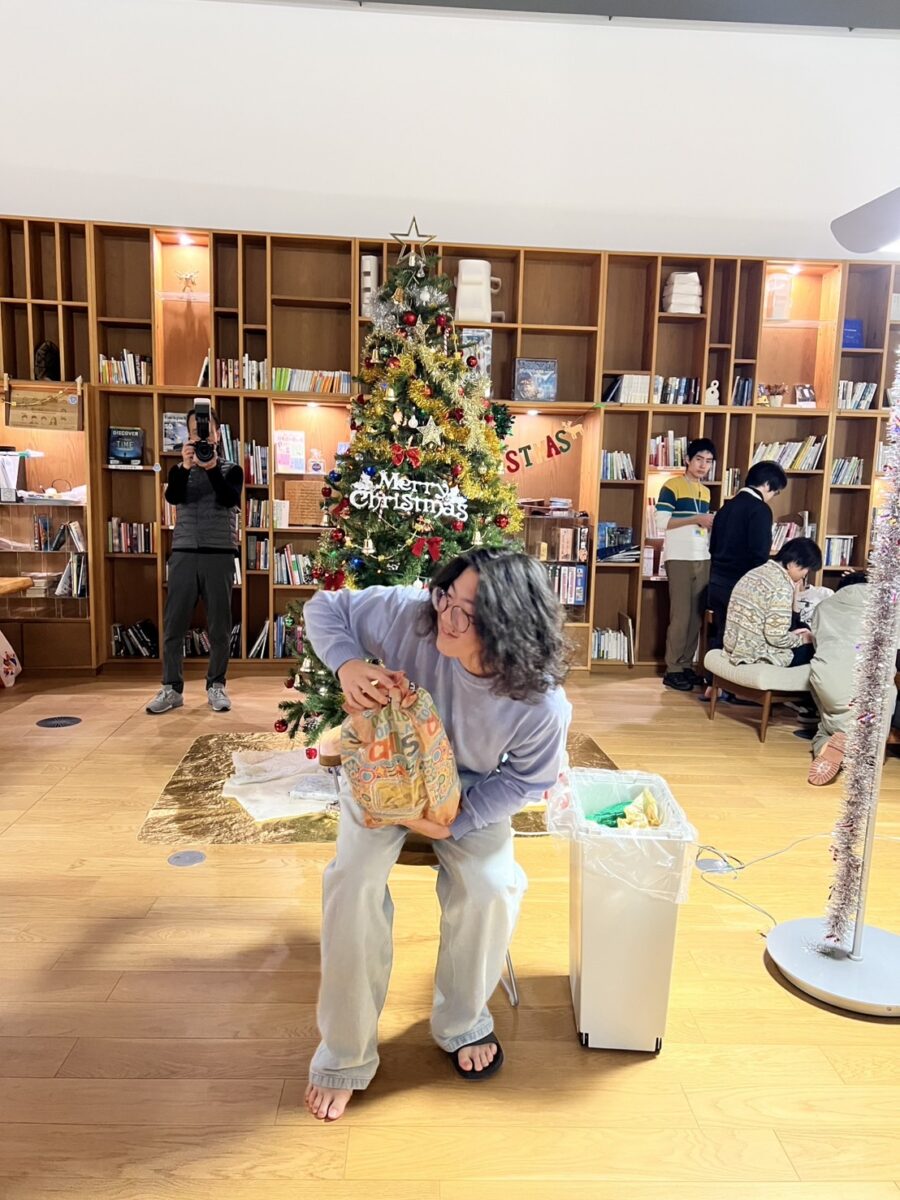
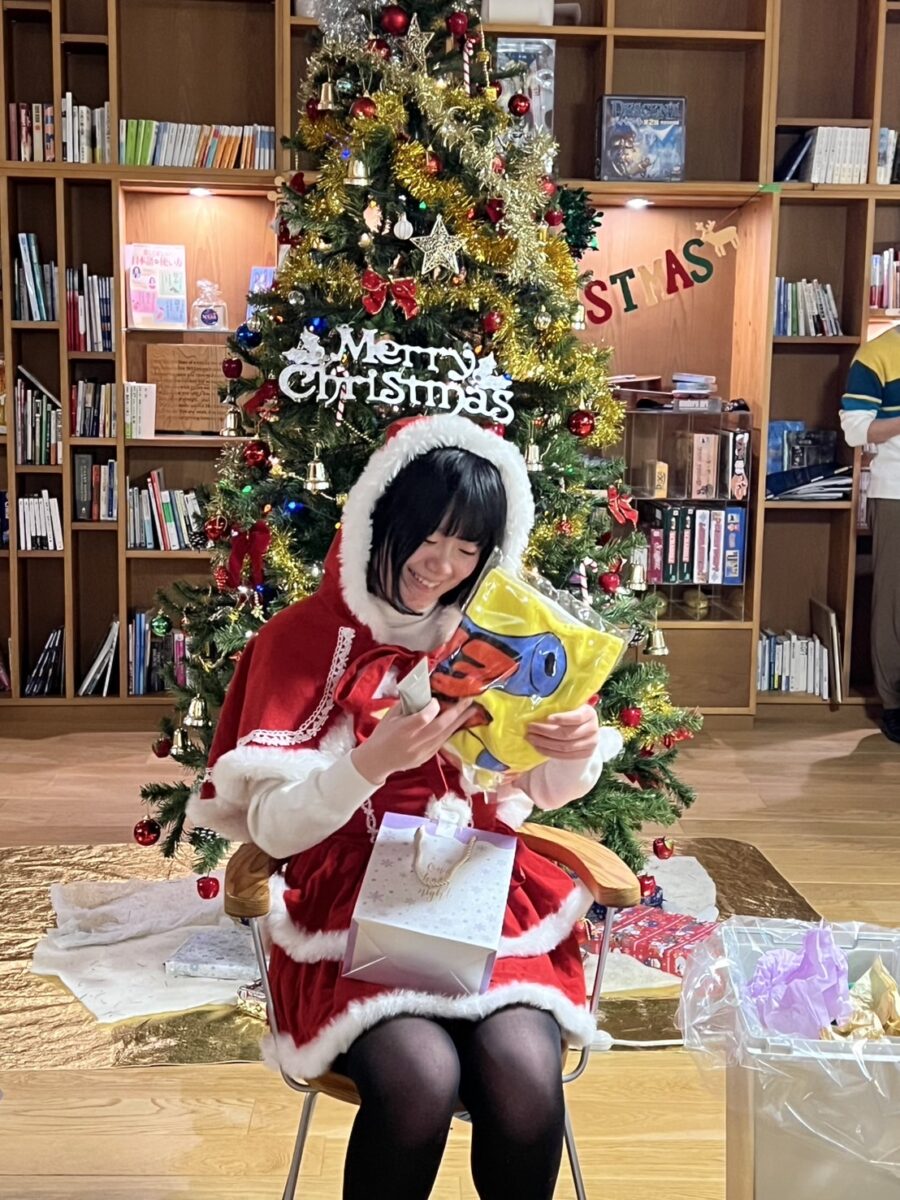
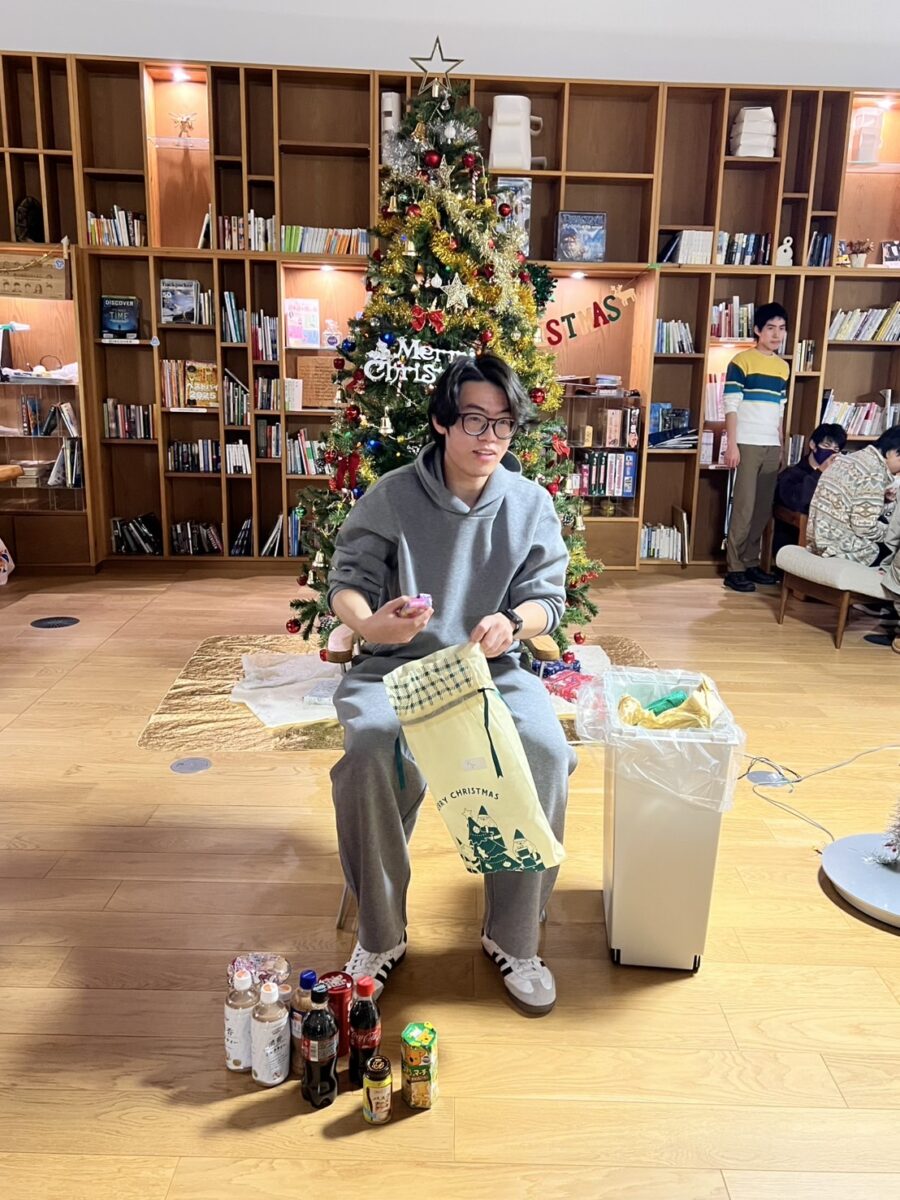
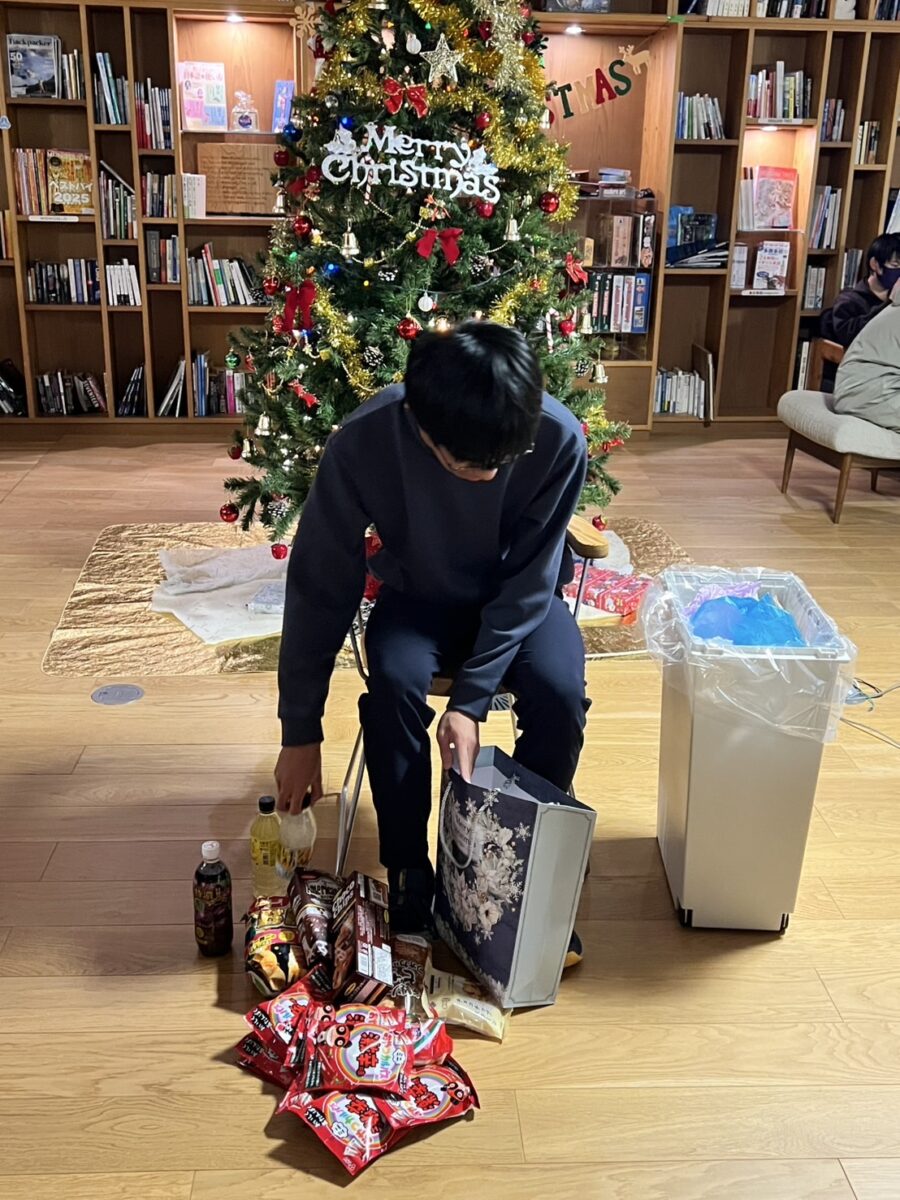
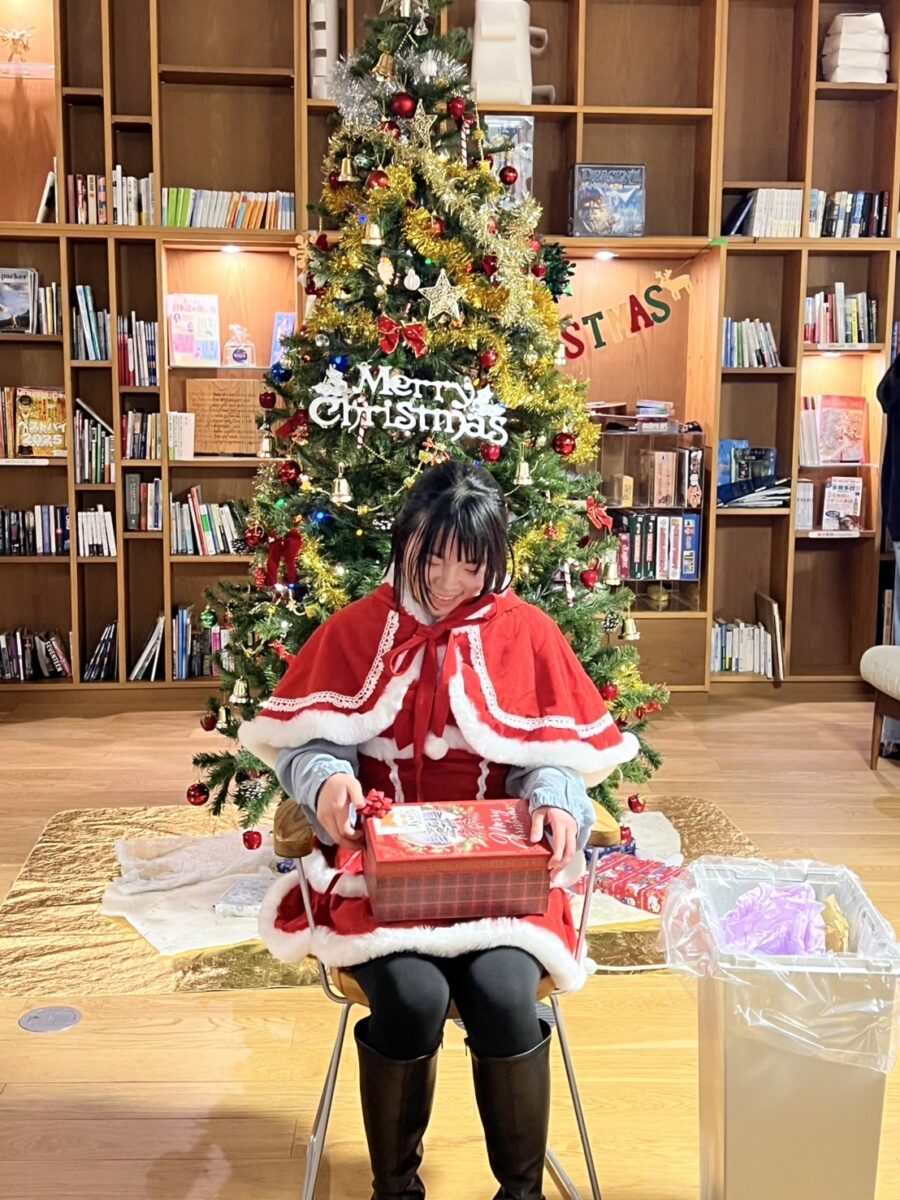
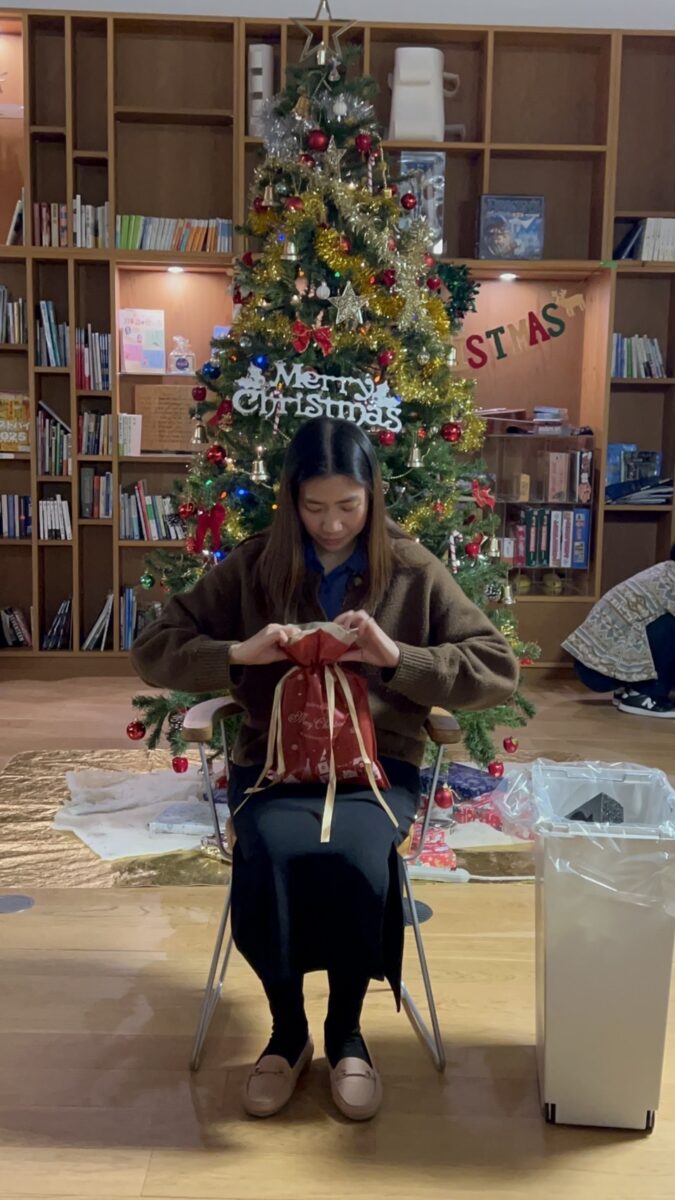
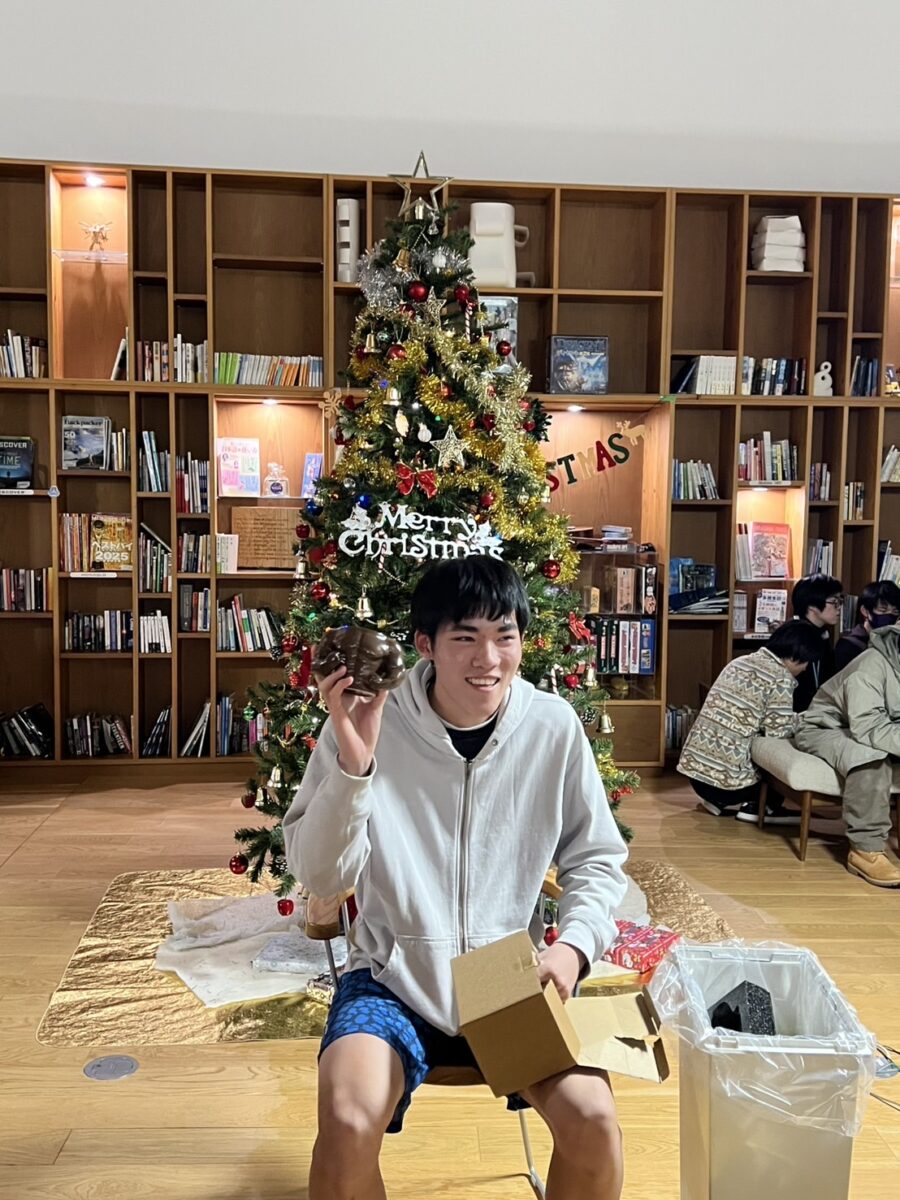
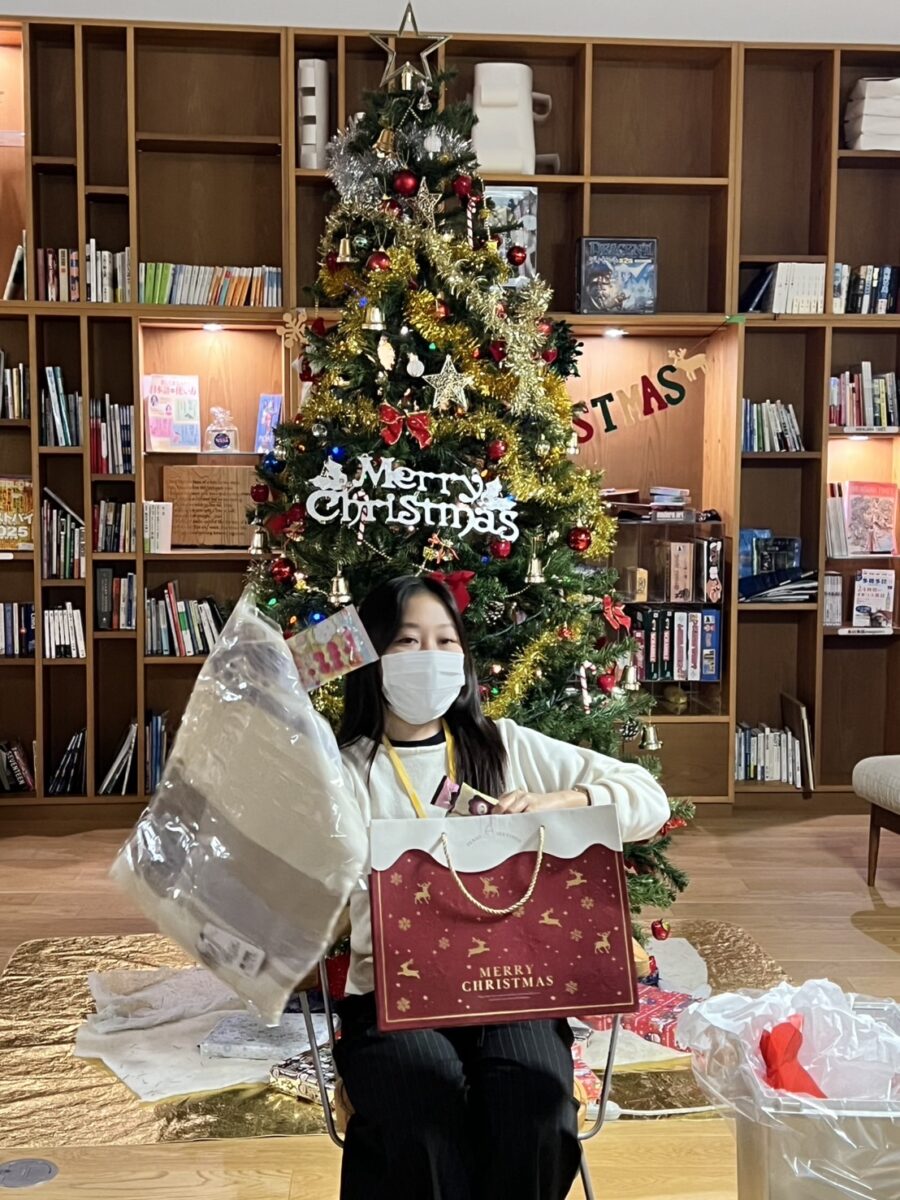
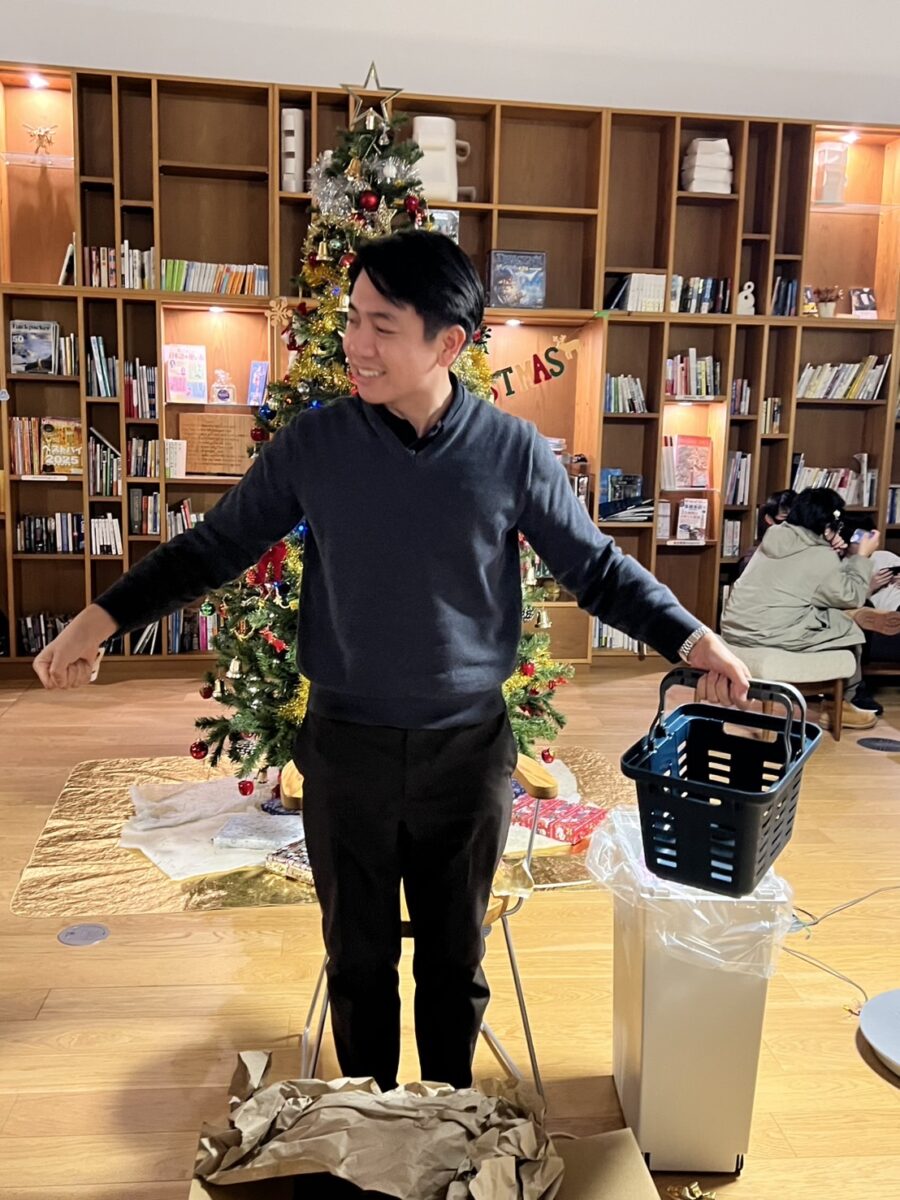
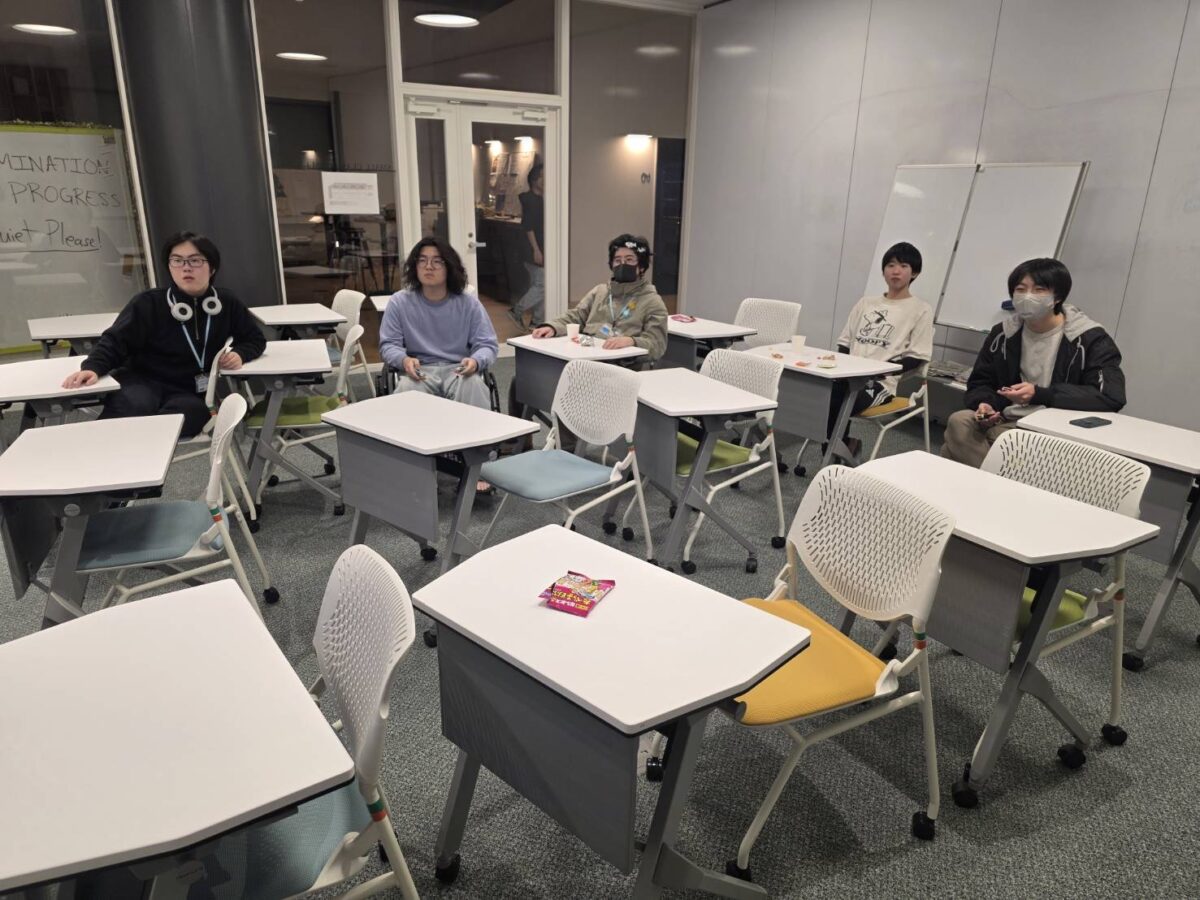
その後は、お菓子をつまみながらゲームをしたり、会話を楽しんだりと、ゆったりとした時間が流れました。ビデオゲームに興じる学生もいれば、チップスやクッキーを囲んで談笑する学生もいました。過ごし方はそれぞれでしたが、パーティーがお開きになる頃には、全員が心もお腹も満たされて幸せな気持ちになりました。
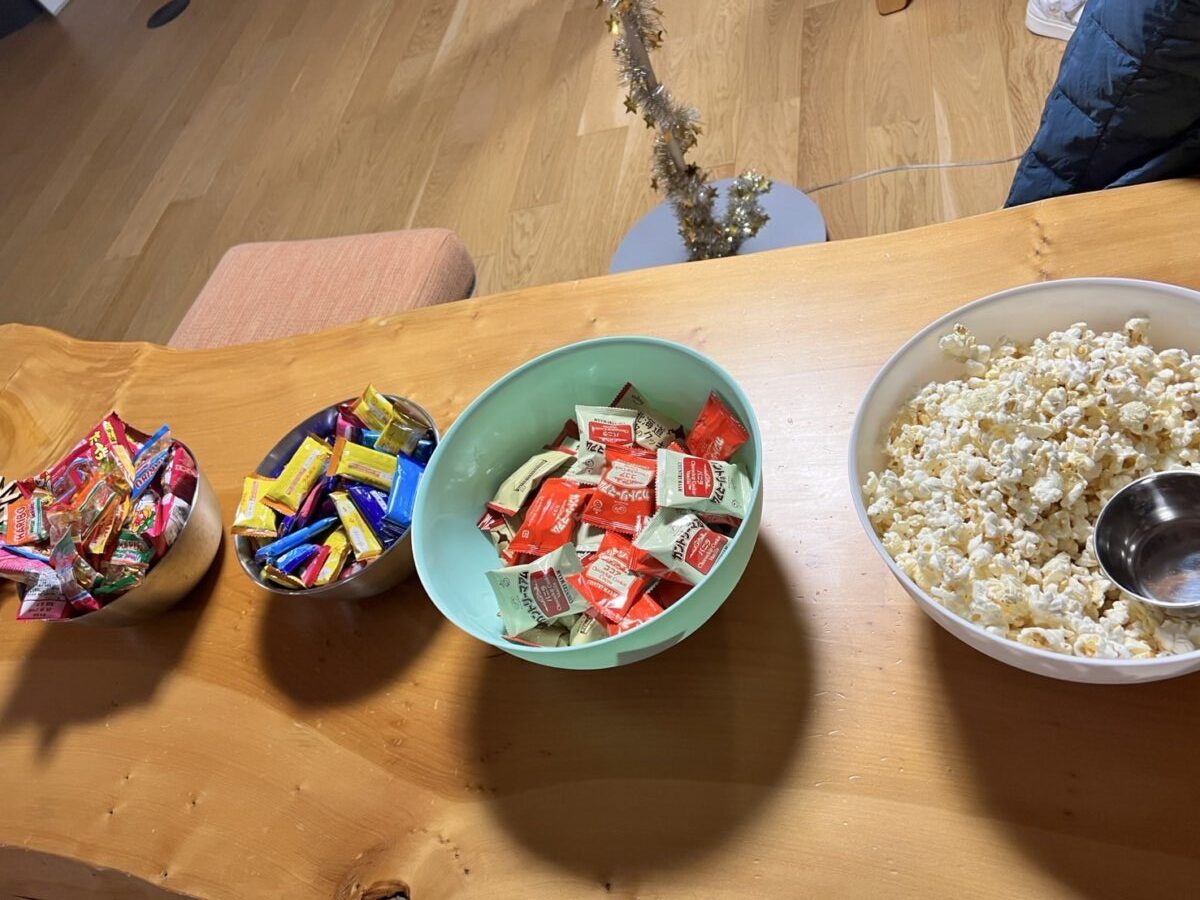
この素敵な夜を一緒につくってくれたすべての方々に、心から感謝します。ツリーの飾り付けから、心のこもったプレゼント選びまで、一つひとつの小さな瞬間が積み重なり、忘れられない思い出となりました。これからも、言葉遊びゲームやサプライズ、そしてみんなでお祝いできる時間を共有していきたいと思います。メリークリスマス!
ドミソン・アブワン
Hello again! This is Domyson Abuan, one of the Learning Mentors at ICT Hakusanroku.
Our usual Learning Session time turned into something magical on Friday night, December 19th, 2025. The Living Commons lit up with a kind of holiday cheer that’s hard to put into words even though we also played fun game of Scrabble!
But the fun didn’t start there. In the days before the party, students helped decorate the Living Commons with colorful lights and ornaments. The biggest star was our tall Christmas tree, where students secretly placed their gifts, , trying not to get caught by their Secret Santa matches. We also made a handmade Advent calendar, adding a small surprise to each day in December. It was a slow build-up to something truly special.
-
-
-
-
-
-
-
-
-
-
-
-
手作りの「アドベントカレンダー」
-
完成!
-
こっそりとプレゼントをツリーの下に置いていきました。
-
The night began with our first-ever Christmas Scrabble Tournament, led by the English department. Students from both 1st and 2nd year teamed up and got right to work, forming words faster than Santa’s elves wrapping presents. One student scored over 400 points, on their first time playing the board game! The winning team earned prizes, but honestly, everyone walked away with accomplished smiles.
Then came the Secret Santa gift hunt. While the students were enjoying dinner, the Learning Mentors turned into sneaky elves—elves who assisted Santa Claus in making presents and pulling pranks—, gathered the gifts from under the Christmas tree, and hid them all around the Living Commons. When the students returned, the search began! There were cheers, laughter, and a few puzzled faces—mine included! I needed help finding my own gift!
Once all the presents were found, we gathered near the tree to open them. Some students tried to guess what was inside, while others couldn’t wait and dove right in. The gifts were fun and surprising: a glowing lightsaber toy, a bag of tortillas (that the students love so much!), robotics tools, novels and other books, and cute room decorations. Everyone had something to smile about.
The rest of the night was a cozy mix of snacking, gaming, and simply enjoying each other’s company. Some students played video games, while others chatted over chips and cookies. No matter how they spent the evening, everyone left with a full stomach and a happy heart.
Big thanks to everyone who helped make this night so special. From decorating the tree to finding the perfect gift, every little moment added up to something unforgettable. Here’s to more word games, more surprises, and more reasons to celebrate. Merry Christmas, everyone!
Domyson Abuan
 こんにちは。国語科目担当の黒田です。2年生の授業で「美しいもの」を描写する課題に取り組みましたので、学生の作品をご紹介します。
まず、学生たちは下記(1)~(3)の質問に沿ってメモをとりました(実際は手書きです)。
(1)これまでに出会った「美しいもの」を書き出してください。自分が実際に触れることのできる身近なものを推奨します。
炎 線香花火 宝石 鉱物 雪 海 アクセサリー 図面 アクリルスタンド 四つ葉のクローバー
戦艦三笠 おせち うなぎ きつねうどん バスケットボール めちゃ丸い石 いい感じの木の枝…
(2)それと出会った瞬間、どのように感じましたか。五感で得たものを比喩やオノマトペを使い表現してください。
カットされたダイヤモンドのような サラサラ コン 弦のふるえが体に伝わる感じ
マットな質感 脳に電撃が走る 少し焦げた感じ 透明なお花みたいな 古びた家具のような匂い
学校にドンっと一つだけある桜の木のよう おそらく樹脂で塗り固められていてツルツルしていた…
(3)上記のメモを参考した描写文を組み入れ、かつ
――何がさて私は幸福だったのだ。
という一文で終わる物語を考えてください。
田中さんは(1)にオーロラ、アーサー王の墓、白山の紅葉などたくさん書き込んでいましたが、最終的に「ベース(ギター)」を選び、出会いの一齣を繊細に描きました。
・田中 駿太郎『ベースの前で』
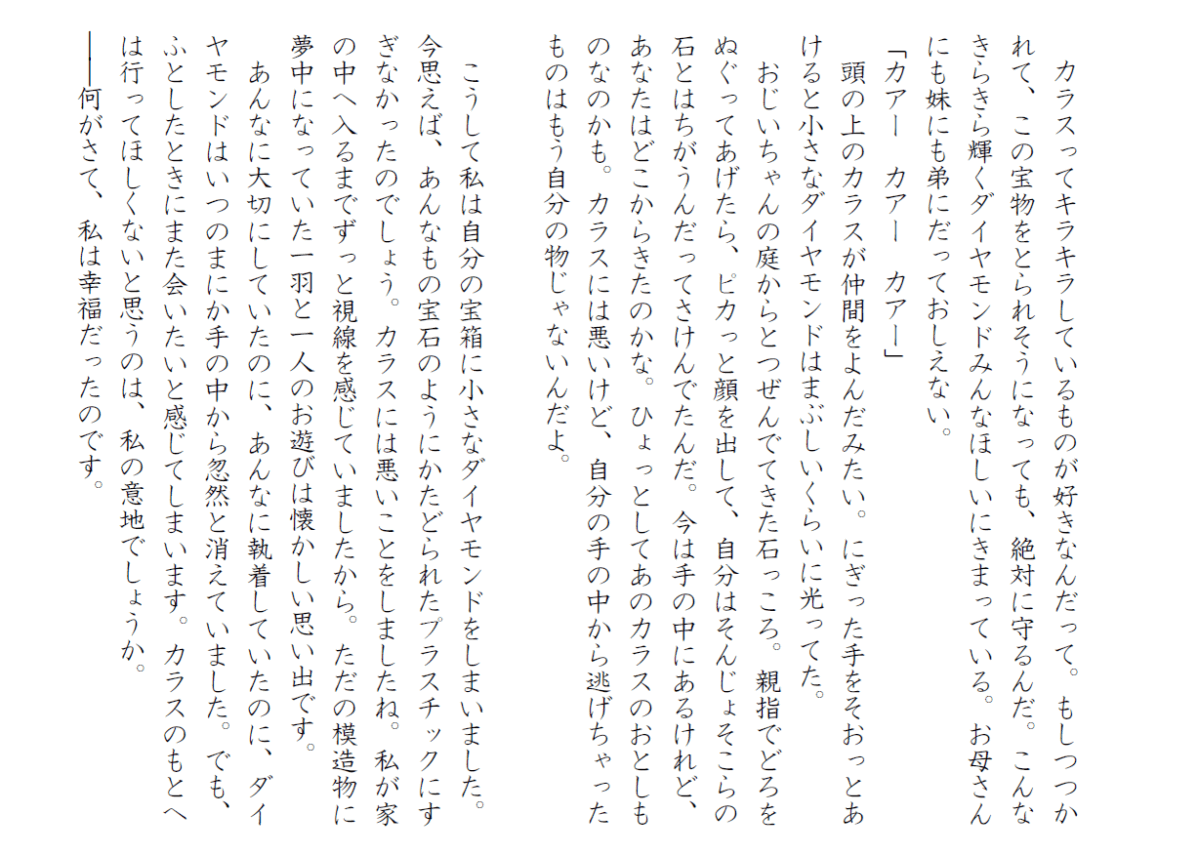
 伊藤さんは最初「宝石」や「王冠」を挙げていましたが、記憶を辿るうちに「祖父の家の庭で見つけた宝石のようなもの」を思い出しました。子どもと大人の文体を使い分け、大胆な構成になっています。
・伊藤 綾音『光る石』
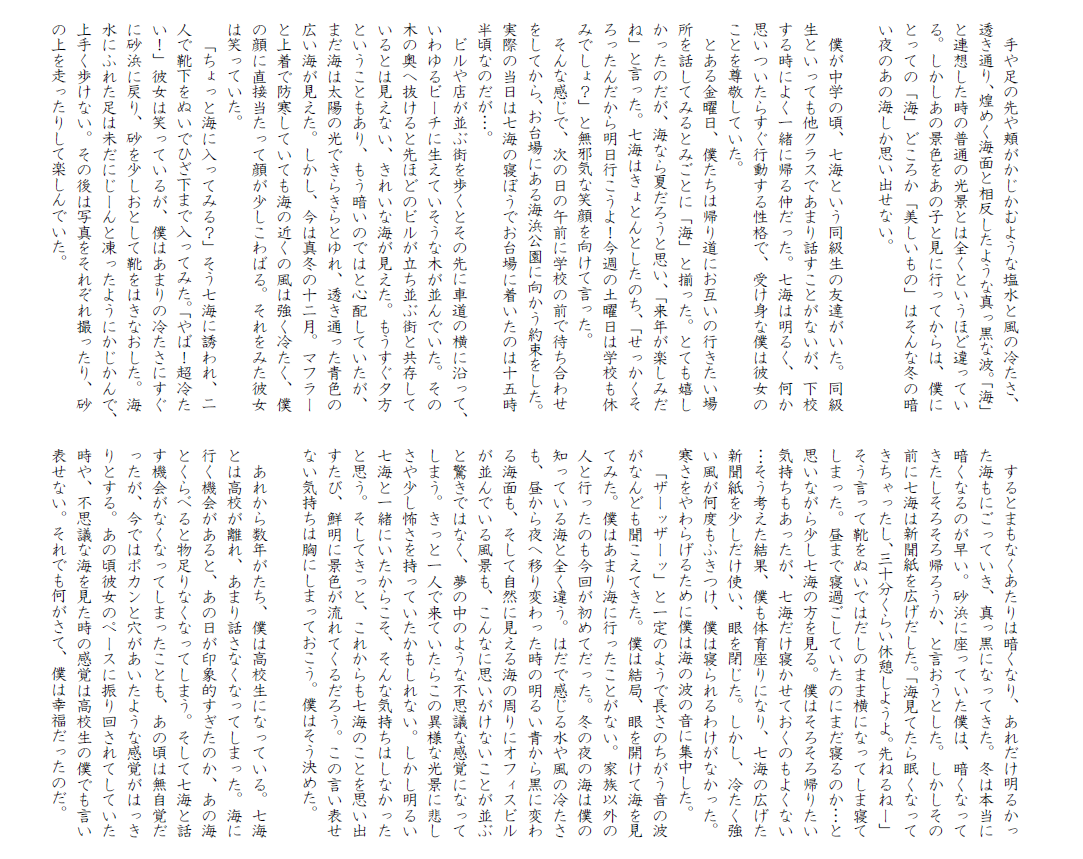
沙魚(筆名)さんは「お台場の海」。冬の夜の海を情感豊かに綴っています。
・沙魚『海』
学生たちは記憶を手繰り寄せながら、各々の「美しいもの」を丁寧に描いていました。体験を糧として、これからも新しい物語を紡いでくれたらと思います。
黒田