




Local Community
地域連携
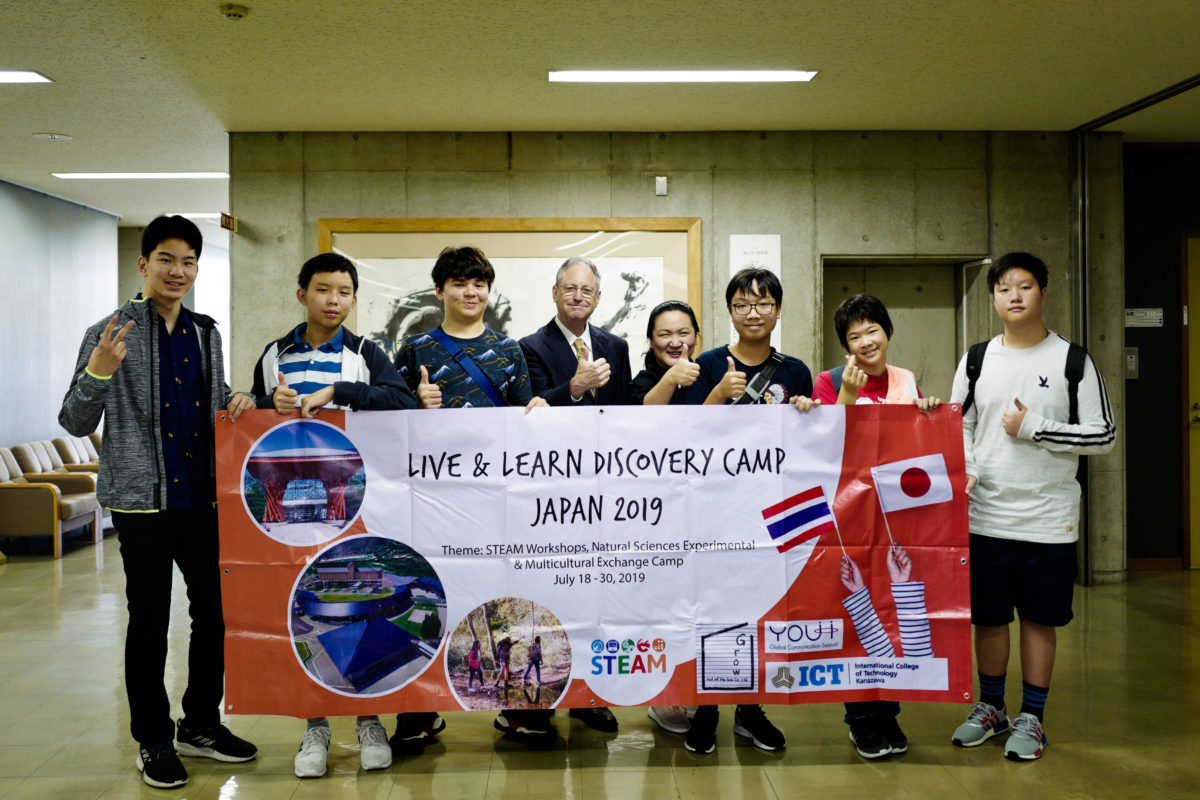
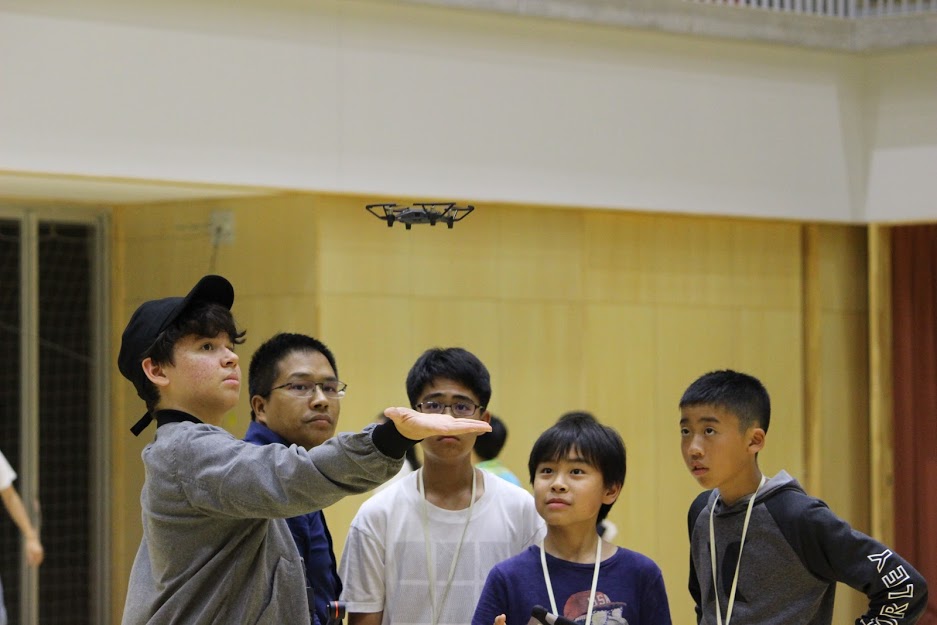
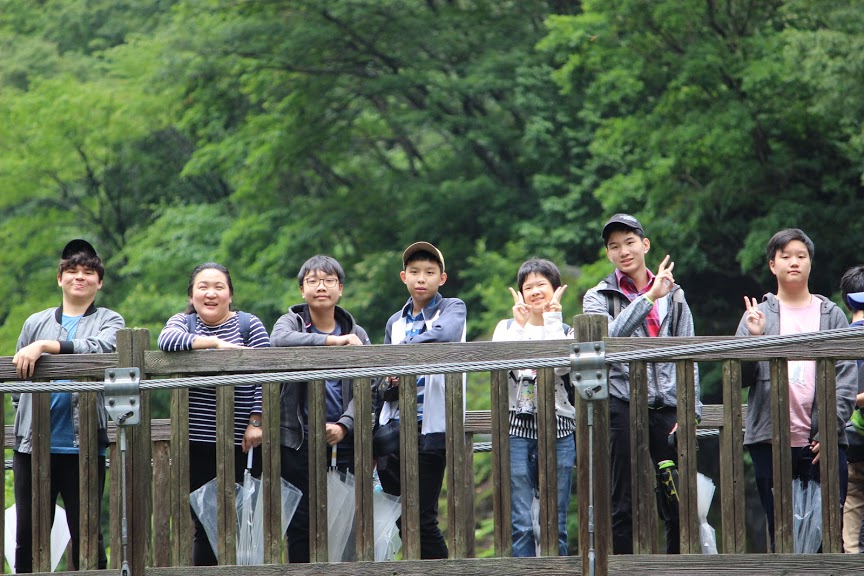
 Hello, it's Jonathan, the camera man. Today I would like to give my report on the ICT Global Summer Camp. From July 21-24, six Thai students and 21 Japanese students gathered at Hakusanroku campus for a four day workshop. This Global Summer Camp is actually the collaboration of two separate groups: the International summer camp of Thai students and the summer workshop of Japanese students from JOES (Japan Overseas Educational Services.) The 27 participants, which mostly consisted of middle school students, used design thinking to study the history and wildlife of the local Hakusanroku area and design a new attraction for tourists. Students learned how to use drones, laser cutters, and video editing to document and create a presentation of the various places and activities they experienced during the program.
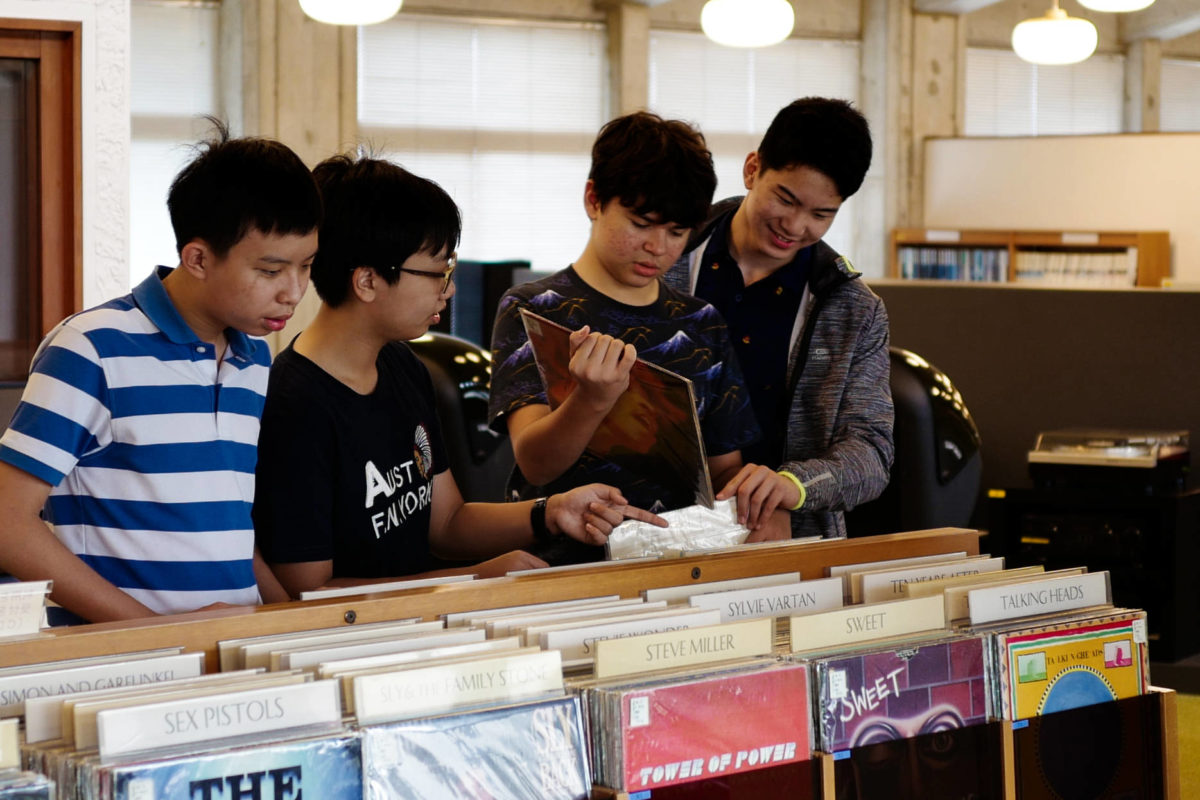
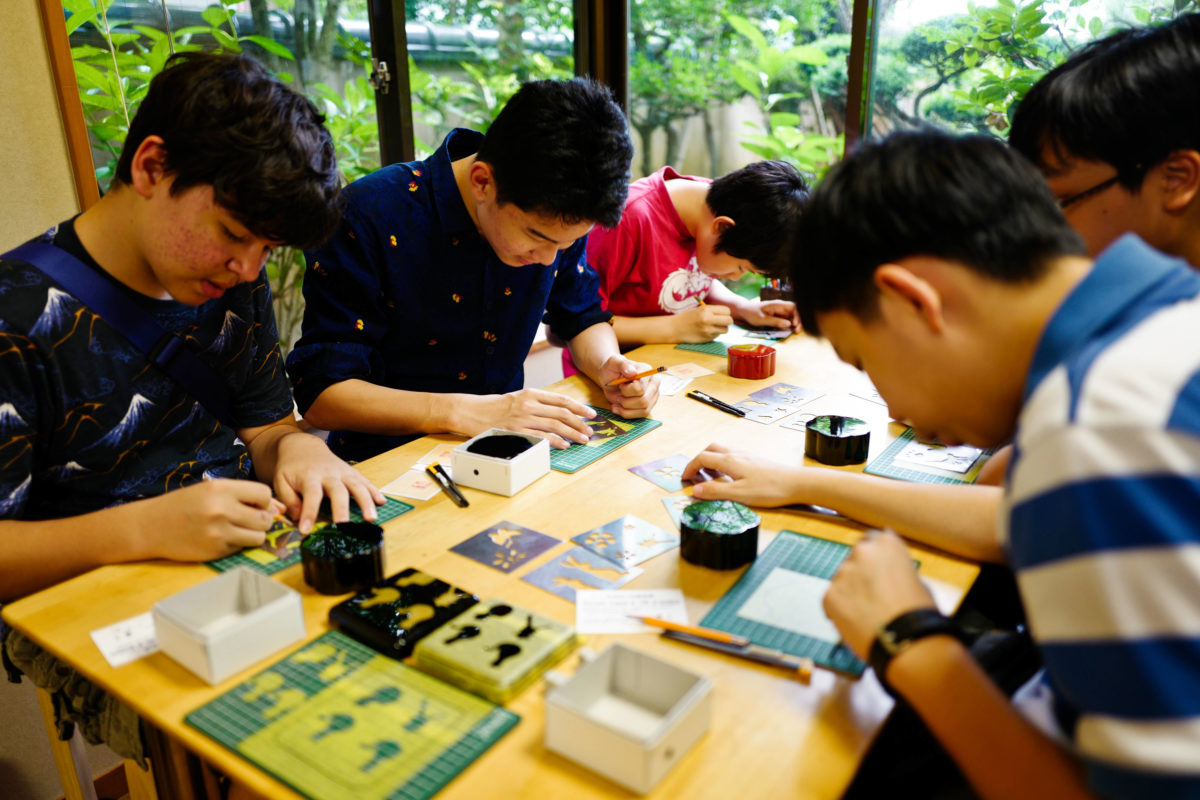
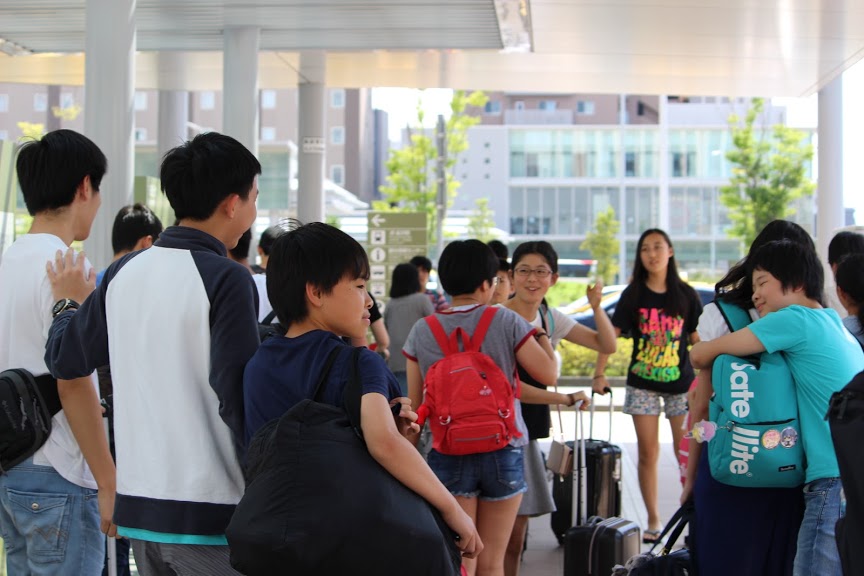
The six Thai students arrived a couple of days before the program. On July 20 (SAT) we took a trip to Kanazawa. First, we visited President Lewis Barksdale at the ICT Kanazawa campus. Then, we took a tour of the facilities of Kanazawa Institute of Technology's (KIT) Library Center and Yume Kobo. At KIT's library, we viewed the special assortment of rare books written by historical scientists and the PMC (Popular Music Collection), a collection of 250,000 music records. In the afternoon we moved to Kanazawa city to do some sightseeing at Higashi-chaya-gai (east tea house district), Kanazawa castle, Kenrokuen garden, and the 21st century museum. The Thai students took a gold leaf crafting course at Sakuda Gold Leaf Crafts and experienced many forms of Japanese culture for the first time.
-

Taken with President Barksdale at Kanazawa campus
-

Taken at KIT Library Center
-

Students searching through records at the PMC
-

Gold leaf crafting experience
-

Our finished products!
-

Taken at Higashi-chaya-gai
-

Learning Japanese culture



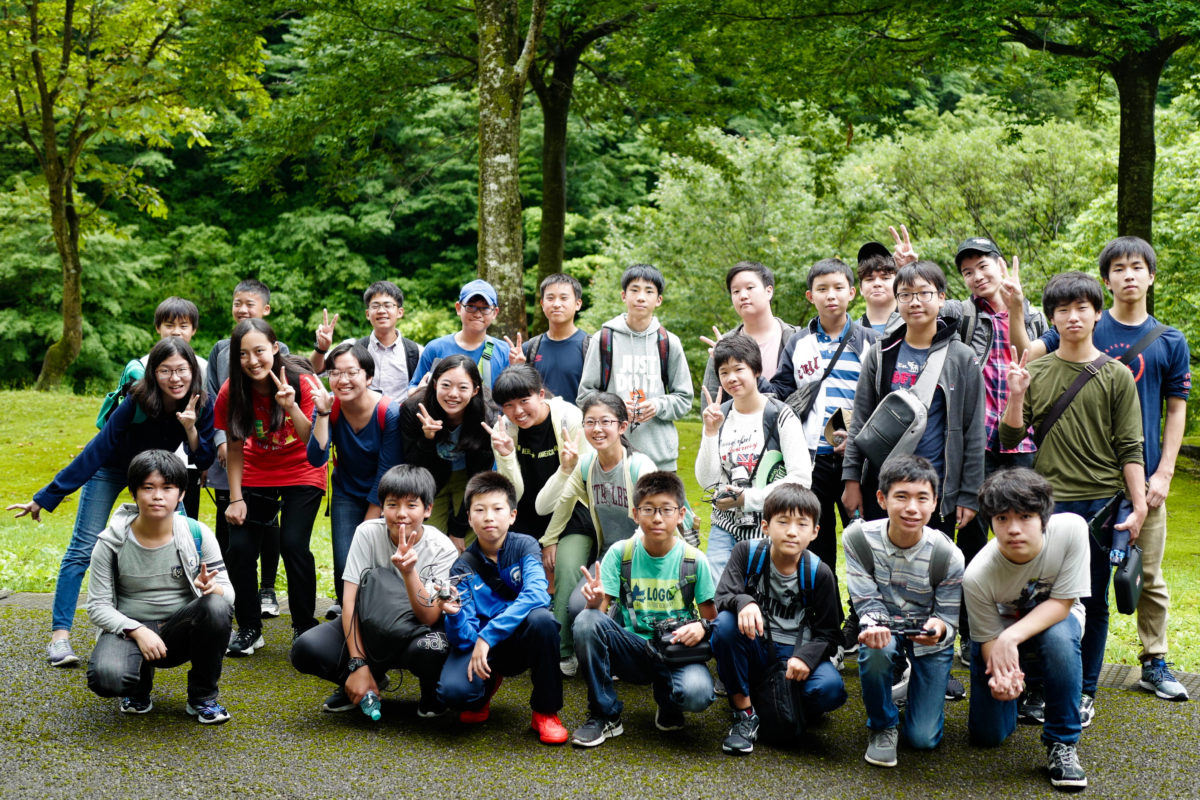
The Global Summer Camp officially began with the arrival of the JOES students on Sunday. The next day, we departed from ICT to explore the wildlife of Hakusanroku. After viewing the Fukube waterfall on the Hakusan Shirakawa-go White Road, we moved to the Chugu Nature Preservation Center to listened to the lecture of Mr. Shinichi Hiramatsu, an expert of the wildlife of Mt. Hakusan. Mr. Hiramatsu explained about the four seasons and animals of Mt. Hakusan and showed a assortment of living reptiles and insects. Chugu Nature Preservation Center has many displays including bears, serows, monkeys, and the rare Golden Eagle. Students took pictures and videos to use later in their presentation. Next, we moved to the Jyatani river near the preservation center to test our drone flying skills. Students learned how to control drones on the previous evening, and practiced flying and video recording the beautiful scenery.
-

Talk session with Mr. Hiramatsu
-

Touching lizards and insects
-

Touching lizards and insects
-

Flying drones at Jyatani river
-

Flying drones at Jyatani river
-

Taken at Chugu Nature Conservation Center
-

Taken at Ichirino Ski Resort


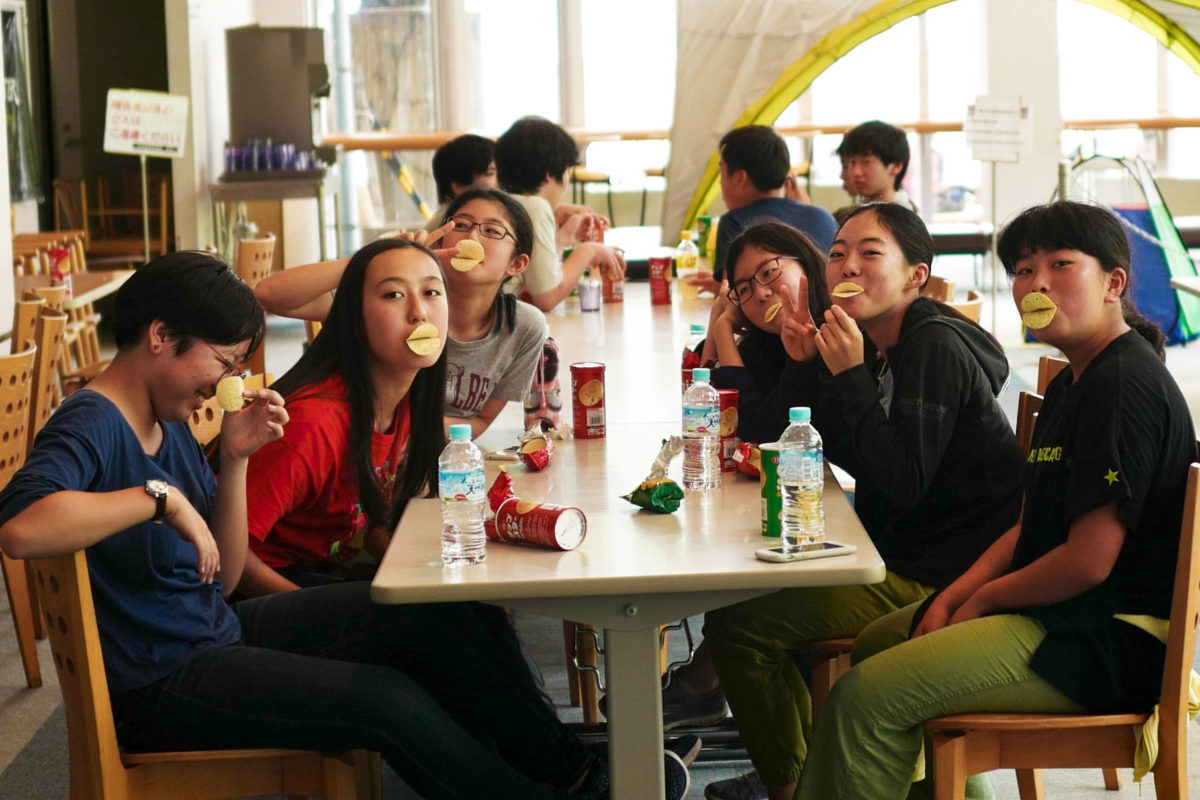
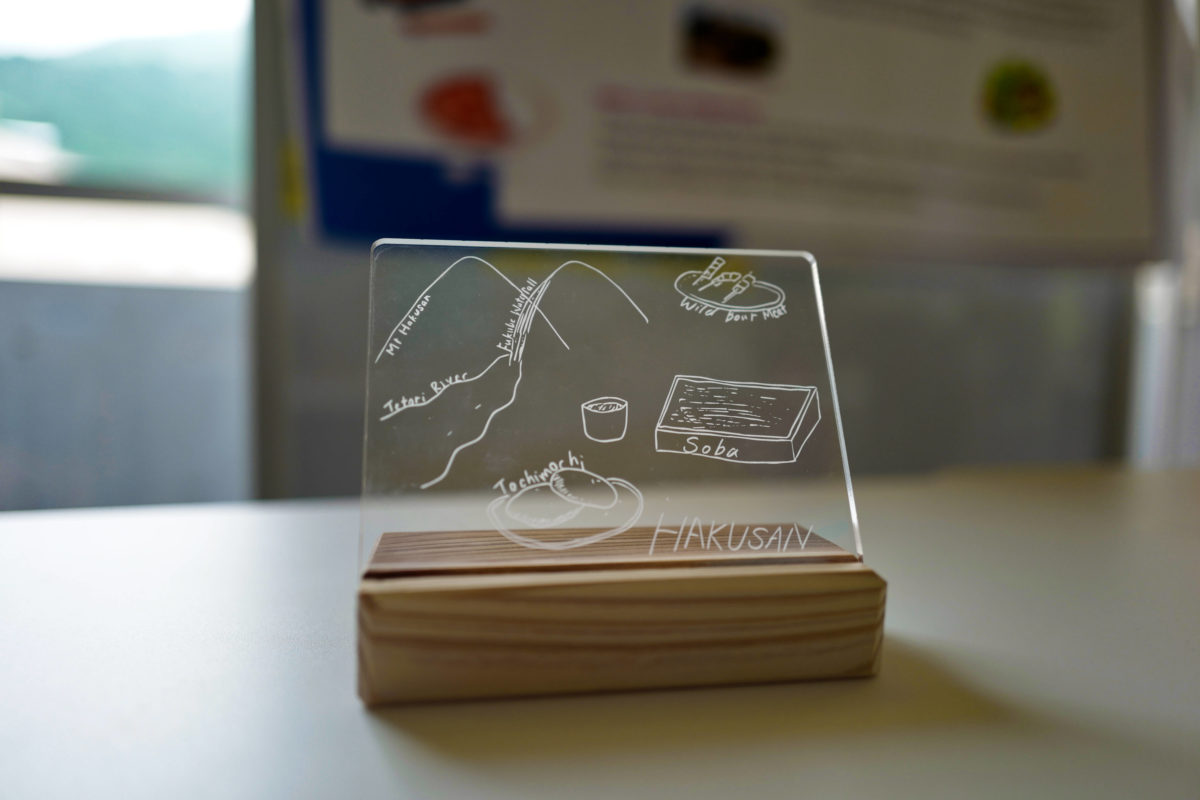
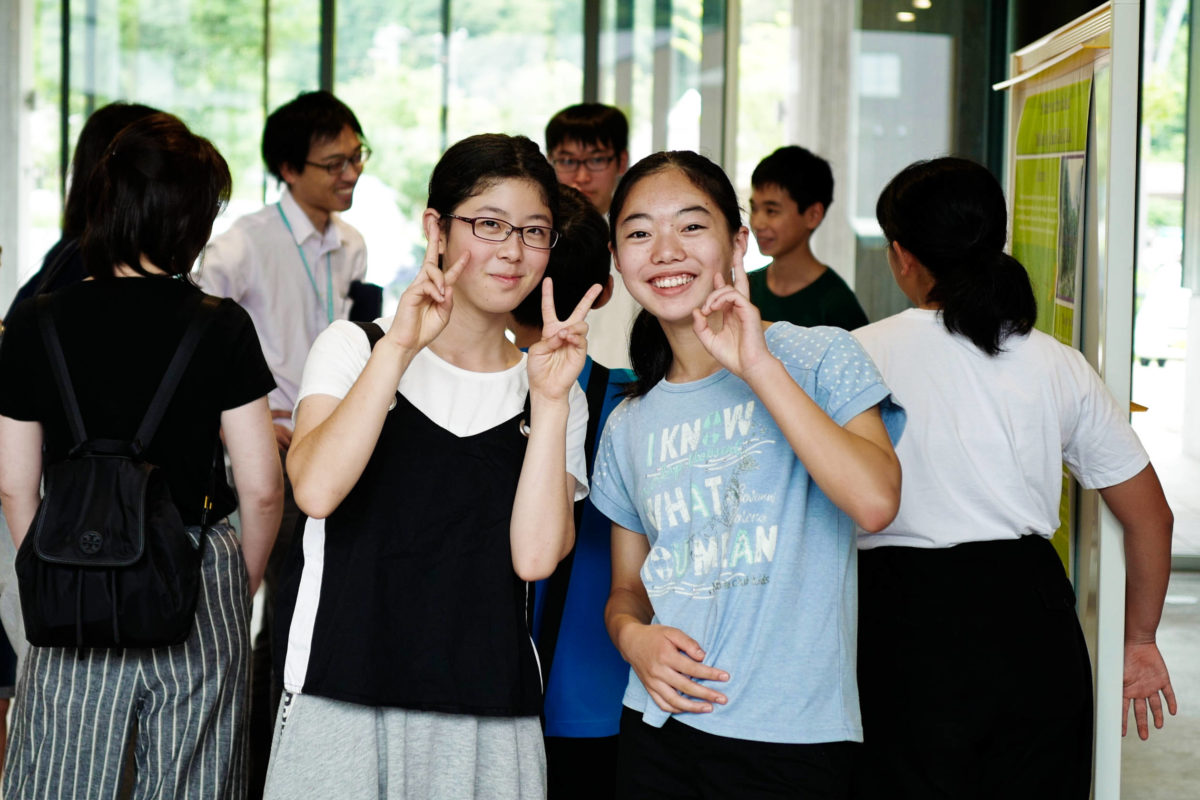
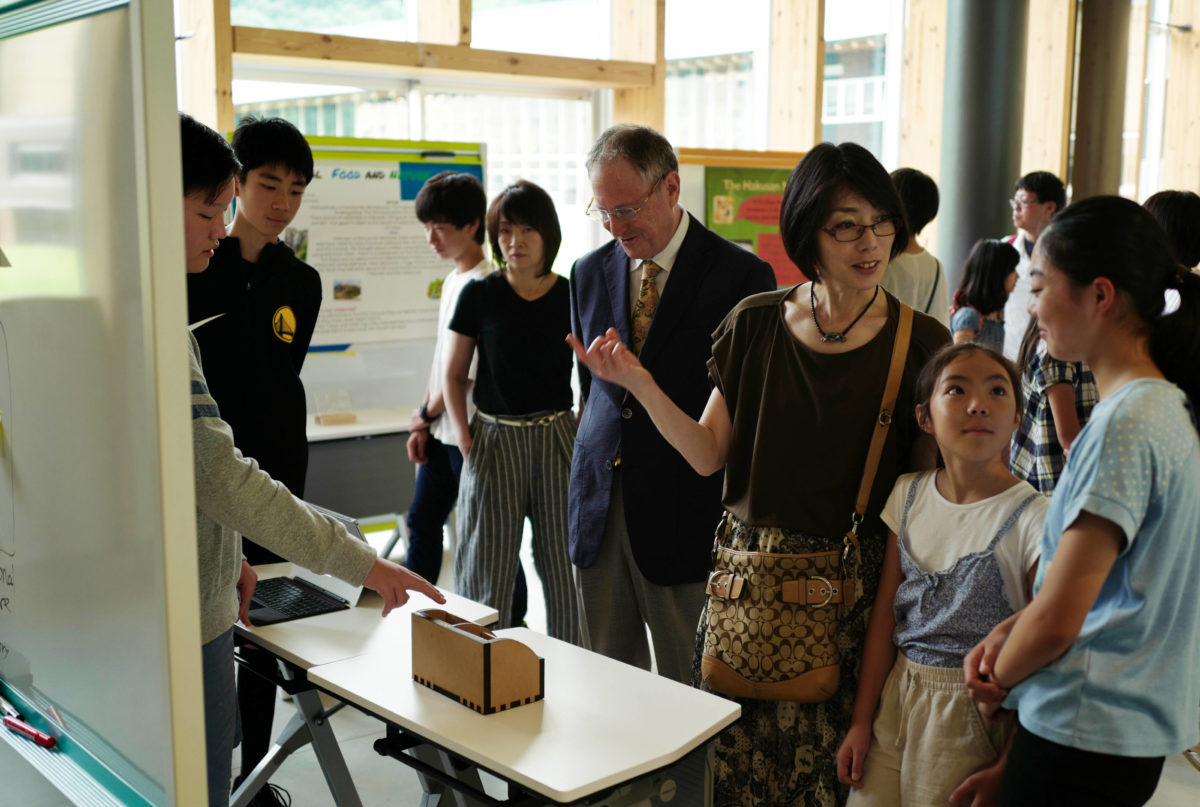
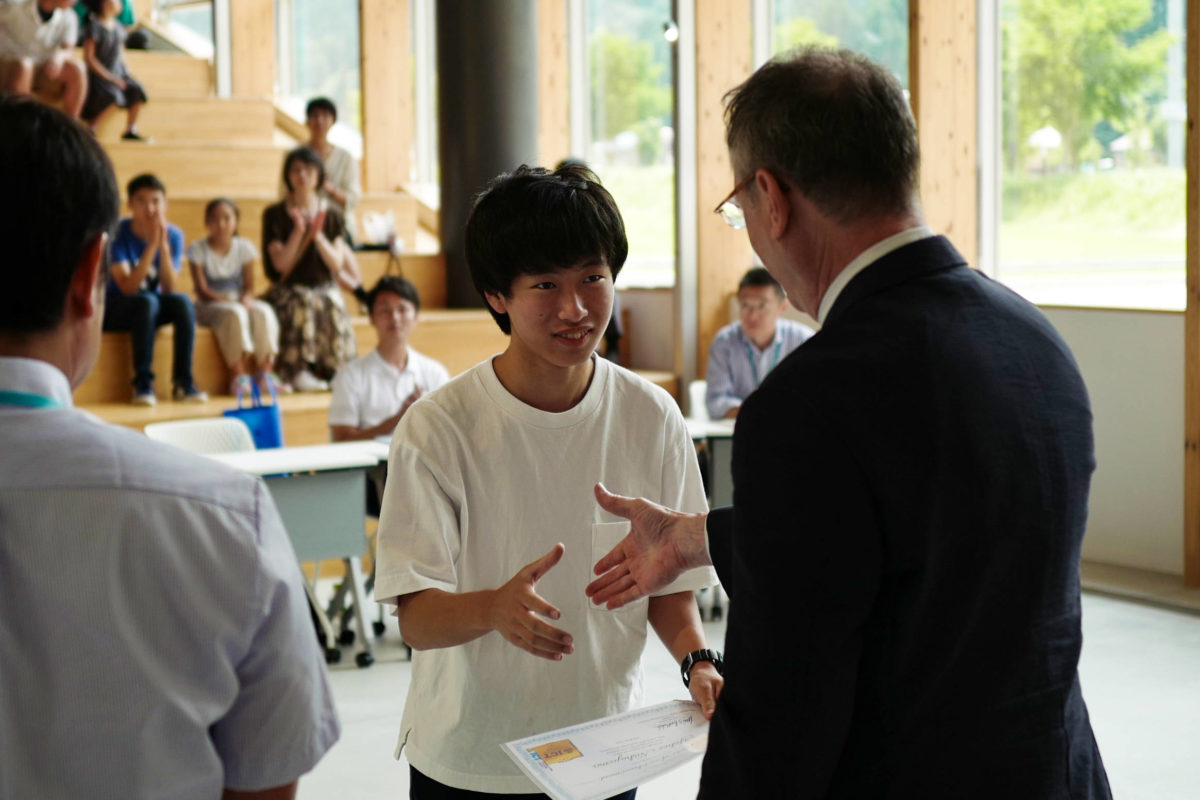
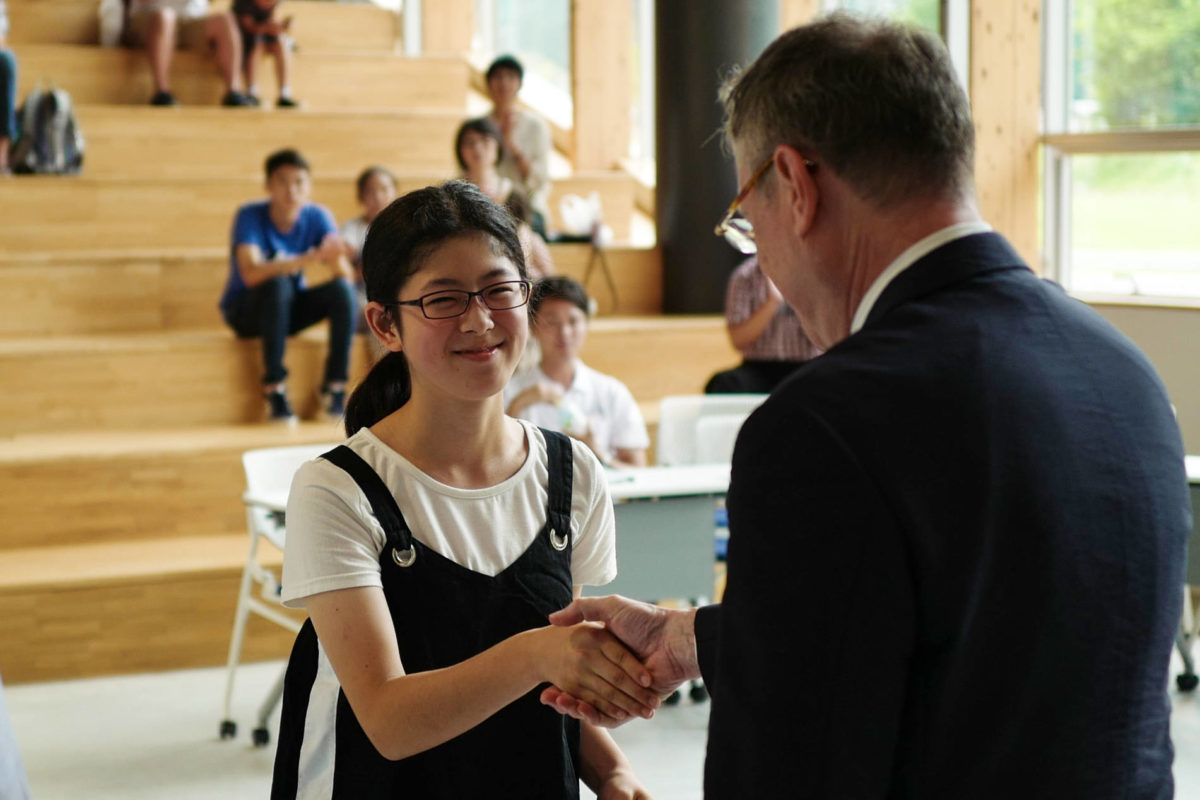
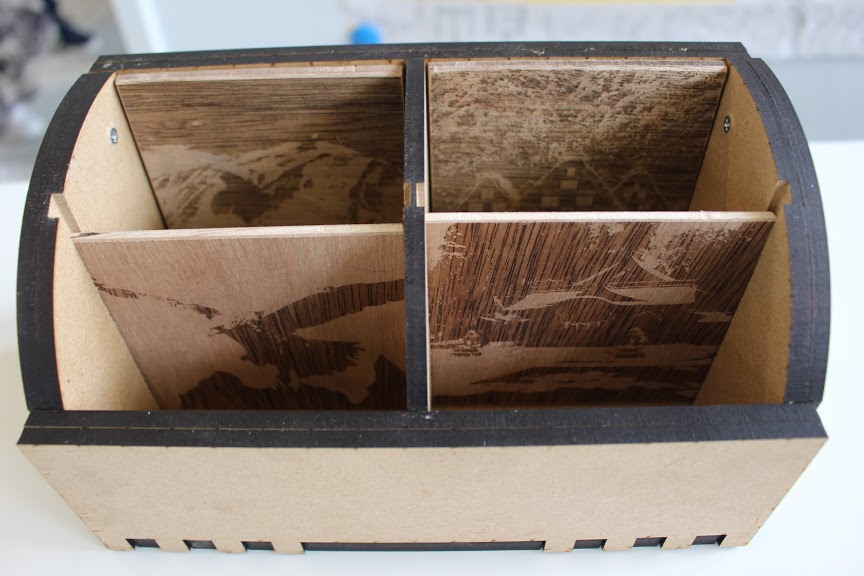
For the presentations, students worked in six groups. Each group designed a new attraction for the Hakusanroku area and created a poster presentation to suggest to Hakusan city. They also created a prototype souvenir using laser cutting, and a video to introduce what they learned and experienced during the program. Students worked hard throughout the program and the presentations took place on the morning of the final day. Parents, teachers, and members of the community gathered at Hakusanroku campus to watch their presentations, which you can view in the videos below. Afterwards, there was a poster session where viewers could walk around and ask questions to each group about their propositions and souvenirs. Finally, we held a closing and graduation ceremony. Satoshi Minami, promotional director of Hakusan city commented that he was surprised how thoroughly the students has researched the many aspects of Hakusanroku and that their insights were innovative and will be considered as a method to revitalize the area. Toji Makita spoke on behalf of the participating students saying that he truly appreciated the staff for providing this wonderful opportunity for them all. Students enjoyed one last lunch together at the cafeteria before departing from ICT.
This was my second time assisting the JOES summer program (you can read last year's article here) and I am happy with this year's results. Each group was remarkably organized and well prepared for their presentations. There were no last minute scrabbling or working after-hours. Each member of every group simply did a great job. I have a suspicion that this was partially due to how the facilitators assigned one Thai students to each group. The JOES students have lived abroad and are fluent in both English and Japanese. However, having one Thai student in each group encouraged them to use English during the program. I believe this helped them focus and improve their overall performance. It also added to the experience of working in a team of divers people with different backgrounds.
There were six students who returned to take this program for the second time and I hope everyone enjoyed the program enough that I can see many of them again next year. Your experience here using design thinking and working with your team to create something has grown you as future innovators of our world. Whether we meet again or not, I wish you the best of luck!
Jonathan







こんにちは、ジョナサンです。今日は7月21日~24日に行われたICTグローバルサマーキャンプの報告をしたいと思います。6名のタイの小中学生と、21名の日本の小中学生が白山麓キャンパスで4日間のワークショップに挑戦しました。このグローバルサマーキャンプはタイのインターナショナルサマーキャンプと、海外子女教育振興財団(JOES)のサマーワークショップの2つの団体の合同で行われました。主に中学生で構成された計27名の参加者は地元白山麓の歴史や自然を体験し、デザインシンキングを使って観光客を呼び寄せる新事業をチームで考案しました。プログラムではドローン操縦、レーザーカッター、動画編集などを学び、これらを使用して自分たちの体験の紹介や事業の提案を行うプレゼンテーションを作成しました。
タイの生徒たちはプログラムの数日前に来日し、20日(土)は金沢へに出かけました。まずは国際高専の金沢キャンパスでルイス・バークスデール校長と面会して、その後金沢工業大学のライブラリーセンターと夢考房を訪問しました。ライブラリーセンターでは歴史的な科学者の貴重な原書のコレクション「工学の曙文庫」と25万枚以上のレコードを所蔵するPMC(ポピュラー・ミュージック・コレクション)を見学しました。午後は金沢市のひがし茶屋街、金沢城、兼六園、21世紀美術館を観光しました。ひがし茶屋街の金箔屋さくだでは金箔貼り体験に挑戦するなど、様々な異文化体験をしました。
プレゼンテーションは6つのグループで行われました。各グループは白山麓に観光客を惹きつける新しい事業をデザインし、実際に白山市に提案するためにポスターを制作しました。さらに、レーザーカッターを使ったオリジナルのお土産のプロトタイプと、プログラムで体験した内容をまとめた動画を作りました。メンバーは連日準備に取り組み、最終日24日(水)の午前中に発表が行われました。発表を見るためにたくさんの保護者、先生、地元白山市の方々が集まりました。各グループの発表は上の動画で視聴することができます。発表のあとはポスターセッションがあり、見学者が歩き回りながら自由に質問ができる時間が設けられました。最後に閉会式と卒業式が執り行われ、白山市観光文化スポーツ部観光課 宣伝係主事の南智史さんは「非常によく白山の歴史や自然について調べていて驚いた。地域活性のための貴重なアイデアがたくさんあった」とコメントしました。また、参加者代表として牧田登治さん(中2)が「この機会を用意してくださった関係者にとても感謝しています」と挨拶しました。生徒たちは昼食をカフェテリアで食べたあと、それぞれ家路へとつきました。
私がこのJOESサマープログラムに参加するのは今回が2回目でしたが(去年の記事)、今年も良い4日間になったと思います。特に今年は各グループが計画的で、プレゼンテーション準備がスムーズでした。どのグループも役割分担がしっかりなされ、時間に余裕を残して準備が完了しました。ひとつの要因は各グループにタイの生徒をひとり配分したことだと思います。JOESの生徒は海外生活などで英語と日本語の両方を話せますが、タイの生徒を加えることによって英語を話す必要性が出てきました。これによって集中力が向上して良い結果につながったのではないかと推察しています。様々な文化の人間とチーム活動する経験も得られたので、とても良い変更だったと思います。
今回参加した生徒のうち、6名が去年からのリピーターでした。今年の参加者もまた来年来たくなるような楽しい日々を過ごしたなら幸いに思います。君たちがここで経験したデザインシンキングやチームで何かを作り上げる体験はきっと将来のイノベーターとして役に立ちます。再び会える日を信じて、幸運を祈っています。
ジョナサン




Hello, it's Jonathan, the camera man. Today I would like to give my report on the ICT Global Summer Camp. From July 21-24, six Thai students and 21 Japanese students gathered at Hakusanroku campus for a four day workshop. This Global Summer Camp is actually the collaboration of two separate groups: the International summer camp of Thai students and the summer workshop of Japanese students from JOES (Japan Overseas Educational Services.) The 27 participants, which mostly consisted of middle school students, used design thinking to study the history and wildlife of the local Hakusanroku area and design a new attraction for tourists. Students learned how to use drones, laser cutters, and video editing to document and create a presentation of the various places and activities they experienced during the program.
The six Thai students arrived a couple of days before the program. On July 20 (SAT) we took a trip to Kanazawa. First, we visited President Lewis Barksdale at the ICT Kanazawa campus. Then, we took a tour of the facilities of Kanazawa Institute of Technology's (KIT) Library Center and Yume Kobo. At KIT's library, we viewed the special assortment of rare books written by historical scientists and the PMC (Popular Music Collection), a collection of 250,000 music records. In the afternoon we moved to Kanazawa city to do some sightseeing at Higashi-chaya-gai (east tea house district), Kanazawa castle, Kenrokuen garden, and the 21st century museum. The Thai students took a gold leaf crafting course at Sakuda Gold Leaf Crafts and experienced many forms of Japanese culture for the first time.
-
Taken with President Barksdale at Kanazawa campus
-
Taken at KIT Library Center
-
Students searching through records at the PMC
-
Gold leaf crafting experience
-
Our finished products!
-
Taken at Higashi-chaya-gai
-
Learning Japanese culture
The Global Summer Camp officially began with the arrival of the JOES students on Sunday. The next day, we departed from ICT to explore the wildlife of Hakusanroku. After viewing the Fukube waterfall on the Hakusan Shirakawa-go White Road, we moved to the Chugu Nature Preservation Center to listened to the lecture of Mr. Shinichi Hiramatsu, an expert of the wildlife of Mt. Hakusan. Mr. Hiramatsu explained about the four seasons and animals of Mt. Hakusan and showed a assortment of living reptiles and insects. Chugu Nature Preservation Center has many displays including bears, serows, monkeys, and the rare Golden Eagle. Students took pictures and videos to use later in their presentation. Next, we moved to the Jyatani river near the preservation center to test our drone flying skills. Students learned how to control drones on the previous evening, and practiced flying and video recording the beautiful scenery.
-
Talk session with Mr. Hiramatsu
-
Touching lizards and insects
-
Touching lizards and insects
-
Flying drones at Jyatani river
-
Flying drones at Jyatani river
-
Taken at Chugu Nature Conservation Center
-
Taken at Ichirino Ski Resort
For the presentations, students worked in six groups. Each group designed a new attraction for the Hakusanroku area and created a poster presentation to suggest to Hakusan city. They also created a prototype souvenir using laser cutting, and a video to introduce what they learned and experienced during the program. Students worked hard throughout the program and the presentations took place on the morning of the final day. Parents, teachers, and members of the community gathered at Hakusanroku campus to watch their presentations, which you can view in the videos below. Afterwards, there was a poster session where viewers could walk around and ask questions to each group about their propositions and souvenirs. Finally, we held a closing and graduation ceremony. Satoshi Minami, promotional director of Hakusan city commented that he was surprised how thoroughly the students has researched the many aspects of Hakusanroku and that their insights were innovative and will be considered as a method to revitalize the area. Toji Makita spoke on behalf of the participating students saying that he truly appreciated the staff for providing this wonderful opportunity for them all. Students enjoyed one last lunch together at the cafeteria before departing from ICT.
This was my second time assisting the JOES summer program (you can read last year's article here) and I am happy with this year's results. Each group was remarkably organized and well prepared for their presentations. There were no last minute scrabbling or working after-hours. Each member of every group simply did a great job. I have a suspicion that this was partially due to how the facilitators assigned one Thai students to each group. The JOES students have lived abroad and are fluent in both English and Japanese. However, having one Thai student in each group encouraged them to use English during the program. I believe this helped them focus and improve their overall performance. It also added to the experience of working in a team of divers people with different backgrounds.
There were six students who returned to take this program for the second time and I hope everyone enjoyed the program enough that I can see many of them again next year. Your experience here using design thinking and working with your team to create something has grown you as future innovators of our world. Whether we meet again or not, I wish you the best of luck!
Jonathan
こんにちは、ジョナサンです。今日は7月21日~24日に行われたICTグローバルサマーキャンプの報告をしたいと思います。6名のタイの小中学生と、21名の日本の小中学生が白山麓キャンパスで4日間のワークショップに挑戦しました。このグローバルサマーキャンプはタイのインターナショナルサマーキャンプと、海外子女教育振興財団(JOES)のサマーワークショップの2つの団体の合同で行われました。主に中学生で構成された計27名の参加者は地元白山麓の歴史や自然を体験し、デザインシンキングを使って観光客を呼び寄せる新事業をチームで考案しました。プログラムではドローン操縦、レーザーカッター、動画編集などを学び、これらを使用して自分たちの体験の紹介や事業の提案を行うプレゼンテーションを作成しました。
タイの生徒たちはプログラムの数日前に来日し、20日(土)は金沢へに出かけました。まずは国際高専の金沢キャンパスでルイス・バークスデール校長と面会して、その後金沢工業大学のライブラリーセンターと夢考房を訪問しました。ライブラリーセンターでは歴史的な科学者の貴重な原書のコレクション「工学の曙文庫」と25万枚以上のレコードを所蔵するPMC(ポピュラー・ミュージック・コレクション)を見学しました。午後は金沢市のひがし茶屋街、金沢城、兼六園、21世紀美術館を観光しました。ひがし茶屋街の金箔屋さくだでは金箔貼り体験に挑戦するなど、様々な異文化体験をしました。
プレゼンテーションは6つのグループで行われました。各グループは白山麓に観光客を惹きつける新しい事業をデザインし、実際に白山市に提案するためにポスターを制作しました。さらに、レーザーカッターを使ったオリジナルのお土産のプロトタイプと、プログラムで体験した内容をまとめた動画を作りました。メンバーは連日準備に取り組み、最終日24日(水)の午前中に発表が行われました。発表を見るためにたくさんの保護者、先生、地元白山市の方々が集まりました。各グループの発表は上の動画で視聴することができます。発表のあとはポスターセッションがあり、見学者が歩き回りながら自由に質問ができる時間が設けられました。最後に閉会式と卒業式が執り行われ、白山市観光文化スポーツ部観光課 宣伝係主事の南智史さんは「非常によく白山の歴史や自然について調べていて驚いた。地域活性のための貴重なアイデアがたくさんあった」とコメントしました。また、参加者代表として牧田登治さん(中2)が「この機会を用意してくださった関係者にとても感謝しています」と挨拶しました。生徒たちは昼食をカフェテリアで食べたあと、それぞれ家路へとつきました。
私がこのJOESサマープログラムに参加するのは今回が2回目でしたが(去年の記事)、今年も良い4日間になったと思います。特に今年は各グループが計画的で、プレゼンテーション準備がスムーズでした。どのグループも役割分担がしっかりなされ、時間に余裕を残して準備が完了しました。ひとつの要因は各グループにタイの生徒をひとり配分したことだと思います。JOESの生徒は海外生活などで英語と日本語の両方を話せますが、タイの生徒を加えることによって英語を話す必要性が出てきました。これによって集中力が向上して良い結果につながったのではないかと推察しています。様々な文化の人間とチーム活動する経験も得られたので、とても良い変更だったと思います。
今回参加した生徒のうち、6名が去年からのリピーターでした。今年の参加者もまた来年来たくなるような楽しい日々を過ごしたなら幸いに思います。君たちがここで経験したデザインシンキングやチームで何かを作り上げる体験はきっと将来のイノベーターとして役に立ちます。再び会える日を信じて、幸運を祈っています。
ジョナサン
Hey, it's Jonathan. Here is another report from Hakusanroku campus. On June 22 Saturday, the first and second year students had a special field trip to discover and learn more about the nature and history of the Hakusanroku area. We visited Ichinose Visitor Center to hike and learn about the wildlife of Mt. Hakusan, and explored Shiramine village and visited Rinsaiji Temple to learn about the history of the area. After dinner, the Nature & Adventure club joined a local event to go see fireflies. It was a jam-packed day, here at Hakusanroku.
Ichinose Visitor Center is the starting point for those climbing Mt. Hakusan from the Shiramine area. There are some hiking courses, displays of wildlife, an onsen ryokan, and a camping area next to the nearby river. Here we took a short hike into the mountains which lead to a vantage point where you can see Mt. Hakusan. Our guide, Mr. Shinichi Hiramatsu is an expert of the nature of this area, and pointed out various plants and insects as we hiked. It was drizzling slightly. However, we were happily surprised to find Mt. Hakusan beautifully visible from the vantage point.
After the hike, we returned to the visitor center to learn about the wildlife and history of Ichinose. Mr. Hiramatsu explained that Ichinose used to be a bustling town, famous for its many onsen baths and people climbing Mt. Hakusan. However, in 1934 a devastating flood hit Ichinose, destroying everything. This flood was due that year's heavy snowfall melting, and there is even a legend that to this day a thousand snakes are trapped under the eternal snow covering one of the lakes on top of Mt. Hakusan and a flood will occur again if the eternal snow ever thaws. Mr. Hiramatsu also showed many plants and animals of Mt. Hakusan, including how to distinguish plants and trees apart, videos of bears, wild boars, monkeys, antelopes, and gold eagles, and live lizards and insects he brought to the center. On the way to Shiramine, we stopped at the "Million Kan Rock." (1 Kan = 3.75kg) This huge rock was pushed 3 km down the river during the historical flood and stands as a landmark as a testament of its shear power.
In the afternoon, we moved to Shiramine village to investigate and learn about the area. Shiramine serves as a hub for people climbing Mt. Hakusan and has many historic and sightseeing-worthy locations. First, students explored the area on foot. Many students decided to visit the popular Snowman Cafe for some dessert. Fully refreshed, we next visited Rinsaiji temple to listen to the history of Mt. Hakusan and view the many Buddha statues displayed there. Mt. Hakusan was always a focus of worship and these statues used to exist on the mountain peak until the Separation of Shinto and Buddhism policy was deployed in 1863. At this time, many Buddha statues were brought down from the mountain to avoid being destroyed and eight such statues are on display here.
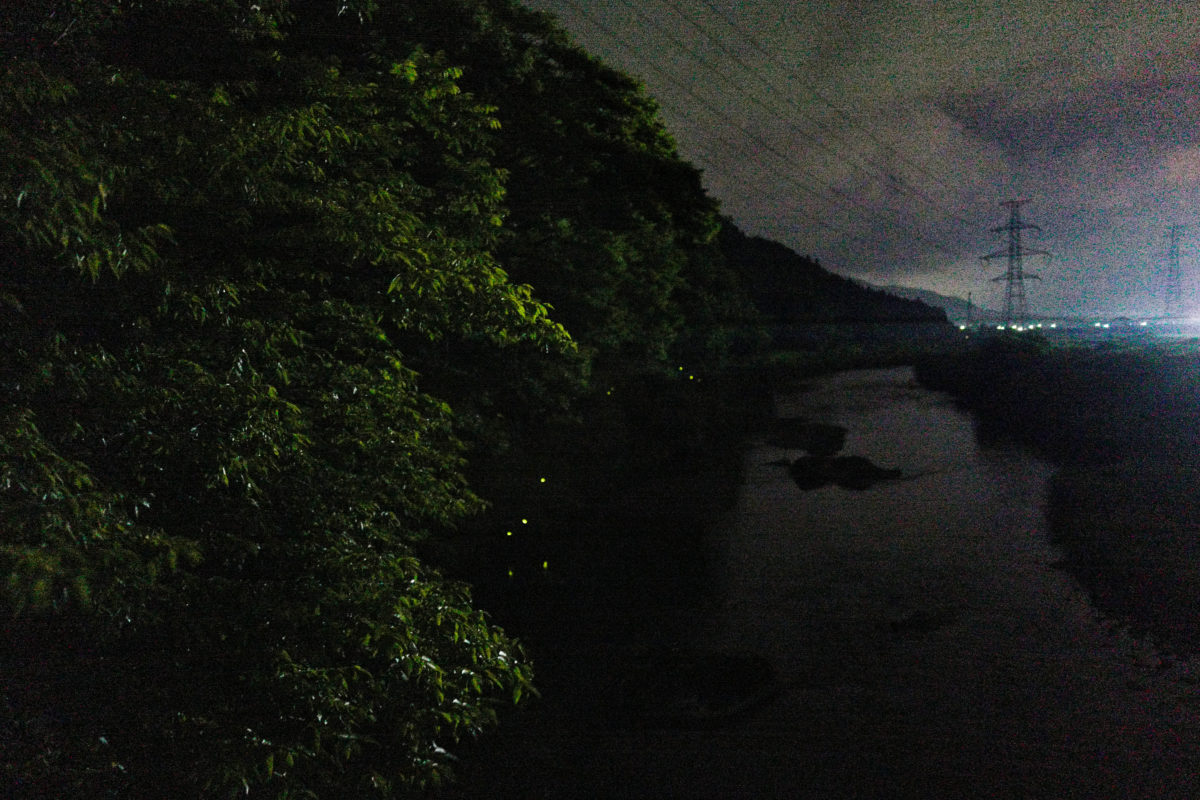
Later in the evening, there was an bonus event. Members of the Nature & Adventure club participated in a local event to see fireflies. This is an annual event held by the Oguchi Community Center. The ICT students and members of the local community traveled to the Dainichigawa river in Torigoe, which is about 15 minutes from the Hakusanroku campus by car. There were a surprising number of fireflies and the participants spent time taking pictures, catching, and simply observing a beautiful sight. Mr. Nakamura, a local and expert of fireflies, gave lectures on the insects and answered the students' questions. Some ICT students made friends with the local elementary school kids and everyone enjoyed a pleasant evening.
June 22 was a long and eventful day. Students learned much about the nature and history of the Hakusanroku area while also having a lot of fun. This is not our first time joining a local event or visiting a local sight of interest and I am continuously convinced that our location is crucial to becoming part of the local community; in addition to the convenience of being close and the ability to participate in such events at night thanks to our dormitories. I hope students had fun and found something of interest in the local area, which will help them create innovation in the future.
Jonathan
ジョナサンです。白山麓キャンパスからレポートをお届けします。6月22日(土)1~2年の学生が白山麓の自然や歴史について学ぶ特別活動を行いました。自然については市ノ瀬ビジターセンター、歴史については白峰村と林西寺をそれぞれ訪れ、地域についての理解を深めました。夕食後にはNature & Adventureクラブのメンバーが地元のホタル観察会に参加し、充実した一日を過ごしました。
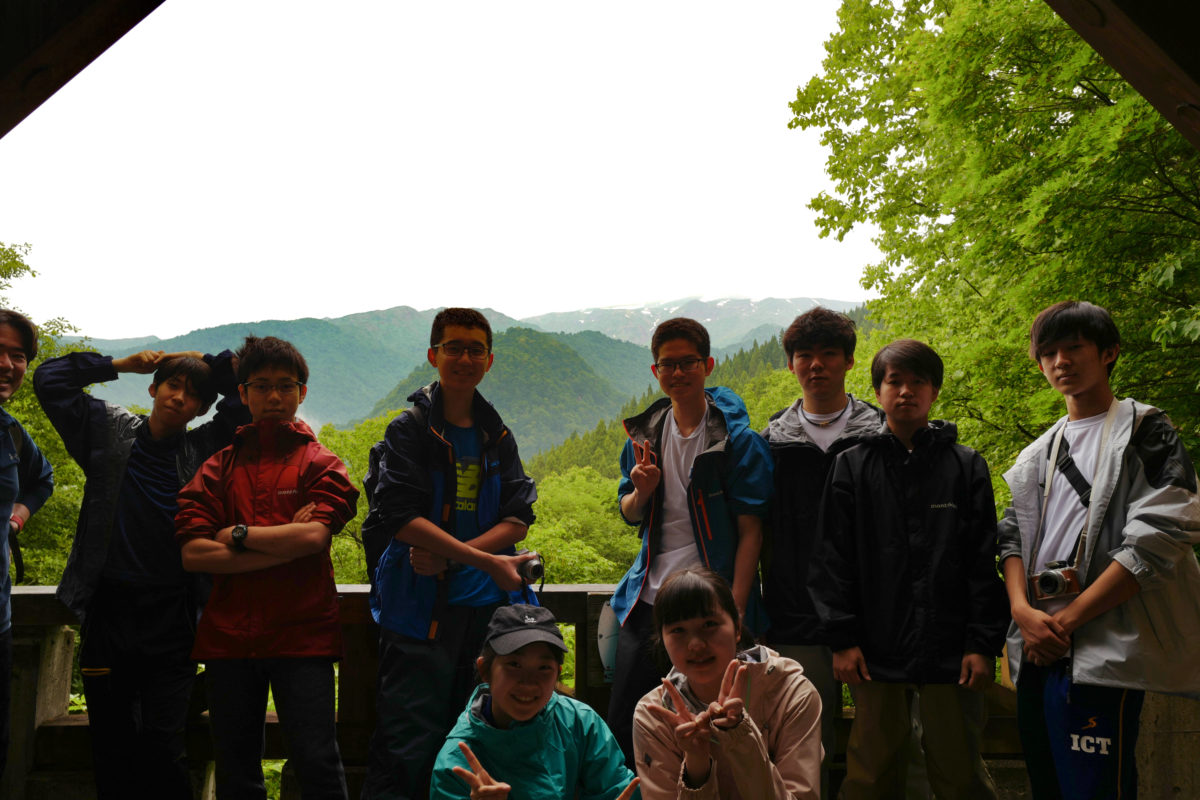
市ノ瀬ビジターセンターは白峰側の白山登山口として位置しており、ハイキングコース、キャンプ場、様々な展示物などがあり、白山温泉の永井旅館が隣接しています。ここではまず1時間ほどのハイキングを行いました。ガイドを務めた平松新一さんはこの地域の自然のエキスパートで、道中にある様々な植物や動物について解説をしました。小雨が降っていましたが、到着した見晴らし台から白山を望むことができました。
-

ガイドを務めた平松新一さん
-

白山に住む動物の生態を説明を受ける学生
-

小雨が降っていたが、しっかり白山が見えました

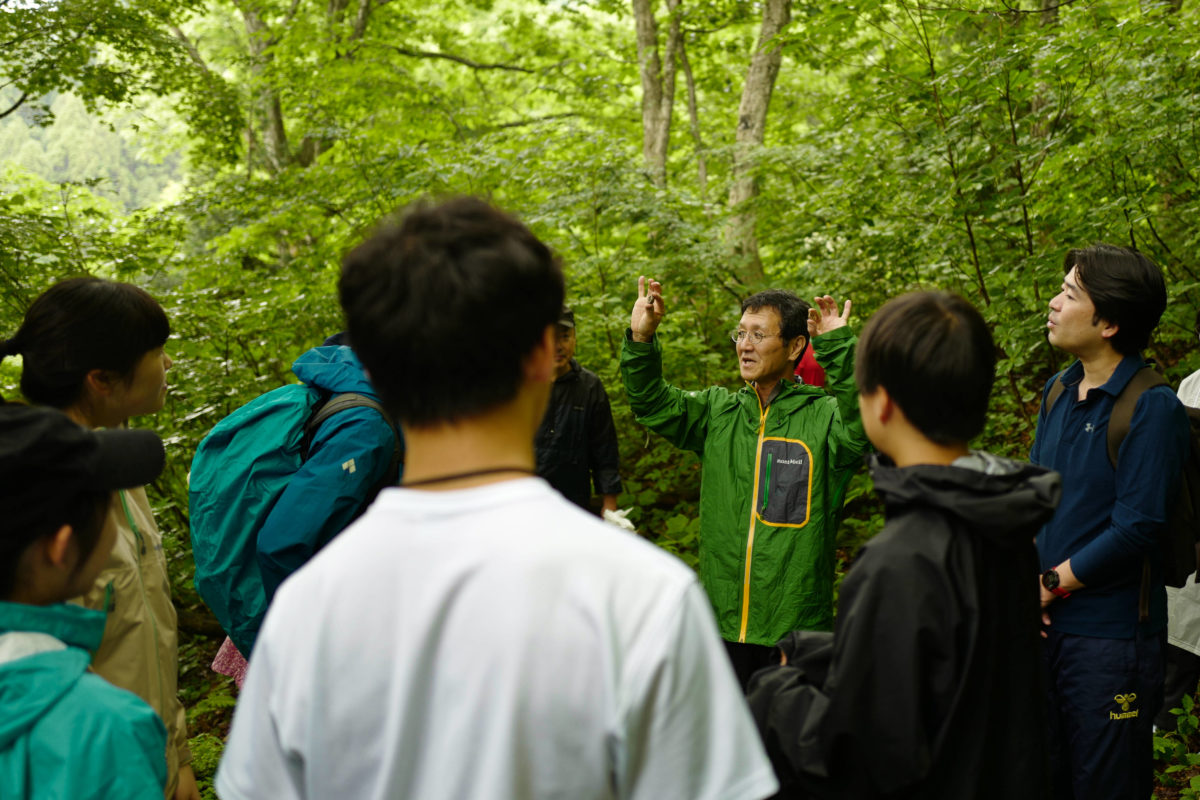
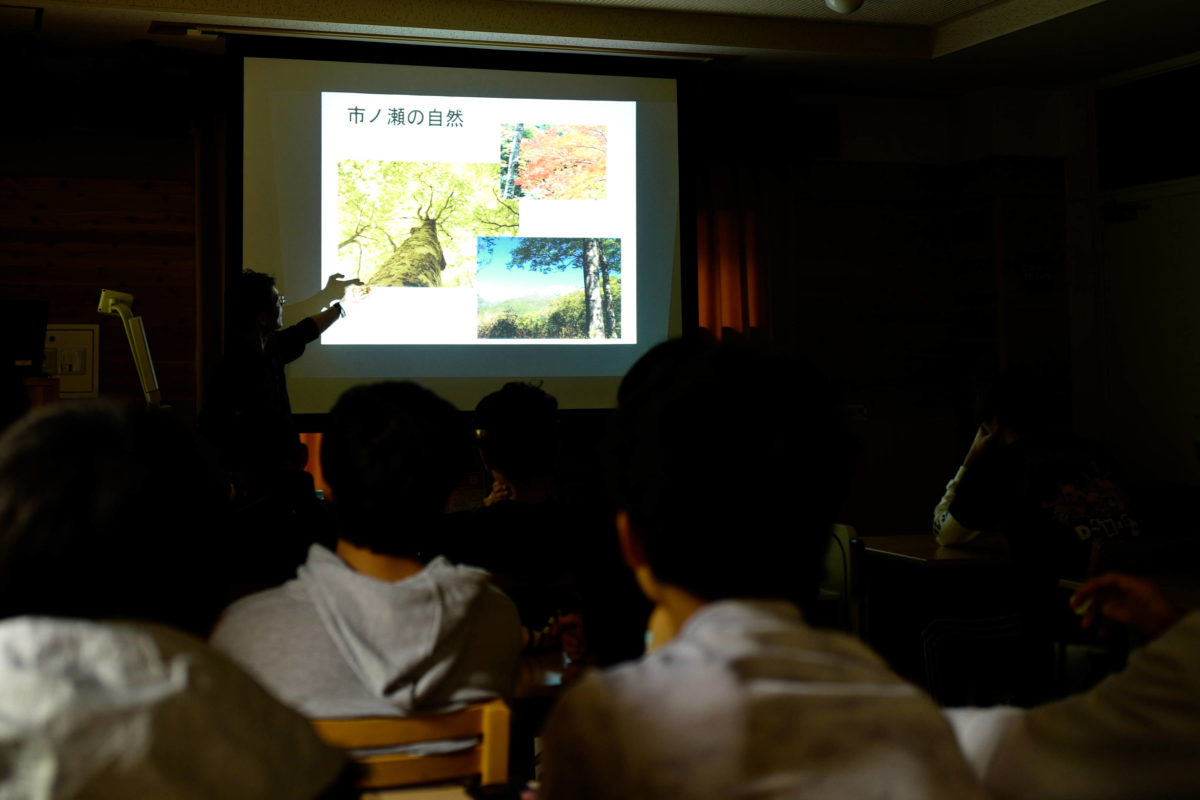
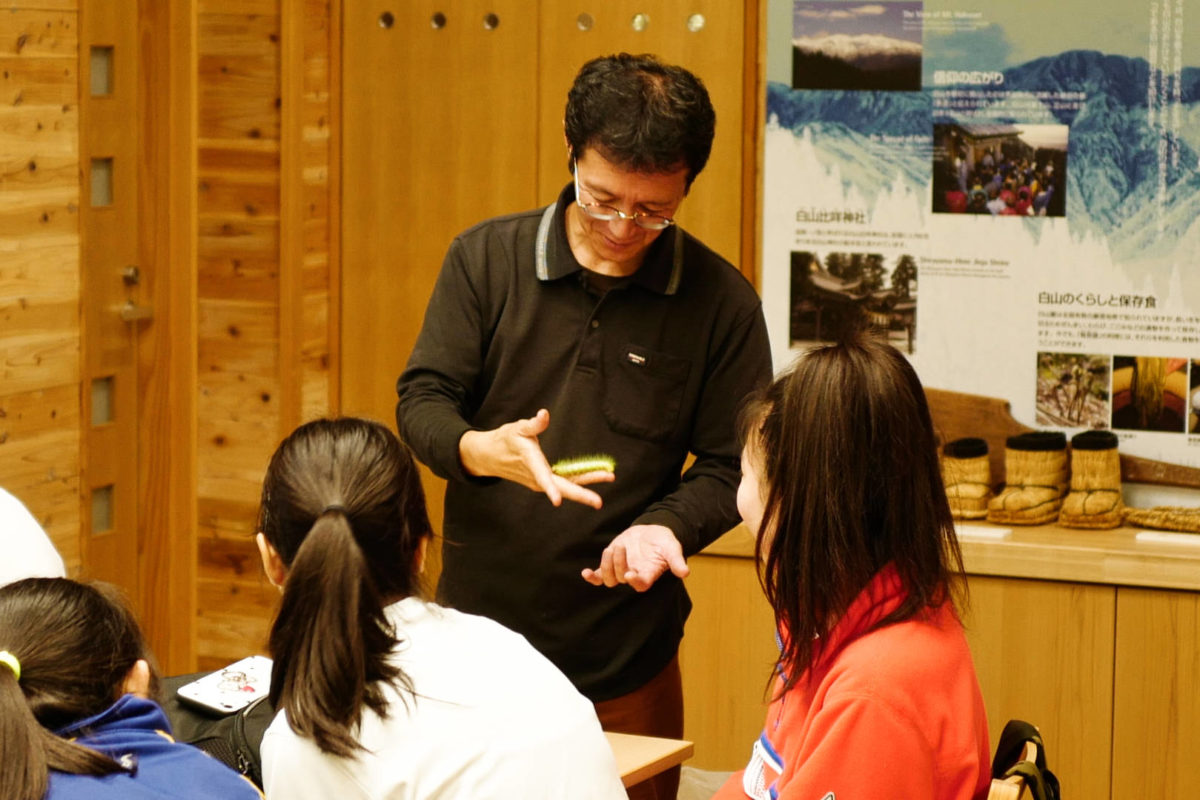
ハイキングの後、ビジターセンターに戻って市ノ瀬の自然や歴史について平松さんから講話を受けました。市ノ瀬は以前は登山客が立ち寄る賑やかな温泉街でしたが、1934年(昭和9年)7月11日の大洪水によって壊滅的な被害を受けて無くなりました。洪水は前の年の大雪と豪雨が重なったことが原因でした。現在も白山頂上の湖を覆う万年雪の下には千匹の蛇が封印されており、溶ければ再び洪水が起きるという伝説も残されています。平松さんは講話の中で白山の木や植物の見分け方、熊、イノシシ、猿、カモシカ、イヌワシを捉えた映像、持参したトカゲや昆虫などを学生たちに見せました。市ノ瀬ビジターセンターから白峰に向かう途中、川沿いにある「百万貫の岩」に立ち寄りました。この大岩は大洪水の時に下流へ3キロ押し流されて現在の位置に着いたとされ、洪水の恐ろしさを物語る歴史的価値から石川県の天然記念物に指定されています。
-

市ノ瀬の歴史について学ぶ学生
-

市ノ瀬の自然について説明する平松さん
-

熊やイノシシなどの動物の動画を流しました
-

平松さんが持参した昆虫を観察する学生
-

大洪水で下流へ3キロ流された「百万貫の岩」
-

「百万貫の岩」を観察する学生




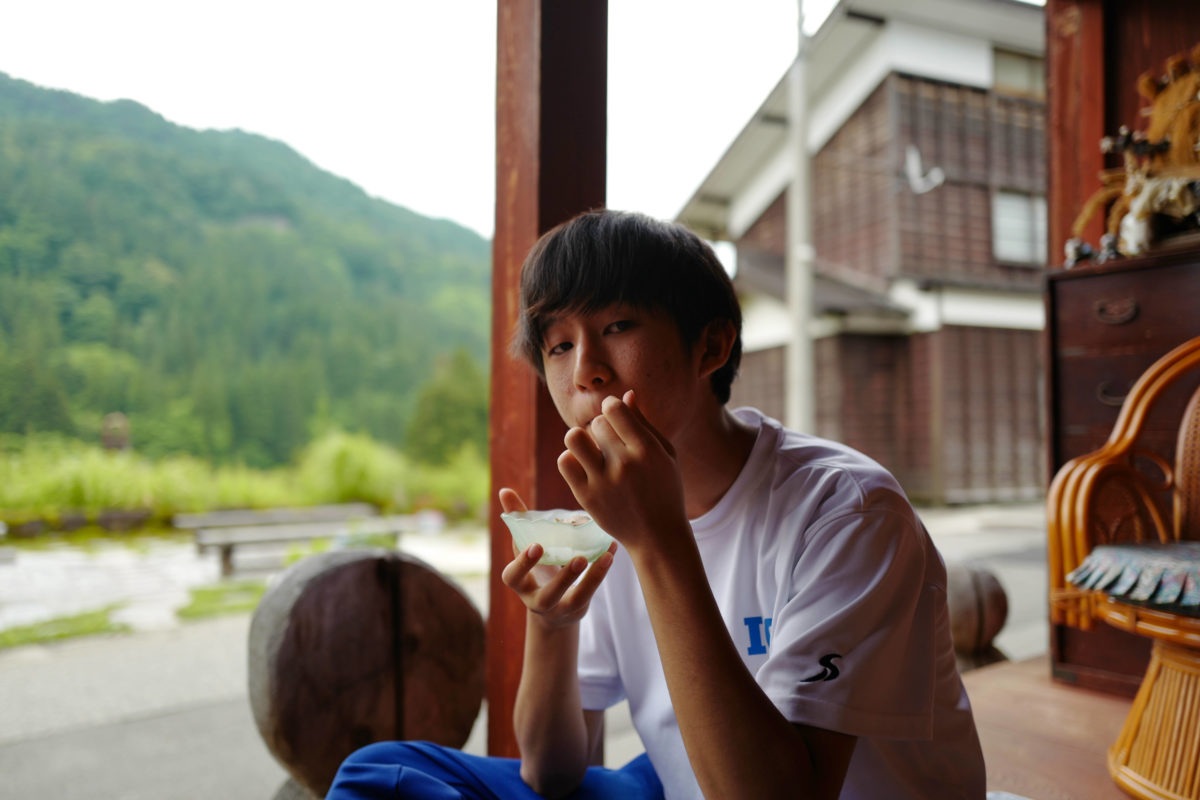
午後は白峰の散策を行いました。白峰は白山の玄関口として観光客が一年中訪れ、観光名所もたくさんあります。多くの学生は有名な雪だるまカフェを訪れ、スイーツや飲み物を味わいました。その後は林西寺を訪問し、白山の歴史や安置されている白山下山仏について話を聞きました。白山は以前より信仰の対象とされ、頂上に仏像がいくつも設置されておりましたが、明治の神仏分離政策による破壊を免れるため白山から下ろされた8体の仏像がこの林西寺に安置されています。
-

白峰を散策する学生
-

雪だるまカフェで一息
-

しそジュースとアイスクリーム
-

雪だるまカフェでスイーツを味わう学生
-

林西寺に安置されている白山下山仏
-

ご住職の話を聞く学生





日没後、Nature & Adventureクラブのメンバーは地元のホタル観察会に参加しました。このイベントは毎年尾口公民館によって開催されている恒例行事です。白山麓キャンパスから車で15分くらいの距離にある鳥越の大日川へ移動し、地元の方々と1時間ほどホタルを観察しました。驚くほどたくさんのホタルがおり、学生たちは写真を撮ったり、ホタルを捕まえたり、美しい光景を眺めたりしていました。また、ホタルに詳しい地元の中村さんが生態について解説したり、学生の質問に答えたりしました。地元の小学生と遊ぶICT学生もいて、皆が楽しい時間を過ごしました。
-

中村さんの話を聞く参加者
-

ホタル観察会
-

ホタルを捕まえたフィリップ先生
-

ホタルを捕まえて観察する学生
-

撮影:林青空(1年)
-

撮影:上杉廉(1年)




6月22日は長く充実した一日となりました。学生たちも楽しみながら白山麓の自然や歴史について学べたようです。このように地元のイベントに積極的に参加できたり、深く地域に触れる機会が多いところから、白山麓キャンパスが地域の中に存在していることの重要性を再確認しました。加えて、ボーディングスクールで学生寮を備えているおかげでこのような遅い時間のイベントにも参加できるメリットを感じました。学生たちが楽しみながらこの地域に興味を持ち、後のイノベーション創出に繋げる日を楽しみにしています。
ジョナサン
Hey, it's Jonathan. Here is another report from Hakusanroku campus. On June 22 Saturday, the first and second year students had a special field trip to discover and learn more about the nature and history of the Hakusanroku area. We visited Ichinose Visitor Center to hike and learn about the wildlife of Mt. Hakusan, and explored Shiramine village and visited Rinsaiji Temple to learn about the history of the area. After dinner, the Nature & Adventure club joined a local event to go see fireflies. It was a jam-packed day, here at Hakusanroku.
Ichinose Visitor Center is the starting point for those climbing Mt. Hakusan from the Shiramine area. There are some hiking courses, displays of wildlife, an onsen ryokan, and a camping area next to the nearby river. Here we took a short hike into the mountains which lead to a vantage point where you can see Mt. Hakusan. Our guide, Mr. Shinichi Hiramatsu is an expert of the nature of this area, and pointed out various plants and insects as we hiked. It was drizzling slightly. However, we were happily surprised to find Mt. Hakusan beautifully visible from the vantage point.
After the hike, we returned to the visitor center to learn about the wildlife and history of Ichinose. Mr. Hiramatsu explained that Ichinose used to be a bustling town, famous for its many onsen baths and people climbing Mt. Hakusan. However, in 1934 a devastating flood hit Ichinose, destroying everything. This flood was due that year's heavy snowfall melting, and there is even a legend that to this day a thousand snakes are trapped under the eternal snow covering one of the lakes on top of Mt. Hakusan and a flood will occur again if the eternal snow ever thaws. Mr. Hiramatsu also showed many plants and animals of Mt. Hakusan, including how to distinguish plants and trees apart, videos of bears, wild boars, monkeys, antelopes, and gold eagles, and live lizards and insects he brought to the center. On the way to Shiramine, we stopped at the "Million Kan Rock." (1 Kan = 3.75kg) This huge rock was pushed 3 km down the river during the historical flood and stands as a landmark as a testament of its shear power.
In the afternoon, we moved to Shiramine village to investigate and learn about the area. Shiramine serves as a hub for people climbing Mt. Hakusan and has many historic and sightseeing-worthy locations. First, students explored the area on foot. Many students decided to visit the popular Snowman Cafe for some dessert. Fully refreshed, we next visited Rinsaiji temple to listen to the history of Mt. Hakusan and view the many Buddha statues displayed there. Mt. Hakusan was always a focus of worship and these statues used to exist on the mountain peak until the Separation of Shinto and Buddhism policy was deployed in 1863. At this time, many Buddha statues were brought down from the mountain to avoid being destroyed and eight such statues are on display here.
Later in the evening, there was an bonus event. Members of the Nature & Adventure club participated in a local event to see fireflies. This is an annual event held by the Oguchi Community Center. The ICT students and members of the local community traveled to the Dainichigawa river in Torigoe, which is about 15 minutes from the Hakusanroku campus by car. There were a surprising number of fireflies and the participants spent time taking pictures, catching, and simply observing a beautiful sight. Mr. Nakamura, a local and expert of fireflies, gave lectures on the insects and answered the students' questions. Some ICT students made friends with the local elementary school kids and everyone enjoyed a pleasant evening.
June 22 was a long and eventful day. Students learned much about the nature and history of the Hakusanroku area while also having a lot of fun. This is not our first time joining a local event or visiting a local sight of interest and I am continuously convinced that our location is crucial to becoming part of the local community; in addition to the convenience of being close and the ability to participate in such events at night thanks to our dormitories. I hope students had fun and found something of interest in the local area, which will help them create innovation in the future.
Jonathan
ジョナサンです。白山麓キャンパスからレポートをお届けします。6月22日(土)1~2年の学生が白山麓の自然や歴史について学ぶ特別活動を行いました。自然については市ノ瀬ビジターセンター、歴史については白峰村と林西寺をそれぞれ訪れ、地域についての理解を深めました。夕食後にはNature & Adventureクラブのメンバーが地元のホタル観察会に参加し、充実した一日を過ごしました。
市ノ瀬ビジターセンターは白峰側の白山登山口として位置しており、ハイキングコース、キャンプ場、様々な展示物などがあり、白山温泉の永井旅館が隣接しています。ここではまず1時間ほどのハイキングを行いました。ガイドを務めた平松新一さんはこの地域の自然のエキスパートで、道中にある様々な植物や動物について解説をしました。小雨が降っていましたが、到着した見晴らし台から白山を望むことができました。
-
ガイドを務めた平松新一さん
-
白山に住む動物の生態を説明を受ける学生
-
小雨が降っていたが、しっかり白山が見えました
ハイキングの後、ビジターセンターに戻って市ノ瀬の自然や歴史について平松さんから講話を受けました。市ノ瀬は以前は登山客が立ち寄る賑やかな温泉街でしたが、1934年(昭和9年)7月11日の大洪水によって壊滅的な被害を受けて無くなりました。洪水は前の年の大雪と豪雨が重なったことが原因でした。現在も白山頂上の湖を覆う万年雪の下には千匹の蛇が封印されており、溶ければ再び洪水が起きるという伝説も残されています。平松さんは講話の中で白山の木や植物の見分け方、熊、イノシシ、猿、カモシカ、イヌワシを捉えた映像、持参したトカゲや昆虫などを学生たちに見せました。市ノ瀬ビジターセンターから白峰に向かう途中、川沿いにある「百万貫の岩」に立ち寄りました。この大岩は大洪水の時に下流へ3キロ押し流されて現在の位置に着いたとされ、洪水の恐ろしさを物語る歴史的価値から石川県の天然記念物に指定されています。
-
市ノ瀬の歴史について学ぶ学生
-
市ノ瀬の自然について説明する平松さん
-
熊やイノシシなどの動物の動画を流しました
-
平松さんが持参した昆虫を観察する学生
-
大洪水で下流へ3キロ流された「百万貫の岩」
-
「百万貫の岩」を観察する学生
午後は白峰の散策を行いました。白峰は白山の玄関口として観光客が一年中訪れ、観光名所もたくさんあります。多くの学生は有名な雪だるまカフェを訪れ、スイーツや飲み物を味わいました。その後は林西寺を訪問し、白山の歴史や安置されている白山下山仏について話を聞きました。白山は以前より信仰の対象とされ、頂上に仏像がいくつも設置されておりましたが、明治の神仏分離政策による破壊を免れるため白山から下ろされた8体の仏像がこの林西寺に安置されています。
-
白峰を散策する学生
-
雪だるまカフェで一息
-
しそジュースとアイスクリーム
-
雪だるまカフェでスイーツを味わう学生
-
林西寺に安置されている白山下山仏
-
ご住職の話を聞く学生
日没後、Nature & Adventureクラブのメンバーは地元のホタル観察会に参加しました。このイベントは毎年尾口公民館によって開催されている恒例行事です。白山麓キャンパスから車で15分くらいの距離にある鳥越の大日川へ移動し、地元の方々と1時間ほどホタルを観察しました。驚くほどたくさんのホタルがおり、学生たちは写真を撮ったり、ホタルを捕まえたり、美しい光景を眺めたりしていました。また、ホタルに詳しい地元の中村さんが生態について解説したり、学生の質問に答えたりしました。地元の小学生と遊ぶICT学生もいて、皆が楽しい時間を過ごしました。
-
中村さんの話を聞く参加者
-
ホタル観察会
-
ホタルを捕まえたフィリップ先生
-
ホタルを捕まえて観察する学生
-
撮影:林青空(1年)
-
撮影:上杉廉(1年)
6月22日は長く充実した一日となりました。学生たちも楽しみながら白山麓の自然や歴史について学べたようです。このように地元のイベントに積極的に参加できたり、深く地域に触れる機会が多いところから、白山麓キャンパスが地域の中に存在していることの重要性を再確認しました。加えて、ボーディングスクールで学生寮を備えているおかげでこのような遅い時間のイベントにも参加できるメリットを感じました。学生たちが楽しみながらこの地域に興味を持ち、後のイノベーション創出に繋げる日を楽しみにしています。
ジョナサン
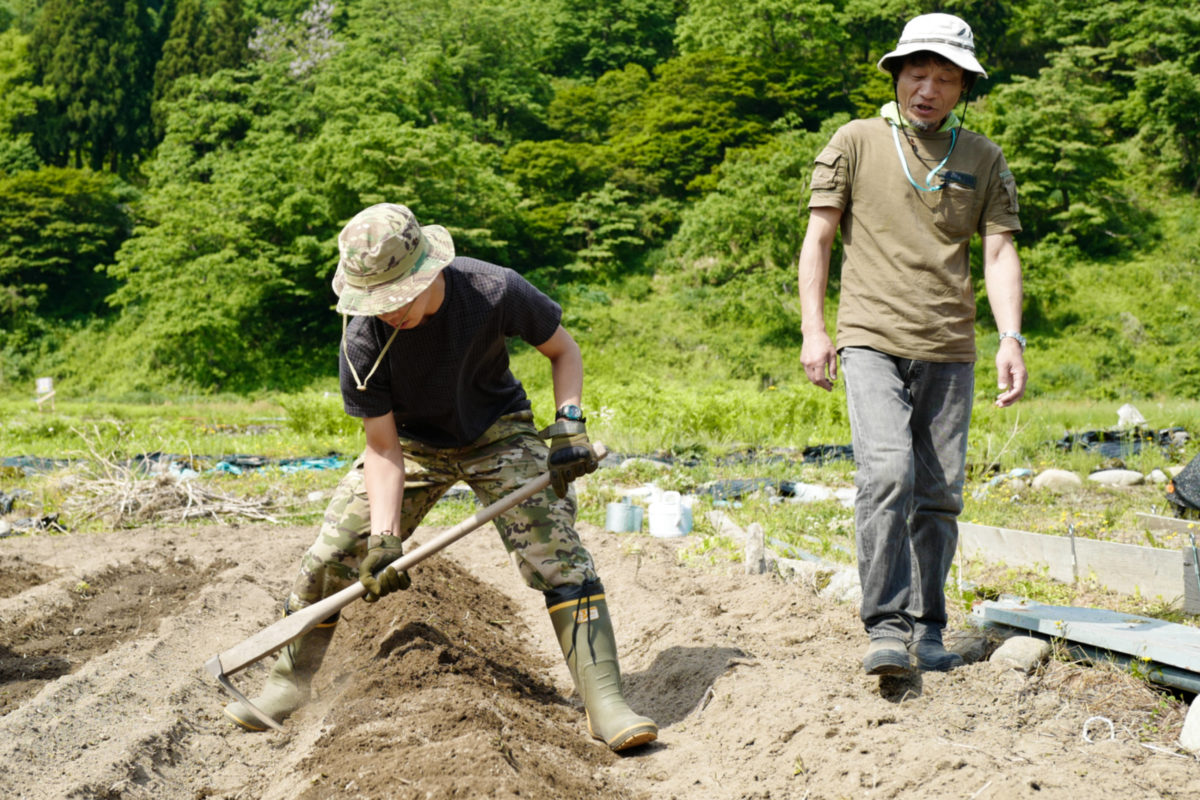
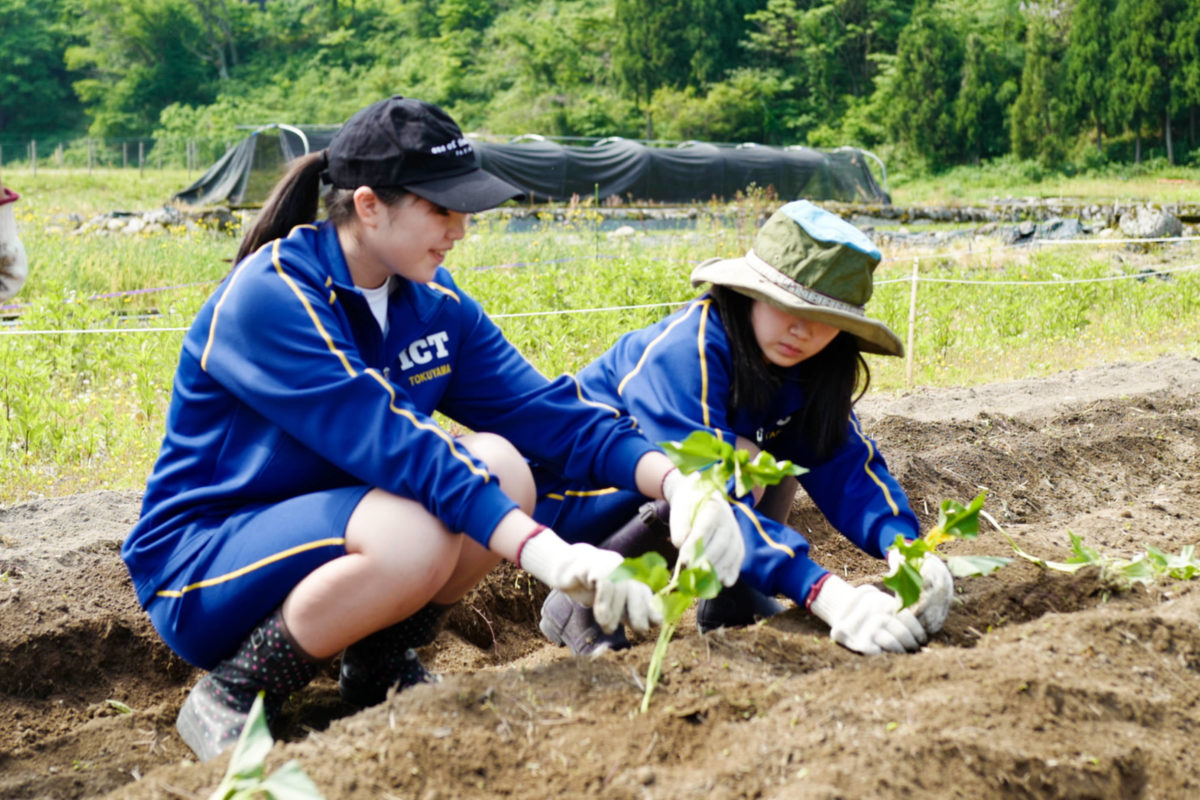
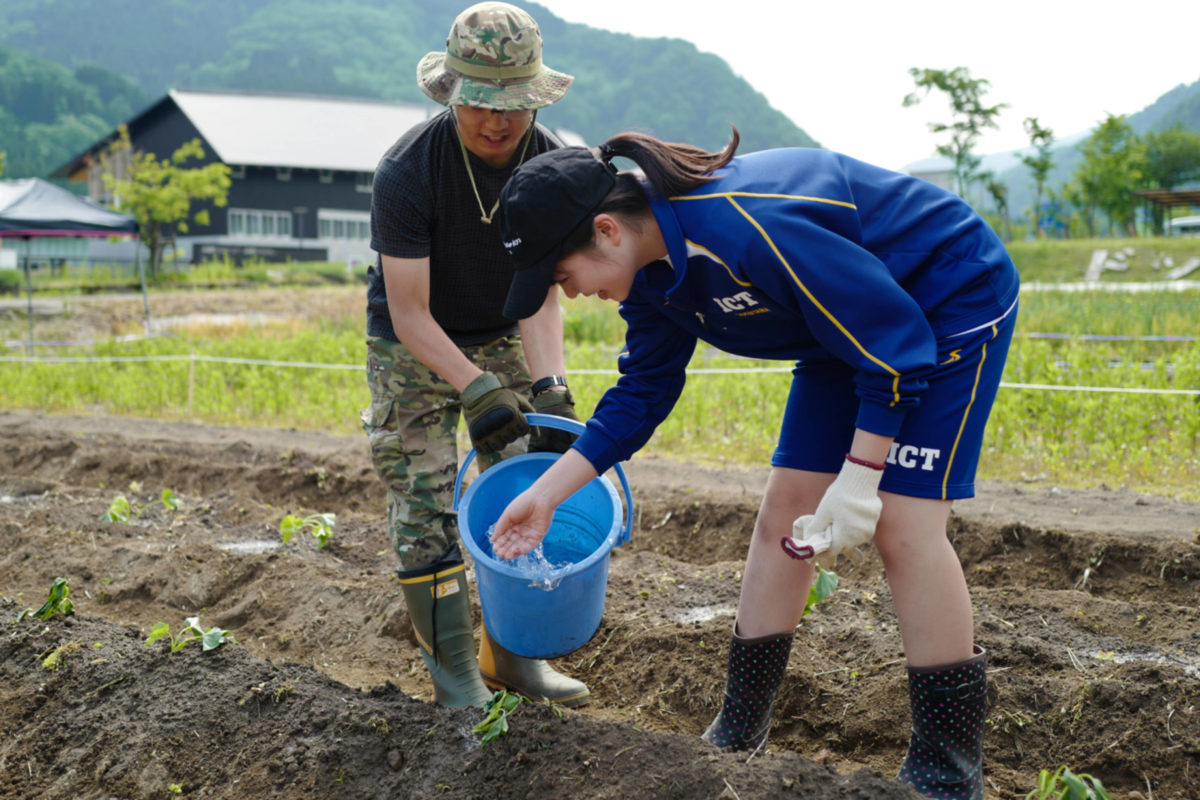
On May 26 (SUN), the Nature & Adventure club conducted a farming experience in collaboration with members of the local community. Early Sunday morning, students gathering to plant potatoes in the field right across from the Hakusanroku campus. This event was conducted in collaboration with local farmers who willingly agreed to demonstrate and for us to use a patch of their fields. Students first plowed the field by turning over, watering, and mixing fertilizer in the soil. Next the local farmers demonstrated planting the potatoes, which the students followed in suit. This year we planted regular potatoes and sweet potatoes, both which we plan to harvest later this year. Many students have never farmed before and seemed to enjoy the experience. After planting the potatoes, students volunteered to weed a neighboring field before finishing the experience and heading to the onsen to clean up and a long-awaited lunch.
I was impressed by the students enthusiasm and feel lucky that the Hakusanroku campus is surrounded by such rich nature. I mean the farm is right across from the school; literally a one minute walk away! Students take advantage of this short distance to find time and take turns watering the field. It was also interesting to observe the students' reaction to the local farmers explaining that monkeys sometimes dig up and eat the potatoes right before harvest. They threatened and cursed the monkeys saying "I will never surrender my precious potatoes to you!", in fear of the thought of them stealing the result of their hard work. The experience really gave them a firsthand perspective of being a farmer. I asked the local farmers about our students' farming, who simply answered "They're OK. Everyone's a beginner at some point" with a big laugh. I look forward to the future of this relationship with the local community and especially to harvest season.
Jonathan
2019年5月26日(日)Nature & Adventure クラブによる農業体験が地元農家の方々の協力のもと行われました。日曜日の早朝に白山麓キャンパスの向かいにある畑に集合してじゃがいもとさつまいもを植えました。今回の農業体験は地元の方々が畑や道具などを快く貸してくれたことによって実現しました。学生たちはまず畑を耕すところから始めました。シャベルなどを使って土を混ぜてから、水をかけて、最後に肥料を加えました。土づくりをしたあとは、地元の方々の指導のもと芋の苗を植えました。今回植えたじゃがいもとさつまいもは秋に収穫して食べる予定です。ほとんどの学生は農作業の経験がなく、初めての経験を楽しんでいるようでした。芋を植えたあとは隣の畑の雑草取りを手伝ったあと、温泉で汗を流してから昼食をとりました。
学生たちが農作業を楽しんでいる姿を見て、白山麓キャンパスが自然豊かな場所に位置していることに感謝しました。なんてったって畑があるのは学校の目の前、徒歩1分の距離ですからね!距離が短いおかげで、学生たちは時間を見つけて水やりなどを交代して行っているようです。農家の方々の「猿はずる賢く、収穫しようと思った前日に限って芋を掘り起こして食べることがある」という言葉に対する学生たちの反応も面白かったです。「猿たちに自分たちの芋を渡すものか!」と本当に農家の人になったように畑の心配をしていました。自ら体験したことによって農家の人たちの気持ちがよくわかるようですね。今回の農作業を指導してくれた農家の方々に学生の働きっぷりを伺うと「まあまあだな。誰もが最初は初心者だ」と嬉しそうに答えていました。これからもこのような地元の方々との交流が続くことを願いつつ、収穫期を楽しみにしようと思います。
ジョナサン




On May 26 (SUN), the Nature & Adventure club conducted a farming experience in collaboration with members of the local community. Early Sunday morning, students gathering to plant potatoes in the field right across from the Hakusanroku campus. This event was conducted in collaboration with local farmers who willingly agreed to demonstrate and for us to use a patch of their fields. Students first plowed the field by turning over, watering, and mixing fertilizer in the soil. Next the local farmers demonstrated planting the potatoes, which the students followed in suit. This year we planted regular potatoes and sweet potatoes, both which we plan to harvest later this year. Many students have never farmed before and seemed to enjoy the experience. After planting the potatoes, students volunteered to weed a neighboring field before finishing the experience and heading to the onsen to clean up and a long-awaited lunch.
I was impressed by the students enthusiasm and feel lucky that the Hakusanroku campus is surrounded by such rich nature. I mean the farm is right across from the school; literally a one minute walk away! Students take advantage of this short distance to find time and take turns watering the field. It was also interesting to observe the students' reaction to the local farmers explaining that monkeys sometimes dig up and eat the potatoes right before harvest. They threatened and cursed the monkeys saying "I will never surrender my precious potatoes to you!", in fear of the thought of them stealing the result of their hard work. The experience really gave them a firsthand perspective of being a farmer. I asked the local farmers about our students' farming, who simply answered "They're OK. Everyone's a beginner at some point" with a big laugh. I look forward to the future of this relationship with the local community and especially to harvest season.
Jonathan
2019年5月26日(日)Nature & Adventure クラブによる農業体験が地元農家の方々の協力のもと行われました。日曜日の早朝に白山麓キャンパスの向かいにある畑に集合してじゃがいもとさつまいもを植えました。今回の農業体験は地元の方々が畑や道具などを快く貸してくれたことによって実現しました。学生たちはまず畑を耕すところから始めました。シャベルなどを使って土を混ぜてから、水をかけて、最後に肥料を加えました。土づくりをしたあとは、地元の方々の指導のもと芋の苗を植えました。今回植えたじゃがいもとさつまいもは秋に収穫して食べる予定です。ほとんどの学生は農作業の経験がなく、初めての経験を楽しんでいるようでした。芋を植えたあとは隣の畑の雑草取りを手伝ったあと、温泉で汗を流してから昼食をとりました。
学生たちが農作業を楽しんでいる姿を見て、白山麓キャンパスが自然豊かな場所に位置していることに感謝しました。なんてったって畑があるのは学校の目の前、徒歩1分の距離ですからね!距離が短いおかげで、学生たちは時間を見つけて水やりなどを交代して行っているようです。農家の方々の「猿はずる賢く、収穫しようと思った前日に限って芋を掘り起こして食べることがある」という言葉に対する学生たちの反応も面白かったです。「猿たちに自分たちの芋を渡すものか!」と本当に農家の人になったように畑の心配をしていました。自ら体験したことによって農家の人たちの気持ちがよくわかるようですね。今回の農作業を指導してくれた農家の方々に学生の働きっぷりを伺うと「まあまあだな。誰もが最初は初心者だ」と嬉しそうに答えていました。これからもこのような地元の方々との交流が続くことを願いつつ、収穫期を楽しみにしようと思います。
ジョナサン
 On February 8, several ICT students and I participated in the Snowman Festival at Shiramine district. This year's snow is minimal especially compared to last year's record-breaking snowfall, and even Shiramine, which is regularly known for its heavy snow only had partial snow left on the roadside. However, the ICT students and the volunteers from Kanazawa Institute of Technology joined forces to make many snowmen for the enjoyment of the local and visiting people. As I was walking around and admiring the snowmen, I met the head priest of Rinsaiji temple, who invited me to see the Gezanbutsu (Budda's decent from the mountains) statues. Gratefully accepting this offer, I followed him to the main hall of the temple to view the many Buddhist statues once located at Gozengamine (the top of Mt. Hakusan). These Buddhist statues, including the Dozo-kanze-onbosatsu-ryuzo, were placed in Rinsaiji temple after the Buddhist monks were forced to dissent the mountain due to the Ordinance Distinguishing Shinto and Buddhism in the Meiji period. If you visit the temple, the head priest will tell you the details in depth. Thanks to his wisdom, I was able to deepen my knowledge on Hakusanroku history. The sun had set by the time I left the temple, and the streets were beautifully lit with illumination that, when combined with the lamps from the shops, added a wonderful atmosphere to the area. We enjoyed walking and trying food from some of the shops before heading home.
ICT Shuntaro Yamazaki
雪だるままつり
2月8日に白峰地区で開催された雪だるままつりに学生とともに参加しました。今年は積雪が少なく、豪雪地とされる白峰も路肩に少し雪が残る程度でしたが、金沢工大生を含むボランティア達によって作られた、たくさんの雪だるまを見ながら散策を楽しみました。散策していると、林西寺のご住職から下山仏の見学を勧められました。招かれるままに御堂にお邪魔させていただき、御前峰(白山山頂)にあった銅造十二面観音菩薩を始め多くの仏像を拝見させていただきました。明治の神仏分離令以降に山を追われた仏像が下山仏として林西寺に安置されるまでの経緯を詳しく伺うことができ、白山麓の歴史をまた一段と深く理解することができました。林西寺を後にすると、あたりはすっかり日が暮れて、ライトアップが始まっていました。屋台の灯りと相まって一段と雰囲気が良くなった町並みを見ながら、皆で食べ歩きを楽しみました。
国際高専 山崎俊太郎

On February 8, several ICT students and I participated in the Snowman Festival at Shiramine district. This year's snow is minimal especially compared to last year's record-breaking snowfall, and even Shiramine, which is regularly known for its heavy snow only had partial snow left on the roadside. However, the ICT students and the volunteers from Kanazawa Institute of Technology joined forces to make many snowmen for the enjoyment of the local and visiting people. As I was walking around and admiring the snowmen, I met the head priest of Rinsaiji temple, who invited me to see the Gezanbutsu (Budda's decent from the mountains) statues. Gratefully accepting this offer, I followed him to the main hall of the temple to view the many Buddhist statues once located at Gozengamine (the top of Mt. Hakusan). These Buddhist statues, including the Dozo-kanze-onbosatsu-ryuzo, were placed in Rinsaiji temple after the Buddhist monks were forced to dissent the mountain due to the Ordinance Distinguishing Shinto and Buddhism in the Meiji period. If you visit the temple, the head priest will tell you the details in depth. Thanks to his wisdom, I was able to deepen my knowledge on Hakusanroku history. The sun had set by the time I left the temple, and the streets were beautifully lit with illumination that, when combined with the lamps from the shops, added a wonderful atmosphere to the area. We enjoyed walking and trying food from some of the shops before heading home.
ICT Shuntaro Yamazaki
雪だるままつり
2月8日に白峰地区で開催された雪だるままつりに学生とともに参加しました。今年は積雪が少なく、豪雪地とされる白峰も路肩に少し雪が残る程度でしたが、金沢工大生を含むボランティア達によって作られた、たくさんの雪だるまを見ながら散策を楽しみました。散策していると、林西寺のご住職から下山仏の見学を勧められました。招かれるままに御堂にお邪魔させていただき、御前峰(白山山頂)にあった銅造十二面観音菩薩を始め多くの仏像を拝見させていただきました。明治の神仏分離令以降に山を追われた仏像が下山仏として林西寺に安置されるまでの経緯を詳しく伺うことができ、白山麓の歴史をまた一段と深く理解することができました。林西寺を後にすると、あたりはすっかり日が暮れて、ライトアップが始まっていました。屋台の灯りと相まって一段と雰囲気が良くなった町並みを見ながら、皆で食べ歩きを楽しみました。
国際高専 山崎俊太郎
 Biomimicry: the design and production of solutions that are modeled on elements and ideas found in nature.
The students learned this word during the first half of the semester and have been striving to use biomimicry in their Engineering Design class. The task is to create a toy with some surprising element while using biomimicry.
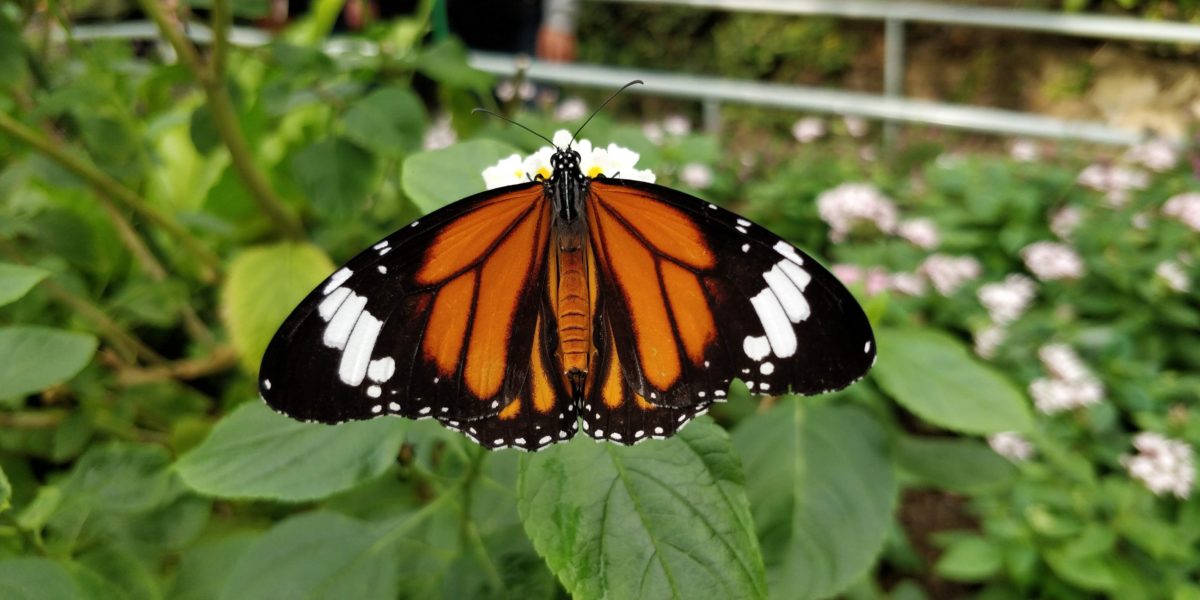
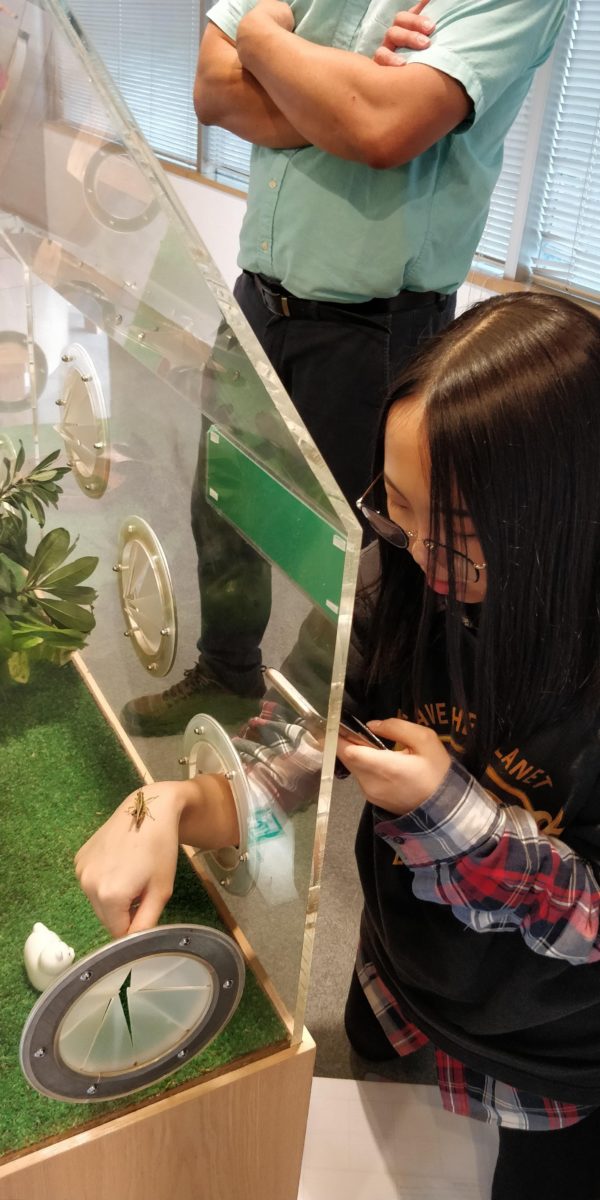
In order to study biomimicry and find inspiration, the students visited the Ishikawa Insect Museum earlier in the semester. There, they saw specimens of insects from around the world and also observed live insects native to Ishikawa. In The Butterfly Garden, students had the chance to walk among the butterflies as they flew around freely. Yuya even made a few butterfly friends who landed on him and would not leave! Some of the students were even brave enough to touch some of the insects as they observed them. They recorded videos in slow motion, sketched drawings, and took pictures. Hopefully, the students are no longer afraid of insects!
Returning to class, students have been working on incorporating biomimicry into the toys they are designing. With various elements of surprise, it’s been fun to see how the students are taking their observations and coming up with new designs and ideas. One group even put a lot of time into gluing and cutting sheets of paper to create their own paper honeycomb. The students are finishing up their prototypes this week and I can’t wait to see how their ideas turned out!
on him and would not leave! Some of the students were even brave enough to touch some of the insects as they observed them. They recorded videos in slow motion, sketched drawings, and took pictures. Hopefully, the students are no longer afraid of insects!
Anne Isobel Tan
2019年1月28日 バイオミミックリー
バイオミミックリー:自然界に見られる生態やアイデアを参考にして、デザインや解決法を生み出すこと。
今学期の前半、学生たちはこの言葉を習ってからバイオミミックリーをエンジニアリングデザインの授業で取り入れようと奮闘しています。課題はバイオミミックリーを活用してサプライズ要素のあるオモチャを作ることです。
バイオミミックリーの発想を得るために、学生たちは石川県ふれあい昆虫館へ出かけました。そこでは、世界中の昆虫の標本や、石川県に住む昆虫を実際に見て触れることができます。チョウの園では、自由に飛び回る蝶々の中を歩き回ることもできます。湧也さんにいたっては、体にとまってもまったく逃げないほど蝶と仲良くなりました!勇気のある学生は見るだけでなく、実際に昆虫を触って観察していました。その他にも、スローモーション撮影をしたり、スケッチをしたり、写真を撮っていました。昆虫と触れ合って、愛着が湧いたかもしれませんね。
教室に戻ってからは、学生はバイオミミックリーをオモチャに取り入れるデザイン作りをしました。サプライズ要素と一口に言っても色々な形があるので、学生がそれぞれ観察した内容を活かした新しいデザインやアイデアを生み出すのを見るのが面白かったです。中には紙を切り貼りして蜂の巣を作った学生もいました。今週でプロトタイプは完成予定なので、どのようにアイデアが形になるのか見るのが楽しみです!
アン・イソベル・タン



Biomimicry: the design and production of solutions that are modeled on elements and ideas found in nature.
The students learned this word during the first half of the semester and have been striving to use biomimicry in their Engineering Design class. The task is to create a toy with some surprising element while using biomimicry.
In order to study biomimicry and find inspiration, the students visited the Ishikawa Insect Museum earlier in the semester. There, they saw specimens of insects from around the world and also observed live insects native to Ishikawa. In The Butterfly Garden, students had the chance to walk among the butterflies as they flew around freely. Yuya even made a few butterfly friends who landed on him and would not leave! Some of the students were even brave enough to touch some of the insects as they observed them. They recorded videos in slow motion, sketched drawings, and took pictures. Hopefully, the students are no longer afraid of insects!
Returning to class, students have been working on incorporating biomimicry into the toys they are designing. With various elements of surprise, it’s been fun to see how the students are taking their observations and coming up with new designs and ideas. One group even put a lot of time into gluing and cutting sheets of paper to create their own paper honeycomb. The students are finishing up their prototypes this week and I can’t wait to see how their ideas turned out!
on him and would not leave! Some of the students were even brave enough to touch some of the insects as they observed them. They recorded videos in slow motion, sketched drawings, and took pictures. Hopefully, the students are no longer afraid of insects!
Anne Isobel Tan
2019年1月28日 バイオミミックリー
バイオミミックリー:自然界に見られる生態やアイデアを参考にして、デザインや解決法を生み出すこと。
今学期の前半、学生たちはこの言葉を習ってからバイオミミックリーをエンジニアリングデザインの授業で取り入れようと奮闘しています。課題はバイオミミックリーを活用してサプライズ要素のあるオモチャを作ることです。
バイオミミックリーの発想を得るために、学生たちは石川県ふれあい昆虫館へ出かけました。そこでは、世界中の昆虫の標本や、石川県に住む昆虫を実際に見て触れることができます。チョウの園では、自由に飛び回る蝶々の中を歩き回ることもできます。湧也さんにいたっては、体にとまってもまったく逃げないほど蝶と仲良くなりました!勇気のある学生は見るだけでなく、実際に昆虫を触って観察していました。その他にも、スローモーション撮影をしたり、スケッチをしたり、写真を撮っていました。昆虫と触れ合って、愛着が湧いたかもしれませんね。
教室に戻ってからは、学生はバイオミミックリーをオモチャに取り入れるデザイン作りをしました。サプライズ要素と一口に言っても色々な形があるので、学生がそれぞれ観察した内容を活かした新しいデザインやアイデアを生み出すのを見るのが面白かったです。中には紙を切り貼りして蜂の巣を作った学生もいました。今週でプロトタイプは完成予定なので、どのようにアイデアが形になるのか見るのが楽しみです!
アン・イソベル・タン