




School Event
イベント
Hello, this is Jonathan the camera guy. This week ICT held its annual Summer School at Hakusanroku campus. The ICT Summer School is a program where junior high school students can come and see what it is like to study at ICT. The program was three days long, starting on August 20th. Twenty-five junior high school students from grades seven to nine came to experience design thinking and prototyping while staying at the dormitory in Hakusanroku campus.

Group photo at river near Chugu Exhibition Center
中宮展示館近くの川で撮った集合写真
Design thinking and prototyping are an essential part of Engineering Design, ICT's core subject. In the Engineering Design course, students learn not only engineering skills to improve existing technology (1 to 2), but also to design new ideas (0 to 1). Design thinking is the method used to create these new ideas and prototyping is the hands-on process of testing them.

Maesa sensei explaining about the program
プログラムの説明を行うメイサ先生
DAY 1
The first day began with introductions. Then, students were divided into groups of three or four. Each group was assigned one or two current ICT student as an assistant. These assistant students acted as mentors for the junior high school students. They were a huge help throughout the program because they are familiar with the design thinking process and looked after the junior high school students. Later, students participated in a scavenger hunt as an ice breaking activity. They were given a list of hints (in English) that described various places in the Hakusanroku campus. This was a fun activity that also displayed the leadership and knowledge of each assistant student.

ICT students were very helpful during the program
松下先生より指示を受ける現ICT学生
After the ice breaking activity, the theme of the program was finally announced. "How can we redesign our evening routine?" Each group was given the task to come up with an idea to enhance or improve their routine between returning home and going to bed. They would create a prototype and presentation to go with it. First, students began the visualization process of design thinking. Before designing a solution, the problem must clear. Students each drew a diagram of their flow before going to bed, describing their high and low moments. Then, they interviewed each other to further understand points that have room for improvement or enhancement. I use the words "improvement or enhancement" because the objective of problem solving is not only improving negatives, but also further enhancing positive experiences. This point was made clear by the facilitating teachers.

Students interviewing each other about their highs and lows
夜の過ごし方についてインタビューをする学生
After dinner, students began the idea generation process. First, they wrote the points they discovered during the interview on post notes. Then, they clustered and broke down the targets they wished to enhance or improve. After deciding their target, they created a "need statement". A need statement is a sentence such as "I need to make a good environment for watching YouTube", "I need to get entertainment in my bath time", or "I need a way to enjoy doing my homework" that is the working point for creating ideas. Finally, they began the brainstorming process to come up with their solution.

Students brainstorming
ブレインストーミングを行う学生
DAY 2
Day two began with a warmup activity by Ryan sensei. After the warm up, students spent the first part of the morning narrowing down their final idea and beginning the prototyping process. Prototyping is the process of creating something to "show" an idea instead of telling about it. It can be a miniature, a drawing, a video, or even a skit. Each group discussed what and how they wanted to display their idea.

Prototypes "show" not "tell"
アイデアを「見せる」ためのプロトタイプ製作
In the second part of the morning, participants moved to the maker studio to experience programming with LEGO blocks. Students were given instructions to program a LEGO car to move exactly 50 centimeters. They had to calculate how many times they wished the wheel to turn and program it as so. This activity gave participants a brief glance at various fields that were necessary for engineering and the things you can do with them. Many students later told me that they enjoyed this part of the program the most. Some of them even returned to tinker with them after hours.

Students building their LEGO car
レゴブロックを組み立てる学生
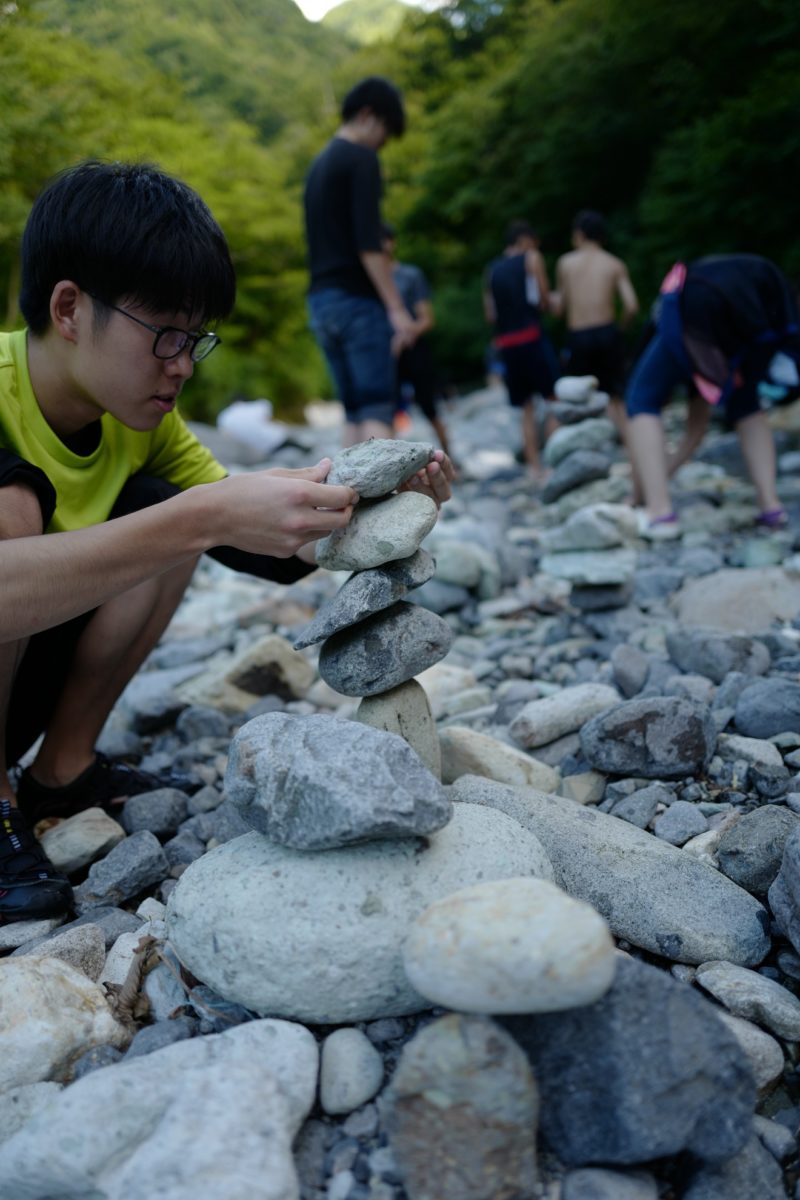
After lunch, we took a bus to visit the Hakusan Wildlife Chugu Exhibition Center. This is a hub for experiencing Mt. Hakusan's nature. We viewed a video about Mt. Hakusan's four seasons, took a short hike into the mountains, and played at a nearby river. The Hakusanroku campus is located in an area of rich wildlife and participants had a chance to experience this beautiful nature. They discovered rare insects during the hike and enjoyed swimming and playing in the cool water of the river.
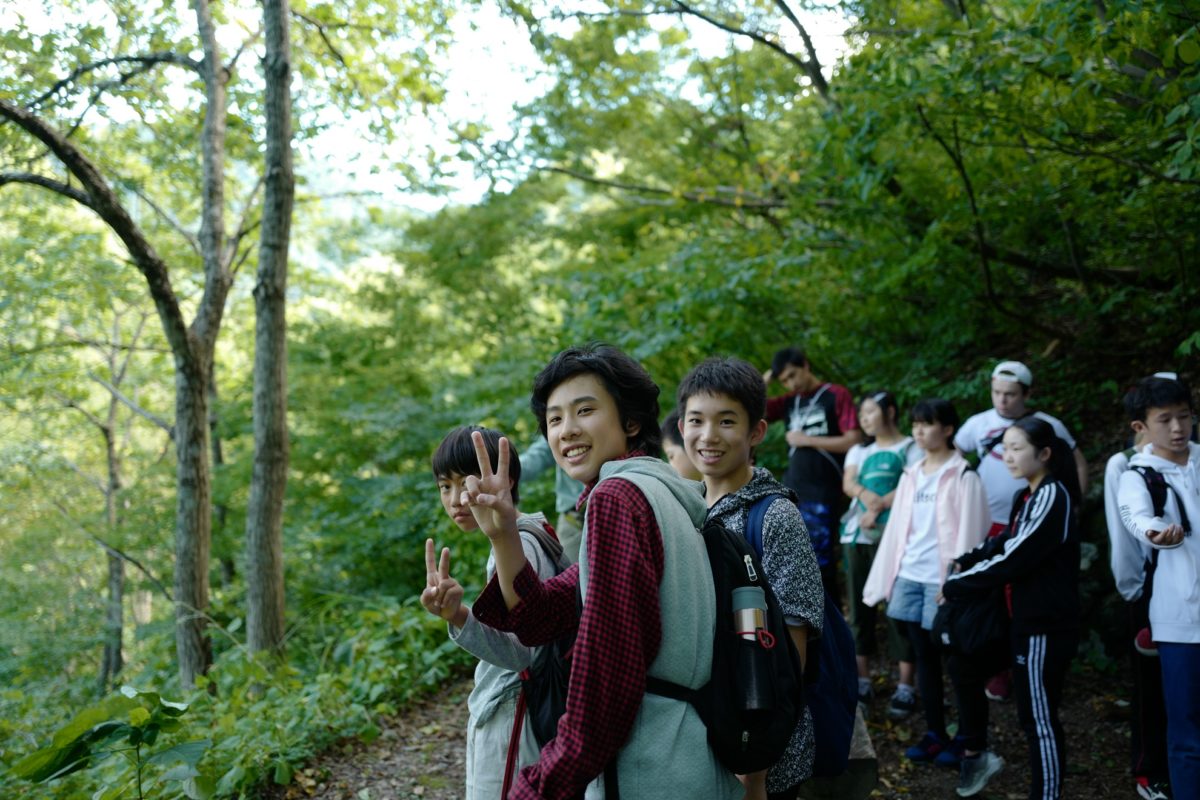
This park is only 20 minutes away from ICT
ミヤマクワガタを見つけた学生もいました
After returning to ICT, the students resumed their work on prototyping. The program is only three days long so they had to prepare their prototype and presentation by the next day. This was good practice for working with limited resources. Each group struggled to navigate what they wished to accomplish within the given time. Many groups created models using the 3D printers and drew illustrations on their presentation posters. After dinner they worked late into the night.
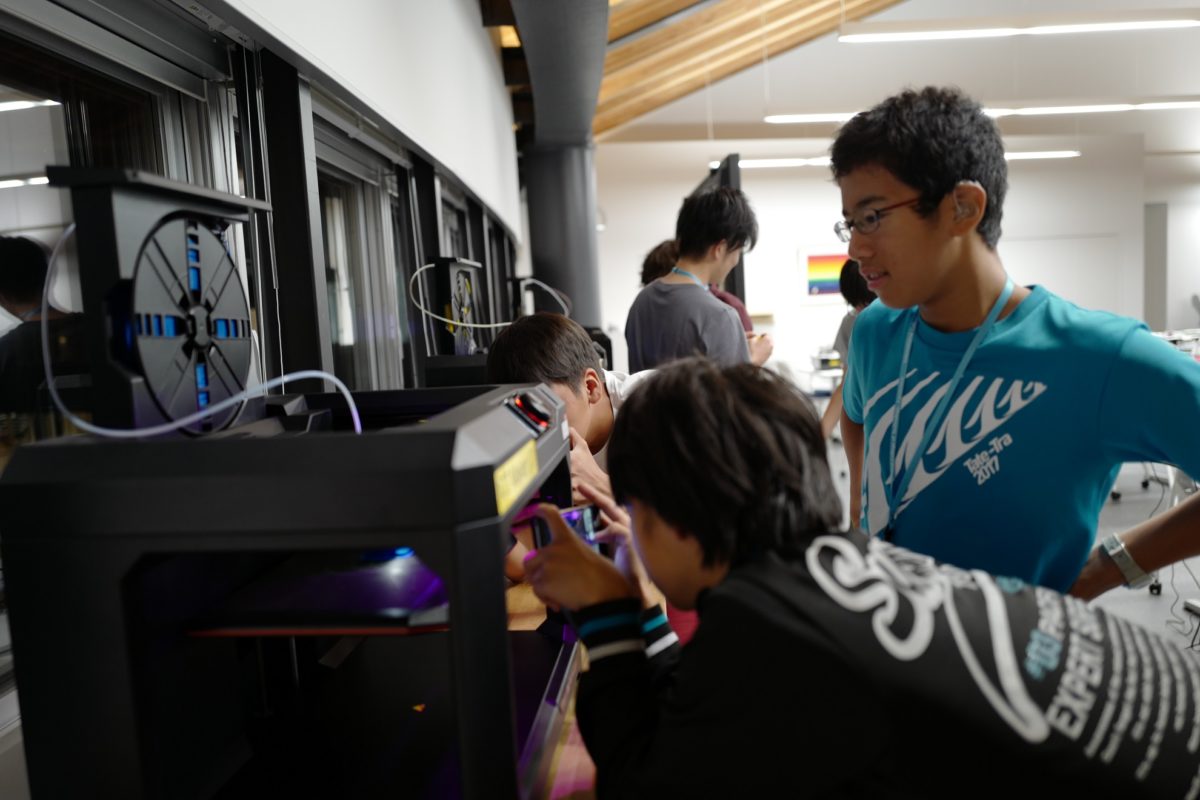
Students waiting for their 3D printer
3Dプリンターの完成を待つ学生
DAY 3
Day 3 was the final day of the program. Each group rushed to finish their poster and practice their presentation. The presentation is in English and many students brought their script to me for grammar checks. They were keen to create the best presentation they could and worked vigorously until the last moment. I believe their motivation came because it was their idea and they were proud of it. Also, a project is much more interesting if it associates with you.

Putting the finishing touches on posters
発表前にポスターを仕上げる学生
The presentations began at 9:30. Each group was given four minutes to present their idea to the audience. I will post videos below. Most of the students are not native English speakers and you can tell many of the younger students practiced their part hard. After the presentations, there was a poster session. Viewers could walk around to look at the posters and prototypes, and ask questions.

Student explaining his group's project to parents and teachers
保護者や先生にプロジェクトの説明を行う学生
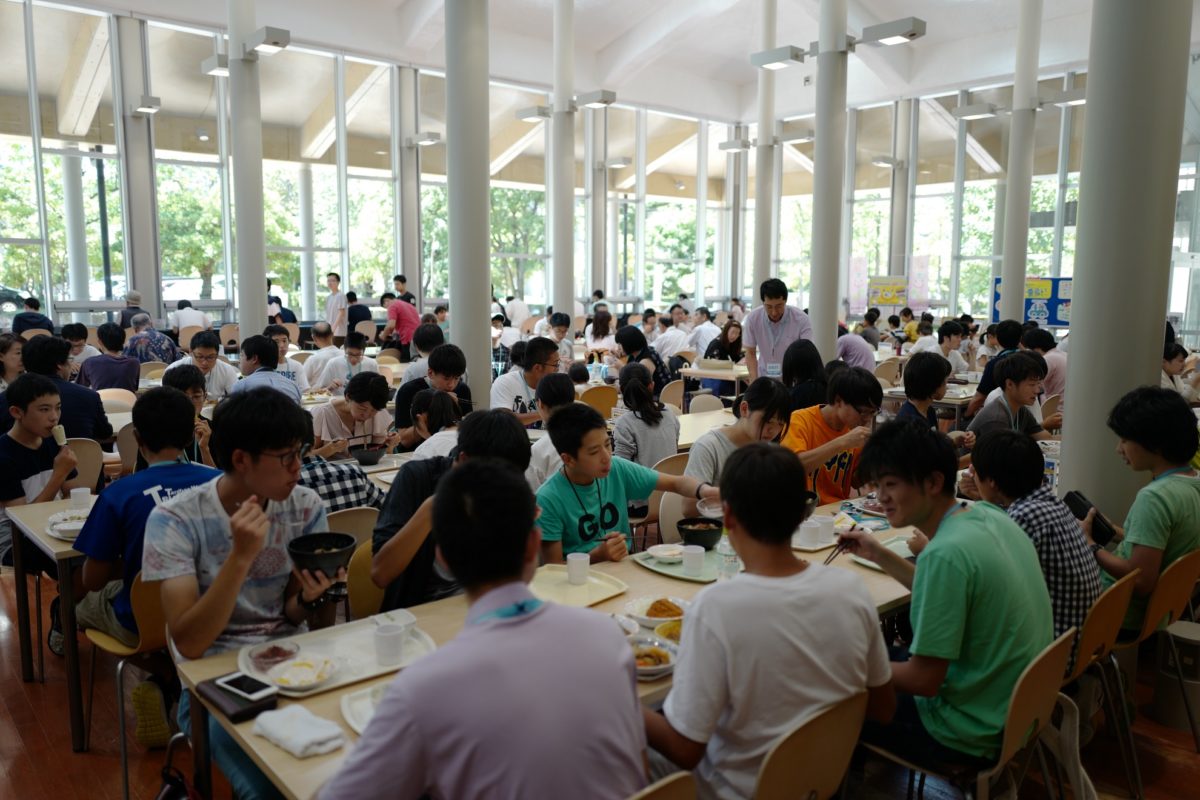
After the certificate award ceremony, students departed from the Hakusanroku campus to take a short visit to the Kanazawa campus before departing from Kanazawa station. We ate lunch in the Kanazawa Institute of Technology (KIT) cafeteria and took a campus tour. The program had been a tight schedule and the students seemed relieved and happy from their accomplishment. I asked some of them if they were happy to return home. Many of the younger students answered yes but that they looked forward to participating in the program next year. Other older students answered that they were seriously considering applying for next year and I am looking forward to seeing them in April 2019.

All you can eat at KIT cafeteria
金沢工業大学の学食で昼食をとる学生
I believe the program was a good example of what it is like to study at ICT. In three short days, participants experienced a concentrated version of Engineering Design, the life of living in the dormitories, receiving education in English, and the overall atmosphere of the ICT community. ICT has a lot to offer depending whether you are interested in English, engineering, or both. I love this school for its enthusiastic students and faculty and look forward to seeing whom it sung to next spring.
Jonathan
2018年8月23日 ICTサマースクール2018
こんにちは、ジョナサンです。今週は国際高等専門学校(ICT)の白山麓キャンパスで毎年恒例のICTサマースクールが開催されました。ICTサマースクールは中学生がICTでの生活を体験できるプログラムです。日程は8月20日からの3日間で、国内外から中学1~3年生25名が白山麓キャンパスの学生寮に泊まりながらデザインシンキングとプロトタイプ製作に挑戦しました。
デザインシンキングとプロトタイプ製作はICTのエンジニアリングデザイン教育の主柱要素です。エンジニアリングデザインの授業では、現存する技術を改良する「1から2」だけではなく、新しいアイデアをデザインする「0から1」も教えています。その新しいアイデアをデザインする手法がデザインシンキング、そのアイデアを実験検証する手段がプロトタイプ製作です。
1日目
初日は自己紹介からはじまりました。その後、中学生は3~4名のグループに分かれ、各グループにICTの学生がアシスタントとして1~2名付きました。アシスタントの学生は中学生の補佐役になります。デザインシンキングを熟知していますので、中学生たちをサポートします。グループ分けのあと、アイスブレイク活動としてスカベンジャーハントを行いました。各グループは白山麓キャンパスのいくつかの場所が示されたヒントのリスト(英語)が渡されました。ここでもICTの学生がリーダーシップと知識を発揮していました。
アイスブレイク活動のあと、ようやくプログラムのテーマが発表されました。「夜のルーティンをリデザインしよう」です。各グループの3日間の目標は、帰宅してから寝るまでのルーティンの改善案を考え、それを発表するというものです。プレゼンテーションのためにプロトタイプの製作も行います。まず、参加者はデザインシンキングで課題の明確化に取りかかりました。解決案を考える前に、課題を明確にしなければなりません。それぞれ寝るまでの活動の好きなことと嫌いなことをグラフに書きました。その後、お互いをインタビューして、改善できる点を探りました。嫌いところを良くするだけではなく、好きなところをさらに良くすることもデザインだということを先生が強調していました。
夕食のあと、アイデア創出に取り掛かりました。まず、インタビューで発見したことを書きだし、改善の余地があるものをまとめました。ターゲットを絞ったあとはNeed statementを作りました。Need statementは「Youtubeを見る環境を改善しなければならない」「お風呂の時間にもっと楽しみが要る」「宿題をする時間を楽しむ方法が必要だ」のように、「~が必要(need)である」がある、アイデア創出の起点となる文章です。最後に、解決案を考え出すブレインストーミングを行いました。
2日目
2日目の朝はライアン先生によるウォーミングアップから始まりました。その後、午前中の前半はアイデアをひとつに絞って、プロトタイプ製作を開始しました。プロトタイプはアイデアを人に「口で伝える」のではなく「見せる」ためのものです。プロトタイプはミニチュア、イラストや漫画、動画、短い劇など様々な形があります。各グループは熱心にどんな手段を使ってアイデアを伝えるかを話し合っていました。
続いて、メーカースタジオに移動してLEGOブロックを使ったプログラミング体験しました。最初に学生に与えられた課題はLEGOの車に50cmぴったり進むプログラムを組むことでした。直径から車輪に何回転して欲しいか計算して、プログラミングする必要がありました。この活動によって、ものづくりには様々な分野の知識が必要で、それらを使うことの可能性が示されました。プログラム終了後に、この活動がプログラム全体を通してもっとも面白かったと答える学生が多かったくらい参加者たちは楽しんでいました。夜のフリータイムに戻って遊ぶ学生もいるほどでした。
昼食後、自然保護センター中宮展示館へ遠足に出かけました。ここでは白山麓の自然を体験することができます。白山の四季についてのビデオを視聴したあと、軽くハイキングをし、川遊びをしました。白山麓キャンパスは美しい自然に囲まれています。参加者たちにもこの美しい自然を体験できる良い機会になりました。ミヤマクワガタを発見したり、冷たい川の水で遊んだりしてリフレッシュしました。
ICTに戻ったあと、学生たちはプロトタイプ製作を再開しました。プログラムは3日間と短く、翌日までにプロトタイプとプレゼンテーションを完成する必要があります。どのグループも、限られた時間をどのように使うか話し合っていました。限られたリソースの中で活動する良い経験になったと思います。3Dプリンターを使ってミニチュアのモデルを作ったり、ポスターにイラストを描いたりするグループをたくさん見ました。作業は夕食後も夜遅くまで続きました。
3日目
3日目はプログラム最終日でした。各グループはポスターの仕上げや、プレゼンテーションの練習を急ぎました。発表は英語で行われるので、私もサポートしました。学生たちは時間ぎりぎりまでプレゼンの完成度を高める力に余念がありませんでした。自分たちで考えたアイデアだからこそ自信があったのだと思います。また、自身に関係するので面白かったのではないでしょうか。
発表会は9時半からスタートしました。各グループの持ち時間は4分で、会場に集まった観客に自分たちのアイデアを紹介しました。それぞれの発表の動画を下に載せてありますので、ぜひご覧ください。見てわかるように、英語に苦戦しながらも、練習した成果が出ています。発表のあとはポスターセッションがあり、歩き回ってポスターやプロトタイプをじっくり見ながら質問することができました。
表彰式のあと、学生たちは白山麓キャンパスを出発し、金沢駅で解散する前に金沢キャンパスを見学しました。金沢工業大学(KIT)の学食で昼食を食べたあと、キャンパスツアーをしました。プログラム中ずっとスケジュールに縛られていた参加者たちは、開放感と達成感からとても活き活きとしていました。自宅へ帰れるのが嬉しいかと聞くと、1,2年生の多くは嬉しいけど、来年も参加したいと答えてくれました。話を聞いた3年生は受験を真剣に考えていると答えてくれたので、来年4月に会えることを楽しみにしています。
今回のプログラムは、ICTで学ぶ実体験を非常によく再現していたと思います。3日間の短い間でしたが、エンジニアリングデザインの凝縮版、学生寮での生活、英語での授業、ICTの全体的な雰囲気を味わうことができました。英語かエンジニアリング、あるいは両方に興味があるのではあれば、ICTから得られる学びがたくさんあると思います。私はこの学校の熱心な学生と教職員が好きだし、その雰囲気が響いて入学を希望する来年の入学生に会える日を待ち望んでいます。
ジョナサン





Hello, this is Jonathan the camera guy. This week ICT held its annual Summer School at Hakusanroku campus. The ICT Summer School is a program where junior high school students can come and see what it is like to study at ICT. The program was three days long, starting on August 20th. Twenty-five junior high school students from grades seven to nine came to experience design thinking and prototyping while staying at the dormitory in Hakusanroku campus.
Group photo at river near Chugu Exhibition Center
中宮展示館近くの川で撮った集合写真
Design thinking and prototyping are an essential part of Engineering Design, ICT's core subject. In the Engineering Design course, students learn not only engineering skills to improve existing technology (1 to 2), but also to design new ideas (0 to 1). Design thinking is the method used to create these new ideas and prototyping is the hands-on process of testing them.
Maesa sensei explaining about the program
プログラムの説明を行うメイサ先生
DAY 1
The first day began with introductions. Then, students were divided into groups of three or four. Each group was assigned one or two current ICT student as an assistant. These assistant students acted as mentors for the junior high school students. They were a huge help throughout the program because they are familiar with the design thinking process and looked after the junior high school students. Later, students participated in a scavenger hunt as an ice breaking activity. They were given a list of hints (in English) that described various places in the Hakusanroku campus. This was a fun activity that also displayed the leadership and knowledge of each assistant student.
ICT students were very helpful during the program
松下先生より指示を受ける現ICT学生
After the ice breaking activity, the theme of the program was finally announced. "How can we redesign our evening routine?" Each group was given the task to come up with an idea to enhance or improve their routine between returning home and going to bed. They would create a prototype and presentation to go with it. First, students began the visualization process of design thinking. Before designing a solution, the problem must clear. Students each drew a diagram of their flow before going to bed, describing their high and low moments. Then, they interviewed each other to further understand points that have room for improvement or enhancement. I use the words "improvement or enhancement" because the objective of problem solving is not only improving negatives, but also further enhancing positive experiences. This point was made clear by the facilitating teachers.
Students interviewing each other about their highs and lows
夜の過ごし方についてインタビューをする学生
After dinner, students began the idea generation process. First, they wrote the points they discovered during the interview on post notes. Then, they clustered and broke down the targets they wished to enhance or improve. After deciding their target, they created a "need statement". A need statement is a sentence such as "I need to make a good environment for watching YouTube", "I need to get entertainment in my bath time", or "I need a way to enjoy doing my homework" that is the working point for creating ideas. Finally, they began the brainstorming process to come up with their solution.
Students brainstorming
ブレインストーミングを行う学生
DAY 2
Day two began with a warmup activity by Ryan sensei. After the warm up, students spent the first part of the morning narrowing down their final idea and beginning the prototyping process. Prototyping is the process of creating something to "show" an idea instead of telling about it. It can be a miniature, a drawing, a video, or even a skit. Each group discussed what and how they wanted to display their idea.
Prototypes "show" not "tell"
アイデアを「見せる」ためのプロトタイプ製作
In the second part of the morning, participants moved to the maker studio to experience programming with LEGO blocks. Students were given instructions to program a LEGO car to move exactly 50 centimeters. They had to calculate how many times they wished the wheel to turn and program it as so. This activity gave participants a brief glance at various fields that were necessary for engineering and the things you can do with them. Many students later told me that they enjoyed this part of the program the most. Some of them even returned to tinker with them after hours.
Students building their LEGO car
レゴブロックを組み立てる学生
After lunch, we took a bus to visit the Hakusan Wildlife Chugu Exhibition Center. This is a hub for experiencing Mt. Hakusan's nature. We viewed a video about Mt. Hakusan's four seasons, took a short hike into the mountains, and played at a nearby river. The Hakusanroku campus is located in an area of rich wildlife and participants had a chance to experience this beautiful nature. They discovered rare insects during the hike and enjoyed swimming and playing in the cool water of the river.
This park is only 20 minutes away from ICT
ミヤマクワガタを見つけた学生もいました
After returning to ICT, the students resumed their work on prototyping. The program is only three days long so they had to prepare their prototype and presentation by the next day. This was good practice for working with limited resources. Each group struggled to navigate what they wished to accomplish within the given time. Many groups created models using the 3D printers and drew illustrations on their presentation posters. After dinner they worked late into the night.
Students waiting for their 3D printer
3Dプリンターの完成を待つ学生
DAY 3
Day 3 was the final day of the program. Each group rushed to finish their poster and practice their presentation. The presentation is in English and many students brought their script to me for grammar checks. They were keen to create the best presentation they could and worked vigorously until the last moment. I believe their motivation came because it was their idea and they were proud of it. Also, a project is much more interesting if it associates with you.
Putting the finishing touches on posters
発表前にポスターを仕上げる学生
The presentations began at 9:30. Each group was given four minutes to present their idea to the audience. I will post videos below. Most of the students are not native English speakers and you can tell many of the younger students practiced their part hard. After the presentations, there was a poster session. Viewers could walk around to look at the posters and prototypes, and ask questions.
Student explaining his group's project to parents and teachers
保護者や先生にプロジェクトの説明を行う学生
After the certificate award ceremony, students departed from the Hakusanroku campus to take a short visit to the Kanazawa campus before departing from Kanazawa station. We ate lunch in the Kanazawa Institute of Technology (KIT) cafeteria and took a campus tour. The program had been a tight schedule and the students seemed relieved and happy from their accomplishment. I asked some of them if they were happy to return home. Many of the younger students answered yes but that they looked forward to participating in the program next year. Other older students answered that they were seriously considering applying for next year and I am looking forward to seeing them in April 2019.
All you can eat at KIT cafeteria
金沢工業大学の学食で昼食をとる学生
I believe the program was a good example of what it is like to study at ICT. In three short days, participants experienced a concentrated version of Engineering Design, the life of living in the dormitories, receiving education in English, and the overall atmosphere of the ICT community. ICT has a lot to offer depending whether you are interested in English, engineering, or both. I love this school for its enthusiastic students and faculty and look forward to seeing whom it sung to next spring.
Jonathan
2018年8月23日 ICTサマースクール2018
こんにちは、ジョナサンです。今週は国際高等専門学校(ICT)の白山麓キャンパスで毎年恒例のICTサマースクールが開催されました。ICTサマースクールは中学生がICTでの生活を体験できるプログラムです。日程は8月20日からの3日間で、国内外から中学1~3年生25名が白山麓キャンパスの学生寮に泊まりながらデザインシンキングとプロトタイプ製作に挑戦しました。
デザインシンキングとプロトタイプ製作はICTのエンジニアリングデザイン教育の主柱要素です。エンジニアリングデザインの授業では、現存する技術を改良する「1から2」だけではなく、新しいアイデアをデザインする「0から1」も教えています。その新しいアイデアをデザインする手法がデザインシンキング、そのアイデアを実験検証する手段がプロトタイプ製作です。
1日目
初日は自己紹介からはじまりました。その後、中学生は3~4名のグループに分かれ、各グループにICTの学生がアシスタントとして1~2名付きました。アシスタントの学生は中学生の補佐役になります。デザインシンキングを熟知していますので、中学生たちをサポートします。グループ分けのあと、アイスブレイク活動としてスカベンジャーハントを行いました。各グループは白山麓キャンパスのいくつかの場所が示されたヒントのリスト(英語)が渡されました。ここでもICTの学生がリーダーシップと知識を発揮していました。
アイスブレイク活動のあと、ようやくプログラムのテーマが発表されました。「夜のルーティンをリデザインしよう」です。各グループの3日間の目標は、帰宅してから寝るまでのルーティンの改善案を考え、それを発表するというものです。プレゼンテーションのためにプロトタイプの製作も行います。まず、参加者はデザインシンキングで課題の明確化に取りかかりました。解決案を考える前に、課題を明確にしなければなりません。それぞれ寝るまでの活動の好きなことと嫌いなことをグラフに書きました。その後、お互いをインタビューして、改善できる点を探りました。嫌いところを良くするだけではなく、好きなところをさらに良くすることもデザインだということを先生が強調していました。
夕食のあと、アイデア創出に取り掛かりました。まず、インタビューで発見したことを書きだし、改善の余地があるものをまとめました。ターゲットを絞ったあとはNeed statementを作りました。Need statementは「Youtubeを見る環境を改善しなければならない」「お風呂の時間にもっと楽しみが要る」「宿題をする時間を楽しむ方法が必要だ」のように、「~が必要(need)である」がある、アイデア創出の起点となる文章です。最後に、解決案を考え出すブレインストーミングを行いました。
2日目
2日目の朝はライアン先生によるウォーミングアップから始まりました。その後、午前中の前半はアイデアをひとつに絞って、プロトタイプ製作を開始しました。プロトタイプはアイデアを人に「口で伝える」のではなく「見せる」ためのものです。プロトタイプはミニチュア、イラストや漫画、動画、短い劇など様々な形があります。各グループは熱心にどんな手段を使ってアイデアを伝えるかを話し合っていました。
続いて、メーカースタジオに移動してLEGOブロックを使ったプログラミング体験しました。最初に学生に与えられた課題はLEGOの車に50cmぴったり進むプログラムを組むことでした。直径から車輪に何回転して欲しいか計算して、プログラミングする必要がありました。この活動によって、ものづくりには様々な分野の知識が必要で、それらを使うことの可能性が示されました。プログラム終了後に、この活動がプログラム全体を通してもっとも面白かったと答える学生が多かったくらい参加者たちは楽しんでいました。夜のフリータイムに戻って遊ぶ学生もいるほどでした。
昼食後、自然保護センター中宮展示館へ遠足に出かけました。ここでは白山麓の自然を体験することができます。白山の四季についてのビデオを視聴したあと、軽くハイキングをし、川遊びをしました。白山麓キャンパスは美しい自然に囲まれています。参加者たちにもこの美しい自然を体験できる良い機会になりました。ミヤマクワガタを発見したり、冷たい川の水で遊んだりしてリフレッシュしました。
ICTに戻ったあと、学生たちはプロトタイプ製作を再開しました。プログラムは3日間と短く、翌日までにプロトタイプとプレゼンテーションを完成する必要があります。どのグループも、限られた時間をどのように使うか話し合っていました。限られたリソースの中で活動する良い経験になったと思います。3Dプリンターを使ってミニチュアのモデルを作ったり、ポスターにイラストを描いたりするグループをたくさん見ました。作業は夕食後も夜遅くまで続きました。
3日目
3日目はプログラム最終日でした。各グループはポスターの仕上げや、プレゼンテーションの練習を急ぎました。発表は英語で行われるので、私もサポートしました。学生たちは時間ぎりぎりまでプレゼンの完成度を高める力に余念がありませんでした。自分たちで考えたアイデアだからこそ自信があったのだと思います。また、自身に関係するので面白かったのではないでしょうか。
発表会は9時半からスタートしました。各グループの持ち時間は4分で、会場に集まった観客に自分たちのアイデアを紹介しました。それぞれの発表の動画を下に載せてありますので、ぜひご覧ください。見てわかるように、英語に苦戦しながらも、練習した成果が出ています。発表のあとはポスターセッションがあり、歩き回ってポスターやプロトタイプをじっくり見ながら質問することができました。
表彰式のあと、学生たちは白山麓キャンパスを出発し、金沢駅で解散する前に金沢キャンパスを見学しました。金沢工業大学(KIT)の学食で昼食を食べたあと、キャンパスツアーをしました。プログラム中ずっとスケジュールに縛られていた参加者たちは、開放感と達成感からとても活き活きとしていました。自宅へ帰れるのが嬉しいかと聞くと、1,2年生の多くは嬉しいけど、来年も参加したいと答えてくれました。話を聞いた3年生は受験を真剣に考えていると答えてくれたので、来年4月に会えることを楽しみにしています。
今回のプログラムは、ICTで学ぶ実体験を非常によく再現していたと思います。3日間の短い間でしたが、エンジニアリングデザインの凝縮版、学生寮での生活、英語での授業、ICTの全体的な雰囲気を味わうことができました。英語かエンジニアリング、あるいは両方に興味があるのではあれば、ICTから得られる学びがたくさんあると思います。私はこの学校の熱心な学生と教職員が好きだし、その雰囲気が響いて入学を希望する来年の入学生に会える日を待ち望んでいます。
ジョナサン
 Twelve students may seem few, but when those students are not here on campus, it feels quite lonely. Our students are happily enjoying their summer vacations and working on their summer STEM projects. For the past few weeks, the Hakusanroku campus has been very quiet and desolate.
However, the campus is very lively this week! Thanks to the ICT Summer School, we have many students here from all around Japan. Many of the students were quite nervous when they first arrived for the program, but with the help of the ICT upperclassmen, they’re now enjoying their time here!
The ICT Summer School focuses on Engineering Design and the theme this year is to “Redesign the evening experience.” Students work through the engineering design process to find a problem in their everyday evening experience and then build a creative solution. The students have many great ideas and I love how the ideas they come up with are always outside of the teachers’ expectations. We are always being surprised by what they think of!

Today, the students took a field trip to the Chugu Nature Center. They took a short hike and then went down to the river to play. They got to experience Hakusanroku nature, from wild walnuts and beetles to frogs and tadpoles.
Although our time with these students is short, we treasure every moment with them and enjoy the chance to teach them about engineering design, teamwork, and innovation. It’s a joy to see
the students getting excited and putting their all into creating something new.
Anne Isobel Tan
Learning Mentor
2018年8月21日
全校生徒12名は少なく聞こえるかもしれませんが、それでも学校にいないとさみしく感じるものです。現在、学生たちは夏休みを満喫しているか、サマーSTEMプロジェクトに励んでいます。ここ数週間、白山麓キャンパスはとても静かでした。
しかし、今週はとても賑やかです!ICTサマースクールのおかげでたくさんの学生が日本全国から来てくれました。最初は緊張していた参加者も、ICTの上級生のおかげでここでの時間を楽しんでいます。
ICTサマースクールはエンジニアリングデザインに焦点を当てています。今年のテーマは「夕方の過ごし方をリデザインしよう」でした。学生たちはエンジニアリングデザインを使って、自分たちの毎日の生活から課題を発見し、クリエイティブな解決法を探しました。素晴らしい解決案が多く、先生の想像を超えるようなアイデアがあるので面白いです。毎度学生たちには驚かされます!
本日は自然保護センター中宮展示館へ遠足に出かけました。少しハイキングをしたあと、近くの川で遊びました。くるみや昆虫、カエルやオタマジャクシを見つけて、白山麓の自然を体験しました。
短い間ですが、今回の学生たちとの一瞬一瞬を大切に、エンジニアリングデザイン、チームワーク、イノベーションについて教えるのを楽しみたいと思います。学生たちが刺激され、全力でものづくりに取り組んでいる姿を見るのはいつでも良いものです。
ラーニングメンター
アン・イソベル・タン
Twelve students may seem few, but when those students are not here on campus, it feels quite lonely. Our students are happily enjoying their summer vacations and working on their summer STEM projects. For the past few weeks, the Hakusanroku campus has been very quiet and desolate.
However, the campus is very lively this week! Thanks to the ICT Summer School, we have many students here from all around Japan. Many of the students were quite nervous when they first arrived for the program, but with the help of the ICT upperclassmen, they’re now enjoying their time here!
The ICT Summer School focuses on Engineering Design and the theme this year is to “Redesign the evening experience.” Students work through the engineering design process to find a problem in their everyday evening experience and then build a creative solution. The students have many great ideas and I love how the ideas they come up with are always outside of the teachers’ expectations. We are always being surprised by what they think of!
Today, the students took a field trip to the Chugu Nature Center. They took a short hike and then went down to the river to play. They got to experience Hakusanroku nature, from wild walnuts and beetles to frogs and tadpoles.
Although our time with these students is short, we treasure every moment with them and enjoy the chance to teach them about engineering design, teamwork, and innovation. It’s a joy to see
the students getting excited and putting their all into creating something new.
Anne Isobel Tan
Learning Mentor
2018年8月21日
全校生徒12名は少なく聞こえるかもしれませんが、それでも学校にいないとさみしく感じるものです。現在、学生たちは夏休みを満喫しているか、サマーSTEMプロジェクトに励んでいます。ここ数週間、白山麓キャンパスはとても静かでした。
しかし、今週はとても賑やかです!ICTサマースクールのおかげでたくさんの学生が日本全国から来てくれました。最初は緊張していた参加者も、ICTの上級生のおかげでここでの時間を楽しんでいます。
ICTサマースクールはエンジニアリングデザインに焦点を当てています。今年のテーマは「夕方の過ごし方をリデザインしよう」でした。学生たちはエンジニアリングデザインを使って、自分たちの毎日の生活から課題を発見し、クリエイティブな解決法を探しました。素晴らしい解決案が多く、先生の想像を超えるようなアイデアがあるので面白いです。毎度学生たちには驚かされます!
本日は自然保護センター中宮展示館へ遠足に出かけました。少しハイキングをしたあと、近くの川で遊びました。くるみや昆虫、カエルやオタマジャクシを見つけて、白山麓の自然を体験しました。
短い間ですが、今回の学生たちとの一瞬一瞬を大切に、エンジニアリングデザイン、チームワーク、イノベーションについて教えるのを楽しみたいと思います。学生たちが刺激され、全力でものづくりに取り組んでいる姿を見るのはいつでも良いものです。
ラーニングメンター
アン・イソベル・タン
From July 22 to 25, International College of Technology (ICT) hosted the JOES Summer Workshop at Hakusanroku campus. JOES (Japan Overseas Education Services) is an organization that facilitates education for Japanese students who have studied oversea. This year, their summer workshop was designed and carried out by ICT. Thirty-two students from fifth- to ninth-grade gathered at Hakusanroku campus for a four-day workshop to learn design thinking and enhance their English ability. There was also a Vietnamese program going on and the two groups sometimes joined for combined activities.

Picture taken at River at Chugu Exhibition Center
中宮展示館近くの川で撮った集合写真
The theme of the workshop (which was not disclosed to the students in advanced), was "How can children, the age of 7 -16, have a memorable Olympic and Paralympic experience?" Students' goal was to learn and use design thinking to create a presentation to promote a product or service that would help children from other countries enjoy the Tokyo 2020 Olympics and Paralympics.

Vice-President Mukai sensei greeting the students
あいさつをする向井副校長
Since the program was only four days long, ICT teachers asked the students to do some homework in advance. One was to bring a picture of a memorable experience and the other was to choose and do research on a sport played at the Olympics and Paralympics. The aim for this homework was to give students a starting point to define a "memorable" experience and to gain general knowledge about the Olympics and Paralympics.

Group photo of the teachers
今回のワークショップを担当した先生
DAY:1
The first day of the workshop was devoted mainly to sharing this information and getting to know each other. Students introduced themselves, their expectations for the workshop, their memorable picture, and the sport they researched. The two most recurring expectations were "improve my English" and "make new friends". This expectation and behavior of the students during the workshop showed that they understood the values of English and were keen to maintain and strengthen it. Next, the students were divided into teams of five to six. These were the teams they would work with for the rest of the workshop. To get to know each other Anne sensei designed a scavenger hunt. Each group was given hints that described places within the Hakusanroku campus. Participants had to search the campus to find the places and take a group photo. This activity gave them time to familiarize with their teammates and the campus.

Anne sensei explaining the scavenger hunt
スカベンジャーハントを説明するアン先生
DAY:2
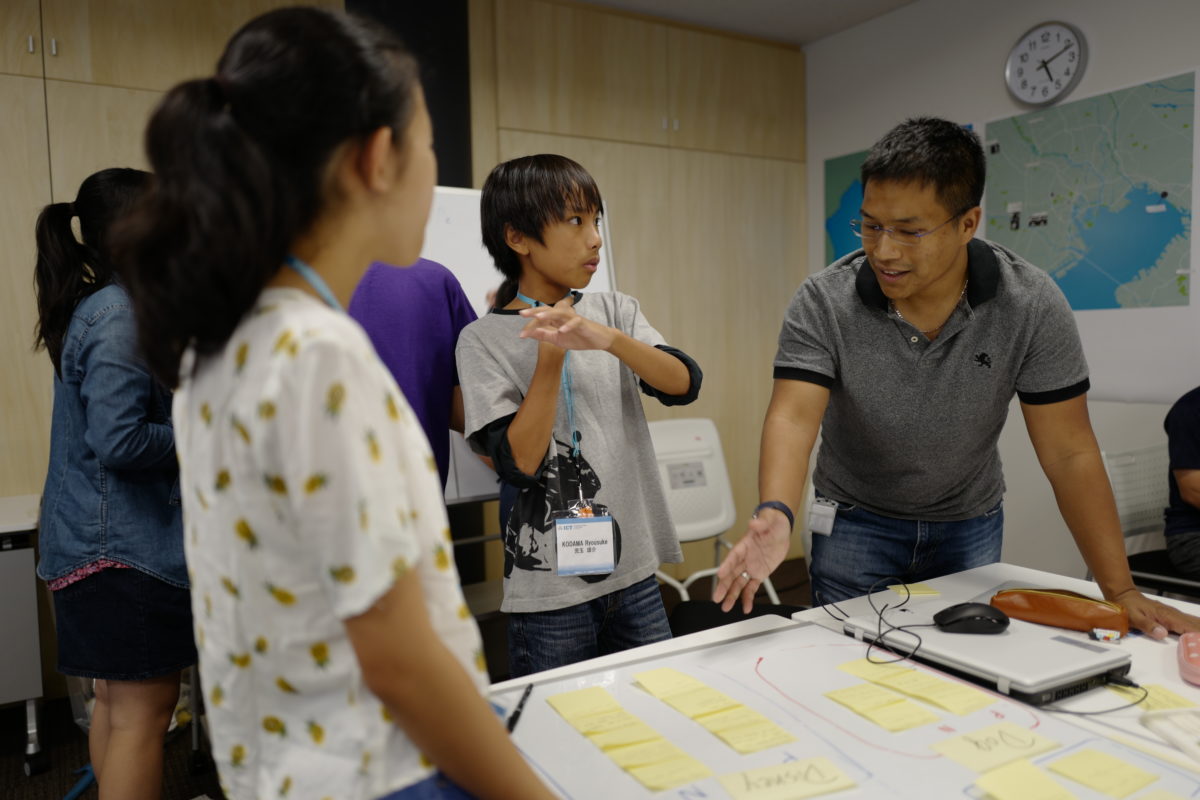
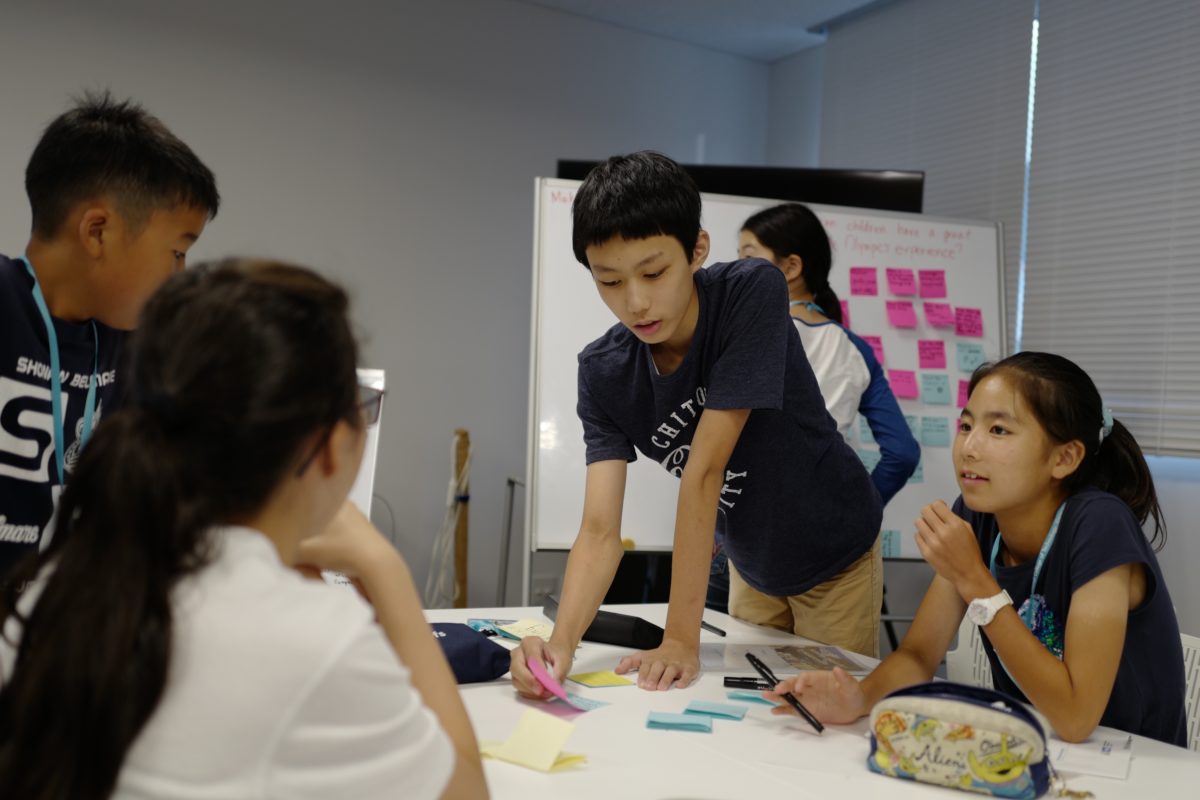
On day two, the students began defining "memorable" experiences in detail and learning about design thinking. They interviewed other team's memorial experiences and categorized them into three groups: experience, relationship and location. Then, each team choose a category and began brainstorming and grouping the experiences in that category.
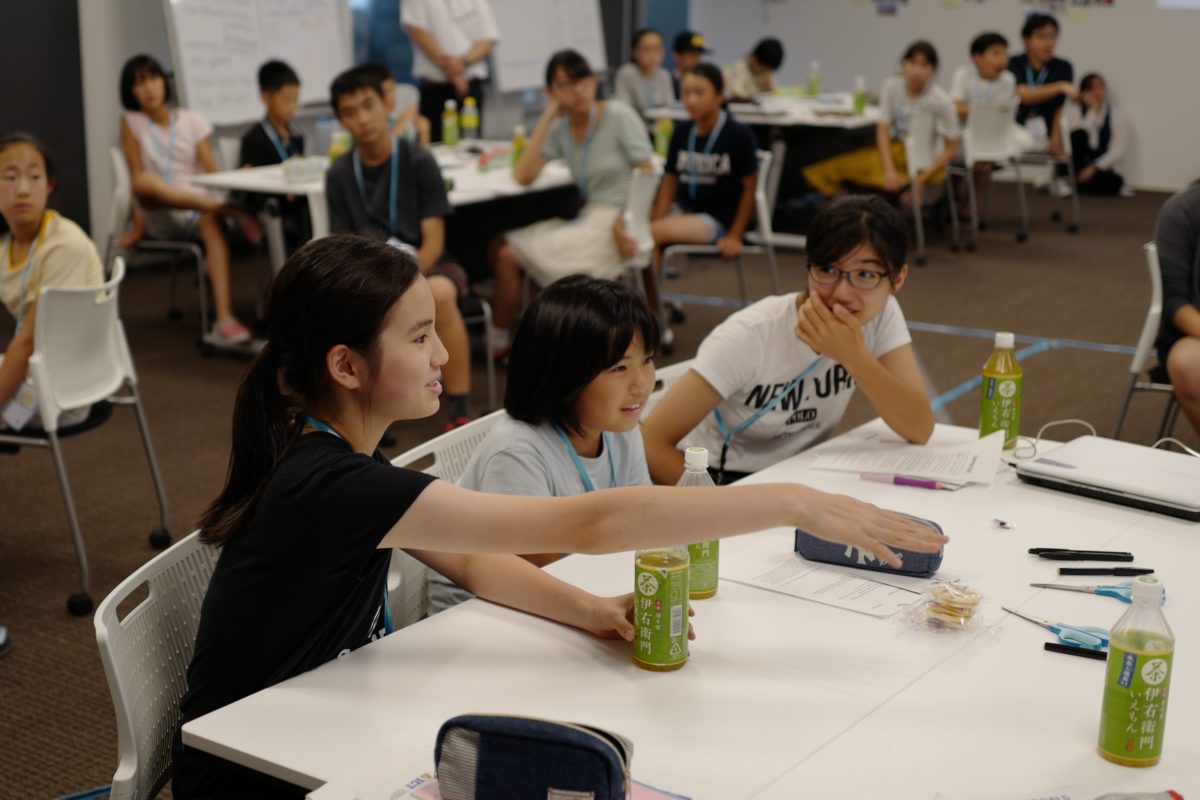
What is a "memorable" experience?
「思い出に残る記憶」の考察を行う生徒
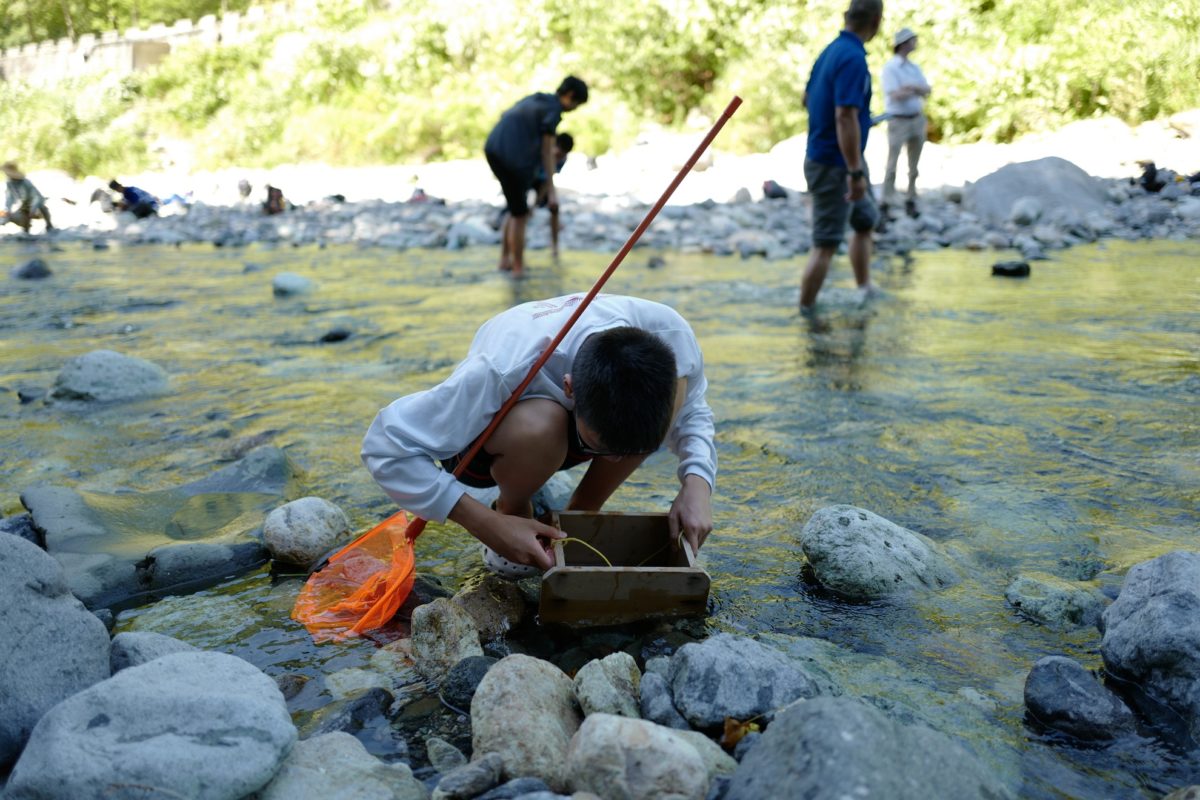
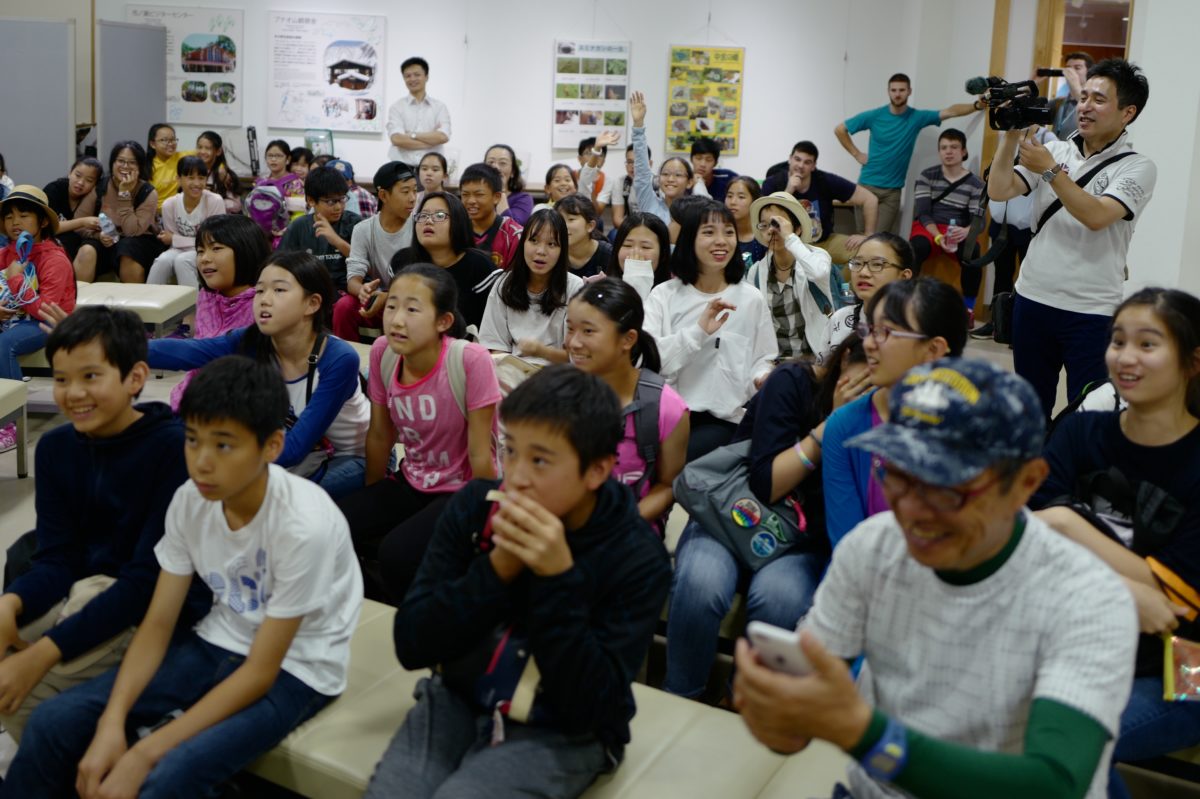
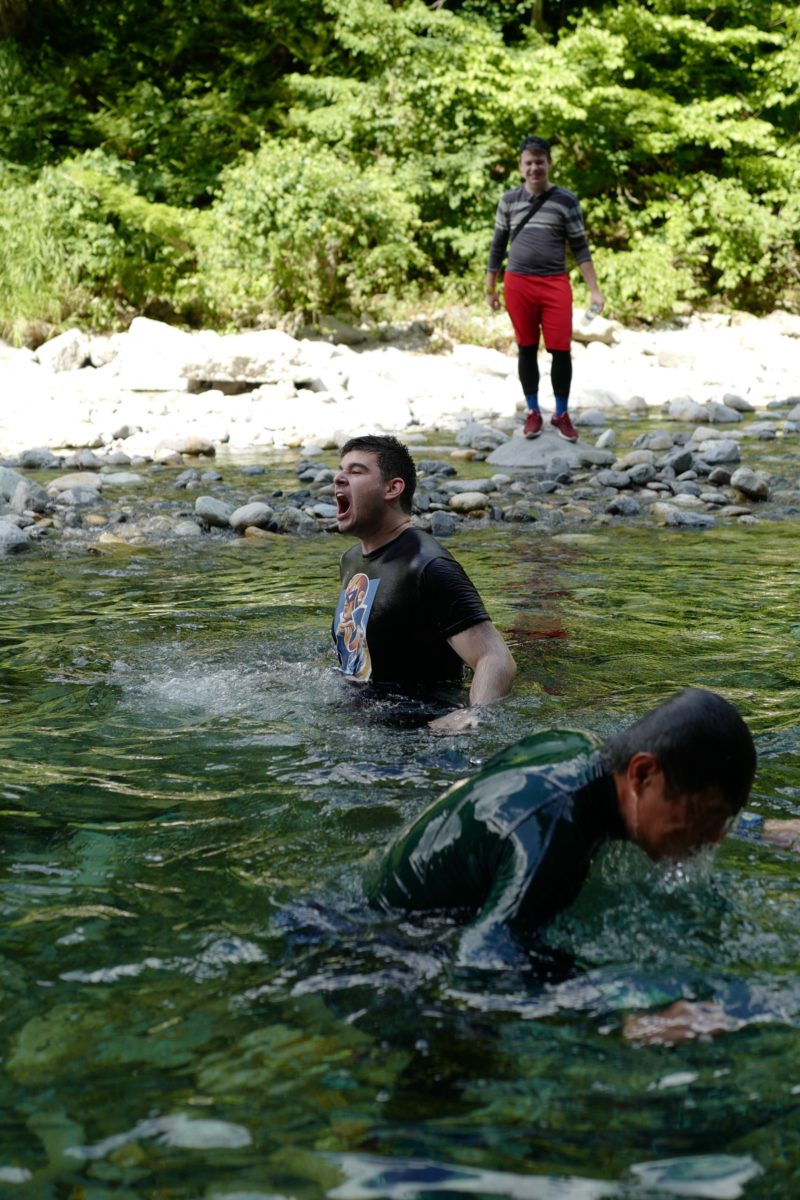
In the afternoon, we took a trip to the Hakusan Wildlife Chugu Exhibition Center. This center is dedicated to the display of the nature of Mt. Hakusan. There, we watched a video about Mt. Hakusan's wildlife, viewed the exhibitions in the center, and played at a nearby river. Mr. Shinichi Hiramatsu, who conducted the experience, showed the students many insects and frogs that live in the area. The reactions of the students varied from screaming and hiding behind other students to eagerly asking to touch and hold them. At the river, many students used box goggles to look into the river to find some of the wildlife on display. Many of the students caught tadpoles, fish, crabs, and frogs. The river water was cool and refreshing.

Students using the box goggles
箱眼鏡を使う学生
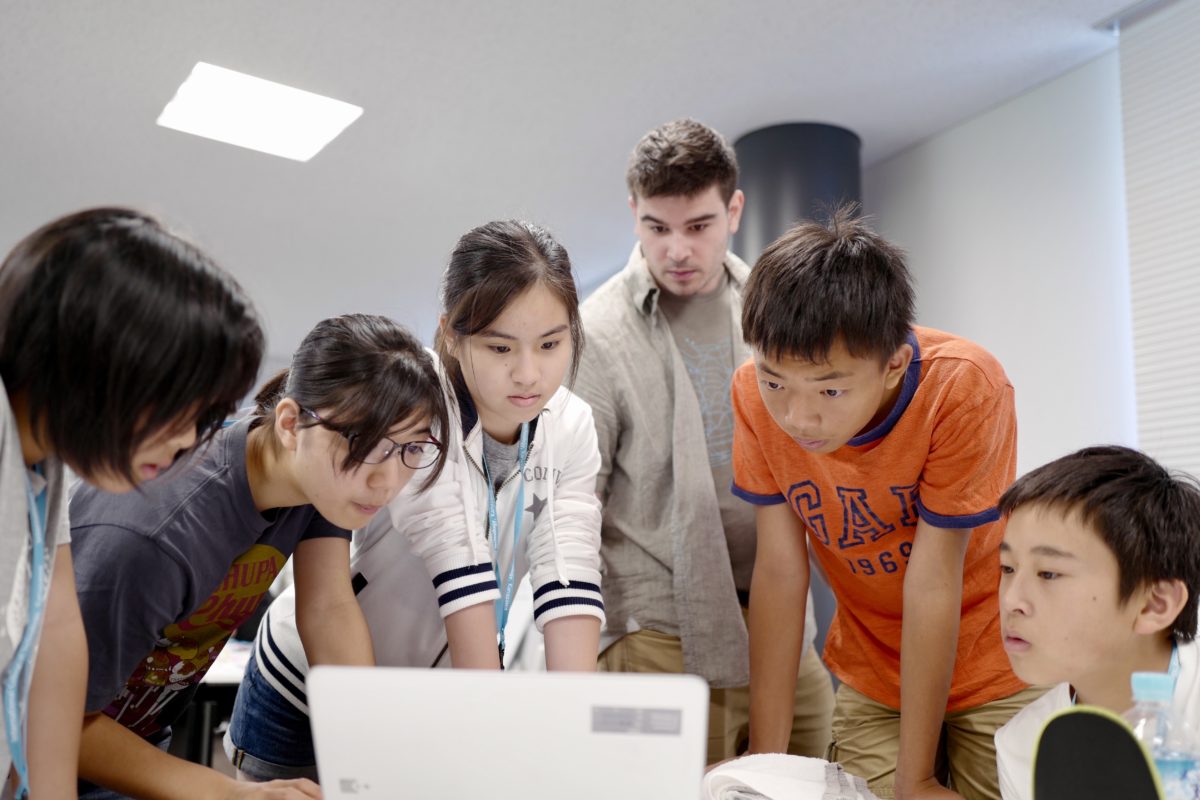
After returning to ICT, students continued to brainstorm ideas for their project. They narrow them down to five, and finally to one. In the evening, there was another activity, a paper airplane design contest. Students were given paper and other items, and whoever made the paper airplane that flew the farthest won. This was another fun activity that students enjoyed.

Paper airplane contest
紙飛行機を飛ばす練習をする学生
DAY:3
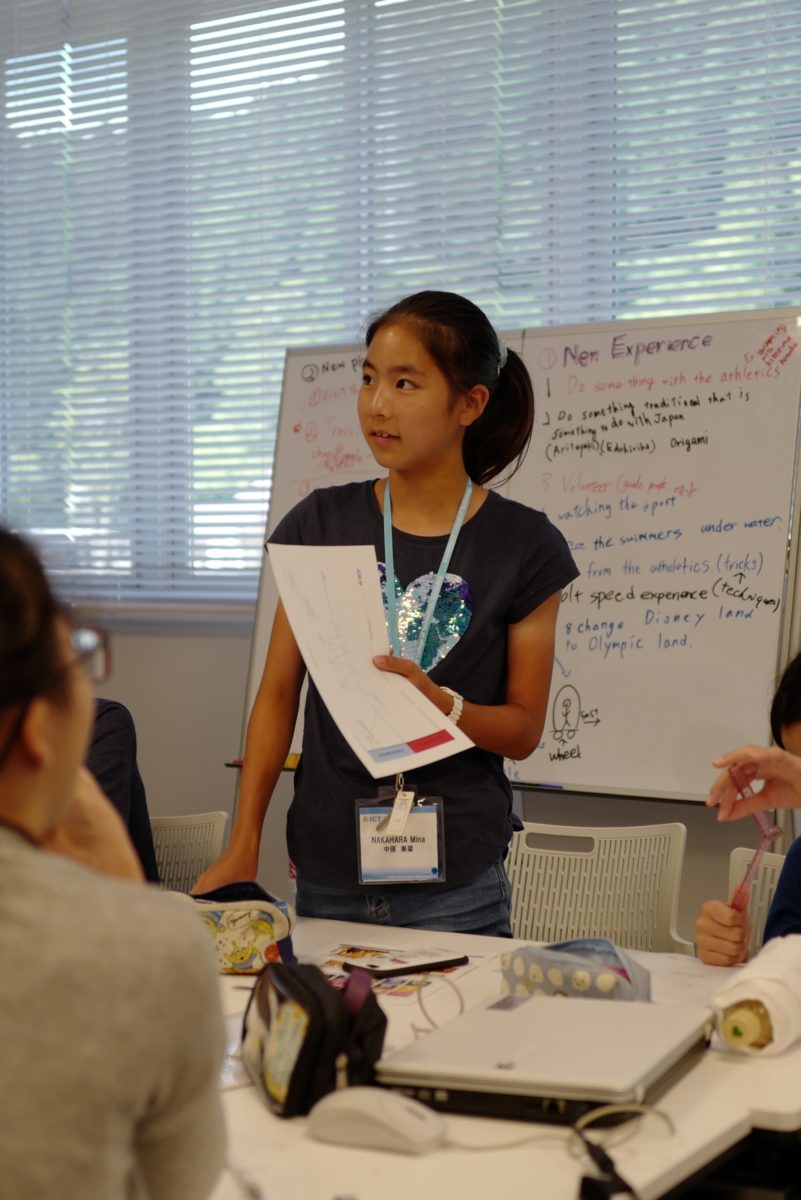
The third day was devoted to actually creating the presentation posters. Each team designed and created a poster that introduced their product or service to make a memorable experience for children. Each team created two posters. The first posters consist of the team name, target persona (person who would enjoy the product), and explanation of their focus area; and the second poster showed the details of the product or service. Each team divided its members into researching, drawing, writing, coloring, and decorating their poster.

Each group created a persona who would enjoy their product
ペルソナは自分の企画を楽しんでくれる想像上の人物
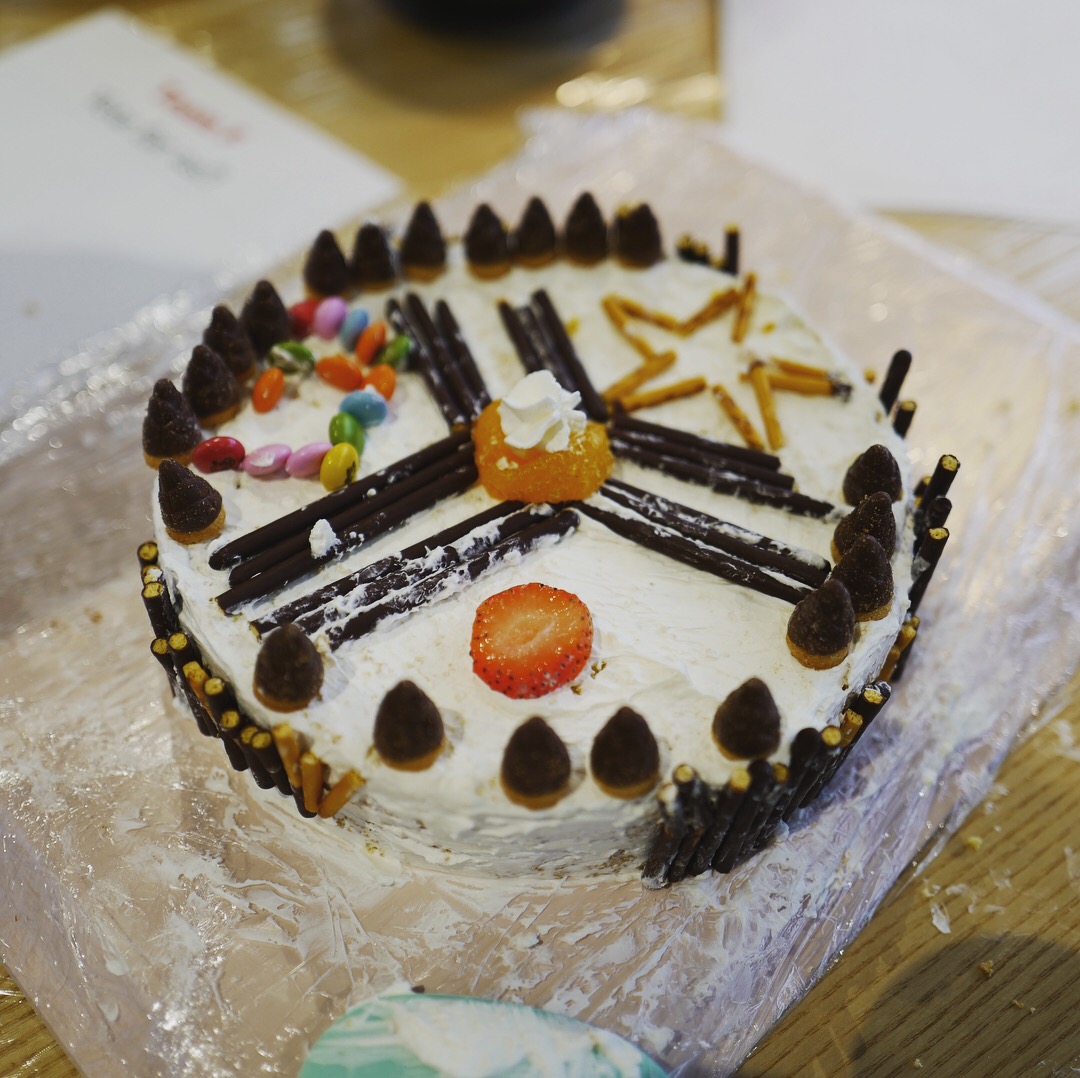
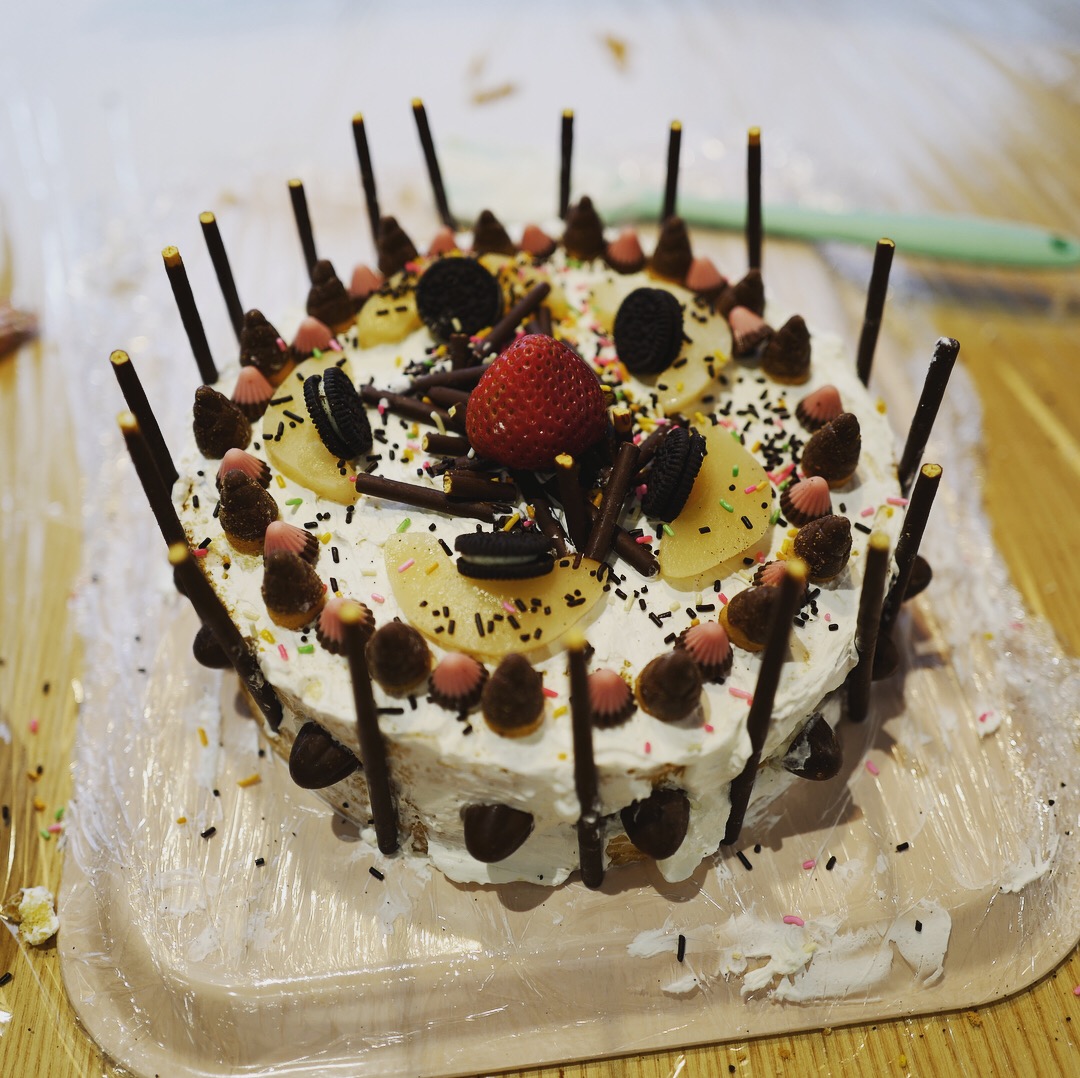
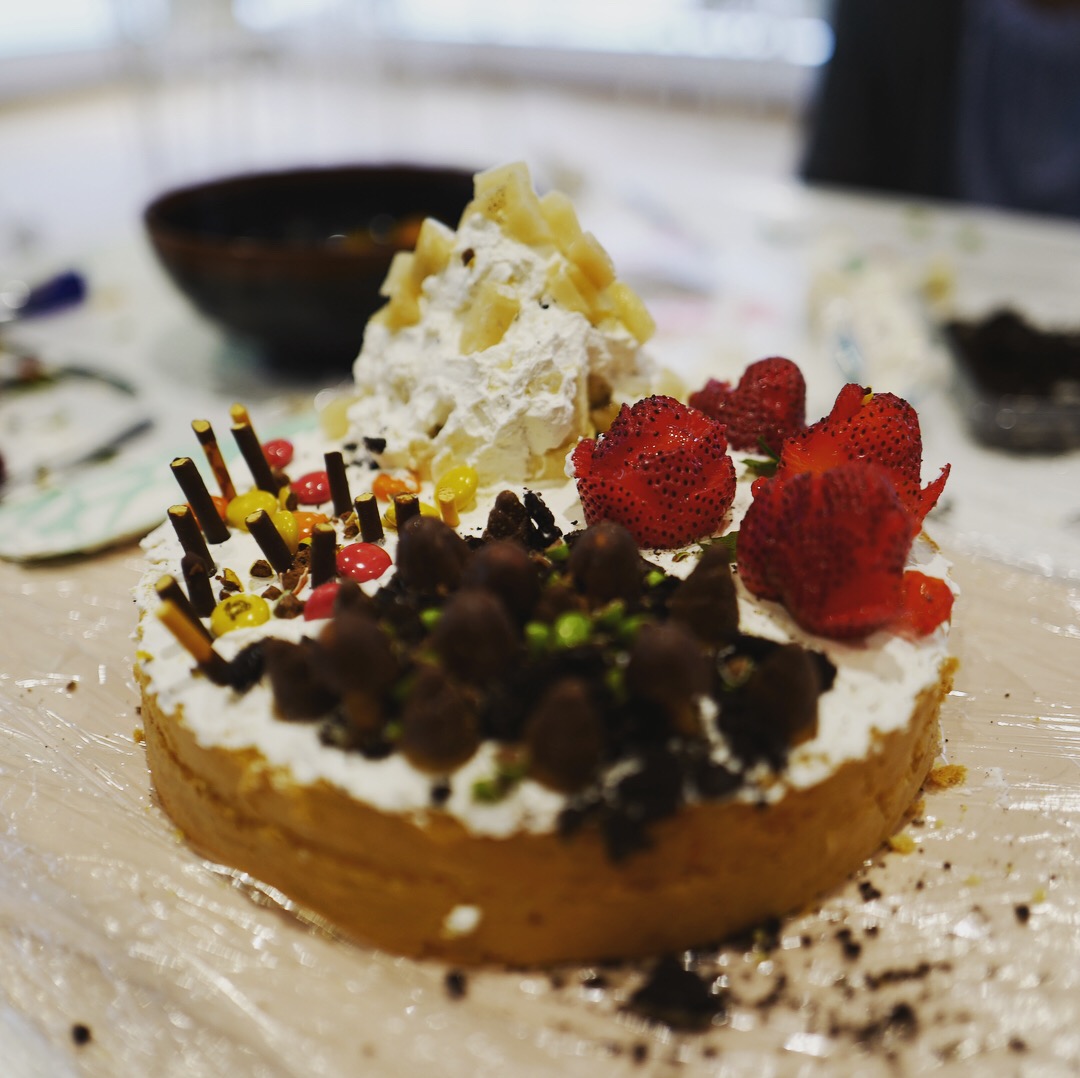
After lunch, there was another activity. This time it was a cake design contest. Each team was given cake sponges, icing, and various decoration ingredients and competed on who could design the best cake. Afterwards, everyone voted on the cakes they liked and ate them. Everyone had a lot of delicious fun.
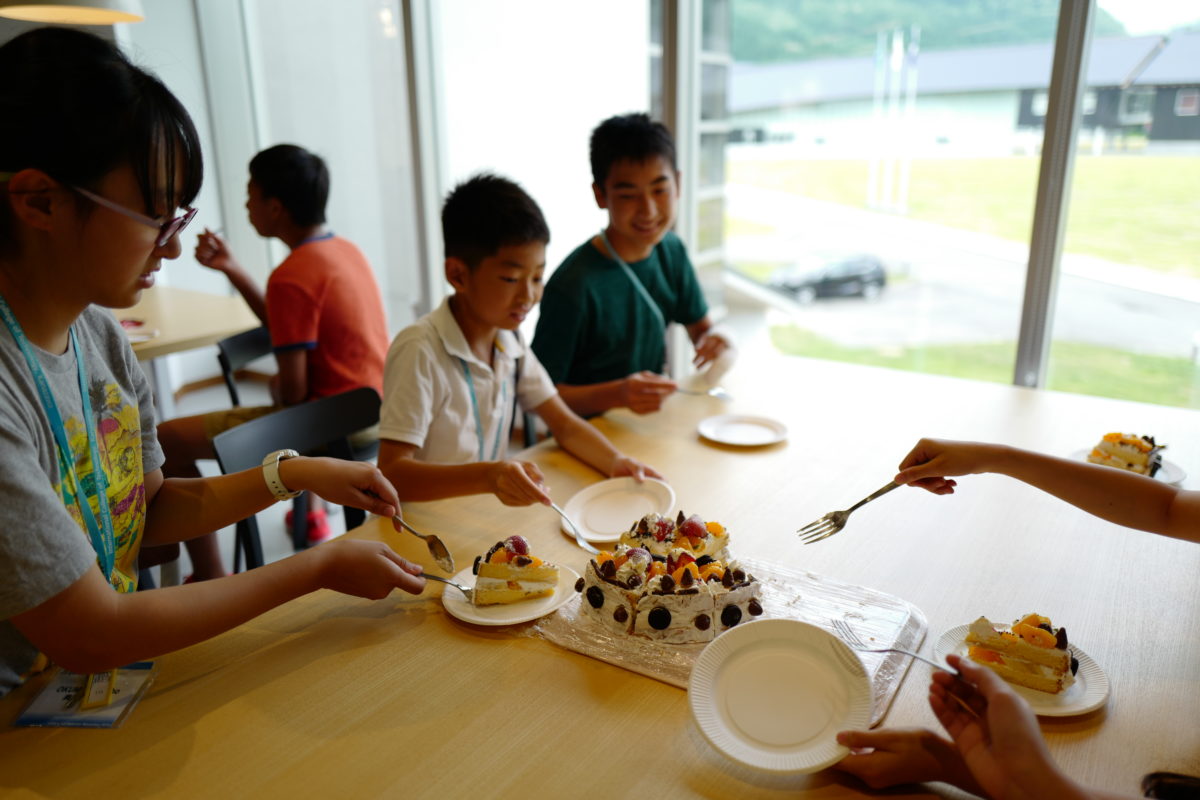
Tastes better when you made it yourself
自分で作るとよりおいしく感じますね
After the cake contest, students returned to finishing their posters. There were teams that created extra material with PowerPoint, 3D printers, laser cutters and movie editing. The students were hardworking and teachers actually had to encourage them to take brakes because they were working too long. Some teams stayed after dinner and asked if they could come early the following day to improve their posters. By this time, they had become close friends, and entertained each other by joking and chatting as they worked.

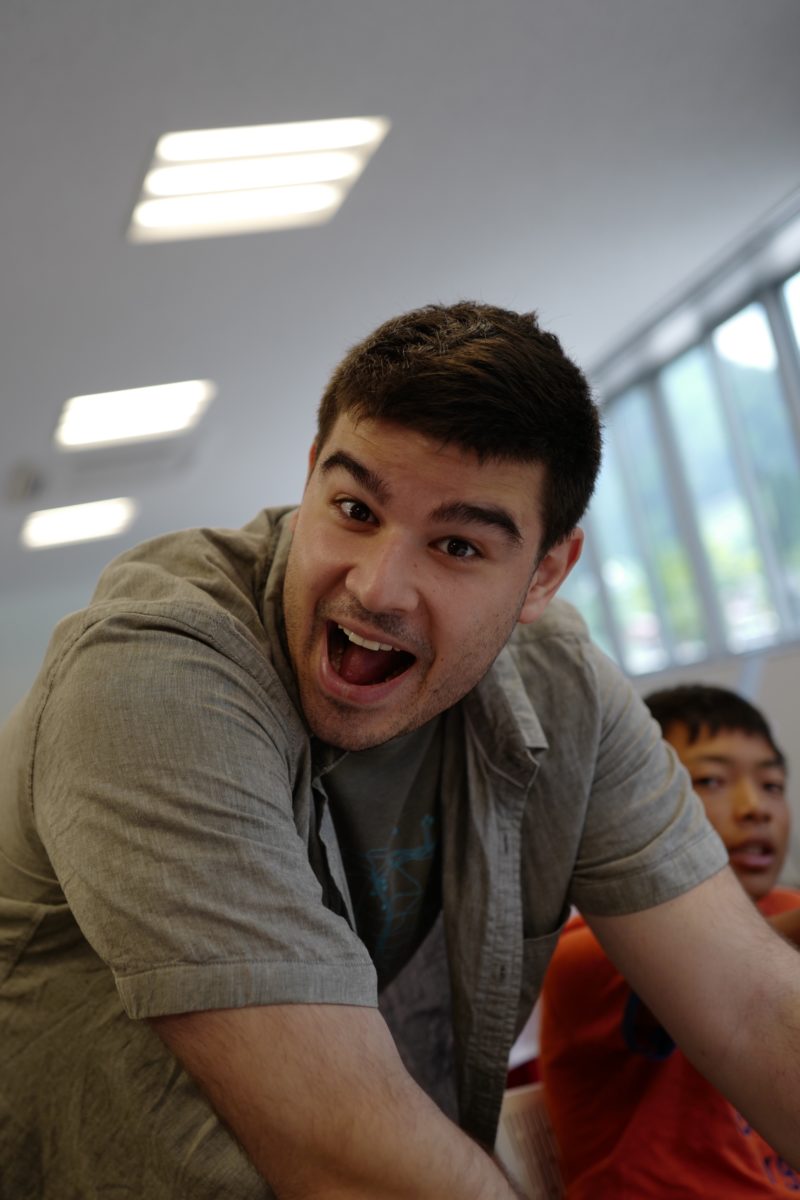
Look at the camera!
カメラ目線
DAY:4
The fourth and final day was presentation day. Many of the parents gathered to listen to the students' final results. Each team used the morning to prepare for their presentation. None of them seemed nervous, perhaps because they had confidence in what they had produced. You can view the presentations in the video below. They were well conducted, the ideas were impressive and each students spoke his or her part well. After the presentation there was a mini science fair, where visitors could walk around and ask questions. Later, everyone gathered in the cafeteria to have a final lunch together before departing from ICT.

Students explaining their project to the parents
保護者にプロジェクトを説明する学生
I asked several of the students if they were happy to go home, if they would miss their new friends, and if they would like to participate in the workshop again. Many answered that they were relieved to return home but would miss everyone. Some of them guaranteed they would come back next year.

Group photo before leaving
出発前の集合写真
I think the workshop was a success in gathering capable young minds to stimulate each other. Each participant was very capable at English and I understand why their parents would wish they would retain their ability. There are few places in Japan for these students to be pushed to improve their English. These individuals are scattered around Japan. They have a broad field of view and unique experience and knowledge. The workshop was conducted fully in English and the students used English to communicate. Their conversation often ranged from AI to politics and I could not help being impressed by their high intellectual. I believe the program was a great opportunity for these unique minds to gather and stimulate each other. I look forward to seeing them grow in the future.
Jonathan
帰国子女生が英語でワークショップ
7月22日から25日にかけて、国際高専(ICT)でJOESサマーワークショップが開催されました。JOES(海外子女教育振興財団)は、帰国子女の教育促進を行う団体で、今年の夏のワークショップはICTが計画・運営を行いました。小学5年生~中学3年生の生徒32名が白山麓キャンパスでデザインシンキングを学び英語力を高める4日間の合宿に参加しました。白山麓キャンパスではベトナムの中学生のためのプログラムが同時開催されており、ふたつのグループは時にグループ活動で交流しました。
ワークショップのテーマは「日本に訪れる子供たちが、どのように思い出に残るオリンピック・パラリンピック体験をすることができるか」で、これはワークショップ初日にはじめて開示されました。生徒の目標はデザインシンキングを使って2020年の東京オリンピック・パラリンピックで日本を訪れる子供がより記憶に残る体験をできるような商品やサービスを企画することでした。
ワークショップは4日間と短いので、ICTの先生は参加者にあらかじめ宿題を出しました。ひとつは思い出の写真を1枚持ってくること、もうひとつはオリンピック・パラリンピックの種目をひとつ選んでレポートを書くことでした。この宿題の狙いは後に行う「思い出に残る記憶」の考察活動と、東京オリンピック・パラリンピックの基本知識を身に付けてもらうための下準備でした。
初日
ワークショップの初日は主にこれらの情報共有と、互いに知り合うための内容でした。生徒たちは自己紹介と、ワークショップに期待すること、思い出の写真、そしてリサーチした種目をそれぞれ紹介しました。ワークショップに期待することでもっとも多かったのは「英語の上達」と「新しい友達を作る」ことでした。この発言とワークショップ中の生徒たちの様子を観察して、彼らが英語の重要性を理解していて、維持・強化を心がけていると感じました。次に参加者は5~6名のグループに分けられました。これが今回のワークショップで共に活動するチームとなります。アイスブレイク活動として、アン先生がスカベンジャーハントを企画しました。各チームは白山麓キャンパスのどこかの場所を示したヒントを解読して、その場所で集合写真を撮らなければなりません。この活動を通してチームメンバー同士の距離を縮め、キャンパスの中を探検してもらいました。
2日目:ブレインストーミング&自然体験
2日目は「思い出に残る記憶」の考察と、デザインシンキングの勉強をしました。他のチームメンバーの思い出に残った体験をインタビューで聞き出し、Experience(経験)、Relationship(人間関係)、Location(場所)の3つのカテゴリーに分類しました。その後、各チームはひとつのカテゴリーを選んで、そのカテゴリー内でさらに思い出体験を分類するブレインストーミングを行いました。
昼食後は、白山自然保護センターの中宮展示館へ出かけました。中宮展示館では白山の自然を体験することができます。生徒たちは白山の四季に関するビデオを視聴したあと、館内を見学し、最後は川遊びをしました。案内を務めた当館職員の平松新一さんは生徒たちに館内に展示しているたくさんの昆虫やカエルを手にとって見せてくれました。生徒たちのリアクションは悲鳴を上げながら友達の後ろに隠れるものから、積極的に触りにくるものまで様々でした。川遊びでは、箱眼鏡を使って実際に川底から生き物を探しました。その結果、オタマジャクシ、川魚、カニ、カエルなどを捕まえることに成功しました。川の水は冷たく、リフレッシュができました。
ICTへ戻ったあと、生徒たちは再びチームごとのプロジェクトに取り掛かりました。ブレインストーミングで抽出したアイデアを5つに絞り、最終的には1つに決めました。夕食後は紙飛行機デザインコンテントがありました。生徒たちに紙といくつかの文房具が支給され、もっとも遠くへ飛ぶ飛行機を作った人が優勝です。楽しい企画で、学生たちもはしゃいでいました。
3日目:プレゼン準備&ケーキデザインコンテスト
3日目は、実際にプレゼンテーション用のポスターを作る日でした。それぞれのチームが考案した子供に思い出に残る体験をしてもらうための商品やサービスを紹介するポスターをデザイン・制作しました。作るポスターは2つです。1枚はチーム名、対象ペルソナ(そのサービスを利用する仮想人物)、選んだカテゴリーの説明で、もう1枚は実際にその商品かサービスの詳細を載せました。各チームは分担して、リサーチしたり、絵を描いたり、文章を考えたり、色を塗ったり、飾りをつけたりしました。
昼食後は、ケーキデザインコンテストがありました。各グループにケーキのスポンジ、クリーム、そしてたくさんのお菓子などが与えられ、時間内にもっとも良いケーキをデザインしたチームが優勝します。作ったあとは投票で優勝チームが決められ、最後には実食タイムがありました。楽しくおいしい時間でした。
ケーキコンテストのあとはポスター制作に戻りました。いくつかのチームはパワーポイント、3Dプリンター、レーザーカッター、動画編集などを使ってプレゼンテーションの材料を増やしていました。とても熱心に活動するので、先生が休憩するよう促すことがありました。夕食後に残って作業をするチームや、翌日の早朝に作業できるか聞くチームもいました。この時すでにみんなとても仲が良くなっており、冗談を言ったり、談笑をしたりしながら作業をしていました。
最終日:プレゼンテーション
最終日の4日目は発表の日でした。多くの保護者が子供たちの成果を見るためにICTに集まりました。午前中は発表練習に当てられましたが、あまり緊張している様子はありませんでした。制作したものに自信があったのではないでしょうか。発表の様子は下のビデオで視聴することができます。発表、アイデア、各生徒たちの話方、全てにおいてよく出来ており、とても感心させられました。プレゼンテーションのあとはポスターセッションがあり、保護者が自由に歩き回って発表者に質問をしました。最後は全員カフェテリアで昼食を食べて、ICTを出発しました。
参加者たちに「帰られて嬉しいか」「新しい友達と別れるのがさみしいか」「またこのワークショップに参加したいと思うか」を聞いてみました。ほとんどの参加者が「家に帰れるのはほっとするが、さみしい」と答えました。中には絶対来年も参加すると約束してくれた人もいました。
今回のワークショップは優秀な若者が刺激し合えるとても良い企画だったと思います。参加者は全員英語が堪能で、両親がその維持を望む気持ちがよくわかります。これらの若者がその能力を伸ばすほどの試練の場は日本では限られています。しかも、参加者は日本各地に散らばっています。彼らは広い視野と類い稀な経験と知識を持っています。ワークショップは完全に英語で行われましたが、その会話の話題はAIや政治など、教養の高さを感じずにはいられない内容がたくさんありました。これらの優秀な若者が集まって互いに刺激し合うとても良い機会になったと思いました。今後の彼らの成長が楽しみです。
ジョナサン



















From July 22 to 25, International College of Technology (ICT) hosted the JOES Summer Workshop at Hakusanroku campus. JOES (Japan Overseas Education Services) is an organization that facilitates education for Japanese students who have studied oversea. This year, their summer workshop was designed and carried out by ICT. Thirty-two students from fifth- to ninth-grade gathered at Hakusanroku campus for a four-day workshop to learn design thinking and enhance their English ability. There was also a Vietnamese program going on and the two groups sometimes joined for combined activities.
Picture taken at River at Chugu Exhibition Center
中宮展示館近くの川で撮った集合写真
The theme of the workshop (which was not disclosed to the students in advanced), was "How can children, the age of 7 -16, have a memorable Olympic and Paralympic experience?" Students' goal was to learn and use design thinking to create a presentation to promote a product or service that would help children from other countries enjoy the Tokyo 2020 Olympics and Paralympics.
Vice-President Mukai sensei greeting the students
あいさつをする向井副校長
Since the program was only four days long, ICT teachers asked the students to do some homework in advance. One was to bring a picture of a memorable experience and the other was to choose and do research on a sport played at the Olympics and Paralympics. The aim for this homework was to give students a starting point to define a "memorable" experience and to gain general knowledge about the Olympics and Paralympics.
Group photo of the teachers
今回のワークショップを担当した先生
DAY:1
The first day of the workshop was devoted mainly to sharing this information and getting to know each other. Students introduced themselves, their expectations for the workshop, their memorable picture, and the sport they researched. The two most recurring expectations were "improve my English" and "make new friends". This expectation and behavior of the students during the workshop showed that they understood the values of English and were keen to maintain and strengthen it. Next, the students were divided into teams of five to six. These were the teams they would work with for the rest of the workshop. To get to know each other Anne sensei designed a scavenger hunt. Each group was given hints that described places within the Hakusanroku campus. Participants had to search the campus to find the places and take a group photo. This activity gave them time to familiarize with their teammates and the campus.
Anne sensei explaining the scavenger hunt
スカベンジャーハントを説明するアン先生
DAY:2
On day two, the students began defining "memorable" experiences in detail and learning about design thinking. They interviewed other team's memorial experiences and categorized them into three groups: experience, relationship and location. Then, each team choose a category and began brainstorming and grouping the experiences in that category.
What is a "memorable" experience?
「思い出に残る記憶」の考察を行う生徒
In the afternoon, we took a trip to the Hakusan Wildlife Chugu Exhibition Center. This center is dedicated to the display of the nature of Mt. Hakusan. There, we watched a video about Mt. Hakusan's wildlife, viewed the exhibitions in the center, and played at a nearby river. Mr. Shinichi Hiramatsu, who conducted the experience, showed the students many insects and frogs that live in the area. The reactions of the students varied from screaming and hiding behind other students to eagerly asking to touch and hold them. At the river, many students used box goggles to look into the river to find some of the wildlife on display. Many of the students caught tadpoles, fish, crabs, and frogs. The river water was cool and refreshing.
Students using the box goggles
箱眼鏡を使う学生
After returning to ICT, students continued to brainstorm ideas for their project. They narrow them down to five, and finally to one. In the evening, there was another activity, a paper airplane design contest. Students were given paper and other items, and whoever made the paper airplane that flew the farthest won. This was another fun activity that students enjoyed.
Paper airplane contest
紙飛行機を飛ばす練習をする学生
DAY:3
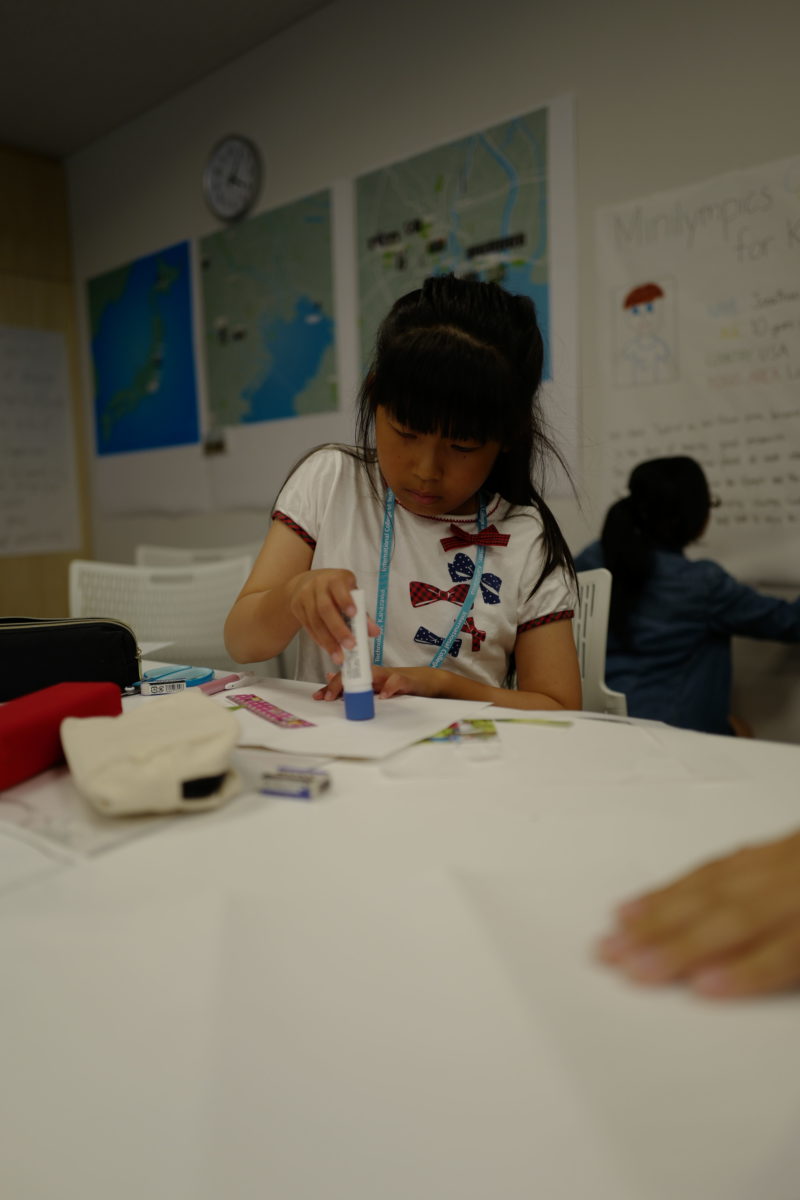
The third day was devoted to actually creating the presentation posters. Each team designed and created a poster that introduced their product or service to make a memorable experience for children. Each team created two posters. The first posters consist of the team name, target persona (person who would enjoy the product), and explanation of their focus area; and the second poster showed the details of the product or service. Each team divided its members into researching, drawing, writing, coloring, and decorating their poster.
Each group created a persona who would enjoy their product
ペルソナは自分の企画を楽しんでくれる想像上の人物
After lunch, there was another activity. This time it was a cake design contest. Each team was given cake sponges, icing, and various decoration ingredients and competed on who could design the best cake. Afterwards, everyone voted on the cakes they liked and ate them. Everyone had a lot of delicious fun.
Tastes better when you made it yourself
自分で作るとよりおいしく感じますね
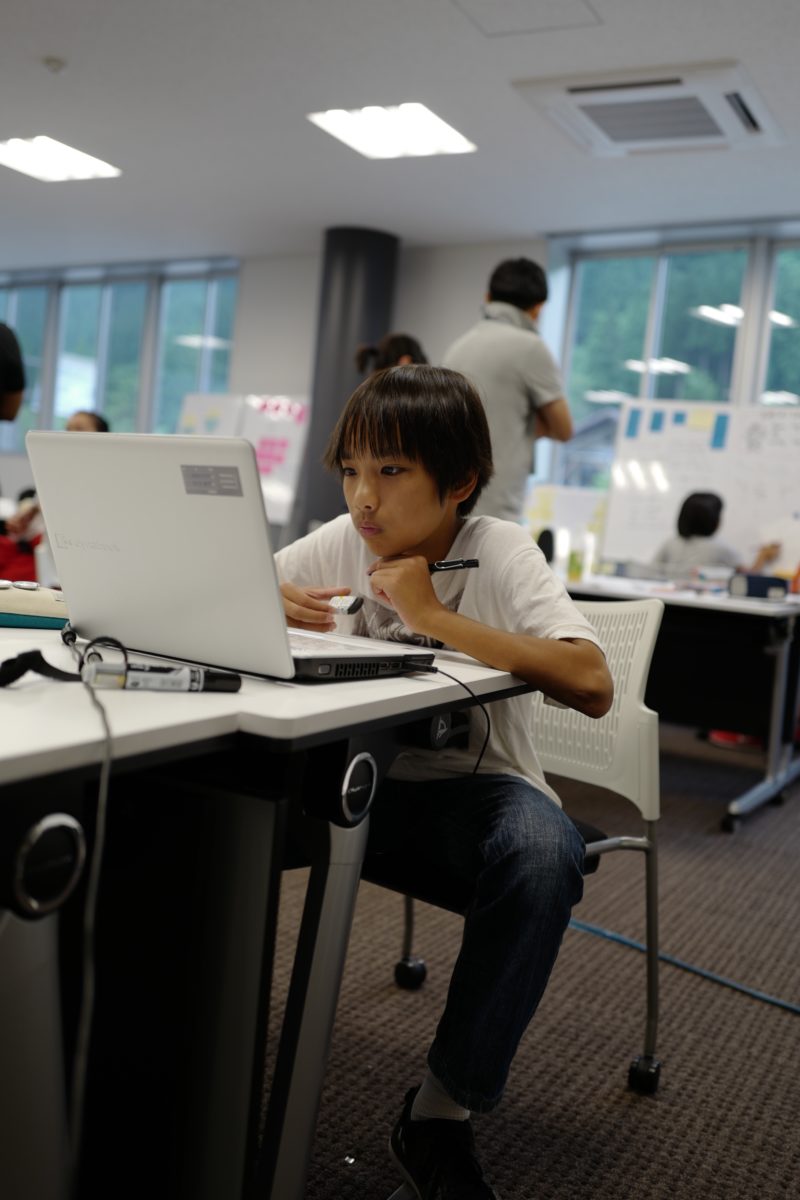
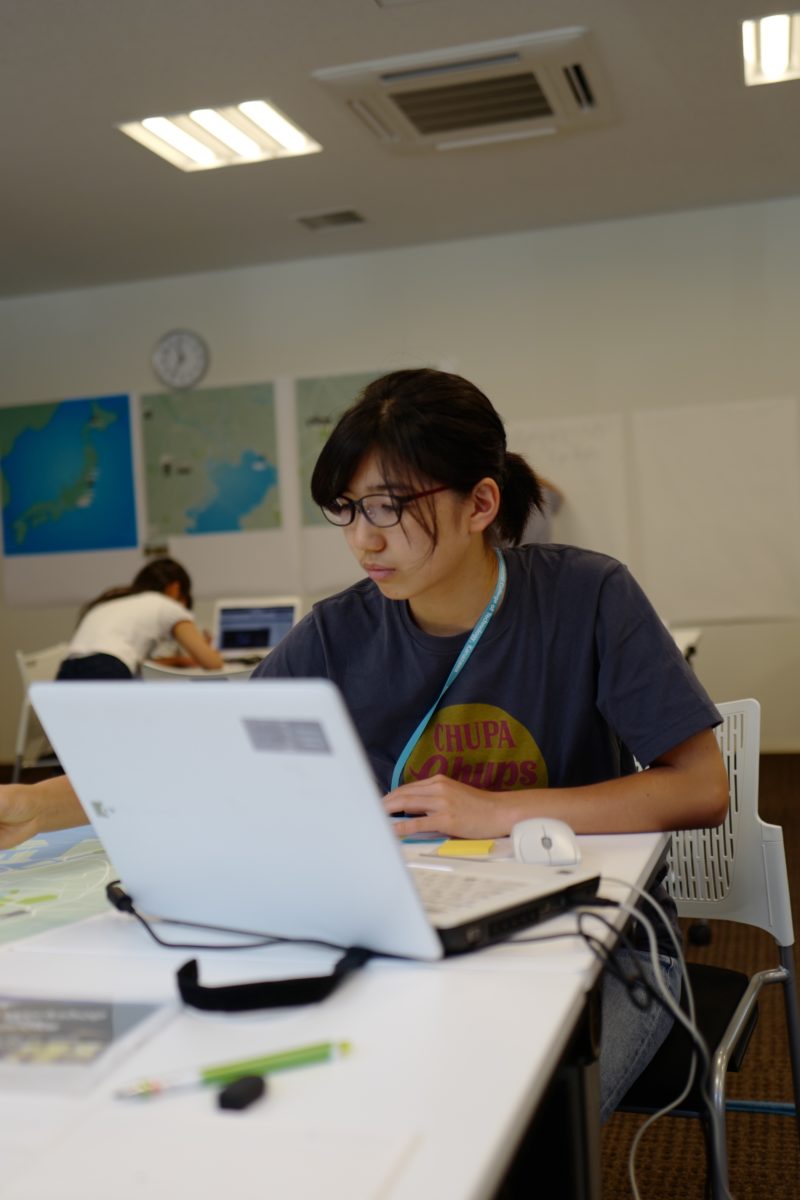
After the cake contest, students returned to finishing their posters. There were teams that created extra material with PowerPoint, 3D printers, laser cutters and movie editing. The students were hardworking and teachers actually had to encourage them to take brakes because they were working too long. Some teams stayed after dinner and asked if they could come early the following day to improve their posters. By this time, they had become close friends, and entertained each other by joking and chatting as they worked.
Look at the camera!
カメラ目線
DAY:4
The fourth and final day was presentation day. Many of the parents gathered to listen to the students' final results. Each team used the morning to prepare for their presentation. None of them seemed nervous, perhaps because they had confidence in what they had produced. You can view the presentations in the video below. They were well conducted, the ideas were impressive and each students spoke his or her part well. After the presentation there was a mini science fair, where visitors could walk around and ask questions. Later, everyone gathered in the cafeteria to have a final lunch together before departing from ICT.
Students explaining their project to the parents
保護者にプロジェクトを説明する学生
I asked several of the students if they were happy to go home, if they would miss their new friends, and if they would like to participate in the workshop again. Many answered that they were relieved to return home but would miss everyone. Some of them guaranteed they would come back next year.
Group photo before leaving
出発前の集合写真
I think the workshop was a success in gathering capable young minds to stimulate each other. Each participant was very capable at English and I understand why their parents would wish they would retain their ability. There are few places in Japan for these students to be pushed to improve their English. These individuals are scattered around Japan. They have a broad field of view and unique experience and knowledge. The workshop was conducted fully in English and the students used English to communicate. Their conversation often ranged from AI to politics and I could not help being impressed by their high intellectual. I believe the program was a great opportunity for these unique minds to gather and stimulate each other. I look forward to seeing them grow in the future.
Jonathan
帰国子女生が英語でワークショップ
7月22日から25日にかけて、国際高専(ICT)でJOESサマーワークショップが開催されました。JOES(海外子女教育振興財団)は、帰国子女の教育促進を行う団体で、今年の夏のワークショップはICTが計画・運営を行いました。小学5年生~中学3年生の生徒32名が白山麓キャンパスでデザインシンキングを学び英語力を高める4日間の合宿に参加しました。白山麓キャンパスではベトナムの中学生のためのプログラムが同時開催されており、ふたつのグループは時にグループ活動で交流しました。
ワークショップのテーマは「日本に訪れる子供たちが、どのように思い出に残るオリンピック・パラリンピック体験をすることができるか」で、これはワークショップ初日にはじめて開示されました。生徒の目標はデザインシンキングを使って2020年の東京オリンピック・パラリンピックで日本を訪れる子供がより記憶に残る体験をできるような商品やサービスを企画することでした。
ワークショップは4日間と短いので、ICTの先生は参加者にあらかじめ宿題を出しました。ひとつは思い出の写真を1枚持ってくること、もうひとつはオリンピック・パラリンピックの種目をひとつ選んでレポートを書くことでした。この宿題の狙いは後に行う「思い出に残る記憶」の考察活動と、東京オリンピック・パラリンピックの基本知識を身に付けてもらうための下準備でした。
初日
ワークショップの初日は主にこれらの情報共有と、互いに知り合うための内容でした。生徒たちは自己紹介と、ワークショップに期待すること、思い出の写真、そしてリサーチした種目をそれぞれ紹介しました。ワークショップに期待することでもっとも多かったのは「英語の上達」と「新しい友達を作る」ことでした。この発言とワークショップ中の生徒たちの様子を観察して、彼らが英語の重要性を理解していて、維持・強化を心がけていると感じました。次に参加者は5~6名のグループに分けられました。これが今回のワークショップで共に活動するチームとなります。アイスブレイク活動として、アン先生がスカベンジャーハントを企画しました。各チームは白山麓キャンパスのどこかの場所を示したヒントを解読して、その場所で集合写真を撮らなければなりません。この活動を通してチームメンバー同士の距離を縮め、キャンパスの中を探検してもらいました。
2日目:ブレインストーミング&自然体験
2日目は「思い出に残る記憶」の考察と、デザインシンキングの勉強をしました。他のチームメンバーの思い出に残った体験をインタビューで聞き出し、Experience(経験)、Relationship(人間関係)、Location(場所)の3つのカテゴリーに分類しました。その後、各チームはひとつのカテゴリーを選んで、そのカテゴリー内でさらに思い出体験を分類するブレインストーミングを行いました。
昼食後は、白山自然保護センターの中宮展示館へ出かけました。中宮展示館では白山の自然を体験することができます。生徒たちは白山の四季に関するビデオを視聴したあと、館内を見学し、最後は川遊びをしました。案内を務めた当館職員の平松新一さんは生徒たちに館内に展示しているたくさんの昆虫やカエルを手にとって見せてくれました。生徒たちのリアクションは悲鳴を上げながら友達の後ろに隠れるものから、積極的に触りにくるものまで様々でした。川遊びでは、箱眼鏡を使って実際に川底から生き物を探しました。その結果、オタマジャクシ、川魚、カニ、カエルなどを捕まえることに成功しました。川の水は冷たく、リフレッシュができました。
ICTへ戻ったあと、生徒たちは再びチームごとのプロジェクトに取り掛かりました。ブレインストーミングで抽出したアイデアを5つに絞り、最終的には1つに決めました。夕食後は紙飛行機デザインコンテントがありました。生徒たちに紙といくつかの文房具が支給され、もっとも遠くへ飛ぶ飛行機を作った人が優勝です。楽しい企画で、学生たちもはしゃいでいました。
3日目:プレゼン準備&ケーキデザインコンテスト
3日目は、実際にプレゼンテーション用のポスターを作る日でした。それぞれのチームが考案した子供に思い出に残る体験をしてもらうための商品やサービスを紹介するポスターをデザイン・制作しました。作るポスターは2つです。1枚はチーム名、対象ペルソナ(そのサービスを利用する仮想人物)、選んだカテゴリーの説明で、もう1枚は実際にその商品かサービスの詳細を載せました。各チームは分担して、リサーチしたり、絵を描いたり、文章を考えたり、色を塗ったり、飾りをつけたりしました。
昼食後は、ケーキデザインコンテストがありました。各グループにケーキのスポンジ、クリーム、そしてたくさんのお菓子などが与えられ、時間内にもっとも良いケーキをデザインしたチームが優勝します。作ったあとは投票で優勝チームが決められ、最後には実食タイムがありました。楽しくおいしい時間でした。
ケーキコンテストのあとはポスター制作に戻りました。いくつかのチームはパワーポイント、3Dプリンター、レーザーカッター、動画編集などを使ってプレゼンテーションの材料を増やしていました。とても熱心に活動するので、先生が休憩するよう促すことがありました。夕食後に残って作業をするチームや、翌日の早朝に作業できるか聞くチームもいました。この時すでにみんなとても仲が良くなっており、冗談を言ったり、談笑をしたりしながら作業をしていました。
最終日:プレゼンテーション
最終日の4日目は発表の日でした。多くの保護者が子供たちの成果を見るためにICTに集まりました。午前中は発表練習に当てられましたが、あまり緊張している様子はありませんでした。制作したものに自信があったのではないでしょうか。発表の様子は下のビデオで視聴することができます。発表、アイデア、各生徒たちの話方、全てにおいてよく出来ており、とても感心させられました。プレゼンテーションのあとはポスターセッションがあり、保護者が自由に歩き回って発表者に質問をしました。最後は全員カフェテリアで昼食を食べて、ICTを出発しました。
参加者たちに「帰られて嬉しいか」「新しい友達と別れるのがさみしいか」「またこのワークショップに参加したいと思うか」を聞いてみました。ほとんどの参加者が「家に帰れるのはほっとするが、さみしい」と答えました。中には絶対来年も参加すると約束してくれた人もいました。
今回のワークショップは優秀な若者が刺激し合えるとても良い企画だったと思います。参加者は全員英語が堪能で、両親がその維持を望む気持ちがよくわかります。これらの若者がその能力を伸ばすほどの試練の場は日本では限られています。しかも、参加者は日本各地に散らばっています。彼らは広い視野と類い稀な経験と知識を持っています。ワークショップは完全に英語で行われましたが、その会話の話題はAIや政治など、教養の高さを感じずにはいられない内容がたくさんありました。これらの優秀な若者が集まって互いに刺激し合うとても良い機会になったと思いました。今後の彼らの成長が楽しみです。
ジョナサン
We had two groups of visitors on July 6. One was a group of KIT-Summer Program in Japanese (SPJ) students from Rose-Hulman Institute of Technology and Rochester Institute of Technology, USA, and the other was a group of students from Malaysia-Japan International Institute of Technology (MJIIT). Eleven SPJ students and thirteen MJIIT students visited Hakusanroku campus as a part of their field trip learning about Hakusan city's "Smart Satoyama City" project. ICT teachers prepared a workshop and twelve of our students joined in the intercultural activities.

Eleven SPJ students and thirteen MJIIT students
SPJの学生11名とMJIITの学生13名
International visitor have become common at Hakusanroku lately. However, this group was truly divers in that the all three groups spoke different main languages, Japanese, English, and Malay. The language that they are currently learning is also differed. Teachers designing the activities took this into account. In the first activity, students broke up into groups of six (two of each group) and played the "broken telephone game". In this game, students choose a sentence other than their main language and take turns whispering it to each other in a straight line. If the last student can recite the sentence correctly, it is a success and the group rotates. This was a fun icebreaking game that articulated the diversity of the group.
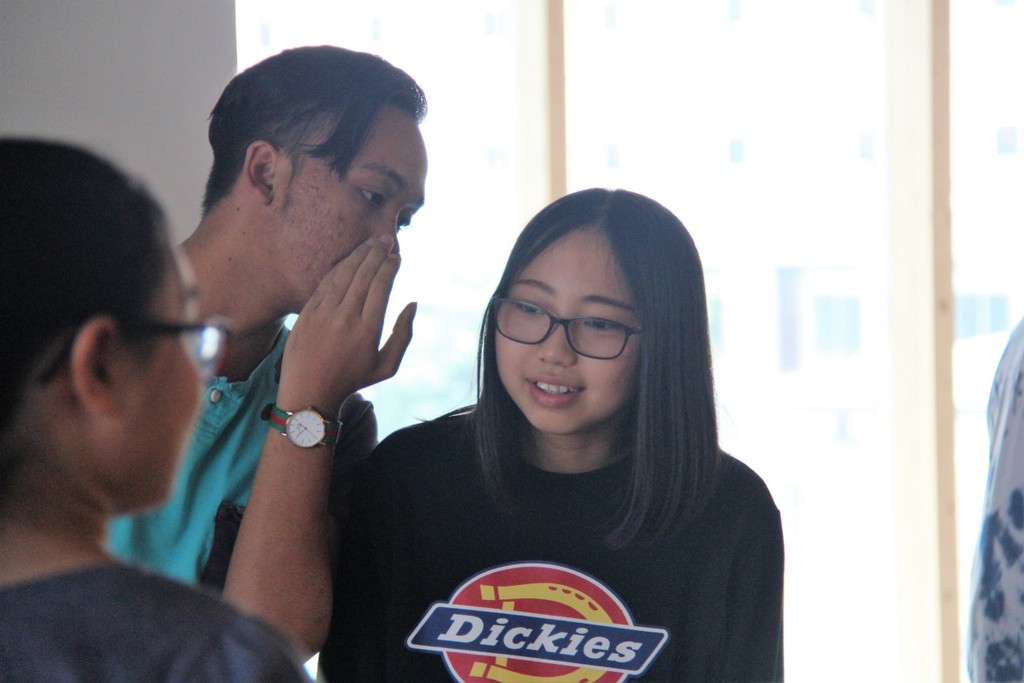
Students playing "broken telephone game"
伝言ゲームを行う学生
In the second activity, students were divided into groups of three (one of each group), and took turns explaining their country. The catch was that they had to use the language that they were studying. Also, the listener was responsible for correcting the speakers mistakes. This was an excellent activity because participants could learn about other cultures while improving their own skill. Students teaching other students is a perfect example of active learning. Teaching other students creates a deep understanding for language in general (even if it is your main language), which is surprisingly important when learning another language.

Explaining my culture in a another language is difficult
違う言葉で自分の国を紹介するのは難しい
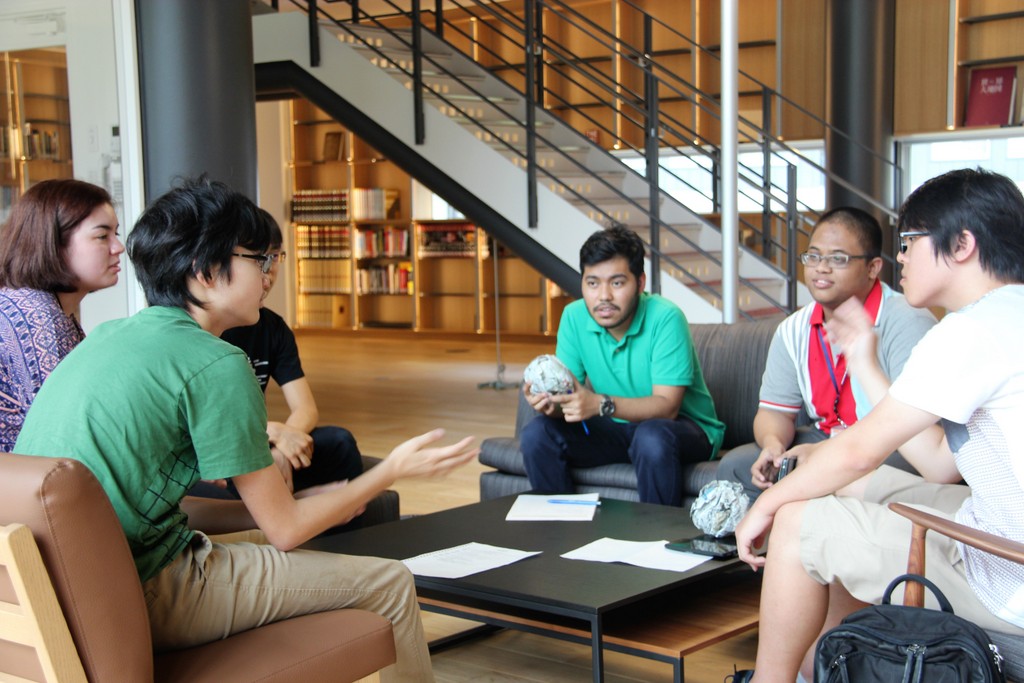
The third activity involved a ball of newspaper. Students were encouraged to communicate in the language they were learning and take turns passing the ball. The student catching the ball had to correct the mistakes and return the ball until the sentence was perfect. This was similar to the previous activity but there were no restrictions on topic.

Students taking turns passing a newspaper ball
新聞紙のボールを回す学生たち
The final stage was simple free conversation. Nearby groups were merged together and could talk about whatever they liked with no restrictions. The whole flow of the activities was a calculated guide to this stage and worked perfectly. I saw students lively talking about their hobbies, sports, animation, video games, and generally anything. It was a very relaxed environment with young adults from all over the world just chatting together. There was nothing necessary for the teachers to do and they simply walked around sometimes joining a conversation.
 Students enjoying free conversation
フリートークを楽しむ学生
After the activity, the SPJ and MJIIT students returned to KIT by bus after doing a little shopping at the Michi no eki across the street. I believe the program was a success. In a few quick hours, students experienced intercultural interaction, improved their language skills and had a lot of fun. I am especially happy that there was time for students to speak freely with each other. I felt this was lacking in previous visits. Thanks for coming!
Jonathan


7月6日、白山麓キャンパスを2つの団体が訪れました。ひとつはアメリカのローズ・ハルマン工科大学とロチェスター工科大学の学生から形成される金沢工業大学のサマープログラム(SPJ)で、もうひとつはマレーシア日本国際工科院(MJIIT)の学生でした。SPJの学生11名と、MJIITの学生13名は産官学民連携で実践している「スマート里山都市」の見学の一環として、白山麓キャンパスへ来校しました。ICTの先生が交流アクティビティを準備し、本校の学生12名も国際交流のために参加しました。
白山麓キャンパスへの外国からの訪問者は最近では珍しくないですが、今回のグループは本当に多様でした。母語が日本語、英語、マレー語と多彩で、勉強している言語も様々です。アクティビティはこれを考慮して計画されました。最初の活動では、学生は6人のグループに分けられ(各グループから2名)、用意した文章を選択する伝言ゲームを行いました。ただし、最初に伝える学生は自分の母語とは違う言葉の文章を選ばなければなりません。学生にグループの多様性を実感させる楽しいアイスブレイクでした。
2つ目の活動では、学生が3人のグループ(各グループから1名ずつ)に分かれ、自分の出身国を紹介しました。ただし、自分が学んでいる言語を使わなければなりません。さらに、聞いている学生は教える側になって間違いを正す役割を担います。様々な文化について知りつつ、自分のスキルを磨く良い活動だったと感じました。学生が学生を教える姿はまさにアクティブラーニングそのもので、自分の母語だとしても他人に教えることで言語全般への深い理解力を得ることができます。新しい言葉を覚える上でも、これが驚くほど重要なのです。
3つ目の活動は丸めた新聞紙のボールを使用しました。学生は自分が学んでいる言語を使って会話をしながらボールを順番に回します。ボールを受け取る学生は間違いを指摘してボールを返して、上手く言えたら次の学生に番が回ります。先の活動と似ていますが、今回は会話のテーマが自由になっています。
最後の活動はフリートークでした。近くのグループをそれぞれまとめ、制限なく会話をしました。これまでの活動はこの段階のために計算された流れだったのです。趣味やスポーツなど、様々な話題で会話を楽しみました。とても良い雰囲気の中、様々な文化の若者がただお話をしているリラックスした時間が流れました。もはや先生方は指導する必要がなく、歩き回って会話に参加していました。
SPJとMJIITの学生は道の駅でショッピングを楽しんであと、バスでKITへ戻りました。プログラムは成功だったと思います。数時間の間に多文化交流を体験し、言語スキルを高め、楽しい時間を過ごしました。以前のプログラムで増やしたいと思っていたフリートークの時間があったことが個人的にすごく嬉しかったです。来てくれてありがとうございました!
ジョナサン
We had two groups of visitors on July 6. One was a group of KIT-Summer Program in Japanese (SPJ) students from Rose-Hulman Institute of Technology and Rochester Institute of Technology, USA, and the other was a group of students from Malaysia-Japan International Institute of Technology (MJIIT). Eleven SPJ students and thirteen MJIIT students visited Hakusanroku campus as a part of their field trip learning about Hakusan city's "Smart Satoyama City" project. ICT teachers prepared a workshop and twelve of our students joined in the intercultural activities.
Eleven SPJ students and thirteen MJIIT students
SPJの学生11名とMJIITの学生13名
International visitor have become common at Hakusanroku lately. However, this group was truly divers in that the all three groups spoke different main languages, Japanese, English, and Malay. The language that they are currently learning is also differed. Teachers designing the activities took this into account. In the first activity, students broke up into groups of six (two of each group) and played the "broken telephone game". In this game, students choose a sentence other than their main language and take turns whispering it to each other in a straight line. If the last student can recite the sentence correctly, it is a success and the group rotates. This was a fun icebreaking game that articulated the diversity of the group.
Students playing "broken telephone game"
伝言ゲームを行う学生
In the second activity, students were divided into groups of three (one of each group), and took turns explaining their country. The catch was that they had to use the language that they were studying. Also, the listener was responsible for correcting the speakers mistakes. This was an excellent activity because participants could learn about other cultures while improving their own skill. Students teaching other students is a perfect example of active learning. Teaching other students creates a deep understanding for language in general (even if it is your main language), which is surprisingly important when learning another language.
Explaining my culture in a another language is difficult
違う言葉で自分の国を紹介するのは難しい
The third activity involved a ball of newspaper. Students were encouraged to communicate in the language they were learning and take turns passing the ball. The student catching the ball had to correct the mistakes and return the ball until the sentence was perfect. This was similar to the previous activity but there were no restrictions on topic.
Students taking turns passing a newspaper ball
新聞紙のボールを回す学生たち
The final stage was simple free conversation. Nearby groups were merged together and could talk about whatever they liked with no restrictions. The whole flow of the activities was a calculated guide to this stage and worked perfectly. I saw students lively talking about their hobbies, sports, animation, video games, and generally anything. It was a very relaxed environment with young adults from all over the world just chatting together. There was nothing necessary for the teachers to do and they simply walked around sometimes joining a conversation.
Students enjoying free conversation
フリートークを楽しむ学生
After the activity, the SPJ and MJIIT students returned to KIT by bus after doing a little shopping at the Michi no eki across the street. I believe the program was a success. In a few quick hours, students experienced intercultural interaction, improved their language skills and had a lot of fun. I am especially happy that there was time for students to speak freely with each other. I felt this was lacking in previous visits. Thanks for coming!
Jonathan
7月6日、白山麓キャンパスを2つの団体が訪れました。ひとつはアメリカのローズ・ハルマン工科大学とロチェスター工科大学の学生から形成される金沢工業大学のサマープログラム(SPJ)で、もうひとつはマレーシア日本国際工科院(MJIIT)の学生でした。SPJの学生11名と、MJIITの学生13名は産官学民連携で実践している「スマート里山都市」の見学の一環として、白山麓キャンパスへ来校しました。ICTの先生が交流アクティビティを準備し、本校の学生12名も国際交流のために参加しました。
白山麓キャンパスへの外国からの訪問者は最近では珍しくないですが、今回のグループは本当に多様でした。母語が日本語、英語、マレー語と多彩で、勉強している言語も様々です。アクティビティはこれを考慮して計画されました。最初の活動では、学生は6人のグループに分けられ(各グループから2名)、用意した文章を選択する伝言ゲームを行いました。ただし、最初に伝える学生は自分の母語とは違う言葉の文章を選ばなければなりません。学生にグループの多様性を実感させる楽しいアイスブレイクでした。
2つ目の活動では、学生が3人のグループ(各グループから1名ずつ)に分かれ、自分の出身国を紹介しました。ただし、自分が学んでいる言語を使わなければなりません。さらに、聞いている学生は教える側になって間違いを正す役割を担います。様々な文化について知りつつ、自分のスキルを磨く良い活動だったと感じました。学生が学生を教える姿はまさにアクティブラーニングそのもので、自分の母語だとしても他人に教えることで言語全般への深い理解力を得ることができます。新しい言葉を覚える上でも、これが驚くほど重要なのです。
3つ目の活動は丸めた新聞紙のボールを使用しました。学生は自分が学んでいる言語を使って会話をしながらボールを順番に回します。ボールを受け取る学生は間違いを指摘してボールを返して、上手く言えたら次の学生に番が回ります。先の活動と似ていますが、今回は会話のテーマが自由になっています。
最後の活動はフリートークでした。近くのグループをそれぞれまとめ、制限なく会話をしました。これまでの活動はこの段階のために計算された流れだったのです。趣味やスポーツなど、様々な話題で会話を楽しみました。とても良い雰囲気の中、様々な文化の若者がただお話をしているリラックスした時間が流れました。もはや先生方は指導する必要がなく、歩き回って会話に参加していました。
SPJとMJIITの学生は道の駅でショッピングを楽しんであと、バスでKITへ戻りました。プログラムは成功だったと思います。数時間の間に多文化交流を体験し、言語スキルを高め、楽しい時間を過ごしました。以前のプログラムで増やしたいと思っていたフリートークの時間があったことが個人的にすごく嬉しかったです。来てくれてありがとうございました!
ジョナサン
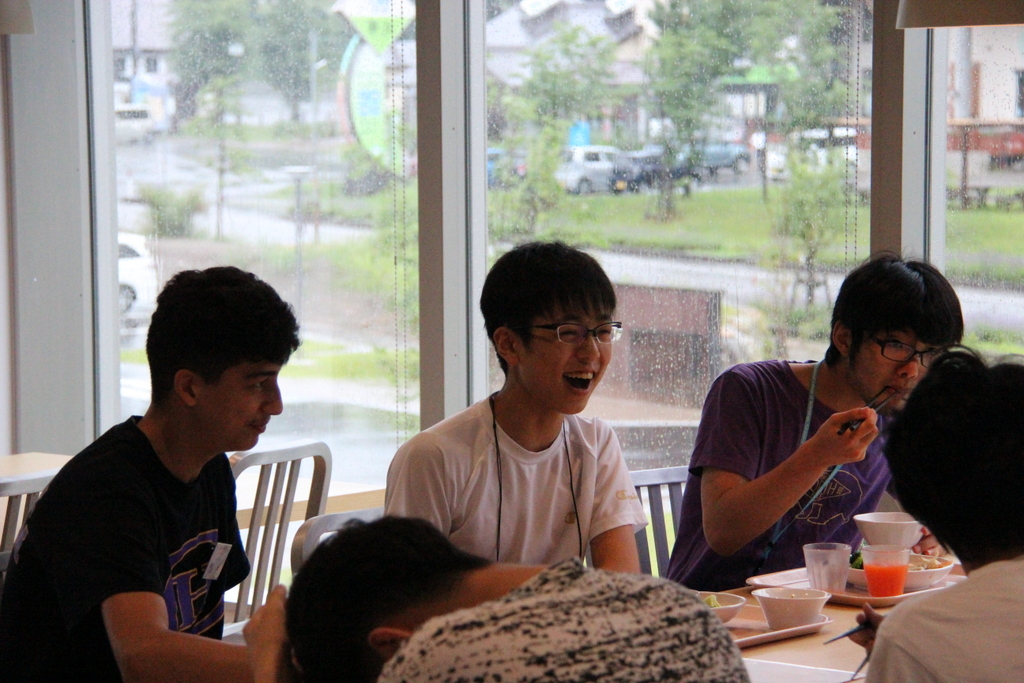
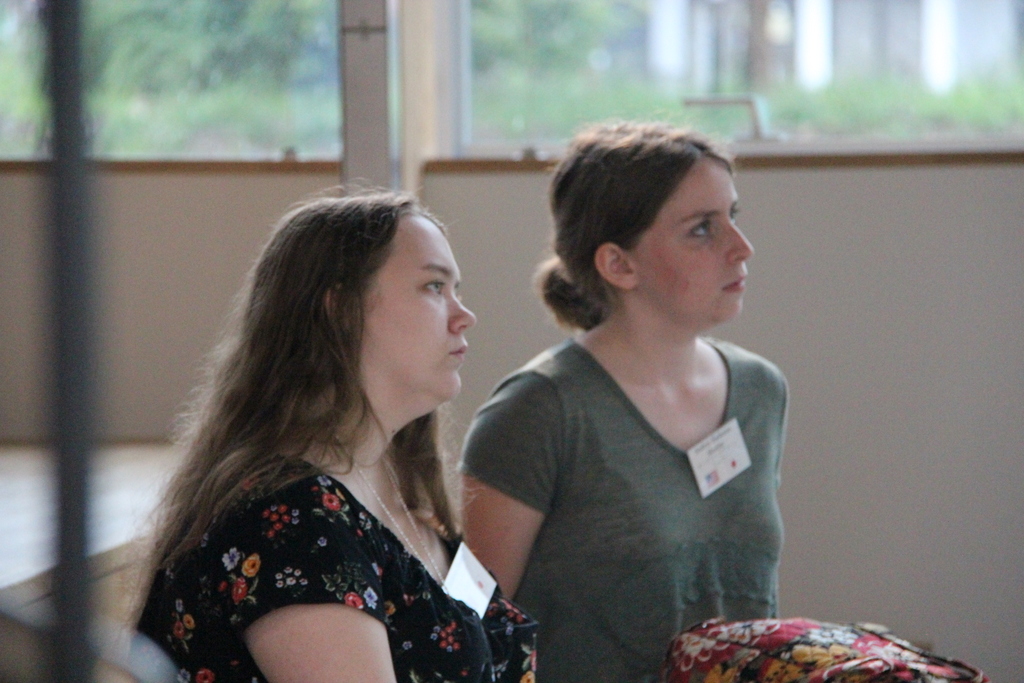
On Thursday, we had a group of visitors from the city of Columbia, Missouri USA. Hakusan and Columbia are sister cities and this group visited our Hakusanroku campus as part of their trip to Japan. The group consisted of three high school students studying Japanese and their teacher.
They ate lunch with our ICT students, viewed the Engineering Design class, and took a tour of the Hakusanroku campus. I think the first-year students have become quite comfortable interacting with visitors since they get so much practice. They have overcome the shyness; and take the opportunity to enjoy and improve their communication skills.
Currently in Engineering Design, ICT students are creating prototypes in groups. The visitors were not engineers, so the students had to explain their projects in an understandable way. It was a good exercise to practice word selection in English.
After viewing the Hakusanroku campus, the Columbia students departed to visit the Hakusan Hime Shrine and meet with their homestay families. We thank them for visiting us and wish they enjoy their experience in Japan.
Jonathan
木曜日、アメリカミズーリ州コロンビア市からの訪問者が来ました。コロンビア市は白山市と姉妹都市で、日本旅行の一環として、日本語を勉強している高校生3名と先生1名が白山麓キャンパスを訪れてくれました。
コロンビア市の学生は、ICTの学生と昼食を取ったあと、エンジニアリングデザインの授業を見学し、白山麓キャンパスのツアーに参加しました。ICTの1年生は学校を訪れる人との交流にとても慣れてきているように思います。人見知りをすることが少なくなり、コミュニケーションを楽しむことが上手になってきています。
現在、エンジニアリングデザインでは学生がグループに分かれ、プロジェクトのプロトタイプを製作しています。コロンビア市の学生は工学を勉強していないので、ICTの学生は自分のプロジェクトを説明する際にわかりやすい言葉を選ぶ必要がありました。英語力向上のために非常に役に立ったと思います。
白山麓キャンパスを視察したあと、コロンビア市の学生は白山比咩神社に向けて出発しました。その後、ホームステイする家族に会うそうです。旅路の無事を祈りつつ、また会える日を楽しみにしております。ありがとうございました。
ジョナサン



On Thursday, we had a group of visitors from the city of Columbia, Missouri USA. Hakusan and Columbia are sister cities and this group visited our Hakusanroku campus as part of their trip to Japan. The group consisted of three high school students studying Japanese and their teacher.
They ate lunch with our ICT students, viewed the Engineering Design class, and took a tour of the Hakusanroku campus. I think the first-year students have become quite comfortable interacting with visitors since they get so much practice. They have overcome the shyness; and take the opportunity to enjoy and improve their communication skills.
Currently in Engineering Design, ICT students are creating prototypes in groups. The visitors were not engineers, so the students had to explain their projects in an understandable way. It was a good exercise to practice word selection in English.
After viewing the Hakusanroku campus, the Columbia students departed to visit the Hakusan Hime Shrine and meet with their homestay families. We thank them for visiting us and wish they enjoy their experience in Japan.
Jonathan
木曜日、アメリカミズーリ州コロンビア市からの訪問者が来ました。コロンビア市は白山市と姉妹都市で、日本旅行の一環として、日本語を勉強している高校生3名と先生1名が白山麓キャンパスを訪れてくれました。
コロンビア市の学生は、ICTの学生と昼食を取ったあと、エンジニアリングデザインの授業を見学し、白山麓キャンパスのツアーに参加しました。ICTの1年生は学校を訪れる人との交流にとても慣れてきているように思います。人見知りをすることが少なくなり、コミュニケーションを楽しむことが上手になってきています。
現在、エンジニアリングデザインでは学生がグループに分かれ、プロジェクトのプロトタイプを製作しています。コロンビア市の学生は工学を勉強していないので、ICTの学生は自分のプロジェクトを説明する際にわかりやすい言葉を選ぶ必要がありました。英語力向上のために非常に役に立ったと思います。
白山麓キャンパスを視察したあと、コロンビア市の学生は白山比咩神社に向けて出発しました。その後、ホームステイする家族に会うそうです。旅路の無事を祈りつつ、また会える日を楽しみにしております。ありがとうございました。
ジョナサン