




Extracurricular Activity
課外活動
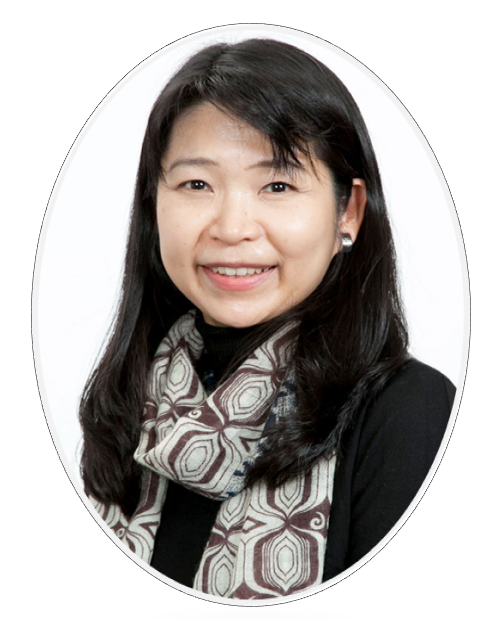 「華道講座」顧問の宇都宮 隆子です。4、5年生が学ぶ金沢キャンパスには、課外活動として「華道講座」があります。月2回を基本に、参加学生たちは、草月流石川支部八部会に所属されている南川 穂和先生よりご指導をいただいています。今年度は4年生3名、5年生1名の計4名で活動を行っています。
後学期からの活動再開を前に、前学期の活動の様子を振り返りながら、参加してくれている4、5年生たちの様子をご紹介したいと思います。
[5月]
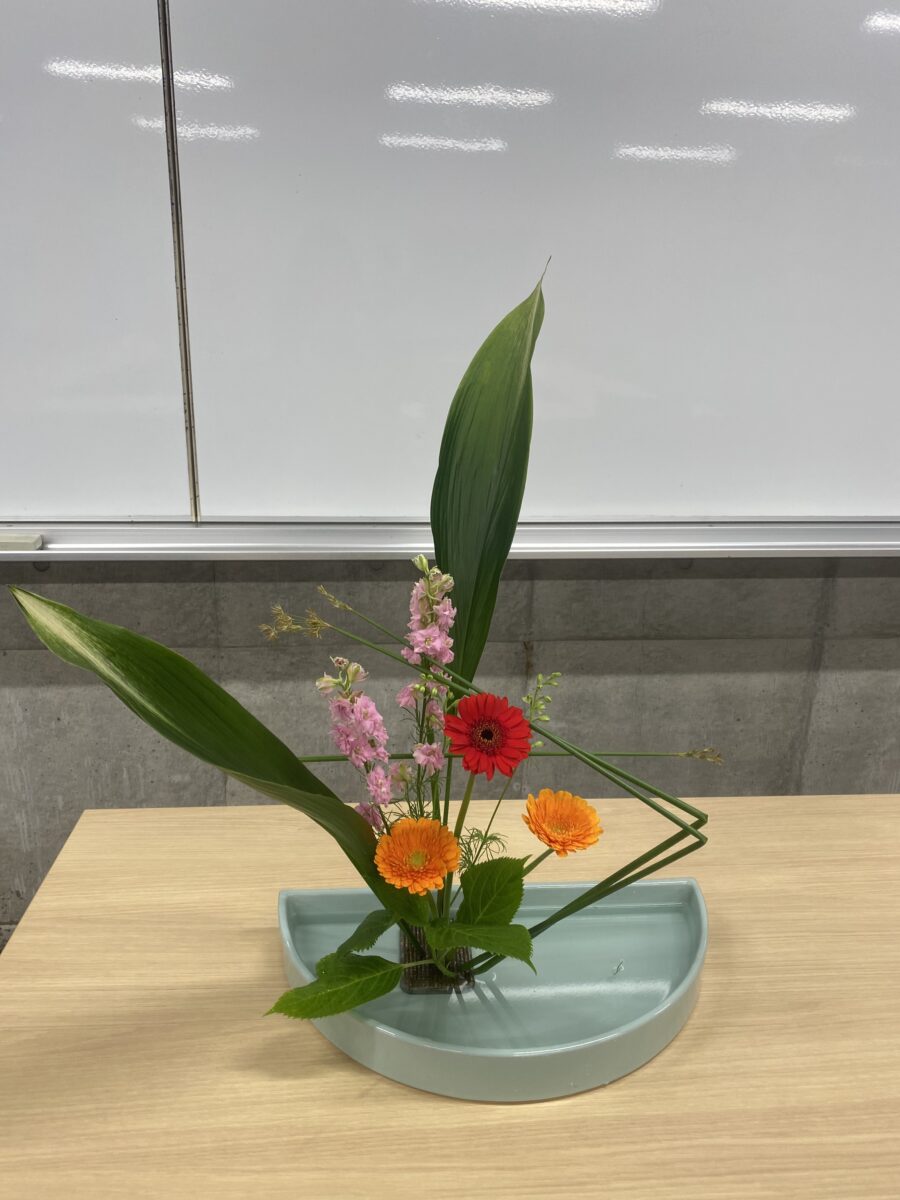
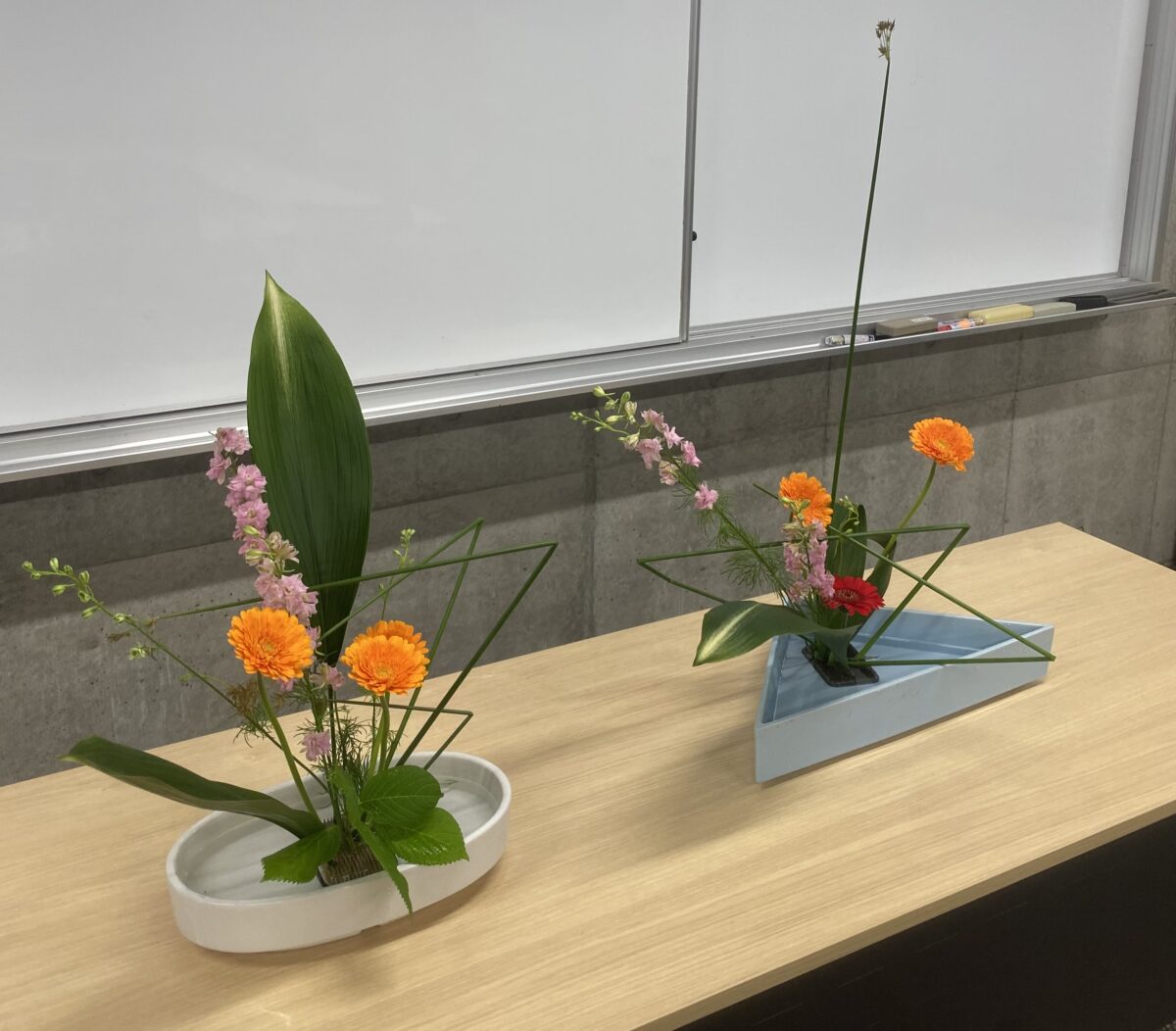
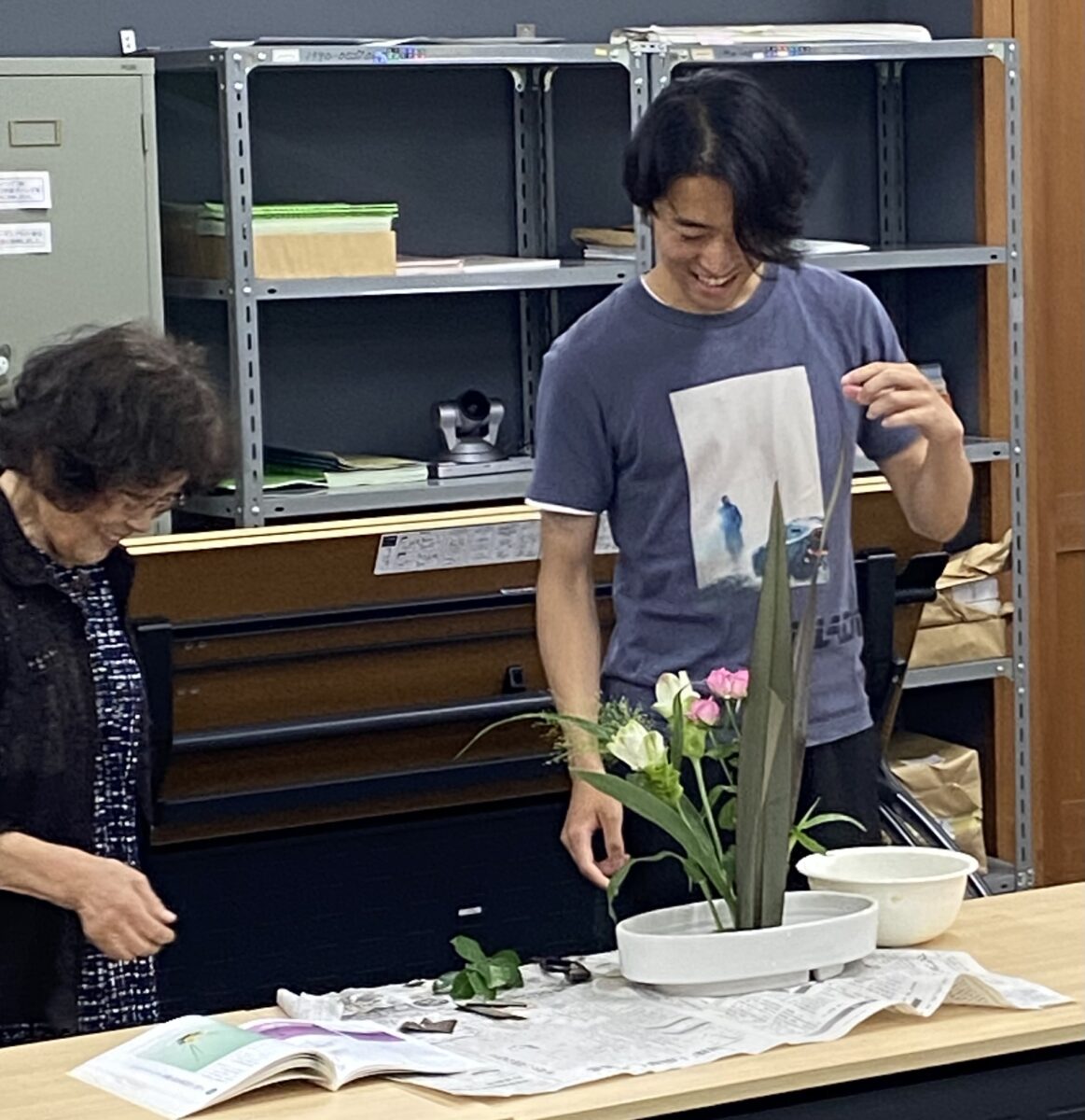
4年生は、いけばな初心者とは思えないほど花ばさみを上手に使いこなし、南川先生からもお褒めの言葉をいただきました。デザインを考える表情も真剣そのものです。
5年生は、自分の作品と静かに向き合いながら、4年生をあたたかく迎え入れてくれていました。
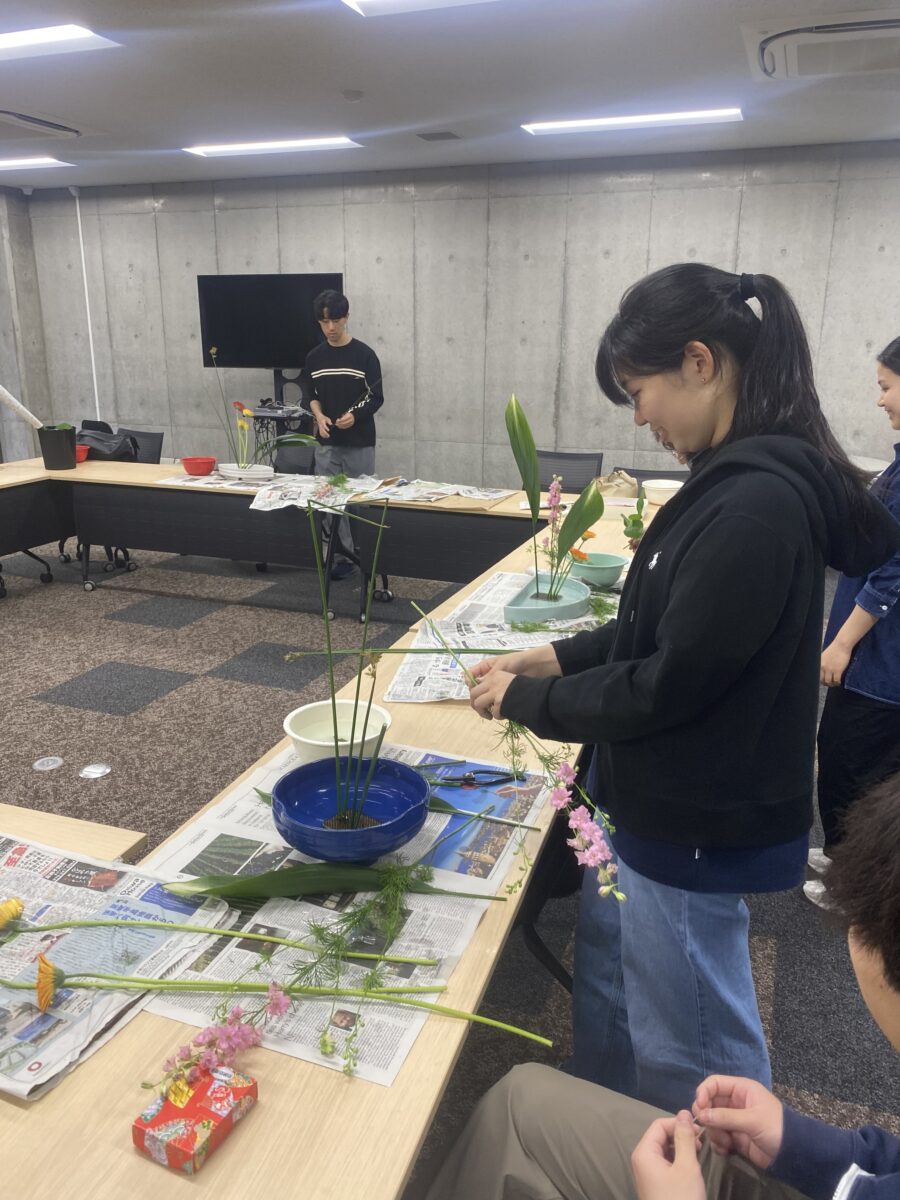
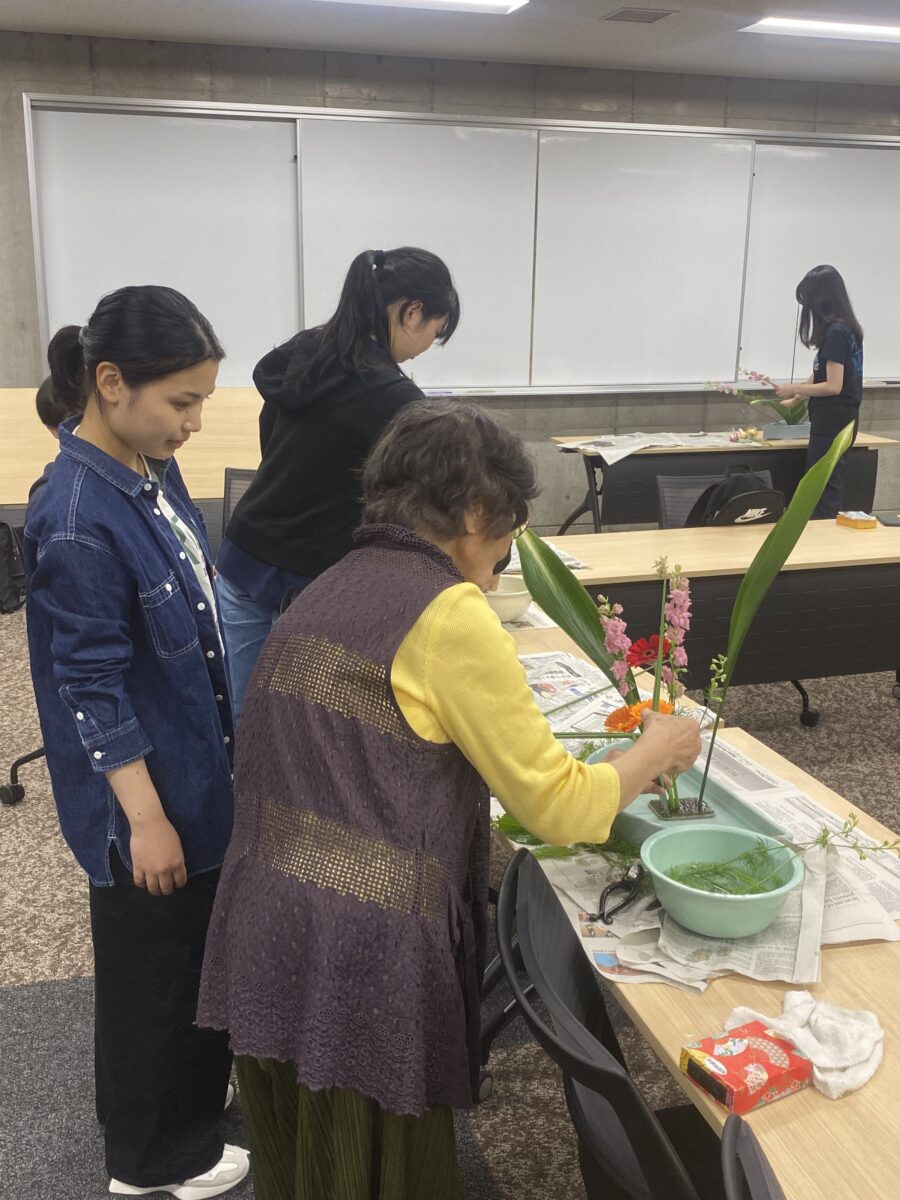
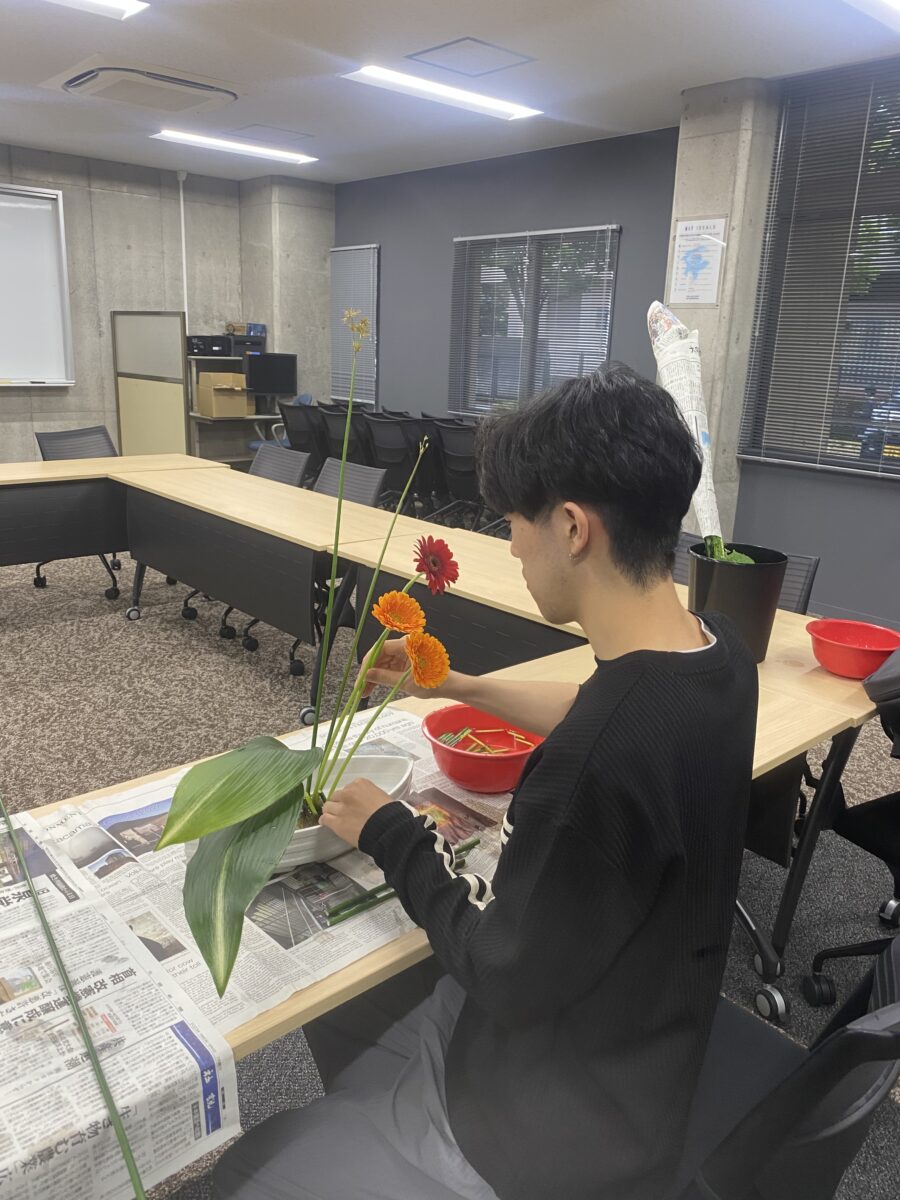
[6月]
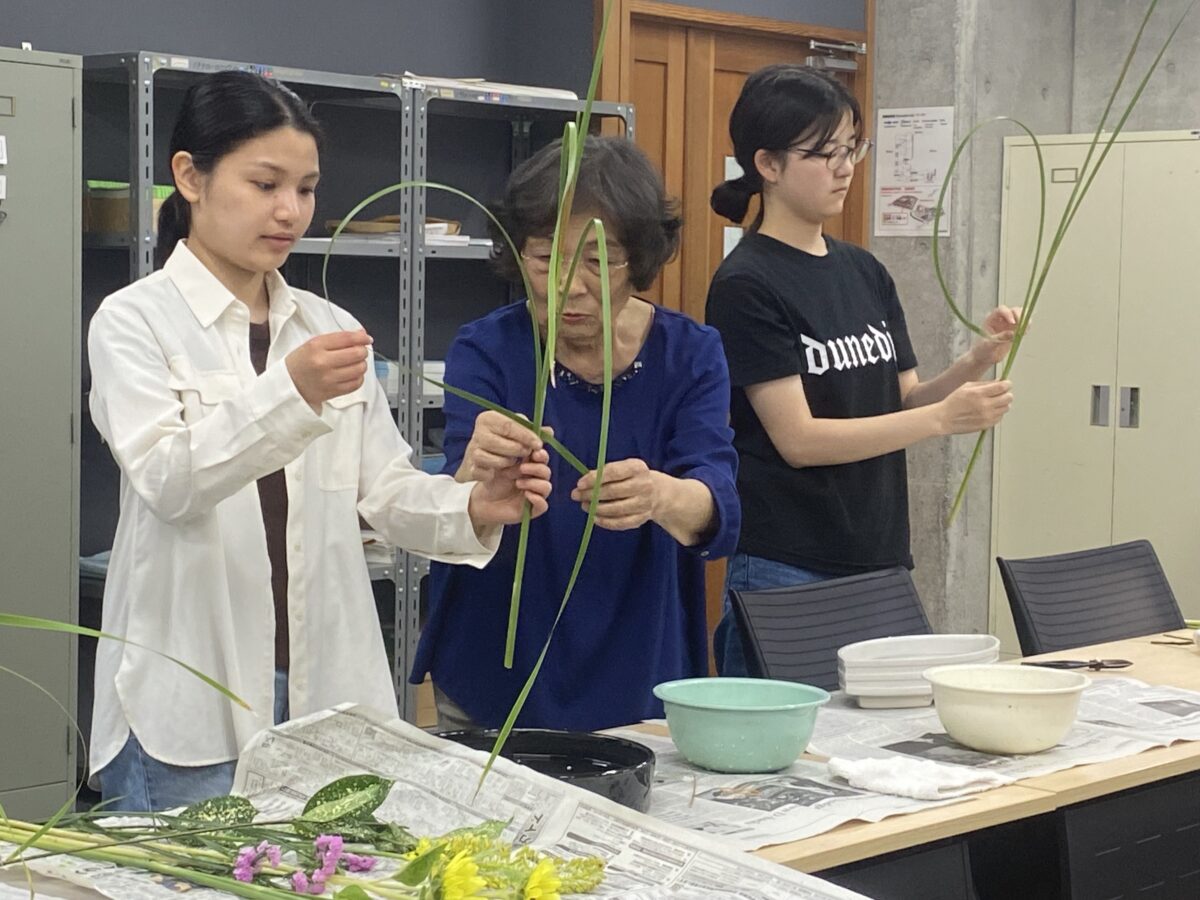
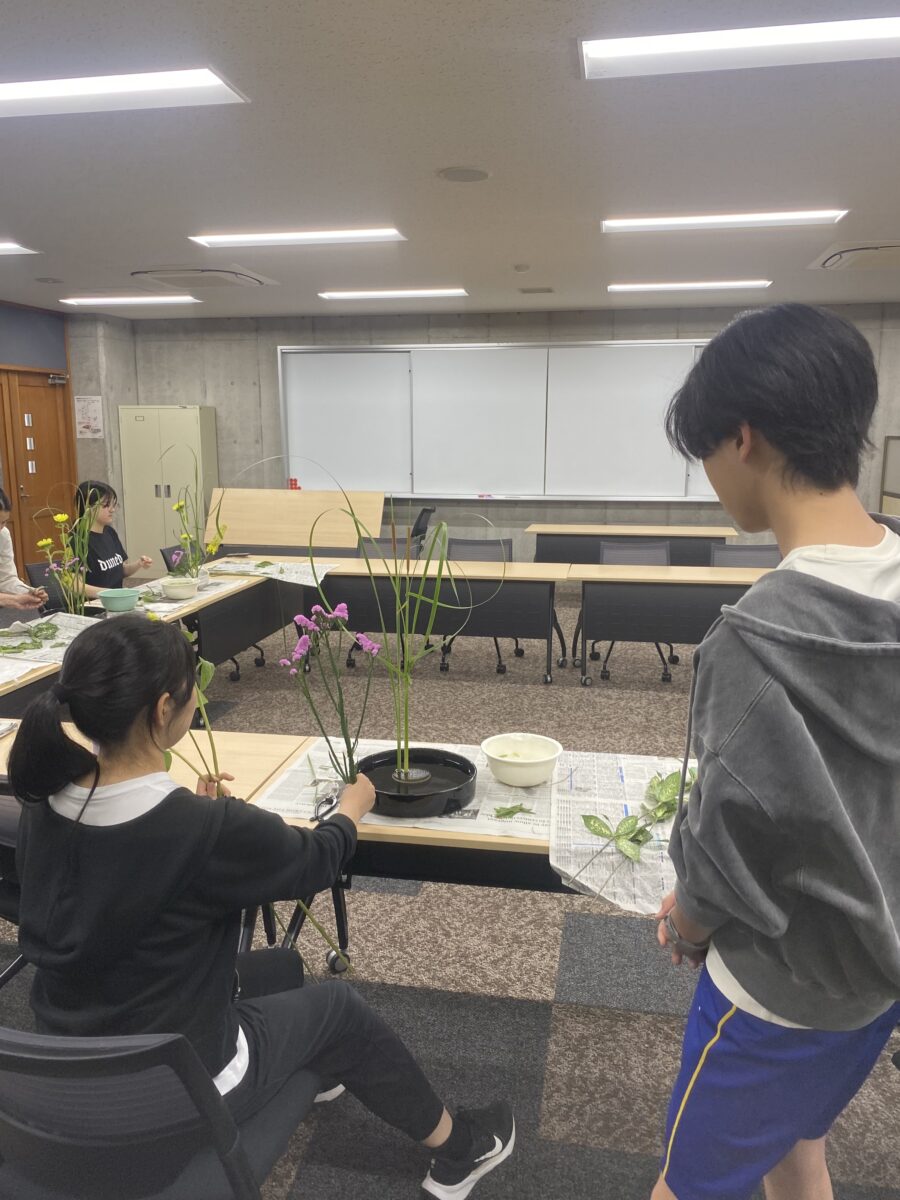
じっくりと花と向き合う人、先生からアドバイスを受ける人、クラスメイトの意見を聞きながらにぎやかにデザインを決めていく人。作品づくりの過程はさまざまです。
[7月①]
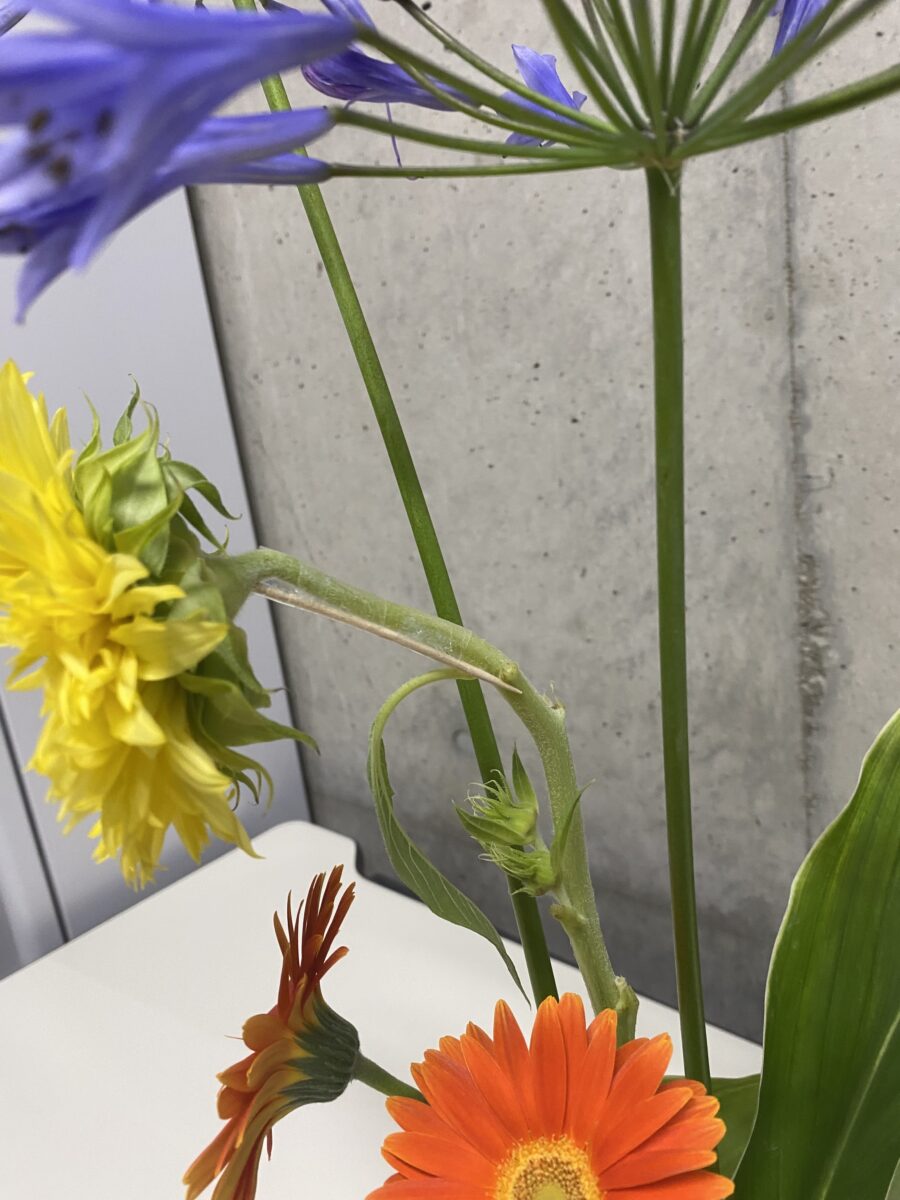
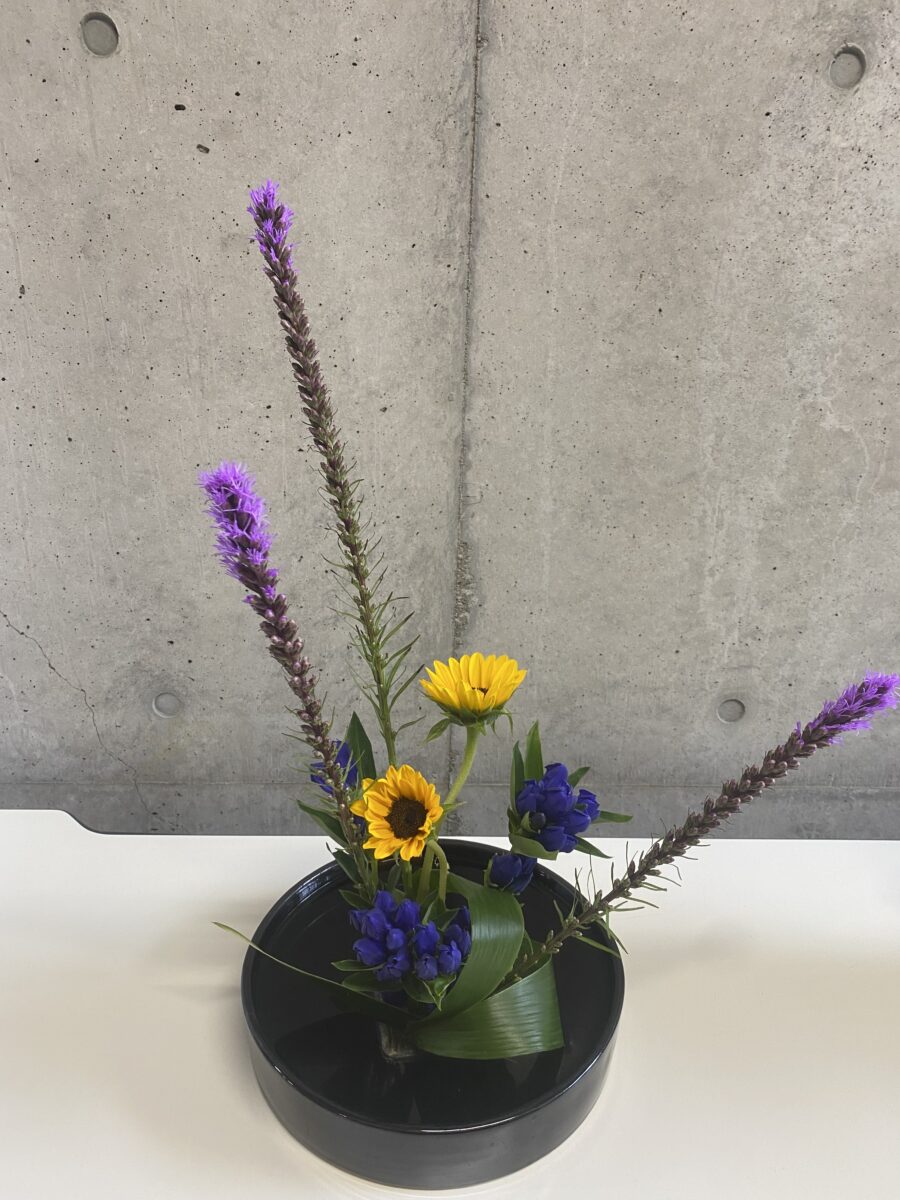
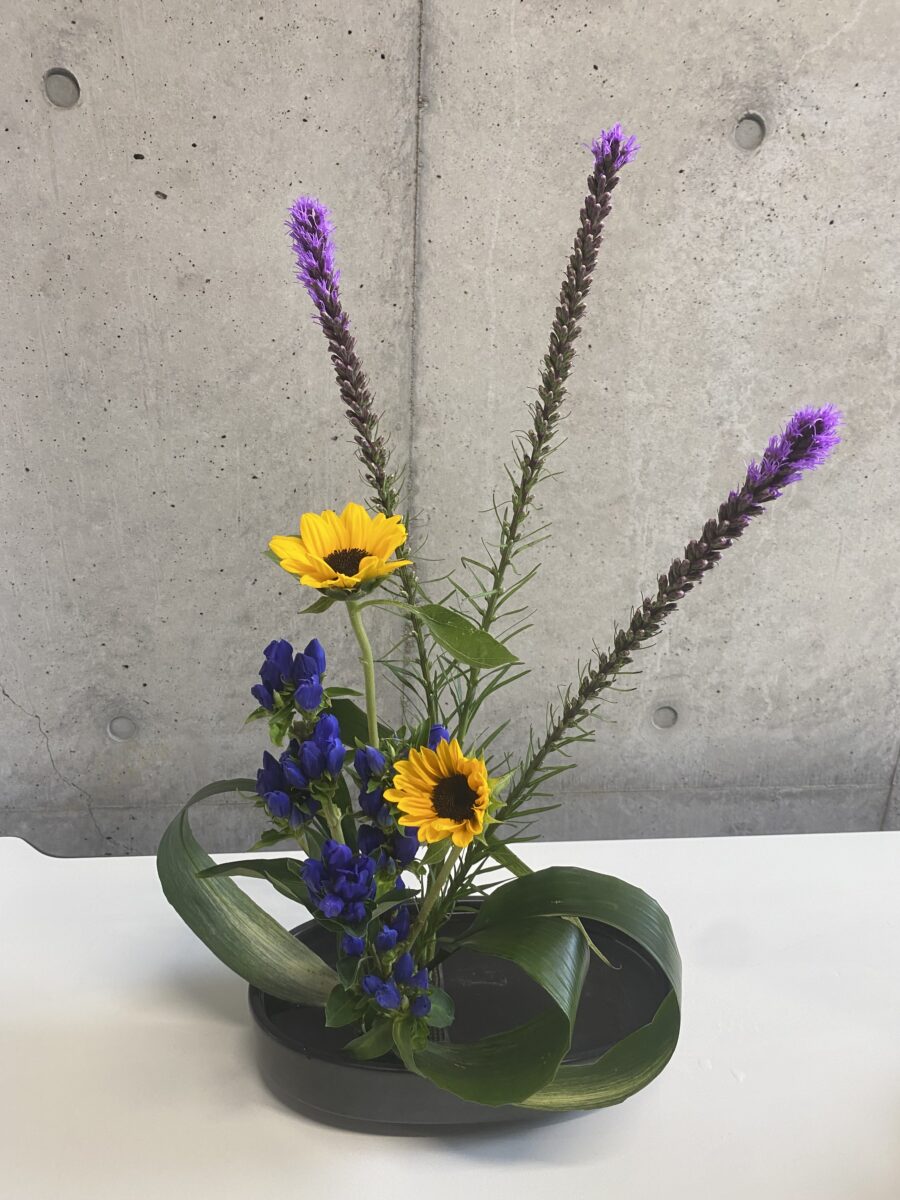
ヒマワリの首が重すぎて。「どうしても顔を上に向かせたい!」という一心で・・・写真の中に、そっと添えられたつまようじ、気づきましたか。小さな工夫が、作品へのこだわりを物語っています。
[7月②]
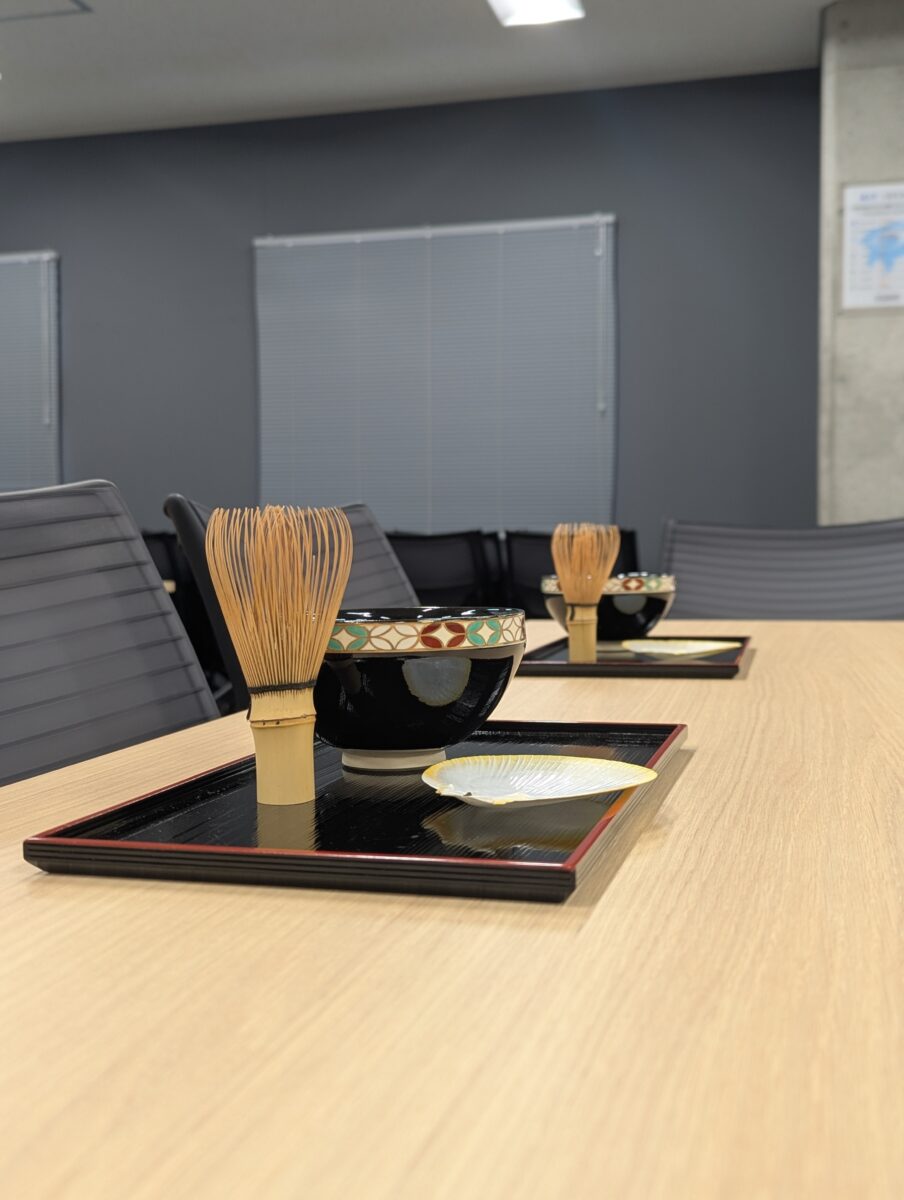
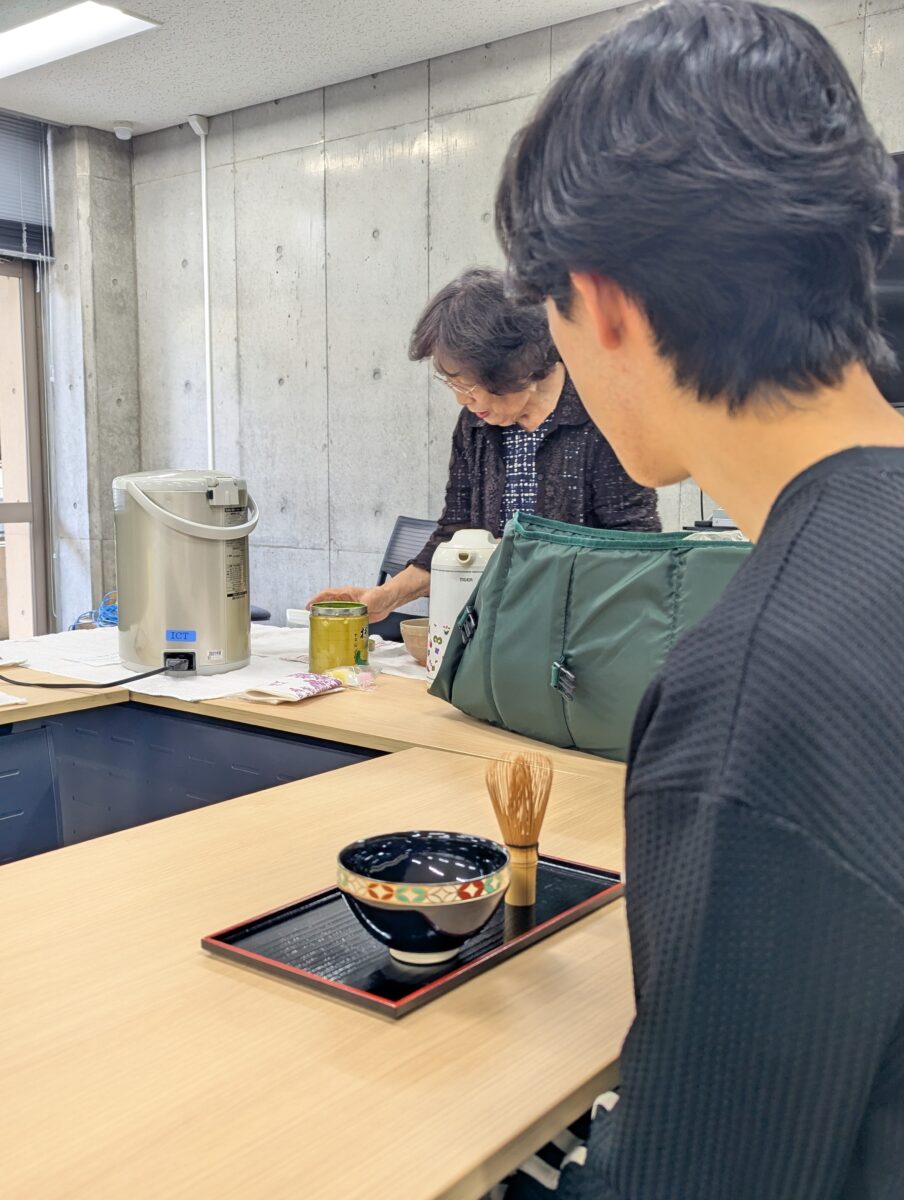
講師の南川先生は、茶道 裏千家 名誉師範でもいらっしゃいます。
4、5年生に茶道を体験する機会を作ってくださり、お菓子は東山の「吉はし」のお干菓子をいただきました。
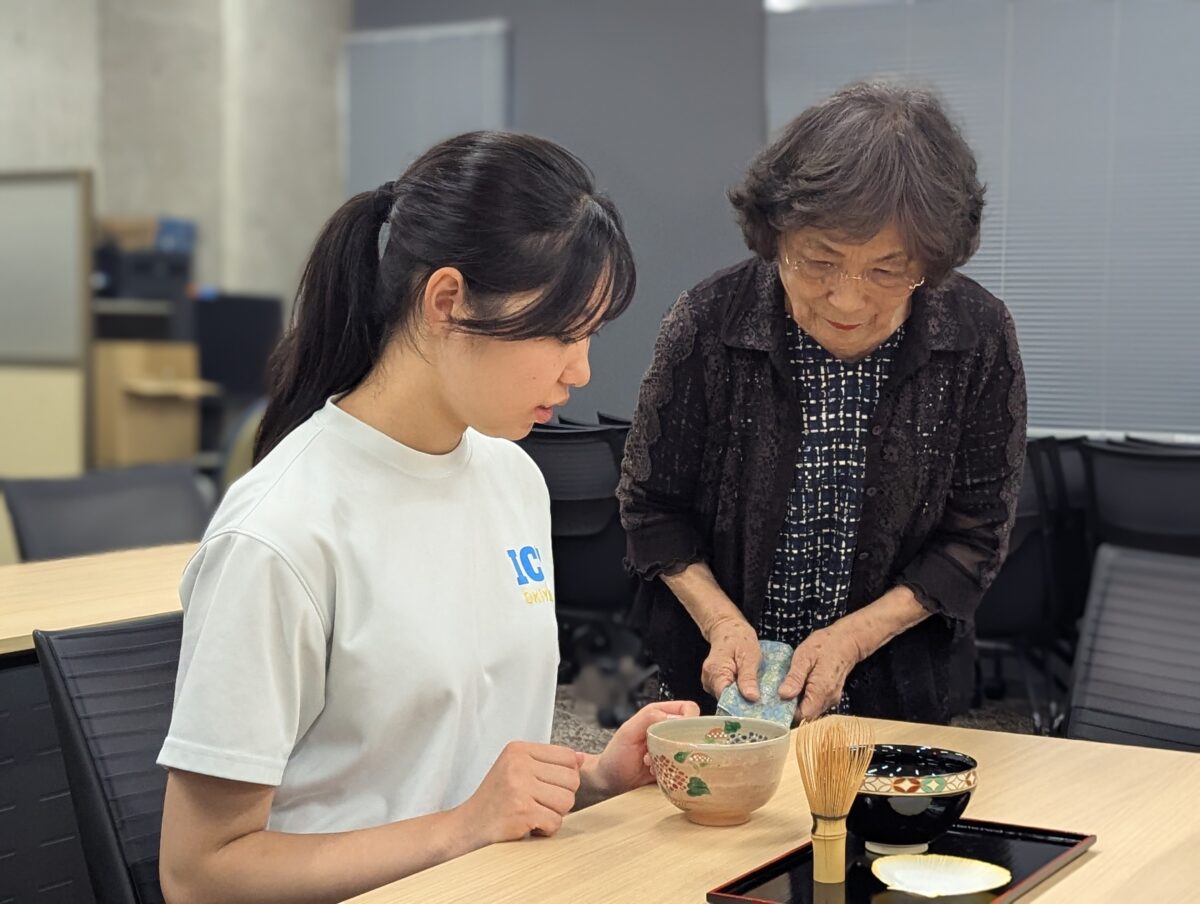
[7月③]
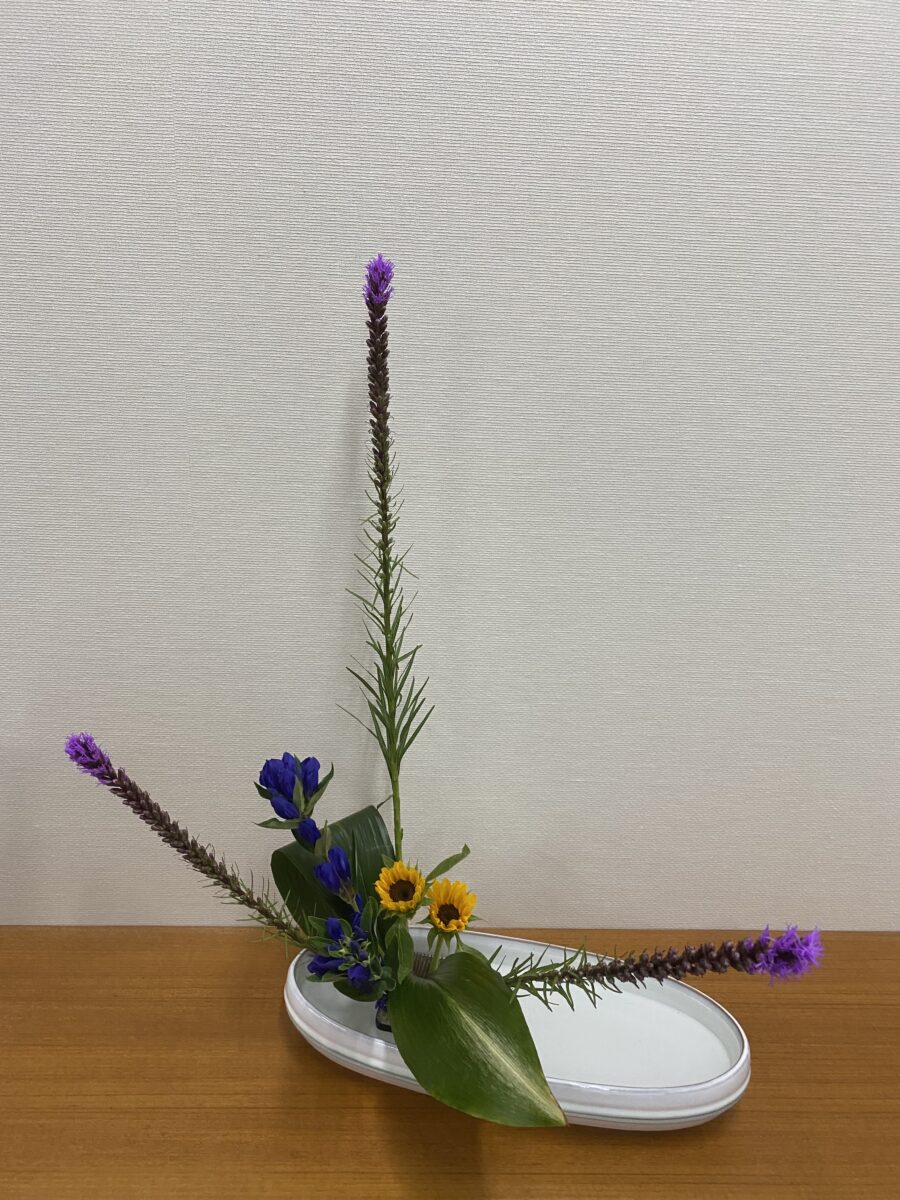
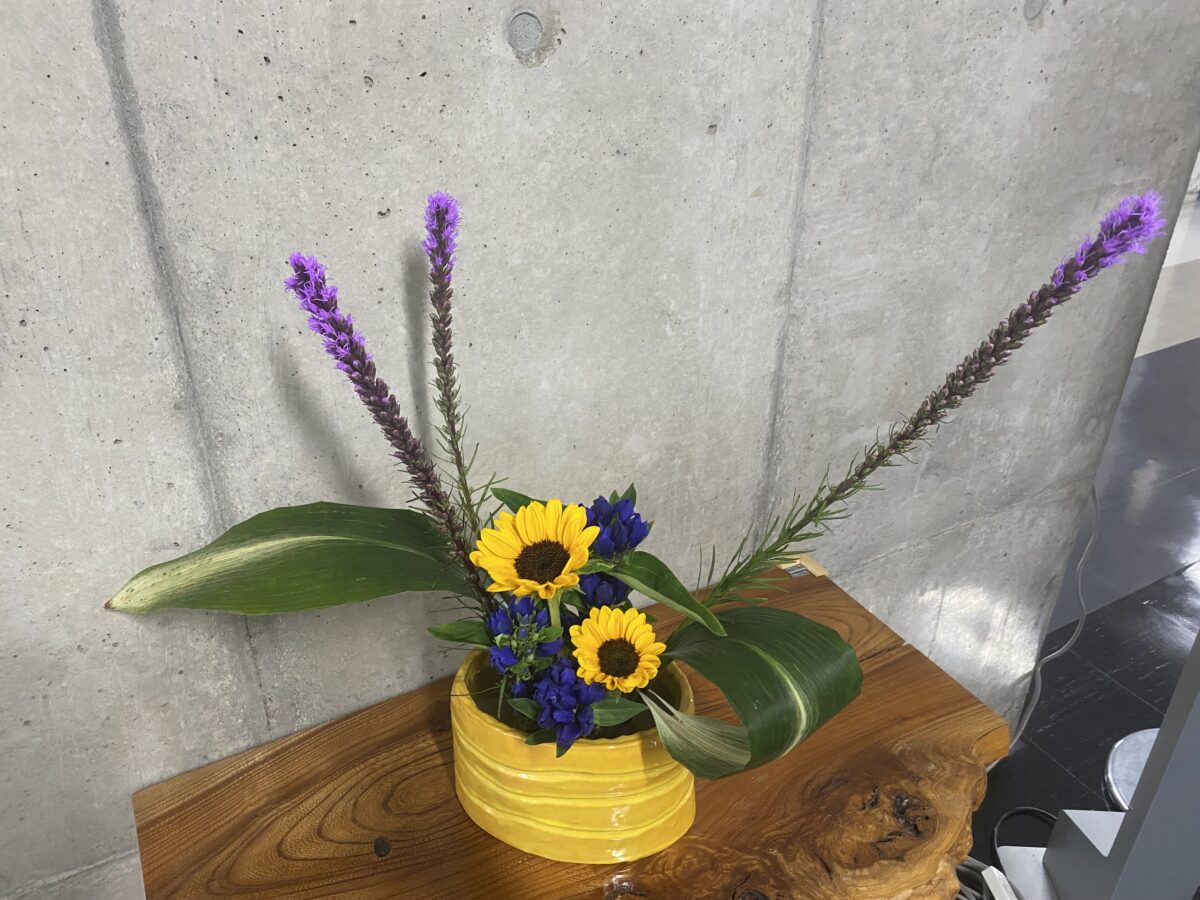
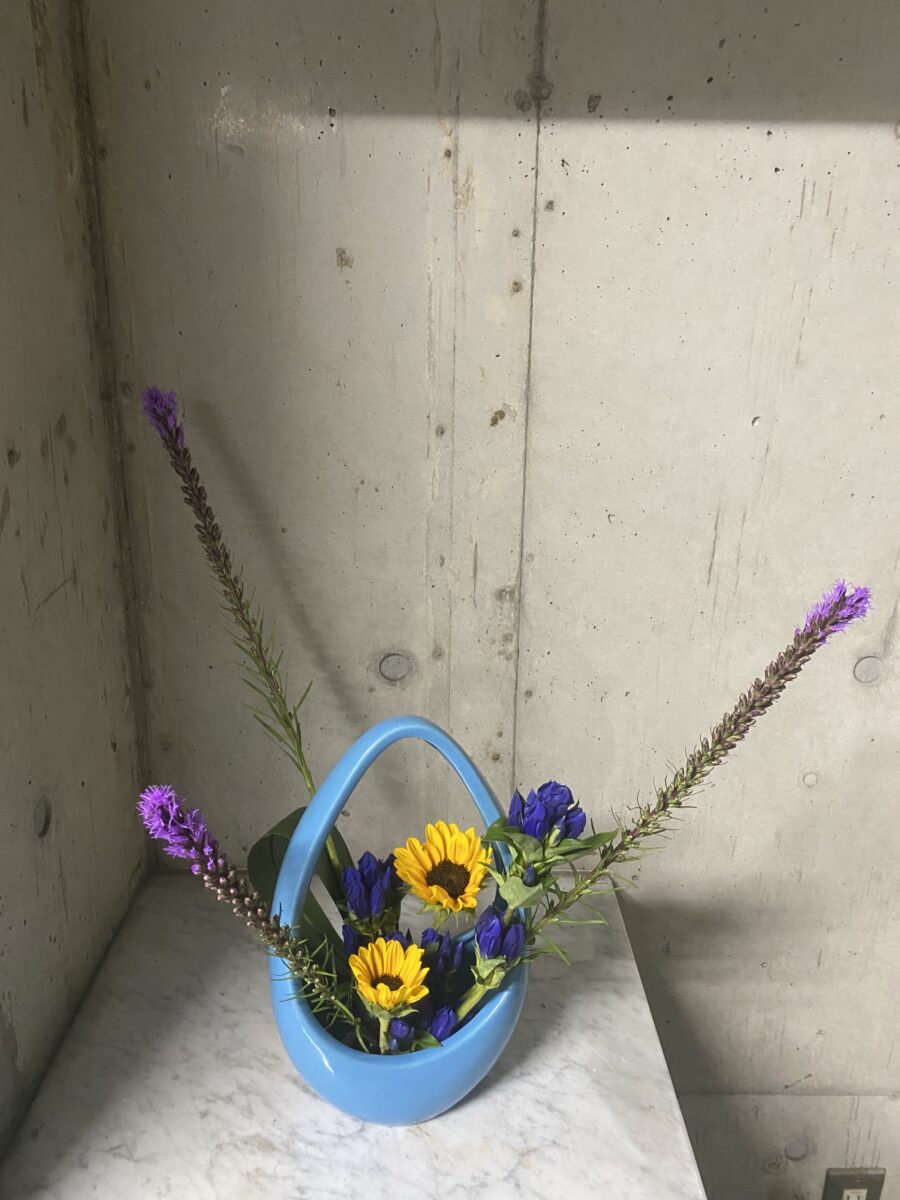
作品を飾る場所は、校長室や高専玄関、階段下のスペースなどさまざまです。
最近では、各自の作品を飾るスペースも定着してきました。
[10月]
草月創流100周年記念 石川県支部いけばな展「ともに創る 未来へつなぐ」の『みらいコーナー』に4、5年生が参加させていただくことになりました。
(草月会石川県支部の皆さま、ありがとうございます)
会期は10月10日(土)~12日(月)、会場は金沢21世紀美術館 地下1階市民ギャラリーBです。
お近くにお越しの際は、ぜひ学生たちの作品をご覧いただければ幸いです。
https://www.sogetsu.or.jp/events/local/816652/
華道講座
顧問 宇都宮 隆子
Hello, I am Takako Utsunomiya, the teacher overseeing the Ikebana club. At the Kanazawa Campus, where the 4th- and 5th-year students study, we offer an extracurricular Ikebana activity. The participating students receive instruction twice a month from Ms. Howa Minamikawa, a member of the Eighth Division of the Sogetsu School’s Ishikawa Branch. This year, four students—three from the 4th year and one from the 5th year—are taking part in the club.
As we begin our Ikebana activities for the second semester, I would like to reflect on what our 4th- and 5th-year students accomplished during the first semester and highlight their involvement in the club.
[May]
The fourth‑year students used the flower shears with surprising skill for beginners, and Ms. Minamikawa (Ikebana instructor) even complimented their work. Their faces were full of concentration as they planned their designs. The fifth‑year student quietly focused on his own arrangement while warmly welcoming the younger members.
[June]
One student quietly focused on her flowers, others asked the teacher for advice, and still another enjoyed lively conversation with classmates as she decided on her designs. There were many different paths to creating a piece, each one unique to the student.
[July ①]
The sunflower’s head was simply too heavy. Even so, driven by the desire to make it face upward, the student kept trying different ideas. Did you notice the toothpick quietly supporting it in the photo? That small touch speaks volumes about her dedication to the piece.
[July ②]
Ms. Minamikawa, our Ikebana instructor, is also a certified Urasenke tea ceremony teacher. She kindly arranged an opportunity for the 4th- and 5th-year students to experience the tea ceremony, and we were served higashi sweets from “Yoshihashi” in Higashiyama, Kanazawa.
[July ③]
Students’ Ikebana works are displayed in various locations, including the president’s office, the main entrance of the ICT, and the space beneath the staircase. Recently, the students have started to concentrate on their own display sites.
[October]
The 4th- and 5th-year students have been given the opportunity to participate in the Sogetsu 100th Anniversary Ikebana Exhibition, “Creating Together, Connecting to the Future,” and to showcase their work in the Mirai Corner.
(Our sincere thanks to everyone at the Sogetsu Ikebana Association, Ishikawa Branch.)
The exhibition will be held from October 10 (Sat.) to 12 (Mon.) at the 21st Century Museum of Contemporary Art, Kanazawa, Basement Level 1, People’s Gallery B. If you happen to be in the area, we would be delighted if you could stop by and take a look at the students’ work.
https://www.sogetsu.or.jp/events/local/816652/
Ikebana Club
Takako Utsunomiya
 こんにちは。デザイン&ファブリケーション部顧問の林道大です。2026年5月16日(土)に秋葉原で開催された、AKIBA Re-ROBO FESS 2026に出展してきました。
このイベントは、一般社団法人Akiba Tech Connectが主催して今年初めて行われ、モノづくりの聖地“秋葉原”で、技術を媒介として自由に交流できる“テクノロジーの混沌の場”を創出することを理念に開催されました。大企業、ベンチャー企業、中小企業、アカデミア等、所属がさまざまな方々が一堂に会するイベントを目指しています。
国際高等専門学校のブースでは、学校紹介と部活動であるデザイン&ファブリケーション部について説明してきました。会場が秋葉原の中心部にあり、さらに土曜日ということもあり、多くの来場者があり、大変賑わっていました。その中で「高専教育について」や、「国際高専の取り組みについて」などをプレゼンテーションしました。まだまだ一般的には「高専」という存在が充分に認知されているとはいえず、「高専って何ですか」と質問されることもありました。一方で、ロボット技術やドローン技術の関係者には、広く浸透していて、高専で学んだ学生は即戦力として、あるいは将来リーダーとなるような人材として期待されていることを実感しました。
イベントでは展示ブースだけではなく、パフォーマンスステージが設けられており、そこでロボット動作のデモンストレーションをすることができました。持ち込んだロボットは2025年に高専ロボコン全国体会に出場した「香箱倶楽部」です。実演では段ボールが積まれたゲートをつかんで運んだり、人が乗った台車を牽引したりするデモンストレーションを実施しました。本校の学生による実演のあと、会場に来てくれていた子供たちに台車に乗ってもらい、ロボットで牽引しながらステージを一周しました。子供たちはちょっと大きめのヘルメットをかぶって、台車につかまって、ロボットに引っ張られる経験は、もちろん初めてだったと思います。最初は少し緊張していた様子も見られましたが、最後は笑顔で「おもしろかった」と話してくれました。ステージでの実演が終わった後も展示ブースまでロボットを見に来てくれて、ロボットに触ったり、ロボット中身を見たりして、説明担当の学生にさまざまな質問をしていました。
このような体験は、将来高専生になるかもしれない子供たちにとってはもちろん、本校の学生にとっても良い経験となったのではないでしょうか。
デザイン&ファブリケーション部
顧問 林 道大
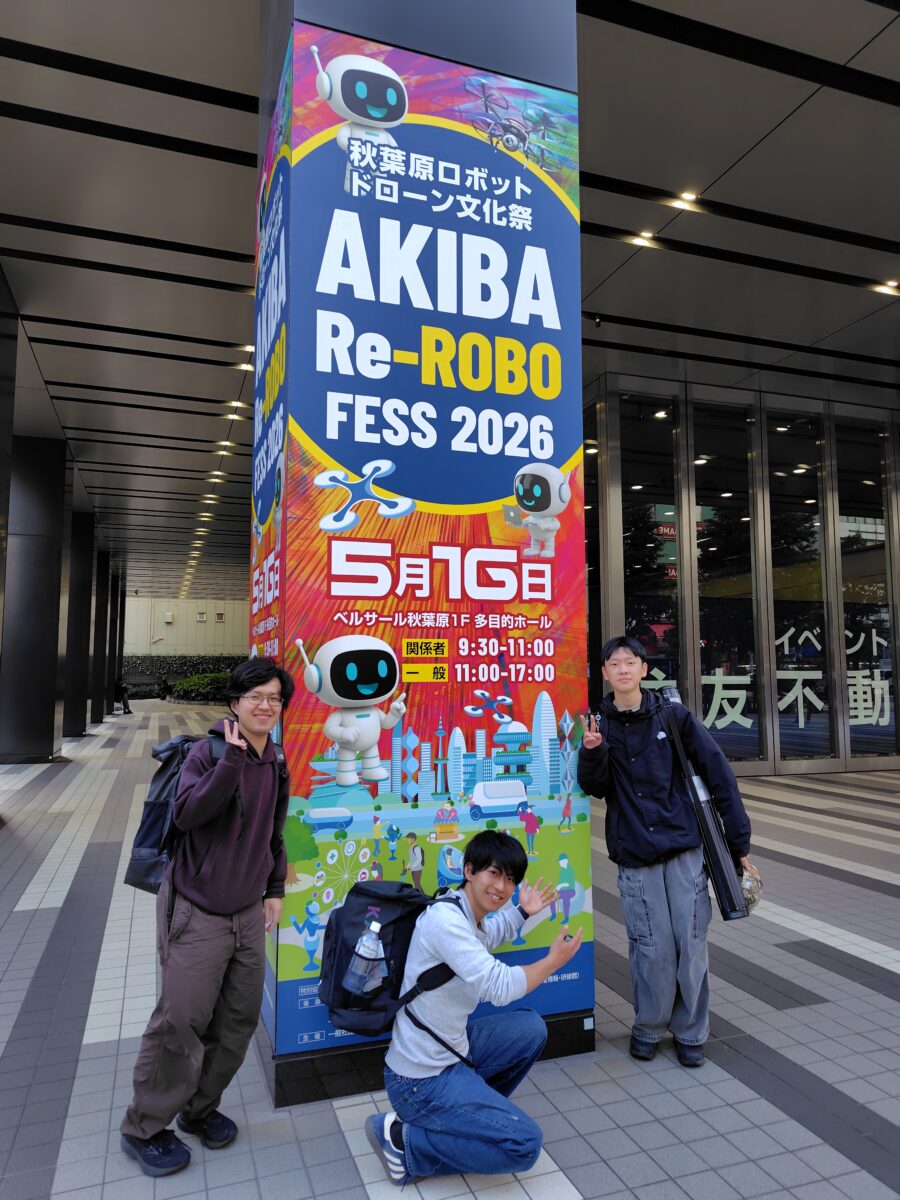
Arriving at the event venue会場到着
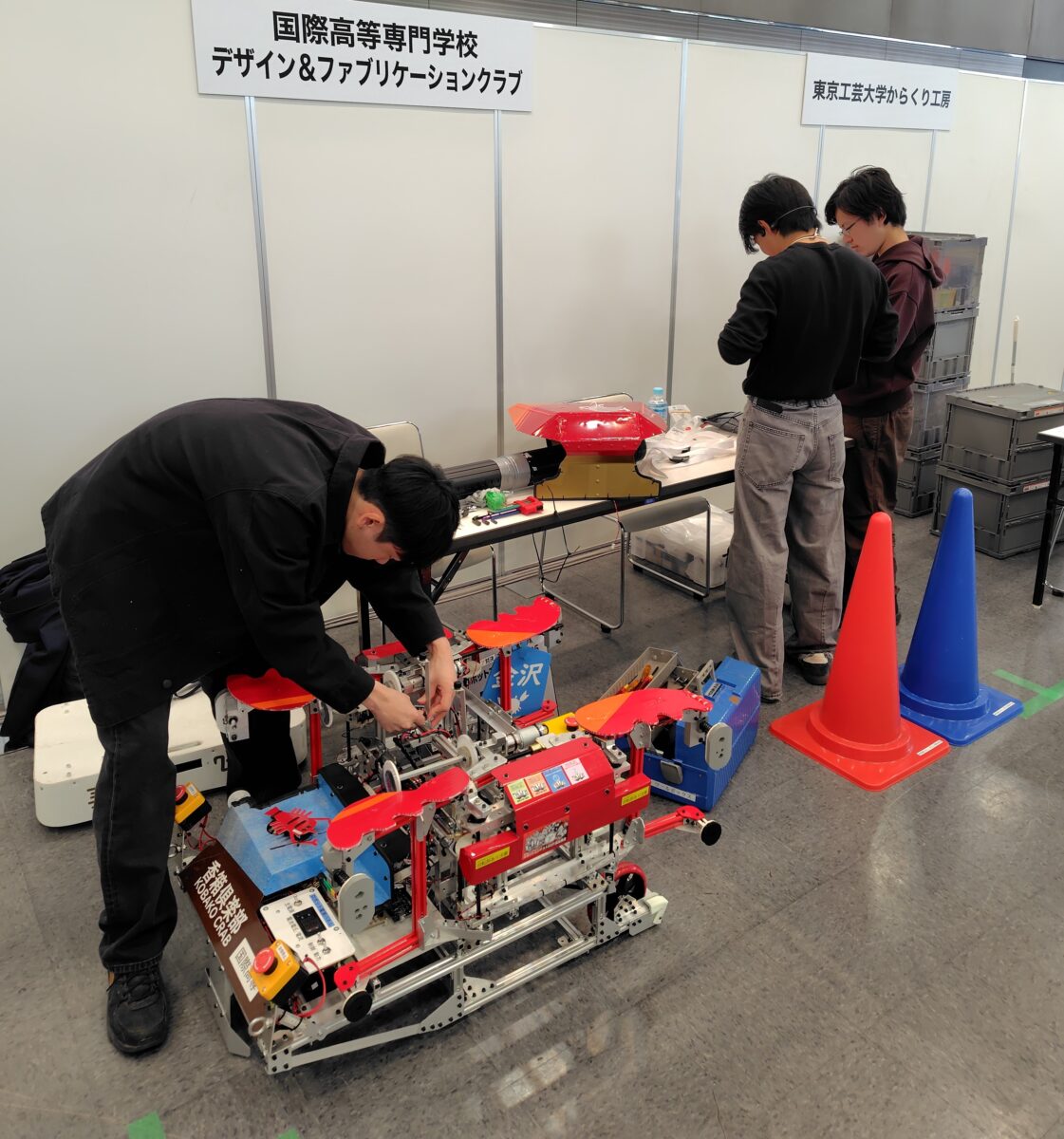
Preparing the exhibition booth展示ブース設営中
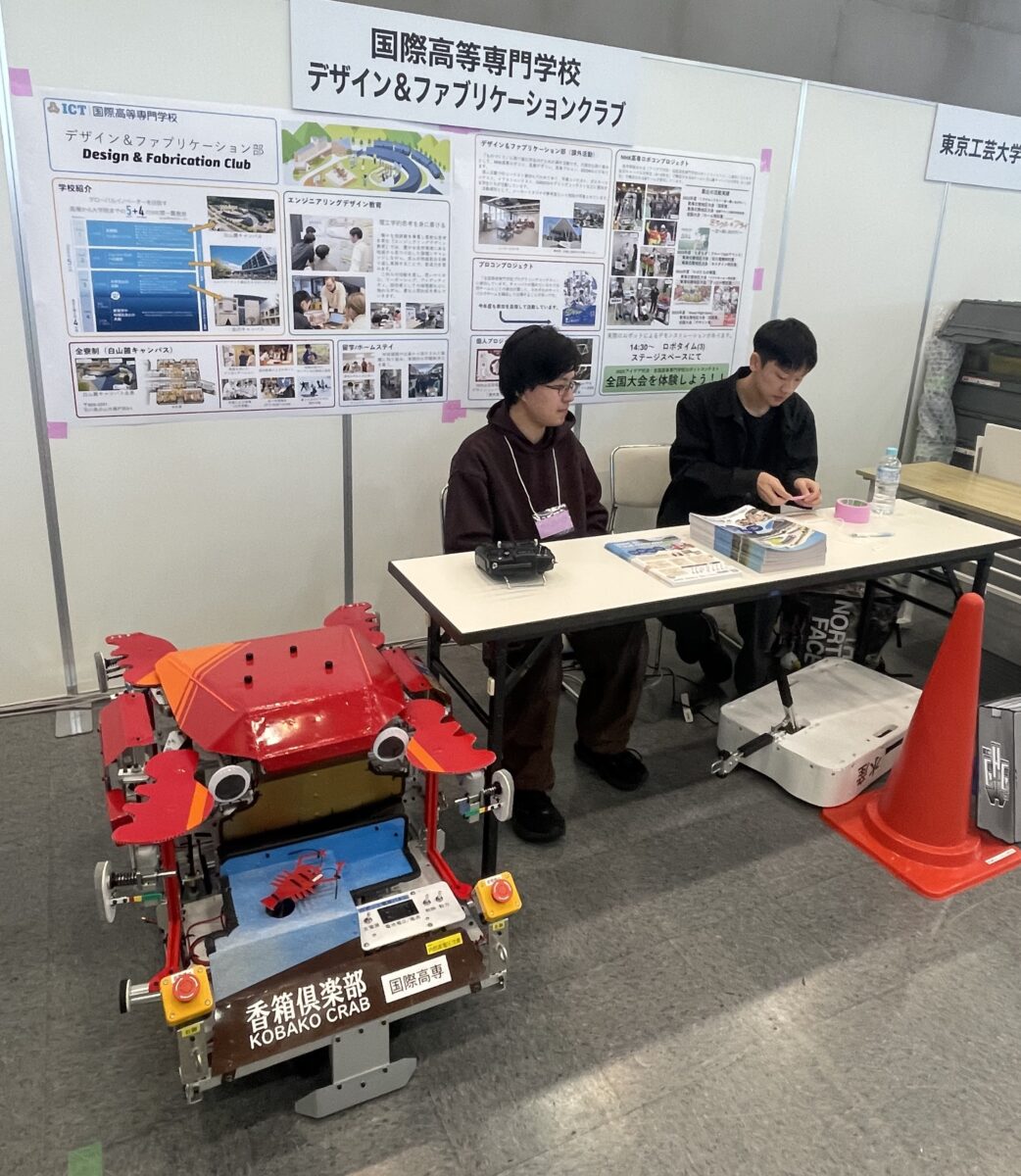
Ready to welcome visitors準備が終わって待機中
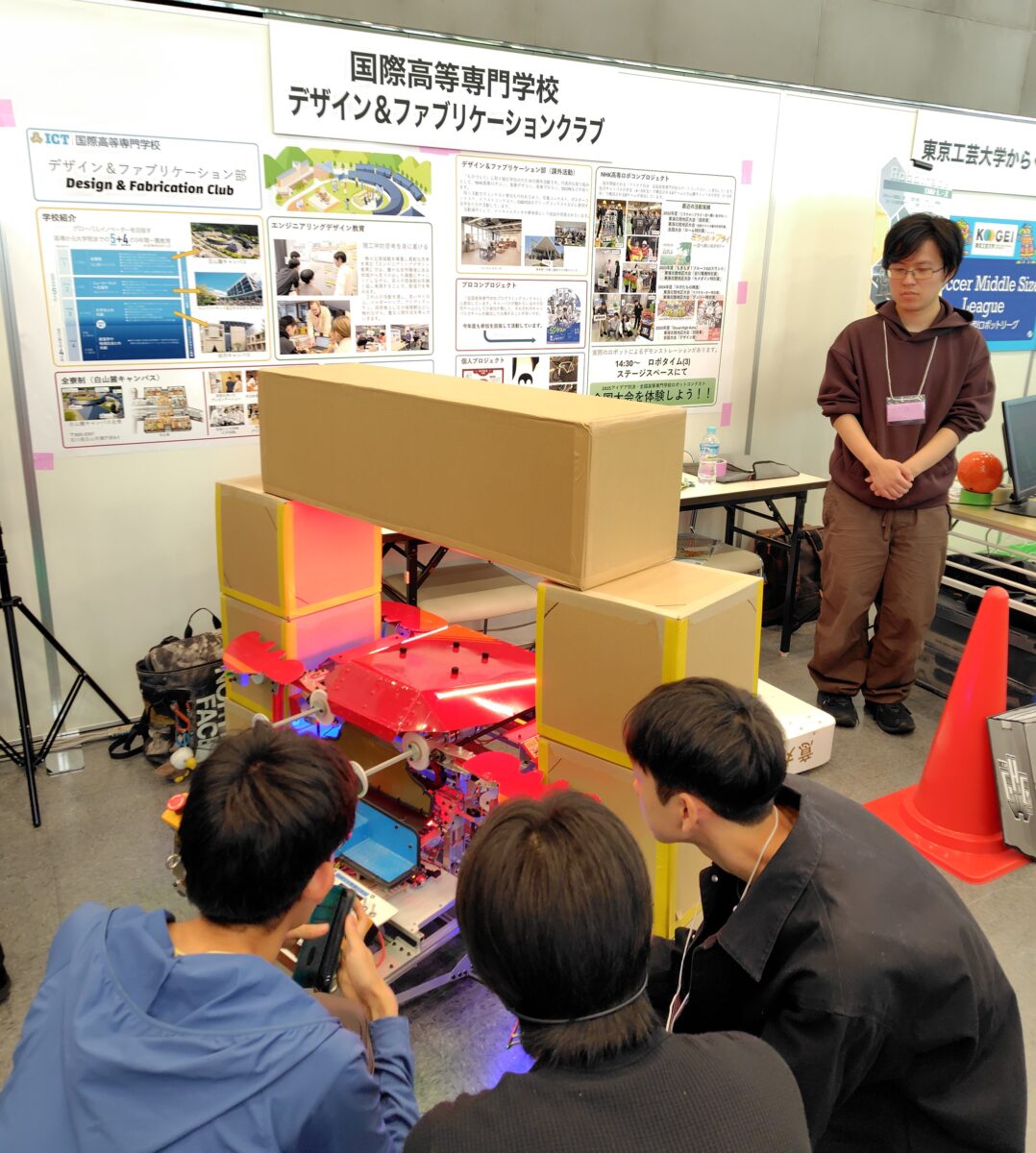
Introducing the robot to visitorsロボット解説中
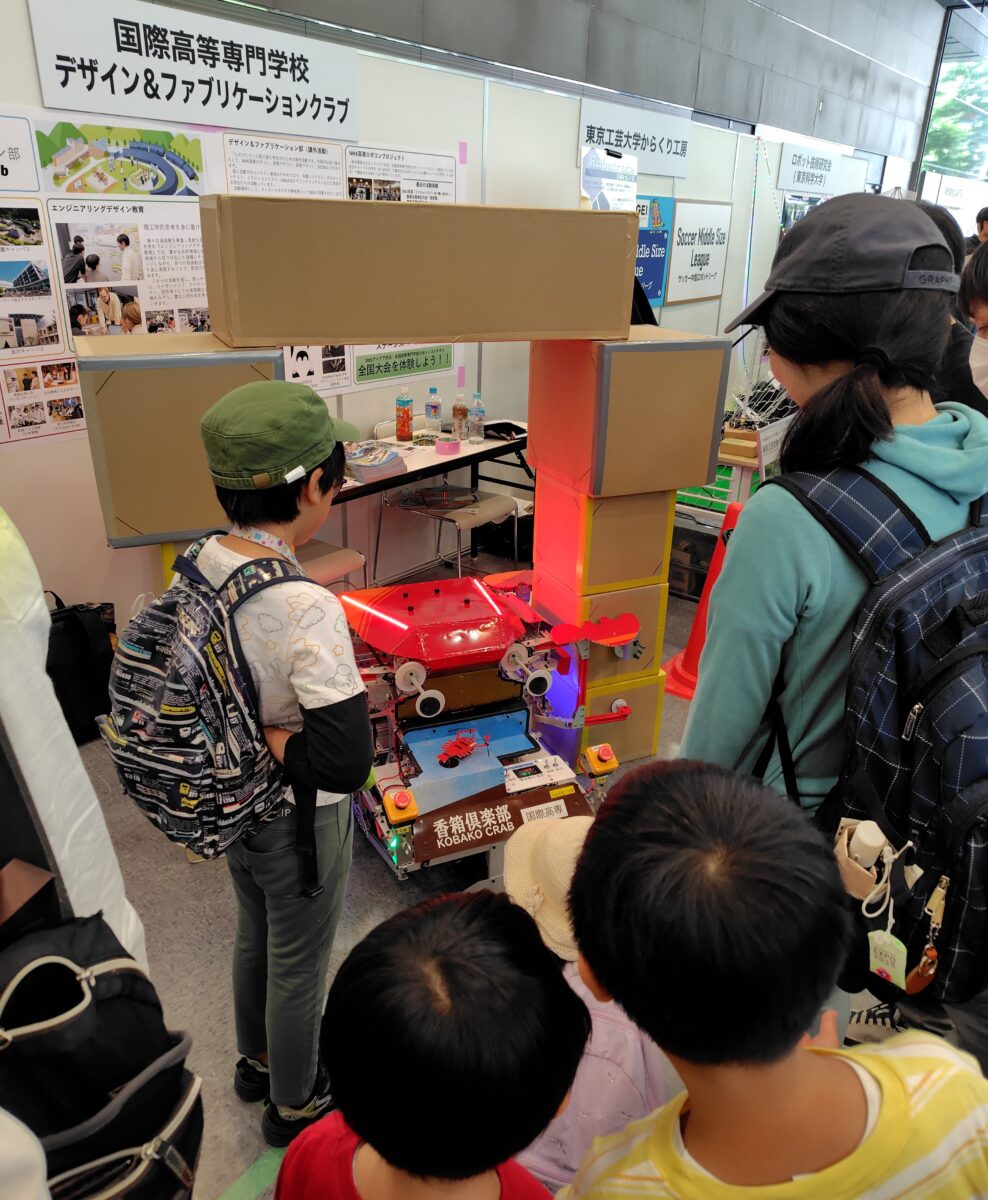
Children taking a close look at the robotロボット見学中の子供たち
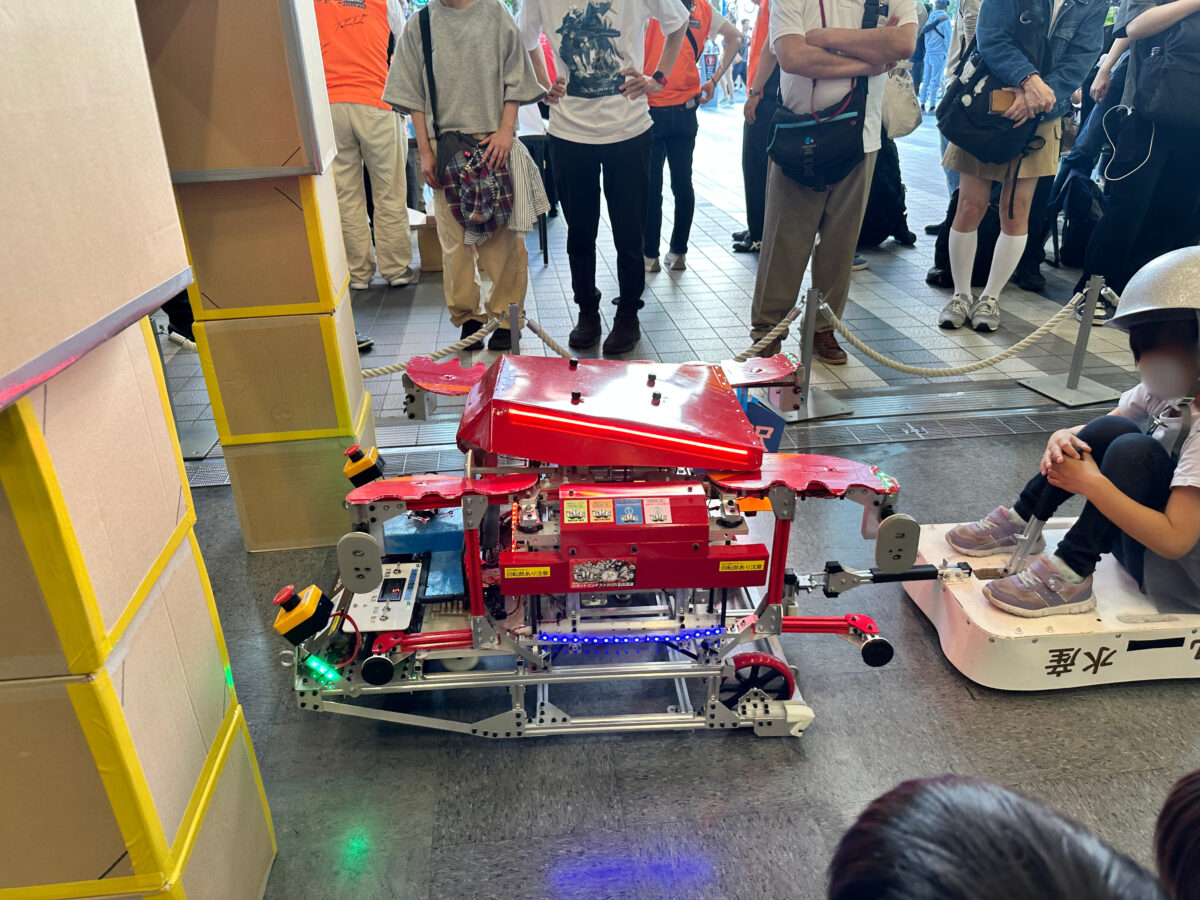
Children taking a close look at the robotステージ実演で台車に乗る参加者
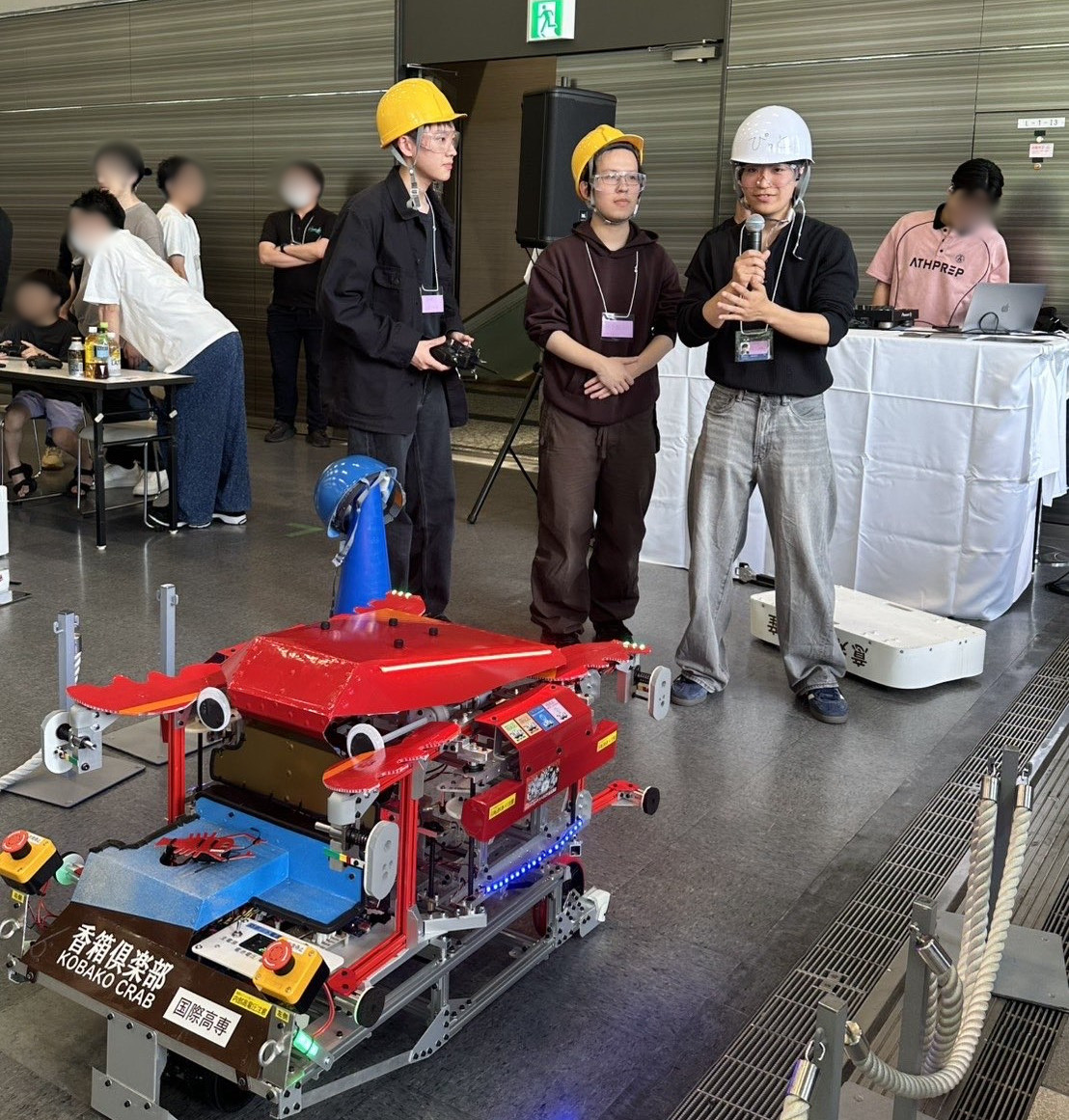
Students explaining the robot beside the stageステージ脇でロボットの説明をする学生
Hello, this is Michihiro Hayashi, advisor of the Design & Fabrication Club.
On Saturday, May 16, 2026, we participated in AKIBA Re-ROBO FESS 2026, held in Akihabara, Tokyo.
This event was organized for the first time by Akiba Tech Connect. It was created with the vision of forming a “chaotic space of technology” in Akihabara—the sacred place of hands-on manufacturing and technology—where people can freely connect and interact through technology. The event aimed to bring together participants from a wide range of backgrounds, including large corporations, startups, small and medium-sized companies, and academic institutions.
At the booth of the International College of Technology, Kanazawa, we introduced our school and the activities of the Design & Fabrication Club. Since the venue was located in the center of Akihabara and the event was held on a Saturday, there were many visitors and the venue was very lively. During the event, we gave presentations about KOSEN education and the unique initiatives of ICT.
We also realized that KOSEN is still not widely recognized among the general public, and some visitors asked us, “What is KOSEN?” On the other hand, among people involved in robotics and drone technologies, KOSEN is already well known. We strongly felt that students educated at KOSEN are highly valued as practical engineers and future leaders in the field.
In addition to exhibition booths, the event also featured a performance stage where we demonstrated our robot. The robot we brought was “Kobako Club,” which competed in the National KOSEN Robocon Competition in 2025.
During the demonstration, the robot carried gates made of stacked cardboard boxes and pulled a cart carrying a person. After the demonstration by our students, children visiting the venue were invited to ride on the cart, and the robot pulled them around the stage.
The children wore slightly oversized helmets and experienced being pulled by a robot while holding onto the cart—something most of them were probably experiencing for the first time. At first, some of them looked nervous, but by the end they were smiling and saying, “That was fun!”
Even after the stage performance ended, many children came to our exhibition booth to see the robot more closely. They touched the robot, looked inside its mechanisms, and asked many questions to the students in charge of explanations.
We believe this experience was valuable not only for children who may become future KOSEN students, but also for our own students.
Design & Fabrication Club
Advisor: Michihiro Hayashi
Arriving at the event venue会場到着
Preparing the exhibition booth展示ブース設営中
Ready to welcome visitors準備が終わって待機中
Introducing the robot to visitorsロボット解説中
Children taking a close look at the robotロボット見学中の子供たち
Children taking a close look at the robotステージ実演で台車に乗る参加者
Students explaining the robot beside the stageステージ脇でロボットの説明をする学生

改めまして、こんにちは。ICTの白山麓キャンパスでラーニングメンターを担当している、シャルミー・アブアンです。新学年度が始まってから、早くも1か月余りが経ちました。前回の記事では、昨年度を通して実施したワークショップについてご紹介しました。今回は、それよりも小規模ながら同様に重要な取り組みとして、新学期開始から約1週間後に新入生を対象に実施したミニワークショップについてご紹介します。
授業が正式に始まる前に、ラーニングメンター同士で集まり、新入生がスムーズに学校生活へ適応できるよう、どのような支援ができるかを検討しました。新しい環境への適応はそれ自体で大きな負担となるため、ICTでの日常生活の中で実際に役立つ実践的なスキルに焦点を当てることにしました。
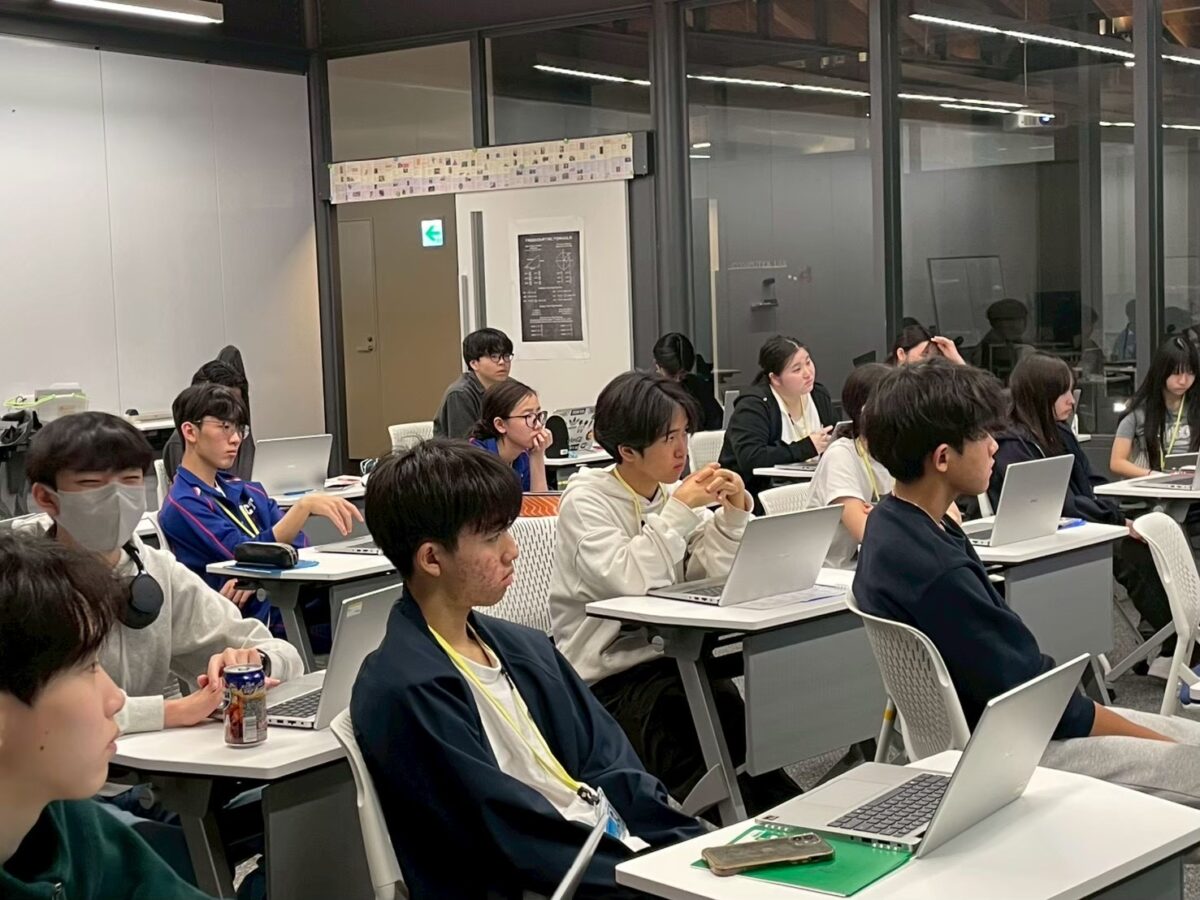
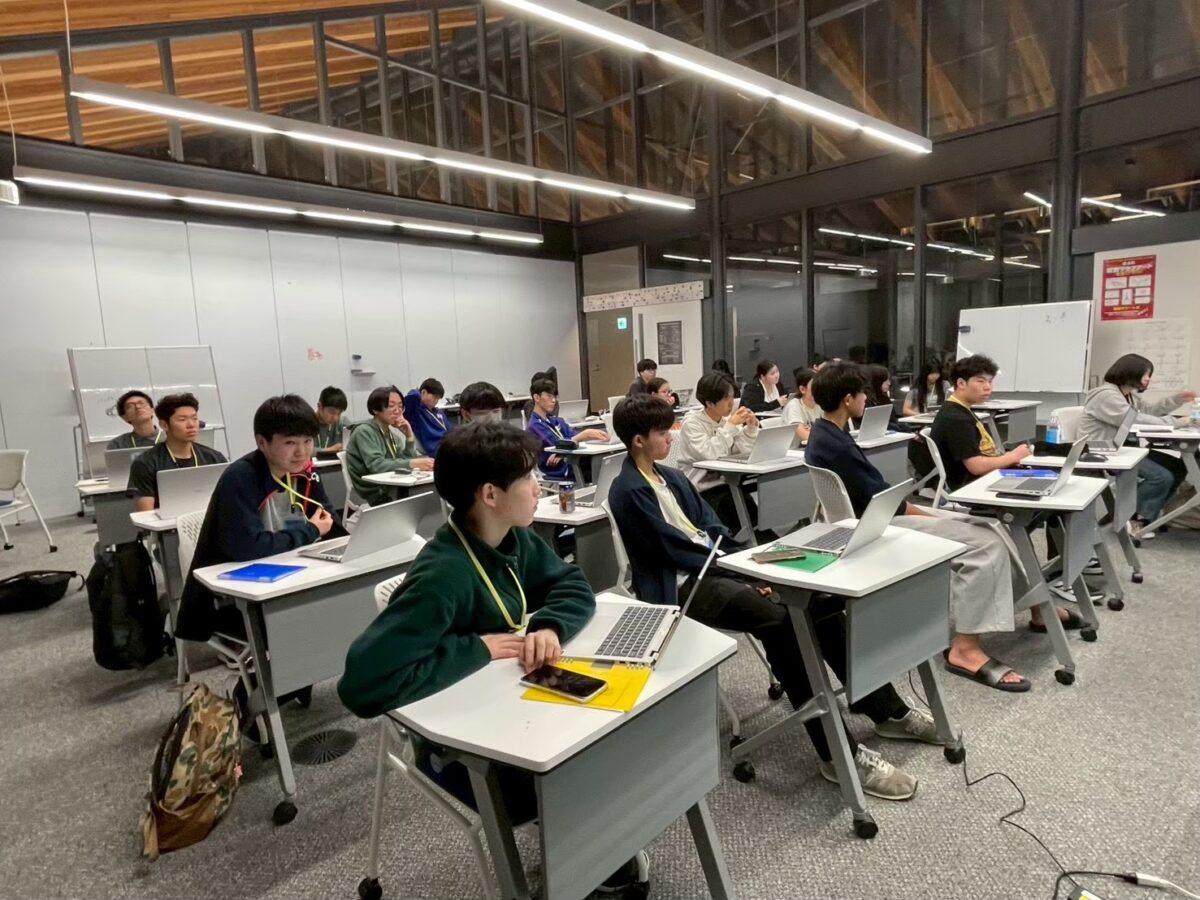
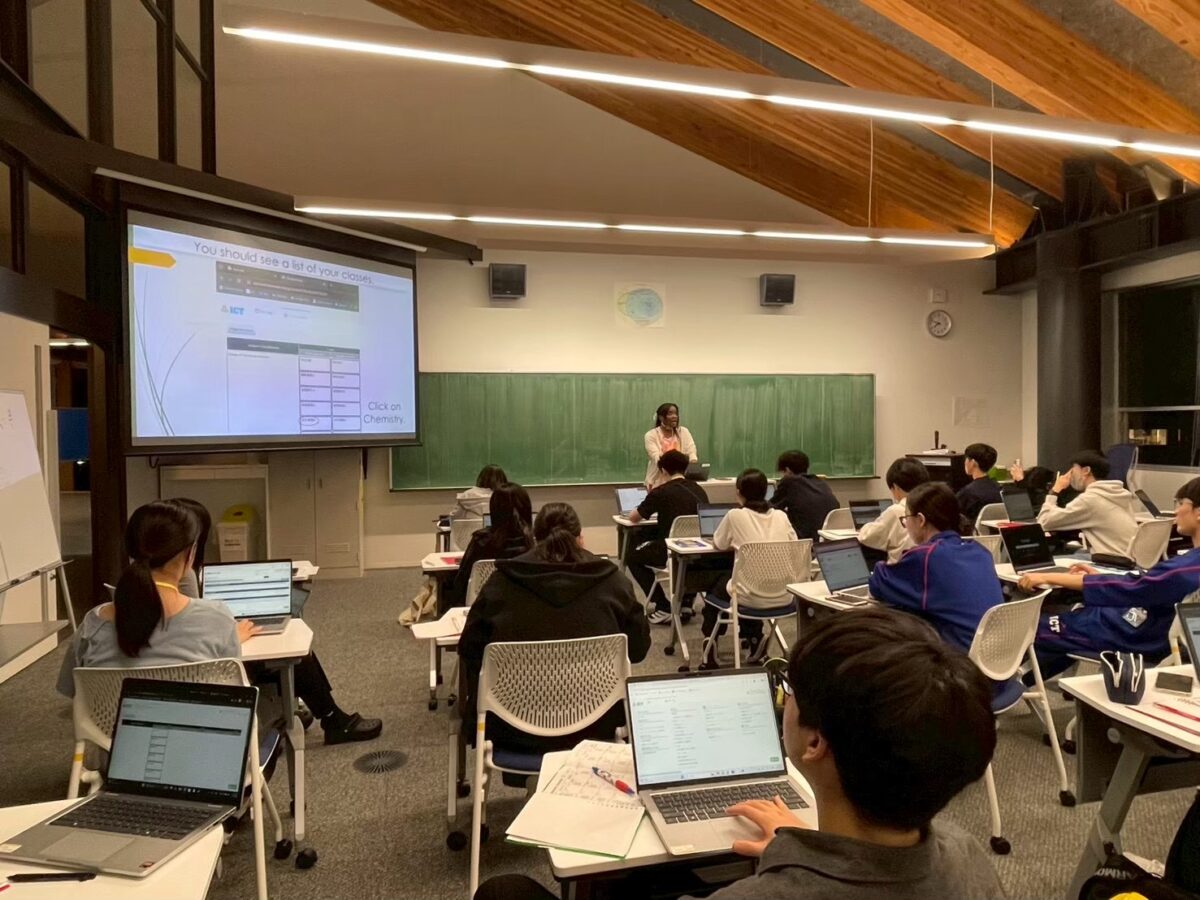
ミニワークショップは、2026年4月13日から16日までの4日間にわたり実施され、各回はラーニングセッションの前半において15〜20分程度行われました。
1日目:eSyllabusワークショップ
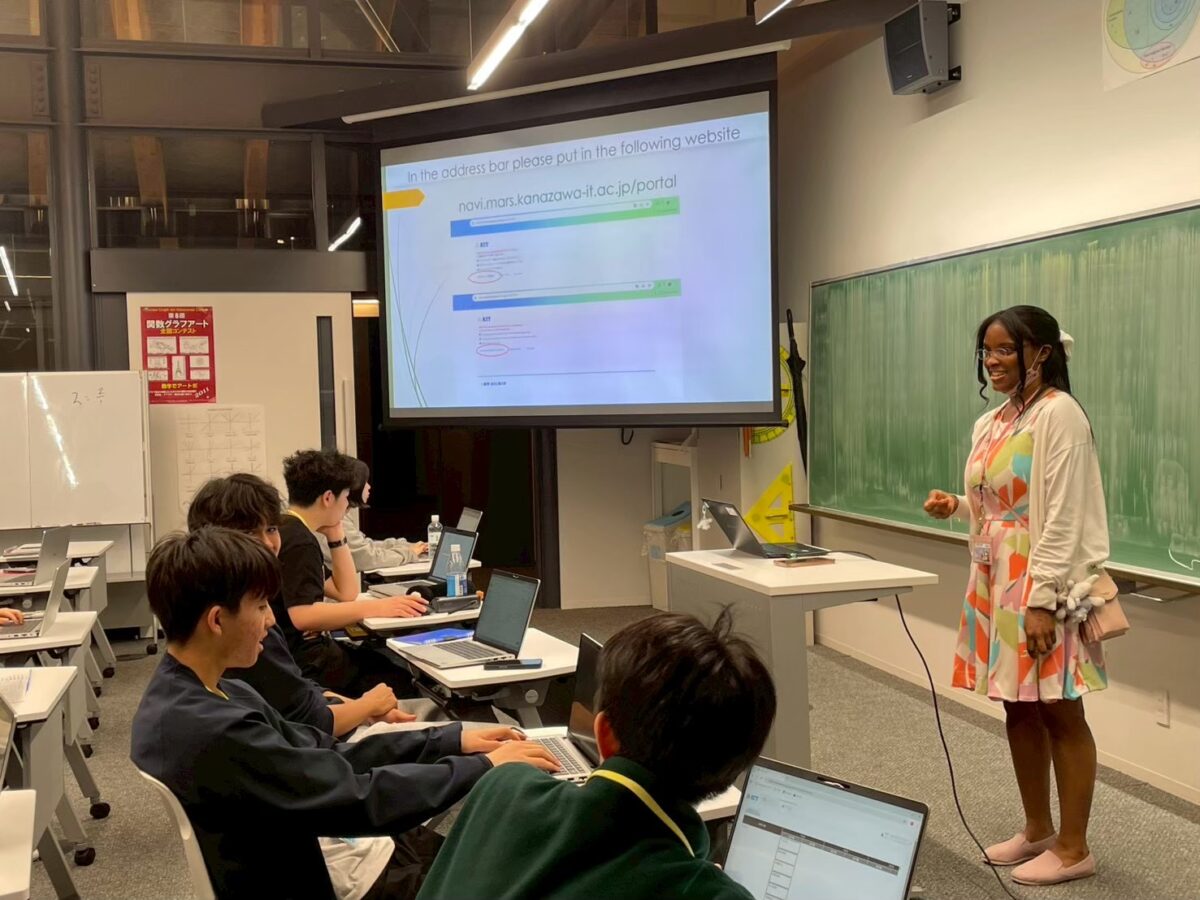
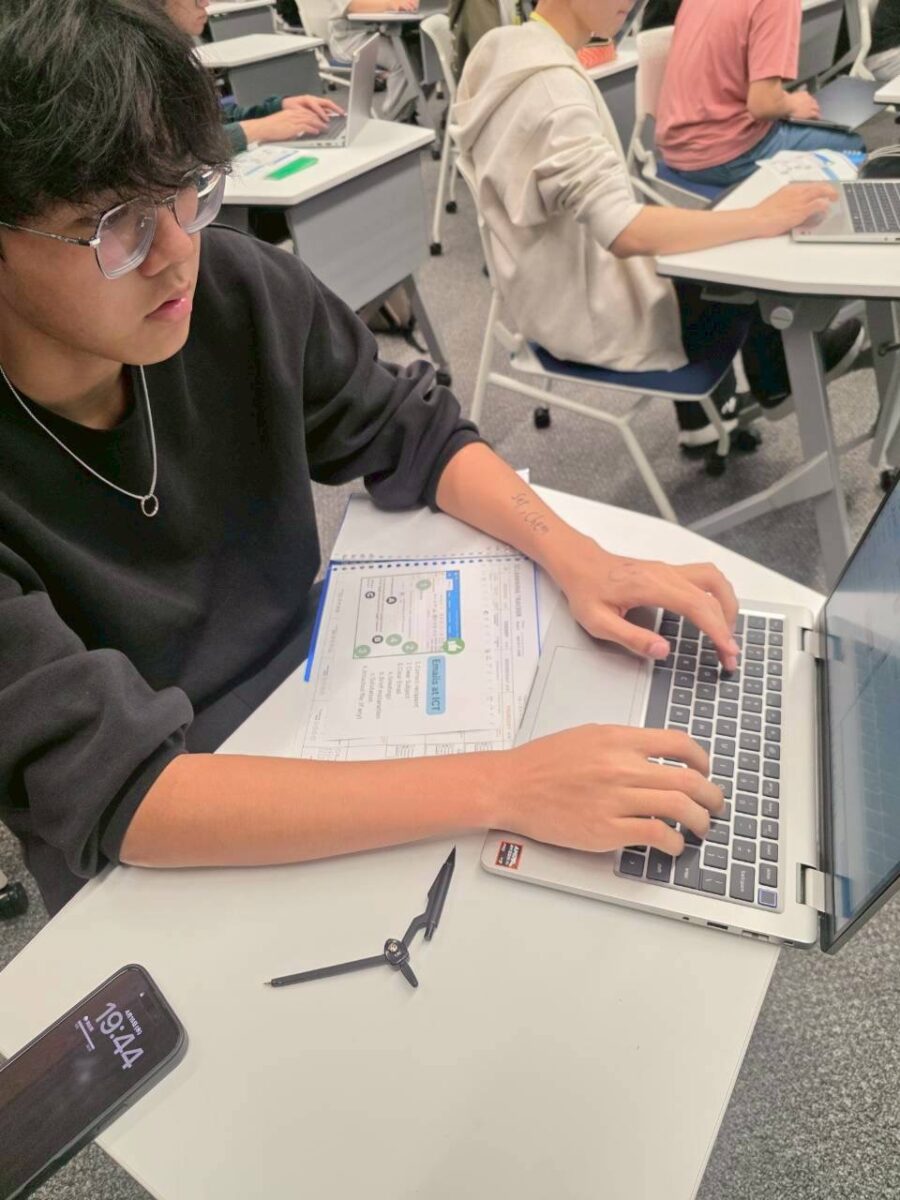
初日は、eSyllabusの紹介と、それを定期的に確認する重要性について説明しました。eSyllabusは、授業のカリキュラムや教材、課題を確認するための主要なシステムであるため、その使い方を理解することは非常に重要です。はじめのうちは、システムを操作する学生たちの中に戸惑いが見られ、慎重に試行錯誤している様子がうかがえました。しかし、時間が経つにつれて徐々に操作に慣れ、困ったときには質問をするなど、積極的な姿勢も見られるようになりました。セッションの終わりには、多くの学生が安心してeSyllabusを利用できるようになっていました。
2日目:Microsoft Wordワークショップ
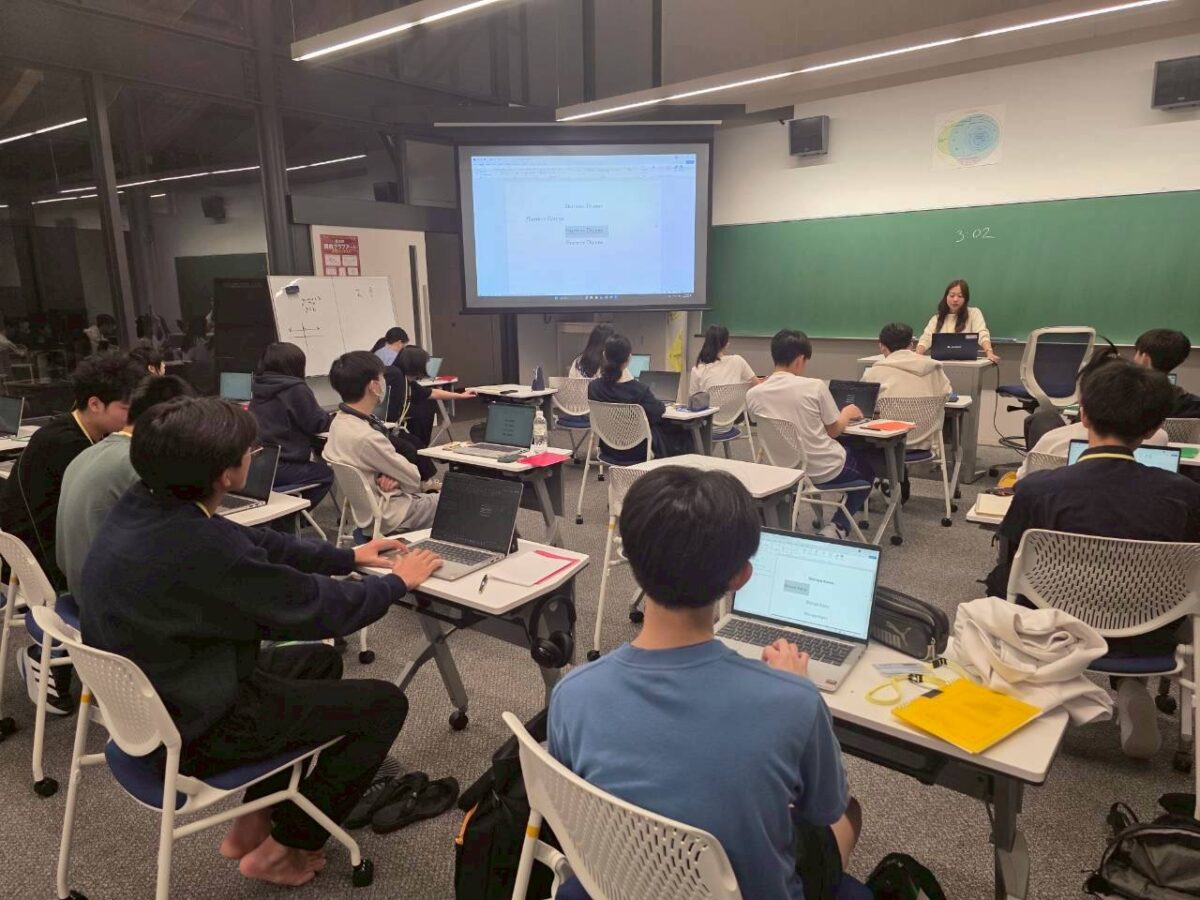
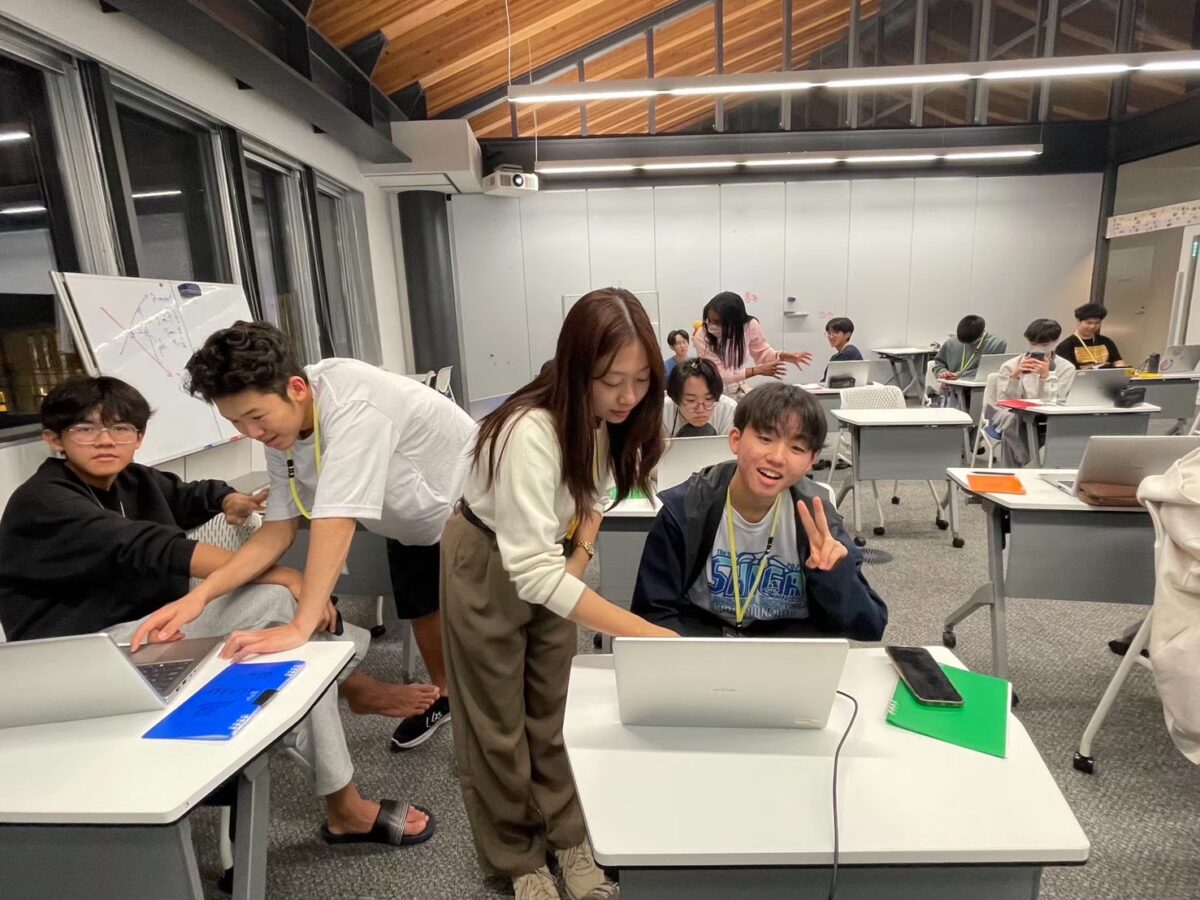
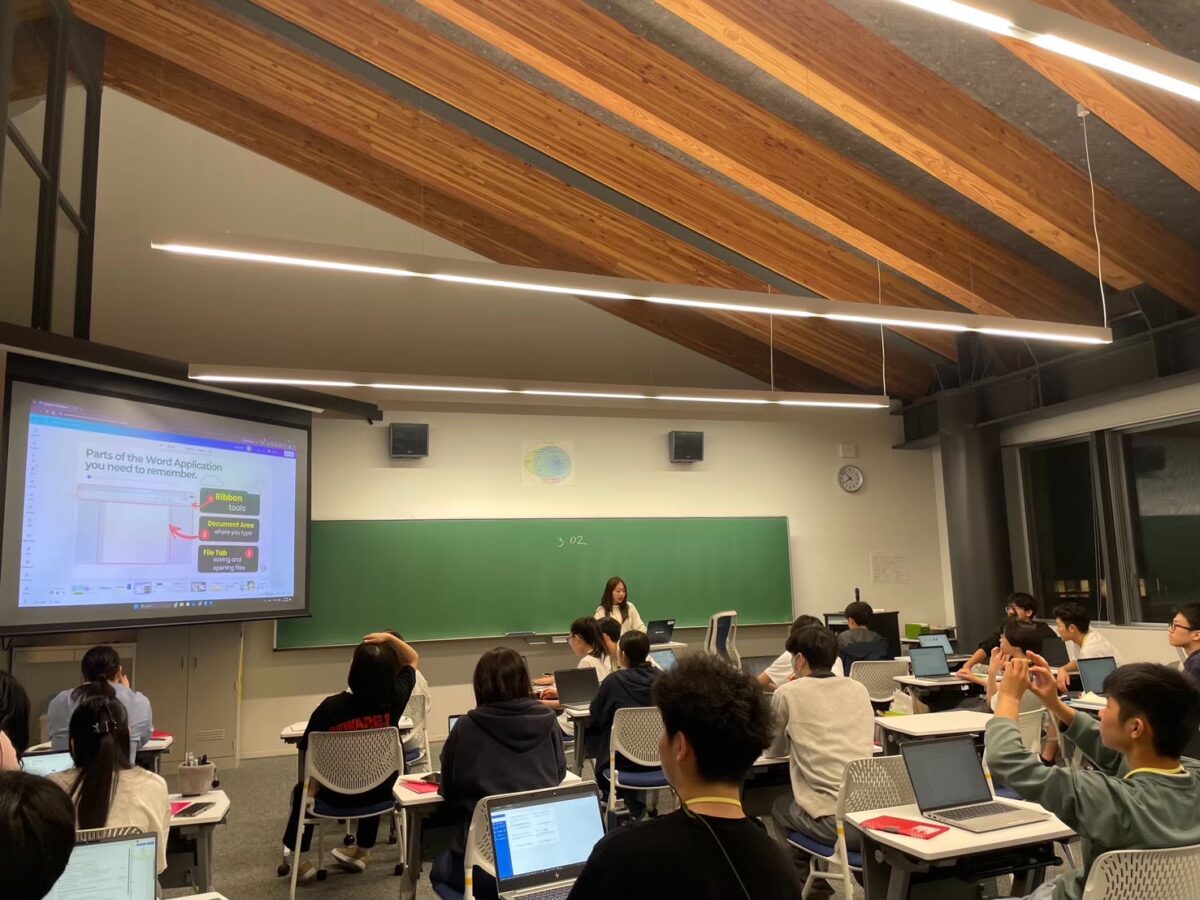
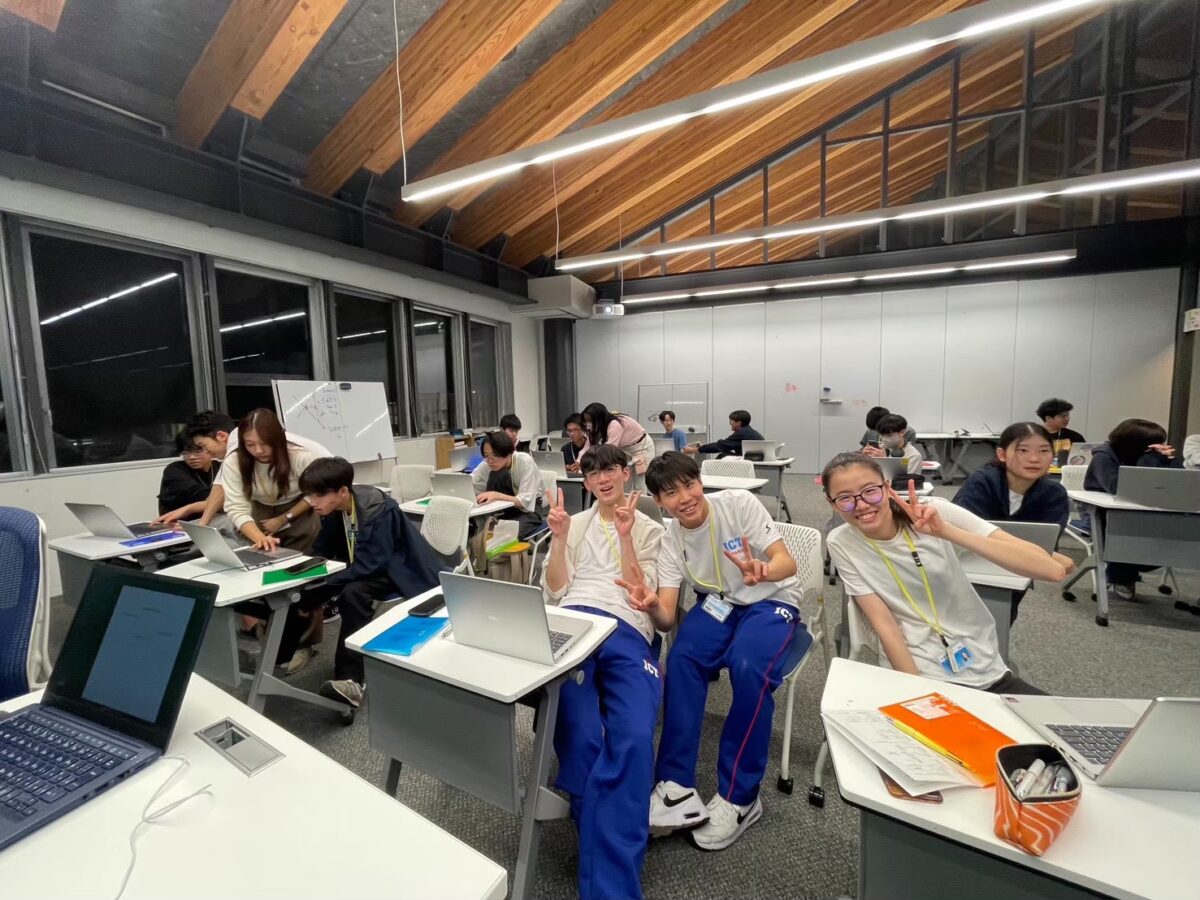
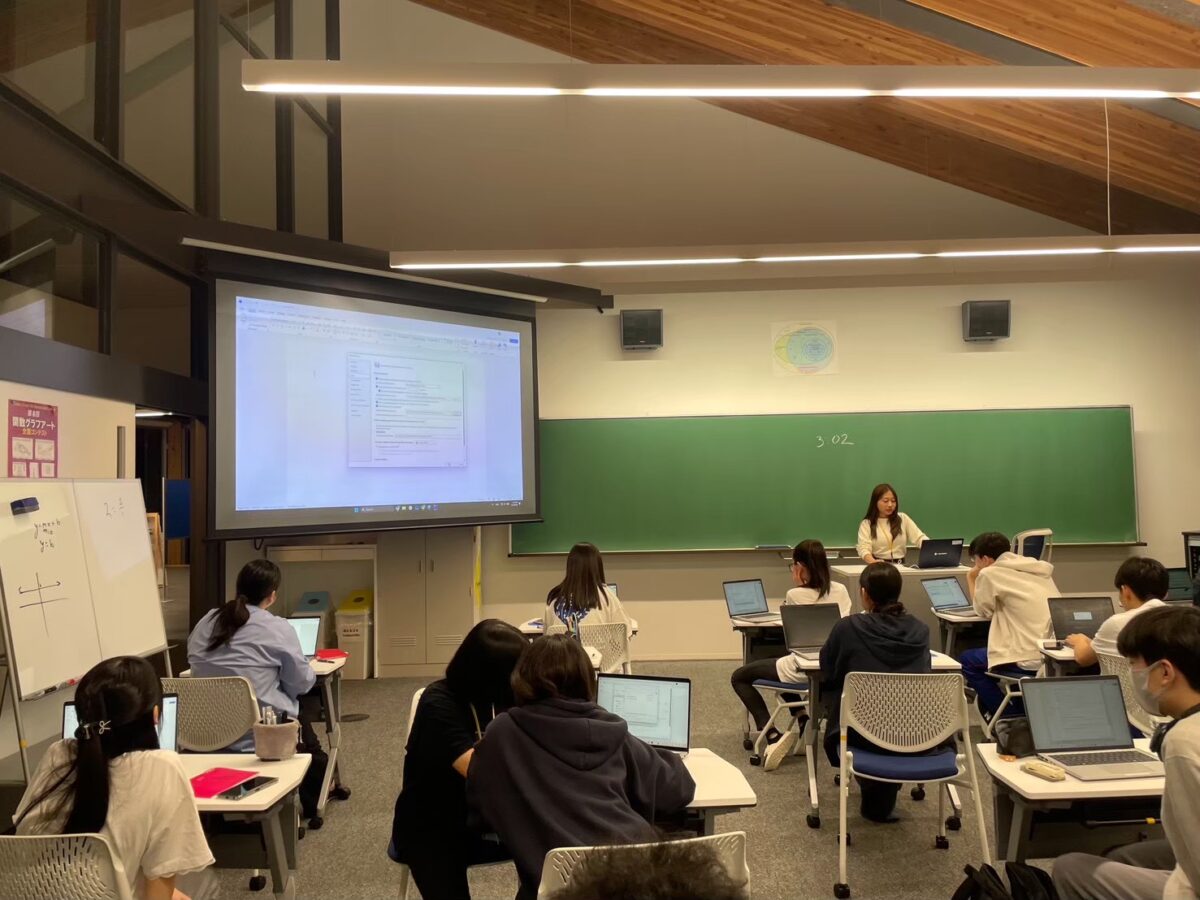
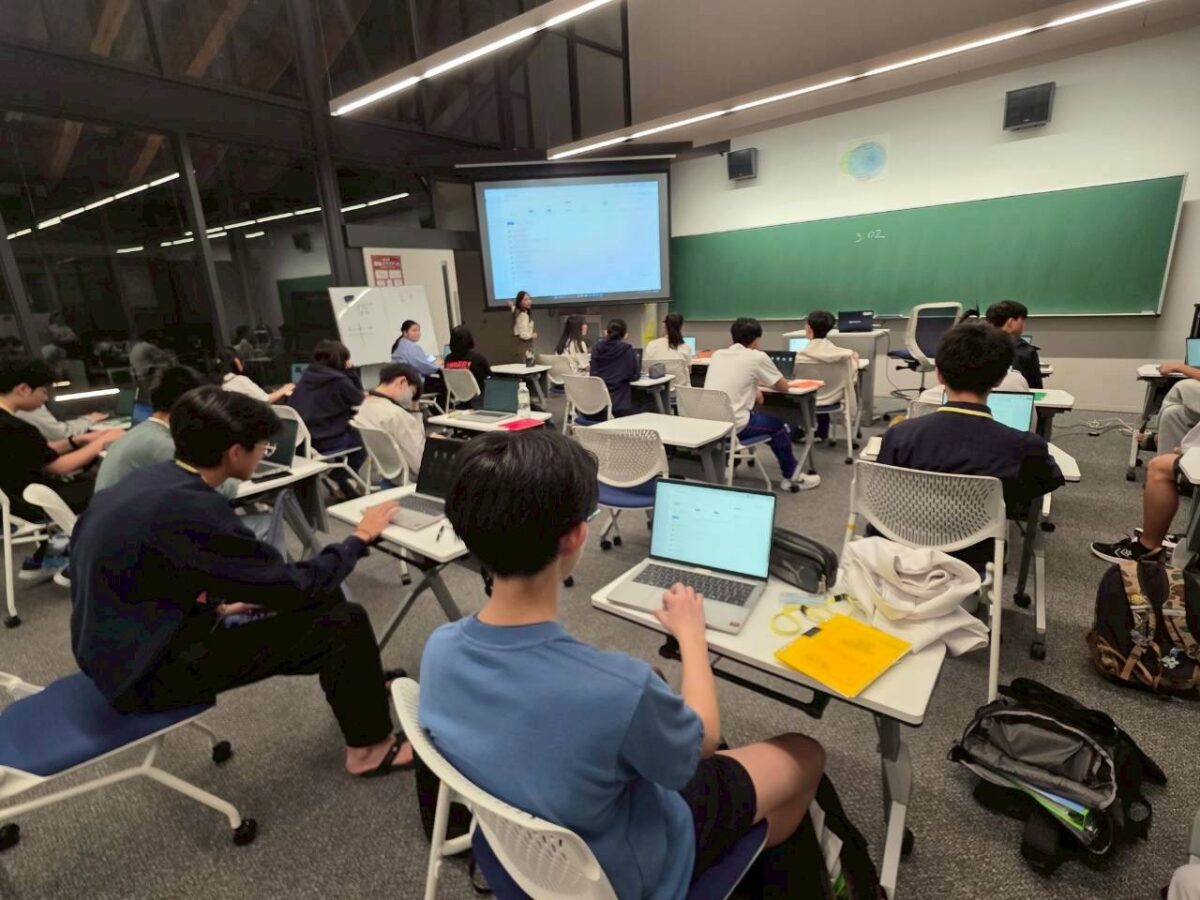
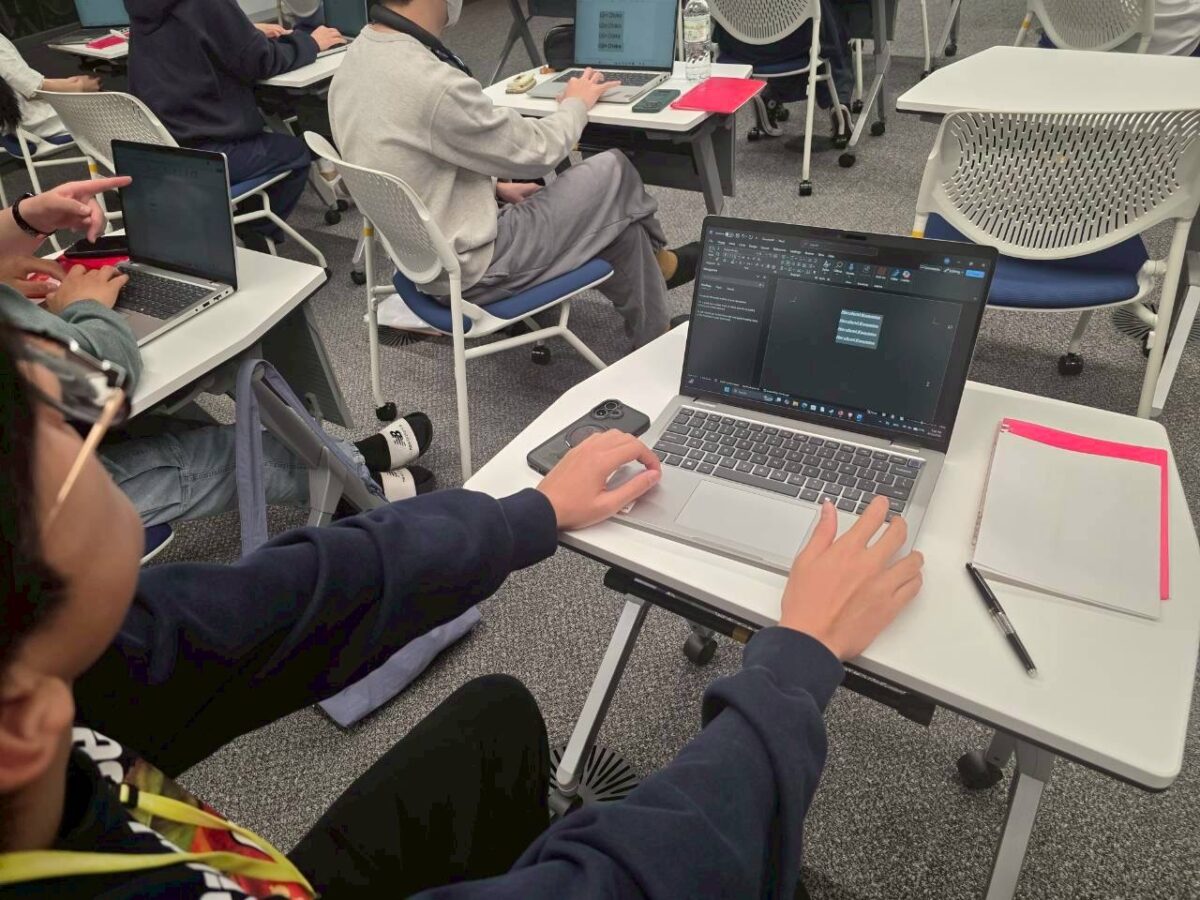
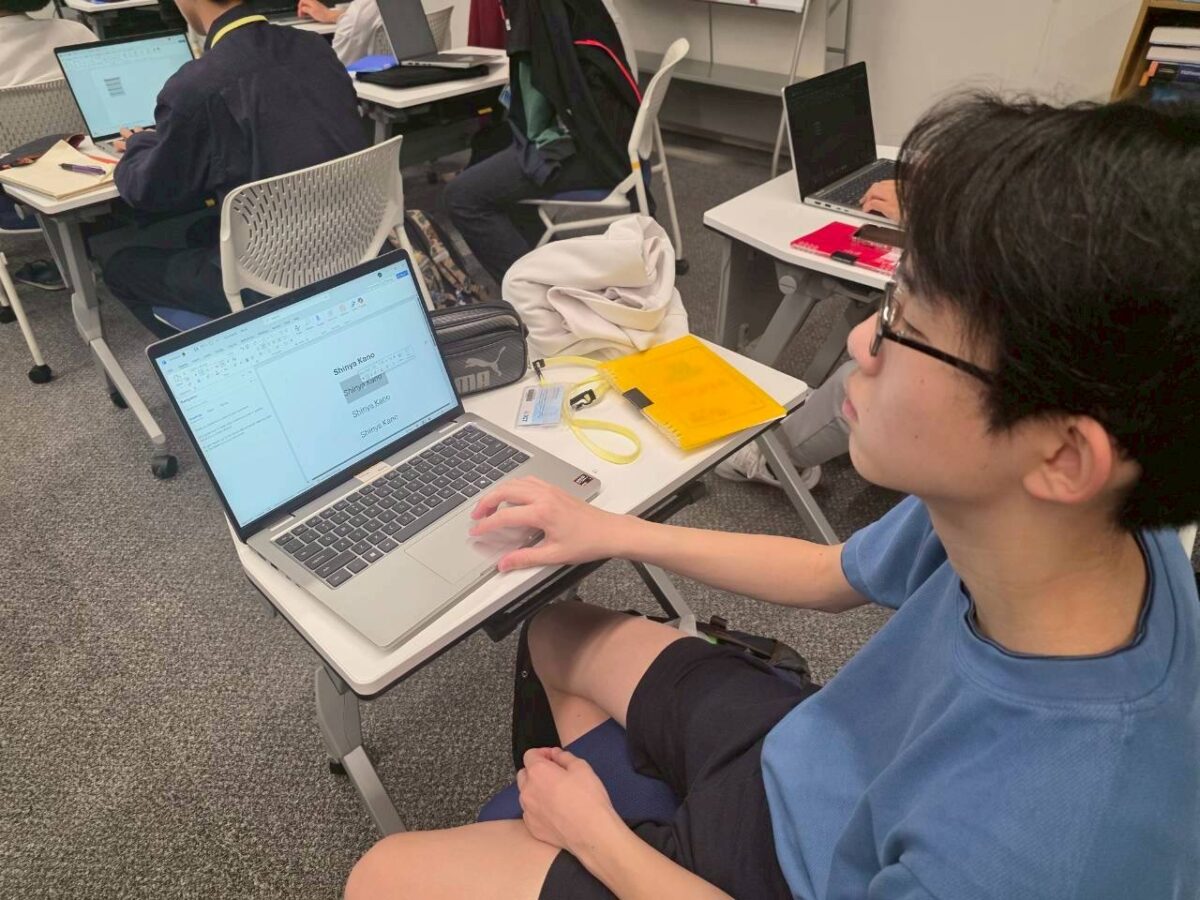
2日目は、Microsoft Wordを用いた文書作成の基礎に焦点を当てました。具体的には、書式設定、ショートカットキーの活用、ファイルの適切な保存方法などについて扱いました。ICTの学生にとって、レポートや振り返りを書く機会が多いため、これらのスキルは非常に重要です。その後、学んだ内容を活用して自己紹介文書を作成しました。内容を丁寧に整える学生もいれば、フォントやデザインを試しながら工夫する学生もおり、それぞれの個性が表れていて、見ていて楽しかったです。
3日目:メールワークショップ
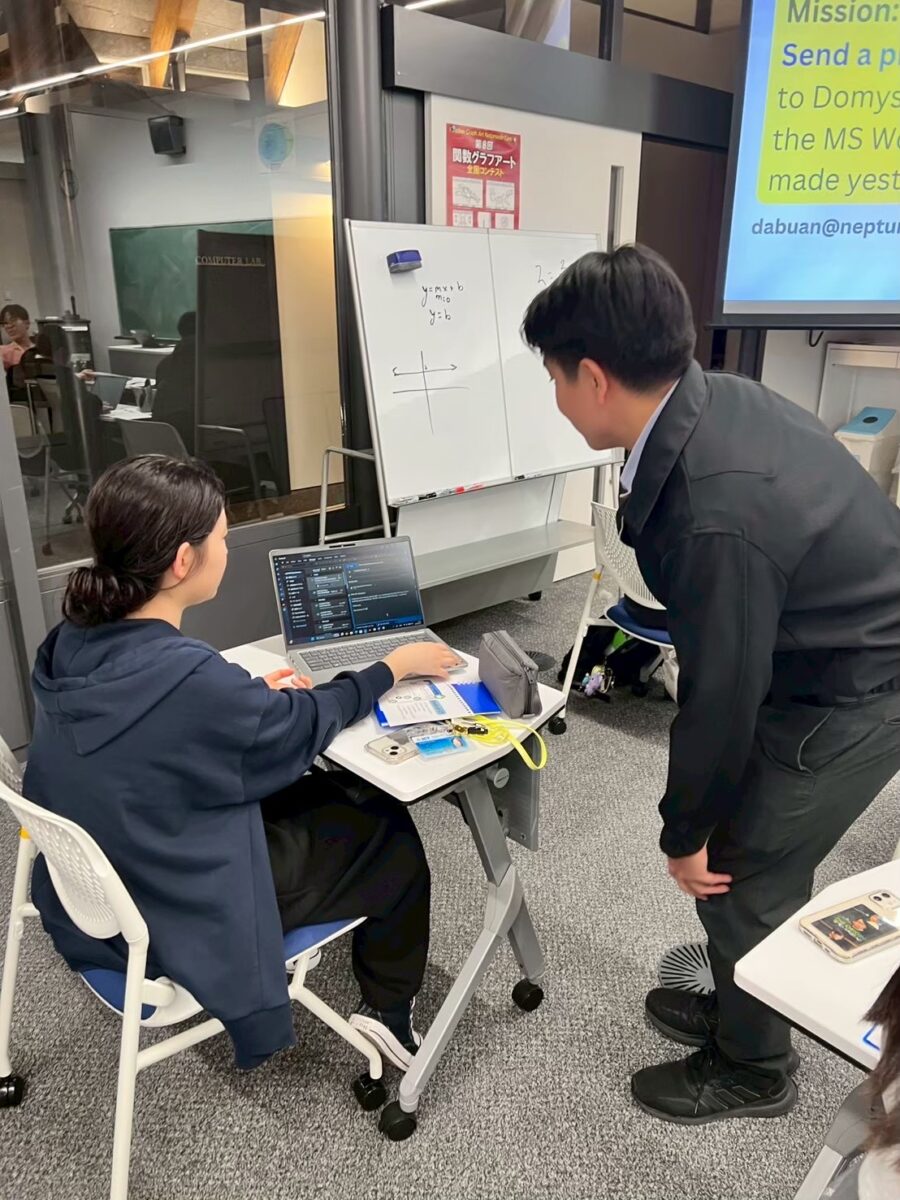
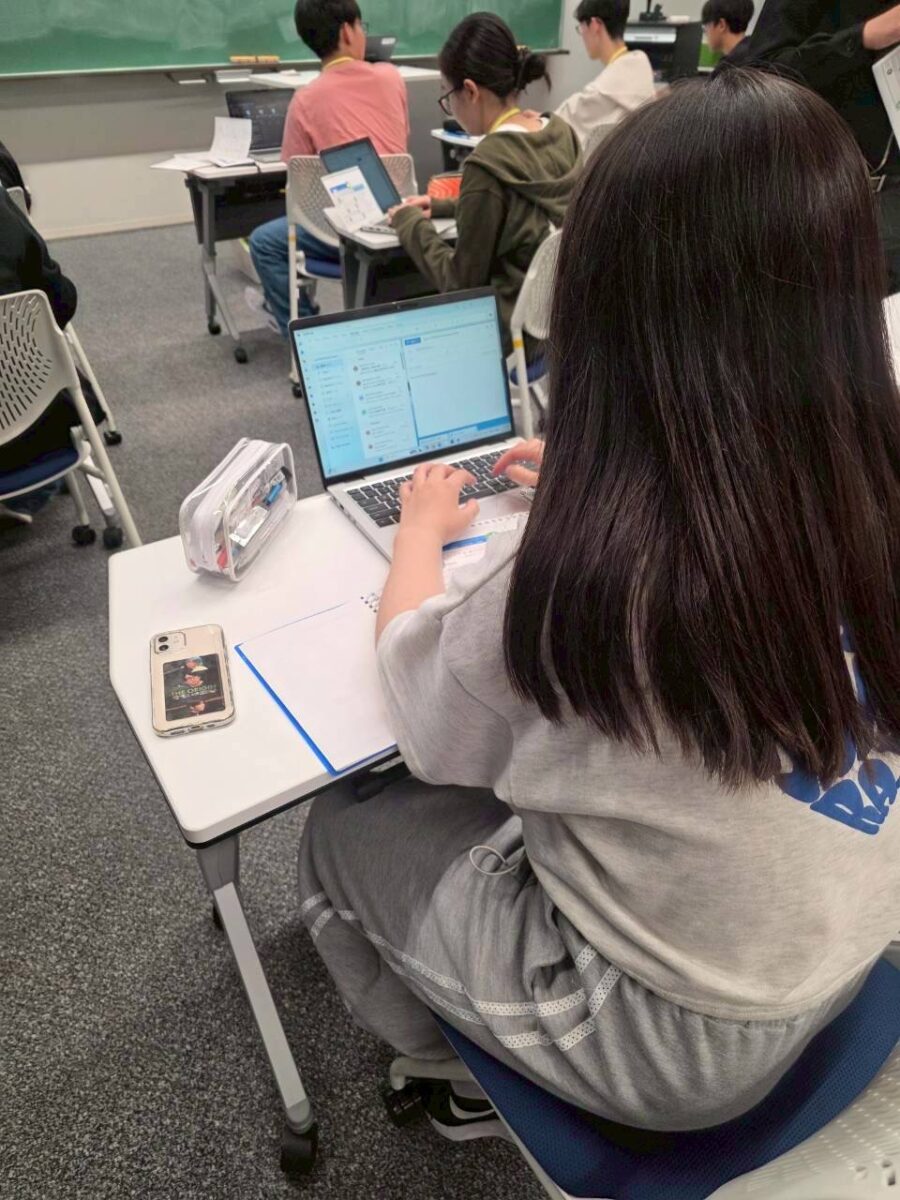
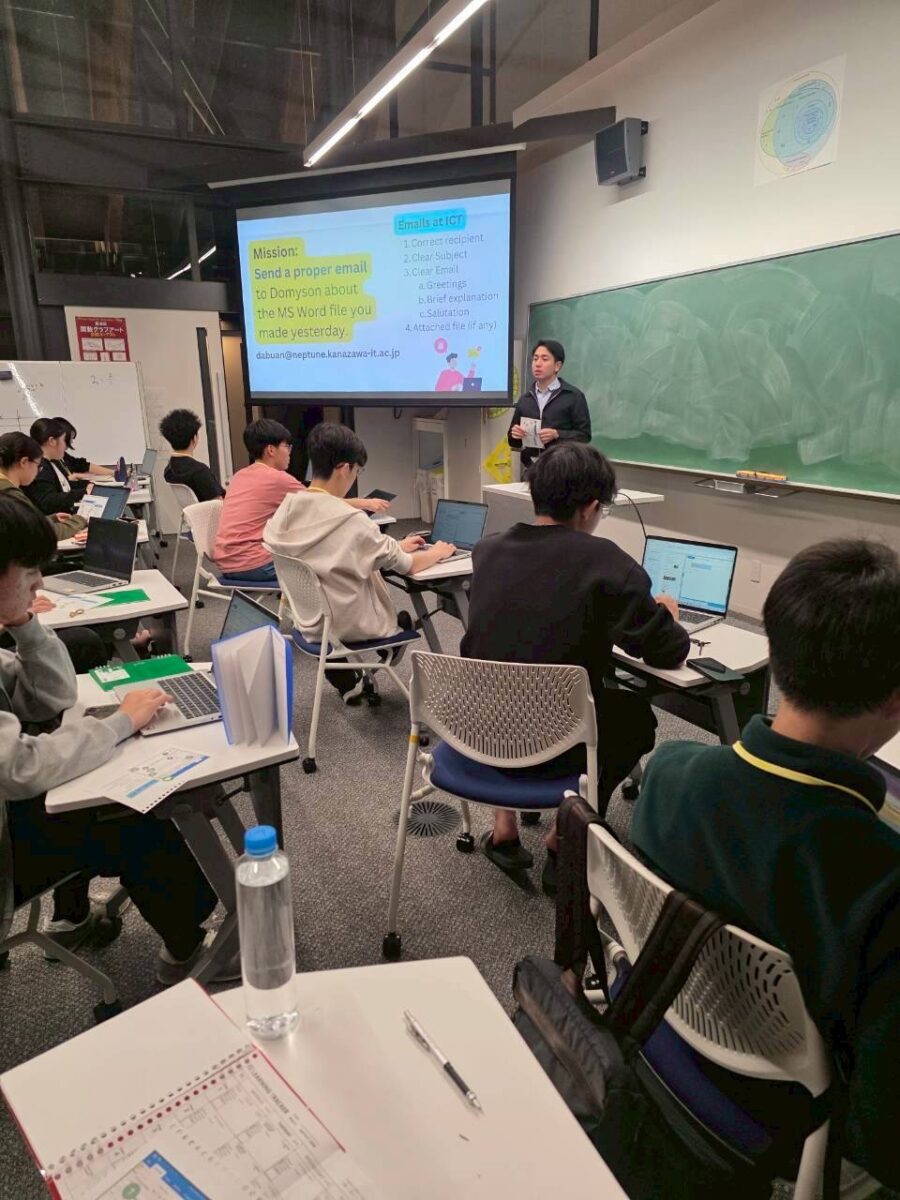
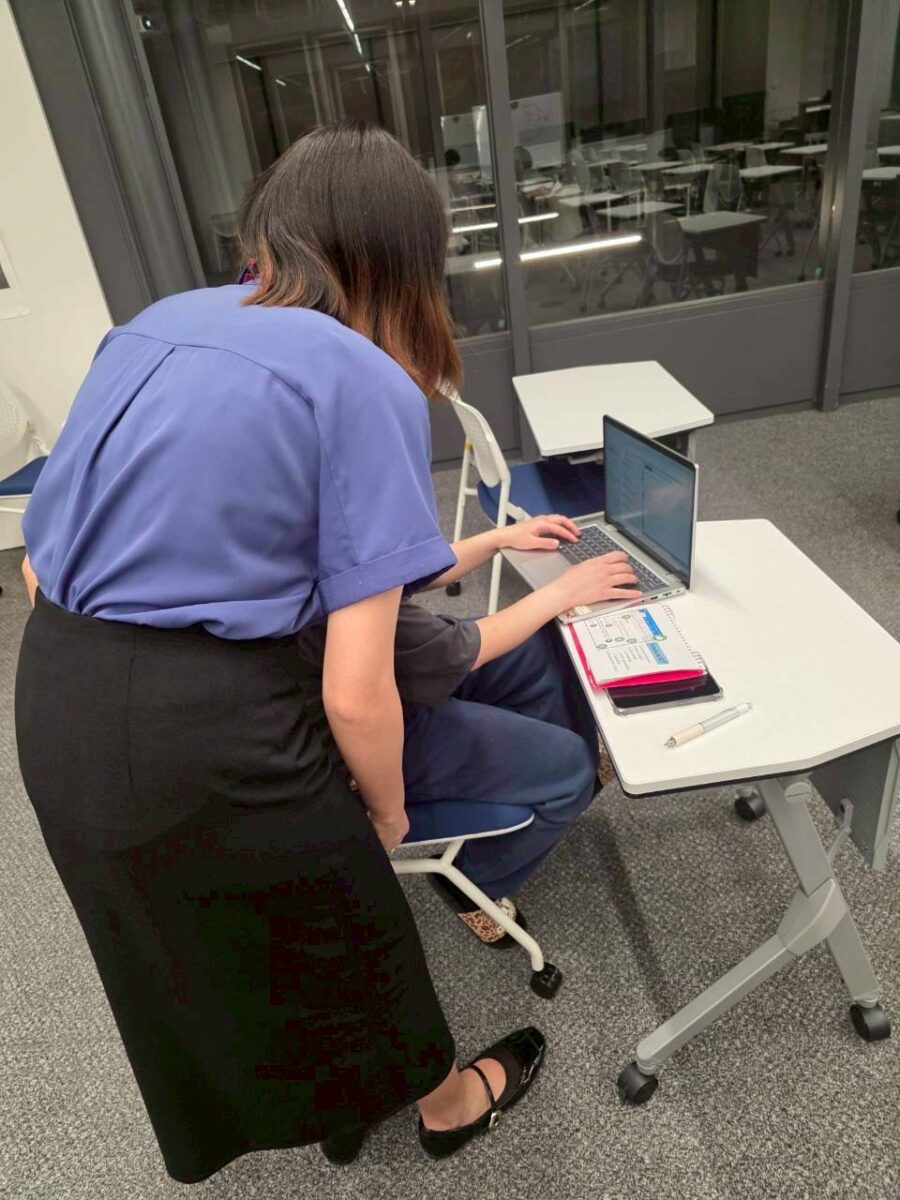
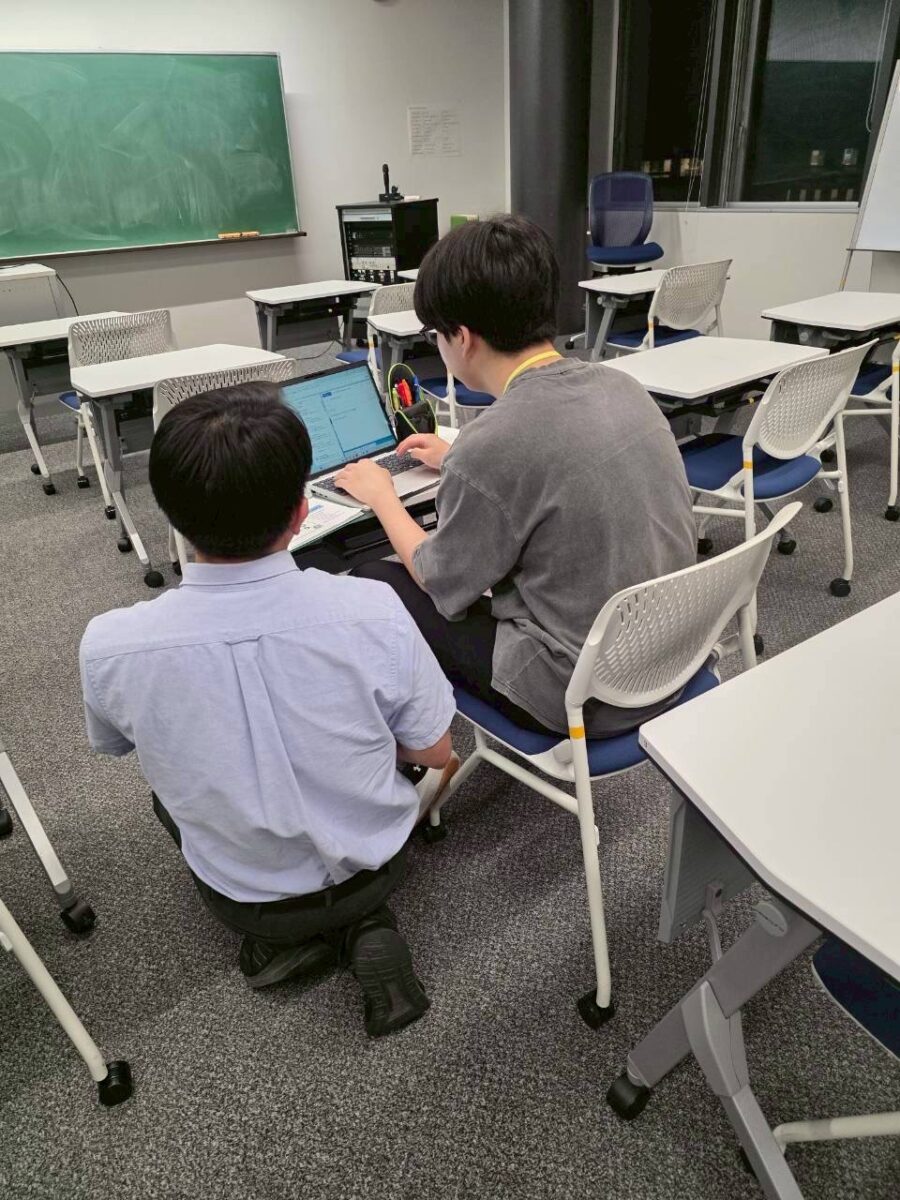
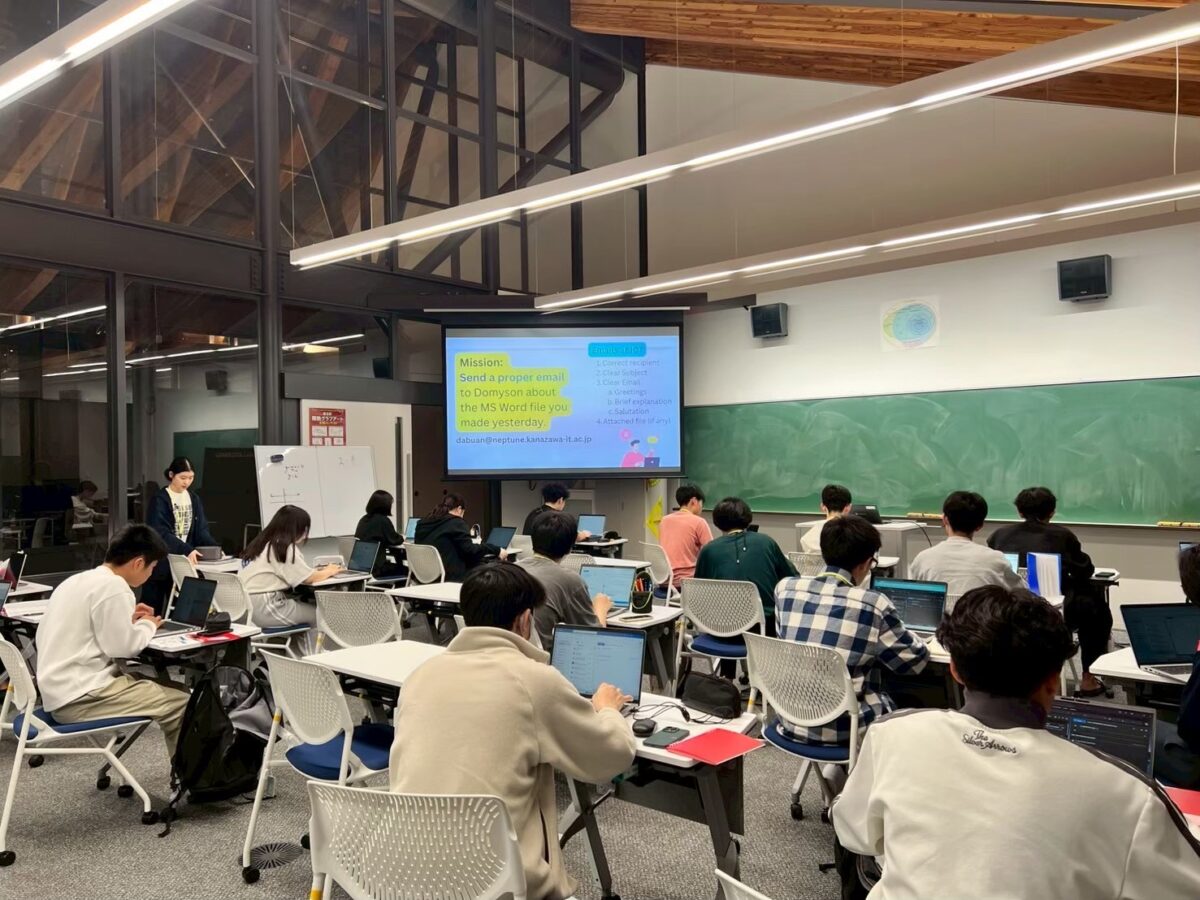
3日目は、適切なメールの書き方と送信方法を学びました。件名の付け方、挨拶、丁寧な表現、ファイルの添付方法、宛先の確認などについて扱いました。学生たちは短いメールの作成を実践し、前日のワークショップで作成した自己紹介文書を添付する課題にも取り組みました。多くの学生が送信前に何度も文章を見直しており、慎重に取り組む姿勢が見られました。これらのスキルは、ICTでの学習だけでなく、将来の職業生活においても大いに役立つものです。
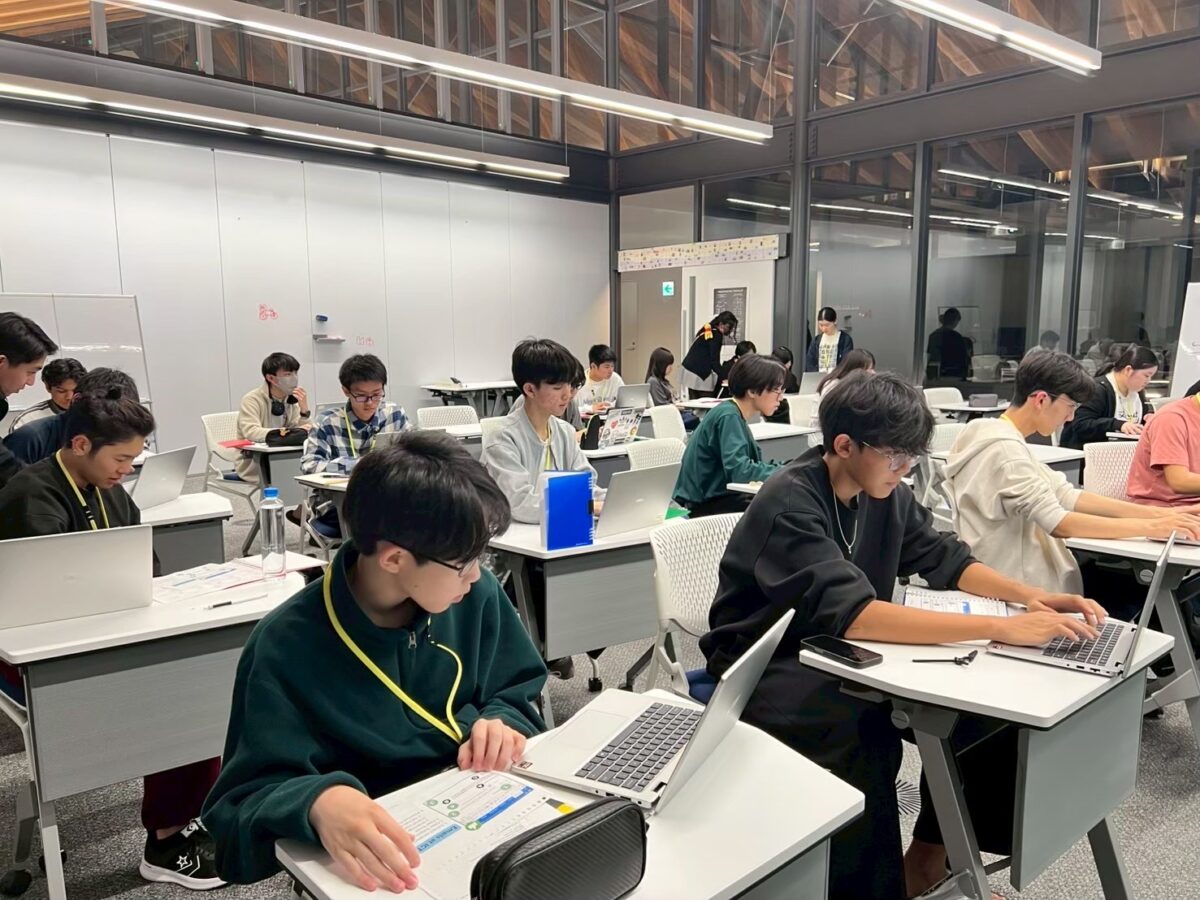
4日目:復習
最終日は、これまでに学んだ内容の復習を行いました。eSyllabusの確認、Wordの使い方、メールの送信といったスキルを改めて確認しました。初日と比較すると、教室の雰囲気には明らかな変化が見られました。学生たちはよりリラックスし、自信を持って取り組んでいる様子が印象的でした。その変化は小さなものではありましたが、確かに感じ取ることができるものでした。
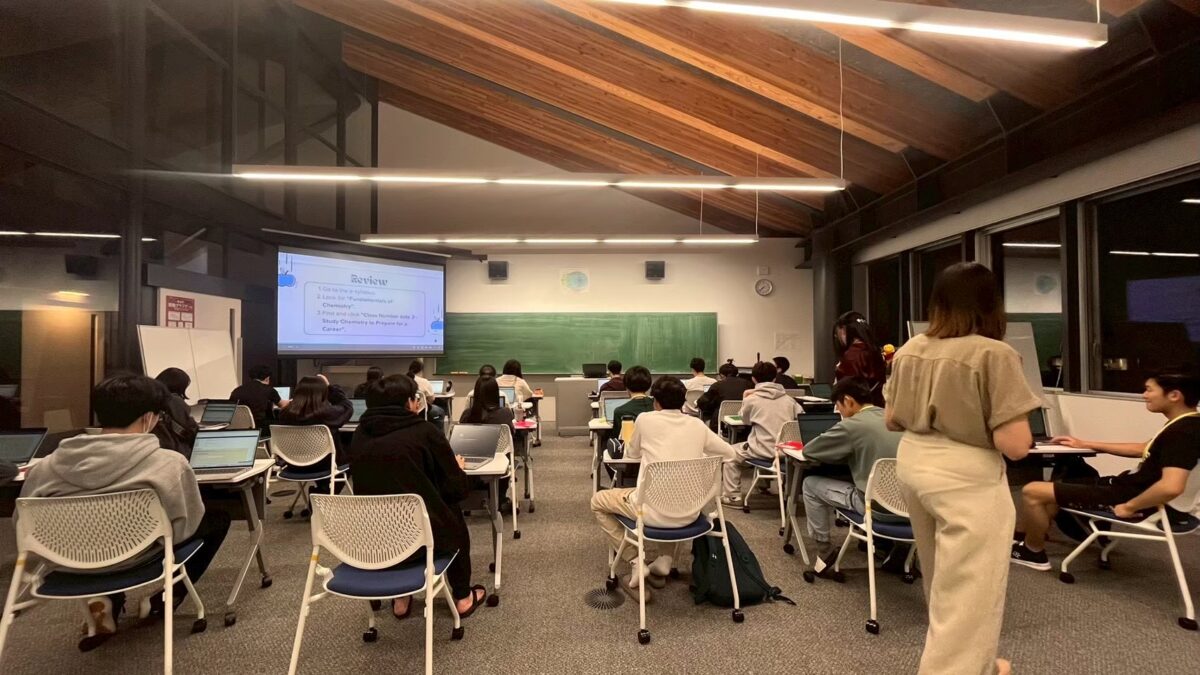
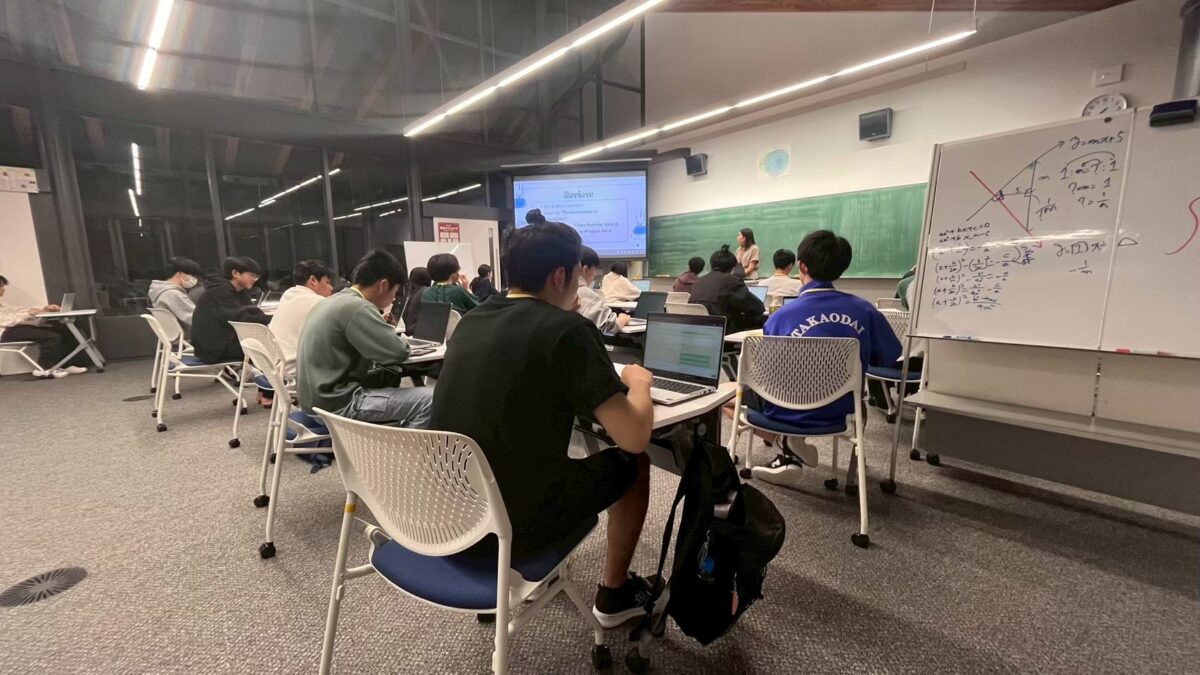
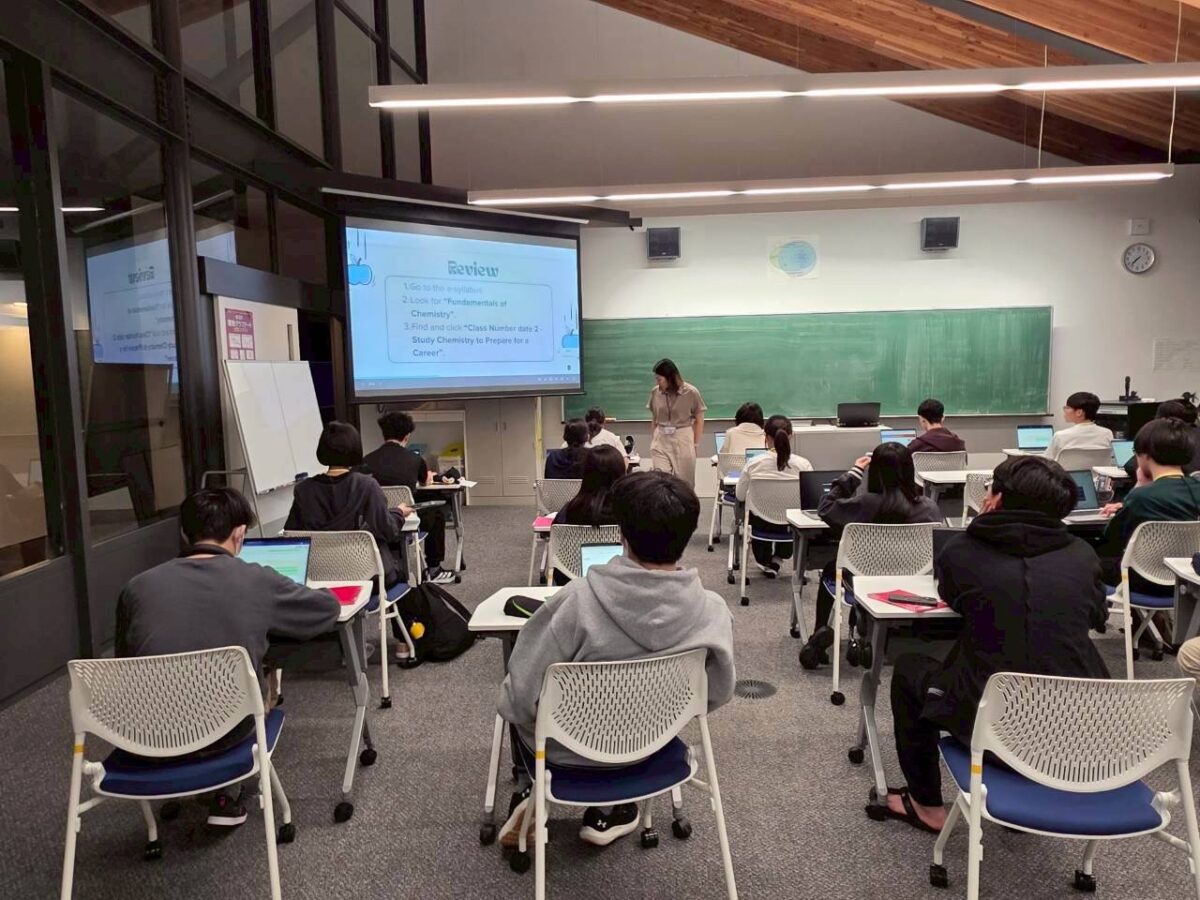
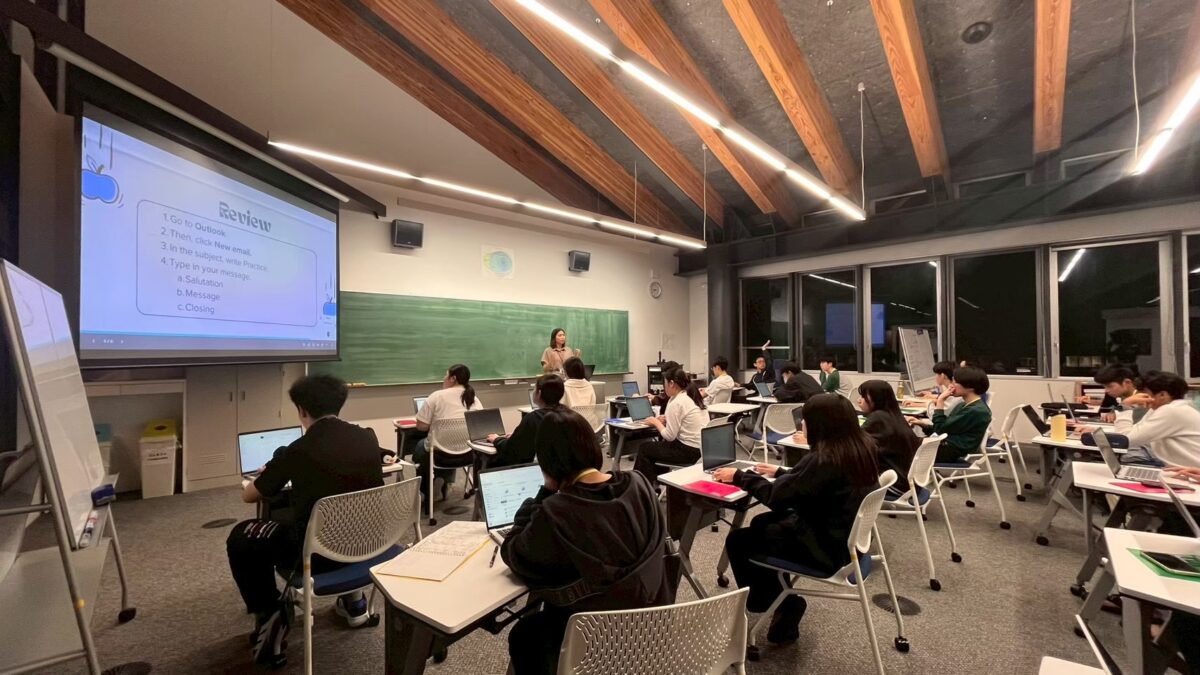
今回のワークショップはシンプルな内容でしたが、基礎的なスキルの重要性を改めて実感する機会となりました。eSyllabusを確認することや、分かりやすく丁寧なメールを送ることは一見小さなことに思えますが、新しい環境に適応するうえで大きな助けとなります。特別なことを成し遂げることだけが重要なのではなく、日常の一つひとつの行動に自信を持てることこそが大切なのだと感じました。
シャルミー・アブアン
Hello again! I’m Sharmee Abuan, one of the Learning Mentors at ICT Hakusanroku Campus. It’s been just over a month since the school year began. In my last entry, I shared about the workshops we handled throughout the previous year. This time, I’d like to share about something we did on a smaller scale but is just as important: the mini workshops we held for our new students about a week into the academic year.
Before classes officially started, the Learning Mentors got together to think about how we could help incoming students settle in more smoothly. Adjusting to a new school can already feel overwhelming, so we decided to focus on practical skills. These are the things students would actually use every day at ICT.
The mini workshops ran for four days, with each session lasting about 15 to 20 minutes during the first part of our Learning Sessions from April 13th to 16th, 2026.
Day 1 – eSyllabus Workshop
We started by introducing the eSyllabus and explaining why it’s important to check it regularly. It is very important that they understand how to use the eSyllabus because it is the main system students use to view their class curriculum, content, and tasks. At first, some students seemed unsure as they navigated the system on their own. You could tell they were carefully trying to figure things out. Before long, though, they began clicking around more confidently and asking questions when they got stuck. By the end of the session, it was clear they felt more comfortable using it.
Day 2 –Microsoft Word Workshop
As ICT students write reports and reflections in their classes, this session focused on the basics of creating documents such as formatting, using shortcuts, and saving files properly using Microsoft Word. Students then created a short self-introduction document using what they had learned. Some went straight into organizing everything neatly, while others immediately started experimenting with different fonts. It was actually fun to see their personalities come through as they use the program.
Day 3 – E-mail Workshop
Day three was all about writing and sending e-mails properly with subject lines, greetings, polite wording, attaching files, and making sure messages go to the right person. Students practiced writing short e-mails on their own, and many of them reread their messages several times before hitting the send button. They were also asked to use the output they made in the previous workshop as an attachment to their e-mail. Mastering how e-mails work will be very useful not only in their ICT life but also in their professional journey.
Day 4 – Review
The final day was mostly a review: checking the eSyllabus, using Word, and sending e-mails again. Compared to day one, the atmosphere felt noticeably different. The room was more relaxed, and students seemed more confident. It was a small change, but an easy one to notice.
The workshops themselves were simple, but going through them was a good reminder of how much these “small” things matter. Checking the eSyllabus or sending a clear e-mail may seem minor, but they can make a big difference in how smoothly someone adjusts to a new environment. Sometimes, it’s not about doing something big but about feeling capable in the everyday moments.
Sharmee Abuan

 こんにちは。ドミソン・アブワンです。ラーニングメンターチームを代表して、白山麓キャンパスの「ラーニングセッション」について、改めてご紹介させていただきます。
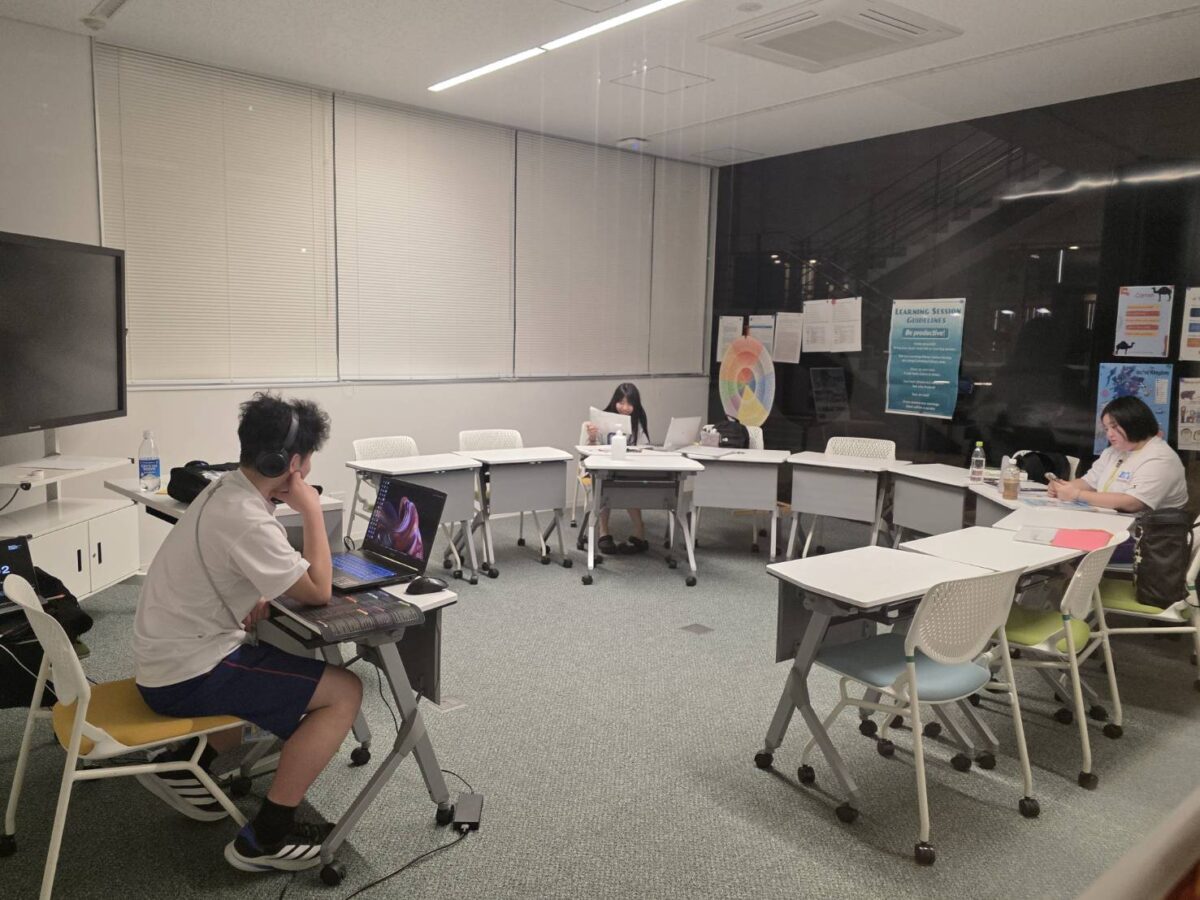
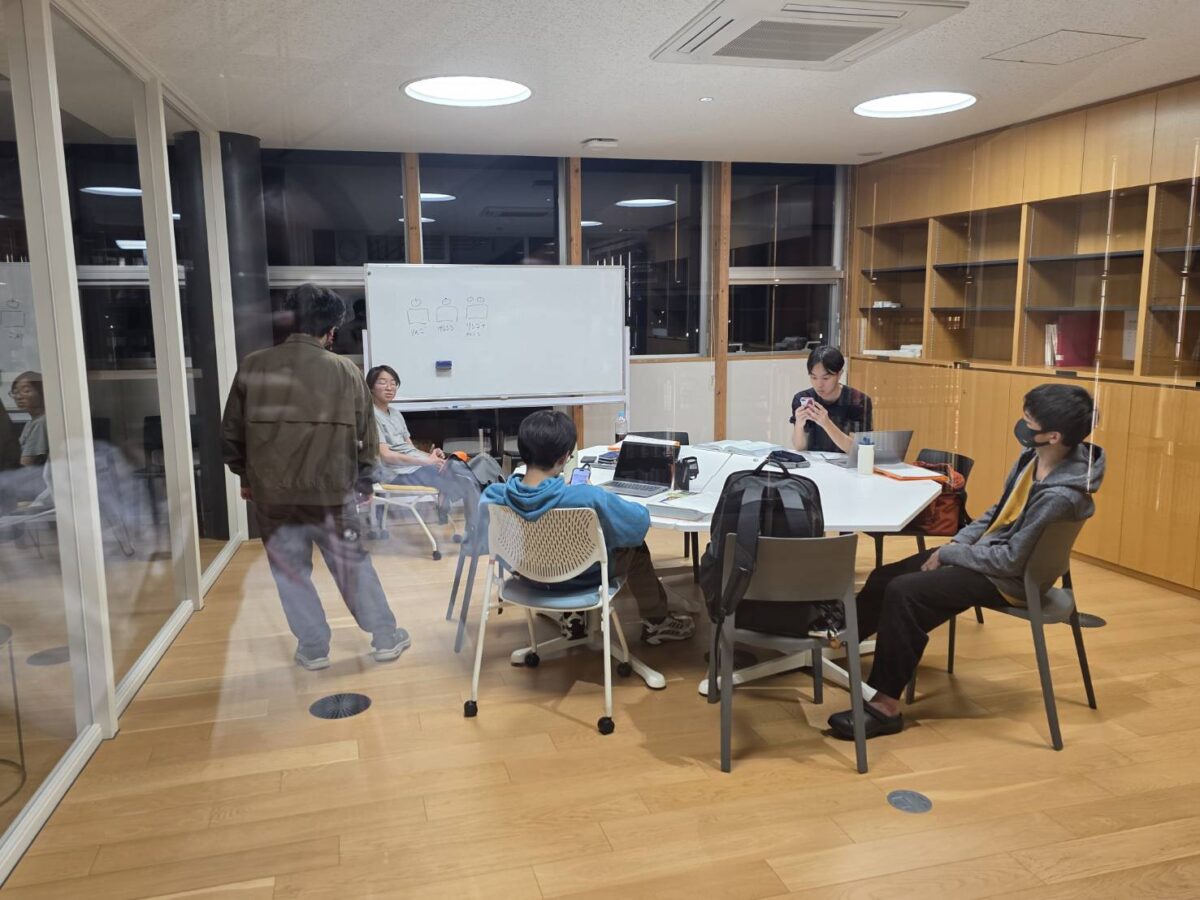
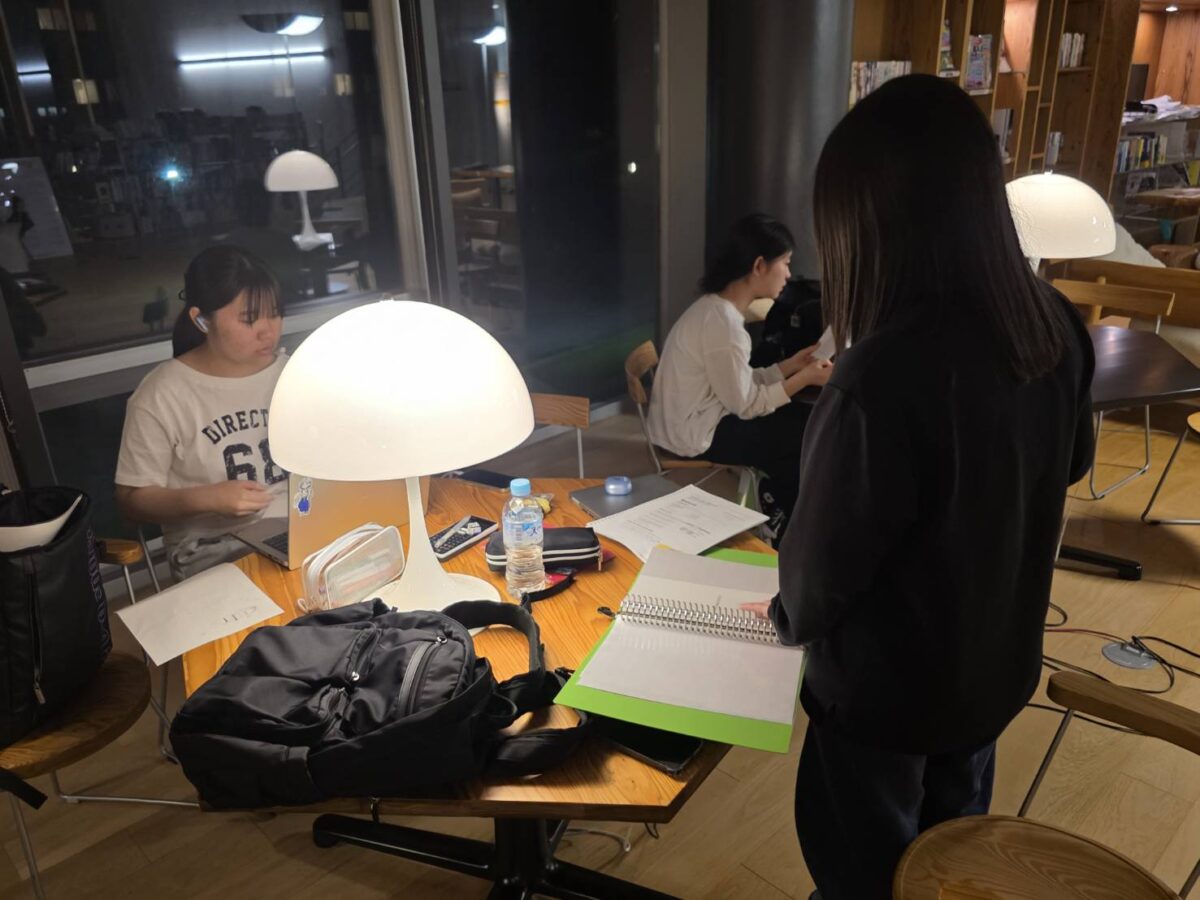
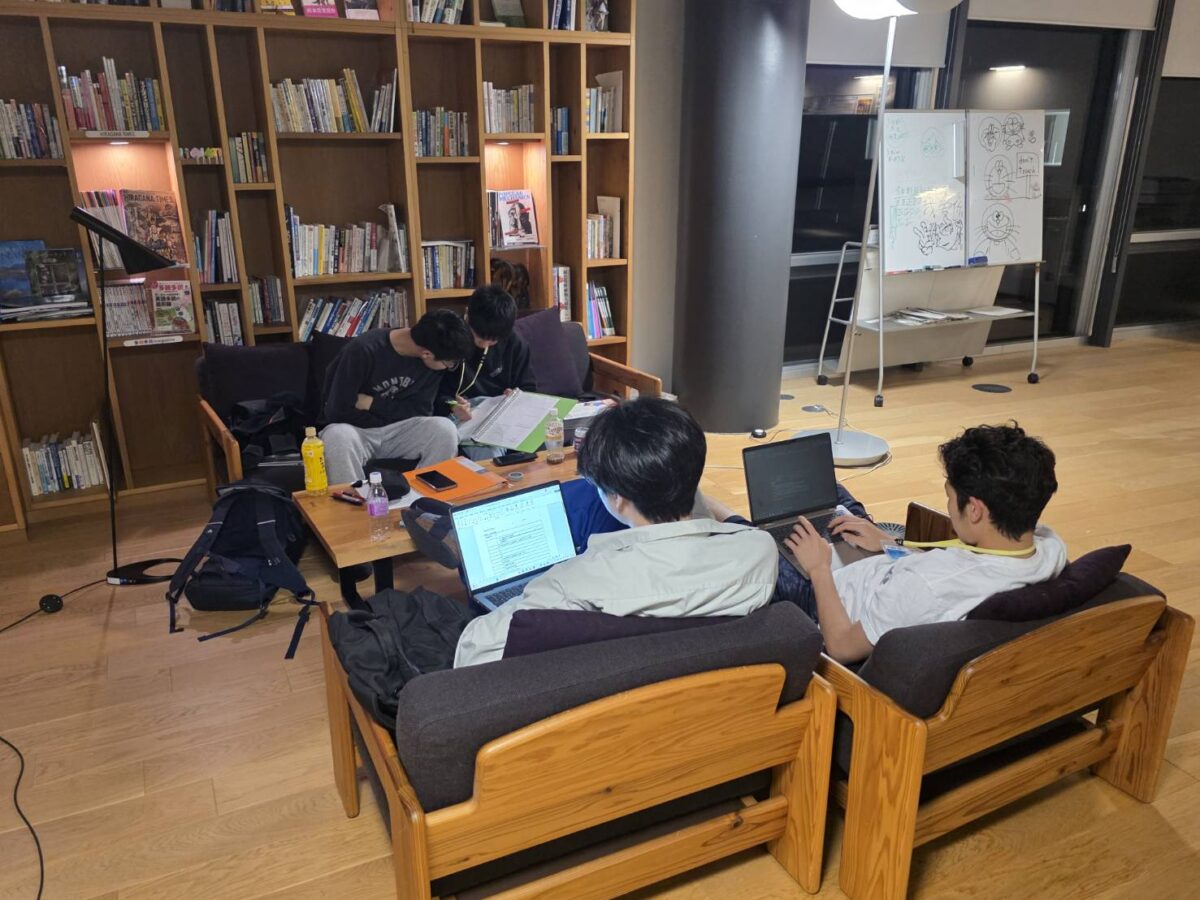
ラーニングセッションとは「夜の学習時間」のことで、平日の19:30〜21:30に白山麓キャンパスの「リビングコモンズ」や「ライブラリー&ワークコモンズ」という場所で行われます。ラーニングセッションでは、学生が授業の課題、宿題、プロジェクトや語学スキルの向上など、各自のやるべき勉強に自由に取り組みます。常にラーニングメンターと呼ばれる教員が常駐しており、必要に応じてサポートや助言を行います。また、ラーニングセッション中はできるだけ英語を使うことが奨励されています。それは、特に3年生のニュージーランドへの留学を控えていることもあり、自然で協力的な環境の中で英語でのコミュニケーション能力を向上させるためです。
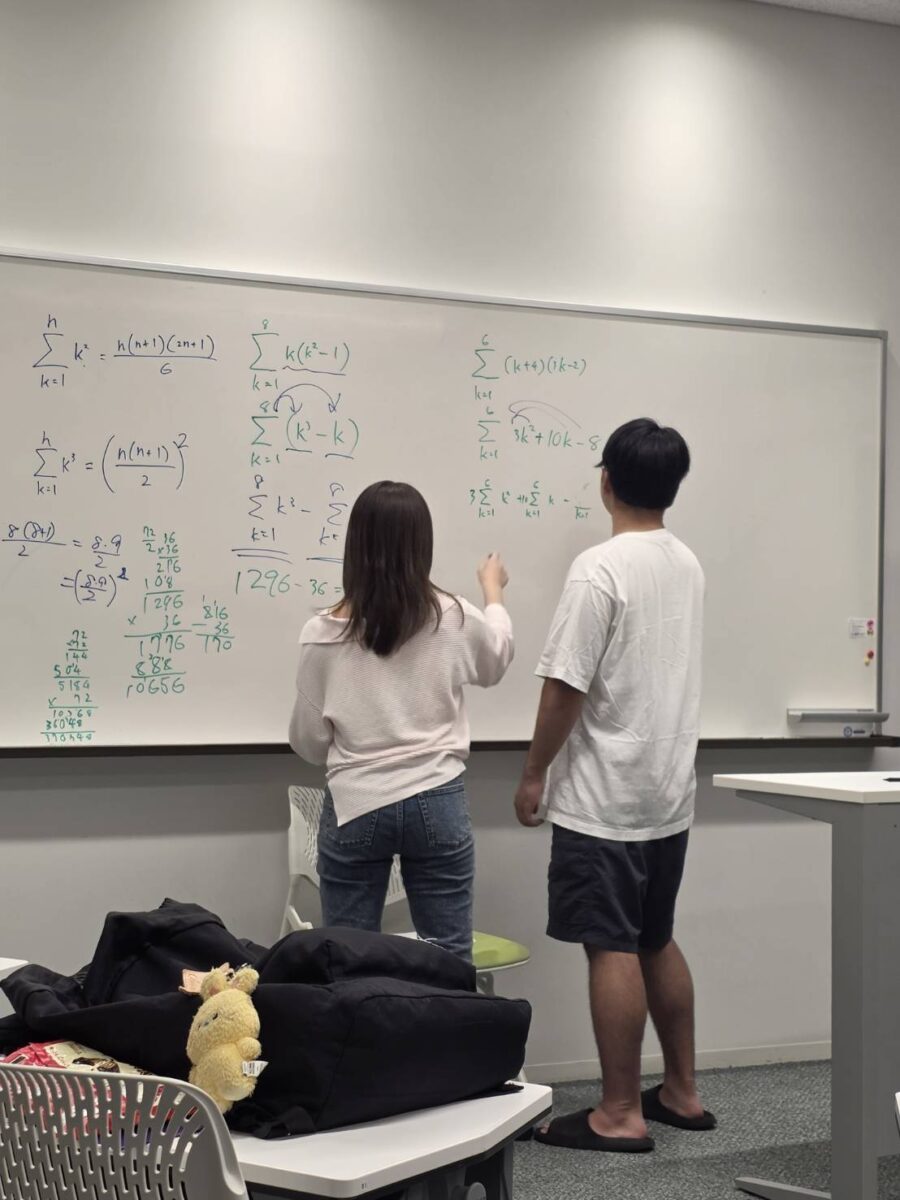
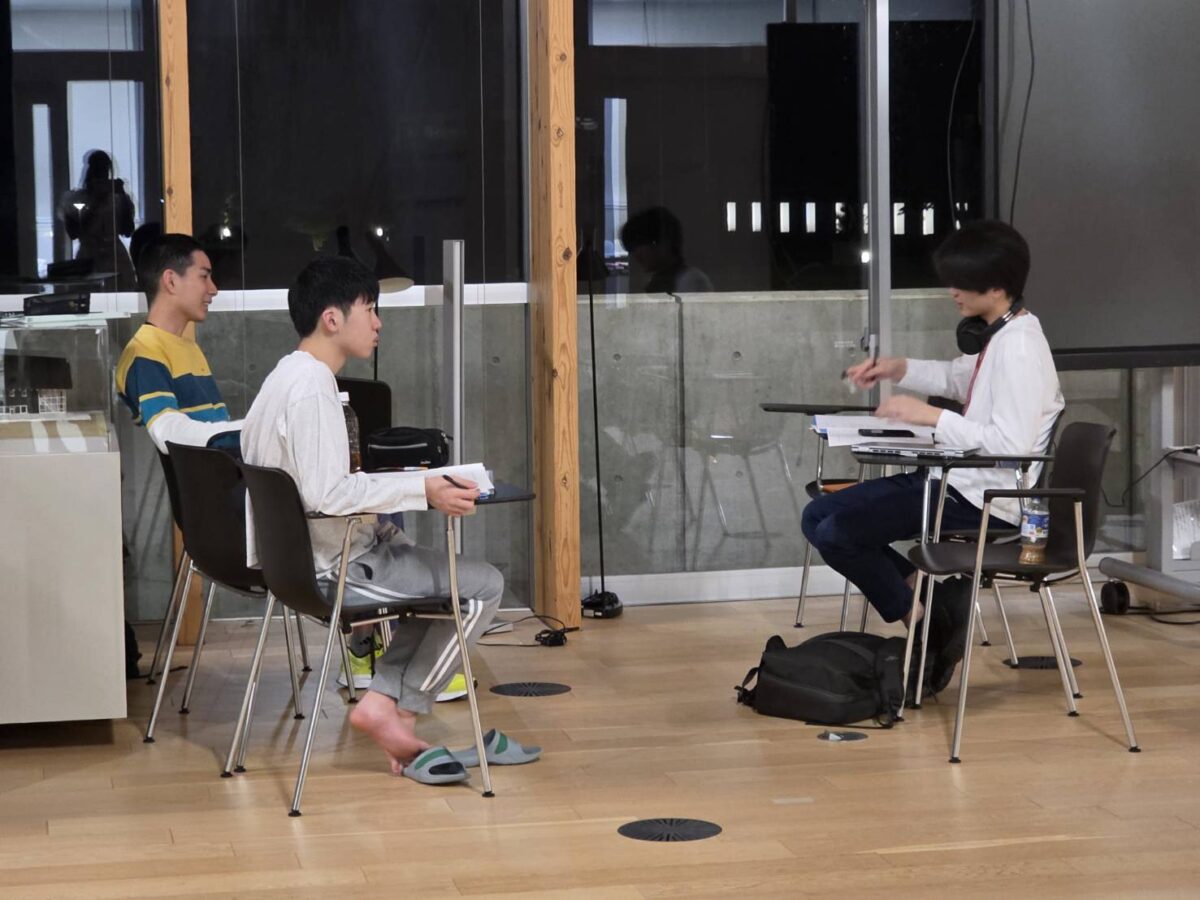
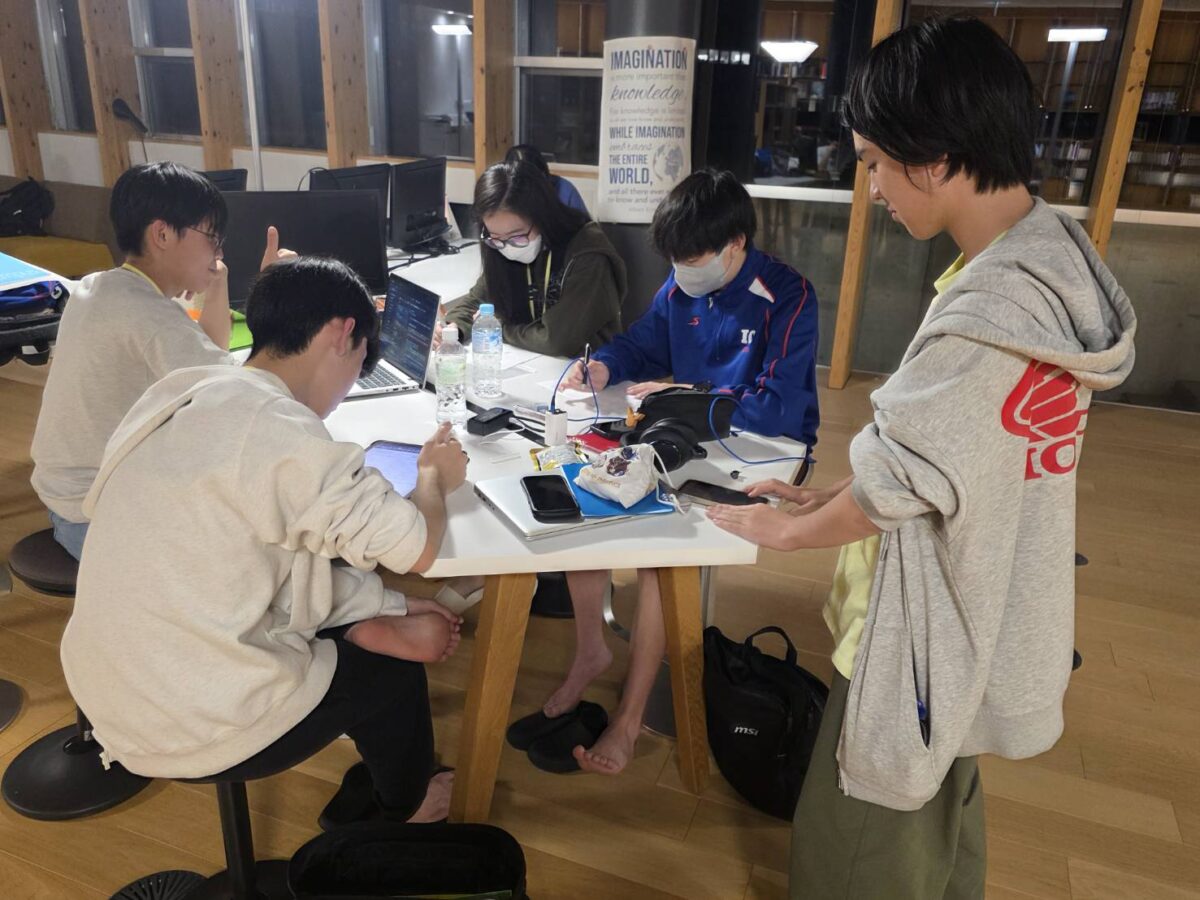
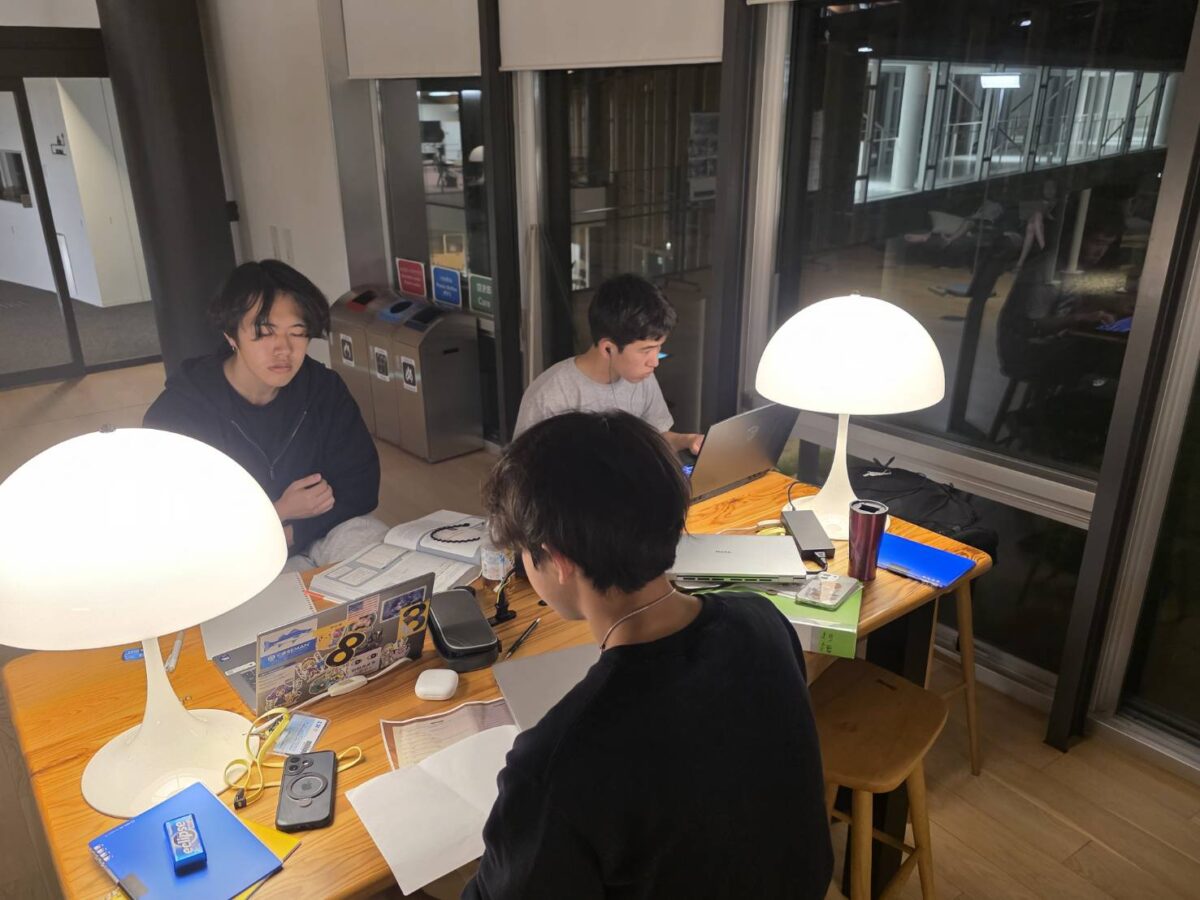
これまでの数年間で、学生たちのラーニングセッション時間の活用の様子から、彼らの大きな成長を実感してきました。多くの学生が、この学習環境を「まるでカフェのように心地よく、親しみやすい学習空間」と表現しています。木の床、温かみのある照明、白山麓の木材を使った家具とそれに合わせてデザインされたテーブルによって、この空間は自然と学生たちの集中力を促し、互いに学び合う雰囲気を引き出してくれます。学生たちが静かに自分の課題に取り組んだり、友人やラーニングメンターたちに助けを求めたり、知っていることを友人に教えてあげている姿をよく目にします。
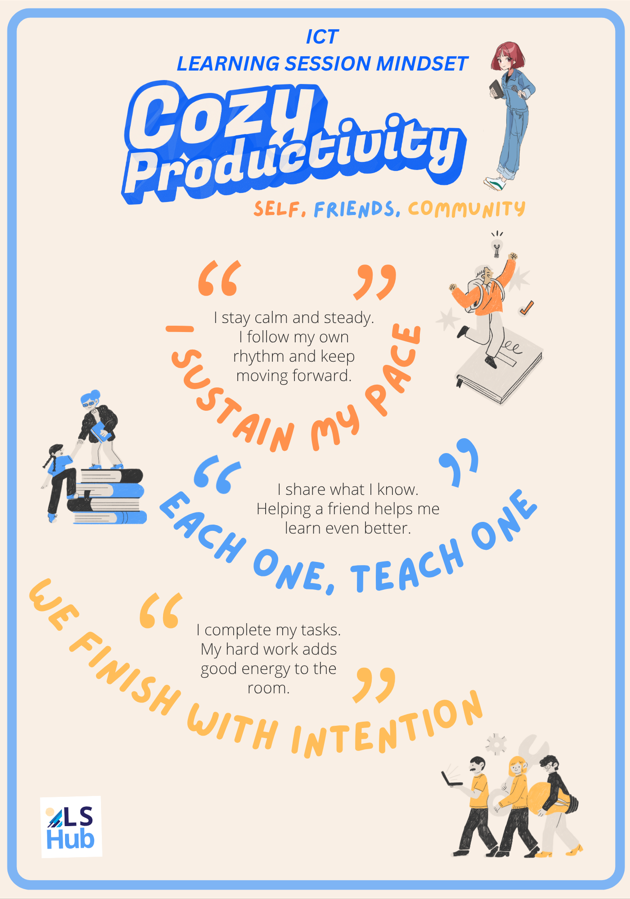
こうした前向きな習慣を背景に、私たちは新たなラーニングセッション・マインドセットとして、これを「Cozy Productivity(コージー・プロダクティビティ)」と名付け、強化することにしました。
Cozy Productivityは、居心地の良い環境で落ち着いて集中できる、互いに支え合う学習環境を育みます。ラーニングセッションは、急いだり競争したりする場ではありません。学生が自分自身を大切にし、仲間を支え合いながら、コミュニティとして共に成長し、日々着実で有意義な進歩を重ねていくための場です。
ラーニングセッションは、以下の3つの基本原則に基づいて運営されています。
① I Sustain My Pace(自分のペースを保つ)
ラーニングセッション中は、学生がそれぞれのリズムで学習することが奨励されています。学び方は人それぞれであり、その違いは尊重されます。学生は、落ち着いて自分の目標に集中し、他人のペースに焦らされることなく、一歩ずつ前進し続けるよう促されます。この取り組みは、自分のペースを身に着けることや、進歩が遅く感じられるときでも継続することを通して、自己管理と継続力を育てます。
② Each One, Teach One(学び合い)
学びは、共有することでより深まります。学生は、質問したり、考えを説明したり、互いに助け合うことを奨励されています。友人に教えることは、理解を深め、自信を高める最良の方法の一つです。ラーニングメンターや友人に助けを求めることは、学習内容、英語練習、アイデアの共有など、どのような場面でも歓迎されます。考えを分かりやすく伝え、協力して学ぶ経験を通して、コミュニケーション能力や協働力が鍛えられます。
③ We Finish with Intention(目的をもってやり遂げる)
最終的には、これらの指針が学生にとって大切な価値観として定着することを目指しています。これらは、留学中に役立つだけでなく、留学後の金沢キャンパスにおいてはより自立した学習者として、さらに将来は若手の専門職やグローバルイノベーターとして活躍していくうえでも重要なライフスキルです。ラーニングセッションは、単に宿題を終わらせる場ではありません。それは、「学び方を学ぶこと」「他者を支えること」「目的をもって成長すること」を学ぶ場なのです。
ドミソン・アブワン
Hello, my name is Domyson Abuan, and on behalf of the Learning Mentor team, we would like to reintroduce you to Hakusanroku Campus’ Learning Session (LS).
LS is an evening learning time held every weeknight from 7:30 PM to 9:30 PM at the Living Commons and the Library & Work Commons on ICT Hakusanroku Campus. During LS, students work on classwork, homework, projects, and language skill development. Faculty members called Learning Mentors are always present to support, guide, and help when needed. Students are also encouraged to use English as much as possible during LS to improve their communication skills in a natural and supportive environment, especially because they will study abroad in New Zealand in their 3rd year.
Over the past years, we have seen wonderful growth in how students use Learning Session time. Many students describe our learning atmosphere as a cozy, welcoming study space that is almost like a cafe. With wooden floors, warm lighting, Hakusanroku wood furniture, and tables designed for collaboration, the space naturally encourages focus and shared learning. We often see students quietly working on their own tasks, asking for help, and confidently sharing what they know with others.
Because of these positive habits, we decided to name and strengthen this culture through our new Learning Session Mindset, called “Cozy Productivity.”
Our Learning Sessions are guided by three key principles.
① I Sustain My Pace
During LS, students are encouraged to work at their own rhythm. Everyone learns differently, and that difference is respected. Students are reminded to stay calm, focus on their own goals, and keep moving forward step by step without feeling pressured by others’ pace. This practice teaches them self-management and consistency by learning how to pace oneself and continue even when progress feels slow.
② Each One, Teach One
Learning becomes stronger when it is shared. Students are encouraged to ask questions, explain ideas, and help one another. Teaching a friend is one of the best ways to deepen understanding and build confidence. Asking for help from Learning Mentors or classmates is always encouraged, whether it is about academics, English practice, or sharing ideas. By learning how to explain ideas clearly and work well with others, they strengthen their skills on communication and collaboration.
③ We Finish with Intention
Learning Session despite being cozy, is also a time for focused effort. Students are encouraged to use this time wisely and take responsibility for their learning. Finishing work with intention adds positive energy to the room and helps create a productive learning environment for everyone. Of course, students are also encouraged to take short breaks so they can reset their focus. Learning how to commit to tasks and complete them with care and purpose teaches them responsibility.
Ultimately, the Learning Mentor team hopes that these guiding principles will become core values for our students. These are important life skills that students can carry with them not only when studying abroad, but also as more independent learners at the Kanazawa Campus, and later as young professionals and global innovators. Learning Session is not just about finishing homework. It is about learning how to learn, how to support others, and how to grow with intention.
Domyson Abuan

こんにちは。白山麓高専事務室の間加田 侑里です。白山麓キャンパスで23名の新入生を迎え、学生たちは新たなキャンパスライフに慣れてきた様子です。さて、今回は2026年4月1日(水)および2日(木)に開催された「アイスブレイク」について紹介します。
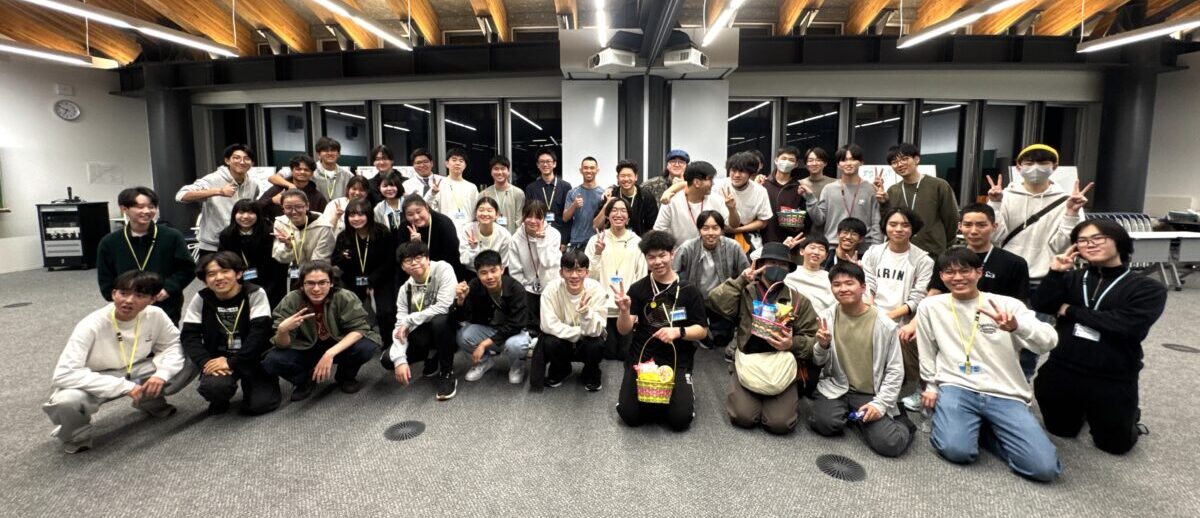
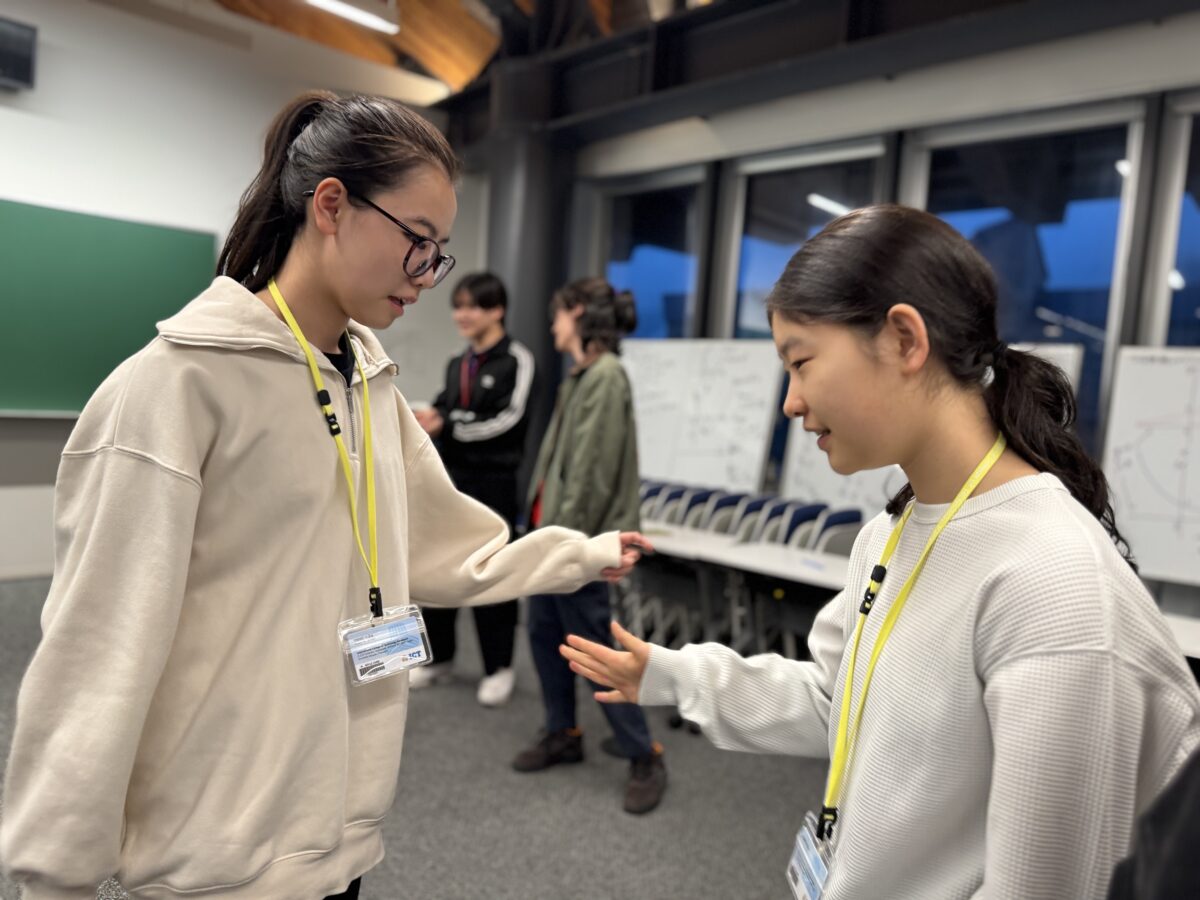
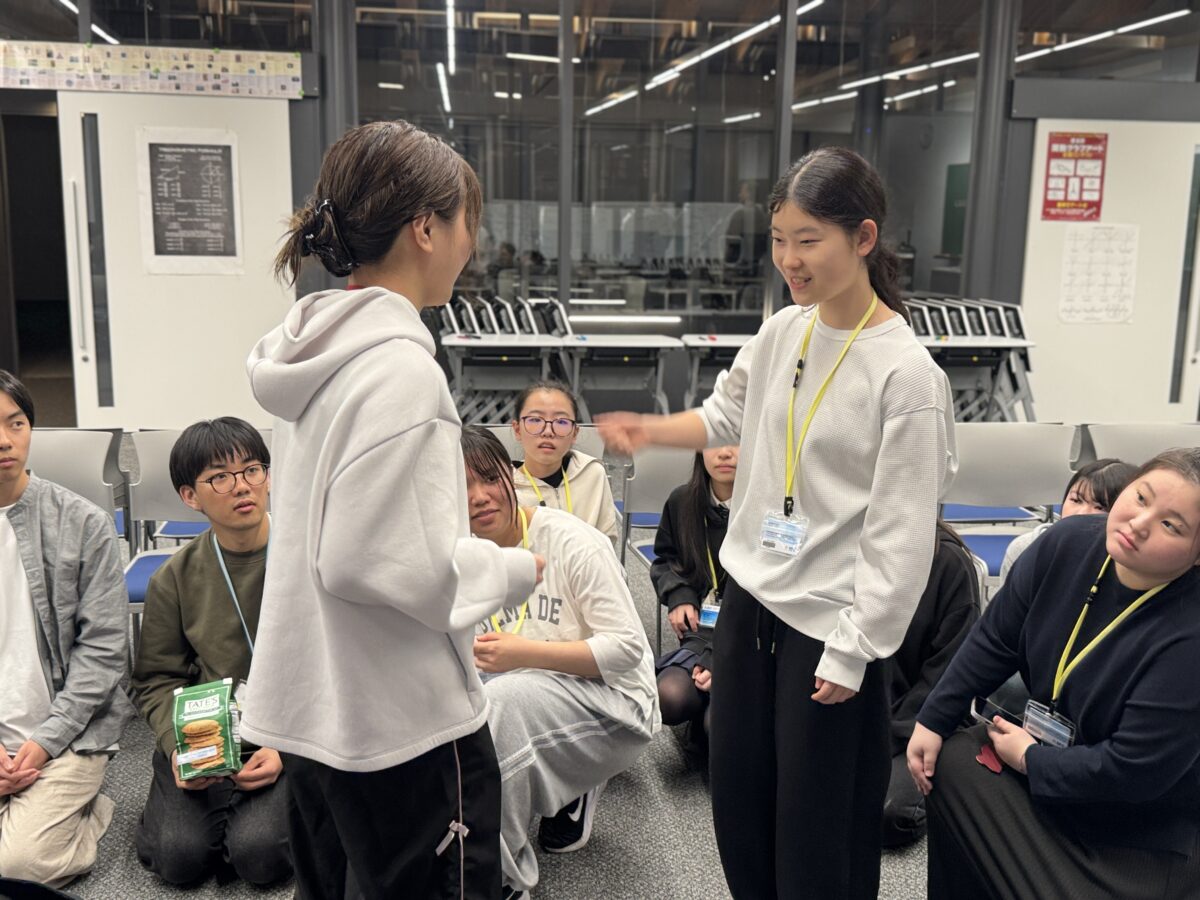
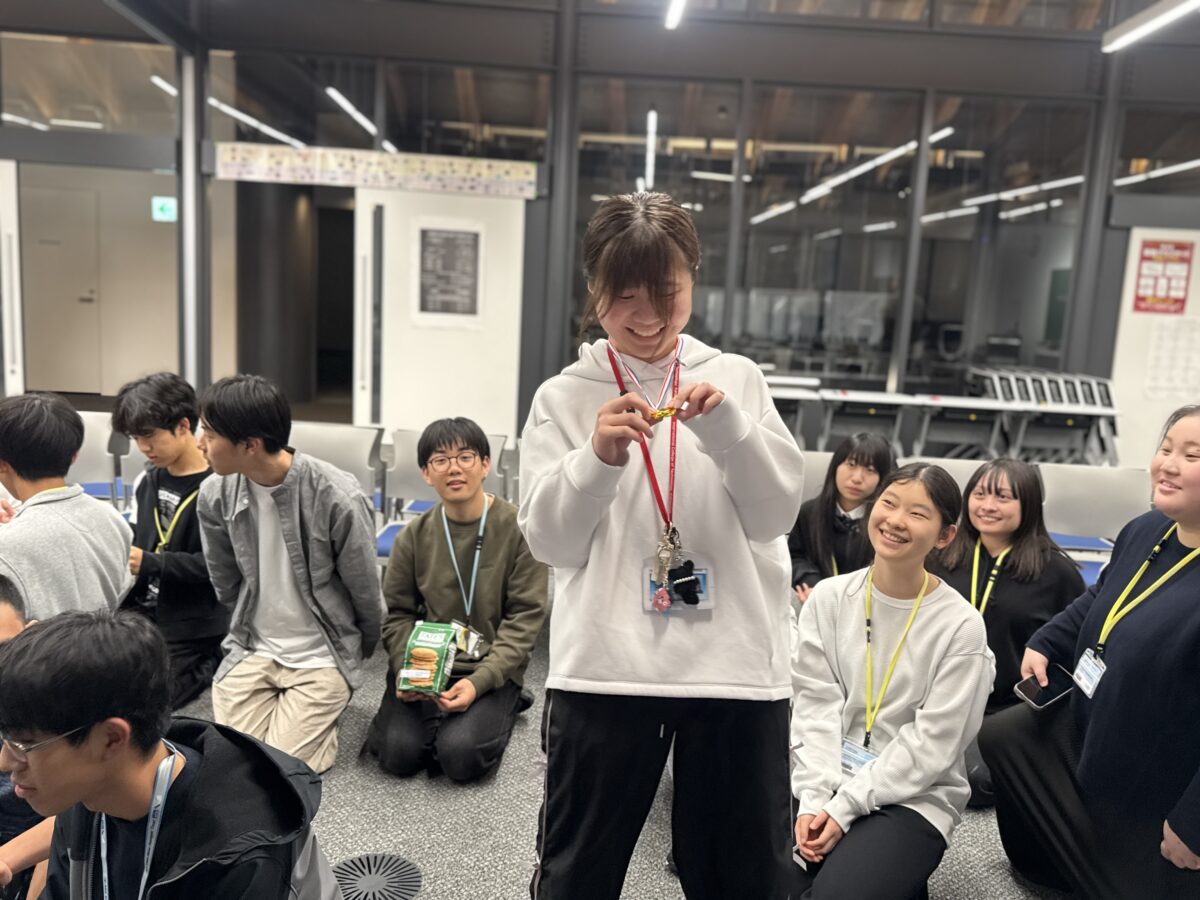
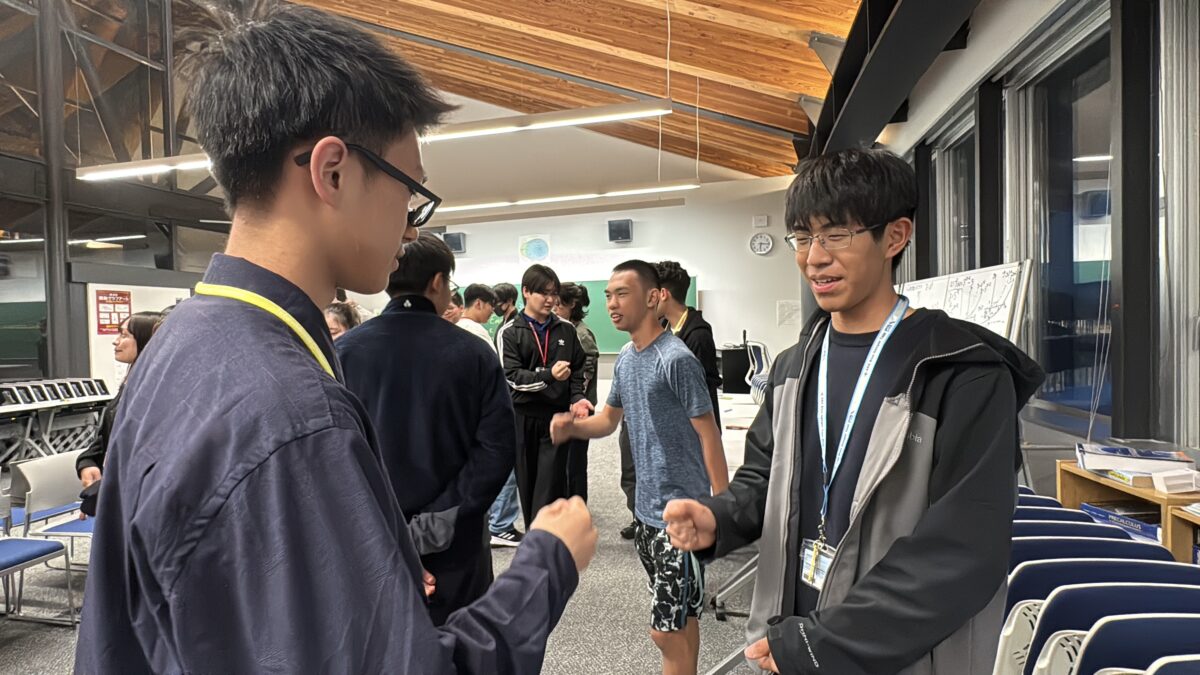
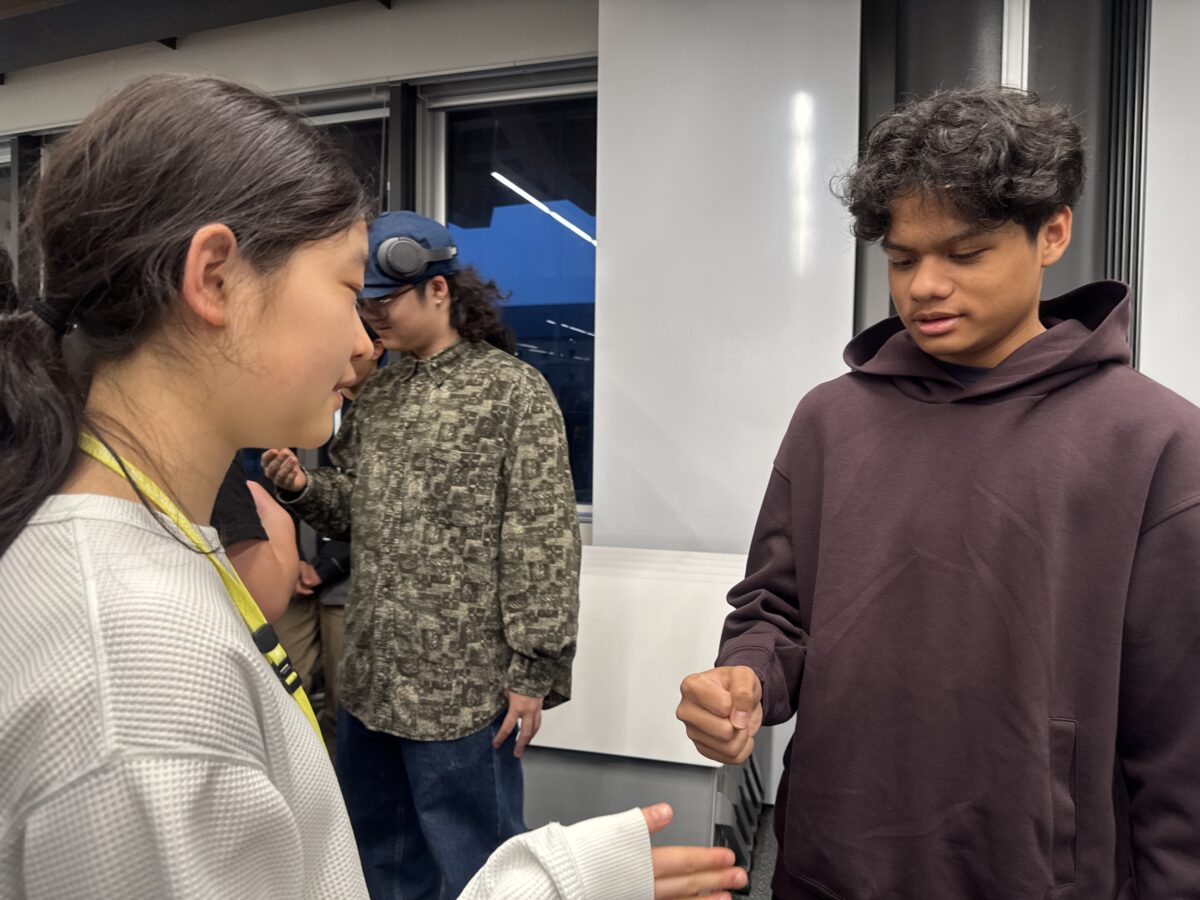
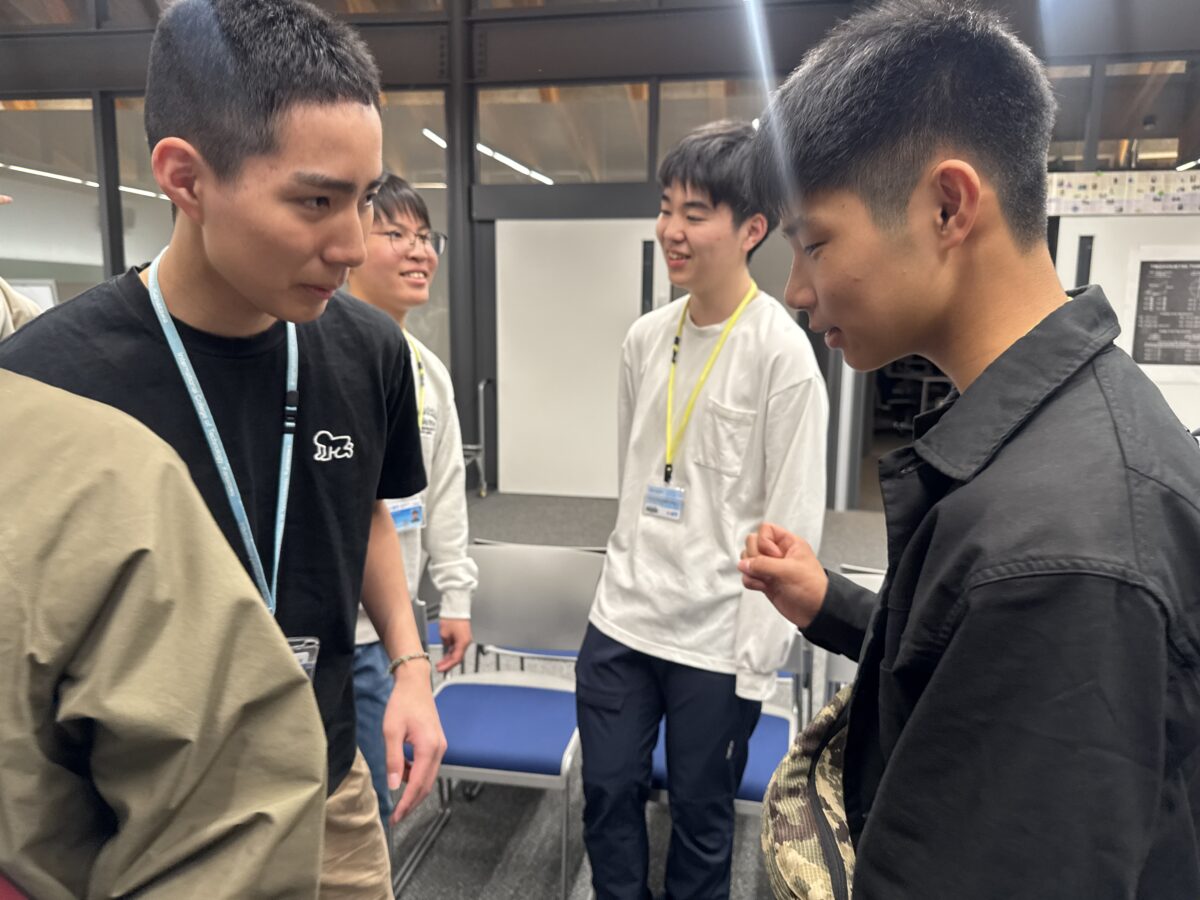
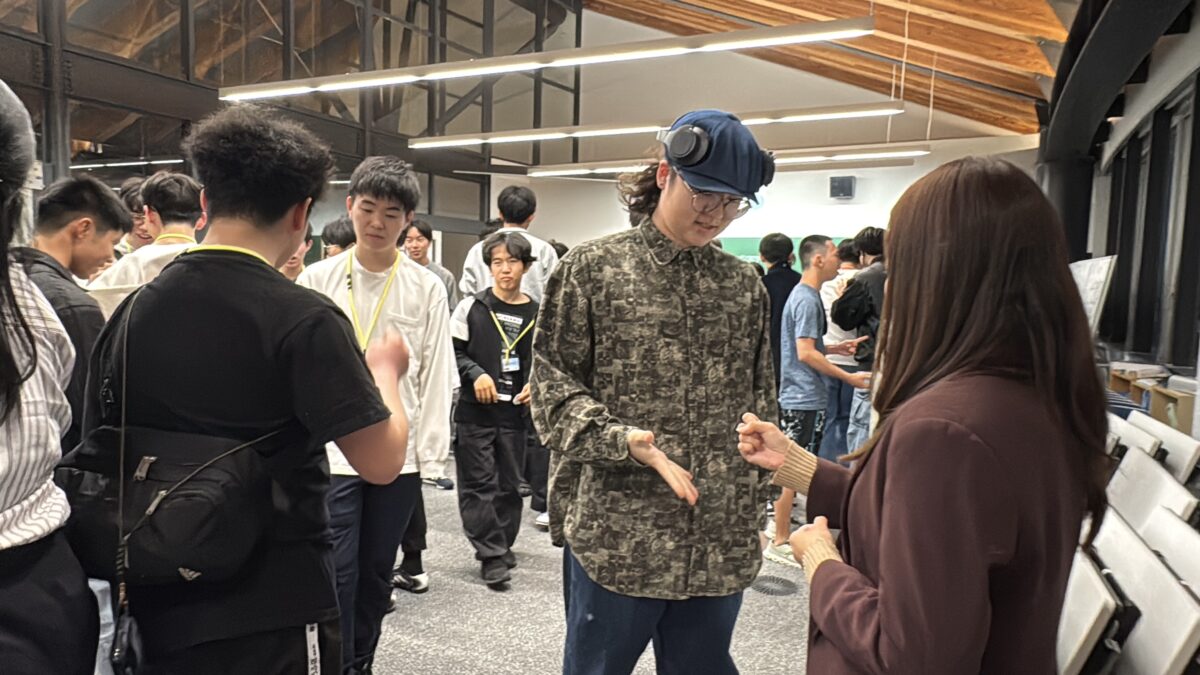
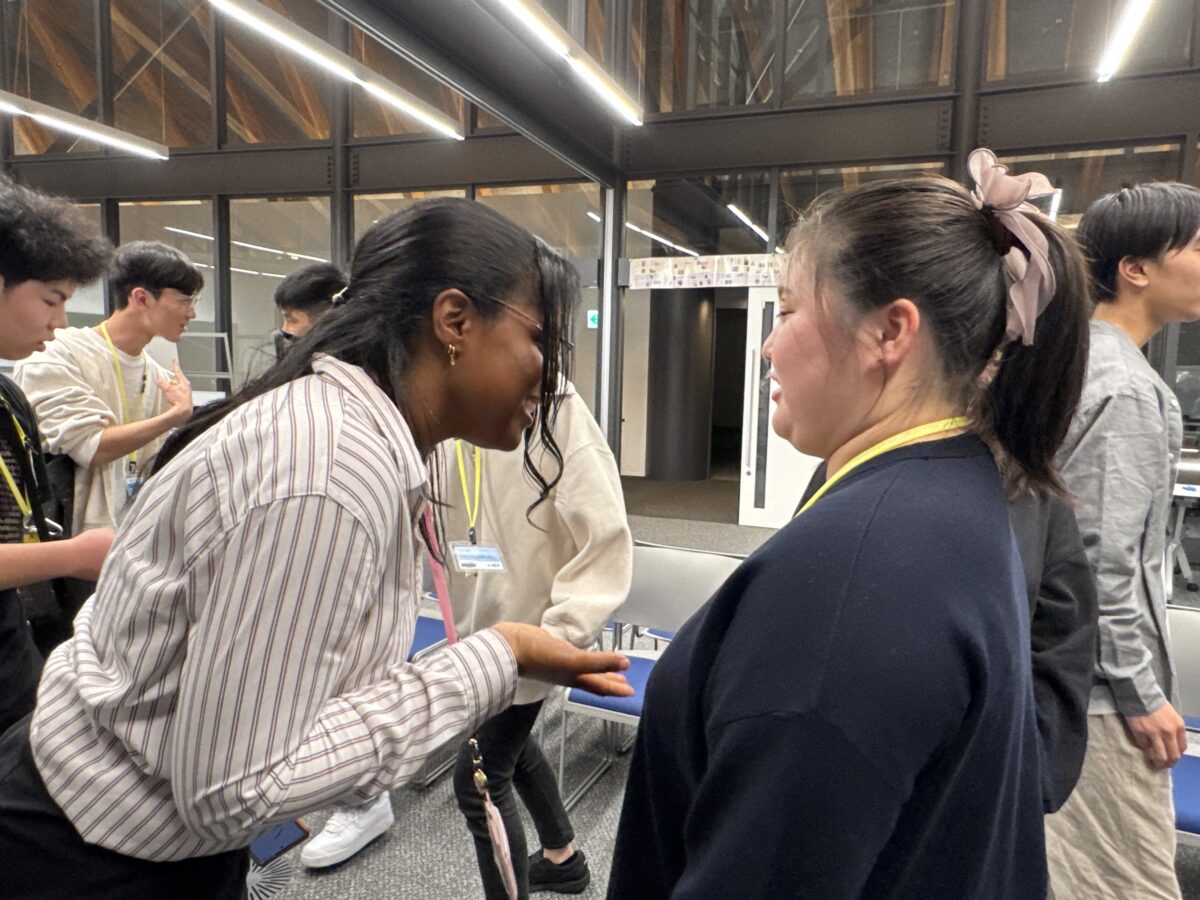
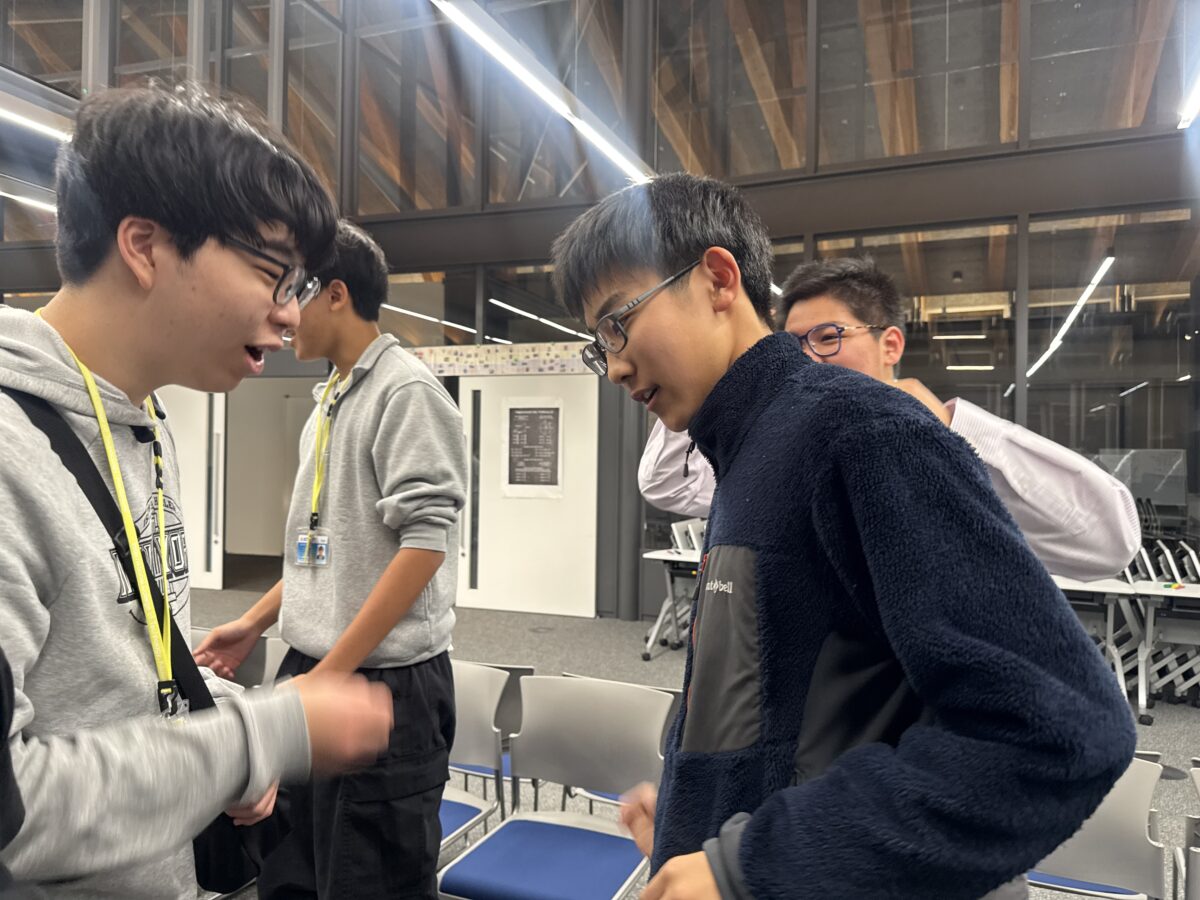
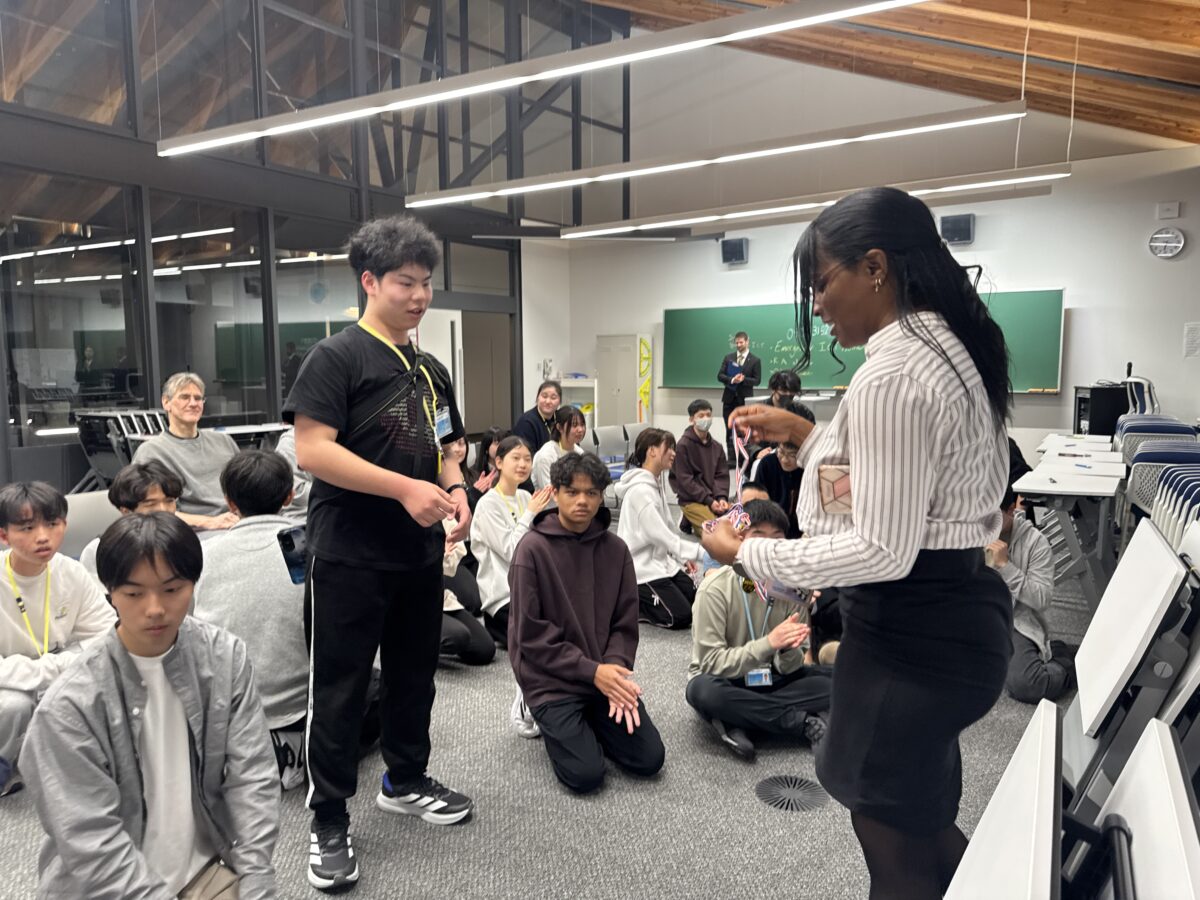
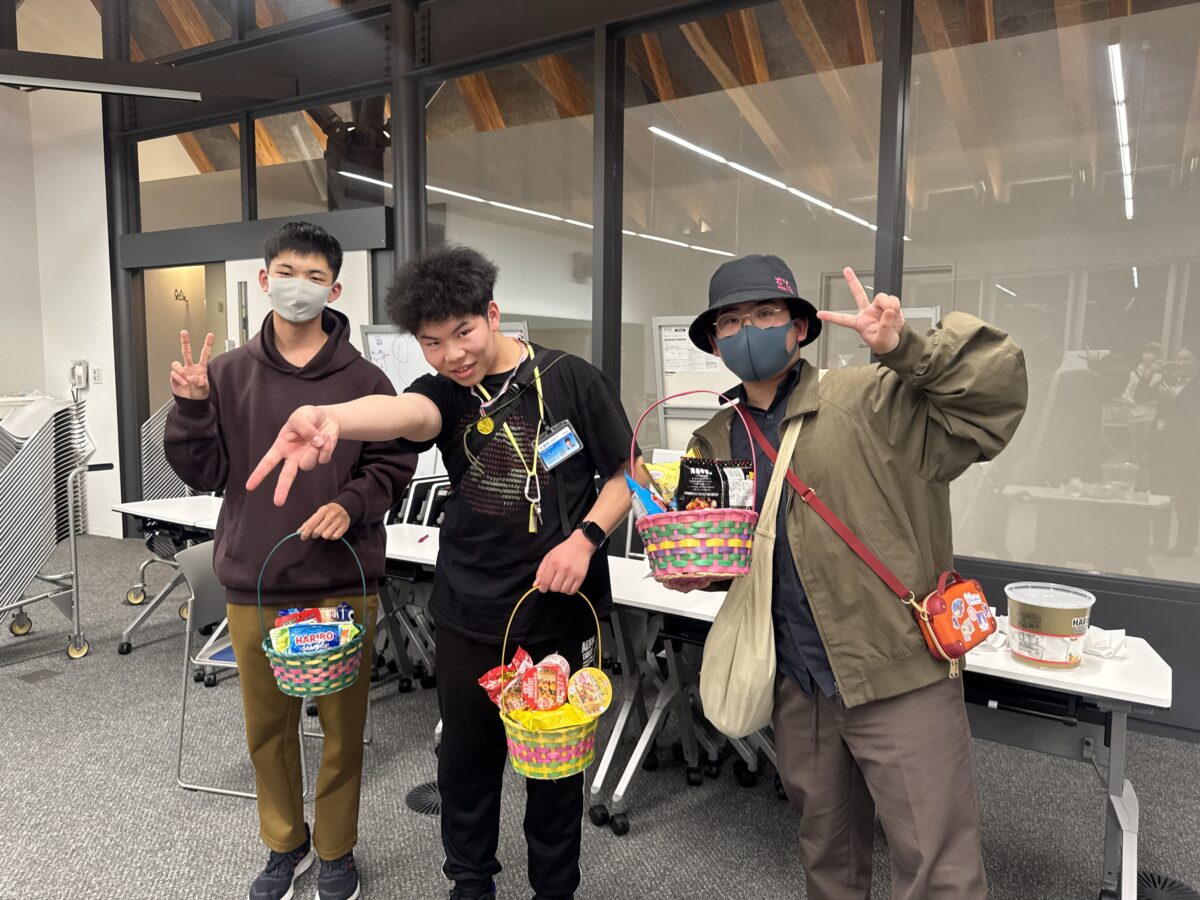
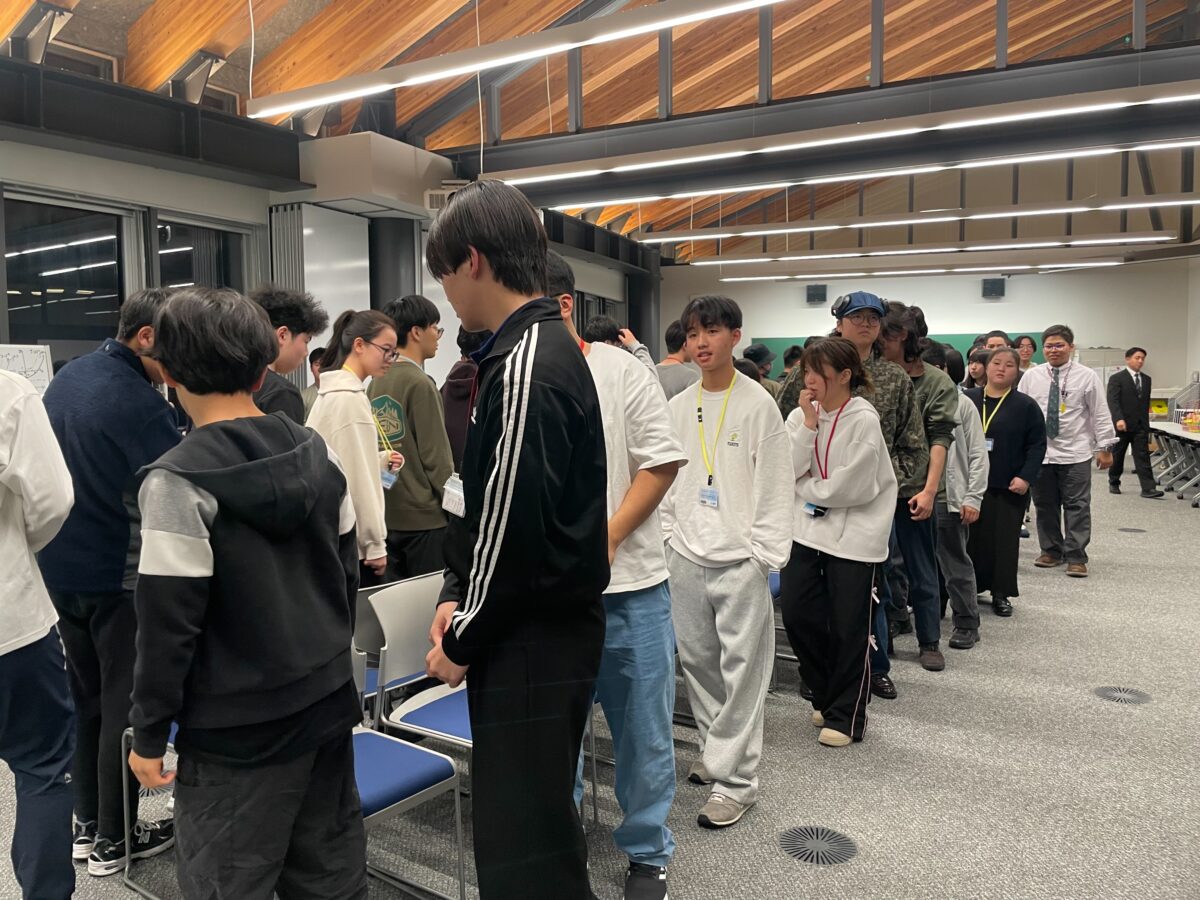
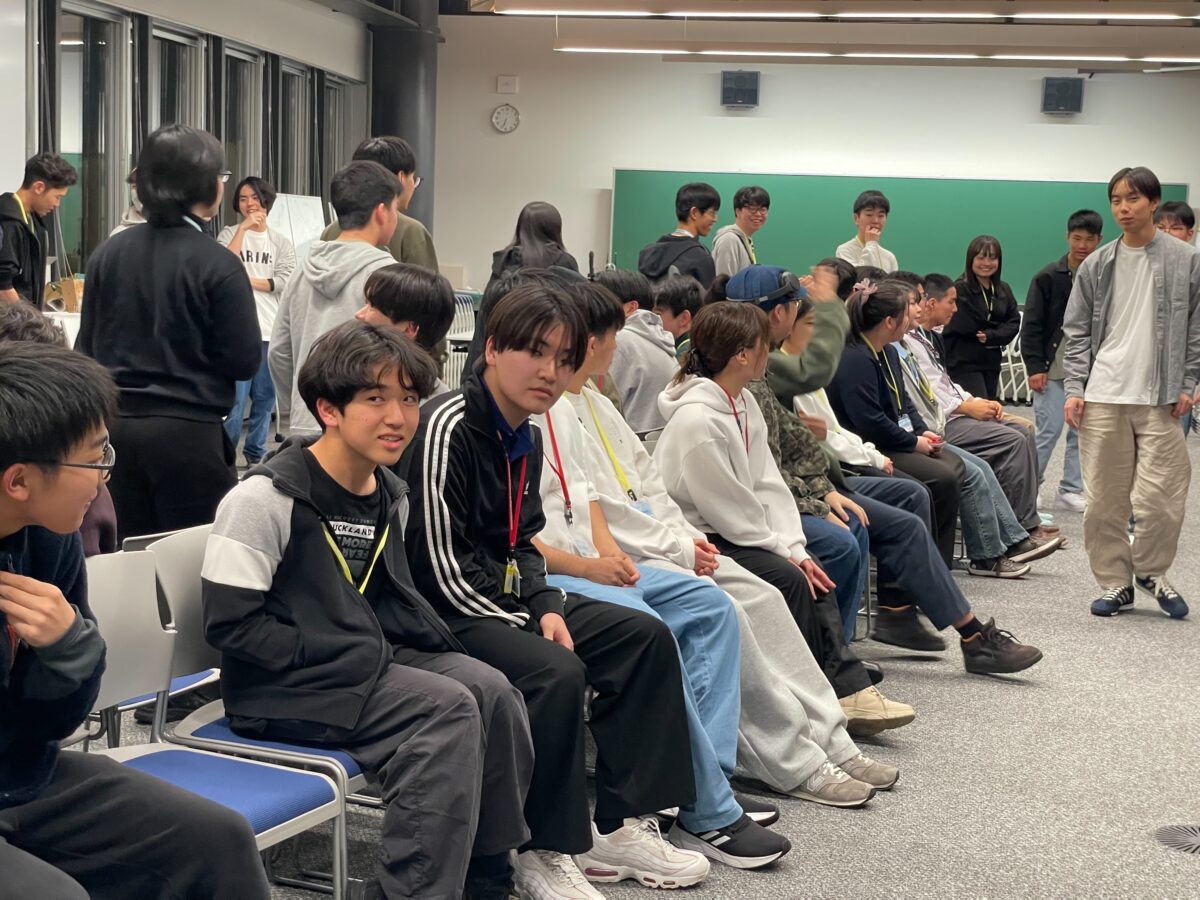
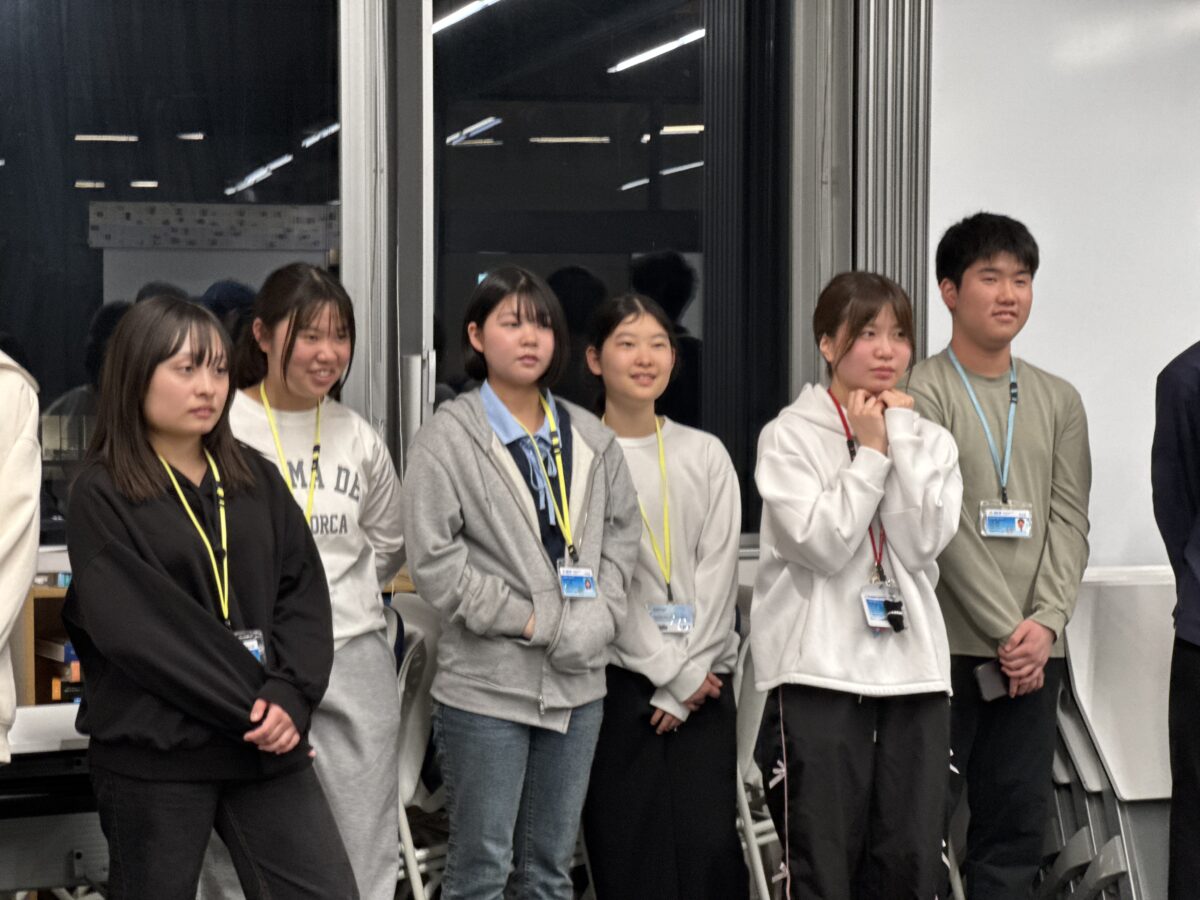
4月1日(水)入学式後、白山麓キャンパスで1・2年生合同の「アイスブレイク」が開催されました。まずは「ジャンケン自己紹介ゲーム」が実施され、学生たちは周囲の学生とジャンケンを行いました。ジャンケンに勝った方が1ポイントを獲得するというルールのもと、互いに自己紹介し合いました。最初は緊張していた学生たちも、ジャンケンを通して自然と笑顔が増えていきました。勝ち負けに一喜一憂しながら、短い時間でも多くの学生と交流することができ、会場は終始和やかな雰囲気に包まれていました。最後に、一番ポイントを獲得した学生2名の学生にはメダルが付与されました。
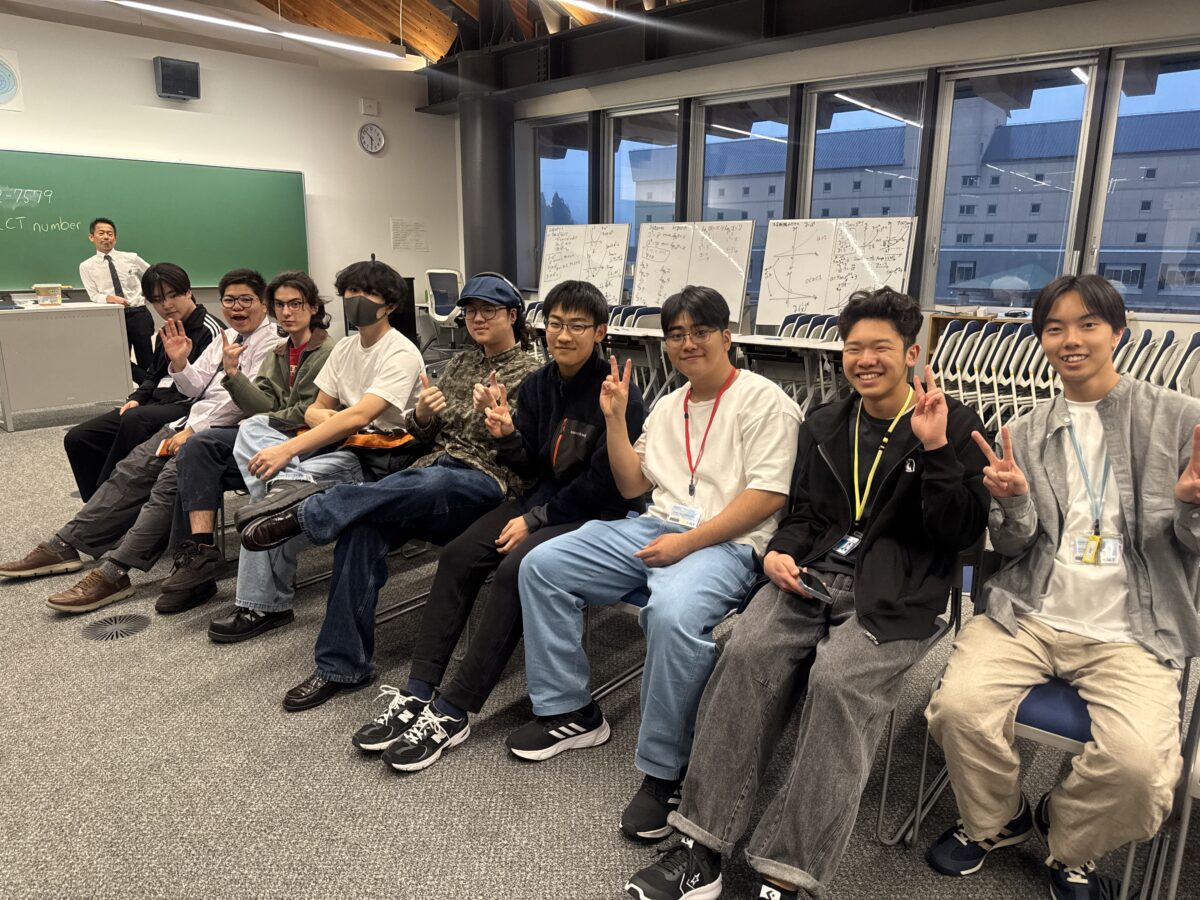
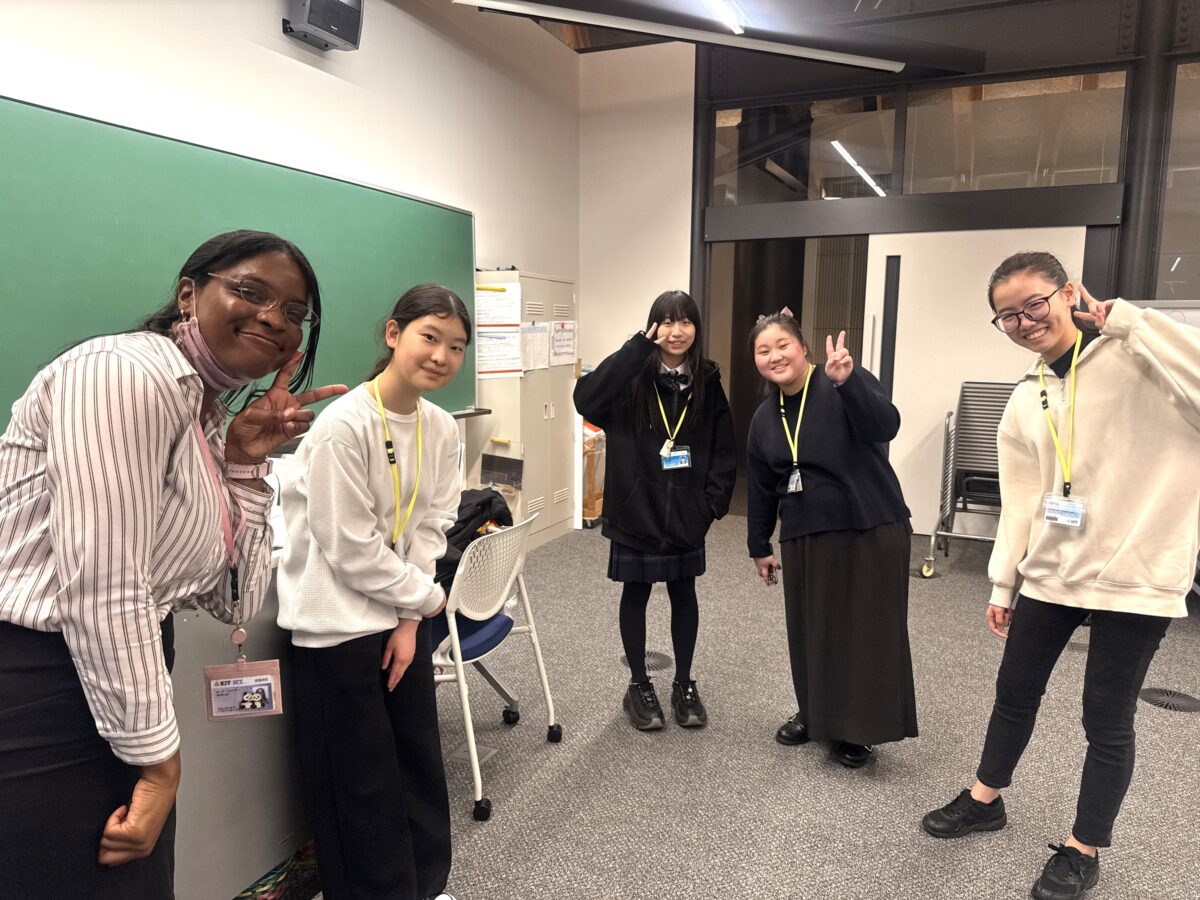
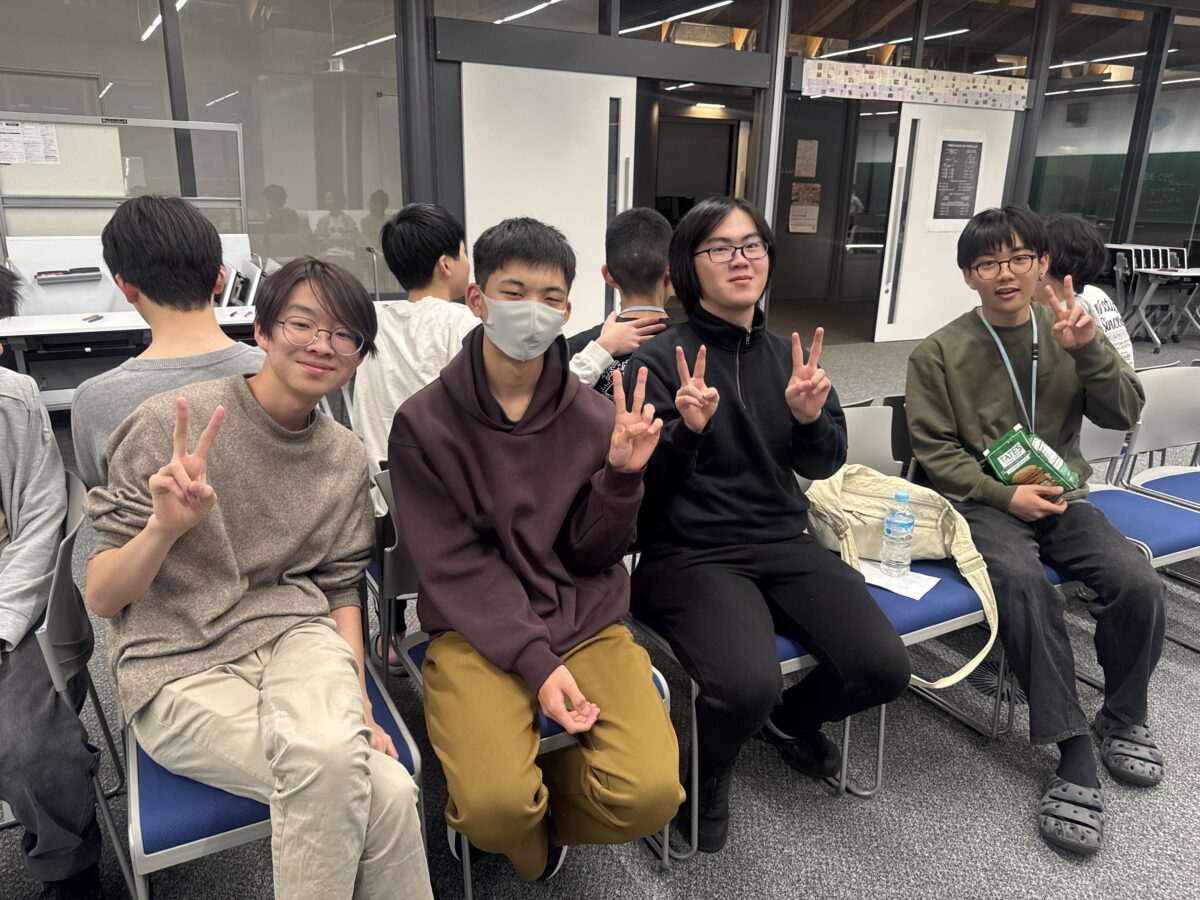
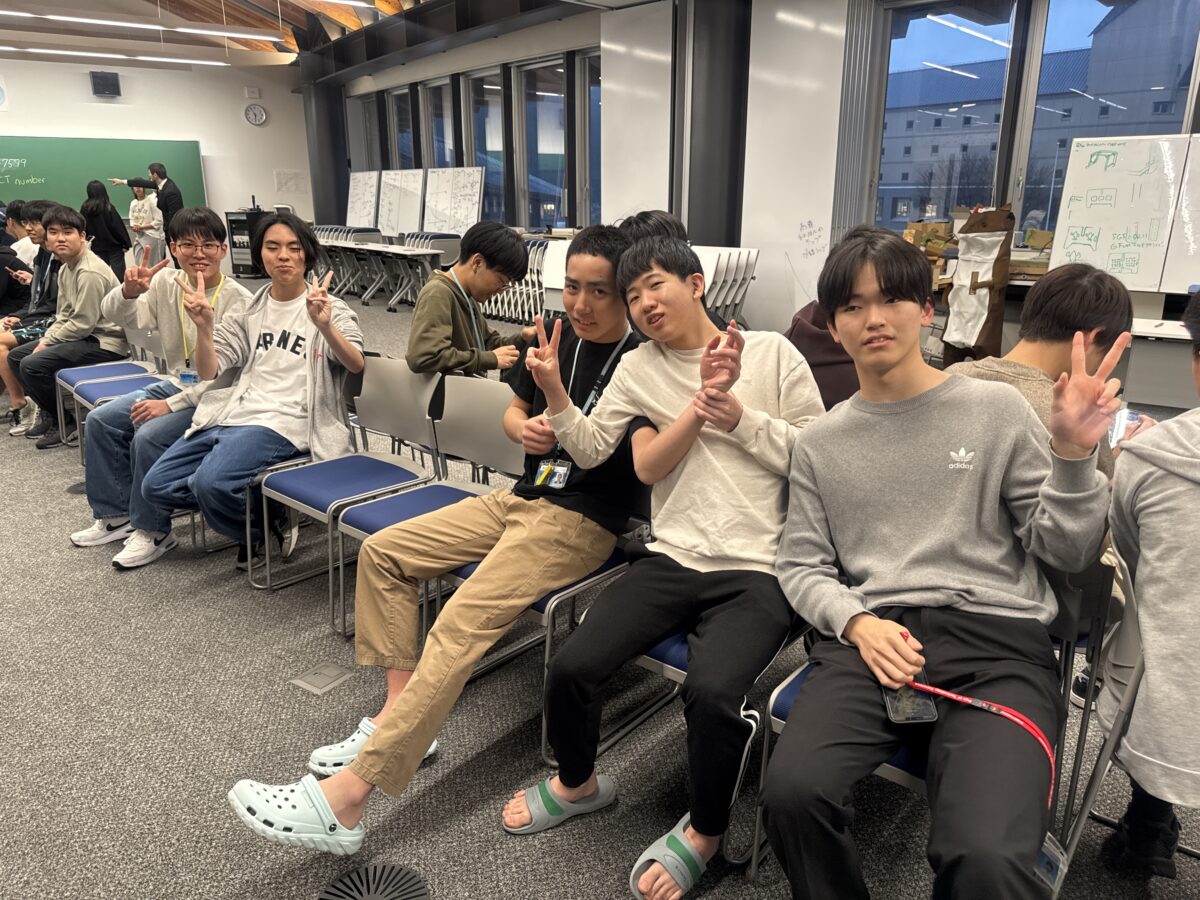
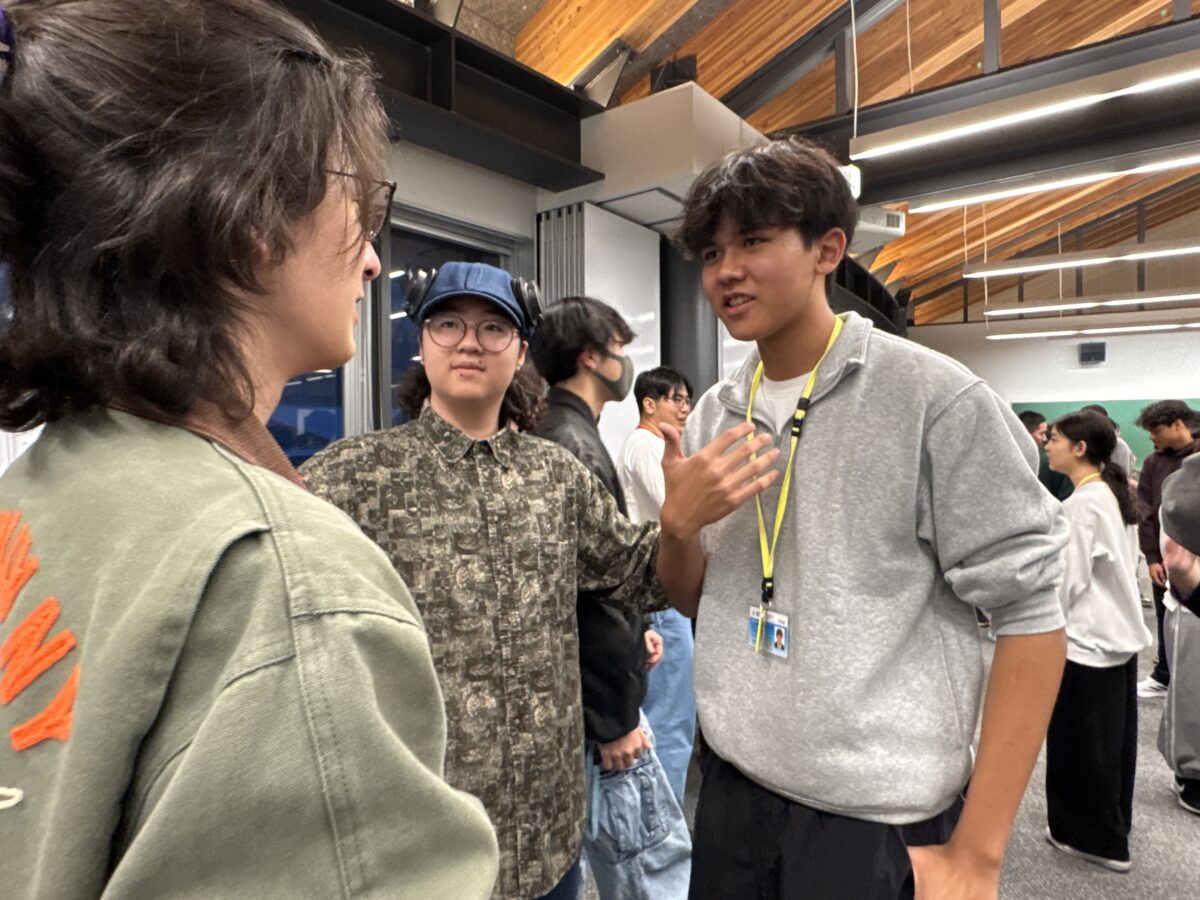
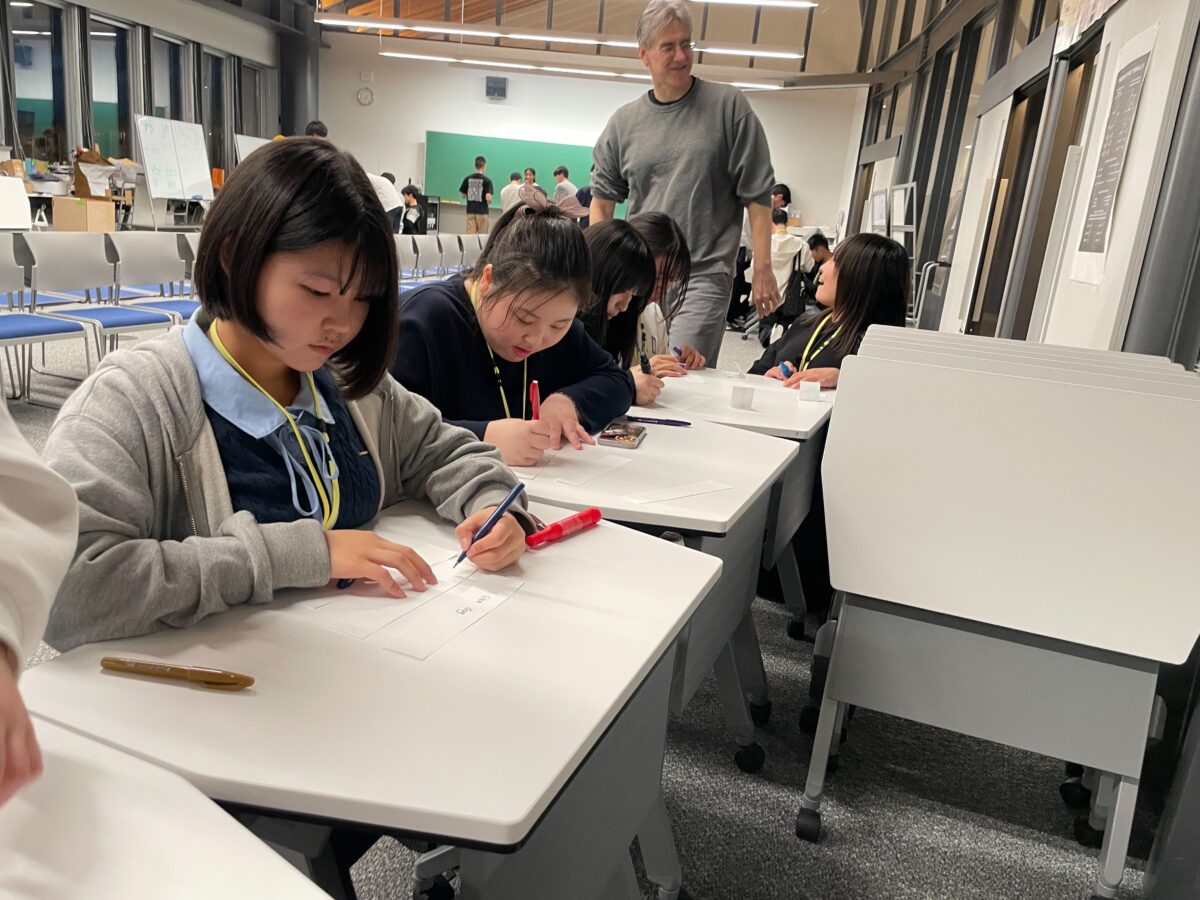
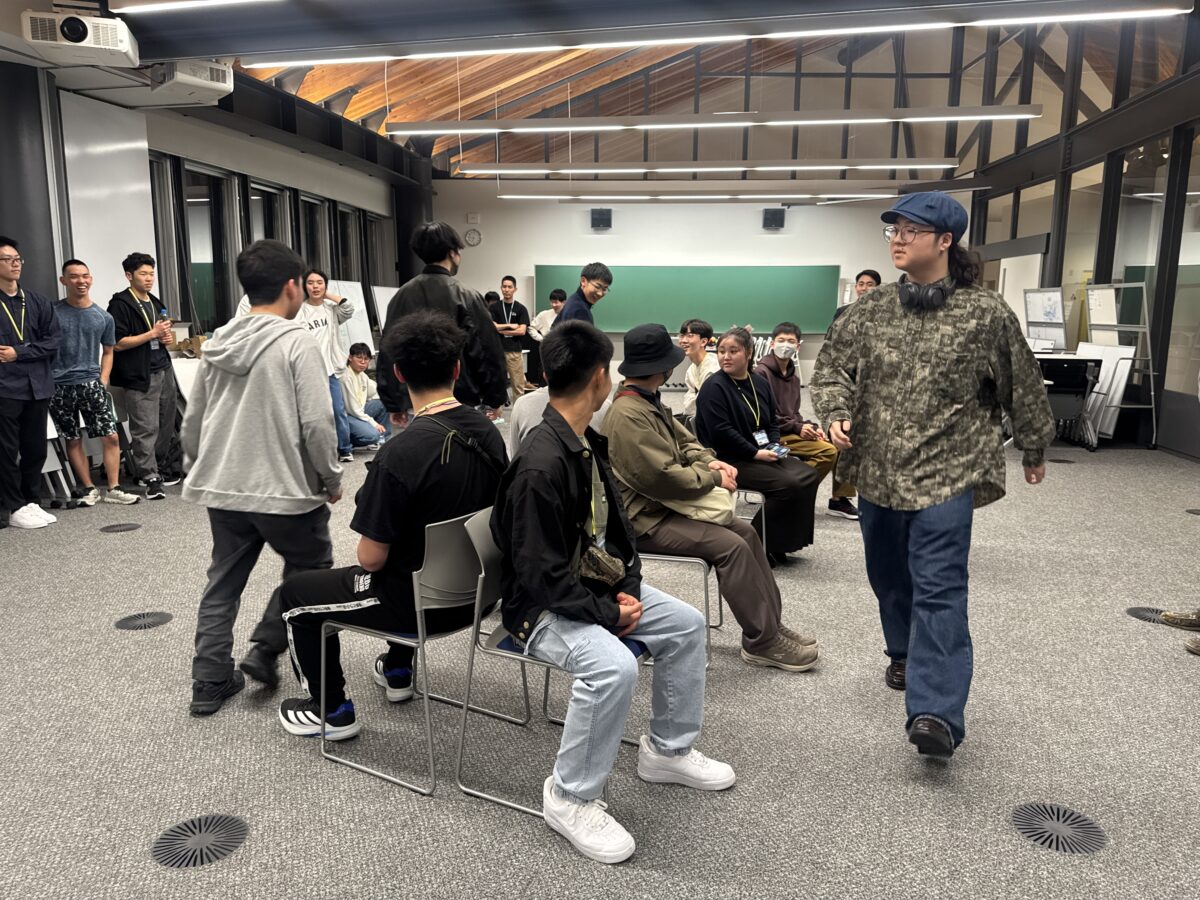
次にお互いの共通点を見つけ出すゲームが行われました。学生たちは自分の趣味や出身地、好きな食べ物、得意なことなどを紙に書きだし、ラーニングメンターがその紙を回収し、内容を1つずつ読み上げました。学生たちは、読み上げられた内容と自分に共通点があった場合、椅子取りゲームのように椅子に座りました。学生たちが書いた内容は「カルフォルニア出身」や「ビデオゲームが好き」、「音楽を聴くのが好き」など、さらに「私は猫です」といったユーモアがある内容もあり、笑いに包まれる場面も多々ありました。
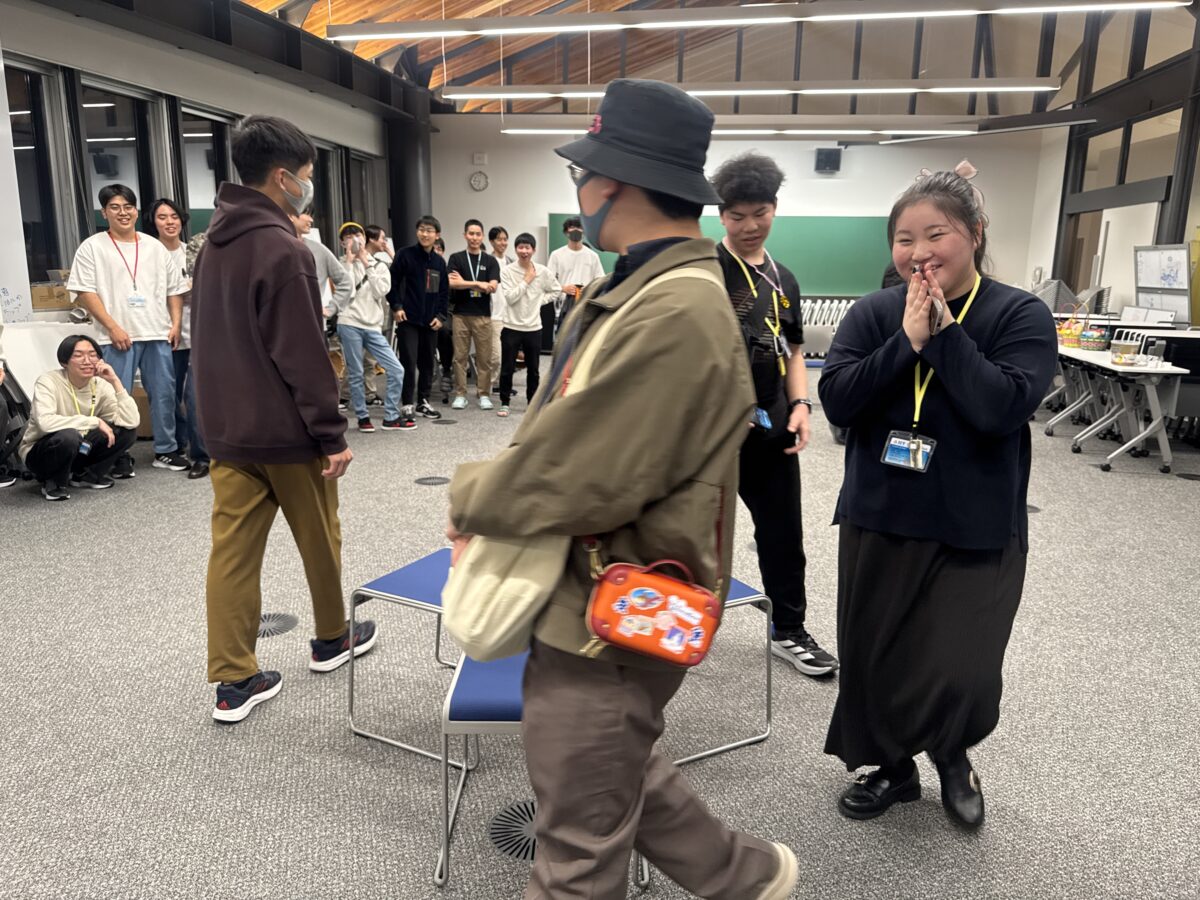
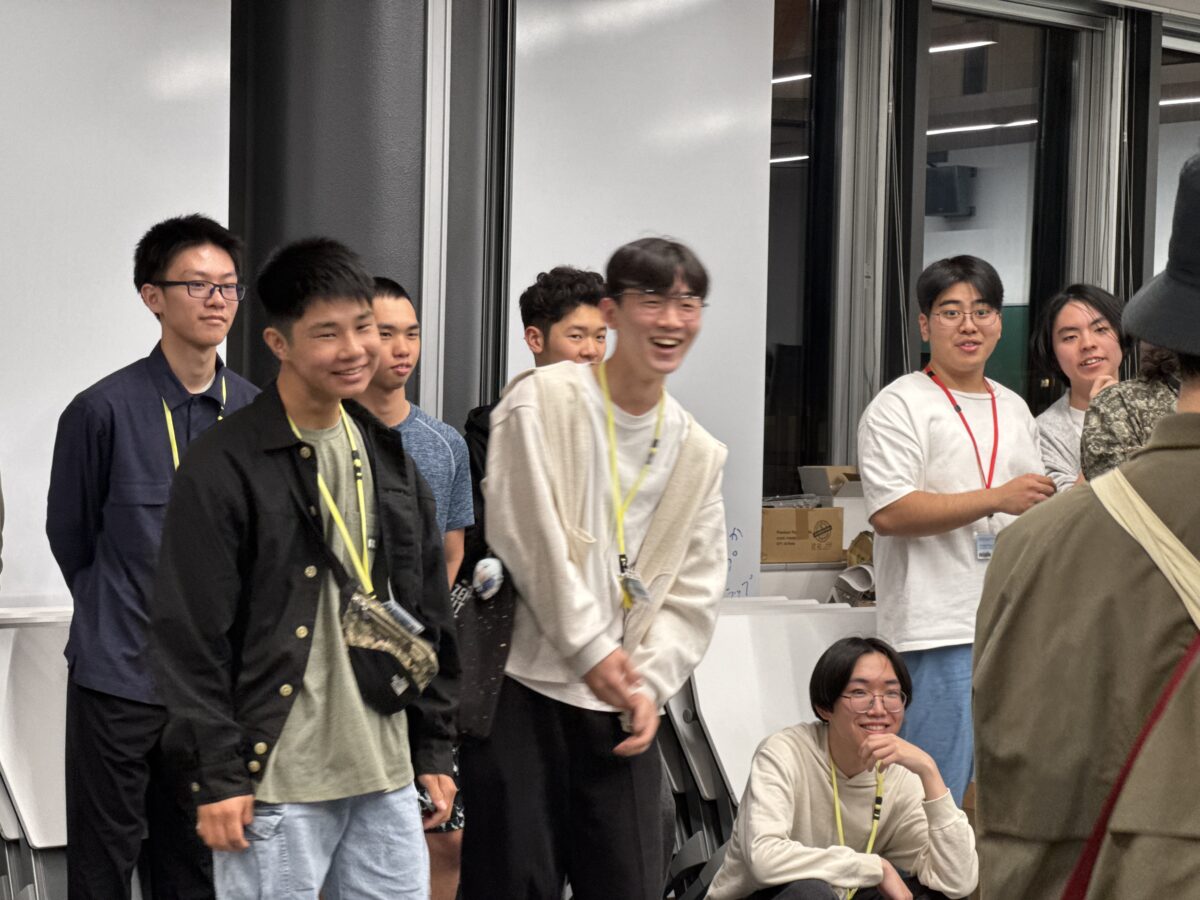
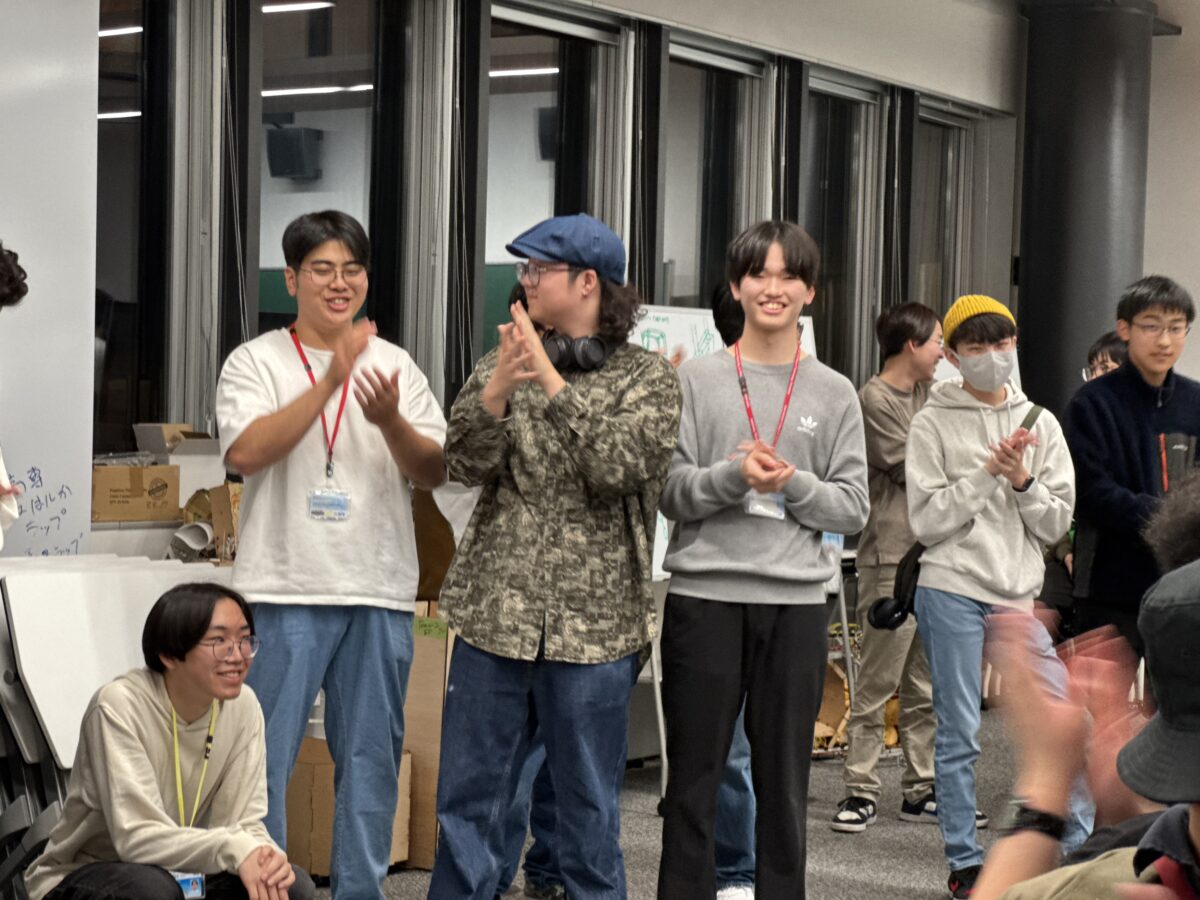
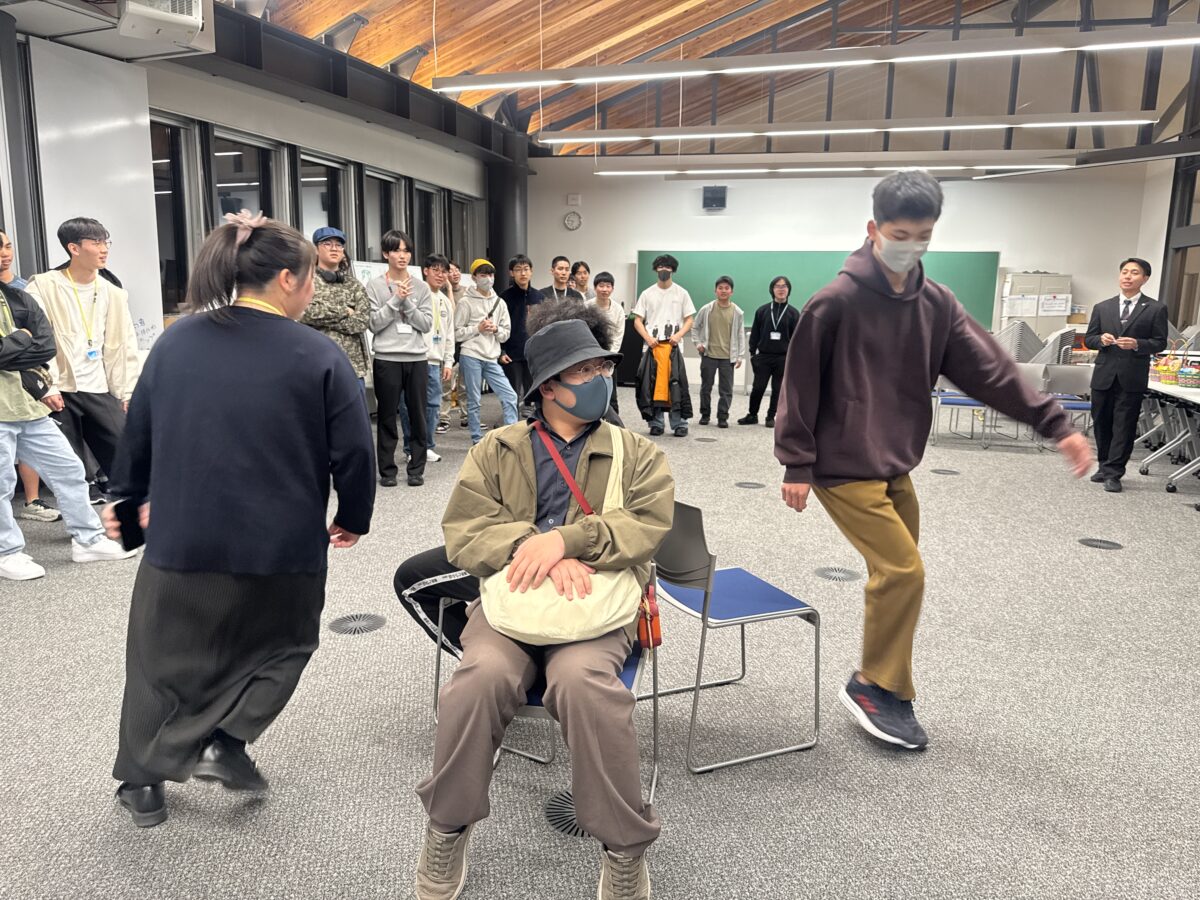
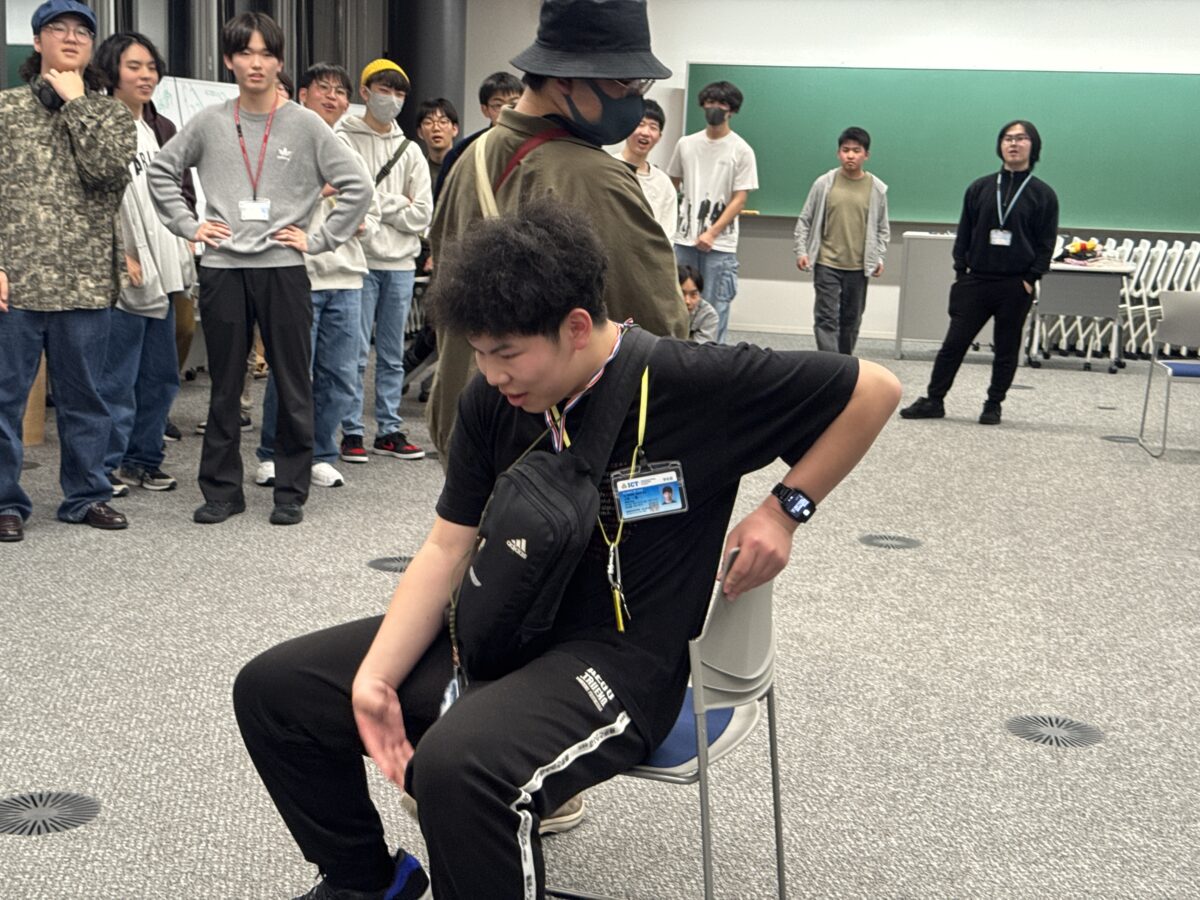
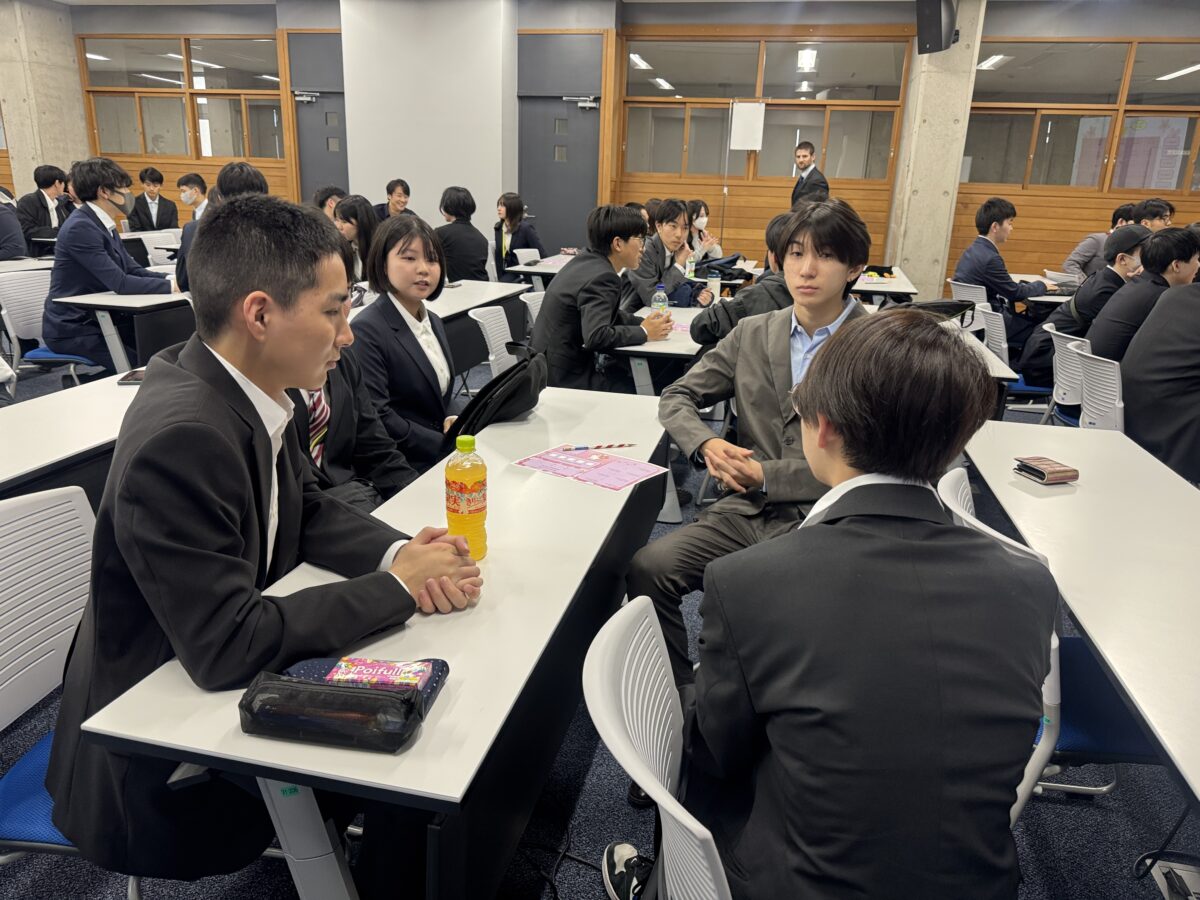
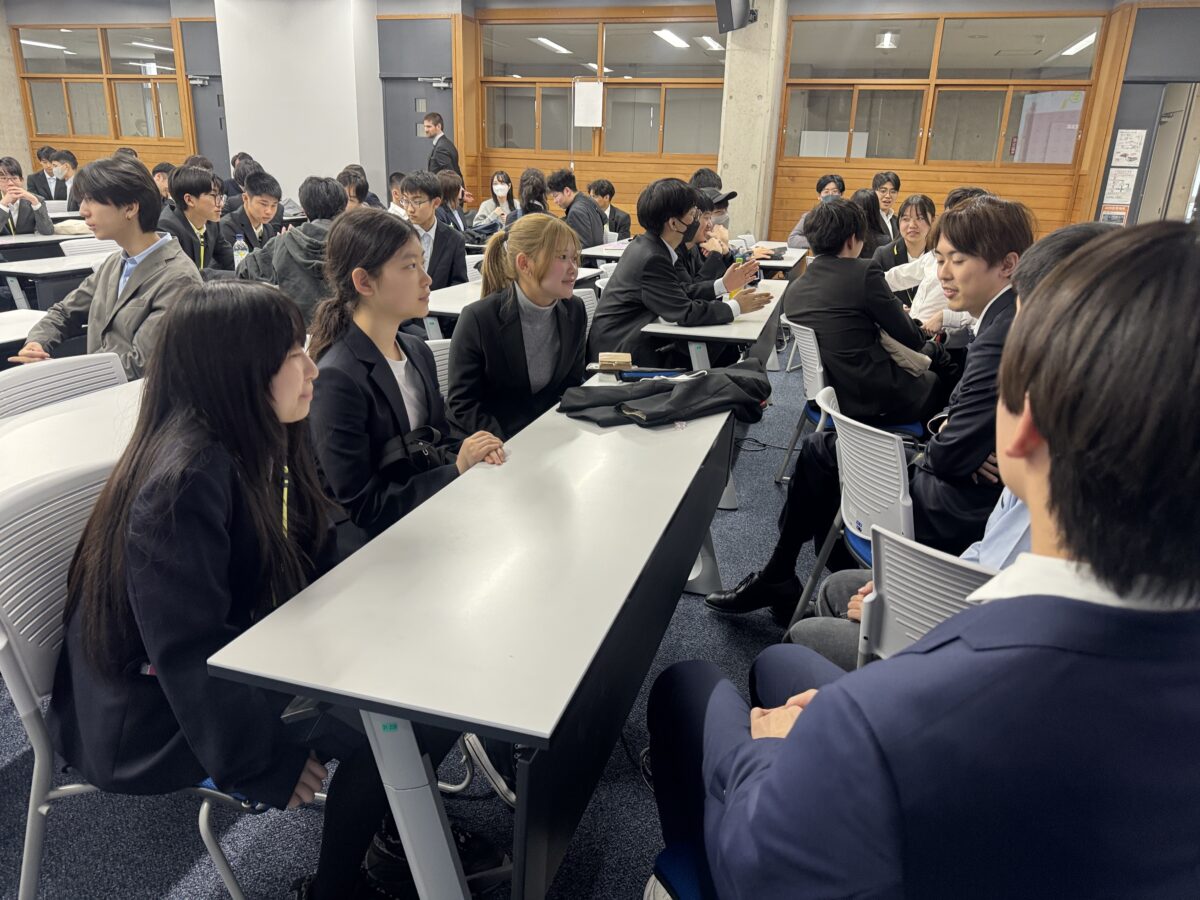
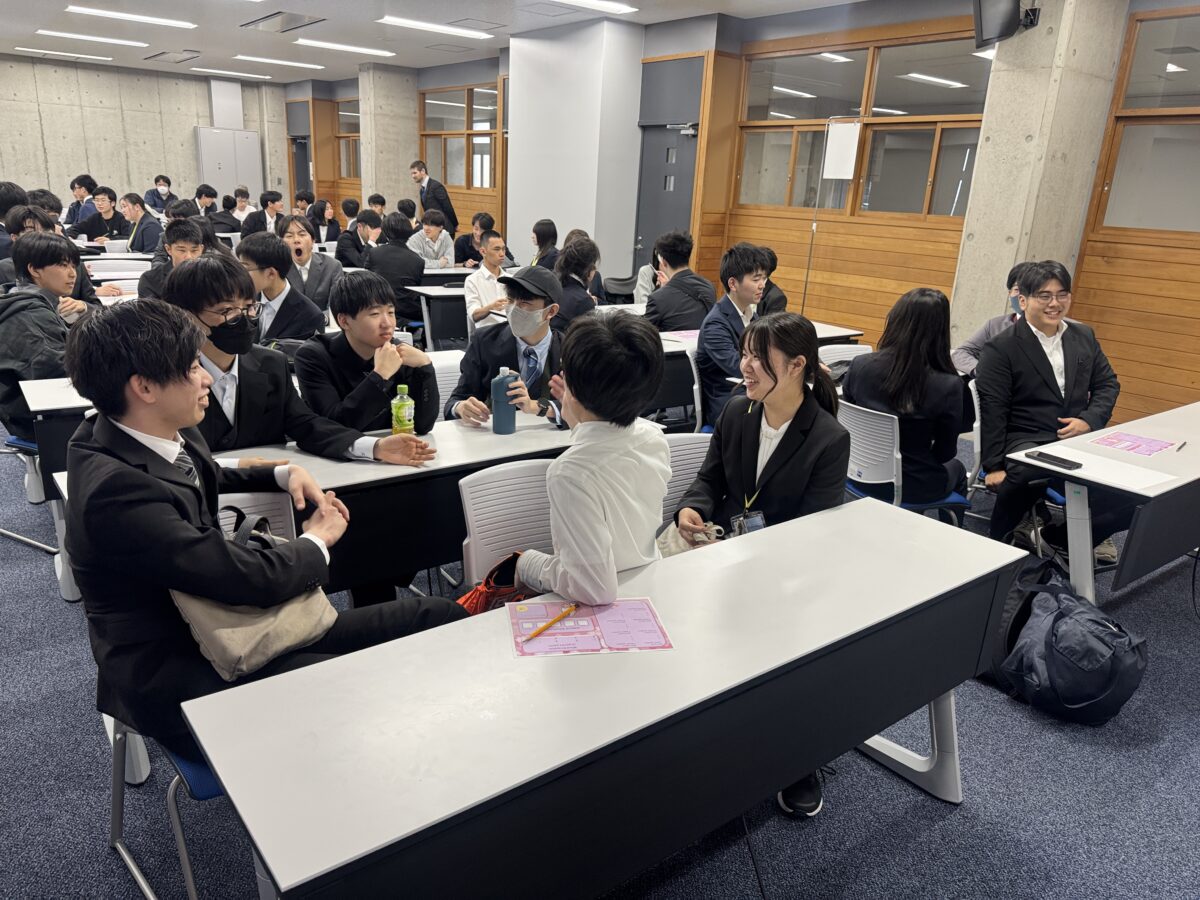
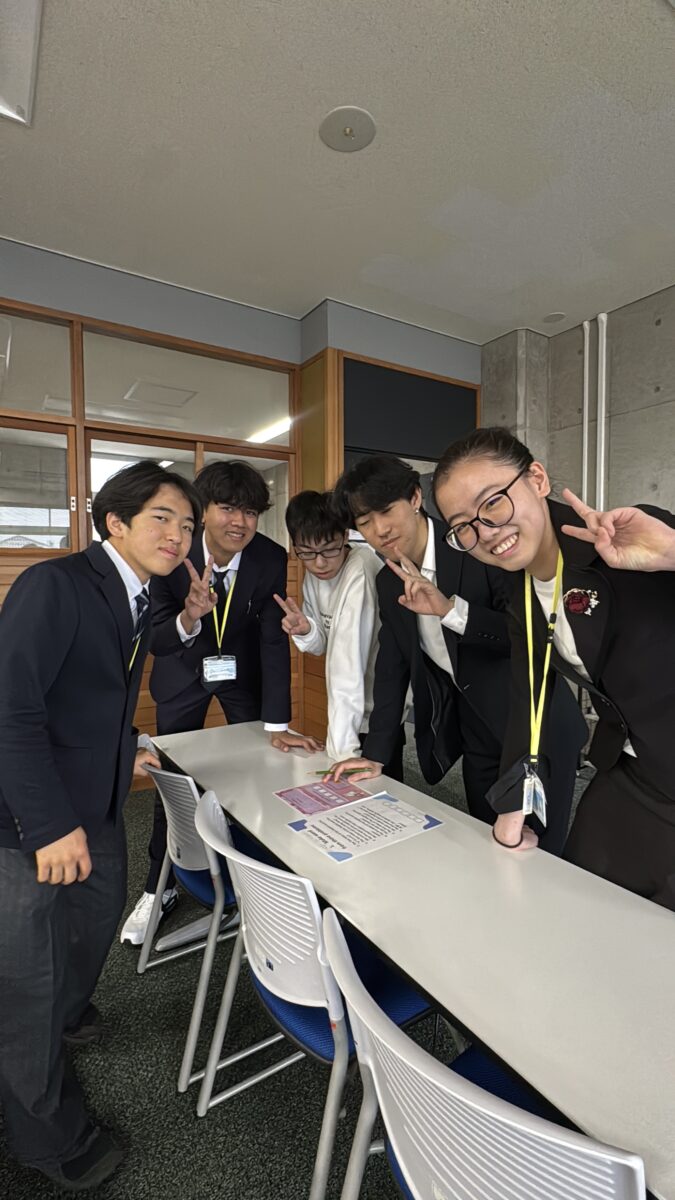
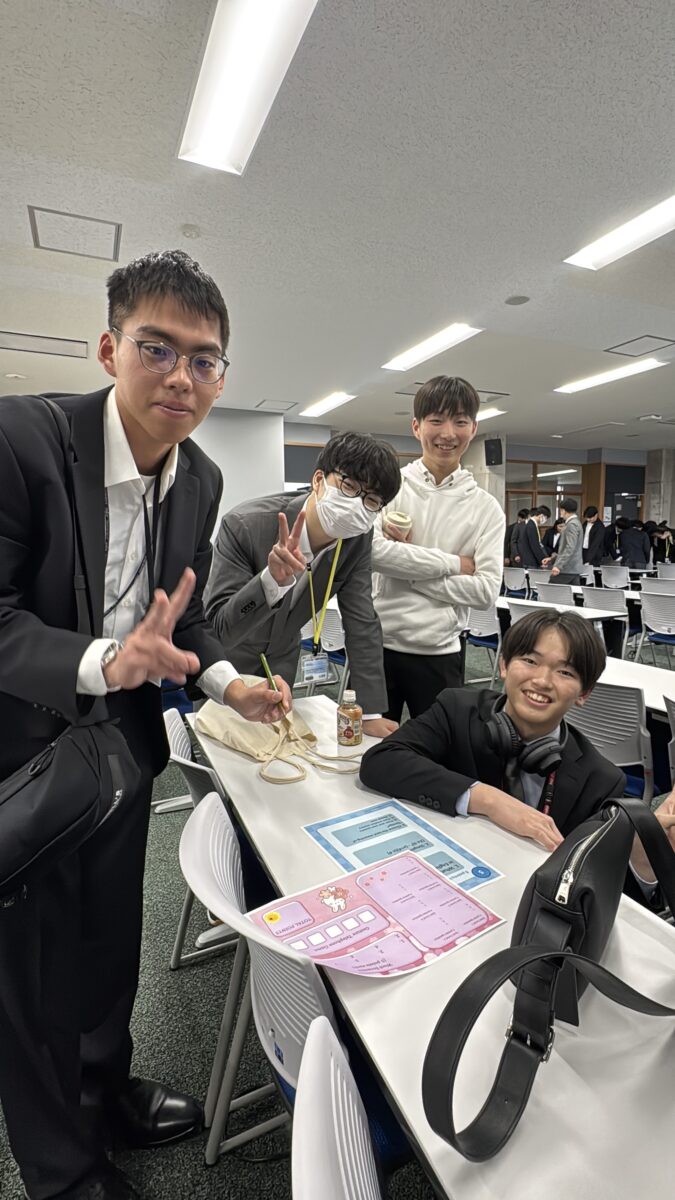
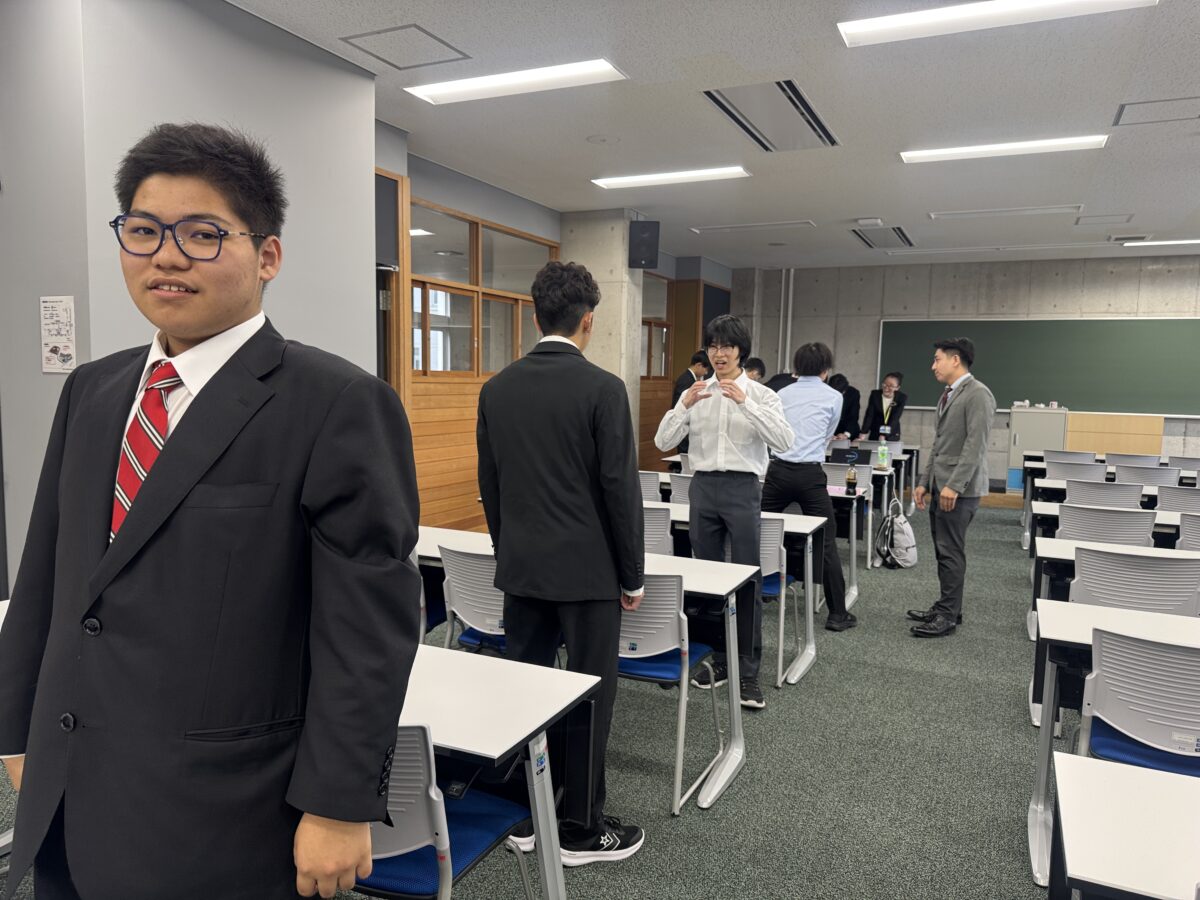
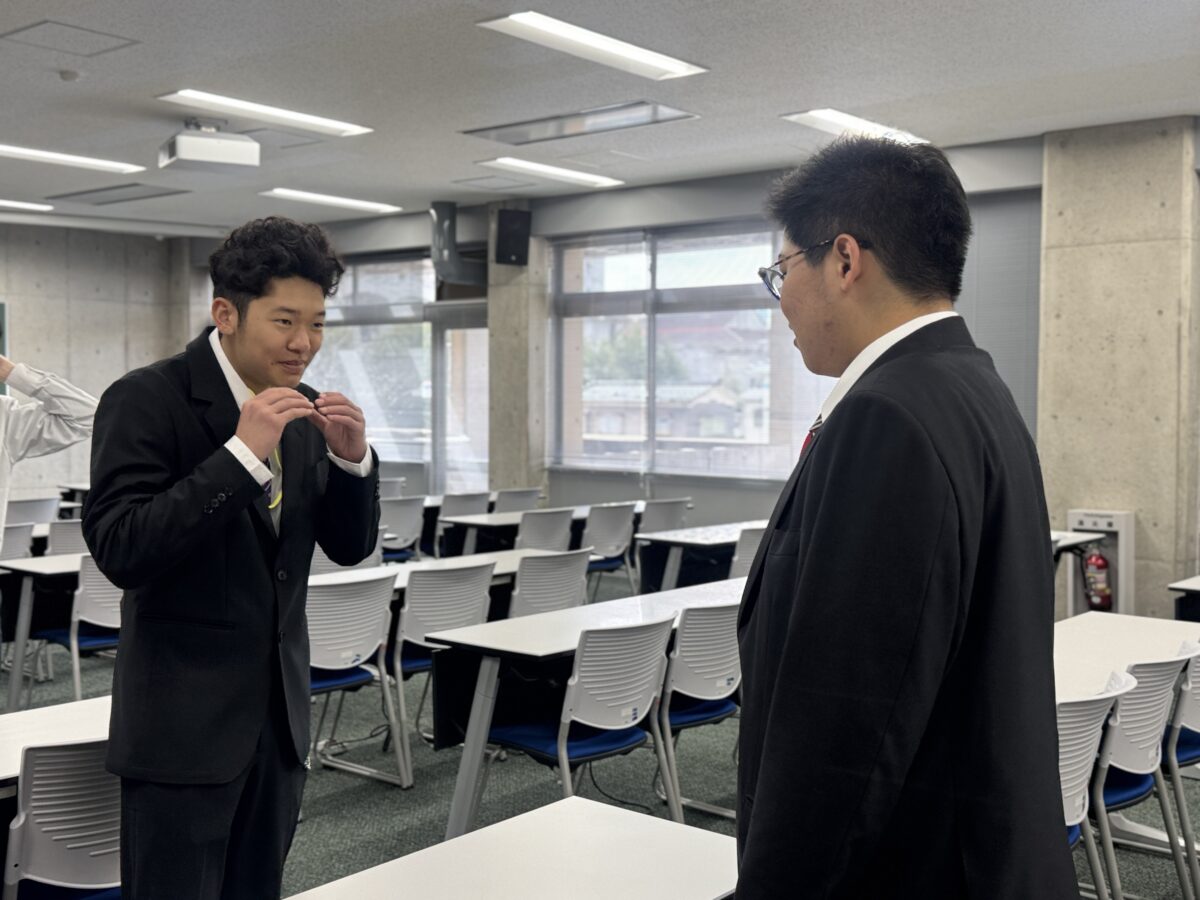
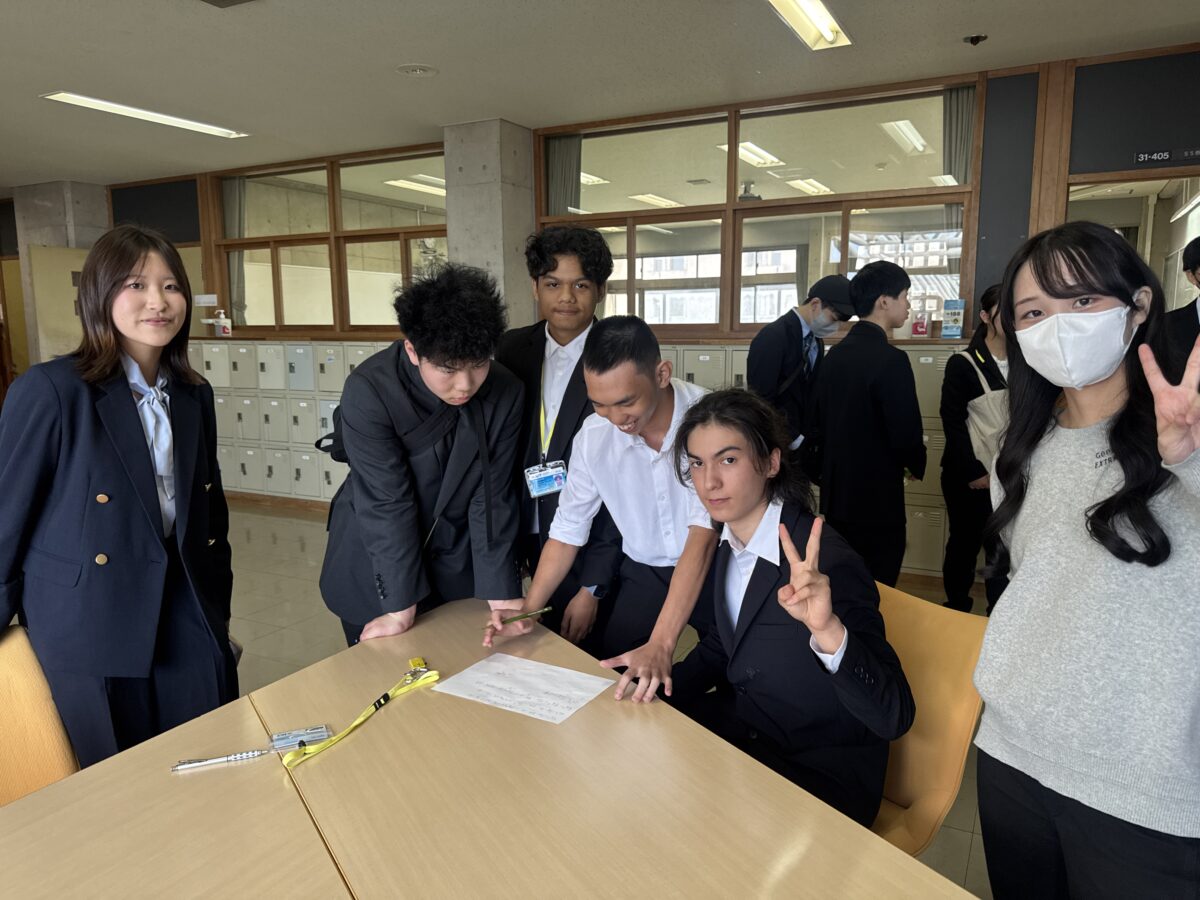
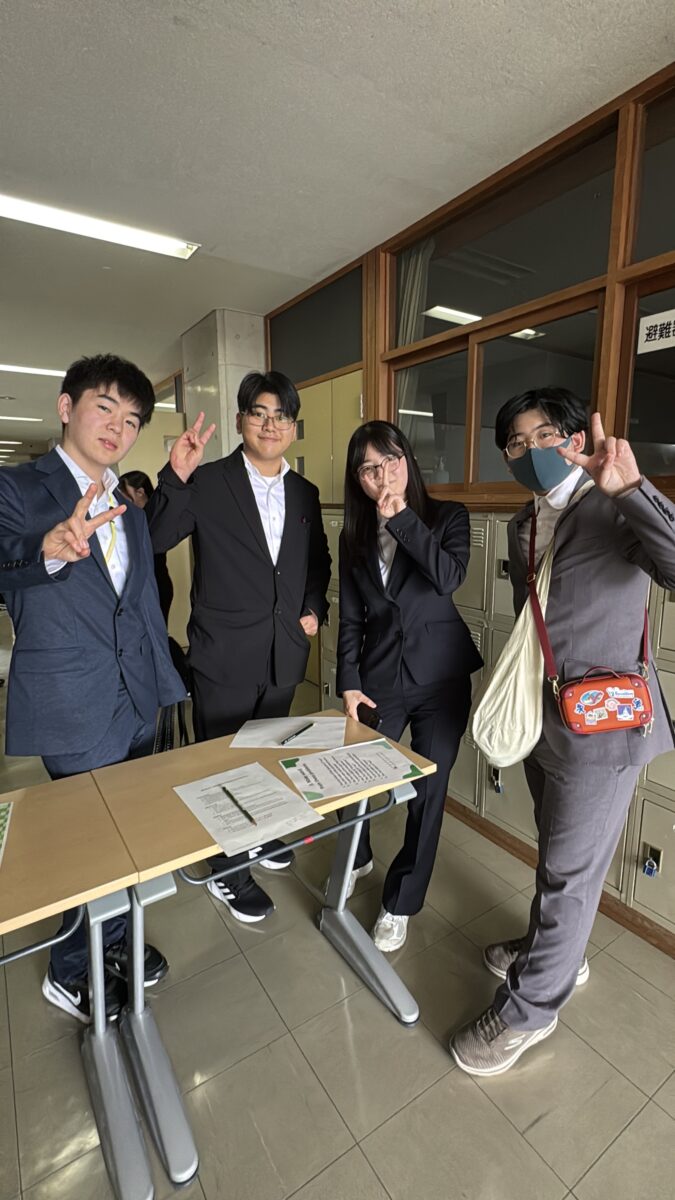
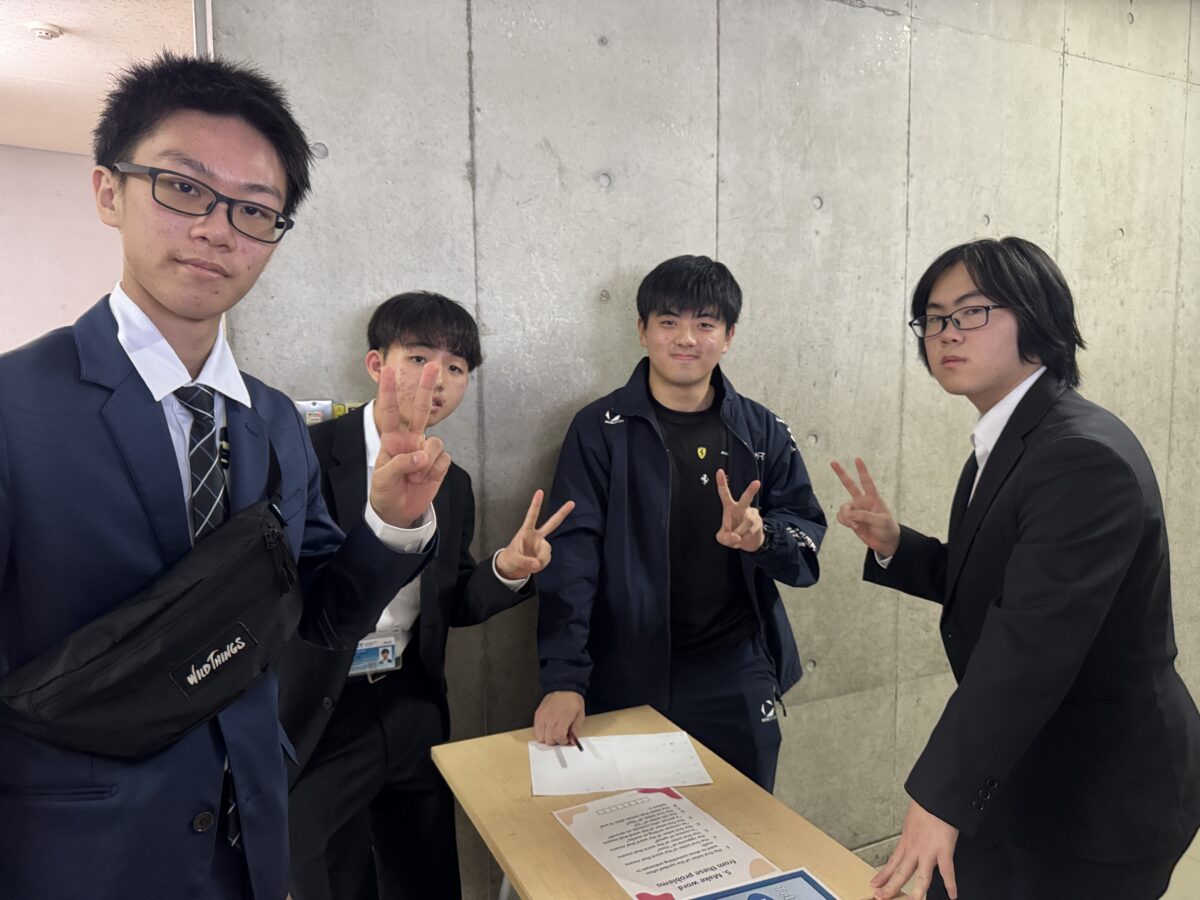
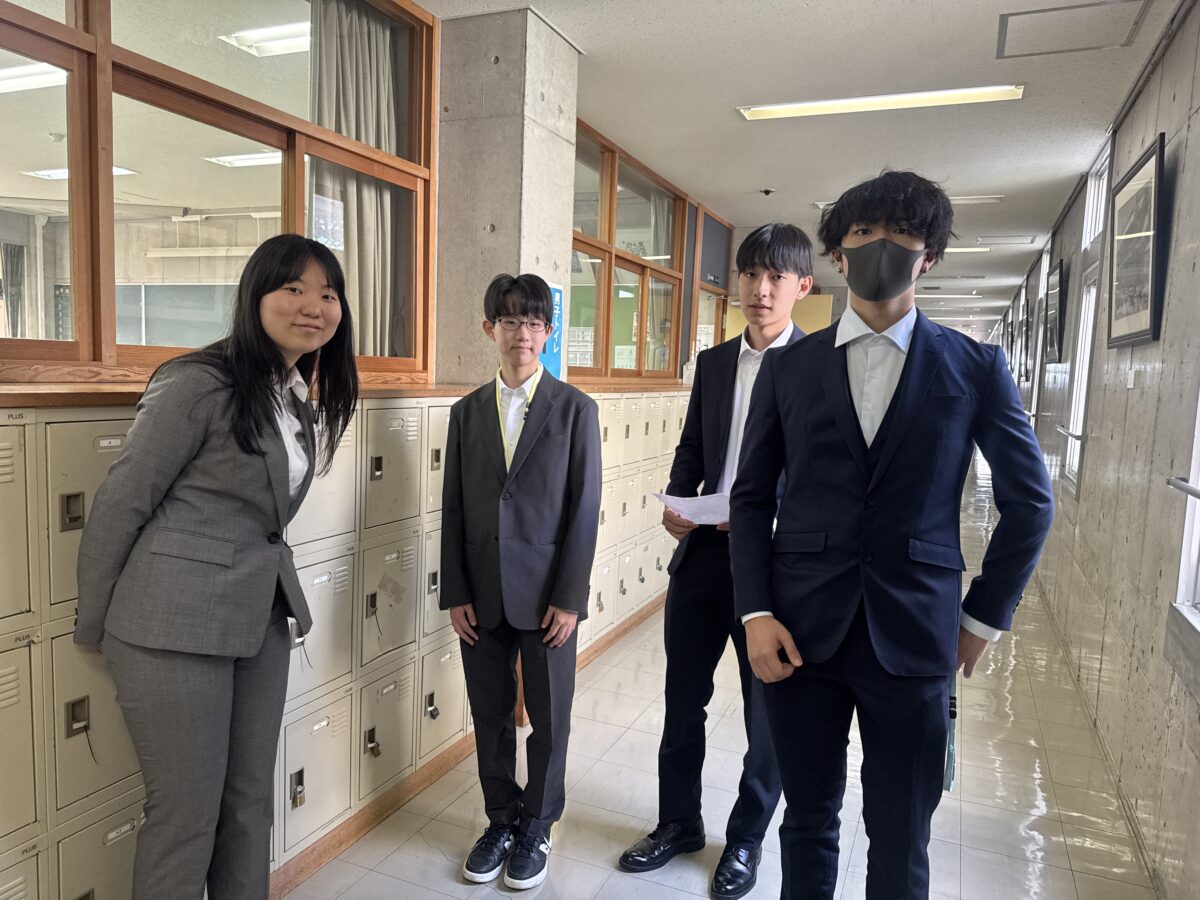
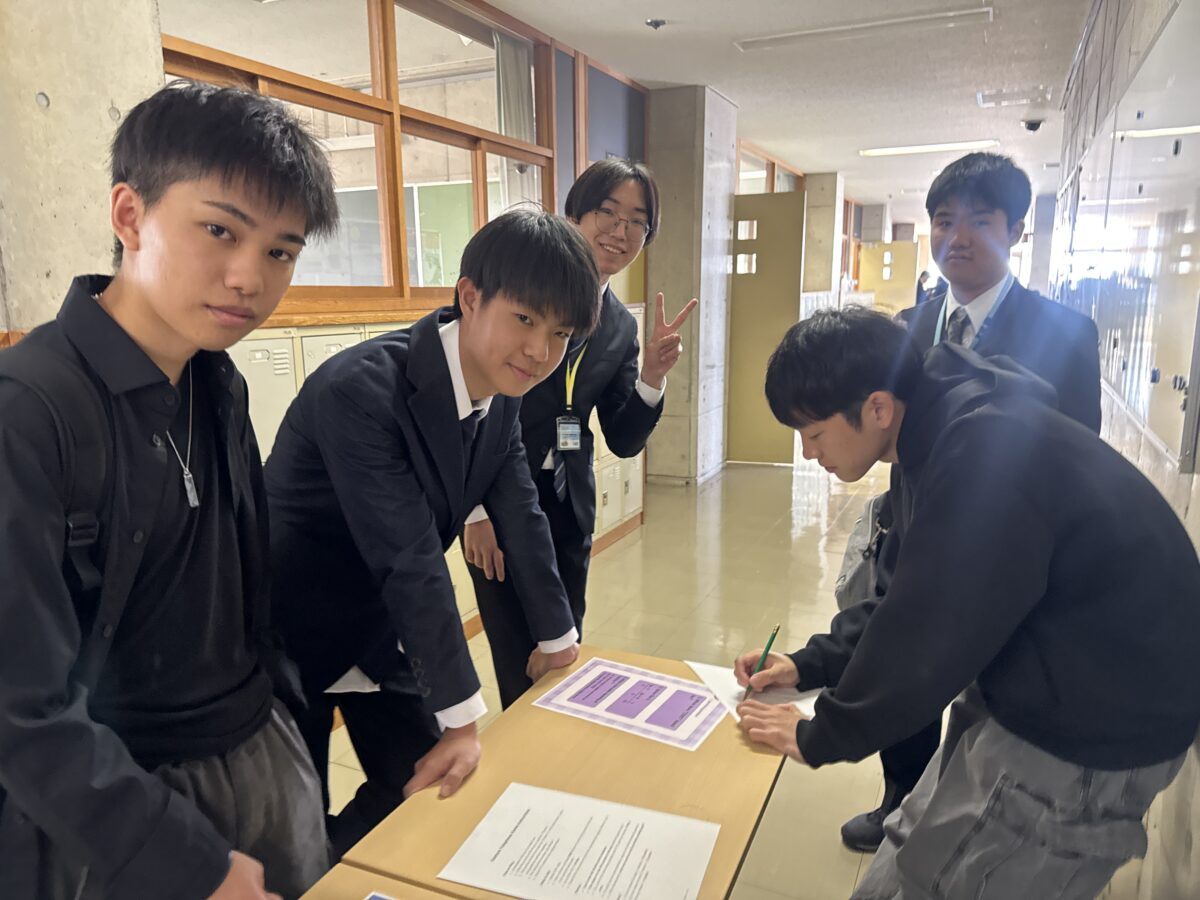
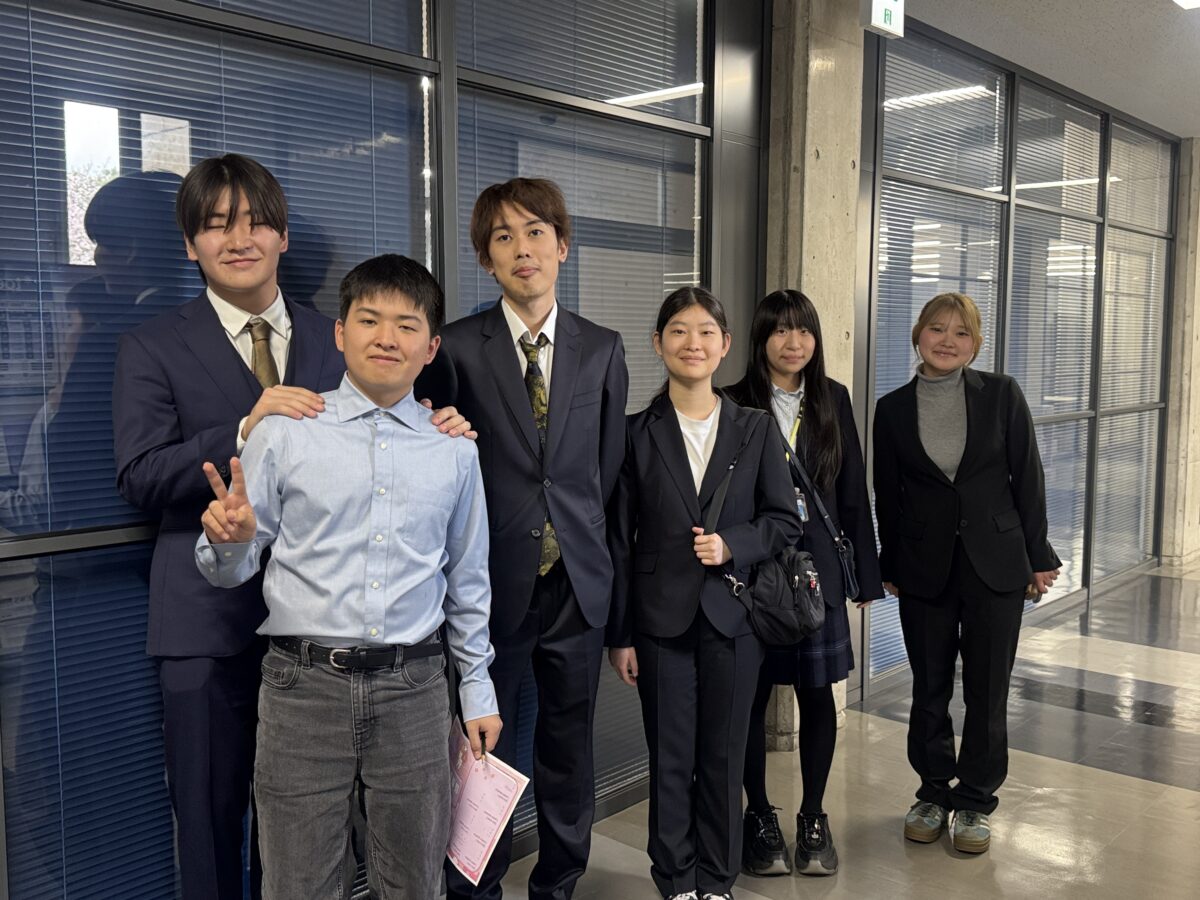
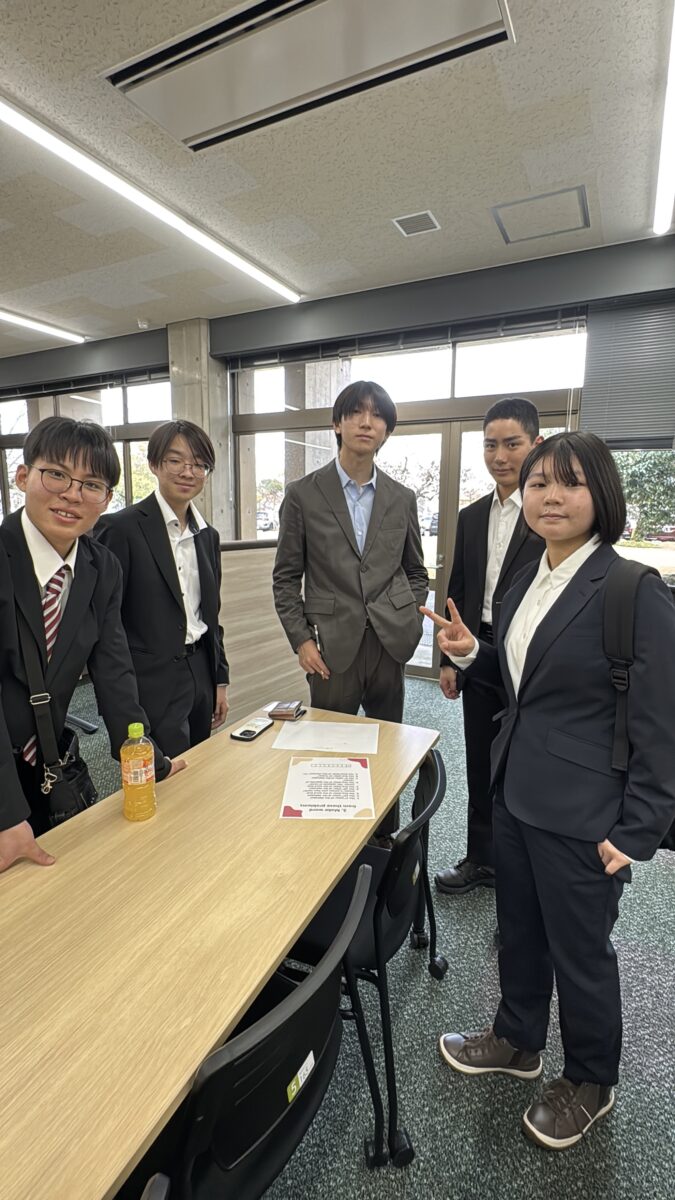
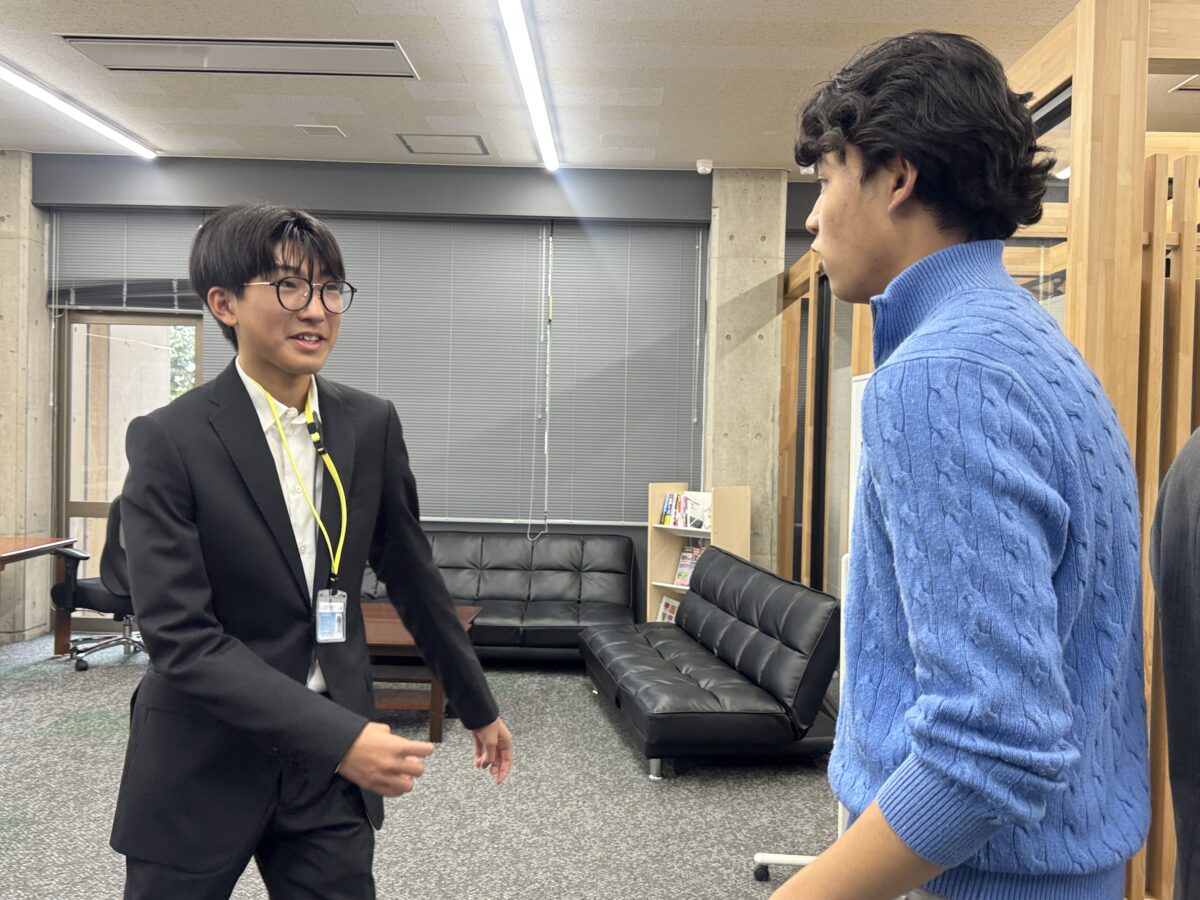
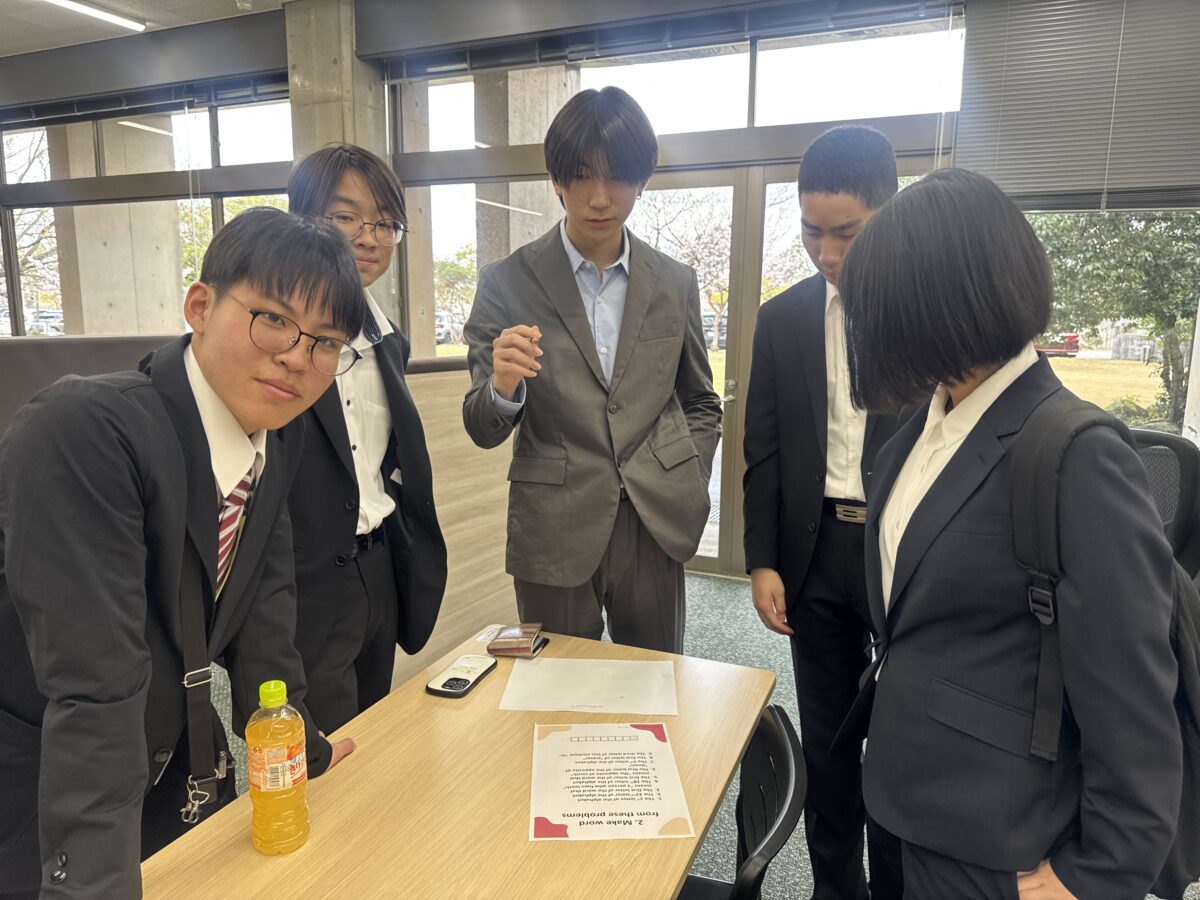
4月2日(木)、金沢キャンパスで午前中に対面式が実施され、午後からは学生会主催の1・2・4・5年生「アイスブレイク」が開催されました。学生たちは学年混合のチームに分かれて、まずは自己紹介を通してお互いに知るところからスタートしました。その後チームごとに「謎解きゲーム」に挑戦しました。各教室には担当教員や学生会の学生たちが配置されており、各チームは担当教員および学生会の学生たちがいる場所を自分たちで探しながら校内を巡りました。各所にはクイズやジェスチャーゲームなど、さまざまなミッションが用意されており、正解するとポイントを獲得できる仕組みとなっていました。 学生たちは話し合いながらクイズに取り組み、協力する中で次第に親睦を深めている様子がありました。
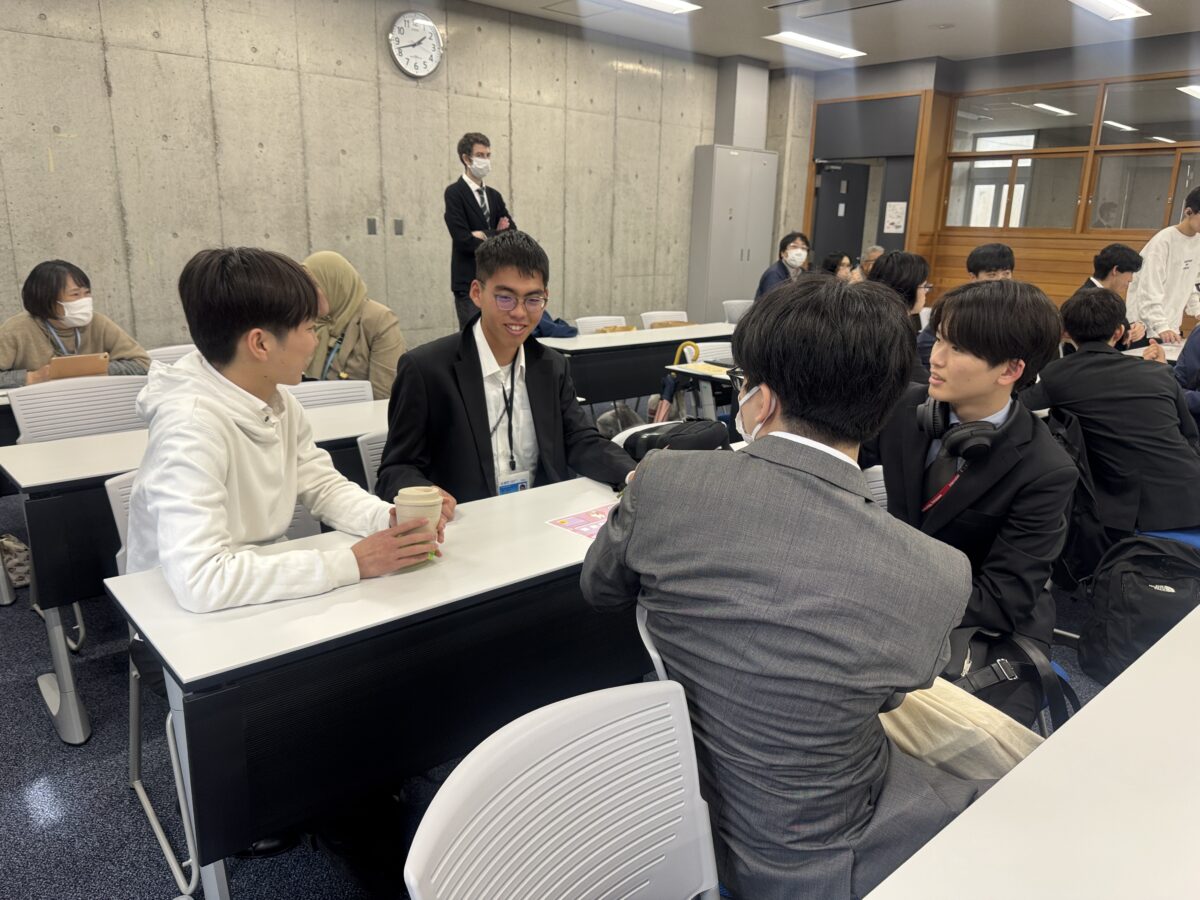
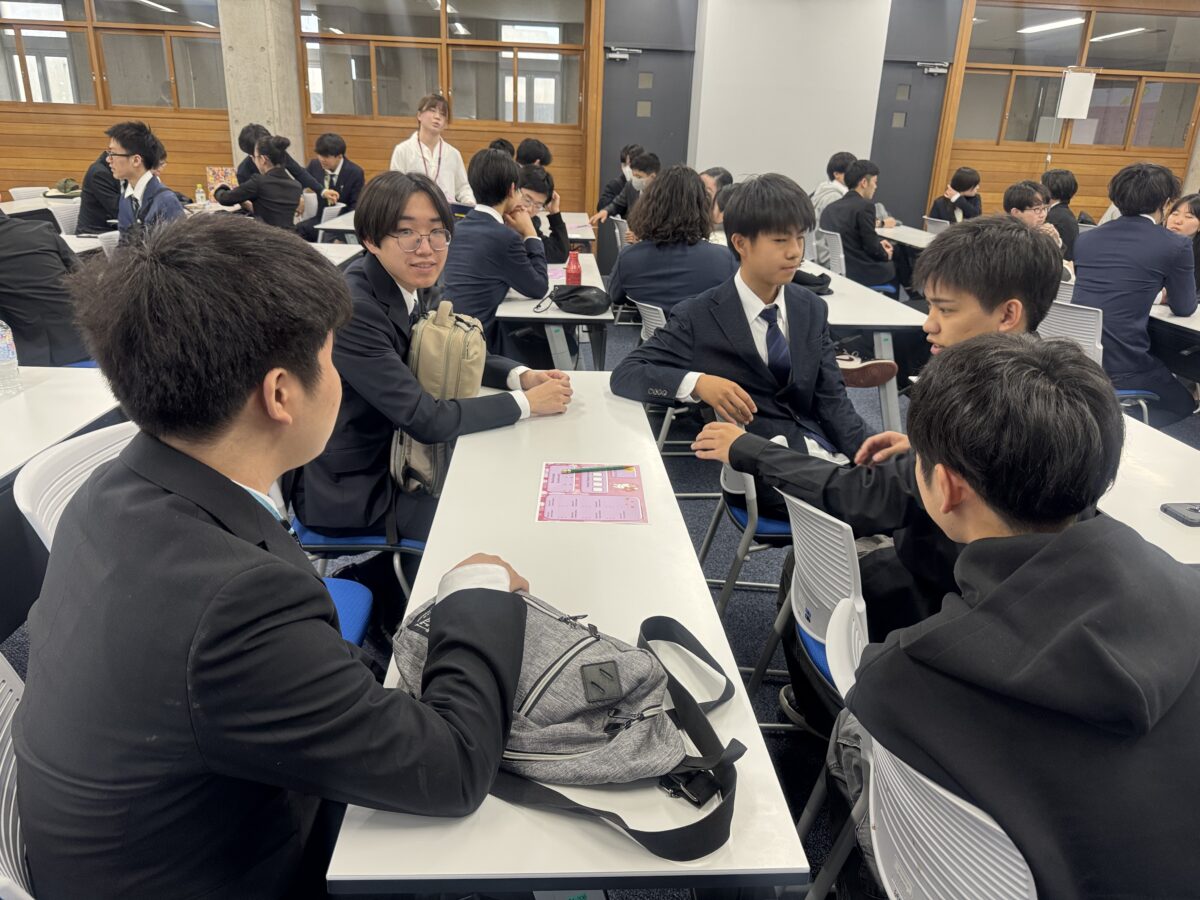
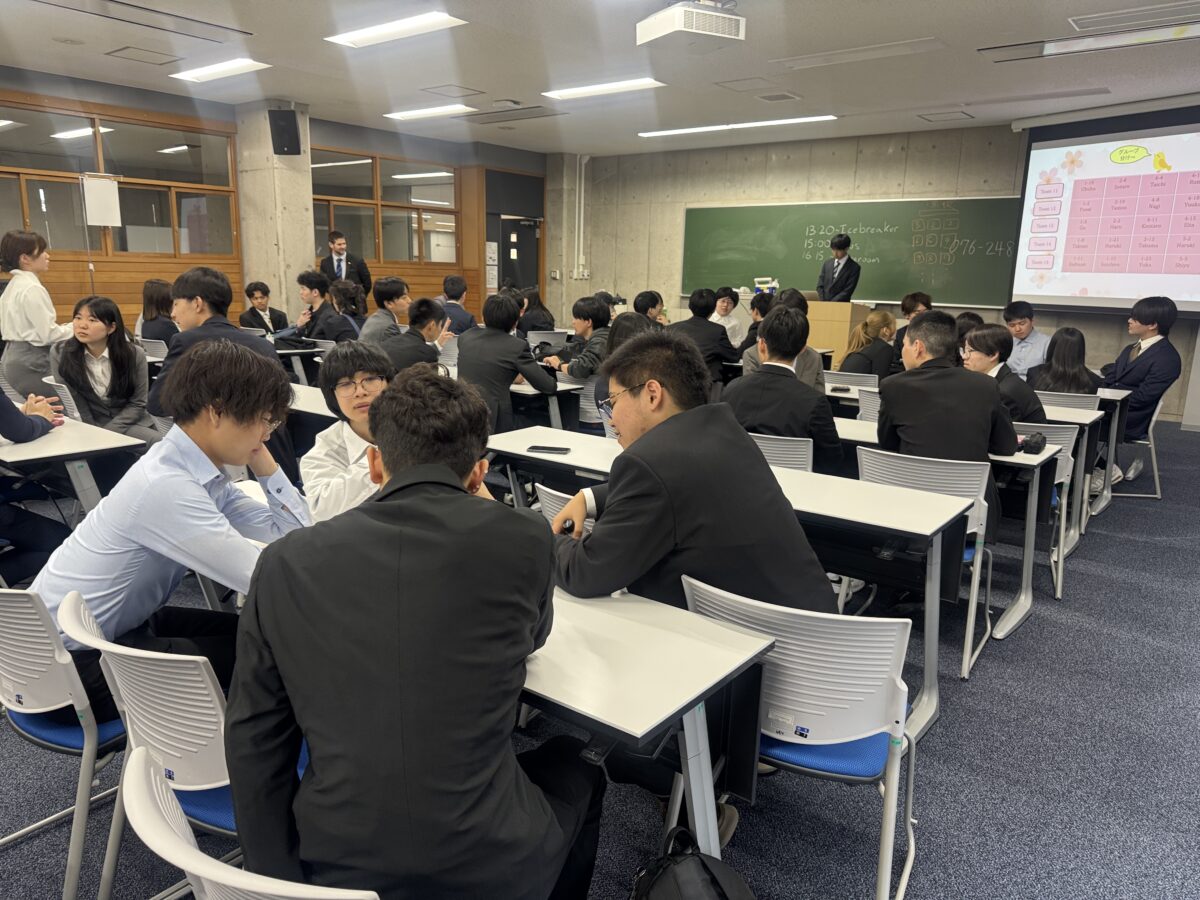
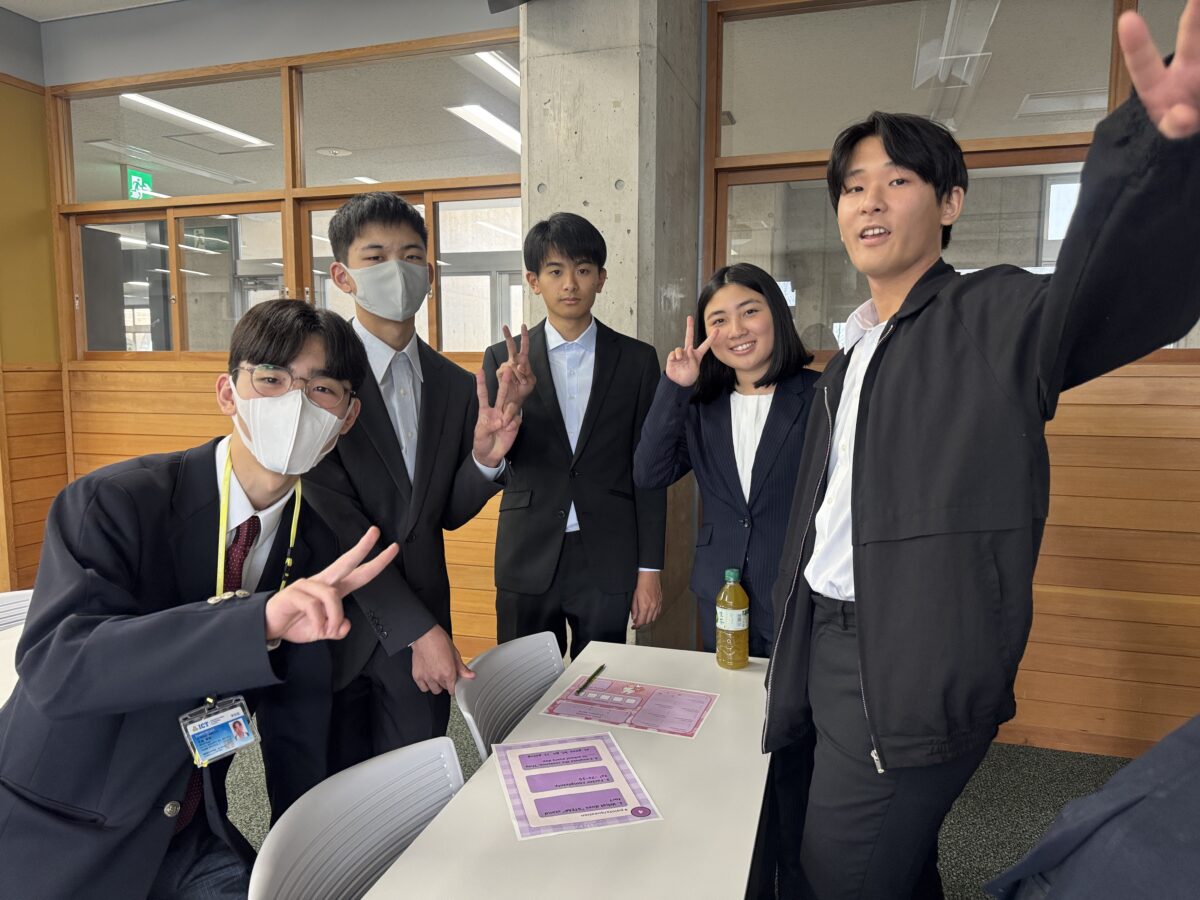
今回のアイスブレイクは、学年を超えた交流を深める良い機会となり、新年度の学生生活に向けた良いスタートとなりました。
間加田 侑里
Hello. This is Yuri Makada from the Hakusanroku office. At ICT, we welcomed 23 new students, who now appear to be settling into their new campus life. This time, I would like to write about the icebreaker events jointly held on Wednesday, April 1st and Thursday, April 2nd, 2026.
After the entrance ceremony on Wednesday, April 1st, an icebreaker event for 1st and 2nd year students was held at the Hakusanroku campus. The event began with a Rock-Paper-Scissors Self-Introduction Game. Students played rock-paper-scissors with those around them, and the winner earned one point before introducing themselves to each other. Although many students appeared nervous at first, smiles gradually began to appear as they enjoyed the game. As they celebrated wins and lamented losses, the students were able to interact with many classmates in a short amount of time, and the venue was soon filled with a warm and friendly atmosphere. At the end of the game, medals were awarded to the two students who earned the highest number of points.
Next, a game focused on finding common interests was held. Students wrote down information such as their hobbies, hometowns, favorite foods, and special skills on pieces of paper. The learning mentors collected the papers and read the contents aloud one by one. When students found that they shared something in common with what was read, they quickly took a seat, similar to a game of musical chairs. The responses included items such as “I am from California,” “I like video games,” and “I enjoy listening to music,” as well as humorous entries like “I am a cat,” which prompted bursts of laughter throughout the activity.
On Thursday, April 2nd, an icebreaker event for 1st, 2nd, 4th, and 5th year students, organized by the Student Council, was held at Kanazawa Campus. Students were divided into mixed-grade teams and began by introducing themselves to get to know one another. After that, each team took part in a Puzzle-Solving Game. Faculty members and representatives from the Student Council were stationed in various classrooms, and each team explored the campus to locate them. At each location, a variety of missions such as quizzes and gesture-based games were prepared, and teams earned points by completing the challenges successfully. As the students worked together to solve the quizzes and finish the missions, they could be seen actively discussing and cooperating, gradually deepening their friendships.
This icebreaker event provided a valuable opportunity for interaction across different grade levels and served as a positive start to student life in the new academic year.
Yuri Makada