




Faculty
学科

こんにちは!今年度から白山麓キャンパス、ラーニングメンターの一員になったシャルミー・アブワンです。私は大学で情報技術を学び、フィリピンで数年間、ネットワーク設定、データ処理、システム開発などの仕事に携わりました。
白山麓キャンパスでは、学生が宿題やプロジェクトに取り組んだり、英語の練習をしたりするラーニングセッションを夜に開催しています。ラーニングメンターは、学生がサポートや指導を必要とするときはいつでもサポートをします。私の主な仕事は夜に行われるラーニングセッションですが、そのために午後から通常の授業にも参加して、学生が授業でどのように学習しているかを観察し、より深く理解します。私は自分のITのバックグラウンドを使って、学生がコンピューター関連の問題を抱えたり、オンライン・ツールに行き詰まったりしたときに、解決策を見つける手助けをしたいと思っています。
ラーニングメンターになって1か月が経ち、他のラーニングメンターや、学生たちから学んだ出来事がいくつかありましたので紹介したいと思います。ラーニングメンターとして成長するために、どんなスキルが必要なのかを考えるきっかけとなった出来事です。
- コミュニケーションのコツ
学生たちは現在、ラーニングセッションでSRAと呼ばれる自主学習型のリーディングプログラムに取り組んでいます。このプログラムは、各学生が適切なレベルで学習し、自分のペースで学習を進めることができるようにするためのものです。私たちは、学生と会話する際に、学習した単語や内容について話すように心がけています。そうすることにより、学生たちの英語学習の強化につながることを期待しています。 - 一緒に、そして一人で
ある日のラーニングセッシで、学生がコンピュータースキルズの宿題を手伝ってほしいとやって来ました。他のラーニングメンターのように、初めは共に座り、一つずつ教えながら取り組みました。私は自分のパソコンでどのようにやるかを見せて、学生たちが理解できるようにしました。その後、自分で取り組んでもらい、出来るようになっている姿をみることができました。一緒に、その後一人で出来る様子はいつも嬉しく思います。 - 助け合えば上手くいく
ラーニングセッションの時間では、学生たちはお互いに助け合う場面もあります。学生同士が一緒に座り、学校について話し合う様子は素晴らしいです。例えば、その日に出された難しいクイズを解くために、お互いにヒントやコツを学び合う様子です。
学生たちと過ごす時間、特に夜に行われる2時間のラーニングセッションの時間では、毎回新たな学びがあります。より良いサポートをする方法が少しずつ分かるようになってきました。
初めてラーニングメンターの仕事内容を聞いた時、学生の成長のサポートにとどまらず、自分自身の成長にも繫がるように思えてワクワクしました。学生をサポートしながら一緒に学んでいけることにやりがいを感じています。新学期が始まって1ヶ月以上経ち、学生たちが徐々に心を開いてきていることを感じます。1年生は、新しい環境に慣れていく途中ではありますが、どんどんと自信をつけてきていますし、一方で2年生は成長し、1年生を助けるなど活躍しています。
私も新入生のように、この新たな環境に慣れているところです。最初のこの1年は、学生たちが学ぶ多くの科目、特にコンピューター関連の科目を学び、ラーニングメンターとして成長していきたいと考えています。そして今後も学生たちによりよいサポートができればと思っています。


シャルミー・アブワン
Hello! I’m Sharmee Abuan, a new Learning Mentor (LM) at Hakusanroku Campus. I studied Information Technology in university and spent several years working in the field, doing tasks related to network configuration, data transactions, and system development in the Philippines.
At Hakusanroku Campus, we hold Learning Sessions (LS) in the evening where students work on their homework, projects, or practice their English. LM are there to help out whenever students need support or guidance. While my main role is during LS time, I also join afternoon classes to observe and get a better idea of how students learn in class. I am hoping to use my IT background to help students figure out solutions to their tasks, when they have computer-related issues or get stuck with online tools.
In my first month of working, I have encountered several teachable moments while interacting with other LM’s and students and I hope to share them here. Little moments that make me reflect on what skills I still need to work on to hopefully become an effective LM.
1. The Communication Trick - The students are currently doing a self-guided reading program that ensures each student is learning at the appropriate level and advancing at their optional pace called SRA during LS and we try to bring up the learned words and content when chatting with them. This, hopefully, would help reinforce their language skills.
2. I do, We do, You do - One evening during LS, a student came over and asked for help with their Computer Skills homework. As I have observed from what other LM’s do, we sat down together and worked through the task step by step at first. I showed them how it’s done on my laptop so they could follow along. Afterwards, we ask them to do it by themselves and it is always nice to see when they can finally work independently.
3. Working Together Works - At LS, students also get the chance to help each other. It is amazing to see students sitting together and talking about school. For example, trying to solve that one challenging quiz of the day and learning tips and tricks from each other.
I learn something new each time I work with the students, especially during the two hours I spend with them in the evening at LS. Little by little, it’s helping me understand how to support them better.
When I first heard about what LM’s do, the possibilities for growth not only on the students’ side but also for my personal growth made me feel excited. It felt like I’d be learning alongside the students as I support them, and that idea really motivated me. Now that more than a month has passed since the semester started, I’ve seen students gradually open up. The first-year students are still adjusting to their new environment but are becoming more confident, while the second-year students are stepping up and even helping their juniors.
Right now, I’m still in the process of adjusting and learning, just like the students. I plan to use this first year to grow by studying many of the subjects they’re learning, especially the computer-related ones, and by observing what makes an effective LM. I hope that by doing so, I can support the students even better in the years to come.
Sharmee Abuan
 こんにちは。校長の鹿田 正昭です。
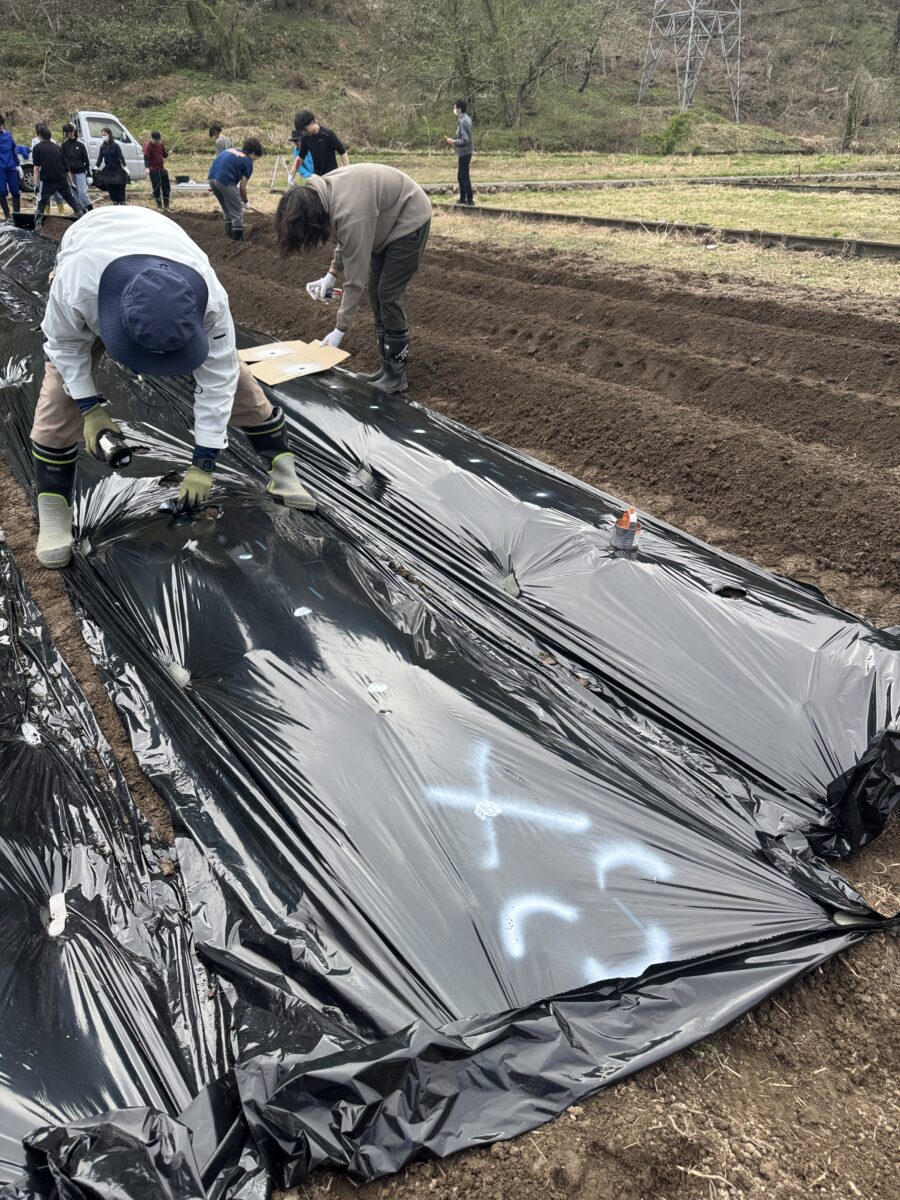
 2025年4月24日(木)、今回で3回目の参加となる、エンジニアリングデザインⅡ(2年生)「紅はるか」の苗植えをお手伝いしました。今回は金沢キャンパスで会議があったため、会議終了後に白山麓キャンパスに移動し、到着した頃にはすでに畝が完成し、植え付けが始まっていました。今年は西側から2列目を半分ほど植えました。今冬は雪が多かったため土がかなり湿っている感じでしたが、この方が作業を進めやすいと感じました。
苗植えは3回目となりましたが、慣れてきたとはいえやはり自分の植えた苗が収穫時にうまく育っているか気になります。一昨年は雨が多かったせいか、あまり大きな芋の収穫はできませんでした。昨年は天候も良く、適度な雨だったため大きな芋が育ちました。今年も昨年同様な出来具合を期待したいと思います。
2年生全員とエンジニアリングデザインⅡ担当の先生方、ラーニングメンターのアブワン兄妹も参加して午後4時前に苗付けを完了しました。そして電気柵の設置や獣害対策が施され、今年も昨年に引き続いての豊作を期待したいと思います。
本校では11月1日(土)、2日(日)にオープンキャンパスを開催します。これに合わせて恒例の焼き芋販売が「道の駅瀬女」で行われる予定です。お時間があれば、ぜひ「道の駅瀬女」まで足を伸ばしてみてください。
オープンキャンパス詳細はこちら




鹿田 正昭
Hello. I am Masaaki Shikada, ICT President.
On Thursday, April 24th, 2025, I helped plant Engineering Design II's "Kosen Beniharuka" seedlings for the third time. This time, I had a meeting at Kanazawa Campus, so I couldn’t travel to Hakusanroku Campus until after the meeting ended. By the time I arrived, the ridges had already been prepared and the planting had begun. This year I planted the second row from the west side. The soil was quite wet this winter due to the heavy snowfall, but I felt this made the work easier.
This is the third time I have planted seedlings, and although I am getting used to it, I still worry about whether the seedlings I planted will grow well. The year before last, the potatoes did not grow very large, probably because it rained a lot. Last year, good weather and moderate rainfall resulted in large potatoes. We expect this year's crop to be as good as last years.
All 2nd year students, Engineering Design II teachers, and Learning Mentors Domyson Abuan sensei and Sharmee Abuan sensei joined us to complete the seedling planting before 16:00. Then electric fences were installed and measures were taken to prevent damage from animals. We hope for another good harvest this year, following on from last year.
Our school will hold an open campus on Saturday, November 1st and Sunday, November 2nd. In conjunction with this event, the annual baked sweet potato sale will be held at the Sena Road Station. If you have time, please visit the Sena Road Station and try some potatoes!
Click here for more details about Open Campus
Masaaki Shikada
こんにちは、英語科目担当のポーリン・ベアードです。
あなたが持ち主でありながら、他の人の方がよく使うものは何でしょう?
そう、あなたの名前です!
授業の初日、学生たちに緊張感が漂っています。保護者の方も同じ思いで過ごされているのではないでしょうか。国際高専 では授業は英語で行われます。「ブリッジイングリッシュ・化学」の授業で「私の名前は…」というアイスブレイクを始めたところ、静まり返っていた教室は活気に溢れ、学生たちは大きな声と笑いに包まれました。
私の名前
「私の名前はトシムネです。私はトシ_、兄はトシ_、父はトシ_、祖父はトシ_。私の家族の男性は皆名前に『トシ』がつきます。」ある学生が名前についてのストーリーをシェアしてくれました。彼はストーリーを丁寧な英語で書き、そして嬉しそうに発表してくれたことにより、張りつめていた授業の雰囲気は一変しました。

 アクティブ・ラーニング
初めに、ペアを組んでアクティビティを始めました。学生たちは2人で1つのホワイトボードを共有しお互いの名前を書きだしました。ペアを組んで共に課題に取り組むことにより、お互い出会って間もない学生同士が打ち解けるきっかけになります。
学生たちに、あなたの名前を漢字で紹介してくださいと言うと、学生たちは戸惑いの表情を見せました。私にとって彼らの名前の漢字を読めませんでしたが、それでも漢字で名前を書いてもらいました。ペアで取り組むことで、学生たちの友情を築き、学生と教員が英語を学んだり教えたりする際に必要な体験を共有することに役立ちます。
次の課題は、自分の名前の意味や、その名前の由来について話すことでした。一人の学生はすぐに「知ってる、知ってる」と言って、ホワイトボードに丁寧な英語を書いて説明してくれました。名前の意味に関するジョークまでも話してくれました。また他の学生たちは、名前の由来を知らなかったので、私は
「お母さんに聞いてごらん」
と提案したところ、教室は笑いに包まれました。しかしすぐに、それが冗談ではなく本当だと分かったようでした。
「スマホを使って調べてごらん」、とアドバイスしました。
私は続いて「両親に電話かけてみたらどう?」と言いました。
すぐに何人かの学生は保護者に電話をかけ、授業の課題について伝えました。
電話で話しながら笑い出す学生たちもいました。ある学生は大きく笑いながら
「初めて知った」(この言葉は教員にとってまるで音楽のように聴き慣れた言葉です!)
と言いました。
彼は祖父が大好きだったテレビドラマの登場人物から同じ名前を名付けられたそうです。また他の学生たちは真剣に電話に耳を傾けながらも、顔には笑みが浮かんでいました。このように「ブリッジイングリッシュ・化学」初日の授業は楽しく幸せを感じられる時間となりました。
名前は架け橋
名前に関するアクティビティーを行ったのは今回が初めてではありません。初めて行ったのは、何年も前2000年代の初めに金沢工業大学で働いた頃です。その時に、私は学生たちと親しくなりたかったのですが、彼らの名前を発音することも覚えることも簡単にはできませんでした。そこで、名前についてのストーリーを話してもらうことで、覚えることに役立つと思ったのです。
私が教員として教え、住んだあらゆる場所で、多くの日本人とそして世界中の学生たちから自分たちの名前のストーリーを話してもらいました。そして、名前は単に個人を識別するためだけのものではないと学んだのです。人と人との絆を築き、そして自分自身と繋がり、祖先の中で自分を位置づけ、家庭と学校をつなぐ強力なツールでもあります。あなたも、出会った人や学生と親しくなりたいと思った時に、名前を覚えるだけにとどまらず、名前にまつわるストーリーを共有したり、また相手の名前にまつわるストーリーを尋ねたりしてみるのも良いでしょう。もしこの話が正しいと思い、そしてその国の文化にも適していると感じられるのなら…誰にでも、その人だけのストーリーがあります!
ポーリン・ベアード
Getting to Know You
Pauline Baird an English teacher at ICT.
What is the thing you own but others use the most? Yes, you guessed it correctly. It is your name!
Students in their first classes are often nervous. Some parents at home are nervous, too, for a good reason because classes at ICT are in English. However, when the “Bridge English Chemistry” class began with an ice-breaker activity called “My Name …,” the class went from silent to a buzz of activity, with loud voices speaking Japanese and English and laughter.
My Name
“My name is Toshimune. I am ‘Toshi_____,’ my brother is ‘Toshi ____’, my father is ‘Toshi _____,’ and my grandfather is ‘Toshi _____.’ All men in my family have the “Toshi” [in the name],” one student was delighted to share. He was so happy telling and writing the story in his most beautiful English. The classroom atmosphere was transformed because the students were engaged.
Active Learning
First, for a pair work activity, students were asked to share a whiteboard to write their names. Doing so allowed them to complete a task together. They become less shy with others they just met less than a few weeks.
At first, students were puzzled when asked to share their first names by writing them in Kanji. To be honest, I couldn’t read their names in Kanji, yet I asked students to write their names in Kanji. Pair activities help students build bonds of friendship and create a shared experience that students and teachers need while learning and teaching English.
The next task was to tell us what their names meant and how they got their names. One student readily blurted out,
“I know. I know,” and began writing his name story in beautiful English on the whiteboard. He even shared a joke about the meaning of his name.
Others were unsure how they got their names, so I suggested:
“Ask your mama.”
In response, the class erupted in laughter. The students soon learned that I was serious.
“Take your phones and do research,” advised.
I followed up by saying,
“How about calling your parents?”
Soon, a few students were on the phone with their parents, telling them they were in English class and about the assignment.
In some instances, those students went from giggles to full-blown laughter. For example, one student laughed loudly and exclaimed,
“I learned something.” (Those words are like music to a teacher’s ears!)
The student learned that his grandfather loved a character in a TV drama, which is how he was given that same name. Others listened carefully and made notes, but everyone smiled. Students were happy on the first day of Bridge English Chemistry class.
Bridging Divides
This isn’t the first time I have done activities like this. I developed this practice many years, in the early 2000s, while working at Kanazawa Institute of Technology. Back then, I desperately needed to connect with my students, but I could not easily say or remember their names. Thus, I decided to use the name story, which has helped me since then.
Many Japanese people and students around the world have shared their name stories in every place I have taught and lived. I have learned that a person’s name is not just for identification. It is a powerful tool for building bonds among people, connecting with ourselves, situating oneself in one’s ancestry, and bridging home and school. The next time you wish to connect with someone or a student, it may be helpful to not stop at just learning a name. You might consider sharing your name story or asking about a person’s name story, if it feels correct and culturally appropriate. Everybody has a story!
~ Dr. Pauline Baird
 白山麓キャンパスに積もっていた雪が溶け、小さな春の蕾の開花とともに、ここに集まった新入生たちも新たな門出の日を迎えました!
こんにちは。ラーニングメンターのドミソン・アブワンです。私たちラーニングメンターは主に、白山麓キャンパスで学校生活を送る1・2年生と共に活動します。2025年4月、ここ白山麓キャンパスでは、新たな学び、成長、生活への旅路に立った新入生たちを歓迎しました。
平日の19:30~21:30まで、勉強や宿題、学習習慣を身につけるための「ラーニングセッション」を開催しています。もちろん、私たちラーニングメンターはそこで学習指導やサポートしたり、時には親身になって話をしたりします。
新入生がこの新しい環境に溶け込み、友達を作り、新学期をスタートできるよう、私たちは、楽しく充実した時間になるようなイベントを企画しました。
ラーニングセッション オリエンテーションからスタート


4月4日(金)、1・2年生がラーニングセッションのオリエンテーションに参加しました。私たちラーニングメンターは自己紹介をし、ラーニングセッションについて説明をしました。通常の授業と同じようにラーニングセッションもガイドラインに沿って、夜の時間を有効に使います。
その中で大切なことは、そう英語です!ラーニングセッションの時間は英語を使用し、3年生でのニュージーランド留学に備えて英語での生活に慣れることができるのです。
また、今年の新しいアクティビティーとして、学生の現在の英語レベルに合わせた記事を読み、質問に答えることで読解力を磨く「リーディング・ラボラトリー」を導入することとなりました。
その後は、1年生を対象にラーニングセッションで活用する場所について案内を行いました。アナウンスの掲示場所、学習資料の場所、静かな学習やグループワーク、ワークショップに使われる部屋などを簡単に紹介しました。
続いては、楽しみにしていた時間です。
ゲームや笑い合いを通して打ち解ける


オリエンテーションの部屋に戻り、チームビルディングゲームが始まりました!始めに「カップスタックチャレンジ」を行いました。これは少人数のグループに分かれ、紐付きの輪ゴム(1人につき1本)だけを使って、紙コップを積み上げて一番高いタワーを作り上げるゲームです。ハイペースで3回戦まで行われ、会場は笑いと歓声に包まれ、時にはハラハラする場面もあり、大いに盛り上がりました。優勝者にはもちろん賞品のお菓子が贈られました!
次は、趣味や興味のあることを質問する英語でのビンゴです。このゲームの目的は、できるだけ多くの学生と会話をし、ビンゴシートを完成させることです。最適なアイスブレイクとなり、全員が英語で会話や質問をし、お互いの共通点に気づくことができました。
最後に、学生たちはグループに分かれてSTEM(理科科目)に関する課題に取り組みました。これは、次回の化学の授業で行われる小テストに向けた課題です。化学実験室の安全性と器具の適切な使用法に関する問題を解きました。楽しい時間を過ごした後も、学生たちが協力し合い、集中力を発揮していた様子は素晴らしかったです。
グループへようこそ!


4月9日(水)、ラーニングセッションのグループ割りが発表され、学生たちは興奮に包まれました!ホグワーツ魔法魔術学校のような雰囲気ですが、魔法の呪文の代わりに宿題によってポイントが課されます。学生たちが自分のグループを見つけるたびに、(「やった!同じだ!」と)笑いと驚きの声が聞こえてきました。
一方で2年生はベテランとなり、宿題や課題をこなして、すぐに各グループのポイント獲得に取り組みました。学期末には、最も多くのポイントを獲得したグループに賞と賞品が贈られます。切磋琢磨の始まりです!
カラオケ、ボードゲーム、みんなの笑顔

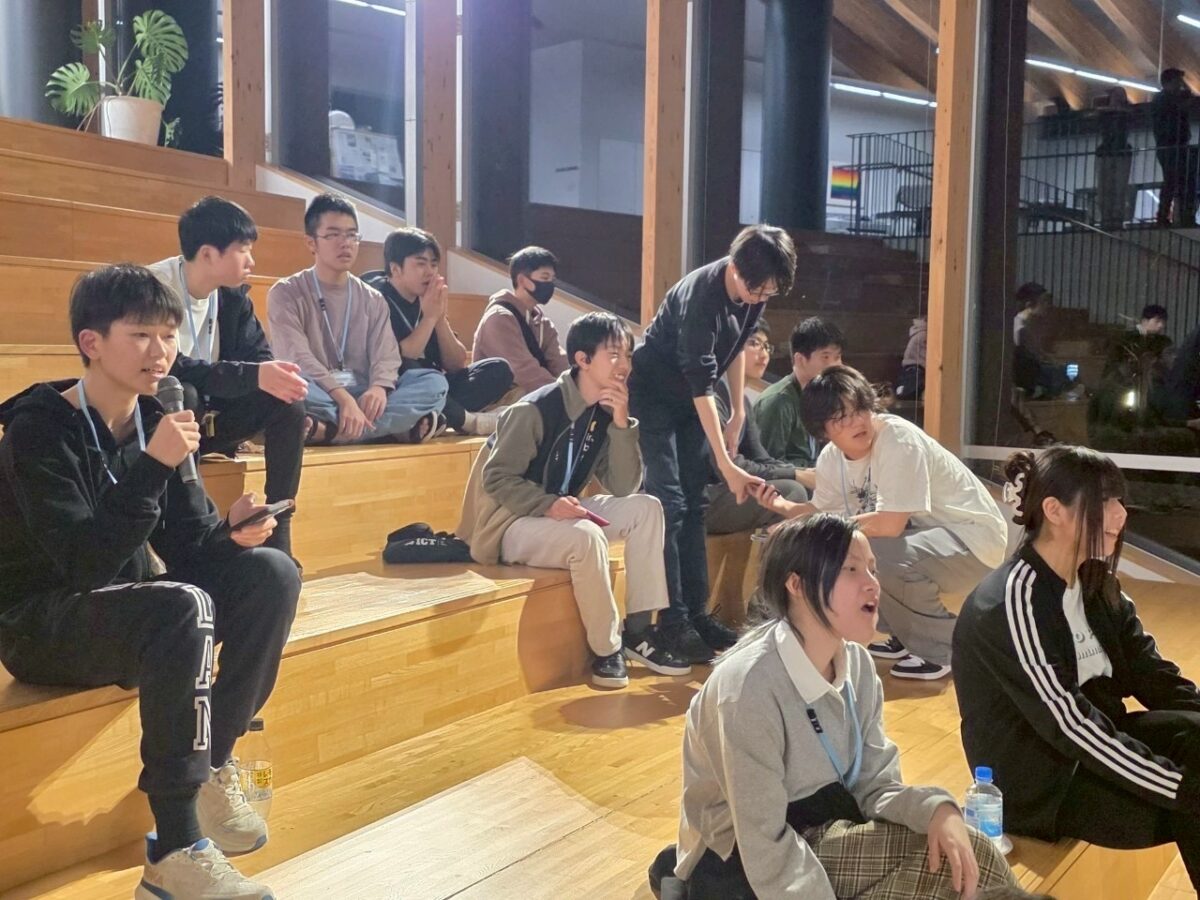

4月11日(金)は新入生のために正式な歓迎会を開きました。2年生は頼もしく、ゲームの準備を手伝い、カラオケのスタートを切ってくれました!
学生たちは一人ずつマイクを手に取り、お気に入りのヒット曲を歌いました。ソロで歌う学生や、グループで歌う学生もいれば、一緒に踊ったり、会場は活気とたくさんの笑い声で溢れていました。
ボードゲーム、カードゲーム、積み上げゲームもあり、どのゲームも歓声が沸き起こりました。コンピューターゲームにも大勢の学生が集まり、あっという間にまるで以前から友達だったかのように絆を深めていました。
歓迎会では、私たち教員もそれぞれの学生と、新生活の様子や今学期で楽しみにしていることなどを、お菓子をつまみながら和やかな雰囲気の中で気軽に英語で会話をすることができました。
“スペシャル”への飛躍
ラーニングメンターが企画したこれらのアクティビティーが、新入生たちへの温かい歓迎と、白山麓キャンパスでの新生活の力強いスタートとなれれば嬉しく思います。新学期を始めるにあたり、これからラーニングセッションの時間にワークショップ、季節のイベント、楽しくグループチャレンジを開催していくことを楽しみにしています。
今後も続きをお伝えしていきますね。
ドミソン・アブワン
As the last patches of snow melted from the Hakusanroku campus grounds and tiny buds of spring began to bloom, something else started fresh, too—our newest batch of freshmen!
Hi, I’m Domyson Abuan, one of the Learning Mentors (LMs) here at ICT, and our team works closely with both 1st and 2nd year students. This April 2025, we opened our doors to welcome the incoming students who are just beginning their journey of learning, growing, and living here at the Hakusanroku campus.
Each weeknight from 7:30 P.M. to 9:30 P.M., we run Learning Sessions (LS)—a time dedicated to studying, doing homework, and building good study habits for students. And of course, us LMs are there to guide, support, and sometimes, just be a friendly face to talk to.
To help our 1st year students ease into this new environment, we planned some fun and meaningful events to help them meet their schoolmates, and get a head start on the semester.
Kicking Things Off: Learning Session Orientation
On Friday, April 4th, both 1st and 2nd year students gathered for our LS Orientation. We LMs introduced ourselves and gave a quick rundown of what the session is all about. Just like their morning classes, LS has a set of guidelines so everyone knows how to make the most of their evenings.
One important part? English time! Students are encouraged to use English during LS so they can get used to it in preparation for their life in New Zealand when they are 3rd year students.
We also introduced this year’s new activity: a Reading Laboratory where students read an article suited to their current level and answer a few questions to sharpen their reading comprehension.
Afterwards, the 1st year students were given a short tour around the LS spaces—like where to find the announcements, where to grab study materials, and which rooms are used for quiet study and group work.
Then, the real fun began.
Games, Giggles, and Getting to Know Each Other
Back in the orientation room, it was time for some team-building games! First up was the Cup Stack Challenge. Divided into small groups, students had to work together using only a rubber band with strings (one per teammate) to stack paper cups into the tallest tower. With three rounds of fast-paced building, the room was filled with laughter, cheering, and a few dramatic cup crashes. Winners, of course, got snack prizes!
Next was English Bingo, with questions about hobbies and personal interests. The goal? Talk to as many classmates as possible to complete your bingo sheet. It was a great icebreaker and got everyone chatting in English, asking questions, and realizing they already have things in common.
To wrap things up, students worked together in groups to complete their STEM (Science subject) worksheets—an actual study task to help them prep for an upcoming quiz in their Chemistry class. They answered questions on laboratory safety and proper use of apparatus. We were really proud of how well they collaborated and focused, even after all the fun.
Welcome to the House System!
On Wednesday, April 9th, excitement was in the air as the students were sorted into their Houses! Think Hogwarts vibes, but with homework points instead of magic spells. As each student discovered their house, you could hear laughter and surprise (“Yay! I'm with you!”) across the room.
Meanwhile, the 2nd years, now seasoned pros, jumped right into earning points for their houses by completing homework and doing tasks. At the end of semester, the house with the most points wins the House Cup and a special reward. Let the friendly competition begin!
Karaoke, Board Games, and Bright Smiles
To officially welcome the new students, we held a Welcome Party on Friday, April 11th. The 2nd years really stepped up—they helped set up games and even kicked off the karaoke session!
One by one, students took the mic and sang their favorite hits. Many sang solo, some in groups, and others danced along. The room buzzed with energy and lots of laughter.
There were board games, card games, and stacking challenges too—each bringing out bursts of cheers. A computer game even pulled a huge crowd, and before long, many were playing and bonding like old friends.
Throughout the party, us teachers made our rounds, casually chatting with students in English about how they were settling in and what they looked forward to the most this semester - the chats were made more fun of course by delicious snacks.
A Springboard into Something Special
We hope these activities gave our freshmen a warm welcome and a strong start to their life here at Hakusanroku campus. With a new semester ahead, we're excited for more workshops, holiday events, and fun group challenges during our Learning Sessions.
And yes—we’ll definitely keep you posted.
Domyson Abuan
 こんにちは。ICT白山麓キャンパスで英語科目担当のイアン・スティーブンソンです。
ハロウィンのジャック・オー・ランタン作りと同様にICTの恒例行事となっているタイダイ染めTシャツ作りの様子お届けします。ジャック・オー・ランタン作りと違って、タイダイ染めTシャツ作りは特定の開催時期が決まっていません。以前に開催したタイダイTシャツ作りは5月のゴールデンウィーク中と9月でしたが、今年は2025年2月17日(月)と2月20日(木)に開催となり、学生13名と教員3名がタイダイ染めTシャツを作りにプロジェクトブースに集まりました。
 プロジェクトブースにやって来ると、まず、TシャツのサイズをS、M、L、LLの中から選び、そしてゴミ袋を使ってエプロンを作り、手袋をはめ、Tシャツ作りにとりかかりました。始める前に、自分の作りたいデザインを決めるために、ドット、ストライプ、渦巻き、まだら模様といったタイダイ染めのデザインについて説明し、その後Tシャツ作りがスタートしました。
皆それぞれに時間をかけてTシャツを作りました。作り終わった学生からハンガーに掛けて乾かしたのですが、ある学生はうっかり足の指に緑色の染料がついてしまい、足の指についた塗料を洗い落としていました。ハンガーに干したTシャツは翌日の水曜日までに乾いたので、Tシャツから余分な染料を洗い流しておきました。この作業をしないと、他の衣類と一緒に洗濯をした時に色が移ってしまうからです。
翌日木曜日、皆がプロジェクトブースに自分のTシャツを取りに戻ってきました。この時に、布用マーカーを使ってカスタイマイズしたり、個人の名前等を書き入れたりすることができます。出来上がったTシャツを見て満足して受け取った学生もいれば、もっと何かを付けたしたいと思い、キャラクターを描いたり模様を強調した学生もいましたし、他の学生に絵を描いてもらったりもしていました。
とても賑やかでカラフルな楽しい時間でした。
@ictkanazawa 2025年2月17日(月)、イアン先生主催の「タイダイ染めTシャツ作り」が開催されました!学生たちはTシャツをねじったり、くしゃくしゃにしたり、結んだりして、様々な模様に染めました。カラフルで個性的なデザインに仕上がりました🎨👕💫💕 #国際高専
♬ I WANT YOU BACK - TWICE


イアン・スティーブンソン
Hullo, I’m Ian Stevenson, an English teacher here at ICT.
Like the jack-o-lanterns , the tie-dye t-shirts have become an annual event at ICT. Unlike the jack-o-lanterns, the tie-dye t-shirts don’t happen at a fixed time. In the past tie-dye t-shirts have been made during Golden Week and September. This year it happened on Monday the 17th of February and Thursday the 20th February, 2025, when 13 students and 3 teachers came together at the Project Booth to make tie-dye t-shirts.
Once people began to arrive at the Project Booth, they chose what size t-shirt they wanted (S, M, L or XXL), made an apron from a garbage bag, got a pair of gloves and got ready to make their tie-dye t-shirt. Before beginning their t-shirt, a few different styles of tie-dye were explained (dot, stripe, spiral, tape and crumple) in case they wanted include them in their own design. After that it was time to tie-dye the t-shirt.
Different people took different amounts of time to finish their t-shirt. As they finished, people hung their t-shirts up to dry and in one case, a student went off to wash their foot since they had accidentally dyed their toes green. By Wednesday, the t-shirts were dry and I washed out the excess dye from the t-shirts. If you don’t do this, then when you wash the t-shirt it will make all your white clothes multi-colored.
On Thursday, people came back to the Project Booth to pick up their t-shirts. At this point, they had the option of further customizing and personalizing their and others’ t-shirts with fabric markers. Some people were happy with the t-shirt as it was and took their t-shirt back. Some people wanted to add more to their t-shirt and either drew characters or emphasized patterns on their t-shirt, or asked someone else to do so.
It was a very messy, colorful and enjoyable time.
@ictkanazawa 2025年2月17日(月)、イアン先生主催の「タイダイ染めTシャツ作り」が開催されました!学生たちはTシャツをねじったり、くしゃくしゃにしたり、結んだりして、様々な模様に染めました。カラフルで個性的なデザインに仕上がりました🎨👕💫💕 #国際高専
♬ I WANT YOU BACK - TWICE
Ian Stevenson